# TOP AFRICA NEWS is the Number one Publication Service Provider in Rwanda and across Africa
> TOP AFRICA NEWS We Digest News to tell the truth Be the first to get accurate and well-searched News stories from Rwanda, East Africa and the whole Continent
> Generated by All in One SEO Pro v5.0.3, this is an llms-full.txt file, used by LLMs to index the site.
## Posts
### [Kagame Meets German Minister Serap Güler in Kigali to Strengthen Rwanda-Germany Ties](https://www.topafricanews.com/2026/10/20/kagame-meets-german-minister-serap-guler-kigali-rwanda-germany-ties/)
**Published:** October 20, 2026
**Author:** TOPAFRICANEWS
**Excerpt:** President Paul Kagame met German Minister of State Serap Güler at Urugwiro Village on October 20, 2026, as Rwanda and Germany seek to strengthen bilateral cooperation amid regional challenges.
**Content:**
**KIGALI, October 20, 2026** — Rwandan President Paul Kagame met German Minister of State at the Federal Foreign Office Serap Güler at Urugwiro Village on Tuesday for talks focused on strengthening bilateral cooperation between Rwanda and Germany.
The meeting took place on the first day of Güler’s October 20–21 visit to Rwanda, part of a wider regional tour that also includes Burundi and the Democratic Republic of the Congo (DRC). The Rwandan Presidency said the discussions focused on strengthening bilateral ties; no detailed account of specific outcomes had been released at the time of publication.
## Germany highlights peace and economic opportunities in the Great Lakes
Before the visit, Güler highlighted Germany’s interest in peace, stability and progress across the Great Lakes region. She pointed to continuing challenges, including the return of Ebola, the prolonged conflict in eastern DRC and humanitarian needs, while also noting opportunities in agriculture, sustainable energy, critical raw materials, industry and digital technology.
Güler’s programme in Rwanda includes political discussions with government officials, meetings with representatives of German and European companies operating in the country, and engagements with civil society and German cultural organisations. She was also scheduled to visit a women’s cooperative working on economic empowerment and efforts to combat gender-based violence, as well as the Kigali Genocide Memorial.
## Rwanda-Germany cooperation spans skills, climate and health
Rwanda and Germany maintain cooperation in sustainable economic development, vocational training and employment, peace and social cohesion, climate and energy, and digitalisation. Rwanda is also part of Germany’s Compact with Africa initiative, launched under the G20.
Trade between the two countries remains relatively modest. Rwanda’s exports to Germany include coffee, while German exports to Rwanda include medical equipment; annual trade flows are measured in the tens of millions of euros. Health cooperation has also featured in the relationship, including work involving the Robert Koch Institute and the BioNTech vaccine production facility in Rwanda.
## Who is Serap Güler?
Güler is a member of Germany’s Christian Democratic Union (CDU) and has served in the Bundestag since 2021. She became Minister of State at the Federal Foreign Office in May 2025. Born in 1980 in Marl, Germany, to Turkish guest-worker parents, she previously held posts in North Rhine-Westphalia’s state government, including State Secretary for Integration.
The meeting signals continued interest in practical Rwanda-Germany cooperation amid complex political and humanitarian dynamics in the Great Lakes region. Further details on any agreements or decisions arising from the talks had not been made public by the time this article was published.

SUBSCRIBE TO OUR NEWSLETTER
First name or full name
Email
By continuing, you accept the privacy policy
**Categories:** INTERNATIONAL, Politics
---
### [CAS Set to Rule on Senegal’s AFCON 2025 Title Appeal by End of November](https://www.topafricanews.com/2026/10/20/cas-set-to-rule-on-senegals-afcon-2025-title-appeal-by-end-of-november/)
**Published:** October 20, 2026
**Author:** TOPAFRICANEWS
**Content:**
The Court of Arbitration for Sport (CAS) is expected to deliver its decision by the end of November on Senegal’s appeal against the Confederation of African Football’s (CAF) decision to strip them of the 2025 Africa Cup of Nations title and award it to Morocco.
Senegal defeated hosts Morocco 1-0 after extra time in the final played in Rabat in January 2025. The match was marked by controversy when Senegal’s players walked off the pitch for roughly 15 minutes in protest at a late penalty awarded to Morocco. The spot-kick was missed, play eventually resumed, and Senegal scored the winner in extra time.
In March 2026, CAF’s Appeal Board ruled that Senegal had forfeited the match by leaving the field without the referee’s permission, in breach of AFCON regulations. The result was overturned to a 3-0 victory for Morocco, transferring the title to the Atlas Lions. Senegal lodged an appeal with CAS in March, with the hearing taking place in Lausanne on 8 October 2026.
CAS confirmed this week that a full reasoned award, including legal grounds, will require several more weeks and is expected by the end of November. The ruling will finally determine the official champions of the 2025 tournament. The next AFCON is scheduled for 2027 in co-host nations Kenya, Tanzania and Uganda.

SUBSCRIBE TO OUR NEWSLETTER
First name or full name
Email
By continuing, you accept the privacy policy
**Categories:** Sport
---
### [Mobile money scams persist as Rwanda’s digital payments surge](https://www.topafricanews.com/2026/10/20/mobile-money-scams-persist-as-rwandas-digital-payments-surge/)
**Published:** October 20, 2026
**Author:** Mutangana Emmanuel
**Content:**
Reported financial fraud complaints in Rwanda fell by about 30 percent in the second quarter of 2026 compared with the same period a year earlier. Yet phone-based scams continue to cost consumers money, even as digital payments become part of everyday life.
According to figures presented to Parliament by Prime Minister Justin Nsengiyumva on October 2, Rwanda recorded 4,128 financial fraud complaints in the second quarter of 2025, with reported complaints falling by about 30 percent a year later. The figures reflect complaints reported to authorities, not necessarily every attempted or successful scam.
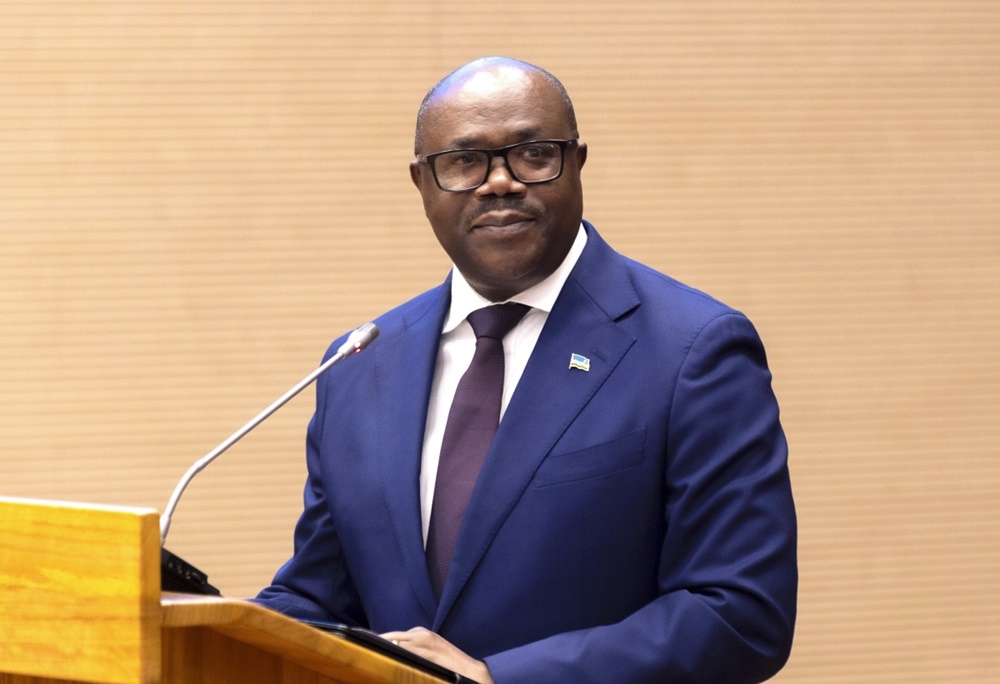The challenge is growing alongside digital finance. The number of digital-payment transactions increased from approximately 256 million in 2017 to 3.1 billion in 2025, while their total value rose from Rwf2.9 trillion to Rwf85.5 trillion. In 2025, 73.7 percent of adults made payments through digital channels, according to figures cited by the Prime Minister.
For consumers, the convenience of transferring money by phone can be undermined by a convincing call, a fake transaction message or a request designed to create panic.
Phionah Mbabazi, a resident of Ruhango Cell in Gisozi Sector, Gasabo District, said an unknown caller told her that money had been sent to her phone by mistake and demanded its return. The caller warned that her SIM card could be blocked if she refused.
“The caller told me that they were trying to pay another person and asked me to help return the money. They warned that if I did not cooperate, they would contact MTN and have my SIM card blocked,” she said.
Mbabazi said she received a message that appeared to confirm a transfer of Rwf7,000. Fearing that her SIM card might be blocked, she followed the caller’s instructions, entering a sequence of numbers and her PIN. The call ended, and she received a notification showing that Rwf43,000 had been transferred out of her account.
“I realised that the money they had supposedly sent me had not actually reached my account. Instead, they had taken my own money. When I checked the message again, I discovered that it was fake,” she said.
When she contacted MTN, she was told the money had already been withdrawn.
**How fraudsters exploit trust and fear**
The Rwanda Investigation Bureau (RIB) has warned about people posing as telecommunications employees, using fake payment notifications and persuading users to disclose confidential information or enter instructions on their phones.
Janet Dusabe, from Kabeza Cell in Muhima Sector, described another scam involving a purported mistaken payment to a motorcycle taxi rider. She said Rwf1,000 appeared in her account, which she returned after receiving a request. She later discovered that the Rwf52,000 she had held in the account was gone.
“They give you many numbers, and you become confused. They first ask whether you have other money in your account and then continue with their instructions,” she said.
Dusabe believes scammers are changing their methods as people become more familiar with common mobile money tricks.
Other schemes exploit fear rather than a supposed transfer error. Gerard Ruberwa said someone claiming to be his child’s teacher called to say the child had been injured and taken to hospital. The caller requested Rwf38,000 for transport and initial medical expenses.
Ruberwa, who was in a meeting at the time, sent the money. He later visited the hospital and learned that no child by that name had been admitted. After contacting his family, he established that his child was safe. The caller’s number was subsequently switched off.
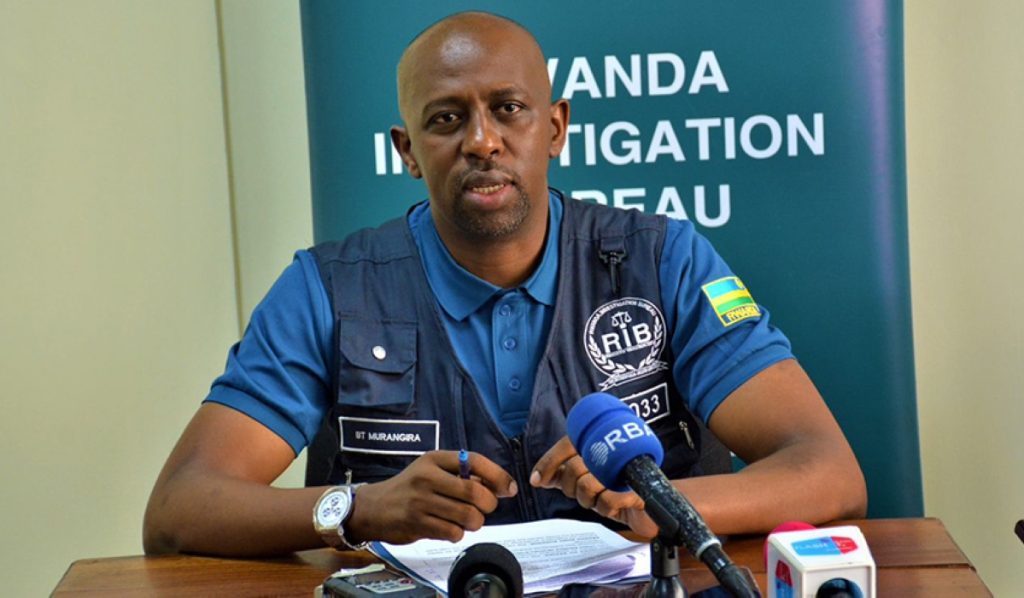***Thierry Murangira, spokesperson for the Rwanda Investigation Bureau (RIB), warns that fraudsters exploit fear and urgency to deceive victims.***RIB spokesperson Thierry Murangira said fraudsters exploit emotions such as fear and urgency, which can lead victims to act before confirming the facts.
“Fraudsters have no specific identity or voice. They adapt to whatever will convince the victim,” Murangira said.
RIB has also warned about people posing as Irembo employees to obtain WhatsApp verification codes. Once a fraudster takes over an account, they may approach the owner’s contacts for money while pretending to be that person.
The schemes differ, but the tactics are similar: an impersonated authority, a believable story and pressure to act immediately.
**Lower fraud rates, significant losses**
Separate research by TransUnion points to a broader digital fraud problem. The company reported that 1.6 percent of transaction attempts involving consumers in Rwanda in 2025 were suspected of digital fraud, down from 2.7 percent in 2024 and below the global rate of 3.8 percent. Those figures measure suspected fraud among transactions assessed through TransUnion’s systems, not the proportion of all Rwandans who were defrauded.
In its consumer survey, TransUnion found that the median reported loss among surveyed Rwandans who said they had lost money to digital fraud in the previous year was Rwf869,249. Money mule scams were cited by 29 percent of respondents who reported losses, making them the most frequently identified type of loss in the survey.
Money mules move money obtained through crime on behalf of others, sometimes without realising they are helping criminals. The TransUnion survey and transaction analysis cover different measures and should not be read as directly comparable.
The company also found that attempted fraud was particularly concentrated at the account-opening stage: 7.7 percent of assessed account-creation attempts involving Rwanda were flagged as suspected fraud in 2025, compared with 1.6 percent of login attempts and 0.5 percent of financial transactions.
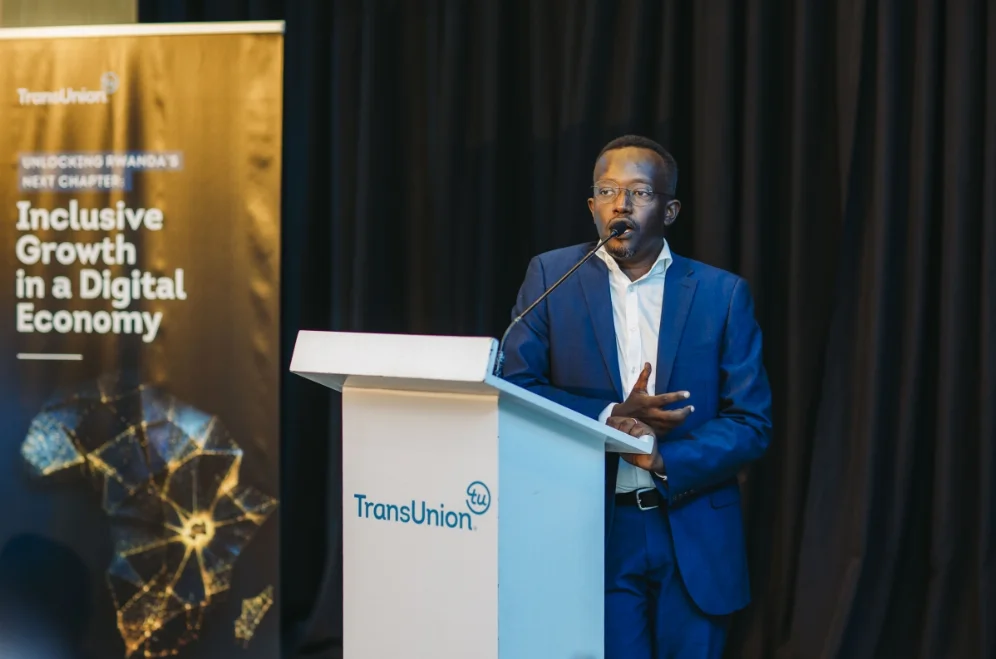***Didier Mutabazi, TransUnion Rwanda CEO, emphasises the importance of consumer trust in the expansion of digital financial services.***TransUnion Rwanda CEO Didier Mutabazi stressed the role of consumer confidence in the expansion of digital services.
“Access creates participation, but trust sustains participation,” Mutabazi said.
“Protecting consumers will require more than awareness alone. Institutions will need to strengthen security systems while ensuring that users have simple and practical guidance to help them protect themselves from digital threats,” he added.
**Reporting quickly can improve recovery prospects**
For Clarisse Umutoni, a trader at Kimironko Market, the scam began with a message suggesting that someone had mistakenly transferred money and wanted it back. Accustomed to receiving payments from customers and sometimes returning excess amounts, she did not initially suspect fraud.
She copied the number supplied and transferred Rwf25,000. Only afterwards did she discover that the purported incoming payment had never reached her account. By the time she tried to contact the recipient, the money had already been withdrawn.
Such cases show why users should check their account balance and transaction history through an official service before returning any purported mistaken payment, rather than relying on a text message or caller’s explanation. They should also never share a mobile money PIN or one-time verification code.
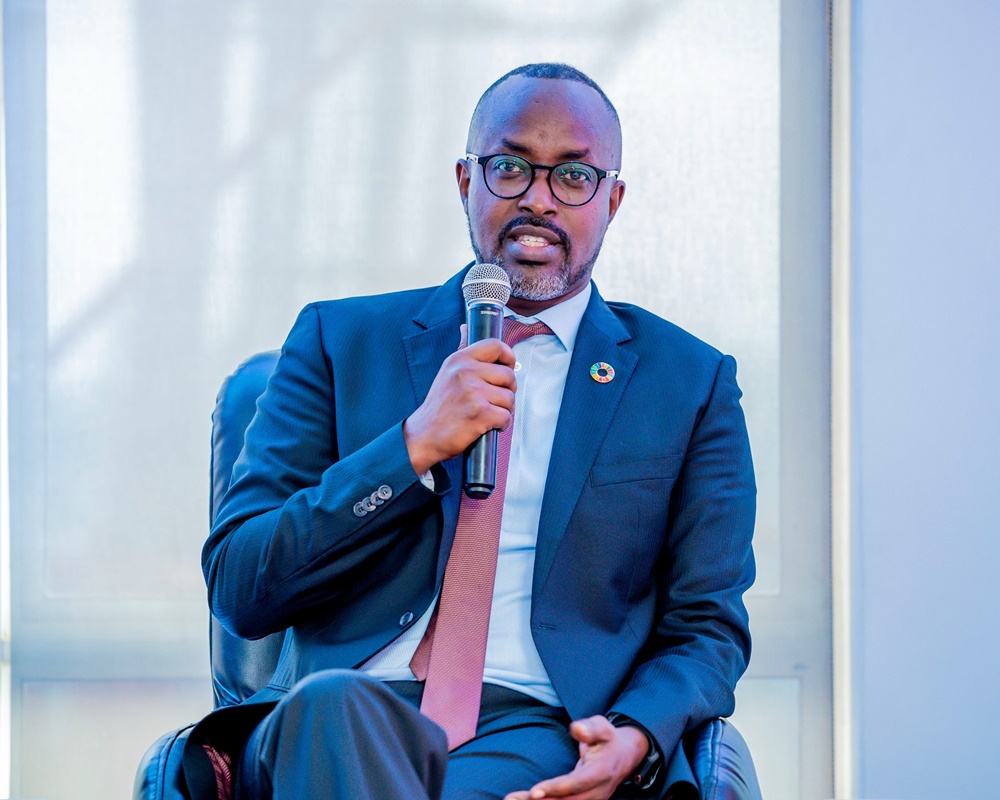***Jean Claude Gaga, Managing Director of Airtel Mobile Commerce Rwanda, says customers who report fraud promptly may have a better chance of preventing funds from being withdrawn***.Airtel Mobile Commerce Rwanda Managing Director Jean Claude Gaga said the company uses authentication and suspicious-activity monitoring, alongside a customer service centre operating around the clock.
He said funds can sometimes be frozen if a customer reports fraud before the money is moved or withdrawn.
“If the customer reports in time, we can freeze the funds,” he said.
Banks also look for unusual transaction patterns. Steven Ndahiro, head of compliance at BPR Bank, said a sudden change in an account holder’s activity can prompt additional checks. An account normally used for small transactions, for example, could attract attention if it suddenly sends tens of millions of francs.
Detection does not guarantee recovery. A payment authorised by a customer who has been deceived may initially look like a legitimate transaction, while institutions must also guard against fraudulent requests to reverse genuine payments.
Prime Minister Nsengiyumva acknowledged that telephone fraud and attempts to obtain confidential information remain a challenge despite the drop in reported complaints.
“Although challenges remain, especially fraud using phones and scams aimed at obtaining confidential information, we continue to strengthen measures to prevent them and protect customers,” he said.
The government says it is strengthening mechanisms to prevent fraud, resolve complaints and recover misappropriated funds where possible.
RIB urges victims to report suspected fraud promptly through its toll-free line, 166, or at the nearest RIB station. Under Article 174 of Rwanda’s law determining offences and penalties in general, obtaining another person’s property through fraud can carry a prison sentence of two to three years and a fine of Rwf3 million to Rwf5 million upon conviction. Other offences may attract different penalties depending on the circumstances.
As digital transactions continue to increase, protecting users will require more than awareness campaigns. Consumers need reliable ways to verify suspicious requests, service providers must respond rapidly to reports of fraud, and investigators and financial institutions need effective coordination to improve the chances of stopping or recovering stolen funds.

SUBSCRIBE TO OUR NEWSLETTER
First name or full name
Email
By continuing, you accept the privacy policy
**Categories:** Business and Trade
---
### [91% of countries mention health in climate Plans, but few set measurable targets](https://www.topafricanews.com/2026/10/19/91-of-countries-mention-health-in-climate-plans-but-few-set-measurable-targets/)
**Published:** October 19, 2026
**Author:** Mutangana Emmanuel
**Content:**
Most countries now recognise health in their national climate plans, but few quantify the health benefits of climate action or estimate the resources needed to protect people from climate-related risks, according to a new World Health Organization (WHO) report published on October 19, 2026.
The report, ‘Ten years of the Paris Agreement: a global review of health in nationally determined contributions’, found that 128 of 140 countries and other Parties assessed, representing 91%, mentioned health in their latest nationally determined contributions (NDCs), the national plans through which governments set out their climate commitments.
However, only four of the 82 Parties that identified health benefits from climate mitigation quantified or monitored those benefits. This represents just 5% of the group, despite a substantial increase in the number of countries recognising the connection between climate action and public health.
The findings highlight a gap between acknowledging the health consequences of climate change and making specific, measurable and adequately financed commitments to address them.
WHO reviewed 114 climate plan documents representing 140 Parties, including the European Union’s submission on behalf of its 27 member states. The assessment examined how governments incorporated health into emissions reduction, adaptation, climate-related loss and damage, governance and financing.
**Climate plans recognise health, but measurable action lags**
The report found progress in the recognition of health benefits from climate mitigation. The proportion of Parties identifying such benefits rose from 10% in the 2020 WHO review to 30% in 2023 and 59% in the latest assessment.
These benefits can include improved respiratory and cardiovascular health through reduced air pollution, as well as wider health gains from cleaner energy and more sustainable transport.
Yet only 31 of the 140 Parties, or 22%, included stand-alone targets, measures or policies to reduce air pollution and short-lived climate pollutants in their latest climate plans.
The report also found that just 15 Parties, equivalent to 11%, included emissions reduction measures or targets for the health sector itself.
WHO estimates that health care accounts for about 5% of global greenhouse gas emissions, making hospitals and other health services potential contributors to national emissions reduction efforts.
The report points to Nepal as an example of more specific commitments. Its climate plan includes targets to upgrade 140 health facilities by 2030 and 280 by 2035 to make them low-carbon and climate-resilient, including through solar photovoltaic backup systems.
**Climate-related health risks need stronger planning**
Climate change can affect health through extreme heat, floods, waterborne and vector-borne diseases, malnutrition, respiratory illnesses and disruptions to health facilities.
The WHO assessment found that 82 Parties, or 59%, identified at least one climate-sensitive health risk or outcome in their national climate plans. However, only six of those 82 quantified these risks.
Vector-borne diseases were the most frequently identified category among the Parties that described climate-sensitive health risks, appearing in 66% of that group. Heat-related illnesses were identified by 55%, while injuries and deaths associated with extreme weather events were cited by 52%.
Waterborne diseases and other water-related health impacts were also identified by 52% of the group.
The findings suggest that although countries increasingly acknowledge the health consequences of climate change, more detailed assessments could help governments establish priorities and measure whether their interventions are effective.
Health-specific adaptation actions or targets appeared in 77 of the 140 Parties’ plans, representing 55%.
Such measures can include preparing health facilities for extreme weather, strengthening disease surveillance and early warning systems, and improving the resilience of essential health services.
**Financing remains a major challenge**
The report identified another gap in the resources needed to turn climate and health commitments into action.
Only 32 Parties, or 23%, estimated the resources required to implement health-related measures in their climate plans. Just 10 Parties, or 7%, specified that at least part of their climate-health financing commitments would be unconditional, meaning they would be financed from domestic sources rather than depend on external support.
The report notes that funding estimates may also fail to capture the full cost of health services contributing to climate targets in other sectors.
Vanuatu, for example, estimated that its health and nutrition commitments would cost approximately US$62 million between 2025 and 2035, with almost US$52 million designated as conditional funding.
WHO says stronger financial commitments are particularly important for low-income countries facing substantial and unmet health-related climate finance needs.
The report calls for more specific, evidence-based and adequately financed climate commitments, with stronger integration of health across government policies and economic sectors.
**Rwanda’s climate plan recognises health-related losses**
Rwanda is among the countries whose climate commitments are examined in the report.
According to WHO, Rwanda’s latest nationally determined contribution identifies increasing temperatures and more frequent hot days as sources of non-economic losses, including heat-related illness and deaths.
The country’s climate plan also recognises health-related losses associated with extreme weather events and includes health care costs in its estimates of economic losses and damage.
This provides an important national context for the global findings, particularly as governments consider how to prepare health services for climate-related risks.
However, the report does not establish that Rwanda has failed to implement its commitments. Its assessment focuses on what countries explicitly include in their submitted climate plans, and WHO cautions that some actions may be taking place in practice or may be detailed in separate national policy documents.
**Next climate plans offer an opportunity**
The Paris Agreement, adopted in 2015, established a framework under which countries periodically update their climate commitments to reduce greenhouse gas emissions and strengthen resilience to climate change.
The latest generation of national climate plans, known as NDCs 3.0, was intended to set out climate actions through 2035.
WHO says the next round of updates, expected in 2030, provides an opportunity for governments to include more comprehensive health assessments, measurable targets, stronger adaptation measures and clearer financing commitments.
The organisation concludes that countries have made progress in recognising health as a priority in climate policy, but further work is needed to strengthen the depth, specificity and financial support of their commitments.
The challenge now is to translate that recognition into measurable action that protects communities, strengthens health systems and delivers tangible health benefits alongside efforts to address climate change.

SUBSCRIBE TO OUR NEWSLETTER
First name or full name
Email
By continuing, you accept the privacy policy
**Categories:** CLIMATE CHANGE
---
### [Two Rwandan Educators Selected to Speak at Oxford University Literacy Summit](https://www.topafricanews.com/2026/10/20/two-rwandan-educators-selected-to-speak-at-oxford-university-literacy-summit/)
**Published:** October 20, 2026
**Author:** EDITOR
**Content:**
Two Rwandan educators have been selected to speak at the World Literacy Summit at Oxford University in March 2027.
Dr Theodore Habimana from INES Ruhengeri in Musanze and Emmanuel Bizimana from Maranyundo Girls’ School in Nyamata have been chosen to speak at the World Literacy Summit. They are among 450 speakers selected from over 85 countries, and the only two based in Rwanda.
**Their talks:**
Theodore Habimana: “From Emergency Innovation to Systemic Change: Technology, Teacher Agency, and the Humanitarian-Development Nexus in Refugee Education in Rwanda”
Emmanuel Bizimana: “Promoting Digital Reading Literacy in Areas Where Traditional Reading Is Poorly Practiced: Gauging Where Rwandan Secondary Schools Are At”
Habimana is affiliated with INES Ruhengeri, a private research university located in Musanze, Northern Province. His presentation focuses on the education of refugee children in Rwanda, specifically examining the implications of transitioning emergency measures into sustainable solutions.
Bizimana teaches in the language department at Maranyundo Girls’ School, a boarding school in Bugesera, which is the poorest district in Rwanda. The school opened in 2008 with an initial enrollment of just sixty girls and has since expanded to more than four hundred students, with half of them receiving full scholarships. It has consistently been recognized as the leading girls’ school in the country for several years.
“Literacy initiatives are carried out in a variety of local settings, such as classrooms, libraries, and community halls,” stated Andrew Kay, CEO and Founder of the World Literacy Foundation. “The purpose of the Summit is to promote learning and encourage collaboration among all individuals involved in this vital work, transcending national boundaries.”
The World Literacy Summit unites educators, researchers, publishers, and policymakers and is expected to attract 1,600 delegates, alongside ten networking events. It has been hosted at Oxford University since 2012, and the 2027 summit runs from 31 March to 3 April.
Registration is now open at [worldliteracysummit.org](https://u56286633.ct.sendgrid.net/ls/click?upn=u001.Nleke2dz-2FD87-2FIqjfmLdWOLoy6t-2Bcj8cBP-2BmwUUdsXjtQKB-2F0AYY2U7tFePCwwLth-tC_ail3gdgmR7ioUfSQxyJnm-2BFjGsHPeCkAC5B31fALf6y5si7hfBv4jsS05NV3raTPm-2BBsRkh2lw5CxgQp1pdUWCFlgLXtQ29aMTv2l-2BjKw-2FOc65opEaYyO-2FWzyqlDY61kYrWEjhwe4qSXug8rTRWmwG56-2Bsuyg-2Bnv2Z-2BxYvMV3OEzCtK3Vnyy3Qen2Y0tb4ledaFXXG90Uq7bcXwIhBCEDThbSnW-2BjdTipb5QXUHqkXWE956E3-2FUhxW8KunGbxb-2FPaMON9BXomf5gK7oNFSzW-2BfrpggKT-2BA-2FiGM01mj-2B5ZUnXNQhPo2UEgQRLlg6dPh8mYrqMPpYvoABdTE-2BDciumcX4Zoeh7ATraqVy2KF5pFQdhTW8YM4-2FfzqNfk1FaViQw).

SUBSCRIBE TO OUR NEWSLETTER
First name or full name
Email
By continuing, you accept the privacy policy
**Categories:** EDUCATION
---
### [African Energy Chamber Executive Chairman NJ Ayuk Joins African Collaborations Group Advisory Board](https://www.topafricanews.com/2026/10/20/african-energy-chamber-executive-chairman-nj-ayuk-joins-african-collaborations-group-advisory-board/)
**Published:** October 20, 2026
**Author:** EDITOR
**Content:**
**LONDON, United Kingdom** – African Collaborations Group (ACG) ([www.ACGafrica.com](http://www.acgafrica.com/)), the leading strategic project origination and collaboration platform focused on the industrialisation of sport in Africa through the origination of bankable sport and entertainment district ecosystems, today announced the appointment of NJ Ayuk to its Advisory Board.
Mr Ayuk is the Executive Chairman of the African Energy Chamber (AEC), the leading voice of the African energy sector, representing the interests of energy companies, service providers, ministries and public authorities across the continent. Under his leadership, the AEC has become the principal convening platform for the African energy industry, connecting international majors, national oil companies, independent power producers (IPPs), regulators, ministries and investors around the industrialisation and financing of Africa’s energy sector.
A prolific author and one of the most recognised voices on African energy policy, Mr Ayuk has published widely on the industrialisation of the African energy sector, the case for financing African oil and gas development as an economic engine for the continent, and the pursuit of a just energy transition on Africa’s terms. His books include Big Barrels: African Oil and Gas and the Quest for Prosperity and A Just Transition: Making Energy Poverty History with an Energy Mix, both of which have shaped the continental debate on energy, industry and development.
His appointment to the ACG Advisory Board reflects a shared strategic vision between the African Energy Chamber and ACG: the conviction that Africa’s long-term development depends on the industrialisation of its core sectors — energy, infrastructure, and increasingly sport and entertainment — through pan-African, financially sustainable and continentally owned models. Where the African Energy Chamber has led the case for the industrialisation of Africa’s energy sector on Africa’s terms, ACG is applying the same doctrine to the sport and entertainment sector, moving it from a fragmented, project-by-project logic to an ecosystem approach centred on bankable, mixed-use district models.
His appointment brings to the ACG Advisory Board a rare combination of energy and infrastructure sector leadership, cross-continental government and regulatory relationships, deep transactional and legal expertise in the origination and structuring of complex African projects, and a public voice consistently aligned with the industrialisation agenda that underpins ACG’s own strategic framework.
“NJ Ayuk brings to our Advisory Board a genuine strategic alignment. For years, he has led the case for the industrialisation of Africa’s energy sector on Africa’s terms — a doctrine that maps directly onto what ACG is now applying to the sport and entertainment sector. Both agendas share the same conviction: that Africa’s long-term prosperity depends on building continental industries through pan-African, financially sustainable, and continentally owned models. His presence on our Advisory Board strengthens ACG’s capacity to originate and deliver projects that fit within a coherent, continent-wide industrialisation logic,” said Nicolas Pompigne-Mognard , Founder and Executive Chairman of ACG.
The ACG Advisory Board provides strategic guidance as ACG originates and structures large-scale sport and entertainment district projects across the continent, aligning governments, development finance institutions (DFIs), investors, sport bodies and infrastructure partners to support the development of financially sustainable, mixed-use district ecosystems.
Africa’s sport economy is projected to reach $20 billion by 2035, yet the continent continues to lack the integrated district ecosystems required to support large-scale development. ACG addresses this gap by originating bankable sport and entertainment district projects, moving beyond single-venue development models towards mixed-use, revenue-generating and financially sustainable district ecosystems.
Through its collaborative model, ACG convenes governments, PPP authorities and regulators, development finance institutions, private investors, developers, designers and engineers, legal and transaction advisors, operators, sport federations and leagues, event promoters, media and broadcast partners, academic institutions and host communities, creating structured pathways from concept to feasibility, bankability and delivery.

SUBSCRIBE TO OUR NEWSLETTER
First name or full name
Email
By continuing, you accept the privacy policy
**Categories:** Business and Trade
---
### [Powerful 2026 Borlaug Dialogue Opens as Prize Turns 40](https://www.topafricanews.com/2026/10/20/powerful-2026-borlaug-dialogue-opens-as-prize-turns-40/)
**Published:** October 20, 2026
**Author:** EDITOR
**Content:**
- Nobel Laureate, and Tanzanian Prime Minister headline three-day Dialogue alongside Hollywood actors Martin Sheen and Nick Offerman and Ministers from Ghana, Liberia, the United States and Uzbekistan.
- Dutch food safety pioneer to be recognized as 2026 World Food Prize Laureate.
- Over 1,000 volunteers aim to break the GUINNESS WORLD RECORDS™ title and package 600,000 hunger relief meals in one hour.
**Des Moines, Iowa.**
**(October 20, 2026)** – The 2026 Norman E. Borlaug International Dialogue opened today.
It brings together more than 1,200 leaders from more than 65 countries.
The World Food Prize marked its 40th anniversary.
The three-day 2026 Borlaug Dialogue will focus on urgent action to protect and strengthen global food security.
This comes at a time when conflict, climate shocks and economic pressures push more people into hunger.
For 40 years, the World Food Prize has honored those who refused to accept hunger as inevitable.
Moreover, the 2026 Borlaug Dialogue, themed ‘Before Hunger Wins,’ is a call to act with the same urgency.
Mashal Husain, President, World Food Prize Foundation, said it.
Delegations from around the world are gathering at the Iowa Events Center to hear how collaboration and shared purpose can transform global food systems.
The 2026 Borlaug Dialogue opens with Martin Sheen delivering a keynote about finding the next Norman E. Borlaug.
Additionally, Nick Offerman will join regenerative agriculture leaders Mary Berry and James Rebanks.
Moreover, they will discuss how farming can restore land and feed the world, with Professor Robert Montgomery.
Cary Fowler, the 2024 World Food Prize Laureate, will lead a high-level discussion on how conflicts disrupt food access. As part of the 2026 Borlaug Dialogue, he is joined by 2010 Laureate David Beckmann.
Henk van Duijn, Michael Werz, and Purvi Mehta join the discussion. Turner Foundation Chair Laura Turner Seydel will join Foundation CEO Thomas Vilsack to discuss why global cooperation on agriculture matters.
Marking the International Year of the Woman Farmer, farmers from Germany, the United States, and Ecuador will share experiences.
Rockefeller Foundation President Dr. Rajiv Shah will present the Norman E. Borlaug Award for Field Research and Application.
The award will honor Pamela Afokpe and the 2026 Borlaug Dialogue Top Agri-food Pioneers from 30 countries.
Opening day will close with an attempt to break the GUINNESS WORLD RECORDS™ title.
In partnership with Meals from the Heartland, more than 1,000 volunteers will package 600,000 meals.
They aim to surpass the current record of 530,064.
“This week, leaders from every corner of the food system are coming together to find solutions that work to the global food security crisis,” said **Vilsack**. “We have the science and the tools, and what we need now is the will to use them.”
Over the next three days, the 2026 Borlaug Dialogue will welcome Nobel Peace Prize laureate Malala Yousafzai.
Additionally, Her Serene Highness Princess Tatjana of Liechtenstein and Hon. Dr. Mwigulu Lameck Nchemba will attend.
Moreover, Nchemba serves as Prime Minister of the United Republic of Tanzania.
Finally, the week will culminate in the presentation of the 2026 World Food Prize to Huub Lelieveld.
As a result, he is honored for establishing global food safety standards and harmonizing food regulations worldwide.

SUBSCRIBE TO OUR NEWSLETTER
First name or full name
Email
By continuing, you accept the privacy policy
**Categories:** Natural Resources and Agriculture
---
### [Kigali: Gitaraga Site Cleared for Industrial Development, Ending Two-Year Uncertainty for 1,200 Residents](https://www.topafricanews.com/2026/10/19/kigali-gitaraga-site-cleared-for-industrial-development-ending-two-year-uncertainty-for-1200-residents/)
**Published:** October 19, 2026
**Author:** TOPAFRICANEWS
**Content:**
KIGALI — About 1,200 residents owning roughly 300 hectares in Gitaraga Cell, Masaka Sector, Kicukiro District, have received confirmation that their land is designated for industrial use under the City of Kigali master plan. After two years of uncertainty during which they could not renovate homes or put the land to productive use, they can now negotiate directly with investors seeking factory sites.
The Gitaraga industrial zone covers approximately 256 hectares divided into 350 plots. Local site committee director Mclare Musoni said approved investors may begin demarcation and reach agreements with landowners. The location offers strategic advantages near the planned road to Bugesera International Airport and a future railway station.
A Ministry of Trade and Industry official described the site as both a practical solution and an investment opportunity for Masaka Sector. Gitaraga is among zones identified nationwide to accommodate industries currently operating outside designated areas. Rwanda maintains two Special Economic Zones (Kigali and Bugesera) plus eight industrial parks in secondary cities, alongside many smaller industrial sites across districts.
This local development fits Rwanda’s broader industrialization push. The country hosts more than 320 factories across its main industrial parks and SEZs, with over 70 percent operational. Under the Second National Strategy for Transformation, the government is prioritizing infrastructure in four parks—Musanze, Muhanga, Rwamagana, and Bugesera—and has allocated Rwf10 billion in the 2025–2026 fiscal year for land clearing, roads, electricity, water, and treatment facilities. The National Industrial Policy 2024–2034 targets agro-processing, light manufacturing, and selected heavy industries while emphasizing export growth and job creation.
New rules give factories outside approved zones time to relocate, reinforcing the role of sites such as Gitaraga. Master plans for Masaka and several other areas have been approved, supporting orderly expansion. Commercial listings already show light-industrial-zoned plots available in the area, indicating investor interest.
Residents have welcomed the clarity after prolonged restrictions. Officials present the zoning as a way to unlock private investment while giving landowners the opportunity to benefit through negotiated deals. As Rwanda continues infrastructure upgrades and investor outreach across its industrial network, the Gitaraga site represents a practical step toward integrating more of Kigali’s periphery into the national manufacturing and logistics base.

SUBSCRIBE TO OUR NEWSLETTER
First name or full name
Email
By continuing, you accept the privacy policy
**Categories:** Business and Trade
---
### [Tragic death of former Rwandan soldier, musician in Mpigi](https://www.topafricanews.com/2026/10/19/tragic-death-of-former-rwandan-soldier-musician-in-mpigi/)
**Published:** October 19, 2026
**Author:** TOPAFRICANEWS
**Content:**
**MPIGI, Uganda —** Authorities found the body of Robert Kabera, a former Rwandan soldier and musician widely known as Sergeant Robert, without its head in Luwala village, Kamengo sub-county, Mpigi District, on October 17, 2026.
The discovery in Mpigi follows ongoing concerns about violence in the region, and investigators are examining the circumstances surrounding the death. The incident has sparked speculation about the Sergeant Robert death and its implications for local security.
Uganda Police confirmed the murder. Spokesperson Kituuma Rusoke said officers recovered the body, and they found the head later. Relatives identified Kabera, about 50 years old, by a distinctive scar on the right thumb and the shoes recovered near the scene. They transferred the remains to Mulago City Mortuary for examination.
Investigators believe the killing occurred on the night of October 16 or early on October 17. Family members said Kabera arrived in the area from Kampala the previous evening. Police recovered a large stick suspected of being used in the attack, along with other items at the scene. They have opened an investigation. The motive remains under inquiry, and no arrests have been reported.
Kabera previously served in the Rwanda Defence Force, where he worked as a military instructor and performed as a soloist with the Army Jazz Band. He became publicly known under the stage name Sergeant Robert. He had been living in Uganda since late 2020.
Police say the investigation is ongoing and further details will be released as they become available.

SUBSCRIBE TO OUR NEWSLETTER
First name or full name
Email
By continuing, you accept the privacy policy
**Categories:** NEWS
---
### [Rwanda Tops 40 African Countries in World Bank Governance and Development Policy Assessment](https://www.topafricanews.com/2026/10/19/rwanda-tops-40-african-countries-in-world-bank-governance-and-development-policy-assessment/)
**Published:** October 19, 2026
**Author:** LIBOS NDAYISHIMIYE
**Content:**
Rwanda has emerged as the best-performing country among 40 Sub-Saharan African nations assessed by the World Bank for the quality of policies and institutions underpinning economic management, inclusive development and social welfare, scoring 4.2 out of six points in its latest Country Policy and Institutional Assessment (CPIA) report.
The ranking highlights Rwanda’s continued commitment to strengthening economic governance, promoting social inclusion and implementing policies designed to improve living standards, while positioning the country favourably for concessional financing and development support.
The World Bank’s CPIA evaluates countries across four key areas: economic management, structural policies, policies for social inclusion and equity, and public sector management and institutions.
Rwanda maintained its overall score of 4.2 recorded in 2024, demonstrating consistency in its policy and institutional performance. Its score is 1.1 points above the International Development Association’s (IDA) threshold of 3.1, a benchmark used in assessing countries’ eligibility for concessional financing and development assistance.
IDA is the World Bank institution that provides low-interest loans and grants to the world’s poorest countries to support development programmes and poverty reduction.
Among the four assessment categories, Rwanda recorded its strongest performance in policies for social inclusion and equity, scoring 4.5 points. The result reflects the country’s policy framework aimed at ensuring that development opportunities reach different segments of society and that citizens have more equitable access to social and economic opportunities.
The report also highlights progress in establishing policies and programmes intended to combat poverty and promote inclusive development. Such efforts are central to ensuring that economic progress translates into tangible improvements in people’s livelihoods.
Rwanda’s overall score of 4.2 also underscores the importance of maintaining sound policies and effective institutions to ensure that loans and grants from international financial institutions are managed efficiently and directed towards development priorities.
However, despite its strong overall performance, the assessment identifies public sector management and institutions as an area requiring further improvement.
Rwanda scored 3.9 in this category, its lowest result across the four assessment areas. The finding points to the need for continued institutional reforms to strengthen public administration, improve implementation of government policies and ensure that public institutions deliver more effective and measurable results.
Improving institutional efficiency will be important in translating policy commitments into practical outcomes, while strengthening accountability and ensuring that public resources are used effectively.

SUBSCRIBE TO OUR NEWSLETTER
First name or full name
Email
By continuing, you accept the privacy policy
**Categories:** NEWS
---
### [Applications open for the 2026-27 UN Youth Ecopreneur Programme](https://www.topafricanews.com/2026/10/19/applications-open-for-the-2026-27-un-youth-ecopreneur-programme/)
**Published:** October 19, 2026
**Author:** EDITOR
**Content:**
(Geneva) – Young entrepreneurs developing green business solutions and contributing to land restoration can now apply to join the 2026-27 Youth Ecopreneur Programme, a United Nations initiative offering business training, mentorship, international exposure, access to networks and funding opportunities. Members of previous cohorts have gone on to win international awards and attract millions in investment.
The [**Youth Ecopreneur Programme (YECO)**](http://click.agilitypr.delivery/ls/click?upn=u001.0sNC4m3zUwtb7TGJBg4uuTX02Yg2jH4ehoN4R4ENe-2BymktD7Sd-2FIKSpqdhlzWbEqUfbYnlQDQ9QSo4ngV9SpVQ-3D-3DP4Ek_ail3gdgmR7ioUfSQxyJnm-2BFjGsHPeCkAC5B31fALf6wjCoeOCmDqm6cTVMFeV0sg7iSmPPbDYzX-2FPGaJH4CNGZnvDwMUZwX6QzRdjKE9Dxr0T5CUqd5-2BRjHL9W8eXtvwWFZst8WwikGgJGjtB-2BfRaU68Z56HCFaBccDOjepVrbTkfLL3NeTci4pPNpkhNpLfuVs1-2Ffs91-2BeU7McVibo1JNEVmzDp6k985S3Xdn016Q2nrU1syU98bpumxuJb7KbnlFfafpEf1GteOo-2BSCVMxXqp7klo22Lx896Wm6DlKytM6E42f-2BDnMuvtICsGtKXot-2FD2D5eOOcIKkAFUlbhXmqbq3alcg8z536nxkLPSF6o5tpADwOsF0bEmZtJhtRQyVIxC8Usqmp3JGgXy13FvuN299WjbMyThbWK7sstJvVeXf3du50QC-2BQAqMCqIfMzHMbiQFMcdHpIf1vtQJtKZnSejuXNz9wzQDXKLobjbeLxs-3D), a flagship initiative of the International Trade Centre (ITC) and the G20 Global Land Initiative under the United Nations Convention to Combat Desertification (UNCCD), supports youth-led enterprises working toward environmental sustainability and land restoration.
**Apply for the Youth Ecopreneur Programme** [**here.**](http://click.agilitypr.delivery/ls/click?upn=u001.0sNC4m3zUwtb7TGJBg4uuTX02Yg2jH4ehoN4R4ENe-2BymktD7Sd-2FIKSpqdhlzWbEqUfbYnlQDQ9QSo4ngV9SpVQ-3D-3Dwcpt_ail3gdgmR7ioUfSQxyJnm-2BFjGsHPeCkAC5B31fALf6wjCoeOCmDqm6cTVMFeV0sg7iSmPPbDYzX-2FPGaJH4CNGZnvDwMUZwX6QzRdjKE9Dxr0T5CUqd5-2BRjHL9W8eXtvwWFZst8WwikGgJGjtB-2BfRaU68Z56HCFaBccDOjepVrbTkfLL3NeTci4pPNpkhNpLfuVs1-2Ffs91-2BeU7McVibo1JNEVmzDp6k985S3Xdn016Q2nrU1syU98bpumxuJb7KbnlFfafpEf1GteOo-2BSCVMxXqp7klo22Lx896Wm6DlKytM6E42f-2BDnMuvtICsGtKXot-2FD2D5eOOcIKkAFUlbhXmqXNpdfsdlASfFmLkAyFaUD5eqgn6e2VQtm0yGBcyOngbfoV39mmASP2uBCJIiuoBU0d7b8ZINnxorpA-2B9xxv657chPJX5Ik8cui0-2FnSXK77ODaMX-2BMf2JFXCu-2FSsq4tjYt4I9EiTSQC7nP0DDan2In0-3D)
With a focus on entrepreneurs under the age of 35, particularly those from developing countries, the programme provides a structured journey through a Global Bootcamp and Global Accelerator, followed by the Youth Ecopreneur Awards, where selected finalists pitch their businesses to an international audience and winners receive $10,000 in prize money.
Eligible businesses in the Land Restoration category can also access a $100,000 equity-free funding pool for the track – in which the entrepreneurs receive a portion of the total funding, while retaining full ownership of their companies.
Following the Awards, entrepreneurs continue into a Scale & Impact phase, with further opportunities to strengthen their businesses, expand their networks and increase their impact.
Participants also become part of a growing YECO alumni community of more than 350 entrepreneurs who have completed the programme, as well as the wider [ITC Ye! Community](http://click.agilitypr.delivery/ls/click?upn=u001.0sNC4m3zUwtb7TGJBg4uuTX02Yg2jH4ehoN4R4ENe-2BzSRgjEHCnFmoBl5yEut87FkmIa-2Fdqh-2BsjdTIxfj2BX5w-3D-3D-O38_ail3gdgmR7ioUfSQxyJnm-2BFjGsHPeCkAC5B31fALf6wjCoeOCmDqm6cTVMFeV0sg7iSmPPbDYzX-2FPGaJH4CNGZnvDwMUZwX6QzRdjKE9Dxr0T5CUqd5-2BRjHL9W8eXtvwWFZst8WwikGgJGjtB-2BfRaU68Z56HCFaBccDOjepVrbTkfLL3NeTci4pPNpkhNpLfuVs1-2Ffs91-2BeU7McVibo1JNEVmzDp6k985S3Xdn016Q2nrU1syU98bpumxuJb7KbnlFfafpEf1GteOo-2BSCVMxXqp7klo22Lx896Wm6DlKytM6E42f-2BDnMuvtICsGtKXot-2FD2D5eOOcIKkAFUlbhXmqbrExuzv8qmEOIY1a-2BZemUt07aAIJzLVGZKO3AeqEn0jsn9YGuX2ePMGNBkr6ZYtuUvY8SLP-2F2GNYiFqavCQlhpCwK8aum5XfLCU0NWvQmIsLvWaN7qqLXU3-2BDtCdvQCxCSQAkGHPw9FZcIeMpe-2B54w-3D), which connects more than 50,000 young entrepreneurs and entrepreneurship ecosystem actors worldwide.
Participants also benefit from intellectual property expertise from the World Intellectual Property Organization (WIPO), pro bono legal services from international law firm Sidley Austin, business coaching from EY, and preferential access to the Google Startups for Sustainable Development programme.
Applicants can apply in one of two categories:
- **Green Business Solutions:** Businesses developing environmentally sustainable products, services or business models, including circular economy solutions, sustainable materials, low-carbon technologies, eco-design and green innovation.
- **Land Restoration:** Businesses contributing to the protection, sustainable management or restoration of land and ecosystems, including reforestation and afforestation, soil conservation, wetland restoration, erosion control, agroforestry, carbon farming, invasive species management, wildfire prevention and management, river restoration and technologies supporting these activities.
**Learn more and apply for the 2026/27 Youth Ecopreneur Programme** [**here.**](http://click.agilitypr.delivery/ls/click?upn=u001.0sNC4m3zUwtb7TGJBg4uuTX02Yg2jH4ehoN4R4ENe-2BymktD7Sd-2FIKSpqdhlzWbEqUfbYnlQDQ9QSo4ngV9SpVQ-3D-3DmQ1__ail3gdgmR7ioUfSQxyJnm-2BFjGsHPeCkAC5B31fALf6wjCoeOCmDqm6cTVMFeV0sg7iSmPPbDYzX-2FPGaJH4CNGZnvDwMUZwX6QzRdjKE9Dxr0T5CUqd5-2BRjHL9W8eXtvwWFZst8WwikGgJGjtB-2BfRaU68Z56HCFaBccDOjepVrbTkfLL3NeTci4pPNpkhNpLfuVs1-2Ffs91-2BeU7McVibo1JNEVmzDp6k985S3Xdn016Q2nrU1syU98bpumxuJb7KbnlFfafpEf1GteOo-2BSCVMxXqp7klo22Lx896Wm6DlKytM6E42f-2BDnMuvtICsGtKXot-2FD2D5eOOcIKkAFUlbhXmqd9ErjymvCbrzqJGV6Q-2B66z2fa4UDd6FQflnaspQ-2Fubb38V-2FLloGFq5jHm7Hwd5AreUr0-2FPHXXbU9vhGwz1Cuc12MTsfBZdAESOsaLc9Z02uykdjXzxPaXi-2B3AfF19xA-2FJiSeXTj8Ow603DNV-2FD-2FLpk-3D)
**Applications close on 22 November 2026.**
**Building on success –** The previous programme cycle attracted more than 1,500 applications from over 120 countries.
Participants reported strong benefits from the programme, with 96% saying YECO strengthened their credibility, 94% expanding their professional networks and 90% improving their knowledge or developing new skills useful to their work.
YECO alumni have also gone on to reach milestones while scaling their ventures.
For example, winner of the 2025-26 Land Restoration category, [Satellites on Fire](http://click.agilitypr.delivery/ls/click?upn=u001.0sNC4m3zUwtb7TGJBg4uuXIIAZlSCVtni3qPFB-2BPrT49Jd8Symsip-2Fo46GXi-2FX5Tzy9y-2B7s6nS0frNOHQxISiLS0QuCGDMcNVzrcEWTKQKk-3DqVDu_ail3gdgmR7ioUfSQxyJnm-2BFjGsHPeCkAC5B31fALf6wjCoeOCmDqm6cTVMFeV0sg7iSmPPbDYzX-2FPGaJH4CNGZnvDwMUZwX6QzRdjKE9Dxr0T5CUqd5-2BRjHL9W8eXtvwWFZst8WwikGgJGjtB-2BfRaU68Z56HCFaBccDOjepVrbTkfLL3NeTci4pPNpkhNpLfuVs1-2Ffs91-2BeU7McVibo1JNEVmzDp6k985S3Xdn016Q2nrU1syU98bpumxuJb7KbnlFfafpEf1GteOo-2BSCVMxXqp7klo22Lx896Wm6DlKytM6E42f-2BDnMuvtICsGtKXot-2FD2D5eOOcIKkAFUlbhXmqa7BFHkcYls0tKZbshPmEX2vghm-2BImBa0QuT8tYaj4Hc50Yj4238dy5YMnkKkA1-2BvnvxGuNVHvMZZ80QiyGekvLzlcjHoFp1e-2Fe3KmSgDARtX-2FahFY3hQmAP5f-2BWkWbCRO0f8jxbpsv0D-2BBG1jsIS-2Bc-3D), was nominated for the Earthshot Prize and closed a $2.7 million seed round.
Winner of the 2025-26 Green Business Solutions category, [Hellen Munyasa](http://click.agilitypr.delivery/ls/click?upn=u001.0sNC4m3zUwtb7TGJBg4uuXIIAZlSCVtni3qPFB-2BPrT5pJz49LMNGyo3jE8Luq4LNCv1CwBNmy-2BC7dkv7lV-2B3Tg-3D-3Djo0-_ail3gdgmR7ioUfSQxyJnm-2BFjGsHPeCkAC5B31fALf6wjCoeOCmDqm6cTVMFeV0sg7iSmPPbDYzX-2FPGaJH4CNGZnvDwMUZwX6QzRdjKE9Dxr0T5CUqd5-2BRjHL9W8eXtvwWFZst8WwikGgJGjtB-2BfRaU68Z56HCFaBccDOjepVrbTkfLL3NeTci4pPNpkhNpLfuVs1-2Ffs91-2BeU7McVibo1JNEVmzDp6k985S3Xdn016Q2nrU1syU98bpumxuJb7KbnlFfafpEf1GteOo-2BSCVMxXqp7klo22Lx896Wm6DlKytM6E42f-2BDnMuvtICsGtKXot-2FD2D5eOOcIKkAFUlbhXmqdmHS0gG3rgXM5MQ-2Bhyh85uaAO7nF-2Blsb4rQo4yvXad7L3Z2mJHNcBaooIX5sKICpQbYlHCCzBbKnoPabCC6SzUBqTJ8JOMbt1ghPXEM9onGBYpeyEWXTjAZbpVvAMFJCFhEsIPxNrIUg7wCAKVlDlk-3D) of [Helton Traders Limited](http://click.agilitypr.delivery/ls/click?upn=u001.0sNC4m3zUwtb7TGJBg4uuXIIAZlSCVtni3qPFB-2BPrT6OQ6-2BzR2zhiu7nafeDNWX-2F-2F9ifG9JMtaQ4XIPhb1yTqUX-2BwHvGJRkQAiG-2BZzYS9BU-3DgY41_ail3gdgmR7ioUfSQxyJnm-2BFjGsHPeCkAC5B31fALf6wjCoeOCmDqm6cTVMFeV0sg7iSmPPbDYzX-2FPGaJH4CNGZnvDwMUZwX6QzRdjKE9Dxr0T5CUqd5-2BRjHL9W8eXtvwWFZst8WwikGgJGjtB-2BfRaU68Z56HCFaBccDOjepVrbTkfLL3NeTci4pPNpkhNpLfuVs1-2Ffs91-2BeU7McVibo1JNEVmzDp6k985S3Xdn016Q2nrU1syU98bpumxuJb7KbnlFfafpEf1GteOo-2BSCVMxXqp7klo22Lx896Wm6DlKytM6E42f-2BDnMuvtICsGtKXot-2FD2D5eOOcIKkAFUlbhXmqds-2FvwQivkmRgn-2BPYbr9txQvH4l7GRGSBm1jRCBO5w9fZvsijb-2F1xqz3JuQlQaoDpZGsr5-2F9bzv-2BGcNpHWv4zunS3O8le-2BsrYADyyAOjq8xEJrW1H7ACgAHuV4dcigEwZXYPXkB4s6hZ4Ji-2FBJW-2Fj0E-3D) in Uganda, received a $20,000 grant through the PayPal Small Business Impact Awards and has showcased her business at various international events. In reflecting on the programme’s impact, she said: ‘YECO didn’t just grow my business, it prepared me to grow beyond borders. It changed how I think, how I lead and how I build a green business that creates value, uplifts communities and reaches international impact.’

SUBSCRIBE TO OUR NEWSLETTER
First name or full name
Email
By continuing, you accept the privacy policy
**Categories:** Environment
---
### [Africa at a Glance](https://www.topafricanews.com/2020/04/17/africa-at-glance/)
**Published:** April 17, 2020
**Author:** TOPAFRICANEWS
**Content:**

SUBSCRIBE TO OUR NEWSLETTER
First name or full name
Email
By continuing, you accept the privacy policy
**Categories:** FIND COVID 19 STORIES
---
### [Coursera Reveals Ghana’s 95% AI Skills Surge](https://www.topafricanews.com/2026/10/19/coursera-reveals-ghanas-95-ai-skills-surge/)
**Published:** October 19, 2026
**Author:** EDITOR
**Content:**
**ACCRA, Ghana, October 19, 2026/:** AI-related micro-credential enrollments in Ghana increased 95% year over year, while critical thinking enrollments rose 66%, according to Coursera’s Global Skills Report 2026. Ghana also ranks eighth among the 11 Sub-Saharan African countries covered and 89th globally on the report’s new AI-Human Skills Synergy Index.
The Index, the first of its kind, measures the extent to which learners across 98 countries are developing AI skills alongside the human skills needed to apply them, while accounting for each country’s broader AI readiness.
The findings come as Ghana advances efforts to connect AI development with workforce readiness. Its National AI Strategy, launched in April 2026, emphasizes ethical AI, data governance, infrastructure, and workforce preparation. The government has also announced a US$250 million investment to establish an AI Computing Centre. Alongside these efforts, the One Million Coders Programme aims to equip one million Ghanaians with digital skills, including AI, cybersecurity, and data analytics.
Now in its eighth edition, the Global Skills Report 2026 draws on a subset of learning data from more than 300 million learners across Coursera and Udemy. The report combines insights into AI and human skills development with broader national readiness data from Oxford Insights’ Government AI Readiness Index.
Across Ghana, enrollments in AI courses increased 34% year over year. Trending AI learning themes include prompting and AI interaction, data and analytics, and generative AI, together with model- and assistant-specific skills, and agentic AI and AI agents. Enrollments in agentic workflows rose 137%, while generative AI increased 115%. AI security enrollments grew 235%.
Learners in Ghana are also developing the human skills needed to evaluate AI outputs and communicate their implications. Communication and presentation, critical thinking and judgment, and data storytelling are among the trending human skills themes, together with ethics and governance, and people leadership and management. In addition to the 66% increase in critical thinking enrollments, complex problem-solving grew 39% year over year and innovation rose 27%.
The report examines which AI and human skills learners develop together more distinctively than the global average. In Ghana, learners pair critical thinking and judgment with both AI and machine learning foundations, and data and analytics. They also pair prompting and AI interaction with stakeholder alignment and influence. These combinations can help people assess model assumptions and limitations, judge whether data supports a conclusion, and translate stakeholder needs into effective prompts while building agreement on how the outputs should be used.
As learners develop these capabilities, micro-credentials offer a way to demonstrate specific skills verified through assessment, giving employers evidence of what individuals know and can do. These credentials can complement other qualifications and practical experience as people prepare for new roles or responsibilities. Coursera’s report also shows that micro-credential enrollments in Ghana increased 21% year over year overall.
**Kais Zribi, Coursera’s General Manager for the Middle East and Africa**, said: “Ghana’s growth in AI and human skills enrollments provides a foundation to strengthen workforce readiness. The next priority is to help more people turn that interest into capabilities they can demonstrate. Employers and educational institutions can work together to align learning with industry needs and create opportunities for learners to apply their skills through projects and workplace experience. This can support the goals of the One Million Coders Programme by strengthening employability, enabling entrepreneurship, and helping more Ghanaians participate in the digital economy.”

SUBSCRIBE TO OUR NEWSLETTER
First name or full name
Email
By continuing, you accept the privacy policy
**Categories:** ICT
---
### [Rwanda Sports Minister Calls F1 Sportswashing Claims ‘Outdated’ in BBC Interview](https://www.topafricanews.com/2026/10/18/rwanda-sports-minister-f1-sportswashing-claims-outdated/)
**Published:** October 18, 2026
**Author:** TOPAFRICANEWS
**Excerpt:** Rwanda’s Sports Minister Nelly Mukazayire has rejected sportswashing accusations over the country’s 10-year Formula 1 hosting deal, arguing that sports investment and political freedoms are separate issues.
**Content:**
**Rwanda’s Sports Minister Nelly Mukazayire has dismissed accusations that the country’s agreement to host Formula 1 amounts to sportswashing, calling the criticism “outdated” in a BBC Newsday interview following the announcement of a 10-year deal.**
Formula 1 announced on 13 October 2026 that Rwanda would host the African Grand Prix from the early 2030s, bringing the championship back to Africa for the first time since the 1993 South African Grand Prix. The planned race is part of a broader effort by Rwanda to attract major sporting events, tourism and investment.
Asked about concerns over Rwanda’s human rights record and claims that sports are being used to improve the country’s international image, Mukazayire argued that investment in sport should be understood as an economic opportunity.
“I think such kind of thinking and questioning is really old, old and outdated,” she said, according to the BBC interview. She pointed to the contribution sport makes to economies internationally and argued that African countries should be able to pursue opportunities in a rapidly growing global industry.
## Minister says sports investment and political freedoms are separate issues
In the interview, Mukazayire said Rwanda’s approach was about pursuing economic opportunities and benefits from the sports sector. When asked whether economic growth should also be accompanied by greater political freedoms at home, she responded: “Absolutely no! One does not stop the other.”
She referred to Rwanda’s development since the 1994 genocide against the Tutsi and described some international criticism as a double standard in the way African economies are assessed.
## Rwanda’s Formula 1 race planned for Bugesera
Under the agreement announced by Formula 1, the African Grand Prix is expected to take place on a new purpose-built circuit in Bugesera, around 40 kilometres south of Kigali and near the new international airport. The project is expected to meet FIA Grade 1 standards, the level required to host Formula 1 races.
The circuit concept is associated with former Formula 1 driver Alex Wurz and is intended to make use of the area’s natural elevation changes. The first race is planned for the early 2030s, after the circuit has been completed. Formula 1 has not yet announced an inaugural race date.
Formula 1 president and chief executive Stefano Domenicali described the agreement as a landmark moment for the championship, while President Paul Kagame said Africa’s return to the calendar was long overdue.
## Human rights groups raise sportswashing concerns
The announcement has drawn criticism from human rights organisations. Amnesty International UK’s head of campaigns, Felix Jakens, described the agreement as a “sportswashing prize for the Rwandan authorities,” arguing that Formula 1 should use its influence to press for improvements rather than help polish the country’s image.
Amnesty has cited allegations of arbitrary detention, torture and restrictions on freedom of expression in Rwanda, as well as concerns related to the conflict in eastern Democratic Republic of the Congo. These are allegations made by the organisation and other critics; the Rwandan government has rejected similar accusations in the past.
The debate also reflects Rwanda’s wider sports-marketing strategy, which has included international sponsorships and the hosting of major competitions. Supporters of the strategy say sports can attract visitors, investment and business opportunities, while critics argue that high-profile events can distract attention from human rights concerns.
## Government presents the project as an economic opportunity
Rwandan officials have framed the Formula 1 project as part of a broader strategy linking sports, tourism, infrastructure and job creation. The proposed circuit is intended to operate as a multi-use venue, with potential activity beyond race weekends.
Supporters say preparations could create opportunities in engineering, hospitality, event management and related services, although the scale of any economic return will depend on project costs, delivery, visitor spending and long-term use of the facilities.
Formula 1 has said the return to Africa offers an opportunity to inspire fans across the continent and described sport as a potential “positive force for good.” The agreement is a long-term commitment, with further details on construction and the first race expected as planning progresses.
**Sources:** [BBC Sport Africa: Why Rwanda’s deal for an F1 race remains controversial](https://www.bbc.com/sport/formula1/articles/c61kdv3k9gm2o); [Formula 1: Rwanda 10-year agreement](https://www.formula1.com/en/latest/article/formula-1-returns-to-africa-with-10-year-agreement-to-race-in-rwanda.13xs9VMK7cGFiBd2IplyES);

SUBSCRIBE TO OUR NEWSLETTER
First name or full name
Email
By continuing, you accept the privacy policy
**Categories:** Sport, SPORTS
---
### [Kigali to Host Global Off-Grid Solar Forum & Expo as Sector Seeks Scale in Energy Access](https://www.topafricanews.com/2026/10/18/kigali-global-off-grid-solar-forum-expo-2026/)
**Published:** October 18, 2026
**Author:** DUSABEMUNGU Ange de la Victoire
**Excerpt:** More than 1,000 global energy leaders are expected in Kigali from 27–29 October for the Global Off-Grid Solar Forum & Expo 2026, focused on investment, innovation and expanding electricity access.
**Content:**
**KIGALI, Rwanda** — More than 1,000 investors, policymakers, companies and development partners are expected in Kigali from 27 to 29 October for the Global Off-Grid Solar Forum & Expo 2026, as the sector looks to expand investment and bring reliable electricity to underserved communities.
The three-day gathering will take place at the Kigali Convention Centre. It is jointly organised by GOGLA, the global off-grid solar association, and the World Bank Group’s Energy Sector Management Assistance Program (ESMAP), with the Government of Rwanda co-hosting the event.
According to the organisers, the forum is designed to connect businesses, governments, financiers and development partners around the policies, technologies and investment needed to scale distributed renewable energy. GOGLA says the event will focus on turning the sector’s progress into wider access and economic opportunity.
## Forum programme includes policy dialogue, exhibition and field visits
The programme begins on 26 October with an invitation-only government policy dialogue. The main forum and exhibition run from 27 to 29 October, followed by field visits and technical workshops on 30 October.
Sessions will cover off-grid solar systems, mini-grids, productive-use renewable energy, clean cooking and electric mobility. Discussions will examine financing, market development, policy frameworks and partnerships that can help energy providers reach more households and businesses.
The exhibition is expected to showcase technologies, appliances, storage solutions and business models. Matchmaking and networking opportunities are also planned to help companies connect with investors, policymakers and potential partners.
## Solar power increasingly linked to jobs and livelihoods
Beyond household lighting, off-grid solar can provide power for farms, small businesses, schools and health facilities. When paired with suitable finance and market access, solar-powered irrigation, cooling, milling and other productive uses can help businesses operate more reliably and support local livelihoods.
The organisers have highlighted three broad themes for the 2026 edition: powering lives, putting solar to work and financing the future. Partner organisations are expected to contribute discussions on the links between energy access, agriculture, food systems, jobs and enterprise growth.
The forum also provides a platform for considering the financial conditions needed to scale the sector, including investment models, local-currency finance and policy measures that can help attract private capital while improving affordability for customers.
## Why Kigali matters for the energy-access discussion
Rwanda’s role as host places the country at the centre of international discussions on distributed renewable energy. The country has expanded electricity access in recent years and has used both grid connections and off-grid solutions, including solar, to reach households.
For Rwanda and other African countries, off-grid systems can be particularly important in remote areas where extending the main electricity grid may take longer or prove costly. Reaching universal access will require solutions suited to different communities, reliable service, affordable products and financing that supports both consumers and energy businesses.
The forum comes amid a wider push to accelerate electricity connections across Africa. GOGLA says distributed renewable energy is expected to play a major role in efforts to connect 300 million people in Africa to electricity by 2030 under Mission 300, an initiative led by the World Bank Group and the African Development Bank.
## Organisers expect partnerships and investment discussions
The Global Off-Grid Solar Forum & Expo has been held in several locations over previous editions, including Kigali in 2022 and Nairobi in 2024. Organisers say the 2026 gathering will bring the industry together to exchange knowledge, demonstrate new solutions and develop partnerships that can be taken into markets and projects after the event.
Registration, exhibition and sponsorship information is available through the [official Global Off-Grid Solar Forum & Expo website](https://www.offgridsolarforum.org/). GOGLA has also published details about the event and its objectives through its [official forum page](https://gogla.org/industry-engagement-advocacy/offgridsolarforum/).
## About the Global Off-Grid Solar Forum & Expo 2026
**Dates:** 27–29 October 2026
**Venue:** Kigali Convention Centre, Kigali, Rwanda
**Organisers:** GOGLA and the World Bank Group’s ESMAP
**Additional programme:** Government policy dialogue on 26 October; field visits and technical workshops on 30 October.
*Source: GOGLA and the official Global Off-Grid Solar Forum & Expo 2026 website.*

SUBSCRIBE TO OUR NEWSLETTER
First name or full name
Email
By continuing, you accept the privacy policy
**Categories:** Energy
---
### [What Carbon Markets Really Mean for Smallholder Farmers in Africa](https://www.topafricanews.com/2026/10/18/what-carbon-markets-mean-for-smallholder-farmers-africa/)
**Published:** October 18, 2026
**Author:** TOPAFRICANEWS
**Excerpt:** Carbon markets may help finance climate-smart farming and land restoration in Africa, but smallholder farmers need clear contracts, fair benefit sharing and protection of land rights.
**Content:**
**Carbon markets are increasingly discussed as a way to channel climate finance into African agriculture and land restoration. But for smallholder farmers, the real meaning is practical: can better farming, tree planting or protecting land generate credible carbon credits—and, if so, who gets paid and on what terms?**
Across Africa, millions of farmers manage small plots, grow food under increasingly unpredictable weather and make decisions about trees, soil, water and livestock that can affect greenhouse-gas emissions. Carbon markets may create another source of finance for some of these activities. They are not, however, automatic payments for being a farmer or planting a tree.
## What is a carbon market?
A carbon market is a system in which carbon credits or other units representing greenhouse-gas emissions reductions or removals can be transferred or sold. A credit commonly represents one metric tonne of carbon dioxide equivalent that a project has credibly reduced or removed, under the rules of the programme that issues it.
For example, a project may support farmers to restore degraded land, grow trees alongside crops, improve soil management or reduce methane emissions from livestock. If the project follows an approved method and demonstrates results through measurement, reporting and verification, it may be able to issue credits for sale to a buyer. The money paid by the buyer can help finance project activities, but the amount that reaches each farmer depends on the project’s costs, contracts and benefit-sharing arrangements.
## How could smallholder farmers participate?
Most smallholders are unlikely to develop and sell credits individually. Measuring changes in soil carbon or tree growth, preparing project documents, checking land rights and independently verifying results can be expensive and technically demanding. Farmers may instead participate through a cooperative, farmers’ organisation, community programme, non-governmental organisation or project developer that groups many farms together.
Potential activities include:
- **Agroforestry:** growing and maintaining trees alongside crops, where suitable for local conditions.
- **Soil-friendly farming:** practices such as cover crops, reduced soil disturbance and improved organic matter management, where an approved methodology can measure the result.
- **Restoration and conservation:** protecting or restoring forests, wetlands and degraded landscapes, with clear rights and community consent.
- **Livestock improvements:** practices that can credibly reduce methane emissions or improve manure management.
- **Clean energy:** community or household projects that reduce emissions, although these may benefit farmers as energy users rather than pay them directly for farm practices.
Not every activity qualifies. A project must show that its claimed climate benefit is measurable, follows an accepted methodology and meets the relevant programme’s requirements. It must also address risks such as trees being cut down later, emissions shifting elsewhere or the same reduction being claimed more than once.
## Does a carbon credit mean a farmer will earn money?
Not necessarily. Carbon finance can support cash payments, seedlings, training, improved equipment, soil restoration, access to markets or community services. Some projects combine several of these benefits. Others may deliver limited or delayed income after monitoring and verification costs have been deducted.
Farmers should ask for a clear explanation of the payment model before joining. Important questions include: Is payment guaranteed or conditional on credits being issued and sold? How are revenues and project costs calculated? What share goes to farmers, cooperatives, project developers and other parties? When will payment be made? Can farmers see the records?
There is no single carbon-credit price that every farmer can expect. Prices vary according to the project, credit quality, buyer, contract and market. A headline price per credit should not be confused with the net amount that an individual household will receive.
## Land rights and benefit sharing matter
One of the biggest questions is who has the right to generate and sell credits linked to trees, soil or other resources on a piece of land. The Food and Agriculture Organization (FAO) notes that carbon rights are not defined in one universally accepted way; national law and project agreements can determine who holds the rights and who receives benefits.
Before signing, farmers should understand whether the agreement affects the use of their land, trees, crops, grazing areas or other resources; how long the obligations last; what happens if a farmer leaves the project or transfers land; and who carries the risk if the project does not generate credits. Agreements should be explained in a language participants understand, with time to seek independent advice. Women farmers, tenants, customary land users and other people who use land should not be excluded simply because formal ownership documents are held by someone else.
The World Bank’s work on community access to carbon-credit benefits in Ghana highlights the importance of social inclusion, legal literacy on land rights and fair access to the proceeds generated by emissions reductions. Its guidance on carbon rights also stresses that transparent benefit-sharing arrangements and clear consent help protect communities and support credible projects.
## What does this mean for Africa?
For African countries, carbon markets could bring additional finance for climate action, resilient farming, conservation and rural services. But the opportunity depends on credible rules, reliable monitoring, capable local institutions and contracts that communities can understand. Projects that are costly to measure or difficult to aggregate may struggle to reach small farms unless cooperatives, public institutions and partners help lower the barriers.
Rwanda’s carbon-market debate is also beginning to focus on how finance can reach more sectors, including agriculture and landscape restoration. In recent TOP AFRICA NEWS coverage, Rwanda’s officials have discussed expanding the project pipeline and improving how carbon-market revenues support future climate projects. The wider question for farmers is whether these systems can translate investment into transparent, locally meaningful benefits.
Carbon markets should complement—not replace—public investment in agricultural extension, irrigation, insurance, climate information, rural infrastructure and access to finance. Farmers should not be expected to carry all the costs and risks of climate action in exchange for uncertain future payments.
## A checklist for farmers before joining a project
- Who is running the project, and which standard or programme will issue the credits?
- What exactly must farmers do, and for how long?
- Who owns or controls the carbon rights under national law and the contract?
- How will income, costs and community benefits be calculated and disclosed?
- When are payments made, and what happens if credits are delayed or not issued?
- Are there restrictions on harvesting trees, changing crops, grazing or using land?
- Is there a fair complaint process and a clear way to leave the agreement?
- Can farmers receive independent advice before they sign?
## The real meaning: opportunity, not a guaranteed payout
For smallholder farmers, carbon markets are best understood as a possible way to finance verified climate benefits—not as free money for owning land or planting trees. Their value will depend on whether projects protect land and resource rights, explain obligations clearly, share benefits fairly and provide measurable gains for farmers and the environment.
If carbon markets are to support a just climate transition in Africa, smallholder farmers must be informed participants in the decisions, not simply suppliers of land and labour. Transparent contracts, collective organisation and strong safeguards will help determine whether carbon finance becomes a useful tool for rural livelihoods or a promise that leaves farmers carrying the risks.
## Sources and further reading
- [FAO: Carbon rights and the importance of benefit sharing](https://www.fao.org/haltingdeforestation/news/detail/Carbon-rights-and-the-importance-of-benefit-sharing/en)
- [World Bank: Community access to funds earned from carbon credits in Ghana](https://www.worldbank.org/en/news/press-release/2024/06/13/world-bank-approves-grant-to-boost-community-access-to-funds-earned-from-carbon-credits)
- [World Bank: Rights to emissions reduction credits and their benefits](https://ppp.worldbank.org/rights-ercs-and-their-benefits)
- [TOP AFRICA NEWS: Rwanda considers recycling carbon revenue to finance new projects](https://www.topafricanews.com/2026/10/14/rwanda-considers-recycling-carbon-revenue-to-finance-new-projects/)
- [FAO Family Farming: Carbon markets in African livestock sectors](https://www.fao.org/family-farming/detail/en/c/1756357/)
*Editorial note: Carbon-market rules and benefit-sharing requirements vary by country, project and crediting programme. Farmers should check the applicable national law and obtain independent advice before signing long-term agreements.*

SUBSCRIBE TO OUR NEWSLETTER
First name or full name
Email
By continuing, you accept the privacy policy
**Categories:** CLIMATE CHANGE
---
### [Black Weekend for Rwanda: Amavubi U17, APR FC and Rayon Sports All Fall in Home Fixtures](https://www.topafricanews.com/2026/10/18/black-weekend-for-rwanda-amavubi-u17-apr-fc-and-rayon-sports-all-fall-in-home-fixtures/)
**Published:** October 18, 2026
**Author:** DUSABEMUNGU Ange de la Victoire
**Content:**
**Kigali —** Rwanda’s football community endured a difficult weekend as three of its leading sides — the Amavubi U17, champions APR FC and Rayon Sports — all lost their scheduled continental matches on home soil.
The results leave the Wasps with work to do on the youth and club fronts as they pursue progression in Africa’s major competitions.
#### Amavubi U17 Lose Penalty Shootout to Somalia
In the CECAFA U-17 Africa Cup of Nations qualifiers semi-final on Saturday at Kigali Pelé Stadium, the Junior Wasps were edged out by Somalia 5-4 on penalties after a 1-1 draw in regulation time.
Patrick Ujeneza gave Rwanda the lead in the 63rd minute with a composed finish after beating defenders, but Mohamud Osman equalised just minutes later. With no further goals, the tie went to spot-kicks, where Somalia held their nerve.
***Somalia U-17 Reach CECAFA Final After Penalty Shootout Win Over Rwanda***
The defeat means Rwanda miss the final and must now contest the third-place play-off against Ethiopia on Monday. That match will also decide the remaining regional qualification slot for the 2027 U-17 AFCON. Somalia advance to face Uganda in the final, with both sides already assured of continental tournament places. Rwanda last reached the U-17 AFCON in 2011.
FERWAFA described the outcome as heartbreaking while urging the young side to keep their heads up.
#### APR FC Denied by Late Zamalek Winner
A day earlier, Rwandan champions APR FC suffered a narrow 1-0 reverse to Egyptian giants Zamalek in the first leg of their CAF Champions League second preliminary round tie at Amahoro Stadium.
The Lions controlled large spells of the contest and created the better chances, yet failed to convert. Zamalek remained clinical when it mattered, with substitute Nasser Mansy striking in the 89th/90th minute to silence the home crowd after an earlier effort had been ruled out for offside.
The result gives the White Knights a slender advantage ahead of the return leg in Cairo on 24 October. APR will need to win away from home to keep their group-stage hopes alive. Despite the defeat, their organised display against one of Africa’s traditional powerhouses offered encouragement.
#### Rayon Sports Beaten 2-0 by Black Bulls
Completing the trio of setbacks, Rayon Sports fell 2-0 to Mozambique’s Black Bulls Maputo on Saturday in the first leg of their CAF Confederation Cup second-round tie, also at Amahoro Stadium.
Senegalese midfielder Abdou Khadre Gueye scored both goals for the visitors, in the 54th minute and again deep into added time (90+5). Rayon enjoyed the majority of possession but could not break down a disciplined Mozambican side.
The second leg takes place in Maputo on 24 October, leaving the Kigali-based club with a two-goal deficit to overturn if they are to progress.
#### What the Results Mean
Home advantage proved elusive for Rwanda’s representatives this weekend. APR and Rayon both faced testing opponents in CAF’s club competitions, while the U17s came close against a resilient Somali side that has been one of the tournament’s surprises.
The double-header of second legs on 24 October will be decisive for both clubs’ continental campaigns. For the Junior Wasps, Monday’s third-place match against Ethiopia still offers a route to the U-17 AFCON.
Rwandan football has shown growing ambition on the African stage in recent seasons. These results are a reminder of the fine margins at this level, but the season remains long and the return fixtures provide clear opportunities to respond.

SUBSCRIBE TO OUR NEWSLETTER
First name or full name
Email
By continuing, you accept the privacy policy
**Categories:** Sport, SPORTS
---
### [Proven: Rwanda and Singapore Accelerate Carbon Credit Approvals](https://www.topafricanews.com/2026/10/17/proven-rwanda-and-singapore-accelerate-carbon-credit-approvals/)
**Published:** October 17, 2026
**Author:** Justin Kayiranga
**Content:**
In Kigali, on October 16, 2026, REMA Deputy Director General Faustin Munyazikwiye welcomed members from Singapore.
The exchange focused on implementing their bilateral carbon credits agreement for Rwanda and Singapore.
Discussions centered on exchanging expertise, procedures, and best practices to streamline project approvals in Rwanda and Singapore.
The Joint Committee, co-chaired by Munyazikwiye, oversees the agreement’s administration.
Additionally, Singapore’s Director of the Carbon Planning Division at the National Environment Agency is part of the leadership.
The Rwanda and Singapore Implementation Agreement was signed on May 6, 2025. Singapore’s Minister for Sustainability and the Environment Grace Fu and the then Rwanda’s Minister of Environment Dr. Valentine Uwamariya signed it.
This agreement establishes a legally binding framework under Article 6 of the Paris Agreement. It authorizes mitigation activities and transfers high-integrity Internationally Transferred Mitigation Outcomes.
It is Singapore’s first such pact with an East African country and its sixth overall.
The arrangement allows Singapore, which faces limited domestic mitigation options as a small, densely populated city-state, to access credits that support its Nationally Determined Contribution and path toward net-zero emissions by 2050. Eligible credits can be used by Singapore-based companies under the International Carbon Credit Framework to offset up to 5 percent of taxable emissions. Singapore has committed to directing the value equivalent to 5 percent of authorized credits toward adaptation measures in Rwanda and to canceling 2 percent of credits at first issuance, contributing to additional global emissions reductions.
**Focus: Rwanda and Singapore.**
A call for applications opened on January 30, 2026, for technology-based and nature-based projects. Eligible programs include the Gold Standard for the Global Goals, Verified Carbon Standard, American Carbon Registry, Global Carbon Council, and Architecture for REDD+ Transactions.
Covered activities range from clean cooking and household energy solutions, waste management and landfill gas capture, renewable energy and efficiency upgrades, sustainable transport including electric mobility, improved forest management, agricultural methane reductions, and water and sanitation projects.
Authorized activities are expected to generate measurable emission reductions while delivering co-benefits such as job creation, improved livelihoods, stronger energy security, reduced pollution, and enhanced biodiversity.
The authorization process involves staged reviews of project design and implementation plans by both governments.
Additionally, it is followed by corresponding adjustments to maintain environmental integrity and prevent double-counting.
The October technical exchange builds on the Joint Committee’s earlier operational work.
That work enabled the project call.
Moreover, both sides advance eligible applications that channel climate finance into Rwanda and Singapore’s targets through transparent international cooperation.

SUBSCRIBE TO OUR NEWSLETTER
First name or full name
Email
By continuing, you accept the privacy policy
**Categories:** CLIMATE CHANGE, Environment
---
### [France and Germany Forge Pact to Shield Europe’s Auto Industry from China](https://www.topafricanews.com/2026/10/17/france-and-germany-forge-pact-to-shield-europes-auto-industry-from-china/)
**Published:** October 17, 2026
**Author:** EDITOR
**Content:**
France and Germany have reached a landmark agreement to strengthen Europe’s automotive sector as Chinese-made vehicles rapidly expand their presence on European roads. The deal, concluded on the sidelines of a European Union summit in Brussels, softens planned emissions rules for new cars while introducing stricter requirements that favor European production and supply chains.
Under the joint position, carmakers would need to cut fleet-average CO₂ emissions by 90 percent by 2035, versus 2021 levels. They may offset the remaining 10 percent with low-carbon steel or alternative fuels.
This marks a relaxation of earlier proposals. Specifically, they effectively pointed toward a near-total shift away from combustion engines.
In return, the two countries support tighter “Made in Europe” criteria.
These would require that 70 percent of a vehicle’s components, excluding batteries, be produced in Europe for subsidies and contracts.
Battery content requirements would start low, at about 10 percent from European sources in the early years, with increases later.
German Chancellor Friedrich Merz described the outcome as a good day for motorists and for jobs in Germany, France, and Europe, calling it a clear investment signal for industry. French President Emmanuel Macron emphasized the shared ambition to transform the automotive sector while keeping production in Europe and upholding climate goals. Both leaders framed the package as a way to preserve technological choice, including for hybrids and some combustion-engine vehicles, while building more resilient European supply chains.
The move responds to a sharp rise in Chinese brands’ market share in Europe. Chinese manufacturers held roughly 5.7 percent of the European market in the second quarter of 2025; by the second quarter of 2026 that figure had climbed to 10.7 percent. Growth has been especially strong in plug-in hybrids, a segment not fully covered by existing EU tariffs on Chinese battery-electric vehicles. Affordable pricing and a broad model range have allowed Chinese companies such as BYD, Chery, and SAIC (owner of MG) to capture a growing share of new registrations, accounting for a large portion of overall market expansion in recent months.
The Franco-German agreement opens the door for the United Kingdom and certain other European partners to be treated as “Made in Europe” for automotive purposes, provided they accept full reciprocity and align with EU trade defense measures. This conditional inclusion aims to broaden the production base while preventing third-country assembly from becoming a backdoor for non-European content.
The joint position is not yet EU law. It must still win support from other member states and the European Parliament before it can shape the final rules on vehicle emissions and industrial policy. Industry groups have welcomed the greater flexibility and local-content incentives, while some environmental organizations argue that the package risks slowing the transition to electric vehicles and offers limited protection for European battery manufacturing.
For African observers tracking global industrial policy, the deal illustrates how major economies are adjusting climate timelines and local-content rules in response to intense competition in high-value manufacturing. The outcome will influence investment decisions, supply-chain strategies, and the competitive landscape for vehicle production well beyond Europe.

SUBSCRIBE TO OUR NEWSLETTER
First name or full name
Email
By continuing, you accept the privacy policy
**Categories:** Business and Trade
---
### [Muhoozi Demands Gashumba Apologize to Christians as Clergy Feud Escalates](https://www.topafricanews.com/2026/10/17/muhoozi-demands-gashumba-apologize-to-christians-as-clergy-feud-escalates/)
**Published:** October 17, 2026
**Author:** EDITOR
**Content:**
Muhoozi Demands Gashumba Apologize for his attacks on pastors who claim miraculous healing powers.
In a brief statement posted on Saturday, the PLU chairman said Gashumba will apologize to Christians in the country. Moreover, he stressed that the Patriotic League of Uganda has no problem with pastors in Uganda.
The intervention comes after weeks of escalating public exchanges. Additionally, Gashumba challenged self-styled prophets, apostles and pastors to demonstrate their claimed abilities.
He offered first Shs 200 million to any religious leader who would accompany him to the intensive care units of Mulago, Nsambya or other major hospitals. Additionally, he offered Shs 500 million to the same leaders to heal a critically ill patient.
Gashumba has repeatedly argued that many preachers exploit the poor. They stage miracles, demand heavy tithes and promise cures for cancer, HIV and other conditions while failing to visit wards.
He has insisted he is not attacking Christianity itself.
I have never said that God does not exist.
Nevertheless, ‘Or that Jesus does not work,’ he stated in one radio appearance.
I simply condemned these fake prophets, pastors and apostles who successfully use the name of Jesus to rob the poor.
Gashumba, who describes himself as Catholic, claims one trained Catholic priest is worth more than a thousand evangelical pastors.
He cites the long formal training required for ordination.
He has used sharp language, calling some preachers “crooks” and “thugs”.
He also employs the Luganda term “miyaayu” (wild cats) to describe those he accuses of manipulating followers.
Muhoozi Demands Gashumba Apologize.
Pastor Robert Kayanja of Miracle Centre Cathedral rejected the criticism. During a service, he warned of serious consequences. He said Gashumba ridiculed the blood of Jesus, and that ‘your own blood will kill you’. His remarks followed a public dispute over healing claims.
Moreover, others defended their ministries. They argued that fraudulent claims should not discredit all reports of divine healing. The discussion continued amid public debates. Church leaders emphasized accountability and discernment, while supporters urged careful verification. The tone remained formal, though the topic was contentious.
At the same time, several Christians and one other cleric backed Gashumba’s call for verification. They said the challenge highlights real concerns about financial exploitation in some churches. This stance reflected a divide within the faith community. Raising questions about leadership and stewardship.
Gashumba’s daughter Sheila has entered the debate. She maintains her father questioned staged stunts and aggressive fundraising, rather than God or genuine miracles. Supporters view her comments as a clarifying voice in a heated discussion. The family has stayed publicly involved.
Gashumba’s relationship with Muhoozi and PLU has been turbulent. He previously served as the organization’s vice chairman for Buganda. He was removed in a June leadership reshuffle after an older video resurfaced.
Muhoozi said Gashumba would face the PLU Central Committee over the remarks. Additionally, he described him as a close friend who remained under protection. He indicated that private discussions would continue.
In September, intermediaries suggested Muhoozi was open to bringing Gashumba back into the mainstream of the organization.
Saturday’s statement signals the PLU intends to distance itself from Gashumba’s confrontation with pastors. Religion remains a potent social and political force in Uganda, shaping public reaction.
Moreover, Muhoozi Demands Gashumba Apologize is how some outlets summarize his directive. The army chief’s brief post has already triggered hundreds of replies.
Additionally, as of Saturday afternoon, Gashumba had not publicly responded to Muhoozi’s directive.

SUBSCRIBE TO OUR NEWSLETTER
First name or full name
Email
By continuing, you accept the privacy policy
**Categories:** NEWS
---
### [Rwanda’s visually impaired call for white canes to be covered by Mutuelle de Santé](https://www.topafricanews.com/2026/10/16/rwandas-visually-impaired-call-for-white-canes-to-be-covered-by-mutuelle-de-sante/)
**Published:** October 16, 2026
**Author:** Mutangana Emmanuel
**Content:**
People who are blind or visually impaired in Rwanda are calling for white canes to be covered by community-based health insurance and made available through local pharmacies, saying high costs and limited access are restricting their ability to move independently.
A white cane can cost about Rwf50,000, according to the Rwanda Union of the Blind (RUB), while finding a replacement can be difficult because the devices are imported and are not widely available in the country.
The issue was raised during the kickoff of International White Cane Week at the Masaka Resource Center for the Blind (MRCB) on October 15, 2026, under the theme “Vision Beyond the Sight.”
***Pappy Sibomana, a member of RUB’s Advocacy Committee.***Pappy Sibomana, a member of RUB’s Advocacy Committee and an assistant lecturer at Rwanda Polytechnic’s Musanze Campus, said the cost of the cane remains a barrier, particularly for people with visual impairments who have limited incomes.
“Many people with disabilities, especially those with visual impairments, did not have the opportunity to access education from an early age. As a result, many live in poverty, making it difficult to afford a white cane,” Sibomana said.
He called on the government to accelerate efforts to make white canes accessible through community-based health insurance, commonly known as Mutuelle de santé, and available in local pharmacies and hospitals.
“Sometimes you may have the money but still fail to find a place to buy a white cane in Rwanda. For someone without an income, the cost makes it even more difficult,” he said.
Sibomana said improving access to white canes would help people with visual impairments travel independently to work, shop at supermarkets and participate in sports and other community activities.
**Limited supply leaves users struggling**
***Dr. Beth Nasiforo Mukarwego, chairperson of RUB.***Dr. Beth Nasiforo Mukarwego, chairperson of RUB, said the white cane is an essential tool for people who are blind or visually impaired because it enables them to move around independently and carry out their daily activities.
She said the cane is so important to her that she prioritises it over other personal belongings when preparing to leave home.
“It is something we must take good care of because it has enormous value in the life of a person with a visual impairment,” Mukarwego said.
She explained that white canes are not readily available in Rwanda and are expensive for many people who need them.
The shortage also creates difficulties when a cane breaks. Users may have to wait until RUB receives new supplies from partner organisations before they can obtain a replacement.
“Because they are not readily available in our country, when a cane breaks, you may have to wait until RUB receives others from the organisations we work with,” she said.
Mukarwego said the situation can affect people’s ability to work and participate in everyday activities.
Some people who need white canes remain at home because they cannot move around independently without them. Others may struggle to perform their jobs if they cannot replace a broken cane.
She called for support from government institutions, businesses and other partners to help make the devices more affordable and accessible.
The chairperson also proposed establishing a company or factory in Rwanda to manufacture white canes locally, which she said could reduce dependence on imports and make the devices easier to obtain at lower prices.
**RUB seeks wider distribution**
***Jacques Mugisha, executive director of RUB.***Jacques Mugisha, executive director of RUB, said the organisation was discussing improved access to white canes with different government institutions, including the Rwanda Social Security Board (RSSB).
He said one of the options being explored is making the devices available through district pharmacies, allowing people to obtain them closer to where they live instead of relying on RUB to distribute donated supplies.
“If white canes become available in district pharmacies across the country, someone in Rusizi, Nyagatare or Kirehe would not have to come to RUB to request one. They could obtain it through the district administration and a pharmacy,” Mugisha said.
However, he stressed that a reliable system for ensuring the devices reach people who need them has yet to be established.
Mugisha said RUB distributed 395 white canes in the previous year and expected to distribute between 150 and 200 in 2026, depending on the supplies available.
The organisation’s reach remains limited compared with the estimated number of people who need assistance.
According to Mugisha, RUB has a network of 64 local structures and has reached about 1,992 people with visual impairments through its activities. He cited figures from Rwanda’s 2022 census indicating that more than 100,000 people in the country have visual impairments.
He said the people reached by the organisation represent only a small proportion of those who may need its support, while the number of canes distributed depends on donations and available supplies.
Mugisha called on businesses, families and other members of the public who can afford to help to support the purchase of white canes for people who cannot afford them.
**Beyond sight**
Mugisha said the theme “Vision Beyond the Sight” was intended to challenge the assumption that people who cannot see are unable to perform many jobs or contribute fully to society.
He said people with visual impairments work as teachers, health professionals and managers, while others support their families and participate in different professional fields.
He argued that people’s abilities should be assessed according to their performance rather than their ability to see.
Mugisha said white canes had also helped people at the Masaka Resource Center for the Blind become more independent in moving around the facility, including when going to class or meals.
He said the experience demonstrated the importance of providing people with visual impairments not only with assistive devices but also with the skills needed to use them.
For RUB, improving access to white canes remains central to enabling more people to participate in education, employment and community life.
The organisation hopes continued discussions with government institutions and other partners will lead to a more reliable supply system, while users are calling for a practical solution that makes the devices affordable and accessible throughout the country.
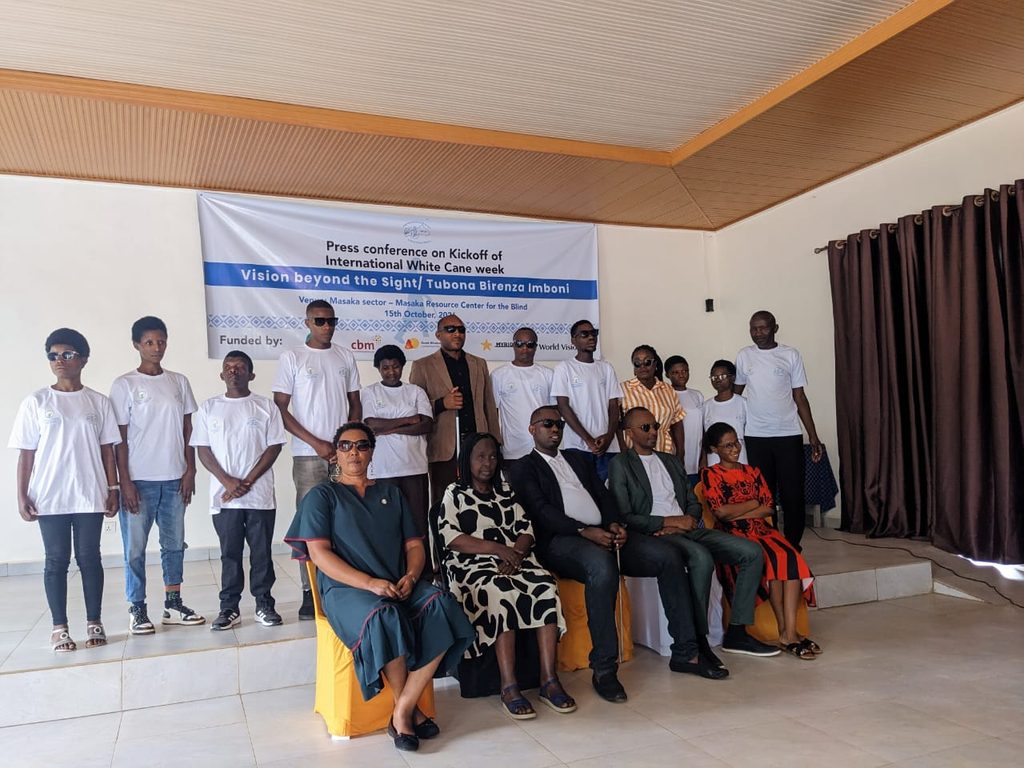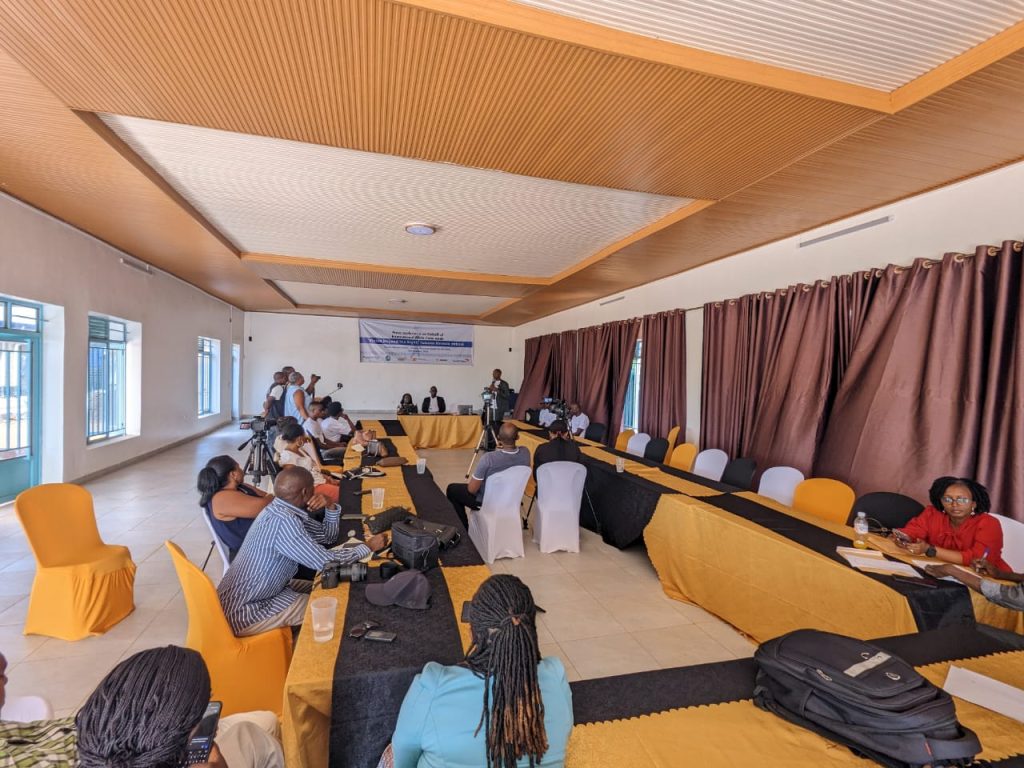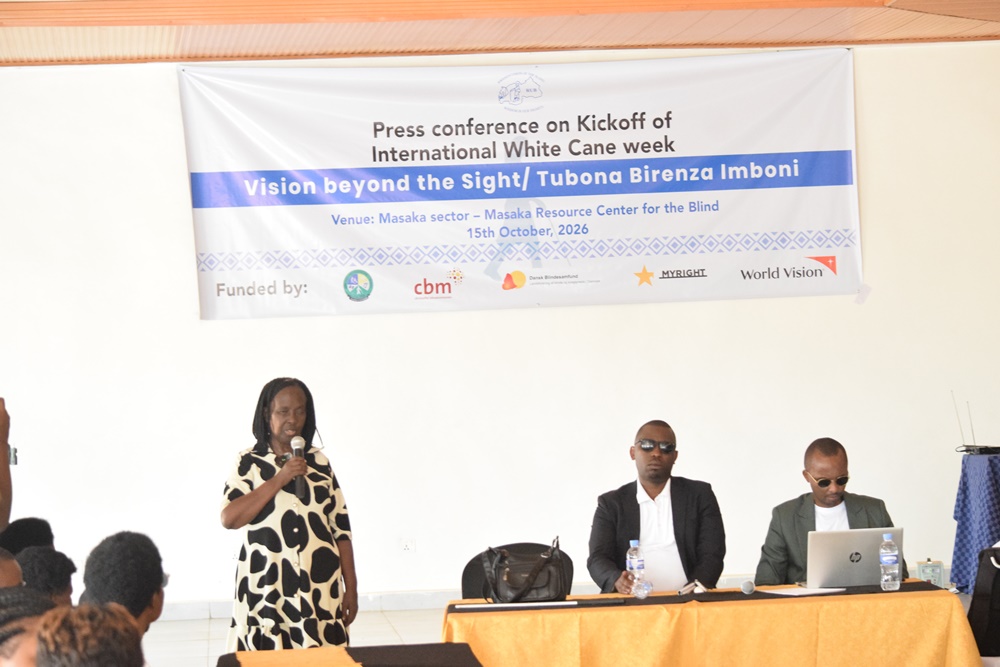
SUBSCRIBE TO OUR NEWSLETTER
First name or full name
Email
By continuing, you accept the privacy policy
**Categories:** ADVOCACY, HEALTH
---
### [Zamalek Edge APR FC with Late Goal in CAF Champions League](https://www.topafricanews.com/2026/10/17/zamalek-edge-apr-fc-with-late-goal-in-caf-champions-league/)
**Published:** October 17, 2026
**Author:** LIBOS NDAYISHIMIYE
**Content:**
Rwandan champions APR FC suffered a narrow 1–0 defeat to Egyptian giants Zamalek in the first leg of their CAF Champions League second preliminary round tie on Friday night at Amahoro Stadium in Kigali.
The match remained goalless at half-time, with APR controlling possession and creating promising chances against a disciplined Zamalek side. The hosts continued to push after the break but struggled to turn their opportunities into goals.
Zamalek secured the victory in the closing moments when substitute Nasser Mansy scored in the 90th minute, silencing the home crowd and giving the Egyptian side a crucial advantage ahead of the return leg. An earlier Zamalek effort had been ruled out for offside.
The result puts Zamalek in a strong position ahead of the second leg in Cairo on October 24. APR FC will need to overturn the one-goal deficit away from home to keep their hopes of progressing to the group stage alive.

SUBSCRIBE TO OUR NEWSLETTER
First name or full name
Email
By continuing, you accept the privacy policy
**Categories:** Sport
---
### [Top 5 Most-Read TOP AFRICA NEWS Articles This Week](https://www.topafricanews.com/2026/10/17/top-5-most-read-top-africa-news-articles-week-october-10-16-2026/)
**Published:** October 17, 2026
**Author:** TOPAFRICANEWS
**Excerpt:** From a high-profile Kigali court case to a Belgian money-laundering probe, entertainment controversy and climate finance, these were the most-read identifiable TOP AFRICA NEWS stories from October 10 to 16, 2026.
**Content:**
**TOP AFRICA NEWS \| Weekly readership roundup**
Readers turned to TOP AFRICA NEWS this week for developments in Rwanda’s courts, international investigations, entertainment, climate finance and African business. Google Analytics page-view data for **October 10–16, 2026** identifies the following five most-read, identifiable story pages during the period.
## 1. Court Delays DNA and Access Hearing in Vestine-Ouedraogo Divorce
The report on the latest development in the high-profile Vestine-Ouedraogo case led the week’s identifiable story pages. The Kicukiro Primary Court postponed a hearing connected to the dispute, keeping readers focused on the legal process and its next steps.
[Read the full report](https://www.topafricanews.com/2026/10/14/court-delays-dna-and-access-hearing-in-vestine-ouedraogo-divorce/)
## 2. Belgian Police Probe Money Laundering Ties to Tshisekedi Family
An investigation involving Belgian police searches and alleged money-laundering links connected to members of the family of Democratic Republic of Congo President Félix Tshisekedi attracted strong interest. The story brought European law-enforcement developments and Congolese political affairs into the same report.
[Read the full report](https://www.topafricanews.com/2026/10/14/belgian-police-probe-money-laundering-ties-to-tshisekedi-family/)
## 3. Countdown to Third Strike: Bruce Melodie vs YAGO TV
Entertainment readers followed the copyright dispute surrounding YAGO TV, the Rwandan interview and entertainment channel, and the prospect of a third strike. The story highlights how platform rules and copyright decisions can affect creators, channels and audiences.
[Read the full report](https://www.topafricanews.com/2026/10/15/countdown-to-third-strike-bruce-melodie-vs-yago-tv/)
## 4. Rwanda Considers Recycling Carbon Revenue to Finance New Projects
Rwanda’s exploration of how revenue from carbon-credit transactions could help prepare and finance future projects drew readers interested in climate policy and sustainable investment. The issue connects carbon-market growth with the question of how climate finance can support practical development priorities.
[Read the full report](https://www.topafricanews.com/2026/10/14/rwanda-considers-recycling-carbon-revenue-to-finance-new-projects/)
## 5. Exclusive: Beyond the Stadium—How Africa Can Turn Sport Into a US$20 Billion Industrial Opportunity
This analysis examined the potential for Africa to build a broader economic industry around sport—not only through competitions, but also through investment, jobs, services and related businesses. It appealed to readers interested in the commercial opportunities surrounding the continent’s sports economy.
[Read the full analysis](https://www.topafricanews.com/2026/10/08/exclusive-beyond-the-stadium-how-africa-can-turn-sport-into-a-us20-billion-industrial-opportunity/)
## What the week’s readership shows
The leading identifiable stories covered very different subjects, from a court proceeding and an international investigation to entertainment, climate finance and sports business. This mix suggests that readers are engaging with both immediate developments and stories explaining wider economic and policy questions.
TOP AFRICA NEWS will continue reporting on the issues shaping Rwanda and the wider African region. Follow our latest coverage on [TOPAFRICANEWS.com](https://www.topafricanews.com/).
*Editorial note: Rankings are based on Google Analytics page views recorded from October 10 through October 16, 2026, for the connected TOP AFRICA NEWS property. Page views are not unique-user counts. Figures may change slightly as analytics processing is updated.*

SUBSCRIBE TO OUR NEWSLETTER
First name or full name
Email
By continuing, you accept the privacy policy
**Categories:** NEWS
---
### [Kigali’s Green Infrastructure Could Deliver More Than Two Dollars in Benefits for Every Dollar Invested](https://www.topafricanews.com/2026/10/17/kigali-green-infrastructure-flood-risk-benefits-investment/)
**Published:** October 17, 2026
**Author:** TOPAFRICANEWS
**Excerpt:** A new assessment finds that nature-based solutions in Kigali can help reduce flood damage while delivering health, jobs and resilience benefits—strengthening the case for treating green spaces as essential urban infrastructure.
**Content:**
**KIGALI, Rwanda** — Trees, restored riverbanks and greener urban landscapes are often discussed as environmental improvements. But a 2026 assessment of nature-based solutions in Kigali makes a broader case: protecting nature can also be a practical investment in safer infrastructure, public health and local livelihoods.
The assessment, published by the International Institute for Sustainable Development (IISD) in January 2026, examined interventions implemented under the SUNCASA project, including afforestation, reforestation, agroforestry, riparian restoration and urban tree planting.
Its economic analysis estimated that these nature-based solutions could generate more than US$2 in benefits for every US$1 invested over 25 years. The report calculated a benefit–cost ratio of 2.09 and a payback period of seven years. These are modelled results from the assessment, not a guarantee that every project will achieve the same return.
**Why this matters for a growing city**
Kigali faces the combined pressures of rapid urbanisation and heavier, more variable rainfall. When vegetation is removed and land is covered by roofs, roads and other hard surfaces, rainwater can run off more quickly, placing pressure on drainage systems and increasing flood risks in vulnerable areas.
Research published in 2024 on the Nyabugogo River catchment also warned that future rainfall changes could increase pressure on parts of Kigali’s hydraulic infrastructure under a high-emissions climate scenario. The study recommended combining conventional infrastructure with measures that strengthen the landscape’s ability to absorb and manage water.
Nature-based solutions can help do this in several ways. Vegetation and healthy soils can slow runoff; restored river corridors can provide space for water; and trees can offer shade while improving the quality of public spaces. Their effectiveness depends on location, maintenance, design and the scale of the local risk. They should complement—not replace—well-designed drains, safe land-use planning and other essential infrastructure.
**The economic case goes beyond flood control**
The IISD assessment considered benefits that can be missed when projects are judged only by their initial construction cost. Reducing flood damage can protect roads, buildings and other assets. Urban trees and greener spaces can contribute to public health and comfort, while restoration work can create jobs and support communities.
For city planners and public finance officials, this points to a need to compare the full costs and benefits of different infrastructure options. A concrete drain may be necessary in one location, while restoring a stream corridor, stabilising a slope or increasing tree cover may be more effective—or more cost-effective—as part of a wider plan elsewhere.
**From pilot projects to lasting protection**
Turning the findings into citywide resilience will require more than planting trees during a campaign. Authorities and project partners need to identify the neighbourhoods and catchments where interventions can reduce the greatest risks, protect land needed for water flow, and budget for long-term maintenance.
Monitoring is equally important. Project teams should measure whether planted trees survive, whether restored areas retain their ecological function, how runoff changes, and whether communities most exposed to flooding benefit. Transparent reporting would help decision-makers compare expected benefits with results on the ground.
Residents also have a role, particularly in keeping drainage channels free of waste and protecting restored areas. However, responsibility for flood resilience cannot rest on households alone: it requires coordinated planning, reliable infrastructure and enforcement of land-use rules.
**A different way to value nature**
The evidence does not mean that every green project will pay for itself, or that nature can prevent every flood. It does suggest that green spaces should be assessed as part of Kigali’s infrastructure portfolio, rather than treated only as decoration or conservation spending.
As Rwanda continues to urbanise and adapt to climate risks, the central question is not simply how much it costs to restore a hillside, riverbank or urban green space. It is also what damage, health costs and future spending that investment may help avoid.
*Sources:* [International Institute for Sustainable Development, “A Sustainable Asset Valuation Assessment of Nature-Based Solutions in Kigali, Rwanda” (20 January 2026)](https://www.iisd.org/publications/report/nature-based-solutions-kigali); [Heliyon study on future climate impacts on hydraulic infrastructure in the Nyabugogo River catchment (2024)](https://www.sciencedirect.com/science/article/pii/S2405844024031578).

SUBSCRIBE TO OUR NEWSLETTER
First name or full name
Email
By continuing, you accept the privacy policy
**Categories:** CLIMATE CHANGE, Environment
---
### [Rwanda’s Climate-Resilient Harvest Starts After the Crops Leave the Field](https://www.topafricanews.com/2026/10/17/rwanda-climate-resilient-harvest-post-harvest-losses/)
**Published:** October 17, 2026
**Author:** DUSABEMUNGU Ange de la Victoire
**Excerpt:** Improved seeds and soil protection matter, but farmers also need reliable drying, storage and timely climate information to protect harvests when rain arrives at the wrong moment.
**Content:**
**KIGALI, Rwanda** — A farmer can produce a healthy harvest and still lose income if rain interrupts drying, grain is stored while damp or perishable produce cannot reach buyers in time. As Rwanda adapts agriculture to a changing climate, protecting crops after harvest deserves as much attention as increasing production in the field.
Weather affects the entire farming cycle. Unseasonal rain during harvest can delay drying and raise the risk of spoilage, while poor storage and handling can reduce quality before produce reaches a market. These losses matter for household earnings, food availability and the cost of supplying consumers.
Rwanda’s Ministry of Agriculture has previously highlighted how less predictable rainfall can disrupt traditional grain-drying practices, which depend on periods of dry weather. The ministry has pointed to drying facilities, warehouses, silos, equipment and training as part of the response.
**Climate adaptation is not only about irrigation**
National agricultural data show that adoption of some climate-resilience practices is growing, but important gaps remain. In Season B of 2026, 13.1% of surveyed farmers reported using irrigation, while 58% practised agroforestry, according to the National Institute of Statistics of Rwanda’s Seasonal Agricultural Survey.
These figures describe reported practices among surveyed farmers; they do not, by themselves, measure the quality of irrigation access or how much a particular practice reduces losses. They do underline why adaptation requires several tools rather than a single solution.
Irrigation can help farmers manage dry spells where water is available and systems are affordable. Agroforestry and soil-conservation measures can support healthier land and reduce erosion. But neither practice solves the problem of wet grain, inadequate storage or a lack of timely information about changing weather.
**Better forecasts need to reach farmers in usable form**
Climate information is most valuable when it helps people make a decision. A forecast of likely rainfall can inform when to harvest, dry crops, move produce under cover or arrange transport. Farmers need information that is timely, locally relevant and communicated in languages and formats they can use.
The International Fund for Agricultural Development has documented Rwanda’s Climate-Resilient Post-Harvest and Agribusiness Support Project, which used a Participatory Integrated Climate Services for Agriculture approach. The model combined weather information with farmers’ own knowledge to improve decisions. IFAD’s project summary reports improvements in post-harvest outcomes, yields and household food security among participating households.
Such approaches work best when climate advice is connected to practical options. A farmer warned of rain still needs access to a drying shelter, suitable storage, labour or transport. Information alone cannot protect a harvest when the necessary equipment and facilities are out of reach.
**What would make the biggest difference?**
First, districts and agricultural cooperatives can identify where harvest-time rain, limited drying space or storage problems create the greatest losses, then prioritise shared facilities close to producers. Facilities need maintenance plans and transparent access rules so that small-scale farmers can use them when they need them.
Second, extension services and weather agencies can strengthen links between seasonal forecasts, short-term alerts and crop calendars. Advice should explain what farmers can do—not simply announce that rain is expected—and should acknowledge uncertainty.
Third, farmer organisations, buyers and processors can coordinate harvesting, collection and storage so that produce is not left waiting in exposed conditions. Affordable moisture testing, improved packaging and better handling can also help preserve quality, depending on the crop.
Finally, support should reflect differences among crops and districts. Grain drying, vegetable cooling and safe storage for roots and tubers require different equipment and approaches. Local planning should be based on evidence about the main losses farmers actually experience.
**Measure what farmers keep, not only what they grow**
Climate-smart agriculture is often judged by yields, hectares irrigated or trees planted. Those measures matter, but they tell only part of the story. Tracking the share of harvest that reaches the market in good condition, the price farmers receive, and the losses avoided after extreme weather would give a fuller picture of resilience.
For Rwanda, a climate-resilient food system will depend not only on producing more, but also on protecting what has already been produced. Better drying, storage, climate information and market coordination can help ensure that a difficult season does not erase months of farmers’ work.
*Sources:* [National Institute of Statistics of Rwanda, Seasonal Agricultural Survey — Season B, 2026](https://www.alpha.statistics.gov.rw/statistical-publications/agriculture-environment/seasonal-agricultural-survey-season-b-2026); [International Fund for Agricultural Development, Rwanda Climate-Resilient Post-Harvest and Agribusiness Support Project](https://www.ifad.org/en/w/publications/rwanda-climate-resilient-post-harvest-and-agribusiness-support-project-pasp-); [Rwanda Ministry of Agriculture and Animal Resources, climate change and post-harvest management](https://www.minagri.gov.rw/updates/news-details/the-strategic-plan-for-agriculture-transformation-emphasizes-mainstreaming-climate-change-hon-minister-mukeshimana).

SUBSCRIBE TO OUR NEWSLETTER
First name or full name
Email
By continuing, you accept the privacy policy
**Categories:** CLIMATE CHANGE, Environment, Natural Resources and Agriculture
---
### [Kinigi Potato Prices Soar in Musanze to 1,000–1,200 RWF per Kilogram](https://www.topafricanews.com/2026/10/17/kinigi-potato-prices-soar-in-musanze-to-1000-1200-rwf-per-kilogram/)
**Published:** October 17, 2026
**Author:** TOPAFRICANEWS
**Content:**
Kinigi Potato Prices have risen sharply in Musanze District.
Moreover, Musanze is the country’s main production hub for the variety.
A kilogram now sells for between 1,000 and 1,200 RWF in local markets.
Traders and consumers report that current levels are significantly higher than earlier in the year. Farm-gate and local market prices for Kinigi Potato Prices often ranged between 400 and 600 RWF per kilogram. Premium graded lots are now at the upper end of the new range. Even ordinary quality has climbed above 1,000 RWF in several Musanze markets.
Households that rely on this variety for daily meals and chips report higher costs. As a result, they buy smaller quantities or switch to other foods. Farmers in Kinigi also see price pressures affecting planting decisions and crop rotations. This trend also influences local vendors who adjust stock levels and promotions.
Additionally, farmers in Kinigi Sector and nearby areas attribute the surge to tight supply. Stocks from the previous harvest have largely been exhausted.
Earlier weather setbacks affected some fields and led to limited production. High costs for seed and fertilizers also constrain farming.
Moreover, strong demand from both local buyers and traders supplying Kigali and other towns has further pushed prices upward.
Musanze remains the heartland of Kinigi cultivation. The variety is prized for its firm texture and high dry-matter content. It has a longer shelf life and is suitable for processing. Farmers report strong demand from processors. This supports local livelihoods.
Collection centers in the district help cooperatives negotiate sales. Additionally, many smallholder farmers note elevated input costs. These costs leave limited gains even at higher market rates. They seek better margins through collective buying and improved bargaining. Cooperatives explore subsidies and price supports. Still, the overall profitability remains modest.

SUBSCRIBE TO OUR NEWSLETTER
First name or full name
Email
By continuing, you accept the privacy policy
**Categories:** Climate / Agriculture Evolution, CLIMATE CHANGE
---
### [Rwanda Mourns Legendary Singer Suzanne Nyiranyamibwa, Dead at 83](https://www.topafricanews.com/2026/10/17/rwanda-mourns-legendary-singer-suzanne-nyiranyamibwa-dead-at-83/)
**Published:** October 17, 2026
**Author:** TOPAFRICANEWS
**Content:**
## Nyiranyamibwa death
Kigali — Rwanda has lost one of its most enduring voices. Suzanne Nyiranyamibwa, celebrated for Liberation and Kwibuka songs, died on Friday, October 16, 2026, after an illness.
Nyiranyamibwa death is mourned nationwide. She was 83.
## Nyiranyamibwa death and displacement
Born in 1943, Nyiranyamibwa faced displacement and resilience from the start. She fled Rwanda in 1973 amid persecution and violence against the Tutsi. After years in what was then Zaire, she settled in Belgium, where she lived for decades among the Rwandan diaspora.
Nyiranyamibwa death emphasized the enduring ties to homeland among the diaspora. Despite years abroad, memory and identity remained central to her story.
In exile, she co-founded the Isamaza cultural troupe.
It consisted of women and men who used traditional song and dance to raise support.
The liberation struggle began in 1990.
Her music carried themes of longing for home, unity, and resistance.
Popular songs such as Ndavunyisha and Nkumbuye Iwacu became fixtures.
They resonated with Rwandans at home and abroad.
Her personal history mirrored the country’s wounds. Her father was killed in 1963.
Her mother died in the 1994 Genocide against the Tutsi. Moreover, after more than forty years away, she returned to settle permanently in Rwanda in 2016. She said she had never found a place she loved more than her own country.
In later years she continued to perform. Including at commemorative events such as those held at the Murambi Genocide Memorial.
Nyiranyamibwa’s voice comforted survivors, inspired fighters during the liberation struggle, and mentored younger artists. She remained active into her later years, composing new work and expressing hope of reuniting surviving members of Isamaza for performances that would preserve their shared history.
Nyiranyamibwa death has prompted tributes across Rwandan media and social platforms. Many remember her as a cultural pillar whose songs kept Rwanda’s memory alive for exiles.
Additionally, funeral arrangements have not yet been publicly detailed.

SUBSCRIBE TO OUR NEWSLETTER
First name or full name
Email
By continuing, you accept the privacy policy
**Categories:** NEWS
---
### [Unequivocal Call: MP Murora Beth Urges Gatsibo to Guard Unity and Reject Genocide Ideology](https://www.topafricanews.com/2026/10/17/unequivocal-call-mp-murora-beth-urges-gatsibo-to-guard-unity-and-reject-genocide-ideology/)
**Published:** October 17, 2026
**Author:** TOPAFRICANEWS
**Content:**
**GATSIBO, Rwanda** — Murora Beth, a Member of Parliament, urged Gatsibo residents and Rwandans to protect national unity and resilience.
Moreover, she warned that revisionism cannot deliver development, and the Genocide Ideology in Rwanda must not be revived.
She made the remarks while addressing residents during a three-day visit to Gatsibo by a delegation of female parliamentarians led by MP Christine Mukabunani, members of the Forum of Rwandan Women Parliamentarians (FFRP).
MP Murora emphasized that unity and resilience are the foundation for Rwanda.
Moreover, he called on citizens to remain vigilant against Genocide Ideology in Rwanda and similar risks.
“Rwandans’ unity and resilience must be carefully protected. They are the strong foundation upon which our country is built. We must continue discussing and reinforcing these values so that anyone who still harbors ideas of dividing Rwandans can be helped to abandon them,” she said.
She warned that people found promoting genocide ideology face serious consequences, adding that such thinking also undermines their own prospects for progress.
“A person who holds ideas that divide people cannot achieve development either,” Murora said.
The legislator stressed that revisionism should have no place in Rwandan society.
Moreover, unity is essential to sustainable development and to overcoming poverty, ignorance, and Genocide Ideology in Rwanda.
“Revisionism is a battle that has already been lost. Anyone who tries to fight it cannot win; instead, it will destroy them,” she said.
She called on citizens to recognize that unity, resilience and overcoming past constraints are essential to achieving lasting development.
“These are the strengths on which our country stands as we continue our journey towards liberation from poverty, ignorance and other challenges that held us back in the past,” she added.
## Residents welcome progress in public services
Augustin Ntawubonabyombi, a resident of Marimba Cell in Kabarore Sector, praised the Government of National Unity for providing public services without discrimination.
He said citizens can access services regardless of their family background or place of origin.
“We appreciate having a Government of National Unity that does not discriminate against Rwandans. Anyone who needs a service receives it without being asked whose child they are or where they come from. They are served as Rwandans,” he said in an interview with MUHAZIYACU.
Ntawubonabyombi also highlighted improvements in infrastructure, including roads, electricity and access to clean water.
He recalled that accessing clean water had previously been a major challenge in his cell but said the situation had improved considerably.
“In the past, getting clean water here in our cell was a serious problem. Today, we have basic services such as clean water and electricity. Although these services have not yet reached everyone, we hope they will soon be available in the remaining areas, as the authorities have assured us,” he said.
## National unity remains a shared responsibility
According to the Ministry of National Unity and Civic Engagement (MINUBUMWE), Rwanda’s national unity index has reached **95.3 per cent**, reflecting progress in efforts to strengthen unity among citizens.
However, sustaining these gains requires continued commitment from every Rwandan, including efforts to combat revisionism, genocide ideology and other actions that threaten national cohesion.
The ministry’s reported figure underscores the progress made in rebuilding unity, while the messages delivered during the Gatsibo visit highlight the importance of protecting these achievements and ensuring that unity remains a foundation for Rwanda’s long-term development.

SUBSCRIBE TO OUR NEWSLETTER
First name or full name
Email
By continuing, you accept the privacy policy
**Categories:** NEWS, Peace Building and reconciliation
---
### [How digital reforms could connect 1.12 million people in Madagascar and boost GDP by 4.1 trillion MGA by 2031](https://www.topafricanews.com/2026/10/17/how-digital-reforms-could-connect-1-12-million-people-in-madagascar-and-boost-gdp-by-4-1-trillion-mga-by-2031/)
**Published:** October 17, 2026
**Author:** TOPAFRICANEWS
**Content:**
16 October 2026, Antananarivo: Targeted digital policy reforms could connect an additional 1.13 million people to mobile internet in Madagascar.
Furthermore, it could generate MGA 4.1 trillion in additional GDP by 2031, per GSMA’s Digital Africa Summit in Madagascar.
Launched at the GSMA’s Digital Africa Summit in Madagascar, Madagascar Digital Economy: Policy reforms that will drive Madagascar’s digital future identifies four priorities: affordable smartphones, rural network expansion, mobile-sector tax reform, and greater demand for digital services.
A second report, Spectrum Policy in Africa: Enabling investment and empowering consumers through effective spectrum pricing, finds that spectrum pricing and licensing reforms across Africa could generate more than US$120 billion in additional GDP between 2026 and 2035. Expanding coverage, but millions remain offline.
Madagascar’s total mobile connections increased from 12.3 million in 2021 to 22.5 million at the end of 2025.
However, mobile internet adoption continues to lag.
Unique mobile internet penetration stood at just 14.3% in 2025.
In 2026, 66% of the population lived within mobile broadband coverage but did not use mobile internet.
Smartphone affordability and digital literacy remain major barriers to adoption. Around one-third of the rural population is outside 4G coverage, with difficult terrain, limited electricity, costly backhaul infrastructure and high operating costs constraining rural network investment.
Angela Wamola, Head of Africa, GSMA, said: Madagascar’s expanding mobile networks provide a strong foundation for digital transformation. Additionally, ATLAS Umoja AI supports conversational voice services that can help people with limited literacy benefit from connectivity. This combination can broaden access to essential information across rural communities.
Furthermore, by making suitable public language datasets available and collaborating with mobile operators, governments, industry and researchers could support a pilot offering voice-based agricultural advice in Malagasy, aligned with Madagascar’s digital agriculture strategy. Such initiatives would require clear governance, funding, and interoperable standards to succeed at scale.
Finally, the mobile industry stands ready to work with government and partners to turn this potential into lasting progress. In collaboration with public authorities and researchers, they can scale successful pilots, share insights, and accelerate inclusive digital growth across Madagascar.
## Four priorities to accelerate digital inclusion
Four priorities to accelerate digital inclusion
Building on Madagascar’s existing digital initiatives, the report recommends four priorities that support the Digital Strategic Plan (PSN) 2023–2028.
- **Make smartphones more affordable.** Remove the 6% copyright fee, 20% import duty and 1% regulation levy on qualifying entry-level smartphones; introduce a targeted VAT exemption; and expand device financing through DECIM.
- **Reduce rural network expansion costs.** Develop a costed Rural Connectivity Plan, reform the FDTIC into a transparent, results-based funding mechanism and coordinate telecommunications and electricity investment, including mini-grids anchored by mobile towers.
- **Support adoption and investment through tax reform.** Consider removing the 8% sector-specific excise duty, reduce the telecommunications and ICT regulation tax from 2% to 1%, and zero-rate imports of essential broadband network and rural-site energy equipment.
- **Help more people benefit from digital services.** Support voice-based services underpinned by reliable Malagasy speech-recognition technology to widen access for people with limited literacy.
First, spectrum reform aims to unlock network investment. Additionally, it will drive connectivity across Africa.
Also launching at the summit, the Africa spectrum report complements these rural connectivity priorities.
It examines how spectrum fees and licensing conditions can support network expansion.
Moreover, spectrum costs in Africa are 24% higher than elsewhere when measured against operator revenues and adjusted for spectrum allocations.
The report urges regulators to prioritize connectivity and its long-term social and economic benefits. Recommendations include prices that reflect spectrum’s forward-looking value, greater spectrum availability, technology-neutral licenses, license durations of at least 20 years, and long-term spectrum roadmaps. Coverage obligations should preserve the commercial viability of investment.
By 2035, implementing the recommended reforms across Africa could extend 4G coverage to an additional 50 million people.
Moreover, it could extend 5G coverage to 170 million more people while speeds rise by at least 30%.

SUBSCRIBE TO OUR NEWSLETTER
First name or full name
Email
By continuing, you accept the privacy policy
**Categories:** NEWS
---
### [In the Shadow of Goma: Kabila’s Rebel Alliance Deepens Congo’s Fractured War](https://www.topafricanews.com/2026/10/17/in-the-shadow-of-goma-kabilas-rebel-alliance-deepens-congos-fractured-war/)
**Published:** October 17, 2026
**Author:** EDITOR
**Content:**
From a residence in the rebel-held city of Goma, former President Joseph Kabila stepped into the open this week and declared himself the leader of a new political-military movement. The Front pour la Refondation de la Nation, or FRN, absorbs the structures of the earlier Alliance Fleuve Congo and its armed core, the M23. Standing alongside longtime rebel figures including Corneille Nangaa and Bertrand Bisimwa, with Sultani Makenga retaining command of the military wing, Kabila framed the project as a national effort to end what the group calls tyranny in Kinshasa—by any means necessary, including force.
The announcement, made on October 12, lands in territory the rebels have held since early 2025. Goma and Bukavu remain under their control, along with large stretches of North and South Kivu and key border crossings. On the ground, the fighting never stopped. Congolese forces, backed by Wazalendo militias and Burundian troops, continue to clash with the rebels across Masisi, the highlands near Minembwe, and other contested zones. Both sides have turned to drones and artillery. Tactical gains are reported and then contested; the front lines shift but the rebels retain the advantage in most sectors, sustained by external support that Kinshasa and international observers attribute to Rwanda. Kigali continues to reject the charge of direct backing while acknowledging coordination on security issues.
The timing sharpens the stakes. President Félix Tshisekedi’s second term is due to end in 2028 under the existing constitution. Legislation advanced through parliament this year eases the path to a referendum that could reset term limits or open the door to a broader constitutional overhaul, potentially a “Fourth Republic.” Opposition groups and civil society have rejected a government-managed national dialogue process, viewing it as controlled from the top and aimed at extending power rather than resolving the crisis. Protests in Kinshasa have turned violent. Kabila’s move supplies the eastern rebellion with a high-profile Congolese face and a language of national refoundation that could appeal beyond the Kivus, including in Katanga, where residual networks and resentments still exist. Several former allies have already distanced themselves, but the political calculation in Kinshasa is now more complicated.
Diplomatic tracks run in parallel and largely fail to match the reality on the ground. A U.S.-brokered understanding between Kinshasa and Kigali, alongside the Qatar-mediated Doha process that produced ceasefire commitments with the rebels, has not produced a lasting halt to hostilities. African Union mediators have shuttled between Goma, Kigali, and Kinshasa in recent days, urging respect for existing agreements. The FRN has said it assumes the prior commitments of the dissolved alliance, including the Doha framework. Yet clashes continue, verification mechanisms struggle, and each side accuses the other of violations. The rebels portray themselves as a Congolese political alternative; the government continues to treat them as a foreign-backed insurgency.
Beyond the main front, the map of violence is crowded. The Allied Democratic Forces, linked to the Islamic State, keep killing civilians in Ituri and parts of North Kivu. Local militias exploit the vacuum. Over one hundred armed groups remain active across the east. The humanitarian cost compounds daily: millions displaced, acute food insecurity affecting a large share of the population, and a major Ebola outbreak (Bundibugyo strain) spreading through Ituri, North Kivu, and neighboring provinces. Confirmed cases have climbed into the thousands with a high fatality rate; insecurity and displacement hinder treatment centers, contact tracing, and safe burials. Cholera moves through the same corridors of movement. Health workers and aid groups operate under severe constraints.
Resource politics sits underneath much of the fighting. Control of mining areas in the Kivus supplies revenue and leverage. The formal economy in the east is distorted by the conflict; smuggling routes and taxation by armed actors persist regardless of which side holds a given road or hill.
The new alliance does not instantly transform military balance. Rebel advances toward national power remain distant, and Kinshasa retains the formal apparatus of the state plus external military partnerships. Yet the political signal is clear: a former head of state, already sentenced to death in absentia for earlier alleged complicity, has now publicly fused his name and networks with the dominant eastern force. That fusion complicates mediation, raises the domestic political temperature, and risks drawing more actors into an already regionalized conflict. Peace processes that treat the war as primarily a bilateral Kinshasa-Kigali problem, or a purely local insurgency, now face a sharper test. On the ground in the Kivus, the immediate reality remains the same—artillery, drones, displacement, and disease—while the political architecture of the war has just been rewritten from Goma.

SUBSCRIBE TO OUR NEWSLETTER
First name or full name
Email
By continuing, you accept the privacy policy
**Categories:** NEWS
---
### [Burundi Signs Historic $1.4 Billion Partnership with American Firm to Overhaul Power Grid](https://www.topafricanews.com/2026/10/17/burundi-signs-historic-1-4-billion-partnership-with-american-firm-to-overhaul-power-grid/)
**Published:** October 17, 2026
**Author:** TOPAFRICANEWS
**Content:**
Bujumbura, Burundi — The government of Burundi has finalized a $1.4 billion, 25-year public-private partnership with Anzana Electric Group to modernize and expand the country’s electricity distribution network. Officials described the agreement, signed this week, as the largest investment in Burundi’s history and a major step toward bringing reliable power to millions of people.
The partnership, implemented through Weza Power, a subsidiary of the American company, will focus on rehabilitating and extending low- and medium-voltage distribution lines across a significant portion of the country. The project is designed to raise the national electrification rate from roughly 12 percent to as high as 70 percent in the coming years, delivering first-time or improved access to an estimated 8 million Burundians. It includes the construction or upgrade of approximately 52,000 kilometers of distribution lines and more than 1.2 million new household and business connections.
The initiative is expected to generate more than 2,000 direct jobs in installation and operations, along with over 30,000 indirect employment opportunities for local workers. Beyond immediate access to electricity, the expanded grid is intended to support broader economic activity, including growth in mining, agro-processing, and other sectors that have been constrained by unreliable power.
Anzana Electric has maintained a presence in Burundi’s energy sector since 2018 through its hydropower operations. Company representatives and Burundian officials said the new distribution concession builds on that existing relationship and years of preparatory work. The arrangement represents the first new national-scale electricity distribution concession operated by a private company in Africa in more than two decades.
Financing for the project relies on a blended structure that combines private capital with concessional funding. The partnership aligns with Burundi’s national energy goals and is expected to create conditions for additional private-sector investment from the United States and elsewhere. Reliable electricity is widely viewed as a prerequisite for industrial development and supply-chain resilience in the region.
Implementation will unfold over the multi-decade life of the concession, with initial focus on expanding coverage in both urban and rural areas. While the targets are ambitious given Burundi’s historically low electrification rates, particularly in rural zones, both sides have framed the agreement as a long-term effort to transform energy access and economic opportunity.
The signing marks a concrete step in expanding power infrastructure in one of the world’s least electrified countries and is expected to be closely watched as a potential model for similar private-led distribution projects elsewhere on the continent.

SUBSCRIBE TO OUR NEWSLETTER
First name or full name
Email
By continuing, you accept the privacy policy
**Categories:** NEWS
---
### [DNA Test Triggers Divorce Battle as Rwandan Pastor Slams Gospel Singer Vestine](https://www.topafricanews.com/2026/10/16/dna-test-triggers-divorce-battle-as-rwandan-pastor-slams-gospel-singer-vestine/)
**Published:** October 16, 2026
**Author:** DUSABEMUNGU Ange de la Victoire
**Content:**
**KIGALI —** Prominent Rwandan pastor Rev. Dr. Antoine Rutayisire has publicly criticized gospel singer Ishimwe Vestine for agreeing to a DNA test amid her ongoing divorce from husband Idrissa jean luc ouédraogo, describing her decision as immature and advising against it.
Speaking about the high-profile case involving the Vestine & Dorcas duo member, Rutayisire said Vestine, whom he referred to as “that girl” who is still a child, should not have consented to the paternity test requested by Ouedraogo. If consulted, he would have strongly advised her to refuse the DNA examination.
Rutayisire argued that in marriage, the child should be presumed to belong to the husband.
Moreover, he questioned the need for the test, suggesting that seeking DNA verification undermines the marital bond.
The pastor urged Vestine to listen to three voices—God, the people, and her own heart—before major decisions.
He expressed surprise that she had reached separation without clearer divine guidance prior to the wedding.
Remarkably, idrissa Jean Luc Ouédraogo has discussed similar questions.
Acknowledging Vestine’s possible personal mistakes, Rutayisire said he would not condemn her. He added that she should publicly confess any wrongs, reconcile with God, and continue singing for the Lord. He also indicated that he would encourage efforts to maintain the marriage rather than pursue divorce.
The comments come as Vestine and Ouedraogo, a Burkinabe national, remain locked in legal proceedings at the Kicukiro Primary Court.
Vestine initiated divorce proceedings earlier this year, citing alleged abuse that she said followed her discovery that Ouedraogo maintained relationships and family ties in Burkina Faso.
Ouedraogo has denied the allegations and filed a separate application seeking both access to a child he says he fathered with Vestine and a court-ordered DNA test to confirm biological paternity.
The child was born in Canada, and Ouedraogo has stated that he has not been allowed to see the infant since birth.
Court hearings on the DNA and access requests have faced delays, including a recent postponement related to missing documentation, with further proceedings scheduled in the coming days. The main divorce hearing is set for later this year.
Rutayisire’s remarks highlight differing perspectives in the case. However, idrissa jean luc ouédraogo contrasts traditional religious views on family and paternity with court actions.

SUBSCRIBE TO OUR NEWSLETTER
First name or full name
Email
By continuing, you accept the privacy policy
**Categories:** Living Style, NEWS
---
### [SMAIR Foundation and Faithful Ajah Build Nigeria's Innovators' Legacy](https://www.topafricanews.com/2026/10/16/smair-foundation-and-faithful-ajah-build-nigerias-innovators-legacy/)
**Published:** October 16, 2026
**Author:** EDITOR
**Content:**
## Nigeria Robotics Education Initiative
In Lagos, there is a grassroots movement teaching robotics and artificial intelligence to children as young as eight.
SMAIR Foundation aims to make AI and robotics education accessible. It also fosters innovation and prepares young minds with hands-on experience.
Faithful Ajah helped bring the Foundation’s mission to life. He sees his own curiosity and the passion to build something reflected in the students at SMAIR Foundation.
“I was the kind of person who would not let most things slide,” recalls Ajah. Additionally, if you said, the sun sets at six pm, I would ask why it wasn’t six-thirty pm.
I was that kind of child.
Ajah’s inquisitive nature led him on a scientific journey. He tinkered with electronics as a child, built websites in secondary school, and graduated with a physics degree.
Additionally, he did research in particle physics and strengthened his quantum physics knowledge. He also took a computing class in data science to combine quantum computing and quantum information technology.
Turning passion into practical output
From Nigeria, Ajah pursued answers with a relentless drive. He completed the data science programme through ALX Africa, the pan-African organization that trains tech talent and founders.
ALX sharpened the stubbornness within him, says Ajah, and provided a clear structure for turning his passion into practical output. Soon after, he competed and won a pan-African AI hackathon hosted by Explore AI Academy.
This was a turning point. Finishing at the top of the hackathon was confirmation for me that the work I was doing was real. Ajah recalls, ‘the experience gave him clarity and impetus to accelerate that work into something meaningful and measurable’.
According to Ajah, what ALX seeded in him could not be contained, and this grew into helping establish a company called AIR, where he is currently Head of Innovations, and the SMAIR Foundation.
Moreover, AIR is a robotics-engineering partnership that offers training, consulting, robotics kits and school-lab setups, while SMAIR works specifically with youth and children through hands-on AI, robotics, coding and technology education.
Both organizations converge around one simple belief: every child deserves the opportunity to become an innovator. Additionally, AIR’s outreach fuels partnerships with schools and communities across the region. This growth supports students, teachers, and parents through ongoing, high-quality programs. Across many communities, impact grows.
From school partnerships and curriculum-aligned interventions, AIR and SMAIR Foundation support classrooms. Together they have enabled a growing community committed to Africa’s technological future. Moreover, these efforts inspire students to pursue STEM careers. Their collaboration strengthens Africa’s capacity to innovate.
The generation is thinking ahead.
Harnessing the opportunities for Africa’s tech future is a critical point of discussion for Ajah. “The common discourse is that my generation is filled with people who do not think five steps beyond their immediate future,” he says. However, this view may be limiting. “I believe that my generation wants to leave a legacy. We are aware of the potential that today’s technological tools have to materially change our communities right now.”
Growing AIR’s work in robotics
Aligning with Ajah’s continued pursuit for knowledge, AIR’s work continues to expand.
Earlier this year the team won the Lagos qualifier.
They placed third at the Nigeria finals of the Robotics for Good Youth Challenge.
The event is run by the UN’s ITU through AI for Good.
It features their autonomous agricultural robotic prototype to fight food insecurity.
This product is currently being taken to market, backed by VC funding.
In addition, AIR is building computer vision systems.
It is launching robotics solutions built specifically for African environments.
A major milestone for both Ajah and AIR was becoming the sole partner for Mechatron Robotics in Nigeria.
Moreover, Mechatron Robotics is a specialist, franchise-based, STEM education company that runs robotics, coding and AI classes for school-age students.
It has trained more than 50,000 students in nine countries.
“If you had told me where I’d be today, I might not have believed you.”
“Becoming the sole partner for Mechatron Robotics in Nigeria has been an incredible journey,” says Ajah. It has provided me with valuable lessons about leadership and people, as well as robotics.
For Ajah, this work is not only about building technology. It proves his generation can see beyond the obstacles ahead.
Moreover, he wants to help develop a visible proof point of Nigerian and African innovators actively building with current resources. They will do this without waiting for tools to be handed to them.
Through AIR and the SMAIR Foundation, Ajah hopes to leave behind more than a company. Rather, he seeks a generation of young Africans convinced they can build the future themselves.

SUBSCRIBE TO OUR NEWSLETTER
First name or full name
Email
By continuing, you accept the privacy policy
**Categories:** ICT
---
### [Louise Mushikiwabo Receives Armenia’s Order of Honour Amid COP17 Diplomacy in Yerevan](https://www.topafricanews.com/2026/10/16/louise-mushikiwabo-receives-armenias-order-of-honour-amid-cop17-diplomacy-in-yerevan/)
**Published:** October 16, 2026
**Author:** DUSABEMUNGU Ange de la Victoire
**Content:**
Louise Mushikiwabo, Secretary-General of the International Organisation of La Francophonie, arrived in Yerevan this week for the high-level Leaders’ Summit on Biodiversity, held as the political opening to the 17th Conference of the Parties to the Convention on Biological Diversity.
On the margins of the summit, Armenian President Vahagn Khachaturyan received her at the presidential residence and conferred the Order of Honour in recognition of her sustained efforts to strengthen relations between Armenia and the Organisation and her commitment to humanitarian values.
The decoration marked a personal acknowledgment of Mushikiwabo’s role in deepening institutional ties that have grown steadily since Armenia became a full member of the Francophonie and hosted its 2018 summit.
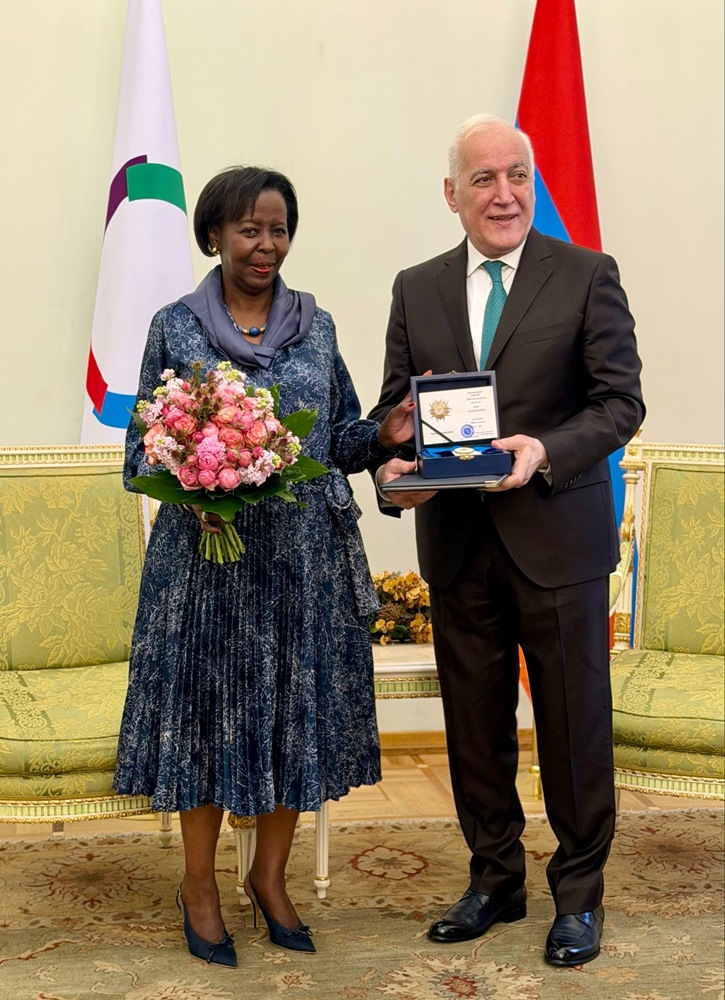During the meeting, the two leaders reviewed the close and productive cooperation between Armenia and the Organisation. Discussions highlighted Armenia’s rising international profile, demonstrated by its dual role as host of both the biodiversity conference and the 10th Jeux de la Francophonie, scheduled for Yerevan from 23 July to 1 August 2027.
The Games will bring young athletes and artists from across the Francophone world together for combined sporting and cultural competitions, offering a further platform to showcase the country’s heritage. Mushikiwabo also met separately with Prime Minister Nikol Pashinyan. Their conversation addressed the state of preparations for the 2027 Games, opportunities to expand collaboration in education, culture, and French-language teaching, and the broader importance of lasting peace and stability in the South Caucasus.
These bilateral exchanges took place against the backdrop of the United Nations Biodiversity Conference, which runs from 19 to 30 October in Yerevan under the theme “Taking Action for Nature.” The gathering constitutes the first global review of progress toward the 23 targets of the Kunming-Montreal Global Biodiversity Framework, adopted in 2022. With only four years remaining until the 2030 deadline, negotiators are expected to focus on accelerating implementation, mobilizing resources, and strengthening coordination across climate, land, and biodiversity agendas. Armenia’s presidency of the conference until 2028 places the country at the center of efforts to convert political commitments into concrete results.
The host nation itself illustrates the stakes. Covering just 6.7 percent of the Caucasus region, Armenia supports approximately 60 percent of its biodiversity, including mountain forests, steppes, wetlands, and alpine meadows. The official emblem of the conference is the Yerevan Blue Butterfly, an endemic species found only in and around the capital and listed in Armenia’s Red Book. Its presence in the urban landscape underscores that global biodiversity goals depend on local conservation. The Organisation internationale de la Francophonie is supporting the process through its Institute for Sustainable Development, offering capacity-building workshops for francophone delegates, facilitating access to materials in French, and promoting partnerships that help countries advance their national biodiversity strategies and action plans.
Preparations in Yerevan have included temporary school closures, remote-work arrangements for government offices, and traffic measures to accommodate an expected 15,000 participants. The Leaders’ Summit on 16 October, attended by heads of state, senior officials of international organizations, scientists, and representatives of Indigenous Peoples and local communities, provided an early political signal of renewed commitment. Mushikiwabo’s presence and the honor bestowed upon her by the Armenian president illustrate how cultural and diplomatic networks can reinforce the environmental agenda, linking longstanding institutional partnerships to the urgent task of reversing biodiversity loss.

SUBSCRIBE TO OUR NEWSLETTER
First name or full name
Email
By continuing, you accept the privacy policy
**Categories:** CLIMATE CHANGE, Environment
---
### [African Women Raise Concerns Over Financing for the Belém Gender Action Plan](https://www.topafricanews.com/2026/10/16/african-women-raise-concerns-over-financing-for-the-belem-gender-action-plan/)
**Published:** October 16, 2026
**Author:** EDITOR
**Content:**
**Nairobi, Kenya** – African women activists, feminists, she-entrepreneurs, and regional experts from 20 countries convened at the United Nations Office in Nairobi for a pre-COP31 meeting on climate finance for gender equality.
The meeting, dubbed Unlocking Climate Finance for Gender Equality, was jointly organized by the United Nations Entity for Gender Equality and the Empowerment of Women (UN Women), the United Nations Environment Programme (UNEP), the African Group of Negotiators Expert Support (AGNES), the Regional Collaboration Centre for Eastern and Southern Africa (RCC ESA), the UN Women East and Southern Africa Regional Office (ESARO), the UN Women West and Central Africa Regional Office (WCARO), and the United Nations Women Global Office.
The meeting brought together experts from government institutions and diplomatic missions, including the Kenya State Department for Gender and Affirmative Action, the Embassy of Sweden in Nairobi, the Ethiopia National Gender and Climate Change Focal Points (NGCCFP), the Liberia National Gender and Climate Change Focal Point (NGCCFP), the Namibia National Gender and Climate Change Focal Point (NGCCFP), and the Uganda Parliamentary Forum for Climate Change.
The private sector was also represented by Old Mutual Limited Zimbabwe, KCB Bank Kenya Limited, Sun King, Strathmore University, the Global Off-Grid Lighting Association (GOGLA), the Climate Angels Fund, and the Massive Earth Foundation.
The main participants were African women activists, academics, and she-entrepreneurs from Burkina Faso, Côte d’Ivoire (Ivory Coast), Ethiopia, Kenya, Liberia, Malawi, Mali, Mozambique, Namibia, Nigeria, Senegal, Sweden, Tanzania, Uganda, the United States of America, and Zimbabwe, who met to discuss how climate finance can better address women’s and girls’ needs and priorities.
The pre-COP 31 convening explored financing mechanisms from the Adaptation Fund, the Climate Investment Funds (CIF), the Green Climate Fund (GCF), and the Global Environment Facility (GEF). Other ad hoc mentions included international climate funds, domestic resource mobilization, and private-sector investment.
Several discussions ensued, and many she-entrepreneurs, activists, and feminists called for stronger action to ensure that climate finance commitments deliver tangible benefits to women and frontline communities.
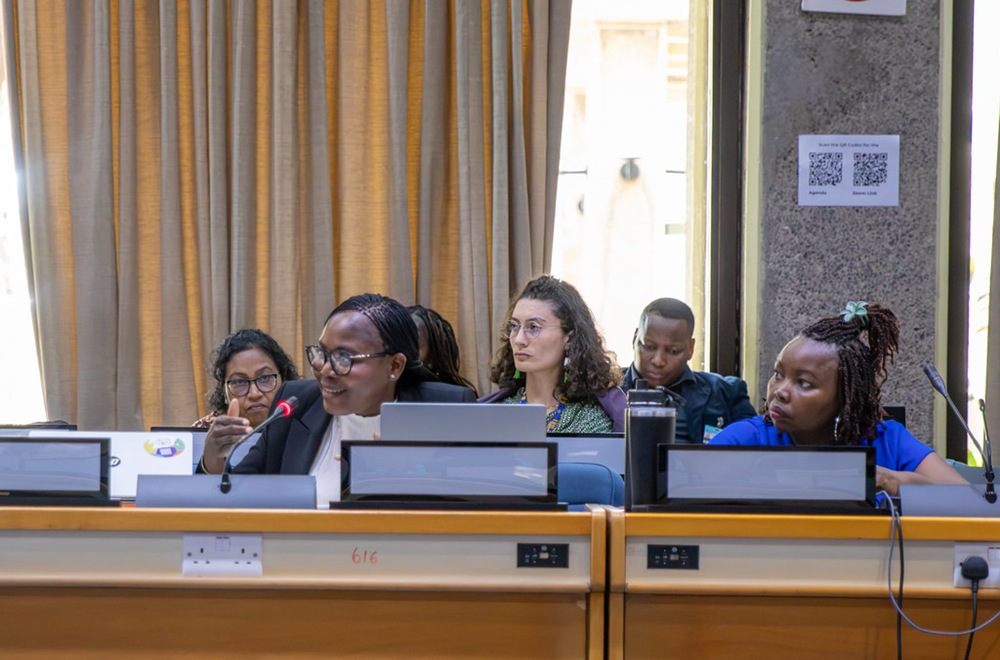Aina-Maria Iteta, the National Gender and Climate Change Focal Point (NGCCFP) in Namibia, said, “Prioritizing the Belém Gender Action Plan (BGAP) requires climate finance institutions to translate commitments into adequately funded action.”
Iteta emphasized the importance of prioritizing the Belém Gender Action Plan (BGAP), which requires governments and climate finance institutions to translate commitments into adequately funded action.
Accordingly, Maria Matui, Executive Director of Women Action Towards Economic Development in Tanzania, described the Belém Gender Action Plan (BGAP) as a blueprint for advancing gender equality through climate finance. She emphasized that adequate funding is required to back its commitments and translate ambition into action.
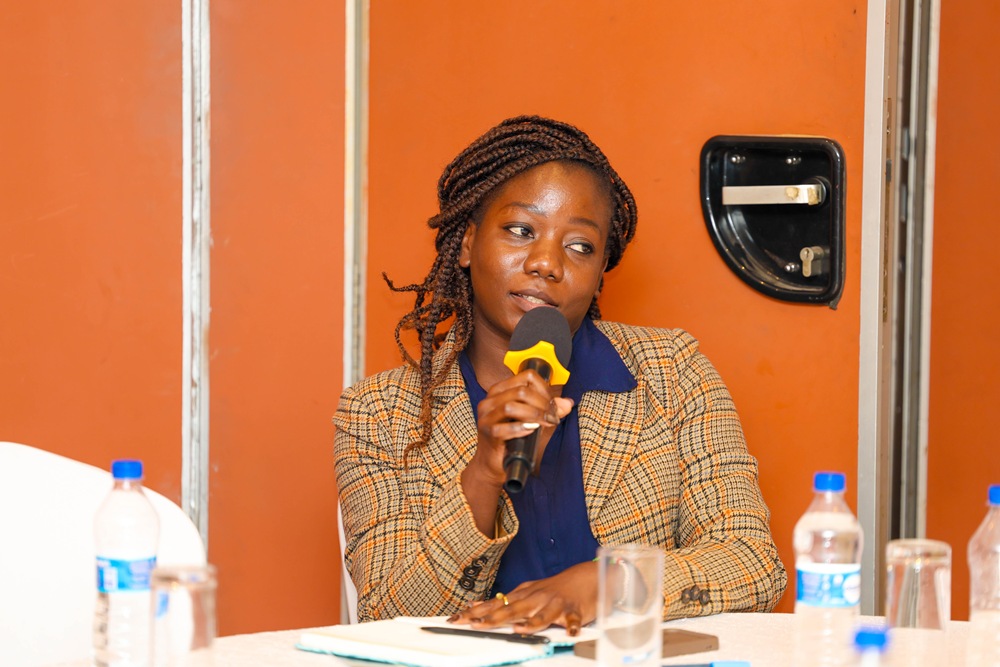Rosebell Barbara, the Resource Mobilization Lead at the African Center for Health, Climate and Gender Justice Alliance (ACHCGA), called on governments and climate finance institutions to fund the plan. Barbara said, “The Belém Gender Action Plan gives African women an opportunity to advance gender equality in climate action, but there is no guarantee that climate finance will be specifically allocated to support its implementation.”
She emphasized that the nine-year Plan has 98 deliverables but noted that without clear financial commitments, women risk being recognized in climate policies without the resources needed to address the inequalities they face and participate meaningfully in climate action.
She also stated that without clear financial commitments, women risk being recognized in climate policies without receiving the resources needed to address the challenges they face.
Accordingly, Kate Nyambura, a Pan-African feminist, said, “Stakeholders must meaningfully engage African women, girls, and young people in climate policy discussions and meaningfully invest in their engagement.”
Nyambura stressed that African women must be at the forefront of climate action and response because they are disproportionately affected by climate shocks.

In the same breath, Honorable Rose Obigah, the District Woman Representative for Terego District in Uganda’s West Nile sub-region, said that data and evidence must inform climate finance decisions so funding responds to women’s needs and addresses the disproportionate impacts of climate change on their health, safety, and livelihoods.
Obigah warned that unless climate finance addresses these inequalities, governments will struggle to achieve the Belém Gender Action Plan’s goals. She called for evidence-based financing approaches that center women’s lived experiences in investment decisions, ensuring that resources reach the priorities and challenges they identify.
Whether climate finance investors will translate their commitments into dedicated funding for the Plan’s implementation remains to be seen. Ultimately, the BGAP’s success will depend not only on the commitments made but also on the resources mobilized to achieve meaningful, lasting change for women and girls.
***The Article was written by:* Imali Ngusale**

SUBSCRIBE TO OUR NEWSLETTER
First name or full name
Email
By continuing, you accept the privacy policy
**Categories:** WOMEN EMPOWERMENT
---
### [Rwanda’s African Grand Prix Deal Divides Politicians and Stars Over Sport, Economics, and Rights](https://www.topafricanews.com/2026/10/16/rwandas-african-grand-prix-deal-divides-politicians-and-stars-over-sport-economics-and-rights/)
**Published:** October 16, 2026
**Author:** EDITOR
**Content:**
Formula 1 has signed a 10-year agreement for Rwanda to host the African Grand Prix starting in the early 2030s at a new circuit in Bugesera, about 40 kilometres south of Kigali and adjacent to a new international airport.
The race will be the championship’s first on the African continent since the 1993 South African Grand Prix at Kyalami.
Rwandan President Paul Kagame described the agreement as a moment that *“belongs to Africa,”* pointing to expected benefits in jobs, skills, tourism and the possibility of additional races elsewhere on the continent.
F1 chief Stefano Domenicali called it a landmark step that places the series on every inhabited continent, while FIA President Mohammed Ben Sulayem highlighted Rwanda’s commitment to meeting international standards.
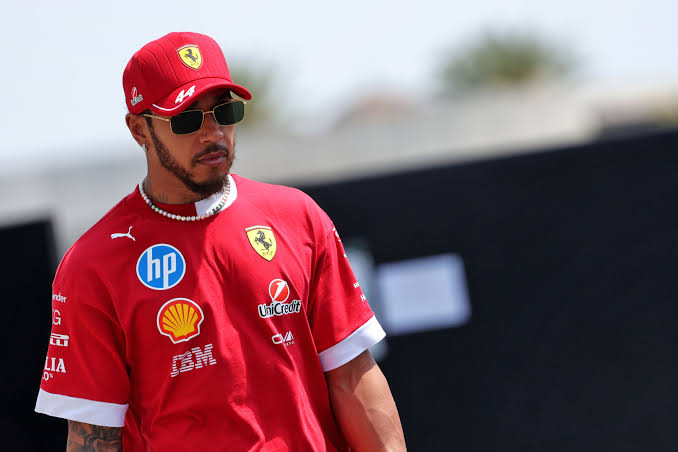Support has come from several prominent figures inside and outside the sport. Seven-time champion Lewis Hamilton has long argued for an African race, calling the continent the most important and beautiful one missing from the calendar.
He has described Rwanda as “spectacular” and a place he could imagine living, and has said he does not want to retire without racing there.
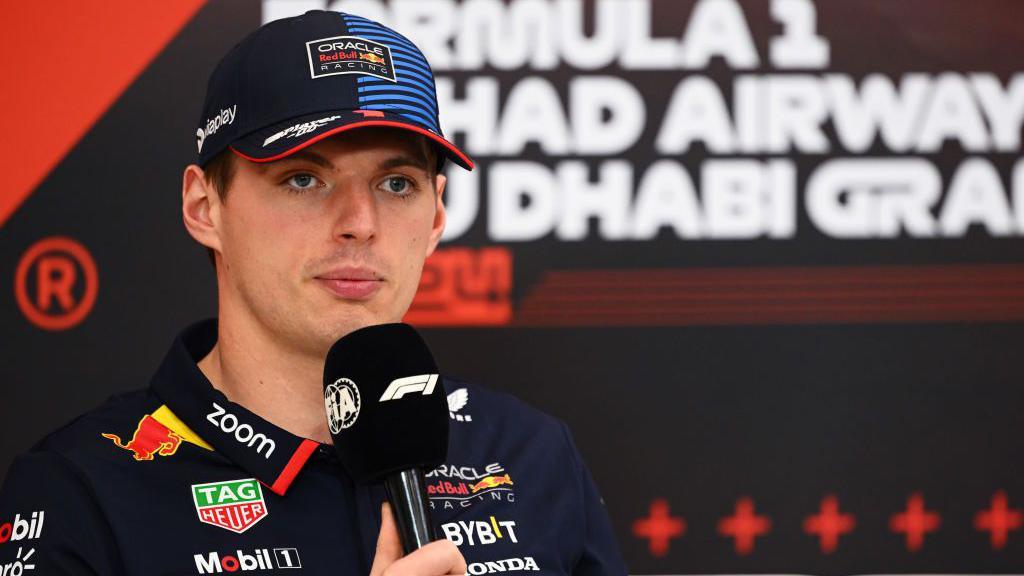Max Verstappen, who visited Kigali in 2024, has expressed hope the project advances.
South African President Cyril Ramaphosa publicly congratulated Kagame, saying South Africa shares in the pride and is ready to offer support if asked. Zambian President Hakainde Hichilema also sent congratulations.
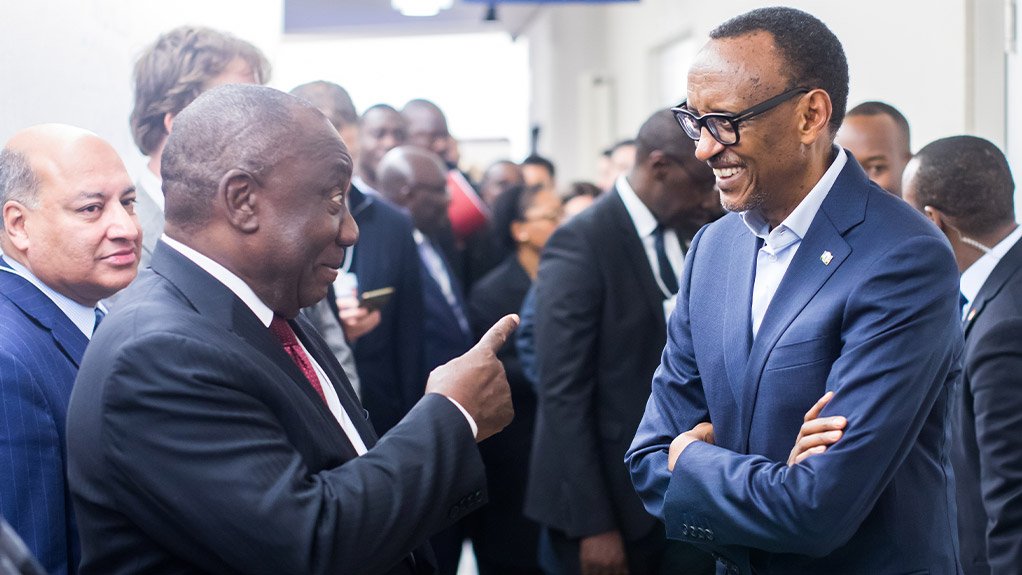President Cyril Ramaphosa congratulated Kagame, the Rwandan government and people on securing the 10-year hosting rights.South African Sports Minister Gayton McKenzie acknowledged that Rwanda had worked longer on its bid and deserved the slot, while stating that his country is still pursuing its own race, potentially as early as 2028 or 2029.
Rwandan officials, including Sports Minister Nelly Mukazayire, have framed the event as a continental opportunity that can create pathways for African talent and businesses.
Critics have raised objections centered on human rights conditions inside Rwanda and allegations of involvement in the conflict in eastern Democratic Republic of Congo. Amnesty International’s Felix Jakens described the deal as a “sportswashing prize,” citing concerns over restrictions on political opposition, limits on free expression and reports of arbitrary detention.
Author Michela Wrong, who has written critically about the Rwandan government for years, called the agreement consistent with a pattern of using high-profile events to shape international perception.
Democratic Republic of Congo Foreign Minister Thérèse Kayikwamba Wagner has called the decision “morally indefensible,” linking it to fighting involving the M23 group and asking for guarantees that race funding would not be tied to conflict minerals.
On this, Rwanda’s top diplomat, Olivier Jean Patrick Nduhungirehe informed Kayikwamba that ” The DRC Foreign Minister should worry about the ongoing criminal investigation in Belgium on money laundering and plundering of Katanga’s mineral resources by President Tshisekedi and his family, rather than worrying about success stories in neighbouring countries.”
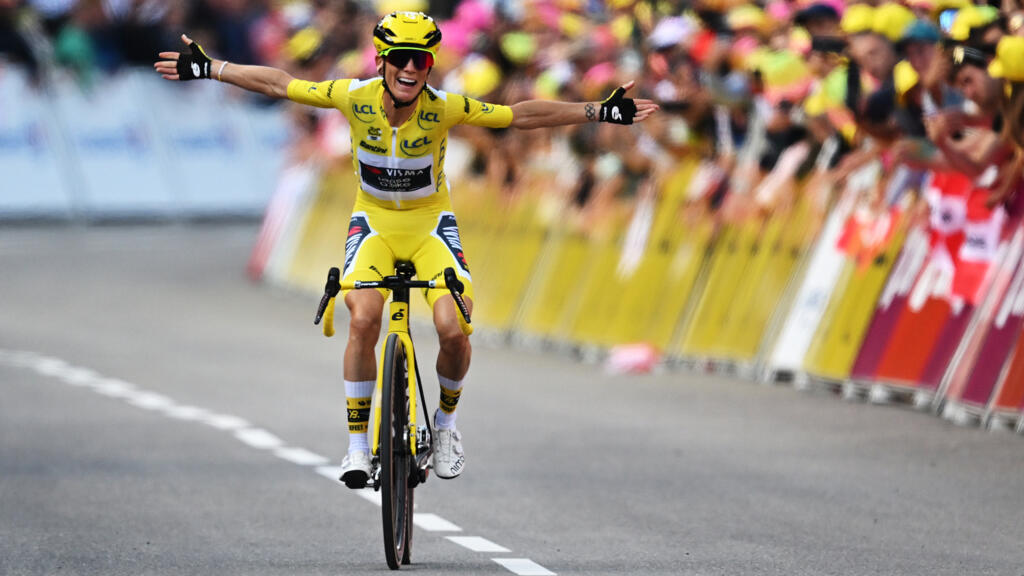***These lines of criticism pre-date the F1 announcement and have been applied to other international sporting and cultural partnerships involving Rwanda including the recently Successfuly Concluded historic first road world cycling championships in Africa.***
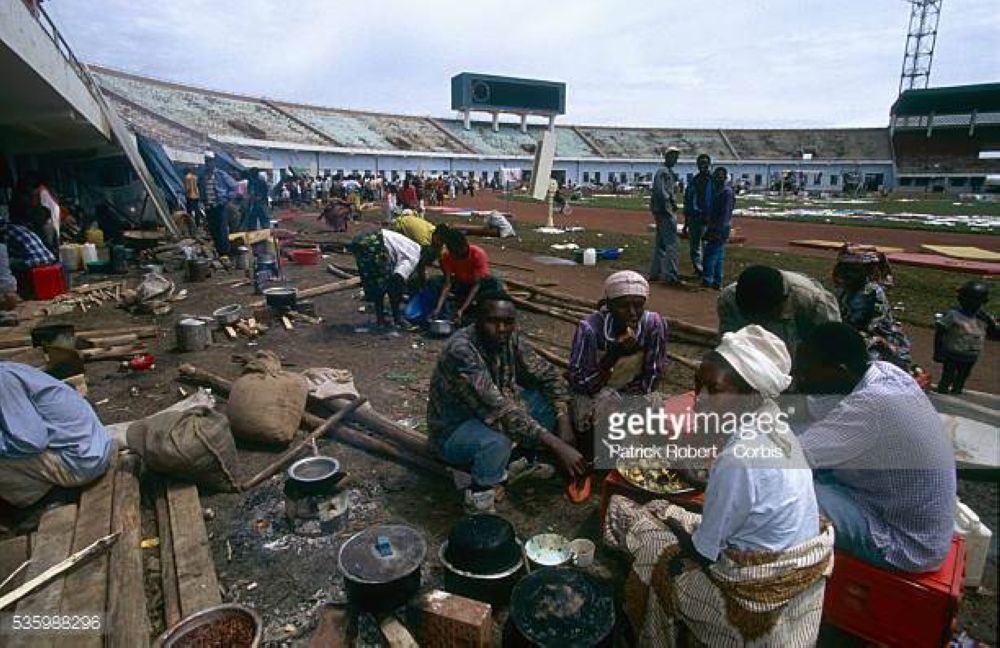***The Photo shows the Amahoro National Stadium in the 1994***
Rwanda’s government and supporters point to measurable changes since the 1994 genocide against Tutsi, including sustained economic growth, improved safety and infrastructure in Kigali, expanded tourism and a record of hosting other major events. They argue that the F1 deal is part of a longer strategy to generate investment and visibility, and that external criticism often overlooks these outcomes. Critics maintain that governance and regional security issues remain unresolved regardless of infrastructure or tourism gains, and that the race is the latest example of Rwanda’s international outreach rather than an isolated decision. Rwandan authorities have long rejected such characterizations as politically motivated or outdated.
***Amahoro National Stadium as of today***
The announcement therefore sits at the intersection of two ongoing arguments: one that treats the race as recognition of Rwanda’s development and a wider African milestone, and another that views it as overlooking contested domestic and regional issues.
As work continues on the Bugesera circuit and the early-2030s start date approaches, both sets of views are expected to remain part of the public discussion.

SUBSCRIBE TO OUR NEWSLETTER
First name or full name
Email
By continuing, you accept the privacy policy
**Categories:** SPORTS
---
### [Senegal Opens 104 Blocks to Investors, Targets New Upstream Contracts](https://www.topafricanews.com/2026/10/16/senegal-opens-104-blocks-to-investors-targets-new-upstream-contracts/)
**Published:** October 16, 2026
**Author:** EDITOR
**Content:**
Senegal has 104 oil and gas blocks available to investors and is seeking new upstream contracts to accelerate exploration and production, El Hadji Abdourahmane Diouf, Minister of Energy and Petroleum, said at African Energy Week 2026 in Cape Town. Of the 113 blocks in Senegal’s reorganized acreage, four are under contract and five have been allocated to Eni for studies, leaving substantial opportunities for international and regional operators.
“We hope to sign a number of contracts…” he said, adding that the country aims to “show investors that Senegal remains the country it has always been: open, hospitable and respectful of international procedures.”
Senegal reorganized its upstream acreage into 113 blocks in March 2026, comprising 65 onshore and 48 offshore blocks. The country also signed an agreement with Eni to assess the oil and gas potential of five offshore blocks.
Beyond new exploration acreage, Senegal is seeking partners to develop the Yakaar-Teranga gas project alongside national oil company Petrosen. Petrosen took full control of the project after Kosmos Energy withdrew in April 2026. Minister Diouf said Yakaar-Teranga will supply gas for power generation, industrial applications including fertilizer production, and exports. Advancing the project will require a coherent development structure, credible buyers and a clear investment program.
“Our strategy is to build the value chain from the well to the factory, with gas at the heart of our industrial ambition,” he said.
Downstream, Minister Diouf pointed to a planned second refinery that will process Sangomar crude, with investment estimated at $2 billion to $3 billion. The Société Africaine de Raffinage (SAR) and Turkey’s Yamata signed a Memorandum of Understanding for the four-million-ton-per-year refinery in New York on September 23, 2026. Minister Diouf said the project opens further opportunities in storage, logistics, distribution and petrochemicals.
Minister Diouf invited investors to examine Senegal’s data, work with its technical teams and bring proposals backed by the capacity to invest and execute. He also asked partners to involve Senegalese companies and skills from the outset, with support from the national local content monitoring committee.
“Capital must earn a return. Senegal must gain a stronger economy. The partnership we seek must serve both purposes,” he said.
According to Minister Diouf, Senegal hopes to expand the MSGBC alliance beyond its five host countries of Senegal, Mauritania, The Gambia,
Guinea-Bissau and Guinea, but he did not specify which countries are being considered.

SUBSCRIBE TO OUR NEWSLETTER
First name or full name
Email
By continuing, you accept the privacy policy
**Categories:** Energy
---
### [Former Prime Minister Bernard Makuza Distances Himself from Father’s Divisive Politics at Unity Forum](https://www.topafricanews.com/2026/10/16/former-prime-minister-bernard-makuza-distances-himself-from-fathers-divisive-politics-at-unity-forum/)
**Published:** October 16, 2026
**Author:** TOPAFRICANEWS
**Content:**
**Nyamagabe, 16 October 2026** — Former Rwandan Prime Minister Bernard Makuza has publicly rejected the ethnic divisionist ideology associated with his late father, Anastase Makuza, during remarks at a Unity and Resilience Forum held in Nyamagabe District.
Speaking at the gathering, which brought together participants from Nyamagabe and Nyaruguru districts as part of this year’s Unity and Reconciliation Month activities under the theme “Unity and Reconciliation: Our Choices,” Makuza said he was shocked and deeply pained when he fully understood the nature of the politics his father had promoted.
Anastase Makuza served as a senior official, including as President of the National Assembly, during the First Republic under President Grégoire Kayibanda and was linked to the PARMEHUTU movement, which advanced policies of ethnic discrimination. Bernard Makuza stated that those policies contributed to dividing Rwandans and ultimately led to the 1994 Genocide against the Tutsi.
“When I learned about it, I was truly shocked and pained. I asked myself how such things could have happened,” he said. He emphasised that he has never supported, and will never support, any ideas that divide Rwandans, declaring his personal commitment to national unity.
Addressing those who continue to associate him with his father’s image, Makuza said: “Please forgive me a lot. That is not me.” He added that he is prepared to work with anyone seeking to move away from such divisive thinking and that he would even risk his life for the cause of Rwandan unity.
Makuza also recalled that during the Genocide, he deliberately fled to areas then controlled by the Rwandan Patriotic Front because he believed his life would be safer there, having openly opposed the previous government.
Bernard Makuza served as Prime Minister of Rwanda from 2000 to 2011 and later as President of the Senate from 2014 to 2019. The remarks come amid ongoing national efforts to confront historical narratives of division while reinforcing the principles of unity and individual responsibility.

SUBSCRIBE TO OUR NEWSLETTER
First name or full name
Email
By continuing, you accept the privacy policy
**Categories:** Peace Building and reconciliation
---
### [DRC First Lady Contests Belgian Searches of Family Properties, Pledges Cooperation](https://www.topafricanews.com/2026/10/16/drc-first-lady-contests-belgian-searches-of-family-properties-pledges-cooperation/)
**Published:** October 16, 2026
**Author:** TOPAFRICANEWS
**Content:**
**BRUSSELS / KINSHASA —** In a statement issued through her lawyers on October 15, 2026, Democratic Republic of Congo First Lady Denise Nyakeru Nkana expressed surprise at the search of the family’s home in Belgium and strongly rejected the accusations brought against her and other relatives.
Belgian police had carried out coordinated searches the previous day at several properties linked to members of President Félix Tshisekedi’s family and associates in Brussels and municipalities in Flemish Brabant and Walloon Brabant. The operations form part of a money-laundering investigation opened after complaints filed in July 2025 by Congolese non-governmental organizations and former executives of the state mining company Gécamines. The complaints allege involvement in the diversion of mineral resources and related financial offenses in the southern provinces of Lualaba and Haut-Katanga.
Nyakeru Nkana firmly contested the claims leveled against her and several other family members, describing them as unfounded. At the same time, she affirmed that she would give full cooperation to Belgian judicial authorities.
The Congolese presidency declined to comment on the matter. Lawyers representing the complainants have voiced confidence in the work of Belgian investigators and the examining magistrate handling the case.
No arrests have been publicly reported, and Belgian authorities have not disclosed whether any documents, assets, or other items were seized. Prosecutors have emphasized the secrecy of the investigation and the presumption of innocence, providing no further details about the identities of those whose properties were searched.
The searches mark an early stage in the probe rather than any finding of guilt. The case comes as President Tshisekedi’s administration faces multiple domestic pressures, including security challenges in the east of the country and other internal political and public-health issues. The investigation continues.

SUBSCRIBE TO OUR NEWSLETTER
First name or full name
Email
By continuing, you accept the privacy policy
**Categories:** NEWS
---
### [Rwanda Takes Its Specialty Coffee to Japan in Global Market Push](https://www.topafricanews.com/2026/10/15/rwanda-takes-its-specialty-coffee-to-japan-in-global-market-push/)
**Published:** October 15, 2026
**Author:** TOPAFRICANEWS
**Content:**
Rwanda is showcasing its distinctive specialty coffee to international buyers and industry players in Japan, seeking to strengthen its presence in global markets and expand opportunities for the country’s coffee exporters.
The country is participating in the SCAJ World Specialty Coffee Conference and Exhibition 2026, taking place in Japan from October 14 to 17, where it is promoting the quality and unique characteristics of Rwandan coffee through exhibitions and tasting sessions.
The Rwandan delegation includes the Chief Operations Officer of the National Agricultural Export Development Board (NAEB), Rwanda’s Ambassador to Japan, and coffee exporters, who are working together to present the country’s coffee to a global audience.
Through coffee displays and tasting sessions, the delegation is giving international buyers and other stakeholders an opportunity to experience the distinctive qualities of Rwandan coffee, while creating a platform for engagement with potential business partners.
The participation is aimed at connecting Rwandan coffee with international buyers, strengthening relationships with existing and prospective partners, and creating opportunities for exporters to explore new markets.
The SCAJ World Specialty Coffee Conference and Exhibition is an important gathering for the specialty coffee industry, bringing together coffee producers, exporters, buyers, roasters and other professionals to exchange knowledge, showcase products and explore business opportunities.
For Rwanda, participation in the event provides an opportunity to increase the visibility of its coffee in Japan and other international markets, while highlighting the country’s position as a supplier of specialty coffee.
By bringing together public-sector representatives, diplomatic officials and private exporters, Rwanda is using the international platform to promote its coffee and build connections that could support the growth of its coffee export sector.

SUBSCRIBE TO OUR NEWSLETTER
First name or full name
Email
By continuing, you accept the privacy policy
**Categories:** Natural Resources and Agriculture
---
### [Countdown to Third Strike: Bruce Melodie vs YAGO TV](https://www.topafricanews.com/2026/10/15/countdown-to-third-strike-bruce-melodie-vs-yago-tv/)
**Published:** October 15, 2026
**Author:** EDITOR
**Content:**
## Channel copyright issues
YAGO TV SHOW, the roughly 870,000-subscriber Rwandan entertainment and interview channel run by Innocent Nyarwaya (Yago Pon Dat), is facing imminent removal. It has received a third copyright strike from Bruce Melodie and his team.
Screenshots shared by Nyarwaya on 15 October 2026 show YouTube’s standard notice: five videos already removed, three active copyright strikes, and a seven-day window before channel termination. This follows two earlier strikes reported in early October.
Nyarwaya has publicly framed the action as an escalation that weaponizes prior joint interviews. In posts on X, he stated that Bruce Melodie’s side is using conversations from different times to generate the strikes. This relates to the YAGO TV SHOW.
The channel has been given roughly eight days before permanent deletion. He announced the deletion of all such interviews and related content. Furthermore, he declared ‘no apology’ while affirming his Christian faith (‘YESU wanjye ni MUZIMA’) and urging fans to hold on.
Earlier in month, he wrote that Bruce and his team had sent two strikes aimed at shutting the channel down. He added that whatever the other side tried to achieve from long ago had been reached, yet he claimed victory.
Bruce Melodie (Itahiwacu Bruce) is a high-profile Rwanda recording artist. He has not issued a detailed public statement in these strikes. The claim concerns a video titled ‘Bruce’ using the melody and lyrics ‘BIRANGIYE TUMUGUYEHO NAYA BRABUS YE…’. The video is attributed to content owned or controlled by Itahiwacu Bruce.
The contact is brucemelodie2025@gmail.com. The strike covers the entire video. As noted on the YAGO TV SHOW, three valid strikes within ninety days can end a channel. The policy is applied automatically once notices are processed, with little room for counter-notifications unless the rights holder retracts.
The current dispute sits against a documented history of tension. In August 2025, a TikTok live session, reported by InyaRwanda, featured Bruce Melodie addressing a prior feud with Yago.
He said he did not know what he had done to offend him, and Yago apologized on camera. He forgave him in his heart while remaining silent publicly. He framed the decision as part of the YAGO TV SHOW career progress.
Nyarwaya has built a parallel music career under the name Yago Pon Dat. His releases include Suwejo and Ni Wanee. He also released an 18-track album and has long mixed interview programming, commentary, and his music on the channel.
Industry observers will recognize familiar patterns. Nyarwaya’s channel itself was previously the subject of a theft case. In 2024 a Nyamirambo court convicted Ally Ndangwa of stealing the YouTube channel. Rwandan authorities (RIB) were involved in the recovery.
The New Times covered a broader 2024 YAGO TV SHOW saga. Nyarwaya, then describing himself as having fled the country, made allegations against fellow YouTubers. The paper reported that criminal charges were expected over certain statements. The current copyright campaign is narrower, focused on music and interview content. However, it arrives in an environment where grievances in Rwanda’s digital entertainment space have repeatedly spilled onto platforms.
For creators and rights holders in the region, the case illustrates the practical limits of YouTube’s system. Using an artist’s full track or distinctive melody as background or featured audio in long-form interviews or commentary routinely triggers Content ID or manual claims.
Fair-use arguments (transformative commentary, criticism, or limited clips) are difficult to sustain when the music runs through substantial portions of a video, and platforms tend to side with the rights holder pending formal dispute.
Once three strikes accumulate, the removal process is largely mechanical. Nyarwaya’s decision to delete the contested interviews removes the immediate infringing material but does not automatically clear existing strikes; only a retraction by the claimant or a successful counter-notification typically does.
The episode also highlights ongoing risk management issues for interview-format channels in markets where artists and hosts frequently collaborate, fall out, and later re-use recorded material.
Bruce Melodie continues to pursue international and regional work (including a scheduled appearance supporting Bwiza’s album launch in Lusaka later in 2026).
Nyarwaya’s channel, which has mixed entertainment interviews, music, and personal commentary and has previously promoted talent from neighboring countries such as Uganda, now faces the prospect of losing its primary distribution platform.
Whether the strikes are ultimately upheld, partially withdrawn, or lead to a full termination will depend on any further action by Bruce Melodie’s side and YouTube’s review process in the coming days.
For the wider Rwandan digital music and content industry, it is another reminder that past collaborations can become future leverage points under platform copyright rules.

SUBSCRIBE TO OUR NEWSLETTER
First name or full name
Email
By continuing, you accept the privacy policy
**Categories:** Entertainment, NEWS
---
### [Discover Lake Kidogo in Rwanda: A Stunning Must-Visit Destination](https://www.topafricanews.com/2026/10/15/visit-rwanda-lake-kidogo-a-place-to-visit-in-2020-pictures/)
**Published:** October 15, 2026
**Author:** Justin Kayiranga
**Content:**
Lake Kidogo sits in the Eastern Province of Rwanda, in Bugesera district, about 63 kilometers from Kigali city center.
The lake measures 5.76 kilometers in length and rises about 1326 meters above sea level.
Currently, there are not many activities at the lake.
However, Lake Kidogo offers only a boat trip at one guest house along the lakeside.
Another thing to know for this Lake Kidogo is that it is closer to Lima prison.
Fishing area in the lakeThe lake is surrounded by small hills There is boat activity A fisherman checking his fishing netsThe place is better for those who do group tours as it has a big ground for entertainmentFood and drinks are available at the guest houseThe lake water turned into brown color due to River Kagera flooding and the river passes across this lakeDuring the boat trip, you have to put on a life jacketSun set
SUBSCRIBE TO OUR NEWSLETTER
First name or full name
Email
By continuing, you accept the privacy policy
**Categories:** Tourism and Nature
**Tags:** Green Zest Travels, Tourism, VISIT RWANDA
---
### [Kenya Confirms Second Bundibugyo Ebola Case, No Wider Spread](https://www.topafricanews.com/2026/10/15/kenya-confirms-second-bundibugyo-ebola-case-no-wider-spread/)
**Published:** October 15, 2026
**Author:** EDITOR
**Content:**
**Nairobi, October 15, 2026 —** Bundibugyo Ebola in Kenya has been confirmed as a second case.
The patient is a 39-year-old man who is a close family member of the country’s first imported case.
He was in mandatory quarantine and daily monitoring when symptoms appeared on October 13, allowing immediate isolation.
Director General for Health Dr. Patrick Amoth stated that the man reported fever, fatigue, and joint pains. Specimens tested positive for the Bundibugyo strain at both the National Virology Reference Laboratory and the Kenya Medical Research Institute–Centers for Disease Control and Prevention laboratory, with matching results. He has been transferred to a designated treatment centre, where trained teams are providing supportive care. Officials noted that early detection while he was already isolated improves his chances of recovery and reduces the risk of further transmission. Kenya has now recorded two confirmed cases and one death.
The index case involved a Kenyan citizen in his 40s who had resided in the Democratic Republic of the Congo for several years. He fell ill while in the DRC, sought care at multiple facilities there, and later traveled by road through Uganda before flying into Nairobi in early October. After arrival, he was taken to a hospital, isolated upon presenting with symptoms that included fever, fatigue, muscle pain, and bleeding under the skin at injection sites, and died on the night of October 5. Arrangements for a safe and dignified burial were completed in line with protocols for viral hemorrhagic fevers.
Contact tracing teams have identified 128 people linked to the first patient. As of October 13, 113 had been located, with 108 placed in 21-day facility quarantine in Kenya. These individuals undergo twice-daily clinical assessments and temperature checks. Five contacts remain outside the country, and authorities in those nations have been notified under the International Health Regulations. Tracing of the remaining contacts continues, and teams are also evaluating anyone who may have been exposed to the second patient after he became symptomatic, including quarantine staff and healthcare workers. Both cases are epidemiologically linked, and investigations have found no evidence of transmission in the wider community.
The infections in Kenya are linked to a large ongoing outbreak.
Bundibugyo Ebola in Kenya began in May 2026 in the Democratic Republic of the Congo.
That outbreak has produced thousands of confirmed cases across multiple provinces.
It has caused several thousand deaths in the eastern region, with a high fatality rate.
Uganda previously recorded a smaller related cluster.
Bundibugyo is a less common Ebola species than Zaire.
There is currently no licensed vaccine or specific antiviral treatment.
Care focuses on supportive measures such as fluid management, symptom control, and intensive monitoring.
Clinical trials of candidate interventions are under way elsewhere in the region.
Kenya’s response is coordinated through a single national command structure under the Public Health (Ebola Disease) Rules, 2026. Enhanced screening continues at airports, seaports, and land borders, where hundreds of thousands of travelers have been checked since the DRC outbreak began. Isolation and treatment capacity has been prepared at designated facilities, health workers have received training and personal protective equipment, and rapid-response teams remain on standby. President William Ruto has directed additional assessments and strengthened measures. The Ministry has emphasized that Kenya remains open for travel, trade, and public gatherings, with no lockdowns or broad restrictions in place.
Health authorities are urging the public to stay calm, rely on official updates, and avoid spreading unverified information. Anyone who develops fever or other symptoms, or who believes they may have been exposed, is advised to seek guidance promptly by calling 719 rather than visiting health facilities unannounced. Early isolation and supportive care remain the most effective tools for limiting the impact of the disease while contact tracing and surveillance continue.

SUBSCRIBE TO OUR NEWSLETTER
First name or full name
Email
By continuing, you accept the privacy policy
**Categories:** HEALTH, NEWS
---
### [Dore Ibintu 10 byakurinda ibibazo byo kurangiza vuba](https://www.topafricanews.com/2019/01/05/dore-ibintu-10-byakurinda-ibibazo-byo-kurangiza-vuba/)
**Published:** January 5, 2019
**Author:** TOPAFRICANEWS
**Content:**
Ibintu 10 byakurinda kurangiza vuba urabisanga hano:

SUBSCRIBE TO OUR NEWSLETTER
First name or full name
Email
By continuing, you accept the privacy policy
**Categories:** IBITEKEREZO N'INKURU MU KINYARWANDA
---
### [Ultimate, High-Integrity African Carbon Markets Pay Communities](https://www.topafricanews.com/2026/10/15/ultimate-high-integrity-african-carbon-markets-pay-communities/)
**Published:** October 15, 2026
**Author:** EDITOR
**Content:**
**Kigali, Rwanda – October 15, 2026:** As the summit closes in Kigali, participants are converging on a clear demand.
Africa’s Carbon Markets must move beyond readiness, deliver verifiable emissions reductions, attract long-term capital, and return value to communities.
Rwanda’s Ministry of Environment hosted the three-day gathering.
The summit was co-hosted by the United Nations Development Programme and the African Development Bank.
Representatives from roughly 45 countries attended, including more than 20 African nations.
Delegates included government officials, project developers, investors, buyers, and development finance institutions.
Discussions on the final day centered on practical barriers to investment.
They also covered the meaning of high integrity, community ownership models, and steps to turn project pipelines into completed transactions.
Rwanda’s Environment Minister, Dr. Bernadette Arakwiye, framed the challenge early in the summit. The question is no longer whether Africa is ready. Moreover, it must deliver at scale with integrity and innovation.
She called for markets shaped by African priorities. She also called for diversification into renewable energy, electric mobility, sustainable waste management, industrial decarbonization, agriculture, and large-scale nature-based solutions.
Accessible methodologies suited to African conditions were identified as essential enablers.
Moreover, project-preparation finance and sustained buyer demand at fair prices were identified as essential enablers.
Speakers repeatedly stressed that credibility, not the lowest price, should define African carbon credits.
Representatives from the UN climate process urged the continent to offer additional, permanent, and trustworthy tonnes rather than compete primarily on cost.
European Commission officials reinforced that additionality and permanence are non-negotiable requirements for international demand.
Parallel sessions examined how digital monitoring, reporting, and verification tools developed on the continent can reduce costs.
Moreover, they also strengthen transparency.
Solution labs addressed early-stage finance gaps, authorization under Article 6, registry interoperability, and the need to expand local verification capacity.
Community outcomes test market success in Carbon Markets. Participants argue that value flows from buyers to farmers and local land stewards. This flow is supported by enforceable rights, transparent revenue-sharing, and clear ownership structures. Additionally, discussions moved beyond traditional language to models where communities act as active participants and owners. However, environmental advocates note that weak safeguards risk land disputes and limited ecological gains. Summit speakers treat robust community mechanisms as necessary for social equity and investor confidence.
Project presentations and deal-room sessions showcased initiatives in rangeland restoration, agroforestry, forest carbon, and related nature-based approaches.
When designed carefully, these activities can support biodiversity, soil health, and landscape resilience alongside emissions reductions.
Development finance institutions highlighted their role in bridging early financing shortfalls for feasibility work and validation.
Additionally, they use patient capital and risk-sharing so private investors can participate more readily.
As formal sessions end and networking continues, progress is measured by the number of projects that secure funding.
They must achieve verification and complete transactions while retaining economic value on the continent.
For environmentalists, the summit’s emphasis on integrity over volume and diversification into ecosystem-supporting activities points toward a pathway.
Carbon markets can finance genuine climate mitigation and resilience.
However, financing gaps must close, monitoring systems must scale, and national authorizations must protect commitments while enabling fair international cooperation.
With African countries preparing for the next round of climate talks, Kigali’s conversations underscored the need for high-integrity, Africa-led delivery.
Moreover, carbon markets can contribute meaningfully to both continental development and planetary climate goals.

SUBSCRIBE TO OUR NEWSLETTER
First name or full name
Email
By continuing, you accept the privacy policy
**Categories:** CLIMATE CHANGE, Environment, NEWS
---
### [Tooro Kingdom Unveils Bold Cabinet Overhaul Under New King](https://www.topafricanews.com/2026/10/15/tooro-kingdom-unveils-bold-cabinet-overhaul-under-new-king/)
**Published:** October 15, 2026
**Author:** TOPAFRICANEWS
**Content:**
**FORT PORTAL, Uganda** — Tooro Kingdom announced a sweeping cabinet reshuffle on Wednesday, October 15, 2026.
Additionally, Omukama Edward Rukidi Nyabongo I moves to reshape the institution’s administration less than three weeks after his coronation.
Interim Prime Minister Calvin Armstrong Rwomiire Akiiki revealed the new team at Muchwa Kingdom Headquarters.
Omukama Edward Rukidi Nyabongo I announced changes that drop up to 10 officials and create new ministries.
The changes reduce the number of deputy prime ministers from three to two.
They also reorganize key portfolios to improve coordination, accountability, and service delivery.
Among those dropped are former Deputy Prime Ministers Henry Basaliza, previously in charge of Foreign Affairs and Inter-Kingdom Cooperation, and Harriet Nyakake, who handled Culture. Also removed were Education and Sports Minister Francis Divine Kateeba and Tourism Minister Joan Kantu Else.
In the new structure, Elasto Kasoro Akiiki becomes Deputy Prime Minister and Minister for Culture and Local Government. Dr. Beyeza Abwooli takes the second deputy premiership and will also serve as the king’s health adviser.
New ministries include Youth Affairs, headed by Nicholas Mugume Amooti. Information and Communication Technology, led by Makerere University lecturer Dr. Drake Mirembe Apuuli. Security and Palace Affairs under Samuel Nyabongo Kimoome Akiiki. Gender, with Victoria Rusoke as minister. Foreign Affairs has been elevated to a standalone portfolio under Evelyn Bright Adyeri.
Other key appointments include Richard Rwabwogo Apuuli as Attorney General, Dr. Richard Mugahi Adyeri as Minister of Health, Lucia Alinda Amooti as Minister of Education and Sports, Herman Olimi Adyeri as Minister of Tourism, and Vincent Mugume Araali as Kingdom Spokesperson. The Ministry of Diaspora Affairs and Resource Mobilization remains vacant for now.
As interim prime minister for a six-month transitional period, he said the reshuffle aims to eliminate overlapping responsibilities.
It also seeks to strengthen unity as the kingdom implements the new monarch’s reform agenda.
“The kingdom cannot afford internal divisions at a time when expectations are high,” he noted.
The appointments come as Tooro continues its transition after the death of Omukama Oyo Nyimba Kabamba Iguru Rukidi IV on August 27. Nyabongo I’s coronation on September 29 at Karuziika Palace followed. The new king, a former news anchor, has already retained Charles Kayondo Kamurasi as head of the Babiito royal clan and signaled priorities that include clearing staff arrears, youth empowerment, agriculture, and cultural programs.
The kingdom is also set to resume its suspended Amasaza tournament this weekend. The new Omukama is expected to officiate the final later this month.

SUBSCRIBE TO OUR NEWSLETTER
First name or full name
Email
By continuing, you accept the privacy policy
**Categories:** NEWS
---
### [West Africa Leaders Unveil $10 Billion Investment Pipeline Ahead of Sierra Leone Summit](https://www.topafricanews.com/2026/10/15/west-africa-leaders-unveil-10-billion-investment-pipeline-ahead-of-sierra-leone-summit/)
**Published:** October 15, 2026
**Author:** EDITOR
**Content:**
## Advisory Board Meeting in Lagos
President Julius Maada Bio and Tony O. Elumelu co-chair second meeting of the WAIIS Private Sector Advisory Board in Lagos. The event proceeds with the support of Lagos State Governor Babajide Sanwo-Olu.
Region’s investors and financial institutions move from advocacy to capital mobilization ahead of the 17–18 November Summit in Sierra Leone.
Lagos, Nigeria, on 13 October 2026, hosted West Africa’s business leaders. They reaffirmed their commitment to converting the region’s economic potential into bankable investments, competitive industries, and jobs.
This followed the second meeting of the WAIIS Private Sector Advisory Board in Lagos.
The WAIIS Private Sector Advisory Board Meeting, co-chaired by His Excellency Julius Maada Bio, President of the Republic of Sierra Leone, and Tony O. Elumelu, CFR, Chairman of Heirs Holdings, convened the Board’s members — representing the region’s largest industrial conglomerates, energy and mining companies, and development finance and banking institutions.
Additionally, Lagos State Governor Babajide Sanwo-Olu attended in person, underscoring the host state’s broad support for the initiative and its alignment with regional development goals, as well as its commitment to fostering collaboration among major private sector players.
The Advisory Board is mandated to place the private sector at the centre of regional integration: identifying investable projects, mobilizing African and international capital, and advising governments on the policy actions required to unlock transactions. The meeting focused on the four anchor sectors of the Summit: **energy trade and** industrialization**; strategic minerals; agribusiness; and digital transformation.**
Ahead of the Lagos meeting, President Bio also met in New York with His Excellency Bassirou Diomaye Faye, President of the Republic of Senegal and current Chair of the ECOWAS Authority of Heads of State and Government, to brief him on WAIIS preparations and reaffirm the Summit’s alignment with ECOWAS priorities on regional integration, investment and private-sector mobilization.
**A single market of 400 million people**
President Bio described WAIIS as a platform to unify a regional market of more than 400 million people. Additionally, it aims to mobilize businesses from West Africa and across the world to deepen trade, investment, and economic cooperation.
Moreover, West Africa remains serious about ECOWAS, which has existed for 50 years. However, we have not yet built a consolidated market. We must bring together a common market that serves the more than 400 million people we have. We will discuss this at the WAIIS Private Sector Advisory Board Meeting.
In emphasizing the need for execution, President Bio called on the Private Sector Advisory Board to “transform ideas into partnerships, partnerships into investments, and investments into lasting prosperity for our continent.” With the Summit less than two months away, the President called on the Board to move from advocacy to active mobilization- “engaging prospective investors directly, matching them with viable projects, and identifying the financing gaps, policy decisions and other interventions required to move transactions forward.”
Mr. Tony Elumelu, co-chair and host, said the initiative reflected the President’s determination to make his leadership of ECOWAS count. “When he became Chairman of the ECOWAS Heads of State, His Excellency decided to make a significant and impactful difference, and he decided to mobilize the private sector,” Mr. Elumelu said. “He approached us, one by one. He wants his tenure to be impactful, and he wants all of us to come together. He has brought his team to Lagos for the sole purpose of letting us plan how, through our various businesses and enterprises, we can work together to transform West Africa. That is what we are committed to.”
Speaking on behalf of the African private sector, he added: “We are happy that our political leaders are beginning to bring all of us together so that we can be much more impactful. Today is about the talk that leads to action. This is consistent with our aspirations to create jobs for our young people. No one in this sub-region needs to be poor. We have all it takes to be prosperous, and we hope this marks the beginning of that prosperity for all.”
Board members endorsed the approach and committed to mobilizing capital alongside the region’s leading financial institutions — including the Africa Finance Corporation, Afreximbank, Africa50, and the Central Bank of West African States (BCEAO) — each represented on the Board.
“We received 170 project submissions and have selected 26 real projects worth more than $10 billion from over ten countries. By Freetown on 17–18 November, we expect that portfolio to reach $15 billion or more. This is not a one-off. We will keep tracking whether the investment flows arrive and what makes them happen,” said Hon. Dr Kandeh Kolleh Yumkella, Special Envoy for the West Africa Integration and Investment Summit (WAIIS) 2026 and Chairman of the Presidential Initiative on Climate Change, Renewable Energy and Food Security (PI-CREF).
**The private sector responds**
“For the first time, the global megatrends of energy security, food security, minerals, and demographics all meet in Africa, and integration is how we unlock that market. Plans succeed only when they outlast leaders. We are committed to sustaining this initiative well beyond the summit,” says Samaila Zubairu, President and Chief Executive Officer of the Africa Finance Corporation (AFC).
Oliver Alawuba, Managing Director and Group CEO of United Bank for Africa (UBA) underscored that“Dangote Refinery’s success shows what domestic capital can do: Nigerian and regional banks financed it. With UBA in nine West African countries outside Nigeria, we stand ready to mobilize the resources needed for bankable projects.”
Representing Aliko Dangote, who had earlier taken President Bio on a conducted tour of his Petroleum Refinery, at Ibeju – Lekki, Lagos, Dr. Mahmud Hassan, Group Chief Economist – Dangote Group stressed that“power is the binding constraint on West Africa’s industrialization. Through the Power ECOWAS Initiative, the ECOWAS Business Council will build a regional power corridor financed by domestic capital, so that where one country’s value chain stops, the next country’s begins.”
Africa’s greatest opportunity lies in transforming our resources into industries, infrastructure and lasting economic value. WAIIS embodies a vision I firmly believe in mobilizing capital, strengthening regional integration and translating Africa’s potential into bankable investments. I commend His Excellency, President Julius Maada Bio, for championing this initiative and thank him for personally engaging with private-sector leaders in Nigeria. His leadership demonstrates the commitment required to turn ambition into meaningful economic progress.” said Adewale Tinubu, CON, Group Chief Executive, Oando PLC.
“West Africa must move beyond potential and emerge as a leading global economic hub. Through WAIIS, the private sector is converting that potential into investment and impact, driven by innovation, industrialization, and shared prosperity,” said Apostle Folorunso Alakija, Executive Vice Chair, FA Oil Limited.
“This is not about speeches; it is about developing projects. Afreximbank sets aside up to $5 million per transaction for project preparation. Working with partner lenders and local banks, we aim to grow the pool of bankable projects across the region,” Kudakwashe Matereke, Director- Regional Operations, Anglophone Africa, Afreximbank**.**
**Governments must match private ambition**
Board members stressed that private sector ambition must be matched by decisive government action. “Governments must provide the policy certainty, regulatory efficiency and security required to give investors the confidence to commit capital for the long term, emphasized Mr. Elumelu.”
Governor Sanwo-Olu thanked President Bio and Mr. Elumelu for driving the initiative and underscored the importance of industrialization and free movement of goods and services in building a truly integrated West African market. “When we create that single platform where we can integrate and work together, then investors can come in. At the end of the day, it is business to business. As political leaders, our role is to create that environment and give the assurances that we are ready, and we are ready for business.”
The meeting reaffirmed a shared conviction: West Africa has the scale, resources, talent and entrepreneurial capacity to become one of the world’s most dynamic economic regions and the Summit in November must deliver transactions, not declarations.

SUBSCRIBE TO OUR NEWSLETTER
First name or full name
Email
By continuing, you accept the privacy policy
**Categories:** NEWS
---
### [Kenyan lecturer wins ultimate 15-day Asian adventure via Thrive](https://www.topafricanews.com/2026/10/15/kenyan-lecturer-wins-ultimate-15-day-asian-adventure-via-thrive/)
**Published:** October 15, 2026
**Author:** TOPAFRICANEWS
**Content:**
**NAIROBI, OCTOBER 12, 2026** – For three weeks, hundreds of Kenyans challenged themselves to take more steps, improve their financial habits, sleep better and make healthier everyday choices. Among them, 29-year-old lecturer Wangari Mutuku stood out by demonstrating the greatest improvement in her overall wellbeing, earning a fully sponsored 15-day trip across Asia through the Old Mutual Thrive Your Way to Asia challenge.
The challenge, which attracted 836 participants, rewarded measurable improvements in physical and financial wellbeing rather than selecting winners through a random draw.
Wangari earned the opportunity to explore Thailand, Singapore, Bali and Malaysia after recording the strongest improvement in her Thrive Score during the challenge, which ran from August 1 to August 23, 2026.
Designed to encourage positive lifestyle change, the challenge motivated participants to increase their physical activity, improve sleep consistency, reduce sedentary time and engage more actively with financial wellbeing tools available through the Old Mutual Thrive platform, including a Financial Well-being Assessment and Money Personality Quiz.
For Wangari, the appeal of Old Mutual Thrive was being able to track physical wellness, nutrition and financial wellbeing in one app, with convenient smartwatch connectivity. The challenge also helped her become more intentional about her nutrition and take up swimming alongside running.
“I joined Thrive because I wanted to keep track of my wellbeing. I liked being able to see my physical activity, nutrition and financial wellbeing in one place, and connecting my smartwatch made tracking my progress easier. The challenge made me more conscious of what I eat and how it affects my physical health. I’ve also started swimming alongside running. I’m excited to explore new places and experience running and exercising in different climates,” said Wangari.
The initiative forms part of Old Mutual’s broader commitment to helping Kenyans take a more proactive approach to both their physical and financial wellbeing.
According to Janet Waiyaki, Head, Thrive and Ecosystem, the challenge demonstrates the power of combining behavioral science, technology and meaningful incentives to encourage positive change.
“What excites us most is not the destination itself, but what it took to get there. Wangari made consistent, intentional improvements to her daily habits and wellbeing, and her achievement demonstrates what is possible when people commit to positive change. Through Thrive, we are helping Kenyans take practical steps towards healthier and more financially secure lives while recognizing the progress they make along the way.”
The campaign marks the third international travel experience awarded through the partnership between Old Mutual Thrive and Wavu Travels in 2026, following previous travel experiences awarded earlier this year.
The partnership reflects a shared commitment to rewarding positive behavior and making wellbeing more engaging, accessible and rewarding.
Winnie Muthoga, Director of Wavu Travels, said travel provides a meaningful way to celebrate personal achievement.
“Travel creates memories, broadens perspectives and inspires new possibilities. Through our partnership with Old Mutual Thrive, we are connecting the excitement of discovering new destinations with the personal achievement of improving one’s wellbeing. We are delighted to celebrate Wangari’s success and be part of a journey that recognizes commitment, discipline and growth.”
As part of her prize, Wangari will enjoy a fully sponsored travel experience covering return flights, accommodation, airport transfers, visa facilitation and itinerary coordination across four Asian destinations.
Beyond the travel reward, the campaign highlights the growing role of digital wellbeing platforms in helping individuals understand, measure and improve their overall wellbeing.
Across the challenge, participants collectively recorded 70.7 million steps—approximately 53,000 kilometers, or 1.3 times around the Earth—and logged 4,919 hours of exercise. A total of 514 people achieved 10,000 or more steps. In addition, 45% of participants averaged at least 150 minutes of exercise per week, while 50% averaged seven to nine hours of sleep per night
Through the Old Mutual Thrive app, users can assess their financial wellbeing, monitor their physical wellness and participate in challenges designed to encourage healthier everyday behaviors.
With more than 270,000 registered users, Old Mutual Thrive continues to expand its reach as a platform that empowers Kenyans to make informed decisions about their health, finances and overall wellbeing.

SUBSCRIBE TO OUR NEWSLETTER
First name or full name
Email
By continuing, you accept the privacy policy
**Categories:** NEWS
---
### [The Need for More Inclusive Mental Health Care](https://www.topafricanews.com/2025/08/06/the-need-for-more-inclusive-mental-health-care/)
**Published:** August 6, 2025
**Author:** TOPAFRICANEWS
**Content:**
Accessing mental health support should never feel like stepping into a space where you don’t belong. Yet that’s exactly how therapy can feel for many individuals because of their race, gender, culture, or identity. Inclusive mental health care begins by welcoming everyone on their own terms.
## Why Inclusive Care Matters
When the place where you’re going for mental health services isn’t accommodating to your culture or your lived experience, therapy can feel ineffective. This includes appreciating how identity influences all aspects of symptoms, trust, and stigma.
When someone is from your same background, for instance, [Black female psychologists in Cape Town](https://www.therapyroute.com/directory/south-africa/cape-town/black-female-psychologist/1), offer mental health care, it makes therapy much more approachable and relatable.
Clients who perceive themselves as being heard and respected remain in therapy longer and gain more benefit from therapy. An inclusive strategy can maximize the results and the client experience.
An experienced therapist not only sees what most fail to, such as the microaggressions that create anxiety or the cultural stigma surrounding seeking help for mental health, but they can also comprehend and contextualize how a person adapts within a given culture.
Without the awareness of these oppositional forces within, therapists risk trivializing or misunderstanding their clients’ pain.
## Barriers to Inclusive Care
Institutional bias and financial constraints are some of the major barriers to access to mental health services.
You may be avoiding therapy because of a cultural mismatch or worrying about others misunderstanding or judging you.
Stigma remains particularly prevalent in some cultures and communities, making it difficult to ask for help.
Promoting open conversations, spreading awareness in communities, and sharing personal stories can also help break down these barriers.
## Building Trust Through Cultural Humility
Therapists don’t need to know everything about a client’s background in advance, but they do need to listen and learn.
Cultural humility requires people to recognize their assumptions and change course when needed. Being asked questions like “How does culture shape your experience?” or “What should I know to support you better?” can build trust by shifting the dynamic from clinical to conversational.
When people feel understood, they are more likely to open up and talk about their problems.
## What Inclusive Therapy Looks Like
A few groups and organizations match folks with culturally informed mental health practitioners as well as provide therapists with resources to serve diverse communities.
However, inclusive mental health care is not only about having a therapist with the same background as the client. And it must be multilingual and allow for sliding scale fees and other accommodations for access to remove barriers to care that include all.
For people who cannot afford to travel to appointments, online consultations can also be a saving grace.
And with that in mind, inclusive spaces should also take into account the delivery of therapy. For others, peer support groups and community-based therapy are services that they find to be more culturally appropriate than treatment at a mainstream clinic.
More relatable [mental health services](https://www.capetown.gov.za/Family%20and%20home/Personal-health/mental-health/mental-health-general-information) keep clients on board longer and help improve their outcomes.
This is beneficial for therapists, too, as it allows for professional development. The ability to work well across cultures is a skill and requires confidence.
## How Mental Health Providers Can Help
Mental health professionals and organizations can make their services more inclusive through ongoing training in cultural competence and humility.
Recruiting diverse staff and enforcing policies that address discrimination also helps. They can also:
- Make mental health language inclusive and clear by using accessible and respectful terms.
- Train staff to recognize systemic barriers and power dynamics.
- Offer services in different languages and in ways that integrate clients’ cultural experiences.
- Make mental health services affordable for people who may otherwise be excluded.
- Build and offer non-traditional and flexible mental health solutions for people with inflexible work schedules.
- Engage with marginalized communities, reduce stigma around mental health through communication, and ask whether available resources are addressing their needs.
- Collect [data](https://www.topafricanews.com/2023/12/26/new-initiative-to-boost-use-of-data-for-mental-health-research-in-africa/) to analyze outcomes and satisfaction across diverse populations to spot and address disparities.
## Conclusion
We live in a very diverse world. However, too many mental health systems still reflect narrow perspectives, which leads to poorer outcomes and reinforces distrust in healthcare systems due to past negative experiences.
People should not be expected to adapt to a system that wasn’t built for them. We all deserve mental health care that feels welcoming and respectful. Being seen, heard, and understood is the first step in healing.
Inclusive practices like culturally sensitive training, expanded access, and diverse representation make therapy more effective and equitable.

SUBSCRIBE TO OUR NEWSLETTER
First name or full name
Email
By continuing, you accept the privacy policy
**Categories:** HEALTH
---
### [Unleashing Africa's AI Power: $10B Initiative to Boost Productivity](https://www.topafricanews.com/2026/10/15/unleashing-africas-ai-power-10b-initiative-to-boost-productivity/)
**Published:** October 15, 2026
**Author:** EDITOR
**Content:**
**Abidjan, 14 October 2026** – The AI 10 Billion Initiative has received a boost.
Moreover, the boost follows a visit by a UNDP delegation to African Development Bank Group, moving from launch to delivery.
The AI 10 Billion Initiative is a co-designed partnership between the Bank Group, UNDP and private sector partners.
Additionally, the initiative orchestrates $1 billion per year over the next decade.
It can contribute to 25 million new jobs by 2035.
The UNDP Regional Bureau for Africa’s delegation was led by Keyzom Ngodup Massally, Director of the AI Hub for Sustainable Development along with UNDP Platform for Investment and Technical Assistance (PISTA).
The mission follows the initiative’s launch at the Nairobi AI Forum in February 2026.
Additionally, it includes the ongoing implementation of the Africa Accelerator for Digital Public Infrastructure (AA4DPI) initiative.
Bank’s 2025 report projects inclusive AI adoption could add up to USD 1 trillion to Africa’s GDP by 2035.
Fifty-eight percent lies in five sectors shaping young Africans’ lives.
They are agriculture, wholesale and retail, manufacturing, finance, and health.
With more than 300 million young Africans set to enter working age within ten years, productivity matters.
“Productivity is one of the key measures by which the African Development Bank Group judges the promise of artificial intelligence. Through AI 10 Billion, and in partnership with UNDP, we will align public and private capital behind that objective, so that the benefits of AI translate into competitiveness, employment and inclusive growth across the continent,” said Solomon Quaynor, Vice-President for Private Sector, Infrastructure and Industrialization at the African Development Bank.
Capital for the energy, data and skills that AI 10 Billion Initiative depends on already exists across governments, development finance institutions (DFIs) and private investors. What is needed is a shared focus. The Bank Group brings the evidence base, financing and its relationships with 54 regional member countries. UNDP brings its country presence and technical expertise through the AI Hub for Sustainable Development, of which the Bank is a member.
In each country, AI 10 Billion will work at three stages.
First, it diagnoses productivity opportunities through a single country analysis.
Next, it identifies and prepares public and private projects until they are ready for financing.
Finally, it convenes a partnership investment platform that brings governments, investors and regional economic communities together.
The Bank Group and UNDP will begin with 5 countries, extending to 20 by the end of 2027, and invite governments, DFIs, private investors and philanthropies to join the initiative.

SUBSCRIBE TO OUR NEWSLETTER
First name or full name
Email
By continuing, you accept the privacy policy
**Categories:** NEWS
---
### [Rwanda Secures Landmark Formula 1 Deal as Africa's Support Expands](https://www.topafricanews.com/2026/10/15/rwanda-secures-landmark-formula-1-deal-as-africas-support-expands/)
**Published:** October 15, 2026
**Author:** EDITOR
**Content:**
**KIGALI / PRETORIA –** Formula 1 in Rwanda marks a return to Africa after more than three decades. Rwanda signed a 10-year agreement to host the African Grand Prix beginning in the early 2030s. The announcement, made this week in Kigali, drew warm congratulations from South African President Cyril Ramaphosa. He offered his country’s experience and support for the continental milestone.
Bugesera will host a brand-new, purpose-built circuit about 40 kilometers south of Kigali, beside the new international airport under construction. Designed by former Formula 1 driver Alex Wurz with Tilke, it spans about six kilometers and 17 corners. The project supports Formula 1 in Rwanda. Organizers say the design fits the hills and lakeside setting to create a flowing roller-coaster experience with good spectator views. The venue aims to meet FIA Grade 1 standards within a wider development that includes motorsport facilities, karting and tourism.
Rwandan President Paul Kagame described the agreement as a defining moment for the continent. “Today belongs to Africa,” he said. “For more than three decades, the world’s premier motorsport championship has raced without this continent, and that changes with this agreement.” He emphasized that the project aims beyond a single annual race weekend, positioning the circuit and surrounding infrastructure as long-term drivers of jobs, skills development, tourism and business growth across the region.
Formula 1 President and CEO Stefano Domenicali called the deal a landmark achievement that will finally place the championship on every inhabited continent. He stressed that the partnership was built on years of collaboration to ensure sustainable foundations and lasting economic and social benefits through tourism, investment and local opportunity.
South Africa’s response arrived swiftly. In a public message, President Cyril Ramaphosa congratulated Kagame, the Rwandan government and people on securing the 10-year hosting rights. He noted that South Africa had staged the last Grand Prix on the continent in 1993 at Kyalami and said his country stood ready to share expertise if invited. Ramaphosa framed the development as recognition of both Rwandan capabilities and broader African potential, adding that the African Grand Prix would join other successful Rwandan international events such as the Tour du Rwanda cycling race.
The 1993 South African Grand Prix remains the final Formula 1 race held in Africa. Alain Prost won that event for Williams at Kyalami in what proved to be the last championship round on the continent amid changing economic and logistical realities. Earlier African races took place primarily in South Africa, with occasional events elsewhere in the mid-20th century. Efforts in recent years by several African nations to bring Formula 1 back had not succeeded until Rwanda presented a comprehensive, long-term plan backed by government commitment and aligned infrastructure development.
The Bugesera project is designed as more than a race track. Officials describe it as a year-round destination capable of hosting major events, with an expected spectator capacity in the region of 100,000 for Grand Prix weekends. Its proximity to the new airport is expected to ease logistics for international visitors and teams. Designers have highlighted the natural topography—two hills with a lake below—as a key advantage that allows the circuit to blend with the landscape rather than impose upon it.
For Rwanda, the agreement continues a strategy of using high-profile sports events to raise the country’s profile. The nation has previously hosted major cycling championships, basketball competitions and international gatherings. Supporters of Formula 1 in Rwanda argue it will create engineering opportunities, inspiring a new generation of motorsport talent.
No exact inaugural date has been confirmed, with organizers stating only that the first race is expected once the circuit is completed in the early 2030s. Further details on construction milestones, the final track layout and race-weekend arrangements will follow as development progresses. Consultation with teams and drivers is anticipated before the design is locked in.
The return of Formula 1 to Africa closes a long absence and opens a new chapter. With South Africa publicly offering partnership and Rwanda committing to a decade-long presence, the African Grand Prix is positioned not only as a sporting event but as a platform for broader continental visibility and development.

SUBSCRIBE TO OUR NEWSLETTER
First name or full name
Email
By continuing, you accept the privacy policy
**Categories:** NEWS, SPORTS
---
### [Belgian Police Probe Money Laundering Ties to Tshisekedi Family](https://www.topafricanews.com/2026/10/14/belgian-police-probe-money-laundering-ties-to-tshisekedi-family/)
**Published:** October 14, 2026
**Author:** TOPAFRICANEWS
**Content:**
**BRUSSELS —** Belgian federal police carried out a series of coordinated searches on Wednesday, October 14, 2026. They targeted residences linked to the family of Democratic Republic of Congo President Félix Tshisekedi.
The operations occurred in Brussels and in several communes across Flemish Brabant and Walloon Brabant as part of an ongoing investigation into suspected money laundering. Additionally, the Tshisekedi Family Searched residences were connected to the inquiry.
The Federal Prosecutor’s Office confirmed the searches, saying they occurred under a judicial investigation opened after NGO complaints in 2025. Additionally, several dozen officers participated in the simultaneous actions. Moreover, authorities invoked the secrecy of the investigation and gave no further details on properties, individuals questioned, or materials seized.
The probe focuses on relatives of the Congolese president who hold Belgian nationality, rather than on Tshisekedi himself. As a sitting head of state, the president benefits from legal immunity under Belgian and international rules. Earlier reporting on the case has identified targets that include first lady Denise Nyakeru Tshisekedi, several of the president’s brothers, and two of his children.
Katanga-based NGOs and former Gécamines officials allege corruption, funds diversion, and illicit enrichment linked to mining in Haut-Katanga and Lualaba. Moreover, lawyers for the complainants call this an organized extraction of resources that benefits individuals close to power. The case was initially handled by Federal Prosecutor Ann Fransen, who has experience with complex organized crime and financial investigations.
Additionally, investigators requested bank records for several family members. These records feed public debate about the Tshisekedi Family Searched, though authorities have not disclosed findings. The inquiry continues under ongoing oversight. Officials have stressed that no conclusions have been made.
Tshisekedi’s family has long maintained properties and ties in Belgium. The country has deep historical links to the Congo. Critics have pointed to a sharp contrast between the family’s modest circumstances in Belgium before Tshisekedi’s rise to the presidency and the scale of their current assets and lifestyle. Supporters of the president have dismissed the allegations as politically motivated.
The searches mark a significant escalation in a case that has been under preliminary examination for more than a year. Belgian authorities have not indicated whether the investigation will lead to formal charges. Congolese officials have not issued an immediate public response.
Separately, the DRC government has recently pressed international partners to account for funds mobilized for the response to an Ebola outbreak in the country, with President Tshisekedi ordering greater transparency. No official link has been established between those efforts and the Belgian money-laundering investigation.

SUBSCRIBE TO OUR NEWSLETTER
First name or full name
Email
By continuing, you accept the privacy policy
**Categories:** NEWS
---
### [Court Delays DNA and Access Hearing in Vestine-Ouedraogo Divorce](https://www.topafricanews.com/2026/10/14/court-delays-dna-and-access-hearing-in-vestine-ouedraogo-divorce/)
**Published:** October 14, 2026
**Author:** EDITOR
**Content:**
## Kigali court updates in Vestine-Ouedraogo Divorce case
Kigali — The Kicukiro Primary Court postponed a case filed by Idrissa Jean Luc Ouedraogo against his wife, singer Ishimwe Vestine. Additionally, after her lawyer failed to upload the child’s birth certificate into the court’s electronic system.
The court fined Vestine’s side 200,000 Rwandan Francs, determining that the omission delayed proceedings.
The document was required to confirm the child’s existence before any DNA testing could be ordered.
In the Vestine-Ouedraogo Divorce matter, the court has rescheduled the hearing for October 21, 2026, at 5 a.m.
The ruling adds a procedural layer to a closely watched marital dispute. Vestine, who performs with her sister Kamikazi Dorcas as the gospel duo Vestine & Dorcas, initiated divorce proceedings at the same court in September 2026, roughly a year after the couple’s wedding. They completed a civil marriage on January 15, 2025, and held a larger ceremony on July 5, 2025, at Intare Conference Arena in Kigali.
In her filings, Vestine has alleged that she sought the divorce after learning that Ouedraogo, a Burkinabe national, had concealed a prior family in Burkina Faso. She has claimed that confronting him about the matter led to abuse. She has also stated publicly that she obtained evidence he maintained relationships with two other women and fathered children with them. She has indicated she does not seek a share of property and intends to continue raising the child, who lives with her in Canada.
Ouedraogo has denied the allegations through his lawyers. He has rejected the proposed grounds for divorce and argued that any dissolution should take into account what he describes as Vestine’s abandonment of the marital home. On September 17, 2026, he filed a separate application seeking a court order compelling Vestine to allow him to see the child—whom he says he has never met since birth—and a DNA test to establish biological paternity. He has expressed concern that a finalized divorce, combined with Vestine residing abroad, could further limit any future contact. Some court-related reports have identified the child as Ishimwe Nora Hailey; the child was born in Canada earlier in 2026 while Vestine and her sister were involved in music activities there.
The main divorce hearing remains set for December 3, 2026. Earlier sessions on the DNA and access request had already been delayed, including one in late September when Vestine’s counsel requested additional time to review the file. The October 21 hearing is expected to address the outstanding procedural requirements and potentially move the paternity-related requests forward.
Both parties have, in limited public comments, stressed a preference for the courts to resolve factual questions surrounding the marriage and the child through evidence rather than public confrontation. The case continues to draw attention given Vestine’s profile in Rwandan gospel music and the cross-border elements involving residence in Canada and Ouedraogo’s origins in Burkina Faso.

SUBSCRIBE TO OUR NEWSLETTER
First name or full name
Email
By continuing, you accept the privacy policy
**Categories:** Living Style, NEWS
---
### [Uganda Pursues Ultimate First Oil by 2030, Refinery Complete](https://www.topafricanews.com/2026/10/14/uganda-pursues-ultimate-first-oil-by-2030-refinery-complete/)
**Published:** October 14, 2026
**Author:** TOPAFRICANEWS
**Content:**
Uganda oil is on track to begin production by June 2027, with exports via the East African Crude Oil Pipeline.
Kristina Kasebayo, Head of Compliance at the Uganda National Oil Company, spoke at African Energy Week 2026 in Cape Town.
She reaffirmed the timeline and outlined plans for an FID on the domestic refinery by February 2027.
First oil will start before the end of our financial year, June 2027.
Moreover, this will position us as an oil producing country, she said.
Kasebayo added that EACOP is currently 92% complete, with first crude exports expected after production starts.
The milestone will mark a significant step for Uganda.
Nearly two decades after the country’s first commercial oil discoveries in 2006, the milestone signals progress.
While Uganda has established substantial upstream resources, the development of export infrastructure has been critical.
Supporting regulatory frameworks has been essential to bringing those resources to market.
EACOP will transport Ugandan crude to a port in Tanzania, providing access to international buyers.
The challenge was not getting the oil out of the ground, but having the infrastructure and regulation in place. Moreover, Kasebayo explained, noting that the requisite agreements are now in place.
Alongside its export ambitions, Uganda is advancing plans for a domestic refinery.
Moreover, the refinery strengthens national energy security and supports local fuel supply.
The development forms part of Uganda’s strategy to capture greater value from its hydrocarbon resources.
Additionally, it aims to combine international crude exports with domestic processing capacity.
We intend to take FID for the domestic refinery in February 2027.
Moreover, we expect the refinery to be complete by 2030.
Kasebayo said.
Uganda oil is being marketed internationally under the name Pearl Sweet. Additionally, this draws on the country’s identity as the Pearl of Africa. According to Kasebayo, the crude grade has gained international recognition, and Uganda can engage buyers as infrastructure nears completion.

SUBSCRIBE TO OUR NEWSLETTER
First name or full name
Email
By continuing, you accept the privacy policy
**Categories:** NEWS
---
### [Rwanda Strengthens AI and Cybersecurity Ties with Singaporean Tech Expert](https://www.topafricanews.com/2026/10/14/rwanda-strengthens-ai-and-cybersecurity-ties-with-singaporean-tech-expert/)
**Published:** October 14, 2026
**Author:** EDITOR
**Content:**
## AI and Cybersecurity in Rwanda: Partnership Discussions
**The session took place in Kigali on October 13, 2026.** Rwanda’s Minister of ICT and Innovation, Paula Ingabire, met with Su Hock Koh of Singapore-based Cavenagh Sovereign Pte Ltd. They discussed potential partnerships in AI and Cybersecurity in Rwanda. Representatives from Rwanda’s technology private sector attended. Attendees included the National Cyber Security Authority, the Rwanda Information Society Authority, and QT Global Software.
Officials described the talks as a step toward stronger cooperation. They noted potential roles for private firms and public agencies in AI and cybersecurity development. This exchange reflected Rwanda’s ongoing emphasis on leveraging global technology partnerships to accelerate digital infrastructure. Participants stressed the importance of governance, data security, and talent development in any future collaboration. Officials suggested scheduling follow-up meetings to explore pilots and funding arrangements.
The discussions focused on collaboration opportunities that could strengthen Rwanda’s digital infrastructure.
Moreover, they aimed to enhance cybersecurity resilience and support AI and Cybersecurity in Rwanda applications tailored to local needs.
Participants examined ways to combine public-sector policy direction with private-sector technical capacity and international expertise.
Minister Ingabire has led the ministry since 2018. She has a background in coordinating national ICT programs. Additionally, she has worked on the Kigali Innovation City project and regional initiatives such as Smart Africa.
Under her tenure, Rwanda has advanced digital public infrastructure and expanded broadband access. It has also prioritized cybersecurity and emerging technologies as pillars of economic transformation.
Su Hock Koh brings extensive experience from roles in major technology companies. Additionally, his work in cybersecurity at Symantec and cloud services at Dropbox, along with entrepreneurial ventures, shapes his expertise. This background supports his current efforts in regional technology collaboration.
Moreover, his engagement with Rwandan counterparts aligns with Singapore’s growing digital and investment ties with the country. This collaboration highlights shared interests in technology-enabled development and cross-border innovation. Together, these efforts foster exchange of knowledge, partnerships, and practical pilots. It positions both nations to scale digital skills and resilient infrastructure.
Rwanda and Singapore have pursued cooperation in digital transformation, cybersecurity capacity building, and AI development. These efforts include advancing local language models and data-related innovation. Such initiatives support broader economic growth and secure digital services for citizens. The collaboration also helps attract investment and align standards across sectors.
The meeting forms part of Rwanda’s broader strategy to position itself as a regional technology hub.
The country has strengthened its cybersecurity framework.
Additionally, it has launched specialized training and innovation centers.
Moreover, it continues to engage international partners while building local private-sector capabilities in software development, secure systems, and digital services.
By facilitating direct dialogue between government officials, domestic technology firms, and experienced foreign professionals, Rwanda aims to accelerate practical collaborations that support skills development and infrastructure resilience. Additionally, these dialogues aim to advance the adoption of AI across sectors such as public services, finance, and education.
No specific agreements were announced following the discussions, which focused on identifying areas of mutual interest for further exploration.

SUBSCRIBE TO OUR NEWSLETTER
First name or full name
Email
By continuing, you accept the privacy policy
**Categories:** ICT, NEWS
---
### [Rwanda considers recycling carbon revenue to finance new projects](https://www.topafricanews.com/2026/10/14/rwanda-considers-recycling-carbon-revenue-to-finance-new-projects/)
**Published:** October 14, 2026
**Author:** Mutangana Emmanuel
**Content:**
Rwanda is exploring a plan to channel part of the revenue generated from carbon credit transactions into preparing and financing new climate projects, as the government seeks to expand participation in a market dominated by improved cookstove initiatives.
Environment Minister Dr. Bernadette Arakwiye announced the proposal during the Carbon Markets Africa Summit (CMAS) 2026, which is taking place in Kigali from October 13 to 15, saying the government was examining how proceeds from existing carbon transactions could help develop a new pipeline of investment-ready projects.
“In Rwanda, we are exploring how a share of the proceeds from carbon transactions can be recycled through the Rwanda Green Fund into the preparation and pre-financing of new projects so that today’s credits help build tomorrow’s pipeline,” Arakwiye said.
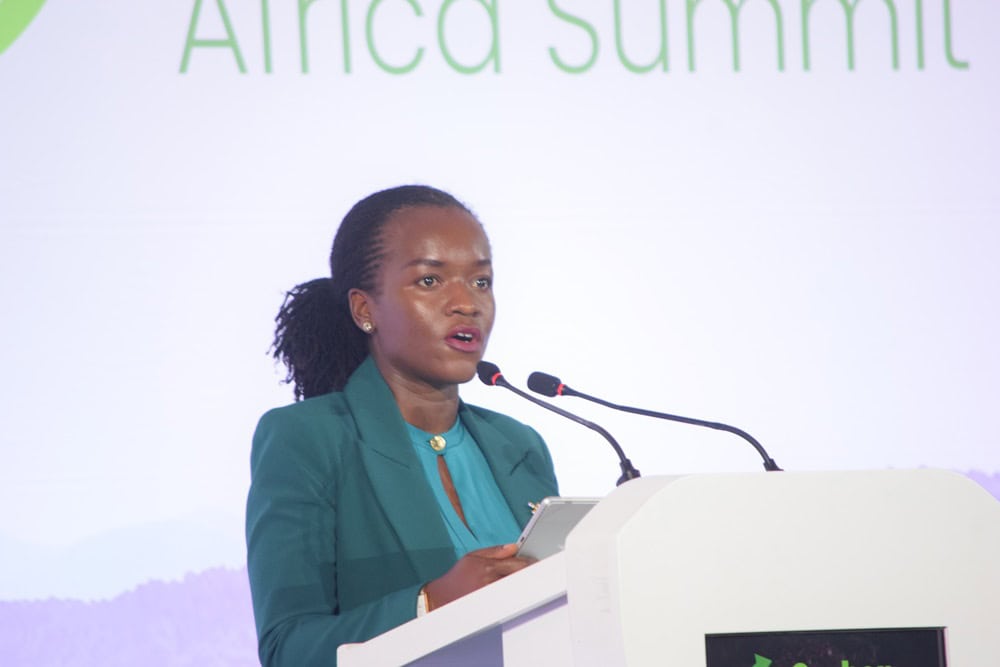***Rwanda’s Minister of Environment, Dr. Bernadette Arakwiye.***The proposal would seek to address one of the obstacles facing climate projects that need funding for feasibility studies, baseline data, validation and other technical requirements before they can attract investors.
The minister did not announce an approved scheme, a funding allocation or a timeline for implementation.
**Rwanda seeks to diversify carbon credit projects**
Arakwiye said Rwanda has registered 29 carbon market projects covering forestry, agriculture, land conservation, electric mobility, waste management and renewable energy.
Despite this range, around 87% of the country’s issued carbon credits come from improved cookstove projects, according to the minister. Rwanda’s official carbon market portal also reports this share, based on credits issued by December 2020, meaning the figure should not be interpreted as a newly established 2026 market breakdown.
“This is an achievement worth recognizing, but it also tells us something important, that our markets remain too concentrated in interventions that are easier to measure, easier to finance, and easier to sell,” she said.
The minister called for carbon finance to reach more sectors, including renewable energy, electric mobility, sustainable waste management, industrial decarbonisation and nature-based solutions at landscape scale.
She also highlighted the limited participation of smallholder farmers, despite agriculture’s importance to African livelihoods and its potential to contribute to emissions reductions.
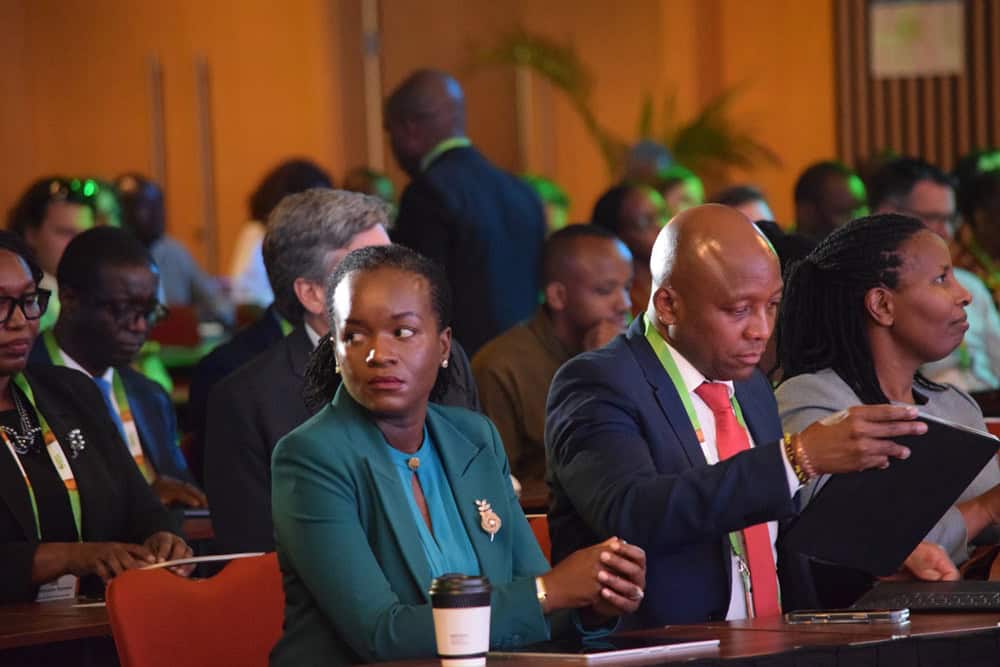In her view, expanding the range of projects is necessary to ensure carbon markets support broader economic development rather than relying heavily on a narrow group of interventions.
**Financing and technical capacity remain obstacles**
Arakwiye identified three gaps affecting Rwanda’s project pipeline: promising initiatives that have not been structured for carbon finance, a shortage of specialists able to assess project viability and monitoring requirements, and technically prepared projects that cannot proceed because they lack early-stage funding.
She called for governments, financial institutions, carbon credit buyers, standard-setting bodies and project developers to work together to address these challenges.
One priority is to develop carbon credit methodologies that maintain environmental integrity while reflecting African conditions, particularly for distributed renewable energy, electric mobility, waste management, smallholder agriculture and landscape restoration.
Another is to establish project preparation facilities that can cover the costs incurred before projects become attractive to investors.
The minister also called for long-term demand and fair prices for African carbon credits, arguing that buyers should recognise the cost of maintaining environmental integrity and the development benefits delivered by projects.
Arakwiye said expanding carbon markets must go hand in hand with stronger oversight, transparent transactions and clear arrangements for sharing benefits with communities.
She called for clear authorisation procedures, national tracking systems, public disclosure and safeguards to help ensure that carbon credits represent genuine emissions reductions and are not counted more than once.
She also urged project developers to disclose revenues and demonstrate how much money reaches communities and how it is reinvested.
“Benefits cannot be fairly shared from revenues that cannot be seen,” she said.
The minister said buyers should support credible African projects through long-term demand, fair prices and patient capital, while governments should cooperate on compatible market systems without surrendering national sovereignty or development priorities.
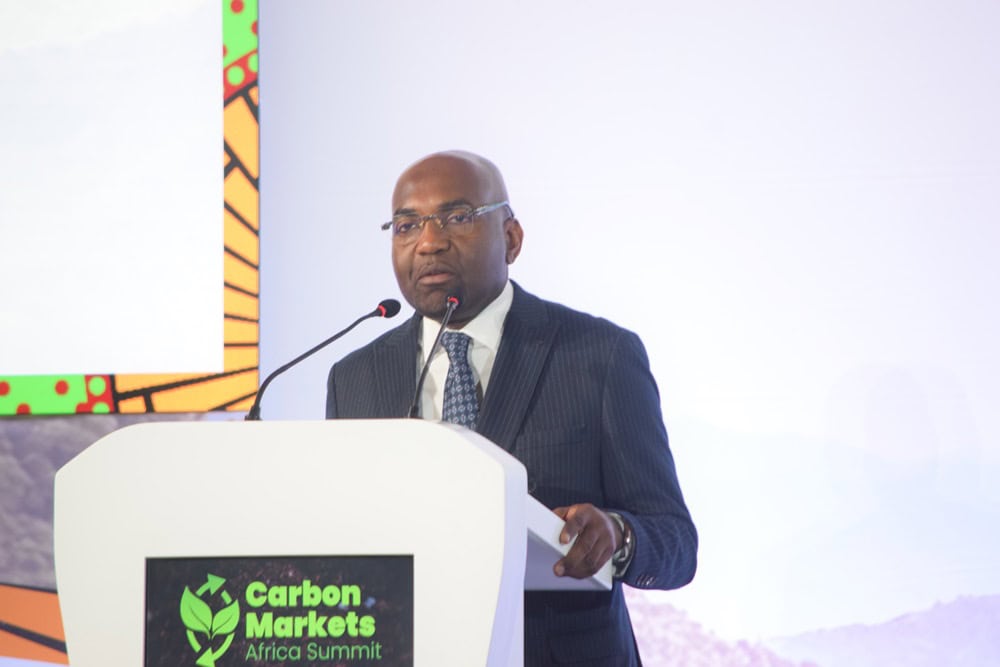***Hon. Hamad Yussuf Masauni, Tanzania’s Minister of State in the Vice-President’s Office for Union Affairs and Environment.***Tanzania’s Minister of State in the Vice-President’s Office for Union Affairs and Environment, Hon. Hamad Yussuf Masauni, also urged African countries to move beyond carbon market frameworks and turn registered projects into verified credits and tangible benefits for communities.
Speaking at the summit, Masauni said Tanzania had registered more than 170 carbon market projects by mid-2026, spanning areas including forestry, clean cooking, renewable energy, waste management and agriculture.
He stressed that the number of projects in a pipeline matters less than their ability to reach implementation and deliver measurable results.
“It is better to take a smaller number of high-quality bankable projects all the way to issuance and off-take than to celebrate large pipelines that remain on paper,” he said.
Masauni called for stronger cooperation between African governments, project developers, financial institutions and buyers to connect credible projects with investment and ensure that the resulting value reaches communities.
His remarks reinforced a central challenge facing carbon markets across the continent: translating policy commitments and project registrations into functioning initiatives that deliver verifiable climate benefits and development outcomes.
For Rwanda, the proposed use of carbon transaction proceeds to prepare future projects could offer one way to address financing barriers and broaden the range of activities participating in the market.
Whether that approach advances beyond the exploratory stage, and how much funding it could make available, remain to be determined.
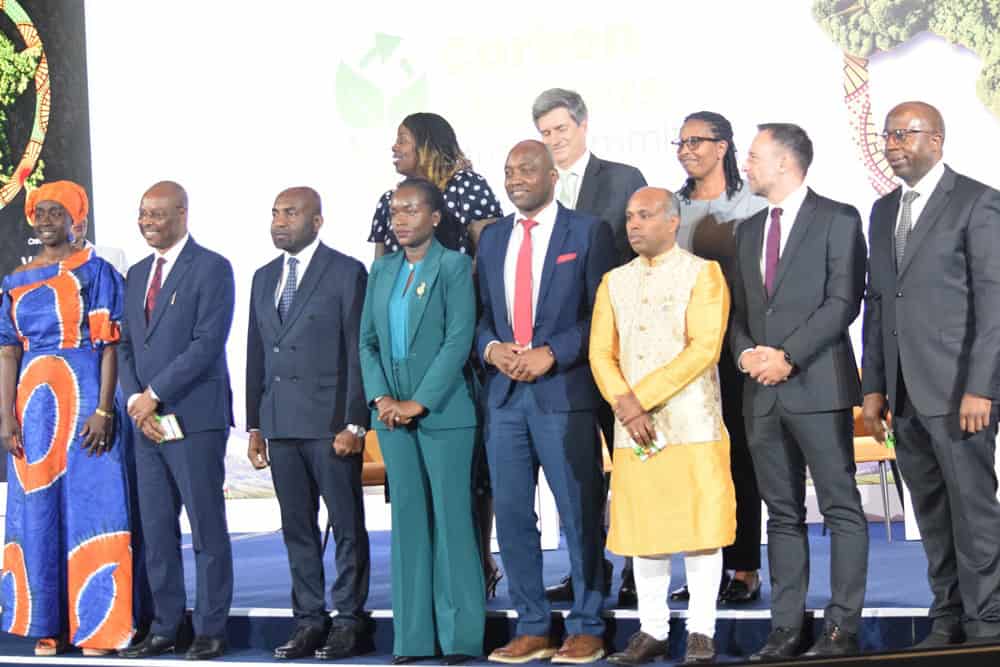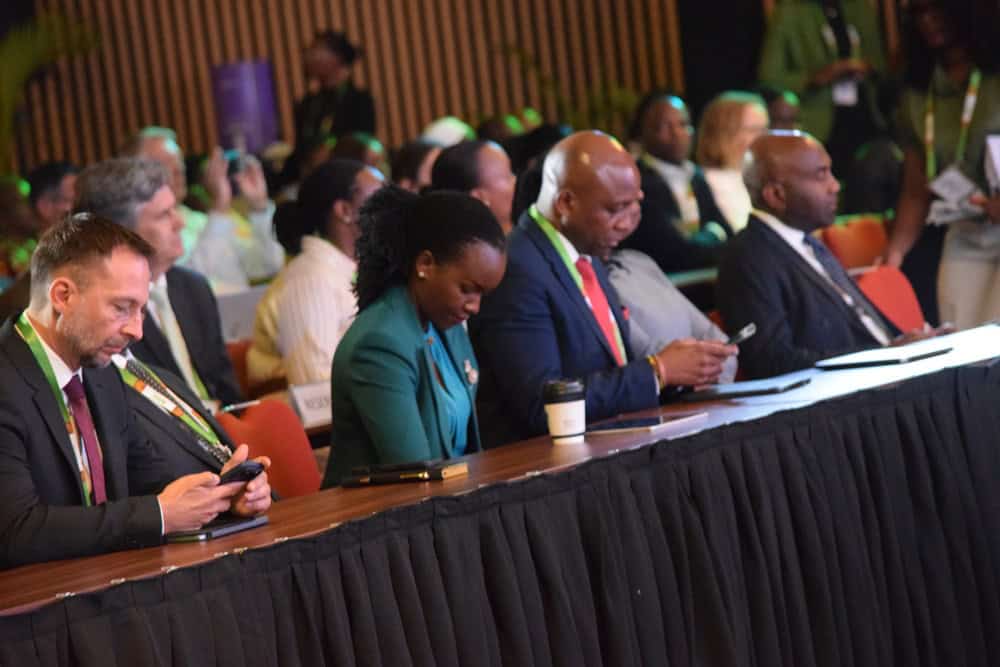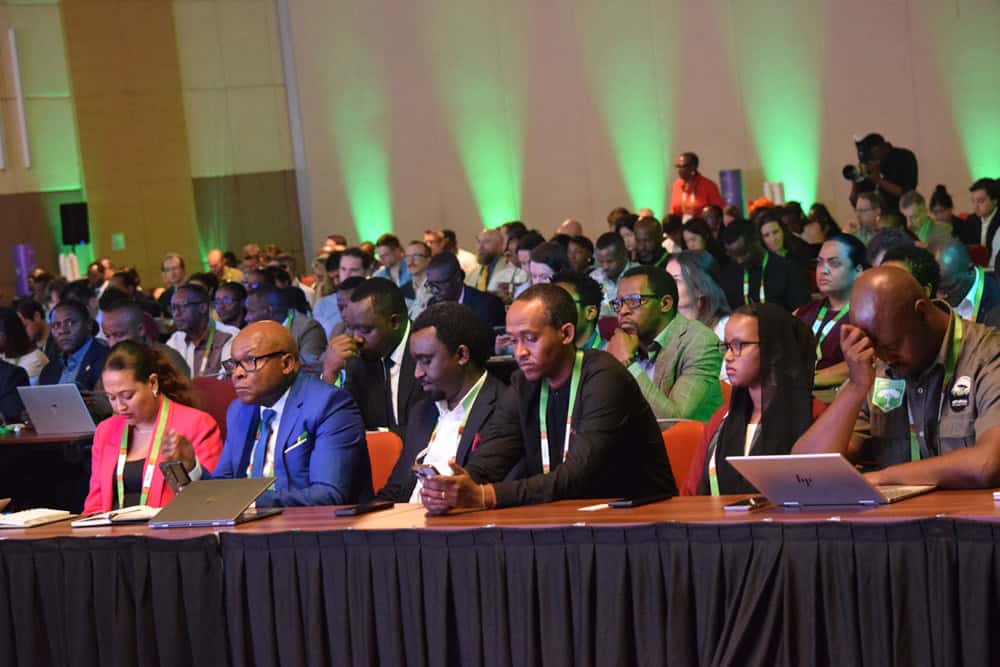
SUBSCRIBE TO OUR NEWSLETTER
First name or full name
Email
By continuing, you accept the privacy policy
**Categories:** CLIMATE CHANGE, Environment
---
### [African Development Bank’s SEFA to provide $1 million in support of Botswana’s energy transition](https://www.topafricanews.com/2022/01/07/african-development-banks-sefa-to-provide-1-million-in-support-of-botswanas-energy-transition/)
**Published:** January 7, 2022
**Author:** TOPAFRICANEWS
**Content:**
| |
|---|
| ***Through its support for the further development of the renewable energy generation sector in Botswana, the project also contributes to the Mega Solar initiative*** |
| |
| ABIDJAN, Ivory Coast, January 6, 2022/ — The Sustainable Energy Fund for Africa (SEFA) (), managed by the African Development Bank (www.AfDB.org), has approved a $1 million grant to facilitate Botswana’s transition to clean energy. The technical assistance project supports the Government of Botswana in closing critical gaps in policy, regulatory and legal frameworks, which were identified at the Africa Energy Market Place ([bit.ly/3pZmVyD](https://r.news.africa-wire.com/mk/cl/f/N4VJN8y1_7TQT8MIvCkYobzv_X-ZbDQHPP6v9myzV2qdLrEeRY_RmAMzjGVrHFHmBcN749GZ2vYXmYbo1l-u9SKphcSOngs4lY_qrujjVRaybjRJDv8wCekkSfhX6ljun0EyOIhMdO6h3ZgPrACZGv-NQ9kmX0rDQJqItBTJujFmExQDwAciJpAKB0QhGBfM3Q)) (AEMP 2019). These include the introduction of least-cost planning, reduction of adverse environmental impacts and support for increased private sector participation in renewable energy (RE) generation investments. Some of the notable outputs from the project include a national Grid Code, Electricity Cost of Service Study (CoSS) and licensing framework to regulate power sector activities. The outputs from the project will contribute towards the implementation of Botswana’s first Integrated Resource Plan (IRP), thus facilitating investments in new solar PV and wind generation capacity, amounting to at least 100MW and 50MW, respectively, by 2030. Through its support for the further development of the renewable energy generation sector in Botswana, the project also contributes to the Mega Solar initiative, launched in 2021 in collaboration with Namibia and development partners, with the aim of building renewable energy capacity in the two countries, to enable electricity exports to the rest of the region. Conceptualised under SEFA’s Green Baseload component, the project “will contribute to the development of essential building blocks to support Botswana’s energy transition”, said Dr. Daniel Schroth, Acting Director for Renewable Energy and Energy Efficiency at the African Development Bank. ‘’It has been a long journey to access this AfDB grant facility,” observed Duncan Morotsi, Chief Operating Officer at the Botswana Energy Regulatory Authority (BERA), “The approval is a great step forward in the regulator’s quest to facilitate independent power producers (IPPs), renewable energy sources and cost reflective tariffs in Botswana. It was worthwhile pursuing this technical assistance from the AfDB’’. |

SUBSCRIBE TO OUR NEWSLETTER
First name or full name
Email
By continuing, you accept the privacy policy
**Categories:** NEWS
---
### [Ex-DRC Leader Joseph Kabila Drives New Eastern Rebel Alliance](https://www.topafricanews.com/2026/10/14/ex-drc-leader-joseph-kabila-drives-new-eastern-rebel-alliance/)
**Published:** October 14, 2026
**Author:** TOPAFRICANEWS
**Content:**
Goma, eastern DRC — Former President Joseph Kabila leads a new politico-military movement.
It absorbs the AFC-M23 rebellion in eastern DRC.
Goma hosted the formal presentation of FRN on 12 October.
This marks the emergence of the New Eastern DRC Rebel Alliance.
The FRN brings together political and military elements previously operating under the Congo River Alliance (AFC) and the March 23 Movement (M23). Kabila heads the new structure, with senior figures from the prior alliance serving as deputies, including Corneille Nangaa, Bertrand Bisimwa, and military commander Sultani Makenga. Spokespeople for the movement described its objective as ending tyranny in Kinshasa by any available means, including the use of force.
The M23 is a Congolese armed group that first emerged in 2012. Historically, its roots lie in earlier Great Lakes conflicts that followed Rwanda’s 1994 genocide against Tutsi. Moreover, many fighters and leaders come from Congolese Tutsi communities in North and South Kivu. Similarly, the group has long claimed that the Congolese state failed to protect these communities from armed groups. Additionally, it said the state denied them political and security rights. Subsequently, after a period of relative dormancy, M23 reactivated in late 2021. Finally, it launched a major offensive that culminated in the capture of Goma and large parts of eastern Congo.
In recent years the M23 operated alongside the AFC, a broader political platform that presented itself as an alternative to the government of President Félix Tshisekedi.
Congolese authorities have repeatedly accused both the M23 and the AFC of receiving substantial military and logistical support from neighboring Rwanda, an allegation Kigali has denied.
The new FRN effectively reorganizes these forces under Kabila’s direct political leadership while retaining the same military command structure.
Kabila governed the DRC from 2001 to 2019. After handing power to Tshisekedi following disputed elections, he largely withdrew from public life. Congolese courts later convicted him in absentia of treason and complicity with the M23, imposing a death sentence. His decision to publicly assume command of the rebranded movement marks his most open alignment yet with the eastern rebellion and further deepens the political confrontation with the Kinshasa government.
### Context and implications of the FRN launch
Firstly, the eastern DRC remains a complex conflict zone driven by mineral competition. Ethnic grievances, weak state authority, and nearby powers intensify violence and hinder development. These conditions complicate governance and public service delivery for residents. Regional actors’ involvement sustains cycles of conflict.
Secondly, the FRN’s formal launch consolidates political and military authority in rebel-held areas. It signals that the rebellion aims to present itself as a broader national alternative. Observers note the shift could redefine regional security dynamics. This broader stance may affect international engagement and aid flows.
Additionally, regional observers assess potential outcomes for civilians and governance. This development could affect the legitimacy of the New Eastern DRC Rebel Alliance and future strategy. Analysts emphasize careful tracking of political reforms, security sector changes, and local gains. Policy responses should prioritize human rights and civilian protection.

SUBSCRIBE TO OUR NEWSLETTER
First name or full name
Email
By continuing, you accept the privacy policy
**Categories:** NEWS
---
### [Former President Jacob Zuma Remains in Hospital, Foundation Says He Is Recovering Well](https://www.topafricanews.com/2026/10/14/former-president-jacob-zuma-remains-in-hospital-foundation-says-he-is-recovering-well/)
**Published:** October 14, 2026
**Author:** TOPAFRICANEWS
**Content:**
**Pietermaritzburg, South Africa – October 14, 2026**: Former South African President Jacob Zuma, 84, continues to receive medical treatment at Netcare St Anne’s Hospital in Pietermaritzburg, according to the Jacob G. Zuma Foundation, which has rejected reports that he has been discharged.
Zuma, who leads the uMkhonto weSizwe (MK) Party, was admitted to the private hospital around October 6. Initial accounts described the admission as following a routine medical check-up, though some reports indicated he had fallen ill and was transported by ambulance. The foundation has consistently stated that he is recovering well and remains in high spirits.
Foundation spokesperson Mzwanele Manyi said on recent updates that Zuma is “in very high spirits, he’s good, he’s fine, he’s joking,” and has shown continued interest in political activities. Manyi added that the former president has even expressed looking forward to returning to the stage to sing his trademark struggle song, *Umshini Wami*. The foundation has urged the media and public to respect Zuma’s privacy during his hospital stay and has dismissed claims that he is in a critical condition.
Conflicting reports have circulated in recent days. Broadcaster eNCA reported that Zuma was discharged on the night of October 12 and advised to remain in the Pietermaritzburg area overnight pending further assessment. The foundation promptly denied this, stating that reports of his discharge “are not true.”
President Cyril Ramaphosa earlier acknowledged that Zuma “has not been well” and is under treatment by doctors, noting that the military surgeon general had been briefed on his condition. Sources close to Zuma have attributed the hospitalisation in part to diabetes and exhaustion from overwork.
Zuma’s health has drawn attention ahead of South Africa’s local government elections on November 4. The MK Party cancelled a planned final rally, citing both his hospitalisation and issues with its candidate lists. Party officials have previously insisted he remains fit to lead and campaign.
The precise nature of Zuma’s medical condition has not been publicly detailed by his medical team or the foundation. Updates continue to be closely monitored as the election campaign intensifies.

SUBSCRIBE TO OUR NEWSLETTER
First name or full name
Email
By continuing, you accept the privacy policy
**Categories:** NEWS
---
### [U.S. Urges Full Implementation of Washington Accords, End to Foreign Support for Armed Groups in Great Lakes](https://www.topafricanews.com/2026/10/14/u-s-urges-full-implementation-of-washington-accords-end-to-foreign-support-for-armed-groups-in-great-lakes/)
**Published:** October 14, 2026
**Author:** EDITOR
**Content:**
*NEW YORK —* The United States on Monday called for the full and immediate implementation of the Washington Accords and demanded an end to foreign support for armed groups in the eastern Democratic Republic of the Congo (DRC) and the wider Great Lakes region.
The position was delivered by Ambassador Jeffrey Bartos, U.S. Representative for U.N. Management and Reform, during a United Nations Security Council briefing on the situation in the DRC on October 13, 2026.
Addressing Council members, Bartos said the Washington Accords for Peace and Prosperity represent a pivotal opportunity for sustainable peace in eastern DRC. He urged both the DRC and Rwanda to fulfill their commitments without delay, including upholding the ceasefire, halting drone strikes, and ceasing inflammatory rhetoric.
*Humanitarian Concerns*
Ambassador Bartos expressed deep concern over the ongoing Ebola outbreak in the DRC, calling for safe and unhindered access for health responders and full protection for medical personnel and facilities. He thanked security, peacekeeping, and humanitarian workers for their efforts.
*Diplomatic Efforts and Verification*
The U.S. commended Qatar’s mediation between the DRC government and the AFC/M23, referred to as the Front for the Refoundation of the Nation, to conclude the remaining Doha protocols. It also acknowledged African Union mediation led by President Faure Gnassingbé of Togo and contributions from the International Conference on the Great Lakes Region (ICGLR).
On verification, Washington welcomed the deployment of Expanded Joint Verification Mechanism Plus (EJVM+) missions to Minembwe and Masisi to investigate alleged violations, with operational support from MONUSCO.
The DRC’s transfer of 15 detainees to AFC/M23 under the prisoner exchange protocol was described as an encouraging confidence-building measure. Both parties were urged to use the Joint Security Coordination Mechanism (JSCM) October Planning Conference to advance operational steps.
*On FDLR and Rwandan Withdrawal*
The U.S. stated that any cooperation between the Democratic Forces for the Liberation of Rwanda (FDLR) and elements of the Congolese armed forces must cease immediately. Bartos acknowledged the MONUSCO-supported repatriation of over 120 FDLR ex-combatants and family members and called on the DRC government to clarify and execute its demobilization plan.
Washington also called on Rwanda to immediately and unconditionally withdraw all troops and military equipment from the DRC and cease all support to M23 rebels.
*Accountability*
Ambassador Bartos reaffirmed that the United States will continue to take direct action against individuals and entities that obstruct peace, abuse civilians, or profit from the illegal exploitation of the DRC’s natural resources.

SUBSCRIBE TO OUR NEWSLETTER
First name or full name
Email
By continuing, you accept the privacy policy
**Categories:** NEWS
---
### [IOCs Call for Regulatory Interventions to Streamline Upstream Investment in South Africa](https://www.topafricanews.com/2026/10/14/iocs-call-for-regulatory-interventions-to-streamline-upstream-investment-in-south-africa/)
**Published:** October 14, 2026
**Author:** EDITOR
**Content:**
International oil companies active in South Africa have called for government intervention to streamline regulations and address appeal-related licensing delays that continue to constrain investment in the country’s upstream sector. Speaking during a panel discussion sponsored by the South African National Petroleum Company (SANPC) at African Energy Week (AEW) 2026, industry leaders highlighted the need for predictable policy, infrastructure investment and faster project approvals to unlock South Africa’s petroleum potential.
Magali Pailhé, Managing Director of TotalEnergies EP South Africa, identified regulatory appeals as a major obstacle to offshore exploration, contrasting South Africa’s limited drilling activity with neighboring Namibia.
“Today, we have blocks offshore in the Orange Basin that TotalEnergies has proven in Namibia, but are blocked in various stages of appeal. We need to unblock these so the potential can be realized,” she said. “In Namibia, 25 wells have been drilled since 2022, while in South Africa, only three since 2014. The industry is here, but the appeals need to be addressed to allow investment to flow.”
TotalEnergies holds exploration interests across the Orange Deepwater Basin, Deep Western Orange Basin and Block 3B/4B. Pailhé emphasized that unlocking domestic oil and gas production could stimulate job creation, infrastructure development and industrial growth.
Responding to the broader investment challenge, Phumzile Mgcina, South Africa’s Deputy Minister of Mineral and Petroleum Resources, emphasized the government’s commitment to strengthening regulatory frameworks and converting resource discoveries into commercial production.
“We have the resources but have not yet converted enough of them into energy, economic opportunities and improved livelihoods. We need investment, infrastructure and policy incentives,” she stated, identifying SANPC as a key instrument for advancing petroleum development and energy security.
Godfrey Moagi, CEO of SANPC, outlined the company’s integrated strategy spanning upstream exploration, gas development, refining and distribution. He pointed to estimates of 27 billion barrels of crude resources and 260-300 trillion cubic feet of gas, alongside potential production of 1.3 million barrels per day, underscoring the scale of the country’s undeveloped resource base.
Downstream investment emerged as another priority as South Africa’s reliance on imported fuels continues to rise. According to the Central Energy Fund, imports now meet approximately 61% of domestic fuel demand, compared with 22% in 2019.
Funlola Abe Folukoya, Head of Trading & Origination at bp Southern Africa, highlighted the importance of infrastructure connecting coastal import terminals with inland markets, alongside consistent policy implementation.
“Policy is a non-negotiable and is absolutely required to unlock the investment needed in the downstream and fuels market,” she said, noting that implementation delays and regulatory misalignment continue to affect long-term investment decisions. bp recently secured a 25-year agreement covering operations at Durban’s Island View Terminal.
Bader Al Lamki, CEO of ADNOC Distribution, similarly called for transparent, investment-friendly policies that reflect changing market conditions. His remarks follow ADNOC Distribution’s agreement to acquire Shell Downstream South Africa in a transaction valued at approximately $1 billion, subject to regulatory approvals.
Anish Patel, South Africa Business Development Executive at ExxonMobil, warned that declining pipeline gas supplies from Mozambique and growing gas-to-power demand could significantly widen South Africa’s supply deficit. With national gas demand potentially more than tripling by 2050, he identified LNG imports as a critical solution.
ExxonMobil recently signed a heads of agreement with Zululand Energy Terminal to advance a proposed LNG import facility at Richards Bay, with Patel emphasizing that predictable policy frameworks are essential to securing investment.
Andrew Masuwa, Client Relations – Southern Africa at Afreximbank, closed the discussion by highlighting the bank’s $14 billion South Africa country program as an opportunity to mobilize financing for refining and infrastructure development. Citing refinery investments in Nigeria and Angola, he emphasized that South Africa has significant scope to rebuild domestic processing capacity and reduce import dependence.

SUBSCRIBE TO OUR NEWSLETTER
First name or full name
Email
By continuing, you accept the privacy policy
**Categories:** Energy
---
### [World Bank and IFAD to scale up co-investment in rural economies and food systems](https://www.topafricanews.com/2026/10/14/world-bank-and-ifad-to-scale-up-co-investment-in-rural-economies-and-food-systems/)
**Published:** October 14, 2026
**Author:** EDITOR
**Content:**
**Bangkok, 13 October 2026.** The International Fund for Agricultural Development (IFAD) and the World Bank today signed a new *Co-Financing Framework Agreement* to expand joint investment in rural transformation and food systems. Signed during the 2026 Annual Meetings of the International Monetary Fund and the World Bank Group in Bangkok, the agreement will strengthen collaboration between the two institutions. It aims to build resilience and promote entrepreneurship and job creation in rural areas, at a time when the largest generation of young people in history is reaching working age amid slowing growth and increasing economic uncertainty.
“Together, the World Bank and IFAD bring the scale, reach and expertise to transform rural economies and agrifood systems,” said Alvaro Lario, President of IFAD. “This agreement will enable us to turn our shared ambition into greater investment, more jobs, stronger resilience and improved food security for millions of people.
The agreement builds on the two institutions’ partnership across multiple initiatives, including AgriConnect, which aims to help transform agriculture for 300 million smallholder farmers by 2030, and Water Forward, which seeks to improve water security for 1 billion people by 2030.
“The next generation needs opportunity, and agriculture can be a powerful source of jobs, growth, and food security. That is what AgriConnect is designed to deliver,” said Ajay Banga, President of the World Bank Group. “By bringing together the World Bank Group’s financing and global reach with IFAD’s deep expertise in rural communities and food systems, we can help smallholder farmers become more productive, connect them to markets, attract private investment, and create jobs where millions of young people live.”
The World Bank Group remains IFAD’s largest multilateral development bank partner, with collaboration spanning co-financing, policy engagement and global initiatives. IFAD’s co-financing with the World Bank’s International Development Association (IDA) more than doubled from approximately US$646 million in 2021 to US$1.56 billion in 2025.
The new agreement will help identify and systematically develop—throughout the investment cycle—new joint operations that will build on current collaborations, such as a national US$70.5 million investment in Lesotho. This programme has already created nearly 1,500 jobs and provided nutrition education to 217,000 people. More than 106,000 people have adopted climate-smart agricultural practices, while agro-weather services have reached over 900,000 people.
This agreement will also advance the priorities of IFAD’s 14th replenishment cycle (2028 – 2030) by accelerating investments that build resilience, expand economic opportunities, and transform rural livelihoods.
The new framework modernizes the arrangements for co-financing country-level investments among the two development finance institutions. It also facilitates the use of common arrangements for technical support, procurement, financial management, disbursement, and environmental and social oversight.
The agreement builds on the historic cooperation between IFAD and the World Bank, dating back to 1978. The renewed framework preserves each institution’s independent policies, financing decisions and accountability requirements. The agreement will initially remain in force for five years and will automatically renew for a further five-year period.

SUBSCRIBE TO OUR NEWSLETTER
First name or full name
Email
By continuing, you accept the privacy policy
**Categories:** Natural Resources and Agriculture
---
### [Kigali Hosts Foundation Day as Africa’s Carbon Markets Push Toward Delivery and Trust](https://www.topafricanews.com/2026/10/13/kigali-hosts-foundation-day-as-africas-carbon-markets-push-toward-delivery-and-trust/)
**Published:** October 13, 2026
**Author:** Justin Kayiranga
**Content:**
**KIGALI, 13 October 2026**— Policymakers, investors, project developers and market enablers gathered today at the Kigali Convention Centre for the Foundation & Dialogue Day of the Carbon Markets Africa Summit (CMAS) 2026, opening a three-day continental platform focused on turning Africa’s carbon potential into high-integrity projects, capital and transactions.
The pre-conference day, running under the summit’s overarching theme of “Africa’s Carbon Markets on the Global Stage: Delivering a Strong Pipeline of Projects, Capital and Transactions at Scale,” featured three parallel tracks: foundational Carbon 101 sessions, advanced Carbon 201 workshops, and a closed-door High-Level Dialogue on trust, investment and scale. The day is set to conclude with Carbon Markets Speed Dating networking and ice-breaker drinks. Hosted by Rwanda’s Ministry of Environment, with UNDP and the African Development Bank as host organisations, the Development Bank of Southern Africa as host partner and AUDA-NEPAD as strategic institutional partner, the event is organised by VUKA Group and draws participants from 24 African countries and 45 countries worldwide.
#### Trust as the Foundation
Opening the pre-conference discussions, Juliet Kabera, Director General of the Rwanda Environment Management Authority (REMA), underscored trust as essential to credible markets.
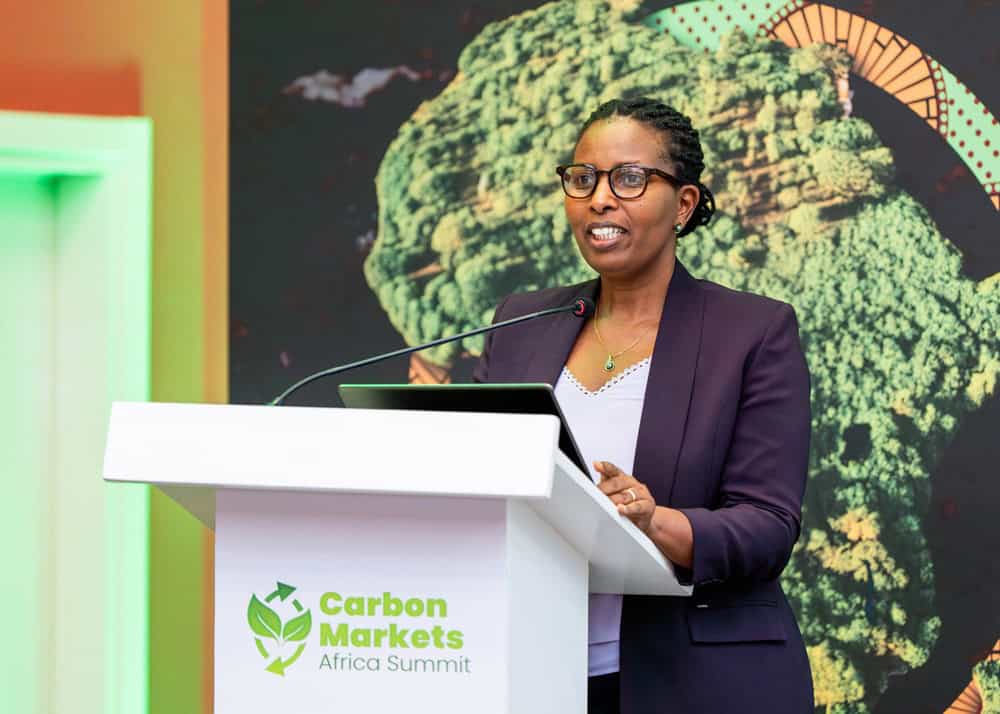 “We have to trust the credits, investors must trust the process, project developers must trust the framework,” she said. “In Rwanda, our carbon market framework is built on transparency, environmental integrity, and accountability, with no issues reported to date.” She also stressed that full traceability of every credit issued is necessary to reassure institutional financiers and attract large-scale private capital.
#### Building Capacity and Closing Deals
Carbon 101 sessions covered the fundamentals: why markets exist and convert emissions into economic value; compliance versus voluntary systems and key participants; how projects generate tradable credits; what makes a credit high-quality and valuable; Article 6 rules and Africa’s market access; and turning credits into investment deals through offtake agreements and private capital. Facilitators included experts from UNDP, Climate Legal, Promethium Carbon, TASC and the African Development Bank.
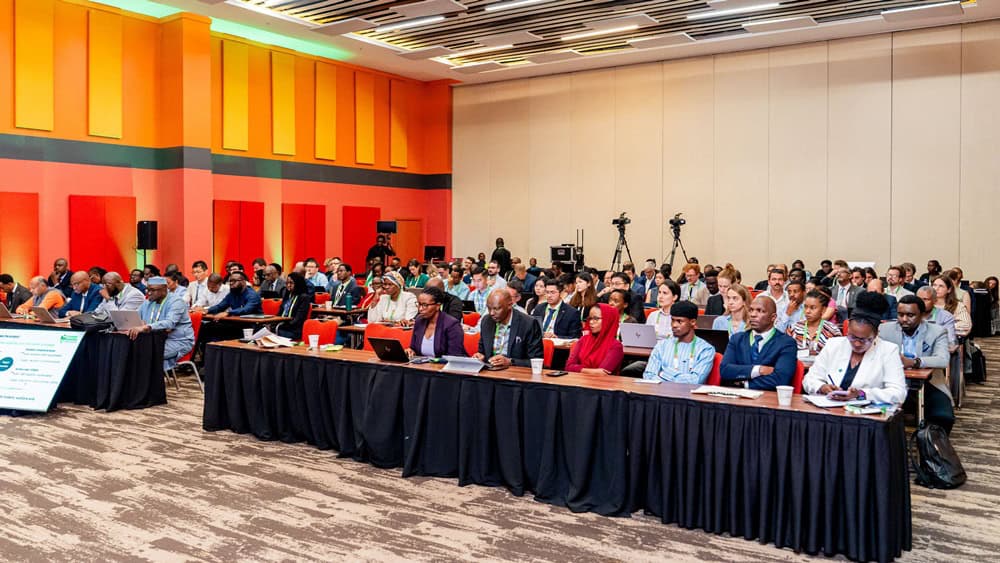Carbon 201 moved participants from concept to execution, examining current market structures and evolving demand, hands-on tracing of Article 6 and CORSIA pathways to executed deals, voluntary demand and pricing realities, high-quality measurement, reporting and verification (MRV) in practice, structuring projects to be insurable and investable, and walking through a real carbon transaction. UNDP Rwanda hosted sessions explaining how markets operate—who approves what, how credits are verified, and how climate action becomes finance that reaches communities—and on the rules enabling countries to trade emission reductions, aviation offsetting schemes, voluntary purchases, and the steps from policy to a signed deal.
The invitation-only High-Level Dialogue, convened under The Global Trust Project’s Trust Protocols and presented by its Executive Director Dominic Wilhelm, asked a focused question: “What must now happen for African carbon markets to become trusted, investable and scalable?” The closed-door, action-oriented format moved through system mapping, panel exchanges on market signals, governance and finance, pathway-building and collective synthesis of priority conditions.
#### From Readiness to Execution
Organisers and participants framed the day as a deliberate shift from readiness and framework design toward practical delivery. Africa’s carbon market is frequently described as a potential $50–100 billion opportunity by 2030, driven by high-integrity credits, sovereign trading and rising global demand, yet the continent still accounts for a small share of global transactions. Discussions emphasised retaining greater value on the continent, strengthening MRV and authorisation processes, mobilising early-stage finance, and ensuring benefits reach communities involved in nature-based solutions, regenerative agriculture, waste-to-value, clean cooking, removals and other project types.
The timing coincides with ongoing international rule-making, including recent meetings of the Article 6.4 Supervisory Body in Bonn. Private side rooms and networking sessions already saw investors, buyers and developers examining project viability and partnership possibilities, with more than 40 project developers and over 50 capital providers expected across the full summit.
Main summit days on 14–15 October will open with investor and buyer roundtables, keynotes, project showcases, a ministerial roundtable, deal rooms and plenaries on capital flows and market signals. As delegates registered and sessions unfolded today, the message from Kigali was clear: credibility, practical tools and African leadership are prerequisites for scaling markets that deliver both climate outcomes and economic value.

SUBSCRIBE TO OUR NEWSLETTER
First name or full name
Email
By continuing, you accept the privacy policy
**Categories:** CLIMATE CHANGE, Environment
---
### [16 Top High School Innovators Compete for ExxonMobil STEM Africa Title at AEW 2026](https://www.topafricanews.com/2026/10/13/16-top-high-school-innovators-compete-for-exxonmobil-stem-africa-title-at-aew-2026/)
**Published:** October 13, 2026
**Author:** TOPAFRICANEWS
**Content:**
The finals of the 2026 ExxonMobil Foundation STEM Africa Challenge we’re held on during African Energy Week 2026 in Cape Town on Monday where finalists from Angola, Mozambique, Namibia and Nigeria pitched their science, technology, engineering and mathematics-driven projects and prototypes to a panel of judges.
The 16 finalists were selected from an initial pool of approximately 10,000 African high school students, competing in online STEM quizzes, in-person Zonal Competitions and National STEM Innovation Camps, where the students were challenged to think creatively and develop solutions to solve real-world challenges being faced across the continent.
ExxonMobil and the ExxonMobil Foundation have collectively spent $1.6 billion since 2000 in support of education in the areas in which ExxonMobil operates throughout the world, helping to refill the pipeline of engineers and scientists through STEM education for the next generation.
“We cannot do this work without really strong implementing partners in each of our countries,” Alvin Abraham, President of the ExxonMobil Foundation said, thanking each of the partners for their commitment to increasing STEM education in their respective countries, as well as ExxonMobil volunteers and employees who helped the students with their projects.
**2026 solutions**
Team Ixietu from Angola tackled an issue central to food security and developed an AI-powered soil analysis system to help farmers collect data on their soil fertility, with the aim of improving soil quality and improving agricultural productivity.
The solution addresses the challenges of low soil fertility and limited soil analysis. By placing a sampling stake into the soil, soil data is collected that is then fed into an AI powered soil analysis app that generates customised technical soil correction and remedial recommendations for farmers. This solution is aimed at enhancing food security, introduce precision agriculture, increase agricultural productivity.
Team Nexora Nexus from Nigeria addressed one of Africa’s most pressing development challenges – access to reliable electricity. The team’s Solar Hydro Smart Grid is a renewable energy solution designed to provide reliable, uninterrupted and affordable energy to under-served communities in Nigeria.
The solution uses solar power to store solar energy as pumped water, as well as store excess solar power in a battery. A solar powered pump, pumps water from a lower level storage tank to an elevated storage tank. When power is needed, water is released from the elevated tank and flows through a turbine, which drives a generator to produce electricity. The system is integrated with AI and a smart meter to determine when grid power switches off and power is needed. This provides clean power with less money spent on fuel.
Team Mentes Brilhantes from Mozambique presented its Eco Carteiras solutions aimed promoting a circular economy by overcoming with two challenges, namely Mozambique’s high volume of uncollected plastic waste and a significant shortage of school furniture.
The Eco Carteiras solutions aims at using collected high-density polyethylene and polypropylene plastic waste, together with discarded sawdust to manufacture eco-friendly school desks and chairs that is resistant to water and termites. The two plastic were chosen as they do not release toxic gasses when heated while the use of discarded sawdust does not require the use of new wood.
Meanwhile, the team from Namibia presented the AquaVolt water harvesting and purification technology to address the challenge of water scarcity in communities in Namibia facing a flood/drought paradox.
AquaVolt aims to provide water during times when it is scarce by harvesting floodwater during the rainy season. Once the floodwater is harvested using gravity fed channels, it undergoes primary treatment before being stored in smart tanks fitted with sensors and a smart monitoring system. The water then undergoes secondary treatment if needed to meet water quality standards before being distributed to communal water taps during the dry season.
The winner will be announced at the African Energy Week Gala Dinner on 13 October, 2026.

SUBSCRIBE TO OUR NEWSLETTER
First name or full name
Email
By continuing, you accept the privacy policy
**Categories:** Energy
---
### [Women farmers lead the way in climate-smart agriculture, new Farm Africa evidence shows ](https://www.topafricanews.com/2026/10/13/women-farmers-lead-the-way-in-climate-smart-agriculture-new-farm-africa-evidence-shows/)
**Published:** October 13, 2026
**Author:** TOPAFRICANEWS
**Content:**
Ahead of the International Day of Rural Women on 15 October, international NGO Farm Africa is launching a new evidence booklet, Women lead the way, revealing that female smallholder farmers participating in its programmes across eastern Africa are leading the uptake of climate-smart practices and achieving strong gains in yields and income.
Published during the UN-designated International Year of the Woman Farmer, the booklet brings together evidence from Farm Africa projects in Kenya, Tanzania and Ethiopia, highlighting the critical role women are playing in building climate-resilient food systems and strengthening rural economies.
The findings challenge long-held assumptions about gender and agricultural productivity. Across multiple projects, Farm Africa found that female-headed households adopt new climate-smart farming practices earlier, continue using them for longer, and achieve results that match or exceed those of male-headed households.
In Kenya, female-led households participating in Farm Africa’s regenerative agriculture programme adopted climate-smart farming technologies at a rate of 56%, compared to 31% among male-headed households. Female-led households in the programme also achieved average crop production of 700kg, significantly higher than the 430kg recorded by male-headed households.
In Tanzania’s Dodoma region, women farmers supported through a climate-smart agriculture project produced an average of 750kg of drought-tolerant sorghum per acre, compared with 669kg for men.
Farm Africa’s evidence also shows women building thriving agricultural businesses. In Ethiopia’s Bale Eco-Region, female-headed households participating in the Forests for Sustainable Development programme earned an average annual income of 92,030 Ethiopian Birr from crops and livestock, compared to 82,724 Birr among male-headed households.
Despite these results, women continue to face significant barriers to success in agriculture. Farm Africa’s report highlights how women are frequently denied equal access to land, finance, agricultural extension services, training and markets, limiting their ability to reach their full potential.
Elvis Muchene, Head of Insights & Innovation at Farm Africa, said:
“The evidence is clear: when women farmers are given the opportunity, support and resources they need, they deliver outstanding results. Across our programmes, women are leading the adoption of climate-smart agriculture, increasing yields and building stronger, more resilient livelihoods.”
“As the world marks the International Day of Rural Women during the International Year of the Woman Farmer, governments, donors and development organisations must recognise that investing in women farmers is not only the right thing to do, it is one of the smartest ways to improve food security, tackle climate change and strengthen rural economies.”
The report argues that agricultural development programmes should place women at the centre of their design, not only to promote gender equality but to maximise impact. Farm Africa’s approach includes supporting women’s access to savings groups, land, training, markets and leadership opportunities, while engaging men to ensure lasting change within households and communities.
The booklet also showcases the stories of women farmers and entrepreneurs across eastern Africa who are transforming their lives, supporting their families and helping their communities adapt to climate change.

SUBSCRIBE TO OUR NEWSLETTER
First name or full name
Email
By continuing, you accept the privacy policy
**Categories:** Natural Resources and Agriculture
---
### [Rwanda’s Grand Prix Ambition: Battling South Africa and Morocco for Formula 1's Return to Africa](https://www.topafricanews.com/2024/09/28/rwandas-grand-prix-ambition-battling-south-africa-and-morocco-for-formula-1s-return-to-africa/)
**Published:** September 28, 2024
**Author:** Mutangana Emmanuel
**Content:**
Rwanda entered the Formula 1 race competition, marking the first Grand Prix chapter on the African continent since 1993, with South Africa and Morocco, which have hosted the event before, not guaranteed a soon-to-be host status.
Rwanda capitalized on South Africa’s alleged support for Russia in the Ukraine conflict, as the continent currently lacks an event, as South Africa was reportedly excluded from the 2024 calendar. Kigali then proposed a bid involving A-listers like Western politicians, sports icons, and lobbyists for a circuit site near the upcoming Bugesera airport, focusing on commercial and hosting rights and architectural designs.
It also presented its sports sponsorship deals to support its argument, the “Visit Rwanda” tourism campaign, partnering with football clubs Arsenal, Paris Saint-Germain, and Bayern Munich, generated $620 million in 2023, a 36% increase from the previous year.
Kigali stated that this has positioned Rwanda as a major player in the sports industry, enabling the post-genocide country to transition from a sports consumer to a sports business participant.
Rwanda’s government spokesperson, Yolande Makolo, stated that the country is open to discussions with Formula 1 and global sporting partnerships to advance its development, “It wouldn’t be appropriate for Rwanda to comment on any ongoing discussions with Formula 1.”
Formula 1 CEO Stefano Domenicali has reportedly indicated Rwanda as a potential host for the upcoming World Championships due to its serious bid and promising meeting plans, over which the parties are scheduled to meet at the end of September.
Formula 1 executives have not commented on Rwanda’s bid for the World Championship, citing lower investment in infrastructure compared to South Africa and Morocco.
South Africa is under serious evaluation, according to Domenicali, in an interview with Motorsport.com last month, emphasizing the need for the right investment and strategic plan and urging caution in making decisions regarding the African continent.
Top managers in Africa are predicting Formula 1’s new venue due to the current hosts’ unwillingness to relinquish their slots for a new venue, leaving the continent uncertain about the sport’s future.
The increased race frequency could strain teams and drivers like World Champion Max Verstappen, who criticizes the overly busy calendar with 24 events in a nine-month season, adding to the concerns.
Motorsport South Africa (MSA) chairman Anton Roux is in negotiations to return Formula 1 to the Kyalami circuit in Midrand, Gauteng for the first time since 1993. Roux believes no current hosting countries are willing to relinquish their Formula 1 event slot, stating that discussions with F1 will continue until a suitable location is found.
Roux predicts Kyalami will host a Grand Prix event within three years, citing the circuit’s existing infrastructure and minor changes needed for Formula 1 races.
***Stefano Domenicali, Formula 1 CEO.***Morocco, a potential candidate for the Tangier circuit, last hosted an event in 1958 and is actively seeking a return. Moroccan media reports indicate that the country’s bid for the Formula 1 championship is influenced by the popularity of Formula 1 circuits in Middle Eastern countries like Saudi Arabia, Bahrain, and Qatar.
The sport’s executives are unable to confirm the name of a new host nation, eight countries are bidding for events, with Rwanda, South Africa, Morocco, and Colombia having no F1 races hosted in their territories, while Hungary, Britain, and Turkey are vying for a second slot.
They stated that F1 has not yet received any information on when another host country will be added to the 24 races, but will inform the public as soon as they receive any updates. Sports commentators argue that Rwanda’s victory in the Grand Prix would be a significant coup for East Africa’s Formula 1 fanbase and also an indication of Kigali’s significant rise in global sporting events’ status and power.
Rwanda, a founding sponsor of the NBA-backed Basketball Africa League and host of the Fifa General Assembly is set to host the 2025 UCI Road Cycling World Championship in Kigali. Ms. Makolo announced that Kigali will grace the red carpet for the annual prize-giving ceremony in the international motorsport sector in December, as the FIA General Assembly 2024 will see this year’s champions gather in Rwanda, along with their winning vehicles.
According to F1Chronicle.com, Rwanda would need to invest $270 million in the design and construction of a new Grand Prix track, with annual maintenance fees of $18.5 million.
The event’s additional costs include $30 million for infrastructure like grandstands, safety barriers, parking lots, race pits, and fencing, as well as logistics and hotels for 450,000 attendees. In the pursuit of carbon neutrality, some circuits now require infrastructure for bicycles used by fans.
Liberty Media, the owner of Formula 1, charges hosting and sponsorship fees for each race hosted at the Grand Prix, potentially reaching $55 million annually for host countries.
The Michigan Journal of Economics’ article on hosting an F1 race discusses the financial feasibility of hosting races, highlighting that revenue from sponsors and broadcast rights goes to the owners. The 2023 season saw sponsorship revenue of $445 million and broadcasting revenue of $936 million, but track owners still received minimal revenue from the Grand Prix.

SUBSCRIBE TO OUR NEWSLETTER
First name or full name
Email
By continuing, you accept the privacy policy
**Categories:** NEWS, Sport, Sports and Culture
---
### [Rwanda secures 10-year Formula 1 deal as Africa prepares for racing return](https://www.topafricanews.com/2026/10/13/rwanda-secures-10-year-formula-1-deal-as-africa-prepares-for-racing-return/)
**Published:** October 13, 2026
**Author:** Mutangana Emmanuel
**Content:**
Rwanda will host Formula 1 races under a 10-year agreement announced on October 13, 2026, bringing the world’s premier motorsport championship back to Africa for the first time since 1993.
The agreement will see the Formula 1 African Grand Prix, presented by Visit Rwanda, join the championship calendar in the early 2030s, subject to the development of a new racing circuit in Bugesera District, near Kigali.
The announcement marks a major step in Rwanda’s efforts to attract international sporting events and strengthen its position as a destination for tourism, investment and business.
The new circuit is planned for an area about 40 kilometres south of Kigali, near the new Kigali International Airport. It is expected to be built to the standards required to host Formula 1 races, with its design incorporating the natural elevation changes of the surrounding landscape.
Formula 1 has yet to announce the exact date of the inaugural race or provide a detailed timetable for the circuit’s development.
Rwandan President Paul Kagame welcomed the agreement, describing it as an investment in the country’s future and an opportunity to bring the sport closer to African fans.
“Today belongs to Africa. For more than three decades, the world’s premier motorsport championship has raced without this continent, and that changes with this agreement,” Kagame said.
He added that the partnership was intended to deliver benefits beyond the race weekend, including jobs, skills development, tourism and new business opportunities.
“Our aim was never a single race weekend, but a lasting benefit for our people,” he said.
Formula 1 President and Chief Executive Officer Stefano Domenicali said the agreement would help the championship reach fans across the continent while expanding its global presence.
“Africa has always been part of Formula 1’s future, and from the beginning we were determined to return in the right way, with the right partner, a long-term commitment and a clear vision for creating meaningful impact,” Domenicali said.
According to Formula 1, Africa is home to more than 100 million fans of the sport, a growing audience that the championship hopes to serve through its return to the continent.
**Tourism and business opportunities**
The project is expected to support Rwanda’s wider ambitions to attract international visitors, investment and major sporting events.
The proposed circuit, together with the new international airport in Bugesera, is expected to create opportunities for businesses involved in hospitality, transport, tourism and event services.
However, the scale of those benefits will depend on the development of the circuit, the organisation of the race and the extent to which local businesses and workers participate in the project.
The agreement also creates an opportunity to expand motorsport development in Rwanda and across Africa, particularly by opening pathways for young people interested in engineering, technical services and other careers linked to racing.
Kagame said young Africans should have opportunities to see themselves represented in the sport, including as engineers, technicians, entrepreneurs and future drivers.
Rwanda has increasingly used international sporting events to raise its profile and attract visitors. The country hosted the International Automobile Federation’s annual awards ceremony in 2024 and the UCI Road World Championships in 2025.
**Formula 1’s return to Africa**
Formula 1 last held a World Championship race in Africa at South Africa’s Kyalami circuit in 1993.
The agreement with Rwanda will end more than three decades without an African race on the championship calendar. It will also allow Formula 1 to stage races on every inhabited continent.
Seven-time world champion Lewis Hamilton has repeatedly called for the championship to return to Africa, arguing that the continent should not remain absent from a sport with a global following.
The new Rwanda agreement is therefore significant not only for the country but also for the championship’s efforts to expand its reach among African fans.
The immediate challenge will be turning the agreement into a functioning race venue that meets international safety and operational requirements.
With the first race expected in the early 2030s, Rwanda now faces the task of delivering the circuit and related infrastructure while ensuring that the investment creates lasting opportunities beyond the event itself.
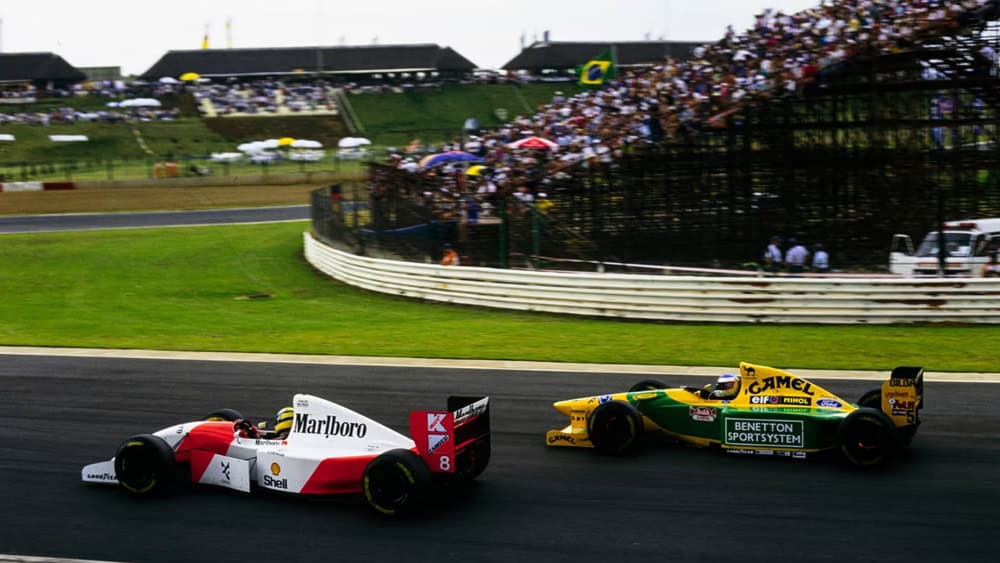
SUBSCRIBE TO OUR NEWSLETTER
First name or full name
Email
By continuing, you accept the privacy policy
**Categories:** Sport, Sports and Culture, Tourism and Nature
---
### [Rwanda and Mali Move to Deepen Security Cooperation and Regional Peace Efforts](https://www.topafricanews.com/2026/10/13/rwanda-and-mali-move-to-deepen-security-cooperation-and-regional-peace-efforts/)
**Published:** October 13, 2026
**Author:** TOPAFRICANEWS
**Content:**
Rwanda and Mali are seeking to strengthen bilateral relations, expand security cooperation and intensify joint efforts to address regional and continental peace and security challenges, as the two countries step up diplomatic engagement to tackle shared concerns.
The commitment emerged during talks between Rwanda’s Minister of Foreign Affairs and International Cooperation, Amb. Olivier Nduhungirehe, and his Malian counterpart, Abdoulaye Diop, in Bamako, Mali’s capital, where the Rwandan minister is on an official working visit.
In a message posted on X on the morning of October 13, 2026, Nduhungirehe said the discussions focused on strengthening relations between the two countries, with particular emphasis on cooperation in international forums and addressing peace and security challenges affecting their respective regions and Africa as a whole.
He noted that both sides explored ways to reinforce their diplomatic ties and broaden cooperation in addressing common challenges, particularly those related to promoting peace, stability and security.
The discussions reflect the two countries’ shared interest in deepening collaboration on issues of mutual concern while enhancing their engagement on the regional and international stage.
During his visit, Nduhungirehe also met Mali’s Minister of National Reconciliation, Lt. Gen. Ismaël Wagué, with whom he discussed approaches to promoting national unity and reconciliation among Malians.
Rwanda brings considerable experience in reconciliation and national cohesion, having pursued extensive efforts to rebuild trust and restore social unity following the 1994 Genocide against the Tutsi.
Over the years, the country has established various programmes and institutions aimed at fostering reconciliation, strengthening social relationships and promoting unity among Rwandans, contributing to national recovery and development.
Mali, meanwhile, continues to face security challenges and conflicts that have made peacebuilding, social cohesion and national reconciliation critical priorities in its pursuit of lasting stability.
Rwanda’s experience in rebuilding trust and promoting unity could therefore provide opportunities for knowledge-sharing and dialogue as Mali continues its efforts to address internal divisions and strengthen peaceful coexistence.
Relations between Rwanda and Mali have steadily developed since Mali opened its embassy in Rwanda in February 2017, creating a foundation for expanded diplomatic engagement and cooperation across various sectors.
The partnership gained further momentum in 2023, when the two countries signed agreements covering different areas of cooperation, reinforcing their commitment to pursuing shared development objectives.
In 2024, Rwanda and Mali signed 19 agreements aimed at promoting inclusive development and strengthening bilateral cooperation, marking another significant step in the expansion of their relationship.

SUBSCRIBE TO OUR NEWSLETTER
First name or full name
Email
By continuing, you accept the privacy policy
**Categories:** NEWS
---
### [Ten Medical Schools, Thousands of Applicants: The Route Back for South Africa’s Future Doctors](https://www.topafricanews.com/2026/10/13/ten-medical-schools-thousands-of-applicants-the-route-back-for-south-africas-future-doctors/)
**Published:** October 13, 2026
**Author:** TOPAFRICANEWS
**Content:**
International medical education providers argue that training South African students abroad is not worsening the country’s doctor shortage and could help solve it by expanding the pool of physicians available to serve South Africans.
Dr. Gaurov Dayal, Chief Executive Officer of Medforth Global Healthcare Education, said international medical schools such as St. George’s University (SGU) deserve credit rather than criticism, because they are opening a door for students who might otherwise never have become doctors at all.
“We are actually contributing to the number of students in the South African system because they are not using any South African resources in being trained to become physicians,” Dr. Dayal said.
“Any doctor that South Africa is getting is, frankly, a net positive for South Africa because the nation’s not taking a spot.”
The comments come at a moment when South Africa is looking for practical ways to grow its number of doctors and make better use of the talent and ambition of students who want to enter the profession.
According to Dr. Dayal, South Africa is home to more than 60 million people but has only about 45,000 registered medical physicians, fewer than one doctor per 1,000 people. Rather than framing this purely as a crisis, Dr. Dayal sees it as an opportunity: a large, motivated pool of aspiring doctors whose potential has simply outpaced the capacity of local medical schools to train them.
“We do know for a fact that less than 5 percent of students who enter South Africa are accepted into South African medical schools,” he said.
“I am certain that the remainder, 95 percent, are not all unqualified.”
In Dr. Dayal’s view, this is exactly where international medical schools like SGU can add value. Giving capable, motivated students who do not secure one of the limited local spots a legitimate alternative path into medicine, with the prospect of returning home afterward to strengthen the healthcare system.
He was clear that SGU sees itself as a partner to South Africa’s medical schools, not a competitor to them.
“Our job, you know, we train students from all over the world, from over 100-plus countries. Our goal and our mission are to make sure that our students go back to their countries and practise medicine and help improve the population’s health in their native lands,” he said.
South Africa has, historically, lost trained healthcare professionals to countries offering better pay and conditions, a real and well-documented concern. But the executives emphasize that this familiar brain-drain story doesn’t apply neatly to the international-training model, and that the distinction matters.
Dr. Marios Loukas, President and Dean of the School of Medicine at SGU, acknowledged that global migration of healthcare professionals is a genuine issue, while pointing out what he sees as the more encouraging part of the picture: the quality and portability of the education itself.
“I think the important thing here is not so much that South Africa is losing doctors. It’s that we, as an institution, we’re providing the right education,” Dr. Loukas said.
He explained that SGU equips students to practise competently across different healthcare systems worldwide, while still preserving and actively supporting a pathway back home for those who want to return and serve South Africa.
Dr. Dayal framed the model with a phrase of his own: not “brain drain,” but “brain addition.”
“I do think that the brain drain comment is inappropriate because brain drain implies that we are taking students who trained in one nation and moving them to another,” he said.
“We’re actually contributing the number of students to the South African system because they are not using any South African resources in being trained to become physicians.”
He drew a sharper contrast with doctors trained domestically who later emigrate, cases where South Africa has already invested public resources in their education before losing them to another country. The international-training model, he argued, flips that equation in South Africa’s favour.
“In our case, we are providing the resources for the training in an international environment. And many of those students are actually going back to South Africa. So, in many ways, it’s the opposite of brain drain. It’s brain addition,” he said.
Underscoring its commitment to that return pathway, SGU has secured formal recognition from the Health Professions Council of South Africa (HPCSA), granted in 2025 – a milestone that gives its graduates a defined route to come home and register to practise.
Even so, both executives were candid that recognition alone doesn’t guarantee a smooth landing: graduates may still need to complete credential verification and pass examinations before they can practise in South Africa. Rather than glossing over this, Dr. Dayal treated it as essential due diligence for families weighing their options.
“The worst-case scenario would be for a student to go to a school abroad, but then not be able to have a pathway to return home,” he said.
He encouraged prospective students and their families to do their homework, checking accreditation and confirming that a clear, established route home exists, precisely so that the opportunity these programs offer can be fully realised.
SGU also offers scholarships to help ease the financial load, though the university was upfront that these don’t cover the full cost of tuition, accommodation, and living expenses. For families able to make that investment, the executives see it as a meaningful down payment on a doctor who can ultimately return to serve underserved communities at home.
Taken together, the picture the executives paint is one of expanded access rather than lost opportunity: more qualified young South Africans getting the chance to become doctors, more pathways home once they qualify, and a growing pool of physicians to draw on. The open question that remains is how quickly South Africa can grow its own domestic medical school capacity to meet demand from the other side as well.

SUBSCRIBE TO OUR NEWSLETTER
First name or full name
Email
By continuing, you accept the privacy policy
**Categories:** HEALTH
---
### [UAE approves $80 billion federal budget for 2027–2029 – up 28.3%](https://www.topafricanews.com/2026/10/13/uae-approves-80-billion-federal-budget-for-2027-2029-up-28-3/)
**Published:** October 13, 2026
**Author:** TOPAFRICANEWS
**Content:**
The UAE Cabinet has approved a federal budget of AED 292.5 billion ($80 billion) for 2027–2029, marking a 28.3 per cent increase compared to the previous three-year period.
The budget was approved on Monday during a Cabinet meeting chaired by Sheikh Mohammed bin Rashid Al Maktoum, Vice President, Prime Minister, and Ruler of Dubai.
As part of the three-year fiscal plan, the Cabinet also approved an estimated AED 90.1 billion ($24.5 billion) in federal expenditure for 2027, with social development, pensions and government affairs accounting for the largest shares.
**[Read More here](https://www.arabianbusiness.com/finance/economy/uae-federal-budget-2027-2029?utm_medium=email&utm_medium=email&utm_campaign=UAE%20approves%2080%20billion%20federal%20budget%20for%2020272029%20123008%20PM&utm_content=UAE%20approves%2080%20billion%20federal%20budget%20for%2020272029%20123008%20PM+CID_c19f2c68f8932ad20073515c6ff3e80d&utm_source=Newsletters&utm_term=UAE%20approves%2080%20billion%20federal%20budget%20for%2020272029%20%20up%20283)**

SUBSCRIBE TO OUR NEWSLETTER
First name or full name
Email
By continuing, you accept the privacy policy
**Categories:** Business and Trade
---
### [Microsoft Seeks to Scale AI Across African Energy, Mining Operations](https://www.topafricanews.com/2026/10/13/microsoft-seeks-to-scale-ai-across-african-energy-mining-operations/)
**Published:** October 13, 2026
**Author:** EDITOR
**Content:**
Microsoft is targeting wider artificial intelligence adoption across oil and gas, power and utilities, and mining, focusing on the integration of enterprise data and operational technology to improve industrial decision-making and asset performance.
During a Microsoft-hosted session at African Energy Week 2026 on Monday, Gargi Mishra, Frontier Industry Advisor for Energy and Resources, Microsoft, explored how companies can move AI from individual productivity applications into operational workflows.
“The opportunity for the energy sector is to connect the data companies already generate across their operations with AI capabilities that can help them make better decisions,” said Mishra. “When information from industrial systems and business applications can be brought together, teams have greater visibility into what is happening across their assets and can use that information to identify problems earlier and improve how they manage operations.”
For energy producers and utilities, the potential lies in connecting industrial data with AI systems to identify patterns, anticipate equipment failures and support maintenance planning. Integrating information from operational technology systems with enterprise platforms could also help teams make decisions using a more complete picture of asset performance.
The discussion also focused on the challenge of moving beyond isolated AI pilots. Microsoft presented its Copilot ecosystem, alongside Azure, Copilot Studio and Power Apps, as a way for organizations to connect information, build tailored applications and deploy AI agents for specific tasks.
Gareth Ireland, Senior AI Specialist, Microsoft, explained, “The question is not simply how to introduce an AI model, but how to integrate it into the systems and processes people already use. In an industrial environment, that means connecting the right data, applications and workflows so that AI can support employees in their daily work and contribute to operational objectives.”
For oil and gas companies, mining operators and utilities, scaling these applications requires reliable data infrastructure and clear controls over how information is accessed and used. Ireland highlighted cybersecurity and data governance as essential considerations, particularly when AI tools interact with sensitive business information or systems supporting critical infrastructure.
While AI can help employees process information and support decisions, its results require appropriate oversight, especially in operational environments where inaccurate information could have commercial or safety implications. For the energy and resources industry, the challenge will be to combine AI capabilities with reliable data, existing industrial infrastructure and organizational expertise.

SUBSCRIBE TO OUR NEWSLETTER
First name or full name
Email
By continuing, you accept the privacy policy
**Categories:** Energy
---
### [Rwanda and China Sign Aviation Deal to Strengthen Aircraft Safety and Civil Aviation Oversight](https://www.topafricanews.com/2026/10/12/rwanda-and-china-sign-aviation-deal-to-strengthen-aircraft-safety-and-civil-aviation-oversight/)
**Published:** October 12, 2026
**Author:** LIBOS NDAYISHIMIYE
**Content:**
Rwanda and China have signed a bilateral cooperation agreement aimed at strengthening aircraft airworthiness certification, enhancing aviation safety and improving regulatory oversight of civil aviation, marking a new step in technical collaboration between the two countries.
The agreement was signed in Kigali on Monday, October 12, 2026, between the Rwanda Civil Aviation Authority (RCAA) and the Civil Aviation Administration of China (CAAC). It seeks to reinforce cooperation in ensuring that civil aircraft and their associated equipment meet the required safety and technical standards.
Through the agreement, both countries aim to strengthen their technical capacities and improve coordination in implementing civil aviation regulations, with particular emphasis on aircraft airworthiness certification and inspection procedures.
The partnership is expected to facilitate closer collaboration between the two aviation authorities in assessing and verifying the airworthiness of civil aircraft, as well as inspecting aviation equipment and related documentation. These processes are essential to ensuring that aircraft comply with established technical requirements before and during their operation.
By promoting the exchange of technical expertise and strengthening institutional cooperation, Rwanda and China intend to enhance their ability to monitor compliance with aviation regulations and improve the effectiveness of their respective oversight systems.
The agreement also provides a framework for facilitating cooperation in certification and inspection, areas that play a critical role in maintaining aviation safety and ensuring that aircraft operating within civil aviation systems meet internationally accepted standards.
For Rwanda, the partnership offers an opportunity to strengthen the technical capabilities of its aviation regulator while deepening cooperation with China in a sector where safety, regulatory compliance and technical expertise are fundamental to sustainable growth.
Effective airworthiness certification helps establish that aircraft are designed, maintained and operated in accordance with applicable safety requirements. Strong inspection and regulatory oversight also help aviation authorities identify potential risks, enforce compliance and maintain confidence in the safety of civil air transport.
The agreement reflects the two countries’ commitment to closer cooperation in civil aviation, particularly in the technical and regulatory processes that underpin safe and reliable air transport.
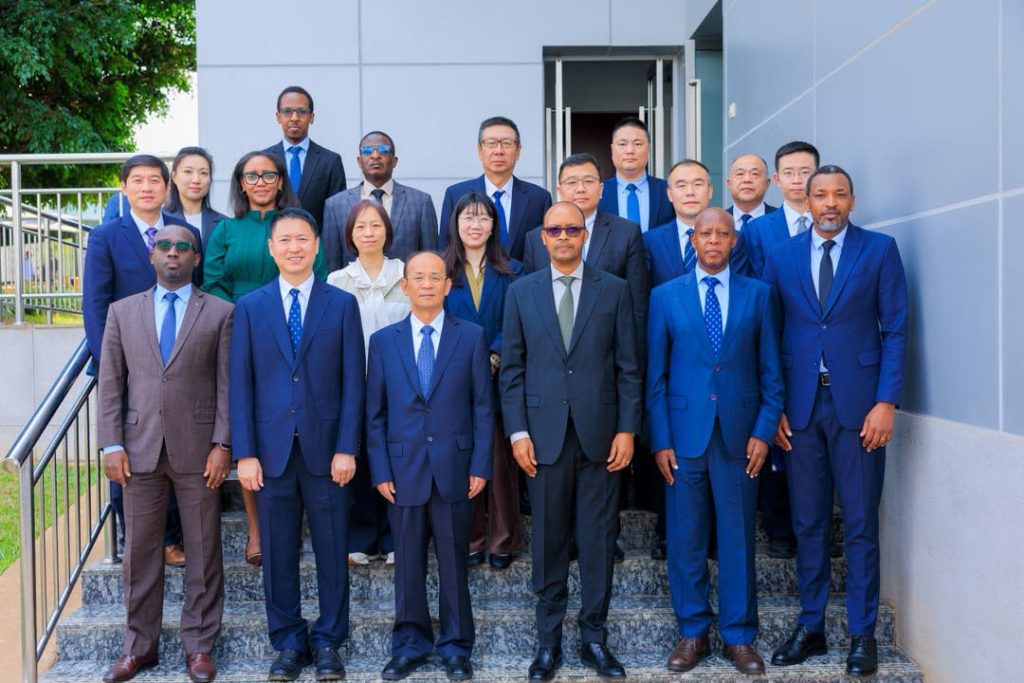
SUBSCRIBE TO OUR NEWSLETTER
First name or full name
Email
By continuing, you accept the privacy policy
**Categories:** Business and Trade
---
### [Africa launches credit rating agency to tackle high borrowing costs](https://www.topafricanews.com/2026/10/12/africa-launches-credit-rating-agency-to-tackle-high-borrowing-costs/)
**Published:** October 12, 2026
**Author:** Mutangana Emmanuel
**Content:**
Africa has launched a new credit rating agency aimed at improving how the continent’s economies are assessed and expanding access to affordable financing for governments and businesses.
The Africa Credit Rating Agency (AfCRA) was launched in Mauritius on October 7, 2026, following years of work led by the African Union and the African Peer Review Mechanism (APRM), with support from the United Nations Economic Commission for Africa (ECA) and other partners.
The independent, private sector-driven institution will complement existing international credit rating agencies by providing additional data and perspectives on African economies.
Credit ratings influence how much countries pay to borrow and how investors assess their financial risks. African officials say inaccurate perceptions of risk can increase borrowing costs, leaving governments with fewer resources for infrastructure, healthcare, education and other development priorities.
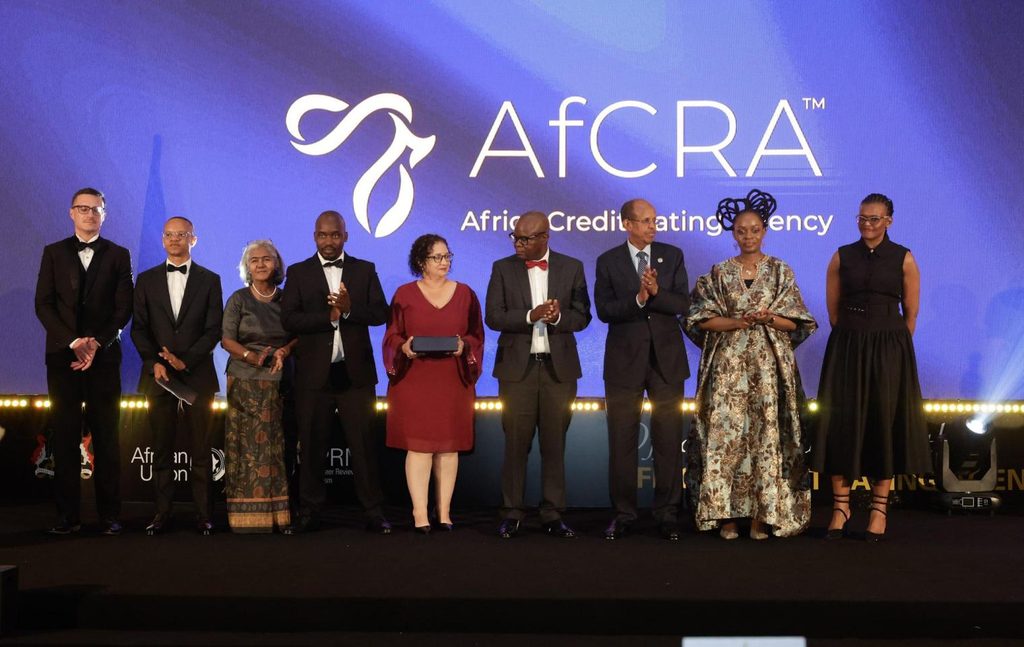ECA Deputy Executive Secretary Hanan Morsy said persistent risk premiums cost Africa an estimated $75 billion annually in excess interest payments.
She said AfCRA could help address the problem by incorporating a deeper understanding of African economies, available data and reform efforts into credit assessments.
However, African Union Commission Chairperson Mahmoud Ali Youssouf cautioned that the agency alone would not significantly reduce the continent’s cost of capital. He stressed the importance of maintaining its independence to gain the confidence of investors and financial markets.
Morsy also emphasized that countries must strengthen their economic fundamentals through sound macroeconomic management, responsible fiscal policies, domestic resource mobilization and reliable economic data.
Mauritius Minister of Financial Services and Economic Planning Jyoti Jeetun said the agency’s goal was not to secure more favourable ratings for African countries, but to ensure their economies were assessed accurately.
“AfCRA is not about asking the world to rate Africa more favourably. It is about helping the world understand Africa more accurately,” Jeetun said.
Protecting the agency from political interference will be another challenge. APRM Chief Executive Officer Marie-Antoinette Rose-Quatre, whose institution helped lead efforts to establish AfCRA, said independence must guide its operations and assessments.
UN Special Adviser on Africa Ahunna Eziakonwa said African financial institutions, pension funds, development banks and central banks would need to use the agency’s ratings to demonstrate confidence in its work.
“We cannot ask global capital to trust what African capital treats as optional,” Eziakonwa said.
Beyond assessing national governments, AfCRA is expected to rate subnational entities and African companies, potentially improving access to credit information and supporting the development of domestic capital markets.
Ugandan President Yoweri Museveni, in a statement delivered at the launch by State Minister of Finance Amos Lugoloobi, also called for stronger financial integration alongside trade integration through the African Continental Free Trade Area (AfCFTA).
Mauritius will host AfCRA’s headquarters, with Chief Executive Officer Sifiso Falala leading its operations.
The agency’s long-term impact will depend on the credibility of its assessments, its independence and its ability to earn the trust of African and international investors.

SUBSCRIBE TO OUR NEWSLETTER
First name or full name
Email
By continuing, you accept the privacy policy
**Categories:** NEWS
---
### [Habineza calls for respectful politics as Green Party establishes structures in Musanze](https://www.topafricanews.com/2026/10/11/habineza-calls-for-respectful-politics-as-green-party-establishes-structures-in-musanze/)
**Published:** October 11, 2026
**Author:** Mutangana Emmanuel
**Content:**
The President of the Democratic Green Party of Rwanda (DGPR), Dr. Frank Habineza, has called for politics based on mutual respect and non-discrimination as the party expands its structures to the sector level across the country.
Habineza made the remarks on October 10, while opening a meeting and training session for party members in Musanze District, where the party established structures in Muhoza and Cyuve sectors.
“We need sustainable politics that puts mutual respect first. We do not need politics based on discrimination,” Habineza told party members.
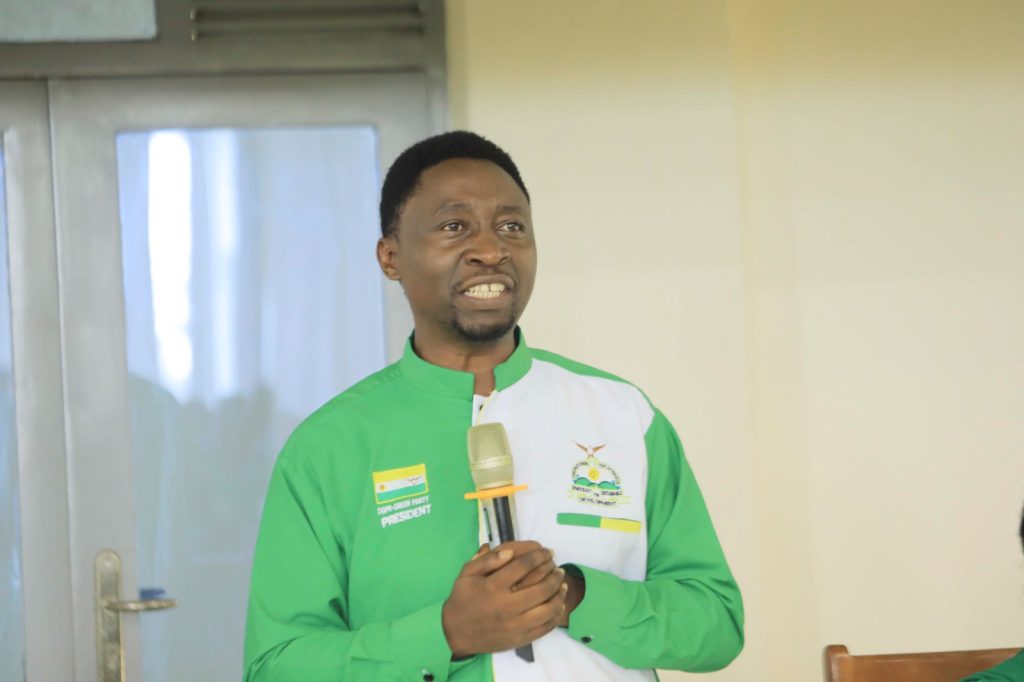***Dr. Frank Habineza, the President of the Democratic Green Party of Rwanda (DGPR).***The meeting focused on explaining the party’s principles, including democracy, environmental protection, peace and security, while encouraging members to participate in the party’s activities and contribute to national development.
During the exercise, members elected committees for the party, women and youth in the two sectors. The committees are intended to strengthen the party’s local structures and increase the participation of women and young people in its activities.
Habineza also highlighted the importance of democratic governance and peaceful political engagement, encouraging members to uphold the party’s values in their interactions with one another and their communities.
The meeting provided an opportunity for party leaders and members to exchange views on the role of political participation in addressing citizens’ concerns and supporting the country’s development.
The event was also attended by the Guests from Denmark.
The activities in Musanze are part of the DGPR’s broader plan to establish structures in all 416 sectors of Rwanda. The initiative began in Burera District before extending to Gicumbi District and Musanze.
Following the establishment of structures in Muhoza and Cyuve, the party plans to continue the exercise in the district’s remaining 13 sectors.
Through the initiative, the party aims to strengthen its grassroots organization and improve members’ participation in its leadership and activities at the local level.
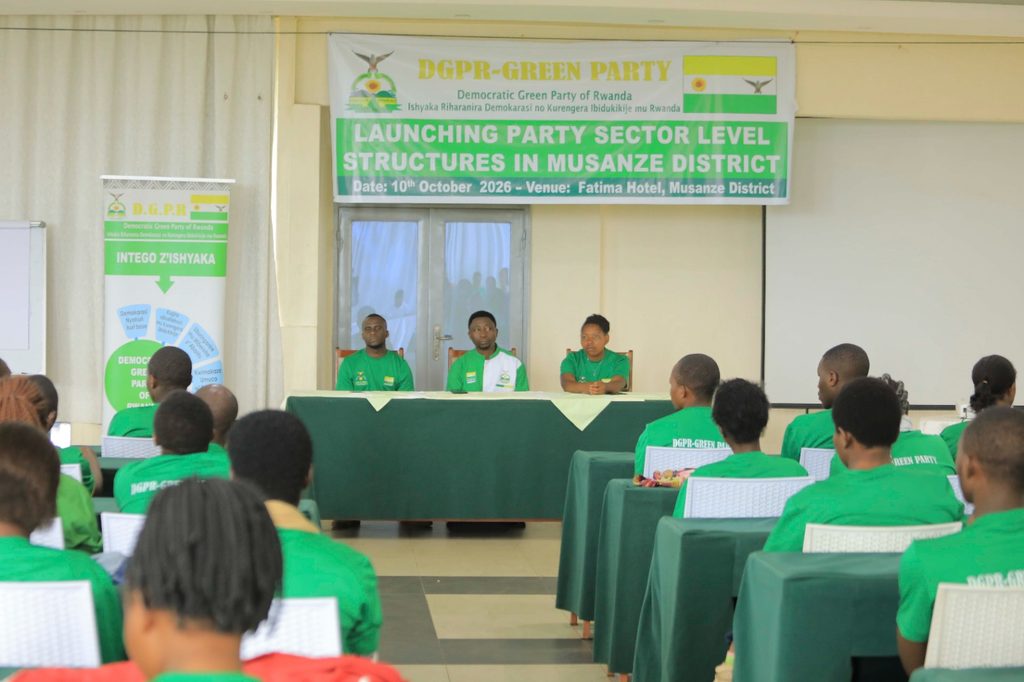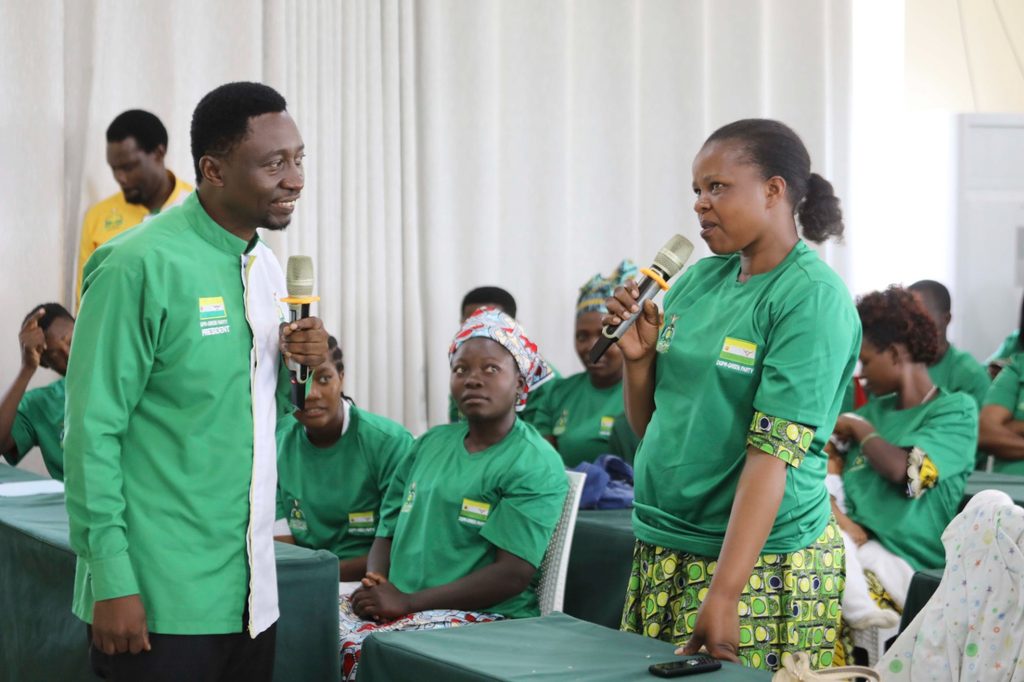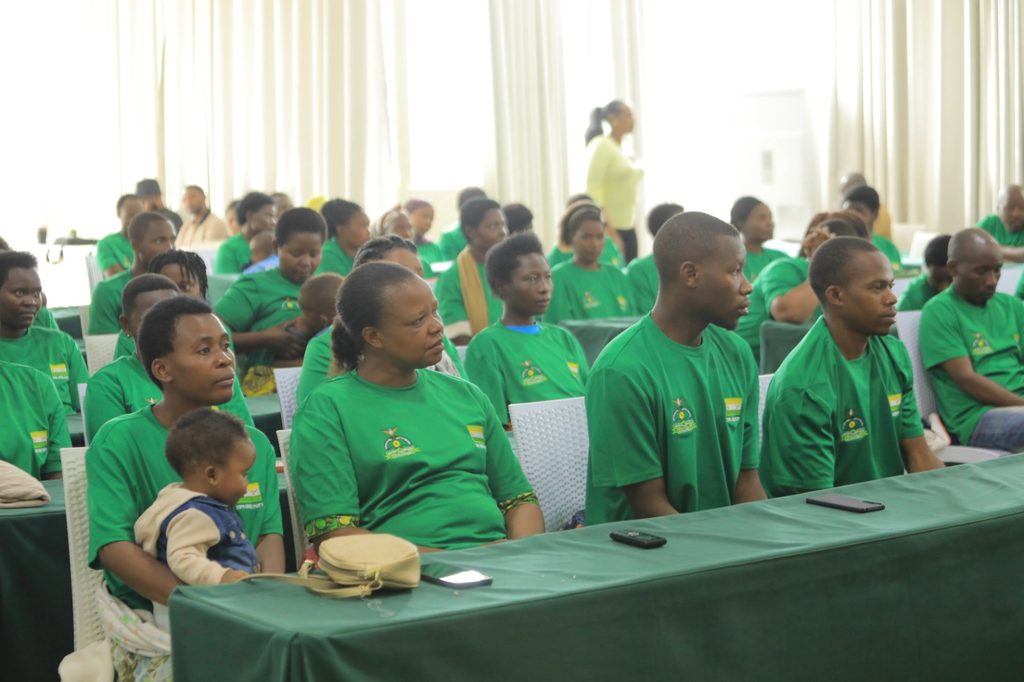
SUBSCRIBE TO OUR NEWSLETTER
First name or full name
Email
By continuing, you accept the privacy policy
**Categories:** NEWS
---
### [Weekend Incidents Disrupt Rwanda: Market Fire in Musanze and Rain Damage in Huye](https://www.topafricanews.com/2026/10/10/weekend-incidents-disrupt-rwanda-market-fire-in-musanze-and-rain-damage-in-huye/)
**Published:** October 10, 2026
**Author:** TOPAFRICANEWS
**Content:**
**Kigali — October 10, 2026**: A major fire broke out at a busy market in northern Rwanda on Saturday afternoon while heavy rain and strong winds caused flooding and structural damage in the south, affecting communities and infrastructure in at least two districts.
In Musanze District, flames erupted around 4 p.m. at Goico Plaza, the town’s main multi-story market complex. The fire began on upper floors, including areas where second-hand clothing and other goods are sold, and quickly produced thick black smoke that rose over the surrounding streets. Traders and residents evacuated the building, with many women vendors and some children among those leaving. Firefighters reached the scene promptly but encountered difficulties bringing the blaze under control because it was concentrated on higher levels. The cause has not been determined, and no injuries or deaths have been confirmed so far. Damage to goods and the building remains under assessment as efforts continue.
In Huye District in the Southern Province, heavy rain that began Friday night and continued into Saturday, accompanied by strong winds, produced several impacts. In Maraba Sector, floodwaters destroyed a key pedestrian bridge spanning the Mwogo River that had linked residents to Kigoma Sector. The bridge had served as an important safe crossing during the rainy season; its loss has forced people onto longer alternative routes. Farmers in nearby marshlands reported that crops were washed away or submerged, with some saying they expect little or no harvest from affected fields this season. Floodwaters also approached residential areas beyond sugarcane plantations.
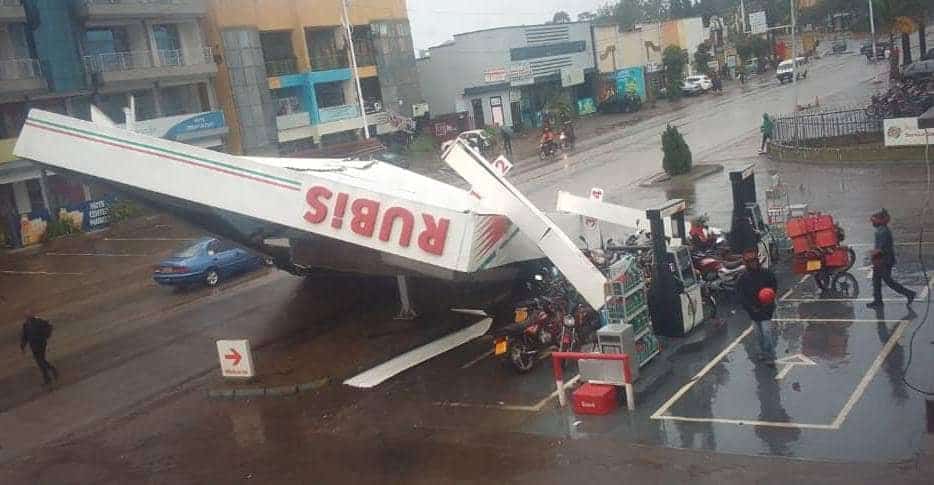In Huye town itself, the same rain and wind storm damaged a Rubis petrol station near Hotel Mont Huye. Parts of the structure and roof were affected, and falling debris struck at least one motorcycle. No injuries were reported from the incident. District officials have directed residents to use temporary detours, including routes through Kanyinya–Kabuye–Maraba Sector offices and Kanyinya–Gasumba–Mwogo VTC, while the situation is reviewed.
Similar rain and wind conditions on Friday damaged roughly 13 houses in Muganza Sector of Rusizi District, in villages including Gashisha, Gisozi, and Rubyiro.
These events coincide with forecasts of rain across much of the country on Saturday and continued rainfall into the following days, with higher totals expected in western and northern areas. The current rainy season has been projected to bring above-average precipitation overall, raising the possibility of further localized flooding, strong winds, and related risks in vulnerable areas.
Local authorities continue to monitor both the Musanze market fire and the rain-related damage in Huye and neighboring districts. Further details on the extent of losses and any additional effects are expected as assessments progress. Residents in affected zones are advised to follow guidance from district officials regarding routes, safety, and recovery.

SUBSCRIBE TO OUR NEWSLETTER
First name or full name
Email
By continuing, you accept the privacy policy
**Categories:** NEWS
---
### [Beyond the Pulpit Apology: Rwanda’s Gitwaza Storm Reveals Deeper Tensions Between Faith, Healthcare, and Public Trust](https://www.topafricanews.com/2026/10/10/beyond-the-pulpit-apology-rwandas-gitwaza-storm-reveals-deeper-tensions-between-faith-healthcare-and-public-trust/)
**Published:** October 10, 2026
**Author:** TOPAFRICANEWS
**Content:**
**KIGALI / WASHINGTON —** A viral sermon clip, a swift church apology, and a nation still arguing: this week Rwanda watched one of its most prominent Pentecostal leaders navigate the fallout from remarks that linked nurses and midwives to witchcraft. Yet on X and across Rwandan conversations, the discussion has already moved past the formal “sorry.”
Apostle Dr. Paul Gitwaza, founder of Authentic Word Ministries and senior pastor of Zion Temple Celebration Center, delivered the remarks on August 7.
In Kinyarwanda he stated that a spirit of witchcraft dwells in many nurses and midwives, placed there by Satan. The clip began circulating widely around October 6. Within a day the church issued a communiqué signed by Gitwaza himself. It acknowledged the wording caused hurt and concern, insisted there was never any intent to demean the profession, and confirmed dialogue with the Rwanda Nurses and Midwives Union. The union publicly noted the apology as a constructive step while reiterating that the original message had dishonored their work.
That, however, is only the official layer. On X this week the debate has been sharper and more personal.
Some voices insist the church statement is insufficient. Users have demanded Gitwaza stand before his congregation in the first person, retract the claim, and issue a “reverse preaching.” Others label him a false prophet and scammer, arguing the remarks form part of a pattern and that accountability requires more than a signed communiqué. One widely engaged post questioned how nursing representatives approached the church seeking an apology rather than the reverse, framing it as an inversion of responsibility.
Supporters push back equally hard. They argue that every human leader makes mistakes, that Gitwaza’s name and signature appear on the apology, and that refusing to accept it undermines reconciliation—a core biblical principle. Posts emphasize that physical presence at the original pulpit is unnecessary for public accountability and that demanding endless further gestures risks turning grace into a weapon.
A third current focuses on practical consequences. Critics warn the remarks could erode public confidence in facility-based deliveries at a time when Rwanda has made measurable progress reducing maternal and infant mortality. Healthcare workers, already operating under pressure, saw the generalization as an attack on their professional image without evidence. Faith leaders, meanwhile, are being reminded—sometimes gently, sometimes harshly—of the weight their words carry in a society where churches remain highly influential.
For American readers the episode lands at a familiar intersection: charismatic Christianity, professional dignity, and the limits of spiritual speech in the public square. Rwanda’s rapid development story, its emphasis on evidence-based health systems, and its vibrant Pentecostal scene make the controversy unusually visible. Gitwaza is no fringe figure; Zion Temple is among the country’s larger congregations, and he is recognized as a preacher, author, and community actor of more than two decades.
The apology closed one chapter. The conversation on X shows another is still open: how religious leaders balance prophetic language with respect for evidence-based professions, how institutions rebuild trust after viral offense, and whether a signed statement satisfies a public that increasingly expects personal accountability. Rwanda’s nurses and midwives continue their work. The debate over the words that briefly cast a shadow on that work continues with them.

SUBSCRIBE TO OUR NEWSLETTER
First name or full name
Email
By continuing, you accept the privacy policy
**Categories:** Religion
---
### [Tshisekedi Demands Essential Action in Eastern DRC Peace Talks With AU Panel](https://www.topafricanews.com/2026/10/10/tshisekedi-demands-essential-action-in-eastern-drc-peace-talks-with-au-panel/)
**Published:** October 10, 2026
**Author:** TOPAFRICANEWS
**Content:**
## Eastern DRC Peace Processes – Update
**Kinshasa — October 10, 2026**: President Félix-Antoine Tshisekedi received a high-level African Union Panel of Facilitators in Kinshasa on Friday.
Moreover, he reaffirmed the Democratic Republic of Congo’s commitment to ongoing diplomatic efforts.
He insisted that Eastern DRC Peace Processes must now produce concrete and verifiable results on the ground.
The delegation consisted of four former heads of state—Sahle-Work Zewde of Ethiopia, Uhuru Kenyatta of Kenya.
Moreover, Catherine Samba-Panza of the Central African Republic and Mokgweetsi Masisi of Botswana were also part of the group.
They met with Tshisekedi at the presidency.
According to the statement, the meeting formed part of a 72-hour mission.
Moreover, discussions centered on the Washington and Doha peace processes, Eastern DRC Peace Processes, with commitments not yet implemented.
Tshisekedi used the occasion to restate Kinshasa’s continued engagement with the diplomatic tracks.
He shifted emphasis toward measurable action.
Additionally, the Head of State reaffirmed the DRC’s commitment in the ongoing diplomatic processes.
He insisted on a concrete and verifiable application of the subscribed commitments, the presidency said.
The visit to Kinshasa marked the final leg of a regional shuttle by the panel.
In the days before, the facilitators had held consultations in Goma, where they met representatives of the AFC/M23.
Meanwhile, they met Rwandan President Paul Kagame.
Additionally, the African Union has tasked the panel with supporting a six-month roadmap.
It aims to coordinate mediation efforts, including the Washington track and the Doha process within the Eastern DRC Peace Processes.
The eastern DRC crisis has persisted for years.
**READ ALSO:** **[AU Facilitators Meet AFC/M23 Leaders in Goma as Army Reports Fresh Defections in North Kivu](https://www.topafricanews.com/2026/10/06/au-facilitators-meet-afc-m23-leaders-in-goma-as-army-reports-fresh-defections-in-north-kivu/)**
It is marked by the advance of the M23/AFC coalition.
Additionally, there are mass displacement and repeated cycles of fighting despite successive agreements.
Both the Washington and Doha frameworks include provisions for ceasefire monitoring.
Additionally, they include the neutralization of certain armed groups and steps toward political dialogue.
**Implementation has lagged.**
Additionally, there are continued reports of violations and limited progress on key security and humanitarian measures.
Kinshasa hosts the panel and stresses the need for concrete and verifiable follow-through.
Moreover, this signaling shows that further diplomacy must be followed by observable changes in the east.
**READ ALSO:** **[President Kagame Hosts AU Facilitators as Panel Presses Ceasefire in Eastern DRC](https://www.topafricanews.com/2026/10/08/president-kagame-hosts-au-facilitators-as-panel-presses-ceasefire-in-eastern-drc/)**

SUBSCRIBE TO OUR NEWSLETTER
First name or full name
Email
By continuing, you accept the privacy policy
**Categories:** NEWS, Peace Building and reconciliation
---
### [South Africa Hails Navi Pillay's Nobel Peace Prize Victory](https://www.topafricanews.com/2026/10/10/south-africa-hails-navi-pillays-nobel-peace-prize-victory/)
**Published:** October 10, 2026
**Author:** TOPAFRICANEWS
**Content:**
South Africans have taken to social media and official channels to celebrate the award of the 2026 Nobel Peace Prize to Navi Pillay. The Durban-born jurist, 85, has a career spanning anti-apartheid legal work and leading roles in international courts and human rights institutions.
Observers note the significance of this recognition for the region’s legal heritage. It underscores a lifetime of public service and global impact.
President Cyril Ramaphosa issued a formal congratulation. It described the recognition as a profound tribute to Pillay’s courage, integrity, and lifelong commitment to justice.
He noted that the honor allows the nation to celebrate her contributions to peace, human dignity, and hope at home and globally. He highlighted that she joins Chief Albert Luthuli, Archbishop Desmond Tutu, Nelson Mandela, and F.W. de Klerk as South African recipients of the prize.
Government accounts and provincial bodies, including the Western Cape Provincial Parliament, echoed this sentiment. They called it a proud moment for the country and underscored her journey from challenging apartheid to advancing the rule of law on the world stage.
On X, reactions from South African users and organizations have been largely celebratory.
Moreover, Navi Pillay is the first South African woman to win Nobel Prize.
Additionally, she is the fifth overall from the country.
Commentators highlight her early career defending anti-apartheid activists, including Nelson Mandela.
She was the first non-white woman to serve as a High Court judge in South Africa.
She led the International Criminal Tribunal for Rwanda, advancing recognition of sexual violence as genocide.
She later served as UN High Commissioner for Human Rights, and now sits on the International Court of Justice.
Users have shared messages such as “Proudly South African,” “Congratulations Madam,” and references to her as continuing a South African tradition of linking peace with justice. Media and research accounts have compiled the lineage of previous South African laureates, framing Pillay’s award as the latest chapter in a decades-long national story of contributions to global peace. Some posts have also noted her light-hearted reaction upon learning of the prize while attending a forum in Nuremberg—she initially thought the news was a joke and quipped that stronger applause might lead her to share the award with U.S. President Donald Trump, who had publicly sought the prize.
International reactions include sharp criticism from Israeli officials over Navi Pillay’s leadership of a UN commission of inquiry. The inquiry concluded that Israel’s actions in Gaza constituted genocide.
South African commentary on X highlights pride in her pioneering path and a South African voice in international law.
Organizations such as the UN in South Africa and labor bodies have joined the congratulations. They emphasize her commitment to human rights and dignity.
Pillay herself has dedicated the prize to survivors of international crimes and has spoken of the importance of public recognition that a laureate deserves the honor. For many South Africans following the news, the award represents both personal achievement and a broader affirmation of the country’s ongoing place in global conversations about justice and accountability.

SUBSCRIBE TO OUR NEWSLETTER
First name or full name
Email
By continuing, you accept the privacy policy
**Categories:** NEWS
---
### [Fuel Discount Extended as Tinubu Prepares 2027 Kaduna Campaign](https://www.topafricanews.com/2026/10/10/fuel-discount-extended-as-tinubu-prepares-2027-kaduna-campaign/)
**Published:** October 10, 2026
**Author:** EDITOR
**Content:**
Nigerians continue to feel the weight of high fuel prices, even as temporary relief arrives at NNPC filling stations and the ruling party sets its first major campaign date for the 2027 elections. This focus keyphrase Nigeria fuel discount?
The Nigerian National Petroleum Company Limited extended its ₦66-per-liter petrol discount at retail outlets nationwide until October 31. The offer, which began at the start of the month, aims to ease pressure on households and businesses amid elevated global crude prices. Officials prioritize public transport operators under the arrangement. They insist the discount does not amount to a return of the petrol subsidy removed in 2023. Instead, NNPC absorbs the reduction from its own retail margin and sells the product at cost for the period. The measure applies only at NNPC stations and does not create a uniform national price. Nigeria fuel discount
Despite the discount, pump prices at NNPC outlets still hover between roughly ₦1,355 and ₦1,370 per liter in major cities. For commercial drivers, market traders and families who rely on daily transport, even the reduced rate remains a heavy burden. Many people buying fuel outside NNPC stations continue to pay higher market rates, and questions remain about how widely accessible the discount will be in practice.
## Campaign schedule and context
President Bola Tinubu will formally launch his re-election campaign in Kaduna on October 24.
The All Progressives Congress Presidential Campaign Council will hold its inaugural meeting on October 14 in Abuja before the Kaduna flag-off.
Campaign stops are planned for Port Harcourt in Rivers State and Maiduguri in Borno State.
The move comes as opposition figures position the 2027 contest as a chance to reverse current economic policies, while the ruling party argues that its reforms are beginning to stabilize the economy.
For most Nigerians, the immediate concern remains the cost of moving around and putting food on the table. The temporary fuel discount offers limited breathing space for some, particularly transporters, but does little to change the broader reality of high living costs. With campaign activities set to intensify from later this month, the debate over fuel prices, economic hardship and who offers the better path ahead is expected to dominate public conversation in the weeks to come.

SUBSCRIBE TO OUR NEWSLETTER
First name or full name
Email
By continuing, you accept the privacy policy
**Categories:** Business and Trade, NEWS
---
### [Rwanda ICT Minister Pioneers Social Media Monetisation with Creators](https://www.topafricanews.com/2026/10/10/rwanda-ict-minister-pioneers-social-media-monetisation-with-creators/)
**Published:** October 10, 2026
**Author:** EDITOR
**Content:**
**Kigali, October 10, 2026**: Rwanda’s Minister of ICT and Innovation, Hon. Paula Musoni, met local content creators on October 9.
The discussions focused on advancing Social Media Monetization in Rwanda and supporting creators across platforms.
The meeting examined opportunities and Social Media Monetization in Rwanda for Rwandan creators. It also explored challenges and pathways for collaboration to support growth of the digital content industry.
Officials and participants explored practical steps to improve earnings on digital platforms. They aimed to strengthen the broader creative economy.
The engagement forms part of ongoing government attention to the creator sector throughout 2026. Earlier this year, the issue of monetization featured during the National Umushyikirano Council. Creators highlighted barriers on major international platforms. They called for support in turning online work into sustainable income.
Officials have pointed to regulatory compliance as a key factor. Advertising market development and payment infrastructure influence platform decisions on enabling creator earnings.
Rwanda is the first African country to unlock direct monetization features on TikTok. This milestone supports Social Media Monetization in Rwanda. Experts note this signals a maturing digital economy and better incentives for creators. Regulators may monitor outcomes to refine eligibility criteria and monetization pathways.
Authorities have continued engagement with platform operators regarding eligibility for additional services. At the same time, they are exploring complementary local approaches to help creators generate revenue. Public interest groups welcome transparent reporting on revenue sharing and platform rules. Continued dialogue with creators will help align local needs with global features.
The October 9 meeting brought together a range of local creators and influencers active across social media. Discussions centered on current limitations and available tools. They also covered steps that government, platforms, and the creator community can take together to expand opportunities.
Rwanda has seen rising activity in digital storytelling and content creation. This growth is supported by initiatives such as professional forums linking creators with tourism and investment stakeholders. Skills training programs are expanding, and continental events are hosted in Kigali. This momentum underpins Social Media Monetization in Rwanda by creating networking and knowledge sharing opportunities.
An upcoming Africa Travel Content Creator Conference is scheduled for November 20–22 at Ubumwe Grande Hotel. It will bring together travel creators, tourism professionals, and industry partners under the theme connecting, creating, and exploring. The conference aims to foster partnerships that support sustainable online content ecosystems and regional visibility.
As Rwanda continues to position its digital economy as a driver of growth, monetization remains a practical focus. Creators seek to build viable careers from their work.
The latest meeting underscores continued dialogue between policymakers and the content creation community on turning online audiences into economic opportunity.

SUBSCRIBE TO OUR NEWSLETTER
First name or full name
Email
By continuing, you accept the privacy policy
**Categories:** ICT
---
### [Muhanga parents urged to talk to children about sexual health to prevent teen pregnancies](https://www.topafricanews.com/2026/10/09/muhanga-parents-urged-to-talk-to-children-about-sexual-health-to-prevent-teen-pregnancies/)
**Published:** October 9, 2026
**Author:** Mutangana Emmanuel
**Content:**
Parents in Muhanga District have been urged to talk openly with their children about sexual and reproductive health to help prevent teenage pregnancies, sexual abuse and sexually transmitted infections.
The call was made during a community awareness campaign on sexuality education held in Nyarusange Sector on October 8, organised by the Rwanda Union of the Blind (RUB), in partnership with the National Union of Disability Organizations in Rwanda (NUDOR) and other partners, under the Beyond Boundaries project.
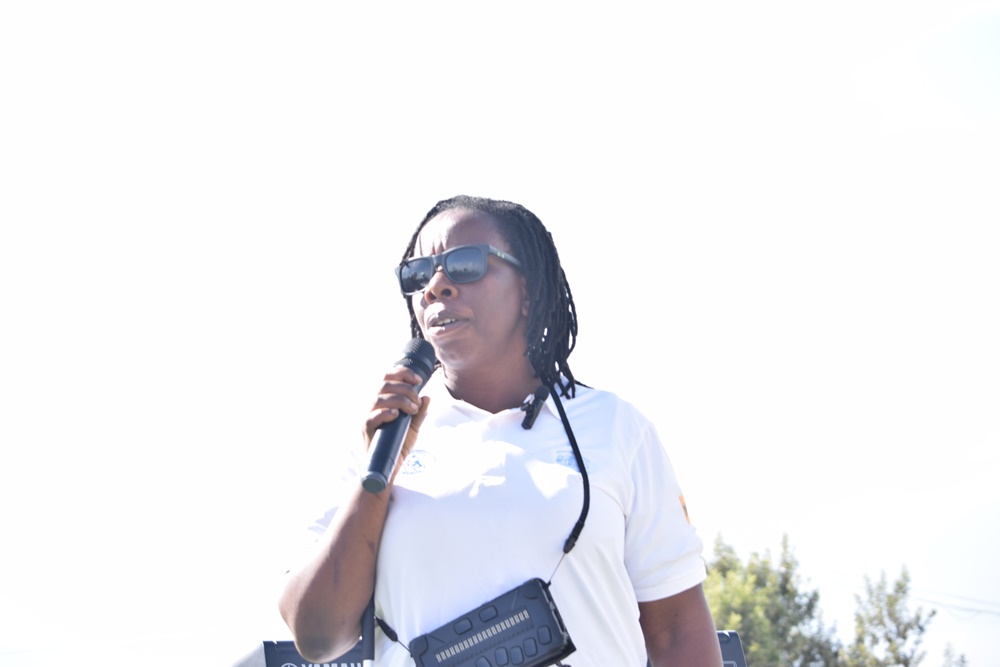***Venantie Mukanziza, Vice Chairperson of the Rwanda Union of the Blind (RUB).***Venantie Mukanziza, Vice Chairperson of RUB, said many young people face challenges because they lack reliable information about their sexual and reproductive health, leaving them vulnerable to unintended pregnancies and other consequences.
“Today, we conducted this awareness campaign to encourage young people to take care of themselves by seeking reliable and comprehensive information about their sexual and reproductive health,” she said.
Mukanziza said parents sometimes avoid discussing sexual health with their children, while young people who are out of school may have even fewer opportunities to access accurate information.
She added that early education about adolescence and reproductive health could help young people make informed decisions and avoid risks associated with unprotected sexual activity.
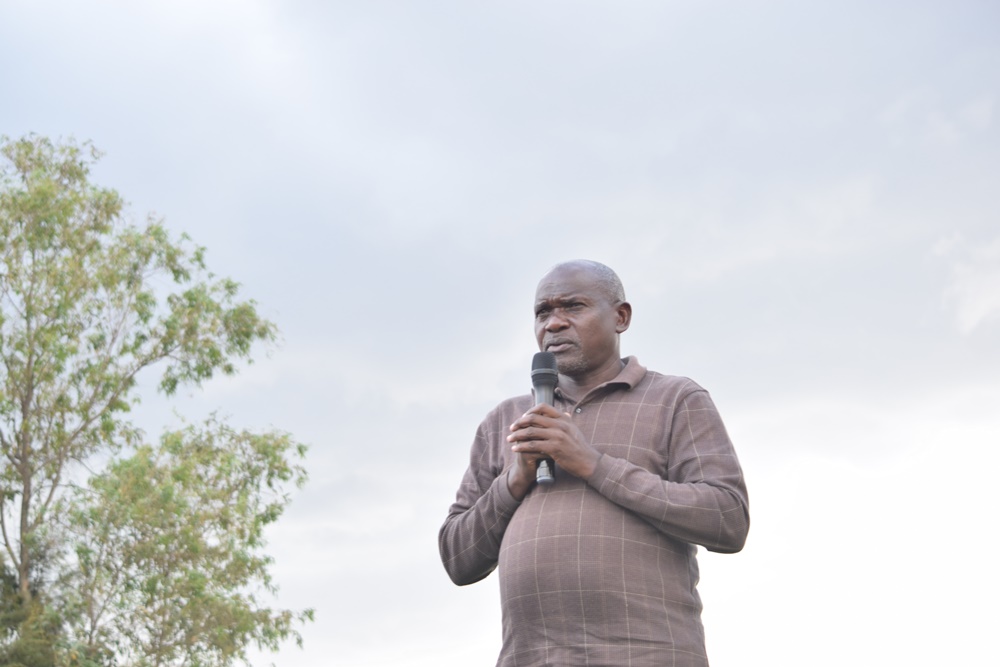***Samuel Kamangu, the Disability Mainstreaming Officer for the Muhanga District.***According to Samuel Kamangu, the Disability Mainstreaming Officer for the Muhanga District, Nyarusange was selected for the campaign because it ranked first among the district’s 12 sectors in the number of teenage girls who had given birth at home, according to the district’s assessment.
He urged parents and young people to communicate more openly about bodily changes during adolescence and the consequences of early pregnancy.
“When a girl becomes pregnant while she is still a child, she takes on the responsibility of raising another child while she is still young herself. Some leave school, and others end up on the streets,” Kamangu said.
He also called on residents to help prevent sexual abuse, particularly against people with disabilities, who may face additional barriers when seeking help or reporting perpetrators.
**Protecting young people with disabilities**
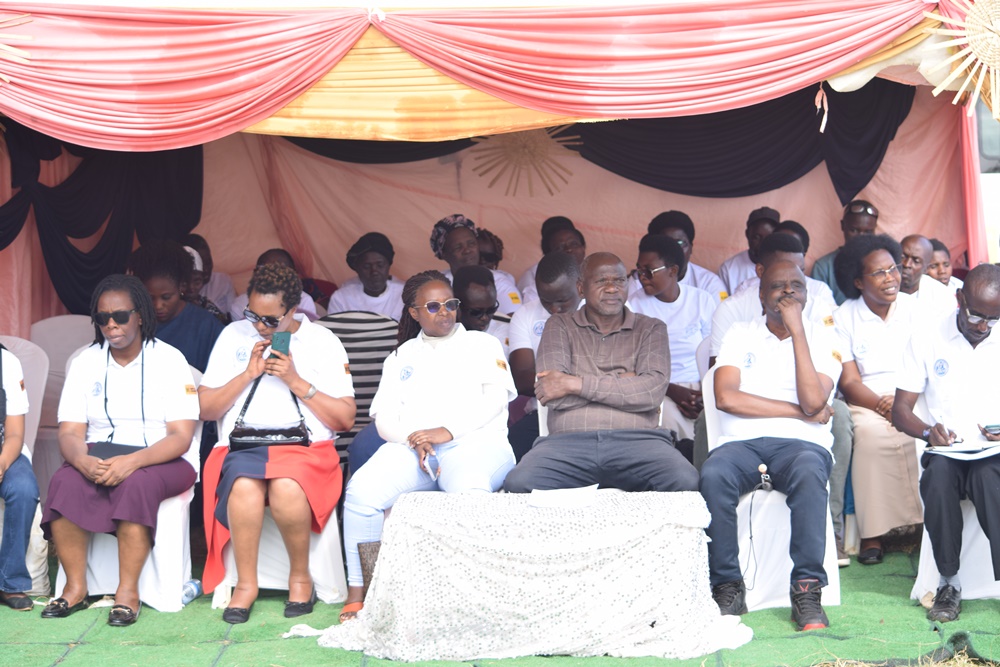Marie Louise Manirakiza, Advocacy and Communication Officer at NUDOR and coordinator of the Beyond Boundaries project, said the campaign also seeks to prevent gender-based violence and help young people navigate adolescence safely.
She said parents have a responsibility to educate their children, monitor their well-being and seek assistance from nearby health facilities when problems arise.
Manirakiza warned that young people who lack reliable information may turn to peers for advice, exposing themselves to misinformation, unintended pregnancies and sexually transmitted infections.
She emphasised that young people with disabilities can face particular risks of sexual abuse, especially when communication barriers or stigma prevent them from reporting what happened.
People with hearing or speech impairments, visual impairments and intellectual disabilities may encounter difficulties disclosing abuse and accessing appropriate support, she said.
However, she noted that the extent of the problem is difficult to establish because many survivors do not report abuse or related health complications.
“Parents are the first people who should teach children and young people how to behave and make informed decisions. We urge them to open up and talk to their children about sexual and reproductive health,” Manirakiza said.
She added that cultural discomfort around discussing sexuality should not prevent families from providing young people with the information they need to protect themselves.
**Supporting survivors of sexual abuse**
The campaign is part of the three-year Beyond Boundaries project, which began in 2026 and is expected to run until 2028.
Jeanne d’Arc Hyguette Nsabimana, a project officer for Beyond Boundaries and RUB staff member, said the initiative targets vulnerable young people, including girls who gave birth before the age of 18 and young women who have experienced sexual abuse.
The project operates in five districts through five organisations, with NUDOR serving as the coordinating organisation. RUB implements activities in Muhanga District, particularly in Nyarusange Sector.
Its objectives include improving comprehensive sexuality education in schools and communities, empowering young people with multiple vulnerabilities to make informed decisions about their bodies, and improving access to inclusive, youth-friendly services.
Activities include community outreach campaigns, discussions between parents and young people, and sessions in which teenage mothers and survivors of gender-based violence can share experiences to help other young people understand the consequences of risky sexual behaviour.
Nsabimana said the project also supports survivors in accessing justice.
 ***Angelique Nyirahagenima, a resident of Ngaru Cell in Nyarusange Sector, Muhanga District.***For Angelique Nyirahagenima, a resident of Ngaru Cell in Nyarusange Sector, access to information and support has helped her better understand sexual health and how to protect herself and others.
Nyirahagenima said she was raped when she was 17 and became pregnant. Her child is now seven years old.
She said the Beyond Boundaries project has provided her with various forms of support, while the awareness campaign helped her learn more about sexual and reproductive health.
“Before, I did not know these things. A boy could deceive you by saying that having sex would not result in pregnancy, or that you could not become pregnant if you had sex while standing,” she said.
Nyirahagenima said the knowledge she has gained will help her warn other girls against misinformation and guide survivors towards services where they can receive assistance.
She encouraged anyone who experiences sexual violence to seek medical care as soon as possible and report the case to the appropriate authorities, including an Isange One Stop Centre, where survivors can access support and assistance in pursuing justice.
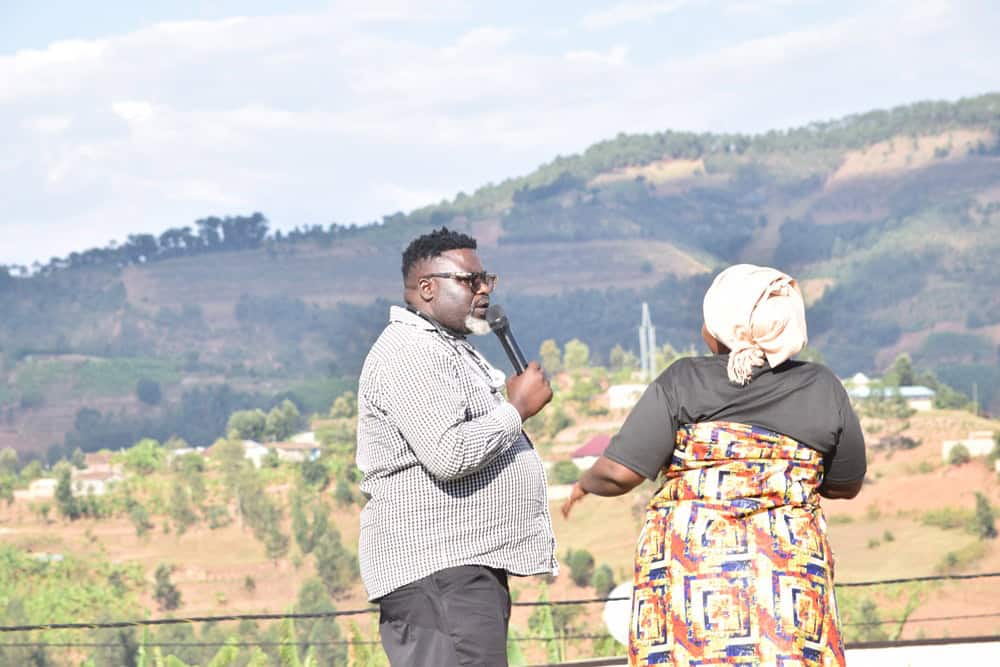
SUBSCRIBE TO OUR NEWSLETTER
First name or full name
Email
By continuing, you accept the privacy policy
**Categories:** HEALTH
---
### [Global carbon market leaders set their sights on Kigali](https://www.topafricanews.com/2026/10/09/global-carbon-market-leaders-set-their-sights-on-kigali/)
**Published:** October 9, 2026
**Author:** Mutangana Emmanuel
**Content:**
The Carbon Markets Africa Summit (CMAS) 2026, scheduled for October 13–15 in Kigali, has confirmed participation from 45 countries, including 24 African nations. The summit is expected to bring together more than 50 investors, buyers and financiers, over 40 carbon project developers and representatives, more than 100 speakers and representatives from 20 African governments.
READ ALSO: [How Rwanda Turns Climate Ambitions into a Transformative Wave of Investment](https://www.topafricanews.com/2026/09/25/rwanda-seeks-to-turn-climate-ambitions-into-a-new-wave-of-investment/)
The gathering comes as African countries seek to turn growing international interest in carbon markets into investments that support climate action, create economic opportunities and deliver benefits to local communities.
For Ibrahim Shelleng, Senior Special Assistant to the President on Climate Finance and Stakeholder Engagement for the Government of Nigeria, the summit offers an opportunity for Africans to shape the development of the market.
“This gathering of the leading players in African carbon markets represents a continental ownership in driving the future of carbon markets shaped by Africans, for the benefit of Africa,” Shelleng said.
The participation of investors and carbon credit buyers is expected to provide opportunities for project developers to present their initiatives, explore financing options and establish commercial partnerships.
Dedicated investor roundtables will bring together capital providers, buyers and project developers to discuss potential investments and collaboration.
READ ALSO: [10 years after Kigali Amendment, Rwanda pushes for more sustainable cooling solutions](https://www.topafricanews.com/2026/09/17/10-years-after-kigali-amendment-rwanda-pushes-for-more-sustainable-cooling-solutions/)
Participating projects will cover sectors including nature-based solutions, agriculture, waste management, clean cooking and carbon removals.
Maggie Kinyanjui, Sourcing Manager for Africa at Climate Impact Partners, said stronger engagement among project developers, buyers and investors would be important for building a carbon market that benefits African countries and communities.
“Africa should not just participate in carbon markets. We should help shape them. The opportunity is to build a market that attracts capital, rewards integrity and ensures that value reaches the countries and communities delivering climate impact,” Kinyanjui said.
**International carbon market rules in focus**
The summit will take place amid ongoing developments in international carbon market rules and standards under the Paris Agreement.
The UNFCCC’s Article 6.4 Supervisory Body, which oversees the Paris Agreement Crediting Mechanism, is holding its 23rd meeting in Bonn, Germany, from October 5–9, ahead of the Kigali gathering.
These international discussions are relevant to African countries seeking to develop carbon projects and attract investment while ensuring that emissions reductions and removals meet credible standards.
Amy Rhoades, Chief Communications and Engagement Officer at Carbon Standards, said engagement among policymakers, entrepreneurs and buyers was important for developing credible carbon removal solutions in Africa.
“Africa isn’t waiting for global carbon markets to mature; it’s actively building them. At Carbon Markets Africa Summit, we’re not just sponsoring a conference, we’re engaging the policymakers, entrepreneurs, and buyers who are building the carbon removal ecosystem in Africa. That engagement is the future of credible CDR and that’s why Carbon Standards is in Kigali,” Rhoades said.
Beyond discussions on international rules, the summit is expected to provide a platform for African governments and market participants to examine how global developments can translate into practical investment opportunities on the continent.
Emmanuelle Nicholls, Portfolio Director, said bringing decision-makers, financiers, buyers and project developers together could help strengthen project pipelines and establish partnerships needed to expand African carbon markets.
“The real opportunity lies in bringing decision-makers, financiers, buyers and project developers into the same room. Those conversations can help unlock investment, strengthen project pipelines and accelerate the partnerships needed to scale African carbon markets,” Nicholls said.
The summit is hosted by Rwanda’s Ministry of Environment, with the United Nations Development Programme and the African Development Bank as host organisations. The Development Bank of Southern Africa is the host partner, while AUDA-NEPAD is the strategic institutional partner.
The three-day meeting is expected to connect African climate projects with international market participants as the continent seeks to attract investment, strengthen its carbon market infrastructure and ensure that the benefits of climate finance reach the communities involved in delivering climate action.

SUBSCRIBE TO OUR NEWSLETTER
First name or full name
Email
By continuing, you accept the privacy policy
**Categories:** CLIMATE CHANGE, Environment
---
### [Rwanda Hosts Carbon Markets Meeting Ahead of Africa Summit](https://www.topafricanews.com/2026/10/09/rwanda-hosts-carbon-markets-meeting-ahead-of-africa-summit/)
**Published:** October 9, 2026
**Author:** DUSABEMUNGU Ange de la Victoire
**Content:**
[Kigali is set to host Africa Carbon Market Summit 2026](https://www.topafricanews.com/2026/08/28/rwanda-to-host-carbon-markets-africa-summit-as-continent-seeks-to-unlock-climate-finance/) from 13 to 15 October. The event will be at Kigali Convention Centre, drawing governments, investors, project developers and buyers as markets shift toward investment.
The Africa Carbon Market Summit 2026 is hosted by Rwanda’s Ministry of Environment.
The United Nations Development Program and the African Development Bank are co-host organizations.
The Development Bank of Southern Africa serves as host partner, and NEPAD is the strategic institutional partner.
Organizers expect participants from 24 African countries and 45 countries globally.
There will be more than 100 speakers and over 50 investors.
At the Africa Carbon Market Summit 2026, representatives of 20 African governments and more than 40 project developers are expected.
The program covers the carbon-market value chain, from Article 6 of the Paris Agreement and policy implementation to project development, buyer demand, deal structuring and investment-ready pipelines.
Sessions include ministerial and technical roundtables, project showcases in nature-based solutions, regenerative agriculture, carbon removals, waste-to-value and related sectors, and deal rooms intended to connect developers with capital.
Discussions will also address measurement, reporting and verification, project bankability and the Carbon Offsetting and Reduction Scheme for International Aviation.
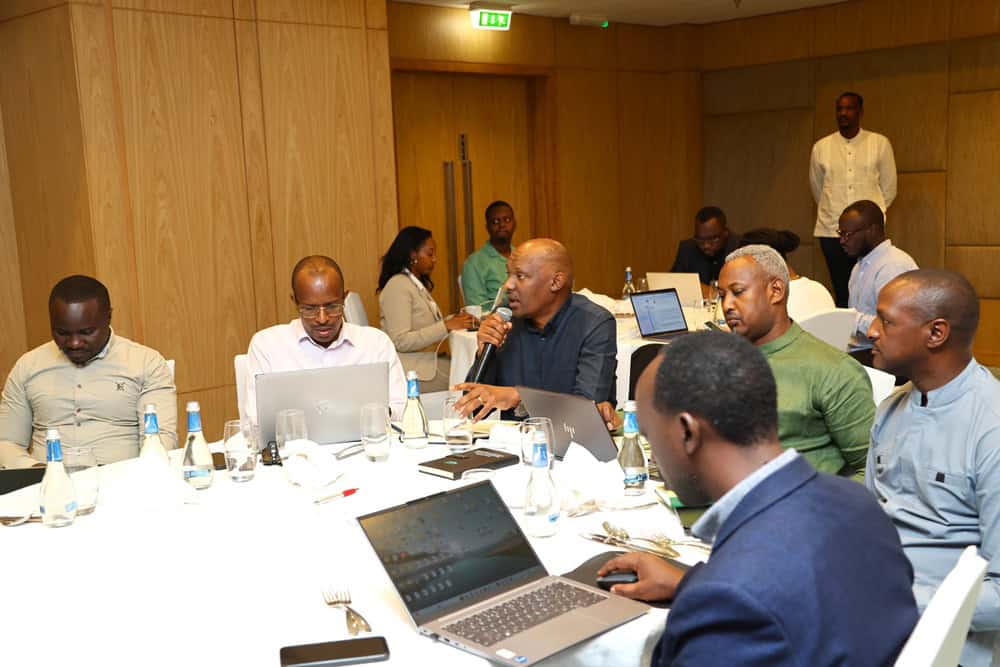Rwanda’s role builds on its National Carbon Market Framework, launched on the sidelines of COP28 in December 2023 and overseen by the Rwanda Environment Management Authority (REMA) as the designated national authority.
The framework establishes governance arrangements, including a Governing Board for strategic oversight, to support participation in cooperative approaches under Article 6 and the voluntary carbon market while aligning credits with national climate and development goals.
REMA has reported that Rwanda has registered 29 carbon-market projects spanning land conservation, agriculture, forestry, electric mobility, waste management and renewable energy. In January 2026, Rwanda and Singapore opened applications for projects under a bilateral Article 6 implementation agreement signed the previous year.
On 9 October, days before the summit opens, REMA convened a Governing Board meeting and high-level session with government institutions, development partners and private-sector representatives to discuss operationalising carbon markets domestically.
Minister of Environment Dr. Bernadette Arakwiye, who chairs the board, said carbon markets span energy, agriculture, forestry, transport, industry, finance and international cooperation, and that no single institution can manage the agenda alone.
She described the board’s role as providing strategic direction, coordination and accountability so that activities serve Rwanda’s wider interests.
Rwanda frames the Kigali gathering as a chance to keep carbon-market benefits on the continent. It supports climate action and communities, rather than profits elsewhere, and Africa Carbon Market Summit 2026 underscores that aim. The gathering follows related discussions as international rules under the Paris Agreement Crediting Mechanism evolve.
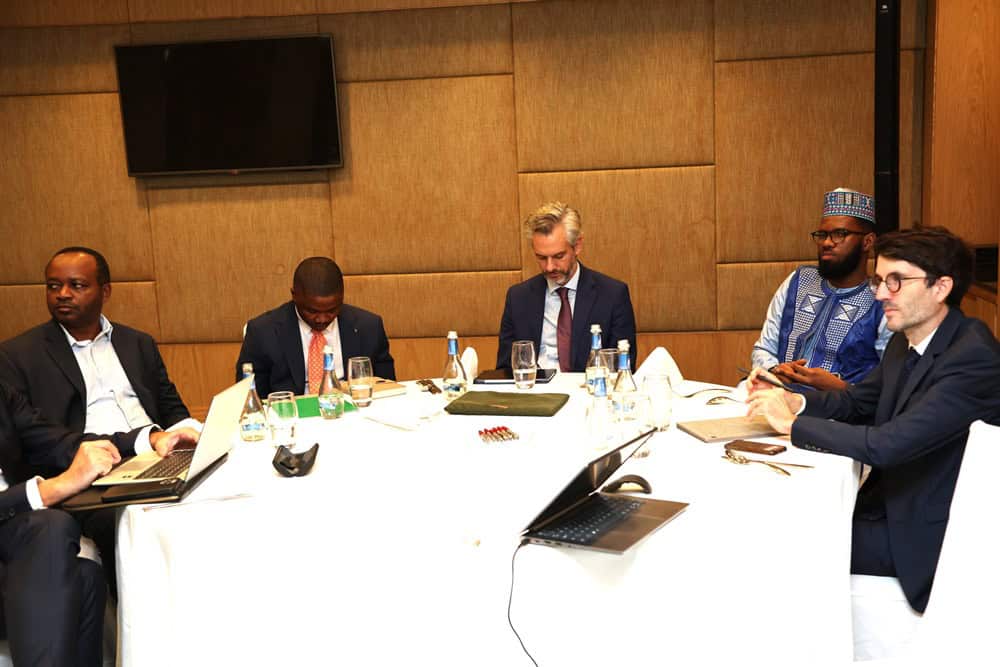
SUBSCRIBE TO OUR NEWSLETTER
First name or full name
Email
By continuing, you accept the privacy policy
**Categories:** CLIMATE CHANGE, Environment, NEWS
---
### [REG Reaffirms Commitment to 100% Electricity Access by 2029 as National Rate Hits 88.3%](https://www.topafricanews.com/2026/10/09/reg-reaffirms-commitment-to-100-electricity-access-by-2029-as-national-rate-hits-88-3/)
**Published:** October 9, 2026
**Author:** TOPAFRICANEWS
**Content:**
**Kigali, Rwanda —** Rwanda Energy Group (REG) has reaffirmed its commitment to delivering quality electricity services and achieving 100% electricity access in designated residential areas by 2029, with the national electricity access rate currently at 88.3%.
The commitment was reiterated during the closing event of Customer Service Week, held in Kicukiro District on Friday. REG’s senior management assured customers that the institution would continue improving service delivery, with particular emphasis on reducing the time required to restore electricity following outages, including those caused by factors beyond REG’s control.
***Customers commend improvements in REG’s service delivery***
Several REG customers commended the institution for improvements in customer service compared with previous years. They noted that although power interruptions still occur, REG has demonstrated a willingness to respond promptly and resolve reported faults.
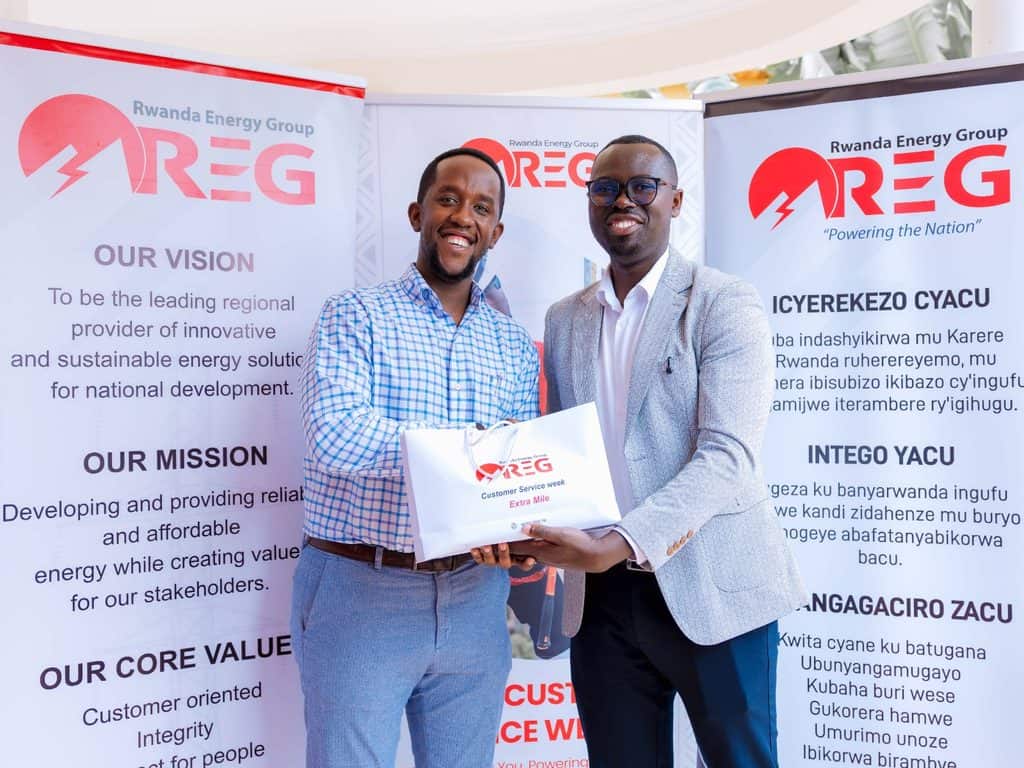
Ernest Nsengimana, a construction professional residing in Kicukiro District, said:
*“REG’s services have improved, even though power outages still occur. When the company identifies the source of a problem, it makes efforts to resolve it quickly. REG is a good institution that has helped us move from darkness to light. However, we encourage it to continue working harder to ensure that customers receive even better services.”*
Dominique Ngabo, an entrepreneur based in Kicukiro District, also praised the responsiveness of REG’s customer service team during Customer Service Week.
“During Customer Service Week, we received good service and were attended to promptly. We were previously told that the process could take a month, but after submitting the required documents, we received our CashPower within three days. The electricity supplied by REG is a key driver of our development,” he said.
Grace Uwase, a resident of Karembure, also expressed satisfaction with REG’s services.
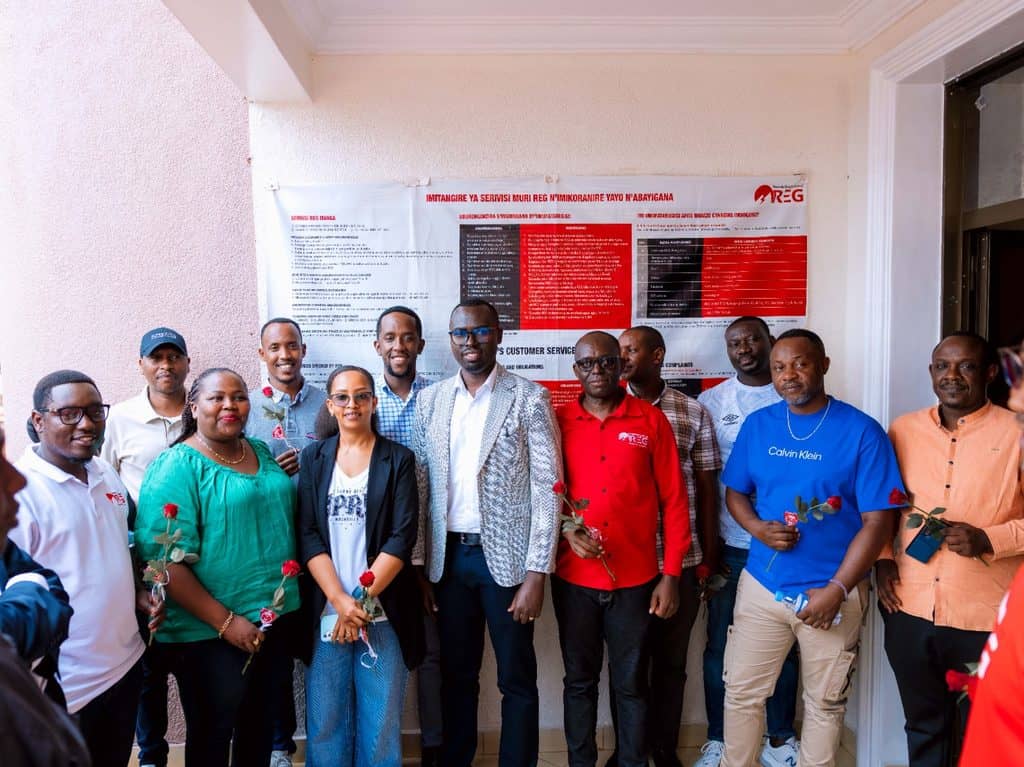
“I find REG’s services satisfactory. Whenever you call them for assistance, they respond promptly and help you,” she said.
Local authorities highlight the importance of collaboration
Patricia Murekatete, the Executive Secretary of Kagarama Sector in Kicukiro District, also commended REG for its service delivery and collaboration with local authorities.
“When residents encounter problems, the first person they often contact is the Sector Executive Secretary. I therefore appreciate REG’s establishment of digital platforms that enable us to share information and jointly address the challenges faced by residents. The community members themselves also acknowledge the improvements in REG’s services,” she said.
**REG pledges faster responses to power outages**
Chief Executive Officer of REG Maximilien Byilingiro thanked customers and local authorities for their continued cooperation in protecting and preserving the institution’s electricity infrastructure.
He urged the public to maintain this collaboration, noting that electricity infrastructure requires substantial investment and that vandalism or theft can disrupt services and negatively affect customers.
The CEO reaffirmed REG’s commitment to continuously improving electricity service delivery, simplifying customer service processes and accelerating responses to power outages to minimise their impact on customers.
“We have set ourselves the goal of reducing the inconvenience customers experience when accessing electricity services. Even when a power outage is caused by factors beyond our control, we are working to minimise the time customers remain without electricity.
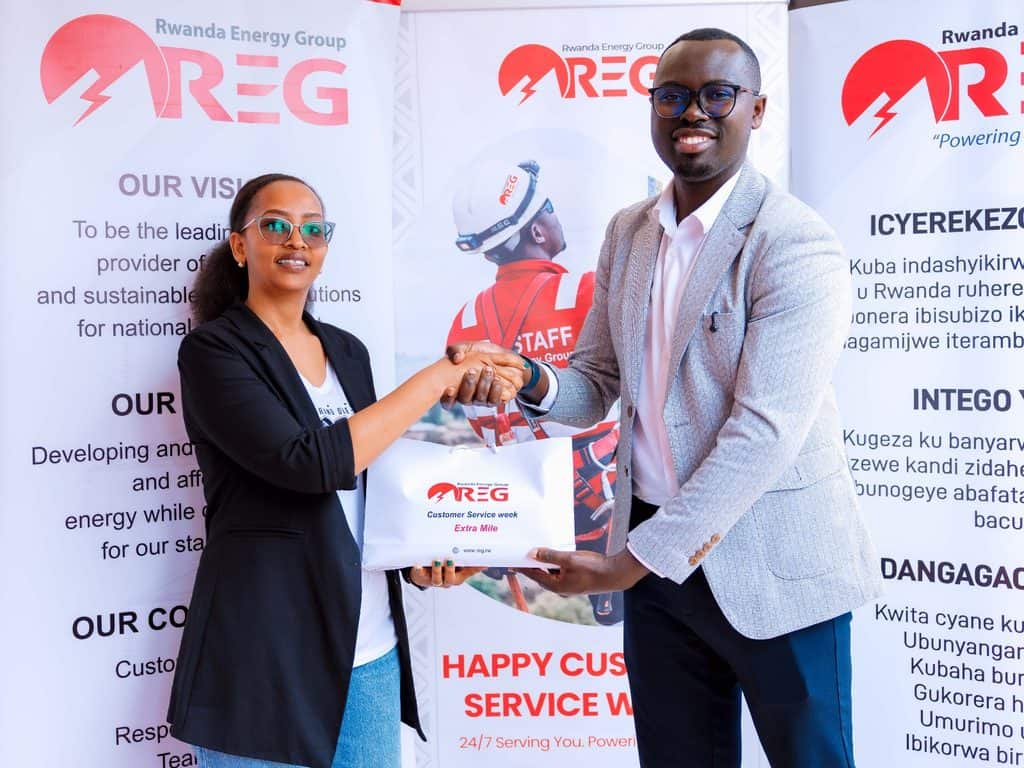
“REG is making good progress, as members of the Senate have also acknowledged. We must therefore work together to maintain and strengthen this positive image.
“Customer Service Week is not the end of our commitment. We must continue delivering quality services every day so that, by 2029, every eligible household has access to electricity. We will also continue reducing the duration of power interruptions and improving our response whenever faults occur, so that our customers can continue to recognise and appreciate our efforts,” he said.
**REG targets 100% electricity access by 2029**
REG, in collaboration with the Government of Rwanda, has set a target of achieving 100% electricity access in designated residential areas by 2029.
Currently, approximately 88.3% of the population has access to electricity, according to the figures cited during the event. To accelerate progress towards universal access, REG aims to increase electricity access by at least four percentage points annually.
The institution reiterated that achieving universal electricity access must go hand in hand with reliable service delivery, responsive customer care and the protection of critical electricity infrastructure.
Through continued investment, stronger collaboration with local authorities and communities, and sustained improvements in customer service, REG aims to ensure that more Rwandans benefit from electricity as a foundation for socio-economic development.
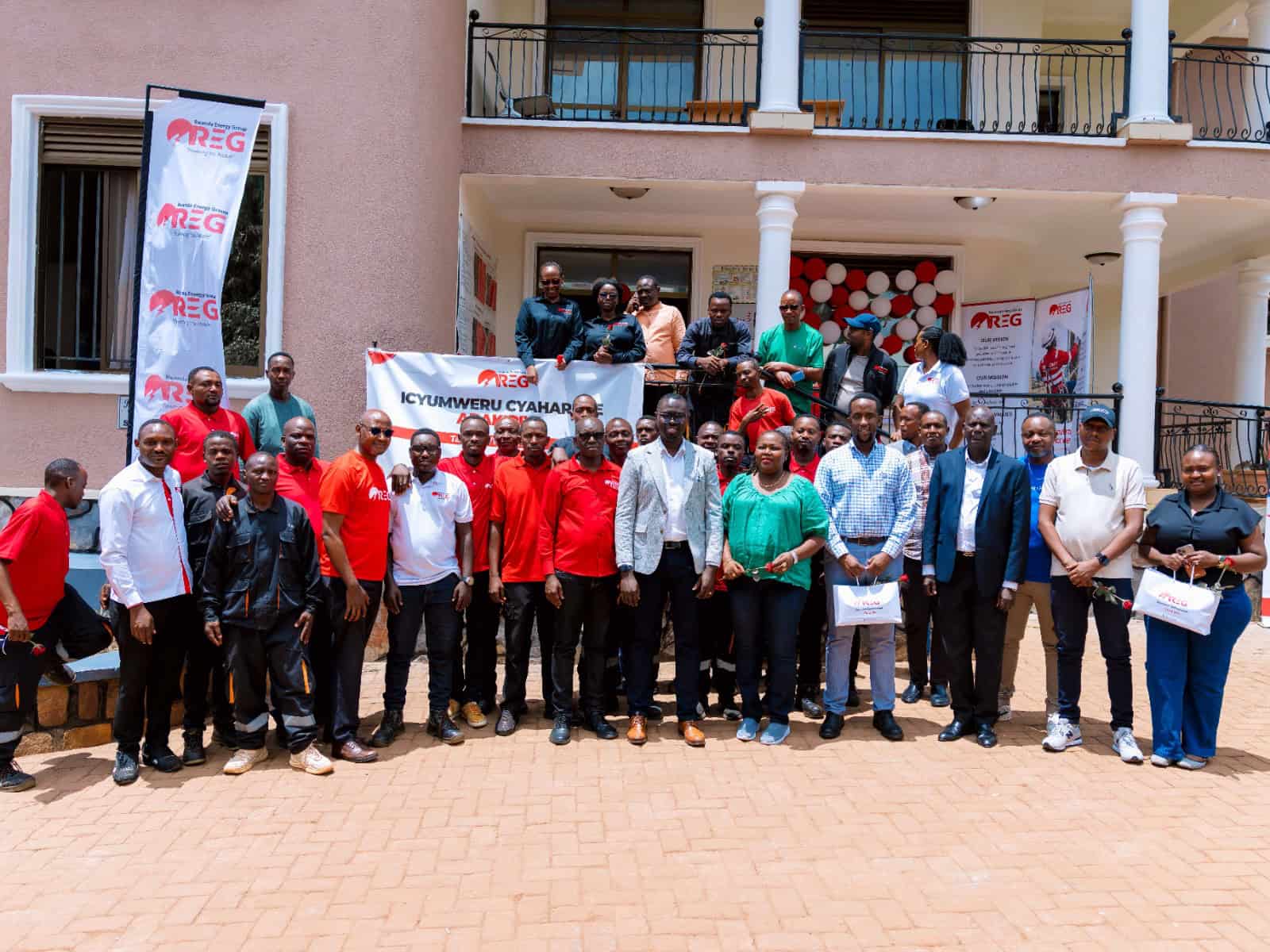
SUBSCRIBE TO OUR NEWSLETTER
First name or full name
Email
By continuing, you accept the privacy policy
**Categories:** NEWS
---
### [United States and Zambia Sign $2.49 Billion Health Cooperation Partnership](https://www.topafricanews.com/2026/10/09/united-states-and-zambia-sign-2-49-billion-health-cooperation-partnership/)
**Published:** October 9, 2026
**Author:** TOPAFRICANEWS
**Content:**
**WASHINGTON / LUSAKA** — The United States and the Republic of Zambia have signed a five-year bilateral Health Cooperation Memorandum of Understanding (MOU) under the America First Global Health Strategy (AFGHS).
The agreement establishes a $2.49 billion health partnership comprising $1.52 billion in planned U.S. health assistance and a $975 million investment commitment from the Zambian government into its health system over the next five years. In addition, the U.S. plans to allocate more than $13 million in Global Health Security funding to bolster Zambia’s capacity to detect and respond to infectious disease threats.
Building on over 50 years of U.S. health assistance to the nation, the MOU outlines a transition toward Zambian health self-reliance. Over the five-year period, Zambia will progressively assume greater operational and financial responsibility, including:
- Procuring essential health commodities.
- Transitioning U.S.-supported frontline health workers into the national civil service.
- Enhancing tracking systems for pharmaceutical supplies and medical logistics from production through to end-user delivery.
The agreement also focuses on modernizing Zambia’s health infrastructure through the expansion of electronic medical records and interoperable data systems to support surveillance for HIV/AIDS, tuberculosis, malaria, and emerging disease outbreaks.
This bilateral agreement is part of a broader global health rollout. To date, 36 bilateral health MOUs representing more than $27.2 billion in total funding—combining $16.1 billion in U.S. assistance with $11.1 billion in partner co-investments—have been signed with countries across Africa, Asia, Eastern Europe, and Latin America.

SUBSCRIBE TO OUR NEWSLETTER
First name or full name
Email
By continuing, you accept the privacy policy
**Categories:** HEALTH, NEWS
---
### [ShafDB Launches FCFA 60 Billion Sustainable Bond to Finance Affordable Housing in West Africa](https://www.topafricanews.com/2026/10/09/shafdb-launches-fcfa-60-billion-sustainable-bond-to-finance-affordable-housing-in-west-africa/)
**Published:** October 9, 2026
**Author:** EDITOR
**Content:**
*The Five- and seven-year tranches will mobilise local-currency resources for sustainable housing and urban development across the WAEMU region*
**Nairobi, Kenya, 9 October 2026** – Shelter Afrique Development Bank (ShafDB) has launched its first sustainable bond issuance, valued at FCFA 60 billion (approximately US$100 million), to mobilise local-currency financing for affordable, sustainable and energy-efficient housing projects across the West African Economic and Monetary Union (WAEMU) region.
The transaction is arranged by CGF Bourse Dakar as Lead Arranger, with the International Finance Corporation (IFC) and Ecobank Group, through Ecobank Senegal, participating as anchor investors.
The issuance comprises two tranches: a five-year tranche at 6.10% and a seven-year tranche at 6.30%. The subscription period runs from 7 to 30 October 2026.
“This transaction represents an important step in ShafDB’s ambition to mobilise African capital for Africa’s development priorities,” said Nabil Mahfoudh, Director of Treasury at Shelter Afrique Development Bank. “Our objective is not simply to raise capital, but to build a more diversified and resilient financing platform for housing and urban development. By deepening our presence in West African capital markets, we are connecting local savings with urgent development needs and deploying financing in the same currency in which local developers generate revenues.”
**Advancing ShafDB’s transformation**
The issuance forms part of ShafDB’s broader transformation into a pan-African multilateral development bank, with an expanded mandate to scale its development impact across its 44 shareholder countries.
The Bank is diversifying its funding sources, strengthening access to African capital markets, mobilising resources from international partners and reinforcing its capital base to respond to the continent’s growing demand for housing and urban infrastructure financing.
ShafDB’s Managing Director & CEO, Thierno-Habib Hann, said the Bank’s transformation has been anchored around increasing its capacity to mobilise capital and deliver sustainable development solutions at scale across Africa.
**Financing housing in local currency**
The WAEMU region faces a substantial housing deficit, with estimates cited by the World Bank Group putting the shortfall at approximately 3.5 million housing units, while around 250,000 additional units are required annually to keep pace with population growth and urbanisation.
The bond will help channel financing towards affordable, sustainable and energy-efficient housing while reducing the currency mismatch associated with long-term real estate investments.
“By aligning financing currencies with project revenues, local-currency funding can help reduce borrowers’ exposure to foreign-exchange risk and support more sustainable financing structures for developers,” said Mr. Hann.
**Sustainability at the core**
ShafDB partnered with the Global Green Growth Institute (GGGI) to develop its Sustainable Financing Framework, which received a favourable external opinion from S&P Global, reinforcing the transparency and credibility of the Bank’s sustainable finance approach. The transaction has also received the regulatory visa approval from the Autorité des Marchés Financiers de l’UMOA (AMF-UMOA).
**Mobilising African capital**
The issuance contributes to the momentum behind the New African Financial Architecture for Development (NAFAD) and the Abidjan Consensus, which seek to strengthen the mobilisation of African savings and deepen the continent’s capital markets as a complement to international development resources.
ShafDB has extensive experience in African capital markets, having completed 11 bond issuances across various markets. Its most recent transaction was in April 2022 on the Nigerian market, where it raised NGN 46 billion, approximately US$110 million.
Through its first sustainable bond, ShafDB is reinforcing its role as a catalyst for African capital mobilisation and sustainable housing and urban development, while advancing its transformation into a stronger, more diversified and impact-focused pan-African development finance institution.

SUBSCRIBE TO OUR NEWSLETTER
First name or full name
Email
By continuing, you accept the privacy policy
**Categories:** Business and Trade
---
### [Rwandan Preacher Apologizes After Sermon Links Nurses and Midwives to Witchcraft](https://www.topafricanews.com/2026/10/08/rwandan-preacher-apologizes-after-sermon-links-nurses-and-midwives-to-witchcraft/)
**Published:** October 8, 2026
**Author:** DUSABEMUNGU Ange de la Victoire
**Content:**
**KIGALI —** Apostle Dr. Paul Gitwaza, founder and senior pastor of Authentic Word Ministries and Zion Temple Celebration Center, has apologized after a video clip from an August sermon linked many nurses and midwives to a spirit of witchcraft.
The clip, which began circulating widely on social media around October 6, comes from a sermon Gitwaza delivered on August 7 at Zion Temple Celebration Center. In the recording, he is heard saying in Kinyarwanda: “Umwuka w’abarozi uba mu baforomo benshi, bariya babyaza, satani arabaplaça hariya.” The remark has been translated as stating that a spirit of witchcraft is present in many nurses and midwives and that Satan has placed it there.
Online criticism followed, with viewers describing the comments as disrespectful to healthcare workers and lacking evidence. Gitwaza is one of Rwanda’s better-known preachers, and Zion Temple is among the country’s larger congregations.
On October 7, Authentic Word Ministries/Zion Temple Celebration Center issued a communiqué signed by Gitwaza. The church said it became aware of the circulating clip on October 6 and acknowledged that the remarks had been understood as disrespectful. “However, we acknowledge that the words used caused hurt and concern,” the statement said. It added that there was no intention to insult, undermine, or devalue nurses, midwives, or any other profession, and offered a sincere apology to those affected.
The church noted its previous collaborations with health professionals in community programs and said it holds nurses and midwives in high regard for their role in saving lives and supporting families. Leaders said they had contacted representatives of the professions to express regret and agreed to continue dialogue aimed at strengthening cooperation and public trust.
The Rwanda Nurses and Midwives Union responded the following day. In a statement dated October 8 and signed by President Andre Gitembagara, the union said it received the video “with regret.” It described the message as dishonoring the nursing and midwifery profession and capable of damaging its public image and the communities it serves. The statement highlighted nurses’ and midwives’ contributions to quality care and to reductions in maternal and child mortality in Rwanda.
RNMU leadership met with Zion Temple leaders on October 7. The union said it recognizes the church’s apology as “a step towards restoring respect and honor” of the profession and looks forward to further positive steps.
The church’s communiqué did not restate or explicitly retract the original claim. Public reactions on social media have been mixed, with some accepting the apology and others calling for a clearer withdrawal of the remarks.

SUBSCRIBE TO OUR NEWSLETTER
First name or full name
Email
By continuing, you accept the privacy policy
**Categories:** HEALTH
---
### [Sheikh Mohammed reveals UAE set to make ‘major change’ to government services](https://www.topafricanews.com/2026/10/08/sheikh-mohammed-reveals-uae-set-to-make-major-change-to-government-services/)
**Published:** October 8, 2026
**Author:** TOPAFRICANEWS
**Content:**
[Sheikh Mohammed bin Rashid Al Maktoum](https://www.arabianbusiness.com/tags/sheikh-mohammed-bin-rashid-al-maktoum), Vice President and Prime Minister of the UAE and Ruler of Dubai, has announced that major changes are being made to government services.
In a post on X, Sheikh Mohammed said that the [UAE](https://www.arabianbusiness.com/tags/uae) is set to radically overhaul government services in 2027.
“Our future is brighter, God willing, we announce to everyone that next November, the UAE government will announce, through a major event, the biggest change in the form of its services and the way they are provided to the public.”
The country [topped a global](https://www.arabianbusiness.com/business/technology/uae-ranked-best-in-the-world-for-digital-government-services) [survey](https://www.bcg.com/publications/2026/middle-east-ai-is-reshaping-citizens-expectations-in-gcc) on government digital services that was conducted by Boston Consulting Group (BCG).
Sheikh Mohammed expressed his deep sense of pride in the outstanding achievement of the UAE public sector.
“More than 75 per cent believe that the UAE government’s services outperform the digital services provided by the private sector. We are proud of our work teams, and proud of our journey in facilitating people’s lives.
“We are proud of our country that provides the best globally to its citizens, visitors, and residents on its land,” said Sheikh Mohammed.
The result of the global poll only serve to further vindicate the ‘digital-first’ approach that has been adopted by the UAE over the last decade.
Many analysts believe that the foundations put in by the UAE in relation to government digital services will enable them to do the same when it comes to the implementation of AI throughout the public sector.
Sheikh Mohammed concluded his post by extending his sincere hope that his public sector staff continue to deliver for the country.
“And we ask God to grant success to all our work teams in serving the country and its people,” said Sheikh Mohammed.
#### ***More from Arabian Business***

SUBSCRIBE TO OUR NEWSLETTER
First name or full name
Email
By continuing, you accept the privacy policy
**Categories:** NEWS
---
### [Rwandan children’s group sends dance greeting for Putin’s 74th birthday](https://www.topafricanews.com/2026/10/08/rwandan-childrens-group-sends-dance-greeting-for-putins-74th-birthday/)
**Published:** October 8, 2026
**Author:** TOPAFRICANEWS
**Content:**
**Kigali/Nairobi —** A video of Rwandan children performing an energetic outdoor dance to mark Russian President Vladimir Putin’s 74th birthday was shared on October 7 by the Russian Embassy in Kenya.
The roughly 50-second clip, posted by the embassy’s official account, shows members of Moriox Kids dancing on a dirt basketball court. The children, mostly wearing green shirts and white bottoms, move in formation while waving red cloths. An on-screen message in Russian reads: “Happy birthday to the President of our beloved country Vladimir Putin!” accompanied by a Russian flag and heart emoji. The group’s social media handles appear throughout the video.
Moriox Kids is a Rwandan children’s ensemble that performs music and dance and has participated in international cultural events. The group has also described itself online as supporting school fees and weekend feeding programs for children in its care.
> Moriox Kids from Rwanda congratulated Vladimir Putin on his birthday with a vibrant dance! [pic.twitter.com/bxTfLIdrHu](https://t.co/bxTfLIdrHu)
>
> — Russian Embassy in Kenya/Посольство России в Кении (@russembkenya) [October 7, 2026](https://x.com/russembkenya/status/2107888463890825310?ref_src=twsrc%5Etfw)
The embassy post described the performance as a “vibrant dance” congratulating Putin. Replies to the post included additional birthday messages from users identifying with Rwanda and other African countries.
Putin, born October 7, 1952, turned 74 on the day the video circulated. Separate reporting from independent Russian outlets noted that kindergartens in several Russian regions also held birthday activities for the president that day, with some children recording messages or participating in events about his life.
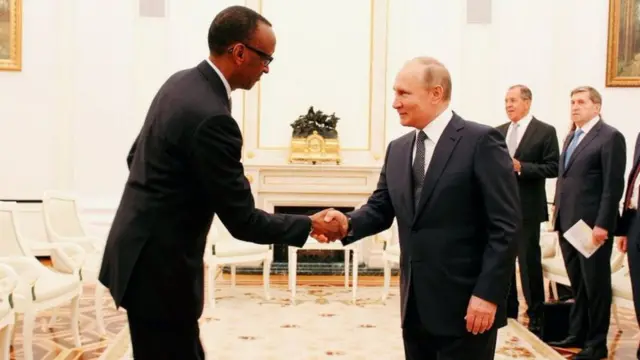The greeting arrives amid expanding official contacts between Russia and Rwanda. In recent months the two countries have advanced nuclear cooperation talks; [**Rosatom**](https://www.topafricanews.com/?s=Rosatom) and Rwandan officials held a joint coordinating committee meeting and signed a roadmap on small modular reactors. Diplomatic relations between the countries date to 1963, and a third Russia-Africa Summit is scheduled for Moscow later in October 2026.
**READ ALSO: [US and Russia Vie to Power Rwanda’s Nuclear Ambitions](https://www.topafricanews.com/2026/05/22/us-and-russia-vie-to-power-rwandas-nuclear-ambitions/)**
The embassy video drew several thousand views within a day of posting. No official statement from the Rwandan government or from the Kremlin specifically addressing the children’s performance was immediately available.

SUBSCRIBE TO OUR NEWSLETTER
First name or full name
Email
By continuing, you accept the privacy policy
**Categories:** NEWS
---
### [Rwanda Capital Market Authority Warns Investors Against Fraudulent Investment Offers](https://www.topafricanews.com/2026/10/08/rwanda-capital-market-authority-warns-investors-against-fraudulent-investment-offers/)
**Published:** October 8, 2026
**Author:** LIBOS NDAYISHIMIYE
**Content:**
The Rwanda Capital Market Authority (CMA) is urging investors to verify investment information and work only with licensed financial service providers, as the growing use of technology continues to make investment opportunities more accessible while exposing the public to increased risks of misinformation and fraud.
CMA Chief Executive Officer Romeo Ngarambe said technology has significantly simplified access to information and investment opportunities, but warned that the same digital platforms can also be used to spread false information and fraudulent investment offers.
He said protecting investors starts with ensuring that they have access to clear, accurate and reliable information before committing their money to any investment.
Ngarambe urged prospective investors to first understand the investment product they are being offered, assess the risks involved and establish whether the person or institution offering the opportunity is legally authorised to provide investment services.
Investors are further advised to protect their personal and financial information and to remain cautious of investment proposals that promise unusually high returns or put pressure on them to make quick decisions.
According to CMA, rushing into an investment without understanding how it works and the risks involved can expose individuals to significant financial losses, particularly when they rely on information obtained from unverified sources.
The authority says investor education is therefore a critical component of its work, alongside regulating and monitoring the operations of Rwanda’s capital market.
The message is being reinforced as Rwanda joins other countries around the world in marking the 10th edition of World Investor Week, taking place from October 5 to 11, 2026, under the theme, “Invest in Your Future. Protect It Today.”
The international campaign is aimed at strengthening investor education and financial literacy while promoting investor protection across capital markets.
In Rwanda, CMA says the campaign provides an opportunity to further equip investors with the knowledge and confidence needed to participate in the capital market responsibly.
The authority wants investors to enter the market with sufficient information, a clear understanding of the potential risks and confidence that they are dealing with legitimate and legally authorised institutions.
CMA’s call comes as investment information and opportunities increasingly move online, where investors can encounter both legitimate financial services and misleading offers. The authority is therefore encouraging the public to take time to verify information rather than being influenced by promises of quick or extraordinary profits.
For investors, CMA’s message is that due diligence should come before investment. Understanding the product, assessing its risks, verifying the service provider and protecting personal financial information can help investors make informed decisions and reduce their exposure to fraud.

SUBSCRIBE TO OUR NEWSLETTER
First name or full name
Email
By continuing, you accept the privacy policy
**Categories:** Business and Trade
---
### [President Kagame Hosts AU Facilitators as Panel Presses Ceasefire in Eastern DRC](https://www.topafricanews.com/2026/10/08/president-kagame-hosts-au-facilitators-as-panel-presses-ceasefire-in-eastern-drc/)
**Published:** October 8, 2026
**Author:** EDITOR
**Content:**
**KIGALI —** President Paul Kagame met on Wednesday afternoon at Urugwiro Village with a delegation from the African Union Panel of Facilitators for the peace process in eastern Democratic Republic of Congo, according to the Rwandan Presidency.
The talks focused on the AU-led process and next steps toward lasting peace and stability, including efforts to address the root causes of the conflict.
The delegation included former Ethiopian President Sahle-Work Zewde, who serves as deputy chair of the panel; former Kenyan President Uhuru Kenyatta; former Botswana President Mokgweetsi Masisi; and Yackoley Kokou Johnson, Togo’s deputy minister of foreign affairs.
The Kigali meeting formed part of a regional consultation tour.
On October 5, the same core group—Zewde, Kenyatta, and Masisi—held talks in Goma, the North Kivu city under the control of the Alliance Fleuve Congo/March 23 Movement (AFC/M23).
They met representatives of the UN stabilization mission (MONUSCO), the UN humanitarian office (OCHA), the International Committee of the Red Cross, the Expanded Joint Verification Mechanism Plus, and the AFC/M23 political leadership, including coordinator Corneille Nangaa.
In a statement issued Wednesday, the panel said the Goma engagements allowed it to hear perspectives on the security and humanitarian situation and on measures needed to build confidence.
**READ ALSO:[ AU Facilitators Meet AFC/M23 Leaders in Goma as Army Reports Fresh Defections in North Kivu](https://www.topafricanews.com/2026/10/06/au-facilitators-meet-afc-m23-leaders-in-goma-as-army-reports-fresh-defections-in-north-kivu/)**
It reaffirmed that lasting peace requires political dialogue and encouraged continued good-faith engagement in the Doha process.
The facilitators called for strict respect for ceasefire commitments, full cooperation with verification mechanisms, and restraint from actions that could undermine negotiations. They stressed the urgent need to protect civilians—particularly women and girls—prevent sexual and gender-based violence, ensure accountability, and guarantee safe humanitarian access.
The panel also reaffirmed support for the sovereignty, unity, and territorial integrity of the DRC, stating that these principles must produce tangible improvements for affected communities. Outcomes of the consultations will be conveyed to the AU mediator and the Congolese government.
The panel’s work sits within a broader architecture established in 2025.
A joint East African Community–Southern African Development Community summit created the facilitators in March 2025; the African Union later designated Gnassingbé as mediator.
In July 2026 the panel, meeting in Gaborone, adopted a six-month roadmap running through December that covers political dialogue, military and security issues, humanitarian access, engagement with armed groups, natural resources, and civil-society inclusion.
Parallel tracks include a July 2025 Doha declaration in which the Congolese government and AFC/M23 committed to a permanent ceasefire and further negotiations, and a December 2025 Washington agreement between Kinshasa and Kigali.
Despite these commitments, fighting has continued in parts of North and South Kivu.
AFC/M23 forces control substantial territory seized in a rapid offensive the previous year.
Kinshasa and several international actors accuse Rwanda of backing the group, a charge Kigali denies; Rwanda maintains that its security concerns center on the presence of the Democratic Forces for the Liberation of Rwanda (FDLR), a group linked to the perpetrators of the 1994 genocide against the Tutsi.
Congolese officials have separately advanced a process for FDLR disarmament and cantonment.
After meetings with Rwandan Foreign Minister Olivier Nduhungirehe and with Kagame, the facilitators were expected to continue to Kinshasa for consultations with the Congolese government.
The panel’s statement indicated it would keep pressing civilian protection, confidence-building, and implementation of existing agreements as the primary path forward.

SUBSCRIBE TO OUR NEWSLETTER
First name or full name
Email
By continuing, you accept the privacy policy
**Categories:** Peace Building and reconciliation
---
### [Exclusive: “Beyond the Stadium: How Africa Can Turn Sport Into a US$20 Billion Industrial Opportunity”](https://www.topafricanews.com/2026/10/08/exclusive-beyond-the-stadium-how-africa-can-turn-sport-into-a-us20-billion-industrial-opportunity/)
**Published:** October 8, 2026
**Author:** DUSABEMUNGU Ange de la Victoire
**Content:**
Africa’s sports economy could become a US$20 billion industry by 2035—but unlocking that potential will require far more than building bigger stadiums. In this exclusive interview, **Paulo J. Cruz**, **Founding CEO of African Collaborations Group (ACG)** explains why Africa needs integrated sports and entertainment districts that generate revenue 365 days a year, attract institutional investment, create thousands of permanent jobs and turn sport into a genuine engine of industrialisation.
***TOP AFRICA NEWS:*** *From your experience across infrastructure, industrial parks, housing and large-scale real estate, what convinced you that sport can become a serious driver of Africa’s industrialisation rather than simply an entertainment sector?*
Twenty-eight years of originating infrastructure projects across Africa taught me one thing: the sectors that industrialise are the ones that build ecosystems, not isolated assets. Industrial parks work because they cluster manufacturing, logistics, housing, and services in one place. Power projects work when they connect to transmission, distribution, and end users. Sport in Africa has not yet made that transition. It remains a sector of standalone stadiums, built for a single event, disconnected from the economy around them.
What convinced me was seeing the numbers. Africa’s sport economy is projected to reach USD 20 billion by 2035. The continent has 1.5 billion people and the youngest population in the world. The demand is enormous. But there is no infrastructure to capture it. That is not a sport or an entertainment problem. That is an industrialisation problem. The same logic I applied to industrial parks, housing programmes, and power projects applies here: build the ecosystem, connect it to the economy, make it financially self-sustaining, and the sector industrialises. That is what ACG does.
***TOP AFRICA NEWS:*** *You have said that “infrastructure is the prerequisite for the industrialisation of sport in Africa.” What, in your view, is the biggest infrastructure gap currently preventing African countries from fully developing their sports economies?*
The gap is not the absence of stadiums. Africa has stadiums. What it does not have is sport infrastructure that works as an economic asset. The continent has invested billions in standalone, football-only stadiums that are used between 5 to 25 days a year and sit empty for the remaining time. They drain public budgets instead of generating revenue. They create no permanent employment beyond matchdays. They deliver none of the economic impact their proponents promised.
The biggest gap is the absence of integrated sport and entertainment districts: masterplanned, mixed-use ecosystems that combine stadiums, indoor arenas, aquatics centres, sport training academies, sports science facilities, schools, fitness centres, hotels, conference and exhibition centres, retail, cinemas, restaurants, nightlife, residential, commercial offices, public spaces and parks, transport infrastructure, and media production and broadcast facilities within a single development, designed to operate and generate diversified revenue 365 days a year. To give you a sense of scale, one of ACG’s most advanced projects covers 236 hectares. That is the infrastructure Africa is missing. Not more stadiums. Integrated ecosystems build according to international sports federations and entertainment standards, operating the whole year through.
***TOP AFRICA NEWS:*** *ACG is proposing to move beyond the traditional model of building a stadium for occasional events. What makes a “Victory District” financially sustainable throughout the year, and what revenue streams do you believe can realistically support such a district in an African market?*
A Victory District™ is financially sustainable because it does not depend on any single revenue stream. A standalone stadium depends on matchdays. When there is no match, there is no revenue. A Victory District™ generates revenue from 15 to 20 different asset types simultaneously: stadiums and indoor arenas hosting competitions, concerts, and events, aquatics centres serving both elite sport and public use, sport training academies and sports science facilities generating tuition and programme fees, schools serving the surrounding community, fitness centres operating on membership models, hotels hosting visitors year-round, conference and exhibition centres attracting business events, retail serving daily foot traffic, cinemas and restaurants and nightlife venues drawing evening and weekend audiences, residential and commercial office tenants paying rent, media production and broadcast facilities licensing content, transport infrastructure connecting the district to the city, public spaces and parks activating community life, and naming rights, sponsorship, and brand partnerships generating commercial revenue across the entire district.
The financial logic is diversification. No single asset needs to carry the district. When the stadium is empty, the hotels are full. When there is no conference, there is a concert. When there is no concert, the training academies, the restaurants, the gyms, and the commercial tenants are operating. Revenue flows every day from multiple sources. That is what makes the model bankable, and that is what makes it fundamentally different from anything that has been attempted on the continent before.
***TOP AFRICA NEWS:*** *One of the biggest challenges with large infrastructure projects in Africa is moving from an attractive concept to a project that banks and institutional investors are actually willing to finance. What are the critical steps ACG takes to turn a sports concept into a bankable project?*
ACG is an early stage investor, focusing on the pre-development phase: the feasibility, structuring, and institutional groundwork required to model a project from concept to bankability. Our sole purpose is to transform concepts into structured, masterplanned, bankable, and investable projects that are ready to receive institutional capital from our institutional investment partners to co-invest alongside ACG to execute construction and final delivery.
Our origination process is rigorous and sequential: from government mandate and site selection, through feasibility and masterplanning stress-tested by our Research & Impact Advisory Panel, to financial structuring and investment readiness. At every stage, the project must meet the standards that development finance institutions require. Our institutional investors do not invest in concepts. They invest in projects that have been originated to their standards. ACG fills precisely that gap: we create the pipeline of bankable sport infrastructure projects that Africa needs and that institutional investors have not yet had access to.
***TOP AFRICA NEWS:*** *Governments often see major sports infrastructure as a national prestige project, while investors need commercial returns. How do you intend to reconcile these two interests when ACG sits between governments, DFIs, private investors and sports organisations?*
There is no contradiction. A Victory District™ that generates revenue, creates thousands of permanent jobs, attracts international events, develops local talent, and transforms an urban precinct is both a source of national pride and a commercially viable investment. The prestige and the returns come from the same place: a district that works.
The problem arises when governments build prestige projects that have no revenue model. A 60,000-seat stadium built for a single tournament is prestige without sustainability. A Victory District™ is prestige with sustainability. ACG’s role is to demonstrate to governments that the most prestigious outcome is not the biggest stadium, but the district that is still generating revenue, jobs, and international visibility and viability 20 years after it opens. That is the conversation we have with every government we engage with.
***TOP AFRICA NEWS:*** *Your career has included projects in several African countries, including industrial and urban development. What have those experiences taught you about the difference between designing a project for Africa and designing a project that is genuinely appropriate for a particular African community and market?*
The difference is between exporting a model and originating one. In my years at Damac and LandAfrique, I saw what happens when projects are designed in an office in London or Dubai and transplanted to an African city without understanding the local market, the local economy, the local culture, or the local regulatory environment. They fail. Or they survive but never deliver the impact they promised.
Originating a project that is genuinely appropriate means starting from the ground: what does this city need? What does its economy produce? What are the existing transport and utilies infrastructures? What sports does this community play? What events can this market sustain? What is the hospitality demand? What are the regulatory requirements? What does the labour market look like?
That is why our Research & Impact Advisory Panel includes scholars from Africa, Europe, the United States, and Australia who bring different perspectives. And that is why every Victory District™ is calibrated to its specific market. A district in West Africa will look different from one in Southern Africa or East Africa, because the communities they serve are different. The framework is consistent. The content is local.
***TOP AFRICA NEWS:*** *ACG places strong emphasis on youth employment and talent development. Beyond the construction jobs created during a project, what permanent economic opportunities should young Africans realistically expect from a successful sport and entertainment district?*
Construction jobs are temporary. They matter, but they end. What a Victory District™ creates is a permanent circular urban economy. The permanent jobs come from operations: hotel staff, restaurant workers, retail employees, security personnel, facility managers, event coordinators, sports coaches, physiotherapists, sports scientists, broadcast technicians, media producers, groundskeepers, maintenance teams, conference organisers, fitness instructors, administrators, and commercial office tenants who employ their own teams.
Beyond direct employment, there is the talent development pathway. A Victory District™ includes sport training academies, sports science facilities and vocational training institutes. For a young African athlete, that is the difference between training on a dirt pitch and training in a professional environment with professional coaching. For a young person who is not an athlete, the district offers career pathways in hospitality, event management, sports marketing, broadcast production, facility management, and dozens of other professions that barely exist as career options in most African cities today because the infrastructure to support them does not exist.
A single Victory District™ can create several thousand permanent jobs. Across a portfolio of districts, the employment impact is transformative.
***TOP AFRICA NEWS:*** *Large infrastructure projects can sometimes leave governments with expensive facilities that are difficult to maintain after construction. What safeguards would ACG put in place from the beginning to ensure that its projects do not eventually become a financial burden on taxpayers?*
This is the most important question in sport infrastructure, and it is the question that the traditional model has consistently failed to answer. ACG’s entire model is designed around it.
The first safeguard is the revenue model itself. A Victory District™ is not designed to depend on government funding for operations. It generates its own revenue from 15 to 20 asset types. If the district cannot demonstrate financial self-sustainability in the feasibility study, it does not proceed to development.
The second safeguard is the operating model. From inception, every district is designed with a professional operator in mind. The operations and maintenance plan is part of the origination process, not an afterthought. We structure long-term management contracts that ensure professional operation for the life of the concession.
The third safeguard is the capital structure. ACG’s projects are financed through our institutional partners under project finance structures. The government does not borrow. The government does not guarantee the debt. If the project underperforms, the risk sits with the investors and the lenders, not with the taxpayer.
The fourth safeguard is independent academic scrutiny. Our Research & Impact Advisory Panel stress-tests the assumptions, validates the impact framework, and provides the evidence base that our institutional financiers require. If the economics do not hold up under independent review, the project does not move forward.
***TOP AFRICA NEWS:*** *You are building ACG as a pan-African platform rather than pursuing a single flagship development. Looking five to ten years ahead, what would success look like for you, and what would have to change in Africa’s sports economy for you to say that the model has truly worked?*
Success looks like this: multiple Victory District™ projects operating across the continent, each generating revenue 365 days a year, each employing thousands of people permanently, each hosting African and international competitions, each developing local talent through professional training facilities, and each demonstrating to governments and investors that sport infrastructure in Africa can be a financially self-sustaining economic asset rather than a public cost.
Africa’s sport economy is projected to reach USD 20 billion by 2035. That potential will remain theoretical without the infrastructure to unlock it. Success means ACG has created that infrastructure. It means we have built the conditions for what Nicolas Pompigne-Mognard, ACG’s Founder, calls the industrialisation of sport in Africa: the moment sport stops being treated as a cost to the public purse and starts functioning as an economic sector in its own right.
For the model to have truly worked, three things would need to have changed. First, no African government should ever again build a standalone stadium with public money and no revenue model. The Victory District™ should be the standard, not the exception. Second, financial institutions should be actively competing to finance sport and entertainment districts in Africa, because the track record proves they are bankable. Third, young Africans in these districts should have career pathways in sport, entertainment, hospitality, media and many other sectors that did not exist before the districts were built.
If, in ten years, an African city has a Victory District™ where a young person can train as an athlete in the morning to become the next Kylian Mbappé, study in the afternoon to become the next Dr. Neill de Grasse Tyson, and attend a world-class Burna Boy concert in the evening, all within the same district, and that district is paying for itself, then the model has worked. That is what I am here to originate.

SUBSCRIBE TO OUR NEWSLETTER
First name or full name
Email
By continuing, you accept the privacy policy
**Categories:** Business and Trade, SPORTS
---
### [Rwanda Joins African Push to Attract Agrifood Investment at Rome Forum](https://www.topafricanews.com/2026/10/08/rwanda-joins-african-push-to-attract-agrifood-investment-at-rome-forum/)
**Published:** October 8, 2026
**Author:** Mutangana Emmanuel
**Content:**
Rwanda will join 19 other African countries in presenting agrifood investment opportunities to global investors at a major Food and Agriculture Organization of the United Nations (FAO) forum in Rome this month, as governments seek financing to expand agricultural production, processing and trade.
The 2026 Hand-in-Hand (HIH) Initiative Investment Forum will take place at FAO headquarters from October 13 to 16, bringing together governments, investors, development banks, foundations and private-sector partners.
The 20 African countries will account for more than half of the 38 countries presenting investment opportunities at the forum, giving Africa a prominent role in discussions on agrifood investment.
For Rwanda, the forum provides another platform to attract investment into agricultural value chains with export and income-generation potential, including tea, coffee and avocado.
FAO’s Hand-in-Hand investment work in Rwanda has identified several priority value chains and investment cases, including tea, livestock, potatoes, avocado and chilli, with proposed investments covering production, processing, infrastructure and market access.
Rwanda has already used the Hand-in-Hand platform to present major agricultural investment opportunities. In 2024, the country presented five investment areas valued at about $785 million, covering tea, livestock, potatoes, horticulture and beef production.
The country’s participation in the Rome forum also follows an Eastern Africa Hand-in-Hand Investment Forum held in Kigali in August, which brought together governments, investors, financial institutions and development partners from eight countries, including Rwanda. Discussions focused on turning priority agricultural opportunities into bankable investments.
FAO Assistant Director-General and Regional Representative for Africa Abebe Haile-Gabriel said the participation of 20 African countries demonstrates growing government ownership of the continent’s agrifood investment agenda.
“What they bring to the Forum are not project ideas, but investment cases grounded in evidence and backed by political commitment,” he said.
The wider African plans cover staple crops such as rice, maize, cassava and soybean, alongside export commodities including coffee, cocoa, cashew nuts, tea, avocado and honey.
They also include livestock, fisheries and aquaculture, as well as investments in irrigation, mechanization, agroprocessing, seed systems and other infrastructure needed to strengthen agricultural value chains.
The forum will also feature regional initiatives, including one focused on Southern Africa and another covering African Small Island Developing States. A special session will examine financing opportunities along the Lobito Corridor linking Angola, the Democratic Republic of Congo and Zambia.
The Hand-in-Hand Initiative, launched by FAO in 2019, uses data, economic analysis and a territorial approach to help governments identify where agrifood investment can have the greatest impact on poverty, hunger and economic development.
During the Rome forum, participating governments will present their investment opportunities and hold bilateral meetings with potential investors and development partners.

SUBSCRIBE TO OUR NEWSLETTER
First name or full name
Email
By continuing, you accept the privacy policy
**Categories:** Natural Resources and Agriculture
---
### [Billboard-Charting Independent Artist Melissa B. Taps Into East Africa’s Live-Music Momentum With “Higher”](https://www.topafricanews.com/2026/10/07/billboard-charting-independent-artist-melissa-b-taps-into-east-africas-live-music-momentum-with-higher/)
**Published:** October 7, 2026
**Author:** DUSABEMUNGU Ange de la Victoire
**Content:**
**The singer, songwriter and producer brings R&B and Afro-fusion together on a 2026 single as Kigali strengthens its position on Africa’s international touring map.**
**KIGALI, Rwanda** — Africa’s live-music economy is becoming an increasingly important part of the global entertainment conversation. Against that backdrop, independent recording artist Melissa B. is expanding the international reach of her single **“Higher,”** a 2026 release that blends her R&B foundation with Afrobeat and Afro-fusion influences.
Released on **July 10, 2026**, “Higher” arrives during a period of growing investment in large-scale African touring, local production capacity and cross-border music discovery. Kigali, in particular, has become a recurring stop in Global Citizen’s Move Afrika concert series.
On March 17, 2026, Grammy®-winning global artist Doja Cat headlined Move Afrika: Kigali at BK Arena. The event marked the third year of Global Citizen’s effort to build a pan-African touring circuit while increasing opportunities for local crews, suppliers and young people entering the creative economy.
For Melissa B., whose independent career has moved across R&B, dance and international markets, that wider shift offers a relevant context for “Higher”: a record designed to travel beyond one territory and connect with listeners across cultures.
**From Billboard to a New Afro-Fusion Chapter**
Melissa B. has spent more than a decade building an independent catalog while working across music, technology and artist development. Her 2022 single **“Physical”** debuted at **No. 13 on Billboard’s R&B Digital Song Sales chart** dated April 2, 2022 — a documented milestone that remains part of her public career archive.
Her more recent work reflects a continued emphasis on creative independence and international reach. In 2026, “One Up” was named a winner in the R&B category for Best of North America at the InterContinental Music Awards, while “Higher” opened another lane in her evolving sound.
With “Higher,” Melissa B. leans further into Afrobeat and Afro-fusion textures without abandoning the melodic R&B sensibility that has shaped much of her catalog. The record is less about following a trend than about widening the musical conversation around her work.
**“Higher” Arrives in an African Music Moment**
The timing of the single also intersects with a broader transformation in African live entertainment. Global Citizen launched Move Afrika in Kigali in 2023 with Kendrick Lamar as headliner. The series returned to Kigali in 2025 with John Legend, and in 2026 with Doja Cat.
According to Global Citizen, Move Afrika has generated more than 3,000 job opportunities across Kigali, Lagos and Pretoria since its launch, while increasing the share of locally sourced crews, equipment and services used to stage major international productions.
That development matters because the growth of African music is increasingly about more than streaming performance. It is also about touring infrastructure, production expertise, local vendors, media ecosystems and the ability of artists to move between markets with fewer barriers.
“Higher” does not claim a formal connection to Move Afrika; rather, the single arrives in the same broader moment — one in which African cities are gaining visibility as destinations for international live music and Afro-influenced sounds continue to shape global pop and R&B.
**An Independent Artist With a Technology Mindset**
Melissa B.’s career has also developed outside the traditional artist-only model. In addition to recording and releasing music, she works in network engineering and is the author of *Digitally Independent*, a book focused on helping independent artists understand branding, distribution, technology and creative ownership.
That background has influenced the way she approaches her own career. In 2026, she began rebuilding a source-linked public archive of her chart history and career data so that older achievements remain verifiable as music platforms, search systems and databases evolve.
For an artist releasing independently, that work is part of the same philosophy behind “Higher”: build globally, preserve the record, and create direct pathways for audiences to discover the music.
**Why “Higher” Matters**
“Higher” represents a current chapter rather than a retrospective one. It gives Melissa B. an opportunity to introduce her voice to audiences who may know her through earlier R&B releases while establishing a stronger connection to Afro-fusion and international music discovery.
For Kigali and the wider East African market, the song’s campaign also reflects a larger trend: independent artists no longer have to treat the United States as the only gateway to global visibility. As touring networks, digital media and local creative industries continue to expand, more artists can build meaningful audiences across regions at the same time.
“Higher” is available now on Spotify and major streaming platforms.
**Listen to “Higher” on Spotify:** <https://open.spotify.com/track/66xR2ZQeus4HZmW6Rmq4D1>
**Official website:** <https://www.melissab.com/>

SUBSCRIBE TO OUR NEWSLETTER
First name or full name
Email
By continuing, you accept the privacy policy
**Categories:** Entertainment, NEWS
---
### [After nearly two decades in Rwanda, Congolese refugee family finds hope in Denmark](https://www.topafricanews.com/2026/10/07/after-nearly-two-decades-in-rwanda-congolese-refugee-family-finds-hope-in-denmark/)
**Published:** October 7, 2026
**Author:** Mutangana Emmanuel
**Content:**
For Esther and her five children, being told they would be resettled to Denmark in June 2026 marked the end of nearly two decades of uncertainty and the beginning of a new chapter.
The 44-year-old Congolese refugee had spent almost 20 years living in Nyabiheke Refugee Camp in eastern Rwanda after fleeing violence in Masisi, eastern Democratic Republic of Congo (DRC).
A day before leaving Rwanda, Esther described the news of her resettlement as a moment she had once thought impossible.
“When I was told that I would be resettled to Denmark, it was as if someone had told me that the gates of heaven had opened and I was invited to enter,” she said. “I felt that my life was about to change, that I would be able to find work and meet my needs. Today, I feel happy because I have hope for a better life.”
Esther now hopes to find employment in Denmark and provide her children with opportunities she struggled to access during their years as refugees.
She believes her children will be able to continue their education in better conditions and eventually find jobs that will allow them to support themselves.
Her third-born child, Enock, 20, is particularly excited about the possibilities ahead. Alongside continuing his studies, he hopes to develop his basketball skills and pursue his dream of becoming a professional player.
“I plan to continue my studies while also developing my basketball skills because I dream of becoming a professional basketball player one day,” he said.
**Fleeing violence with her children**
The family’s journey to Rwanda began after armed violence reached their village in Masisi.
Esther said her husband was killed by armed men, forcing her to flee with her children as attacks and the burning of homes continued.
“When armed men killed my husband, I ran away. They chased us, and wherever we went, they attacked and burned homes. We eventually decided to flee DR Congo and seek refuge in Rwanda,” she said.
She arrived in Rwanda carrying a three-month-old baby on her back and another young child on her shoulder, while her oldest child walked beside her.
She had left behind almost everything she knew.
But reaching safety did not end the family’s struggle.
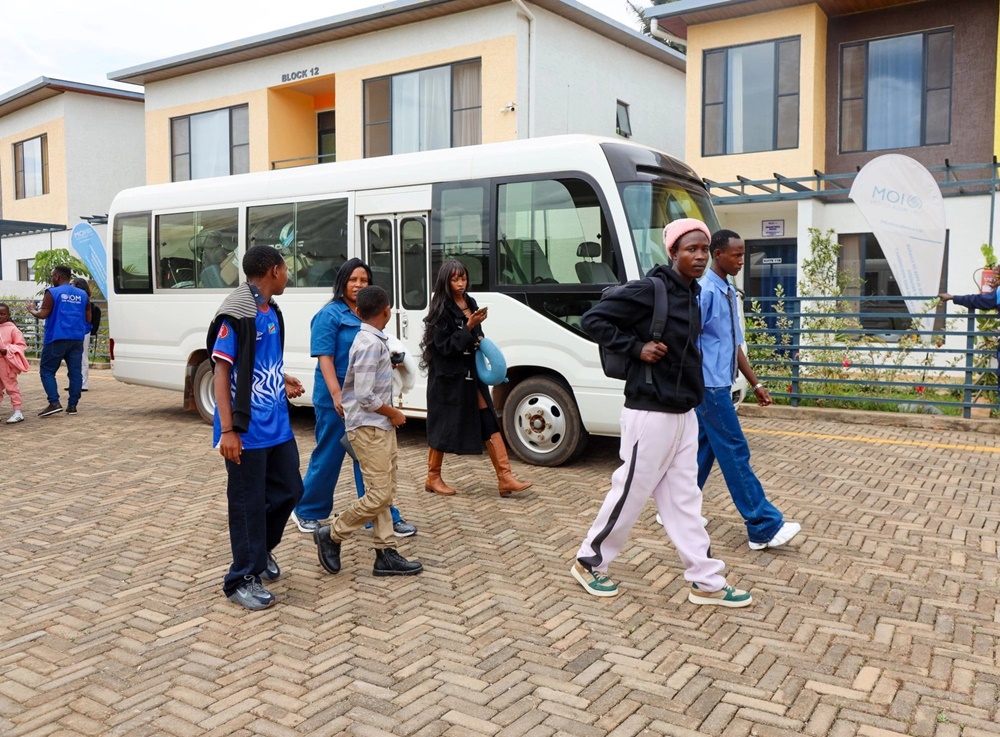***Esther and her children walking to board a bus to Kigali International Airport.***With no husband to help provide for the children, Esther faced the daily challenge of finding enough food. Humanitarian assistance helped, but she said it was not enough to meet all their needs.
“When I finally reached safety, finding food became the next challenge because I was solely responsible for providing for my children,” she recalled.
She remembers one period when her youngest child was about 10 months old and had just started walking.
“He would ask for food when there was none. He would cry for milk, and I had nothing to give him,” she said. “His older sibling became malnourished and even started losing hair because of poor nutrition. For a parent, nothing is more painful than seeing a child going hungry.”
To supplement the assistance they received, Esther worked on other people’s farms near the camp, earning small amounts to provide basic necessities for her children.
**A chance to rebuild**
Esther and her children are among refugees who have been resettled from Rwanda to third countries, with Denmark among the countries receiving refugees.
The UN Refugee Agency, UNHCR, works with countries that offer resettlement opportunities to vulnerable refugees, giving them a chance to rebuild their lives in new countries.
UNHCR also works with the International Organization for Migration (IOM) to organize travel arrangements, medical clearances and other logistics required for refugees departing for their new homes.
In 2026, UNHCR Rwanda is expected to submit 1,434 refugees for resettlement to Canada, Denmark, France, the Netherlands, Finland, Sweden and New Zealand.
Between January and late August 2026, more than 430 refugees living in Rwanda had already departed for resettlement in third countries, including Canada, Denmark, Finland, France and Sweden.
But the available opportunities remain far below the level of need.
The number of vulnerable refugees requiring resettlement continues to exceed the quotas available from countries participating in the programme. UNHCR has therefore continued to call on more countries to expand their resettlement programmes, either by increasing existing quotas or making them more flexible.
For Esther, however, one of those limited opportunities has finally reached her family.
As she prepared to leave Rwanda, she was already thinking about the work ahead in Denmark.
“I am ready to work in whatever job I can find,” she said.
Her greatest hopes, however, are for her children.
“My wish for my children is that they have opportunities, earn an income, build their future, and prosper,” she said. “If they ever return to their homeland, I do not want them to experience the difficult life that I have lived.”

SUBSCRIBE TO OUR NEWSLETTER
First name or full name
Email
By continuing, you accept the privacy policy
**Categories:** NEWS
---
### [Rwanda Tightens Corporate Governance Rules for Capital Market Companies](https://www.topafricanews.com/2026/10/07/rwanda-tightens-corporate-governance-rules-for-capital-market-companies/)
**Published:** October 7, 2026
**Author:** DUSABEMUNGU Ange de la Victoire
**Content:**
**New regulations put greater emphasis on board independence, transparency, shareholder rights, risk management and environmental and social responsibility**
**KIGALI, RWANDA** — Rwanda has introduced a new corporate governance framework for companies operating in, or seeking to access, the country’s capital market, with the rules placing stronger emphasis on board independence, accountability, transparency, investor protection and environmental and social responsibility.
The **Capital Market Authority (CMA)** issued **[Regulations No. 002/CMA/2026 relating to Capital Market Corporate Governance](https://www.cma.rw/fileadmin/user_upload/og_n___special_of_02.10.2026__imiyoborere_y_isosiyete_y_ubucuruzi_yo_mu_rwego_rw_isoko_ry_imari_n_imigabane.pdf)**, published in the *Official Gazette* on **2 October 2026**. The regulations replace the earlier 2012 corporate governance code and come into force on the date of publication.
The new framework applies not only to listed companies and issuers of securities to the public, but also to companies intending to issue securities to the public, public and State-owned companies, private companies and small and medium enterprises.
For investors and companies, the changes signal a broader expectation that corporate governance should extend beyond boardroom procedures to encompass how companies manage risk, treat shareholders and stakeholders, disclose information and address environmental and social issues.
#### Boardrooms face stronger independence requirements
One of the most significant provisions concerns the composition and independence of boards.
Under Article 6, a company’s board should generally have between **seven and 11 directors**, depending on the size, nature and complexity of its operations. Small and medium enterprises are required to have between **three and five directors**.
At least half of the board must be non-executive directors, with additional requirements concerning independent directors. Independent directors are compensated through sitting allowances.
The regulations also draw a clear line between the roles of the board chairperson and chief executive.
Under Article 17, **the Chief Executive Officer cannot simultaneously serve as Chairperson of the Board**. The Chairperson must meet the criteria for an independent director, while the division of responsibilities between the two positions must be formally documented in the board charter.
The principle is straightforward: **concentrating too much authority in one individual can weaken accountability**.
By requiring separation between the board’s leadership and executive management, the regulations seek to strengthen checks and balances within companies.
#### Audit and risk management move to the centre
The new framework also places significant weight on risk management and internal controls.
Companies are expected to identify, assess and prioritize material risks continuously and establish effective responses to those risks. Larger companies and those with more complex business models are encouraged to consider establishing a separate committee dedicated to risk oversight.
The regulations also strengthen the role of audit committees.
An Audit Committee must have at least three directors, with the majority being independent directors. Its chairperson must be an independent director and a financial expert with relevant qualifications and experience in auditing, finance or accounting, and must belong to a professional body in good standing.
For listed companies, the regulations require a properly resourced and competent internal audit function capable of providing the board with independent and objective assurance on operations, risk management, controls and governance. The internal audit function must be independent from management and operate under an Internal Audit Charter.
#### Minority and foreign shareholders get clearer protections
The regulations also address the relationship between companies and their shareholders.
Companies must ensure equitable treatment of shareholders, including minority and foreign shareholders. Shareholders within the same class must have equal rights concerning voting, subscription and transfer of shares, while companies must have clear and published policies concerning minority shareholder rights.
The regulations further establish the principle of **“one share, one vote”** for voting rights, while requiring companies to make information on voting rights available to current and potential shareholders.
Proxy voting procedures are expected to be simple and accessible, with the relevant information provided alongside notices and materials for annual general meetings.
For investors, these provisions could make corporate decision-making more transparent and participation in shareholder meetings easier to understand.
#### Companies will have to listen beyond their shareholders
Perhaps one of the more consequential shifts is the formal recognition of wider stakeholders.
The regulations require companies to establish formal stakeholder engagement policies and processes that identify key stakeholders, consider their material needs, interests and expectations, and report on engagement activities.
The framework also links corporate responsibility to employee and customer health, safety, dignity and well-being, as well as measures to prevent, detect and respond to fraud and corruption.
Companies are also expected to mitigate the negative effects of their operations on the environment and communities where they operate.
That gives environmental, social and governance (ESG) considerations a clearer place within the corporate governance framework. The regulations explicitly define ESG as environmental, social and governance matters considered by companies.
For companies seeking investment, the implication is increasingly clear: governance is no longer only about financial performance. How a company manages its social and environmental footprint can also form part of the information available to stakeholders.
#### A stronger voice for whistleblowers
The regulations also require companies to establish mechanisms through which employees, suppliers, customers, affected communities and other stakeholders can confidentially raise concerns about suspected or actual non-compliance, fraud or misconduct.
Companies must communicate these mechanisms in a format and language that stakeholders can understand, while protecting people who report concerns in good faith from negative repercussions.
This provision could be particularly important in strengthening internal accountability and giving stakeholders a channel to raise concerns before problems escalate.
#### Annual reports become a more important accountability tool
Transparency is another major pillar of the new framework.
Companies are expected to provide stakeholders with timely and accurate information on material matters, including their financial and non-financial position, strategy and risk management, business model, performance, ownership, and environmental and social matters.
The regulations require companies to publish comprehensive, understandable and balanced annual reports and to use their websites regularly for timely disclosure.
Company websites should provide updated information including annual reports, interim reports, investor briefings, company policies, board charters and board committee charters.
The rules go further by requiring material information relevant to the value of shares or investors to be published immediately. Annual reports must also identify major shareholders, including beneficial shareholders, and provide a balanced presentation of relevant financial and non-financial information.
#### ESG and sustainability enter formal reporting
The new rules give sustainability and non-financial reporting a more prominent role.
Article 47 addresses disclosure relating to sustainability, non-financial information, stakeholder engagement and corporate social and environmental responsibilities in annual reports.
The regulations also require disclosure around executive and board remuneration. The remuneration committee is expected to disclose the company’s remuneration policy, levels and structure, as well as the process used to determine remuneration for directors and management, allowing investors to understand the relationship between remuneration and performance.
Meanwhile, each director’s commitment to ethical and effective leadership and good governance is to be confirmed by the board in a statement included in the annual report.
#### What this means for Rwanda’s capital market
The new regulations come at a time when Rwanda is seeking to deepen its capital market and expand access to investment.
Their significance goes beyond compliance checklists.
For companies, the new framework means that **board structure, internal controls, risk management, shareholder treatment, stakeholder engagement, sustainability and public disclosure are increasingly interconnected**.
For investors, stronger governance can provide more information with which to assess companies and their risks.
For boards, the rules raise expectations around independence, competence, oversight and accountability.
And for the wider public, greater disclosure could make it easier to understand how companies affect employees, communities, consumers and the environment.
The regulations make clear that a well-governed company is expected to be accountable not only to its shareholders, but also to stakeholders, creditors and employees.
#### The bigger question: can governance strengthen investor confidence?
The publication of the regulations marks an important step in formalizing corporate governance expectations within Rwanda’s capital market.
But the real test will come through implementation.
Companies will need to translate the new requirements into functioning boards, effective committees, credible internal controls, meaningful stakeholder engagement and timely public disclosure.
Investors, meanwhile, will be watching whether these standards produce something beyond compliance documents: **greater transparency, stronger accountability and increased confidence in Rwanda’s capital market.**
For a market seeking deeper participation and long-term investment, that may ultimately be the most important measure of all.
**Source:** *Official Gazette No. Special of 2 October 2026, Regulations No. 002/CMA/2026 relating to Capital Market Corporate Governance.*
*TOP AFRICA NEWS — Amplifying Development Impacts Across Africa.*

SUBSCRIBE TO OUR NEWSLETTER
First name or full name
Email
By continuing, you accept the privacy policy
**Categories:** Business and Trade
---
### [From Subsistence to Market: How CDAT Is Transforming Rwanda’s Smallholder Agriculture](https://www.topafricanews.com/2026/10/07/from-subsistence-to-market-how-cdat-is-transforming-rwandas-smallholder-agriculture/)
**Published:** October 7, 2026
**Author:** EDITOR
**Content:**
**KIGALI, RWANDA** — Across Rwanda’s farming communities, a shift is taking place in the way smallholder farmers produce, market and earn from agriculture.
Field assessments by the **TOP AFRICA NEWS** reporting team across several districts show how the **Commercialization and De-Risking for Agricultural Transformation (CDAT)** project is helping farmers move beyond subsistence production toward more productive and commercially oriented horticulture.
Implemented through the **Rwanda Agriculture and Animal Resources Development Board (RAB/SPIU)**, CDAT combines improved seed distribution, technical training, marshland rehabilitation, organic fertilizer production and stronger market linkages.
The approach is beginning to produce measurable changes—not only in crop yields, but also in cooperative revenues, household assets and farmers’ ability to access more reliable markets.
#### Bugesera: When Chili Becomes a Commercial Enterprise
In **Mareba Sector, Bugesera District**, the experience of the **IZMGM Cooperative** illustrates how collective action can change the economics of farming.
The cooperative has **470 members—282 women and 188 men—cultivating 210 hectares**. Of this area, 40 hectares are devoted to vegetables, including 15 hectares of chili, five hectares of tomatoes and two hectares of French beans.
Before the CDAT intervention, farmers largely cultivated and marketed their produce individually. That limited their bargaining power and left them more exposed to unfavorable prices and post-harvest losses.
CDAT introduced a more coordinated approach, combining collective marketing with practical training and improved seed varieties.
The results have been significant.
Under the leadership of cooperative president **NTABANGANYIMANA Beatha**, seasonal cooperative income has risen from a previous maximum of about **RWF 5 million to as much as RWF 32 million**, as members increasingly harvest and market collectively.
For chili farmer **Edouard Bamporiki**, the transformation has also been visible at farm level.
A farmer from Bushenyi Cell, Bamporiki expanded his cultivated area from 20 ares to **1.2 hectares**. With the improved **Teja chili variety** and modern agronomic practices, his production increased from about **4–4.5 tonnes per hectare to 11 tonnes per hectare**.
Market access has also strengthened.
Through direct linkages with commercial buyers, including **Spices Rwanda Company**, the price received for fresh chili increased from approximately **RWF 300–350 per kilogram to RWF 600 per kilogram**.
The additional income has allowed Bamporiki to reinvest in his household and productive assets. He purchased a cow valued at approximately **RWF 1 million**, as well as pigs and goats. He also acquired property for **RWF 6 million**, which he is converting into a commercial rental building expected to be worth about **RWF 15 million**.
For farmers like Bamporiki, agriculture is increasingly becoming an enterprise rather than simply a means of subsistence.
#### Gisagara: Better Seeds, Healthier Soils and Higher Onion Yields
In **Gisagara District**, CDAT’s intervention in the **Nyakanyeri scheme in Kigembe Sector** has focused on several of the constraints that have historically limited production, including marshland challenges, poor-quality seeds and gaps in technical knowledge.
Across CDAT intervention areas, overall onion productivity has increased by **13.8 percent since 2022**.
At the **KORWAMUKI Cooperative**, President **Mukeshimana Xaverine** has witnessed a sharp increase in production.
The cooperative’s onion productivity rose from **1.3 tonnes per hectare to six tonnes per hectare** on its three hectares of production. Total harvest increased from four tonnes to **18 tonnes**, while seasonal earnings climbed from approximately **RWF 6 million to more than RWF 30 million**.
The changes are not limited to cooperative-level production.
Farmer **Mukazera Jeanine**, from Akabacuzi village, has adopted compost production using farm waste rather than relying on costly transportation of livestock manure.
Cultivating 100 ares, her onion production increased from **200 kilograms to 900 kilograms**.
Another farmer, **Jean Baptiste Ndahimana** of Agahabwa Cell, increased his onion harvest from 300 kilograms to an expected **500 kilograms**.
For these farmers, higher agricultural income is also translating into household investments, including school fees for children and livestock purchases such as cattle, goats and pigs.
#### Ruhango: Certified Seeds Open the Door to Bigger Tomato Harvests
In the **Kanyegenyege Marshland**, which extends across Ruhango and Nyanza districts, tomato farmers have faced another fundamental challenge: the repeated use of saved, low-quality seeds.
CDAT has responded by supplying certified seeds, strengthening farmers’ knowledge of pest and crop management and establishing direct buyer pickup arrangements at production sites.
At **ABIYUNZE-KINAZI Cooperative**, which has **610 members—320 women, 290 men and 80 youth—**, the expected impact is substantial.
According to cooperative president **Bavakure Boniface**, tomato yields are expected to increase from approximately **7–8 tonnes per hectare to 13–14 tonnes per hectare**.
Project-level figures point to a broader productivity trend.
**Chantal Muhoza**, Horticulture Specialist at RAB/CDAT, reported that average tomato productivity in CDAT intervention zones increased from **14.9 tonnes per hectare in Season A of 2026 to 21.5 tonnes per hectare in Season B**—a **44.3 percent increase**, equivalent to an additional 6.6 tonnes per hectare.
For individual farmers, the impact is equally tangible.
**Musabese Felecite**, who cultivates 7.5 ares, increased her rice production from 300 kilograms to 500 kilograms. Meanwhile, her tomato income had already reached **RWF 100,000 midway through the season**, compared with approximately RWF 40,000 earned throughout the previous year, with crops still in the field.
The intervention is also affecting the market side of the agricultural value chain.
Produce trader **Mukandayisabye Antoinette** noted that the improved quality of tomatoes produced under the project has reduced spoilage during transportation, strengthening the competitiveness of locally produced tomatoes against imported varieties.
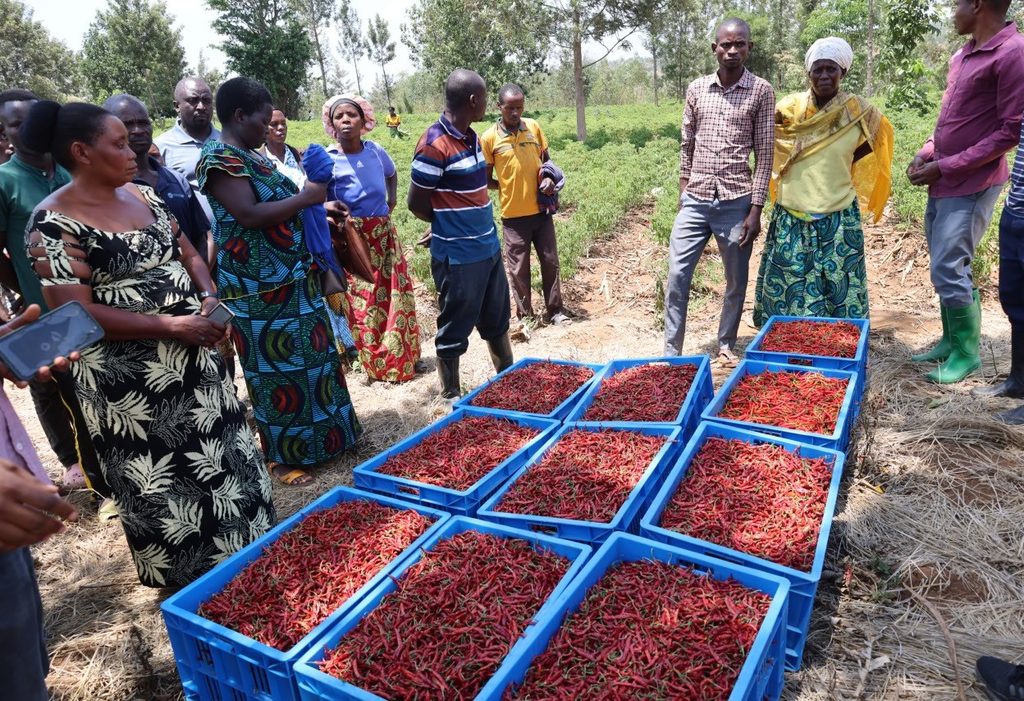#### The Numbers Behind the Transformation
The experiences in Bugesera, Gisagara and Ruhango point to a common pattern: **better inputs alone are not enough**.
Productivity gains become more economically meaningful when improved seeds and agronomic knowledge are combined with organized farmers, functioning production systems and reliable markets.
| District | Main Crop | Cooperative/Scheme | Key Change |
|---|---|---|---|
| **Bugesera** | Chili | IZMGM Cooperative | Chili yields increased from 4–4.5 t/ha to **11 t/ha**; seasonal cooperative income rose from RWF 5 million to **RWF 32 million** |
| **Gisagara** | Onion | KORWAMUKI Cooperative / Nyakanyeri Scheme | Cooperative yields increased from 1.3 t/ha to **6 t/ha**; seasonal income rose from RWF 6 million to **RWF 30 million+** |
| **Ruhango** | Tomato | ABIYUNZE-KINAZI Cooperative | Expected yields increased from 7–8 t/ha to **13–14 t/ha**; project-area average rose from 14.9 t/ha to **21.5 t/ha** |
#### Beyond Yields: Building Agricultural Businesses
The significance of CDAT’s intervention extends beyond the number of tonnes harvested.
In Bugesera, higher chili prices and collective marketing have strengthened cooperative revenues and enabled individual farmers to invest in livestock and property.
In Gisagara, improved onion production is helping households meet education expenses and build productive assets.
In Ruhango, improved seed quality and better market arrangements are helping farmers produce tomatoes that can compete more effectively in the marketplace.
Taken together, these examples suggest that **commercialization is not simply about producing more—it is about connecting production to income, investment and opportunity**.
#### A Model Built Around De-Risking
CDAT’s approach brings several elements of agricultural transformation together: improved inputs, farmer knowledge, rehabilitation of productive landscapes, soil fertility management and market connections.
That combination matters because smallholder farmers face risks at multiple points in the agricultural cycle. A farmer may have good land but poor seed, adequate production but limited market access, or a good harvest but insufficient post-harvest management.
By addressing several of these constraints simultaneously, the project is helping farmers move toward a more commercially oriented model.
#### Reaching Farmers Across Rwanda
The transformation is not confined to the three districts visited by the TOP AFRICA NEWS reporting team.
Across participating cooperatives in **15 districts**, CDAT has distributed more than **4.5 tonnes of seed** and established approximately **354 hectares of demonstration farms**.
The emerging evidence points toward a model in which smallholder farmers can become more productive and commercially connected while strengthening their resilience to economic and climate-related pressures.
For Rwanda, where agriculture remains central to rural livelihoods, the stakes are significant.
The experience of farmers in Bugesera, Gisagara and Ruhango shows what can happen when improved technology, farmer organization, technical knowledge and markets begin working together.
**The challenge ahead is to sustain these gains, expand them to more farmers and ensure that higher productivity continues to translate into lasting household income and rural economic opportunity.**
*Reporting by TOP AFRICA NEWS \| Amplifying Development Impacts Across Africa.*

SUBSCRIBE TO OUR NEWSLETTER
First name or full name
Email
By continuing, you accept the privacy policy
**Categories:** Impact Visibility Feature
---
### [Tributes pour in for R&B Global Star Freddie Jackson Who Died At 70](https://www.topafricanews.com/2026/10/07/tributes-pour-in-for-rb-global-star-freddie-jackson-who-died-at-70/)
**Published:** October 7, 2026
**Author:** TOPAFRICANEWS
**Content:**
BY THANDISIZWE MGUDLWA
CAPE TOWN/South Africa –FREDDIE JACKSON, the legendary American R&B singer who’s soulful and love songs empowered millions across the world during a career spanning more than 45 years has died.
He was 70.
Frederick Anthony Jackson was born on October 2, 1956 in Harlem section New York City, United States of America.
Jackson’s reveal the news of his passing in a social media post on Tuesday.
Tributes continue to pour for the late 70 year old music icon, from colleagues peers, fans and friends all across the globe.
From an early age, the young Jackson was trained as a gospel singer. He sang at the White Rock Baptist Church of Harlem.
It is there where he met Paul Laurence, who would later become his record producer and songwriting partner.
Music records also reveal that after Jackson completed school, he joined Laurence’s group LJE (Laurence Jones Ensemble) and expressed his talents at the New York nightclub scene.
Jackson began his professional music career in the late 1970s with the California funk band Mystic Merlin.
And among his well–known R&B/soul hits are “Rock Me Tonight (For Old Times Sake)” (1985), “Have You Ever Loved Somebody” (1986), “Jam Tonight” (1986), “Do Me Again” (1990), and “You Are My Lady” (1985).
During the late 1970s, as the fast rising Jackson moved to the West Coast and sang lead with the band Mystic Merlin ,with which he released three studio albums, 1980–1982.
However, Jackson soon returned to New York to work with Laurence at Hush Productions.
The charismatic Jackson sang on demo recordings of Laurence’s compositions, and also served as a backing singer for Melba Moore after she saw his nightclub act in 1981.
In 1984, the new star landed a recording contract with Capitol Records, and released his debut album, Rock Me Tonight in 1985.
Jackson contributed to the soundtrack for the 1989 film, All Dogs Go to Heaven with the Michael Lloyd-produced duet “Love Survives” alongside Irene Cara. He broke into acting when he appeared in the movie King of New York.
The Laurence-penned title track stormed the R&B chart, spending six weeks at number one, and made Jackson an instant hit on urban contemporary radio.
“You Are My Lady” gave him a second straight R&B chart-topper, and also proved to be his highest-charting single on the Billboard Hot 100, peaking at No. 12.
And with “He’ll Never Love You (Like I Do)” and “Love Is Just a Touch Away” also hitting the R&B Top Ten, Rock Me Tonight topped the R&B album chart and went platinum.
Jackson then issued the follow-up Just Like the First Time 1986, on the heels of a number one R&B duet with Melba Moore, “A Little Bit More”, from her album A Lot of Love.
There was more to come from the Harlem born sensation, when another platinum seller, Just Like the First Time continued Jackson’s dominance of the R&B singles charts; “Tasty Love,” “Have You Ever Loved Somebody,” and “Jam Tonight” all hit No. 1, while “I Don’t Want to Lose Your Love” went to No. 2.
Like with everything in life, the seasons change, and the pace of Jackson’s success slowed with the 1988 release of Don’t Let Love Slip Away, which nonetheless still managed to feature another two R&B chart-toppers in “Hey Lover” and “Nice ‘N’ Slow.”
While the title track of 1990’s Do Me Again and “Love Me Down” duplicated that feat, and “Main Course” had just missed, landing out at No. 2.
Even so, Jackson’s earlier placings in the lower reaches of the Billboard Hot 100 had long since disappeared.
Jackson had appeared as a lounge singer on the 1989 The Golden Girls episode “Two Rode Together” and sang the Disney song “It’s a Small World” to Sophia.
This was the same year of 1989, where Jackson sung the duet “Love Survives” with Irene Cara for the soundtrack to the film All Dogs Go to Heaven.
On seeking a new beginning, Jackson parted ways with Capitol/EMI in late 1993, and signed with RCA/BMG Records.
His label debut, Here It Is, appeared the following year in 1994, with diminished commercial returns.
Following a Christmas album, Jackson split with RCA and recorded Private Party for the smaller Street Life imprint of Scotti Brothers Records in 1995.
After 1995, for a few years, Jackson went silent, until Orpheus issued Life After 30 in late 1999; with the equally low-key release Live in Concert following in 2000.
And after returning to the charts with It’s Your Move in February 2004, Martland Entertainment, Jackson released his tenth studio album, Transitions, in September 2006 on the record label Orpheus Music.
By the end of 2010, Jackson, the R&B icon, released a new album on the Entertainment One Music label, entitled For You, and produced by hit songwriter Barry Eastmond. The album featured the single “I Don’t Wanna Go”.
On August 26, 2014, Jackson released the single “Love & Satisfaction,” written by Dustin “Dab” Bowie, Gregory Bowman, Kameron Corvet, Bertram Ford Jr, and Selasi “The African Kid,”. This was released by the entertainment company, Climax Entertainment.
Notably, the single received some positive reviews and airplay, and allowed Jackson to reintroduce himself as he toured internationally in support of the release, as well as appear with artists Jeffrey Osborne, Peabo Bryson, Melba Moore, and Stephanie Mills at various performances and festivals.
And then in late 2016, Jackson announced that he was recording a new album and that a new single would be released early the following year to mark his true return to recording studio.
On May 1, 2017, the lead single “One Night” from his forthcoming album Love Signals was released via Climax and reached No. 1 on the Internet radio Indie Soul chart associated with the Internet Broadcasters Alliance on June 12, 2017, while reaching in the top 50 of independent R&B, smooth jazz, and soul charts around the US and Europe.
Then in January 2018, Jackson appeared on the cover of STS Entertainment and Fashion Magazine. He performed in Albany, GA on April 21, 2018, at a Soul Music festival along with the 69 boys and various other performers.
In August 2019, it was announced that Jackson would perform later that month as the headlining act of the 37th annual African World Festival, hosted by the Charles H. Wright Museum of African American History.
In 2019, Jackson released the single “A Million Ways”.
A fiction piece in the November 25, 2019, issue of The New Yorker, by John Edgar Wideman, titled “Arizona”, is written as a letter to Jackson.
During his illustrious career Jackson enjoyed a number of Tours including Tasty Love Tour (1986–87), Hey Lover Tour (1988–89), Do Me Again Tour (1991), Finer with Time Tour (Summer 2014), One Night Tour (Spring/Summer 2017).
And among the many honours and awards he received, Jackson was also
nominated for Grammy Award: Best New Artist – 1985.
Others include, 1985 – nominated for Grammy Award: Best Rhythm & Blues Vocal Performance – Male (“You Are My Lady”), 1986 – nominated for American Music Award for Favorite Male Artist – Soul / Rhythm & Blues, 1988 – Jackson won the American Music Award: Favorite Soul / Rhythm & Blues Single (“Nice ‘N’ Slow”).
He died on Monday, October 5, 2026 but the family had not yet revealed the cause of death, although it is understood that Jackson had in recent times battled kidney complications.

SUBSCRIBE TO OUR NEWSLETTER
First name or full name
Email
By continuing, you accept the privacy policy
**Categories:** Entertainment
---
### [African Entrepreneurs Win $400,000 in Catalytic Funding to Scale High-Impact Startups](https://www.topafricanews.com/2026/10/07/african-entrepreneurs-win-400000-in-catalytic-funding-to-scale-high-impact-startups/)
**Published:** October 7, 2026
**Author:** TOPAFRICANEWS
**Content:**
***2026 FINCA Ventures Prize Competition awards grant funding to six innovative founders creating life-enhancing solutions for underserved communities across Africa***.
NAIROBI, Kenya, October 7, 2026/ – Six African startups have been selected as winners of the 2026 FINCA ([https://FINCA.org/](http://r.news.africa-newsroom.com/mk/cl/f/sh/7nVU1aA2ng1uQAJqYNr8hYU845nQE1T/P0YBbjzxlSEp) )Ventures Prize Competition ([https://apo-opa.co/4zgFQFQ](http://r.news.africa-newsroom.com/mk/cl/f/sh/7nVU1aA2ng3nPgp9Wx5ajunwESICxxz/NEfk4e4R7rAE)), receiving a combined $400,000 in catalytic funding to accelerate their impact in key resilience sectors. The competition, a flagship initiative of FINCA’s impact investing arm ([https://apo-opa.co/4zimrEA](http://r.news.africa-newsroom.com/mk/cl/f/sh/7nVU1aA2ng5gPDKSVWK2mH7kOomzhuV/tigK_P6b1Ybm)), spotlights the depth and potential of entrepreneurial talent developing practical, scalable responses to some of the continent’s most pressing challenges.
“Africa’s future will be shaped by entrepreneurs who see opportunity where others see market failure,” said FINCA Global CEO Andrée Simon. “One of the most important ways we can support these founders is by backing them early and helping them build the credibility and traction to attract additional investment and achieve meaningful scale.”
Now in its third year, the FINCA Ventures Prize Competition drew more than 700 applications in two categories: fintech for financial inclusion and sustainable agriculture & food systems. First-place winners in each category — **VunaPay**, co-founded by Gatwiri Njogu-Mokaya and Koya Matsuno, and **Kumbatia Seafood**, co-founded by Bernard Iha Thoya, Will Gertler, and Nelson Ondego Mumata — received a $100,000 grant, while second- and third-place winners received $60,000 and $40,000, respectively.
**A Case for Early Investment**
The companies recognized through the FINCA Ventures Prize Competition illustrate the vast opportunity emerging across Africa’s entrepreneurial ecosystem. Too often, promising founders struggle to tap into traditional investment networks, despite strong potential, proven track records, and innovative business models.
“Entrepreneurship remains one of the most powerful drivers of economic progress across the continent, but early-stage businesses can’t do it alone,” said FINCA Ventures Managing Director Winnie Mwangi. “Catalytic capital is what allows founders to reach the scale where both financial returns and social impact compound. Investors and partners willing to act early play an essential role in supporting startups through critical growth stages and drawing attention to opportunities that might otherwise be overlooked.”
**Advancing Africa’s Startup Ecosystem**
The six finalist companies of the 2026 competition, three of which are led or co-led by women, pitched their ventures to a panel of distinguished judges on October 6 in San Francisco at an event hosted by Cisco, and the winners were announced later that evening at an award celebration. The judging panel comprised leaders from across impact investing, venture capital, fintech, and sustainable development.
The award will help first-place winner VunaPay scale its model designed to expand access to timely payments and financing for smallholder farmers through agricultural cooperatives. As co-founder Koya Matsuno explained: “There are about 54,000 cooperatives across Africa, and each of them has between 500 and 10,000 farmers. This equates to millions of smallholder households that we can serve.”
Kumbatia Seafood’s co-founder Will Gertler shared that the team will use the funding to expand the company’s operations to increase impact for small-scale fishers on the Swahili Coast: “The FINCA Ventures Prize will go towards working capital and expansion financing to build out our first sales department and scale our intervention to a dozen more communities by 2030.”
Second-place winners are **nesti**, co-founded by Christabel Ojuok and David Kimani, in fintech for financial inclusion, and **eAgro**, co-founded by Tafadzwa Chikwereti and Golden Nhunhama, in sustainable agriculture & food systems. Third-place winners are **ChatCash**, co-founded by John Josiah Sakala, Leon Kanamugire, Edgar Erick, and Jude Egbokwu, in fintech for financial inclusion, and **Pollen Patrollers**, co-founded by Margaret Wanjiku, Julieta Wanjohi, and Charity Maina, in sustainable agriculture & food systems.
“The FINCA Ventures Prize is an opportunity to spotlight emerging African entrepreneurs who are creating jobs and building financial and social resilience across the continent,” said FINCA International Board Chair David Weisman. “Their ingenuity and determination are remarkable, and their impact deserves far greater visibility.”
**Winners of the 2026 FINCA Ventures Prize Competition**
**Category: Fintech for Financial Inclusion**
**FIRST PLACE – $100,000**
**VunaPay**
**Website:** [www.VunaPay.com](http://r.news.africa-newsroom.com/mk/cl/f/sh/7nVU1aA2ng7ZOjplU5YUodRYZBHmRr1/e0Bl1DotmT3z)
**Location:** Kenya
**Founders:** Gatwiri Njogu-Mokaya ([https://apo-opa.co/4i7JDzD](http://r.news.africa-newsroom.com/mk/cl/f/sh/7nVU1aA2ng9SOGL4SemwqzlMjXmZBnX/NMlEUWyiUMBM)) and Koya Matsuno ([https://apo-opa.co/4zboAC6](http://r.news.africa-newsroom.com/mk/cl/f/sh/WCPzyXJTZ6vLwtQTj9gOg5m6DfAl9KiJ/3zYCjX5BcFGE))
In Kenya, VunaPay ([www.VunaPay.com](http://r.news.africa-newsroom.com/mk/cl/f/sh/WCPzyXJTZ7390vdk5FA4RpvtMS3sP2KR/fPcoBf3SL-m1)) builds last-mile payment and credit infrastructure for agricultural value chains across Africa, enabling instant payments to smallholder farmers through cooperatives. COO Koya Matsuno explained how the company’s digital finance platform is improving transparency, efficiency, and access to formal financial services.
**SECOND PLACE – $60,000**
**nesti**
**Website:** [https://nesti.Africa/](http://r.news.africa-newsroom.com/mk/cl/f/sh/WCPzyXJTZ7Aw4xr0RKdkDa5gVEwzejwZ/4C6X9PlI-lcb)
**Location:** Kenya
**Founders:** Christabel Ojuok ([https://apo-opa.co/4ekj2Ns](http://r.news.africa-newsroom.com/mk/cl/f/sh/WCPzyXJTZ7Ij904GnQ7PzKFTe1q6uRYh/Zaj26cxRBIYF)) and David Kimani ([https://apo-opa.co/3VUtFjH](http://r.news.africa-newsroom.com/mk/cl/f/sh/WCPzyXJTZ7QWD2HX9Vb5l4PGmojEA9Ap/3LOE5nUY3qal))
In Kenya, nesti ([https://nesti.Africa/](http://r.news.africa-newsroom.com/mk/cl/f/sh/WCPzyXJTZ7YJH4UnVb4lWoZ3vbcLPqmx/Vt5mOyTm1ESz)) is turning rent into a credit-building tool by converting regular, on-time payments into a trusted financial identity that unlocks fair credit and home ownership. CEO David Kimani explained that the company’s mission is to help African renters build generational wealth and achieve financial freedom.
**THIRD PLACE – $40,000**
**ChatCash**
**Website:** [https://ChatCash.africa/](http://r.news.africa-newsroom.com/mk/cl/f/sh/WCPzyXJTZ7g6L6i3rgYRIYir4OVSfYP5/AC8nQRfx5Je0)
**Location:** Rwanda, Zimbabwe
**Founders:** John Josiah Sakala, ([https://apo-opa.co/3U7xfqe](http://r.news.africa-newsroom.com/mk/cl/f/sh/WCPzyXJTZ7ntP8vKDm274IseDBOZvG1D/oHuFCx0EBSJ_)) Leon Kanamugire ([https://apo-opa.co/4AX9FgE](http://r.news.africa-newsroom.com/mk/cl/f/sh/WCPzyXJTZ7vgTB8aZrVmq32RLyHhAxdL/MRbXhXHZhb-q)), Edgar Erick, and Jude Egbokwu ([https://apo-opa.co/3VQRetJ](http://r.news.africa-newsroom.com/mk/cl/f/sh/WCPzyXJTZ83TXDLqvwzSbnCEUlAoQfFT/_diwA8o5vkPd))
In Rwanda and Zimbabwe, ChatCash ([https://ChatCash.africa/](http://r.news.africa-newsroom.com/mk/cl/f/sh/WCPzyXJTZ6vNpswz28Fd888Q1pXFw4ep/qDW0jmkS0Zsg)) is an AI conversational operating system that turns WhatsApp into automated digital storefronts with native, interactive payment buttons for African micromerchants. CEO John Josiah Sakala explained that the platform helps merchants double their conversion rates while building transaction trails that can unlock access to financial services.
**Category: Sustainable Agriculture & Food Systems**
**FIRST PLACE – $100,000**
**Kumbatia Seafood**
**Website:** [www.KumbatiaSeafood.com](http://r.news.africa-newsroom.com/mk/cl/f/sh/WCPzyXJTZ73AtvAFODjItsIDAcQNBmGx/2KUs0TSWwzy6)
**Location:** Kenya
**Founders:** Bernard Iha Thoya ([https://apo-opa.co/4ARW5e9](http://r.news.africa-newsroom.com/mk/cl/f/sh/WCPzyXJTZ7AxxxNVkJCyfcS0JPJURTt5/NqpQqfiEPCnG)), Will Gertler ([https://apo-opa.co/4zp9k4J](http://r.news.africa-newsroom.com/mk/cl/f/sh/WCPzyXJTZ7Il1zam6OgeRMbnSCCbhBVD/4oNjB4rbhQgv)), and Nelson Ondego Mumata ([https://apo-opa.co/3VUDiyS](http://r.news.africa-newsroom.com/mk/cl/f/sh/WCPzyXJTZ7QY61o2SUAKD6laaz5iwt7L/3g8oMfOb27D8))
Kumbatia Seafood ([www.KumbatiaSeafood.com](http://r.news.africa-newsroom.com/mk/cl/f/sh/WCPzyXJTZ7YLA41IoZdzyqvNjlyqCajT/5vchIU9lTVSK)) sources, finances, and distributes sustainably caught, artisanal fish from small-scale fishing communities along Kenya’s Swahili Coast. CEO Will Gertler explained how the company combines financing, cold chain logistics, export-grade processing, and full digital traceability to connect coastal fishers to premium markets while protecting the marine ecosystems they depend on.
**SECOND PLACE – $60,000**
**eAgro**
**Website:** [https://eAgro.co.zw/](http://r.news.africa-newsroom.com/mk/cl/f/sh/WCPzyXJTZ7g8E6EZAf7fkb5AsYrxSILb/qAb923UkpHKj)
**Location:** Zimbabwe
**Founders:** Tafadzwa Chikwereti ([https://apo-opa.co/4zgFuPD](http://r.news.africa-newsroom.com/mk/cl/f/sh/WCPzyXJTZ7nvI8RpWkbLWLEy1Ll4hzxj/HpFBozaWRFG4)) and Golden Nhunhama ([https://apo-opa.co/3VReyHO](http://r.news.africa-newsroom.com/mk/cl/f/sh/WCPzyXJTZ7viMAf5sq51I5OlA8eBxhZr/HlPr0FjckZ5X))
In Zimbabwe, eAgro builds AI infrastructure that works without internet, enabling farmers in rural communities to access real-time agricultural guidance through basic mobile phones. CEO Tafadzwa Chikwereti explained how the company’s digital tools combine AI, satellite analytics, soil science, and local advisory systems to improve yields, reduce losses, and strengthen climate resilience across Africa.
**THIRD PLACE – $40,000**
**Pollen Patrollers**
**Website:** [www.PollenPatrollers.com](http://r.news.africa-newsroom.com/mk/cl/f/sh/WCPzyXJTZ83VQCsMEvYh3pYYIvXJDPBz/bttKCkBxCGFX)
**Location:** Kenya
**Founders:** Margaret Wanjiku ([https://apo-opa.co/4zjwAB5](http://r.news.africa-newsroom.com/mk/cl/f/sh/WCPzyXJTZ6vPisTUL6oraAUjpztkiobL/qrb9WXjpLkMB)), Julieta Wanjohi ([https://apo-opa.co/4i54LXg](http://r.news.africa-newsroom.com/mk/cl/f/sh/WCPzyXJTZ73CmugkhCIXLueWymmryWDT/wiluh1teHh4U)), and Charity Maina
In Kenya, Pollen Patrollers uses solar-powered IoT technology and AI-driven pollination services to help smallholder farmers and beekeepers increase crop yields and reduce bee colony collapse. CEO Margaret Wanjiku explained how the company is building more resilient food systems across East Africa and creating green jobs for women and youth.

SUBSCRIBE TO OUR NEWSLETTER
First name or full name
Email
By continuing, you accept the privacy policy
**Categories:** NEWS
---
### [Rwanda FDA Award Announcement Draws Backlash Over Illicit Alcohol Cases](https://www.topafricanews.com/2026/10/07/rwanda-fda-award-announcement-draws-backlash-over-illicit-alcohol-cases/)
**Published:** October 7, 2026
**Author:** EDITOR
**Content:**
Rwanda FDA’s announcement that it had been named Overall Winner of the East African Food and Drug Regulatory Excellence Award 2026 prompted immediate public criticism on social media.
The authority posted on October 6 that the recognition reflected its leadership in food and drug regulation, public health protection, medicines quality assurance, and market surveillance.
Replies quickly focused on recent controversies involving toxic alcoholic drinks and legal proceedings against former officials.
Several users rejected the award’s framing.
One wrote that “all leaders of the FDA are in jail for doing the opposite of what that award represents.”
Another called the announcement “fraud,” stating that Rwandans “have been killed, sickened and handicapped by ‘Ibyuma’ drinks under Rwanda FDA watch.”
A separate reply congratulated the authority but questioned why importers must apply for a new permit for every shipment of the same product, arguing that the process creates delays inconsistent with claims of regulatory efficiency.
The comments reference a nationwide crackdown that began in August 2026.
Authorities closed more than 140 alcohol manufacturing facilities, recalled products, suspended imports of dozens of brands, and seized large volumes of ethanol and finished beverages linked to drinks known locally as ibyuma.
Health officials reported more than 50 deaths and hundreds of hospitalizations associated with adulterated alcohol in the first seven months of the year, with cases involving severe illness and vision loss.
The Rwanda Investigation Bureau arrested former Director General Prof. Emile Bienvenu and other officials in mid-August in connection with investigations into the production and distribution of illicit alcoholic beverages.
Courts ordered provisional detention, and an appeal challenging that detention was rejected in late September. Cabinet appointed new leadership, including Prof. Raymond Muganga as Director General, on September 18.
Enforcement actions continued into early October, with additional factory closures and seizures of ethanol and substandard stock reported in districts such as Kicukiro.
Rwanda FDA’s award post did not address the ongoing cases or the leadership change.
The critical replies highlighted the contrast between the regional recognition and the recent public-health incidents and legal proceedings surrounding alcohol regulation.

SUBSCRIBE TO OUR NEWSLETTER
First name or full name
Email
By continuing, you accept the privacy policy
**Categories:** HEALTH
---
### [EUMETSAT delivers on its commitment as Africa puts new-generation satellite data to work](https://www.topafricanews.com/2026/10/07/eumetsat-delivers-on-its-commitment-as-africa-puts-new-generation-satellite-data-to-work/)
**Published:** October 7, 2026
**Author:** EDITOR
**Content:**
UMETSAT’s commitment to the African meteorological community has been matched by delivery. The first PUMA-2025 reception station was installed two years ago; today the full network of 56 stations is in place, and the processing chain that turns MTG data into products ready for forecasters is fully operational.
About 150 meteorologists, scientists and representatives from across the continent are meeting in Eswatini, for the five-day User Forum in Africa, organised by EUMETSAT and the Eswatini Meteorological Service, to share their first operational experience with MTG data.
Weather stations are sparse in many parts of Africa, so satellites are often forecasters’ most complete source of information. MTG delivers a new image of Africa every 10 minutes, compared with every 15 minutes from the previous generation of Meteosat satellites. That means forecasters see fast-changing weather, such as storm development, sooner and in greater detail. MTG also provides lightning observations. These are critical both for alerting communities to extreme weather and for warning where people or infrastructure may be at risk of severe storms and lightning strikes.
The Forum opened as Africa prepares for a potentially very strong El Niño event, with floods, drought and far-reaching impacts on livelihoods expected across the continent. In the opening days, participants welcomed a joint declaration calling for reliable satellite observations, effective early-warning tools, and the infrastructure and expertise to turn data into information that protects lives and livelihoods.
“MTG is no longer a future promise for Africa. It is now in the hands of forecasters across the continent,” said Phil Evans, Director-General of EUMETSAT. “With the PUMA reception station network now fully deployed, every African national meteorological service can access this new generation of observations. This shows what sustained partnership between the African Union Commission, the European Union, EUMETSAT and African meteorological services can achieve.”
**How the data reaches users**
MTG data and products are distributed through EUMETSAT’s EUMETCast Africa service to 56 reception stations at national meteorological services and regional centres across the continent. The stations were first deployed under the EU-funded ClimSA programme. The Strengthening Early Warning in Africa (SEWA) project as key component of the Africa-EU Space Partnership Programme (AESPP) is building on these investments to further develop African capacity to process satellite images and raise early warnings as appropriate. SEWA is funded by the European Union under its Global Gateway strategy and jointly led by EUMETSAT, the European Centre for Medium-Range Weather Forecasts (ECMWF) and the African Union Commission, working with African regional climate centres and national meteorological and hydrological services.
**Shaping future services**
During the week, participants are also discussing early warnings for severe weather, climate services, hydrology, air quality, and the use of satellite data in agriculture and renewable energy.
EUMETSAT has worked with African meteorological and hydrological services for more than three decades on satellite data, products and training, and the forum’s outcomes will guide the next phase of that cooperation.

SUBSCRIBE TO OUR NEWSLETTER
First name or full name
Email
By continuing, you accept the privacy policy
**Categories:** Climate / Agriculture Evolution
---
### [AU Facilitators Meet AFC/M23 Leaders in Goma as Army Reports Fresh Defections in North Kivu](https://www.topafricanews.com/2026/10/06/au-facilitators-meet-afc-m23-leaders-in-goma-as-army-reports-fresh-defections-in-north-kivu/)
**Published:** October 6, 2026
**Author:** DUSABEMUNGU Ange de la Victoire
**Content:**
***African Union facilitators held closed-door talks with AFC/M23 leaders in Goma on Monday as diplomatic efforts to address the conflict in eastern Democratic Republic of Congo continued alongside fresh reports of fighter defections and clashes in North Kivu***, **TOP AFRICA NEWS reports**
A delegation of former heads of state arrived in the North Kivu provincial capital, which has remained under AFC/M23 control since early 2025, and met the movement’s political coordinator, Corneille Nangaa, together with his deputies Bertrand Bisimwa and Freddy Kaniki. The visitors included former Kenyan President Uhuru Kenyatta, former Botswana President Mokgweetsi Masisi and former Ethiopian President Sahle-Work Zewde, accompanied by representatives linked to the African Union mediation panel chaired under the broader facilitation of Togolese President Faure Gnassingbé.
The session took place at the AFC/M23 political coordination offices. AFC/M23 spokesperson Lawrence Kanyuka said the movement received the mission in the framework of efforts toward a political, durable and African-led resolution of the conflict. No joint communiqué or concrete agreements were announced after the meeting. The facilitators were also expected to engage the United Nations mission in the DRC.
The visit forms part of the African Union’s ongoing shuttle diplomacy tied to the Doha dialogue track between Kinshasa and the AFC/M23, which runs alongside the separate Washington process involving the DRC and Rwanda. Both tracks have produced ceasefire understandings and verification mechanisms, yet fighting has persisted on multiple fronts in North and South Kivu. Kinshasa and international observers continue to call for the withdrawal of forces they describe as Rwandan, a charge Kigali and the AFC/M23 reject.
On the military side, Congolese army spokesmen reported that 29 fighters they identified as belonging to the AFC/M23 laid down their arms and crossed to positions held by the FARDC and allied Wazalendo groups between 1 and 4 October in the territories of Lubero, Masisi and Walikale. Several were said to have discarded uniforms before reaching government lines. The same statements claimed that ten additional fighters were captured with their weapons during operations around Remeka, Mohololo, Biriko and Miko. Army officials described many of those who surrendered as young people forcibly recruited in areas under rebel control and urged others still in the ranks to follow.
These reported defections come against a backdrop of continued skirmishes. Congolese military sources said government forces and Wazalendo allies had contained attacks and retaken certain localities in Masisi in recent days, while the overall security situation in Lubero, Masisi and Walikale remains fluid. Separate accounts from South Kivu earlier in the week described dozens of additional defections presented by the army, though independent verification of numbers and circumstances remains limited in active combat zones.
The combination of high-level African mediation in Goma and battlefield reports of surrenders underscores the dual track of diplomacy and attrition that has defined the eastern Congo conflict for months. Humanitarian conditions continue to deteriorate in areas affected by displacement, restricted access and overlapping health emergencies, even as facilitators seek to keep political channels open. Further consultations by the African Union panel with regional capitals are expected as the parties assess whether the latest contacts can narrow differences on ceasefire compliance, force dispositions and the root political grievances that have sustained the fighting.

SUBSCRIBE TO OUR NEWSLETTER
First name or full name
Email
By continuing, you accept the privacy policy
**Categories:** Politics
---
### [Perceived U.S. Media Freedom Hits Historic Low as Trust Remains Fragile](https://www.topafricanews.com/2026/10/06/perceived-u-s-media-freedom-hits-historic-low-as-trust-remains-fragile/)
**Published:** October 6, 2026
**Author:** DUSABEMUNGU Ange de la Victoire
**Content:**
**WASHINGTON, D.C.** — Perceptions of media freedom in the United States have reached a new low, with 69% of Americans stating that the country’s media enjoy a lot of freedom, according to new survey data from Gallup.
The decline marks a continuation of a downward trend that began after 2022, when 86% of respondents viewed the media as highly free. After falling to 78% in 2023 and experiencing a brief rebound in 2024, perceived media freedom has since resumed its descent.A Growing Partisan Divide
The survey highlights a widening partisan gap regarding media freedom. Ninety-one percent of Republicans believe the U.S. media have a lot of freedom, a figure largely unchanged from 93% in 2025. Conversely, 57% of Democrats share this view—down six percentage points from 63% in 2025. Independents sit between the two groups at 68%.Modest Rebound in Public Trust
Despite dropping freedom perceptions, overall trust and confidence in mass media to report news “fully, accurately and fairly” experienced a slight uptick. Thirty-three percent of Americans express a great deal or fair amount of trust, up five percentage points from the record low of 28% recorded in 2025. The remaining public is split equally, with one-third expressing “not much” trust and another third reporting “no trust”. Media trust remains far below its historic peak of 72% in 1976 and has not reached 50% since a brief return in 2005.
The shift in trust was primarily driven by Republicans, whose trust in mass media rose to 22%—up from 8% in 2025 and marking their highest rating since 2015. Trust among Democrats (50%) and independents (31%) remained statistically unchanged.Low Confidence Relative to Other Institutions
Despite the slight gain in overall trust, news media organizations continue to rank near the bottom for public confidence among major American institutions. Just 17% of Americans express a great deal or quite a lot of confidence in newspapers, while 14% say the same about television news. Among evaluated institutions, newspapers and television news rank above only Congress (9%), while small business leads with 67% public confidence.

SUBSCRIBE TO OUR NEWSLETTER
First name or full name
Email
By continuing, you accept the privacy policy
**Categories:** NEWS
---
### [Rwanda and Kenya Deepen Strategic Agreement as Trade and Investment Take Centre Stage](https://www.topafricanews.com/2026/10/06/rwanda-and-kenya-deepen-strategic-agreement-as-trade-and-investment-take-centre-stage/)
**Published:** October 6, 2026
**Author:** DUSABEMUNGU Ange de la Victoire
**Content:**
Rwanda and Kenya have renewed their commitment to deepening their strategic partnership, with trade, energy, infrastructure, investment and regional cooperation taking centre stage as the two countries seek to turn longstanding ties into greater economic gains.
The commitment was reaffirmed on October 5, 2026, in Nairobi, where the two countries opened the 10th session of the Joint Permanent Commission for Cooperation (JPCC), bringing together officials to review progress made and identify new areas for closer collaboration.
Rwanda’s Ambassador to Kenya, Ernest Rwamucyo, said the meeting provides an important platform for the two countries to assess the achievements of their partnership while exploring additional opportunities to expand cooperation.
He noted that Rwanda-Kenya relations are rooted in decades of diplomatic engagement, with the two countries having established diplomatic relations in 1965, while the JPCC has grown into a key mechanism for coordinating and advancing bilateral cooperation.
Energy and regional trade corridors featured prominently in the discussions, particularly Rwanda’s access to the Port of Mombasa through the Northern Corridor.
Rwamucyo stressed that the corridor remains central to Rwanda’s economic interests as a landlocked country, particularly in ensuring reliable access to fuel and other imports through Kenya.
“At the heart of this economic cooperation is the Northern Corridor. As a landlocked country, Rwanda relies on the efficient use of the Port of Mombasa, and we appreciate Kenya’s cooperation in keeping this route open,” Rwamucyo said.
The importance of the corridor has been underscored by a new fuel supply arrangement between the two countries. On September 29, 2026, the vessel MT Sea Wolf delivered 40,000 tonnes of petroleum products purchased by Rwanda at the Port of Mombasa, following an agreement reached by the two countries in June 2026.
For Rwanda, the arrangement is expected to strengthen the reliability of fuel supplies while further reinforcing the economic significance of the Northern Corridor linking the country to the Kenyan port.
Teta Gisa, Director General for Africa at Rwanda’s Ministry of Foreign Affairs and International Cooperation, said the 10th JPCC should go beyond reviewing agreements and focus on ensuring that commitments produce tangible benefits for citizens in both countries.
“This 10th JPCC gives us an important opportunity to move beyond simply reviewing what has been achieved and ensure that our commitments translate into tangible results for the people of Rwanda and Kenya,” Gisa said.
Kenya’s Principal Secretary in the Ministry of Foreign and Diaspora Affairs, Dr A. Korir Sing’oei, said the partnership between the two countries has implications that extend beyond their bilateral relationship.
He argued that stronger Rwanda-Kenya cooperation can contribute to a more integrated and influential East African region, giving countries greater capacity to pursue shared priorities and strengthen their voice on the international stage.
“Strong cooperation between Kenya and Rwanda contributes to a stronger East Africa, while a stronger East Africa gives us the capacity to establish and advance our priorities and to have a meaningful voice in the international agenda,” Sing’oei said.
Kenya is also seeking to expand trade and investment with Rwanda, with Sing’oei highlighting Rwanda’s growing investment footprint in Kenya, including its acquisition of shares in Kenya Pipeline Company.
The investment dimension of the relationship is expected to remain an important focus of the JPCC as both countries seek to increase private-sector participation and create stronger economic links between their markets.
Kenya’s Ambassador to Rwanda, Janet Mwawasi Oben, described the bilateral relationship as one built on trust, shared regional interests and a common vision for economic transformation through cooperation, trade, investment and infrastructure development.
She said she expected the latest JPCC session to give fresh momentum to trade and bilateral relations while contributing to wider economic integration and development across the region.
The two countries are using the meeting to examine existing commitments while identifying new opportunities in areas that can generate economic value, strengthen connectivity and support regional integration.
The 10th JPCC comes more than three years after the previous session, which was held in Kigali from April 1 to 4, 2023. That meeting concluded with the signing of 10 cooperation agreements covering key areas, during a ceremony attended by Rwanda’s President Paul Kagame and Kenya’s President William Ruto.
The latest session therefore provides an opportunity for both governments to assess the implementation of those commitments and build on them through new initiatives.

SUBSCRIBE TO OUR NEWSLETTER
First name or full name
Email
By continuing, you accept the privacy policy
**Categories:** Business and Trade
---
### [EASETRADE to support entrepreneurs in Kenya through credit access and skills development](https://www.topafricanews.com/2026/10/06/easetrade-to-support-entrepreneurs-in-kenya-through-credit-access-and-skills-development/)
**Published:** October 6, 2026
**Author:** DUSABEMUNGU Ange de la Victoire
**Content:**
**Nairobi, 5 October 2026** – Most micro, small and medium-sized enterprises (MSMEs) in Africa are unable to secure the working capital they need. An estimated 80% of African SMEs still lack access to formal finance, leaving the continent with an SME financing gap of approximately US$330 billion.[\[1\]](https://mail.google.com/mail/u/0/#m_4033361805249350825__ftn1)
To help address this challenge, the Trade and Development Fund (TDF) in partnership with Trade Catalyst Africa (TCA) and the Mastercard Foundation, are co-financing EASETRADE, a digital finance platform that will enhance access to finance for MSMEs in the agribusiness sector and various supply chains that experience cash-flow shortages and limited access to formal credit.
EASETRADE aims to support these enterprises by driving income growth for youth- and women-led business traders and exporters, with a particular focus on building business sustainability and resilience, deepening integration into regional and global value chains, boosting trade and improving livelihoods.
To deliver these outcomes, eligible businesses will access structured supply chain financing, including dealer finance and invoice discounting, enabling them to convert outstanding invoices into cash and access working capital more quickly.
This support is already reaching businesses. According to Mary Kamari, Executive Director, Trade and Development Fund – the programme’s implementing partner, TDF has executed a US$9.2 million financing agreement with Faulu Microfinance Bank, which is actively providing financing to MSMEs across a range of supply chains and agricultural value chains.
“EASETRADE isn’t just a credit line; it’s a lifeline,” says Duncan Onyango, Chief Executive Officer of Trade Catalyst Africa. “By blending rapid, data-driven lending with capacity development, we are empowering a new generation of agribusiness owners to fulfil large contracts, expand into export markets, scale operations and create thousands of jobs in rural communities.”
Rather than requiring collateral, the facility uses credit-scoring tools provided by [SOLV Kenya,](https://solv.co.ke/) and [Kaleidofin](https://www.kaleidofin.com/), two digital business-to-business (B2B) marketplaces, to determine creditworthiness beyond traditional tangible assets. This approach seeks to improve inclusion and access to capital for youth- and women-led MSMEs by focusing on business viability, transactions and cash flow.
In addition, entrepreneurs on the EASETRADE platform are benefitting from capacity-building workshops covering financial literacy, record-keeping, and digital skills, helping them gain the skills, expertise and networks required to manage and scale their businesses alongside achieving sustainable access to credit and boosting investor confidence.
“Equipping entrepreneurs with the skills to confidently and knowledgeably navigate lending processes is as important as injecting the capital, stated “Ms. Kamari. “This training is to empower MSMEs to understand and leverage data-driven credit scoring, positioning them to meet strict lender requirements. Ultimately, this will unlock the essential funding needed for business expansion, while simultaneously driving the creation of dignified and fulfilling employment opportunities for youth and women across various sectors” she added.
Over the next three years, EASETRADE aims to finance around 5,000 MSMEs and disburse $150 million in loans, train 6,400 enterprises in financial and digital skills, and maintain or create approximately 25,000 jobs in Kenya. The insights from this initial phase of the programme will pave the way for a wider roll-out across Africa, supporting small businesses to access affordable finance and have the expertise to utilise it effectively.
EASETRADE is supported by TDF, TCA and the Mastercard Foundation.

SUBSCRIBE TO OUR NEWSLETTER
First name or full name
Email
By continuing, you accept the privacy policy
**Categories:** Business and Trade
---
### [Rwanda marks 25th Teachers’ Day with call to protect and elevate the profession](https://www.topafricanews.com/2026/10/05/rwanda-marks-25th-teachers-day-with-call-to-protect-and-elevate-the-profession/)
**Published:** October 5, 2026
**Author:** DUSABEMUNGU Ange de la Victoire
**Content:**
**Kigali —** Rwanda on Monday joined countries worldwide in observing International Teachers’ Day, marking the occasion for the 25th time and aligning with a global theme that places the status and protection of the teaching profession at the centre of education policy.
The 2026 theme, “Standing with teachers: 60 years of protecting the profession, advancing its status and shaping our futures,” commemorates six decades since the adoption of the 1966 ILO/UNESCO Recommendation concerning the Status of Teachers. In Kinyarwanda it is rendered as a call to support teachers, safeguard the profession, advance it, and prepare the country’s future.
The Ministry of Education used the day to thank teachers for the daily work that helps learners grasp difficult lessons, find the confidence to ask questions, and believe in what they can achieve.
> Ubutumwa bwa Minisitiri w’Uburezi [@JoNsengimana](https://x.com/JoNsengimana?ref_src=twsrc%5Etfw) yifuriza abarimu bose Umunsi Mpuzamahanga wa Mwarimu mwiza [pic.twitter.com/YeOXavryFj](https://t.co/YeOXavryFj)
>
> — Ministry of Education \| Rwanda (@Rwanda\_Edu) [October 5, 2026](https://x.com/Rwanda_Edu/status/2107056781675336170?ref_src=twsrc%5Etfw)
Minister of Education Joseph Nsengimana delivered a message wishing teachers across the country a meaningful observance and recognising their role in building both individual futures and the nation’s.
The Rwanda Basic Education Board, speaking through national broadcaster coverage, said substantial steps have already been taken to improve teachers’ welfare, while further measures remain under consideration so that educators feel pride in the profession and choose to remain in it.
Those remarks framed the day less as a one-off ceremony and more as a checkpoint on longer-running efforts to make teaching a stable and respected career.
Preparations for this year’s marking had begun months earlier.
In July the Ministry of Education, through REB, invited public and private schools to submit innovative projects linked to pedagogical quality, digital and ICT integration, skills and entrepreneurship, community outreach, or inclusive education and teacher wellbeing.
Selected schools were due to be recognised around the 5 October date after screening and field checks.
Schools, districts and education partners marked the day with local tributes. Messages from institutions in Kigali and elsewhere emphasised the link between well-prepared teachers and stronger learning outcomes, particularly in foundational literacy and English proficiency programmes that have expanded in recent years.
Father Pierre Celestin Ngoboka, an Educator, speaking to young people at Don Bosco MUHAZI TVET School/FILEThe observance comes against a wider African backdrop in which teacher shortages remain acute.
UNESCO estimates that sub-Saharan Africa will need millions of additional primary and secondary teachers by 2030 if universal education targets are to be met.
Rwandan officials have in recent months pointed to ongoing reforms—higher entry qualifications for primary teachers, continuous professional development in mathematics and science, and language-proficiency support—as part of the response.
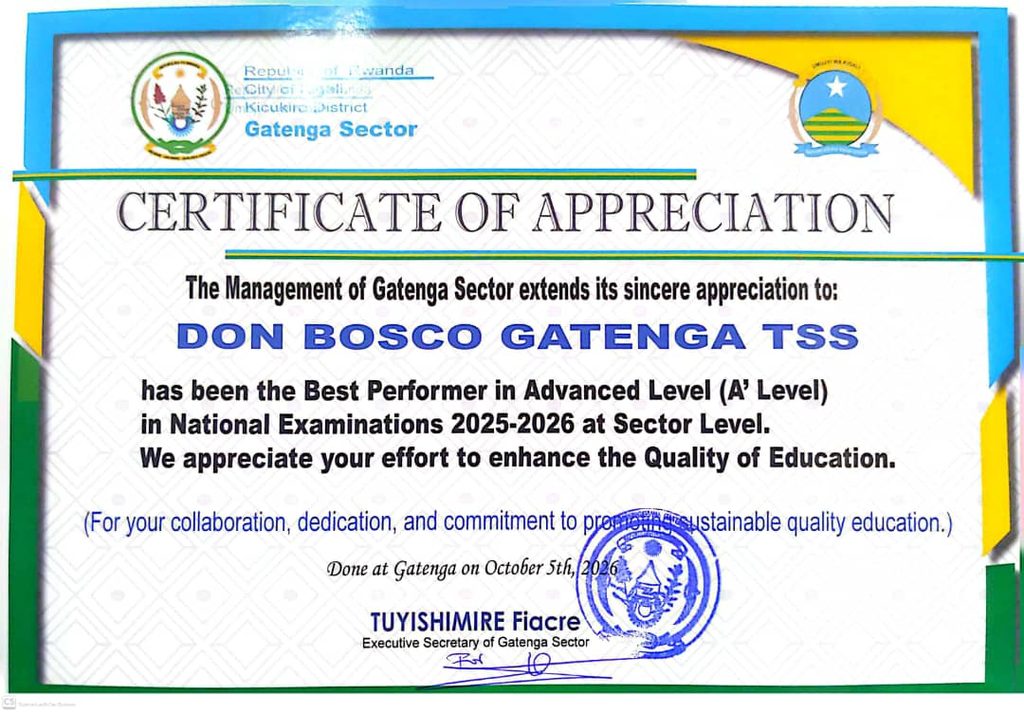Unlike some previous years, when a single national awards gathering was staged later in the school calendar to coincide with examination results, this year’s public marking has so far centred on official messages, media focus on welfare, and school-level recognition.
Education leaders have consistently described the day as an opportunity both to honour classroom work and to keep pressure on the conditions that determine whether teachers stay and succeed.
For many Rwandan educators the practical test will be whether the pledges attached to the 60-year theme translate into clearer career paths, better support in the classroom, and a profession that continues to attract new entrants. Monday’s messages set that expectation; the months ahead will show how far it is met.
> Happy World Teachers’ Day
> Thank you for your dedication, patience, and commitment to shaping young minds and building a better future.
> Your impact goes far beyond the classroom.
> We truly appreciate and celebrate you today and always. [\#ifakdonbosco](https://x.com/hashtag/ifakdonbosco?src=hash&ref_src=twsrc%5Etfw) [\#donbosconps](https://x.com/hashtag/donbosconps?src=hash&ref_src=twsrc%5Etfw) [\#donbosco](https://x.com/hashtag/donbosco?src=hash&ref_src=twsrc%5Etfw) [pic.twitter.com/o202oJ1TVY](https://t.co/o202oJ1TVY)
>
> — Institut de Formation Apostolique de Kimihurura (@IFAKDONBOSCO) [October 5, 2026](https://x.com/IFAKDONBOSCO/status/2107060378861555726?ref_src=twsrc%5Etfw)

SUBSCRIBE TO OUR NEWSLETTER
First name or full name
Email
By continuing, you accept the privacy policy
**Categories:** EDUCATION
---
### [Trust by design: Why smart cities need more than AI](https://www.topafricanews.com/2026/10/05/trust-by-design-why-smart-cities-need-more-than-ai/)
**Published:** October 5, 2026
**Author:** EDITOR
**Content:**
***By: TJ Hanekom, COO at Africonology***
Artificial intelligence (AI) is everywhere in the smart-city conversation. We hear about AI-enabled cameras, facial recognition, predictive policing, intelligent traffic management and automated service delivery. AI undoubtedly has an important role to play. It can help cities see more, identify patterns, respond faster and make better decisions.
But having worked around the practical realities of connecting technology, data and people, I think we sometimes get ahead of ourselves. The question is not simply what AI can do. It is whether we can trust the information, identities and processes behind it.
Take the recent discussion around the planned rollout of AI-enabled body-worn cameras by SAPS. From an operational perspective, I immediately start asking different questions.
Who owns the footage? Who can access it? Where is it stored? How do we know it has not been altered? Can we prove when and where it was captured? Can it still be authenticated as evidence months or years later? And how do we establish that the person associated with a digital record is who they claim to be?
Those questions are not really about AI. They are about digital trust.
**AI is only as good as the environment around it**
AI rarely operates as a standalone technology. A camera captures information. A network transports it. A platform stores it. Another system analyses it. An operator acts on the result. The information may then be shared with another department or used as evidence.
There is a whole chain behind the AI. If an AI system identifies someone using poor-quality or incorrect data, a more sophisticated algorithm does not make that identification reliable. If a citizen applies for a municipal service online but their identity cannot be verified, how do we know the person making the request is who they claim to be? And if a traffic-management system is working from outdated or conflicting information, how useful is the intelligence it produces? These are practical challenges, not theoretical ones.
**Four foundations of digital trust**
For me, the smart-city conversation increasingly comes down to four things: trusted identity, trusted data, evidentiary integrity and governance.
First, trusted identity. As more services move online and multiple government systems interact, we need confidence that people are who they claim to be. If identity is compromised at the start of a process, everything that follows becomes questionable. Trusted identity therefore needs to be treated as foundational digital infrastructure, not simply a login mechanism.
Second, trusted data. Smart cities generate enormous volumes of information from cameras, sensors, vehicles, municipal systems and citizen interactions. But more data does not automatically mean better decisions.
We need to know where information came from, when it was collected, whether it has been changed and whether it is still relevant. I’ve often said that data is only useful when people trust it.
An algorithm can process information at extraordinary speed, but it cannot turn bad information into good information. If different departments have conflicting records about the same person, property or incident, adding AI does not necessarily solve the underlying problem. Often, the important work happens before the AI gets involved: connecting systems, cleaning information, establishing a reliable source of truth and ensuring the right people can access it.
Third is evidentiary integrity. The body-worn camera example brings this into sharp focus. If footage is transferred between systems, accessed by different people and stored for years, we need to be able to establish its provenance and demonstrate that it has not been altered.
The same applies to a traffic system recording an accident, a camera capturing an incident or a digital report informing an emergency response. Digital trust is therefore about more than cybersecurity. It is also about being able to prove that information remains authentic and trustworthy throughout its lifecycle.
Finally, there is governance. A city can have sophisticated analytics and highly integrated systems, but there still need to be clear rules about who can access information, what they can use it for, how long it should be retained and who is accountable when something goes wrong.
When AI influences decisions that affect people’s lives, the answer cannot simply be: “The AI said so.” There needs to be accountability around the technology and human oversight where it matters.
**Integration is where the real work happens**
Cities rarely start with a blank sheet of paper. They already have legacy databases, cloud platforms, cameras, access-control systems, geographic information systems, emergency-response platforms and departmental applications. The practical challenge is making this all work together.
A smart city is not created simply by buying another platform and adding another dashboard. If traffic management has one version of the information, public safety another and municipal services a third, the problem is not necessarily a lack of technology. It is a lack of integration and trusted information.
That is why the practical questions matter. What happens when a citizen moves house? When an identity record changes? When two systems disagree? When an officer needs to retrieve footage from an incident months later? When information needs to move between departments during an emergency? Those questions determine whether a smart-city solution works beyond the pilot stage.
**Building trust into the smart city**
The temptation with emerging technology is to focus on what is new: what can the latest AI model do, how much data can we process and how quickly can we automate a process?
But the more important operational questions are often less glamorous. Can we trust the identity? Can we trust the data? Can we prove the integrity of the evidence? Can our systems communicate? Can we explain how an important decision was reached? And is there clear accountability when something goes wrong?
If the answer is yes, AI becomes considerably more useful. If the answer is no, adding more technology can simply make an existing problem bigger and faster. The future of the smart city should therefore not be about pursuing AI for its own sake. It should be about creating the digital foundations that allow AI and other technologies to deliver meaningful, responsible outcomes.
Technology creates capability. Digital trust creates confidence in that capability. And ultimately, that is what smart cities need: not simply to be more connected or intelligent, but to be trusted.

SUBSCRIBE TO OUR NEWSLETTER
First name or full name
Email
By continuing, you accept the privacy policy
**Categories:** OPINION, Science and Technology
---
### [How APO Group Builds Connection, Context and Trust in a Remote Workplace](https://www.topafricanews.com/2026/10/05/how-apo-group-builds-connection-context-and-trust-in-a-remote-workplace/)
**Published:** October 5, 2026
**Author:** EDITOR
**Content:**
**By Loanette Boshoff, Chief People Officer at APO Group**
As remote work becomes increasingly common, organizations face a challenge that traditional offices often solve naturally: how to build connection, share context and create trust among employees who rarely meet in person.
For **APO Group**, a fully remote organization operating across **17 countries**, the answer is to build workplace culture deliberately.
The company’s employees represent **52 nationalities and speak 33 languages**, working across Africa, Europe, the Middle East and Asia. According to Chief People Officer **Loanette Boshoff**, this diversity and geographical spread require deliberate efforts to ensure employees remain connected and understand how their work contributes to the wider business.
#### Building connection across borders
APO Group uses monthly town halls to make employees and their work more visible across the organization. The sessions provide opportunities to celebrate achievements, profile colleagues and allow departments to share their work.
This helps employees understand what colleagues in other countries and departments are doing and how their work contributes to the company.
The approach also has implications for clients. A request from Casablanca, for example, may require a response from a colleague in Cape Town within the same day. Boshoff argues that effective collaboration depends not only on processes but also on whether employees already understand and trust each other’s work.
#### Giving employees context
The company also shares business performance and client achievements during its town halls, helping employees understand how their individual responsibilities fit into the broader organization.
Its quarterly magazine, **Connect**, provides further insight into how different departments operate, the tools they use and the lessons they have learned.
#### Building trust through feedback
APO Group seeks to strengthen trust by regularly discussing both performance and behaviour. Employees participate in monthly performance discussions, while twice a year they are asked about their experience of working for the company.
Boshoff says the company acts on the feedback it receives, giving employee input a visible outcome. The company currently reports an **employee Net Promoter Score of +54**.
#### Keeping culture visible
APO Group has also appointed **Tracy Walakira, an Account Director, as its Cultural Ambassador**. Her role includes keeping the company’s culture and values visible in everyday work, from onboarding new employees to helping colleagues remain connected across countries and teams.
The company also named its intranet **Frank**, after François Mognard, who spent 12 years leading finance and operations as APO Group expanded from a start-up into a pan-African consultancy.
Mognard became known among colleagues as someone they could approach for answers and guidance. Although he has since moved on to new opportunities, the company retained his name on the intranet as a reminder of his contribution to its culture.
#### Investing in people
APO Group says every employee has a growth path supported through training and mentoring. New employees begin through the same onboarding academy and are introduced to the company’s five values from their first day.
For Boshoff, the broader goal is to create an environment where more employees develop the knowledge, support and confidence to become people their colleagues can rely on.
She argues that every organization already has individuals who naturally help others, share knowledge and notice when colleagues are being left out. The challenge, she says, is **recognizing those people and creating the conditions for others to grow into similar roles**.

SUBSCRIBE TO OUR NEWSLETTER
First name or full name
Email
By continuing, you accept the privacy policy
**Categories:** CULTURE
---
### [Blind Rwandan Journalist Gato Marcelline Turns Disability Into Power](https://www.topafricanews.com/2026/10/05/blind-rwandan-journalist-gato-marcelline-turns-disability-into-power/)
**Published:** October 5, 2026
**Author:** TOPAFRICANEWS
**Content:**
For Gato Marcelline, losing her sight at a young age did not mean losing her dreams.
The Rwandan mother and journalist has defied the limitations often associated with visual impairment.
Additionally, she builds a career in journalism, where she now works for Rwanda Broadcasting Agency (RBA), particularly on Radio Rwanda.
Gato’s journey began like that of many other children, with a determination to attend school.
She aimed to build a future for herself.
As she progressed through her education, she faced hard subject choices.
These choices reflected the challenges posed by her visual impairment.
Now she describes her position in the media as something she once thought almost impossible to achieve.
Indeed, my journey has not been easy.
I lost my sight when I was young, and I had to grow up with that disability.
Studying alongside children who can see is challenging.
Additionally, there are usually very few students with disabilities in a classroom.
I studied in schools that supported learners with disabilities.
God gave me the ability to learn, and I consistently performed well, she said.
One of the experiences that strengthened her confidence was being recognised by Imbuto Foundation for her strong academic performance. The recognition, she says, changed the way she viewed herself and convinced her that disability should not define the limits of her ambitions.
“Being awarded as one of the girls who performed exceptionally well gave me the strength to believe that anything was possible. I stopped seeing myself simply as a girl with a disability. I realised that if my hard work could earn me such recognition, I could go much further. It also made me understand that education should not simply be about completing school; I needed to work hard so that I could eventually use my experience and voice to advocate for others,” Gato said
Her academic choices also played an important role in shaping her career. Although she was capable of performing well in sciences, she found practical components more difficult because of her visual impairment. She therefore chose to focus on languages and literature, subjects that eventually opened the door to journalism.
“I was a strong student and performed well in many subjects, including science, but I realised that studying sciences with a visual impairment could be difficult because of the practical work involved. I chose languages and literature instead. I studied at Groupe Scolaire de Gahini for my secondary education and later joined the University of Rwanda’s Huye Campus, where I graduated in Journalism and Communication,” she said
For Gato, however, academic qualifications alone were not enough. She believes that progress requires courage, persistence and the determination to demonstrate what one is capable of doing, rather than allowing other people’s perceptions to dictate one’s future.
“The most difficult part of the journey is refusing to give up and standing firmly on what you are capable of doing. I did everything I could to demonstrate my abilities, and people came to appreciate what I could contribute,” she said
Working in journalism has also taught her that success requires continuous learning. According to Gato, journalists must constantly follow new developments because news is constantly changing and the profession requires persistent research.
Her university years were equally demanding. With limited resources, she says, she had to make sacrifices and carefully manage the financial support she received so that she could prepare herself for professional life.
“It was very challenging and required sacrifices. During university, I had to carefully manage the little living allowance I received so that I could save enough to support my professional training and ensure that financial difficulties did not prevent me from gaining the experience I needed. It required planning and sacrifice,” she explains.
Gato also understood that building a successful career required her to earn the trust of the people around her. Rather than expecting others to lower their standards because of her disability, she worked to demonstrate that she could perform her responsibilities effectively.
That determination eventually took her to Radio Rwanda, a moment she describes as one of the most memorable achievements of her career.
Although she had spoken on radio before, her first appearance on Radio Rwanda came with a different level of pressure. She knew that the station had a wide audience and admits that she was nervous before going on air.
“The day I first spoke on Radio Rwanda was incredibly emotional for me. I kept thinking about the fact that I would be heard by people across the country, and I was very nervous. I prayed that God would help me do well. When people responded positively, it gave me even more confidence and strength,” she recalled
Gato has since become a familiar voice to many listeners, particularly through programmes such as Bwakeye Bute, which she presented alongside Bright Turatsinze, as well as Kazi ni Kazi and other programmes in which she has participated. Her colleagues and audiences have continued to recognise her ability to perform her work professionally despite her visual impairment.
Rather than considering her current position the end of her journey, Gato sees it as a foundation from which to pursue even greater ambitions. She says she intends to continue learning, working hard and looking for opportunities to achieve more than she has already accomplished.
Her story also carries a message to other Rwandans, particularly women and girls living with disabilities. She encourages them not to surrender to discouragement, but instead to identify and make the most of opportunities available to them.
She believes Rwanda’s security, inclusive policies and opportunities provide an environment in which people can pursue their ambitions regardless of the challenges they face.
***Source: RBA/RTV (Tinyuka urashoboye)***

SUBSCRIBE TO OUR NEWSLETTER
First name or full name
Email
By continuing, you accept the privacy policy
**Categories:** ADVOCACY, NEWS, WOMEN EMPOWERMENT
---
### [Africa Urged to Turn E-Mobility Policies Into Coordinated Action](https://www.topafricanews.com/2026/10/05/africa-urged-to-turn-e-mobility-policies-into-coordinated-action/)
**Published:** October 5, 2026
**Author:** Mutangana Emmanuel
**Content:**
African countries and regional institutions have been urged to move faster from electric mobility policy commitments to coordinated implementation, with stakeholders saying the transition could strengthen energy security, sustainable transport, industrialization and local value addition across the continent.
The call was made at the Africa E-Mobility Week & Forum 2026 (AEWF2026), held under the theme “The African E-Mobility Strategy: From Policy to Action.”
The forum brought together governments, international organizations, businesses, financial institutions, academia and civil society to discuss how Africa can accelerate the adoption of electric mobility and build the infrastructure and industries needed to support the transition.
Participants said electric mobility is gaining momentum across the continent, but implementation remains too slow to address Africa’s climate, public health and economic needs.
Yohannes Hailu, Officer-in-Charge of the Connectivity and Infrastructure Development Section at the United Nations Economic Commission for Africa (ECA), said the transition to electric mobility could reduce Africa’s dependence on imported fossil fuels while improving air quality and strengthening energy security.
He also pointed to the opportunity to create more value from Africa’s critical minerals by developing local manufacturing and regional electric vehicle value chains.
Hailu identified four immediate priorities: local manufacturing and regional EV value chains; charging infrastructure and energy readiness; finance and incentives; and skills, awareness, innovation and research.
The need for common standards was also highlighted as a key part of developing Africa’s electric mobility market.
During a breakout session on electric vehicle standards, ECA Transport Specialist Placide Badji underscored the importance of applying existing United Nations regulations to improve vehicle safety, environmental performance and industrial development across African markets.
Among the regulations highlighted was UN Regulation No. 100, which addresses the safety of vehicles with electric powertrains, including protection against high-voltage risks and requirements for rechargeable electrical energy storage systems.
Participants also discussed provisions for Acoustic Vehicle Alerting Systems, which are designed to help make quieter electric vehicles more detectable to vulnerable road users.
The forum’s Joint Declaration calls for greater investment in local electric vehicle manufacturing and assembly, battery-material processing, affordable financing, charging infrastructure and renewable-energy integration.
It also calls for greater opportunities for young people and women to participate in the emerging electric mobility sector.
The declaration places particular emphasis on harmonizing and implementing standards covering vehicles, batteries, charging systems, payment compatibility and interoperability across African markets.
It further calls for appropriate rules governing used electric vehicle imports, as well as the reuse, recycling and disposal of batteries.
Participants urged the African Union Commission, regional economic communities and member states to accelerate policy alignment and cross-border cooperation.
They also called for greater use of the African Continental Free Trade Area (AfCFTA) to reduce trade barriers and support the development of competitive regional electric vehicle value chains.
Better data was identified as another priority.
The Joint Declaration calls for an Africa-wide electric mobility database, while Hailu proposed the establishment of a pan-African electric vehicle observatory to track electric vehicle adoption, charging infrastructure, energy demand, environmental impacts and job creation.
The forum comes at the beginning of the United Nations Decade of Sustainable Transport 2026–2035, providing a framework for linking electric mobility with renewable energy, industrial development, regional integration, innovation and employment.
For African countries, participants said the next phase will require more than strategies and policy frameworks. It will require coordinated investment, common standards, stronger institutions and measurable implementation across national and regional markets.

SUBSCRIBE TO OUR NEWSLETTER
First name or full name
Email
By continuing, you accept the privacy policy
**Categories:** NEWS
---
### [Essential Cremation Conversations as Kigali Cemetery Nears Capacity](https://www.topafricanews.com/2026/10/05/essential-cremation-conversations-as-kigali-cemetery-nears-capacity/)
**Published:** October 5, 2026
**Author:** EDITOR
**Content:**
**KIGALI —** Rusororo Cemetery, the main public burial ground serving Rwanda’s capital, is approaching full capacity years earlier than planned, renewing debate over land use and funeral practices.
#### Cemetery capacity in Gasabo District
The cemetery in Gasabo District opened in 2011 after Remera Cemetery closed. It was designed to meet growing demand for funerary space and to serve the community until about 2029. Local officials expected the site to relieve pressure on older facilities during that period.
By February 2026, operators reported more than 13,000 burials across its 18 hectares. Only a fraction remained usable, with less than one hectare left and capacity concerns rising. Municipal leaders discussed options for expanding facilities as demand continued to grow. This situation informs Cremation in Rwanda planning and policy discussions.
On 4 October 2026, policy analyst Joseph Nkurunziza Ryarasa stated on social media that most of the hectares were occupied. This development affects Cremation in Rwanda planning and policy debates. Officials noted the need to balance burials with other memorial practices.
Ryarasa noted that a 2019 community scorecard exercise across 19 districts had already flagged the high cost of burial plots. The observation highlighted affordability challenges for families and communities relying on traditional burial practices. He stressed that data from the districts underscored the need for affordable options.
Additionally, he called for a public discussion on Cremation in Rwanda and other affordable options that could preserve land for future generations, while emphasizing the need to respect cultural and religious beliefs. This framing aims to balance practical concerns with long-standing values.
Rwanda recorded 36,021 deaths in 2024, according to the National Institute of Statistics. The country has roughly 1,400 cemeteries, many of which have expanded repeatedly as population density—more than 390 people per square kilometer nationally—places pressure on available land.
Additionally, Cremation in Rwanda reflects similar pressure on land use; Remera Cemetery held about 9,500 burials on seven hectares over several decades; Rusororo has already surpassed that figure in roughly 15 years.
A 2013 law permits cremation with local authorization, and a 2015 order sets rules on grave spacing and records.
Additionally, Cremation in Rwanda is a topic the survey touches on; the Barometer found that 61 percent of respondents considered it a possible response to shrinking burial space, though about 34 percent opposed it.
Only 28 cremations have taken place in Rwanda to date, almost all involving foreign residents. The sole operating facility, the Hindu Mandal crematorium in Bugesera District, charges around 500,000 Rwandan francs—well above typical public cemetery fees of tens of thousands of francs.
Officials have discussed expansion through expropriation and shared family graves. Simpler non-concrete tombs allow land reuse after 10 or 20 years. Vertical burial designs are also part of the debate.
Cremation in Rwanda faces cultural preference for traditional burial and a limited number of facilities. Cemetery managers have warned that continued reliance on current practices will intensify land constraints unless broader options gain acceptance.

SUBSCRIBE TO OUR NEWSLETTER
First name or full name
Email
By continuing, you accept the privacy policy
**Categories:** Environment, NEWS
---
### [Rwanda’s District Accounts on X: The 10 Most Active Last Week](https://www.topafricanews.com/2026/10/05/rwandas-district-accounts-on-x-the-10-most-active-last-week/)
**Published:** October 5, 2026
**Author:** TOPAFRICANEWS
**Content:**
From 28 September to 5 October 2026, as districts rolled out the month dedicated to national unity, reconciliation and youth volunteerism, a cluster of official accounts stood out for posting frequency, original local reporting and modest but steady engagement.
Most content consisted of photo-heavy updates on community meetings, school inspections, housing handovers, sports and Umuganda-style activities rather than pure retweets.
Interactions remained typical for local government accounts—commonly single-digit to low-20s likes, a handful of reposts and a few hundred to roughly 2,000 views—while originality was high when accounts documented their own events instead of amplifying national ministries.
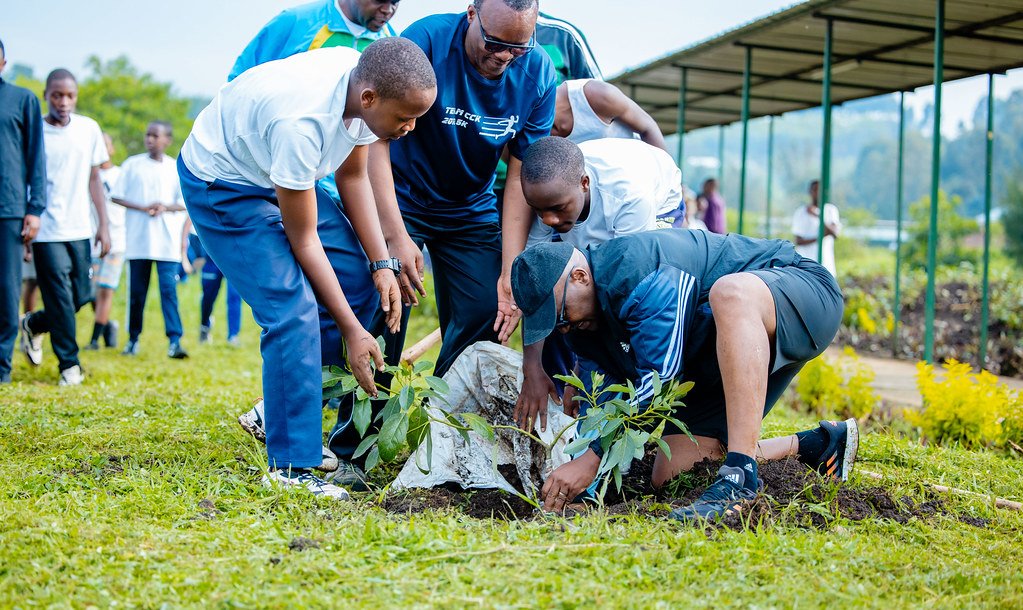
1. **Rubavu District (@RubavuDistrict)**
Posted repeatedly across 3–4 October, including a detailed thread on a visit by the district council and executive secretary to 48 elderly residents housed in Rusizi, plus school sports and tree-planting with national education and sports officials. Original photo posts drew the stronger numbers in the sample (up to 18 likes, 9 reposts and over 2,000 views). Frequency was among the highest observed.
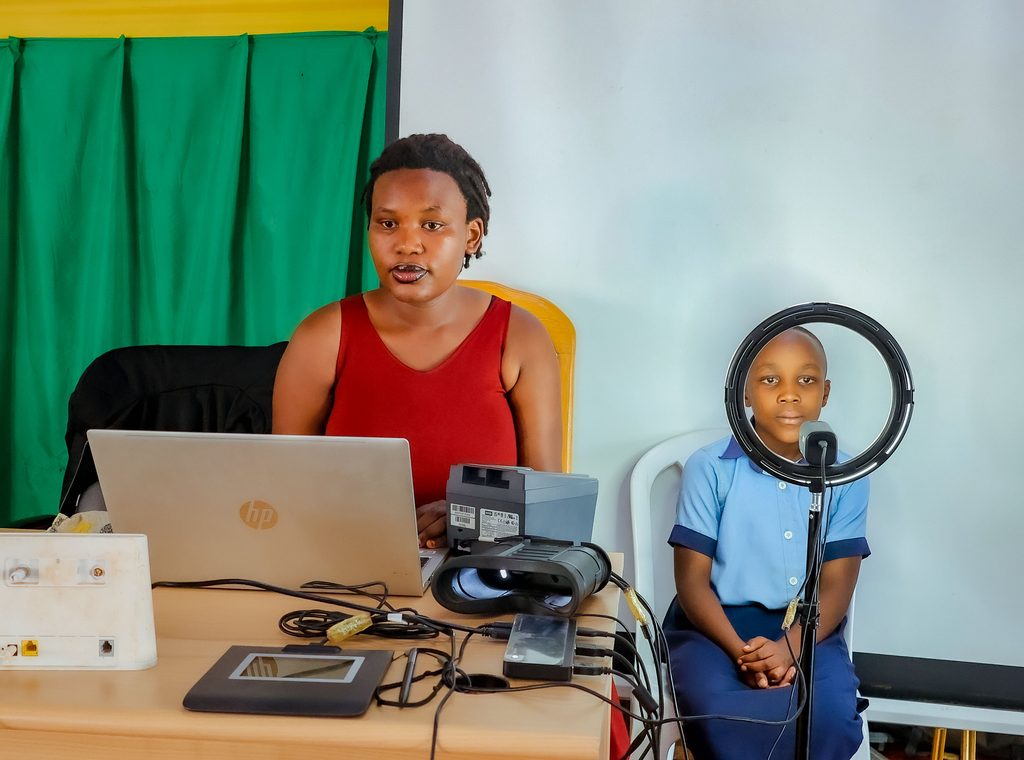**2.** **Musanze District (@MusanzeDistrict)**
Multiple original posts on 2 October covered Vice-Mayor-led inspections of five schools in Gashaki (teaching quality, hygiene, feeding committees and English use) and the reception of five land-survey graduates into district service. Engagement reached the mid-teens in likes and several thousand views on related threads; content was almost entirely first-hand.
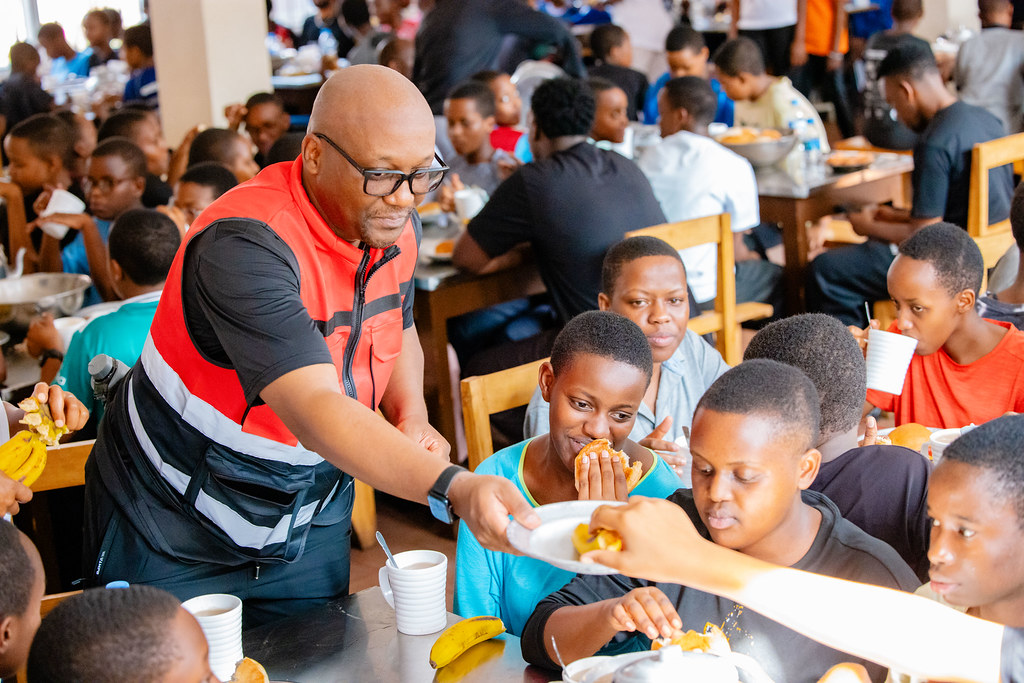**3. Nyarugenge District (@Nyarugenge)**
Active with original announcements, including a short-term teaching-job call (link and deadline) that collected 18 likes and 11 reposts, plus photo posts on the launch of Unity Month in Mageragere and meetings with faith leaders. Views commonly exceeded 1,000–2,000. Mix of service information and event coverage.
**4.** **Kayonza District (@KayonzaDistrict)**
Strong original reporting on 2 and 4 October: district-wide sports mornings paired with non-communicable-disease screening, and the launch of volunteer month in which youth outlined plans to build or repair dozens of houses and latrines. One post reached 19 likes and 8 reposts with over 1,300 views.
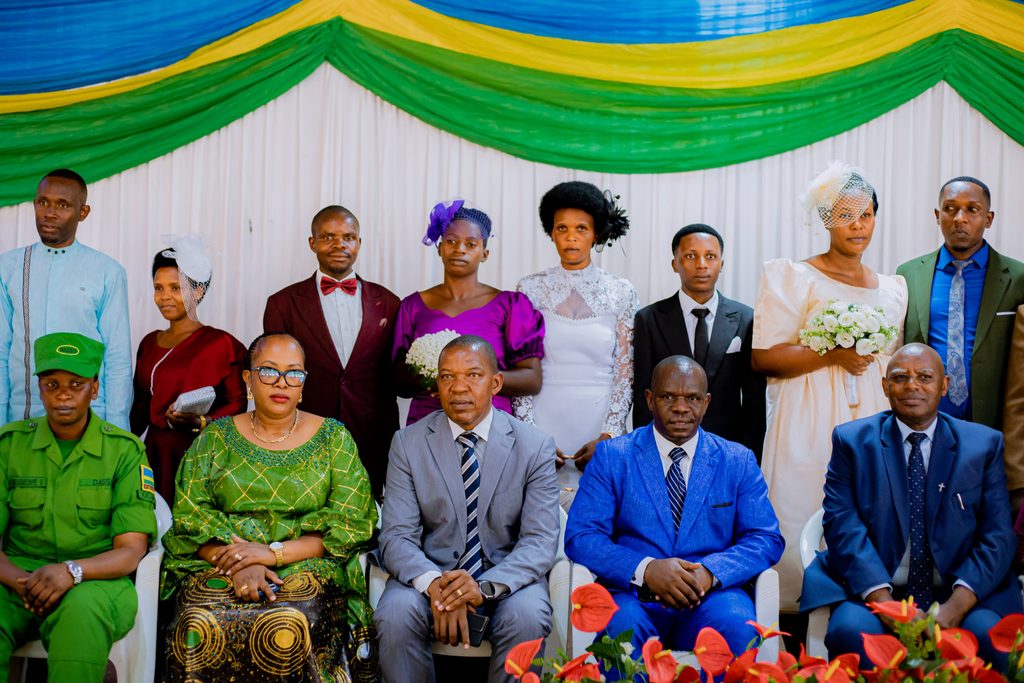**5**. **Kicukiro District (@KicukiroDistr)**
Original photo sequences on the Unity Month launch in Gahanga and a legal-marriage ceremony for 20 families in Kigarama under the service-delivery week. Likes typically 6–11, views up to about 1,500. Clear local focus with limited pure amplification.
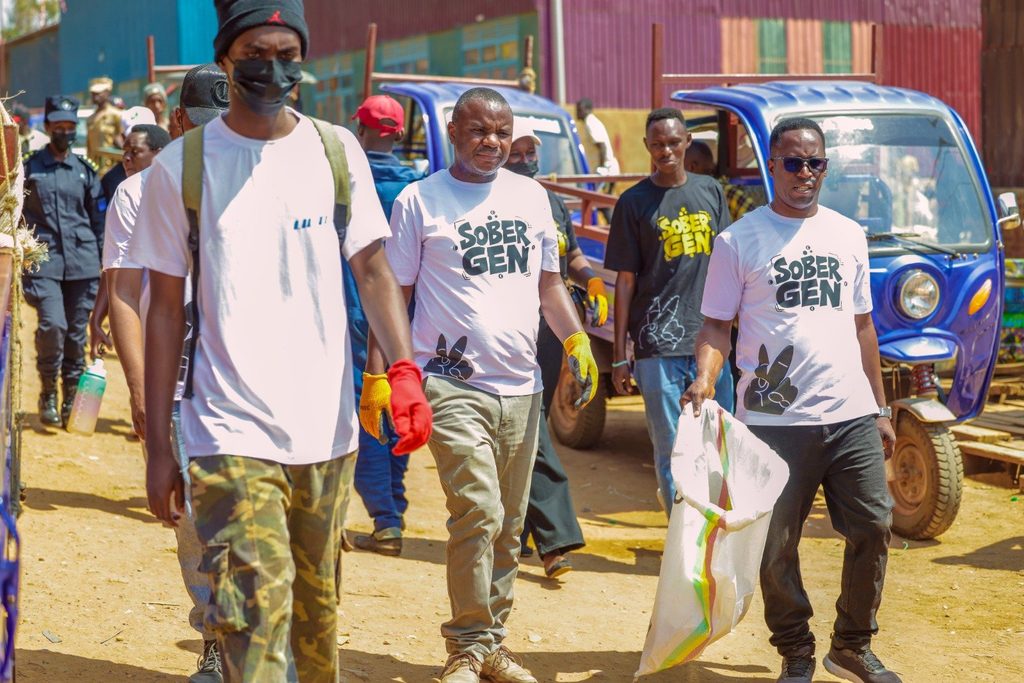**6. Gasabo District (@Gasabo\_District)**
Consistent original posts on the start of agricultural season 2027A in Kinyinya and youth-volunteer clean-up work in Gisozi alongside City of Kigali officials. Engagement was lighter (low single-digit likes) but posting cadence remained steady through early October.
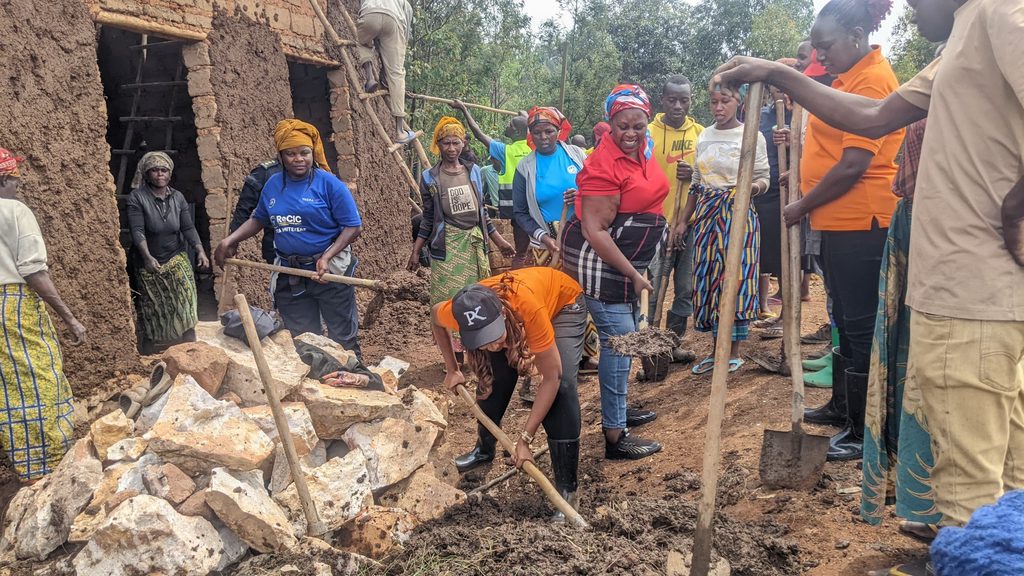**7.** **Ngororero District (@NgororeroDistr)**
A five-part original thread on 4 October detailed the district council session chaired by its president, covering minutes, committee reports and development priorities. Individual posts drew up to 11 likes and around 1,000 views; the threaded format showed deliberate original documentation.
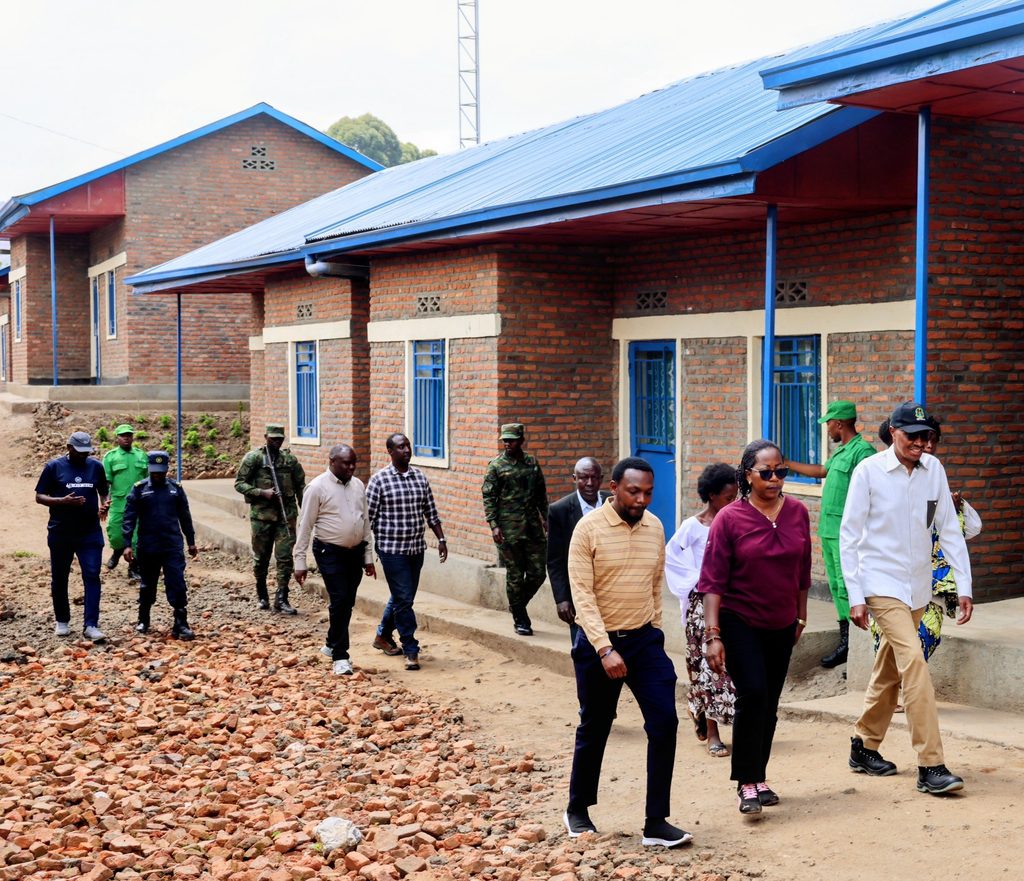**8.** **Burera District (@BureraDistrict)**
Highlighted the handover of new houses to disaster-affected families (including 56 households in Kagogo) by the Minister of Emergency Management, alongside community posts. Mixed original updates and retweets of national accounts; engagement in the mid-single digits to low teens.
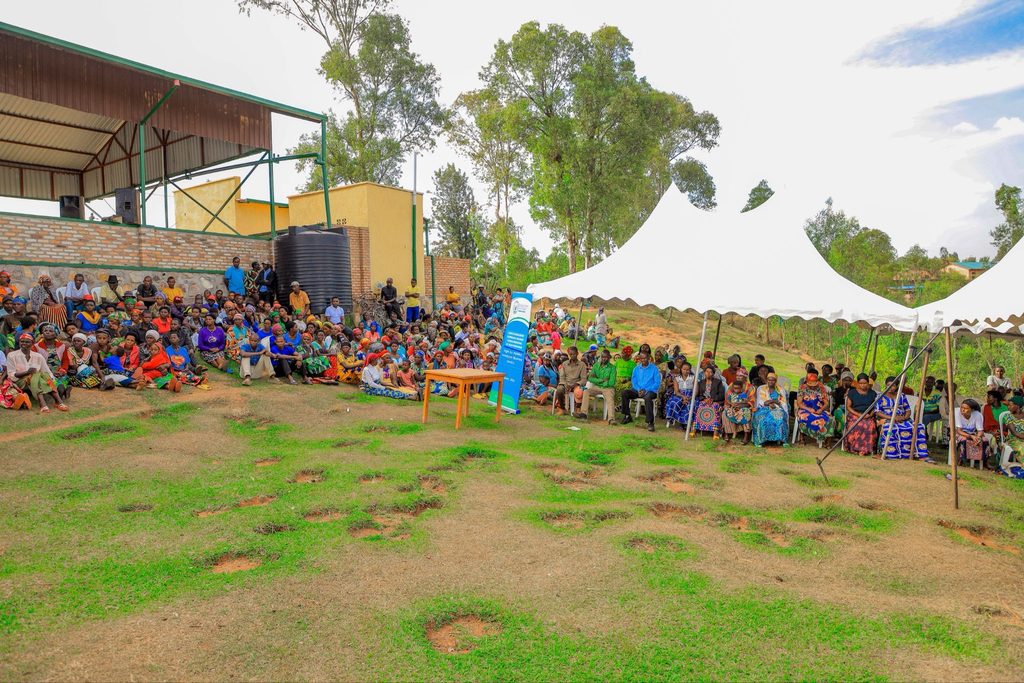**9. Huye District (@HuyeDistrict)**
Original coverage of Unity Month, gender-awareness and youth-employment training closed by the Vice-Mayor, linked to partners working on agricultural value chains. Quoted and photo posts registered around 9–14 likes and over 1,700 views.
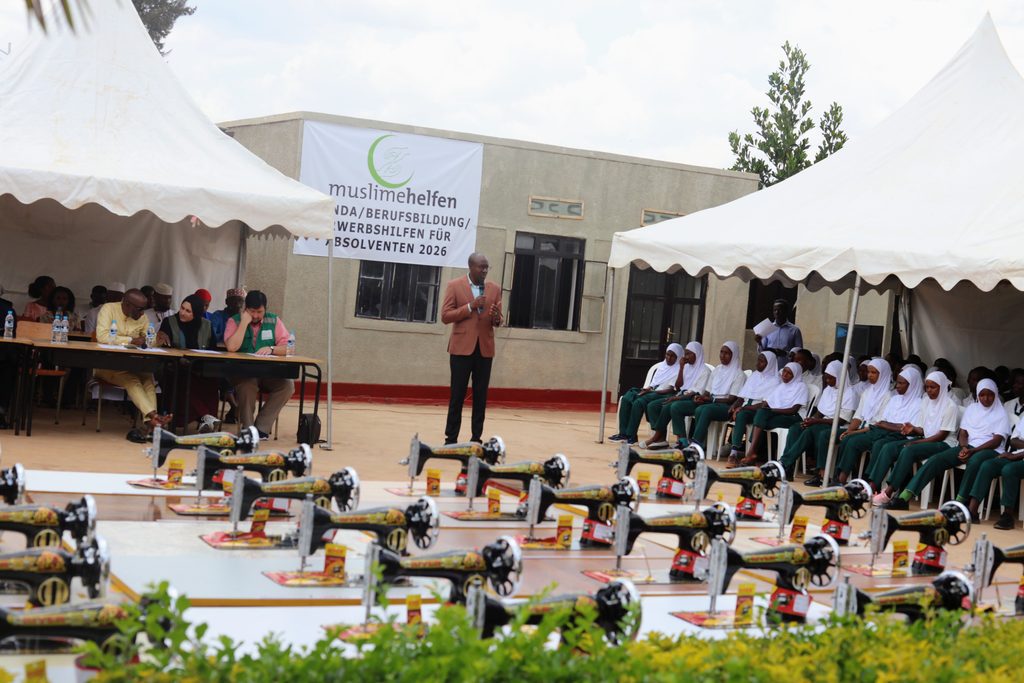**10.** **Rwamagana District (@RwamaganaDistr) and Nyabihu District (@NyabihuDistrict)** (closely matched)
Rwamagana posted original material on equipment hand-over to 150 TVET graduates and a video on the unity/volunteer month. Nyabihu covered private-sector federation meetings and a high-level visit on Gishwati forest management. Both showed regular original photo posts with low-to-mid single-digit likes and several hundred views, typical of the broader field once the top tier is set aside.
Across the sample, accounts that paired timely local photography with short explanatory text outperformed those relying mainly on retweets. Exact tweet totals for all 30 districts were not exhaustively tallied, but the ranking reflects observed volume, share of original posts and public interaction metrics in the seven-day window.

SUBSCRIBE TO OUR NEWSLETTER
First name or full name
Email
By continuing, you accept the privacy policy
**Categories:** Living Style, NEWS
---
### [VIV Africa 2026 returns to Kigali as Sub-Saharan Africa’s feed-to-food industry prepares to meet](https://www.topafricanews.com/2026/09/11/viv-africa-2026-returns-to-kigali-as-sub-saharan-africas-feed-to-food-industry-prepares-to-meet/)
**Published:** September 11, 2026
**Author:** DUSABEMUNGU Ange de la Victoire
**Content:**
**KIGALI —** VIV Africa 2026 is set to bring the region’s animal protein industry back to the Kigali Convention Centre on 7–8 October, following a Leadership Conference on 6 October.
Now in its fifth edition, the event has grown from Poultry Africa into VIV Worldwide’s dedicated Feed-to-Food platform for Sub-Saharan Africa.
Organizers VNU Europe, part of Royal Dutch Jaarbeurs, expect more than 150 exhibitors across about 1,650 square metres, covering farm production, feed ingredients and additives, feed and grain technology, processing, and animal health, plus a Dairy Pavilion.
Visitor numbers are projected at around 2,000 from Rwanda, Kenya, Nigeria, Tanzania, Ethiopia, South Africa, Cameroon, Sudan and further afield.
Exhibition hours are 10:00–17:00 on both days. Visitor registration is free in advance and includes early access to the exhibitor list and programme.
The Leadership Conference on 6 October runs from 09:00 to 17:00, followed by a networking reception, and costs USD 140. It is aimed at government officials, association leaders, investors, and senior executives.
Natalie Taylor, project manager for VIV Africa, said the show has become a place where the region’s animal protein industry comes to make real decisions, not just window-shop, pointing to Sub-Saharan Africa as one of the world’s fastest-growing animal-protein markets.
**Who is coming**
Confirmed and announced exhibitors include breeding and hatchery names such as Aviagen, Hendrix Genetics, Hubbard, Novogen, Petersime and Lohmann Breeders; farm-equipment suppliers Big Dutchman, Chore-Time, Roxell, Facco and Vencomatic Group; nutrition and feed companies Cargill, De Heus, Trouw Nutrition, Adisseo, Techna, ADM and IFF Animal Nutrition & Health; process and mill technology from Bühler, Andritz, Famsun and SCE; and processing specialists including Meyn and Baader Food Systems. Animal-health exhibitors include Ceva/Laprovet, Kemin Biologics and Biovet.
Companies and partners have also been promoting specific sessions. Vencomatic Group has flagged a 6 October discussion on finance for poultry projects. IFF is highlighting ruminant phytase and poultry gut-microbiome tools. Organizers are promoting an Investment & Market Access Forum on 7 October, alongside a hosted-buyer programme for qualified decision-makers.
The Embassy of the Netherlands in Kigali and the Rwanda Council of Veterinary Doctors have amplified the event as a meeting point for regional producers and international suppliers.
**Why Kigali — and what comes next**
Organizers cite Kigali’s infrastructure, relative stability, and position as a regional gateway. The venue sits next to the Radisson Blu Hotel at the KG 2 Roundabout in Kimihurura, about 6 km from the city centre and the airport.
VIV Africa is moving to an alternating East/West Africa calendar: Kigali in even years and a first Abidjan edition planned for 6–7 October 2027. That expansion is intended to give the continent an annual industry gathering rather than a biennial one.

SUBSCRIBE TO OUR NEWSLETTER
First name or full name
Email
By continuing, you accept the privacy policy
**Categories:** Natural Resources and Agriculture, NEWS
---
### [Rwanda Broadcasting Agency Signs Cooperation Agreement with Mozambique Television](https://www.topafricanews.com/2026/10/04/rwanda-broadcasting-agency-signs-cooperation-agreement-with-mozambique-television/)
**Published:** October 4, 2026
**Author:** TOPAFRICANEWS
**Content:**
The Rwanda Broadcasting Agency (RBA) has [signed a cooperation agreement ](https://igihe.com/amakuru/article/u-rwanda-na-mozambique-byinjiye-mu-bufatanye-mu-guteza-imbere-itangazamakuru)with Televisão de Moçambique (TVM) aimed at promoting and strengthening the journalism profession.
The agreement was signed by Rwanda’s Ambassador to Mozambique, Col (Rtd) Donat Ndamage, and TVM Director General Victor Filipe Sinai Nhatitima.
The agreement seeks to facilitate the exchange of programmes, their digitization, and other media-related activities, with the broader goal of strengthening understanding and promoting the cultural, social and economic development of the two countries.
Ambassador Col (Rtd) Ndamage said the agreement will provide an important platform for strengthening cooperation between TVM and RBA, particularly through information sharing and the development of journalists’ knowledge and professional skills.
Nhatitima said the agreement goes beyond cooperation between TVM and RBA, describing it as an opportunity to connect Mozambique and Rwanda through the media while promoting culture and knowledge.
He added that the partnership will support the production of television programmes focusing on areas including tourism, education and technological innovation.

SUBSCRIBE TO OUR NEWSLETTER
First name or full name
Email
By continuing, you accept the privacy policy
**Categories:** NEWS
---
### [Dafroza Mukarumongi Gauthier, Who Built the Cases Against Genocide Suspects in France, Dies at 72](https://www.topafricanews.com/2026/10/03/dafroza-mukarumongi-gauthier-who-built-the-cases-against-genocide-suspects-in-france-dies-at-72/)
**Published:** October 3, 2026
**Author:** EDITOR
**Content:**
Dafroza Mukarumongi Gauthier, the Franco-Rwandan chemical engineer and activist who spent more than two decades pressing French courts to try people accused of taking part in the 1994 Genocide against the Tutsi, has died after an illness. She was 72.
She was born on 4 August 1954 in Butare and later settled in France, where she trained as a chemist. She married Alain Gauthier, a French teacher she had met in Rwanda; they raised three children. When the killings began she was already living in France.
Nearly eighty members of her family were murdered, among them her mother, who was shot outside a church in Kigali where she had sought shelter. Dafroza had been in the capital only weeks earlier and had tried, without success, to persuade relatives to leave.
In November 2001 she and her husband created the Collectif des parties civiles pour le Rwanda. The group assembled survivor statements, travelled to crime sites in Rwanda, and lodged the bulk of the complaints that reached French investigating judges. Those files helped open the first genocide-related trial in France, that of former presidential-guard officer Pascal Simbikangwa in 2014, and later proceedings against provincial officials, gendarmes, a doctor and others.
By the thirtieth anniversary of the genocide a dozen men had been convicted in French courts, with sentences running from fourteen years to life, though several appeals remained pending. The couple also spoke in schools, arguing that naming the dead and recording what happened to them was itself a form of restitution.
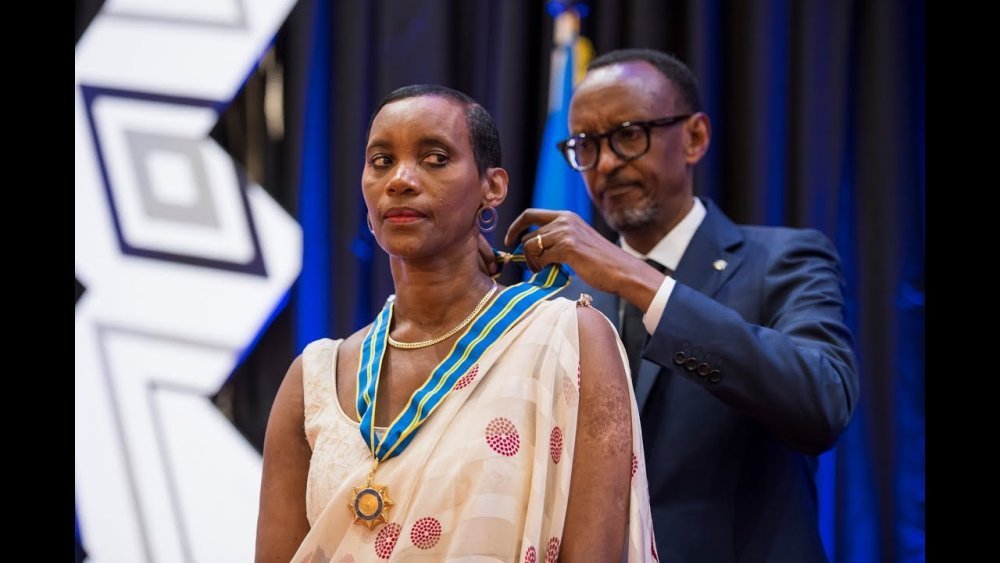In 2017 President Paul Kagame decorated both Dafroza and Alain with the Igihango order for their work linking Rwanda and France through the pursuit of accountability. Their long investigation was later retold in a 2023 documentary and graphic book.
Organisations that had worked alongside her marked the loss directly. Aegis Trust, which maintains the Kigali Genocide Memorial, expressed condolences to Alain Gauthier, their family and the CPCR, recalling that she had stood with survivors and refused to allow silence to close the cases.
The Ishami Foundation described her as a survivor whose determination to document the crimes and keep victims’ names alive would remain part of Rwanda’s memory. On social media, people who had followed the French trials wrote that the voice had gone quiet but the files and the civil-party work would continue.
Her death ends the personal role she played in turning scattered survivor accounts into cases that French assize courts were willing to hear. The complaints she helped file, and the testimonies she helped preserve, remain part of the ongoing record.

SUBSCRIBE TO OUR NEWSLETTER
First name or full name
Email
By continuing, you accept the privacy policy
**Categories:** Peace Building and reconciliation
---
### [Rwanda and France's Gustave Roussy Institute Sign Pact to Accelerate Cancer Care and Research](https://www.topafricanews.com/2026/10/03/rwanda-and-frances-gustave-roussy-institute-sign-pact-to-accelerate-cancer-care-and-research/)
**Published:** October 3, 2026
**Author:** EDITOR
**Content:**
**Kigali / Paris —** Rwanda’s Health Minister, Dr. Sabin Nsanzimana, signed a memorandum with the Gustave Roussy Institute in Villejuif.
Moreover, during a visit on October 2, 2026, the agreement aims to expand cancer care, training, research, and innovation.
Dr. Nsanzimana described the visit as an honor, calling Gustave Roussy an “emblematic institution of oncology.”
He thanked Professor Fabrice Barlesi, the institute’s director general, and Dr. Antoine Hakimé for welcome and commitment to the partnership.
The French Embassy in Rwanda highlighted the deal the following day.
It stated that health sits at the heart of the France-Rwanda partnership.
The Gustave Roussy agreement is an excellent illustration of that collaboration.
Gustave Roussy Institute, a private non-profit institution, treats more than 54,000 patients each year.
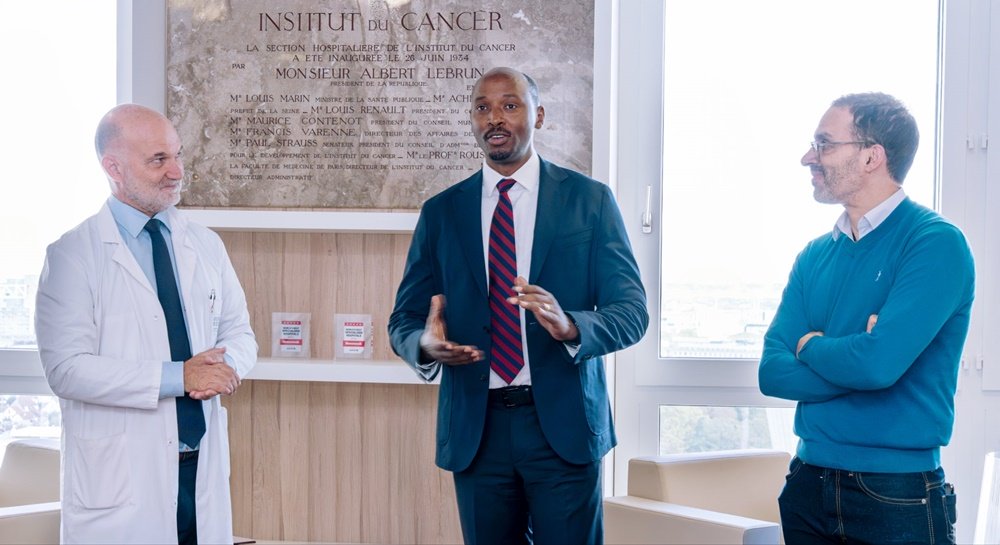Additionally, it ranks as Europe’s top cancer centre and among the world’s leading oncology hospitals, according to Newsweek assessments.
Professor Barlesi was reappointed as its director general in July 2026.
According to Rwandan media, the memorandum covers specialized care.
It also covers radiology.
Dr. Nsanzimana is an epidemiologist with a PhD from the University of Basel. He has served as Rwanda’s health minister since November 2022.
He previously led the Rwanda Biomedical Centre and the country’s national HIV program. Moreover, his international engagements include health-cooperation talks in Switzerland and collaborations with the Gustave Roussy Institute. They also cover agreements with partners in nuclear medicine and other specialized fields.
The new accord adds oncology capacity-building to a series of France-Rwanda health and development links.
Officials from both sides have framed such partnerships as practical steps to improve access to advanced diagnostics, training, and research for complex cancers.

SUBSCRIBE TO OUR NEWSLETTER
First name or full name
Email
By continuing, you accept the privacy policy
**Categories:** HEALTH, NEWS
---
### [Rwandan Conservationist named to 2026 TIME100 Next for protecting grey crowned cranes](https://www.topafricanews.com/2026/10/03/rwandan-conservationist-named-to-2026-time100-next-for-protecting-grey-crowned-cranes/)
**Published:** October 3, 2026
**Author:** Mutangana Emmanuel
**Content:**
Rwandan veterinarian and conservationist Dr. Olivier Nsengimana has been named among the 100 rising stars on TIME’s 2026 TIME100 Next list, bringing international attention to his work to protect Grey Crowned Cranes and the wetlands they depend on.
TIME announced the 2026 TIME100 Next list on September 30, describing it as an annual selection of people shaping the future and defining the next generation of leadership. Nsengimana is included among the science, space and health innovators on this year’s list.
READ ALSO: [Rwanda’s Grey Crowned Crane Population Rises to 1,438 After a Decade of Conservation](https://www.topafricanews.com/2026/08/14/rwandas-grey-crowned-crane-population-rises-to-1438-after-a-decade-of-conservation/)
The recognition comes as Rwanda’s Grey Crowned Crane population has reached 1,438, following a decade of conservation efforts led by the Rwanda Wildlife Conservation Association (RWCA), which Nsengimana founded in 2015.
When the conservation programme began, fewer than 300 Grey Crowned Cranes were estimated to remain in Rwanda. The latest figure comes from the country’s 10th consecutive national crane census, conducted in 2026.
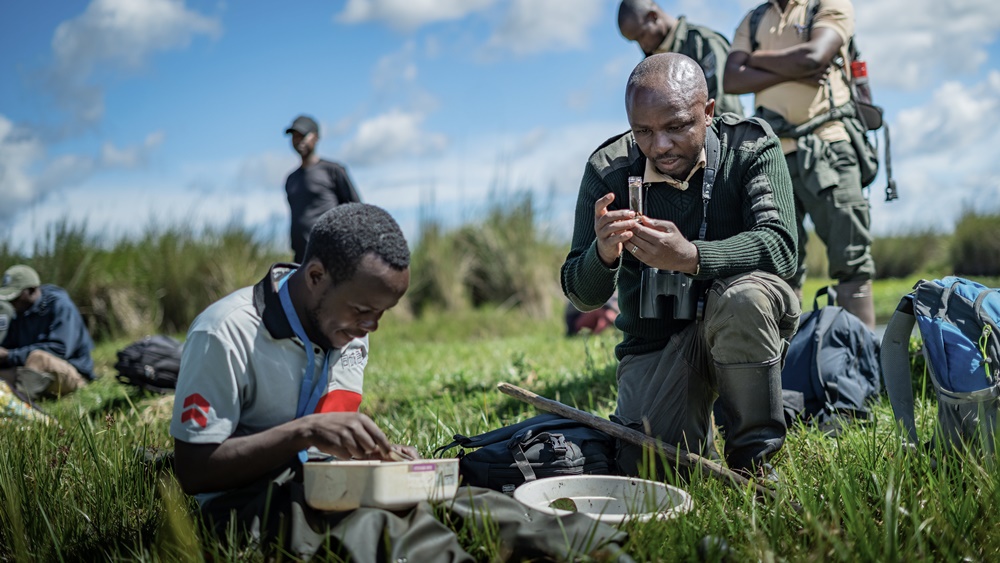***Dr. Olivier Nsengimana observes macroinvertebrate species collected by Edmond, a Rwandan researcher, during the Rugezi Biodiversity Survey.*** The population recovery has been linked to efforts to end illegal captivity and trade, return rescued cranes to the wild, protect and restore wetlands, strengthen monitoring and involve communities in conservation.
RWCA says its work has grown from a campaign focused on Grey Crowned Cranes into broader efforts to protect threatened wildlife and natural habitats across Rwanda. The organisation describes community rangers and Community Conservation Champions as an important part of its conservation model.
READ ALSO: [Rwanda’s Dr Olivier Nsengimana Wins 2025 Whitley Gold Award to protect Grey Crowned Crane population](https://www.topafricanews.com/2025/04/30/rwandas-dr-olivier-nsengimana-wins-2025-whitley-gold-award-to-lead-protection-for-grey-crowned-crane-and-its-wetland-habitat-across-east-africa/)
The latest census provides one of the clearest measures of the changes that have taken place since RWCA began its crane conservation programme.
Rwanda’s first nationwide census was conducted in 2017 and recorded 487 cranes. Since then, the population has been monitored annually, allowing conservation teams to track changes in numbers, breeding sites, movements and threats across the country.
Rugezi Marsh, one of the country’s most important wetlands for the species, has also recorded a substantial increase. The 2026 census found 378 Grey Crowned Cranes there, representing more than a quarter of Rwanda’s national population. The number had been 71 in 2017.
READ ALSO: [How to Transform Rugezi Wetland into Rwanda’s Fifth National Park](https://www.topafricanews.com/2026/09/24/what-would-it-take-to-turn-rugezi-wetland-into-rwandas-fifth-national-park/)
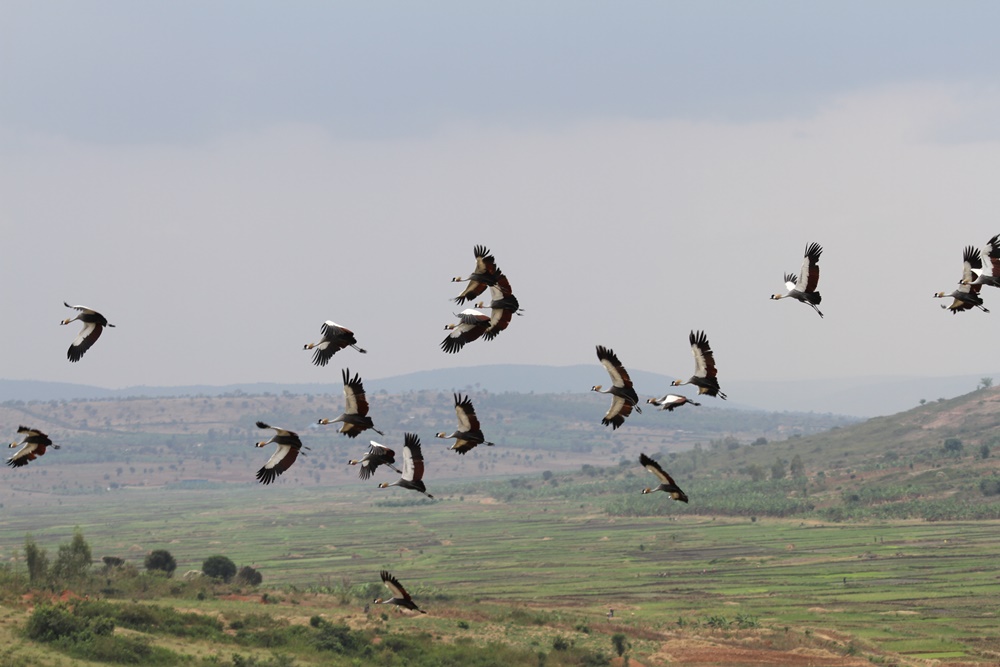The monitoring has also helped identify threats facing the birds and the habitats they use. Despite the recovery in Rwanda, the Grey Crowned Crane remains classified as Endangered, with wetland degradation, agricultural expansion, disturbance and other human pressures continuing to threaten the species.
**A conservation career built around the crane**
Nsengimana, a veterinarian and former Gorilla Doctor, founded RWCA in 2015 after becoming concerned about the decline of Grey Crowned Cranes in Rwanda.
The Whitley Fund for Nature says the birds were facing threats including illegal capture for the pet trade and habitat destruction. Working with the Rwandan government, RWCA registered captive cranes, rescued and rehabilitated illegally kept birds and returned them to the wild.
The organisation has also worked with communities living around wetlands, including through Community Conservation Champions and community rangers who help monitor crane habitats, identify threats and promote conservation.
Nsengimana’s work has previously received international recognition. He won a Whitley Award in 2018 for his work to conserve Rwanda’s Grey Crowned Cranes and was later named the 2025 Whitley Gold Award winner.
The £100,000 Whitley Gold Award recognised his leadership in rebuilding Rwanda’s crane population and supported plans to expand conservation efforts across East Africa through cooperation involving Rwanda, Uganda, Tanzania and Burundi.
**From Rwanda to East Africa**
The next phase of Nsengimana’s conservation work extends beyond Rwanda’s borders.
Grey Crowned Cranes move across landscapes that do not follow national boundaries. GPS tracking and other monitoring have shown movements between Rwanda and neighbouring countries, strengthening the case for regional cooperation to protect the species and the wetlands on which it depends.
The Whitley Gold Award has supported plans to strengthen partnerships with conservation organisations and communities in Uganda, Tanzania and Burundi.
Rugezi Marsh remains central to these efforts. The high-altitude wetland is an important habitat for Grey Crowned Cranes and also plays a wider role in Rwanda’s water systems. It feeds rivers flowing toward Lakes Burera and Ruhondo, which are linked to the country’s hydropower generation.
The TIME100 Next recognition now adds another international platform to Nsengimana’s conservation work.
TIME says the annual list brings together individuals from different fields who are shaping the future, with the 2026 selection spanning artists, leaders, advocates, innovators and other rising figures. Nsengimana is included among the science, space and health innovators.
For Rwanda’s Grey Crowned Cranes, the recognition comes at a point when their national population has reached its highest recorded level in the decade of systematic monitoring. But conservation efforts are continuing as pressure on wetlands and other habitats remains.
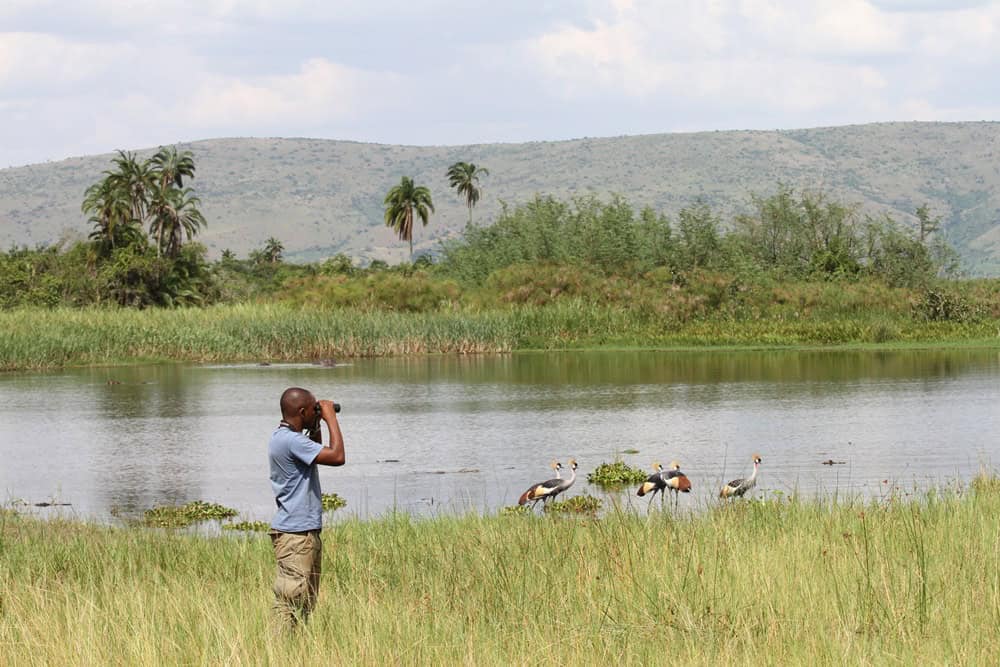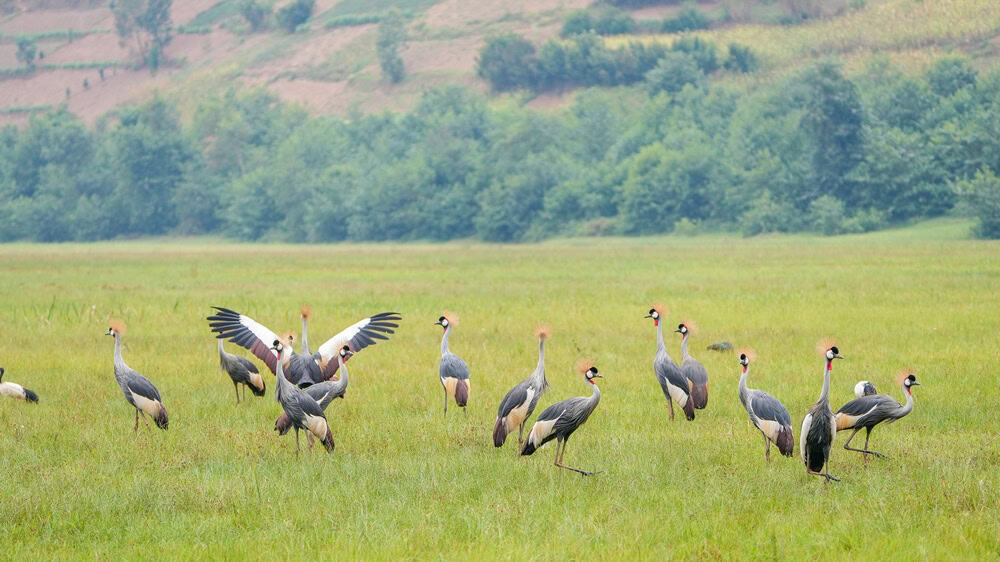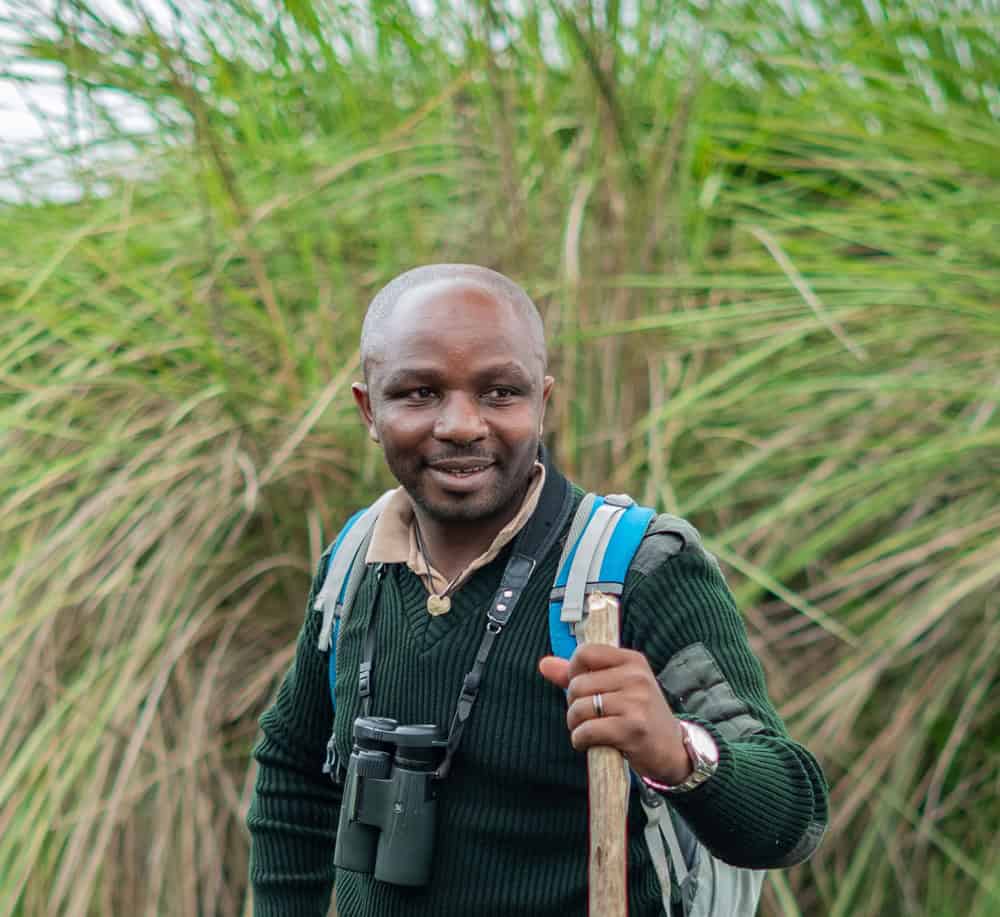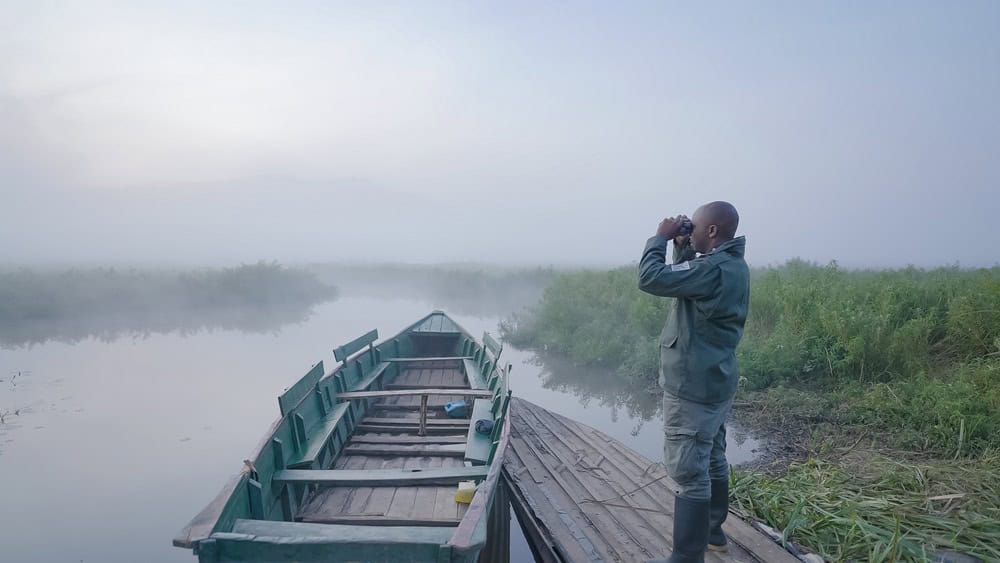
SUBSCRIBE TO OUR NEWSLETTER
First name or full name
Email
By continuing, you accept the privacy policy
**Categories:** Environment
---
### [How Rwanda's Culture Drives a Powerful Five-Year Green Transformation](https://www.topafricanews.com/2026/10/03/how-rwandas-culture-drives-a-powerful-five-year-green-transformation/)
**Published:** October 3, 2026
**Author:** EDITOR
**Content:**
Driven by the urgent need to combat climate change and droughts, Rwanda’s Green Transformation spurs a nationwide afforestation campaign.
Over five years, Rwanda mobilized citizens, international partners, and government bodies to plant more than 230 million trees (Based on a yearly tree planting target).
This effort has helped protect its position as a global leader in green infrastructure.
The nation’s forest cover remains at 30.4% of its land area.
It totals about 724,695 hectares, including plantations, savannas, mountain forests, and shrublands, reflecting Rwanda’s Green Transformation.
**A Timeline of Ambitious Growth**
#### Rwanda’s Green Transformation in Forestry
Rwanda’s success lies in its culture and highly structured, annual forest-planting seasons.
Additionally, each season is backed by national targets and strict tracking mechanism infrastructure managed by the national forestry authorities.
## Rwanda Tree Planting: 2020–2026
Reported trees planted or dispersed by season
Hover over a point to see the exact figure
- **2025–2026 Season (“My Tree, My Legacy”):** Launched with a baseline target of 60 million trees, communities shattered expectations. Official progress figures confirmed that an astonishing **68,543,338 trees** were planted, reaching 114.2% of the season’s goal.
- **2024–2025 Season (“Plant a Tree, Nurture It, Save the Planet”):** The country launched an aggressive push targeting **65,225,951 seedlings**. This cycle focused heavily on drought-prone regions and saw mass coordination between youth and local schools.
- **2023–2024 Season:** Backed by severe climate warning signs across East Africa, the country successfully kicked off and delivered a **63 million tree** planting campaign.
- **2022–2023 Season:** Marking the 47th anniversary of National Tree Planting Day, the Ministry of Environment committed to and successfully dispersed **36 million trees**, including specialized urban forestry initiatives around the Kigali Special Economic Zone.
- **2020–2021 Season:** Even amid pandemic disruptions, communities safely came together to plant **25 million trees**, laying down 7,400 hectares of agroforestry and hundreds of thousands of fruit trees to bolster local food security.
Key drivers behind Rwanda’s Green Transformation include policy support, innovation, and investment.
Rwanda’s ability to plant tens of millions of trees every year is not a product of chance; it relies on unique homegrown solutions and strategic global investments.
**1. Umuganda and the National Tree Campaigns**
At the heart of the Progress there is yearly National Tree planting Campaigns and *Umuganda*—Rwanda’s monthly community service practice.
On the last Saturday of every month, millions of citizens nationwide pick up shovels and hoes to dig trenches, clear land, and physically plant saplings across their neighborhoods.
This fosters localized ownership, ensuring that communities nurture the trees rather than just planting them and walking away.
**2. The TREPA Project and Global Backing**
To specifically address areas historically vulnerable to long dry spells, such as the Eastern Province, the government teamed up with international environmental unions to deploy the **Transforming Eastern Province through Adaptation (TREPA) Project**.
TREPA project employed both women and men to prepare the Tree NurseriesBacked by a **$49.6 million** funding pool (including $33.8 million from the Green Climate Fund), TREPA is actively restoring 60,000 hectares of degraded land and building climate safety nets for over 75,500 smallholder farmers.
**3. Focus on Agroforestry and Scientific Integrity**
Recognizing that a healthy ecosystem requires variety, forestry authorities have moved heavily toward diversification. While traditional commercial woodlots remain dominated by varieties like eucalyptus, recent seasons have focused heavily on **indigenous tree species** and **agroforestry** (integrating trees directly into agricultural crop fields).
By putting trees directly on farmland, local farmers enjoy improved soil health, reduced erosion, and higher crop yields, all while expanding the national canopy.
With over 30% of its land now heavily forested, the focus is shifting from simple planting numbers to structural preservation, ensuring these millions of young roots grow into permanent, thriving forests.

SUBSCRIBE TO OUR NEWSLETTER
First name or full name
Email
By continuing, you accept the privacy policy
**Categories:** CLIMATE CHANGE, Environment
---
### [Bugesera: Farmers Turn Chili Farming into a Profitable Enterprise](https://www.topafricanews.com/2026/10/03/gisagara-farmers-turn-chili-farming-into-a-profitable-enterprise/)
**Published:** October 3, 2026
**Author:** LIBOS NDAYISHIMIYE
**Content:**
Farmers in Bugesera district are turning chili farming into a more profitable agricultural enterprise after support from the Commercialization and De-Risking for Agricultural Transformation (CDAT) Project helped them improve production, strengthen market access and increase the value of their harvests.
IZMGM Cooperative, based in Mareba Sector, Bugesera District, has 470 members, including 282 women and 188 men, who collectively manage approximately 210 hectares of agricultural land. About 40 hectares are dedicated to vegetable production, with chili occupying 15 hectares, tomatoes five hectares and French beans two hectares, alongside other vegetables.
Before receiving support from CDAT, farmers faced several challenges that limited both production and earnings. Most members cultivated and marketed their crops individually, with farmers deciding what to grow and searching for buyers on their own.
The fragmented approach weakened their ability to negotiate better prices and made it difficult to secure reliable markets. When buyers were unavailable, some farmers had to sell at low prices, while others risked losing part of their harvest.
CDAT introduced a more coordinated approach by supporting farmers with technical training, improved seed, learning visits, organic fertilizer production skills, better crop-management practices and market linkages.
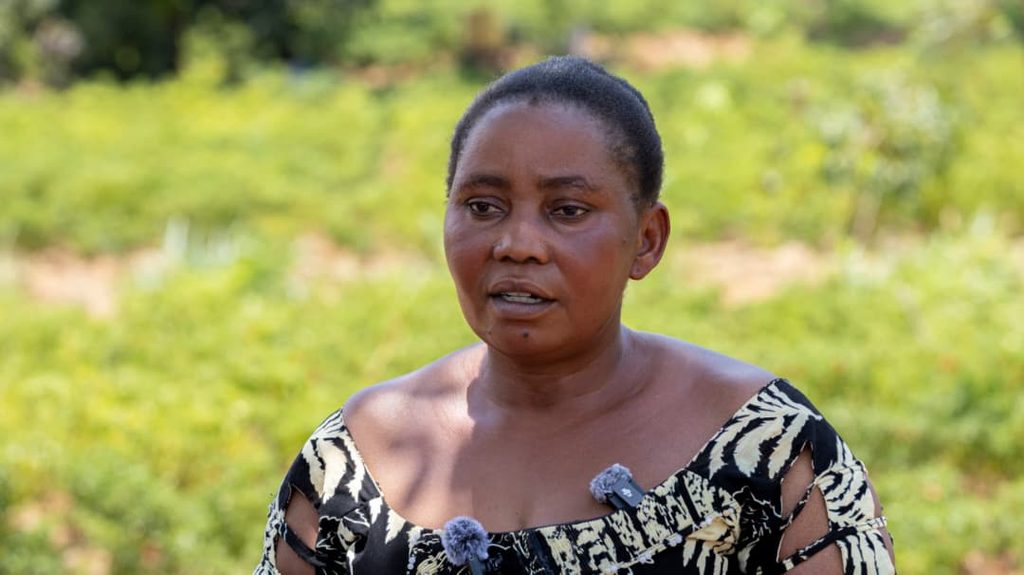For IZMGM Cooperative President NTABANGANYIMANA Beatha, one of the most important changes has been the transition from individual production to collective farming and marketing.
She explained that CDAT did more than provide agricultural inputs; it helped farmers understand the importance of working together, producing larger volumes and approaching markets as an organized cooperative.
“The project trained us, took us on learning visits, provided quality seed and helped connect us with buyers. These interventions changed the way we work as farmers,” Beatha said.
She noted that farmers previously operated independently, making it difficult to assemble enough produce to satisfy larger buyers. Collective production has since enabled members to coordinate their activities and bring larger volumes to the market.
“Before, every member was producing and selling individually. Now we work together, which means we can produce larger quantities and approach buyers as a cooperative,” she said.
According to Beatha, the stronger organization and improved market access have also contributed to a substantial increase in the cooperative’s reported seasonal income.
“Before CDAT, our cooperative could generate no more than about RWF5 million in a season. Today, we can reach up to RWF32 million,” she said.
She attributed the change partly to the cooperative’s improved ability to access buyers willing to pay better prices for their produce.
The transformation is also evident at household level, particularly for chili farmer Edouard Bamporiki from Bushenyi Cell, Mareba Sector.
Bamporiki has been growing chili for about five years and is a member of IZMGM Cooperative. His experience illustrates how improved production practices and stronger market connections can turn a crop that once generated modest returns into a source of investment and asset accumulation.
Before benefiting from CDAT-linked support, Bamporiki cultivated chili on about 20 ares. Even after transporting his produce to potential buyers himself, he often struggled to find reliable markets and sometimes received only RWF300 to RWF350 per kilogram.
“Finding a dependable market was one of the major difficulties we faced. Even when I took my chili to buyers myself, the price could be as low as RWF300 or RWF350 per kilogram,” Bamporiki said.
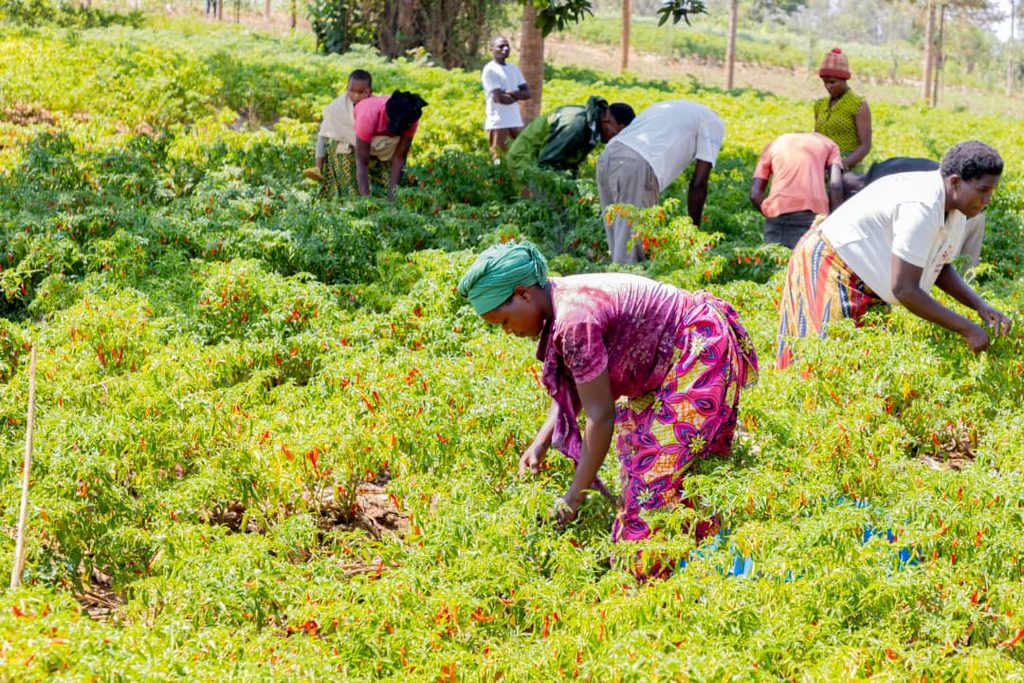The situation changed after farmers were connected to buyers, including Spices Rwanda Company. Bamporiki now produces the Teja chili variety and sells through the market connections established with the company.
He said the price initially reached about RWF450 per kilogram before increasing to approximately RWF600 per kilogram for fresh chili.
“Once we gained access to a more reliable market, the price improved. We started at around RWF450 per kilogram, and it has now reached about RWF600 for fresh chili,” he said.
The improved market prospects encouraged Bamporiki to expand his cultivated area from 20 ares to 1.2 hectares. At the same time, training and access to improved seed helped him increase productivity considerably.
“Previously, I harvested about four to 4.5 tonnes per hectare. With the improved practices and seed, I am now harvesting around 11 tonnes per hectare,” he said.
Bamporiki said the increase was not the result of a single intervention but of several changes introduced through the project, including better soil-fertility management, crop-care practices, learning visits and improved seed.
The higher returns from chili farming have allowed him to diversify his household assets and invest in livestock. He owns a cow bought for RWF1 million, which has since produced a calf, as well as three pigs valued at approximately RWF200,000 each and two goats with their offspring, each goat valued at about RWF80,000.
His most significant investment so far is a property he purchased with proceeds from chili farming.
Bamporiki paid RWF6 million for the property, which includes a house and a plot of land. He is now renovating it into a commercial building with two rooms that he plans to rent to businesses.
He estimates that completing the renovation will require another RWF9 million, bringing the total value of the property and investment to about RWF15 million.
“The income from chili gave me the ability to make a major investment. When I learned that my neighbour was selling the property, I had enough money from chili sales to buy it,” he said.
The investment demonstrates how agricultural income can extend beyond meeting immediate household needs when farmers have access to productive technologies and dependable markets.
At the cooperative level, CDAT’s interventions have similarly sought to address challenges that previously limited the commercialization of horticulture.
Chantal Muhoza, a horticulture specialist under the CDAT Project, said farmers initially faced several interconnected constraints, including limited market access, difficulties transporting produce, inadequate information about markets and agricultural inputs, and insufficient knowledge of improved agronomic practices.
She explained that the project responded by combining technical support with practical market-oriented interventions rather than focusing only on production.
“Farmers needed more than improved seed. They also needed knowledge, demonstrations, market information and connections with buyers. That is why CDAT combined training with field demonstrations, learning visits and market linkages,” Muhoza said.
She said the project also encouraged farmers to organize themselves into stronger cooperatives, while supporting interventions such as erosion control and matching grants to improve agricultural productivity and commercialization.
“The cooperative approach gives farmers a stronger position because they can coordinate production, mobilize larger volumes and engage buyers more effectively than when they operate individually,” Muhoza said.
She added that market-oriented agriculture requires farmers to understand both production and business aspects, including crop management, quality requirements, volumes and relationships with buyers.
“CDAT is helping farmers move toward commercial horticulture by strengthening their technical knowledge while creating opportunities to connect production with actual market demand,” Muhoza said.
Project figures show the scale of support provided across participating cooperatives. About 4.5 tonnes of seed have been distributed, while approximately 354 hectares of demonstration farms have been established among cooperatives in 15 districts.

SUBSCRIBE TO OUR NEWSLETTER
First name or full name
Email
By continuing, you accept the privacy policy
**Categories:** Natural Resources and Agriculture, NEWS
---
### [Kigali's Dramatic Skyline Signals a City in Transformation](https://www.topafricanews.com/2026/10/02/kigalis-changing-skyline-reflects-a-city-in-transformation/)
**Published:** October 2, 2026
**Author:** TOPAFRICANEWS
**Content:**
New photographs released through the official Government of Rwanda Flickr account offer a glimpse of Kigali city’s rapidly changing urban landscape. Modern buildings rise across the capital’s distinctive rolling hills.
The images of Kigali city capture high-rise construction, commercial developments and residential buildings beside green spaces, wetlands, and landscaped areas.
Construction cranes dominate parts of the skyline, reflecting continued investment in the city’s built environment.
The photographs also highlight Kigali’s emphasis on maintaining a clean and green urban setting, with natural landscapes and environmental messages incorporated into developed areas.
Among the scenes featured are the **Kigali Golf Resort & Villas**, modern residential and commercial complexes, and distinctive architectural designs that blend contemporary development with elements of Rwanda’s cultural identity.
Together, the images portray a Kigali where **urban growth, environmental conservation and modern infrastructure continue to shape the capital’s evolving identity**.
**[VIEW MORE PHOTOS HERE:](https://www.flickr.com/photos/govrw/albums/72177720335933339/)** Photos by Faustin Nkurunziza

SUBSCRIBE TO OUR NEWSLETTER
First name or full name
Email
By continuing, you accept the privacy policy
**Categories:** Environment, NEWS, Tourism and Nature
---
### [Diego Mesa Puyo takes over as CEO and Chairperson of the Global Environment Facility](https://www.topafricanews.com/2026/10/02/diego-mesa-puyo-takes-over-as-ceo-and-chairperson-of-the-global-environment-facility/)
**Published:** October 2, 2026
**Author:** EDITOR
**Content:**
| *First term for the former Colombian Minister of Energy and Mines aligns with global push to 2030 environmental goalsCountry pledges to Global Environment Facility ninth replenishment grow to over $4 billion* |
|---|
| Colombian-Canadian economist and sustainable development expert Diego Mesa Puyo today took up his new role as CEO and Chairperson of the Global Environment Facility (GEF), beginning a four-year term at the helm of the world’s largest public funder for the environment. His mandate coincides with the 2026–2030 GEF-9 funding cycle, backed by over $4.3 billion in initial donor pledges to protect and restore the global environment, including a new pledge of £330 million [announced last week by the UK government](https://us.list-manage.com/pS3iO68n1Nj?e=02c4e98022&c2id=e94fc94cf4f52421a7ba52d50bef268b&m=d4Md3-casgZnB-CPAJ1yWlAa1DMjHy-ZqyGi4gZEFxolTczFtKF2w2zqJeeL). *“We have a global responsibility to protect nature and the environment while propelling sustainable economic growth. Achieving the 2030 goals requires bringing development and environmental action together,”* said **Mesa Puyo**. *“The GEF is uniquely positioned within the global financial architecture to bring governments, investors, and communities together to deliver global environmental benefits that last, and I am honored and delighted to get started on this work today.” “Investing in nature is investing in resilience and sustainable development for people and planet,”* **Mesa Puyo** continued. *“Donor governments have been generous in prioritizing this work through our more than $4 billion replenishment in GEF-9, and I am ready to take this forward alongside our exceptional Secretariat team and with our partners around the globe.”* Mesa Puyo is an international expert in energy policy, economic development, resilience, and sustainability, who most recently served as Deputy Chief of the Climate Policy Division at the International Monetary Fund (IMF). He served as Minister of Energy and Mines during Colombia’s 2018–2022 administration, leading one of Latin America’s most ambitious energy transition agendas mobilizing more than $3 billion in private investment. At the GEF, his tenure will focus on the priorities the GEF’s member countries have agreed for the sprint to 2030 environmental goals: scaling integrated solutions, expanding blended finance, strengthening whole-of-government and whole-of-society approaches, and improving institutional effectiveness. The GEF-9 funding period will also deepen support for Least Developed Countries and Small Island Developing States and expand engagement with Indigenous Peoples and local communities. Mesa Puyo holds a master’s degree in economics from McGill University, a bachelor’s degree in economics from Concordia University, and has held the Chartered Financial Analyst (CFA®) designation since 2012. He succeeds Claude Gascon, who returns to his role as Director of Strategy and Operations after serving as Interim CEO and Chairperson. |
|---|

SUBSCRIBE TO OUR NEWSLETTER
First name or full name
Email
By continuing, you accept the privacy policy
**Categories:** CLIMATE CHANGE, Environment
---
### [Powerful cuts threaten education for 5.8 million refugee children](https://www.topafricanews.com/2026/10/02/powerful-cuts-threaten-education-for-5-8-million-refugee-children/)
**Published:** October 2, 2026
**Author:** EDITOR
**Content:**
In Geneva, UNHCR warned today that Million refugee children still out of school worldwide.
However, deep funding cuts threaten to shut millions more out of classrooms and reverse years of progress in refugee education.
UNHCR’s latest annual education report estimates that 5.8 million school-aged refugee children were out of school last year.
That equals 44 per cent of the world’s 13.1 million school-aged refugee children.
Million refugee children still out of school remains a critical issue.
Reflecting on my years as a refugee, I understand the importance of education. It gave me opportunities displacement might otherwise deny. It helped me rebuild my life and shape my future. Million refugee children still out of school face barriers. “Education is protection, and it is also a pathway to opportunity and self-reliance,” Barham Salih said. Amid severe pressure on humanitarian financing, cuts to education threaten decades of investment. They close opportunities for a generation of young people.
The transition to secondary education remains one of the biggest challenges for refugee learners. Moreover, Million refugee children still out of school face persistent enrollment gaps. In 2025, 65 per cent of refugee primary-age children were in primary education. However, only 32 per cent were in secondary education.
For refugee girls, the transition to secondary school is close to breaking point. While girls and boys attend primary school at broadly similar rates, the gap widens sharply in secondary education, as poverty, protection risks, early marriage and other pressures push increasing numbers of adolescent girls out of school.
Against this backdrop, progress in higher education shows what sustained investment can achieve.
Refugee tertiary enrollment reached a record 11 per cent in 2025.
It rose from 9 per cent in 2024, with more than 450,000 refugees enrolled for the first time.
The increase keeps UNHCR and partners on track toward a goal of 15 per cent by 2030.
This path relies on expanded access to universities, vocational training, connected learning opportunities, scholarships and third-country education pathways.
Higher education can be particularly transformative for refugee women and girls, giving them access to skills, qualifications, employment and, potentially, much greater economic independence. But access remains deeply unequal. In more than 80 per cent of reporting countries, refugee enrollment in higher education remained below the national average last year. In low-income and conflict-affected countries, just 2 per cent of refugees were enrolled in higher education, compared to 13 per cent of nationals.
Investing in refugee education also means strengthening the national education systems that serve refugees and host communities. As more refugees learn alongside children from their host communities, schools need enough teachers, classrooms, learning materials and financing to make inclusion work in practice.
UNHCR is urging international communities and development partners to safeguard education funding and invest in the national systems of refugee-hosting countries.
“Our ambition must go beyond keeping children in classrooms. Displacement should not determine the limits of a child’s life,” Salih said. “A child who can learn today is better equipped to contribute and support themselves tomorrow, whether they eventually return home, build their future in the country that has given them refuge or pursue opportunities elsewhere. Our responsibility is to make sure they have that chance.”

SUBSCRIBE TO OUR NEWSLETTER
First name or full name
Email
By continuing, you accept the privacy policy
**Categories:** NEWS
---
### [Rwanda Senate Forms Powerful Interparliamentary Friendship Group with Ukraine](https://www.topafricanews.com/2026/10/02/rwanda-senate-forms-powerful-interparliamentary-friendship-group-with-ukraine/)
**Published:** October 2, 2026
**Author:** TOPAFRICANEWS
**Content:**
**Kigali, October 1, 2026 —** Rwanda’s Senate leadership met with a Ukrainian parliamentary delegation on Wednesday to deepen bilateral ties.
Both sides agreed to establish the Ukraine and Rwanda Interparliamentary Friendship Group.
Senate President Kalinda François Xavier, joined by Vice Presidents Nyirahabimana Soline and Mukabaramba Alvera, held talks on strengthening cooperation. Additionally, discussions covered the formal friendship group and other mutual-interest issues, per an official statement from the Parliament of Rwanda.
**The meeting builds on earlier engagements.**
In July 2025, Ukrainian Ambassador to Rwanda Viacheslav Yatsiuk paid a courtesy call on the Senate leadership.
Additionally, both sides discussed expanding cooperation between Ukraine and Rwanda in education, agriculture, trade, technology, energy, and training.
Kalinda expressed readiness to advance inter-parliamentary ties.
A deputy group for inter-parliamentary relations with Rwanda already exists in Ukraine’s Verkhovna Rada, formed in 2022.
Additionally, the new Rwandan-side group is expected to formalize reciprocal parliamentary diplomacy.
Broader bilateral relations have also advanced recently.
Moreover, in late September 2026, Ukrainian Foreign Minister Andrii Sybiha met his Rwandan counterpart, Olivier Nduhungirehe.
They discussed peace efforts in the Great Lakes region.
They also talked about ending Russia’s aggression against Ukraine.
Sybiha thanked Rwanda for its consistent support of Ukraine-related resolutions at the United Nations.
Rwanda has maintained a stance of solidarity with Ukraine’s sovereignty and territorial integrity while pursuing practical partnerships. Additionally, officials on both sides have highlighted potential collaboration in agro-industry, information technology, and energy as areas of mutual benefit.
The establishment of the friendship group marks a concrete step in parliamentary diplomacy between the East African nation and Ukraine.

SUBSCRIBE TO OUR NEWSLETTER
First name or full name
Email
By continuing, you accept the privacy policy
**Categories:** NEWS
---
### [CDAT Drives Surging Onion Production, Boosting Gisagara Farmers' Incomes](https://www.topafricanews.com/2026/10/02/cdat-drives-surging-onion-production-boosting-gisagara-farmers-incomes/)
**Published:** October 2, 2026
**Author:** LIBOS NDAYISHIMIYE
**Content:**
#### Onion Production in Gisagara
Farmers in Gisagara district are recording significant gains in onion production after adopting improved farming practices, quality seed and modern agricultural techniques introduced through the Commercialization and De-risking for Agricultural Transformation (CDAT) project.
Moreover, productivity and incomes are rising sharply among participating farmers and cooperatives.
For MUKAZERA Jeanine, a farmer from Akabacuzi village, Onion Production in Gisagara has brought changes that go beyond harvests.
Previously she grew beans and sweet potatoes.
Additionally, CDAT support helped her acquire practical skills, making onion production more productive and less costly.
One of the major changes is her adoption of compost made from materials available on the farm. She no longer depends mainly on manure transported from livestock shelters; instead, she now converts farm waste into an agricultural input.
“Before, I had to transport manure from home, which required more effort and increased the amount I spent on labor. Since I started using compost, farming has become much easier. Additionally, materials that used to be treated as waste from the farm are now turned into useful fertilizer,” Mukazera said.
She says the new approach has also made it easier for her to maintain access to fertilizer. Moreover, it has improved the performance of her onion crop.
“Since I started the onion project, I have not faced difficulties getting fertilizer. Moreover, the increase in production has been clearly visible”, she added.
Jeanine currently cultivates onions on 100 ares.
Furthermore, she says her harvest has increased considerably since she began working with CDAT.
Before receiving the project’s support, she harvested about 200 kilograms.
However, her output later reached 900 kilograms.
Additionally, she says improved farming practices have helped her cope with weather-related challenges that previously threatened her crops.
“Before working with CDAT, I harvested about 200 kilograms. Moreover, after the project came in, I harvested 900 kilograms for Onion Production in Gisagara. Previously, when heavy rains came, crops could be destroyed, but that challenge has been addressed”, Mukazera said.
The increase in agricultural production has translated into wider benefits for her household.
She says the additional income has helped her pay school fees for her children.
Additionally, she has invested in livestock, including cattle, goats and pigs.
In Kigembe sector, Agahabwa cell, NDAHIMANA Jean Baptiste is also benefiting from improved onion production.
The farmer has cultivated onions for five years alongside maize. Additionally, CDAT training and better agricultural inputs have helped him improve his farming practices and harvest.
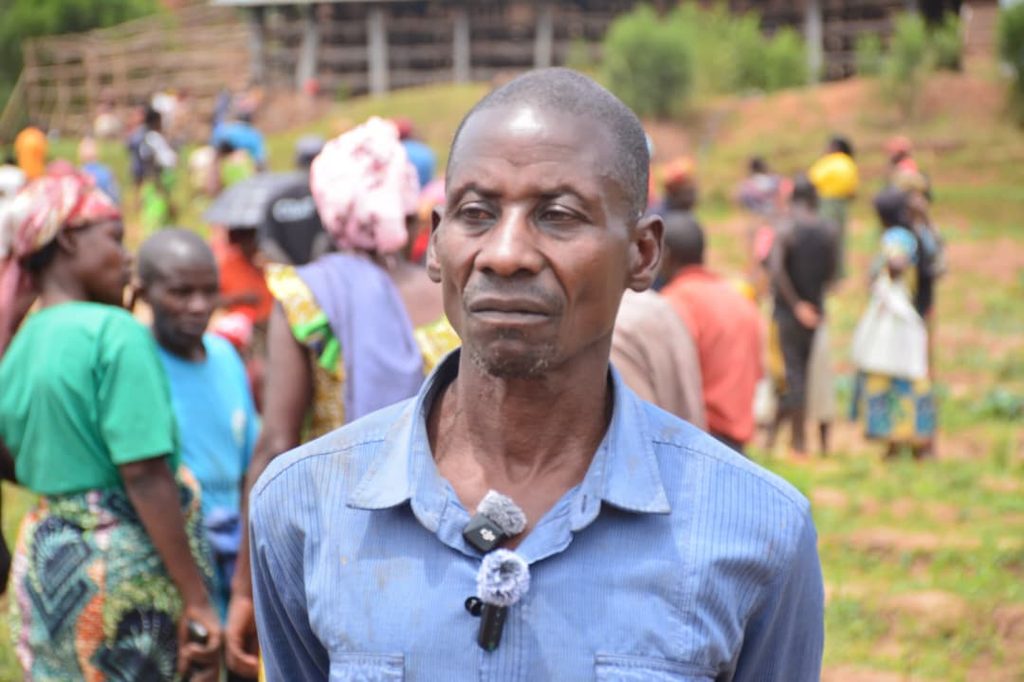Before the project, he mainly relied on seed that he purchased himself. Additionally, farmers who received training through the project later shared the knowledge they gained with others. Access to improved seed further strengthened production.
Moreover, NDAHIMANA says the difference is already visible in his harvest.
“Previously, I could harvest around 300 kilograms.”
“However, this harvest is expected to reach about 500 kilograms,” he said.
He adds that farmers previously faced financial losses. However, money spent on seed, fertilizer, and other inputs did not achieve comparable levels of production.
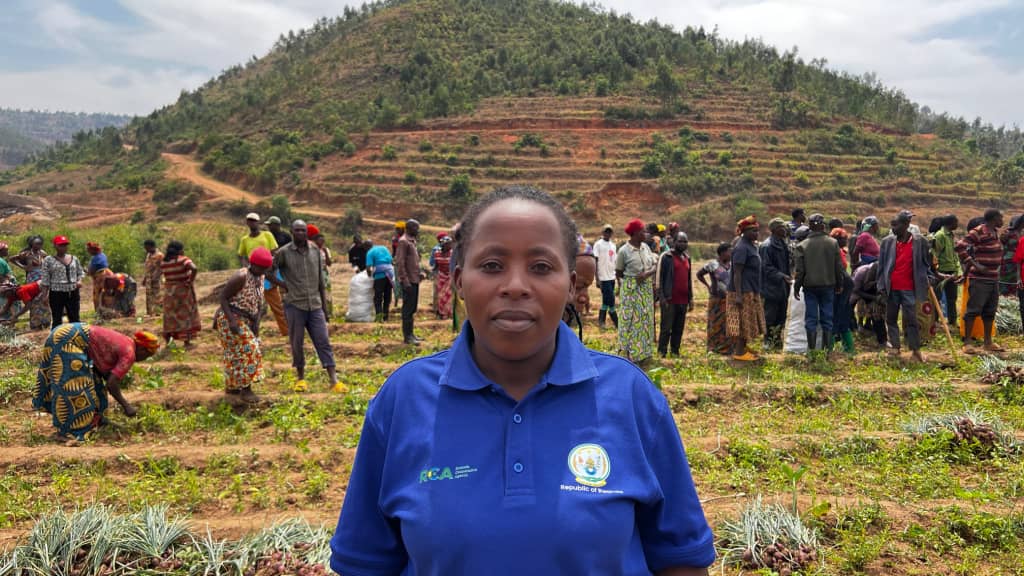Mukeshimana Xaverine, President of KORWAMUKI Cooperative, operates in the Nyakanyeri scheme in Kigembe Sector of Gisagara district.
However, farmers faced barriers to increasing onion production, including limited seed quality, inadequate knowledge of farming techniques, and marshland conditions.
She says CDAT responded by combining training with practical interventions.
Additionally, these included learning visits, marshland rehabilitation, and provision of quality onion seed.
Moreover, according to Xaverine, the combination of improved inputs and knowledge has substantially changed the cooperative’s production capacity.
Before the intervention, the cooperative produced approximately four tonnes of onions. Moreover, following the adoption of improved seed and farming practices, production increased to about 18 tonnes.
Additionally, Xaverine says its seasonal earnings, previously around RWF 6 million, can now exceed RWF 30 million.
The cooperative’s three hectares of onion production increased.
Consequently, it rose from about 1.3 tonnes per hectare to around six tonnes per hectare.
Muhoza Chantal, Horticulture Specialist at SPIU/RAB, says the project’s intervention was built around the specific production challenges identified among farmers.
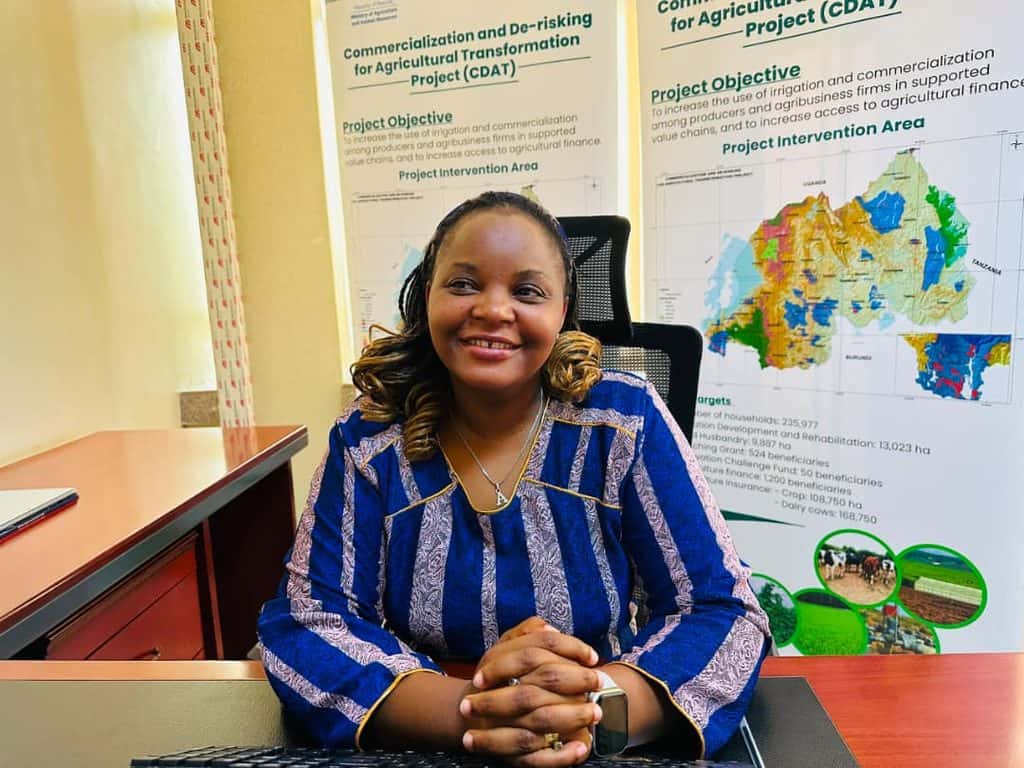Rather than focusing only on the provision of agricultural inputs, she says CDAT combined technical training.
The intervention covered areas including erosion control, preparation and appropriate use of agricultural inputs, and modern farming practices.
Vegetable production and access to quality seed were also addressed, and farmers received continued technical follow-up.
The overall onion productivity has increased by 13.8 percent since CDAT began its interventions in 2022.
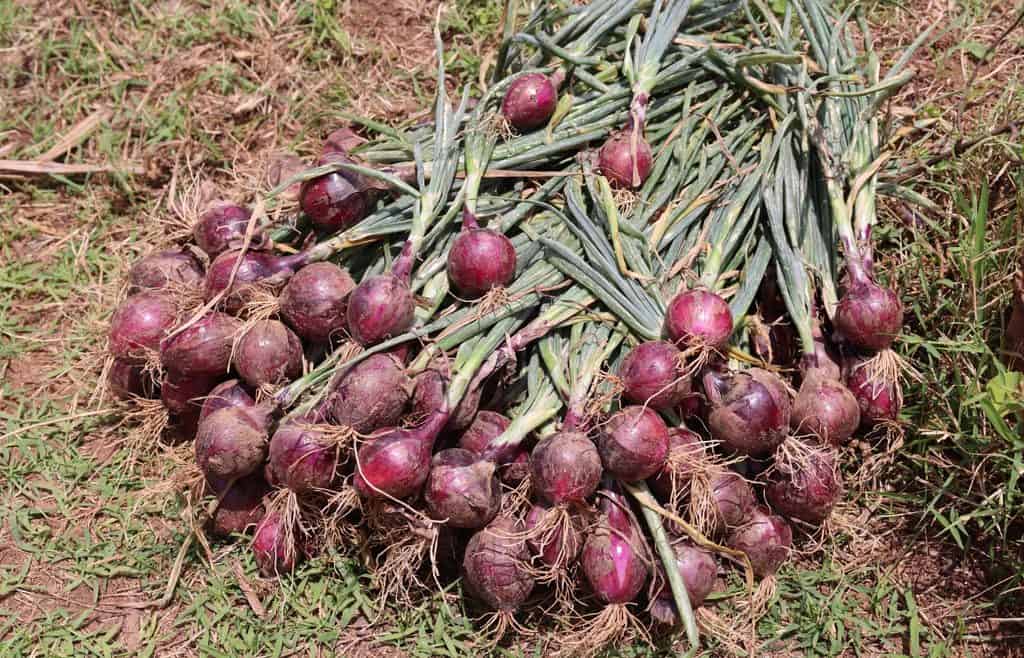
SUBSCRIBE TO OUR NEWSLETTER
First name or full name
Email
By continuing, you accept the privacy policy
**Categories:** Natural Resources and Agriculture, NEWS
---
### [Proven AfDB-Germany Rail Partnership Accelerates Africa’s Regional Connectivity](https://www.topafricanews.com/2026/10/01/proven-afdb-germany-rail-partnership-accelerates-africas-regional-connectivity/)
**Published:** October 1, 2026
**Author:** TOPAFRICANEWS
**Content:**
**Berlin, October 1, 2026.**
[AfDB and Germany partner ](https://www.topafricanews.com/2026/10/01/proven-afdb-germany-rail-partnership-accelerates-africas-regional-connectivity/)on railway to cooperate on developing Africa’s railway systems.
Furthermore, they aim to deepen regional economic integration.
Mike Salawou, Bank Group Director for Infrastructure and Urban Development signed on behalf of the institution during the inaugural African European Industry Dialogue on Railways. Michael Krake, BMZ’s Deputy Director General for Economic Cooperation also signed.
The African European Industry Dialogue on Railways is part of InnoTrans, the International Trade Fair for Transport Technology.
Additionally, it was jointly organized by Deutsche Gesellschaft für Internationale Cooperation (GIZ) GmbH, Deutsche Bahn, and the EU Global Gateway initiative.
AfDB and Germany partner on railway to reduce Africa’s transport costs.
Moreover, they aim to improve cross-border interoperability and promote low-carbon transport solutions.
They will promote sustainable transport policies.
Additionally, it will build a robust local labor market in the railway sector through skills transfer and vocational training.
This will create sustainable employment opportunities.
Cooperation between the Bank Group and BMZ will start with a joint feasibility study for an African Rail Competence Center.
Moreover, it will be implemented by GIZ and launch by October 2026, bringing innovation and training to Africa’s railways.
In a keynote address, Director Salawou highlighted Bank-supported investments in the Lobito Corridor.
Additionally, AfDB and Germany partner on railway.
They include the Standard Gauge Railway program in East Africa.
Other projects include the Nacala Corridor, Algeria’s North-South Rail Corridor, and Morocco’s high-speed rail system.
Urban rail projects are in Senegal and Nigeria.
Africa’s rail network currently represents only 8–10% of the world’s total.
However, African Continental Free Trade Area drives demand for freight and passenger movement across a 1.4 billion people market.
The Bank Director also set out five priorities for the sector.
Moreover, these priorities include a continental market driven by the African Continental Free Trade Area.
They also cover modal-shift reforms, interoperable standards, and financing that crowds in private capital.
The competencies to operate the networks once built are included.
“Building a railway is half the job,” he said.
“Running it is the harder half.”
Deputy Director General Michael Krake emphasized BMZ’s long-standing commitment to supporting Africa’s development. “BMZ is committed to working with our African partners to strengthen regional connectivity and support sustainable economic development. Together with the African Development Bank, we will advance practical cooperation on interoperability, skills development and other priorities that help build a stronger railway sector,” he said.
Additionally, African governments and railway authorities should set a clear vision. They should commission credible feasibility studies. Reform early and give investors regulatory certainty. European industry should offer long-term partnership and local content. It should also transfer skills, not just equipment. Financiers should get involved at the preparation stage. He added that the Bank Group would support them with guarantees. It would also provide blended finance and technical assistance.

SUBSCRIBE TO OUR NEWSLETTER
First name or full name
Email
By continuing, you accept the privacy policy
**Categories:** Business and Trade, NEWS
---
### [Kigali's Igiti Cyanjye Drive Reaches 1.7M Plantings, Survival Tested](https://www.topafricanews.com/2026/10/01/kigalis-igiti-cyanjye-drive-reaches-1-7m-plantings-survival-tested/)
**Published:** October 1, 2026
**Author:** DUSABEMUNGU Ange de la Victoire
**Content:**
**Kigali, 1 October 2026 —** Kigali’s Igiti Cyanjye (“My Tree”) campaign has planted 1.7 million trees and shrubs since 2025. Meanwhile, under the SUNCASA nature-based solutions project, the emphasis has shifted to keeping young trees alive during the rainfall season. This shift reflects a long-term goal for urban forest resilience.
The campaign continues to monitor tree survival and adjust practices.
City spokesperson Emma Claudine said on 30 September that Igiti Cyanjye is part of the SUNCASA project. It has also seen 3,500 families plant fruit trees across communities. Seventy-six percent of the trees planted have survived. Officials report ongoing maintenance to improve outcomes.
Additionally, more than 6,000 green jobs have been created. This growth supports local economies and strengthens climate resilience. The program’s community involvement has grown through tree-planting drives and care schemes. Officials expect continued momentum in the coming quarters. The program plans to scale up maintenance tasks.
Officials want the rate raised to 85 percent this season. They will replace more than 200,000 damaged or failed trees and intensify care for those already established. These steps align with broader urban forestry goals. Monitoring will track survival rates and adjust management.
Planting a tree is only the beginning.
Moreover, keeping it alive is the real success, Claudine said.
She urged residents who see a young tree nearby to treat it as their own.
Water it, protect it, and help it grow.
The City of Kigali reinforced the message on 1 October as the September–December rains begin.
It noted that the campaign continues and that the rains should help nurture green spaces across the capital.
#### Igiti Cyanjye project overview
Igiti Cyanjye was launched in late October 2024 during monthly Umuganda community work. Residents and officials planted tens of thousands of trees in Kicukiro, Nyarugenge, and Gasabo.
This drive aligns with the city’s longer-term aim of adding millions of trees. It supports SUNCASA’s work restoring watersheds, reducing flood and erosion risk, and creating green employment. Local implementation involved partners including ARCOS Network, AVEGA-Agahozo, and Rwanda Young Water Professionals. It also received international support from the International Institute for Sustainable Development, the World Resources Institute, and Global Affairs Canada.
Supporting infrastructure has expanded alongside the plantings.
In late June 2026, One Acre Fund Rwanda opened a modern nursery in Busanza, Kicukiro.
Moreover, they worked with the Ministry of Environment, the Rwanda Forestry Authority, and the City of Kigali.
The project is linked to Igiti Cyanjye, Umurage Wanjye.
The facility is expected to produce more than one million seedlings annually.
This will support urban greening and landscape restoration.
City leaders have repeatedly framed the campaign as ownership rather than a one-day event. At the 2024 launch, Mayor Samuel Dusengiyumva described it as a call for residents of all ages to plant trees. Igiti Cyanjye underscores the initiative.
The latest figures suggest the volume target is advancing. The survival gap—from 76 percent toward the 85 percent goal—now defines the next phase.

SUBSCRIBE TO OUR NEWSLETTER
First name or full name
Email
By continuing, you accept the privacy policy
**Categories:** CLIMATE CHANGE, Environment
---
### [RDB CEO Tours Labophar Plant as Huye Investment Spotlight Plant Expansion](https://www.topafricanews.com/2026/10/01/rdb-ceo-tours-labophar-plant-as-huye-investment-spotlight-plant-expansion/)
**Published:** October 1, 2026
**Author:** EDITOR
**Content:**
#### Labophar Plant
**HUYE, Rwanda —** Rwanda Development Board CEO Jean-Guy Afrika visited Labophar Plant on September 30 during Huye Investment Forum. He reviewed operations at one of the country’s leading pharmaceutical manufacturers. The visit underscored the site’s importance to national health manufacturing and its potential to expand production capacity.
Additionally, the discussion covered plans to expand production of intravenous fluids. Officials noted that this would strengthen healthcare supply chains.
The tour examined Labophar’s manufacturing, quality control, research and development, and medicine distribution activities. It also covered construction of a new facility intended to raise capacity and introduce IV fluid production.
Additionally, discussions covered the company’s growth plans, operational challenges, and the support required to accelerate industrial investment in Huye District.
#### Huye Investment Forum Highlights for Labophar Plant
The Huye Investment Forum, held the same day, brought together public and private sector leaders. Participants included investors, development partners, entrepreneurs, and academics under the theme of positioning the district as a destination for investment. The event presented opportunities in education, agriculture, tourism, pharmaceuticals, manufacturing, and services, including Labophar Plant initiatives.
**Read Also: [Huye Launches Essential District Investment Forum for Investors](https://www.topafricanews.com/2026/09/30/huye-launches-essential-district-investment-forum-for-investors/)**
Afrika told participants that secondary cities such as Huye can support national growth through education, tourism, agriculture, pharmaceuticals, and manufacturing. This creates scope for production and value addition. Huye District officials and RDB investment staff outlined available support for investors.
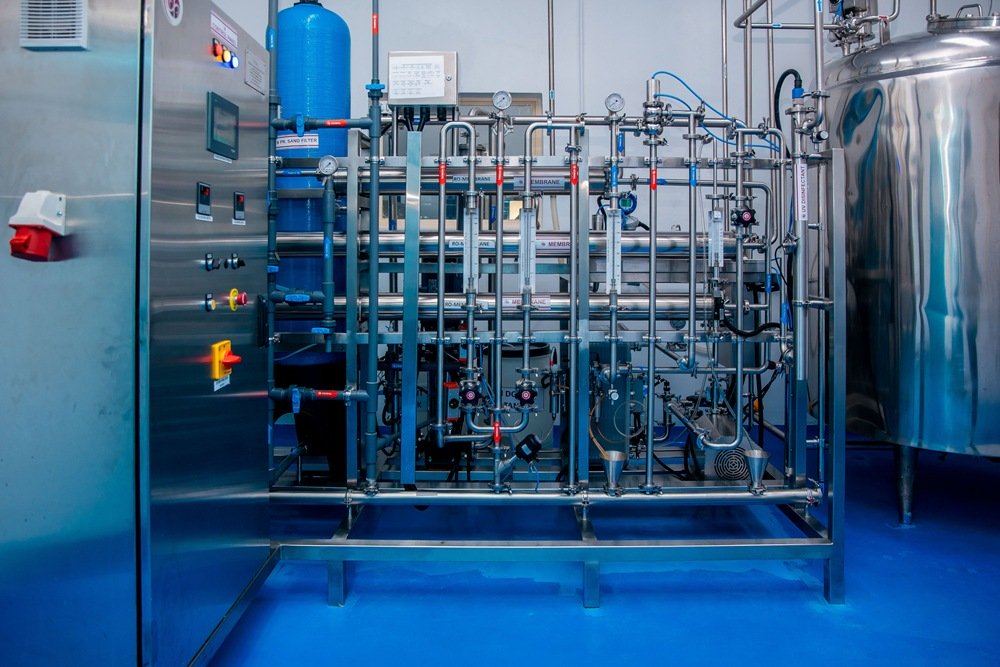**Labophar, based in Huye (formerly Butare), traces local pharmaceutical production to 1983.**
In April 2024, the company was acquired from Government of Rwanda by Depot Pharmaceutique et Matériel Médical Kalisimbi (DPMMK) Ltd. Since the privatization, management has invested in rehabilitating existing plant and building an adjacent facility for IV fluids in bags.
It has received Rwanda FDA GMP certification for non-sterile oral liquids and topical preparations.
Company and partner materials describe the IV project as aiming for continental-scale output.
Additionally, full regulatory commissioning is targeted around 2027. Additional land has been acquired for later phases that could include beta-lactam antibiotics and other essential medicines.
The manufacturer holds a preferred supply agreement with Rwanda Medical Supply Ltd. Rwanda Medical Supply Ltd is the government entity responsible for public procurement of essential healthcare supplies. Additionally, this arrangement supports reliable access to essential items.
In August 2025, Labophar signed a joint-venture and technology-transfer agreement with Qatar-based Philex Pharmaceuticals. The goal is to localize production of solid dosage forms. Additionally, Philex partnered with Rwanda Medical Supply as a local technical representative.
RDB’s account of the forum noted that the Labophar visit underscored Huye’s emerging role.
Moreover, it signaled Huye’s growing status as a hub for pharmaceutical manufacturing.
The expansion forms part of broader efforts to increase local production of essential medicines and reduce reliance on imports. This strategy aims to strengthen supply security for patients and healthcare systems. It also supports local employment by expanding manufacturing capabilities. Continued investment will facilitate future product lines and regional competition.
Earlier reporting in 2025 indicated management expected syrup, cream, and ointment lines to be operating by early 2026. Additionally, further dosage forms were to follow, and the planned IV bag line uses newer technology than traditional bottles. This aligns with regional demand for versatile, modern packaging and faster product rollout.

SUBSCRIBE TO OUR NEWSLETTER
First name or full name
Email
By continuing, you accept the privacy policy
**Categories:** HEALTH, NEWS
---
### [Global Leaders Pledge $470 Million to End Ebola Outbreak in the DRC](https://www.topafricanews.com/2026/10/01/global-leaders-pledge-470-million-to-end-ebola-outbreak-in-the-drc/)
**Published:** October 1, 2026
**Author:** DUSABEMUNGU Ange de la Victoire
**Content:**
**WASHINGTON —** The United States hosted a [G20 Foreign Ministerial on September 30, 2026](https://www.topafricanews.com/2026/10/01/global-leaders-pledge-470-million-to-end-ebola-outbreak-in-the-drc/), and secured more than $470 million in new global commitments to accelerate response efforts against the Ebola Outbreak in DRC.
With these latest announcements, total international pledges have surpassed $2 billion since the outbreak was declared in May 2026.
Hosted under the U.S. G20 Presidency, the meeting united G20 nations and international health bodies.
Moreover, non-G20 donor governments—Poland, Ireland, the Netherlands, Norway, Singapore, Qatar, and the United Arab Emirates—attended.
Key international organizations in attendance included the Africa CDC, OCHA, the Pandemic Fund, UNICEF, and the World Bank.
Response to the Bundibugyo Strain is included.
Moreover, the current crisis centers on the Bundibugyo Ebola strain in an isolated, conflict-affected area of the DRC.
Health officials say vaccines, diagnostics, and therapies are not fully effective against this strain.
This limitation creates significant logistical and medical challenges that hampered response efforts.
#### Financial Commitments and Funding Breakdown
Despite these hurdles, global leaders emphasized that the disease can be contained.
Moreover, this demonstrated the successful conclusion of Uganda’s Ebola outbreak in August 2026 as proof that coordinated action yields results.
Immediate priorities include scaling up contact tracing, expanding treatment bed capacity, and deploying new diagnostic tools.
Protecting frontline responders and supporting vaccine development also require funding and coordination.
As part of the collective action, the United States pledged an additional $267 million in direct health and humanitarian assistance. This pledge brings total U.S. direct funding for the Ebola Outbreak in DRC to $887 million. This funding supports treatment facilities, mass procurement of PPE, safe burial teams, and localized surveillance. The U.S. has also mobilized $350 million in broader regional humanitarian support through OCHA this year.
Additional donor contributions announced during the ministerial include:
- **World Bank**: $90 million ($80 million from the Crisis Response Window and $10 million from the Global Financing Facility).
- **United Kingdom**: $67.5 million (£50 million), raising its total response support to $105.6 million (£78.7 million).
- **Germany**: $24.8 million (€21.8 million), raising its total contribution to $30.7 million.
- **Republic of Korea**: $18 million dedicated to medical countermeasures, vaccines, and therapeutics.
- **France**: $16 million, bringing its cumulative funding to $34 million.
- **Italy**: $11.3 million (€10 million), bringing its total to $14.5 million (€12.8 million).
- **United Arab Emirates**: $10 million.
- **Japan**: $5 million in emergency grant aid, bringing its total assistance close to $12.4 million.
- **Australia**: $3.5 million (5 million AUD).

SUBSCRIBE TO OUR NEWSLETTER
First name or full name
Email
By continuing, you accept the privacy policy
**Categories:** HEALTH
---
### [ATLAS Doubles Rwanda Mwulire Satellite Capacity With Second Antenna](https://www.topafricanews.com/2026/10/01/atlas-doubles-rwanda-mwulire-satellite-capacity-with-second-antenna/)
**Published:** October 1, 2026
**Author:** EDITOR
**Content:**
Rwanda’s Mwulire ground station can handle two satellite contacts at once after a second antenna entered service on 18 September 2026; the antenna is owned by U.S. firm ATLAS Space Operations.
The antenna is hosted at the Rwanda Space Agency facility in Rwamagana District under an antenna-hosting agreement. It is the second dish installed there through the partnership. The first, which belongs to Rwanda, began operating in July 2025. With both antennas active, the site can support simultaneous passes instead of one at a time.
The new system is a 3.7-metre receive-only parabolic reflector on a dual-axis pedestal. It receives S-band signals between 2200 and 2300 MHz and supports both left- and right-hand circular polarization. Operators can book contacts through ATLAS’s Freedom software platform, so customers already on the company’s network do not need separate infrastructure to use the Rwandan site.
Mwulire sits about two degrees south of the equator at roughly 1,668 meters above sea level. This location gives the station a clear view of low-inclination satellites that higher-latitude ground stations often miss, and it improves contact opportunities for mid-inclination orbits. Spacecraft in those orbits can pass over an equatorial site several times a day, which matters for telemetry, command uploads and payload data from low-Earth-orbit missions.
During commissioning, the antenna completed more than 350 scheduled test contacts with a 100 percent success rate and no recorded error seconds, according to ATLAS. The company, a wholly owned subsidiary of York Space Systems since 2025, runs a federated network of more than 50 antennas in about 20 countries. Rwanda satellite contact capacity
ATLAS chief executive Kristin Rice said customers rely on reliable contacts. The second Mwulire antenna supplies more of them. She described the move from one antenna to two in a little over a year as a sign of demand for equatorial coverage and of the partnership with the Government of Rwanda through the Rwanda Space Agency.
Rwanda Space Agency chief executive Gaspard Twagirayezu said the addition strengthens the country’s ground infrastructure. It expands the capacity available to support space missions from Africa. The facility itself holds Tier 3 certification from the World Teleport Association, the first fully certified teleport of that standard in sub-Saharan Africa.

SUBSCRIBE TO OUR NEWSLETTER
First name or full name
Email
By continuing, you accept the privacy policy
**Categories:** ICT, NEWS
---
### [Proven Seeds, Training, and Markets Transform Ruhango Tomato Farming](https://www.topafricanews.com/2026/10/01/proven-seeds-training-and-markets-transform-ruhango-tomato-farming/)
**Published:** October 1, 2026
**Author:** LIBOS NDAYISHIMIYE
**Content:**
Tomato Farming in Ruhango District benefits from support from the Commercialization and De-risking for Agricultural Transformation (CDAT) project.
Additionally, it helps farmers access improved seeds, strengthen farming skills, and connect produce to markets, raising yields and household incomes.
For farmers in Ruhango district’s Kanyegenyege marshland, improved seeds, technical training and stronger market connections are changing the returns from Tomato Farming in Ruhango District and rice farming. Some farmers report higher yields, increased earnings and better household livelihoods.
MUSABESE Felecite, a member of ABIYUNZE-KINAZI Cooperative, is among the farmers experiencing the change. She grows both rice and tomatoes and says farming used to generate limited returns because of low productivity and poor-quality planting materials.
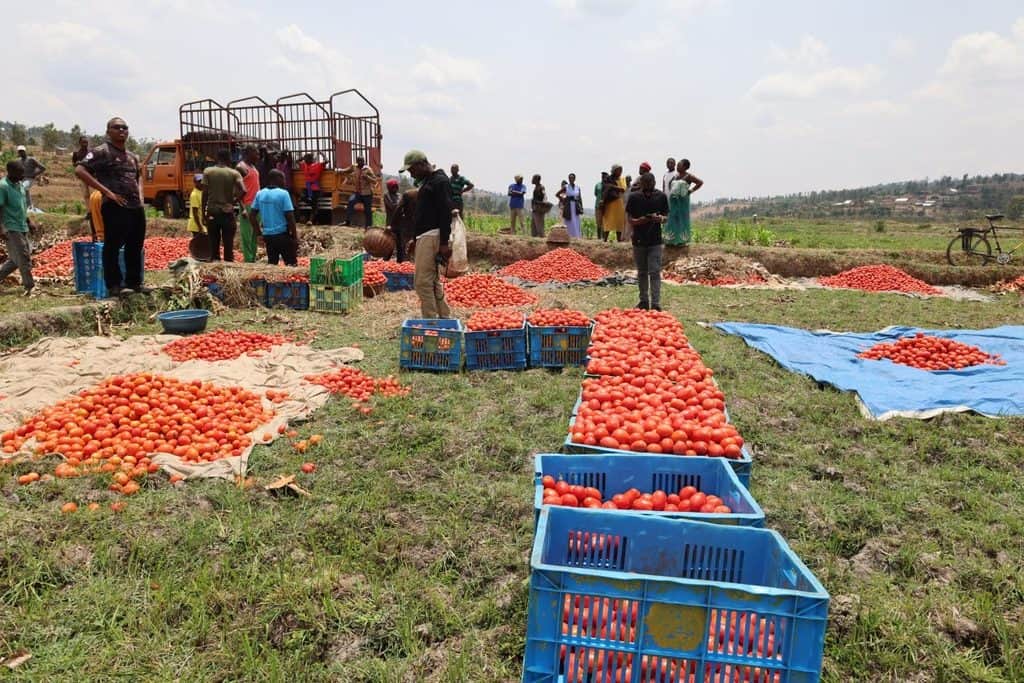She says the training and improved seeds provided through the Commercialization and De-risking for Agricultural Transformation (CDAT) Project have enabled her to increase production and earn more from her crops.
“Before CDAT gave us training and improved seeds, I could not harvest more than 300 kilograms of rice. After receiving the training and improved seeds, I harvested 500 kilograms. With tomatoes, I earned only Rwf40,000 throughout the whole of last year, but today I have already earned Rwf100,000 from what I have harvested, while there are still tomatoes remaining in the field,” Musabese said.
The increase in income has enabled her to invest in livestock and support her children’s education, she said.
“Currently, I have been able to acquire livestock. I bought two pigs and I am raising them, and I have also been able to pay school fees for my children,” she said.
Musabese cultivates 7.5 ares and says the benefits of improved production are also reflected in her family’s diet.
“Our meals now include vegetables, and I also take some to the market and share them with my neighbors,” she said.
The impact of improved tomato production is also being noticed by traders who depend on farmers for their supply.
MUKANDAYISABYE Antoinette, who has been trading tomatoes from DUHARANIRE KWIGIRA-NYARUGENGE Cooperative, says the quality of tomatoes available to her has improved since farmers began accessing better planting materials through CDAT.
“This season, when I came to buy tomatoes, I found that the farmers’ produce was different from what they had in the previous season. They had good-quality tomatoes and told me that they were now working through cooperatives and had received improved seeds from the CDAT Project,” she said.
Mukandayisabye says poor-quality tomatoes had previously caused losses because some of the produce would deteriorate before it could be sold.
“There was a time when I bought tomatoes in bulk, but many of them ended up getting spoiled,” she said.
She says the improved quality has also strengthened the competitiveness of locally produced tomatoes, whose prices, according to her, are not significantly different from those of imported tomatoes.
At ABIYUNZE-KINAZI Cooperative, the changes are also reflected in tomato productivity.
BAVAKURE Boniface, President of ABIYUNZE-KINAZI Cooperative, which operates in Kanyegenyege marshland in Kinazi sector, Ruhango district, says poor-quality seeds were among the major constraints farmers faced before receiving support from CDAT.
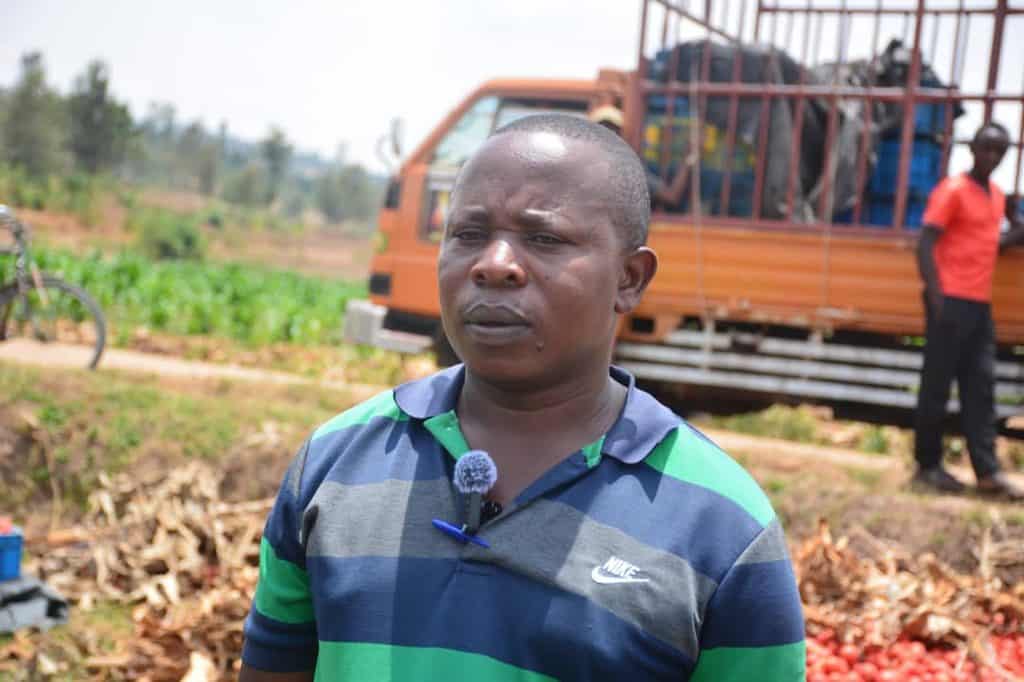He says some farmers used to save seeds from tomatoes harvested in the previous season and plant them again in the following season. Although the practice reduced the immediate cost of purchasing new seeds, it contributed to low productivity.
“Before working with CDAT, we harvested around seven to eight tonnes per hectare. We were using poor-quality seeds, and sometimes farmers would save seeds from the tomatoes they had harvested and plant them again,” Boniface said.
He says the cooperative now expects to harvest between 13 and 14 tonnes per hectare, compared with the seven to eight tonnes recorded previously.
However, Boniface says increased production has only become more meaningful because farmers have also gained better access to buyers.
Tomatoes are highly perishable, meaning farmers can suffer losses when they harvest without having a ready market. Boniface says having a buyer connected to their production has helped reduce that uncertainty.
“When the tomatoes are ready for harvesting, the buyer comes directly to where we produce them and collects them,” he said.
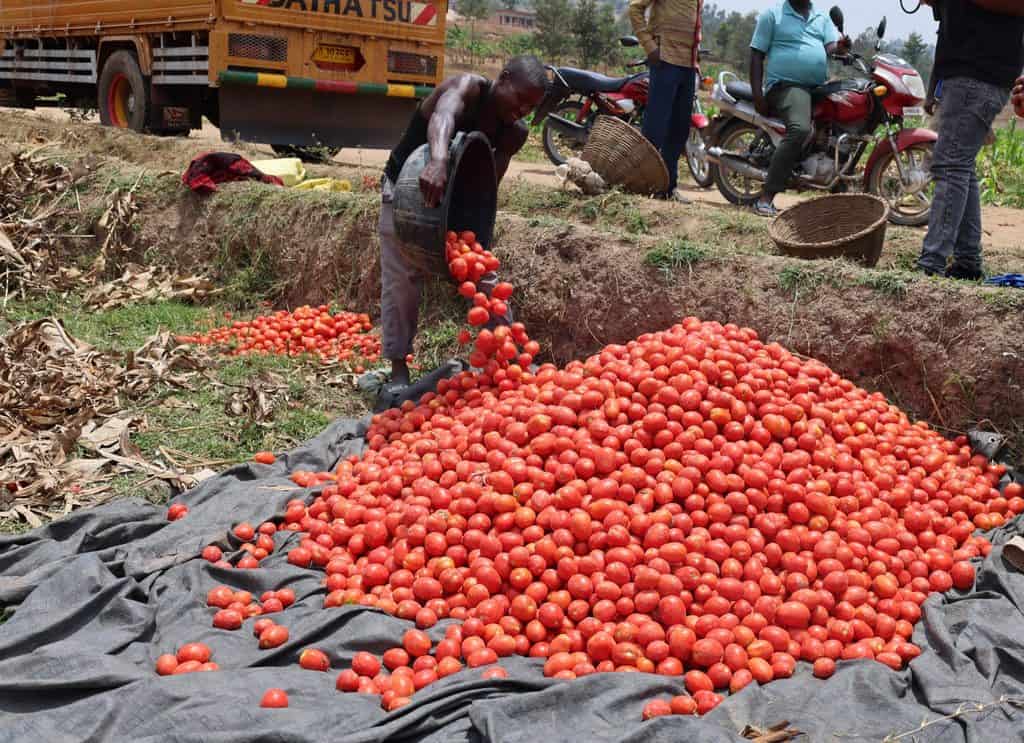ABIYUNZE-KINAZI Cooperative has 610 members, including 320 women and 290 men, among them 80 young people. It operates in Kanyegenyege Marshland, which extends across parts of Ruhango and Nyanza districts.
The improvements recorded by the cooperative come amid broader gains in tomato productivity under CDAT’s horticulture interventions.
MUHOZA Chantal, Horticulture Specialist at RAB/CDAT, says tomato productivity increased from an estimated 14.9 tonnes per hectare in Season A of 2026 to 21.5 tonnes per hectare in Season B of 2026.
This represents an increase of 6.6 tonnes per hectare, equivalent to approximately 44.3 per cent between the two cropping seasons.
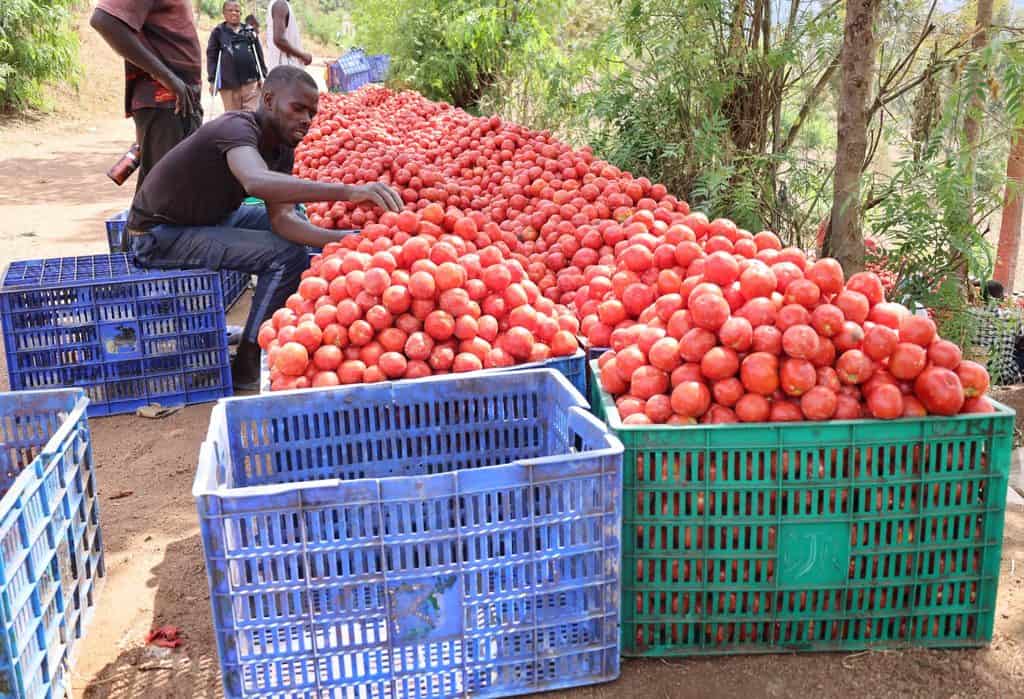The figures represent the change in tomato productivity between Season A and Season B of 2026 at the level covered by the reported CDAT horticulture intervention. They should not be confused with the 13 to 14 tonnes per hectare expected by ABIYUNZE-KINAZI Cooperative, which is the cooperative’s own reported production estimate.
Muhoza says CDAT was established to promote commercial agriculture, particularly horticulture and fruit production, while addressing challenges affecting farmers, including climate change, soil erosion, limited technical knowledge and difficulties accessing markets.
She says farmers have received training designed to strengthen their ability to respond to these challenges, improve farming practices and raise productivity.
The project has also supported the establishment and implementation of horticultural enterprises, with the aim of helping farmers develop more commercially viable production systems.
“Another thing CDAT did was to establish support mechanisms to facilitate the implementation of horticultural and fruit production projects,” Muhoza said.
## Tomato Farming in Ruhango District
CDAT promotes commercial and market-oriented agriculture in Rwanda. It focuses on horticulture and fruit production. The program supports farmers with inputs, technical training, capacity building, and better farming practices. It strengthens links between farmers and reliable buyers and markets, including export markets. CDAT also addresses climate change, soil erosion, limited technical knowledge, and inadequate market access. Tomato Farming in Ruhango District is part of the broader effort. Together these actions help farmers increase productivity and incomes.

SUBSCRIBE TO OUR NEWSLETTER
First name or full name
Email
By continuing, you accept the privacy policy
**Categories:** Natural Resources and Agriculture, NEWS
---
### [Rwanda Warns Unresolved Marital Problems Fuel Divorce](https://www.topafricanews.com/2026/09/30/rwanda-warns-unresolved-marital-problems-fuel-divorce/)
**Published:** September 30, 2026
**Author:** EDITOR
**Content:**
KIGALI, Rwanda — Rwanda’s Ministry of Gender and Family Promotion (MIGEPROF) notes that many marriages end in Divorce in Rwanda.
These marriages are usually preceded by long-standing problems that couples tolerate for years before separating.
MIGEPROF Permanent Secretary Mireille Batamuriza made the observation during a media discussion involving several outlets.
She highlighted the importance of addressing serious problems in relationships before they become entrenched, a point about Divorce in Rwanda.
According to figures from Rwanda’s National Institute of Statistics for 2025, 4,479 marriages were dissolved through divorce in recent years. Courts received 3,620 divorce cases during the first six months of 2026, according to figures cited in the discussion.
Overall, people who sought Divorce in Rwanda in 2025 were predominantly couples who had been married for less than 10 years. The figures showed this accounted for 41.2% of all divorces.
#### Problems can persist for years
Batamuriza said couples who encounter serious problems shortly after marriage do not necessarily separate immediately.
She explained that people often need time to process what has happened, consider their options and seek support before making a decision to end a marriage.
> “When you disagree about something, you first question it and ask yourself: Is this really the person I chose?’ The process of thinking and making a decision takes time,” she said.
She noted that even when a serious problem could potentially provide grounds for divorce, couples may choose to remain together for various reasons.
For example, a woman may become pregnant within the first year of marriage, making separation more complicated for her. Couples may also turn to relatives, religious leaders or other people they trust in the hope of resolving their problems.
#### Do not wait until 10 years’
However, Batamuriza said that as years pass, some couples eventually reach a point where they conclude that continuing to live together in a troubled relationship is no longer sustainable.
She questioned why couples should continue enduring serious and persistent problems for many years when it becomes clear that the relationship is unlikely to work.
> “If you have already seen that it does not work, why force yourself to live with that person? … Why wait until you have been together for 10 years? Really, reduce the number of years; it does not have to reach 10,” she said.
Her comments also highlighted the importance of identifying serious relationship problems before marriage. According to Batamuriza, couples should not necessarily proceed with marriage if fundamental incompatibilities or harmful behaviors have already become apparent.
#### Domestic violence among concerns
Batamuriza cited situations involving domestic violence as an example of problems that should not simply be ignored or tolerated for years.
She described cases in which a partner may be publicly assaulted and then receive an apology the following day, only for the behavior to be repeated.
The concern, she suggested, is that repeatedly tolerating such behavior can allow destructive patterns to continue within a household.
#### Impact on the next generation
Beyond the couple themselves, Batamuriza warned that prolonged conflict within a household can affect children who grow up in such environments.
Children raised amid persistent marital conflict may develop fear or negative perceptions about marriage, potentially affecting their own future relationships.
In some cases, she said, the effects can also affect their psychological well-being and later family life.
The discussion therefore placed emphasis not only on reducing marital breakdown but also on addressing serious problems in relationships before they become deeply rooted and affect the wider family.
For Rwanda, where the family remains an important social institution, the issue highlights the need for couples and communities to recognize harmful relationship patterns early. Seek appropriate support rather than allowing unresolved problems to continue for years.

SUBSCRIBE TO OUR NEWSLETTER
First name or full name
Email
By continuing, you accept the privacy policy
**Categories:** Living Style, NEWS
---
### [Huye Launches Essential District Investment Forum for Investors](https://www.topafricanews.com/2026/09/30/huye-launches-essential-district-investment-forum-for-investors/)
**Published:** September 30, 2026
**Author:** DUSABEMUNGU Ange de la Victoire
**Content:**
**Huye, Rwanda —** Officials, business leaders, and prospective investors gathered Wednesday at Credo Hotel for the Huye Investment Forum, a one-day event designed to present the Southern Province district’s economic strengths and connect them with capital, partnerships, and practical support.
The forum, organized by Huye District in partnership with the Rwanda Development Board, brought together government representatives, existing local businesses and potential new investors. Discussions focused on turning the district’s assets in education, agriculture, tourism, manufacturing, pharmaceuticals and services into concrete projects that create jobs and raise living standards.
Huye District Mayor Ange Sebutege opened the event by stressing that realizing the district’s potential requires close cooperation among government institutions, the private sector and residents. She said authorities are working to maintain a business-friendly environment, ease the process of setting up and expanding companies, and ensure that investment delivers visible benefits to local communities.
Vice Mayor in charge of Economic Affairs André Kamana and Ronald Kabagambe, Acting Head of Investment Marketing and Facilitation at the Rwanda Development Board, outlined specific opportunities. They highlighted Huye’s role as a knowledge and education centre anchored by the University of Rwanda’s Huye campus, its cultural and historical tourism assets including the Ethnographic Museum, its coffee and broader agribusiness value chains, the Huye Industrial Park, and growing demand in hospitality, health and other services.
Rwanda Development Board Chief Executive Officer Jean-Guy Afrika told participants that national economic progress depends on building strong commercial centers beyond the capital. He said secondary cities such as Huye can become places where investors locate operations, young people find work, and residents see improved livelihoods when public and private actors work together.
Huye, formerly known as Butare, sits along the main corridor linking Kigali with the Burundi border and serves as a regional hub for surrounding districts. District plans position it as a secondary city focused on agribusiness, culture, education and tourism, with the industrial park already attracting dozens of companies interested in value addition and light manufacturing.
Organizers presented the available incentives and facilitation services intended to help businesses establish, grow and operate in the district. The forum also served as a platform for existing investors to share experience and for officials to hear directly from the private sector about remaining constraints.
By midday, sessions were underway and stakeholders continued arriving, reflecting official efforts to shift attention and investment toward secondary cities that can complement Kigali’s growth. Officials described the gathering as a starting point for partnerships rather than a one-off event, with the aim of converting presented opportunities into projects that strengthen Huye Investment Forum’s economy in the years ahead.

SUBSCRIBE TO OUR NEWSLETTER
First name or full name
Email
By continuing, you accept the privacy policy
**Categories:** Business and Trade, NEWS
---
### [African businesses race to adopt AI, but workforce readiness lags - ALX Enterprise](https://www.topafricanews.com/2026/09/30/african-businesses-race-to-adopt-ai-but-workforce-readiness-lags-alx-enterprise/)
**Published:** September 30, 2026
**Author:** TOPAFRICANEWS
**Content:**
#### *As African CEOs rank AI their top strategic priority, ALX Enterprise warns that technology investment alone will not deliver results without practical people development.*
African businesses are rapidly elevating artificial intelligence on the executive agenda, yet many organisations still struggle to prepare their people to use the technology effectively. That is the assessment of [ALX Enterprise](https://prezlymail.com/c/5397583e-9e8c-4451-94c3-1aff0e8dab31/627e0213/https%3A%2F%2Fenterprise.alxafrica.com%2F), the corporate learning and workforce transformation arm of ALX Africa, following a series of executive engagements across the continent.
“Walk into a boardroom in Lagos, Nairobi or Accra and the conversation is increasingly about AI; including how to adopt it, where to invest, and whether the organisation’s people are ready,” says **Ruby Igwe, Regional Director for West and Central Africa** at ALX Africa. “The risk is that companies invest heavily in tools while under-investing in the capability required to turn those tools into performance.”
ALX Enterprise is its dedicated B2B offering of ALX Africa, a pan-African organisation focused on unlocking human potential through practical learning. It works with companies to build AI-ready teams and leaders through tailored programmes in Leadership Development, Workforce Productivity, and AI & Digital Transformation. Engagements range from short practical modules and strategic workshops to multi-month blended programmes, all designed around each organisation’s specific business challenges and measured against clear outcomes.
The series of executive events in Accra, Nairobi, Cairo and Kigali hosted by ALX Enterprise was attended by business leaders, HR professionals, C-suite executives and heads of talent and transformation. The consistent message was that AI transformation rarely fails because of the technology itself, but rather when organisations lack the leadership behaviours, practical skills and organisational habits required for sustained adoption.
“Leaders want their teams to use AI productively, yet many managers still experience the technology as intimidating, or don’t leverage the full benefits,” says Ruby. “When governance, ethics and change management receive less attention than the latest platform, uptake becomes uneven and returns on investment remain limited.”
She argues that closing the gap requires a structured approach. “We diagnose specific capability needs and link them to business outcomes, co-designing learning that fits how the organisation actually works. We then deliver programmes that drive accountability and application. Finally, it’s important to document evidence of whether teams are using the technology more effectively.”
Examples include financial services firms that might require the integration of AI into credit decisions without weakening risk controls, oil and gas companies seeking to ensure their organisation understands how to use AI and the ethics thereof, and telecoms operators equipping frontline teams with new digital tools while protecting service quality. In each case, the solution is built around the organisation’s real context, be this short practical modules, leadership alignment workshops, or longer journeys that combine coaching, applied projects and measurement.
KPMG’s 2025 Africa CEO Outlook found that AI ranked as the top strategic priority for many African leaders heading into 2026, with 71% investing in AI to drive efficiency and resilience. Cisco research published in 2026 reported that 93% of African CEOs were more optimistic about AI than a year earlier, while almost two-thirds regarded its adoption as mandatory for modern business.
Yet the gap between investment and impact remains wide. The World Economic Forum’s *Future of Jobs Report 2025* found that 63% of employers worldwide identify skills gaps as the biggest barrier to business transformation. Nearly 40% of on-the-job skills are expected to change by 2030. Analytical thinking tops the list of required skills, followed by resilience, flexibility and agility, while AI and big data rank among the fastest-growing demands.
“Technology is becoming part of every career rather than a career path of its own, and that the advantage will go to people who pair knowledge of their field with tech fluency,” Igwe says.
Across sub-Saharan Africa the picture is similar. Employers remain relatively optimistic about talent availability, but still see the skills gap as a material constraint. In Nigeria, skills shortages and challenges in attracting talent rank among the top obstacles to transformation over the next five years (World Economic Forum, 2025). In South Africa, more than 60% of businesses identify skills gaps as a key barrier.
ALX Enterprise has trained more than 10,000 professionals across Africa with the explicit goal of moving AI and digital technologies from abstract concepts into practical, usable capability, while strengthening the leadership needed to support that shift. The company leverages more than 20 years of leadership development experience through the African Leadership Group, with clients including BCX, FirstRand and J.P. Morgan. Its programmes begin with organisational diagnostics before designing customised learning interventions aligned to business goals and measurable performance outcomes.
“African organisations that treat people development as a strategic priority, rather than a secondary cost, will be better placed to convert technology investment into sustained performance,” Igwe says. “The competitive advantage will not come from access to AI alone. It will come from people who know how to use it responsibly, creatively and effectively.”
Globally, 85% of employers surveyed by the World Economic Forum plan to prioritise workforce upskilling. In Africa, Igwe says the businesses that regard people development as a strategic priority will be strongly positioned to convert AI investment into lasting advantage. “The future of work is already here. Today’s productivity is determined by how effectively organisations combine human capability with intelligent systems. The organisations that align capability, access, and application with speed and precision will define productivity across Africa.”

SUBSCRIBE TO OUR NEWSLETTER
First name or full name
Email
By continuing, you accept the privacy policy
**Categories:** ICT
---
### [TAAT Delivers Innovative Wheat Farming Lessons to Zimbabwe's Fields](https://www.topafricanews.com/2026/09/30/taat-delivers-innovative-wheat-farming-lessons-to-zimbabwes-fields/)
**Published:** September 30, 2026
**Author:** EDITOR
**Content:**
There is a gap no research paper can close on its own. It is the distance between a promising new wheat variety in a trial plot and a farmer’s planting decision.
In Zimbabwe’s Wheat, TAAT will spend the next two months trying to close that gap, field by field. Field staff will collect feedback, share experimental results, and discuss management practices with farmers to support informed choice. The process emphasizes practical steps farmers can take to trial new wheat varieties with confidence.
Zimbabwe’s Wheat is no small crop for Zimbabwe. It underpins food and nutrition security and supports livelihoods along the way. It also helps feed the country’s agro-processing sector and anchors many rural incomes. This broad role highlights its national importance.
Moreover, producers face persistent challenges. High production costs, limited access to quality seed, and the patchy adoption of improved technologies constrain progress in the crop. Additionally, an increasingly unpredictable climate and knowledge gaps in good agronomic practice quietly cap what farmers can achieve.
Policy support and farmer training are needed to reinforce gains in the crop. Better access to seed, affordable inputs, and climate-smart practices can expand production. This combination supports resilience and rural livelihoods over time. It also helps ensure stable food supply for communities.
The Wheat Compact of the Technologies for African Agricultural Transformation (TAAT) program thinks it has a fix. Moreover, it isn’t just another report or policy brief.
It’s a series of field days built around Innovation Platforms that TAAT has used to bring farmers together.
Researchers, extension officers, seed producers, agro-dealers, and processors join in direct contact with the technologies.
That contact helps them use the technologies to improve outcomes.
**Seeing Is Believing**
Under the banner Accelerating Adoption of Improved Wheat Technologies, the TAAT Wheat Compact is led by ICARDA.
Additionally, it partners with Zimbabwe’s Ministry of Agriculture, Mechanisation and Water Resources Development, through DRESS.
Furthermore, this showcases Zimbabwe’s Wheat varieties and practices in real field conditions, not just in presentations.
Farmers will walk through demonstrations of improved varieties and fertilizer management.
They will cover weed and pest control, water-use efficiency, seed production, and climate-smart techniques in Zimbabwe’s Wheat.
They will take their questions to researchers and technical specialists standing beside the crop.
Dr Dumisani Kutywayo, Chief Director of DRESS, hailed the collaboration between the ministry, the African Development Bank’s Feed Africa program, and the TAAT Wheat Compact as a credible example of a long-standing commitment to transforming Africa’s food systems, and policy alignment across sectors.
He credited TAAT’s partnership with national research institutions for advances like heat-tolerant wheat varieties capable of pushing production into warmer growing zones. Additionally, Zimbabwe’s Wheat is seen as a key element in expanding regional resilience and sustaining grain supply across the year.
The National TAAT Wheat Field Day will showcase innovations in the field. It will give stakeholders a chance to see, compare, and evaluate varieties. These insights support increased productivity and food security. Officials expect stronger national resilience through better varieties.
Dr Kutywayo said the field day offers a practical platform. Zimbabwe’s Wheat will benefit from varieties that increase yield and resilience. Participants can assess performance and suitability for local farming systems. The event aims to strengthen food security and reduce import dependence.
**Farmers Teaching Farmers**
What sets these field days apart isn’t just the technology on show — it’s who’s doing the talking. Moreover, according to Dr Wuletaw Tadesse Degu, the TAAT Wheat Compact Leader, the field days will emphasize practical learning.
Additionally, Beyond technology demonstration, the field days will place practical learning. Farmer-to-farmer knowledge exchange will be at the centre of the process.
That means TAAT lead farmers and established wheat producers will take the floor alongside the scientists, sharing not just successes but the real challenges of adopting new technologies in farming. This includes discussing training needs, cost considerations, and compatibility with existing practices.
Meanwhile, other farmers can push back, ask hard questions, and weigh in on what’s actually working in the field. This dialogue aims to ensure practical feedback informs ongoing adoption and policy discussions. It also helps tailor support programs to the realities farmers face.
In the initiative, women and youth are receiving particular attention to draw them into wheat production and related value chains. This emphasis also supports seed multiplication and the agribusiness opportunities emerging around the crop, improving livelihoods and community resilience. Additionally, it aims to foster inclusive leadership and access to training.
Moreover, program design seeks to ensure women and youth participate at all stages of the value chain, from-field operations to processing and marketing. Their involvement is expected to strengthen wheat productivity, spur innovation, and expand opportunities in seed systems, storage, and related services.
A Calendar Built for the Whole Country
Zimbabwe’s Wheat rollout is mapped across the country. The first field day is on 10 September 2026 at Rupike Seed Production and Value Addition Innovation Platform in Masvingo. It continues at Nyamubarawanda in Nyanga on 17 September.
Next is Jombe in Mutasa on 18 September. Then the DRESS office in Harare hosts events on 30 September. Finally, Hermann Gmeiner High School in Bindura will host on 24 October 2026.
Taken together, the events are designed to do more than showcase technology. They strengthen the entire web of relationships that supports Zimbabwe’s Wheat by making a wheat value chain work more efficiently. This effort links farmers, researchers, extension officers, seed producers, agro-dealers, and millers more tightly than before, across stages and regions.
Moreover, the collaboration also ensures lessons learned feed back into future scaling efforts. This continuous loop improves practice and outcomes over time. It reinforces accountability among stakeholders and maintains momentum for Wheat improvements. Ultimately, that coordination helps smallholders access better inputs and markets.
Zimbabwe’s Wheat faces a push for higher productivity amid shifting climate conditions.
Innovation Platform field days offer something research alone rarely provides.
They create a direct link between innovation and the people who will put it to work.
The result connects knowledge with action, and technology with opportunity, one field at a time.

SUBSCRIBE TO OUR NEWSLETTER
First name or full name
Email
By continuing, you accept the privacy policy
**Categories:** Climate / Agriculture Evolution, NEWS
---
### [How to Boost Horticulture for Rwandan Exports](https://www.topafricanews.com/2026/09/30/horticulture-productivity-unlocks-lucrative-export-markets-for-rwandan-farmers/)
**Published:** September 30, 2026
**Author:** LIBOS NDAYISHIMIYE
**Content:**
#### Horticulture in Rwanda
Horticulture in Rwanda is emerging as a source of income, employment and export earnings for Rwandan farmers.
The Commercialization and De – risking for Agriculture Transformation (CDAT) interventions are implemented by the Rwanda Agriculture and Animal Resources Development Board (RAB).
Additionally, they help producers increase yields, expand cultivated land, and connect with higher-value markets beyond Rwanda.
For farmers in Nyagatare district, the transformation is already visible in both the scale of production and the livelihoods built around horticulture.
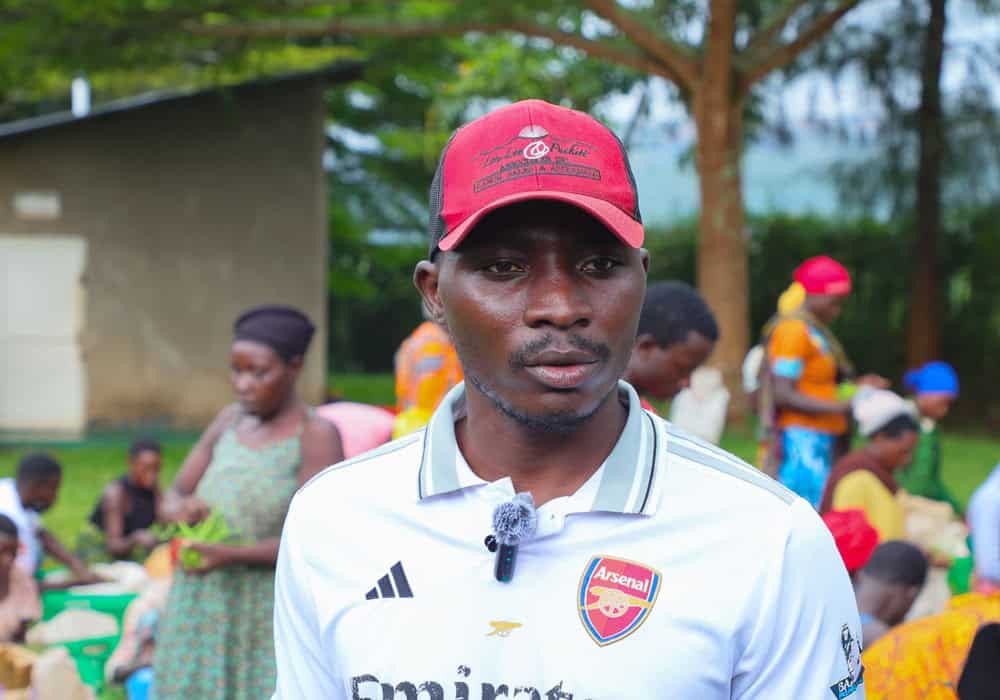RUKUNDO Venant is a farmer affiliated with KABOKU Cooperative in Kagutumba Sector, Nyagatare district. He cultivates French beans on four hectares on his family farm, applying steady work and careful soil management to sustain yields and harvest quality across seasons.
He attributes part of this improvement to CDAT, which has helped address challenges that previously limited production. The program offers targeted training and guidance on best practices and provides support in accessing buyers and local markets for farmers across Nyagatare.
Before CDAT came, we farmed mainly for food and sold our produce in small markets around us. We relied on traditional methods and modest harvests, which limited our income and opportunities. The community hoped for better access to markets and more stable prices.
CDAT trained us on land preparation, preparing and using organic manure, and helped us access international markets. This progress reflects Horticulture in Rwanda and demonstrates how training can expand farmer connections and improve yields.
Our production increased, and we are now selling to the international market,” Rukundo said. This improvement shows how support programs can lift smallholders into broader trade channels and sustain longer-term growth.
He said the increase in production has encouraged him to expand his farming activities significantly.
Previously, we harvested five tonnes, but now we are harvesting nearly 15 tonnes. The difference is clear. The change reflects improved efficiency, broader adoption of best practices, and better market access over recent seasons. By comparing these figures, observers can see substantial gains in productivity and output across our farming operations.
I started by cultivating half a hectare, but now I cultivate four hectares. It has not even been two years, he said.
Rukundo added that the project helped farmers establish links with financial institutions.
This gave them opportunities to access financing and invest more in Horticulture in Rwanda.
The benefits of horticulture are not limited to export markets. Farmers also supply vegetables to nearby markets, where they can earn income from regular sales. For Rukundo, the increased earnings have translated into tangible improvements in his household and farming business.
He now owns a motorcycle, supports his children’s education and provides employment to 35 permanent workers, in addition to casual laborers hired when needed.
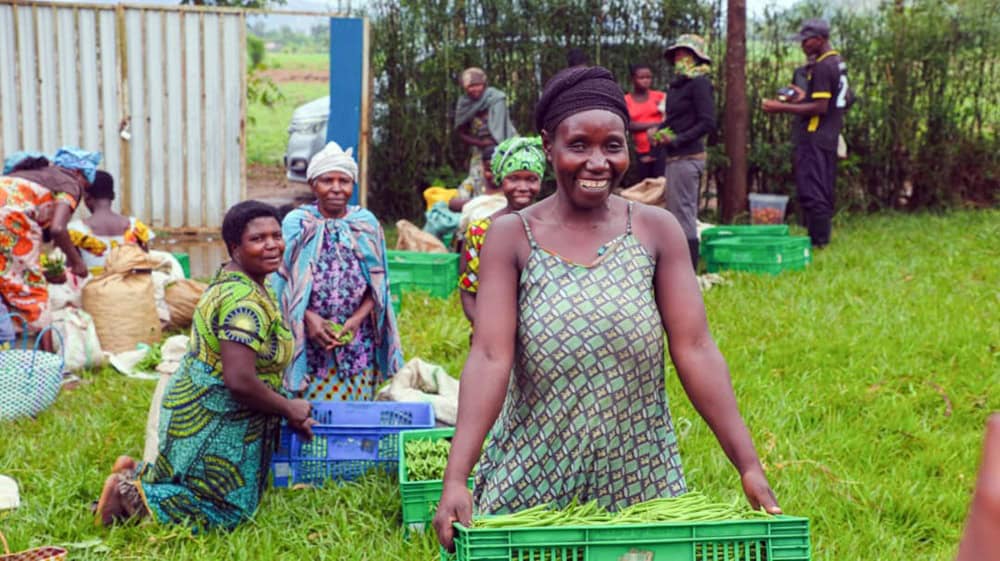For NYIRATUZA Julienne, a resident of Cyembogo Village, Byimana Cell, Matimba Sector, Nyagatare district, horticulture has provided a pathway to employment and improved household welfare.
She has worked in French bean farming for eight years, and says the income has enabled her children to progress from primary to secondary school.
“This work has helped us move forward. I have been working in French beans for eight years. My children started in primary school, and now they are in secondary school. All of this has been made possible by this work,” Nyiratuza said.
She said that before horticulture created employment opportunities in her community, she had limited means of earning a living and often struggled to meet basic needs.
Today, she says she is able to earn, save and contribute to different community schemes using income from French bean farming.
“Today, no one can look down on us. I belong to a daily savings group where I contribute Rwf1,000 a day. I also contribute Rwf3,000 every week to the community-based health insurance and Rwf1,200 to the burial support group. I get all this money from French beans,” she said.
Nyiratuza said she previously traveled to Uganda to earn a living by carrying bananas, but horticulture has given her a more stable source of income closer to home.
MUKESHIMANA Joyeuse, from Kagera Village, Kagutumba Cell, Matimba Sector, also says the expansion of irrigated agriculture has created employment opportunities while encouraging farmers to invest in commercially valuable crops.
Before irrigation equipment became available, she said, she depended mainly on casual work. The introduction of irrigation, however, enabled farmers to cultivate crops throughout different periods and invest more in horticulture.
“Since irrigation machines became available, farmers have been growing different crops, including French beans, chili, guava, maize, potatoes and others. We get jobs, and I am able to earn money to support myself and my children and pay school fees,” Mukeshimana said.
She said she can sometimes earn between Rwf10,000 and Rwf15,000 a day and is able to save part of her income.
Her earnings also allow her to rent land for cultivation, purchase fertilizer, hire workers and buy pesticides needed to protect crops from pests.
Mukeshimana also cultivated chili on half a hectare, from which she made a profit of more than Rwf100,000.
Beyond income, horticulture has also helped improve food security at household level.
“With French beans, we sell some of what we harvest and keep some for consumption at home. They are good vegetables for our health,” she said.
She added that income from horticulture has enabled her to meet other household needs, including contributing to health insurance and savings.
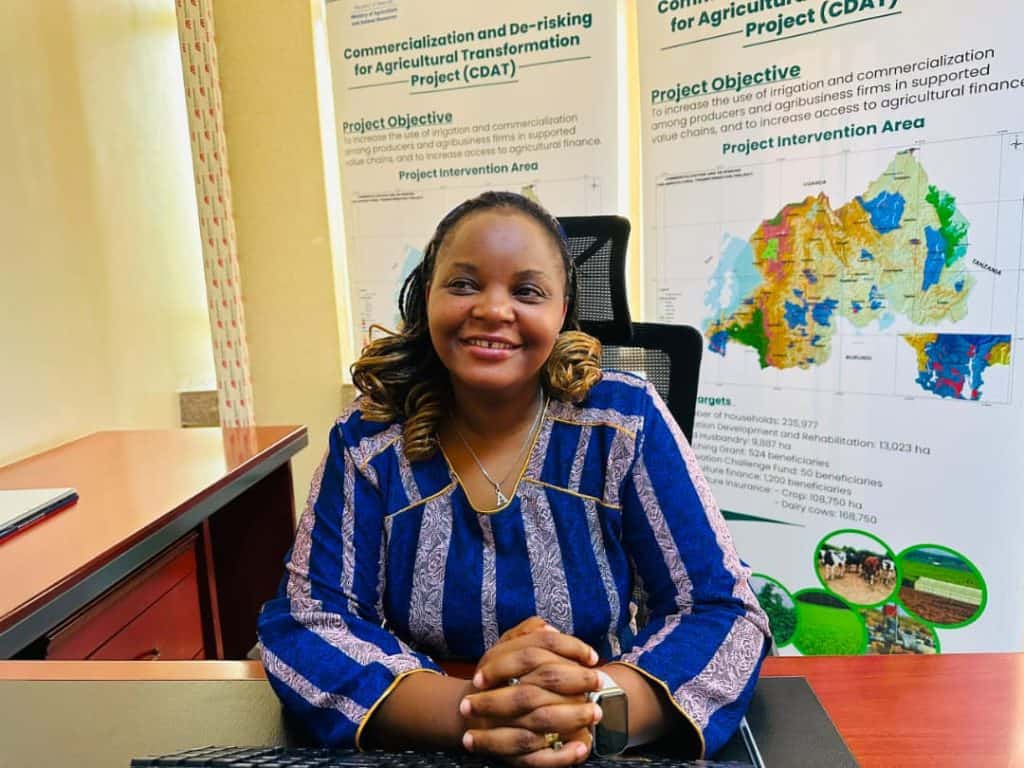MUHOZA Chantal, a Horticulture Specialist at RAB/CDAT, said the project was established to promote commercial agriculture, particularly horticulture and fruit production, while addressing challenges related to climate change, soil erosion, farmers’ technical knowledge and access to markets.
She said farmers received training designed to strengthen their capacity to manage these challenges and improve productivity.
The project also provided support for the establishment and implementation of horticultural enterprises.
“Another thing CDAT did was to establish support mechanisms to facilitate the implementation of horticultural and fruit production projects,” Muhoza said.
According to Muhoza, CDAT also supported farmers in organizing themselves into cooperatives, helping them pool resources, share knowledge and access services collectively.
The project worked with 74 cooperatives operating in 16 districts across the country.
The impact is reflected in productivity figures recorded across different farming seasons.
In Season A, chili productivity increased by 20.3%, from 7.4 tonnes per hectare in 2023 to 8.9 tonnes in 2025. French bean productivity also increased by 28.8%, rising from eight tonnes to 10.3 tonnes per hectare during the same period.
In Season B, chili productivity rose by 14.3%, from seven tonnes per hectare in 2023 to eight tonnes in 2025. French beans recorded a 47.5% increase, from eight tonnes to 11.8 tonnes per hectare.
Onion productivity also increased, rising from 13 tonnes per hectare in 2024 to 14.8 tonnes in 2025, representing a 13.8% increase.
The strongest growth was recorded in Season C, when chili productivity increased from six tonnes per hectare in 2023 to 10 tonnes in 2025, representing a 66.7% increase.
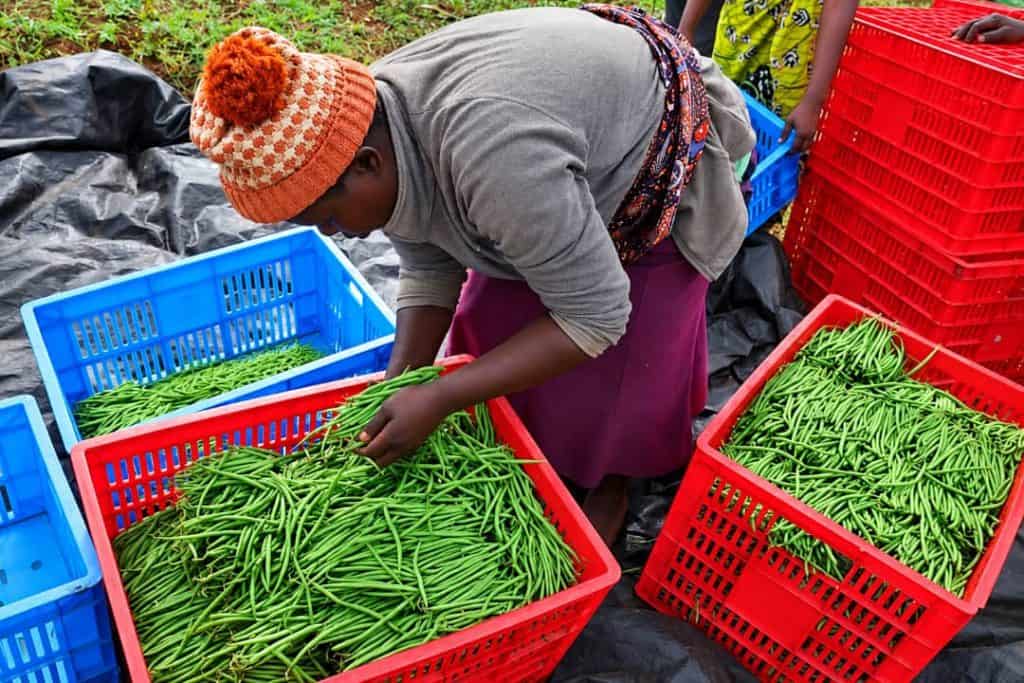The figures indicate that farmers are producing more from each hectare of land, creating greater opportunities to increase farm revenues while supplying growing domestic and international markets.
The export earnings further demonstrate the economic value of horticulture. A total of 4,000 tonnes and 319 kilograms of chili produced by 10 cooperatives generated Rwf2.1595 billion for farmers.
Meanwhile, 3,294 tonnes of French beans produced by 17 cooperatives generated Rwf1.6245 billion in earnings for farmers.

SUBSCRIBE TO OUR NEWSLETTER
First name or full name
Email
By continuing, you accept the privacy policy
**Categories:** Natural Resources and Agriculture, NEWS
---
### [Kigali Centre Unveils Brand Strategy at Africa Marketing Conference](https://www.topafricanews.com/2026/09/29/kigali-centre-unveils-brand-strategy-at-africa-marketing-conference/)
**Published:** September 29, 2026
**Author:** EDITOR
**Content:**
#### Kigali Financial Centre: Rwanda’s Strategy Shared
At the 2026 African Marketing Confederation Conference near Victoria Falls in Livingstone, Zambia, the Chief Marketing Officer spoke. He represented the Kigali Financial Centre and outlined Rwanda’s strategy to grow an emerging financial hub. The audience included marketing professionals and regional policymakers.
His remarks framed Kigali as a growing center for finance and related services, showcasing progress and plans. The briefing emphasized Rwanda’s commitment to building infrastructure, improving regulatory environments, and attracting investment and talent. The emphasis highlighted regional interest in stronger financial infrastructure and cross-border collaboration.
Shaduri Rumongi described KIFC’s brand-building work as a process of communicating a clear vision. She emphasized that this vision also involves developing an ecosystem that draws investment.
Moreover, she told delegates that a strong brand can convert potential into active participation and value for an emerging centre.
Rumongi pointed to the Inclusive FinTech Forum as a practical example of convening power.
The event, organized with Rwanda’s central bank and international partners, brings together ideas, capital, technology and opportunity. Additionally, it creates partnerships and keeps momentum moving.
The conference, hosted at the Avani Victoria Falls Resort from 23 to 25 September, gathered marketing leaders. It focused on turning Africa’s strengths, cultural capital and creativity into a global advantage. Kigali Financial Centre was cited as a regional benchmark for finance and innovation ecosystems.
Sessions examined how marketing leadership and brand power create value. They discussed practical approaches to align messaging and partnerships with growth. The discussions emphasized sustainable development across the continent. Participants noted the need for regional collaboration and clear metrics.
KIFC, launched in 2020, works to position Rwanda as a gateway for financial services and investment into Africa by promoting targeted initiatives, shaping national policy, fostering regional collaboration, and building skilled capacity across sectors.
Rumongi’s remarks framed branding not as promotion alone but as a strategic, long-term tool for connecting regional markets, stimulating investor interest, encouraging collaboration, and generating broad participation across Rwanda and neighboring economies within the continent, sustainably over time, for growth.

SUBSCRIBE TO OUR NEWSLETTER
First name or full name
Email
By continuing, you accept the privacy policy
**Categories:** Business and Trade, NEWS
---
### [Rwanda and Switzerland Forge Powerful Health Partnership in Bern](https://www.topafricanews.com/2026/09/29/rwanda-and-switzerland-forge-powerful-health-partnership-in-bern/)
**Published:** September 29, 2026
**Author:** DUSABEMUNGU Ange de la Victoire
**Content:**
In Bern, Rwanda and Switzerland were the focus of talks on Tuesday.
Rwanda’s Minister of Health, Dr. Sabin Nsanzimana, met Swiss Councilor Elisabeth Baume-Schneider during a working visit.
Moreover, the meeting in the Swiss capital focused on strengthening cooperation between the two countries, emphasizing digital health technologies.
Additionally, it highlighted training and capacity building for health workers, epidemic preparedness, research, and the development of life sciences.
Nsanzimana was accompanied by Rwanda Development Board Deputy Chief Executive Officer Juliana Muganza. Baume-Schneider oversees Switzerland’s federal health portfolio.
Officials said the talks reaffirmed the longstanding partnership and explored ways to expand collaboration across the health sector.
Digital health and workforce development feature among the priorities of Rwanda’s Health Sector Strategic Plan for 2024–2029. Additionally, Rwanda and Switzerland collaborate on a reform. It aims to quadruple the healthcare workforce through expanded medical education, improved training, career development, and better working conditions.
Rwanda launched a National Health Intelligence Centre in 2025 to integrate real-time data from hospitals, clinics, national programs, and community health workers. The platform supports planning, research, and policy decisions.
The country is also running a three-year program to strengthen outbreak prevention and response. The initiative concentrates on surveillance and early-warning systems, laboratory capacity, and preparedness of health personnel.
Switzerland has maintained a regional cooperation program covering Rwanda, Burundi, and the Democratic Republic of Congo since 2009. The program has supported work in health, economic development, and governance in the Great Lakes region.
The Bern meeting forms part of ongoing efforts to use technology and joint research to improve health services and scientific capacity in Rwanda.

SUBSCRIBE TO OUR NEWSLETTER
First name or full name
Email
By continuing, you accept the privacy policy
**Categories:** HEALTH, NEWS
---
### [Rwanda’s first bulk fuel cargo arrives in Mombasa](https://www.topafricanews.com/2026/09/29/rwandas-first-bulk-fuel-cargo-arrives-in-mombasa/)
**Published:** September 29, 2026
**Author:** EDITOR
**Content:**
MOMBASA, Kenya — Rwanda and Kenya marked energy cooperation step with MT Sea Wolf arriving at Kipevu Oil Terminal 2.
It carried 40,000 tonnes of refined petroleum products, Rwanda’s First Bulk Fuel Cargo.
The shipment is the first under a government-to-government framework signed in June 2026.
Additionally, the framework opens Kenya’s Northern Corridor to Rwanda’s bulk fuel imports.
This includes the Port of Mombasa and the Kenya Pipeline Company network.
Officials described the docking as a milestone for energy security, supply-chain resilience, and East African Community integration.
Rwanda’s Minister of State in the Ministry of Infrastructure, Armand Zingiro, spoke at the ceremony on behalf of the Government of Rwanda. He reaffirmed Kigali’s commitment to deepening partnership with Kenya and said the arrival of the MT Sea Wolf should open the way for regular shipments that support shared prosperity and sustainable regional development.
The fuel is being supplied by OQ Trading, the state-owned trading arm of Oman. It is under a separate government-to-government supply arrangement with Rwanda. Additionally, after discharge at KOT2, the products will move inland through Kenya’s pipeline and storage system toward Rwanda.
**A tenfold jump in planned volumes**
Until now, Rwanda has imported most of its petroleum through Tanzania’s Central Corridor, with only about 30 percent moving through Kenya. Under the new agreements — a memorandum of understanding, a tripartite agreement and a transport and storage agreement — volumes through the Northern Corridor are projected to rise from roughly 42,000 to 50,000 cubic meters in 2025 to more than 500,000 cubic meters a year.
Kenya Pipeline Company has sweetened the route by allowing Rwanda-bound petrol and diesel to remain in storage for up to 90 days instead of 35 days, initially for two years. The company operates a 1,342-kilometre pipeline network, with more than a billion liters of storage capacity. Officials have pointed to the Kisumu Oil Jetty and possible future links toward Kigali as longer-term options.
Kipevu Oil Terminal 2, a modern multi-berth facility, is designed to handle large tankers and multiple petroleum products more efficiently than older infrastructure. Officials from both governments toured the terminal, viewed operations, and posed for photographs on the jetty with the tanker berthed alongside.
In summary, this explains what the deal is meant to achieve.
For Rwanda, the arrangement is part of a broader effort to diversify import routes, reduce reliance on private middlemen.
Consequently, it aims to stabilize supply and, over time, lower costs.
For Kenya, it adds another landlocked market to Mombasa’s petroleum business.
Additionally, it increases pipeline utilization and strengthens the port’s role as a regional energy gateway.
Additionally, Uganda already uses a similar government-to-government model through Mombasa.
Both sides framed Tuesday’s arrival as the start of a lasting logistics partnership.
Indeed, this contrasts with a one-off shipment.
Moreover, Zingiro said Rwanda expects many more vessels to follow.
Additionally, Kenyan officials had earlier called the first cargo the first true hallmark of the June agreements.
The cargo will now be discharged, stored and moved inland. How quickly subsequent shipments arrive, and how much of Rwanda’s total demand ultimately shifts to the Northern Corridor, will determine whether the partnership delivers the scale both governments have projected.

SUBSCRIBE TO OUR NEWSLETTER
First name or full name
Email
By continuing, you accept the privacy policy
**Categories:** Energy, NEWS
---
### [Kirehe Electricity Access Surges as 24,000 More Households Connect](https://www.topafricanews.com/2026/09/29/kirehe-electricity-access-surges-as-24000-more-households-connect/)
**Published:** September 29, 2026
**Author:** EDITOR
**Content:**
**KIREHE, Rwanda** — The number of households with electricity in Kirehe District rose from 48,194 in 2021 to 72,050 in 2026.
This increase of 23,878 households occurred over five years, underscoring Kirehe Electricity Access progress.
The Kirehe District Council highlighted its five-year mandate covering 2021–2026, while it presented the key achievements recorded during its term.
Electricity drives national development, supports industries, and enables activities that provide goods and services needed in everyday life.
The President of Kirehe District Council, Prof. Dr. Callixte Kabera, said expanding electricity access to residents was among the key achievements recorded during the 2021–2026 mandate.
He said the number of households with electricity increased from 48,194 in 2021 to 72,050 in 2026. As a result, the proportion of households with access to electricity, including those using solar energy, increased from 72.3% to 89.6%, according to the figures presented.
Prof. Dr. Kabera described the increase as a significant step compared with the district’s situation in previous years.
> “In 2010, there was no electricity in this district. However, starting from 2021 during this mandate, the number of households with electricity increased, and today we have 72,050 households,” he said.
#### Kirehe electricity access reaches nearly 90%
Kirehe District has a population of **460,860 people living in 110,659 households**, according to the figures presented.
Of these households, **99,261, or 89.7%, have access to electricity**. Among them, **73,940 households** are connected to the national electricity grid, while **25,321 households** use off-grid electricity generated through solar energy.
The figures in the report show continued expansion of electricity access through both grid connections and off-grid solar solutions.
#### Rwanda targets universal electricity access by 2029
At the national level, electricity access in Rwanda has reached **88%**, according to the information presented in the report.
The remaining 12% is expected to gain access by **2029**, in line with the Government’s stated targets.
Under the **Second National Strategy for Transformation (NST2), covering 2024–2029**, the Government aims to extend electricity access to all **2,148 cells** in the country by 2029.
The target represents an increase from **1,955 cells, equivalent to 91%, in 2024**, according to the figures cited in the report.
For Kirehe, the increase in household electricity connections during the 2021–2026 period forms part of the district’s broader development achievements presented at the conclusion of the District Council’s five-year mandate.
***With Muhazi Yacu***

SUBSCRIBE TO OUR NEWSLETTER
First name or full name
Email
By continuing, you accept the privacy policy
**Categories:** NEWS
---
### [Rwanda shares debt transparency experience as 22 African states gather in Kigali](https://www.topafricanews.com/2026/09/28/rwanda-shares-debt-transparency-experience-as-22-african-states-gather-in-kigali/)
**Published:** September 28, 2026
**Author:** Mutangana Emmanuel
**Content:**
Rwanda is using its relatively strong debt transparency record to share lessons with 22 African countries facing varying levels of debt distress, as public finance officials gather in Kigali for a five-day programme on debt management and accountability.
The third edition of the Public Finance Management Academy for Africa (PFMA) Spotlight Learning on Public Debt Management in Transition States is being held in Kigali from September 28 to October 2, bringing together debt management offices, treasuries, central banks and public audit institutions from 22 African transition states.
The training comes as governments across the continent face pressure to improve how they borrow, disclose debt information and ensure borrowed funds are used effectively.
For Rwanda, the discussions provide an opportunity to showcase systems that have helped strengthen its engagement with investors and improve the transparency of its public finances.
Judith Nabaasa, Acting Chief Economist at Rwanda’s Ministry of Finance and Economic Planning, said greater transparency can help governments obtain better borrowing conditions while improving the planning and allocation of public resources.
“For us, as Rwanda, we have at least made some important steps, and recently we were named the best country in Africa in debt management and transparency,” Nabaasa said.
She pointed to Rwanda’s recent access to international markets at borrowing costs she said were below commercial market terms, linking the outcome to the country’s debt management and transparency systems.
Rwanda received a score of 43.4 out of 50 in the 2026 Institute of International Finance (IIF) Investor Relations and Debt Transparency Report, tying with South Africa for the highest score among African countries assessed. The report covered 57 emerging markets and developing economies, and Rwanda was included for the first time.
The IIF says stronger investor relations and transparent communication of sovereign financial information can help reduce borrowing costs, improve market access and strengthen resilience during periods of financial stress.
**Transparency amid high debt**
Rwanda’s strong transparency score comes as the country continues to carry a relatively high public debt burden.
According to the IMF’s latest debt sustainability assessment, Rwanda’s public and publicly guaranteed debt stood at 73.6% of GDP in 2025, down slightly from 74.5% in 2024. The IMF projects the ratio at 73.1% in 2026 and says it is expected to decline gradually toward the authorities’ debt anchor of 65% of GDP by 2033.
The IMF currently assesses Rwanda as facing a moderate risk of external and overall public debt distress, with limited space to absorb shocks.
That makes the question of how debt is managed, rather than simply how much a country owes, central to the discussions taking place in Kigali.
Aissa Toure Sarr, the African Development Bank’s Country Manager in Rwanda, said countries can learn from Rwanda’s experience, arguing that stronger debt management is achievable when governments give it sufficient political attention.
“Some countries are doing extremely well, and I think it’s not because I’m in Rwanda, but Rwanda is doing extremely well in that regard, and my hope is they will be able also to share their experience,” Sarr said.
She also stressed that the effectiveness of borrowing depends on how borrowed funds are deployed.
“The debt is not the problem, it’s what you use it for,” she said, citing infrastructure and education among areas where borrowed resources can support development.
**Focus shifts from borrowing to accountability**
The academy is examining the systems that underpin public borrowing, including the assessment of loan terms and risks, debt reporting, accountability and tracking how borrowed resources are used.
The African Development Bank said the programme is designed to strengthen the capacity of African transition states to manage public finances and debt in a productive and sustainable manner. The five-day programme includes technical presentations, policy dialogue, peer-to-peer learning and practical group sessions.
The 22 participating countries are classified by the AfDB as transition states facing debt distress, a high risk of debt distress or a moderate risk of debt distress.
For Rwanda, the exercise comes at a time when the government is seeking to maintain access to financing while gradually reducing its debt burden.

SUBSCRIBE TO OUR NEWSLETTER
First name or full name
Email
By continuing, you accept the privacy policy
**Categories:** NEWS
---
### [IFAD Teams Up With AgriConnect to Boost Nigerian Agriculture](https://www.topafricanews.com/2026/09/28/ifad-teams-up-with-agriconnect-to-boost-nigerian-agriculture/)
**Published:** September 28, 2026
**Author:** TOPAFRICANEWS
**Content:**
**Ibadan, 28 September 2026.** The International Fund for Agricultural Development (IFAD) joined Nigeria’s Federal Ministry of Agriculture and Food Security (FMAFS) and the World Bank Group (WBG) with development partners. They jointly announced the launch of the Nigeria AgriConnect Compact.
The compact is a national framework aimed at growing Nigeria’s agriculture sector. It seeks to create jobs and accelerate food and nutrition security across priority value chains. This effort aligns with national development goals and partnerships across government, finance, and development partners.
AgriConnect is a World Bank Group initiative designed to help smallholder farmers worldwide move from subsistence to surplus production. It focuses on strengthening agricultural ecosystems through stronger farmer organizations, improved market linkages, and enhanced access to finance across food systems, supporting sustainable rural growth.
Additionally, it promotes digital solutions and greater private sector participation across food systems to improve efficiency, transparency, and resilience in rural supply chains. It also emphasizes capacity building and market research to inform policy and practice. Together, these efforts help smallholders connect to reliable buyers and fair prices.
Aligned with Nigeria’s Renewed Hope Agenda and NATIP, the AgriConnect Compact targets priority crop and livestock value chains. They have strong potential for productivity growth and job creation by developing value chains and strengthening market integration. Over the next five years, the Compact aims to improve food and nutrition security for nearly three million people.
IFAD is the only international financial institution focused on rural transformation and contributes to AgriConnect. Moreover, it works with smallholder farmers at the first mile of food systems to strengthen farmer collectives and post-harvest practices. ‘AgriConnect presents an opportunity to deepen support for smallholder farmers across Nigeria,’ said Mohamed El-Ghazaly, IFAD Country Director for Nigeria.
Nigeria’s agriculture sector remains central to the country’s economy. It contributes 26 per cent of GDP and employs about 30 per cent of the workforce.
With more than 31 million Nigerians facing acute food insecurity, driven by inflation, insecurity and climate shocks. AgriConnect comes at a critical time to boost agricultural production. It also aims to attract private investment and strengthen Nigeria’s regional food basket.
The Compact will mobilize an estimated US$5 billion over five years from government, development partners, and the private sector to finance stronger foundations for smallholder productivity.
It will also advance policy reforms and expand farmers and agribusinesses’ access to affordable credit, insurance, and blended finance through AgriConnect.
IFAD’s current portfolio in Nigeria includes the Value Chain Development Program (VCDP) and the Livelihood Improvement Family Enterprises Project in the Niger Delta (LIFE-ND).
It also includes the forthcoming Value Chain Program in Northern Nigeria (VCN), representing a combined IFAD financing commitment of close to US$392 million, AgriConnect.

SUBSCRIBE TO OUR NEWSLETTER
First name or full name
Email
By continuing, you accept the privacy policy
**Categories:** Climate / Agriculture Evolution
---
### [Rwanda and Armenia Deepen Ties with Diplomatic Visa Waiver Deal](https://www.topafricanews.com/2026/09/28/rwanda-and-armenia-deepen-ties-with-diplomatic-visa-waiver-deal/)
**Published:** September 28, 2026
**Author:** LIBOS NDAYISHIMIYE
**Content:**
Rwanda and Armenia have signed a visa-waiver agreement for holders of diplomatic and official passports, in a move expected to ease official travel and strengthen political and institutional cooperation between the two countries.
The agreement was signed on Friday, September 25, 2026, in New York on the sidelines of the 81st United Nations General Assembly. It was signed by Rwanda’s Minister of Foreign Affairs and International Cooperation, Ambassador Olivier Nduhungirehe, and his Armenian counterpart, Ararat Mirzoyan.
The agreement is intended to facilitate movement by government officials and diplomats between Rwanda and Armenia, while creating greater opportunities for closer engagement between the two governments.
The signing comes as the two countries continue to explore areas of shared interest and cooperation. Rwanda and Armenia are both relatively small countries that have experienced difficult histories, including genocide, and have pursued national recovery and development following periods of profound national trauma.
Rwanda’s experience in governance, institutional development and national reconstruction has also attracted international attention, including from countries seeking lessons from its development journey. Armenia, in particular, has expressed interest in strengthening engagement with Rwanda and learning from its experience in areas of governance and development.
Located in the Caucasus region at the crossroads of Europe and Asia, Armenia covers about 26,743 square kilometres and has a population of approximately 3.1 million people. It is bordered by Türkiye, Iran, Azerbaijan and Georgia.
Armenia is also among the world’s oldest historical and cultural centres, with a history stretching back to antiquity. The country has developed a diversified economy, with its gross domestic product estimated at about $31.8 billion.
The visa-waiver agreement adds to the growing diplomatic engagement between Rwanda and Armenia, providing a practical framework for facilitating official exchanges and contacts between their institutions.

SUBSCRIBE TO OUR NEWSLETTER
First name or full name
Email
By continuing, you accept the privacy policy
**Categories:** NEWS
---
### [What Rwanda’s weather forecasts really mean about the rainy season](https://www.topafricanews.com/2026/09/27/what-rwandas-weather-forecasts-really-mean-about-the-rainy-season/)
**Published:** September 27, 2026
**Author:** Mutangana Emmanuel
**Content:**
Rwanda’s weather forecasts are designed to guide decisions, not to predict the atmosphere with absolute certainty, meteorological experts have said, as the country faces a September-December season expected to bring above-normal rainfall.
The Rwanda Meteorology Agency (Meteo Rwanda) has forecast a high probability of above-normal rainfall across the country during the September-December 2026 season, with cumulative rainfall expected to range between 300 and 1,000 millimetres, compared with a long-term average of 279 to 962 millimetres.
But understanding what such a forecast actually means is as important as receiving it.
Alphonsine Musanganire, an Environmental and Social Risk Management Specialist at Meteo Rwanda, explained that meteorological information comes with different levels of certainty depending on the forecast period and the information available.
Forecasts can range from nowcasting, covering the next one to two hours, to very short-range forecasts of up to 12 hours, short-range forecasts covering 12 to 72 hours and medium-range forecasts extending from three to 10 days. Longer-range forecasts cover periods beyond that, while climate projections look further into the future.
“Forecasts can be presented either deterministically, where a particular expected condition is described, or probabilistically, where the likelihood of an event occurring is expressed,” Musanganire said.
For example, a forecast may indicate that Musanze could receive between 20 and 40 millimetres of rain the following day, alongside a 70 percent probability of rainfall.
For context, 20 millimetres of rainfall is equivalent to 20 litres of water falling on an area of one square metre.
The probability does not mean that meteorologists can guarantee that rain will occur. Rather, it communicates the likelihood of the defined event based on available observations, forecasting methods and models.
That distinction becomes particularly important when interpreting seasonal forecasts.
Meteo Rwanda’s SOND 2026 outlook, released on August 21, says rainfall during the season is expected to be above the long-term mean across the country. The agency expects the season to be influenced by El Niño, warming in the western Indian Ocean associated with a positive Indian Ocean Dipole, and the movement of the Inter-Tropical Convergence Zone.
The forecast places expected seasonal rainfall between 800 and 1,000 millimetres in Nyamasheke, western parts of Rutsiro and Karongi, western and southern parts of Nyamagabe and Nyaruguru, and eastern parts of Rusizi. Other parts of the country are expected to receive between 300 and 800 millimetres.
Meteo Rwanda says the expected rainfall pattern could resemble those observed in 1997 and 2023, although analogue years are used as guidance and do not mean the coming season will repeat past events exactly.
**Why uncertainty matters**
“Uncertainty is an inherent part of weather forecasting because the atmosphere is highly complex and cannot be observed everywhere at every altitude and moment,” Musanganire said.
Meteo Rwanda operates about 350 weather stations across the country, with an average distance of 10 kilometres between stations, providing observations that feed into weather forecasting.
Weather models are also approximations of atmospheric processes, while small differences in initial atmospheric conditions can produce different outcomes later. The further into the future a forecast looks, the greater the uncertainty generally becomes.
“Local weather can also change rapidly. Thunderstorms, for example, can develop or shift location over relatively short periods,” Musanganire added.
This is why a seasonal forecast should not be interpreted as a day-by-day prediction.
The World Meteorological Organization similarly notes that climate forecasts are probabilistic in nature and that forecast accuracy generally decreases with longer lead times. It recommends using seasonal information alongside shorter-term forecasts and other climate-monitoring products.
For Rwanda, that distinction is particularly relevant because the rainy season is expected to bring increased risks from heavy rainfall, strong winds, lightning, hailstorms, runoff and soil erosion.
Meteo Rwanda has advised institutions, businesses, farmers and the public to use the seasonal outlook to support planning while also consulting complementary forecasts and weather warnings as the season progresses.
The Ministry in Charge of Emergency Management (MINEMA) has already mobilised communities ahead of the season, encouraging measures such as clearing drainage channels, securing roofs, strengthening erosion-control structures and relocating people living in high-risk areas.
MINEMA has also identified disaster-risk hotspots where floods and landslides pose significant threats. A recent national assessment identified 326 hotspots, including 134 classified as high or very high risk.

SUBSCRIBE TO OUR NEWSLETTER
First name or full name
Email
By continuing, you accept the privacy policy
**Categories:** CLIMATE CHANGE, Environment
---
### [Rebranded Don Bosco Green Park Kigali Elevates Youth Skills](https://www.topafricanews.com/2026/09/09/don-bosco-hospitality-centre-kigali-rebranded-as-don-bosco-green-park-strengthening-its-role-in-hospitality-and-youth-skills-development/)
**Published:** September 9, 2026
**Author:** EDITOR
**Content:**
**KIGALI, Rwanda — September, 2026 —** Don Bosco Hospitality Centre Kigali has been officially rebranded as Don Bosco Green Park.
Additionally it reflects the facility’s role as a destination for hospitality, accommodation, events, recreation and skills development for young people.
Located in Kigali, Don Bosco Green Park provides a welcoming environment for individuals, families, groups and organizations seeking accommodation, retreats, meetings, recreation and spaces for special occasions. The facility also caters for weddings, anniversaries, celebrations, sports and fitness activities, among other services.
**[Visit DON BOSCO GREEN PARK WEBSITE](https://donboscogreenpark.com/)**
Don Bosco Green Park offers a hospitality role and serves as a practical training avenue for young people.
They study at Don Bosco Gatenga Technical Secondary School (TSS), with majors in Hotels, Food and Beverages, and Culinary Arts.
***Some Professional Team*** members ***at Don Bosco Green Park Team which is located in Gatenga, Kicukiro District***
Through hands-on exposure in a real hospitality environment, students have an opportunity to complement classroom learning with practical experience in areas related to hospitality operations, food preparation, culinary services, customer care and other professional skills.
Father Servilien Ufitamahoro, Director of Don Bosco Green Park, said the new name reflects both the character of the facility and its wider mission.
> “The name Don Bosco Green Park better represents what this place is today and what we want it to become. It is a place of hospitality, but also a place where people meet, celebrate, rest, participate in activities and enjoy a peaceful environment. At the same time, it gives young people an opportunity to gain practical experience and prepare themselves for their future careers,” Father Ufitamahoro said.
He emphasized that the connection between hospitality services and youth training is an important aspect of the facility’s mission.
> “We want our young people to learn not only from books and classrooms, but also through practical experience. Don Bosco Green Park provides an environment where students from Don Bosco Gatenga TSS can apply what they learn in Hotels, Food and Beverages and Culinary Arts while developing the discipline, confidence and professional skills required in the hospitality industry,” he said.
The rebranding comes as Don Bosco Green Park seeks to strengthen its visibility and make its range of services more accessible to the wider community.
The facility offers comfortable accommodation and spaces suitable for retreats, meetings, prayer, social gatherings and recreational activities.
***Challenge your friends to a game of billiards while enjoying the Green Park experience.***
Its facilities can also be used for weddings, anniversaries, family celebrations, institutional events and other special occasions.
Its green and peaceful surroundings provide an environment where visitors can combine relaxation with recreation and meaningful gatherings.
For young people undergoing hospitality training, the facility provides an important link between education and the workplace. The practical exposure is intended to help students understand the expectations of the hospitality industry while building skills that can support future employment and entrepreneurship.
Father Ufitamahoro said the Center’s vision goes beyond providing services.
> “Hospitality is about welcoming people, creating good experiences and serving with professionalism. By connecting our hospitality activities with the formation of young people, we are creating an environment where service and education come together. We hope that every visitor who comes to Green Park can enjoy our services while also contributing, directly or indirectly, to the formation of the next generation of hospitality professionals,” he said.
The transition from Don Bosco Hospitality Centre Kigali to Don Bosco Green Park represents an evolution of the facility’s public identity while maintaining its commitment to hospitality, community and youth development.
**[YOU CAN BOOK YOUR STAY VIA THIS WEBSITE](https://donboscogreenpark.com/)**
Under its new identity, Don Bosco Green Park aims to become a recognized destination in Kigali for accommodation, retreats, meetings, sports and fitness, weddings, anniversaries, celebrations, recreation and hospitality experiences, while continuing to support the practical formation of young people at Don Bosco Gatenga TSS.
About Don Bosco Green Park
Don Bosco Green Park is a hospitality and multipurpose facility in Kigali offering accommodation, retreat and meeting spaces, prayer facilities, sports and fitness activities, recreation and venues for weddings, anniversaries, celebrations and other special events.
The facility also provides a practical learning environment for students of Don Bosco Gatenga TSS specializing in Hotels, Food and Beverages, and Culinary Arts, connecting technical education with real-world hospitality experience.
Don Bosco Green Park brings together hospitality, education, recreation, community and youth skills development in a welcoming green environment in Kigali.
***Inside the Don Bosco Green Park, you will find the chapel where special*** occasions ***linked to the church can also take Place.***

SUBSCRIBE TO OUR NEWSLETTER
First name or full name
Email
By continuing, you accept the privacy policy
**Categories:** Tourism and Nature
---
### [How to Transform Rugezi Wetland into Rwanda’s Fifth National Park](https://www.topafricanews.com/2026/09/24/what-would-it-take-to-turn-rugezi-wetland-into-rwandas-fifth-national-park/)
**Published:** September 24, 2026
**Author:** Mutangana Emmanuel
**Content:**
Rwanda is assessing what it would take to transform Rugezi Wetland and surrounding areas into the country’s fifth national park.
Additionally, Rwanda expects the feasibility study to provide recommendations on the proposal by the end of 2026.
The proposed conservation and tourism destination could bring together Rugezi Wetland with the islands of Lakes Burera and Ruhondo.
Researchers are currently examining two possible scenarios.
Additionally, these include a national park around Rugezi alone, or a protected area with the wetland and the two lakes.
**READ ALSO:** [**Moreover, Rwanda’s Grey Crowned Crane Population Rises to 1,438 After a Decade of Conservation**](https://www.topafricanews.com/2026/08/14/rwandas-grey-crowned-crane-population-rises-to-1438-after-a-decade-of-conservation/)
Dr. Deo Ruhagazi, Deputy CEO of the Rwanda Wildlife Conservation Association (RWCA), said the organization is conducting the feasibility study in collaboration with the Rwanda Development Board (RDB) and researchers from different fields.
The study is examining three major areas: ecological feasibility, business and investment potential, and the socioeconomic implications for communities living around the proposed park.
“We are conducting an ecological feasibility study to understand the biodiversity found here and whether the species, vegetation and other ecological features make Rugezi an important area that could qualify as a national park,” Ruhagazi said.
Researchers are assessing the wildlife and plant species found in the wetland, while a separate business feasibility study is examining the investment required if Rugezi becomes a national park and whether such investments could generate sufficient returns.
The socioeconomic assessment is focusing on how a change in conservation status could affect surrounding communities, including both potential benefits and possible losses.
Ruhagazi said consultations have been conducted with government officials from the village to district levels, as well as residents in selected communities.
READ ALSO: [Gicumbi: Rwf269 million ](https://www.topafricanews.com/2026/09/19/gicumbi-rwf269-million-centre-opens-to-support-communities-around-rugezi-marsh/)center[ opens to support communities around Rugezi Marsh](https://www.topafricanews.com/2026/09/19/gicumbi-rwf269-million-centre-opens-to-support-communities-around-rugezi-marsh/)
Many residents consulted so far have expressed expectations that national-park status could bring better infrastructure, increased tourism-related opportunities and greater access to markets for local products.
“People see that if it becomes a national park, infrastructure will increase here. They also expect to benefit from revenue sharing, and many believe they will have better opportunities to sell their products,” Ruhagazi said.
However, he stressed that the process has not yet reached a conclusion.
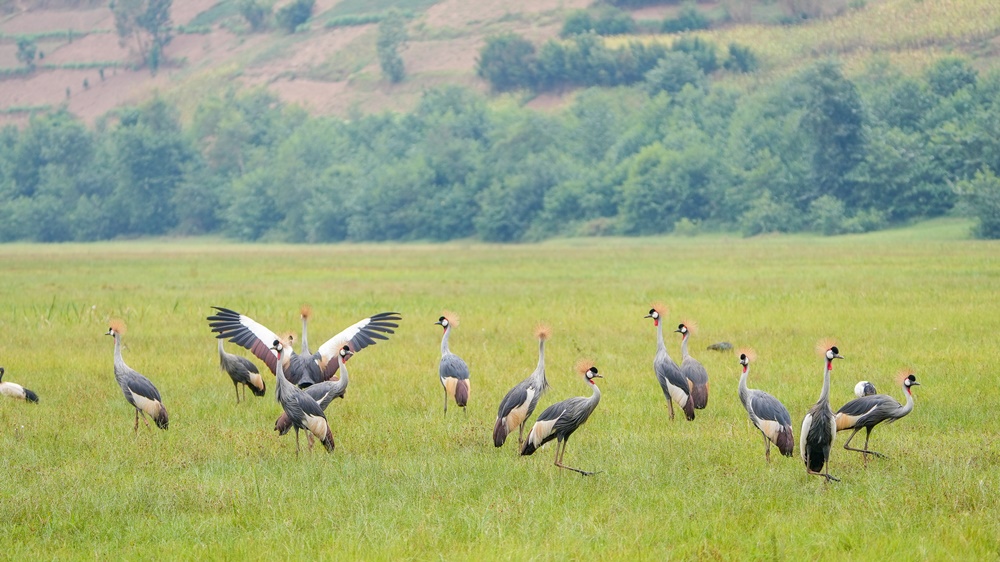***Grey Crowned Cranes in Rugezi Wetland.***A first draft of the feasibility assessment is already being reviewed, but the different components of the study still have to be completed and brought together before a final recommendation can be made.
“We cannot say yet whether it will succeed or not because this is a process. We still have information to document, including species and other findings,” he said.
The final feasibility report is expected by the end of 2026 or early 2027 and will guide a decision at the national level.
READ ALSO: [RWCA Turns 10 Years With Landmark Recovery of Grey Crowned Cranes in Rwanda](https://www.topafricanews.com/2025/11/22/rwca-turns-10-years-with-landmark-recovery-of-grey-crowned-cranes-in-rwanda/)
The study could recommend that Rugezi become a national park, that it be given another conservation status such as a nature reserve, or that additional measures be taken before such a designation can be considered.
**Two possible park models**
The feasibility study is also examining two different models for the proposed protected area.
Under the first scenario, Rugezi Wetland would be considered on its own for national-park status.
The second would create a larger tourism and conservation landscape linking Rugezi Wetland with Lakes Burera and Ruhondo and their islands.
The latter option would require an assessment of the infrastructure and investment needed to develop the wider destination.
Ruhagazi said the final recommendations from the feasibility study would then be submitted to higher-level decision-makers.
If the national-park option is approved, the proposal would proceed through the required government processes before the area could formally be gazetted as a national park.
“The feasibility study will give recommendations, and those recommendations are what we will send to the higher level for a decision,” Ruhagazi said.
Northern Province Governor Maurice Mugabowagahunde said the studies are at an advanced stage and are expected to be completed by December 2026.
He said the first phase had examined the wildlife and attractions that visitors could experience in Rugezi, revealing species beyond the Grey Crowned Cranes for which the wetland is widely known.
The proposed development could also involve improvements to roads, electricity access and accommodation facilities to support visitors, according to the Governor.
He said the initiative could help diversify tourism in the Northern Province beyond the mountain gorilla experience.
**A biodiversity-rich wetland**
The proposal comes as new research highlights the ecological importance of Rugezi Wetland.
A recent biodiversity survey conducted by RWCA identified 741 species in the wetland, including 472 species that had not previously been recorded there.
The survey documented 197 plant species, 134 bird species and 53 mammal species, including 22 bat species.
Rugezi is also an important habitat for the Grey Crowned Crane, an endangered species according to the International Union for Conservation of Nature (IUCN).
RWCA data shows that the number of Grey Crowned Cranes recorded in the wetland increased from 71 in 2017 to 378 in 2026.
The latest count means Rugezi now supports more than one-quarter of Rwanda’s entire Grey Crowned Crane population.
The wetland covers approximately 6,735 hectares across Burera and Gicumbi districts and sits at an altitude of about 2,100 meters.
It is also important to Rwanda’s water system, supplying water that flows toward the Nile River and supporting the Ntaruka hydropower plant.
Rugezi is already recognized internationally as a Ramsar site. Rwanda’s wetland management framework identifies it among wetlands under total protection, reflecting its ecological importance.
BirdLife International has also classified Rugezi as an Important Bird Area because of its importance for threatened bird species, including the Grey Crowned Crane and Grauer’s swamp warbler (Bradypterus graueri).
If the proposal proceeds, the new park would therefore add a formal national-park framework to an ecosystem that already has significant conservation recognition.
For now, however, the decision remains subject to the outcome of the feasibility studies.
Only after the required approvals would Rugezi, either on its own or as part of a wider Rugezi-Burera-Ruhondo landscape, formally become a national park.
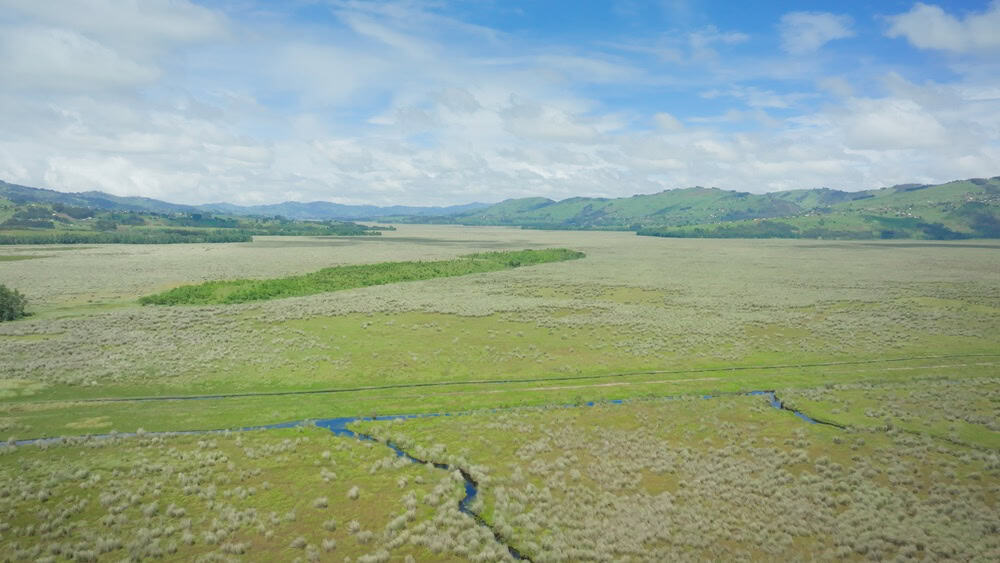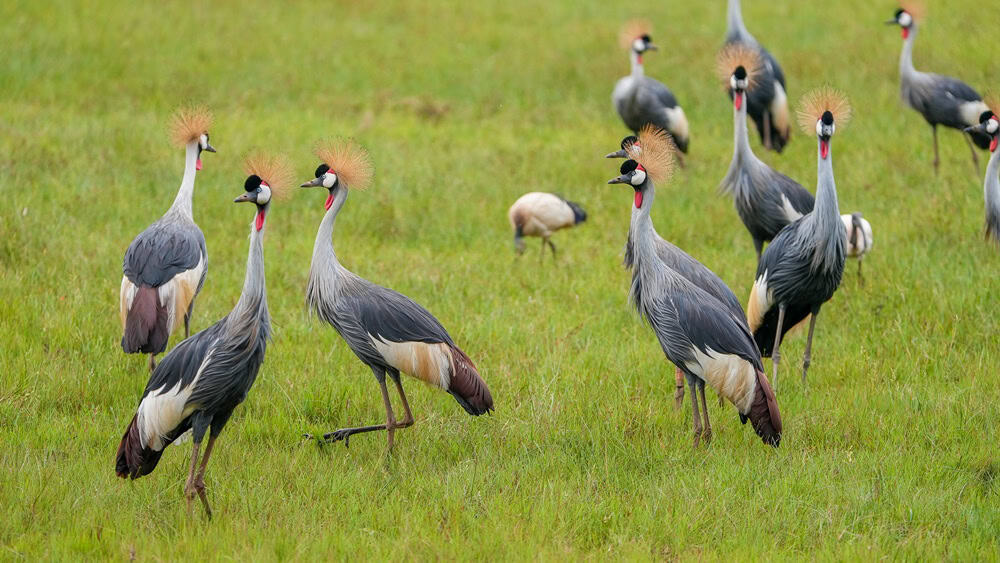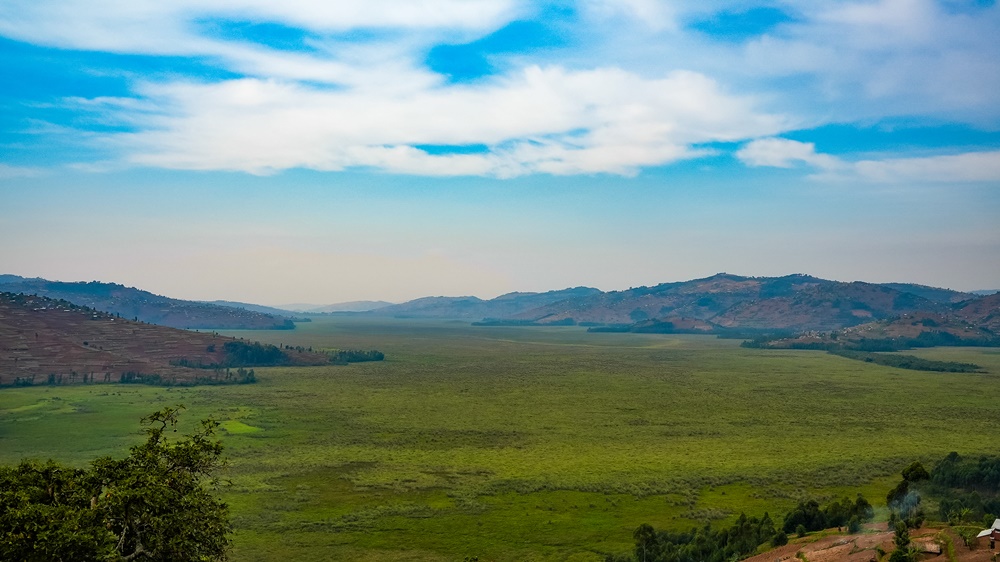
SUBSCRIBE TO OUR NEWSLETTER
First name or full name
Email
By continuing, you accept the privacy policy
**Categories:** Environment
---
### [Ultimate UK Debut for Rwandan Women-Led Coffee Brands](https://www.topafricanews.com/2026/09/25/five-rwandan-women-led-coffee-businesses-eye-uk-market-through-caffe-culture-london/)
**Published:** September 25, 2026
**Author:** Justin Kayiranga
**Content:**
## Caffè Culture London showcases by Women-Led Coffee Businesses from Rwanda
Five Women-Led Coffee Businesses from Rwanda are set to showcase their products at Caffè Culture London. They seek to build commercial relationships with United Kingdom (UK) buyers.
Additionally, the participants aim to expand the presence of Rwandan coffee in the British market and raise awareness among buyers about quality and sustainability.
The businesses’ participation follows the SheTrades Rwanda-UK Peer-to-Peer Study Visit held in March 2026. This event brought together five Rwandan women entrepreneurs in the specialty coffee sector for peer learning and initial European opportunities.
During the visit, these entrepreneurs connected with specialty coffee roasteries, importers, and distributors in London and Birmingham. The aim was to pursue early market engagement and links that could support growth for Women-Led Coffee Businesses.
For Women-Led Coffee Businesses, participation in Caffè Culture represents an opportunity to move beyond market exposure.
Moreover, it lets them present their brands to UK buyers while exploring partnerships that could boost Rwanda’s exports.
For Marie Louise Murakatete, a coffee investor in Gisagara District, the event offers an opportunity to introduce her coffee to buyers.
Moreover, this exposure reaches a market her business has not previously served and could expand her distribution channels.
“The current market I’ve been exporting to, the UK was not among. So now this is an opportunity to go and showcase our coffee to different buyers and different roasters. I believe we are going to have this opportunity to show our coffee from Rwanda and also to be known on the international market,” she said.
Although the participating businesses have experience exporting coffee to other international markets, accessing the UK market has presented challenges, including meeting market requirements and establishing connections with potential buyers.
Support from the UK High Commission has helped the businesses navigate some of these requirements while also strengthening their capacity to market their products to prospective international customers.
Sonia Kamarade, Head of Export at Kalisimbi Kiwieds Coffee / Dallas Investments, said the support has helped address one of the major challenges faced by coffee businesses seeking to expand internationally: marketing.
The High Commission and other stakeholders have helped us do marketing for our coffee.
While you’re processing, it’s very hard to also do marketing.
Additionally, they have taken up that responsibility for us, she said.
The initiative comes as coffee remains an important contributor to Rwanda’s export economy. In 2025, Rwanda’s coffee exports generated about $150 million in export revenues, according to National Agricultural Export Development Board (NAEB).
The UK is also an established destination for Rwandan coffee. According to Jennifer Stockill, Deputy British High Commissioner to Rwanda, coffee is currently Rwanda’s second-largest export to the UK, after tea, with more than US$5 million worth of coffee exported to the United Kingdom in 2024.
Explaining the focus on women entrepreneurs, Stockill said the initiative was designed to support businesses with the potential to contribute to Rwanda’s economy while highlighting the role of women-led enterprises.
“Coffee is already the second-biggest export from Rwanda to the UK. Tea is number one, but we also love coffee,” Stockill said. “Women are the backbone of who gets things done in Rwanda. There are some really special women-led businesses that have really got a great story to tell and do so much in terms of their business model, and we think it’s a really important sector of the Rwandan economy to support.”
Expanding access to international markets is also aligned with Rwanda’s broader ambitions to increase agricultural exports under the Second National Strategy for Transformation (NST2) and the Fifth Strategic Plan for Agriculture Transformation (PSTA 5).
The two strategies target an increase in annual agricultural export revenues from about $893 million to $1.54 billion, placing greater emphasis on value addition, market access and the competitiveness of Rwanda’s agricultural products.
The five women entrepreneurs participating in Caffè Culture London are:
- **Sonia Kamarade** – Kalisimbi Kiwieds Coffee / Dallas Investments
- **Ritha Umutoni** – RIXU Coffee
- **Marie Louise Murakatete** – Generalities Ltd
- **Immaculée Mukamana** – Nyamurinda Coffee
- **Michaelle Kubwimana** – Kinunu Agroprocessing
The entrepreneurs are scheduled to travel to London for Caffè Culture London on September 29–30, 2026, where they will showcase Rwandan coffee, engage with international buyers and explore opportunities to expand their businesses into the UK market.
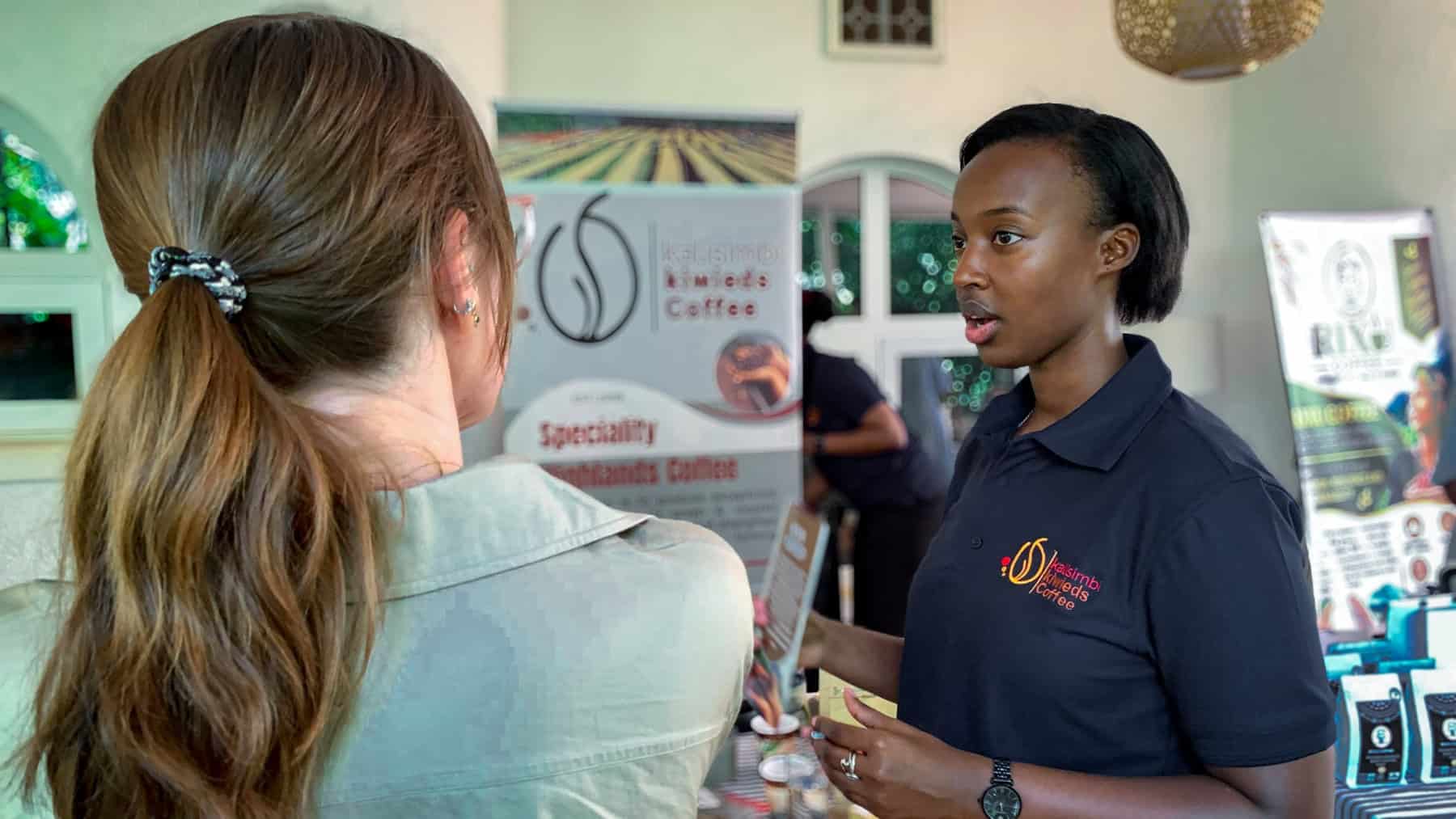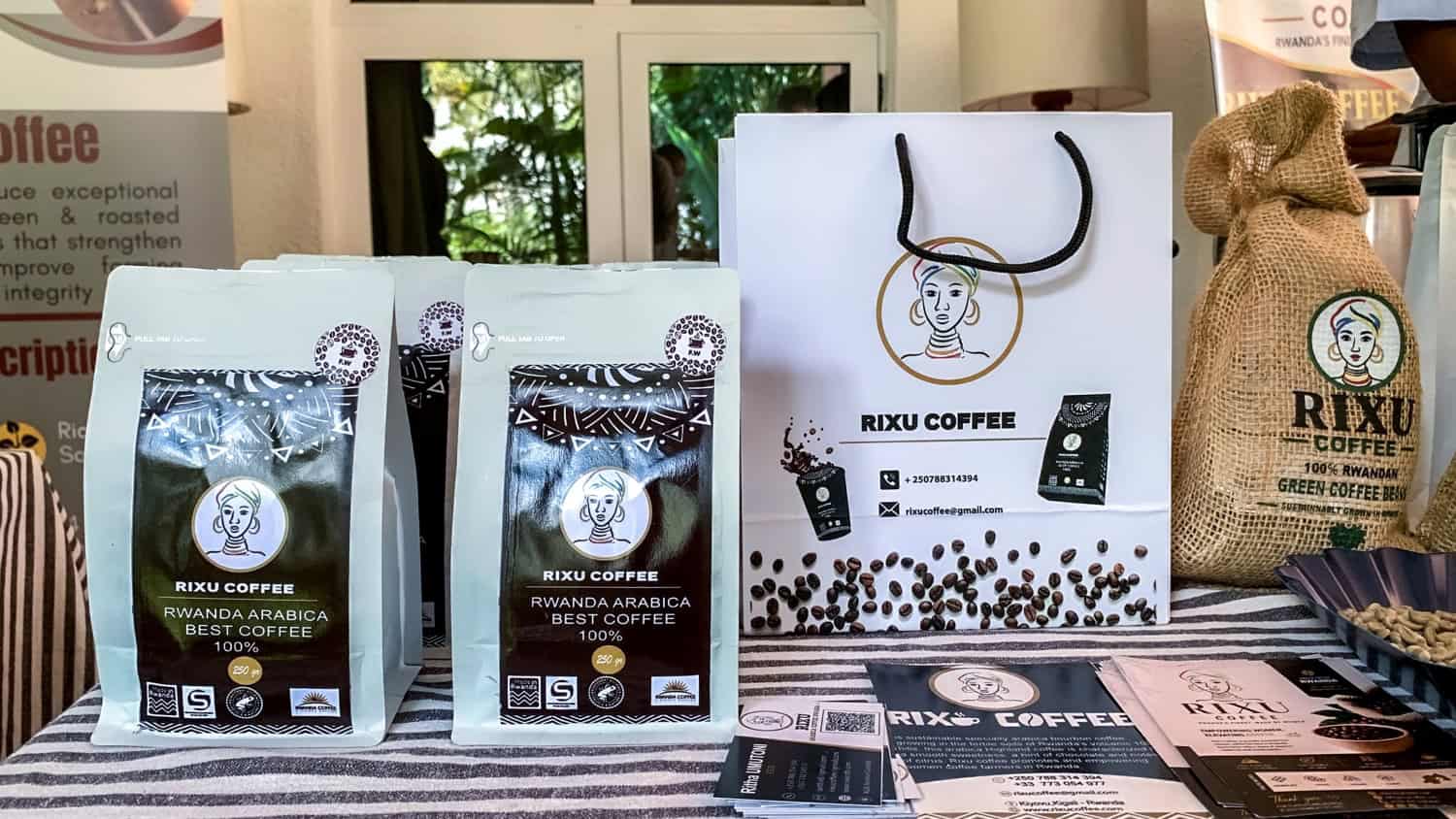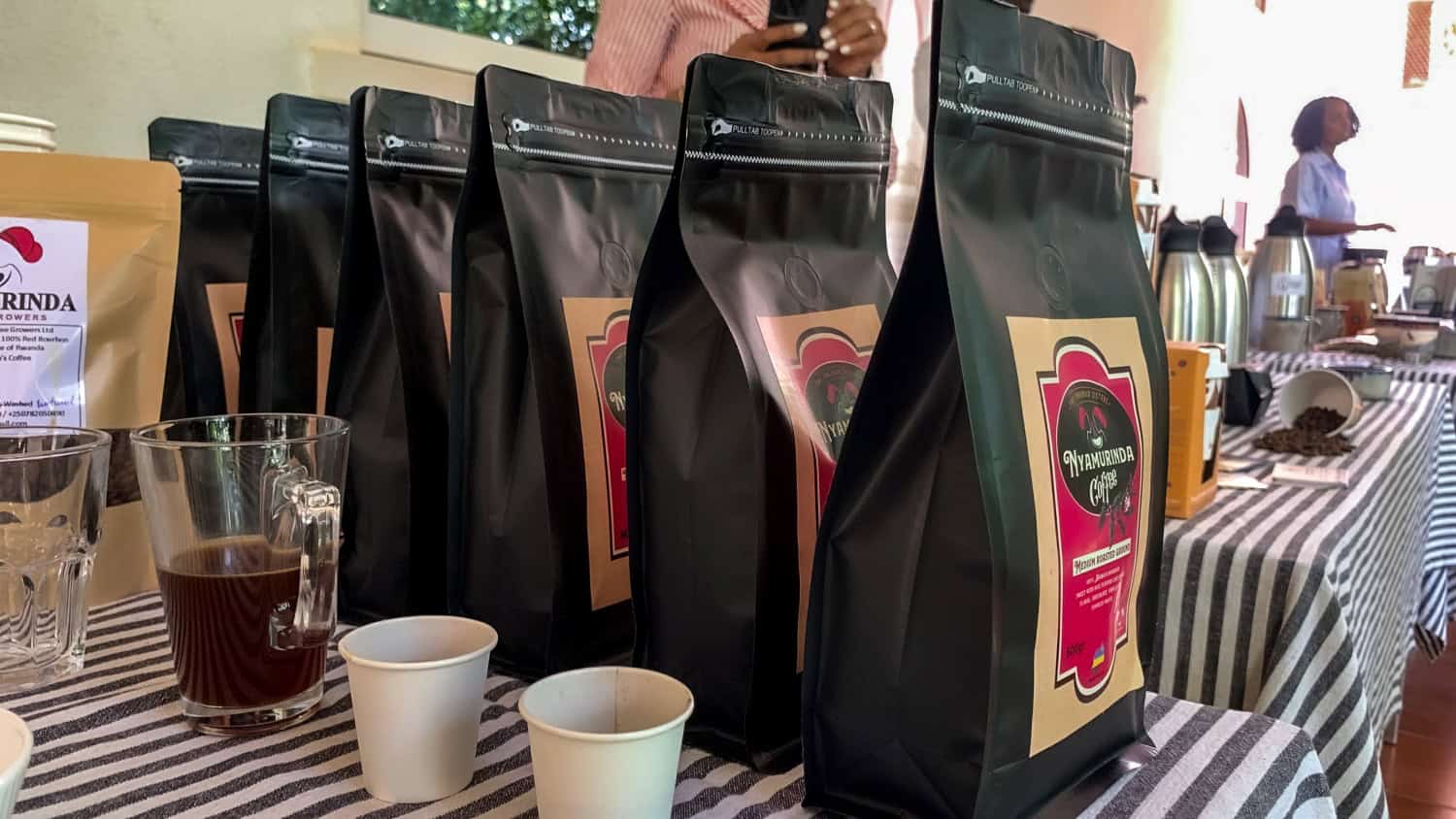
SUBSCRIBE TO OUR NEWSLETTER
First name or full name
Email
By continuing, you accept the privacy policy
**Categories:** Business and Trade, NEWS
---
### [How Proven, Community-Led Restoration Redefines East Atlantic Flyway Protection](https://www.topafricanews.com/2026/09/25/community-led-restoration-offers-new-model-for-protecting-the-east-atlantic-flyway/)
**Published:** September 25, 2026
**Author:** DUSABEMUNGU Ange de la Victoire
**Content:**
KIGALI — Conservation efforts along the East Atlantic Flyway are showing that restoration of degraded ecosystems can support local livelihoods.
Moreover, Community-Led Restoration shows how participation becomes a central factor in sustaining environmental gains.
Speaking during the ARCOS Network Nature Talk on September 25, 2026, Wenceslas Gatarabirwa presented experiences from restoration initiatives.
Moreover, As Head of Flyway Conservation at RSPB, he discussed partnerships with BirdLife International and Community-Led Restoration.
The initiatives spanning landscapes from Ghana to South Africa place local communities at the center of Community-Led Restoration.
Moreover, conservation activities are linked to livelihoods, local governance, and community decision-making.
> Indeed, those are champions on the ground delivering the work.
>
> Gatarabirwa said this, highlighting the role of local communities in implementing Community-Led Restoration activities.
#### In northern Ghana, livelihoods underpin restoration
Near Mole National Park in northern Ghana, restoration efforts are addressing environmental degradation alongside economic challenges facing surrounding communities.
The project draws on the **“Birds, Bees and Business”** model, originally pioneered by BirdLife Netherlands and NATURAMA in Burkina Faso within the Great Green Wall framework.
The approach links conservation with income-generating activities based on natural resources. Women are involved in sustainable shea butter harvesting and processing, while men participate in organic honey production.
Gatarabirwa stressed that conservation initiatives need to address community livelihoods if they are to achieve lasting results.
> Moreover, without involving communities to generate revenue, success is unlikely, he said, reflecting Community-Led Restoration.
The project also works through Ghana’s Community Resource Management Area (CREMA) framework.
Thus, this framework provides a mechanism for communities to participate in natural resource management and supports Community-Led Restoration.
Reluctance from some residents stemmed from historical grievances about Mole National Park’s creation six decades ago.
Moreover, local leaders began building trust and encouraging participation.
This Community-Led Restoration effort complements that groundwork.
Under Chief Nursery Officer, local nurseries raised and planted more than 10,000 native tree seedlings.
Additionally, these efforts advance targeted landscapes through Community-Led Restoration.
Additionally, Community-Led Restoration received formal recognition through a CREMA certificate issued by Ghana’s Ministry of Lands.
It was issued to the Kani-Kani communities.
### South Africa turns to Community-Led Restoration through co-design
At the other end of the East Atlantic Flyway, conservationists are applying a similar community-centered approach at the Berg River Estuary in South Africa’s Western Cape.
The estuary contains the country’s largest salt marsh and provides important habitat for migratory waterbirds. However, parts of the ecosystem have been affected by riverbank erosion linked to agricultural water extraction and recreational boating.
Rather than relying solely on top-down restrictions, the project sought to involve communities in identifying problems and developing solutions.
> “Instead of lecturing communities and trying to get them to change, we change to say: can we listen to the communities and hear what the issues are?” Gatarabirwa said.
One restoration response involved replacing hard concrete rubble along riverbanks with softer barriers made from hay bales to absorb wave energy.
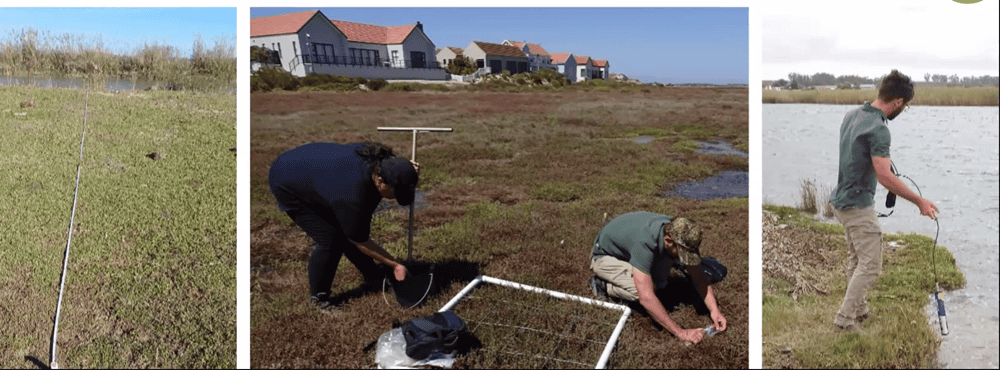A research team led by Giselle Murison also identified 20 native salt-marsh plant species in local nurseries and propagated them across eight pilot sites covering approximately 7,000 hectares.
The project also addressed erosion associated with boat traffic. Instead of relying only on prohibition signs, conservationists invited landowners, boaters and local businesses to observe the effects of boat wakes on the riverbanks.
The engagement contributed to the development of voluntary **“No Wake Zones”**, allowing communities and businesses to participate in protecting vulnerable sections of the estuary while maintaining local tourism activities.
#### Three lessons for lasting restoration
Drawing on the two experiences, Gatarabirwa identified three priorities for conservation initiatives seeking long-term results.
The first is placing local communities at the foundation of restoration. This includes involving communities in governance, management, communication and the distribution of financial incentives.
The second is bridging the power gap between national and regional authorities and communities at the local level. According to Gatarabirwa, communities need appropriate legal rights and management responsibilities if they are to play a meaningful role in conservation.
The third is ensuring that financial incentives are targeted and responsive to local needs. Funding, he argued, should support community decision-making after awareness and local ownership have been established.
Support African Journalism
Help Us Tell More African Stories
TOP AFRICA NEWS
[❤️ Donate Now](https://flutterwave.com/donate/rzmzxokojwhy)
The experiences from Ghana and South Africa demonstrate how restoration can move beyond protecting habitats alone. By combining ecological recovery with livelihoods, local governance and community participation, conservation initiatives can create conditions for communities to become active partners in protecting the landscapes on which both people and migratory species depend.
Along the East Atlantic Flyway, the approach offers a practical example of how community empowerment can become a foundation for long-term ecosystem restoration.
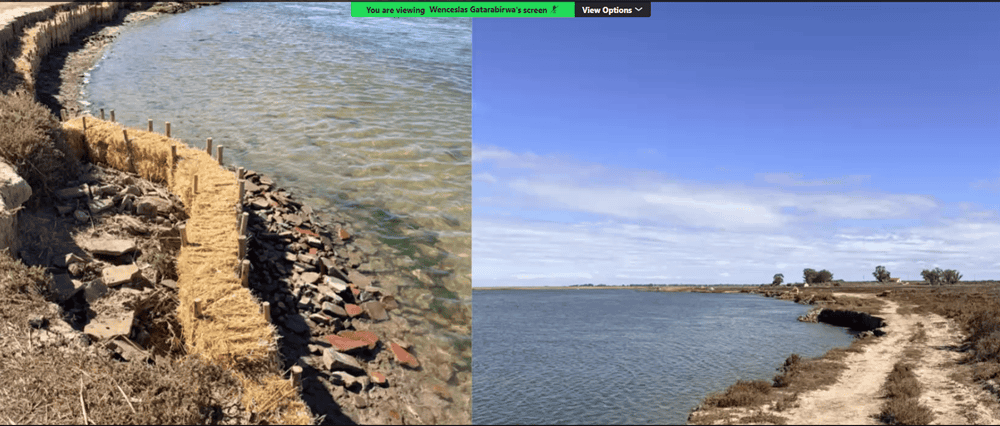
SUBSCRIBE TO OUR NEWSLETTER
First name or full name
Email
By continuing, you accept the privacy policy
**Categories:** CLIMATE CHANGE, Environment
---
### [Rwanda Advances Kigali Amendment, Secures $100M Cooling Pact](https://www.topafricanews.com/2026/09/25/rwanda-co-launches-friends-of-kigali-amendment-secures-100-million-cooling-pledge-and-joins-global-food-security-initiative-at-unga/)
**Published:** September 25, 2026
**Author:** DUSABEMUNGU Ange de la Victoire
**Content:**
NEW YORK — Rwanda used the 81st United Nations General Assembly and Climate Week events this week to deliver a series of concrete climate and environment outcomes, including the launch of a new political coalition on sustainable cooling, a $100 million philanthropic funding goal, and membership in a major food-security partnership.
#### Rwanda and Kigali Amendment Initiative
On 23 September, Rwanda co-led the launch of the Friends of the Kigali Amendment alongside Brazil and the United Kingdom.
The coalition aims to accelerate implementation of the 2016 Kigali Amendment to the Montreal Protocol.
Additionally, it advances the phase down of hydrofluorocarbons (HFCs) used in refrigeration and air conditioning.
The grouping revives the political alliance that helped secure the original agreement a decade ago.
At the same event, Rwanda, Brazil, and the United Kingdom presented a new Ministerial Communique.
Additionally, the communiqué set four priorities: stronger implementation of the Amendment; energy-efficient cooling and improved refrigerant management.
It also called for increased finance, technology and capacity, and closer industry partnerships.
Philanthropic organizations announced a US$100 million funding goal to support faster HFC reductions.
It will also widen access to climate-friendly cooling systems, complementing public finance under the Montreal Protocol.
#### Rwanda
Prime Minister Justin Nsengiyumva told the gathering the Kigali deal shows collective action works.
However, adoption was only the beginning, and the real test is delivery.
Additionally, he linked sustainable cooling to development outcomes.
He pointed to Rwanda’s African Centre of Excellence for Sustainable Cooling and Cold-chain as a practical model.
Environment Minister Dr. Bernadette Arakwiye said the Amendment “remains one of the clearest opportunities we have to deliver significant results.” She invited more countries to join the Friends group ahead of the 38th Meeting of the Parties to the Montreal Protocol, which Rwanda will host in Kigali from 2 to 6 November to mark the Amendment’s tenth anniversary.
The Kigali Amendment, ratified by 174 parties, could avoid up to 0.5°C of warming by 2100 if fully implemented. Global demand for cooling is rising sharply, with air-conditioner numbers projected to more than triple by 2050.
Rwanda also announced its membership in the Global Flagship Initiative for Food Security, framing the partnership as a channel for climate-smart investment and support to farmers. During Climate Week discussions, Minister Arakwiye outlined national priorities that include cleaner air, reduced transport emissions, scaled green investment and a more climate-resilient economy.
Prime Minister Nsengiyumva held additional meetings with climate-finance leaders. He discussed expanding collaboration with the Green Climate Fund, citing results from existing projects, and met the leadership of the Fund for Responding to Loss and Damage. He also participated in the Climate Vulnerable Forum leaders’ meeting, calling for greater focus on adaptation alongside emissions reductions.
The week’s outcomes position Rwanda both as a convener and as a country seeking to translate international agreements into delivery. Officials said the Friends of the Kigali Amendment will meet again in Kigali in November and on the margins of the next UN climate conference to review progress and identify further steps.

SUBSCRIBE TO OUR NEWSLETTER
First name or full name
Email
By continuing, you accept the privacy policy
**Categories:** CLIMATE CHANGE, Environment
---
### [How Rwanda Turns Climate Ambitions into a Transformative Wave of Investment](https://www.topafricanews.com/2026/09/25/rwanda-seeks-to-turn-climate-ambitions-into-a-new-wave-of-investment/)
**Published:** September 25, 2026
**Author:** Mutangana Emmanuel
**Content:**
#### Rwanda Carbon Market and investment-ready projects
Rwanda’s climate agenda is increasingly centered on a broader question: how to turn environmental priorities into investment-ready projects. Moreover, these projects aim to generate jobs, business opportunities and benefits for communities through mechanisms like the Rwanda Carbon Market.
#### Overview
However, the question will feature prominently at the Carbon Markets Africa Summit (CMAS) 2026, held October 13–15 in Kigali. Additionally, this includes how the Rwanda Carbon Market can attract climate and carbon finance and benefit economies and communities.
READ ALSO: [How Rwanda is positioning itself for a higher-value carbon market](https://www.topafricanews.com/2026/09/17/how-rwanda-is-positioning-itself-for-a-higher-value-carbon-market/)
The country is developing opportunities across agriculture, conservation, clean energy, waste management and carbon markets as it seeks to attract more climate finance and turn its environmental ambitions into practical economic projects.
A recent national assessment on irrigation illustrates the scale of opportunities that could be developed.
Released by the FAO and Rwanda’s Ministry of Agriculture and Animal Resources on September 7. The assessment identified 610,595 hectares of gross potentially irrigable land. This equals 386,381 hectares of net irrigable land across the country. These figures cover Rwanda’s nine catchments and 30 districts.
The data can support planning within the Rwanda Carbon Market. It highlights irrigation potential that may affect climate, agriculture, and livelihoods.
The assessment identified 102,609 hectares of net irrigable land as Tier 1, meaning areas considered ready for immediate investment and implementation.
The findings are intended to provide an evidence base for directing investment into climate-resilient agriculture through the Rwanda Carbon Market.
This supports strengthening food security and improving the resilience of farming systems to climate variability.
But agriculture is only one part of Rwanda’s emerging climate investment landscape.
READ ALSO: [10 years after Kigali Amendment, Rwanda pushes for more sustainable cooling solutions](https://www.topafricanews.com/2026/09/17/10-years-after-kigali-amendment-rwanda-pushes-for-more-sustainable-cooling-solutions/)
Rwanda Environment Management Authority (REMA) says the country has so far registered 29 carbon-market projects, covering land conservation, agriculture, forestry, electric mobility, waste management and renewable energy.
The projects are at different stages, including development, verification and the sale of carbon credits. REMA says Rwanda has so far generated about $1.5 million from some of the credits produced by these projects, with part of the proceeds going to government coffers.
Carbon credits are generated when projects demonstrate verified reductions or removals of greenhouse gas emissions. The credits can then be sold to buyers seeking to finance or account for emissions reductions.
According to REMA, carbon-credit transactions in Rwanda currently range from about $14 to $45 per tonne, depending on factors including the project and the quality of the credits.
As the market develops, however, the question is increasingly shifting from simply generating credits to determining how much value African countries and their communities can capture from them.
Ousmane Fall SARR, Coordinator of the West African Alliance on Carbon Markets and Climate Finance, says stronger African expertise and cooperation will be important as countries develop their markets.
“African countries are developing carbon markets from different starting points. Stronger African expertise and regional cooperation will be important if the continent is to contribute to the standards and market practices that determine how its projects compete, attract investment and create value,” SARR says.
Across Africa, governments are putting in place or strengthening systems governing carbon-market activities. Kenya and Uganda are strengthening regulatory oversight, while regional partnerships are supporting market capacity and infrastructure. South Africa is also advancing reforms aimed at modernizing its carbon-credit ecosystem and attracting investment.
These developments are placing greater attention on issues such as project authorization, ownership, verification, pricing and access to international buyers, while also raising expectations that carbon finance should deliver economic and development benefits beyond the credits themselves.
For Rwanda, international cooperation is already opening another potential route to investment.
In January 2026, Rwanda and Singapore invited applications for carbon-credit projects under their bilateral agreement implementing Article 6 of the Paris Agreement. Authorized projects can generate credits eligible for use by Singapore-based carbon-tax-liable companies to offset up to 5% of their taxable emissions.
Singapore has also committed to channel 5% of the value of correspondingly adjusted credits authorized under the agreement towards adaptation measures in Rwanda.
The arrangement provides a potential market for projects that can demonstrate credible emissions reductions while delivering wider development benefits.
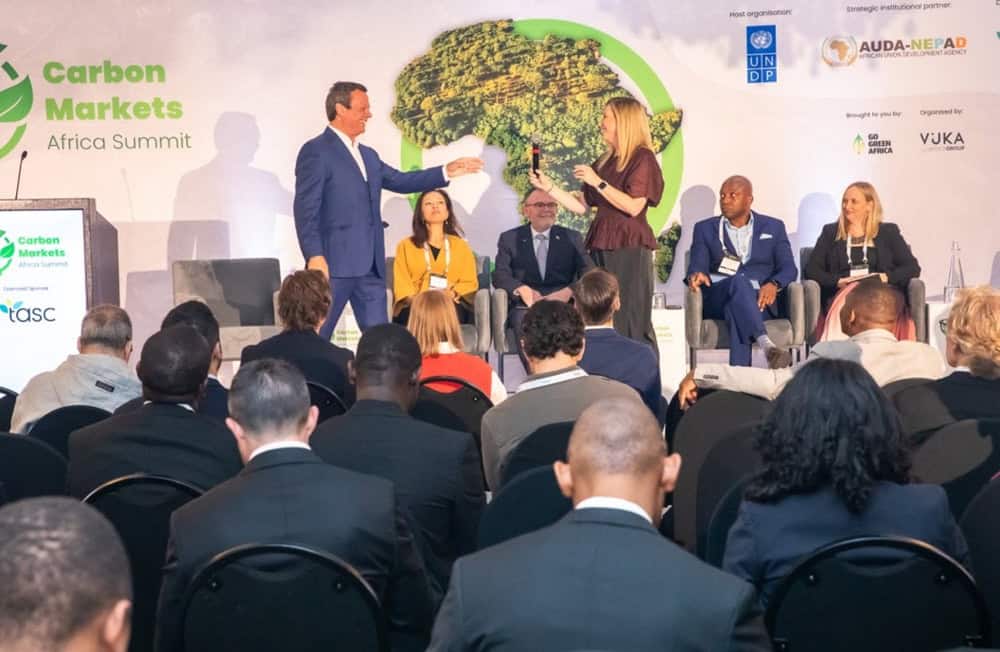But attracting international capital also requires confidence in how projects are developed, measured and governed.
Emmanuelle Nicholls, Portfolio Director for the Carbon Markets Africa Summit, says the value of a carbon credit is shaped long before it reaches a buyer.
“A carbon credit may be the final product, but behind it are decisions about ownership, data, risk, pricing and who ultimately benefits. The conversations in Kigali will examine what credible participation looks like across the full carbon-market value chain,” Nicholls says.
Those questions extend beyond individual carbon transactions. Carbon finance is increasingly being linked to conservation, agriculture, soil restoration, food security, clean energy and waste management, creating the possibility of financing projects with benefits extending beyond emissions reductions.
One example is the Chinko Conservation Area in the Central African Republic, where revenue from a carbon project is channeled through a community fund supporting locally selected initiatives, including the expansion of a medical center in Agoumar.
For Rwanda, the emerging challenge is therefore not simply to attract climate finance, but to develop a pipeline of credible projects capable of converting that capital into measurable environmental outcomes and tangible economic benefits.
The broader question facing Rwanda and other African countries is how to strengthen their position in growing carbon markets while ensuring that the value created reaches the governments, businesses and communities involved in the projects.

SUBSCRIBE TO OUR NEWSLETTER
First name or full name
Email
By continuing, you accept the privacy policy
**Categories:** CLIMATE CHANGE, Environment
---
### [AfDB Partners Launch Free AI Training for African Officials](https://www.topafricanews.com/2026/09/26/unga81-african-development-bank-group-and-partners-launch-free-ai-training-for-african-public-officials/)
**Published:** September 26, 2026
**Author:** TOPAFRICANEWS
**Content:**
#### New international training initiative
New York, 25 September 2026 — The African Development Bank Group launched AI training for African public officials.
Additionally, the initiative also involves UNDP AI Hub for Sustainable Development, Google, and Apolitical.
It aims to help officials understand and use artificial intelligence in their work.
#### AI training for African public officials
AI training for African public officials is part of Apolitical’s Government AI Campus initiative.
Additionally, participants will access courses such as AI Fundamentals for Public Servants: Opportunities, Risks and Strategies.
Other offerings include AI Leadership in Government: Building Trust, Skills and an Innovative Culture.
Smarter Procurement with AI is also available.
Training have been developed by Stanford University Online and SDA Bocconi School of Management.
Google and Apolitical are providing the learning platform and content.
The [AI Hub for Sustainable Development](https://u7061146.ct.sendgrid.net/ls/click?upn=u001.gqh-2BaxUzlo7XKIuSly0rCwYKWDzF4UpR-2FghMWU9jn3uV5fwcUt3cjIKWjoxoLO0i9n2Y5VWyawCOpQlWkHF9IgvDkyWpfY0kC1k05UdB4xTOltNM5V7jq3lkJdaoVh2ZMSVuo6TBv-2FODycbGk-2Byfdg-3D-3DkdnY_3xC-2BPcLP4N6Z-2B4jPWsHeMCJaOLhCBu9nRWPVy-2FCop-2Bbxjb1s4OzcA6NRnXJLcjV-2BBqO16HKcnBX-2Ba2yb9bS9SZVrxHfF2PiYXpX-2BZEHm1p5ADrNS7QieXzhQsaXzeL2OCGUj4zQiWVp-2FJXStf-2FnhqwC76IngUkezt5Muz2iBXZLWWgCCaqOOWMAE2UdTvIjuyEQzgAfSGVi82-2BmcrZB9c1oRxlQ7FF03652-2BIYNANwYKCuaVLlw26tBdlRQib99-2BwqY0AvECf-2Bs47zkuGOnEox33RyzM1i9UFb9Grd1940AUAsaFesHukEgMIVuueaap-2FSnF4VoX-2FlHsKs2cd24dYg-3D-3D) is a G7-endorsed initiative co-led by UNDP and Italy’s Ministry of Enterprises and Made in Italy, and which aligns with the Italy’s Mattei Plan for Africa. The African Development Bank Group is a founding member of the AI Hub’s Executive Steering Group.
Ousmane Fall, [the Bank Group](https://www.topafricanews.com/2026/09/26/unga81-african-development-bank-group-and-partners-launch-free-ai-training-for-african-public-officials/)’s Director for Industrial and Trade Development said,
“AI is changing how we work. It promises major productivity gains if users fully understand its application. Building that understanding in government has been neglected and this partnership helps us put that right,”
#### AI training for African public officials
Additionally, AI training for African public officials is the first step in applying the Bank Group report’s recommendations. It projects that inclusive AI deployment could add up to $1 trillion to Africa’s GDP by 2035. It identifies skills and trusted governance among the five enablers needed to realize those gains.
“As the AI landscape continues to evolve, governments across Africa need timely support to strengthen the institutional and technical foundations required to participate meaningfully in the AI economy,” said Keyzom Ngodup Massally, Director of the AI Hub for Sustainable Development and UNDP Head of Digital & AI Programs.
Learning on the platform is self-paced. Enrollment is open and free of charge to serving government officials and public servants in the Bank’s regional member countries who are working on AI in public service delivery, digital infrastructure, public-private partnerships or innovation. The [Application Link](https://u7061146.ct.sendgrid.net/ls/click?upn=u001.gqh-2BaxUzlo7XKIuSly0rC8FLTk36-2FSLv2cyrmu02F6jhVSc7UczUtsgpwr-2FF2GvuUqe2c6F3WPdjktv5PtUYRPmrTlwc3K7Sre3B-2BlqR49-2Bi6LE0xChAmceteOQbf-2FVQYf67iul1obr9Bc1RCKCvdHXiWTnMr6q-2FemCTbFC3VqzfIGC8RYyXbqJDIQnt8y1MOPlCIG2tQMECyEHetQ5tAn-2Fsveqw7EAQVg-2BNOS-2B7ytC0vDV7Ggr1X91sMImDCYmIqnMWkW6x0jNhkv74rhujy5rJBx1u-2BmlD8Gsln-2BHu9k-2B49XYN4aYqjCLOnazGBBRSUzJEaqnnf-2F1O0nW-2FRExj3RL8ow2RFPw53HDMCY6ZMa5P7oy-2Fw3Dc2i7GNPUQlocOPaUjIekiH8Eaacm3n7CoKvksbKHpKXdkSXpNFkms9tvZI16jdZeb-2Bod1e9bO7d7UN7xEnkjtL-2F79e0TrIqbAWJSv1FKMHxId7sZOwhgDhnbuvsPEcSd3JVvCCw3-2BA5bHUwqLiEirpKoWBOFPEB2b-2FDrewvssJYdEg2RVATVxhcNNXJO-2FmR4UuC089xueNxNtqM-2FBeHSU253wBvzXqH83TxKrU52TQeAPniGyMTm4NlTUHMnkUnclMDX7EAm46wuRBjTJmEZwN9CJP4YOayaaWBcocM5uQ3BWXXMKSIOooD8-3DowBR_3xC-2BPcLP4N6Z-2B4jPWsHeMCJaOLhCBu9nRWPVy-2FCop-2Bbxjb1s4OzcA6NRnXJLcjV-2BBqO16HKcnBX-2Ba2yb9bS9SZVrxHfF2PiYXpX-2BZEHm1p5ADrNS7QieXzhQsaXzeL2OCGUj4zQiWVp-2FJXStf-2FnhqwC76IngUkezt5Muz2iBXZLWWgCCaqOOWMAE2UdTvIjuzpH6v4mVNk3Q82DTDvAo8-2F5ZyFAlixd8QTsNmqfAFKu1OeMkSh7n7tXq9sB1hu9GL2lEXLE-2B3QIk-2FeAtrLpUqKRj0Um8X2-2BE6NzwbEqJzKDcInNLwQmdZj9EZIkClwkBqoszB9R5qXblPB-2FQQnZA1A-3D-3D) is now open.

SUBSCRIBE TO OUR NEWSLETTER
First name or full name
Email
By continuing, you accept the privacy policy
**Categories:** ICT
---
### [Rwanda Local Elections: Proven Kickoff on October 24, NEC Announces](https://www.topafricanews.com/2026/09/26/rwandas-local-government-elections-to-begin-on-october-24-nec-announces/)
**Published:** September 26, 2026
**Author:** EDITOR
**Content:**
KIGALI, Rwanda — Rwanda’s National Electoral Commission (NEC) has announced the timetable for the 2026 elections.
These elections cover decentralized local government organs and National Council-related bodies.
Voting will take place from October 24 to November 30, 2026, for Rwanda’s Local Government Elections.
NEC thanks citizens for their participation in Rwanda’s Local Government Elections and in previous electoral processes. Citizen involvement has strengthened governance in the country.
The electoral process will begin with candidacy submissions for District Council positions.
The period is scheduled from October 10 to 21, 2026.
#### Village elections scheduled for October 24
The first elections at the village level will occur on October 24, with residents voting in their villages.
This event begins the process of selecting representatives who will oversee community needs and services during Rwanda’s Local Government Elections.
Rwanda’s Local Government Elections continue as a framework for citizen participation.
Moreover, by design, these early votes build momentum for broader participation and accountability.
According to NEC, voters will elect members of Village Executive Committees and representatives to Cell Councils. They will also select two women candidates for women councilor positions. They will elect members of National Council executive committees representing women and youth.
## Rwanda’s Local Government Elections: Cell elections to follow on October 31
On October 31, Rwanda’s Local Government Elections will move to the Cell level. Citizens will participate at designated polling sites across the country. This shift aims to streamline local governance and improve service delivery at the community level. Voters should verify polling locations before election day.
Residents will vote to elect representatives to Sector Councils. They also choose women councilors. Members of the National Council executive committees represent women, youth, and persons with disabilities. These leaders will serve at local levels after the election.
The NEC notice also refers to the requirement. Women’s representation must be at least 30 percent in the relevant councils.
#### Sector and District-level elections
On November 7, elections will be held at the Sector level for National Council executive committees.
They cover special categories through electoral colleges.
The campaign period for candidates contesting District Council positions will run from November 7 to 21. District-level elections will then take place on November 17. They will cover women councilors, general councilors, and Bureau and Executive Committee positions through electoral colleges.
The final stage of the electoral calendar will take place from November 28 to 30.
It will cover elections at the provincial, City of Kigali, and national levels.
This will be conducted through electoral colleges.
### NEC calls on citizens to prepare
NEC has called on eligible Rwandans to prepare to participate in the elections.
Where qualified, they should consider presenting themselves as candidates.
The electoral commission also encouraged citizens to continue taking part in discussions related to the elections. They emphasized voting as both a right and a responsibility.
Citizens seeking additional information can contact NEC through its official website, which provides access to program updates, forms, and notices. You can also visit NEC district offices for in-person guidance and assistance.
Alternatively, you may use the toll-free number 9101 to speak with an NEC representative. The notice identifies these contact channels to ensure the public can obtain the information they need about NEC services.
The communication was signed by Oda Gasinzigwa, President of the National Electoral Commission.

SUBSCRIBE TO OUR NEWSLETTER
First name or full name
Email
By continuing, you accept the privacy policy
**Categories:** Politics
---
### [Rwanda Stuns Liberia's Lone Star 3-1 in Kigali](https://www.topafricanews.com/2026/09/26/liberias-lone-star-open-qualifiers-with-defeat-as-rwanda-prevail-3-1-in-kigali/)
**Published:** September 26, 2026
**Author:** EDITOR
**Content:**
Liberia’s national team began its 2027 Africa Cup of Nations qualifying campaign with a 3-1 loss to Rwanda on Friday. The match took place at Amahoro Stadium and featured swift early pressure from the visitors. Rwanda broke through early and added another before halftime, leaving Liberia facing a challenging start.
The Amavubi extended their lead after the break and controlled large portions of the second half. Lone Star pressed for a reply, but the deficit remained intact until a late consolation. A red card then reduced Liberia to ten men, ending their hopes of a comeback on the night.
Rwanda needed only two minutes to take the lead. Abeddy Biramahire finished a move involving Leroy-Jacques Mickels to give the hosts an immediate advantage, Lone Star. Moreover, Mickels then scored himself in the 33rd minute. Sylvanus Nimely pulled a goal back for Liberia five minutes later, briefly raising hopes of a fightback. Joy-Lance Mickels restored the two-goal cushion from the penalty spot in the 44th minute.
The Lone Star faced further difficulty when Kpah Sherman received a straight red card in the 61st minute. However, Liberia created some late pressure but could not find another goal. Rwanda controlled the remainder of the contest and collected three points from their Group K opener.
The result continues a long wait for Liberia. Lone Star last appeared at the Africa Cup of Nations in 2002. They have endured more than two decades of qualifying disappointment. Moreover, recent friendlies and increased government and corporate support have generated cautious optimism heading into the Kigali fixture. The early concession and the conceded penalty left supporters and commentators questioning. The numerical disadvantage in the second half reinforced that doubt about whether the team can convert preparation into results.
Nimely’s goal provided one of the few bright moments for the visitors. However, Coach Mohammed Adil Erradi made changes at half-time to shift momentum. Additionally, the red card limited options. Liberian voices after the match described the defeat as another familiar setback. They urged deeper structural improvements in player development and consistency, not reliance on short-term boosts, within Lone Star programs.
Liberia now returns home to face Mali on Tuesday in the second group match. Moreover, a response in Monrovia will be essential if the Lone Star hopes to remain in contention. Rwanda, meanwhile, travel to face Cape Verde with an early lead in the group.
The campaign is young.
However, Friday’s result in Kigali has set a demanding tone for Liberia’s Lone Star.
It signals the push to end Liberia’s long absence from Africa’s premier tournament.

SUBSCRIBE TO OUR NEWSLETTER
First name or full name
Email
By continuing, you accept the privacy policy
**Categories:** SPORTS
---
### [Rwanda Named Powerful Chair of G77 and China for 2027](https://www.topafricanews.com/2026/09/26/rwanda-elected-to-chair-group-of-77-and-china-in-2027/)
**Published:** September 26, 2026
**Author:** EDITOR
**Content:**
NEW YORK — Rwanda has been chosen to lead the Group of 77 and China in 2027.
Additionally, ministers from the developing-country bloc selected Kigali by acclamation.
It occurred at their 50th annual meeting on the margins of the United Nations General Assembly.
#### Overview
The gathering, held Friday under the theme, brought together ministers from a 134-member coalition.
Moreover, it reflected ongoing debates on multilateralism at the United Nations.
Uruguay currently holds the chairmanship for 2026.
The New York meeting was also the moment at which members designated the next chair.
Rwandan Foreign Minister Olivier J.P. Nduhungirehe told the session that Rwanda accepted the responsibility. Moreover, he said Kigali would use the chairmanship to advance developing countries’ shared priorities. It would also uphold the principles of the UN Charter through closer coordination and greater transparency.
Nduhungirehe thanked African states and other members of the group for the confidence placed in Rwanda.
He described the G77 and China as more important than ever.
Additionally, this comes at a time of strained multilateral institutions, rising debt, climate pressure, and uneven representation in global decision-making.
#### Chairmanship rotation and upcoming handover
The chairmanship rotates among the group’s regional groupings.
After Uganda in 2024, Iraq in 2025 and Uruguay in 2026, the 2027 term returns to Africa.
Formal handover is expected in January 2027.
Until then, Rwanda will prepare to take over the bloc’s day-to-day coordination in New York.
Additionally, the group negotiates as a single voice on development, finance, climate and UN reform.
On the sidelines of the same high-level week, Nduhungirehe met Uruguay’s foreign minister, Mario Lubetkin, who is the current chair. Lubetkin told ministers that the Global South should not have to ask permission to shape the future international order. Moreover, the group’s influence depends on preserving its unity. Uruguay is expected to pass on the experience of its year in the chair as Rwanda prepares to succeed it.
The Group of 77 was formed in 1964 by 77 developing countries.
Since then, it has grown to 134 members and issues joint positions under the name Group of 77 and China.
Its annual ministerial meeting, held each September during the General Assembly, sets political guidance for the year ahead.
It remains one of the main forums in which developing countries speak collectively at the United Nations.
Rwanda’s selection comes as the country has used this year’s General Assembly week to expand bilateral contacts.
Additionally, it presses for a more inclusive multilateral system.
Furthermore, officials in Kigali framed the incoming chairmanship as a platform to strengthen South–South cooperation.
They also aim to keep development at the center of UN negotiations.
The 2027 term will place Rwanda at the head of the largest coalition of developing countries.
Meanwhile, debates intensify over UN reform, climate finance, debt relief, and the architecture of international development.
Ministers said the test for the next chair is whether the group can stay united.
Moreover, those talks move from statements to bargains.

SUBSCRIBE TO OUR NEWSLETTER
First name or full name
Email
By continuing, you accept the privacy policy
**Categories:** NEWS
---
### [Rwanda’s Kamonyi and Kigali Lead Climate-Sensitive, Gender-Responsive Urban Planning](https://www.topafricanews.com/2026/09/26/rwandas-kamonyi-and-kigali-join-german-municipalities-for-climate-sensitive-gender-responsive-urban-planning/)
**Published:** September 26, 2026
**Author:** TOPAFRICANEWS
**Content:**
Additionally, Kamonyi District and Kigali were named among six winners of the BMZ-funded open call.
This marks a new chapter in Rwanda’s long-standing partnership with Rhineland-Palatinate.
Kamonyi will lead an initiative that brings together Rwandan and German municipalities.
They will exchange knowledge and practical experiences on integrated urban planning, climate-sensitive development, and gender-responsive public spaces.
The partnership will be implemented under GIZ’s **Climate-Sensitive, Socially Just Planning and Housing (CSPH)** project. On the German side, participating municipalities include **Ahrweiler, Nastätten, Alzey, Kirchheimbolanden, Koblenz and Mainz**, which will work alongside Kamonyi District and the City of Kigali.
#### Building on 44 years of partnership
The new municipal cooperation builds on a **more than four-decade partnership between Rhineland-Palatinate and Rwanda**, described as one of the early models of grassroots and solidarity-based development cooperation.
From October 2026 to October 2027, the partnership will facilitate study tours.
It will also support virtual exchanges involving planners, civil society representatives, and municipal experts from Kamonyi, Rwanda, and Germany.
The exchanges are intended to provide opportunities for both sides to share experiences, examine approaches and learn from one another in the development of urban spaces.
#### Focus on inclusive and climate-sensitive public spaces
A central focus of the partnership will be the development of public spaces that respond to the needs of different groups within communities while taking climate considerations into account.
The initiative will explore how urban planning can contribute to spaces where **women, men, girls and boys can move freely, participate in community life and access opportunities**.
Gender-responsive public spaces are therefore being considered as part of broader efforts to create more inclusive, resilient and livable urban environments.
The partnership will bring together different municipal and community perspectives, with an emphasis on developing **locally led solutions** that respond to the realities of people who use public spaces every day.
#### Learning across municipalities
Through study visits and virtual exchanges, municipal planners and other stakeholders will have opportunities to examine approaches used in different contexts and identify lessons that can inform local planning.
The initiative also provides a platform for civil society and municipal experts to contribute their experiences to discussions around integrated urban development.
The partnership comes as Rwanda and its international partners continue to explore approaches to urban development that combine social inclusion, climate considerations and improved public spaces.
With activities scheduled to run until **October 2027**, the new cooperation is expected to provide a year-long platform for knowledge exchange between municipalities in Rwanda and Rhineland-Palatinate, building on a relationship that has lasted for more than 40 years.

SUBSCRIBE TO OUR NEWSLETTER
First name or full name
Email
By continuing, you accept the privacy policy
**Categories:** CLIMATE CHANGE, Environment
---
### [Ten African countries announce increased pledges to IFAD](https://www.topafricanews.com/2026/09/26/ten-african-countries-announce-increased-pledges-to-ifad/)
**Published:** September 26, 2026
**Author:** TOPAFRICANEWS
**Content:**
#### Ten African countries announce increased pledges to IFAD, calling for greater global ambition for rural transformation
**New York, 25 September 2026.** As compounding energy, climate and conflict shocks put renewed pressure on small-scale farmers and food systems, ten African countries announced they are increasing their contributions to the International Fund for Agricultural Development (IFAD) and calling on international partners to match their ambition to accelerate rural transformation.
With their new pledges to IFAD – announced during the High-level Meetings of the 81st Session of the United Nations General Assembly – Burundi, Chad, Ethiopia, Guinea, Kenya, Rwanda, Sierra Leone, Somalia, Sudan and Zimbabwe sent a strong signal that investing in agrifood systems must be a strategic global priority and is central to economic opportunity, food security and stability.
Together, these countries have pledged nearly US$9 million to IFAD’s fourteenth replenishment cycle for 2028-2030 (IFAD14). Several countries have more than tripled their commitments, with the largest increases reaching nearly ten times their previous three-year contributions to IFAD.
These pledges come at a critical moment for the continent. Beyond food security, investment in rural areas is increasingly central to Africa’s economic transformation and to helping communities adapt to the growing impacts of climate change. With the largest generation of young people in its history entering the labour market, investing in rural economies will help shape Africa’s economic trajectory for decades to come.
“African leaders recognize IFAD14 as a critical platform for strengthening the continent’s agrifood systems,” said Alvaro Lario, President of IFAD. “With nearly 60 per cent of IFAD’s portfolio invested in Africa and the Fund’s focus on the ‘first mile’ of food systems, IFAD is uniquely positioned to both channel and catalyze investment to rural areas where the greatest opportunities exist to create jobs, build resilience and accelerate inclusive growth.”
IFAD’s unique financial model delivers greater development impact by combining Member States’ contributions with loan repayments, supplementary funds, borrowed funds and various types of cofinancing with national governments, partner institutions, private-sector actors and small-scale producers.
With an AA+ credit rating and as the only United Nations fund authorized to issue sustainable bonds on capital markets, IFAD is a global leader in innovative, market-based solutions to drive rural transformation, issuing [over US$1 billion in sustainable bonds since 2022](http://click.agilitypr.delivery/ls/click?upn=u001.ic5PV9wxf7ru8OH6fTb6awSVcxjVFWVkZBIzxhaTfN3WEpNSByLcKs64ajKsQo6zsrlPQHW3o0CZsMhChxqNNR2Mnqqy2crgTVdj92-2FRXmvZut4ucWmcpGMAuKxqPF3ICKR-2BHyro949xbd42VPbsNg-3D-3DWVHR_3xC-2BPcLP4N6Z-2B4jPWsHeMCJaOLhCBu9nRWPVy-2FCop-2Bav8-2BxMSQ5KO426AjhwhQ1oXF81baMI7PBbApV42tzQK5SFkKGEVo2mKiOEHU-2FFXEQPbRGwSMqChLi5QhrDsSIhMMN5vHt2L80jm-2F83olMpbYbFroLeJJBYiH2FZ4K9YM2S1Pn2b-2F2MdoCxwyrtKcZXiMg3SeicaTxvcU7EEaPemAjoV10uB-2FJbmvqZ3cvlrfykfB-2FwL9AYJDBShD9fKuFDtPTD3MtnNlkbyMvzKsWua-2FGlLvJ3Y-2FYu2S0SMhsr0jRe9GReQpxgM1tgrpPNVux7ib3b3mI9X1w6K4L-2FvC6TS-2BIRN5KwAbUrOgE1whhcWLFvxYy1gWrqK5PsqSAAS-2F0XdzIjZpg801ZNdd5qfYesFlKdn4m1fruSC16JYZQsHscxx1zBuJ-2F4bIwpYny1kjAOdKPAfRU3gWBvH0qe0EUwYr-2B-2FPs-2F-2FfSv1AMRNzNKl-2F-2FM-3D).
This model allows IFAD to turn every dollar of core contributions into approximately six dollars of investment on the ground, catalyzing investment to small-scale farmers, rural enterprises and climate-resilient food systems.
According to IFAD’s latest development effectiveness report, projects assessed under its most recent replenishment cycle increased rural incomes by an average of 34 per cent, boosted agricultural productive capacity by 35 per cent and improved market access by 34 per cent.
**Quotes from African Leaders:**
*Taye Atske Selassie, President of the Federal Democratic Republic of Ethiopia:* “Ethiopia’s commitment to IFAD14 reflects a fundamental conviction: food security, economic prosperity, and the future of our youth are inseparable from the success of our smallholders. Transforming Africa’s agriculture from a burden into an engine of growth requires that our continent takes primary responsibility for financing its own rural development”.
*William Ruto, President of Republic of Kenya:* “Kenya’s 50 per cent increase in its pledge to IFAD is an investment in our rural communities, and especially our young farmers who represent one of Africa’s greatest opportunities for growth and transformation. I join my fellow African leaders in calling on other donors and development partners to match our momentum by increasing their contributions to IFAD14 to drive rural prosperity, strengthen food security and build resilience in Africa and beyond.”
*Julius Maada Bio, President of the Republic of Sierra Leone:* “Agriculture is the foundation of food security, our livelihood, and our future. If we want to transform food systems and create jobs, we must invest in people who produce our food. IFAD is doing its part, and I invite other partners to do the same.”
*Hassan Sheikh Mohamud, President of the Federal Republic of Somalia:* “Somalia’s future rests on our ability to build livelihoods that can withstand climate extremes, produce and sell more of the food we consume, and give rural communities a stronger stake in our economy. Through IFAD14, we are driving long-term investments in the farmers, pastoralists and rural businesses who are at the heart of Somalia’s recovery and future prosperity.”
Support African Journalism
## Help Us Tell More African Stories
Support TOP AFRICA NEWS as we continue telling stories of Africa’s development, innovation, business, climate action and communities.
TOP AFRICA NEWS
[ ❤️ Donate Now ](https://flutterwave.com/donate/rzmzxokojwhy)Secure payment via Flutterwave
IFAD14 is the Fourteenth Replenishment of IFAD’s resources, through which Member States provide contributions that enable IFAD to invest in rural people, strengthen agrifood systems and support sustainable rural development over the 2028-2030 period.
The commitments of the ten African countries to IFAD14 are:
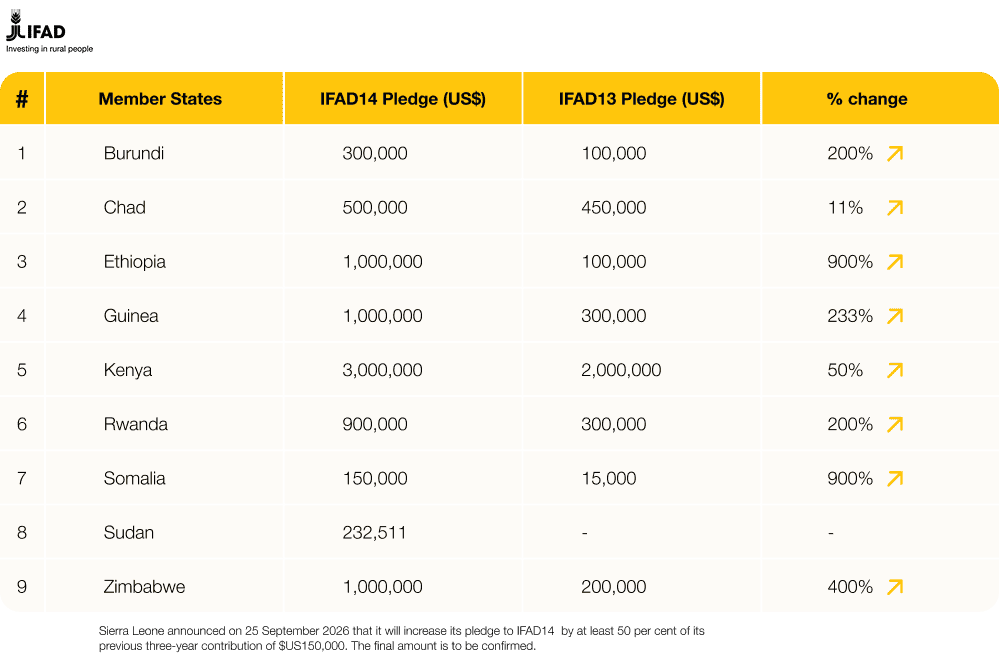
SUBSCRIBE TO OUR NEWSLETTER
First name or full name
Email
By continuing, you accept the privacy policy
**Categories:** Natural Resources and Agriculture
---
### [Rwanda Links Online Fraud to Human Trafficking, Calls for Stronger Global Crackdown](https://www.topafricanews.com/2026/09/25/rwanda-links-online-fraud-to-human-trafficking-calls-for-stronger-global-crackdown/)
**Published:** September 25, 2026
**Author:** LIBOS NDAYISHIMIYE
**Content:**
Rwanda has called for stronger international cooperation to dismantle criminal networks behind online fraud and human trafficking, warning that the two forms of crime are increasingly interconnected and require coordinated cross-border investigations.
The call was made by Pacifique Kabanda, Secretary General of the Rwanda Investigation Bureau (RIB), during an international conference on combating online fraud held in Phnom Penh, Cambodia, on September 23–24, 2026.
Kabanda highlighted the connection between online fraud and human trafficking, noting that criminal networks can exploit digital platforms and vulnerable people as part of broader illicit operations. His remarks underscored the need for countries to look beyond individual online fraud cases and investigate the wider criminal structures that facilitate such activities.
He urged countries to strengthen mechanisms for sharing intelligence and other relevant information, particularly where criminal activities cross national borders. According to Kabanda, timely exchange of information among affected countries can help investigators identify suspects, trace criminal networks and prevent offenders from exploiting gaps between jurisdictions.
He also called for joint investigations involving law enforcement agencies from different countries, arguing that coordinated operations are essential to disrupting organised criminal groups whose activities extend beyond a single country.
Kabanda further stressed the importance of putting victims at the centre of international efforts to combat these crimes. Beyond bringing perpetrators to justice, he said, cooperation should also contribute to identifying, protecting and supporting people who have been exploited or victimised by criminal networks.
The Phnom Penh conference brought together stakeholders focused on strengthening the global response to online fraud, an increasingly transnational form of crime that can involve sophisticated networks operating across multiple jurisdictions.

SUBSCRIBE TO OUR NEWSLETTER
First name or full name
Email
By continuing, you accept the privacy policy
**Categories:** NEWS
---
### [The Implications of the Sudan-Saudi Maritime Border Deal for Egypt](https://www.topafricanews.com/2026/09/25/the-implications-of-the-sudan-saudi-maritime-border-deal-for-egypt/)
**Published:** September 25, 2026
**Author:** EDITOR
**Content:**
***By Staff Reporter***
The maritime border between Sudan and Saudi Arabia has remained undelimited for nearly half a century and the file has gathered pace while Sudan is at war.
The war between the Sudanese army and the Rapid Support Forces began on April 15, 2023 and has continued despite regional, international and UN efforts to end it. The United Nations describes the resulting humanitarian crisis as the world’s worst.
On September 14, 2026, Army General Abdel Fattah al-Burhan chaired a meeting of a committee to handle financial and investment arrangements linked to the Supreme Council for Strategic Cooperation and Coordination between Sudan and Saudi Arabia. The two countries’ foreign ministers signed the council’s founding agreement in Riyadh on August 17, the Sudan News Agency reported.
The meeting named the Sea Ports Corporation to coordinate civilian and military institutions and gave the Executive Secretariat direct access to historical maps and documents on the Red Sea and Sudan’s borders. It also set up a technical committee of the National Border Commission and the navy to review maps and legal documents and draft a delimitation plan, and approved maritime surveillance centres to be developed in coordination with the Saudi ports of Jeddah and Yanbu.
The outcomes may look bilateral, but they are likely to concern Egypt, which borders Sudan to the south and shares the Red Sea with both countries.
**Reasons for Egypt’s Concern**
A new Sudanese-Saudi map could touch three areas sensitive to Egypt: the Halayeb Triangle, maritime resources and the security of shipping bound for the Suez Canal.
Egypt and Saudi Arabia signed their own maritime border agreement in April 2016. Sudan objected at the United Nations, arguing that seven basepoints on the Egyptian-Saudi line encroach on waters linked to Halayeb, which Khartoum claims. Egypt rejected the claim as baseless in a December 2017 declaration to the UN, asserting sovereignty over the land north of the 22nd parallel and the adjacent sea.
A Sudanese-Saudi line that stops at the 22nd parallel would stay consistent with the Egyptian-Saudi border, but if Khartoum uses the talks to press its claim to Halayeb, the new map could revive the dispute. The Ethiopian newspaper The Reporter, however, reported in August 2025 that al-Burhan had asked the National Border Commission in May 2025 to adopt a map placing Halayeb inside Egypt.
Shipping is the second risk. President Abdel Fattah el-Sisi said in January 2026 that Egypt lost about $9 billion in direct Suez Canal revenue over two years of Red Sea disruption. In September, Houthi forces seized Yemen’s Red Sea coast and gained significant control over the Bab al-Mandab Strait, the canal’s southern gateway, Al Jazeera reported.
New security or investment arrangements on the Sudanese coast coordinated with Jeddah and Yanbu but not with Cairo would add to Egypt’s exposure on that route. Cairo and Riyadh have nonetheless coordinated closely on Sudan: when Saudi Crown Prince Mohammed bin Salman met el-Sisi in Cairo on September 15, the two sides said any threat to Sudan’s unity endangers the collective security of both countries, according to Al Jazeera.
**An Earlier Postponement**
There is no evidence that the technical committee has begun formal delimitation talks with Saudi Arabia.
Egypt delayed similar moves last year by pressing al-Burhan, according to media reports. In October 2025, al-Burhan asked for the final draft of the Saudi agreement to be postponed until Sudan had consulted Egypt, the reports said. The joint Sudanese-Saudi committee had met on September 20, 2025, chaired by Al-Amin Mohammed Banqa, to discuss amendments to that draft, The Standard reported.
**Historical Background of the Delimitation File**
The file dates back to the 1960s, when metal-rich deposits were found on the central Red Sea seabed, including the Atlantis II Deep between Jeddah and Port Sudan, one of the largest known seabed deposits of zinc, copper, silver and gold.
Talks began in Jeddah in July 1973. An agreement signed in Khartoum in May 1974 and registered with the United Nations gives each state exclusive rights near its coast and sets up a common zone in the deep central Red Sea for joint exploitation.
The two countries announced a joint effort to revive the agreement in 2019. A 2011 study by the Kiel Institute for the World Economy estimated the present value of possible gross revenue from the Atlantis II Deep at $3.1 billion to $8.2 billion, depending on the minerals considered.
The 1974 agreement predates the 1982 UN Convention on the Law of the Sea, and some legal experts believe it should be reviewed to protect Sudan’s interests.

SUBSCRIBE TO OUR NEWSLETTER
First name or full name
Email
By continuing, you accept the privacy policy
**Categories:** Politics
---
### [UNGA81: African Development Bank Group calls for clean cooking to become a central pillar of Africa’s energy transition](https://www.topafricanews.com/2026/09/25/unga81-african-development-bank-group-calls-for-clean-cooking-to-become-a-central-pillar-of-africas-energy-transition/)
**Published:** September 25, 2026
**Author:** EDITOR
**Content:**
- *High-level event in New York builds momentum toward the 2027 Clean Cooking Summit in Nairobi*
**New York, 24 September 2026** – The African Development Bank Group has called for clean cooking to be treated as a development imperative and a collective responsibility, urging governments and partners to place it at the heart of Africa’s energy transition.
The call came during the High-Level Heads of State Event on Clean Cooking in Africa, held Tuesday 23rd September during the 81st United Nations General Assembly in New York. Convened by Kenya and Norway, in collaboration with the International Energy Agency, the Clean Cooking Alliance and UN Energy, it was the first time that clean cooking has taken the center stage in the UN General Assembly’s history.
The event brought together heads of state, ministers, multilateral development banks, United Nations agencies and other partners, to raise political ambition and accelerate progress toward universal access to clean cooking across Africa.
Nearly one billion Africans still lack access to clean cooking, forcing many households to rely on wood, charcoal and other traditional biomass fuels that contribute to indoor air pollution, deforestation and lost productivity. Women and children are disproportionately affected, bearing the greatest health risks and spending hours collecting fuel that could otherwise be used for education, work and enterprise.
President William Ruto of Kenya, who addressed the event, said clean cooking should be integrated into national planning across African governments. Kenya will host the second Summit on Clean Cooking in Africa in Nairobi in January 2027, where leaders and partners are expected to convert the political momentum generated in New York into concrete investment commitments and implementation plans.
African Development Bank Group Senior Vice President Marie-Laure Akin-Olugbade, who represented President Sidi Ould Tah, said clean cooking could no longer be treated as a secondary issue in the energy transition. “How a family cooks affects health, forests, productivity, gender equality, and the daily lives of millions of women and children in Africa,” she said. “It is therefore not a marginal issue; it is central to development, climate action and human dignity.”
Mission 300 — the joint initiative between the African Development Bank Group and the World Bank Group to connect 300 million Africans to electricity by 2030 — has helped shift the conversation on household energy access, Akin-Olugbade said. She said all 36 National Energy Compacts adopted to date by African countries within the initiative now include clean cooking ambitions, with countries pursuing a range of pathways including improved cookstoves, liquefied petroleum gas, electric cooking, biogas, bioethanol and briquettes.
Following the first Summit on Clean Cooking in Africa in 2024, the Bank Group committed to channel USD 2 billion over ten years to clean cooking. It has already channelled approximately USD 135 million to clean cooking projects — a ten-fold increase compared with its cumulative financing for the sector before the 2024 Summit.
Support African Journalism
Help Us Tell More African Stories
TOP AFRICA NEWS
[❤️ Donate Now](https://flutterwave.com/donate/rzmzxokojwhy)
The Bank Group’s support is already visible across the continent. In Uganda, it is supporting the deployment of biogas plants and subsidies that make efficient electric cooking appliances more affordable. In Tanzania, electric cooking devices are being integrated into wider electrification investments. In Rwanda, results-based financing is designed to expand access to clean cooking technologies for 100,000 households and 300 institutions.
The Bank Group is also expanding concessional and catalytic finance for clean cooking through the Rome Process/Mattei Plan Financing Facility and the Africa Clean Cooking Program under the Sustainable Energy Fund for Africa.
The session was marked by high level interventions including Ireland announcing a pledge of EUROS 300,000 to support the work of the Clean Cooking Alliance.
“Success will not be measured by the dollars we invest, but by the lives we improve,” Akin-Olugbade said. “Clean cooking must become a central pillar of Africa’s energy transition — one that demands political leadership, sustained financing and collective action at scale.”

SUBSCRIBE TO OUR NEWSLETTER
First name or full name
Email
By continuing, you accept the privacy policy
**Categories:** Environment
---
### [Global Policy Report Calls for Binding State Duty to Protect Children Online](https://www.topafricanews.com/2026/09/25/global-policy-report-calls-for-binding-state-duty-to-protect-children-online/)
**Published:** September 25, 2026
**Author:** EDITOR
**Content:**
**Report covering 40 countries urges governments to move beyond voluntary platform safeguards; backs prevention-by-design, privacy-preserving age checks and school smartphone restrictions**
NEW YORK, September 24, 2026 — Governments should move from voluntary industry safeguards towards binding legal duties to protect children online, according to a new global policy report launched on the sidelines of the United Nations General Assembly. Titled “Prevention by Design: From Voluntary Self-Regulation to a State Duty of Care,” the report was launched at an event on “Responsible AI & Safe Digital Spaces for Children” organised by Athena Infonomics and Just Rights for Children.
The report is published by (CLAB) Centre for Legal Action and Behaviour Change, one of India’s leading research and policy institutes and a partner of the Just Rights for Children network. It draws on legal and policy developments across 40 countries, 10 regional and multilateral frameworks, and 13 United Nations instruments, as well as school smartphone policies across 110 countries.
The analysis points to growing government action on children’s access to social media. Australia, China, Indonesia and Malaysia already enforce binding age rules, while four other countries have passed legislation, 11 bills are before parliaments, and 22 governments are actively considering regulatory measures. Proposed minimum ages are increasingly clustering around 15 and 16.
At the centre of the framework is “Prevention by Design”, bringing age limits, privacy, algorithms, online exploitation and platform accountability into a single regulatory approach. It proposes a statutory age floor of 15, supervised parental consent between 15 and 16, and enhanced protections for all users below 18.
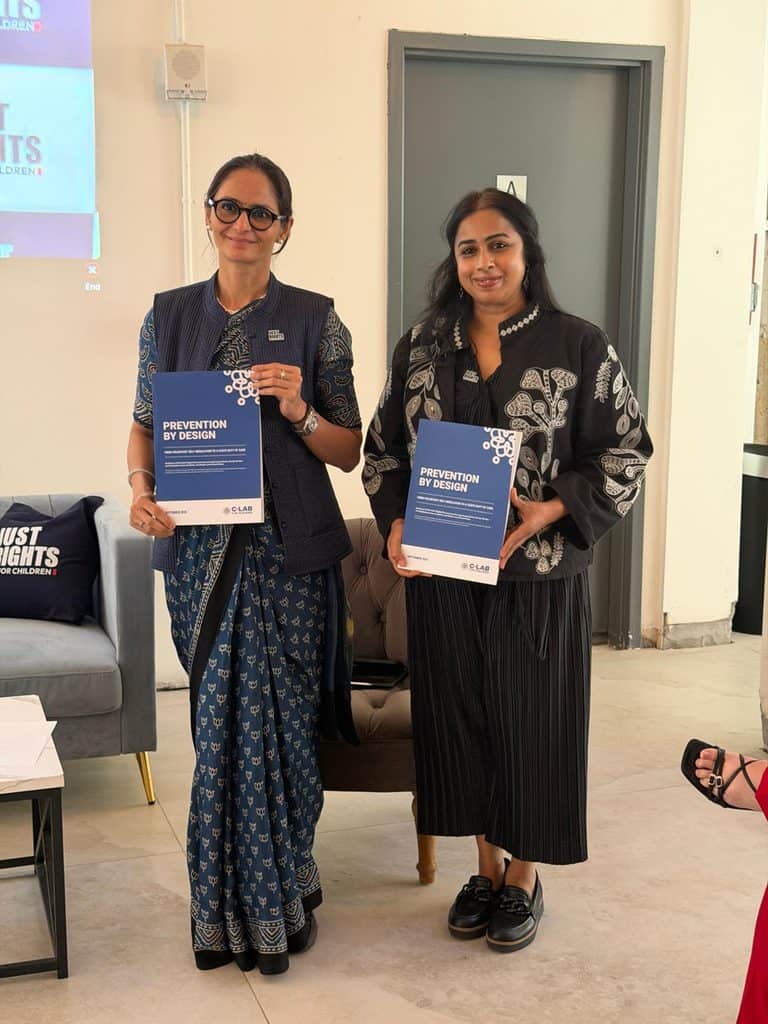The framework also calls for greater platform responsibility, including restrictions on targeted and behavioural advertising to minors and design features such as infinite scroll, autoplay, streaks and reward loops. It proposes stronger privacy and safety settings by default, privacy-preserving age assurance, data minimisation and a ban on centralised databases of children’s identities.
For enforcement, it proposes independent online-safety regulators, mandatory platform reporting, revenue-linked penalties, graduated sanctions and child-accessible remedies. Child participation, digital literacy, parental guidance and independent review are also included.
A separate recommendation calls for national legislation restricting smartphone use throughout the school day in primary and lower-secondary schools, including breaks, with publicly funded storage and exceptions for medical needs, disability-related assistive technology and teacher-directed educational use. More than half of the 110 countries examined have some form of national or subnational school smartphone restriction, according to the analysis.
The framework also calls for stronger international cooperation to address online harms that cross borders.
Speaking at the launch of the report “Prevention by Design,” Bhuwan Ribhu, Founder, Just Rights for Children, said,
“The digital world has expanded the scale of harm, while systems for preventing it have not kept pace. The world needs mandatory reporting and an international legal framework to address online harms that cross borders. Social media platforms cannot be allowed to place children in contracts or arrangements that undermine their rights and safety. A child below 18 cannot legally enter into a contract, and any such agreement is void ab initio”.
He further added that this report applies the principles of child protection and the rule of law to technology itself. At the scale of digital platforms, we cannot wait for millions of harms to occur before acting—we must design systems that prevent harm, strengthen accountability, empower communities and local protection mechanisms, and use technology to identify risks early and connect children to protection.
The framework acknowledges that evidence on some digital risks and regulatory interventions is still developing, and calls for regular statutory review, independent evaluation and continued evidence gathering.
The findings are being presented to policymakers and child-rights advocates in New York during the UN General Assembly week.
Support African Journalism
Help Us Tell More African Stories
TOP AFRICA NEWS
[❤️ Donate Now](https://flutterwave.com/donate/rzmzxokojwhy)

SUBSCRIBE TO OUR NEWSLETTER
First name or full name
Email
By continuing, you accept the privacy policy
**Categories:** ADVOCACY
---
### [Macron to Skip Papal Masses During Pope Leo XIV’s Visit to France](https://www.topafricanews.com/2026/09/24/macron-to-skip-papal-masses-during-pope-leo-xivs-visit-to-france/)
**Published:** September 24, 2026
**Author:** EDITOR
**Content:**
PARIS — French President Emmanuel Macron will not attend any of the three Masses celebrated by Pope Leo XIV during the pontiff’s official visit to France from September 25 to 28, according to reports circulating this week.
The Pope is scheduled to celebrate Mass in Paris, at the shrine in Lourdes, and in Metz. Macron’s absence from these religious ceremonies comes after the Vatican declined several proposals put forward by the French side for the visit.
Among the requests rejected were a military parade intended to honor the Pope with full honors as a head of state, a shared meal with the French president and other dignitaries, and plans for Macron to accompany the Pope to Notre-Dame Cathedral in Paris.
Instead, the official program focuses on diplomatic and institutional meetings. Macron is expected to greet Pope Leo XIV upon his arrival at the airport for a brief discussion before the two proceed to the Élysée Palace. There, the Pope will address senior government officials, members of the diplomatic corps, and representatives of civil society organizations operating in France.
The leaders are also set to meet again toward the end of the visit in Metz, where Macron will host an event allowing the Pope to speak to European officials.
The four-day trip marks Pope Leo XIV’s first official visit to France and includes stops in Paris, Lourdes, and Metz, along with an address at UNESCO headquarters. The itinerary features prayer vigils, meetings with bishops, young people, and vulnerable communities, as well as interreligious gatherings.
The decision on the Masses reflects France’s longstanding tradition of secular governance while still facilitating high-level state protocol for the papal visit. Officials from both sides have emphasized the importance of dialogue on international issues during the encounters.

SUBSCRIBE TO OUR NEWSLETTER
First name or full name
Email
By continuing, you accept the privacy policy
**Categories:** Religion
---
### [From the Frozen North to the Shores of Central Africa: The Extraordinary Journey of the American Rosary Airlift](https://www.topafricanews.com/2026/09/24/from-the-frozen-north-to-the-shores-of-central-africa-the-extraordinary-journey-of-the-american-rosary-airlift/)
**Published:** September 24, 2026
**Author:** EDITOR
**Content:**
Amidst the diplomatic whirlwind of the 81st Session of the United Nations General Assembly in New York, a profoundly human and spiritual mission quietly reached a milestone. In a brief yet poignant encounter on the sidelines of global politics, Queens native Mr. Victor Mooney formally handed over hundreds of American-collected rosaries to the Permanent Mission of the Republic of Equatorial Guinea to the United Nations.
Destined originally for Pope Leo XIV’s final Mass in Equatorial Guinea earlier this year, these beads of prayer tell a remarkable story of geography and devotion. Gathered from every corner of the United States—stretching from the sun-drenched coasts down south to the snow-swept wilderness of Alaska—the collection represents a tapestry of American faith.
Receiving the collection was H.E. Simeon Oyono Esono Angue, Minister of Foreign Affairs, International Cooperation and the Diaspora, alongside H.E. Mr. Anatolio Ndong Mba, Permanent Ambassador for Equatorial Guinea to the UN. The brief handover took place just moments before the high-ranking delegation had to rush back into the grueling schedule of UN high-level meetings, underscoring the urgency and global significance of their diplomatic visit.
Yet, for Mr. Mooney, the handover of the rosaries was just one chapter in a larger, awe-inspiring narrative of transatlantic perseverance.
Also on the horizon is the ultimate resting place for the*Spirit of Malabo*—the very rowboat Mr. Mooney famously used to conquer the Atlantic Ocean on his fourth grueling attempt, rowing from the Canary Islands off the coast of West Africa all the way to New York’s Brooklyn Bridge. Generously financed by the government of Equatorial Guinea, the vessel of resilience is now one step closer to finding a permanent home in Rome.
According to correspondence shared with the Foreign Minister from Ms. Barbara Jatta, Director of the Vatican Museums (*Musei Vaticani*), the boat’s journey may not end in the heart of Rome. Given the “evocative power and prestige of the vessel,” Ms. Jatta noted that future explorations could lead to an alternative placement at Castel Gandolfo. There, surrounded by the historic papal summer residence, the*Spirit of Malabo*would find a presentation perfectly harmonized with its grand symbolic and dimensional characteristics.
From a resilient rowboat crossing oceans to a coast-to-coast American airlift of prayer beads bound for Africa, Victor Mooney’s mission bridges continents, cultures, and faiths—proving that the most powerful journeys are driven by endurance, hope, and spirit.
[Museum](https://www.topafricanews.com/wp-content/uploads/2026/09/Museum.pdf)[Download](https://www.topafricanews.com/wp-content/uploads/2026/09/Museum.pdf)

SUBSCRIBE TO OUR NEWSLETTER
First name or full name
Email
By continuing, you accept the privacy policy
**Categories:** Religion
---
### [Rwanda and Ukraine Deepen Partnership at UN Assembly, Sign Diplomatic Visa Accord](https://www.topafricanews.com/2026/09/24/rwanda-and-ukraine-deepen-partnership-at-un-assembly-sign-diplomatic-visa-accord/)
**Published:** September 24, 2026
**Author:** DUSABEMUNGU Ange de la Victoire
**Content:**
**NEW YORK —** Rwanda and Ukraine moved to strengthen their bilateral relationship this week as their foreign ministers met on the sidelines of the United Nations General Assembly and signed an agreement waiving visa requirements for holders of diplomatic passports.
Rwandan Foreign Minister Olivier Nduhungirehe and Ukrainian Foreign Minister Andrii Sybiha held talks Wednesday in New York. The two officials discussed ways to expand cooperation between Kigali and Kyiv and reviewed peace efforts in both the Great Lakes region of Africa and in Ukraine.
Sybiha later described the encounter as meaningful and productive. He said the ministers focused on implementation of the Washington Agreements aimed at lasting peace, security and development in the Great Lakes, as well as initiatives to end Russia’s war against Ukraine. He thanked Rwanda for its consistent support of key Ukraine-related resolutions at the United Nations and said African states have an important role in advancing peace efforts.
“Ukraine highly values its friendship with Rwanda and looks forward to deepening our dialogue and cooperation,” Sybiha said.
Nduhungirehe’s ministry confirmed that the ministers also examined practical steps to broaden ties across areas of mutual interest. The visa-exemption agreement for diplomatic-passport holders was signed during the same meeting, a modest but concrete step toward easier official travel between the two countries.
The talks took place as world leaders gather in New York for the 81st session of the General Assembly. Rwanda’s Prime Minister Justin Nsengiyumva is scheduled to deliver the country’s national statement in the General Debate on Thursday.
The meeting builds on existing diplomatic relations. Ukraine maintains an embassy in Kigali, and the two governments have previously exchanged views on sovereignty, territorial integrity and historical memory. Rwanda has generally voted in support of Ukraine’s position at the United Nations while pursuing its own regional security priorities in eastern Congo and the wider Great Lakes.
Officials on both sides framed the New York encounter as part of a broader effort to keep channels open at a time of overlapping conflicts and competing diplomatic agendas. No further agreements were announced, and neither side released a detailed joint communiqué beyond the visa pact and the public remarks on peace and partnership.
The visa arrangement applies only to diplomatic passports and does not change entry rules for ordinary travelers. Implementation details were not immediately released.
As the General Assembly continues, both delegations are expected to hold additional bilateral meetings with other partners. For Rwanda and Ukraine, Wednesday’s session marked a modest but visible step in a relationship that both governments now describe as one they intend to expand.

SUBSCRIBE TO OUR NEWSLETTER
First name or full name
Email
By continuing, you accept the privacy policy
**Categories:** NEWS
---
### [Rwanda’s Potato production Rises 5.7% as Production Reaches 332,000 Tonnes](https://www.topafricanews.com/2026/09/24/rwandas-potato-production-rises-5-7-as-production-reaches-332000-tonnes/)
**Published:** September 24, 2026
**Author:** LIBOS NDAYISHIMIYE
**Content:**
Rwanda’s potato production increased by 5.7 percent during the 2026 Season B, reaching nearly 332,000 tonnes, as improved agricultural output continued to strengthen the supply of one of the country’s major food crops.
According to the latest Seasonal Agricultural Survey released by the National Institute of Statistics of Rwanda (NISR) on September 22, 2026, farmers harvested 331,963 tonnes of potatoes during Season B 2026, up from 314,093 tonnes recorded during the same season in 2025.
The increase was accompanied by an expansion in the land devoted to potato cultivation. The area under potatoes reached 48,424 hectares, representing a 5.4 percent increase compared with the corresponding season of 2025.
The highest potato production was recorded in Musanze, Burera, Nyabihu and Rubavu districts, highlighting the continued importance of Rwanda’s Northern and Western highlands in supplying the crop.
The rise in potato production forms part of a broader increase recorded across several major food crops during Season B 2026. NISR reported that production of bananas, beans, maize and rice also increased compared with the same season a year earlier.
Banana production reached 1,231,202 tonnes, up from 1,166,247 tonnes, representing a 5.6 percent increase. Banana cultivation covered approximately 250,772 hectares, with average productivity estimated at 12.4 tonnes per hectare.
Bean production increased by 1.3 percent, rising from 240,721 tonnes in Season B 2025 to 243,775 tonnes in 2026, despite a slight 0.4 percent decline in the cultivated area, which stood at 333,735 hectares.
Maize production also increased by 4 percent, reaching 122,370 tonnes, compared with 117,711 tonnes in the same season of 2025. The area planted with maize expanded by 2 percent to 94,823 hectares.
Rice recorded the largest percentage increase among the crops highlighted in the survey, with production rising by 10.1 percent to 80,325 tonnes, from 72,976 tonnes in the previous year. Rice productivity reached 4.6 tonnes per hectare, with cultivation covering about 17,534 hectares.
Overall, the agricultural survey shows that Rwanda continued to record growth in the production of several key food crops during Season B 2026. About 1.41 million hectares, equivalent to nearly 59 percent of the country’s total land area, were used for agricultural activities, with approximately 1.02 million hectares dedicated to seasonal crops.

SUBSCRIBE TO OUR NEWSLETTER
First name or full name
Email
By continuing, you accept the privacy policy
**Categories:** Natural Resources and Agriculture
---
### [2026 IFAJ/Alltech Young Leaders in Agricultural Journalism Award recipients honored at international congress ](https://www.topafricanews.com/2026/09/24/2026-ifaj-alltech-young-leaders-in-agricultural-journalism-award-recipients-honored-at-international-congress/)
**Published:** September 24, 2026
**Author:** TOPAFRICANEWS
**Content:**
\[LEXINGTON, Ky.\] — Since 2005, the [International Federation of Agricultural Journalists (IFAJ)](https://u7061146.ct.sendgrid.net/ls/click?upn=u001.gqh-2BaxUzlo7XKIuSly0rC7SQXSx9o55Kb0xxNOlLJxs-3DZh5k_3xC-2BPcLP4N6Z-2B4jPWsHeMCJaOLhCBu9nRWPVy-2FCop-2Bbxjb1s4OzcA6NRnXJLcjV-2Bgqu0ue-2BKYeo-2BRoezExvHZDeqtXMtCe-2BNc-2Brosqsw3IPRYruoo9cumAD1N9h-2BTiPggN-2FURkeH0vWV9cPXEfd-2Bh2dEwDLXzwZZGD93VtLbbaljZvF8HsOVnZN4phHsQUSevx-2Fszf5KDJPWrtQQzmjRvT9lP7jtz923S-2F3f2gBPU5efssCat4lpv27iRJRuVZyUS7n0qwGYcv5gRnMUDcdkmKjIjz9Tn-2FfJTLJXJQ7uU8CjJJNfpR6gctX7P-2FDcXHHZv-2Bnvwoj7mKd-2FUKunPRNboQ-3D-3D) and Alltech, a global leader in animal health and nutrition, have partnered to support the [Young Leaders in Agricultural Journalism Awards](https://u7061146.ct.sendgrid.net/ls/click?upn=u001.gqh-2BaxUzlo7XKIuSly0rCwrxVRv1cMecdBCTxz87VkV-2FjTEu69tIvJJf4sYnP-2F8eFnORDMM-2BjkX7O-2B7947kr2g-3D-3DdPuq_3xC-2BPcLP4N6Z-2B4jPWsHeMCJaOLhCBu9nRWPVy-2FCop-2Bbxjb1s4OzcA6NRnXJLcjV-2Bgqu0ue-2BKYeo-2BRoezExvHZDeqtXMtCe-2BNc-2Brosqsw3IPRYruoo9cumAD1N9h-2BTiPggN-2FURkeH0vWV9cPXEfd-2Bh2dEwDLXzwZZGD93VtLbbaljZvF8HsOVnZN4phHsQUSevx-2Fszf5KDJPWrtQQzmjRvSZbFvJpktlImJ0yWaA44f7x7b-2B9dMINY7ySBs3sDybvAC-2BuKEvQGlOI75Y8K-2FSDX1Uvg3lmA0l4L4VxVIcL7KKcvvuf9iZWbcb5-2BJYL9u5EKn07mF4mUHyYAkSB8TZdWg-3D-3D), which recognize the leadership potential of young members (under 35 years of age). As young agricultural journalists and communicators, they serve an important role in sharing the stories of agriculture with the world.
IFAJ and Alltech offer 10 scholarship opportunities to attend the [IFAJ Congress](https://u7061146.ct.sendgrid.net/ls/click?upn=u001.gqh-2BaxUzlo7XKIuSly0rC06ZvFoRs7-2BdpANqAtT86FQyHhawNxY-2B8a3tQF-2BH44w6cBBB_3xC-2BPcLP4N6Z-2B4jPWsHeMCJaOLhCBu9nRWPVy-2FCop-2Bbxjb1s4OzcA6NRnXJLcjV-2Bgqu0ue-2BKYeo-2BRoezExvHZDeqtXMtCe-2BNc-2Brosqsw3IPRYruoo9cumAD1N9h-2BTiPggN-2FURkeH0vWV9cPXEfd-2Bh2dEwDLXzwZZGD93VtLbbaljZvF8HsOVnZN4phHsQUSevx-2Fszf5KDJPWrtQQzmjRvU2b-2FR0zVjnCISan-2Fk1pxD-2Bm2EJLFA-2BG9-2BQocGShK-2BmEwtXzUDMH2E0yhwBDjjLX3UVDFDNoy8QBrCjSFeaVMsipRkJMIVdUL-2FYbZZxxW902euUvblW-2B3-2B1lCPrVMtm3dw-3D-3D), hosted this year in Croatia. The Young Leaders participate in a unique professional development workshop immediately prior to the IFAJ Congress, led by IFAJ’s Presidium, featuring seminars, career guidance and agricultural tours. They then had the opportunity to meet and network with more than 200 agricultural journalists from around the world during the IFAJ Congress.
The 2026 IFAJ/Alltech Young Leaders include:
- Juan Ignacio Alaise, Argentina
- Kaitlin Berger, Canada
- Katrin Bremer-John, Germany
- Andrew Castillo, United States of America
- Job Hiddink, The Netherlands
- Breifne O’Brien, Ireland
- Emelie Werme, Sweden
- Josiah Pailay, Liberia
- Emmanuel Bright Quaicoe, Ghana
- Milliam Murigi, Kenya
**[DONATE TO US](https://flutterwave.com/donate/rzmzxokojwhy?_gl=1%2acdli14%2a_gcl_au%2aMTMwMzEyOTcxOS4xNzkwMjI5OTE3%2a_ga%2aOTE2MDY2MTU4LjE3OTAyMjk5MTY.%2a_ga_KQ9NSEMFCF%2aczE3OTAyMjk5MTckbzEkZzEkdDE3OTAyMzAyNTEkajU5JGwwJGgw)**
“The IFAJ/Alltech Young Leaders program is not just about recognizing and nurturing individual talent, important though that is, but also to bring together those with the ability to apply that talent to lead and develop the wider profession,” said Adrian Bell, IFAJ secretary general. “Since its inception, the dozens of Young Leader alumni have consistently shown what can only be described as a robust return on investment. Through leadership, influence, insight, inspiration and innovation, they are the ones who will carry forward the flame for IFAJ and agricultural journalism.”
“Alltech is proud to have partnered with IFAJ for more than 20 years to support the Young Leaders program for promising agricultural journalists and communicators,” said Jenn Norrie, Alltech’s communications manager for North America and Europe. “It’s an excellent opportunity to connect with these young leaders early in their careers and to learn more about engagement and media in their countries and how they are using different tools and technologies to share stories of agriculture and food.”

SUBSCRIBE TO OUR NEWSLETTER
First name or full name
Email
By continuing, you accept the privacy policy
**Categories:** NEWS
---
### [When Life Becomes Literature](https://www.topafricanews.com/2026/09/24/when-life-becomes-literature/)
**Published:** September 24, 2026
**Author:** EDITOR
**Content:**
#### How 32 years of life, 19 years of reflection and 10 years of service shaped three books by Ganza K. Bertin
For Ganza K. Bertin, writing has not been separate from life. His experiences, questions, struggles and years of service have gradually found their way onto the page, resulting in three books: *Rejoicing: From Self-Healing to Impactful Living*, *A Letter for the Soul*, and *Overcoming*.
The books emerged from different periods of his life.
*Rejoicing* grew out of 32 years of learning to live through adversity while searching for a meaningful and intentional life. *A Letter for the Soul* reflects 19 years of writing, questioning and thinking about life, relationships, faith, responsibility and purpose. *Overcoming* draws from a decade of volunteering, serving others and helping people recognise their potential.
Together, the books reflect a journey from experience to reflection and, eventually, action.
#### From adversity to healing
In *Rejoicing*, Bertin looks closely at his personal journey, including childhood experiences, poverty, family struggles, questions of identity and the search for belonging.
Rather than presenting suffering as something to celebrate, the book examines what a person can learn from difficult experiences and how healing can change the way those experiences are understood.
One of its central ideas is that a difficult beginning does not necessarily determine the direction of a person’s life.
For Bertin, healing is also connected to service. Experiences that once caused pain can become sources of understanding and, eventually, ways of helping others.
#### Questions that became poetry
*A Letter for the Soul* comes from a different place. It is a collection of poems, reflections and observations developed over many years of writing.
Its subjects include love, family, faith, peace, unity, resilience and the responsibilities people have towards one another.
The book reflects a continuing attempt to understand some of the questions that accompany everyday life. It also speaks to young people about learning from experience, making choices and finding meaning amid uncertainty.
Rather than offering simple answers, the writing often invites the reader to stop and consider their own life.
#### From reflection to action
*Overcoming* is rooted in another decade of Bertin’s life—years spent volunteering, working with people and helping them explore their abilities and possibilities.
The book examines fear, limiting beliefs, procrastination and the tendency to postpone important goals.
A central idea is expressed in the phrase, **“Time is life.”** Bertin argues that meaningful change can begin with the deliberate use of the time people already have.
This thinking led to his idea of dedicating 40 intentional minutes of the 1,440 minutes available in a day to personal growth, reflection and action.
#### One story told in three books
Although the books have different subjects, they are connected by a common question: **How should a person choose to live?**
*Rejoicing* looks at what can emerge from adversity. *A Letter for the Soul* explores the questions that arise through years of reflection. *Overcoming* turns that reflection towards action.
For Bertin, the three books therefore represent more than separate writing projects. They document different stages of a continuing personal journey—from survival and self-discovery to service and intentional living.
His story suggests that literature does not always begin with the intention to write a book. Sometimes it begins with a life, the questions that life raises, and the decision to put those experiences into words.
**[DONATE TO TOP AFRICA NEWS](https://flutterwave.com/donate/rzmzxokojwhy?_gl=1%2acdli14%2a_gcl_au%2aMTMwMzEyOTcxOS4xNzkwMjI5OTE3%2a_ga%2aOTE2MDY2MTU4LjE3OTAyMjk5MTY.%2a_ga_KQ9NSEMFCF%2aczE3OTAyMjk5MTckbzEkZzEkdDE3OTAyMzAyNTEkajU5JGwwJGgw)**

SUBSCRIBE TO OUR NEWSLETTER
First name or full name
Email
By continuing, you accept the privacy policy
**Categories:** NEWS
---
### [Bridging Science and Policy: Rwanda Strengthens Drive for Climate Resilience](https://www.topafricanews.com/2026/09/23/bridging-science-and-policy-rwanda-strengthens-drive-for-climate-resilience/)
**Published:** September 23, 2026
**Author:** EDITOR
**Content:**
**KIGALI, Rwanda —** Rwanda is strengthening efforts to translate climate research into practical policies and actions as scientists, policymakers, development partners and other stakeholders seek to improve the country’s ability to anticipate and respond to climate-related risks.
More than 800 registered delegates from government, academia, civil society and international development organizations participated in the 2nd Rwanda Climate Science Symposium, held at the M Hotel in Kigali under the theme **“Where Rwanda’s Climate Research Meets Policy.”**
The symposium was co-organized by the Ministry of Environment and German Development Cooperation (GIZ) and focused on strengthening the link between scientific evidence and national decision-making.
At the centre of the discussions was a question increasingly important for Rwanda: how can detailed climate information be translated into practical decisions that protect communities, strengthen economic sectors and support long-term development?
#### Rwanda faces different climate risks
Rwanda’s varied topography means that climate impacts differ considerably across the country.
The eastern region faces prolonged dry periods and water scarcity, while mountainous areas in the west are more exposed to intense rainfall, flooding and landslides.
Fidel Bingwa, Permanent Secretary at the Ministry of Environment, highlighted the importance of understanding these localized climate patterns.
Climate projections discussed at the symposium indicate that Rwanda’s overall rainfall volume over the next 20 to 25 years may not change significantly. However, the intensity of rainfall events and the duration of dry periods are expected to change, creating significant implications for planning.
For policymakers, the challenge is therefore not simply to know how much rain Rwanda receives, but to understand when, where and with what intensity climate events may occur.
Participants emphasized that translating complex scientific projections into accessible information will be essential for planning in agriculture, infrastructure, health and other sectors.
Rwanda’s climate response is guided by frameworks including its Nationally Determined Contributions (NDCs), National Adaptation Plan (NAP), Green Growth and Climate Resilience Strategy (GGCRS) and Vision 2050.
#### Climate intelligence for agriculture
Agriculture was one of the key sectors discussed during the symposium.
Representing the Food and Agriculture Organization (FAO), Country Representative Muhammed Abdiker stressed the importance of ensuring that climate intelligence reaches smallholder farmers and supports decisions on what, when and how to plant and harvest.
Climate-related risks can affect agricultural production before harvest by damaging crops and livestock, while post-harvest impacts can contribute to quantitative and nutritional losses in important food commodities such as maize, rice, potatoes and tomatoes.
Better access to localized climate information can therefore support farmers in adapting production decisions to changing conditions.
#### Climate data increasingly integrated into health planning
Climate change is also closely linked to public health risks.
Jean Marie Vianney, Permanent Secretary at the Ministry of Health, explained how climate information is being captured through Internet of Things (IoT) sensors and integrated into Rwanda’s National Health Intelligence Center.
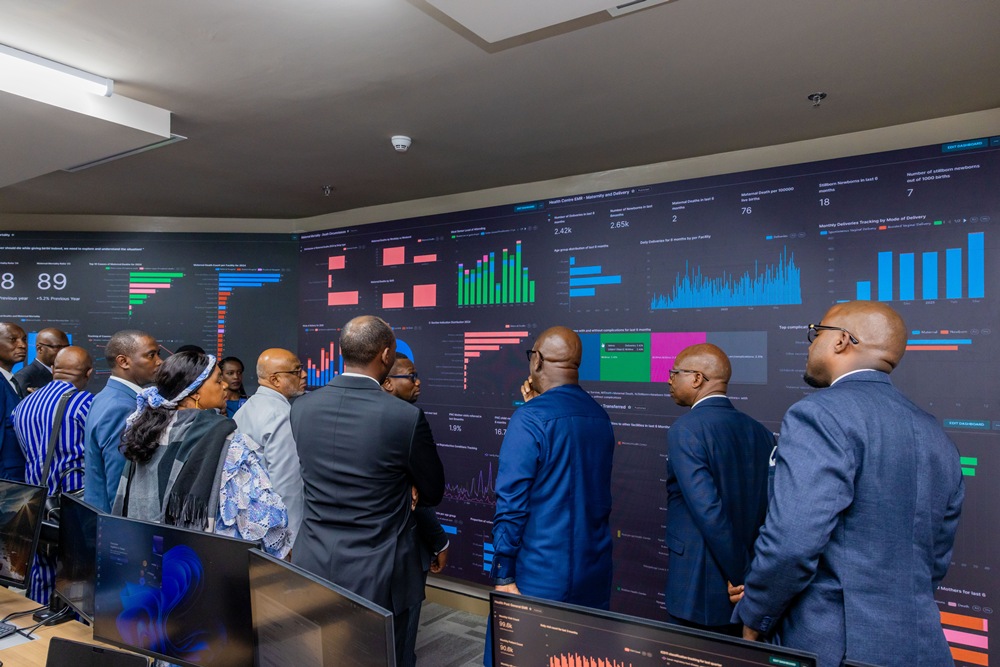Early-warning systems can help monitor climate-sensitive disease risks and support preparedness for diseases including malaria, flu, pneumonia and waterborne illnesses.
The approach seeks to strengthen the ability of the health sector to anticipate risks and inform budgeting and resource allocation before outbreaks or other climate-related health emergencies occur.
#### Rwanda turns to space technology and high-resolution modelling
The Rwanda Space Agency (RSA) is playing a growing role in climate observation and data generation.
Dr. Didier Nkurunziza of RSA explained that climate monitoring extends beyond conventional indicators such as temperature and rainfall. It includes the 55 Essential Climate Variables (ECVs) recognized by the World Meteorological Organization, covering areas such as soil moisture, vegetation and greenhouse gases.
RSA operates specialized instruments including the Picarro, which tracks multiple greenhouse gases, and the Medusa, described during the symposium as the only instrument of its kind deployed in Africa for measuring more than 50 ozone-depleting substances and halocarbons in the stratosphere.
The agency also runs downscaled Numerical Weather Prediction models using the Weather Research and Forecasting (WRF) system at a 2 km × 2 km spatial resolution, providing hourly modelling across Rwanda’s 416 administrative sectors.
Such high-resolution modelling can support localized monitoring of thunderstorms, drought risks through vegetation indicators, urban heat effects in Kigali and other climate-related risks.
#### Building a national climate data ecosystem
The symposium also examined how institutions can share and use climate information more effectively.
Roger Mizero, Chief Technology Officer at the Rwanda Information Society Authority (RISA), outlined the implementation of Rwanda’s National Data Sharing Policy and the development of a decentralized “data mesh” architecture.
The system is intended to facilitate governed data exchange between sectoral data hubs while supporting greater access to information for researchers.
Reducing data silos could allow different government institutions and researchers to combine information when assessing complex climate risks and developing policies.
#### Regional cooperation remains critical
Participants also stressed that climate-related risks do not stop at national borders.
Rwanda participates in regional mechanisms including the Nile Basin Initiative (NBI), Greater Horn of Africa Climate Outlook Forum (GHACOF) and the World Meteorological Organization regional network.
The country is also involved in the Smart Africa Sadex cross-border data exchange pilot.
Such regional cooperation is particularly relevant for challenges such as flooding, weather extremes and transboundary livestock and environmental risks.
#### Rwanda-Germany partnership enters new phase
The symposium also highlighted Rwanda’s cooperation with European development partners.
Supported by German Development Cooperation through GIZ, the partnership is entering a new phase under PROCEED — Promotion of Climate Protection and Resilient Economic Development in Rwanda.
Of the 112 peer-reviewed research abstracts presented during the symposium, 51 originated from partner institutions elsewhere in Africa, reflecting the regional dimension of climate research and knowledge exchange.
Nana Teiba Chinbauh, Deputy Resident Representative of UNDP, highlighted the constraints facing global climate adaptation finance.
She emphasized the importance of strong, sector-specific evidence to demonstrate the costs of climate inaction and strengthen the case for climate financing and investment.
#### Making climate science usable
While Rwanda continues to expand its climate research and data infrastructure, participants stressed that generating information is only part of the challenge.
The next step is ensuring that scientific findings reach policymakers, communities, businesses and other users in forms they can understand and apply.
Prof. Cecil Naphtaly Moro Ouma of the AIMS Research & Innovation Centre emphasized the importance of communicating climate science in ways that make complex information meaningful to society.
Climate research can have applications well beyond agriculture and disaster management, including urban planning, building design, clean cooking and other areas of economic and social development.
With Africa’s young population expected to continue growing significantly in the coming decades, participants also highlighted the importance of engaging younger generations in climate knowledge and solutions.
The discussions in Kigali underscored a central message: climate resilience depends not only on producing better scientific data, but on turning that data into decisions, investments and actions.
For Rwanda, bringing researchers and policymakers closer together is becoming an important part of that process—helping connect climate science with the decisions that shape the country’s development and resilience.

SUBSCRIBE TO OUR NEWSLETTER
First name or full name
Email
By continuing, you accept the privacy policy
**Categories:** Climate / Agriculture Evolution
---
### [Qatar Hails Restoration of Belgium-Rwanda Diplomatic Ties, Citing Doha Dialogue](https://www.topafricanews.com/2026/09/23/qatar-hails-restoration-of-belgium-rwanda-diplomatic-ties-citing-doha-dialogue/)
**Published:** September 23, 2026
**Author:** EDITOR
**Content:**
**DOHA / NEW YORK —** Qatar on Wednesday welcomed the decision by Belgium and Rwanda to restore diplomatic relations after an 18-month rupture, praising the move as a victory for dialogue and highlighting its own role in bringing the two sides back to the table.
In a statement posted on X, Qatar’s Minister of State at the Ministry of Foreign Affairs, Dr. Mohammed bin Abdulaziz Al-Khulaifi, congratulated the “two friendly countries” on what he called an important step that “embodies the triumph of dialogue and the will to understand.” He said the decision reflected a shared commitment to rebuilding trust and overcoming differences.
Qatar’s Foreign Ministry issued a parallel statement welcoming the joint decision to resume ties and reopen embassies. The ministry recalled that Doha hosted the first meeting between the two countries’ foreign ministers in June 2025, an encounter it said opened direct dialogue and paved the way for subsequent contacts that led to the restoration of relations.
**READ ALSO:** **[Qatar–Rwanda Partnership: A Strategic Alliance in Diplomacy, Mediation, and Investment](https://www.topafricanews.com/2026/09/23/qatar-rwanda-partnership-a-strategic-alliance-in-diplomacy-mediation-and-investment/)**
The announcement came a day after Belgian Foreign Minister Maxime Prévot and Rwandan Foreign Minister Olivier Nduhungirehe formalized the agreement on the sidelines of the United Nations General Assembly in New York. In a joint statement, the two governments said they would reopen their embassies in the near future, initially with limited staff led by chargés d’affaires. Ambassadorial appointments would follow later.
Both sides thanked Qatar for facilitating their first meeting in Doha in June 2025. Qatari officials have described that session as a breakthrough that allowed the ministers to address longstanding differences after months of silence. Prime Minister and Foreign Minister Sheikh Mohammed bin Abdulrahman Al Thani helped convene the talks.
The diplomatic break began on March 17, 2025, when Rwanda severed ties with Belgium and ordered Belgian diplomats to leave within 48 hours. Kigali accused Brussels of taking sides against Rwanda in the conflict in eastern Democratic Republic of the Congo and of mobilizing European partners against it. Belgium responded by expelling Rwandan diplomats and ending several cooperation agreements, calling Rwanda’s move disproportionate.
The dispute was rooted in the war in eastern Congo, where the AFC/M23 rebels seized Goma and Bukavu in early 2025 and still control large parts of North and South Kivu. The United Nations and several Western governments say Rwanda backs the group, a charge Kigali denies. Rwanda says it is acting against the FDLR, a Hutu militia it links to the 1994 genocide against Tutsi. Belgium, the former colonial power of both Rwanda and the DRC, had pushed for European Union sanctions on Rwandan officials.
Prévot stressed that restoring diplomatic channels does not mean Belgium has changed its position. “Restoring diplomatic relations between states does not mean abandoning our position, but having structured channels for dialogue, and I will continue to defend the territorial integrity and sovereignty of the DRC,” he said. The two countries agreed to keep talking systematically, including on remaining disagreements over the Congo conflict.
Qatar has played a broader mediating role in the Great Lakes region, hosting talks involving Rwanda, the DRC, and armed groups, and contributing to a June 2025 peace agreement between Kinshasa and Kigali signed in Washington. Qatari officials say they acted as a facilitator rather than a formal mediator between Belgium and Rwanda, providing a trusted platform and then stepping back as the two sides continued talks on their own.
Al-Khulaifi said Qatar remains convinced that “diplomacy and sincere dialogue remain the most appropriate path for addressing differences and consolidating stability.” The Foreign Ministry added that Doha would continue supporting efforts to bring parties closer and resolve disputes through peaceful means.
Embassies are expected to reopen with small teams first. The restoration of ties creates a formal channel between Brussels and Kigali even as the underlying conflict in eastern Congo remains unresolved. Whether the renewed diplomatic relationship produces broader cooperation, or simply managed disagreement, will depend on talks that both sides now say they are prepared to hold.

SUBSCRIBE TO OUR NEWSLETTER
First name or full name
Email
By continuing, you accept the privacy policy
**Categories:** NEWS
---
### [How Rwanda is positioning itself for a higher-value carbon market](https://www.topafricanews.com/2026/09/17/how-rwanda-is-positioning-itself-for-a-higher-value-carbon-market/)
**Published:** September 17, 2026
**Author:** Mutangana Emmanuel
**Content:**
Rwanda is positioning the upcoming Carbon Markets Africa Summit as an opportunity to push Africa’s carbon market beyond project development and toward higher-value transactions that can generate more financing for climate action and local communities.
The Carbon Markets Africa Summit (CMAS 2026), scheduled for October 13–15 in Kigali, will bring together governments, investors, project developers and other stakeholders as African carbon markets increasingly move from establishing regulatory frameworks to attracting investment and executing transactions.
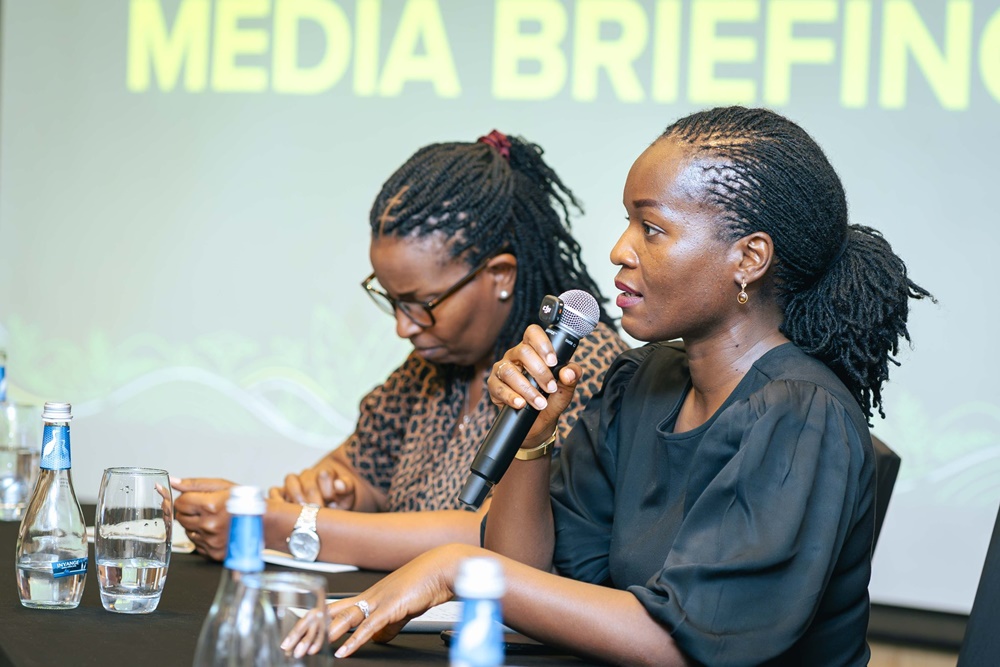***Rwanda’s Minister of Environment, Dr. Bernadette Arakwiye.***Rwanda’s Minister of Environment, Dr. Bernadette Arakwiye, said hosting the summit would give the country a platform to help shape discussions about how carbon markets can work for African economies.
“We want to really have that opportunity to understand what does this mean for Rwandans? What does it mean for Africans? And how can Africa shape this carbon market so that the benefit can also stay in the continent?” she said.
The Minister said the summit should ultimately produce clearer pathways for collective action and help African countries better understand how the emerging market can contribute to their development priorities.
She added, “Rwanda wants the summit to help determine how carbon-market benefits can remain within Africa rather than simply financing projects whose economic value is captured elsewhere.”
The discussion comes as Rwanda seeks to expand its participation in a market that links emissions reductions and removals to private and public climate finance.
Faustin Munyazikwiye, Deputy Director-General of the Rwanda Environment Management Authority (REMA), said Rwanda has so far registered 29 carbon-market projects, covering sectors including land conservation, agriculture, forestry, electric mobility, waste management and renewable energy.
The projects are at different stages, including development, verification and sale of carbon credits, he said.
Munyazikwiye added that Rwanda has so far generated about $1.5 million from some of the carbon credits produced by these projects, with a portion going to government coffers.
Carbon credits are generally generated when projects demonstrate verified reductions or removals of greenhouse gas emissions. The credits can then be sold to buyers seeking to finance or account for emissions reductions.
According to Munyazikwiye, carbon-credit prices currently vary widely, with transactions ranging from about $14 to $45 per tonne, depending on factors including the project and quality of the credits.
But Rwanda says it does not want to compete mainly on volume.
Munyazikwiye the country is deliberately targeting what it considers higher-value credits, arguing that projects should account not only for emissions reductions but also for people and biodiversity.
“We are choosing to go for the high value ones. Instead of quantity, we are going for quality,” he said.
He said Rwanda’s approach also depends on monitoring projects after credits are sold to ensure that developers deliver what they committed to achieve.
“Whatever you have committed to do as a country, you’re going to do it,” he said, explaining that REMA’s carbon-market unit monitors projects on the ground.
The approach reflects a wider shift in African carbon markets. The official CMAS 2026 programme says global carbon markets are moving from rule-setting toward implementation, with Article 6 mechanisms and growing compliance-driven demand increasing attention on credible African projects and investment-ready opportunities.
For Rwanda, the challenge will be converting its growing project pipeline into larger flows of finance while maintaining environmental and social safeguards.
CMAS 2026 • Kigali## Attending the Carbon Markets Africa Summit?
Looking for special media coverage, interviews, event highlights or visibility for your organization, project or participation?
**Let TOP AFRICA NEWS amplify your story to audiences across Africa and beyond.**
[ Request Media Coverage ](mailto:info@topafricanews.com?subject=Special%20Media%20Coverage%20Request%20-%20CMAS%202026) Contact us: <info@topafricanews.com>

SUBSCRIBE TO OUR NEWSLETTER
First name or full name
Email
By continuing, you accept the privacy policy
**Categories:** CLIMATE CHANGE, Environment
---
### [Coalition of Over 80 Groups Demands Accountability After University of Toronto Conference Features Anti-Muslim Rhetoric](https://www.topafricanews.com/2026/09/23/coalition-of-over-80-groups-demands-accountability-after-university-of-toronto-conference-features-anti-muslim-rhetoric/)
**Published:** September 23, 2026
**Author:** EDITOR
**Content:**
**TORONTO** — Over 80 community organizations, academics, faith leaders, and human rights groups have issued[ a joint statement ](https://canadianmuslimpac.ca/2026/09/23/joint-statement-uoft-conference/)demanding immediate institutional accountability from University of Toronto President Melanie Woodin following a September 15 campus conference.
The conference, titled “A Canary’s Song: Antisemitism in Our ‘Free and Democratic Society’,” was opened by President Woodin, who expressed delight in hosting the summit and reaffirmed university partnerships with Israel. Coalition members state that by opening the event, the university administration granted institutional authority to speakers who engaged in explicit anti-Muslim stereotyping, anti-Palestinian discrimination, genocide denial, and attacks on anti-Zionist Jews in violation of university anti-discrimination policies.
Yaser Haddara, Chairman of the Canadian Muslim Public Affairs Council, criticized the administration for giving institutional credibility to collective suspicion against Muslims and called on the university to explain its standards and uphold its equity policies. During the proceedings, speaker Raheel Raza received a standing ovation after declaring that “Muslims are the problem” and equating Palestinians with terrorism, while keynote speaker Deborah Lipstadt dismissed public concern over anti-Muslim hatred. Panelists Naya Lekht and Casey Babb warned of internal “threat actors,” speaker Mark Sandler denied that genocide was occurring in Gaza, and Canadian Antisemitism Education Foundation President Michael Teper disparaged Haredi Jewish families.
Molly Kraft, spokesperson for the Jews Say No to Genocide coalition, stated that the event extended far beyond academic debate and urged the university to stop legitimizing hate.
Endorsed by organizations including the Canadian Muslim Public Affairs Council, Jews Say No to Genocide Coalition, Arab Canadian Lawyers Association, Independent Jewish Voices Canada, Canadians for Justice and Peace in the Middle East (CJPME), CUPE 3902, and Canada’s former Special Representative on Combatting Islamophobia, the coalition issued four core demands:
- Publicly apologize for the Islamophobic, anti-Palestinian, and antisemitic rhetoric platformed at the event.
- Explain President Woodin’s decision to open the event and detail the institutional oversight and standards applied.
- Disclose all administrative, financial, and facilities support provided by the university for the conference.
- Meet directly with impacted students, faculty, and affected community groups.

SUBSCRIBE TO OUR NEWSLETTER
First name or full name
Email
By continuing, you accept the privacy policy
**Categories:** Peace Building and reconciliation
---
### [Solidarity Day: AGL mobilizes its employees around the Schools for Prosperity program ](https://www.topafricanews.com/2026/09/23/solidarity-day-agl-mobilizes-its-employees-around-the-schools-for-prosperity-program/)
**Published:** September 23, 2026
**Author:** EDITOR
**Content:**
On the occasion of the 3rd edition of its Solidarity Day, which will be held on September 24, Africa Global Logistics (AGL), a major player in logistics in Africa, will mobilize its employees in all its countries around a common objective: to promote access to quality education for the younger generations.
This edition marks an important step in AGL’s societal commitment, with the official launch of **Schools for Prosperity,** its new sponsorship program dedicated to improving learning conditions across all its countries of presence in Africa. Through this initiative, AGL aims to contribute sustainably to quality education by supporting the renovation of school infrastructure, the school equipment, teacher support and the promotion of girls’ access to education.
Already committed to education for many years, AGL has supported **18 schools across Africa since 2025.** With the launch of Schools for Prosperity, the group intends to amplify this commitment and make its action sustainable. Solidarity Day 2026 will be a major first step for the program, with the mobilization of the group’s employees in some thirty schools in different countries. The solidarity actions carried out will include donations of school supplies and equipment, the renovation and construction of classrooms and the rehabilitation of school infrastructure, thus contributing to the improvement of students’ learning conditions.
“*At AGL, we are convinced that education is one of the most powerful drivers for building a prosperous and sustainable future. With Schools for Prosperity, we want to take concrete action alongside local actors to offer young people learning conditions that are conducive to their success. This Solidarity Day illustrates the ability of our employees to mobilize collectively to generate a positive and lasting impact across the continent,”* explains **Khadija Komara, AGL’s Director of Communications and Philanthropy.**
Through its entire network, AGL employees will mobilize alongside schools and local communities to carry out concrete actions in favor of education:
- **Senegal – Hann Montagne A and Hann Montagne B / Bel Air Primary School:** rehabilitation of 24 classrooms, provision of school desks and renovation of toilet blocks in partnership with the Association Bien-Être Scolaire.
- **Nigeria – KiriKiri Primary School in Kirikiri town:** renovation of 9 classrooms, the school’s security post and its canteen.
- **Togo – Schools in the prefecture of VO:** construction of a three-classroom school building at the EPP Anfamé Nord 2 and refurbishment of several primary schools in the VO cantons.
- **Ethiopia – Akaki Mengist Primary School:** provision of equipment adapted to students with disabilities and special needs, including hearing aids, wheelchairs and sign language dictionaries.
These initiatives will be complemented by other actions carried out in several countries of the AGL network, including Liberia, Côte d’Ivoire, Chad, Madagascar, Mali, Cameroon, Sierra Leone, etc.
With the launch of Schools for Prosperity, AGL confirms its commitment to education in a symbolic, structured and sustainable way. By mobilizing its employees, the Group intends to make a concrete contribution to provide every young person with the conditions they need to build a brighter future.

SUBSCRIBE TO OUR NEWSLETTER
First name or full name
Email
By continuing, you accept the privacy policy
**Categories:** ADVOCACY, EDUCATION
---
### [President Trump Addresses 81st UN General Assembly, Emphasizing American Strength and Sovereign Action](https://www.topafricanews.com/2026/09/23/president-trump-addresses-81st-un-general-assembly-emphasizing-american-strength-and-sovereign-action/)
**Published:** September 23, 2026
**Author:** DUSABEMUNGU Ange de la Victoire
**Content:**
**UNITED NATIONS —** Addressing the 81st session of the United Nations General Assembly, President Donald J. Trump delivered a speech asserting that under his leadership, American strength and sovereignty have been restored. Highlighting his administration’s foreign and domestic policy record, President Trump declared that while other leaders have merely discussed global challenges, his administration has taken direct action to resolve them.
#### Key Foreign Policy and Security Directives
During his address, President Trump reaffirmed a strict stance against Iran, stating that the United States will never allow the regime to acquire a nuclear weapon. Reflecting on the 25th anniversary of September 11 and the upcoming third anniversary of the October 7 attacks in Israel, he highlighted the threat posed by Iran’s funding of regional terrorism.
Addressing security within the Western Hemisphere, President Trump detailed military measures against drug cartels, which his administration designated as Foreign Terrorist Organizations. He noted that targeted operations have destroyed maritime drug trafficking routes and eliminated major cartel leaders, including the head of the Tren de Aragua gang.
#### Rejection of Globalist Frameworks
President Trump explicitly rejected international governance schemes, affirming that there is no global government and pledging that no global taxes will be enacted during his presidency.
He criticized UN institutions, specifically taking aim at the UN Human Rights Council for its critiques of U.S. immigration enforcement and domestic policies.
Furthermore, he rejected UNESCO’s approach to mass migration, maintaining that sovereign nations have a fundamental right to protect their borders and heritage.
On technological governance, President Trump stated that the United States opposes any international regulatory scheme over Artificial Intelligence, which he officially termed “Super Intelligence”. Concluding his remarks, he emphasized that the United States will continuously defend its freedom, sovereignty, and national interests.

SUBSCRIBE TO OUR NEWSLETTER
First name or full name
Email
By continuing, you accept the privacy policy
**Categories:** Politics
---
### [GLN Communiqué on Financing for Women's, Children's and Adolescents' Health in a Time of Austerity](https://www.topafricanews.com/2026/09/23/gln-communique-on-financing-for-womens-childrens-and-adolescents-health-in-a-time-of-austerity/)
**Published:** September 23, 2026
**Author:** TOPAFRICANEWS
**Content:**
**22 September 2026, United Nations, New York**: We, the members of the Global Leaders Network and partnering sovereign states- gathered on the margins of the 81st Session of the United Nations General Assembly for the high-level session on *“Financing for Women’s, Children’s and Adolescents’ Health in a Time of Austerity”*– reaffirm our shared and unwavering commitment to the health, rights and well-being of women, children and adolescents.
Today’s meeting comes at a crucial moment for global health and development. Intersecting crises, including geopolitical uncertainty, rising debt burdens, and historic contractions in official development assistance, are placing growing pressure on health systems and national budgets and threatening decades of progress in women’s, children’s and adolescents’ health.
Compounding these challenges are growing efforts to roll back hard-won rights, particularly sexual and reproductive health and rights. When shrinking resources converge with organised pushback against human rights, the consequences fall hardest on those already facing the greatest barriers to care. We reaffirm that protecting the health, rights and dignity of women, children and adolescents is fundamental to achieving the 2030 Sustainable Development Goals.
We therefore call for a decisive shift towards stronger, more sustainable, country-led health financing, underpinned by a determination for all countries to attain health sovereignty. We commit to financing mechanisms that uphold the ability of countries to determine, mobilise and direct resources according to their own priorities and the needs of their populations. We call on donor partners to support this shift by aligning their assistance more closely with nationally determined priorities and plans, as contemplated in the Lusaka Agenda.
We cannot allow a period of fiscal constraint to become a period of lost progress. We therefore call on governments, development finance institutions, international partners and the wider global community to act with collective urgency.
We commit to catalyse domestic resource mobilisation and to explore diversified financing mechanisms, such as blended financing, optimised pooling, debt swaps, and other emerging evidence-based innovations. These approaches must be appropriately implemented, adapted to national contexts, and embedded within country-led financing models.
We will carry this agenda beyond the 81st United Nations General Assembly by leveraging the GLN platform to engage governments, technical expertise and investors. We will advance practical financing solutions, facilitate South-South learning, and hold ourselves accountable for the commitments made here today.
The health and well-being of women, children and adolescents must remain a political and financing priority and stand as a measure of our shared commitment to sustainable development.
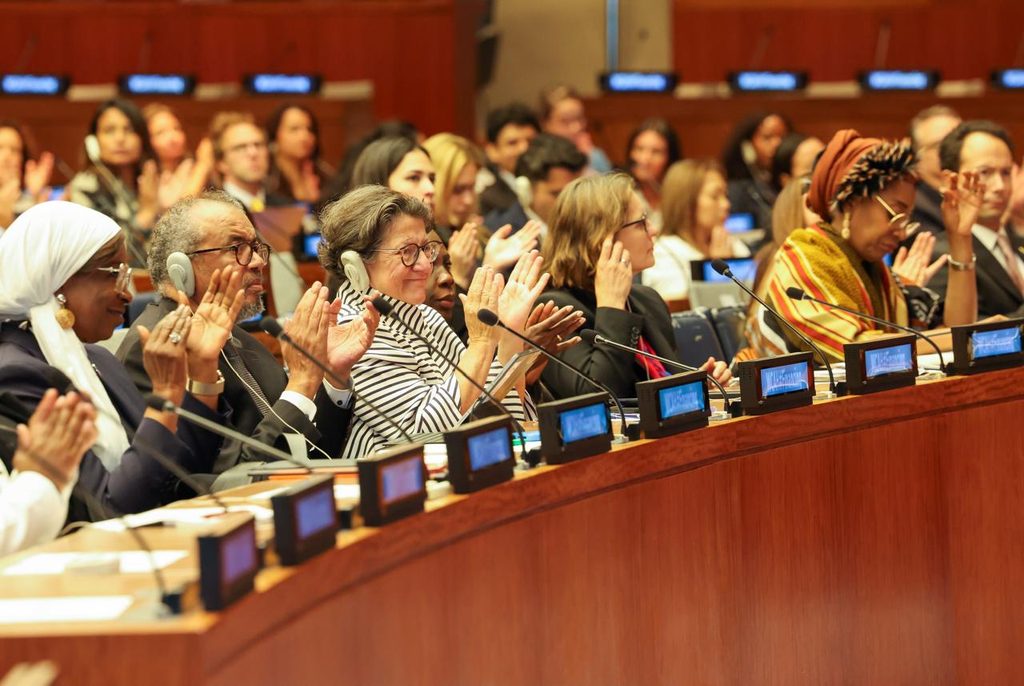**END**

SUBSCRIBE TO OUR NEWSLETTER
First name or full name
Email
By continuing, you accept the privacy policy
**Categories:** NEWS
---
### [Qatar–Rwanda Partnership: A Strategic Alliance in Diplomacy, Mediation, and Investment](https://www.topafricanews.com/2026/09/23/qatar-rwanda-partnership-a-strategic-alliance-in-diplomacy-mediation-and-investment/)
**Published:** September 23, 2026
**Author:** DUSABEMUNGU Ange de la Victoire
**Content:**
Qatar has transformed its relationship with Rwanda from newly established diplomatic ties into one of the most dynamic and consequential partnerships on the African continent. Since relations were formalized in 2017, the two countries have built a comprehensive alliance grounded in high-level political trust, active peace diplomacy, and large-scale economic investment. The partnership now spans aviation, development cooperation, trade facilitation, and regional stability.
#### High-Level Political and Diplomatic Engagement
The relationship is driven by consistent leader-level engagement. The Emir of Qatar and President Paul Kagame have held multiple substantive meetings, including working visits that combine official talks with personal gestures of friendship, such as the traditional presentation of Inyambo cattle. These encounters have produced a growing architecture of agreements covering political consultation, trade, education, tourism, sports, agriculture, information and communications technology, defense cooperation, and investment protection.
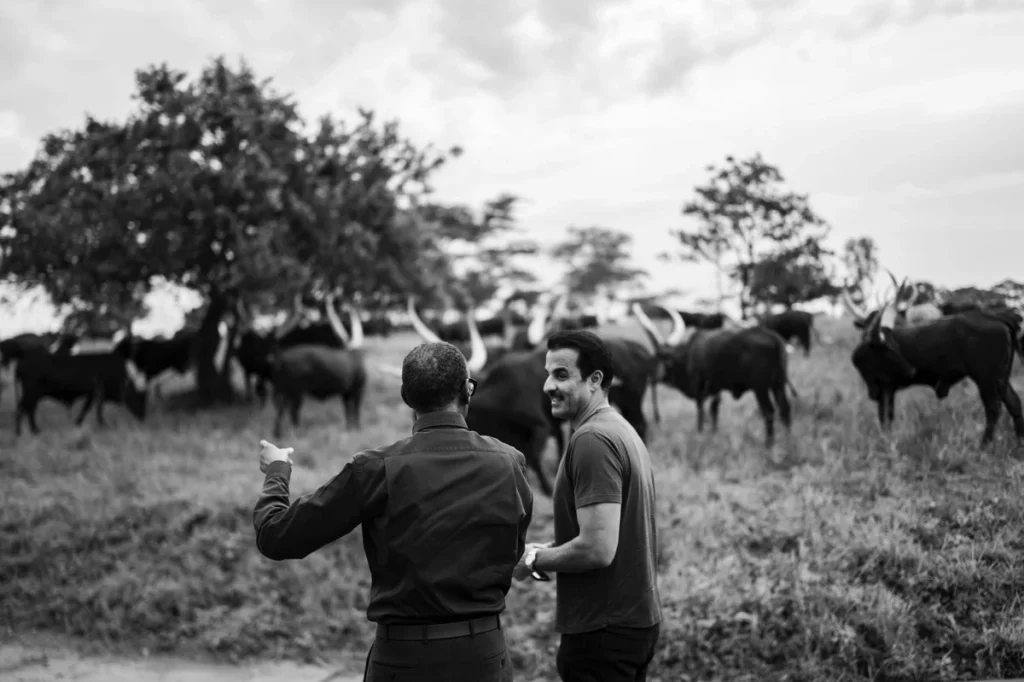Both governments describe the relationship as a strategic partnership serving mutual interests. Rwanda provides a stable, reform-oriented platform and a geographic gateway to East and Central Africa. Qatar contributes diplomatic capacity, sovereign investment resources, and global connectivity. Embassies, regular ministerial exchanges, and practical cooperation mechanisms have institutionalized the relationship beyond personal diplomacy.
#### Qatar’s Role as Trusted Facilitator
Qatar has emerged as a constructive and accepted facilitator in Great Lakes diplomacy. In March 2025 it hosted the first direct meeting in years between the presidents of Rwanda and the Democratic Republic of the Congo, producing a joint commitment to an immediate ceasefire. That meeting helped open the path to a June 2025 peace agreement between the two states and a parallel Doha process involving armed groups.
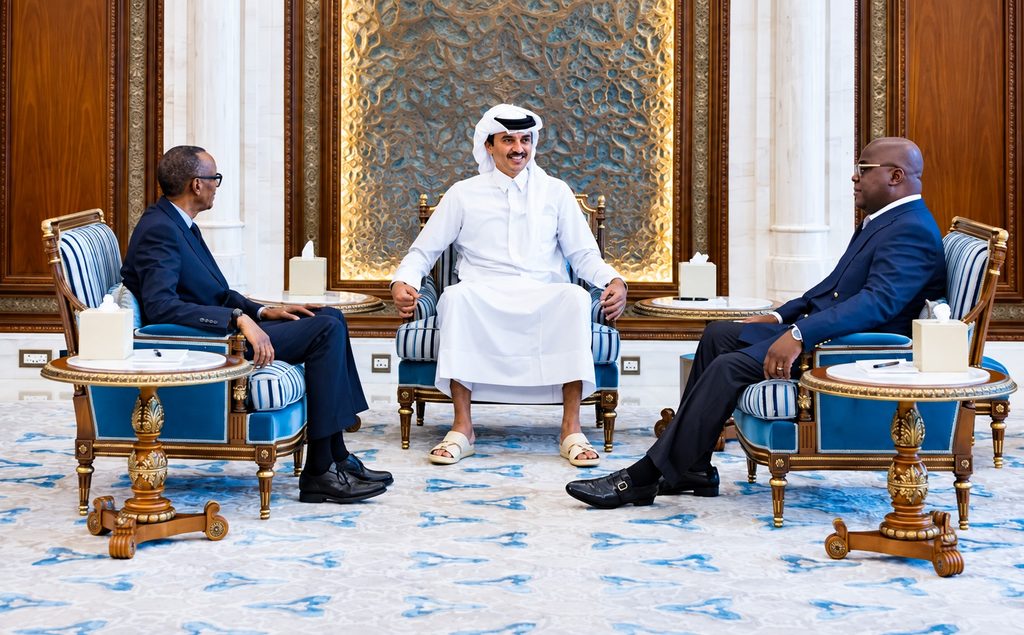Qatar continues to participate in the Joint Oversight Committee that monitors implementation and supports related talks on ceasefire mechanisms, prisoner exchanges, and humanitarian access. The Doha track has become a recognized complementary channel alongside other regional and international efforts.
A clear diplomatic success occurred in September 2026 when Belgium and Rwanda announced the restoration of relations after an 18-month break. Qatar facilitated the first ministerial contact in Doha in June 2025, creating the space for subsequent dialogue that produced a joint commitment to reopen embassies and conduct relations on the basis of non-interference, mutual respect, and constructive engagement.
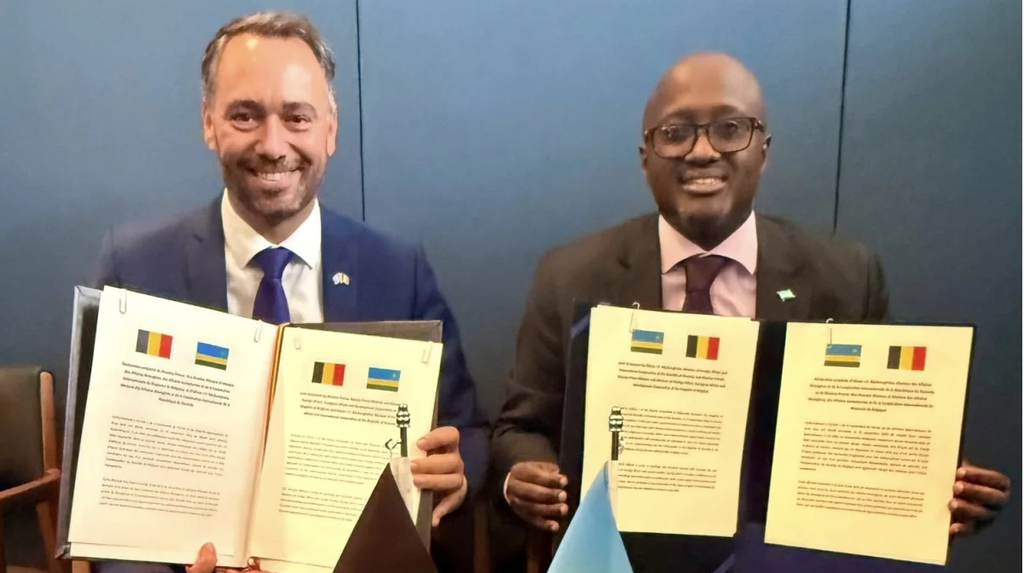The episode illustrates Qatar’s ability to convene parties, rebuild channels of communication, and convert dialogue into concrete outcomes.
#### Landmark Aviation Investment
The centerpiece of economic cooperation is the New Kigali International Airport (Bugesera). Qatar first entered the project through Qatar Airways’ 60 percent stake. In June 2026 the Qatar Investment Authority acquired that interest for $578 million and committed an additional $1.1 billion to complete construction. Rwanda’s Aviation Travel and Logistics Holdings retains 40 percent and has pledged further capital.
The 4.5-kilometer runway was completed in 2025. The passenger terminal and associated infrastructure are under construction, with initial capacity designed for several million passengers annually and planned expansion to 14 million.
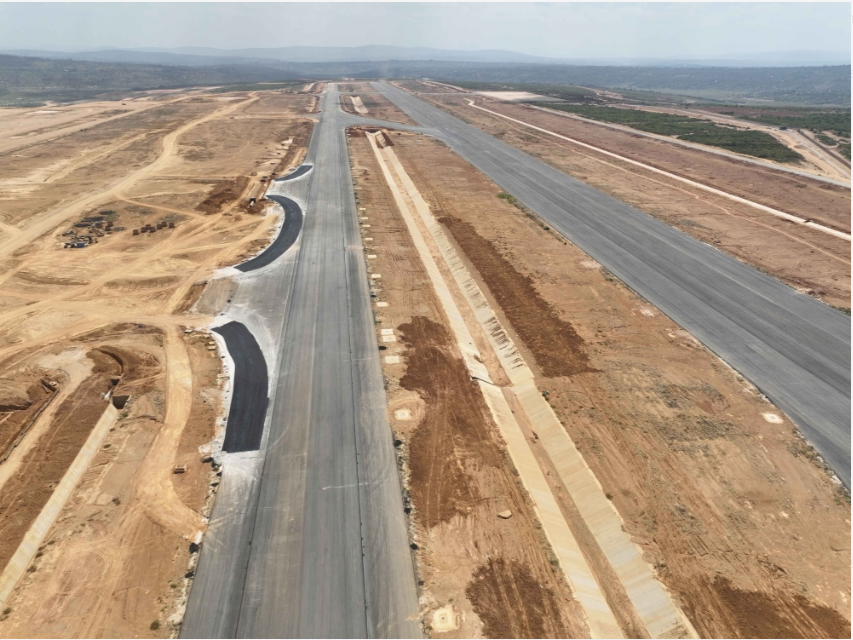Upon completion the new airport will become Rwanda’s primary commercial gateway and a modern East African aviation and logistics hub.
Complementary arrangements include codeshare operations, direct Kigali–Doha flights, and advanced discussions on a significant equity stake in RwandAir. Together these investments create an integrated aviation platform that strengthens Rwanda’s connectivity and gives Qatar a strategically located African hub.
#### Broader Economic and Development Cooperation
Cooperation extends beyond aviation. The Qatar Fund for Development has supported targeted social programs, including a cash-transfer initiative for households living in extreme poverty. Agricultural and food-security cooperation, including work with Hassad Food, aligns with both countries’ priorities. Qatari companies have explored opportunities in pharmaceuticals, manufacturing, real estate, and agriculture. Discussions on visa facilitation aim to increase people-to-people and business travel.
Rwanda’s stable investment climate, emphasis on good governance, and focus on tourism, technology, and services make it an attractive partner for Qatari capital seeking both returns and long-term positioning in Africa.
#### Mutual Strategic Value
For Rwanda the partnership delivers patient capital, world-class aviation infrastructure, expanded international connectivity, and a diversified set of external relationships. It supports national ambitions to become a regional logistics, conference, and knowledge hub while reinforcing diplomatic space through a capable Gulf partner.
For Qatar the relationship provides a reliable African platform, an expanding aviation network, opportunities in food security and human capital, and enhanced diplomatic standing as a constructive actor in African affairs. The combination of commercial investment and useful mediation creates reinforcing benefits.
The partnership continues to deepen across political, diplomatic, and economic tracks. High-level visits, new cooperation agreements, and the advancing airport project demonstrate sustained commitment on both sides.
Qatar and Rwanda have established a model of pragmatic, multi-dimensional engagement that links peace diplomacy with tangible development outcomes. The alliance is positioned to expand further in aviation, investment, and regional cooperation in the years ahead.

SUBSCRIBE TO OUR NEWSLETTER
First name or full name
Email
By continuing, you accept the privacy policy
**Categories:** EDITORIAL, NEWS
---
### [Heads of State return to New York to take stock of a year of the Accra Reset](https://www.topafricanews.com/2026/09/22/heads-of-state-return-to-new-york-to-take-stock-of-a-year-of-the-accra-reset/)
**Published:** September 22, 2026
**Author:** Mutangana Emmanuel
**Content:**
The Accra Reset Presidential Council today convened Heads of State and global leaders in New York to launch a major new blueprint for reforming the global health architecture, developed from the perspective of the countries the system is intended to serve, as well as other major initiatives, including Masterkey, a digital youth employment facilitator, and Mother Africa, a maternal and child health platform.
The Principal Report of the Accra Reset High-Level Panel sets out recommendations to transform how global health priorities are set, financed, delivered and governed. Its origins lie in a “health sovereignty summit” convened by Ghana’s President, John Mahama, in August 2025. The Principal Report is the culmination of a year-long process mandated by Heads of State amid major cuts to international aid and growing pressure on countries to take greater ownership of their health systems.
The Panel presented its Principal Report to the Presidential Council today, alongside early blueprints for HINGE, a financing mechanism designed to translate the strategy into implementation, and RIO, a new global accountability mechanism intended to track progress and results.
Together, the proposals set out both a strategy for reform and mechanisms to finance its implementation and strengthen accountability. They were launched at Full Circle: Resetting Global Development, marking one year since the Accra Reset was launched on the sidelines of the UN General Assembly. The gathering at the New York Marriott Marquis brought together serving and former Heads of State and Government from four continents, alongside the heads of the World Health Organization, the OECD, the Commonwealth, the AfCFTA Secretariat and the International Finance Corporation, as well as the Chair of the Group of 77 and China.
The event also marked the launch of the Global Reset Dialogues, a standing platform for geopolitical and geoeconomic cooperation between the Global South and Global North, with migration, critical minerals and trade finance among its early priorities.
The Dialogues will provide a forum for governments to negotiate around shared economic interests and global public goods, with the aim of developing new forms of cooperation based on mutual interests and sovereign priorities.
Heads of State also considered a Sovereign Prosperity Spheres concept, which explores a new model for governments and businesses to work together to mobilize private-sector investment around development priorities determined by countries themselves.
Maternal and child health will provide an early test of the approach proposed by the Accra Reset. The Mother Africa call to action, championed by President Samia Suluhu Hassan of Tanzania was unveiled alongside a global business-sector covenant focused on maternal health in the workplace.
Maternal and child health will provide an early test of the approach proposed by the Accra Reset. The Mother Africa call to action, championed by President Samia Suluhu Hassan of Tanzania was unveiled alongside a global business-sector covenant focused on maternal health in the workplace.
The Accra Reset also launched initiatives focused on closing the gap between development commitments and delivery, including addressing barriers that prevent countries from making full use of existing skills and human capital.
Masterkey, a new initiative championed by President William Ruto of Kenya, focused on human mobility, will seek to remove barriers that prevent skills and talent from moving to where they are most needed, helping countries better connect human capital with development and economic opportunity.
The event also marked the opening in Kigali of SIGN, a new institute for sovereign negotiators with the G7’s CONNEX initiative and the African School of Governance as strategic partners, under the high patronage of President Paul Kagame of Rwanda. SIGN is designed to strengthen governments’ capacity to negotiate complex international economic and development agreements and secure outcomes aligned with their own sovereign priorities.
The initiatives launched at Full C that a more sovereign led model requires more than a change in rhetoric, it requires the institutions, financing mechanisms, negotiating capacity and partnerships capable of turning national priorities into results.

SUBSCRIBE TO OUR NEWSLETTER
First name or full name
Email
By continuing, you accept the privacy policy
**Categories:** NEWS
---
### [Rwanda Deepens Diplomatic and Sector Engagements at UN General Assembly](https://www.topafricanews.com/2026/09/22/rwanda-deepens-diplomatic-and-sector-engagements-at-un-general-assembly/)
**Published:** September 22, 2026
**Author:** DUSABEMUNGU Ange de la Victoire
**Content:**
**NEW YORK —** While the General Debate opened at United Nations Headquarters, Rwanda’s ministers used the first days of high-level week to lock in agreements, hold bilateral talks and put climate, digital and agricultural files on the table.
Foreign Minister Olivier J.P. Nduhungirehe signed three instruments with Togo’s Foreign Minister Robert Dussey: a memorandum of understanding on political consultations, a memorandum establishing a joint commission for cooperation, and a framework agreement for cooperation.
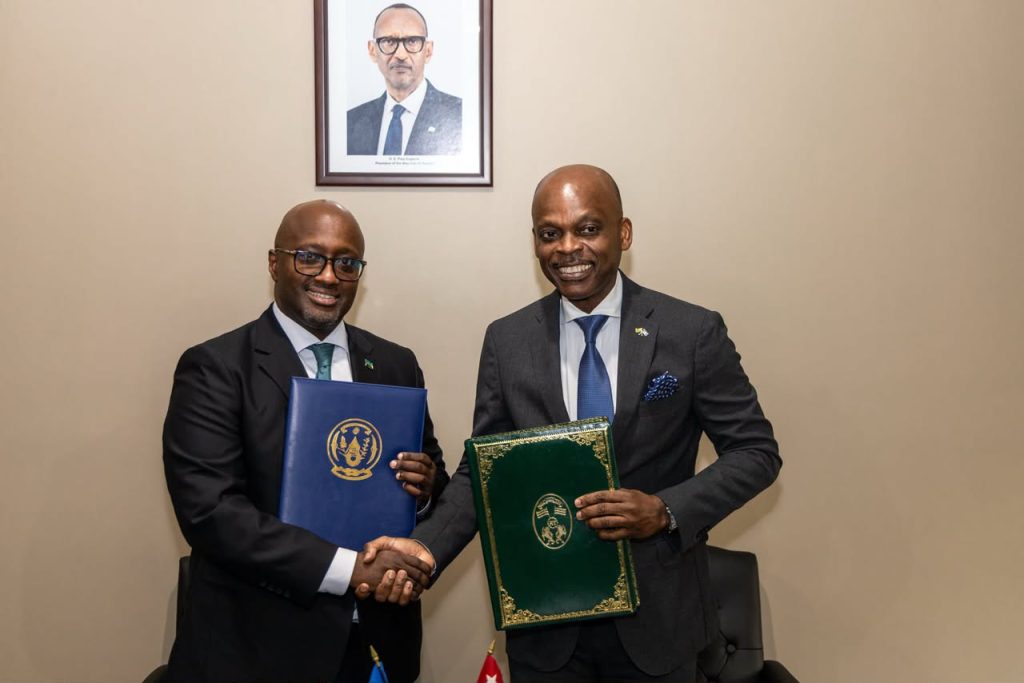The package is intended to regularise political dialogue and widen practical collaboration between Kigali and Lomé.
**READ ALSO: [Rwanda and Togo Seal Three Landmark Agreements to Deepen Bilateral Cooperation](https://www.topafricanews.com/2026/09/22/rwanda-and-togo-seal-three-landmark-agreements-to-deepen-bilateral-cooperation/)**
The same round of meetings included Denmark’s Foreign Minister Lars Løkke Rasmussen, U.S. Congressman Joe Wilson of South Carolina, and Melissa Parke, executive director of the International Campaign to Abolish Nuclear Weapons. The discussion with Wilson covered implementation of the Washington Accords and cooperation on small modular reactors.
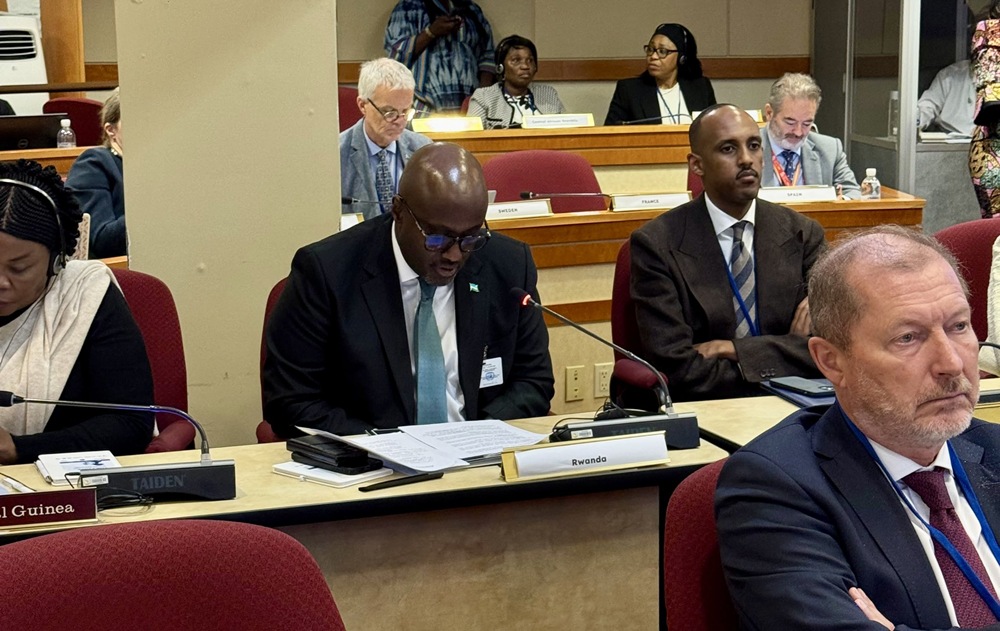Nduhungirehe also took part in a high-level session, co-organised by the African Union, the European Union and the United Nations, on advancing the Women, Peace and Security agenda in peace efforts for the Great Lakes region. He stressed the need for women’s meaningful participation in peacebuilding and decision-making.
ICT and Innovation Minister Paula Musoni focused on digital markets and agricultural technology. At the GABI Solutions Lab session “One Barrier, One Bet,” she argued that Africa’s digital markets remain fragmented by differing rules, weak cross-border trust and gaps in interoperability of data, identity and payments — obstacles that limit the scale of artificial intelligence.
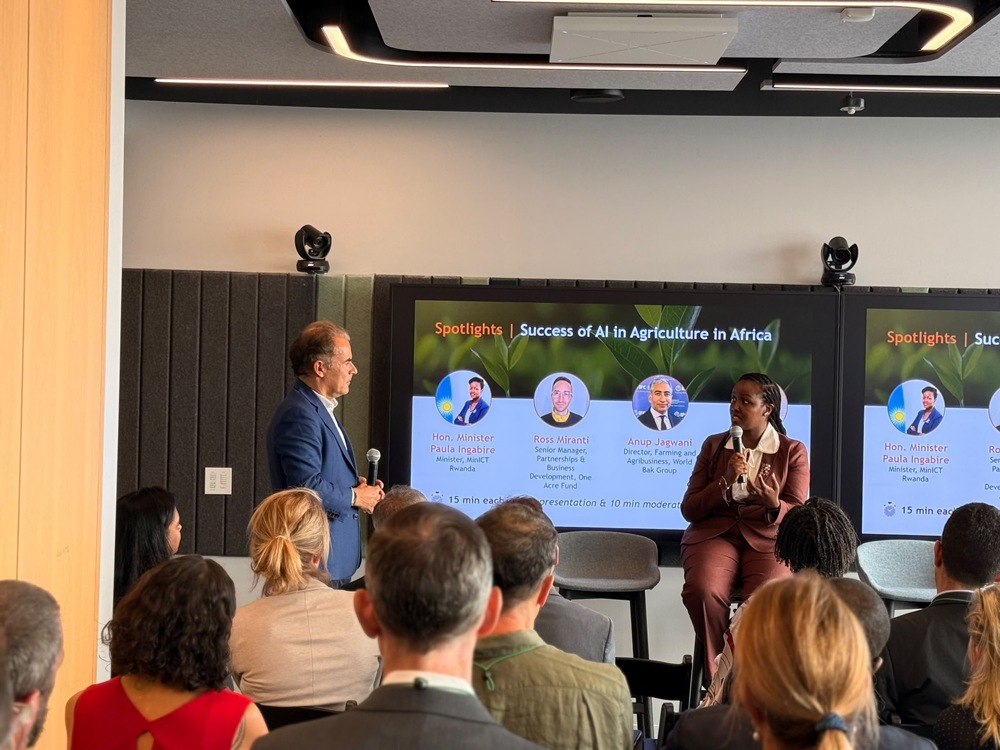She pointed to Rwanda’s work on trusted, interoperable systems and called for solutions that work across borders rather than only inside single countries.
At a separate ATLAS Agricultural Transitions Lab roundtable, Musoni described how Rwanda is embedding AI in platforms already used by farmers, including e-Soko, Smart Nkunganire and the TUNGA Kinyarwanda voicebot. The discussion covered advisory services, climate resilience, crop and livestock health, market access and government decision-making, and the need to move from pilots to delivery models that can be scaled.
Environment Minister Bernadette Arakwiye announced Rwanda’s membership in the Global Flagship Initiative for Food Security, framing it as support for farmers through climate-smart investment and partnerships. During Climate Week events tied to the Assembly, she set out national priorities on clean air, transport emissions, green investment and a climate-resilient economy.
Prime Minister Justin Nsengiyumva addressed the Global Africa Business Initiative’s “Unstoppable Africa 2026” gathering, speaking on Rwanda’s digital transformation and the role of artificial intelligence and emerging technologies in Africa’s economic future.
The ministerial track runs in parallel with Wednesday’s national statement in the General Assembly Hall. The official calendar that day also includes high-level meetings on the 40th anniversary of the Declaration on the Right to Development and on climate action and a just transition.
**READ ALSO:** **[Rwanda Prime Minister Leads Delegation as UN General Assembly High-Level Week Opens in New York](https://www.topafricanews.com/2026/09/21/rwanda-prime-minister-leads-delegation-as-un-general-assembly-high-level-week-opens-in-new-york/)**
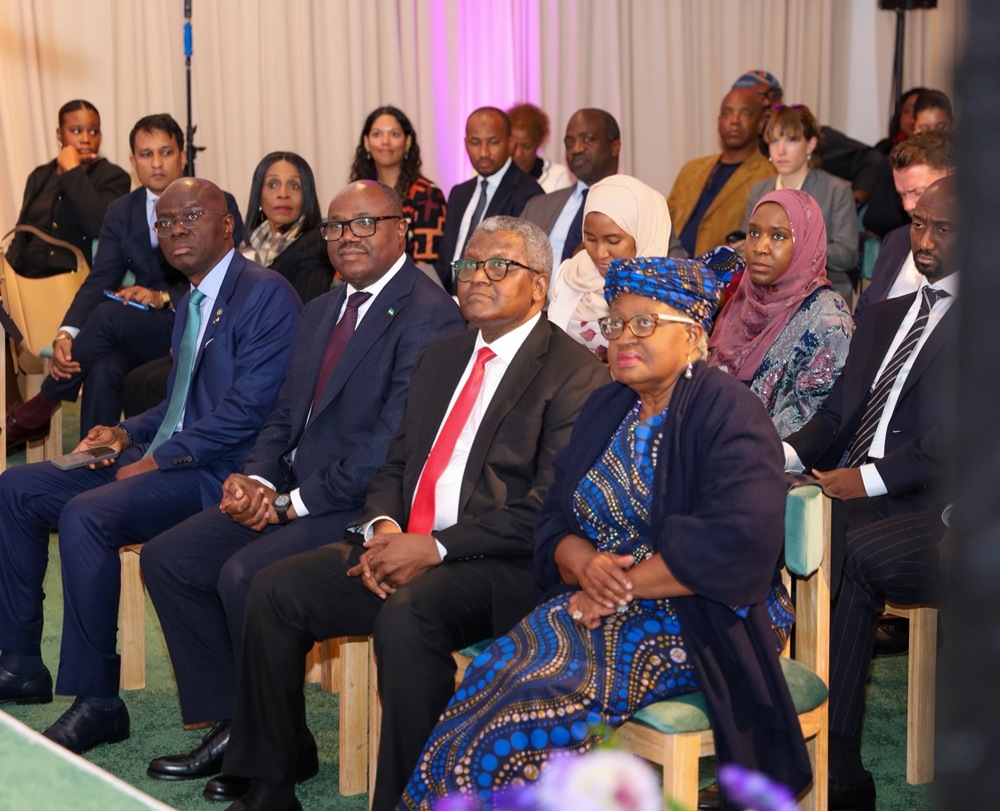
SUBSCRIBE TO OUR NEWSLETTER
First name or full name
Email
By continuing, you accept the privacy policy
**Categories:** NEWS
---
### [Sub-Saharan Africa Leads Strong Global Endorsement of United Nations as Global Approval Reaches 50%](https://www.topafricanews.com/2026/09/22/sub-saharan-africa-leads-strong-global-endorsement-of-united-nations-as-global-approval-reaches-50/)
**Published:** September 22, 2026
**Author:** TOPAFRICANEWS
**Content:**
**KIGALI / WASHINGTON** — Public support for the United Nations remains overwhelmingly positive worldwide, driven significantly by robust approval across Sub-Saharan Africa. Across 137 countries surveyed in 2025, a median of 50% of adults approve of the job performance of the UN, compared with 26% who disapprove, giving the organization a global net approval score of +24.—–Sub-Saharan Africa Emerges as a Global Pillar of UN Support
Sub-Saharan Africa recorded a net approval score of **+43 percentage points**, with **61%** of adults approving of the UN’s job performance against **18%** who disapprove. This makes Sub-Saharan Africa the second most supportive region in the world, trailing only Southeast Asia (+51 net approval).
Individual African nations demonstrate exceptionally strong confidence in the multilateral body:
- **Liberia:** Among current UN Security Council member states interviewed in 2025, Liberia recorded a **76%** job approval rating for the UN—ranking second globally among Security Council members, behind only Denmark (79%).
- **Zimbabwe:** Set to join the Security Council in 2027, approval in Zimbabwe tops **60%**, placing it among the most positive incoming member states alongside Portugal and Austria.
**Regional Contrast: Middle East and North Africa**
In sharp contrast to Sub-Saharan Africa’s high approval, the Middle East and North Africa (MENA) region stands out as the only region globally where disapproval substantially outweighs approval:
- **MENA Regional Score:** Posted a net approval rating of **-23**, with **23%** approving and **46%** disapproving of the UN’s job performance.
- **North Africa Highlight:** Tunisia registered one of the lowest net approval scores globally at **-48**.
**Global Overview: UN Outperforms Individual World Powers**
Globally, the UN’s performance ratings reflect widespread goodwill despite global conflicts and geopolitical tensions:
- **Widespread Majority Support:** Majorities approve of the UN in 67 of the 137 countries surveyed, and approval exceeds disapproval by at least 10 percentage points in 92 nations.
- **Outperforming Individual Leaders:** The UN’s 50% global median approval rating higher than the 2025 median approval ratings for the leadership of major individual powers, including Germany (48%), China (36%), the United States (31%), and Russia (26%).
**Regional & Security Council Dynamics Elsewhere**
- **Top Global Region:** Southeast Asia leads all regions with a **+51 net approval** (69% approval vs. 18% disapproval). The top three highest-scoring nations globally are located in this region: Vietnam (+75 net approval), Cambodia (+74), and Laos (+71).
- **Other Positive Regions:** Positive net approval prevails in Europe outside the EU (+27), South Asia (+26), the European Union (+23), Northern America (+12), Post-Soviet Eurasia (+11), Australia and New Zealand (+9), and East Asia (+8). Latin America and the Caribbean remains closely divided (+4).
- **Permanent Security Council Members (P5):** Views among permanent members differ sharply: approval stands at **59%** in the United Kingdom and **55%** in the United States, compared to **38%** in France and **15%** in Russia.
- **United States Division:** American public opinion is polarized by political affiliation—70% of Democrats view the UN as fulfilling a necessary role compared to 40% of Republicans. Americans rate the UN highest on delivering humanitarian assistance (45% good job), while giving lower marks on maintaining international peace and security (25%).

SUBSCRIBE TO OUR NEWSLETTER
First name or full name
Email
By continuing, you accept the privacy policy
**Categories:** NEWS
---
### [Africa needs at least $80 billion to adapt agriculture to climate change](https://www.topafricanews.com/2026/09/22/africa-needs-at-least-80-billion-to-adapt-agriculture-to-climate-change/)
**Published:** September 22, 2026
**Author:** Mutangana Emmanuel
**Content:**
Africa’s agricultural sector needs at least $80 billion in adaptation financing to cope with rising climate risks, according to a new continent-wide assessment that calls for stronger coordination between climate policies, agricultural plans and investment.
The assessment, titled ‘The State of African Agricultural Adaptation, 2016–2026: Assessment and Roadmap to 2036’, was presented at the headquarters of the Food and Agriculture Organization of the United Nations (FAO) during a high-level event marking the 10th anniversary of the Initiative for the Adaptation of African Agriculture (AAA Initiative).
Launched at the 2016 UN Climate Change Conference, COP22, in Marrakech, the AAA Initiative has focused on strengthening the resilience of African agriculture amid growing climate pressures.
The new assessment, prepared by the AAA Initiative Foundation in partnership with FAO, found that 46 of the 53 African countries covered have estimated their overall climate adaptation needs at a combined $566 billion over the periods covered by their national plans.
This amounts to an average of about $56 billion annually, with at least $80 billion identified specifically for agriculture.
The report describes the agricultural figure as a minimum because 22 countries currently include agricultural adaptation costs within broader national adaptation estimates, making it difficult to determine the full amount required for the sector.
African countries have already outlined many of their adaptation priorities through national climate and adaptation plans submitted to the United Nations. The challenge now, according to the assessment, is turning those plans into coordinated policies, investment projects and financing.
Opening the event on behalf of FAO Director-General QU Dongyu, Deputy Director-General Godfrey Magwenzi said climate change is increasingly affecting agricultural productivity, water availability, soil health, rural livelihoods and food security across the continent.
“The next decade must be a decade of delivery,” Magwenzi said. “This requires coordinated action at scale, driven by strong national ownership and better alignment between climate, agriculture, water and development policies, underpinned by science, innovation and locally adapted solutions.”
He also stressed the importance of making climate finance more accessible, predictable and responsive to countries’ needs.
**Turning plans into investment**
The assessment calls for increased financing as well as sustained technical and institutional support to help African countries turn adaptation priorities into investment-ready projects.
Rather than creating a new continental institution or fund, the report recommends delivering the proposed support through existing institutions.
The emphasis on agricultural adaptation comes as agrifood systems face increasing pressure from a hotter, drier and less predictable climate. The assessment argues that resilient agrifood systems will be critical to protecting food production, livelihoods and food security from escalating climate shocks.
FAO is also expanding support to countries to integrate agrifood systems into national adaptation plans and connect climate action with investment and finance.
This includes the new project, *Supporting Climate-Resilient, Inclusive and Low-Emission Agrifood Systems*, as well as the Food and Agriculture for Sustainable Transformation (FAST) Partnership, which is hosted by FAO.
The FAST Partnership works with countries and partners to strengthen capacity, identify financing solutions and improve access to finance for agrifood systems transformation.
For the AAA Initiative Foundation, the assessment marks a shift from defining Africa’s adaptation needs to measuring progress toward meeting them.
“Ten years ago, at Marrakech, we asked that African agriculture be heard. It is now heard,” said Ghita El Ghorfi, Director General of the AAA Initiative Foundation. “Today we come with an assessment that can be verified and a roadmap that can be measured.”
**Building momentum toward future COPs**
The event also highlighted the need to maintain momentum on agriculture and climate adaptation across successive UN climate conferences.
The AAA Initiative was launched under Morocco’s COP22 Presidency. Türkiye is preparing to host COP31, where it is expected to advance the global agrifood systems agenda through the Turquoise Nexus Initiative.
Ethiopia has been designated to host COP32, providing another opportunity to keep agricultural adaptation and climate-resilient food systems high on the international climate agenda.

SUBSCRIBE TO OUR NEWSLETTER
First name or full name
Email
By continuing, you accept the privacy policy
**Categories:** CLIMATE CHANGE, Natural Resources and Agriculture
---
### [Rwanda and Togo Seal Three Landmark Agreements to Deepen Bilateral Cooperation](https://www.topafricanews.com/2026/09/22/rwanda-and-togo-seal-three-landmark-agreements-to-deepen-bilateral-cooperation/)
**Published:** September 22, 2026
**Author:** LIBOS NDAYISHIMIYE
**Content:**
Rwanda and Togo have signed three agreements in New York aimed at giving new momentum to political dialogue, institutional cooperation and broader bilateral relations between the two countries.
The agreements were signed on the sidelines of the United Nations General Assembly in New York, where leaders and senior officials from around the world are gathered for the UN’s annual high-level session.
The new instruments provide a framework for Rwanda and Togo to strengthen cooperation in political affairs, institutional coordination and other areas of mutual interest. The agreements are expected to create additional mechanisms through which the two countries can exchange experience, coordinate priorities and advance practical areas of cooperation.
One of the agreements focuses on sharing political experience, providing a platform for the two countries to exchange knowledge and perspectives on political and diplomatic matters. Such cooperation is intended to encourage dialogue and strengthen mutual understanding between Kigali and Lomé.
Another agreement provides for the establishment of a Joint Commission, a mechanism designed to provide a structured framework for reviewing bilateral relations, identifying areas of common interest and following up on cooperation between the two governments.
The third agreement broadens cooperation across different sectors, creating opportunities for Rwanda and Togo to work together in areas of mutual benefit and deepen exchanges between their institutions.
The agreements were signed by Rwanda’s Minister of Foreign Affairs and International Cooperation, Amb. Olivier Jean Patrick Nduhungirehe, and Togo’s Minister of Foreign Affairs, Prof. Robert Dussey.
The signing comes as the two countries continue to strengthen their diplomatic ties. Earlier in 2026, Rwanda and Togo also signed a visa-waiver agreement covering holders of all categories of passports, with the measure intended to facilitate movement between the two countries and promote people-to-people exchanges, trade, investment and tourism.
The latest agreements therefore add further institutional mechanisms to the relationship, particularly by establishing a framework for continued political consultations and coordinated engagement.
The cooperation also comes against the backdrop of Togo’s involvement in regional diplomatic efforts concerning peace and stability in the Great Lakes region. Togo has participated in regional peace processes involving Rwanda and the Democratic Republic of Congo, including through African Union-led mechanisms.

SUBSCRIBE TO OUR NEWSLETTER
First name or full name
Email
By continuing, you accept the privacy policy
**Categories:** NEWS
---
### [Rwanda Hosts MuseumsLab 2026 to Strengthen Global Heritage Cooperation](https://www.topafricanews.com/2026/09/22/rwanda-hosts-museumslab-2026-to-strengthen-global-heritage-cooperation/)
**Published:** September 22, 2026
**Author:** LIBOS NDAYISHIMIYE
**Content:**
Rwanda has welcomed the 2026 edition of The MuseumsLab, an international annual programme bringing together museum and heritage professionals to exchange knowledge, strengthen collaboration and explore how museums and historical sites can contribute to shaping a better future.
The week-long programme, running from September 21 to 26, 2026, is designed to create a platform for participants to share experiences, ideas and innovative approaches to the preservation and promotion of cultural heritage.
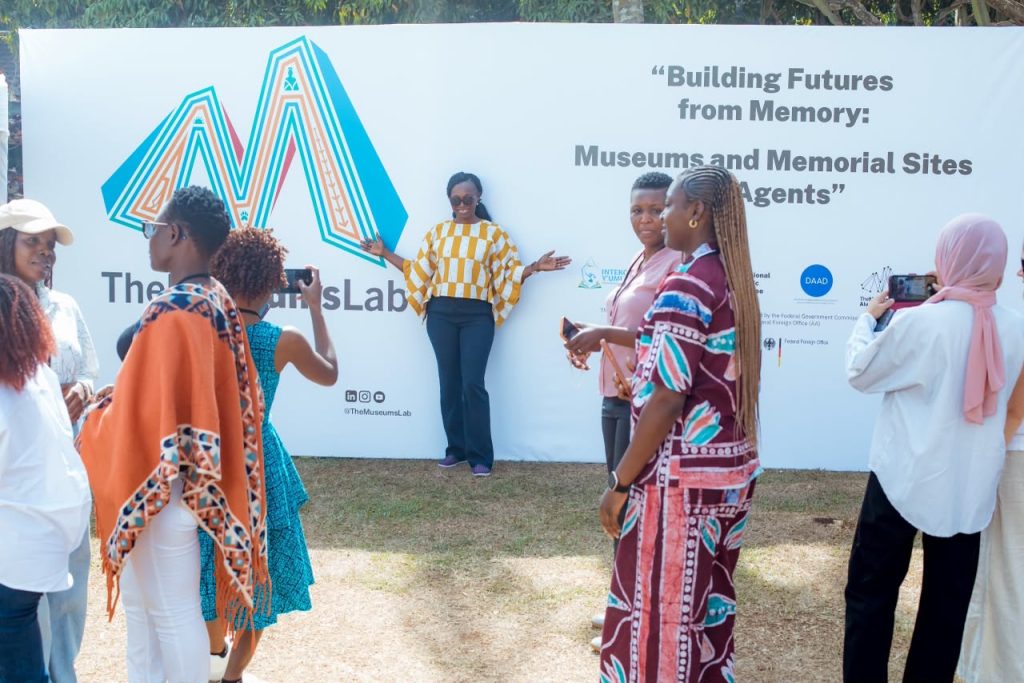MuseumsLab 2026 is organised by Museum für Naturkunde (MfN) in Germany, in partnership with African countries, with support from the German Academic Exchange Service (DAAD). This year’s programme has attracted more than 75 participants from 30 countries around the world.
The gathering places Rwanda at the centre of international discussions on the evolving role of museums, heritage institutions and historical sites in society. Participants are expected to engage in discussions and knowledge-sharing sessions focusing on museums, heritage, history and cultural and natural sites.
According to the Rwanda Cultural Heritage Academy (Inteko y’Umuco), the programme provides an important opportunity for participants to exchange knowledge and professional experience while building stronger networks and partnerships in the heritage sector.
The programme also seeks to encourage new perspectives on how museums can go beyond preserving objects and historical records to become spaces for learning, dialogue, innovation and community engagement.
Through interactions among participants from different countries and professional backgrounds, MuseumsLab 2026 is expected to facilitate the exchange of practical experiences and ideas that can strengthen the management and interpretation of heritage.
The programme further highlights the growing importance of international cooperation in safeguarding cultural and historical resources while ensuring that museums remain relevant to present and future generations.
For Rwanda, hosting the programme provides an opportunity to showcase its heritage sector and engage with international professionals on approaches to preserving history, promoting cultural identity and using heritage institutions as platforms for education and sustainable development.

SUBSCRIBE TO OUR NEWSLETTER
First name or full name
Email
By continuing, you accept the privacy policy
**Categories:** CULTURE, NEWS
---
### [African Parks secures support for $4.6 million to advance results-based conservation finance](https://www.topafricanews.com/2026/09/21/african-parks-secures-support-for-4-6-million-to-advance-results-based-conservation-finance/)
**Published:** September 21, 2026
**Author:** DUSABEMUNGU Ange de la Victoire
**Content:**
African Parks is pleased to announce that the Rob Walton Foundation has committed $4.6 million as part of an outcomes-based grant using Verifiable Nature Units (VNUs) as the proof of performance.
This funding directly supports biodiversity monitoring, community development and park infrastructure across four protected areas, including Majete Wildlife Reserve (Malawi), Odzala-Kokoua National Park (Republic of Congo), Garamba National Park (Democratic Republic of the Congo) and Zakouma National Park (Chad).
This commitment marks an important milestone in demonstrating the potential of VNUs to scale nature finance for protected areas.
By linking verified conservation outcomes to funding, VNUs offer a practical mechanism to support greater rigour, transparency and standardisation in conservation finance.
The Rob Walton Foundation’s support reflects a commitment to exploring innovative approaches that can help mobilise funding for conservation outcomes at scale.
*“We see VNUs as an exciting mechanism for directing capital toward verified conservation outcomes. They offer a compelling model for philanthropy today, while helping demonstrate how rigorous, measurable conservation outcomes could support a broader range of financing approaches over time.” – Duko Hopman, Executive Director, Rob Walton Foundation*
VNUs provide a standardised, transparent way to measure and fund conservation impact.
Each unit represents one square kilometre of nature where ecological integrity has been maintained or improved over an annual period and is linked to the actual cost of achieving and sustaining these outcomes.
As an independently verified performance metric, VNUs can support a range of outcomes-based financing mechanisms, including pay-for-performance grants, donations, nature contributions, bonds and credits.
African Parks’ long-term focus is to establish the infrastructure needed to unlock sustained, scalable financing for protected areas.
Next steps include reissuing VNUs, scaling projects and expanding their use to support additional financial instruments and attract more diversified funding.

SUBSCRIBE TO OUR NEWSLETTER
First name or full name
Email
By continuing, you accept the privacy policy
**Categories:** Tourism and Nature
---
### [Rwanda Prime Minister Leads Delegation as UN General Assembly High-Level Week Opens in New York](https://www.topafricanews.com/2026/09/21/rwanda-prime-minister-leads-delegation-as-un-general-assembly-high-level-week-opens-in-new-york/)
**Published:** September 21, 2026
**Author:** TOPAFRICANEWS
**Content:**
**NEW YORK —** Prime Minister Dr. Justin Nsengiyumva is heading Rwanda’s delegation to the 81st session of the United Nations General Assembly as world leaders gather for the annual high-level week.
The high-level segment opened Monday under the theme “Restoring trust, managing transformation: A United Nations that delivers for all.”
Discussions this week will cover peace and security, climate action, artificial intelligence and digital governance, health, education, and sustainable development.
The General Debate, in which member states deliver national statements from the General Assembly podium, begins Tuesday, September 22, and is scheduled to run through September 28.
More than 130 heads of state and government are expected to attend the week’s proceedings.
Rwanda’s participation comes as the United Nations faces pressure to demonstrate results on longstanding challenges, including conflicts, climate impacts, and institutional reform.
The Rwandan delegation is expected to engage in both the formal sessions and a range of bilateral and multilateral meetings on the sidelines.
Separately on Monday, Rwanda’s representative in Geneva addressed the Human Rights Council during an interactive dialogue on the situation in eastern Democratic Republic of the Congo.
The statement raised concerns over ongoing insecurity, alleged collaboration with armed groups, cross-border incidents, and inflammatory rhetoric, while calling for an impartial approach by UN mechanisms.
The high-level week continues through the end of the month, with additional events on pandemic preparedness, climate justice, and the right to development also on the calendar.

SUBSCRIBE TO OUR NEWSLETTER
First name or full name
Email
By continuing, you accept the privacy policy
**Categories:** NEWS
---
### [Rwanda Opens ‘Urumuri’ School in Mozambique](https://www.topafricanews.com/2026/09/21/rwanda-opens-urumuri-school-in-mozambique/)
**Published:** September 21, 2026
**Author:** LIBOS NDAYISHIMIYE
**Content:**
The Embassy of Rwanda in Mozambique has launched ‘Urumuri,’ a new school dedicated to teaching Kinyarwanda and Rwandan culture to children of Rwandan families living in Mozambique, in a move aimed at strengthening cultural identity among the younger generation.
The school was officially opened on Sunday, September 20, 2026, during a ceremony attended by Rwanda’s Ambassador to Mozambique, Col (Rtd) Donat Ndamage, parents, children and representatives of the Rwandan community living in the country.
Urumuri School is expected to provide children with an opportunity to learn Kinyarwanda, the national language of Rwanda, while also gaining a deeper understanding of their cultural heritage.
The initiative responds to the importance of maintaining connections between Rwandan children growing up outside the country and their linguistic and cultural roots. Through lessons in Kinyarwanda and Rwandan culture, the school will provide a platform through which children can develop knowledge of their heritage while living in a different cultural and linguistic environment.
The launch brought together members of the Rwandan community in Mozambique, particularly parents and children who will be at the centre of the school’s activities. The participation of community representatives also highlighted the role of Rwandan families abroad in preserving and passing cultural values from one generation to another.
Ambassador Ndamage joined the community during the opening ceremony, marking the beginning of an initiative that places language and culture at the heart of efforts to nurture the identity of Rwandan children in the diaspora.
The establishment of Urumuri adds to broader efforts by Rwanda’s diplomatic missions and Rwandan communities abroad to maintain cultural ties with the country. For children born or raised outside Rwanda, learning Kinyarwanda can provide a means of communicating with relatives and maintaining a connection with the traditions and history of their country of origin.

SUBSCRIBE TO OUR NEWSLETTER
First name or full name
Email
By continuing, you accept the privacy policy
**Categories:** CULTURE, EDUCATION
---
### [U.S. Demands Fundamental Reform of UN Peacekeeping Operations, Outlining Five-Point Strategy](https://www.topafricanews.com/2026/09/21/u-s-demands-fundamental-reform-of-un-peacekeeping-operations-outlining-five-point-strategy/)
**Published:** September 21, 2026
**Author:** EDITOR
**Content:**
**NEW YORK** — Speaking at a United Nations Security Council briefing, Ambassador Jeffrey Bartos, U.S. Representative for U.N. Management and Reform, called for urgent and fundamental reforms to UN peacekeeping operations, asserting that current missions have grown “too big and too broad” and fail to deliver results proportionate to their cost and footprint.
Addressing the Council during a debate on the “Review on the Future of All Forms of United Nations Peace Operations,” Bartos stated that the United States has lost confidence in the current design and resourcing of UN peacekeeping. He emphasized that ending conflicts requires decisive diplomacy and leverage rather than bureaucratic processes and indefinite mandate renewals.
To address these challenges, the United States proposed five core principles for systemic reform:
- **Unvarnished Feedback and Candor:** The UN Secretariat and mission leadership must provide direct, honest assessments and actionable recommendations to the Security Council, enabling the reconfiguration or termination of underperforming missions.
- **Integrated Mission-Level Planning:** Missions must establish a clear strategic vision, realistic end states, and achievable benchmarks at inception, alongside a commitment to terminate missions that fail to adapt.
- **Focused Mandates:** Mandates must remain strictly focused on core security functions tied to political plans, eliminating superfluous language that strays from primary objectives.
- **Enhanced Accountability:** Strict performance standards and a zero-tolerance policy for sexual exploitation and abuse must be enforced, with deployment eligibility strictly dependent on compliance.
- **Strategic Cost Efficiencies:** The UN must ensure responsible stewardship of funding and taxpayer contributions, with Bartos noting that operational strain typically stems from poor prioritization rather than insufficient resources.
Concluding his statement, Bartos urged the Security Council to match U.S. resolve and act urgently to restore peacekeeping to its foundational purpose of maintaining international peace and security.

SUBSCRIBE TO OUR NEWSLETTER
First name or full name
Email
By continuing, you accept the privacy policy
**Categories:** NEWS, SECURITY
---
### [How a hospital meal programme is building a wider food system in Rwanda](https://www.topafricanews.com/2026/09/21/how-a-hospital-meal-programme-is-building-a-wider-food-system-in-rwanda/)
**Published:** September 21, 2026
**Author:** EDITOR
**Content:**
## Solid’Africa began with friends cooking for patients who had no food. It now produces thousands of meals, supports specialised hospital diets and buys produce from smallholder farmers as it works towards reaching every public hospital in Rwanda.
***By Solange Ayanone, bird story agency***
When Nyandwi Zabulon could find a little money for food, he bought a single piece of bread and divided it into four. One portion was for his child, who was undergoing cancer treatment, and another was for him. The rest had to last.
Zabulon had spent four months at a hospital far from his family, without the support relatives might otherwise have provided. By the time he and his child arrived at the University Teaching Hospital of Kigali (CHUK), hunger had become another burden alongside illness.
There, the family encountered Solid’Africa, a Rwandan social enterprise that provides free meals to vulnerable hospital patients and their caregivers.
In Rwanda, admission to hospital has not necessarily meant that food is provided as part of a patient’s care. Meals are generally not covered by public health insurance, and patients have traditionally relied on relatives or accompanying caregivers to bring or buy food. The system has varied between hospitals, but it places a burden on low-income families, people transferred far from home and patients facing lengthy admissions. Caregivers, who often remain at the hospital to assist a relative, also need to eat.
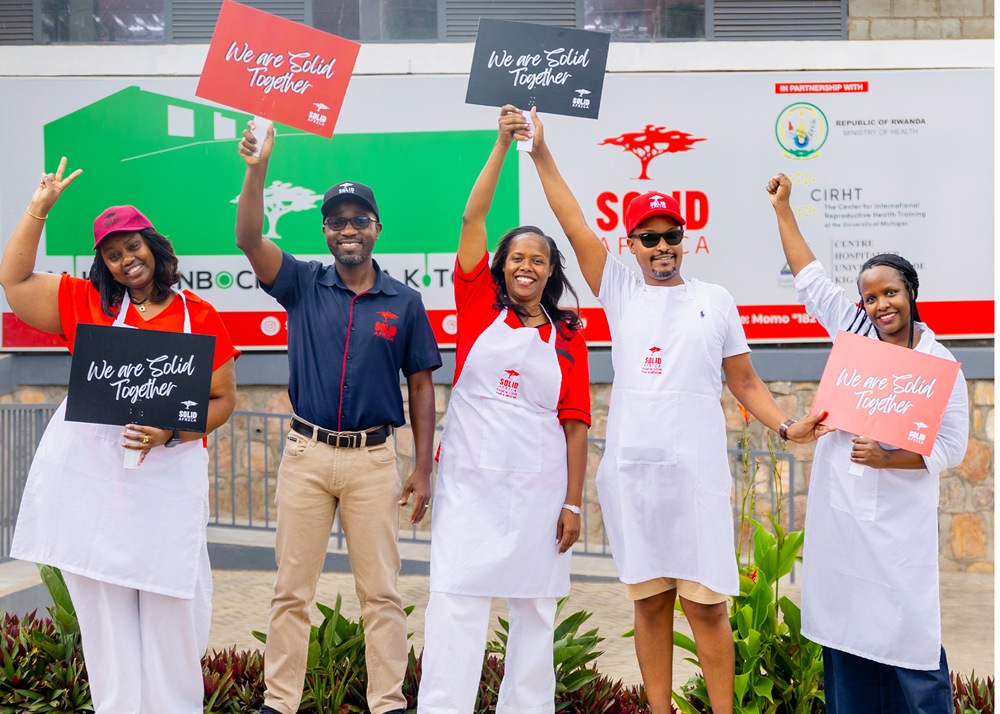“Whenever I managed to get a little money, I would buy one piece of bread and divide it into four,” Zabulon says. “My child would take one piece, and I would take another, and we would have to make that last for the day. You can imagine how hungry we were.”
At CHUK, Solid’Africa provided breakfast, lunch and dinner, as well as some hygiene supplies and clothing. Zabulon initially expected to be charged. Other patients explained that the meals were free.
The support is part of a hospital nutrition initiative that grew from a small volunteer effort into an expanding food system linking healthcare, industrial-scale meal preparation and local agriculture.
Solid’Africa was founded by Isabelle Kamariza, whose path into social enterprise began during a visit home from Belgium, where she was studying law. At a prayer gathering in 2010, Kamariza spoke about her concern for people suffering from illness. A family friend known as Mama Zouzou invited her to help serve food at CHUK.
The visit revealed that many patients from low-income families were contending with hunger as well as illness. At the time, public hospitals did not routinely provide meals, leaving patients dependent on relatives. Those without family support could go without adequate food while receiving treatment.
Kamariza gathered friends to cook meals in their homes and deliver them to patients. The operation was modest and volunteer-run, but demand soon exceeded what the group could provide.
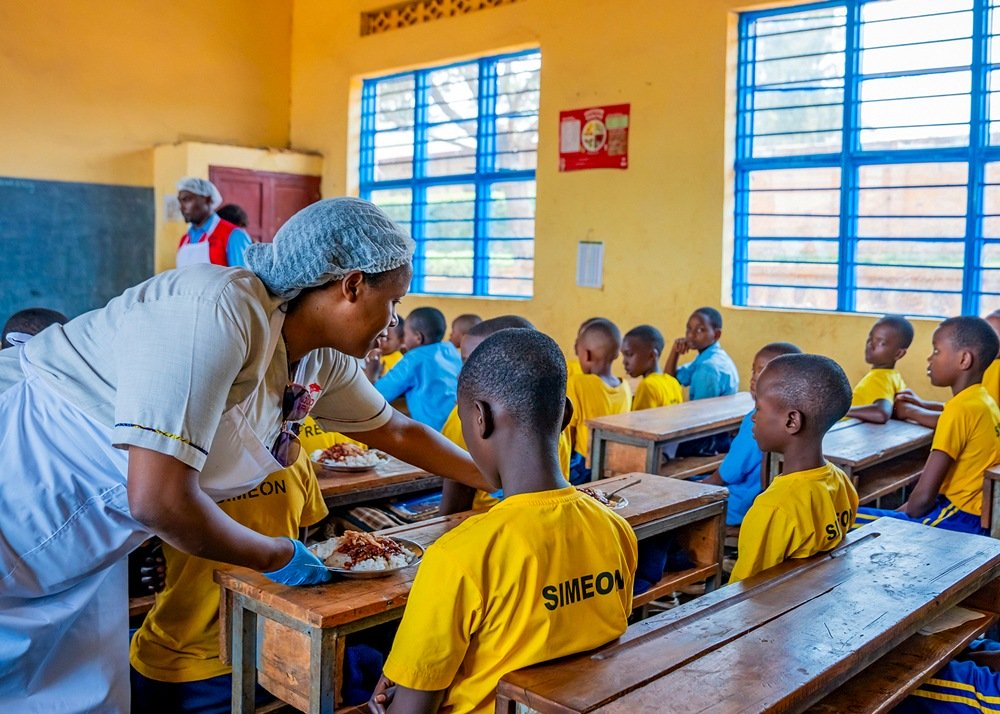“We made a simple promise that no patient we served would spend a day without food,” Kamariza says.
As demand grew, the volunteers began building a more structured nutrition programme. Solid’Africa now provides meals tailored to the needs of patients, turning the provision of food from an occasional act of charity into a component of care. “Food is not a luxury. It is a fundamental part of healing and human dignity. ” says Kamariza.
Jeanne Uwamaliya, from Muhanga District, has spent about a year and a half in hospital while her child receives cancer treatment. When the child underwent surgery and could consume only porridge, Solid’Africa provided it. When the child later developed malnutrition and was prescribed milk, fruit and other specific foods, the organisation again helped.
“Throughout our stay here, they have provided breakfast, lunch and dinner,” Uwamaliya says. “At least when it comes to food, I know that my child is taken care of.”
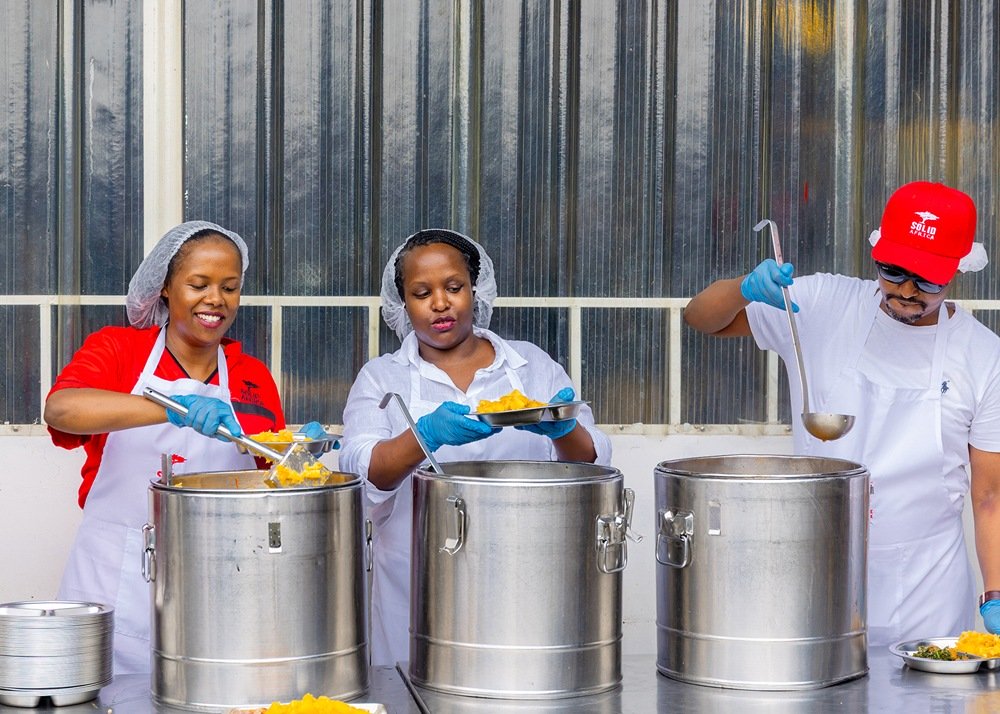Adrien Tuyizere, a nutritionist at CHUK, says malnutrition was a significant challenge among patients and caregivers before Solid’Africa’s intervention. Some people with conditions affecting the stomach, liver or kidneys require specialised diets, but families already struggling with medical costs are often unable to pay for them.
According to Tuyizere, the programme has made those diets available to patients who need them and helped reduce malnutrition. It also assists new mothers who require nutritional support for breastfeeding and patients who are unable to eat normally and must be fed through a tube.
The benefit extends to caregivers: money that would have been spent on food can instead go towards medicines and other medical needs.
“Medicine alone cannot restore a patient’s strength,” Tuyizere says. “The body also needs the nutrients it gets from food to fight illness and recover.”
Meeting that need consistently required Solid’Africa to move beyond meals prepared in volunteers’ homes. A major step was the construction of a large industrial kitchen dedicated to hospital feeding.
Developed with support from partners including Imbuto Foundation and Fondation Mohammed VI pour le Développement Durable, the facility opened in late 2023 and can prepare up to 15,000 meals a day.
The need extends far beyond the patients whose experiences are described here. Solid’Africa says it served 3.2 million meals in 2025, reaching 130,000 patients and caregivers across six public hospitals.
The organisation has established three on-site kitchens and is planning further expansion. “We aim to reach all 47 public hospitals,” Kamariza says.
That ambition would take the model from selected facilities towards nationwide nutrition support across Rwanda’s public hospital network. It also creates another challenge: supplying enough fresh food reliably.
Solid’Africa’s response has been to link its feeding programmes more closely to local agriculture. Its farm-to-fork approach gives participating smallholder farmers a regular buyer while supplying kitchens with produce. The organisation has partnered with four cooperatives, offering training in farming practices, access to quality inputs and a more stable market. Many participating farmers are women.
Mary Uwera, a farmer in Rugende in Gasabo District, has supplied Solid’Africa since 2019. She grows vegetables including spinach, carrots, beetroot and cabbage.
“Knowing that the crops we grow end up in hospital meals gives our work a deeper purpose beyond income,” Uwera says. “Solid’Africa gives us a reliable market while helping nourish patients who need healthy food to recover.”
Uwera says regenerative farming practices are also helping her improve soil health and protect the land for future generations.
The arrangement creates a reinforcing chain: hospitals gain a source of nutritious food, farmers gain a dependable market, cooperatives can strengthen production and more spending circulates through local food systems.
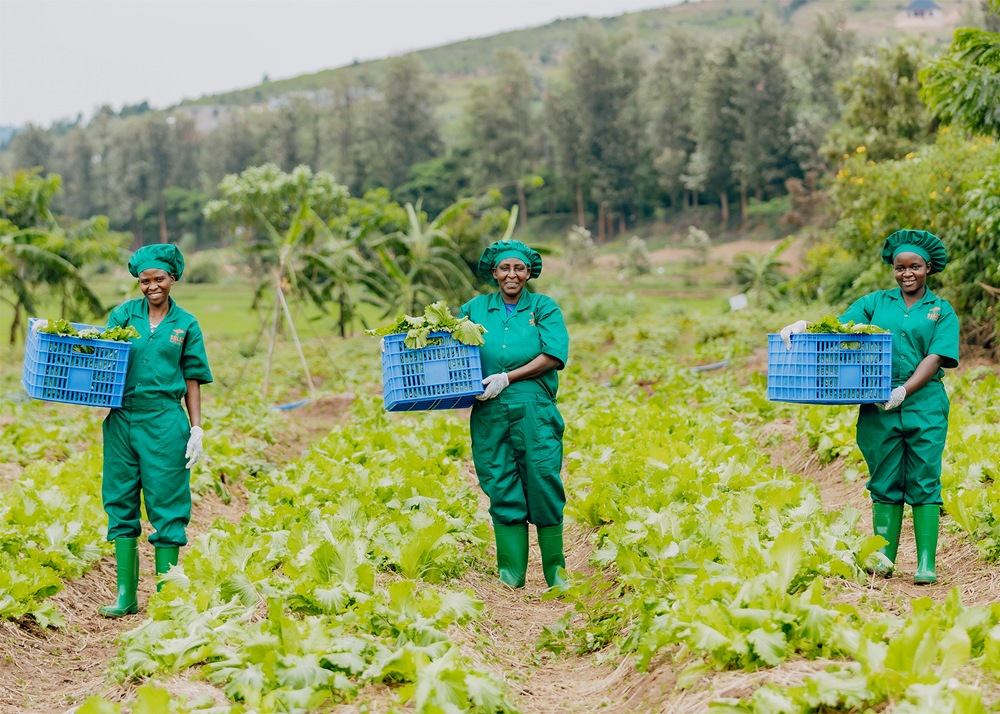Solid’Africa is also testing how the model can support children before they reach a hospital. Through work with the Ministry of Education and other partners, it has contributed to Rwanda’s National School Feeding Programme, including pilot initiatives at two schools.
Kamariza’s work has attracted recognition, including the Forbes Woman Africa Social Impact Award in 2021 and Global Citizen’s Disruptor of the Year award in 2024.
The programme’s larger test is whether it can extend reliable nutrition across all public hospitals while deepening its connections with schools and farmers.
For families such as Zabulon’s, the effect is already immediate: caregivers can focus on treatment instead of searching for the next meal. For participating farmers, the same system turns crops into both income and a contribution to recovery.
What began with friends cooking in their homes has become a network spanning hospital wards, kitchens, schools, cooperatives and farms — an example of how addressing one basic need can create opportunity across a much wider system.
bird story agency

SUBSCRIBE TO OUR NEWSLETTER
First name or full name
Email
By continuing, you accept the privacy policy
**Categories:** Natural Resources and Agriculture
---
### [Appointment of Luke J. Lindberg as Executive Director of UN World Food Program](https://www.topafricanews.com/2026/09/21/appointment-of-luke-j-lindberg-as-executive-director-of-un-world-food-program/)
**Published:** September 21, 2026
**Author:** TOPAFRICANEWS
**Content:**
The United States welcomes the Secretary General’s decision to appoint Luke J. Lindberg as Executive Director of the United Nations World Food Program (WFP) in Rome.
Since its founding in 1961, the United States has been WFP’s largest donor and strongest advocate. Mr. Lindberg is the right leader to continue this tradition by pursuing reforms that will focus the organization on its core mandate, deliver excellence in operations, and deepen relations with donors. He brings a proven record of public service, a commitment to accountability, and a clear understanding that humanitarian assistance must reach those who need it most.
Mr. Lindberg’s leadership will benefit all WFP Member States, including the United States. The United States looks forward to working with Mr. Lindberg in his new role as we advance WFP’s mission: feeding those in need.

SUBSCRIBE TO OUR NEWSLETTER
First name or full name
Email
By continuing, you accept the privacy policy
**Categories:** NEWS
---
### [African Leaders Push Investment and Ownership Agenda at New York Climate Week](https://www.topafricanews.com/2026/09/20/african-leaders-push-investment-and-ownership-agenda-at-new-york-climate-week/)
**Published:** September 20, 2026
**Author:** TOPAFRICANEWS
**Content:**
NEW YORK — As Climate Week NYC opened on Sunday, African heads of state, business executives and policymakers gathered in the city to press for greater control over the continent’s critical minerals, accelerated energy access and a sharp increase in climate finance.
The week, running through September 27 alongside the United Nations General Assembly, is centered on energy systems, measurable impact and practical action. For many African participants, the priority is clear: move beyond pledges and secure capital, technology and market access that keep more value on the continent.
A major parallel event, Unstoppable Africa, convened more than 2,000 African and global leaders on September 20 and 21 at a Times Square hotel. Hosted under the Global Africa Business Initiative and co-convened by the United Nations Secretary-General and the African Union Commission chairperson, the gathering focused on turning Africa’s resources into lasting economic gains.
CMAS 2026 • Kigali## Attending the Carbon Markets Africa Summit?
Looking for special media coverage, interviews, event highlights or visibility for your organization, project or participation?
**Let TOP AFRICA NEWS amplify your story to audiences across Africa and beyond.**
[ Request Media Coverage ](mailto:info@topafricanews.com?subject=Special%20Media%20Coverage%20Request%20-%20CMAS%202026) Contact us: <info@topafricanews.com>
Discussions highlighted critical minerals needed for the global energy transition, the push for local processing and green industrialization, renewable energy potential, digital infrastructure ownership, and expanded trade under the African Continental Free Trade Area. Speakers included the presidents of Sierra Leone and Botswana, finance and energy executives, and United Nations officials working on sustainable energy access.
“Africa holds the minerals, the renewable resources and the youngest workforce the world needs,” one organizer said in advance briefings. “The question is whether the continent owns the value created from them.”
Participants pointed to ongoing challenges. Africa accounts for less than 4 percent of global greenhouse gas emissions yet faces severe climate impacts. Officials estimate the continent requires roughly $277 billion annually through 2030 to meet its climate commitments, while current finance flows cover only about one-tenth of that amount. Adaptation funding and energy access for hundreds of millions still without electricity remain urgent priorities.
Other Climate Week activities underscored practical solutions tied to Africa. A 24-mile waterfront walk scheduled for September 26 will raise money for landscape restoration projects that capture rainwater and revive degraded land across sub-Saharan Africa. Separate sessions addressed agricultural methane reduction with input from Pan-African Indigenous representatives and examined industrial policy around African minerals.
Local government leaders from Kenya and other African countries joined international networks focused on urban resilience and climate planning. Across the week, conversations repeatedly returned to the same themes: reliable finance, fair partnerships, and African-led implementation rather than external prescriptions.
As world leaders and corporate executives fill New York venues this week, African voices are insisting that climate progress and economic opportunity must advance together — with ownership, capital and results measured on the ground.

SUBSCRIBE TO OUR NEWSLETTER
First name or full name
Email
By continuing, you accept the privacy policy
**Categories:** CLIMATE CHANGE, Environment
---
### [Rwanda and Pakistan to Sign Bilateral Trade Agreement at Kigali Investment Forum](https://www.topafricanews.com/2026/09/20/rwanda-and-pakistan-to-sign-bilateral-trade-agreement-at-kigali-investment-forum/)
**Published:** September 20, 2026
**Author:** TOPAFRICANEWS
**Content:**
KIGALI — Rwanda and Pakistan are set to deepen economic ties next week with the signing of a bilateral trade agreement during the Rwanda-Pakistan Investment Forum in Kigali from September 23 to 25.
Rwanda’s High Commissioner to Pakistan, Harerimana Fatou, announced the forum and the planned agreement at a press conference held Friday at the Rwanda High Commission in Islamabad. A Pakistani business delegation of about 15 to 16 representatives will travel to Kigali to meet Rwandan government officials, investors, and private-sector leaders.
Fatou positioned Rwanda as more than a domestic market of roughly 14 million people. She described the country as a gateway for Pakistani firms seeking access to the wider African market through production, joint ventures, and regional expansion. She specifically invited companies in textiles, construction, healthcare, agriculture, manufacturing, technology, and entrepreneurship to explore opportunities.
**READ ALSO: [Pakistan, African partners launch economic council with $15bn trade goal](https://www.topafricanews.com/2026/09/13/pakistan-african-partners-launch-economic-council-with-15bn-trade-goal/)**
“The Investment Forum represents a broader effort to transform Rwanda-Pakistan relations into a stronger partnership in trade, investment, technology, manufacturing and business-to-business cooperation,” Fatou said. The trade agreement is expected to provide a stronger institutional framework for commercial relations between the two countries.
Ambassador Hamid Asghar Khan, patron-in-chief of the Pakistan Africa Economic Council, said the forum would open new avenues for investment. He identified pharmaceuticals, agriculture and food processing, information technology, and manufacturing as promising areas, citing Rwanda’s sustained economic growth.
Diplomatic relations between Rwanda and Pakistan date to 1962. Officials noted that business engagement has grown by more than 55 percent in recent years. Rwanda has highlighted its investor-friendly environment, including one-stop services through the Rwanda Development Board, visa-on-arrival policies, and tax incentives.
**ALSO READ: [Rwanda and Pakistan Set to Deepen Trade Relations Following Approval of Bilateral Cooperation Agreement](https://www.topafricanews.com/2026/07/23/rwanda-and-pakistan-set-to-deepen-trade-relations-following-approval-of-bilateral-cooperation-agreement/)**
The forum comes as both sides seek to convert longstanding political ties into practical commercial partnerships. Pakistani officials have previously expressed interest in expanding direct trade in products such as rice, pharmaceuticals, textiles, and sports goods, while Rwanda has promoted its tea and coffee exports. The upcoming meetings in Kigali are expected to focus on turning these discussions into concrete deals and joint ventures.

SUBSCRIBE TO OUR NEWSLETTER
First name or full name
Email
By continuing, you accept the privacy policy
**Categories:** Business and Trade
---
### [Gicumbi: Rwf269 million centre opens to support communities around Rugezi Marsh](https://www.topafricanews.com/2026/09/19/gicumbi-rwf269-million-centre-opens-to-support-communities-around-rugezi-marsh/)
**Published:** September 19, 2026
**Author:** Mutangana Emmanuel
**Content:**
A Rwf269 million Rugezi Community Centre has been inaugurated in Gicumbi District as part of efforts to improve livelihoods among communities living around Rugezi Marsh while strengthening the conservation of the ecologically important wetland.
The Rugezi Community Centre, located in Miyove Sector, was officially opened on Friday by the Rwanda Wildlife Conservation Association (RWCA), with Northern Province Governor Maurice Mugabowagahunde serving as the guest of honour.
The centre brings together two women’s cooperatives, Miyove Sewing Women Cooperative and Dukunde Umurimo Twiteze Imbere Rugezi Cooperative, providing them with a permanent workspace and showroom for their products.
READ ALSO: [Rwanda’s Grey Crowned Crane Population Rises to 1,438 After a Decade of Conservation](https://www.topafricanews.com/2026/08/14/rwandas-grey-crowned-crane-population-rises-to-1438-after-a-decade-of-conservation/)
It also includes a coffee shop where travellers and visitors can stop for refreshments, use public facilities and purchase products made by the women.
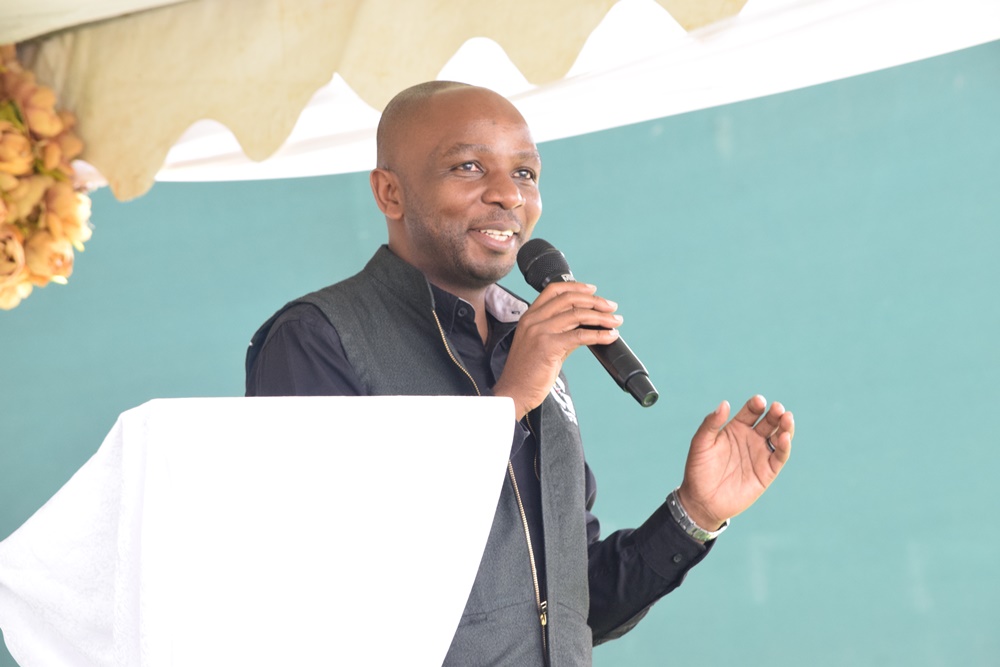***Dr. Olivier Nsengimana, Founder and CEO of Rwanda Wildlife Conservation Association (RWCA).***Dr. Olivier Nsengimana, Founder and CEO of RWCA, said the organisation’s conservation work at Rugezi Marsh is built around improving the livelihoods of communities living near the wetland.
“We found that if we want to achieve our conservation goals for Rugezi Marsh and the Grey Crowned Cranes, we have to start with the people,” Nsengimana said.
He said the community centre is intended to create sustainable livelihood opportunities while ensuring that economic activities do not undermine the wetland and its biodiversity.
The centre supports women involved in tailoring and weaving, while RWCA plans to expand the activities and provide further training and market opportunities.
READ ALSO: [RWCA Turns 10 Years With Landmark Recovery of Grey Crowned Cranes in Rwanda](https://www.topafricanews.com/2025/11/22/rwca-turns-10-years-with-landmark-recovery-of-grey-crowned-cranes-in-rwanda/)
According to Nsengimana, the Rwf269 million investment covers the construction and equipment of the facility, while additional resources have been invested in training the women for more than six months, purchasing sewing machines and supporting other activities linked to the project.
The centre is part of a broader RWCA programme aimed at linking conservation with community development around Rugezi Marsh.
Nsengimana said RWCA currently employs 116 permanent workers in the area, supports health insurance for nearly 500 families each year and provides about 1,000 temporary jobs annually through different conservation and community development activities.
The organisation has also worked with communities and government institutions to establish terraces covering more than 154 hectares around Rugezi Marsh.
“These activities help develop the communities while also benefiting Rugezi Marsh because they reduce the amount of soil that would otherwise be washed into the wetland and alter its condition,” Nsengimana said.
RWCA also runs environmental education programmes involving about 570 children through conservation clubs, alongside annual awareness initiatives such as the Umusambi Football Tournament and Umusambi Gravel Race.
For the women benefiting from the new facility, the centre is expected to address one of the major challenges they previously faced: inadequate and unreliable working space.
***Yvette Uzarama.***Yvette Uzarama, President of Miyove Sewing Women Cooperative, which has 30 members from Miyove and Nyankenke sectors, said the cooperative previously operated from a building temporarily provided by the district.
The arrangement sometimes disrupted their work when the building was needed for meetings or other activities.
“Here, we will be able to work every day and at any time we want, unless there is no one at the facility,” Uzarama said.
The cooperative was established by women who started working together after completing their studies in 2024. It initially relied on small orders but has gradually expanded, with RWCA helping the members access markets for their products.
READ ALSO: [Football Campaign Linked to Grey Crowned Crane Recovery at Rugezi Marsh](https://www.topafricanews.com/2026/08/01/football-campaign-linked-to-grey-crowned-crane-recovery-at-rugezi-marsh/)
Uzarama said the cooperative currently has about Rwf1.5 million in savings, while its equipment brings the estimated value of its assets to about Rwf2.2 million.
She said the cooperative’s development is now closely linked to the protection of Rugezi Marsh.
“Our goal is to keep working and developing ourselves while avoiding activities that damage Rugezi Marsh,” she said.
***Elina Rukundo.***Elina Rukundo, President of Dukunde Umurimo Twiteze Imbere Rugezi Cooperative, said its 14 members previously worked individually from their homes before being brought together.
The cooperative produces woven decorations and other handicrafts, which RWCA also helps them market.
Rukundo said her understanding of the importance of Rugezi Marsh has changed over time.
She recalled that residents previously harvested grass and grazed livestock in the wetland, while some people also hunted Grey Crowned Cranes and collected their eggs.
She said conservation awareness had helped change those practices.
“I cannot go there to destroy it today because I have learned that Rugezi Marsh is home to different species and is important to us,” Rukundo said.
She added that the wetland also attracts tourists, creating opportunities for local communities to benefit by selling their products to visitors.
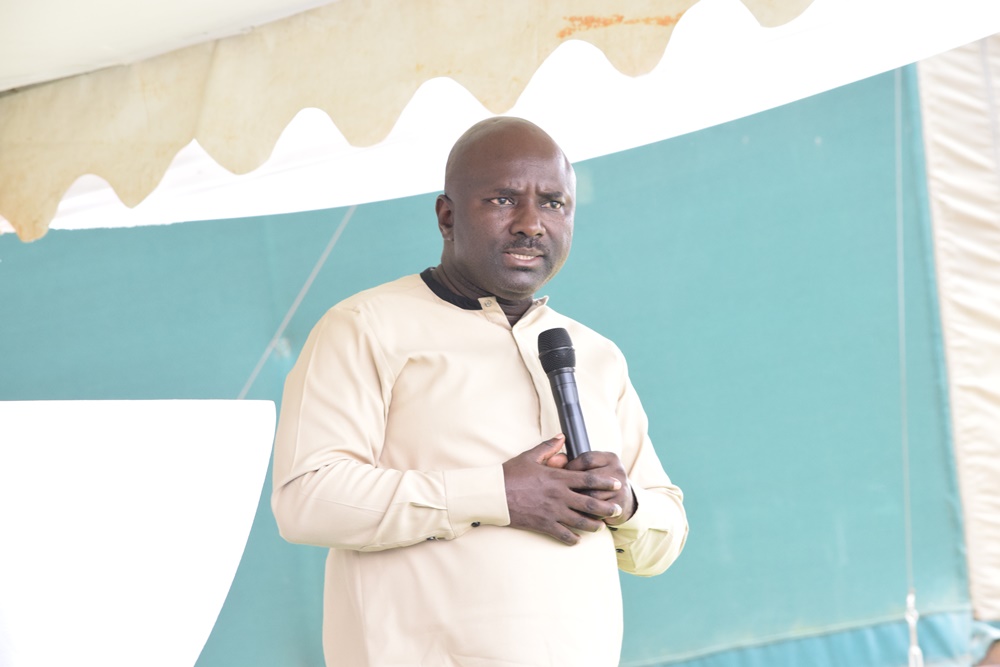***Northern Province Governor Maurice Mugabowagahunde.***Northern Province Governor Maurice Mugabowagahunde said the new centre could also contribute to tourism development in Miyove and the wider Gicumbi area.
He said travellers using the Base-Gicumbi-Nyagatare road had previously lacked convenient places to stop for refreshments and access public facilities.
“With this project, we now have a coffee shop and a place where travellers can buy products made by these women,” Mugabowagahunde said.
He added that the provincial government would continue working with RWCA on conservation and community development, including tree planting and terracing on hills surrounding Rugezi Marsh.
The province is also working with relevant institutions on plans to transform Rugezi Marsh into a national park, alongside research into its biodiversity.
Mugabowagahunde said such initiatives are part of broader efforts to strengthen tourism in the Northern Province while ensuring that communities living around protected ecosystems also benefit from their conservation.
**Conservation significance**
The community investment comes as new biodiversity findings highlight the ecological importance of Rugezi Marsh.
A recent biodiversity survey conducted by RWCA identified 741 species in the marsh, including 472 species that had not previously been recorded there.
The survey documented 197 plant species, 134 bird species and 53 mammal species, including 22 bat species.
The wetland is also an important habitat for the Grey Crowned Crane, a species that has become a major focus of conservation efforts at Rugezi.
RWCA data shows that the number of Grey Crowned Cranes recorded in the marsh increased from 71 in 2017 to 378 in 2026.
The latest count means Rugezi Marsh now hosts more than one-quarter of Rwanda’s entire Grey Crowned Crane population.
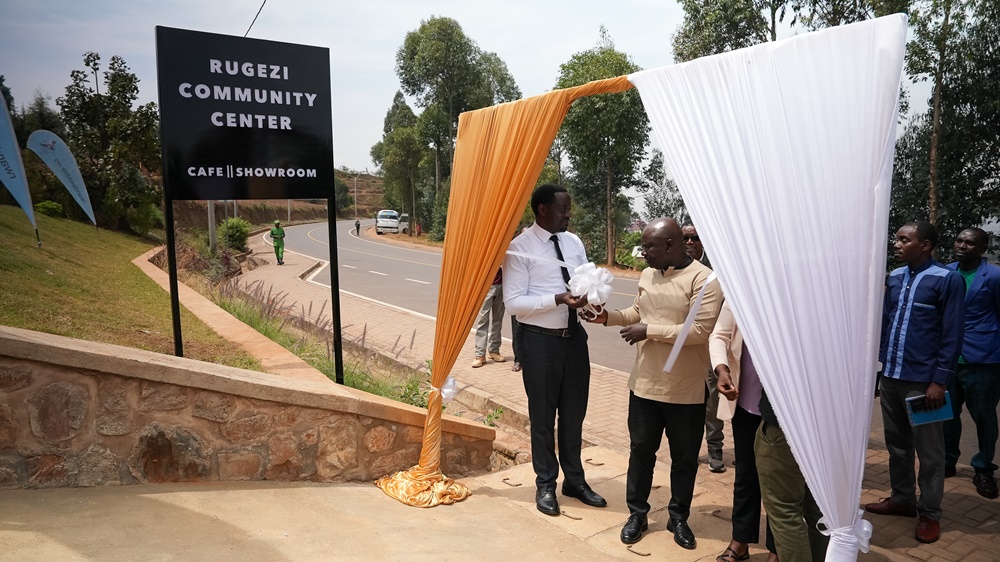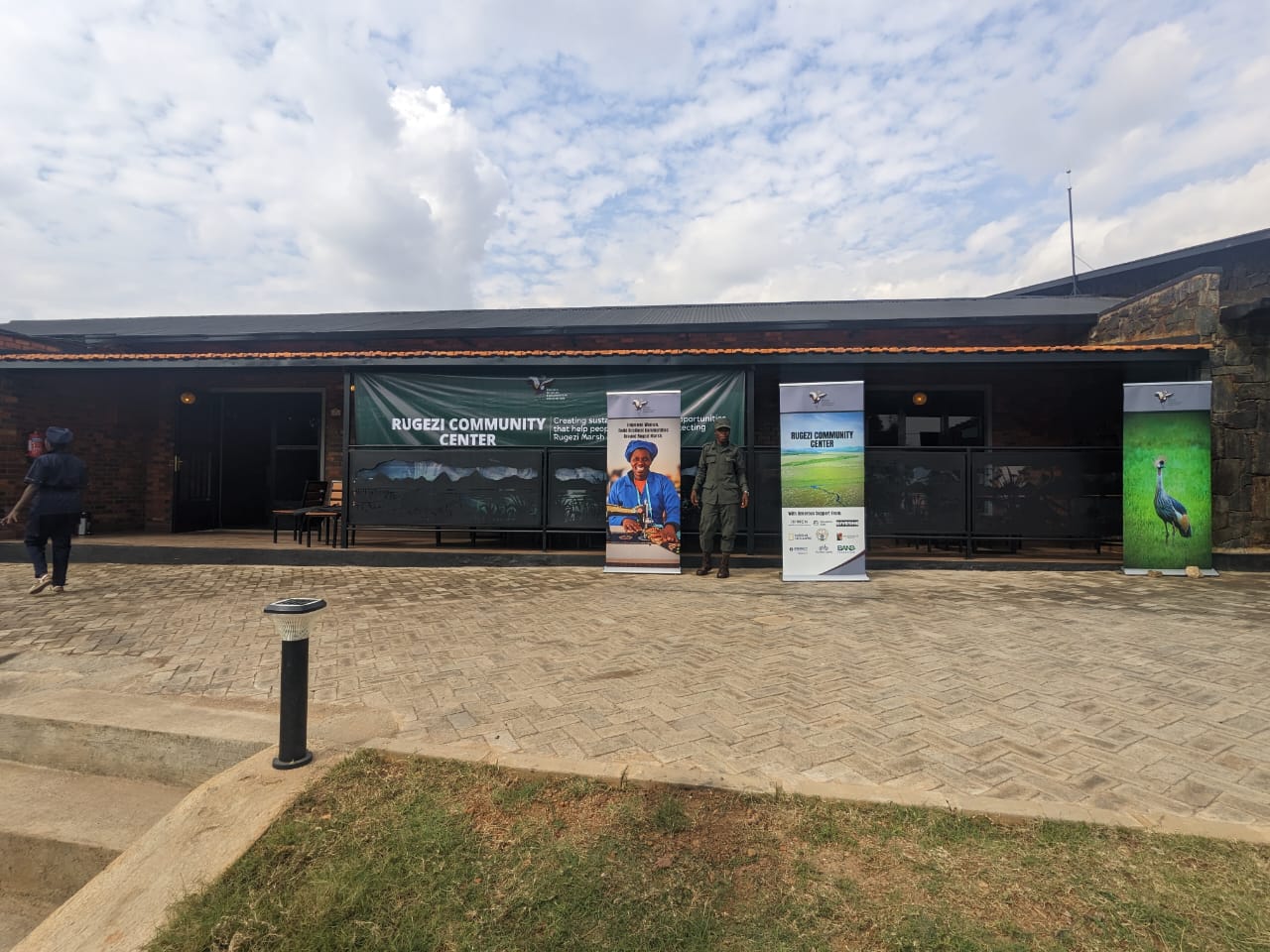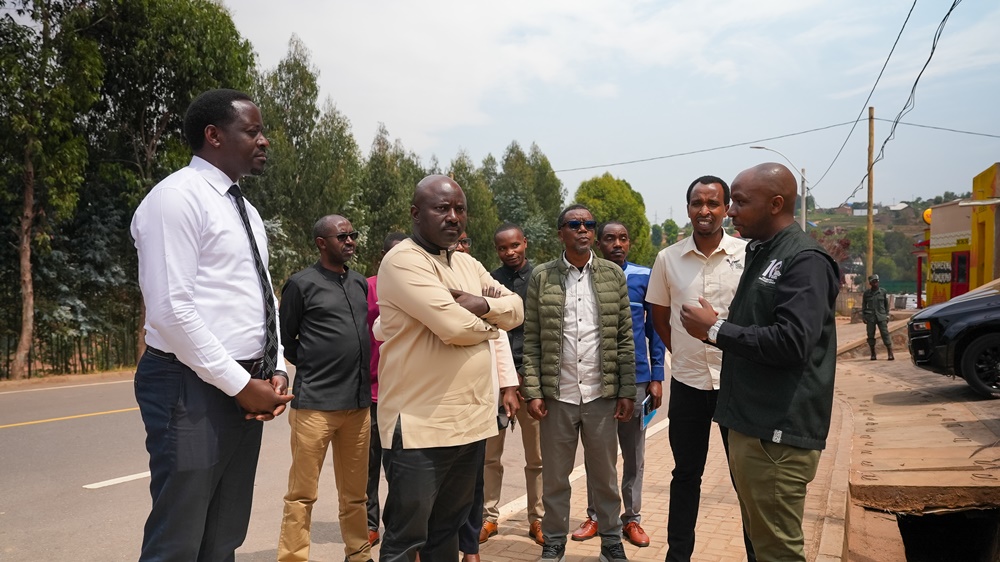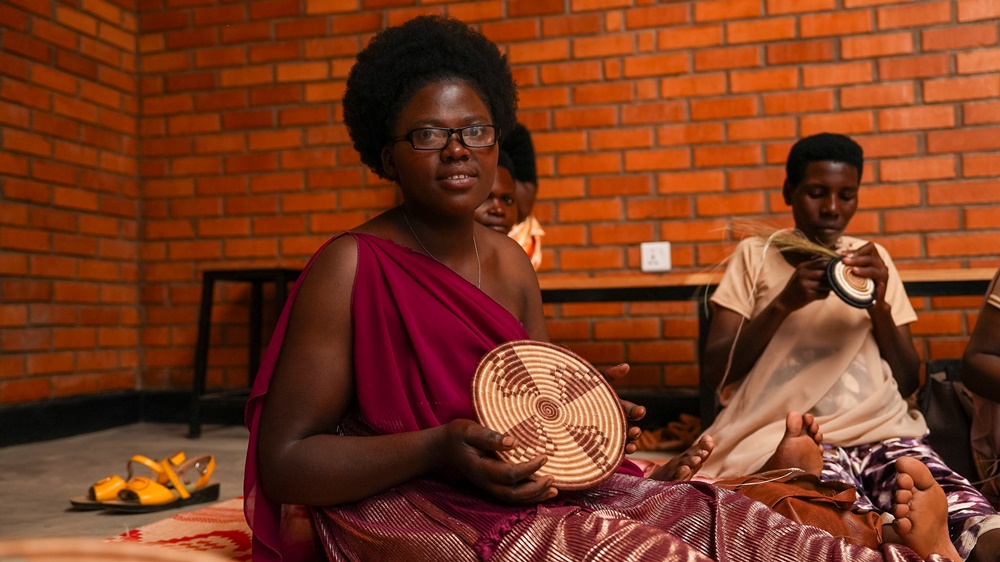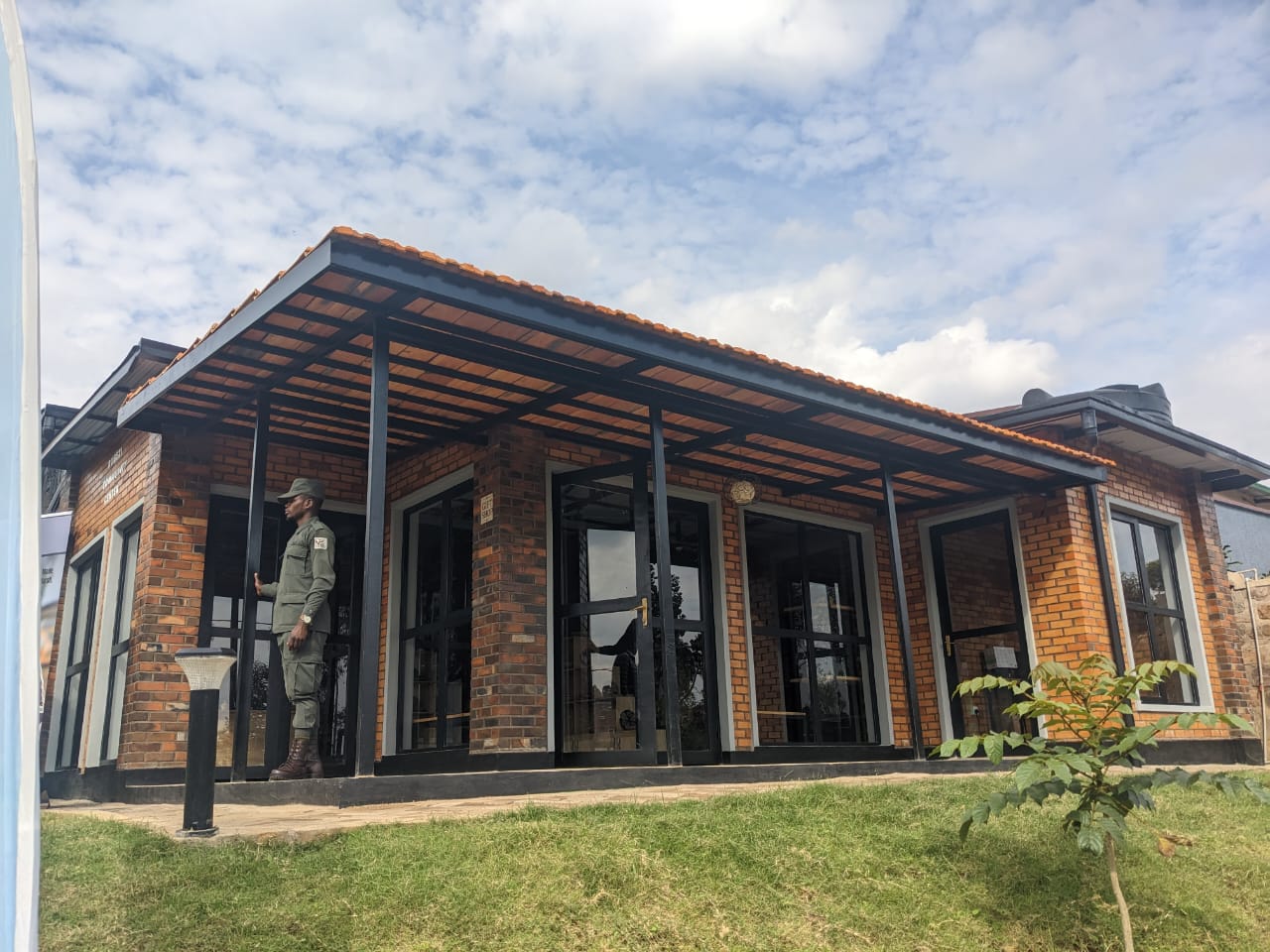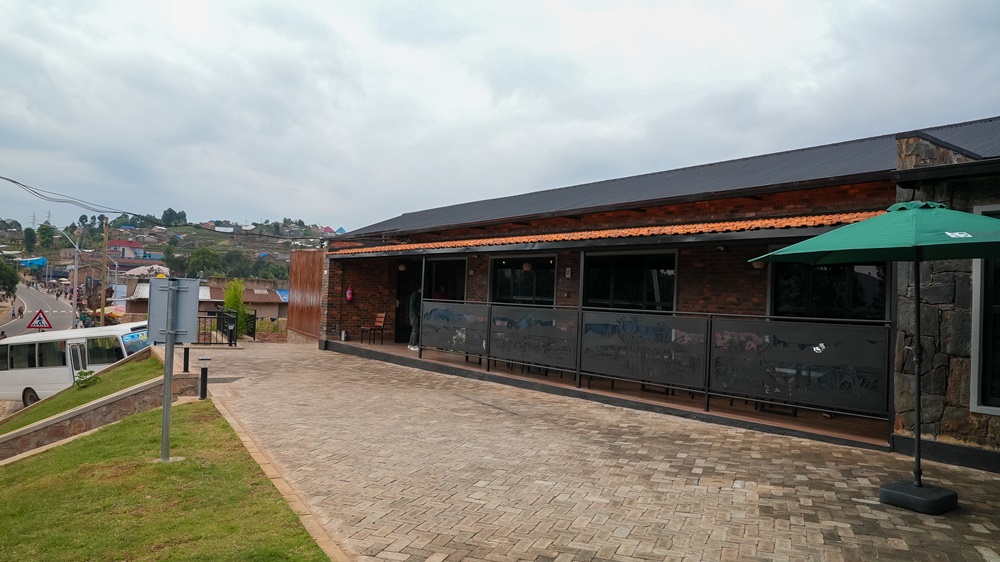
SUBSCRIBE TO OUR NEWSLETTER
First name or full name
Email
By continuing, you accept the privacy policy
**Categories:** Environment
---
### [176 Writers Call for Proof of Life for 12 Missing Eritrean Writers](https://www.topafricanews.com/2026/09/19/176-writers-including-nobel-laureates-call-for-proof-of-life-for-12-missing-eritrean-writers/)
**Published:** September 19, 2026
**Author:** EDITOR
**Content:**
*176 writers from around the world, including Ben Okri, Isabel Allende, Anthony Doerr and Yann Martel, sign PEN International open letter to President Isaias Afwerki*
**18 September 2026, London:** Nobel laureates **Olga Tokarczuk** and **J.M. Coetzee,** alongside leading international writers including **Burhan Sonmez,** President of PEN International, **Jennifer Clement** and **John Ralston Saul,** former Presidents of PEN International, **Isabel Allende, Ben Okri, Yann Martel, Rohinton Mistry, Anthony Doerr, Colm Tóibín, Tsitsi Dangarembga, Kamila Shamsie, Ahdaf Soueif, Dacia Maraini,** and others,have signed a PEN International open letter to Eritrean President Isaias Afwerki, in support of PEN International’s global *Proof of Life* campaign.
The letter calls for immediate, verified proof of life for 12 Eritrean writers and journalists who were arrested and disappeared in 2001, and for an end to 25 years of silence surrounding their fate.
***“Twenty-five years is an unbearable length of time for any family to live without knowing whether a loved one is alive. These writers have not disappeared from our memory. We will continue to speak their names, and we will continue to demand the truth about what happened to them.”*** Burhan Sonmez, President of PEN International
The 12 writers and journalists are **Amanuel Asrat, Dawit Habtemichael, Dawit Isaak, Fessehaye ‘Joshua’ Yohannes, Matheos Habteab, Medhanie Haile, Sahle ‘Wedi-ltay’ Tsegazeab, Said Abdelkadir, Said Idris ‘Abu Are’, Seyoum Tsehaye, Temesgen Ghebreyesus** and **Yousif Mohammed Ali.**
For a quarter of a century, their families and colleagues have received no verified information about their whereabouts, health or survival. The writers have been held incommunicado without trial or contact with their families. PEN International has consistently campaigned for their freedom and for information about their fate.
The letter calls on the Eritrean authorities to:
*“Provide immediate, verified proof of life for all arbitrarily detained Eritrean writers and critics.”*

SUBSCRIBE TO OUR NEWSLETTER
First name or full name
Email
By continuing, you accept the privacy policy
**Categories:** ADVOCACY
---
### [eXp Realty’s Sarah Hutchinson Recognized in Ragan’s Top Women in Marketing Class of 2026](https://www.topafricanews.com/2026/08/03/exp-realtys-sarah-hutchinson-recognized-in-ragans-top-women-in-marketing-class-of-2026/)
**Published:** August 3, 2026
**Author:** TOPAFRICANEWS
**Content:**
eXp Realty, the global real estate brokerage and core subsidiary of AGNT, Inc. (Nasdaq: AGNT), is proud to announce that Sarah Hutchinson, VP of International Marketing, has been named to Ragan’s Top Women in Marketing Class of 2026.
Hutchinson was honored in the “AI and Innovation Leaders” category, a distinction that highlights her pivotal role in transforming eXp International’s marketing infrastructure. Over the past year, Hutchinson demonstrated remarkable technical agility by rebuilding the organization’s network of 25 country-specific websites in a single quarter. Utilizing AI-native development tools, she executed a digital overhaul that circumvented traditional agency timelines and costs, ensuring the organization retains full ownership of its infrastructure.
Beyond infrastructure, Hutchinson has successfully led two consecutive eXpcon International conferences, including the recent eXpcon Paris, which saw a 21 percent year-over-year increase in paid attendance.
“At eXp International, we do not use AI as a shortcut. We use it to build things that did not exist before,” said Felix Bravo, Managing Director of eXp Realty International. “Sarah is the clearest example of that mindset on our team. She does not wait for a solution to appear. She builds it”.
Hutchinson will be formally honored alongside other distinguished marketing executives at a luncheon on October 22, 2026, at the Yale Club in New York City.

SUBSCRIBE TO OUR NEWSLETTER
First name or full name
Email
By continuing, you accept the privacy policy
**Categories:** NEWS, People
---
### [Rwanda’s Sports Minister Lights Up Social Media with Joyful Dance Moves](https://www.topafricanews.com/2026/08/17/rwandas-sports-minister-lights-up-social-media-with-joyful-dance-moves/)
**Published:** August 17, 2026
**Author:** EDITOR
**Content:**
**Rwanda’s Sports Minister Lights Up Social Media with Joyful Dance Moves**
In a moment that has warmed hearts across Rwanda and beyond, Minister of Sports Nelly Mukazayire has captured the affection of many after a light-hearted video of her dancing to Nigerian star Runtown’s hit “Mad Over You” spread widely on X. Shared late Sunday and continuing to circulate Monday, the clip shows the minister moving with genuine delight and energy, sometimes alongside family, simply enjoying the music in an everyday setting.
Users have responded with pure positivity, praising the minister for bringing good vibes and showing a relatable, human side.
Comments celebrate how the scene “wins even more hearts,” call it a perfect example of “Cheza Mziki,” and highlight the youthful, approachable spirit of Rwanda’s sports leadership.
News accounts and everyday posters alike have amplified the video with warm captions, noting the infectious joy and the easy connection it creates between the minister and the public.
The upbeat shares reflect a collective smile: a senior official letting the music take over, reminding everyone that leadership can include moments of pure fun and connection.
In the eyes of those posting and commenting, Mukazayire’s spontaneous dance has added an extra touch of brightness to the day, leaving many feeling uplifted and closer to the people guiding the nation’s sports journey.

SUBSCRIBE TO OUR NEWSLETTER
First name or full name
Email
By continuing, you accept the privacy policy
**Categories:** SPORTS
---
### [Rwanda Joins African Leaders in High-Stakes AU Meeting in Luanda](https://www.topafricanews.com/2026/08/30/rwanda-joins-african-leaders-in-high-stakes-au-meeting-in-luanda/)
**Published:** August 30, 2026
**Author:** LIBOS NDAYISHIMIYE
**Content:**
Rwanda has joined African leaders gathering in Luanda, Angola, for the 21st Extraordinary Session of the Assembly of Heads of State and Government of the African Union (AU), with Prime Minister Dr. Justin Nsengiyumva representing President Paul Kagame at the high-level meeting.
Prime Minister Nsengiyumva arrived in Luanda ahead of the summit, which is scheduled for Sunday, August 30, 2026.
His participation on behalf of President Kagame highlights Rwanda’s continued engagement in continental affairs and its commitment to contributing to discussions on issues of strategic importance to Africa.
The extraordinary session brings together Heads of State and Government from across the continent at a time when African countries are pursuing stronger cooperation and coordinated responses to shared challenges.
Representing President Kagame, Prime Minister Nsengiyumva is expected to take part in the deliberations and engagements of the summit, conveying Rwanda’s perspectives on matters affecting the continent.
The Luanda meeting provides an important platform for African leaders to exchange views, strengthen coordination and advance common approaches to priorities facing the continent.
Rwanda has consistently participated actively in African Union processes, supporting efforts to strengthen continental institutions, promote African unity and advance cooperation among member states.

SUBSCRIBE TO OUR NEWSLETTER
First name or full name
Email
By continuing, you accept the privacy policy
**Categories:** NEWS
---
### [RRA engages major brewers on digital tax stamps for beers and soft drinks](https://www.topafricanews.com/2026/09/18/rra-engages-major-brewers-on-digital-tax-stamps-for-beers-and-soft-drinks/)
**Published:** September 18, 2026
**Author:** DUSABEMUNGU Ange de la Victoire
**Content:**
**Kigali, September 18, 2026 —** Rwanda Revenue Authority (RRA) Commissioner General Ronald Niwenshuti on Friday hosted representatives from Bralirwa Plc and Skol Brewery Ltd to finalise preparations for extending Digital Tax Stamps to beers, juices, sodas and other beverages.
The meeting focused on how the two companies, Rwanda’s leading producers of beer and soft drinks, will implement the stamps without disrupting production or supply. Niwenshuti assured the manufacturers of RRA’s full cooperation and support throughout the process.
Digital Tax Stamps are already required on spirits, wines and tobacco products. In the coming days they will also be applied to beers, juices, sodas and similar drinks sold on the Rwandan market. The stamps use unique codes and security features that allow authorities and consumers to verify authenticity via a mobile app.
RRA says the expansion will help block smuggled and substandard beverages from reaching shops and bars, thereby protecting public health and ensuring that excise duty is properly collected. Officials have previously noted that products without valid stamps often indicate illicit trade or tax evasion.
Bralirwa, a Heineken subsidiary, produces popular brands such as Primus, Mützig and licensed Coca-Cola products. Skol Brewery Ltd is the other major player in the local beer market. Both companies are expected to affix the stamps at the factory before products leave the premises.
The move follows Commissioner General directives published in the Official Gazette earlier this year that added juices, lemonades, sodas and beers to the list of goods requiring tax stamps. Implementation for the new categories had been scheduled after a preparation period, and Friday’s discussions marked a key step toward rollout.
Consumers will be able to scan the stamps with RRA’s verification app to confirm the product is genuine, legally imported or manufactured, and tax-compliant. RRA has urged traders and hospitality businesses to stock only stamped products and to use Electronic Billing Machines correctly.
The authority maintains that the system will not impose undue operational burdens on manufacturers provided they meet the technical requirements, including having approved production lines and internet connectivity at factories.

SUBSCRIBE TO OUR NEWSLETTER
First name or full name
Email
By continuing, you accept the privacy policy
**Categories:** Business and Trade
---
### [Don Bosco Mondo Support Brings Food, School Materials and Hygiene Kits to Vulnerable Children in Rango](https://www.topafricanews.com/2026/09/18/don-bosco-mondo-support-brings-food-school-materials-and-hygiene-kits-to-vulnerable-children-in-rango/)
**Published:** September 18, 2026
**Author:** EDITOR
**Content:**
**RANGO, Rwanda —** Vulnerable children supported through the Don Bosco Youth Centre in Rango have received essential assistance, including scholastic materials, food supplies, hygiene kits, and other basic necessities aimed at improving their well-being and supporting their return to education.
The support was provided under the project **“Don Bosco Children for a Better Future: Support for the Reintegration and Education of Vulnerable Children in Rango,”** implemented by Œuvres de Don Bosco with the support of Don Bosco Mondo e.V. The project seeks to restore dignity and create brighter futures for particularly vulnerable children in the communities of Sahera, Mukura, and Tumba.
The project agreement identifies 50 children between the ages of 10 and 16 as the main beneficiaries. Many of them face difficult socio-economic conditions, limited access to food and education, unstable family situations, or a lack of adequate care and protection.
#### Responding to Basic Needs
The recent outreach focused on responding to some of the immediate needs of the children. The assistance included food supplies, school materials, and hygiene kits, helping the beneficiaries prepare for school and maintain better standards of health and personal care.
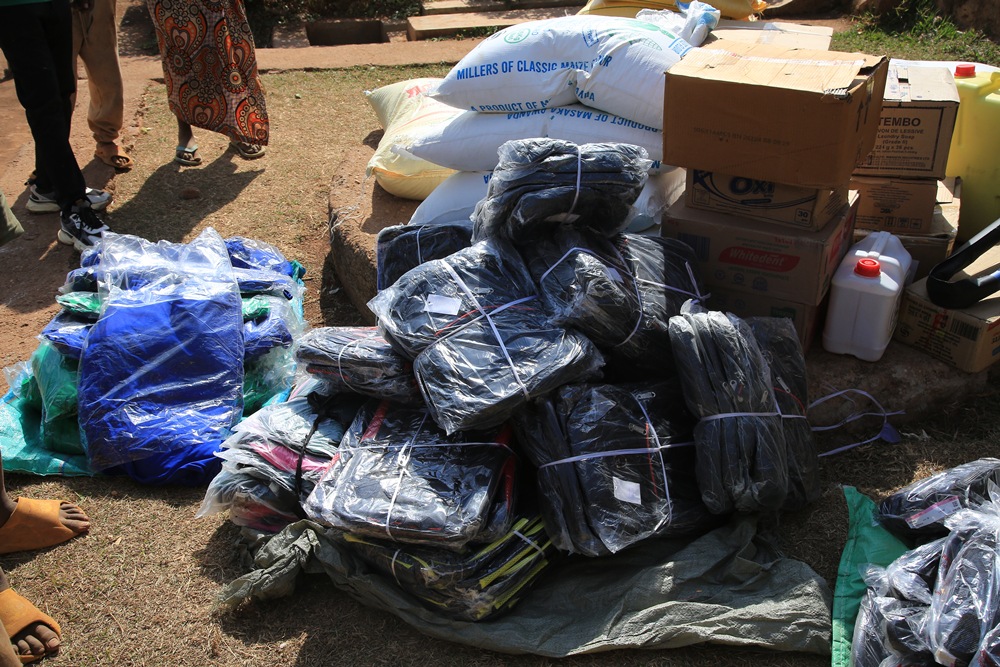The distribution of scholastic materials is part of the project’s broader education objective, which aims to facilitate the reintegration of children into the formal school system and provide them with the materials necessary for learning.
The project also includes regular food support, psychosocial care, family counselling, recreational activities, and measures to strengthen family reunification.
#### A Safe Place for Vulnerable Children
The Don Bosco Youth Centre in Rango provides a safe and supportive environment where vulnerable children can receive care, participate in recreational activities, access educational support, and develop positive relationships.
Father Olivier Hakizimana, who is responsible for the daily activities of the Centre, commended Don Bosco Mondo for the important support provided to the children.
He highlighted the value of the assistance in responding to the needs of vulnerable young people and strengthening the Centre’s efforts to accompany them toward a more secure and hopeful future.
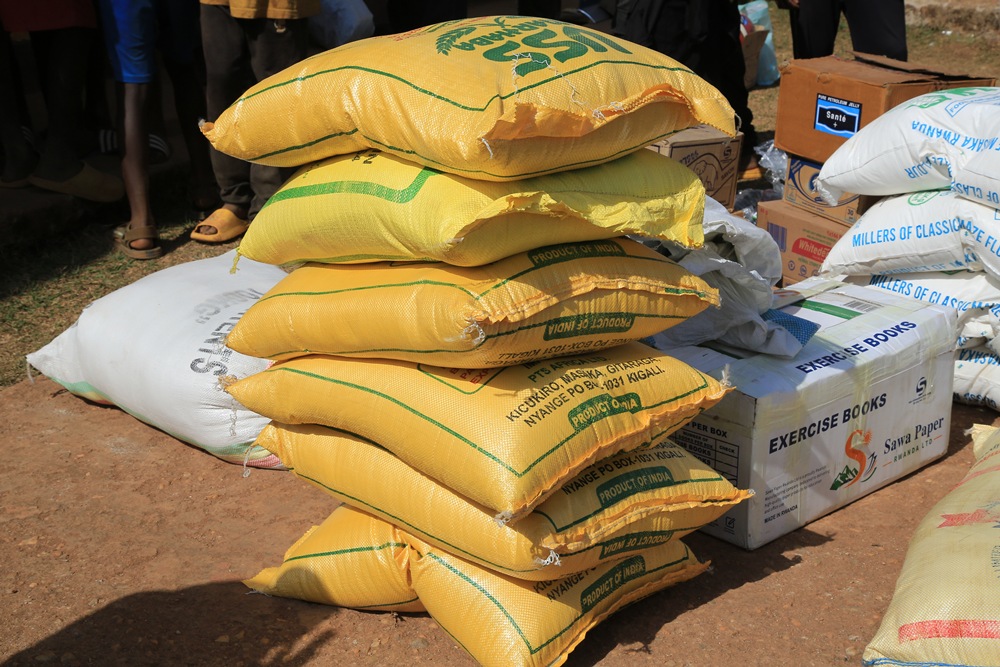The support also contributes to the project’s goal of reducing the number of children spending their days and nights on the streets by connecting them with education, care, family support, and community-based services.
#### Building Brighter Futures
Through the project, Don Bosco aims to improve the living conditions, dignity, health, self-esteem, and future prospects of vulnerable children.
The initiative targets not only the immediate needs of the children but also their long-term development. Through education, family counselling, psychosocial support, life-skills training, and community awareness, the project seeks to help children reintegrate into their families and society.
The intervention is supported by a partnership between Don Bosco Mondo e.V. and Œuvres de Don Bosco under project number **PR26AGL052**, with implementation scheduled from August 2026 to July 2027.
For the children of Rango, the recent assistance represents more than the distribution of material items. It is a practical expression of solidarity and a step toward restoring dignity, strengthening protection, and opening new opportunities for a better future.
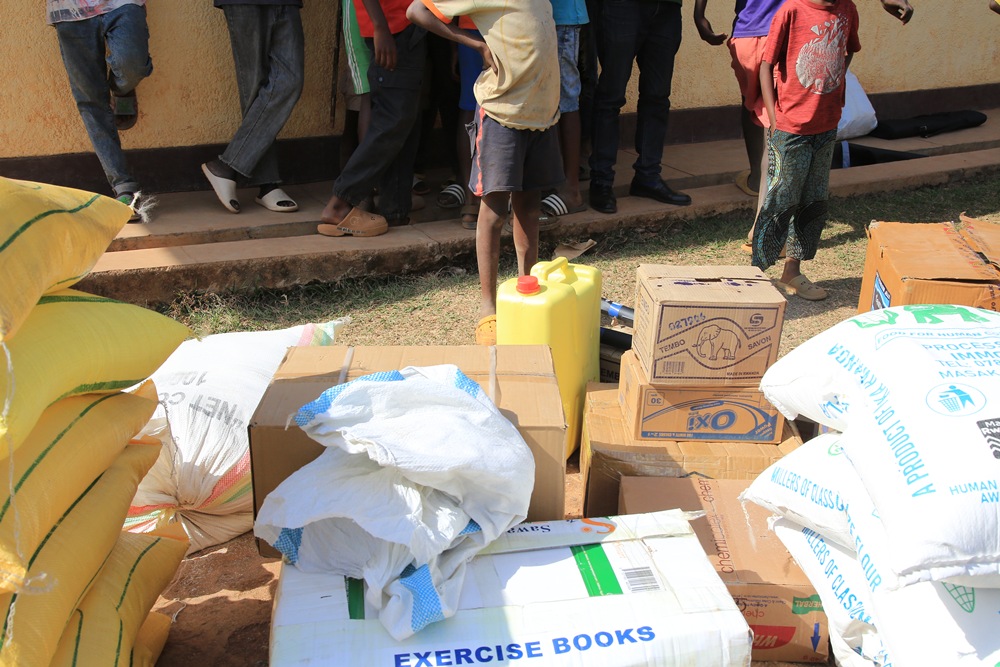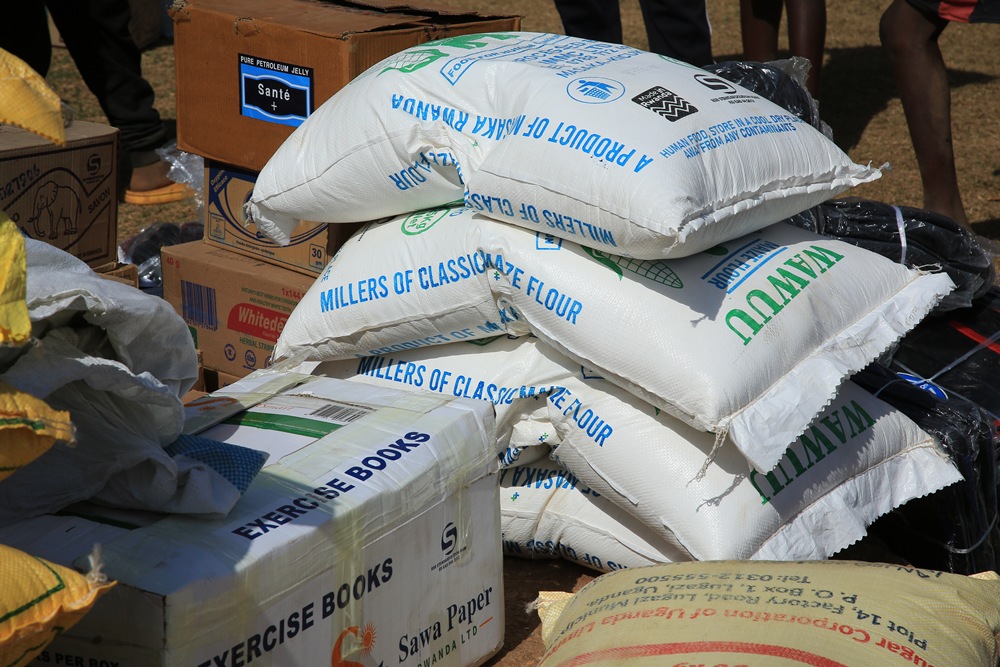
SUBSCRIBE TO OUR NEWSLETTER
First name or full name
Email
By continuing, you accept the privacy policy
**Categories:** ADVOCACY, EDUCATION
---
### [Rwanda’s Circular Food Systems Project Concludes After Five Years of Supporting Green Businesses](https://www.topafricanews.com/2026/09/18/rwandas-circular-food-systems-project-concludes-after-five-years-of-supporting-green-businesses/)
**Published:** September 18, 2026
**Author:** DUSABEMUNGU Ange de la Victoire
**Content:**
**KIGALI, Rwanda —** The Circular Food Systems for Rwanda (CIRF) project has officially concluded after five years of supporting circular economy solutions, sustainable businesses, and green job opportunities within Rwanda’s food systems.
The project was closed on September 3, 2026, on the margins of the Africa Food Systems Forum 2026 in Kigali. It was supported by the IKEA Foundation and implemented through a consortium involving the World Resources Institute Rwanda, Resonance, ACEA, ACEN, and CPCIC.
According to Eric Ruzigamanzi, Country Representative of the World Resources Institute Rwanda, the project reached **370 small and medium-sized enterprises (SMEs)** during its implementation.
Of these, **137 SMEs** received support to understand the benefits and opportunities presented by the circular economy, while **20 SMEs** received more in-depth assistance to develop circular economy products, adapt their business models, access new markets, and create green jobs.
**READ ALSO:** [**Agroecology Hub Thrives in Gicumbi: Mushroom Farmers Showcase Circular Economy, Maximizing Value from Waste**](https://www.topafricanews.com/2025/10/09/agroecology-hub-thrives-in-gicumbi-mushroom-farmers-showcase-circular-economy-maximizing-value-from-waste/)
“When we started, the circular economy was still a new and somewhat abstract idea,” Ruzigamanzi said in a message shared on LinkedIn. “Through CIRF, we reached 370 SMEs…”
He said the project’s achievements went beyond the number of businesses supported, highlighting the importance of partnerships, learning, and the transformation of ideas into practical solutions.
#### Strengthening an Enabling Environment
The CIRF project also contributed to the establishment of a multi-stakeholder platform designed to support dialogue and cooperation around circular businesses in Rwanda.
The platform brought together government institutions and other stakeholders, including the Ministry of Environment, the Ministry of Trade and Industry, and the Ministry of Agriculture and Animal Resources.
Ruzigamanzi expressed appreciation to the government co-chairs and members of the platform for their leadership and commitment to creating an enabling environment for circular economy enterprises.
He also recognized the contribution of the 20 SMEs that translated circular economy concepts into practical business solutions.
#### IKEA Foundation Support
The project was supported by the IKEA Foundation, whose contribution enabled partners and participating businesses to learn, experiment, adapt, and develop new approaches to circularity within Rwanda’s food systems.
Ruzigamanzi thanked the foundation for its commitment and for believing in the potential of circular economy solutions in Rwanda.
He noted that the support provided by the foundation went beyond financial assistance by creating space for innovation, learning, and the development of practical models that could be built upon in the future.
#### The Journey Continues
Although the CIRF project has officially ended, Ruzigamanzi emphasized that the broader work on circular food systems is continuing.
“The project may be closing, but the journey continues,” he said, adding that the next challenge is to move from demonstration to scale.
He said the project had demonstrated that circular economy approaches can work and that attention must now focus on expanding successful solutions and creating more opportunities for businesses, communities, and the environment.
The CIRF experience provides a foundation for continued collaboration among government institutions, development partners, businesses, and other stakeholders seeking to advance sustainable food systems and green economic growth in Rwanda.
CMAS 2026 • Kigali## Attending the Carbon Markets Africa Summit?
Looking for special media coverage, interviews, event highlights or visibility for your organization, project or participation?
**Let TOP AFRICA NEWS amplify your story to audiences across Africa and beyond.**
[ Request Media Coverage ](mailto:info@topafricanews.com?subject=Special%20Media%20Coverage%20Request%20-%20CMAS%202026) Contact us: <info@topafricanews.com>

SUBSCRIBE TO OUR NEWSLETTER
First name or full name
Email
By continuing, you accept the privacy policy
**Categories:** Natural Resources and Agriculture
---
### [Idrissa Ouédraogo Requests Court-Ordered DNA Test and Access to Child in Divorce Proceedings with Vestine Ishimwe](https://www.topafricanews.com/2026/09/18/idrissa-ouedraogo-requests-court-ordered-dna-test-and-access-to-child-in-divorce-proceedings-with-vestine-ishimwe/)
**Published:** September 18, 2026
**Author:** EDITOR
**Content:**
**Kigali, September 18, 2026 —** The divorce case between Rwandan gospel singer Ishimwe Vestine and her Burkinabe husband, Idrissa Jean Luc Ouédraogo, has taken a new turn after Ouédraogo filed a request at the Kicukiro Primary Court seeking a DNA paternity test and an order for Vestine to present their child.
According to IGIHE, Ouédraogo submitted the request on September 17, 2026. He asked the court to compel Vestine to show him the child he says they had together and to order a DNA test between himself and the child. The move comes shortly after Vestine initiated divorce proceedings, citing alleged infidelity.
Vestine, a member of the popular gospel duo Vestine & Dorcas, confirmed earlier this month in an interview with IGIHE that she had begun the legal process to end the marriage. She stated she had obtained evidence that her husband had sexual relations with two other young women and impregnated them. She declined to identify the women or provide further details but maintained she had supporting evidence. Vestine also told IGIHE she was not seeking any division of property.
**READ ALSO:** [**Young Gospel Voice, New Motherhood and a Difficult Family Chapter**](https://www.topafricanews.com/2026/09/15/young-gospel-voice-new-motherhood-and-a-difficult-family-chapter/)
The couple married in a private civil ceremony on January 15, 2025, at Kinyinya Sector offices in Gasabo District. They held a larger wedding celebration on July 5, 2025, at Intare Conference Arena in Kigali. Signs of strain first became public in November 2025, when Vestine posted messages on social media expressing regret over her marriage and stating she was living a life she had not chosen. She later deleted wedding photos from her accounts.
A preliminary court session related to the divorce was held around September 14, 2026, at the same Kicukiro court, with both parties represented by lawyers as neither appeared in person. Reports indicate that in her filing, Vestine did not request child support or property division.
Ouédraogo’s latest request has not yet been ruled on. The case remains in its early stages, and neither party has issued a detailed public statement on the paternity question beyond the court filings. Local media outlets, including IGIHE and Radio TV10 Rwanda, have reported the development, which has generated significant discussion on social media.
The court is expected to consider the DNA request as part of the broader divorce proceedings. No date for the next hearing has been publicly announced.
**ALSO READ:**[ **Policy Brief: Addressing the Unseen Crisis and Institutional Failures in the Modern Family Structure**](https://www.topafricanews.com/2026/04/18/policy-brief-addressing-the-unseen-crisis-and-institutional-failures-in-the-modern-family-structure/)

SUBSCRIBE TO OUR NEWSLETTER
First name or full name
Email
By continuing, you accept the privacy policy
**Categories:** Living Style
---
### [Beyond Fertilizer: Solidaridad Southern Africa Sets Out 2026–2030 Vision for Smallholder Transformation](https://www.topafricanews.com/2026/09/17/beyond-fertilizer-solidaridad-southern-africa-sets-out-2026-2030-vision-for-smallholder-transformation/)
**Published:** September 17, 2026
**Author:** TOPAFRICANEWS
**Content:**
CMAS 2026 • Kigali## Attending the Carbon Markets Africa Summit?
Looking for special media coverage, interviews, event highlights or visibility for your organization, project or participation?
**Let TOP AFRICA NEWS amplify your story to audiences across Africa and beyond.**
[ Request Media Coverage ](mailto:info@topafricanews.com?subject=Special%20Media%20Coverage%20Request%20-%20CMAS%202026) Contact us: <info@topafricanews.com>
The countdown to 2030 is placing renewed pressure on agricultural development programmes across Southern Africa, where thousands of smallholder farmers continue to face challenges linked to poverty, limited resources, climate volatility and weak market access.
For **Solidaridad Southern Africa**, the next five years will focus on helping approximately 13,000 smallholder farmers move beyond subsistence production and toward more stable, commercially viable agricultural enterprises.
At the centre of this ambition is **Talentus Mthunzi, Head of Program Quality and Impact at Solidaridad Southern Africa**, who is helping lead the organisation’s 2026–2030 strategic shift in what he describes as an increasingly “resource-deficient environment.”
The objective, he said, is not simply to help farmers survive, but to support their integration into a more predictable and commercially oriented agricultural economy.
#### Bridging the Information Gap Through Farmer Profiling
Mthunzi identified limited agricultural data as one of the major weaknesses affecting development interventions.
For years, he said, many agricultural programmes have been designed around assumptions rather than detailed information about farmers’ circumstances, technical capacity and ambitions.
Solidaridad Southern Africa’s 2026–2030 multi-annual strategic plan therefore places farmer profiling at the centre of its approach.
The profiling process is intended to identify farmers’ needs, capacity gaps and aspirations, while helping the organisation determine the most appropriate support for different groups.
Mthunzi referred to this approach as a **“Typology of Transformation,”** which categorises farmers into three broad groups:
- **Subsistence farmers**, whose main focus is household food security;
- **Semi-commercial farmers**, who produce surpluses but require stronger market linkages; and
- **Potential commercial farmers**, who have the capacity and ambition to operate as agricultural entrepreneurs.
According to Mthunzi, the distinction is important because farmers at different stages of development require different forms of assistance.
A package designed for a subsistence farmer, he said, may not be suitable for a farmer who is ready to expand commercial production.
Without accurate profiling, interventions risk being poorly targeted, ineffective and costly.
#### Moving Beyond Fertilizer as a Standalone Solution
Soil health is another central concern in Solidaridad Southern Africa’s strategy.
While fertilizer remains an important agricultural input, Mthunzi said it should not be treated as a standalone solution to declining productivity.
He argued that fertilizer use must be guided by scientific information about soil nutrition and quality.
“What we know at this particular point is that the soil quality within sub-Saharan Africa is depleting at a very fast rate,” he said.
Solidaridad’s proposed approach combines soil analysis, farmer training and the use of both organic materials and organic manure.
The aim is to ensure that farmers understand the specific condition of their soils and apply the nutrients and crops most appropriate to their local circumstances.
Rather than encouraging farmers to apply inputs without sufficient information, the strategy seeks to promote evidence-based decisions that can improve productivity and protect soil quality over time.
The approach also reflects a broader effort to move away from single-input interventions and toward integrated agricultural support packages.
#### Linking Scientific Research to Farmers’ Fields
Solidaridad Southern Africa acknowledges that it is not a scientific research organisation.
Instead, Mthunzi said, its role is to work with scientific and technical partners and translate research findings into practical solutions that farmers can use.
One of its key partnerships is with the **International Crops Research Institute for the Semi-Arid Tropics**, known as **ICRISAT**.
While ICRISAT contributes scientific research and technical knowledge, Solidaridad provides what Mthunzi described as the **“boots and brains on the ground.”**
This partnership is intended to help move scientific findings from laboratories and research institutions into farming communities.
Solidaridad’s regional network covers **South Africa, Mozambique, Zambia and Malawi**. In Zimbabwe, the organisation works through a partnership with **International Livestock Research Institute (ILRI)**, with a focus on livestock-related activities.
Through its professional teams, digital tools and collaboration with government extension services, Solidaridad aims to scale practical agricultural solutions across the region.
The partnership model is designed to ensure that scientific knowledge is not confined to research institutions, but is converted into tools and advice that farmers can apply in their daily operations.
#### Digitalisation Presents Both Opportunity and Risk
The growing use of artificial intelligence and digital advisory tools presents both opportunities and risks for smallholder farmers.
Mthunzi described digitalisation as a **“double-edged sword.”**
On one hand, digital technologies can improve access to information, technical advice and markets. On the other, farmers without reliable access to digital tools risk being excluded from emerging economic opportunities.
“Those that do not have access to these digital technologies are going to be left behind from participating and benefiting from these economies,” he said. “And agriculture is no exception.”
To address this challenge, Solidaridad is developing a **Digitized Lead Farmer Model**.
The model is expected to strengthen digital infrastructure and expand access to advisory services through lead farmers and local agricultural networks.
It will also help connect scientific information from partners such as ICRISAT with practical decisions made by farmers in the field.
The approach is intended to make digital and scientific knowledge more accessible, particularly in communities where direct access to technical services remains limited.
By using lead farmers as channels for information and support, Solidaridad hopes to reduce the digital divide while improving the reach of agricultural advisory services.
#### Making Agriculture More Predictable
Climate change and resource shortages have made farming increasingly uncertain for smallholder producers.
Mthunzi said farmers are operating in an unpredictable business environment, making agriculture a high-risk activity.
“Small holder farmers are operating in an unpredictable business and any unpredictable business is very risky,” he said.
Solidaridad’s 2026–2030 strategy therefore places strong emphasis on infrastructure and systems that can make agricultural production more reliable.
The organisation’s approach is based on the understanding that farmers cannot become successful agricultural entrepreneurs without access to dependable water, roads, storage, processing and markets.
#### Infrastructure as a Foundation for Smallholder Success
Water infrastructure is among the most urgent priorities.
Sustainable dams and boreholes could help farmers manage drought and improve water availability, but Mthunzi cautioned that groundwater resources must be carefully monitored.
He said understanding underground water reserves is essential to ensure that short-term drought responses do not create long-term resource depletion.
Road infrastructure is also viewed as critical to improving market access and reducing the cost of delivering agricultural services to remote communities.
At the same time, stronger post-harvest systems could help reduce food losses and protect the value of agricultural production.
The strategic priorities include:
#### Water Infrastructure
Dams and boreholes can improve water availability and help farmers manage drought conditions. However, groundwater extraction must be monitored to avoid depletion and ensure long-term sustainability.
#### Rural Road Networks
Better roads can connect farmers to markets, input suppliers, extension services and other providers. They can also reduce the cost and difficulty of delivering agricultural support to remote communities.
#### Post-Harvest Management
Cold storage facilities can help protect horticultural and dairy products from spoilage. Warehouses and grain silos can provide safer and more reliable storage for agricultural commodities.
#### Processing Facilities
Local processing units can support value addition, create rural employment and allow communities to retain a greater share of the value generated within agricultural value chains.
#### Creating Opportunities for Youth
Solidaridad’s infrastructure-led approach also places emphasis on opportunities for young people.
Processing facilities, transport services, equipment maintenance, digital advisory services and other activities can create new roles for youth within rural value chains.
Rather than limiting young people’s participation to farm production, the strategy seeks to open opportunities across the wider agricultural economy.
This could include roles as service providers, technicians, processors, logistics operators and digital support agents.
Such opportunities are expected to strengthen rural economies while helping address some of the structural barriers that limit agricultural growth.
#### A Full-Package Approach to Commercial Success
For Solidaridad Southern Africa, the transition from subsistence farming to entrepreneurship cannot be achieved through isolated interventions.
Farmers need a combination of services, infrastructure, technical advice, market access and financial opportunities.
Improved roads can make it easier to provide services and transport produce. Storage facilities can reduce post-harvest losses. Processing units can help rural communities retain more value from their agricultural products.
Scientific partnerships can improve the quality of production decisions, while farmer profiling can help ensure that support is matched to each farmer’s level of development.
Digital tools can expand access to information, but they must be introduced in ways that do not exclude farmers with limited connectivity or digital skills.
The broader objective is to transform farming from a highly vulnerable activity into a more stable and commercially viable business.
Solidaridad’s vision for 2026–2030 is built around the belief that smallholder farmers should not be treated as a liability within the agricultural economy.
Instead, with the right data, scientific support, infrastructure and market opportunities, they can become central participants in the future of agriculture across Southern Africa.

SUBSCRIBE TO OUR NEWSLETTER
First name or full name
Email
By continuing, you accept the privacy policy
**Categories:** Climate / Agriculture Evolution
---
### [A Modern, Unapologetic Vision for Francophonie: Louise Mushikiwabo Urges Action on Youth, Multilingualism, and Women’s Empowerment](https://www.topafricanews.com/2026/09/18/a-modern-unapologetic-vision-for-francophonie-louise-mushikiwabo-urges-action-on-youth-multilingualism-and-womens-empowerment/)
**Published:** September 18, 2026
**Author:** DUSABEMUNGU Ange de la Victoire
**Content:**
In a wide-ranging interview with ZOA, Louise Mushikiwabo, Secretary-General of the Organisation Internationale de la Francophonie (OIF), shared a pragmatic, modern vision for the Francophone world. Addressing key structural issues, Mushikiwabo argued that youth contributions must be taken seriously, defended a multilingual approach to global identity, advocated for efficiency in international forums, and championed women’s leadership.
### **Taking Youth Proposals Seriously**
Mushikiwabo stressed that young people in Francophone nations are not seeking to displace older generations, but rather want their aspirations heard and integrated into national agendas. While acknowledging that not every youth proposal can be implemented, she emphasized the immense potential of youth innovation across Africa.
> *“In our countries, the policies are good, the development visions are there, five-year plans are there… but on a daily basis, what young people propose must be taken much more seriously,”* Mushikiwabo stated. *“For me, it is inconceivable that we continue to speak on behalf of young people when they are fully capable of speaking for themselves.”*
### **A “Totally Uncomplexed” Approach to Multilingualism**
Challenging traditional views that position Francophonie in opposition to the English language, Mushikiwabo defended a open, multi-linguistic identity. Recognizing English as the primary global medium for trade, technology, and scientific publishing, she validated young Francophones who seek English fluency.
> *“Young people who say that when you don’t speak or master English today as a Francophone you lose out somewhere—they are right,”* she noted.
Emphasizing her own background speaking Kinyarwanda, Swahili, French, and English, she rejected the idea of linguistic conflict:
> *“Those who think that being Francophone means opposing English are, in my view, completely wrong,”* she asserted. *“I am a totally uncomplexed Francophone… We are not at war with anyone; I am not a language jihadist.”*
Furthermore, she highlighted the cognitive benefits of mother-tongue education, citing educational research showing that mastering native national languages early in life actually enhances a child’s ability to learn French.
### **Cutting Protocol to Focus on Substance**
Addressing international diplomatic culture, Mushikiwabo criticized lengthy formal greeting protocols that often consume limited speaking slots at conferences.
> *“You start with endless greetings and you no longer have time to express your point of view,”* she observed, calling on delegates to adapt to international settings. *“To benefit from these conferences, you have to get straight to the point.”*
### **Recognizing the Unsung Contribution of Women**
Mushikiwabo spoke forcefully on gender equality, pointing out that non-salaried women’s labor sustains families across the African continent yet remains largely unrecognized.
> *“Depriving society of the work, energy, creativity, and resilience of women is a very grave, grave mistake,”* she warned.
Encouraging women aiming for leadership roles, she advised perseverance against public scrutiny and online criticism. She noted that rising through the ranks requires hard work and public exposure, concluding: *“You need to be noticed not just because you are a woman, but because you are capable and you are a woman—it is both at the same time.”*

SUBSCRIBE TO OUR NEWSLETTER
First name or full name
Email
By continuing, you accept the privacy policy
**Categories:** Politics
---
### [Digital Reforms Could Connect Over 1 Million More People to Mobile Internet in Rwanda, GSMA Finds](https://www.topafricanews.com/2026/09/18/digital-reforms-could-connect-over-1-million-more-people-to-mobile-internet-in-rwanda-gsma-finds/)
**Published:** September 18, 2026
**Author:** DUSABEMUNGU Ange de la Victoire
**Content:**
*Affordable smartphones, targeted digital skills programmes and services relevant to everyday life are key to extending digital inclusion among lower-income and rural communities*
**17 September 2026, Kigali:** More than 1 million additional people in Rwanda could be using mobile internet by 2031 through reforms that make smartphones more affordable and digital services more accessible and relevant to everyday life, according to a new GSMA report released today.
The report, [*Rwanda Digital Economy: Policy reforms that will drive Rwanda’s digital future*](https://www.gsma.com/about-us/regions/africa/gsma_resources/rwanda-digital-economy-report/)[,](https://www.gsma.com/about-us/regions/africa/gsma_resources/rwanda-digital-economy-report-2/) calls for targeted action to help lower-income and rural households benefit from the country’s extensive mobile networks. Its recommendations focus on device affordability, digital skills, relevant content and services, and sustainable network investment.
The findings highlight a significant opportunity to build on Rwanda’s strong digital infrastructure and ensure that more citizens can participate meaningfully in the digital economy, supporting the country’s broader development ambitions under Vision 2050, the Second National Strategy for Transformation (NST2) and the National Broadband Policy and Strategy.
**Bringing the benefits of connectivity to more people**
Rwanda has made significant progress in expanding connectivity, with 4G networks covering approximately 96% of the population and 3G coverage reaching 99%. The country also has some of the most affordable mobile data prices in East Africa.
However, just 21% of the population were unique mobile internet subscribers in 2025. This highlights a significant gap between network coverage and use. For many households, particularly in rural areas, the cost of a smartphone remains out of reach. Limited digital skills and a lack of services and content that people see as relevant to their lives also constrain adoption.
The findings come as the [GSMA has separately called on chipset and memory manufacturers](https://www.gsma.com/newsroom/press-release/gsma-warns-of-emerging-global-ai-divide-as-three-billion-people-remain-offline-and-smartphone-component-costs-soar/) to improve the affordability of components for entry-level smartphones. Rising component costs risk putting smartphones and access to emerging AI tools further out of reach, particularly for people in low- and middle-income countries, reinforcing the need for action on device affordability.
The report argues that closing this usage gap requires policies designed around the needs of people who are not yet using mobile internet. Alongside affordability, this means helping people use digital services that offer practical value, including healthcare, agricultural information, financial services and government services.
**Angela Wamola, Head of Africa, GSMA** said: *“Rwanda has built a strong digital foundation, but too many people still face barriers to using it. The next step is to make smartphones more affordable and ensure people have the skills and confidence to access services that matter to them. By focusing on the needs of lower-income and rural households, Rwanda can help more people benefit from connectivity and participate in its digital future.”*
**A roadmap for wider digital inclusion**
GSMA’s analysis estimates that implementing the recommended reforms could connect approximately 1.07 million additional unique mobile internet subscribers by 2031 – 22.1% more than projected without the reforms.
Improved handset affordability and measures to make mobile internet more useful and relevant to everyday life are key drivers of this potential growth, particularly among lower-income and rural households.
The analysis also finds that increased digital adoption and wider economic activity could more than offset the costs of targeted tax reductions and affordability measures, delivering an estimated net annual fiscal benefit of RWF 218 billion by 2031.
**A call for coordinated policy action**
The report identifies four priorities for government and industry:
- **Make smartphones more affordable:** Expand private-sector-led device financing suited to lower-income and rural households. Assess the impact of recent tax changes and consider targeted reductions where evidence shows they are limiting affordability and adoption.
- **Build practical digital skills:** Strengthen training tailored to rural communities, focusing on applications people can use in their daily lives.
- **Make digital services more relevant and accessible:** Expand Kinyarwanda-language content and applications and promote useful digital government services. Preserve basic services for people using feature phones as more advanced services become available over mobile broadband.
- **Support affordable, sustainable connectivity:** Balance quality-of-service requirements with investment and affordability, and address electricity costs that put pressure on network operating costs and consumer prices.

SUBSCRIBE TO OUR NEWSLETTER
First name or full name
Email
By continuing, you accept the privacy policy
**Categories:** ICT
---
### [10 years after Kigali Amendment, Rwanda pushes for more sustainable cooling solutions](https://www.topafricanews.com/2026/09/17/10-years-after-kigali-amendment-rwanda-pushes-for-more-sustainable-cooling-solutions/)
**Published:** September 17, 2026
**Author:** Mutangana Emmanuel
**Content:**
Ten years after countries adopted the Kigali Amendment to phase down powerful greenhouse gases used in refrigeration and air-conditioning, Rwanda wants the next phase of the agreement to focus increasingly on how developing countries can access practical and affordable cooling solutions.
Rwanda will host the 38th Meeting of the Parties to the Montreal Protocol (MOP38) in Kigali from November 2–6, 2026, according to the Ozone Secretariat.
The meeting will come in a year marking the 10th anniversary of the Kigali Amendment, which was adopted in 2016 to reduce the production and consumption of hydrofluorocarbons (HFCs).
The Kigali Amendment is expected to prevent up to 0.5°C of global warming by 2100 by phasing down HFCs, powerful greenhouse gases widely used in refrigeration and air-conditioning.
HFCs do not significantly deplete the ozone layer, but many are extremely powerful greenhouse gases. The Ozone Secretariat says they currently account for about 2% of global greenhouse gas emissions and, without controls, had been growing by more than 10% annually. The Kigali Amendment is expected to reduce global HFC use by 80–85% by 2047.
CMAS 2026 • Kigali## Attending the Carbon Markets Africa Summit?
Looking for special media coverage, interviews, event highlights or visibility for your organization, project or participation?
**Let TOP AFRICA NEWS amplify your story to audiences across Africa and beyond.**
[ Request Media Coverage ](mailto:info@topafricanews.com?subject=Special%20Media%20Coverage%20Request%20-%20CMAS%202026) Contact us: <info@topafricanews.com>
Rwanda’s Minister of Environment, Dr. Bernadette Arakwiye, said the country wants MOP38 to both celebrate the progress achieved since the Montreal Protocol was adopted and look at what needs to happen next.
“We want to sit together and explore the progress,” she said.
For Rwanda, she said, the meeting will also be an opportunity to celebrate the country’s role in the Kigali Amendment, while pushing for practical solutions to the cooling needs facing developing countries.
Cooling is increasingly important beyond household comfort.
Arakwiye pointed to its role in food storage, healthcare and agriculture, saying inadequate cooling can contribute to food losses and undermine access to essential services.
“We want from hosting this MOP particularly to see complete plans on how we bring those solutions to the problems we are experiencing,” she said.
The challenge is particularly relevant as demand for cooling rises with population growth, urbanisation and increasing temperatures.
The Kigali Amendment’s implementation is therefore increasingly being linked not only to refrigerant transition but also to energy efficiency, technology, financing and the development of sustainable cooling systems. UNEP’s Ozone Secretariat has highlighted the need to move beyond refrigerant phase-down toward broader sustainable cooling delivery.
For developing countries, however, the transition also raises questions about affordability, technology access and financing.
Rwanda is seeking greater alignment among countries on how to address those challenges, particularly in Africa.
Arakwiye said Rwanda has worked on a declaration that it hopes will receive consensus support from participating countries. She said the declaration has already been endorsed by the African group of negotiators.
The minister also linked sustainable cooling to wider development needs, particularly food systems and health.
“Cooling technology is needed, not only for our lifestyle, but also for storing our foods properly, for the health sector, for really various sectors,” she said.
The international framework already provides differentiated timelines for developing countries. For many developing countries in the first group under the Kigali Amendment, HFC consumption was frozen in 2024, followed by phased reductions beginning in 2029.
That means MOP38 comes at an important point in the implementation cycle.

SUBSCRIBE TO OUR NEWSLETTER
First name or full name
Email
By continuing, you accept the privacy policy
**Categories:** Environment
---
### [Benin President Wadagni Concludes First Official Visit to Rwanda After Talks, Memorial Tribute and Agricultural Tour](https://www.topafricanews.com/2026/09/17/benin-president-wadagni-concludes-first-official-visit-to-rwanda-after-talks-memorial-tribute-and-agricultural-tour/)
**Published:** September 17, 2026
**Author:** DUSABEMUNGU Ange de la Victoire
**Content:**
**KIGALI —** Beninese President Romuald Wadagni wrapped up a two-day official visit to Rwanda on Thursday, September 17, after holding high-level talks with President Paul Kagame, paying respects at the Kigali Genocide Memorial and touring a flagship agricultural institute.
The trip marked Wadagni’s first visit to Rwanda since taking office in May following his election in April. It focused on deepening cooperation already established in recent years between the two countries in security, trade, investment, transport, tourism, ICT and agriculture.
Wadagni arrived Wednesday morning and was received with full honours at Urugwiro Village, the presidential office in Kigali. He inspected a military guard of honour before sitting down for private talks with Kagame. The two leaders later directed their delegations to speed up work on existing agreements and explore new collaboration in trade and investment, digital transformation, security, governance, agriculture and air transport. Kagame hosted Wadagni for an official lunch.
Later that day the Beninese president visited the Kigali Genocide Memorial in Gisozi, where he paid homage to the victims of the 1994 Genocide against the Tutsi.
In the evening the two presidents joined residents for an informal walk along the Nyarutarama Green Carpet, a popular lakeside pedestrian corridor used for walking, running and outdoor recreation. The outing offered a more relaxed contrast to the formal programme and was widely shared on social media.
On Thursday Wadagni travelled to the Rwanda Institute for Conservation Agriculture (RICA) in Bugesera District. Officials showed him the institute’s conservation farming methods, dairy operations, milk production systems and efforts to add value to livestock products. The visit highlighted practical areas of potential agricultural partnership.
Kagame personally bid farewell to Wadagni as the visit ended, underscoring the personal and institutional ties between the two leaders and their countries. Rwanda’s prime minister had represented Kagame at Wadagni’s inauguration in Cotonou in May, signalling continuity in the relationship.
The two nations signed a package of cooperation instruments during Kagame’s 2023 state visit to Benin, including a security and military agreement. Wadagni himself travelled to Rwanda that year as Benin’s finance minister and special envoy. This week’s meetings built on that foundation with an emphasis on turning commitments into concrete results.
No new formal agreements were publicly announced during the two days, but both sides stressed the need to implement existing pacts and expand cooperation in line with shared priorities of African self-reliance and South-South partnership. The visit concluded on a note of warmth and practical intent as Wadagni prepared to return home.

SUBSCRIBE TO OUR NEWSLETTER
First name or full name
Email
By continuing, you accept the privacy policy
**Categories:** Politics
---
### [DFC Head of Investment Conor Coleman Gives Opening Remarks at House Appropriations Hearing on FY27 Budget](https://www.topafricanews.com/2026/09/17/dfc-head-of-investment-conor-coleman-gives-opening-remarks-at-house-appropriations-hearing-on-fy27-budget/)
**Published:** September 17, 2026
**Author:** TOPAFRICANEWS
**Content:**
**WASHINGTON, D.C.** – U.S. International Development Finance Corporation (DFC) Head of Investments Conor Coleman today gave the following opening remarks at a House Appropriations Committee hearing on the FY27 budget:
*Remarks as delivered:*
“Thank you, Chairman Diaz-Balart, Ranking Member Frankel, and the distinguished Members of the Committee, for the opportunity to appear before you today on behalf of the hundreds of dedicated professionals at the U.S. International Development Finance Corporation who advance our mission every day. I would be remiss not to give a shoutout to the many friendly faces of the Congressional committee staff in the room – it’s been an honor to work with you all and I very much appreciate the partnership.
“Since our establishment in 2019, DFC has benefited from strong bipartisan support, and we remain grateful to the committee for its enduring partnership as we pursue our mission to (i) advance U.S. foreign policy goals and (ii) drive meaningful economic development impact for our allies and partners.
“This is a time of unprecedented global competition. As America’s adversaries weaponize economic tools against us, President Trump and Congress have called on DFC to restore U.S. economic security and make an impact globally.
“December’s reauthorization empowered DFC to mobilize capital with the discipline and scale this moment demands: it raised our investment capacity to 205 billion dollars, opened strategically significant sectors across nearly all international geographies, and equipped us to deploy a comprehensive suite of financial products to facilitate mobilization of private capital at scale.
“We are grateful for the Fiscal Year 2027 resources provided to DFC in the House bill that further our ability to responsibly use our investment authorities, execute on our pipeline, and steward our growing portfolio. DFC offers a cost-effective approach to achieving a significant impact. Since our inception, DFC has returned over 735 million dollars to the U.S. taxpayer, and we remain committed to this fiduciary duty.
“Over the last 19 months, DFC has built a pipeline of hundreds of investments totaling nearly 100 billion dollars across agriculture, healthcare, financial services, energy, technology and telecommunications, logistics and infrastructure, and critical minerals in geographies most vital to U.S. interests. Every transaction is sourced and screened against consistent standards: confronting adversary influence, connecting projects to American and allied markets, promoting economic development, and catalyzing the private sector.
“For example, DFC’s 600-million-dollar contribution to our Critical Minerals Consortium with Orion Resource Partners confronts China’s 70 percent gap on critical minerals refining through a durable public-private partnership.
“Furthermore, the U.S.-Ukraine Reconstruction Investment Fund applies a similar playbook to a different context by mobilizing private investment for Ukraine’s recovery while creating openings for American firms to lead the rebuild.
“DFC’s transactions translate directly to tangible outcomes for our partners. We measure success not just in the number of deals we execute, but in the economic and development impact of each transaction. In the FY 2025 monitoring cycle, DFC’s projects delivered over 275 thousand new energy connections in Kenya, improved sanitation for 2.2 million homes in India, and created hundreds of thousands of jobs across Nigeria, Brazil, Ecuador, Egypt, and Vietnam. Looking ahead, our 1.5-billion-dollar commitment to South and Southeast Asia for energy infrastructure will bring reliable electricity to millions more.
“Simultaneously, DFC has modernized its investment process to mirror best-in-class peers. We have accelerated decision-making timeline, sharpened diligence processes, and launched an independent valuation of our portfolio. To support the elevated standard, we continue to recruit top-tier talent.
“With the resources this Administration has requested and Congress has generously provided, DFC is positioned to deliver on its mandate: advancing U.S. foreign policy priorities and driving meaningful economic development and impact for our allies and partners. Our adversaries have spent decades embedding themselves across strategic supply chains and regions; countering them demands sustained budgetary support and the deliberate, decisive capital allocation strategy that DFC is built to provide. Thank you for your support. I look forward to your questions.”

SUBSCRIBE TO OUR NEWSLETTER
First name or full name
Email
By continuing, you accept the privacy policy
**Categories:** NEWS
---
### [Africa Gas & LNG Summit 2026 to Bring Investment and Local Value Into Focus in Maputo](https://www.topafricanews.com/2026/09/17/africa-gas-lng-summit-2026-to-bring-investment-and-local-value-into-focus-in-maputo/)
**Published:** September 17, 2026
**Author:** TOPAFRICANEWS
**Content:**
**MAPUTO, MOZAMBIQUE, 15 September 2026 –** The Africa Gas & LNG Summit (AfGLNG) will take place in Maputo from 11-13 November 2026, bringing together government leaders, energy executives, investors and industry experts to examine how Africa can convert its gas resources into wider economic opportunity.
The summit will be held at the Joaquim Chissano International Conference Centre, under the official patronage of H.E. Daniel Chapo, President of the Republic of Mozambique, and the Ministry of Mineral Resources and Energy. President Chapo is scheduled to deliver the presidential welcome on the opening day, while Hon. Estevão Pale, Minister of Mineral Resources and Energy, will take part in key programme discussions.
AfGLNG 2026 is hosted by the Associação de Conteúdo Local de Moçambique (ACLM), with Empresa Nacional de Hidrocarbonetos, E.P. (ENH), Mozambique’s national hydrocarbons company and government equity partner in LNG projects, and the Instituto Nacional de Petróleo (INP), the regulator overseeing Mozambique’s licensing and contract compliance, as strategic partners.
The summit comes as African gas projects face critical investment decisions, while governments seek greater economic value from the continent’s resources. Mozambique illustrates the scale of that shift: Mozambique LNG, led by TotalEnergies, is a US$20 billion development projected to produce approximately 13 million tonnes per year; Rovuma LNG, led by ExxonMobil and Eni, is licensed for 18 Mtpa; Coral South FLNG has been exporting gas since 2022 as Africa’s first deepwater floating LNG project; and the US$6–7 billion Coral North FLNG expansion will double that output by 2028. As Africa’s role in the global gas supply chain grows, AfGLNG 2026 will focus not only on investment, but also on how gas development can support infrastructure, industrialisation and broader economic benefit.
A central focus of the conference will be where investment goes next. Regional sessions will examine opportunities across Mozambique, North Africa, West Africa and Southern Africa, including Senegal and Mauritania’s Greater Tortue Ahmeyim project, Nigeria’s expanding LNG and pipeline infrastructure, and new gas developments in Congo, Angola and Tanzania.
An Africa Energy Ministers’ Forum will bring together nine African energy ministries to discuss policy, investment and regional cooperation, while the wider programme will connect these discussions with commercial and project-level issues.
A dedicated FID session will examine what is needed to reach Final Investment Decision, alongside discussions on finance, LNG infrastructure, gas-to-power, industrialisation and the wider African LNG value chain.
Local content will form another major strand of the summit. A dedicated SME and Entrepreneurs session will explore supplier development, access to finance and practical opportunities for African businesses to participate in the industry’s growth. The wider aim is to ensure gas development creates opportunities not only through exports, but also through local supply chains, enterprise development and economic participation.
The opening programme will also feature an Energy Leaders’ Dialogue under the theme “The African Gas Opportunity: Turning Resources into Prosperity,” examining how resources can generate long-term economic value.
Confirmed participants also include Rudêncio Morais, Chairman of ENH; Nazário Bangalane, Chairman of INP; Dr Elthon Chemane, Chairman of ACLM Mozambique; Farid Ghezali, Secretary General of the African Petroleum Producers’ Organisation (APPO); Ranti Omole, CEO of Radial Circle; and Eng. Elizabeth Rogo, President & CEO of Tsavo Oilfield Services, Kenya.
A parallel technical track will run alongside the executive conference on Day 2. The summit will also feature an international exhibition, an opening-day exhibition tour and cocktail reception, and networking opportunities throughout the three-day programme.
Further information, including sponsorship and exhibition opportunities, is available at africagaslng.com.

SUBSCRIBE TO OUR NEWSLETTER
First name or full name
Email
By continuing, you accept the privacy policy
**Categories:** Energy, NEWS
---
### [From Toy Stethoscope to US Residency: Nigerian Doctor Childhood Dream Comes True](https://www.topafricanews.com/2026/09/17/from-toy-stethoscope-to-us-residency-nigerian-doctor-childhood-dream-comes-true/)
**Published:** September 17, 2026
**Author:** EDITOR
**Content:**
Oluwasemilore Oluwagbenro, MD ’26, has wanted to become a doctor since childhood. Raised in Nigeria in a family of business professionals, she began expressing an interest in medicine at the age of six, often carrying a toy stethoscope and pretending to examine people around her.
After completing her A-levels, Dr. Oluwagbenro began studying at Howard Community College in the United States. As an international student hoping to pursue medical training in the US, however, she remained uncertain about the next stage of her education.
*“I always wanted to become a doctor in the US, but as an international student, the path felt uncertain. When I learned more about SGU, I realized it offered a clear way to stay aligned with that goal without needing to complete all my training in the US. That clarity made a big difference and gave me the confidence to move forward.”*
Success in medical school requires more than academic ability. It also depends on having the right support system. Reflecting on her experience, Dr. Oluwagbenro credits SGU’s strong academic support network with helping her build a solid foundation for success: *“I found strong support at SGU. There was always help available outside the lecture hall, and the structure really kept me on track when I used the resources.”*
*Overall, it was the combination of structure, repetition, and accessible support that prepared me well,”* she added.
Beyond the classroom, she remained actively involved in the Christian Student Association and Iota Epsilon Alpha, serving her community through initiatives with children and mentoring fellow students. *“These experiences gave me a break from academic stress and allowed me to stay engaged in community service, from working with children to mentoring fellow students. They were a reminder of the impact I could make beyond the classroom and reinforced my commitment to service”*
Today, she begins the next chapter of her medical career at Mayo Clinic in Rochester, where she is specializing in family medicine, a field she chose for its emphasis on building lasting relationships and delivering comprehensive, patient-centered care. *“I chose family medicine because I find it most fulfilling. I value building long-term relationships with patients and providing care across a wide range of needs. I hope to make an impact by serving my community in a consistent, accessible, and holistic way.”*
For aspiring doctors hoping to follow a similar path, her advice is simple: take advantage of every resource available, stay disciplined, and be intentional from the very beginning. *“The journey is demanding, but with consistency and focus, it can open doors to valuable clinical experience and future opportunities*,” she says.
This is a philosophy that reflects the determination of the six-year-old with a toy stethoscope who never stopped believing she was meant to become a doctor.

SUBSCRIBE TO OUR NEWSLETTER
First name or full name
Email
By continuing, you accept the privacy policy
**Categories:** NEWS
---
### [Here is why Some Rwandan online media are still collapsing](https://www.topafricanews.com/2019/11/25/here-is-why-some-rwandan-online-media-are-still-collapsing/)
**Published:** November 25, 2019
**Author:** TOPAFRICANEWS
**Content:**
If I use the word “collapsing” I’m not going to be contradictory to the progress achieved in online media business, but, in any way I’m going to show you the two reasons why the online Media business in Rwanda will not get an easy touching to its zenith point.
It is after the Genocide against the Tutsi that the new Rwandan Generation saw the massive increase of the media of all kinds (radio, TV and online Media).
Since that starting point, investors in online Media have been harvesting enough money due to the fresh appetite that the audience had at the time contrary to today’s business environment where the audience have started to lose the appetite due to the shrinking content quality.
Even if I am not able to know how much money each online Rwandan media collects annually, but with my seven years of experience working in this industry, I had the chance to know the reality in this honest business but with the thirsty stomach.
The reality on the ground is that Government sponsored media live with the less hunger than those said to be “Private Media.”
For instance if we look at online Media or Modern Media Business, you will find that only two media in Rwanda can continue to sustain their business in case they kept the spirit of providing quality content to the general public.
However there is chance that more other private online media will raise if they have long-term vision for their Media companies.
But still there is a persistent stay in a ruined situation especially for those investing our empty pocket in the business that is benefiting some while we as investors are working as charity organizations collecting a 10,000 Rwf donation from “good” Public Relations Officers in Government and Private Institutions.

We described them as “good” simply because at least you manage to get a ticket or an Internet bundle at that time waiting for a new day to come
I hope those working in such conditions understands very quickly what I meant when I touch to our survival as online media practitioners.
Hitting my point despite having spent a lot of time on describing our personal living conditions, here are two reasons why online media business owners will stay ruined if no tangible measures taken.
- ***Lack of patience***
Many people in Modern media are looking for immediate financial income from the work they are doing. However this is one of the reasons that are ruining media companies in Rwanda when that immediate money is not coming.
Patience is the willingness to suppress restlessness or annoyance when confronted with **delay.**
I remember how the CEO of IGIHE.COM used to tell us how he struggled in early years of his company’s establishment. His testimony shows how his patience led his company’s news website to the level of being the Rwandan Popular website. Today this company is an example of good website that is generating enough money from the diversified services without losing the long-term focus.
Not only in Media but also in any business, if you lose the patience it means that you had no long-term vision of what you are doing and we should know that running an online media house is first a blessing and second as sacrifice being made towards future positive results.
- ***Fighting for traffic***
The second reason reading to the total collapse of some Rwandan online media is fighting for traffic and website hits.
When you focus more on traffic you are likely to lose the quality content and also forget your business goal.
Recently we attended media training and one of the topics of discussions was on making money with the use of online media.
Really the time has come for digital media practitioners to make money online. Some even have testified how they are making so much money for instance from the YouTube channels and others from Google AdSense.
That’s really good innovation. However a number of social media channels and media owners have been taken to the court of justice after being locked in the trap of fighting for the Internet traffic, viewership and hits.
Fighting for the Internet traffic and using harmful or unprofessional content to meat hook the audience is another reason why some Rwandan online media will stuck into a ruined situation hence continue to blame the Government or another for their poverty problems.
Rather than hooking the audience with the unprofessional means, it could be better to invest more effort in pitching potential clients showing them what you can do and how you can partner with them to advance their business in an agreement that can lead to your media’s financial harvest.
There are so many opportunities online that can help us, we, online media owners, to generate income in a better way than fighting for traffic with the poisonous content.
*So let us have patience and abide to the professionalism as we prepare an informed society that will read, follow, interact and partner with our media based on an informed decision.*
***Written by: [DUSABEMUNGU Ange de la Victoire](https://www.linkedin.com/in/dusabemungu-ange-de-la-victoire-97144ba8/)***

SUBSCRIBE TO OUR NEWSLETTER
First name or full name
Email
By continuing, you accept the privacy policy
**Categories:** ADVOCACY
---
### [Absa Bank Kenya Celebrates Nairobi's Successful Bid to Host the 2029 World Athletics Championships](https://www.topafricanews.com/2026/09/17/absa-bank-kenya-celebrates-nairobis-successful-bid-to-host-the-2029-world-athletics-championships/)
**Published:** September 17, 2026
**Author:** TOPAFRICANEWS
**Content:**
**Nairobi, Kenya, 17 September 2026** – Absa Bank Kenya extends its congratulations to Athletics Kenya, the Ministry of Youth Affairs, Creative Economy and Sports, and the generations of Kenyan athletes whose achievements have helped secure Nairobi’s successful bid to host the 2029 World Athletics Championships. This milestone reflects decades of athletic excellence and affirms Kenya’s standing among the world’s leading athletics nations.
As a committed partner in sports development, Absa celebrates this milestone as recognition of Kenya’s enduring contribution to global athletics, the dedication of generations of athletes, coaches and support teams, and the leadership of Athletics Kenya in advancing the sport on the global stage. Over the last decade, Absa has invested close to **KES 2 billion** in the Kenyan sports ecosystem. This includes six years as the proud title sponsor of the Absa Kip Keino Classic, a World Athletics Continental Tour Gold meeting that has helped demonstrate Nairobi’s capacity to deliver world-class athletics events. Absa also supports the globally acclaimed Absa Sirikwa Classic Cross Country, a World Athletics Gold Level Cross Country Tour event that is held at the Lobo Village in Eldoret.
Speaking on the historic milestone, Absa Bank Kenya Marketing and Corporate Affairs Director, **Mwihaki Wachira**, said:
*“We are absolutely thrilled to celebrate this historic achievement for Kenya, Africa and the global athletics community. Bringing the World Athletics Championships to African soil for the first time is a defining moment that reflects decades of excellence by Kenyan athletes, the leadership of Athletics Kenya and the collective efforts of all those who have worked to elevate the sport. For years, our investment in events such as the Absa Kip Keino Classic and Absa Sirikwa Classic has been driven by a belief that Kenya belongs on the global stage.”
Absa’s support for Athletics Kenya extends beyond events sponsorship to championing holistic athlete development and welfare. The bank continues to run financial literacy programmes across training camps, empowering Kenyan athletes to effectively manage their earnings and secure their financial futures.
Having walked side by side with Athletics Kenya for nearly a decade in nurturing local talent and elevating the sport, Absa celebrates this historic achievement as a defining moment for Kenya’s athletics legacy and a proud milestone for the continent.

SUBSCRIBE TO OUR NEWSLETTER
First name or full name
Email
By continuing, you accept the privacy policy
**Categories:** Business and Trade, SPORTS
---
### [Rwanda Set to Host Global Montreal Protocol Summit on Ozone Protection](https://www.topafricanews.com/2026/09/16/rwanda-set-to-host-global-montreal-protocol-summit-on-ozone-protection/)
**Published:** September 16, 2026
**Author:** LIBOS NDAYISHIMIYE
**Content:**
Rwanda is set to host the 38th Meeting of the Parties to the Montreal Protocol (MOP38) from November 2 to 6, 2026, bringing together governments, international organizations, industry representatives and environmental partners for a major global discussion on protecting the ozone layer and addressing climate change.
The international meeting will place Rwanda at the centre of global efforts to strengthen implementation of the Montreal Protocol, a landmark international agreement aimed at protecting the Earth’s ozone layer by controlling and phasing out substances that contribute to its depletion.
MOP38 is expected to provide a platform for representatives of governments and other key stakeholders to assess progress in implementing the Protocol, discuss emerging environmental challenges and consider measures to further strengthen international cooperation in protecting the atmosphere.
The ozone layer plays a critical role in shielding life on Earth from harmful ultraviolet radiation. Its protection is closely linked to climate action because many substances historically used in refrigeration, air conditioning, industrial processes and other applications can also have significant effects on the climate.
The meeting will therefore bring together a broad range of actors, including government officials, international institutions, industries and organizations working in environmental protection. Their participation is expected to support discussions on practical measures, technological solutions and cooperation needed to advance the objectives of the Montreal Protocol.
Rwanda’s hosting of MOP38 comes as countries continue working to implement international environmental commitments and strengthen responses to climate-related challenges. The gathering is also expected to provide opportunities for countries and partners to exchange experiences and identify areas where cooperation can accelerate progress.
For Rwanda, the conference will provide an opportunity to showcase its engagement in environmental protection and international climate action while contributing to global discussions on safeguarding the ozone layer.
The five-day meeting, scheduled for November 2 – 6, 2026, is expected to attract high-level participation from across the world, making Kigali a key venue for discussions on the future of ozone-layer protection and efforts to address the wider environmental and climate challenges facing the planet.

SUBSCRIBE TO OUR NEWSLETTER
First name or full name
Email
By continuing, you accept the privacy policy
**Categories:** CLIMATE CHANGE
---
### [UAE allocates $8 million to bolster Chad’s response to El Niño-driven food crisis under presidential directives](https://www.topafricanews.com/2026/09/16/uae-allocates-8-million-to-bolster-chads-response-to-el-nino-driven-food-crisis-under-presidential-directives/)
**Published:** September 16, 2026
**Author:** EDITOR
**Content:**
**ABU DHABI, 16th September, 2026 (WAM) —** Under the directives of President His Highness Sheikh Mohamed bin Zayed Al Nahyan, the United Arab Emirates, through the UAE Aid Agency, has allocated $8 million to support the friendly Republic of Chad in addressing the El Niño climate phenomenon and its humanitarian repercussions, which have exacerbated food security challenges and heightened the risks of hunger and malnutrition.
In this context, Dr. Tareq Ahmed Al Ameri, Chairman of the UAE Aid Agency, affirmed the UAE’s continued global role in responding to disasters and humanitarian crises caused by climate-related phenomena and supporting the most vulnerable communities in strengthening their ability to cope with their repercussions, particularly those related to food insecurity, hunger, malnutrition and declining livelihoods.
He explained that extreme climate phenomena, accompanied by rising temperatures, changing rainfall patterns and water scarcity, exacerbate humanitarian crises and directly affect agricultural production, food availability and livelihoods. This, he said, requires integrated responses that combine meeting urgent humanitarian needs, combating hunger and malnutrition, and strengthening the resilience and recovery capacity of affected communities.
Al Ameri added that the UAE’s response in Chad will focus on supporting food security and reaching the most affected and vulnerable groups, with particular attention given to those most at risk of hunger and malnutrition. This will help achieve a sustainable humanitarian impact that goes beyond meeting immediate needs to strengthening communities’ ability to withstand the repercussions of climate-related crises.
The UAE Aid Agency continues to respond to disasters and humanitarian crises linked to climate-related phenomena around the world through programmes and initiatives aimed at combating hunger and malnutrition, strengthening food security, supporting early recovery and building resilience, alongside providing vital assistance and sustainable solutions to improve the living conditions of the most vulnerable communities and populations.

SUBSCRIBE TO OUR NEWSLETTER
First name or full name
Email
By continuing, you accept the privacy policy
**Categories:** Climate / Agriculture Evolution
---
### [Why Wadagni’s First Trip to Kigali Matters](https://www.topafricanews.com/2026/09/16/why-wadagnis-first-trip-to-kigali-matters/)
**Published:** September 16, 2026
**Author:** EDITOR
**Content:**
**KIGALI —** President Paul Kagame received Benin’s President Romuald Wadagni at Urugwiro Village on Wednesday, opening a two-day official visit that is less a courtesy call than a test of whether Cotonou’s closest extra-regional security partnership survives a change of president.
Wadagni took office on 24 May after winning the April election as the candidate of continuity. This is his first trip to Rwanda as head of state. The two leaders went straight into a private meeting. Beninese reports say the talks will focus on strategic relations, above all security and military cooperation against threats spreading from the Sahel.
That is why the visit matters.
The Rwanda–Benin relationship was built by Kagame and Patrice Talon, not by institutions. In April 2023, Kagame made a state visit to Cotonou and the two governments signed a package of instruments covering defence, digitalisation, agriculture, double taxation, local governance, tourism and investment. Kagame offered help “with no limit” on Benin’s northern borders. Talon spoke of training, coaching and, if needed, joint deployment.
Wadagni already knows that file. In September 2023 he sat in the same compound as Talon’s finance minister and special envoy. Rwanda treated the succession as serious enough to send Prime Minister Justin Nsengiyumva to Wadagni’s inauguration. Wednesday’s tête-à-tête is the first time the two presidents can decide, face to face, whether that architecture stays intact.
A new president can quietly downgrade a predecessor’s favourite partner. He can also keep the partnership and change its terms. Either choice would be news. The visit exists so that choice is made in Kigali, not by drift.
Merchandise trade between the two countries is still negligible. What Cotonou has wanted from Kigali is expertise against jihadist groups moving south from Burkina Faso and Niger. Talks in 2022 about a possible Rwandan troop deployment never produced a confirmed combat presence. Cooperation appears to have stayed in training and advice. That does not make the relationship symbolic. Benin’s north remains under pressure, and a failed coup attempt in December 2025 showed how quickly security failures become political ones.
Wadagni’s first months have been spent talking to neighbours: Nigeria, then Niger and Burkina Faso, then other coastal states. Those visits are about borders, trade corridors and the rupture between ECOWAS and the Alliance of Sahel States. Rwanda is a different kind of interlocutor. It is not a West African neighbour. It is a government that has already shown Benin a model of African military assistance outside former colonial channels.
If Wadagni still wants that option, this is the week to say so. If he prefers to lean only on ECOWAS, Western partners or his own expanded northern deployment, Kigali will hear that too.
The 2023 agreements promised more than security. So did a May memorandum between Benin’s investment agency and the Rwanda Development Board, signed in Kigali on the margins of the Africa CEO Forum. Digital government, urban planning, agriculture and aviation have been discussed for years. Direct air links and a once-floated airline partnership have not become a routine commercial fact.
Wadagni is a former finance minister. He is more likely than most new presidents to judge the relationship by whether those papers produce investment, skills transfer or logistics, not only communiqués. That is a second reason the visit matters: it is one of the few moments when both sides can be asked, in the same room, what has actually been implemented since 2023.
For Rwanda, hosting Wadagni so early in his term fits a wider pattern: Kigali as a security and governance partner for African states that want options beyond traditional Western patrons. For Benin, being seen in Urugwiro after outreach to Niamey and Ouagadougou is a way of saying Cotonou can talk to juntas in the Sahel and still keep a partnership with Kagame.
Neither country maintains a resident embassy in the other. Rwanda’s envoy sits in Accra. Benin covers Rwanda from Addis Ababa. High-level visits therefore do work that missions cannot. They reset political attention. They also expose gaps.
The meeting in Kigali will not remake West Africa. It will show whether a partnership sold as South–South strategy was personal to Talon, or durable enough to outlast him. That is the only question that makes a two-day trip to Kigali worth the journey.

SUBSCRIBE TO OUR NEWSLETTER
First name or full name
Email
By continuing, you accept the privacy policy
**Categories:** NEWS
---
### [Yadea Partners with Spiro to Accelerate Electric Mobility in Africa](https://www.topafricanews.com/2026/09/16/yadea-partners-with-spiro-to-accelerate-electric-mobility-in-africa/)
**Published:** September 16, 2026
**Author:** DUSABEMUNGU Ange de la Victoire
**Content:**
- **This strategic partnership will combine Yadea’s global leadership in electric vehicle manufacturing, technology and product development with Spiro’s electric mobility ecosystem, battery-swapping infrastructure and market presence.**
- **The companies commit to scaling a commercially sustainable and technologically integrated electric mobility ecosystem that will serve millions of riders, businesses and fleet operators across Africa, through three main areas of collaboration.**
**DUBAI, UAE, 11 SEPTEMBER 2026** – **Spiro, Africa’s leading electric mobility company, has signed a partnership with Yadea, the world’s leading manufacturer of electric two-wheelers, to scale accessible and sustainable electric transport across Africa.**
The strategic partnership combines Yadea’s global manufacturing and R&D capabilities with Spiro’s operational network and battery-swapping ecosystem across seven countries. Together, the companies aim to build a scalable, commercially sustainable EV framework serving millions of commercial fleet operators, delivery services, logistics providers, and daily commuters in Africa’s fastest-growing mobility markets.
Under the agreement, Yadea will supply electric two-wheelers and related EV products tailored to Spiro’s expanding regional markets, while Spiro will integrate the vehicles into its proprietary battery-swapping and energy infrastructure. The companies will also co-develop customized two-wheeler platforms engineered specifically for local road conditions and commercial utility across Africa.
This partnership deepens the China-Africa connection, pairing Yadea’s manufacturing scale with Spiro’s battery-swapping network and unique knowledge of African market dynamics to accelerate the continent’s transition to affordable electric transport.
*“When we launched Spiro, our mission was to lay the energy and mobility foundation for Africa’s green transition. Our strategic partnership with Yadea is a major endorsement of our execution to date and opens fantastic opportunities to jointly pioneer the next era of electric mobility in emerging markets”,* **stated Gagan Gupta, Founder of Spiro and Chairman of Equitane.**
**Anant Badjatya, CEO of Spiro, said**: *“Africa’s shift to electric mobility is accelerating and this partnership helps us meet that demand at scale. By bringing together Yadea’s manufacturing strength with Spiro’s electric mobility ecosystem and operating experience across Africa, we are compressing the timeline to clean transport — helping thousands more riders switch to affordable EVs faster and multiplying our climate impact across the continent.”*
**Wang Jiazhong, Senior Vice President of Yadea Technology Group, stated**: *“Africa represents a massive frontier for zero-emission transport. Our mission to reduce carbon emissions has reached a powerful milestone through this partnership with Spiro. Together, we are combining global innovation with local infrastructure to deliver scalable and sustainable mobility solutions that serve millions of riders and transform Africa’s urban transit.”*
Founded in China, Yadea is the world’s leading manufacturer of electric two-wheelers, with more than 100 million vehicles sold worldwide in over 100 countries and 10 exclusive production facilities globally. A strong innovator with more than 2,000 patents registered in electric vehicle technology, Yadea covers a comprehensive range of urban micro-mobility solutions.
The partnership comes as Spiro accelerates its next phase of growth and expansion across Africa following its latest $270 million funding round, which included investment from NewTrails Capital, a Chinese fund. The company is building an integrated electric mobility ecosystem combining electric motorcycles with an extensive battery-swapping network, enabling riders to exchange depleted batteries for fully charged ones in minutes.

SUBSCRIBE TO OUR NEWSLETTER
First name or full name
Email
By continuing, you accept the privacy policy
**Categories:** NEWS
---
### [Rwanda-Belgium Diplomatic Relations Remain Suspended as Dialogue Continues](https://www.topafricanews.com/2026/09/16/rwanda-belgium-diplomatic-relations-remain-suspended-as-dialogue-continues/)
**Published:** September 16, 2026
**Author:** DUSABEMUNGU Ange de la Victoire
**Content:**
**KIGALI, 16 September 2026** — Rwanda and Belgium remain without full diplomatic relations more than a year after the two countries severed ties, although communication and practical engagements between them continue.
Both countries have maintained their respective positions on the diplomatic dispute, while formal relations remain suspended.
#### Diplomatic Relations Severed in March 2025
On 17 March 2025, the Government of Rwanda announced its decision to sever diplomatic relations with Belgium and requested that Belgian diplomats leave the country within 48 hours.
Belgium subsequently declared Rwandan diplomats persona non grata.
Rwanda cited concerns over Belgium’s approach to the conflict in eastern Democratic Republic of Congo, its broader diplomatic posture towards Kigali and historical issues relating to the two countries’ relations.
The Rwandan government also raised concerns about Belgium’s historical role in Rwanda, including issues relating to the 1994 Genocide against the Tutsi and alleged activities on Belgian territory involving genocide denial.
Belgium, for its part, described Rwanda’s decision as disproportionate and expressed disagreement with Kigali’s approach to the diplomatic dispute.
#### Contacts Continue Despite the Absence of Formal Relations
In Exclusive Interview with ***Mama Urwagasabo TV***, Rwanda’s Minister of Foreign Affairs and International Cooperation, Olivier J.P. Nduhungirehe, has indicated that communication between the two countries continues, although no decision has been taken to restore diplomatic relations.
“We have not taken a decision \[to restore relations\], but talks do exist between Rwanda and Belgium,” he said, while distinguishing such contacts from a formal restoration of diplomatic ties.
The Minister noted that interactions also continue because Rwandan citizens reside in Belgium and Belgian citizens live in Rwanda.
Such practical engagement, he explained, does not necessarily amount to the resumption of full diplomatic relations.
#### Diplomatic Engagements and Consular Arrangements
Since the March 2025 rupture, contacts between Rwanda and Belgium have included discussions facilitated through third parties.
These have included contacts via Qatar in 2025 and a meeting between Minister Nduhungirehe and Belgian Foreign Minister Maxime Prévot in Kigali in November 2025, on the margins of a Francophonie gathering.
However, these engagements have not resulted in the reopening of the two embassies or the return of ambassadors.
Consular services for citizens of both countries are currently facilitated through alternative diplomatic missions. Belgian citizens in Rwanda requiring consular assistance are directed to the Belgian Embassy in Nairobi, while Rwandan citizens in Belgium use Rwanda’s Embassy in The Hague.
Belgian citizens can continue travelling to Rwanda under the country’s applicable visa arrangements.
#### Development Cooperation Remains Suspended
Government-to-government development cooperation between Rwanda and Belgium remains suspended, reflecting the broader state of relations between the two countries.
While practical contacts and consular arrangements continue, the two governments have not announced a formal agreement to restore diplomatic ties.
Rwanda has maintained that the conditions surrounding the dispute must be addressed, while Belgium has expressed its position regarding the severance of relations.
As of 16 September 2026, Rwanda and Belgium remain without full diplomatic relations.
The situation reflects an ongoing diplomatic disagreement between two countries with longstanding historical and people-to-people ties.
While dialogue and practical contacts continue, the restoration of formal diplomatic relations remains unresolved.
**The future of Rwanda-Belgium relations will depend on further engagement and the positions adopted by both governments.**

SUBSCRIBE TO OUR NEWSLETTER
First name or full name
Email
By continuing, you accept the privacy policy
**Categories:** Politics
---
### [Rwanda’s Economy Grows 9.4% as GDP Rises to Frw7.174 Billion](https://www.topafricanews.com/2026/09/15/rwandas-economy-grows-9-4-as-gdp-rises-to-frw7-174-billion/)
**Published:** September 15, 2026
**Author:** LIBOS NDAYISHIMIYE
**Content:**
Rwanda’s economy grew by 9.4 percent in the second quarter of 2026, with Gross Domestic Product (GDP) rising sharply to Frw7.174 billion from Frw5.799 billion recorded in the same quarter of 2025, according to the National Institute of Statistics of Rwanda (NISR).
The strong economic performance was recorded despite a challenging international environment marked by insecurity and geopolitical conflicts in the Middle East, which have continued to create uncertainty across global markets and economies.
According to NISR, the growth was driven largely by continued strong performance in the construction sector, which in turn increased demand for construction materials produced locally.
The expansion of construction activity contributed to increased economic production and strengthened demand across related industries, supporting the overall growth recorded during the quarter.
The rise in GDP from Frw5.799 billion in the second quarter of 2025 to Frw7.174 billion in the second quarter of 2026 represents an increase of Frw1.375 billion within one year, highlighting the scale of economic expansion recorded during the period.
Services remained the largest contributor to Rwanda’s economic output, accounting for 51 percent of GDP during the second quarter. The sector continues to occupy a central position in the national economy, supported by a wide range of commercial and service-related activities.
Industry contributed 23 percent of GDP, with construction playing a particularly important role in the quarter’s economic performance. The sector’s continued expansion also helped stimulate demand for locally manufactured construction materials.
Agriculture accounted for 21 percent of total GDP, maintaining its significant contribution to Rwanda’s economy and livelihoods. The sector remains an important pillar of national production alongside services and industry.
Taxes on products and other services made up the remaining five percent of GDP.
The latest figures show that Rwanda maintained strong domestic economic activity despite external pressures that have affected the global economic environment. The continued strength of construction, combined with demand for locally produced materials, provided important momentum to the economy during the quarter.
The 9.4 percent growth also underscores the contribution of Rwanda’s major productive sectors to national output, with services, industry and agriculture collectively accounting for the vast majority of economic activity..

SUBSCRIBE TO OUR NEWSLETTER
First name or full name
Email
By continuing, you accept the privacy policy
**Categories:** NEWS
---
### [Africa presses for factories, finance and a louder voice after BRICS New Delhi summit](https://www.topafricanews.com/2026/09/15/africa-presses-for-factories-finance-and-a-louder-voice-after-brics-new-delhi-summit/)
**Published:** September 15, 2026
**Author:** TOPAFRICANEWS
**Content:**
**NEW DELHI / JOHANNESBURG / ADDIS ABABA / CAIRO — Sept. 15, 2026:** Africa did not attend the 18th BRICS summit as a guest list. South Africa, Egypt and Ethiopia sat as full members. Nigeria and Uganda joined as partners. The African Union chair from Burundi was in the room. After two days of talks in New Delhi, leaders adopted a joint declaration that backed African industrialization, infrastructure linked to the continental free trade area, Ethiopia’s bid to join the World Trade Organization, and a stronger African presence in global institutions.
The test now is whether those commitments become plants, ports and loans — or remain conference language.
### A larger African table
BRICS is no longer a grouping that invites the continent only for outreach photos. South Africa has been a member since 2010. Egypt and Ethiopia joined in 2024. All three took part in the closed leaders’ sessions held on Sept. 12–13 under India’s chairship theme of resilience, innovation, cooperation and sustainability.
President Cyril Ramaphosa attended in person, as did Egyptian President Abdel Fattah el-Sisi and Ethiopian Prime Minister Abiy Ahmed. Nigeria was represented by Vice President Kashim Shettima. Uganda’s Vice President Jessica Alupo took part. Burundi’s President Évariste Ndayishimiye came as African Union chair. Indian Prime Minister Narendra Modi held separate meetings with African leaders on trade, investment and security.
That lineup put three African governments inside the room that produced the New Delhi Declaration, and it put partner states at the outreach table where the bloc discusses growth across the Global South.
### South Africa: defend the G20, add value, set rules for AI
Pretoria used the summit to defend its standing in the G20 and to repeat an argument it has made for years: Africa should not only ship raw materials.
The declaration described South Africa as a founding G20 member and said any arbitrary revision of that membership was inadmissible. The wording followed a public dispute with Washington over the U.S.-hosted G20.
Ramaphosa’s economic brief was concrete. South Africa wanted more trade and investment inside BRICS, industrialization and value addition, and infrastructure finance aligned with the African Continental Free Trade Area. He carried that message into the BRICS Business Forum and an India–South Africa business roundtable covering pharmaceuticals, infrastructure, critical minerals and electric-vehicle batteries.
After the summit he reminded South Africans that more than a fifth of the country’s trade already runs through BRICS economies, that Pretoria has used the New Development Bank for energy, water and transport projects, and that the bloc’s contingency reserve remains a liquidity backstop.
On technology, he supported a BRICS open-source AI community, with a South African condition attached. He proposed an independent scientific evaluation mechanism for artificial intelligence, mandatory reporting of serious incidents, human-control rules, and investment in sovereign AI capacity for developing economies. He tied that agenda to climate resilience, disaster-risk reduction and medical sovereignty.
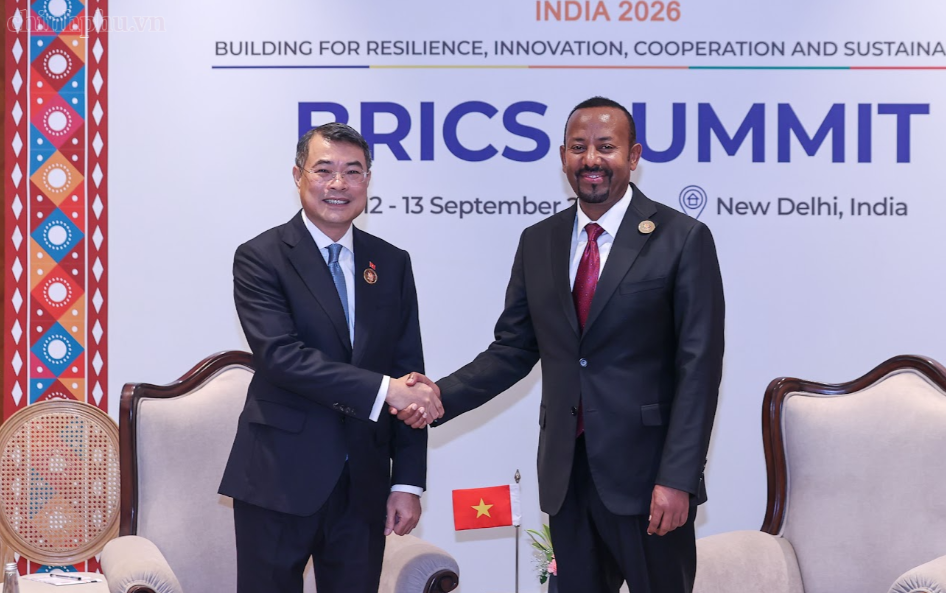### Ethiopia: WTO, aviation, climate — and a path into the BRICS bank
Addis Ababa treated New Delhi as a diplomatic harvest.
The declaration supported Ethiopia’s accession to the World Trade Organization. It backed Ethiopia as the African Union’s sole candidate for an additional seat on the International Civil Aviation Organization Council. It also endorsed Ethiopia’s preparations to host the United Nations climate conference, COP32, in Addis Ababa in 2027.
Those three files sit at the centre of Abiy’s international agenda: trade integration, aviation diplomacy built around Ethiopian Airlines, and climate hosting. On the summit floor he argued that BRICS should connect capital and technology to African resources, and he offered cooperation in minerals, renewable energy and manufacturing.
There was a quieter institutional gain. Ethiopia has been admitted by the New Development Bank’s board as a prospective member. The bank already has African shareholders. For a government still managing debt and looking beyond a narrow set of creditors, a path into the BRICS lender is as practical as a paragraph on WTO talks.
Modi met Abiy on the sidelines to review economic cooperation, defence, capacity-building and regional issues.
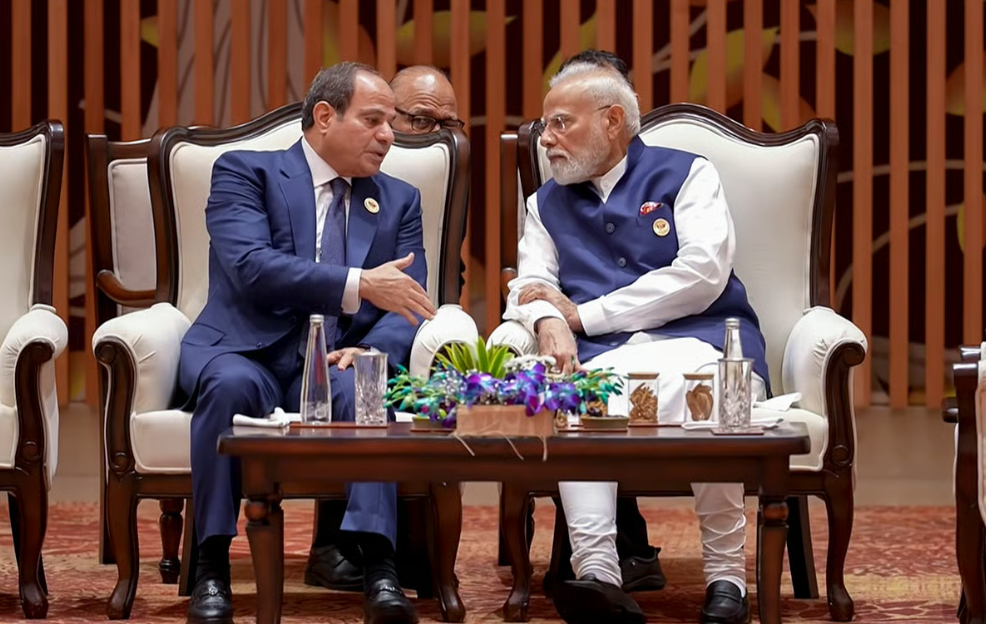### Egypt: more trade, a wider gap
Cairo arrived with a large commercial footprint already in place. Official Egyptian figures show trade with BRICS economies rose 25.5 percent to $36.7 billion in the first half of 2026, from $29.3 billion a year earlier.
Almost all of the increase came from imports. Egyptian purchases from the group reached about $30.2 billion, led by China, the United Arab Emirates, Saudi Arabia, Russia and Brazil. Egyptian exports to BRICS markets fell to $6.6 billion from $7.4 billion. Saudi Arabia and the UAE were the main destinations. Jewellery, fruit and vegetables, fuels, fertilisers and electrical goods topped the export list.
Investment and remittances tell a stronger story. BRICS investment in Egypt was put at $6.2 billion in the last full fiscal year, with the UAE the largest source. Remittances from Egyptians working in BRICS countries rose sharply, to $15.7 billion.
Sisi used bilateral time with Modi on trade and strategic cooperation. For Egypt, BRICS is already a major commercial circuit. The unfinished business is the same one South Africa keeps naming: selling more processed goods, not only buying machines, grain and fuel.
### What the text actually offered the continent
Several lines in the New Delhi Declaration matter in African capitals even when they never name one.
Leaders called for reliable critical-mineral supply chains linked to value addition and economic diversification in resource-rich countries. They said developing economies should gain better access to higher-value manufacturing through investment, productive capacity, technology transfer and technical cooperation. That is the language African industrial policy has asked for for years.
They condemned unilateral coercive measures and rising tariffs as harmful to developing economies, and they kept the door open to local-currency payments and more lending from the New Development Bank. The bank was described as a strategic development instrument that should expand local-currency finance and infrastructure support across the Global South.
The declaration restated support for greater African representation in global decision-making, including reform of the UN Security Council, without setting a timetable. China also pointed to expanded zero-tariff treatment for dozens of African countries with which it has diplomatic ties.
Nigeria, speaking as a partner, backed a more representative order and said it would continue to support the World Trade Organization. Shettima’s line was blunt: the world is greater than one nation.
### The limits
African officials know the distance between a summit hall and a steel mill.
South Africa’s BRICS trade is still heavily concentrated in commodities. Egypt’s BRICS ledger is a large and growing deficit. Ethiopia’s WTO, aviation and bank files will be decided in Geneva, Montreal and the bank’s own boardrooms, not only in New Delhi. Partner status for Nigeria and Uganda is not full membership. Further expansion was treated cautiously.
The Middle East language in the declaration — a call for maximum restraint, without naming sides — also showed how African members sit inside a bloc that includes both Iran and the UAE. Consensus is the method. Precision is often the cost.
China takes the BRICS chair in 2027. African governments will measure that year the same way they measured this one: not by how many African flags stood on the stage, but by whether minerals leave as concentrate or as product, whether development-bank money reaches power and rail, and whether AfCFTA corridors get more than a sentence in the next declaration.

SUBSCRIBE TO OUR NEWSLETTER
First name or full name
Email
By continuing, you accept the privacy policy
**Categories:** NEWS
---
### [Opposition protests against constitutional change face clashes and restrictions across DRC](https://www.topafricanews.com/2026/09/15/opposition-protests-against-constitutional-change-face-clashes-and-restrictions-across-drc/)
**Published:** September 15, 2026
**Author:** TOPAFRICANEWS
**Content:**
**Kinshasa —** Thousands of opposition supporters marched in the Democratic Republic of Congo’s capital on Tuesday against proposed constitutional reforms that critics say could allow President Félix Tshisekedi to run for a third term.
The C64 coalition organized nationwide demonstrations coinciding with the opening of parliament’s September session. In Kinshasa, organizers and provincial authorities agreed on a modified route that avoided the Palais du Peuple. A procession of roughly 5,000 people left Échangeur de Limete after noon, moving along Boulevard Lumumba toward Boulevard Triomphal near the ECiDé party headquarters of opposition leader Martin Fayulu. Police escorted the column and traffic was disrupted on parts of the route.
Tensions flared in Limete around the 10th–12th streets, near the headquarters of the ruling UDPS party. Youth affiliated with UDPS, including members of the Force du Progrès, set up barriers. Confrontations broke out, with reports of stone-throwing between the two sides. Police fired tear gas to separate the groups and interrupt sections of the march. Videos from the scene showed face-offs and the use of gas as the procession attempted to advance.
Outside the capital, authorities took a harder line. Police used tear gas and made arrests to prevent or quickly break up planned gatherings in Kananga, Lubumbashi, Uvira, Mbandaka, Bandundu, Kikwit and Kisangani. Some local officials cited security or public-order concerns; opposition organizers called the bans unconstitutional.
The C64, which unites parties led by Fayulu, Moïse Katumbi, Jean-Marc Kabund and others, accuses the government of using dialogue and referendum proposals to weaken term-limit protections. Tshisekedi’s camp and the UDPS have framed a newly launched national dialogue as a path to peace and cohesion while rejecting accusations of an agenda for a third term.
The Kinshasa march continued in parts toward its planned endpoint Tuesday afternoon under heavy security. Reports from the ground remained mixed as events unfolded.

SUBSCRIBE TO OUR NEWSLETTER
First name or full name
Email
By continuing, you accept the privacy policy
**Categories:** NEWS
---
### [How forests feed billions, yet their role in food security remains overlooked](https://www.topafricanews.com/2026/09/15/how-forests-feed-billions-yet-their-role-in-food-security-remains-overlooked/)
**Published:** September 15, 2026
**Author:** Mutangana Emmanuel
**Content:**
More than 5 billion people worldwide rely on forests and trees to some extent for their livelihoods, yet their contribution to food security and nutrition remains largely absent from national statistics and policy frameworks, a new report has found.
The report, ‘Forests for Food: Nourishing People, Sustaining the Planet’, published by the Food and Agriculture Organization of the United Nations (FAO) in collaboration with the Landscape Alliance, calls on countries to better integrate forests into agrifood system policies.
FAO Director-General QU Dongyu said incorporating forests into national, regional and global strategies would help build agrifood systems that are more inclusive, resilient and sustainable.
“Conserving and sustainably managing forests is fundamental to nourishing people, sustaining the planet and improving the well-being of present and future generations,” QU said in the report’s foreword.
The findings come as global food insecurity remains a major challenge. About 645 million people experienced chronic hunger in 2025, according to the latest State of Food Security and Nutrition in the World report.
At the same time, forests are under growing pressure. The world lost an average of 10.9 million hectares of forest each year over the past decade, with deforestation and degradation threatening biodiversity, ecosystem services and agricultural productivity.
The FAO report highlights the diverse ways forests contribute to diets and livelihoods. Forests provide fruits, nuts, tubers, mushrooms, edible insects and wild meat, with more than 10,000 wild species consumed directly as food worldwide.
In some forest-dependent communities, forest foods provide up to 80 percent of daily protein requirements. Wild leaves can supply nutrients such as vitamin A, calcium and iron, while fruits, seeds, nuts, roots and mushrooms provide essential vitamins, minerals, carbohydrates, fats and protein.
Forests also support health, with more than 1 billion people relying on medicinal plants sourced from forests.
Their contribution extends beyond food. Around 1.8 billion people depend on woodfuel for cooking, while forested watersheds provide freshwater to more than 85 percent of major cities. Forests also support agriculture through soil protection, pollination, nutrient cycling, water regulation and biodiversity conservation.
In many regions, forests generate up to 20 percent of rural household income and serve as safety nets during food shortages and economic hardship.
Despite these benefits, the report says fragmented policies and limited data have prevented forests from being fully recognized within food security planning.
It recommends 12 actions, including stronger integrated policies, sustainable management of forest foods, increased investment, improved data and research, and stronger cooperation among governments, civil society and the private sector.

SUBSCRIBE TO OUR NEWSLETTER
First name or full name
Email
By continuing, you accept the privacy policy
**Categories:** NEWS
---
### [Record 89% of Americans View Government Corruption as Widespread, Gallup Poll Shows](https://www.topafricanews.com/2026/09/15/record-89-of-americans-view-government-corruption-as-widespread-gallup-poll-shows/)
**Published:** September 15, 2026
**Author:** EDITOR
**Content:**
#### **New data highlights growing distrust in public institutions alongside rising support and approval for labor unions.**
**WASHINGTON, D.C.** — Perception of corruption within the United States government has reached a record high, according to the latest Gallup Front Page data released on September 15, 2026. A staggering 89% of Americans now state that corruption is widespread throughout the federal government, marking a 10 percentage point increase from 2025.
**Key Gallup Survey Findings**
| **Metric Focus** | **Percentage / Reading** | **Context & Trend** |
|---|---|---|
| Government Corruption Perception | 89% | Record high; up 10 points from 2025 |
| Business Corruption Perception | 71% | 18-point gap relative to government corruption |
| Want More Labor Union Influence | 47% | Record high; nearly double those wanting less influence |
| Overall Labor Union Approval | 71% | Matches 2022 level; highest overall since 1950s |
**Perceptions of Government Corruption Outpace International and Corporate Benchmarks**
The surge in government corruption concerns positions the United States well above international standards. For most of the past two decades, views of government corruption in the U.S. have outpaced those in Organization for Economic Co-operation and Development (OECD) countries, where the median perception of corruption has remained below 60% since 2022.
Furthermore, public distrust is far more focused on public office than private enterprise. While 89% of respondents view government corruption as widespread, 71% say the same regarding businesses operating in the U.S. The resulting 18-point gap between government and business corruption represents the largest difference recorded in Gallup’s U.S. trend since 2006. Between 2006 and 2025, perceptions of government corruption averaged 11 percentage points higher than business corruption.
**Record High Demand for Union Influence Alongside Strong Public Approval**
In contrast to declining confidence in government integrity, public support for labor unions is experiencing significant momentum. Nearly half of Americans—47%—say they want labor unions in the U.S. to exert more influence than they currently do. This represents a new record high and is roughly double the 23% who prefer unions to have less influence. An additional 26% favor maintaining the current level of union influence.
Desire for greater union power has nearly doubled since reaching a record low of 25% in 2009, rising 4 percentage points since 2023 alone. Concurrently, the proportion of Americans calling for reduced union influence has dropped from 42% in 2009 to a record low of 23%.
Overall public approval of labor unions stands at 71%, matching the level measured in 2022. Union approval has consistently hovered between 67% and 71% over the past six years, rebounding significantly from a historical low of 48% in 2009. Historically, higher approval levels were observed only in 1936 (72%) and during the 1950s (73% to 75%).
**Historical Vault: Public Attitudes Toward Business Regulations in 1937**
Gallup’s historical data from 1937 provides context on how American attitudes toward major commercial interests have evolved over time. During the rise of major national retail chains such as A&P, F.W. Woolworth, J.C. Penney, and Walgreens, 60% of Americans opposed state-level bans on chain stores, while 30% favored prohibiting them.
While outright bans lacked majority support, Americans favored regulatory measures: 56% supported requiring chain stores to pay special taxes, while 65% maintained that “big business concerns” were ultimately positive for the nation.

SUBSCRIBE TO OUR NEWSLETTER
First name or full name
Email
By continuing, you accept the privacy policy
**Categories:** NEWS
---
### [Young Gospel Voice, New Motherhood and a Difficult Family Chapter](https://www.topafricanews.com/2026/09/15/young-gospel-voice-new-motherhood-and-a-difficult-family-chapter/)
**Published:** September 15, 2026
**Author:** EDITOR
**Content:**
Ishimwe Vestine, the elder half of Rwanda’s well-loved gospel sister duo Vestine and Dorcas, has asked a Kigali court to dissolve her marriage. The filing at Kicukiro Primary Court this week marks a painful turn for a young woman who, in little more than a year, became a wife, a first-time mother and an independent artist.
Vestine grew up in a Christian household in Musanze District in Rwanda’s Northern Province. She and her younger sister Kamikazi Dorcas are two of six children born to Uzamukunda Elizabeth and Nizeyimana Mazimpaka. Their mother sang gospel music, and both girls first lifted their voices in local church choirs. That family faith and sisterly closeness became the foundation of a ministry that later reached homes across East Africa and the diaspora through songs of praise in Kinyarwanda and Swahili.
The sisters rose quickly. Hits such as *Nahawe Ijambo*, *Adonai*, *Iriba*, *Yebo* and *Emmanuel* made them familiar voices in living rooms, churches and family gatherings. In 2026 they stepped into a new professional chapter, ending a long management partnership and releasing music under their own name, including the prayerful single *Itabaza*. Fans saw the move as two young women taking ownership of their calling.
Vestine’s personal life moved just as fast. She entered a civil marriage in January 2025 and celebrated a larger wedding in July 2025 with Idrissa Jean Luc Ouédraogo, who is from Burkina Faso. In March 2026 she gave birth to their first child, a daughter, while the sisters were connected to concerts in Canada. In a July conversation with Dorcas, Vestine confirmed she had become a mother and spoke of the baby with quiet pride, even wondering whether the little girl might one day sing as well.
Motherhood arrived while she was still very young. The bond between the sisters has always been unusually close. Dorcas has spoken openly about how hard it was when her older sister married and their daily life of shared meals, late-night talks and constant companionship changed. For a time she struggled to eat and sleep. Family, including their mother, helped her find her footing again. That same family circle now surrounds a new baby and a marriage that has reached the courts.
The legal request comes after months in which Vestine had already spoken of deep personal strain. Last November she posted that the life she was living was not the one she had chosen and that she had learned hard lessons. She later removed wedding photographs from her social media. Those words, coming from a public worship leader, landed heavily with families who had followed the sisters’ music as a source of encouragement.
Rwandan family law allows either spouse to petition the court when a marriage can no longer continue. Both parties are entitled to legal representation. Details of the couple’s private disagreements belong in that process, not in public debate. What matters most for many African families watching this story is the welfare of a six-month-old child and the dignity of a young mother still finding her way.
Gospel communities across the region often treat artists as extended family. Vestine and Dorcas have spent years reminding listeners that God meets people in both joy and testing. Their latest independent work continues that message. Supporters now face a familiar tension: how to stay interested in the music while giving a new mother and her infant the privacy every family deserves.
Vestine remains, first, a daughter of Musanze, a sister, a worship singer and now a parent. The court will decide the legal future of the marriage. The family task is quieter and longer: protecting a baby, supporting two young women who grew up singing together, and remembering that even public lives are lived one household at a time.

SUBSCRIBE TO OUR NEWSLETTER
First name or full name
Email
By continuing, you accept the privacy policy
**Categories:** CULTURE, NEWS
---
### [Michael Mutiga Confirmed as Stanbic Bank Kenya Chief Executive](https://www.topafricanews.com/2026/09/15/michael-mutiga-confirmed-as-stanbic-bank-kenya-chief-executive/)
**Published:** September 15, 2026
**Author:** DUSABEMUNGU Ange de la Victoire
**Content:**
**Nairobi, 15****th** **September 2026 –** Stanbic Bank Kenya today announced that Michael Mutiga has officially been appointed as its Chief Executive, following the receipt of all necessary regulatory approvals from the Central Bank of Kenya. Mr. Mutiga will lead the next phase of the bank’s growth, building on its strong H1 2026 performance
Commenting on the appointment, **Joe Muganda, Chairman of the Board, Stanbic Bank Kenya**, said: “The Board is delighted to confirm Michael’s appointment as our new Chief Executive. Michael is a highly respected leader with an extensive and successful career in banking and finance, both in Kenya and across Sub-Saharan Africa. His unique experience, combining deep investment banking expertise with strategic leadership in the telecommunications sector, uniquely positions him to steer Stanbic Bank Kenya into the future. We are confident he will build on our current momentum to drive sustainable growth, enhance customer experience, and deliver value to our shareholders.”
Mr. Mutiga joins the bank as it reports a resilient financial performance, having posted a KES 6.6 billion Profit After Tax for the first half of 2026, with total assets growing by 27% to KES 602 billion.
“I am honoured and excited to officially lead Stanbic Bank Kenya,” said **Michael Mutiga, Chief Executive, Stanbic Bank Kenya**. “This is a formidable institution with a rich history in this country and a very strong foundation for future growth. The bank’s recent performance is a testament to the talented team and their commitment to our clients. I look forward to working with my colleagues to deepen our customer relationships, accelerate our digital transformation agenda, and partner with key sectors of the economy to drive Kenya’s sustainable development.”
Mr. Mutiga is a career banker and lawyer with over two decades of experience. He joins Stanbic from Safaricom PLC, where he was the Chief Business Development and Strategy Officer. Prior to that, he spent about 15 years at Citibank, leaving as Managing Director and Head of Corporate Finance for Sub-Saharan Africa. He also held senior roles in the investment banking division at Barclays (now Absa). He holds a Bachelor of Laws from the University of Nairobi and a Master of Laws from Temple University.
Mr. Mutiga takes over the role from Abraham Ongenge, who has led the bank in an acting capacity since March 2026. The Board extends its sincere gratitude to Mr. Ongenge for his steady leadership during the transition period. Mr. Ongenge now returns to his substantive role as Head of Personal and Private Banking.

SUBSCRIBE TO OUR NEWSLETTER
First name or full name
Email
By continuing, you accept the privacy policy
**Categories:** Business and Trade
---
### [Rwanda Rises Among World’s Most Accessible Destinations as Tourism Revenue Hits Record High](https://www.topafricanews.com/2026/09/14/rwanda-rises-among-worlds-most-accessible-destinations-as-tourism-revenue-hits-record-high/)
**Published:** September 14, 2026
**Author:** LIBOS NDAYISHIMIYE
**Content:**
Rwanda has emerged as one of the world’s most accessible destinations for international travellers, ranking 20th among 199 countries for the ease with which foreign visitors can enter, as growing tourist arrivals continue to translate into stronger revenues and economic opportunities.
The ranking, highlighted by the annual Henley Passport Index, comes as Rwanda records continued growth in its tourism industry. Data from the Rwanda Development Board (RDB) shows that the country generated $685 million in tourism revenues in 2025, up from $647 million in 2024, representing a 6 percent increase.
The number of visitors also increased significantly during the same period, rising by 9 percent to 1.49 million tourists in 2025.
The figures underline the growing contribution of tourism to Rwanda’s economy, while the country’s relatively open entry policy is strengthening its position as an increasingly attractive destination for travellers from around the world.
According to the Henley Passport Index, Rwanda ranks 20th among 199 countries in terms of facilitating entry for foreign visitors. However, the Rwandan passport itself ranks 128th globally in terms of travel access.
The report places Rwanda at 120th among 159 World Trade Organization (WTO) member countries in terms of facilitating international entry. Within the Commonwealth, Rwanda ranks 45th among 56 countries, while it is ranked 75th among 132 G77 countries.
Rwanda ranks 48th among 60 countries where English is an official language, while it stands ninth among 29 French-speaking countries. Among the four countries where Swahili is an official language, Rwanda ranks third.
The country also ranks 36th among 57 presidential republics, according to the same classification.
Rwanda’s visa policy has contributed to this relatively high level of accessibility. The report shows that passport holders from 127 countries can enter Rwanda either without a visa, through electronic travel authorisation or by obtaining a visa on arrival.
The same countries do not necessarily offer equivalent access to Rwandan passport holders, with nationals travelling from Rwanda often required to obtain visas before entering several major destinations.
These include the United States, Canada, the United Kingdom, Germany, France, the United Arab Emirates, Australia and Japan.
One notable exception is Tuvalu. While Tuvaluan passport holders are required to obtain a visa to enter Rwanda, Rwandan citizens can travel to Tuvalu without securing a conventional visa in advance, using an electronic travel authorisation or obtaining permission on arrival.

SUBSCRIBE TO OUR NEWSLETTER
First name or full name
Email
By continuing, you accept the privacy policy
**Categories:** Tourism and Nature
---
### [Remittances nearly doubled in a decade to reach US$729 billion in 2025, new IFAD report finds](https://www.topafricanews.com/2026/09/14/remittances-nearly-doubled-in-a-decade-to-reach-us729-billion-in-2025-new-ifad-report-finds/)
**Published:** September 14, 2026
**Author:** TOPAFRICANEWS
**Content:**
**220 million people support 1.1 billion relatives with remittances, connecting one in six people worldwide.**
**Rome, 14 September 2026** – Remittance inflows to low- and middle-income countries reached US$728.6 billion in 2025—more than four times global [official development assistance](http://click.agilitypr.delivery/ls/click?upn=u001.ic5PV9wxf7ru8OH6fTb6axWym-2BhndYEk8z2oKk7j1Pnqe-2Fk9qSjgEgmb0QSZ0h6mFpLDBh5CCIR8rMycmUuiyQGTsVGB5blZp5YovptKtXMjKpWKCjvmv6KILzA2MrsqpNBaSrgc8IcajYhHNIAPU9L0C2xSpKdPcXxDQ1hiwMcHqEebKS08zhOLrWYQG9yoyd7__3xC-2BPcLP4N6Z-2B4jPWsHeMCJaOLhCBu9nRWPVy-2FCop-2Bav8-2BxMSQ5KO426AjhwhQ1oXF81baMI7PBbApV42tzQKyJJ3XO1obXqA0H6SQtv3mfBzf1gESloyxqviOUCC9Z8Jk4a42C39cpBDqIjiXyq5YsfatNp0sU4eB2IU8yvOH0a9yOfJR9lfU-2B9A6E9RtKKyayI4D6l7mbLe-2FefyAd8U3LSpiNMartyOdi69BpCNVEG7JUHmi4eHzDpZ4k-2BpW8m3Zna-2FsXI8voZp4uYzIJ8hfr9LUH6nQNjjz8RlGQloEzmnV1lLZI4f3SxuB-2B9npXfo-2FlSRtosrSobh5-2Fnl4vN0uORREoURhrkqJNmukpp8jRBkkaBYAsDvd9c51DQi0DX9iJBVjz6xtwgfm-2F4sku3Ze-2FvXmjYrHZxFIJGXOrdH1aaIMRD1XDFOl-2FRCO2hJAxQkAwTF0nWZ1VQU-2FYwMW5J9eC-2FT-2Fxct71nFoiy6qgjlJ8-3D) that year and greater than [foreign direct investment](http://click.agilitypr.delivery/ls/click?upn=u001.ic5PV9wxf7ru8OH6fTb6ay4QGteeRjZ3OWFtHZSgdDUUH5y5AProTCuwOmSQv02atkq5uKVMaN95tnsudrzHiEcDGQUPjCY2e4m3gtLuza0-3DMq9v_3xC-2BPcLP4N6Z-2B4jPWsHeMCJaOLhCBu9nRWPVy-2FCop-2Bav8-2BxMSQ5KO426AjhwhQ1oXF81baMI7PBbApV42tzQKyJJ3XO1obXqA0H6SQtv3mfBzf1gESloyxqviOUCC9Z8Jk4a42C39cpBDqIjiXyq5YsfatNp0sU4eB2IU8yvOH0a9yOfJR9lfU-2B9A6E9RtKKyayI4D6l7mbLe-2FefyAd8U3LSpiNMartyOdi69BpCNVEG7JUHmi4eHzDpZ4k-2BpW8m3Zna-2FsXI8voZp4uYzIJ8hfr9LUH6nQNjjz8RlGQloEzmnV1lLZI4f3SxuB-2B9npXfo-2FlSRtosrSobh5-2Fnl4vN0vThMb8latw-2BnaqLfsZtX5LNcGvqvX9Qp6iCZGRJ-2BwgQs9qnK49jT4GXbLlWb-2FT1Aq4jwYXj01aMIkdvyjrshJ4mR4y00d7QujzxkuTa15eWE-2BxDBSCicMb1i4RCBLA02ZnIbf5dQZdmV67iWFRzTGk-3D) to those countries, according to a new report launched today by the International Fund for Agricultural Development (IFAD).
The report, [*Sending Money Home 2026. Beyond remittances: From lifeline to resilience* – *one family at a time*](http://click.agilitypr.delivery/ls/click?upn=u001.ic5PV9wxf7ru8OH6fTb6awSVcxjVFWVkZBIzxhaTfN0JFy8U9DAG8-2FS4z1CcSK2fN8CszaSJW1d2jzY5a88-2FqFjTy3fSauD4ZERA23v2w9o-3DMfoq_3xC-2BPcLP4N6Z-2B4jPWsHeMCJaOLhCBu9nRWPVy-2FCop-2Bav8-2BxMSQ5KO426AjhwhQ1oXF81baMI7PBbApV42tzQKyJJ3XO1obXqA0H6SQtv3mfBzf1gESloyxqviOUCC9Z8Jk4a42C39cpBDqIjiXyq5YsfatNp0sU4eB2IU8yvOH0a9yOfJR9lfU-2B9A6E9RtKKyayI4D6l7mbLe-2FefyAd8U3LSpiNMartyOdi69BpCNVEG7JUHmi4eHzDpZ4k-2BpW8m3Zna-2FsXI8voZp4uYzIJ8hfr9LUH6nQNjjz8RlGQloEzmnV1lLZI4f3SxuB-2B9npXfo-2FlSRtosrSobh5-2Fnl4vN0j2PBASLEOssnY879lGLrFmUq-2Bg1v8j9WLOmGwgSVnmCrG-2Fiaabj-2BObyasJfytN9vNpFVPywFFImxh45z7bWzalaC42TYdjTj-2FJLN5OUB7l5QDbwY1TMMHHMKe1S1p5DLs08CYP2PgBSBBcUL6wwODo-3D)*,* finds that remittances have remained one of the world’s largest and most consistent sources of household finance over the past decade, helping families meet basic needs, build resilience and invest in their futures, even in times of crisis.
Since 2016, remittance flows have increased by 94 per cent, outpacing both population growth and emigration from low- and middle-income countries. The report estimates that 220 million migrants and diaspora members support 1.1 billion relatives, meaning roughly one in six people worldwide are connected through remittances.
“As remittances help families meet their basic needs, they are also building financial growth and resilience to shocks,” said Alvaro Lario, President of IFAD. “Their potential benefits are greatest when families have access to affordable and trusted financial services, together with the knowledge, freedom and appropriate options to use their resources according to their own needs and aspirations,” added Lario.
Almost one in three dollars sent home by migrants—an estimated US$233 billion—reached rural areas, where access to formal employment, financial services and public infrastructure is frequently weakest and where these flows can have significant impact.
According to the report, remittance-receiving families invest an estimated US$22 billion each year in rural agrifood systems, supporting agricultural production, rural enterprises and employment.
“The impact of remittances in rural areas extends beyond recipient households into surrounding economies, supporting local businesses, jobs and food systems,” said Lario. “For millions of rural families, receiving remittances can be the first step towards generating savings and accessing insurance and appropriate credit. They can also serve as a pathway towards greater resilience in the face of economic and climate-related shocks. In many contexts, this helps expand opportunities so that migration becomes a choice rather than a necessity.”
The findings highlight opportunities for policymakers to strengthen the impact of remittances on resilience, financial inclusion and economic opportunity while recognizing that these private flows cannot replace public investment, social protection or climate finance.
It is estimated that more than half of remittances now begin through a digital channel, which has led to cheaper transfers. However, cash is still a prevalent method in many corridors. Only 35 per cent of the services measured in 2025 were fully digital at both the sending and receiving ends.
The report calls on governments, regulators, financial institutions and development partners to make transfers more affordable and transparent, better serve rural areas, strengthen financial and digital capabilities, and expand families’ access to savings, insurance, appropriate credit and investment opportunities.
**Key regional findings:**
- Asia and the Pacific remains the centre of the global remittance economy, receiving US$384.9 billion, or 53 per cent of the total covered by the 10-year report.
- Latin America and the Caribbean recorded the fastest growth; remittances to the region increased by 132 per cent over the decade, reaching US$168.6 billion.
- Remittance inflows to Africa rose by 86 per cent, to US$124.2 billion.
- In 23 countries, remittances represent more than 10 per cent of gross domestic product. In nine countries, remittance inflows exceed the total value of exports of goods and services.

SUBSCRIBE TO OUR NEWSLETTER
First name or full name
Email
By continuing, you accept the privacy policy
**Categories:** Natural Resources and Agriculture, NEWS
---
### [LeBron James Makes Historic First Visit to Africa, Meets Angolan President in Luanda](https://www.topafricanews.com/2026/09/14/lebron-james-makes-historic-first-visit-to-africa-meets-angolan-president-in-luanda/)
**Published:** September 14, 2026
**Author:** TOPAFRICANEWS
**Content:**
**LUANDA, Angola — September 14, 2026** — NBA superstar LeBron James arrived in Angola this weekend for his first visit to the African continent, combining support for his electric powerboat team with official meetings, business engagements, and a deeply personal encounter with the country’s history.
The four-time NBA champion and current Philadelphia 76ers player landed in Luanda around September 11–12 at the invitation of Angola’s Ministry of Tourism. His primary purpose was to back Team AlUla, the E1 electric racing team he owns, during the fifth round of the UIM E1 World Championship held in Luanda Bay. The event marked a high-profile moment for Angola as it hosted a major international sporting competition featuring celebrity owners including James, Will Smith, Tom Brady, and others.
On Sunday, President João Lourenço received James and actor Will Smith, owner of rival team Westbrook Racing by Visit Angola, at the presidential palace. The meeting focused on tourism, cinema, and basketball. Lourenço presented each guest with a prototype jersey of Angola’s national basketball team, personalized with their names. Angola, a 12-time African basketball champion, used the occasion to highlight the sport’s strong tradition on the continent. Neither James nor Smith spoke to the press after the audience.
The visit carried particular resonance because of Angola’s central role in the transatlantic slave trade. On his first day in the country, James toured the National Museum of Slavery in Luanda, a former slave-trading site on Morro da Cruz. He described the experience as meaningful and emotionally significant. “There’s a lot of history here,” James said. “A lot of history that is not only here in the country, but also travels across to America.” He praised Angolan hospitality, calling the trip “already a meaningful one.”
James also met leading Angolan business figures at a closed executive breakfast hosted by Tourism Minister Márcio Daniel. Participants included executives from major local companies such as Grupo OPAIA, Grupo Carrinho, and Refriango. The gathering underscored Angola’s strategy of using high-profile events to promote tourism and diversify its economy beyond oil.
On the water, results were mixed for the visiting stars. Tom Brady’s Team Brady won the inaugural Luanda Grand Prix and extended its lead in the championship standings. James’ Team AlUla finished seventh. Smith’s team suffered a technical problem, borrowed a boat from Team AlUla, but missed the finals and placed ninth. The all-electric RaceBird boats represent the series’ focus on sustainable marine technology.
James also found time to engage with local youth, joining a basketball session where he shot, dunked, and posed for photos. When asked by a young player why he chose the 76ers this offseason, he replied that he loved the city and the team.
The trip comes as African nations increasingly position themselves as hosts for global sports and entertainment events. For Angola, the E1 round delivered international visibility and associated the country with innovation and sustainability. For James, it represented a long-awaited first step onto African soil after more than two decades as one of the world’s most recognizable athletes.
James is expected to return to the United States shortly to prepare for the upcoming NBA season with the 76ers. His brief but high-profile stay in Luanda has already been described by local observers as a landmark moment connecting African history, contemporary sports, and the global African diaspora.

SUBSCRIBE TO OUR NEWSLETTER
First name or full name
Email
By continuing, you accept the privacy policy
**Categories:** NEWS
---
### [Adequate Uranium resources available, but sustained investment essential to support global nuclear capacity growth](https://www.topafricanews.com/2026/09/14/adequate-uranium-resources-available-but-sustained-investment-essential-to-support-global-nuclear-capacity-growth/)
**Published:** September 14, 2026
**Author:** EDITOR
**Content:**
The global uranium sector is responding to growing interest in pursuing new nuclear energy capacity around the world. The new report *[Uranium 2026: Resources, Production and Demand](https://cisionone-email.press.oecd-nea.org/c/eJwszcGu6iAQgOGngR1NgaEDCxZufA0zDIMSrd5Lq339E0_O9kv-_DUzCULSki3G5BHBzvqWmcl6J0zkMPrFFcISEiOJS6El0D0vRFgKegR26WKttDIvECx5BfPWq9z7f7NSf8jYDCfgWENr5tjv2Kav60e-7fs_5U_KnZU7H8cxvYSreQpNr3FV7vwe9Ozv1bhFr1I7mSEPoU1Mr_kXLn-g_MlDWlLQI3863-l5FQXz9fuZ-LXqbR8i67cTDkG4kMG5RQMBiokexDAwxuqabYz6k91PAAAA__-YnFfW)* (commonly known as the “Red Book”), published jointly by the OECD Nuclear Energy Agency (NEA) and the International Atomic Energy Agency (IAEA), finds that expenditures in uranium exploration and mine development have increased significantly in recent years. These investments are essential to sustain future demand.
Covering the years 2023 and 2024, while also including selected information from 2025 and 2026 where relevant, the latest edition notes that as of 1 January 2025, a total of 418 commercial nuclear reactors were operating worldwide, with a combined net generating capacity of 378 GWe requiring about 64 500 tU annually. In addition, 23 reactors with a total capacity of 19.7 GWe were in suspended operation. As more countries look to meet rising electricity demand, strengthen energy security and advance environmental goals, global nuclear generating capacity is projected to increase substantially by 2050 under both low- and high-growth scenarios, raising annual uranium requirements to between approximately 84 800 tU and 143 900 tU.
The 2026 edition of the Red Book provides an overview of world uranium market fundamentals, including uranium exploration, resources, production and reactor-related requirements. Drawing on 46 country reports, most based on officially reported government data, it presents projections for nuclear generating capacity and reactor-related uranium requirements through 2050 and assesses long-term uranium supply and demand trends.
**Investment is needed to turn resources into supply**
The Red Book concludes that the currently identified uranium resources recoverable at costs below USD 260/kgU (USD 100/lb U3O8) exceed 8.1 million tonnes uranium (tU) globally, an increase of 2.1% compared to the previous edition published in 2025. This level of identified uranium resources is sufficient to meet even the highest projected uranium demand through 2050.
However, resource availability alone does not guarantee supply security. Converting these resources into production will require timely, substantial and sustained investment. Given the long lead times associated with uranium mining project development, typically 15 to 20 years, identifying, permitting and advancing new projects in the near to medium term is essential to reduce the risk of future supply constraints and disruptions. Adequate and sustained uranium prices supported by long-term contracts are therefore critical to maintain exploration momentum, support final investment decisions for new mines, and accelerate innovation in extraction techniques for improved processing and recovery of resources.
**Production and exploration activities are increasing, but new projects must advance**
Recent production trends point to a strengthening supply response. Global uranium production increased by approximately 20% in 2023 and 2024 compared with the previous two years, with a total exceeding 116 000 tU. Production in 2024 alone (61 924 tU) was the highest since 2016. The Red Book forecasts indicate that this upward trend is expected to continue in the near and medium term. The increase in production has been driven primarily by the restart of previously idled capacity and the expansion of output at existing mines, particularly in Canada. Although several uranium projects received regulatory approvals and advanced towards development, no new uranium mining projects have begun production.
Global exploration and development expenditures exceeded USD 1.78 billion during 2023–2024, representing an increase of approximately 46% compared with 2021-2022. While exploration drilling volumes rose significantly, drilling specifically directed toward project development remains relatively stagnant, underscoring the importance of strengthening the development pipeline.
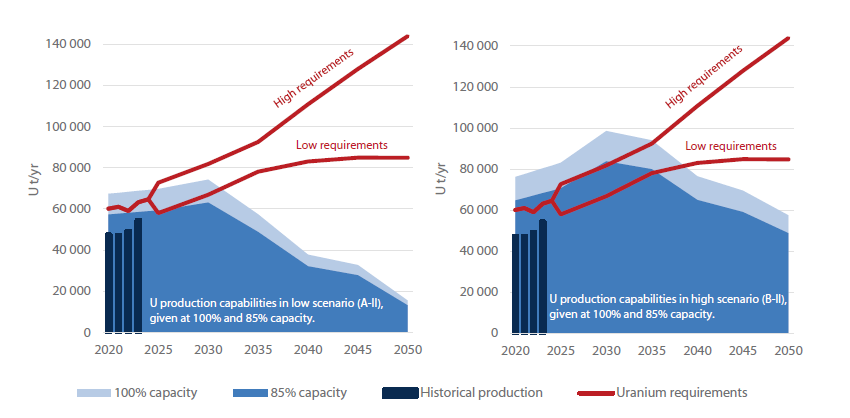*Figure 1: Projected world uranium production capability to 2050 (supported by identified resources at a cost of <USD 130/kgU) compared with reactor requirements*

SUBSCRIBE TO OUR NEWSLETTER
First name or full name
Email
By continuing, you accept the privacy policy
**Categories:** Energy, NEWS
---
### [Global warming set to overshoot 1.5°C, UN calls for immediate emissions cuts](https://www.topafricanews.com/2026/09/14/global-warming-set-to-overshoot-1-5c-un-calls-for-immediate-emissions-cuts/)
**Published:** September 14, 2026
**Author:** Mutangana Emmanuel
**Content:**
Global temperatures are likely to exceed the 1.5°C warming threshold in the coming years, increasing the risk of more severe climate impacts, but a return below the Paris Agreement target remains possible if countries rapidly cut greenhouse gas emissions, a new United Nations Environment Programme (UNEP) report says.
The report, ‘Limiting Overshoot’, identifies an “overshoot, peak and decline” pathway as the best remaining option for limiting how far and how long global temperatures remain above 1.5°C.
It calls for immediate and sustained reductions in greenhouse gas emissions, particularly methane, to drive temperatures toward their lowest possible peak before eventually bringing them down through long-term net-negative emissions.
“Make the overshoot above 1.5 degrees as small and short as possible. That demands an overshoot of ambition,” UN Secretary-General António Guterres said.
According to UNEP, even the most optimistic scenario would see global temperatures peak at about 1.8°C above pre-industrial levels, exceeding the Paris Agreement goal of limiting warming to 1.5°C. Most other scenarios project higher peaks.
The consequences would intensify with every additional fraction of a degree and every year spent at higher temperatures. UNEP warns of worsening extreme weather, ecosystem losses, threats to food and water security, damage to infrastructure and economies, and increasing risks to human health.
Higher and prolonged warming could also increase the likelihood of triggering irreversible climate tipping points, including destabilization of major ice sheets, degradation of the Amazon rainforest and disruption of major ocean circulation systems.
“There are no good outcomes if we remain above 1.5°C,” said Inger Andersen, UNEP Executive Director. “Now is the time we must double down on climate action.”
The report says carbon dioxide removal will be necessary alongside, rather than instead of, deep emissions cuts. Such measures could include afforestation and other approaches to remove carbon from the atmosphere, but UNEP stresses that strong governance will be needed to ensure environmental integrity, equity and responsible deployment.
At the same time, countries must strengthen adaptation to deal with climate impacts that are already occurring and those expected in the future.
UNEP says mitigation and adaptation should advance together, with measures that deliver both benefits, including nature-based cooling, prioritized.
The report also warns that years of insufficient action have already made some irreversible losses unavoidable. Even if temperatures eventually return below 1.5°C, some communities may face permanent changes, including relocation and disrupted livelihoods.
UNEP says strong political commitment, international cooperation, effective policies, inclusive governance, finance and climate justice will be essential to keeping the possibility of returning below 1.5°C alive.

SUBSCRIBE TO OUR NEWSLETTER
First name or full name
Email
By continuing, you accept the privacy policy
**Categories:** NEWS
---
### [Habumugisha Samuel Defies Blindness to Top Rwanda’s National Exams in Languages](https://www.topafricanews.com/2026/09/14/habumugisha-samuel-defies-blindness-to-top-rwandas-national-exams-in-languages/)
**Published:** September 14, 2026
**Author:** EDITOR
**Content:**
### *Gicumbi student scores 93.53% in the 2025–2026 national examinations, inspiring calls for greater support for learners with disabilities*
**GICUMBI, Rwanda — September 2026** — Habumugisha Samuel, a blind student from Gicumbi District, has emerged as Rwanda’s top performer in the Languages section of the 2025–2026 national secondary school examinations, scoring an impressive **93.53%**.
His achievement highlights a remarkable journey of academic excellence and determination, while drawing attention to the importance of educational opportunities for learners with disabilities.
Born in 2006, Habumugisha secured first position nationwide in the Languages combination of English, French and Kinyarwanda (LFK), with Kiswahili as an additional subject.
#### **A Journey Marked by Determination**
Habumugisha lost his sight at the age of eight after developing a serious eye condition at the age of four.
According to his parents, he initially began his education at Kigogo Primary School near his home in Gicumbi. He later restarted Primary One at the **Educational Institute for Blind Children in Kibeho**, Nyaruguru District, Southern Province.
It was at the Kibeho school that he continued his education through secondary school, gradually establishing himself as one of the strongest students in his class.
His academic performance remained consistently strong throughout his education.
“During lower primary, I used to score 90 percent. In Upper Primary, I scored around 80 percent, while in Ordinary Level I scored between 85 and 89 percent. In Advanced Level, the lowest mark I got in a term was 93 percent,” he said.
#### **“I Never Imagined That I Would Be First in the Country”**
Although Habumugisha believed he could achieve a score of around 93%, he said he never expected to emerge as the country’s top-performing student.
“I thought I could get 93 percent, but I never imagined that I would be the first in the country. When I heard the news, I was so surprised that I cried and initially doubted it. I checked again and realised it was true. I immediately thanked God,” he said.
His achievement has become a source of pride for his family and community, while highlighting the potential of learners with visual impairments when they receive opportunities and support.
#### **A Message of Confidence and Ambition**
For Habumugisha, the examination result represents more than academic success. It has strengthened his belief that disability should not prevent a person from pursuing their ambitions.
“No one should discourage you. You have to live your own life and not base your life on other people,” he said.
He now hopes to pursue university studies in either journalism or education, fields in which he intends to build on the discipline, confidence and determination developed throughout his schooling.
#### **Family Appeals for Continued Support**
Habumugisha’s parents and neighbours have welcomed his achievement with pride, describing it as a major source of joy for the family and the wider community.
They say his success demonstrates the potential of learners with disabilities when they are given the opportunity to pursue education.
The family is appealing to the Government and other stakeholders to support Habumugisha as he prepares to continue his education at university and further develop his abilities.
His story also highlights the importance of strengthening inclusive education and support systems that enable talented learners with disabilities to reach their full potential.
#### **A Story of Excellence and Opportunity**
Habumugisha Samuel’s achievement stands as a powerful reminder that academic excellence can emerge from challenging circumstances.
His journey from a young learner who lost his sight to Rwanda’s reported top performer in Languages underscores the importance of determination, educational support and access to opportunity.
**As he looks toward university, his family and community hope that continued support will help him build on his success and pursue his ambitions.**
***With RBA***

SUBSCRIBE TO OUR NEWSLETTER
First name or full name
Email
By continuing, you accept the privacy policy
**Categories:** ADVOCACY, EDUCATION
---
### [U.S. Provides Nearly $100 Million Loan to Africell to Expand American Telecom Technology in Africa](https://www.topafricanews.com/2026/09/13/u-s-provides-nearly-100-million-loan-to-africell-to-expand-american-telecom-technology-in-africa/)
**Published:** September 13, 2026
**Author:** TOPAFRICANEWS
**Content:**
The Trump administration has approved a $99.6 million [loan to Africell,](https://www.topafricanews.com/2026/09/13/u-s-provides-nearly-100-million-loan-to-africell-to-expand-american-telecom-technology-in-africa/) the only U.S.-owned mobile network operator active in Africa, through the Export-Import Bank of the United States.
The financing will support Africell’s purchase of advanced mobile network equipment from American and European suppliers for its operations in Angola.
Africell announced the loan on Friday. Company officials said the funds will help expand reliable connectivity, improve coverage, and introduce technology that meets high U.S. private-sector standards.
Ziad Dalloul, Africell’s CEO, president, and founder, stated that the partnership with the Export-Import Bank will bring more trusted and secure communications infrastructure to the company’s markets.
Africell operates in Angola, the Democratic Republic of the Congo, Sierra Leone, and The Gambia, serving roughly 15 million customers.
The company entered the Angolan market in 2022 and has since captured significant market share, with its internet services ranked among the best in the country.
The loan forms part of broader U.S. efforts to promote American and allied technology in global telecommunications networks.
Huawei, the world’s largest supplier of telecom network equipment, holds an estimated 52 percent share of Africa’s 5G infrastructure market.
U.S. officials have long raised national security concerns about Huawei equipment, citing risks of espionage—allegations the Chinese company has consistently denied.
Washington has pursued initiatives since the first Trump term to limit the use of certain Chinese telecom technology in U.S. and allied networks.
The latest financing aligns with a 2025 executive order directing U.S. agencies to advance American technology in areas including networking, data centers, and related digital infrastructure abroad.
Africell previously received U.S. government-backed financing.
In 2018, Africell obtained a $100 million facility from the Overseas Private Investment Corporation (now the International Development Finance Corporation) to support network expansion. The company later repaid that loan ahead of schedule.
U.S. officials and Africell have framed the new support as a commercial step that strengthens American technology leadership while offering African consumers greater choice and more resilient networks.
The investment also fits within larger U.S. commercial engagement in Angola and the region, including commitments tied to the Lobito Corridor infrastructure projects.
Huawei and the Chinese embassy did not immediately respond to requests for comment on the loan.

SUBSCRIBE TO OUR NEWSLETTER
First name or full name
Email
By continuing, you accept the privacy policy
**Categories:** ICT
---
### [Kinyinya’s Housing Horizon: A Decade of Transformation on Kigali’s Northern Hills](https://www.topafricanews.com/2026/09/13/kinyinyas-housing-horizon-a-decade-of-transformation-on-kigalis-northern-hills/)
**Published:** September 13, 2026
**Author:** DUSABEMUNGU Ange de la Victoire
**Content:**
**KIGALI —** Kinyinya Sector is poised to become one of Kigali’s most significant urban growth stories over the next ten years. What is today a mix of existing neighbourhoods, emerging estates and long-planned green development sites is expected to evolve into a more compact, mixed-use and climate-conscious community by 2036.
Planners and developers already have several large pieces in motion. RSSB’s Heza Estate in Batsinda is nearing completion with hundreds of new homes. The $400 million Kinyinya Park Estate project aims to deliver around 10,000 units in phases, while the Green City Kigali initiative on Kinyinya Hill envisions a broader sustainable neighbourhood spanning hundreds of hectares.
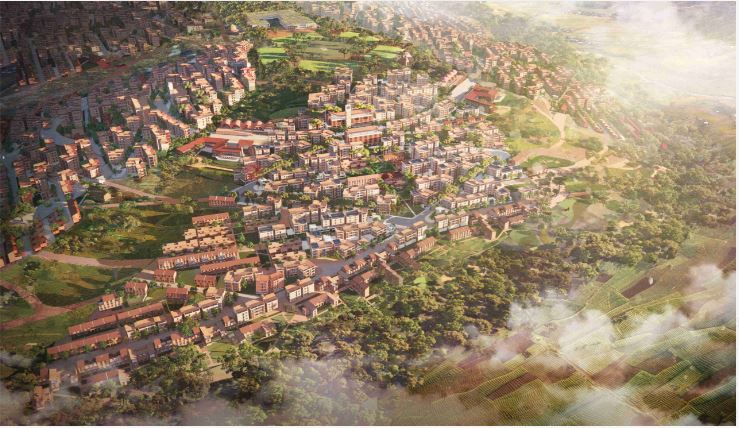By the mid-2030s, these efforts could add tens of thousands of residents to the area. Officials and project partners describe a future of walkable streets, green roofs, solar-ready buildings, improved drainage and public spaces that reduce the pressure of informal growth. An eco-park and tree-lined corridors are part of the long-term picture, intended to preserve some of the hill’s character even as density increases.
Residents who have waited through planning delays hope the coming decade brings clearer land-use rules and actual construction rather than continued uncertainty. If compensation and infrastructure questions are resolved, the first major Green City phases and Park Estate blocks could be occupied well before 2036, with later stages filling in schools, shops, markets and community facilities.
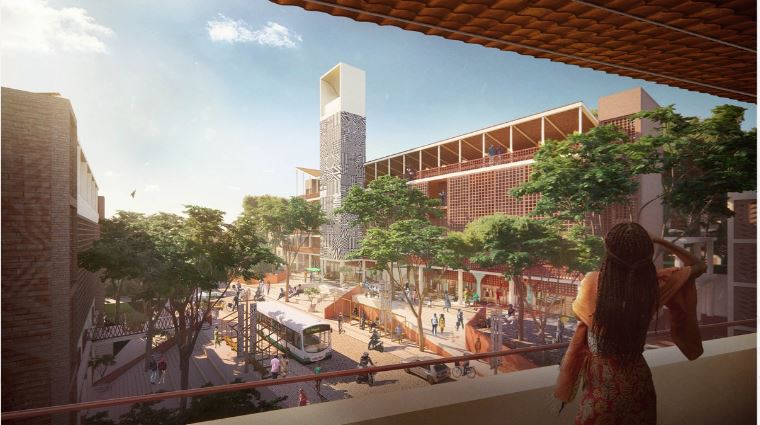The visual language already circulating in project renderings shows mid-rise buildings in earth tones, clustered around courtyards and pedestrian routes rather than isolated high-rises. Streets are designed for buses, cycling and walking. Commercial ground floors and small public squares aim to create daily-life convenience so people do not need to travel far for work or services.
Affordable units remain a central goal. Government and private partners have repeatedly stated that Kinyinya should help ease Kigali’s housing shortage while offering a mix of prices. By 2036 the sector could host a combination of completed RSSB-style estates, large-scale Park Estate apartments and Green City pilot neighbourhoods that demonstrate lower energy and water use.
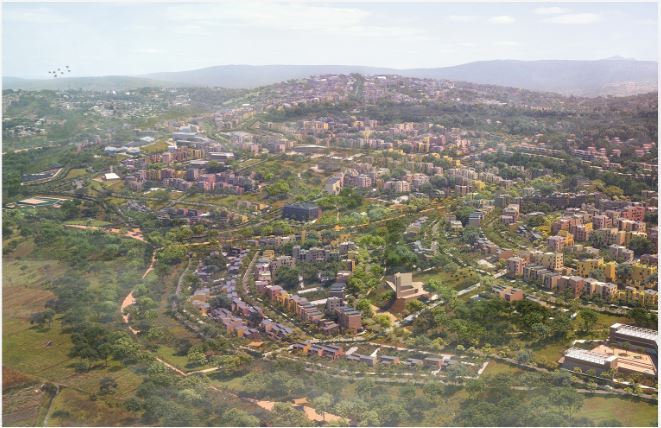Challenges will not disappear overnight. Land valuation, infrastructure financing and the need to upgrade existing settlements will require steady coordination between the City of Kigali, national agencies and residents. Power reliability, road connections and water systems will need to keep pace with new construction.
Yet the direction of travel is clear. Kinyinya is shifting from a peri-urban hill with scattered development toward a planned urban district. If current projects stay on track, a visitor in 2036 would see far more completed housing, greener public spaces and a more connected community than exists today.
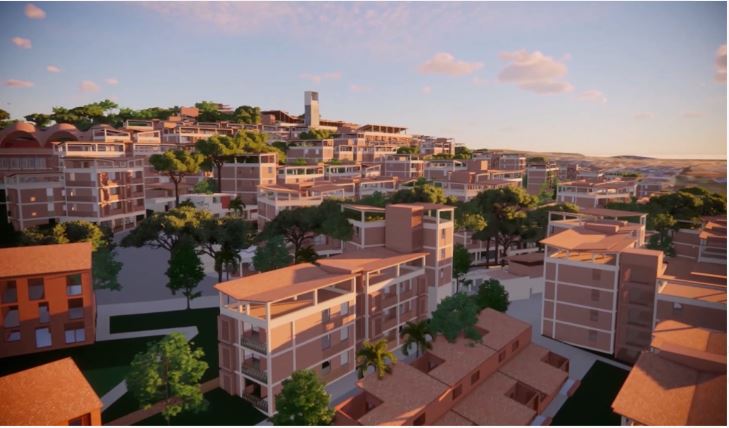The next ten years will test whether Kinyinya can deliver both quantity and quality — enough homes for a growing city and a liveable, sustainable neighbourhood that residents actually want to call home. The foundations being laid now will determine how that vision looks on the ground.

SUBSCRIBE TO OUR NEWSLETTER
First name or full name
Email
By continuing, you accept the privacy policy
**Categories:** Living Style, NEWS
---
### [Rwandans Voice Mix of Curiosity, Skepticism and Mild Dismissal Over Tooro Succession Drama](https://www.topafricanews.com/2026/09/13/rwandans-voice-mix-of-curiosity-skepticism-and-mild-dismissal-over-tooro-succession-drama/)
**Published:** September 13, 2026
**Author:** TOPAFRICANEWS
**Content:**
The death of Tooro King Oyo Nyimba Kabamba Iguru Rukidi IV at 34 and the subsequent choice of a new monarch have drawn sharp commentary from Rwandans, much of it focused on the background of the man selected to succeed him.
King Oyo, who took the throne as a three-year-old in 1995 and became one of the world’s youngest reigning monarchs, died in late August after treatment for cancer. Days later, Babiito clan elders named Prince Edward Rukidi Kijanangoma, a well-known Ugandan television journalist and cousin of the late king, as the next Omukama. The late king’s immediate family has rejected the choice, insisting he left a biological son as heir. The dispute spilled into public view around the burial on 12 September.
On Rwandan social media, conversation quickly turned to Kijanangoma’s earlier chapter in Kigali. Users noted that he worked as a journalist at Rwanda’s former state broadcaster ORINFOR, now the Rwanda Broadcasting Agency, before returning to Uganda and joining UBC as a news anchor and editor. Several posts highlighted that he was previously married to a Rwandan woman and has children from that union. His current wife is from Uganda’s Teso region.
**READ ALSO:** [**Tooro Kingdom Split Over Succession as King Oyo’s Burial Nears**](https://www.topafricanews.com/2026/09/10/tooro-kingdom-split-over-succession-as-king-oyos-burial-nears/)
Some Rwandans expressed surprise at the shift in public identity. One former parliamentarian asked how a man known in Rwanda as Eddie David Nkurukenzire could now appear as Edward Rukidi Kijanangoma on the Tooro throne. Others described a pattern of people moving between Rwandan and Ugandan professional identities before assuming prominent roles, questioning whether a cultural king should carry such a fluid public profile.
A few comments struck a more dismissive tone, comparing a Tooro king to a village chief by Rwandan standards and treating the entire succession as a sideshow. At the same time, Rwanda’s leading newspaper carried straightforward coverage of the funeral Mass in Fort Portal, quoting the late king’s sister and mother and noting calls for unity amid the tensions.
Not all reaction was critical. Some users pointed out that Kijanangoma’s time in Rwanda and his journalism career gave him broader exposure than many traditional royals. Others simply followed the unfolding family and clan conflict with the same fascination seen across East Africa.
The discussion reflects how closely regional audiences watch Uganda’s traditional institutions. For many Rwandans, the story is less about the late King Oyo’s 31-year reign and more about the unexpected Rwanda connections of the man now at the centre of Tooro’s contested transition. Whether those ties become an asset or a liability for the new monarch remains an open question as the kingdom tries to move past the burial and the public rift.

SUBSCRIBE TO OUR NEWSLETTER
First name or full name
Email
By continuing, you accept the privacy policy
**Categories:** CULTURE
---
### [Pakistan, African partners launch economic council with $15bn trade goal](https://www.topafricanews.com/2026/09/13/pakistan-african-partners-launch-economic-council-with-15bn-trade-goal/)
**Published:** September 13, 2026
**Author:** DUSABEMUNGU Ange de la Victoire
**Content:**
**ISLAMABAD —** Pakistan and African nations on Saturday launched the Pakistan-Africa Economic Council, pledging to lift bilateral trade to $15 billion by 2030 and to shift a long-standing diplomatic relationship toward commerce, investment and private-sector partnerships.
The inaugural ceremony of [Pakistan-Africa Economic Council](https://www.topafricanews.com/2026/09/13/pakistan-african-partners-launch-economic-council-with-15bn-trade-goal/) in the capital brought together Pakistani officials and ambassadors, high commissioners and consuls general from [Rwanda](https://x.com/Rwanda_Pakistan/status/2098684288405569902/photo/1), Mauritius, Morocco, Zimbabwe, Sudan, Kenya and Ethiopia. Speakers said trade between Pakistan and Africa remains far below its potential and that the new council should give businesses a structured platform to close that gap.
Federal Minister for Defence Production Raza Hayat Hiraj called the launch a milestone, saying Africa’s population of about 1.5 billion offered Pakistan a vast market. He said the council’s value would depend on bringing companies, chambers of commerce and investors from both sides into regular contact.
Ambassador Hamid Asghar Khan, named patron-in-chief of the Pakistan-Africa Economic Council, said he had spent seven years serving in Africa and was now focused on connecting Pakistani producers with African buyers and partners. He noted that Pakistan’s IT exports stand at about $2.7 billion and could grow sharply if firms build stronger digital and commercial links across the continent.
Khyber Pakhtunkhwa Governor Faisal Karim Kundi urged Pakistani businessmen not to treat Africa as a distant or secondary market. A rising Africa and an emerging Pakistan, he said, have complementary strengths in agriculture, manufacturing and services.
Islamabad Chamber of Commerce and Industry President Sardar Tahir Mehmood argued that the relationship should move beyond traditional diplomacy. Africa, he said, is no longer only a market of the future. Pakistan, he added, already has competitive offerings in pharmaceuticals, textiles and garments, surgical and sports goods, rice and other farm products, engineering, construction, information technology, education and healthcare.
Officials said the Pakistan-Africa Economic Council will first concentrate on East Africa, particularly Rwanda, Ethiopia, Uganda and Djibouti, before expanding engagement to Somalia, Sudan and South Sudan. A three-month agenda includes business delegations to Rwanda, Ethiopia and other countries, with two opportunity missions planned for the last quarter of 2026.
The organizers framed the effort as a way to diversify Pakistan’s export destinations, attract mutual investment and tap resources that have so far been underused. Whether the $15 billion target is met will depend on follow-through: trade missions, financing, logistics and the willingness of companies on both sides to treat the new Pakistan-Africa Economic Council as more than a ceremonial launch.

SUBSCRIBE TO OUR NEWSLETTER
First name or full name
Email
By continuing, you accept the privacy policy
**Categories:** Business and Trade
---
### [Rayon Sports FC Advance to Next CAF Confederation Cup Round After Tense 0-0 Draw as Fans React Online](https://www.topafricanews.com/2026/09/13/rayon-sports-advance-to-next-caf-confederation-cup-round-after-tense-0-0-draw-as-fans-react-online/)
**Published:** September 13, 2026
**Author:** EDITOR
**Content:**
Rayon Sports FC, popularly known as Gikundiro, secured their place in the second preliminary round of the CAF Confederation Cup on Saturday evening with a hard-fought 0-0 draw against Cameroon’s Panthère Sportive du Ndé at Amahoro Stadium in Kigali. Combined with the 1-1 result from the first leg in Yaoundé, the Rwandan side progressed on the away-goals rule.
The official Rayon Sports FC account quickly announced the qualification with a simple message of “Into the next Round,” sparking an outpouring of congratulations across X. Supporters celebrated the result as another proud moment for Rwandan football, noting that both of the country’s representatives in this season’s CAF club competitions have advanced. Many described the home performance as disciplined and professional, particularly highlighting the backline’s ability to keep a clean sheet against a side that had scored in the first meeting.
Posts praised the team’s overall effort and resilience in a match that lacked goals but featured committed defending. Rayon Sports FC Fans pointed to a solid showing from the goalkeeper and key defenders who limited the visitors’ chances. The qualification was widely viewed as a reward for the squad’s work across both legs, with particular credit given to the away goal scored in Cameroon that ultimately proved decisive.
Not all comments were purely celebratory. [Some Rayon Sports FC supporters](https://www.topafricanews.com/2026/09/13/rayon-sports-advance-to-next-caf-confederation-cup-round-after-tense-0-0-draw-as-fans-react-online/) felt the team could have been more clinical in front of goal and discussed missed opportunities. Discussion also focused on substitutions and individual contributions, with mixed views on certain attacking players’ influence and calls for other squad members to feature more prominently in upcoming matches. One clip circulating on the platform showed a player appearing frustrated after being taken off, prompting both criticism and calls for patience from the fanbase.
Rayon Sports FC Coach Francis Haringingo’s post-match comments, shared in local media clips on X, acknowledged the team had given everything even if luck was not fully on their side in attack. The discussion quickly turned toward the next challenge: a two-legged tie against Mozambique’s Black Bulls in October, with the first leg expected in Kigali.
Overall, the tone among Rayon Sports FC supporters remained one of relief and pride. After recently lifting the CECAFA Kagame Cup, the club’s continued presence in continental competition has reinforced the sense that Gikundiro is carrying the flag for Rwandan football. Fans now look ahead to the next round with a mixture of optimism and the usual demand for sharper finishing.

SUBSCRIBE TO OUR NEWSLETTER
First name or full name
Email
By continuing, you accept the privacy policy
**Categories:** SPORTS
---
### [What Rwanda Is Doing to Achieve Cleaner Air](https://www.topafricanews.com/2026/09/12/what-rwanda-is-doing-to-achieve-cleaner-air/)
**Published:** September 12, 2026
**Author:** Mutangana Emmanuel
**Content:**
Rwanda is stepping up efforts to improve the quality of the air its people breathe, with authorities pointing to stronger monitoring, vehicle emissions testing, cleaner transport, industrial controls and cleaner cooking as key measures in the country’s push for cleaner air.
The measures were highlighted on September 11, 2026, during Rwanda’s national celebration of the International Day of Clean Air for Blue Skies, held in Kigali under the theme “Clean Air for Health, Prosperity and a Sustainable Future.”
Fidèle Bingwa, Permanent Secretary in the Ministry of Environment, said Rwanda still has significant ground to cover, estimating that the country’s air may need to become three to four times cleaner to reach the desired level.
***Fidèle Bingwa, Permanent Secretary in the Ministry of Environment.***“At the moment, if you look at our air quality, I think we need to improve it. The air needs to be cleaner by maybe three or four times,” Bingwa said.
He acknowledged that such progress would not happen immediately, saying Rwanda would need to set practical targets and gradually introduce measures capable of bringing pollution levels down.
“We’re not going to get there today, but we’ll get there slowly,” he said.
**Measuring pollution before taking action**
Bingwa said Rwanda is increasingly relying on air-quality data to determine where interventions are needed and how standards should be enforced.
“We already have an air quality monitoring system that we’re trying to improve,” he said. “You don’t want to regulate people without facts, so you need to measure.”
Rwanda currently has 23 air-quality monitoring stations across the country, measuring pollutants including fine particulate matter such as PM2.5 and PM10, nitrogen dioxide, sulfur dioxide, ozone and carbon monoxide.
The monitoring information is updated every five seconds, while a system allows members of the public to check the quality of the air in their area using a phone or computer.
According to the Rwanda Environment Management Authority (REMA), the data is helping authorities understand where pollution levels are highest, identify major sources and determine where action is most urgently needed.
**Tackling pollution from vehicles**
Road transport is one of the major human-made sources of air pollution identified by Rwanda.
Bingwa said vehicle emissions testing is one of the measures being used to ensure that vehicles operating on Rwanda’s roads comply with established standards.
Rwanda has strengthened vehicle emissions inspections, including bringing motorcycles into emissions testing requirements.
Bingwa said the country must continue testing vehicles while encouraging cleaner alternatives, including electric mobility.
“We need to encourage people to buy electric vehicles. We need to encourage people to take buses. We need to improve our public transportation,” he said.
REMA is also encouraging walking and cycling, alongside cleaner and more efficient vehicles, as part of efforts to reduce transport-related emissions.
**Cleaner cooking and tighter industrial controls**
The clean-air push also extends beyond roads.
REMA identifies domestic fuel use as another major source of human-made air pollution in Rwanda, particularly through the burning of wood and charcoal for cooking.
The authority says Rwanda is promoting cleaner cooking solutions and more efficient technologies, including electricity, gas and other cleaner fuels.
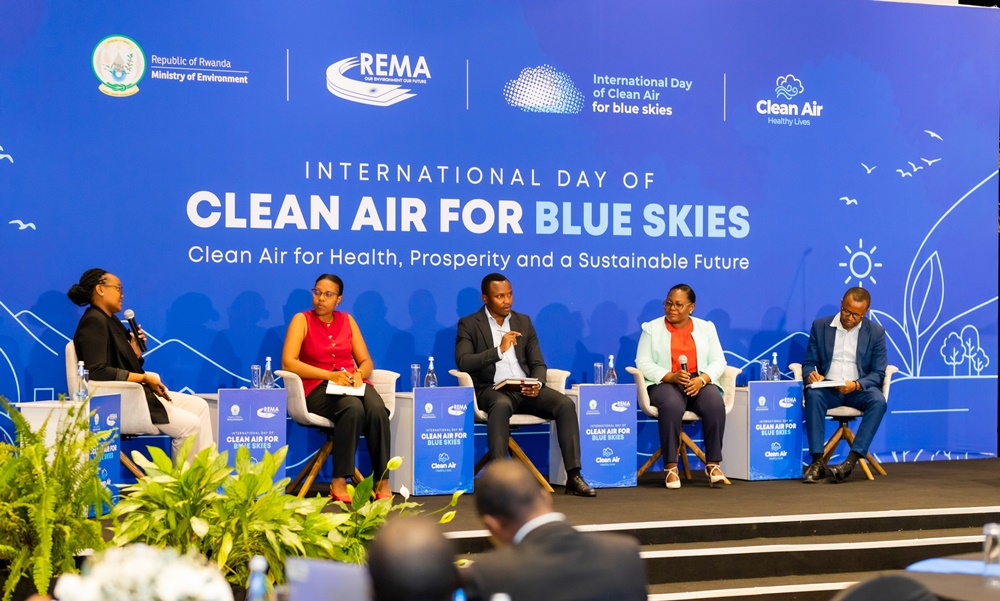Industrial activities, construction, mining and quarrying also contribute to pollution through emissions and dust, while open burning of waste and agricultural residues adds to the problem.
Bingwa said the government is seeking to strengthen cooperation with industries by encouraging factories to monitor their own emissions.
Under the proposed approach, companies would generate their own monitoring data, which could then be compared with measurements taken during government inspections.
The aim, he said, is to make enforcement based on facts while ensuring that environmental standards remain practical.
“We’re not asking for the impossible. We’re asking for things that are practical, but that we know it will slowly and slowly get us to where we want,” Bingwa said.
As the country strengthens controls on transport, households and industries, authorities say the objective is broader than reducing pollution. Cleaner air, they argue, is essential for healthier communities, productive citizens and a sustainable economy.
And as Bingwa put it, the process will require successive targets and decisions rather than a single intervention.
He said, “You set a goal. You try to achieve that goal, and then you set another goal. You try to achieve that goal, and that’s what we’re trying to do.”
**Clean air as a public health issue**
***Juliet Kabera, Director General of the Rwanda Environment Management Authority.***REMA Director General Juliet Kabera said clean air should not be viewed as an environmental issue alone, arguing that it is directly connected to human health and Rwanda’s development.
Reflecting on the COVID-19 pandemic, Kabera said the crisis reminded people of the fundamental importance of being able to breathe.
“Breathing clean air is of utmost importance,” she said.
Kabera also warned about the effects of air pollution on children, citing research linking exposure to polluted air with impacts on cognitive development.
She said the issue is particularly important for Rwanda because the country’s development depends heavily on its human capital.
“We all want to breathe clean air. We all want our kids to breathe clean air. It’s not a luxury. It’s a right,” Kabera said.
She urged the public to consider what individuals can do to contribute to cleaner air, alongside government and private-sector interventions.
REMA is encouraging residents to maintain their vehicles, use public transport, walk or cycle where possible, consider electric mobility, adopt cleaner cooking technologies and avoid burning waste and agricultural residues in the open.
The authority also calls for the protection of trees, wetlands and green spaces, while encouraging residents to use available air-quality information to make informed decisions.
For Rwanda, the challenge now is to translate monitoring, regulation and public awareness into sustained improvements in air quality.
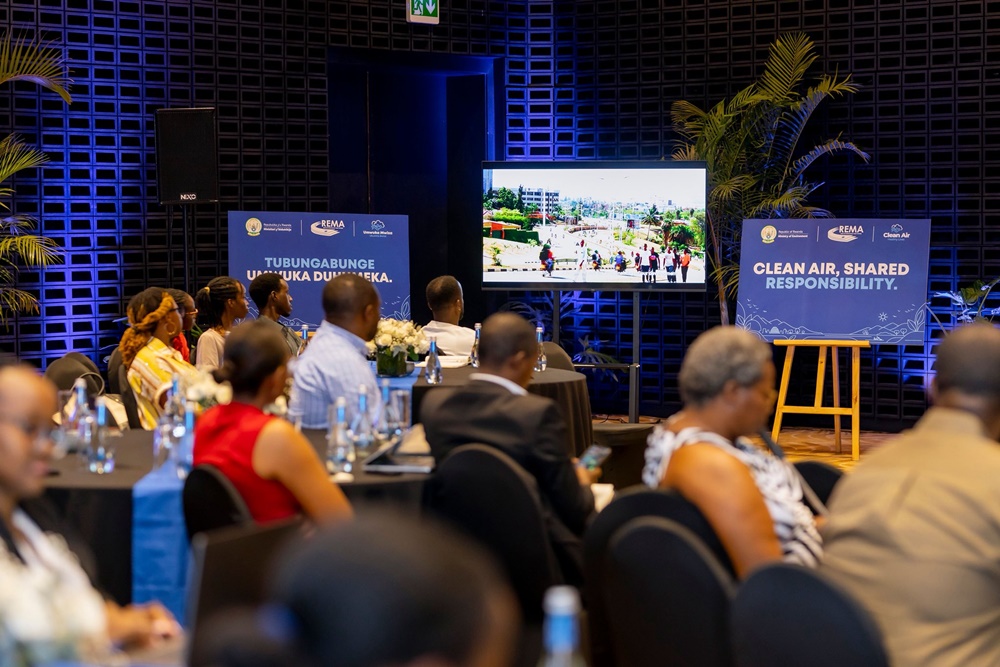
SUBSCRIBE TO OUR NEWSLETTER
First name or full name
Email
By continuing, you accept the privacy policy
**Categories:** Environment
---
### [Rwanda Marks National Clean Air Day with Call for Collective Action](https://www.topafricanews.com/2026/09/12/rwanda-marks-national-clean-air-day-with-call-for-collective-action/)
**Published:** September 12, 2026
**Author:** TOPAFRICANEWS
**Content:**
**KIGALI —** Rwanda on Friday held its national celebration of the International Day of Clean Air for Blue Skies, underscoring the country’s push to improve air quality through stronger partnerships and practical measures.
Fidèle Bingwa, Permanent Secretary in the Ministry of Environment, officiated the event under the theme “Clean Air for Health, Prosperity and a Sustainable Future.” The gathering brought together officials from government, academia, the private sector and the health sector.
In his opening remarks, Bingwa stressed the shared responsibility for cleaner air.
“Having clean air is a shared goal. The conversation should now be about how we achieve it, through collective action, stronger partnerships and practical solutions that improve air quality and protect people’s health,” he said.
REMA Director General Juliet Kabera also addressed the audience, emphasising the human cost of pollution and the need for urgent action. She stressed that Rwanda must do everything possible to protect lives by improving air quality, noting that the country’s greatest asset is its people.
Kabera called for collective action to protect air quality, safeguard children’s health and build a sustainable future for Rwanda.
The national event followed the global observance on 7 September. Discussions focused on advancing sustainable industrial development, improving emission management and changing behaviours that contribute to pollution.
During a panel on industrial performance, participants highlighted the need for mindset shifts alongside technology. “The main source of air pollution is the mindset,” said Dr Joseph Ndakize Sebaziga.
Industry representatives pointed to cleaner production methods already in use. Mehul Brahmbhatt, CEO of Imana Steel Rwanda Ltd, noted that progress is possible: “The chimney can run without smoke; the car can move without smoke.”
Organisers said the celebration reinforced ongoing national efforts to curb emissions from vehicles, factories and other sources while linking cleaner air to public health, economic prosperity and long-term sustainability. Officials called on all Rwandans to play their part in the shared goal of healthier skies.

SUBSCRIBE TO OUR NEWSLETTER
First name or full name
Email
By continuing, you accept the privacy policy
**Categories:** CLIMATE CHANGE, Environment
---
### [APR FC Overturn First-Leg Deficit to Eliminate Les Aigles du Congo](https://www.topafricanews.com/2026/09/12/apr-fc-overturn-first-leg-deficit-to-eliminate-les-aigles-du-congo/)
**Published:** September 12, 2026
**Author:** EDITOR
**Content:**
**KIGALI —** Rwanda’s APR FC produced a commanding 3-0 victory over DR Congo’s Les Aigles du Congo at Amahoro Stadium on Friday night, reversing a 1-0 first-leg defeat and advancing 3-1 on aggregate in the CAF Champions League first preliminary round.
Djibril Ouattara opened the scoring in the 33rd minute, capitalizing on sustained pressure to level the tie on aggregate. After the interval, Christian Ishimwe curled in a free-kick around the hour mark to put the hosts ahead in the contest. Ouattara then converted a penalty in the 77th minute to complete his brace and seal qualification.
The result sent the Rwandan champions into the next qualifying round, where they will face the winner of the tie between Egypt’s Zamalek and Djibouti’s AS Port.
APR had arrived home trailing after a narrow 1-0 loss in Lubumbashi on 6 September, where Soze Zemanga scored the only goal. That first-leg fixture was played behind closed doors at Stade Frédéric Kibassa Maliba after CAF rejected APR’s request to relocate the match amid concerns over security, an Ebola outbreak in parts of the DRC, and political tensions between the two countries.
Head coach Abderrahim Taleb had said before the return leg that playing in front of home supporters would provide extra motivation. APR were missing midfielder Ronald Ssekiganda through suspension, but the team showed sufficient depth to control the contest.
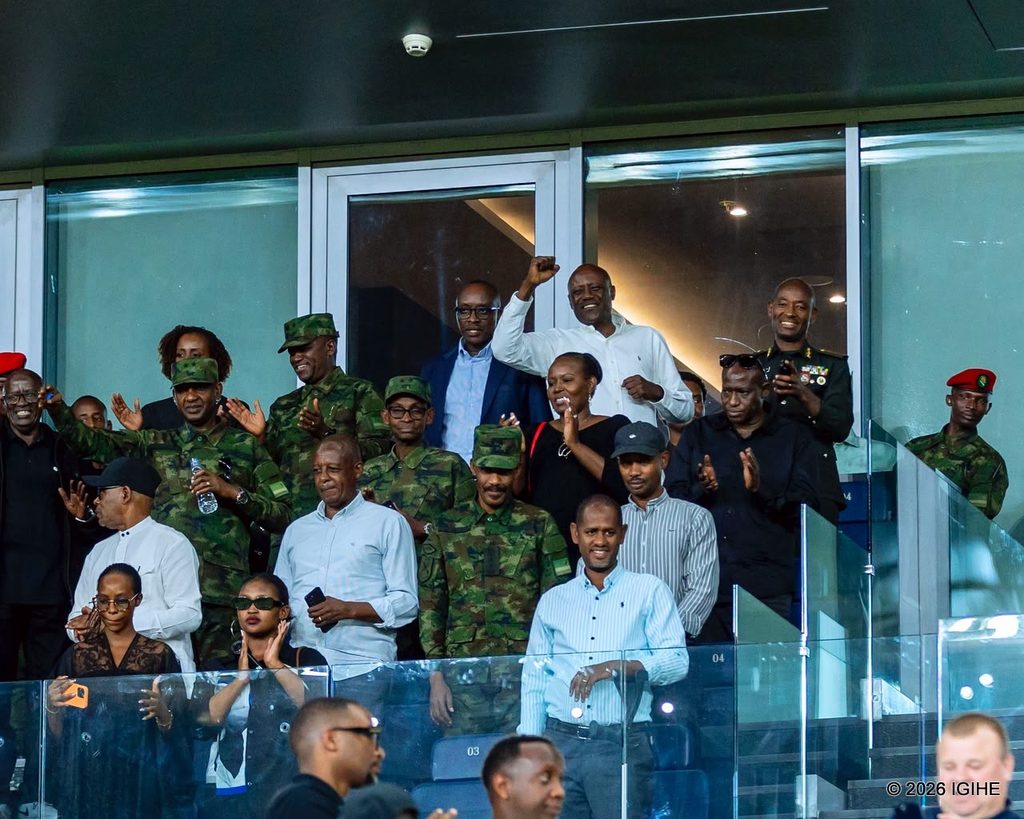The tie carried added resonance because APR is owned and managed by the Rwanda Defence Force, while Les Aigles du Congo, a Kinshasa-based club that finished second in the Congolese league last season, is linked to prominent political figures in the DRC. The first-leg venue dispute and the decision to play without spectators had already highlighted the strained atmosphere surrounding the pairing.
Rwandan supporters celebrated a dominant home performance and a successful comeback. Congolese reports described the result more tersely as the Eagles being “plucked” in Kigali after their encouraging start in Lubumbashi.
APR now turn their attention to the final qualifying round as they chase a place in the CAF Champions League group stage. For Les Aigles du Congo, the campaign ends at the first hurdle for a second consecutive season.

SUBSCRIBE TO OUR NEWSLETTER
First name or full name
Email
By continuing, you accept the privacy policy
**Categories:** SPORTS
---
### [Rwanda Unveils First Integrated Steel Plant as Prime Minister Inaugurates A1 Iron & Steel Facility in Musanze](https://www.topafricanews.com/2026/09/11/rwanda-unveils-first-integrated-steel-plant-as-prime-minister-inaugurates-a1-iron-steel-facility-in-musanze/)
**Published:** September 11, 2026
**Author:** TOPAFRICANEWS
**Content:**
**MUSANZE, Rwanda** — Prime Minister Dr. Justin Nsengiyumva on Friday officially inaugurated A1 Iron & Steel Rwanda Ltd, the country’s first integrated iron and steel manufacturing plant, in a ceremony at the Musanze Industrial Park that signals a major step in Rwanda’s push toward industrial self-sufficiency and value addition of its mineral resources.
The facility, built with an investment of approximately $20 million by Indian investors, processes locally mined iron ore from districts including Burera and Ngororero into finished construction products. It has an annual production capacity of 250,000 tonnes and manufactures thermo-mechanically treated (TMT) rebars, wire rods, hollow sections, channels, flat bars, binding wire, nails, welding rods, tubes, and chain-link fencing.
Officials said the plant is expected to cut Rwanda’s steel import bill by around $100 million while generating about 1,000 direct jobs and 2,500 indirect jobs. The factory currently employs roughly 700 workers, the majority of them Rwandan, with Indian specialists providing technical expertise and skills transfer in areas such as metallurgy and quality control that were previously scarce in the country.
“We are not just producing steel. We are creating skills that did not previously exist in Rwanda,” Rajendra Bharadia, the company’s chief financial officer, has said. The goal, he added, is knowledge transfer so that Rwanda can eventually operate the plant with fully local expertise.
Groundbreaking for the project took place in November 2024. Production was originally targeted for May 2025, but the plant is now fully operational and supplying the domestic construction sector. Company officials have indicated plans to export surplus output to neighboring markets including the Democratic Republic of Congo, Burundi, Uganda, Tanzania, and South Sudan.
The inauguration aligns with Rwanda’s Second National Strategy for Transformation (NST2), which prioritizes increasing industry’s contribution to GDP, boosting exports, and creating productive jobs. Rwanda has historically imported the bulk of its steel needs—184,000 tonnes in 2022 and 195,000 tonnes in 2023—despite possessing iron ore deposits. By turning raw minerals into finished products on home soil, the plant reduces the trade deficit and supports downstream industries such as construction and infrastructure.
For the East African region, the development adds another node in a growing network of local steel production. Neighboring Tanzania and Uganda have also expanded their own steel capacities in recent years, reflecting a broader continental shift away from exporting raw minerals and importing finished goods. A1 Iron & Steel’s integrated process—from sponge iron production through melting, rolling, and finishing—positions Rwanda as a new player in this regional supply chain.
Prime Minister Nsengiyumva toured the plant’s various sections during the ceremony, receiving briefings on operations and the solutions the facility offers Rwanda’s market. Local leaders in Musanze District have welcomed the project for its community benefits, including job creation and procurement of local materials.
As Rwanda continues to attract manufacturing investment, the successful launch of its first integrated steel mill demonstrates both the opportunities and the challenges of building new industrial capabilities: factories can be constructed relatively quickly, but developing a skilled workforce takes longer. Training programs through the Rwanda Technical and Vocational Education and Training Board are already adapting curricula to meet the emerging demand for metallurgical technicians and industrial chemists.
The plant’s opening is expected to strengthen Rwanda’s position as an emerging industrial hub in East Africa while contributing to the continent’s wider agenda of mineral beneficiation and reduced import dependence.

SUBSCRIBE TO OUR NEWSLETTER
First name or full name
Email
By continuing, you accept the privacy policy
**Categories:** Business and Trade
---
### [Bishop Dr Manasseh Gahima Elected New Archbishop of Anglican Church in Rwanda](https://www.topafricanews.com/2026/09/11/bishop-dr-manasseh-gahima-elected-new-archbishop-of-anglican-church-in-rwanda/)
**Published:** September 11, 2026
**Author:** TOPAFRICANEWS
**Content:**
**KIGALI, Rwanda** — Bishop Dr Manasseh Gahima, who has been serving as the Bishop of the Diocese of Gahini, has been elected the new Archbishop of the Anglican Church in Rwanda, succeeding Dr Laurent Mbanda.
Dr Gahima was elected on Friday during the General Council of the Anglican Church in Rwanda, held at the Church’s headquarters in Kigali.
Before the election, Dr Gahima was among the leading candidates considered for the position. In the final round, he faced Bishop Assiel Musabyimana, the Bishop of the Diocese of Kigeme.
Nathan Rusengo Amooti, Bishop of the Diocese of Kigali, had also initially appeared on the list of potential candidates but later withdrew, leaving two candidates in the final contest.
#### His rise within Rwanda’s Protestant leadership
In March 2026, Dr Gahima was elected to lead the **Council of Protestant Churches of Rwanda (CPR)**. His election to that position increased speculation around his potential to succeed Dr Laurent Mbanda as head of the Anglican Church in Rwanda.
Dr Gahima had been serving as the Bishop of the Diocese of Gahini and was the second bishop to lead the diocese.
#### Education and early career
Born in **1970**, Dr Gahima grew up in Uganda after his family fled to the country.
He completed his primary education in Kasonga, Uganda, before pursuing secondary education at Kololo and St Andrea Kahwa’s College.
He later obtained a degree in education and pursued higher studies in business at the University of Rwanda, which was then known as Umutara Polytechnic.
Dr Gahima also holds postgraduate degrees in **human resource management and theology**, as well as a **PhD in theology**.
Before joining the leadership of the Anglican Church, he worked in various positions in education and local government administration.
Between **1995 and 1997**, he served as Deputy Head of Lycée de Kigali, where he was responsible for students studying in English.
From **1997 to 2001**, he served as Mayor of the former Karangazi Commune, while from **2004 to 2005**, he served as Mayor of the former Gabiro Commune.
#### From local government to church leadership
Following reforms in Rwanda’s local government administration, Dr Gahima moved into church leadership within the Anglican Diocese of Gahini, where he served as Deputy Diocesan Leader.
In **2019**, he was consecrated as Bishop of the Diocese of Gahini, a position he held for seven years before being elected to lead the Anglican Church in Rwanda.
Dr Gahima is married and has **eight children**.

SUBSCRIBE TO OUR NEWSLETTER
First name or full name
Email
By continuing, you accept the privacy policy
**Categories:** Religion
---
### [Gatsibo District to Distribute More Than 1.5 Million Agroforestry Trees to Farmers](https://www.topafricanews.com/2026/09/11/gatsibo-district-to-distribute-more-than-1-5-million-agroforestry-trees-to-farmers/)
**Published:** September 11, 2026
**Author:** EDITOR
**Content:**
**GATSIBO, Rwanda** — The Gatsibo District administration is calling on agricultural extension workers and other stakeholders in the agriculture sector to support communities across villages in accessing agroforestry trees and raising awareness about the importance of integrating trees into farming systems.
The district says planting trees alongside crops is critical to addressing the effects of climate change and promoting long-term environmental conservation.
As the **2027A agricultural season** begins in October, Gatsibo District, in partnership with **Tubura**, plans to distribute **1,501,792 agroforestry trees** to approximately **65,654 households**.
At least **57,000 farmers** are expected to plant edible fruit trees. In addition, each primary school in the district will receive **40 fruit trees** as part of the initiative.
### Farmers to access RAB C15 coffee seedlings
Through its partnership with Tubura, Gatsibo District will also facilitate farmers’ access to **RAB C15 coffee seedlings**. Farmers will pay **RWF 75 per coffee tree**, with **77,760 coffee trees** expected to be distributed under the programme.
Overall, Gatsibo District expects to plant **3,398,461 trees during the 2026–2027 year**.
The planned trees include:
- **587,397 eucalyptus trees**
- **41,385 avocado trees**
- **453,823 Calliandra trees**
- **276,609 acacia trees**
- **476,434 cedar trees**
- **534,861 pine trees**
- **504,663 Measopsis trees**
- **523,289 Senna trees**
### Extension workers urged to mobilise farmers
Rudasingwa Michel, Head of the Agriculture, Livestock and Natural Resources Department in Gatsibo District, said the district is working with agricultural extension workers and sector-level forestry officers to ensure that farmers can access the trees they need and understand the benefits of agroforestry.
> “We are working with forestry officers at the sector level and agricultural extension workers to conduct awareness campaigns among communities across the villages. The campaigns are aimed at informing residents about the types of trees available in nurseries and their importance, so that farmers can come to the nurseries knowing the available tree species and understanding their role in addressing the effects of climate change,” he said.
The district’s approach seeks to ensure that farmers do not view tree planting simply as an environmental activity, but also understand the practical benefits trees can bring to their farms and livelihoods.
### Farmers see benefits beyond soil protection
Residents who spoke to **MUHAZIYACU** said they have increasingly understood that agroforestry trees can provide benefits beyond occupying farmland, including providing fodder for livestock.
Mukagatete Odette, a resident of Bukomane Cell in Gitoki Sector, said agroforestry trees can help protect farmland from erosion while providing additional benefits to farmers.
> “Agroforestry trees are very beneficial because they prevent soil erosion. Trees such as Calliandra also provide fodder for livestock. They also help reduce excessive dryness during the dry season and contribute to having cleaner air,” she said.
### Gatsibo to plant more than 6.2 million trees under wider Eastern Province programme
The tree-planting campaign is part of a broader **Eastern Province initiative** aimed at combating land degradation, environmental degradation and the effects of climate change.
Under the programme, the Eastern Province plans to plant **40 million trees** over the 2026–2027 and 2027–2028 periods.
Gatsibo District is expected to contribute significantly to the wider effort, with **6,204,956 trees** planned for planting over the two-year period.
The initiative places agroforestry at the centre of efforts to combine agricultural production with environmental conservation, while strengthening communities’ resilience to the impacts of climate change.

SUBSCRIBE TO OUR NEWSLETTER
First name or full name
Email
By continuing, you accept the privacy policy
**Categories:** Climate / Agriculture Evolution
---
### [President Paul Kagame Calls for Full African Participation in the Space Economy at Paris International Space Summit](https://www.topafricanews.com/2026/09/11/president-paul-kagame-calls-for-full-african-participation-in-the-space-economy-at-paris-international-space-summit/)
**Published:** September 11, 2026
**Author:** EDITOR
**Content:**
**Paris, September 10–11, 2026** — Rwandan President Paul Kagame urged greater African involvement in the rapidly growing space sector during the inaugural International Space Summit, held at the Grand Palais on September 9–10. Co-hosted by France and Germany at the invitation of French President Emmanuel Macron, the two-day event brought together nearly 120 foreign delegations and around 2,000 participants, including heads of state and government, space agency officials, scientists, astronauts, private-sector representatives, and international organizations.
The summit focused on key themes including the space economy, security and sustainability in orbit, rules and governance, and scientific exploration from low-Earth orbit to the Moon and beyond. It aimed to foster dialogue and produce political declarations and commercial announcements rather than a binding treaty.
In his remarks, Kagame thanked Macron for convening the gathering and highlighted the transformative potential of space for Africa. “The space economy is evolving rapidly, driven by lower costs, new technologies, and greater private-sector engagement. Africa intends to be a full participant in this growth, not only as a user of space capabilities, but also as a contributor to science, research, and global decision-making,” he said.
He emphasized the opportunities for a continent with a young and increasingly connected population: “With the right support, our talent pool can develop the relevant expertise, build businesses, and create real value for Africa.”
Kagame outlined Rwanda’s own efforts, noting the establishment of the Rwanda Space Agency in 2020 and a national space policy designed to foster investment and innovation. The country is applying space technologies and artificial intelligence to strengthen agriculture, infrastructure, disaster management, and other critical areas. Rwanda also hosts satellite ground infrastructure that serves global operators, contributing to regional capabilities.
He pointed to coordinated African action, including support for the African Telecommunications Union’s efforts to regain orbital slots, as an example of protecting continental interests amid intensifying competition for spectrum and orbital resources. Kagame stressed the need for clear international rules that recognize both civilian and security applications of space technologies, ensure developing countries have a meaningful voice, and promote technology transfer. He noted that export restrictions continue to limit access to knowledge and modern technologies, while welcoming practical partnerships such as those involving companies like E-Space that collaborate with African nations on satellite solutions.
“Ultimately, we should avoid reproducing in space the inequalities that exist in other domains,” Kagame stated. “Rwanda stands ready to work with France, Europe, and other partners to deepen space cooperation and deliver for all.”
On the sidelines, Kagame met with UNESCO Director-General Khaled El-Enany to discuss Rwanda’s partnerships in education, science and technology, cultural heritage, and memory preservation. He also held talks with Republic of Congo President Denis Sassou Nguesso, reaffirming bilateral relations and the importance of African-led solutions to continental challenges.
The summit underscored Africa’s growing strategic interest in space applications spanning defense, agriculture, telecommunications, and environmental monitoring, with multiple African leaders and delegations participating to ensure the continent is not left behind in the emerging space economy.

SUBSCRIBE TO OUR NEWSLETTER
First name or full name
Email
By continuing, you accept the privacy policy
**Categories:** Science and Technology
---
### [One Goal. One Night. Amahoro. Kigali will not be quiet tonight.](https://www.topafricanews.com/2026/09/11/one-goal-one-night-amahoro-kigali-will-not-be-quiet-tonight/)
**Published:** September 11, 2026
**Author:** EDITOR
**Content:**
When APR FC walk out at Amahoro Stadium at 18:00, they will do so a goal down and a continent watching. Les Aigles du Congo arrive from Kinshasa with a 1–0 lead carved out in Lubumbashi on Sunday, in a first leg played behind closed doors. The return fixture will not be silent. The stands are expected to roar.
That is the setting. That is the wound. That is the chance.
The opening chapter was written in an empty bowl. The tie was shifted to Stade Frédéric-Kibassa-Maliba, spectators barred for security reasons. Late in the first half, Soze Zemanga found the only goal of the night. APR’s goalkeeper kept the deficit at one. The Rwandan champions flew home with work still to do.
Work they now intend to finish in front of their own people.
APR are not arriving as underdogs in their own house. Last season they completed a domestic treble — league, Peace Cup, Super Cup. They call themselves Lions. Their supporters call them Club Giant. All week the message from the camp has been the same: fill the stadium, make the night heavy, turn a one-goal hole into a statement. Fans are not whispering about a careful 1–0. They want a night that feels like a hammer. Predictions of 3–0 have already started circulating among the faithful.
Across the divide, Les Aigles landed in Kigali after a short flight from Lubumbashi and stepped into the role they have claimed since Sunday: the team with something to protect. They call themselves Samouraïs. Their brief is colder and just as clear. A draw sends them through. A goal of their own would force APR to chase shadows. They did not come to admire the lights.
The contrast is what makes the evening crackle. One side needs noise, goals, and a comeback. The other needs nerve, time, and the lead they already own. APR must win. Les Aigles can wait. Ninety minutes — more if the night refuses to end — will settle which version of the story survives.
There is extra heat around the fixture because of who these clubs are. APR is the army club, Rwanda’s most decorated side, used to carrying the country’s colours on the continental stage. Les Aigles are a young Kinshasa outfit still writing their first serious African chapter. The first leg was played in a vacuum. Tonight the vacuum is gone.
By sundown the pitch at Amahoro will be a simple, brutal equation. Can the Lions hunt down a lead born in silence? Can the Eagles hold a treasure they won without a crowd?
One goal started this. One night will finish it.

SUBSCRIBE TO OUR NEWSLETTER
First name or full name
Email
By continuing, you accept the privacy policy
**Categories:** SPORTS
---
### [Launch of the Space Catalyst Partnership to Secure American Commercial Space Superiority](https://www.topafricanews.com/2026/09/11/launch-of-the-space-catalyst-partnership-to-secure-american-commercial-space-superiority/)
**Published:** September 11, 2026
**Author:** EDITOR
**Content:**
The Space Catalyst Partnership (SCP), the Department of State’s flagship initiative to deepen civil and commercial space cooperation between the United States and Artemis Accords signatory countries, was launched today in Lima, Peru. The SCP aims to create opportunities for foreign governments, industry, space agencies, and research organizations to benefit from the vibrant U.S. space ecosystem through commercial partnerships and scientific collaboration, while ensuring outer space is used safely, peacefully, and transparently to the benefit of mankind.
As part of the SCP, the Department is working with Congress to launch a $6.5 million rural connectivity project to offer satellite-based internet to rural schools, small businesses, community centers, and public institutions across Peru’s southern regions. This project is among the first SCP projects that, subject to the availability of funds, will assist priority countries’ efforts to integrate space-related technology and services into their economies.
The SCP will primarily promote civil and commercial space cooperation through three tools: diplomatic outreach, industry engagement, and the targeted use of foreign assistance, subject to the availability of funds. Potential activities under the SCP include:
#### Diplomatic Outreach
- Coordinating across U.S. government agencies to help partner countries gain access to American space technology and services, including assistance in securing U.S. government financing for major projects.
- Expanding the number of space-focused trade delegations to foster deeper collaboration between the United States, key partner countries, and the private sector.
- Aligning the scientific experiments, equipment, and other capabilities of foreign space agencies and research institutions in support of U.S.-led civil space activities, including through partnerships with American companies.
#### Foreign Assistance
- Deploying targeted foreign assistance to procure U.S. space goods and services for the benefit of emerging spacefaring countries, starting with the aforementioned $6.5 million Peruvian rural connectivity project.
- Integrating U.S. space capabilities in public and private organizations to drive economic prosperity and scientific advancement in other sectors, such as critical minerals, agriculture, transportation, communications, finance, energy, and pharmaceuticals.
#### Industry Engagement
- Connecting American companies with new customers and helping foreign countries to navigate the U.S. commercial space ecosystem to create new partnerships with U.S. companies and learn best practices for fostering the growth of a vibrant space industry.
- Accelerating direct industry-to-customer engagement opportunities in the Western Hemisphere, East Asia and the Pacific, and other priority markets to help American firms compete effectively and give prospective users direct access to the world-class space technology and services.
- Leveraging the Department’s diplomatic platforms to promote American industry at international commercial space trade shows, forums, and events, including in emerging space markets.
- Strengthening relationships with American space companies, through industry briefings and roundtables, to ensure U.S. industry priorities inform the Department’s diplomatic engagements.

SUBSCRIBE TO OUR NEWSLETTER
First name or full name
Email
By continuing, you accept the privacy policy
**Categories:** ICT, Science and Technology
---
### [France’s Highest Court Closes Long-Running Inquiry Into Military Role in 1994 Bisesero Massacres](https://www.topafricanews.com/2026/09/10/frances-highest-court-closes-long-running-inquiry-into-military-role-in-1994-bisesero-massacres/)
**Published:** September 10, 2026
**Author:** TOPAFRICANEWS
**Content:**
The Court of Cassation, France’s supreme judicial court, definitively upheld a dismissal of charges on September 9, 2026, ending a two-decade legal battle over allegations of French military complicity during the 1994 genocide against the Tutsi in Bisesero, western Rwanda.
The landmark ruling shields French officers deployed under the UN-mandated Opération Turquoise from criminal prosecution, terminating domestic judicial inquiries that had been open since 2005.
The appeal centered on events between June 27 and June 30, 1994, when thousands of Tutsi refugees took cover on the hills of Bisesero.
French military reconnaissance teams encountered the refugees on June 27, promising assistance, but a rescue force did not return until June 30. During those three days, Hutu militia and armed forces slaughtered an estimated one thousand Tutsis.
In its decision, the Court of Cassation concluded that soldiers on the ground could not be held criminally responsible for failing to intervene without precise orders from their command chain and the Ministry of Defence.
The judges found no evidence that French troops or senior commanders intended to facilitate genocide or aid the perpetrators.
Furthermore, the court noted that the initial detachment was too small to conduct a secure intervention at the time, and that command-level hesitation reflected efforts to clarify confused reports rather than deliberate abandonment.
Civil party groups, including human rights and survivor organizations, denounced the verdict, characterizing the dismissal as a failure of the French judiciary to hold military and political decision-makers accountable.
Plaintiffs had repeatedly demanded investigative hearings with high-ranking Élysée figures, arguing that the French legal system had exercised institutional reluctance to probe higher command levels.
Following the decision, civil parties announced that they are considering taking the case to the European Court of Human Rights over violations of their fundamental rights to an effective investigation.

SUBSCRIBE TO OUR NEWSLETTER
First name or full name
Email
By continuing, you accept the privacy policy
**Categories:** NEWS
---
### [African clubs fight for Champions League progress as Springboks take rivalry series to Baltimore](https://www.topafricanews.com/2026/09/11/african-clubs-fight-for-champions-league-progress-as-springboks-take-rivalry-series-to-baltimore/)
**Published:** September 11, 2026
**Author:** EDITOR
**Content:**
**JOHANNESBURG —** African football’s club season intensifies this weekend as the second legs of the CAF Champions League preliminary round get under way, while South Africa’s Springboks travel to the United States aiming to complete a statement series win over New Zealand.
The first legs, played last weekend, produced a mix of away victories and tight contests. Egypt’s Pyramids FC claimed a valuable 2-0 win at Kenya’s Gor Mahia in Nairobi, while Zamalek of Egypt edged AS Port of Djibouti 2-1 on the road. Morocco’s Maghreb Fez delivered the most emphatic result, thrashing Burkina Faso’s Rahimo FC 4-1 at home. Orlando Pirates of South Africa were held to a goalless draw by Mauritius side La Cure Waves.
Those results set up a busy programme of return fixtures from Friday through Sunday. Pirates host La Cure Waves in Johannesburg knowing a win would send them through. Zamalek defend a slender lead against AS Port in Cairo, while Maghreb Fez travel to Ouagadougou with a three-goal cushion. Other notable ties include TP Mazembe against Ghana’s Medeama, Young Africans versus Gaborone United, and several matches involving clubs from Angola, Zambia, Sudan and Rwanda.
Defending champions Mamelodi Sundowns, who lifted the trophy in May after beating AS FAR of Morocco, received a bye into the next round and have used the break to strengthen their squad. The Pretoria club recently signed midfielder Thabo Cele from rivals Kaizer Chiefs and continue to sit top of the Betway Premiership after a 3-0 midweek victory.
Elsewhere in the South African league, both Chiefs and Orlando Pirates have been active in the transfer market as they look to close the gap on Sundowns. Across the continent, attention is also turning toward AFCON 2027 qualifying, with some matches already facing venue changes due to stadium issues.
On the rugby field, the Springboks hold a 2-1 lead in Rugby’s Greatest Rivalry series against the All Blacks. New Zealand won the opening Test 33-16 at Ellis Park, but South Africa responded with a 33-26 victory in Cape Town and a 29-24 win at FNB Stadium in Soweto last Saturday. The fourth and final Test takes place on Saturday at M&T Bank Stadium in Baltimore, home of the NFL’s Ravens.
A Springboks victory would give them the series 3-1. An All Blacks win would leave the four-Test contest tied at 2-2. South Africa have already secured the home-series honours, their first multi-Test series win over New Zealand on home soil since 1976. Wing Cheslin Kolbe will miss the Baltimore match after suffering a broken jaw in Soweto.
The fixture forms part of a commercial push by both unions and World Rugby to grow the game in the United States ahead of the 2031 Rugby World Cup. Kick-off is scheduled for Saturday evening local time.
In other sporting news, South Africa’s cricketers crushed Namibia in a one-day international, with opener Jordan Hermann matching a record for runs on ODI debut. Kenya’s national rugby sevens circuit reaches its climax this weekend, while Namibia’s women’s sevens programme received a significant funding boost.
African footballers also feature among the nominees for the 2026 Ballon d’Or, with Senegal’s Sadio Mané and Malawi’s Temwa Chawinga among those recognised. Club football in Ghana and Nigeria continues to generate headlines around transfers, injuries and administrative issues as the new season settles.
This weekend’s CAF ties and the Baltimore Test represent the most prominent fixtures on the African sporting calendar, offering clubs a path toward group-stage riches and giving the Springboks a chance to close a historic series on foreign soil.

SUBSCRIBE TO OUR NEWSLETTER
First name or full name
Email
By continuing, you accept the privacy policy
**Categories:** NEWS, SPORTS
---
### [PLO Lumumba Walks Off Stage in Kisumu, Calling Interruption for Late Governor “the African Problem”](https://www.topafricanews.com/2026/09/11/plo-lumumba-walks-off-stage-in-kisumu-calling-interruption-for-late-governor-the-african-problem/)
**Published:** September 11, 2026
**Author:** TOPAFRICANEWS
**Content:**
**Kisumu, Kenya** — Renowned Kenyan lawyer and pan-African orator Professor PLO Lumumba walked off the stage Thursday after organisers interrupted his keynote address to welcome Kisumu Governor Anyang’ Nyong’o, who arrived late to a scientific conference.
The incident occurred during the 18th TICH Annual Scientific Congress at the Mama Grace Onyango Social Hall. Lumumba was speaking on Africa’s persistent difficulties in medical research and access to scientific materials when an announcer asked him to pause so the governor could be ushered in.
Visibly frustrated, Lumumba turned the moment into a pointed critique of how Africa treats knowledge versus political office.
“And that is part of the African problem. I’m now being stopped because the governor is coming. What is important, is it what we are saying or that the governor is coming?” he asked the audience.
He continued: “I’ll stop, but this is the kind of thing that holds Africa back. The governor knew that we had a meeting. He chose to come to interrupt, and we are here celebrating. I’ll stop.”
He then stepped away from the podium and left the venue as the governor was still being greeted.
The walkout has ignited a continent-wide conversation about protocol, respect, and misplaced priorities. Many Africans have praised Lumumba for refusing to treat a political title as more important than an ongoing discussion on research and development. Others have questioned whether leaving the stage was the most constructive response.
The episode taps into a long-standing frustration across the continent: the habit of elevating political figures above ideas, time, and intellectual work. In many African settings, late arrivals by senior officials routinely halt proceedings, with audiences expected to stand, clap, and wait. Lumumba framed this culture as one of the quiet obstacles holding the continent back.
Professor PLO Lumumba, whose full name is Patrick Loch Otieno Lumumba, is one of Africa’s most recognisable public intellectuals. A lawyer, former anti-corruption chief, and relentless advocate of African unity and self-reliance, he is known for blunt speeches that challenge both African leaders and ordinary citizens.
Governor Anyang’ Nyong’o, himself a respected academic and veteran politician, had not issued a public response by Friday morning.
The congress brought together researchers, health professionals, and policymakers to discuss innovation toward the 2030 Sustainable Development Goals on health and climate. Lumumba’s interruption occurred in the middle of that conversation.
The moment, captured on video and shared widely, has become more than a local Kenyan story. It has been read across Africa as a symbol of a larger question: Will the continent continue to pause its most important discussions whenever a political leader walks into the room?
For many watching, Lumumba’s decision was not about personal ego. It was about insisting that ideas, research, and time matter — even when a governor is late.

SUBSCRIBE TO OUR NEWSLETTER
First name or full name
Email
By continuing, you accept the privacy policy
**Categories:** NEWS
---
### [Tooro Kingdom Split Over Succession as King Oyo’s Burial Nears](https://www.topafricanews.com/2026/09/10/tooro-kingdom-split-over-succession-as-king-oyos-burial-nears/)
**Published:** September 10, 2026
**Author:** TOPAFRICANEWS
**Content:**
**FORT PORTAL / KAMPALA —** A bitter succession dispute has erupted in Uganda’s Tooro Kingdom just two days before the burial of Omukama Oyo Nyimba Kabamba Iguru Rukidi IV, pitting the late king’s immediate family against Babiito clan elders who have named a television news presenter as his successor.
King Oyo, who became the world’s youngest reigning monarch when he took the throne at age three in 1995, died on 27 August 2026 in the United States at the age of 34 while receiving treatment for cancer. His remains lie in state at Karuziika Palace. He is scheduled to be buried on Saturday, 12 September — the 31st anniversary of his coronation — at the Karambi Royal Tombs after a service at St John’s Cathedral in Fort Portal.
On Wednesday evening, a 21-member Babiito royal succession committee announced Prince Edward Rukidi Kijanangoma, 56, a well-known news anchor and editor at the state broadcaster UBC, as the next Omukama. Kijanangoma is a cousin of the late king, the son of the late Prince Christopher Paul Kijanangoma and a grandson of former Omukama Sir George David Rukidi III. Nineteen committee members signed the resolution. Supporters gathered at the palace celebrated the choice of an adult monarch.
The late king’s family immediately rejected the decision.
**Family cites the will**
Queen Mother Best Kemigisa said in a statement Thursday that the committee ignored a 2022 will read the previous afternoon in the presence of royal family members and government representatives, including Maj Gen Henry Tumukunde, who was representing President Yoweri Museveni. According to the family and the official Tooro Kingdom account, the will names Oyo’s “lawfully recognized biological son” as first heir to the throne. If that son cannot assume the crown, succession would pass to Prince Komwiswa Yoweri, then Prince Nyaika Solomon. The identity of the son has not been publicly disclosed.
Kemigisa said the parties had agreed to reconvene Thursday to discuss succession. Instead, she said, the committee held a press conference the same evening and proclaimed a new king while Oyo’s body was still at the palace. She denounced a “self-appointed group of clan members” and appealed for the family to be allowed to mourn freely, citing restrictions around the palace. Princess Ruth Komuntale, the late king’s sister, also rejected the announcement, saying the family had expected further consultations.
**Clan stands firm**
The succession committee, led by Omusuuga Charles Kamurasi, the head of the Babiito clan, dismissed the family’s objections. Committee members said Oyo left no son, that the clan holds customary authority to choose a suitable prince, and that those who disagree should take the matter to court. “We are moving on, preparing the functions,” the committee said, adding that people of Tooro should expect peace as coronation arrangements proceed.
**Calls for calm**
Tooro Prime Minister Calvin Armstrong Rwomiire appealed to both sides to pause the contest until after the burial. In a lengthy statement posted Thursday, he said sharply differing positions had emerged “even before we have laid our King to rest” and that nothing was so urgent that it should sacrifice the dignity of Oyo’s final journey or the unity of the kingdom. He asked the government to help maintain peace and order without choosing a king for Tooro.
Minister of State for Internal Affairs Juma Witonze Kisekka, speaking at Karuziika Palace on Thursday, urged Batooro to remain calm and wait for guidance from President Museveni, whom he called the “Chief Elder.” The government has not formally endorsed either claimant.
Traditional kingdoms in Uganda have no formal sovereignty but retain significant cultural influence. Tooro is one of five kingdoms recognized by the state. King Oyo’s own accession as a child was itself contested; the current dispute revives old questions about custom, written wills, and who has the final say over the throne.
As of Thursday afternoon, the two camps remained entrenched. The burial proceeds on Saturday. The question of who will sit on the Tooro throne after Oyo is unresolved.

SUBSCRIBE TO OUR NEWSLETTER
First name or full name
Email
By continuing, you accept the privacy policy
**Categories:** CULTURE, NEWS
---
### [Kagame in Paris for Space Summit After Oman Visit](https://www.topafricanews.com/2026/09/09/kagame-in-paris-for-macrons-space-summit-after-oman-visit/)
**Published:** September 9, 2026
**Author:** EDITOR
**Content:**
**PARIS —** Rwandan President Paul Kagame arrived in the French capital on Wednesday to take part in the International Space Summit, a two-day gathering organized by President Emmanuel Macron at the Grand Palais.
The summit, co-hosted with Germany and running September 9–10, brings together heads of state, government officials, scientists, astronauts and industry leaders from about 120 countries. Discussions focus on the space economy, scientific exploration, security in orbit and the need for clearer international rules as satellite traffic grows.
On Wednesday afternoon, Kagame met Khaled El-Enany, director-general of UNESCO. The two discussed Rwanda’s cooperation with the U.N. agency on education, science and technology, cultural heritage and the preservation of historical memory. They also spoke about the AI for Good Global Commission, which Kagame co-chairs.
Kagame traveled to Paris after a two-day official visit to Oman that ended Tuesday. In Salalah he held talks with Sultan Haitham bin Tarik. The two countries signed agreements covering visa exemptions for official passport holders, the avoidance of double taxation, and cooperation in energy, logistics, investment, agriculture and other sectors. They also agreed to establish resident embassies and a joint business council.
The Paris trip continues a period of closer high-level contact between Kigali and Paris. In June, Kagame and Macron inaugurated “L’Archive,” a memorial on the banks of the Seine honoring victims of the 1994 genocide against the Tutsi. Macron has described the monument as placing that history “at the heart of our capital.”
Rwanda has sought a larger role in space-related fields since creating its space agency in 2020 and opening a ground station last year. African participation in the Paris summit has been highlighted as an opportunity for the continent to engage in a sector long dominated by established space powers.
The event itself has drawn mixed attendance. Several U.S. companies, including SpaceX and Blue Origin, withdrew. German Chancellor Friedrich Merz did not attend because of other commitments. European Commission President Ursula von der Leyen is scheduled to speak on Thursday.
Organizers say the summit is intended to produce political declarations rather than binding decisions, covering topics such as space traffic management, access to orbit and the sharing of scientific data. Commercial announcements are also expected.
Kagame’s presence in Paris underscores Rwanda’s effort to combine diplomatic outreach with ambitions in technology and science while maintaining recently improved ties with France.

SUBSCRIBE TO OUR NEWSLETTER
First name or full name
Email
By continuing, you accept the privacy policy
**Categories:** ICT, Science and Technology
---
### [Beyond "More Tech": How Digital Sobriety Is Reshaping the Green Transition](https://www.topafricanews.com/2026/09/10/beyond-more-tech-how-digital-sobriety-is-reshaping-the-green-transition/)
**Published:** September 10, 2026
**Author:** TOPAFRICANEWS
**Content:**
**BRUSSELS** — As industries and educational institutions rush to adopt emerging digital technologies, a growing international movement is challenging the assumption that simply adding “more tech” leads to a sustainable future. Known as **digital sobriety**, this concept advocates for reducing unnecessary digital consumption and optimizing digital infrastructures to minimize technology’s environmental footprint. While digital tools can significantly cut emissions and streamline resource management, experts emphasize that technological outcomes depend strictly on how digital solutions are designed, implemented, and governed. Without deliberate lifecycle management, unchecked digital expansion risks accelerating global power consumption and electronic waste rather than solving environmental crises.
**The Hidden Environmental Footprint of Information Technology**
Behind the intangible facade of cloud computing, smart sensors, and automated algorithms lies a massive physical footprint. Achieving true **technological sustainability** requires evaluating the complete lifecycle of digital tools—from raw material extraction and procurement to maintenance and end-of-life disposal.
Primary environmental concerns include:
- **Energy Demand**: The high power consumption of physical hardware, data centres, and telecommunication networks.
- **Resource Extraction & E-Waste**: The heavy reliance on critical raw materials and the mounting challenge of non-recyclable electronic waste.
- **Rebound Effects**: Systemic risks where efficiency gains brought by digital automation inadvertently trigger higher overall resource consumption.
To counter these impacts, proponents argue that digital innovation must be balanced with **social sustainability**, ensuring digital accessibility, equitable access to technology, and fair working conditions across global supply chains.
**Four Core Strategies for Leaner Digital Operations**
To translate digital sobriety from a theoretical principle into daily operational reality, technical frameworks outline four essential practical strategies:
1. **Choosing Fit-for-Purpose Hardware**: Avoiding over-specification by selecting hardware tailored strictly to the required task rather than purchasing excess processing power.
2. **Extending Device Lifespans**: Cultivating a robust repair culture and establishing structured maintenance plans to delay equipment replacement.
3. **Optimizing Data Storage and Usage**: Eliminating redundant data collection and streamlining storage systems to curtail unnecessary server processing loads.
4. **Promoting Efficient Digital Habits**: Encouraging mindful habits in daily technology use, including optimized file management, power setting configurations, and conscious data streaming.
Transforming Technical Campuses into “Living Laboratories”
In Technical and Vocational Education and Training (TVET) systems, digital sobriety is being re-framed as a core **professional competence**—teaching future technicians and engineers to deploy technology responsibly rather than indiscriminately.
Under a **“campus-as-a-lab” framework**, students gain hands-on experience auditing workshop energy consumption, detecting compressed air leaks, optimizing HVAC schedules, and quantifying manufacturing waste. Advanced tools like **Internet of Things (IoT) smart sensors, Big Data platforms, AI-driven predictive maintenance engines, and digital twins** are integrated directly into campus facilities. Crucially, educators emphasize that these high-tech tools must be evaluated by their concrete environmental outcomes—such as reduced power use and material waste—rather than their technological novelty.
**The Ethical Pillar: Privacy, Equity, and AI Energy Demands**
As artificial intelligence and automated decision-making become central to environmental monitoring, digital sobriety also demands rigorous ethical oversight. While AI can forecast energy demand and detect system anomalies, AI models themselves require substantial computing power and energy resources.
Furthermore, data-driven management systems introduce critical ethical challenges regarding **data privacy, cybersecurity vulnerabilities, and potential algorithmic bias**. To maintain responsible innovation, experts urge organizations to collect only proportionate and necessary data, keep human oversight at the center of decision-making, and preserve transparency across all digital green initiatives

SUBSCRIBE TO OUR NEWSLETTER
First name or full name
Email
By continuing, you accept the privacy policy
**Categories:** CLIMATE CHANGE, Environment
---
### [Rwanda Advances Decade-Long Sustainable Finance Drive as Roadmap Hits Midpoint](https://www.topafricanews.com/2026/09/10/rwanda-advances-decade-long-sustainable-finance-drive-as-roadmap-hits-midpoint/)
**Published:** September 10, 2026
**Author:** EDITOR
**Content:**
**KIGALI —** Rwanda is pressing ahead with its 10-year plan to become a leading African hub for green and sustainable investment, as officials move from strategy into implementation with a new green taxonomy, digital tools, and a broader financial-sector overhaul now underway.
The[ **Sustainable Finance Roadmap, launched in 2022**](https://kifc.rw/wp-content/uploads/2023/01/KIFCSustainableFinanceRoadmap.pdf) and running through 2032, set out to build the instruments, market infrastructure and skills needed to attract local, regional and international capital for climate-resilient and socially inclusive projects. Four years on, the government and the Kigali International Financial Centre have begun a mid-term review of progress so far and are rolling out the practical tools the plan called for.
A central piece arrived last year. In September 2025 Rwanda launched the implementation roadmap for its Green Taxonomy together with a digital platform, the Rwanda Green Taxonomy Navigator. The taxonomy, adopted by Cabinet in April 2025, defines which activities count as green across key sectors including agriculture, energy, construction and transport. Officials say it gives investors clearer rules, reduces the risk of greenwashing and channels money toward national climate and development targets.
“The launch of this implementation roadmap and the digital tool marks a pivotal moment for Rwanda’s sustainable finance landscape,” Herbert Asiimwe, head of the Financial Development Department, said at the time. “The Taxonomy provides the needed clarity and confidence to channel capital towards our national priorities.”
Hortense Mudenge, chief executive of Rwanda Finance and the Kigali International Financial Centre, called it a transformative step. “The taxonomy strengthens our value proposition as a trusted jurisdiction for sustainable investments. It enhances our ability to attract climate-conscious investors, fosters innovation in green financial products, and reinforces our commitment to building a thriving, transparent, and future-proof financial ecosystem.”
The original roadmap had identified a national taxonomy as a priority. Rwanda became the second country in Africa to adopt one and the first to include agriculture from the outset.
Alongside the taxonomy, the government unveiled the Financial Sector Development Strategy 2025–2030 in October 2025. The strategy treats sustainable finance as a core theme, calling for blended-finance structures, more sustainability-linked bonds, a green credit guarantee scheme and a stronger pipeline of climate and nature projects. It also aims to deepen Kigali’s role as a regional financial centre.
Earlier supporting measures include a 2024 Sustainable Finance Framework that sets rules for green, social and sustainability bonds and loans. That framework has already been used to back international financing for eligible projects. Banks now operate under new ESG guidelines, and sustainability disclosure rules aligned with international standards are being phased in.
A mid-term review of the 2022–2032 roadmap, covering the first phase through 2025, was commissioned in early 2026. Officials say early results include the taxonomy and implementation plan, stronger ESG reporting standards and training programmes across the financial sector. The review is expected to identify bottlenecks and adjust priorities for the second half of the decade.
The wider effort sits inside Rwanda’s push for upper-middle-income status by 2035 and high-income status by 2050. Planners argue that mobilising private capital for renewable energy, climate-smart agriculture, landscape restoration and social infrastructure is essential if public budgets alone cannot close the gap.
Market activity is beginning to follow the policy. Development banks have issued sustainability-linked bonds, blended-finance facilities targeting smallholders and rural businesses have been announced, and Kigali continues to host investor events aimed at linking African projects with international capital.
Challenges remain. Officials acknowledge the need for more bankable projects, deeper local capital markets, and skilled professionals who can structure and assess sustainable deals. The mid-term review is intended to sharpen those efforts.
For now, Rwanda is presenting the combination of a clear taxonomy, digital tools, updated sector strategy and an active financial centre as evidence that the 2022 vision is moving from paper into the market. The next test will be whether the review produces concrete course corrections and whether private capital follows the new rules at scale.

SUBSCRIBE TO OUR NEWSLETTER
First name or full name
Email
By continuing, you accept the privacy policy
**Categories:** Business and Trade, Climate / Agriculture Evolution
---
### [Africa’s Sports Industry Poised for a Major Economic Breakthrough](https://www.topafricanews.com/2026/09/09/africas-sports-industry-poised-for-a-major-economic-breakthrough/)
**Published:** September 9, 2026
**Author:** TOPAFRICANEWS
**Content:**
Rwanda has opened a major continental conversation on how Africa can transform sport from a field of competition into a powerful engine for economic growth, investment and social development, with the continent’s leading sports stakeholders converging in Kigali for the SportsBiz Africa Forum 2026.
On Wednesday at the Kigali Convention Centre, Rwanda’s Minister of Sports, Nelly Mukazayire, officially opened discussions organized in partnership with the African Union Sports Council (AUSC) and SportsBiz Africa ahead of the formal launch of the SportsBiz Africa Forum 2026.
The annual forum, scheduled for September 9–13, brings together policymakers, sports leaders, investors, private-sector players and other influential stakeholders to examine the untapped potential of Africa’s rapidly growing sports industry.
The forum is designed to create a platform where decision-makers and industry players can exchange ideas, forge strategic partnerships and identify practical opportunities capable of accelerating the commercialization and professionalization of sport across the continent.
At the heart of the discussions is a broader vision of sport as more than entertainment or competition. Africa’s sports industry has significant potential to generate employment, attract investment, stimulate entrepreneurship, develop talent and create new opportunities for young people.
The gathering also provides an opportunity for African countries to explore stronger cooperation between governments, sports organizations and the private sector, particularly in areas such as sports infrastructure, investment, technology, talent development, media, marketing and event management.
By bringing these actors together, the SportsBiz Africa Forum seeks to strengthen the connection between sporting excellence and economic opportunity, while encouraging innovative approaches that can make the sports sector more sustainable and commercially viable.
For Rwanda, hosting the forum in Kigali further positions the country as a platform for high-level continental dialogue and strategic partnerships in sport. The event also reflects growing efforts across Africa to harness the power of sport to address broader development priorities.
As the forum progresses, participants are expected to advance discussions on how Africa can build a stronger, more competitive and investment-ready sports ecosystem one capable of creating jobs, empowering young people and contributing significantly to the continent’s socio-economic transformation.

SUBSCRIBE TO OUR NEWSLETTER
First name or full name
Email
By continuing, you accept the privacy policy
**Categories:** NEWS
---
### [Clean Cooking Pioneer Neil McDougall Names Mountain Gorilla “Uruhembe” at Rwanda’s 2026 Kwita Izina Ceremony](https://www.topafricanews.com/2026/09/09/clean-cooking-pioneer-neil-mcdougall-names-mountain-gorilla-uruhembe-at-rwandas-2026-kwita-izina-ceremony/)
**Published:** September 9, 2026
**Author:** TOPAFRICANEWS
**Content:**
Neil McDougall, Chairman and Co-Founder of DelAgua, named a mountain gorilla “Uruhembe”, meaning “at the forefront”, at the 21st Kwita Izina Gorilla Naming Ceremony, held at the foothills of Volcanoes National Park on Friday 4th September. Neil took part in this year’s ceremony, alongside Eng. Ahmed Sadek Elsewedy, Chairman of Elsewedy Electric, Israel Mbonyi, Rwandan gospel singer and songwriter, Olivier Granet, Managing Partner and Co-CEO of Kasada Capital Management, Susan Hollern, Founder and President of Hope Haven Rwanda, Marie-Clémentine Dusabejambo, acclaimed Rwandan filmmaker and conservationists, government officials and community representatives from Rwanda and around the world.
Neil’s selection as a Namer recognises more than a decade of work in Rwanda combining clean cooking, health, economic development and environmental protection. Neil founded DelAgua’s Tubeho Neza clean-cooking programme in Rwanda in 2012, pioneering the use of carbon finance to provide high-performance cookstoves free to rural families who otherwise could not afford access to cleaner cooking.
The programme has now distributed **more than 1.9 million stoves, reaching over 7 million Rwandans**. The stoves use 71% less firewood than traditional cooking fires, with major benefits for health and livelihoods while reducing pressure on Rwanda’s forests and natural resources. Neil’s selection as a Kwita Izina Namer brings together that work with Rwanda’s wider approach to conservation – linking the wellbeing of communities with protection of the natural environment.
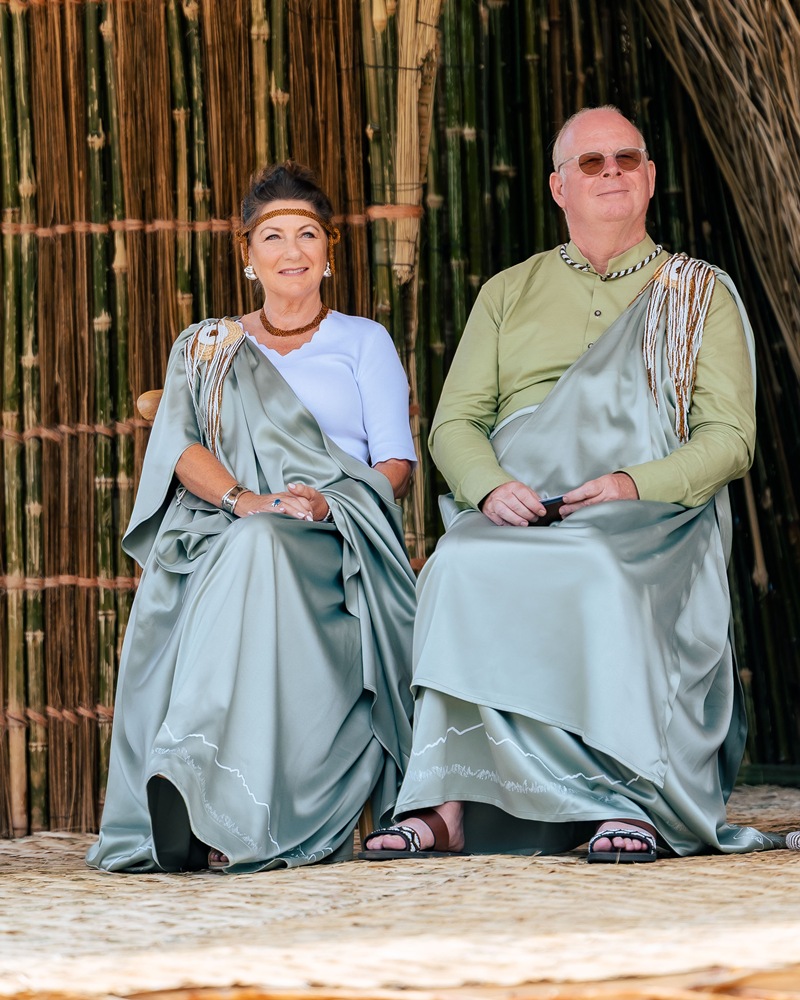*“It is a profound honour to be here today as a friend of conservation and a friend of Rwanda. The Government of Rwanda has chosen to make community and conservation a priority: and this vision and collaboration sets an extraordinary example for the world. We first came to this beautiful country 14 years ago. Our goal was to transform lives and nature at scale and for the long term by giving communities access to clean, safe cooking. And that is what DelAgua’s Tubeho Neza programme has done,” **said Neil Mcdougall, DelAgua Chairman, during Kwita Izina.***
Tubeho Neza has distributed more than 1.9 million improved cookstoves to rural households across 27 of Rwanda’s 30 districts, reducing household firewood use by 71% compared with traditional threestone fires. To date, the programme has prevented the harvest of 3.1 million tonnes of wood in Rwanda, directly supporting the country’s reforestation and conservation goals, including the protection of forest habitat around Volcanoes National Park, home to the endangered mountain gorillas. DelAgua works with more than 7,000 Community Health Workers across Rwanda, who are trained and paid to carry out stove distributions and household visits – providing local employment while supporting the programme’s reach into rural communities. Since Tubeho Neza launched in 2012, DelAgua has invested over US$100 million in Rwanda, transforming the lives of more than 7 million people through free cookstove provision, education and long-term community support, funded through the sale of independently verified carbon credits.
Household air pollution from traditional cooking methods is the leading environmental cause of premature death and disability worldwide, contributing to an estimated 2-3 million premature deaths annually – more than malaria, HIV and tuberculosis combined. DelAgua’s improved stoves have been shown to reduce household air pollution by 73%, alongside cutting the time women and children spend gathering firewood.
As African governments increasingly look to climate finance to fund development priorities, DelAgua’s Rwanda partnership offers a working example of how carbon markets can be structured to benefit rural communities. DelAgua’s team continues to draw on lessons learned in Rwanda as it works with governments and partners elsewhere in Africa to bring the same model to new markets.
Organised by the Rwanda Development Board (RDB) in partnership with the Government of Rwanda, Kwita Izina is one of Africa’s most internationally recognised conservation events, that celebrates the survival and growth of Rwanda’s mountain gorilla population and honours the rangers, trackers, communities and partners who protect them. This year’s theme, “Conservation is Life: Sustaining the Future,” reflects Rwanda’s continued commitment to protecting mountain gorillas and their habitat while securing long-term sustainability for ecosystems and communities. Since the first ceremony in 2005, 460 mountain gorillas have been named through Kwita Izina.
*“Protecting nature cannot be separated from improving people’s lives. Just as national conservation efforts cannot be separated from international cooperation. Rwanda’s experience here in the Virunga Mountains is tangible proof of this concept. The benefit of this approach has extended beyond conservation. The mountain gorillas and the tourism they have attracted have helped strengthen the socio-economic fabric of surrounding communities, creating jobs, supporting local businesses, attracting investment and opening new pathways for families and young people to improve their livelihoods.” **Rt. Hon. Dr Justin Nsengiyumva, Rwanda Prime Minister***

SUBSCRIBE TO OUR NEWSLETTER
First name or full name
Email
By continuing, you accept the privacy policy
**Categories:** CLIMATE CHANGE, Tourism and Nature
---
### [RMB Orders Tough Mine Safety Measures Ahead of Heavy Rains](https://www.topafricanews.com/2026/09/09/rmb-orders-tough-mine-safety-measures-ahead-of-heavy-rains/)
**Published:** September 9, 2026
**Author:** LIBOS NDAYISHIMIYE
**Content:**
The Rwanda Mines, Petroleum and Gas Board (RMB) has issued a strong safety warning to mining companies, urging them to tighten measures against accidents in mining sites as the country prepares for a period of heavy rainfall.
The directive comes amid concerns that intense rains could increase risks in underground mining operations, particularly through weakened structures, water infiltration and other hazards that could threaten the lives of workers.
RMB has called on mining companies to ensure that every underground mine, locally known as an indani, is properly protected with a roof capable of shielding workers and supporting safe working conditions. The companies have also been instructed to conduct thorough daily inspections before work begins to identify and eliminate any dangerous conditions at the sites.
The safety inspections are expected to establish whether underground areas are stable and free from hazards that could cause accidents before miners are allowed to enter and begin their duties.
RMB has further emphasized the mandatory use of personal protective equipment by all workers while on duty. Mining companies are expected to ensure that every worker is adequately equipped with the necessary protective gear and that safety requirements are strictly followed throughout mining operations.
One of the most critical requirements concerns emergency exits. According to RMB, every underground mine must have at least two separate escape routes to allow workers to evacuate safely in case of an emergency.
Mines that do not have the required two exits are expected to suspend operations until the safety requirement is fulfilled. The measure is intended to ensure that workers have an alternative route to safety if one exit becomes inaccessible during an accident or other emergency.
The board’s warning places greater responsibility on mining companies to make safety a daily priority rather than a response to accidents. With heavy rains capable of creating additional risks underground, strict compliance with safety standards is expected to play a key role in protecting workers and preventing avoidable loss of life.

SUBSCRIBE TO OUR NEWSLETTER
First name or full name
Email
By continuing, you accept the privacy policy
**Categories:** NEWS
---
### [How Ethiopian edtech start-up SINQ is tackling the skills gap between training and work](https://www.topafricanews.com/2026/09/09/how-ethiopian-edtech-start-up-sinq-is-tackling-the-skills-gap-between-training-and-work/)
**Published:** September 9, 2026
**Author:** TOPAFRICANEWS
**Content:**
In Ethiopia, a young girl with dense hair and a bare-headed boy walk together through the rain. As it falls, the girl’s hair traps the water, while the boy’s head lets it wash away. The message: vegetation helps prevent soil erosion.
For agricultural extension workers tasked with translating research into farming practices, the image formed part of an animated training experience developed by Ethiopian edtech start-up [SINQ](https://prezlymail.com/c/26e29035-a034-4eee-a41f-b02accbcb34f/84abb370/https%3A%2F%2Fwww.linkedin.com%2Fcompany%2Fsinqe-learning%2F). The analogy immediately resonated. Workers began joking about “bald farmland” that needed planting, and the phrase became part of the language they used in the communities they served.
For SINQ founder Dina Yacob Seifu, moments like this demonstrate what effective learning can achieve.
“We didn’t just teach a concept; we changed how they think, talk, and work. That’s the power of Learning Experience Design: knowledge that sticks, transforms and spreads,” she says.
The [World Bank](https://prezlymail.com/c/26e29035-a034-4eee-a41f-b02accbcb34f/11862c10/https%3A%2F%2Fwww.worldbank.org%2Fen%2Fnews%2Fspeech%2F2026%2F03%2F16%2Fbuilding-skills-creating-jobs-and-empowering-africa-s-future) has identified skills mismatch as a continent-wide challenge, noting that education systems often struggle to keep pace with how quickly economies are changing, leaving graduates short on the practical experience needed to transition successfully into work.”
SINQ was created to help tackle that disconnect.
Using its ABLE (Adaptive Behavioral Learning Engine) Framework alongside Learning Experience Design (LXD) principles, SINQ turns traditional, lecture-based material into practical, self-paced learning experiences designed around application and real-world performance.
“Graduates spend years in education but can still struggle to translate what they know into work. Engineering graduates can understand the theory but struggle to apply it in practice. As engineers ourselves, we know that gap firsthand,” Dina says. “We use Learning Experience Design to turn passive lectures into hands-on, self-paced training that builds real competency.”
#### **Falling in love with the problem**
A mechanical engineering graduate who is currently pursuing an MSc in Thermal Engineering, Dina had always wanted to use her technical skills to create meaningful impact.
But entrepreneurship proved more complicated.
Two earlier start-up ideas stalled during implementation. The experience taught her that being able to design a solution was very different from being able to build a sustainable business around it.
“Engineering gives you the ‘what,’ but business gives you the ‘how,'” she says. “Every failure built the resilience I needed to make SINQ work.”
Her introduction to ALX Africa came through its Virtual Assistant programme. Later, when a teammate invited her to participate in the [ALX Founder Academy](https://prezlymail.com/c/26e29035-a034-4eee-a41f-b02accbcb34f/1f92ed97/https%3A%2F%2Fwww.alxafrica.com%2Fprogramme%2Ffounder-academy%2F) as part of a team, she saw an opportunity to approach entrepreneurship differently.
“When SINQ brought me to ALX, I realised this was my chance to build differently, with a committed team, real mentorship and practical training,” she says. “Looking back, the ALX Founder Academy opened doors and gave SINQ the structure we desperately needed.”
During the Founder Academy, the team sharpened its mission, mapped out its minimum viable product and established clearer roles based on each member’s strengths.
But Dina says the most important shift was more fundamental: they learned to fall in love with the problem rather than their own solution.
“We had to let go of our original ideas and truly listen to users,” she says. “That made SINQ more sustainable, user-centred and competitive. ALX didn’t just restructure our business; it restructured our mindset.”
For a team made up largely of engineers accustomed to systems thinking, that required developing a more human-centred approach.
Learning alongside other founders helped bridge the gap.
“Peers in the Academy shared their failures and wins openly. We learned from each other’s mistakes,” Dina says. “Finance-savvy teams helped us with numbers; we offered engineering expertise in return. It was a ‘growing together’ culture.”
Practical exposure to financial modelling, legal structures, sales and business strategy helped the team connect its technical capabilities to a viable commercial model.
“ALX Founder Academy made me a founder who happens to be an engineer, not the other way around,” she says.
The shift has translated into commercial traction. SINQ has since worked with seven organisations and generated more than US$35,000 in revenue, moving from an early-stage project into a revenue-generating business.
The Founder Academy sits within the broader [ALX Ventures](https://prezlymail.com/c/26e29035-a034-4eee-a41f-b02accbcb34f/c598e19b/https%3A%2F%2Falx-ventures.com%2F) entrepreneurial ecosystem, which supports African founders with practical tools and programmes designed to help them build, launch and grow ventures.
#### **Building learning for the world of work**
For Dina, the broader lesson extends beyond entrepreneurship.
Technical knowledge remains important, but she believes young professionals also need the ability to apply what they know, solve problems, understand users and continue learning as the demands of work evolve.
“Technical skills alone won’t build a business; I learned that twice,” she says. “You need sales, marketing, finance and legal knowledge. You need a community that shares mistakes and solutions, mentors who hold you accountable and peers who lift you up.”
SINQ is now applying that philosophy to its next stage of growth.
The company is expanding beyond agricultural learning into areas including finance, engineering and technology. It is also exploring subscription-based models as it works to build more predictable and sustainable revenue.
At the centre of its next phase is ABLE, an AI-driven platform being developed to transform raw educational content into interactive learning modules. The vision is for educators to upload their materials while learners receive more personalised learning pathways built around engagement and practical application.
SINQ ultimately plans to take the model beyond Ethiopia into East Africa, with the longer-term ambition of contributing to a broader Learning Experience Design ecosystem across the continent.
For Dina, however, scale is meaningful only if the learning itself changes what people are capable of doing.
“Revenue proves our business works, but impact proves our vision and purpose matter,” she says. “When a farmer prevents erosion because of our training, or a graduate finds a job with skills we built, that’s why we wake up every day.”
And for other technically skilled young Africans whose first ideas have not worked, she has a simple message.
“Don’t see stalled ideas as failure; see them as tuition,” Dina says. “Problem-solving gets you started; an entrepreneurial mindset keeps you alive. The right programme can turn your technical brilliance into lasting impact.”
Dina concludes, “SINQ is composed of four co-founders, four different backgrounds, but one shared dream. Our best strength isn’t our technology, our methods, or our revenue; it’s the unshakeable belief that together, we can transform how Africa learns. We’ve weathered financial storms, client delays, and the weight of building something from nothing. But when one of us stumbles, the others lift. When one doubts, the others believe enough for all of us. We’ve learned that true impact isn’t built by individuals, it’s shaped by a team that refuses to let go of the vision, even when the path is unclear. That’s our power. “

SUBSCRIBE TO OUR NEWSLETTER
First name or full name
Email
By continuing, you accept the privacy policy
**Categories:** NEWS
---
### [Rwanda Tests Digital Tool to Guide Energy Investment and Close Access Gaps](https://www.topafricanews.com/2026/09/09/rwanda-tests-digital-tool-to-guide-energy-investment-and-close-access-gaps/)
**Published:** September 9, 2026
**Author:** Mutangana Emmanuel
**Content:**
Rwanda is testing a new digital platform designed to help policymakers, energy developers and investors identify where electricity is most needed and determine which energy solutions could deliver the greatest impact.
Known as the ‘Energy Access Explorer (EAE)’, the interactive, geospatial platform was soft-launched in Kigali on Tuesday during the sixth Renewable Energy for Sustainable Growth (RE4SG) Conference and Exhibition.
The platform brings different energy-related datasets together on a single map, allowing users to visualize where people live, where schools and health facilities are located, where agricultural and other productive activities take place, and how these areas relate to existing electricity infrastructure.
***READ ALSO: [Rwanda Urges Private Sector to Turn Africa’s Energy Potential Into Bankable Projects](https://www.topafricanews.com/2026/09/08/rwanda-urges-private-sector-to-turn-africas-energy-potential-into-bankable-projects/)***
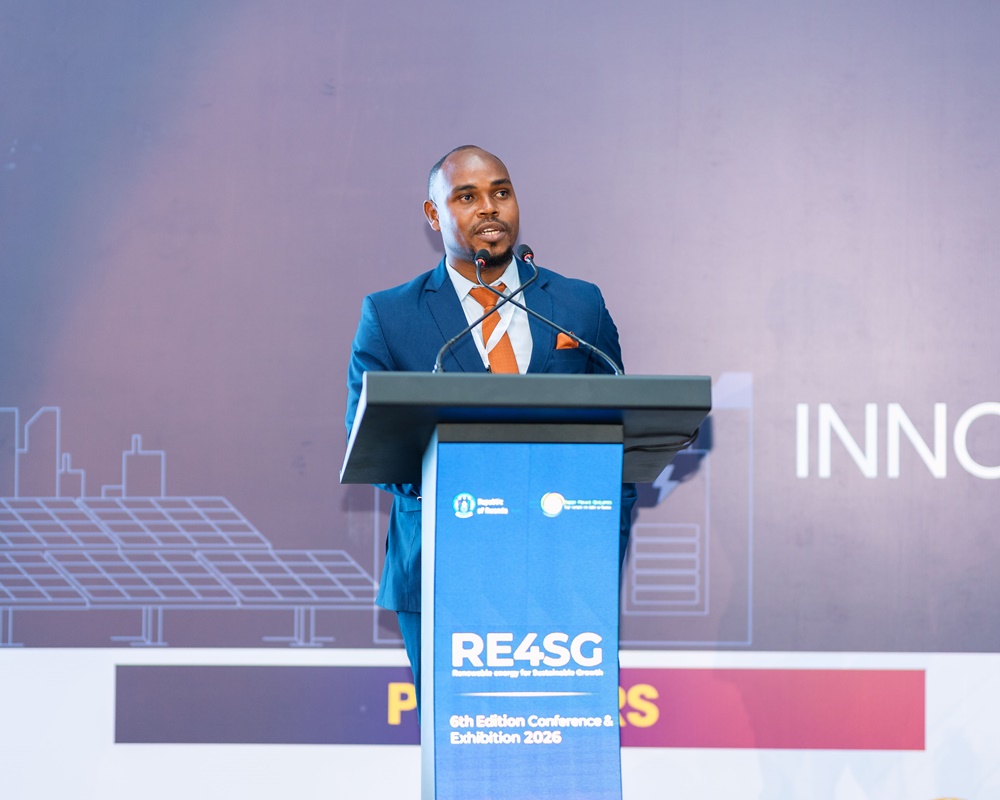***Douglas Ronoh, Geographic Information Systems (GIS) Analyst and Associate at the World Resources Institute (WRI).***Douglas Ronoh, Geographic Information Systems (GIS) Analyst and Associate at the World Resources Institute (WRI), said the platform is intended to provide a clearer picture of both energy demand and existing supply.
“You can visualize datasets like population, where people live, and social and productive uses for energy, including education facilities, schools and hospitals,” Ronoh said.
Users can also map agricultural activities and compare areas of demand with existing transmission and distribution infrastructure, helping identify where current electricity supply does not adequately meet local needs.
The platform further allows users to explore renewable-energy potential, including areas suitable for solar and hydropower development.
According to Ronoh, this combination of information could help energy stakeholders determine where solutions such as solar home systems, grid extensions, hydropower and clean-cooking technologies are most appropriate.
He said the tool could also help reduce investment risks by giving developers and investors better information before committing resources.
“It helps to de-risk investments,” Ronoh said, explaining that users can identify where investments are needed most and where they could have the highest impact.
**From data to investment decisions**
The Energy Access Explorer is designed to serve a range of users, from governments undertaking long-term energy planning to private companies searching for markets for clean-energy technologies.
International investors interested in Rwanda could also use the platform to assess potential locations for energy projects, while researchers and local stakeholders could use its datasets to generate sector-specific insights.
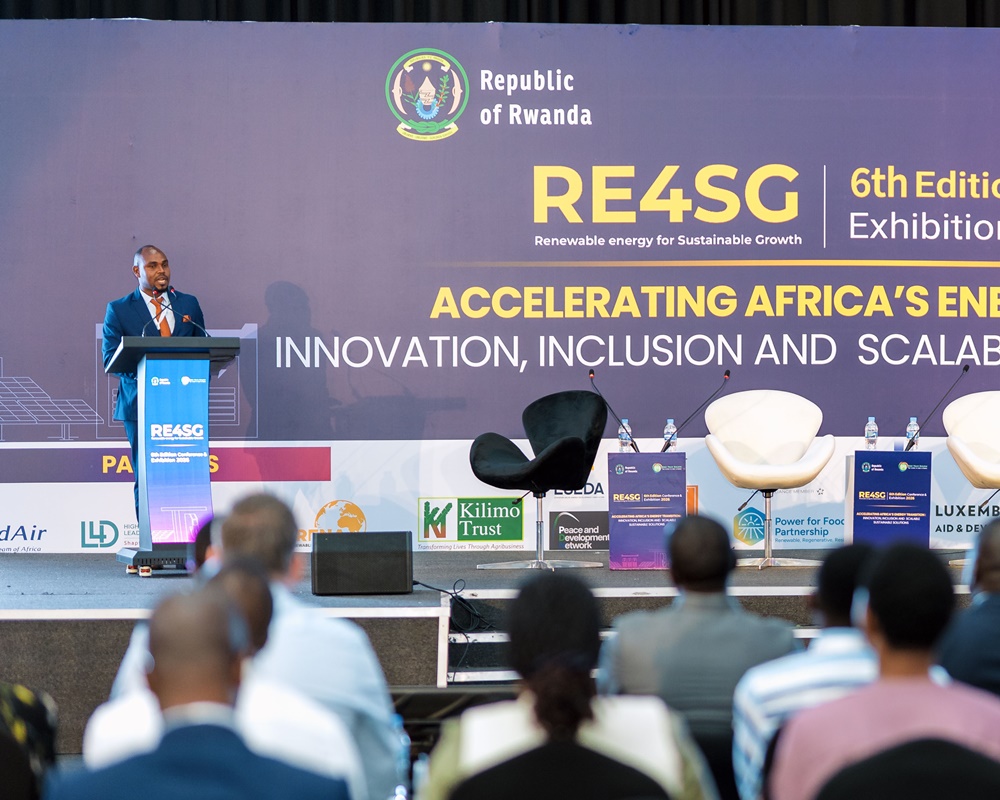Ronoh described it as distinctive because it brings multiple datasets together in one centralized, open-source and interactive platform.
For example, a user interested in agriculture can filter the information to identify areas where energy investments could support agricultural activities. A user focused on education or clean cooking can similarly narrow the data to those sectors.
However, the platform is not yet being presented as a finished public product.
The Kigali event marked a soft launch, allowing energy-sector stakeholders to test the initial version and provide feedback before it is made more widely available.
“Once they have tested it out, they can advise if we need to improve on it and which kinds of improvements we need to do, whether in terms of data or functionality,” Ronoh said.
***READ ALSO: [Kigali Conference Seeks to Turn Africa’s Energy Ambitions Into Investment](https://www.topafricanews.com/2026/09/07/kigali-conference-seeks-to-turn-africas-energy-ambitions-into-investment/)***
The development team is continuing to work on the platform in consultation with key stakeholders in Rwanda, including the Ministry of Infrastructure, with the possibility of adding new datasets and functionalities in the future.
**Turning maps into projects**
For Ronoh, the bigger test will be whether the information generated by the platform ultimately translates into investments and projects on the ground.
He said energy planning cannot stop at identifying areas of need; developers, financiers, governments and other stakeholders will need to work together to turn those insights into bankable projects.
“A combined effort from all stakeholders” will be needed to ensure the data translates into action, he said, noting that energy planners will need to work closely with financiers and other actors involved in project development.
The emphasis on connecting data, investment and implementation comes as Rwanda and other African countries seek to accelerate electricity access while expanding renewable energy and productive uses of power.
***Serge Wilson Muhizi, Chief Executive Officer of the Energy Private Developers Association (EPD).***Serge Wilson Muhizi, Chief Executive Officer of the Energy Private Developers Association (EPD), said the energy transition requires cooperation across countries and sectors, rather than isolated efforts.
“Africa’s energy transition cannot be achieved by one country, one institution, or one sector alone,” Muhizi said.
He said EPD is seeking to connect policymakers with investors, innovators with markets and developers with opportunities, while strengthening regional and South-South cooperation.
The Energy Access Explorer adds a data-driven dimension to that broader push by providing stakeholders with information that can help identify where energy solutions are needed and where investment could be most effective.
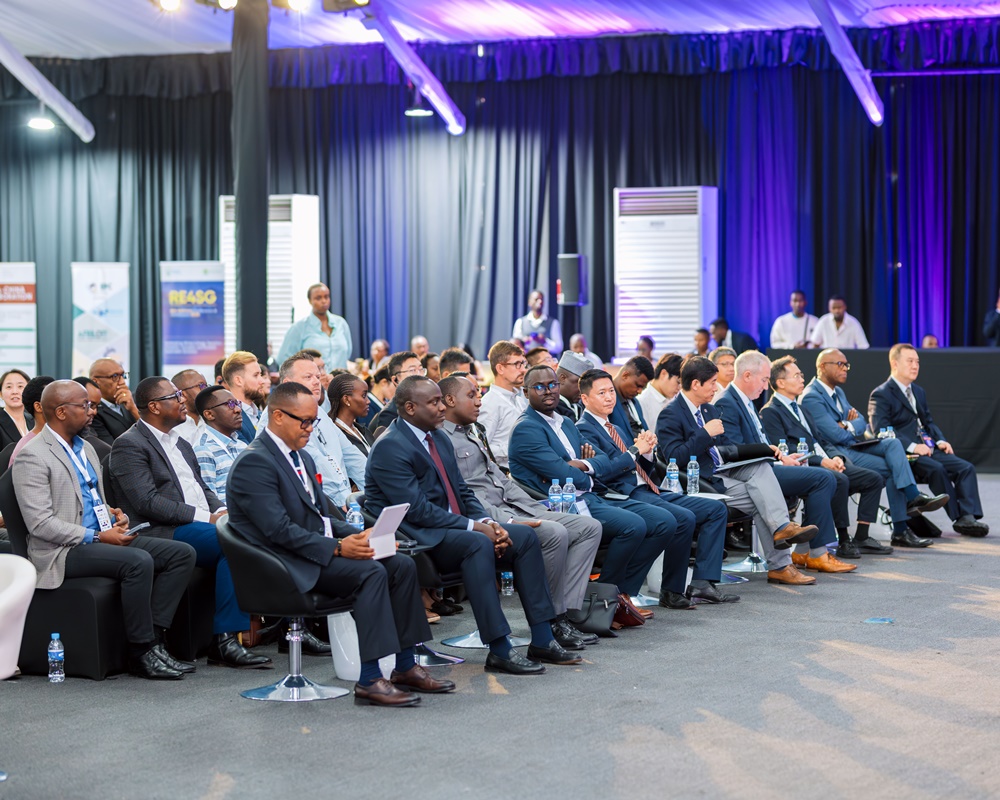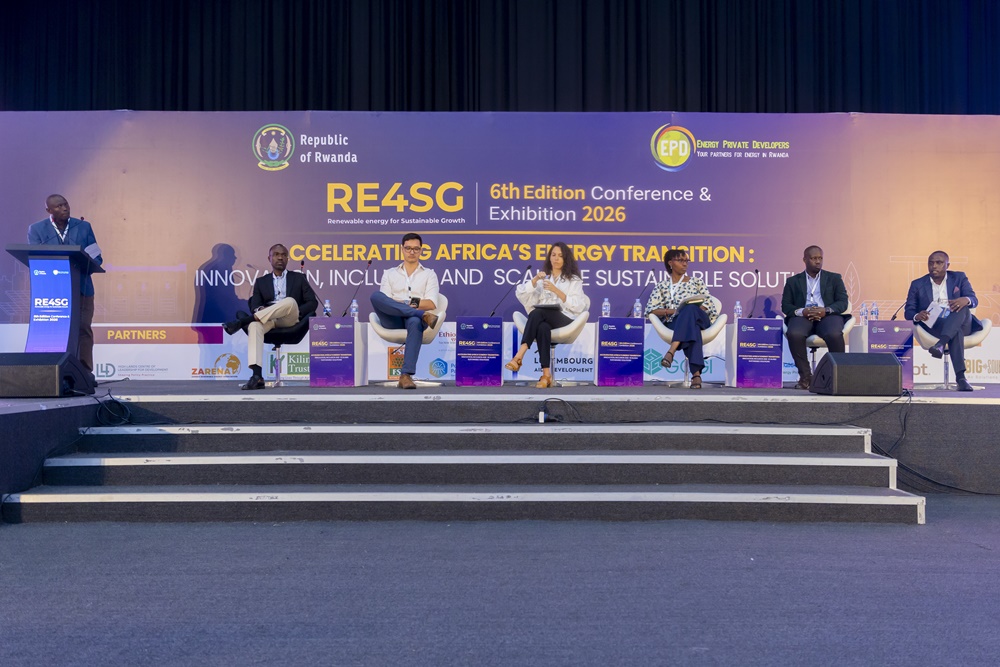
SUBSCRIBE TO OUR NEWSLETTER
First name or full name
Email
By continuing, you accept the privacy policy
**Categories:** Energy
---
### [TAAT Wheat Compact Leader to Receive ISSCA Award for Heat-Tolerant Wheat Technologies](https://www.topafricanews.com/2026/09/09/taat-wheat-compact-leader-to-receive-issca-award-for-heat-tolerant-wheat-technologies/)
**Published:** September 9, 2026
**Author:** EDITOR
**Content:**
The Technologies for African Agricultural Transformation (TAAT) Wheat Compact has received international recognition for its contribution to advancing climate-resilient wheat production, with Dr Wuletaw Tadesse Degu, TAAT Wheat Compact Leader, set to receive an ISSCA Award for the Compact’s heat-tolerant wheat technologies.
The award recognises “TAAT Wheat Compact technologies: Heat-tolerant wheat varieties,” developed by the International Centre for Agricultural Research in the Dry Areas (ICARDA) and nominated for the ICRISAT Centre of Excellence for South-South Cooperation in Agriculture (ISSCA) Awards.
The recognition celebrates the contribution of these technologies to agricultural development and highlights the growing importance of climate-resilient innovations in helping farmers and food systems adapt to rising temperatures and increasingly challenging production environments.
**Recognising Innovation for Climate-Resilient Agriculture**
The heat-tolerant wheat varieties developed by ICARDA and advanced through the TAAT Wheat Compact represent an important contribution to efforts to strengthen wheat production in environments where high temperatures can significantly constrain productivity.
Through the TAAT model, proven agricultural technologies are identified, validated, promoted and connected to national agricultural priorities and investment programmes, helping accelerate their deployment and adoption by farmers.
The recognition of the TAAT Wheat Compact technologies, therefore, underscores the value of South-South cooperation in taking proven agricultural innovations across borders and adapting them to the needs of farmers in diverse dryland and heat-stressed environments.
**Award to be Presented on UN Day for South-South Cooperation**
The ISSCA Award will be presented to Dr Wuletaw Tadesse Degu on 12 September 2026, United Nations Day for South-South Cooperation, during the Valedictory Ceremony of Dryland Congress 2026 in New Delhi, India.
The ceremony will take place from 2:30 p.m. onwards at the National Agricultural Science Centre (NASC) Complex, Dev Prakash Shastri Marg, Pusa Campus, New Delhi 110012, India.
Dryland Congress 2026 is being jointly organised by ICRISAT and the Indian Council of Agricultural Research (ICAR) from 10–12 September 2026. The Congress brings together global stakeholders to exchange knowledge, build partnerships and explore innovative solutions for sustainable agriculture in dryland environments.
**A Recognition of TAAT’s Scaling Approach**
For TAAT, the award represents recognition not only of an important agricultural technology, but also of the programme’s broader approach to moving proven innovations from research into use at scale.
The TAAT Wheat Compact works with research and development partners to accelerate the deployment of wheat technologies that improve productivity and resilience, particularly in environments affected by heat and other climate-related stresses.
The recognition comes at a time when African countries are intensifying efforts to reduce dependence on wheat imports and strengthen domestic production. Heat-tolerant wheat technologies are increasingly important to these efforts, particularly as climate change creates additional production challenges.
By connecting science, technology, national priorities, development investment and farmer delivery, TAAT is helping demonstrate how agricultural innovations can move beyond research stations and become part of practical food-system transformation.
**Celebrating South-South Knowledge Exchange**
The ISSCA Award also highlights the importance of sharing agricultural knowledge and technologies across developing regions.
South-South cooperation provides an important pathway for countries and institutions facing similar agricultural challenges to learn from one another, adapt proven solutions and accelerate innovation.
The recognition of the TAAT Wheat Compact’s heat-tolerant wheat varieties reflects this principle—showing how agricultural research developed for challenging environments can be transformed into practical solutions with relevance across countries and regions.
As TAAT continues to expand the reach of proven agricultural technologies, the award provides further recognition of the programme’s commitment to climate resilience, agricultural productivity and innovation at scale.
The ISSCA Award will be presented on 12 September 2026 in New Delhi, marking an important milestone for the TAAT Wheat Compact and the wider effort to accelerate climate-resilient agricultural transformation in Africa and other dryland regions.

SUBSCRIBE TO OUR NEWSLETTER
First name or full name
Email
By continuing, you accept the privacy policy
**Categories:** Natural Resources and Agriculture
---
### [Hai Robotics selected to deliver the world's largest deployment of rack-climbing warehouse robots](https://www.topafricanews.com/2026/09/09/hai-robotics-selected-to-deliver-the-worlds-largest-deployment-of-rack-climbing-warehouse-robots/)
**Published:** September 9, 2026
**Author:** TOPAFRICANEWS
**Content:**
**Hoofddorp, Netherlands, September 8, 2026** – Hai Robotics has been selected to provide automation technology for a new large-scale e-commerce fulfillment center operated by a leading European fashion retailer.
At the heart of the project is Hai Robotics’ award-winning HaiPick Climb system, representing the **world’s largest deployment of rack-climbing warehouse robots**. The project sets a new benchmark for warehouse automation and reinforces HaiPick Climb as the leading solution for large-scale, high-performance e-commerce fulfillment.
Already operating multiple HaiPick Systems across Europe, the retailer is expanding its partnership with Hai Robotics through a deployment of more than **1,500 HaiPick Climb** robots, establishing the world’s largest rack-climbing warehouse robot deployment.
The new automated facility will support rapidly growing online order volumes through a highly scalable goods-to-person operation powered by HaiPick Climb double-deep systems.
Project highlights include:
- **More than 1,500 HaiPick Climb robots operating within a single integrated automation system**
- **30,000m² automated fulfillment operation**
- **1.2 million double deep storage locations**
- **System throughput exceeding 24,000 totes per hour**
Bringing more than 1,500 HaiPick Climb robots together within a single integrated automation system demonstrates Hai Robotics’ ability to deliver enterprise-scale warehouse automation without compromising flexibility, performance or operational efficiency.
The system is designed around Hai Robotics’ upgraded HaiPick Climb solution, enabling the retailer to maximize storage capacity while maintaining the throughput required for high-volume omnichannel fulfillment.
*“This project demonstrates the continued shift toward highly scalable robotic automation within large-scale fulfillment operations,”* **said Peter Guan, General Manager at Hai Robotics EMEA.** *“Being selected to deliver the world’s largest deployment of rack-climbing warehouse robots is an important milestone for Hai Robotics. More importantly, it reflects the confidence customers place in Hai Robotics and HaiPick Climb to support their largest and most strategic warehouse automation projects.”*
The project further strengthens Hai Robotics’ position in large-scale fashion and e-commerce warehouse automation across Europe, reinforcing HaiPick Climb as a proven solution for enterprise-scale fulfillment. It also highlights the growing adoption of flexible, high-density warehouse automation for high-performance distribution environments, where scalability, storage density and operational flexibility are becoming increasingly important.
Established in 2016, Hai Robotics is a global leader in Automated Case-handling Mobile Robot (ACR) systems, delivering flexible warehouse automation solutions for facilities worldwide. Hai Robotics’ modular HaiPick Systems combine robotic equipment and software with nearly any industry-standard racking and storage infrastructure, enabling customers to increase storage density, improve operational efficiency, and scale automation with greater flexibility.

SUBSCRIBE TO OUR NEWSLETTER
First name or full name
Email
By continuing, you accept the privacy policy
**Categories:** NEWS
---
### [Rwanda Urges Private Sector to Turn Africa’s Energy Potential Into Bankable Projects](https://www.topafricanews.com/2026/09/08/rwanda-urges-private-sector-to-turn-africas-energy-potential-into-bankable-projects/)
**Published:** September 8, 2026
**Author:** Mutangana Emmanuel
**Content:**
Africa’s energy transition must move beyond ambitious targets and abundant renewable resources to the faster development of bankable projects capable of attracting capital and delivering reliable, affordable power, Rwanda’s Minister of State in the Ministry of Infrastructure, Armand Zingiro, has said.
Speaking at the opening of the sixth Renewable Energy for Sustainable Growth (RE4SG) Conference and Exhibition in Kigali on Tuesday, Zingiro said Africa’s main challenge was no longer a lack of energy resources, but the ability to convert those resources into viable projects, mobilize financing and implement them at scale.
“The challenge is no longer whether Africa has energy resources. The challenge is our ability to convert these resources into bankable projects, mobilize the required capital, deploy solutions at scale, and deliver results efficiently and sustainably,” Zingiro said.
The three-day conference, organized by the Energy Private Developers Association (EPD) in partnership with Rwanda’s Ministry of Infrastructure (MININFRA), brings together policymakers, private developers, investors, financial institutions, technology providers and other stakeholders to discuss investment and innovation in Africa’s energy sector.
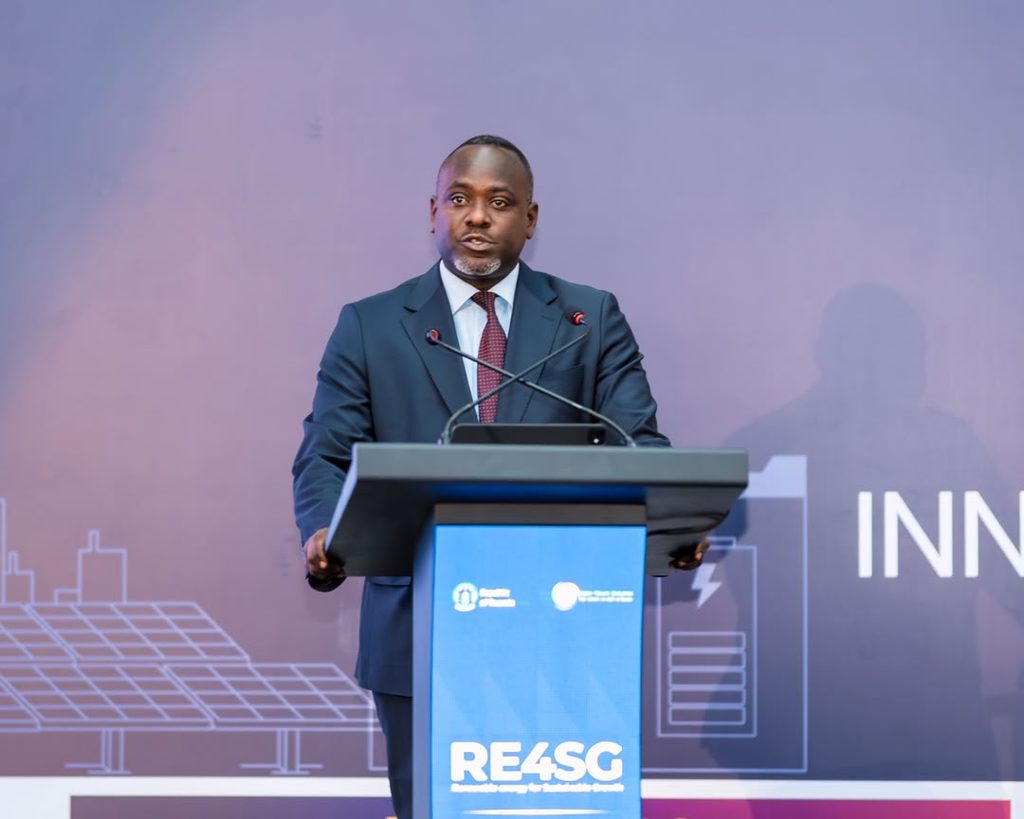***Armand Zingiro, Rwanda’s Minister of State in the Ministry of Infrastructure.***Zingiro said energy should be viewed not simply as another economic sector, but as an enabling infrastructure for industrialization and development, powering businesses, agriculture, healthcare, education and digital transformation.
“Without reliable and affordable energy, our development ambitions remain constrained,” he said.
**Rwanda targets universal electricity access by 2029**
For Rwanda, the minister said the government has placed energy access, energy security and the transition to cleaner energy at the center of its development agenda.
According to Zingiro, about 86% of households in Rwanda currently have access to electricity, up from 64% five years ago.
He said the country is targeting universal electricity access by 2029, while seeking to increase renewable energy’s contribution to at least 60% by 2030.
Achieving those targets, he said, will require more than government resources.
“It will require private capital, technology, strong institutions, effective partnerships, and disciplined execution,” Zingiro said.
The minister called for stronger collaboration between governments, private developers, financial institutions and development partners, with governments providing predictable policies and regulatory frameworks while financiers develop financing mechanisms suited to African markets.
Development partners, he added, can support the sector through concessional financing, guarantees and other de-risking instruments.
**From ideas to implementation**
Zingiro said the ultimate measure of Africa’s energy transition should not be the number of commitments made at conferences, but whether those commitments translate into better services and economic opportunities for citizens.
“People need results. They need electricity that is reliable and affordable. They need businesses that can grow. They need jobs and productive opportunity,” he said.
The minister also emphasized that Africa’s energy transition cannot be delivered by countries working in isolation, calling for stronger regional power systems, cross-border infrastructure, harmonized standards and regional investment platforms.
He said international partnerships should also deliver more than infrastructure and technology, arguing that they should contribute to technology transfer, skills development, local enterprise development and sustainable economic growth.
“Africa should be a strategic partner in the global energy transition, not simply a recipient of solutions developed elsewhere,” Zingiro said.
**Private developers call for a more predictable investment environment**
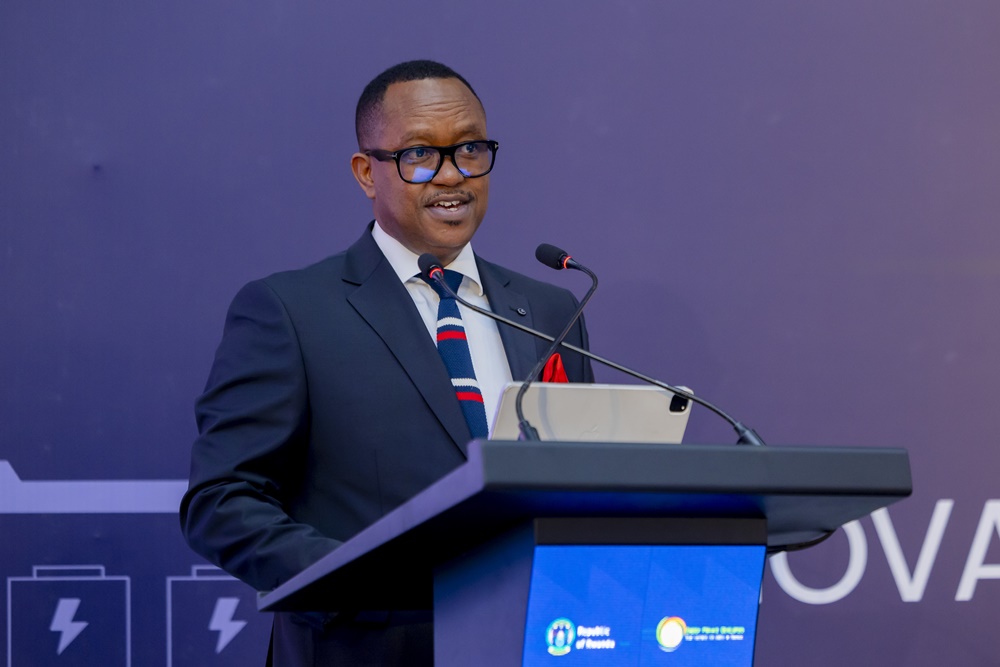***Dr. Ivan Twagirashema, Chairperson of the Energy Private Developers (EPD) Association.***The call for greater private-sector involvement was echoed by Dr. Ivan Twagirashema, Chairperson of the Energy Private Developers Association.
Twagirashema said EPD’s role was increasingly focused on connecting developers with government, investors, financiers, technology providers and markets.
He said renewable energy should be viewed not only as a climate solution but also as an investment and industrial opportunity capable of supporting agriculture, mining, transport, digital businesses and communities.
The association is seeking faster growth across areas including solar photovoltaic systems, solar-plus-storage, hydropower, battery storage, mini-grids, commercial and industrial renewable energy, captive power, clean cooking, e-mobility and energy efficiency.
“The private sector is ready to invest. We are ready to bring capital, technology, innovation, and renewable energy solutions,” Twagirashema said, while calling for greater predictability and bankability in the investment environment.
He pointed to power-purchase agreements, captive-power regulations and project preparation as some of the mechanisms that can help turn renewable-energy ideas into projects capable of reaching financial close.
“A bankable PPA can unlock financing,” he said.
**Developers seek room to scale solar solutions**
For renewable-energy companies already operating in Rwanda, the challenge is also about creating enough room for businesses to scale solutions and reach more customers.
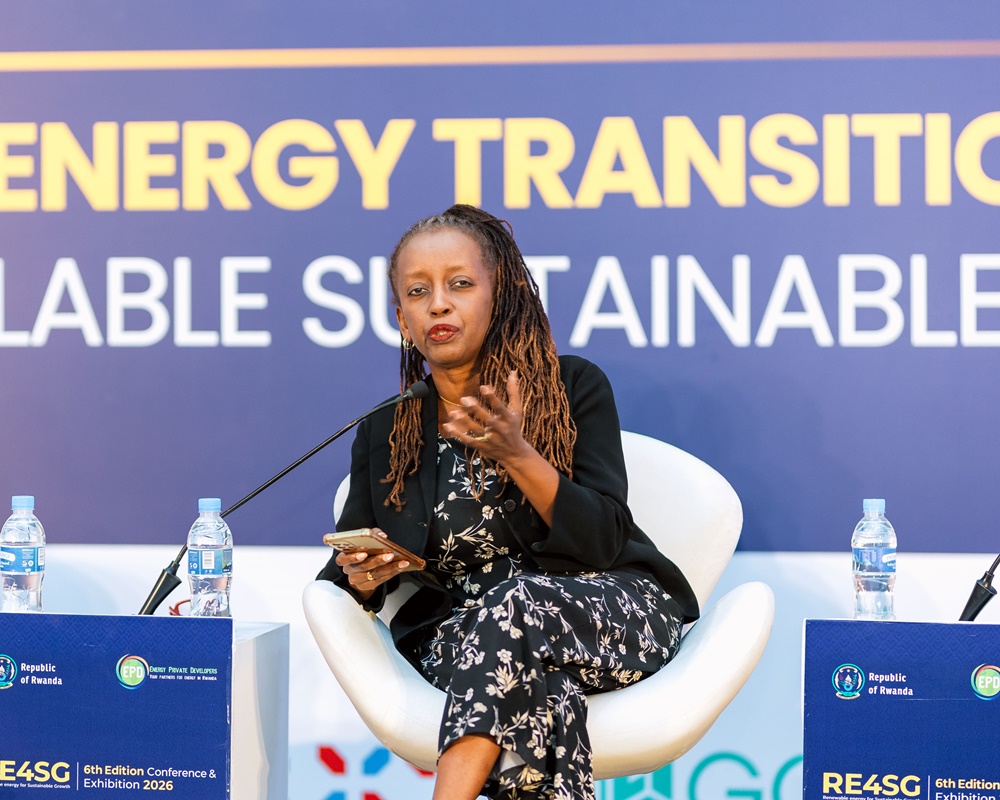***Francine Munyaneza, Founder and CEO of Munyax Eco, Rwanda-based solar company.***Francine Munyaneza, Founder and CEO of Rwanda-based solar company Munyax Eco, said her company has grown from a small operation into a 32-member team, with women making up 60% of its workforce.
The company provides solar solutions including solar water heaters, rooftop solar systems, solar water pumping and solar-powered cold rooms for agricultural use.
Munyaneza said affordability remains one of the biggest challenges in expanding access to solar technologies, particularly for productive uses such as cold storage.
She said financing mechanisms and greater opportunities for rooftop solar could help expand the market.
“We need more awareness and financing mechanisms to unlock solar’s potential,” Munyaneza said.
She also highlighted the potential of solar-powered cold rooms to help farmers and businesses reduce post-harvest losses, describing affordability as a major consideration in making such solutions accessible.
The discussions at RE4SG are taking place against the backdrop of Africa’s broader push to expand electricity access, including through Mission 300, which seeks to connect 300 million Africans to electricity by 2030.
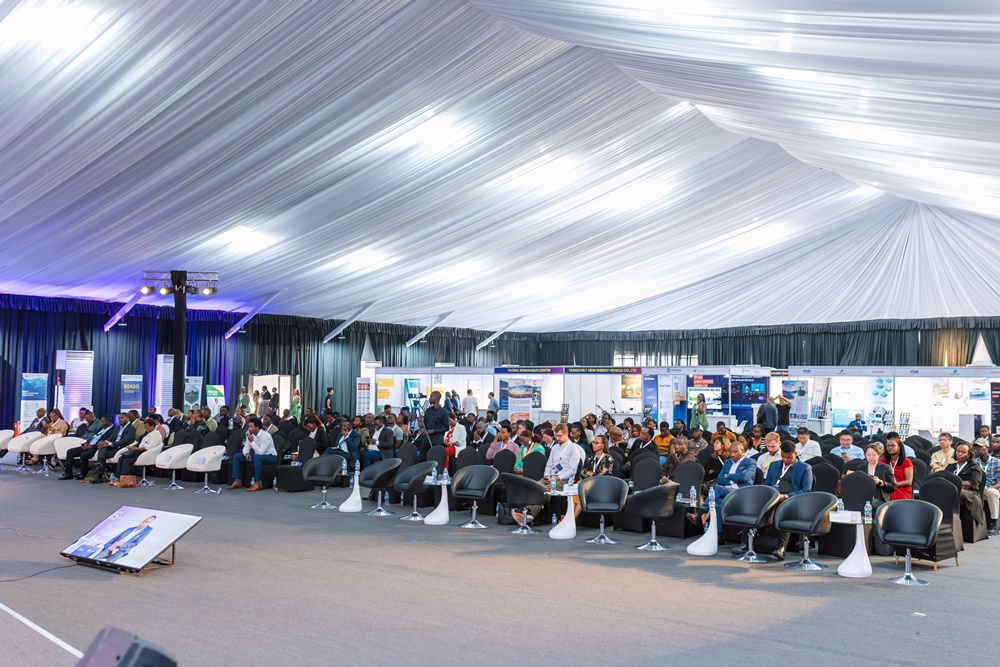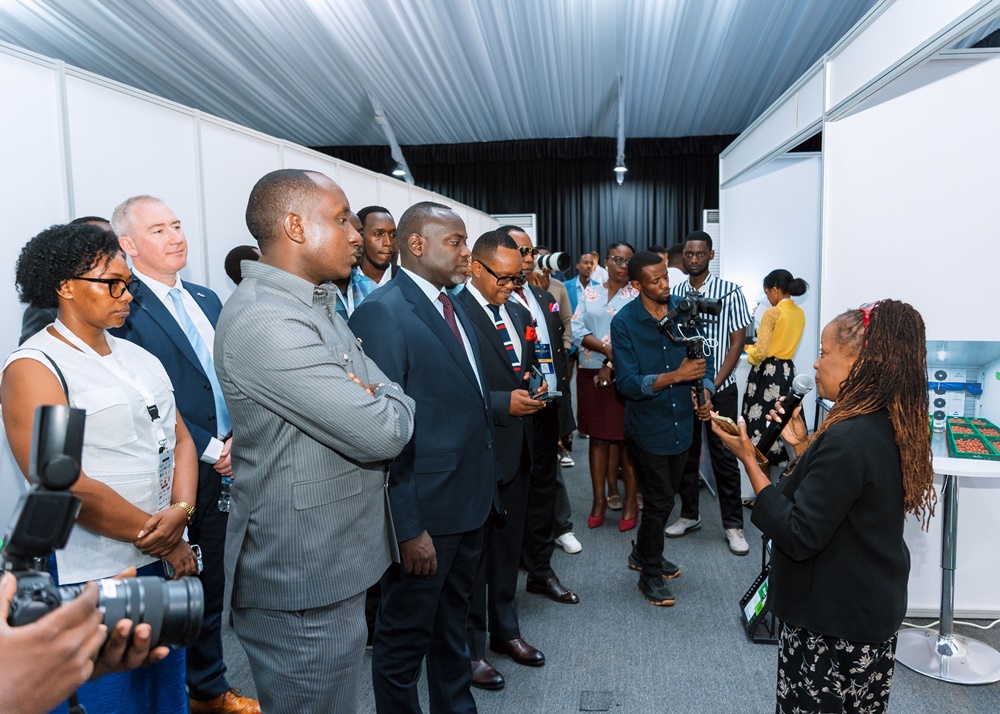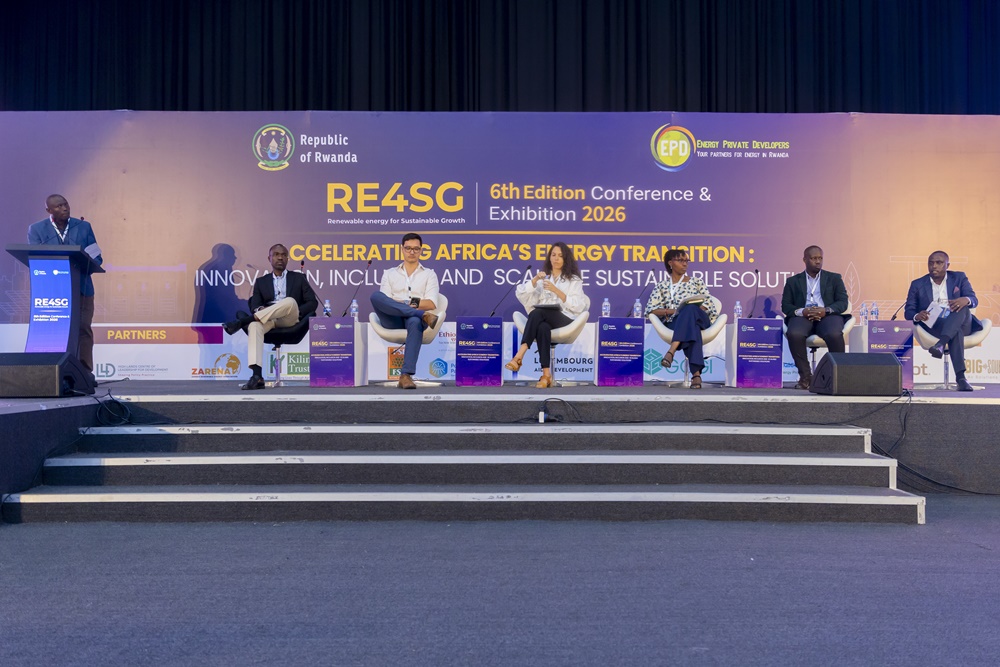
SUBSCRIBE TO OUR NEWSLETTER
First name or full name
Email
By continuing, you accept the privacy policy
**Categories:** Energy
---
### [Rwanda and Oman Sign Agreements to Deepen Strategic Economic Ties](https://www.topafricanews.com/2026/09/08/rwanda-and-oman-sign-agreements-to-deepen-strategic-economic-ties/)
**Published:** September 8, 2026
**Author:** LIBOS NDAYISHIMIYE
**Content:**
Rwanda and the Sultanate of Oman have signed a series of landmark cooperation agreements aimed at removing barriers to movement, expanding trade and investment, and strengthening political and economic ties between the two countries.
The agreements were signed on Tuesday as part of President Paul Kagame’s official visit to Oman, which began on Monday, September 7, 2026, marking a significant step in efforts to deepen bilateral relations and unlock new areas of cooperation.
Among the agreements is a visa-exemption arrangement covering holders of diplomatic, special and service passports from both countries. The measure is expected to facilitate official travel and strengthen people-to-people and institutional exchanges between Rwanda and Oman.
The two sides also reached agreements on political consultations, labour cooperation, the avoidance of double taxation, trade and investment promotion, creating a broader framework for stronger economic engagement and closer coordination between the two governments.
The cooperation extends beyond diplomacy and taxation, with both countries also committing to work together in freight transportation, the development of dry ports and logistics value chains, as well as the advancement of agriculture.
The focus on transport and logistics is particularly significant as Rwanda continues to pursue stronger regional and international trade connections, while Oman’s strategic position offers opportunities for expanded access to markets and improved movement of goods.
Agriculture also features prominently in the new cooperation framework, opening room for knowledge exchange, investment and partnerships aimed at strengthening agricultural production and related value chains.
The agreements underline a shared commitment by Rwanda and Oman to move bilateral relations beyond traditional diplomatic engagement toward practical economic partnerships capable of generating investment, trade opportunities and stronger institutional cooperation.
President Kagame’s visit therefore comes at a time when Rwanda is seeking to diversify economic partnerships and attract investment, while strengthening its links with countries positioned to support trade, logistics and wider economic transformation.

SUBSCRIBE TO OUR NEWSLETTER
First name or full name
Email
By continuing, you accept the privacy policy
**Categories:** NEWS
---
### [Kigali Conference Seeks to Turn Africa’s Energy Ambitions Into Investment](https://www.topafricanews.com/2026/09/07/kigali-conference-seeks-to-turn-africas-energy-ambitions-into-investment/)
**Published:** September 7, 2026
**Author:** Mutangana Emmanuel
**Content:**
Africa’s push to accelerate the transition to cleaner energy must move beyond policy commitments and focus more strongly on investment, local manufacturing, technology access and regional partnerships, energy-sector leaders say.
That challenge will take centre stage in Kigali this week as policymakers, investors, private-sector players and energy innovators gather for the sixth Renewable Energy for Sustainable Growth (RE4SG) Conference and Exhibition, scheduled for September 8–10.
The three-day conference, hosted by the Energy Private Developers Association (EPD) in partnership with Rwanda’s Ministry of Infrastructure (MININFRA) and other stakeholders, will bring together actors from across Africa and beyond under the theme, “Accelerating Africa’s Energy Transition: Innovation, Inclusion and Scalable Sustainable Solutions.”
EPD Chief Executive Officer Serge Wilson Muhizi said the conference is intended to turn discussions about Africa’s energy future into concrete investment opportunities and partnerships.
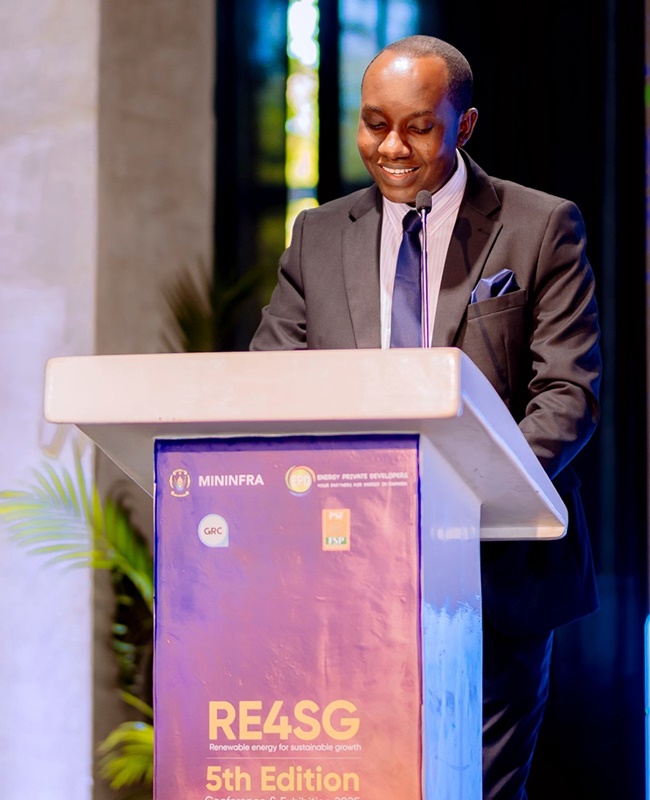***Serge Wilson Muhizi, Chief Executive Officer of Energy Private Developers Association (EPD).***“RE4SG 2026 is not simply a conference; it is a marketplace for turning energy ambition into bankable opportunities, strategic partnerships and measurable impact,” Muhizi said.
He said the continent continues to face gaps in manufacturing capacity, access to technology, supply chains and financing, which can limit the ability of renewable-energy markets to expand.
According to Muhizi, the conference will seek to connect local and international companies with investors and partners capable of addressing those challenges while creating opportunities for African businesses to participate more fully in emerging energy value chains.
“We also want to strengthen regional partnerships so that companies can leverage the scale, capabilities and markets that exist beyond their borders,” he said.
The push comes as African countries seek to expand access to reliable and affordable electricity while increasing the role of renewable energy in their energy systems.
Muhizi said energy solutions should also become more closely aligned with the needs of sectors such as health, mining, education and agriculture, rather than being developed without sufficient consideration of end-user demand.
The conference will therefore place significant emphasis on practical solutions, investment and business connections alongside policy discussions.
**From policy to investment**
The first day of RE4SG 2026 will focus on high-level policy discussions, including Mission 300, public-private partnerships, Africa-China cooperation and the relationship between energy and food systems.
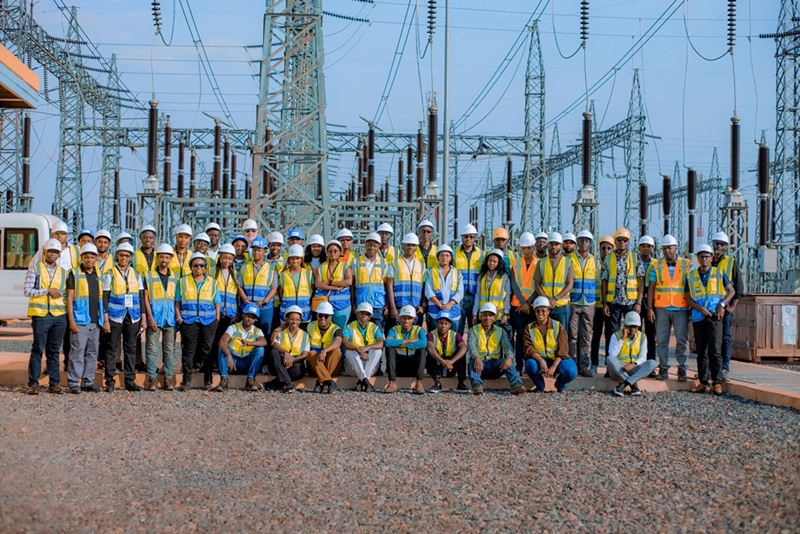Participants will also examine Africa’s evolving energy mix, with discussions covering hydropower, solar, methane, hydrogen and nuclear energy, as well as clean cooking.
The second day will shift toward innovation and investment, with technical sessions addressing energy storage, electric mobility, gender and the just energy transition, research and emerging financing mechanisms.
Green bonds and carbon markets will also feature among the financing opportunities under discussion, reflecting growing efforts to mobilize new sources of capital for clean-energy projects.
For Muhizi, however, attracting finance alone will not be enough.
He said Rwanda and other African markets need an ecosystem in which manufacturers, investors and local companies can form joint ventures and build stronger energy value chains on the continent.
“As Rwanda continues to shape the next generation of solar policy, we must create an ecosystem that encourages manufacturers, investors and local businesses to form meaningful joint ventures and build value chains here in Africa,” he said.
**Bringing solutions closer to users**
The conference will also seek to connect energy-sector players with industries that depend on reliable power to operate and expand.
Muhizi said a more demand-driven approach could help ensure that energy investments respond to the practical needs of sectors such as agriculture, mining, healthcare and education.
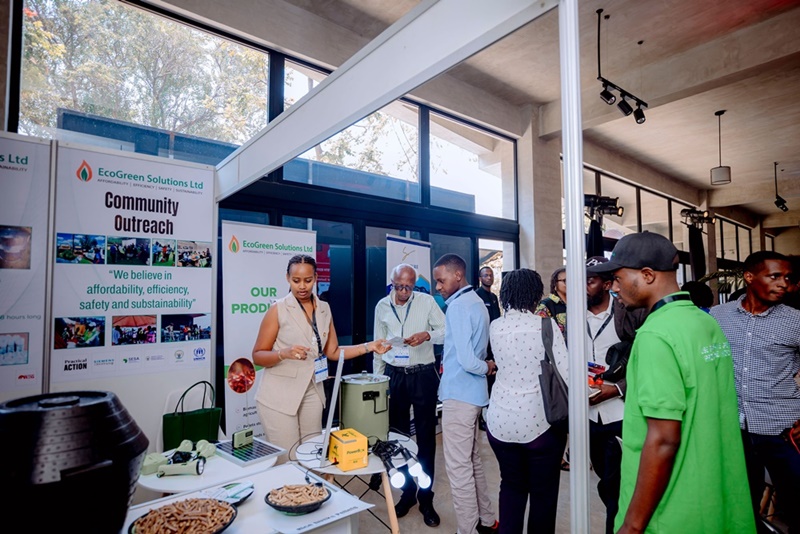This approach is expected to feature alongside discussions on innovation, financing and technology, with participants exploring ways to move renewable-energy solutions from demonstration projects to scalable applications.
The third day will take participants beyond conference rooms through guided visits to operational renewable-energy and circular-economy projects, providing an opportunity to see technologies and business models being implemented in practice.
An exhibition running alongside the conference will showcase renewable-energy technologies and services, while structured business-to-business, business-to-government and business-to-consumer sessions are expected to facilitate commercial partnerships and investment.
RE4SG has grown into a major platform for energy-sector engagement in Africa. Across its first five editions, the conference attracted more than 5,000 participants, including policymakers, investors, utilities, private-sector leaders, researchers, development partners, innovators and civil-society representatives.
This year’s gathering comes with an increasingly practical focus: how to turn Africa’s energy-transition ambitions into projects, businesses and partnerships capable of delivering sustainable growth at scale.

SUBSCRIBE TO OUR NEWSLETTER
First name or full name
Email
By continuing, you accept the privacy policy
**Categories:** Energy
---
### [Rwanda’s Green Party Expands Grassroots Structures in Gicumbi](https://www.topafricanews.com/2026/09/07/rwandas-green-party-expands-grassroots-structures-in-gicumbi/)
**Published:** September 7, 2026
**Author:** Mutangana Emmanuel
**Content:**
The Democratic Green Party of Rwanda (DGPR) has expanded its grassroots structures in Gicumbi District, establishing sector-level leadership committees in Nyankenke and Byumba sectors as it seeks to strengthen its presence and participation at the community level.
The structures were established on Sunday, September 6, during meetings and training sessions that brought together party members to discuss the party’s advocacy activities, environmental protection, peace and security, as well as the role of members in promoting the party’s image within their communities.
The exercise included elections for representatives to serve on sector party committees, women’s committees and youth committees.
According to the party, the elections are intended to strengthen inclusive leadership and encourage greater participation of women and young people in its political activities. The invitation to the event said the process was also aimed at strengthening democratic governance within the party.
***Dr. Frank Habineza, president of the Democratic Green Party of Rwanda (DGPR).***Speaking to party members, DGPR President Dr. Frank Habineza highlighted what he described as some of the party’s key advocacy achievements, particularly in land and healthcare.
On land, Habineza said the party had advocated for a reduction in the land tax, which he said was reduced from Rwf300 to Rwf80.
In healthcare, he pointed to changes in the Mutuelle de Santé system, saying people who register and pay their health insurance contributions can now begin accessing healthcare services without having to wait 30 days as was previously the case.
Habineza also urged party members to understand the Green Party’s ideology and values and to reflect them through their daily conduct and engagement with communities.
**Party members urged to build Green Party’s image**
The role of party members in shaping the public image of the Green Party was also a major focus of the training.
Theoneste Dusabyimana, who addressed members on the subject, highlighted several areas where the party has engaged in advocacy, including calls for improved teachers’ salaries and support for school feeding programmes and other initiatives aimed at improving citizens’ welfare.
He urged members to conduct themselves responsibly in their communities and workplaces, arguing that the party’s image should be reflected through positive actions and service to citizens.
Dusabyimana also encouraged members to use social media to communicate the party’s activities, ideas and positions to a wider audience.
He further called on party members to actively participate in government programmes and community activities, including Umuganda and elections, as a way of contributing to the country’s development.
**Women urged to take lead in environmental protection**
Environmental protection was another central theme of the training, with Claudine Uwimana, who leads the Green Party’s Women’s League in Gicumbi District, highlighting the role women can play in protecting natural resources.
Uwimana urged women to become role models in environmental cleanliness and conservation, particularly in protecting resources such as water, forests, fruit trees and other natural assets that support communities.
Young people were also urged to play an active role in maintaining peace and security.
Viateut Biramahire, who leads the Green Party’s Youth League in Gicumbi District, spoke to young members about their responsibility in promoting peace and contributing to initiatives aimed at improving the welfare of communities and the country.
He encouraged young people to participate in efforts to build safe communities characterized by understanding, cooperation and solidarity.
The training sessions concluded with elections for new leaders of the party’s sector-level committees, as well as representatives of the Women’s League and Youth League.
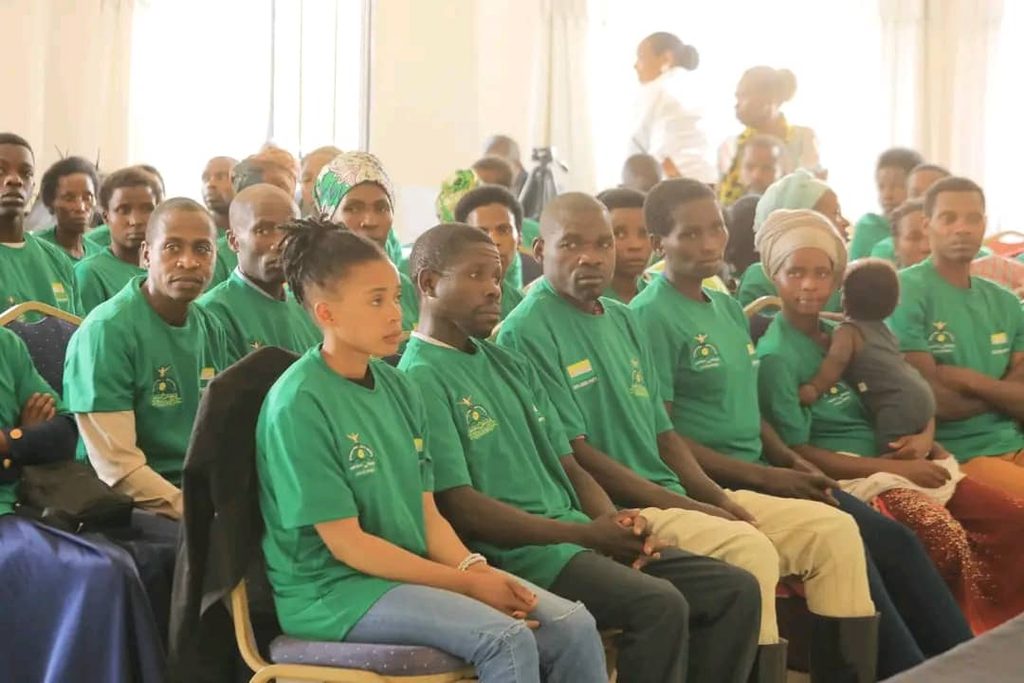In each sector, 33 people were elected to different leadership positions, according to information from the party.
The newly elected leaders are expected to continue implementing party activities at the grassroots level, engage with residents, encourage party members to participate in development activities and promote the Green Party’s programmes and values.
The Gicumbi exercise comes after the party recently established its sector-level structures in Burera District, where structures were set up across 17 sectors.
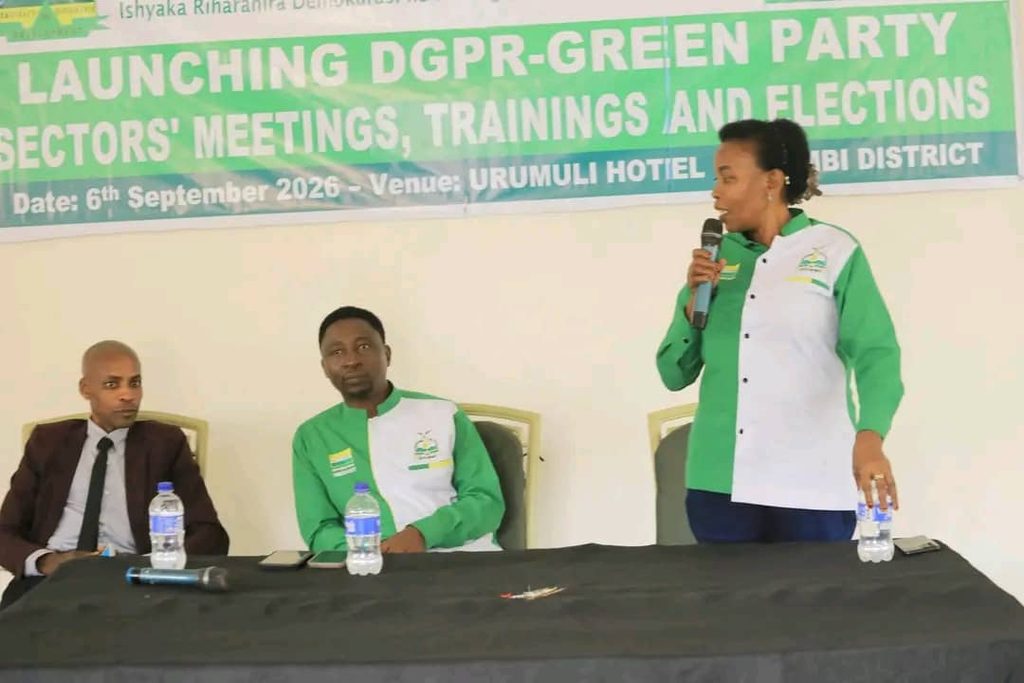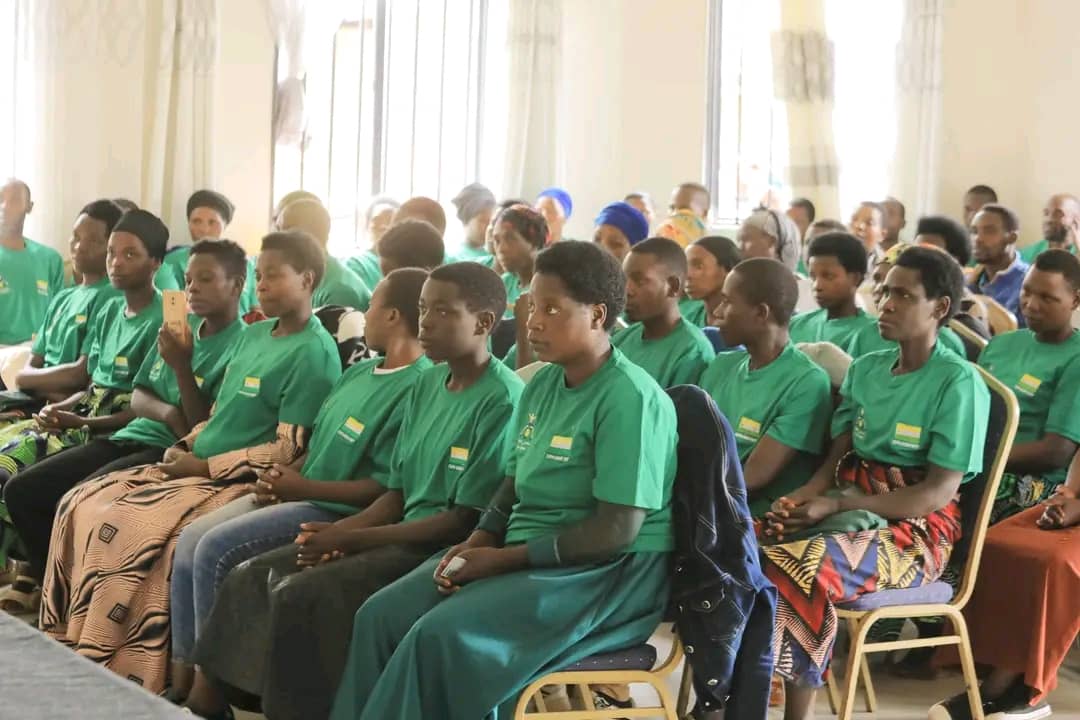
SUBSCRIBE TO OUR NEWSLETTER
First name or full name
Email
By continuing, you accept the privacy policy
**Categories:** NEWS
---
### [East Africa Grain Shortfalls Meet New Climate and Agribusiness Finance](https://www.topafricanews.com/2026/09/05/east-africa-grain-shortfalls-meet-new-climate-and-agribusiness-finance/)
**Published:** September 5, 2026
**Author:** TOPAFRICANEWS
**Content:**
**Nairobi / Kigali — 5 September 2026**: East African farmers and agribusinesses face a split picture this week: sharp production losses in Kenya’s grain belt, delayed rains in parts of Ethiopia, and a wave of new climate and value-chain finance announced in Kigali.
Kenya’s western and North Rift maize and wheat fields took the hardest hit. An unexpected dry spell from early June through late July destroyed nearly half the planted area in key surplus counties, including Uasin Gishu, Trans Nzoia and Nakuru. Surviving stands are expected to yield up to 35 percent less. National maize output from the long rains is now projected well below the five-year average. Wheat production estimates have been cut sharply, leaving the country planning record imports of both grains to keep millers, feed compounders and households supplied. Farm-gate and market maize prices have already jumped, and Kenyan demand is lifting prices in Uganda.
The feed industry faces extra pressure because of Kenya’s GMO restrictions, which may force greater use of alternative non-GMO ingredients such as sorghum. Regional exportable surpluses are tighter than hoped: eastern Uganda suffered weather damage, and Tanzania’s maize surplus available for export is forecast at only 800,000 tonnes.
Kenya is simultaneously trying to expand production outside the traditional grain basket. Agriculture officials outlined a Coast Region plan targeting Lamu, Tana River, Kwale, Kilifi and Taita Taveta, with a “farm-to-port” focus on coconut, cashew, cassava, cotton, milk and meat. The strategy leans on mechanisation, drones, animal traceability, digital advisory services and local processing. A separate discussion with U.S. partners is looking at university-linked extension to restore practical advice on varieties, soil management, pests and markets. Lower fertiliser prices have already improved margins for some farmers.
In Kigali, the Africa Food Systems Forum produced two financing packages of direct interest to producers and SMEs. A US$200 million climate adaptation facility covering Kenya, Uganda, Tanzania and Rwanda will offer loans and technical support for irrigation, water harvesting, resilient dairy and livestock, post-harvest storage and climate-smart processing. It is designed to reach roughly 260,000 smallholders and 500 rural enterprises, with women and youth given priority. A separate US$10 million facility will back up to 15 early-stage agribusinesses in Ethiopia, Kenya, Rwanda, Tanzania and Uganda working in production, inputs, aggregation and processing.
Ethiopia posted strong official numbers: agricultural exports generated more than US$4.55 billion in the 2025/26 fiscal year, led by coffee, while fertiliser distribution, the Bounty of the Basket livestock programme and continued tree-planting under the Green Legacy Initiative were cited as gains. Some irrigators are switching from diesel to solar pumps to cut costs. The outlook is less comfortable. El Niño is delaying and weakening kiremt rains, raising the risk of below-average meher maize and sorghum in central and northeastern zones. Crisis-level food insecurity is expected to persist in several areas. Researchers are testing reduced-irrigation schedules on cotton and other crops and developing heat- and drought-tolerant varieties that still meet processor quality standards.
Rwanda is preparing 100,000 hectares of conservation agriculture for the next season in anticipation of heavier El Niño rains and is advancing work to cut aflatoxin losses in maize. A regional seed project in Burundi, Somalia, South Sudan and Comoros has produced more than 950 tonnes of early-generation seed, rehabilitated storage and irrigation, and registered over 160,000 farmers on digital early-warning and advisory platforms.
For farmers and agribusiness operators the immediate messages are practical. In Kenya, expect tighter maize and wheat supplies and higher prices into the next marketing year; watch import timing and feed-ingredient alternatives. Across the four ARCAFIM countries, climate-adaptation loans for water, storage and livestock systems are moving from announcement toward design. In Ethiopia, monitor kiremt progress closely and consider water-efficient irrigation and shorter-cycle or more resilient varieties. Region-wide, aflatoxin management, seed quality and conservation practices are moving up the agenda as El Niño conditions develop.
The week confirmed that production risk remains high even where export earnings and policy programmes look positive. Access to working capital, reliable seed, efficient water use and timely market information will decide who absorbs the shock and who does not.

SUBSCRIBE TO OUR NEWSLETTER
First name or full name
Email
By continuing, you accept the privacy policy
**Categories:** Natural Resources and Agriculture
---
### [Police Set Rally Rules as Kenya’s 2027 Campaign Season Starts Early](https://www.topafricanews.com/2026/09/05/police-set-rally-rules-as-kenyas-2027-campaign-season-starts-early/)
**Published:** September 5, 2026
**Author:** TOPAFRICANEWS
**Content:**
Kenya’s political temperature is rising a year out from the 2027 general election, and the National Police Service has moved to tighten the rules of engagement before the campaign season fully ignites.
On Saturday, Kenyan police reminded politicians and rally organisers that they must give notice of public meetings and processions between three and 14 days in advance. Organisers are required to supply venue, route, date and time details. Officers also reserved the right to cancel or postpone events they judge to pose a security risk. The reminder was framed as enforcement of the existing Public Order Act rather than new legislation, but the timing was unmistakable: parties are already testing crowds, crossing regional lines and trading accusations that the other side is preparing “goons.”
The announcement landed in a crowded political week. President William Ruto used public appearances to dismiss opposition criticism of government projects as empty “chest-thumping.” Interior and National Administration figures, including Deputy President Kithure Kindiki, projected confidence that the broad-based administration would again win public support. At the same time, Nairobi Senator Edwin Sifuna has become a sharper focal point of anti-government mobilisation. Clips of Ruto personally criticising Sifuna circulated widely, with supporters of the senator treating the attention as proof of his growing stature inside the Linda Mwananchi current.
Former Deputy President Rigathi Gachagua, now positioning himself independently, was on a United States diaspora tour, meeting Kenyan communities in cities such as Spokane. His movements, like those of other opposition-linked figures planning visits to Nyanza and Western Kenya, have already prompted warnings from local politicians about “outside” mobilisation. The pattern is familiar: early tours, prayer rallies, project launches and pointed speeches that double as 2027 audition tapes.
Security agencies have been sounding quieter but more formal alarms. Officials have pointed to a cocktail of risks—political violence, hate speech, disinformation and disputed election-technology tenders—and warned that failure to confront them could reopen the wounds of 2007–08. The Independent Electoral and Boundaries Commission is reviewing its security handbook. Police leadership has simultaneously defended new uniforms and broader service reforms as part of a professionalisation drive, even as critics argue the same service is being used to police political space more tightly.
The practical effect of the rally rules will be tested in the coming months. Three-to-fourteen-day notice gives authorities time to assess routes, deploy officers and, if they choose, withhold permission. Opposition organisers already complain that similar requirements have been applied unevenly in the past. Government allies counter that unregulated processions have previously spiralled into disruption and that early notice is simply responsible planning.
Beneath the procedural language sits a larger contest. Ruto’s team is trying to lock in development messaging and reclaim restive voting blocs, particularly in Mount Kenya, while simultaneously managing an alliance that now includes parts of the old opposition. Challengers are attempting to convert street energy and diaspora networks into a coherent alternative before formal nominations begin. The police circular is therefore both a security measure and a political signal: the state intends to set the tempo of public gathering rather than let it be set by whoever can fill a park on short notice.
Whether the new emphasis on notice periods reduces tension or simply shifts the battleground to the courts and the streets will become clearer as 2027 draws nearer. For now, Kenya’s politicians are already campaigning, the police have published the rulebook, and the public is watching to see whose meetings get the green light.

SUBSCRIBE TO OUR NEWSLETTER
First name or full name
Email
By continuing, you accept the privacy policy
**Categories:** NEWS
---
### [Kagame to Visit Oman as Rwanda Widens Gulf Economic Ties](https://www.topafricanews.com/2026/09/05/kagame-to-visit-oman-as-rwanda-widens-gulf-economic-ties/)
**Published:** September 5, 2026
**Author:** TOPAFRICANEWS
**Content:**
***Kigali — 5 September 2026***: President Paul Kagame will travel to Oman on Monday for a two-day official visit aimed at expanding political, economic and investment cooperation between Rwanda and the Sultanate.
Oman’s Diwan of Royal Court announced the trip on Saturday, saying Kagame will be in the country on 7 and 8 September. The visit, it said, is intended to strengthen friendship and cooperation and to discuss issues of mutual interest that serve both nations.
The trip comes after a year of growing contact. In January, Rwanda’s foreign minister led a ministerial delegation to Muscat that included officials responsible for finance, ICT, infrastructure and investment promotion. The two sides signed several memoranda of understanding covering transport, communications, airport development and logistics.
Direct air links followed. In July, SalamAir began twice-weekly flights between Muscat and Kigali, cutting travel time and opening new channels for trade, tourism and business travel. Later that month, Oman’s ambassador presented her credentials to Kagame in Kigali.
For Rwanda, the visit is part of a broader effort to build practical partnerships with Gulf states. Officials in Kigali have been looking for investment, energy cooperation and stronger logistics links. Oman, a non-OPEC oil producer, is seen as a potential partner as Rwanda explores opportunities in fuel and related industries. The new flight route is also expected to give Rwandan and Omani businesses easier access to each other’s markets.
Bilateral trade remains modest, and neither country maintains a resident embassy in the other’s capital. Oman covers Rwanda from Nairobi, while Rwanda covers Oman from Cairo. A presidential visit is therefore viewed as a step toward a more direct relationship.
Kagame is expected to hold talks with Sultan Haitham bin Tarik and senior Omani officials. No detailed programme has been released, but the agenda is likely to include investment, aviation, energy and political consultation.
The visit will be watched for concrete results rather than protocol alone. African governments have been seeking new sources of capital, fuel security and air connectivity. A successful trip could add another Gulf partner to Rwanda’s growing network of economic relationships.

SUBSCRIBE TO OUR NEWSLETTER
First name or full name
Email
By continuing, you accept the privacy policy
**Categories:** NEWS
---
### [United Nations Declares 27th November as an International Day for the Elimination of Child, Early and Forced Marriage](https://www.topafricanews.com/2026/09/05/united-nations-declares-27th-november-as-an-international-day-for-the-elimination-of-child-early-and-forced-marriage/)
**Published:** September 5, 2026
**Author:** EDITOR
**Content:**
**New York, 4 Sept 2026:** To create a child marriage free world, the United Nations General Assembly has adopted a landmark resolution establishing 27 November every year as the International Day to End Child, Early and Forced Marriage. The observance of this day will further accelerate progress towards the Sustainable Development Goals and create a dedicated global platform to strengthen efforts for the health, education and protection of all children, especially girls.
The call for the creation of an International day against child marriage was initiated by Bhuwan Ribhu, Founder of Just Rights for Children, an international network working to protect children from all forms of violence, exploitation and sexual abuse. At Commission for Status for Women in March 2026, he said that the International Day would serve as a global reminder of the need for accountability for unified action by governments, civil society, faith leaders, schools, communities and children. The initiative was advanced through the decisive political leadership of H.E. Dr. Fatima Maada Bio, First Lady of the Republic of Sierra Leone, who led efforts to advance the initiative before the international community.
**Rwanda** is a key co-sponsor of this important resolution on child marriage, reaffirming its commitment to strengthening global efforts to protect children and end the practice.
The adoption of the resolution by the 193-member United Nations General Assembly marks a significant milestone-not only in the global movement to end child marriage, but also in the growing international recognition that child marriage is a crime and another form of child sexual abuse.
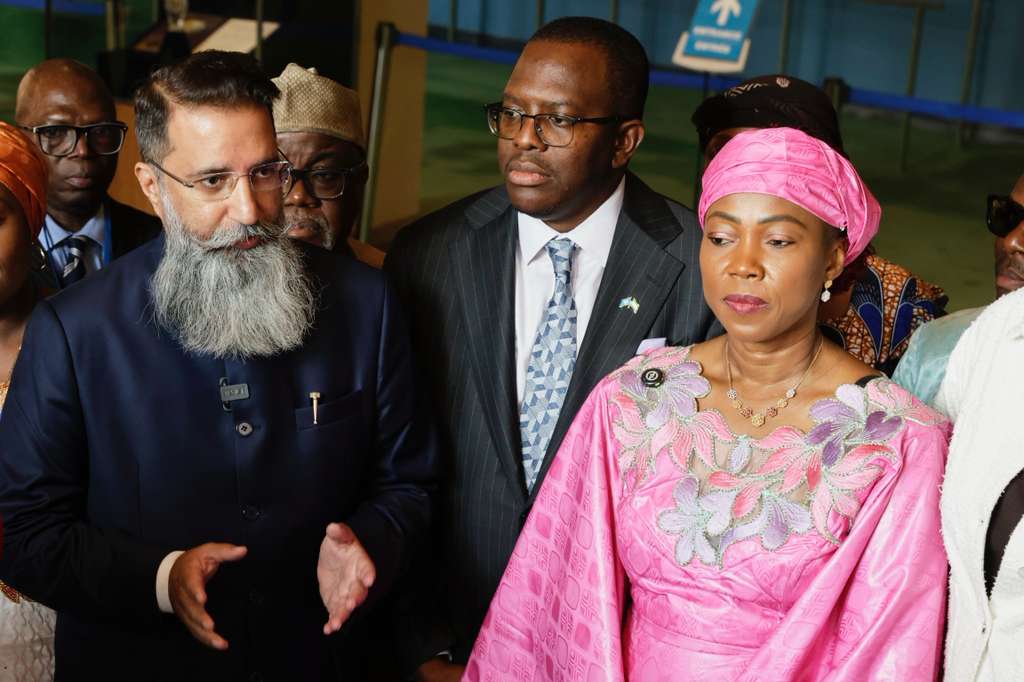For Her Excellency Dr. Fatima Maada Bio, First Lady of Sierra Leone and President of the Organization of African First Ladies for Development (OAFLAD), today represents the culmination of years of tireless advocacy.
“Today, the world has spoken with one voice: child, early and forced marriage has no place in our societies,” said Dr. Fatima Maada Bio. “This resolution is far more than symbolic-it is a
global mandate for action. As mothers, leaders, and advocates, we have a duty to ensure that every girl is free to dream, to learn, and to thrive, unburdened by the chains of forced union. Sierra Leone is profoundly proud to stand at the forefront of this movement, and we look forward to the tangible progress this day will inspire.”
After the adoption Bhuwan Ribhu, who was also present at the UN General Assembly, said, “Today marks the tipping point showing that the end of the crime of child marriage is inevitable and imminent. Now is the time for governments to provide decisive leadership to end child marriage by 2030 and ensure education, protection and development of every child to realise their full potential.”
He further added, “I am grateful to the first lady of SL, for her global leadership in championing this cause and would also like to thank all countries that cosponsored our resolution.”
About the Office of the First Lady of Sierra Leone: The Office of the First Lady of Sierra Leone, under the leadership of Dr. Fatima Maada Bio, is dedicated to advancing the rights of women and children. Through strategic initiatives and advocacy, the Office focuses on improving access to education and healthcare while leading systemic efforts to eliminate gender-based violence.
About Just Rights for Children: Just Rights for Children is a global child rights network founded by Bhuwan Ribhu. The network is committed to ending all forms of child exploitation, working to ensure that every child, regardless of geography, can enjoy a safe, healthy, and dignified childhood, and the network has prevented and stopped over 550,000 child marriages since 2023.

SUBSCRIBE TO OUR NEWSLETTER
First name or full name
Email
By continuing, you accept the privacy policy
**Categories:** ADVOCACY
---
### [Rwanda’s 22 New Gorillas Carry Names Reflecting Courage, Unity and Conservation](https://www.topafricanews.com/2026/09/04/rwandas-22-new-gorillas-carry-names-reflecting-courage-unity-and-conservation/)
**Published:** September 4, 2026
**Author:** Mutangana Emmanuel
**Content:**
The 22 baby mountain gorillas named at this year’s Kwita Izina ceremony carry more than distinctive identities.
Their names reflect a collection of values that have shaped Rwanda’s conservation journey, from determination and courage to unity, leadership, resilience and commitment to protecting wildlife and its habitat.
The names were unveiled Friday during the 21st Kwita Izina Gorilla Naming Ceremony in Kinigi, Musanze District, under the theme “Conservation is Life: Sustaining the Future.”
Each baby gorilla was named by a prominent figure from Rwanda and abroad, including government and conservation leaders, business executives, athletes, entertainers, filmmakers and philanthropists.
Among the names, **Ishakwe**, meaning **“determination,”** was given to a female gorilla from the Muhoza family by Shaikha Al Nowais, Secretary-General of UN Tourism. Born on April 1, 2025, to mother Inkubito, the name honours Rwanda’s determination to protect biodiversity and its natural environment.
Another baby, **Mukondo**, meaning **“starting point” or “source,”** was named by Dominic Barton, chairman of Rio Tinto. The male gorilla, born on June 20, 2025, to mother Muhabura of the Izuba family, represents the idea that protecting mountain gorillas can also help safeguard the wider ecosystem in which they live.
**Names shaped by resilience and courage**
Several of this year’s names draw directly on ideas of strength and resilience.
**Shikama**, meaning **“stand strong,”** was given to a male gorilla from the historic Susa family by Paul Danforth, President of CAA Sports and a global sports executive. Born on July 3, 2025, to mother Turimaso, the name celebrates the resilience of a family that has endured challenges and continues to thrive.
From the Hirwa family came **Rugamba**, meaning **“fighter.”** Engineer Sadek Elsewedy, Chairman of Elsewedy Electric, and his wife Anita Dravec gave the name to a male gorilla born on September 8, 2025, to mother Gwaneza.
The name reflects a story of resilience that began with his mother’s successful integration from an unhabituated group into the Hirwa family and continued with the birth of her son.
Courage also features prominently in the names.
**Nkwakuzi**, meaning **“brave persons,”** was given to a male gorilla born on April 15, 2026, to Isimbi of the Umubano family. Miss Belgium 2024 Kenza Johanna Ameloot chose the name as a wish that the gorilla will grow strong and brave alongside his family.
**Ngoga**, meaning **“brave” or “courageous,”** was given to another male gorilla from the Kwitonda family by Francesco Calvo, President of Business Operations at Aston Villa. Born on March 21, 2026, to mother Ntibisanzwe, the baby’s arrival adds to the continued growth of the family.
**Names celebrating unity and connection**
The 2026 names also emphasize the collective nature of conservation.
**Ntwarane**, meaning **“united in pursuit of a common goal,”** was chosen by former French international and Paris Saint-Germain captain Mamadou Sakho for a male gorilla born on January 27, 2026, to mother Intango.
The name represents the combined efforts of communities, rangers, conservationists, government institutions and partners in protecting mountain gorillas.
A similar message is carried by **Muhuza**, meaning **“one who connects” or “brings together.”** David Lappartient, President of the Union Cycliste Internationale, gave the name to a male gorilla from the Kwisanga family, born on October 8, 2025, to mother Turiho.
The name points to the shared responsibility of Rwanda, Uganda and the Democratic Republic of Congo in protecting the mountain gorillas’ transboundary habitat.
**Tarama**, meaning **“to socialise” or “come together,”** was given by Qatari Olympic gold medallist Mutaz Essa Barshim to a male gorilla from the Humura family. Born on July 21, 2025, to mother Impuhwe, the name reflects the ability of nature to bring people together across cultures and borders.
**From leadership to frontline protection**
Some names underline the responsibility that comes with protecting the gorillas and their habitat.
**Ngabonzima**, meaning **“protector,”** was given to a male gorilla from the Segasira family by global philanthropists Garreth and Nicola Wood, co-founders of Kids Operating Room.
Born on December 28, 2025, to mother Ukwiyunga, he is the first-born male in his family. The name carries the hope that he will eventually support the dominant male in protecting the group.
**Ndongozi**, meaning **“leader,”** was chosen by Aston Villa legend and former Wales international James Chester for a male gorilla born to mother Isaro of the Musilikale family. The baby joins the largest gorilla family in Volcanoes National Park.
Meanwhile, **Ndahiro**, meaning **“commitment,”** was given by Nyungwe National Park ranger Jeannette Uwimbabazi to a male gorilla from the Musilikale family.
Born on December 28, 2025, to mother Bukima, the name represents the shared responsibility to protect mountain gorillas, their habitat and Rwanda’s wider biodiversity.
The frontline role of rangers is also reflected in **Ruhembe**, meaning **“at the forefront.”** Neil McDougall, founder and Chairman of DelAgua, and Susan McDougall gave the name to a male gorilla from the Izuba family, born on August 9, 2025, to mother Mbele.
The name recognises the rangers who work on the frontline every day to protect Rwanda’s mountain gorillas and their habitat.
**Names rooted in Rwanda’s heritage**
Several names connect the gorillas to Rwandan culture and traditions.
**Inkera**, meaning **“traditional celebration,”** was given to a male gorilla from the Pablo family by Miguel Ángel Gil Marín, CEO and majority shareholder of Atlético de Madrid and a member of the UEFA Executive Committee.
Born on July 31, 2025, to mother Isangano, the gorilla arrived just one day before **Umuganura**, Rwanda’s traditional harvest and thanksgiving celebration.
**Muganura**, also inspired by the harvest and thanksgiving tradition, was given to a male gorilla from the Izuba family by former France and Manchester United captain Patrice Evra.
Born on March 20, 2026, to mother Mafubo, the baby was her first infant, making the birth particularly significant for the mother and her family.
Rwandan filmmaker Marie-Clémentine Dusabejambo chose **Bukaka**, meaning **“majesty, strength and power,”** for a baby from the Humura family.
Born on July 28, 2025, to mother Ururabo, the name celebrates the strength of the baby’s lineage and the continuing story of Rwanda’s mountain gorillas.
**Light, destiny and a continuing conservation story**
Other names look beyond individual characteristics to the broader role of gorillas in conservation.
**Mucyo**, meaning **“light,”** was given by Olivier Granet, Managing Partner and Co-CEO of Kasada Capital Management, alongside Quitterie Granet, to a male gorilla from the Ntambara family. Born to mother Urahirwa, the name recognises the role mountain gorillas play in drawing attention to the protection of Rwanda’s wider biodiversity.
**Igeno**, meaning **“destiny,”** was chosen by Kelly O’Meara, Executive Director of the Pan African Sanctuary Alliance, for a female gorilla born on March 15, 2025, to mother Tabaro of the Musilikale family. She begins life surrounded by several generations of relatives.
**Impeta**, meaning **“an award” or “symbol of recognition,”** was chosen by Rwandan gospel singer and songwriter Israel Mbonyi for a male gorilla from the Izuba family. Born on August 9, 2025, to mother Mbele, the name honours Rwanda’s continued progress and commitment to protecting its natural heritage.
**Komezutsinde**, meaning **“keep winning,”** was given by Dominique Laura Plewes, CEO, philanthropy leader and founder of the SOF Support Foundation, to a male gorilla born on June 19, 2025, to mother Nzeri of the Mutobo family.
The name reflects continued success in conserving Rwanda’s mountain gorillas.
Meanwhile, filmmaker Alastair Fothergill named a female gorilla **Mpinga**, meaning **“on the top.”** Born on November 11, 2025, to mother Teta of the Pablo family, the name carries a wish that she will thrive as Rwanda’s conservation progress continues across generations.
Another baby, **Kambere**, was named by Susan Hollern, founder and President of Hope Haven Rwanda. The female gorilla was born on December 5, 2025, to mother Ntamupaka of the Kwisanga Group.
The name recognises Volcanoes National Park’s role in welcoming visitors to Rwanda and connecting them with the country’s natural heritage.
Together, the 22 names tell a broader story about what Rwanda’s conservation programme seeks to protect and the values it hopes to sustain.
More than 1,060 mountain gorillas now live in the wild across the Virunga Massif and Bwindi ecosystem, making mountain gorillas the only great ape whose population continues to grow.
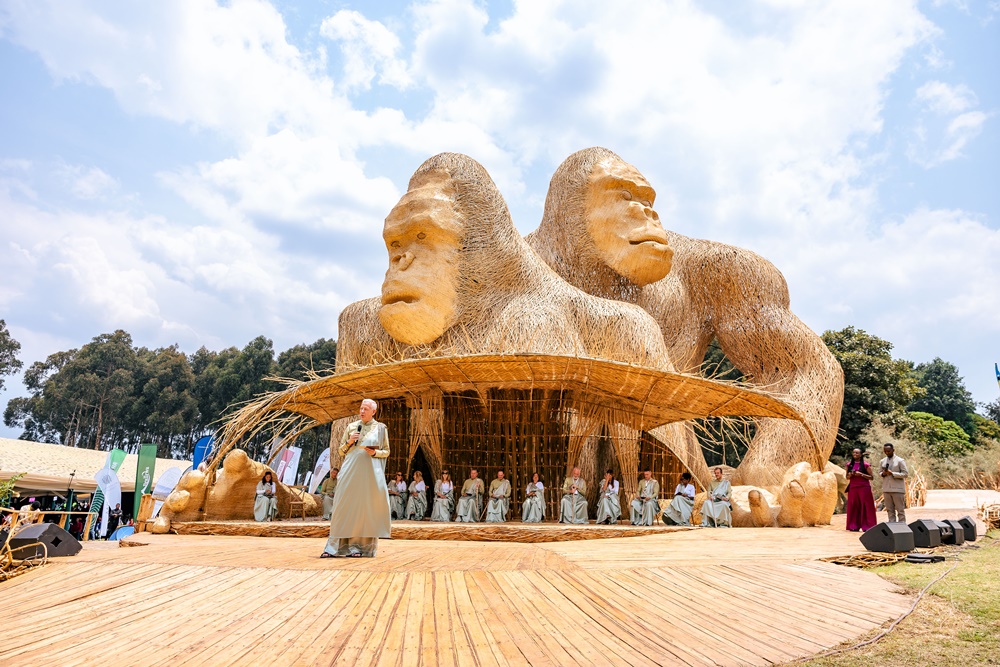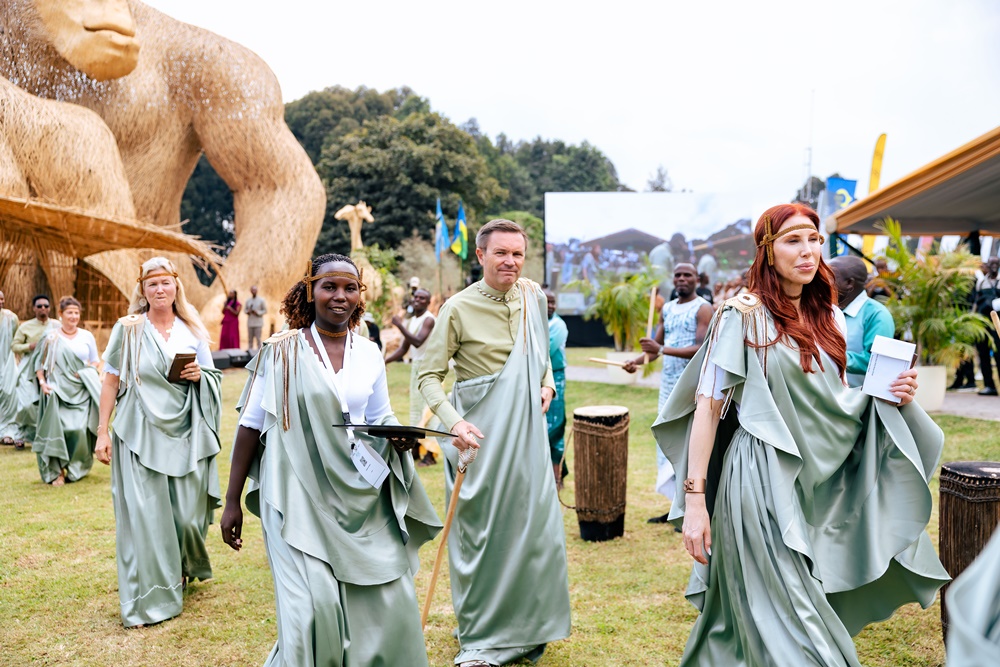
SUBSCRIBE TO OUR NEWSLETTER
First name or full name
Email
By continuing, you accept the privacy policy
**Categories:** Environment, Tourism and Nature
---
### [Rwanda’s Gorilla Conservation Enters New Phase as Population Grows](https://www.topafricanews.com/2026/09/04/rwandas-gorilla-conservation-enters-new-phase-as-population-grows/)
**Published:** September 4, 2026
**Author:** Mutangana Emmanuel
**Content:**
Rwanda’s decades-long effort to save the mountain gorilla is entering a new phase, with authorities increasingly focused on how to protect a growing population while ensuring that communities living around Volcanoes National Park benefit from conservation.
The message emerged on Friday, September 4, at the 21st Kwita Izina Gorilla Naming ceremony in Kinigi, Musanze District, where 22 baby mountain gorillas were officially named under the theme “Conservation is Life: Sustaining the Future.”
The ceremony brought together government officials, conservationists, local communities, tourism stakeholders and international guests to celebrate Rwanda’s conservation achievements while looking ahead to the work required to sustain them.
***Rwanda’s Prime Minister, Justin Nsengiyumva.***Prime Minister Justin Nsengiyumva said Rwanda’s experience in the Volcanoes Mountains demonstrates that protecting nature cannot be separated from improving people’s lives.
“Protecting nature cannot be separated from improving people’s lives, just as national conservation efforts cannot be separated from international cooperation,” Nsengiyumva said.
He pointed to the dramatic recovery of the mountain-gorilla population as evidence of what sustained conservation efforts can achieve.
In the early 1980s, only about 250 mountain gorillas remained in the Virunga Massif, according to the Prime Minister, after poaching, habitat loss and social conflicts had pushed the species towards extinction.
Today, more than 1,000 mountain gorillas are estimated to exist globally, including more than 600 in the Virunga Massif.
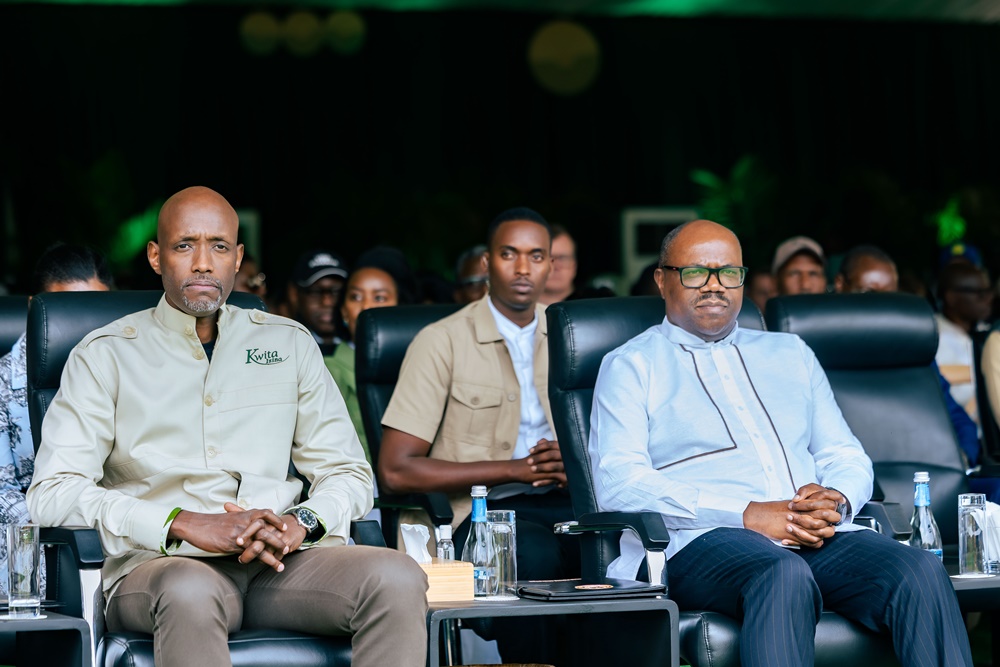The recovery, he said, was not accidental but the result of decades of work involving rangers, veterinarians, researchers, government institutions, conservation organisations, communities, the private sector and international partners.
“Rwanda’s experience here in the Virunga Mountains is tangible proof of this concept,” Nsengiyumva said, referring to the connection between conservation, development and cooperation.
“Because a name for us is more than a celebration. It is a promise,” he added.
The 22 gorillas named Friday bring the cumulative number of gorillas named through Kwita Izina since the ceremony began in 2005 to 460, according to the Prime Minister.
Nsengiyumva said the country intends to invest in science and technology to respond to climate and health risks affecting conservation, while ensuring that communities sharing the landscape have the opportunities and resources needed to sustain it.
**From gorilla protection to community development**
As Rwanda’s gorilla population grows, authorities are increasingly emphasizing the need to ensure that communities living around Volcanoes National Park also see tangible benefits from conservation.
The Prime Minister said mountain gorillas and the tourism they attract have helped strengthen the socio-economic fabric of surrounding communities by creating jobs, supporting local businesses, attracting investment and opening opportunities for families and young people.
He cited the recently launched construction of the Smart Green Village, an investment of more than US$49 million that is expected to provide modern housing, essential services and sustainable livelihood opportunities for 547 households affected by the expansion of Volcanoes National Park.
The initiative, he said, reflects Rwanda’s position that conservation and human development should move together.
“We are determined that these lessons of mutuality will remain at the heart of our new chapter,” Nsengiyumva said.
The Rwandan government has been expanding Volcanoes National Park to provide additional habitat as the mountain-gorilla population grows, while simultaneously putting measures in place to support people affected by the expansion.
***Jean-Guy Afrika, Chief Executive Officer of the Rwanda Development Board (RDB).***Jean-Guy Afrika, Chief Executive Officer of the Rwanda Development Board (RDB), said the park expansion is intended to increase habitat for growing mountain-gorilla families while also supporting neighbouring communities through housing, infrastructure, services and economic opportunities.
“Protecting nature and improving people’s lives must go together,” Afrika said.
He described the 22 births celebrated at this year’s Kwita Izina as evidence of what sustained commitment, strong institutions, community ownership and international partnerships can achieve.
Afrika said the mountain gorilla remains the only great ape whose population is increasing, with more than 1,060 individuals in the wild.
But he cautioned that the achievement was built over many years and will require continued vigilance, long-term investment and partnerships across generations.
For Rwanda, that means protecting gorilla habitat while responding to wider threats such as climate change and biodiversity loss.
**Conservation benefits reaching surrounding communities**
***Northern Province Governor, Maurice Mugabowagahunde.***The Northern Province is already seeing economic and social benefits linked to conservation and tourism around Volcanoes National Park, according to Governor Maurice Mugabowagahunde.
Speaking at the ceremony, Mugabowagahunde said communities living around the park have increasingly understood the value of protecting the area and its wildlife.
He said revenue generated from the park is shared with surrounding communities through projects including housing construction, livestock support, schools, health centres, clean-water infrastructure and other development initiatives.
Since the programme began, 740 community projects worth Rwf8.6 billion have been supported across 12 sectors surrounding Volcanoes National Park in Burera, Musanze, Nyabihu and Rubavu districts, he said.
The communities are also expected to receive nearly Rwf2 billion this year from park-generated tourism revenues, according to the governor.
“These benefits from tourism are why we will continue encouraging our communities to protect the security of this park, the gorillas within it and biodiversity,” Mugabowagahunde said.
He added that tourism linked to Volcanoes National Park has contributed to development not only around the park but also in urban centres such as Musanze and Rubavu, as well as along the Kigali-Musanze-Rubavu corridor.
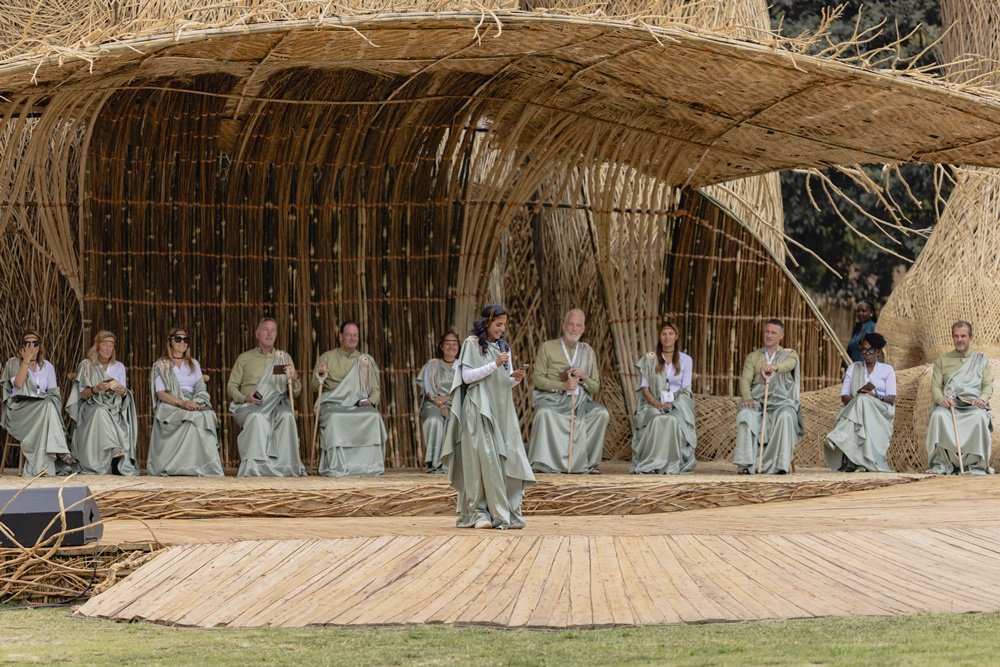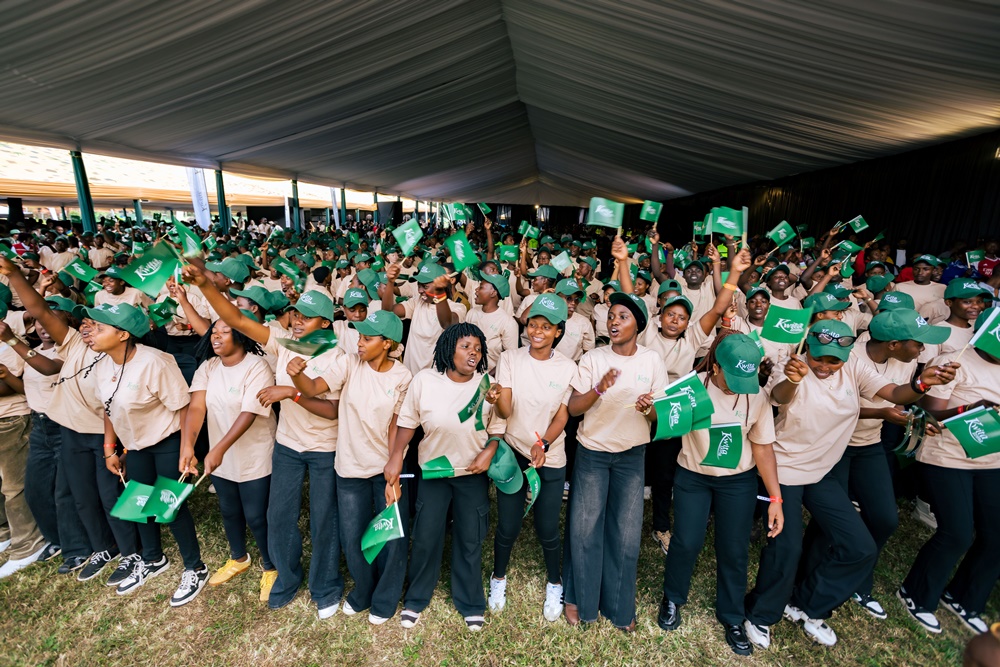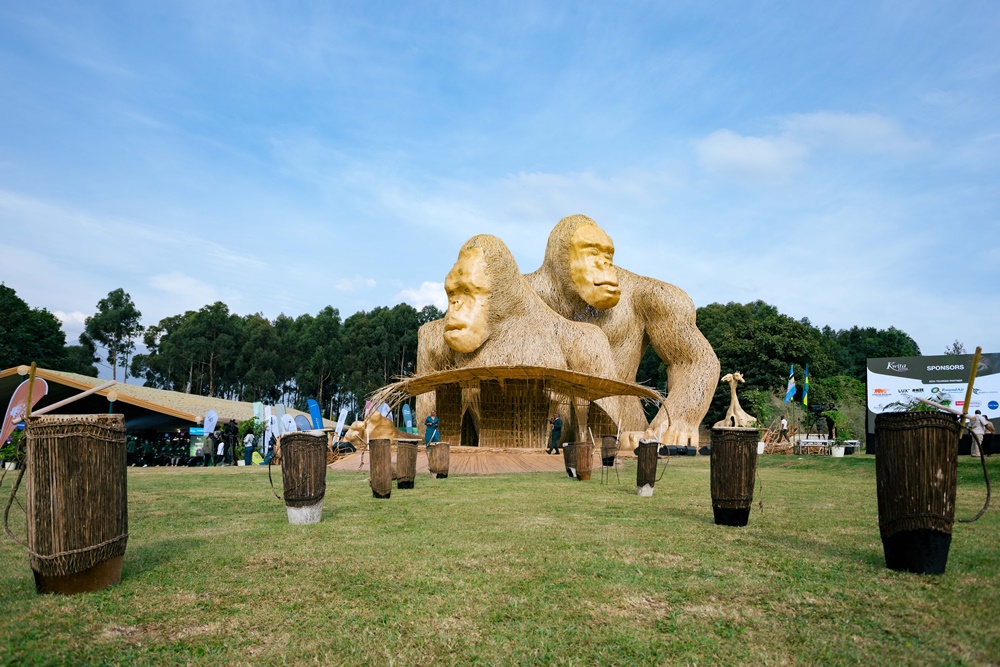
SUBSCRIBE TO OUR NEWSLETTER
First name or full name
Email
By continuing, you accept the privacy policy
**Categories:** Environment
---
### [ IFAD and Bank of Kigali sign $12 million loan agreement](https://www.topafricanews.com/2026/09/04/ifad-and-bank-of-kigali-sign-12-million-loan-agreement/)
**Published:** September 4, 2026
**Author:** TOPAFRICANEWS
**Content:**
**IFAD and Bank of Kigali sign US$12 million financing agreement to** **expand access to finance for Rwanda’s farmers’ organizations**
**Kigali, Rwanda, 4 September 2026.**The International Fund for Agricultural Development, Bank of Kigali and Aceli Africa announced today that they are partnering to strengthen agricultural financing in Rwanda through a new financing agreement that will improve access to finance for farmers’ organizations and smallholder farmers, supporting increased productivity, resilience, and inclusive growth across the country’s agricultural sector.
This investment will support the Farmers’ Organizations Financing Programme – Rwanda (FOFP-R), a blended finance initiative that is mobilizing a total of US$21 million, combining the US$12 million in IFAD financing with an additional US$9 million in co-financing from Bank of Kigali.
The initiative is expected to strengthen approximately 215 farmers organizations, provide financing to around 172 of them, and benefit more than 35,000 smallholder farmers, particularly women and youth, across key agricultural value chains such as maize, rice, cassava, dairy, and horticulture.
“The significance of Farmers’ Organizations Financing Programme – Rwanda represents a broader shift towards innovative financing solutions. Innovation goes beyond technology; it is also about finance, institutions, partnerships and entrepreneurship. FOFP-R is expected to reduce risk, attract additional investment and expand opportunities for rural entrepreneurs, farmers’ organizations and small-scale producers,” said IFAD Vice-President, Gérardine Mukeshimana.
Agriculture employs more than 70 per cent of Rwanda’s population and contributes approximately 25 per cent of the country’s GDP. Despite its central role in livelihoods and economic growth, access to finance remains a major constraint for the sector, with agricultural lending accounting for only a small share of total credit in the country.
Farmers’ organizations play an important role in aggregating production, facilitating access to inputs and markets, and linking farmers to financial services. Rwanda’s farmers’ organizations have grown steadily in number in recent years, yet around 70 per cent of their financing needs remain unmet, constrained by weak governance, limited collateral, inadequate financial records and low financial literacy, all of which increase lenders’ perception of risk.
“Farmers’ organizations are the backbone of Rwanda’s agricultural economy, yet they have long been underserved by traditional financing. Through this partnership with IFAD, Bank of Kigali is bringing innovative, inclusive financing solutions to the people who need them most — combining capital with the technical support these organizations need to strengthen their governance and financial systems. This is what innovation in banking should look like: not just new products, but new ways of reaching the farmers who power Rwanda’s economy,” said Dr. Diane Karusisi, Chief Executive Officer of Bank of Kigali.
IFAD’s US$12 million financing package comprises a US$9 million loan, a US$1.8 million grant for risk sharing and a US$1.2 million technical assistance grant that will strengthen the governance, financial management and digital capacity of farmers’ organizations, while equipping Bank of Kigali to build the tools and expertise needed to serve these organizations sustainably.
The initiative benefitted from a US$6 million allocation to IFAD from the Business Investment Financing Track (BIFT) – a financing tool of the Global Agriculture and Food Security Program (GAFSP) that offers multilateral development finance institutions access to flexible grant and concessional finance to implement financial innovations that address the unique investment needs of smallholder farmers and early stage micro-, small- and medium-sized agribusinesses in low-income countries.
“This innovative finance solution offered by the BIFT will support more inclusive capital markets in Rwanda to help the most vulnerable working in the agri-food sector – including smallholder farmers, women, and youth – make transformative investments for their future,” said GAFSP Head Shobha Shetty.

SUBSCRIBE TO OUR NEWSLETTER
First name or full name
Email
By continuing, you accept the privacy policy
**Categories:** Business and Trade
---
### [IFAD and Equity Group Kick Off Us $200 Million Mechanism To Make Climate Adaptation Finance Reach East Africa’s Farmers](https://www.topafricanews.com/2026/09/04/ifad-and-equity-group-kick-off-us-200-million-mechanism-to-make-climate-adaptation-finance-reach-east-africas-farmers/)
**Published:** September 4, 2026
**Author:** TOPAFRICANEWS
**Content:**
- *Twelve-year blended finance mechanism to reach 260,000 smallholder producers and 500 rural enterprises across Kenya, Uganda, Tanzania and Rwanda, with Equity Group matching concessional capital from its own balance sheet.*
**KIGALI, Rwanda, 4 September 2026 –** Access to climate adaptation finance remains a significant challenge for smallholder farmers and rural businesses across Africa, with available capital often failing to reach those who need it most. To help bridge this financing and delivery gap, the International Fund for Agricultural Development (IFAD) and Equity Group today kicked off the Africa Rural Climate Adaptation Finance Mechanism (ARCAFIM) – a US$200 million, private sector-led mechanism built to close that gap for smallholder farmers and rural businesses across East Africa – at the Africa Food Systems Forum 2026 in Kigali, Rwanda.
ARCAFIM is convened with the co-financiers of the Green Climate Fund, the Ministry for Foreign Affairs of Finland and the Nordic Development Fund and also co-financed by the Government of Denmark and the European Union.
The mechanism runs for twelve years and is structured in two parts: US$180 million of lending capital and approximately US$20 million of technical assistance. Because the lending capital revolves over roughly four investment cycles, it is expected to generate in the order of US$266 million in loans to micro, small and medium-sized enterprises (MSMEs) and smallholder farmers across East Africa’s food systems.
What distinguishes ARCAFIM is a detailed climate change adaptation taxonomy ensuring critical knowledge transfer of viable climate adaptation investment options to participating financial institutions and smallholder farmers and agro-businesses and that a commercial bank is carrying the risk alongside the public capital rather than administering it. Of the US$180 million lending base, US$90 million comes from Equity Group’s own balance sheet, matching the concessional contribution one for one. Credit protection is tranched across the portfolio, with international financing partners covering a first-loss layer, a mezzanine layer shared with the bank, and the bank carrying the senior risk.
The programme will operate in Kenya, Uganda, Tanzania and Rwanda, with the ambition of providing financing to approximately 260,000 smallholder producers and 500 rural MSMEs. At least 50 per cent of the intended beneficiaries will be women and 30 per cent youth. The initiative is expected to strengthen food security for approximately 1.2 million people and to benefit an estimated 1.5 million people in total, directly and indirectly, while helping rural communities and businesses invest in measures that enable them to better withstand the effects of climate change.
The measure of success is commercial permanence. ARCAFIM is designed so that lending for climate resilience survives as an ordinary business line for African financial institutions long after the concessional capital has been spent.
Speaking during the launch, Gérardine Mukeshimana, Vice President IFAD, said the success of climate adaptation finance will ultimately depend on its ability to translate global commitments into tangible investments in rural communities.
“Africa Rural Climate Adaptation Finance Mechanism (ARCAFIM)’s ambition is to make rural climate adaptation a recognizable, viable and sustainable business line for African financial institutions. It will support tailored financial products and aclimate adaptation financing taxonomy, so that participating institutions gain the experience, systems and confidence to continue expanding adaptation finance. The mechanism is starting in East Africa, but it is designed to be adapted and replicated across Africa,” said Mukeshimana.
The technical assistance component is part of the financial architecture rather than an add-on. It builds the capacity of participating microfinance institutions and SACCOs to originate adaptation lending and gives farmers and rural enterprises the technical knowledge to identify which investments will actually protect them — irrigation and water harvesting, dairy and livestock resilience, post-harvest storage, renewable energy, and climate-resilient agro-processing.
Dr. James Mwangi, Group Managing Director and Chief Executive Officer of Equity Group Holdings Plc, said the mechanism reframes how African finance sees the rural borrower.
“Africa’s smallholder farmers are not waiting to be rescued. They are entrepreneurs operating in the most demanding risk environment on earth, and what they have lacked is a financial system built to back them. ARCAFIM changes that equation. By committing our own balance sheet alongside concessional capital, we are not funding a project — we are building a market, one in which lending climate resilience becomes an ordinary banking business rather than an act of charity. Dignity begins with being seen as bankable. If we prove this in East Africa, the model belongs to the whole continent,” said Dr. Mwangi.
Moses Nyabanda, Managing Director of Equity Bank Kenya Limited, said the bank will play a direct role in translating climate adaptation finance into practical investments for farmers and agricultural value chain businesses.
“Through ARCAFIM, we will finance smallholder farmers and agricultural producers directly and through microfinance institutions, SACCOs and value chain companies, while extending financing to rural MSMEs. We will also build capacity on climate adaptation finance and promote sustainable agricultural practices and technologies. The goal is simple: enable farmers and agricultural businesses to adapt, increase production, grow revenues and incomes, and become more resilient to the effects of climate change,” said Nyabanda.
“ARCAFIM is an important example of Green Climate Fund’s (GCF’s) catalytic role in bringing partners and capital together to scale up investment in climate-resilient agriculture. Through its US$55 million commitment and close collaboration with IFAD and the program’s financing partners, GCF helped structure a mechanism that mobilizes substantial commercial investment from Equity Group and expands access to adaptation finance for smallholder farmers and rural businesses across East Africa.” said Catherine Koffman, Director of the Department of Africa Region at the Green Climate Fund.
“Mobilizing private capital for sustainable development is central to Finland’s development policy. ARCAFIM demonstrates how public-private collaboration can unlock financing for sustainable investments and channel capital to where it is needed most. Strengthening the resilience of agriculture to climate change is a smart investment that benefits both communities and businesses: it increases productivity and incomes for smallholder farmers while reducing the risks associated with agricultural finance,” said Juha Savolainen, Director General at the Ministry for Foreign Affairs of Finland.
Nordic Development Fund (NDF) Managing Director, Satu Santala, said the fund’s support for ARCAFIM from its inception reflected the importance of building mechanisms capable of unlocking greater investment in climate adaptation.
“NDF is pleased to have supported ARCAFIM from the very beginning, helping lay the foundations for a mechanism that can unlock greater investments in climate adaptation. Together with our Nordic and international partners, we are proud to reduce investment risk and mobilise financing for smallholder farmers and rural MSMEs. ARCAFIM demonstrates how innovation, partnerships, risk-sharing, and catalytic finance can help accelerate climate adaptation where it is needed most,” said Santala.
The launch brought together representatives of IFAD and the financing institutions, alongside government representatives from Kenya, Uganda, Tanzania and Rwanda, private-sector investors, development partners and climate finance institutions. The agreements were signed by Gérardine Mukeshimana for IFAD and Moses Nyabanda for Equity Bank Kenya, in a ceremony presided over by Hannington Namara, Managing Director of Equity Bank Rwanda.
By strengthening financial intermediation and private lending channels across agricultural value chains, ARCAFIM seeks to demonstrate how climate adaptation finance can become a sustainable business line while improving access to finance for underserved rural communities.
The initiative also seeks to generate practical lessons that can inform the replication of blended climate finance approaches in other regions of Africa facing similar challenges in financing climate resilience. IFAD and Equity Group have identified Southern and West Africa as the next candidate regions.

SUBSCRIBE TO OUR NEWSLETTER
First name or full name
Email
By continuing, you accept the privacy policy
**Categories:** Natural Resources and Agriculture
---
### [Rwanda and Ireland Push for Stronger Global Action on Food Security](https://www.topafricanews.com/2026/09/04/rwanda-and-ireland-push-for-stronger-global-action-on-food-security/)
**Published:** September 4, 2026
**Author:** LIBOS NDAYISHIMIYE
**Content:**
Rwanda is stepping up efforts to strengthen international cooperation on food security, agriculture and resilient food systems, with Foreign Minister Olivier Nduhungirehe holding high-level talks with Ireland’s candidate for Director-General of the Food and Agriculture Organization (FAO), Phil Hogan.
The meeting, held on Thursday, focused on deepening cooperation between Rwanda and Ireland while exploring joint approaches to some of the world’s most pressing challenges in food production, agriculture and food supply chains.
Minister Nduhungirehe and Hogan discussed the need for stronger partnerships capable of delivering practical solutions to food insecurity, particularly in Africa, where agricultural transformation remains central to economic development, livelihoods and food resilience.
The talks came at a time when countries are increasingly seeking coordinated responses to pressures affecting food systems, including the need to boost agricultural productivity, strengthen food value chains and ensure that communities can access sufficient and nutritious food.
For Rwanda, strengthening agricultural production and food security remains a key national priority, with the country continuing to promote modern farming, value addition and stronger agricultural systems capable of supporting livelihoods and economic growth.
The discussions with Hogan also highlighted the importance of international cooperation in tackling food-related challenges, with a particular focus on urgent actions that can accelerate Africa’s development and strengthen the continent’s capacity to produce, process and distribute food.
Hogan, who is Ireland’s candidate for the position of FAO Director-General, brings the discussions into the wider international debate on how global agricultural institutions can support countries facing food-security challenges and advance more sustainable and resilient food systems.
The engagement reflects Rwanda’s continued push for partnerships that translate international cooperation into concrete development outcomes, particularly in sectors directly linked to livelihoods and long-term economic transformation.
As Africa confronts growing demands for food, stronger agricultural productivity and more resilient supply chains, Rwanda and its partners are emphasizing the importance of coordinated action, investment and practical solutions to ensure that the continent’s food systems can meet future needs.

SUBSCRIBE TO OUR NEWSLETTER
First name or full name
Email
By continuing, you accept the privacy policy
**Categories:** Natural Resources and Agriculture
---
### [The Return of Her Time: How Energy Justice Is Changing Women’s Lives in Blantyre](https://www.topafricanews.com/2026/09/04/the-return-of-her-time-how-energy-justice-is-changing-womens-lives-in-blantyre/)
**Published:** September 4, 2026
**Author:** TOPAFRICANEWS
**Content:**
***By:** **Temwanani Banda, Blantyre, Malawi***
Every day, before I think about my business, my family or even myself, there is one question that has always come first: *How will we cook today?*
For many women in Blantyre District, Malawi, cooking begins long before a pot is placed on the fire. It begins with finding fuel.
In my community, between 85 and 95 percent of households still depend on charcoal and firewood for cooking. For women like me, this dependence has never been simply about energy. It has shaped how we spend our days, how much we can earn, the health of our families, the safety of our journeys and even the future of the land around us.
Before the Eco-Feminist Energy Justice Project, searching for fuel was part of my daily reality. Some women walk long distances to collect firewood, spending hours away from their homes and livelihoods. Others depend on charcoal, which has become increasingly expensive. And when we cook, smoke fills our homes and settles around us and our children.
The cost is rarely counted.
Nobody calculates the hours a woman spends looking for firewood. Nobody puts a price on the time she could have spent running a business, caring for herself or simply resting. Nobody easily measures what it means for a girl to lose hours of study because she has to search for fuel.
But we know the cost because we live it.
**When energy poverty becomes women’s work**
Cooking has traditionally been treated as women’s work in our communities. That means energy poverty also becomes women’s burden.
When fuel is scarce, it is often women and girls who must find it. When charcoal prices rise, women have to stretch household resources further. When cooking smoke fills the home, women and children are often exposed to it for long periods. And when women depend on charcoal trading for their livelihoods, they can face risks that go far beyond economic hardship.
Some women involved in the charcoal trade would leave home before dawn to travel to charcoal stations to buy stock. Along the way, in the darkness, they could face abuse, harassment and other dangers.
This is why I have come to understand that energy poverty is not a small or private problem.
It is connected to the way society values women’s labour. It is connected to our health and safety. It is connected to forests being cut down for fuel. It is connected to changing rainfall, rising temperatures and a climate that is becoming increasingly difficult for communities like ours.
The Eco-Feminist Energy Justice Project helped me see these connections.
**Getting my time back**
The project is implemented by the Get Together Youth Organization, working with other civil society groups through the Zingwangwa Youth Network, with funding and support from SHINE Collab.
What has changed for me is not simply the type of energy I use.
It is what that change gives back to me.
With cleaner, cheaper and more accessible cooking energy, I no longer lose so many hours of my day searching for fuel. The time that once disappeared into the struggle for firewood or charcoal can now be invested in my own business and in building something for my future.
For me, this is one of the most important forms of impact.
The project has given me back my time.
And time is something women are often expected to give away for free.
When I have more time, I can think beyond simply getting through the day. I can focus on my livelihood. I can make plans. I can invest in myself. I can spend more meaningful time with my family.
That is why I do not see this project simply as charity.
It is about restoring something that energy poverty had taken from me: my time, my health and my dignity.
**The change reaches beyond my household**
The impact does not stop with one woman or one household.
When cleaner energy becomes more accessible, girls can spend less time searching for firewood and more time studying. Families can spend less time dealing with smoke-filled kitchens. Women can have greater opportunities to pursue livelihoods and participate in community life.
There is also a wider environmental benefit.
For years, the demand for charcoal and firewood has contributed to pressure on trees and forests. At the same time, communities are already experiencing the effects of changing rainfall and increasing heat.
The land on which we depend cannot be separated from the energy choices we make.
I now understand myself differently because of this.
I used to see the daily struggle for fuel as simply something I had to endure. Now I see that my experience is connected to a much bigger question: Who pays the price when energy systems fail to meet people’s needs?
Too often, women pay that price with their time, their health, their safety and their opportunities.
**From burden to agency**
The ecofeminist approach has changed the way I think about my role.
I am no longer only someone burdened by energy poverty. I am also someone who can contribute to changing the situation.
I see myself as a guardian of the trees and land that my community depends on. I see my knowledge and experience as valuable. And I see other women as partners in finding solutions rather than simply as people waiting to receive them.
This is important because solutions to energy poverty cannot be sustainable if women are left out of the conversation.
Women understand the everyday realities of cooking, fuel prices, household needs and the risks involved in accessing energy. We understand what happens when fuel becomes unavailable or unaffordable. We know how energy decisions affect children, livelihoods and family life.
Our voices therefore need to be at the centre of the transition to cleaner and more just energy systems.
**A movement beyond Blantyre**
My hope is to continue learning through SHINE Collab’s ecofeminist spaces and to hear from women across Malawi and the region who are creating energy alternatives, protecting their environments and challenging systems that have placed disproportionate burdens on women.
I want to carry those lessons back into my community.
My story is only one story. But it represents the experiences of many women whose lives have been shaped by energy poverty.
For us, energy justice is not an abstract policy idea. It is about whether a woman has time to earn a living. Whether a girl has time to study. Whether a family can breathe cleaner air. Whether a woman can travel safely. Whether forests can survive. Whether communities can adapt to a changing climate.
Most importantly, it is about whether women are seen as part of the solution.
The Eco-Feminist Energy Justice Project has shown me what becomes possible when women’s knowledge, needs and experiences are placed at the centre of change.
I have learned that cleaner energy can give us more than cleaner kitchens. It can give us time, opportunity, safety, dignity and more than anything else, it can give women the power to imagine a future beyond simply surviving the present.
That is what energy justice means to me: not charity, but the return of my own time, my own health and my ability to shape the future I want for myself and my community.
END
***The writer is a project organiser and community advocate leading the Eco-Feminist Energy Justice Project in Malawi*

SUBSCRIBE TO OUR NEWSLETTER
First name or full name
Email
By continuing, you accept the privacy policy
**Categories:** WOMEN EMPOWERMENT
---
### [Amazon Day: Lessons from Brazil’s Urban Climate Strategy](https://www.topafricanews.com/2026/09/04/amazon-day-lessons-from-brazils-urban-climate-strategy/)
**Published:** September 4, 2026
**Author:** EDITOR
**Content:**
As Brazil marks Amazon Day on September 5, the global focus on the planet’s largest tropical rainforest is shifting from simple deforestation metrics to a more complex, urban-centered climate strategy. While Brazil has achieved the lowest level of deforestation alerts in its historical record, the country is increasingly recognizing that climate resilience must start in its cities.
For observers monitoring urban development and climate policy, the current approach in the Amazon offers a compelling model of multilevel governance.
**From Diagnosis to Action**
Since last year’s COP30 in Belém, the “Brazil Mutirão” program—a joint initiative between C40 Cities and the Global Covenant of Mayors for Climate & Energy (GCoM)—has been actively supporting 11 Amazonian cities. This initiative acknowledges that managing infrastructure, public services, waste, and mobility is essential for responding to climate change.
Key operational highlights include:
- **Collaborative Governance:** The program facilitates a partnership between local municipalities, the Brazilian Federal Government, and international networks, ensuring that climate action is tailored to local realities.
- **Concrete Projects:** Initiatives span from sustainable urban mobility and fleet electrification in Belém and Porto Velho to circular economy and methane reduction projects in Ananindeua and Benevides.
- **Data-Driven Planning:** Participating cities are developing local climate action plans to identify primary emission sources and set infrastructure priorities.
**Technological Innovation**
A critical component of this strategy is the “City Climate Compass,” an Artificial Intelligence-powered platform. Currently utilized by 50 Brazilian municipalities, the tool synthesizes climate data, local emission profiles, and risk assessments. By democratizing access to climate data, the platform allows local governments to move beyond mere diagnosis and implement prioritized, evidence-based public policies.
As Brazil positions itself as a reference for multilevel climate governance through 2027, the focus remains clear: climate ambition must be translated into tangible results at the municipal level, where infrastructure decisions directly impact the lives of millions.

SUBSCRIBE TO OUR NEWSLETTER
First name or full name
Email
By continuing, you accept the privacy policy
**Categories:** Environment
---
### [Who Gets to Name Rwanda’s Baby Gorillas?](https://www.topafricanews.com/2026/09/04/who-gets-to-name-rwandas-baby-gorillas/)
**Published:** September 4, 2026
**Author:** TOPAFRICANEWS
**Content:**
**KINIGI, Rwanda — September 4, 2026** — From football legends and African music stars to conservationists and global tourism leaders, a diverse group of personalities gathered in Rwanda’s Volcanoes region on Friday 4th September, 2026 to take part in one of the country’s most distinctive conservation traditions: naming baby mountain gorillas.
A total of **22 baby gorillas** are being named during the 21st **Kwita Izina** ceremony in Kinigi, Musanze District, bringing the number of mountain gorillas named through the annual event to **460** since the ceremony became an official national celebration in 2005.
Held under the theme **“Conservation is Life: Sustaining the Future,”** this year’s ceremony brings together figures from sport, entertainment, business, tourism and conservation to celebrate Rwanda’s efforts to protect the critically important mountain gorilla population.
The ceremony draws its inspiration from a longstanding Rwandan tradition of naming a child in the presence of family and the wider community.
But the gorillas themselves remain in the forest.
The names are announced symbolically on a ceremonial stage, while the real work of conservation continues in and around Volcanoes National Park, where rangers, trackers, local communities and conservation partners work to protect the animals and their habitat.
#### Who Gets to Name Rwanda’s Baby Gorillas?
The Rwanda Development Board released the list of 22 individuals selected to name this year’s baby gorillas.
The group reflects the increasingly international profile of Kwita Izina, while also highlighting the connection between conservation and Rwanda’s wider ambitions in tourism, sport, culture and economic development.
#### Football stars take centre stage
Former France and Manchester United captain **Patrice Evra** and former France international **Mamadou Sakho** are among the most prominent names participating in the ceremony.
They are joined by former Aston Villa captain **James Chester**, Atlético de Madrid CEO **Miguel Ángel Gil Marín** and Aston Villa business operations president **Francesco Calvo**.
The sporting contingent also includes **David Lappartient**, president of the Union Cycliste Internationale and an International Olympic Committee member, as well as Qatari Olympic high-jump champion **Mutaz Essa Barshim**.
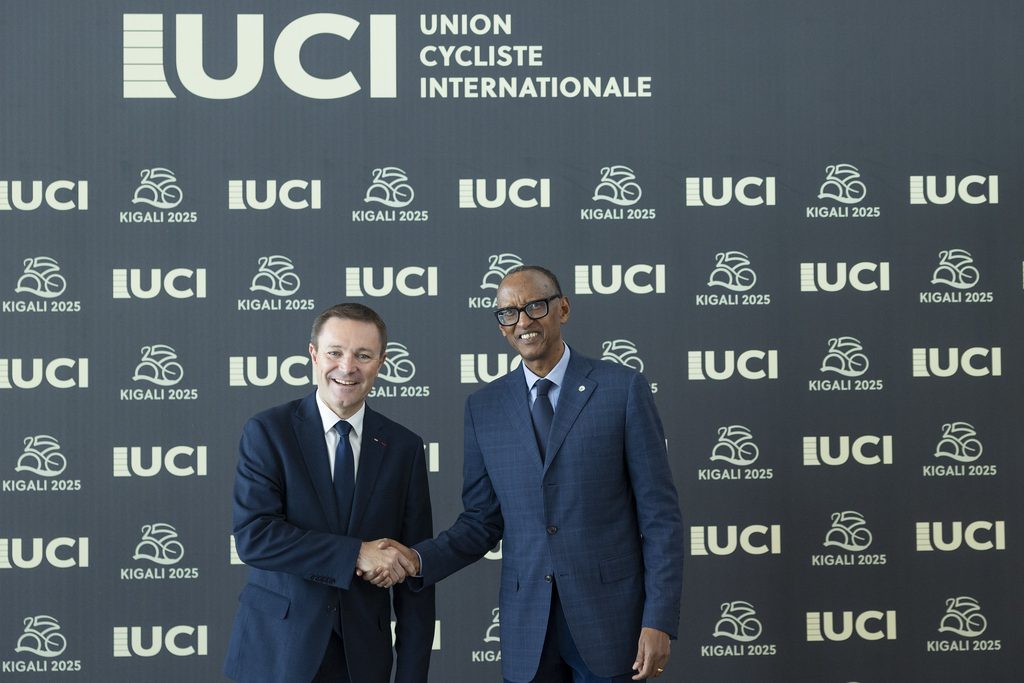Lappartient has a particularly strong connection to Rwanda following the country’s hosting of the 2025 UCI Road World Championships.
The presence of major sporting personalities reflects Rwanda’s growing use of sport as a platform for international visibility, tourism promotion and partnership-building.
#### African voices and Rwandan talent
Kwita Izina also maintains a strong African and Rwandan identity.
Gospel musician **Israel Mbonyi** is among this year’s namers, bringing one of Rwanda’s most recognisable contemporary music voices to the ceremony.
Filmmaker **Marie-Clémentine Dusabejambo**, whose film *Ben’Imana* reached the Un Certain Regard section at the 2026 Cannes Film Festival, is also participating.
Another notable figure is **Jeanette Uwimbabazi**, a ranger from Nyungwe National Park, whose inclusion highlights the frontline conservation workers whose daily efforts rarely receive the same international attention as celebrity guests.
**Kenza Johanna Ameloot**, Miss Belgium 2024, who has Rwandan heritage, and **Susan Hollern**, founder of Hope Haven Rwanda, further strengthen the Rwanda-linked representation.
#### Tourism, business and conservation leaders
The list also includes influential figures from tourism, business and international conservation.
**Shaikha Al Nuwais**, incoming Secretary-General of UN Tourism and the first woman selected to lead the organisation, is among the high-profile participants.
Other namers include **Eng. Ahmed Sadek Elsewedy**, chairman of Elsewedy Electric; renowned nature filmmaker **Alastair Fothergill**; and **Kelly O’Meara**, executive director of the Pan African Sanctuary Alliance.
Hospitality investors **Olivier and Quitterie Granet**, paediatric-surgery philanthropists **Garreth and Nicola Wood**, DelAgua founder **Neil McDougall**, and Rio Tinto chairman **Dominic Barton** are also among those taking part.
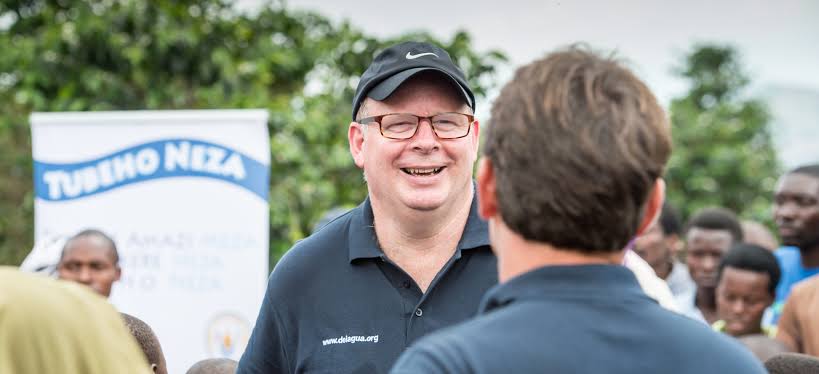The diversity of the group is part of what has made Kwita Izina increasingly significant beyond its ceremonial role.
It brings together people whose influence spans sport, tourism, entertainment, investment and conservation around a single message: protecting nature can also create opportunities for communities and economies.
#### Why Rwanda’s gorilla story matters
The annual ceremony comes against the backdrop of one of Africa’s most closely watched conservation successes.
Mountain gorilla numbers in the Virunga Massif and Bwindi landscape have risen to close to **1,100**, making them the only great-ape population currently showing sustained growth.
Rwanda has built much of its conservation and tourism strategy around protecting the gorillas while generating economic benefits from visitors who come to experience them.
The country follows a high-value, low-volume tourism model, limiting the number of people who can trek to see the gorillas.
Part of the revenue generated by Volcanoes National Park is also channelled back into neighbouring communities, supporting projects including schools, health facilities, water infrastructure and livelihoods.
Rwanda recorded about **USD 685 million in tourism revenues in 2025**, generated from approximately **1.49 million visitors**, highlighting the broader economic importance of the country’s tourism sector.
At the same time, authorities are working on longer-term habitat strategies, including plans to expand Volcanoes National Park and establish buffer zones aimed at reducing pressure between human settlements and wildlife habitat.
The challenge is becoming increasingly important as both Rwanda’s population and gorilla families require more space.
#### More than a naming ceremony
For Rwanda, Kwita Izina has evolved from a conservation-focused event into a major international platform.
The ceremony brings together celebrities and policymakers, but it also places attention on the people working closest to the animals — rangers, trackers, researchers and communities living alongside the national park.
That combination is central to Rwanda’s conservation model.
The message is not simply that gorillas must be protected.
It is that conservation must also work for the people who live around protected areas.
The involvement of football stars such as Evra and Sakho gives the event access to a global sporting audience, while artists such as Mbonyi and filmmakers such as Dusabejambo connect conservation with African culture and storytelling.
Tourism leaders and investors, meanwhile, highlight the economic opportunities that can emerge when environmental protection becomes part of a broader national development strategy.
#### The celebration continues in Kigali
The Kwita Izina celebrations will continue in Kigali on Saturday, September 5, with the **Kwita Izina Concert at BK Arena**.
Nigerian Afrobeats star **Rema** is set to headline the concert, alongside Rwandan performers including **Kivumbi King** and **Kenny Sol**.
The transition from a conservation ceremony in Kinigi to a major music event in Kigali reflects the increasingly broad reach of Kwita Izina.
What began as a way of celebrating newborn gorillas has become a platform connecting conservation, tourism, culture, sport and community development.
And behind every name given to a baby gorilla is a larger responsibility.
The infants named in Kinigi will grow up in the forests of the Virunga mountains. Their survival will depend not on the ceremony itself, but on whether Rwanda and its partners can continue protecting the habitat, supporting surrounding communities and ensuring that conservation remains economically and socially sustainable.
**The names may last a moment. The conservation work must last for generations.**

SUBSCRIBE TO OUR NEWSLETTER
First name or full name
Email
By continuing, you accept the privacy policy
**Categories:** Tourism and Nature
---
### [AFSF 2026: Kagame Urges Young African Agri-Entrepreneurs to Turn Ambition into Action](https://www.topafricanews.com/2026/09/03/afsf-2026-kagame-urges-young-african-agri-entrepreneurs-to-turn-ambition-into-action/)
**Published:** September 3, 2026
**Author:** DUSABEMUNGU Ange de la Victoire
**Content:**
**KIGALI, RWANDA — September 3, 2026** — President Paul Kagame has challenged young African entrepreneurs in agriculture to move beyond ideas and inspiration and focus on turning their ambitions into concrete action.
Speaking during the **Africa Food Systems Forum (AFSF) 2026** in Kigali on Thursday, Kagame said the success of Africa’s transformation would ultimately depend on what people do with the knowledge, opportunities and inspiration available to them.
His remarks came during an exchange with **Lydia Murekatete, co-founder of All Greens**, a youth-led agricultural enterprise that is building a business around climate-resilient food production and market access.
Murekatete used the conversation to reflect on Rwanda’s approach to youth inclusion and the environment that has enabled young entrepreneurs to participate in the country’s development.
She praised Kagame’s leadership for creating an environment that, in her view, gives young people space to contribute to Rwanda’s transformation.
She also highlighted All Greens’ work using climate-controlled greenhouses to produce food while reducing exposure to increasingly unpredictable weather conditions.
The company combines its own retail outlets with direct supply to businesses and has provided market access to more than **200 local farmers**, according to Murekatete.
For Kagame, however, the bigger question facing young Africans is not simply whether they have ideas or access to inspiration.
It is whether they are prepared to act.
#### ‘The test is in doing things’
Responding to Murekatete’s question about the lessons from Rwanda’s development journey, Kagame emphasized the importance of execution.
“It’s one thing to think about things and even be inspired,” he said. “Finally the test is in doing things.”
He urged young people to examine what they do with the knowledge and inspiration they gain from conferences, leaders and their surroundings.
“What do you do with the knowledge? What do you do with inspiration? What do you do with really understanding the world around you?” Kagame asked.
The President said ideas alone cannot deliver transformation unless they are followed by action and attention to detail.
“The devil is always going to be in the details,” he said.
His message comes at a time when African countries are under growing pressure to transform agriculture, create jobs for a rapidly expanding young population and strengthen food security while adapting to climate change.
#### Leadership starts with the individual
Kagame also challenged the idea that leadership is reserved for people who hold formal positions or titles.
He argued that every individual has the potential to become a leader.
“Everybody has the capacity, has the possibility to be a leader,” he said.
For young entrepreneurs, he suggested that leadership should begin with taking responsibility for the problems within their immediate environment rather than waiting for someone else to provide solutions.
The President also encouraged young people to look inward and assess themselves before attempting to tackle larger challenges.
He described self-reflection as an opportunity to identify personal weaknesses, learn from experience and determine what needs to be prioritized.
“You have to have a conversation with yourself,” he said, emphasizing the importance of understanding one’s own limitations and strengths.
#### From the ‘daily hustle’ to bigger challenges
Kagame said developing this discipline early can help young people build the resilience needed to take on increasingly complex challenges.
For entrepreneurs working in agriculture, that resilience can be particularly important.
Building successful food businesses in Africa often requires navigating challenges ranging from access to finance and markets to infrastructure, technology, climate risks and consumer demand.
The President’s message was therefore less about waiting for perfect conditions and more about starting with what is available and steadily building from there.
He encouraged young Africans to begin developing their leadership capacity at an early stage rather than waiting until they reach senior positions.
#### Youth at the centre of Africa’s food future
The conversation reflected one of the central questions facing the continent’s food systems: how to convert Africa’s large youth population into a productive force capable of driving agricultural transformation.
Businesses such as All Greens demonstrate how young entrepreneurs can combine technology, farming and market development to address food-system challenges while creating opportunities for other farmers.
But Kagame’s message was that innovation must ultimately be accompanied by execution.
Africa does not lack ambitious ideas. The challenge is turning those ideas into businesses, jobs, food and lasting solutions.
As thousands of stakeholders gathered in Kigali for AFSF 2026, the President’s message to the continent’s young entrepreneurs was straightforward: **inspiration is only the beginning. The real test is what you do with it.**

SUBSCRIBE TO OUR NEWSLETTER
First name or full name
Email
By continuing, you accept the privacy policy
**Categories:** Climate / Agriculture Evolution, Youth Empowerment
---
### [Clean Cooking Transition in Rwanda Requires Financial and Mindset Shift, Experts Say](https://www.topafricanews.com/2026/09/03/clean-cooking-transition-in-rwanda-requires-financial-and-mindset-shift-experts-say/)
**Published:** September 3, 2026
**Author:** DUSABEMUNGU Ange de la Victoire
**Content:**
**KIGALI, Rwanda — September 3, 2026** — Rwanda’s transition to clean cooking will require not only affordable technologies but also a significant shift in public attitudes and greater awareness of the economic benefits, experts said during an online webinar on Thursday.
The discussion, titled **“Clean Cooking for a Healthier and Greener Rwanda: From Awareness to Action,”** was organized by the **Rwanda Environmental Journalists (REJ)** and moderated by journalist **Dickson Gahima**.
The webinar brought together **Energy Private Developers (EPD) CEO Serge Muhizi** and **Director of Operations Emmanuel Ndagijimana**, who examined some of the key barriers preventing households from moving away from traditional cooking fuels, including cost, misconceptions and limited awareness.
#### Challenging misconceptions about clean cooking
One of the issues raised during the discussion was the belief that modern cooking technologies cannot adequately prepare traditional foods such as beans, which often require longer cooking times.
Ndagijimana said technologies using **liquefied petroleum gas (LPG), electricity and fuel pellets** can cook beans and other commonly prepared meals.
He argued that the challenge is largely linked to perceptions about fuel consumption and the cost of clean cooking equipment.
According to Ndagijimana, households can mistakenly consider traditional firewood or charcoal stoves inexpensive because the equipment itself may be locally made. However, he said this overlooks the wider costs associated with traditional fuels, including their impact on health and the environment.
#### Pellets offer potential savings
The experts also pointed to fuel costs as an important factor in the decision to adopt clean cooking technologies.
Ndagijimana said demonstrations conducted in rural districts had compared the amount households spend on charcoal with the cost of cooking the same meals using pellets.
A household using charcoal may consume about **1 kilogram per meal**, at a cost of between **RWF 500 and RWF 800**.
By comparison, **1 kilogram of pellets costs about RWF 350**, or approximately **RWF 400 when transport is included**, according to figures shared during the webinar.
The comparison, he said, demonstrates the importance of looking beyond the initial price of a stove and considering the longer-term cost of fuel.
He urged households to consider three factors when choosing a cooking technology: **availability of fuel, access to after-sales maintenance and long-term return on investment.**
#### Subsidies and flexible payment models
The initial cost of clean cooking equipment remains a major challenge for many households, particularly those with limited incomes.
Muhizi said that although the **Renewable Energy Fund** was phased out in 2024, government subsidy mechanisms remain available to help reduce the cost of clean cooking technologies, depending on household circumstances.
Private-sector companies are also exploring alternative financing models, including **Pay-As-You-Go (PAYG)** arrangements, which allow households to spread payments rather than meeting the full cost upfront.
The webinar also highlighted initiatives targeting rural communities. Partners such as **Eco-Green** have distributed **500 improved cookstoves and pellet packages**, while a decentralized financing model has been introduced through local **Private Forest Management Units (PFMUs)**.
Under the model, the groups receive seed capital to acquire stoves and pellets from manufacturers. Cooperative members can then repay the cost on a flexible **“pay-per-season”** basis, aligned with agricultural harvest periods.
#### Mindset change remains a major hurdle
Despite the availability of cleaner technologies and financing mechanisms, Muhizi identified **public awareness and mindset change** as among the biggest obstacles to Rwanda’s clean cooking transition.
He said many households remain unaware of the potential savings associated with clean cooking and do not have sufficient information about government support available to them.
The experts also called for measures to reduce the cost of importing and distributing clean cooking technologies.
High supply-chain costs, they argued, ultimately increase prices for consumers and make adoption more difficult.
Reducing those costs, while strengthening public awareness and access to financing, could help accelerate the shift toward cleaner cooking and contribute to Rwanda’s efforts to build a **healthier and greener future**.

SUBSCRIBE TO OUR NEWSLETTER
First name or full name
Email
By continuing, you accept the privacy policy
**Categories:** CLIMATE CHANGE, Energy
---
### [G20 Finance Leaders Conclude Asheville Summit: A Focus on Innovation, Stability, and Debt Reform](https://www.topafricanews.com/2026/09/03/g20-finance-leaders-conclude-asheville-summit-a-focus-on-innovation-stability-and-debt-reform/)
**Published:** September 3, 2026
**Author:** EDITOR
**Content:**
**ASHEVILLE, NORTH CAROLINA** – The Second Meeting of G20 Finance Ministers and Central Bank Governors concluded in Asheville on September 1, 2026, marking a significant step in shaping the G20’s financial agenda for the year. The summit brought together global financial leaders to address pressing economic challenges, ranging from sustaining resilient growth to modernizing regulatory frameworks for emerging technologies.
**Promoting Resilient Global Growth**
The gathered ministers underscored the resilience of the global economy despite ongoing geopolitical tensions and conflicts. A key focus of the discussions was the stability of critical supply chains, particularly in energy, food, fertilizer, and minerals. The meeting welcomed a commitment from Multilateral Development Banks (MDBs) to strengthen fertilizer supply chains, a move aimed at bolstering global food security and supporting agricultural productivity.
Leaders emphasized that private sector-led growth is essential. By fostering supportive business environments, reducing administrative burdens, and encouraging innovation, G20 members aim to drive broad-based economic prosperity.
**The Role of Artificial Intelligence and Financial Innovation**
Artificial intelligence (AI) took center stage as a general-purpose technology with the potential to reshape global economies. The G20 representatives recognized that embracing responsible AI development and diffusion is critical for future growth.
Beyond AI, the summit addressed the modernization of financial regulations to ensure stability in an era of rapid digital innovation. Ministers committed to creating clear, sound regulatory pathways for digital assets and cross-border payments, while simultaneously working to combat illicit finance, money laundering, and the exploitation of AI by fraudsters.
**Strengthening the Sovereign Debt Architecture**
Recognizing the burden of debt on many nations, the G20 reaffirmed its commitment to the “Common Framework” to ensure faster and more predictable debt treatments. The summit highlighted the importance of debt data transparency, encouraging broader participation in the World Bank’s Debt Data Sharing Exercise to improve the accuracy and efficiency of international debt negotiations.
**Financial Literacy for the Future**
The U.S. G20 Presidency also brought high-level attention to global financial literacy, describing it as foundational to long-term financial health. Leaders committed to scaling up national education efforts and leveraging evidence-based practices to help individuals make informed decisions about saving, investing, and building wealth throughout their lifetimes.
The Asheville meeting successfully streamlined the G20 Finance track, enhancing its focus on core economic priorities. While the statement was largely met with consensus, it is noted that China recorded objections to specific paragraphs regarding global growth, global imbalances, and sovereign debt architecture.
As the global community looks toward the upcoming annual meetings, the G20 continues to position itself as a central forum for navigating the complexities of a modern, interconnected financial world.

SUBSCRIBE TO OUR NEWSLETTER
First name or full name
Email
By continuing, you accept the privacy policy
**Categories:** Business and Trade
---
### [Fatma Samoura Joins ACG Advisory Board to Advance Sport and Entertainment in Africa](https://www.topafricanews.com/2026/09/03/fatma-samoura-joins-acg-advisory-board-to-advance-sport-and-entertainment-in-africa/)
**Published:** September 3, 2026
**Author:** DUSABEMUNGU Ange de la Victoire
**Content:**
***Ms Samoura served as Secretary General of FIFA from 2016 to 2023 and has been a member of the Fédération Internationale de l’Automobile (FIA) Senate since 2022***
LONDON, United Kingdom – African Collaborations Group (ACG) (www.ACGafrica.com), the leading strategic project origination and collaboration platform focused on the industrialisation of sport in Africa through the origination of bankable sport and entertainment district ecosystems, today announced the appointment of Fatma Samoura to its Advisory Board.
Recognised as one of the most distinguished sport administrators of her generation, Ms Samoura brings more than three decades of international leadership experience spanning sport, development, humanitarian affairs and global governance.
Ms Samoura served as Secretary General of FIFA from 2016 to 2023, becoming the first woman and the first non-European to hold the position in FIFA’s history. During her tenure, she oversaw FIFA’s global administration across its major operational and institutional functions, including the delivery of two FIFA World Cups and two FIFA Women’s World Cups. She also played a leading role in strengthening FIFA’s governance, member association services and international development programmes.
Before joining FIFA, Ms Samoura spent more than 21 years with the United Nations, holding senior leadership positions in humanitarian and development operations, including with the World Food Programme (WFP), the United Nations Development Programme (UNDP) and the United Nations Office for the Coordination of Humanitarian Affairs (OCHA). Her UN career took her across Africa, Central and South America and Asia, giving her extensive experience working with governments, international institutions and development partners.
She has served as a Senate Member of the Fédération Internationale de l’Automobile (FIA) since February 2022.
Her appointment strengthens the ACG Advisory Board with exceptional expertise in global sport governance, institutional leadership, international development, federation relations and the delivery of major sporting events — capabilities directly relevant to originating and structuring large-scale sport and entertainment district projects across the African continent.
“Fatma Samoura is one of the most distinguished sport administrators of her generation. Her unique experience at the intersection of global governing bodies, national federations, governments and international institutions is precisely the calibre of expertise ACG needs as we originate a new generation of bankable sport and entertainment district ecosystems across the African continent. Her presence on our Advisory Board is a genuine strategic asset,” said Nicolas Pompigne-Mognard (www.Pompigne-Mognard.com), Founder and Executive Chairman of ACG.
The ACG Advisory Board provides strategic guidance as ACG originates and structures large-scale sport and entertainment district projects across the continent, aligning governments, development finance institutions (DFIs), investors, sport bodies and infrastructure partners to support the development of financially sustainable, mixed-use district ecosystems.
Africa’s sport economy is projected to reach $20 billion by 2035, yet the continent continues to lack the integrated district ecosystems required to support large-scale development. ACG addresses this gap by originating bankable sport and entertainment district projects, moving beyond single-venue development models towards mixed-use, revenue-generating and financially sustainable district ecosystems.
Through its collaborative model, ACG convenes governments, PPP authorities and regulators, development finance institutions, private investors, developers, designers and engineers, legal and transaction advisors, operators, sport federations and leagues, event promoters, media and broadcast partners, academic institutions and host communities, creating structured pathways from concept to feasibility, bankability and delivery.

SUBSCRIBE TO OUR NEWSLETTER
First name or full name
Email
By continuing, you accept the privacy policy
**Categories:** Entertainment, SPORTS
---
### [Soil Degradation Deepens Worldwide as Sustainable Practices Fall Behind](https://www.topafricanews.com/2026/09/03/soil-degradation-deepens-worldwide-as-sustainable-practices-fall-behind/)
**Published:** September 3, 2026
**Author:** Mutangana Emmanuel
**Content:**
Soil degradation is worsening across many parts of the world, while the adoption of proven practices to protect and restore soils remains far below the level needed to safeguard food production, according to a new global assessment by the Food and Agriculture Organization of the United Nations (FAO).
The findings are contained in the Status of the World’s Soil Resources 2026, launched alongside new guidance developed by FAO and the United Nations Convention to Combat Desertification (UNCCD). The publications were presented at the 17th session of the Conference of the Parties to the UNCCD (COP17).
The assessment draws on scientific literature published between 2015 and 2025 and expertise from 75 countries. It updates FAO’s first global assessment of soil resources, published in 2015 through the Global Soil Partnership.
According to the report, more than half of the regional and subregional assessments reviewed show low or very low adoption of sustainable soil management practices.
The situation has also deteriorated in recent years. About 58 percent of assessments report a worsening trend since 2015, while only around 10 percent indicate improvement.
The findings highlight a growing gap between what is known about protecting soils and what is being implemented on the ground.
“We have much better evidence today about the pressures facing the world’s soils, and about the practices that can protect and restore them,” said FAO Deputy Director-General Beth Bechdol.
“But this report makes clear that proven solutions are still not being adopted at the pace and scale required,” she added, calling for greater knowledge, capacity and incentives to help farmers and other land users put sustainable practices into action.
**Soil erosion among the biggest threats**
Soils play a central role in global food systems. FAO says they underpin food security and are responsible for producing more than 95 percent of the food people consume.
Beyond agriculture, healthy soils help store and filter water, regulate the climate, support biodiversity and sustain livelihoods.
But growing pressures are placing these functions at risk.
Since 2015, the global population has increased by about 800 million people, while the harvested area of major crops has expanded by approximately 80 million hectares.
The report identifies urbanization, unsustainable agricultural practices, industrial activities, conflicts and pollution among the pressures contributing to land degradation and declining soil functions.
Soil erosion stands out as the most severe and interconnected threat identified in the assessment.
Across the seven regions examined, 81 percent of assessments rate erosion management as poor or very poor, while 65 percent report a worsening trend since 2015.
The report also highlights major differences in nutrient management between regions. Some agricultural areas are dealing with nutrient surpluses caused by excessive inputs, while others face nutrient depletion that limits agricultural productivity and threatens food security.
This, the assessment suggests, makes locally appropriate approaches essential rather than relying on a single solution for all farming systems.
**Known solutions need to be scaled up**
The assessment points to a range of practices that can help protect and restore degraded soils while maintaining or improving agricultural productivity.
These include reduced tillage, integrated nutrient management, crop diversification, cover crops, organic amendments and agroforestry.
The challenge, however, is not simply identifying effective practices but ensuring they are adopted widely and consistently.
FAO and UNCCD’s new guidance therefore calls for coordinated action across governments, farmers, researchers and other stakeholders.
The report identifies five priorities for accelerating progress: stronger soil governance and legal frameworks; greater investment in education and capacity development; improved soil monitoring and data systems; stronger incentives for sustainable soil management; and more inclusive decision-making involving different sectors and stakeholders.
The assessment argues that soils should be treated as strategic assets rather than simply as a foundation for agricultural production.

SUBSCRIBE TO OUR NEWSLETTER
First name or full name
Email
By continuing, you accept the privacy policy
**Categories:** Natural Resources and Agriculture
---
### [Uganda Names Its Export Crude “Pearl Sweet” as $15 Billion Oil Projects Near First Oil](https://www.topafricanews.com/2026/09/03/uganda-names-its-export-crude-pearl-sweet-as-15-billion-oil-projects-near-first-oil/)
**Published:** September 3, 2026
**Author:** EDITOR
**Content:**
**President Yoweri Museveni names Uganda’s export crude blend ‘Pearl Sweet’, giving the country a global market identity as the US$15 billion Tilenga-Kingfisher-EACOP development enters its final phase towards production and export**
- Pearl Sweet will combine crude from the Tilenga and Kingfisher developments, operated by TotalEnergies EP Uganda and CNOOC Uganda Limited respectively, and will be comingled at the Kabaale Shared Facilities in Hoima before entering the East African Crude Oil Pipeline (EACOP).
- The name combines national identity with a commercial description: “Pearl” draws on Uganda’s historic ‘Pearl of Africa’ identity, while “Sweet” reflects the crude’s low sulphur content.
- Tilenga, operated by TotalEnergies EP Uganda, is designed to produce about 190,000 barrels per day at peak production. Kingfisher, operated by CNOOC Uganda Limited, is designed for about 40,000 barrels per day. Together they are expected to deliver approximately 230,000 barrels per day at peak.
- Naming supports future crude marketing activities and engagement with potential buyers, led by UNOC and its Joint Venture Partners TotalEnergies EP Uganda and CNOOC Uganda Limited.
*Lake Albertine Graben, Uganda: 2 September 2026* – Uganda today gave its emerging oil industry a global commercial identity as President Yoweri Kaguta Museveni officially unveiled **Pearl Sweet**, the name under which the country’s export crude blend will be introduced to international energy markets.
The official naming at a special ceremony at the Kingfisher Development Area marks the point at which Uganda’s crude becomes a recognisable traded product. International crude oils are bought and sold as identifiable grades, allowing refiners, traders, shipping companies, price-reporting agencies and analysts to recognise their origin and quality and to build pricing histories around them.
Pearl Sweet will give Uganda that market identity for the first time, appearing on cargo documentation, refinery specifications and international trading databases.
The chosen name deliberately carries both national identity and commodity information. “Pearl” reflects Uganda’s historic title as the ‘Pearl of Africa’, a monicker given to the country by Winston Churchill after he was struck by the country’s exceptional natural beauty and resources.
“Sweet” is a petroleum classification reflecting the crude’s low sulphur content, an important characteristic for refiners seeking lower-sulphur feedstocks. In addition, the blend is considered medium light with an API gravity falling in the 28-31° range. This is a good feature for product yield/value, with a higher API usually meaning more light products and easier refining and a better price.
**President Museveni told attendees “**What you sow is what you reap” recounting that Uganda sought a strategy to domesticate the oil industry. He said the benefits of refining at home included support for the local economy and protection of the environment especially because the government has forbidden flaring of gas, he added, that oil is an finite resource, and its benefit must be for future generations**.**
**Dr. Monica Musenero Masanza, Uganda’s Minister of Energy and Mineral Development, said:** “Uganda’s oil journey is anchored on efficiency, responsibility and ensuring that our resources create lasting value for Ugandans. The naming of Pearl Sweet marks an important step as Uganda prepares to take its place in the international oil market. The progress at Tilenga and Kingfisher shows that we are ready to produce responsibly, safeguard the environment and build an industry whose benefits are felt across the Ugandan economy.”
**UNOC Chief Executive Officer Proscovia Nabbanja said:** “Pearl Sweet gives Uganda’s crude what every traded grade needs: a clear identity, a defined quality and a name the market can recognise. The Pearl speaks to Uganda. The Sweet tells refiners something important about the crude itself. For UNOC, the naming opens the next phase: taking Uganda’s barrels to market, building long-term relationships with refiners and traders and capturing maximum value for the country.”
**Lynda Biribonwa, Chairperson of the sector regulator PAU, said:** “As Uganda prepares to enter the era of oil production, our collective responsibility is to continue converting petroleum resources into skills, enterprises, infrastructure, technology, industrialisation, energy security, and shared prosperity. Uganda’s crude oil, Pearl Sweet, will be known for its quality and the positive impact it creates in the lives of Ugandans.”
The name was selected following technical assessment of the crude, stakeholder consultation and evaluation against commercial, cultural and international branding criteria before final Presidential endorsement. Pearl Sweet was chosen because it connects a distinctively Ugandan identity with a technically meaningful market designation.
The new crude will combine processed crude from Tilenga and Kingfisher at the Kabaale Shared Facilities in Hoima before entering EACOP, a 1,443km heated export pipeline connecting Uganda to Tanzania’s Tanga port.
The Lake Albert Integrated Development is built around approximately 1.65 billion barrels of recoverable oil resources. Tilenga, operated by TotalEnergies EP Uganda, is designed to produce about 190,000 barrels per day at peak production. Kingfisher, operated by CNOOC Uganda Limited, is designed for about 40,000 barrels per day. Together they are expected to deliver approximately 230,000 barrels per day at peak.
UNOC holds a 15% participating interest on behalf of the Government of Uganda in both upstream developments. Through its wholly owned National Pipeline Company Uganda Limited, it also holds a 15% interest in EACOP alongside TotalEnergies, Tanzania Petroleum Development Corporation and CNOOC.
**Projects move into commissioning**
EACOP provides the export route that turns landlocked Uganda into an Indian Ocean crude supplier. As the longest electrically insulated crude pipeline in the world, the 1,443 km buried pipeline runs from Kabaale in Hoima District to the marine export terminal at Chongoleani near Tanga, Tanzania. It will ensure flow assurance, consistent quality and temperature management, reliable transit to export markets.
**From project development to commercialisation**
Pearl Sweet was launched today following years of investment in one of the largest industrial developments in Uganda’s history. Tilenga, Kingfisher and EACOP represent an investment programme of around US$15 billion, with more than US$12 billion already invested across the three projects as Uganda approaches First Oil.
The investment is also building domestic capacity. Total employment in the sector as of March 2026 was 22,234, with 85% being Ugandan nationals. Across the sector, more than 14,000 Ugandans have been trained and certified in oil and gas disciplines, while local-content requirements have retained a significant share of project spending in Uganda.

SUBSCRIBE TO OUR NEWSLETTER
First name or full name
Email
By continuing, you accept the privacy policy
**Categories:** Business and Trade, Energy
---
### [Gahini School Prepares to Welcome Learners with Visual Impairments After Three-Year Gap](https://www.topafricanews.com/2026/09/03/gahini-school-prepares-to-welcome-learners-with-visual-impairments-after-three-year-gap/)
**Published:** September 3, 2026
**Author:** DUSABEMUNGU Ange de la Victoire
**Content:**
**Kayonza, Rwanda — September 3, 2026:** A joint delegation from the Ministry of Education, Kayonza District and the Rwanda Union of the Blind (RUB) visited Groupe Scolaire (GS) Gahini on Wednesday to assess preparations for the return of Learners with visual impairments to the school.
The one-day visit followed nearly three years without students with visual impairments attending the school, despite GS Gahini’s longstanding history of providing education to blind and visually impaired learners.
GS Gahini has been associated with inclusive education for students with visual impairments since 1997. The school played an important role in Rwanda’s education history by accepting blind students who for the first time in the country’s hist sat for national examinations when other schools were reluctant to accommodate them due to limited understanding and experience in educating learners with visual impairments.
However, since 2022, no student with visual impairment had been enrolled at the school, and the main reason for the decline in admissions had not been clearly established.
#### Two Students Already Assigned to Gahini
Jacques Mugisha, Executive Director of the Rwanda Union of the Blind, said the visit was intended to establish whether decisions taken following discussions between RUB and education authorities were being implemented.
> “Since 2022, no student has gone to GS Gahini, but we never clearly established the main reason why these children did not return,” Mugisha explained.
He said the situation could have resulted from several factors, including students not being assigned to the school, perceptions among students or parents, or other issues that had not been identified.
According to Mugisha, RUB subsequently engaged the Ministry of Education, particularly State Minister Dr. Claudette Irere, and discussions resulted in an agreement that students with visual impairments who pass the national examinations at primary and O’ Level would also be considered for placement at GS Gahini during the 2026/2027 academic year.
The latest visit sought to establish whether students had actually been assigned to the school following the release of examination results and the placement of students in secondary schools.
The delegation confirmed that **two learners with visual impairments had been assigned to GS Gahini**, while additional students could potentially be placed at the school.
#### Resource Room Needs Urgent Support
During the visit, the delegation also inspected the school’s Resource Room, an important component of Rwanda’s Special Needs and Inclusive Education Policy.
Resource Rooms are intended to provide specialized learning support and equipment for students with disabilities. For learners with visual impairments, they can play a critical role in providing Braille materials and helping students access examinations, learning resources and other written information.
However, the delegation found that the Resource Room had not been fully utilized during the period when the school had no students with visual impairments. It currently lacks some of the essential equipment needed to support the return of blind and visually impaired learners.
The delegation therefore agreed on a number of measures to ensure the school is adequately prepared.
#### Key Actions Agreed
**1. GS Gahini confirms readiness**
School leadership confirmed that it is ready to welcome students with visual impairments and has not refused to admit them.
**2. Provision of essential equipment**
The Rwanda Basic Education Board (REB) is expected to urgently provide the basic equipment required to support learners with Visual impairments. Where possible, the equipment should be available before or during the first days of the new school year.
**3. Awareness among teachers**
Awareness activities will be organized to help teachers understand that teaching students with visual impairments is possible and that learners with visual impairments can successfully participate in mainstream education when appropriate support is provided.
**4. Refresher training for teachers**
Education authorities and partners will organize additional training for teachers on inclusive education and supporting students with visual impairments. Although teachers have previously received training, staff movements and transfers mean that refresher training is necessary.
**5. Resource Room teacher**
REB has already designated a teacher to work in the Resource Room. Authorities will assess the teacher’s skills, particularly in Braille. If skills is lacking, another teacher may be assigned.
**6. Adequate Braille materials**
The authorities will also work to ensure sufficient Braille paper and other materials are available to facilitate the preparation of lessons, examinations and other educational documents in Braille.
**7. Annual coordination meetings**
The stakeholders agreed to hold at least one joint meeting every year to assess progress and identify challenges affecting students with visual impairments, helping prevent future disruptions.
**8. Encouraging students to choose Gahini**
RUB, the Ministry of Education and other relevant institutions will strengthen communication with students with visual impairments, particularly those in special schools approaching the end of their current education level.
The aim is to ensure that students and their families understand that GS Gahini is available to accommodate learners with visual impairments and can therefore be considered when students select schools for the next stage of their education.
#### Renewed Commitment to Inclusive Education
The visit represents an effort by education authorities and disability organizations to ensure that students with visual impairments have access to appropriate educational opportunities without unnecessary barriers.
For GS Gahini, the return of visually impaired learners would also revive an important part of its history of inclusive education.
With two students already assigned to the school and preparations underway to strengthen its Resource Room, stakeholders now face the task of ensuring that the commitments made during the visit translate into practical support when the 2026/2027 academic year begins.
The partners say continued coordination, teacher training, adequate Braille materials and clear communication with families will be essential to ensuring that students with visual impairments can learn alongside their peers and fully participate in school life.

SUBSCRIBE TO OUR NEWSLETTER
First name or full name
Email
By continuing, you accept the privacy policy
**Categories:** ADVOCACY, EDUCATION
---
### [President Kagame Receives UN Envoys as Rwanda’s Security Takes Centre Stage in DRC Talks](https://www.topafricanews.com/2026/09/02/president-kagame-receives-un-envoys-as-rwandas-security-takes-centre-stage-in-drc-talks/)
**Published:** September 2, 2026
**Author:** LIBOS NDAYISHIMIYE
**Content:**
President Paul Kagame has put Rwanda’s security at the centre of high-level talks on the crisis in eastern Democratic Republic of Congo (DRC). He received two senior United Nations officials in Kigali to address the conflict from its roots and prevent its consequences from spilling further across the Great Lakes region.
On Wednesday 02 September 2026 afternoon, President Kagame received James Swan, the United Nations Secretary-General’s Special Representative in the DRC and Head of the United Nations Organization Stabilization Mission in the Democratic Republic of the Congo (MONUSCO), and Huang Xia, the UN Secretary-General’s Special Envoy for the Great Lakes Region.
The discussions focused on the persistent conflict in eastern DRC and possible approaches to resolving it through measures that address its underlying causes rather than concentrating only on the symptoms of the crisis.
A key concern in the talks was the impact of the insecurity in eastern DRC on Rwanda’s national security, highlighting the interconnected nature of security challenges across the Great Lakes region.
The conflict in eastern DRC has remained a major source of instability in the region, with its effects extending beyond the country’s borders and continuing to generate security and humanitarian concerns.
President Kagame’s engagement with the UN representatives comes as regional and international efforts continue to seek a sustainable political solution to the crisis. The involvement of both the UN mission in DRC and the UN envoy for the Great Lakes reflects the broader regional and international dimension of the challenge.
For Rwanda, addressing the crisis requires confronting the factors that have allowed instability to persist in eastern DRC. Kigali has consistently maintained that lasting peace cannot be achieved through temporary measures alone, but requires solutions that address the underlying drivers of conflict while safeguarding the security of neighbouring countries.
The meeting also underscores the importance of continued diplomatic engagement between Rwanda, the United Nations and other regional stakeholders as efforts to restore lasting peace in eastern DRC move forward.
Huang Xia’s role in the discussions brings a wider Great Lakes perspective to the engagement, given the cross-border implications of insecurity in the region. His participation alongside Swan signals the importance of linking efforts in DRC with broader initiatives aimed at strengthening regional peace and stability.
The talks therefore come at a crucial time when the search for peace in eastern DRC remains a priority for regional and international actors. A durable settlement would not only help reduce violence inside DRC but could also strengthen security, regional cooperation and stability across neighbouring countries.

SUBSCRIBE TO OUR NEWSLETTER
First name or full name
Email
By continuing, you accept the privacy policy
**Categories:** NEWS
---
### [Africa Needs Greater Fertilizer Self-Reliance to Protect Food Security, Solidaridad Says](https://www.topafricanews.com/2026/09/02/africa-needs-greater-fertilizer-self-reliance-to-protect-food-security-solidaridad-says/)
**Published:** September 2, 2026
**Author:** Mutangana Emmanuel
**Content:**
Africa needs to move towards greater self-reliance in fertilizer production and agricultural inputs as repeated global market shocks continue to expose farmers and food systems to risks beyond their control, according to Dr. Jonathan Atkinson, Managing Director of Solidaridad Southern Africa.
Atkinson said African countries should consider strengthening their own capacity to produce fertilizer and make greater use of locally available raw materials, while simultaneously building resilience to international market disruptions.
“There are probably two components to it. Whether we should be building up our own ability to produce our own fertilizer, and at the same time, building resilience against global shocks,” Atkinson said in an interview in Kigali.
His comments come as fertilizer prices, supply disruptions and wider input costs remain major concerns for African agriculture. Solidaridad is participating in the 2026 Africa Food Systems Forum, taking place in Kigali from August 31 to September 4, where Atkinson is engaging in discussions on fertilizer resilience, agricultural innovation and sustainable farming.
**‘We cannot be on the back end of these crises’**
Atkinson said Africa’s challenge is not simply the availability of fertilizer but the continent’s continued exposure to crises that originate outside its control.
“These crises have come upon us when there are other challenges that we need to deal with as well,” he said, noting that building domestic fertilizer production cannot happen overnight.
According to him, countries need to establish partnerships between governments and the private sector, while also strengthening cooperation across African institutions and countries.
He cautioned against looking for a single solution that can be applied uniformly across the continent.
“I don’t think that there’s a one-size-fits-all approach for every country. Each country has different opportunities, different risks,” Atkinson said.
But he argued that the frequency of such disruptions makes it increasingly important for African countries to plan beyond the immediate crisis.
“They’re happening every two to three years now, and it’s becoming harder and harder to adapt to these challenges,” he said.
He added, “We need to be able to look forward. What does it mean for us to become independent, to become sovereign, to domesticate some of our own livelihoods?”
**From fertilizer resilience to farmer resilience**
For Solidaridad, the issue is also closely connected to its new five-year strategy covering 2026–2030.
The organisation aims to reach 260,000 emerging and small-scale farmers in Southern Africa and support at least 13,000 to become agricultural entrepreneurs, according to Atkinson. The target is part of its Multi-Annual Strategic Plan IV, which places farmers at the centre of agricultural transformation.
Atkinson said the new strategy will put greater emphasis on partnerships with governments, private companies, civil society organisations and research institutions.
“You cannot get where you want to go on your own,” he said.
For him, private-sector involvement is particularly important because investment in areas such as fertilizer production cannot be driven by governments and development organisations alone.
“If we’re wanting to become independent in terms of fertilizer supply, we need to have the private sector investing,” he said.
The strategy also seeks to bring more young people and women into agriculture, alongside efforts to promote fair wages and more integrated farming systems.
Atkinson said the focus on youth is particularly important as agricultural populations in many countries are ageing.
“To ensure food security and food sovereignty, we need to bring young farmers into the mix,” he said.
**Finance remains a major barrier**
Even where technologies and agricultural innovations are available, Atkinson said farmers can struggle to benefit from them because they cannot access finance at the right time.
“The cost of inputs is just escalating continually,” he said, pointing to seed, fertilizer and crop-protection products.
But he stressed that timing is as important as access itself.
“In a farming setting and in agriculture, finance is timing dependent. Farmers need financing before the planting season so they can purchase and apply inputs when they are needed. If you don’t do that, you miss the opportunity,” Atkinson said.
Rather than acting as a microfinance institution, Atkinson said Solidaridad works to profile farmers and understand their land, experience, needs and ambitions, allowing financial institutions and government agencies to better determine what type of financing may be appropriate.
For some farmers, he said, financing could support working capital, while others may need capital for mechanisation, irrigation or other investments.
**Models already operating in Southern Africa**
Atkinson said Solidaridad is already using such approaches in Zambia, Mozambique and Malawi, including among farmers facing difficult climatic and production conditions.
He cited examples including financing for drip irrigation and irrigation kits, drought-tolerant seed, packaging and marketing, working capital for harvesting and storage, and the introduction of biochar through carbon projects.
The objective, he said, is to view the farm and the farmer as part of a wider value chain rather than treating access to finance as an isolated intervention.
“It’s got to deliver a return, not always a financial return, but a return even in yield,” he said.
**A continental response**
Atkinson also called for African countries to treat agricultural challenges as interconnected rather than purely national problems.
He argued that disruptions in one African country can have consequences elsewhere because of the continent’s interconnected economies and food systems.
“There is no single solution,” he said when asked what interventions could be scaled across Africa.
Instead, he advocated a collective approach involving governments, the private sector and continental institutions.
“It’s this mindset that we are on one continent,” he said.
For Atkinson, the Africa Food Systems Forum provides an opportunity for those stakeholders to identify where countries face similar challenges and where cooperation can produce solutions that individual countries may struggle to achieve alone.
Solidaridad’s participation in the forum is also intended to help shape implementation of its new strategic plan and strengthen partnerships with governments, donors, research organisations and other stakeholders. The organisation is also using the forum to deepen regional partnerships, including through an agreement with the International Crops Research Institute for the Semi-Arid Tropics (ICRISAT).
Atkinson described the forum as a “halftime” in which organisations can assess what is working, determine where they need to change direction and then apply those lessons after the event.
For Africa’s food systems, however, the bigger challenge will be turning those discussions into investments and policies that make farmers less exposed to the next global shock.

SUBSCRIBE TO OUR NEWSLETTER
First name or full name
Email
By continuing, you accept the privacy policy
**Categories:** Natural Resources and Agriculture
---
### [Unstoppable Africa 2026 to Unite Global Leaders in New York for Investment and Growth](https://www.topafricanews.com/2026/09/02/unstoppable-africa-2026-to-unite-global-leaders-in-new-york-for-investment-and-growth/)
**Published:** September 2, 2026
**Author:** TOPAFRICANEWS
**Content:**
**NEW YORK, United States, September 2, 2026** – More than 2,000 African and global business leaders plus heads of state will gather in New York on September 20–21 for *Unstoppable Africa*, flagship event of the Global Africa Business Initiative (GABI).
Convened by UN Secretary-General António Guterres and H.E. Mahmoud Ali Youssouf, Chairperson of the African Union Commission, and organized and coordinated by the UN Global Compact, the fifth edition of Unstoppable Africa will convene under the theme “Powering Business, Scaling Economies, Shaping the Future”.
Held on the sidelines of the opening of the 81st session of the United Nations General Assembly, *Unstoppable Africa* will feature leading investors, policymakers, creatives, sports executives and decision-makers working to accelerate Africa’s business, trade and investment and amplify its role in shaping global markets.
Sanda Ojiambo, Assistant Secretary-General and CEO of the United Nations Global Compact, said: “This year, we are sharpening the focus on mobilising capital, forging partnerships, building businesses and turning Africa’s assets and opportunities into investable, scalable outcomes. The ambition is not simply to shape how the world sees Africa, but to shape where global capital flows, where value is created and how Africa can capture it.”
The high-level convening comes at a time of global supply chains being redrawn by geopolitical tension, energy insecurity and shifting trade rules. For the African continent, these pressures create an opportunity to leverage its critical minerals, renewable energy potential, expanding consumer markets and young workforce to attract long-term capital and capture more value from global shifts.
*Unstoppable Africa* 2026 will look at how the continent can turn these shifts into lasting economic opportunity. The program will focus on how Africa can capture more value from its critical minerals, strengthen infrastructure and trade, mobilise capital at scale and build more integrated and competitive markets. Discussions will also explore Africa’s energy transition, the development and ownership of AI and digital infrastructure, the financing and global distribution of African creative industries, and how sport can become a stronger engine for investment, talent development and economic growth.
Other confirmed speakers include:
- H.E. Julius Maada Bio, President, Republic of Sierra Leone
- H.E. Duma Gideon Boko, President, Republic of Botswana
- H.E. Paula Ingabire, Minister of ICT and Innovation, Rwanda
- Samaila Zubairu, President and CEO, African Finance Corporation
- Nolitha Fakude, Chairperson, Anglo American South Africa
- Tidjane Thiam, General Partner, Allied Critical Minerals Fund
- Phuthi Mahanyele-Dabengwa, CEO and Executive Director, Naspers
- Olugbenga Agboola, CEO, Flutterwave
- Cameron Bailey, CEO, Toronto International Film Festival
- Wanuri Kahiu, filmmaker
- Akunna Cook, Founder and CEO, Next Narrative Africa Fund
- Luol Deng, former NBA All-Star and President, South Sudan Basketball Federation
- Clare Akamanzi, CEO, NBA Africa
- Amina J. Mohammed, Deputy Secretary-General, United Nations
- Massad Boulos, Senior Advisor to the President of the United States on Arab and African Affairs
- Damilola Ogunbiyi, CEO and Special Representative of the UN Secretary-General for Sustainable Energy for All
The five themes of GABI and *Unstoppable Africa,* namely Energy, Digital Transformation, Trade, Creative Industries, and Sport, will be supported by high-level plenaries, CEO and investor roundtables, ministerial dialogues, startup showcases, and GABI Solutions Labs. The 2026 edition will create opportunities to spark transactions, develop investment vehicles, and form cross-border alliances and partnerships. Full implementation of the African Continental Free Trade Area could create a $3.4 trillion market, according to UNCTAD’s 2024 Economic Development in Africa Report, highlighting the scale of the opportunity as regional integration deepens.
Once again, the event will be hosted by Folly Bah Thibault, Senior News Anchor at Al Jazeera Media Network, and Larry Madowo, International Correspondent at CNN, and will spotlight more than 500 nominees in the Unstoppable Africans campaign.
Media partners to date include African Business/New African; African Renewal; Afrique Media; AllAfrica; Arise News; Business Digest Magazine; Citizen TV; EIB Network; Envoy Magazine; The Kenyan Wall Street; News Central TV; SDG News; The Africa Report; The Nation Media Group; TIME Africa.
*Unstoppable Africa* 2026 will take place at the New York Marriott Marquis, Times Square, 1535 Broadway, New York City. Accredited media and other eligible communication professionals can register at **https://apo-opa.com/unstoppable-africa-2026/**.

SUBSCRIBE TO OUR NEWSLETTER
First name or full name
Email
By continuing, you accept the privacy policy
**Categories:** NEWS
---
### [Uzbekistan Renews ICBA’s Tashkent Office Accreditation Through 2029](https://www.topafricanews.com/2026/09/02/uzbekistan-renews-icbas-tashkent-office-accreditation-through-2029/)
**Published:** September 2, 2026
**Author:** TOPAFRICANEWS
**Content:**
**ULAANBAATAR, Mongolia, 27 August 2026** — The International Center for Biosaline Agriculture (ICBA) has strengthened its engagement in Central Asia after Uzbekistan renewed the accreditation of the Center’s Regional Office in Tashkent through 2029.
The announcement was made during the 17th Session of the Conference of the Parties to the United Nations Convention to Combat Desertification (UNCCD COP17), hosted by Mongolia under the theme **“Restoring Land. Restoring Hope.”**
ICBA participated in COP17 as part of Uzbekistan’s delegation and through the country’s national pavilion, highlighting its work in land restoration, drought resilience, sustainable agriculture, and food and water security.
ICBA Director General **Dr. Tarifa Alzaabi** said the renewal reflects Uzbekistan’s confidence in the Center’s scientific and innovation mandate and provides an opportunity to further expand practical solutions for arid and saline environments.
“Turning ambition into tangible impact requires science-based policies, finance and investment directed towards scalable solutions, and partnerships capable of connecting knowledge with implementation,” Alzaabi said.
She added that ICBA would continue working with partners to translate research and innovation into practical solutions while mobilizing investment to expand their impact across the region.
#### Financing Land Restoration
During Finance Day at COP17, ICBA hosted a high-level dialogue titled **“From Investment to Impact: Financing the Restoration of Degraded Lands for Food Security, Climate Resilience and Sustainable Livelihoods”** at the Uzbekistan Pavilion.
The discussion brought together senior representatives from several countries to explore how research, innovation and investment can be better connected to national priorities and scaled into sustainable solutions.
Uzbekistan’s Advisor to the President on Environmental Issues and Chairman of the National Committee on Ecology and Climate Change, **H.E. Aziz Abdukhakimov**, joined the dialogue as Guest of Honour and emphasized the importance of investment in achieving national environmental and development priorities.
Professor **Bakhtiyor Pulatov**, Rector of the Central Asian University of Environmental and Climate Change Studies, highlighted the role of research and innovation, including the AquaBio Lab, developed through cooperation between Green University and ICBA.
Dr. **Marguba Rejapova**, a Post-Doctoral Research Fellow with ICBA’s Central Asia and the Caucasus Program, emphasized the importance of strengthening national capacities and engaging local stakeholders through international projects.
#### Supporting Farmers in Karakalpakstan
ICBA’s partnership with the **Abu Dhabi Fund for Development (ADFD)** provides a practical example of how investment can support sustainable agricultural development.
Through the ADFD-funded project **“Development of Sustainable Agricultural Production Systems in Degraded Areas of Karakalpakstan,”** ICBA and its Uzbek partners are developing agricultural systems adapted to drought and salinity while supporting local communities.
More than **1,500 farmers across seven districts** have benefited from the project.
In 2026, the initiative expanded through the **Farmers’ and Agro-Entrepreneurs Accelerator**, designed to help move successful solutions beyond field trials and into wider applications, including stronger production systems, value chains and market access.
#### Stronger Regional Cooperation
The renewal of ICBA’s Tashkent accreditation is expected to provide a stronger foundation for cooperation with Uzbekistan and other countries across Central Asia.
During COP17, Alzaabi met with Abdukhakimov to discuss the further development of ICBA’s work in Uzbekistan and opportunities for future collaboration.
ICBA’s engagement also extended to urban land management and climate resilience. At the COP17 Mayors’ Forum, Alzaabi participated in a session on **“Regenerating Urban Ecosystems: Combating Land Degradation, Dust, and Sandstorms,”** sharing ICBA’s experience in arid environments and nature-based solutions.
The forum concluded with the adoption of the **Ulaanbaatar Declaration**, which calls for greater involvement of cities and local governments in sustainable land management and drought resilience. It also launched the **Ulaanbaatar Initiative**, a voluntary effort to develop mechanisms for measuring and reporting land degradation at city level.
#### Focus on Water and Drought Resilience
During Water Day, ICBA contributed to a high-level discussion on **transforming agricultural water management for drought resilience and food security**.
The session brought together policymakers, experts and international organizations to examine ways of improving agricultural water management and strengthening food systems against increasing drought risks.
In her closing remarks, Alzaabi stressed the need to connect **policy, science, investment and implementation**, while highlighting the importance of addressing water quality and salinity in agricultural planning.
ICBA’s participation at COP17 demonstrated its growing role in connecting scientific research with policy and investment to develop practical solutions for some of the most pressing challenges facing dryland regions.
With Uzbekistan’s accreditation of its Tashkent Regional Office now extended **through 2029**, ICBA is positioned to deepen its contribution to sustainable agriculture, land restoration, water management and climate resilience across Central Asia.

SUBSCRIBE TO OUR NEWSLETTER
First name or full name
Email
By continuing, you accept the privacy policy
**Categories:** Natural Resources and Agriculture
---
### [Italy Advances Africa Partnerships with Libya Energy Deals and Upcoming Egypt Summit](https://www.topafricanews.com/2026/09/02/italy-advances-africa-partnerships-with-libya-energy-deals-and-upcoming-egypt-summit/)
**Published:** September 2, 2026
**Author:** TOPAFRICANEWS
**Content:**
**ROME —** Italy intensified its diplomatic and economic engagement with Africa this week through high-level talks with Libya and preparations for a long-awaited committee meeting with Egypt, all under the umbrella of Rome’s Mattei Plan for the continent.
Libyan Prime Minister Abdul Hamid Dbeibah traveled to Rome for talks with Italian Prime Minister Giorgia Meloni. The two leaders oversaw the signing of multiple memoranda of understanding covering oil and natural gas cooperation, joint investments in offshore Mediterranean fields and the Ghadames basin, electrical interconnection, a submarine cable linking the two countries, water and sewage infrastructure, and migration and border management.
Officials also discussed lifting the long-standing airspace restrictions on Libyan civil aviation, with a deadline set for progress. Plans were outlined to establish a Libyan-Italian Higher Committee and to hold an economic forum alongside its first session. Dbeibah called for concrete steps to ease visa issuance for Libyan citizens, describing stronger bilateral ties as essential to shared interests.
A test flight operated by Italian Airways landed in Tripoli this week, signaling the planned resumption of regular commercial service in September after a decade-long interruption. Dbeibah separately met Italy’s external intelligence chief in Tripoli to review political and security developments and coordinate on regional stability.
On Thursday, Egypt and Italy will convene their joint higher committee in Cairo for the first time in ten years. The session, co-chaired by the two foreign ministers and involving additional cabinet members, will address economic, trade, and industrial cooperation. Officials plan to relaunch the Egypt-Italy Joint Business Forum to generate new investment and commercial opportunities. Egypt ranks as a priority partner under Italy’s Mattei Plan, which targets education, healthcare, energy, water, agriculture, and infrastructure.
The Mattei Plan, now in its third year, continues to expand. It currently involves 18 African partner countries and dozens of projects supported by Italian funding instruments, guarantees, and partnerships with international financial institutions. Recent emphasis has fallen on energy training, water management, vocational skills, and critical minerals. Italy presents the initiative as a model of equal partnership aimed at mutual development, energy security, and addressing the root causes of irregular migration.
Additional activity this period included a session of the Algerian-Italian strategic dialogue and civil aviation agreements signed in Benghazi. Diplomatic circles also noted the early return to Rome of Italy’s ambassador to Ethiopia, officially attributed to personal reasons and a forthcoming new assignment.
Taken together, the week’s events underscore Italy’s focus on North Africa as a strategic priority while extending the Mattei Plan’s reach across the continent. Energy supply routes, infrastructure links, and migration cooperation remain central to Rome’s approach.

SUBSCRIBE TO OUR NEWSLETTER
First name or full name
Email
By continuing, you accept the privacy policy
**Categories:** NEWS
---
### [Political Tensions Rise as Nigeria Prepares for 2027 Elections](https://www.topafricanews.com/2026/09/02/political-tensions-rise-as-nigeria-prepares-for-2027-elections/)
**Published:** September 2, 2026
**Author:** EDITOR
**Content:**
**ABUJA —** Nigeria’s political landscape is heating up ahead of the 2027 general elections, with legal challenges, opposition realignments, and sharp exchanges among leading figures dominating the national conversation.
Former Nigeria Vice President Atiku Abubakar, now the presidential candidate of the African Democratic Congress, has filed a lawsuit seeking to bar President Bola Tinubu from contesting the next presidential poll. The suit centres on a disputed National Youth Service Corps certificate. A Federal High Court in Abuja adjourned the matter until September 28 after complications arose with serving court documents on the president’s legal team.
Atiku has also criticised the current cost of living and pledged to review the Nigerian Education Loan Fund policy if elected, framing it as part of a broader effort to ease pressure on students and families.
Nigeria Federal Capital Territory Minister Nyesom Wike has remained a prominent voice in the unfolding debates. He has publicly criticised opposition figures, including Rotimi Amaechi, while defending President Tinubu’s right to campaign even amid ongoing investigations. Wike has also accused the leadership of the Nigerian Bar Association of engaging in politics rather than focusing on issues affecting the legal profession and questioned the stance of some Nigerians living in the United Kingdom who support the ruling party.
In the South-East, the Indigenous People of Biafra issued a 14-day ultimatum to the federal government, demanding that the appeal of its detained leader, Nnamdi Kanu, against his conviction and life sentence be listed and heard. The group warned that failure to meet the deadline could lead to a boycott of the 2027 elections across the region.
The political class also paused to mourn the death of Peoples Democratic Party chieftain Dan Orbih, the former National Vice Chairman for the South-South. Tributes have poured in from across party lines.
Meanwhile, Peter Obi, now the presidential candidate of the Nigeria Democratic Congress after earlier involvement with the African Democratic Congress, continues to feature in discussions about possible opposition coalitions and strategies for the coming election cycle.
Renewed attention has also turned to decades-old records indicating that President Tinubu was the subject of a United States investigation into drug-related matters in the 1990s. The government has dismissed the revival of these records as a politically motivated attempt to influence the 2027 contest.
As the election calendar draws closer, these legal battles, public criticisms, and strategic moves are setting the tone for what is expected to be a fiercely contested race.

SUBSCRIBE TO OUR NEWSLETTER
First name or full name
Email
By continuing, you accept the privacy policy
**Categories:** Politics
---
### [Rwanda Advances to Semi-Finals with 3-1 Victory Over Ghana at CAVB Women’s Championship](https://www.topafricanews.com/2026/09/02/rwanda-advances-to-semi-finals-with-3-1-victory-over-ghana-at-cavb-womens-championship/)
**Published:** September 2, 2026
**Author:** EDITOR
**Content:**
**NAIROBI, Kenya —** Rwanda’s women’s national volleyball team booked a place in the semi-finals of the 2026 CAVB Women’s African Nations Volleyball Championship with a hard-fought 3-1 win over Ghana in the quarter-finals on Tuesday.
The match, played at the Kasarani Indoor Arena, saw Rwanda take the opening set 25-17 before Ghana responded strongly to claim the second 26-24. Rwanda regained control thereafter, winning the third set 25-19 and closing out the contest 25-18 in the fourth.
The result sends Rwanda into the last four, where they will face Egypt. Ghana, eliminated from title contention, will now compete in the classification matches.
Rwanda’s players showed resilience after dropping the second set, regrouping effectively to dominate the latter stages of the encounter. The victory marks continued progress for the side in the continental tournament hosted in Kenya.
Semi-final action is scheduled for September 3, with Cameroon set to meet Kenya in the other half of the draw.

SUBSCRIBE TO OUR NEWSLETTER
First name or full name
Email
By continuing, you accept the privacy policy
**Categories:** SPORTS
---
### [From Rwanda to Whole Africa: PABRA’s 30-Year Revolution Reshapes Food Systems](https://www.topafricanews.com/2026/09/02/from-rwanda-to-whole-africa-pabras-30-year-revolution-reshapes-food-systems/)
**Published:** September 2, 2026
**Author:** LIBOS NDAYISHIMIYE
**Content:**
Thirty years after its roots were planted in Rwanda, the Pan-Africa Bean Research Alliance (PABRA) is emerging as far more than a bean research network: it has become a continental platform connecting science, farmers, schools, businesses and governments to tackle Africa’s biggest food-system challenges from malnutrition and low productivity to climate change, unemployment and growing demand for affordable food.
That transformation was at the centre of PABRA’s 30th anniversary celebrations held on the sidelines of the Africa Food Systems Forum in Kigali on Monday, where government officials, researchers, farmers and private-sector actors gathered to reflect on three decades of agricultural innovation and to chart a new course for the years ahead.
Today, about 150 million people across Africa regularly consume beans, making the crop one of the continent’s most important sources of food and nutrition. But PABRA’s achievement lies not simply in making beans available. Over three decades, the alliance has helped turn research into varieties, varieties into farms, farms into markets and markets into opportunities for millions of people.
Jean Claude Rubyogo, Director of PABRA and Global Bean Program Leader at the Alliance of Bioversity International and CIAT, said the alliance was born from a simple recognition that fragmented research efforts could not deliver the scale of transformation Africa needed.
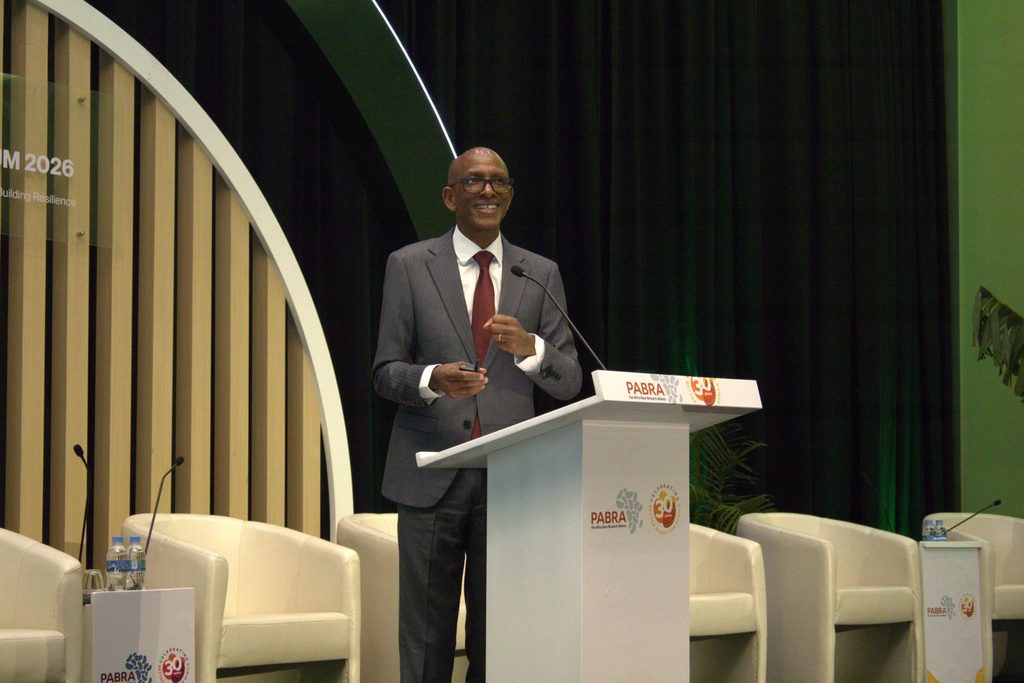***Jean Claude Rubyogo, Director of PABRA and Global Bean Program Leader at the Alliance of Bioversity International and CIAT***
PABRA’s formal establishment dates back to 1996, but its foundations were laid even earlier through three regional bean research networks that had already been operating for almost a decade with support from the Swiss Agency for Development and Cooperation.
“Why don’t we come together?” Rubyogo recalled asking when the idea of greater regional collaboration emerged.
That question ultimately helped create a network that today operates across national borders and research systems.
“Today we have a strong network of national programmes working as one regional system,” Rubyogo said.”
The results of that decision are reflected in the scale of innovation delivered over the past 30 years. PABRA has supported the release of 624 improved bean varieties that now reach more than 46 million farmers across Africa, with women accounting for 58 percent of those benefiting from the improved varieties.
But the transformation is also visible in Rwanda, where beans have become an important example of how agricultural research can move from national programmes to regional and continental impact.
Florence Uwamahoro, Deputy director general of the Rwanda Agriculture and Animal Resources Development Board (RAB), said Rwanda has not only benefited from PABRA’s work but has also contributed varieties and knowledge to the wider African bean sector.
Varieties including RWR 2245, RWR 3194, RWR 2154 and RWR 1129 were bred in Rwanda and subsequently shared through PABRA’s regional networks for adoption in other countries.
With Rwandans consuming more than 100 grams of beans per person per day, Uwamahoro said the crop occupies a strategic place in the country’s food system.
“Investment in beans means investing in healthy populations, food security and economic well-being,” Uwamahoro said.
Rubyogo said Rwanda’s transformation in bean production is also reflected in the dramatic expansion of climbing beans. While climbing beans occupied only about five percent of the country’s bean-growing area in 1985, they now account for roughly 45 percent.
Several varieties developed in Rwanda have also travelled beyond the country’s borders, with six or seven now grown in countries including Tanzania, Uganda, Cameroon and Burundi.
The impact is not limited to production. A recent study cited by Rubyogo found that farmers adopting improved varieties reduced the number of days in a month when they went without beans in their meals by about 20 days—a result that illustrates the direct connection between agricultural innovation and household food security.
“When improved varieties reach farmers, the impact goes beyond higher yields; they can change what families eat and how secure those families are,” Rubyogo said.
The commercial side of that transformation is equally important. Juan Lucas Restrepo, director General of the Alliance of Bioversity International and CIAT, said the real significance of PABRA’s work should be measured by the opportunities created around the crop rather than by the crop itself.
“It is not about beans per se; it is about the economic opportunities they create,” Restrepo said.
Those opportunities include greater participation of women in business, new openings for young people and stronger connections between producers and expanding markets.
The experience of Rwandan entrepreneurs demonstrates how research can move into commercial reality. They said that PABRA and RAB’s Bean Programme influenced her professional journey from university and helped her company grow from supplying seed in eastern Rwanda to marketing across the country.
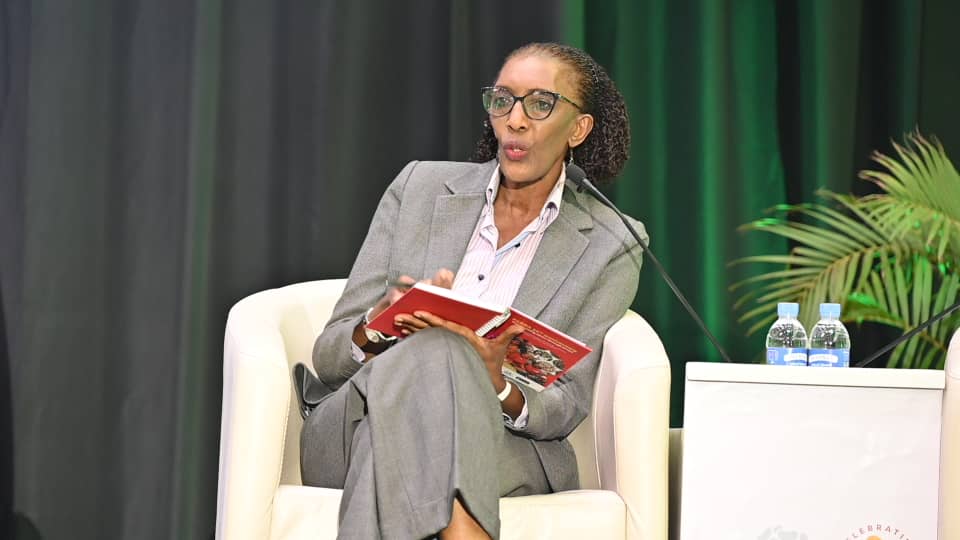For Rose Kabuye, grain trader and bean off-taker who has worked in bean exports since 2020, market demand is increasingly rewarding beans that combine quality, productivity and faster cooking.
She said poor-quality grain remains a challenge, particularly in school feeding programmes where nutritional value is critical, and called for greater attention to post-harvest handling to ensure that quality is maintained from the farm to the consumer.
The connection between farms and classrooms was another major focus of the anniversary discussions.
Jean Damascène Nsengiyumva, director general of School Health and Wellness at Rwanda’s Ministry of Education, said the Scale Sustainable School Feeding Innovation Project is being implemented in 509 schools in Karongi, Nyamasheke and Rusizi districts, with an ambition to reach more than 445,000 schoolchildren.
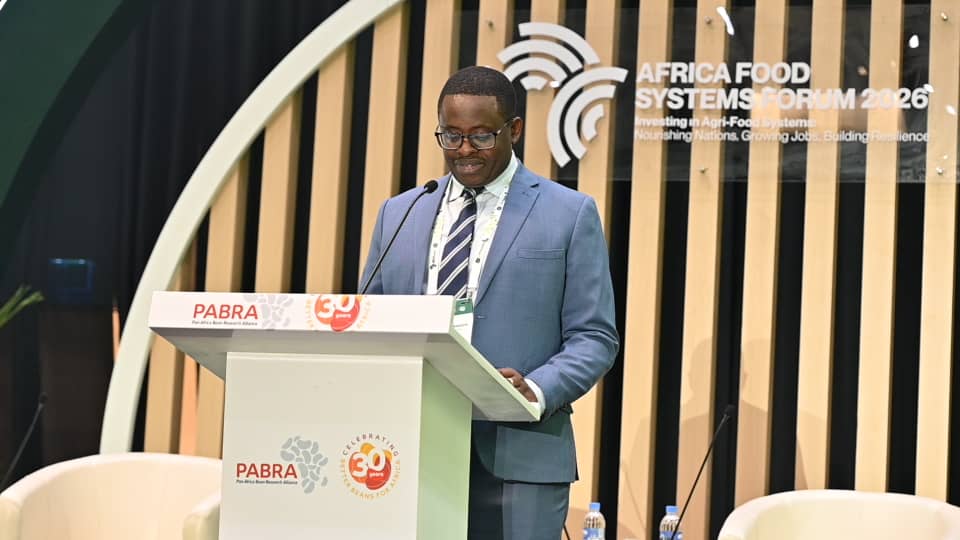Dr. Olivier Kamana, Permanent Secretary at the Ministry of Agriculture and Animal Resources, said the approach supports Rwanda’s Agricultural Transformation agenda and called for continued investment in biofortified crops, school gardens and climate-smart agriculture.
The same approach is gaining importance across the region, with Rwanda, Kenya and Tanzania prioritising school feeding. Researchers have also developed bean varieties capable of reducing cooking time by around 30 percent, helping households save energy and reducing the time women spend preparing meals.
The economic impact of PABRA’s work is expanding alongside these nutrition gains. Its commodity-corridor model now covers about ten corridors across Eastern, Southern, Central and West Africa, involving roughly 200 enterprises within the bean system.
Eliud Birachi, project leader for markets and business fevelopment at the Alliance of Bioversity International and CIAT, said the model is designed to connect farmers with businesses and consumers while ensuring that research responds to market demand.
“Our commodity corridors are bringing research, farmers, businesses and markets closer together,” Birachi said.
The evidence of research-driven productivity gains is also substantial. In Ethiopia, nationally developed varieties have almost tripled yields compared with older varieties, while some yellow bean varieties popular in East Africa have doubled yields in certain locations.
The journey from research laboratory to farmer’s field has also become much faster. Rubyogo said the period between the release of a variety and its widespread adoption has fallen from about 10–15 years during PABRA’s early period to roughly three years today.
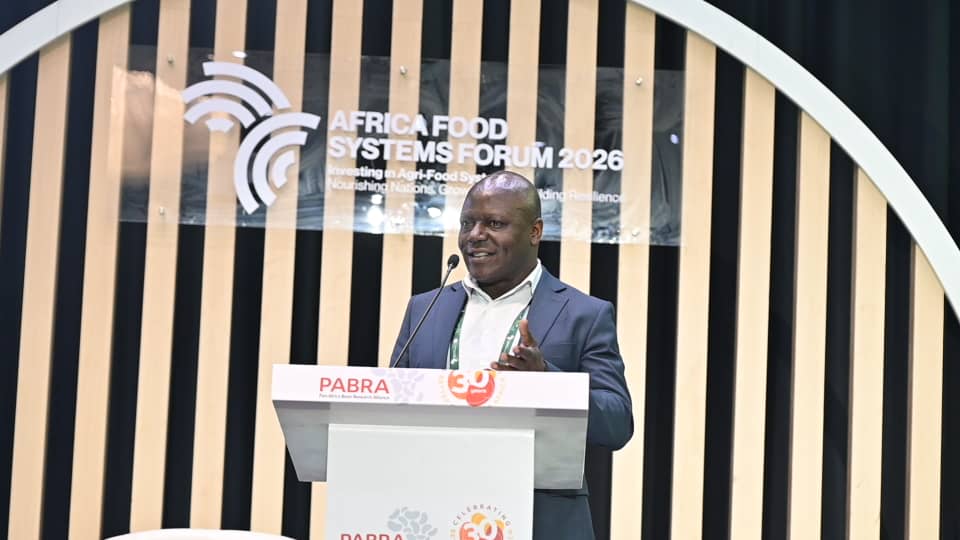***Eliud Birachi, project leader for markets and business fevelopment at the Alliance of Bioversity International and CIAT***
Technology is creating additional economic opportunities. Mobile threshers introduced through PABRA partnerships with local artisans have reached about 152,000 smallholder farmers since 2018 and contributed to nearly 6,500 jobs.
In Ethiopia, bean exports have grown from approximately $8 million to more than $100 million annually, demonstrating how investment in agricultural research can eventually translate into significant commercial value.
Yet PABRA’s next challenge may be greater than anything it has faced during its first three decades.
Climate change is bringing rising temperatures and shifting rainfall patterns that threaten agricultural productivity, while Africa’s rapidly expanding cities are creating unprecedented demand for food that is nutritious, affordable and easy to prepare.
Africa’s urban transformation adds another layer of urgency. Cities such as Lagos and Kinshasa are expected to reach populations of tens of millions by 2050, increasing pressure on agricultural systems to produce enough food while keeping it affordable for growing urban populations.
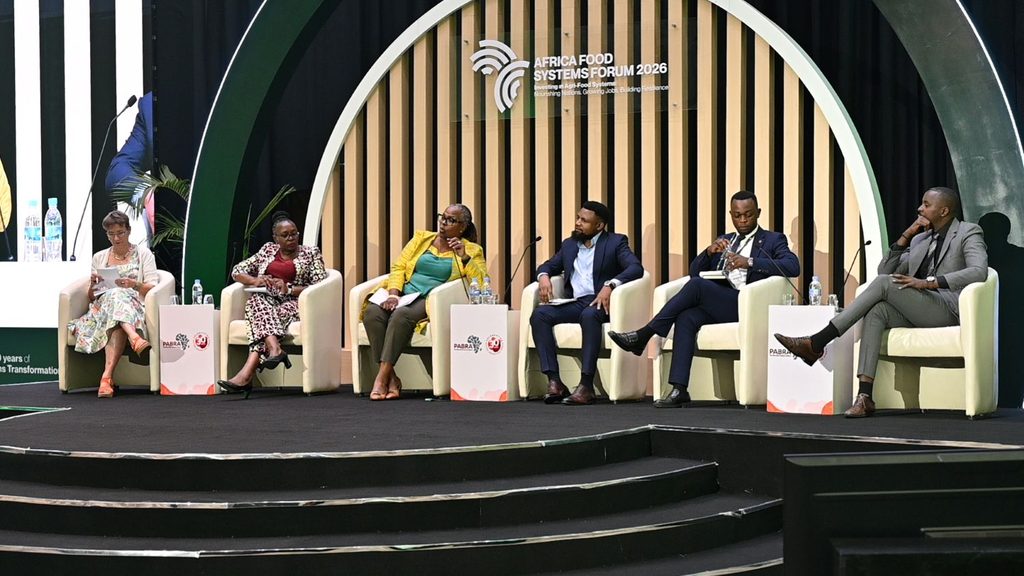PABRA is consequently preparing to take lessons from its bean revolution into a wider agricultural transformation. Discussions at the Kigali event explored how its demand-led, corridor-based model could be extended to other strategic crops, including groundnuts and sorghum.
The alliance also used the anniversary to look toward its next decade, with the launch of a new strategy for 2027–2037.
Organised by CGIAR through the Alliance of Bioversity International and CIAT on behalf of PABRA, the anniversary event brought together a partnership now involving more than 934 organisations and actors across 31 countries.
Three decades after its foundations were laid in Rwanda, PABRA’s biggest achievement may therefore be the system it has built around the bean: a system in which research is connected to farmers, farmers to markets, schools to agriculture, and agricultural innovation to jobs and nutrition.
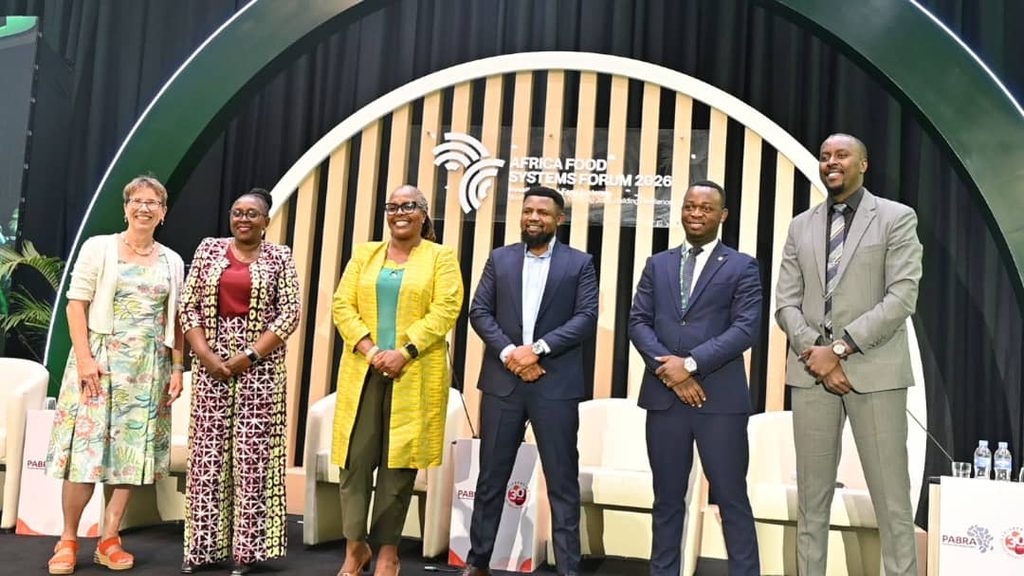
SUBSCRIBE TO OUR NEWSLETTER
First name or full name
Email
By continuing, you accept the privacy policy
**Categories:** Climate / Agriculture Evolution
---
### [ForAfrika Interventions Boost Water Access, Childcare and Food Security in Rural Rwanda](https://www.topafricanews.com/2026/09/01/forafrika-interventions-boost-water-access-childcare-and-food-security-in-rural-rwanda/)
**Published:** September 1, 2026
**Author:** Justin Kayiranga
**Content:**
ForAfrika Rwanda’s integrated interventions in Rukoma Sector, Kamonyi District, are improving access to clean water, strengthening Early Childhood Development (ECD) services and boosting agricultural production, with local authorities highlighting their contribution to efforts to improve community wellbeing.
The interventions, implemented in Gisenyi, Gishyeshye and Buguri cells, form part of ForAfrika’s approach to linking water, nutrition, child development, livelihoods and food security to build more resilient communities.
At Gisenyi Primary School, the provision of clean water has helped address longstanding challenges that previously forced pupils to walk several kilometres to collect water for cleaning the school and preparing meals under the school feeding programme.
The school’s head teacher, Kandida Marie Josée, said that before the intervention, the school had no reliable water source, requiring students to spend part of their break time travelling long distances to fetch water. She added that the situation sometimes disrupted learning, as pupils were occasionally required to leave class to collect water, resulting in the loss of valuable instructional time.
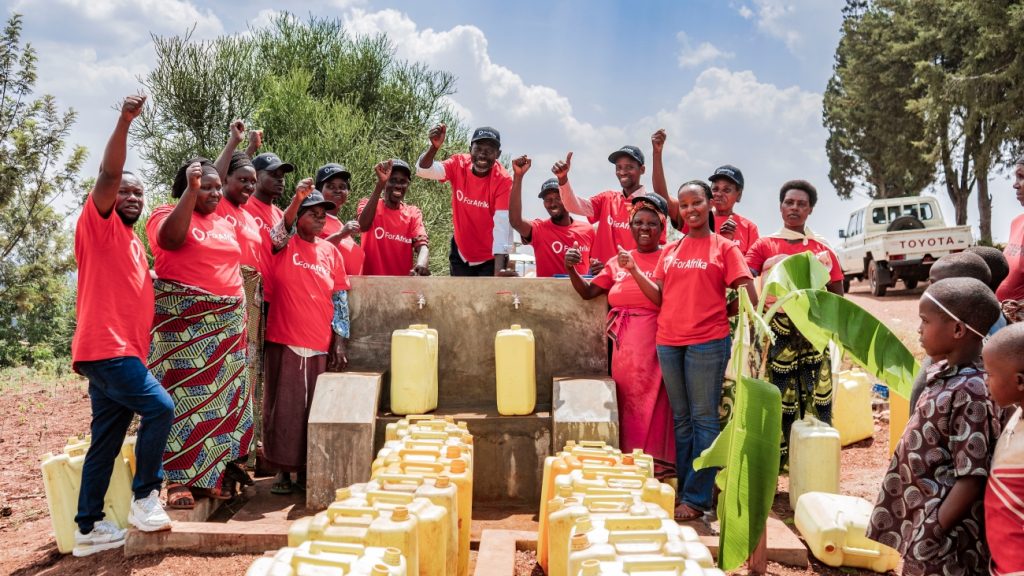“The lack of water affected the learning environment because students sometimes missed valuable class time when they had to go and fetch water. This made it difficult for them to fully follow the learning programme.”
In addition to the school, ForAfrika established more water wells for the surrounding community, allowing residents to access water without relying on the school’s water source.
In Gishyeshye Cell, the organisation rehabilitated an ECD centre to provide a safe environment for young children while their parents go to work, particularly those involved in mining and other income-generating activities.
Residents attest that the centre has helped address safety and nutrition challenges that previously affected children who were left without adequate care.
Nirere Vestine, a resident of Gishyeshye Cell, said some children had previously been exposed to road accidents, including being hit by motorcycles, while others suffered from illnesses associated with poor nutrition.
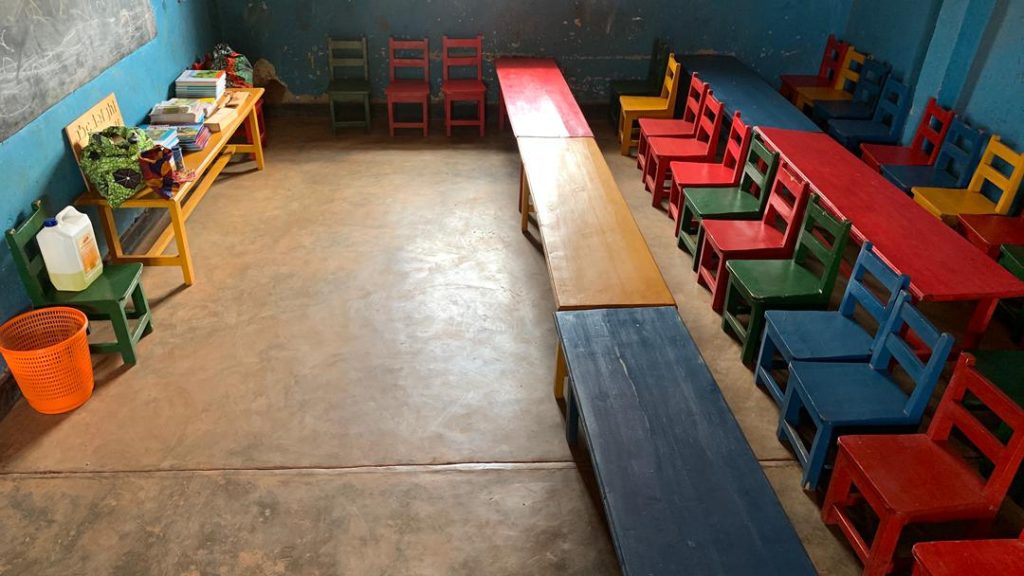ECD center in Gishyeshye“Before the ECD centre was established, many parents did not have a safe place to leave their young children when they went to work. As a result, children were often left without proper supervision, and we experienced cases of children being involved in accidents, including being hit by motorcycles,” she said.
“Today, the ECD centre has provided a solution. Children are receiving care in a safe environment, while parents can go to work with greater peace of mind.”
In Buguri Cell, ForAfrika’s support has combined ECD services and water access with efforts to promote climate-smart agriculture.
Among the interventions is a solar-powered irrigation system supporting farmers to produce crops with less dependence on rainfall. The system has enabled farmers to irrigate their fields more consistently, contributing to increased production, income and household food security.
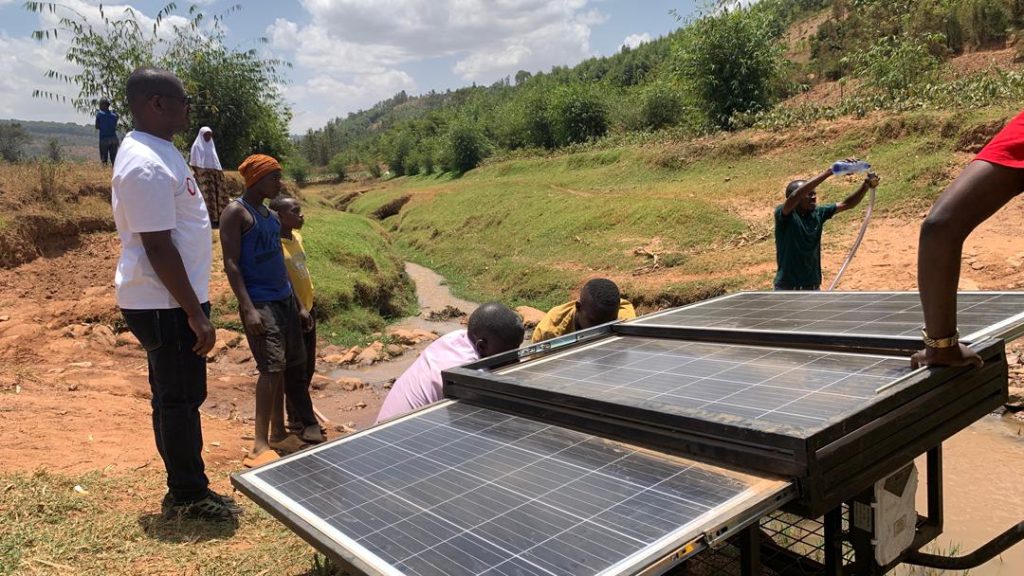Solar System for irrigationByukusenge Adele, a member of Umunezero Village Savings and Loan Association (VSLA), which comprises 34 farmers, said the irrigation system has made a significant difference to the group’s agricultural activities.
“The solar-powered irrigation system has been a game-changer for our farming activities. It has helped us increase production, improve our incomes and strengthen food security among members.” she said.
Though the irrigation system has brought a solution, farmers say that its reliance solely on solar power limits its effectiveness.
Ndahayo Jean Damascene said the absence of a battery backup means the irrigation system cannot operate effectively during early morning or evening hours when sunlight is gone.
“Since we started using this system, we have realised that its effectiveness is limited because it depends entirely on sunlight.” he said. “A battery backup would enable us to store energy and operate the system during periods when there is little or no sunlight.”
ForAfrika has acknowledged the challenge and is exploring possible solutions to improve the reliability of the irrigation system. Among the options under consideration, as revealed by Nzabonimpa Socrate, the field officer in Kamonyi district, are the establishment of water storage dams or tanks that would allow farmers to store water and use it when needed, including during periods when the solar-powered system is not operating.
Dr. Jean Lambert Sebareze, Acting Country Director of ForAfrika Rwanda, said the projects in Kamonyi demonstrate the importance of integrated interventions in building sustainable food systems.
“Food security is not only about producing more food. It is also about ensuring that farmers have reliable access to water, families are able to save and invest, children are healthy and able to learn, and communities have the infrastructure and opportunities they need to become more resilient.”
He said ForAfrika works with communities rather than imposing solutions.
“Our role at ForAfrika is not to impose solutions, but to work with communities, build on what already exists and create pathways towards resilience, self-sufficiency and lasting prosperity.”
Niyongira Uzziel, Vice Mayor of Kamonyi District, commended ForAfrika and other development partners for contributing to the district’s efforts to improve the welfare of children and families.
He said interventions addressing water, nutrition, agriculture and early childhood development are particularly important in the fight against malnutrition and stunting.
“We appreciate the contribution of ForAfrika and other development partners because their interventions are helping us address some of the challenges affecting our communities, particularly malnutrition and stunting,” Niyongira said.
According to the Vice Mayor, Kamonyi has made progress in reducing stunting, with the prevalence currently standing at about 10% among children.
However, he acknowledged that the figure remains a concern and requires continued collaboration between local authorities, communities and development partners to achieving further progress.
“The progress we have made shows that partnerships can make a difference. By working together and strengthening these interventions, we are confident that we can further reduce stunting and improve the living conditions of families across the district” he said.
These interventions in Kamonyi reflect ForAfrika’s broader effort to help communities becoming self-sufficient through interconnected solutions spanning water, agriculture, nutrition, livelihoods and child development.
**About ForAfrika**
ForAfrika is an African-led humanitarian and development organisation that has worked with communities across Africa for more than three decades.
In Rwanda, the organisation works with communities, local government and partners to deliver integrated interventions in food security, livelihoods, safe water, Early Childhood Development and financial inclusion, with a focus on building resilience, self-sufficiency and sustainable futures.

SUBSCRIBE TO OUR NEWSLETTER
First name or full name
Email
By continuing, you accept the privacy policy
**Categories:** Climate / Agriculture Evolution
---
### [U.S. Chamber of Commerce Applauds Congressional Extension of AGOA and Haiti HOPE/HELP Programs](https://www.topafricanews.com/2026/09/02/u-s-chamber-of-commerce-applauds-congressional-extension-of-agoa-and-haiti-hope-help-programs/)
**Published:** September 2, 2026
**Author:** TOPAFRICANEWS
**Content:**
**WASHINGTON, D.C.** — Joshua Walker, Chief International Affairs Officer at the U.S. Chamber of Commerce, today applauded passage of a two-year extension of the African Growth and Opportunity Act (AGOA) and the Haiti Economic Lift Program (HOPE/HELP) as part of the Continuing Resolution to fund the government.
“This two-year extension is a critical first step towards providing the long-term certainty that American businesses operating in sub-Saharan Africa and Haiti need to make meaningful investment decisions. We urge Congress to use this window to modernize both programs and advance their long-term reauthorization. Durable renewal is crucial to incentivize greater cross-border investment and ensure the U.S. remains the partner of choice in these dynamic regions.
“These programs also function as essential tools of American strategic competition. As state-directed, non-market actors seek to expand their commercial and diplomatic footprint across Africa and the Western Hemisphere, AGOA and HOPE/HELP are key to diversifying critical supply chains away from non-democratic actors and supporting constructive U.S. engagement in regions of growing geopolitical importance.”
For 25 years, AGOA has been the cornerstone of U.S.-Africa commercial engagement, providing duty-free U.S. market access for eligible sub-Saharan African nations while supporting U.S. jobs, lowering costs for consumers, boosting U.S. exports, and advancing our diplomatic ties across Africa. The Haiti HOPE/HELP programs have similarly fostered a robust trade relationship rooted in U.S. supply chains, and advanced nearshoring goals benefitting American workers.

SUBSCRIBE TO OUR NEWSLETTER
First name or full name
Email
By continuing, you accept the privacy policy
**Categories:** Business and Trade
---
### [TAAT Model Gains Prominence as Africa Explores the Next Phase of Food Systems Pathway](https://www.topafricanews.com/2026/09/02/taat-model-gains-prominence-as-africa-explores-the-next-phase-of-food-systems-pathway/)
**Published:** September 2, 2026
**Author:** EDITOR
**Content:**
**Kigali, Rwanda —** As the African Food Systems Forum (AFSF) 2026 opens in Kigali, the Technologies for African Agricultural Transformation (TAAT) programme will be front and centre in two high-level events shaping how Africa invests in agriculture for the years ahead — one looking back at what worked during the continent’s most recent food security emergency, and one looking forward at how to scale proven science through the world’s development finance institutions.
**Turning an Emergency Response into a Model for the Future**
Africa’s food systems have absorbed shock after shock in recent years — the COVID-19 pandemic, climate change, conflict, the disruption of the Russia-Ukraine war, and, most recently, the closure of the Strait of Hormuz, which sent food, fuel, and fertiliser costs climbing across the continent.
When the Russia-Ukraine conflict cut off roughly 30 million metric tons of cereal supplies from the Black Sea region, the African Development Bank moved quickly, launching the USD 1.5 billion African Emergency Food Production Facility (AEFPF). Across 35 countries, the Facility pushed out improved seed systems, expanded fertiliser access, deployed technology, reformed policy, and built new partnerships — with TAAT technologies forming the backbone of the response.
The results speak for themselves: more than 45 million metric tons of food produced, over 406,000 metric tons of certified seed and 2.9 million metric tons of fertiliser distributed, and close to 15 million farmers reached — 38.8% of them women.
On 2 September, a High-Level Side Event at the Kigali Conference Centre will unpack what made that possible and what it means for the future.
Titled *From Emergency Responses to Food Systems Resilience: Lessons Learned from the AEFPF for Africa’s Next Generation of Agricultural Investments*, the session brings together ministries of agriculture, national research systems, development partners, CGIAR centres, the private sector, financial institutions, and farmer and youth organizations to examine how the Facility’s approach — grounded in TAAT’s proven technologies — can be built into national investment programmes rather than reserved for the next crisis.
Discussions will focus on scaling what worked, strengthening the partnerships that enabled rapid deployment, and building the monitoring and evaluation systems that will let a technology-driven response outlast the emergency that triggered it.
The goal is a shared roadmap — one that treats resilience as something to invest in now, not just respond to later.
**From Science to Scale: TAAT’s Blueprint for Development Finance**
The following day, 3 September, TAAT’s model moves to the centre of a different conversation: how to get proven agricultural science into the hands of the international financial institutions that fund large-scale transformation.
*CGIAR Scaling in Food Systems: Capital, Science, Partners* brings leaders from international financial institutions, governments, and development partners into direct dialogue about what it actually takes to move innovation from the research station to a national investment programme.
The African Development Bank–CGIAR partnership behind TAAT is one of the session’s central case studies, alongside the Islamic Development Bank–CGIAR partnership — both offered as proof that long-term collaboration between science and finance isn’t just possible, it’s replicable.
The session will make the case that the architecture for scaling already exists. Through mechanisms such as the ADB–CGIAR Clearinghouse Facility, CGIAR has shown it can help identify, validate, and package proven innovations, strengthen investment design, and remain engaged throughout implementation.
TAAT is the clearest demonstration of that architecture at work — and the discussion will explore how to extend it to more institutions and more countries, with catalytic support from partners like the Gates Foundation, the International Fund for Agricultural Development, and the Islamic Development Bank helping to de-risk adoption and unlock larger investment.
**A Continuous Thread**
Together, the two sessions tell a single story: TAAT’s technologies didn’t just help Africa respond to a food security crisis — they demonstrated a model for how proven science, strong partnerships, and development finance can work together at scale.
As AFSF 2026 brings together the continent’s agricultural leadership in Kigali, TAAT’s track record — from emergency response to long-term investment architecture — offers a clear answer to the question the Forum keeps returning to: how does Africa build food systems that don’t just survive the next shock but are ready for it?

SUBSCRIBE TO OUR NEWSLETTER
First name or full name
Email
By continuing, you accept the privacy policy
**Categories:** Natural Resources and Agriculture
---
### [Rwanda and Switzerland Forge Stronger Strategic Partnership in Landmark Bern Talks](https://www.topafricanews.com/2026/09/01/rwanda-and-switzerland-forge-stronger-strategic-partnership-in-landmark-bern-talks/)
**Published:** September 1, 2026
**Author:** LIBOS NDAYISHIMIYE
**Content:**
Rwanda and Switzerland are taking their bilateral relationship to a new level as senior officials meet in Bern for the second round of political consultations, signalling a renewed push to turn diplomatic ties into broader and more sustained cooperation across areas of mutual interest.
The consultations bring the two countries back to the negotiating table following their historic first-ever bilateral political consultations held in Kigali in June 2025, creating a structured platform for deepening political dialogue and expanding practical cooperation between Rwanda and Switzerland.
The Rwandan delegation is led by Marie Grâce Nyinawumuntu, Director General in charge of Europe, the Americas and International Organisations at the Ministry of Foreign Affairs and International Cooperation. Her directorate oversees key areas including political affairs, trade and investment, tourism, multilateralism, capacity building and technical assistance.
The Bern talks are centred on strengthening political engagement between the two countries while identifying additional areas where Rwanda and Switzerland can work together for mutual benefit.
The continuation of the consultations from Kigali to Bern demonstrates the importance both sides attach to regular and structured political dialogue. Rather than treating bilateral relations as occasional diplomatic exchanges, the two countries are building a framework for sustained engagement capable of supporting cooperation across multiple sectors.
The first round, held in Kigali on June 3, 2025, was described by Rwanda’s Ministry of Foreign Affairs as a milestone that opened the way for deeper cooperation in education, health, innovation and sustainable development.
Since then, the relationship has continued to develop through diplomatic engagement. In October 2025, Rwanda’s Ambassador to Switzerland, Urujeni Bakuramutsa, presented her Letters of Credence to Swiss Confederation President Karin Keller-Sutter in Bern, while discussions also explored economic and investment cooperation, sustainable finance, fintech innovation, impact investment and private-sector partnerships.
The latest consultations therefore come against a backdrop of expanding bilateral engagement, with both countries seeking to build on existing areas of cooperation while opening new avenues for partnership.
For Rwanda, strengthening relations with Switzerland fits within its broader diplomatic strategy of developing partnerships that support investment, innovation, development and international cooperation.
For Switzerland, sustained engagement with Rwanda provides an avenue for advancing bilateral cooperation while maintaining high-level dialogue on issues of shared interest.
The move from the inaugural consultations in Kigali to a second round in Bern also reflects growing confidence in the political dialogue between the two countries.

SUBSCRIBE TO OUR NEWSLETTER
First name or full name
Email
By continuing, you accept the privacy policy
**Categories:** NEWS
---
### [CMA’s Chairperson Marc Holtzman Meets President Paul Kagame on Rwanda’s Capital Markets Development](https://www.topafricanews.com/2026/09/01/cmas-chairperson-marc-holtzman-meets-president-paul-kagame-on-rwandas-capital-markets-development/)
**Published:** September 1, 2026
**Author:** EDITOR
**Content:**
*The Chairperson of the Capital Markets Authority of Rwanda, Marc Holtzman met President Paul Kagame for talks on the continued development of Rwanda’s capital markets and their contribution to the country’s economic transformation.*
The discussions focused on the role of capital markets in mobilising long-term capital, attracting domestic and international investment, and broadening financing options for enterprises. They also considered the importance of deeper and more competitive capital markets in supporting private-sector growth and Rwanda’s wider economic priorities.
Chairperson Holtzman expressed his appreciation to President Kagame for his leadership and continued support for the development of Rwanda’s capital markets.
Chairperson Holtzman noted “Thank you, Your Excellency President Kagame for your visionary and inspirational leadership. Every day you motivate us to work harder and do better for our great country. Thank you for the opportunity to serve and to try to make a difference.”
He was joined by Blair Richardson, founder of Denver-based Bow River Capital, a US$7.5 billion private equity fund; Dan Green, CEO of JA Green Development, the largest operator of a logistics hub at America’s third-largest airport in Denver; and Korab Toplica, CEO of Mabetex Africa, a US$8 billion Swiss-based construction and development company.
Chairperson Holtzman also commended President Kagame for his support for Rwanda’s capital market development and the broader reform agenda that has strengthened the country’s investment environment. He noted the importance of a sound policy and regulatory framework in attracting capital, widening access to finance and positioning the capital markets as a key source of long-term funding for Rwanda’s economy.

SUBSCRIBE TO OUR NEWSLETTER
First name or full name
Email
By continuing, you accept the privacy policy
**Categories:** Business and Trade, NEWS
---
### [The Forest That Came Back](https://www.topafricanews.com/2026/09/01/the-forest-that-came-back/)
**Published:** September 1, 2026
**Author:** EDITOR
**Excerpt:** Rwanda will name twenty-two infant mountain gorillas at the foot of Volcanoes National Park
**Content:**
On Friday, Rwanda will name twenty-two infant mountain gorillas at the foot of Volcanoes National Park. The ceremony is called *Kwita Izina*—to give a name. It looks like a festival. It is also a public accounting of a species that was not supposed to survive.
In the early 1980s, mountain gorillas numbered only a few hundred across the entire Virunga chain. Poachers killed silverbacks for trophies and stole infants for a trade that rarely delivered a living animal. Cattle pushed into the park. Snares set for antelope took gorilla hands and feet. War later emptied ranger posts. Dian Fossey, who had made these animals known to the world from a camp between Karisimbi and Bisoke, was murdered in 1985. The population hovered near collapse.
It did not collapse. Mountain gorillas are now the only great ape whose numbers are known to be rising. A little more than a thousand remain in the wild. About six hundred live in the Virunga Massif shared by Rwanda, Uganda and the Democratic Republic of the Congo. The rest live in Uganda’s Bwindi forest and a sliver of adjoining reserve. In 2018 they were moved from critically endangered to endangered. That is not safety. It is a reprieve earned on wet trails, one patrol at a time.
A silverback on the Virunga slopes.
#### A species with almost no room
Mountain gorillas exist only in two highland forests separated by farmland. They cannot be moved to another mountain range. They cannot be farmed in zoos as a substitute for a wild population; the wild population *is* the species. Their entire range would fit inside a modest province, and much of it is steep, cold, and already crowded with gorilla groups.
Volcanoes National Park, the Rwandan sector of the Virungas, covers about 160 square kilometres. After independence it was cut roughly in half from its earlier extent. Gorillas now live against a hard edge of smallholder farms in one of Africa’s most densely settled rural landscapes. Families forage on bamboo, thistles, wild celery and other montane plants. Silverbacks defend overlapping home ranges. When the forest fills up, groups meet and fight, and the infants of the losing side often die. Habitat, not poaching, is becoming the binding constraint on further recovery. Expanding the park is expected to allow the population to grow further and to cut infant deaths sharply.
That is the paradox of this success: the animals outgrew the sanctuary built to save them.
#### What actually worked
The recovery was not a slogan. It was a system.
Rangers and trackers walk the same ridges every day. They know individual gorillas by face and family. They cut snares before an animal steps into them. In recent years teams have pulled thousands of wires from the undergrowth—not because the forest suddenly filled with poachers, but because patrols cover more ground and map every find. A stone wall and trenches now run along much of the boundary to keep buffalo out of fields and people out of the forest. Cross-border poaching is harder to stop. The park’s western and northern edges open onto insecure ground in eastern Congo.
Veterinarians treat snares, respiratory infections and trauma. Because habituated groups are visited daily, a wire on a wrist can be removed before gangrene sets in. That kind of individual medicine is unusual in wildlife work. For a population this small, each saved infant matters.
Science never left. Fossey founded Karisoke in 1967. Researchers still monitor families from a campus in Kinigi. A new genomics lab means kinship, paternity and census genetics can be read in-country. Continuity is the unglamorous core of the story: the same animals, the same ridges, decades of notebooks.
Rwanda chose a high-price, low-volume tourism model. International visitors pay a steep permit fee. Eight people may visit a habituated family for one hour. About a dozen families are open to tourism; the rest are reserved for research. The scarcity is the point. Fees pay rangers. A share of park revenue returns to neighbouring communities for schools, clinics, water and cooperatives. The arrangement is imperfect, and a four-figure ticket is easy to criticise. It has also given farmers a reason to treat a gorilla in a potato field as an asset rather than a pest.
Gorillas do not recognise the lines between Rwanda, Uganda and Congo. The three countries coordinate counts, veterinary protocols and some joint patrols. That machinery is rare, and it is one reason the Virunga animals can be treated as a single population rather than three disconnected anecdotes. Instability in eastern Congo still punches holes in the system. The collaboration exists anyway.
None of this is romantic. It is labour: wet boots, snare wires, faecal samples, budget lines, and the decision, repeated every morning, to go back into the forest.
**An infant in Volcanoes National Park. Survival of the young is now limited as much by space as by snares.**
#### People at the boundary
Conservation here is a land question. Rwanda is expanding Volcanoes National Park by about a quarter—roughly 37 square kilometres of new habitat—plus a wider managed buffer between farms and wildlife. The full landscape programme is planned over a decade and is meant to reach thousands of households. In late August, work began on a new village in Kinigi for the first wave of relocated families.
Resettlement is the hardest part of the next chapter. Done badly, it recreates the old grievance that the park belongs to foreigners and gorillas, not to the people who were told to move. Done carefully—secure land, working farms, water, schools, tourism jobs—it can convert a boundary war into a larger commons. That is the test. Habitat without consent will not hold.
Disease is the other quiet threat. Gorillas have little immunity to human respiratory viruses. A visitor with a cold can start an outbreak in a family that researchers have followed for fifty years. Rules about distance, and about staying home when ill, exist for that reason. Outbreaks of dangerous human viruses in the wider region have not reached Rwanda’s gorilla sector, but teams treat such events as a standing risk. The closer people and gorillas live, the more human and animal health become the same problem.
#### What the ceremony is for
*Kwita Izina* borrows a Rwandan custom: a child is named in public so the community accepts responsibility for it. Since 2005 the state has applied that logic to gorilla infants. Hundreds have been named. The twenty-first ceremony, on 4 September 2026 in Kinigi, will add twenty-two more. The names are theatre. The ledger behind them is not. Each infant is a data point in a population that still numbers in the low thousands and still occupies a forest you can walk out of in an afternoon.
Mountain gorilla conservation is often sold as a miracle. It is better understood as a maintenance regime. Patrols must continue. Permits must stay limited. Veterinary kits must reach a wounded animal the same day. Communities must see cash and services, not only fences. The park must grow without turning neighbours into enemies. And the three countries that share the Virungas must keep counting the same animals by the same methods, even when politics does not.
The gorillas Fossey sat with are gone. Their descendants are not. That is the whole achievement, and the whole unfinished task: a species brought back from the edge, now waiting to see whether the forest can be made large enough to hold it.

SUBSCRIBE TO OUR NEWSLETTER
First name or full name
Email
By continuing, you accept the privacy policy
**Categories:** Tourism and Nature
---
### [Epson Expands Nairobi Operations by 50% as It Deepens Investment in East Africa](https://www.topafricanews.com/2026/09/01/epson-expands-nairobi-operations-by-50-as-it-deepens-investment-in-east-africa/)
**Published:** September 1, 2026
**Author:** EDITOR
**Content:**
*The expanded Nairobi facility will serve as a regional hub for Epson’s growing East African operations, alongside the company’s use of renewable energy and energy-efficient technology across the region.*
**NAIROBI, KENYA – 1st September 2026** – Epson today announced the opening of a significantly expanded regional office in Nairobi, reinforcing its commitment to East Africa as one of the priority growth markets within its wider Middle East, Turkey, Africa and Central & West Asia (META-CWA) region.
The investment comes amid rising demand for business printing and visual solutions across emerging markets, where companies are placing growing value on local support and reliable access to technology.
Epson has invested **KES 19, 417, 500** in the Nairobi expansion, increasing its office footprint by 50% compared with its previous premises in Kenya and creating greater capacity to support its regional operations.
This investment forms part of Epson’s broader regional growth, with the company continuing to expand its network of offices, demonstration facilities and regional support infrastructure to bring its technology and expertise closer to partners and customers in high-potential markets.
Alongside this regional expansion, Epson is advancing its sustainability efforts through investments in renewable energy and energy-efficient technology. The company has extended its use of renewable energy certificates (RECs) to cover 10 sites across the region, including its offices in Kenya, Johannesburg, Cape Town, Dubai, Saudi Arabia, Morocco, Türkiye, Israel, Ukraine, and the UAE Experience Centre.
Between March 2025 and April 2026, Epson has purchased 416 MWh of RECs to match the combined electricity consumption of these sites, as part of its ongoing decarbonisation efforts and its global Environmental Vision 2050, which targets carbon negativity and zero underground resource consumption by 2050.
*“Sustainability is central to our growth strategy,” said Neil Colquhoun, President, Epson META-CWA. “Epson’s philosophy of efficient, compact and precise engineering means our environmental commitments and our business growth move in the same direction. As we continue to expand across the META-CWA region, we’re bringing that same philosophy to every market we invest in, including here in Kenya.”*
The expanded facility includes a dedicated showroom and demonstration area, giving partners and customers the opportunity to experience Epson’s latest printing, projection and visual technologies first-hand. It also increases capacity for training, partner enablement and in-market service across the region.
*“Our new office here in Nairobi is a good example of what our commitment to customers looks like in practice,” said Mukesh Bector, Epson’s Regional Head for East and West Africa. “It creates a hub where partners and customers can experience our technology first-hand, access training and work directly with our local team.”*
The company’s approach extends from its own operations to the technology it develops, with efficiency embedded across its latest product portfolio.
*“When we talk about sustainability, we want it to be something customers can feel directly – through lower energy use, less ink waste and efficient performance,” said Gareth Jay, Regional Sales Director, Epson Africa. “That is the kind of efficiency we want to keep building into the products we bring to this market.”*
Epson’s latest printer and projector ranges for FY26 combine energy-efficient technology with compact design and performance across different customer needs. The new EcoTank and LifeStudio ranges bring these technologies to customers in Kenya and across the region. Among the headline launches:
**New EcoTank Printer Range**
A new generation of Epson’s best-selling EcoTank printers – the world’s No.1 ink tank printer brand – offering up to 90% savings on ink costs, up to three years of printing without needing a refill, and up to 20% faster colour printing. The range is built around Epson’s Micro Piezo Heat-Free print technology, which uses up to 96% less energy than traditional thermal inkjet printing, alongside a more compact, space-saving design.
**LifeStudio POP**
A compact, adaptive projector designed for young adults and gaming, offering flexible image quality for entertainment on the go.
**LifeStudio Flex**
A portable premium projector for couples and families, delivering immersive entertainment with Sound by Bose audio and a design built for effortless setup around the home.

SUBSCRIBE TO OUR NEWSLETTER
First name or full name
Email
By continuing, you accept the privacy policy
**Categories:** Business and Trade
---
### [New Data Reveals Shifting American Values on Marriage and Global Housing Concerns](https://www.topafricanews.com/2026/09/01/new-data-reveals-shifting-american-values-on-marriage-and-global-housing-concerns/)
**Published:** September 1, 2026
**Author:** TOPAFRICANEWS
**Content:**
A new report from Gallup highlights significant shifts in public opinion, ranging from renewed American perspectives on marriage to growing global struggles with housing affordability and progress in the fight against world hunger.
#### A Rebound in Attitudes Toward Marriage
Data from 2026 shows a partial rebound in the number of Americans who believe it is very important for couples who have a child together to legally marry. This sentiment has risen to 39%, a notable increase from the 29% recorded in 2020.
This shift marks a deviation from the trend observed between 2006 and 2020, during which the importance placed on marriage for such couples dropped by 20 percentage points. Americans now view marriage as roughly equally important for couples with children (39%) as it is for couples planning to spend their lives together (37%), a shift from previous years when committed partnerships were consistently viewed as higher priority for marriage than those sharing children.
#### Partisan Divides in Marriage Views
The rise in the perceived importance of marriage is not uniform across the political spectrum. Fifty-eight percent of Republicans now say it is very important for parents of a child to legally marry—a 22-point increase since 2020. In contrast, support stands at 39% among independents and 21% among Democrats, with the latter remaining near record lows for that group.
#### Global Housing Affordability Challenges
Beyond social trends, the report highlights a worldwide struggle with housing. Over the past 20 years, the median percentage of adults globally who report difficulty affording adequate shelter has risen by 10 points, reaching 28%. Despite this struggle, satisfaction with housing availability has remained relatively stable near 50%.
This discrepancy is particularly sharp in high-income nations. In countries like Canada, New Zealand, the United States, Ireland, and Australia, the gap between personal affordability and overall satisfaction with housing markets has widened significantly, with the dissatisfaction gap now exceeding 50 points in most of these nations.
#### Progress Against World Hunger
On a more positive note, the global prevalence of undernourishment fell to 7.8% in 2025, marking the third consecutive year of decline since the peak of the COVID-19 pandemic. This improvement equates to approximately 645 million people experiencing hunger, a reduction of 43 million compared to 2022 figures.
Notably, Africa recorded its first improvement since 2015, with undernourishment declining to 20.0% in 2025. These figures place global hunger levels slightly below where they were in 2015 when the United Nations’ Sustainable Development Goals—which target the elimination of hunger by 2030—were first adopted.

SUBSCRIBE TO OUR NEWSLETTER
First name or full name
Email
By continuing, you accept the privacy policy
**Categories:** NEWS
---
### [Kigali cannot afford another communiqué. Africa food systems forum must leave with solutions that reach the farm and the child.](https://www.topafricanews.com/2026/09/01/kigali-cannot-afford-another-communique-africa-food-systems-forum-must-leave-with-solutions-that-reach-the-farm-and-the-child/)
**Published:** September 1, 2026
**Author:** EDITOR
**Content:**
This week more than 5,000 leaders, investors, scientists and young entrepreneurs are gathered in Kigali for the 20th Africa Food Systems Forum. The theme is the right one: investing in Africa’s agri-food systems to nourish nations, grow jobs and build resilience. The timing is also right. A new continental agricultural strategy for 2026–2035 has just come into force. Year one of a decade is when budgets, pipelines and political choices are set.
What the continent cannot afford is another week of panels that end in a polished statement while hunger, climate shocks and stunting continue on their current path.
**The numbers that should sit on every table in the Kigali Convention Centre**
Africa now has the largest number of hungry people of any region. In 2025, about 309 million people on the continent did not get enough to eat — more than in Asia — even after a small drop in the share of the population facing hunger, from 20.3 percent to 20.0 percent. More than half of Africans faced moderate or severe food insecurity. Two-thirds could not afford a healthy diet. Rapid population growth means a modest improvement in percentages can still leave more people hungry in absolute terms. By 2030, Africa is projected to account for more than half of the world’s remaining hunger.
Malnutrition is not only about empty plates. Stunting still affects about three in ten African children under five, well above the global average. In Central Africa the figure is near 40 percent. Africa is the only region where the number of stunted children has risen even as prevalence has slowly fallen elsewhere. Roughly two in five of the world’s stunted children now live in Africa. Stunting is not a statistic. It is permanently reduced cognitive development, weaker immunity, lower lifetime earnings, and a tax on the next generation of farmers, nurses and engineers.
Climate is already in the field. About 90 percent of agriculture in sub-Saharan Africa depends on rainfall. Only around 6 percent of arable land is irrigated. Climate change has already cut agricultural productivity growth in Africa more than in any other region. Yields of maize, wheat and cassava face further losses this century without adaptation. A strengthening El Niño is another reminder that resilience cannot remain a conference word.
Production has not been standing still. Farm output has roughly doubled in real terms over the past two decades and cereal yields have risen. Farmer incomes have improved in many places. Those gains have not closed the hunger gap, have not stopped the food import bill from remaining enormous, and have not put a healthy diet within reach of most households. More tonnes without better markets, storage, processing, water and nutrition is not a food system.
**Twenty years of forums have produced ideas. They have not produced enough last-mile delivery.**
The Africa Food Systems Forum has value. It puts finance ministers in the same room as agriculture ministers. It surfaces bankable projects. Past editions have announced investment programmes, deal rooms and partnerships worth billions. That is not nothing.
It is also not enough. If announcements were the metric, Africa would already be food-secure. The gap is between the stage and the smallholder: quality seed that never reaches the village, irrigation schemes that stay on paper, climate-finance proposals that never become investment-ready projects, and nutrition programmes that treat stunting as a health-only problem after the damage is done.
The new continental targets make the test clear: raise agrifood output by 45 percent by 2035, cut post-harvest losses in half, mobilise $100 billion, move toward zero hunger, reduce stunting by a quarter, and put a healthy diet within reach of 60 percent of people. Those targets will not be met by another round of commitments to commit.
**What “tangible” should mean before the forum closes**
Tangible is not a slogan. It is a package that can be audited in 12 months.
**1. Water and irrigation as food policy, not an afterthought.**
Africa has the land and a large share of the world’s unused irrigation potential. It does not have the right mix of small-scale, farmer-managed systems, solar pumping and basin-level planning. Kigali should not leave with another session titled “why water matters.” It should leave with country pipelines: hectares to be brought under reliable water next year, who pays, which farmers are first, and how groundwater will be protected.
**2. Seed, storage and markets that cut losses before new land is cleared.**
Counterfeit seed, over-reliance on maize and heavy post-harvest losses are structural, not accidental. Expanding the seed portfolio, commercialising clean planting material, and financing storage and rural aggregation are cheaper than importing calories later.
**3. Nutrition targets attached to agricultural investment, not parked in a side event.**
A food systems forum that treats stunting as someone else’s file will fail its own theme. Every major investment announced in Kigali should state how it improves dietary diversity for women and children under two — more diverse crops, animal-source foods, indigenous foods and healthier food environments in towns — not only cereal tonnage. A 25 percent cut in stunting will not happen if agriculture only counts bags of maize.
**4. Climate finance that is project-ready, not ambition-ready.**
Africa is not short of climate speeches. It is short of proposals that can actually be financed. The useful output from Kigali is a shortlist of investment-ready projects with agriculture, finance and environment ministries on the same page — not another declaration that climate matters.
**5. Capital that reaches women and youth as producers, not as photo opportunities.**
Women already hold much of African food production together and still face the steepest barriers to land, working capital and markets. Youth want agribusinesses, not only inclusion language. Tangible here means credit lines, land-tenure reforms and procurement that actually buy from women- and youth-led enterprises.
**6. A public scoreboard, not a closed communiqué.**
Before the week ends, the forum should publish which countries tabled funded programmes; how much is signed rather than “in discussion”; the hectares, farmers and nutrition outcomes attached to each; and a 12-month review date. If last year’s big country programmes cannot be tracked into delivery, the model is the problem.
**The test is not whether Kigali was well organised**
Rwanda is a serious host. Spaces for youth, field visits to seed stations and regenerative farms, and attention to women farmers are the right signals. The question for the rest of the continent is simpler.
Will a farmer in a rain-fed district get better seed, water and a market next season? Will a two-year-old in Central or Eastern Africa be less likely to be stunted in two years because of decisions taken this week? Will the next climate shock meet irrigation, storage and social protection that already exist, or another appeal?
Africa does not lack potential, people or policy frameworks. It lacks the habit of treating a continental summit as a delivery contract. Kigali should be the year the Africa Food Systems Forum stops measuring success by attendance and starts measuring it by hectares irrigated, losses cut, diets improved and children who grow to their full height.
The hungry, the climate-stressed farm and the stunted child will not read the communiqué. They will live with whatever this week actually decides.

SUBSCRIBE TO OUR NEWSLETTER
First name or full name
Email
By continuing, you accept the privacy policy
**Categories:** EDITORIAL, Natural Resources and Agriculture
---
### [Starlink’s next African push is reaching users without a satellite dish](https://www.topafricanews.com/2026/08/31/starlinks-next-african-push-is-reaching-users-without-a-satellite-dish/)
**Published:** August 31, 2026
**Author:** EDITOR
**Content:**
***Starlink’s direct-to-phone model removes the satellite dish from the cost of connecting Africa’s hardest-to-reach users. Mobile operators can now extend satellite connectivity to existing smartphones without requiring customers to buy new equipment.***
**Bonface Orucho, bird story agency**
Starlink’s expansion in Africa is moving beyond satellite dishes and fixed broadband as mobile operators begin connecting smartphones directly to its satellites.
Airtel Africa’s launch of Starlink Mobile in the Democratic Republic of Congo has put the technology into commercial use without requiring customers to buy satellite equipment.
The DRC became the first African market where Airtel and Starlink commercially deployed the service on August 14, allowing customers with compatible LTE Android phones to send SMS and use light-data applications such as WhatsApp in areas without terrestrial mobile coverage.
“By combining Airtel’s terrestrial network with Starlink’s satellite technology, we are extending essential connectivity beyond the limits of mobile infrastructure,” Airtel Africa CEO Sunil Taldar said.
Customers do not need a Starlink dish or separate satellite device. They need a compatible phone, an active Airtel DRC data bundle or data roaming, and a clear view of the sky. Airtel is offering eligible customers a 30-day trial before access moves to eligible data bundles.
That removes a cost that has limited Starlink’s reach in Africa since the company began launching its broadband service on the continent.
Starlink’s conventional service requires customers to buy a kit containing the satellite dish, router, cables and mounting equipment. An Ookla analysis cited in June put the cost of Starlink hardware across African markets at between US$200 and US$700. The same analysis estimated that Starlink had about 500,000 African users at the end of 2025, compared with about 10 million globally.
In Kenya, the standard Starlink kit was listed at KSh49,900 (about US$386) in December 2025, while the Mini kit was available from about KSh27,000 (US$209). In Nigeria, the standard kit cost about ₦590,000 (US$407), according to TechCabal’s December pricing analysis.
Monthly prices have also varied across markets. In Kenya, Starlink’s residential plans included a KSh1,300 (about US$10) 50GB option and a KSh6,500 (about US$50) unlimited plan. In Nigeria, the residential plan was priced at ₦57,000 (about US$39) a month.
The figures have made the hardware purchase a larger barrier than the satellite connection itself for many potential customers.
The Ookla analysis found that Starlink’s monthly price was competitive with local internet providers in some markets, including Ghana and Zimbabwe, while fibre remained cheaper in countries such as Kenya, Nigeria and Rwanda. Hardware costs, however, remained between US$200 and US$700 across markets.
Starlink’s direct-to-phone model changes that calculation for customers because the satellite terminal sits outside the user’s home. The satellite connection is instead being offered through an existing mobile operator.
The DRC launch is the first commercial example of that model in Africa. Airtel says the service is intended for customers and organisations operating outside conventional network coverage, including transport and logistics companies, humanitarian organisations, health workers, farmers and mining operations.
Airtel DRC managing director Theirry Diasonama said the country’s size and geography meant that some people live, work and travel beyond the reach of conventional mobile infrastructure.
“This service provides an additional layer of connectivity, helping customers remain reachable, informed and connected even in areas where terrestrial coverage is unavailable,” he said.
The DRC is not the only market where Starlink is being incorporated into existing connectivity businesses.
In Uganda, Paratus became the first internet service provider to launch Starlink’s low-Earth-orbit service on August 24 after the Uganda Communications Commission and Starlink signed an operational licence agreement in May. The company is targeting enterprise customers in remote areas, including mining, healthcare, tourism, NGOs and government.
“There has been significant demand for LEO services from enterprise customers who have been waiting for Starlink to become available in Uganda,” Paratus Uganda country manager Edwin Kyambadde said.
Paratus is offering Starlink as part of its wider network rather than as a standalone consumer product. The company says satellite connectivity will complement its existing terrestrial infrastructure and provide links for customers operating in areas where conventional networks are limited.
The two launches point to different ways of using the same satellite network.
In Uganda, an internet service provider is selling satellite broadband to businesses. In the DRC, a mobile operator is using Starlink to extend connectivity to phones that move beyond the reach of its terrestrial network.
Kenya has already tested the second model.
Airtel Africa and Starlink tested satellite-to-mobile data and messaging services in Kenya in March 2026. The tests connected compatible 4G smartphones to Starlink satellites in areas without terrestrial coverage. Commercial deployment still requires approval from the Communications Authority of Kenya.
Kenya is also among the African markets where Starlink already competes directly with fixed broadband providers. Starlink had about 24,999 Kenyan subscribers at the end of March 2026, representing 0.9% of the country’s fixed internet market, according to figures cited by industry reports.
The broader Starlink footprint has also expanded quickly.
Space in Africa reported 26 active African markets as of June 2026, with about 300,000 customers across those markets. Nigeria, Zimbabwe and Zambia accounted for about 64% of the continent’s subscriber base. Licensing fees varied from US$32,000 to US$575,000, an 18.5-fold difference between markets.
Those figures put another cost into the expansion equation: the price of obtaining permission to operate.
Starlink’s entry has varied sharply between African countries. Some governments have approved the service and allowed commercial operations, while others have imposed ownership, licensing or spectrum requirements that have delayed entry.
South Africa remains one of the largest markets without a commercial Starlink service.
SpaceX has been engaging with the Independent Communications Authority of South Africa over the rules governing satellite operators. At recent ICASA hearings, the company sought clarification on ownership, licensing and spectrum requirements.
The main dispute has centred on South Africa’s requirement that certain telecommunications licence holders have at least 30% ownership by historically disadvantaged South Africans.
The South African government introduced an equity-equivalent investment route in December 2025 that allows qualifying foreign-owned communications companies to meet empowerment objectives through investments in areas such as digital infrastructure and skills development instead of transferring a conventional equity stake.
But the regulatory question remains unresolved for Starlink. ICASA has said it has not received a formal licence application from the company, while the regulator has also maintained that legislative changes may be required before equity-equivalent investment programmes can replace the existing ownership requirement.
The differences between these markets are reflected in the pace of Starlink’s African expansion.
The company began its African rollout in Nigeria and Rwanda in 2023. The number of markets expanded to 26 by June 2026 and 27 according to subsequent industry reporting. At the same time, subscriber numbers have remained concentrated in a small group of countries.
The affordability issue has also extended beyond Starlink’s consumer business.
In Zimbabwe, the government has acquired Starlink kits for schools, while Starlink has donated hundreds of kits to schools and health centres in the Central African Republic, according to the Ookla analysis.
These deployments put the hardware cost on governments, institutions or other organisations rather than individual households.
The direct-to-phone model removes that requirement for a different group of users.
In 2012, Africa’s digital economy accounted for about 1.1% of GDP, or US$30 billion. By 2020, that had risen to 4.5%, or US$115 billion, with Google and the International Finance Corporation (IFC) projecting US$180 billion, or 5.2% of GDP, by 2025 and US$712 billion, or 8.5%, by 2050.
bird story agency
Useful links for editors:
<https://cdn-webportal.airtelstream.net/website/investor/main/pdf/press-release/Airtel-Africa-becomes-the-first-operator-in-Africa-to-commercially-launch-Starlink-Mobile-in-the-DRC.pdf>

SUBSCRIBE TO OUR NEWSLETTER
First name or full name
Email
By continuing, you accept the privacy policy
**Categories:** Business and Trade, ICT
---
### [Ambassadors of Christ Choir Packs BK Arena for Emotional 30th Anniversary Concert](https://www.topafricanews.com/2026/08/31/ambassadors-of-christ-choir-packs-bk-arena-for-emotional-30th-anniversary-concert/)
**Published:** August 31, 2026
**Author:** EDITOR
**Content:**
KIGALI — A sold-out BK Arena pulsed with worship on Sunday evening as the Ambassadors of Christ Choir marked three decades of ministry with a grand concert titled “God Painted Our Story.”
Worshippers from Rwanda and neighboring countries including Uganda, Tanzania, Kenya and the Democratic Republic of Congo filled the venue for the milestone celebration. The choir, one of Rwanda’s longest-running gospel ensembles and rooted in Remera Seventh-day Adventist Church, performed without guest artists, relying entirely on its Junior and Senior groups.
The program featured beloved songs such as *Namani*, *Tuzamuye Amashimwe*, *Ntacyamunanira*, *Ubuntu Butangaje*, *Imirimo*, *Ibyo Unyuramo* and *Iwacu Heza*. The choir also performed *Kuki Wabyemeye*, written in memory of members who died in a 2012 road accident, and *Solange*, a teaching song about obedience. Crowds sang along throughout, with some worshippers visibly moved to tears.
Pioneers and long-serving members were recognized on stage for their contributions over 30 years. The evening included a cake-cutting ceremony that symbolized the choir’s journey of resilience, evangelism and growth across East and Central Africa.
Among those in attendance were businesswoman and philanthropist Kate Bashabe, who supported the event through her Rahura brand focused on education and children; Pastor Fidèle Masengo and his wife; journalist Scovia Mutesi; and former state minister Edouard Bamporiki.
The concert capped months of anniversary activities that included community service, tree planting and outreach. Choir leaders have described the three-decade path as one painted by God through both triumphs and setbacks, including the 2012 tragedy that tested the group’s resolve.
Attendees left describing the night as a powerful reminder of faith expressed through music, with the packed arena standing as evidence of the choir’s enduring regional influence.

SUBSCRIBE TO OUR NEWSLETTER
First name or full name
Email
By continuing, you accept the privacy policy
**Categories:** Religion
---
### [Coinciding with Emirati Women’s Day Government of Uzbekistan Awards Dr. Tarifa Alzaabi 35th Independence Anniversary Badge of Honour](https://www.topafricanews.com/2026/08/31/coinciding-with-emirati-womens-day-government-of-uzbekistan-awards-dr-tarifa-alzaabi-35th-independence-anniversary-badge-of-honour/)
**Published:** August 31, 2026
**Author:** EDITOR
**Content:**
*Recognition acknowledges Dr. Tarifa Alzaabi’s contributions to sustainability, international cooperation and partnerships addressing environmental and climate challenges*
**Dubai, United Arab Emirates, 29 August 2026:** The Government of the Republic of Uzbekistan has honoured Dr. Tarifa Ajeif Alzaabi, Director General of the International Center for Biosaline Agriculture (ICBA), with the “35th Anniversary of the Independence of the Republic of Uzbekistan” Badge of Honour, pursuant to a decree issued by the President of the Republic of Uzbekistan. The recognition acknowledges her contributions to international cooperation, environmental protection, sustainable natural resource management and climate action.
Dr. Alzaabi received the distinction during an official ceremony in Uzbekistan on 28 August, where it was presented by H.E. Mr. Aziz Abdukhakimov, Advisor to the President of the Republic of Uzbekistan on Environmental Issues and Chairman of the National Committee on Ecology and Climate Change. The occasion also included a visit to the Eco Police exhibition and attendance at the graduation ceremony of its members.
The recognition follows an earlier honour bestowed on Dr. Alzaabi in Uzbekistan. In June 2025, she received the “Tabiat Himoyachisi” (“Nature Protector”) Badge for her contributions to environmental sustainability, scientific cooperation and sustainable agriculture in arid and saline environments.
Presented on Emirati Women’s Day, the latest distinction also reflects the growing international presence and contribution of Emirati women across science, innovation, sustainability and international cooperation.
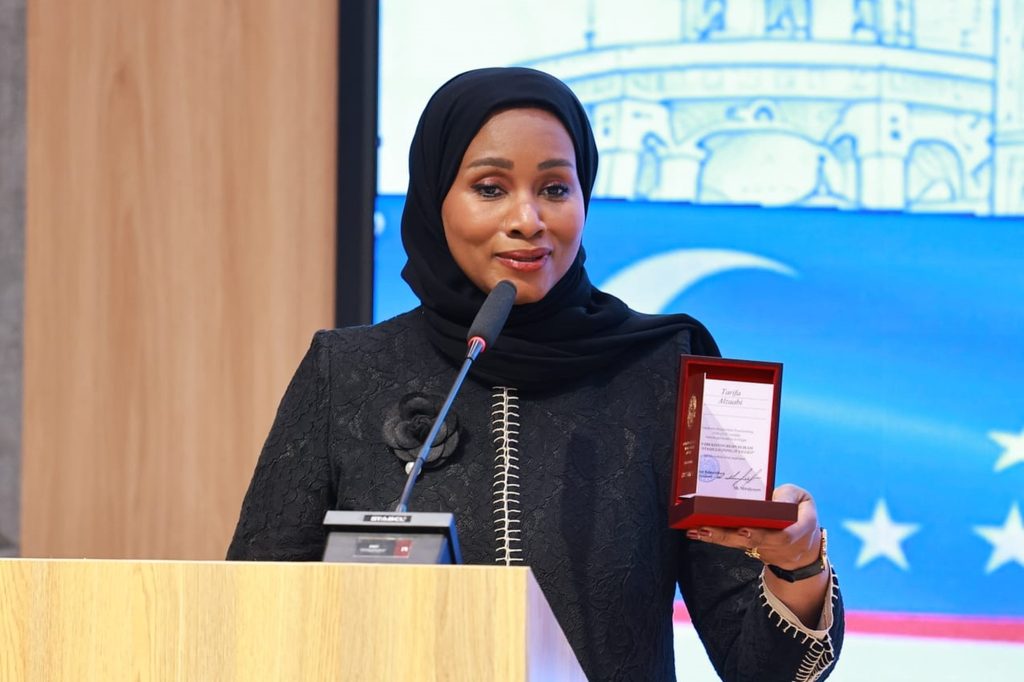***Government of Uzbekistan Awards Dr. Tarifa Alzaabi 35th Independence Anniversary Badge of Honour***
Dr. Alzaabi said: “I am deeply honoured by this recognition and receiving it on Emirati Women’s Day makes it especially meaningful. The progress, leadership and international presence of Emirati women reflect a national vision that has consistently invested in their capabilities and created opportunities for them to lead, contribute and make an impact at home and around the world.”
She added: “I extend my profound appreciation to the UAE’s wise leadership and to H.H. Sheikha Fatima bint Mubarak, ‘Mother of the Nation’, Chairwoman of the General Women’s Union, President of the Supreme Council for Motherhood and Childhood, and Supreme Chairwoman of the Family Development Foundation, for their continued support in advancing the role and contribution of Emirati women across all fields. I also extend my sincere gratitude to the Government of the Republic of Uzbekistan for this honour, and to our partners for their trust and collaboration. This recognition reflects what long-term partnerships can achieve when science, expertise and shared commitment come together to address environmental and climate challenges and create lasting impact for communities.”
The recognition comes as cooperation between ICBA and Uzbekistan enters a new phase, marked by the renewal of the accreditation of ICBA’s Regional Office for Central Asia and the Caucasus in Tashkent, alongside the expansion of joint programs and projects in sustainable agriculture, natural resource management and capacity development.
Since assuming leadership of ICBA in 2022, Dr. Alzaabi has worked to expand the Center’s regional partnerships and strengthen the link between research and innovation, national priorities and development needs. Her approach places particular emphasis on capacity development and translating scientific knowledge into practical solutions for countries and communities facing resource scarcity and climate pressures.
In Karakalpakstan, ICBA is working with partners in Uzbekistan, with support from the Abu Dhabi Fund for Development (ADFD), to advance sustainable agricultural production systems on degraded lands. The initiative also includes an accelerator program for farmers and agro-entrepreneurs focused on skills development, value chains and market access, with particular attention to empowering women and youth and strengthening their participation in the agricultural sector.

SUBSCRIBE TO OUR NEWSLETTER
First name or full name
Email
By continuing, you accept the privacy policy
**Categories:** NEWS, WOMEN EMPOWERMENT
---
### [One Health Investment Seen as Key to Tackling Rising Global Health Threats](https://www.topafricanews.com/2026/08/30/one-health-investment-seen-as-key-to-tackling-rising-global-health-threats/)
**Published:** August 30, 2026
**Author:** Mutangana Emmanuel
**Content:**
The rising economic and health costs of zoonotic diseases, antimicrobial resistance and other infectious disease threats are strengthening the case for greater investment in One Health, an approach that links human, animal, plant and ecosystem health.
The economic costs associated with zoonotic and other infectious diseases already run into billions of US dollars each year. Meanwhile, World Bank estimates indicate that antimicrobial resistance could reduce global gross domestic product by around 3.8 percent by 2050.
Against this backdrop, countries are being urged to invest in prevention and preparedness strategies that address health threats across sectors rather than treating them in isolation.
A new brief by the Food and Agriculture Organization of the United Nations (FAO) Investment Centre, developed in collaboration with the World Health Organization (WHO) and the World Organisation for Animal Health (WOAH), examines the long-term economic and financial value of investing in One Health.
The report, ‘Financial and Economic Returns to Investing in One Health: Evidence and Future Directions’, explores how integrated investments can help reduce disease burdens, healthcare costs, environmental contamination and the spread of antimicrobial resistance.
One Health recognizes that the health of people, animals, plants and ecosystems is interconnected. The approach therefore promotes collaboration between sectors and disciplines to improve prevention and response while making investments more effective.
According to the brief, coordinated investments can also help reduce unintended consequences and strengthen countries’ resilience to future health and environmental threats.
**Why investment matters**
The report is aimed at policymakers, One Health practitioners and financing institutions. It examines existing evidence on the returns from One Health investments while identifying barriers, opportunities and gaps in current knowledge.
It also highlights the need for appropriate institutional and financing mechanisms to scale up sustainable and cost-effective interventions, from the community level to the global level.
Thanawat Tiensin, FAO Assistant Director-General, Director of FAO’s Animal Production and Health Division and Chief Veterinarian, said many of the challenges facing countries today cannot be addressed separately.
“Today’s most pressing challenges, climate change, biodiversity loss, pollution, food insecurity and socioeconomic vulnerabilities, are deeply interconnected,” Tiensin said, adding that they “demand integrated approaches like One Health, which can improve prevention and mitigation.”
Animal health, in particular, can provide an important starting point for preventing health threats before they spread across species.
Baba Soumare, WOAH Deputy Director General, said stronger investment in veterinary systems, surveillance and cross-sectoral collaboration can help countries identify and respond to threats at their source.
“Investing in One Health means investing in stronger veterinary services, better surveillance and greater collaboration across sectors to detect, prevent and respond to health threats at their source,” Soumare said.
He added that such investments can protect not only animals, but also people, economies and ecosystems.
The brief notes that investments in animal health, food systems, environmental protection and public health can reinforce each other, potentially generating greater benefits than interventions carried out independently within individual sectors.
**Evidence needed to attract more investment**
Despite growing recognition of the benefits of One Health, investment remains limited, according to FAO.
Mohamed Manssouri, Assistant Director-General and Director of the FAO Investment Centre, said stronger evidence is needed to demonstrate the economic value of the approach and encourage greater financing.
“While the wider benefits of investing in One Health are recognized globally, investments in One Health initiatives are still limited,” Manssouri said.
He called for more quantitative evidence on the added value of One Health, alongside greater support for governments to translate their One Health priorities into concrete investment plans.
Such evidence, he said, is important for maintaining political commitment while increasing investor confidence and engagement.
Dr Jeremy Farrar, WHO Assistant Director-General, also stressed the importance of demonstrating the impact and economic returns of One Health interventions.
“As Chair of the Quadripartite, WHO will work with partners to strengthen the evidence on the impact and return on investment of One Health interventions,” Farrar said.
He said this would help build a stronger scientific and economic case for One Health and turn political commitment into practical action.

SUBSCRIBE TO OUR NEWSLETTER
First name or full name
Email
By continuing, you accept the privacy policy
**Categories:** HEALTH, Natural Resources and Agriculture
---
### [Rwanda: This Week Through the Environment Lens](https://www.topafricanews.com/2026/08/28/rwanda-this-week-through-the-environment-lens/)
**Published:** August 28, 2026
**Author:** EDITOR
**Content:**
This week in Rwanda was not a collection of separate announcements. It was one connected story: a country treating environmental protection as infrastructure, economic strategy, and public health all at once.
**Climate risk is being treated as a planning problem, not just a disaster problem.**
The Rwf 43.9 billion plan put the largest share of money into restoring ecosystems rather than only responding after floods or droughts. That choice matters. Wetlands, riverbanks, forests and watersheds are being framed as the first line of defence against climate shocks. The message is practical: if the landscape is healthy, communities are safer and the economy is less exposed.
**Restoration is happening at two scales at the same time.**
At the national level, tree planting is being used to reverse decades of forest loss, especially in the Eastern Province, the most deforested region. Indigenous species are being favoured because they survive climate stress better than exotic ones. At the local level, Lake Kivu shoreline planting is trying to stop soil from washing into the lake while giving families fruit trees and agroforestry benefits. The same logic appears in Kigali’s wetlands: restore the swamp, reduce flooding, create public space, and support wildlife.
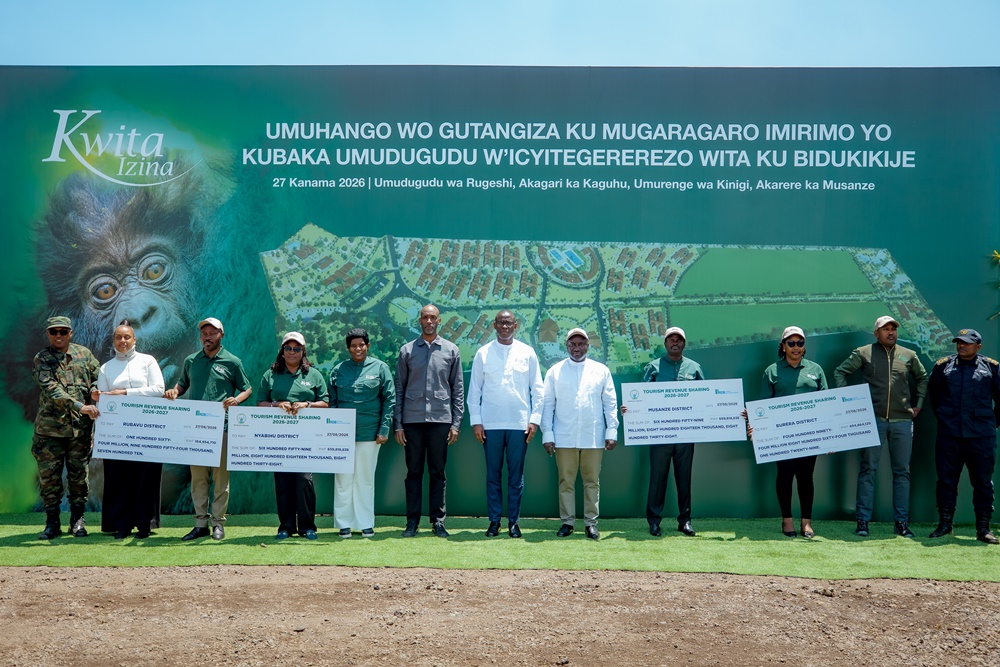**Conservation is being tied to people’s housing and income.**
The Smart Green Village in Musanze is the clearest example. Expanding Volcanoes National Park is not being done by simply moving people aside. The state is building a new settlement with climate-smart farming, renewable energy, waste systems and tourism opportunities. Tourism revenue sharing is being presented as part of the same package. Environmentally, this is an attempt to reduce pressure on the park while giving communities a stake in keeping gorillas and forests standing.
**Pollution is being treated as a crime against public health and water.**
Shutting a steel plant for toxic emissions and suspending a leather factory for dumping waste into the Akagera River shows a shift from warning letters to actual closure. These cases sit inside a larger pattern: air quality, river health, and industrial compliance are no longer side issues. They are being linked to cancer risk, drinking water, and the credibility of Rwanda’s green-growth story.
**Transport is being pulled into the climate agenda.**
The new electric-mobility project and the tender for more electric buses are not just technology stories. They are attempts to cut one of the fastest-growing sources of urban air pollution and greenhouse gases. In an environment lens, cleaner buses and motorbikes are as important as trees because they reduce the pollution that trees and wetlands then have to absorb.
**Wetlands keep appearing because they do several jobs at once.**
Nyandungu, Kibumba, Rugezi and the planned Kigali wetland corridor are being restored for flood control, biodiversity, recreation and carbon storage. The recovery of Grey Crowned Cranes is the visible proof that wetland work is producing results. Cranes only return when the marsh is wet enough, quiet enough, and protected enough. Their rising numbers are an environmental scorecard.
**The connecting thread**
This week Rwanda is trying to close the gap between ambition and enforcement. It is planting trees, restoring wetlands, relocating communities with better housing, fining or closing polluters, and shifting transport toward electricity. The underlying idea is consistent: a healthy environment is not a luxury after development. It is the condition that makes development last.
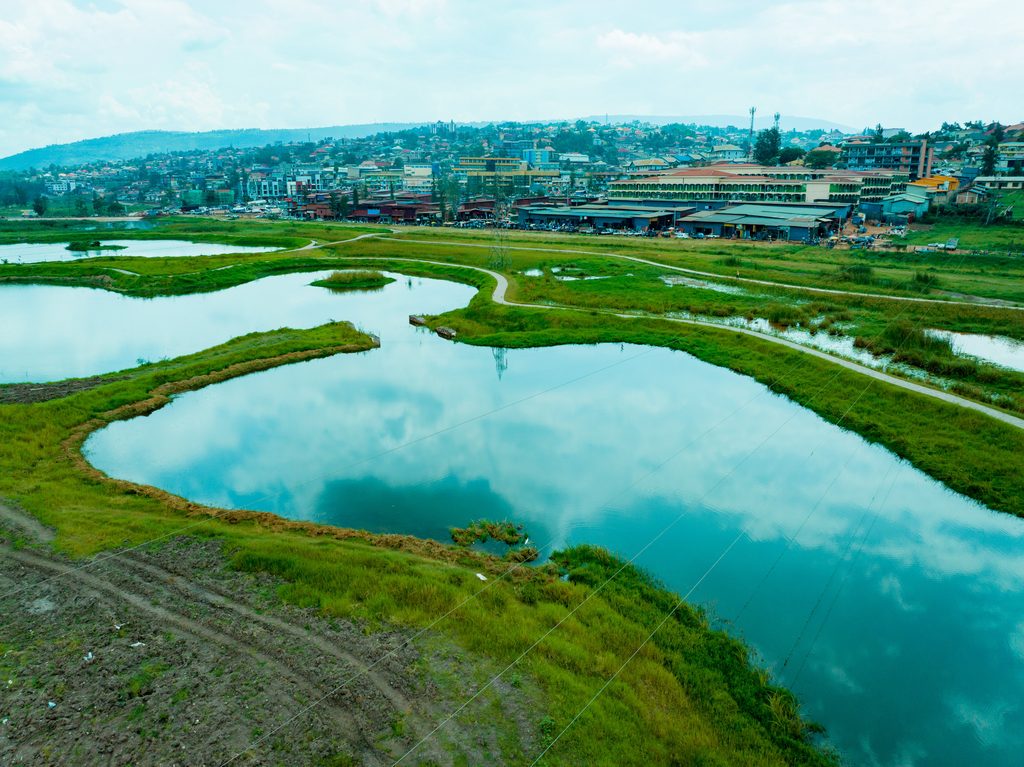
SUBSCRIBE TO OUR NEWSLETTER
First name or full name
Email
By continuing, you accept the privacy policy
**Categories:** Environment, Tourism and Nature
---
### [Gisagara: Families Transform Food Production into Healthier Lives](https://www.topafricanews.com/2026/08/28/gisagara-families-transform-food-production-into-healthier-lives/)
**Published:** August 28, 2026
**Author:** LIBOS NDAYISHIMIYE
**Content:**
Families in Gisagara District are transforming food production into healthier lives with support from the Second Sustainable Agricultural Intensification and Food Security Project (SAIP II), implemented by the Rwanda Agriculture and Animal Resources Development Board (RAB) through its Single Project Implementation Unit (SPIU), which has equipped households with chickens, mushrooms, vegetables and nutrient-rich crops while strengthening their knowledge of balanced diets to fight malnutrition and improve livelihoods.
For UWIZERA Divine, a nutrition officer in Kansi Sector, the progress being made in the fight against malnutrition and stunting reflects the value of combining nutrition education with household food production. She says families have not only received agricultural and livestock support but have also gained practical knowledge on how to turn available foods into balanced meals.
“We greatly appreciate the contribution of our partner in the fight against malnutrition and stunting. Many families have received chickens and are now able to obtain eggs, while also understanding how to prepare balanced meals containing foods that build the body, provide energy and protect against diseases.”
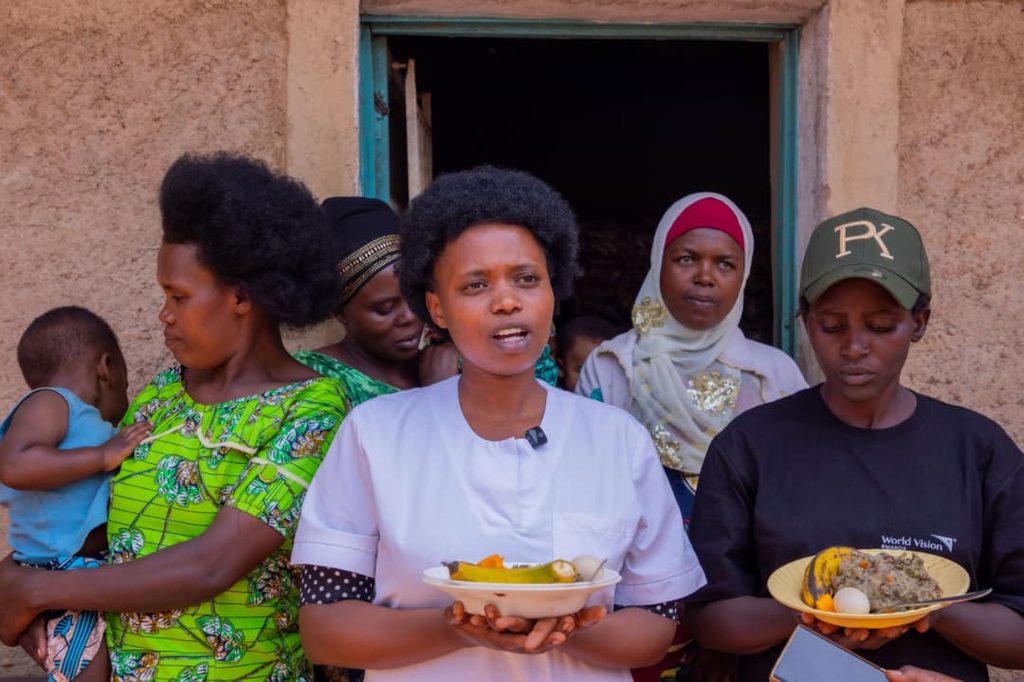**UWIZERA Divine, a nutrition officer in Kansi Sector**
UWIZERA says hygiene has been given equal attention, with parents encouraged to observe proper hygiene when handling and preparing food, including washing hands with clean water and soap.
She says the combination of improved access to animal products and nutrition education has helped tackle stunting, which had previously affected some children in the community. Families that once struggled to provide diverse and nutritious meals are increasingly able to produce some of the foods, they need at home.
Regular monitoring of children’s weight and height, she adds, shows encouraging progress, with children steadily gaining weight and improving their growth.
For UWIYUBASHYE Claudine, the most important change began with learning how to prepare a balanced diet. Before attending lessons at a village kitchen, she says she did not know how to properly combine different foods to meet her family’s nutritional needs.
The knowledge became particularly important when her own child was experiencing malnutrition and struggling to gain weight.
“Today, everyone in our household knows how to prepare a balanced diet, starting with proper hygiene. I had a child who was suffering from malnutrition and was barely gaining weight. In an entire month, the child would gain less than a few grams, but after we learned how to prepare proper meals, the child started gaining weight steadily. Today, the child has started the first year of nursery school.”
UWIYUBASHYE says the lessons have changed the way her family approaches food, enabling them to make better use of what they produce and ensuring that children receive meals with the nutrients needed for healthy growth.
At district level, RUTABURINGOGA Jerome, Mayor of Gisagara district, says agriculture and livestock remain central to the livelihoods of families in the district, making food production an important part of efforts to improve nutrition.
He commends the collaboration between the district, the Rwanda Agriculture and Animal Resources Development Board (RAB) and the project supporting these nutrition-sensitive interventions.
“Agriculture and livestock are the main livelihoods for the majority of families in our district. This support has helped us significantly, and we highly appreciate our partnership with RAB-SPIU because it has strengthened our efforts to help families improve their nutrition.”
The mayor says the interventions have also contributed to reducing household economic pressures and conflicts by helping families improve food availability while creating opportunities to generate income.
In Gisagara, families have benefited from different nutrition-sensitive activities, including poultry keeping, mushroom production, kitchen gardening and improved crop varieties. Chickens provide eggs for household consumption and manure that can be used to improve soil fertility, while vegetables and nutrient-rich crops contribute to more diverse meals.
Mushroom production has emerged as another opportunity, providing families with a nutritious food while opening a potential source of household income.
According to Imanimurinde Evode, Nutrition Specialist at the project, the nutrition approach is deliberately built around a variety of foods rather than relying on a single source of nutrients. Mushrooms, chickens, sweet potatoes and vegetables are promoted together so that families can access different nutrients while strengthening their ability to produce food at household level.
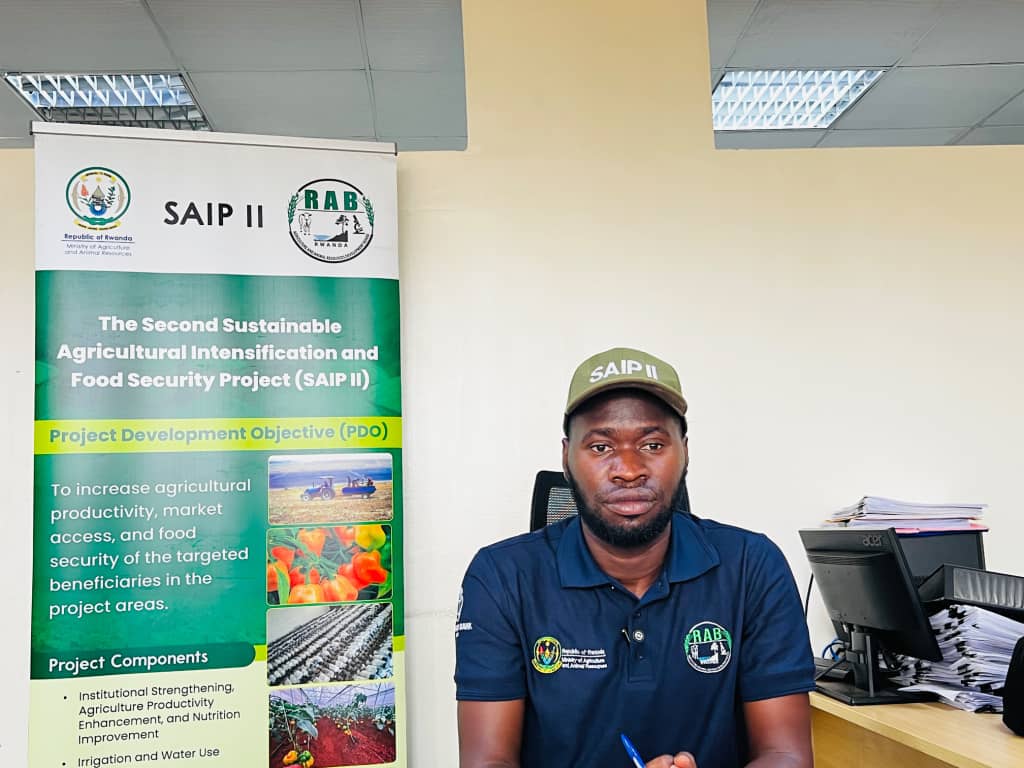“Mushrooms, chickens and sweet potatoes are among the important interventions we are promoting to improve household nutrition. Chickens provide eggs and manure, sweet potatoes provide essential nutrients, while mushrooms contribute to fighting malnutrition and can also become a source of income for families that produce and sell them.”
Evode explains that the intervention goes beyond distributing agricultural inputs. Beneficiaries are trained to develop skills that can allow them to continue producing nutritious foods and generating income after external support ends.
Families are encouraged to keep poultry, grow nutrient-rich crops, establish kitchen gardens and develop mushroom production, creating a household food system that connects nutrition with livelihoods.
“Our goal is to help families become capable of producing and accessing nutritious food on their own. When a family keeps chickens, grows sweet potatoes and vegetables, and can also produce mushrooms, it has the means to prepare a balanced diet while generating income from surplus production.”
The model links food production directly to household nutrition. Families can consume part of what they produce, sell the surplus to earn income and reinvest in production, creating a cycle that can strengthen both food security and household livelihoods.
The nutrition intervention also promotes the production of diverse vegetables and fruits, including nutrient-rich and biofortified foods such as iron-rich beans and orange-fleshed sweet potatoes, alongside animal-source foods produced through household poultry farming.
Beyond the provision of food and agricultural inputs, nutrition education remains a central part of the intervention. Parents are taught how to combine different foods, prepare balanced meals and maintain hygiene, ensuring that increased food availability translates into better nutrition for children.
The experience in Gisagara demonstrates that fighting malnutrition requires more than simply increasing the amount of food available. It also depends on ensuring that families have the knowledge, skills and means to produce diverse foods and turn them into balanced diets.
As these practices take root at household level, families are increasingly transforming their farms and small livestock activities into tools for protecting children’s health, improving food security and strengthening livelihoods.
The Second Sustainable Agricultural Intensification and Food Security Project (SAIP II) is implemented by the Rwanda Agriculture and Animal Resources Development Board (RAB) through its Single Project Implementation Unit (SPIU) and is scheduled to close in December 2026. SAIP, I operated in nine districts, while SAIP II expanded coverage to 20 districts nationwide.

SUBSCRIBE TO OUR NEWSLETTER
First name or full name
Email
By continuing, you accept the privacy policy
**Categories:** Natural Resources and Agriculture, NEWS
---
### [Kagame’s Week: Purpose Over Fear and Security Red Lines](https://www.topafricanews.com/2026/08/28/kagames-week-purpose-over-fear-and-security-red-lines/)
**Published:** August 28, 2026
**Author:** DUSABEMUNGU Ange de la Victoire
**Content:**
**Kigali —** In two high-profile appearances this week, President Paul Kagame set out a sharp message on Africa’s future, Rwanda’s security red lines in eastern Congo, and public safety at home.
The first was a more than three-hour press conference on Monday, 24 August 2026, at the Kigali Convention Centre. The second was a presidential panel the following day at the inaugural Africa Mindset Reset Forum, also in Kigali. Together they formed one of Kagame’s most wide-ranging public interventions of this Week
#### “Choose purpose over fear”
At the Africa Mindset Reset Forum on 25 August, Kagame told young Africans to stop waiting for permission to shape their own lives and societies. Meaningful change, he said, begins with the courage to make difficult choices and reject circumstances they do not want.
He recalled his own youth: hardship became a reason to challenge conditions rather than accept them as permanent. “Together with others, we decided to shape the kind of life we wanted, irrespective of the fact that the life we were looking for might not be lived,” he said.
His most quoted line of the week was aimed at aspiring leaders: try, fail, learn, and stay the course. Africa, he argued, does not need a generation afraid of failure. It needs one willing to act. “Even if you are fearing to make a mistake, you are already making a mistake by not doing anything.”
Kagame criticised what he called a continental habit of admiring success elsewhere without asking why similar results cannot be produced at home. “Why can’t we do things that make us admire ourselves?” he asked. The mindset of constantly looking outside Africa, he said, reduces Africans to “subjects of all kinds of dictates.”
He also returned to a familiar theme: “The Africa we want” has been repeated for years. The continent has people and resources, yet still talks about the Africa it needs instead of building it. “We have to match what we say and what we want with what we do and then be able to see the results. There are no two ways about it.”
The two-day forum, hosted under the theme “From Pan-Africanism to Meta-Africanism,” brought together more than 2,500 participants in Kigali and thousands more online. Kagame appeared alongside former Ethiopian Prime Minister Hailemariam Desalegn, former South African President Thabo Mbeki, Ghana’s Vice President Jane Naana Opoku-Agyemang, and African Development Bank President Sidi Ould Tah.
#### FDLR remains Rwanda’s non-negotiable
The Monday press conference was dominated by eastern Congo. Kagame repeated a line he said he could say “100 times”: Rwanda’s problem has always been the FDLR in Congo. If that threat is not resolved, Rwanda will remain involved. “There are no two ways about it.”
He dismissed recent Kinshasa-FDLR disarmament talk as superficial and, in his view, evidence that the Congolese government knows the group is present and has collaborated with it. Former FDLR combatants at Rwanda’s Mutobo demobilisation centre, he said, describe being armed and integrated into Congolese forces.
On Western sanctions targeting Rwanda’s military and senior officers, Kagame was blunt. Sanctions create problems, he said, but they only add new problems to old ones. They do not address root causes. “Instead of sanctioning FDLR or those who work with them or support them, they sanction those who fight them. I mean, I don’t understand the logic.”
He rejected the idea that Rwanda started the current conflict or should be treated as its main cause. The origin, he said, lies in Congo itself and in years of mishandling by Kinshasa and the international community. Rwanda wants peace, he added, “to the point that we are ready to fight for it.” Protection of the country would continue “day or night,” “at any cost.”
#### Crackdown on deadly alcohol and other domestic issues
Kagame also used the press conference to warn producers and sellers of substandard alcohol. Poor-quality drinks have killed people, he said, sometimes immediately and sometimes slowly. A country that watches its citizens die from such products is not doing its job. Those involved, he said, should prepare to be confronted. “Things will be put in proper order.”
He confirmed Rwanda’s interest in becoming a stakeholder in the planned Dangote petroleum refinery in Kenya, while stressing that talks remain early. He also discussed the slow implementation of the African Continental Free Trade Area, saying the framework was a good first step but that Africa is still not capturing the benefits it should.
#### The through-line
Across both events, Kagame’s message was consistent: Rwanda will not outsource its security; Africa must stop admiring others and start delivering for itself; and leaders and citizens must act rather than talk.
Whether the week changes anything on the ground in eastern Congo or in African governance remains to be seen. The words themselves, however, were among the clearest Kagame has offered in months.

SUBSCRIBE TO OUR NEWSLETTER
First name or full name
Email
By continuing, you accept the privacy policy
**Categories:** HEALTH, Politics, SECURITY, Youth Empowerment
---
### [Rwanda to Host Carbon Markets Africa Summit as Continent Seeks to Unlock Climate Finance](https://www.topafricanews.com/2026/08/28/rwanda-to-host-carbon-markets-africa-summit-as-continent-seeks-to-unlock-climate-finance/)
**Published:** August 28, 2026
**Author:** DUSABEMUNGU Ange de la Victoire
**Content:**
**KIGALI, Rwanda** — Africa’s carbon markets are entering a new phase as governments strengthen regulatory frameworks, investors seek credible projects and countries look to attract more climate finance for sustainable development.
These issues will take centre stage at the **Carbon Markets Africa Summit (CMAS) 2026**, scheduled for **13–15 October 2026 in Kigali, Rwanda**, bringing together policymakers, investors, carbon project developers, corporate buyers and market leaders from Africa and beyond.
The summit comes as African countries move from developing carbon-market frameworks towards implementing projects and facilitating transactions under **Article 6 of the Paris Agreement**.
Across the continent, governments and institutions are increasingly working to establish the systems needed to build credible carbon markets. The **African Union** is implementing its Africa Action Plan on Carbon Markets, while countries including Ghana are developing Article 6 project pipelines and authorisation systems.
At the same time, **AUDA-NEPAD’s African Principles for Equity and Integrity in Carbon Markets** are placing greater emphasis on governance, transparency, community benefit-sharing and market confidence.
#### From policy to investment
The next challenge, however, is turning these frameworks into functioning markets capable of attracting investment.
Investors and carbon buyers are increasingly assessing projects based on factors such as environmental integrity, credible measurement, reporting and verification (MRV), regulatory compliance, transaction certainty and the strength of underlying projects.
For African projects to attract larger volumes of climate finance, they will need access to appropriate capital, buyers, standards, market infrastructure and institutional support.
CMAS 2026 will seek to bring these different actors together.
The summit is hosted by the **Ministry of Environment of Rwanda**, with the **United Nations Development Programme (UNDP)** and the **African Development Bank (AfDB)** serving as host organisations. The **Development Bank of Southern Africa (DBSA)** is the host partner, while **AUDA-NEPAD** is the strategic institutional partner.
The network supporting the summit also includes **GIZ, BeZero Carbon, Welthungerhilfe, FSD Africa, the United Nations Environment Programme (UNEP)** and **Carbon Standards International**, alongside governments, financiers, standards organisations, ratings agencies and carbon project developers.
#### Focus on market integrity and bankability
The three-day summit will examine how carbon markets can move from policy development to actual transactions.
Discussions will cover **Article 6, CORSIA, voluntary carbon markets, carbon offtake, MRV, ratings, policy readiness, regional market alignment and carbon finance**.
Participants will also examine how projects can become more bankable, insurable and verifiable, as well as how Africa can strengthen its capacity for measurement, reporting, verification and validation.
Other issues on the agenda include private capital de-risking, authorisation systems, registry interoperability and the development of regional carbon-market infrastructure.
More than **10 African governments and over 20 investors and financiers** are expected to be represented, alongside international institutions including the **UNFCCC** and the **European Commission**.
The programme will feature high-level leadership discussions, investor and buyer roundtables, project showcases, technical workshops, solution labs and dedicated deal rooms.
#### Nature-based projects in focus
A **UNEP-hosted Nature Deal Room** will provide a platform for African governments, investors, corporate buyers, standards bodies and market intermediaries to explore high-integrity nature-based carbon transactions.
The growing interest in Africa reflects the continent’s significant natural resources and potential to develop carbon projects while supporting wider development priorities.
Shikha Sharma, Global Technical Lead – Offsets & Removals at SGS, said Africa could play a major role in shaping the future of global carbon markets if it strengthens governance, builds local capacity and maintains high standards of integrity.
> “If Africa gets governance right, invests in local capabilities and keeps integrity at the centre, it won’t just supply the market. It will influence how the market operates globally.”
For UNDP, the carbon-market opportunity extends beyond emissions reduction and carbon credits.
Fatmata Lovetta Sesay, Resident Representative of UNDP Rwanda, said carbon markets can help mobilise finance for national priorities while supporting jobs, livelihoods and sustainable development.
> “The task before us in Kigali is to build markets that are credible, investable, and designed to deliver real value for African countries and communities.”
#### Kigali meeting seeks practical action
Emmanuelle Nicholls, Portfolio Director, said collaboration among governments, investors, project developers and the private sector will be critical as Africa’s carbon markets develop.
She said CMAS 2026 is intended to create a platform for stakeholders to exchange knowledge, strengthen partnerships and accelerate practical action.
With governments strengthening policies and investors seeking credible opportunities, the Kigali summit is expected to focus on a central question: **how can Africa translate its growing carbon-market potential into investment, climate action and tangible benefits for communities?**
As the continent moves from carbon-market readiness towards implementation, the outcome of these discussions could help shape how Africa participates in the emerging global climate-finance economy.

SUBSCRIBE TO OUR NEWSLETTER
First name or full name
Email
By continuing, you accept the privacy policy
**Categories:** CLIMATE CHANGE, Environment, NEWS
---
### [Rwanda Links Volcanoes Park Expansion With New Village for 547 Families](https://www.topafricanews.com/2026/08/27/rwanda-links-volcanoes-park-expansion-with-new-village-for-547-families/)
**Published:** August 27, 2026
**Author:** Mutangana Emmanuel
**Content:**
Rwanda on August 27, 2026, broke ground on a new Smart Green Village in Musanze District that will accommodate 547 households affected by the planned expansion of Volcanoes National Park, as the country seeks to balance wildlife conservation with the livelihoods and living conditions of communities around the park.
The village, to be built in Rurembo, Kinigi Sector, is part of the wider Volcanoes Community Resilience Project and represents an investment of more than $49 million, according to the Rwanda Development Board (RDB).
The first phase of the wider programme covers about 450 hectares and affects 547 households currently living within the pilot area identified for the park’s expansion.
The government has acquired a 50-hectare site in Rurembo for the relocation village. Compensation for the relocation site has been completed, while compensation for land and properties within the park expansion area is still ongoing.
The broader programme is expected to support more than 17,000 people, or about 3,400 households, while facilitating the expansion of Volcanoes National Park by approximately 3,740 hectares and establishing about 6,620 hectares of buffer zones.
The 10-year programme is estimated to cost about $300 million and is intended to improve livelihoods while increasing wildlife habitat, strengthening biodiversity conservation and creating new economic opportunities for communities surrounding the park.
**Families expect safer and better-served lives**
For families who will move to the Smart Green Village, the project is expected to bring services that have been difficult to access in their current settlements, including housing, water, electricity, healthcare, education and improved roads.
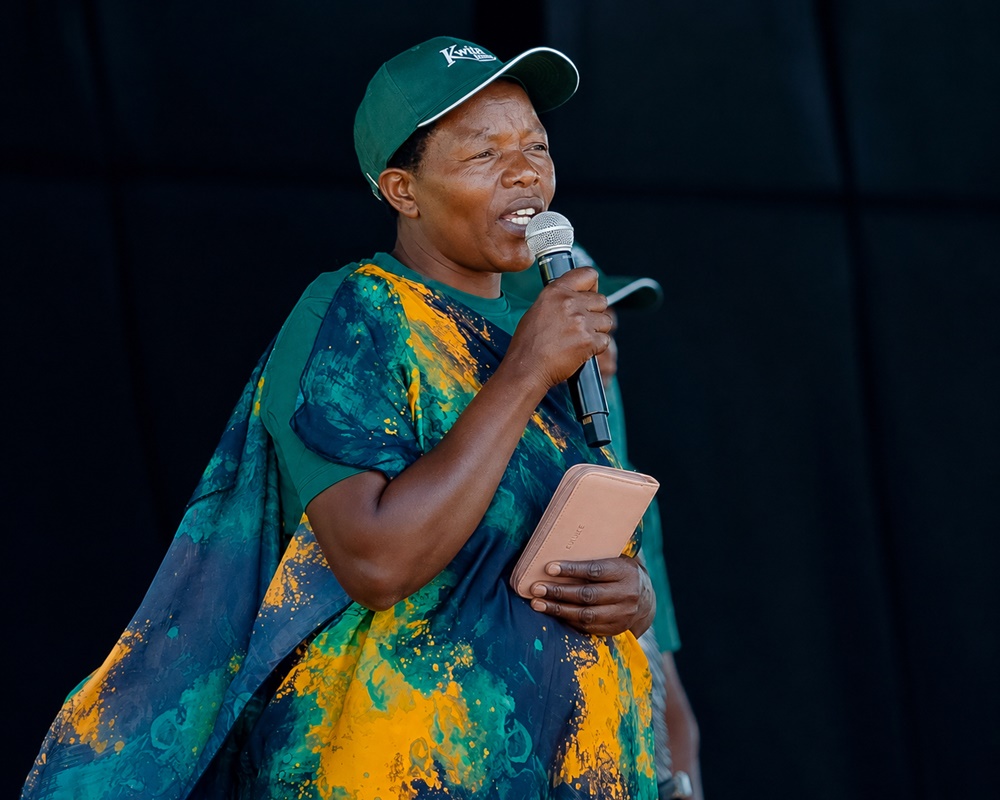***Esther Mukamakuza.***Esther Mukamakuza, one of the beneficiaries, said the planned village gives families hope for better living conditions, particularly for women and children.
She said the new settlement would provide schools, health facilities, roads and cleaner cooking solutions, while also giving women greater opportunities to participate in household and community development.
Mukamakuza said families would also be able to engage in more productive agriculture and earn income from farming rather than relying on subsistence production.
“We will engage in income-generating agriculture because we will practice modern farming and earn money from what we produce,” she said.
She also said women would no longer have to take turns with their husbands guarding crops from wild animals at night.
“We will no longer have to take turns guarding our crops at night as our husbands used to do. While they were guarding the crops, we would go farming, and then we would take turns,” she said.
The new settlement is also expected to reduce the health and environmental burden associated with traditional cooking methods.
Mukamakuza said families would be able to use gas for cooking instead of firewood, reducing exposure to smoke.
She added that nearby schools, health facilities and recreational spaces would make life easier for families, including women who previously had to travel to Musanze to access maternity services.
“Instead of travelling to hospitals in Musanze to give birth, we will be able to give birth closer to home because there will be health facilities here, and our children will also go to school nearby,” she said.
For residents living close to the park, the relocation also represents an attempt to reduce encounters with wildlife.
Mukamakuza said families had faced encounters with buffaloes and hyenas that sometimes entered their homes, attacked livestock and posed risks to people.
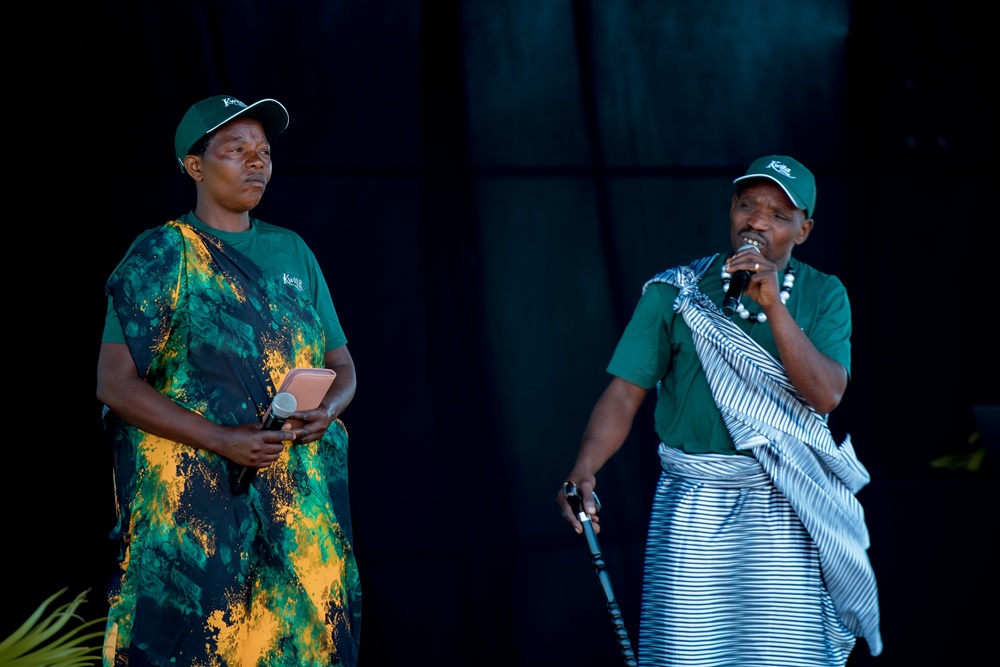Another beneficiary, Augustin Nzabonimpa, described the relocation as an opportunity to leave behind the insecurity associated with living close to wild animals.
He said families would move into houses equipped with electricity and water, reducing the need to share or travel long distances to access basic resources.
“We used to have the problem of constantly dealing with animals that destroyed our crops and sometimes attacked us,” Nzabonimpa said.
He added, “Now we will live in better houses with electricity and water, because we used to share these resources with animals, and accessing them also required long journeys. This will allow us to begin a new life with peace and economic opportunities.”
**A new model of community development**
The Smart Green Village is designed to go beyond housing.
According to RDB, the development will include water and sanitation infrastructure, electricity, health and education facilities, community spaces and green infrastructure.
The village will also incorporate climate-smart agriculture, greenhouses, irrigation and agricultural processing facilities, renewable energy, rainwater harvesting, wastewater treatment and reuse, solid waste management and energy-efficient building technologies.
It will also include eco-lodges and community tourism facilities intended to create additional economic opportunities for residents.
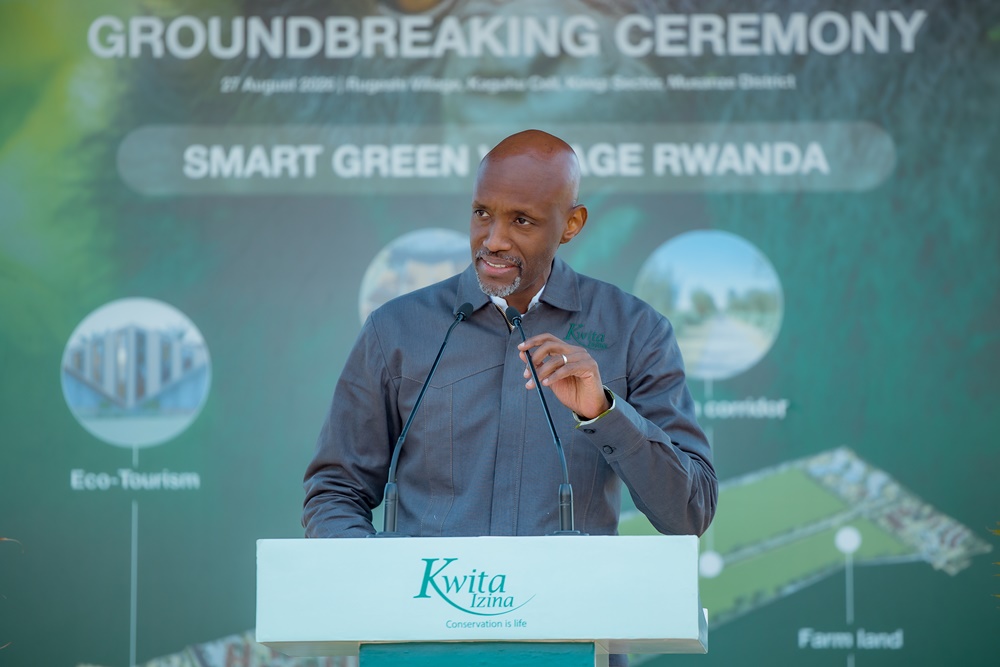***Jean-Guy Afrika, Rwanda Development Board (RDB) Chief Executive Officer.***RDB Chief Executive Officer Jean-Guy Afrika said the project reflects the government’s approach of linking conservation with community development.
“The Smart Green Village represents our shared vision that conservation and community development must go hand in hand,” Afrika said.
He said the project would provide families with better housing, infrastructure, essential services and economic opportunities while promoting sustainable agriculture, climate resilience and environmental protection.
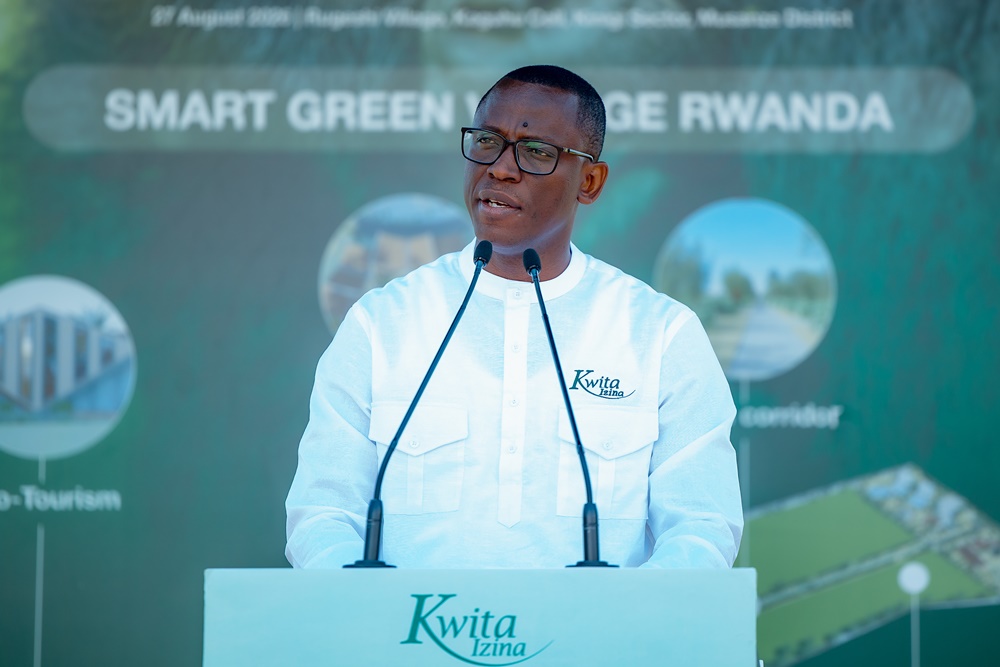***Dominique Habimana, Minister of Local Government.***Minister of Local Government, Dominique Habimana urged residents to take ownership of the new settlement once it is developed.
“The development of our communities must go hand in hand with protecting the environment,” Habimana said, adding that the homes and infrastructure belong to the communities that will live there.
He urged residents to participate in the development and maintenance of the village so that it remains clean, safe and sustainable.
**Tourism revenues also return to communities**
The groundbreaking ceremony was also used to announce this year’s allocations under Rwanda’s Tourism Revenue Sharing Programme for districts neighbouring Volcanoes National Park.
Under the programme, 10% of tourism revenues generated by national parks is reinvested in development initiatives benefiting surrounding communities.
RDB says that over the past 20 years, more than RWF 23 billion has been reinvested through the programme, supporting nearly 1,300 projects in areas including education, healthcare, water access and livelihoods.
For the four districts bordering Volcanoes National Park, approximately RWF 1.98 billion has been allocated this year.
Musanze and Nyabihu districts will each receive about RWF 659.8 million, while Burera will receive RWF 495 million and Rubavu RWF 164.95 million.
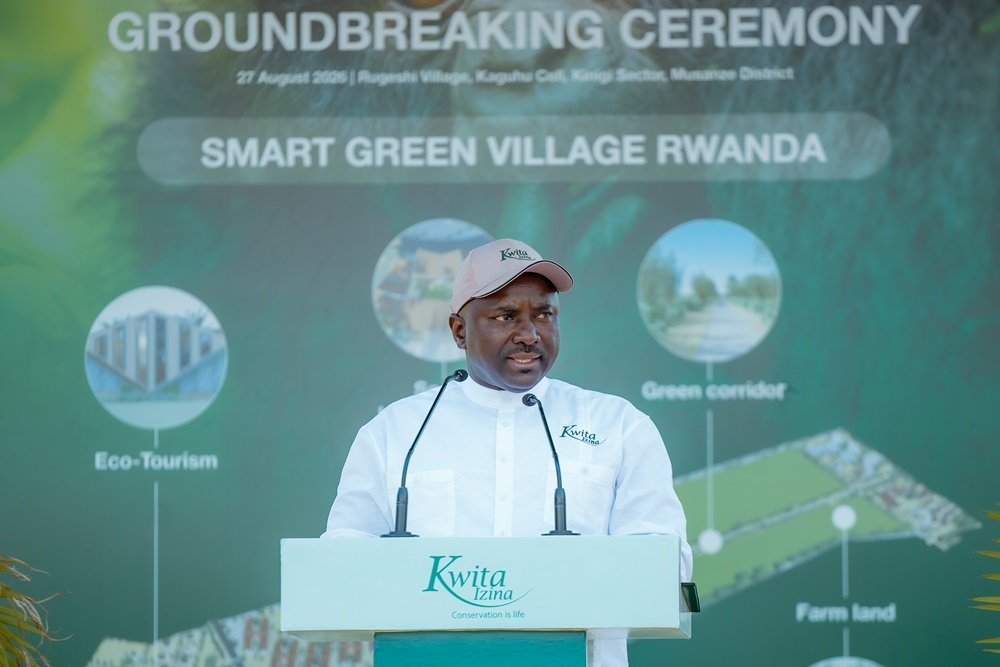***Maurice Mugabowagahunde, Northern Province Governor.***Northern Province Governor Maurice Mugabowagahunde said communities around the park benefit from conservation through jobs, businesses and tourism revenue-sharing projects.
Since the programme began, he said, 838 projects worth RWF 8.6 billion have been supported in communities around Volcanoes National Park.
He said, “The expansion of the park and the Smart Green Village would help address limited agricultural land and reduce human-wildlife conflict by providing communities with safer places to live and farm.”
The Smart Green Village comes as Rwanda prepares for the 21st Kwita Izina Gorilla Naming Ceremony, scheduled for September 4 in Kinigi under the theme “Conservation is Life: Sustaining the Future.”
The government has increasingly linked conservation with community development, arguing that people living around protected areas need to see tangible benefits from tourism and environmental protection.
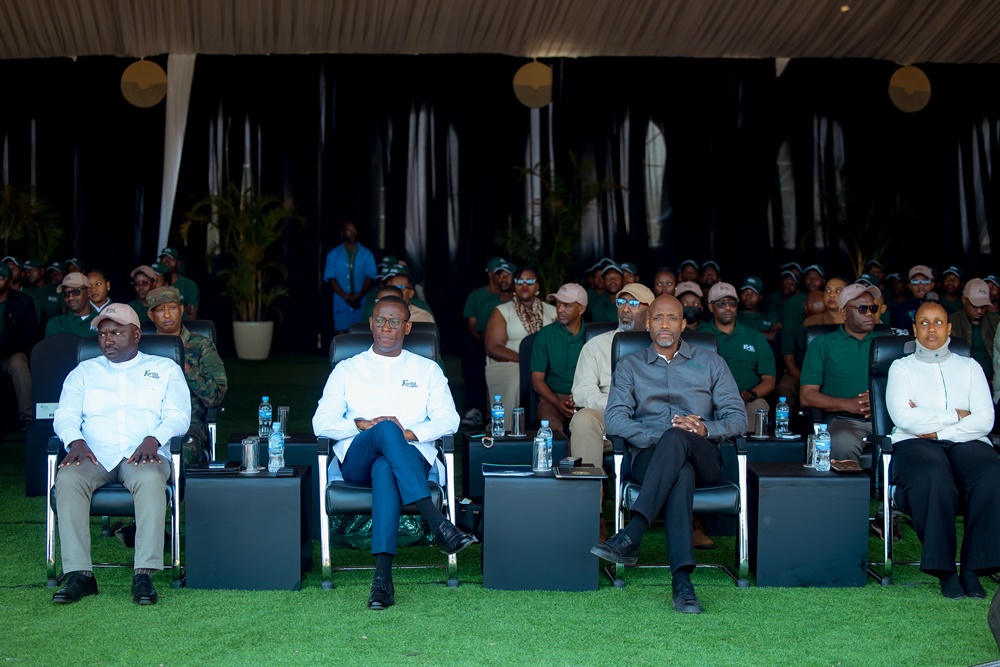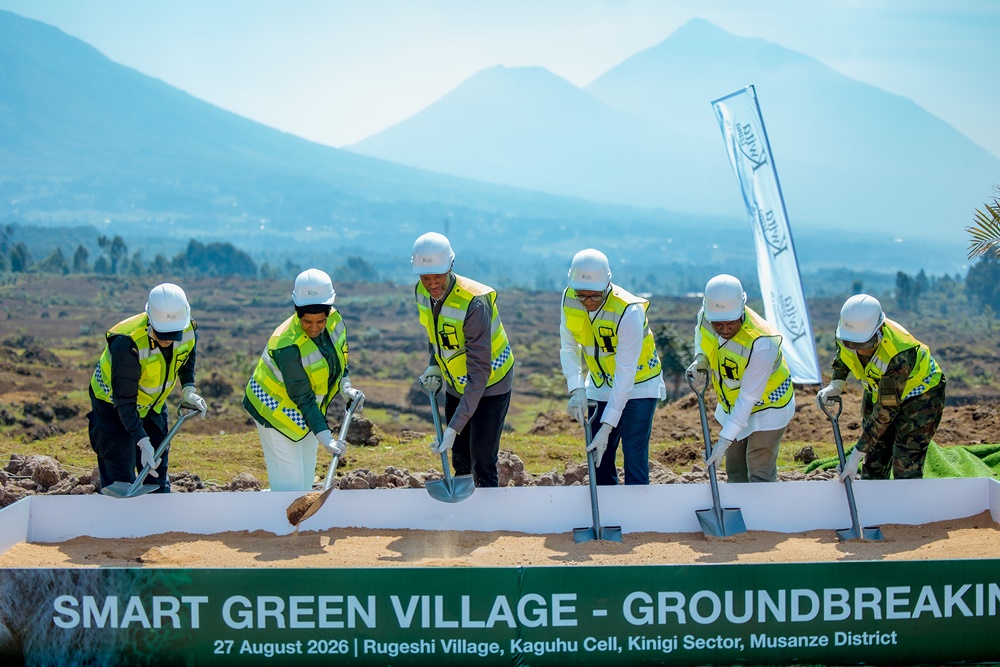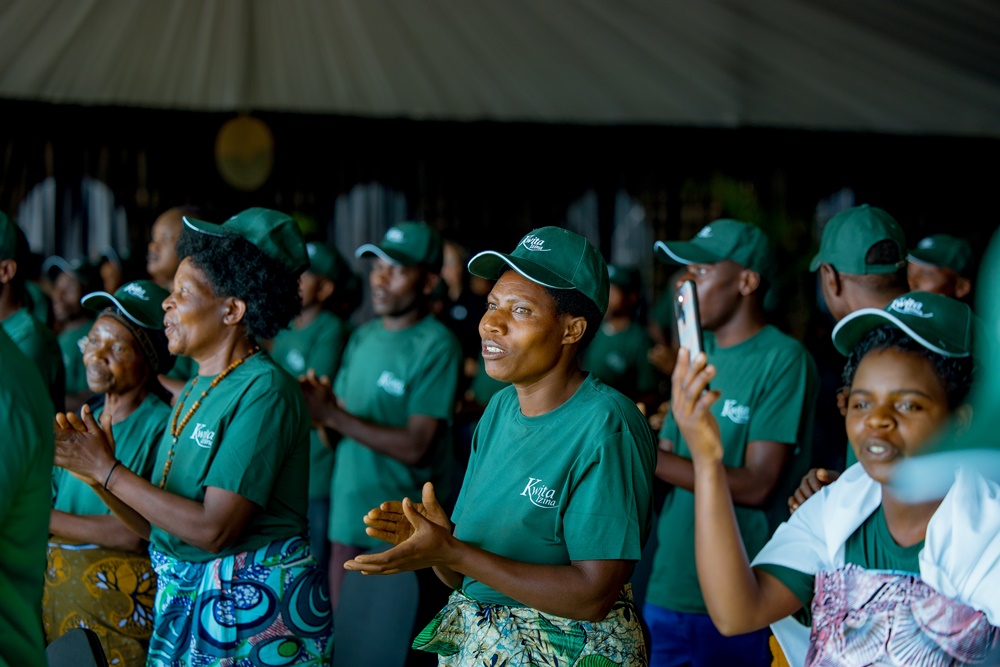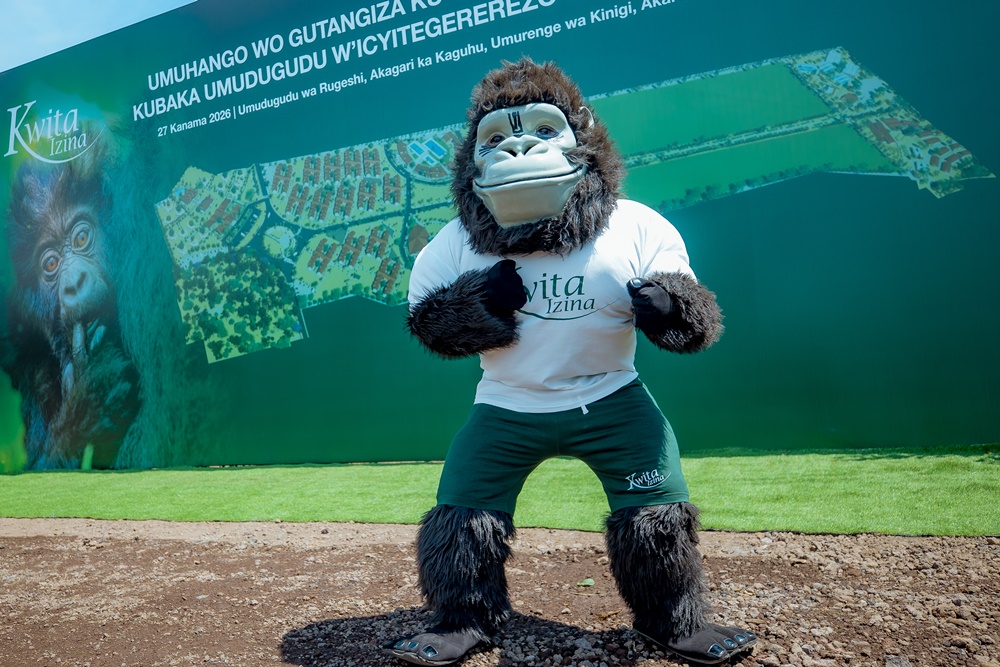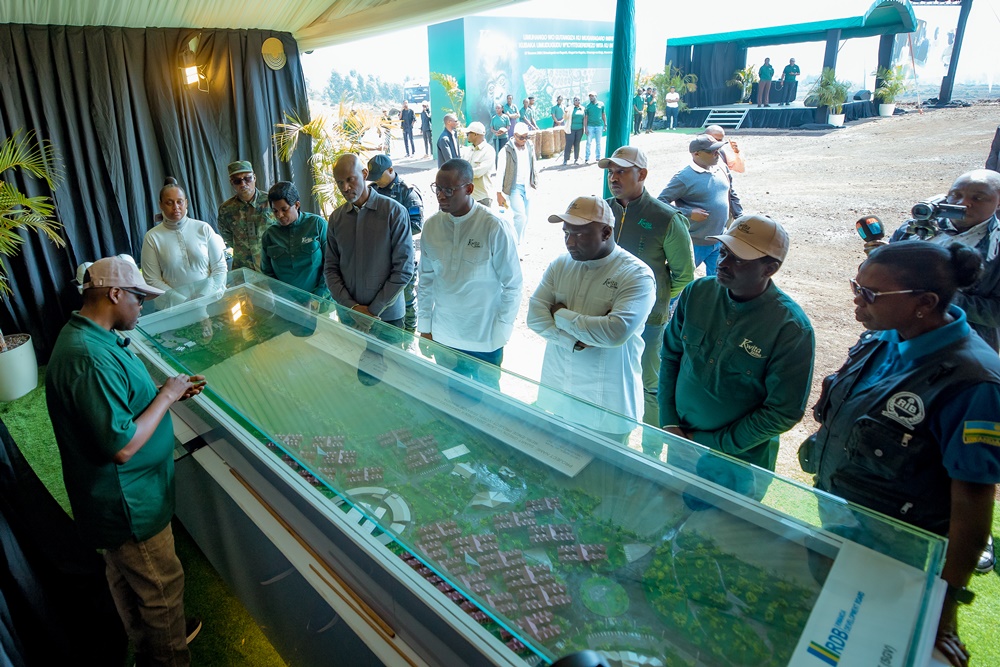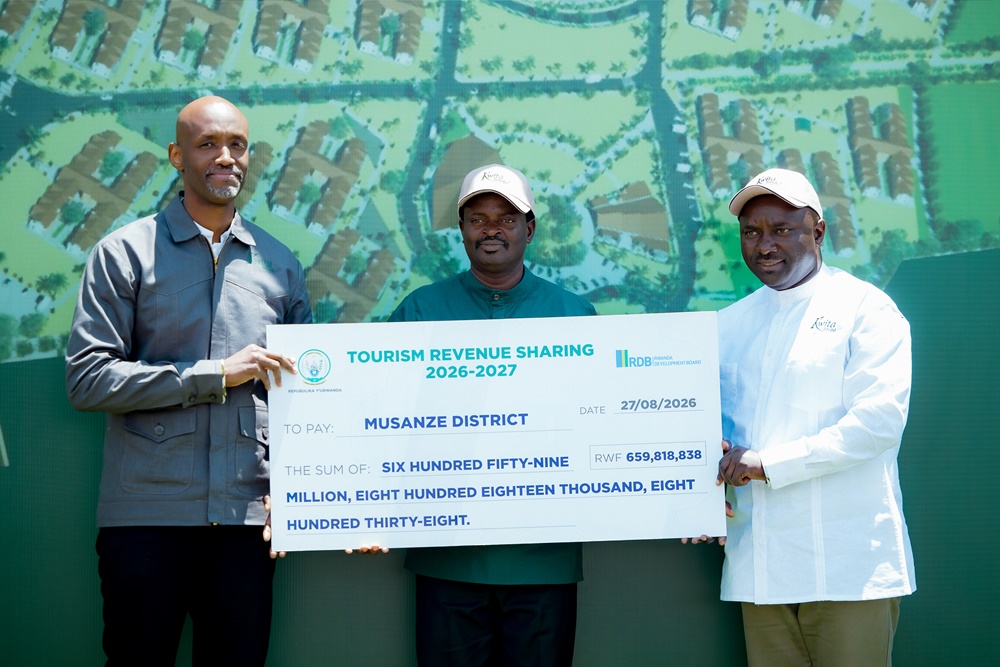
SUBSCRIBE TO OUR NEWSLETTER
First name or full name
Email
By continuing, you accept the privacy policy
**Categories:** CLIMATE CHANGE, Environment
---
### [Kagame and Erdoğan Discuss Trade Gains, Defence Cooperation and Regional De-escalation](https://www.topafricanews.com/2026/08/27/kagame-and-erdogan-discuss-trade-gains-defence-cooperation-and-regional-de-escalation/)
**Published:** August 27, 2026
**Author:** EDITOR
**Content:**
KIGALI — Rwandan President Paul Kagame and Turkish President Recep Tayyip Erdoğan held a telephone conversation on Thursday in which they reviewed growing economic ties between their countries and discussed efforts to ease tensions in the Great Lakes region.
The two leaders noted positive progress in trade and investment. They agreed to continue working together in several sectors, with particular attention to defence industry cooperation.
On regional issues, they addressed the situation between Rwanda and the Democratic Republic of Congo. Erdoğan welcomed ongoing efforts to reduce tensions and expressed support for the continuation of a constructive approach by both sides.
The conversation took place as part of broader diplomatic contacts Erdoğan held with African leaders on the same day. Rwanda and Türkiye have steadily expanded their partnership in recent years, with Turkish firms increasing their presence in Rwanda and both countries deepening security and economic links.
The call comes amid continued attempts to implement earlier peace commitments aimed at resolving the long-running conflict in eastern Congo.
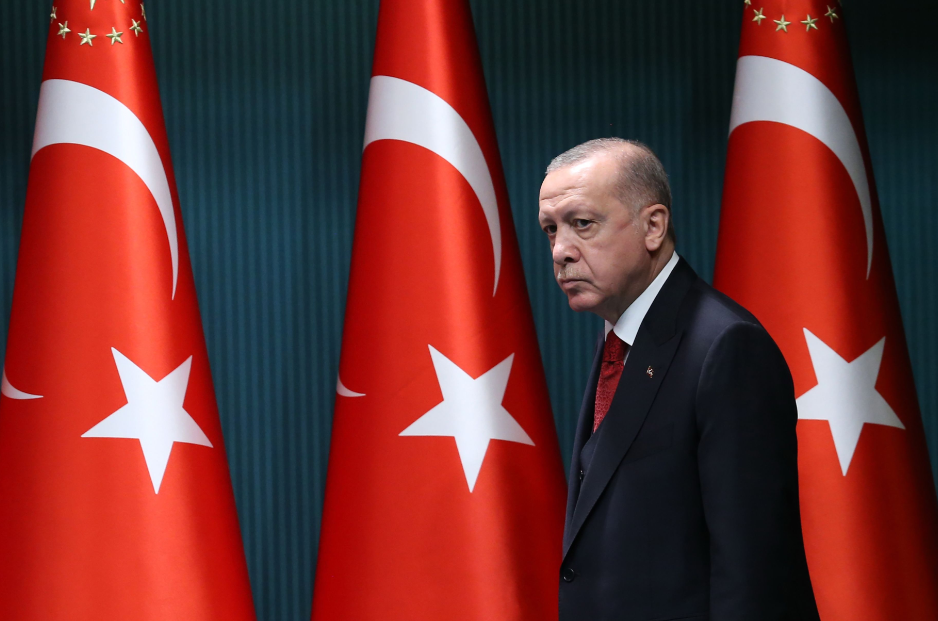Turkish President Recep Tayyip Erdoğan
SUBSCRIBE TO OUR NEWSLETTER
First name or full name
Email
By continuing, you accept the privacy policy
**Categories:** NEWS
---
### [Olympique de Marseille & PariPesabecome partners in Africa](https://www.topafricanews.com/2026/08/27/olympique-de-marseille-paripesabecome-partners-in-africa/)
**Published:** August 27, 2026
**Author:** EDITOR
**Content:**
**Olympique de Marseille is proud to announce a new partnership with PariPesa, becoming the Club’s Regional Africa Partner and bringing together two brands united by their passion for football, ambition and strong connection with African audiences.**
The partnership will bring OM closer to football fans across the continent while creating new opportunities for supporters to engage with the Club through PariPesa.
#### What the Partnership Brings
- Marseille passion across Africa: One of France’s most iconic football clubs joins forces with PariPesa to strengthen its connection with its passionate African fanbase.
- More ways to engage: Fans can look forward to co-branded digital content, special activations, competitions, giveaways and exclusive experiences throughout the partnership.
- Football meets Digital Entertainment: Combining OM’s football heritage and passionate community with PariPesa’s digital expertise and strong presence across African markets, the partnership aims to create engaging new experiences for football fans.
#### Looking Ahead
Throughout the partnership, PariPesa and Olympique de Marseille will work together on a range of initiatives designed specifically for African football fans, including:
- Co-branded digital campaigns bringing OM content and stories closer to African audiences.
- Competitions and giveaways designed to reward and engage the football community.
- Original content celebrating the passion, personalities and moments that connect Marseille with Africa.
#### A Shared Ambition
*“Africa has always held a special place in Olympique de Marseille’s identity and community. Through our partnership with PariPesa, we look forward to creating new opportunities to engage with our supporters across the continent and further strengthen this connection,”* said **Alban Juster, General Manager of Olympique de Marseille.**
*“Olympique de Marseille is a club with an extraordinary football heritage and a special connection with African fans. We are delighted to become OM’s Regional Africa Partner and look forward to bringing this partnership to life through exciting content, activations and experiences for our audiences across the continent,”* said **Damilare Obadimu, PariPesa Africa CBDO**.

SUBSCRIBE TO OUR NEWSLETTER
First name or full name
Email
By continuing, you accept the privacy policy
**Categories:** SPORTS
---
### [Nyamagabe Families Harness SAIP II to Defeat Malnutrition and Build Better Lives](https://www.topafricanews.com/2026/08/27/nyamagabe-families-harness-saip-ii-to-defeat-malnutrition-and-build-better-lives/)
**Published:** August 27, 2026
**Author:** LIBOS NDAYISHIMIYE
**Content:**
Families in Nyamagabe district are turning kitchen gardens and mushroom production into practical weapons against malnutrition, with support from the Second Sustainable Agricultural Intensification and Food Security Project (SAIP II) helping them put more nutritious food on children’s plates, strengthen household incomes and build healthier futures.
For UWAMAHORO Jacqueline, a Community Health Worker in Karama Cell, the impact of SAIP II can be seen in the changing health and nutrition of children in her community. She says parents have been trained to prepare balanced meals at home, while households have received support that enables them to produce nutritious food closer to where they live.
The project provided chickens that supply eggs and manure. Families use the manure in kitchen gardens to grow vegetables, creating a link between poultry keeping, food production and household nutrition.
“SAIP II has helped us access animal products by providing us with chickens, which give us eggs. The chickens also provide manure that we use in our kitchen gardens to grow vegetables. As a result, the number of children affected by stunting has declined. In our village, we previously had about five children affected by stunting, but today we no longer have a single case.”
UWAMAHORO says nutrition education has also changed the way parents understand and prepare food. Families have learned how to combine foods that build the body, provide energy and protect against diseases.
She adds that better nutrition has contributed to healthier children who are increasingly able to withstand illnesses that previously affected them more frequently.
For Nzeyimana Laurent, a member of the Vision Group from Munyinya Village in Karama Cell, Cyanika Sector, the most significant transformation came through mushroom production.
Before SAIP II support and training, Laurent says the group had little understanding of mushrooms and did not believe they could make a meaningful contribution to addressing malnutrition. Families also felt that their limited financial resources could not adequately address the stunting affecting their children.
The introduction of mushroom production changed that perception, giving families access to a nutritious food that they could produce themselves while creating an opportunity to earn income.
“Before SAIP II came, we felt that our limited financial capacity could not solve the problem of stunting affecting our children. After we started producing and eating mushrooms, we found a practical solution because we could get nutritious food from what we produced ourselves.”
Laurent says the training has enabled the group to go beyond producing mushrooms for household consumption. Members can sell surplus production and use the income to support their families.
“SAIP II taught us how to use mushrooms to improve children’s nutrition, but we also discovered that they can be a good business. Today, we eat better, and when we have a surplus, we sell it and earn money to support our families.”
The experience has turned mushroom production into a two-sided opportunity for the group: a source of nutritious food and a potential income-generating activity.
At an Early Childhood Development (ECD) centre, SAIP II support is also helping connect household food production directly to children’s meals.
According to Mukantagara Jenifer, a trainer at the ECD centre, parents whose children attend the centre received nutrition-sensitive agricultural inputs, including chickens, mushroom-growing tubes, sweet potato vines, vegetables and beans.
Rather than keeping all the food produced at household level for home consumption or sale, parents contribute part of their produce to the ECD, where it is used to prepare more nutritious and diverse meals for children.
“Parents are contributing part of what they produce to help us prepare meals for the children at the ECD. We receive eggs, vegetables, mushrooms, beans and other foods from beneficiary families, and these have helped us improve both the quality and diversity of the meals given to the children.”
Jenifer says some children attending the centre had previously experienced poor nutrition. She explains that the project therefore places equal emphasis on what children eat at the ECD and what they receive at home.
“We do not want a child to receive a nutritious meal at the ECD and then return home to inadequate food. That is why we also train parents on how to prepare and serve balanced diets at home, so that what children learn and receive at the centre continues in their households.”
The approach combines household food production, parental participation and nutrition education, creating a stronger foundation for sustained improvements in children’s nutrition.
At district level, Uwamariya Agnès, Vice Mayor of Nyamagabe district in charge of Social Affairs, says SAIP II has made an important contribution to efforts to reduce malnutrition, particularly among children under five.
The project targeted households with children under five and pregnant women, providing beneficiaries with practical knowledge on preventing and addressing malnutrition at household level. It also trained beneficiaries to produce mushroom-growing tubes themselves, giving groups skills that can support both nutrition and income generation.
“We appreciate SAIP II for the role it has played in reducing stunting among children under five in our district. The project has not only supported vulnerable households with practical nutrition interventions, but has also equipped beneficiaries with skills they can use to address malnutrition themselves.”
According to figures shared by Uwamariya, the prevalence of stunting among children under five in Nyamagabe declined from 33.6 percent before the SAIP II intervention to 29.4 percent.
She says the project has also created a market for mushroom-growing tubes produced by trained beneficiary groups, allowing the skills acquired through the intervention to generate additional economic opportunities.
“One of the important achievements is that beneficiaries were trained to produce mushroom-growing tubes themselves, and SAIP II has also become a market for the tubes produced by these groups. This has helped turn the knowledge they acquired into a practical opportunity for their households and communities.”
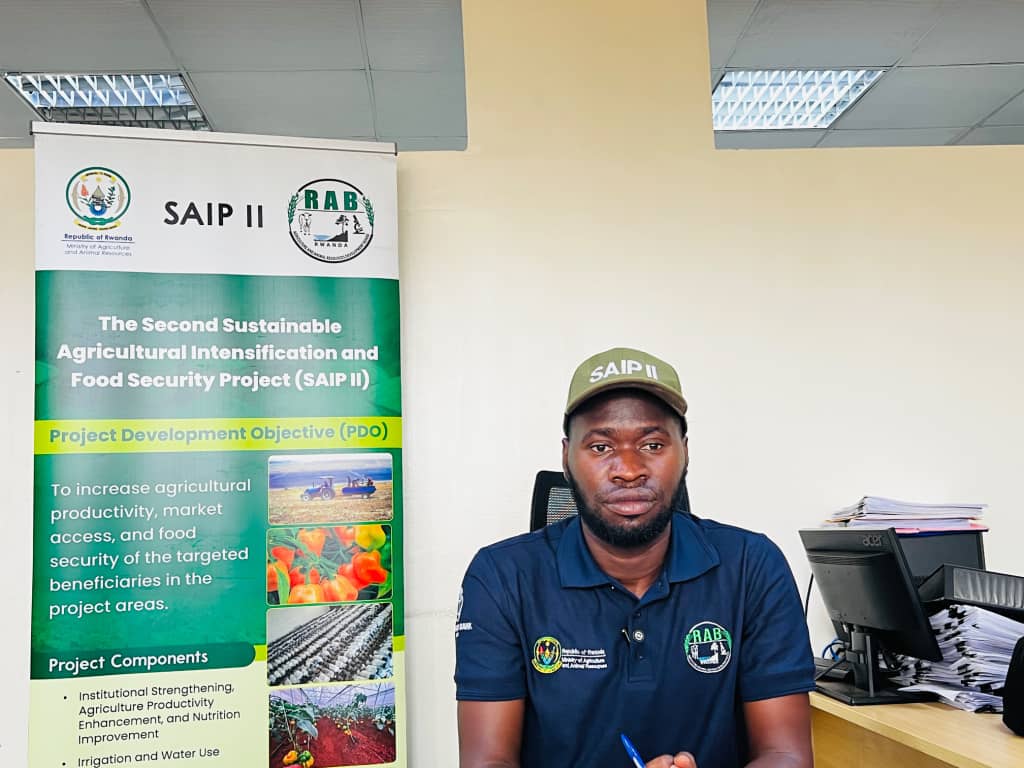Imanimurinde Evode, Nutrition Specialist at SAIP II, says mushrooms are an important component of the project’s nutrition intervention because they provide nutrients and vitamins while offering households an opportunity to improve their livelihoods.
“Mushrooms are a nutritious crop rich in important nutrients and vitamins. They can help families fight malnutrition while also creating an opportunity to improve their livelihoods through production and sale.”
SAIP II initially distributed mushroom-growing tubes to 2,000 households as part of its nutrition intervention. Evode says the project later embraced a proposal from beneficiaries to train them to produce the tubes themselves rather than depending entirely on the project.
“We welcomed the idea from our beneficiaries to train them to produce mushroom-growing tubes themselves. Instead of depending entirely on the project for the tubes, they can now produce them for their own use and sell them to other people who need them.”
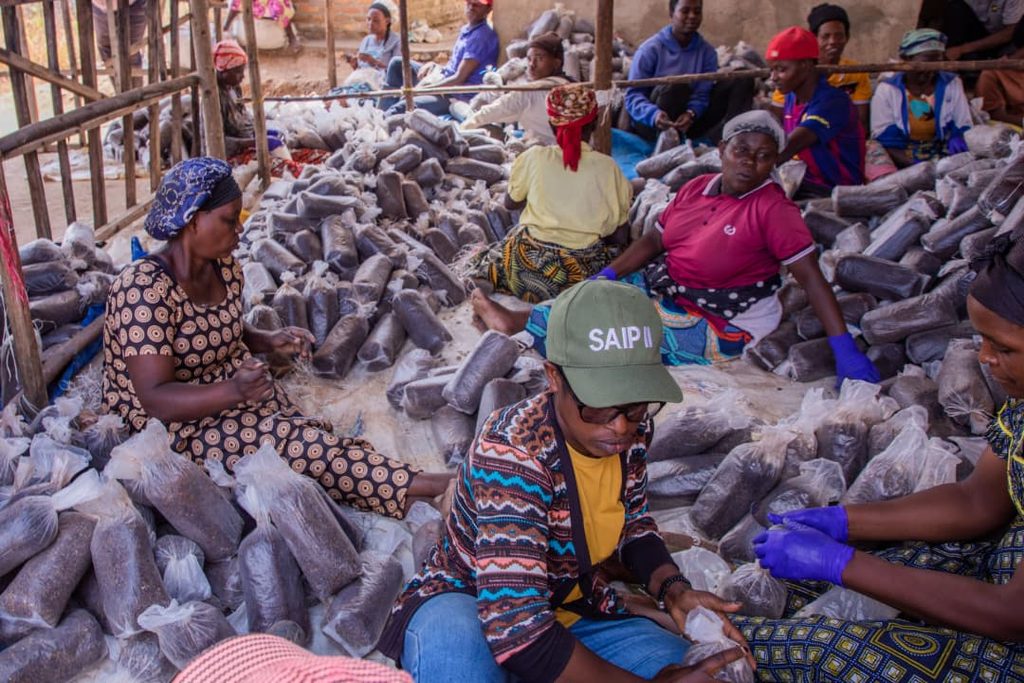According to Evode, groups in each participating district have been equipped with the capacity to produce up to 10,000 mushroom-growing tubes, creating an opportunity for mushroom production to serve both as a nutrition solution and a source of income.
The wider results of the intervention are also reflected in district-level figures. SAIP II activities reached 3,925 families in Nyamagabe, including 3,138 children under five. Among these children, 100 had experienced malnutrition, but all recovered through coordinated interventions involving different stakeholders, with SAIP II making an important contribution.
The project also provided chickens to the 3,925 families. Among them, 165 families increased their poultry numbers, with some beginning to treat poultry keeping as a business by purchasing additional chickens and adding them to those initially provided by SAIP II.
Mushroom production has similarly developed into an economic opportunity. A mushroom-growing group established in Cyanika Sector has supplied more than 13,000 mushroom-growing tubes to SAIP II, earning more than RWF 8 million since the initiative began.
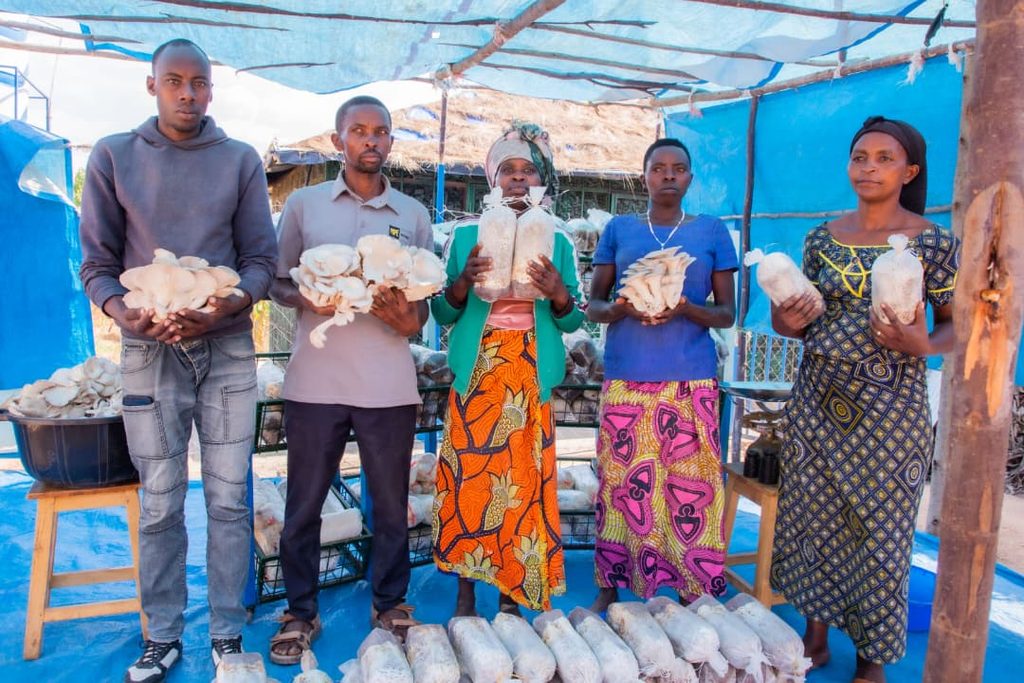
SUBSCRIBE TO OUR NEWSLETTER
First name or full name
Email
By continuing, you accept the privacy policy
**Categories:** Development Trends, Natural Resources and Agriculture
---
### [Social Connection Emerges as a New Residential Value Driver in Kenya, as Property Developer HassConsult Expands Enaki Model](https://www.topafricanews.com/2026/08/27/social-connection-emerges-as-a-new-residential-value-driver-in-kenya-as-property-developer-hassconsult-expands-enaki-model/)
**Published:** August 27, 2026
**Author:** TOPAFRICANEWS
**Content:**
**As Kenya’s record-breaking digital usage moves more of everyday life onto screens, everyday community life is becoming increasingly fragmented.
· **HassConsult is responding to this gap with Elevate by Hass, a new resident experience platform designed to bring connection to residential living.**
· **Enaki is the first development to pilot the platform, turning amenities into an active, year-round resident experience across fitness, wellness, entertainment, work, dining and activated community events.**
· **The early commercial signals are strong: Enaki’s completed first phase is 92% occupied with resident waitlists, while Forestside sold 50% of its homes within four months of launch and platform partners cite commercial outperformance.**
· **Now HassConsult is scaling the platform across its developments, positioning resident experience alongside research, development, sales, letting and property management as a core part of how it sustains residential value.
**NAIROBI, 26th August 2026** – The wellness real estate sector is now estimated to be valued at Ksh78.9 trillion (US$548 billion) globally and projected to reach over Ksh129 trillion ($1 trillion) by 2029, according to the latest Global Wellness Communities and Real Estate (GWI 2026) report.
Wellness real estate is taking root not only globally but also in Kenya, with developers developing, designing, and operating residential and commercial properties proactively built to support the holistic physical, mental, and social health of their occupants. The report adds that people with access to social infrastructure are three times more likely to say they have close friends, 32 per cent versus 9 per cent, and identifies design and intentional programming as tools for creating connection.
The report noted that Kenyans spend more hours on social media than any other nation, with 20 per cent averaging over six hours a day. It further noted that 26 per cent of Kenyan employees experienced loneliness a lot.
Globally, the response is becoming an industry, one that Kenyan developers are now picking on. HassConsult, the developers of Enaki Town, which was conceived as a holistic lifestyle community, based on the need for greener, more sociable, resort-style living in the city, have now introduced Elevate by Hass. This experience hub is a year-round fitness, wellness, children’s, entertainment, work, gastronomy and community platform.
“The traditional measures of residential value, location, size, specification, are no longer the full picture. When residents genuinely belong to where they live, it shows up commercially.” Farhana Hassanali Co-Ceo and Development Director, HassConsult.
The impact is evident with Enaki’s 440 apartments recording 92 per cent occupancy, and several fully occupied unit types having waitlists. The performance provides an early signal that Kenya, already a global frontrunner in the digital behaviours driving social isolation, could also emerge as a leading market for the social connection sector.
At Enaki Town, a purpose-built movement studio was designed for permanent fitness and wellness programming, delivered by specialist operator Yves Preissler, while Artcaffé operates a marketplace conceived as a social hub and now hosting high teas, kid’s baking competitions and cultural festivals.
Buoyed by the success and demand of Enaki’s model: researching markets, developing and designing communities, pricing, marketing and selling homes, then remaining to manage them, the firm has broken ground on the second phase of residences centered around a 23,000 sq ft private forest, alongside new fitness, social, work and wellness spaces; the Enaki Forestside, which has so far sold 50 per cent of its homes within its first four months of launching.
“The design brief of the future has to include human connection as an outcome. What draws people out of their homes and keeps them coming back cannot be left to chance. It must be designed, programmed and sustained.” Sakina Hassanali, Co-Ceo and Creative Director, HassConsult.

SUBSCRIBE TO OUR NEWSLETTER
First name or full name
Email
By continuing, you accept the privacy policy
**Categories:** NEWS
---
### [Rwandan Fashion Designers to Access London Market Through Tales House Partnership](https://www.topafricanews.com/2026/08/26/rwandan-fashion-designers-set-to-access-london-market-through-tales-house-partnership/)
**Published:** August 26, 2026
**Author:** Justin Kayiranga
**Content:**
Rwandan fashion designers are set to strengthen their presence in the United Kingdom market following a new collaboration with Tales House, a London-based fashion and creative retail platform, after a UK High Commission-supported visit exposed local designers to opportunities in the London fashion ecosystem.
The initiative began with a delegation of Rwandan designers traveling to London to explore market opportunities, where their creativity and craftsmanship caught the attention of Tales House.
**Tobi and Bukky Asehinde –** *The Founders of Tales House* *London*For Tales House’s founder Tobi and Bukky Asehinde, the encounter was an opportunity to discover a fashion market it had not yet fully explored.
“What made us say yes immediately was the designers themselves,” Bukky Asehinde said, describing the Rwandan delegation as energetic and noting that the pieces they wore had already started conversations before the formal presentation of their collections.
The company said its interest was also driven by its ambition to build a genuinely pan-African fashion platform.
“Tales House was started because we knew there was amazing craftsmanship and design in Africa. But when the space came to life, we started meeting designers from different parts of Africa. It felt like everyone had been waiting for a space that we could all call our own,” Bukky revealed.
The arrival of the Rwandan delegation therefore came as a welcome discovery for the London-based platform.
“We have seen Nigeria, Ghana, South Africa and Kenya, and when we saw Rwanda, we were so excited. We said, these are the amazing pieces that you create. How can we get more Rwandan brands into the UK market, starting from Tales House?’” Bukky added.
She also highlighted the quality, authenticity and attention to detail demonstrated by Rwandan designers.
“For us, it ticks all the boxes—the quality, the level of attention and the authenticity,” the representative said.
**A UK-Rwanda trade opportunity**
The UK High Commission in Rwanda has positioned the initiative within the broader economic and trade relationship between Rwanda and the United Kingdom.
The UK Deputy High Commissioner, Jennifer Stockill, said connecting Rwandan designers to the London market aligns with Rwanda’s development ambitions, particularly those outlined under the second National Strategy for Transformation (NST2).
**Jennifer Stockill** – *Deputy High Commissioner*“What we love about this project is that, on the one hand, it really supports our economic development goals in Rwanda,” the Deputy High Commissioner said.
“If you look at Rwanda’s National Strategy for Transformation (NST2) and the goals around high-value-added industries, manufacturing and Rwanda’s role as a hub in the region, it is a really good fit.”
Jennifer added that the initiative also reflects the High Commission’s interest in promoting Rwandan creativity internationally.
“We also just love Rwandan fashion and we wanted to do the little bit we can as the High Commission to help expose these brands to a much wider market and make those links where we think there should be real demand for Rwandan fashion.”
**Expensive location, bigger opportunity**
While discussions are continuing on how Rwandan designers can access the London market, House of Tayo has already committed to establishing a presence at Tales House.
The Kigali-based menswear brand is expected to begin a residency at Tales House in September, allowing it to sell its products through the London platform for an extended period.
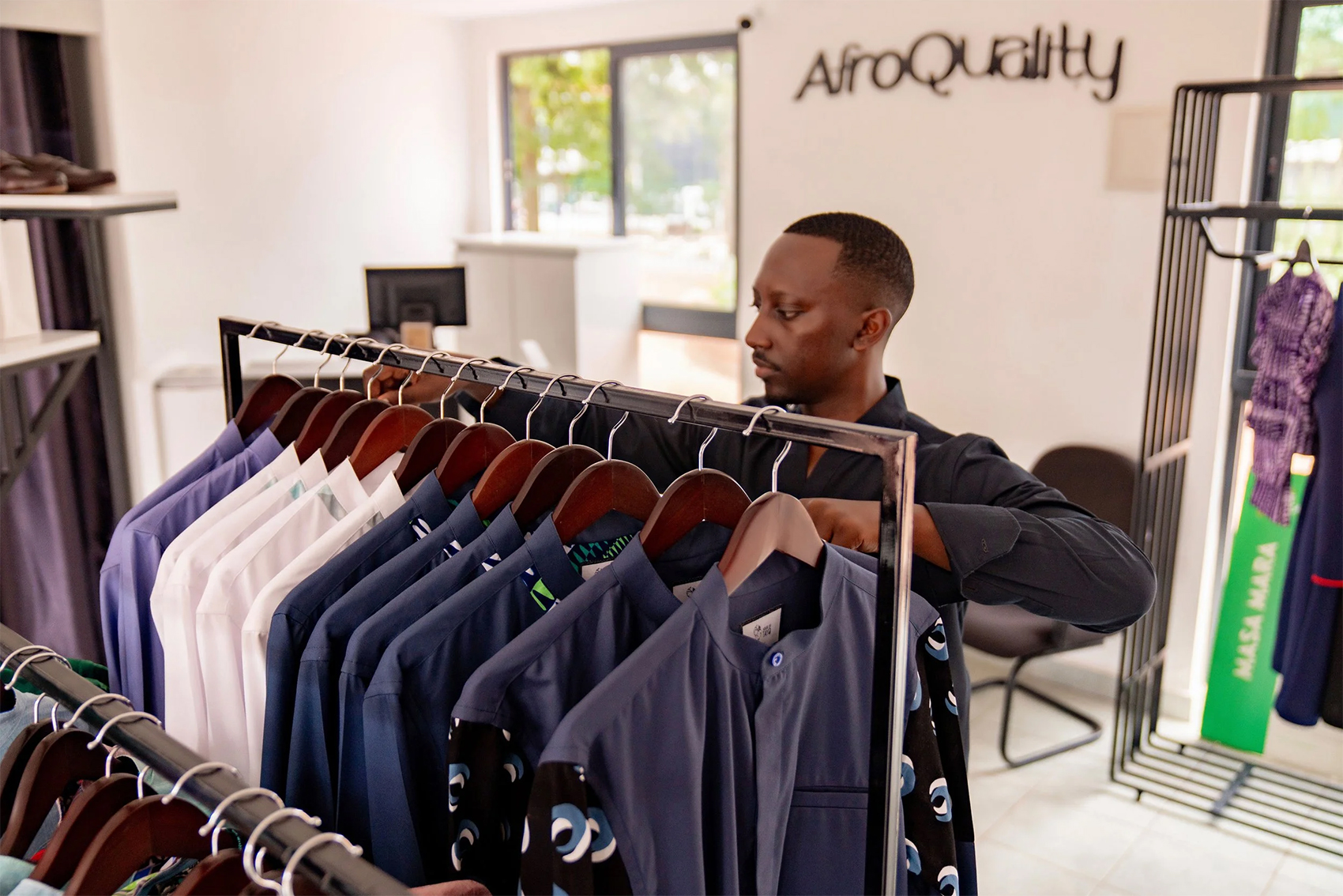**Matthew RUGAMBA** – *Founder House of Tayo*For Matthew Rugamba, the founder of House of Tayo, the decision is the result of years of experimentation with the London market.
The designer began testing the market through temporary pop-ups, including one in 2024 and two in 2025.
“I saw the reality. The opportunity is big. You can make a lot of money, but it is very expensive,” he said.
The partnership with Tales House, he said, provides a more practical way of maintaining a presence in London while benefiting from the platform’s network and experience.
“Through our partnership, House of Tayo will do a residency at Tales House, and we will sell through their store. That makes it a bit more affordable for us.” he said.
Unlike short pop-ups, the arrangement will allow House of Tayo to maintain its products in the London market for more than a month, giving potential customers more time to discover the brand.
For Rugamba, the value of the opportunity also lies in the network and expertise available through Tales House.
**Building a community to reduce the cost**
While Tales House acknowledges that the financial requirements could be a barrier for emerging brands, it says it is exploring a collective model that would make the London market more accessible.
The platform’s representatives said designers do not necessarily need to establish individual stores or carry the full cost of a Central London presence on their own.
“One of the major things is the financial side, and we’ve made it as collective as possible,” explains Bukky.
The proposed model would allow several designers to share space and logistics, reducing the cost of entry.
For Tobi, the co-founder of Tales House, he explained that Central London’s high operating costs make collaboration essential.
“Central London is very expensive. The only way to ensure that African brands are able to come and have a house in Central London is to look at how a community can be built,” he said.
The objective, he added, is not simply to give designers temporary access to London, but to create a sustainable pathway for them to establish themselves.
“We’re not just housing these brands; we’re also building a community that comes together to reduce the cost, so that they can be in Tales House for a longer time, as opposed to being there for a week and just leaving.” he said.
The collaboration between Tales House, the UK High Commission and Rwandan designers could therefore become more than an opportunity for individual brands. It has the potential to create a structured route through which Rwandan fashion businesses can test international demand, build export capacity and establish long-term commercial relationships in one of the world’s major fashion markets.
As the first Rwandan brands begin to establish themselves in London, the initiative offers a practical example of how creative industries can contribute to Rwanda’s NST2 ambitions where the government targets the increasing export growth from $3.5 billion to $7.3 billion.
**About Tales House**
Tales House is a London’s first permanent luxury destination for African and diaspora fashion, beauty and lifestyle. Located in Central London, just off Oxford Street, it provides a premium space where African fashion brands and designers can showcase their products, connect with customers and access international markets.
For Rwandan designers, Tales House is positioning itself as a potential gateway into the UK market, providing not only retail space but also access to expertise, networks and a community that can support brands seeking sustainable international growth.
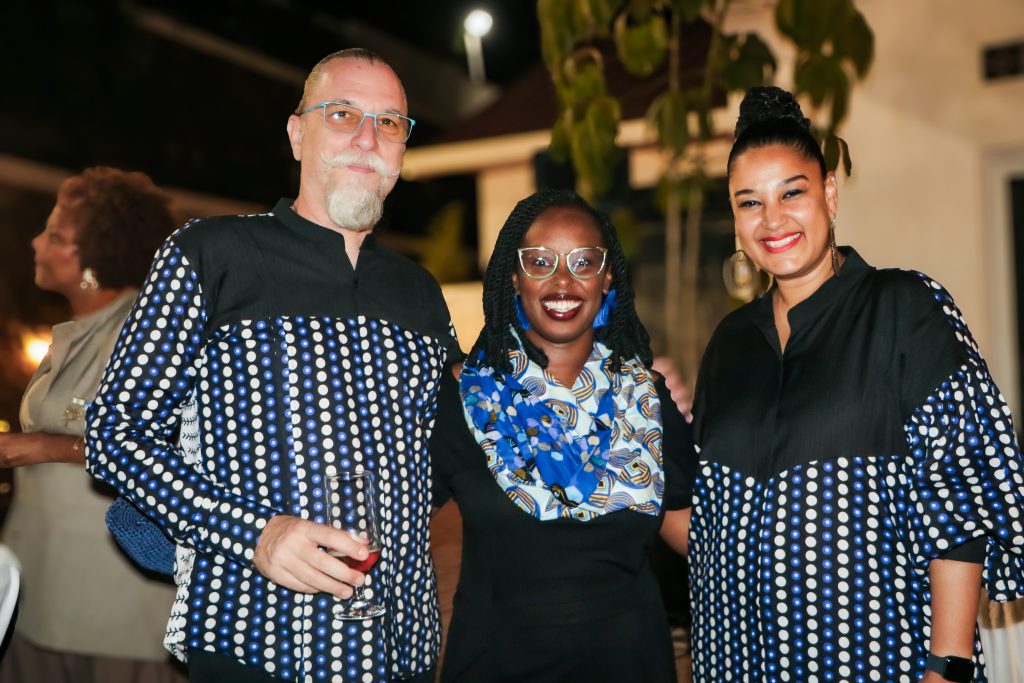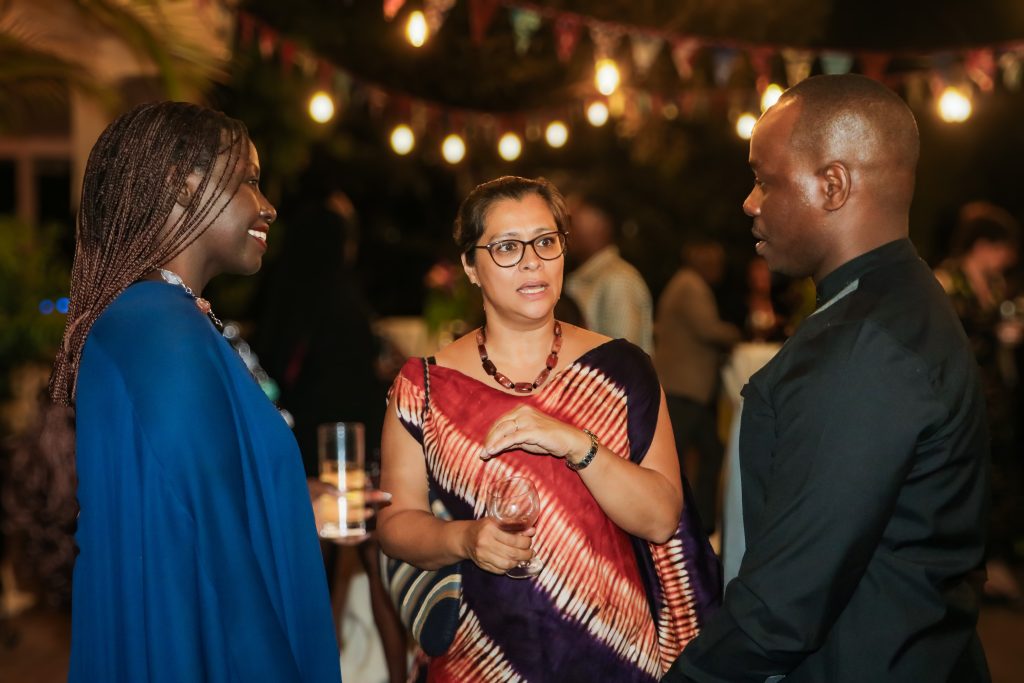
SUBSCRIBE TO OUR NEWSLETTER
First name or full name
Email
By continuing, you accept the privacy policy
**Categories:** Business and Trade, CULTURE, NEWS, NEWS
---
### [The Intelligent Border: How AI Is Redefining Customs Risk Management](https://www.topafricanews.com/2026/08/26/the-intelligent-border-how-ai-is-redefining-customs-risk-management/)
**Published:** August 26, 2026
**Author:** EDITOR
**Content:**
***By*** ***Marek Retelski, Head of Global Sales at Webb Fontaine*
Customs authorities are struggling to keep pace with global trade. Cross-border e-commerce is driving up daily shipment volumes, and de minimis rules (the thresholds below which low-value shipments can be exempted from duties and controls) are being continually rewritten around the world. Yet none of these changes fully keeps pace with current trade volumes.
Today, tens of millions of low-value parcels move through customs every day, and the number keeps climbing.
This gives criminal networks ample opportunity to exploit the gap, splitting shipments and altering documents to bypass controls.
**Why Legacy Systems Can’t Keep Up**
The reason those controls can’t keep up comes down to how they’re built. Most customs systems are now at least partly digital, but many still run on rigid, rule-based processes.
If a risk score crosses a threshold, the shipment gets flagged. However, when there is a policy change, engineers must rewrite the rules in code, which is burdensome and time-consuming.
Machine learning-based risk scoring has improved detection, but it’s still governed by the rules people set. Either way, a policy update means manual intervention, and a lag between a new threat appearing and the system catching up.
That rigidity shows up in two places.
- First, in fragmentation. Customs officers often check several separate platforms before they can make one decision.
- Second, in documentation. Invoices, packing lists and certificates vary by trader and by country, and legacy systems can only process structured declarations. Everything else gets reviewed by hand, which is where errors and fraud slip through.
**A Volume Problem With No Single Fix**
At today’s volumes, manual review isn’t just too slow; it has become unsustainable.
In 2024, US Customs processed 1.36 billion de minimis shipments, a tenfold increase over the previous decade, and they accounted for around 92% of all US import entries by volume.
The EU recorded almost 5.9 billion low-value items in 2025, up from 4.6 billion the previous year.
The US and the EU have both responded to this growth by withdrawing de minimis relief rather than building better screening. Washington ended duty-free treatment for nearly all countries in August 2025, and Brussels replaced its own exemption with a temporary €3 duty per item from 1 July 2026.
Unfortunately, withdrawing de minimis relief doesn’t reduce the volume. It routes every one of those parcels into formal entry instead, and legitimate low-value trade now carries the same friction as everything else.
Argentina went the other way. It raised its courier ceiling from $1,000 to $3,000 in late 2024 and exempted $400 per shipment on up to five personal imports a year, and courier imports promptly rose 274% to $894 million. That trade-off is plain to see: facilitation on that scale only works if every parcel can be assessed for risk, and that is not something a manual process or a rule-rewrite cycle can deliver. For the many authorities that have not withdrawn de minimis, and for those that want to keep facilitating low-value trade without leaving it open to abuse, the answer isn’t fewer parcels. It’s a risk assessment on every one of them.
**Where AI-Native Platforms Change the Equation**
This is where AI-native platforms can make a difference, because they address the two failure points above directly.
They pull scattered data into a single case file per shipment, closing the fragmentation gap. By combining large language models with machine learning, they can interpret both structured and unstructured documents, surfacing discrepancies that would otherwise wait for manual review. They also analyse transaction histories, trader behaviour and external data to identify emerging fraud patterns sooner.
By contrast, a rules-based system waits for someone to write a new rule.
None of this, however, removes the need for human judgement. Complex or high-stakes cases still need an officer’s eye. The best model splits the load. Automated systems clear routine work; officers focus on what’s ambiguous. Legitimate trade moves faster, and enforcement targets the risks that matter. And because a customs decision can be questioned by an officer or appealed by a trader, the system must show the reasoning behind a flag, not just the flag itself.
**Webb Fontaine Zerø in Practice**
Webb Fontaine Zero, launched earlier this year at the WCO Technology Conference Abu Dhabi, puts these principles into practice, embedding AI across the customs workflow rather than adding it as a layer on top.
In practice, that means an officer can describe a policy change in plain language and see it reflected in the operational system in minutes rather than months.
**The Investment That Compounds**
That’s the distinction that matters. Adding AI to old infrastructure treats the symptom. The systems that will keep pace are the ones designed around AI and data governance from the start. This is especially critical for regions pursuing deeper trade integration: as the African Continental Free Trade Area (AfCFTA) pushes member states toward shared trade infrastructure, and ASEAN advances its single-window integration, only systems that are interoperable across borders while keeping each country’s data under its own control will hold up.
Common reference points already exist in the WCO Data Model and the SAFE Framework of Standards, and building to them from the outset costs far less than retrofitting them later. Getting there takes investment, governance and change management, but the cost of propping up legacy infrastructure is only moving in one direction.
Trade will keep getting faster and more complex. The customs authorities that keep pace won’t be the ones bolting AI onto systems built for another era. They’ll be the ones who rebuilt around it.

SUBSCRIBE TO OUR NEWSLETTER
First name or full name
Email
By continuing, you accept the privacy policy
**Categories:** Business and Trade, ICT, NEWS
---
### [Dismantling ‘Paper Tigers’: Global Experts Chart the Transition of One Health from Policy to Action](https://www.topafricanews.com/2026/08/26/dismantling-paper-tigers-global-experts-chart-the-transition-of-one-health-from-policy-to-action/)
**Published:** August 26, 2026
**Author:** DUSABEMUNGU Ange de la Victoire
**Content:**
**KIGALI, Rwanda** — In the global health arena, “One Health” has long been celebrated as the gold standard framework for addressing complex, interconnected challenges across human, animal, and environmental sectors. Yet, Experts highlighted a profound gap remains between the concepts written on paper and actual operational impact.
The revelations were made during a milestone webinar organized by the University of Global Health Equity on Wednesday, 26th August 2026.
The session, titled **“Institutionalizing One Health: Governance and Policy for Sustainable Impact,”** brought together leading researchers and policy architects from the AMR Policy Accelerator, the Ministry of Health in Sudan, and the European Food Safety Authority (EFSA). Together, they tackled the critical question of how to move past temporary crisis collaboration to permanently embed One Health into routine governmental machinery.
#### Dismantling ‘Paper Tigers’ Through Effective Governance
Opening the discussion, **Dr. Arne Ruckert**, Director of Research at the Global Strategy Lab’s AMR Policy Accelerator, addressed what he described as a persistent “implementation and monitoring gap”. While international frameworks mandate multisectoral cooperation, Dr. Ruckert warned that governments risk establishing superficial structures that look impressive but lack real operational capacity.
**“We have a lot of paper tigers, especially in low-income settings, when it comes to multi-coordination mechanisms,”** Dr. Ruckert noted. **“Mechanisms that are there, but they don’t really function well.”**
To resolve this, Dr. Ruckert presented a rigorous, evidence-based **six-domain framework**—encompassing **participation, leadership, coordination, decision-making, resourcing, and accountability**—as the blueprint for successful One Health governance.
His empirical research highlighted that participation must be carefully tailored, especially in highly decentralized systems. **“Participation should be flexible and deliberate,”** Dr. Ruckert explained. **“You don’t need to have everybody participate at all all the time, but you have to strategically think about who should be participating at one point.”** Furthermore, his research indicated that while high-income settings benefit most from dedicated, ring-fenced funding, integrated or pooled funding mechanisms often deliver superior results in resource-limited contexts.
#### Sudan’s Journey: A Story of High-Stakes Resilience
Providing a powerful national perspective, **Dr. Hanadi Hussein**, Director of the One Health Directorate at Sudan’s Federal Ministry of Health, demonstrated that institutionalization is not a single legislative event, but a gradual, milestone-driven evolution.
For Sudan, a country of 120 million head of livestock where humans and animals live in incredibly close contact, One Health is not academic. **“When we speak about One Health in Sudan, I think we are not talking about like abstract concept but we are talking about a real need or necessity,”** Dr. Hussein asserted.
Sudan’s milestone achievements include:
- **Veteran Secondments (Since 2007):** Embedding veterinarians directly into the Ministry of Health to institutionalize cross-sector communication.
- **The 2021 Prioritization Exercise:** Jointly ranking Sudan’s top eight endemic zoonotic diseases with active involvement from the environmental sector for the first time.
- **The Sudan One Health Platform (2022):** Formally endorsing and operationalizing standard operating procedures and a trained network of focal points across 18 decentralized states.
Even the outbreak of devastating civil conflict in April 2023 did not halt these efforts. The platform adapted, moving its coordination meetings entirely virtual and continuing essential campaigns against rabies and dengue fever in safer states.
**“Systems must be adaptable to crisis and fragility,”** Dr. Hussein reflected, adding that **“One Health becomes sustainable when it is owned, governed, financed, and integrated into existing systems.”**
#### Carpe Diem: Tearing Down Bureaucratic Silos in Europe
The challenge of institutionalization is not unique to resource-constrained or fragile states. **Dr. Carlos Gonçalo Das Neves**, Chief Scientist of the European Food Safety Authority (EFSA), addressed the policy bottlenecks within the highly developed yet highly fragmented systems of the European Union.
Dr. Das Neves pointed out that the global health community is suffering from an overload of strategic paperwork rather than a lack of ideas.
**“We’re not lacking arenas to speak, and honestly, we’re not lacking paper written documents on how to do it,”** Dr. Das Neves remarked candidly. **“I like to say \[we have\] torn down every tree we should to print pages on how to get this done.”**
The real friction lies in aligning political leadership, private industry, and isolated scientific communities under a single unified banner. To combat this, EFSA and its sister EU agencies are pioneering practical structural reforms. Dr. Das Neves highlighted the creation of an **inter-service group within the European Commission** designed to filter and align transversal policies across agricultural, health, and environmental directorates before they are implemented.
He also shared a highly successful joint venture: a unified scientific opinion on antifungals—a critical drug category used simultaneously in human medicine, veterinary care, cosmetics, and crop agriculture. Rather than submitting five conflicting advice papers, five separate EU agencies co-authored a single, integrated recommendation.
While conceptually straightforward, Dr. Das Neves admitted the bureaucratic reality was a logistical mountain: **“This might seem simple, but in the mechanics and the bureaucracy of the Union, this was quite a challenge—from deciding which logo goes first to who gets to sign last.”** Yet, it serves as a powerful testament to his core message: **“Complex problems that are interlinked may need interlinked solutions that do not necessarily need to be complex.”**
#### The Road Ahead: Embedding One Health Locally
Ultimately, the consensus of the UGHE webinar was clear: One Health cannot succeed if it remains a set of isolated, top-down directives or depends solely on individual “champions”. True sustainability is achieved when the framework is tied directly to local realities and national political priorities.
By establishing robust governance, committing to integrated resources, and remaining resilient under pressure, institutions can finally dismantle the “paper tigers” of global health and deliver lasting, unified protection for humans, animals, and our shared environment.

SUBSCRIBE TO OUR NEWSLETTER
First name or full name
Email
By continuing, you accept the privacy policy
**Categories:** HEALTH, NEWS
---
### [Global Call for Innovators: Join the 2026 AI x City Climate Action Hackathon to Pilot Real City Solutions](https://www.topafricanews.com/2026/08/26/global-call-for-innovators-join-the-2026-ai-x-city-climate-action-hackathon-to-pilot-real-city-solutions/)
**Published:** August 26, 2026
**Author:** EDITOR
**Content:**
*The Global Covenant of Mayors for Climate & Energy and partners invite innovators worldwide to tackle real urban climate challenges and develop AI-assisted solutions with potential for real-world testing and deployment*
**Brussels, Belgium, August 2026 —** The Global Covenant of Mayors for Climate & Energy (GCoM), through its Innovate4Cities initiative and together with the Centre for Human Inspired AI at the University of Cambridge and the Urban Transitions Mission (UTM), is calling on innovators worldwide to develop artificial intelligence (AI)-powered solutions to pressing urban climate challenges.
Applications are now open for the third edition of the AI x City Climate Action Hackathon, inviting participants from around the world, including students, researchers, professionals, AI builders, climate innovators, urban planners, data scientists, startups and multidisciplinary teams. Applications can be submitted through the official Hackathon [website](https://us.cisionone.cision.com/c/eJxMzsGOgyAQxvGngRsGBzrAgUMvvkYzMGMlVt1V077-xs0e9vbll3zJnzPE6i1qyX2IAYNNKeopW5RQHI-MI0sUTGxBgDCyKxZj1C0jRS59KamIs48-gqcSbxHA1aq8PRrL3L7NQu0l-2GKv42BUy1mnf2I3eX6lafz_DqUuysYFAyfz6dr67q96RRf29nk6Lb9qWCYqM50Ttv6f4MFVDDoRbiR2eUldIhpnH_h8QfK3Z1LYK3e87vVmdanKG-fV0FXt0Uf5y6yXL_CxORQjOUxGD-W3pCNbHqHqWfEW3FBvzP8BAAA___pOWEU) and will close on 31 August 2026 at 11:59 PM GMT.
The AI x City Climate Action Hackathon is built around a simple principle: start with the challenges cities and local governments face, not the technology. Participants can address any urban climate challenges, with three priority areas this year: transportation, informal or marginalized settlements, and misinformation and disinformation.
These priorities include improving urban transportation through approaches such as predictive routing and electric fleet management; protecting marginalized and informal settlements through better hazard mapping and more equitable service allocation; and tackling climate misinformation and disinformation to strengthen public trust and support informed climate action.
“As accelerating climate impacts increasingly test the resilience of our cities, we need bold and immediate action,” said **Andy Deacon, Co-Managing Director of the Global Covenant of Mayors for Climate & Energy**. “Through the Urban Transitions Mission – which GCoM co-leads – we are demonstrating practical, integrated pathways that can help cities accelerate decarbonization and resilience. The Hackathon connects cities and innovators to respond to real-world challenges with AI assistance – grounded in rigorous methods, responsibility, and local accountability – to enhance people-centered solutions that are tested and implemented on the ground.”
Previous editions have demonstrated how solutions developed through the Hackathon can progress towards real-world application. DUCTExplorer, from Singapore, won in 2024 and worked with Belo Horizonte, Brazil, to develop city-scale heat maps and analyse heat mitigation options. In 2025, winner Polisense.AI leveraged their $15,000 in seed funding and were matched with cities to explore the real-world application of their solutions, moving their projects towards implementation in Greater Amman (Jordan), Chisinau (Moldova), and Cordoba (Argentina).
“AI has enormous potential to help cities turn complex data into practical, powerful tools for climate action,” said **Lu Sun, Director of AI and Tools at C40 Cities**. “Through the Hackathon, we get to learn first-hand from innovators how local action can benefit from solutions that leverage AI in ways that are as responsible and technically sound as they are ambitious.”
#### **From Ideate to Hack to Pilot**
The 2026 Hackathon follows a three-phase journey — Ideate, Hack and Pilot — designed to help promising ideas progress towards practical application.
Following its launch at the Innovate4Cities Conference 2026 in Nairobi, participants can engage with expert-led webinars and virtual participant hubs designed to help refine their solutions, with access to expert mentorship, technical support and networking opportunities throughout the program.
Up to ten finalists will have the opportunity to pitch their solutions at the University of Cambridge, in England, on the 22nd September2026, in partnership with the Centre for Human-Inspired Artificial Intelligence (CHIA). The finalists can attend either online or in person.
The top three teams will be invited to attend the Urban Transitions Mission Global Innovation Summit in Viladecans, Spain, in November 2026. To accelerate real-world impact, UTM will also match select winners with partner cities for local testing and implementation.
Two special prizes will also be awarded in collaboration with Hack for Earth and Tech to the Rescue to offer participants with even more opportunities to scale their solutions.
“At the Centre for Human-Inspired Artificial Intelligence (CHIA), we are committed to advancing AI that responds to real human and societal needs,” said **Dr. Ramit Debnath, Executive Director of CHIA at the University of Cambridge**. “Climate change is one of the defining challenges facing cities, and this Hackathon gives innovators an opportunity to apply AI to concrete urban problems while learning directly from experts and city practitioners. Our aim is to help participants develop solutions that are not only technically innovative, but practical, people-centered and capable of delivering real-world impact. This hackathon is a unique platform that brings practitioners and academics together to create a feedback loop between knowledge generation and application, which is central to human-centric AI.”

SUBSCRIBE TO OUR NEWSLETTER
First name or full name
Email
By continuing, you accept the privacy policy
**Categories:** CLIMATE CHANGE, ICT
---
### [Global Hunger Crisis Escalates: U.S. Accuses Iran of Disrupting Vital Food Supply Chains](https://www.topafricanews.com/2026/08/26/global-hunger-crisis-escalates-u-s-accuses-iran-of-disrupting-vital-food-supply-chains/)
**Published:** August 26, 2026
**Author:** TOPAFRICANEWS
**Content:**
**NEW YORK** — The United States has sounded the alarm on a rapidly deteriorating global food security situation, linking rising hunger levels directly to recent provocations by the Iranian regime in the Strait of Hormuz.
During a UN Security Council Open Debate on Food Insecurity on August 25, 2026, Ambassador Jennifer Locetta, Alternative Representative for Special Political Affairs, addressed the Council regarding the intensifying intersection of conflict, climate, and geopolitical interference.
“Unfortunately, conflicts and crises have grown in scale and complexity,” Ambassador Locetta stated. “Food insecurity is rising, and the humanitarian systems to address food insecurity are struggling to keep pace”.
**Disruptions in the Strait of Hormuz**
A central focus of the U.S. remarks was the impact of Iranian actions in the Strait of Hormuz. According to the U.S. mission, these obstructions are not merely a maritime security issue but a catalyst for a global humanitarian emergency. The disruption is hindering approximately one-quarter of global oil trade and one-third of the global fertilizer trade.
“The fertilizers that Iran prevents from passing through the Strait of Hormuz are necessary for food production in sub-Saharan Africa, South Asia, and parts of Southeast Asia,” Locetta noted. The resulting scarcity is projected to drive up prices and reduce agricultural output, further straining vulnerable regions.
The World Food Programme (WFP) projects an additional 45 million people could suffer from acute food insecurity as a direct consequence of these disruptions and related global instability.
**Regional Impacts: Sudan and DRC**
Ambassador Locetta highlighted specific crises in Africa where the lack of resources and ongoing conflict are compounding the danger:
- **Democratic Republic of the Congo (DRC):** More than 16 million people currently require food assistance. The situation is exacerbated by armed groups blocking humanitarian routes and an ongoing Ebola outbreak.
- **Sudan:** Described as the site of the world’s largest humanitarian crisis, the region faces tactics where parties to the conflict reportedly manipulate food access as a weapon of war.
**U.S. Commitment and Humanitarian Aid**
Despite the escalating challenges, the United States reaffirmed its commitment to global stability through continued financial and diplomatic support. Ambassador Locetta announced that the U.S. has recently committed over $1 billion in assistance to UNICEF and the WFP to address critical nutrition and food security needs.
The U.S. delegation also emphasized that they are “actively pursuing options to respond to fertilizer shortages” and urged all parties in conflict zones to facilitate unhindered humanitarian access.
Looking beyond geopolitical conflict, the address also acknowledged the looming threat of natural phenomena, specifically citing El Niño as a risk that could push tens of millions into acute hunger in the coming months.

SUBSCRIBE TO OUR NEWSLETTER
First name or full name
Email
By continuing, you accept the privacy policy
**Categories:** ADVOCACY, Natural Resources and Agriculture, NEWS
---
### [Ngororero: Families Celebrate SAIP II Gains in Nutrition, Food Security and Improved Livelihoods](https://www.topafricanews.com/2026/08/26/ngororero-families-celebrate-saip-ii-gains-in-nutrition-food-security-and-improved-livelihoods/)
**Published:** August 26, 2026
**Author:** LIBOS NDAYISHIMIYE
**Content:**
Families in Ngororero district indicate that the Second Sustainable Agricultural Intensification and Food Security Project (SAIP II) is changing more than what they grow it is transforming what they eat, how they care for their children and how they manage household finances, with poultry farming, vegetable production and nutrition education helping vulnerable families access healthier diets while creating new opportunities to save and improve their livelihoods.
For MUSHIMIYIMANA Anne Marie, a mother of three from Murinda Village, Nyamugeyo Cell in Kavumu Sector, the impact of SAIP II is visible in her home, where four chickens she initially received have grown into seven and eggs have become an increasingly accessible source of nutrition.
Before benefiting from the project, MUSHIMIYIMANA says buying eggs and other animal products was a financial burden for her family, sometimes forcing her to sell items that would otherwise have been used to prepare meals.
“Before, I sometimes had to sell things that should have been used to prepare food just to get money to buy eggs and other animal products. Through the training we received from the facilitators, we learned how to keep chickens, and the eggs are now available in greater quantities.”
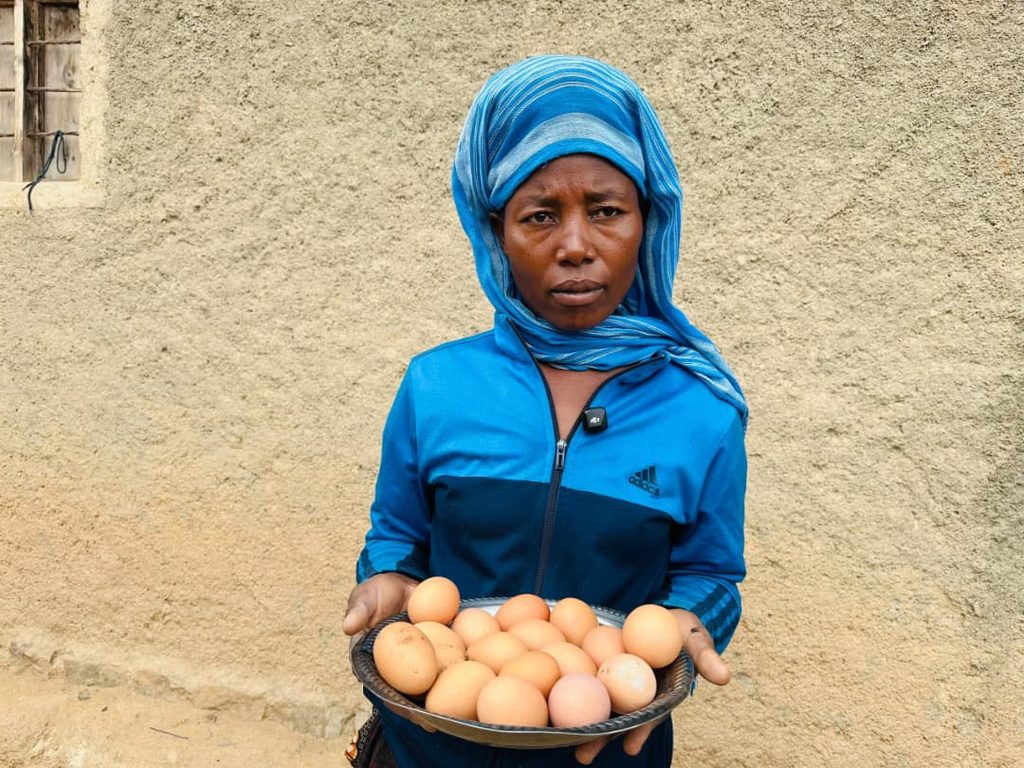**MUSHIMIYIMANA Anne Marie, a mother of three from Murinda Village, Nyamugeyo Cell in Kavumu Sector**
The poultry intervention became particularly important after one of her children developed malnutrition.
“One of my children was suffering from malnutrition. The child was often very thin and had little weight, but after we started having access to animal products, especially eggs, the child began gaining weight about one kilogram in a week.”
She says the benefits have also extended to the family’s finances. Previously, much of the money earned by her husband was spent on purchasing food, particularly animal products. With the family now producing some of those foods, she says they have been able to reduce expenditure and save more.
“Before, the money my husband earned would often be spent on buying food, especially animal products. Now, because we can produce some of these foods ourselves, we are able to save that money.”
MUSHIMIYIMANA also sells surplus eggs, generating income that she uses for different household needs, including community-based health insurance. When a community kitchen is organized, she contributes eggs, helping provide children with nutritious meals.
Her poultry flock has grown from the four chickens she initially received to seven, with the increase coming through reproduction and the benefits generated from poultry keeping.
Another beneficiary, NDAYAMBAJE Jean Damascene, a father of three from Murimba Village in Nyamugeyo Cell, Kavumu Sector, says SAIP II has equipped his household with both agricultural inputs and knowledge to improve nutrition.
He received seeds for vegetables including amaranth, dodo, spinach and carrots, as well as four chickens for egg production.
NDAYAMBAJE says the knowledge gained through the project is also being shared with other families, particularly through activities at a local early childhood development centre where beneficiaries help prepare nutritious meals for children.
“At the nursery centre here, we are able to prepare meals for children using a balanced diet. We also try to teach others so that they can learn how to prepare balanced meals at home.”
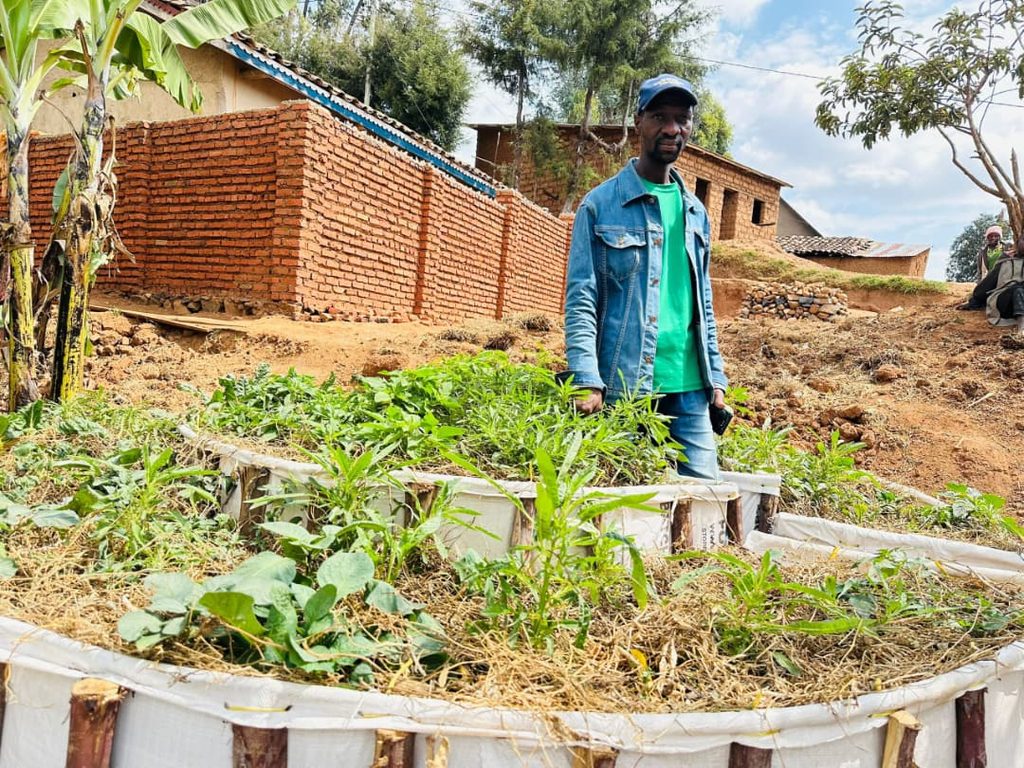**NDAYAMBAJE Jean Damascene, a father of three from Murimba Village in Nyamugeyo Cell, Kavumu Sector**
He says the chickens have also become an important part of his household savings strategy. Through saving groups, beneficiaries set common financial goals, and money generated from poultry can be reinvested to purchase additional chickens and expand production.
The experiences of the two families reflect a broader nutrition intervention being implemented in Ngororero under SAIP II.
MUKUNDUHIRWE Benjamine, Ngororero district’s vice mayor in charge of social affairs, says the project has played an important role in changing people’s attitudes toward balanced diets and strengthening nutrition interventions at household level.
“SAIP has helped us change the mindset of citizens regarding balanced diets. People are increasingly understanding that having food alone is not enough for a healthy family; what is needed is a balanced and diverse diet.”
According to figures shared by the district, the prevalence of stunting among children in Ngororero declined from 50.5 percent in 2020 to 35.8 percent in 2026.
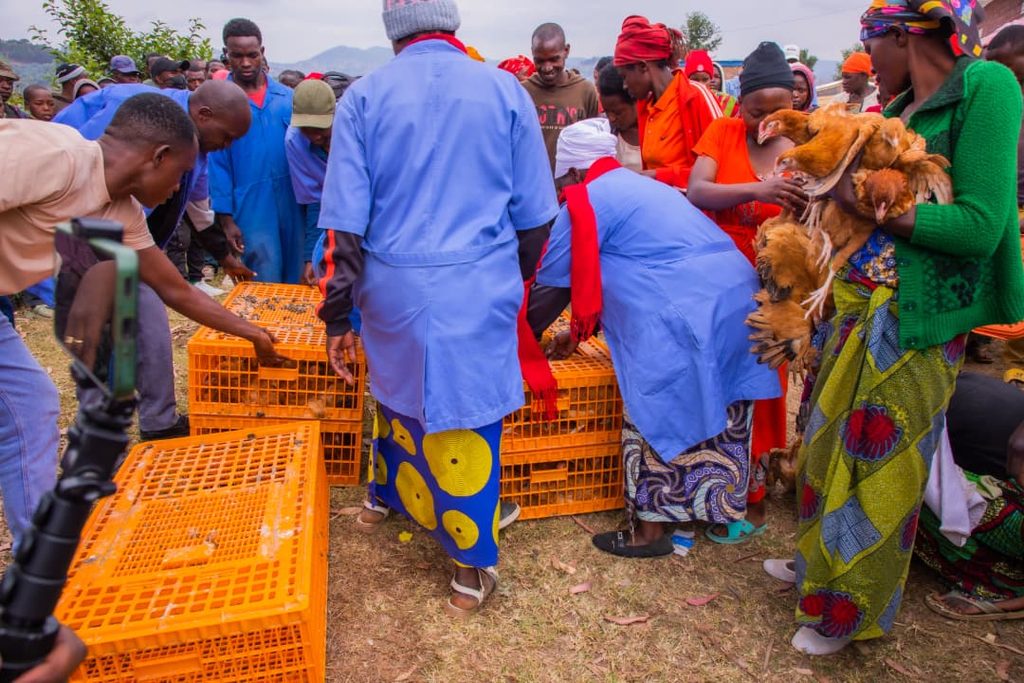MUKUNDUHIRWE says the improvement is linked to combined efforts to strengthen nutrition, agriculture and household welfare, with SAIP II among the interventions contributing to the progress.
She emphasizes, however, that continued efforts are needed to sustain the gains and further reduce malnutrition.
“Reducing malnutrition requires collective action and continued investment at household level. Although progress has been made, we still have work to do to ensure that children receive proper diets and that families are able to access nutritious food.”
IMANIMURINDE Evode, Nutrition Specialist at SAIP II, says the nutrition component in Ngororero focuses particularly on vulnerable households, especially families with children under five years.
He explains that the intervention builds on nutrition activities implemented under SAIP I and was expanded under SAIP II to Ngororero in response to nutritional challenges, particularly the prevalence of malnutrition among young children.
“The nutrition intervention under SAIP II builds on what we started under SAIP I, but in SAIP II we expanded it to Ngororero to help families with young children access nutritious foods and gain knowledge on how to prepare and consume them properly.”
In Ngororero, 2,700 households received chickens and chicken coops, with each household receiving four chickens. Another 2,500 households received mushroom-growing tubes, while 600 households received planting materials for biofortified orange-fleshed sweet potatoes, an important source of Vitamin A.
Evode says the intervention is designed to go beyond the distribution of agricultural inputs. Its broader objective is to establish sustainable household nutrition systems in which families can produce a range of nutritious foods close to their homes while learning how to combine them into balanced diets.
“The goal is not simply to give a family chickens or vegetable seeds; we want to build a household nutrition system in which families can produce vegetables, eggs, mushrooms and nutrient-rich sweet potatoes, while learning how to combine those foods into a balanced diet.”
The project also provides nutrition education and Social and Behaviour Change Communication, helping families understand the nutritional value of different foods, how to prepare them and how to combine them into balanced meals.
Implemented by the Rwanda Agriculture and Animal Resources Development Board (RAB) through its Single Project Implementation Unit (SPIU), SAIP II is scheduled to close in December 2026.
SAIP I operated in nine districts, while SAIP II expanded the programme by adding 11 more districts, bringing its total coverage to 20 districts across Rwanda.
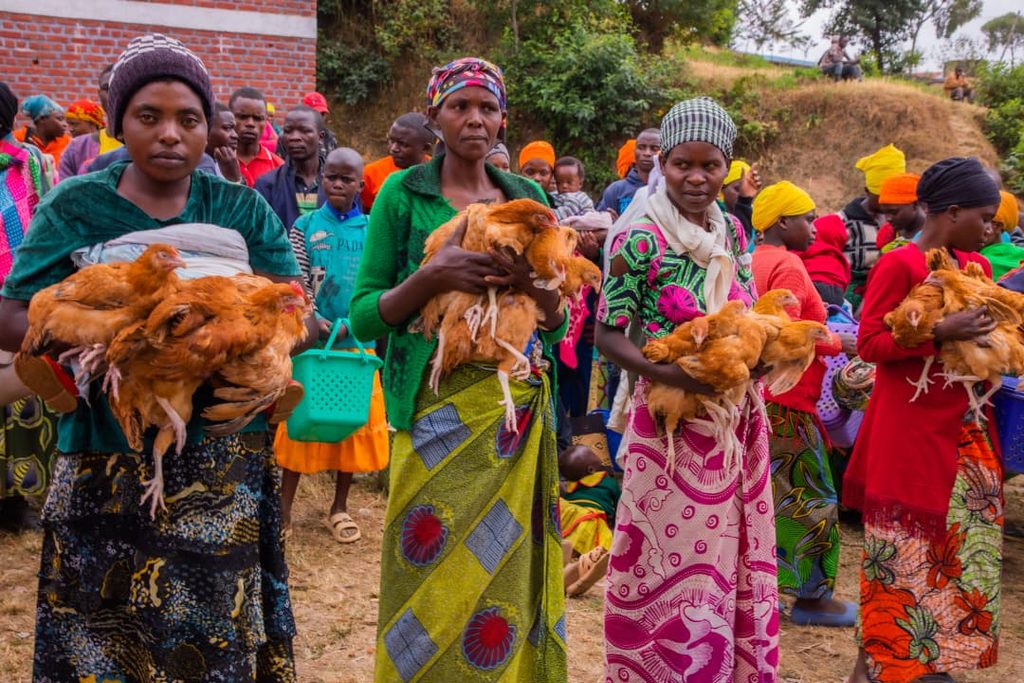
SUBSCRIBE TO OUR NEWSLETTER
First name or full name
Email
By continuing, you accept the privacy policy
**Categories:** Natural Resources and Agriculture
---
### [Meta-Africanism and the End of Bureaucratic Inertia: Insights from the Kigali Mindset Reset Forum](https://www.topafricanews.com/2026/08/25/meta-africanism-and-the-end-of-bureaucratic-inertia-insights-from-the-kigali-mindset-reset-forum/)
**Published:** August 25, 2026
**Author:** TOPAFRICANEWS
**Content:**
The Kigali Convention Center, a structure that stands as a glass-and-steel rebuke to the narrative of African incapacity, hosted a gathering of profound strategic gravity. With 2,500 participants on-site and thousands more connected via digital watch parties from Harare to Rabat, the inaugural Africa Mindset Reset Forum is no mere “talk shop.”
It is a high-stakes clinical intervention into the continental psyche. This was the launchpad for **Meta-Africanism**, a concept introduced by Francis Gatare, President of the African School of Governance. If traditional Pan-Africanism was the era of solidarity against the external—colonialism and apartheid—Meta-Africanism is the era of construction.
It is the shift from the poetry of resistance to the prose of developmental architecture. While Pan-Africanism gave us a flag, Meta-Africanism seeks to build the house. It is the necessary evolution from a shared consciousness of struggle to a disciplined agency of execution, moving the continent from “solidarity as a shield” to “collaboration as a competitive engine.”
#### The Evolution of African Solidarity
| Pan-African Foundations | Meta-African Imperatives |
|---|---|
| **Solidarity:** Unified resistance to external oppression. | **Construction:** Building the cognitive and developmental architecture for growth. |
| **Liberation:** Freedom from colonial and apartheid rule. | **Collective Agency:** Responsibility for self-directed, internal transformation. |
| **Dignity:** Reclaiming the African voice and identity. | **Disciplined Execution:** Translating aspirations into measurable, institutional results. |
This ideological pivot finds its most aggressive practitioner in President Paul Kagame, whose governance in Rwanda is effectively a living laboratory for this mindset reset.
#### President Paul Kagame: Confronting the “Execution Gap” and the Trap of Subtraction Neglect
President Paul Kagame provided a raw, candid assessment that stripped away the usual diplomatic veneer. His central thesis was the “execution gap”—the staggering distance between Africa’s abundant resources and its actualized development. Kagame’s governance is, in many ways, an exercise in applied trauma, forged in the crucible of his experience as a refugee at age four. This history has produced a leadership framework that rejects victimhood in favor of conscious, purposeful choices. He argued that the “Africa we want” remains a slogan because of a fundamental failure in behavior: a systemic addiction to “admiring others” rather than building the internal capacity to admire and collaborate with one another.
Kagame’s sharpest critique targeted what he termed **“subtraction neglect.”** In the logic of the African bureaucrat, progress is often equated solely with addition—adding more committees, more layers of approval, and more voluminous reports. This proliferation of bureaucratic bulk is not a sign of productivity; it is a sophisticated form of paralysis. By treating the process as the product, leaders often feel they are moving when they are merely running in circles. Real-world progress requires the boldness to “subtract”—to strip away the procedural barnacles that suffocate the ability to act. For Kagame, the shift from adulation to agency is non-negotiable:
- **The Rejection of Victimhood:** Moving from a “victim mentality” to a “fighter-victor” mindset that refuses to resign to fate.
- **The Priority of Purpose:** Identifying a singular life purpose and choosing a course of action regardless of the personal cost or historical weight.
- **The Cultivation of Internal Value:** Ceasing the reflexive adulation of external models and instead building systems where Africans admire and invest in each other’s capabilities.
- **Strategic Engagement:** Being ruthlessly selective in picking fights—ensuring they are just, necessary, and backed by the preparation required to win.
This internal mental shift is the only viable path to reclaiming African history from those who have written it for us.
#### VP Jane Naana Opoku-Agyemang: Reclaiming the Narrative through Educational Sovereignty
Vice President Jane Naana Opoku-Agyemang of Ghana argued that reclaiming African history is not an academic luxury; it is a prerequisite for economic agency. Her critique focused on “Educational Sovereignty,” positing that the current systems often facilitate a “moving away from ourselves.” When education distances children from their roots—their languages, their nutrition, and their heritage—it creates a systemic lack of confidence. This psychological displacement makes African leaders wait for external experts to validate or solve problems that locals are naturally positioned to address. For instance, while African crops were historically dismissed as “orphaned,” they are now globally studied as medicine; the tragedy is that Africans often only recognize their value once they are validated by the West.
To counter this, she called for a radical **Domestic Mobilization** to shatter the dependency mindset:
- **Financial Autonomy:** Terminating the practice of waiting for external donors to fund national budgets.
- **Homegrown Intellectualism:** Prioritizing research and curricula grounded in African realities rather than merely extending the footnotes of external research.
- **Agent-Based Education:** Re-orienting schools to produce “agents of change” who possess the localized confidence to innovate within their own borders.
Physical infrastructure is hollow if it is not born of a mind that is truly self-reliant.
#### Hailemariam Desalegn: The GERD Project as the Blueprint for Continental Agency
Former Ethiopian Prime Minister Hailemariam Desalegn offered Ethiopia’s transformation as the ultimate proof-of-concept for this agency. Once the “poster child of famine,” Ethiopia has repositioned itself as a regional energy giant through deliberate strategic defiance. This was achieved via three high-stakes moves:
1. **Massive Human Capital Mobilization:** The deployment of 80,000 agricultural extension workers to revolutionize rural productivity.
2. **Strategic Defiance of Orthodoxies:** The explicit rejection of IMF and World Bank prescriptions in favor of a developmental political economy.
3. **Domestic Capital Aggregation:** Achieving a national savings-to-GDP ratio of 42%, a feat comparable to China’s most explosive growth years.
The Grand Ethiopian Renaissance Dam (GERD) serves as the “So What?” of this era. When international financiers refused to fund the project for political reasons, Ethiopia turned inward. By mobilizing domestic savings—from city cranes to “herd boys buying bonds”—the project bypassed Western finance. This shifted the collective mindset from scarcity to abundance. The 2016 El Niño drought provided the “Historic Triumph”: despite a devastating climate event, Ethiopia refused a single grain of external food aid, financing its own relief from domestic coffers. It was a formal declaration of independence from its own history of dependency.
#### Thabo Mbeki: Breaking Diplomatic Politeness and the $4 Trillion Capital Paradox
Former South African President Thabo Mbeki challenged the continent to embrace ethical leadership and “combatant” status against neo-colonialism. His most provocative point was the need to end “Diplomatic Politeness.” He argued that mutual accountability must now override the old shield of “absolute sovereignty.” In a modern, interdependent Africa, the failures of one nation are the contagion of the next; the continental “team” is only as strong as its weakest link. Accountability is not an infringement on sovereignty; it is a collective survival mechanism.
Mbeki, quoting Dr. Sidi Oulta, President of the African Development Bank, highlighted a startling economic paradox:
“Domestic financial resources have expanded significantly within banks, pension funds, and insurance pools… exceeding $4 trillion. Yet this growing capital base has not translated into the level of industrialization required… Africa’s binding constraint has shifted from capital availability to capital allocation.”
This paradox is the defining geopolitical challenge of our time. While Africa holds $4 trillion in domestic assets, it faces a $2.48 trillion infrastructure gap. Currently, the continent continues to export raw capital (savings) and raw materials while importing finished goods and external debt. With the external financing environment becoming increasingly “less reliable” and bilateral lending slowing, Mbeki emphasized that “Capital Alignment” is no longer a choice—it is a strategy for existential preservation. Africa must organize its own capital at scale to double its GDP by 2040.
## Conclusion: The Long-Distance Commitment of a New Generation
The Day 1 Kigali Mindset Reset Forum concluded with a clear charge: transformation is a marathon, not a sprint. This shift from the solidarity of the past to the meta-construction of the future requires a level of discipline that spans generations. Thabo Mbeki’s “Marathon” charge to the youth—who made up 80% of the forum—was a call for endurance. He urged them to “stay in the struggle” for a lifetime, noting that the commitments made in youth must be run to the finish line if the “Africa we want” is to emerge.
Complementing this with Kagame’s military-inspired wisdom, the forum reminded the next generation to be “selective in picking fights.” True leadership is the ability to conserve energy for just causes and ensure that when a fight is chosen, it is executed with the preparation necessary for total victory. The Africa Mindset Reset journey is now an unstoppable movement. By replacing the dependency of the past with a mindset of agency and domestic mobilization, the continent is moving from being the recipient of global decisions to becoming the author of its own global agency.

SUBSCRIBE TO OUR NEWSLETTER
First name or full name
Email
By continuing, you accept the privacy policy
**Categories:** Politics, TOPAFRICANEWSMag
---
### [No Farmer Left Behind: Kilimo Trust Pushes for Risk-Free Transition to Regenerative Agriculture](https://www.topafricanews.com/2026/08/25/no-farmer-left-behind-kilimo-trust-pushes-for-risk-free-transition-to-regenerative-agriculture/)
**Published:** August 25, 2026
**Author:** DUSABEMUNGU Ange de la Victoire
**Content:**
**KIGALI, RWANDA –** Smallholder farmers across Rwanda are transitioning to sustainable farming methods with a dedicated safety net, ensuring they do not face financial losses or technical confusion during the transition journey.
At the recently concluded Rwanda Agricultural Show at the Mulindi Expo Ground, consortium partners gave attendees a firsthand look at how the Power for Food Partnership (P4FP) is moving from concept to field reality.
The five-year, €45 million initiative funded by the IKEA Foundation and spearheaded globally by SNV is being rolled out locally, with Kilimo Trust Rwanda driving the critical “LINK” pathway.
This strategy focuses on connecting smallholder farmers with Productive Use of Renewable Energy (PURE) technologies and Regenerative Agriculture (RA) practices.
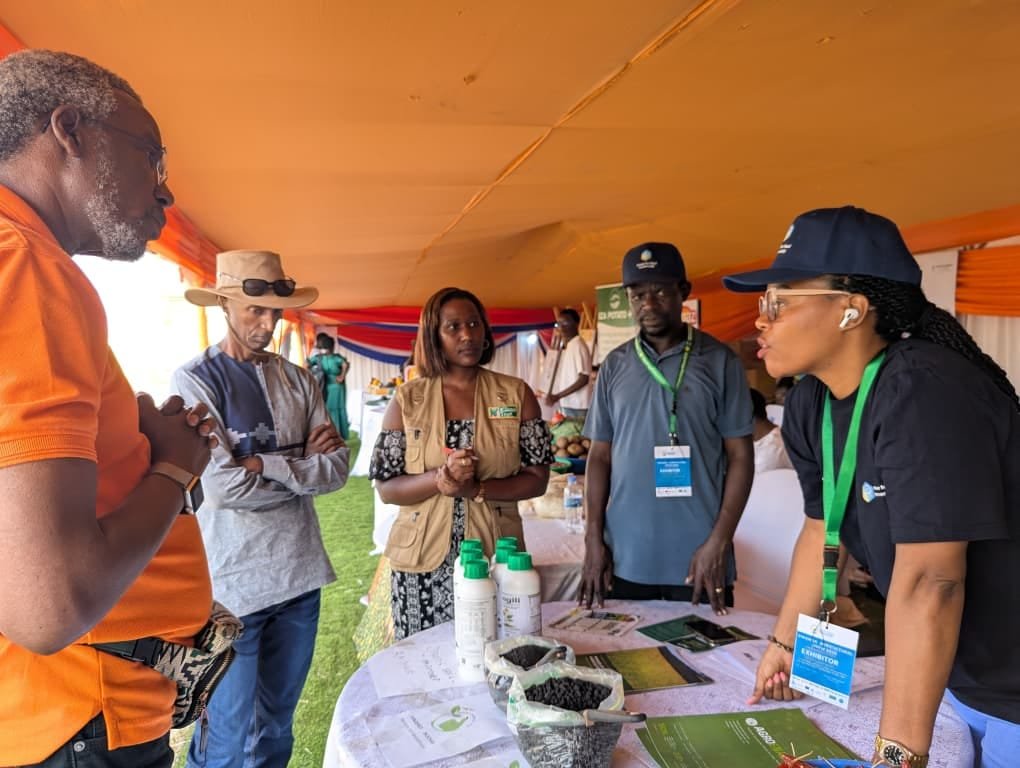At the exhibition, Kilimo Trust detailed the intensive, step-by-step support system designed to guide rural producers through the adoption of soil restoration practices without jeopardizing their current livelihoods.
“Moving into regenerative agriculture can feel like an uncertain journey for a farmer, which is why our focus is on providing continuous, hands-on support so they do not feel lost or take on unnecessary financial risks,” explained Kiiza Donatha, Dissemination Expert at Kilimo Trust, during an interview at the Mulindi stand.
“We are establishing active demonstration sites and field networks to show farmers exactly how to blend solar-powered tools with soil health techniques, giving them the confidence and specialized training needed to secure high-value yields safely.”
The project targets key districts including Nyagatare, Rwamagana, Kayonza, Bugesera, Rubavu, and Rutsiro, where Kilimo Trust is actively structuring commercial networks to link farmer cooperatives directly to stable markets and national school feeding programs.
By pairing continuous agronomic mentorship with modern renewable energy tools, the partnership intends to establish sustainable agri-food chains that safeguard both the soil and the farmer’s pocket.

SUBSCRIBE TO OUR NEWSLETTER
First name or full name
Email
By continuing, you accept the privacy policy
**Categories:** Natural Resources and Agriculture
---
### [Nigeria's Ambassador to Côte d'Ivoire Visits AfricaRice to Reaffirm Commitment to Rice Self-Sufficiency](https://www.topafricanews.com/2026/08/25/nigerias-ambassador-to-cote-divoire-visits-africarice-to-reaffirm-commitment-to-rice-self-sufficiency/)
**Published:** August 25, 2026
**Author:** TOPAFRICANEWS
**Content:**
On August 21, 2026, His Excellency Mr. NWAOBIALA Ezenwa Chukwuemeka, Ambassador of Nigeria to Côte d’Ivoire, visited the main research station of the [Africa Rice Center (AfricaRice)](https://www.africarice.org/) in Mbé. The purpose of the visit was to reaffirm the shared commitment of the Federal Republic of Nigeria and AfricaRice to accelerate the transformation of rice production systems to ensure regional food security.
At a time when food sovereignty has become an absolute continental priority, AfricaRice and the Federal Republic of Nigeria are taking a new step forward in their strategic partnership. The rationale behind this partnership is rooted in major demographic and economic challenges: with a population of over 220 million, Nigeria’s food security largely determines that of the entire African continent. To meet the growing needs of its population, reduce imports, and cope with climate shocks, Nigeria is focusing on boosting its domestic paddy rice production through scientific innovations and climate-smart technologies developed by AfricaRice.
For Dr. Baboucarr Manneh, Director General of AfricaRice, this visit is beneficial and demonstrates the Nigerian government’s commitment to achieving rice self-sufficiency for our continent: *“Achieving food self-sufficiency is a marathon. It is a challenge that is entirely achievable, but to succeed, you need determination and strong partners by your side. Nigeria has shown this determination, and AfricaRice is committed to being one of its partners. Our collaboration is deep-rooted, and we look forward to strengthening our commitment to bolstering local seed systems and deploying climate-resilient technologies.”*
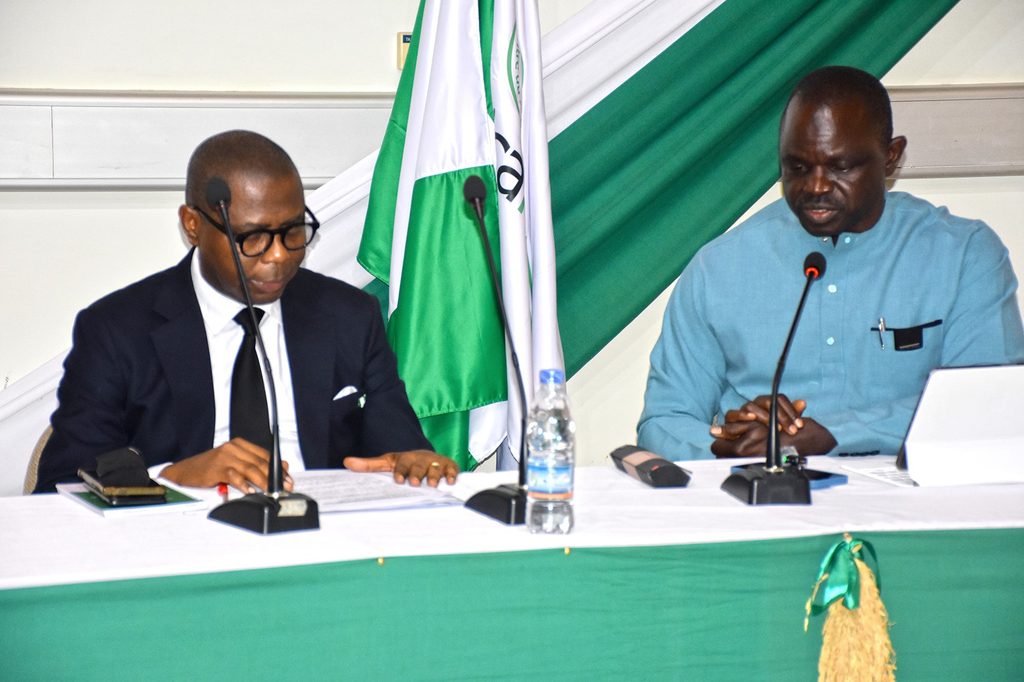*H.E. NWAOBIALA Ezenwa Chukwuemeka (right) and Dr. Baboucarr Manneh (left), Director General of AfricaRice. (Credit O. Raogo. AfricaRice)*
For his part, His Excellency Mr. NWAOBIALA Ezenwa Chukwuemeka, Nigerian Ambassador to Côte d’Ivoire, emphasized the strategic significance of this collaboration for his country:
*“To achieve true rice sovereignty for the benefit of all, our collaboration with AfricaRice must go much further and scale up. By extending this partnership directly to Nigeria’s federal states and fully integrating the Center’s scientific innovations, appropriate mechanization, and cutting-edge processing technologies, we are creating a model of sustainable self-sufficiency that will benefit not only Nigeria but the entire region.”*
At the heart of this cooperation lies a body of technological and scientific achievements already in operation on the ground. The historic collaboration between AfricaRice and Nigeria is exemplified by the continued success of flagship varieties, now reinforced by the large-scale dissemination of climate-resilient varieties, such as flood-tolerant rice in low-lying areas. To better combat hunger, the introduction of zinc-biofortified varieties offers a concrete nutritional solution for rural populations. At the same time, the partnership is rolling out cutting-edge innovations, including trials of high-yielding hybrids, the development of rice varieties that reduce the labor intensity and costs of planting, and the sustainable management of low-lying areas through the Smart-Valleys approach. Finally, this transformation of the sector relies on a combination of digital decision-support tools, such as RiceAdvice, and improved processing solutions, ensuring that high-quality local rice reaches the markets.
The joint roadmap is now centered on a clear goal: to expand the deployment of these technologies to a greater number of Nigerian states. By combining a commitment to excellence with strong political will and engagement at the subnational level, AfricaRice and Nigeria are demonstrating that Africa has all the necessary tools to build its food sovereignty and make rice production a true driver of economic growth.

SUBSCRIBE TO OUR NEWSLETTER
First name or full name
Email
By continuing, you accept the privacy policy
**Categories:** Natural Resources and Agriculture
---
### [Africa News Roundup: Key Developments Across the Continent – August 25, 2026](https://www.topafricanews.com/2026/08/25/africa-news-roundup-key-developments-across-the-continent-august-25-2026/)
**Published:** August 25, 2026
**Author:** TOPAFRICANEWS
**Content:**
Africa News Roundup: Key Developments Across the Continent – August 25, 2026
#### South Sudan
Two UN peacekeepers (Ethiopian nationals serving with UNMISS) were killed and seven others injured in an ambush by unidentified gunmen on a patrol in Jonglei state’s Pajut area on August 24. The wounded included three peacekeepers, two South Sudanese police officers, and two civilian staff. UNMISS head Anita Kiki Gbeho condemned the attack, called for a prompt investigation, and noted that attacks on peacekeepers can constitute war crimes. A quick reaction force was deployed. South Sudan remains highly dangerous for aid workers (at least 36 killed since January).
#### Guinea
A landslide at a major rubbish landfill/waste mound in the capital Conakry (following heavy rains) killed at least 30–31 people, with more injured (some critically). Rescue efforts continued amid fears the toll could rise; a similar incident occurred at the site in 2017. Survivors reported ignored warnings about the unstable mound.
#### Nigeria
An armed group released a video appearing to show around 600 women, children, and older people held captive after a mosque attack in Dekara village (Niger State) the previous week. Separately, gunmen abducted about 28 Muslim travellers (including women and children) in central Nigeria en route to a religious festival. On a more positive security note, reports indicated around 150 terrorists surrendered amid military pressure in the northeast.
#### Democratic Republic of Congo (and Rwanda)
Ceasefire monitors began field deployment in eastern Congo under a Qatari-mediated peace deal to observe implementation between Congolese forces and Rwandan-backed rebels (including M23). DR Congo and M23 agreed on a peace roadmap after talks in Switzerland (including monitoring mechanisms and timelines under a prior US-brokered framework), though disagreements remain on sanctions, detainees, and reforms.
Rwandan President Paul Kagame criticized US sanctions on Rwanda’s defence forces (imposed earlier over alleged support for M23), calling them one-sided and failing to address root causes like the FDLR.
The Ebola (Bundibugyo strain) outbreak continues as the deadliest in DRC history, with deaths approaching or near 2,700 after ~100 days; frontline workers face unpaid wages and other challenges, while WHO/Africa CDC urge stronger action.
#### Other notable developments
- **Prince Harry / Conservation**: Prince Harry stepped down from the board of African Parks (after ~10 years) following an independent investigation into alleged human rights abuses (including beatings, rape, and torture) by rangers against indigenous people in Congo-Brazzaville. He remains a supporter of the charity’s mission; the group has said it strengthened safeguards.
- **Zambia**: Authorities closed top courts on the final day for filing challenges to the recent presidential election (won by incumbent Hakainde Hichilema), limiting opposition options amid reports of post-election tensions.
- **Tanzania**: Vice President Nchimbi resigned. A presidential commission began probing violence and law violations linked to the 2025 elections.
- **Kenya**: Four people were arrested in connection with the deaths of 18 elephants in the Amboseli ecosystem. Former Deputy President Rigathi Gachagua affirmed his intent to contest the 2027 presidential election despite impeachment (which he is challenging in court). President Ruto issued warnings to the opposition. Nairobi hosted an anime/comic-con festival.
- **Sudan**: The US proposed expanding the UN arms embargo (currently focused on Darfur) to the whole country, including drones, as the civil war enters its fourth year. Sudanese anti-war forces rejected a national dialogue call from army leader El Burhan. The UN launched a $22 million education initiative for children.
- **Elsewhere**: Tunisia recovered at least 19 migrant bodies after a boat sinking. Senegal aims to finalize an IMF programme quickly amid debt issues. South Africa is rolling out a new HIV injectable drug. Namibia advanced an offshore phosphate mining project. Uganda detained a prominent rights campaigner ahead of polls.
Sports note: The Africa Cup of Nations (hosted in Morocco) is ongoing, with recent results including strong performances by teams such as Nigeria and Egypt.
News is fast-moving across the continent—security incidents, health crises (especially Ebola), political transitions, and peace efforts dominate current coverage.

SUBSCRIBE TO OUR NEWSLETTER
First name or full name
Email
By continuing, you accept the privacy policy
**Categories:** NEWS
---
### [Exclusive: Gayton McKenzie Backs Patrice Motsepe to Succeed Gianni Infantino as FIFA President](https://www.topafricanews.com/2026/08/25/exclusive-gayton-mckenzie-backs-patrice-motsepe-to-succeed-gianni-infantino-as-fifa-president/)
**Published:** August 25, 2026
**Author:** EDITOR
**Content:**
South Africa’s Sports Minister Gayton McKenzie has thrown his weight behind CAF President Patrice Motsepe to succeed Gianni Infantino as FIFA president, insisting that the time has come for an African to lead world football.
With Infantino facing growing criticism over his leadership of FIFA, McKenzie believes Motsepe is the strongest candidate to take over when the time eventually comes for a change at the top of world football.
Motsepe, who has served as Confederation of African Football (CAF) president since 2021 and was re-elected by acclamation in March 2025, has increasingly been mentioned in discussions about the future leadership of FIFA.
McKenzie, however, stressed that Africa is not seeking to remove Infantino before his current term ends.
“There is no other person other than Gianni Infantino who should run FIFA than Dr Patrice Motsepe. Don’t look too far,” McKenzie told SportsBoom in an exclusive interaction.
The minister praised Motsepe’s leadership of CAF and argued that the South African administrator has the credentials to take charge of the global governing body.
“When he took over CAF as president, Dr Motsepe brought in money and brought professionalism to his job. So after Infantino, we are moving with Dr Motsepe as president of FIFA.”
**McKenzie Wants Africa to Back Motsepe**
Despite openly backing Motsepe, McKenzie insisted that there should be no rush to remove Infantino.
“Even Infantino should support Motsepe. He should serve his remaining term. We are not in a hurry as Africa, but it’s time for an African president.”
McKenzie went further, claiming that Motsepe’s reluctance to seek the position should not prevent football stakeholders from supporting him.
“There is no one better than Dr Patrice Motsepe, although he doesn’t want the job. That I can tell you for free.”
He added: “Regardless of what he says, the people of football want him.”
The comments come as the battle for FIFA’s future leadership begins to take shape.
Infantino has indicated that he intends to seek another term, while UEFA president Aleksander Čeferin has ruled himself out of challenging for the position.
A potential challenge from CONCACAF president Victor Montagliani has also been discussed, although the Canadian has not publicly committed to a FIFA presidential campaign.
**Infantino Under Pressure Over FIFA Commercial Plan**
Infantino’s position has come under renewed scrutiny following the controversial FIFA Forward Enterprise proposal.
The plan involved creating a new FIFA commercial entity and selling up to a 20% stake to private investors in a deal that was expected to raise around $4.2 billion.
The proposal faced strong opposition from UEFA, CONCACAF and the Asian Football Confederation, with critics raising concerns about transparency, governance and the commercialisation of FIFA’s competitions.
FIFA subsequently abandoned the proposal following the widespread backlash.
The controversy has intensified pressure on Infantino, with UEFA and several European football associations publicly questioning his leadership.
Six Nordic football associations have also said they have lost confidence in the FIFA president and called for an independent review of the proposal and FIFA’s governance.
**McKenzie Still Backs Infantino**
Despite supporting Motsepe as Infantino’s eventual successor, McKenzie remains firmly behind the current FIFA president.
The minister acknowledged that he did not believe Infantino’s commercial proposal was a good idea, but argued that one controversial decision should not determine his future.
“I have had many business ideas and in hindsight weren’t good ideas. I don’t think Infantino’s idea was good at all. But having had plenty of good ideas and one bad idea shouldn’t be grounds for him to be fired.”
McKenzie also defended Infantino’s relationship with African football, arguing that the continent has benefited from his leadership.
“Infantino is a great friend of the African continent. We are not saying what he did was right, but we still had to vote for that idea.”
He also rejected what he described as threats from European football authorities.
“Europe must not tell us, if you don’t do this, we are walking. They \[UEFA\] keep threatening and saying they will walk and will not be part of the FIFA World Cup.”
McKenzie insisted that African football should not allow itself to be dictated to by Europe.
“We cannot be subjected to threats by European countries. If they want to remove him, do so next year in March \[at the elections\].”
The FIFA presidential election is expected to take place in March 2027, with Infantino currently seeking to remain in office.
**‘Africa Should Be Smart’ in Its Response**
McKenzie believes African football associations should carefully consider the continent’s relationship with Infantino before taking a position on his future.
“African countries should be very smart about this response to Infantino’s allegations. Infantino has changed the game for African countries.”
He made his position clear, saying South Africa would continue supporting the FIFA president.
“I don’t want any ambiguity behind it. I support Gianni Infantino, and I am urging all African countries: let us support the man who was always available to lead with us. South Africa is 100% behind him.”
The minister’s position creates an interesting dynamic: while he backs Infantino to complete his current term, he is simultaneously positioning Motsepe as the preferred African candidate to take over afterwards.
**South Africa to Host FIFA Headquarters?**
McKenzie also made a significant claim regarding FIFA’s future presence in South Africa, saying the country will host the organisation’s headquarters.
“I can confirm the FIFA Head Offices will be in South Africa.”
The claim would represent a major development for South African football and the country’s position within the global game. However, the relocation should be treated as a claim by the minister pending formal confirmation from FIFA.
For now, McKenzie’s endorsement of Motsepe adds another layer to an increasingly significant conversation about who should lead world football after Infantino.
For Africa, the prospect of a South African FIFA president would represent a historic moment.
For Motsepe, however, the question remains whether he is prepared to make the transition from leading African football to taking charge of the world’s governing body.

SUBSCRIBE TO OUR NEWSLETTER
First name or full name
Email
By continuing, you accept the privacy policy
**Categories:** NEWS, SPORTS
---
### [The Hard Truths of African Integration: Kagame Slams "Self-Inflicted" Barriers and Calls for a Mindset Revolution](https://www.topafricanews.com/2026/08/25/the-hard-truths-of-african-integration-kagame-slams-self-inflicted-barriers-and-calls-for-a-mindset-revolution/)
**Published:** August 25, 2026
**Author:** DUSABEMUNGU Ange de la Victoire
**Content:**
On August 24, 2026, President Paul Kagame did more than host a press conference; he delivered a scathing indictment of the continental status quo. Speaking to a room of veteran journalists and digital content creators, Kagame used this engagement as a pulse-check for Rwandan stability and a strategic manifesto for African self-determination.
He lauded the Rwandan people for “standing tall” under the weight of external constraints, framing domestic resilience not just as a national achievement, but as a necessary prerequisite for sovereignty.
This was a clear signal to the world: Rwanda’s internal cohesion is the bedrock upon which it confronts a global landscape characterized by arrogance and external interference.
Yet, as the session progressed, Kagame pivoted from domestic consolidation to a blunt analysis of why the broader African project remains paralyzed by friction and broken trusts.
##### The AfCFTA Paradox: When Framework Meets Friction
The African Continental Free Trade Area (AfCFTA) represents a critical bottleneck in the continent’s trajectory.
While Kagame acknowledged the “good beginning” of establishing a policy framework, he characterized the current state of implementation as a failure of will.
The gap between policy and practice is where African GDP growth goes to die. The President dismissed standard administrative excuses as “self-inflicted” barriers, specifically targeting the absurdity of leaders who cite “security concerns” as a reason to close borders while simultaneously posturing as champions of integration.
**Excuses vs. Realities in African Trade:**
- **The Security Excuse:** Using border closures to project control, which Kagame identifies as a choice that actively sabotages regional prosperity.
- **The Administrative Excuse:** Hiding behind complex paperwork to mask a lack of integrationist mindset.
- **The Reality:** The “slow pace” of movement is not a technical error; it is a lack of belief in the fundamental benefits of unity.The transition from policy friction to physical friction is best illustrated by the visceral reality of moving across the continent’s arbitrary lines.
##### The Absurdity of Borders: From Cyclists to Billionaires
African borders remain the most enduring monuments to colonial logic, stifling modern connectivity and assaulting African dignity. Kagame highlighted two case studies that expose the farce of current border management:
- **The Content Creator:** Miriam, a Moroccan cyclist who crossed 34 countries, found that the physical terrain of the continent was easier to conquer than the administrative checkpoints. Her journey proved that the “mountains” are not the problem; the bureaucrats are.
- **The Nigerian Billionaire:** Kagame recounted the experience of a prominent Nigerian investor—a man with massive continental footprints—who was turned back at an African airport by officials who ignored his status and his investments. “What is the principle behind it?” Kagame asked, hammering home the point that harassing the very people who build the economy is a form of continental sabotage. Rwanda’s response has been the implementation of a visa-free policy for all Africans. Kagame asserted that this openness has yielded “only benefits,” debunking the security “problems” feared by more insular states. Integration, in the Rwandan model, is a lived reality of openness, not a diplomatic talking point.
##### DRC Security Crisis and the “Screw in the Back” of Sanctions
In the Great Lakes Region, the security narrative is frequently hijacked by what Kagame calls “scapegoat” narratives. He delivered a dismissive critique of the UN Group of Experts, labeling them actors with “connections to history” who frame root causes to fit pre-ordained conclusions.
Kagame was uncompromising regarding the FDLR threat in the Eastern DRC, stating that Rwanda’s involvement is a non-negotiable matter of survival as long as the threat persists.
He was most biting in his assessment of Western sanctions, describing them as the “wrong exercise of power.” He used the metaphor of “driving the screw hard into your back” to describe how international powers attempt to force African nations to “agree with falsehoods.”
For Kagame, the refusal to be broken by these lies is the ultimate act of sovereignty. “We will do anything that contributes to that protection day or night,” he declared, framing the struggle as one of truth versus external dictate.
##### The Burundi Friction: Intelligence Clashes and Broken Trusts
Regional stability is further undermined by a lack of bilateral transparency, exemplified by Rwanda’s deteriorating relations with Burundi. Kagame detailed a specific instance of “intelligence denials” that eroded diplomatic trust:
- **The Deception:** Kagame personally called President Ndayishimiye to warn him that Burundian forces were moving into North Kivu.
- **The Denial:** Ndayishimiye claimed the report was false, suggesting Kagame “cross-check” his sources.
- **The Reality:** Within weeks, those same Burundian forces were captured in the region, embedded with the FDLR. This incident, Kagame argued, proves the difficulty of cooperation when neighbors prioritize “telling lies” over collective security. This pattern of misrepresentation extends beyond the battlefield and into the digital realm.
##### Reclaiming the Narrative: AI and the Digital Footprint
Digital sovereignty is the new frontier of colonization. Kagame responded to concerns from Joel of Ethiopia regarding the “thin digital footprint” of Africa. He warned that if Africans remain “onlookers” while AI models learn from data written by outsiders, those same models will “define us tomorrow” with inherent biases.
Kagame’s directive was clear: Africa must move from being a consumer of tech to an investor in its own data ownership. Reclaiming the narrative is not just about content; it is about the technological infrastructure that dictates how African history and reality are processed by the machines of the future.
##### Umuganda Philosophy: Cleanliness as Sovereignty
The President linked national pride directly to public hygiene through the philosophy of **Umuganda** . Rejecting the “dependency mindset,” Kagame responded to Abdul Basid’s query on Kigali’s cleanliness by asking, “Does a homestead require foreign aid to be kept clean?” He framed basic dignity and a clean environment as choices that require zero external funding—only internal discipline. Cleanliness, in this context, is a rejection of the “poor country” label and an assertion of self-worth.
##### Institutional Accountability: Toxic Alcohol and Social Media Malpractice
The session involved a masterclass in internal accountability. State functionality, Kagame argued, requires a “reset” of the mindset toward rigorous standards.
- **The Health Crisis:** Regarding a crackdown on toxic alcohol that caused over 100 deaths in a single day, Kagame was ruthless. He rejected the argument that closing these factories would cost jobs. “Do we want factories and jobs that lead to death?” he asked. Protecting human life takes precedence over commercial interests and flawed “investment” metrics.
- **The Diplomatic Row:** In a rare public rebuke, Kagame addressed a social media spat between Foreign Minister Olivier Nduhungirehe and a journalist regarding the **Africa Forward summit in Nairobi** . The Minister had attempted to use language proficiency—criticizing the journalist’s French—to deflect from a factual dispute over whether the DRC delegation was actually present.
- **The Verdict:** Kagame labeled the Minister’s conduct “absolute nonsense,” asserting that “nobody owns the facts.” He stated clearly that a journalist has the right to question a Minister’s statement and that the Minister had no business engaging in such a public, petty exchange. He noted that the journalist had “no reason to apologize,” signaling that accountability applies to the highest echelons of his own government.
##### The Reset
President Kagame’s “Hard Truths” are a wake-up call for a continent caught between its potential and its self-inflicted wounds. His message was clear: Africa is not hindered by a lack of resources, but by a lack of accountability and a mindset that still seeks external validation or excuses for internal failure. From the border post to the AI laboratory, the path to true integration requires a fundamental “reset” that prioritizes facts over protocol, lives over “investments,” and African agency over the “screw” of external dictates.

SUBSCRIBE TO OUR NEWSLETTER
First name or full name
Email
By continuing, you accept the privacy policy
**Categories:** News, Politics, SECURITY
---
### [EAC Moves to Implement Regional Cross-Border Payment System Masterplan](https://www.topafricanews.com/2026/08/25/eac-moves-to-implement-regional-cross-border-payment-system-masterplan/)
**Published:** August 25, 2026
**Author:** Mutangana Emmanuel
**Content:**
The East African Community (EAC) has inaugurated three Technical Working Groups to oversee and provide technical guidance on the implementation of a regional masterplan aimed at making cross-border payments faster, safer and more accessible across the bloc.
The groups were inaugurated during the first joint meeting of the Technical Working Groups, held in Mombasa, Kenya, from August 18 to 22, 2026. The five-day meeting brought together representatives from the central banks of all EAC Partner States, the EAC Secretariat and development partners, including the World Bank, GIZ, FSD Network and TradeMark Africa.
The meeting, chaired by the Bank of Uganda, with the National Bank of Rwanda serving as rapporteur, marked a shift from planning to implementation of the EAC Cross-Border Payment System Masterplan.
The masterplan provides a regional roadmap for developing an integrated, secure, efficient, affordable and inclusive cross-border payments ecosystem.
It is built around four pillars: governance, legal, regulatory and oversight; infrastructure; inclusivity; and capacity building. Together, the pillars contain 20 strategic initiatives intended to strengthen cross-border payment systems across the EAC region.
During the meeting, the Technical Working Groups reviewed three key documents that will guide implementation of the masterplan.
The first was a Monitoring and Reporting Framework, which sets out results chains, SMART indicators, baselines and targets for the 20 strategic initiatives. The framework is also aligned with the G20 targets for improving cross-border payments.
The groups also reviewed a proposed Regional Cooperative Oversight Framework, which seeks to clarify responsibilities between home and host supervisors, strengthen information sharing, and establish mechanisms for crisis management and dispute resolution.
The third document, the Mutual Recognition Framework, proposes a regional passporting mechanism that would allow appropriately licensed payment service providers in one EAC Partner State to offer authorised services in other Partner States, subject to applicable requirements.
Speaking on behalf of the EAC Secretariat, EAC Senior Statistician Samuel Njuru reaffirmed the Secretariat’s commitment to working with Partner States, development partners and other stakeholders to accelerate regional integration in cross-border payments.
“Stronger and more integrated cross-border payment systems are critical to facilitating intra-regional trade, expanding access to financial services and advancing the broader EAC regional integration agenda,” Njuru said.
The meeting also highlighted the need for closer coordination with the Monetary Affairs Committee Sub-Committees and other regional structures to ensure that ongoing initiatives complement one another, avoid duplication and support effective implementation of the masterplan.
The establishment of the three Technical Working Groups marks a key step in turning the EAC Cross-Border Payment System Masterplan into concrete measures aimed at creating a more connected regional digital financial system.
The EAC Secretariat and Partner States, supported by development partners, are expected to continue implementation through coordinated interventions in policy, regulation, infrastructure and capacity building.

SUBSCRIBE TO OUR NEWSLETTER
First name or full name
Email
By continuing, you accept the privacy policy
**Categories:** NEWS
---
### [New GEF initiative will support UNCCD to strengthen drylands and drought resilience](https://www.topafricanews.com/2026/08/24/new-gef-initiative-will-support-unccd-to-strengthen-drylands-and-drought-resilience/)
**Published:** August 24, 2026
**Author:** TOPAFRICANEWS
**Content:**
The Global Environment Facility announced today the development of a new Drylands and Drought Management Integrated Program to help countries proactively manage drought, strengthen resilience in drylands, and respond to growing risks to ecosystems, food security, water availability, livelihoods, and health.
The program will be implemented during the new GEF-9 investment cycle (2026-2030) in response to requests from parties to the United Nations Convention to Combat Desertification for the GEF to prioritize drought resilience in its programming, with an emphasis on helping countries and communities better prepare for, monitor, assess, mitigate, and respond to the cascading impacts of drought.
“Investing in healthy land and healthy people means investing in food security, climate resilience, biodiversity, water, jobs, and peace,” said the GEF Interim CEO and Chairperson, Claude Gascon. “Through this new Integrated Program, we will support countries in moving from crisis response toward proactive drought resilience.”
The Drylands and Drought Management Integrated Program has a tentative envelope of $140 million in GEF grant financing and will work closely with the Riyadh Global Drought Resilience Partnership, the Drought Resilience Investment Facility, and other initiatives supporting resilience across drylands and rangelands.
As part of this broader push, the GEF is also supporting the Rangelands Flagship Initiative, a multi-partner global initiative led by Mongolia and the UNCCD to significantly increase investments for conserving, sustainably managing, and restoring rangelands, which include most of the world’s drylands and are critical to achieving the Sustainable Development Goals.
The GEF supports the development and coordination of the rangeland initiative through the UNCCD COP17 Legacy Project, a $3.3 million GEF investment implemented by the International Union for Conservation of Nature that is leveraging $8 million in co-financing from Mongolia and IUCN.
In addition, during the GEF-8 cycle (2022-2026), the GEF has approved 50 projects across its family of funds that support sustainable rangelands management and restoration and pastoralists livelihoods, with total investment of more than $300 million. These projects are in various stages of development and can complement the Rangelands Flagship Initiative to help implement successful rangelands management and restoration at scale.
**More about the GEF-9 investment cycle**
- With an initial $3.9 billion programming level, GEF-9 will support expanded investments in nature-positive development, drought resilience, and sustainable land management.
- Four GEF-9 Integrated Programs are strongly aligned with UNCCD objectives and are expected to invest more than $800 million in GEF grant funding. These include programs on Food Systems, Critical Forest Biomes, Blue and Green Islands, and the new Drylands and Drought Management Integrated Program.
- Under GEF-9, drought resilience will become more central, targeted, and measurable. The cycle includes a dedicated objective for the implementation of national drought plans, a drought vulnerability index in the formula to calculate resource allocation to countries, and new indicators to track improved drought resilience.
- GEF-9 will enable investments that help countries address urgent environmental priorities through a whole-of-government and whole-of-society approach. Across the GEF family of funds, 20 percent of resources are expected to directly benefit Indigenous Peoples and local communities.
- The replenishment also places stronger emphasis on mobilizing private capital for environmental action. Ten percent of total GEF-9 funding is allocated to the blended finance window, with an overall target of using 25 percent of GEF resources to help mobilize private sector investment.

SUBSCRIBE TO OUR NEWSLETTER
First name or full name
Email
By continuing, you accept the privacy policy
**Categories:** Climate / Agriculture Evolution, CLIMATE CHANGE
---
### [MSU scientists developing tools that help farmers improve irrigation, energy efficiency](https://www.topafricanews.com/2026/08/24/msu-scientists-developing-tools-that-help-farmers-improve-irrigation-energy-efficiency/)
**Published:** August 24, 2026
**Author:** EDITOR
**Content:**
**EAST LANSING, Mich.** — July 2026 was among the driest on record across many parts of Michigan, according to National Weather Service data, putting the state’s agriculture sector in a precarious position. Plant growth is severely hindered by these conditions, forcing growers to rely on irrigation to supplement the lacking precipitation.
When irrigation is desperately needed, growers seek to use water resources as precisely as possible, said Younsuk Dong, an assistant professor and irrigation specialist in the Michigan State University Department of Biosystems and Agricultural Engineering.
Dong is an expert in affordable and accessible efficient irrigation technology that’s applicable to numerous crops. Without this precision, farmers can experience cascading negative effects.
Not enough water results in depleted soil moisture and stunted plant development. Too much can heighten disease pressure while saturating the soil, which leads to nutrient runoff and money lost. Either scenario hurts farmers’ bottom lines, presenting a difficult situation for businesses that operate on thin margins.
“Many farmers in Michigan recognize the value of supplementing rainfall with irrigation to increase profitability and protect against seasonal weather challenges,” said Laura Campbell, senior conservation and regulatory relations specialist with Michigan Farm Bureau. “Our farmgate value for irrigated land shows this. While we irrigate less than 10% of Michigan agricultural land, it produces nearly 40% of our farmgate value.
“Irrigation equipment and the power to run it are big investments, so MSU’s work to help farmers make the most of their irrigation is very important even in a state with less challenge in water availability than states in the western U.S. Additionally, because we are surrounded by the Great Lakes, farmers have important considerations to protect water quality as well as their own pockets by not wasting inputs like pesticides or fertilizers, and efficient irrigation helps with that.”
Alongside a variety of other tools, Dong and his team pioneered the Low-Cost Monitoring System (LOCOMOS), which positions in-field sensors to monitor soil moisture, leaf wetness and several other environmental conditions. Software then analyzes the data to generate precise recommendations that are delivered to growers via a mobile app.

SUBSCRIBE TO OUR NEWSLETTER
First name or full name
Email
By continuing, you accept the privacy policy
**Categories:** Climate / Agriculture Evolution
---
### [Rwandans Voice Economic Pressures and Service Delivery Concerns Ahead of Kagame Press Conference](https://www.topafricanews.com/2026/08/24/rwandans-voice-economic-pressures-and-service-delivery-concerns-ahead-of-kagame-press-conference/)
**Published:** August 24, 2026
**Author:** EDITOR
**Content:**
**Kigali, Rwanda — August 24, 2026**: As President Paul Kagame prepares to hold a press conference with members of the media this afternoon, Rwandans online are actively discussing a range of domestic challenges they hope will feature in the questioning. The event, scheduled for 2:00 p.m. Kigali time and to be broadcast live on national platforms, comes amid calls for journalists to focus on issues affecting everyday citizens rather than softer topics.
Official announcements confirmed the briefing on Sunday, describing it as a special session with the press. Many framed the conference as a timely opportunity given recent developments, while expressing hope that pertinent questions would be raised.
The dominant theme in online discussions centers on the high cost of living. Multiple voices highlighted rising inflation, food prices, and household economic strain, noting that average citizens are struggling to make ends meet. Users urged journalists to prioritize the cost of living and other pressing issues, calling for clear solutions rather than scripted responses.
Water and electricity shortages, particularly in parts of Kigali, also featured prominently. Commentators questioned the persistence of these problems in a country located in the Great Lakes region and linked them to broader infrastructure and resource challenges. Youth unemployment was another recurring concern, described by some as increasing year after year.
Additional issues raised included the impact of property demolitions on residents, perceptions of uneven public service delivery—with some claiming better treatment for foreigners than locals—and the effects of foreigners purchasing land and housing, which users said drive up costs for ordinary Rwandans. Suggested questions circulating online covered these points along with regional security matters related to the Democratic Republic of Congo and the FDLR, as well as the president’s engagement with different parts of the country.
Some urged that the focus remain on Rwanda and Rwandans—particularly inflation and living standards—rather than shifting primarily to Congo-related topics. There was also skepticism about whether journalists would ask tough questions, with a few noting past tendencies toward safer subjects.
Supportive voices, meanwhile, pointed to national security achievements and expressed confidence in the country’s leadership and armed forces. Live streaming links for the conference have been shared widely by media outlets as the start time approaches.
The press conference is expected to address a variety of national and international matters. Rwandans online continue to watch closely to see which of the grassroots concerns dominating discussions will be raised.

SUBSCRIBE TO OUR NEWSLETTER
First name or full name
Email
By continuing, you accept the privacy policy
**Categories:** PEOPLE AND INTERNET
---
### [Germany Boosts Ebola Aid to Congo by €11 Million as Outbreak Hits Record Levels](https://www.topafricanews.com/2026/08/23/germany-boosts-ebola-aid-to-congo-by-e11-million-as-outbreak-hits-record-levels/)
**Published:** August 23, 2026
**Author:** EDITOR
**Content:**
Germany has announced an additional €11 million in support to help fight the Ebola outbreak in the Democratic Republic of the Congo, describing the crisis as the worst in the country’s history. Development Minister Reem Alabali Radovan said the situation is absolutely dramatic, with estimates pointing to around 4,900 infections and more than 2,300 deaths in recent months.
The new funding will provide equipment, mobile laboratories and training for healthcare workers on the ground. German officials stressed the importance of remaining able to act effectively in crisis situations even when overall resources are limited.
The European Union is contributing rapid tests and testing equipment worth €2.5 million, with the first deliveries expected this month. The United Nations has also increased its commitment with further funding to support containment efforts.
Armed conflict in the eastern regions of the country continues to hinder the response, making it extremely difficult for medical teams to reach affected communities and carry out essential work. The outbreak, caused by the Bundibugyo strain of the virus, has spread rapidly across multiple provinces and remains a major public health challenge for the region.

SUBSCRIBE TO OUR NEWSLETTER
First name or full name
Email
By continuing, you accept the privacy policy
**Categories:** HEALTH
---
### [World Vision Rwanda Hosts Golf Tournament and Gala to Boost Child Nutrition and School Feeding](https://www.topafricanews.com/2026/08/23/world-vision-rwanda-hosts-golf-tournament-and-gala-to-boost-child-nutrition-and-school-feeding/)
**Published:** August 23, 2026
**Author:** TOPAFRICANEWS
**Content:**
**Kigali** — Golfers, partners, sponsors, leaders and friends gathered over the weekend for the Friends of World Vision Rwanda Golf Tournament and Gala Dinner, held under the theme “Driving Hope” to mobilize support for child nutrition and school feeding programmes across the country.
The tournament took place on Saturday, 22 August 2026, at Kigali Golf Resort & Villas, followed by a gala dinner that celebrated the generosity of participants and partners. The events form part of World Vision Rwanda’s ENOUGH Campaign, which calls for collective action to end child hunger and ensure every child has access to nutritious food.
Funds and partnerships raised through the initiative will support the organisation’s Integrated School Feeding Model in Burera District, one of the areas with a high burden of child stunting. The flagship project includes establishing a centralized school kitchen estimated to cost $500,000 (approximately Rwf 735 million). The intervention will cover eight schools and is expected to benefit around 8,000 children. Complementary activities include fruit-tree planting at schools and households to strengthen local food production and community ownership.
Pauline Okumu, National Director of World Vision Rwanda, has emphasized that proper nutrition is essential for children’s health, learning outcomes and long-term development. Organisers highlighted how sport and strategic partnerships can drive meaningful social impact beyond the golf course.
The tournament was played in a stroke-play format, with men competing in handicap categories of 0-9, 10-18 and 19-28, plus a senior category for players aged 55 and above. Women competed in the 0-18 and 19-36 handicap groups. Sponsors and partners, including media outlets and local businesses, joined the effort to advance the cause.
World Vision Rwanda described the day as a powerful demonstration of shared commitment, noting that every swing and contribution helps improve the health and well-being of vulnerable children. The organisation continues to work with communities, government and partners to expand access to nutritious meals and reduce malnutrition nationwide.

SUBSCRIBE TO OUR NEWSLETTER
First name or full name
Email
By continuing, you accept the privacy policy
**Categories:** ADVOCACY
---
### [East African Nations Eye Stakes in Dangote’s Planned $17 Billion Lamu Oil Refinery](https://www.topafricanews.com/2026/08/23/east-african-nations-eye-stakes-in-dangotes-planned-17-billion-lamu-oil-refinery/)
**Published:** August 23, 2026
**Author:** EDITOR
**Content:**
**Nairobi** — Nigerian industrialist Aliko Dangote has offered East African countries a combined 30 percent equity stake in his planned mega oil refinery in Lamu, Kenya, with Kenya, Ethiopia and Rwanda already expressing interest, according to Kenyan officials.
David Ndii, economic adviser to President William Ruto, disclosed the offer at a capital markets forum in Nairobi on Thursday. Kenya is expected to take a 10 percent stake valued at approximately $500 million, while the total potential investment from regional governments could reach about $1.5 billion.
“The total for the region is about $1.5 billion,” Ndii said, adding that Dangote was prepared to backstop the project if some participating countries could not fully commit as crude off-takers. Ethiopia and Rwanda have indicated interest in participating, he noted, though specific allocation details for those countries were not immediately confirmed.
The proposed facility, to be located on Kenya’s Lamu coast, is designed with a processing capacity of up to 700,000 barrels per day. This would make it the largest refinery in East Africa and the second-largest on the continent after Dangote’s existing 650,000-bpd plant in Lagos, Nigeria. The project is estimated to cost between $16 billion and $17 billion for the refinery itself, with associated petrochemical complex and port infrastructure potentially pushing the total investment toward $20 billion.
Dangote relocated the project from an earlier proposed site in Tanga, Tanzania, to Lamu, citing commercial and technical considerations, including Lamu’s deep natural harbour capable of handling large crude tankers. Construction is expected to begin in late 2026—possibly as early as September or October—and take three to five years to complete. Preliminary surveys, soil testing and engineering design work are already under way.
The refinery is intended to supply refined petroleum products to Kenya and neighbouring markets, including Uganda, Rwanda, South Sudan, Burundi, Ethiopia and the Democratic Republic of Congo. East Africa currently relies heavily on imported fuels, with regional demand estimated at around 450,000 barrels per day. The plant’s surplus capacity could support exports to other African markets and help reduce the region’s vulnerability to global supply disruptions and price volatility.
Dangote Group plans to finance the project with roughly 70 percent debt and 30 percent equity, drawing on internal cash flows, bond issuances and a potential initial public offering. Kenya has prioritised the initiative, establishing a government committee under Deputy President Kithure Kindiki to oversee implementation and committing seed capital.
The equity offer is seen as a way to give regional governments a direct stake in a major energy infrastructure project, enhance energy security and foster greater economic integration across East Africa. Final investment decisions and detailed equity agreements remain pending.

SUBSCRIBE TO OUR NEWSLETTER
First name or full name
Email
By continuing, you accept the privacy policy
**Categories:** Business and Trade
---
### [DRC Government and AFC/M23 Agree Roadmap to Advance Stalled Peace Process](https://www.topafricanews.com/2026/08/23/drc-government-and-afc-m23-agree-roadmap-to-advance-stalled-peace-process/)
**Published:** August 23, 2026
**Author:** TOPAFRICANEWS
**Content:**
**Kinshasa / Geneva** — The government of the Democratic Republic of the Congo (DRC) and the Alliance Fleuve Congo/March 23 Movement (AFC/M23) have agreed on a roadmap with sequenced steps and timelines to advance negotiations under the Doha Framework for a Comprehensive Peace Agreement, according to a joint statement released following five days of talks in Switzerland.
The meetings, held from 17 to 21 August 2026, brought together representatives of the DRC government and AFC/M23, along with facilitators from Qatar, the United States, Togo (as African Union mediator), the African Union Commission, and Switzerland. The discussions reviewed progress and challenges in implementing the Doha Framework, signed in the Qatari capital on 15 November 2025, and addressed the path forward for outstanding protocols.
A key outcome was agreement to establish a dedicated mechanism tasked with reviewing progress and addressing challenges in the implementation of existing obligations and commitments. The parties also committed to a standardised method for reporting alleged ceasefire violations.
Significant progress was noted on the operationalisation of the Expanded Joint Verification Mechanism Plus (EJVM+), the body responsible for monitoring the ceasefire. This includes the establishment of its Secretariat and a reconnaissance mission conducted on 20 August with logistical support from the United Nations peacekeeping mission MONUSCO. The first formal EJVM+ ceasefire verification mission is scheduled for 24 August in Minembwe, a volatile area in South Kivu province that has seen repeated fighting.
The parties reaffirmed their commitment to pursuing comprehensive peace and conflict resolution through the Doha Framework. They emphasised flexibility and creativity within its existing structure, noting that the order in which remaining protocols are negotiated will not determine the order of their implementation.
The Doha Framework outlines protocols covering areas such as humanitarian access, security arrangements, governance, the return of refugees and displaced persons, and economic recovery. Fighting has continued in eastern DRC despite the November 2025 agreement, displacing millions and causing thousands of deaths in the mineral-rich region.
International partners welcomed the developments. U.S. Senior Advisor for Africa and the Middle East Massad Boulos expressed satisfaction with the additional progress from the Swiss meetings and reiterated Washington’s support for peace and stability in eastern DRC and the Great Lakes region.
While the agreements mark procedural advances after months of slow progress, observers note that sustained implementation on the ground—particularly credible ceasefire monitoring by the EJVM+—will be critical to building trust and reducing violence. Minembwe itself has experienced recent mortar and drone activity, underscoring the fragile security situation.
The parties expressed gratitude to Qatar, the United States, Togo, Switzerland, and the African Union Commission for their continued support for peace efforts in eastern DRC.

SUBSCRIBE TO OUR NEWSLETTER
First name or full name
Email
By continuing, you accept the privacy policy
**Categories:** NEWS
---
### [Rwanda Backs Stronger SADC Unity to Drive Peace, Stability and Shared Prosperity](https://www.topafricanews.com/2026/08/23/rwanda-backs-stronger-sadc-unity-to-drive-peace-stability-and-shared-prosperity/)
**Published:** August 23, 2026
**Author:** LIBOS NDAYISHIMIYE
**Content:**
Rwanda has deepened cooperation with Southern African Development Community (SADC) countries, with Foreign Affairs and International Cooperation Minister Olivier Nduhungirehe calling for stronger regional unity to drive peace, stability and shared prosperity across Africa.
Nduhungirehe made the remarks on Saturday evening as he joined representatives of SADC member states accredited to Rwanda in celebrating SADC Day, an occasion that highlights the importance of regional solidarity, integration and cooperation.
The Minister said Rwanda is ready to continue nurturing its relations with SADC countries while expanding areas of cooperation that serve the shared interests of the region and contribute to sustainable peace and development.
He underscored the importance of strong partnerships among African countries, particularly at a time when regional challenges increasingly require collective responses and coordinated action.
For Rwanda, stronger relations with SADC countries provide an opportunity to deepen diplomatic engagement and build practical cooperation in areas that can contribute to the continent’s stability and economic transformation.
The SADC region brings together countries with strong historical, political, economic and people-to-people ties. Strengthening cooperation within and beyond the regional bloc is considered important in advancing Africa’s broader integration agenda.
During the SADC Day celebrations, representatives of member states in Rwanda joined in highlighting the value of unity and cooperation in addressing challenges facing the continent.
Nduhungirehe’s message reflected Rwanda’s continued emphasis on constructive regional partnerships and dialogue as important tools for promoting peace and stability. He stressed the country’s readiness to work with its partners in pursuing common objectives and creating conditions for sustainable development.
Beyond diplomacy, closer cooperation among African countries can open greater opportunities for trade, investment, knowledge exchange and joint development initiatives. Stronger regional ties can also enhance the continent’s ability to respond collectively to emerging political, economic and security challenges.
The celebration therefore served not only as a commemoration of SADC Day, but also as an opportunity to reinforce the importance of African solidarity at a time when regional and continental cooperation remains critical.
Rwanda’s commitment to deeper engagement with SADC countries comes as African nations continue efforts to build stronger regional institutions and partnerships capable of supporting long-term peace and prosperity.
Through continued diplomatic engagement and cooperation, Rwanda says it will work with SADC partners to advance shared interests and contribute to a more peaceful, stable and prosperous Africa.

SUBSCRIBE TO OUR NEWSLETTER
First name or full name
Email
By continuing, you accept the privacy policy
**Categories:** NEWS, Peace Building and reconciliation
---
### [Arsenal Brushes Aside Coventry City 3–0 to Begin Premier League Title Defense in Style](https://www.topafricanews.com/2026/08/22/arsenal-brushes-aside-coventry-city-3-0-to-begin-premier-league-title-defense-in-style/)
**Published:** August 22, 2026
**Author:** TOPAFRICANEWS
**Content:**
**LONDON, United Kingdom** – Reigning Premier League champions [Arsenal FC](https://www.arsenal.com/news/report-arsenal-3-0-coventry-city-an2Fq8x1O9cq) kicked off their 2026/27 campaign with an authoritative **3–0 victory over newly-promoted Coventry City** at the Emirates Stadium on Friday night. Mikel Arteta’s side put on a tactical masterclass to dismiss Frank Lampard’s Sky Blues, proving they remain the team to beat this season.
The Gunners asserted total control from the opening whistle, taking just 14 minutes to unlock the visitors’ defense. Italian left-back Riccardo Calafiori surged forward, delivering an overlapping pass to **Kai Havertz**, who coolly guided the ball into the bottom corner. Just eight minutes later, the lead was doubled. Arsenal’s debutant Greek winger, Christos Tzolis—starting in place of the injured Bruno Guimarães—cut inside and unleashed a low cross. Coventry goalkeeper Carl Rushworth parried the ball directly into the path of **Bukayo Saka**, who tapped it home to make it 2–0 in the 22nd minute.
Any hopes of a Coventry comeback were thoroughly extinguished just three minutes into the second half. Following a slick sequence of build-up play involving Ben White, captain **Martin Ødegaard** struck a scuffed shot that wrong-footed Rushworth, sealing the 3–0 scoreline. Arsenal’s midfield anchor, Declan Rice, dictated the tempo of the entire match, completing six line-breaking passes before being subbed off in the 68th minute for summer signing Martín Zubimendi to preserve his fitness.
From a tactical perspective, this opening performance served as a massive statement of intent for the rest of the league. Arsenal completely suffocated the Championship winners, maintaining 65% possession and restricting Coventry City to a minimal expected goals (xG) metric of just 0.20. Tzolis showed an immense work rate in his flawless debut, heavily disrupting Coventry’s right-back Milan van Ewijk and proving Arsenal has excellent structural depth out wide while Guimarães recovers. Despite early injuries to marquee names, Arteta’s side showed zero signs of rust.
Arsenal will now look to carry this momentum on the road as they prepare for their first major away test of the season, travelling to face **Aston Villa at Villa Park** on Monday, August 31, 2026.

SUBSCRIBE TO OUR NEWSLETTER
First name or full name
Email
By continuing, you accept the privacy policy
**Categories:** SPORTS
---
### [U.S. Begins Deportations to Liberia Under Third-Country Deal; Some Migrants Diverted to Equatorial Guinea](https://www.topafricanews.com/2026/08/22/u-s-begins-deportations-to-liberia-under-third-country-deal-some-migrants-diverted-to-equatorial-guinea/)
**Published:** August 22, 2026
**Author:** TOPAFRICANEWS
**Content:**
**MONROVIA, Liberia** — The United States has begun implementing one of its largest third-country deportation agreements with a West African nation, sending an initial group of migrants to Liberia under a pact that could eventually bring up to 1,200 people to the country over the next year.
On Thursday, August 20, 2026, a plane carrying the first wave of deportees landed at Roberts International Airport outside Monrovia. Liberian officials initially announced that 20 people had arrived; subsequent reports indicated that about 15 disembarked while five others refused to leave the aircraft. Those five—described as three Cuban men, one Brazilian man, and one Cameroonian woman—were then flown onward to Malabo, Equatorial Guinea, where they were compelled to disembark.
The arrivals mark the start of an arrangement announced by the Liberian government earlier in the week. Under the deal, Liberia has agreed to accept up to 1,200 third-country nationals—people who are not Liberian citizens—deported from the United States. Liberian Information Minister Jerolinmek Piah stated that most of those transferred are expected to come from Latin American countries, including Venezuela, Cuba, and Colombia, though African nationals may also be included. The deportees will be received as “guests,” allowed to apply for asylum in Liberia, or free to leave the country if they choose, according to official statements.
The flight originated in Louisiana, stopped in Dakar, Senegal, and arrived in Monrovia in the early afternoon before the diverted portion continued to Equatorial Guinea later that evening. The five who resisted reportedly were told they would be returned to the United States but were instead taken to Malabo, where additional deportees are already being held.
The U.S. State Department approved a $5 million payment to Liberia linked to migration management activities. The funding was approved after Liberia indicated willingness to consider accepting migrants from other countries. Liberian authorities have said the arrangement is not a direct quid pro quo and that the support will help strengthen the country’s migration systems, including shelter, food, and related services. The International Organization for Migration and the U.N. refugee agency are expected to assist with support for the arrivals.
This Liberia agreement is among the largest single third-country deportation pacts pursued by the Trump administration since it returned to office. The administration has reached deals with more than 30 countries, including several in Africa such as Ghana, Equatorial Guinea, Cameroon, the Democratic Republic of Congo, and others. Thousands of people have already been sent to nations where they have no prior ties. In many cases, the individuals involved had been granted protection against return to their home countries by U.S. immigration judges due to risks of persecution or harm.
The program has drawn criticism both in Liberia and internationally. Local observers have questioned the opacity of the deal, the conditions in which the deportees will be held, and the long-term benefits—or burdens—for Liberia. Families of some of those sent have contacted Liberian lawyers seeking information about their relatives’ whereabouts and legal status. Human rights groups argue that third-country removals can undermine asylum protections and risk further displacement or refoulement. The U.S. government has defended the arrangements as lawful and necessary to enforce immigration laws and border security.
Liberian officials have emphasized that the arrivals are not criminals facing prosecution in the country and have highlighted Liberia’s historical role as a place of refuge. Details on exact nationalities of the first group, housing arrangements, and precise legal documentation remain limited in public statements.
As more flights are expected in the coming months, the implementation of these third-country deals continues to expand the network of African nations partnering with the United States on deportations, raising ongoing questions about logistics, rights protections, and the broader impact on both migrants and host communities.

SUBSCRIBE TO OUR NEWSLETTER
First name or full name
Email
By continuing, you accept the privacy policy
**Categories:** NEWS
---
### [IOM Chief Hails Rwanda’s Model Approach to Migrant Protection and Integration](https://www.topafricanews.com/2026/08/22/iom-chief-hails-rwandas-model-approach-to-migrant-protection-and-integration/)
**Published:** August 22, 2026
**Author:** TOPAFRICANEWS
**Content:**
Rwanda has been commended for adopting a progressive and inclusive approach to supporting migrants, with the International Organization for Migration (IOM) calling on other countries to learn from the country’s experience.
IOM Director General Amy Pope is in Rwanda on a working visit, during which she is assessing the country’s approach to migration management and its efforts to ensure that migrants are treated with dignity and supported to become part of the communities in which they live.
Speaking in an exclusive interview with Rwanda Broadcasting Agency (RBA), Pope praised Rwanda’s approach to addressing the challenges faced by migrants, emphasizing the importance of creating conditions that allow them to live safely, work and integrate into society.
She said effective migration management should go beyond simply providing emergency assistance, arguing that migrants need opportunities that enable them to rebuild their lives and contribute to the communities where they settle.
“The best way to address this issue is to help people find jobs, find places to live, so that they can increasingly feel part of the wider community they have joined in the country they migrated to,” Pope said.
She further stressed the importance of ensuring that migrants have proper identification documents, warning that people without legal documentation can be pushed into vulnerable situations where they are forced to live in hiding or remain effectively without a recognized national identity.
According to Pope, providing migrants with access to employment, housing and legal documentation is essential to creating safer and more inclusive societies.
She described Rwanda’s approach as a model that other countries should consider adopting, particularly at a time when migration continues to pose complex social, economic and humanitarian challenges across the world.
“They should have identification documents so that they are not people without a country or people living in hiding. This, therefore, is a good approach that all countries should emulate,” she said.
Pope’s remarks highlight the growing importance of policies that place human dignity and social inclusion at the centre of migration management.
Rwanda’s approach reflects the principle that migrants should not merely be viewed as people in need of assistance, but as members of society who can participate in economic and social development when given the right opportunities and legal protection.
Her visit also comes as countries across Africa and beyond continue to search for sustainable solutions to migration, including how to protect vulnerable migrants while promoting their integration and contribution to host communities.
By emphasizing employment, housing and legal identity, the IOM chief’s message underscores a broader shift toward migration policies that seek long-term solutions rather than temporary responses.

SUBSCRIBE TO OUR NEWSLETTER
First name or full name
Email
By continuing, you accept the privacy policy
**Categories:** NEWS
---
### [Rwanda Braces for Above-Normal Rains as Meteo Rwanda Forecasts Wetter-than-Usual September–December Season](https://www.topafricanews.com/2026/08/21/rwanda-braces-for-above-normal-rains-as-meteo-rwanda-forecasts-wetter-than-usual-september-december-season/)
**Published:** August 21, 2026
**Author:** LIBOS NDAYISHIMIYE
**Content:**
Rwanda is expected to experience an unusually wet September–December 2026 rainfall season, with the Rwanda Meteorology Agency (Meteo Rwanda) forecasting rainfall levels above the long-term average across the country.
According to the seasonal rainfall outlook, the September–October–November–December period, commonly associated with the Umuhindo rainy season, is expected to receive between 300 and 1,000 millimetres of rainfall.
The forecast represents an increase compared with the rainfall normally recorded during the same period. Meteo Rwanda estimates that the 30-year average rainfall for the season generally ranges between 279 and 962 millimetres, meaning that rainfall during the 2026 season could exceed the historical average in several parts of the country.
The forecast is particularly significant for Rwanda, where rainfall plays a critical role in agriculture, water availability, livestock production and the management of natural resources. Adequate rainfall could provide opportunities for farmers to improve crop production and replenish water sources, but excessive rainfall may also increase the risk of flooding, landslides, soil erosion and damage to infrastructure, particularly in areas vulnerable to heavy rains.
The expected above-normal rainfall therefore calls for increased preparedness among communities, farmers, local authorities and institutions responsible for disaster risk management.
Farmers are expected to benefit from timely weather information to guide decisions on land preparation, planting, crop management and harvesting. At the same time, communities living in flood- and landslide-prone areas need to remain alert and follow official weather and disaster-risk warnings.
The September–December period is one of the important rainfall seasons for Rwanda, making accurate seasonal forecasts crucial for planning across different sectors of the economy.
With rainfall projected to reach as high as 1,000 millimetres in some areas, the 2026 season could bring both opportunities and challenges. While sufficient rainfall could support agricultural productivity and water resources, unusually heavy rains could create significant hazards if not accompanied by adequate preparedness.

SUBSCRIBE TO OUR NEWSLETTER
First name or full name
Email
By continuing, you accept the privacy policy
**Categories:** Climate / Agriculture Evolution
---
### [Arsenal Kick Off Title Defence as Premier League Returns with Major Transfers and New Era](https://www.topafricanews.com/2026/08/21/arsenal-kick-off-title-defence-as-premier-league-returns-with-major-transfers-and-new-era/)
**Published:** August 21, 2026
**Author:** EDITOR
**Content:**
**London, 21 August 2026** — The 2026-27 Premier League season begins tonight as defending champions Arsenal host newly promoted Coventry City at the Emirates Stadium, marking the start of a campaign defined by significant squad overhauls, managerial changes and a shifting power balance.
Arsenal, who ended a 22-year title drought last season, open their bid for back-to-back crowns against Frank Lampard’s Coventry at 8pm BST. The Gunners arrive buoyed by a 3-0 Community Shield victory over Manchester City and a flurry of summer reinforcements. On Friday morning, Arsenal completed the signing of England centre-back Ezri Konsa from Aston Villa in a deal worth an initial £51 million plus up to £4 million in add-ons. The 28-year-old has put pen to paper on a four-year contract with the option of a further year.
Konsa’s arrival addresses defensive concerns after William Saliba was ruled out for an extended period with a back injury and Jurrien Timber continues to recover from groin surgery. Versatile enough to play centre-back or right-back, Konsa is not expected to feature tonight but could make his debut against his former club later this month. Arsenal have also added Bruno Guimarães, Christos Tzolis and goalkeeper Illan Meslier this summer as manager Mikel Arteta prepares for life as the hunted rather than the hunters.
Elsewhere, Tottenham Hotspur have agreed a substantial package with Manchester City for Brazilian winger Savinho. Reports indicate an initial fee of £75 million with a further £10 million in potential add-ons. The 22-year-old is set to undergo a medical as Spurs, under Roberto De Zerbi, continue an aggressive rebuild following last season’s near-relegation scare. Tottenham remain in talks over a possible move for City forward Omar Marmoush.
The new season arrives amid widespread change. Pep Guardiola has departed Manchester City after a trophy-laden decade, with Enzo Maresca taking charge for the post-Guardiola era. Liverpool begin life without Mohamed Salah under new management, while nine clubs enter the campaign with new managers. Promoted sides Coventry, Hull City and Ipswich Town face immediate tests against established opposition.
**Opening weekend fixtures (all times BST):**
- Friday: Arsenal v Coventry City (20:00)
- Saturday: Hull City v Manchester United (12:30); Everton v Crystal Palace, Ipswich Town v Sunderland, Nottingham Forest v Leeds United (15:00); Brentford v Tottenham Hotspur (17:30)
- Sunday: Brighton & Hove Albion v Aston Villa, Manchester City v Bournemouth (14:00); Newcastle United v Liverpool (16:30)
- Monday: Fulham v Chelsea (20:00)
Arsenal start as bookmakers’ favourites to retain the title, with questions surrounding City’s transition and the impact of high-profile departures across the league. Arteta has spoken of the need for desire and ambition as the Gunners aim to prove their championship credentials all over again.
The Premier League is back. The drama begins tonight.

SUBSCRIBE TO OUR NEWSLETTER
First name or full name
Email
By continuing, you accept the privacy policy
**Categories:** NEWS, SPORTS
---
### [Major Fire Guts Galerie Ndayizamba and Le Parisien in Central Bujumbura](https://www.topafricanews.com/2026/08/21/major-fire-guts-galerie-ndayizamba-and-le-parisien-in-central-bujumbura/)
**Published:** August 21, 2026
**Author:** EDITOR
**Content:**
**Burundi – August 21, 2026**: A major fire erupted early Friday morning in the commercial heart of Bujumbura, gutting two prominent multi-shop buildings and leaving traders in despair as flames tore through their livelihoods.
The blaze broke out around 6 a.m. at Galerie Ndayizamba, a key commercial complex in the city centre, with reports indicating it began in the basement area as the first workers of the day arrived.
Within a short time the fire spread to the neighbouring Galerie Le Parisien, reducing large sections of both structures to smoke and ash. Firefighters and police units raced to the scene with water trucks, yet the intensity of the flames and restricted access in the dense urban setting hampered their efforts.
By mid-morning the fire remained only partially contained, with thick smoke continuing to billow and nearby buildings coming under threat.
Traders scrambled to pull merchandise from the burning shops where possible, while others stood helpless as their goods were consumed.
Scenes of distress unfolded on the streets, with some merchants describing catastrophic losses running into billions of Burundian francs in just a few hours. Security personnel from the galleries were taken in for questioning as authorities opened an investigation. No fatalities or serious injuries have been confirmed so far.
The two galleries had become important trading hubs for residents following earlier market disasters in the capital. Friday’s fire marks another heavy blow to Bujumbura’s commercial life, destroying stalls, workshops and stock that supported numerous families. As emergency crews continued their work, the full scale of the damage was still being assessed and the cause of the outbreak remained unclear.

SUBSCRIBE TO OUR NEWSLETTER
First name or full name
Email
By continuing, you accept the privacy policy
**Categories:** NEWS
---
### [Gavi Commits Additional Funding For Ebola Response](https://www.topafricanews.com/2026/08/21/gavi-commits-additional-funding-for-ebola-response/)
**Published:** August 21, 2026
**Author:** EDITOR
**Content:**
- **Gavi, the Vaccine Alliance will provide US$ 7 million to fund a shipment of 70,000 doses of the Ervebo vaccine to DRC**
- **US$ 6 million from Gavi’s First Response Fund will help countries and partners protect routine immunisation and prepare for future Ebola vaccinations**
- **Dr Sania Nishtar, CEO of Gavi: “This new funding will help save lives, keep other deadly diseases at bay and support the rollout of the Ervebo vaccine.”**
**Geneva, 20 August 2026 –** Gavi, the Vaccine Alliance (Gavi) has announced additional funding to support Bundibugyo virus disease (BVD) outbreak response. New funding of US$7 million will be deployed to provide 70,000 doses of the Ervebo vaccine through the global Ebola vaccine stockpile. A further US$ 6 million from Gavi’s First Response Fund has also been approved to help countries and partners protect broader immunisation services in high-risk areas and lay the groundwork for Ebola vaccination.
“This new funding will help save lives, keep other deadly diseases at bay and support the rollout of the Ervebo vaccine, which has shown promising signs in early data of offering protection against Bundibugyo,” **said Dr Sania Nishtar, CEO of Gavi, the Vaccine Alliance**. “Given the severity of this outbreak, it is important every tool we have is brought to bear to prevent loss of life and ease suffering.”
**Provision of doses from the global stockpile**
The additional investment in Ervebo vaccines follows [today’s decision](https://click.agilitypr.delivery/ls/click?upn=u001.OoK8H4PfAbQXqefZJ9cfkK3ijPHGQy8v-2BXxHM2PUFdc298TH9CHyJZGQ6lbkjjnxjYkiSVGOKHDN-2BibB-2FXupkcduJL7Vx2-2BxTrCaf21qrYesDcYpzjTGgslqKOPh62RFzda0Ja1r-2BgcPFi8uvd9l7kYrQt8FOhtSEu67IlJrIr51ssNs2dpm3zgf7FAYnNbsEK1hpsTNfWZrJGLxQhn0Vg-3D-3DKkSh_ail3gdgmR7ioUfSQxyJnm-2BFjGsHPeCkAC5B31fALf6wjCoeOCmDqm6cTVMFeV0sg7iSmPPbDYzX-2FPGaJH4CNGVljN-2B2XdYSGMVSNuIZLK0Z6iupt8yMGmkMYvBQAF5dCexAUPSgZUaP4XPjKQU-2FIrll3odSYlnfEGM8ql3fxJtLd72KJPxCUBcJD1xB2uLLbSUgmYlKoEsDUUfojfYrhwHSqKtvnf5zH2octnf2f-2BlJ75zVq6vExBG4iFhCRxozMVIR5Da9hi1zuXkpTGznMvIe8Roo2NAdw6qkRL6loSPdj7bpEKRrkkXpeBfPkIuTrxdQX3phklAjX82FYyhAQD3UMXHR5D-2BdvE-2BN4B3xR0963vNNkwQMfCo-2B2V6UbLJp1x-2F-2BNxH8a5ciWGSo6XwAXXaSt0IKmacqPm4FCkcJE86z7MQ3abEux7YrPkQEzohNPmK72bAe-2F278nUDYzDEd8RJ2YD-2FPkJ0n3nrj3SiOAIU0-3D) by the International Coordination Group on Vaccine Provision (ICG) – which manages the use of Gavi-funded global vaccine stockpiles for outbreak response – to allocate an initial tranche of 70,000 Ervebo doses to DRC. The proven safety of the Ervebo vaccine, which has been successfully used to fight several Ebola Zaire outbreaks, along with early evidence that it could help reduce severe illness and deaths from BVD makes it an important tool to potentially save lives in what has now become the largest Ebola outbreak in DRC’s history.
With these vaccines readily available through the stockpile, deployment could happen rapidly, with administration based on guidance from the WHO Strategic Advisory Group of Experts on Immunisation (WHO SAGE).
**Protecting routine immunisation and strengthening vaccine response**
Gavi will provide US$ 6 million to protect immunisation services and prepare for Ebola vaccination, as part of a wider commitment of up to [US$ 50 million through the Gavi First Response Fund](https://click.agilitypr.delivery/ls/click?upn=u001.OoK8H4PfAbQXqefZJ9cfkIaZDSFnASvw-2B7Rnksyios3fbEtVKRH6hXmsGEZnzxhovr22ziCmtzFx8KrkwSzrIJUwt1rHb9GdmzZh1wdYmUV7hwKCLgKG62-2BS3qePbNI-2B8sq5L0z9eU6qL82eEdsGcwZfSv1CJMbNOU-2FAP2KaeYs-3Do1KV_ail3gdgmR7ioUfSQxyJnm-2BFjGsHPeCkAC5B31fALf6wjCoeOCmDqm6cTVMFeV0sg7iSmPPbDYzX-2FPGaJH4CNGVljN-2B2XdYSGMVSNuIZLK0Z6iupt8yMGmkMYvBQAF5dCexAUPSgZUaP4XPjKQU-2FIrll3odSYlnfEGM8ql3fxJtLd72KJPxCUBcJD1xB2uLLbSUgmYlKoEsDUUfojfYrhwHSqKtvnf5zH2octnf2f-2BlJ75zVq6vExBG4iFhCRxozMVIR5Da9hi1zuXkpTGznMvIe8Roo2NAdw6qkRL6loSPdj7bpEKRrkkXpeBfPkIuTrxdQX3phklAjX82FYyhAQD5-2FvVA2C6yB41nGz0XebOfeShiiwWb-2B1nlXXnyeW-2BBGnKcllCfqORuGnEWK-2B6xA7j9j7H6HlM0dOQjnAHETw8-2BFoLj8rDWF5tTc-2FGUVgldkF8OmoxJIqhs3ZF2arz8D0oWxOeabWJft-2FBIElvhov0So-3D) made in May.
Of the total US$ 6 million, approximately US$ 4 million will help DRC ensure the continuity of immunisation services to more than 1.17 million children under the age of two across Ituri, North Kivu, South Kivu, Tshopo and Haut-Uele provinces. This is vital given the experience of the West African Ebola epidemic, when the collapse of routine immunisation resulted in a comparable number of children dying from measles and other vaccine-preventable diseases. The funding will also help the DRC strengthen immunisation monitoring and reporting, and community engagement to maintain confidence in vaccination services.
Alongside funding to DRC, US$ 1.5 million from the FRF allocation will fund Africa CDC, WHO and UNICEF’s technical support to countries and the region. A further US$500,000 will be invested in strengthening routine immunisation and improving data systems in Uganda, as well as preparing for potential future Ebola vaccine deployment.

SUBSCRIBE TO OUR NEWSLETTER
First name or full name
Email
By continuing, you accept the privacy policy
**Categories:** HEALTH, NEWS
---
### [RBC urges special support for young people living with Type 1 Diabetes](https://www.topafricanews.com/2026/08/21/rbc-urges-special-support-for-young-people-living-with-type-1-diabetes/)
**Published:** August 21, 2026
**Author:** Mutangana Emmanuel
**Content:**
The Rwanda Biomedical Center (RBC) has called for special attention and support for children and young people living with Type 1 diabetes, saying proper treatment, practical knowledge and emotional support can help them regain confidence and continue living productive lives.
Gad Nshimiyimana of RBC’s department responsible for diabetes control, said Type 1 diabetes often affects children and young people who require specific support to learn how to manage the condition throughout their lives.
“Children need special care so that they can learn to live with the disease,” Nshimiyimana said, stressing the importance of helping young patients understand how to administer insulin, manage their diet and recognize warning signs requiring medical attention.
He said the psychological impact of being diagnosed with a lifelong condition can also be significant, particularly for young people who may become discouraged or even drop out of school after learning that they have diabetes.
“Many of them lose confidence when they are told that it is a disease they will live with for a long time,” he said.
Nshimiyimana said diabetes education should therefore go beyond medication to help young people regain confidence and understand that they can continue with their education and other activities.
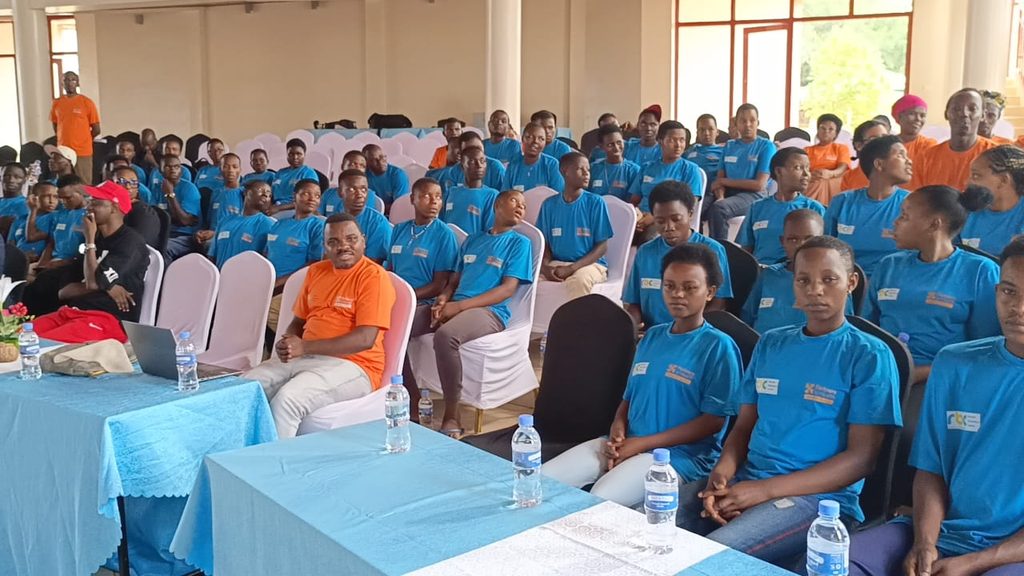The comments came as young people living with Type 1 diabetes, caregivers and health workers gathered in Kabuga as part of a Type 1 Diabetes Patient and Family Camp held under the theme, “Thriving Together: Learning, Growing, and Living Well with Type 1 Diabetes.”
The camp, running from August 16 to 22, is designed to equip young people and their families with practical skills to manage diabetes in everyday life, including insulin administration, blood glucose monitoring, nutrition, physical activity, mental health and emergency management.
**Living beyond the diagnosis**
Nshimiyimana said being diagnosed with diabetes should not mean that a person has to stop pursuing their ambitions.
“After diabetes, life continues. A person lives with it and can carry out activities normally, just as they did before, as long as they receive treatment, take their medication properly and keep their blood sugar under control,” he said.
He urged people living with diabetes, particularly children and young people, to follow medical advice on medication, nutrition and physical activity.
“Diabetes is something a person lives with while still contributing to the country,” he said.
He added that RBC conducts similar activities in different parts of the country to reach children living with diabetes and provide them with knowledge and support.
**Why Type 1 diabetes requires closer attention**
Pacifique Hagenimana, Director of the Non-Communicable Disease Programme at Partners In Health (PIH), locally known as ‘Inshuti Mu Buzima’ (IMB), said about 70 people were taking part in the week-long activities, including 38 young people living with Type 1 diabetes, 12 adults living with the condition who serve as peer counsellors, and about 20 healthcare workers from Rwinkwavu, Butaro and Kirehe hospitals.
He said Type 1 diabetes receives particular attention because people living with the condition require insulin injections and face the risk of blood sugar becoming dangerously low or excessively high.
“The reason we put a lot of emphasis on Type 1 diabetes is that a person living with it is required to use insulin injections, and the condition can cause very low blood sugar, which is particularly dangerous, as well as high blood sugar,” Hagenimana said.
He said the condition can affect children and young people, making early education and support important in helping them learn to manage it.
**Patients call for continued access to monitoring tools**
For people living with diabetes, the knowledge gained from such programmes can make a difference in managing the condition and preventing complications.
Diane Uwingeneye, a Type 1 diabetes patient receiving treatment at Rwinkwavu Hospital, said the training had given participants more knowledge about diabetes and other non-communicable diseases that can arise when the condition is poorly managed.
She said failing to take medication properly and allowing blood sugar levels to remain high can increase the risk of developing other health problems.
“To protect your health in the future, the first thing is to follow the advice given by your doctor and stay on the right track,” Uwingeneye said.
She also emphasized the importance of regularly monitoring blood sugar levels so that patients can understand how their condition is progressing and take appropriate action.
Uwingeneye thanked Partners In Health for providing monitoring equipment to some young people living with diabetes, saying access to such tools helps them monitor their condition.
Recent national data show that diabetes affects about 2.9% of people in Rwanda.
The organisers say the broader goal of the camp is to ensure that young people progressively take responsibility for their own health while families and caregivers gain the knowledge and confidence needed to support them at home.
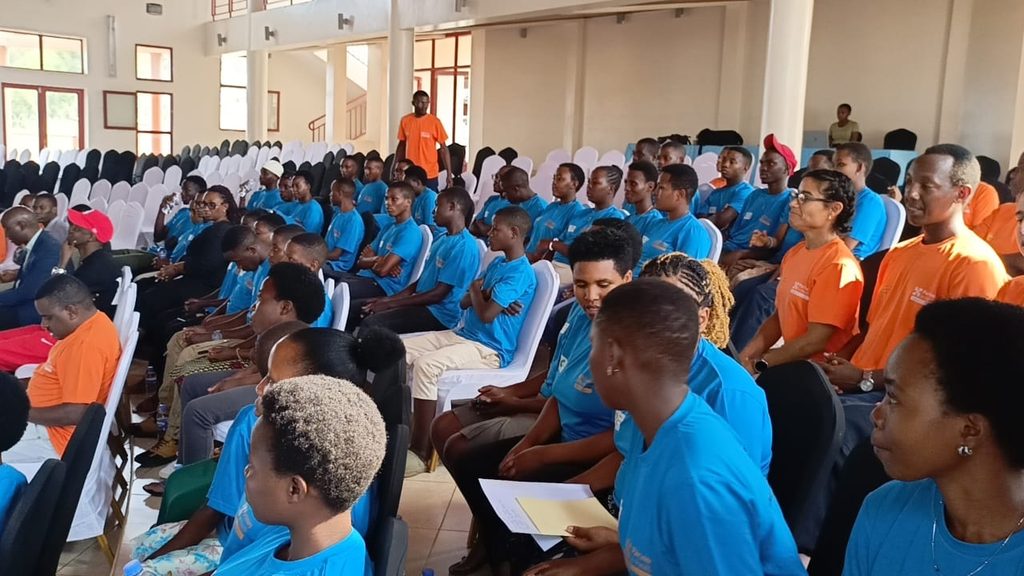
SUBSCRIBE TO OUR NEWSLETTER
First name or full name
Email
By continuing, you accept the privacy policy
**Categories:** HEALTH
---
### [Springer Nature and leading African academies launch first pan-African research integrity survey](https://www.topafricanews.com/2026/08/21/springer-nature-and-leading-african-academies-launch-first-pan-african-research-integrity-survey/)
**Published:** August 21, 2026
**Author:** EDITOR
**Content:**
Springer Nature, the [African Academy of Sciences (AAS)](https://email.cisionone.cision.com/c/eJwszEFuAyEMheHTwI4IbDCeBYtsco3IAyZByaTtMMr5q1Tdfk_vbwW4Rm-1hMwZkCmCvRffhMUjhARJwrJQSwmIV4HYa8dsRyHhHFiRMmq6hpihekCKuJjo52j6GD9uk_HUfbrMtXJmXtkdtDY-fQb7LPfj-J4GzwYuBi4isw59VZ0n6fuoYuBiN21D3K5PlalutPIH138weEbMnsju5T3qQ143NdHfPv1T_drsPHbV7fODDkphQdd97y4Gr24hzq767rNPiLQm-y7wGwAA__-Y91F1) and the [Academy of Science South Africa (ASSAf)](https://email.cisionone.cision.com/c/eJwszLGO6yAQheGngQ4LZsYwFBRp8hoRhiFBiW_uGiuW9ulXXm37HZ2_JuBCVktygQMgewL9SMX5aGukRnluEKkBBVezLLk2qlB0Tz5zcCzoA8p8cxSgWEBPGBXZ0as8-5dZc3_JNkzgUjgwL2x2v1SezkG_0mPf_w-FFwVXBdfjOKY8Rm7Te7tP31nBVa9SezabvCQPMb2mX7j9gcILYrDe6y19ennmf3dRZO9nfirvVY99E1nPHzQQ7yKaZlsz5KyY6DmYYpsNdkb0y6w_CX4CAAD__w3UUek) have launched the first continent-wide survey examining researchers’ experiences of research integrity training and support.
The initiative aims to ensure African researchers’ perspectives inform global understanding of how research integrity is taught, supported and embedded across research systems. The partnership combines Springer Nature’s experience in engaging research communities on research integrity with the leadership, regional expertise and networks of AAS and ASSAf.
The survey will examine what integrity training researchers receive, how it is delivered, which topics are covered, and whether current support reflects their roles, responsibilities and needs.
Research integrity underpins reliable research, enabling findings to be built upon and used to inform policy and practice. Yet evidence remains limited on how integrity training and support are experienced across different research systems and regions. Evidence from across Africa will help build a more complete picture of researchers’ needs.
Commenting on the launch, Susan Veldsman, Scholarly Publishing Programme manager at the Academy of Science of South Africa said:
“Research integrity is fundamental to maintaining confidence in science and evidence-informed decision making. We welcome the opportunity to partner with Springer Nature and the African Academy of Sciences on this important survey, which gives South African researchers an opportunity to share their experiences directly.
Researchers across Africa bring unique perspectives that are essential to understanding how research integrity is supported globally. By reflecting researchers’ voices in the evidence base, the survey will help identify what support is working well, where gaps remain and what is needed at different stages of a research career. That evidence will be valuable for South Africa and can help inform training and guidance that reflects researchers’ real experiences, while contributing to a stronger culture of integrity across the research ecosystem.”
Vuyo Mliswa, Academic Affairs Manager at Springer Nature, added:
“Research across Africa makes a significant contribution to global science, yet researchers’ experiences of research integrity training and support remain underrepresented in the evidence base. We’re delighted to be partnering with the African Academy of Sciences and the Academy of Science South Africa, whose leadership and networks are critical to ensuring that African researchers are represented in this work.”
The initiative extends Springer Nature’s wider programme of comparative surveys on research integrity training, conducted in partnership with scientific organisations around the world. Previous surveys have been conducted in Australia, Brazil, China, India, Japan, the US and the UK, contributing to a comparative picture of researcher views on integrity education.
Findings from a [recent white paper](https://email.cisionone.cision.com/c/eJw0jkGO6yAQBU8DOyLcjaFZsMjG14gwbtsoseMPJF9z-5GjyfaVXqmmAJSMlhw6Rw6QrAG5hsTejh5nPTJy8tqTNROSi1r7MU2dzMFGch0xWofc3zrjIGlAa9ALo2ue-J7_qS3mB5eqHKVEjmgk1ew40eUE8hHW1o4q8CpgEDAs5fk6LvUoeV-47LG9Cl_SczvR8eUCho2nHAUMR-FaVeEHx8pVwFC4cixpVXlvvJTcflQrMe95X9T_NTdWRzy4CBjAOULoSX5cX4fKU_gMt79B4BXRaWtlCe-c7nFfWBi9nPlnmaytMG_nD2Zg23lUs55nZTrNyltyKulZO90j2rGX7wC_AQAA__9NbnQW) analysing the previous seven surveys revealed widespread disparities in the provision of integrity training. Despite this variation, support for research integrity education was consistently high, with 84% to 94% of researchers supporting mandatory training at some point in their careers.
The surveys also revealed clear patterns in the topics where researchers wanted further support. Authorship guidance was the only non-data-related topic to appear in the top ten training needs across all seven countries surveyed. In Australia, the US, the UK and Brazil, topics relating to the management and sharing of research data were particularly prominent, accounting for most of the top ten areas where respondents wanted more training.
This latest survey complements Springer Nature’s engagement with researchers through the [African Research Advisory Council](https://email.cisionone.cision.com/c/eJwsjksO4yAQBU8DOyJ-hmbBIhtfI8JN46D4kwHHUW4_8mi29VR6laMGtJJTVB68NuCs5s8YvJqGLB2GkmwBNalsg_ShIClwWfIaXQKvgIzzhoaHsl6j1MZZE5iVvWZ61T9iTXWh1oUHRPAAE4jDTRlu18CX-DyOd2fmzvTI9Pj9fm_93eo2U9vS8Wl0w31lepzfTI8pn2nDus0i1477Se3H9NioU2r4FCmfte_tJ3D_bFiXfimlVUx8pVyTaLRQ6iRqjv_A4z9g5m6Ml87xFs-Kr7TNxKycr8Trn_ejEa2Xp4smp4IRRZYirJIkggMvUBbp5WCMmwZ-Rv03AAD__wcVa3o), which provides a forum for discussing the priorities and challenges facing the African research community.
These discussions have highlighted the importance of strengthening African research capacity, leadership and independence. By collating data on the provision of integrity training across the continent, the survey aims to contribute to that wider discussion and help inform future research integrity training and policy development.

SUBSCRIBE TO OUR NEWSLETTER
First name or full name
Email
By continuing, you accept the privacy policy
**Categories:** Science and Technology
---
### [Helicopter Crash Near Mount Ololokwe Kills Seven, Including Ecuador Intelligence Chief and Five Americans](https://www.topafricanews.com/2026/08/20/helicopter-crash-near-mount-ololokwe-kills-seven-including-ecuador-intelligence-chief-and-five-americans/)
**Published:** August 20, 2026
**Author:** EDITOR
**Content:**
**Helicopter Crash Near Mount Ololokwe Kills Seven, Including Ecuador Intelligence Chief and Five Americans**
**Samburu, Kenya — August 20, 2026**: A tourist helicopter crashed near Mount Ololokwe in Samburu County on Wednesday morning, killing all seven people on board, Kenyan authorities confirmed. Among the victims were Ecuador’s intelligence chief, his wife, a prominent Telemundo executive, and other American business leaders, along with the Kenyan pilot.
The Eurocopter EC130 B4, registration 5Y-GYM and operated by Lady Lori Helicopters (also referred to as Lady Lori Kenya Ltd), went down at approximately 9:13 a.m. local time. The aircraft was on a charter scenic flight for guests of safari operator &Beyond, travelling from the Loisaba Conservancy (or Suyian/Soyian area in Laikipia County) toward the Ewaso Nyiro region. It crashed in rugged terrain at the foot of the mountain, a popular site known for its dramatic rock formations, wildlife, and sunset views.
The Kenya Civil Aviation Authority (KCAA) confirmed the accident and stated that the Air Accident Investigation Department under the Ministry of Roads and Transport is leading the probe into the cause. Eyewitnesses reported thick black smoke and intense flames rising from the site shortly after the crash. Difficult terrain and an active fire initially hampered search and recovery efforts by police, Kenya Red Cross teams, and other responders. Additional personnel were dispatched from Isiolo, and by Thursday authorities reported that some bodies had been recovered.
All seven occupants perished. The pilot was identified as Josh Outram (also spelled Outran), a fourth-generation Kenyan with more than 15 years of experience flying in northern Kenya’s conservation areas. He was director of African Heli Adventures and known for connecting visitors to remote landscapes.
Passengers included Michele Sensi-Contugi (also referred to as Michael Contugi), 44, Director General of Ecuador’s Center for Strategic Intelligence (CIES) or National Intelligence Centre. A dual Italian-Ecuadorian citizen and close associate of President Daniel Noboa, Sensi-Contugi had previously served briefly as Minister of the Interior/Government in 2024 and was a businessman in manufacturing. He was travelling as a tourist with his wife, Stephany Hollihan Vasconez (also reported as Hollihan Yeaza or variations of Suian Suarez), a fashion designer and dual US-Ecuadorian citizen. The couple is survived by two children. Ecuador’s presidency and Transport Minister Roberto Luque issued statements of condolence.
The US State Department confirmed that five American citizens were among the dead. They included José Alberto Suárez, president and general manager of several Telemundo stations in Florida (including Telemundo 31, 49, and Fort Myers–Naples) and an NBCUniversal executive; Roger Duarte (or Roger Edward Duarte), founder of the Miami-based stone crab delivery company George Stone Crab; Adam Hlavaty (also listed as Adam Navaty or Adam Martin Hlavaty), co-founder of real estate firm Mrkt Group; and Henry Parra, an aviation software executive. Family statements and US media reports expressed profound grief.
Lady Lori Helicopters expressed deep sadness in a statement, offering sympathies to the guests, crew, families, and all affected. Kenya’s Tourism Ministry also mourned the deaths, noting the country’s reliance on scenic flights for its thriving safari industry. Helicopter accidents have occurred with some regularity in remote tourist areas as the sector expands.
Investigators have not yet determined whether weather, mechanical issues, pilot error, or another factor caused the crash. Recovery operations and the formal inquiry continue amid the challenging landscape of northern Kenya.

SUBSCRIBE TO OUR NEWSLETTER
First name or full name
Email
By continuing, you accept the privacy policy
**Categories:** NEWS
---
### [Rwanda Records Strong Rise in 2025/2026 PLE Pass Rate](https://www.topafricanews.com/2026/08/20/rwanda-records-strong-rise-in-2025-2026-ple-pass-rate/)
**Published:** August 20, 2026
**Author:** EDITOR
**Content:**
**Kigali, August 20, 2026** — Rwanda has released the 2025/2026 Primary Leaving Examination (PLE) and Ordinary Level (O’Level) results, with officials describing overall performance as encouraging.
Minister of State for Education Claudette Irere launched the live announcement at the Kigali Conference & Exhibition Village (Camp Kigali). NESA Director General Dr. Bernard Bahati presented district rankings.
Early figures show a PLE pass rate of 88.21% among approximately 277,593 candidates — a clear improvement from 75.6% the previous year. Boys recorded 89.59% while girls achieved 87.1%.
Rwego Mutijima Bruno Licky of École Internationale La Racine in Bugesera District topped the national PLE rankings with 99.6%. Thirteen outstanding students (seven from PLE and six from O’Level) are receiving awards.
Results are now accessible online at <https://rne.sdms.gov.rw/> or by SMS to 8888. The outcomes will determine secondary school placements ahead of the new academic year in September.

SUBSCRIBE TO OUR NEWSLETTER
First name or full name
Email
By continuing, you accept the privacy policy
**Categories:** EDUCATION
---
### [Why I Spend My Days Raising Mosquitoes](https://www.topafricanews.com/2026/08/20/why-i-spend-my-days-raising-mosquitoes/)
**Published:** August 20, 2026
**Author:** EDITOR
**Content:**
***By Joannitta Joannides, Laboratory Manager, Vestergaard–Noguchi Vector Labs***
Every morning, I walk into a room full of mosquitoes. While most people spend their lives trying to avoid them, I spend my days raising, monitoring and studying them. It may sound unusual, but understanding mosquitoes helps to answer important questions about how well malaria prevention tools are performing.
[In 2024 alone, 282 million people were infected with malaria, and 610,000 died. 94% of these cases and 95% of deaths occurred in Africa, with three-quarters of all deaths among children under five.](https://www.who.int/news-room/fact-sheets/detail/malaria) These numbers highlight why continued malaria prevention efforts matter. But we also know what works. The Malaria Atlas Project has estimated that malaria control efforts have helped prevent more than 1.22 billion cases and 3.5 million deaths across Africa since 2000. Its analysis found that insecticide-treated nets (ITNs) were the biggest contributor to this progress, accounting for 72% of the cases prevented. This is significant progress. Malaria prevention tools, including ITNs and other vector-control interventions, have helped protect millions of people. New tools, including dual-active ITNs and malaria vaccines, are further expanding the ways we can protect communities.
However, we cannot take their effectiveness for granted. ITNs only work if mosquitoes continue to respond to the insecticides used within them.
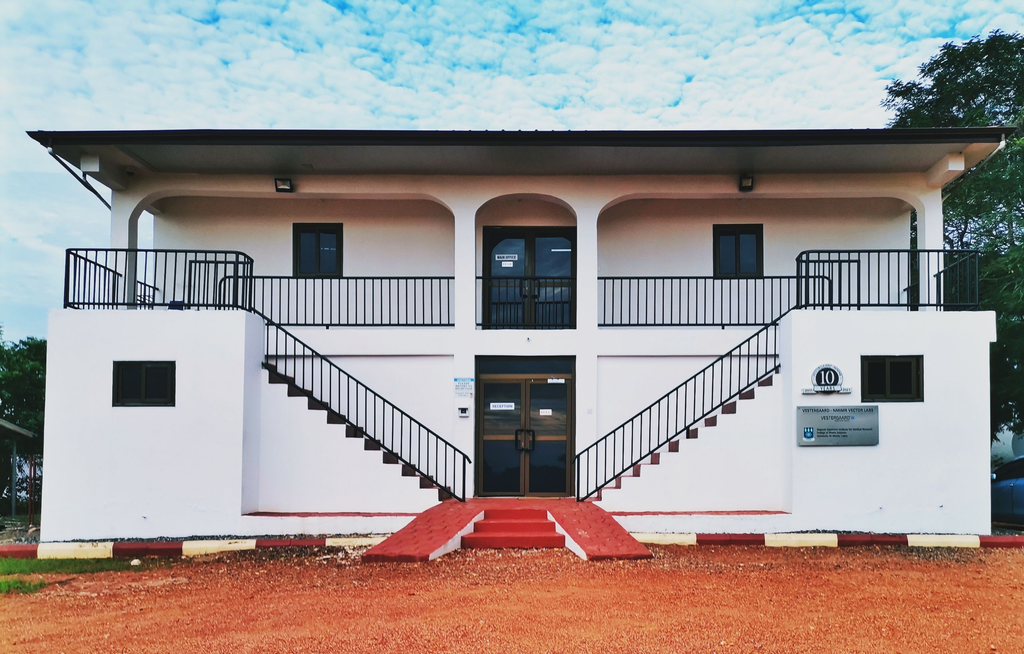Mosquitoes evolve quickly. They develop resistance to insecticides and change their behaviour. These changes influence how well malaria prevention tools perform. Continued monitoring and research is essential to stay ahead of the mosquito, ensuring existing and next-generation ITNs perform as mosquito populations evolve.
What most people never see is the science that sits behind an ITN. Before a mosquito net reaches a family, it has undergone years of research, rigorous testing, and quality assurance.
At the Vestergaard–Noguchi Vector Labs (VNVL) in Ghana, my colleagues and I work with mosquito populations with different insecticide-resistance characteristics. We maintain and carefully monitor the mosquito colonies and use them to conduct standardized laboratory testing of Vestergaard ITNs, including PermaNet Dual, a latest generation ITN. This work supports quality assurance and product development by generating reliable evidence on how our nets perform against the mosquito populations they are designed to target. Most of this work happens far from public view, yet it plays an important role in ensuring that our ITNs perform as expected.
This year we will mark 15 years of partnership between Vestergaard and the Noguchi Memorial Institute for Medical Research, that has helped to build and sustain technical capacity for high-quality entomological testing in Ghana. Alongside laboratory infrastructure, the collaboration has supported the development of specialized expertise in mosquito rearing, laboratory testing of ITNs and insecticide resistance monitoring. Last year, this commitment was reinforced through a Memorandum of Understanding between Vestergaard, Noguchi Memorial Institute for Medical Research and the Ghana National Malaria Elimination Program, further strengthening public-private partnerships towards Ghana’s Malaria elimination target.
Every mosquito we study and every net we evaluate serves a purpose beyond the laboratory: helping ensure that the products people rely on continue to perform as intended. On World Mosquito Day, I am reminded that the fight against malaria is an all-hands-on-deck situation, and my hands are contributing. Yet more is required, for it is not only about the tools we use, but also protecting people from a disease that synchronizes well in evolution and continues to threaten millions of lives. The better we understand the mosquito and how it changes, the more equipped we are to protect the communities most at risk.

SUBSCRIBE TO OUR NEWSLETTER
First name or full name
Email
By continuing, you accept the privacy policy
**Categories:** HEALTH, NEWS
---
### [Rwanda and South Korea Police Forge Stronger Partnership to Tackle Cross-Border Crime](https://www.topafricanews.com/2026/08/20/rwanda-and-south-korea-police-forge-stronger-partnership-to-tackle-cross-border-crime/)
**Published:** August 20, 2026
**Author:** LIBOS NDAYISHIMIYE
**Content:**
***Rwanda and South Korea Police Forge Stronger Partnership to Tackle Cross-Border Crime***
Rwanda and South Korea have strengthened security cooperation after their national police institutions signed a new agreement aimed at deepening collaboration in crime prevention, information sharing and police capacity building.
The agreement was signed on Thursday in Seoul by Rwanda’s Inspector General of Police, CG Felix Namuhoranye, and his South Korean counterpart, CG Yoo Jae-Sung, establishing a framework for closer cooperation between the two law enforcement agencies.
The partnership comes as cross-border crime continues to evolve, with criminal networks increasingly operating across national boundaries and using sophisticated methods that require stronger international cooperation among law enforcement institutions.
Under the agreement, the Rwanda National Police and the South Korean Police will enhance cooperation in combating transnational crimes committed by organized criminal groups, while strengthening the exchange of information and professional expertise.
The two institutions will also cooperate through training programmes, knowledge and skills sharing, and other capacity-building initiatives designed to strengthen the effectiveness and professionalism of their respective police forces.
The agreement is expected to create greater opportunities for police officers from both countries to learn from each other, share practical experiences and develop new approaches to addressing emerging security threats.
For Rwanda, the partnership further expands its international police cooperation network and provides an opportunity to benefit from South Korea’s experience and expertise in modern policing, while also creating avenues for Rwanda to share its own policing practices and experiences.
The cooperation also reflects the growing importance of international partnerships in addressing crimes that transcend borders, particularly those involving organized criminal networks that can exploit technological, geographical and institutional gaps between countries.
By establishing a structured framework for information exchange, training and technical cooperation, the two sides seek to build stronger police institutions capable of responding more effectively to evolving forms of crime.

SUBSCRIBE TO OUR NEWSLETTER
First name or full name
Email
By continuing, you accept the privacy policy
**Categories:** SECURITY
---
### [ADFD Highlights the Role of Partnerships in Advancing Water Security in Africa](https://www.topafricanews.com/2026/08/20/adfd-highlights-the-role-of-partnerships-in-advancing-water-security-in-africa/)
**Published:** August 20, 2026
**Author:** EDITOR
**Content:**
**Abu Dhabi, United Arab Emirates – 18 August 2026:** In line with the priorities of the Africa Water & Sanitation Systems Leadership Symposium 2026, taking place from 17–21 August 2026 in Kigali, Rwanda, Abu Dhabi Fund for Development (ADFD) highlights the power of coordinated and complementary financing to advance water security across Africa. The Metolong Dam project in the Kingdom of Lesotho demonstrates how bringing together the Government of Lesotho, multilateral development banks and bilateral partners around a shared national priority can leverage resources and deliver lasting development outcomes.
ADFD contributed AED 77.1 million (US$21 million) towards the core dam and engineering works as part of the wider US$450 million multi-partner programme. The project addresses growing domestic and industrial water demand through a comprehensive water-supply system that includes pumping and storage infrastructure alongside water treatment facilities. It provides clean and reliable drinking water to more than 500,000 households and supports electricity supply to over 5,000 homes and 20 schools across the region, while contributing to improved public health, agriculture, industrial activity and wider economic development, creating lasting benefits for hundreds of thousands of people.
**H.E. Mohammed Saif Al Suwaidi, Director General of ADFD, said:** “Water security is fundamental to sustainable development, supporting the health and wellbeing of communities, the resilience of economies and food security. Addressing these challenges requires more than infrastructure; it requires partnerships that bring together financing, expertise and strong institutions around nationally led priorities. The Metolong Dam Project demonstrates how strategic development finance can help provide the foundation for wider investment, enabling partners to address critical water needs while building systems that deliver lasting development impact.”
H.E. Al Suwaidi added: “Beyond financing key water projects in partner countries, the Fund has launched the **Abu Dhabi Global Water Platform** to advance a partnership-driven approach to water security, bringing together governments, development institutions and other partners to develop practical solutions, strengthen investment opportunities and mobilise resources for sustainable water development.
As discussions in Kigali focus on accelerating water and sanitation transformation across Africa, ADFD remains committed to working with governments and strategic development partners to support investments that strengthen water security, improve livelihoods and contribute to resilient and inclusive economic development in Africa.
The symposium brings together African leaders, development institutions and water-sector stakeholders to exchange best practices, explore practical approaches to accelerating water and sanitation transformation, and mobilise sustainable financing to support the continued development of Africa’s water sector.

SUBSCRIBE TO OUR NEWSLETTER
First name or full name
Email
By continuing, you accept the privacy policy
**Categories:** NEWS
---
### [The Making of an Icon: go behind the scenes and see how Emirates built the Aircrafted Arsenal Crest from upcycled aircraft parts](https://www.topafricanews.com/2026/08/20/the-making-of-an-icon-go-behind-the-scenes-and-see-how-emirates-built-the-aircrafted-arsenal-crest-from-upcycled-aircraft-parts/)
**Published:** August 20, 2026
**Author:** TOPAFRICANEWS
**Content:**
- Across 34 days, a team of 15 engineers at Emirates Engineering built the 2.4-metre sculpture to honour Emirates and Arsenal’s longstanding partnership
- Emirates SkyCargo handled the transportation from Dubai to London, leveraging their expertise in specialised and delicate cargo to ensure flawless delivery
- The installation is now in pride of place at the Directors Box and Diamond Club entrance at the Emirates Stadium
**DUBAI, UAE – 19 August 2026:** Following last week’s unveiling of the Aircrafted Arsenal Crest, Emirates is taking viewers behind the scenes to showcase the engineering expertise, craftsmanship and precision that went into the creation of the 2.4-meter illuminated sculpture.
Designed and built entirely in-house by Emirates Engineering teams, the Crest was brought to life by a team of 15 experts in just 34 days. Watch how the team clean, cut, curve, machine, rivet, assemble and paint aviation materials into one of the most recognisable emblems in football.
Once built, the sculpture began its final journey to Emirates Stadium. Carefully packaged in a custom-built, protective crate, the Aircrafted Arsenal Crest was handed over to the experts at Emirates SkyCargo, to be loaded into a freighter departing Dubai for London Stansted. With decades of experience in handling everything from specialised technology through to ancient artifacts, the airline’s cargo arm ensured this one-of-a-kind installation was handled with care at every touchpoint.
Beyond transporting the Crest, aircraft components from cargo operations were used in the build itself, including cargo tracks, floor panels and roller components to help structure and shape the iconic emblem.
The Making Of video captures the people, processes and aviation expertise behind this project, and offers a closer look at how Emirates brought together expertise across its operations to create this tribute to one of its longest-standing partnerships.
The Emirates and Arsenal partnership first began in 2006, and has recently been extended through to 2033. As the partners enter the next chapter of their partnership, Emirates will continue as Arsenal’s front-of-shirt, training kit and stadium naming rights partner.
[Read more](https://email.media.emirates.email/c/eJxskDuu3SAQhlcD3Vgw-FlQpPE2rsYwPkbXBgs4sc7uIzuJ0qQb6f_m9Xm7YL9ItnoYB9WNRk-SDwr7V_BWIGqt1TAIRLlZ3U8GB2LWbb9M02I6P7Qre6O0Ua02MlhU2KtRj9qoTk_NpF2vR4esuBtW7EWrDvaBGj5CpsqleXbJ3W61nkWYHwJngfN1Xf8Qlw6B89MHjmPNLHCuG8NB3yG-IK1AEYJLEV4JFt5C9HDnxXHkAhQ9FGbY0gV_h8LyDnt9KArZZVore6BcONIOLnOpsOZ0wPt0H7ff2R8MTsq1CJxltjWT-zQX7fQdMolW0ZkgnXSfLAtHH-Lry6eDQrxd_u_122y1Twm_XcufFn8FAAD__z50hJA) or watch the full video [here](https://email.media.emirates.email/c/eJxsz7tqxDAQheGnkboV0lg3FyoCibsUKULKZSxNYrG-Ycs2m6cP3rTbDQOHny-FFmzLKSjnnTS-UjWnAXN_zSkwAKWUdI4B8C6YqL2hFuraW0WOnLHoEiYbk_ZWa54DSLDSK68qaVQtahWt8hFIknHfYJmWA6WMgoa8YKFVPFq8D10p88qqFwYNg-Y4DnGftrK1JOI0nB8ssWNVs7Pq9X372m_xc__4feNLKAvGuziwx1tekGmJ83SZZjyHfKUx5fHnmqYB83iCnvVPXgmP8_IP5nuAvwAAAP__cbxXCw).

SUBSCRIBE TO OUR NEWSLETTER
First name or full name
Email
By continuing, you accept the privacy policy
**Categories:** NEWS
---
### [Africa’s carbon markets gain momentum as climate finance opportunities expand](https://www.topafricanews.com/2026/08/20/africas-carbon-markets-gain-momentum-as-climate-finance-opportunities-expand/)
**Published:** August 20, 2026
**Author:** EDITOR
**Content:**
South Africa, 19 August 2026 – Africa’s carbon markets are moving into a new phase, with governments strengthening policy, investors looking for credible projects and growing attention on how the continent can unlock more climate finance.
These opportunities will be at the centre of the Carbon Markets Africa Summit (CMAS) 2026, taking place from 13 to 15 October 2026 in Kigali, Rwanda. Policymakers, investors, carbon project developers, corporate buyers and market leaders from across Africa and around the world will come together to explore how high-integrity carbon markets can support investment and sustainable development across the continent.
The summit comes as Article 6 implementation advances globally and African governments move from readiness towards delivery. Across the continent, there are signs of a market becoming more active. The African Union is rolling out the Africa Action Plan on Carbon Markets, while countries such as Ghana are developing Article 6 project pipelines and authorisation systems. AUDA-NEPAD’s African Principles for Equity and Integrity in Carbon Markets are also putting greater focus on governance, transparency, community benefit-sharing and confidence in the market.
For Africa, the next challenge is turning this progress into transactions and investment. Buyers and investors are looking more closely at quality, credible MRV, compliance readiness, transaction certainty and clear policy. Strong projects will need to connect with the right capital, buyers, standards, infrastructure and institutional support if the market is to grow.
Hosted by the Ministry of Environment of Rwanda, CMAS 2026 brings together leading public and private sector institutions involved in Africa’s carbon markets. The United Nations Development Programme (UNDP) and the African Development Bank (AfDB) serve as host organisations, the Development Bank of Southern Africa (DBSA) as host partner, and AUDA-NEPAD as strategic institutional partner.
The growing network behind the 2026 summit reflects the different expertise needed to build a functioning carbon market. New partners and contributors include GIZ, BeZero Carbon, Welthungerhilfe, FSD Africa, the United Nations Environment Programme (UNEP) and Carbon Standards International. They join standards bodies, ratings agencies, financiers, governments and project developers working across the carbon market value chain.
The updated programme focuses on some of the questions the market is now grappling with. How do Article 6 and CORSIA move from policy into real transactions? What are buyers and investors prepared to fund? What makes a project bankable, insurable and verifiable? And how can Africa build the MRV and validation capacity it needs while maintaining market integrity?
These conversations will include contributions and technical insights from organisations including the United Nations Framework Convention on Climate Change (UNFCCC) and the European Commission. More than 10 African governments and over 20 investors and financiers will also be represented, bringing together the people shaping policy, financing projects and building the market.
Across three days, CMAS 2026 will feature high-level leadership discussions, investor and buyer roundtables, project showcases, technical workshops, solution labs and dedicated deal rooms.
The programme will tackle Article 6 and CORSIA, voluntary demand and offtake realities, high-quality MRV and ratings, policy readiness, regional carbon market alignment and early-stage carbon finance. It will also explore global regulatory shifts, private capital de-risking, authorisation in practice, registry interoperability and how Africa can scale MRV and VVB capacity.
A UNEP-hosted Nature Deal Room will bring African governments, corporate buyers, investors, standards bodies and market intermediaries together to help advance high-integrity nature-based carbon transactions.
“I genuinely think Africa could become the defining force in global carbon markets,” says Shikha Sharma, Global Technical Lead – Offsets & Removals, SGS. “The continent has extraordinary natural assets. If Africa gets governance right, invests in local capabilities and keeps integrity at the centre, it won’t just supply the market. It will influence how the market operates globally.”
For CMAS 2026, the focus on integrity goes hand in hand with investment and implementation. Governments are strengthening policy frameworks, investors are looking for opportunities they can trust and scale, and buyers want greater confidence in the quality of the projects they support. Bringing these different parts of the market together will be important if more climate finance is to reach African projects.
“For UNDP, the true value of carbon markets lies in what they make possible: finance for national priorities, decent jobs, resilient livelihoods, and sustainable development. The task before us in Kigali is to build markets that are credible, investable, and designed to deliver real value for African countries and communities,” said Fatmata Lovetta Sesay, Resident Representative, UNDP Rwanda.
Looking ahead, Emmanuelle Nicholls, Portfolio Director, said collaboration will be critical to unlocking Africa’s growing carbon market opportunity.
“Africa’s carbon markets are entering a defining period as governments strengthen policy frameworks and investor confidence grows. This presents a significant opportunity to unlock climate finance, attract investment and deliver lasting economic, environmental and social value. Realising that opportunity will require collaboration across governments, investors, project developers and the private sector.
CMAS 2026 is designed to bring those stakeholders together to share knowledge, strengthen partnerships and accelerate practical action that supports Africa’s growing carbon markets.”

SUBSCRIBE TO OUR NEWSLETTER
First name or full name
Email
By continuing, you accept the privacy policy
**Categories:** CLIMATE CHANGE, Environment
---
### [A Just Transition Cannot Be Built on Women’s Land, Labour and Bodies](https://www.topafricanews.com/2026/08/19/a-just-transition-cannot-be-built-on-womens-land-labour-and-bodies/)
**Published:** August 19, 2026
**Author:** EDITOR
**Content:**
***By Dr Melania Chiponda***
The 46th Ordinary Summit of Southern Africa Development Community (SADC) Heads of State and Government held in Durban on 17 August 2026 and has placed critical minerals, infrastructure and industrialisation firmly at the centre of the region’s development ambitions. Its theme — “*Resilient, Sustainable, and Inclusive Industrialisation through Infrastructure Development, Agricultural and Critical Minerals Transformation in Pursuit of a Just World*” — is ambitious and, on the surface, compelling.
I welcome the recognition that critical minerals, agriculture and infrastructure will shape the region’s economic future. I also welcome the communiqué’s commitments to women’s leadership, gender-based violence prevention, climate preparedness and inclusive development.
But as an ecofeminist, I am compelled to ask a more uncomfortable question: just industrialisation for whom, and at whose cost?
This is not a rejection of SADC’s industrialisation ambitions. It is a challenge to make the promise of a “just world” real for the women, girls and communities whose land, labour and natural resources are increasingly being drawn into the region’s new extractive economy.
**Critical minerals are not just an economic opportunity**
SADC’s communiqué identifies critical minerals as key drivers of industrialisation and competitiveness. The Summit also identifies critical minerals and just energy transition among the high-impact priorities for the region’s development strategy.
There is an obvious economic logic to this. Southern Africa possesses mineral resources that are increasingly important to the global energy transition.
But minerals do not exist in a vacuum.
They exist under land where people farm, collect water, raise families and sustain communities. They exist in landscapes where women’s livelihoods are often intimately connected to forests, rivers, agricultural land and other natural resources.
My concern is that the current language of industrialisation can make the mineral itself visible while making the people living around it invisible.
We talk about lithium, cobalt, graphite, copper and rare earth minerals as strategic resources. We talk about investment, value addition, industrialisation and regional competitiveness. But we must also ask: whose land is being transformed, whose livelihoods are being disrupted, who makes the decisions, who benefits and who carries the risks?
An industrialisation strategy cannot genuinely be inclusive if the costs are systematically transferred to women, girls and rural communities.
We cannot separate extraction from gender justice
My work on the SADC Model Law on Eradicating Child Marriage has led me to a conclusion that deserves much greater attention in regional policy discussions: child marriage is not simply a problem of culture, tradition or household poverty.
It is also a political-economic issue.
The loss of land, water and subsistence livelihoods can undermine the economic foundations that allow girls to remain in school and delay marriage. The region is now experiencing a critical-minerals rush at precisely the same time as climate shocks are eroding household resilience.
This creates a dangerous convergence.
When drought destroys harvests, when water sources recede, when families lose access to productive land or when communities are displaced by mining, households become more economically vulnerable. Girls can bear a disproportionate share of the consequences.
In such circumstances, marriage can become a coping strategy. My analysis identifies drought, failed harvests, displacement and water insecurity as pathways through which climate change can heighten the risk of child marriage.
This means that a mining policy can have implications for child protection even when it says nothing about children.
A climate policy can have implications for child marriage even when it says nothing about marriage.
And an energy-transition policy can have profound implications for women’s rights even when it speaks primarily about jobs, investment and carbon reduction.
These issues are connected.
**A “just transition” can still be gender-blind**
SADC’s commitment to a just transition is welcome. But we must be honest about what current just-transition conversations often leave out.
They tend to focus on jobs, skills, industrial policy, energy systems, critical-mineral supply chains, investment and financing.
What is often missing are the gender-differentiated impacts of mining expansion, the risks of gender-based violence and child marriage in extractive areas, community consent, women’s land rights and the protection of girls. This is the contradiction we must confront.
We cannot call a transition “just” simply because it moves us from one energy source to another.
A transition from fossil fuels to renewable energy can still be unjust if the minerals required for renewable technologies are extracted through land dispossession, environmental degradation, inadequate consultation and the exclusion of women from decision-making.
A transition is not just merely because it is green.
Justice requires us to ask how the transition is produced, who controls it and who benefits from it.
The community must have a voice before the mine arrives
This is why Free, Prior and Informed Consent must become more than a technical phrase in policy documents.
If SADC is serious about inclusive industrialisation, affected communities must have meaningful participation in decisions concerning mining, land, displacement, compensation and environmental impacts. And that participation must be gender-responsive.
Women cannot be invited into a consultation simply to demonstrate that a consultation was held. They must have the information, power and institutional space to influence decisions affecting their land, livelihoods and futures.
**Women cannot remain an afterthought**
The SADC communiqué rightly calls on Member States to accelerate women’s participation in leadership and decision-making and to strengthen policies addressing gender-based violence and human rights.
But women’s participation cannot be confined to political leadership.
Women must also have decision-making power over the economic transformations taking place in their communities.
A woman whose land is acquired for mining is not simply a “beneficiary” of development. She is a rights-holder.
A girl whose school closes or whose family loses its livelihood because of displacement is not an unfortunate statistic. She is part of the development equation.
And a community environmental defender is not an obstacle to progress. They may be protecting the very social and ecological foundations upon which sustainable development depends.
**SADC has an opportunity to get this right**
I do not believe that the answer is to abandon industrialisation or reject the development of critical-mineral value chains.
The opportunity before SADC is much more important: to create a different model of industrialisation.One that does not simply extract minerals from the region and export their value.
The Summit has already created an important political opening. Its language of resilience, sustainability, inclusion and justice provides a foundation upon which civil society, governments and communities can build.
But words must now become safeguards, laws, budgets and accountability mechanisms.
The critical-minerals agenda should therefore be linked explicitly to gender justice, child protection, climate resilience and community land rights.
Extractive companies and investors must have clear obligations to communities. Gender-responsive FPIC should be strengthened. Environmental defenders must be protected. And the social consequences of mining and climate change must become part of how SADC measures development.
**The real test of a just world**
The success of SADC’s industrialisation agenda should not ultimately be measured only by the amount of investment attracted, minerals extracted, roads constructed or factories established.
The deeper test is whether ordinary people experience greater security, dignity and control over their futures.
No transition is truly just while women and girls are expected to subsidise it with their land, labour, livelihoods or bodies. SADC has an opportunity to demonstrate that Africa’s energy and industrial transition can be different. Let us make it a transition that is not only green, but genuinely just, feminist, community-centred and accountable.
END
*The writer is a climate activist and executive director, Shine Collab, a global feminist network advancing women-led energy access, climate justice, and community power across Africa and the Global South.*

SUBSCRIBE TO OUR NEWSLETTER
First name or full name
Email
By continuing, you accept the privacy policy
**Categories:** NEWS
---
### [Hakainde Hichilema Wins Second Term to Lead Zambia](https://www.topafricanews.com/2026/08/19/hakainde-hichilema-wins-second-term-to-lead-zambia/)
**Published:** August 19, 2026
**Author:** EDITOR
**Content:**
Zambian President Hakainde Hichilema has won a second term to lead the country after securing victory in last week’s presidential election, giving him another mandate to steer Zambia’s political and economic affairs.
Hichilema, 64, who first came to power in 2021, won 60 percent of the vote, defeating his leading challenger, Brian Mundubile, in the presidential race.
The victory marks a significant moment in Hichilema’s political career, extending his leadership beyond his first term and giving his administration another opportunity to pursue its development agenda.
Hichilema entered State House in 2021 after a long political journey that saw him contest several presidential elections before finally winning the presidency. His latest victory strengthens his position at the helm of Zambia as the country continues to address economic and social challenges.
During his first term, his administration focused on strengthening the economy, attracting investment, creating employment opportunities and improving Zambia’s engagement with regional and international partners.
His re-election is expected to renew attention on the government’s ability to deliver on its promises and respond to the expectations of Zambians, particularly on economic growth, employment, public services and improved living standards.
The second-term mandate also gives Hichilema an opportunity to consolidate policies and programmes introduced during his first administration while developing new strategies to address emerging national challenges.
His victory comes at a time when Zambia, like other countries in the region, is working to strengthen economic resilience and create greater opportunities for its growing population.
With the presidential contest decided, attention will now turn to Hichilema’s priorities for his second term and how his government will use the renewed mandate to advance national development.
For Hichilema, the election victory is not only a continuation of his presidency but also a renewed responsibility to meet the expectations of the electorate and deliver on the commitments made during the campaign.

SUBSCRIBE TO OUR NEWSLETTER
First name or full name
Email
By continuing, you accept the privacy policy
**Categories:** NEWS
---
### [Currency Devaluation Offers Limited Export Gains in Africa, ECA Study Finds](https://www.topafricanews.com/2026/08/19/currency-devaluation-offers-limited-export-gains-in-africa-eca-study-finds/)
**Published:** August 19, 2026
**Author:** Mutangana Emmanuel
**Content:**
Currency devaluations are unlikely to provide a quick solution to Africa’s persistent trade deficits, with a new study by the United Nations Economic Commission for Africa (ECA) finding that weaker currencies deliver only modest and delayed gains in exports.
The study, which examined 20 years of quarterly economic data from 2003 to 2023 across all 54 African countries, found that currency depreciation can initially trigger economic pain before producing limited improvements in export performance.
Researchers assessed economic developments over three-year periods to determine how exchange-rate movements affected trade and broader economic conditions across the continent.
The findings suggest that structural weaknesses in African economies significantly constrain the effectiveness of currency adjustments as a tool for improving trade balances.
The impact is particularly limited in countries operating under fixed exchange-rate arrangements, including members of the CFA franc zone, as well as in economies with less dependence on mining and oil exports.
**Limited and delayed export gains**
According to the ECA research, currency depreciation does not automatically translate into a significant expansion of exports.
While a weaker currency can make a country’s goods relatively cheaper in international markets, the study found that the resulting export gains tend to be small and take time to materialize.
In the short term, depreciation can also contribute to economic pressures, including higher import costs and broader macroeconomic difficulties.
This means that countries seeking to address persistent trade deficits through currency adjustments alone may struggle to achieve lasting results.
The study’s findings point instead to deeper structural challenges, including limited manufacturing capacity, inadequate infrastructure and trade barriers that restrict African businesses from competing effectively in regional and global markets.
**Industrialization seen as key to stronger trade**
The ECA argues that African countries need to move beyond reliance on currency policy and pursue broader economic transformation strategies.
A major priority is accelerating industrialization and strengthening domestic production capacity, particularly to reduce dependence on unprocessed commodity exports.
Building stronger manufacturing sectors could allow African economies to produce more goods locally, increase the value of their exports and reduce their vulnerability to fluctuations in commodity prices and exchange rates.
The study also highlights the importance of improving trade facilitation and reducing administrative barriers that increase the cost and time required to move goods across borders.
**Infrastructure and policy stability**
The ECA further calls for increased investment in transport and digital infrastructure to improve connections between producers and markets.
Better roads, logistics systems and digital networks can help lower the cost of doing business and facilitate greater participation in regional and international trade.
The researchers also emphasize the need for predictable macroeconomic policies, arguing that exchange-rate adjustments are more likely to be effective when supported by broader economic reforms and a stable policy environment.
The research covered a wide range of African economies, including resource-rich and non-resource-rich countries, as well as economies operating under pegged exchange-rate systems.
Overall, the study concludes that currency devaluation should not be treated as a standalone solution to Africa’s trade imbalances.
Instead, the continent’s long-term trade performance will depend on addressing the structural constraints that limit production, competitiveness and integration into regional and global markets.

SUBSCRIBE TO OUR NEWSLETTER
First name or full name
Email
By continuing, you accept the privacy policy
**Categories:** NEWS
---
### [Only 4 in 10 Health-Care Facilities Meet Basic Sanitation Standards, New Report Finds](https://www.topafricanews.com/2026/08/18/only-4-in-10-health-care-facilities-meet-basic-sanitation-standards-new-report-finds/)
**Published:** August 18, 2026
**Author:** Mutangana Emmanuel
**Content:**
Only four in 10 health-care facilities worldwide meet basic sanitation standards, while fewer than six in 10 meet basic environmental cleaning standards, exposing patients and health workers to preventable health risks, a new report by the World Health Organization (WHO) and UNICEF has found.
The report, ‘Progress on Water, Sanitation, Hygiene, Environmental Cleaning and Waste Management in Health-Care Facilities 2015–2025’, provides the first global estimates covering all five basic service areas, including sanitation and environmental cleaning.
According to the report, about 85% of health-care facilities had basic water services, 72% had basic hygiene services and 71% met the basic standard for health-care waste management in 2025. However, only 40% had basic sanitation services, while 59% met the basic standard for environmental cleaning.
The findings highlight persistent gaps in the basic services needed to provide safe, dignified and quality health care, despite progress recorded since 2015.
“The findings show important progress but also expose major gaps in the foundations of safe, high-quality care,” said Bruce Gordon, Unit Head of Water, Sanitation and Health at WHO.
“Reliable water, accessible sanitation, hand hygiene, effective environmental cleaning and safe waste management must be integrated into health planning, financing and monitoring,” he added.
**Sanitation goes beyond having a toilet**
The report cautions that the finding that only 40% of health-care facilities had basic sanitation services does not mean that the remaining 60% had no toilets.
Globally, 89% of health-care facilities had some form of sanitation, while 85% had usable toilets.
To qualify as a basic sanitation service, however, toilets must be improved and usable and meet the needs of patients, staff, women and girls, and people with limited mobility.
Only around half of facilities had sex-separated toilets, accessible toilets or facilities for menstrual hygiene. The lack of menstrual hygiene facilities and accessible toilets were among the most common reasons facilities failed to meet the basic sanitation standard.
“A toilet is not enough if it is unsafe, inaccessible or does not meet the needs of women, girls and people with disabilities,” said Evariste Kouassi Komlan, Director of WASH at UNICEF.
“Without basic WASH services, health care facilities can pose serious risks to women during childbirth, newborns and young children. Safe, inclusive and dignified WASH services are essential to delivering quality care and protecting health,” he added.
**Environmental cleaning remains a concern**
Environmental cleaning is another major weakness identified by the report.
Only 59% of health-care facilities met the basic environmental cleaning standard, which requires both cleaning protocols and trained cleaning staff.
The report estimates that 18% of facilities met neither requirement, representing facilities serving a population of approximately 1.5 billion people worldwide.
The situation is particularly concerning in least developed countries, where only 24% of health-care facilities met the basic environmental cleaning standard.
Environmental cleaning is a critical component of infection prevention and control. Poorly cleaned health-care environments can contribute to health-care-associated infections and facilitate the spread of antimicrobial resistance.
Despite the gaps, the report highlights improvements in several areas between 2015 and 2025.
Global coverage of basic water, hygiene and health-care waste management services increased over the decade, with hygiene recording the largest improvement.
Nevertheless, around one in 10 health-care facilities still had no water service, while a similar proportion had no sanitation service in 2025.
The number of countries with available estimates for all five service areas also increased from 29 in the previous JMP update to 39 in 2025.
However, significant data gaps remain. The available information was not yet sufficient to calculate global trends for basic sanitation and environmental cleaning.
**Call for stronger monitoring and investment**
WHO and UNICEF are urging countries to strengthen routine monitoring of WASH and environmental health services in health-care facilities.
The report recommends moving beyond simply measuring whether infrastructure exists and instead assessing whether services are reliable, safe, accessible and clean, and whether they adequately meet the needs of patients and health workers.
The findings come amid growing international momentum for stronger action on WASH in health-care facilities.
In May 2026, the United Nations General Assembly adopted a resolution calling for stronger national standards, regular monitoring and reporting, as well as costed and financed plans for sustainable and resilient WASH, waste management and electricity services.
The resolution also recognizes WHO and UNICEF as co-coordinators of global efforts and calls on the two organizations to continue supporting countries and expanding data coverage through the Joint Monitoring Programme.
The latest findings underscore that safe health care requires more than medical staff and equipment. Reliable water, adequate sanitation, hand hygiene, clean environments and safe waste management remain fundamental to protecting patients, health workers and communities from preventable infections and other health risks.

SUBSCRIBE TO OUR NEWSLETTER
First name or full name
Email
By continuing, you accept the privacy policy
**Categories:** HEALTH
---
### [Rwanda Hosts Regional Climate Forum as Horn of Africa Experts Prepare for Critical October–December Forecast](https://www.topafricanews.com/2026/08/17/rwanda-hosts-regional-climate-forum-as-horn-of-africa-experts-prepare-for-critical-october-december-forecast/)
**Published:** August 17, 2026
**Author:** EDITOR
**Content:**
Rwanda on Monday hosted the 74th session of the Greater Horn of Africa Climate Outlook Forum (GHACOF), bringing together climate experts, policymakers and development partners to assess regional weather patterns and strengthen strategies for responding to the growing impacts of climate change.
The high-level forum, organised by the IGAD Climate Prediction and Applications Centre (ICPAC), is providing a platform for countries across the Greater Horn of Africa and neighbouring areas to jointly examine emerging climate conditions and their potential implications for communities and key economic sectors.
A major focus of the meeting is the development of the October–December 2026 seasonal climate outlook, a period of particular importance for countries whose agricultural production, water resources and livelihoods depend heavily on seasonal rainfall.
Participants are expected to analyse available climate information and translate the forecasts into practical actions that can help countries prepare for potential risks and take advantage of favourable conditions.
The discussions are focusing on how the anticipated seasonal weather patterns could affect agriculture, water resources, public health, livestock and disaster risk management.
For agriculture, timely and reliable climate information can help farmers and authorities make informed decisions on crop selection, planting periods, water management and preparedness for weather-related risks. In the livestock sector, seasonal forecasts can similarly support planning around pasture, water availability and animal health.
The forum also places strong emphasis on the importance of climate information in strengthening disaster preparedness. Early warnings based on reliable forecasts can enable governments, communities and other stakeholders to take preventive measures against hazards associated with extreme weather.
The 74th GHACOF therefore provides an important opportunity for regional experts and partners to move beyond simply predicting weather conditions and focus on how climate information can be converted into practical decisions that protect lives, livelihoods and economic activities.
As climate variability and extreme weather events continue to pose challenges across the Greater Horn of Africa, cooperation among countries remains essential. The forum is expected to strengthen the sharing of climate knowledge, improve preparedness and support evidence-based planning ahead of the October–December 2026 season.

SUBSCRIBE TO OUR NEWSLETTER
First name or full name
Email
By continuing, you accept the privacy policy
**Categories:** Climate / Agriculture Evolution, CLIMATE CHANGE
---
### [How rehabilitation skills helped his blind wife contribute to their family's development](https://www.topafricanews.com/2026/08/17/how-rehabilitation-skills-helped-his-blind-wife-contribute-to-their-familys-development/)
**Published:** August 17, 2026
**Author:** Mutangana Emmanuel
**Content:**
Jean Bosco Siborurema says his wife, Venancilla Uwamahoro, has become an important contributor to their family’s development despite losing her sight about 13 years ago.
The couple, who live in Nyagatare District, have seen a major change in their household since Venancilla underwent rehabilitation and vocational training at the Masaka Resource Centre for the Blind (MRCB).
Before going to MRCB, Venancilla depended heavily on her children for many everyday household activities. Today, she makes soap, earns income and contributes to household expenses and agricultural activities.
“She has helped me develop as well. She has bought three goats and a pig. At home, I no longer have to worry about buying salt, soap or cooking oil because she can contribute to those needs, while I concentrate on farming,” Siborurema said.
**From dependence to contribution**
Venancilla had been living with blindness for about eight years before she was introduced to MRCB.
Her sight loss came suddenly. According to Siborurema, the couple had returned home from a wedding when Venancilla began experiencing problems with her eyes. She was later taken for treatment, including at Kabgayi, but her condition did not improve.
The family initially struggled to understand how she would continue with daily life.
“I told myself that she did not cause this, and I did not cause it either. I had no choice but to continue living with her as we had before. As the days passed, we accepted the situation and continued living together as we had before she lost her sight,” Siborurema said.
However, Venancilla’s loss of sight left her heavily dependent on family members.
“She could not wash clothes. The children did those things for her. She did not know how to wash dishes, peel bananas or potatoes, or cook generally,” he said.
Her situation began to change after she went to MRCB for rehabilitation.
There, she learned practical skills including cooking, washing clothes, food preparation and mobility.
After about six months, she returned home able to perform many of the activities she had previously depended on others to do.
“She came back knowing all those things. They had taught her everything,” Siborurema said.
**Rehabilitation opens an economic opportunity**
Venancilla’s rehabilitation later went beyond basic household skills.
She returned to MRCB for vocational training, where she learned how to make products including soap and oils.
After completing the training, she began making soap and earning income from it.
For her husband, this has transformed her role in the household.
Siborurema, 54, said his 53-year-old wife now contributes to household expenses and agricultural activities.
“She can make soap and earn about Rwf3,000, then tell me to take the money and hire someone to work in the field, while I help with cultivating our terraces. We support each other very much,” he said.
He said her earnings have also helped the family acquire livestock.
“She has bought three goats and a pig,” he said.
The couple’s experience shows how rehabilitation can extend beyond helping people with visual disabilities perform everyday activities. It can also provide skills that enable them to participate in household economic activities.
For Venancilla, the ability to earn and contribute has also strengthened her place within the family.
Rather than being viewed only as someone who needs support, she has become a partner in meeting household needs and investing in the family’s future.
**A husband who chose support**
Siborurema said the family’s journey was not always easy.
When Venancilla first became blind, he said they experienced uncertainty and feared what the future would look like.
But he decided that her blindness should not change their relationship.
He now advises other families whose relatives or spouses develop visual disabilities later in life to remain patient and supportive.
“My advice to families is that when someone you have been living with develops blindness, the first thing is to be patient. You have to understand that they are still the same person. Do not distance yourself from them. Help them and stay close to them,” he said.
He also rejects the idea that losing one’s sight means losing the ability to contribute to a household.
“Just because someone you have been living with develops a visual disability does not mean you should leave them and look for someone who can see. A person who cannot see can also do things just like the person I live with. There is nothing she cannot do at home, and she learned those skills at MRCB,” he said.
**RUB says more community awareness is needed**
Venancilla’s experience was shared during a gathering organized by the Rwanda Union of the Blind (RUB) on August 14, 2026, at the Masaka Resource Centre for the Blind.
The meeting brought together families, caregivers, relatives, parents and blind and partially sighted people to share experiences and discuss how families can better support people with visual disabilities.
***Mugisha Jacques, Executive Director of RUB.***Mugisha Jacques, Executive Director of RUB, said stories such as Venancilla’s demonstrate the progress that can be achieved when people with visual disabilities receive rehabilitation and appropriate support.
He said MRCB equips blind and partially sighted people with practical, vocational and mobility skills that can help them return to everyday life and participate more actively in their families and communities.
But Mugisha said more needs to be done to change attitudes towards visual disabilities.
He said some families and community members still lack accurate information about the abilities and rights of people with visual disabilities, which can sometimes lead to unnecessary dependence, exclusion and stigma.
“We need to increase awareness in communities so that people receive the right information about the abilities and rights of people with visual disabilities,” Mugisha said.
RUB is calling for greater use of community platforms, including public meetings, Umuganda, parents’ meetings and other forums, to raise awareness about visual disabilities and the importance of rehabilitation.
Mugisha also called for stronger collaboration with government institutions working in areas such as education, health and social development so that the experiences of people with visual disabilities can inform programmes and interventions.
For the Siborurema family, the impact of rehabilitation is already visible.
What began with a sudden loss of sight and years of dependence has evolved into a story of skills, income generation and shared responsibility.
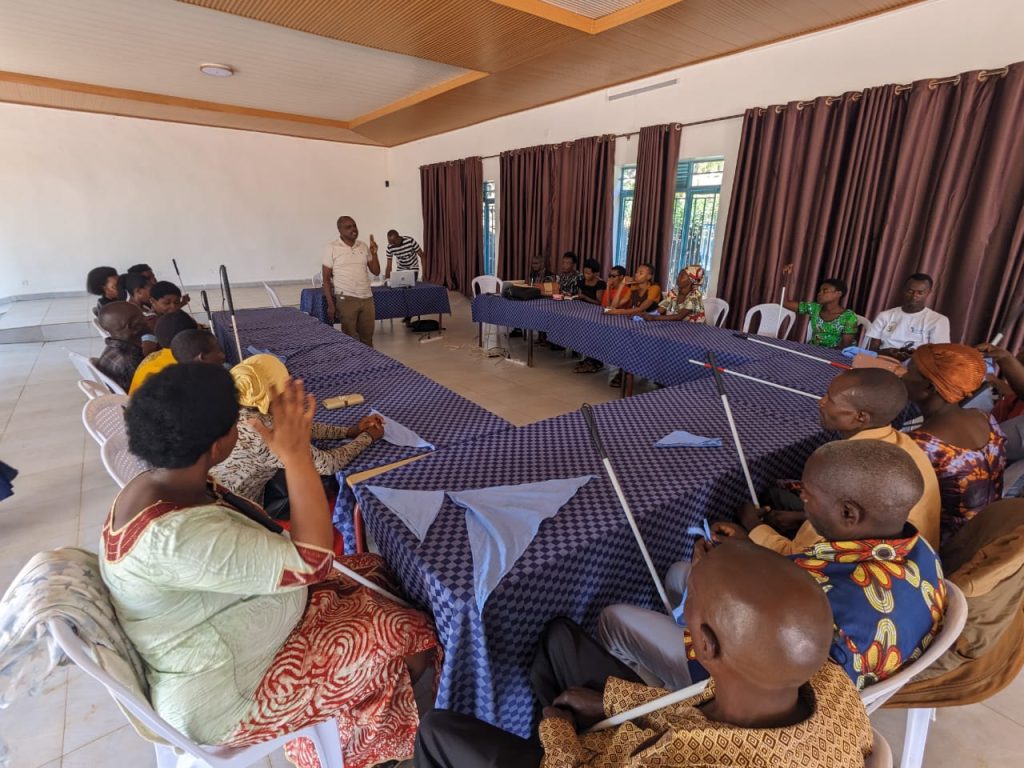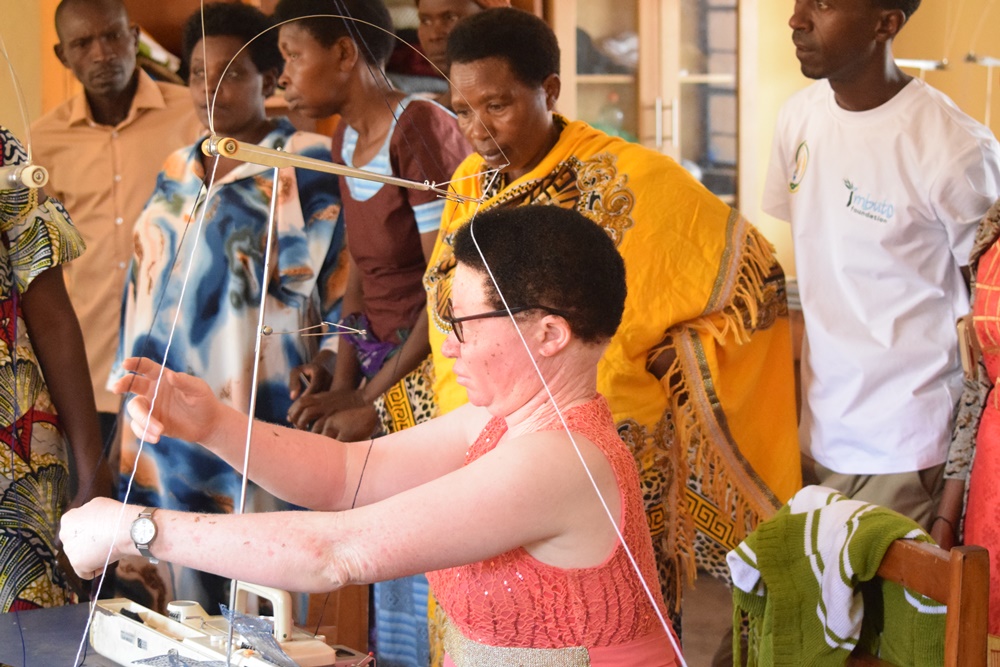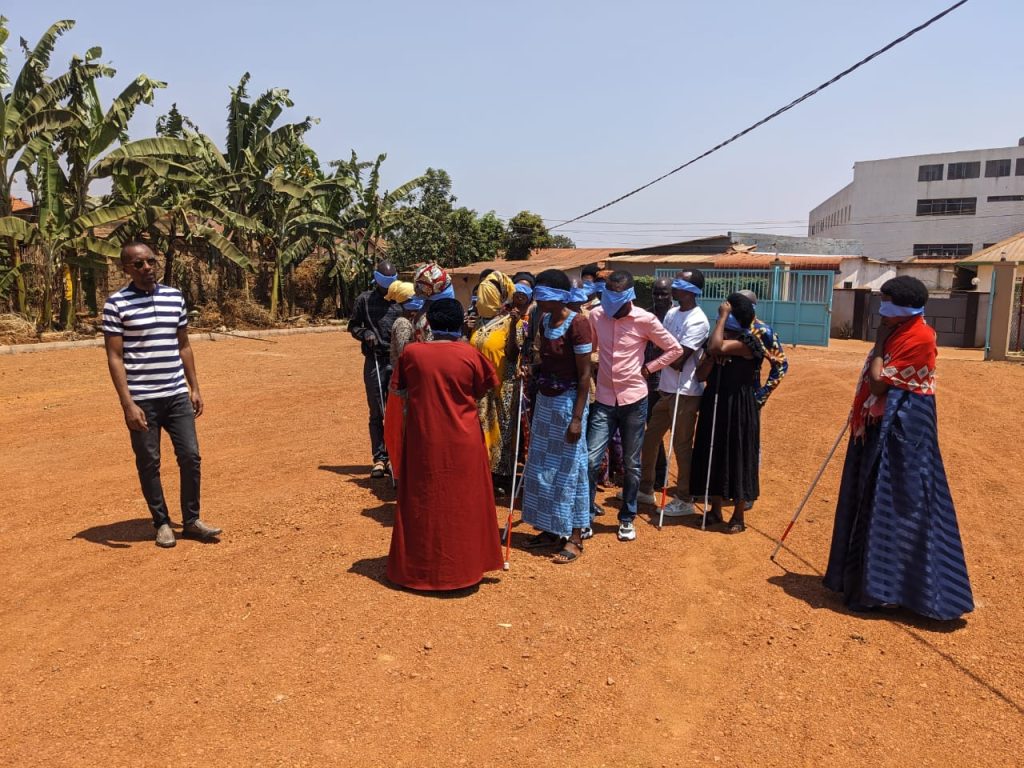
SUBSCRIBE TO OUR NEWSLETTER
First name or full name
Email
By continuing, you accept the privacy policy
**Categories:** NEWS
---
### [Hichilema Takes Early Lead in Tense Zambia Election as Vote Counting Resumes](https://www.topafricanews.com/2026/08/17/hichilema-takes-early-lead-in-tense-zambia-election-as-vote-counting-resumes/)
**Published:** August 17, 2026
**Author:** EDITOR
**Content:**
Incumbent President Hakainde Hichilema has taken an early lead in Zambia’s presidential election following partial official results released by the Electoral Commission of Zambia.
Voting concluded last Thursday, but tallying was temporarily suspended on Friday due to isolated violence and the theft of ballot papers in certain districts. Security has since been heavily reinforced around the main counting centers in Lusaka to prevent further disruptions.
As of the latest official updates, Hichilema leads with 54.82% of the declared vote against main opposition challenger Brian Mundubile, who currently holds 43%.
If Hichilema maintains a majority above 50%, he will avoid a mandatory second-round runoff vote. The election is widely viewed as a critical referendum on the administration’s economic reforms, though international observers have noted that the campaign period was marred by allegations of political intimidation and an uneven playing field.
The opposition continues to voice concerns over potential rigging linked to the counting delays, while election officials urge calm as the final constituencies are tabulated.

SUBSCRIBE TO OUR NEWSLETTER
First name or full name
Email
By continuing, you accept the privacy policy
**Categories:** NEWS
---
### [Rwanda Moves to Expand Specialist Care as Shortage of Obstetricians and Gynecologists Persists](https://www.topafricanews.com/2026/08/15/rwanda-moves-to-expand-specialist-care-as-shortage-of-obstetricians-and-gynecologists-persists/)
**Published:** August 15, 2026
**Author:** LIBOS NDAYISHIMIYE
**Content:**
Rwanda’s healthcare system continues to make significant progress in improving access to quality medical services, but a shortage of specialists in obstetrics and gynecology remains a major challenge.
Health professionals say increasing the number of specialists is critical to sustaining gains in maternal health, expanding reproductive health services and ensuring that women receive timely and specialized care across the country.
The issue was highlighted during the annual conference of the Rwanda Society of Obstetricians and Gynecologists (RSOG), which brought together specialists and other health professionals to discuss progress, challenges and priorities in women’s healthcare.
The conference emphasized the important role played by obstetricians and gynecologists in reducing maternal deaths, preventing and treating diseases affecting women, supporting safe childbirth and promoting reproductive health and family planning.
Dr. Victor Mivumbi, President of RSOG, said the society’s contribution goes beyond providing medical services, noting that it is also involved in training, research, advocacy and public awareness.
He said the organization is particularly concerned about teenage pregnancies, which remain an important health and social challenge, and is working with the Ministry of Health to identify effective solutions.
Despite improvements in maternal and reproductive healthcare, patients say the shortage of specialists continues to affect access to services.
Uwiringiyimana Parfaite said many women now receive medical care throughout pregnancy, childbirth and the postnatal period, but long waiting times remain a challenge in some health facilities because of the limited number of specialists.
She called for more obstetricians and gynecologists to be trained and deployed across the country so that women can receive timely care without spending long hours waiting for consultations.
Ruyange Tharcisse, a health professional at La Croix du Sud Hospital, said the shortage also puts considerable pressure on existing specialists. He noted that some doctors are responsible for extremely large numbers of patients, creating heavy workloads that can contribute to professional fatigue and encourage some specialists to move into private practice or other sectors.
Rwanda currently has more than 130 obstetricians and gynecologists, but health authorities acknowledge that the number remains insufficient compared with the needs of the growing population.
Jean Marie Vianney Ndayizigiye, Permanent Secretary at the Ministry of Health, said the government is already implementing measures to address the shortage.
He pointed to the Ministry’s 4×4 health workforce programme, which seeks to significantly increase the number of healthcare professionals trained and available to serve the population, including specialists in obstetrics and gynecology.
The programme has also increased opportunities for training medical specialists, midwives and nurses. Whereas fewer than five specialists in some of these fields were previously graduating annually, the target is now to have at least 40 graduates each year in relevant specialist programmes.
Health authorities are also exploring the use of technology to extend specialist services beyond major cities.
Ndayizigiye said telemedicine could allow a specialist based in Kigali to work with a healthcare professional in a district such as Nyamasheke to assess a patient, provide medical guidance and support treatment without requiring either the patient or specialist to travel long distances.
The system is still being refined, but officials expect it could eventually be expanded nationwide and help bridge geographical gaps in access to specialist healthcare.
The efforts come as Rwanda continues to work toward reducing maternal mortality. The 2025 Rwanda Demographic and Health Survey (DHS-7) reported that maternal mortality had declined to 149 deaths per 100,000 live births, down from 203 deaths per 100,000 live births in 2020.
Rwanda has set a national target of reducing maternal mortality to at least 126 deaths per 100,000 live births by 2030, while ultimately aspiring to reach much lower levels.
Health experts say achieving these targets will require continued investment in specialist training, stronger referral systems, wider access to emergency obstetric care and greater use of technology, alongside sustained efforts to ensure that every woman can access timely, safe and quality healthcare regardless of where she lives.

SUBSCRIBE TO OUR NEWSLETTER
First name or full name
Email
By continuing, you accept the privacy policy
**Categories:** HEALTH
---
### [Rwanda’s Blind People Regain Independence as Families Urged to Challenge Stigma](https://www.topafricanews.com/2026/08/15/rwandas-blind-people-regain-independence-as-families-urged-to-challenge-stigma/)
**Published:** August 15, 2026
**Author:** Mutangana Emmanuel
**Content:**
For families of people who are blind or partially sighted, the journey toward independence can begin with something as simple as learning how to move safely, cook, wash clothes or read Braille.
But according to the Rwanda Union of the Blind (RUB), rehabilitation alone is not enough. Families and communities also need to understand the abilities and rights of people with visual disabilities if they are to live independently and with dignity.
This was one of the key messages emerging from a gathering of families, caregivers and blind and partially sighted graduates held on August 14, 2026, at the Masaka Resource Centre for the Blind (MRCB), where participants shared experiences of supporting people with visual disabilities and discussed the changes brought about by rehabilitation.
The event, organized by RUB, brought together spouses of people with visual disabilities, relatives, parents of children with visual disabilities, and blind and partially sighted people who had undergone rehabilitation at MRCB.
***Jacques Mugisha, Executive Director of Rwanda Union of the Blind.***According to Mugisha Jacques, Executive Director of RUB, the gathering was intended to create a space where families could exchange experiences, discuss challenges they encounter in their communities and learn more about the capabilities of people with visual disabilities.
“We gathered to share experiences and information, but also to hear about the challenges families face in different communities,” Mugisha said.
He said MRCB plays an important role in preparing blind and partially sighted people to return to everyday life by equipping them with practical and vocational skills.
The broader goal, he said, is to ensure that people with visual disabilities, whether they have undergone rehabilitation or not, continue to see themselves as capable people with rights who can live with dignity within their communities.
**From dependence to independence**
***Patrick Iyamuremye.***For 25-year-old Patrick Iyamuremye from Kamonyi District, the loss of his sight initially made it difficult to imagine returning to an independent life.
Patrick became blind on December 29, 2025. After seeking treatment at the Bishenyi Eye Hospital, he was referred to MRCB.
At first, however, he struggled to accept the idea of joining a rehabilitation centre.
“I found it difficult to accept what had happened to me. I initially refused to come to MRCB and stayed at home for about two weeks,” he said.
***Ancille Mukabagorora***His mother, Ancille Mukabagorora, eventually encouraged him to visit the centre.
Once there, Patrick met other people living with visual disabilities and began learning skills that would later change his daily life.
He learned Braille, mobility skills and practical activities including laundry, cooking, agriculture and livestock farming.
“Now I can walk on the road without any problem,” Patrick said.
The changes have also affected his life at home.
Before going to MRCB, he depended on his mother for activities such as washing his clothes and bathing. After rehabilitation, he began doing these things himself.
“Now I can do my laundry myself. Before I came here, my mother used to do it for me. I can also bathe myself. Now I do almost everything on my own,” he said.
For his mother, the transformation has been equally significant.
“When my son became blind, it was difficult for both of us. Even when they gave him a white cane, he initially refused to accept it,” Mukabagorora said.
She eventually insisted that he visit MRCB after learning about the centre through a friend who had completed rehabilitation there.
“Since he came to this centre, he talks with his relatives, he has morale, and many things have changed,” she said.
**Families learning to see ability, not disability**
Mugisha said the experiences shared during the gathering showed that rehabilitation can change not only the lives of blind people but also how their families perceive them.
He cited the example of a child with visual impairment who had been attending a mainstream school but faced bullying because teachers and classmates did not understand his condition.
According to Mugisha, the child had limited vision and classmates would deliberately put dirt in his food to test whether he could see it. Because he could sometimes notice what they were doing, the child became distressed and developed behavioural problems before eventually leaving school.
His parents, Mugisha said, did not initially understand what had caused the change.
After coming to MRCB, however, the child underwent rehabilitation and experienced a significant transformation. He became happier, while his parents also became more confident in supporting him.
Mugisha said the experience demonstrated the importance of ensuring that families, schools and communities have accurate information about visual disabilities.
He also shared the story of a woman whose husband became blind later in life.
Following his loss of sight, relatives and neighbours questioned whether he would still be able to support his family. Some even encouraged his wife to leave him.
She refused and continued supporting her husband until he joined MRCB, where he received rehabilitation and learned practical skills.
According to Mugisha, the man later regained confidence and became an active and productive member of both his household and community.
“These experiences show us that rehabilitation can make a significant difference. People who initially appear to be dependent can regain confidence and become impactful in their families and communities,” he said.
**More awareness needed in communities**
Despite the progress, RUB says there is still a significant need to improve public understanding of visual disabilities.
Mugisha said some harmful attitudes are not necessarily driven by deliberate discrimination but by a lack of accurate information.
He called for more awareness activities through existing community platforms, including public meetings, Umuganda, parents’ evenings and other forums where families and community members can receive information.
He also urged stronger involvement of government institutions, including those working in education, health and social development, so that the experiences of people with visual disabilities can inform policies and programmes.
RUB believes such collaboration could help ensure that people with visual disabilities are not excluded from opportunities because of misconceptions about what they can or cannot do.
The family gathering at MRCB therefore served not only as a meeting for relatives and graduates, but also as a reminder that independence for people with visual disabilities depends on more than rehabilitation skills.
It also requires families that believe in their abilities, schools that understand their needs and communities that recognize their rights.
For Patrick, the difference is already visible in his everyday life.
From relying heavily on his mother after losing his sight to washing his own clothes, moving independently and carrying out household activities, he says rehabilitation has helped him regain control over his life.
His experience illustrates the central message RUB sought to share with families: blindness may change how a person performs everyday tasks, but with appropriate rehabilitation, support and opportunity, it does not have to determine what that person can achieve.
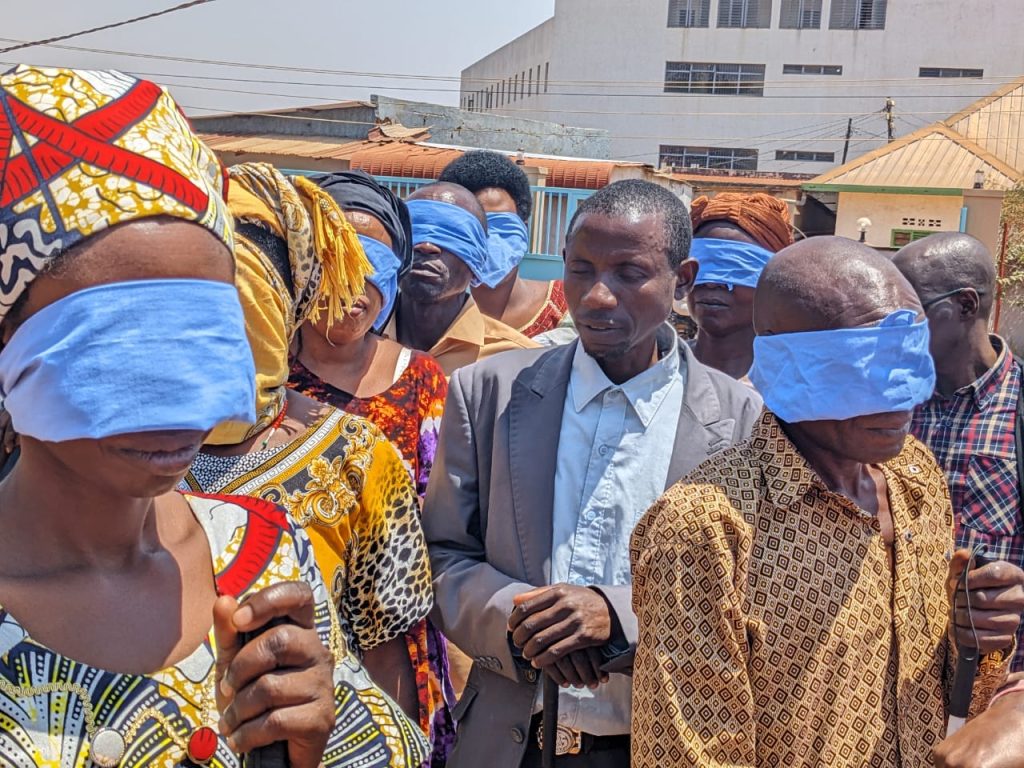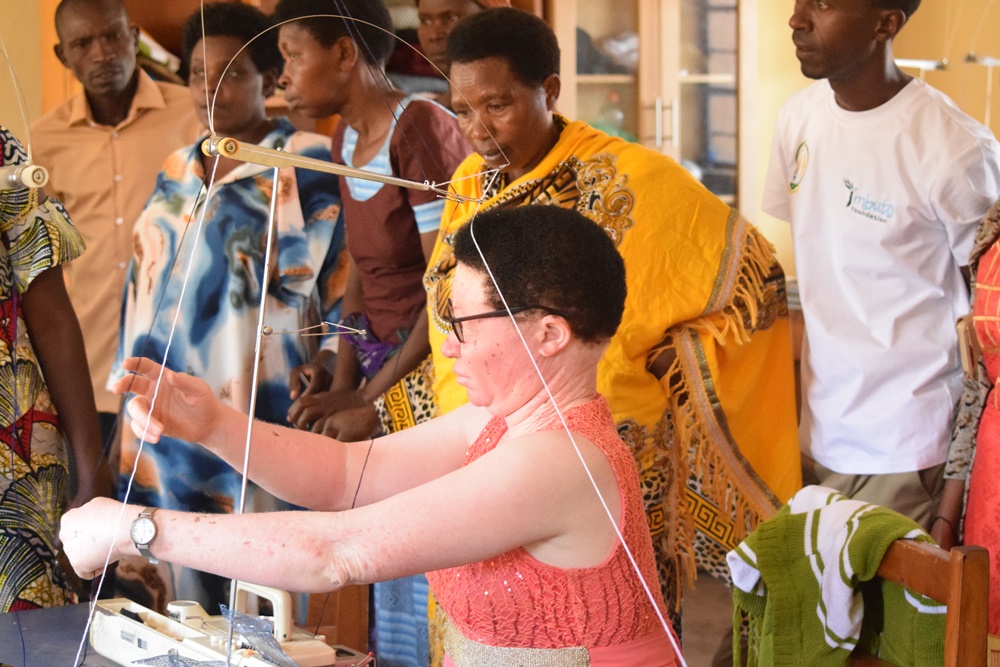
SUBSCRIBE TO OUR NEWSLETTER
First name or full name
Email
By continuing, you accept the privacy policy
**Categories:** NEWS
---
### [China’s Zero-Tariff Policy Delivers Early Gains for African Exporters](https://www.topafricanews.com/2026/08/15/chinas-zero-tariff-policy-delivers-early-gains-for-african-exporters/)
**Published:** August 15, 2026
**Author:** TOPAFRICANEWS
**Content:**
**China’s Zero-Tariff Policy Delivers Early Gains for African Exporters**
**Nairobi / Beijing – August 15, 2026**-Three and a half months after China fully implemented zero-tariff treatment for imports from 53 African countries, African exporters are reporting stronger sales, new market access, and early steps toward higher-value processing, according to customs data and industry accounts.
On May 1, 2026, Beijing removed all tariffs on products from the 53 African nations with which it maintains diplomatic relations. The measure expanded earlier preferential treatment that had applied mainly to least-developed countries. Eswatini, which recognizes Taiwan, was excluded.
Chinese customs figures show the policy’s immediate impact. In May and June alone, China’s imports from Africa reached 193.8 billion yuan (approximately $28.7 billion), a 23.5 percent year-on-year increase. Fresh produce led the surge: avocado imports rose 130 percent, apples 89.6 percent, and oranges 27.9 percent.
The first shipment under the new rules—24 tonnes of South African apples—cleared customs at Shenzhen Bay Port just after midnight on May 1. Since then, Kenyan avocados and avocado oil, South African wine, Zimbabwean blueberries, Rwandan dried and pickled chili, and Ethiopian roasted coffee have appeared more frequently on Chinese supermarket shelves and in processing plants.
In Kenya’s Athi River Export Processing Zone, a Chinese-invested avocado oil facility is running continuous production lines to meet rising demand. Industry managers there and in Rwanda report new inquiries from Chinese buyers and a shift from raw commodity shipments toward semi-processed goods. Zimbabwean officials described the country’s first blueberry consignment to China in July as a milestone for its horticulture sector.
Bilateral trade overall strengthened in the first half of 2026, reaching 1.41 trillion yuan (about $209 billion). China’s exports of electromechanical and capital goods to Africa also rose sharply, supporting African infrastructure and manufacturing needs.
Beijing has framed the zero-tariff policy as a response to global protectionism and a concrete step in South-South cooperation. Chinese officials emphasize that the vast domestic market can absorb more African products while helping partner countries move up value chains. African Union Chairperson and Burundian President Évariste Ndayishimiye has called the arrangement a model of mutual benefit that can raise incomes, create jobs, and keep more processing on the continent.
The policy is also accelerating the use of the Chinese yuan in bilateral settlements. African banks have linked to China’s Cross-Border Interbank Payment System, and some governments have converted portions of Chinese loans into yuan to lower interest costs.
Analysts note that lasting success will depend on whether African producers can meet Chinese quality, packaging, and certification standards and whether Chinese investment continues to support local processing capacity. Early evidence suggests the tariff removal has already lowered a major barrier and opened new commercial pathways.
As the second half of 2026 unfolds, exporters across East and Southern Africa are expanding production and exploring further product lines, betting that predictable, duty-free access to the world’s second-largest consumer market will remain a durable advantage.

SUBSCRIBE TO OUR NEWSLETTER
First name or full name
Email
By continuing, you accept the privacy policy
**Categories:** Business and Trade, NEWS
---
### [SADC Summit in Durban Focuses on Industrialisation, Food Security and Regional Integration](https://www.topafricanews.com/2026/08/15/sadc-summit-in-durban-focuses-on-industrialisation-food-security-and-regional-integration/)
**Published:** August 15, 2026
**Author:** TOPAFRICANEWS
**Content:**
***SADC Summit in Durban Focuses on Industrialisation, Food Security and Regional Integration***
**Durban, South Africa – 15 August 2026**: Southern African leaders are gathering in Durban this weekend for the 46th Ordinary Summit of the Southern African Development Community (SADC) Heads of State and Government, as the 16-member bloc confronts persistent challenges of food insecurity, high unemployment, and the need for deeper economic integration.
The summit, scheduled primarily for 17 August at the Inkosi Albert Luthuli International Convention Centre (also referred to as the Durban International Conference Centre), is being hosted and chaired by South African President Cyril Ramaphosa. South Africa is formally assuming the SADC Chairpersonship for the 2026/27 term, following an interim period linked to developments in Madagascar.
The gathering is themed “Resilient, sustainable and inclusive industrialisation through Infrastructure Development, Agricultural and Critical Minerals Transformation in Pursuit of a Just World.” It aims to advance the priorities of the SADC Regional Indicative Strategic Development Plan (RISDP) 2020–2030 and Vision 2050.
#### Calls for a Homegrown Industrial Revolution
On Friday, 14 August, President Ramaphosa delivered a public lecture at the University of KwaZulu-Natal’s Westville Campus, framing the regional agenda. He urged member states to harness the region’s abundant mineral, agricultural, energy, and human resources to drive their own industrial revolution and reduce dependence on external markets.
“We supply an industrial revolution taking place somewhere else, and we then purchase its products at a price set by others,” Ramaphosa said, highlighting the need to process critical minerals locally rather than exporting raw materials and importing finished goods. He identified opportunities in pharmaceuticals, automotive manufacturing, agro-processing, and related value chains, while calling for the removal of remaining trade barriers to build a stronger regional market.
Ramaphosa also stressed investment in infrastructure—refining, electricity, water, roads, railways, and ports—and the operationalisation of the SADC Regional Development Fund. He described the region’s young and growing population as its greatest strategic asset, calling for greater investment in youth, women, health, and social development to turn demographic potential into a dividend.
#### Food Security and Socio-Economic Pressures
Parallel discussions at the SADC Council of Ministers meeting (12–14 August), chaired by South Africa’s Minister of International Relations and Cooperation Ronald Lamola, underscored urgent social challenges.
Lamola commended Tanzania, Zambia, Zimbabwe, and Namibia for progress in tackling hunger. However, he noted that approximately 58 million people across the SADC region still face uncertainty about their next meal. Unemployment remains above 30% in six member states, with particular impacts on women and young people.
“Regional integration must ultimately deliver meaningful improvements in the lives of our citizens,” Lamola said in closing remarks. He emphasised the need to accelerate efforts on hunger, unemployment, inequality, industrial and economic transformation, climate and disaster resilience, and empowerment of youth and women.
#### Broader Regional Agenda
The summit programme includes meetings of the Organ Troika on Politics, Defence and Security Cooperation (15–16 August), which are expected to address peace and security matters, including situations in Madagascar and developments around Zambia’s elections (Zambia is the incoming chair). Other focus areas include the state of the regional economy, climate resilience, disaster preparedness, strengthening the SADC Humanitarian and Emergency Operations Centre, and advancing free movement discussions amid ongoing migration tensions in the region.
Preparatory meetings of senior officials and the Council of Ministers have already deliberated on these issues, with leaders expected to review progress on previous commitments and set priorities for the year ahead.
As Heads of State and Government arrive for the main sessions, the summit is seen as a critical opportunity to translate Vision 2050 from aspiration into concrete action on industrialisation, infrastructure, and inclusive growth for the more than 400 million people of Southern Africa. Outcomes are expected to be detailed in a communiqué following the close of proceedings.

SUBSCRIBE TO OUR NEWSLETTER
First name or full name
Email
By continuing, you accept the privacy policy
**Categories:** NEWS
---
### [Zambia Vote Counting Resumes After Brief Suspension Over Violence](https://www.topafricanews.com/2026/08/15/zambia-vote-counting-resumes-after-brief-suspension-over-violence/)
**Published:** August 15, 2026
**Author:** EDITOR
**Content:**
***Zambia Vote Counting Resumes After Brief Suspension Over Violence***
Zambians are awaiting further official tallies in the general elections held on Thursday as vote counting continued early Saturday following a temporary nationwide suspension the previous day. The Electoral Commission of Zambia resumed the process after reporting that security threats involving attacks on polling officials and the theft of some marked ballot papers had been contained, with heightened security including riot police and soldiers deployed around key sites in Lusaka.
President Hakainde Hichilema, seeking a second five-year term, holds an early lead in the limited results released so far from a handful of the country’s 226 constituencies. Initial figures from roughly two percent of constituencies showed him securing around 70 percent of valid votes counted against about 30 percent for main challenger Brian Mundubile, though officials cautioned that these early returns are not nationally representative and tend to cluster geographically. Full presidential, parliamentary and local results are still expected by Monday.
The elections tested Hichilema’s economic record after he steered Zambia through debt restructuring and stabilization following a 2020 default. Voters also faced persistent high living costs and unemployment, issues that featured heavily in the campaign. Fourteen candidates appeared on the presidential ballot, but the race centered on Hichilema of the UPND Alliance and Mundubile of the opposition Tonse-Pamodzi alliance. A candidate requires more than 50 percent of the vote to win outright and avoid a runoff.
Mundubile claimed victory on Friday based on parallel tabulations from polling stations, while Hichilema described the results reaching his camp as encouraging and called on citizens to remain peaceful and patient. The commission has urged all candidates to refrain from declaring themselves winners ahead of official announcements. About 8.8 million people were registered to vote across more than 13,500 polling stations, with voters also choosing members of parliament under a mixed electoral system and local representatives.
Security remained elevated around tallying centers as counting proceeded, with no major unrest reported after the brief interruption. The outcome will determine whether Hichilema secures another term or whether the opposition can force a change in Africa’s second-largest copper producer.

SUBSCRIBE TO OUR NEWSLETTER
First name or full name
Email
By continuing, you accept the privacy policy
**Categories:** NEWS
---
### [Rwanda and Armenia Open New Chapter of Political Cooperation](https://www.topafricanews.com/2026/08/14/rwanda-and-armenia-open-new-chapter-of-political-cooperation/)
**Published:** August 14, 2026
**Author:** LIBOS NDAYISHIMIYE
**Content:**
Rwanda and Armenia Open New Chapter of Political Cooperation
Rwanda and Armenia have opened a new chapter in their bilateral relations by launching political consultations aimed at deepening cooperation and strengthening ties between the two countries.
The inaugural discussions, held on Friday, brought together Grace Nyinawumuntu, Director in charge of Europe, America and International Organizations at Rwanda’s Ministry of Foreign Affairs and International Cooperation, and Levon Petrosyan, who oversees relations with the Middle East and Africa at Armenia’s Ministry of Foreign Affairs.
The high-level engagement provided an important platform for both sides to take stock of the current state of their cooperation and identify areas where greater efforts could be directed to further consolidate bilateral relations.
During the consultations, Rwanda and Armenia reviewed existing areas of collaboration while exploring opportunities to expand their partnership in the political and diplomatic spheres. The discussions underscored the importance of sustained dialogue as a foundation for building stronger relations and creating new avenues for cooperation.
The launch of the political consultations marks a significant step in efforts by the two countries to enhance mutual understanding and establish a stronger framework for engagement. Regular consultations between diplomatic authorities can also provide opportunities to exchange perspectives on regional and international issues of common interest.
For Rwanda, strengthening engagement with Armenia forms part of its broader approach to expanding diplomatic partnerships beyond traditional areas of cooperation and creating stronger links with countries across different regions.
For Armenia, deeper engagement with Rwanda offers an opportunity to reinforce its presence and cooperation in Africa while building on diplomatic relations with one of the continent’s increasingly active partners.
The two sides agreed to continue working together to strengthen their cooperation and identify additional areas of mutual interest. The consultations therefore represent not only an assessment of existing relations but also a forward-looking effort to build a more dynamic and comprehensive partnership.

SUBSCRIBE TO OUR NEWSLETTER
First name or full name
Email
By continuing, you accept the privacy policy
**Categories:** NEWS
---
### [Rwanda’s Grey Crowned Crane Population Rises to 1,438 After a Decade of Conservation](https://www.topafricanews.com/2026/08/14/rwandas-grey-crowned-crane-population-rises-to-1438-after-a-decade-of-conservation/)
**Published:** August 14, 2026
**Author:** Mutangana Emmanuel
**Content:**
Rwanda’s population of Grey Crowned Cranes has risen to 1,438, marking a major recovery for one of the country’s most threatened bird species after a decade of sustained conservation efforts.
The figure was released on Friday, August 14, 2026, by the Rwanda Wildlife Conservation Association (RWCA) following the 10th consecutive national census of Grey Crowned Cranes.
The latest count represents a sharp increase from the fewer than 300 cranes estimated to be living in the wild in Rwanda when RWCA began its conservation programme in 2015.
The first nationwide census, conducted in 2017, recorded 487 cranes, providing the country with its first scientifically verified population baseline. Since then, annual censuses have enabled conservationists to track population changes and identify important breeding and feeding areas as well as emerging threats.
“This milestone belongs to the people who made it possible,” said Dr. Deo Ruhagazi, Deputy CEO of RWCA, crediting Community Conservation Champions, Community Rangers and communities for collecting information and helping protect the birds.
“Rwanda’s crane population came back because Rwandans brought them back,” he said.
**From endangered birds to protected habitats**
The recovery has involved more than rescuing individual cranes.
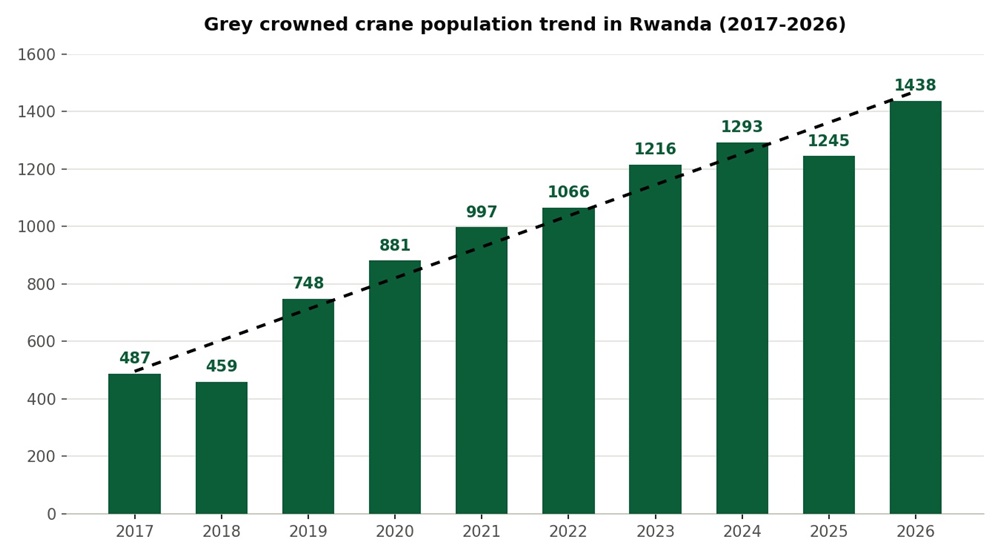When conservation efforts began, Grey Crowned Cranes faced threats including illegal capture for the pet trade, captivity in private gardens and hotels, and widespread degradation of wetlands.
Working with the Government of Rwanda, RWCA launched a nationwide campaign to register captive cranes, rescue those being illegally kept, rehabilitate them and return many to the wild.
But conservationists say the survival of the species ultimately depends on protecting the habitats on which the cranes rely.
Grey Crowned Cranes use wetlands and surrounding landscapes for breeding and feeding and move between different habitats throughout the year. As monitoring improved, conservationists found that maintaining a connected network of safe and healthy wetlands was essential to sustaining the population.
RWCA has therefore combined wetland restoration and protection with scientific monitoring, conservation education, community engagement and efforts to address threats.
Its network of Community Conservation Champions and Community Rangers monitors breeding sites, reports threats, helps deter illegal activities and works with communities to protect important wetland habitats.
**Rugezi Marsh records major recovery**
One of the clearest examples of the recovery is Rugezi Marsh, one of Rwanda’s important wetland habitats.
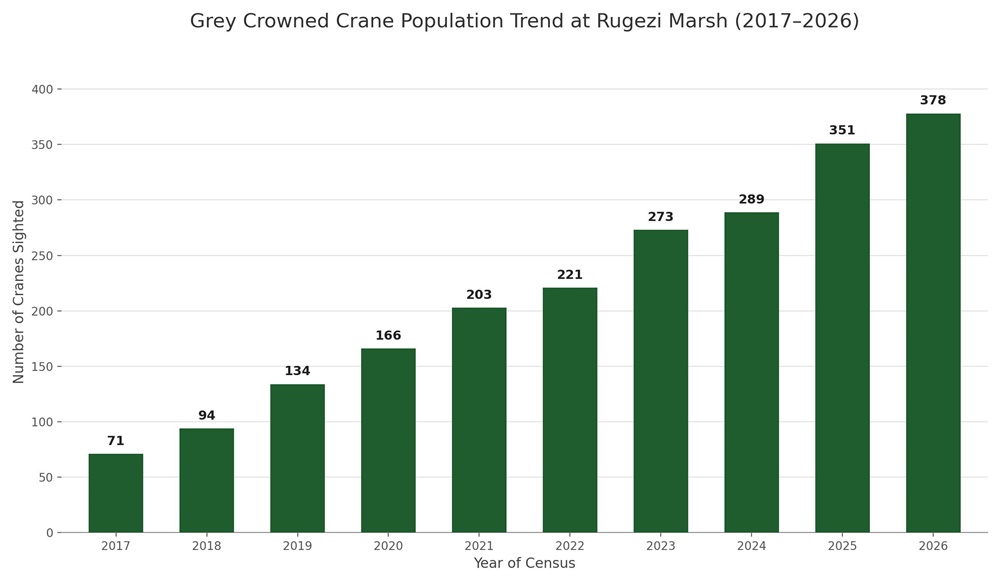The number of Grey Crowned Cranes recorded there has increased from 71 in 2017 to 378 in 2026. The latest figure means Rugezi Marsh now supports more than one-quarter of Rwanda’s entire Grey Crowned Crane population.
The growth has occurred alongside continued efforts to restore and protect the marsh and work with neighbouring communities.
RWCA currently has 75 Community Rangers patrolling Rugezi Marsh daily. Their responsibilities include monitoring cranes and breeding sites, reporting illegal activities, supporting habitat restoration and working with communities to ease pressure on the wetland.
The organization says the experience demonstrates the connection between habitat protection and wildlife recovery: when wetlands are protected and communities are involved in conservation, threatened species can recover.
**Cranes cross borders, requiring regional cooperation**
The latest conservation work has also highlighted the importance of cooperation beyond Rwanda.
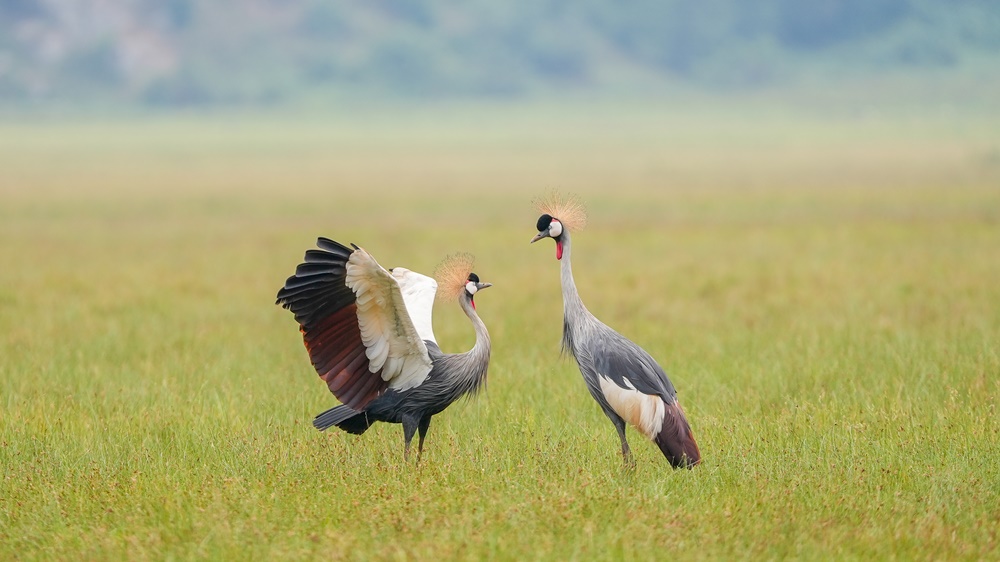GPS tracking of tagged Grey Crowned Cranes has shown that some birds regularly cross Rwanda’s borders into Uganda and Tanzania. This has prompted conservation organizations in the region to coordinate their efforts.
In 2022, RWCA launched a transboundary Grey Crowned Crane conservation initiative with Nature Uganda, Nature Tanzania and the International Crane Foundation. The Association Burundaise pour la Protection de la Nature joined the initiative in 2025.
Partner organizations across the four countries now conduct coordinated crane censuses to build a shared understanding of crane populations and movements and strengthen regional conservation planning.
**Recovery does not mean the threat is over**
Despite the strong population growth, Grey Crowned Cranes remain classified as Endangered on the IUCN Red List.
Wetland degradation, agricultural expansion, disturbance of breeding sites, illegal captivity and increasing human-wildlife conflict continue to threaten the species and its habitats.
RWCA says the latest census demonstrates that sustained conservation can produce results, but maintaining the recovery will require continued investment in wetland protection, community conservation, scientific monitoring and regional cooperation.
The annual census has been conducted during the dry season since 2017, when cranes are easier to observe. Teams survey wetlands, agricultural landscapes and other known crane habitats using ground surveys and GPS-enabled digital data collection, while aerial surveys complement observations in inaccessible areas such as Rugezi Marsh.
For Rwanda, the increase to 1,438 cranes represents a significant conservation milestone. But for conservationists, it also marks the beginning of another challenge: ensuring that the species continues to recover over the next decade.
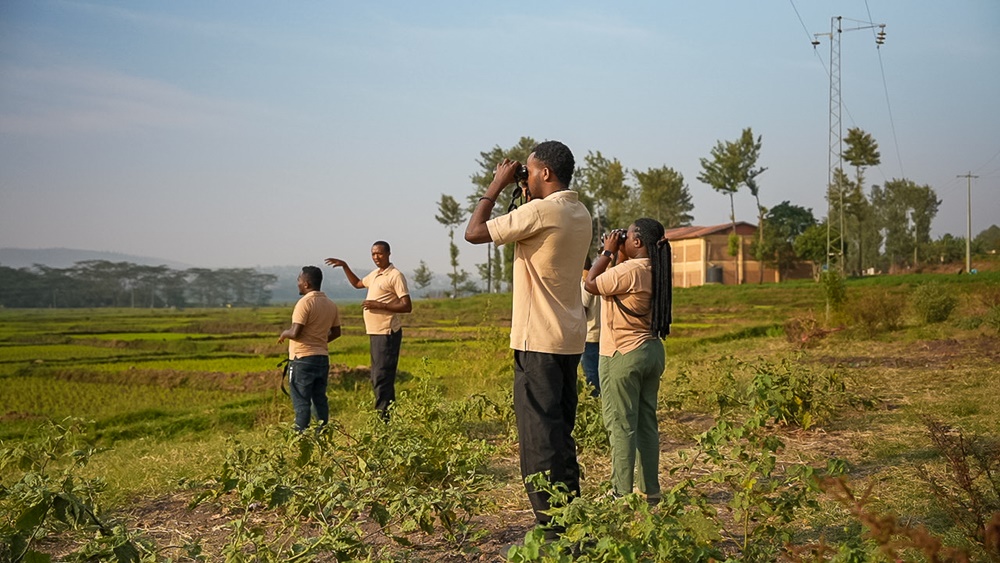***A team of RWCA staff counting Cranes.***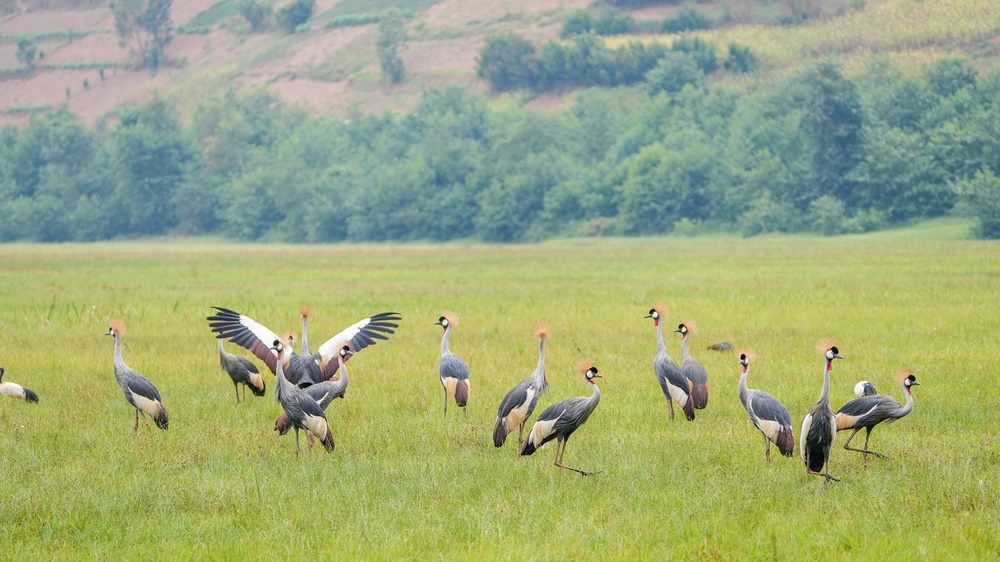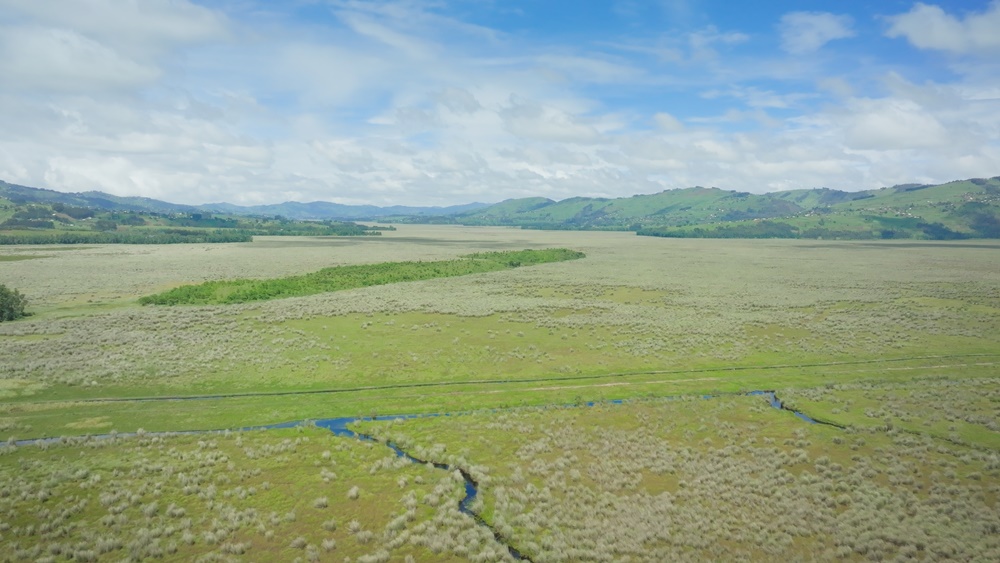***Rugezi Marsh now supports more than one-quarter of Rwanda’s entire Grey Crowned Crane population.***
SUBSCRIBE TO OUR NEWSLETTER
First name or full name
Email
By continuing, you accept the privacy policy
**Categories:** Environment
---
### [Ngaruyinka: Green City Kigali Project Moves Closer to Construction Phase](https://www.topafricanews.com/2026/08/14/ngaruyinka-green-city-kigali-project-moves-closer-to-construction-phase/)
**Published:** August 14, 2026
**Author:** TOPAFRICANEWS
**Content:**
**KIGALI —** For residents of Ngaruyinka in Kinyinya Sector, Gasabo District, who have spent years wondering when the promised transformation under the Green City Kigali initiative would become visible on the ground, a new procurement document signals that the project is moving closer to implementation.
The Rwanda Green Fund (RGF) has issued a **Request for Expression of Interest (REOI)** seeking a consulting firm to supervise construction works under the **Ngaruyinka Upgrade Project**. The planned works will include climate-resilient roads, stormwater management infrastructure and solar-powered street lighting.
The development is part of the wider **Green City Kigali** programme, for which the Government of Rwanda secured funding from the **Green Climate Fund (GCF)**. The project is designed to promote climate-resilient and low-emission urban development while improving sustainable urban services and strengthening climate-responsive planning.
#### Nearly 8 kilometres of roads planned
According to the tender documents, the planned construction package will cover approximately **8 kilometres of climate-resilient transport infrastructure**, alongside public-realm improvements, stormwater management infrastructure and Non-Motorized Transport facilities.
The project will also include the installation and commissioning of **solar street lighting and other outdoor solar lighting systems**. The construction phase is estimated to take **18 months**, followed by another 18-month Defects Liability Period.
For Ngaruyinka residents, the planned infrastructure could address some of the practical challenges associated with mobility, drainage and public safety while contributing to the transformation of the neighbourhood.
#### A project designed to tackle flooding and climate risks
The Ngaruyinka Upgrade Project goes beyond conventional road construction.
The project documents place strong emphasis on climate resilience, particularly measures designed to reduce exposure to **flooding and heat stress**. Stormwater infrastructure will incorporate climate-resilient approaches, including flood-mitigation measures and nature-based solutions where appropriate.
The project will also integrate environmental and climate considerations into construction, including monitoring greenhouse-gas emissions, promoting low-carbon construction practices and improving the efficiency of infrastructure systems.
#### Infrastructure designed for wider access
The planned development is also expected to pay attention to accessibility and inclusion.
The supervision requirements specifically call for infrastructure that responds to the needs of different users, including **women, children, young people, older persons and people with disabilities**.
The project will also require mechanisms through which local communities can raise concerns and participate in engagement processes during implementation.
#### Construction has not yet started
While the procurement represents an important step forward, the document does **not** indicate that construction has already begun or that a construction contractor has been selected.
The current procurement is for a **consultant to supervise the works**. The selected consultant will act as the Engineer on behalf of the procuring entity, overseeing construction, quality control, contract administration, environmental and social safeguards, testing and commissioning.
The procurement notice says interested firms must submit their expressions of interest through Rwanda’s e-procurement system, with the deadline and opening time indicated on the system.
#### What this means for Ngaruyinka residents
For residents who have been asking when the Green City Kigali vision would translate into visible infrastructure in their neighbourhood, the latest development provides a significant indication that the **Ngaruyinka Upgrade Project is progressing toward physical implementation**.
The planned package is substantial: roads, drainage and flood-management infrastructure, pedestrian and non-motorized transport facilities, public spaces and solar street lighting.
However, the next critical steps will be the selection of the supervision consultant, subsequent procurement and contracting for the construction works, and ultimately the mobilisation of contractors to the site.
The Ngaruyinka project is therefore entering a stage where residents will be watching closely to see when plans and procurement documents begin turning into **roads, drainage systems, lighting and other infrastructure on the ground**.
**TOP AFRICA NEWS will continue following the Ngaruyinka Upgrade Project and its impact on residents of Kinyinya.**

SUBSCRIBE TO OUR NEWSLETTER
First name or full name
Email
By continuing, you accept the privacy policy
**Categories:** CLIMATE CHANGE, Development Trends, Environment
---
### [From the Camp, For the Camp: Spotlighting UN Volunteers with UNICEF Youth on the Move](https://www.topafricanews.com/2026/08/15/from-the-camp-for-the-camp-spotlighting-un-volunteers-with-unicef-youth-on-the-move/)
**Published:** August 15, 2026
**Author:** TOPAFRICANEWS
**Content:**
Dadaab is a place defined by constant motion; people moving, waiting, arriving. Established in [1991](http://click.agilitypr.delivery/ls/click?upn=u001.5vlI2khRTI3-2BXIpv5EuTKqDSyUBHQyqFn0efNphRaQ2K-2FeVLWgjMDQXCpfXVdRQpQYWzHEnU9szc-2BnomWPUXlUkp72fsALLkZqJXrb2fOVY-3DYRC3_3xC-2BPcLP4N6Z-2B4jPWsHeMCJaOLhCBu9nRWPVy-2FCop-2Bav8-2BxMSQ5KO426AjhwhQ1oXF81baMI7PBbApV42tzQK0xjk-2FYh7R7ysjWrfuElZF3ruFRic4RI9SaYKdP18leS7t2WBCfDB9mbgBkLd-2F5AVdY-2FUZy-2FMknrx4qcYHpbnBCqFxJJxBq1PNULYElqCpLHgon1mvLDbf53KxwAuGVVGkhYf34DvTKbs70KAORzdnKW4PjZLkmeGMcYbB2UNE8cOTiEhaFoWXqSr0hfhC4BYIM2U7Ja7694X01pjlhUibJ-2BRe496rgCflmFFE07QLrRYITW7LAJEQJRss-2BjUezCh5wjuawPh5WJxHX0SRlAUUPs6mfus8KhPiSxd4c2R-2FuODNW6fyX6l4oYP4EfsAJ0Wl1Zi0aLG7k6sdDky5ZZJ65eT3PlTRalkytwTqjSMyyH3b1ehOVdr-2FoBbzghB5WR45eUas3FBxMWqg467-2F3Ltps-3D) for those fleeing civil war in Somalia, the [refugee complex](http://click.agilitypr.delivery/ls/click?upn=u001.5vlI2khRTI3-2BXIpv5EuTKtALcub2THk-2FoLcf1U626CL9Q9Y5mSh-2Bbfg68b-2F6TJqmIwwTOSCm6LA3HqF2dd2enGVwN07dryBWwtwo05ESaKY-3Du_tN_3xC-2BPcLP4N6Z-2B4jPWsHeMCJaOLhCBu9nRWPVy-2FCop-2Bav8-2BxMSQ5KO426AjhwhQ1oXF81baMI7PBbApV42tzQK0xjk-2FYh7R7ysjWrfuElZF3ruFRic4RI9SaYKdP18leS7t2WBCfDB9mbgBkLd-2F5AVdY-2FUZy-2FMknrx4qcYHpbnBCqFxJJxBq1PNULYElqCpLHgon1mvLDbf53KxwAuGVVGkhYf34DvTKbs70KAORzdnKW4PjZLkmeGMcYbB2UNE8cOTiEhaFoWXqSr0hfhC4BYIM2U7Ja7694X01pjlhUibJ-2BRe496rgCflmFFE07QLrRYITW7LAJEQJRss-2BjUezCh8MXvJeGuo9O24nAzDVlJK-2BVCbNhvKXat8jmZefBx6TJ-2F-2B85GTRFAWRsmpddzUSEx3lmLT0rKAVFpLCBoSuFX8iW-2F9WJdycqGUS0PLAw0zBdCHGDYXWR1-2BC4l2K-2BLOqdZT3vFsndo6L0zigZAhCrikQ-3D) has become home to hundreds of thousands of displaced people. For many families, it is the only place they can now call home.
As of 31 January 2025, Dadaab hosted [419,155 people across 80,081 households](http://click.agilitypr.delivery/ls/click?upn=u001.5vlI2khRTI3-2BXIpv5EuTKtALcub2THk-2FoLcf1U626CLokP5qTlSGhf5mHQfEQHS0XarNIUlIHz1GKeFUHkHi4O0gbT3meUoNZlsJSIfmcG3HpmpZ9znyqitc-2BtybClPC7NuXBy2Ng3OMTULwMyjA0A-3D-3DlI19_3xC-2BPcLP4N6Z-2B4jPWsHeMCJaOLhCBu9nRWPVy-2FCop-2Bav8-2BxMSQ5KO426AjhwhQ1oXF81baMI7PBbApV42tzQK0xjk-2FYh7R7ysjWrfuElZF3ruFRic4RI9SaYKdP18leS7t2WBCfDB9mbgBkLd-2F5AVdY-2FUZy-2FMknrx4qcYHpbnBCqFxJJxBq1PNULYElqCpLHgon1mvLDbf53KxwAuGVVGkhYf34DvTKbs70KAORzdnKW4PjZLkmeGMcYbB2UNE8cOTiEhaFoWXqSr0hfhC4BYIM2U7Ja7694X01pjlhUibJ-2BRe496rgCflmFFE07QLrRYITW7LAJEQJRss-2BjUezChzGJ8s6POYuABpRThQWAwlOt-2B6uuQYUvaOQHSjJ7tGLo1Et-2Fpl0vrHOSxLGiKFlUq6oCtLWy-2FmQrqySfftINwaPYN9hJ-2F-2BPInhHcONpbZYZRpopPki6fAekjCpy-2FWMoFJyI8R0oP-2FFc05JohH8-2BjpeQ-3D). Refugees made up 67 percent of the population, while asylum seekers made up 33 percent.
For many, Dadaab is where life begins again. For Faisal Mahamoud, it is also where a lifelong sense of purpose began to take shape.
Born and brought up in the camp, he remembers humanitarian workers visiting his primary school. Watching them interact with students and support the community sparked a quiet ambition. One day, he hoped, he would have the opportunity to serve his community in the same way.
Now that ambition is no longer a dream—it’s a reality.
***UN Volunteer Faisal Mahamoud with UNICEF Youth on the Move***
## **From ambition to opportunity**
The children Faisal supports today could easily have been him a decade ago. Working across education, youth development and child protection programmes in Dadaab, he helps young people turn ambition into opportunity, just as others once did for him. His volunteer assignment includes working with local partners to support early childhood education, psychosocial and mental health, child protection, flexible learning opportunities for out-of-school children and youth, and developing skills of young people.
Among the experiences that have marked his journey, one stands out. Through [TAKE 5,](http://click.agilitypr.delivery/ls/click?upn=u001.5vlI2khRTI3-2BXIpv5EuTKgtxZ-2B-2ByFO747m4eLH6aBRQ-3DkU-N_3xC-2BPcLP4N6Z-2B4jPWsHeMCJaOLhCBu9nRWPVy-2FCop-2Bav8-2BxMSQ5KO426AjhwhQ1oXF81baMI7PBbApV42tzQK0xjk-2FYh7R7ysjWrfuElZF3ruFRic4RI9SaYKdP18leS7t2WBCfDB9mbgBkLd-2F5AVdY-2FUZy-2FMknrx4qcYHpbnBCqFxJJxBq1PNULYElqCpLHgon1mvLDbf53KxwAuGVVGkhYf34DvTKbs70KAORzdnKW4PjZLkmeGMcYbB2UNE8cOTiEhaFoWXqSr0hfhC4BYIM2U7Ja7694X01pjlhUibJ-2BRe496rgCflmFFE07QLrRYITW7LAJEQJRss-2BjUezCh-2BO0MzKGPIq-2FGe-2FtYuix-2BaanwOiPW2az9cTDQIgg2UItrIv-2BAlYvc11EUYoNuArkC2nhyM3CQlJTBzozYWSHL-2FNGMIXp2mZX6N97HCfyIxeJHMa-2FJ-2B7119v4IJ-2FS-2B61oR-2B59Lg686sy7NRnZ-2FbZtdP4-3D) Faisal supported the training of coaches, a global initiative that helps communities respond to mental health needs in humanitarian settings. Built on an initiative led by communities, the training has reached teachers, health care providers and child protection volunteers, who carry those skills back into the schools, health facilities and community spaces where they already work.
## **The camp’s greatest resource**
> *“When we follow up, the results are beyond what we expected,” Faisal says. “The people we trained are now helping others in their own communities.”*
Every time a young person from Dadaab steps forward to support others, Faisal sees proof that the camp’s greatest resource is its people.
For Faisal, volunteerism is not only about contributing his time and skills. It is about giving back while continuing to grow alongside the people he serves.
> *“Volunteerism means giving back to the community. It is a way of serving people while learning skills that help you grow personally and professionally.”*
Growing up in Dadaab taught Faisal a lesson he now passes on to every young person he meets: circumstances are not destiny.
Having overcome the same obstacles many face today, he stands as proof that talent, determination and opportunity can take you further than anyone expects.
> *“If I made it, then everyone else can make it.”*
He encourages young people to make the most of every opportunity available to them, particularly education, and to recognise that refugee status is one part of their story, not the limit of their future.
## **Youth Day 2026**
As we mark [International Youth Day 2026](http://click.agilitypr.delivery/ls/click?upn=u001.5vlI2khRTI3-2BXIpv5EuTKuW2Vn1y0vn-2FWv6Wsa-2B9G4TVlGvwM2bfVSWH-2FmcCl9G39uKeU2s5T2yk6s9CkeL2EQ-3D-3Ddp0m_3xC-2BPcLP4N6Z-2B4jPWsHeMCJaOLhCBu9nRWPVy-2FCop-2Bav8-2BxMSQ5KO426AjhwhQ1oXF81baMI7PBbApV42tzQK0xjk-2FYh7R7ysjWrfuElZF3ruFRic4RI9SaYKdP18leS7t2WBCfDB9mbgBkLd-2F5AVdY-2FUZy-2FMknrx4qcYHpbnBCqFxJJxBq1PNULYElqCpLHgon1mvLDbf53KxwAuGVVGkhYf34DvTKbs70KAORzdnKW4PjZLkmeGMcYbB2UNE8cOTiEhaFoWXqSr0hfhC4BYIM2U7Ja7694X01pjlhUibJ-2BRe496rgCflmFFE07QLrRYITW7LAJEQJRss-2BjUezCh6IgmyO0dXlPDtjVnOFgjoPjNJNx1tgPYeFPGYc6RCP0oz3VhUTDYMtYzUxRyGDYuWzejZDluioqcLcqrfKXCviwFOyawa-2BD0Rm8MXuYVr0hnHHl9leQ4LWhrUxlDu584SxzTvaj0WLVmvCnsQ-2FplyI-3D) under the theme *Different Contexts, Common Aspirations*, Faisal’s story is a reminder that young people may grow up in very different circumstances. Still, they share the same dreams: opportunity, dignity and the chance to write their own future.
The world too often sees refugee camps only through the lens of need. Faisal’s story tells us something different: they are also places of talent, ambition and leadership. From a child in Dadaab to a role model serving his community, he shows what becomes possible when determination is met with opportunity—in his words to young people: “*If I can make it, you can too*.”

SUBSCRIBE TO OUR NEWSLETTER
First name or full name
Email
By continuing, you accept the privacy policy
**Categories:** NEWS
---
### [Rwanda’s Alcohol Crackdown: Opposition Critiques Miss the Point and Sideline Citizens’ Safety](https://www.topafricanews.com/2026/08/14/rwandas-alcohol-crackdown-opposition-critiques-miss-the-point-and-sideline-citizens-safety/)
**Published:** August 14, 2026
**Author:** TOPAFRICANEWS
**Content:**
**KIGALI —** As Rwanda intensifies a nationwide campaign against illicit and substandard alcohol that has already claimed dozens of lives and left more than a hundred people with permanent vision loss, certain opposition voices have responded not with solutions but with familiar accusations of “brutality,” “governance failure,” and “political scandal.”
Their statements, however, reveal more about a pattern of reflexive obstruction than genuine concern for ordinary Rwandans.
Rwanda FDA data and Health Ministry figures show a clear public-health emergency: at least 50 deaths and over 100 cases of blindness or severe illness linked to toxic, often methanol-laced drinks in the first half of 2026 alone. Hundreds more have required hospital treatment. In response, authorities have closed more than 100–140 production sites, revoked licences, recalled products, destroyed seized stock, and arrested dozens of producers and distributors. The measures target both industrial-scale illicit operations and unsafe artisanal production that has long operated outside proper standards.
Opposition groups such as FDU-Inkingi have condemned the closures as “sudden and brutal,” labelled them a multi-faceted “scandal,” and demanded immediate suspension of the campaign, publication of regulatory texts, and open dialogue. Other critics have claimed the actions stem from “succession battles” or pure politics rather than health concerns, while questioning the absence of detailed public inspection reports.
These critiques suffer from a striking lack of clarity. They offer almost no concrete alternative for protecting citizens from poisonous alcohol. They rarely acknowledge the documented death toll or the scale of methanol contamination. Instead, they recycle broad allegations of arbitrariness and repression without explaining how continued production of lethal drinks would serve the public interest. Demands for “dialogue” and “suspension” effectively prioritise the commercial interests of non-compliant producers over the lives of consumers—many of them low-income Rwandans who buy the cheapest available spirits.
This approach fits a recurring pattern. Whenever Rwanda takes decisive action to address a concrete threat—whether public health, security, or economic order—sections of the opposition reach for pretexts that cast the government as the problem. The language of “intimidation,” “destruction,” and “failure of governance” is deployed not to improve regulation but to divert attention from the real danger and to question the country’s overall direction.
Ordinary citizens who have lost relatives to toxic alcohol, or who have watched neighbours go blind after drinking adulterated gin or banana-based spirits, are left with little from these statements beyond political point-scoring. The opposition’s framing treats legitimate enforcement as inherently suspect while offering no roadmap for safer production, better labelling, or effective monitoring that would actually protect consumers.
Public-health crises demand clarity, proportionality, and results—not rhetorical fog. Rwanda’s authorities have a responsibility to enforce standards and remove dangerous products from the market. Critics have a responsibility to engage with the evidence rather than weaponising every enforcement action as proof of systemic failure.
Until opposition voices can articulate how continuing the production and sale of toxic alcohol serves Rwandan citizens better than decisive regulation, their complaints will continue to look less like constructive accountability and more like attempts to undermine national efforts and distract the public from the lives already lost.

SUBSCRIBE TO OUR NEWSLETTER
First name or full name
Email
By continuing, you accept the privacy policy
**Categories:** EDITORIAL, HEALTH
---
### [Nigeria must lead Africa in leaving the International Criminal Court](https://www.topafricanews.com/2026/08/15/nigeria-must-lead-africa-in-leaving-the-international-criminal-court/)
**Published:** August 15, 2026
**Author:** EDITOR
**Content:**
**By *Dr David Hoile***
It is time for Nigeria to lead the way for Africa and call time on the International Criminal Court (ICC), and the 1998 Rome Statute that brought it into being. Twenty-five years into its existence, it is all too clear that the ICC is dangerously unfit for purpose. The institution many African countries enthusiastically signed up for in Rome, a Court that promised to pursue injustice without fear or favour, is not the one they see before them today. Nigeria and the rest of Africa were sold a false bill of goods. The ICC’s claims to international jurisdiction and judicial independence are institutionally flawed and the Court’s reputation has been irretrievably damaged by its racism, blatant double-standards, hypocrisy, corruption, serious judicial irregularities and sex scandals within the court itself.
While the ICC presents itself as the world’s court this is simply not the case. Its members represent just over one quarter of the world’s population: China, Russia, the United States, India, Pakistan and Indonesia are just some of the many countries that have remained outside of the Court’s jurisdiction.
As any lawyer will tell you, a court is also only as credible as its independence. Far from being an independent and impartial court, the ICC’s own statute grants special “prosecutorial” rights of referral and deferral to the Security Council – by default its five permanent members (three of which are not even ICC members). Political interference in the legal process was thus made part of the Court’s founding terms of reference. The Court is also inextricably tied to the European Union (EU) which provides up to two-thirds of its funding. The expression “He who pays the piper calls the tune” could not be more appropriate. The fact that the big five ICC funders are Africa’s former colonial masters also sits uneasily with a continent that quite rightly remains suspicious of recolonisation by questionable legal diktat. The EU is additionally guilty of outrageous political and economic blackmail in tying aid and trade deals for developing countries to ICC membership.
Observers are also correct when they point out that the ICC is self-evidently a racist court, in that it treats one race of people differently to all others. Instead of impartially enforcing the Rome Statute, the Europeans have chosen to focus the Court almost exclusively on Africa.
For the first two decades of its existence, from 2002 until 2022, the Court had only ever indicted black Africans. Every single person convicted to date by the ICC has been African. In so doing the ICC has ignored all alleged European or Western human rights abuses in conflicts such as those in Afghanistan and Iraq or human rights abuses by Western client states. African heads of state and ministers have quite correctly spoken of the ICC’s “race hunting” and the “International Caucasian Court”. And while the ICC’s key first two cases are often presented by ICC apologists as African “self-referrals” it is now clear that the African governments were made “an offer they could not refuse” by the Court: refer yourself and we will only indict your rebels – if not we will indict both government and rebels.
The ICC’s hypocrisy is all too evident. The Court has emerged very much as a European-funded and directed instrument of European foreign policy. The Court has been content to provide “indictments” as legal cover for European – and particularly French – intervention in Africa. Four of Nigeria’s neighbouring countries, Mali, Burkina Faso, Niger and Chad have had enough and left the ICC in the past year, citing racism and the Court’s neo-colonial agenda.
Double standards, dubious funding, weaponisation and politics aside, the ICC has shown itself to be irretrievably judicially dysfunctional. The Court’s proceedings thus far have often been questionable where not simply farcical. Legal bloggers have referred to them as “slapstick comedy”. Its judges – some of whom have never been lawyers, let alone judges – are the result of corrupt vote-trading amongst member states. Far from securing the best legal minds in the world this produces mediocrity. At least one elected “judge” had neither law degree nor legal experience but her country had contributed handsomely to the ICC budget. The Court has produced witnesses who recanted their testimony the moment they got into the witness box, admitting that they were coached by Western-funded non-governmental organisations as to what false statements to make. Dozens of other “witnesses” have similarly disavowed their “evidence”. The ICC prosecutor also had to admit that its own star witness in its then case against Kenyan Vice-President Ruto was “a thoroughly unreliable and incredible” witness.
And then there has also been the ICC Chief Prosecutor who was not only seemingly unaware of the legal concept of presumption of innocence but also threatened to criminalise third-parties who might argue a presumption of innocence on the part of those indicted – and as yet unconvicted – by the Court. A clearer case of *Alice in Wonderland* justice, along the lines of “sentence first, verdict afterwards”, is difficult to find. There has been equally outrageous prosecutorial misconduct, not least of which hiding exculpatory evidence, which should have ended (but did not) any fair trial because they would have compromised the integrity of any legal process. The ICC’s first trial proceeded erratically because of crass prosecutorial misbehaviour and judicial decisions to add new charges half-way through proceedings, a move that was subsequently overturned. Simply put, the Court and the prosecutor have been repeatedly caught making things up as they go along. Little wonder then that four past presidents of the Assembly of States Parties, the ICC’s governing body, have publicly declared the Court is broken and needs “fixing”.
The ICC claims to be “economical” and yet it has consumed more two and a half billion Euros to secure 13 often debatable convictions in its increasingly questionable existence, that is to say $200 million per conviction! The Court promised to bring “swift justice”. The reality has been protracted injustice: The former Democratic Republic of Congo Vice-President Jean-Pierre Bemba was held in custody for ten years before being acquitted. Former President Laurent Gbagbo was detained by the Court for seven years before being freed because the prosecution’s case was so abysmal. The ICC claims to be victim-centred yet Human Rights Watch has publicly criticised the ICC’s ambivalence towards victim communities. The ICC claims to be fighting impunity, yet it has granted both *de jure* and *de facto* immunity to the United States and afforded *de facto* immunity and impunity to NATO member states and several serial abusers of human rights who happen to be friends of the European Union and United States.
Far from bringing peace to Africa, the ICC’s double-standards and autistic legal blundering has derailed delicate peace processes across the continent – thereby prolonging devastating civil wars. The court is responsible for the death, injury and displacement of many thousands of Africans. The ICC’s involvement in Uganda, for example, destroyed peace talks in that country, intensifying the conflict which then spread into three neighbouring countries.
The reality is that the ICC is an inept, corrupt, political court that does not have Africa’s welfare at heart, only the furtherance of Western, and especially European, foreign policy and its own bureaucratic imperative – to exist, to employ more Europeans and where possible to continue to increase its budget – all at the expense of African lives. The United States has forcefully pointed out that the ICC is a kangaroo court, a travesty of justice open to political influence and that no American citizen will ever come before it. Neither should any African.
Nigeria must lead the continent in withdrawing consent from this travesty of justice.
*Dr David Hoile is the author of Justice Denied: The Reality of the International Criminal Court, a 610-page study of the International Criminal Court published by the London-based Africa Research Centre.*

SUBSCRIBE TO OUR NEWSLETTER
First name or full name
Email
By continuing, you accept the privacy policy
**Categories:** NEWS
---
### [Great Lakes Contact Group Urges DRC to Act on FDLR Disarmament Protocol](https://www.topafricanews.com/2026/08/14/great-lakes-contact-group-urges-drc-to-act-on-fdlr-disarmament-protocol/)
**Published:** August 14, 2026
**Author:** TOPAFRICANEWS
**Content:**
**KIGALI, Rwanda** – Members of the **International Contact Group (ICG) for the Great Lakes region** have called on the Democratic Republic of Congo (DRC) to move quickly to implement a recently signed protocol on the **disarmament, demobilization and cantonment of the Democratic Forces for the Liberation of Rwanda (FDLR)**.
The call was made in a joint statement issued by the United States, Belgium, Canada, Denmark, the European Union, France, Germany, the Netherlands, Sweden, Switzerland and the United Kingdom. France currently chairs the ICG.
The group welcomed the announcement by the Congolese government on **28 July** that a faction of the FDLR had formally accepted and signed the disarmament, demobilization and cantonment protocol.
However, the ICG said the signing must now be followed by concrete action.
It urged the Congolese authorities to quickly develop an **operational plan and realistic timeline** for effectively neutralizing the FDLR, in line with commitments made under the Washington Agreements, the **Disengagement of Forces/Lifting of Defensive Measures of Rwanda (CONOPS)** of October 31, 2024, and the Washington Agreement of June 27, 2025.
#### **DRC Urged to Clarify Implementation**
The ICG stressed that implementation of the protocol by the Congolese government will be crucial to the credibility of the process.
It also called on the DRC to clarify how it intends to address **impunity**, as provided for in the protocol, and urged the government to work with **MONUSCO** as a key partner in implementing the agreement.
The group further warned against any arrangement that would involve cooperation between Congolese forces and FDLR elements.
According to the statement, any **colocation or operational collaboration with FDLR elements** would be inconsistent with commitments made under the Washington Accords.
At the same time, the ICG said it remains ready to welcome concrete steps by either the DRC or Rwanda in fulfilment of commitments made through the ongoing peace process.
#### **Call for Continued Peace Efforts**
The Contact Group called on all parties to the **Washington Accords and Doha Framework**, as well as participants in other mediation initiatives, including those led by the **African Union**, to continue working toward implementation of their commitments.
It also reminded all parties of their obligation to protect civilians, comply with **UN Security Council resolutions 2773 and 2808**, respect sovereignty and territorial integrity, and immediately work to de-escalate tensions in the region.
#### **Prisoner Exchange Welcomed**
The ICG also welcomed the prisoner exchange agreement between the DRC and the **AFC/M23** as an important confidence-building measure.
The group specifically commended the recent transfer, facilitated by the **International Committee of the Red Cross (ICRC)**, of individuals released by the Congolese authorities to AFC/M23.
The ICG described the transfer as a positive step toward reducing tensions and building trust between the parties to the conflict.
The group finally called on all parties to respect **international humanitarian law** and guarantee full, safe and unimpeded humanitarian access so that essential assistance can reach civilians affected by the conflict.
The statement comes as regional and international actors continue to push for implementation of the commitments reached through the Washington and Doha peace processes, with the protection of civilians and the neutralization of armed groups remaining central to efforts to restore lasting stability in the Great Lakes region.

SUBSCRIBE TO OUR NEWSLETTER
First name or full name
Email
By continuing, you accept the privacy policy
**Categories:** NEWS, SECURITY
---
### [South Africa's Crypto Draft Could Put Crypto Behind Everyday Remittances as SADC Payments Modernise](https://www.topafricanews.com/2026/08/14/south-africas-crypto-draft-could-put-crypto-behind-everyday-remittances-as-sadc-payments-modernise/)
**Published:** August 14, 2026
**Author:** EDITOR
**Content:**
*EBC Financial Group says South Africa’s proposed ZAR 5,000 transaction limit sits above the size of many ordinary regional remittances, while customers would not need to buy, hold or send crypto themselves.*
**CAPE TOWN, 13 August 2026 – EBC Financial Group (EBC)** says South Africa’s draft crypto rules could apply to the size of payments many people already send across the region. FinMark Trust found that most transfers in the largest formal remittance markets were between ZAR 500 and ZAR 1,899, while the draft sets a ZAR 5,000 maximum per transaction per day for certain person-to-person remittances.
For South African individuals using these authorised remittance services, crypto would not be the money they send. Under the proposal, they would pay the authorised provider in rand and would never own or take possession of the crypto asset. The provider could then use crypto to settle with a foreign payout partner. National Treasury and the South African Reserve Bank (SARB) published the draft Crypto Asset Manual for public comment on 3 August 2026.
**David Precious, Senior Market Analyst at EBC Financial Group**, said, “People are already sending much smaller amounts across the region, so the ZAR 5,000 ceiling could cover the kinds of payments that are already common in the remittance market. A sender could pay in rand, while the authorised provider deals with the crypto settlement in the background. The customer would not need to buy or manage crypto. What still needs to be seen is whether providers can turn that into a cheaper, faster or more reliable service.”
**Why the ZAR 5,000 Limit Stands Out**
Real-world remittance data put the proposed limit into context. FinMark Trust found that more than ZAR 4.5 billion was sent in transactions worth between ZAR 1,100 and ZAR 1,299 in 2024 alone. The draft would allow the relevant remittance products up to ZAR 5,000 per transaction per day and ZAR 25,000 per applicant per calendar month.
Not every transfer below ZAR 5,000 would qualify. The draft limits the service to specified remittance transactions between individuals and sets conditions on who can use it and where the money can go. Even so, comparing the two sets of data shows that the proposed ceiling sits well above the transaction sizes common across several of the region’s largest formal remittance markets.
Scale also explains why the proposal is relevant beyond the crypto industry. Formal remittance outflows from South Africa to other Southern African Development Community (SADC) countries grew from just under ZAR 6 billion and 4.8 million transactions in 2016 to more than ZAR 19 billion and 15.7 million transactions in 2024, according to FinMark Trust using SARB Balance of Payments data. The ZAR 19 billion figure describes the whole formal market and does not mean all of it would qualify for the proposed crypto settlement route.
**Kwanza Joins SADC-RTGS as South Africa Proposes a Separate Crypto Remittance Route**
South Africa’s proposal arrives as conventional regional payment infrastructure is also changing. On 27 July, SARB announced that the Angolan kwanza had become the second settlement currency in the SADC real-time gross settlement system (SADC-RTGS), after the system had used only South African rand for settlement since it began in 2013. SARB said the addition supports efforts to reduce costs, increase speed and improve efficiency in cross-border payments.
SADC-RTGS and the proposed crypto remittance route are separate. SADC-RTGS does not use crypto, while the draft Manual separately allows for crypto settlement between specially authorised providers and foreign payout partners for selected remittance transactions. Regional meetings provide an additional timing link. The SADC Council of Ministers is scheduled for 12 to 14 August, followed by the Heads of State and Government Summit in Durban on 17 August. SADC says the Summit will consider issues aimed at accelerating regional integration and development.
Geography places an important limit on the proposed service. The draft says authorised providers may not enter into crypto transactions with residents of Lesotho, Namibia or eSwatini, the other members of the Common Monetary Area alongside South Africa.
Lesotho makes that exclusion particularly relevant. FinMark Trust identifies Zimbabwe, Lesotho, Malawi and Mozambique as the four largest formal remittance destinations from South Africa, together accounting for nearly 90% of formal SADC remittances. This means the proposed crypto settlement route may exclude one of South Africa’s largest regional remittance destinations.
Precious added, “For someone sending money home, the technology in the background is not the main concern. People will look at what they pay, the exchange rate they get, how much reaches the other person and how long it takes. Crypto may give providers another way to settle these payments, but the benefit only becomes real if customers see an improvement in cost, speed or reliability.”

SUBSCRIBE TO OUR NEWSLETTER
First name or full name
Email
By continuing, you accept the privacy policy
**Categories:** Business and Trade, NEWS
---
### [Rwanda’s Reckoning with Toxic Alcohol: Accountability Reaches the Regulators](https://www.topafricanews.com/2026/08/13/rwandas-reckoning-with-toxic-alcohol-accountability-reaches-the-regulators/)
**Published:** August 13, 2026
**Author:** EDITOR
**Content:**
The arrest of Rwanda’s top food and drug regulator alongside nearly two dozen other officials marks a significant escalation in the country’s ongoing battle against toxic and illicit alcohol.
What began as a public health emergency involving cheap, dangerous brews has evolved into a broader examination of institutional failures, regulatory lapses, and the human cost of products that slipped through official safeguards.
Known locally as Ibyuma and similar unregulated drinks, these beverages have been linked to methanol contamination and other hazardous substances, resulting in deaths, permanent blindness, organ damage, and hundreds of hospitalizations across the country this year.
Authorities had already shuttered more than a hundred manufacturing facilities, withdrawn products from shelves, and detained producers and sellers.
The latest action by the Rwanda Investigation Bureau, targeting the director general of the Rwanda Food and Drugs Authority and officials from standards bodies and local government, signals that the investigation now reaches those responsible for licensing, inspection, and market oversight.
This development reflects a deliberate shift from addressing only the visible end of the supply chain—street vendors and small-scale manufacturers—to questioning how such products obtained formal approvals or escaped detection for so long.
Reports indicate some items carried official marks of quality despite lacking proper documentation, raising serious concerns about corruption, negligence, or systemic weaknesses in enforcement.
The human toll has been severe, particularly among younger consumers drawn to inexpensive options, turning what many viewed as a social or economic issue into a national tragedy that demanded stronger institutional responses.
Public conversation captures a complex mix of reactions that underscore both relief and lingering questions.
Many express strong support for the arrests, viewing them as evidence that no position is above accountability when lives are at stake and praising the government’s willingness to confront failures within its own ranks.
There is frequent emphasis on the importance of protecting citizens over protecting institutions, with some framing the crackdown as a model of decisive leadership on public safety.
At the same time, others push for the net to widen further, asking whether those who promoted or marketed the dangerous products, including certain online influencers, will face similar scrutiny.
A smaller current of skepticism appears, with some predicting that the intensity of the moment may eventually give way to releases or softer outcomes once public attention fades.
Calls for deeper structural reform of regulatory agencies surface repeatedly, alongside appeals for citizens to continue reporting remaining stocks of banned drinks and for young people to avoid them entirely.
The analysis of these events points to both progress and unresolved challenges.
Closing factories and removing products from the market addresses immediate risks, while arresting senior officials sends a powerful deterrent message about the consequences of regulatory failure.
Yet the scale of the health crisis suggests that oversight gaps had persisted long enough to allow widespread harm.
Restoring public trust will require transparent investigations, clear evidence of how licenses were granted or inspections overlooked, and lasting improvements in monitoring systems so that similar failures do not recur.
Rwanda’s approach demonstrates a readiness to treat public health threats with institutional seriousness, but the ultimate measure of success will lie in whether safer products dominate the market and whether the regulatory culture itself becomes more rigorous and resistant to compromise.
As the legal process unfolds, the focus remains on preventing further needless suffering while ensuring that accountability is applied consistently across every level of responsibility.

SUBSCRIBE TO OUR NEWSLETTER
First name or full name
Email
By continuing, you accept the privacy policy
**Categories:** HEALTH, Living Style, NEWS
---
### [New Global Water Infrastructure Venture Launched As United Nations Warns of “Water Bankruptcy” Era](https://www.topafricanews.com/2026/08/13/new-global-water-infrastructure-venture-launched-as-united-nations-warns-of-water-bankruptcy-era/)
**Published:** August 13, 2026
**Author:** TOPAFRICANEWS
**Content:**
**Abu Dhabi and Houston-backed Mazavida aims to accelerate deployable desalination and water-treatment systems for governments, industry, agriculture and humanitarian response**
**Abu Dhabi \| Houston Texas \| London – 13th August 2026
Rick Parish, the Australian entrepreneur, philanthropist and founder of Kinetic7 Technologies, has launched Mazavida, a new clean-water infrastructure venture designed to deliver rapidly deployable water-treatment and desalination systems as governments, investors and industry confront a worsening global water security crisis.
The venture brings together Parish’s Abu Dhabi-headquartered Kinetic7 Technologies and Aquarius Capital with Dallas-based PIF Energy, creating a company positioned at the intersection of climate resilience, critical infrastructure, food security and emergency response.
The launch comes after the United Nations University Institute for Water, Environment and Health warned that the world has moved beyond a temporary water crisis and into an era of global “water bankruptcy”, with many river basins, aquifers, wetlands, soils, lakes and glaciers no longer able to return to historic baselines.
Rick Parish Chairman and Founder Kinetic7 Technologies & MazavidaUN researchers say around 4 billion people already experience severe water scarcity for at least one month each year, drought impacts cost an estimated $307 billion annually, and 2.1 billion people still lack safely managed drinking water. Against that backdrop, Mazavida is being framed not as a conventional infrastructure play, but as a faster route to deployable water resilience.
Mazavida — “Maza” meaning “water” and “Vida” meaning “life” — will focus on containerised water treatment and desalination systems that can be deployed quickly across Commonwealth nations and other high-dependency regions, supporting humanitarian response, municipal resilience, industrial continuity and agricultural production.
For international business media, the venture speaks to a broader investment theme: water is becoming a strategic asset class as climate shocks, ageing infrastructure, population growth and geopolitical instability place new pressure on governments, utilities and supply chains.
Commenting on the new joint venture, **Rick Parish, Chairman and founder of Kinetic7 Technologies and Aquarius Capital,** said:
“Water security is no longer a distant development challenge — it is becoming a defining economic, humanitarian and geopolitical risk. Mazavida has been created to move beyond discussion and deliver engineered systems that can produce potable water quickly, reliably and at scale where conventional infrastructure is too slow, too costly or too vulnerable.”
The Mazavida model combines proprietary technology, manufacturing capability and operational delivery within the PIF Energy and Kinetic7 family of companies, giving the venture control over design, deployment and long-term performance.
Its containerised systems are intended to offer governments, municipalities, industrial operators and development partners a faster alternative to large, long-tail infrastructure projects, providing potable-grade water capacity that can be scaled according to urgency, location and demand.
Mazavida’s containerised systems are engineered, manufactured, owned and operated in-house using proprietary desalination and potable-grade water treatment technology, backed by many years of industrial water treatment expertise.
**Chief Executive Officer of PIF Energy Dallas Ben Morrow said:**
“The day is coming when oil will be cheap and wars will be fought over water. When that day comes, the world’s most vulnerable people cannot be the ones left without access to life’s most basic resource. Mazavida will always put people first and defend the fundamental right to clean water.
Mazavida was created to turn proven technology into practical water infrastructure that can be deployed where it is needed most. Through this joint venture, we intend to deliver reliable water solutions for governments, communities, agriculture and industry with the speed, scale and dependability that today’s conditions demand,”
By desalinating seawater and treating contaminated, brackish and unreliable water sources, Mazavida systems are designed to serve coastal nations, drought-affected regions, disaster zones and industrial areas where water security is increasingly critical to both human welfare and economic continuity.
Mazavida will also pursue agricultural partnerships designed to provide dependable irrigation water, protect food production and strengthen long-term food and water security — ensuring that expanded industrial and economic development does not come at the expense of the communities that depend on those same water resources.
**Parish added:**
“Food, energy and water security now sit at the centre of national resilience,” Parish added. “Clean water is not just a humanitarian issue; it is the foundation for health, productivity, stability and investment. Mazavida is about meeting that need with practical systems that can be deployed where they are needed most.”
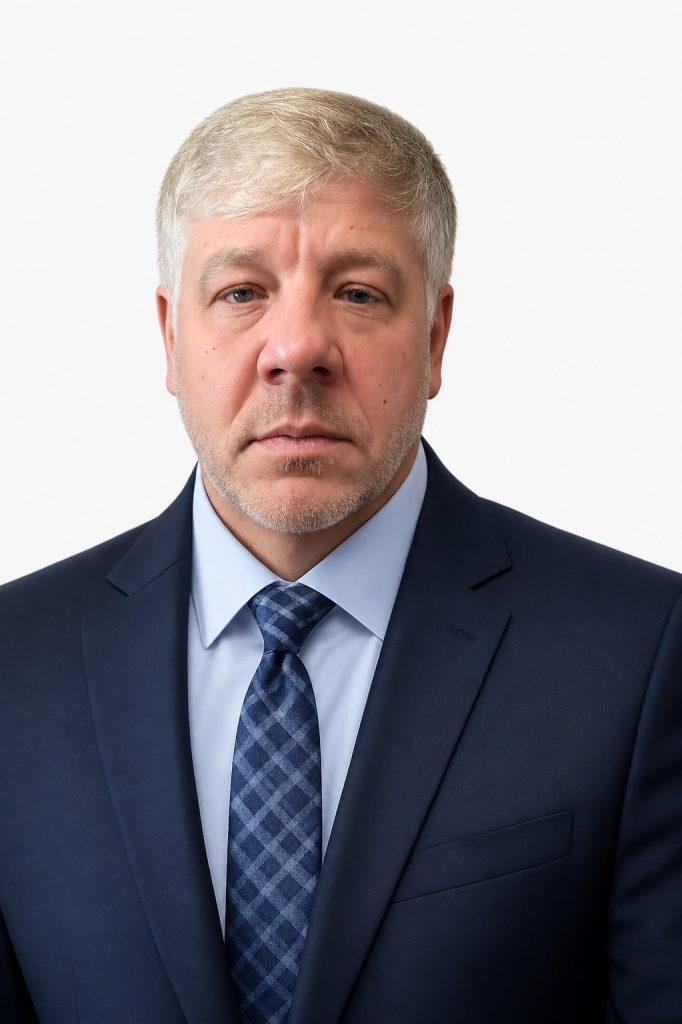*Ben Morrow – Founder & Chief Executive Of Houston Based PIF Energy & Mazavida.*

SUBSCRIBE TO OUR NEWSLETTER
First name or full name
Email
By continuing, you accept the privacy policy
**Categories:** CLIMATE CHANGE, Environment, NEWS
---
### [Scaling Up: The Latest Developments Shaping Africa’s Renewable Energy Landscape](https://www.topafricanews.com/2026/08/13/scaling-up-the-latest-developments-shaping-africas-renewable-energy-landscape/)
**Published:** August 13, 2026
**Author:** EDITOR
**Content:**
Across the African continent, the transition to sustainable energy is accelerating, marked by a wave of new infrastructure projects, strategic investments, and critical policy shifts. As African nations strive to meet growing electricity demands while fulfilling climate commitments, the energy sector is proving to be a primary driver of continental transformation.
From the commissioning of large-scale solar complexes to innovative grid management strategies, here is a snapshot of the trends currently shaping Africa’s clean energy future.Expanding Capacity: Solar and Hydro Milestones
Investment in renewable energy is delivering tangible results on the ground, significantly increasing national power capacities:
- **Central African Republic:** Global South Utilities (GSU) has commissioned a 50-megawatt solar power complex, a landmark project expected to power approximately 300,000 homes, providing a significant boost to the country’s energy accessibility.
- **Burundi:** The nation’s installed generating capacity has nearly doubled, rising from 60MW to over 109MW, following the successful commissioning of the Mulembwe hydroelectric plant.
- **Uganda:** AMEA Power has energized a 24 MWp solar power plant in the West Nile region, bringing critical clean electricity to local communities.
- **Zambia:** The country has taken a step toward more reliable renewable integration with the commissioning of its first solar-hydro hybrid power plant. The facility combines a 27MWp solar PV installation with the existing hydropower operations of Lunsemfwa Hydro.
**Strategic Repowering and Large-Scale Wind Projects**
Beyond new installations, the sector is also focusing on optimizing existing infrastructure and scaling up mature wind energy programs:
- **Egypt:** The Egyptian Electricity Transmission Company (EETC) has signed a power purchase agreement (PPA) with UAE-based Alcazar Energy. The $2.5 billion project aims to repower the aging Zafarana wind farm, illustrating a strategic commitment to updating existing infrastructure for higher efficiency.
- **South Africa:** Seriti Green has unveiled a new wind farm, marking a key milestone with the completion of 155 MW across 25 turbines. This project is a crucial phase in a broader 900 MW renewable energy program planned for the region.
**Grid Stability and Financial Innovation**
As renewable energy penetration grows, African utilities and institutions are confronting the challenges of grid integration and project financing:
- **Kenya:** In a significant policy development, Kenya Power is mandating battery storage for new wind and solar projects. This move aims to stabilize the national grid as it struggles to absorb the volatility of variable renewable energy sources, highlighting the growing pains that come with rapid clean energy uptake.
- **Nigeria:** The Nigeria Sovereign Investment Authority (NSIA) is demonstrating innovative financial leadership by aggregating distributed renewable energy projects into a unified platform. By bundling these assets, the NSIA is making them more attractive to institutional investors, facilitating larger-scale funding for smaller, dispersed projects.
**Strengthening International Connectivity**
The push for a green transition is also deepening energy ties between Africa and Europe. There is increasing momentum regarding the potential for transmitting renewable electricity from North Africa to European markets. Specifically, Interconnect Malta has received four submissions following a Preliminary Market Consultation, signaling strong private sector interest in the feasibility of cross-continental energy links.
—–*As Africa continues its journey of economic growth, these developments highlight the importance of balancing infrastructure expansion with grid stability and financial innovation. For more updates on the policies and projects amplifying development impact across the continent, continue following Top Africa News.*

SUBSCRIBE TO OUR NEWSLETTER
First name or full name
Email
By continuing, you accept the privacy policy
**Categories:** Development Trends, Energy, NEWS
---
### [Victory Comes at a Cost: Springboks Beat Argentina as Kolisi Limps Off](https://www.topafricanews.com/2026/08/13/victory-comes-at-a-cost-springboks-beat-argentina-as-kolisi-limps-off/)
**Published:** August 13, 2026
**Author:** EDITOR
**Content:**
*The Springboks got their win in Buenos Aires, but not without a small price…*
After an impressive 17-10 victory against Argentina, South Africa now look ahead to their eagerly anticipated series against New Zealand. There was a sense of relief as Kolisi and his charges survived Buenos Aires with a win. That they did so despite captain Siya Kolisi leaving the field injured during the first half should give South Africans pause, however.
#### Siya Kolisi Injury: South Africa Questions Remain Despite Win Over Argentina
Sunday’s clash was always going to be tough. South Africa have seldom pulled up trees when touring Argentina, and Argentina were fired up and ready to take points off the world champions.
The Buenos Aires atmosphere was electric, almost unbearable at times. The Pumas led 10-3 at halftime and didn’t seem intimidated by their illustrious visitors.
Even after the break, Argentina continued to take the game to South Africa. But while they had the edge in certain areas, especially during the first half, South Africa’s resilience under fire was tested.
They held firm when called upon, showing once more that their blueprint against the Pumas – win ugly if you have to – remains effective. Losing Kolisi halfway through the game sucked the gloss off their win. But with injuries being part and parcel of this brutal sport, it remains to be seen how serious his injury is and how it impacts South Africa’s campaign, prediction markets and oddsmakers at [South Africa betting sites reviewed by Bettingtop10 ZA](https://www.bettingtop10.co.za/), moving forward.
#### Springboks Survive Argentine Storm
Argentina were everywhere. The home side hassled South Africa for most of the game, with Nicolas Scola’s charges hassling and harrying the visitors into mistakes. South Africa survived what head coach Rassie Erasmus described as an Argentine storm.
The visitors kept plugging away with strike runners like Burger and Kwagga Rh Marx causing panic in the Pumas’ defensive ranks. It took until late in the second half for South Africa to open the game up. Ultimately, South Africa won through old-fashioned brute force – tight defense and strong carrying at the breakdown.
#### Kolisi Injury Overshadows Win
Kolisi was injured in the first half and had to leave the field on a stretcher. Reports by Bettingtop10 ZA indicate he suffered a hamstring injury. It is unclear how long Kolisi will be out. That said, it doesn’t take a genius to see how important Kolisi is to the Springbok effort. Kolisi is more than just a great rugby player; he is the captain of the Springboks and leader of the pack. His absence will hurt.
#### Hanekom Heroics Earn Springboks Needed Win
Cam Hanekom scored the only try of the match to give the Springboks the points they needed to stave off a hungry Argentina side. Hanekom came off the bench and changed the game for South Africa. Not only did he score the game’s only try, but he was also immense carrying the ball forward and getting crucial meters for his team. Argentina deserved a lot of praise for their performance, but Hanekom was a delightful sight for sore South African eyes.
#### Argentina Battle Until the Final Whistle
The Pumas can hold their heads high after that performance. While the seven-point margin may sting a little, it was another example of how far Argentina have come as a rugby nation. The progress this side has made in such a short space of time is quite remarkable.
South Africa will be relieved to finally take a win in Argentina, something that has eluded them for far too long. Few expected it to be easy, but Argentina showed time and time again why they are no longer easy opponents to beat. However, on the flip side, replacing Kolisi will be a massive question heading into this weekend and next week’s game against the All Blacks. Granted, South Africa have the luxury of depth, but Kolisi is one player they can ill afford to lose. We will have to wait and see how serious the injury is before speculating too much. Whatever happens, one thing is for sure: South Africa will be without Kolisi against the Stormers this weekend.

SUBSCRIBE TO OUR NEWSLETTER
First name or full name
Email
By continuing, you accept the privacy policy
**Categories:** Sport
---
### [Beyond the Bite: When Snakebite Survivors Are Left With More Than a Scar](https://www.topafricanews.com/2026/08/13/beyond-the-bite-when-snakebite-survivors-are-left-with-more-than-a-scar/)
**Published:** August 13, 2026
**Author:** EDITOR
**Content:**
**RWAMAGANA, Rwanda** – For some snakebite victims, the danger does not end when the snake disappears.
In September 2015, **Niyogisubizo Kevine** was bitten by a snake in Rwamagana District. What began as a medical emergency became a years-long struggle for treatment, money and recovery—leaving her family to navigate a health problem that went far beyond the initial bite.
Her story, first reported by **TOP AFRICA NEWS**, offers a human face to a public-health challenge that Rwanda continues to confront.
Kevine’s mother, **Mukandayambaje Josephine**, a 44-year-old widow living in Rwinka Village, Karenge Sector, Rwamagana District, initially sought help from traditional healers after her daughter was bitten.
When the treatment did not help, she took Kevine to a nearby health facility. The child was eventually referred to **CHUK**, where doctors conducted examinations and performed surgery.
But treatment created another crisis.
Josephine, who herself lives with visual impairment, could not afford the medical costs or the medicines prescribed for her daughter. She accumulated a hospital debt and was directed to seek assistance from local authorities.
She says that when she approached the district authorities, she explained the situation but was unable to secure the support needed to continue her daughter’s treatment.
Eventually, Kevine was discharged after spending weeks receiving care, with the family advised to seek assistance and return for further treatment when they could obtain it. *Since then the family still struggling to get treatment as the mother told this website today.*
#### **A Story That Raises a Bigger Question**
Kevine’s experience raises an uncomfortable question:
**What happens to a snakebite survivor after the emergency treatment is over?**
Snakebite is often presented as an acute medical emergency—someone is bitten, taken to hospital, treated and discharged. But the consequences can be much longer-lasting, particularly when treatment is delayed, incomplete or financially inaccessible.
Rwanda’s own health authorities have identified snakebite envenoming as a public-health concern requiring prevention, timely treatment, community awareness and stronger health-system responses. Rwanda’s earlier national NTD strategy identified gaps including limited health-worker capacity in snakebite management, weaknesses in antivenom supply chains and insufficient community awareness about prevention and first aid. ([RBC](https://rbc.gov.rw/fileadmin/user_upload/guide2019/guide2019/RWANDA%20NTD%20STRATEGIC%20PLAN%202019-2024.pdf?utm_source=chatgpt.com))
The challenge is not only about the number of people bitten. It is also about **how quickly they receive appropriate treatment and what happens to those who survive with lasting complications.**
#### **The Numbers May Not Tell the Whole Story**
Research into snakebite in Rwanda has shown that the burden extends well beyond cases recorded at hospitals.
A study examining hospital records from 2017 and 2018 identified **363 snakebite envenoming patients** who sought care at district and provincial hospitals. Farmers accounted for 82% of cases in the available demographic data, women represented 61%, and the Eastern Province recorded the largest share of cases at 37%. ([PubMed Central (PMC)](https://pmc.ncbi.nlm.nih.gov/articles/PMC7790073/?utm_source=chatgpt.com))
But those figures were explicitly considered a **minimum estimate**, because people who died in communities or sought treatment outside the formal health system were not captured. ([PubMed](https://pubmed.ncbi.nlm.nih.gov/33146107/?utm_source=chatgpt.com))
A later community-based study in Eastern Province revealed an even wider picture.
Researchers surveyed more than **390,000 people across 763 villages** and recorded **2,545 snakebite cases through community health workers**. Only 13% of victims initially sought formal healthcare, while 87% first sought help from informal sources such as family members, pharmacists or traditional healers. ([PubMed Central (PMC)](https://pmc.ncbi.nlm.nih.gov/articles/PMC11338457/?utm_source=chatgpt.com))
The study also found that only **24 of 1,098 victims whose treatment information was available received antivenom**. ([PubMed Central (PMC)](https://pmc.ncbi.nlm.nih.gov/articles/PMC11338457/?utm_source=chatgpt.com))
These findings suggest that hospital statistics alone cannot fully describe the country’s snakebite burden.
#### **The First Treatment Can Change the Outcome**
For families like Josephine’s, the first decision after a snakebite can be critical.
The Eastern Province study documented practices including wound cutting or burning, tourniquet application, use of black stones and attempts to extract venom. Researchers warned that such practices can cause additional injury and contribute to long-term disability. ([PubMed Central (PMC)](https://pmc.ncbi.nlm.nih.gov/articles/PMC11338457/?utm_source=chatgpt.com))
The earlier national NTD strategy also identified the need for stronger community awareness of snakebite prevention and first-aid measures. ([RBC](https://rbc.gov.rw/fileadmin/user_upload/guide2019/guide2019/RWANDA%20NTD%20STRATEGIC%20PLAN%202019-2024.pdf?utm_source=chatgpt.com))
This makes public education particularly important in rural communities, where farmers and others working outdoors face greater exposure.
#### **The Forgotten Part of the Response: Survivors**
The story of Kevine also points toward a part of snakebite policy that deserves greater attention: **what happens after survival**.
A person who survives a severe bite may still require follow-up care, wound management, surgery, rehabilitation or other forms of support. For a poor household, prolonged treatment can also mean debt, missed work and reduced household income.
This is why snakebite should not be viewed only as a question of emergency medicine.
It is also a question of **disability prevention, rehabilitation, social protection and household economic resilience**.
Rwanda’s current public-health approach to neglected tropical diseases continues to emphasize community action, prevention and early care, with the Rwanda Biomedical Centre calling for coordinated efforts to address snakebites alongside other neglected diseases. In its 2026 NTD activities, RBC highlighted community awareness and protective measures as part of the country’s efforts toward the 2030 NTD targets. ([RBC](https://rbc.gov.rw/media/details?cHash=0f993988b8ab3b7447e14df9857425f6&tx_news_pi1%5Baction%5D=detail&tx_news_pi1%5Bcontroller%5D=News&tx_news_pi1%5Bnews%5D=1277&utm_source=chatgpt.com))
#### **From Counting Bites to Following Lives**
Kevine’s story should therefore not simply be remembered as a case of a girl bitten by a snake in 2015.
It should raise a broader question for Rwanda’s health system:
**Are we following snakebite victims after they leave the hospital?**
How many return to work?
How many require surgery?
How many develop permanent physical complications?
How many families fall into debt while seeking treatment?
And how many victims never appear in official statistics because they never reach a health facility?
These are important questions because the available research already shows that formal health-facility data can significantly underestimate the true burden of snakebite in Rwanda. ([PubMed Central (PMC)](https://pmc.ncbi.nlm.nih.gov/articles/PMC11338457/?utm_source=chatgpt.com))
#### **A Call for a Survivor-Centred Response**
Rwanda has made progress in recognizing snakebite as a public-health issue. But the next step should be to look beyond the emergency room.
A stronger response would connect **prevention, rapid referral, appropriate antivenom, affordable treatment, follow-up care, rehabilitation and community awareness**.
Health workers need the capacity to manage snakebite. Communities need clear information on what to do immediately after a bite. Health facilities need reliable access to appropriate antivenom. And survivors who suffer lasting complications need a pathway back to health, work and independent living.
For families such as Josephine’s, the issue is not an abstract health statistic.
It is a daughter whose life changed after one encounter with a snake—and a mother who spent years searching for a way to help her.
**The real measure of Rwanda’s snakebite response should not only be how many people survive the bite. It should also be how many survivors are able to rebuild their lives after it.**
*TOP AFRICA NEWS previously reported the case of [Niyogisubizo Kevine](https://www.kinya.topafricanews.com/2025/06/17/mukandayambaje-aratabariza-umwana-we-warumwe-ninzoka-mu-myaka-10-ishize-akabura-ubuvuzi/) and her mother, Mukandayambaje Josephine. The case is used here as a human-interest example of the long-term challenges that can follow snakebite; it should not be interpreted as evidence that her individual experience represents all snakebite survivors in Rwanda.*

SUBSCRIBE TO OUR NEWSLETTER
First name or full name
Email
By continuing, you accept the privacy policy
**Categories:** HEALTH, NEWS
---
### [Farmer Field Day Showcases Sustainable Solutions to Manage Potato Tuber Moth and White Grubs in Rwanda](https://www.topafricanews.com/2026/08/01/farmer-field-day-showcases-sustainable-solutions-to-manage-potato-tuber-moth-and-white-grubs-in-rwanda/)
**Published:** August 1, 2026
**Author:** LIBOS NDAYISHIMIYE
**Content:**
**MUSANZE, Rwanda** – Farmers, agricultural extension officers and researchers gathered in Kinigi, Musanze District, on 20 July 2026 for a Farmer Field Day showcasing sustainable solutions to two major pests affecting potato production in Rwanda: potato tuber moth and white grubs.
The field day was organized by the Rwanda Agriculture and Animal Resources Development Board (RAB) in collaboration with the Institute of Plant Protection of the Chinese Academy of Agricultural Sciences (IPP-CAAS) under the China-Rwanda Joint Laboratory for Crop Pest Sustainable Management Project.
The event provided participants with an opportunity to observe practical Integrated Pest Management (IPM) technologies being developed through the joint research initiative.
Among the solutions demonstrated were ***Bacillus thuringiensis*** (Bt) insecticidal strains and entomopathogenic nematodes, which offer environmentally friendly approaches to managing potato pests.
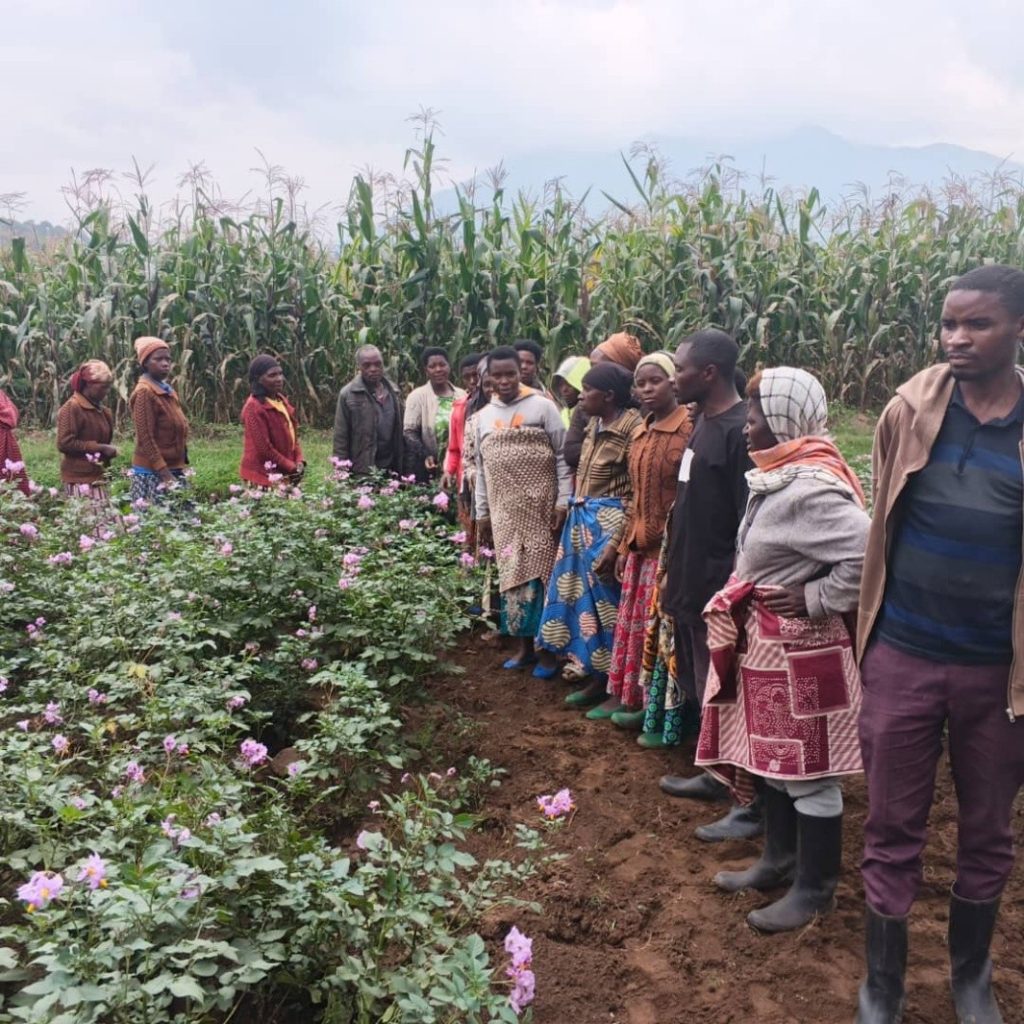***Farmers and agricultural experts gather in the field to learn and exchange practical knowledge on sustainable potato pest management in Kinigi, Musanze District.***
The technologies are intended to help farmers reduce crop losses while minimizing reliance on synthetic pesticides, contributing to healthier crops, environmental protection and more sustainable potato production.
Speaking during the field day, Dr. Hategekimana Athanase, Crop Protection Program Coordinator at RAB, reaffirmed the institution’s commitment to strengthening collaboration with Chinese research institutions in developing science-based solutions to emerging crop pest challenges.
The Farmer Field Day also provided an opportunity for farmers to interact with researchers and extension officers, helping bridge the gap between agricultural research and practical farming.
The event concluded with a call for wider adoption of integrated pest management technologies and continued collaboration among researchers, extension services, farmers and development partners to sustainably manage potato pests and improve potato production across Rwanda.
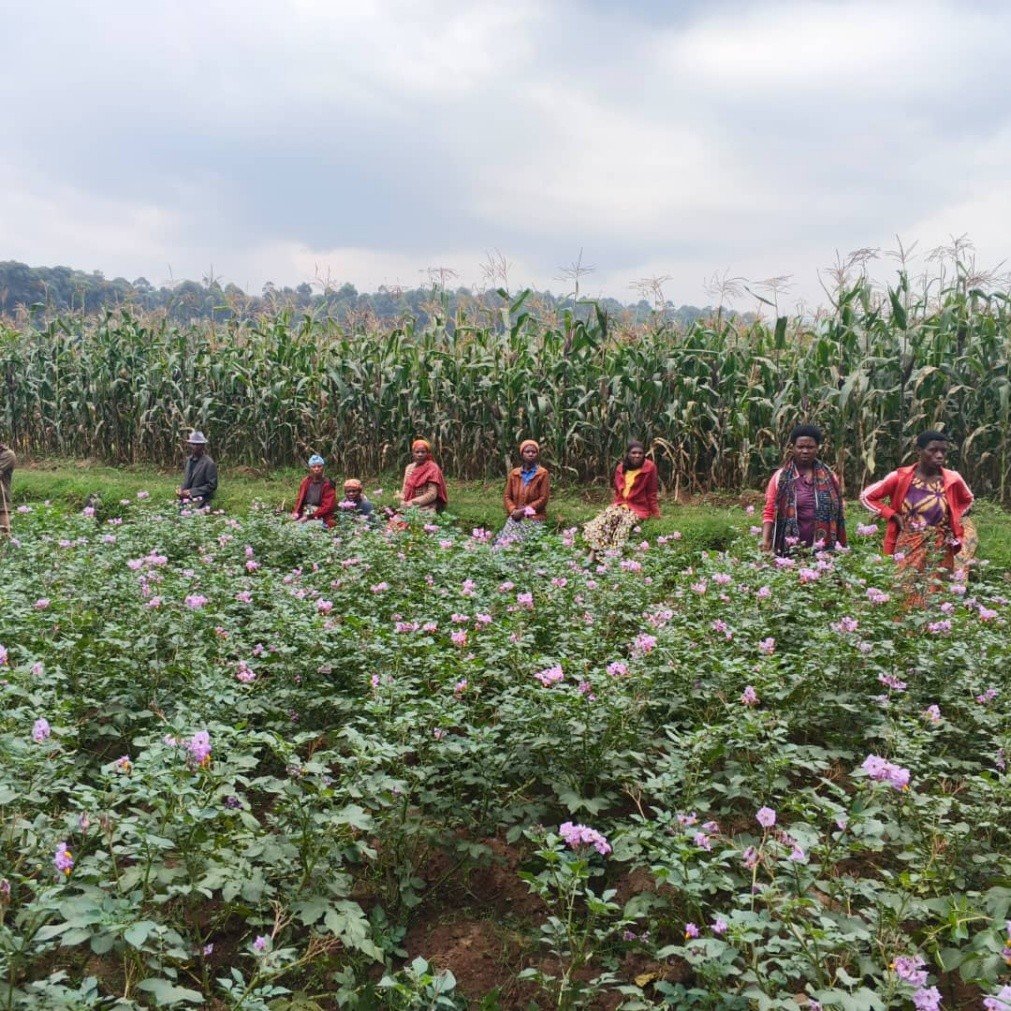
SUBSCRIBE TO OUR NEWSLETTER
First name or full name
Email
By continuing, you accept the privacy policy
**Categories:** Natural Resources and Agriculture
---
### [Africa Food Festival to Showcase Continent’s Culinary Heritage in Kigali During Major Food Systems Gathering](https://www.topafricanews.com/2026/08/12/africa-food-festival-to-showcase-continents-culinary-heritage-in-kigali-during-major-food-systems-gathering/)
**Published:** August 12, 2026
**Author:** DUSABEMUNGU Ange de la Victoire
**Content:**
Kigali is set to host a vibrant celebration of African cuisine and food systems innovation from 31 August to 4 September 2026, as the Africa Food Festival takes centre stage alongside the Africa Food Systems Forum.
The public-facing event will unfold at the Kigali Convention Centre and its surrounding roundabout, offering residents and visitors an opportunity to experience the flavours, creativity and leadership shaping what Africa eats.
Organised by the African Food Fellowship in partnership with the Africa Food Systems Forum, AGRA and the City of Kigali, the festival is designed to extend the conversations of the main forum beyond its expected 5,000-plus delegates.
It aims to engage farmers, food entrepreneurs, chefs, students, traders, producers, creatives and everyday consumers in a lively programme centred on African food, culture and ingenuity.
Attendees can look forward to live cooking demonstrations by chefs from across the continent, street food stalls, tastings, exhibitions by African food businesses and agro-processors, on-stage conversations, TED-style public talks, music and a bustling marketplace.
The festival will provide networking opportunities while allowing food businesses to connect with new markets, investors and partners.
Organisers have indicated the event could draw crowds of up to 10,000 people and have left room for additional partnerships in the final weeks of preparation.
The Africa Food Festival forms an integral part of the broader Africa Food Systems Forum 2026, which runs over the same period under the theme “Investing in Africa’s Agri-Food Systems: Nourishing Nations, Growing Jobs, Building Resilience.”
The forum marks two decades of efforts to transform agriculture and food systems across the continent, bringing together policymakers, private-sector leaders, researchers, innovators and development partners at the same Kigali venue.
A Culinary Village within the forum programme will further highlight traditional recipes, live cooking and the journey from farm to plate.
Local organisers, including Pascal Murasira of the African Food Fellowship, have been coordinating preparations for months, emphasising the importance of serving and celebrating African food at an event dedicated to the continent’s agricultural future.
The City of Kigali has actively promoted the festival, underscoring its role in welcoming both local communities and international participants.
As the countdown continues, the Africa Food Festival promises to turn Kigali into a hub of culinary discovery and dialogue, offering a public platform where the people and ideas driving Africa’s food systems can meet, share and inspire.
Those planning to be in the Rwandan capital during the first week of September are encouraged to include the festival in their itinerary for a memorable taste of the continent.
Let’s TOP AFRICA NEWS shines Your Presence during your time in Kigali:
> [SERVICES](https://www.topafricanews.com/subscription/)

SUBSCRIBE TO OUR NEWSLETTER
First name or full name
Email
By continuing, you accept the privacy policy
**Categories:** Natural Resources and Agriculture
---
### [AI and Autonomous Systems Reshape Africa’s Security Landscape](https://www.topafricanews.com/2026/08/12/ai-and-autonomous-systems-reshape-africas-security-landscape/)
**Published:** August 12, 2026
**Author:** TOPAFRICANEWS
**Content:**
More than 300 delegates from around 50 countries gathered at the Kigali Convention Centre on Wednesday for a high-level discussion organized by the International Security Conference on Africa (ISCA).
The one-day event focuses on the theme “The Rise of Autonomous Systems: Implications for Defence and Security in Africa.”
Policymakers, defence and security officials, technology experts, researchers and strategic partners are examining how artificial intelligence and autonomous systems — including aerial, maritime and ground platforms — are transforming warfare, border security, peace support operations and national defence across the continent.
ISCA Executive Director Lt. Gen. (Rtd) Frank Mushyo Kamanzi opened the discussions by stressing that these technologies present both significant opportunities and serious challenges.
He noted that AI-enabled autonomous systems are already reshaping modern conflict and security operations, raising urgent questions about human oversight, accountability, governance and the risks of misuse.
Kamanzi called for stronger African cooperation to develop policies and capabilities that reflect the continent’s own security needs and priorities.
Rwanda’s Minister of Foreign Affairs and International Cooperation, Olivier Nduhungirehe, emphasized the need for African countries to invest in skills, institutions and homegrown technological capabilities.
“Africa cannot afford to fall behind as these technologies continue to evolve. We must understand their implications for our security, but also for our sovereignty and strategic autonomy,” he said.
During the first panel, Col. Patrick Nyirishema, Head of Defence Research and Development at the Rwanda Defence Force, highlighted a fundamental shift in how military power is measured.
“For centuries, military power was determined by who had more soldiers… But we’ve entered an era where machines can see. Machines can analyse. Machines can make decisions. And machines can act with diminishing human intervention,” he stated.
A second panel is expected to address Africa’s strategic responses, including governance frameworks, military transformation, policy adaptation and capability development.
The discussions form part of ISCA’s broader effort to promote Africa-led dialogue on security challenges.
The organization, an international non-governmental body registered in Rwanda, held its inaugural conference in Kigali in May 2025, which was opened by President Paul Kagame.
Organizers say the outcomes are intended to help strengthen Africa’s security, sovereignty and strategic autonomy in an era of rapidly advancing autonomous technologies.
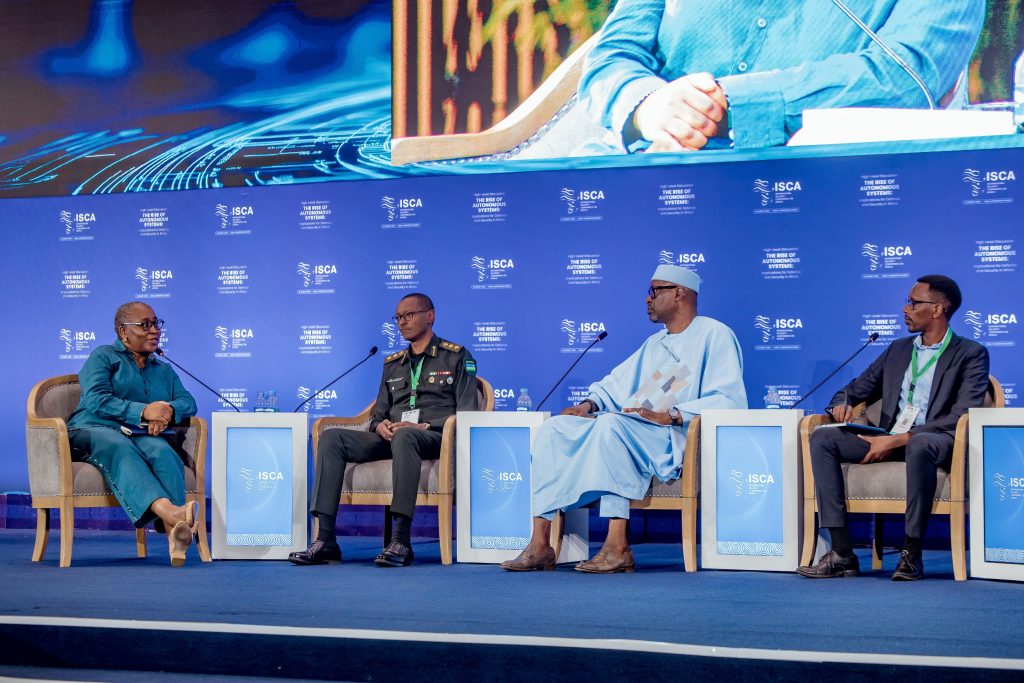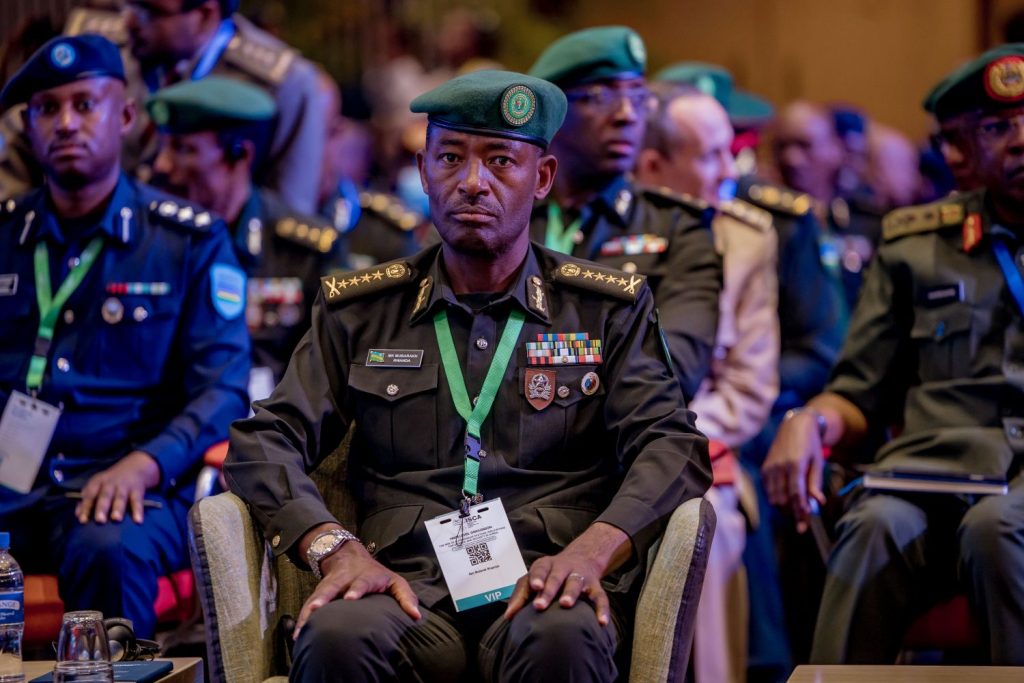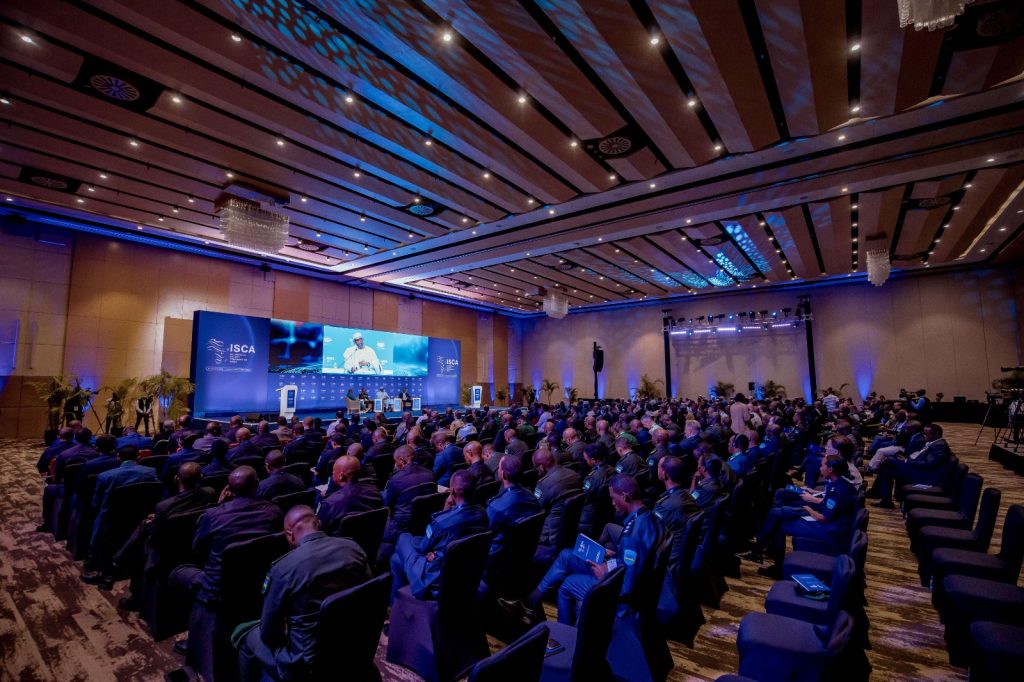
SUBSCRIBE TO OUR NEWSLETTER
First name or full name
Email
By continuing, you accept the privacy policy
**Categories:** ICT, NEWS, SECURITY
---
### [Africa Faces Urgent Push to Accelerate Sustainable Development Before 2030](https://www.topafricanews.com/2026/08/12/africa-faces-urgent-push-to-accelerate-sustainable-development-before-2030/)
**Published:** August 12, 2026
**Author:** Mutangana Emmanuel
**Content:**
African countries must accelerate implementation of the Sustainable Development Goals (SDGs) and the African Union’s Agenda 2063 as mounting financing pressures, climate shocks and institutional challenges threaten progress toward the 2030 targets, according to the 2026 Africa Sustainable Development Report (ASDR 2026).
The report was presented on the margins of the 2026 High-Level Political Forum, bringing together African leaders, development partners and experts to assess the continent’s progress and identify areas requiring urgent action.
Produced jointly by the African Union Commission (AUC), the UN Economic Commission for Africa (ECA), the African Development Bank and the UN Development Programme (UNDP), the ASDR is the only publication that systematically tracks Africa’s progress against both the 2030 Agenda and Agenda 2063.
The 2026 edition examines five SDGs under review this year, SDGs 6, 7, 9, 11 and 17, covering clean water and sanitation, affordable and clean energy, industry and infrastructure, sustainable cities and partnerships.
While Africa has recorded measurable gains, the report finds that progress remains uneven and is not moving fast enough to meet the 2030 targets. Financing constraints, rising debt vulnerabilities, climate-related shocks and limited institutional capacity continue to hinder implementation.
UN Deputy Secretary-General Amina Mohammed said fragmented implementation, inadequate financing and institutional constraints remain major barriers, while emphasizing that stronger regional cooperation can help accelerate progress.
African Union Commission Deputy Chairperson Ambassador Selma Malika Haddadi said Agenda 2063 and the 2030 Agenda should be treated as “one shared roadmap” toward a prosperous and sustainable Africa.
“The true measure of Africa’s progress is not the strategies we adopt, but the lives we transform,” she said, stressing the need to shift from planning to accelerated delivery.
ECA Executive Secretary Claver Gatete said Africa is at a decisive moment with less than five years remaining to achieve the SDGs.
“Progress is possible, but only through transformative and coordinated action,” Gatete said, pointing to stronger institutions, increased financing and innovation as key drivers.
The report also calls for stronger global partnerships and a more responsive international financial architecture aligned with Africa’s development priorities.
UNDP’s Regional Bureau for Africa Director Ahunna Eziakonwa said accelerating the SDGs requires greater investment in Africa’s people, innovation and natural resources.
The ASDR 2026 is expected to inform policy and partnerships around clean energy, sustainable infrastructure and cities, regional integration, and stronger data and implementation systems as countries move toward 2030.

SUBSCRIBE TO OUR NEWSLETTER
First name or full name
Email
By continuing, you accept the privacy policy
**Categories:** NEWS
---
### [Global Security Leaders Convene in Kigali to Address Rise of Autonomous Weapons in Africa](https://www.topafricanews.com/2026/08/12/global-security-leaders-convene-in-kigali-to-address-rise-of-autonomous-weapons-in-africa/)
**Published:** August 12, 2026
**Author:** DUSABEMUNGU Ange de la Victoire
**Content:**
**KIGALI, Rwanda** — The International Security Conference on Africa (ISCA) opened its 2026 High-Level Discussion today at the Kigali Convention Centre, drawing military leaders, tech experts, and policymakers from over 50 nations.
This year’s forum focuses directly on **“The Rise of Autonomous Systems: Implications for Defence and Security in Africa.”** As artificial intelligence and drone technologies rapidly reshape modern warfare, African defense sectors face an urgent need to adapt. The summit aims to establish unified policy frameworks that balance technological advancement with national sovereignty and ethical oversight.
Key agenda items for the one-day event include:
- **Operational Shifts:** Analyzing how automated systems alter regional combat and surveillance.
- **Legal Regulations:** Designing strict governance protocols for responsible AI deployment.
- **Local Talent:** Accelerating African tech workforce development to eliminate foreign defense dependencies.
The high-level discussions build upon momentum from the inaugural 2025 summit. Delegates are expected to release a joint framework on autonomous defense strategies late this evening.

SUBSCRIBE TO OUR NEWSLETTER
First name or full name
Email
By continuing, you accept the privacy policy
**Categories:** NEWS, SECURITY
---
### [Emirates Expands Travel Flexibility and Protection for Customers](https://www.topafricanews.com/2026/08/12/emirates-expands-travel-flexibility-and-protection-for-customers/)
**Published:** August 12, 2026
**Author:** TOPAFRICANEWS
**Content:**
**Dubai, UAE, 11 August 2026** — From free date changes to industry-first comprehensive travel insurance, Emirates continues to give customers greater flexibility and more choice, as well as the ability to tailor their travel plans for more peace of mind, from booking to the moment they arrive at their destination.
Here are the latest measures at a glance:
**1. Unlimited free date changes to Dubai**
From 10 August 2026, customers travelling to Dubai can change their travel dates as many times as they need, free of charge, across every type of fare. Unlimited, free of charge changes run across Saver all the way through to Flex fares in Economy, and for Special, Saver and Flex fares in Business Class.\*
Economy Flex Plus, Premium Economy, Business Flex Plus and First Class fares continue to remain fully flexible.
**2. Refunds, at a fraction of the cost**
Emirates has also substantially reduced refund fees on flights to Dubai to US$50 on Saver fares and US$25 on Flex fares in Economy. In Business Class, refund fees will be US$50 on Special and Saver fares and US$25 on Flex fares.\*\* Together with unlimited free date changes to Dubai, this latest measure means customers can adjust or step away from a booking with minimal penalties, whatever their circumstances.
**3. A free date change anywhere across the network**
Customers travelling anywhere on the Emirates network receive one free date change on tickets booked from 2 April 2026, including journeys connecting through Dubai. Customers can also hold a fare for 24 hours at no charge while they finalise their plans.\*
**4. Comprehensive Travel Cover**
Emirates’ Comprehensive Travel Cover is an industry-first insurance product covering a range of scenarios, including added conflict cover with reimbursement of medical expenses up to US$25,000 and a free trip extension of up to 30 days. The cover is not restricted by government travel advice. Customers are also covered for trip cancellation, baggage delay and loss, in addition to unlimited worldwide medical expenses and emergency evacuation.
Available at an accessible premium and across 27 countries, the cover can be purchased at the time of booking on emirates.com or added to an existing booking through Manage Booking.
Where flights are disrupted, Emirates will support with accommodation directly for impacted customers. Where onward connections on other airlines are affected, or Emirates services are unavailable, customers are rebooked to their destination at no additional cost, including where cancellations are caused by airspace disruptions.
**5. More flexibility and savings for Emirates Skywards members**
Emirates Skywards members can get more from their journeys, with greater flexibility, more opportunities to progress their tier and additional savings when using their Miles.
Until 31 August 2026, members can benefit from:
- 20% fewer Tier Miles required to reach Silver, Gold and Platinum status.
- 20% bonus Tier Miles on Emirates and flydubai flights.
- More savings with Cash+Miles, with a special rate of 2,000 Miles = USD 30, instead of the usual USD 15, when using Miles towards Emirates or flydubai flights, excess baggage, lounge access and seat selection.
For more information, visit [www.emirates.com](https://eur01.safelinks.protection.outlook.com/?url=http%3A%2F%2Fwww.emirates.com%2F&data=05%7C02%7Cjoudat.waleed%40emirates.com%7Ce9d28a1b191942e3c24308def6e4194e%7Ce0b26355188940d88ef1e559616befda%7C0%7C0%7C639219656715280392%7CUnknown%7CTWFpbGZsb3d8eyJFbXB0eU1hcGkiOnRydWUsIlYiOiIwLjAuMDAwMCIsIlAiOiJXaW4zMiIsIkFOIjoiTWFpbCIsIldUIjoyfQ%3D%3D%7C0%7C%7C%7C&sdata=Lu4BaKrim6hb1SC4oCQ6SFT0H9qOJQJ4pjy%2F%2BHdmSEY%3D&reserved=0).
*\* An applicable fare difference may apply.*
*\*\* No show fees remain unchanged.*

SUBSCRIBE TO OUR NEWSLETTER
First name or full name
Email
By continuing, you accept the privacy policy
**Categories:** Business and Trade, NEWS
---
### [A Humanitarian Lesson for All: The Mountain Did Not Ask Who Belonged](https://www.topafricanews.com/2026/08/11/a-humanitarian-lesson-for-all-the-mountain-did-not-ask-who-belonged/)
**Published:** August 11, 2026
**Author:** TOPAFRICANEWS
**Content:**
***By Chen Ben-Meir***
***August 11, 2026 \| Mount Kilimanjaro, Moshi, Tanzania***: There is a point on Mount Kilimanjaro when almost everything unnecessary begins to disappear. The air thins, conversation grows shorter and each step requires intention. Titles, professions, nationalities, physical differences and the assumptions people carry about one another begin to matter less than the person walking, rolling, guiding, pulling, encouraging or breathing beside them.
At 19,341 feet above sea level, the mountain is remarkably indifferent to the categories by which the world below so often organizes human beings.
These past 2 weeks, 66 people came to Tanzania from all around the globe to challenge those categories. Across two consecutive #AccessibleTogether expeditions organized by Accessibility Accelerator in partnership with Paratrek, climbers with disabilities joined injured soldiers, students, educators, physicians, first responders, military veterans, families, advocates and community leaders on Africa’s highest mountain. They arrived carrying different histories, abilities, limitations and ambitions. On Kilimanjaro, however, they did not climb as separate groups. They climbed as one team.
“This expedition is more than a climb. It is a statement,” said Jamie Lassner, Executive Director of Accessibility Accelerator. “Every climber earned the right to celebrate an extraordinary personal achievement. But #AccessibleTogether asks a much bigger question: What happens when we stop deciding who belongs in extraordinary places and start designing opportunities so more people can pursue extraordinary goals together?”
It is a question that extends well beyond a mountain.
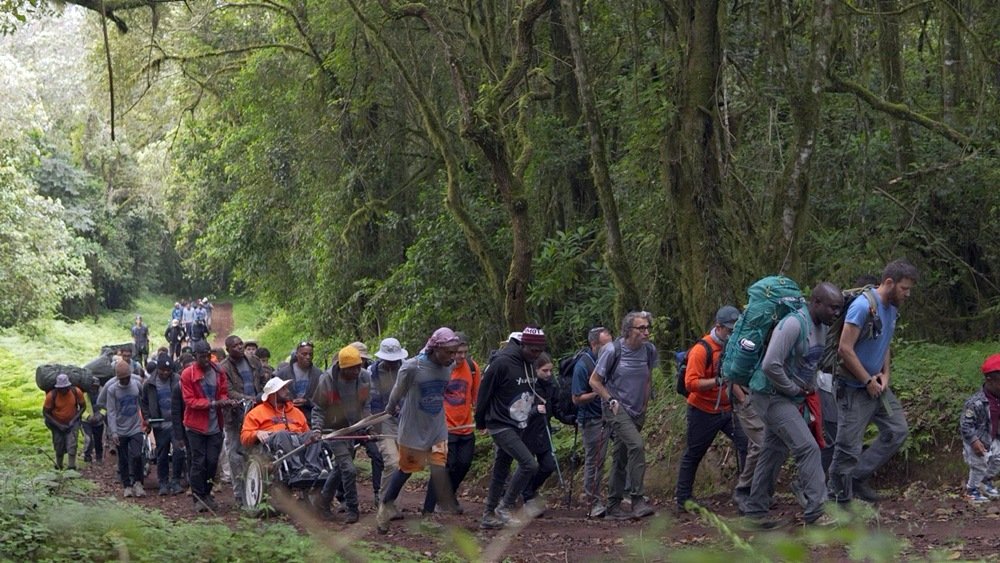Accessibility is still too often treated as an accommodation, something considered after a building, program, workplace or experience has already been designed. Kilimanjaro offered a different proposition. Accessibility was considered before anyone stepped onto the mountain, woven into preparation, equipment, staffing, medical planning, logistics and leadership. The objective was never to make Kilimanjaro easier. It was to make the opportunity to attempt Kilimanjaro broader.
And the mountain remained unforgiving. There was altitude, cold, exhaustion and difficult terrain. Some climbers moved faster than others. Some required equipment or physical assistance that others did not. Participants reached Kilimanjaro’s outer summit rim, while others continued toward its highest points. Yet success gradually became something larger than where any individual stopped. It became the opportunity for each person to discover how far he or she could go.
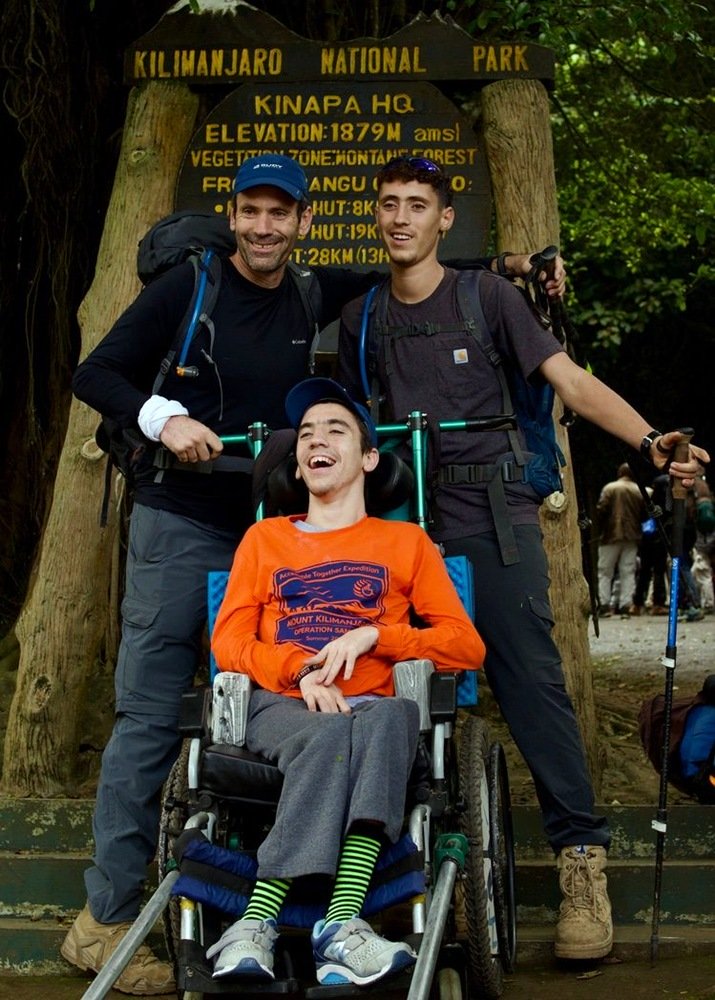Along the trail, the familiar distinction between the person helping and the person being helped became increasingly difficult to identify. A guide steadied a climber. A porter carried weight. A physician watched for signs of illness. Someone struggling physically provided encouragement to someone struggling emotionally. A person receiving assistance in one moment became the source of another person’s strength in the next.
“No one climbs Kilimanjaro alone,” said Omer Zur, founder of Paratrek. “Every guide, porter, and climber becomes part of one team. Every person contributes something that helps another person move forward. That spirit transforms an expedition from simply reaching a summit into something capable of changing perceptions.”
Perhaps that was the expedition’s most important revelation. Independence is often celebrated as the ultimate expression of strength. On Kilimanjaro, interdependence proved even more powerful.
People accomplished extraordinary things because they relied on one another, accepted help when they needed it, and often found that the person offering a hand had only days earlier been a stranger and was now a friend. That is not simply a lesson about disability. It is a lesson about being human.
Tanzania itself became more than the setting for the journey. The guides and porters on the mountain, along with drivers, hotel staff, local partners and Tanzanians encountered throughout the expedition, welcomed the group with a warmth that became inseparable from the experience. There were conversations, laughter, patience, encouragement and acts of generosity that required no common nationality or physical ability to understand. Kilimanjaro may have drawn the climbers to Tanzania, but the hospitality of its people became one of the memories they carried away.
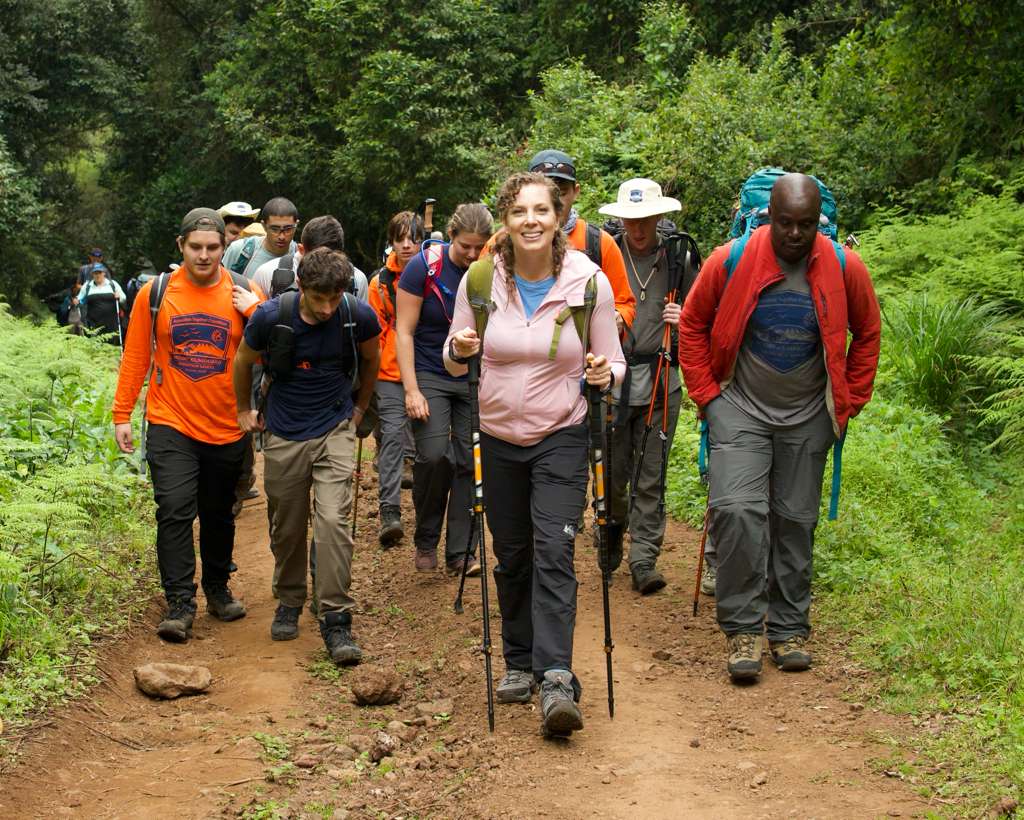The 66 climbers never became alike. They remained people of different abilities, backgrounds, strengths, beliefs, experiences and definitions of success. Unity did not require erasing those differences. It required finding something important enough to pursue together.
That lesson feels particularly urgent in a world increasingly proficient at identifying what separates us. Kilimanjaro suggested that a common cause can hold profound difference without demanding its disappearance. When people share responsibility for reaching somewhere together, labels begin to lose some of their power.
Eventually, everyone comes down from a mountain. Photographs are taken, equipment is packed away, aching bodies recover and people return to ordinary life. The challenge is making certain the lesson descends with them, because most barriers in our world are not 19,341 feet high. They are a flight of stairs. A classroom designed without considering a particular student. An emergency plan that assumes everyone can run. A workplace that views accessibility as an inconvenience. An invitation never extended because somebody quietly decided, on another person’s behalf, that the answer would probably be no.
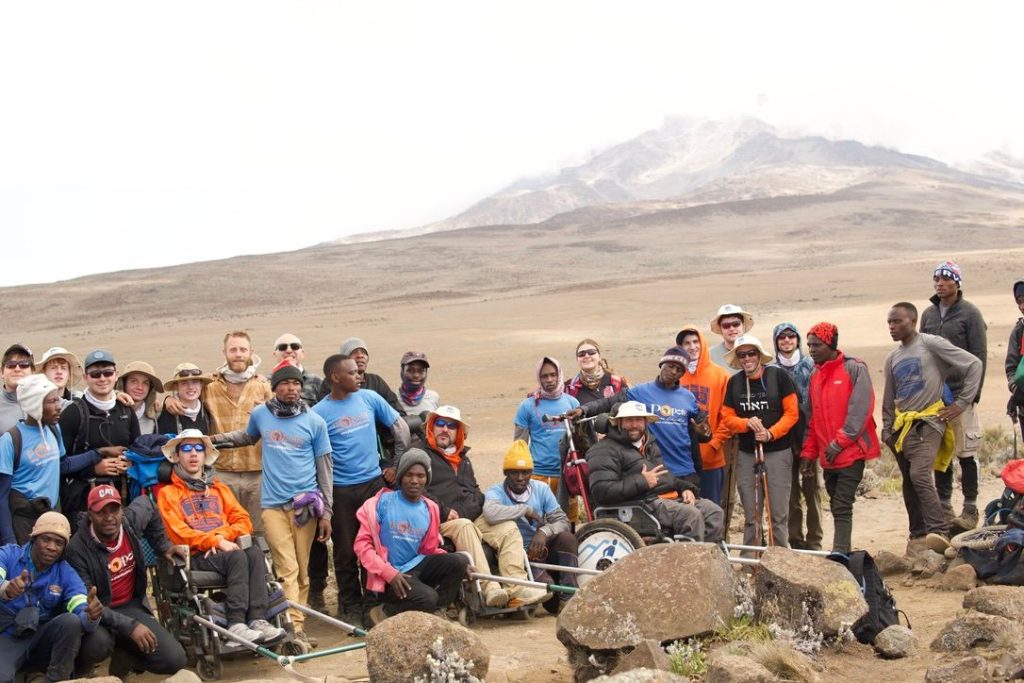The 66 climbers did not prove that every person can climb every mountain. That would miss the point entirely. They demonstrated something more consequential: we should be extraordinarily careful about deciding another person’s mountain before giving that person the opportunity to approach it.
Kilimanjaro remained exactly as high as it had always been. The rocks did not move. The air did not become thicker and the trail did not become shorter. The mountain lowered nothing.
What changed was who was given the opportunity to challenge it.
Perhaps that is the message worth carrying down from the Roof of Africa. Accessibility is not about making the world less demanding. It is about making sure its opportunities are not unnecessarily denied. Inclusion is not about pretending that everyone is the same. It is about recognizing the value of what each person brings precisely because we are not.
And unity is not achieved when our differences disappear.
It is achieved when, despite those differences, we decide there is something worth climbing toward together.
**More Photos**
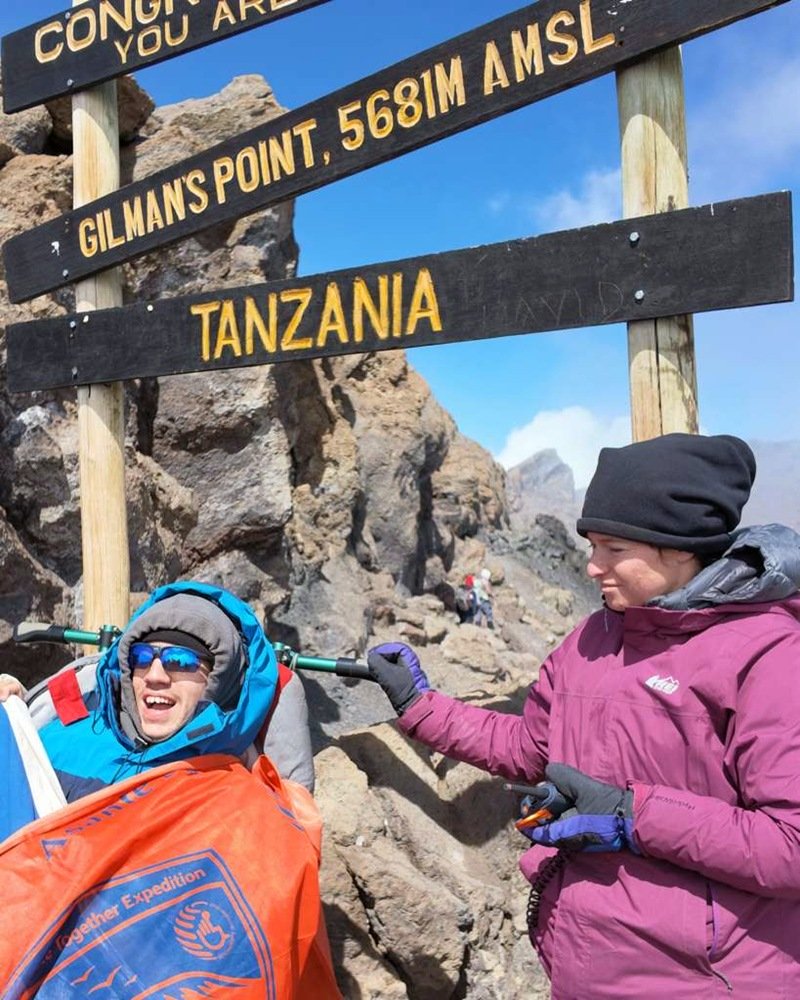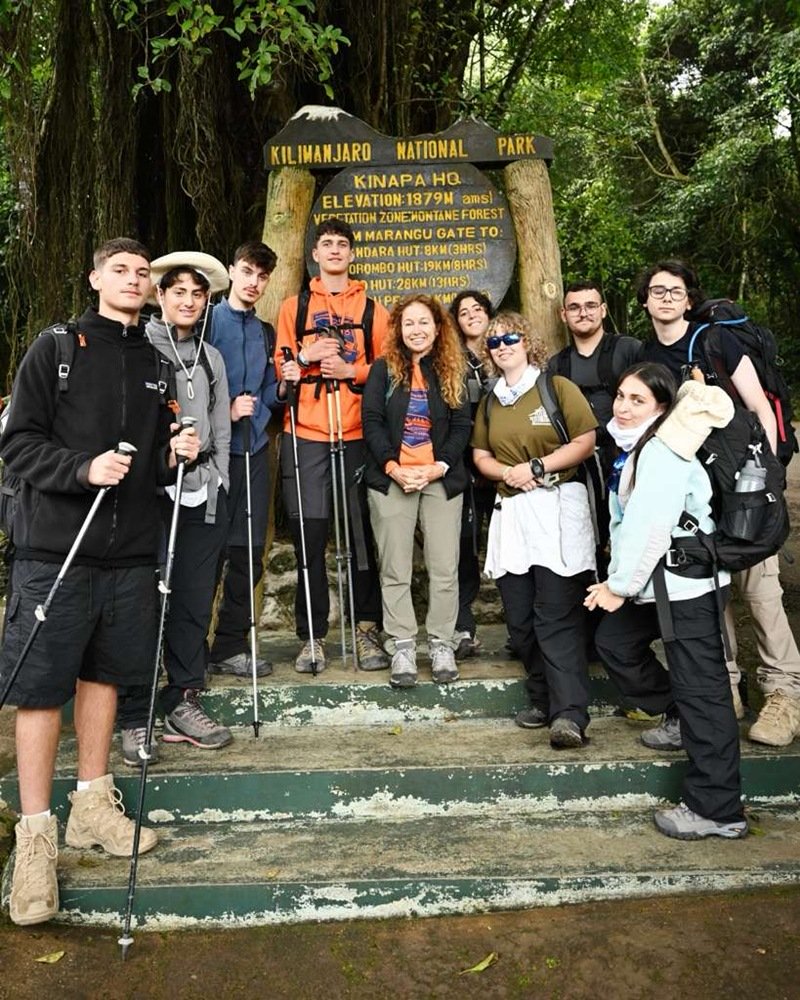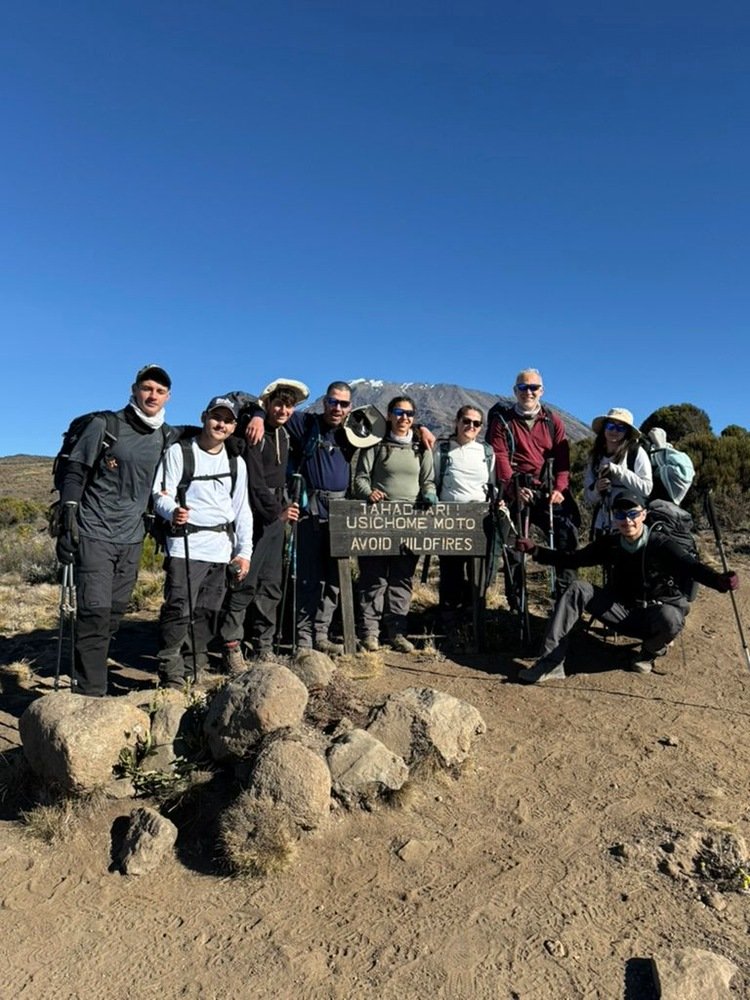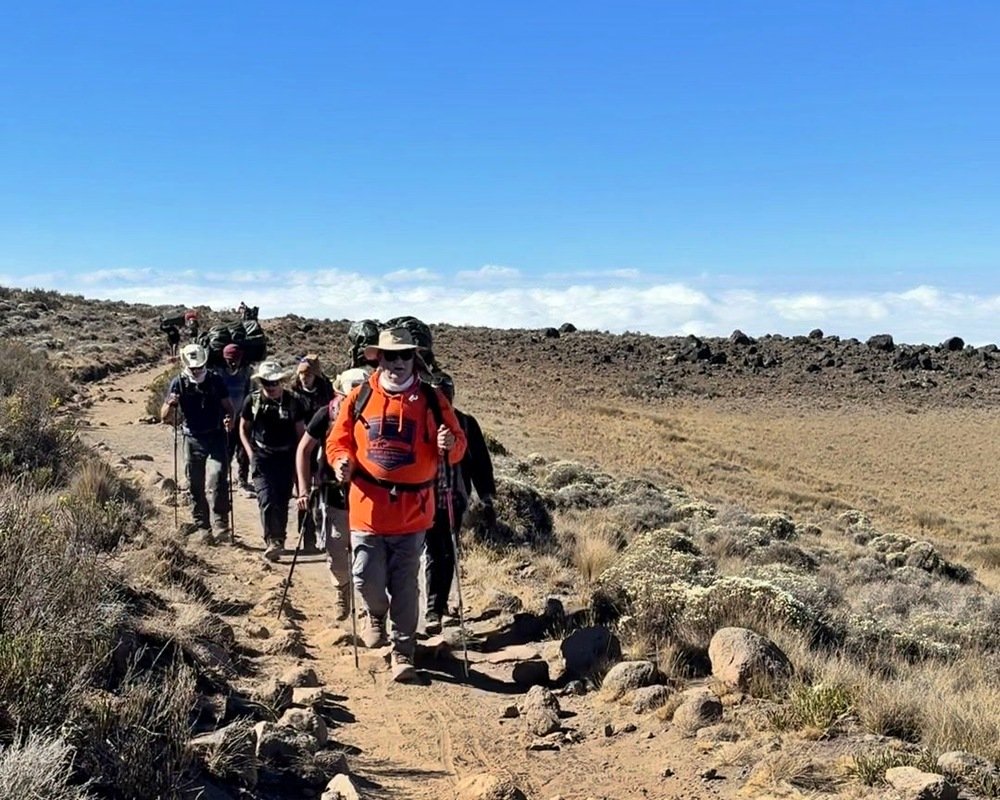
SUBSCRIBE TO OUR NEWSLETTER
First name or full name
Email
By continuing, you accept the privacy policy
**Categories:** Environment, Living Style, NEWS, Tourism and Nature
---
### [Inniss Data Nullius: Why Digital Sovereignty Is Africa’s Real Economic Frontier](https://www.topafricanews.com/2026/08/11/inniss-data-nullius-why-digital-sovereignty-is-africas-real-economic-frontier/)
**Published:** August 11, 2026
**Author:** TOPAFRICANEWS
**Content:**
**By Dr. Abiola Inniss**
As implementation of the African Continental Free Trade Area gathers momentum, public discussion remains heavily focused on physical infrastructure. We analyse port capacity, transport corridors, energy-grid integration and cross-border payment systems. These mechanisms are indispensable. But an exclusive focus on tangible infrastructure risks overlooking a decisive transformation: global trade has moved into the cloud.
The struggle for African economic self-determination is no longer confined to customs checkpoints, shipping ports or territorial borders. It is also being fought within the largely invisible architecture of digital governance, cloud computing, artificial intelligence and data control.
If Africa is to transform the AfCFTA’s multitrillion-dollar market into sustainable and sovereign prosperity, it must confront the digital foundations upon which its future economy is being built.
## The Anatomy of Inniss Data Nullius
Centuries ago, colonial expansion relied upon *terra nullius*—the legal fiction of “nobody’s land”—to justify the appropriation of territories assumed to belong to no one.
A comparable logic can now be observed in parts of the global digital economy. It is the implicit assumption that data generated in African and other Global South markets is a freely available raw material: something that can be extracted, refined, and monetised elsewhere, with limited participation, compensation, or control by the societies from which it originates.
The **Inniss Data Nullius** framework is used here as an analytical lens to describe this condition. It does not suggest that data is literally ownerless, nor that legal protections are absent. Rather, it highlights how existing governance and market structures can function as if locally generated data were available for unrestricted external use.
In practice, this pattern often follows a familiar sequence across many African markets.
First is extraction. Large volumes of data—mobile money transactions, agricultural outputs, health records, consumer behaviour, and urban mobility patterns—are collected through digital infrastructures that are frequently owned or controlled outside the continent.
Then comes refinement. This data is processed to train proprietary artificial intelligence systems, improve global algorithms, and strengthen commercial platforms whose value increases far beyond the original point of collection.
Finally, there is re-importation. African businesses, governments, and institutions often become users or licensees of digital products and AI systems that were developed, at least in part, using data generated within their own economies.
The result is a structural imbalance that is increasingly difficult to ignore. Many African economies risk remaining primarily suppliers of raw informational inputs, while the most valuable stages of the digital value chain—processing, model ownership, intellectual property accumulation, and platform monetisation—are concentrated elsewhere.
Seen through this lens, the issue is not only economic efficiency but also governance. Data generated within African societies carries economic, social, and political significance. When institutional arrangements allow that value to be systematically externalised without adequate return or participation, the consequence is not just lost revenue but weakened technological agency.
## Closing the Execution Gap
Africa does not suffer from a lack of digital strategies. Policy frameworks, continental declarations, and national roadmaps already exist in abundance. The more persistent constraint is the execution gap.
This refers to the distance between policy ambition and the institutional capacity required to implement it effectively.
Digital sovereignty cannot be achieved through principles alone. It depends on regulators who can interrogate complex algorithms, institutions capable of valuing intangible assets, negotiators who understand data-driven business models, and legal systems that can address cross-border digital value flows in practice rather than theory.
Within this context, the Inniss Data Nullius framework can be used as a diagnostic tool to help identify where value is being lost, where oversight is weak, and where governance mechanisms are not keeping pace with technological change. Its usefulness lies less in theory-building and more in making visible the often-invisible pathways of digital value extraction.
This also raises questions about the readiness of supporting professional ecosystems. Accounting firms, advisory networks, and consulting practices operating across Africa’s emerging digital trade corridors are increasingly confronted with issues that extend beyond traditional compliance, taxation, and audit functions. However, capacity in areas such as algorithmic assessment, data valuation, and digital risk analysis remains uneven across the continent.
### Independent AI and Algorithmic Auditing
As AI systems become embedded in credit scoring, healthcare delivery, employment decisions, and public administration, their governance becomes a matter of public interest rather than purely technical design.
Independent assessment of high-impact systems—covering transparency, bias, security, and compliance with data protection and human rights standards—is becoming increasingly necessary. However, the greater challenge is not only conducting such assessments, but ensuring that institutions have the authority and technical capacity to act on their findings.
### Digital-Asset Valuation
A further challenge lies in how African economies recognise and value intangible assets. Datasets, algorithms, and proprietary digital systems are often central to economic activity, yet they are inconsistently captured within existing accounting and valuation frameworks.
Improving this area is not simply a technical exercise. It has implications for investment decisions, taxation, mergers and acquisitions, and access to capital. Without more robust valuation approaches, significant portions of digital value risk remaining unrecognised within domestic economic systems.
### Digital Taxation and Local Value Retention
Tax systems and transfer pricing rules are also under pressure to adapt to digital business models. Value is increasingly generated through data flows, platform services, and intellectual property rather than physical goods alone.
The challenge for African jurisdictions is developing the capacity to identify where value is created and how it is distributed across borders. Without this, there is a continued risk that taxable value generated within African markets is captured elsewhere in the global digital economy.
## Three Pillars for Sovereign Growth
Shifting from digital vulnerability to digital capability requires more than incremental reform. It demands a coordinated strategic approach built on three interrelated pillars.
### 1. Embed Sovereign Data Interests in AfCFTA Digital Trade Implementation
The AfCFTA Protocol on Digital Trade should not assume that unrestricted data extraction is a neutral or inevitable condition of integration.
Regional frameworks need clearer principles around data provenance, access, control, and benefit-sharing. The free movement of data within Africa can support innovation, research, and intra-African trade, but external transfer and commercial exploitation of strategically significant datasets require more deliberate governance if African economic interests are to be protected.
This is not a call for digital isolation, but for negotiated participation on terms that reflect the realities of value creation in the digital economy.
### 2. Require Transparency and Accountability for High-Impact AI
As artificial intelligence becomes embedded in decisions affecting credit, employment, healthcare, and public services, its governance becomes increasingly consequential.
Where AI systems materially affect rights and opportunities, independent algorithmic assessment should become a regulatory expectation rather than an exception. However, assessment frameworks must be matched with institutional capacity to interpret results and enforce corrective action where harm, bias, or systemic risk is identified.
### 3. Retain and Monetise Intangible Wealth Locally
African economies face a growing imperative to better capture value generated within their own digital ecosystems.
This includes strengthening intellectual property systems, developing secure data infrastructure, expanding regional computing capacity, and building expertise in data governance and digital asset valuation. These are not merely technical enhancements; they are foundational elements of economic sovereignty in a data-driven global economy.
Physical infrastructure moves goods across borders, but digital governance increasingly determines how value is created, distributed, and retained. The challenge for Africa is ensuring that its data is not treated as an ungoverned resource within global value chains.
## Owning Africa’s Digital Future
Africa’s position in the global digital economy is still being defined. The continent can either remain primarily a consumer of imported technologies and a supplier of raw data, or it can develop stronger capacity as a co-creator and owner within the emerging AI-driven economic order.
The AfCFTA provides an important institutional platform for shaping this trajectory. Beyond trade in goods and services, it has the potential to influence how digital value is governed, shared, and retained across the continent.
Using frameworks such as Inniss Data Nullius as analytical tools can help make visible the often-hidden structures of digital extraction. However, the more important task lies in strengthening institutions, improving regulatory capacity, and building the technical expertise required to govern digital assets effectively.
Digital sovereignty is therefore not a rhetorical ambition. It is an evolving policy and institutional challenge that will significantly influence Africa’s economic trajectory in the decades ahead. Now is the time for African governments, institutions, and private sector leaders to move from analysis to implementation and build the digital sovereignty frameworks that will define the continent’s future.
**Dr. Abiola Inniss** is an intellectual property and digital-policy scholar-practitioner and founder of the Inniss Institute for Digital Policy and Intellectual Property. She is also founder and executive director of the Caribbean and Americas Intellectual Property Organization (CAAIPO), the Caribbean region’s oldest intellectual property think tank. She developed the Inniss Data Nullius framework, and her wider work on digital sovereignty informed the Inniss Institute’s published contribution to the United Nations Global Dialogue on AI Governance. In September 2026, she will present her research on closing the intellectual property execution gap in developing countries at the 21st Annual EPIP Conference in Turin, Italy.

SUBSCRIBE TO OUR NEWSLETTER
First name or full name
Email
By continuing, you accept the privacy policy
**Categories:** OPINION
---
### [When the Soil Becomes a Health Challenge: Rwanda's Fight Against Podoconiosis](https://www.topafricanews.com/2026/08/11/when-the-soil-becomes-a-health-challenge-rwandas-fight-against-podoconiosis/)
**Published:** August 11, 2026
**Author:** DUSABEMUNGU Ange de la Victoire
**Content:**
For many communities living in Rwanda’s highland areas, the soil is part of everyday life. But for some people, prolonged exposure to volcanic soil can be associated with a neglected tropical disease that affects mobility, wellbeing and livelihoods: **podoconiosis**.
Rwanda’s new *Neglected Tropical Diseases Strategic Plan 2026–2030* identifies podoconiosis as one of the diseases that continues to require attention, particularly in the country’s North and West. A national prevalence study conducted in 2017 reported **68.5 cases per 100,000 people**, with some of the highest rates recorded in districts including **Nyamasheke and Rusizi**, where the disease has been linked to exposure to volcanic soil in highland areas.
But the challenge is not only medical.
For people living with podoconiosis, the burden can extend into everyday life. The Strategic Plan describes the disease as contributing to a socioeconomic burden among affected rural communities and notes that cultural misconceptions—including beliefs associating the condition with supernatural causes—can discourage people from seeking care.
### Building a pathway to care
There are, however, signs of progress.
According to the Strategic Plan, Rwanda has established **13 podoconiosis treatment centres**. Eleven of these centres were created through a partnership between the **HASA and the Rwanda Biomedical Centre (RBC)**, with funding from the Izumi Foundation, complementing two existing facilities.
The centres provide screening, treatment and preventive services. National treatment guidelines, awareness materials and reporting tools have also been developed, while **22 health professionals—11 nurses and 11 physiotherapists—have been trained in podoconiosis management**.
Yet the national strategy acknowledges that important gaps remain.
Coverage is still incomplete in endemic districts, meaning that some people affected by the disease may remain outside the reach of specialized services. The plan therefore calls for stronger integration of podoconiosis care into primary healthcare and the national health insurance system to improve access and make care more sustainable.
### Putting people at the centre
The challenge fits into a much broader picture.
Rwanda estimates that **around 13 million people remain at risk of at least one neglected tropical disease**, with rural and underserved communities carrying a disproportionate burden. The diseases can contribute to preventable illness, disability and productivity losses, making them not only health concerns but also development challenges.
The new strategy therefore moves beyond disease-specific campaigns toward a more integrated, people-centred approach.
Among its priorities is the expansion of **Morbidity Management and Disability Prevention services**, including national mapping of the burden of podoconiosis and snakebite envenoming between 2026 and 2028. The plan also proposes integrating essential services into primary healthcare and expanding access to items such as **hygiene kits and appropriate footwear for people affected by podoconiosis**.
The strategy also recognizes that health cannot be separated from the conditions in which people live.
Water, sanitation and hygiene are identified as important components of NTD prevention and control, including for podoconiosis. The plan notes continuing challenges in rural areas and calls for stronger coordination between WASH programmes and NTD interventions, particularly in districts where skin-related NTDs are more common.
### From treatment to dignity
For Rwanda, the fight against podoconiosis is therefore not simply about establishing treatment centres.
It is about ensuring that people living with the disease can be identified earlier, receive appropriate care, overcome misconceptions and stigma, and continue participating in family and community life.
The country’s 2026–2030 NTD strategy places this challenge within a wider ambition: to make Rwanda free from neglected tropical diseases through integrated, equitable and sustainable approaches. Its mission is to protect more than 13 million people at risk of NTDs and ensure that neglected conditions receive greater attention within Rwanda’s health system.
By 2030, Rwanda aims to **institutionalize case detection and clinical care for podoconiosis**, alongside several other NTDs, and expand NTD services through primary healthcare and national health systems.
For communities affected by podoconiosis, the success of that ambition will ultimately be measured not only in strategies and targets, but in whether people who have lived with the condition can finally access the care, support and dignity they need.
SUBSCRIBE TO OUR NEWSLETTER
First name or full name
Email
By continuing, you accept the privacy policy
**Categories:** HEALTH, NEWS
---
### [AI Could Drive Global Emissions Up by 1.8 Billion Tonnes a Year, Study Finds](https://www.topafricanews.com/2026/08/11/ai-could-drive-global-emissions-up-by-1-8-billion-tonnes-a-year-study-finds/)
**Published:** August 11, 2026
**Author:** Mutangana Emmanuel
**Content:**
Artificial intelligence could ultimately increase global greenhouse gas emissions rather than reduce them if its use in the fossil fuel industry continues to outpace applications in renewable energy, according to a new peer-reviewed study.
The study estimates that AI-driven productivity gains across the global economy could result in an additional 0.47 to 1.8 gigatonnes of carbon dioxide emissions annually when AI adoption expands at similar rates across fossil fuel and renewable energy sectors.
That would amount to between 1.2% and 4.8% of global energy-related emissions recorded in 2024, the researchers say.
The additional emissions, which the researchers call “enabled emissions,” come not from the electricity consumed by AI data centres, but from the economic activity that AI can make more productive.
According to the study, AI can lower the cost of extracting and producing fossil fuels, making previously less commercially viable resources more attractive to producers. Increased production can then affect energy prices and stimulate additional demand, ultimately generating more emissions.
The researchers estimate that fossil fuel applications of AI could enable emissions 3.3 to 13.3 times greater than the International Energy Agency’s estimate of current data-centre emissions.
The study was authored by Will Alpine and Holly Alpine of the Enabled Emissions Campaign, independent researcher Nathan Geldner, and Maksym Chepeliev, a Research Associate Professor at Purdue University’s Center for Global Trade Analysis.
The researchers describe AI as a “bidirectional productivity amplifier”, a technology capable of accelerating both the transition toward cleaner energy and the continued expansion of fossil fuels.
**Fossil fuel gains could outweigh clean-energy benefits**
The analysis examined 64 different AI adoption scenarios, looking at productivity improvements across fossil fuels, renewable energy, electricity grids and demand-side efficiency.
The researchers found that net emissions reductions occurred only in scenarios where AI generated no productivity gains for the fossil fuel sector.
They argue that such a scenario is unlikely because AI applications are already being deployed in fossil fuel operations, while many AI applications aimed at accelerating renewable energy remain at pilot or research stages.
***Modeled annual CO₂ emissions from AI’s fossil fuel and renewable energy applications, and their net effect (0.47–1.8 Gt CO₂ annually).***Under scenarios in which AI productivity improvements occur across both fossil fuel and renewable energy sectors, renewable-energy productivity gains would need to exceed fossil fuel gains by four to five times simply for the overall emissions impact to reach a break-even point.
The researchers say this imbalance remained evident even when substantial carbon pricing was included in the model.
“I spent years building AI platform tools and have seen firsthand how they’re used,” said Will Alpine, lead author of the study.
“Like any tool, AI can accelerate whatever it’s applied to. Yes, it can advance renewable energy, strengthen the grid, and improve efficiency. But it has also been boosting the productivity of the fossil fuel industry for years, and our research shows that effect is asymmetric: it acts as an economic lever that reinforces the viability and dominance of fossil fuels.”
**A different measure of AI’s climate impact**
The researchers stress that their findings address a different issue from the growing debate over the amount of electricity consumed by AI data centres.
Data-centre emissions are associated with the energy required to run AI systems. Enabled emissions, by contrast, refer to emissions generated by the economic activity AI makes possible or more profitable, particularly increased fossil fuel production.
The two impacts are not directly additive, the researchers note, but they can reinforce each other.
As AI data centres increase electricity demand, they place additional pressure on an energy system that remains heavily dependent on fossil fuels. At the same time, AI can improve productivity within the fossil fuel industry, potentially encouraging further production.
“Most assessments of AI’s climate impact are framed as a tradeoff between datacenter energy use and the emissions AI might help avoid,” said Holly Alpine, co-founder of the Enabled Emissions Campaign.
“What’s missing entirely is the other side of the ledger for AI’s applications: the emissions enabled from the additional fossil fuel production being made commercially viable.”
She said the findings show the need to account for emissions linked to AI-enabled economic activity when assessing the technology’s overall climate impact.
**Global economic modeling**
The study uses a global computable general equilibrium (CGE) model, known as GTAP-E-Power, to examine how AI-driven productivity changes could affect different parts of the energy system.
The model was calibrated using the GTAP-Power Data Base and additional parameters based on real-world data. The researchers tested their findings under different assumptions about economic responses, baseline conditions and carbon pricing.
They modeled AI productivity improvements across fossil fuels, renewable energy, electricity-grid infrastructure and demand-side energy efficiency.
The authors caution that their estimates may actually understate AI’s potential net emissions impact.
According to the study, the renewable-energy productivity gains used in the modeling were calibrated toward the upper end of their estimated technical potential, while fossil fuel productivity gains were based on figures disclosed or projected by industry operators and financial analysts.
The findings come as governments and companies increasingly look to AI to improve energy efficiency, expand renewable energy, optimize electricity grids and accelerate climate-related innovation.
But the researchers argue that the same technology could also strengthen fossil fuel production unless its deployment is deliberately directed toward accelerating the energy transition.

SUBSCRIBE TO OUR NEWSLETTER
First name or full name
Email
By continuing, you accept the privacy policy
**Categories:** CLIMATE CHANGE, Environment, Science and Technology
---
### [Rwanda Links Conservation Gains to Tourism Boom Ahead of Gorilla Naming Ceremony](https://www.topafricanews.com/2026/08/11/rwanda-links-conservation-gains-to-tourism-boom-ahead-of-gorilla-naming-ceremony/)
**Published:** August 11, 2026
**Author:** TOPAFRICANEWS
**Content:**
Rwanda’s growing tourism sector and its success in protecting mountain gorillas took centre stage on Tuesday as officials outlined plans for the 21st Kwita Izina ceremony.
Twenty-two baby gorillas will be named on 4 September in Kinigi, Musanze District, in an event that organisers say reflects the close ties between wildlife protection, community development and economic growth.
Speaking at a press conference in Kigali, Eugène Mutangana, Executive Secretary of the Rwanda Nature Foundation, said the annual naming tradition has become a powerful symbol of partnership.
Progress in expanding the mountain gorilla population, creating tourism opportunities and directing greater investment into communities around Volcanoes National Park has been achieved through collective effort, he noted.
Other speakers stressed that sustainable tourism must deliver clear benefits to local people while keeping environmental protection at the heart of Rwanda’s ambition to remain a premium destination.
Tourism revenue reached 685 million dollars in 2025, up from 647 million dollars the previous year, while visitor numbers rose nine percent to 1.49 million.
National parks alone welcomed more than 155,000 visitors and generated about 40.8 million dollars.
Since Kwita Izina began in 2005, 438 baby mountain gorillas have received names.
Organisers say this year’s ceremony will once again bring together government officials, conservation partners, community members and international guests to celebrate both the newest arrivals and the broader model that has helped turn conservation into a driver of national development.

SUBSCRIBE TO OUR NEWSLETTER
First name or full name
Email
By continuing, you accept the privacy policy
**Categories:** Tourism and Nature
---
### [Latin American Cities Reach Historic Milestone of 10,000 Electric Buses in Operation](https://www.topafricanews.com/2026/08/11/latin-american-cities-reach-historic-milestone-of-10000-electric-buses-in-operation/)
**Published:** August 11, 2026
**Author:** DUSABEMUNGU Ange de la Victoire
**Content:**
Cities across Latin America have reached a significant milestone in sustainable urban mobility, with 10,000 electric buses now in operation across the region. Consolidated data released by C40 Cities and the International Council on Clean Transportation (ICCT) during the Lat.Bus 2026 event confirms that this achievement represents a turning point in the decarbonisation of public transport.
**Environmental and Strategic Impact**
The milestone is the result of coordinated efforts by more than 80 cities in 13 countries, which have accelerated fleet electrification to address the climate crisis. Collectively, these buses are estimated to prevent the emission of over 10 million tonnes of CO₂ annually.
Ilan Cuperstein, C40 Cities Regional Director for Latin America, emphasized the significance of this shift: “Reaching 10,000 electric buses in operation shows that the transition to zero-emission transport is no longer a promise but a reality in Latin American cities”.
**The São Paulo Model**
São Paulo is identified as a key case study for the region, housing Brazil’s largest electric bus fleet with 1,759 vehicles. The city has secured a R$6.5 billion investment program by combining national and international resources, including support from the Brazilian Development Bank (BNDES), the World Bank, and the Inter-American Development Bank (IDB).
Beyond initial procurement, the city has institutionalized this transition through regulations that prohibit replacing retired vehicles with new diesel buses. According to São Paulo Mayor Ricardo Nunes, this policy is already delivering tangible benefits, with the city’s electric fleet saving approximately 57 million litres of diesel annually.
**Regional Expansion and Support**
The transition is being supported by the ZEBRA Alliance and the Brazil Mutirão programme, which provide technical assistance for financial modelling and infrastructure development. Notable progress includes:
- **Recife:** Received a R$319 million federal investment to procure 100 electric buses and necessary charging infrastructure.
- **Belo Horizonte:** Focused on deploying charging infrastructure at bus depots to support the operation of its first 100 electric buses.
- **Rio de Janeiro and Salvador:** Currently receiving support for project structuring, including economic modelling and charging infrastructure studies for future fleet expansion.
This collaborative approach aims to lower the cost of capital and provide a replicable roadmap for other cities to follow, demonstrating that financial barriers to electrification can be managed through strategic planning and multilevel government cooperation.

SUBSCRIBE TO OUR NEWSLETTER
First name or full name
Email
By continuing, you accept the privacy policy
**Categories:** Business and Trade, CLIMATE CHANGE, Development Trends
---
### [U.S. Revokes Over 175,000 Visas; Major Mining Investments and Defense Cooperation Announced for Africa](https://www.topafricanews.com/2026/08/11/u-s-revokes-over-175000-visas-major-mining-investments-and-defense-cooperation-announced-for-africa/)
**Published:** August 11, 2026
**Author:** TOPAFRICANEWS
**Content:**
**JOHANNESBURG** — In a wide-ranging series of developments affecting international security and economic partnerships, the United States has intensified its visa enforcement operations while simultaneously bolstering defense and mining collaborations across the African continent.State Department Revokes Over 175,000 Visas
The U.S. Department of State announced on August 10 that it has revoked more than 175,000 visas from foreign nationals found to be in violation of visa terms. Citing a commitment to protecting American communities, officials noted that these revocations target individuals involved in criminal activities, including assault, drug offenses, fraud, and threats to national security.
The Department highlighted specific cases involving severe criminal behavior, such as human trafficking, sexual exploitation, and fraud schemes, as well as individuals who have endorsed violence against U.S. citizens. Secretary of State Marco Rubio has further identified numerous foreign nationals as deportable on foreign policy grounds, including individuals with connections to regimes or activities hostile to U.S. interests.
**Strengthening Defense Ties with Angola**
In the realm of security, the United States and Angola concluded the second Joint Angolan-American Defense Cooperation Committee (DEFCOM) meeting, held in Luanda from August 5–6. The proceedings brought together senior officials from both nations, including U.S. Assistant Secretary of War for International Security Affairs, Daniel L. Zimmerman, and Angolan Minister of National Defense, Lúcio Gonçalves Amaral.
Discussions focused on deepening the bilateral partnership and reinforcing Angola’s role as a regional leader in southern Africa. This meeting builds upon the 2017 Memorandum of Understanding on Defense Cooperation and follows the successful co-hosting of the 2026 African Chiefs of Defense Conference in June.
**New Mining Investments in Madagascar and Beyond**
The U.S. government is also making significant moves to secure critical mineral supply chains, with the U.S. International Development Finance Corporation (DFC) announcing funding for a rare earth mine in Madagascar. The investment in Harena Rare Earths plc marks the DFC’s first mining project in the country, aiming to support the production of essential materials for advanced manufacturing and U.S. national security.
This Madagascar project is part of a broader, aggressive push by the Trump Administration to revitalize the American mining industry. During a historic industry roundtable on August 7, President Donald J. Trump announced over $2 billion in funding for critical mining projects and more than $180 million for mining school investments. These initiatives are designed to reduce reliance on foreign supply chains and strengthen domestic industrial capacity for technologies ranging from electric vehicle batteries to precision-guided defense systems.
Since January 2025, the administration has authorized nearly $40 billion in minerals deals, reflecting a strategic priority to rebuild U.S. industrial competitiveness and secure the materials necessary for modern infrastructure and defense.

SUBSCRIBE TO OUR NEWSLETTER
First name or full name
Email
By continuing, you accept the privacy policy
**Categories:** NEWS
---
### [Rwanda Pitches Investment Opportunities to Young Global Business Leaders](https://www.topafricanews.com/2026/08/10/rwanda-pitches-investment-opportunities-to-young-global-business-leaders/)
**Published:** August 10, 2026
**Author:** LIBOS NDAYISHIMIYE
**Content:**
Rwanda has reaffirmed its commitment to attracting international investment as Prime Minister Dr. Justin Nsengiyumva hosted a delegation of senior business leaders from the Young Presidents’ Organization (YPO), who are visiting the country as part of a wider tour of East Africa.
The delegation, composed of leading executives from businesses affiliated with YPO, is in Rwanda to explore the country’s economic transformation, investment climate and emerging opportunities across different sectors.
During the meeting, Prime Minister Nsengiyumva shared Rwanda’s development journey, highlighting the progress the country has made in building a resilient and increasingly competitive economy.
He also presented investment opportunities available in Rwanda, emphasizing the country’s efforts to create an environment where businesses can grow, innovate and contribute to sustainable economic development.
Rwanda has in recent years positioned itself as an attractive destination for investors, supported by efforts to improve the business environment, strengthen infrastructure and promote private-sector-led growth.
The engagement with YPO leaders provides an opportunity for Rwanda to strengthen links with influential business executives and showcase sectors with potential for increased private investment.
The East African tour by the YPO delegation comes at a time when countries in the region are seeking to deepen economic integration, expand trade and attract more investment capable of creating jobs and accelerating development.
For Rwanda, engagements of this nature are also an avenue to connect the country’s development priorities with global business networks and investors looking for new markets and long-term opportunities.
Prime Minister Nsengiyumva’s meeting with the delegation therefore underlines Rwanda’s continued focus on positioning itself as a reliable investment destination while building stronger partnerships with the international business community.
The visit is expected to further expose YPO members to Rwanda’s economic potential and provide a platform for discussions on possible partnerships and investments that could support the country’s development ambitions.

SUBSCRIBE TO OUR NEWSLETTER
First name or full name
Email
By continuing, you accept the privacy policy
**Categories:** NEWS
---
### [Modern Irrigation Technology Transforms Fruit Farming in Gisagara District](https://www.topafricanews.com/2026/08/10/modern-irrigation-technology-transforms-fruit-farming-in-gisagara-district/)
**Published:** August 10, 2026
**Author:** TOPAFRICANEWS
**Content:**
**GISAGARA, Rwanda** – Modern irrigation technology is helping unlock the potential of commercial fruit farming in Gisagara District, creating new opportunities for agricultural production, employment, practical education and sustainable economic development.
One of the notable examples is a **10-hectare fruit plantation at the Catholic University of Rwanda (CUR) in Save Sector**, where previously underutilized land has been transformed into a productive agricultural investment through irrigation, innovation and modern farming practices.
The plantation benefited from the **Small-Scale Irrigation Technologies (SSIT)** programme under the **Sustainable Agricultural Intensification and Food Security Project Phase II (SAIP II)**, which supports farmers and institutions to access modern irrigation systems and strengthen climate-resilient agriculture.
The plantation currently hosts approximately **16,000 tree tomato plants and 5,000 passion fruit vines**, creating a promising foundation for commercial fruit production.
#### **Turning Underutilized Land into a Productive Farm**
The project demonstrates how reliable access to water can help institutions and farmers overcome one of the major constraints to agricultural production and turn available land into productive enterprises.
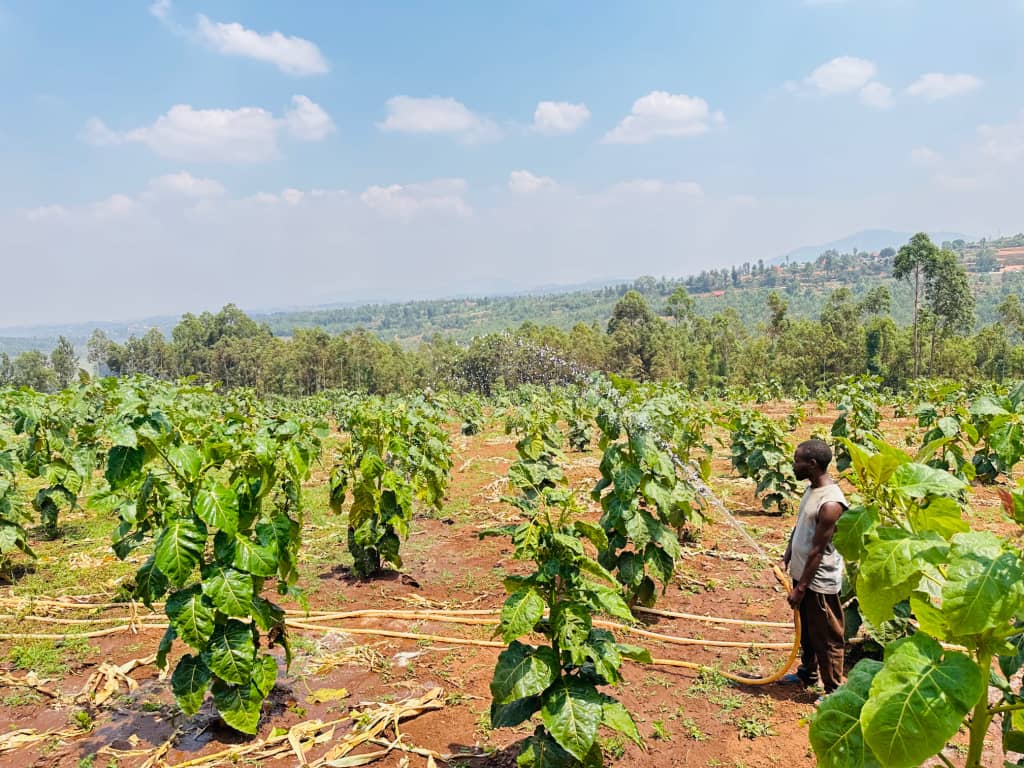Under the SSIT programme, beneficiaries cultivating between **0.5 and 10 hectares** can receive support to acquire irrigation equipment. Farmers cultivating between 0.5 and 5 hectares are supported with diesel-powered irrigation systems, while those cultivating between 5 and 10 hectares qualify for solar-powered systems.
Beneficiaries are required to have farmland located near a reliable water source and contribute part of the cost of the irrigation equipment through a cost-sharing arrangement.
As a beneficiary cultivating 10 hectares, the Catholic University of Rwanda received a **solar-powered irrigation system**, including installation. The investment was valued at approximately **RWF 96 million**, with the university contributing about **RWF 24 million** and the programme financing approximately **RWF 72 million**.
The availability of irrigation water has improved the management of the plantation by ensuring that crops receive sufficient water throughout their growth cycle, creating better conditions for commercial fruit production.
#### **An Investment in Education and Agriculture**
For the Catholic University of Rwanda, the plantation is not only an agricultural enterprise but also an opportunity to strengthen practical education.
**Ndayishimiye Jean Damascene**, Chief Accountant at the university, said the investment requires proper management and protection because of its importance to the institution’s development.
> “This is a major investment that required substantial financial resources. We have a responsibility to protect and maintain it because it will contribute significantly to the development of the university.”
The plantation is also expected to provide practical learning opportunities for students studying **food processing and value addition**.
> “Our students will benefit greatly from this plantation because we have already acquired fruit-processing equipment that will allow them to gain practical skills in adding value to agricultural products.”
The combination of fruit production and processing therefore allows students to gain experience across the agricultural value chain—from production and harvesting to processing and value addition.
#### **Creating Jobs for the Community**
The investment is also generating employment for surrounding communities.
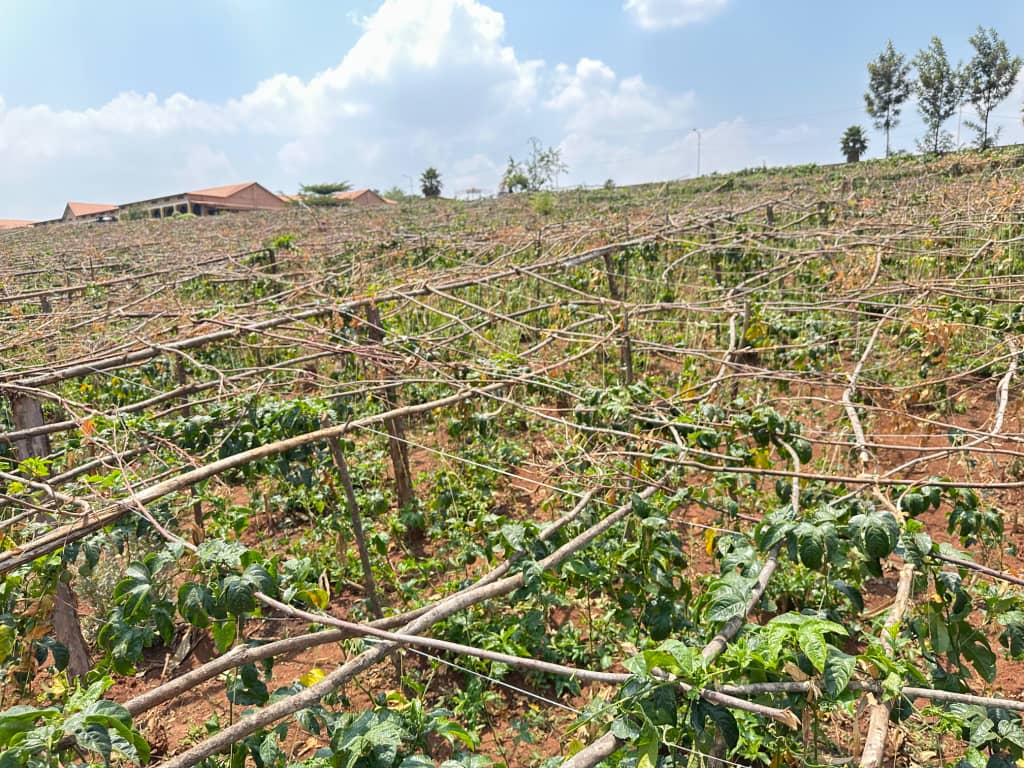Approximately **80 people** are involved in different activities at the plantation, including land preparation, crop maintenance, irrigation, harvesting and orchard management.
Among them is **Dorcella Niyitanga**, a resident of Shyanda Cell in Gisagara District, who has worked at the plantation for two months.
Niyitanga participates in daily farm activities, including watering and maintaining the fruit crops. She says the opportunity has provided her with an income while giving her new agricultural skills.
> “Before I came here, I did not have a job. Getting this opportunity has helped me improve my life. So far, I have managed to buy two pigs, and I hope they will reproduce and help me increase my livestock.”
She also sees the experience as an investment in her own future.
> “The knowledge I am gaining here will also help me when I eventually start farming on my own land because I am learning how to care for fruit crops and manage agricultural activities.”
#### **Irrigation Unlocks Production Potential**
According to **Ntihabose Cleophas**, the farm’s Agronomist, the land was not being used for commercial agricultural production before the plantation was established.
> “Before 2024, this land was not being used for commercial agriculture. We first cleared the existing forest to establish the fruit plantation. However, one of our biggest challenges was finding a reliable way to provide water to the crops.”
Although water was available from the nearby **Rwasave marshland**, the university faced financial challenges in developing the infrastructure needed to transport it to the plantation.
> “The water source was available, but transporting water from the Rwasave marshland to the farm, which is between one and one-and-a-half kilometers away, required expensive equipment. We were fortunate to become beneficiaries of the irrigation support programme, which enabled us to access the appropriate irrigation system.”
The introduction of the irrigation system has since changed how the plantation is managed.
> “After receiving the irrigation equipment, we were able to provide proper care to the plantation. From the first passion fruit harvest, we obtained approximately 1.2 tonnes, and the vines are still producing.”
Ntihabose expects production to increase as the plantation matures.
Passion fruit vines can remain productive for several years, while the tree tomato plantation is yet to reach full maturity, raising expectations of increased production in the coming seasons.
#### **From Production to Value Addition**
The plantation’s potential extends beyond the sale of fresh fruit.
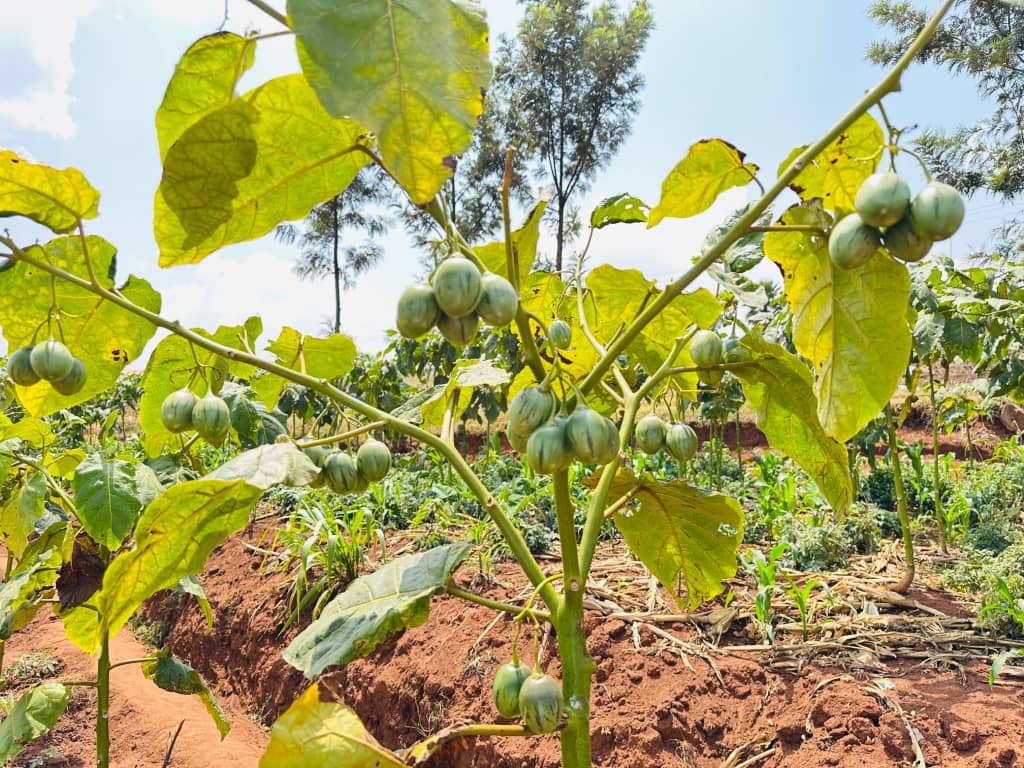By connecting production with food processing and value addition, the project creates opportunities to transform fruits into higher-value products while reducing post-harvest losses.
For students, this provides a practical environment to understand the full agricultural value chain and develop skills that can be applied in their future careers or businesses.
The experience also demonstrates how irrigation investment can generate benefits beyond crop yields—supporting **employment, skills development, entrepreneurship and institutional investment**.
The transformation of the Catholic University of Rwanda’s plantation shows how access to reliable water can unlock agricultural potential. What was previously underutilized land is becoming a productive fruit farm that combines commercial agriculture, practical education and community employment.
The **Sustainable Agricultural Intensification and Food Security Project Phase II (SAIP II)** is implemented by the **Rwanda Agriculture and Animal Resources Development Board (RAB)** through the **Single Project Implementation Unit (SPIU-RAB)**, with funding from the **Global Agriculture and Food Security Program (GAFSP)** through the **World Bank’s International Development Association (IDA)**.
The project focuses on increasing agricultural productivity, improving market access, strengthening food security and promoting sustainable agricultural practices through irrigation development, capacity building, value addition and market linkages.

SUBSCRIBE TO OUR NEWSLETTER
First name or full name
Email
By continuing, you accept the privacy policy
**Categories:** Climate / Agriculture Evolution, Natural Resources and Agriculture
---
### [Rwanda PM Urges Indangamirwa Graduates to Seize Opportunities, Resist Distractions](https://www.topafricanews.com/2026/08/10/rwanda-pm-urges-indangamirwa-graduates-to-seize-opportunities-resist-distractions/)
**Published:** August 10, 2026
**Author:** TOPAFRICANEWS
**Content:**
**Rwanda’s Prime Minister, Dr. Justin Nsengiyumva, has urged young people graduating from the 16th edition of Itorero Indangamirwa to make the most of the opportunities available to them while remaining disciplined enough to resist distractions and temptations that could derail their future.**
Dr. Nsengiyumva delivered the message on Monday, August 10, 2026, during the closing ceremony of the 16th edition of Itorero Indangamirwa held at the Rwanda Defence Force Combat Training Centre in Gabiro, Gatsibo District.
Addressing the 769 young people who completed the civic education programme, the Prime Minister said their generation has inherited a Rwanda with a strong foundation and significant opportunities, giving them a different responsibility from that faced by the generation that liberated the country.
“What your country expects from you is different from what was expected of the youth who liberated the country,” Dr. Nsengiyumva said.
He explained that the generation that liberated Rwanda in 1994 found a country devastated by the Genocide against the Tutsi and faced the enormous task of rebuilding the nation, restoring unity among Rwandans and laying the foundations for the development Rwanda is experiencing today.
“You grew up in a Rwanda that has rebuilt itself, a Rwanda with many opportunities and a promising future,” he told the graduates.
The Prime Minister said the responsibility of today’s youth is therefore to protect what has been achieved and build on it so that Rwanda can reach a level far beyond where it is today.
“Your responsibility is to protect what has been achieved and build on it, taking the country far beyond where you found it, so that you leave a better legacy for those who will come after you,” he said.
#### Opportunities come with distractions
Dr. Nsengiyumva cautioned the graduates that although today’s world offers unprecedented opportunities for young people, it also presents numerous distractions and temptations.
He challenged them to make responsible choices and remain committed to their values, particularly when doing what is right becomes difficult.
“There are many opportunities that young people like you have the capacity to turn into tangible benefits. But there are also many distractions and temptations,” he said.
He added: “Often, you will find that doing the right thing is difficult. That is precisely where your values and your sense of patriotism will be demonstrated.”
The Prime Minister urged the graduates to maintain integrity, discipline and self-respect in their personal lives, professional careers and wider communities.
He also encouraged them to use the knowledge and values acquired during Itorero to make sound decisions and contribute meaningfully to Rwanda’s development.
#### ‘You already have what you need to excel’
Dr. Nsengiyumva told the young people that they should not underestimate the foundation they already possess.
“You have everything you need to become outstanding in your lives and in your country,” he said.
He encouraged them to leave the programme with confidence in themselves and in the responsibility the country has entrusted to them.
The Prime Minister also echoed a message delivered to the young people by President Paul Kagame during his recent visit to the trainees, urging them to have purpose, discipline and integrity and to use what they have learned to contribute to the construction of a stronger Rwanda.
#### 769 young people complete the 16th edition
The 16th edition of Itorero Indangamirwa brought together 769 young people, including 315 females and 454 males.
The participants underwent training at the Gabiro military training facility, where they studied a range of subjects and practical activities, including the proper use of the Kinyarwanda language, Rwandan cultural values and taboos, as well as basic military training such as shooting.
The participants came from diverse backgrounds, including Rwandans living or studying abroad, students from international secondary schools and universities, as well as young people who performed exceptionally well during the 13th edition of Inkomezabigwi community service programme.
They join 5,216 young people who had already completed more than 15 previous editions of Itorero Indangamirwa.
For the Prime Minister, the completion of the training should mark not an end, but the beginning of a greater responsibility.
The graduates are expected to carry the values of Itorero into their workplaces, communities and personal lives, turning the opportunities available to them into concrete contributions to Rwanda’s future.

SUBSCRIBE TO OUR NEWSLETTER
First name or full name
Email
By continuing, you accept the privacy policy
**Categories:** NEWS
---
### [Most countries off track to meet 2030 food systems goals, new study finds](https://www.topafricanews.com/2026/08/10/most-countries-off-track-to-meet-2030-food-systems-goals-new-study-finds/)
**Published:** August 10, 2026
**Author:** Mutangana Emmanuel
**Content:**
Most countries around the world are unlikely to meet internationally agreed 2030 targets for transforming their food systems, with greenhouse gas emissions among the areas furthest off track, a new global study has found.
Published in *Nature Food*, the assessment by the Food Systems Countdown Initiative (FSCI) covers 197 countries and 44 indicators across five areas: diets, nutrition and health; environment and natural resources; livelihoods, poverty and equity; governance; and resilience.
The study goes beyond tracking whether countries are moving in the right direction to assess how close they are to meeting global targets and how quickly progress needs to accelerate.
Of 30 indicators assessed against global targets, only one, mobile phone subscriptions, used as a proxy for connectedness and resilience, has been met by most countries.
For 22 indicators, fewer than one-third of countries are projected to meet their target or benchmark by 2030.
Food systems greenhouse gas emissions are among the biggest concerns. The global average remains 75% away from the target, and no country is projected to meet it by 2030 at the current pace of progress.
“What makes this Countdown paper different is that it doesn’t just tell countries whether they’re moving in the right direction, it tells them how far they still have to go,” said Bianca Carducci, the study’s lead author.
The scale of the challenge varies by region. African countries would need improvements of at least 15% to 20% every year across 23 indicators to reach the 2030 targets, while Asia would need to cut food insecurity by more than 63% annually.
Even high-income regions face major gaps. In Europe, 19 indicators are projected to remain unattainable by 2030 at the current pace.
The study also identifies indicators moving in the wrong direction, including civil society participation, government accountability, sales of ultra-processed foods, agricultural water withdrawals, pesticide use and food systems emissions.
However, researchers say there are signs of progress. For seven of 33 indicators, at least one-third of countries are already on track to meet the 2030 target, while half of the indicators have been moving in a desirable direction globally.
Regional benchmarks could also make progress more achievable. African countries are, on average, 58.7% away from the global benchmark for affordability of a healthy diet, but the gap falls to 32.2% when compared with the average performance of the top fifth of African countries.
“Bold global targets are vital for inspiring ambition. But they can become a source of inertia if they seem permanently out of reach,” said Jessica Fanzo of Johns Hopkins University.
The researchers identify government effectiveness and accountability as critical leverage points for accelerating progress across the food system.
“Improving them unlocks progress across the entire system,” said Lawrence Haddad, Executive Director of the Global Alliance for Improved Nutrition.
The study calls for faster and more coordinated action, particularly on food affordability, food insecurity, governance and food systems emissions.
“Our global food systems demand urgent, decisive action, starting now,” said José Rosero Moncayo, FAO’s Chief Statistician.

SUBSCRIBE TO OUR NEWSLETTER
First name or full name
Email
By continuing, you accept the privacy policy
**Categories:** Natural Resources and Agriculture
---
### [Huye Farmers Gain New Opportunities as SAIP Expands Climate-Resilient Agriculture](https://www.topafricanews.com/2026/08/10/huye-farmers-gain-new-opportunities-as-saip-expands-climate-resilient-agriculture/)
**Published:** August 10, 2026
**Author:** LIBOS NDAYISHIMIYE
**Content:**
**HUYE, Rwanda** – Farmers in Huye District are gaining new opportunities to increase agricultural production and withstand the effects of climate change as irrigation, training, equipment and market-support interventions expand under the **Sustainable Agricultural Intensification and Food Security (SAIP) Project**.
Huye District Mayor **Ange Sebutege** says the interventions are addressing some of the key challenges facing farmers, particularly those cultivating small plots and increasingly affected by changing weather patterns.
Speaking about the project’s contribution to agriculture in the district, Sebutege highlighted the importance of partnerships with agricultural institutions, particularly the **Rwanda Agriculture and Animal Resources Development Board (RAB)** and SAIP.
Agriculture and livestock farming remain among the main sources of livelihoods for residents, making investments that improve productivity and resilience particularly important for the district.
According to Sebutege, SAIP is providing farmers with practical solutions that enable them to make better use of their limited land while increasing the number of seasons in which they can cultivate.
> “The SAIP project is a solution for farmers, especially those cultivating on small plots. We appreciate what it has already delivered to farmers, and so far, around 29 hectares have been supported to enable farmers to cultivate during three seasons without being affected by challenges caused by climate change.”
The mayor said an additional **20 hectares** are expected to receive similar support, further expanding access to irrigation and modern agricultural practices.
For Sebutege, however, irrigation is only one part of the transformation. He also highlighted farmer training, agricultural equipment and stronger links to markets as important interventions helping farmers turn agriculture into a more productive economic activity.
> “Among other things we appreciate are training on increasing agricultural productivity, connecting farmers to markets, and providing the necessary equipment. These interventions help address the challenge of food security.”
He also emphasized the importance of improved wetland management as part of Huye’s broader agricultural and environmental priorities.
Better management of wetlands, according to the district, can contribute to reducing soil erosion, protecting natural resources and improving agricultural production. Post-harvest handling is also important in ensuring that farmers can preserve their produce and reduce losses before reaching markets.
#### **Reducing the Cost of Irrigation for Farmers**
Meanwhile, **Innocent Nzabamwita**, Irrigation Engineer Specialist at **SPIU-RAB**, said government subsidies are helping farmers overcome the financial barriers associated with acquiring small-scale irrigation equipment.
> “Farmers cultivating between 0.5 and 10 hectares can benefit from Government support for small-scale irrigation equipment. Under the programme, farmers cover half of the equipment cost, while the Government finances the other 50%.”
SAIP II also places emphasis on farmer groups and cooperatives as a way of expanding access to irrigation and strengthening collective action.
Through organized farmer groups, farmers can collaborate in production, manage irrigation resources, and improve their ability to access markets.
For Huye, expanding irrigation is becoming increasingly important as farmers contend with unpredictable rainfall and other climate-related challenges.
Reliable access to water allows farmers to plan their production more effectively, continue farming during dry periods and cultivate across multiple seasons.
For Mayor Sebutege, the interventions represent more than agricultural infrastructure. They are part of a broader effort to help smallholder farmers overcome climate-related challenges while improving productivity, food security and the economic contribution of agriculture to households across Huye District.

SUBSCRIBE TO OUR NEWSLETTER
First name or full name
Email
By continuing, you accept the privacy policy
**Categories:** Natural Resources and Agriculture
---
### [Sun-powered farming: Ethiopian farmers save thousands by switching to solar irrigation](https://www.topafricanews.com/2026/08/10/sun-powered-farming-ethiopian-farmers-save-thousands-by-switching-to-solar-irrigation/)
**Published:** August 10, 2026
**Author:** TOPAFRICANEWS
**Content:**
Smallholder farmers in Ethiopia are slashing their farming costs, increasing food production and protecting the environment thanks to solar-powered irrigation systems introduced through the Nature-based Solutions for Sustainable and Inclusive Development programme, led by the international NGO [Farm Africa](https://click.agilitypr.delivery/ls/click?upn=u001.-2FC6wuVvi5LjEGAhkSsjeCoW5sImLHpjAf-2F41TnPAVMD3nLlbbtOmStnEJ2zWQj8MQN9S_3xC-2BPcLP4N6Z-2B4jPWsHeMCJaOLhCBu9nRWPVy-2FCop-2Bav8-2BxMSQ5KO426AjhwhQ1oXF81baMI7PBbApV42tzQK7nWtQdkT-2B3gRbX17h4EjZr8z0CIiQ6VNv3SjhQtC-2FfZVpS-2BrE4tgEO-2BSZ3CuxxZSfLjfBnPAF-2FldSAjG1wttVyjRXW-2Fdq7uikhaP9tWy45QxFV7B10QbLRwULqMeI5I6aRv8ruGzsVFPPACAiS7-2BLJ1P9QZXYAxmTEfjDB2edLNOLN1UBvayHK80AbuNqNC042Y-2BAAc6gG-2FkTO8vu4AMYXjxSK7Rpo-2BEAZ8S-2BC-2BoGP-2FH5ACSxZoUPlFQbdtIT9wTq9Yc-2BlK8uBXuscby34-2BQW-2Fg7AzJnUaZ82pYSfG98lpEwPIn4iBBWXC67nZwR-2FdIMSKLJL39J2o5xZiR-2BoHrXWWUnE1rQmFxNGLZoO1kyflLY2-2FhGSaeh-2FW3896RF6bYpg-3D-3D).
In a country famous for its [“13 months of sunshine”](https://click.agilitypr.delivery/ls/click?upn=u001.-2FC6wuVvi5LjEGAhkSsjeCnvdDtQEwySLApXWfx14l-2Fo0HJWc1Y3zgz8-2FxYp9-2FPqCH6IT7PZ8NoCVYBwvHwpjyAQBQWZ-2F-2BcCzLhCCpyiWL-2Fk-3DWDCU_3xC-2BPcLP4N6Z-2B4jPWsHeMCJaOLhCBu9nRWPVy-2FCop-2Bav8-2BxMSQ5KO426AjhwhQ1oXF81baMI7PBbApV42tzQK7nWtQdkT-2B3gRbX17h4EjZr8z0CIiQ6VNv3SjhQtC-2FfZVpS-2BrE4tgEO-2BSZ3CuxxZSfLjfBnPAF-2FldSAjG1wttVyjRXW-2Fdq7uikhaP9tWy45QxFV7B10QbLRwULqMeI5I6aRv8ruGzsVFPPACAiS7-2BLJ1P9QZXYAxmTEfjDB2edLNOLN1UBvayHK80AbuNqNC042Y-2BAAc6gG-2FkTO8vu4AMYXjxSK7Rpo-2BEAZ8S-2BC-2BoGP-2FH5ACSxZoUPlFQbdtIT9wTuitPfWl-2Bo6zOu3aXUKzNvzQA2zOikxjDIoXogoMZHEIKBNg8tZxy1pNhMnZvJhrtJGgyfxCVbmZwCEz10ukSrFkAlUYwVr8mTBEwLa7G10nP92fsdYiaojADXYH4yFblQ-3D-3D), Ethiopia has enormous potential to harness solar energy. While the country has abundant water resources and millions of hectares of irrigable land, most smallholder farmers still rely on rainfall to grow their crops, leaving them vulnerable to drought and erratic weather patterns.
Even for those with irrigation systems, extreme shortages and rising prices of fuel, sparked by the Middle East crisis, are disrupting production and cutting into farmers’ profits.
To help farmers access reliable and climate-friendly irrigation, with funding from the Swedish International Development Agency Sida, Farm Africa and partners have introduced solar-powered water pumps in communities in Central Ethiopia, the Oromia region and around the capital city Addis Ababa.
The technology replaces diesel and petrol-powered pumps that are expensive to run, difficult to fuel and contribute to greenhouse gas emissions. Solar-powered irrigation systems provide a cost-effective and environmentally friendly alternative to helping improve agricultural productivity, food security and household incomes.
The impact is already clear.
In Akaki Kality, on the outskirts of Addis Ababa, a vegetable-growing cooperative made up of 25 members previously relied on diesel-powered pumps to irrigate 1.5 hectares of land.
The cooperative used around 2,305 litres of diesel during a single three-month growing cycle, costing approximately ETB 414,720. Because vegetables are grown three times a year, switching to a solar-powered irrigation system is expected to save the cooperative around ETB 1.24 million (approximately £5,800) annually in fuel costs alone.
Farmers in rural Ada’a Woreda in the Oromia Region are also seeing significant benefits. A group of six farmers cultivating two hectares of land in Godino Kebele previously depended on petrol-powered pumps. Obtaining fuel was not only costly but time-consuming, often requiring lengthy journeys and administrative approvals before fuel could be purchased.
By switching to solar irrigation, the farmers have avoided the use of an estimated 1,344 litres of petrol during a single three-month production cycle, saving approximately ETB 241,920. Over three growing seasons a year, the group is expected to save around ETB 725,760 (£3,386).
The benefits extend far beyond financial savings.
Reliable solar-powered irrigation enables farmers to continue producing crops despite increasingly unpredictable rainfall patterns linked to climate change. It also protects them from fluctuations in fuel prices and shortages.
Farm Africa Ethiopia Country Director Shewit Emmanuel commented:
“The global energy crisis has hit Ethiopian farmers hard. Diesel and petrol have become not just expensive, but very scarce. Farmers have had to wait in queues for hours to purchase fuel, costing precious time that should be spent farming. The impact on productivity and food security has been severe.”
By eliminating the need for fossil fuels to power irrigation, solar pumps also reduce greenhouse gas emissions and support more environmentally sustainable farming systems. Farmers spend less time sourcing fuel, experience fewer interruptions to irrigation schedules and can focus more of their time on producing food and generating income.
Farm Africa’s experience reflects growing evidence that solar-powered irrigation can transform rural livelihoods.
Farm Africa Programme Manager Ayele Feleke commented:
“As Ethiopia faces increasing pressure from climate change, population growth and food insecurity, solar irrigation is a clean energy source that can deliver a powerful double dividend: lower costs for farmers and a healthier planet for future generations.”

SUBSCRIBE TO OUR NEWSLETTER
First name or full name
Email
By continuing, you accept the privacy policy
**Categories:** Climate / Agriculture Evolution, CLIMATE CHANGE
---
### [Zambia’s judiciary prepares to resolve election disputes ahead of 13 August vote](https://www.topafricanews.com/2026/08/10/zambias-judiciary-prepares-to-resolve-election-disputes-ahead-of-13-august-vote/)
**Published:** August 10, 2026
**Author:** TOPAFRICANEWS
**Content:**
The Judiciary of Zambia has begun its final electoral dispute resolution training ahead of the country’s general election on 13 August 2026.
With support from the Commonwealth Secretariat and the Chandler Institute for Justice, the programme is taking place from 2 to 8 August and brings together judges, magistrates, research advocates, assistant registrars, clerks of court and legal practitioners. It is designed to help ensure that any election disputes are resolved fairly, independently and within the timelines set by the Constitution.
Participants are receiving practical training on electoral law, evidentiary standards, judgment writing and the application of new election petition rules.
The training concludes a wider institutional preparedness programme led by the Chief Justice’s Advisory Committee on Election Management.
Opening the training, Chief Justice Dr Mumba Malila, SC, reaffirmed the judiciary’s responsibility to uphold the rule of law throughout the electoral period.
He said: “Our courts remain open to every citizen. Should there be disputes, every litigant will receive a fair hearing. Every matter will be decided according to the Constitution and the law. That is our duty. That is our commitment.”
The Chairperson of the Advisory Committee, the Honourable Lady Justice Maria Kawimbe, said the training programme had prepared judges, magistrates, research advocates and court staff across the country to manage election petitions effectively.
She added that the Committee had achieved approximately 95 per cent of the targets set out in its Strategic Plan, improving Zambia’s capacity to manage electoral disputes.
Speaking at the opening, Dr Elizabeth Macharia, acting Head of the Rule of Law Section at the Commonwealth Secretariat, said: “Democracy does not end when the votes are counted. People must also have confidence that, when disputes arise, they will be heard by independent courts and resolved fairly, impartially and according to the law.
“That is why we are proud to support Zambia’s Judiciary as it prepares for the election. This early investment in people, systems and judicial readiness helps protect public trust and uphold the rule of law throughout the electoral process.”
The training is expected to further prepare Zambia’s judiciary to manage election-related cases professionally, independently and without unnecessary delay during and after the 2026 general election.

SUBSCRIBE TO OUR NEWSLETTER
First name or full name
Email
By continuing, you accept the privacy policy
**Categories:** NEWS
---
### [United States Announces Historic $2 Billion in Health and Humanitarian Assistance to Faith-Based Organizations](https://www.topafricanews.com/2026/08/10/united-states-announces-historic-2-billion-in-health-and-humanitarian-assistance-to-faith-based-organizations/)
**Published:** August 10, 2026
**Author:** TOPAFRICANEWS
**Content:**
the United States announced nearly $2 billion in partnerships with faith-based and community organizations that provide global health and humanitarian assistance around the world. This historic announcement is the largest allocation of global health foreign assistance to faith-based organizations in over 20 years. It underscores the Trump Administration’s commitment to partnering with organizations that demonstrate faith in action and have proven their ability to deliver health and humanitarian assistance in the world’s most difficult environments.
This new funding will be provided to an extensive network of internationally recognized and local faith-based partners including World Vision, Compassion International, and Samaritan’s Purse.
#### Strengthening Faith-Based and Community Health Services Globally
As a landmark commitment under the [America First Global Health Strategy (AFGHS)](https://links-1.govdelivery.com/CL0/https:%2F%2Fwww.state.gov%2Famerica-first-global-health-strategy%3Futm_medium=email%26utm_source=govdelivery/1/0100019fdac4316b-aafb7875-94c2-4209-991a-2375b47e4746-000000/85IVOe2DF_BofXv9DjxhXRqxhMlm4hharat7V_nWvoA=452), the Department of State announced $1.4 billion to support the delivery of integrated, life-saving health services through faith and community-based hospitals and clinics in more than 20 countries. Through the Faith and Community Initiative (FCI) Award to World Vision and a consortium of local faith-based implementers, the Department plans to provide up to $850 million over five years, subject to the availability of funds, to support:
- Over 2,500 faith-based hospitals, clinics and community hubs will be strengthened to deliver cost-effective, high-quality healthcare services across 17 countries.
- More than 30,000 community health workers will be trained, paid, and equipped with supplies to deliver critical health services.
An additional $570 million will be provided to faith-based and community hospitals and clinics directly through funding in the Memorandums of Understanding signed with country governments under the AFGHS. This combined $1.4 billion represents the largest announcement of global health foreign assistance to faith-based organizations in over 20 years.
In many of the countries where the United States provides foreign assistance, faith-based healthcare providers represent 40% or more of all health facilities. By leveraging faith-based and community-run hospitals and clinics, the Department of State is strengthening health service delivery that prevents illness, saves lives, and ensures a path toward self-reliance. The faith-based and community organizations are ensuring at least 80% of resources go toward frontline health services that reach patients and clients while streamlining overhead and management costs, a significant increase from the 35% to 40% of resources that went to frontline health services in historical awards from the State Department.
#### Proven Partners in the World’s Hardest Places
As part of this historic announcement, the United States is announcing our intention to provide $538 million to trusted partners as part of a series of global humanitarian assistance awards through which the State Department is channeling life-saving assistance. This $538 million in humanitarian response funding – for Samaritan’s Purse and a consortium jointly led by World Vision and Compassion International – is expected to reach 7 million people with critical, lifesaving assistance across 16 humanitarian crises. Over $100 million will be made immediately available to respond to natural disasters around the world while also strengthening preparedness in 23 disaster-prone countries.
Samaritan’s Purse has operated in more than 100 countries and has built a decades-long record of delivering emergency relief in conflict zones, post-disaster environments, and disease outbreak settings where few others can operate effectively. The organization’s field-forward model of rapid deployment of its aircraft, personnel, supplies, and field hospitals, often within hours of a crisis, aligns directly with the Trump Administration’s priority of getting assistance to those who need it most, without bureaucratic delay. Most recently, Samaritan’s Purse deployed a field hospital in Venezuela following the devastating June earthquakes, treating patients from impacted areas.
The World Vision – Compassion International consortium, in collaboration with the Accord Network, brings together a multitude of faith-based organizations that bring decades of global disaster and humanitarian response expertise. World Vision, which reached 35.6 million people through 104 disaster responses in 2025 with a footprint across more than 100 countries; Compassion International, with over 70 years of experience partnering with tens of thousands of local churches across 29 countries with a proven record of rapid emergency responses in earthquakes, cyclones, epidemics, and conflict displacement. Together, this consortium combines the experience, robust compliance and transparency, trusted local relationships and financial scale to deliver rapid, effective emergency response at a global level.
Samaritan’s Purse, World Vision, and Compassion International exemplify the Administration’s commitment to partnering with faith-based and community organizations that responsibly steward taxpayer dollars while delivering lifesaving assistance to those in need.

SUBSCRIBE TO OUR NEWSLETTER
First name or full name
Email
By continuing, you accept the privacy policy
**Categories:** ADVOCACY, EDUCATION, NEWS
---
### [AfricaRice Strengthens Strategic Partnerships with Leading Chinese Research Institutions to Accelerate Rice Innovation in Africa](https://www.topafricanews.com/2026/08/10/africarice-strengthens-strategic-partnerships-with-leading-chinese-research-institutions-to-accelerate-rice-innovation-in-africa/)
**Published:** August 10, 2026
**Author:** TOPAFRICANEWS
**Content:**
In a significant step forward international rice research collaboration, a delegation from [Africa Rice Center (AfricaRice)](https://www.africarice.org/) led by its Director General, Dr. Baboucarr Manneh, recently undertook an official mission to China, engaging with five of the country’s foremost agricultural research institutions that saw the signing of cooperation agreements, firming up concrete joint research roadmaps, and a landmark scientific breakthrough.
**Signing Ceremony I: AfricaRice and HNAAS Formalize Strategic Partnership**
The first major milestone of the mission came on 27 May, when AfricaRice and the [Hunan Academy of Agricultural Sciences (HNAAS)](http://www.hunaas.cn/introduce.html) signed a Strategic Cooperation Agreement in a formal ceremony attended by senior representatives of both institutions. The agreement was signed by Dr. Baboucarr Manneh on behalf of AfricaRice and Prof. Yu Yinghong, President of HNAAS, on behalf of the Academy. The HNAAS is one of China’s most prestigious agricultural research bodies, with the Hunan Hybrid Rice Research Center (HHRRC) as a key affiliate. The HNAAS brings to this partnership, deep expertise in hybrid rice breeding, molecular genetics, and technology dissemination. The agreement provides a long-term framework for joint research, scientist exchanges, and capacity development, with HHRRC designated as the lead unit for implementation of AfricaRice–HNAAS cooperation activities.
**Signing Ceremony II: AfricaRice and CNRRI Establish a Joint Laboratory for Rice Research and Innovation**
The second major milestone was chalked on 30 May, when AfricaRice and the [China National Rice Research Institute (CNRRI)](https://cnrri.caas.cn/en/) held a signing ceremony to formalize their Cooperation Agreement for a Joint Laboratory for Rice Research and Innovation. The agreement which was signed by Dr. Jiang Renhua, Director General of CNRRI, and Dr. Baboucarr Manneh on behalf of AfricaRice was witnessed by officials from the two institutes and representatives from the Chinese Academy of Agricultural Sciences (CAAS) and Clonal Rice Project leadership. The CNRRI is the main national research program with a rice mandate and operates China’s national rice genebank and a nationwide research network spanning breeding, quality testing, and cropping systems, making it one of the country’s foremost rice research institutions. The joint laboratory framework creates a dedicated platform for collaborative research, technology transfer, and human capacity development, with an early emphasis on accelerating the transition of African rice production systems toward higher-yielding irrigated systems supported by mechanization and modern breeding tools.
Productive discussions were also held with the [Shanghai Agrobiological Gene Center (SAGC)](http://www.sagc.org.cn/) and [Zhejiang Agriculture and Forestry University (ZAFU)](https://www.zafu.edu.cn/en), both of which expressed strong interest in formalizing partnerships with AfricaRice. Priority areas identified include germplasm exchange, improved variety evaluation under African conditions, rice processing technologies, mechanization, and renewable energy applications in agriculture.
**Science at the Center: The HHRRC Symposium**
During a dedicated scientific symposium with the Hunan Hybrid Rice Research Center (HHRRC), a globally recognized hub for hybrid rice innovation, research teams from both institutions explored co-development of technologies tailored to Africa’s unique production challenges. Discussions centered on third-generation hybrid rice breeding systems based on gene-edited male sterility, molecular breeding, and the identification of innovations ready for deployment across the continent. Both sides agreed to align breeding priorities and develop a roadmap for training African scientists at MSc, PhD, and postdoctoral levels.
**A Breakthrough for the Future of Rice Seed Systems**
The mission culminated in the 2026 Annual Meeting of the [Gates Foundation](https://www.gatesfoundation.org/)-funded Clonal Rice Project which brought together international partners to review scientific progress toward a transformative goal: rice varieties that retain high hybrid performance across successive generations — eliminating the need for farmers to purchase new seed every season.
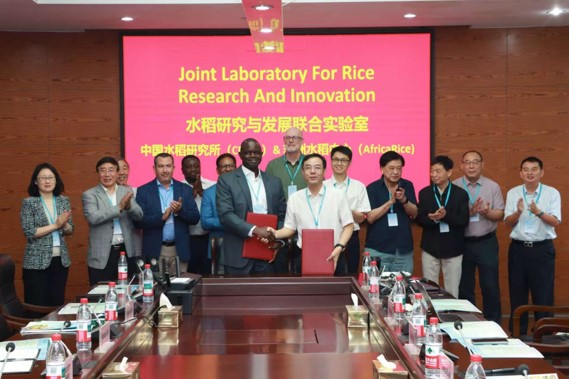The third milestone came as a historic progress from the Clonal Rice project: two hybrids developed by AfricaRice have been successfully gene-edited with no traces of foreign DNA. This breakthrough is a critical proof of concept on the road to commercially deployable clonal rice and has significant implications for seed system sustainability, food security, and farmer autonomy across Africa.
Dr. Manneh commended the research teams for their rapid progress, emphasizing that “stronger international partnerships will play a critical role in delivering innovative technologies that improve productivity, enhance food security, and reduce Africa’s dependence on rice imports.”

SUBSCRIBE TO OUR NEWSLETTER
First name or full name
Email
By continuing, you accept the privacy policy
**Categories:** NEWS
---
### [Countries Turn Just Transition Pledges Into Laws, Policies and Court Decisions](https://www.topafricanews.com/2026/08/08/countries-turn-just-transition-pledges-into-laws-policies-and-court-decisions/)
**Published:** August 8, 2026
**Author:** Mutangana Emmanuel
**Content:**
Countries are increasingly moving beyond promises on a “just transition” by embedding the principle in laws, public policies, institutions and court decisions, according to a new report by the United Nations Environment Programme (UNEP).
The report, ‘No Transition Without Justice: Strengthening Environmental Rule of Law for People and Planet,’ was released ahead of the first anniversary of the International Court of Justice’s advisory opinion on states’ obligations regarding climate change.
It argues that the transition to low-carbon and climate-resilient economies must be guided by environmental rule of law, ensuring that climate action is fair, inclusive and grounded in human rights.
UNEP defines a just transition as a fair and inclusive transformation towards sustainable and resilient economies and societies. The approach takes into account the interests of workers, Indigenous Peoples and other affected communities across sectors including energy, mining, construction and agriculture.
It also considers the longer-term impacts of climate policies, including the need to address past harms and protect the rights of future generations.
The question of how countries can reduce greenhouse gas emissions without leaving people, communities and economies behind remains a major issue in international climate negotiations, including discussions at the recent Bonn Climate Meeting.
“The design and implementation of transition processes will determine whether there is a transition at all,” said Patricia Kameri-Mbote, Director of UNEP’s Law Division.
“Just transition is a test of governance, legitimacy, and the rule of law. Fair, inclusive, and rights-based transitions are what make environmental action durable.”
**From commitments to implementation**
The report notes that governments are increasingly incorporating just transition into their national climate strategies.
As of 2024, 67 Parties to the Paris Agreement had explicitly referenced just transition in their Nationally Determined Contributions (NDCs), the climate action plans through which countries outline their efforts to address climate change.
However, UNEP cautions that there is no single model for implementing a just transition. The approach must reflect the economic, social and environmental circumstances of individual countries and communities.
The report identifies four key pathways through which environmental rule of law can help turn just transition commitments into action: laws and institutions, civic engagement, access to justice, and finance.
These pathways are illustrated through examples from countries including Australia, Brazil, Canada, Chile, China, Colombia, Costa Rica, India, Indonesia, Mexico, Morocco, Peru, South Africa, Tuvalu and the United Kingdom, as well as the Economic Community of West African States (ECOWAS) and several European Union countries.
In Slovenia, for example, transition planning includes measures aimed at preventing energy and mobility poverty, while municipalities play a role in implementing policies at the local level.
In South Korea, Seoul has applied transition principles to its urban energy system by bringing together citizens, civil society groups, industry representatives and government officials to help shape city-level energy efficiency and emissions-reduction plans.
**Justice at the centre of climate action**
UNEP says these examples demonstrate that environmental rule of law can provide a framework for ensuring that climate policies are not only environmentally effective but also socially fair.
The report comes as governments continue to grapple with the economic and social consequences of shifting away from fossil fuels and other high-emission activities.
For UNEP, ensuring that affected communities have opportunities to participate in decision-making, access justice and benefit from adequate financing will be critical to making the transition sustainable.
The agency said it will continue supporting countries in developing and implementing just transition policies and plans, in line with decisions adopted at the UN Climate Change Conference in Belém, COP30.

SUBSCRIBE TO OUR NEWSLETTER
First name or full name
Email
By continuing, you accept the privacy policy
**Categories:** CLIMATE CHANGE, Environment
---
### [Italy records sharp drop in migrant sea arrivals in 2026 amid ongoing policy debates](https://www.topafricanews.com/2026/08/06/italy-records-sharp-drop-in-migrant-sea-arrivals-in-2026-amid-ongoing-policy-debates/)
**Published:** August 6, 2026
**Author:** DUSABEMUNGU Ange de la Victoire
**Content:**
Sea arrivals of migrants and asylum seekers to Italy have fallen sharply in 2026, with official figures showing approximately 16,567 people reaching the country’s shores in the first seven months of the year.
This represents a decline of more than 50 percent compared with the same period in 2025, when more than 36,000 arrivals were recorded, and marks a steep reduction from the peak of roughly 157,000 in 2023.
July alone saw 2,179 arrivals, down 21 percent from the previous month.
Lampedusa remains a primary point of disembarkation, though current numbers on the island are low, with reports indicating fewer than 130 people present in the hotspot facility in early August.
Small groups continue to arrive, including around 100 people in three separate landings reported on 6 August.
The Meloni government has attributed the reduction to a combination of bilateral agreements with North African countries aimed at intercepting boats before departure, the establishment of external processing arrangements including facilities in Albania, and changes to domestic rules that previously offered broader forms of protection and residency rights.
Legal immigration pathways for work continue under multi-year quotas separate from irregular arrivals.First-time asylum applications remain higher than pure sea arrival numbers, with more than 126,000 recorded in 2025.
Reception systems continue to house tens of thousands of people across emergency centers, government facilities and integration programs.
Nationalities among recent arrivals have included individuals from Bangladesh, Somalia, Sudan, Algeria, Pakistan and other countries.
Discussions on social media and in political circles have focused on the statistical decline while highlighting isolated incidents involving reception conditions, protests over provisions, and occasional reports of violence or public disorder linked to individuals identified as asylum seekers.
At the same time, Italy has moved forward with domestic implementation of the European Union’s Pact on Migration and Asylum through a decree-law that took effect earlier in 2026.
Talks have also emerged regarding a possible partnership with Rwanda centered on temporary protection and claim processing for displaced people.
Comparisons with other Mediterranean routes show broader declines across the region in the first half of the year, though pressure points such as the recent situation in Ceuta have prompted renewed debate among EU member states over border controls and solidarity mechanisms.
Italian authorities continue to emphasize that the current levels of arrivals do not constitute an emergency, while opposition voices and critics argue that irregular entries persist and that longer-term integration and return challenges remain unresolved.
As of early August, the overall picture is one of significantly reduced sea traffic compared with previous years, sustained small-scale landings, active diplomatic efforts, and polarized public discussion surrounding the management of asylum and migration.
**In short:**
Italy Sees Sharp Decline in Sea Arrivals in 2026# Italy Records Sharp Decline in Sea Arrivals During 2026
Official figures indicate that migrant and asylum seeker arrivals by sea have fallen significantly compared with previous years.
Sea Arrivals
Jan–Jul 2026
## 16,567
Jan–Jul 2025
## 36,000+
Peak Year (2023)
## 157,000
July 2026 Arrivals
## 2,179
## Arrival Trends
| Indicator | Data |
|---|---|
| Sea arrivals (Jan–Jul 2026) | 16,567 |
| Sea arrivals (Jan–Jul 2025) | More than 36,000 |
| Peak arrivals (2023) | Approximately 157,000 |
| Overall change | More than 50% decrease |
| July arrivals | 2,179 (21% lower than June) |
| Lampedusa hotspot population | Fewer than 130 people |
| Landings on 6 August | About 100 people in three separate boats |
| First-time asylum applications (2025) | More than 126,000 |
## Factors Behind the Decline
- Bilateral agreements with North African countries to intercept migrant boats.
- External processing arrangements, including facilities in Albania.
- Changes to Italy’s domestic migration and residency policies.
- Separate legal migration quotas for workers.
## Current Situation
**Lampedusa** remains Italy’s principal landing point for migrants arriving by sea. Although arrivals continue, the number of people currently hosted at the island’s reception centre remains relatively low compared with previous years.
## Countries of Origin
Recent arrivals include people from:
- Bangladesh
- Somalia
- Sudan
- Algeria
- Pakistan
- Other African and Asian countries
## Policy Developments
- Italy has begun implementing the EU Pact on Migration and Asylum.
- Discussions have emerged regarding possible cooperation with Rwanda on asylum claim processing.
- Reception centres continue to host tens of thousands of asylum seekers across Italy.
## Public Debate
The decline in sea arrivals has become a central topic in Italian politics. While the government argues that current numbers no longer constitute an emergency, critics maintain that irregular migration, integration, and return policies continue to present long-term challenges.
**Key Takeaway:**
Italy has experienced one of the lowest levels of sea arrivals in recent years. Although crossings continue, the scale is substantially below the levels recorded in 2023, while migration management remains a politically sensitive issue across Europe.
Source: Italian Ministry of Interior, EU migration reports, UNHCR, IOM, official government statements and media reports. Data reflects the situation as of early August 2026.

SUBSCRIBE TO OUR NEWSLETTER
First name or full name
Email
By continuing, you accept the privacy policy
**Categories:** NEWS, SECURITY
---
### [From Rising Costs to Record Harvests: Solar-Powered Irrigation Transforms Farmers’ Businesses in Bugesera District](https://www.topafricanews.com/2026/08/06/from-rising-costs-to-record-harvests-solar-powered-irrigation-transforms-farmers-businesses-in-bugesera-district/)
**Published:** August 6, 2026
**Author:** LIBOS NDAYISHIMIYE
**Content:**
Farmers in Bugesera district are now experiencing a new era of agricultural growth. Through modern irrigation solutions, including solar-powered systems, farmers are expanding production, reducing operational costs, increasing harvests, creating sustainable jobs, and turning agriculture into a more profitable business that is resilient to climate challenges.
For years, many farmers struggled to maintain consistent production due to prolonged dry seasons and limited access to affordable irrigation technologies. However, the introduction of improved irrigation support is changing this reality by enabling farmers to produce efficiently throughout the year while reducing dependence on rainfall.
The transformation is being supported through the Sustainable Agricultural Intensification and Food Security Project (SAIP II), implemented by the Rwanda Agriculture and Animal Resources Development Board (RAB) through the Single Project Implementation Unit (SPIU).
Through the provision of Small-Scale Irrigation Technologies (SSIT), the project is helping farmers access reliable water sources, increase productivity, improve incomes, strengthen food security, and build resilience against the effects of climate change.
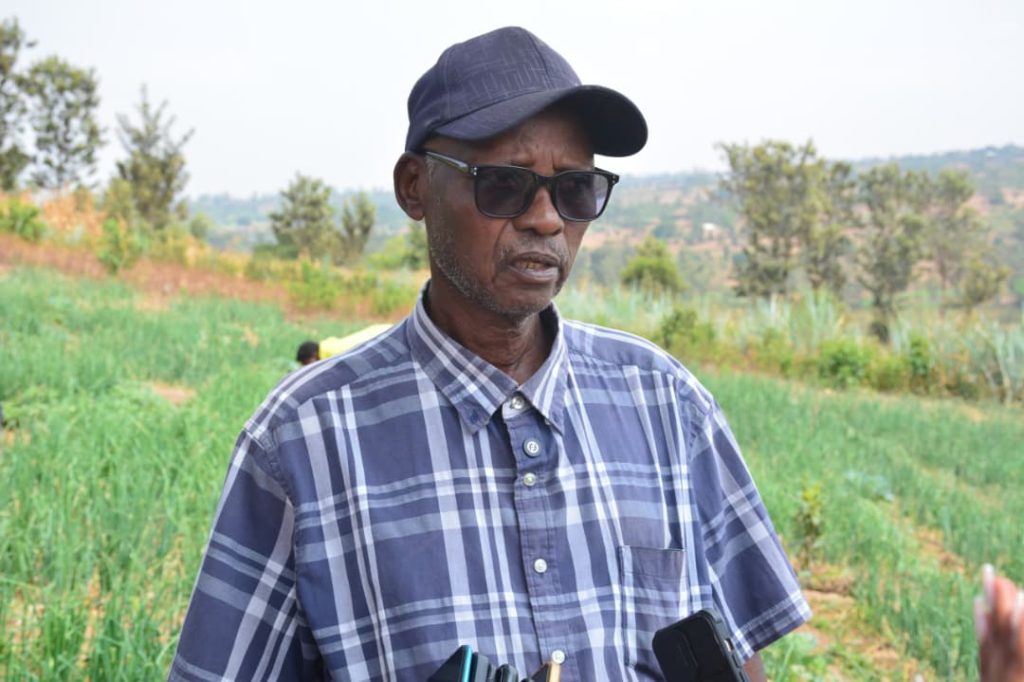One of the beneficiaries is HAKIZAMUNGU Laurent, a farmer from Buhuha Sector, Bugesera District, who specializes in macadamia production. He says that before accessing modern irrigation support, farming required significant effort but generated limited returns because water availability remained a major challenge.
“Before we received reliable water access, we used ordinary fuel-powered pumps, but production remained low despite the effort we invested,” Hakizimungu explained. “The situation changed completely after we obtained sufficient water for irrigation.”
He says irrigation allowed him to expand his farming operations and significantly increase production.
“When I started, I was producing around five tonnes. Later, production increased to ten tonnes, and now I have reached between 15 and 20 tonnes. This progress has been possible because of modern irrigation, including a solar-powered system that supplies water efficiently,” he said.
The shift to solar-powered irrigation has also helped reduce production expenses.
According to Hakizimungu, fuel costs associated with traditional irrigation systems consumed a large part of the farm’s income and increased operational challenges.
“Fuel was one of the biggest costs affecting our farming business. Today, that burden has been greatly reduced because we are using a more efficient irrigation system powered by solar energy,” he said.
He added that the support received through SAIP II, in partnership with Bugesera District, gave farmers an opportunity to improve their agricultural enterprises and invest in long-term productivity.
The irrigation project required an investment of RWF 40 million, with the beneficiary contributing RWF 10 million, while the remaining investment was supported through the project.
Beyond increasing production, modern irrigation has also changed the way farmers view agriculture, shifting from subsistence farming toward commercial production.
According to Hakizimungu, access to reliable water has allowed farmers to plan production better, maintain crop health, and respond to market demands.
“Agriculture is now becoming a business. When you have reliable irrigation, you can plan, invest, and expect better returns because production is no longer controlled by rainfall alone,” he said.
**Government Support Expands Access to Irrigation Technologies**
According to Innocent Nzabamwita, Irrigation Engineer Specialist at RAB-SPIU, the Government of Rwanda has established subsidy programs to encourage farmers to invest in modern irrigation systems and overcome financial barriers.
“Farmers cultivating between 0.5 and 10 hectares receive a Government subsidy covering 50 percent of irrigation equipment costs, while they contribute the remaining 50 percent,” Nzabamwita explained.
He added that farmers adopting solar-powered irrigation systems benefit from stronger Government support because of the importance of renewable energy in sustainable agriculture.
“For farmers cultivating between five and ten hectares using solar-powered pumps, farmers contribute only 25 percent of the investment, while the Government subsidizes the remaining 75 percent,” he said.
Nzabamwita noted that these subsidies are making irrigation technologies accessible to more farmers, allowing them to increase production, improve incomes, and strengthen their ability to cope with climate change.
“The objective is to reduce the financial burden that prevents farmers from investing in irrigation technologies. By making these systems affordable, more farmers can adopt modern irrigation and transform their agricultural activities into profitable enterprises,” he said.
He explained that these efforts are aligned with Rwanda’s National Strategy for Transformation (NST2) 2024–2029, which aims to achieve annual agricultural growth of more than six percent and expand irrigated agricultural land from 74,375 hectares to 132,171 hectares.
SAIP II also emphasizes collective action by supporting farmer groups and cooperatives, ensuring that irrigation technologies reach more beneficiaries while strengthening cooperation in production, value addition, and market access.
Under the Small-Scale Irrigation Technologies component, the project continues to invest in expanding irrigation access across Rwanda. Phase I received an investment of approximately RWF 4 billion, while Phase II, currently ongoing, is expected to provide an additional RWF 6 billion.
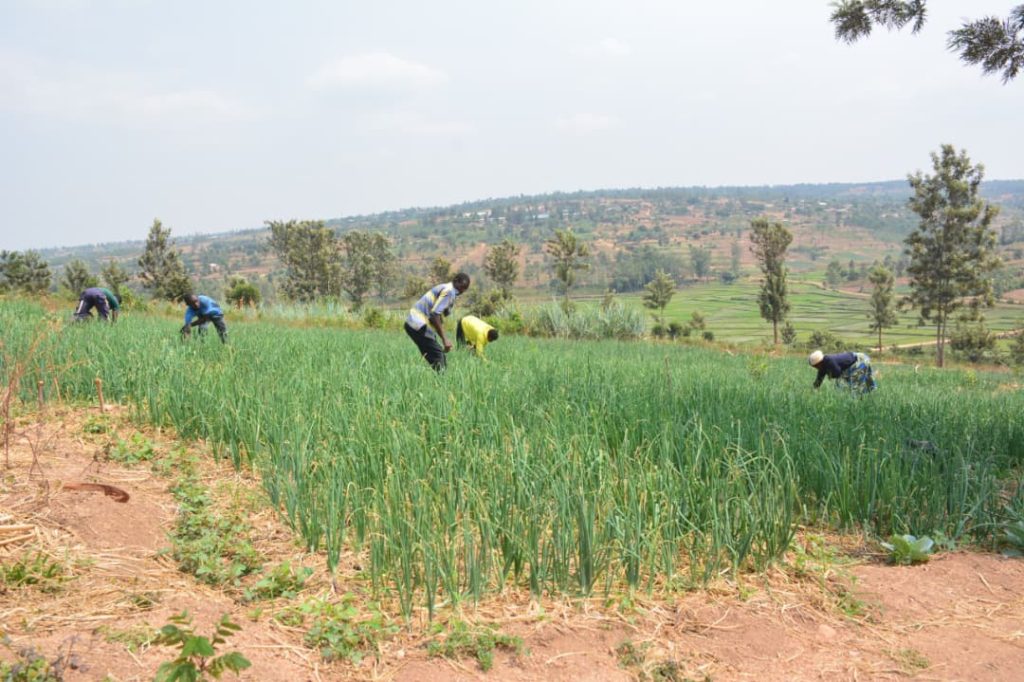
SUBSCRIBE TO OUR NEWSLETTER
First name or full name
Email
By continuing, you accept the privacy policy
**Categories:** Climate / Agriculture Evolution, Natural Resources and Agriculture
---
### [Young South Africans Name Winnie Madikizela-Mandela Africa’s Greatest Female Liberation Fighter](https://www.topafricanews.com/2026/08/06/young-south-africans-name-winnie-madikizela-mandela-africas-greatest-female-liberation-fighter/)
**Published:** August 6, 2026
**Author:** TOPAFRICANEWS
**Content:**
**JOHANNESBURG** — On the 70th anniversary of the historic 1956 Women’s March, fresh findings from the Africa Youth Survey 2026 have revealed that 51% of young South Africans identify Winnie Madikizela-Mandela as Africa’s greatest female liberation fighter.
The data, released on National Women’s Day, indicates a significant shift in generational memory. Madikizela-Mandela outranked her nearest South African contemporaries by a margin of more than eight to one, with Albertina Sisulu receiving 6% and Helen Joseph 5% of the vote.
When asked to identify individuals who sacrificed the most for the anti-apartheid movement, 36% of respondents selected Winnie Madikizela-Mandela. This ranking places her as the highest-rated woman, closely following Steve Biko (37%) and Nelson Mandela (61%).
The survey findings follow the recent success of the Netflix documentary *The Trials of Winnie Mandela*, which became a fixture in South Africa’s Top 10 list earlier this year. Executive Producer Ivor Ichikowitz, founder and commissioner of the African Youth Survey, suggested that younger generations are actively demanding a more nuanced historical account of the liberation struggle.
“This is a verdict from the generation born after apartheid, and it is impossible to dismiss,” said Ichikowitz. “Young South Africans see Winnie Mandela as a central protagonist in the liberation story, a woman who carried the struggle in public while paying an extraordinary private price”.
The survey data suggests that 89% of young South Africans view her as one of the greatest icons of the anti-apartheid movement, while 81% agree that she sacrificed more than any other leader in the struggle.
While the survey highlights deep reverence for historical figures, it also exposes significant anxiety regarding the present state of women’s rights in South Africa. The findings indicate that 95% of the youth surveyed are concerned about gender-based violence and femicide, with 81% stating they are “very concerned”.
Furthermore, 93% of respondents expressed concern that women’s rights are not adequately protected, and 82% believe the continent still lacks a sufficient number of female leaders and role models.
The Africa Youth Survey 2026, commissioned by the Ichikowitz Family Foundation and conducted by PSB Insights, remains one of the largest studies of its kind, involving 4,901 interviews across 16 African countries.

SUBSCRIBE TO OUR NEWSLETTER
First name or full name
Email
By continuing, you accept the privacy policy
**Categories:** NEWS, People
---
### [Irrigation Revives Avocado Farming, Boosts Harvests and Creates Rural Jobs in Nyanza District](https://www.topafricanews.com/2026/08/06/irrigation-revives-avocado-farming-boosts-harvests-and-creates-rural-jobs-in-nyanza-district/)
**Published:** August 6, 2026
**Author:** LIBOS NDAYISHIMIYE
**Content:**
Reliable irrigation is breathing new life into orchards that once struggled to survive, enabling farmers to increase production, expand market opportunities, create employment, and build resilient agricultural businesses. What was once a risky investment has become a promising model of climate-smart agriculture, demonstrating how access to water can unlock the full potential of Rwanda’s farming sector.
The transformation is being driven through the Sustainable Agricultural Intensification and Food Security Project (SAIP), implemented by the Rwanda Agriculture and Animal Resources Development Board (RAB) through the Single Project Implementation Unit (SPIU). By promoting Small-Scale Irrigation Technologies (SSIT), the project is helping farmers cultivate throughout the year, improve productivity, strengthen food security, and withstand the growing effects of climate change.
Among the beneficiaries is Kayihura Claver, an investor who owns a 7.5-hectare avocado plantation in Mwima Village, Rwesero Cell, Busasamana Sector, Nyanza District. The plantation is managed by agronomist Landuald Mugwaneza, who oversees more than 2,006 avocado trees planted in different phases.
According to Mugwaneza, establishing the orchard was extremely challenging before irrigation became available.
“When the avocado trees were still young, many of them dried up because we had no reliable source of water,” he explained. “Everything changed after receiving irrigation support through RAB. Since then, we have had enough water to irrigate the plantation, and no more trees have dried up. Production has increased significantly.”
Today, the orchard is already producing about four tonnes of avocados annually, with expectations of even greater harvests as more trees reach full maturity.
The improved irrigation system has also opened new market opportunities.
“We first sold about 600 kilograms of avocados. As production increased, we were able to supply four tonnes to the market,” Mugwaneza said. “Water is the most important nutrient for any crop. Proper irrigation has enabled us to apply fertilizers effectively, resulting in healthier trees and better yields.”
He emphasized that irrigation has not only improved production but has also transformed daily farm operations.
Before the modern irrigation system was installed, workers had to carry water manually using jerrycans a labor-intensive process that consumed time, increased production costs, and limited the growth of the orchard.
“Today, irrigation has made farming much more efficient. We can water the entire plantation consistently, something that was nearly impossible before,” he added.
The project has also become an important source of employment for surrounding communities. Depending on the farming season, the plantation employs between 80 and 100 permanent and casual workers, providing stable incomes for many rural households.
The irrigation infrastructure required an investment valued at RWF 66.4 million, of which the beneficiaries contributed more than RWF 16 million, while SAIP II provided over RWF 49 million in financial support to install the irrigation system across the 7.5-hectare farm.
According to Innocent Nzabamwita, Irrigation Engineer Specialist at RAB-SPIU, the Government of Rwanda has introduced subsidy schemes designed to make modern irrigation technologies more affordable for farmers.
“Farmers cultivating between 0.5 and 10 hectares receive a Government subsidy covering 50 percent of irrigation equipment costs, while they contribute the remaining 50 percent,” he explained.
Nzabamwita added that the Government provides even greater support for farmers investing in environmentally friendly irrigation systems.
“Farmers cultivating between five and ten hectares using solar-powered irrigation pumps contribute only 25 percent of the investment, while the Government finances the remaining 75 percent,” he said.
He noted that these subsidies are removing one of the biggest financial barriers preventing farmers from investing in irrigation technologies, enabling thousands of producers to modernize agriculture, improve productivity, and increase household incomes.
According to Nzabamwita, the initiative also contributes directly to the implementation of Rwanda’s National Strategy for Transformation (NST2) 2024–2029, which seeks to achieve annual agricultural growth of more than six percent while expanding the country’s irrigated agricultural land from 74,375 hectares to 132,171 hectares.
He further explained that SAIP II promotes collective action by prioritizing farmer groups and cooperatives, allowing more farmers to benefit from irrigation technologies while strengthening collaboration in production, value addition, and market access.
Under the Small-Scale Irrigation Technologies component, the project’s investment continues to expand nationwide. Phase I has already invested approximately RWF 5.35 billion in irrigation systems, laying the foundation for climate-smart agriculture across Rwanda.

SUBSCRIBE TO OUR NEWSLETTER
First name or full name
Email
By continuing, you accept the privacy policy
**Categories:** Climate / Agriculture Evolution, Natural Resources and Agriculture
---
### [Craig Randall II Guarantees APR Will Be 'Different' in Game 2](https://www.topafricanews.com/2026/08/06/craig-randall-ii-guarantees-apr-will-be-different-in-game-2/)
**Published:** August 6, 2026
**Author:** Justin Kayiranga
**Content:**
*APR BBC Leonard Craig Randall II has assured the club’s supporters that the team will respond strongly in Game 2 of the Rwanda Basketball League (RBL) playoffs after suffering A 82-97 defeat to RSSB Tigers in the opening game of semifinal series.*
Speaking during the post-match press conference at BK Arena, Randall admitted APR did not match the physical intensity of their opponents but insisted the team would make the necessary adjustments before Friday’s encounter.
“It was physical. It’s playoff basketball, we just didn’t start with physicality. We got to match their physicality,” Randall said.
The American guard remained confident despite the setback, emphasizing that losing the opening game has not changed APR’s ambitions.
“It’s one game, so I can guarantee you on Friday things will be different for us physically. It’s a series, first to three. They got one, we got to get three.”
His comments come as APR faces a must-win Game 2 to avoid falling further behind in the series against a confident RSSB Tigers side.
Randall won the 2026 Basketball Africa League (BAL) MVP with RSSB Tigers. However, he insisted his full focus is now on helping APR achieve domestic success.
“The BAL is over. I’m not even thinking about the BAL.”
He reaffirmed his commitment to APR, making it clear where his ambitions lie.
“My emotion is to focus on winning for APR. I’m not an RSSB Tiger. I’m an APR Lion. I hope everybody understands that. I want everybody to address me as that, and that’s what it’s gonna stay like.”
APR will now look to translate Randall’s confidence into action when the two teams meet again on Friday. Victory would level the series and restore momentum, while another loss would leave the military side facing elimination pressure.
Meanwhile, in the other Rwanda Basketball League playoff Game 1 fixture, Patriots Basketball Club secured an important victory over REG Basketball Club, winning 84-75 to take an early advantage in their battle to the final.

SUBSCRIBE TO OUR NEWSLETTER
First name or full name
Email
By continuing, you accept the privacy policy
**Categories:** News, NEWS, Sport, SPORTS
---
### [Global Research Roadmap Launched to Address Climate Change, Migration and Health](https://www.topafricanews.com/2026/08/05/global-research-roadmap-launched-to-address-climate-change-migration-and-health/)
**Published:** August 5, 2026
**Author:** Mutangana Emmanuel
**Content:**
The World Health Organization (WHO) has launched a global research prioritization and action plan aimed at strengthening evidence on the growing links between climate change, migration, displacement and health, calling for greater investment in research to guide equitable health policies worldwide.
The roadmap was unveiled during a virtual webinar on July 22, 2026, jointly organized by WHO’s Health and Migration programme and its Climate Change, Energy and Air Quality programme. The event brought together more than 300 participants from over 75 countries to discuss one of the world’s most urgent yet under-researched public health challenges.
The initiative comes as climate change increasingly contributes to migration and displacement, exposing vulnerable populations to heightened health risks and creating new challenges in accessing healthcare throughout the migration journey.
According to WHO, although awareness of the climate–migration–health nexus has grown significantly, major evidence gaps remain regarding how climate-related mobility affects people’s health, well-being and access to essential health services.
“Closing research gaps is a matter of equity. To achieve universal health coverage, strengthen climate resilience and advance health equity, migrant and displaced populations must not be an afterthought; they must be part of the solution from the beginning,” said Dr. Santino Severoni, Head of WHO Health and Migration.
The newly launched Global Research Prioritization Exercise (GRPE) is the first thematic initiative under WHO’s Global Research Agenda on Health, Migration and Displacement. It is designed to generate robust, policy-relevant evidence that supports equitable and migration-inclusive health systems.
WHO said the exercise was developed through a structured and participatory process that included a scoping review, stakeholder mapping, technical consultations and an online prioritization survey. The process engaged 59 experts from academia, policymaking and public health practice across multiple disciplines, sectors and regions.
The research identified priority areas under three core themes: social determinants of health, universal health coverage, and health emergencies. It also highlighted two cross-cutting priorities—health outcomes and data, and policy and interventions—to guide future research and decision-making.
Among the key priorities are addressing social inequalities affecting migrant and displaced populations, improving access to health systems and services, strengthening preparedness for climate-related emergencies, developing migration-sensitive health data systems, and expanding research on mental health, maternal and child health, chronic diseases, and the long-term health impacts of climate-related mobility.
Dr. Diarmid Campbell-Lendrum, Head of WHO Climate Change, Energy and Air Quality, said stronger scientific evidence is essential as climate change continues to reshape global patterns of health and human mobility.
“Climate change is already affecting the health and mobility of populations around the world. Strengthening the evidence base is essential to inform effective policies and ensure that those most affected are protected through climate-resilient and equitable health systems,” he said.
Participants at the launch emphasized the need for stronger collaboration across the climate, migration and health sectors to ensure research findings are translated into practical policies and interventions. They also called for improved migration-sensitive data systems, more community-centred research, and stronger partnerships between researchers, governments and development partners.
WHO said it will work with Member States and partners to integrate the research roadmap into regional and national priorities while strengthening capacity and promoting policy-oriented research. The organization believes the initiative will help translate scientific evidence into action, supporting more resilient and inclusive health systems capable of responding to the growing impacts of climate change on migrant and displaced populations.

SUBSCRIBE TO OUR NEWSLETTER
First name or full name
Email
By continuing, you accept the privacy policy
**Categories:** CLIMATE CHANGE, HEALTH
---
### [Diego Mesa Puyo selected as next GEF CEO and Chairperson](https://www.topafricanews.com/2026/08/05/diego-mesa-puyo-selected-as-next-gef-ceo-and-chairperson/)
**Published:** August 5, 2026
**Author:** DUSABEMUNGU Ange de la Victoire
**Content:**
The Global Environment Facility (GEF) Council today announced the selection of Diego Mesa Puyo as the family of funds’ next CEO and Chairperson. Mesa Puyo, an international leader in energy policy, economic development, and sustainability, and former Minister of Energy and Mines from Colombia, will serve an initial term of four years, aligned with the GEF-9 funding period and the last sprint towards critical 2030 environmental goals.
Before his selection as the GEF’s next CEO and Chairperson, Mesa Puyo served as Deputy Chief of the Climate Policy Division of the International Monetary Fund (IMF). As Colombia’s Minister of Energy and Mines in the 2018-2022 administration, he led one of Latin America’s most ambitious energy transition agendas, launching market reforms that mobilized more than $3 billion in private investment and accelerated the deployment of variable renewable energy from near-zero levels to one of the fastest-growing clean energy markets in the region. He also played a central role in advancing energy transition and climate action legislation, embedding sustainability objectives in economic and development policy.
*“I am deeply honored to serve as the next CEO and Chairperson of the Global Environment Facility at this pivotal moment for the international community,”* **Mesa Puyo** said. *“Countries need trusted partners that can help turn ambition into action. Building on the GEF’s remarkable legacy, I look forward to working with the Secretariat, member countries, and partners around the world to achieve environmental and development goals together by integrating solutions, catalyzing investment, and delivering measurable results for people and planet.”*
The GEF is the world’s largest public funder for the environment and serves international conventions on biodiversity, climate change, and pollution. [Donor countries have pledged an initial $3.9 billion](https://thegef.us15.list-manage.com/track/click?u=2bc84e04966b4b17388294ce3&id=85002e7e18&e=02c4e98022) for an ambitious ninth replenishment of the GEF Trust Fund, reflecting a strong commitment to protect and restore nature through multilateral cooperation.
Priorities for the four-year GEF-9 period include advancing integrated solutions at scale; mainstreaming blended finance; fostering whole-of-government and whole-of-society approaches; securing robust funding for Least Developed Countries and Small Island Developing States; scaling up support to Indigenous Peoples and local communities; and increasing efficiency and effectiveness.
*“On behalf of the GEF Council, I warmly welcome Mr. Diego Mesa Puyo as the next CEO and Chairperson of the GEF. Diego brings the leadership, vision and experience needed to deliver on the ambitions of the GEF-9 replenishment in an increasingly complex global environmental landscape. At this pivotal time, Diego’s appointment is an opportunity to lead the GEF in strengthening access for vulnerable countries including SIDS and LDCs, driving local engagement and solutions, and deepening partnerships and catalyzing private funding to mobilize the scale of action and investment needed to address today’s environmental challenges,”* **Richard Bontjer, Co-Chair of the GEF Council and Council member from Australia, New Zealand and Republic of Korea**, said.
*“The Selection and Review Committee conducted a rigorous, transparent, and merit-based process to identify the strongest candidate to lead the GEF family of funds during this critical period for global environmental action,”* said **Maher Abdelrahim, Chair of the GEF Council Selection and Review Committee and Council Member for Afghanistan, Jordan, Iraq, Lebanon, Pakistan, Syria, and Yemen.** “*We are confident that Diego Mesa Puyo brings the vision, leadership, and experience needed to build on the GEF’s strong foundation and help deliver ambitious results for countries and the global environment.”*
In addition to the Trust Fund, the GEF CEO and Chairperson leads the Global Biodiversity Framework Fund, Least Developed Countries Fund, and Special Climate Change Fund, which provide targeted support to countries to meet global biodiversity and climate adaptation goals. Over more than three decades, the GEF family of funds has provided more than $27 billion in financing and mobilized another $155 billion for environmental priorities in developing countries.
Mesa Puyo will succeed **Interim CEO and Chairperson Claude Gascon**, who has led the GEF since December 2025. “*The GEF is a standout organization that plays a unique role connecting countries and demonstrating how collaborative action can make things better for the planet*,” **Gascon** said. “*I am confident that under Diego Mesa Puyo’s leadership, the strong momentum of our last replenishment will carry forward on the road to 2030. The global environmental benefits the GEF delivers are the foundation for a healthier planet and future for all.”*
Mesa Puyo is expected to take up his position as the new GEF CEO and Chairperson at the beginning of October 2026.

SUBSCRIBE TO OUR NEWSLETTER
First name or full name
Email
By continuing, you accept the privacy policy
**Categories:** Environment
---
### [Nyagatare: Small-Scale Irrigation Technology Empowers Farmers, Boosts Productivity and Strengthens Climate Resilience](https://www.topafricanews.com/2026/08/05/nyagatare-small-scale-irrigation-technology-empowers-farmers-boosts-productivity-and-strengthens-climate-resilience/)
**Published:** August 5, 2026
**Author:** LIBOS NDAYISHIMIYE
**Content:**
**NYAGATARE, Rwanda** – Small-Scale Irrigation Technology (SSIT) is transforming agriculture in Nyagatare District by enabling smallholder farmers to overcome water shortages, increase productivity, improve household incomes, and build resilience to climate change.
Through the **Sustainable Agricultural Intensification and Food Security Project (SAIP II)**, farmers are gaining access to modern irrigation technologies that enable year-round cultivation while reducing dependence on increasingly unpredictable rainfall. The initiative is promoting sustainable farming practices, improving food security, and accelerating the transition from subsistence farming to market-oriented agriculture.
Implemented by the **Rwanda Agriculture and Animal Resources Development Board (RAB)** through the **Single Project Implementation Unit (SPIU)**, SAIP II currently supports farmers in 20 districts across Rwanda, helping increase agricultural productivity, improve market access, and strengthen rural livelihoods.
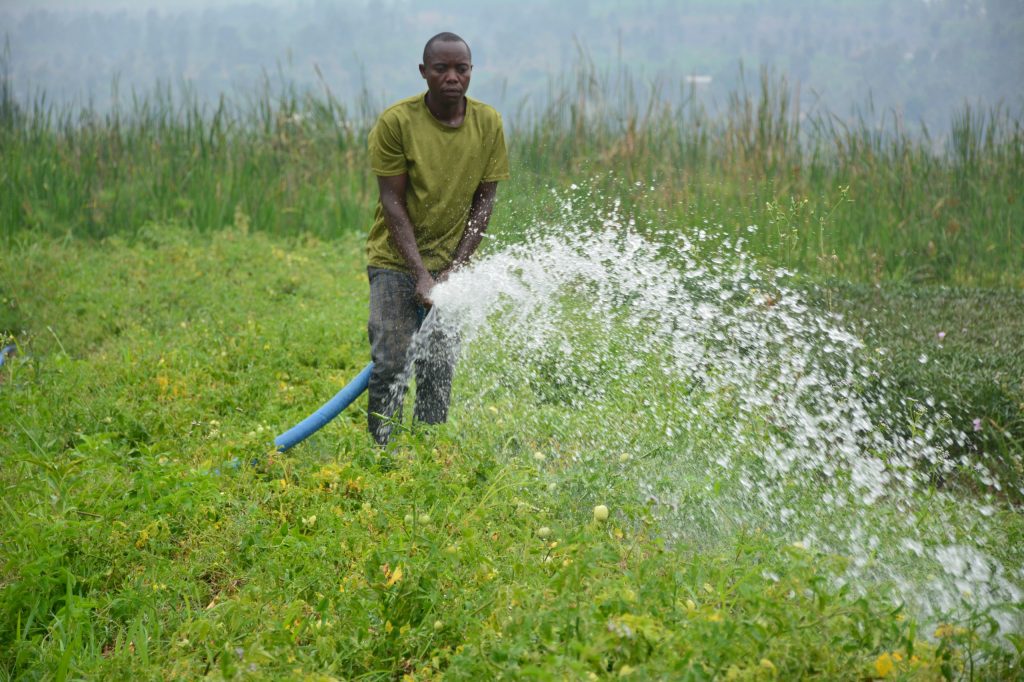The project builds on the achievements of its first phase, **SAIP I**, which introduced small-scale irrigation technologies in nine districts and brought more than **1,367 hectares** under irrigation. Under SAIP II, irrigation infrastructure has already been extended to approximately **1,200 hectares**, surpassing the original target of **1,000 hectares**.
Together, the two phases have benefited **3,369 farmers**, including **1,916 men** and **1,453 women**, providing them with reliable access to water and modern agricultural technologies that have significantly improved production.
According to **Innocent Nzabamwita**, Irrigation Engineer Specialist at **RAB-SPIU**, the Government of Rwanda is making irrigation technology more affordable through subsidy programmes that lower farmers’ investment costs.
> “Government subsidies for small-scale irrigation equipment are available for farmers cultivating between **0.5 and 10 hectares**. Farmers contribute **50 percent** of the cost, while the Government finances the remaining **50 percent**.”
He added that farmers investing in **solar-powered irrigation systems** receive even greater support.
> “For farmers cultivating between **5 and 10 hectares** using solar-powered pumps, the farmer contributes only **25 percent**, while the Government subsidizes the remaining **75 percent**.”
Nzabamwita explained that priority is given to farmers whose land is located near reliable water sources, who are willing to make their required financial contribution, and who participate through cooperatives or organized farmer groups.
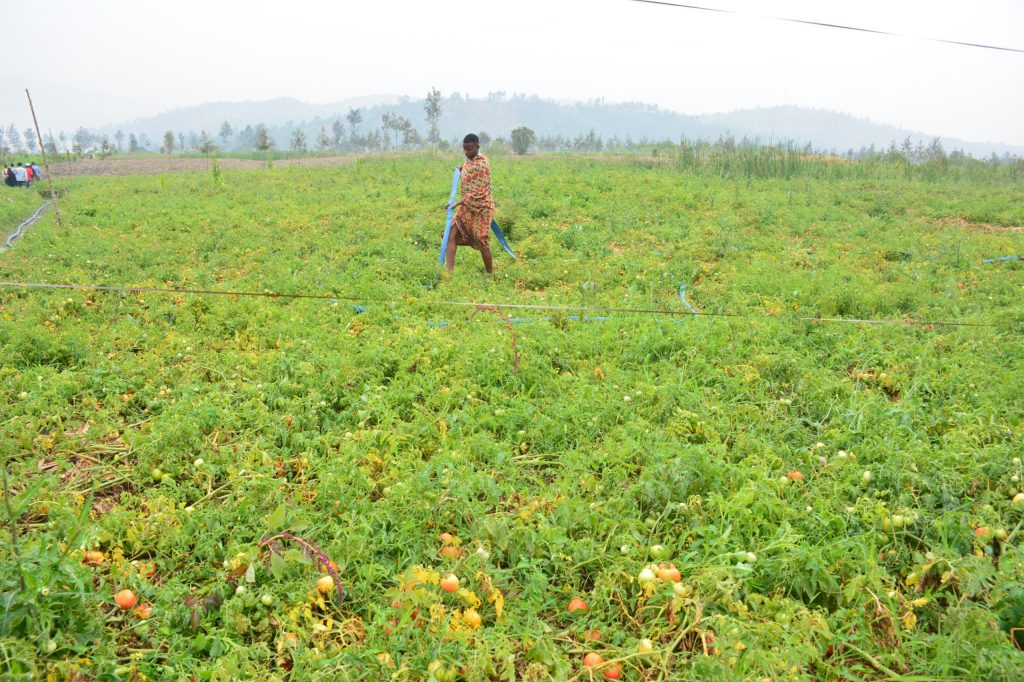He noted that collective action remains essential because cooperatives strengthen irrigation management, improve production planning, and enhance farmers’ access to markets.
Among the beneficiaries is **Biregeya Jean Paul**, a farmer from **Mimuri Sector** in Nyagatare District, who says irrigation has completely transformed his farming operations.
Before receiving irrigation equipment through SAIP II, Jean Paul relied on a simple watering can to irrigate his crops, a labor-intensive process that consumed both time and energy. The challenge was particularly severe in Nyagatare, where prolonged dry seasons often threaten agricultural production.
Today, access to modern irrigation has significantly increased both his yields and income.
> “Before, irrigating my crops was extremely difficult because I depended on a watering can. Our area experiences long periods of sunshine, making farming very challenging. Before receiving this equipment, I harvested around **six tonnes of maize**, but now I harvest about **eight tonnes**. My tomato production has also improved dramatically. Previously, I earned around **RWF 1.5 million**, but today I can generate nearly **RWF 3 million** because water shortages are no longer a major constraint.”
Jean Paul says the benefits extend beyond his own farm, as more farmers are gaining confidence to invest in agriculture.
> “Many people who are not farming do not lack the willingness to work. They simply lack access to irrigation support. Today, I even help my neighbours irrigate their crops, and I encourage other farmers to register for the programme so they can also produce throughout the year.”
Beyond ensuring reliable water supply, Small-Scale Irrigation Technology is becoming a key driver of Rwanda’s agricultural transformation. By enabling farmers to cultivate during dry seasons, plan production more effectively, increase cropping intensity, and supply markets consistently, irrigation is strengthening food security, improving rural incomes, and enhancing farmers’ resilience to climate change.
The initiative also contributes to Rwanda’s broader agricultural transformation agenda by making farming more productive, commercially viable, and sustainable for smallholder farmers across the country.
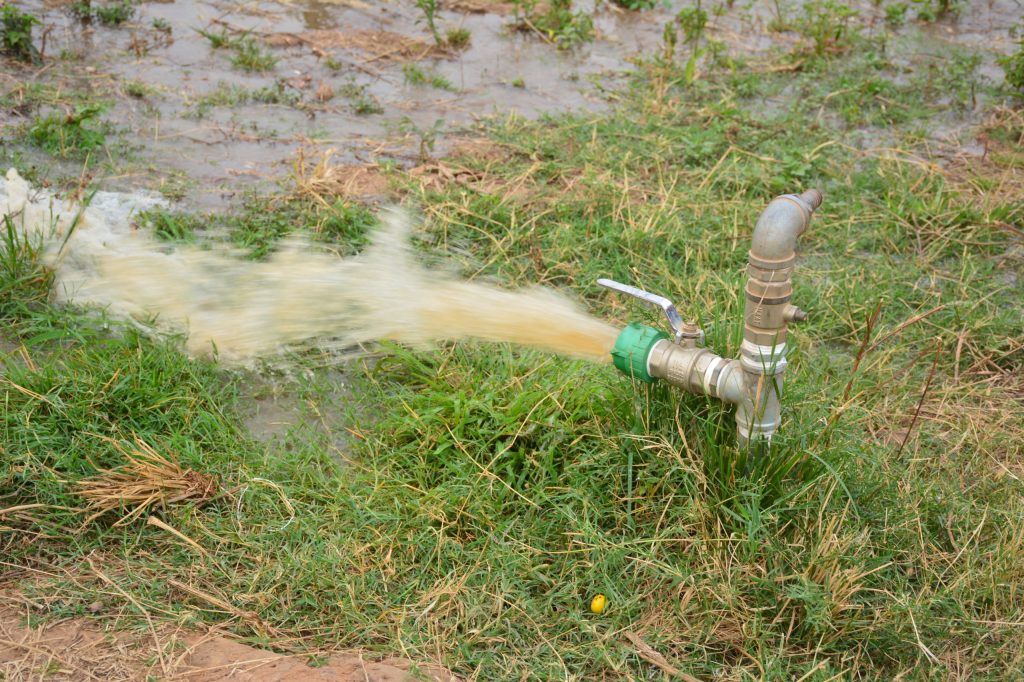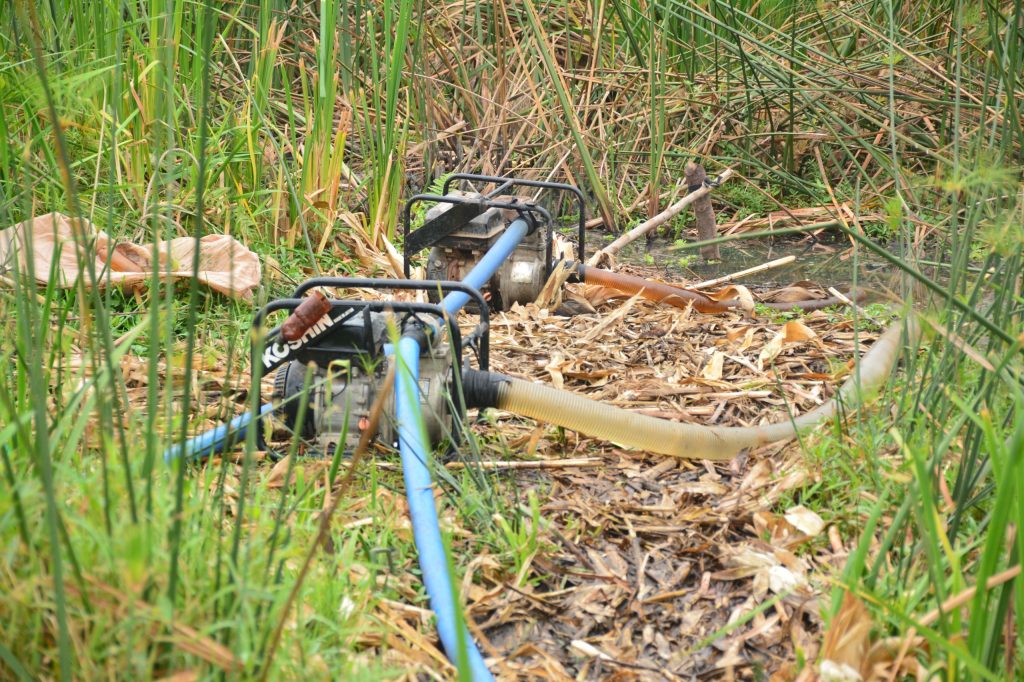
SUBSCRIBE TO OUR NEWSLETTER
First name or full name
Email
By continuing, you accept the privacy policy
**Categories:** Climate / Agriculture Evolution, Natural Resources and Agriculture
---
### [Rwanda’s Crackdown on Illicit Alcohol: A Necessary Public Health Reset After Deadly Poisonings](https://www.topafricanews.com/2026/08/05/rwandas-crackdown-on-illicit-alcohol-a-necessary-public-health-reset-after-deadly-poisonings/)
**Published:** August 5, 2026
**Author:** DUSABEMUNGU Ange de la Victoire
**Content:**
In the first days of August 2026, Rwanda’s Food and Drugs Authority launched one of the most aggressive regulatory actions in the country’s recent history against the alcohol sector.
What began with the shutdown of eight distilleries on 2 August quickly expanded: by 3–5 August, more than 130 manufacturing facilities had been ordered closed, their licences revoked, and their products recalled nationwide.
Ethanol import licences were suspended, products valued at over Rwf 2.6 billion were seized, nearly Rwf 360 million in fines imposed, and at least 56 people arrested.
The trigger was grim. Health officials reported that illicit and substandard alcoholic beverages had already claimed at least 50 lives in the first half of 2026, left roughly 100 people partially or fully blind, and sent more than 500 others to health facilities with complications.
Investigations pointed to methanol contamination and other industrial chemicals mixed into cheap spirits marketed as gin, vodka, whisky, and flavoured local drinks.
This was not an isolated ban on illegal breweries. It targeted both unlicensed backyard operations and licensed facilities that had drifted into producing toxic cocktails—sometimes substituting soap, chili, tobacco, or industrial solvents for proper ingredients.
Concurrent police and local-authority raids destroyed thousands of litres of illicit brew across multiple districts. The move sits alongside earlier measures, including village-level approval requirements for traditional homemade beverages such as urwagwa and ikigage, and the broader “Tunywe Less” campaign aimed at reducing youth alcohol abuse.
A review of discussions centred on the crackdown reveals a clear majority view: strong public support framed around health protection.
Rwandans praised Rwanda FDA for decisive action. Typical comments described the closures as the right decision that protects Rwandans, thanked authorities for putting the safety of the people first, and urged the regulator to continue in that way for fostering health.
Artists and creatives publicly pledged to use their platforms against illicit alcohol and drugs, aligning with government calls for cultural influencers to promote healthier lifestyles.
Some voices went further, calling for sustained enforcement—checking markets, Expo events, and imported products—and for accountability higher up the chain. A few questioned why deaths and blindness had to occur before rigorous inspections, suggesting regulators themselves should face scrutiny for earlier oversight gaps.
Others noted the distinction between ethanol (the controlled industrial spirit whose imports were halted) and methanol (the toxic contaminant actually linked to harm), while advocating a return to safer banana-based traditional production.
Personal stories surfaced too: one entrepreneur recounted closing a profitable bar years earlier in favour of sports facilities after witnessing alcohol’s community damage, explicitly endorsing the current health-over-profit stance.
Criticism of the crackdown itself was sparse in the sampled conversation. Economic concerns about job losses or formal-sector disruption appeared muted compared with the emphasis on lives saved.
News outlets and official accounts dominated volume, but ordinary users largely amplified the public-health framing rather than resistance.
From a public-health and regulatory-policy perspective, Rwanda’s actions fit a classic pattern seen in methanol-poisoning crises worldwide. Methanol is cheap, colourless, and devastating—metabolised into formaldehyde and formic acid that destroy the optic nerve and vital organs.
When informal or poorly supervised producers cut costs by diverting industrial ethanol or adding adulterants, the result is predictable mass casualties among lower-income consumers seeking affordable alcohol.
Rwanda’s response scores high on several evidence-based criteria: rapid market withdrawal of identified risky products reduces immediate exposure; control of a key input (ethanol licensing) disrupts the supply chain for bootleggers; multi-agency coordination raises the cost of non-compliance; and public communication plus cultural mobilisation address demand-side drivers, especially among youth.
Yet expert analysis also highlights the structural challenges that pure enforcement cannot fully solve. Rwanda has hundreds of distilleries and a significant informal alcohol economy rooted in traditional banana and sorghum ferments.
Sudden mass closures risk pushing production further underground, where quality control is even weaker. Workers and small operators lose livelihoods; compliant formal producers may face temporary shortages or higher costs that price some consumers toward remaining illicit sources.
Sustainable success will require more than raids and recalls. Priority measures include strengthening routine, risk-based inspections and laboratory capacity so problems are caught before fatalities mount; creating clear, accessible pathways for small and traditional producers to meet safety standards rather than being driven entirely out of the formal market; investing in demand reduction—treatment services, youth programmes, and continued public education—because enforcement alone rarely shrinks overall consumption; and transparent post-action evaluation tracking whether deaths and blindness cases decline, whether a black market rebounds, and how affected workers are supported into alternative livelihoods.
Comparable episodes in other countries show that short-term crackdowns save lives only when paired with medium-term formalisation and sustained monitoring.
Rwanda’s high-capacity state apparatus gives it an advantage here; the political will displayed in early August 2026 is real. The test will be whether the momentum translates into a permanently safer alcohol market rather than a temporary purge followed by quiet re-emergence of toxic products.
For now, the dominant voice among Rwandans discussing the issue is one of relief and endorsement.
In a country that has repeatedly prioritised collective welfare, the closure of facilities linked to 50 deaths and 100 cases of blindness is widely seen not as overreach, but as the minimum acceptable response.
The harder work—building a regulatory system that prevents the next wave of poisonings while managing the economic transition—still lies ahead.

SUBSCRIBE TO OUR NEWSLETTER
First name or full name
Email
By continuing, you accept the privacy policy
**Categories:** ADVOCACY, HEALTH, NEWS
---
### [SHINE Collab Calls for Stronger Legal Protection of African Communities Amid Critical Minerals and Energy Transition Rush](https://www.topafricanews.com/2026/08/05/shine-collab-calls-for-stronger-legal-protection-of-african-communities-amid-critical-minerals-and-energy-transition-rush/)
**Published:** August 5, 2026
**Author:** TOPAFRICANEWS
**Content:**
**HARARE — 3 August 2026:** SHINE Collab has called for stronger legal protection, community-led decision-making and greater accountability as the expansion of critical mineral extraction and clean-energy investments reshapes communities across Africa.
The call follows a dialogue bringing together lawyers, civil society organisations (CSOs) from across the African countries with substantial critical mineral resources and community representatives to examine the legal challenges emerging from Africa’s just energy transition, including extractivism, land rights, fair compensation, access to information and community participation.
The legal panel included Tapiwa Gorejena, a researcher and legal expert from WIEGO (Women in Informal Employment: Globalizing and Organising), Tricia Abwooli from Akina Mama WaAfrica, Uganda, Amina Acola from GreenFaith Africa in Uganda and Victorine Kilembe, a lawyer and Deputy Secretary-General of Conseil pour la Défense des Environnements Démocratiques (CODED), a civil society organization in the Democratic Republic of the Congo.
At the centre of the discussion was a critical question: Do Africa’s existing critical minerals and energy transition frameworks adequately protect the land, livelihoods and rights of local communities?
Participants at a recent convening in Harare, Zimbabwe warned that as demand for minerals required for renewable energy technologies increases, communities risk bearing the environmental and social costs of the transition without having sufficient influence over decisions affecting their land and natural resources.
**Communities Must Lead Legal Strategies**
The panel stressed that affected communities should be at the centre of legal action rather than becoming passive participants once lawyers and other professionals take over disputes.
Participants called for every community confronted with major mining, energy or natural-resource projects to develop a clear legal strategy defining what it wants to achieve, the processes available and the remedies that should be pursued when rights are violated.
Communities were encouraged to scrutinise whether governments and project developers have complied with legal requirements, including Environmental Impact Assessments (EIAs), consultation procedures, land laws and compensation requirements.
Where processes are inadequate or unlawful, communities should explore available legal remedies, including judicial review and strategic public-interest litigation.
Access to Information Critical for Community Justice
The dialogue identified access to information as one of the biggest barriers preventing communities from effectively defending their interests.
Participants expressed concern that communities can struggle to obtain complete and accurate information about proposed investments, environmental impacts, compensation arrangements and anticipated benefits.
Without access to reliable information, communities cannot participate meaningfully in decisions or provide genuinely informed consent.
The panel therefore called for stronger implementation of access-to-information laws and greater transparency by governments, investors and corporations operating in Africa’s extractive and energy sectors.
Movement Lawyering Can Bridge the Justice Gap
Participants acknowledged that relationships between communities and lawyers have sometimes been characterised by mistrust, particularly where lengthy litigation raises expectations but fails to deliver the outcomes communities seek.
The dialogue called for greater adoption of movement lawyering — an approach in which lawyers work alongside communities and social movements, understand their lived realities and use the law as one component of broader community organising and advocacy.
Movement lawyers should understand land, indigeneity, gender, livelihoods and community rights beyond purely technical legal interpretations.
Participants also called for investment in community paralegals who can help communities understand legal processes, document violations, examine agreements and identify potential remedies before disputes escalate.
Cross-country collaboration among lawyers, CSOs and affected communities was identified as particularly important because many of the corporations, investors and financing arrangements driving the energy transition operate across national borders.
Transition Promises Must Carry Accountability
The dialogue also raised concerns about promises of jobs, compensation, reskilling, alternative livelihoods and community development that may accompany major energy transition projects but fail to materialise.
Participants discussed experiences associated with South Africa’s Just Energy Transition Partnership (JET-P), including the transition surrounding the Komati coal-fired power station, to illustrate concerns about how communities experience the implementation of transition commitments.
The discussion also considered REDD+ initiatives — Reducing Emissions from Deforestation and Forest Degradation — within the broader question of how commitments affecting communities, land and natural resources are negotiated and enforced.
Participants called for communities to examine national laws governing contracts, legitimate expectations and fair compensation and to ensure that commitments made by governments, corporations and investors are properly documented wherever possible.
They also stressed the importance of recognising indigenous and customary approaches to agreements and evidence where national legal systems permit them.
**Women Must Be Decision-Makers, Not Token Participants**
SHINE Collab emphasised that women, particularly grassroots and indigenous women affected by extractive projects, must be recognised as legitimate representatives and decision-makers within their communities.
Women frequently depend directly on land, forests, water and other natural resources for livelihoods and household wellbeing, yet their voices can remain marginal in negotiations over mining, energy and climate investments.
SHINE Collab therefore called for feminist perspectives to be embedded in legal strategies, community organising and national and regional just-transition policies.
Africa’s transition cannot be considered just if communities are expected to surrender land, livelihoods and natural resources in the name of global decarbonisation without meaningful participation in determining how projects are designed, implemented and governed.
The organisation called for stronger alliances between affected communities, feminist movements, civil society organisations, movement lawyers and public-interest legal institutions across Africa.
“A just transition must be about more than replacing fossil fuels with renewable energy. It must deliver justice, accountability, fair compensation and meaningful community power. Women and affected communities must have a decisive voice in determining what happens to their land, livelihoods and natural resources,” said Dr Melania Chiponda, a climate activist and Executive Director of SHINE Collab.

SUBSCRIBE TO OUR NEWSLETTER
First name or full name
Email
By continuing, you accept the privacy policy
**Categories:** Business and Trade, Energy
---
### [Modern Irrigation Transforms Drought-Prone Farms into Thriving Agribusinesses in Rwamagana](https://www.topafricanews.com/2026/08/05/64591/)
**Published:** August 5, 2026
**Author:** LIBOS NDAYISHIMIYE
**Content:**
**RWAMAGANA, Rwanda** – Farmers in Rwamagana District are transforming once drought-prone farms into productive agricultural enterprises through modern irrigation systems that enable year-round cultivation, increase harvests, create jobs, and strengthen resilience to climate change.
The transformation is being driven by strategic investments in irrigation technologies that provide reliable access to water, helping farmers overcome prolonged dry seasons, improve productivity, enhance food security, and access more profitable markets.
The Sustainable Agricultural Intensification and Food Security Project (SAIP II), implemented by the Rwanda Agriculture and Animal Resources Development Board (RAB) through the Single Project Implementation Unit (SPIU), has played a key role in expanding access to Small-Scale Irrigation Technologies (SSIT) for farmers across Rwamagana District.
Through improved irrigation infrastructure, farmers who once relied entirely on rainfall are now producing crops consistently throughout the year, increasing their incomes, and building resilience against the growing impacts of climate change.
#### From Water Scarcity to Year-Round Production
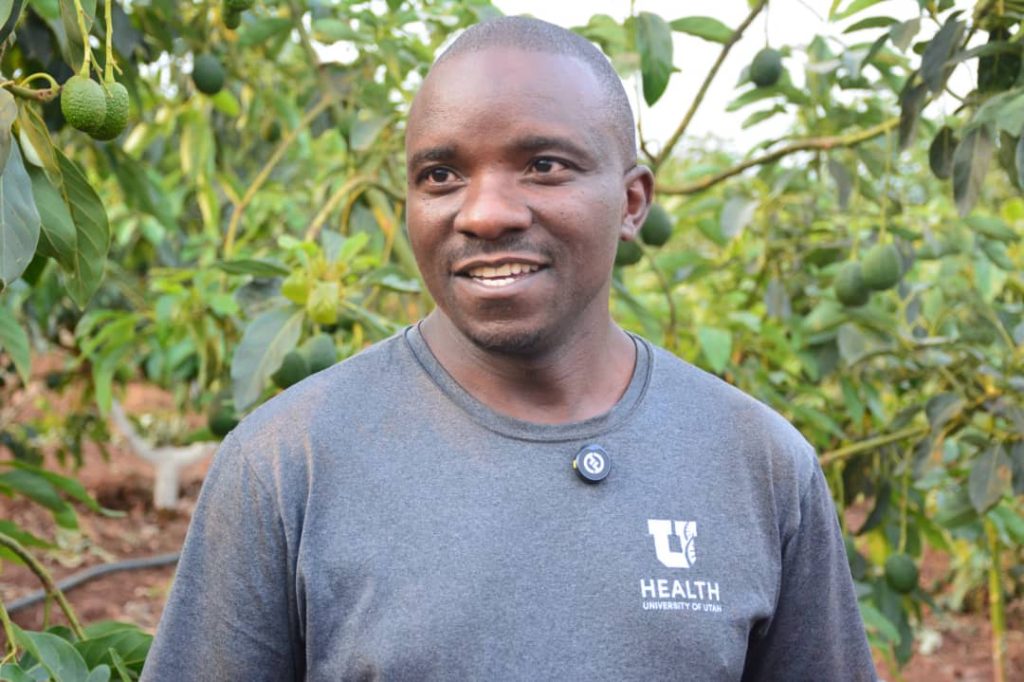 ***Nzabahimana Charles, the farm’s agronomist***
One of the beneficiaries is Nyumbayire John’s farm, located in Kagarama Cell, Musha Sector, where Nzabahimana Charles, the farm’s agronomist, oversees a four-hectare avocado plantation comprising 1,282 trees.
According to Nzabahimana, unreliable access to water had long been the greatest obstacle to expanding production.
“Water scarcity was a major challenge. After receiving support through SAIP II, we gained reliable access to irrigation water. Although the last rainfall was in May, our avocado trees remain healthy because we can irrigate whenever necessary,” he said.
He explained that before the irrigation system was installed, expanding avocado production was extremely difficult because of the area’s hilly terrain and frequent drought conditions.
“Everything has changed. Production has increased significantly, and we are now harvesting for the second time with encouraging results. We produce enough food for our families while supplying surplus produce to the market,” he added.
Bringing water to the farm required overcoming major engineering challenges. The nearest water source is approximately **700 metres a**w**ay**, with steep terrain between the source and the plantation.
Today, strategically installed water outlets every 55 metres ensure efficient water distribution across the entire farm.
“We appreciate the Government of Rwanda for investing in practical solutions that help farmers increase production despite changing weather patterns,” Nzabahimana said.
Beyond increasing agricultural production, irrigation has also generated employment opportunities.
The farm currently employs **11 permanent workers** in crop and livestock production, while an additional **20 seasonal workers** are hired during peak agricultural periods.
The project has also equipped farmers with modern production techniques, including orchard management, irrigation practices, and market access.
During the initial harvest, the farm recorded an average yield of approximately **450,000 avocados**, with production expected to exceed **one million avocados** during the current season.
In addition to avocados, the farm cultivates maize and beans, contributing to household food security while supplying local markets.
The irrigation infrastructure required an investment of more than **RWF 96 million**. Beneficiaries contributed over **RWF 23 million**, while SAIP II financed more than **RWF 72 million**.
The impact of irrigation extends beyond individual farms.
At the **Nyirabidibiri Irrigation Scheme**, managed by **Gwiza Cooperative**, more than **700 cooperative members** are benefiting from improved irrigation systems across an **800-hectare command area**, including **215 hectares of public land**.
For nearly twelve years, cooperative members have specialized in producing export-oriented crops such as French beans, chili peppers, and other high-value horticultural products.
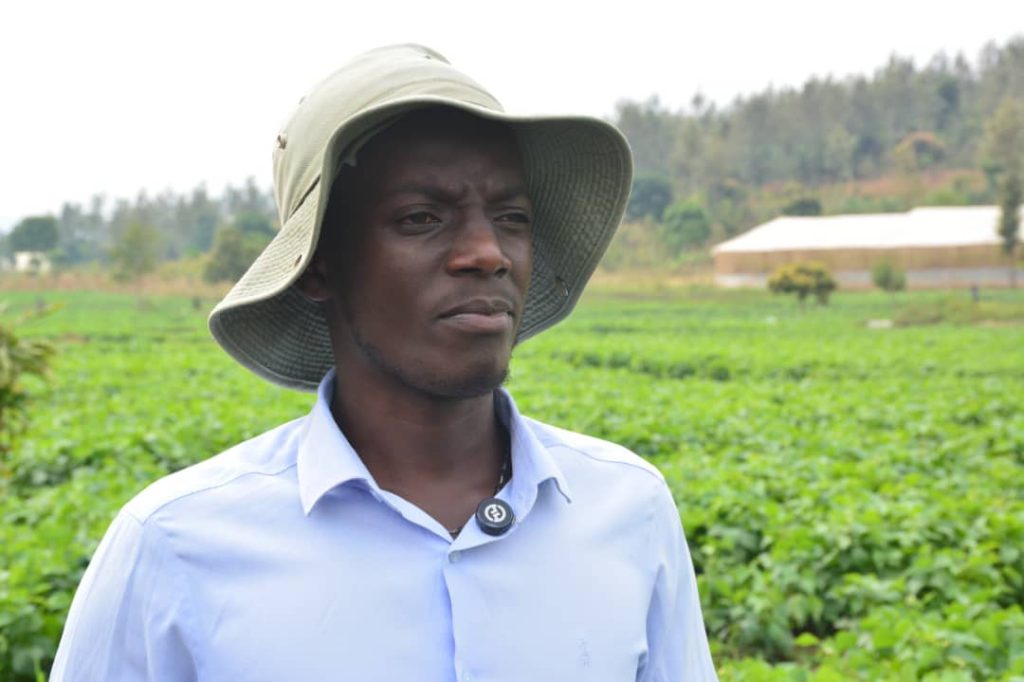According to **Rukundo Jackson**, Manager of Gwiza Cooperative, irrigation has helped farmers transition from subsistence farming to commercial agriculture.
“Our members have received training on irrigation technologies and modern farming practices. Agriculture is no longer simply about producing food for household consumption; it has become a business that generates income and improves livelihoods,” he said.
The cooperative has also benefited from irrigation equipment, including pumps, pipelines, and other infrastructure that ensures efficient water management throughout the year.
“The support has enabled farmers to use water more efficiently while maintaining production in every season,” Rukundo added.
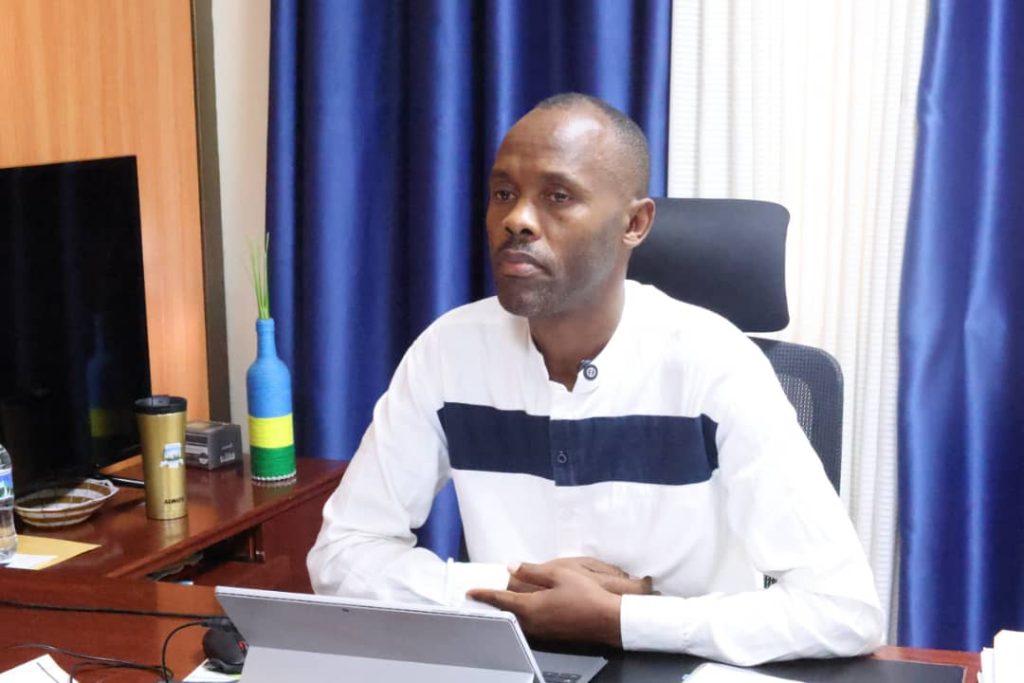The Vice Mayor of Rwamagana District in charge of Economic Development, Kagabo Richards Rwamunono, commended the partnership between the district and the Ministry of Agriculture and Animal Resources (MINAGRI) in expanding irrigation infrastructure.
“We highly value our collaboration with MINAGRI because Rwamagana is among the districts frequently affected by prolonged dry seasons. Expanding irrigated land has always been one of our priorities, and projects such as SAIP II are delivering significant benefits to our farmers,” he said.
He noted that Rwamagana has more than **3,800 hectares** with irrigation potential, yet only about **11 percent** of public marshlands are currently irrigated.
“Continued investment in irrigation remains essential if we are to unlock the district’s agricultural potential and improve farmers’ resilience to climate change,” he added.
#### Government Subsidies Accelerating Irrigation Adoption
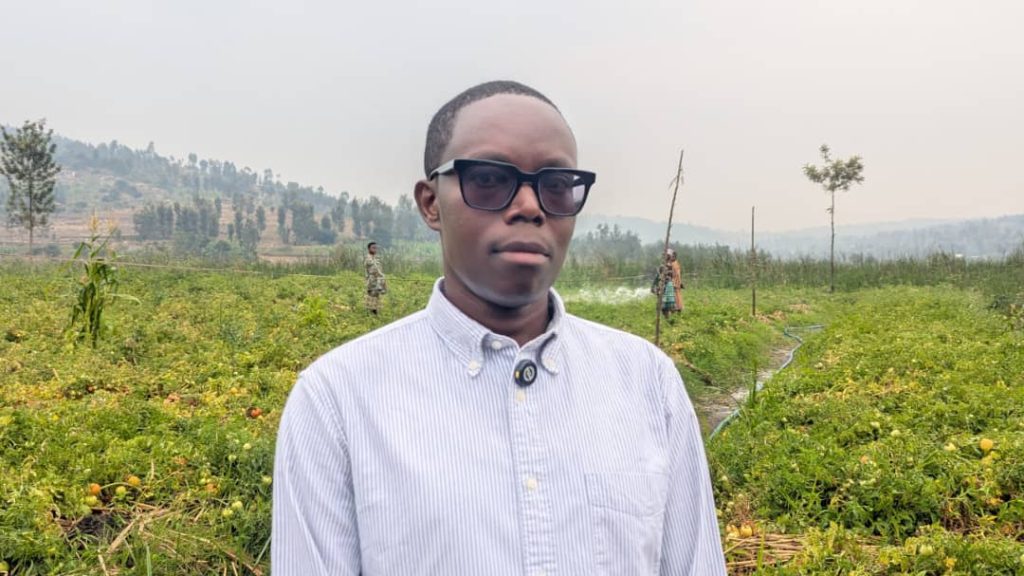According to **Innocent Nzabamwita**, Irrigation Engineer Specialist at **RAB-SPIU**, the Government of Rwanda has introduced subsidy programmes to make modern irrigation technologies more affordable.
“Farmers cultivating between 0.5 and 10 hectares receive government support covering 50 percent of irrigation equipment costs, while beneficiaries contribute the remaining 50 percent,” he explained.
Additional incentives are available for farmers adopting solar-powered irrigation systems.
“Farmers cultivating between 5 and 10 hectares using solar-powered pumps contribute only 25 percent of the investment, while the Government finances the remaining 75 percent,” he said.
Nzabamwita said these subsidies are helping remove financial barriers that previously prevented many farmers from investing in irrigation technologies.
Under the **Small-Scale Irrigation Technologies (SSIT)** component, SAIP has made significant investments to expand irrigation across Rwanda. The first phase invested **RWF 4 billion**, while the ongoing second phase is expected to invest an additional **RWF 6 billion**, further strengthening Rwanda’s efforts to build a climate-resilient and commercially competitive agricultural sector.
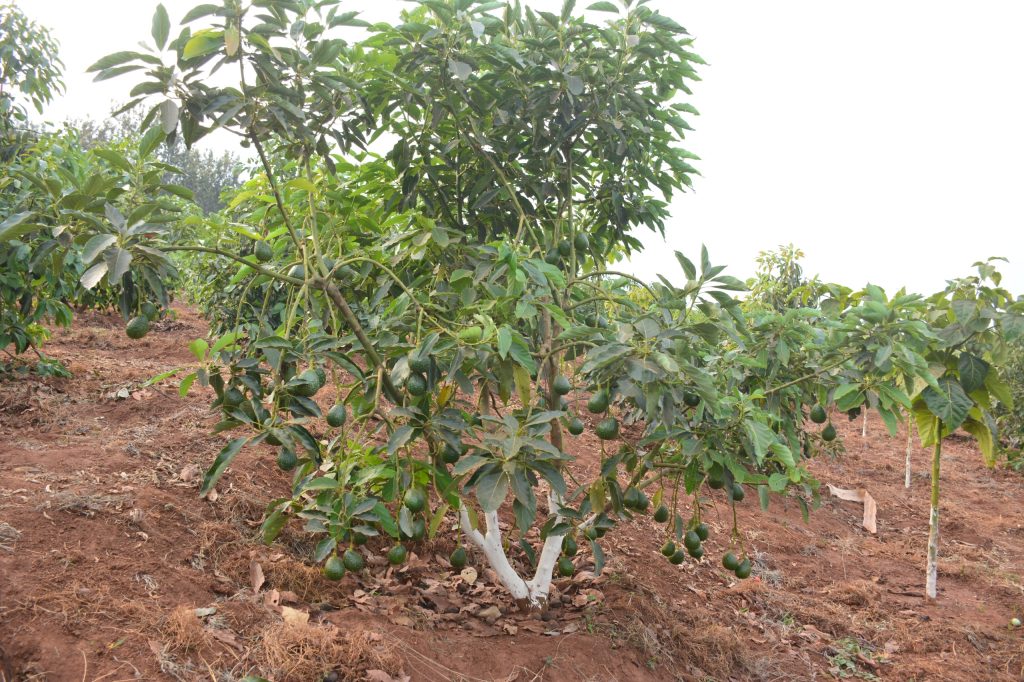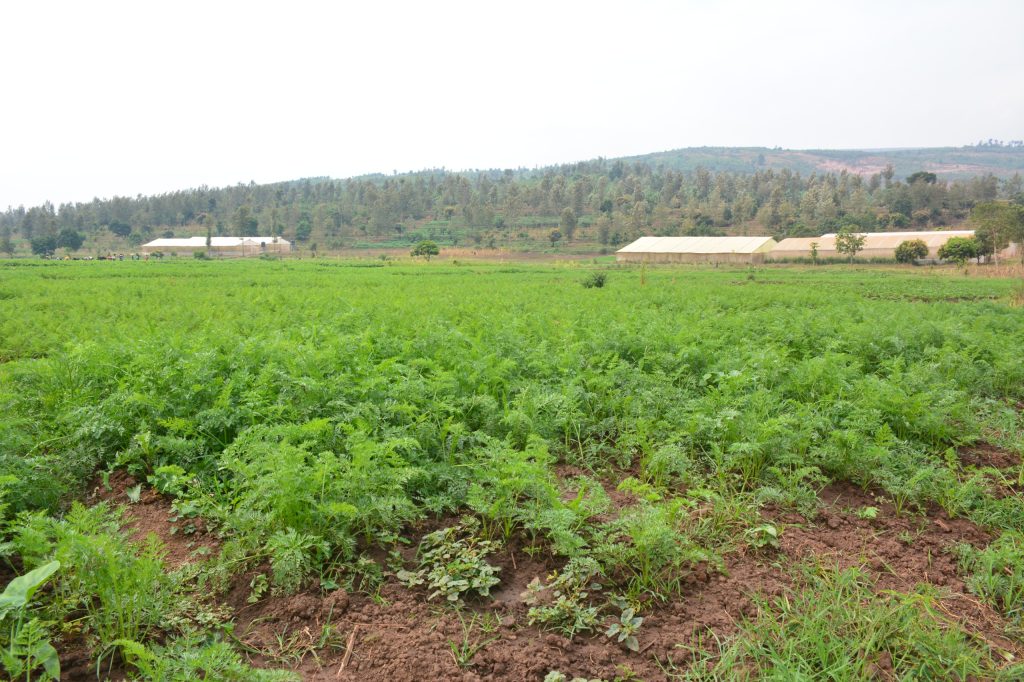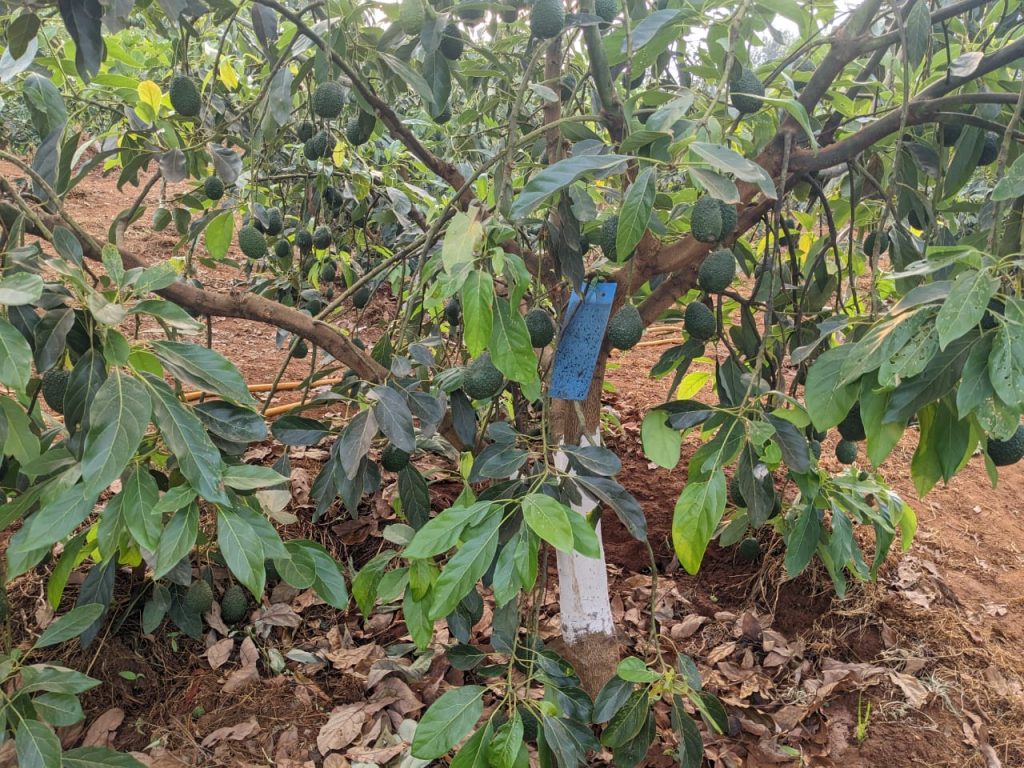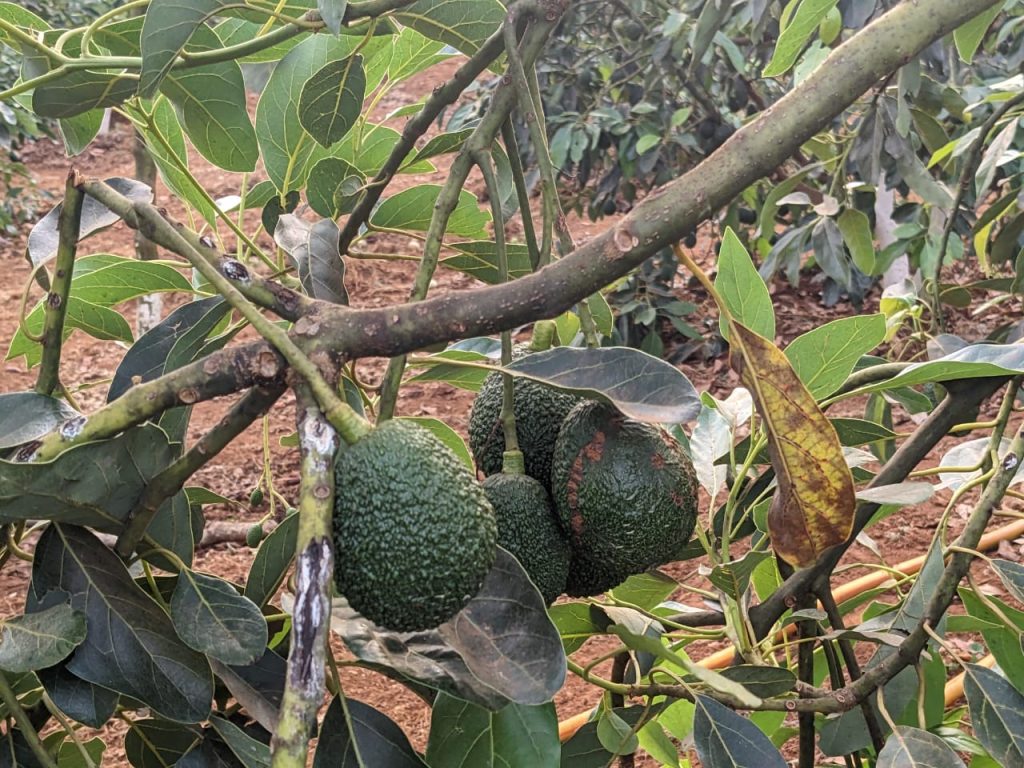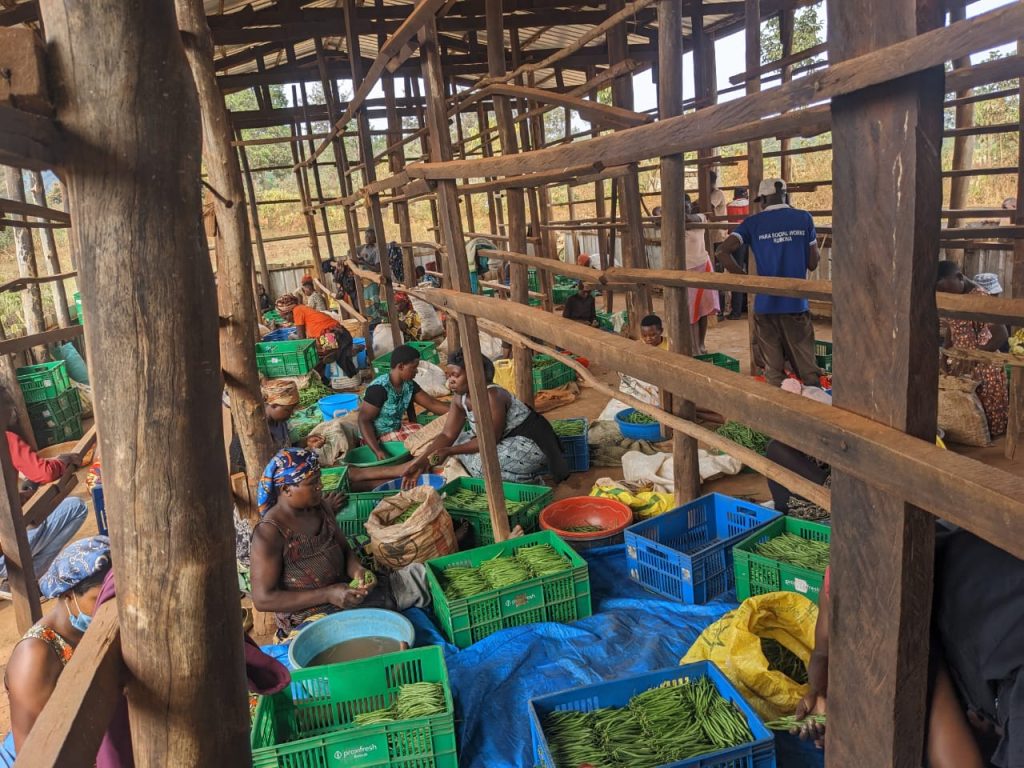
SUBSCRIBE TO OUR NEWSLETTER
First name or full name
Email
By continuing, you accept the privacy policy
**Categories:** Climate / Agriculture Evolution, Natural Resources and Agriculture
---
### [From Isolation to Hope: Iradukunda Christine’s Journey Towards Independence](https://www.topafricanews.com/2026/08/04/from-isolation-to-hope-iradukunda-christines-journey-towards-independence/)
**Published:** August 4, 2026
**Author:** DUSABEMUNGU Ange de la Victoire
**Content:**
At just 24 years old, **Iradukunda Christine** from **Gatare Sector, Nyamagabe District**, is rewriting the story of what it means to live with visual impairment. Once defined by isolation and self-doubt, she is now embracing a future filled with confidence, skills, and hope after joining the **Masaka Resource Centre for the Blind**.
Christine says her childhood was marked by loneliness because she was unable to play with other children like her peers.
Growing up with a visual impairment, she often felt different and believed there were many things she would never be able to achieve.
> “I grew up feeling different from everyone else. I couldn’t play like the other children, and that made me believe there were many things I would never be able to do,” she recalls.
As the years passed, those feelings of discouragement only deepened.
Everything changed when people who knew her family introduced her to the **Masaka Resource Centre for the Blind (MRCB)**. In February, she made the life-changing decision to enroll.
> “When I arrived in February, I was nervous at first, but I immediately began learning Braille.”
The first days were challenging, but Christine remained determined.
Just one week into her Braille lessons, she began reading and writing vowels—a milestone that completely changed how she viewed herself.
> “The first week was difficult, but after that I began to realise that I was capable. Little by little, my confidence started coming back.”
Beyond Braille literacy, Christine also received training in agriculture, which helped her realise that blindness is not a barrier to productive work.
She says the practical skills she acquired have given her a new perspective on life and strengthened her belief that people with visual impairments can contribute meaningfully to society.
Today, Christine hopes to use the knowledge and skills she gained at the Masaka Resource Centre to build an independent life and make a positive contribution to her community.
She also has a message for other children and young people living with visual impairments.
> “I encourage them not to lose hope. They should know that they are capable of achieving great things.”
Looking to the future, Christine says the confidence she has gained now allows her to dream of a better life—one in which she is independent, self-reliant, and able to inspire others through her own journey.
Her story is another powerful reminder that, with access to rehabilitation, education, and opportunity, persons with visual impairments can overcome barriers and build lives filled with purpose and possibility.

SUBSCRIBE TO OUR NEWSLETTER
First name or full name
Email
By continuing, you accept the privacy policy
**Categories:** ADVOCACY, NEWS
---
### [Joy Fills Bare Parish as Two Newly Ordained Priests Celebrate Their First Mass](https://www.topafricanews.com/2026/08/04/joy-fills-bare-parish-as-two-newly-ordained-priests-celebrate-their-first-mass/)
**Published:** August 4, 2026
**Author:** DUSABEMUNGU Ange de la Victoire
**Content:**
**BARE, Rwanda** – The Catholic Parish of Bare in Kibungo/Ngoma District was filled with joy and thanksgiving on Sunday, 2nd August, 2024 as **Fr. Emmanuel Numviyumukiza, SDB**, and **Fr. Jean Abawe** celebrated their First Holy Mass together in the parish where they began their journey of faith.
The celebration came just weeks after the two priests were ordained to the priesthood on **July 18, 2026**, during a solemn Eucharistic celebration at **Sainte Famille Parish in Kigali**, presided over by **Cardinal Antoine Kambanda**, Archbishop of Kigali.
The occasion brought together hundreds of Christians, family members, priests, religious men and women, and friends from different dioceses and congregations, who gathered to thank God for the gift of two new priests to the Church.
Fr. Emmanuel’s Salesian family was strongly represented by **Fr. Gabriel Ngendakuriyo, SDB**, Provincial of the Salesians of Don Bosco in Rwanda, Burundi and Uganda, accompanied by members of his Provincial Council, numerous Salesians, members of the Don Bosco Family and lay faithful.
Local government leaders also joined the celebration, expressing gratitude for the blessing of having children from their community dedicate their lives to the service of God and His people.
During the celebration, appreciation was extended to the parents of the newly ordained priests, the Christian community of Bare Parish and everyone who had supported the two young men throughout their vocational journey. The faithful were also encouraged to continue fostering priestly and religious vocations, with an invitation to young people who feel called to serve God as Salesians or Salesian Sisters to respond generously.
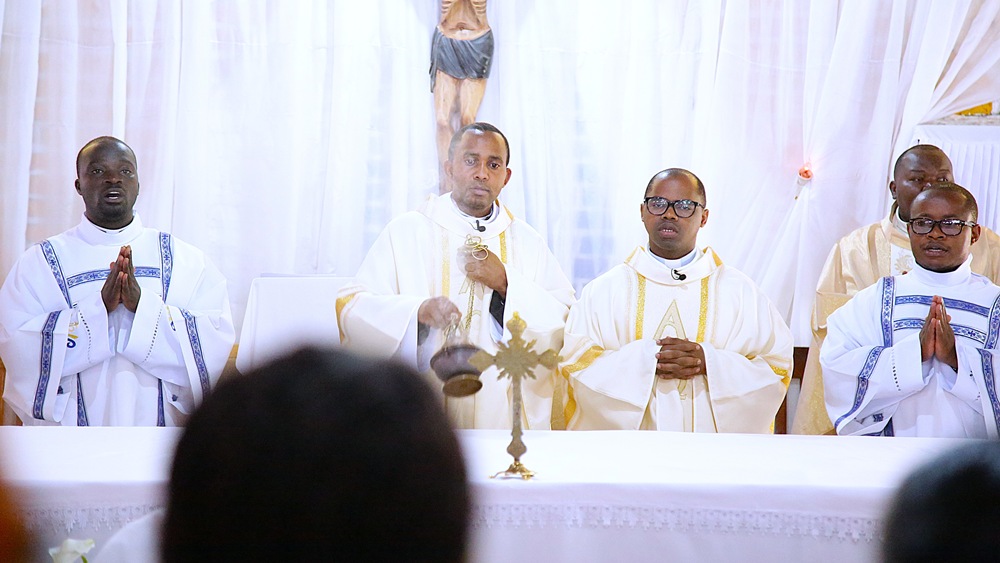The two newly ordained priests used the occasion to express profound gratitude to God for calling them to the priesthood and entrusting them with the mission of proclaiming the Gospel. They also acknowledged the guidance and encouragement they received from Cardinal Antoine Kambanda, who ordained them, as well as the unwavering support of their parents, teachers, formators, relatives and friends whose prayers and sacrifices accompanied them throughout their years of formation.
As they embarked on their priestly ministry, they entrusted their vocation to the Blessed Virgin Mary, asking for her maternal intercession and praying that God would grant them the strength, wisdom and perseverance needed to faithfully serve His people throughout their lives.
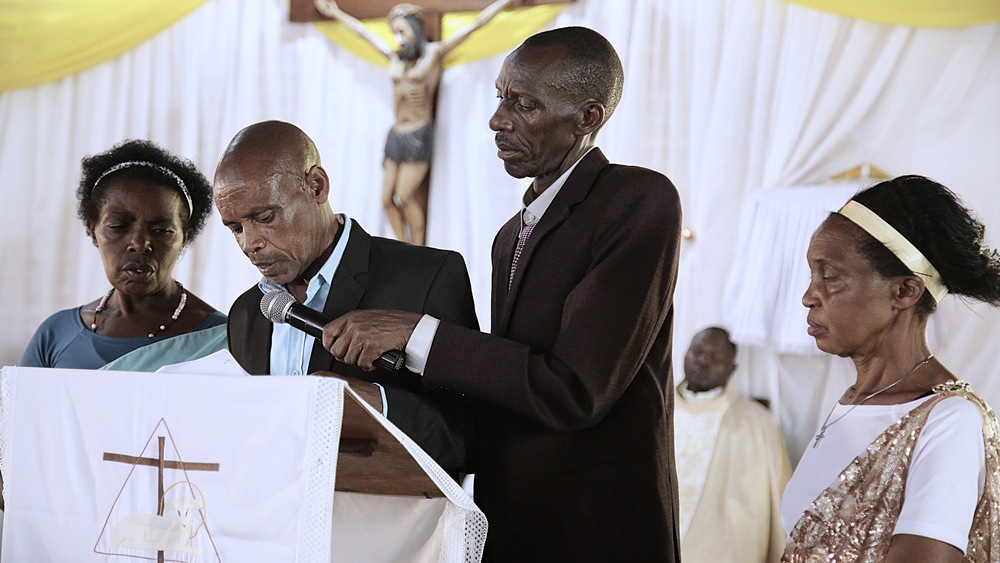Their parents, visibly moved by the occasion, thanked God for the gift of their children and for the privilege of seeing them become priests. They also expressed appreciation to everyone who had contributed to the preparations for the celebration and pledged to continue supporting their sons through constant prayer.
The celebration was further enriched by the presence of **Bishop Emeritus Anastase Mutabazi of Kabgayi Diocese**, who later joined the gathering. He thanked God for the gift of the priesthood and expressed gratitude to the new priests, their families, formators and the many faithful who had travelled from different dioceses and parishes to celebrate together.
He reflected on the unity demonstrated by the gathering, noting that Christians from different regions had come together around the Eucharist to celebrate the gift of priestly vocations. He also commended the leadership and faithful of Bare Parish for maintaining strong bonds with their community, even when parishioners move elsewhere.
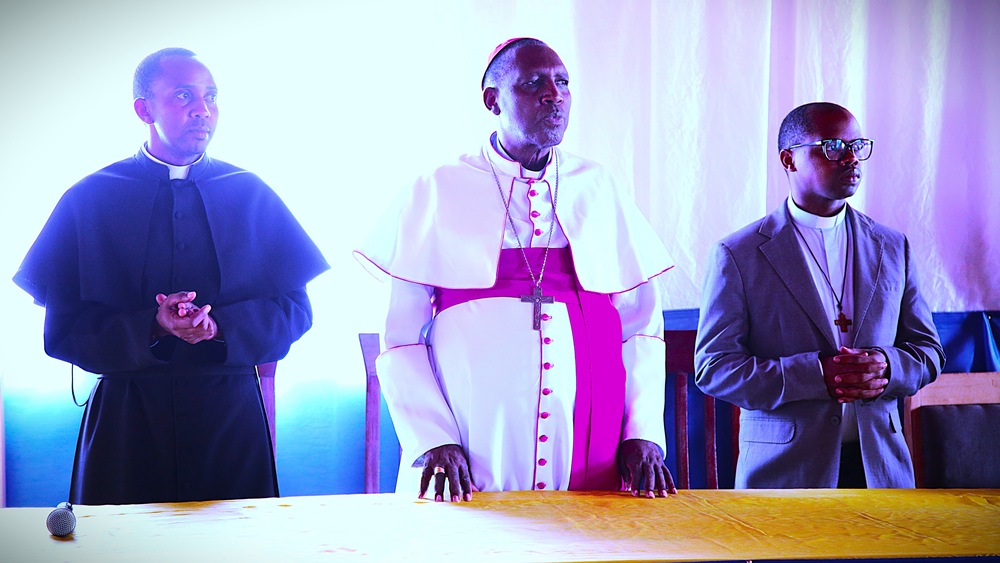The Bishop encouraged the faithful to remain steadfast in their Christian vocation, reminding them that the path of faith is a journey rooted in truth and lasting hope.
Later in the afternoon, members of the Salesian Family accompanied **Fr. Emmanuel Numviyumukiza** to his home village, where another joyful celebration awaited him.
Neighbours, relatives and friends warmly welcomed the newly ordained priest back home. The gathering was marked by moments of blessing as Fr. Emmanuel prayed for family members and guests who had come to share in his joy.
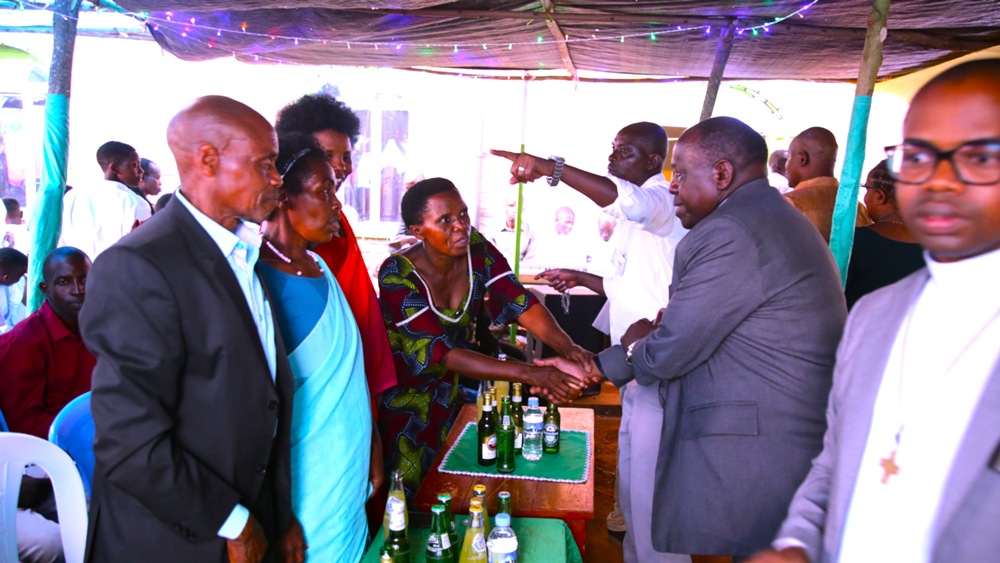A celebratory cake was cut to mark the occasion before everyone gathered for a shared meal and refreshments in an atmosphere of gratitude, celebration and fraternity.
The day’s celebrations reflected not only the joy of two families but also the unity between the diocesan clergy and the Salesian Congregation. They became a powerful witness of a community rejoicing together as two of its sons began their priestly ministry in service to God and His Church.
As Fr. Emmanuel Numviyumukiza and Fr. Jean Abawe begin this new chapter of their lives, the Christian community continues to pray that the Lord who called them will sustain them with wisdom, fidelity and love, and that the Blessed Virgin Mary will accompany them throughout their priestly ministry.
SUBSCRIBE TO OUR NEWSLETTER
First name or full name
Email
By continuing, you accept the privacy policy
**Categories:** NEWS, Religion
---
### [Expert highlights Underutilized Legumes as Pathway to Stronger Food Security](https://www.topafricanews.com/2026/08/04/expert-highlights-underutilized-legumes-as-pathway-to-stronger-food-security/)
**Published:** August 4, 2026
**Author:** TOPAFRICANEWS
**Content:**
**IBADAN, Nigeria – 3 August 2026** – Agricultural experts have called for increased investment in Nigeria’s underutilized legumes, describing them as a strategic solution to improving food security, nutrition, climate resilience, and economic growth.
The call was made during Agversation, the flagship dialogue series of Farmer Square Africa, themed “*Beyond Cowpea and Soybean: Unlocking the Potential of Underutilized Legumes.”* The virtual discussion featured Dr. Taofeek Tope Adegboyega, President of the Society for Underutilized Legumes (SUL), who urged governments, researchers, development partners, and private-sector investors to prioritize neglected indigenous legumes that hold immense promise for transforming Africa’s food systems.
Founded by communications and agricultural development advocate Timilehin Osunde, Farmer Square Africa is a platform dedicated to connecting agricultural research with farmers, policymakers, agribusinesses, young professionals, and the wider public through knowledge sharing, dialogue, and innovation. Through Agversation, the platform provides a space for evidence-based conversations that inspire practical solutions to some of Africa’s most pressing agricultural challenges.
Speaking during the session, Dr. Adegboyega warned that Nigeria’s continued dependence on a few staple crops leaves the country’s food systems increasingly vulnerable to climate change, declining soil fertility, and rising nutritional deficiencies.
*“Nigeria possesses one of Africa’s most diverse legume gene pools—drought-tolerant, nitrogen-fixing, nutritionally dense, and culturally significant. Yet these crops remain largely absent from formal research agendas, national budgets, commercial seed systems, and food industry value chains. The reasons are structural, not agronomic,”* he said.
## **Hidden crops with enormous potential**
Dr. Adegboyega identified Bambara groundnut, African yam bean, pigeon pea, Kersting’s groundnut, and winged bean as some of Nigeria’s most promising but underutilized legumes. Despite being cultivated in several communities, these crops continue to receive limited research funding, weak policy attention, and minimal commercial investment.
He explained that many of these legumes contain between 18 and 39 percent protein, with winged bean ranking among the world’s richest plant-based protein sources. They also provide essential micronutrients such as iron, zinc, and calcium, making them valuable in addressing hidden hunger, child malnutrition, and micronutrient deficiencies. Beyond household consumption, the crops can be processed into bread, noodles, flour, and complementary foods, reducing dependence on imported raw materials while creating new agribusiness opportunities.
## **Building climate-resilient food systems**
According to Dr. Adegboyega, the benefits of underutilized legumes extend beyond nutrition. Their natural ability to fix nitrogen improves soil fertility, reduces fertilizer requirements, and enhances resilience to drought and changing climatic conditions.
He noted that expanding their cultivation and commercialization could generate employment, strengthen rural livelihoods, empower women farmers who traditionally cultivate many of these crops, and contribute to Nigeria’s import substitution agenda while opening new export opportunities.
Despite their significant potential, several barriers continue to limit widespread adoption and commercialization. These include poor access to quality seeds, inadequate research investment, pests and diseases, limited processing facilities, weak market systems, poor infrastructure, and policy preferences that continue to favor cereals over legumes.
Dr. Adegboyega cautioned that these constraints reinforce one another, creating a cycle in which inadequate research limits improved varieties, discourages commercial investment, and ultimately slows the development of viable value chains.
The session concluded with a call for stronger collaboration among government agencies, research institutions, universities, development partners, food manufacturers, farmer organizations, and the private sector.
Recommendations included increasing dedicated research funding, integrating underutilized legumes into national agricultural development plans, strengthening seed production systems, encouraging food manufacturers to develop legume-based products, and supporting women-led community seed enterprises. Dr. Adegboyega also emphasized the need for stronger partnerships between researchers and industry to transform scientific innovations into commercially viable products that improve livelihoods and strengthen national food systems.
Speaking on the significance of the initiative, Timilehin Osunde, Founder of Farmer Square Africa, said Agversation was created to make agricultural knowledge more accessible while connecting research with real-world action.
*“Africa’s agricultural transformation depends not only on scientific breakthroughs but also on meaningful conversations that bring together researchers, farmers, policymakers, agribusinesses, development partners, and young people. Agversation was established to bridge these communities, amplify practical solutions, and inspire collaborative action that advances sustainable food systems across the continent,”* she said.
As Farmer Square Africa continues to convene conversations on emerging issues in agriculture, Agversation is reinforcing the platform’s commitment to promoting knowledge exchange, encouraging innovation, and building partnerships that contribute to resilient, inclusive, and sustainable agricultural development across Africa.

SUBSCRIBE TO OUR NEWSLETTER
First name or full name
Email
By continuing, you accept the privacy policy
**Categories:** NEWS
---
### [Disability Is Not Inability: How Kagarara Turned Determination into Global Recognition](https://www.topafricanews.com/2026/08/04/disability-is-not-inability-how-kagarara-turned-determination-into-global-recognition/)
**Published:** August 4, 2026
**Author:** TOPAFRICANEWS
**Content:**
***By BYIRINGIRO Moise***
Success often comes from the most unexpected places, and few stories illustrate this better than that of **Enock Uwizeye**, popularly known as **Kagarara** or **Ashton Small**.
Living with a physical disability, the young Rwandan content creator has become one of the country’s most recognizable social media personalities, proving that determination, resilience, and self-belief can overcome physical limitations.
His journey to international recognition began with a simple fitness challenge that captured the attention of millions online.
#### A Challenge That Changed Everything
Kagarara first gained widespread attention after taking part in a push-up challenge with American online streamer **IShowSpeed (Darren Jason Watkins Jr.)** during the influencer’s visit to Africa.
Despite the obvious physical differences between the two, Kagarara impressed audiences with his endurance, confidence, and competitive spirit.
The viral moment introduced him to millions of viewers and transformed him into one of Rwanda’s rising digital personalities.
#### A Friendship Built Through Fitness
His international breakthrough continued when he met renowned American fitness influencer **Ashton Hall** at Kotoka International Airport in Accra, Ghana.
The two once again engaged in a friendly push-up challenge.
While Ashton Hall completed 70 push-ups before stopping, Kagarara continued pushing beyond that mark, demonstrating extraordinary stamina and determination.
What began as a fitness challenge quickly evolved into a genuine friendship.
Recognizing Kagarara’s determination and inspiring personality, Ashton Hall invited him to join parts of his African tour.
Together, they travelled to different countries, producing motivational fitness content that encouraged thousands of young people across Africa and beyond to believe in themselves regardless of their circumstances.
#### A Hero’s Welcome Home
When the tour reached Rwanda, excitement spread across social media as fans eagerly awaited the arrival of the two content creators.
They received a warm welcome from supporters, and Kagarara’s popularity continued to soar.
Today, he has built an online community of more than **800,000 Instagram followers**, making him one of Rwanda’s most followed digital creators.
#### Recognition Beyond Social Media
Kagarara’s success has also brought significant recognition.
Ashton Hall presented him with a **Kia Sorento SUV** and **US$5,000** to support his future projects.
His influence was further recognized during the **YouthConnekt Awards**, where he was honoured by Rwanda’s **Minister of Youth and Arts, Jean Nepo Abdallah Utumatwishima**, for inspiring young people, particularly those living with disabilities.
He has also been nominated for the **Africa Content Creator Awards**, which recognize outstanding digital creators from more than 20 African countries.
#### More Than a Fitness Creator
Although fitness challenges introduced him to the world, Kagarara has expanded his creativity beyond sports.
He produces entertaining online content, creates music, participates in comedy, and continues to use his platforms to inspire young people to pursue their dreams.
His growing influence has made him a role model for many Rwandans, especially young people who face personal challenges but aspire to achieve great things.
#### Redefining Disability
Kagarara’s journey is a reminder that disability does not define a person’s potential.
Instead of allowing his physical condition to limit him, he transformed it into a source of motivation and inspiration for millions of people around the world.
His story demonstrates that true strength is measured not by physical appearance but by perseverance, courage, and the determination to keep moving forward despite every obstacle.
As his influence continues to grow, Kagarara remains a living example of a simple but powerful truth:
**Disability is not inability. It is determination that defines what a person can achieve.**

SUBSCRIBE TO OUR NEWSLETTER
First name or full name
Email
By continuing, you accept the privacy policy
**Categories:** PEOPLE AND INTERNET
---
### [Kayonza: SAIP's Irrigation Innovation Turns Smallholder Farmers into Year-Round Producers](https://www.topafricanews.com/2026/08/04/kayonza-saips-irrigation-innovation-turns-smallholder-farmers-into-year-round-producers/)
**Published:** August 4, 2026
**Author:** LIBOS NDAYISHIMIYE
**Content:**
The Sustainable Agricultural Intensification and Food Security Project (SAIP) is transforming rain-fed agriculture into a resilient, market-oriented farming system, empowering rural communities with modern irrigation technologies that are boosting production, creating jobs, and improving household incomes.
The Sustainable Agricultural Intensification and Food Security Project (SAIP II), implemented by the Rwanda Agriculture and Animal Resources Development Board (RAB), is playing a pivotal role in reshaping the future of agriculture across Rwanda. By expanding access to Small-Scale Irrigation Technologies (SSIT), the project enables farmers to cultivate crops throughout the year, increase productivity, improve food security, access profitable markets, and build resilience against climate change.
Currently operating in 20 districts, SAIP II supports Rwanda’s broader agricultural transformation agenda by improving agricultural productivity while strengthening farmers’ economic opportunities.
Among the beneficiaries is MBARAGA Potien, manager of BARINDA Joseph’s farming enterprise located in Gakomo I Village, Murundi Sector, Kayonza District. The farm specializes in the production maize and different vegetables including onions, watermelons, etc
According to Mbaraga, the support received through SAIP II has transformed not only agricultural production but also the livelihoods of many families in the surrounding community.
“We no longer struggle during the dry season because we now have a reliable irrigation system provided through SAIP II,” he said. “The project covered 75 percent of the investment while we contributed only 25 percent. This support has dramatically increased our production and enabled us to employ many people from nearby communities. Today, around 100 people earn a living through jobs created on this farm.”
He commended Rwanda’s Ministry of Agriculture and Animal Resources (MINAGRI) and RAB for continuously introducing initiatives that directly improve farmers’ welfare and agricultural productivity.
Before benefiting from SAIP II, he explained, farming activities depended entirely on rainfall, making production highly vulnerable to prolonged dry spells caused by climate change.
“Today we are no longer afraid of drought,” he added. “Whenever rainfall delays, we simply irrigate our crops. As a result, harvests remain impressive. A single hectare of watermelon can now generate between RWF 7 million and RWF 8 million in revenue something we could never have imagined before.”
The irrigation investment itself was valued at more than RWF 98 million, with the farmers contributing over RWF 20 million, while SAIP II financed more than RWF 70 million, significantly reducing the financial burden on the beneficiaries.
KAKUZE Anastasie, one of the workers employed on the farm, says the opportunity has completely transformed her family’s standard of living after working there for four consecutive farming seasons.
“I have worked here through all four farming seasons from planting and weeding to harvesting,” she said. “Everything I have achieved over the past four years has come from this job.”
She recalls arriving at the farm while facing severe financial hardship, struggling to provide even basic necessities for her family.
“Life was extremely difficult before I found this opportunity,” she explained. “Today my children are in school, I can afford community health insurance, and I have even started saving money. My family’s life has changed tremendously.”
Beyond earning an income, Anastasie says she has acquired practical skills in modern irrigation farming, knowledge she believes will benefit her wherever she works in the future.
Meanwhile, Innocent Nzabamwita, Irrigation Engineer Specialist at RAB-SPIU, says the Government of Rwanda has introduced several financing mechanisms to make irrigation technology affordable for smallholder farmers.
“Government subsidies are available for farmers cultivating between 0.5 and 10 hectares,” he explained. “Farmers contribute only 50 percent of the cost of irrigation equipment, while the Government finances the remaining 50 percent.”
He added that additional incentives are available for farmers investing in solar-powered irrigation systems.
“For farmers cultivating between 5 and 10 hectares using solar-powered pumps, the farmer contributes only 25 percent, while the Government subsidizes the remaining 75 percent.”
According to Nzabamwita, these subsidies significantly reduce the financial barriers that have traditionally prevented many farmers from investing in irrigation, ultimately helping them increase production and improve household incomes.
The initiative also aligns with Rwanda’s National Strategy for Transformation (NST2) 2024–2029, which targets annual agricultural growth exceeding six percent while expanding irrigated farmland from 74,375 hectares to 132,171 hectares nationwide.
Another defining feature of SAIP II is its emphasis on farmer groups and cooperatives. By promoting collective action, the project ensures that modern irrigation technologies reach larger numbers of farmers while strengthening collaboration in production, value addition, and market access
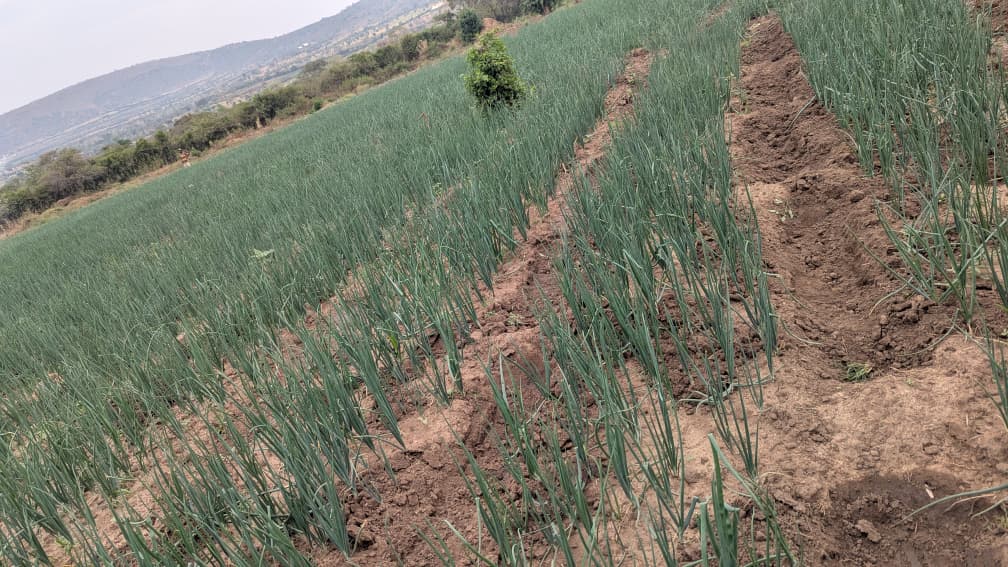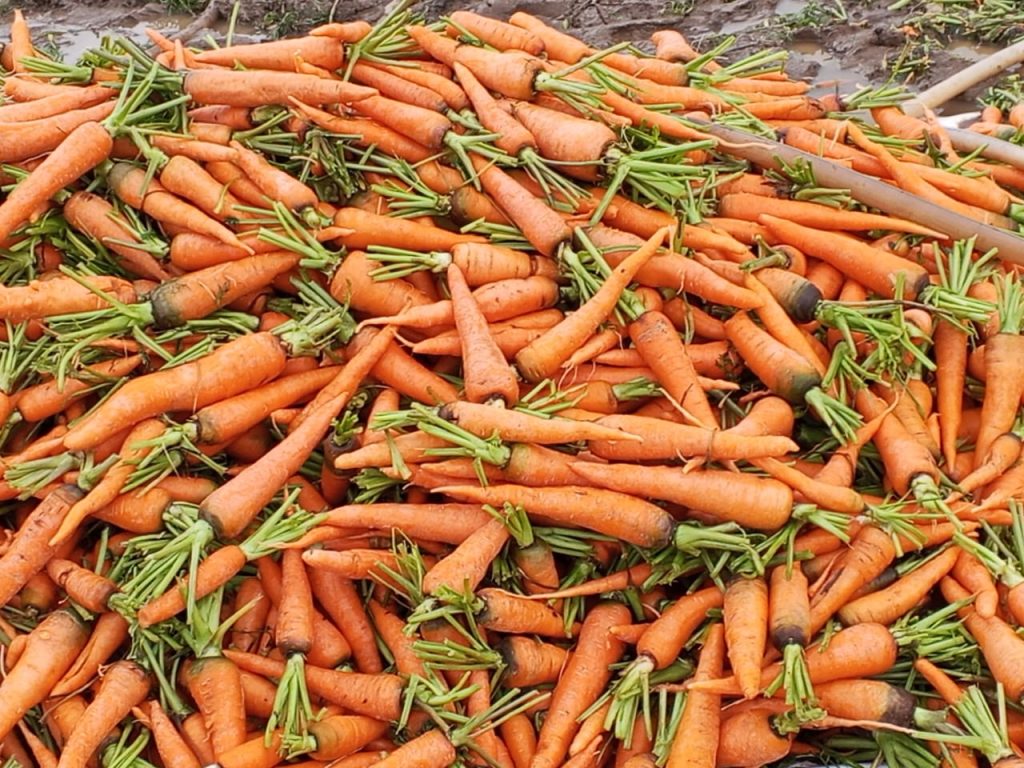
SUBSCRIBE TO OUR NEWSLETTER
First name or full name
Email
By continuing, you accept the privacy policy
**Categories:** Climate / Agriculture Evolution, Natural Resources and Agriculture
---
### [Scale Agroecology Now or Risk Losing Ground on Food Security, Egeru Tells FARA Science Week](https://www.topafricanews.com/2026/08/03/scale-agroecology-now-or-risk-losing-ground-on-food-security-egeru-tells-fara-science-week/)
**Published:** August 3, 2026
**Author:** TOPAFRICANEWS
**Content:**
*Experts warn that farmer demand for agroecology is outpacing the research, finance and training systems meant to sustain it, as ministers are urged to back the continent’s boldest agroecology commitment yet*
**Abuja, Nigeria** – Agroecology is delivering measurable gains for African farmers, but the systems needed to take it to national scale are dangerously underfunded and understaffed, Prof. Anthony Egeru told delegates at a parallel session of the [FARA Science Week](https://aasw.faraafrica.org/) on Monday, 27 July 2026.
Presenting an executive brief prepared for ministerial-level consideration, Egeru said the evidence for agroecology’s performance in Africa is now “real and expanding,” but warned that adoption remains uneven and largely dependent on donor projects rather than embedded in national or landscape-level policy. He was speaking at the session ***“Agroecology and Ecological Organic Agriculture at Scale: Levers and Inhibitors for Sustainable Food Systems,”*** held under the broader theme **“Food Sovereignty in Africa: Scaling Agroecology and Ecological Organic Agriculture for Resilient and Sustainable Agrifood Systems in Africa.**” The session was moderated by Markus Arbenz of the [Research Institute of Organic Agriculture (FiBL), Switzerland](https://www.fibl.org/en/).
***“Farmer-level demand and civil-society delivery capacity for agroecology now outpace the public research, finance and formal-education systems meant to support and sustain it.”***
**A Continental Policy Window**
Egeru grounded his remarks in the political momentum created by the Kampala CAADP Declaration, adopted by African Union Heads of State in January 2025, and its accompanying Strategy and Action Plan for 2026-2035, which for the first-time names agroecology as a core continental strategy for safeguarding biodiversity, improving nutrition, restoring soil health and strengthening local food systems. He described the declaration as the strongest continental policy signal on agroecology to date, and said it now falls to ministries to translate that commitment into budget lines, extension reform and territorial planning.
**Evidence from the Field**
Citing a systematic review of 70 peer-reviewed studies spanning 25 African countries between 2019 and 2024, Egeru said Senegal, Kenya, Tanzania and Burkina Faso are furthest along in scaling agroecological practice, supported by stronger institutions, policy and financing. He noted that farmer-level adoption in Benin, estimated at roughly 10 percent, is broadly representative of much of the region. Data from FAO’s Tool for Agroecology Performance Evaluation, applied across roughly 2,500 households in eight countries including Benin, Ethiopia, Kenya and Madagascar, consistently shows that greater agroecological integration improves economic, environmental and social outcomes without sacrificing productivity, he said.
He pointed to a series of independently verified on-farm results: Farmer-Managed Natural Regeneration, practiced across 24 million hectares from Niger to Ethiopia and Malawi, has lifted yields by an average of 50 percent and helped double household incomes through firewood sales, while regenerating some 200 million trees over two decades. Push-pull cereal-legume intercropping, now used by more than 155,000 smallholders in Kenya, Uganda, Tanzania and Ethiopia, has raised maize yields by up to 2.2 times and cut stemborer crop losses from around 40 percent to about 5 percent. In Burkina Faso, the combination of zaï pits and stone bunds has restored between 200,000 and 300,000 hectares of degraded land, in some cases lifting yields by as much as 500 percent and adding roughly 80,000 tonnes of food production annually. In deed over the last two years, the Innovation Transfer Partners (ITPs) model implemented by RUFORUM for scaling and deepening impact of technology and innovations transfer has demonstrated that young agro-preneurs can sustain the momentum of deliverying agroecology TIMPs to farmers at scale. This is because they have been able to reach over 200,000 farmers in under 24 months in Uganda, Kenya, and Tanzania. This is therefore an approach that is scalable with multiple wins of jobs and wealth creation, inclusion, and environmental sustainability among others.
Egeru also highlighted institutional shifts underpinning this progress, including Zimbabwe’s formal adoption of agroecology as a national climate adaptation strategy, CGIAR-led “Agroecological Living Landscapes” now operating in five countries, the integration of agroecology into university curricula in Kenya, and the institutionalization of Farmer Field School delivery within government extension systems in Ethiopia, Kenya, Uganda and Tanzania.
**A Capacity Gap leaders and decision makers Must Close**
Despite this progress, Egeru cautioned that human and institutional capacity remains the binding constraint. He cited data showing that only 13 percent of projects at Kenyan agricultural research institutes are linked to agroecology, that official development assistance for agricultural research, education and extension has stagnated at around 14 percent of agricultural aid to Sub-Saharan Africa, and that 85 percent of a major global foundation’s agricultural funding continues to flow toward industrial-production models rather than agroecological research.
On the delivery side, he described more encouraging signs: 661 Farmer Field School facilitators trained across East Africa, 32 percent of them women and 54 percent youth, backed by a growing corps of master trainers and a deliberate shift away from donor dependence toward government-owned extension systems. Youth agribusiness programmes such as ENABLE-TAAT have reached over 1,400 young agripreneurs in Kenya, Nigeria and Uganda, though he noted that access to capital and markets remains the chief obstacle for agroecological enterprises specifically. He added that civil-society and farmer networks, among them the PELUM Association, working with 283 organizations across 12 countries, and the Alliance for Food Sovereignty in Africa, whose 43 member networks reach an estimated 200 million people, now constitute the largest existing delivery infrastructure for agroecology, even though this capacity sits largely outside formal research, extension and education systems.
***Farmer demand and civil-society reach now outstrip the public systems built to sustain them — a gap ministers are being asked to close.***
**Three Priorities for leaders and decision maker’s Action**
Egeru closed his presentation with three priorities he urged ministers attending FARA Science Week to act on at landscape level. First, redirect and de-risk finance toward agroecological research, extension and enterprise, through explicit budget lines and blended-finance instruments tied to Kampala Declaration commitments. Second, institutionalize farmer-centred, multi-stakeholder knowledge systems within public extension, funding national agroecology-extension cadres as core civil-service functions rather than project add-ons. Third, govern agroecological transitions at landscape and territorial scale, with secure land tenure and integrated value chains, coordinating research institutions, local government, the private sector and communities within defined territories.
He recommended that countries without national agroecology strategies adopt or finalize them using the Kenya and Senegal models as templates, ring-fence a minimum share of agricultural research and extension budgets for agroecology, formalize agroecology-trained extension cadres within the civil service, and designate priority landscapes for territorial transitions anchored in multi-stakeholder governance platforms.
**Moderated Discussion**
Moderating the session, Markus Arbenz of [FiBL Switzerland](https://www.fibl.org/en/locations/switzerland) invited participants to weigh the levers and inhibitors shaping agroecology’s path to scale across the continent, framing the discussion that followed Egeru’s remarks. The session forms part of the wider FARA Science Week conference which is currently underway in Abuja, Nigeria bringing together researchers, policymakers and civil-society actors to define the path for scaling agroecology and ecological organic agriculture across African agrifood systems.
In concluding the brief, it was noted that while the political and scientific case for agroecology in Africa is now well established, its long-term durability depends on whether ministries move deliberately to close the financing and human-capital gaps identified, a challenge Egeru framed as the defining task for the sector over the coming decade.

SUBSCRIBE TO OUR NEWSLETTER
First name or full name
Email
By continuing, you accept the privacy policy
**Categories:** NEWS
---
### [Beyond Limits: A New Standard for Inclusive Mountaineering in Africa](https://www.topafricanews.com/2026/08/03/beyond-limits-a-new-standard-for-inclusive-mountaineering-in-africa/)
**Published:** August 3, 2026
**Author:** TOPAFRICANEWS
**Content:**
**First of Two Consecutive International Teams Successfully Summits Mount Kilimanjaro, Redefining Human Potential, Inclusion, and What Is Possible**
**MOUNT KILIMANJARO, TANZANIA** — August 3, 2026 — High on the slopes of Mount Kilimanjaro, one of the world’s most inspiring stories of human determination is unfolding.
**This morning, Team 1** of the international #AccessibleTogether expedition successfully reached the Roof of Africa, demonstrating that accessibility, inclusion, teamwork, and perseverance can accomplish extraordinary things.
A second international team will begin its ascent later this week, continuing a mission that is transforming Africa’s highest peak into a global symbol of resilience, opportunity, and human potential.
Organized by Accessibility Accelerator, a U.S.-based nonprofit organization, in partnership with Paratrek, the consecutive expeditions unite climbers of all abilities from several countries, including participants with disabilities, students, educators, physicians, first responders, military veterans, families, and community leaders. Team 1’s summit included three participants using specialized adaptive trekking equipment, alongside teammates representing a wide range of abilities and life experiences.
“Every climber has earned the right to celebrate their own achievement,” said Jamie Lassner, Executive Director of Accessibility Accelerator. “Some participants may leave this mountain with a record. Every participant will leave knowing they accomplished something extraordinary. What makes this expedition truly remarkable is that personal success is never separate from the success of the team. Every individual achievement strengthens everyone around them and inspires others to believe that more is possible. That is the spirit of #AccessibleTogether.”
Several participants are expected to achieve historic individual milestones, while the expedition itself is anticipated to establish significant team accomplishments. Yet its greatest achievement extends beyond records. Every climber is encouraged to pursue their personal best while helping others achieve theirs, demonstrating that inclusion does not diminish excellence—it elevates it.
Throughout the expedition, teammates encourage one another, overcome challenges together, share responsibilities, and celebrate every milestone. Success is measured not by who reaches the summit first, but by how each person contributes to the success of the entire team.
Guided by Paratrek’s experienced mountain professionals, the expeditions embody a simple principle:
Accessible Together. Extraordinary Together.
“No one climbs Kilimanjaro alone,” said Omer Zur, Founder of Paratrek. “Every guide, porter, and climber becomes part of one team. Every person helps someone else move forward. That spirit transforms this expedition into something far greater than reaching a summit.”
Beyond the mountain, the #AccessibleTogether expeditions challenge long-held assumptions about disability and inclusion. They demonstrate that when barriers are replaced with opportunity, and every individual is empowered to contribute, the impact extends far beyond the summit.
Whether history ultimately remembers these expeditions for their records or not, their greatest legacy will be measured in lives inspired, perceptions transformed, and the enduring reminder that humanity achieves its greatest accomplishments when everyone has the opportunity to climb together.

SUBSCRIBE TO OUR NEWSLETTER
First name or full name
Email
By continuing, you accept the privacy policy
**Categories:** Tourism and Nature
---
### [Football Campaign Linked to Grey Crowned Crane Recovery at Rugezi Marsh](https://www.topafricanews.com/2026/08/01/football-campaign-linked-to-grey-crowned-crane-recovery-at-rugezi-marsh/)
**Published:** August 1, 2026
**Author:** Mutangana Emmanuel
**Content:**
The fourth edition of the Umusambi Football Tournament concluded on July 31, 2026, in Butaro Sector, Burera District, with conservationists saying community-led awareness efforts are contributing to the recovery of the endangered Grey Crowned Crane around Rugezi Marsh.
Organized annually by the Rwanda Wildlife Conservation Association (RWCA), the month-long tournament brought together teams from eight sectors surrounding Rugezi Marsh in Burera and Gicumbi districts. The initiative uses sport as a platform to encourage communities living near the wetland to protect one of Rwanda’s most important ecosystems.
Miyove Sector dominated this year’s competition, winning both the men’s and women’s titles after defeating Butaro Sector in both finals. The women’s champions received RWF 500,000, while the runners-up earned RWF 300,000. The same prizes were awarded in the men’s category.
***Dr. Deo Ruhagazi, Deputy Chief Executive Officer of RWCA.***Dr. Deo Ruhagazi, Deputy CEO of RWCA, said football has become one of the organization’s most effective tools for delivering conservation messages.
“RWCA has organized this tournament for many years involving the eight sectors surrounding Rugezi Marsh. Football is not our only awareness activity; we also organize a cycling race around the marsh. Our goal is to encourage residents to understand that protecting Rugezi Marsh is everyone’s responsibility,” he said.
“People love football, and we have found that delivering conservation messages through sport produces positive results,” he added.
According to Ruhagazi, those results are increasingly visible in the recovery of the Grey Crowned Crane, one of Rwanda’s most iconic and endangered bird species.
“Rugezi Marsh is home to about a quarter of all the Grey Crowned Cranes found in Rwanda. When we began our conservation work, we recorded only 71 cranes in Rugezi. Today, that number has increased to 351,” he said.
He attributed the increase to growing community participation in conservation, saying residents have largely stopped taking crane chicks from the wild and attitudes toward the birds have improved significantly.
“We used to find many cranes with injuries or disabilities, but those cases have become rare. These changes demonstrate the impact of sustained awareness efforts, including those delivered through football,” he added.
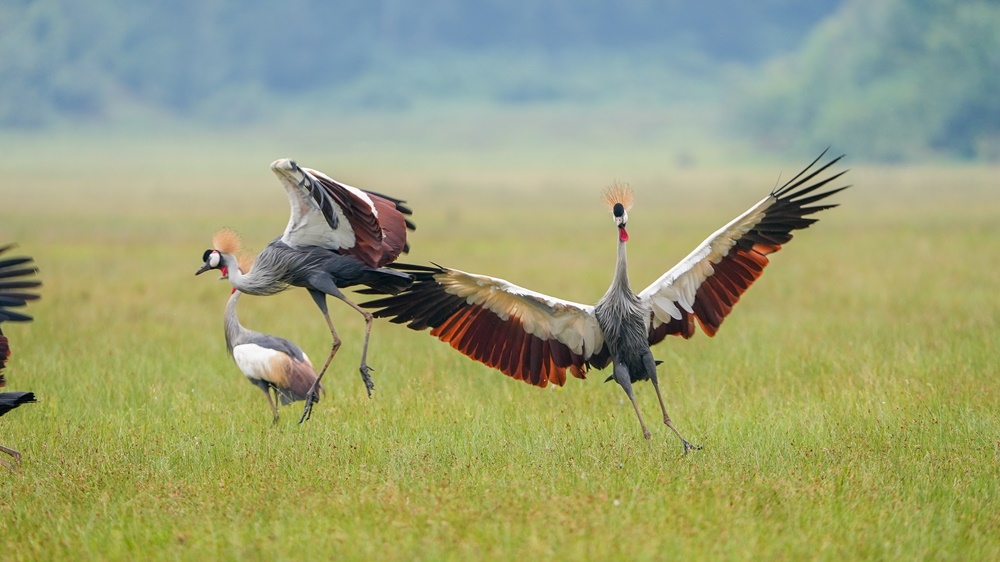Ruhagazi said protecting the Grey Crowned Crane also benefits hundreds of other species that depend on the wetland.
He said, “The Grey Crowned Crane is what we call an umbrella species. By protecting it, we are also protecting the entire ecosystem and the many other species that live in Rugezi Marsh.”
He added that Rugezi Marsh is not only internationally recognized as a protected wetland but also plays a vital role in Rwanda’s water resources.
“The marsh collects water flowing from the surrounding hills in Burera and Gicumbi districts before supplying Lake Burera and later Lake Ruhondo. When Rugezi Marsh is healthy, both lakes remain healthy as well,” he added.
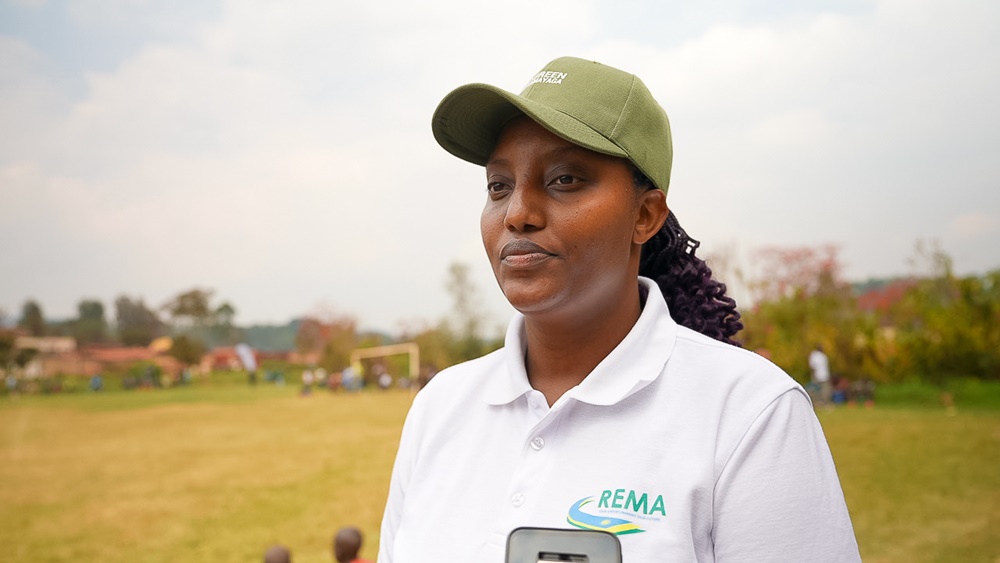***Virginie Mugororeyimana, Director of Advocacy and Multilateral Environmental Agreements at the Rwanda Environment Management Authority (REMA).***Virginie Mugororeyimana, Director of Advocacy and Multilateral Environmental Agreements at the Rwanda Environment Management Authority (REMA), commended RWCA for combining sport with environmental education.
“This tournament provides an opportunity to remind communities that protecting Rugezi Marsh is a responsibility shared by all Rwandans, not only those living in Burera and Gicumbi. We appreciate RWCA for continuing to organize these competitions while promoting conservation.”
She urged residents to remain vigilant during the dry season by preventing wildfires, one of the greatest threats facing the peatland wetland.
“We ask communities to avoid starting fires because vegetation is dry at this time of year. We must also avoid grazing livestock and cultivating inside the wetland so that Rugezi Marsh continues to provide the environmental services on which we all depend,” she said.
Mugororeyimana said sport offers an effective way to reach young people with conservation messages.
“Sport brings young people together, making it easier to educate them about environmental protection. They, in turn, share these messages with their families and communities. Every year, we continue to see the positive impact of combining sport with conservation awareness,” she added.
***Burera District Vice Mayor in charge of Social Affairs, Theophile Mwanangu.***Burera District Vice Mayor in charge of Social Affairs, Theophile Mwanangu, said conserving the wetland extends beyond biodiversity protection.
He said, “Rugezi Marsh provides clean air and sustains Lake Burera, whose waters generate electricity at the Ntaruka Hydropower Plant. Water from Lake Burera also flows into Lake Ruhondo, which powers the Mukungwa Hydropower Plant. Protecting the marsh therefore contributes directly to Rwanda’s economy and national development.”
He added that the Grey Crowned Crane has also become an important attraction for visitors.
“The Grey Crowned Crane is one of the rare bird species in the world, and Rwanda is fortunate to still have it. Many tourists visiting Burera are excited to see the bird, and tourism generates foreign exchange that contributes to the district’s development and the country’s economy,” Mwanangu said.
The fourth edition builds on previous tournaments that RWCA says have helped reduce illegal grass cutting, poaching and wetland fires around Rugezi Marsh.
The recent biodiversity survey conducted by RWCA identified 741 species in the marsh, including 472 species that had never previously been recorded there. The survey documented 197 plant species, 134 bird species and 53 mammal species, including 22 bat species, underscoring the ecological importance of one of Rwanda’s most significant wetlands.
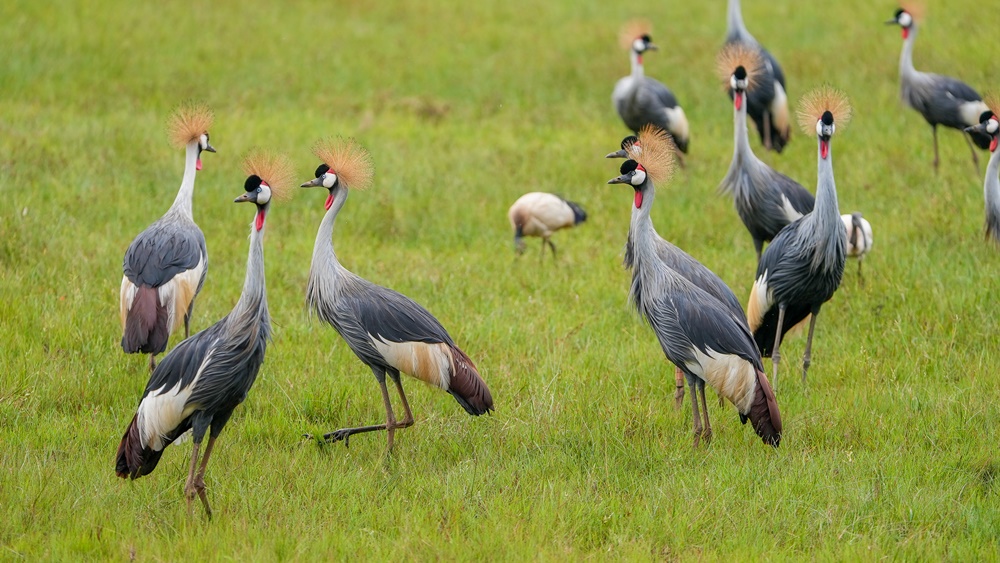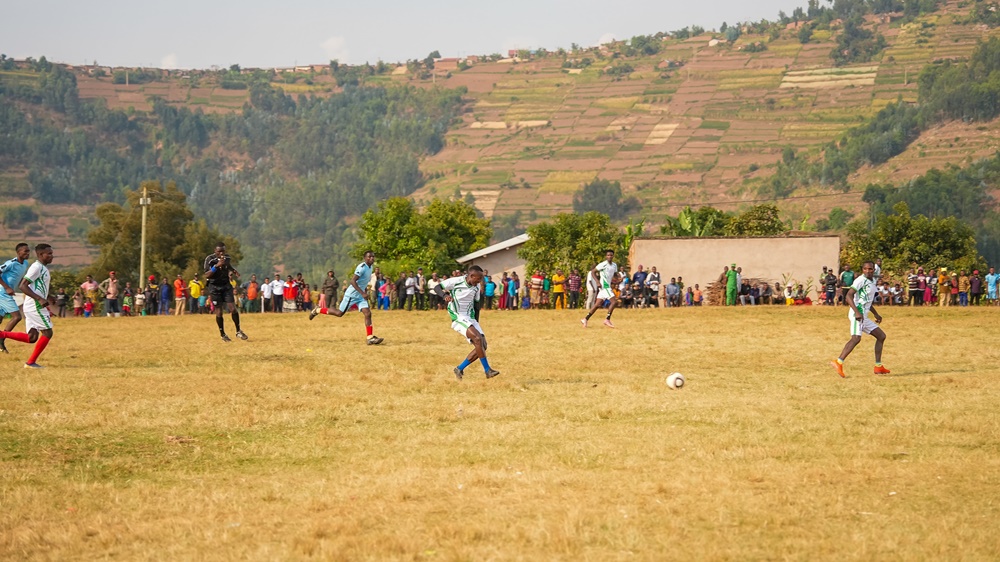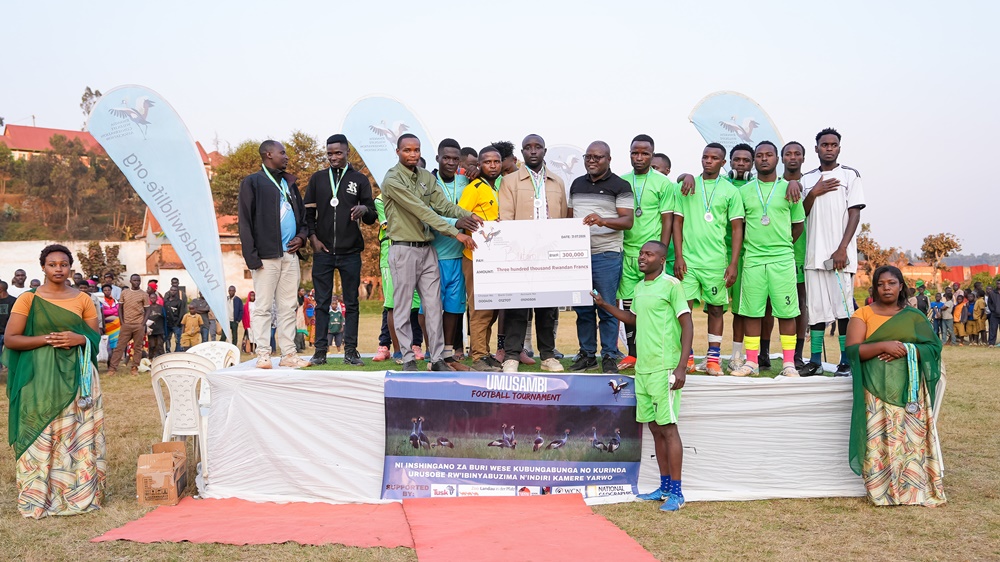
SUBSCRIBE TO OUR NEWSLETTER
First name or full name
Email
By continuing, you accept the privacy policy
**Categories:** Environment, Sport
---
### [At Rwanda AgriShow, ACES Demonstrates How Sustainable Cooling Can Accelerate Agrifood Systems Transformation](https://www.topafricanews.com/2026/08/01/at-rwanda-agrishow-aces-demonstrates-how-sustainable-cooling-can-accelerate-agrifood-systems-transformation/)
**Published:** August 1, 2026
**Author:** DUSABEMUNGU Ange de la Victoire
**Content:**
**KIGALI, Rwanda**-Sustainable cooling was among the practical solutions highlighted at this year’s Rwanda AgriShow as stakeholders explored innovations supporting the event’s theme, “Accelerating Agri-Food Systems Transformation through Innovation and Strategic Partnerships.”
Among the exhibitors, the Africa Centre of Excellence for Sustainable Cooling and Cold-chain (ACES) presented its Community Cooling Hub (CCH) model, demonstrating how sustainable cooling can strengthen food security, climate resilience, and inclusive rural development.
Speaking to TOP AFRICA NEWS at the ACES stand, Odile Mukeshimana, representing ACES during the exhibition, explained that the Community Cooling Hub is far more than a cold room. It is an integrated, community-centred model that brings together pre-cooling, cold-chain services, clean energy, value addition, food safety, market access, capacity development, and essential community services to respond to local needs.
“The Community Cooling Hub is much more than a cold room. It is an integrated model designed around community needs. By bringing together sustainable cooling, value addition, clean energy, market access, food safety, and capacity development, it helps communities reduce food loss, strengthen livelihoods, and build more resilient agrifood systems,” Mukeshimana said.
She explained that the Community Cooling Hub begins with pre-cooling, which removes field heat immediately after harvest before produce enters cold storage. This helps preserve quality, maintain food safety, extend shelf life, and reduce post-harvest losses before products move through storage, value addition, processing, and markets.

“Cooling helps farmers preserve the quality of their harvest, improve food safety, reduce post-harvest losses, and create greater value from what they produce,” she added.
**Creating Value Through Integrated Services**
Beyond cold storage, the Community Cooling Hub supports value addition by providing opportunities to process agricultural products, helping farmers increase the value of their produce while opening new market opportunities.
Mukeshimana cited tomato processing as one example, explaining that transforming fresh tomatoes into tomato paste creates additional income while reducing waste.
“Value addition allows farmers and processors to capture greater value than selling fresh produce alone while reducing post-harvest losses,” she said.
Depending on local priorities, the Community Cooling Hub can also support vaccine cold chains and other essential community services, showing how sustainable cooling contributes to both agriculture and public health.
**Research-Based Innovation**
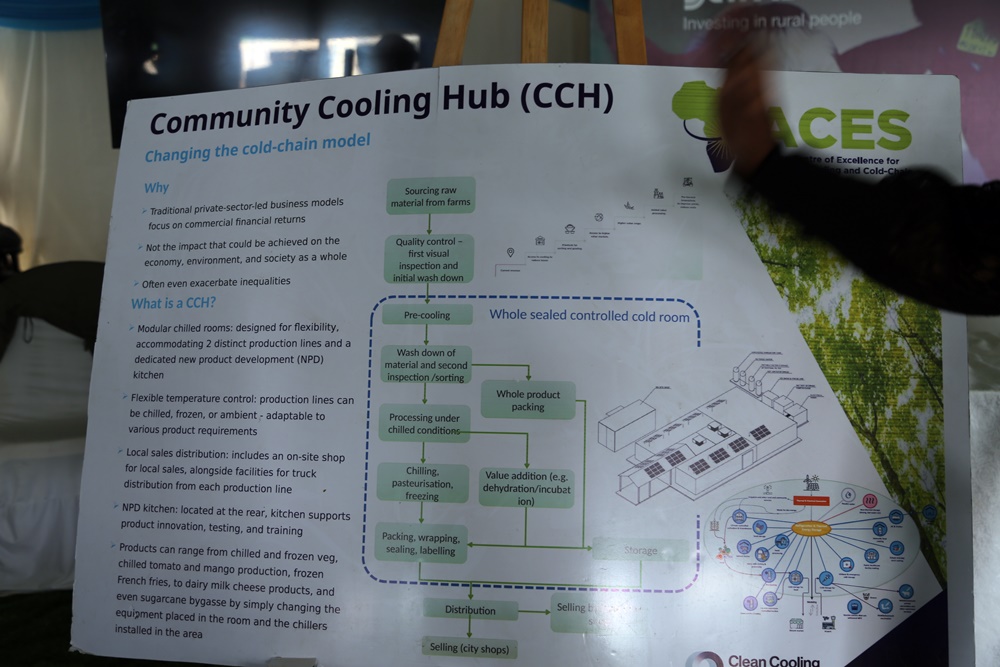
Mukeshimana said the Community Cooling Hub is the result of scientific research conducted by ACES.
Rather than introducing the same solution everywhere, ACES begins each intervention with a comprehensive needs assessment to understand local production systems, market opportunities, energy availability, and community priorities before designing a model that responds to those needs.
“Every Community Cooling Hub begins with understanding the needs of the community. It is evidence-based and designed to respond to local realities. Rather than applying a one-size-fits-all solution, we develop an integrated model that addresses the specific challenges and opportunities within each community,” she explained.
She added that the model can be adapted and replicated according to local production systems and development priorities.
The Community Cooling Hub reflects ACES’ systems-thinking approach to sustainable development. Rather than viewing cooling as a standalone technology, the model connects agricultural production, pre-cooling, cold-chain services, value addition, clean energy, food safety, market access, public health, and community capacity development into one integrated system.
By strengthening the links between these components, it helps communities build more resilient agrifood systems while creating social, economic, and environmental benefits.
**Embedding Gender Equality and Social Inclusion**
Mukeshimana said Gender Equality and Social Inclusion (GESI) is embedded throughout the Community Cooling Hub model.
Rather than treating inclusion as a separate activity, ACES integrates GESI from the initial needs assessment through governance, access to services, training delivery, leadership opportunities, and business development to ensure that women, young people, persons with disabilities, and other underrepresented groups can participate meaningfully and benefit equitably.
“Sustainable development can only be achieved when everyone has an opportunity to participate and benefit. That is why Gender Equality and Social Inclusion is integrated throughout the Community Cooling Hub model, from planning and implementation to training and community engagement,” she said.
Capacity development is another important part of the ACES approach. Alongside the Community Cooling Hub, ACES offers professional short courses and online learning opportunities that prepare technicians, researchers, policymakers, entrepreneurs, and community leaders to design, operate, and scale sustainable cooling solutions. Current training areas include sustainable cooling and cold-chain systems, refrigeration, food safety, clean energy, telemetry, and Gender Equality and Social Inclusion (GESI), helping build the skilled workforce needed to support Rwanda’s cooling transition.
**Raising Awareness at Rwanda AgriShow**
Throughout the exhibition, the Community Cooling Hub attracted interest from farmers, students, researchers, policymakers, development partners, and private-sector stakeholders looking for practical solutions to strengthen agricultural value chains.
Mukeshimana said the AgriShow provided an opportunity not only to demonstrate the Community Cooling Hub model but also to engage visitors in discussions on how sustainable cooling can support agrifood systems transformation through research, innovation, partnerships, and capacity development.
“The AgriShow allows us to demonstrate how sustainable cooling can support communities beyond reducing post-harvest losses. It is also an opportunity to introduce visitors to our professional short courses and online learning opportunities, helping build the knowledge and skills needed to support the cooling transition,” she said.
Rather than being simply a cooling facility, the model offers a practical, research-driven approach to using sustainable cooling as an enabler of agrifood systems transformation.

SUBSCRIBE TO OUR NEWSLETTER
First name or full name
Email
By continuing, you accept the privacy policy
**Categories:** Climate / Agriculture Evolution
---
### [Enforce, But Also Heal: Rwanda’s Alcohol Ban Must Count the Street and Treat the Trauma](https://www.topafricanews.com/2026/08/01/enforce-but-also-heal-rwandas-alcohol-ban-must-count-the-street-and-treat-the-trauma/)
**Published:** August 1, 2026
**Author:** TOPAFRICANEWS
**Content:**
Rwanda’s government was right to act fast. After reports of about 50 deaths and hundreds hospitalized from adulterated alcohol, the overnight ban sent a clear message: public health comes first.
But speed cannot be a substitute for strategy. If we are serious about saving lives, the ban must be the beginning of a plan, not the whole plan.
*The first gap is data.* Right now we are making policy with half the picture. We know about the patients who reached hospitals and the youth admitted to mental health facilities. What we don’t count are the poor drinkers on the street.
They drink on empty stomachs, they cannot afford rehab, and although official statistics show that **50% of Rwandan men** aged 15 and above reported drinking alcohol within the last month, compared to **18% of women** aged 15 to 49, but these data are probability or approximates.
During COVID 19 time, Rwandans were receiving daily updates to make sure that they are abiding to measures put in place to contain the Pandemic.
*A smart response starts by counting everyone*. MINISANTE and NISR should publish weekly breakdowns: how many deaths from methanol-adulterated local brews versus industrial liquor, which districts are most affected, and who is in treatment.
Without that, we risk banning one product while the harm simply shifts to another.
*Data must follow the harm*, not just the headlines.
*The second gap is treatment*. Our rehab centers are strained, and that is good because it means people are seeking help. But most of those in treatment are not from poor families. The poorest are still on the streets, with no access to detox, counseling, or follow-up.
A ban without treatment pushes people from visible bars into invisible, and more dangerous, places.
*We need a two-track health response*.
**Track one:** emergency detox and free community treatment in health centers, not only in Kigali. **Track two:** long-term psychosocial support, job linkage, and peer groups.
Addiction is not solved in 14 days. If we want the ban to last, we must reduce demand, not just supply.
**The third gap,** and the hardest to speak about, is trauma. Off the record, many people will tell you why they drink. In bars and on street corners, conversations turn to history, loss, and pain that has not been processed.
*Alcohol becomes an anesthetic*. Rwandan history is not an excuse for alcohol abuse. But it is a context we cannot ignore if we want solutions that stick. Youth today are carrying stress they did not create, in an economy with few outlets to talk about it.
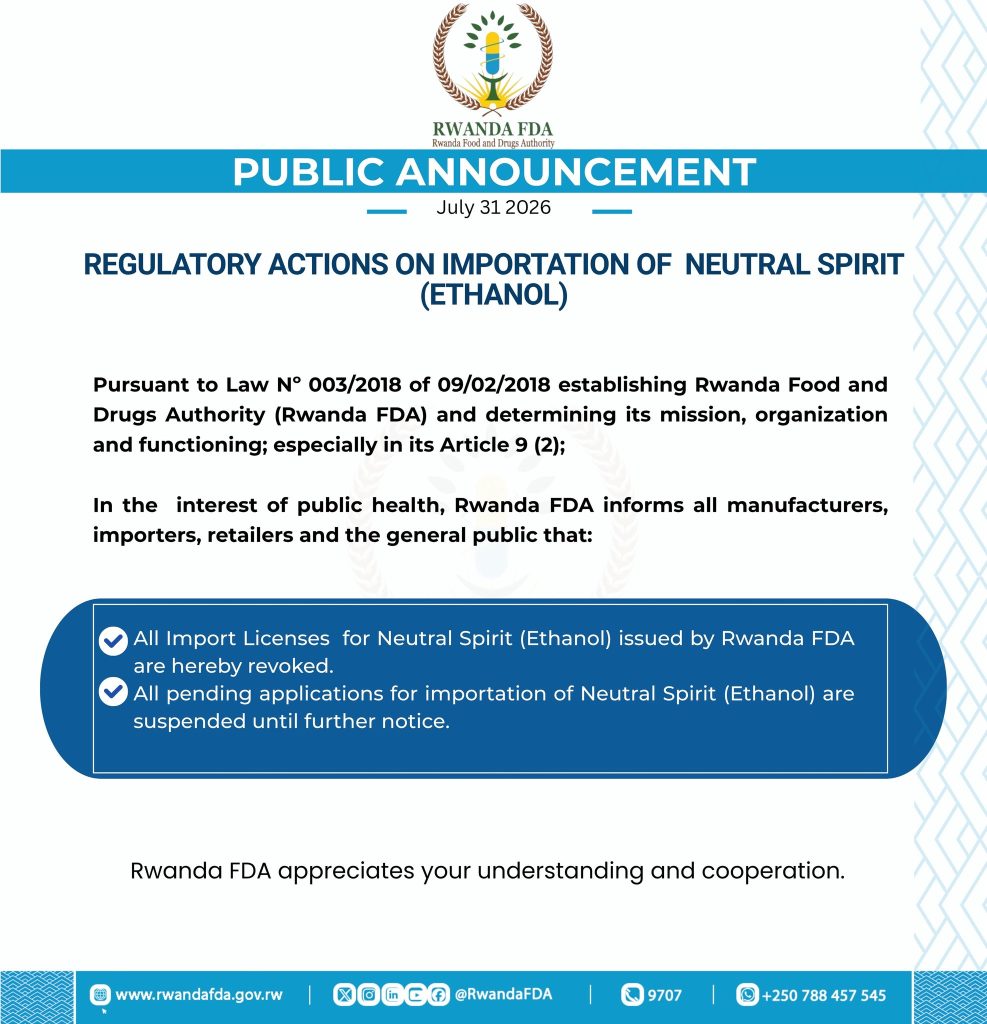If we ban alcohol but give people no other safe space to speak, we will be back here in six months with a new crisis.
*So what should happen next?*
First, enforce safety: crack down on methanol imports, test products, and arrest those who poison for profit. Second, fund healing: expand treatment to the street, train counselors in every district, and create community dialogue spaces that are not bars.
Third, protect livelihoods: support brewers of urwagwa and ikigage to transition to safe, regulated products or other businesses, instead of pushing them into the black market.
Taxes and jobs from legal breweries matter. Lives matter more.
A smart government can balance both by regulating, not just prohibiting. The ban gave us a reset. Now let us use it to build something durable: policy based on real data, treatment that reaches the poorest, and healing that addresses why people drink in the first place.
Enforce. But also heal. And count the street too.
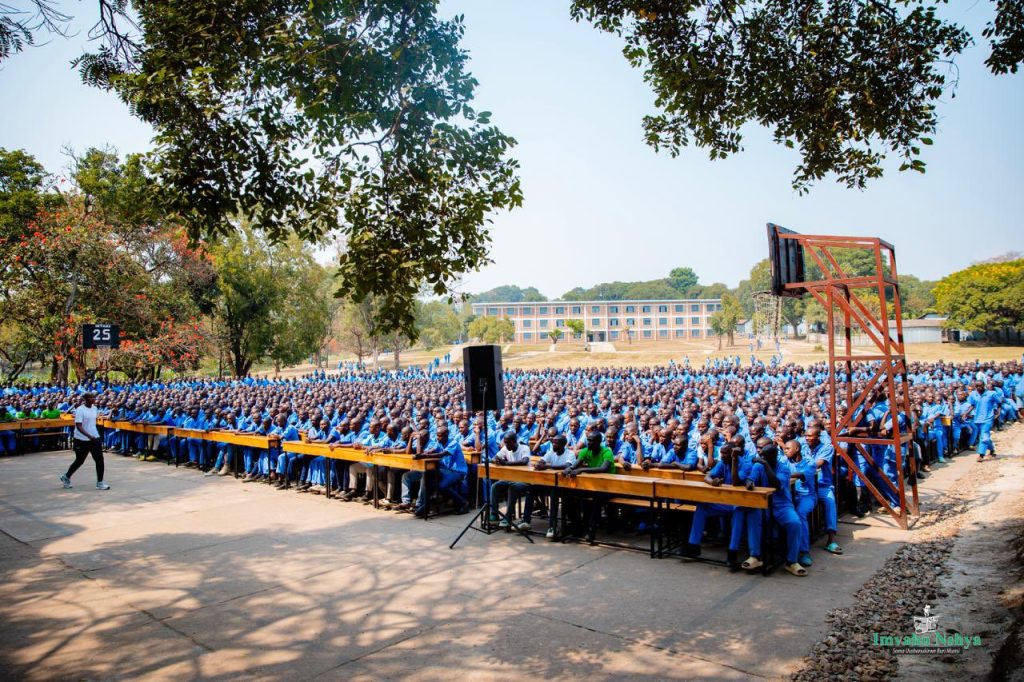***The 2001 youth who were being treated at the Iwawa Rehabilitation Center were reinstated into normal life after undergoing an assessment and found that they had understood the lessons they learned to help them get back on their feet.***

SUBSCRIBE TO OUR NEWSLETTER
First name or full name
Email
By continuing, you accept the privacy policy
**Categories:** EDITORIAL, HEALTH, OPINION
---
### [From Barren Hills to Rwanda's Best Farmer: How TREPA is Transforming Eastern Rwanda One Landscape at a Time](https://www.topafricanews.com/2026/08/01/from-barren-hills-to-rwandas-best-farmer-how-trepa-is-transforming-eastern-rwanda-one-landscape-at-a-time/)
**Published:** August 1, 2026
**Author:** DUSABEMUNGU Ange de la Victoire
**Content:**
There was a time when many people living in Rwanda’s Eastern Province looked at the hills surrounding their communities and saw little more than dry, degraded land.
Trees were scarce, harvests were poor, and prolonged droughts had stripped the landscape of its beauty. Looking across the hills offered little hope for the future.
Today, that picture has changed dramatically.
The same hills are now covered with growing forests, thriving farms and productive apiaries. Communities that once associated the landscape with hardship now see opportunity, prosperity and hope.
This transformation has been made possible through the **Transforming Eastern Province through Adaptation (TREPA) Project**, a six-year climate resilience initiative implemented by a consolitium of Partners including the **International Union for Conservation of Nature (IUCN)** with funding from the **Green Climate Fund (GCF)**.
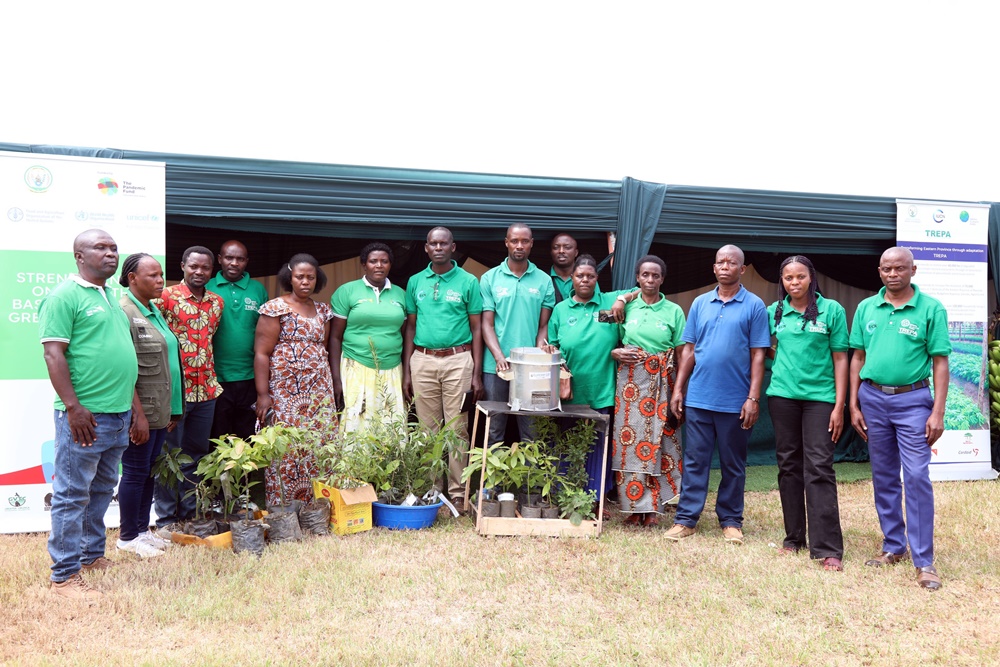The project combines landscape restoration with sustainable livelihoods by protecting degraded land, restoring forests, promoting climate-smart agriculture, supporting modern beekeeping and strengthening community-based conservation.
Across Eastern Province, restored land is helping improve agricultural productivity while reducing soil erosion. Farmers are adopting sustainable land management practices, modern beekeepers are producing more honey through improved hives, and cassava growers are harvesting better yields as trees planted along farm boundaries help protect soils and conserve moisture.
The environmental changes are visible from one hill to another.
Areas that were once threatened by drought and desertification are increasingly covered with forests, contributing to Eastern Province’s expanding tree cover while creating healthier ecosystems for both people and wildlife.
In Bugesera District, communities have collectively restored hectares of land, demonstrating how local participation can reverse environmental degradation while creating economic opportunities.
#### **Forests That Now Represent Opportunity**
For members of **Turengere Amashyamba Ruhuha Cooperative**, the restored forests are no longer simply trees—they are future businesses.
The cooperative once managed forests that generated very little value. Today, members are preparing to earn income through modern beekeeping and sustainable timber production.
“We previously had forests that produced almost nothing,” says cooperative member **Mudatinya Jean Pierre**.
“TREPA helped us establish new forests, and today they are growing well. We are already preparing projects in beekeeping and timber production that will allow us to benefit from these forests.”
He says the project also transformed the community’s understanding of environmental conservation.
“Initially, many people feared these forests would eventually become government property. Through the project we gained knowledge and confidence. Even after the project ends, the skills and experience will remain with us.”
#### **A National Champion Emerges**
The impact of TREPA extends beyond restoring landscapes.
It is also producing nationally recognised farmers.
At the **Rwanda AgriShow 2026**, held this week in Kigali, **Mudatinya Jean Pierre** was named the **Overall Best Farmer** among more than **600 exhibitors** from across Rwanda.
The recognition celebrated his outstanding contribution to agricultural production and highlighted how investments in climate adaptation can also strengthen food security and rural livelihoods.
His achievement reflects the journey of many communities across Eastern Province—where restoring degraded land has gone hand in hand with restoring opportunity.
#### **Growing Trees, Growing Prosperity**
TREPA has also helped communities establish commercial tree nurseries that are generating both income and environmental benefits.
Members of **Abahuje Umugambi Rwakigara Cooperative**, which brings together 19 members, have more than doubled their avocado seedling production—from **7,445 seedlings** to **15,000**.
For cooperative member **Delphine M**., the project has transformed her household.
“We are grateful to TREPA for bringing us together and helping us establish our cooperative.”
She says the project has enabled her to improve her family’s livelihood.
“Today I own eight goats, and I have already sold some. I also keep 50 laying hens and another 50 cocks for sale. I have renovated my house, and all these achievements are because of the TREPA Project.”
#### **When the Landscape Changes, So Do Lives**
TREPA’s greatest achievement may not be measured solely by the number of trees planted or hectares restored.
Its lasting impact is reflected in the lives of the people who now look across Eastern Rwanda and see something they had almost forgotten.
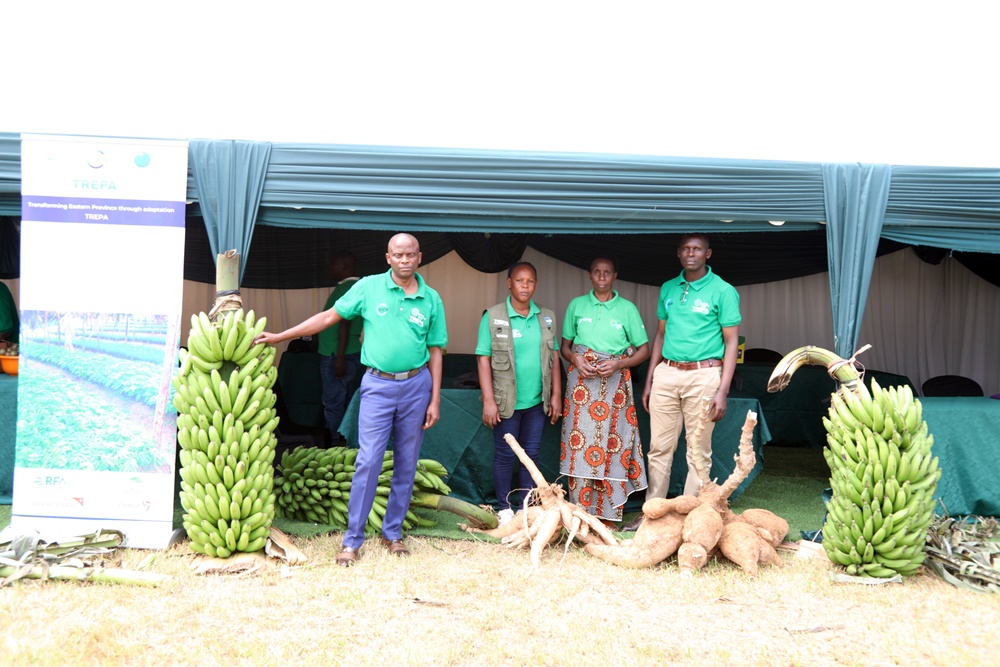Where communities once saw barren hills marked by drought and uncertainty, they now see forests that promise timber, beehives filled with honey, productive farms and new sources of income.
The hills that once symbolised hardship have become symbols of resilience.
And as the national recognition of farmers like Mudatinya Jean Pierre demonstrates, restoring landscapes can also restore confidence, create opportunity and inspire a new generation of environmental stewards.
Today, when families in Eastern Province look toward the hills surrounding their homes, they no longer see empty land.
They see a greener future—and their place within it.

SUBSCRIBE TO OUR NEWSLETTER
First name or full name
Email
By continuing, you accept the privacy policy
**Categories:** NEWS
---
### [Rwanda Tops East Africa in Budget Growth as UN Report Highlights Resilient Economic Progress](https://www.topafricanews.com/2026/07/31/rwanda-tops-east-africa-in-budget-growth-as-un-report-highlights-resilient-economic-progress/)
**Published:** July 31, 2026
**Author:** LIBOS NDAYISHIMIYE
**Content:**
Rwanda has emerged as one of Africa’s strongest-performing economies, with a new 2026 report by the United Nations Economic Commission for Africa (ECA) – Sub-Regional Office for Eastern Africa highlighting the country’s sustained economic resilience and remarkable development despite persistent global economic uncertainties.
The report underscores Rwanda’s continued commitment to inclusive growth, prudent fiscal management, and long-term national development, positioning the country as a regional leader in economic transformation.
According to the report, Rwanda recorded the highest increase in national budget allocation in Eastern Africa, with a 21 percent rise during the 2025/2026 fiscal year compared to the previous year. This significant budget expansion reflects the government’s determination to accelerate strategic investments that support sustainable economic growth and improve citizens’ livelihoods.
The ECA notes that the increased public spending has been directed toward key priority sectors that are essential for Rwanda’s long-term development agenda. These include major investments in transport and other infrastructure projects, modern agriculture, electricity expansion, education, healthcare, housing development, and the construction of the new Bugesera International Airport.
These strategic investments are expected to strengthen productivity, create employment opportunities, improve access to essential public services, and enhance Rwanda’s competitiveness as a regional business and investment hub.
The report further indicates that Rwanda has managed to maintain steady economic progress despite the challenging global environment marked by inflationary pressures, geopolitical tensions, supply chain disruptions, and slower global economic growth. While many countries have struggled to sustain development spending under these conditions, Rwanda has continued to prioritize investments that support long-term resilience and inclusive development.
Economic analysts have consistently pointed to Rwanda’s disciplined fiscal policies, effective public financial management, and strong development planning as some of the key drivers behind the country’s sustained performance. By channeling increased budgetary resources into productive sectors, the country is laying a solid foundation for higher economic output and improved social welfare.
The continued expansion of electricity access, modernization of agriculture, improvements in healthcare and education services, and ongoing infrastructure development are expected to further boost productivity while enhancing the quality of life for Rwandans.
The recognition by the United Nations Economic Commission for Africa adds to growing international acknowledgment of Rwanda’s economic progress and its efforts to build a resilient, diversified, and inclusive economy capable of withstanding external shocks.

SUBSCRIBE TO OUR NEWSLETTER
First name or full name
Email
By continuing, you accept the privacy policy
**Categories:** NEWS
---
### [HoReCo Promotes Improved Potato Varieties to Expand Potato Farming Across Rwanda](https://www.topafricanews.com/2026/07/31/horeco-promotes-improved-potato-varieties-to-expand-potato-farming-across-rwanda/)
**Published:** July 31, 2026
**Author:** DUSABEMUNGU Ange de la Victoire
**Content:**
**KIGALI, Rwanda** – Horticulture in Reality Corporation Ltd (HoReCo) is promoting improved potato seed varieties that are enabling farmers to grow potatoes in areas where the crop was previously considered unsuitable, a breakthrough the company says could significantly boost Rwanda’s potato production and strengthen national food security.
The Rwandan agribusiness company recently showcased the improved varieties during the 2026 Rwanda AgriShow, highlighting research-driven innovations that are helping farmers access certified seeds adapted to different agroecological zones across the country.
Speaking to TOP AFRICA NEWS, Nkenuye Museveni Jean Bosco, the Potato Seeds Production Project Manager at HoReCo, said the project seeks to ensure that every farmer has access to potato varieties that match the climatic conditions of their locality.
> “For many years, Rwandans believed potatoes could only be grown in the cool highlands of Northern and Western Rwanda, as well as parts of Nyaruguru and Nyamagabe. Through research and innovation, HoReCo has introduced potato varieties that can perform well in different parts of the country,” he said.
HoReCo multiplies certified potato seed varieties that have been researched and approved by the Rwanda Agriculture and Animal Resources Development Board (RAB) before supplying them to seed multipliers and farmers.
Among the company’s flagship varieties are Cyerekezo and Ndamira, which have already demonstrated strong performance in districts where potato farming was previously uncommon, including Nyagatare, Gatsibo, Kayonza, Kirehe, and other parts of Eastern and Southern Rwanda.
According to Nkenuye, HoReCo’s approach is based on scientific assessment rather than distributing the same seed variety everywhere.
> “Every district has unique environmental conditions. We first conduct assessments before recommending the most suitable potato variety so that farmers can achieve the highest possible yields,” he explained.
For traditional potato-growing areas such as Nyamasheke, Nyamagabe, and Nyaruguru, the company continues to supply varieties including Kuruza, Cyerekezo, and **K**inigi, which are well adapted to those environments.
Nkenuye described **Cyerekezo** as one of the company’s most promising varieties because of its wide adaptability.
> “Cyerekezo can perform well in many parts of Rwanda. It matures early and produces high yields, making it an excellent choice for farmers looking to increase productivity,” he said.
Currently, HoReCo produces between 500 and 600 tonnes of certified seed annually and is expanding its multiplication activities beyond **Musanze** to districts such as **Gatsibo** to improve farmers’ access to quality planting materials.
Nkenuye reaffirmed the company’s commitment to supporting farmers through innovation and quality seed production.
> “Our goal is to ensure that farmers across Rwanda have access to improved potato varieties that increase yields, improve incomes and contribute to the country’s agricultural transformation.”
By developing potato varieties adapted to different agroecological conditions, HoReCo is helping expand potato cultivation beyond Rwanda’s traditional growing zones, offering more farmers the opportunity to benefit from one of the country’s most important food and cash crops.

SUBSCRIBE TO OUR NEWSLETTER
First name or full name
Email
By continuing, you accept the privacy policy
**Categories:** Climate / Agriculture Evolution, Natural Resources and Agriculture
---
### [UK Launches Free Fundraising Toolkit to Help African Businesses Attract Investment](https://www.topafricanews.com/2026/07/30/uk-launches-free-fundraising-toolkit-to-help-african-businesses-attract-investment/)
**Published:** July 30, 2026
**Author:** Mutangana Emmanuel
**Content:**
The United Kingdom has launched a free digital fundraising toolkit designed to help African entrepreneurs, including those in Rwanda, become investment-ready and access international capital, as many businesses continue to face difficulties securing financing despite growing investor interest across the continent.
The Fundraising Toolkit, launched on July 30, 2026, at the British High Commission Residence in Kigali, was developed through the UK Government-funded Manufacturing Africa programme and is described as the first free, Africa-tailored fundraising resource bringing together practical guidance, investment tools, expert insights and an investor directory on a single platform.
***British High Commissioner to Rwanda, Alison Thorpe.***Speaking at the launch, British High Commissioner to Rwanda, Alison Thorpe said access to finance remains one of the biggest obstacles facing businesses seeking to expand, despite Rwanda’s growing entrepreneurial ecosystem.
“Across Rwanda, entrepreneurs are building businesses that are creating jobs, increasing exports, strengthening local value chains and driving industrialisation. Yet one challenge we consistently hear they face is access to finance,” she said.
Thorpe noted that while entrepreneurs have strong business ideas, many struggle to meet the governance, financial reporting and environmental, social and governance (ESG) standards expected by international investors.
She said the toolkit transforms years of practical investment experience into a free resource that entrepreneurs can use throughout their fundraising journey.
“It is much more than just a website. It is a comprehensive fundraising ecosystem,” she said, explaining that it provides step-by-step fundraising guidance, financial templates, investor databases, expert masterclasses and practical advice to help businesses become investment-ready.
According to Manufacturing Africa, the toolkit was developed using lessons from more than six years of supporting businesses across Kenya, Nigeria, Ethiopia, Rwanda, Tanzania and Senegal. It draws on experience from over 300 investment opportunities, more than 70 completed investment deals and contributions from over 20 international investors.
The launch comes at a time when investment capital remains available but many African businesses are not yet prepared to access it. According to the African Private Capital Association (AVCA), nearly half of the capital earmarked for African private investment in 2024 remained undeployed because of a shortage of investment-ready businesses rather than a lack of available funding.
***Faheem Chowdhury, Principal and Fundraising Lead at Manufacturing Africa.***Faheem Chowdhury, Principal and Fundraising Lead at Manufacturing Africa, said the programme was created to bridge that gap by giving entrepreneurs practical knowledge that can help them raise capital more efficiently.
“We’ve been working for the last six to seven years with investors who have the capital. We have amazing Rwandan businesses with brilliant ideas and strong track records, yet so few investment deals happen,” he said.
He said entrepreneurs often spend significant time preparing financial models and engaging potential investors without knowing whether they are meeting investor expectations.
“This resource helps companies get to the right answer sooner instead of going in the wrong direction,” he said.
Chowdhury added that businesses supported through Manufacturing Africa have collectively mobilised more than £2 billion in investment, with several Rwandan companies among those successfully raising financing, including investments ranging from around US$10 million to US$30 million.
In Rwanda, Manufacturing Africa has supported 37 manufacturing companies since the programme began in 2019, according to Solomon Mutagoma, the programme’s Country Manager.
He said Rwanda was selected to host the toolkit’s launch because of its strong business environment and track record as a testing ground for new investment initiatives.
“Rwanda is a proof-of-concept market where smart ideas are tested and, once proven, can be scaled to the rest of the continent,” Mutagoma said.
He explained that while many African businesses traditionally depend on commercial banks for financing, substantial funding is also available from private equity firms, development finance institutions and impact investors.
“What this toolkit does is provide businesses with the technical knowledge of how to access this other type of capital,” he said.
Mutagoma said the platform explains the requirements international investors consider before making investment decisions, helping entrepreneurs understand the due diligence process, governance standards and fundraising practices using language that is accessible to African businesses.
Although developed with manufacturers in mind, he said the toolkit can also benefit businesses in other sectors, while offering particular value to companies operating in agribusiness, energy and affordable housing that align with Rwanda’s industrialisation agenda.
Manufacturing Africa, funded by the UK’s Foreign, Commonwealth & Development Office (FCDO), says it has mobilised more than £2 billion in foreign direct investment across Africa since its establishment in 2019, exceeding its original target of £1.2 billion, while supporting the creation of more than 150,000 direct and indirect jobs.
The Fundraising Toolkit is available free of charge online and is intended to help entrepreneurs navigate every stage of the fundraising process, from preparing for investment to identifying potential investors and successfully closing deals.

SUBSCRIBE TO OUR NEWSLETTER
First name or full name
Email
By continuing, you accept the privacy policy
**Categories:** NEWS
---
### [Rwanda Agriculture Show Wins Praise as Exhibitors Celebrate New Knowledge, Business Links and Growth Opportunities](https://www.topafricanews.com/2026/07/30/rwanda-agriculture-show-wins-praise-as-exhibitors-celebrate-new-knowledge-business-links-and-growth-opportunities/)
**Published:** July 30, 2026
**Author:** LIBOS NDAYISHIMIYE
**Content:**
Participants at the 19th Rwanda Agriculture Show 2026 have praised the annual exhibition for creating valuable opportunities to acquire new agricultural knowledge, showcase their products, connect with potential buyers and establish partnerships that could shape the future of their businesses. Many exhibitors say the event has not only increased the visibility of their produce but has also inspired them to adopt modern farming practices that will boost productivity and improve livelihoods.
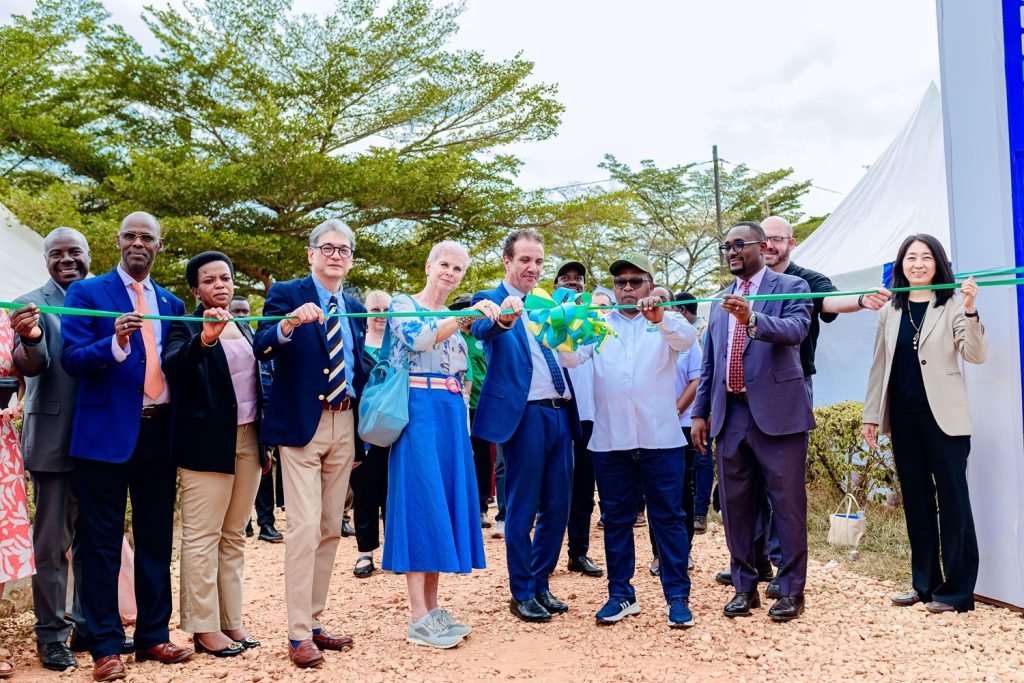The 19th Rwanda Agriculture Show 2026, which opened on July 22 and runs until July 31, is being held at Mulindi in Gasabo District under the theme, “Accelerating Agri-Food Systems Transformation through Innovation and Strategic Partnerships.” The exhibition has brought together hundreds of exhibitors from across Rwanda, including farmers, cooperatives, agribusinesses, financial institutions, researchers and development partners, all showcasing innovations and technologies aimed at transforming the country’s agricultural sector.
Among the exhibitors is Rurakabije Froduald, who represented a cooperative of 684 members engaged in the cultivation of potatoes, beans and wheat. The cooperative showcased a variety of products, including potatoes, passion fruits, berries and beans, while using the exhibition as an opportunity to share experiences with other farmers and promote its products to a wider market.
Rurakabije said the Agriculture Show has become an important learning platform where farmers can exchange knowledge, discover innovative farming techniques and build business relationships that can improve their livelihoods.
“This exhibition has given us many opportunities,” he said. “Besides the knowledge we have already acquired, we meet people who are interested in our products, making it easier for us to access reliable markets at the right time.”
He added that the support and training received by the cooperative have helped members improve their farming practices, particularly in organic fertilizer production, crop management, and proper post-harvest handling and storage of both produce and seeds.
“We have learned a lot from farmers who are more experienced than us. Seeing what they have achieved gives us confidence that we can also reach that level. Every exhibition adds something new to our knowledge and motivates us to improve even further,” he added.
Another exhibitor, Ngwabije Damien, represented a cooperative of 732 members specializing in vegetable production, particularly onions and garlic. He said participating in the exhibition has expanded the cooperative’s knowledge while creating opportunities to establish lasting business relationships.
“This exhibition has broadened our knowledge and connected us with people who could become valuable partners in future agricultural projects,” Damien said.
He noted that interacting with fellow exhibitors, agricultural experts and visitors has provided fresh ideas that will help the cooperative improve production, increase product quality and identify new market opportunities.
Meanwhile, Uzamukunda Yukunda, President of ABM Cooperative, which operates in Nyamabuye, Cyeza and Muhanga sectors of Muhanga District, said participating in the exhibition has enabled the cooperative to demonstrate the quality of its products while learning from other successful farmers and innovators.
She explained that through agricultural capacity-building initiatives, cooperative members have adopted improved farming practices, including the production of organic fertilizer and proper land preparation techniques, leading to better yields and improved product quality.
The cooperative showcased a diverse range of products, including Ishema rya Makera maize flour, hybrid maize seeds suitable for both highland and lowland farming, carrots, green beans, beetroot and eggplants. According to Uzamukunda, visitors expressed great interest in the products, giving cooperative members confidence that their efforts are being recognized by consumers.
“We are delighted by the response from visitors. They have shown genuine interest in our products, and many now better understand the quality of what we produce. The knowledge we have gained and the connections we have made here will help us continue growing,” she said.
Exhibitors agreed that the Rwanda Agriculture Show has become much more than a marketplace for agricultural products. They described it as a national platform for innovation, knowledge sharing and networking, where farmers exchange ideas, learn about modern technologies and establish partnerships that contribute to the transformation of Rwanda’s agricultural sector.

SUBSCRIBE TO OUR NEWSLETTER
First name or full name
Email
By continuing, you accept the privacy policy
**Categories:** Natural Resources and Agriculture, NEWS
---
### [Gorilla Feed Eyes Bigger Share of Rwanda's Livestock Market with High-Quality Animal Feeds](https://www.topafricanews.com/2026/07/30/gorilla-feed-eyes-bigger-share-of-rwandas-livestock-market-with-high-quality-animal-feeds/)
**Published:** July 30, 2026
**Author:** DUSABEMUNGU Ange de la Victoire
**Content:**
**KIGALI, Rwanda** – **Gorilla Feed** is strengthening its presence across Rwanda, using this year’s Rwanda AgriShow to showcase its range of livestock feeds and educate farmers on modern animal husbandry practices.
Speaking to TOP AFRICA NEWS during the exhibition at Mulindi Show Ground, Twibanire Emmanuel, Sales Officer at Gorilla Feed, said the company is committed to helping farmers improve livestock productivity through quality animal nutrition.
“We produce different types of animal feeds for cattle, poultry, broilers, layers and pigs. Gorilla Feed is one of the leading feed processing industries in Rwanda, with more than 10 years of experience in producing quality livestock feeds,” he said.
According to Twibanire, the company has earned the trust of farmers through consistent product quality and reliable performance.
“Our farmers are satisfied because they achieve better production. It is always encouraging to see farmers growing their businesses and improving their livelihoods through quality feeding,” he said.
He encouraged livestock farmers across Rwanda to use Gorilla Feed products to maximize animal productivity and farm profitability.
#### Reaching More Farmers Through AgriShow
Twibanire said participating in the Rwanda AgriShow provides an opportunity to reach farmers who may not yet be familiar with the company’s products.
“Although our feeds are already distributed across many districts in Rwanda, there are still farmers who may not know about them. That’s why we participate in exhibitions like this—to introduce our products, educate farmers and promote good livestock management practices,” he explained.
Beyond marketing its products, the company also uses the exhibition to provide practical advice on animal nutrition and farm management to help farmers achieve better results.
#### Strong Production Capacity
Twibanire revealed that Gorilla Feed has a large production capacity capable of meeting the growing demand from farmers across the country.
“We can produce up to 200 tonnes of animal feed per day, and we sell between 150 and 200 tonnes daily, which demonstrates our ability to supply both local and regional markets consistently,” he said.
The manufacturing plant is located in the Prime Economic Zone, Masoro, Kayumba, while the company has established a network of distributors serving different districts across Rwanda.
#### Positive Response from Farmers
Reflecting on this year’s Rwanda AgriShow, Twibanire described the event as successful, saying it attracted many visitors interested in learning about livestock production and quality animal feeds.
“This year’s exhibition has been very good. We received many farmers who visited our stand seeking information on livestock farming and our products,” he said.
He added that Gorilla Feed is satisfied with the Rwandan market, noting that the company has built a reliable distribution network to ensure farmers can access its products.
“We are pleased with the Rwandan market. Farmers have access to our feeds through our distributors, and we will continue investing in farmer education because knowledge is just as important as quality feed,” he said.
As Rwanda continues to modernize its livestock sector, companies like Gorilla Feed say they remain committed to supporting farmers with quality nutrition solutions that improve productivity, profitability and sustainable agricultural growth.

SUBSCRIBE TO OUR NEWSLETTER
First name or full name
Email
By continuing, you accept the privacy policy
**Categories:** Natural Resources and Agriculture, NEWS
---
### [IUCN Strengthens and Raises Awareness of Pandemic Prevention and Response Through the One Health Approach at Rwanda AgriShow 2026](https://www.topafricanews.com/2026/07/30/iucn-strengthens-and-raises-awareness-of-pandemic-prevention-and-response-through-the-one-health-approach-at-rwanda-agrishow-2026/)
**Published:** July 30, 2026
**Author:** Mutangana Emmanuel
**Content:**
The International Union for Conservation of Nature (IUCN) is using the 2026 Rwanda AgriShow as a strategic platform to raise public awareness about pandemic prevention and preparedness through the One Health approach, taking advantage of one of Rwanda’s largest agricultural exhibitions to explain how the health of people, animals and the environment is inseparably connected.
Bringing together thousands of visitors, including farmers, agronomists, veterinarians, forestry experts, agro-business companies, researchers, universities, government institutions, United Nations agencies, development partners and the private sector, the 2026 Rwanda AgriShow provides an ideal setting to demonstrate why protecting ecosystems, safeguarding animal health and promoting human well-being must go hand in hand.
Through interactive exhibitions, visual educational materials and discussions, IUCN is helping visitors understand that when forests are degraded, wildlife habitats are disrupted, or livestock and wildlife interact without proper management, the risk of diseases (zoonotic) spreading from animals to humans increases significantly.
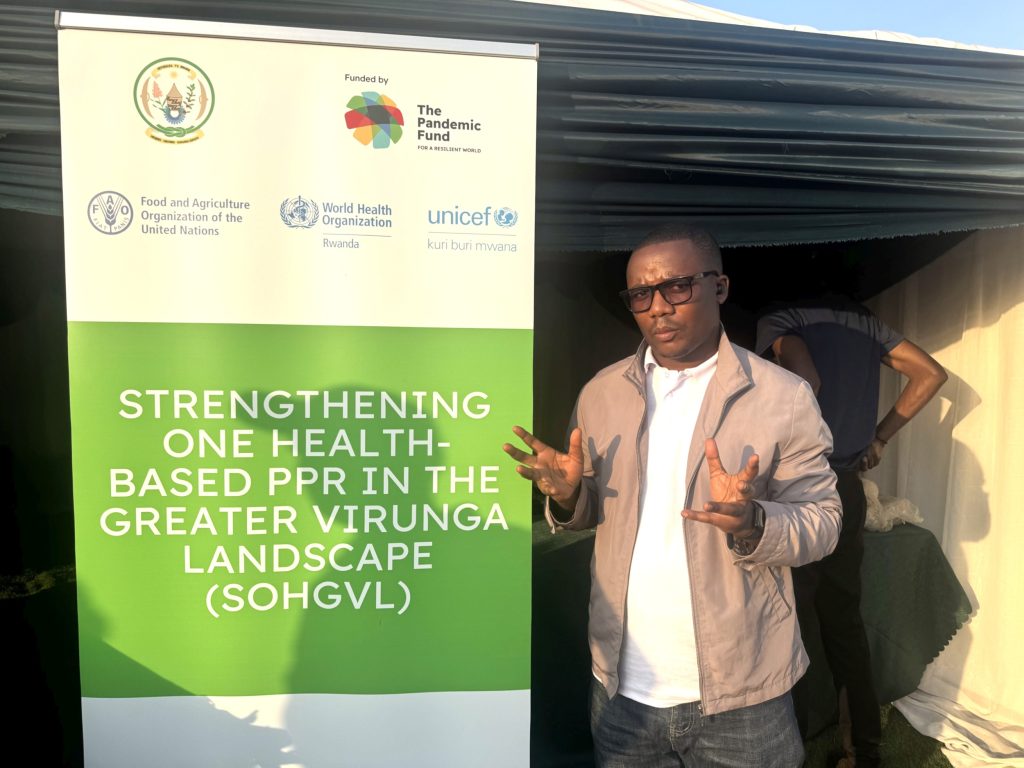***Habimana Jean Claude, Communications and Membership Officer at IUCN, explaining the One Health project at Rwanda Agrishow 2026***
Mr Jean Claude HABIMANA, IUCN Communications and Membership Officer at IUCN, who is at the 2026 Rwanda AgriShow told the TOP AFRICA NEWS that any outbreak like Rift Valley fever, or Ebola virus disease, Marburg virus disease, Mpox, avian influenza (bird flu), rabies, brucellosis, and even COVID-19, are widely known to have originated from an animal source, illustrate why countries must adopt a One Health approach.
By protecting ecosystems, improving animal health, strengthening disease surveillance and promoting collaboration among the human, animal and environmental sectors, One Health reduces the likelihood of future pandemics while protecting biodiversity, livelihoods and public health.
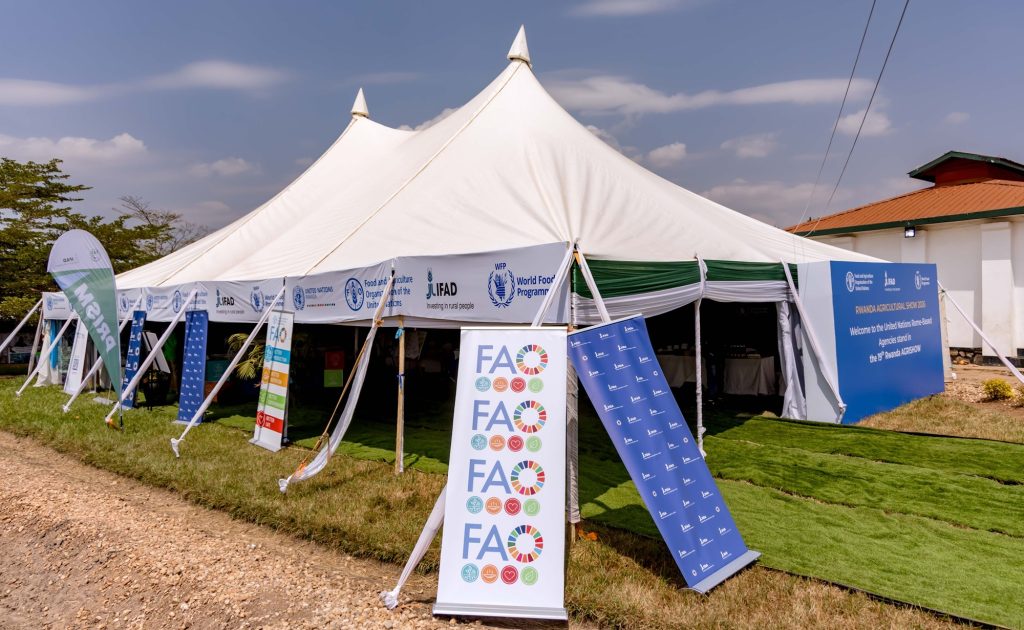***United Nations agencies took part in Rwanda Agrishow 2026***
Held under the theme “Building Resilient and Sustainable Food Systems,” Rwanda AgriShow 2026 has attracted hundreds of exhibitors showcasing innovations in agriculture, livestock, forestry, climate resilience and agribusiness. The annual exhibition has become Rwanda’s premier platform for exchanging knowledge, solutions, technologies and investment opportunities that advance sustainable food systems.
At this year’s exhibition, IUCN is raising awareness about the project (The Strengthening One Health-based Prevention, Preparedness and Response in the Greater Virunga Landscape (SOHPPRGVL), a regional initiative bringing together Uganda, Rwanda and the Democratic Republic of Congo to reduce the risk of future pandemics at their source.
The initiative brings together government institutions and international partners to strengthen surveillance systems, laboratory capacity, workforce development, wildlife health monitoring and community awareness to reduce the risks posed by emerging zoonotic diseases.
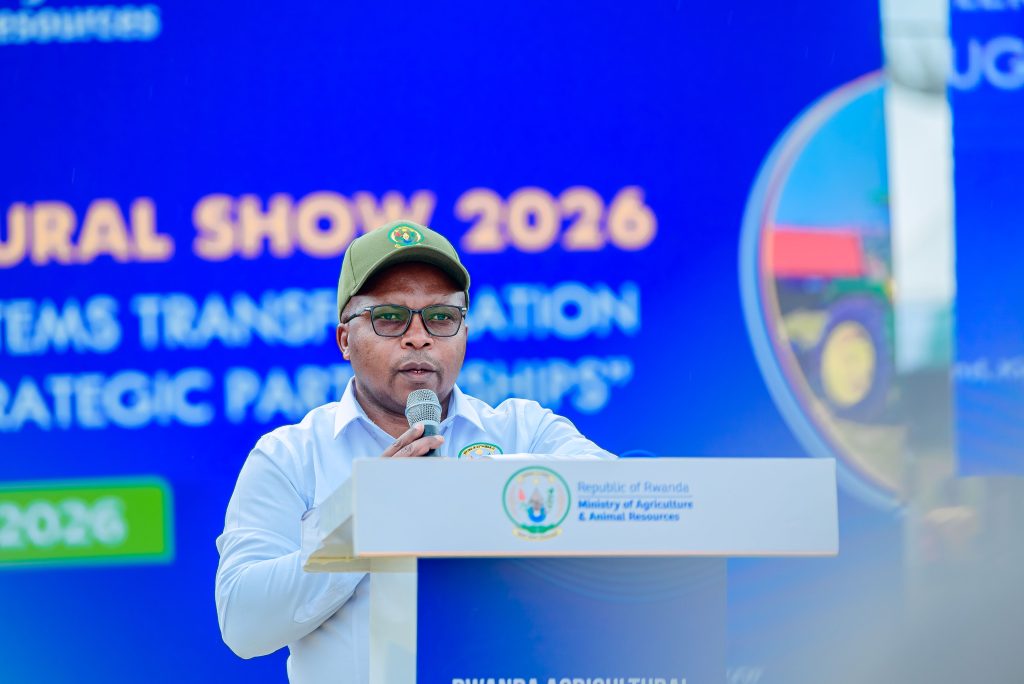***Rwanda’s Minister of Agriculture and Animal Resources, Dr. Telesphore Ndabamenye at Rwanda Agrishow 2026***
Speaking during the official opening of the exhibition, Rwanda’s Minister of Agriculture and Animal Resources, Dr. Telesphore Ndabamenye emphasized the importance of building resilient food systems capable of withstanding climate change and other emerging challenges.
The Minister encouraged farmers and all stakeholders to adopt innovative and sustainable agricultural practices, noting that resilient agriculture depends on strong partnerships, knowledge sharing and scaling up proven solutions that improve productivity while protecting natural resources.
At the IUCN exhibition stand, visitors were introduced to the concept of One Health through practical demonstrations illustrating the links between environmental conservation, livestock management and human health. Displays highlighted how conserving forests, protecting wildlife habitats and improving animal health directly contribute to reducing the emergence and spread of infectious diseases.
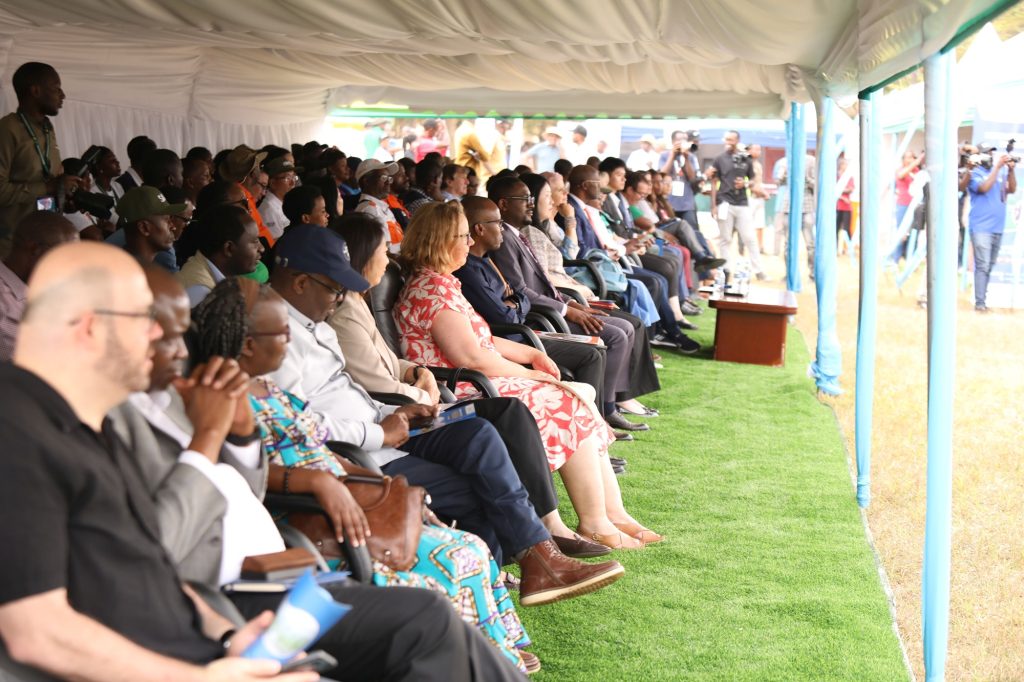“Rwanda AgriShow gives us an exceptional opportunity to engage thousands of people from different backgrounds in one place,” added Habimana Jean Claude emphasizing that that many people know conservation, agriculture or public health as separate issues, but One Health brings them together.
“We want our visitors to understand that protecting nature is also protecting our families, our livestock and our future”, Jean Claude narrated adding that some of the exhibitors and visitors are farmers, agronomists, students, and private sectors from Rubavu, Nyabihu, Musanze and Burera, where IUCN in partnership with partners are currently implementing the regional Pandemic Fund project known as Strengthening One Health-based Prevention, Preparedness and Response in the Greater Virunga Landscape (SOHPPRGVL).
The exhibition attracted considerable interest from farmers, students, veterinary professionals and researchers eager to learn how ecosystem degradation influences disease transmission.
**Visitors**
“I have attended Rwanda Agri Show several times, but this is the first time I clearly understood the meaning of One Health,” said Valens Murwanyashaka, a student from University of Rwanda, College of Veterinary Medicine and Animal Sciences, CVAS Musanze after visiting the IUCN stand. “Today I understand that protecting and conserving our ecosystems such as forests, rivers, wetlands, parks, wildlife and livestock also protects our communities and boosts our healthy.” Valens added.
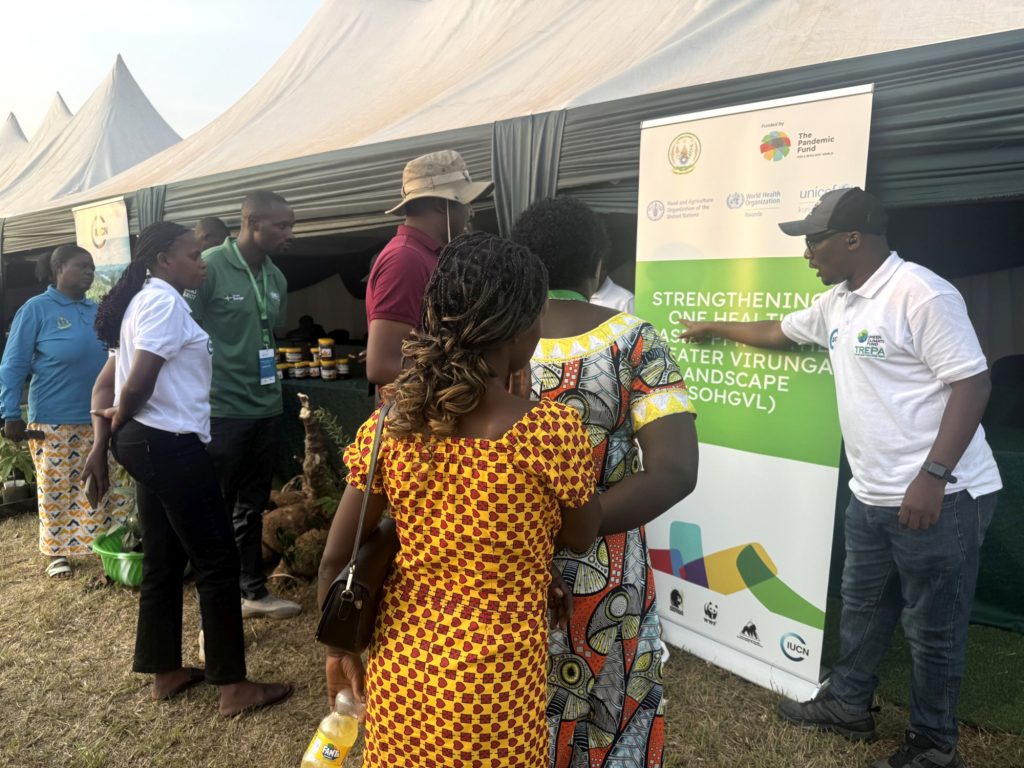Another visitor, a veterinary student, said the exhibition reinforced the importance of collaboration across different professions.
“As future veterinarians, we often focus on animal diseases and animal healthy, but today I learned that preventing outbreaks requires veterinarians, health doctors, environmental specialists and communities to work together,” Uwase Aline, a student from Ines Ruhengeri, said.
The project forms part of regional’s broader efforts to strengthen preparedness against diseases with pandemic potential through enhanced surveillance, laboratory systems, workforce development and cross-sectoral coordination. IUCN contributes its expertise alongside the Greater Virunga Transboundary Collaboration (GVTC), IGCP, Gorilla Doctors, WWF, FAO, WHO, UNICEF across the Greater Virunga Landscape.

SUBSCRIBE TO OUR NEWSLETTER
First name or full name
Email
By continuing, you accept the privacy policy
**Categories:** HEALTH, IUCN
---
### [Kigali AI Hackathon Challenges Young Africans to Build Solutions for the Continent](https://www.topafricanews.com/2026/07/29/kigali-ai-hackathon-challenges-young-africans-to-build-solutions-for-the-continent/)
**Published:** July 29, 2026
**Author:** Mutangana Emmanuel
**Content:**
More than 200 of Africa’s brightest young programmers gathered in Kigali on Tuesday for the Pan-African Informatics Olympiad (PAIO) 2026 Generative AI Hackathon, an event organizers say is designed to help Africa produce the next generation of artificial intelligence innovators rather than simply consumers of AI technology.
Held alongside the Pan-African Informatics Olympiad (PAIO) 2026, the hackathon brought together secondary school contestants and university students from across Africa, including Rwanda, to spend 12 hours designing AI-powered solutions to real-world challenges using Google’s latest generative AI tools.
Organized through a collaboration involving the African Olympiad Academy (AOA), the Rwanda Olympiad Foundation, Google DeepMind and Rwanda’s Ministry of ICT and Innovation, the event attracted participants from 14 African countries and challenged them to transform ideas into working prototypes within a single day.
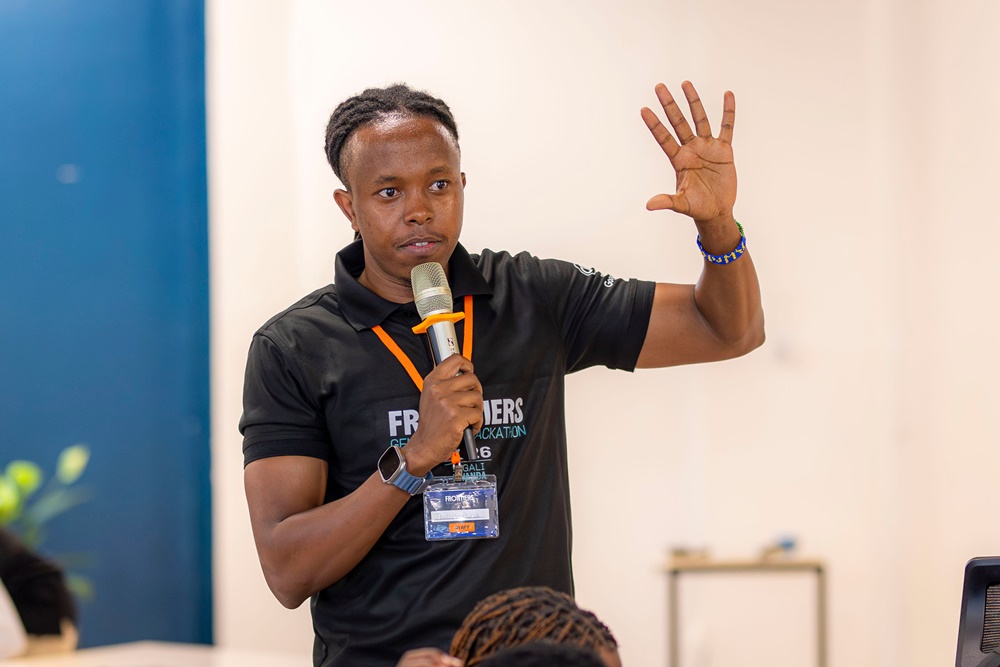***Thierry Uwase, one of the organizers of the Pan-African Informatics Olympiad (PAIO) 2026 Generative AI Hackathon.***For Thierry Uwase, one of the organizers, the hackathon is about creating opportunities for talented young Africans who often lack access to the global technology ecosystem.
“Talent is universal, but opportunity is not,” Uwase said.
Having studied at Stanford University and currently attending Harvard Business School, Uwase said Rwanda has many students whose abilities rival those of young innovators in leading global technology hubs.
“We know students in Rwanda who are incredibly talented. What they need is access. We want to showcase that talent to the world and demonstrate that Rwanda and Africa are serious about building AI solutions that can transform lives,” he said.
Uwase said the initiative also seeks to convince international investors and technology companies that Africa is capable of developing world-class innovation.
He argued that while Africa supplies many of the minerals powering today’s digital economy, the continent should also become a center for designing chips, building software, developing AI systems and hosting data centers.
“I think this is probably the most important era for Africa. The question is whether we watch others build the future or whether we build it ourselves,” ” he said.
The organizers said nearly 500 students applied to participate, but only 200 were selected after a competitive screening process.
***Jadal Williams.***Jadal Williams, another organizer, said the hackathon aims to provide young African innovators with access to advanced AI models that are often unavailable to students on the continent.
“Our goal is to give unprecedented access to Google’s strongest AI models here on the continent, where you have some of the brightest minds but often limited access to these technologies,” Williams said.
He said a similar event was previously organized in Boston and expressed hope that the Rwanda edition would become part of a broader global initiative to expand access to frontier AI tools.
For the African Olympiad Academy, which co-hosted PAIO 2026, the hackathon represents a shift from teaching students how to use AI applications toward preparing them to build the next generation of AI systems.
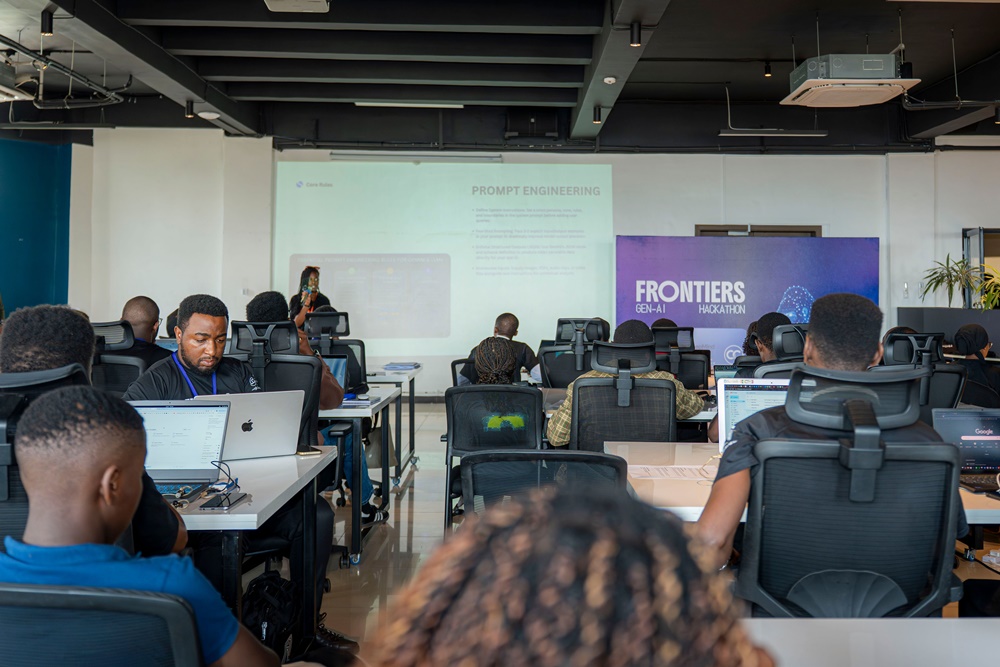Gaidi Faraj, Head of School and co-founder of the African Olympiad Academy, said this year’s PAIO marked several milestones.
“This is the first time the Pan-African Informatics Olympiad has been held in person in Africa,” he said.
The competition brought together participants from 24 African countries, with 14 countries competing in Kigali while 10 joined virtually.
Faraj said the hackathon paired about 60 high school Olympiad participants with nearly 200 Rwandan university students studying computer science and related disciplines.
“What we’re talking about is how we train the next generation that’s actually going to create AI tools. Instead of being consumers, we want to be creators,” Faraj said.
He emphasized that developing globally competitive AI talent requires identifying exceptionally gifted students early and strengthening their foundations in mathematics and computer science.
“We want the next ChatGPT or another major AI tool to be created by Africans, with African context and for African use,” he said.
Among the participants was Adrien Niyodusaba, a Rwandan master’s student in Computer Science at the Georgia Institute of Technology, whose team developed an AI-powered platform called Power Pulse to help people better prepare for electricity outages.
The application combines official electricity outage information with historical data and artificial intelligence to advise users on likely outage durations and appropriate actions.
Niyodusaba said AI has fundamentally changed software development by reducing the time spent writing code and allowing developers to focus more on solving problems.
“Everyone is going to be able to write code. Figuring out what needs to be built is going to become the valuable skill,” he said.
He encouraged young Africans to learn how to work effectively with AI tools while focusing on identifying practical challenges within their own communities.
***Moretto Rapitso from Lesotho.***Another participant, Moretto Rapitso from Lesotho International School, said his team’s project focused on improving agriculture, a sector that remains central to many African economies.
“We should stop relying on others to solve our problems. Generative AI has shown us that we can create our own solutions,” Rapitso said.
She added that young Africans need strong problem-solving skills and teamwork to develop technologies capable of addressing the continent’s most pressing challenges.
Beyond the competition itself, organizers said they hope the hackathon will become part of a broader innovation ecosystem that connects talented students with universities, investors, technology companies and entrepreneurship opportunities.
The hackathon concluded with the announcement of the winning teams. Ctrl + Alt + Generate claimed first place, with team members Cyuzuzo Pacifique, Miracle Nanen Mbanaade, Ntwali Rwilima Eloi Miguel, Jed Oloo and Oda Kalene Tuyishime. Loss Function Junction secured second place, represented by Evode Muyisingizemwese, Chaste Ganza, Ash Diop, Brian Muhizi and Michael Quaicoe. Third place went to Temperature 2.0, whose members were Thabolezwe Mabandla, Saddy Nkurunziza and Lightness Pigiliano.
Winning teams received prizes of $3,000, $2,000 and $1,000, while organizers said discussions are already underway with leading AI companies and technology partners to expand future editions and provide participants with continued access to cutting-edge AI tools.
Next year’s Pan-African Informatics Olympiad will be held in Nairobi, Kenya, but organizers said Rwanda will remain actively involved by sending students to compete while continuing to build its own AI talent ecosystem through national competitions, training camps and future hackathons.
SUBSCRIBE TO OUR NEWSLETTER
First name or full name
Email
By continuing, you accept the privacy policy
**Categories:** ICT, Science and Technology
---
### [Rwanda Tops Africa for Youth Confidence and Safety](https://www.topafricanews.com/2026/07/30/rwanda-tops-africa-for-youth-confidence-and-safety/)
**Published:** July 30, 2026
**Author:** TOPAFRICANEWS
**Content:**
*African Youth Survey 2026 finds 91% say Rwanda is moving in the right direction, 99% feel safe and 96% believe young people can influence political decisions.*
- 91% say Rwanda is moving in the right direction, the highest figure across the 16 countries surveyed, while only 8% say it is moving in the wrong direction.
- 79% say the national economy is moving in the right direction and 91% are optimistic or excited about the country’s future, joint-highest with Burkina Faso.
- 99% say they feel safe and 95% say Rwanda is safer than three years ago, the highest results recorded on both measures.
- 88% say their voice matters to national leaders, while 96% are confident young people can influence political decision-making over the next five years.
*29 July 2026, Johannesburg:* Rwanda has emerged as the strongest story of national confidence and safety in the African Youth Survey 2026, with its young people reporting the highest belief in the country’s direction, near-universal personal safety and exceptional confidence in their ability to shape political decisions.
The latest African Youth Survey, commissioned by the Ichikowitz Family Foundation and conducted by PSB Insights, interviewed 4,901 young Africans aged 18 to 24 across 16 countries in March 2026. Approximately 300 face-to-face interviews were conducted in Rwanda. The recurring survey was launched in 2020 to give governments, business, civil society and the media a rigorous understanding of the views of Africa’s rising generation.
More than nine in ten Rwandan respondents, 91%, say their country is moving in the right direction, the highest result in the survey. Only 8% say Rwanda is moving in the wrong direction. Rwandan youth also hold the survey’s most positive view of the continent’s direction, with 68% saying Africa is moving in the right direction.
Confidence also extends to security and justice institutions. Some 98% are satisfied with police and security services, the highest figure in the survey, while 93% say they are treated fairly and respectfully by those services. A further 89% believe everyone is equal before the law, also the highest result recorded.
This consistency across national direction, economic confidence, future optimism and continental outlook gives Rwanda the clearest stories of national confidence among the 16 countries surveyed.
**Ivor Ichikowitz, Founder and Commissioner of the African Youth Survey, said:**
*“Rwanda is one of the countries the world talks about most, but rarely listens to. These results demand that people listen. Its young people feel safe, believe the country is moving forward and overwhelmingly think they can shape its future. That is not cautious approval. It is a remarkable expression of national confidence.*
*“The real achievement is not simply that young Rwandans believe in the state. It is that they believe they have a place within the national project. That sense of belonging is among the most powerful assets any country can possess. Rwanda’s challenge is to protect it as expectations rise. A generation this confident will expect an ever greater stake in the prosperity Rwanda is building – and in the decisions that shape what comes next.”*
Almost every respondent, 99%, says they feel safe in the country today, compared with 70% across the survey. Some 95% say Rwanda is safer than it was three years ago, against a survey-wide result of 57%.
Confidence extends to security and justice institutions. Some 98% are satisfied with police and security services, the highest figure in the survey. A further 93% say they are treated fairly and respectfully, while 89% say everyone is equal before the law, also the highest result recorded.
The political voice findings are equally striking. Some 88% say their voice matters to national leaders, compared with 70% across the survey, while 96% believe young people can influence political decisions over the next five years. Just 45% say leaders are out of touch with young people, the lowest figure recorded and far below the 76% survey average.
The African Youth Survey 2026 was conducted through face-to-face interviews in Burkina Faso, Chad, Congo Brazzaville, the Democratic Republic of the Congo, Ethiopia, Ghana, Kenya, Liberia, Mozambique, Nigeria, Rwanda, Somalia, South Africa, Togo, Zambia and Zimbabwe.
**Further Key African Youth Survey 2026 data:**
- Across the eight countries tracked in every wave of the African Youth Survey, 47% say their country is moving in the right direction, up from 30% in 2024, while 45% say the national economy is moving in the right direction, up from 26%.
- 70% of young Africans say they feel safe in their country today and 57% say their country is safer than it was three years ago.
- 70% say their voice matters to national leaders and 84% are confident young people can meaningfully influence political decision-making over the next five years.
- 61% say they are treated fairly and respectfully by police and security services, a three percentage point increase from 2024.
- 54% identify unemployment and poverty as one of the biggest threats to safety in their community, while 56% say job creation for young people should be the top government priority to improve security.
- 73% say democracy is always preferable to any other form of government, while 56% say Western-style democracy is not suitable for Africa and that a new African model is needed.

SUBSCRIBE TO OUR NEWSLETTER
First name or full name
Email
By continuing, you accept the privacy policy
**Categories:** NEWS, Youth Empowerment
---
### [U.S. Backs Ethiopia's Mega Airport Expansion and AI Ambitions to Deepen Economic Partnership with Africa](https://www.topafricanews.com/2026/07/30/u-s-backs-ethiopias-mega-airport-expansion-and-ai-ambitions-to-deepen-economic-partnership-with-africa/)
**Published:** July 30, 2026
**Author:** DUSABEMUNGU Ange de la Victoire
**Content:**
**ADDIS ABABA, Ethiopia** – The United States has reaffirmed its commitment to supporting Ethiopia’s ambitious infrastructure and technology agenda, expressing strong backing for the country’s planned Bishoftu International Airport expansion and growing ambitions in artificial intelligence (AI) as part of broader efforts to strengthen economic partnerships across Africa.
Speaking during a digital press briefing held on the sidelines of the **Africa Logistics and Communications Symposium (ALCS 2026)** in Addis Ababa, **Mark Mitchell**, U.S. Deputy Assistant Secretary of Commerce for the Middle East and Africa, said Ethiopia presents significant opportunities for American investors and businesses, particularly in logistics, aviation, communications, and emerging technologies.
The symposium brought together delegates from more than **40 African countries**, senior government officials, military leaders, and private sector representatives to discuss how logistics, communications, and strategic infrastructure investments can drive security, trade, and economic growth across the continent.
## U.S. Sees Strategic Value in Ethiopia’s New Airport
Mitchell described his meeting with **Ethiopian Airlines** as one of the highlights of his visit, noting that discussions focused on the airline’s ambitious **Bishoftu International Airport** project, which is expected to become one of Africa’s largest aviation hubs.
He said the U.S. Government is exploring ways to support the realization of the project while encouraging strong participation from American companies.
“The partnership between Boeing and Ethiopian Airlines remains a point of pride for both the United States and Ethiopia,” Mitchell said, adding that the airport’s expansion would strengthen Ethiopia’s position as Africa’s leading aviation gateway while creating new opportunities for U.S. aerospace companies, including Boeing and GE Aerospace.
## Expanding AI Cooperation
Beyond aviation, the United States also signaled its intention to deepen cooperation with Ethiopia in artificial intelligence.
Mitchell revealed that he visited Ethiopia’s Artificial Intelligence Institute, where he identified significant opportunities for collaboration between the two countries.
He said the U.S. Department of Commerce has been tasked with promoting exports of American AI technologies and looks forward to supporting Ethiopia’s growing digital transformation agenda.
According to Mitchell, collaboration in artificial intelligence could help accelerate innovation while strengthening Ethiopia’s technology ecosystem and creating new opportunities for businesses and researchers in both countries.
## Security and Investment Go Hand in Hand
The symposium also highlighted the close relationship between security, logistics, communications, and economic development.
Brigadier General **Paul G. Filcek**, Director of Logistics at U.S. Africa Command (AFRICOM), said reliable logistics and communications are fundamental to modern societies and military operations, making them essential for attracting investment and supporting sustainable development.
He noted that the symposium, co-hosted with Ethiopia’s Ministry of Defense, brought together representatives from **40 partner nations** and **27 private companies**, making it the largest functional event ever hosted by AFRICOM.
Filcek said Africa faces increasingly complex security challenges, including human trafficking and illegal narcotics trafficking, which require stronger regional cooperation, improved communications, and more efficient logistics systems.
He emphasized that investments in logistics infrastructure and communications technologies not only strengthen security but also create an enabling environment for trade and private investment.
“When our partners succeed, we succeed,” Filcek said, describing the connection between security, commercial investment, and long-term prosperity.
## U.S. Promotes Long-Term Partnership with Africa
Responding to questions from African journalists, Mitchell said the United States aims to distinguish itself through long-term partnerships built on transparency, private-sector investment, technology transfer, and high-quality infrastructure.
He argued that American companies offer world-class technology in sectors such as logistics, digital infrastructure, energy, and critical minerals while helping African countries build resilient economies and attract sustainable investment.
On artificial intelligence, Mitchell encouraged African countries to embrace AI while safeguarding data sovereignty.
He said governments should focus on owning and controlling their data, adopting secure digital infrastructure, and establishing governance frameworks that allow AI technologies to support national development without compromising sovereignty.
Mitchell added that AI has the potential to transform African logistics through route optimization, predictive maintenance, customs modernization, and supply chain management, all of which could improve the competitiveness of trade under the African Continental Free Trade Area (AfCFTA).
The Africa Logistics and Communications Symposium concluded with renewed commitments to strengthen partnerships between African governments, the private sector, and international partners, with logistics, communications, aviation, and artificial intelligence identified as key drivers of Africa’s future economic growth.

SUBSCRIBE TO OUR NEWSLETTER
First name or full name
Email
By continuing, you accept the privacy policy
**Categories:** NEWS, SECURITY
---
### [Citizens at the Forefront of Environmental Restoration as CIAC Rwanda Launches Major Landscape Restoration Project in Rutsiro](https://www.topafricanews.com/2026/07/29/citizens-at-the-forefront-of-environmental-restoration-as-ciac-rwanda-launches-major-landscape-restoration-project-in-rutsiro/)
**Published:** July 29, 2026
**Author:** DUSABEMUNGU Ange de la Victoire
**Content:**
**RUTSIRO, Rwanda** – Communities living along the shores of Lake Kivu are set to play a leading role in restoring degraded landscapes following the launch of a six-year environmental restoration project by the **Centre d’Intervention et d’Action Communautaire (CIAC Rwanda)** that will plant more than **105,000 indigenous and fruit trees** while creating hundreds of green jobs.
The project, titled **“Agroforestry and Farmers’ Planning for Livelihood Improvement and Landscape Restoration,”** was officially launched on **July 28, 2026**, in **Kivumu Sector, Rutsiro District**.
Funded by **TerraFund AFR100** through the **Restore Local** initiative, the project will be implemented in partnership with **Rutsiro District** and other stakeholders to restore degraded land, strengthen climate resilience, promote agroforestry, and improve community livelihoods.
Over the next six years, the initiative will restore **260 hectares of degraded land**, including **40 hectares along the shores of Lake Kivu**.
It is expected to create more than **331 green jobs**, directly support **747 residents**, and positively impact more than **4,200 people** through activities that promote sustainable agriculture, environmental conservation, and landscape restoration.
The launch also served as a public awareness campaign ahead of the tree-planting season scheduled to begin in **October 2026**.
 Residents used poems, songs, and drama performances under the theme **“No Tree, No Life”** to mobilize communities to actively participate in restoring their environment.
The project contributes to the **AFR100** initiative, an African-led movement aiming to restore **100 million hectares of degraded land by 2030**.
#### Communities at the Heart of Restoration
CIAC Rwanda emphasized that local communities will be the driving force behind the project’s success by planting, protecting, and managing trees throughout the implementation period.
The organization will introduce **Agroforestry Family Plans**, establish **Village Savings and Loan Associations (VSLAs)** led by women, and implement incentive schemes that reward environmental stewardship while strengthening household incomes.
Beyond environmental restoration, the project will promote **inclusive green employment opportunities for both women and men**. Through the establishment and management of community tree nurseries, local residents will acquire practical skills, generate income, and actively contribute to restoring degraded landscapes.
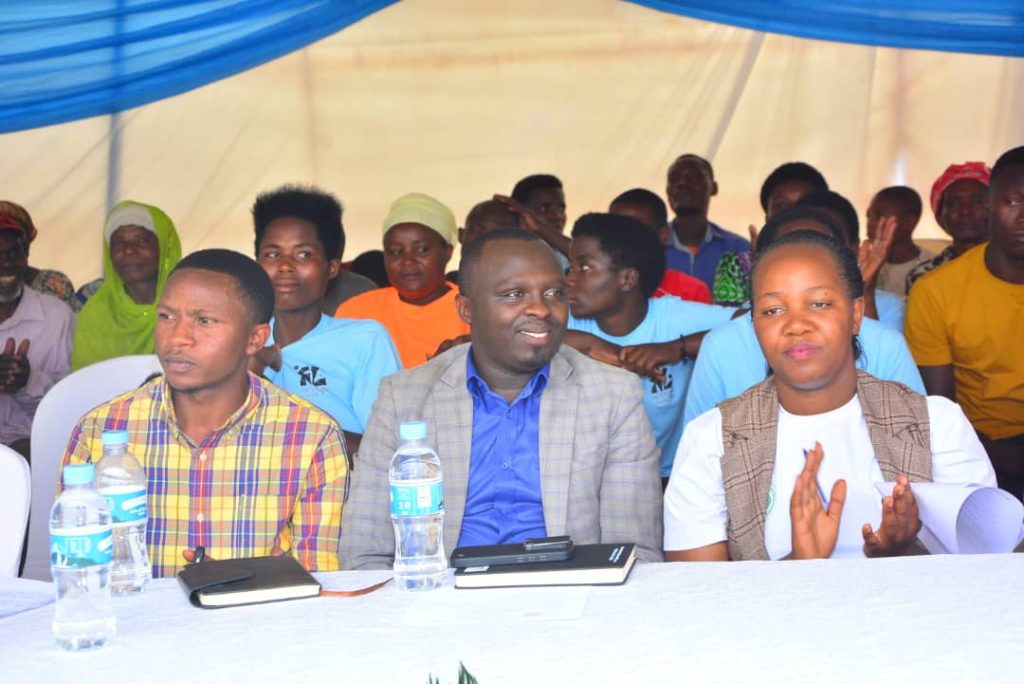CIAC Rwanda places particular emphasis on empowering women by increasing their participation in nursery management, agroforestry, and other environmentally sustainable enterprises, while ensuring that men also benefit equally from employment opportunities created under the project.
Representing the Executive Secretary of Kivumu Sector, **Feline Niyonasenze** described the initiative as a community-owned project that will transform residents into guardians of the environment.
> “This is a project for the people. We encourage everyone who will benefit from it to protect these trees so that together we can preserve a healthy and sustainable environment around Lake Kivu,” she said.
She noted that the planting and maintenance of more than **105,000 trees** over the next six years will significantly increase the participation of women and young people in environmental conservation while strengthening community resilience against climate change.
Project Coordinator **Drocelle Musabyimana** said the initiative will prioritize indigenous and fruit tree species that are well adapted to the ecological conditions of Rutsiro District.
She explained that restoring native vegetation along the shores of Lake Kivu will help reduce the impacts of climate change, conserve biodiversity, improve soil fertility, and promote sustainable agricultural production.
#### Residents Welcome the Initiative
Residents who attended the launch expressed optimism that the project will not only restore degraded landscapes but also improve household incomes through agroforestry, green jobs, and increased agricultural productivity.
Many welcomed the planned establishment of tree nurseries, describing them as an opportunity to gain employment, develop new skills, and contribute to protecting the environment for future generations.
#### Restore Local Has Planted More Than 21.6 Million Trees Across Africa
The project is funded through **Restore Local**, an initiative under the **World Resources Institute (WRI)** that supports locally led landscape restoration across Africa.
Since its inception, Restore Local has facilitated the planting of more than **21.6 million trees** and restored over **50,000 hectares of degraded land** in several African countries. Its restoration efforts are currently focused in **Kenya**, **Ghana**, and the **Lake Kivu–Rusizi River landscape** shared by **Rwanda**, **Burundi**, and the **Democratic Republic of Congo**.
Representing Restore Local, **Tuyizere Mucyo Ndera** said the campaign theme, **“No Tree, No Life,”** reflects the indispensable role that trees play in sustaining human life.
> “Trees are essential in every aspect of our lives. They provide the conditions for water, rainfall, and healthy ecosystems. It is the responsibility of every citizen to protect them so that we can secure a better future for generations to come,” he said.
#### Energy-Saving Cookstoves to Reduce Deforestation
One of the co-founders of CIAC Rwanda, **Leon Nduwayezu**, said the project goes beyond tree planting by promoting practical solutions that reduce pressure on forests.
He revealed that the organization will distribute **energy-saving cookstoves** to reduce firewood consumption and encourage the adoption of clean cooking technologies. The project will also continue empowering young people through savings groups and expand adult literacy programmes within the target communities.
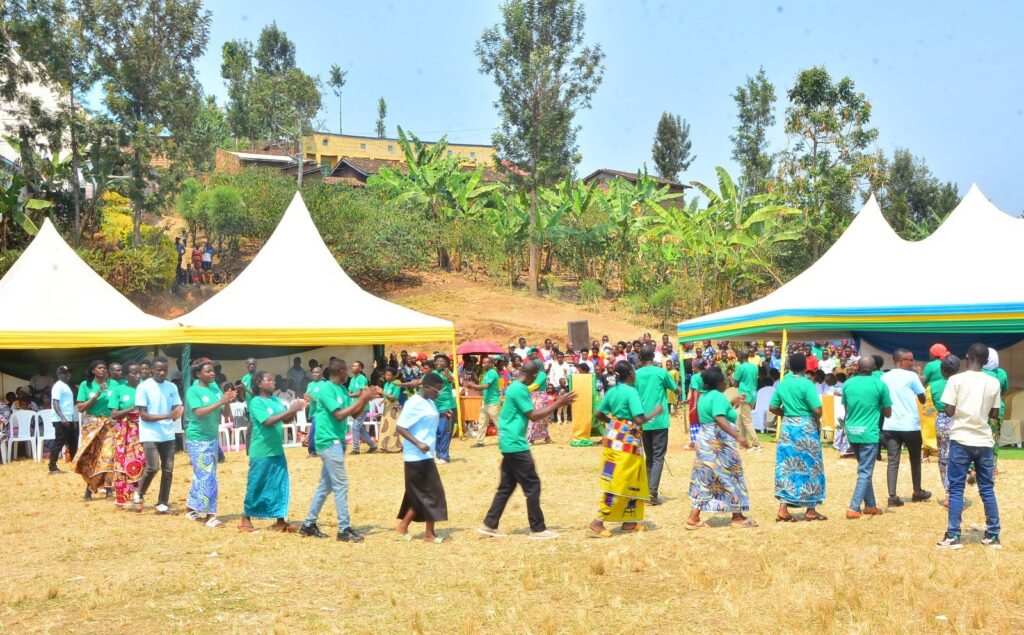The Vice Mayor of Rutsiro District in charge of Economic Development, **Emmanuel Uwizeyimana**, praised the initiative for integrating environmental conservation with economic development.
He urged residents to prepare tree nurseries, actively participate in the tree-planting campaign beginning in October, and ensure that every seedling planted is carefully nurtured.
> “If we succeed in restoring degraded land, growing healthy forests, and improving the livelihoods of our communities, we will have made a significant contribution to sustainable development,” he said.
The launch concluded with poems, songs, and drama performances encouraging residents to plant, nurture, and protect trees ahead of the October 2026 planting season, reinforcing the message that restoring nature begins with community action.

SUBSCRIBE TO OUR NEWSLETTER
First name or full name
Email
By continuing, you accept the privacy policy
**Categories:** CLIMATE CHANGE, Environment
---
### [New regimens replace long, toxic, injection-based treatments](https://www.topafricanews.com/2026/07/29/who-recommends-new-better-and-safer-treatment-regimens-for-leishmaniasis-for-eastern-africa-and-south-east-asia/)
**Published:** July 29, 2026
**Author:** TOPAFRICANEWS
**Content:**
*The new regimens replace long, toxic, injection-based treatments with safer, simpler options for this neglected disease.*
- ***In eastern Africa**, the newly recommended combination treatment is over 90% effective, cuts injections from 34 to 14, and shortens hospitalization for post-kala-azar dermal leishmaniasis (PKDL) treatment from 60-90 days to 14.*
- *I**n South Asia**, new PKDL options reduce reliance on long, toxic treatment courses – supporting efforts to sustainably eliminate leishmaniasis in the region.*
The World Health Organization (WHO) has issued major updates to its [leishmaniasis treatment guidelines](http://link.mediaoutreach.meltwater.com/ls/click?upn=u001.HMNNY65JYrKytlvxhwkLOy5qkK44ODPwUIEU-2B6W-2FbV2TuiiyLmXSwv-2B4YBqKIW6zN0jfkuFm-2F1fZk0ABbtWK1w-3D-3D_um5_ail3gdgmR7ioUfSQxyJnm-2BFjGsHPeCkAC5B31fALf6y5si7hfBv4jsS05NV3raTPn5SF-2F2OzOzWJXQ-2FoLiK-2BV8mVMSBgV0XTvu8DGDl0BrD3j7tr-2BZFrg-2BqwYuDTebpv2dDp5QJ6wvd22PeQV-2Fln57Wwrg4ZZ9i4hfL9Os3pf7L1IMRIay5CjMoakf8WUdh5Da0q-2Box37P1T8UauqdP-2F9r9loYqNY7jjpF3TslM79d-2BtsnzXANbE4ScPGTVBpWmTjnVAg0GYg0t5lGbDzhzpcWTzVWq3-2FARcc3xx2FCncaZAPEiJy8fAoMKtBYYermRc8Wq8arEyPqEtdJ-2BMhHVeK20QFdox-2FgTSf6ZoNuJaOZ1D1efgp50eoUfwBae8xqoa), introducing a new regimen for visceral leishmaniasis (VL/kala-azar) in eastern Africa and several shorter options for post-kala-azar dermal leishmaniasis (PKDL) in eastern Africa and South Asia.
The new regimens recommended for VL and PKDL in eastern Africa are free from sodium stibogluconate (SSG), long known for its painful injections and severe toxicities, replacing it for the first time with an oral drug, miltefosine (MF). In South Asia, new recommended treatment options for people with PKDL are now shorter and safer, with liposomal amphotericin B (LAmB) alone or in combination with MF. The guidelines also provide guidance for the management of VL relapse in South Asia.
These new therapies recommended for VL and PKDL in eastern Africa and some of the recommended alternative regimens for PKDL in South Asia were developed by the non-profit medical research organization Drugs for Neglected Diseases initiative (DNDi) and partners.
*‘For too long, patients suffering from leishmaniasis have endured treatments nearly as punishing as the disease itself. These new WHO guidelines mark a turning point,’* said Dr Daniel Ngamije Madandi, WHO Director of Malaria and Neglected Tropical Diseases. *‘By recommending safer, shorter, and more patient-friendly regimens, we are not just improving care; we are accelerating our fight to eliminate this devastating disease and offering renewed hope to communities across Africa and Asia.’*
VL, also known as kala-azar (‘black fever’ in Hindi), is transmitted by the bite of an infected sandfly and is one of the world’s deadliest parasitic killers after malaria. It causes high fever, weight loss, anaemia, spleen and liver enlargement, and, if not treated, death. The disease is endemic in [80 countries](http://link.mediaoutreach.meltwater.com/ls/click?upn=u001.HMNNY65JYrKytlvxhwkLOy5qkK44ODPwUIEU-2B6W-2FbV2TuiiyLmXSwv-2B4YBqKIW6zbF3YuyEJApWTkTSwqEyfK7VtPvNGPSqnf-2BZ0FdLGu9l8NnARReC1nvrVeJTWpJ-2FsSYrzBWCgr-2FJ-2FK6wyYR8zIGJTdkBU7ogVnLdMS1dgzS-2B9bHQ2pGJraRMrl2D0tF0aTqnNs7V84SpR1O0HtyC-2Fbg-3D-3DC6W0_ail3gdgmR7ioUfSQxyJnm-2BFjGsHPeCkAC5B31fALf6y5si7hfBv4jsS05NV3raTPn5SF-2F2OzOzWJXQ-2FoLiK-2BV8mVMSBgV0XTvu8DGDl0BrD3j7tr-2BZFrg-2BqwYuDTebpv2dDp5QJ6wvd22PeQV-2Fln57Wwrg4ZZ9i4hfL9Os3pf7L1IMRIay5CjMoakf8WUdh5Da0q-2Box37P1T8UauqdP-2F9vfvLleN-2FxCtmTLUDbUtwqL75n7wH-2BDtsTJ3Xrq7exDi0T6Zx1YhKqFaH6FsLdsH6EHlNKcGg2oL0V0lJy5nS7la3rM1DO1KvzG-2BF5KhMo6djpRLUY036U9xLEGQuik8IJIPPkD1v5tVKXb8ImdO2jkEBBDnldJdtJ2EH-2FACvz1W), with [50,000 to 90,000](http://link.mediaoutreach.meltwater.com/ls/click?upn=u001.HMNNY65JYrKytlvxhwkLOyfoyx60h3Oulam1LHGrBEMWaBeMUIVlPHQF0gzNXQl4-2B-2BX1dko9KiPiKwxuUFINvoI2bG3xQ9YonOJ8x77MLRc-3DlLXE_ail3gdgmR7ioUfSQxyJnm-2BFjGsHPeCkAC5B31fALf6y5si7hfBv4jsS05NV3raTPn5SF-2F2OzOzWJXQ-2FoLiK-2BV8mVMSBgV0XTvu8DGDl0BrD3j7tr-2BZFrg-2BqwYuDTebpv2dDp5QJ6wvd22PeQV-2Fln57Wwrg4ZZ9i4hfL9Os3pf7L1IMRIay5CjMoakf8WUdh5Da0q-2Box37P1T8UauqdP-2F9pbwC998wLLZtBPUpQSUZguEi-2FkjZZW9XxnKqgEa30uQzkc5wvD5ZJ-2BoWUDrkzQcrjAILHb9HzV7tITAN1PG8YZZvCFHtVLoDRQaNZ1-2BmBWhFgeF8xcTs1K7DCJAoAV1hG3IDE107msSMmMQ4e8zBuOcn1kGA2xFgqHie7q0WLke) new cases estimated to occur each year, while only 25–45% are reported to WHO.
PKDL is a skin condition that can develop months after successful kala-azar treatment. Though not life-threatening, it is highly stigmatizing, and many people living with PKDL face social isolation and mental health challenges. PKDL can also contribute to ongoing transmission of VL in affected communities.
The new treatments will significantly improve the standard of care for patients with leishmaniasis, ahead of the expected arrival in the coming years of even more patient-friendly, innovative oral therapeutic options now in development. This includes LXE408, a novel oral candidate for leishmaniasis that DNDi is jointly developing with Novartis.
*‘We are delighted that more patient-friendly treatments developed with our partners have been included in the WHO guidelines,’ said Dr Fabiana Alves, Leishmaniasis-Mycetoma Cluster Director at DNDi. ‘These advances are important steps towards elimination, but we are already looking ahead. We are now working with Novartis and partners on the development of LXE408, a promising new oral candidate that could help us soon finally move away from injectable regimens.’*
**Guidelines for Eastern Africa: VL and PKDL**
Eastern Africa now bears the greatest burden of kala-azar, accounting for 79% of cases in 2024, with half of those affected being children under 15.
The new kala‑azar treatment, developed through clinical trials in Ethiopia, Kenya, Sudan, and Uganda, combines oral MF with the injectable antibiotic paromomycin (PM). The MF+PM regimen demonstrated over 90% effectiveness and reduces treatment from 34 painful injections over 17 days to 14 injections over 14 days – 20 fewer injections – with one injection per day alongside oral MF. In addition, the MF+PM regimen helps lower the risk of developing PKDL.
The MF+PM and LAmB-MF combinations were also evaluated against PKDL in [a study conducted in Sudan](http://link.mediaoutreach.meltwater.com/ls/click?upn=u001.HMNNY65JYrKytlvxhwkLOyp5l4zrMFiNGMeGQycWnPufj0gqmmj7zAs8hUy6Nqy-2BvuJer2lv0RGng51df-2FF0uByV5C1aqhQf0g3BovfMzv7Ok3HY6H43DgI0lM7WHdvbCwvyPvzFp6lnsslJqD906lQJjYgfTvYdTKzyM-2B7VaQABRimPchYvpEplE74QU3yopioo_ail3gdgmR7ioUfSQxyJnm-2BFjGsHPeCkAC5B31fALf6y5si7hfBv4jsS05NV3raTPn5SF-2F2OzOzWJXQ-2FoLiK-2BV8mVMSBgV0XTvu8DGDl0BrD3j7tr-2BZFrg-2BqwYuDTebpv2dDp5QJ6wvd22PeQV-2Fln57Wwrg4ZZ9i4hfL9Os3pf7L1IMRIay5CjMoakf8WUdh5Da0q-2Box37P1T8UauqdP-2F9vrIUlPAiU2DohqCGl6n4ymvh08I7QrEHPbUzqkHoE1DpspUK8Zp1gZ-2Fno-2FX8G68L3fDLmnpp1C2tuSwwSJ3XqW8gpG7gCKqMZO0A4XBYtQjNNY8Q9Xu7pW7gHLYJU-2Bg8oI8QiuGxslW2EmVXDB5L738RFpvHAabawON1JbJVMGL). In Sudan, nearly 20% of former kala-azar patients eventually develop PKDL – the highest rate in the world.
The trial demonstrated that the MF+PM combination had a very high cure rate against PKDL. This new treatment offers significant advantages, including a much shorter hospitalization period: 14 days compared to the 60–90 days required for the existing treatment based on SSG injections. After 14 days, patients complete MF orally at home for an additional 28 days, substantially easing the burden on families and health facilities. Due to the risk to fetal development associated with MF, women of childbearing potential will need to have a negative pregnancy test and adhere to contraception to receive this new treatment; otherwise, they will continue to receive the current standard of care.
*‘The new regimens offer significant advantages for patients,’* said Prof. Ahmed Musa, Sudan’s Minister of Higher Education and Scientific Research and former Senior Investigator of the study at the Institute of Endemic Diseases, University of Khartoum. *‘Shorter hospital stays mean patients with PKDL no longer need to spend weeks away from home. Reducing the number of painful, toxic injections and replacing them with an oral component has made treatment not only easier but also safer for patients.*
**Guidelines for South Asia: PKDL**
In South Asia, PKDL remains a major public health challenge occurring in an estimated 5–15% of patients treated for VL. The continued presence of PKDL is recognized as one of the main risks to maintaining the gains of kala-azar elimination programmes in India, Bangladesh, and Nepal.
Existing PKDL treatment is based on long administrations of MF (12 weeks), but prolonged use of this drug has been associated with poor adherence and risks such as ocular toxicity, which is why alternatives are urgently needed.
The new WHO-recommended options limit MF exposure, either by using LAmB alone or in combination with a short, time-limited course of MF that is effective and reduces toxicity concerns.
*‘We have seen firsthand in a study from Bihar, how improved treatment regimens for PKDL can transform patient outcomes. The move towards safer, shorter, and combination therapies is a major step forward. It reduces toxicity concerns, improves adherence, and ultimately strengthens our efforts to eliminate kala-azar by addressing PKDL as a key reservoir of infection’,*said Prof Shyam Sundar, Professor of Medicine, Institute of Medical Sciences, Banaras Hindu University and Programme Director, Kala-Azar Medical Research Centre, India.
Following WHO’s decision to include the new treatments in their guidelines, countries affected by VL and PKDL are expected to incorporate them into their own national treatment protocols soon.
‘*Now that the WHO has updated its treatment guidelines, we are working also to include the new treatments in our national guidelines, so our patients can benefit from them as soon as possible,’* said Wyckliff Omondi, Head, Division of Vector Borne & Neglected Tropical Diseases at the Ministry of Health, Kenya*. ‘Kenya has been an active partner in the development of these new treatments through the* [*Leishmaniasis East Africa Platform (LEAP),*](http://link.mediaoutreach.meltwater.com/ls/click?upn=u001.HMNNY65JYrKytlvxhwkLO5bs8a9EOAi-2Ffq7PeaK45-2FiwNuTR3VXDdFAh3bMv-2BmMmMkrepx5-2FUVJVX6nbIWu8QQ-3D-3DO9_H_ail3gdgmR7ioUfSQxyJnm-2BFjGsHPeCkAC5B31fALf6y5si7hfBv4jsS05NV3raTPn5SF-2F2OzOzWJXQ-2FoLiK-2BV8mVMSBgV0XTvu8DGDl0BrD3j7tr-2BZFrg-2BqwYuDTebpv2dDp5QJ6wvd22PeQV-2Fln57Wwrg4ZZ9i4hfL9Os3pf7L1IMRIay5CjMoakf8WUdh5Da0q-2Box37P1T8UauqdP-2F9tkbAdRnnKsA6ln-2B3MZIAtbgOibfMLAFJS7roOr6pnOamYb9TRzoZNkrQJb4itVyI4d9a-2B-2Bu6p6QOy-2BseALoACreHCox5rD-2BLzoeIHxJ5J3NVgvSfr0AMl7gZxJk8MNWP82Cpm7MXg7mXMBdZK4bWRep4EO3oTiFOH35MzD7mvwO) *and we are hopeful that all our joint efforts will lead to the elimination of this terrible disease.*’

SUBSCRIBE TO OUR NEWSLETTER
First name or full name
Email
By continuing, you accept the privacy policy
**Categories:** HEALTH
---
### [President Kagame Engages 16th Cohort of Itorero Indangamirwa at Gabiro, Urges Self-Reliance and National Contribution](https://www.topafricanews.com/2026/07/29/president-kagame-engages-16th-cohort-of-itorero-indangamirwa-at-gabiro-urges-self-reliance-and-national-contribution/)
**Published:** July 29, 2026
**Author:** DUSABEMUNGU Ange de la Victoire
**Content:**
**Kigali / Gabiro, July 28–29, 2026 —** Rwandan President Paul Kagame held an interactive session yesterday with participants of the 16th cohort of the Itorero Indangamirwa programme at the Rwanda Defence Force (RDF) Gabiro Combat Training Center. The meeting focused on values, discipline, personal responsibility, and the youth’s role in building the nation.
Itorero Indangamirwa is a civic education and values-based programme that incorporates cultural formation and basic military training. High-ranking national officials attended the discussion between the President and the young participants.
In his address, President Kagame stressed the importance of rejecting a culture of dependence and entitlement. “Many people sit back and expect that somebody will look after them; people call it dependence. Dependence is another word for stupidity,” he said. He urged the young people to take personal initiative, work hard, and contribute actively to solving problems rather than waiting for external solutions.
Kagame told the cohort that lasting progress begins with individual effort and self-reliance. He encouraged them to innovate, collaborate, and take the first step on their ideas, seeking support when needed rather than remaining passive. “If you have an idea, don’t just sit back and complain,” he remarked.
Another notable statement highlighted national loyalty and reciprocity: “If your country turns its back on you, you wouldn’t want to turn your back on the country.” He also emphasized the role of Itorero in instilling discipline and values that help individuals stay focused on their goals and make sound decisions throughout life.
Speaking in Kinyarwanda in parts of the engagement, the President called on the participants to leave the programme with a clear sense of responsibility for nation-building. He stressed that they should see themselves as problem-solvers and creators who contribute to the country’s well-being, adding that the nation would in turn support those who play their part. He advised the youth to value themselves, defend their rights, and uphold Rwandan values.
Kagame reflected on personal and historical choices, noting that returning to fight for Rwanda’s liberation was a deliberate decision rooted in conviction rather than remaining as refugees or stateless. He encouraged early and continuous reflection on family, personal life, and the nation.
During the interaction, one participant who had studied plumbing technology but lacked employment reportedly received a job assurance from the President. Participants had undergone basic military training as part of the Itorero session at the Gabiro center.
The engagement forms part of regular interactions between national leadership and successive Itorero cohorts, aimed at reinforcing civic responsibility and preparing young Rwandans for meaningful contribution to society.

SUBSCRIBE TO OUR NEWSLETTER
First name or full name
Email
By continuing, you accept the privacy policy
**Categories:** NEWS, Youth Empowerment
---
### [Africa’s Youth More Optimistic than at Any Time since the Pandemic – But Demand Jobs and Clean Government](https://www.topafricanews.com/2026/07/29/africas-youth-more-optimistic-than-at-any-time-since-the-pandemic-but-demand-jobs-and-clean-government/)
**Published:** July 29, 2026
**Author:** TOPAFRICANEWS
**Content:**
*African Youth Survey 2026 reveals a rising generation more positive about the future than at any point since Covid-19 but pressure from the cost-of-living crisis means leaders must deliver work, accountability & democracy that reflects African realities*
- Afro-optimism is at its strongest level since the pandemic, with 47% of young Africans saying their country is moving in the right direction, up from 30% in 2024, while 45% say the national economy is moving in the right direction, up from 26%.
- The rising cost of living is named as the issue that has had the biggest impact on Africa over the past five years – ahead of political instability, deaths from infectious disease and the technological revolution.
- Democracy remains strongly supported, with 73% saying democracy is always preferable, but 56% say Western-style democracy is not suitable for Africa and that a new African model is needed.
***29 July 2026, Johannesburg*:** Africa’s young people are more optimistic about the future of their countries, economies and the continent than at any point since the pandemic, but they are demanding jobs, cleaner government, safer communities, a stronger political voice and a model of democracy that reflects African realities, according to the 2026 African Youth Survey released today.
The latest African Youth Survey, commissioned by the Ichikowitz Family Foundation and conducted by PSB Insights, interviewed 4,901 young Africans aged 18 to 24 across 16 countries in March 2026. It is the largest edition yet of the recurring survey, which was launched in 2020 to give governments, business, civil society and the media a rigorous understanding of the views of Africa’s rising generation.
Across the eight countries tracked in every wave of the survey, 47% of young Africans say their own country is moving in the right direction, up from 30% in 2024. Some 45% say their national economy is moving in the right direction, up from 26% in 2024. Across the same tracked markets, 43% now say Africa is moving in the right direction, up from 37% in 2024.
The rising cost of living is named as the single event or development that has had the biggest impact on Africa over the past five years, selected by 27% of respondents. When asked what Africa most needs to progress, young Africans put creating new, well-paying jobs first at 27%, followed closely by reducing government corruption at 25%. Making it easier to start a business is selected by 16%, up from 10% in 2020.
The recovery is especially striking in Ghana, Ethiopia and Zambia. In Ghana, positive sentiment about the country’s direction has risen by 51 percentage points since 2024. In Ethiopia, concern about employment has fallen by 44 percentage points while positive sentiment about country direction has risen by 44 percentage points. In Zambia, concern about employment has fallen by 41 percentage points while confidence in national direction has risen by 32 percentage points.
**Ivor Ichikowitz, Founder and Commissioner of the African Youth Survey, said:**
*“Do not mistake this optimism for satisfaction. It is not a vote of confidence in the status quo. It is a warning. Young Africans still believe in this continent, but they are no longer prepared to confuse hope with patience while they struggle with the cost of living, unemployment, corruption and governments that too often talk about the future while excluding the very generation that will have to live in it.*
*“This is a generation that wants delivery, not slogans. It wants jobs, clean government, safety, business opportunity and a real voice in power. It is also telling the world something important: Africa’s youth are not interested in being lectured by East or West. They will judge every leader, every government and every foreign partner by the same standard. Who is helping Africa build? Who is creating work? Who is treating this continent with respect? The age of speeches without delivery is over.”*
**A delivery generation in a divided world**
The survey finds that 70% of young Africans say the world is becoming more divided and dangerous. In response, they are prioritising global partners that can deliver practical benefits. Some 55% say their country should prioritise alliances with partners that are effective and can deliver benefits like trade and investment, regardless of their system of government, while 42% say their country should prioritise alliances with countries that share similar values and systems of government even if they are less effective at delivering tangible benefits.
When asked what should matter most in choosing an international ally, the leading answer is the ability to invest in infrastructure and the economy, selected by 43%. This is followed by respect for natural resources at 39%, democratic values and a strong human rights record at 34%, sovereignty and non-interference at 34%, access to advanced technology and knowledge transfer at 30% and military and security support at 29%.
The United States and China remain the two most influential external powers in the eyes of young Africans. US influence is now seen by 81% of respondents, while China is seen by 79%. However, China’s influence is viewed more warmly among those who see it, with 95% describing it as positive compared with 85% for the United States. The UK’s perceived influence stands at 63%, Russia’s at 54%, France’s at 47% and India’s at 45%.
The findings also show that young Africans are approaching the Trump era pragmatically rather than ideologically. While 52% say their leaders should find a way to work with President Trump despite differences, 46% say the dismantling of USAID as an independent foreign assistance agency will have a negative impact on their country, especially in healthcare services and disease prevention.
**Democracy on African terms**
The 2026 survey finds that young Africans continue to support democracy, but not uncritically. Some 73% say democracy is always preferable to any other kind of government. Clear majorities reject one-party rule and unchecked presidential authority, while equal treatment before the law, free and fair elections and freedom of speech remain core democratic priorities.
At the same time, 56% say Western-style democracy is not suitable for Africa and that a new form of African-style democracy is needed. When asked what matters most in such a model, young Africans prioritise national unity and stability at 48%, regular free and fair elections at 46%, leaders who deliver jobs and services at 43% and community decision-making at 36%.
**Mr Ichikowitz added:** *“The call for African-style democracy should not be misunderstood as a rejection of democracy but rather as a rejection of a Western model that too often fails to meet African realities. Young Africans still strongly support equality before the law, elections and freedom of speech. What they reject is the idea that democracy can be reduced to imported institutions that do not deliver dignity, opportunity and accountability in African conditions, and therefore why a new African model for democracy is needed.”*
*“Perhaps the most important lesson is that African youth do not see a contradiction between democracy and delivery. They want both. They want freedom and opportunity. They want accountability and effectiveness. They want elections and economic progress.”*
**Youth want real power, not symbolic inclusion**
Some 70% of young Africans agree that their voice matters to national leaders and 84% are confident that young people can meaningfully influence political decision-making over the next five years. Yet 76% also say leaders are out of touch with the needs and aspirations of young people.
The findings reveal a generation that believes it can shape politics, but does not believe current leaders fully understand it. That creates an opportunity for governments that take youth seriously and a warning for those that treat young people only as voters, campaign audiences or beneficiaries of policy. Support is strong for reforms that would give young people a greater role in government, including the creation of a Minister for Youth and age limits for presidents and prime ministers.
**Security starts with jobs**
While 70% of young Africans say they feel safe in their country today and satisfaction with police and security services has risen to its highest level since the survey began, only around a quarter are very satisfied. Unemployment and poverty are seen as the biggest threats to safety in local communities, selected by 54%, ahead of drugs and alcohol abuse, corruption in security services, violent crime and domestic violence.
Asked what governments should prioritise to improve security, 56% choose job creation for young people, ahead of military investment at 35% and anti-corruption measures at 33%. The finding reinforces one of the central messages of the survey: for Africa’s youth, employment is not only an economic issue, but also a security, governance and stability issue.
**Ichikowitz concluded:** *“Young Africans understand something many policymakers still overlook – prosperity is one of the most powerful forms of security. For them, unemployment and poverty are not simply economic challenges. They are security challenges. They are governance challenges. They are stability challenges. This finding should reshape how we think about security policy.”*
**A sharply varied continental picture**
The country-level picture is sharply varied. Rwanda records the strongest confidence in national direction, with 91% saying the country is moving in the right direction, as well as the highest safety figure, with 99% saying they feel safe. Somalia is one of the survey’s most striking positive-surprise stories, with 82% saying Somalia is moving in the right direction, 79% saying the national economy is moving in the right direction and 89% saying they are optimistic or excited about the future of their country.
Ghana, Ethiopia and Zambia record major rebounds in confidence since 2024. By contrast, youth in Kenya, South Africa, Mozambique, Chad and Nigeria are among the most pessimistic about national direction, the economy, security or the wider global outlook. Kenya and South Africa are also among the most negative about Africa’s direction overall, with 70% of Kenyan youth and 69% of South African youth saying the continent is moving in the wrong direction.
The 2026 African Youth Survey was conducted through face-to-face interviews in Burkina Faso, Chad, Congo Brazzaville, the Democratic Republic of Congo, Ethiopia, Ghana, Kenya, Liberia, Mozambique, Nigeria, Rwanda, Somalia, South Africa, Togo, Zambia and Zimbabwe.
**Further Key African Youth Survey 2026 data:**
- 60% say their country should build strong alliances with one or two major global powers to secure long-term benefits, while 37% prefer neutrality.
- When choosing international allies, 43% prioritise infrastructure and economic investment, followed by respect for natural resources at 39%, democratic values and human rights at 34%, sovereignty and non-interference at 34%, technology transfer at 30% and military and security support at 29%.
- 72% are concerned about asylum and immigration, while 57% are satisfied with their government’s efforts to limit illegal immigration.
- 80% worry about human trafficking, 79% about the smuggling of drugs or weapons and 78% about armed groups crossing borders.
- Concern about illegal migration is highest in Ghana at 91%, Mozambique at 90% and Liberia and South Africa at 88%.
- 68% believe their country would be better governed if more women held senior positions in government, while 65% support reserving a set number of government positions for women.
- Only 22% are familiar with AfCFTA, but among those familiar with it, 69% are optimistic about its economic impact.
- 80% agree that the UN Security Council needs to be reformed to include permanent African representation.

SUBSCRIBE TO OUR NEWSLETTER
First name or full name
Email
By continuing, you accept the privacy policy
**Categories:** Youth Empowerment
---
### [Rwanda Strengthens Africa’s Fight Against Gender-Based Violence by Signing Landmark AU Convention](https://www.topafricanews.com/2026/07/28/rwanda-strengthens-africas-fight-against-gender-based-violence-by-signing-landmark-au-convention/)
**Published:** July 28, 2026
**Author:** LIBOS NDAYISHIMIYE
**Content:**
Rwanda has reaffirmed its unwavering commitment to protecting the rights of women and girls after signing the African Union Convention on Ending Violence Against Women and Girls (AU-CEVAWG), becoming the ninth African country to endorse the landmark continental agreement.
The Convention was signed by Rwanda’s Minister of Foreign Affairs and International Cooperation, Olivier Nduhungirehe, marking another significant milestone in the country’s longstanding efforts to promote gender equality, strengthen legal protections, and eliminate all forms of violence targeting women and girls.
The AU-CEVAWG Convention provides a comprehensive legal and policy framework aimed at preventing, addressing, and ultimately ending violence against women and girls across the African continent. It encourages member states to adopt and strengthen laws, policies, and institutional mechanisms that ensure justice, protection, and support for survivors while holding perpetrators accountable.
By joining the Convention, Rwanda has reinforced its position as one of Africa’s leading advocates for gender equality and the empowerment of women. The country’s signature reflects its continued dedication to implementing policies that uphold the dignity, safety, and rights of women and girls, while contributing to broader continental efforts to eradicate gender-based violence.
According to the Ministry of Foreign Affairs and International Cooperation, Rwanda fully supports the objectives and principles enshrined in the Convention, noting that they are consistent with the country’s national vision and its Gender Policy. The Ministry emphasized that the agreement complements Rwanda’s existing legal and institutional framework designed to promote equal opportunities, protect vulnerable groups, and advance inclusive development.
The signing also underscores Rwanda’s commitment to working closely with fellow African Union member states in creating safer communities where women and girls can live free from violence, discrimination, and abuse. As the Convention gains momentum across the continent, Rwanda’s participation is expected to encourage wider regional cooperation in strengthening legal safeguards and accelerating collective action against gender-based violence.

SUBSCRIBE TO OUR NEWSLETTER
First name or full name
Email
By continuing, you accept the privacy policy
**Categories:** NEWS
---
### [Africa's Green Transition Must Not Become a New Colonial Project](https://www.topafricanews.com/2026/07/28/africas-green-transition-must-not-become-a-new-colonial-project/)
**Published:** July 28, 2026
**Author:** TOPAFRICANEWS
**Content:**
**By Dr Melania Chiponda**
Africa stands at the centre of the world’s energy transition. Beneath its soils lie the lithium, cobalt, graphite, manganese, nickel and rare earth minerals that will power electric vehicles, batteries and renewable energy systems across the globe. At the same time, the continent is being celebrated for expanding renewable energy generation and positioning itself as a leader in climate action.
Yet beneath this optimistic narrative lies a far more troubling reality.
Across Africa, communities are increasingly paying the price for a transition that promises to save the planet while sacrificing the very people who have contributed least to the climate crisis.
The global shift away from fossil fuels is rapidly becoming another chapter in Africa’s long history of resource extraction—one where the language has changed from colonialism and development to sustainability and net zero, but the lived experiences of many communities in numerous villages in Africa remain painfully familiar.
This uncomfortable truth emerged repeatedly during the Regional Ecofeminist Convening held in Harare, Zimbabwe, where activists, community leaders, researchers and legal experts from across the continent examined what they described as “energy transition extractivism.”
The phrase may sound new, but the experience is not.
In the Kivu region of the Democratic Republic of the Congo and Hanyanya in Bikita in Zimbabwe, communities living near critical mineral deposits continue to face displacement, environmental destruction, labour exploitation and violence as demand for minerals used in batteries and renewable technologies accelerates. Similar concerns are emerging in Mozambique, Uganda, Madagascar and other mineral-rich countries.
What is marketed globally as clean energy often begins with dirty extraction.
The contradiction extends beyond mining.
Kenya is frequently showcased as one of Africa’s renewable energy success stories. More than 90 percent of its electricity comes from renewable sources, making it a model for the continent. But statistics alone tell only part of the story.
Behind many geothermal plants, wind farms and other large renewable energy projects are the Masai and Turkana pastoralist and indigenous communities who have lost grazing land, ancestral territories and cultural heritage. While multinational companies and investors celebrate megawatts generated, many host communities continue to struggle with expensive electricity, limited access to energy and inadequate compensation.
Renewable energy cannot simply replace fossil fuels if it reproduces the same patterns of exclusion, land dispossession and inequality.
The transition cannot be called “just” when those expected to bear its greatest costs have little influence over its design.
South Africa’s Just Energy Transition Partnership (JET-P) for example illustrates another important lesson. Backed by an $8.5 billion international financing package, the initiative was expected to help the country move away from coal while protecting workers and affected communities.
However, it is clear there is an uncomfortable reality: many promises around reskilling, local economic transformation and fair compensation remain unmet because they were political commitments rather than legally enforceable obligations.
Communities were left with expectations but few guarantees.
This should serve as a warning to governments across Africa negotiating similar climate finance and transition partnerships.
Justice cannot be built on goodwill alone. It requires enforceable agreements, transparent governance and meaningful participation by those whose futures are at stake.
Perhaps the most striking conversations at the recent 2026 regional ecofeminist convening in Harare, Zimbabwe centred not on mining or energy projects themselves but on power—who holds it and who is excluded from it.
Communities repeatedly described feeling locked out of decisions affecting their land. Environmental Impact Assessments are often conducted without genuine consultation. Access to critical information is restricted. Contracts are negotiated behind closed doors, excluding communities on whose land are buried these critical minerals. By the time communities become aware of projects, decisions have largely been made.
This imbalance extends into the legal system.
Too often, communities encounter lawyers only after conflict has erupted. Litigation becomes expensive, slow and uncertain, while governments and corporations possess vastly greater legal and financial resources.
The 2026 regional ecofeminist convening participants called for expanding what has become known as movement lawyering—an approach where lawyers work alongside communities instead of merely representing them in court. Such lawyers understand that land rights, indigenous identity and environmental justice are not simply legal questions but social, cultural and historical ones.
Equally important is investing in community paralegals, strengthening cross-border legal collaboration and recognising indigenous systems of knowledge and justice.
The future of Africa’s energy transition should not be determined solely in boardrooms, ministries or international climate negotiations.
It must also be shaped in villages, pastoral lands, mining communities and indigenous territories.
Women have a particularly important role to play.
Across the continent, women are often the first to experience the impacts of land dispossession, water pollution and environmental degradation. Yet they remain underrepresented in negotiations that determine the future of their communities.
An ecofeminist approach reminds us that environmental justice and gender justice are inseparable. Protecting ecosystems while ignoring the rights and voices of women cannot produce lasting sustainability.
If the world genuinely seeks a just transition, it must move beyond measuring success in megawatts installed, electric vehicles produced or tonnes of carbon emissions reduced.
Success should also be measured by whether communities remain on their land, whether indigenous peoples retain their rights, whether women participate equally in decision-making, and whether local economies become more resilient rather than more dependent.
Africa does not reject the energy transition.
It rejects a transition that repeats the mistakes of the past.
The continent should not once again become merely a supplier of raw materials while others capture the benefits of industrialisation and green growth.
A truly just transition is one that is democratic, community-led, gender-responsive and grounded in human rights. Anything less risks replacing one form of extractivism with another—this time painted green.
The green economy must not become the latest justification for old injustices. Africa deserves an energy future that is not only renewable but also fair.
……………………………………………………………………….
*The writer is a climate change activist and executive director, Shine Collab, a global feminist network advancing women-led energy access, climate justice, and community power across Africa and the Global South*
………………………………………………………………………………..

SUBSCRIBE TO OUR NEWSLETTER
First name or full name
Email
By continuing, you accept the privacy policy
**Categories:** CLIMATE CHANGE
---
### [Rwanda to Host High-Level Eastern and Southern Africa Anti-Money Laundering Summit Bringing Together 22 Nations](https://www.topafricanews.com/2026/07/28/rwanda-to-host-high-level-eastern-and-southern-africa-anti-money-laundering-summit-bringing-together-22-nations/)
**Published:** July 28, 2026
**Author:** LIBOS NDAYISHIMIYE
**Content:**
Rwanda is set to become the regional hub for the fight against financial crime as it prepares to host the 2026 meeting of the Eastern and Southern Africa Anti-Money Laundering Group (ESAAMLG), a high-level gathering that will bring together ministers, financial intelligence leaders and international partners to strengthen cooperation against money laundering and terrorist financing across the region.
Rwanda will host the annual meeting of the Eastern and Southern Africa Anti-Money Laundering Group (ESAAMLG) from August 31 to September 5, 2026, welcoming senior government officials and international experts committed to enhancing the integrity of the financial system in Eastern and Southern Africa.
The high-profile summit will convene ministers, heads of Financial Intelligence Units (FIUs), and other senior government officials from the 22 ESAAMLG member states. The gathering will provide an important platform to review regional progress, strengthen policy coordination, and reinforce collective efforts to combat money laundering, terrorist financing, and other financial crimes that threaten economic stability and sustainable development.
The meeting is also expected to attract a distinguished group of observers and development partners from across the world. These include representatives from the United Kingdom, the United States, the World Bank, the International Monetary Fund (IMF), the African Development Bank (AfDB), the Common Market for Eastern and Southern Africa (COMESA), the Southern African Development Community (SADC), alongside other international organizations and development partners.
Hosting the ESAAMLG summit underscores Rwanda’s growing role as a trusted venue for major regional and international meetings, reflecting the country’s commitment to promoting good governance, transparency, and stronger financial systems.
The event is expected to foster closer collaboration among member states and global partners while encouraging the exchange of best practices, technical expertise, and innovative strategies aimed at preventing illicit financial flows and strengthening anti-money laundering and counter-terrorist financing frameworks across the region.

SUBSCRIBE TO OUR NEWSLETTER
First name or full name
Email
By continuing, you accept the privacy policy
**Categories:** Business and Trade, NEWS
---
### [AI Adoption Surges Among U.S. Workers, Impacting Productivity and Engagement](https://www.topafricanews.com/2026/07/28/ai-adoption-surges-among-u-s-workers-impacting-productivity-and-engagement/)
**Published:** July 28, 2026
**Author:** DUSABEMUNGU Ange de la Victoire
**Content:**
**WASHINGTON, D.C.** – As of mid-2026, artificial intelligence has become a significant fixture in the American workplace, with 15% of U.S. employees now utilizing AI on a daily basis. This figure marks a substantial increase from the 4% recorded when the trend was first measured in the second quarter of 2023.
Broad adoption continues to rise, with 52% of U.S. employees now incorporating AI into their roles to some degree. At the organizational level, firmwide adoption of AI to meet operational goals has also climbed, increasing from 41% to 47% in the second quarter of 2026.
**Primary Use Cases and Productivity Gains**
Employees are leveraging AI for a variety of tasks, with the most common applications being:
- Writing and editing (51%)
- Research (49%)
- General assistance or problem-solving (39%)
While these areas dominate in volume, the highest productivity gains are specifically attributed to coding assistance, slide deck creation, and process automation.
**The Link Between Management and Engagement**
Despite the rise in technological integration, overall U.S. employee engagement remains flat at 31%, with 17% of the workforce reporting they are actively disengaged. However, data suggests that the management of AI is directly linked to psychological commitment. Among organizations that have adopted AI, engagement reaches 53% for workers who utilize the tools weekly and report having both a clear integration plan and active support from management.
Conversely, employees who feel their managers actively support their AI usage report significantly higher engagement (48%) compared to those without such support (30%).
**Historical Perspective**
This shift in workplace dynamics reflects earlier technological transitions. In a 1999 Gallup survey regarding workplace technology such as email, voicemail, and the internet, 55% of employees believed these tools had little to no impact on their professional relationships. At that time, 26% of employees felt technology brought them closer to coworkers, while 13% reported it led to feelings of isolation.

SUBSCRIBE TO OUR NEWSLETTER
First name or full name
Email
By continuing, you accept the privacy policy
**Categories:** ICT, NEWS, Science and Technology
---
### [Rwanda-Based UMVA AI Joins Africa's Growing Push to Become a Global AI Innovation Hub](https://www.topafricanews.com/2026/07/28/rwanda-based-umva-ai-joins-africas-growing-push-to-become-a-global-ai-innovation-hub/)
**Published:** July 28, 2026
**Author:** TOPAFRICANEWS
**Content:**
As artificial intelligence rapidly transforms the global technology landscape, African countries are racing to build local AI capabilities like UMVA AI rather than simply consume technologies developed elsewhere. In Rwanda, that ambition is increasingly taking shape through government policy, international investment, and the emergence of homegrown technology platforms.
One of the latest entrants is UMVA AI, an AI-powered coding assistant developed as part of UMVA’s digital business platform. Designed to help developers write, debug, optimize, and deploy software more efficiently, the platform reflects a broader movement to expand access to advanced AI tools for African developers and startups.
**Rwanda’s AI Vision**
Rwanda has reaffirmed its ambition to become one of Africa’s leading artificial intelligence hubs, placing innovation, digital transformation, and youth empowerment at the center of its national development strategy.
Speaking during the TeKnowledge Global expansion event, Minister of ICT and Innovation Paula Ingabire said artificial intelligence has the potential to accelerate economic growth, create high-quality jobs, and promote inclusive development.
The country’s growing reputation as an AI destination has also attracted international technology companies. AI company InstaDeep announced plans to establish an office in Kigali, with CEO Karim Beguir saying Rwanda is emerging as a leader in building the economy of the future.
Rwanda was among the first African countries to adopt a National Artificial Intelligence Policy, focusing on six strategic pillars:
- AI literacy and digital skills
- Digital infrastructure
- Data strategy
- AI adoption across public and private sectors
- Research and innovation
- Ethical and responsible AI implementation
The government says artificial intelligence is expected to drive innovation in healthcare, education, agriculture, finance, manufacturing, and public service delivery.
**UMVA AI Enters the Market**
Against this backdrop, UMVA has introduced UMVA AI, an AI coding assistant designed to help software developers accelerate programming tasks while lowering the cost of accessing AI-powered development tools.
The company says the platform assists developers with:
- Code generation
- Debugging
- Documentation
- API integration
- Code explanation
- Software architecture
- Refactoring and optimization
Unlike many AI coding assistants that rely on fixed monthly subscriptions, UMVA AI uses a pay-as-you-go pricing model. According to the company, users pay only for the AI resources they consume, potentially making the platform more accessible to freelancers, students, startups, and small businesses.
The platform also supports cryptocurrency funding alongside traditional payment methods, offering flexibility for developers who may face barriers accessing international banking services.
**Supporting Africa’s Developer Ecosystem**
Africa’s software development community continues to expand, driven by rising internet connectivity, increased investment in startups, and growing demand for digital solutions.
However, many developers still face challenges accessing premium AI development tools because of subscription costs, payment restrictions, and infrastructure limitations.
[UMVA](https://umva.net/) says its broader platform—which combines AI coding, web hosting, cloud infrastructure, domain registration, software licensing, payment solutions, and developer services—is designed to simplify the process of building and launching digital products from a single ecosystem.
**A Growing AI Economy**
Artificial intelligence is increasingly becoming a strategic priority across Africa, with governments and private companies investing in research, digital infrastructure, and workforce development.
Industry experts believe AI-assisted software development could help African startups improve productivity, reduce development costs, and compete more effectively in global technology markets.
As Rwanda continues implementing its national AI strategy and attracting international investment, platforms such as UMVA AI represent part of a growing ecosystem seeking to position the country as a regional center for artificial intelligence, software engineering, and digital innovation.
While established global companies continue to dominate the AI industry, the emergence of African-developed platforms highlights the continent’s ambition to play a more active role in shaping the future of artificial intelligence rather than simply adopting technologies built elsewhere.

SUBSCRIBE TO OUR NEWSLETTER
First name or full name
Email
By continuing, you accept the privacy policy
**Categories:** ICT, NEWS
---
### [To mark 75 years of the Refugee Convention, 75 global voices unite with UNHCR to launch ‘The Promise’](https://www.topafricanews.com/2026/07/28/to-mark-75-years-of-the-refugee-convention-75-global-voices-unite-with-unhcr-to-launch-the-promise/)
**Published:** July 28, 2026
**Author:** TOPAFRICANEWS
**Content:**
- *The Promise is a public statement of solidarity, bringing together prominent figures from across society to reaffirm support for refugees and the right to seek safety.*
- *Launched on 28 July, as the Refugee Convention marks its 75th anniversary, it aims to build a diverse coalition for refugee protection through to the Global Refugee Forum in 2027.*
- *Initial signatories include faith leaders, Nobel laureates, artists and cultural figures, athletes and sports leaders, business figures, refugee leaders and human rights advocates.*
GENEVA – As the world marks the 75th anniversary of the Refugee Convention, at a time of record displacement and mounting pressure on asylum systems, 75 leading figures from across society have joined UNHCR, the UN Refugee Agency, in launching The Promise, a global statement of solidarity with refugees.
Convened by UN High Commissioner for Refugees, Barham Salih, the initiative aims to build a global coalition in support of refugee protection at a time when the international system faces growing challenges. Through *The Promise,* signatories reaffirm the enduring principles of the Refugee Convention and the commitment to protect people fleeing conflict, violence and persecution.
Among the Initial 75 signatories are: **actor-filmmakers Cate Blanchett, Angelina Jolie and Ben Stiller; Olympic champion and IOC President Kirsty Coventry; entrepreneurs Hamdi Ulukuya, Mo Ibrahim and Tadashi Yanai; Nobel Peace Prize Laureates Malala Yousafzai, Nadia Murad, Dr Denis Mukwege and Ellen Johnson Sirleaf of the Elders; and Sarah Mullaly, Archbishop of Canterbury.** Their participation reflects broad support from across society for protecting the right to seek asylum and standing in solidarity with refugees.
“The Refugee Convention has saved millions of lives over the decades; it goes to the core of our shared humanity,” said **Barham Salih, UN High Commissioner for Refugees.** “Seventy-five years ago, the world made a promise to protect people forced to flee. Our responsibility now is to keep that promise alive, for all generations to come.”
More than 41 million refugees remain forcibly displaced worldwide. As old conflicts persist and new ones erupt, host countries carry immense responsibility, while asylum systems in many places are left stretched and under-resourced.
In *The Promise*, signatories affirm the commitment of the Refugee Convention: that people forced to flee war, violence and persecution must be able to seek safety and rebuild their lives. They call for a world where everyone can seek safety, refugees are included in communities, solutions to displacement begin from the earliest stages of every crisis, and all sections of society play their part. They pledge to choose “action, compassion and solidarity. Until everyone is safe.”
“The Refugee Convention provides governments with a practical framework for managing one of the most difficult challenges any state can face. By applying it effectively and working together, States can uphold the Convention in ways that protect those forced to flee while preserving security, stability and public confidence,” Salih added.
“The Convention is also about finding solutions, and that means all of us acting together at the early stages of displacement, so refugees are not left to languish. We must support host countries and communities, expand opportunities for refugees, and create the conditions for voluntary return and other lasting solutions.”
UNHCR will continue inviting individuals and organizations to endorse *The Promise* in the lead-up to the Global Refugee Forum in 2027.

SUBSCRIBE TO OUR NEWSLETTER
First name or full name
Email
By continuing, you accept the privacy policy
**Categories:** NEWS
---
### [Hepatitis Is the Test of Africa's Health Sovereignty](https://www.topafricanews.com/2026/07/28/hepatitis-is-the-test-of-africas-health-sovereignty/)
**Published:** July 28, 2026
**Author:** TOPAFRICANEWS
**Content:**
**By Dr Jean Kaseya, Director General, Africa Centres for Disease Control and Prevention (Africa CDC)**
Today, Africa CDC releases the Operational Toolkit for the Prevention, Diagnosis and Management of Hepatitis B. It is a deliberately practical document. Treatment algorithms. Liver fibrosis assessment. Clinical decision support for a nurse in a district facility where the nearest specialist is hundreds of kilometres away. Developed with leading African hepatitis experts, it translates World Health Organization recommendations into guidance a health worker can apply in daily practice.
We built it because the gap on this continent sits between what we know and what we do.
Consider what we already know. Around 64 million Africans live with chronic hepatitis B. Our region accounts for 63 per cent of new hepatitis B infections worldwide. The virus killed an estimated 272,000 people here in 2022. Fewer than five in every hundred people infected have been screened. Fewer than one in a hundred receive treatment. A vaccine given within 24 hours of birth prevents almost all transmission from mother to child, and 18 per cent of African newborns receive it. Hepatitis C can be cured in more than 95 per cent of cases with a short course of treatment.
Every one of those deaths was avoidable using tools invented decades ago. That is an implementation failure. Implementation failure is a political choice.
**Why this matters now**
Development assistance is falling. Outbreaks are more frequent. Geopolitics is less predictable than at any point in a generation. Africa’s Health Security and Sovereignty agenda exists because the continent can no longer plan its health systems around the assumption that someone else will fund them.
Health sovereignty does not mean isolation. It signals a new model of partnership in which African nations lead with clarity and confidence, finance what they can finance, produce what they can produce, and set their own priorities.
Viral hepatitis is the cleanest test of whether that agenda works. The vaccine costs cents. The medicines are off patent. The diagnostics are simple. Existing maternal health, HIV and tuberculosis platforms can deliver the services. If Africa cannot organise itself around interventions this affordable and this proven, the harder tests ahead will defeat us.
In February 2020, African Union Heads of State and Government adopted the Cairo Declaration on Viral Hepatitis in Africa, committing to expand prevention, testing and treatment. Six years on, the record shows what commitment produces when it is funded, and what it produces when it is not.
**Africa is already proving the case**
Egypt screened more than 50 million of its citizens through the 100 Million Healthy Lives campaign and became the first country in the world to reach World Health Organization gold tier status on the path towards hepatitis C elimination. Its support for treatment in Ghana aims to reach 50,000 patients. One African country is accelerating elimination in another. That is health sovereignty in practice.
Rwanda has screened more than seven million people, made hepatitis C treatment free nationwide, decentralised services and authorised trained nurses to manage uncomplicated cases in primary health facilities. Uganda allocates approximately US$3 million a year in domestic resources for free hepatitis B testing, treatment and viral load monitoring. Nigeria’s Project 365, Senegal’s national elimination strategy, Ghana’s expansion of free treatment and Cameroon’s innovative financing arrangements represent four further routes to the same destination.
The pattern across all of them is identical. Political leadership first, domestic money second, partnership third.
Nearly all African Union Member States have introduced hepatitis B vaccination into routine childhood immunisation. The African Union has adopted the Africa Plan Towards the Elimination of Vertical Transmission of HIV, Syphilis and Hepatitis B by 2030, which treats three infections as one problem to be solved through the same antenatal visit. Since 2022, with the support of the Korea International Cooperation Agency, our Continental Viral Hepatitis Prevention and Control Programme has established a continental group of experts, completed the first assessment of national hepatitis programmes and supported 32 Member States to learn directly from Egypt’s experience.
**What I am asking for**
Investing in viral hepatitis elimination strengthens far more than health outcomes. It protects workforce productivity, reduces long-term health expenditure, strengthens economic resilience and advances sustainable development. Accelerating elimination requires the capabilities at the heart of Africa’s Health Security and Sovereignty agenda: resilient primary health care, integrated surveillance and laboratory networks, predictable domestic financing, digital transformation, regional cooperation, local manufacturing and pooled procurement. Member States and partners should act in five areas:
**1. Increase domestic financing and innovative funding.** Expand prevention, testing and treatment while reducing reliance on external aid. Solidarity levies, health security bonds, diaspora bonds, taxes on tobacco and alcohol, and catalytic private capital can complement public financing.
**2. Strengthen local manufacturing and pooled procurement.** Vaccines, diagnostics and antiviral medicines produced by qualified African manufacturers need reliable markets. The African Medicines Agency and the African Pooled Procurement Mechanism can improve access, affordability and supply security.
**3. Integrate hepatitis services into primary health care and digital systems.** Every newborn should receive the hepatitis B birth dose on time; every pregnant woman should be screened; and every person diagnosed should be linked to care and treatment. Digital birth notification and patient records can help close the gaps.
**4. Deepen regional cooperation and partnerships.** Member States should share expertise, scale proven interventions and sustain momentum towards the 2030 elimination targets.
**5. Promote public awareness and community engagement.** Civil society, professional societies and affected communities must be partners in reducing stigma, increasing demand for testing and improving vaccine uptake.
**The measure of success**
We will know this is working from ordinary things. A newborn vaccinated before the family leaves the ward. A pregnant woman told her hepatitis status at her first antenatal visit. A nurse in a rural clinic who knows which patient needs treatment and which needs monitoring. A person diagnosed and treated before cirrhosis or liver cancer. A diagnostic test manufactured on this continent, procured with this continent’s money, in the hands of a health worker paid by this continent’s treasury.
None of that requires a scientific breakthrough. All of it requires a decision.
We do not make these decisions alone. Development partners, professional societies, civil society organisations and affected communities have all invested in this agenda, and their contribution has made continental progress possible. Partnership on these terms strengthens African leadership rather than substituting for it.
Egypt, Rwanda and Uganda have shown what determined action achieves. Their progress should now become the continental standard.

SUBSCRIBE TO OUR NEWSLETTER
First name or full name
Email
By continuing, you accept the privacy policy
**Categories:** HEALTH, NEWS
---
### [Basketball, Handshakes and Warm Smiles: How Gen Muhoozi’s Kigali Visit Captured a New Chapter in Uganda-Rwanda Ties](https://www.topafricanews.com/2026/07/27/basketball-handshakes-and-warm-smiles-how-gen-muhoozis-kigali-visit-captured-a-new-chapter-in-uganda-rwanda-ties/)
**Published:** July 27, 2026
**Author:** TOPAFRICANEWS
**Content:**
**Kigali, Rwanda — 27 July 2026**: The aircraft touched down at Kigali International Airport under clear July skies on Saturday morning. As Gen. Muhoozi Kainerugaba, Chief of Defence Forces of the Uganda People’s Defence Forces, stepped onto Rwandan soil, a line of senior officers in crisp uniforms stood ready.
At the forefront was Gen. Mubarakh Muganga, Chief of Defence Staff of the Rwanda Defence Force, flanked by Maj. Gen. Willy Rwagasana of the Republican Guard and Uganda’s own Defence Attaché, Col. Ezekeil Matsiko. Handshakes were firm, smiles genuine. Cameras clicked. The two-day official working visit had begun.
What followed felt less like a formal diplomatic itinerary and more like a carefully staged reunion between neighbours who have chosen, once again, to walk forward together.
By afternoon, the Ugandan general was inside Village Urugwiro. President Paul Kagame received him for high-level talks that official statements described as focused on “strengthening bilateral cooperation” and advancing “peace, security and stability” across the Great Lakes region. The two men spoke of shared interests, military collaboration between the UPDF and RDF, and a region that still needs steady hands.
Yet the images that would later flood timelines were not only of conference tables and flags.
Later that day and into Sunday, Gen. Muhoozi left the formal rooms behind and stepped into the living heartbeat of modern Kigali. Accompanied by City Mayor Samuel Dusengiyumva, he toured the expanding King Faisal Hospital — soon to double its capacity to 400 beds with new intensive-care units, VVIP wings and a helipad.
He walked the pathways of Nyandungu Eco Park and viewed the rising elegance of Parklane Estate. These were not obligatory photo opportunities; they were moments of a senior regional commander taking time to study how a neighbouring capital is reshaping itself.
Then came the moment that turned protocol into pure humanity.
After the official discussions, President Kagame and Gen. Muhoozi laced up and took to the basketball court. Ugandan journalist and long-time associate Andrew Mwenda looked on as the Rwandan president sank shots and the Ugandan general competed with easy laughter.
The scene was simple, almost ordinary — two men in sports — yet it spoke louder than any communiqué. In a region long defined by tension and caution, here was a public display of ease and mutual regard.
The visit closed as smoothly as it began. By Sunday evening the Ugandan delegation prepared to return home.
In the space of two days, Gen. Muhoozi Kainerugaba’s presence in Kigali allowed audiences across East Africa to relive something rare: the quiet, visible rebuilding of trust, one firm handshake and one basketball shot at a time.
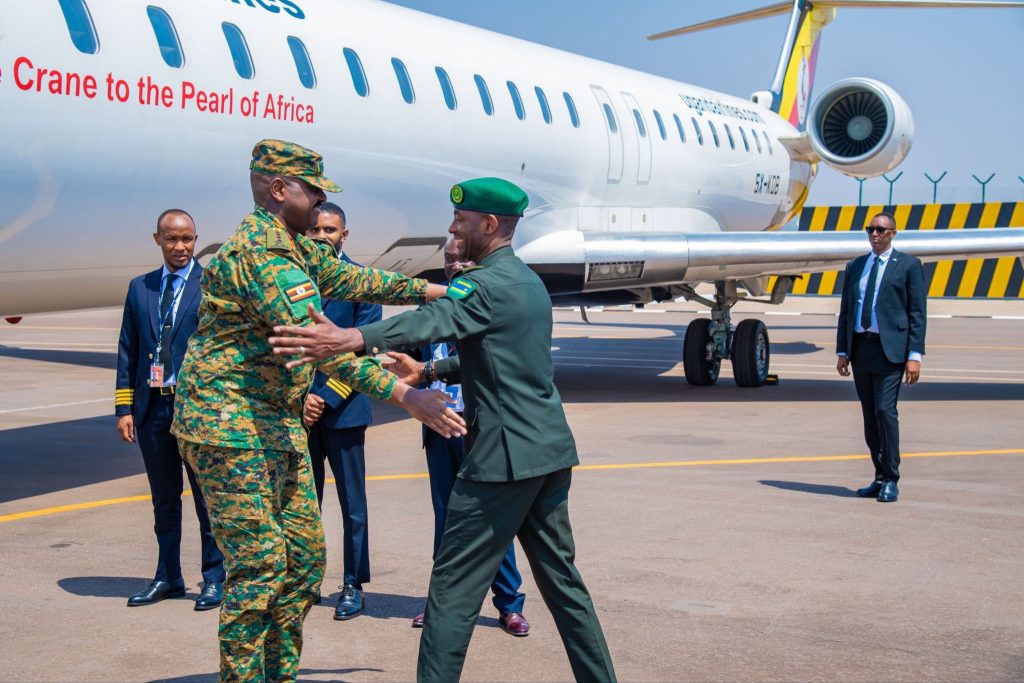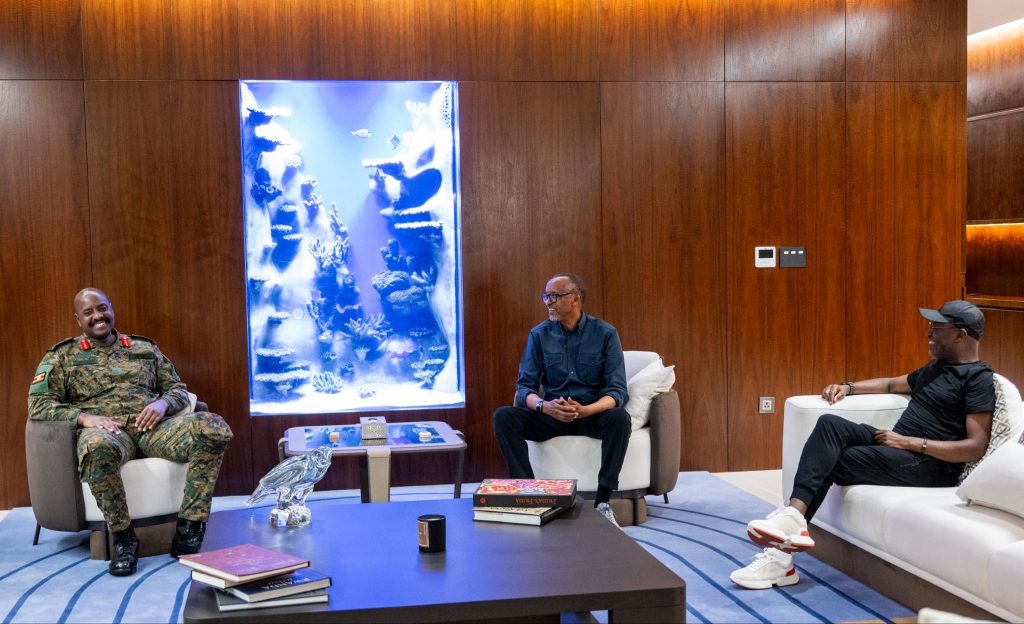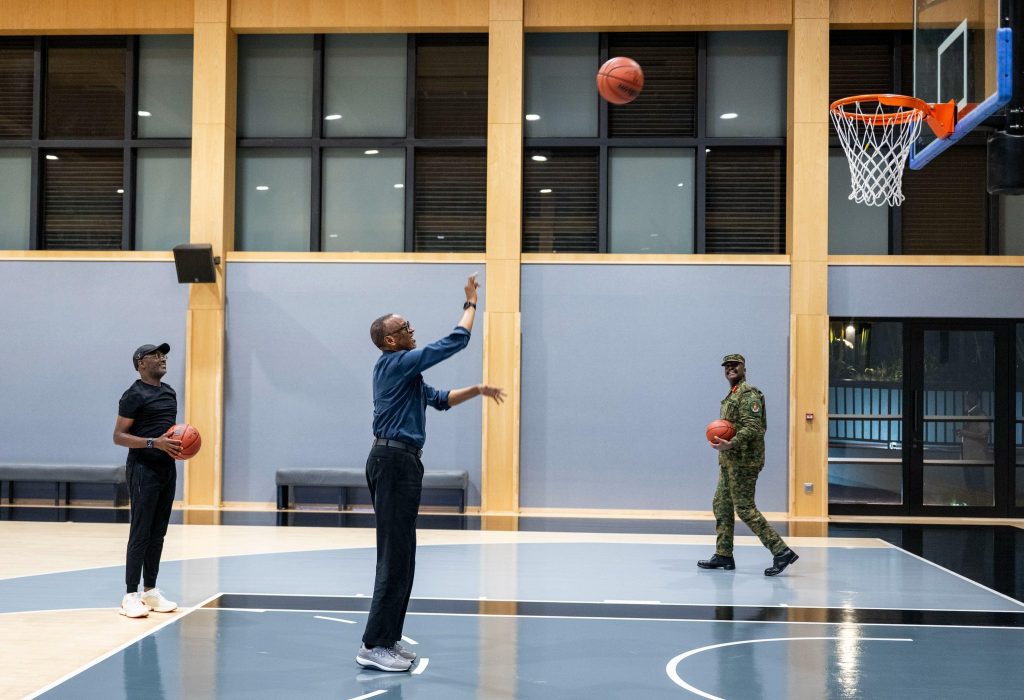***Uganda’s Chief of Defence Forces (CDF) and Senior Presidential Adviser for Special Operations, Gen. Muhoozi Kainerugaba, held talks with NBA Africa CEO Clare Akamanzi in Kigali on expanding basketball development in Uganda.***

SUBSCRIBE TO OUR NEWSLETTER
First name or full name
Email
By continuing, you accept the privacy policy
**Categories:** NEWS
---
### [Swedfund invests to strengthen climate resilience in African food systems](https://www.topafricanews.com/2026/07/27/swedfund-invests-to-strengthen-climate-resilience-in-african-food-systems/)
**Published:** July 27, 2026
**Author:** TOPAFRICANEWS
**Content:**
**Swedfund invests USD 12 million in Acumen Resilient Agriculture Fund II (ARAF II). The investment supports growing food and agriculture companies across Africa that strengthen agricultural value chains. By improving access to markets, finance and essential services, these companies help smallholder farmers become more resilient to climate and economic shocks.** Over 30 million smallholder farmers operate across Sub-Saharan Africa, accounting for 80 percent of all farms and producing 70 percent of the region’s food (IFAD). Yet many face limited access to finance, quality inputs, reliable buyers and market information. At the same time, they are among those most exposed to climate change and weather-related shocks, which threaten harvests, incomes and food security.
“Climate change is already affecting the livelihoods of millions of smallholder farmers across Africa. Investing in businesses that improve access to markets, finance and agricultural services helps farmers strengthen their resilience, increase productivity and build more stable incomes. That is essential for more resilient food systems,” says Helen Hagos, Investment Director, Food Systems & Strategic Investments at Swedfund.
ARAF II invests in businesses that address key gaps in agricultural value chains, from improving market access and reducing post-harvest losses to expanding financial and digital services for farmers. By helping these businesses grow, the investment aims to improve productivity, strengthen local value chains and increase the resilience of food systems.
The investment has an ambition to reach around four million smallholder farmers through ARAF II’s portfolio companies. It also aims to meet the criteria of the 2X Challenge, which promotes investments that support women’s economic empowerment.
Swedfund invests alongside other development finance institutions and investors to help mobilise long-term capital for businesses that often struggle to access financing despite their potential to strengthen food security, climate resilience and economic development across Africa.

SUBSCRIBE TO OUR NEWSLETTER
First name or full name
Email
By continuing, you accept the privacy policy
**Categories:** Climate / Agriculture Evolution, CLIMATE CHANGE
---
### [Africa's ICT Ministers Open Conference in Abuja to Decide Telecommunications Union's Future](https://www.topafricanews.com/2026/07/27/africas-ict-ministers-open-conference-in-abuja-to-decide-telecommunications-unions-future/)
**Published:** July 27, 2026
**Author:** DUSABEMUNGU Ange de la Victoire
**Content:**
**Abuja, Nigeria – 23 July 2026**: African Ministers responsible for telecommunications, information and communication technologies and the digital economy have opened the Seventh Ordinary Session of the African Telecommunications Union Conference of Plenipotentiaries in Abuja, Nigeria.
The Conference, known as CPL-26, is taking place today and tomorrow, 23–24 July 2026. It brings governments together to decide how the African Telecommunications Union will be governed, financed and led during its next four-year cycle, and how its work will respond to the technological and connectivity priorities of African countries. The Conference will also elect the Secretary General and members of the ATU Administrative Council for the next cycle.
Ministers will further consider Africa’s preparations for the 2026 Plenipotentiary Conference of the International Telecommunication Union, where countries will decide the future direction of the global telecommunications body. The Abuja discussions are expected to strengthen the common African positions to be presented in Doha later this year when the ITU meeting begins.
ATU, the African Union’s specialised agency for ICTs, convenes the Conference of Plenipotentiaries every four years as its highest decision-making forum.
In a message delivered on his behalf by Senator Ibrahim Hadejia, the Deputy Chief of Staff to the President, the Vice President of Nigeria, His Excellency Senator Kashim Shettima, said Africa’s digital ambitions depended on countries working together.
“When Africa speaks with one voice, our influence is amplified, our priorities receive greater attention, and our collective interests are better protected,” the Vice President said.
Welcoming delegates on behalf of the Government and people of Nigeria, the Minister of Communications, Innovation & Digital Economy, Dr ‘Bosun Tijani, urged delegates to strengthen cooperation and advance a shared digital vision.
“At a time when digital technologies are reshaping economies and societies at an unprecedented pace, our responsibility to work together has never been greater. Today, we gather to strengthen the partnerships and shared resolve that will ensure Africa continues to play a leading role in shaping the future of telecommunications and the digital economy,” he said.
The Secretary-General of the International Telecommunication Union, Ms Doreen Bogdan-Martin, said Africa could play a more influential role in the development, governance and standardisation of digital technologies.
“Africa will not simply participate in the digital future. Africa will help shape it,” she said. “Not only as a consumer of technology, but as a creator, an innovator, a standard setter, and a trusted global partner.”
Speaking on behalf of the African Union Commission, the Commissioner for Infrastructure and Energy, Ms Lerato Mataboge, placed the Conference within the African Union’s ambition to accelerate digital transformation, as well as Agenda 2063 – the continent’s strategic master plan for transforming Africa into a global powerhouse.
“The African Union has made a choice. We are determined to lead and shape our destiny,” she said.
The Commissioner said the second ten-year implementation phase of Agenda 2063 should advance an African digital single market by 2030, strengthen digital public infrastructure, improve connectivity and support greater African capacity in artificial intelligence, digital governance and policy.
Representing the outgoing Algerian chair of the CPL and Minister of Post and Telecommunications, Hon. Sid Ali Zerrouki, Algeria’s Ambassador to Nigeria, His Excellency Hocine Mezoued, said the decisions taken in Abuja would extend beyond the internal administration of the Union.
He said the Conference must strengthen ATU’s governance and financial sustainability, approve its next strategic direction and prepare it to represent African interests in artificial intelligence, satellite communications, cybersecurity, spectrum management and digital platforms.
“Africa must arrive at the ITU Plenipotentiaries Conference in Doha united, prepared, and speaking with one coherent voice,” he said.
ATU Secretary General John Omo said the Union had continued to develop cooperation with international institutions and private-sector partners to strengthen its programmes. He acknowledged GSMA, Qualcomm, ICANN and other industry players that had partnered with ATU in support of CPL-26 and related activities held in Abuja.
“The Union has been built through the accumulated commitment of its membership, and we must protect it and guard the trust that comes with that commitment,” he said, adding that the partnerships developed around CPL-26 had complemented Member State support and helped the Union extend its work.
The two-day Conference is expected to provide ATU with its strategic, institutional and financial direction for the next four years and a common political reference for cooperation after Abuja.

SUBSCRIBE TO OUR NEWSLETTER
First name or full name
Email
By continuing, you accept the privacy policy
**Categories:** ICT, Science and Technology
---
### [Most Governments Unprepared for Resource Risks, New Report Finds](https://www.topafricanews.com/2026/07/27/most-governments-unprepared-for-resource-risks-new-report-finds/)
**Published:** July 27, 2026
**Author:** Mutangana Emmanuel
**Content:**
A new global report has found that governments around the world are failing to adequately prepare for ecological overshoot, a growing mismatch between humanity’s demand for natural resources and the Earth’s ability to regenerate them, despite mounting evidence that resource security is critical to economic stability.
The report, ‘Prepared for the Predictable? Overshoot and the Failure of Countries to Ready Themselves’, released by Global Footprint Network and Greenings to coincide with Earth Overshoot Day, concludes that no country’s national economic strategy fully recognizes ecological overshoot as a significant economic risk.
Researchers reviewed flagship national planning documents from dozens of major economies, including five-year development plans, national budget speeches and national security strategies, to assess how governments are addressing the challenges posed by increasing pressure on natural resources.
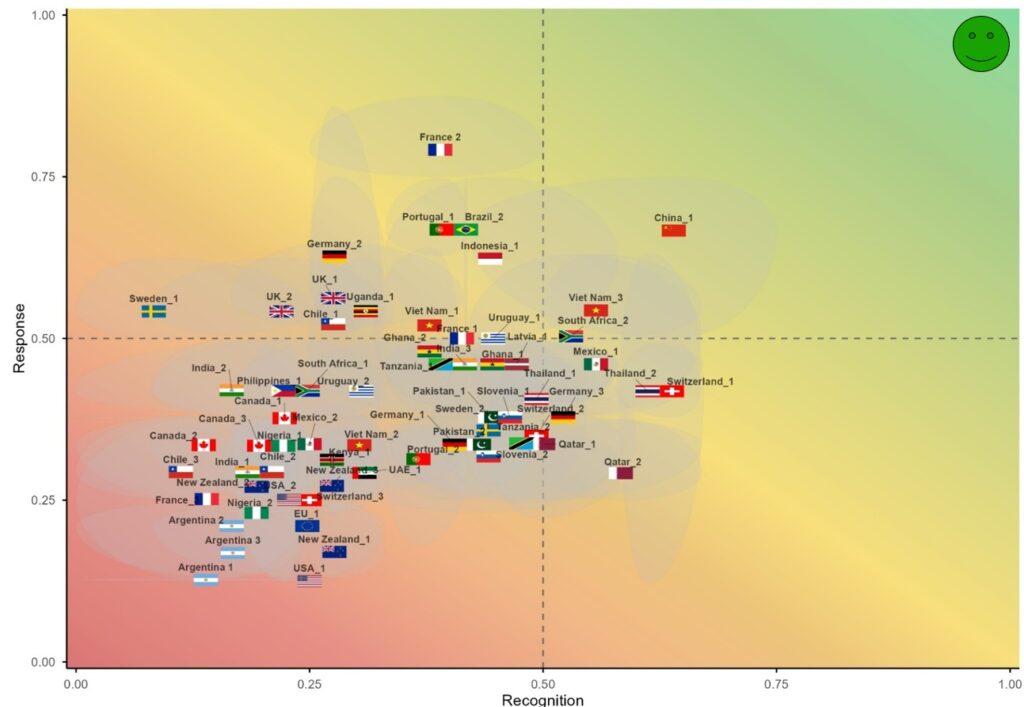***This figure shows the extent to which countries’ strategies recognize (x-axis) and respond to (y-axis) overshoot. The green smiley face in the upper right corner indicates where strategies need to be to meaningfully recognize and commensurately respond to overshoot.***Using AI-assisted analysis, the researchers examined whether national strategies acknowledge ecological overshoot as an economic threat and whether that recognition is supported by concrete policies and investment plans. The assessment relied on a five-dimensional framework independently applied by four large language models, which produced consistent findings.
According to the report, none of the national strategies assessed meaningfully addresses the risks associated with ecological overshoot.
China’s current five-year plan received the highest score among the countries reviewed, although the report says it still falls short of the level of action needed to match the scale of the challenge. Argentina ranked lowest across all national strategy documents analyzed, while the European Union scored below expectations despite its strong sustainability reporting, suggesting a disconnect between public environmental commitments and long-term economic planning.
The findings indicate that although sustainability is increasingly featured in public policy discussions, it is not consistently integrated into the strategic decisions that shape national economies.
“Ecological overshoot is not a distant environmental concern; it’s a live economic risk,” said Dr. David Lin, co-author of the report.
He warned that countries’ heavy dependence on globally sourced natural resources is increasing their exposure to supply disruptions, pointing to shocks triggered by Russia’s invasion of Ukraine, the COVID-19 pandemic and the closure of the Strait of Hormuz as examples of how resource insecurity can disrupt economies.
To address these vulnerabilities, the report calls on governments to establish cross-partisan task forces to identify weaknesses in their economic strategies and develop more resilient approaches to resource management.
It also highlights emerging decision-making tools, including the Transition Valuation Project, which applies an ecological overshoot perspective to infrastructure planning, corporate strategies and investment decisions, with the aim of strengthening long-term economic resilience.

SUBSCRIBE TO OUR NEWSLETTER
First name or full name
Email
By continuing, you accept the privacy policy
**Categories:** NEWS
---
### [Stanbic Kenya Foundation launches digital learning centre at ACK Kiamuringa School in Embu County](https://www.topafricanews.com/2026/07/27/stanbic-kenya-foundation-launches-digital-learning-centre-at-ack-kiamuringa-school-in-embu-county/)
**Published:** July 27, 2026
**Author:** TOPAFRICANEWS
**Content:**
- *The Foundation has donated 30 computers to establish a fully equipped ICT laboratory.*
- *The initiative will benefit 200 students, 23 teachers, and hundreds of local youth from the surrounding Embu community through digital skills training.*
- *The launch aligns with Stanbic’s commitment to driving digital inclusion and socio-economic empowerment across Kenya*
**EMBU, KENYA – 23rd July 2026** – The Stanbic Kenya Foundation has today officially launched a state-of-the-art Digital Learning Centre at ACK Kiamuringa School in Embu County. As part of the initiative, the Foundation has donated 30 computers to establish the school’s first fully equipped ICT laboratory, aimed at boosting digital literacy, enhancing the quality of education, and opening economic opportunities for local youth.
The newly established laboratory will immediately serve the school’s population of approximately 200 students and 23 teachers. Crucially, the facility has been structured to serve as a shared community resource. Outside of regular school hours, the ICT lab will be accessible to local youth and community members, offering a vital hub for digital skills training, online learning, and preparation for digital-economy jobs.
Speaking during the handover ceremony, the Head of Stanbic Kenya Foundation, Mercy Githanji emphasized the critical role of technology in bridging the educational and economic divide in the country.
“At Stanbic Kenya Foundation, we believe that digital literacy is no longer an option, but a fundamental prerequisite for success in the 21st century. Our investment in ACK Kiamuringa School is an investment in the future of Embu County. By equipping this school with the computers, we are not only enriching the classroom experience for 200 students and supporting their teachers but also opening a gateway of opportunity for the entire community. We are passionate about empowering young people with the digital tools and skills they need to actively participate in the modern economy and improvetheir employability.”
The initiative aligns with Stanbic Bank Kenya’s broader corporate social investment strategy, which champions education, entrepreneurship, and job creation under its driving national purpose: *“Kenya is our home, we drive her growth.”* By fostering partnerships with local educational institutions, the Foundation seeks to democratize access to technology and drive sustainable development from the grassroots level.
Welcoming the donation, Mr Joseph Mwaniki , Principal ACK Kiamuringa School, noted that the launch marks a historic milestone for the institution.
“We are deeply grateful to the Stanbic Kenya Foundation for this transformative donation. Previously, our students had limited exposure to practical computer lessons. This new ICT laboratory changes everything. It elevates our capacity to teach STEM subjects, prepares our candidates for a digital world, and gives our dedicated teachers modern instructional tools. Furthermore, by opening this facility to our local youth, ACK Kiamuringa School becomes a centre of hope and economic empowerment for the wider Kiamuringa community.”
Since 2021, the Stanbic Kenya Foundation has worked with partners to equip women, youth and MSMEs with relevant 21st-century digital skills. Through the Future ni Digital platform, learners continue to access training across basic, intermediate and advanced digital skills, contributing to more than 250,000 Kenyans trained since 2019.
By empowering grassroots communities with hardware and digital learning infrastructure, the Stanbic Kenya Foundation continues to support the Government of Kenya’s national digital masterplan, which aims to elevate digital literacy and establish community-driven tech hubs to create jobs and foster local innovation.

SUBSCRIBE TO OUR NEWSLETTER
First name or full name
Email
By continuing, you accept the privacy policy
**Categories:** Business and Trade
---
### [Radisson Blu Hotel & Convention Centre, Kigali celebrates ten years of shaping Kigali](https://www.topafricanews.com/2026/07/27/radisson-blu-hotel-convention-centre-kigali-celebrates-ten-years-of-shaping-kigali/)
**Published:** July 27, 2026
**Author:** TOPAFRICANEWS
**Content:**
**KIGALI, Rwanda, July 26, 2026/** **Radisson Blu Hotel & Convention Centre, Kigali recently celebrated its tenth anniversary, marking a decade as one of Rwanda’s most recognizable hospitality and events landmarks and a key contributor to the country’s rise as a leading Meetings, Incentives, Conferences and Exhibitions destination in Africa.**
Since opening in 2016, the landmark property has welcomed world leaders, international organizations, multinational companies, major sporting events, cultural celebrations and thousands of delegates from around the world. Beyond its role as a hotel and events venue, it has become a symbol of Rwanda’s ambition, innovation and continued transformation.
The anniversary was celebrated under the theme, *“Celebrating a Decade of Excellence, Innovation and Community Impact,”* through a programme of activities recognizing the people, partnerships and progress behind the property’s success, while setting the direction for its next decade.
The anniversary programme was built around three flagship pillars. Legacy Week featured a ten-day celebration highlighting the property’s contribution to Rwanda’s growth. The Legacy Gala brought together approximately 350 stakeholders and partners, while the KCC Impact Programme included a series of community and sustainability initiatives held before and after the anniversary celebrations.
As part of the programme, Radisson Blu Hotel & Convention Centre, Kigali delivered a series of legacy initiatives reflecting its commitment to sustainability, community engagement, employee wellbeing and talent development. Activities included the planting of 100 trees, community outreach with SOS Children’s Villages, a Youth Career Day for future hospitality talent, employee wellness activities and long-service recognition for team members.
The celebrations also included the launch of a “10 Years of Impact” documentary, sharing the history and evolution of the property, alongside a dedicated media programme highlighting its contribution to tourism, employment, business events and Rwanda’s wider economy.
*“Over the past ten years, Radisson Blu Hotel & Convention Centre, Kigali has played an important role in strengthening Rwanda’s position as one of Africa’s leading destinations for business tourism and international events. This milestone reflects the dedication of our teams, the confidence of our partners and the strong vision that continues to drive Rwanda’s hospitality sector forward. We are proud of what has been achieved and remain committed to supporting the country’s tourism ambitions, developing local talent and creating meaningful value for the communities in which we operate,*” said Sandra Kneubühler, Managing Director, Sub-Saharan Africa, Radisson Hotel Group.
*“While this milestone allowed us to reflect on everything that has been achieved, our focus remains firmly on the future. We look forward to building on this strong foundation, creating new opportunities for our people and partners, and continuing to deliver memorable experiences for guests and delegates from Rwanda and around the world,”* said Nice Uwase, Acting General Manager, Radisson Blu Hotel & Convention Centre, Kigali.
The tenth anniversary reinforced Radisson Blu Hotel & Convention Centre, Kigali’s position as a national icon, a platform for international engagement and a catalyst for the continued growth of Rwanda’s hospitality and business tourism sectors.

SUBSCRIBE TO OUR NEWSLETTER
First name or full name
Email
By continuing, you accept the privacy policy
**Categories:** News, Tourism and Nature
---
### [Orlando Pirates Chase Another R10 Million Windfall as Trophy Hunt Continues](https://www.topafricanews.com/2026/07/27/orlando-pirates-chase-another-r10-million-windfall-as-trophy-hunt-continues/)
**Published:** July 27, 2026
**Author:** TOPAFRICANEWS
**Content:**
*Buccaneers eye another MTN8 payday as their reputation as South Africa’s cup kings faces a fresh test*
Orlando Pirates have become synonymous with winning trophies. In fact, collecting silverware has become somewhat of a Buccaneers trademark. Each season presents another chance to grow the trophy cabinet and fill the prize money pot at the club. In 2026-27, Pirates look to add another trophy to their cabinet as defending champions of South Africa’s most prestigious knockout competition. First up, though, is another opportunity to claim R10 million in prize money: the MTN8.
It’s no secret that Pirates thrive on cup glory. Having become accustomed to success in knockout competitions over the years, claiming another domestic trophy presents the Buccaneers with another opportunity to further bolster their reputation as South Africa’s cup kings.
#### Treating Knockout Competitions like Trophies
Few South African football teams take part in as many cup competitions and get as much buzz across the internet, the media, and the [South African betting comparison platform Bettingtop10.co.za](https://www.bettingtop10.co.za/) as Orlando Pirates. In recent seasons, the Buccaneers have become accustomed to challenging for honors domestically, consistently reaching at least the quarter-finals of the MTN8, Nedbank Cup and Carling Knockout tournaments. In turn, Pirates have earned themselves a reputation as one of the most feared cup teams in the Premier Soccer League.
#### Added Financial Incentive
The winners of the MTN8 take home R10 million, making it the most lucrative domestic trophy outside of the league itself. Yet beyond claiming another scalp on domestic soil, there is much more at stake for the Soweto giants should they decide to win another MTN8 title. For a club with ambitions of going far on all fronts, every prize cheque coming their way only helps to continue investing in the best possible playing staff, facilities and long-term growth of the club.
If there’s one thing the Buccaneers have proven over the years, it’s that they love a cup run. Sure, winning R10 million is nothing to turn your nose up at, but there’s much more pride set to be at stake should Pirates fancy their chances of winning another trophy.
Success in the MTN8 can serve as a springboard for success in other competitions. Three points may be king in the league, but trophies are what fans and players live for. Plus, winning pulls the team together and provides confidence that often proves priceless ahead of a long season.
Kicking off their season with a strong cup performance will also allow new signings to gel quickly while giving the coaching team a chance to implement their ideas from the get-go. For fans, though, lifting another trophy raises expectations that the club should win silverware every season.
#### Players to Watch
With today’s game seeing teams rarely able to focus on one tournament at a time, squad depth will likely play a huge role should Pirates look to win back-to-back titles. League matches, domestic cups and CAF Champions League games will all have to be prioritized, which is why having a squad deep enough to allow the coaching staff to rotate when necessary could prove vital.
Coaching and player experience will provide leadership to help develop and bring along new talent. If anyone can stay strong throughout a potentially grueling season, it’s this Pirates squad.
#### Financial Rewards continue to Grow
As football continues to reach even more insandely popular heights in South Africa, so do the financial rewards that come with winning.
From domestic trophies to Bafana Bafana stars qualifying for the 2026 FIFA World Cup, Pirates are set to see it all. Along with the ever-increasing prize money, winners can now look forward to earning through sponsorships, broadcasting and even performance-related incentives. Pirates are also set to receive substantial payouts through FIFA’s Club Benefits Program, thanks to their contribution to Bafana Bafana at the World Cup. Prize money aside, success both on and off the field continues to reward the club.
#### Spirits Remain Sky High
A Buccaneers side spearheaded by young, hungry talent and boasting one of the biggest support bases in the country? Yeah, fans and players alike have every right to feel confident heading into a new season.
There’s expectation that this team will not only be competing for honors, but will also have the quality to go far in all competitions they decide to enter. Though pressure will come with that territory, fans will not only expect to see the Pirates playing attractive football but will also demand consistency and victories on a regular basis. Sure, winning R10 million is a bonus, but if there’s one thing every Pirates fan and player wants more than that, it’s lifting that glittering trophy come season finale.

SUBSCRIBE TO OUR NEWSLETTER
First name or full name
Email
By continuing, you accept the privacy policy
**Categories:** Sport
---
### [Boma–Badingilo Migratory Landscape Named South Sudan’s First UNESCO World Heritage Site](https://www.topafricanews.com/2026/07/27/boma-badingilo-migratory-landscape-named-south-sudans-first-unesco-world-heritage-site/)
**Published:** July 27, 2026
**Author:** DUSABEMUNGU Ange de la Victoire
**Content:**
**JUBA, SOUTH SUDAN** — On July 26, 2026, the Government of the Republic of South Sudan announced that the Boma-Badingilo Migratory Landscape (BBML) has been officially inscribed on the UNESCO World Heritage List, marking the first time a site within the nation has received this international designation.
The BBML is one of the largest intact and ecologically functional landscapes in Africa, covering approximately 12 million hectares of savannas, floodplains, wetlands, and woodlands. It serves as the heart of the “Great Nile Migration,” supporting the largest terrestrial mammal migration on Earth. A 2024 aerial survey confirmed that approximately six million antelope, including white-eared kob, tiang, Mongalla gazelle, and Bohor reedbuck, move across the ecosystem annually in response to seasonal rainfall.
**A Collaborative Milestone**
The inscription follows years of work led by the Government of South Sudan, specifically the Ministry of Culture, Museums and National Heritage and the Ministry of Wildlife Conservation and Tourism, in collaboration with the South Sudan Wildlife Service, local communities, the IUCN, UNESCO, and African Parks.
Since 2022, African Parks has partnered with the government to manage the Boma and Badingilo National Parks. This management partnership aims to balance the country’s growth and infrastructure needs with the preservation of natural assets and community livelihoods.
**Voices from the Field**
Hon. Denay Jock Chagor, Minister of Wildlife Conservation and Tourism, described the inscription as a historic moment for the nation. “It is international recognition of the extraordinary natural heritage that South Sudan holds for the benefit of the world, and of our commitment to protecting it for future generations,” he said.
Hon. Sarah Nyanath Elijah Yong, Minister of Culture, Museums and National Heritage, noted that the achievement is a testament to the collaborative efforts of government institutions, local communities, and international partners. “We are proud that the stories, traditions, and perspectives of the people who live within and around this landscape have been integral to this journey,” she stated.
Representing local communities, Paulino Warnyang emphasized that the recognition validates the long-standing bond between the people and the land. “For generations our communities have lived alongside the wildlife and landscapes of Boma and Badingilo. This recognition honours not only the animals and the land, but also the people whose lives, traditions and cultures have always been connected to them,” Warnyang said.
**Addressing Future Challenges**
While the UNESCO designation offers a framework to strengthen protection, stakeholders acknowledge the significant challenges facing the region. The landscape is currently under pressure from commercial poaching, extractive interests, and the impacts of a changing climate.
Peter Fearnhead, Chief Executive Officer of African Parks, hailed the status as a “substantive symbol of nation building” for the world’s youngest country. He noted that while World Heritage status does not safeguard the area on its own, it shines an international spotlight on its importance and helps mobilize the support necessary to ensure its survival for future generations.

SUBSCRIBE TO OUR NEWSLETTER
First name or full name
Email
By continuing, you accept the privacy policy
**Categories:** NEWS, Tourism and Nature
---
### [Eastern Africa Set for 5.8% Growth in 2026 Despite Fiscal Pressures](https://www.topafricanews.com/2026/07/26/eastern-africa-set-for-5-8-growth-in-2026-despite-fiscal-pressures/)
**Published:** July 26, 2026
**Author:** Mutangana Emmanuel
**Content:**
Eastern Africa is expected to remain Africa’s fastest-growing subregion in 2026, with economic growth projected at 5.8 percent, well above the continental average of 4.0 percent and the 1.6 percent forecast for developed economies. However, mounting debt, constrained public finances and growing global uncertainty continue to threaten the region’s economic gains, according to a new report by the UN Economic Commission for Africa (ECA).
The findings were presented during an online Policy and Programme Dialogue on the 2026 Eastern Africa Macroeconomic and Social Overview Report, titled Eastern Africa’s Balancing Act: High Growth, Tight Budgets, and Rising Uncertainty.
“Eastern Africa remains one of the world’s fastest-growing regions, but sustaining that momentum requires navigating increasingly tight fiscal conditions, elevated debt burdens and a highly uncertain international environment,” said Andrew Mold, Director of the ECA Office for Eastern Africa.
The report shows that growth remains strong across much of the region. Rwanda led the pack with 10 percent GDP growth in the first quarter of 2026, followed by Uganda (5.8 percent), Tanzania (5.7 percent), Kenya (5.3 percent) and Burundi (3.4 percent).
According to the report, the services sector continues to drive economic expansion, supported by robust growth in construction. In contrast, manufacturing has remained sluggish, while agriculture continues to underperform except for export-oriented crops.
The report also points to improving macroeconomic stability. Inflation has eased to single-digit levels in several countries, standing at 4.7 percent in Kenya, 4.2 percent in Tanzania and 3.2 percent in Uganda by mid-2026, while Ethiopia has also seen inflation trend downward. Nevertheless, ECA cautions that the region remains vulnerable to external shocks, including disruptions to global trade routes such as those linked to tensions in the Strait of Hormuz.
Despite the encouraging economic outlook, the report warns that social progress is lagging behind. Only 7 of the 234 Sustainable Development Goal (SDG) indicators are currently on track in Eastern Africa, highlighting persistent challenges in health, education and social protection.
The report further notes that Eastern Africa receives more than half of all Official Development Assistance (ODA) allocated to Africa, making the region particularly exposed to global aid reductions that could undermine essential public services.
Commenting on the report, Abbi Kedir, Acting Executive Director of the African Economic Research Consortium, described it as one of the strongest regional economic assessments he has seen, praising its timely data and analytical depth.
Kedir stressed that robust economic growth should translate into tangible benefits for citizens through greater job creation, improved food security, lower living costs and stronger social protection systems.
Participants at the dialogue also questioned whether the region’s heavy reliance on the services sector can sustain long-term economic transformation, underscoring the need for more diversified and resilient sources of growth.

SUBSCRIBE TO OUR NEWSLETTER
First name or full name
Email
By continuing, you accept the privacy policy
**Categories:** NEWS
---
### [Over 170,000 Africans Gain Access to Specialized Chronic Disease Care](https://www.topafricanews.com/2026/07/26/over-170000-africans-gain-access-to-specialized-chronic-disease-care/)
**Published:** July 26, 2026
**Author:** Mutangana Emmanuel
**Content:**
More than 170,000 people across 20 African countries have received specialized care for severe chronic diseases through the PEN-Plus programme over the past three years, marking significant progress in expanding access to lifesaving health services, according to a new report released by the World Health Organization (WHO) Regional Office for Africa.
The report, ‘Scaling up PEN-Plus: Expanding Life-Saving Care for Severe Noncommunicable Diseases in Africa’, was launched with support from The Leona M. and Harry B. Helmsley Charitable Trust. It highlights the growing impact of the PEN-Plus model in improving care for severe noncommunicable diseases (NCDs), including type 1 diabetes, sickle cell disease, and rheumatic and congenital heart diseases.
PEN-Plus builds on WHO’s Package of Essential Noncommunicable Disease Interventions (WHO PEN) by extending specialized services from primary healthcare facilities to district hospitals. The model offers screening, diagnosis, treatment, long-term care and referrals, bringing critical services closer to underserved communities.
According to the report, more than 120 district hospitals across the 20 participating countries now provide PEN-Plus services, while over 1,750 health workers have been trained to manage severe chronic diseases.
The initiative is particularly important for children, adolescents and young adults in rural and low-resource settings, where access to specialist care has traditionally been limited. Since the regional strategy was endorsed in 2022 and launched the following year, all participating countries have completed implementation readiness assessments and developed operational plans.
Rwanda has already achieved nationwide PEN-Plus coverage, while Ethiopia launched a national operational plan in 2026 to establish clinics in 150 hospitals and enrol about 82,000 patients. In Malawi, more than 440 health workers have been trained, with services now covering 55% of the country’s planned districts.
The report also shows that decentralizing specialized care has strengthened health systems and increased patient confidence in district-level services. In Uganda, enrolment in PEN-Plus clinics rose by 178% between late 2022 and early 2025. Across 10 countries supported by the NCDI Poverty Network, patient enrolment increased from fewer than 100 in 2022 to nearly 7,500 by mid-2025.
“The progress achieved through PEN-Plus demonstrates what can be accomplished through strong political commitment, regional solidarity and coordinated action,” said Dr. Mohamed Janabi, WHO Regional Director for Africa. He said the initiative is helping ensure that children and young adults with severe chronic diseases can access lifesaving care closer to home.
Despite the gains, WHO warns that noncommunicable diseases remain a growing public health challenge, accounting for 37% of all deaths in the African Region. The report notes that shortages of trained specialists, medicines, diagnostic tools and sustainable financing continue to limit access to quality care.
WHO is preparing to expand PEN-Plus to 30 African countries, with greater emphasis on domestic financing, workforce development, digital learning, telemedicine and stronger health information systems.

SUBSCRIBE TO OUR NEWSLETTER
First name or full name
Email
By continuing, you accept the privacy policy
**Categories:** HEALTH
---
### [Biased Crime Reporting Can Leave Innocent People Stigmatized, Lawyer Warns](https://www.topafricanews.com/2026/07/24/biased-crime-reporting-can-leave-innocent-people-stigmatized-lawyer-warns/)
**Published:** July 24, 2026
**Author:** Mutangana Emmanuel
**Content:**
Journalists have been urged to avoid bias when reporting crime stories, with legal experts warning that one-sided reporting can permanently damage a suspect’s reputation and undermine the fundamental legal principle that every person is presumed innocent until proven guilty by a court.
The call was made during a three-day Crime Reporting training organized by Fojo Media Institute from July 22 to 24, 2026.
The capacity-building programme aimed to strengthen Rwanda journalists’ knowledge and professional skills in reporting crimes accurately, ethically and responsibly, while promoting balanced reporting that serves the public interest.
Speaking during the training, lawyer Jean Paul Ibambe reminded journalists that their role is to inform the public, not to investigate crimes, prosecute suspects or determine guilt.
“A journalist must always remember that their responsibility is to provide information, not to become part of the criminal justice system,” he said.
He added, “A journalist is not a criminal investigator, a prosecutor, a judge or even a court bailiff. Your story should never read like a police statement or a prosecutor’s submission. The role of journalism is to inform, not to deliver verdicts.”
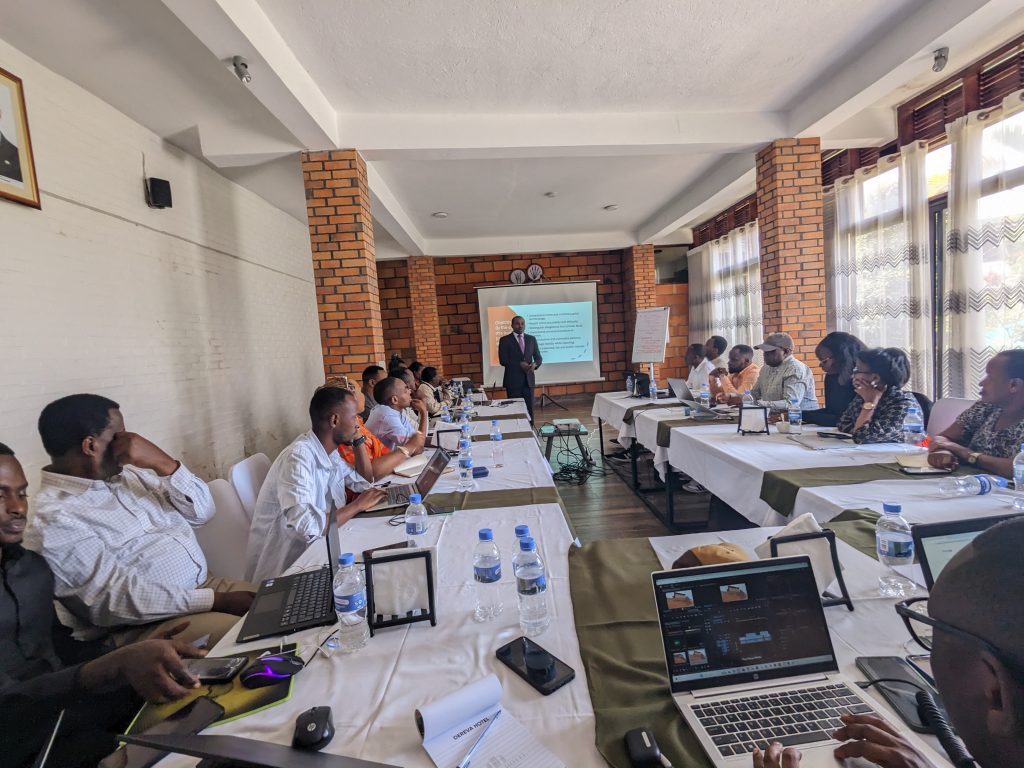Ibambe cautioned that taking sides in crime reporting can compromise professional standards and erode the legal principle that every suspect must be treated as innocent until a competent court proves otherwise.
He also warned journalists against using language or making conclusions that could mislead the public before facts have been officially established.
Using road crash reporting as an example, he noted that not everyone involved in an accident dies immediately, and that only qualified medical experts can determine the actual cause of death following a post-mortem examination.
“If a journalist rushes to state what caused someone’s death before it has been confirmed by the competent authorities, that is a professional mistake,” he said.
Ibambe further emphasized that journalists have an ethical obligation to follow up on court cases they report. If a media outlet publishes a suspect’s name, photograph or identifying details, it should also report the court’s final verdict.
Failing to publish the outcome of a case, he said, can continue to tarnish a person’s reputation even if the court eventually finds them innocent.
“A person may remain stigmatized in the eyes of the public simply because the media never informed audiences that they were acquitted,” he said.
He encouraged journalists to consistently seek comments from all parties mentioned in a story, thoroughly verify information before publication and avoid wording that suggests bias or assumes guilt.
The training also highlighted the importance of protecting victims and vulnerable sources while ensuring suspects’ rights are respected throughout the reporting process.
According to Rwanda’s 2024–2025 Judicial Annual Report, courts handled 109,192 cases out of 182,527 scheduled for trial during the judicial year.
The report indicates that courts received 106,254 new cases, in addition to 76,273 pending cases carried over from the previous judicial year. Of the cases resolved, 92,880 (85%) were decided on their merits, while 16,312 (15%) concerned provisional detention and bail applications.
The figures underscore the volume of cases moving through Rwanda’s justice system and reinforce the need for responsible journalism that informs the public without compromising individuals’ rights or the integrity of judicial proceedings.
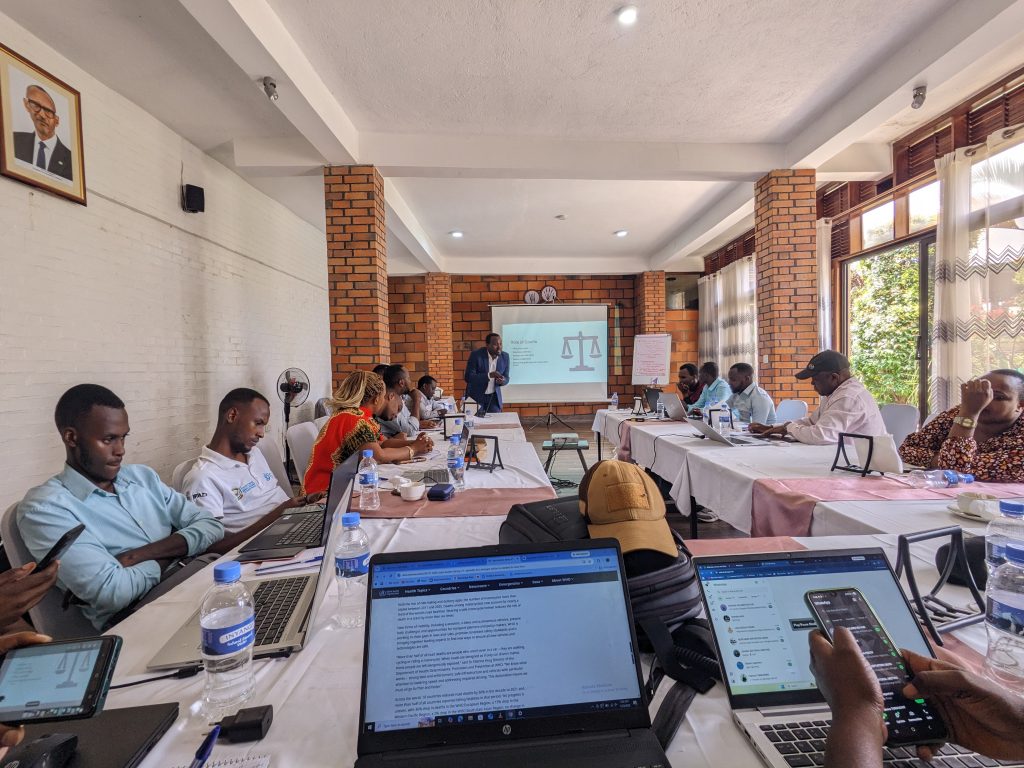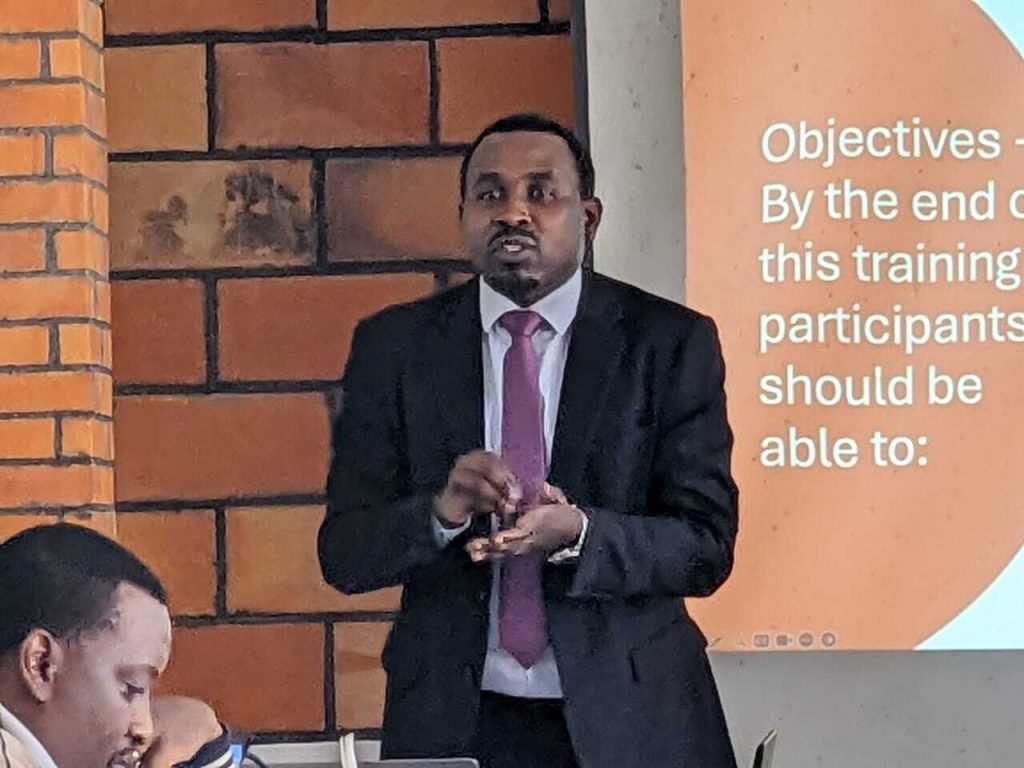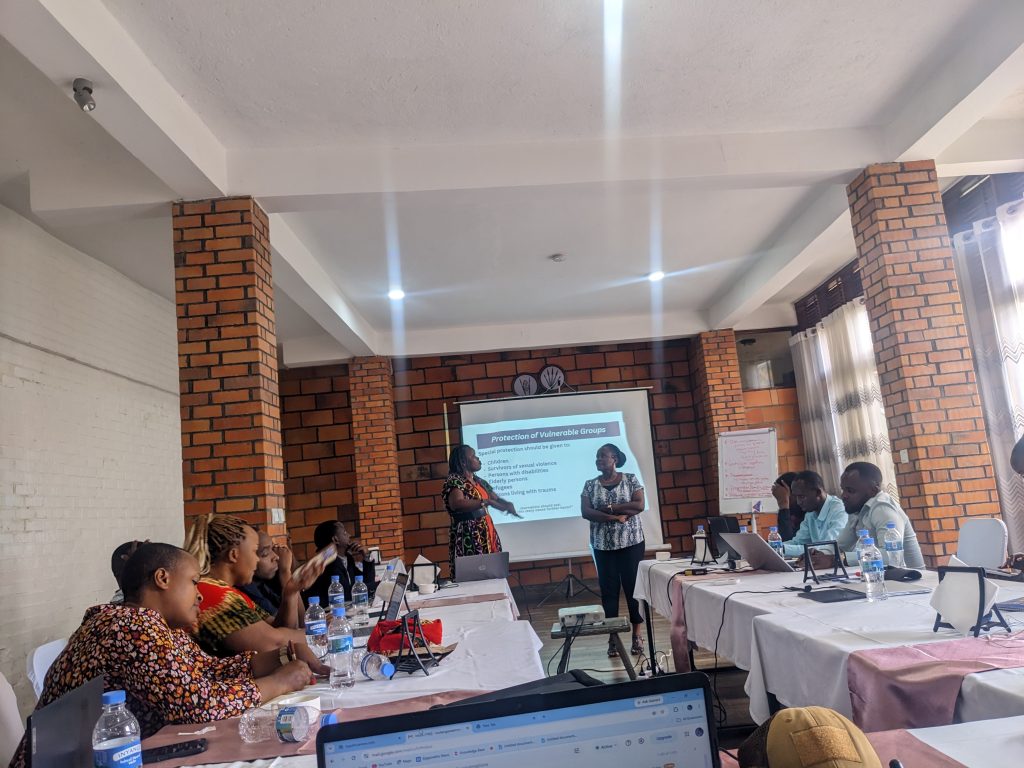
SUBSCRIBE TO OUR NEWSLETTER
First name or full name
Email
By continuing, you accept the privacy policy
**Categories:** NEWS
---
### [Road Crashes Claimed 1.16 Million Lives in 2025, WHO Reports](https://www.topafricanews.com/2026/07/23/road-crashes-claimed-1-16-million-lives-in-2025-who-reports/)
**Published:** July 23, 2026
**Author:** Mutangana Emmanuel
**Content:**
Road crashes killed 1.16 million people worldwide in 2025 despite significant progress in reducing road traffic deaths over the past 15 years, according to the World Health Organization (WHO).
The new data shows the global road traffic death rate fell by 21% between 2011 and 2025, even as more than one billion additional motor vehicles were added to the world’s roads. Yet road traffic injuries remain the leading cause of death among children and young people aged 5 to 29 years.
The findings were released as United Nations (UN) Member States adopted a new General Assembly declaration aimed at accelerating efforts to achieve the Sustainable Development Goal of halving road deaths and serious injuries by 2030, compared with 2021 levels.
“This progress shows that change is possible when countries invest in safe road systems,” said WHO Director-General Dr. Tedros Adhanom Ghebreyesus. He said the declaration should help speed up efforts to design roads that prioritize people rather than vehicles, stressing that all road deaths are preventable.
The declaration commits countries to strengthening national road safety strategies through clear targets, dedicated funding and stronger institutions. It also calls for better crash data, tougher traffic laws, safer vehicles and improved road infrastructure.
Central to the agreement is the “safe system” approach, which recognizes that human error is unavoidable and focuses on reducing the severity of crashes through safer roads, lower speed limits, safer vehicles and effective enforcement.
WHO warned that rapid changes in global transport continue to create new safety challenges. The number of motorcycles more than tripled between 2011 and 2025 due to the growth of ride-hailing and delivery services, with motorcyclists now accounting for nearly one-third of all road traffic deaths. The agency noted that wearing certified motorcycle helmets can reduce the risk of death in a crash by more than six times.
New transport technologies, including e-scooters, e-bikes and autonomous vehicles, also require updated safety regulations to protect road users, WHO said.
Dr. Etienne Krug, Director of WHO’s Department of Health Determinants, Promotion and Prevention, said more than half of all road traffic deaths involve pedestrians, cyclists and motorcyclists rather than car occupants.
“We know what works, strong laws and enforcement, safe infrastructure and safer vehicles, with particular attention to lowering speed and addressing impaired driving,” he said.
Progress remains uneven across regions. WHO reported a 36% decline in road deaths in Europe and a 15% reduction in the Western Pacific Region, while South-East Asia recorded a modest 2% decline. The Americas saw no significant change, and the African Region experienced a 17% increase in road traffic deaths.
The report said improving road safety not only saves lives but also promotes healthier cities by encouraging walking, cycling and public transport, reducing traffic congestion and improving air quality.

SUBSCRIBE TO OUR NEWSLETTER
First name or full name
Email
By continuing, you accept the privacy policy
**Categories:** HEALTH
---
### [Rwanda and Pakistan Set to Deepen Trade Relations Following Approval of Bilateral Cooperation Agreement](https://www.topafricanews.com/2026/07/23/rwanda-and-pakistan-set-to-deepen-trade-relations-following-approval-of-bilateral-cooperation-agreement/)
**Published:** July 23, 2026
**Author:** LIBOS NDAYISHIMIYE
**Content:**
Rwanda and Pakistan are poised to expand their economic partnership after the Government of Pakistan approved a comprehensive bilateral trade cooperation agreement, paving the way for stronger commercial ties, increased investment and closer collaboration between the private sectors of both countries under Islamabad’s “Look Africa” initiative.
The approval marks a major step forward in efforts to strengthen economic relations between Kigali and Islamabad. Once formally signed, the agreement will establish a structured framework for promoting trade, facilitating investment and creating new business opportunities between the two countries.
The partnership will be implemented through Pakistan’s Look Africa Policy, an initiative launched in 2017 to boost economic engagement with African nations by expanding exports, attracting investment and fostering long-term commercial cooperation across the continent.
The agreement provides for the establishment of a Joint Trade Committee bringing together representatives from Rwanda and Pakistan to oversee implementation, strengthen dialogue between the two governments and promote closer cooperation between business communities.
Negotiations on the trade framework began in July 2018, when Pakistan first shared a draft agreement with Rwanda. Following several rounds of diplomatic consultations, ministerial discussions and virtual meetings, both countries agreed to replace the initial draft with a broader and more practical framework designed to reflect evolving economic priorities.
Pakistan’s approval now clears the way for the signing of the final agreement, which will encourage cooperation between private sector institutions, support participation in international trade fairs and business exhibitions, strengthen collaboration between chambers of commerce, establish a Joint Business Council, promote joint investment projects, facilitate the exchange of commercial information and address non-tariff barriers affecting bilateral trade.
The agreement aligns with Rwanda’s ambition to strengthen its position as a regional trade and investment hub. With one of Africa’s fastest-growing economies and a business-friendly investment climate, Rwanda has increasingly become an attractive gateway for international companies seeking access to African markets.
Relations between Rwanda and Pakistan have continued to expand beyond trade. The two countries cooperate in education, political consultations, diplomacy, defence and security, tourism and other areas of mutual interest.
In April 2026, Rwanda showcased its tourism potential at the Pakistan International Tourism Expo, promoting the country’s unique attractions and investment opportunities to international audiences.
Diplomatic engagement has also intensified in recent years. Pakistan established its embassy in Kigali in 2021, while Rwanda officially opened its embassy in Islamabad in 2025, reinforcing the growing strategic partnership between the two nations.
The two governments are also exploring new avenues to facilitate business and tourism. Rwanda’s Minister of Foreign Affairs and International Cooperation, Olivier Nduhungirehe, previously disclosed that discussions are underway to expand trade and tourism cooperation, including the possibility of introducing direct flights between Rwanda and Pakistan in the future.
Bilateral trade has continued to grow steadily, with Pakistan importing Rwandan products such as tea, coffee, avocados and other agricultural commodities, while Rwanda sources medical equipment, rice, textile materials and agricultural technology from Pakistan.

SUBSCRIBE TO OUR NEWSLETTER
First name or full name
Email
By continuing, you accept the privacy policy
**Categories:** NEWS
---
### [Sports Ministers renew Commonwealth cooperation through sport](https://www.topafricanews.com/2026/07/23/sports-ministers-renew-commonwealth-cooperation-through-sport/)
**Published:** July 23, 2026
**Author:** TOPAFRICANEWS
**Content:**
Commonwealth Sports Ministers agreed to increase cooperation on sport to bolster access to funding and for development and peace at the 12th [Commonwealth Sports Ministers Meeting](http://tracking.commonwealth.int/tracking/click?d=amVwAZf-v-gid-gxk4en3qmKAkhVBfuH3CuFtYA0aDE1CV0ftYKUurBnzHaEYBXXPOapsiu_XE554LMRQxVI7qpXSHoCnEBmbZbb4na8b4kC-SQ5mcmMTtQ4RPH8a5cxduUQuhnUkfDBwPU5q9Orv_c1) in Glasgow, Scotland, held on the eve of the Opening Ceremony of the Commonwealth Games.
The meeting concluded today with the adoption of an ambitious [Outcome Statement](http://tracking.commonwealth.int/tracking/click?d=-QDExCXda516iqHZW-I_B0JvKEpxpBzKrRG3s6jUkvkGh_4jJoXnDJkj7piv7bKwbUDh6FhugLY14255Epg4LuWVWwoffQCpYHQS8NMvsLYSp2cyoBSbIAAyfnuwYUp3JspbKElR0KmOoTP3jiFqebaaqQeE2QbpNDbIW2n1FjqS80MaJ21d7z_N2v2E412y9S9HxyDnsTAsYRU1zcHtXBnl9LBawwu7v3Nh3AFA_e4jQreJUjXiKt0sUXfDFG2yxF9H-HtI2_94JT1YteDTLT7lhLd7itPJzZRZzvR8oWNiDJHa-_AGlpVxT6KAeLLrrQ2), reaffirming ministers’ shared commitment to leverage sport to promote inclusion, sustainable development and stronger cooperation across the Commonwealth.
Ministers called for dedicated funding, stronger partnerships and capacity-building and advocated for greater investment in community sport and physical activity, recognising its role in improving health, supporting young people, empowering women and girls, creating jobs, driving innovation and supporting sustainable economic growth.
In her opening remarks, the **Commonwealth Secretary-General,** the **Hon Shirley Botchwey,** highlighted sport’s power to improve lives. She said:
> “For too long, sport has been viewed primarily through the lens of competition or entertainment. But throughout the Commonwealth, we know that sport is also an investment in people and a powerful force for healthier communities, greater inclusion, stronger economies and sustainable development.
>
> “As we gather in Glasgow, we reaffirm our commitment to harnessing the power of sport to create opportunities for young people, advance gender equality, strengthen social cohesion and build a fairer, more prosperous Commonwealth for future generations. The partnerships and commitments forged through this meeting will help translate that vision into meaningful outcomes for the Commonwealth’s 2.7 billion people.”
Hosted by the Scottish Government, the meeting was chaired by **Ms Maree Todd MSP, Minister for Sport**. Emphasising the contribution of sport to our communities, Ms Todd said:
> “The Scottish Government passionately believes in the power of sport and the 12th Commonwealth Sport Ministers Meeting has affirmed this. Sport not only contributes to a healthier lifestyle, but also improves skills and confidence, addresses social isolation and loneliness, enhances community cohesion, and supports economic growth.
>
> “Sport also drives equality outcomes, and I was pleased to make Scotland a signatory to the Brighton and Helsinki Declaration to re-affirm our commitment to improving access for women and girls in sport. I look forward to progressing this work and closing participation gaps so that everyone can realise the benefits of sport and physical activity.”
The signing of the [Brighton Plus Helsinki 2014 Declaration](http://tracking.commonwealth.int/tracking/click?d=wd_pfiS_0WjU5NLAg2g8C5ZKQcJcyhDldFAsdobtqcH4gy172C4vEp_U-uRjo1dfj_BmaXAbPJdjRgJdZN3IxELTl6VyD1O4yYQygjndfKcbqKt5ahcK-TLXcfnZMThN49B0ykzP_Phlg2Fp3o6HOowiA77Twxq9qJViL3s1fh7gm6qp-bi--6d2UFtx0sqkSiCREumAAQIsQeTVZzF8m5rQOV9VTj6QDQv4qGdwxQAjX3_GhcxR73PPWafXM1ai-xjcNYELnSP-zquOir8QG7ZwErvJ6Xpj5Z5Y6-CZy8kGnQK6bweWPdA7m-dvCpPdGaiH6i_gO3dCNJAa-Jo6reEVade--Tb8b6a1vXAt8O1DPT6fYlt4UcnD1hwpeaE6pbGDOVrT8DI3O0FveKKdv5rSni3XS4VJ1o3jOVDfeYxlPqMm2dxjXNhBu6wiEbBfadODmjdX0Y9Vr2fs-s9JjAz6a5J1NQKuabBlKpyLkB9yCz0qUvkU36bPgdmlJKPGKA2) by the Commonwealth Secretariat and the Scottish Government marked an important step forward. The declaration supports action to advance women and girls in sport and improve access to leadership, participation and decision-making at all levels. Its adoption reinforced the Commonwealth’s shared commitment to making sport open, safe and inclusive for everyone.
Convened ahead of the 23rd Commonwealth Games, the meeting considered the future of the Commonwealth Games and how major sporting events can be delivered in more sustainable ways. Ministers described the Glasgow 2026 Commonwealth Games as a key opportunity to rebuild confidence in major sporting events, while also recognising the 2027 Commonwealth Youth Games in Malta and the centenary Commonwealth Games in India in 2030 as platforms to support young leaders, strengthen partnerships and bring Commonwealth countries closer together through sport.
The meeting brought together Sports Ministers, senior officials and representatives from 56 member countries, as well as observers from across the Commonwealth sport movement, including athletes, sporting bodies, youth representatives, civil society and development partners.
The outcomes from the Sports Ministers Meeting are expected to inform discussions at the [Commonwealth Heads of Government Meeting](http://tracking.commonwealth.int/tracking/click?d=gKv1rq8XYdXXhaAOUmU2jLlBrZK1cNoRgjyy6io4MZL0WrQjwYu2DxS2M2QB0StzIBw_j7xYr58MJrKAbOw_Bl33ButKxybGiZ9cYd2cRZ4Fx7AcP4Toz1ZX1KgynRRPQWwlVujzWvJFgkbg5YLQKRU1) in Antigua and Barbuda in November 2026, the 2027 Commonwealth Youth Games in Malta and the centenary Commonwealth Games in India in 2030.

SUBSCRIBE TO OUR NEWSLETTER
First name or full name
Email
By continuing, you accept the privacy policy
**Categories:** NEWS, Sport
---
### [Rwamagana: 120 Community Leaders Equipped for Zoonotic Disease Prevention](https://www.topafricanews.com/2026/07/21/rwamagana-equips-117-community-leaders-to-reduce-zoonotic-disease-risks/)
**Published:** July 21, 2026
**Author:** Mutangana Emmanuel
**Content:**
A total of 120 local leaders, and community health workers, from Rwamagana District on July 21, 2026, were trained on preventing zoonotic disease risks, and promoting best practices for safe co-existence between people and wildlife with major focus on bats and their conservation.
The one-day awareness and capacity-building workshop, organized by the Rwanda Wildlife Conservation Association (RWCA) in partnership with the Rwanda Development Board (RDB), the Food and Agriculture Organization of the United Nations (FAO), and other partners, focused on correcting misconceptions about bats while encouraging communities to adopt science-based practices that protect both public health and biodiversity.
The training targeted participants from Gahengeri and Musha sectors, which were identified and recommended by the National One Health team as high-risk areas where interactions between bats and people are more frequent.
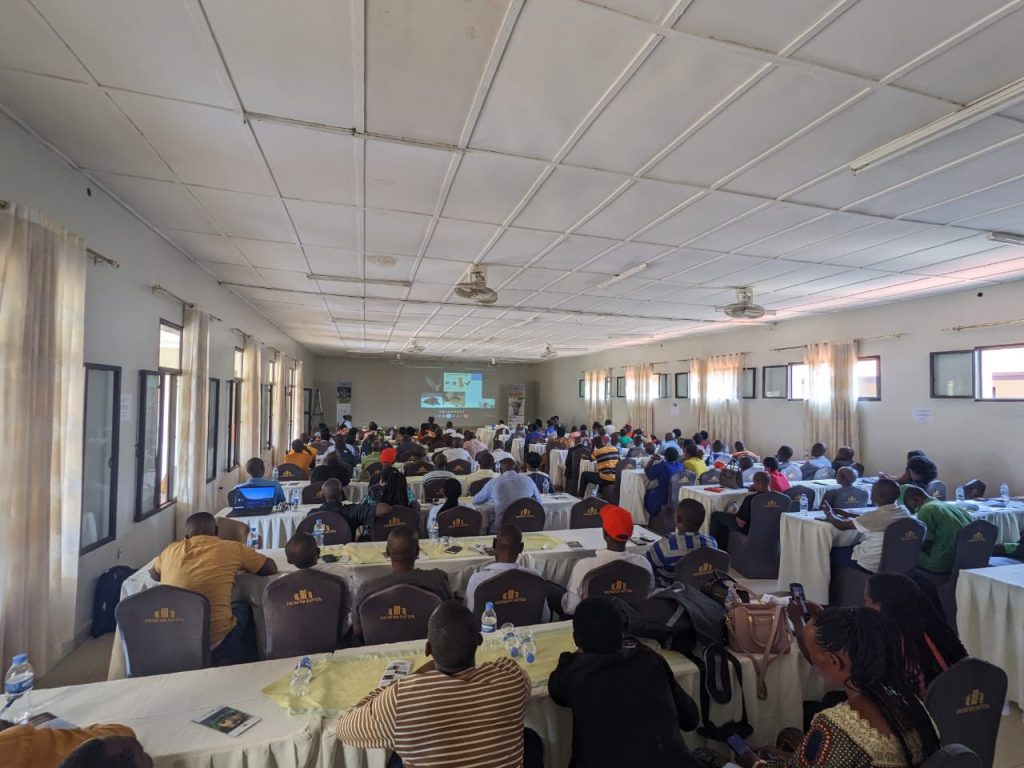Dr. Deo Ruhagazi, Deputy Chief Executive Officer of RWCA, said the training aimed to help communities understand how to safely coexist with bats rather than fear or kill them.
“We trained participants from local government structures, community health workers and security institutions. Our goal was to help them understand bat behavior, the potential disease risks associated with wildlife, and how to protect themselves without harming bats,” he said.
He explained that Rwamagana was selected because previous mapping conducted during the Marburg virus preparedness and response identified parts of the district as high-risk zones where human activities overlap with bat habitats.
According to Dr. Ruhagazi, abandoned illegal mining tunnels have become important bat roosting sites, increasing the likelihood of human-bat contact.
He said, “People should not assume that every bat carries disease or that bats should be killed whenever they are seen. Killing or disturbing bats harms biodiversity, and stressing wildlife can increase the likelihood of disease transmission by affecting how viruses behave.”
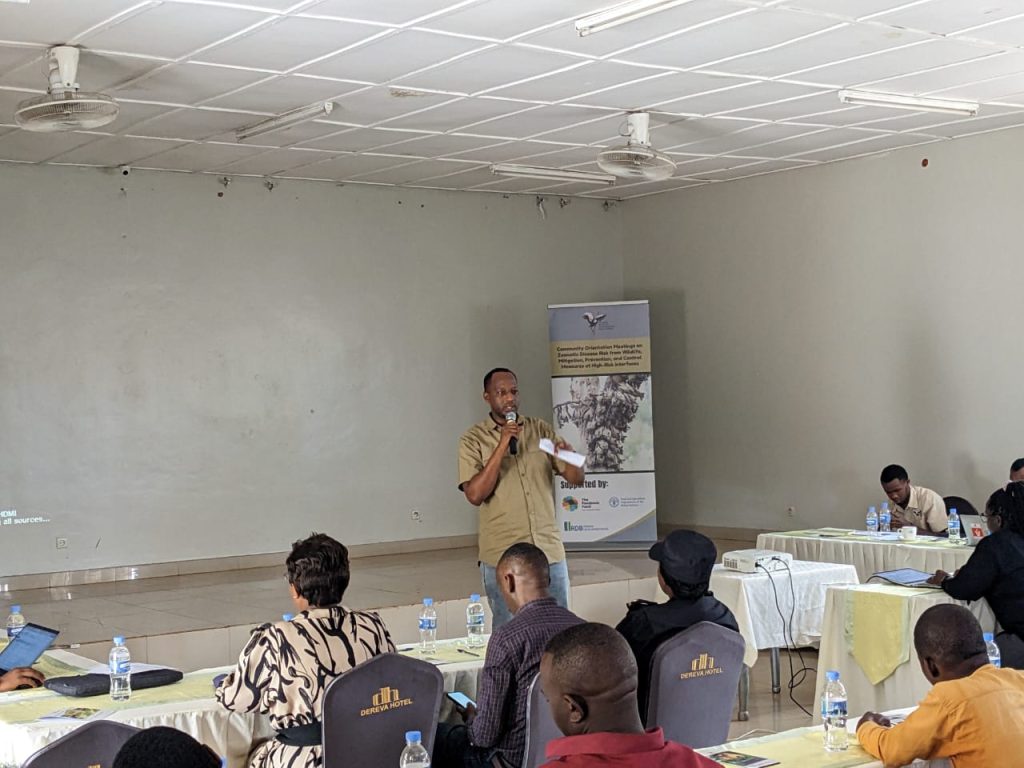***Richard Muvunyi, Head of Wildlife Health and Research Coordination at RDB.***Richard Muvunyi, Head of Wildlife Health and Research Coordination at RDB, emphasized that protecting biodiversity is closely linked to protecting human health under Rwanda’s One Health approach.
“Bats naturally coexist with microorganisms, but they do not pose a risk to people unless humans interfere with them or come into unsafe contact with them,” he said.
He advised residents to seal openings that allow bats into homes and avoid attempting to catch or kill them if they enter buildings.
“If bats enter your house, allow them to leave naturally at night and then close the openings they used. If necessary, seek guidance from local authorities or trained personnel rather than handling the animals yourself,” he said.
Muvunyi also warned against entering caves inhabited by bats, noting that some people visit caves for religious activities, unknowingly exposing themselves to potential health risks.
He further discouraged the use of bat droppings as fertilizer, saying they may contain disease-causing organisms, and advised anyone cleaning bat droppings or dead bats to wear appropriate protective equipment.
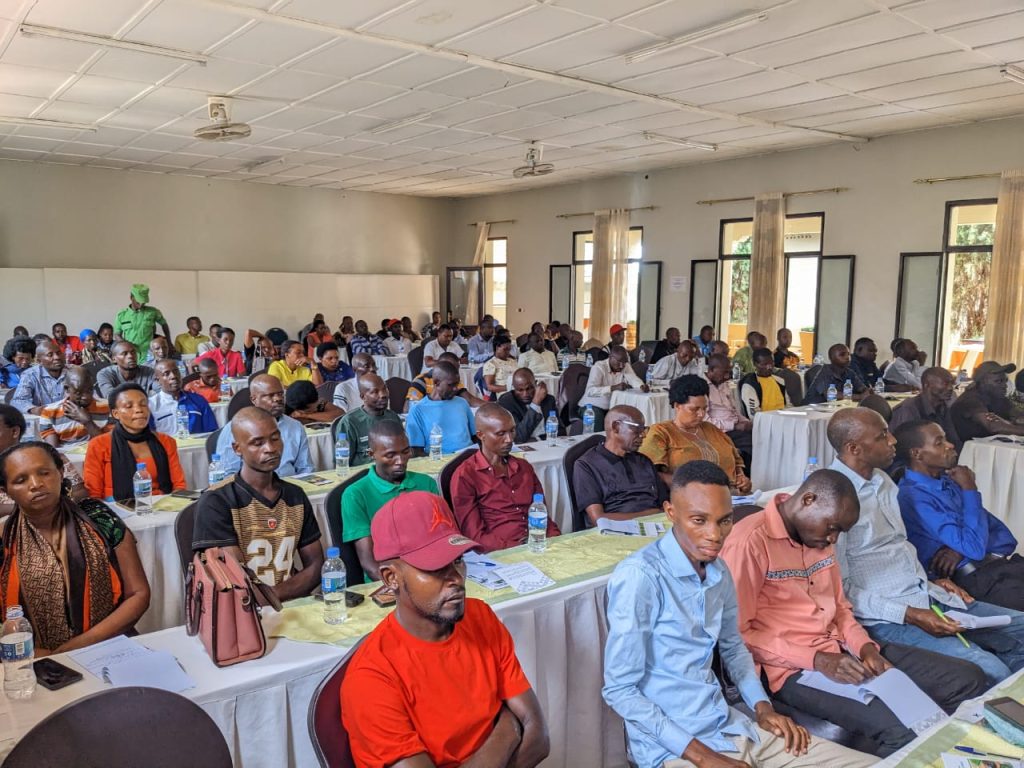Jean De Dieu Niyitanga, Veterinary Officer for Rwamagana District, said misconceptions about bats remain widespread among local communities.
“Many people see bats as enemies. Some cut down trees where bats roost or even burn their habitats. There are also cultural beliefs that bats bring bad luck,” he said.
He said increasing public awareness of bats’ ecological importance would help communities appreciate their value instead of fearing them.
Niyitanga noted that Rift Valley Fever remains one of the district’s most significant livestock diseases, with outbreaks recurring periodically and affecting both animal health and local businesses.
“The district is currently under restrictions because of Rift Valley Fever. The last major outbreak was in 2022,” he said.
He said prevention measures include protecting livestock from mosquitoes and encouraging farmers to improve animal health through proper husbandry.
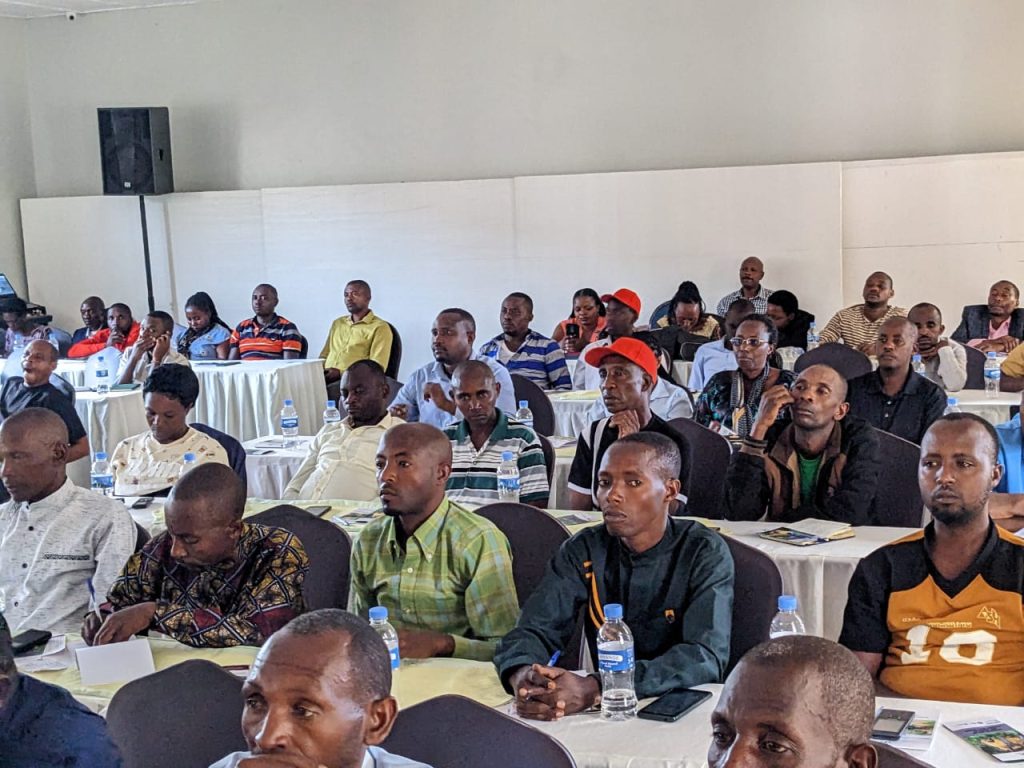Charles Karangwa, Agronomist for Gahengeri Sector, said the training highlighted practical ways communities can reduce disease risks while respecting wildlife.
He urged residents not to consume fruits that have been partially eaten or scratched by bats or other wild animals, and to avoid eating fruits that have fallen beneath trees frequented by bats.
“If this knowledge reaches everyone, from children to adults, it will help communities protect both their own health and biodiversity,” he said.
RWCA says Rwanda is home to over 54 bat species, many of which play critical ecological roles.
According to the International Union for Conservation of Nature (IUCN), bats have existed for more than 50 million years and, with over 1,500 species, represent the world’s second-largest order of mammals.
They provide essential ecosystem services by controlling insect pests, pollinating plants and dispersing seeds. Insect-eating bats can consume up to 8,000 mosquitoes and other small insects in a single night, helping reduce agricultural pests and mosquito-borne diseases such as malaria. Fruit bats also pollinate crops such as mangoes and avocados while dispersing seeds that support forest regeneration.
Research further shows that bats pollinate more than 300 species of fruit-bearing plants worldwide, making them indispensable to healthy ecosystems despite being among the world’s least studied mammals.
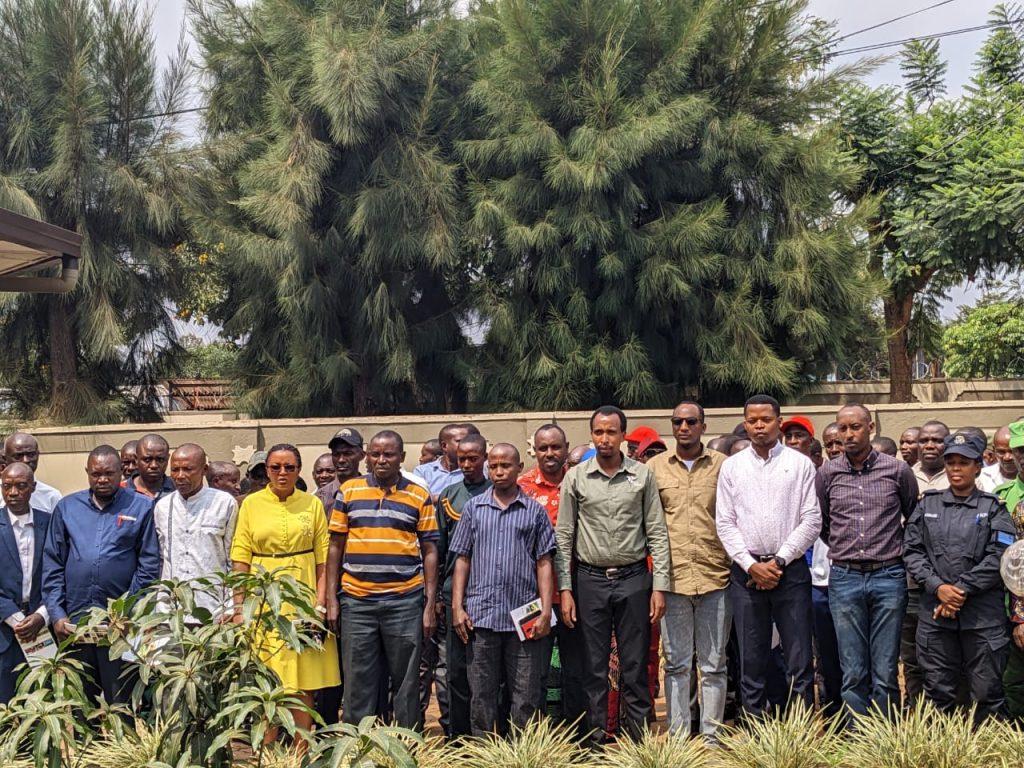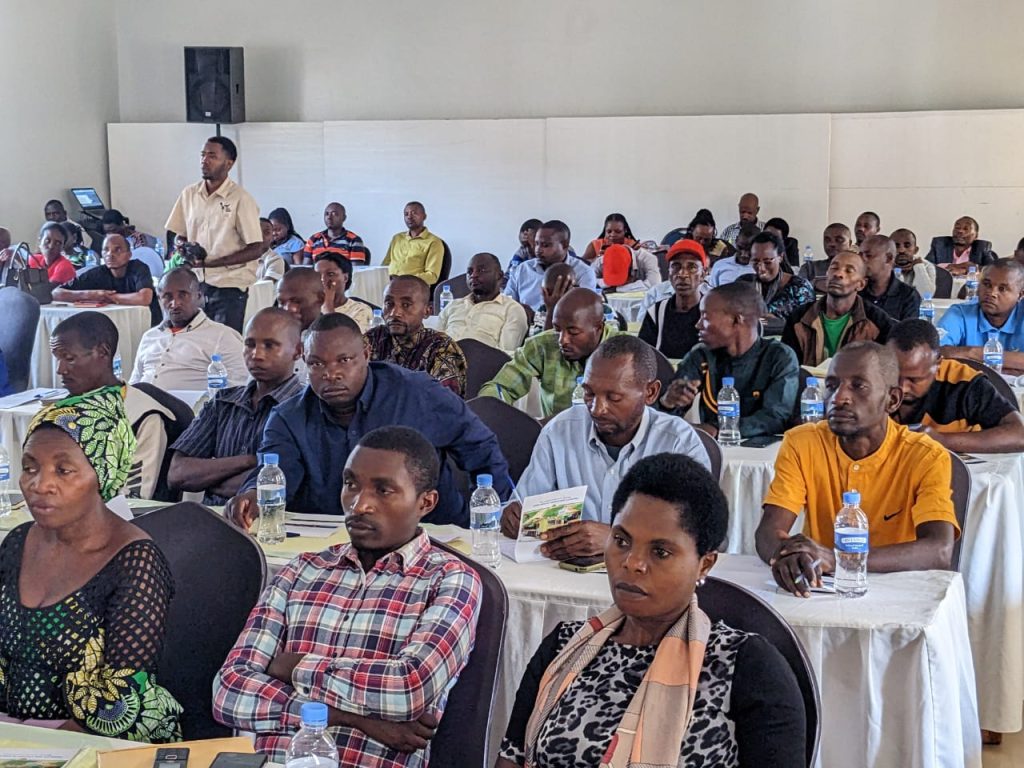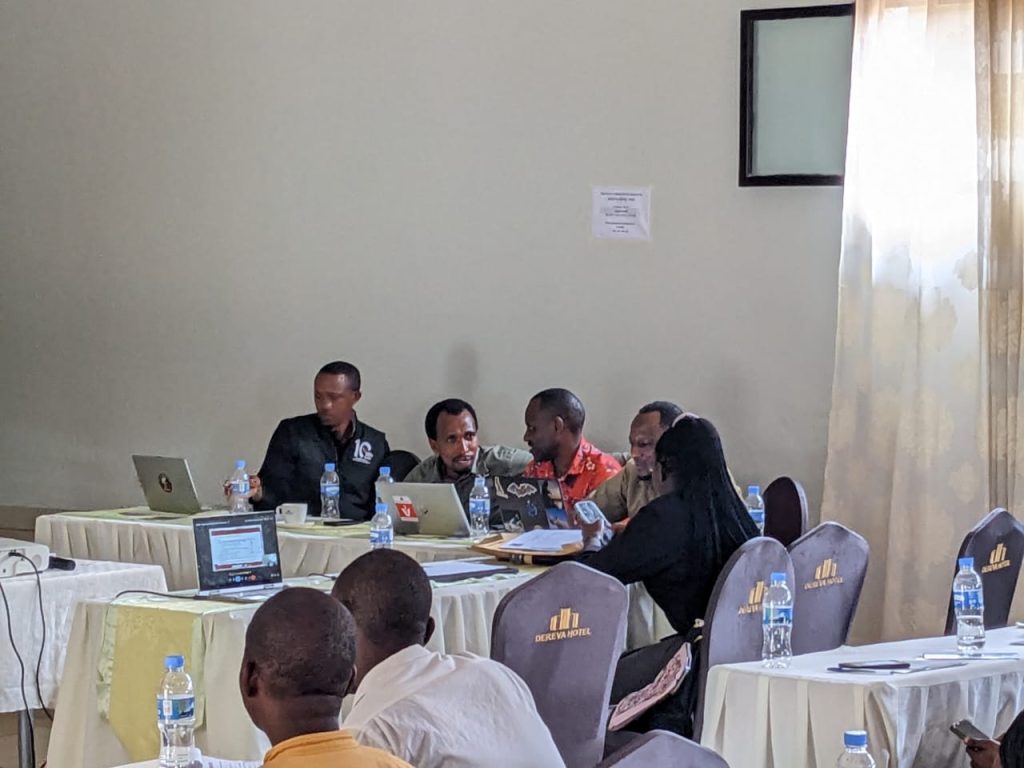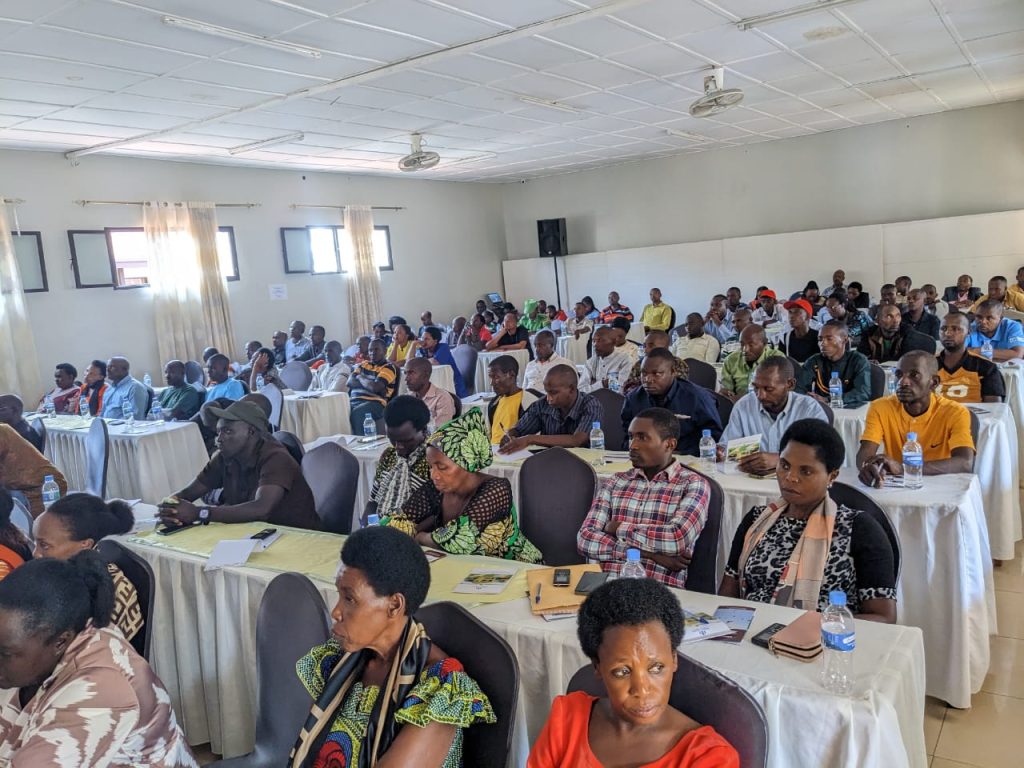
SUBSCRIBE TO OUR NEWSLETTER
First name or full name
Email
By continuing, you accept the privacy policy
**Categories:** Environment, HEALTH
---
### [Kivu Belt Water Supply Project Reaches Key Milestone with Completion of Karongi Treatment Plant](https://www.topafricanews.com/2026/07/22/kivu-belt-water-supply-project-reaches-key-milestone-with-completion-of-karongi-treatment-plant/)
**Published:** July 22, 2026
**Author:** TOPAFRICANEWS
**Content:**
**Karongi:** Construction of the Water Treatment Plant has been successfully completed, marking a major milestone in expanding access to safe and reliable water in Rwanda’s Western Province.
With a treatment capacity of 13,000 cubic metres per day, the plant has commenced supplying clean water to residents across Karongi District, particularly in the Rubengera and Bwishyura sectors.
The facility is the first phase of the Kivu Belt Water Supply System project, which is expected to provide safe drinking water to more than 130,000 residents.
Beyond improving household access to clean water, the project will also strengthen service delivery for health facilities, schools, hotels, businesses, and other public institutions, supporting improved public health and socio-economic development.
The Government of Rwanda remains committed to expanding access to safe drinking water and ensuring sustainable water, sanitation, and hygiene (WASH) services for all Rwandans.

SUBSCRIBE TO OUR NEWSLETTER
First name or full name
Email
By continuing, you accept the privacy policy
**Categories:** Development Trends, NEWS
---
### [Starlink puts private aviation connectivity in the spotlight](https://www.topafricanews.com/2026/07/22/starlink-puts-private-aviation-connectivity-in-the-spotlight/)
**Published:** July 22, 2026
**Author:** TOPAFRICANEWS
**Content:**
High-speed onboard connectivity is moving from a premium extra towards an expected part of the private aviation experience, particularly as passengers grow used to being always connected.
The shift is being accelerated by technologies such as Starlink, the satellite internet service developed by SpaceX, which provides high-speed, low-latency connectivity. In aviation, it is increasingly being used to improve the onboard internet experience for passengers who want to work, communicate, stream content or join live meetings during flights.
Reuters reported this month that Starlink had signed 11 new airline customers during the year and had contracts covering more than 7,000 aircraft, highlighting how quickly high-speed satellite connectivity is moving from a niche feature towards a mainstream passenger expectation.
**Connectivity becomes part of the aircraft selection conversation**
Several operators are already adopting advanced connectivity systems and positioning them as a selling point. Across the wider private aviation market, onboard connectivity is increasingly becoming part of how operators present the premium passenger experience, particularly on longer international journeys.
At the same time, adoption across the wider market is not instant. Installation requirements, aircraft certification processes and operator-specific fleet planning can all affect how quickly high-speed connectivity becomes available across different aircraft types.
For Chapman Freeborn, this reflects a broader shift in how premium passengers think about the onboard experience. While demand for Starlink and similar high-speed connectivity solutions is still developing in the IMEA region, the topic is becoming more relevant among clients who rely on private aviation for business travel, VIP movements and longer international journeys.
**From added convenience to expected standard**
“People have become used to being always connected. As more scheduled airlines offer onboard connectivity, clients increasingly expect the same level of service when flying privately,” said Claudia Krajhanzl, Vice President Passenger – IMEA at Chapman Freeborn.
“For now, high-speed connectivity is not yet available across every private aircraft, but it is fast moving towards becoming an expected standard, especially on long-haul flights. Demand is currently stronger on long-haul flights than on shorter regional sectors, where connectivity may be less decisive.”
**What it means for charter clients**
For business travellers in particular, reliable connectivity can support productivity in the air, allowing passengers to stay in contact with teams, join live meetings, manage urgent decisions and continue working throughout the journey.
For charter specialists such as Chapman Freeborn, this means connectivity is becoming part of the aircraft selection conversation, alongside range, cabin size, routing, availability and service standards. While it may not yet be the deciding factor for every journey, it can influence client preferences on longer flights where productivity, communication and passenger comfort matter most.

SUBSCRIBE TO OUR NEWSLETTER
First name or full name
Email
By continuing, you accept the privacy policy
**Categories:** NEWS
---
### [Spiro Rwanda Bets on Affordability, Innovation and Battery Swapping to Accelerate Electric Mobility](https://www.topafricanews.com/2026/07/22/spiro-rwanda-bets-on-affordability-innovation-and-battery-swapping-to-accelerate-electric-mobility/)
**Published:** July 22, 2026
**Author:** DUSABEMUNGU Ange de la Victoire
**Content:**
As Rwanda continues to position itself as a regional leader in sustainable transport, electric motorcycles are rapidly transforming the country’s commercial mobility sector. Spiro Rwanda, one of Africa’s leading electric mobility companies, has played a significant role in this transition through affordable electric motorcycles, an expanding battery-swapping network, and digital technologies designed specifically for African riders.
In this exclusive interview with **TOP AFRICA NEWS**, **Amit Chawla, Managing Director of Spiro Rwanda**, explains how the company is making electric mobility more accessible and cost-effective for riders, addressing concerns around battery availability, expanding its battery-swapping infrastructure, investing in local assembly and technical skills, and introducing innovations that will shape the future of clean transportation in Rwanda and across Africa.
***Spiro mega station, Kigali***
| **How is Spiro tailoring its electric motorcycles and digital solutions to meet the specific needs and affordability requirements of Rwandan consumers?** Our approach is simple: the right product, for the right market, at the right price. We design our motorcycles for African riders and operating conditions rather than importing models built for other markets. Affordability is central to that strategy: our electric motorcycles start from around USD 1000, while operating costs are typically 20–40% lower than petrol alternatives, allowing riders to save USD 1–2 per day. Beyond the vehicle itself, we have built a complete digital and energy ecosystem. Our IoT Hub gives riders real-time monitoring of battery performance and connects data across batteries, stations and chargers, while Spiro Maps provides 3D navigation that helps riders locate nearby swap stations and lets local businesses list themselves to attract traffic. In Rwanda, that combination is working, electric now represents around 90% of motorcycle sales, and we hold close to 90% of that. **What concrete steps is Spiro taking to expand battery-swapping infrastructure to ensure it is as accessible and convenient as traditional refueling for everyday riders?** The comparison with refuelling is exactly the standard we hold ourselves to. A rider deposits an empty battery, leaves with a full one, and pays instantly online, in 2 minutes. Spiro is expanding and strengthening its battery-swapping network across Rwanda. Spiro Rwanda has deployed more than 28,000 electric motorcycles supported by more than 350 battery-swapping stations. In Kigali, we are developing Mega Stations in high-demand areas. These facilities offer greater charging and swapping capacity and are intended to reduce congestion, shorten waiting times and improve battery availability. The mega stations can charge 300-700 batteries at a go. So far, we have already launched 6 mega stations. We are also improving the distribution of batteries across stations and monitoring demand at each location. Our goal is to make battery swapping faster, more predictable and increasingly as convenient as traditional refuelling. **We have noted some past complaints from clients regarding battery range or station availability; could you detail how these concerns are being addressed and what percentage of these issues have been successfully resolved?** Over the past few years, Spiro has worked to perfect its product offer and develop a sustainable battery as a service model. We have witnessed strong enthusiasm for EV mobility: once ICE riders try EV and overcome anxiety range, they are convinced by our products. Being able to respond to the enthusiasm and vote of confidence of our riders is one of the key drivers of our last funding round. Creating new battery swapping stations requires a high amount of investment to finance these heavy infrastructures. We are working to expand further the number of stations in our 7 markets while pursuing our aggressive innovation strategy, relying in particular on our R&D teams in India and Africa. We will unveil new products within the upcoming months and are working on innovative partnerships around batteries performances. **How do Spiro’s locally assembled motorcycles contribute to lower maintenance costs and better long-term value for Rwandan commercial riders?** Local assembly matters for a rider’s wallet in two concrete ways. First, spare parts: our Ekon series offers spares up to 35% more affordable than comparable alternatives, and because we assemble locally and continue to increase local value creation across Africa, parts are closer to riders and less exposed import costs and supply-chain disruptions. Second, serviceability: a bike is only a good long-term asset if it can be maintained, which is why we’ve invested heavily in after-sales support and technician training. Through Spiro Academy and partnerships with local institutions, more than 4,000 people were trained across Africa in 2025 alone in areas such as EV maintenance and battery management. For a commercial rider, that means lower running costs, typically around 30% lower than petrol alternatives, less downtime and a vehicle that delivers strong long-term value because it can be serviced quickly and reliably. **Beyond environmental impact, what financial incentives or consumer-focused programs are in place to encourage a faster transition from petrol to electric motorcycles?** The financial case is the strongest incentive we have. Buying an ICE bike in many markets means high financing costs because lenders cannot easily track or recover the asset. An electric bike is connected and trackable, allowing riders to repay through small daily installments linked to usage rather than a large monthly payment. This significantly reduces financing risk and helps make ownership more accessible. On top of that, our bikes cost less upfront and cut total cost of ownership by 20 to 40%, saving one to two dollars a day. We also build programmes around economic empowerment. Riders who save enough can buy additional bikes, start a franchise, or invest in our service stations and dealerships – turning a rider into an entrepreneur. And in Rwanda specifically, we signed a Memorandum of Understanding with Entrepreneurial Solutions Partners to launch the Women in E-Mobility initiative, which expands women’s access to electric motorbikes, financing solutions, technical training and entrepreneurship support. Our focus is therefore to combine affordable energy access, a dependable swapping network and accessible customer support. **Based on consumer feedback in Rwanda, what upcoming innovations can customers expect to see that will further improve the user experience and reliability of electric mobility?** Our immediate priorities are to expand high-capacity Mega Stations, improve battery availability and strengthen demand-based battery distribution across the network. We are also improving digital monitoring of battery performance, station demand and service requirements. This should help our teams identify problems earlier and respond more quickly. Customer feedback will continue to guide improvements in motorcycle performance, customer support and after-sales service. Our goal is not simply to increase the number of electric motorcycles on the road, but to build a dependable mobility system that riders can trust every day. We have just acquired Coexlion, a top-tier UK-based EV engineering firm, and we are setting up our first dedicated African engineering hub in Kenya, which means our R&D goes specifically toward designing vehicles that better reflect African riders needs and operating conditions. |
|---|

SUBSCRIBE TO OUR NEWSLETTER
First name or full name
Email
By continuing, you accept the privacy policy
**Categories:** Business and Trade, CLIMATE CHANGE
---
### [After Losing Her Sight, UWASE Aisha Regains Hope for the Future at Masaka Resource Centre for the Blind](https://www.topafricanews.com/2026/07/22/after-losing-her-sight-uwase-aisha-regains-hope-for-the-future-at-masaka-resource-centre-for-the-blind/)
**Published:** July 22, 2026
**Author:** DUSABEMUNGU Ange de la Victoire
**Content:**
**MASAKA, Rwanda** – UWASE Aisha, a 25-year-old girl from Nyagatare District, says her life changed in ways she never imagined after suffering severe headaches that eventually caused her to lose her eyesight. However, since joining the **Masaka Resource Centre for the Blind**, she says she has regained hope and confidence for the future.
Aisha explains that she had just completed her secondary education in the Higher Education General (HEG) combination and was looking forward to pursuing higher studies and building her future. But losing her sight brought all her dreams to an abrupt halt.
> “It started with severe headaches, and before long, I realized I could no longer see. It was extremely difficult to accept because I felt like my life was over,” she recalls.
She says the three years she has lived with visual impairment have not been easy, especially during the early days when she struggled to accept her new reality and felt unable to interact with others or live independently.
> “At first, I fell into deep despair. I isolated myself and avoided people, even though I had just completed secondary school. I felt like I had no future.”
Determined to rebuild her life, Aisha eventually enrolled at the **Masaka Resource Centre for the Blind**, where she has spent more than five months receiving training that has helped restore her confidence and independence.
She says the centre has done far more than teach her how to read and write Braille. It has also equipped her with practical life skills and vocational training, including agriculture, cooking, and other livelihood skills that enable her to become self-reliant.
> “Since arriving here, I have realized that life goes on. I can now do many things on my own, and I have learned to read and write Braille.”
Aisha says that before joining the centre, she believed she would always depend on others for assistance. Today, she understands that people with visual impairments can live independently, work, and contribute meaningfully to their families and to the country’s development.
She has no intention of stopping where she is. Instead, she hopes to return to school and continue her education, pursuing the dream she has held since childhood of becoming a journalist.
According to Aisha, blindness should never be a barrier to achieving one’s dreams. She believes the knowledge, skills, and support she has received at the **Masaka Resource Centre for the Blind** have shown her that people with visual impairments can live independently, work productively, and make valuable contributions to society.

SUBSCRIBE TO OUR NEWSLETTER
First name or full name
Email
By continuing, you accept the privacy policy
**Categories:** ADVOCACY, EDUCATION
---
### [Rwanda Opens a New Chapter in Air Connectivity as SalamAir's First Flight Lands in Kigali](https://www.topafricanews.com/2026/07/22/rwanda-opens-a-new-chapter-in-air-connectivity-as-salamairs-first-flight-lands-in-kigali/)
**Published:** July 22, 2026
**Author:** LIBOS NDAYISHIMIYE
**Content:**
Rwanda has marked milestone in its drive to strengthen global connectivity after Oman’s low-cost carrier, SalamAir, successfully operated its inaugural direct flight from Muscat to Kigali.
The aircraft landed at Kigali International Airport on Tuesday, July 21, 2026, officially inaugurating a new direct air route expected to boost tourism, trade, investment, and business links between Rwanda and the Sultanate of Oman.
The arrival of SalamAir’s first flight signals the beginning of regular direct services between Kigali and Muscat, further expanding Rwanda’s growing network of international destinations and reinforcing Kigali’s position as one of Africa’s emerging aviation hubs.
Under its initial schedule, SalamAir will operate twice-weekly flights, with services running every Tuesday and Thursday. The new route is expected to offer travelers from both countries faster and more convenient access while creating new opportunities for business, leisure travel, and cultural exchange.
The direct connection is also anticipated to strengthen economic cooperation between Rwanda and Oman by facilitating the movement of investors, entrepreneurs, and tourists. Improved air connectivity is widely regarded as a key driver of trade and investment, making it easier for businesses to explore new markets and establish commercial partnerships.
For Rwanda’s tourism industry, the route opens an additional gateway to visitors from Oman and the wider Gulf region. The easier access is expected to increase the number of international tourists seeking to experience Rwanda’s unique attractions, including its world-renowned mountain gorillas, rich biodiversity, vibrant culture, and expanding meetings and conference sector.
The launch also reflects Rwanda’s continued commitment to positioning Kigali as a regional transport and business hub through expanded international aviation partnerships. In recent years, the country has attracted more international airlines as part of broader efforts to improve global accessibility and support economic growth.
For SalamAir, the Kigali route represents another important step in the airline’s international expansion strategy, extending its footprint into East Africa while offering passengers greater travel options across the region.

SUBSCRIBE TO OUR NEWSLETTER
First name or full name
Email
By continuing, you accept the privacy policy
**Categories:** Business and Trade, NEWS
---
### [Eurodia Secures €18 Million Investment to Accelerate Clean Industrial Growth](https://www.topafricanews.com/2026/07/21/eurodia-secures-e18-million-investment-to-accelerate-clean-industrial-growth/)
**Published:** July 21, 2026
**Author:** DUSABEMUNGU Ange de la Victoire
**Content:**
**PERTUIS, France** – **Eurodia Industrie**, a French company specializing in industrial liquid extraction and purification technologies, has secured an **€18 million minority investment** from **Starquest Capital** and **Yotta Capital Partners** to accelerate its expansion in the global energy and environmental transition markets.
The investment comes as Eurodia experiences rapid growth driven by increasing demand for industrial decarbonization solutions, larger-scale projects, and international expansion. The company said the funding will strengthen its financial capacity to scale up operations and deploy more industrial solutions that help reduce carbon emissions while improving resource efficiency.
Founded in **1988**, Eurodia develops tailor-made technologies that extract, separate, purify, concentrate, and recover valuable components from complex industrial liquids. Its solutions help industries reduce water consumption, energy use, chemical inputs, and greenhouse gas emissions, contributing to cleaner and more sustainable production processes.
The company’s technologies support several strategic sectors, including **Direct Lithium Extraction (DLE)**, lithium refining and recycling, industrial decarbonization, resource recovery, carbon capture, and biobased chemistry. These innovations are designed to improve industrial efficiency while supporting the global transition to a low-carbon economy.
Eurodia has recorded remarkable growth in recent years. Its annual revenue increased from approximately **€34 million in 2023** to **€80 million in 2025**, more than doubling within two years. The company has deployed over **450 industrial installations across more than 50 countries**, with international markets accounting for **80 percent** of its revenue.
According to **Mathieu Bailly**, President of Eurodia Industrie, the partnership represents a significant vote of confidence in the company’s vision and capabilities.
*“We are delighted to partner with Starquest Capital and Yotta Capital Partners, who share our group’s values and vision. This partnership will support our rapid growth while maintaining the excellence, innovation and professional approach that have earned Eurodia its reputation with clients over many years,”* he said.
**Mathilde Andrier**, Investment Director at Starquest Capital, said Eurodia has demonstrated the effectiveness of its advanced technologies in addressing industrial decarbonization challenges and believes the company is well positioned to play a critical role in supporting the global energy transition.
Meanwhile, **Vincent Deltrieu**, Managing Partner at Yotta Capital Partners, described Eurodia as an example of the type of industrial company capable of combining strong business growth with measurable environmental impact.
He said the investment will help accelerate the company’s expansion into rapidly growing markets while supporting the decarbonization and transformation of industry.
The investment is backed by two French investment firms focused on sustainable development. Both Starquest Capital and Yotta Capital Partners invest through **Article 9 funds** under the European Union’s Sustainable Finance Disclosure Regulation (SFDR), the highest sustainability classification for investment funds.
With the new financing, Eurodia plans to expand its international footprint and continue developing innovative industrial technologies that enable companies to reduce their environmental impact while improving operational efficiency, reinforcing its position as a key player in the global transition toward cleaner and more sustainable industries.

SUBSCRIBE TO OUR NEWSLETTER
First name or full name
Email
By continuing, you accept the privacy policy
**Categories:** Business and Trade
---
### [A New Season of Hope for Farmers in Rulindo and Rutsiro](https://www.topafricanews.com/2026/07/21/a-new-season-of-hope-for-farmers-in-rulindo-and-rutsiro/)
**Published:** July 21, 2026
**Author:** TOPAFRICANEWS
**Content:**
For years, farmers in Rwanda’s Rulindo and Rutsiro districts lived at the mercy of the weather. When rains delayed or ended too soon, crops failed, harvests dwindled, and household incomes suffered. As climate change intensified these challenges, many farmers struggled to produce enough food and earn a reliable living.
To help communities adapt, ARCOS, with support from the Danish Outdoor Council (DOC) through CISU, implemented the **Climate Change Adaptation Modality (CCAM) Project**. The project was designed to strengthen climate resilience through climate-smart agriculture, ecosystem restoration, environmental education, and sustainable livelihood opportunities.
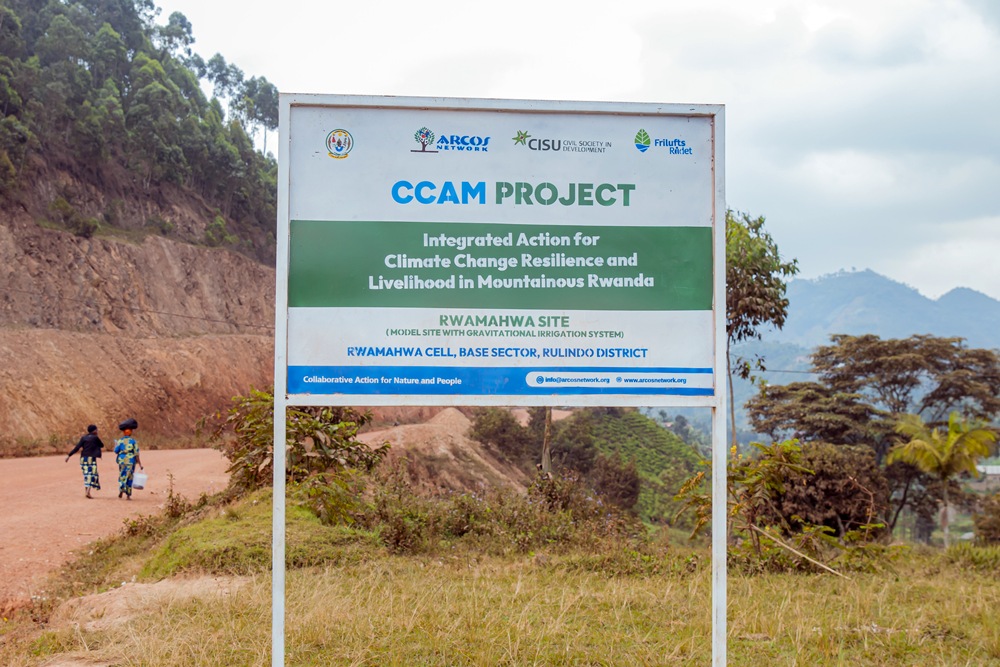Among its most transformative achievements was the construction of two irrigation systems, one in Rulindo District and another in Rutsiro District.
By providing reliable access to water, the systems reduced farmers’ dependence on increasingly unpredictable rainfall and enabled year-round cultivation.
Alongside the irrigation infrastructure, farmers received improved seeds, agricultural inputs, and training in climate-smart farming practices.
*“The irrigation systems established in Rulindo and Rutsiro are more than physical infrastructure; they are lifelines for communities that previously depended entirely on unreliable rainfall. Today, farmers can grow crops throughout the year and plan their farming activities with greater confidence,”* says **Marie Eudoxie Ishimwe, Project Manager of the CCAM Project**.
For **Bambuzurwaho Lazarus**, a farmer from Mushonyi Sector in Rutsiro District, the project has been life changing.
Before the installation of the gravity-fed irrigation system, his farming activities were largely dependent on rainfall, making every season uncertain. Today, he grows cabbages and other vegetables throughout the year and has seen a remarkable increase in both production and income. From a single harvest, he earned **RWF 450,000**, compared to about **RWF 100,000** in previous seasons.
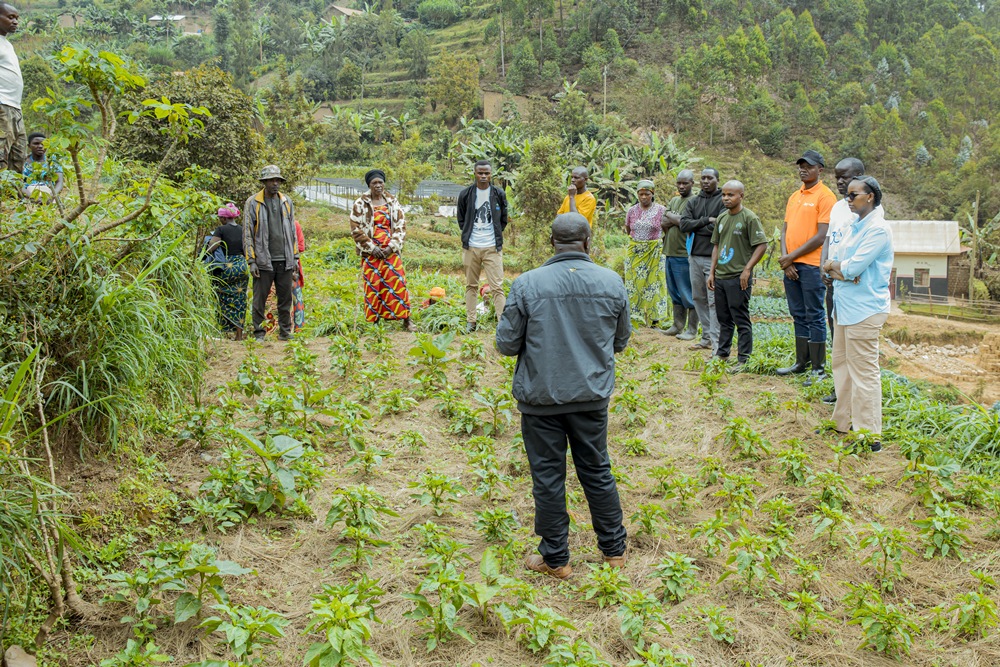*“The project changed the way we farm. We received quality seeds, learned climate-smart farming techniques, and gained access to irrigation. Even during dry periods, our crops remain healthy,”* says Razaro.
*“For many years, we farmed with fear because we depended entirely on rain. Now, I have water when I need it. My harvests are better, my income has increased, and I can support my family’s needs with confidence.”*
Stories like Lazarus’ can be found across the project’s intervention areas. Through local Friends of Nature Associations, farmers have learned how to improve soil fertility, conserve water, diversify crops, and adopt sustainable farming techniques that increase productivity while protecting natural resources.
The project has also supported ecosystem restoration efforts and environmental education through the Eco-Schools approach, helping communities and students become active participants in climate action and sustainable resource management.
According to **Marie Eudoxie Ishimwe**, the project’s success lies in its integrated approach.
*“The CCAM Project was designed to help communities move beyond simply coping with climate change to actively building resilience. By combining irrigation infrastructure, climate-smart agriculture training, improved seeds, and ecosystem restoration, we have enabled farmers to produce more food, increase their incomes, and better prepare for future climate challenges.”*
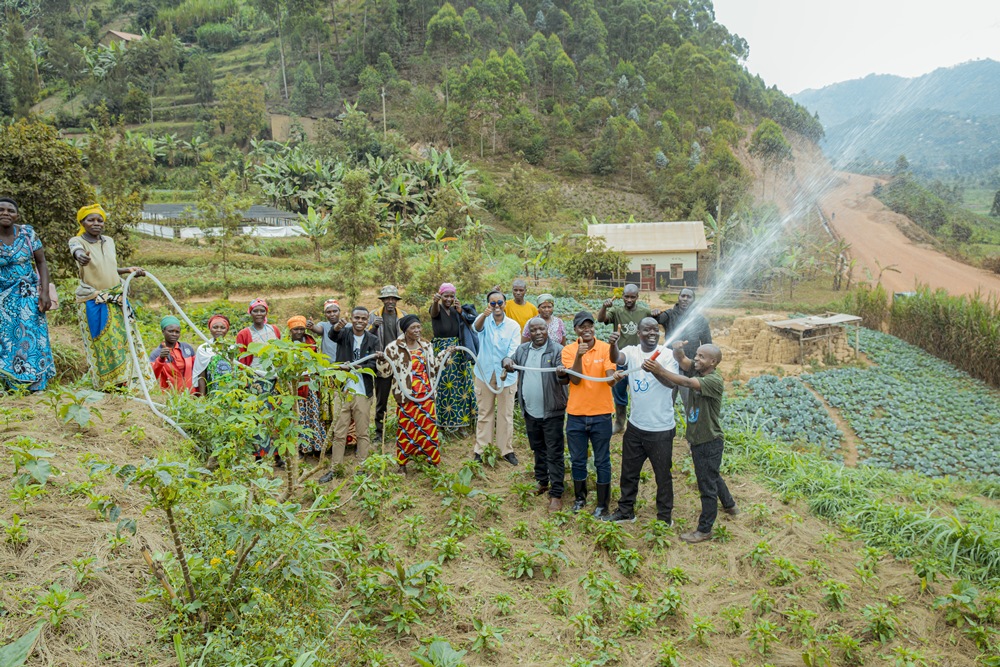Today, the green fields of Rulindo and Rutsiro stand as a testament to what is possible when communities are equipped with the right tools, knowledge, and support. Where uncertainty once prevailed, farmers are harvesting not only healthier crops but also greater confidence in the future.
*“What we are witnessing is not only increased agricultural production but also strengthened resilience. Communities are becoming more confident, more self-reliant, and better equipped to face the impacts of climate change,”* concludes **Marie Eudoxie Ishimwe**.
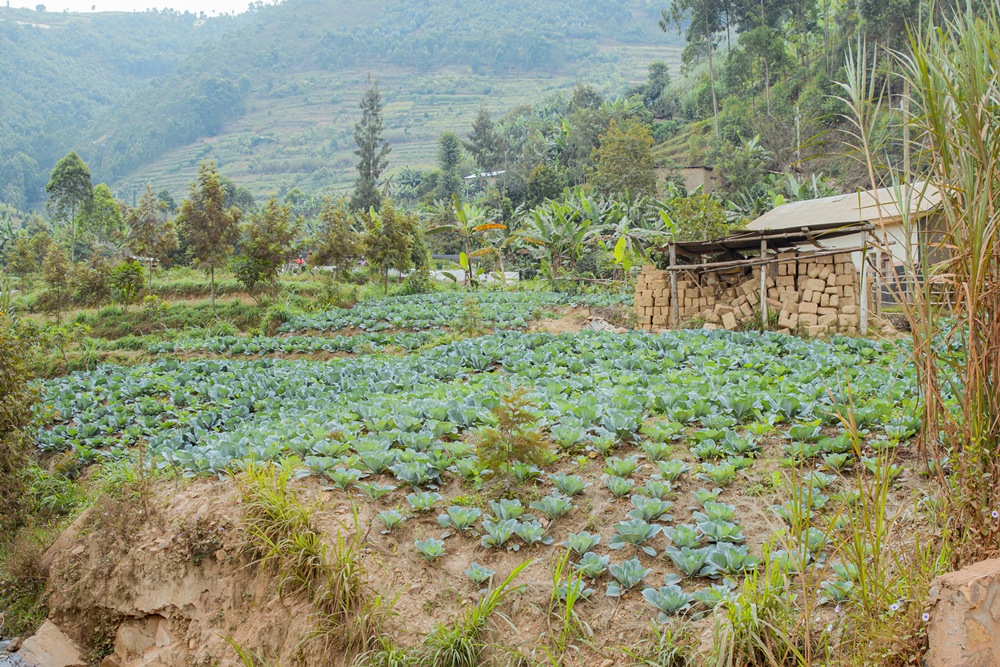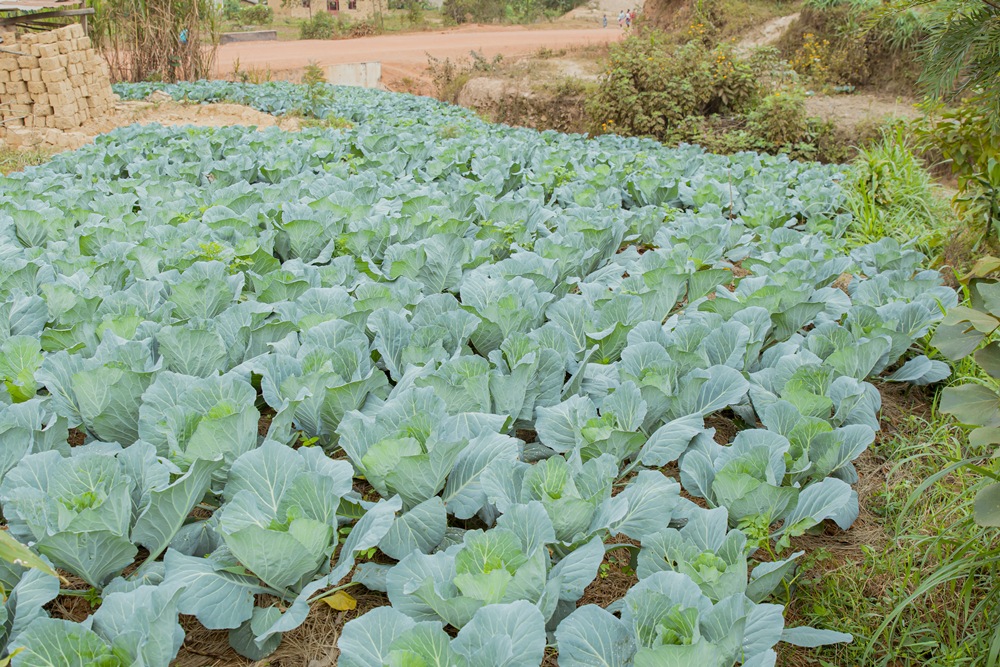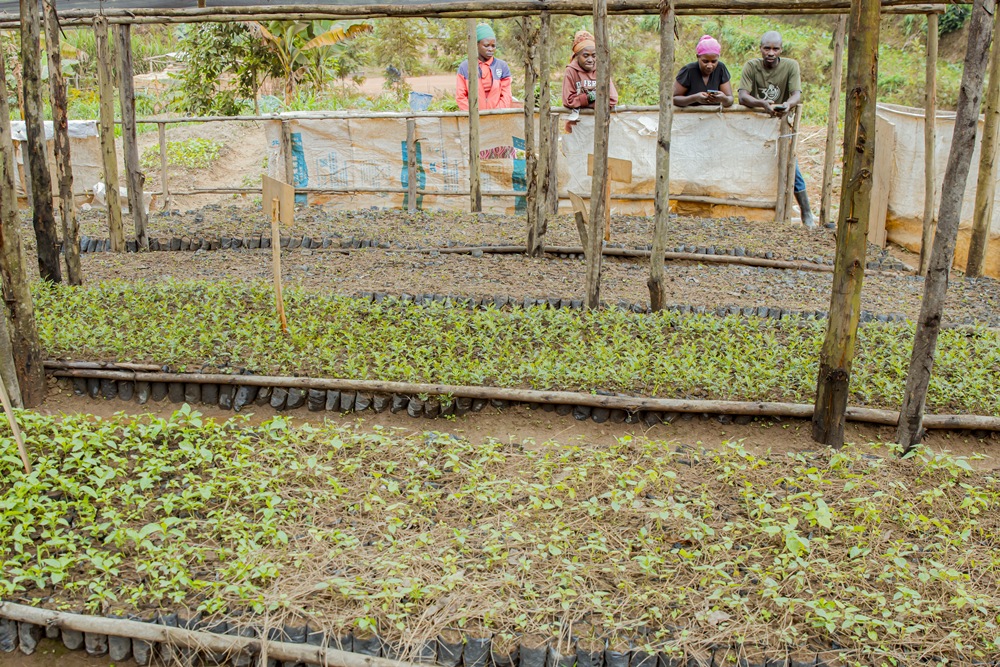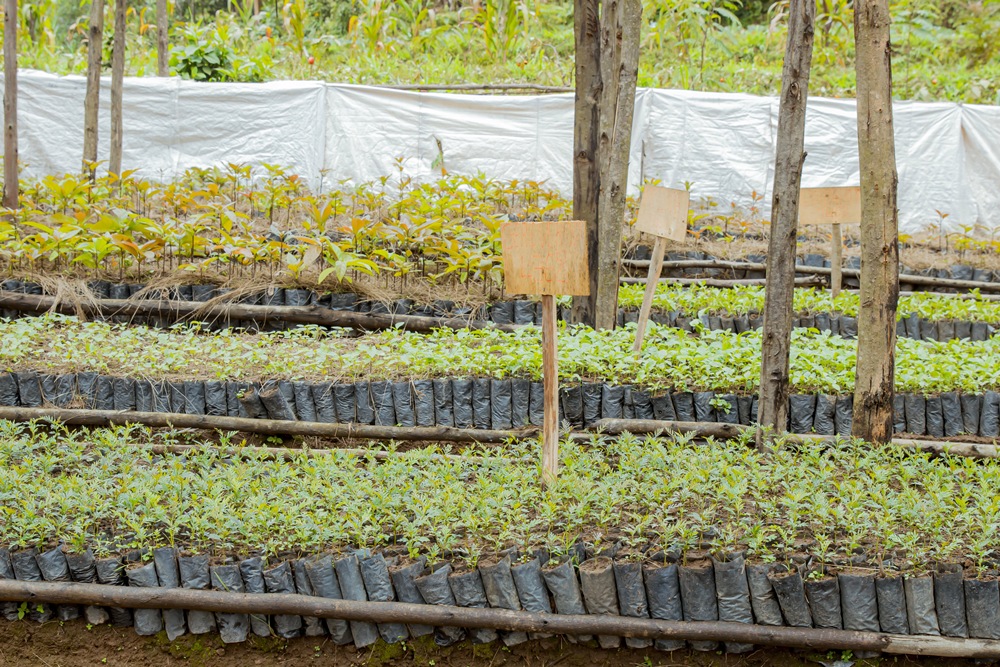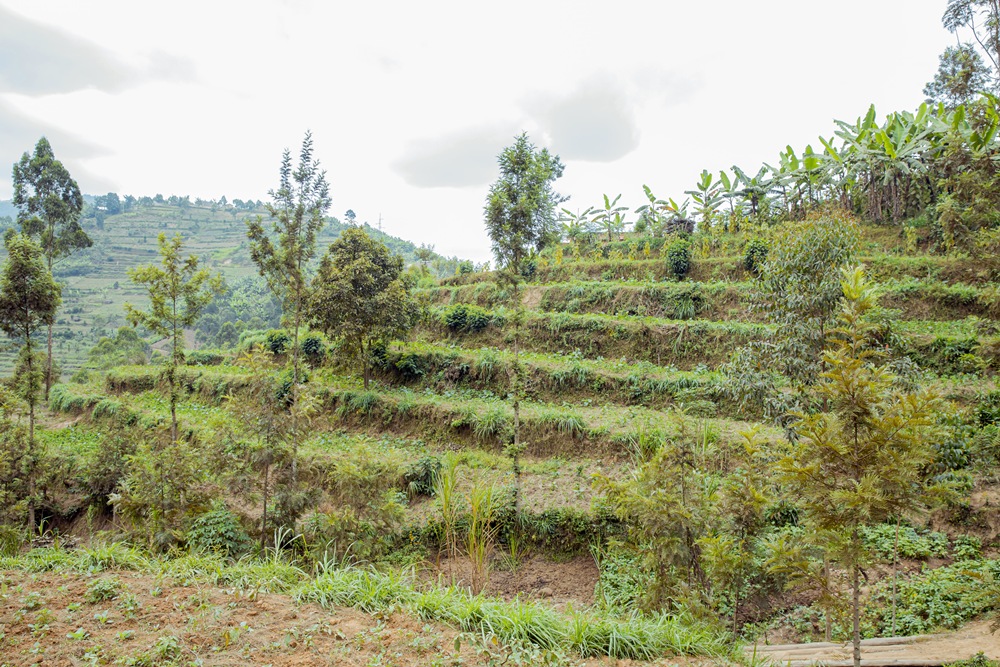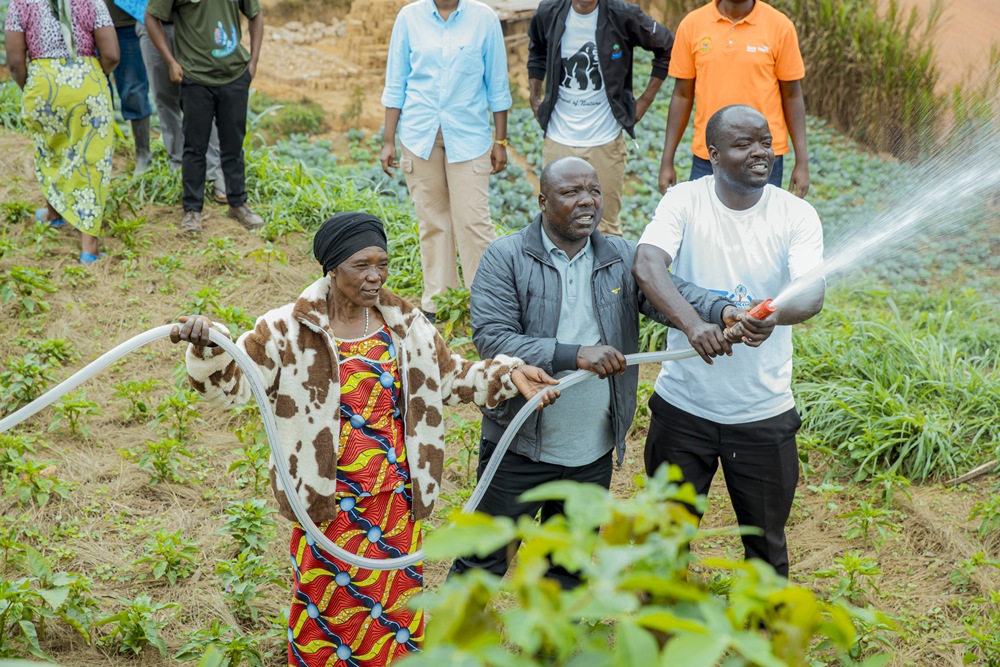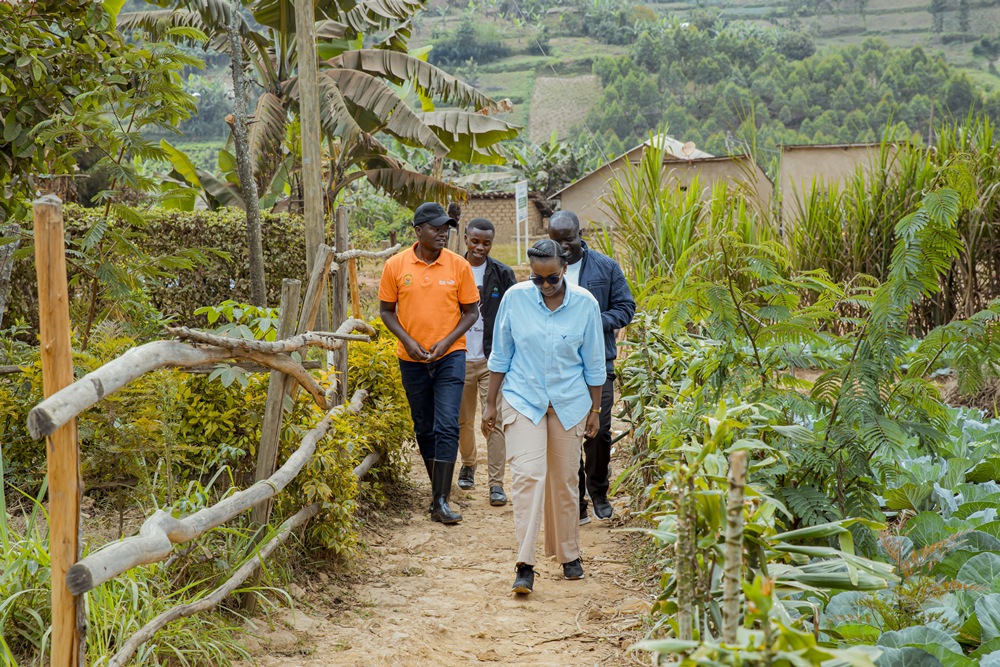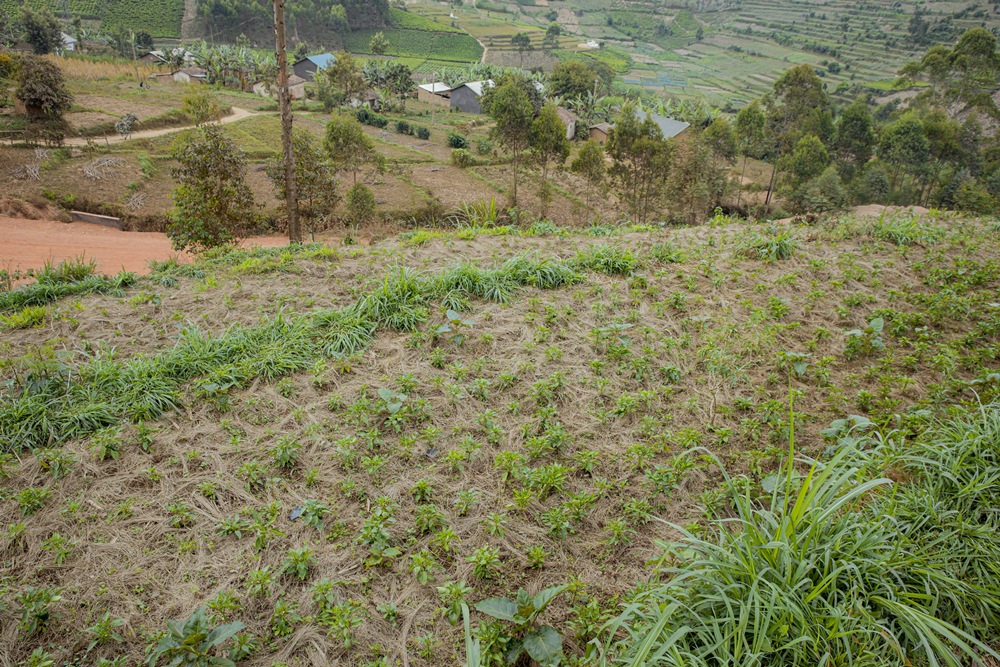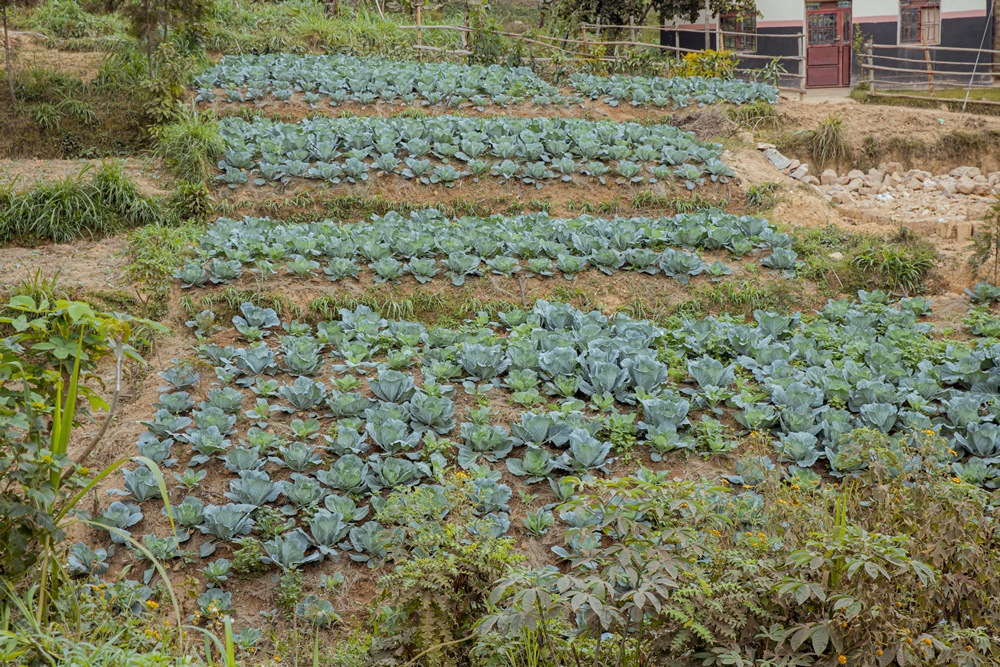
SUBSCRIBE TO OUR NEWSLETTER
First name or full name
Email
By continuing, you accept the privacy policy
**Categories:** Climate / Agriculture Evolution, Natural Resources and Agriculture
---
### [EAC to Launch Regional Virus Research Centre in Uganda to Strengthen East Africa’s Health Security](https://www.topafricanews.com/2026/07/21/eac-to-launch-regional-virus-research-centre-in-uganda-to-strengthen-east-africas-health-security/)
**Published:** July 21, 2026
**Author:** LIBOS NDAYISHIMIYE
**Content:**
The East African Community (EAC) is set to officially launch a Regional Virus Research Centre in Uganda, marking a major milestone in strengthening the region’s capacity to detect, prevent and respond to emerging infectious diseases. The facility, designed as a model research hub for East Africa, is expected to play a critical role in advancing scientific innovation, disease surveillance and public health preparedness.
The official launch is scheduled for July 22, 2026, in Entebbe, Uganda, and will represent a significant step toward building stronger regional systems for managing health emergencies, including viral outbreaks and other public health threats.
The establishment of the centre comes at a time when countries across Africa continue to emphasize the importance of strengthening local research capacity and reducing reliance on external support during health crises. Through advanced scientific research, laboratory capacity and regional cooperation, the facility is expected to improve the speed at which the region identifies and responds to emerging viruses.
The EAC Regional Virus Research Centre will serve as a platform for collaboration among scientists, health institutions and researchers from member states, enabling the sharing of knowledge, data and expertise in infectious disease prevention and control.
The centre is also expected to support the development of innovative solutions through research on viruses, strengthen laboratory networks and contribute to improved disease surveillance systems across East Africa.
Health experts have consistently emphasized that early detection and rapid response are among the most effective ways to limit the impact of epidemics. By investing in research infrastructure and scientific expertise, the region aims to create a stronger defence system against future health emergencies.
The initiative reflects the EAC’s broader commitment to regional integration, where cooperation extends beyond trade and economic development to include shared responses to challenges affecting citizens’ well-being.
The new research centre in Uganda is expected to become a cornerstone of East Africa’s public health strategy by supporting evidence-based decision-making, strengthening preparedness mechanisms and promoting scientific collaboration among countries in the region.

SUBSCRIBE TO OUR NEWSLETTER
First name or full name
Email
By continuing, you accept the privacy policy
**Categories:** HEALTH, NEWS
---
### [Bill Gates Visits Kigali Genocide Memorial](https://www.topafricanews.com/2026/07/20/bill-gates-visits-kigali-genocide-memorial/)
**Published:** July 20, 2026
**Author:** Mutangana Emmanuel
**Content:**
**Kigali, Rwanda — July 20, 2026** — American billionaire and philanthropist Bill Gates visited the Kigali Genocide Memorial on Monday, paying tribute to the victims of the 1994 Genocide against the Tutsi.
During the visit, Gates laid a wreath at the mass grave where more than 250,000 victims are buried.
He toured the memorial’s exhibits, learning about how the genocide was planned and carried out, as well as Rwanda’s subsequent journey of recovery, national unity, and resilience.
The stop at the memorial is part of Gates’ ongoing visit to Rwanda, where he is engaging with local partners on initiatives to strengthen health systems, expand economic opportunities, and advance innovation, including work in artificial intelligence and digital public infrastructure.
The Kigali Genocide Memorial in Gisozi serves as a key site for remembrance and education, particularly during the annual Kwibuka commemorations. It honors the more than one million lives lost during the 100 days of the 1994 genocide.

SUBSCRIBE TO OUR NEWSLETTER
First name or full name
Email
By continuing, you accept the privacy policy
**Categories:** NEWS
---
### [Rwanda Hosts Third National Seed Congress to Drive Agricultural Transformation](https://www.topafricanews.com/2026/07/20/rwanda-hosts-third-national-seed-congress-to-drive-agricultural-transformation/)
**Published:** July 20, 2026
**Author:** DUSABEMUNGU Ange de la Victoire
**Content:**
**Kigali, Rwanda – July 20, 2026 –** Rwanda opened the Third National Seed Congress today at the Kigali Marriott Hotel, bringing together over 300 stakeholders from across Africa and beyond to strengthen the country’s seed sector and position it as a regional hub for quality seeds.
The two-day event, organized by the National Seed Association of Rwanda (NSAR) in partnership with the Government and the Private Sector Federation, focuses on the theme “Seeds as a Strategic Engine for National Transformation: Advancing a Competitive, Private-Sector-Led Seed System for Food Security, Jobs and Trade.”
Minister of State for Agriculture Solange Uwituze officially opened the congress, emphasizing Rwanda’s ambition to move beyond national seed security.
“Our ambition is to build a modern, innovative, internationally competitive, and private-sector-led seed industry capable of serving regional and international markets,” she said.
NSAR Chairperson Innocent Namuhoranye described the congress as a vital platform to showcase private sector contributions and accelerate implementation of Rwanda’s seven-year strategic roadmap for seed industry development through 2030.
Participants include policymakers, seed companies, researchers, farmers, development partners, and financiers who are exploring partnerships, innovation, and regulatory improvements to ensure timely access to certified, climate-resilient seeds.Exhibitions at the venue highlight advances by seed producers, research institutions, and agribusinesses, demonstrating how quality seeds can boost productivity, build resilience to climate change, and enhance market competitiveness for Rwandan farmers.
The congress builds on the successes of previous editions, fostering collaboration to make Rwanda’s seed system more resilient, inclusive, and globally competitive.
Discussions over the next two days will review progress on the national seed roadmap and identify new opportunities for investment and technology adoption.
Rwanda continues its agricultural modernization journey and events like the National Seed Congress underscore the central role of quality seeds in achieving food security, creating jobs, and driving sustainable economic growth.

SUBSCRIBE TO OUR NEWSLETTER
First name or full name
Email
By continuing, you accept the privacy policy
**Categories:** Natural Resources and Agriculture
---
### [University of Rwanda Among Inaugural Winners of Mastercard Foundation’s AHEFT Prize](https://www.topafricanews.com/2026/07/20/university-of-rwanda-among-inaugural-winners-of-mastercard-foundations-aheft-prize/)
**Published:** July 20, 2026
**Author:** DUSABEMUNGU Ange de la Victoire
**Content:**
The Mastercard Foundation has officially launched the Africa Higher Education for Transformation (AHEFT) Prize, a new initiative backed by a $500 million commitment over the next decade. The award seeks to recognize and scale the work of African higher education institutions that are driving systemic change and expanding opportunities for young people across the continent.
**University of Rwanda: Leading in Health Innovation**
Among the inaugural group of winners, the University of Rwanda (UR) has been recognized specifically for its “Excellence in Health.” The institution has played a pivotal role in strengthening the national health workforce, having trained more than 26,000 health professionals.
Key contributions from the University of Rwanda include:
- A community-based training model that reaches approximately 500,000 people through outreach programs, clinical placements, and university health services.
- Emerging as a regional leader in specialized fields, including digital health, vaccinology, biomedical engineering, and health systems innovation.
**Recognizing Excellence Across the Continent**
In addition to the University of Rwanda, four other institutions were selected for the inaugural cohort. Each winning institution will receive $3 million to help scale their transformative initiatives.
The other winning institutions include:
- **Addis Ababa University (Ethiopia):** Recognized for “Excellence in Research and Innovation,” particularly for its integration with Tikur Anbessa Specialized Hospital, which facilitates large-scale clinical training and serves roughly 884,000 patients annually.
- **International Institute for Water and Environmental Engineering (2iE, Burkina Faso):** Awarded for “Excellence in Teaching and Learning.” Established by 16 African countries, the institute boasts a high employability rate, with 70 percent of its 13,000 graduates securing employment within a year of graduation.
- **Kwame Nkrumah University of Science and Technology (KNUST, Ghana):** Recognized for “Excellence in Research and Innovation” for its ability to translate research into startups and industry solutions through platforms like the Kumasi Business Incubator.
- **Muni University (Uganda):** Awarded for “Transitions to Employment,” specifically for its Refugee and Host Community Youth Empowerment and Transformation Initiative, which has successfully enabled 70 percent of participants to secure employment shortly after program completion.
The Mastercard Foundation intends for the AHEFT Prize to support at least 150 institutions over the coming decade. The inaugural winners will be formally honored at the Higher Education Transformation Convening in Accra, Ghana, on September 22, 2026.

SUBSCRIBE TO OUR NEWSLETTER
First name or full name
Email
By continuing, you accept the privacy policy
**Categories:** EDUCATION
---
### [Bill Gates Arrives in Rwanda to Spotlight Health and AI Advancements](https://www.topafricanews.com/2026/07/20/bill-gates-arrives-in-rwanda-to-spotlight-health-and-ai-advancements/)
**Published:** July 20, 2026
**Author:** TOPAFRICANEWS
**Content:**
**Kigali, Rwanda —** Microsoft co-founder and philanthropist Bill Gates touched down in Rwanda on Monday, embarking on a visit focused on the country’s remarkable strides in healthcare, agriculture, and digital innovation.
Gates expressed delight at returning to Rwanda, praising the East African nation’s progress in building robust health systems, modernizing farming practices, and deploying technology that brings essential government services closer to citizens.
During his tour, he is expected to visit key facilities, including the vaccine manufacturing plant in Rwamagana and the Mwulire health center, where he will observe firsthand how innovation is transforming service delivery.
Rwanda has emerged as a continental leader in leveraging technology for development.
The country’s partnership with the Gates Foundation, including the Horizon 1000 initiative launched earlier this year in collaboration with OpenAI, aims to introduce AI-powered tools in primary health clinics.
These tools are designed to ease the burden on overstretched health workers by streamlining paperwork, supporting clinical decisions, and improving patient care—potentially making clinics significantly more efficient.
Officials and observers note that Gates’ visit underscores Rwanda’s growing role as a hub for AI and digital solutions in Africa.
The philanthropist has long championed the country as a reliable partner in global health efforts, particularly in addressing challenges like health worker shortages through smart technology.
This trip comes amid Rwanda’s broader push toward data-driven growth, with ongoing investments in artificial intelligence, digital public infrastructure, and sustainable development.
Gates is anticipated to engage with government leaders and local stakeholders to discuss future collaborations that could further accelerate these gains.
As one of the world’s most prominent advocates for global health and innovation, Gates’ presence highlights the international recognition of Rwanda’s model of tech-enabled progress. Further details on his itinerary and meetings are expected to be released in the coming days.

SUBSCRIBE TO OUR NEWSLETTER
First name or full name
Email
By continuing, you accept the privacy policy
**Categories:** HEALTH, Science and Technology
---
### [Commonwealth Sports Ministers Meeting to be held ahead of Glasgow 2026 Games](https://www.topafricanews.com/2026/07/20/commonwealth-sports-ministers-meeting-to-be-held-ahead-of-glasgow-2026-games/)
**Published:** July 20, 2026
**Author:** TOPAFRICANEWS
**Content:**
The 12th [Commonwealth Sports Ministers Meeting](http://tracking.commonwealth.int/tracking/click?d=amVwAZf-v-gid-gxk4en3qmKAkhVBfuH3CuFtYA0aDE_NvdBTCZPkMqIg3-uxMqAm6G2nmMWNBmG5Qj0PJcc1Ny4vZDXv8WF1DWpHagaMNqX0_0M6qXcG8xqLoiitTcFjROtoOe1aLpR4TxSi4r4uUc1) (CSMM) will take place in Glasgow, Scotland, on 22 July 2026, in the margins of the 2026 Commonwealth Games.
Held the day before the Opening Ceremony of the Games, the meeting will give ministers an opportunity to agree on practical priorities for using sport to advance development, inclusion, peace and prosperity across all 56 member countries.
**Commonwealth Secretary-General, Hon Shirley Botchwey** will join ministers, sporting partners and global sporting leaders at the meeting to discuss how sport can drive progress across health and governance, advance inclusion and gender equality, and attract investment for more resilient economies through stronger partnerships.
Speaking ahead of the meeting, **Secretary-General Shirley Botchwey** said:
> “Sport is one of the Commonwealth’s greatest shared assets. It brings people together across borders, cultures and generations, and it inspires excellence, discipline and values that strengthen our societies.
>
> “As ministers gather in Glasgow, and as athletes prepare to compete at the Commonwealth Games, our meeting is an important opportunity to examine how sport can deliver practical benefits for our 2.7 billion citizens, especially young people, women and girls and persons with disabilities.
>
> “This is about more than competition. Through the 12th Commonwealth Sports Ministers Meeting, we are harnessing the power of sport to build a more inclusive, resilient and prosperous Commonwealth.”
The Commonwealth Sports Ministers Meeting will be chaired by **Ms Maree Todd MSP, Scottish Government Minister for Mental Wellbeing, Public Health, Sport, Alcohol and Drugs**. The meeting will convene under the theme ‘Reimagining the power of sport: towards healthier, fairer and equitable Commonwealth communities.’
Welcoming ministers to Glasgow, the Scottish Government Minister, **Ms Maree Todd** said:
> “Scotland is proud to host Glasgow 2026 and to welcome Ministers to the 12th Commonwealth Sport Minister’s Meeting. This meeting will focus on the re-imagined Games and the opportunities this new model brings to the Commonwealth. Through these important discussions we will draw on key areas of focus for sport and physical activity in Scotland, including addressing inequalities in participation, and using sport to improve public health.
>
> “This is about turning ambition into action, and I look forward to meeting with Ministers to ensure sport delivers lasting benefits for communities across the Commonwealth.”
In Glasgow, ministers will review progress against agreed Commonwealth priorities and consider a new, more structured approach to strengthening collaboration and impact in sport – from the Glasgow 2026 Commonwealth Games, through to the Malta 2027 Commonwealth Youth Games, and ahead of the Commonwealth Games Amdavad 2030.
Alongside the meeting, the Commonwealth Gather, Adjust, Prepare, Sustain (GAPS) camp will bring together athletes, ministers and sporting partners on 21 July 2026 at the University of the West of Scotland to advance Commonwealth cooperation on sport and inclusive development.
The Commonwealth Secretary-General will also attend the Opening Ceremony of the Glasgow 2026 Commonwealth Games and present medals on the first day of the Games.
The Meeting’s outcomes will help shape the sport-related discussion during the [Commonwealth Heads of Government Meeting](http://tracking.commonwealth.int/tracking/click?d=gKv1rq8XYdXXhaAOUmU2jLlBrZK1cNoRgjyy6io4MZL0WrQjwYu2DxS2M2QB0StzOI0Hi_CeDSwA7o2lO9zLAsakChebx7aJtxnFnokvwDnida8hzx6JDCu3gV9_FwLOGelMiZZbaLCBuXBsA5xE_PQ1), which will be held in Antigua and Barbuda in November of this year.

SUBSCRIBE TO OUR NEWSLETTER
First name or full name
Email
By continuing, you accept the privacy policy
**Categories:** NEWS, Sport
---
### [More disposable vape bans on the way for Europe](https://www.topafricanews.com/2026/07/20/more-disposable-vape-bans-on-the-way-for-europe/)
**Published:** July 20, 2026
**Author:** TOPAFRICANEWS
**Content:**
Only three EU countries have banned disposable vapes so far, but that number looks certain to grow soon, according to new analysis by [ECigIntelligence](https://wvpd-zgpvh.maillist-manage.net/click/19ce1204059b15aa/19ce1204059b2f9b).
Belgium, France and Bulgaria have already implemented nationwide bans on disposable vapes – as has the UK, Europe’s largest vape market.
Austria and Ireland are expected to follow soon, and Germany, Poland, Spain, Slovakia, Latvia and Slovenia are all debating similar legislation.
“While only a handful of countries have introduced bans to date, the legislative momentum has clearly not died down,” said Tim Phillips, founder of ECigIntelligence and its parent company Tamarind Intelligence. “Governments across Europe are viewing disposable vapes as a specific regulatory target. This a continent-wide policy trend, not just a series of isolated national decisions.”
Proposals to prohibit disposable devices are being driven primarily by concerns over youth use, alongside criticism of the environmental impact created by single-use electronic products containing batteries and plastics.
Manufacturers, distributors and retailers are all affected.
“The pace of policy change means businesses operating across multiple European markets need to monitor legislative developments closely,” said Phillips.
“While disposable bans currently only exist in a minority of countries, it’s clear that they could happen anywhere. Progress toward new Europe-wide legislation on e-cigarette products may be glacial, but at national level these prohibitions can be introduced quite quickly and with little real political opposition.”

SUBSCRIBE TO OUR NEWSLETTER
First name or full name
Email
By continuing, you accept the privacy policy
**Categories:** Environment
---
### [NOGC 2026 Connects Namibia’s Energy Ambitions with Local Opportunity](https://www.topafricanews.com/2026/07/20/nogc-2026-connects-namibias-energy-ambitions-with-local-opportunity/)
**Published:** July 20, 2026
**Author:** DUSABEMUNGU Ange de la Victoire
**Content:**
**20 July 2026 – Windhoek, Namibia** – The Namibia Oil and Gas Conference and Exhibition (NOGC) will return to Windhoek from 18–20 August 2026 with an expanded programme focused on the partnerships, investment and capabilities needed to advance Namibia’s petroleum sector responsibly.
Bringing together government, operators, investors, service providers and local businesses, NOGC 2026 will examine Namibia’s transition from discovery to development, with a focus on supplier readiness, skills, infrastructure and long-term economic value. Local suppliers will feature prominently, with 15 five-minute pitches from Namibian businesses and entrepreneurs seeking opportunities in the oil and gas value chain.
Hosted by the Economic Association of Namibia (EAN), in partnership with the Namibia Investment Promotion and Development Board (NIPDB) and the Hanns Seidel Foundation (HSF), and with strategic partners the National Petroleum Corporation of Namibia (NAMCOR), SNC Incorporated and Rhino Resources, the conference is officially endorsed by Namibia’s Ministry of Industries, Mines and Energy.
Under the theme **“From Decision to Dividend: Making Namibia’s Oil Work for Namibians,”** the programme will explore how petroleum development can translate into jobs, contracts, stronger businesses and lasting national capacity.
Jason Kasuto, Chairperson of NOGC 2026, said the conference is intended to produce practical outcomes for participants.
“Expect a marketplace, not a talk shop,” he said. “For investors, it is access to a stable frontier and credible local partners. For operators and service providers, a stronger, better-understood supply base. For local businesses, the chance to leave with a contract, a partner or a benchmark.”
The programme begins on 18 August with a Local Content and Suppliers Masterclass that examines supplier development, workforce localisation, skills transfer, procurement and partnerships between international companies and local firms.
The second NIPDB Local Content Pitching will take place across two rounds, followed by structured networking with operators, engineering, procurement and construction (EPC) contractors, Tier 1 suppliers and other industry stakeholders.
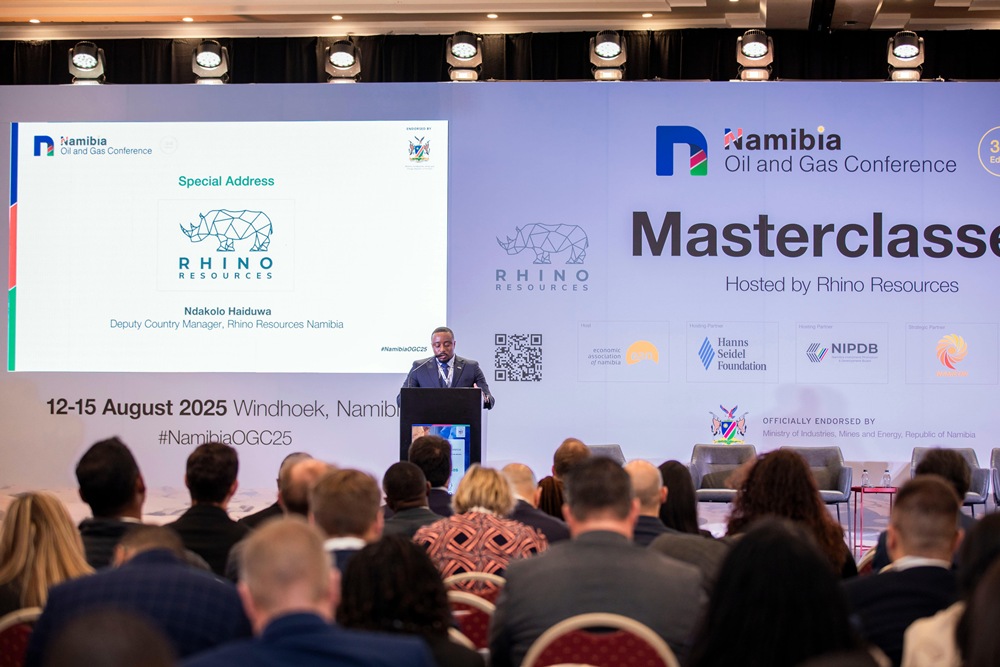**Chemell Plaatjies, who leads the Local Supplier Pitching and Supplier Information Sessions for the NIPDB, said the initiative was created to move local-content ambitions towards practical business outcomes.
“The Local Content Pitching Session was established to translate Namibia’s local-content aspirations into practical business opportunities. It gives capable Namibian businesses a platform to showcase their services directly to industry stakeholders, increasing supplier visibility and supporting the development of a competitive and sustainable local supply chain.”
Plaatjies explained that the pitching session would also help businesses strengthen their understanding of industry expectations.
“Participating businesses will gain exposure to procurement decision-makers, industry requirements and market insights that can strengthen their readiness and competitiveness. By connecting suppliers with operators, EPC contractors, Tier 1 suppliers and other stakeholders, the session creates pathways to partnerships and future procurement opportunities across the upstream value chain.”
A dedicated Future Generations programme will examine the skills, training, mentorship and entrepreneurship needed to prepare young Namibians for opportunities in the energy sector.
On 19 August, the executive programme will turn to **“Industry in Action: Operators, Independents and Finance.”** Sessions will address the commercial and technical realities of moving offshore discoveries towards development, including project economics, field development options, supply-chain readiness and the partnerships required to reach first oil.
The final day will focus on **“SMEs, Finance, Servicing and Critical Infrastructure to Develop a Sustainable Energy Mix,”** covering access to capital, infrastructure, logistics, gas development and energy security.
Paulo Coelho, Director of Communications at NAMCOR, said partnerships must create value beyond individual projects.
“Successful partnerships must go beyond transactions. They should build lasting local capacity, strengthen institutions and create Namibian enterprises that remain competitive beyond a single petroleum project.”
Running alongside the executive programme, the Namibia Oil and Gas Technical Conference will address exploration, field development, infrastructure, technology and environmental management.
NOGC 2026 is expected to attract close to 2,000 delegates from government, industry, finance, academia, civil society and the international energy community.
By connecting policy discussions with supplier development, technical expertise and commercial engagement, NOGC 2026 aims to help more Namibian businesses and professionals prepare for future contracts, partnerships and investment opportunities.

SUBSCRIBE TO OUR NEWSLETTER
First name or full name
Email
By continuing, you accept the privacy policy
**Categories:** Business and Trade, Energy
---
### [Rwandan Ambassador Dr. Diane Gashumba Strengthens African Women Diplomats’ Network in Sweden While Celebrating World Kiswahili Language Day](https://www.topafricanews.com/2026/07/19/rwandan-ambassador-dr-diane-gashumba-strengthens-african-women-diplomats-network-in-sweden-while-celebrating-world-kiswahili-language-daystockholm/)
**Published:** July 19, 2026
**Author:** TOPAFRICANEWS
**Content:**
**Sweden – July 19, 2026**: Rwandan Ambassador to Sweden Dr. Diane Gashumba hosted a warm welcome reception at the Rwandan Residence in Stockholm yesterday, further solidifying ties among African women diplomats while participating in vibrant cultural celebrations that highlighted the growing influence of African voices in the Nordic region.
In her capacity as Dean of the African Ambassadors to Sweden, Dr. Gashumba welcomed the newest members of the Women African Ambassadors’ network — the Ambassadors of Namibia, Egypt, and the United Republic of Tanzania.
The gathering focused on strengthening cooperation, friendship, and mutual support among the group.
“I had the delight of welcoming the newest members of the Women African Ambassadors’ family,” Ambassador Gashumba said.
“We were pleased to welcome the Ambassadors of Namibia, Egypt, and the United Republic of Tanzania, and to brief them on our ongoing activities as we continue to strengthen cooperation and friendship among African women ambassadors in Sweden.”
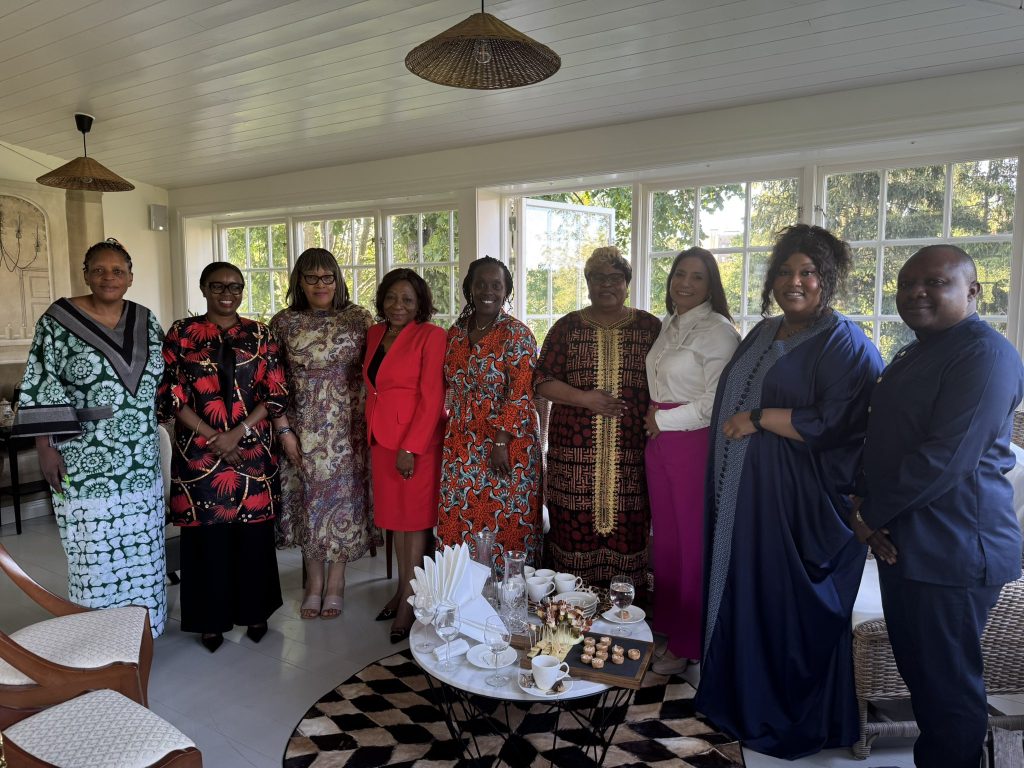Tanzania’s Ambassador to Sweden, Swahiba Habib Mndeme, expressed gratitude for the hospitality, stating it was a pleasure to join such an inspiring group of colleagues.
Later in the day, Dr. Gashumba joined celebrations for World Kiswahili Language Day in Stockholm, praising the vibrant event organized by the Tanzanian Embassy.
The gathering brought together Kiswahili speakers, diplomats, and friends from various cultures for music, traditional performances, and Tanzanian cuisine.
“Congratulations, Your Excellency and my dear sister, Swahiba Habib Mndeme, Ambassador of the United Republic of Tanzania to Sweden, on a truly beautiful World Kiswahili Language Day celebration!” Dr. Gashumba said.
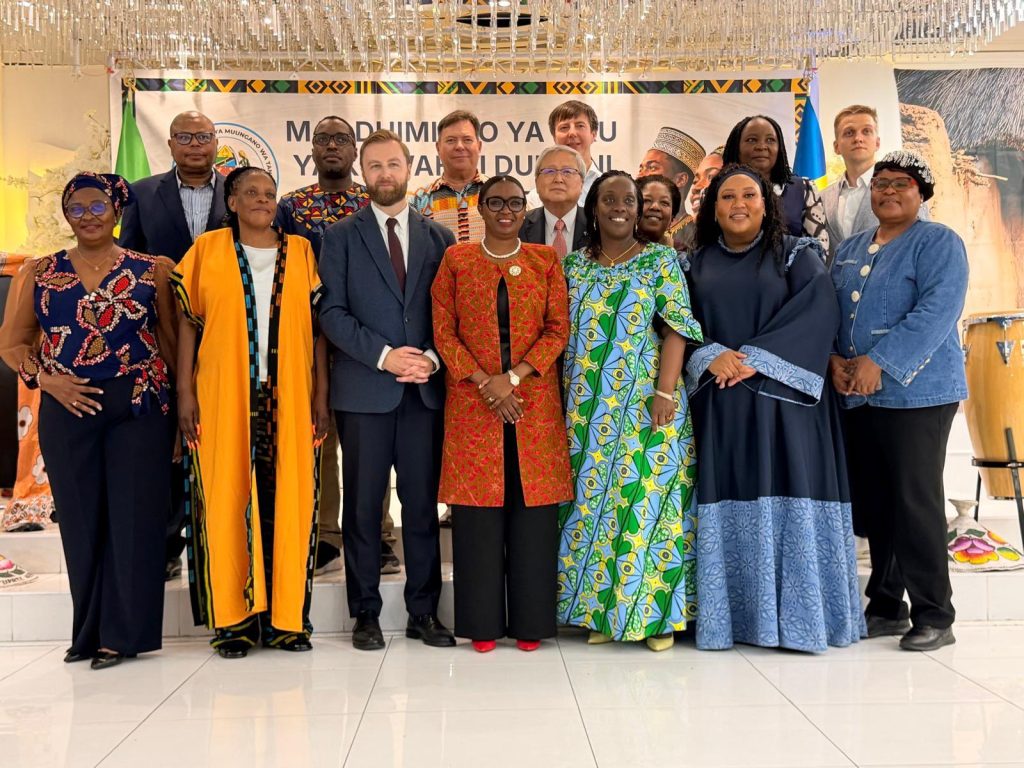 She highlighted Ambassador Mndeme’s remarks: “Kiswahili is no longer simply a language of communication; it’s a bridge that connects people across nations and cultures.”
The Rwandan diplomat noted how the event transformed parts of Stockholm into a hub for African culture.
“Last evening, Stockholm became a vibrant home for Kiswahili speakers & lovers, and friends from many cultures, united through language, music, culture, and delicious Tanzanian cuisine.”
These activities underscore Dr. Gashumba’s dual role as a seasoned diplomat and champion of African solidarity.
A pediatrician by training and former Rwandan Minister of Health and Minister of Gender and Family Promotion, she has brought her experience in leadership and international collaboration to her current posting, which covers Sweden, Norway, Finland, Denmark, and Iceland.
Observers say such initiatives by African women ambassadors are helping amplify African priorities — from cultural preservation to health and development cooperation — within Nordic diplomatic circles.The events come just weeks after Rwanda’s 32nd Liberation Day commemorations in Sweden, where Dr. Gashumba also played a prominent role in honoring the country’s progress and unity.
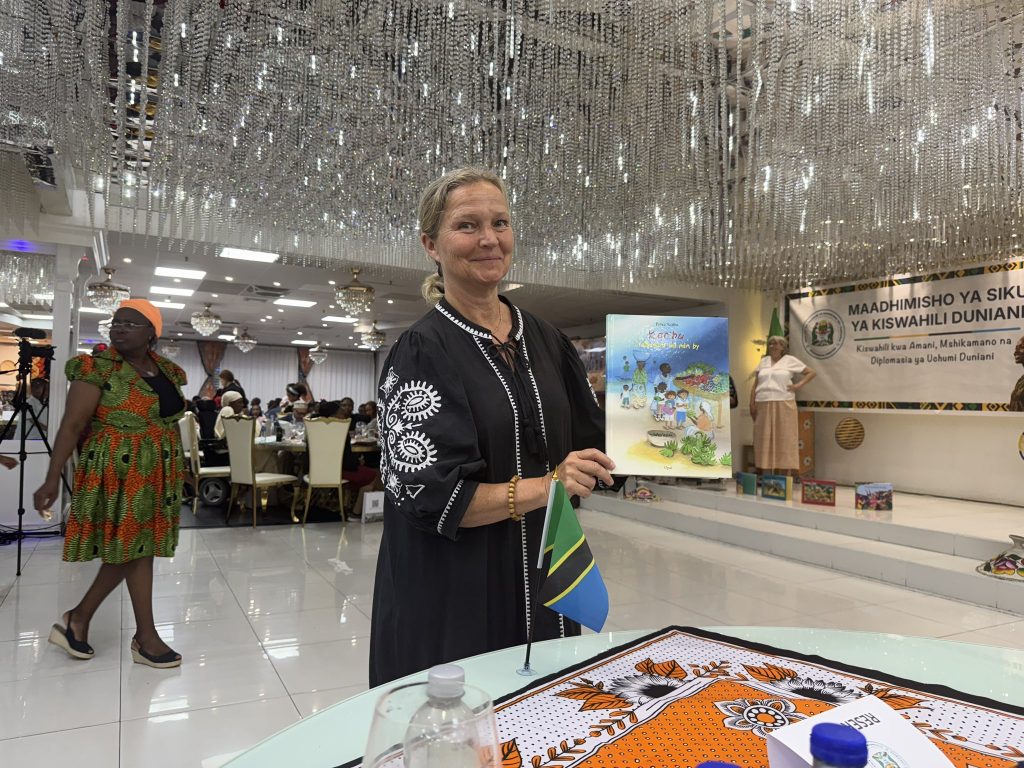
SUBSCRIBE TO OUR NEWSLETTER
First name or full name
Email
By continuing, you accept the privacy policy
**Categories:** WOMEN EMPOWERMENT
---
### [Canada closes border to foreign travelers from DRC over escalating Ebola outbreak](https://www.topafricanews.com/2026/07/19/canada-closes-border-to-foreign-travelers-from-drc-over-escalating-ebola-outbreak/)
**Published:** July 19, 2026
**Author:** TOPAFRICANEWS
**Content:**
**Canada**— The federal government has announced a sweeping temporary entry ban on foreign nationals who have traveled to the Democratic Republic of the Congo (DRC) within the past 21 days, marking a major escalation in Canada’s border containment strategy.
The Public Health Agency of Canada announced the emergency directive on Sunday, July 19, 2026. The new restrictions are legally set to take effect on Monday, July 20, 2026, at 11:59 p.m. EDT, as Ottawa moves aggressively to shield the domestic population from a severe, compounding Ebola epidemic in Central Africa.
Under a newly enacted Interim Order via the *Aeronautics Act*, all commercial and private air carriers are now legally prohibited from boarding foreign passengers bound for Canada if they have been in the DRC during the virus’s three-week incubation window. The aggressive move positions Canada alongside the United States and Mexico, both of which enacted matching border closures earlier this cycle. However, the coordinated North American lockdown flies directly in the face of the World Health Organization. The United Nations health agency has repeatedly advised against international trade and travel restrictions, warning that border shutdowns can inadvertently drive migration underground, fuel local stigma, and cripple the delivery of vital humanitarian supply chains.
Federal officials defended the strict border measures by pointing to the deteriorating conditions on the ground in the DRC. The ongoing crisis has officially mutated into the third-largest Ebola epidemic on record. Recent figures show a grim toll of 2,181 recorded cases and 864 confirmed deaths. The crisis is further strained by collapsing infrastructure within the DRC. Over 100 local health-care workers have contracted the virus, and widespread hospital strikes—sparked by unpaid government hazard bonuses—have left critical containment zones undermanned.
While foreign nationals face immediate rejection at the border, Canadian citizens, permanent residents, and persons registered under the Indian Act retain their constitutional right to enter the country. However, returning Canadians will not bypass the emergency net. Exempt travelers arriving from the DRC, Uganda, or South Sudan must undergo rigorous health screenings at designated Canadian airports and face a mandatory, legally enforced 21-day quarantine. This domestic quarantine mandate, along with the newly announced foreign national ban, is currently scheduled to expire on August 29, 2026, pending further review.
The government has also extended its freeze on processing new visas and Electronic Travel Authorizations for DRC residents. Despite the strict new measures, the Public Health Agency of Canada reassured the public that the immediate health threat within Canada remains low. Chief public health officials confirmed that there have been no active or suspected cases of Ebola recorded on Canadian soil. Global Affairs Canada continues to maintain its highest-level warning to avoid all travel to the DRC, citing both the volatile health environment and severe, ongoing security risks across the region.

SUBSCRIBE TO OUR NEWSLETTER
First name or full name
Email
By continuing, you accept the privacy policy
**Categories:** HEALTH
---
### [Rwanda Government Commends Catholic Church as Kigali Archdiocese Ordains 11 Priests During Golden Jubilee Celebrations](https://www.topafricanews.com/2026/07/19/rwanda-government-commends-catholic-church-as-kigali-archdiocese-ordains-11-priests-during-golden-jubilee-celebrations/)
**Published:** July 19, 2026
**Author:** TOPAFRICANEWS
**Content:**
**KIGALI, Rwanda** – As the Archdiocese of Kigali marked its 50th anniversary, the Catholic Church celebrated the Jubilee of the Priesthood with the ordination of 11 new priests and the ordination of nine seminarians to the diaconate.
Representing the Government of Rwanda at the celebrations, Emmanuel Rwego Ngarambe, State Minister in the Ministry of Sports, commended the Catholic Church for its continued contribution to Rwanda’s development and its strong partnership with the government. He encouraged the newly ordained priests to uphold that legacy through dedicated service.
The celebrations began with a Holy Mass held at Sainte Famille Parish on Saturday, July 18, 2026, presided over by His Eminence Cardinal Antoine Kambanda, Archbishop of Kigali. He was joined by several retired bishops, including Bishop Jérôme Gapangwa, Bishop Emeritus of Uvira; Bishop Anastase Mutabazi, Bishop Emeritus of Kabgayi; Bishop Smaragde Mbonyintege, Bishop Emeritus of Kabgayi Diocese; and Archbishop Thaddée Ntihinyurwa, Archbishop Emeritus of Kigali.
Addressing the congregation, State Minister Rwego Ngarambe said the occasion was a moment of gratitude and celebration.
“We are delighted to witness this special occasion that brings together priestly and diaconal ordinations while also celebrating the 50th anniversary of the Archdiocese of Kigali. It is an opportunity to thank God and to celebrate the remarkable milestones that have been achieved,” he said.
Speaking on behalf of the Government of Rwanda, he thanked the Catholic Church for its continued collaboration with the state in sectors including education, healthcare, and other initiatives that improve the well-being of Rwandans.
“We appreciate the commitment you continue to demonstrate. My special message to those beginning their priestly ministry is to continue along this path of service. You are now members of the wider family of priests, but you also remain Rwandans. For that reason, you carry an even greater responsibility to work with others in building the Rwanda we all aspire to,” he said.
The minister also prayed that the newly ordained priests would remain faithful to their vocation, asking God to strengthen, protect, and guide them in their daily ministry.
The newly ordained priests are Fr. Aimable Azabaho from Gishaka Parish, Fr. Juvens Nishimwe from Munanira Parish, Fr. Florien Usengayezu from Rulindo Parish, Fr. Honoré Niyonzima from Sainte Famille Parish, Fr. Elie Hakizimana of the Society of the Catholic Apostolate (Pallottines – SAC), Fr. Pascal Mugambira (SAC), Fr. Olivier Hakizimana of the Salesians of Don Bosco (SDB), Fr. Emmanuel Numviyumukiza (SDB), Fr. Thomas Nyarwaya, Fr. Eric Twagiramungu of the Discalced Carmelites (OCD), and Fr. Blaise Ngayaboshya (OCD).
In addition to the government delegation led by State Minister Rwego Ngarambe, the ceremony was attended by senior government officials, priests from across the country, members of various religious congregations, Catholic faithful, and the families and friends of those ordained to the priesthood and diaconate.

SUBSCRIBE TO OUR NEWSLETTER
First name or full name
Email
By continuing, you accept the privacy policy
**Categories:** Religion
---
### [High Irrigation Water Costs Squeeze Profits for Investors at Rwanda's Gabiro Agribusiness Hub](https://www.topafricanews.com/2026/07/19/high-irrigation-water-costs-squeeze-profits-for-investors-at-rwandas-gabiro-agribusiness-hub/)
**Published:** July 19, 2026
**Author:** TOPAFRICANEWS
**Content:**
**NYAGATARE, Rwanda** – Investors operating at the Gabiro Agribusiness Hub in eastern Rwanda have appealed to the government to reduce irrigation water tariffs, saying the high cost of water is eroding profits and undermining the viability of large-scale commercial farming.
The concerns were raised during a visit by Prime Minister Dr. Justin Nsengiyumva to the irrigation scheme recently as part of his working tour of Nyagatare District. Investors identified expensive water charges as one of the biggest obstacles limiting the competitiveness of their agricultural businesses.
Gabiro Agribusiness Hub is a flagship Government of Rwanda initiative designed to promote modern, large-scale irrigated agriculture. The project provides fully serviced farmland to local and international investors, with a strong focus on producing high-value export crops.
The first phase of the project spans 5,600 hectares, more than 4,000 of which have already been allocated to investors cultivating fruits and vegetables for international markets.
Water for irrigation is pumped from the Akagera River through modern infrastructure, including a 21-kilometre pipeline that distributes water across the farming area. However, despite the availability of the infrastructure, investors say the cost of accessing the service remains prohibitively high.
Emmanuel Harerimana, Managing Director of Garden Fresh, which cultivates French beans and chili peppers on more than 180 hectares, said the current tariff of approximately **Rwf277 per cubic metre** significantly increases production costs.
“We would like the cost of water to be reduced. When you consider the size of our farms and the volume of water required every day, irrigation expenses become extremely high and substantially reduce our profits,” Harerimana said.
Investors also expressed concern that water charges are billed in **US dollars**, exposing them to exchange rate fluctuations.
Augustin Twagirumukiza, Chief Executive Officer of Agropark Gabiro Ltd, said the cost of irrigating a single hectare can approach **Rwf2 million**, largely because payments are pegged to the US dollar.
“We are requesting the government to review the water pricing structure or allow investors to participate in managing the irrigation infrastructure so that operating costs can be reduced,” he said.
Minister of Agriculture and Animal Resources Dr. Telesphore Ndabamenye acknowledged the concerns, saying the government will continue consultations with investors and relevant institutions to find sustainable solutions.
“The investors have indicated that water costs are rising. We agreed to assess these costs alongside the returns generated from farming. We will continue discussions on improving productivity per hectare because higher yields translate into greater profitability. Through continued dialogue, we believe we can agree on a fair water pricing model while also addressing the other challenges affecting investors,” the minister said.
The Gabiro Agribusiness Hub has attracted investments exceeding **Rwf100 billion**. Following the completion of the first phase, authorities plan to launch a second phase covering more than **10,000 hectares**, which will be allocated to additional investors as Rwanda seeks to expand commercial agriculture, increase agricultural exports, and accelerate economic growth.

SUBSCRIBE TO OUR NEWSLETTER
First name or full name
Email
By continuing, you accept the privacy policy
**Categories:** Natural Resources and Agriculture
---
### [AI Helps Cut Methane Emissions Equivalent to Removing 24 Million Cars](https://www.topafricanews.com/2026/07/18/ai-helps-cut-methane-emissions-equivalent-to-removing-24-million-cars/)
**Published:** July 18, 2026
**Author:** Mutangana Emmanuel
**Content:**
Artificial intelligence (AI) is accelerating global efforts to curb methane emissions by turning satellite data into rapid climate action, delivering emissions reductions comparable to taking nearly 24 million gasoline-powered passenger cars off the road for a year, according to a new report by the UN Environment Programme (UNEP).
The report, ‘Spotlighting Opportunity: How Artificial Intelligence is Accelerating Methane Action’, highlights how UNEP’s International Methane Emissions Observatory (IMEO) uses AI through its Methane Alert and Response System (MARS) to detect major methane leaks and quickly notify governments and companies. Since becoming fully operational in 2024, the system has supported more than 40 methane mitigation actions worldwide.
With more than 30 satellites continuously collecting methane data, AI has become essential in processing the vast volume of information. UNEP said AI-assisted workflows enable analysts to process 12 to 15 times more data while maintaining scientific accuracy.
The technology identified 80–85 percent of confirmed methane emissions before expert review, contributing to the mitigation of sources estimated to have released 1.2 million tonnes of methane.
“Methane is only the beginning,” said Martin Krause, Director of UNEP’s Climate Change Division. “The real lesson from this work is that AI can help convert the explosion of environmental data into practical action. By combining scientific expertise with lightweight and energy-efficient AI tools, we can respond faster not only to methane emissions, but to a wide range of environmental challenges.”
UNEP said its methane-monitoring models are designed to be lightweight and energy-efficient, requiring modest computing resources while significantly expanding monitoring capacity.
The report comes as governments and companies face increasing pressure to meet commitments under the Global Methane Pledge and the UN Secretary-General’s Call to Action on Methane, which urges countries to respond to 80 percent of methane alerts issued through MARS.
Methane is about 80 times more potent than carbon dioxide over a 20-year period but remains in the atmosphere for only about a decade. UNEP says reducing emissions from the fossil fuel, agriculture and waste sectors offers one of the fastest ways to slow global warming while also improving air quality and boosting crop yields.
Since 2023, MARS has analysed more than 1.3 million satellite observations, using AI to distinguish methane leaks from environmental noise. The system is also expanding beyond the oil and gas sector to monitor emissions from coal and waste.
Despite AI’s growing role, UNEP stressed that human oversight remains central. Every AI-flagged methane detection is independently reviewed by IMEO analysts before alerts are issued, ensuring scientific accuracy.
UNEP is also making its datasets and code publicly available to help researchers, governments and other organizations strengthen methane monitoring and accelerate global emissions reductions.

SUBSCRIBE TO OUR NEWSLETTER
First name or full name
Email
By continuing, you accept the privacy policy
**Categories:** CLIMATE CHANGE, Environment
---
### [26 African Countries Commit to Expanding Rights-Based Mental Health Care](https://www.topafricanews.com/2026/07/18/26-african-countries-commit-to-expanding-rights-based-mental-health-care/)
**Published:** July 18, 2026
**Author:** Mutangana Emmanuel
**Content:**
Mental health experts and policymakers from 26 countries across West and Central Africa have committed to accelerating the expansion of rights-based mental health services and advancing progress toward the World Health Organization (WHO) African Region’s 2030 mental health targets.
The pledge was made during the West and Central Africa Mental Health Intercountry Learning Gathering held in Lomé, Togo, and convened by the WHO Regional Office for Africa with support from the Akwaaba Trust.
The four-day meeting brought together government officials, health experts and development partners to review progress, exchange experiences and identify practical measures to strengthen national mental health systems. Discussions focused on integrating mental health into primary health care, expanding community-based services and ensuring people with lived experience help shape policies and service delivery.
“Every person living with a mental health condition deserves to be treated with dignity, respect and compassion,” said Dr. Benido Impouma, Director of Health Promotion, Disease Prevention and Control at the WHO Regional Office for Africa. He called for faster action to strengthen community-centred care and build resilient health systems that leave no one behind.
Despite growing political commitment, WHO said major gaps remain across the region. While 29 countries have adopted national mental health policies or strategies, only 17 have aligned them with international human rights standards. Just seven of the WHO African Region’s 47 Member States have effectively integrated mental health services into primary health care.
Participants urged governments to strengthen legal and policy frameworks that protect the rights of people living with mental health conditions and called for closer collaboration among the health, education, social welfare and justice sectors. They also emphasized expanding the WHO Mental Health Gap Action Programme (mhGAP), which trains non-specialist health workers to provide mental health services where specialists are scarce.
“As mental health challenges continue to grow, we must strengthen regional cooperation, promote accessible mental health services, and tackle the stigma that continues to prevent many people from seeking the care they need,” said Dr. Wotobe Kokou, Secretary General of Togo’s Ministry of Health.
Sustainable financing also emerged as a key priority. Delegates explored ways to increase domestic investment while mobilizing partner support to strengthen national mental health systems.
“The barriers to improving access to mental health care are political, financial, cultural and institutional,” said Dr. Kate Martin, Head of Field Building and Lived Experience at the Wellcome Trust. “Addressing them requires coordinated action, sustained commitment and meaningful collaboration among all stakeholders.”
Participants also called for mental health and psychosocial support to be integrated into emergency preparedness and response, drawing lessons from Ebola outbreaks and other humanitarian crises. Young advocates contributed to discussions on improving child and adolescent mental health services.
The Lomé gathering was the second in a series of WHO subregional consultations assessing progress toward the African Region’s 2030 mental health goals, following a similar meeting for Eastern and Southern Africa held in Johannesburg in May 2026.

SUBSCRIBE TO OUR NEWSLETTER
First name or full name
Email
By continuing, you accept the privacy policy
**Categories:** HEALTH
---
### [NOTICE OF SALE OF MOTOR VEHICLE](https://www.topafricanews.com/2026/07/17/notice-of-sale-of-motor-vehicle/)
**Published:** July 17, 2026
**Author:** TOPAFRICANEWS
**Content:**
The International Potato Center (CIP) Rwanda Country Office invites interested members of the public to participate in a public tender for the purchase of a **Toyota Land Cruiser Prado TXL (Registration No. 86CD001R)**. The vehicle is being disposed of in accordance with CIP’s asset disposal procedures.
Prospective bidders are encouraged to inspect the vehicle and submit their bids within the stipulated timeline and in accordance with the terms and conditions outlined in the attached notice.
**Please find the full tender notice and bidding instructions in the below PDF document.**
[Notice sales of vehicles – 86CD001R](https://www.topafricanews.com/wp-content/uploads/2026/07/Notice-sales-of-vehicles-86CD001R.pdf)[Download](https://www.topafricanews.com/wp-content/uploads/2026/07/Notice-sales-of-vehicles-86CD001R.pdf)

SUBSCRIBE TO OUR NEWSLETTER
First name or full name
Email
By continuing, you accept the privacy policy
**Categories:** ANNOUNCEMENT
---
### [Kagame to Regional Actors And Western Powers: ‘I Will Only Shut Up When I Am Dead’](https://www.topafricanews.com/2026/07/17/kagame-to-regional-actors-and-western-powers-i-will-only-shut-up-when-i-am-dead/)
**Published:** July 17, 2026
**Author:** DUSABEMUNGU Ange de la Victoire
**Content:**
## **KIGALI** — In a blistering, high-stakes address to the Political Bureau of the RPF-Inkotanyi, President Paul Kagame leveled a sharp critique against the political leadership of the Democratic Republic of Congo (DRC) and slammed Western powers for trying to “wish away” Rwanda through a non-stop barrage of international sanctions.
The head of state addressed a wide range of complex regional issues, declaring that Rwanda will not buckle under geopolitical intimidation or carry the “baggage” of historical conflicts.
#### DRC Accused of Backing FDLR Over Peace
President Kagame stated that despite continuous regional diplomatic efforts, the leadership in Kinshasa has maintained a hostile stance toward true peace.
“There was one thing that was constant,” Kagame remarked. “Congo, or the leaders of Congo, didn’t want peace. They wanted to continue supporting the FDLR against us.”
Kagame highlighted that DRC forces have aligned themselves with external militaries to target Rwandan interests. He noted that Rwanda’s sole demand to its neighbors has consistently been cooperation in eliminating the security threat posed by the Democratic Forces for the Liberation of Rwanda (FDLR)—an armed militia group active in eastern Congo.
#### Rejecting the ‘Baggage’ of Colonial History
Addressing accusations that Rwanda is fueling the M23 rebellion, Kagame pushed back against the international community’s expectation that Rwanda should absorb or be held responsible for the fighters. He noted that deep-seated identity conflicts in the DRC are a byproduct of colonial-era borders rather than modern Rwandan policy.
“How they became Congolese, how whatever happened in Congo and between Congo and Rwanda as of those years—I was not there,” Kagame said, adding that Rwanda cannot be made to answer for historical, colonial-era mistakes. “Rwanda is not responsible for that.”
#### The Uvira ‘Set Up’ and Washington Sanctions
The President pulled back the curtain on the diplomatic friction surrounding the Washington Accords. He revealed that Rwanda had explicitly provided Western powers with intelligence regarding troop movements from Burundi and the DRC army around Uvira months before an agreement was signed.
When Uvira subsequently fell to rebel forces, regional actors and Western diplomats allegedly flipped the narrative, pinning the blame on Rwanda and claiming it was an insult to U.S. leadership.
“Little did we know we had actually been just set up for something else,” Kagame stated. He decried the subsequent avalanche of international penalties, describing the diplomatic environment as one of endless hostility: “It’s just sanctions, sanctions, sanctions… There is no time for Rwanda to be listened to.”
#### Condemning Atrocities and Double Standards
Kagame offered a grim look at the ground reality in eastern Congo, accusing regional coalitions and mercenary groups of orchestrating indiscriminate drone strikes against vulnerable minorities, such as the Banyamulenge, in the Minembwe area.
According to Kagame, when Rwandan officials raised alarms about civilians being bombed in local markets and churches, foreign powers told them to stay out of it.
“Somebody says, ‘Don’t bring up that issue, it is none of your business.’ It’s like the story of Paul Rusesabagina,” Kagame warned. “It’s like those people being killed for their identity is none of your business. ‘Shut up, we are going to kill them anyway.’
#### ‘The Only Way to Make Me Shut Up’
Concluding his remarks, Kagame sent a clear, unyielding message to the global powers attempting to dictate the terms of Rwanda’s existence and security operations.
“Making people shut up—just shut up—is going to be more difficult than people think,” Kagame concluded amid roaring applause from the party assembly.
“They say they will make disappear the FDLR, they make disappear M23… by extension, they were saying even you, Rwanda, we will make you disappear. Well, I can’t invite it… But I will only shut up when I am dead. That is the only way to make me shut up.”

SUBSCRIBE TO OUR NEWSLETTER
First name or full name
Email
By continuing, you accept the privacy policy
**Categories:** NEWS
---
### [Barotse Royal Establishment, Government of Zambia and African Parks Renew Long-Term Partnership for Liuwa Plain National Park](https://www.topafricanews.com/2026/07/17/barotse-royal-establishment-government-of-zambia-and-african-parks-renew-long-term-partnership-for-liuwa-plain-national-park/)
**Published:** July 17, 2026
**Author:** TOPAFRICANEWS
**Content:**
**LUSAKA, ZAMBIA – 15 July 2026** – African Parks, together with the Barotse Royal Establishment (BRE) and Zambia’s Ministry of Tourism, are proud to announce the renewal of their long-term partnership agreement for the collaborative management of Liuwa Plain National Park, extending a relationship that began nearly 25 years ago.
The renewed mandate includes a portion of the Upper West Zambezi Game Management Area (GMA), an important part of the broader Liuwa ecosystem. Liuwa hosts the second-largest wildebeest migration in Africa, and this extended area is critical to the migratory movements that sustain it. The expansion recognises the importance of conserving this wider landscape for both the wildlife and the communities who depend on it.
For African Parks, this renewal marks a particularly significant milestone. Liuwa Plain was the organisation’s first management partnership, beginning with a transitional agreement in February 2003, followed by the signing of a formal long-term partnership between African Parks, the Barotse Royal Establishment and the Government of Zambia in 2004.Over more than two decades, the partnership has endured through the sustained commitment of Government, traditional leadership, local communities and conservation partners alike.
Liuwa Plain National Park has one of the oldest conservation histories in Africa, dating back to the 19th century when the King of Barotseland, Lubosi Lewanika, appointed his people as the custodians of the landscape. The Lozi people have maintained a deep connection to the landscape, and today, approximately 12,000 people continue to live within the park, making Liuwa one of Africa’s most enduring examples of a shared landscape where people and wildlife coexist.
Over the past two decades, the partnership has helped restore wildlife populations and ecological processes across the landscape, while protecting and strengthening the traditional rights and practices – most notably fishing – that have long sustained the communities living here. Liuwa is today home to healthy populations of lion, hyaena, wild dog and cheetah, alongside its remarkable wildebeest migration. Wildlife populations have recovered to the extent that Liuwa now contributes animals to support restoration efforts elsewhere in Zambia, including recent translocations of wildebeest and zebra to Kafue National Park.
Importantly, the success of Liuwa has never been measured solely by wildlife recovery. That the future of the landscape is inseparable from the wellbeing and participation of the communities who call it home has been understood here for generations; the partnership’s role has been to help navigate this reality through the complexities of contemporary conservation. This has meant, first and foremost, protecting existing rights to natural resources, alongside support for sustainable livelihoods, education, employment opportunities and community enterprises that have created tangible benefits for thousands of Lozi families.
Reflecting on 25 years of African Parks, CEO Peter Fearnhead recently described Liuwa as the place where, in many ways, the organisation’s journey began – made possible by the leadership and vision of His Majesty the Litunga, and by the willingness of the Zambian government and local institutions to embrace what was then a novel approach to long-term conservation management.
As the partnership enters its next chapter, the focus will remain on strengthening conservation outcomes, supporting community development, enhancing sustainable financing, and securing the integrity of the wider landscape, including key migratory routes and areas beyond the park boundary.
The renewal stands as a testament to what can be achieved through trust, patience and collective commitment over time. More than twenty years on, Liuwa remains what it has been since the time of King Lewanika: a landscape cared for by its people, with the partnership serving to strengthen that custodianship for generations to come.
The partners gratefully acknowledge the longstanding support of The Rob Walton Foundation, Stichting Natura Africae, The Postcode Lottery Group, WWF Belgium, WWF Netherlands and WWF Zambia, whose sustained investment over the years has underpinned conservation and community development across the wider Liuwa landscape.
**His Majesty the Litunga Lubosi Imwiko II, said:**
*“Liuwa has always been part of our history, our culture and our identity. This partnership recognises the role of the Lozi people as custodians of this landscape and reinforces our shared responsibility to ensure that future generations inherit a healthy and thriving Liuwa.”*
**Mr Evans Muhanga, Permanent Secretary for the Zambia Ministry of Tourism added:**
*“The renewal of this agreement reflects our shared commitment to safeguarding one of Zambia’s most important protected areas while ensuring that conservation continues to contribute to national development and community wellbeing.”*
**Peter Fearnhead, CEO of African Parks, concluded:**
*“Few landscapes in Africa carry a conservation story as old, or as deeply rooted, as Liuwa’s. It is the legacy of two Litungas: King Lewanika, who proclaimed these plains a wildlife sanctuary in the late 1800s; and His Majesty the Litunga Lubosi Imwiko II, who chose nearly 25 years ago to carry that legacy forward through this partnership. To have walked this road alongside His Majesty, the Government of Zambia and the people of this landscape has been one of the great privileges of African Parks’ journey – and we are deeply honoured to continue walking it together.”*

SUBSCRIBE TO OUR NEWSLETTER
First name or full name
Email
By continuing, you accept the privacy policy
**Categories:** Tourism and Nature
---
### [EAC Steps Up Efforts to Strengthen Trust in Regional E-Commerce](https://www.topafricanews.com/2026/07/17/eac-steps-up-efforts-to-strengthen-trust-in-regional-e-commerce/)
**Published:** July 17, 2026
**Author:** Mutangana Emmanuel
**Content:**
The East African Community (EAC) is stepping up efforts to strengthen consumer confidence in online trade by learning from international best practices aimed at creating safer, more reliable and trusted digital marketplaces across the region.
A Knowledge Exchange Mission to Geneva, Switzerland, and Belgrade, Serbia, has brought together representatives from EAC Partner States, consumer protection authorities, trade ministries, e-commerce associations, the private sector and the EAC Secretariat to explore ways of improving consumer trust in cross-border digital trade.
The mission supports implementation of the EAC Regional E-Commerce Strategy under the EU–EAC Digital Economy, E-Commerce, E-Payments and Public E-Services (DEEP) Programme, which seeks to expand digital business opportunities while protecting consumers and accelerating regional economic integration.
In Geneva, delegates met experts from the United Nations Conference on Trade and Development (UNCTAD) and the World Trade Organization (WTO) to discuss legal and regulatory frameworks that support secure online transactions, consumer protection and cross-border e-commerce.
UNCTAD shared lessons from its work on eTrade Readiness Assessments, national e-commerce strategies and regional digital trade initiatives. Discussions highlighted East Africa’s strong potential to grow digital trade, driven by its expanding mobile money ecosystem, while noting that infrastructure, logistics and policy coordination remain key challenges.
Delegates also examined the role of trust seals in helping consumers identify verified online businesses and increasing confidence in digital marketplaces. They stressed the need for stronger consumer protection systems, trusted digital ecosystems and closer collaboration between governments and the private sector.
The delegation also participated in the Ninth Session of UNCTAD’s Intergovernmental Group of Experts on Consumer Protection Law and Policy, where participants discussed emerging consumer protection issues linked to e-commerce, artificial intelligence, data privacy and digital product safety. The meeting underscored the importance of flexible regulatory frameworks that can keep pace with rapidly evolving technologies.
At the World Trade Organization, delegates exchanged views on international digital trade negotiations and emerging policy developments shaping global e-commerce, providing insights relevant to East Africa’s digital trade agenda.
The second phase of the mission is taking place in Belgrade, where the delegation is engaging with the Balkan E-Commerce Alliance (BECA) and regional e-commerce associations to study the BECA Trustmark, a regional certification system designed to strengthen consumer confidence in online businesses.
The EAC expects the knowledge gained from the mission to help develop stronger consumer protection frameworks, harmonised e-commerce policies and trusted digital marketplaces, making cross-border online trade easier for businesses and safer for consumers across the region.

SUBSCRIBE TO OUR NEWSLETTER
First name or full name
Email
By continuing, you accept the privacy policy
**Categories:** NEWS
---
### [New Push for Clean Air Financing as Pollution Levels Remain High Across Africa](https://www.topafricanews.com/2026/07/17/new-push-for-clean-air-financing-as-pollution-levels-remain-high-across-africa/)
**Published:** July 17, 2026
**Author:** TOPAFRICANEWS
**Content:**
Air quality experts from more than 40 countries have gathered in Pretoria, South Africa, from 13th to 16th July for the Africa Clean Air Forum 2026 to discuss opportunities to increase investment in clean air solutions that can improve public health across Africa.
“It is an honour to welcome the global air quality community to the Africa Clean Air Forum here in South Africa. This year’s forum builds on the momentum of South Africa’s G20 presidency, which delivered the historic, first-ever Ministerial Declaration on air quality. We are confident the 2026 forum will consolidate progress, showcase innovative practices and reinforce Africa’s leadership in addressing air pollution. **Deputy Minister Bernice Swarts, Deputy Minister of Forestry, Fisheries and the Environment (DFFE), Republic of South Africa**.
Held under the theme “Investment Case for Clean Air and Healthy Cities,” the four-day convening is expected to draw delegates from government, development partners, the private sector, media, academia, and civil society. It comes at a critical time when African countries are facing a growing air pollution burden, while funding for clean air action remains far below the scale of the challenge. According to the Clean Air Fund’s State of Global Air Quality Funding 2025 [Report](https://www.cleanairfund.org/resource/air-quality-funding-2025/), the African region received less than 1% of global air quality funding, despite several countries in Africa experiencing high levels of exposure.
“Clean air is not only a public health imperative, but it is also an investment in sustainable development, resilient cities, and economic opportunity. In other words, the investment in clean air in Africa is strong. The Climate and Clean Air Coalition, together with the African Union Commission, is supporting an Africa Clean Air Programme, turning evidence into action, mobilising investment, and accelerating African-led solutions that improve air quality, strengthening climate resilience, and delivering healthier lives for millions. We are proud to partner with the Africa Clean Air Forum to provide a platform for governments, civil society, funders and researchers come together to accelerate action on clean air and super pollutants.” – **Martina Otto, Head of Climate and Clean Air Coalition Secretariat, UN Environment Programme.**
**Deputy Minister Bernice Swarts, Deputy Minister of Forestry, Fisheries and the Environment (DFFE), Republic of South Africa**
The health burden is also high: in 2023, the [State of Global Air ](https://www.stateofglobalair.org/resources/report/state-global-air-report-2025)reported 1.2 million premature deaths, including significant impacts in newborns and children under 5 years. New analysis from the Africa Clean Air Network, completed in partnership with the Copernicus
Atmosphere Monitoring Service and State of Global Air finds that 30 countries across Africa met the least stringent WHO target for PM2.5 in 2025. In the last decade, some countries have seen improvements in air quality, while others have seen an increase in pollution. The data offer an opportunity to establish health-protective air quality standards and undertake targeted actions to address air pollution.
This year’s Forum will focus on how governments, funders, cities, researchers and private sector actors can close this investment gap by strengthening evidence-driven clean air action, scaling practical air quality solutions, and building sustainable financing models for African cities.
“We are pleased to welcome everyone to Gauteng for a vibrant conversation on air quality across Africa. The Forum offers an opportunity for the exchange of ideas, learning from peers, and identifying opportunities for collaborative action.” **Ewan Botha, Member of the Executive Council, Gauteng Provincial Government**
This year, African Clean Air Forum is organised by the Africa Clean Air Network in partnership with the Department of Forestry, Fisheries and the Environment (South Africa), Gauteng Provincial Government, the City of Tshwane, University of Pretoria, Clean Air Fund, Climate and Clean Air Coalition, Health Effects Institute, AirQo, and C40 Cities.

SUBSCRIBE TO OUR NEWSLETTER
First name or full name
Email
By continuing, you accept the privacy policy
**Categories:** Climate / Agriculture Evolution, Environment
---
### [Debate Erupts Over eKash's Flat RWF 20 Transfer Fee Structure in Rwanda](https://www.topafricanews.com/2026/07/16/debate-erupts-over-ekashs-flat-rwf-20-transfer-fee-structure-in-rwanda/)
**Published:** July 16, 2026
**Author:** DUSABEMUNGU Ange de la Victoire
**Content:**
**KIGALI, Rwanda** – Rwanda’s digital payments ecosystem has sparked a lively online debate following the introduction of a **flat RWF 20 transfer fee** on transactions conducted through **eKash**, with opinions sharply divided over whether the pricing model promotes or undermines financial inclusion.
The discussion gained momentum after social media commentator **Richard Kwizera** questioned the fairness of charging the same fee for all transactions, regardless of the amount being transferred.
> “RWF 20 is not expensive until you are the one sending RWF 500. If the goal of eKash is financial inclusion, why does someone sending RWF 500 pay the same RWF 20 as someone sending RWF 10 million?” he wrote on X (formerly Twitter).
Kwizera argued that while a RWF 20 fee represents only a negligible cost for large transactions, it amounts to a **4 percent charge on a RWF 500 transfer**, disproportionately affecting low-income users who rely on small-value digital transactions.
#### Supporters Say the Fee Is Still Competitive
However, many users defended the new pricing structure, arguing that the flat fee remains significantly cheaper than existing mobile money charges.
Social media user **Ladislas Ngendahimana** compared the new tariff with mobile money fees, saying:
> “If you send RWF 5,000 via MoMo, you pay around RWF 100 in charges, while the same amount transferred through eKash costs only RWF 20.”
Others argued that the criticism overlooks the benefits of a simplified and predictable pricing structure.
“I have never seen you complaining about MoMo tariffs, but suddenly RWF 20 is a problem,” another user commented, noting that many ordinary citizens were already paying similar or higher fees on other platforms.
#### Financial Inclusion at the Centre of the Debate
The discussion has brought renewed attention to the broader issue of **financial inclusion** in Rwanda, where policymakers have been encouraging the adoption of cashless payments and digital financial services.
Experts note that one of the principles of financial inclusion is ensuring that digital financial services remain affordable for low-income users, particularly those making frequent small-value transactions.
Critics of the flat fee structure argue that a tiered pricing model, where charges are proportionate to transaction values, could better serve low-income earners.
On the other hand, supporters contend that the RWF 20 charge is low enough to encourage users to move away from cash and adopt digital payments, while also making bank-to-bank and bank-to-wallet transfers more competitive.
#### Growing Competition in Rwanda’s Digital Payments Market
The debate also highlights increasing competition in Rwanda’s digital payments sector, particularly between banks and mobile money providers.
Some users suggested that lower fees offered by eKash could push existing operators, including **MTN Mobile Money**, to review their pricing structures in an increasingly competitive market.
As discussions continue online, the eKash fee structure has become more than a debate about RWF 20. It has opened a wider conversation about how Rwanda can balance affordability, financial inclusion, and the sustainability of digital payment services as the country accelerates its transition toward a cashless economy.

SUBSCRIBE TO OUR NEWSLETTER
First name or full name
Email
By continuing, you accept the privacy policy
**Categories:** Business and Trade
---
### [Earthquakes Expose Greater Need for Stronger Disaster Preparedness & Resilience](https://www.topafricanews.com/2026/07/16/earthquakes-expose-greater-need-for-stronger-disaster-preparedness-resilience/)
**Published:** July 16, 2026
**Author:** TOPAFRICANEWS
**Content:**
ABU DHABI, 15 July 2026 – The recent earthquakes in Venezuela, which struck in quick succession and devastated the north of the country, killing 3,500 people, injuring 16,740 and displacing 17,854, have exposed a serious gap in disaster preparedness and response.
The two earthquakes, measuring 7.2 and 7.5 on the Richter scale, were Venezuela’s deadliest and most destructive since 1900. The disaster has prompted experts to question the wider preparedness and resilience of governments and federal disaster-management agencies in the immediate aftermath of major events.
Against that backdrop, Abu Dhabi-based deep-tech company Kinetic7 Technologies has developed clean-energy technology designed to help countries recover after earthquakes, floods, tsunamis and other natural disasters.
Founded by Australian entrepreneur and philanthropist Rick Parish, Kinetic7 says its hydrogen-on-demand technology could play a vital humanitarian role in disaster-management recovery by providing portable clean energy platforms for cooking and heating where infrastructure has failed. The company’s proprietary technology and system produces hydrogen gas on demand as a clean energy source for cooking and heating. Delivered through two portable cooking stoves, Tribe™️ and Nomad™️, the technology can be rapidly deployed into disaster zones when critical infrastructure is disrupted.
Kinetic7 is positioning the technology as a deployable clean-energy solution for evacuation centres, field kitchens, emergency-services staging areas, isolated communities and humanitarian relief hubs. The company says its portable cook stoves can support preparedness and response planning in regions exposed to major disaster risks.
Headquartered in Abu Dhabi, with operations across Europe, London, Australia and the United States, Kinetic7 uses water, solar power and battery energy to generate hydrogen gas at the point of use. The company says this reduces reliance on gas cylinders, fixed pipelines, fuel deliveries or centralised infrastructure that can be damaged or cut off after earthquakes, floods, tsunamis, volcanic activity, landslides and extreme weather.
Alongside Tribe™ and Nomad™, Parish has developed what Kinetic7 describes as the world’s first Carbon Free Kitchen, a modular shipping-container system designed to provide large-scale carbon-free cooking using clean hydrogen gas on demand. The company says the portable kitchen could support mass feeding in evacuation centres, temporary communities and disaster-relief hubs after earthquakes, tsunamis, volcanic eruptions, floods, landslides, storms and other emergencies.
Recent disasters underline the scale of the global challenge. Humanitarian agencies continue to monitor earthquakes, floods, landslides, storms, epidemics and other emergencies worldwide, while the World Risk Index assesses disaster risk across 193 countries by combining exposure to natural hazards with vulnerability and response capacity.
Countries ranked among the world’s highest disaster-risk nations include the Philippines, India, Indonesia, Colombia, United States, Mexico, Myanmar, Mozambique, Russia, China and Pakistan. Many face recurring exposure to earthquakes, tsunamis, tropical storms, flooding, landslides, drought and other extreme natural events, alongside infrastructure, geography and population-pressure challenges that can make recovery harder.
Kinetic7 says these risks highlight the need for energy systems that can move quickly, operate off-grid and support essential services when roads, bridges, ports, power networks, water systems and fuel supply chains are disrupted. In high-risk regions, rapid access to clean cooking and heating can be an important part of preparedness, response and recovery planning.
Parish said access to hot food, safe cooking and basic heating can be critical to health, dignity and resilience in the first hours and weeks after a major emergency.
*“Every major disaster reminds us that communities can be left without power, gas, clean water, transport access and reliable supply chains,” he said. “Hydrogen-on-demand can provide a safe, practical and rapidly deployable answer for emergency cooking and heating because the gas is created only when needed, at the point of use. We do not need to store hydrogen gas or move large cylinders through damaged roads, ports or infrastructure.”*
Parish added, *“At Kinetic7, we re-engineered the process using proprietary technology to produce hydrogen-on-demand safely and locally. We believe it can support emergency shelters, disaster-relief agencies, first responders and isolated communities after earthquakes, floods, tsunamis and other disasters.”*
Kinetic7 technology was previewed at the 2024 Paris Summit on Clean Cooking in Africa, hosted by the International Energy Agency at UNESCO headquarters. It was also demonstrated at the Four Seasons Hotel in Paris, where executive chef Simone Zanoni used the portable Nomad™ stove to cook a carbon-free meal using Kinetic7’s Hydrogen-On-Demand™ technology.
Kinetic7 is also developing HODbox™, a standalone plug-and-play hydrogen-on-demand unit for resilient off-grid energy supply in homes, community facilities, commercial kitchens and emergency shelters. Parish said generating clean cooking and heating energy locally could provide a lifeline where earthquakes, flooding, damaged roads, broken bridges, disrupted ports or island geography isolate communities from normal utilities and services.
Parish’s mission was shaped by personal tragedy and humanitarian work. Following the death of his four-year-old son, Elliot, from brain cancer, Parish says his work in Africa showed him how many families still cook on primitive wood-burning stoves, exposing women and children to household air pollution while contributing to deforestation and climate impact.
*“With Kinetic7, we have developed a clean, carbon-free hydrogen-on-demand energy solution for humanitarian and disaster-management needs,”* Parish said. *“In disaster-prone regions, resilience depends on practical systems that can keep working when central infrastructure fails. Our aim is to help communities cook, heat and recover with dignity while reducing reliance on carbon-based fuels and vulnerable supply chains.”*
Kinetic7 says it is seeking to work with public authorities, disaster-management organisations, NGOs and humanitarian partners to explore deployment as part of wider preparedness, resilience and recovery planning.

SUBSCRIBE TO OUR NEWSLETTER
First name or full name
Email
By continuing, you accept the privacy policy
**Categories:** NEWS
---
### [Muhanga Community Leaders Tackle SRHR Myths While Promoting Positive Cultural Values](https://www.topafricanews.com/2026/07/16/muhanga-community-leaders-tackle-srhr-myths-while-promoting-positive-cultural-values/)
**Published:** July 16, 2026
**Author:** TOPAFRICANEWS
**Content:**
**MUHANGA, Rwanda** – Community leaders in Muhanga District have reaffirmed that preserving Rwanda’s positive cultural values can go hand in hand with promoting Sexual and Reproductive Health and Rights (SRHR), following an interactive myths-busting workshop held in Nyarusange Sector.
The workshop, organized under the **Beyond Boundaries Project** by the **Rwanda Union of the Blind (RUB)** in consortium with **NUDOR** and with financial support from **AmplifyChange**, brought together Community Health Workers, *Inshuti z’Umuryango* (IZU), youth representatives, youth champions, and the National Child Development Programme (NCDP) Coordinator.
The activity focused on addressing widespread misconceptions surrounding SRHR while encouraging positive parenting and strengthening communication between parents and adolescents.
Participants explored the relationship between rapidly changing social realities and traditional cultural values, discussing how misinformation, stigma, harmful gender norms, and cultural beliefs often shape people’s understanding of Sexual and Reproductive Health and Rights.
The discussions concluded that rights and responsibilities are interconnected and that positive cultural principles such as **respect, responsibility, solidarity, and human dignity** remain essential in building healthy and informed communities.
Community leaders emphasized that providing young people with accurate SRHR information does not undermine cultural values but rather equips them to make informed decisions and lead healthier lives.
At the end of the workshop, participants committed to using community platforms to challenge stigma, combat misinformation, promote positive social norms, and support vulnerable young people, ensuring that no one is left behind.
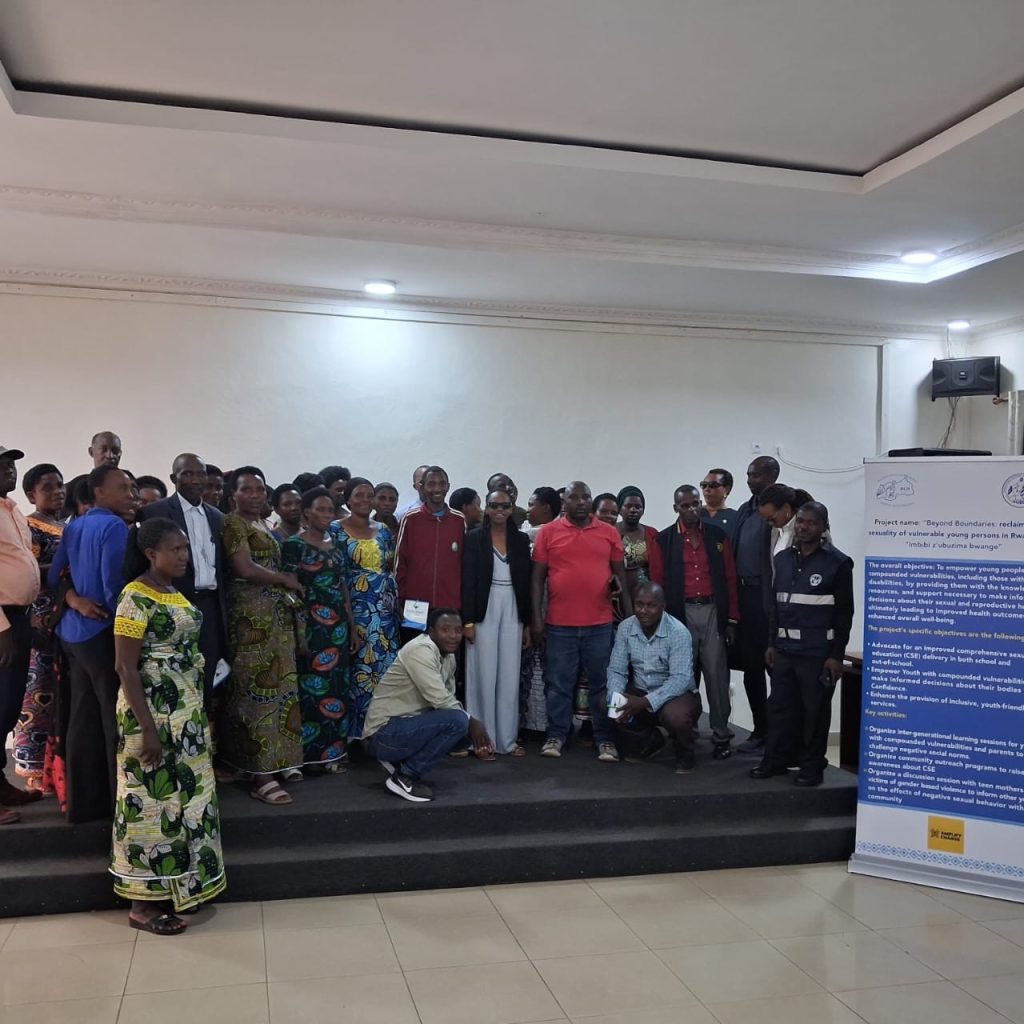The Muhanga workshop demonstrated that through open and respectful dialogue, communities can successfully balance cultural traditions with the need to advance Sexual and Reproductive Health and Rights, creating a more inclusive environment where every young person has the opportunity to thrive.

SUBSCRIBE TO OUR NEWSLETTER
First name or full name
Email
By continuing, you accept the privacy policy
**Categories:** ADVOCACY, EDUCATION, HEALTH
---
### [Rwanda Tops Africa in Anti-Corruption Performance as 2026 Mo Ibrahim Governance Index Highlights Sustained Leadership](https://www.topafricanews.com/2026/07/16/rwanda-tops-africa-in-anti-corruption-performance-as-2026-mo-ibrahim-governance-index-highlights-sustained-leadership/)
**Published:** July 16, 2026
**Author:** LIBOS NDAYISHIMIYE
**Content:**
Rwanda has been ranked as Africa’s top-performing country in the fight against corruption, sharing first place with Seychelles in the 2026 preliminary Ibrahim Index of African Governance (IIAG). The latest assessment by the Mo Ibrahim Foundation awarded both countries a score of 76.6 out of 100 for 2025, underscoring Rwanda’s continued leadership in promoting transparency, accountability and strong public sector integrity across the continent.
The findings, released in July 2026 as part of the Foundation’s preliminary 2026 IIAG report, evaluate governance performance across Africa using a broad range of indicators. In the anti-corruption category, the assessment measures six key dimensions: the effectiveness of anti-corruption mechanisms, the absence of corruption in public institutions, integrity across government, corruption levels in the private sector, transparency in public procurement, and citizens’ perceptions of anti-corruption efforts.
According to the report, Rwanda has maintained its position as Africa’s leading anti-corruption performer every year since 2016. Between 2016 and 2025, the country improved its score by 2.6 points, reflecting continued progress in strengthening governance and institutional accountability.
However, the report also notes that while Rwanda’s overall performance has continued to improve, the pace of progress has slowed in recent years. Since 2021, annual gains have become more gradual, indicating that although the country remains the continental leader, further improvements may require renewed momentum and sustained reforms.
Seychelles matched Rwanda’s overall score of 76.6, but recorded the strongest improvement over the past decade. Its anti-corruption score increased by 26.3 points, enabling the island nation to climb 12 places in the continental rankings, making it the fastest-improving country in this governance category.
The report identifies several other countries as Africa’s strongest anti-corruption performers. Mauritius ranked third with 65.7 points, followed by Senegal (64.0), Benin (58.7), Botswana (57.8), Namibia (57.6), Cabo Verde (56.1), Tunisia (55.9) and Burkina Faso (55.6), completing the continent’s top ten.
At the continental level, the Mo Ibrahim Foundation observed only modest progress over the past decade. Africa’s average anti-corruption score rose slightly from 38.6 in 2016 to 39.1 in 2025. Nevertheless, the report highlights significant disparities across countries, with 26 nations improving their scores while 28 experienced declines during the same period.
Rwanda’s performance stands well above the African average, illustrating the country’s sustained emphasis on transparency, effective public administration and institutional integrity. At the opposite end of the rankings, South Sudan recorded the continent’s lowest anti-corruption score at 6.9, highlighting the wide governance gap that continues to exist across Africa.

SUBSCRIBE TO OUR NEWSLETTER
First name or full name
Email
By continuing, you accept the privacy policy
**Categories:** NEWS
---
### [ATIDI Marks Silver Jubilee with Record Financial Performance and Stronger Continental Backing](https://www.topafricanews.com/2026/07/16/atidi-marks-silver-jubilee-with-record-financial-performance-and-stronger-continental-backing/)
**Published:** July 16, 2026
**Author:** TOPAFRICANEWS
**Content:**
**Nairobi, Kenya: July 16, 2026** – The African Trade & Investment Development Insurance (ATIDI) celebrated its Silver Jubilee with another year of strong financial performance, reporting double-digit growth across key financial indicators as African leaders reaffirmed the institution’s strategic role in mobilising investment and lowering the cost of capital across the continent.
The results were announced during ATIDI’s 26th Annual General Meeting, held in Nairobi from 30 June to 3 July under the theme *“Empowering Africa: Risk Managed, Growth Unlocked.”*
ATIDI delivered robust financial results in 2025 despite continued global economic uncertainty. Total exposure increased to USD9.2 billion, up from USD8.9 billion in 2024, while profit for the year rose 20 percent to USD71.4 million. Total assets surpassed the USD1 billion mark for the first time, growing 20 percent to USD1.06 billion, while shareholders’ equity increased 12 percent to USD883 million, strengthening the institution’s underwriting capacity and financial resilience.
Speaking at the AGM, ATIDI Chief Executive Officer Manuel Moses said the results reflect the institution’s resilience and growing importance in supporting investment across Africa.
“Against a backdrop of continued global uncertainty and the lingering effects of the COVID pandemic, ATIDI delivered another year of resilient growth in 2025, with strong results across insurance revenue, investment income and total equity,” he said.
As ATIDI marked 25 years of operations, Moses highlighted the institution’s growing development impact. Since its establishment, ATIDI has facilitated more than USD93 billion in trade and investment across Africa through political risk insurance, credit insurance and other risk mitigation instruments that enhance investor confidence.
Its shareholder base has expanded from seven founding members to 24 African countries, 13 institutional shareholders and one non-African member state, while consistently maintaining investment-grade credit ratings from leading international rating agencies.
“We have demonstrated that African solutions are often best placed to address Africa’s unique challenges and opportunities. We have built our success on the ability to combine world-class standards with a deep understanding of African markets,” Moses said.
ATIDI Board Chairman Professor Kelly Mua Kingsly said investor confidence remains Africa’s most valuable economic asset.
“Africa’s greatest asset is confidence. If capital is the engine of development, confidence is its fuel. We do not merely mitigate risk. We create confidence.”
The AGM also underscored ATIDI’s growing strategic importance within Africa’s emerging financial architecture.
President William Ruto called for stronger African financial institutions and endorsed the New African Financial Architecture for Development (NAFAD), an initiative aimed at mobilising domestic capital, strengthening risk-sharing mechanisms and reducing Africa’s borrowing costs.
Describing ATIDI as a key pillar of the initiative, President Ruto called for the institution’s recapitalisation to USD2 billion and announced that Kenya will, subject to the necessary national processes, progressively increase its shareholding from USD25 million to USD65 million. He also presented ATIDI with the title deed for land designated for its permanent headquarters.
African Development Bank Group President Dr. Sidi Ould Tah announced that the Bank has increased its equity participation in ATIDI fivefold, making it the institution’s largest institutional shareholder, while pledging support to help more African countries join the institution.
“The challenge before us is not a lack of capital or opportunities, but a persistent mispricing of African risk,” Dr. Tah said, adding that ATIDI’s guarantee instruments are essential to unlocking greater private investment across the continent.
The AGM concluded with investment promotion sessions showcasing projects in renewable energy, agriculture, transport and water infrastructure, alongside Business-to-Business and Business-to-Government meetings aimed at connecting investors with bankable opportunities across Africa.

SUBSCRIBE TO OUR NEWSLETTER
First name or full name
Email
By continuing, you accept the privacy policy
**Categories:** Business and Trade
---
### [The next frontier for AI in South African banking](https://www.topafricanews.com/2026/07/16/the-next-frontier-for-ai-in-south-african-banking/)
**Published:** July 16, 2026
**Author:** TOPAFRICANEWS
**Content:**
Delivering on AI has become both a buzzword and a pressure point for organisations globally. There is also a gap between its adoption and its ability to deliver value.
The McKinsey State of Organisations 2026 report surveyed executives across 15 countries and 16 industries, and it found that 88% of companies were investing in AI, but 81% were not seeing any meaningful gains from this AI.
This is against the backdrop of aggressive AI spend, with IDC’s April 2026 update saying that global AI infrastructure spending reached $89.9 billion in the last quarter of 2025. There remain barriers to progress, and one of the most persistent is data.
“Data and governance readiness are the primary blockers to successful AI integration and adoption,” explains Mandla Mbonambi, CEO of Africonology. “Without trusted data foundations and an architecture that supports AI and its governance, financial institutions will continue to struggle with limitations around their AI capabilities. They will also battle to see the returns the technology promises.”
Financial institutions are dealing with data spread and weight. Customer information is scattered across core banking systems, cloud platforms and regional data centres, while every AI initiative begins with the slow and expensive work of stitching this together. The traditional route to unified data is extraction and duplication, and in financial services, that route runs directly into regulation. Data residency laws mean engineers must build compliant pipelines to copy data between environments and then maintain two versions of the truth. Time and trust both suffer as a result.
This is where architecture decides the outcome. One methodology is taking a different approach by flipping the traditional model and querying data where it sits rather than moving it. This approach creates a single access layer across on-premises and cloud systems, preserving data residency because the data never leaves its jurisdiction, maintaining a single version of the truth. However, federation alone doesn’t make this data usable for AI. The layer that matters is the one that organises the data into certified, reusable products that companies can find, trust and understand.
When an AI agent sits on top of that layer, it has the schema, the language and the trusted data it needs to answer questions accurately. As the local Starburst partner, Mbonambi explains the business value it brings: “The context layer allows the business to organise the data that comes from hundreds of data sources into a very small number of data products. Then companies have the schema, the language and the data they can trust.”
Now, companies can feel the difference in how they can answer questions. Legacy business intelligence environments can respond to the questions they were built for and nothing more, but when AI is integrated properly, this story changes. A compliance officer can pull a regulator’s request in minutes, spot that most loan declines share a single reason code and interrogate the data behind it. All without waiting on a data engineering queue. Governance concerns can be answered within the same architecture, and suddenly institutions can delve into data in new ways that highlight friction points, bottlenecks, opportunities and risks.
“Every query is traceable to the person who asked it, costs can be attributed to individual teams, and access controls can operate at a row and column level, so a junior analyst asking the same question as a compliance officer can only see what their role permits,” says Mbonambi. “This is a mindset change that gives companies a fighting edge when it comes to AI.”
Benefitting from AI adoption is a foundational problem that goes beyond the model and the system and deep into the architecture of the organisation. Financial institutions need to fix the data layer first using tools that connect data where it lives, organise it into trusted products and build governance in from the start rather than bolting it on later.
For South African banks, the stakes are sharper than the global averages suggest. The sector carries decades of legacy infrastructure, operates under tight data residency and privacy obligations, and faces a customer base moving faster than most core systems were designed to serve. The institutions that treat AI as a data problem before a model problem will move from pilot to production in months. Those who keep funding proofs of concept on broken foundations will keep paying for capabilities they never see.
“The race won’t be won by the bank with the biggest AI budget,” concludes Mbonambi. “It will be won by the one whose data is ready to answer the questions it has to ask.”

SUBSCRIBE TO OUR NEWSLETTER
First name or full name
Email
By continuing, you accept the privacy policy
**Categories:** Business and Trade, OPINION
---
### [Up to 45% of Dementia Risk Can Be Prevented or Delayed](https://www.topafricanews.com/2026/07/16/up-to-45-of-dementia-risk-can-be-prevented-or-delayed/)
**Published:** July 16, 2026
**Author:** Mutangana Emmanuel
**Content:**
The World Health Organization (WHO) has released updated global guidelines on reducing the risk of cognitive decline and dementia, saying that up to 45 percent of dementia cases could be prevented or delayed by addressing modifiable risk factors throughout life.
More than 57 million people worldwide are living with dementia, while nearly 10 million new cases are diagnosed each year. Alzheimer’s disease remains the most common form, accounting for an estimated 60–70 percent of all cases.
Although there is currently no cure for dementia, WHO says a significant share of the risk is linked to preventable factors, including tobacco and alcohol use, physical inactivity, social isolation, air pollution, and noncommunicable diseases such as high blood pressure and diabetes.
“We know more today than ever before about what drives dementia risk, and these guidelines translate that knowledge into action,” WHO Director-General Dr. Tedros Adhanom Ghebreyesus said. “Countries now have clear, evidence-based recommendations they can put into practice immediately to protect people’s cognitive health.”
The updated guidance builds on WHO’s 2019 recommendations and reflects new scientific evidence on preventing cognitive decline. It urges countries to integrate dementia prevention into services for noncommunicable diseases, mental health and brain health.
WHO recommends several lifestyle measures to lower dementia risk, including regular physical activity, quitting tobacco, limiting alcohol consumption, eating a healthy diet, staying socially engaged, and participating in cognitive training and stimulation activities. The guidelines also introduce a new recommendation to reduce exposure to air pollution.
Managing cardiometabolic conditions such as hypertension, diabetes and high cholesterol is also highlighted as an effective way to reduce dementia risk. In addition, WHO says hearing aids may be offered as part of dementia risk-reduction strategies for people with hearing loss.
However, the organization advises against taking vitamin B or E supplements, omega-3 fatty acids, or multivitamin and mineral supplements solely to prevent dementia in people without diagnosed deficiencies, citing insufficient evidence of benefit and the potential for harm.
Beyond its health impacts, dementia reduces a person’s independence, dignity and ability to carry out daily activities, placing a heavy burden on families and caregivers.
The condition also carries a significant economic cost, with WHO estimating that dementia costs the global economy about US$1.3 trillion each year. Around half of that amount is attributed to unpaid care provided by family members and friends.
WHO said greater awareness of dementia risk factors and wider adoption of preventive measures could help people live longer, healthier and more independent lives while easing the growing social and economic burden of the disease.

SUBSCRIBE TO OUR NEWSLETTER
First name or full name
Email
By continuing, you accept the privacy policy
**Categories:** HEALTH
---
### [DeSIRA Project Transforms Rwandan Agriculture with Climate-Smart Innovations and Record Crop Yields](https://www.topafricanews.com/2026/07/16/desira-project-transforms-rwandan-agriculture-with-climate-smart-innovations-and-record-crop-yields/)
**Published:** July 16, 2026
**Author:** DUSABEMUNGU Ange de la Victoire
**Content:**
**KIGALI, RWANDA** – A major agricultural initiative is successfully reshaping the farming landscape in Rwanda, significantly boosting crop yields and fortifying local food systems against climate change. The DeSIRA project, formally known as “Capacity development for innovation in Rwanda,” is a EUR 2,000,000 initiative funded by the European Commission running from September 2020 to December 2025. By strengthening climate-smart innovation capacities, the project is actively tackling poverty and enhancing food and nutrition security across six districts: Burera, Rutsiro, Gatsibo, Nyagatare, Bugesera, and Ruhango.
**Staggering Increases in Crop Yields**
Through rigorous action research and the introduction of 36 improved seed and fertilizer options tested across more than 100 study plots, the project has achieved remarkable production milestones. **Potato yields have surged from 7 to over 20 metric tons per hectare (MT/ha), with the specialized Cyerekezo variety reaching up to 32 MT/ha**. Similarly, **cassava yields skyrocketed from 10 to up to 47 MT/ha** thanks to pit planting, improved soil health, and better crop varieties. Rice farmers in the Rwangingo scheme have also seen their harvests jump from 4 to 6.4 MT/ha through the adoption of good agronomic practices.
**Empowering the Farming Community**
A cornerstone of the DeSIRA initiative is its focus on community-led learning and multi-stakeholder collaboration. The project has successfully established **eight fully operational Agricultural Innovation Platforms (AIPs)**, which bring together farmers, researchers, policymakers, and the private sector to co-design solutions across the dairy, cassava, potato, piggery, and rice value chains. These platforms have engaged over 8,618 producers and strategically implemented a transformative gender approach, ensuring that 37% of participants are women and 18% are youth.
To further build local capacity, the project trained 104 local agronomists and facilitators in the Farmer Field School (FFS) approach, a methodology that promotes season-long, field-based learning. This effort led to the formation of **64 FFS groups that currently engage 1,920 households** in testing climate-smart practices, improving soil health, and sharing farmer-to-farmer knowledge.
**Advancing Livestock Health and Climate Resilience**
Beyond crops, the DeSIRA project has made significant strides in livestock management and resource efficiency. The initiative provided 450 rainwater harvesting tanks to secure reliable water access for improved livestock production. Animal health has been heavily bolstered through targeted vaccination campaigns, **protecting 758 cattle against East Coast Fever (ECF) and 5,000 pigs against Swine Erysipelas**, drastically reducing disease-related losses. In districts like Burera and Nyagatare, a newly developed Microsoft Excel-based feed balance tool is helping farmers optimize livestock nutrition and resource efficiency.
Overall, the project has tested and profiled over **22 Climate-Smart Agriculture (CSA) innovations**, including drought-tolerant varieties, integrated pest management, and water-saving techniques.
**Policy Influence and Lasting Impact**
The adoption of these transformative practices is already gaining widespread traction among the population. A recent study revealed that **85% of farmers expressed interest in Climate-Smart Agriculture, with 60% already applying these practices in their fields**, demonstrating high scalability and alignment with national climate adaptation priorities.
To ensure long-term institutional support, the project has convened four major policy dialogues focusing on dairy governance, seed systems, and water management, successfully influencing the national enabling environment with input from over 100 stakeholders. Additionally, eight academic exchange programs between the University of Rwanda and ISTOM have fostered joint research, knowledge transfer, and vital institutional capacity building for the future of Rwandan agriculture.

SUBSCRIBE TO OUR NEWSLETTER
First name or full name
Email
By continuing, you accept the privacy policy
**Categories:** Climate / Agriculture Evolution, CLIMATE CHANGE
---
### [Turning city waste into sustainable end-products: SOWISE+ kicks off in Italy](https://www.topafricanews.com/2026/07/16/turning-city-waste-into-sustainable-end-products-sowise-kicks-off-in-italy/)
**Published:** July 16, 2026
**Author:** TOPAFRICANEWS
**Content:**
Urban waste represents one of Europe’s most pressing circular economy challenges, but also one of its most promising sources of sustainable raw materials. To address this opportunity, the SOWISE+ project officially kicked-off with a two-day meeting in Treviso, Italy, hosted at Palazzo San Leonardo Great Hall / Campus Treviso, Università Ca’ Foscari Venezia.
**SOWISE+ “Solid Organic Waste Into Sustainable End-products” aims to demonstrate a first-of-its-kind multipurpose biorefinery for the valorisation of urban biowaste and post-consumer absorbent hygiene products into advanced bio-based materials and products.**
**Kick-off meeting overview**
The kick-off meeting brought together the SOWISE+ consortium to align on the project’s shared vision, technical approach, work plan and first implementation steps. During the two days, partners discussed the project’s scientific, technical, industrial and societal dimensions, setting the foundations for the five-year collaboration.
Throughout the meeting, the consortium:
- Presented the SOWISE+ concept, value chains and expected contribution to circular bio-based innovation.
- Discussed the technical pathway for the development, start-up and operation of the SOWISE+ flagship plant.
- Visited the **Contarina plant** in Trevignano and the **i-Foria plant** in Spresiano, strengthening partners’ understanding of the project’s industrial and operational context.
- Reviewed the project’s Work Packages, covering permits and engineering, flagship plant realisation, bio-**based** polymers (PHBV) and cellulose-based material production, product validation, sustainability assessment, stakeholder engagement, communication, exploitation, replication and project management.
- Defined the first implementation phase and next steps for the months ahead.
The agenda also included an inspiring intervention by the **CBE JU Project Officer**, Ms Paola Paiano, as well as dedicated sessions for partner presentations, technical concept discussions and financing overview.
**SOWISE+ objectives**
SOWISE+ will demonstrate how urban waste streams can be transformed into sustainable end-products through a flagship biorefinery model. The project will:
- Scale up the production of **bio-vased polymers** (**PHBV) from urban biowaste** to industrially relevant level.
- Integrate the valorisation of cellulose recovered from post-consumer absorbent hygiene products.
- Develop and validate advanced bio-based materials and products using bio-**based** polymers (PHBV), cellulose and related formulations.
- Assess safety, sustainability and circularity through the Life Cycle Sustainability Assessment and Safe and Sustainable by Design frameworks.
- Engage stakeholders, citizens, waste operators, industry representatives and policy actors to support social acceptance and long-term uptake.
- Evaluate the replication potential of the SOWISE+ model in other European regions.
By combining waste management, biotechnology, material science, industrial demonstration and stakeholder engagement, SOWISE+ aims to create a lighthouse example for integrated **urban-industrial symbiosis** across Europe.
***“SOWISE+ brings together the expertise needed to turn urban waste into sustainable bio-based materials at industrially relevant scale,” said Marco Mattielo, project manager at Contarina and coordinator of SOWISE+. “By integrating innovative technologies with real waste management systems, the project will support a new model of circular urban-industrial symbiosis for Europe.”***
**Next steps**
In the coming months, SOWISE+ partners will focus on the first implementation phase, including permitting, engineering and design activities for the flagship plant, the development of the project’s communication and dissemination strategy, stakeholder mapping, sustainability scoping, and the preparation of the technical work required for future scale-up and validation activities.
The project will also begin building its stakeholder community, creating synergies with relevant European initiatives and preparing the foundations for exploitation and replication.
*Project consortium*
**Coordinator:** Contarina SpA
**Partners:**
Università Ca’ Foscari Venezia; Fondazione Università Ca’ Foscari Venezia; SiPHA Società a Responsabilità Limitata; i-Foria Italia SRL; Paques Biomaterials BV; Wetsus, European Centre of Excellence for Sustainable Water Technology; ena Development Consultants; Novamont SpA; SPRING – Sustainable Processes and Resources for Innovation and National Growth; AquaInSilico LDA; Soprema; CSI – Soprema; SMC Group SRL; Združenie obcí Holeška na triedenie a nakladanie s odpadmi; Empresa Municipal de la Innovación y Desarrollo Tecnológico SA; Ponikve Eko Otok Krk d.o.o.; Association of Cities and Regions for Sustainable Resource Management; Bionanopharma Sociedad Limitada; Normec OWS; Biotrend – Inovação e Engenharia em Biotecnologia SA; Pezy Group; Renewi; Sabio; Ecorys.

SUBSCRIBE TO OUR NEWSLETTER
First name or full name
Email
By continuing, you accept the privacy policy
**Categories:** CLIMATE CHANGE, Environment
---
### [Rwanda Achieves Major Digital Payments Milestone with Full eKash Rollout](https://www.topafricanews.com/2026/07/15/rwanda-achieves-major-digital-payments-milestone-with-full-ekash-rollout/)
**Published:** July 15, 2026
**Author:** TOPAFRICANEWS
**Content:**
**Kigali, July 15, 2026 —** Rwanda has taken a significant leap toward a fully integrated cashless economy with the completion of the full rollout of [eKash](https://rswitch.co.rw/ekash/), the country’s national instant payment system.
Effective July 14, 2026, all domestic interoperable retail payment transactions between banks and electronic money issuers are now processed through a single unified platform.This development eliminates long-standing fragmentation in the digital payments ecosystem, making transfers between bank accounts and mobile wallets simpler, faster, cheaper, and more accessible for millions of Rwandans.
**From Fragmented Systems to National Unity**
Prior to the full eKash implementation, interoperability between financial institutions relied on bilateral agreements and separate technical integrations.
Each bank or mobile money provider had to establish and maintain individual connections with others, leading to higher complexity, costs, and inefficiencies.eKash replaces this patchwork with a single national payment switch operated by RSwitch.
Institutions now connect once to the platform, enabling seamless money movement across the ecosystem.
This includes commercial banks, SACCOs, microfinance institutions, and mobile money operators — a total of 22 institutions currently connected.
The system builds on phased development: initial interoperability for mobile money began around 2022, with expansion to banks and other providers over subsequent years.
The full domestic interoperability milestone completes these efforts under guidance from the National Bank of Rwanda.
**How the New System Works for Users**
Customers experience no disruption in their daily routines. Transactions continue through familiar channels — existing mobile banking apps, internet banking platforms, and USSD services — without the need to register for a separate eKash account or download a new application.Supported transaction types include:
- Bank account to bank account
- Bank account to mobile wallet
- Mobile wallet to bank account
- Mobile wallet to mobile wallet
Users can send or receive money across different providers seamlessly.
The platform supports transfers of up to Rwf 10 million per transaction (subject to individual institutions’ risk-based limits).
Merchant payments are also enhanced: customers can pay using their preferred bank account or wallet regardless of the merchant’s provider, with no eKash transaction fees for either party.
**Key Benefits:** Speed, Affordability, and InclusionThe rollout delivers immediate advantages:
- Lower costs — A maximum fee of Rwf 20 per person-to-person (P2P) interoperable transfer (paid by the sender). Institutions can charge less or waive the fee entirely. This represents a dramatic reduction from previous costs.
- Speed and reliability — Most transfers complete in under 15 seconds, with high success rates in earlier phases.
- Greater accessibility — Deepens financial inclusion by connecting formal banking with widely used mobile money services, benefiting users across urban and rural areas.
- Efficiency for providers — Reduced technical overhead and costs for financial institutions through the single-connection model.
RSwitch has described the full rollout as “a significant milestone in Rwanda’s transition towards a more integrated digital payment system, reducing barriers between financial service providers and improving the speed and convenience of money transfers.”
One RSwitch official noted: “With eKash, institutions connect once to the national payment system, reducing technical complexity and improving the efficiency of digital transactions.”
**Performance and Scale So Far**
Since its phased introduction, eKash has processed tens of millions of transactions, demonstrating strong adoption and reliability. The platform serves as a foundational element in Rwanda’s broader digital transformation agenda.
**Broader Context and Future Directions**
This achievement aligns with Rwanda’s national vision for a cashless, inclusive, and digitally empowered economy. It supports goals of financial inclusion, economic efficiency, and integration with government services.
Looking ahead, expansions are planned for additional use cases, including bulk payments, QR code-based merchant payments, government-to-person disbursements, and eventually cross-border instant payments.
The system positions Rwanda as a regional leader in interoperable digital payments infrastructure.
**A Seamless Step Forward**
Rwanda’s full eKash rollout represents more than a technical upgrade — it is a practical advancement that puts convenience, affordability, and inclusion at the center of everyday financial interactions.
As users begin transacting under the new unified system, the country moves closer to its goal of a modern, connected, and resilient digital economy.For the latest updates, Rwandans can check with their banks or mobile money providers.

SUBSCRIBE TO OUR NEWSLETTER
First name or full name
Email
By continuing, you accept the privacy policy
**Categories:** Business and Trade, NEWS
---
### [Rwanda and New Zealand Reinforce Bilateral Relations with First-Ever Trade and Investment Partnership Talks](https://www.topafricanews.com/2026/07/15/rwanda-and-new-zealand-reinforce-bilateral-relations-with-first-ever-trade-and-investment-partnership-talks/)
**Published:** July 15, 2026
**Author:** LIBOS NDAYISHIMIYE
**Content:**
Rwanda and New Zealand deepens their bilateral relationship after officially launching political consultations and opening the first-ever Future Investment and Trade Partnership (FIT-P) meeting, aimed at expanding cooperation in trade, investment, and other strategic sectors.
The inaugural FIT-P meeting is taking place in New Zealand on July 16–17, 2026, bringing together senior officials from both countries to explore new opportunities for economic collaboration and strengthen long-term commercial ties.
The milestone follows the signing of an agreement on Wednesday in Auckland, formally establishing political consultations between Rwanda and New Zealand.
The agreement was signed on behalf of Rwanda by Ambassador Innocent B. Muhizi, while Vangelis Vitalis, New Zealand’s Secretary for Trade and Economic Cooperation, represented his country.
Following the signing ceremony, Ambassador Muhizi and Vitalis held high-level discussions focused on expanding bilateral cooperation and identifying practical areas of mutual interest, with particular emphasis on trade, investment, and sustainable economic development.
Rwanda and New Zealand established diplomatic relations on April 17, 2012, and their partnership has continued to grow steadily over the years. The two countries enjoy close cooperation as members of the Commonwealth, working together on diplomacy, institutional capacity building, peace promotion, and sustainable development.
The relationship is also rooted in a shared history of support during one of Rwanda’s darkest moments. In 1994, while serving on the United Nations Security Council, New Zealand was among the countries that called for urgent international action to halt the Genocide against the Tutsi.
In recognition of that commitment, Rwanda awarded Colin Keating, New Zealand’s former Ambassador to the United Nations during the 1994 Genocide against the Tutsi, a national honor in 2010 for his efforts to oppose the genocide that claimed the lives of more than one million people in just 100 days.
Further reinforcing the strong ties between the two nations, New Zealand became the first country in 2019 to hand over historical archives related to the 1994 Genocide against the Tutsi to Rwanda, demonstrating its continued commitment to truth, remembrance, and historical preservation.

SUBSCRIBE TO OUR NEWSLETTER
First name or full name
Email
By continuing, you accept the privacy policy
**Categories:** Business and Trade, Development Trends, NEWS
---
### [WFP and ICBA partner to strengthen water governance and climate-smart agriculture for food security](https://www.topafricanews.com/2026/07/15/wfp-and-icba-partner-to-strengthen-water-governance-and-climate-smart-agriculture-for-food-security/)
**Published:** July 15, 2026
**Author:** TOPAFRICANEWS
**Content:**
**Dubai, United Arab Emirates – 15 July 2026** – The United Nations World Food Programme (WFP) in partnership with the [International Center for Biosaline Agriculture](https://www.biosaline.org/) (ICBA) and with financial support from Global Affairs Canada (GAC), has launched the MURUNA (“resilience” in Arabic) project to strengthen Iraq’s climate resilience. Iraq continues to face serious challenges to food security, with an estimated 2.5 million people requiring humanitarian assistance.
Increasing droughts, desertification, rising temperatures, and dwindling water flows in the Tigris and Euphrates pose increasing threats to rural communities – undermining agricultural productivity, reducing arable land, and exacerbating food insecurity across the country. Implemented in partnership with the Ministry of Water Resources, the MURUNA project will help Iraqi communities to address water scarcity through three interconnected approaches: inclusive water governance, improved community-level water management, and climate-smart agriculture.
The project will support water planning and decision-making processes at the national level, while working with water user associations to develop water use plans and to improve water infrastructure. These efforts will promote fair and efficient water allocation, and strengthen local participation, with a strong focus on supporting women. The project will also help vulnerable communities and farmers advance climate-smart agriculture by introducing innovative agricultural technologies and practices to strengthen long-term resilience to future shocks.
This project is made possible thanks to the support of Global Affairs Canada (GAC), whose funding enables ICBA and WFP to deliver sustainable solutions for Iraq’s water and food security challenges. ICBA’s role as the strategic partner in the project highlights the shared commitment to climate resilience and sustainable agriculture.
“Water is at the heart of Iraq’s future food security,” said Amit Singh, WFP Iraq’s Acting Country Director. “By investing in sustainable water governance and climate-smart agriculture, we are not only protecting livelihoods today but also securing resilience for generations to come.”
“ICBA is proud to partner with WFP, with the support of Global Affairs Canada, on the MURUNA project, which brings together stronger water governance, community-led resource management, and climate-smart agriculture,” said Dr. Tarifa Al Zaabi, Director General of ICBA. “For rural communities facing increasing climate pressures, resilience depends on practical solutions that work on the ground. Through MURUNA, ICBA will contribute its expertise to help farmers adapt and strengthen long-term food security in Iraq. This is where science can make a real difference – by turning research into practical solutions that strengthen livelihoods and build long-term agricultural resilience in Iraq.”
The United Nations World Food Programme is the world’s largest humanitarian organization, saving lives in emergencies and using food assistance to build a pathway to peace, stability and prosperity for people recovering from conflict, disasters and the impact of climate change

SUBSCRIBE TO OUR NEWSLETTER
First name or full name
Email
By continuing, you accept the privacy policy
**Categories:** Climate / Agriculture Evolution, CLIMATE CHANGE
---
### [Complete Machine Outlasts Individual Magic: Spain’s Masterclass Exposes France's Desperation](https://www.topafricanews.com/2026/07/15/complete-machine-outlasts-individual-magic-spains-masterclass-exposes-frances-desperation/)
**Published:** July 15, 2026
**Author:** TOPAFRICANEWS
**Content:**
The first semifinal of the 2026 FIFA World Cup™ was not just a football match; it was a definitive referendum on modern football philosophies. Spain’s flawless 2-0 triumph over France in the sweltering Dallas heat proved once and for all that a highly synchronized, tactically disciplined collective will always dismantle a side relying on individual isolation and desperation.
## The Art of the Collective
From the opening whistle, Luis de la Fuente’s men put on an absolute clinic in verticality and control. They did not just pass France into submission; they suffocated them. When Mikel Oyarzabal coolly slotted home his 22nd-minute penalty, it felt less like an early breakthrough and more like the inevitable consequence of Spain’s high-pressing blueprint.
Even when France attempted to mount a second-half resurgence, Spain’s adaptability shone through. Pedro Porro’s clinical finish to double the cushion was the ultimate counter-punch, but Spain’s true genius lay in their game management. Look no further than Lamine Yamal’s cynical, brilliant tactical foul on Kylian Mbappé. By willingly picking up a yellow card to halt a roaring 1v1 breakaway, the teenager epitomized a win-at-all-costs maturity that ran through the entire Spanish roster. Spain bent, but their structural integrity never came close to breaking.
## The Collapse of “Hero Ball”
France, by contrast, will exit this tournament consumed by bitter regret. They were handed the lifelines necessary to alter history, yet they lacked the composure to seize them. Kylian Mbappé’s glaring misses in the 54th and 66th minutes were not just bad luck \[2\]—they were the symptoms of a team playing under immense psychological weight.
As the clock ticked down, Didier Deschamps’ tactical setup completely dissolved. France abandoned all positional discipline and descended into chaotic “hero ball,” with Mbappé attempting to violently force his way through three and four red shirts at a time. It was wild, erratic, and entirely predictable for a Spanish low block that simply stood its ground and watched Les Bleus run out of ideas and out of time.
## The Verdict
France leaves Texas with their World Cup dreams shattered, exposed by their complete over-reliance on individual brilliance when cool heads were required. Meanwhile, Spain marches into Sunday’s final as an unstoppable juggernaut. They have technical genius, defensive steel, and an unshakeable collective identity. Whether it is England or Argentina waiting for them on the final stage, La Roja has firmly established themselves as the undisputed team to beat.

SUBSCRIBE TO OUR NEWSLETTER
First name or full name
Email
By continuing, you accept the privacy policy
**Categories:** NEWS, OPINION, Sport
---
### [Persistent Scientific Divides Risk Leaving Developing Nations Behind, New UNESCO Report Warns](https://www.topafricanews.com/2026/07/15/persistent-scientific-divides-risk-leaving-developing-nations-behind-new-unesco-report-warns/)
**Published:** July 15, 2026
**Author:** TOPAFRICANEWS
**Content:**
**PARIS** – As world leaders, scientists, and ministers gather for the 2026 Global Conference of the International Decade of Sciences for Sustainable Development (IDSSD), a new report from UNESCO has issued a stark warning: persistent scientific divides continue to threaten to leave developing nations behind, despite significant global mobilization.
The report, released to coincide with the conference opening in Paris on July 15, 2026, assesses the progress made during the first two years of the International Decade of Sciences. While the scientific community has demonstrated an unprecedented response—mobilizing USD 50 million in confirmed funding and supporting projects across all 17 Sustainable Development Goals—the data reveals a sharp and concerning imbalance.
**A Growing Disparity**
Despite representing 17.5% of the world’s population, Africa accounts for less than 10% of the Decade’s initiatives. Furthermore, the report highlights that the issue is not purely financial. Among the participating initiatives, 40% cited coordination as their primary barrier, suggesting that structural and governance gaps are as critical to address as funding shortages.
“The world is not lacking scientific knowledge—what we need now are stronger systems to put that knowledge to work for people and the planet,” said Khaled El-Enany, Director-General of UNESCO. “Governments must now turn this momentum into policies, budgets, and measurable impact.”
**Five Pillars for Reform**
To realign scientific efforts with the Sustainable Development Goals (SDGs), the report outlines five structural reforms:
1. **Reforming Research Culture:** Moving beyond the “publish or perish” model.
2. **Equitable Infrastructure:** Expanding access to scientific resources so all countries can participate.
3. **Connecting Policy and Science:** Establishing direct bridges between scientists and decision-makers.
4. **Restoring Trust:** Rebuilding public faith in science through integrity and inclusion.
5. **Responsible Governance:** Establishing frameworks for new technologies, such as AI and quantum science, before they outpace regulatory capacity.
**Open Science in Focus**
The report also examined the adoption of UNESCO’s 2021 Recommendation on Open Science. While progress has been made—60% of open science policies adopted over the last five years reference the recommendation—implementation lags behind. Although 79% of governments report having an open science policy framework, only 41% have concrete implementation plans, and a mere 33% have mechanisms in place to monitor the accessibility of scientific research.
**Looking Ahead**
Under the theme “Science in Action: Charting a Sustainable and Equitable Future for All,” the Global Conference will focus on bridging the divides between the North and South, addressing gender disparities in science, and ensuring research remains responsive to societal needs.
To highlight the future of scientific discovery, the conference features “Next Generations,” a photo exhibition by UNESCO and the AXA Foundation for Human Progress, profiling young researchers who are already shaping the global scientific landscape.

SUBSCRIBE TO OUR NEWSLETTER
First name or full name
Email
By continuing, you accept the privacy policy
**Categories:** Science and Technology
---
### [Record Immunisation Success in Lower-Income Countries Threatened by Funding Gaps](https://www.topafricanews.com/2026/07/15/record-immunisation-success-in-lower-income-countries-threatened-by-funding-gaps/)
**Published:** July 15, 2026
**Author:** DUSABEMUNGU Ange de la Victoire
**Content:**
**GENEVA, 15 July 2026** – Lower-income countries have achieved record-setting milestones in childhood immunisation, with 73 million children protected by Gavi-supported vaccines in 2025—the highest number in history. However, as the world celebrates this progress, Gavi, the Vaccine Alliance, warns that these gains face significant risks due to a lack of full funding for its next five-year strategic period.
The data, derived from the 2025 WHO and UNICEF estimates of national immunisation coverage (WUENIC), highlights a remarkable recovery in global health efforts. Notably, average coverage with the critical first dose of the diphtheria-tetanus-pertussis vaccine (DTP1) has returned to pre-pandemic 2019 levels, reaching 88%.
**Historic Progress Amidst Challenges**
Despite the enduring effects of the COVID-19 pandemic, rising birth cohorts, and ongoing outbreaks, global health efforts have yielded substantial results:
- **Breadth of Protection:** For the first time, the average coverage for a range of Gavi-supported vaccines—referred to as the “breadth of protection”—has reached 65%, placing lower-income countries on par with the rest of the world. This represents a 16 percentage point increase since 2019.
- **Reaching the Unreached:** The global number of “zero-dose children”—those who have never received a single vaccine—decreased by 640,000 in 2025. This reduction accounts for 85% of the global decrease, pushing figures nearly back to 2019 levels.
- **Fragile Contexts:** Some of the most challenging environments saw the greatest improvements. In 12 countries categorized as experiencing fragility and conflict, DTP3 coverage rose by 5 percentage points, reaching 66%. Sudan, in particular, saw a notable 32 percentage point improvement.
- **Targeted Successes:** Efforts against cervical cancer and malaria have exceeded expectations. Lower-income countries have protected 95 million girls with the HPV vaccine, surpassing Gavi’s 2025 target of 86 million. Additionally, malaria vaccines have been rolled out across 25 African nations, with countries like Ghana and Burkina Faso already reporting significant reductions in malaria-related child deaths and hospitalizations.
**The Looming Funding Crisis**
While the report celebrates these achievements, it serves as a stark warning. 2025 marked the final fully-funded year of Gavi’s current work. As the Alliance moves into its 2026-2030 strategic period, the lack of full funding threatens to stall this momentum.
“The historic levels of immunisation that we are seeing across lower income countries shows what can be achieved when all stakeholders work together towards a shared objective,” said Dr. Sania Nishtar, CEO of Gavi, the Vaccine Alliance. “As Gavi heads into a new five-year period, our great challenge now will be to maintain this momentum in the face of funding constraints, geopolitical uncertainty, and increasing outbreaks.”
Without necessary financial backing, Gavi warns that countries may be forced to make difficult choices, potentially reducing investments in key areas such as preventive vaccination campaigns, new hexavalent and multivalent meningitis vaccines, and global vaccine stockpiles.
As the Alliance shifts its focus toward countries most in need, it faces the ongoing challenge of reaching the remaining 9.5 million zero-dose children in lower-income settings. Gavi is calling on sovereign and philanthropic donors to prioritize sustained investment in immunisation, emphasizing that vaccines remain one of the most cost-effective tools for global health, security, and prosperity.

SUBSCRIBE TO OUR NEWSLETTER
First name or full name
Email
By continuing, you accept the privacy policy
**Categories:** HEALTH, NEWS
---
### [Rwanda Expands Global Sports Tourism Campaign as Aston Villa Signs Visit Rwanda Partnership](https://www.topafricanews.com/2026/07/14/rwanda-expands-global-sports-tourism-campaign-as-aston-villa-signs-visit-rwanda-partnership/)
**Published:** July 14, 2026
**Author:** LIBOS NDAYISHIMIYE
**Content:**
Rwanda has strengthened its global tourism and investment promotion campaign by securing a landmark partnership with English Premier League side Aston Villa, making the club the latest international football giant to carry the Visit Rwanda brand to a worldwide audience.
Under the agreement, the Visit Rwanda brand will feature prominently on the front of the training kits worn by Aston Villa’s men’s, women’s and academy teams. The partnership is expected to significantly boost Rwanda’s international visibility by reaching millions of football fans through one of the world’s most popular and widely followed leagues.
The collaboration marks another important milestone in Rwanda’s strategy of using sports as a platform to showcase its tourism potential, cultural heritage and investment opportunities. Through Aston Villa’s global reach, the Visit Rwanda campaign will gain increased exposure during training sessions, media appearances and other club-related activities throughout the season.
The partnership also reflects Aston Villa’s ambition to strengthen its international presence while providing Rwanda with another influential platform to connect with audiences across Europe and the rest of the world. With a rich history and an expanding global fan base, the Premier League club offers an ideal avenue for promoting Rwanda as a leading travel destination.
Over the years, the Visit Rwanda initiative has become one of the country’s most successful international branding campaigns, helping attract tourists, investors and global attention while highlighting Rwanda’s renowned wildlife, breathtaking landscapes, rich culture and world-class hospitality.
Aston Villa joins a growing list of elite football clubs that have entered into similar partnerships with Rwanda under the Visit Rwanda campaign. Other clubs include Arsenal FC of England which was concluded in November 2025, Paris Saint-Germain (PSG) of France, FC Bayern Munich of Germany, and Atlético de Madrid of Spain. Together, these strategic partnerships continue to strengthen Rwanda’s international profile and reinforce its position as one of Africa’s leading tourism and investment destinations.

SUBSCRIBE TO OUR NEWSLETTER
First name or full name
Email
By continuing, you accept the privacy policy
**Categories:** Business and Trade, Sport
---
### [Africa Trade Development Forum Set to Convene Global Trade and Industry Leaders in Addis Ababa](https://www.topafricanews.com/2026/07/14/africa-trade-development-forum-set-to-convene-global-trade-and-industry-leaders-in-addis-ababa/)
**Published:** July 14, 2026
**Author:** TOPAFRICANEWS
**Content:**
**ADDIS-ABABA, Ethiopia, July 14, 2026/** –Africa’s heads of government, policymakers, leading industrialists, and global partners will gather in Addis Ababa on 23 and 24 November 2026 for **the Africa Trade Development Forum 2026**. Co-hosted by the Ministry of Trade and Regional Integration of the Federal Democratic Republic Ethiopia and TradeMark Africa (TMA) , the biennial summit arrives at a turning point for the continent’s economic integration and shifting global trade dynamics.
While much global trade conversation has focused recently on tariffs, the primary barrier to African trade lies in the technical, regulatory, financial, and logistical challenges of being able to export, often referred to as Non-Tariff Barriers.
These Non-Tariff Barriers – such as the measures and processes that allow African companies to show international offtakers that they are meeting critical safety and sanitary standards – currently add an estimated 15% to 30% to regional trade costs. UNECA suggests that eliminating these barriers alone could surge intra-African trade by 52%.”Compliance costs are often higher than the tariffs themselves including actual import duties,” notes UNCTAD, citing that technical measures now regulate two-thirds of global trade.
The 2026 Forum will focus on priority, collective actions to harmonise standards, looking at what is needed to reduce compliance costs, accelerate quality certification, and ensure diminishing rejections of African goods by the world’s most lucrative markets.
Commenting on the forum, H.E. Hailemariam Desalegn Boshe, TMA Board Chair and former Prime Minister of Ethiopia said: “The next phase of Africa’s trade growth will depend on African firms showing that their products are as good as those of anywhere in the world. Businesses are up for the challenge – what we need to do, is to help assess and certify their goods, in a way that does not create a burden. ATDF 2026 offers an important opportunity to focus on these issues with clarity, seriousness and a shared sense of purpose.”
**H.E. Kassahun Gofe (PhD)**, Minister of Trade and Regional Integration of the federal Democratic Republic of Ethiopia said: “Ethiopia is honoured to host the Africa Trade Development Forum 2026 at a time when the continent is placing renewed focus on the quality of its trade systems and the competitiveness of its markets. Standards and quality infrastructure are central to industrial growth, market confidence and the ability of African producers to compete within the continent and beyond. We look forward to welcoming leaders and institutions to Addis Ababa for a practical and forward-looking discussion on the reforms needed to strengthen trade in measurable terms.”
**David Beer**, Chief Executive Officer of TMA, added: “Africa’s trade ambitions will be realised by building the systems that allow African firms to compete better with the rest of the world, by showing their goods comply with the highest standards. Quality systems underpin that, as they build the trust that markets demand. ATDF 2026 will see leaders focus on how to help businesses make that happen.”

SUBSCRIBE TO OUR NEWSLETTER
First name or full name
Email
By continuing, you accept the privacy policy
**Categories:** Business and Trade
---
### [Fast Fest 2026 is racing to Cresta Shopping Centre! Call-out: 16 – 27 July 2026 ](https://www.topafricanews.com/2026/07/14/fast-fest-2026-is-racing-to-cresta-shopping-centre-call-out-16-27-july-2026/)
**Published:** July 14, 2026
**Author:** TOPAFRICANEWS
**Content:**
**South Africa:** Engines are revving, chrome is gleaming and the excitement is tangible as Fast Fest races back to Cresta Shopping Centre! From 16 – 27 July 2026, join us for a 12-day festival of non-stop automotive action and family entertainment.
Following 2025’s hugely successful event, Fast Fest returns bigger, bolder and faster, transforming Cresta Shopping Centre into Johannesburg’s ultimate destination for car enthusiasts, collectors, families and anyone with a passion for all things on wheels.
Throughout the festival, visitors can get up close to an impressive line-up of vehicles from leading exhibitors such as Ford, Audi, Jetour, BYD, Toyota, Mahindra, Suzuki, BAIC, Nissan, GWM and SO many more of South Africa’s top manufacturers.
Whether you’re a lifelong petrolhead or love an unforgettable day out, Fast Fest promises something to get every pulse racing – from supercars to customised builds.
The excitement reaches full throttle on 25 July at 10 am at Entrance 3, when visitors can experience the crowd-favourite Show & Shine Competition, celebrating some of Mzansi’s finest vehicles. But that’s not all – there will also be a variety of test drives available!
Beyond the spectacular automotive displays, Fast Fest offers plenty of entertainment for the whole family. Put your driving skills to the test with SA’s most realistic, full-sized F1 simulators on 16 to 18 July or see how lightning fast you can complete our Pit Stop Challenge, stroll and admire sleek supercars (Entrance 1), or shop at our memorabilia store (Entrance 1) for unique motoring collectables, explore the Fast Fest Market (25 & 26 July, Entrance 3), and enjoy a variety of family-friendly entertainment and interactive experiences throughout the event.
From passionate collectors and racing fans to weekend shoppers looking for something different, Fast Fest delivers an unforgettable celebration of automotive culture in one exciting destination.
Best of all? Entry is completely free! Making it easier than ever to experience one of Johannesburg’s fastest-growing automotive lifestyle events.
Get ready, gather your crew and head to Cresta Shopping Centre from 16 – 27 July 2026. It’s fast, it’s fun, it’s lights out and away we go!
Remember to follow Cresta Shopping Centre on Facebook and Instagram for the latest event updates and the full Fast Fest programme.

SUBSCRIBE TO OUR NEWSLETTER
First name or full name
Email
By continuing, you accept the privacy policy
**Categories:** Sport
---
### [Global Coffee, Cocoa and Tea Prices Driven 90% by Supply and Demand, New Report Finds](https://www.topafricanews.com/2026/07/14/global-coffee-cocoa-and-tea-prices-driven-90-by-supply-and-demand-new-report-finds/)
**Published:** July 14, 2026
**Author:** Mutangana Emmanuel
**Content:**
International prices of coffee, cocoa and tea have experienced sharp fluctuations in recent years, largely driven by supply and demand imbalances rather than broader economic conditions, according to a new report by the Food and Agriculture Organization of the United Nations (FAO).
The report, ‘Price Dynamics in Global Beverage Markets: Trends, Drivers, and Consequences’, finds that more than 90 percent of short-term price movements are explained by changes in supply and demand, while macroeconomic factors play only a limited role. It also notes that market expectations can amplify price swings before actual changes in production or demand occur.
FAO says global beverage markets are particularly vulnerable because production is concentrated in a handful of countries and largely depends on smallholder farmers. Most coffee, cocoa and tea are exported as raw products to higher-income countries for processing, making supply chains susceptible to weather disruptions, transport costs and geopolitical shocks.
“In recent years, global beverage commodity prices have risen much faster than those of other agricultural commodities,” said Boubaker Ben-Belhassen, Director of FAO’s Markets and Trade Division. He attributed the volatility to concentrated production, growing global demand, extreme weather events, plant diseases, rising input and labour costs, geopolitical tensions and shipping delays.
The report shows that Brazil and Viet Nam produce nearly half of the world’s coffee, while Côte d’Ivoire and Ghana account for more than two-thirds of global cocoa production. China produces over half of the world’s tea. Such concentration means disruptions in a few producing countries can quickly trigger sharp increases in global prices.
Recent market trends reflect this pattern. Coffee prices surged in 2021 and 2022 following droughts and frosts in Brazil and poor weather in Colombia, before reaching record highs in early 2025 due to climate-related production losses in Viet Nam and Indonesia. Cocoa prices also climbed sharply in 2023 and 2024 after adverse weather and crop diseases reduced harvests in Côte d’Ivoire and Ghana. Tea prices, meanwhile, rose during the COVID-19 pandemic as demand increased with higher at-home consumption.
The report also finds that farmers often benefit less from rising prices than processors and retailers. While producers are directly exposed to global price changes, consumer prices tend to increase more gradually because raw commodities account for only a small share of the final retail price. As a result, gains from higher international prices are not evenly distributed along the value chain.
FAO warns that continued price volatility threatens the livelihoods of millions of farmers, particularly in countries that depend heavily on coffee, cocoa and tea exports. It recommends investments in climate-resilient farming, improved pest and disease management, stronger market transparency and better access to processing, certification and branding to help producers capture a larger share of the value generated by these commodities.

SUBSCRIBE TO OUR NEWSLETTER
First name or full name
Email
By continuing, you accept the privacy policy
**Categories:** Natural Resources and Agriculture
---
### [Seven African Countries Look to Rwanda for Health Data System Expertise](https://www.topafricanews.com/2026/07/13/seven-african-countries-look-to-rwanda-for-health-data-system-expertise/)
**Published:** July 13, 2026
**Author:** Mutangana Emmanuel
**Content:**
Rwanda has begun sharing its experience in building a national health intelligence system with seven African countries as part of a regional effort to strengthen data-driven healthcare and reduce reliance on externally managed health information systems.
The two-week South-to-South Regional Learning Exchange Programme on National Health Intelligence Systems, which opened in Kigali on July 13, 2026, has brought together senior health officials and data scientists from Burkina Faso, Ethiopia, Liberia, Senegal, Sierra Leone, Togo and Zambia to learn from Rwanda’s National Health Intelligence Centre (NHIC).
***Dr. Sabin Nsanzimana, Rwanda’s Minister of Health.***Opening the programme, Minister of Health Dr. Sabin Nsanzimana said African countries must take ownership of their health data and use it to guide policy decisions rather than relying heavily on externally managed systems.
“Our data is our currency. Data is the new gold. No one knows our problems better than ourselves,” Nsanzimana said.
He said the initiative was inspired by discussions among African health leaders following changes in international development support, which highlighted the need for countries to become more self-reliant in managing health information systems.
According to the minister, while external support remains important, it should build local capacity rather than create long-term dependence.
“We have people, we have brains, we have experts, we have computers. We should be able to collect, own and use our own data to solve our own problems,” he said.
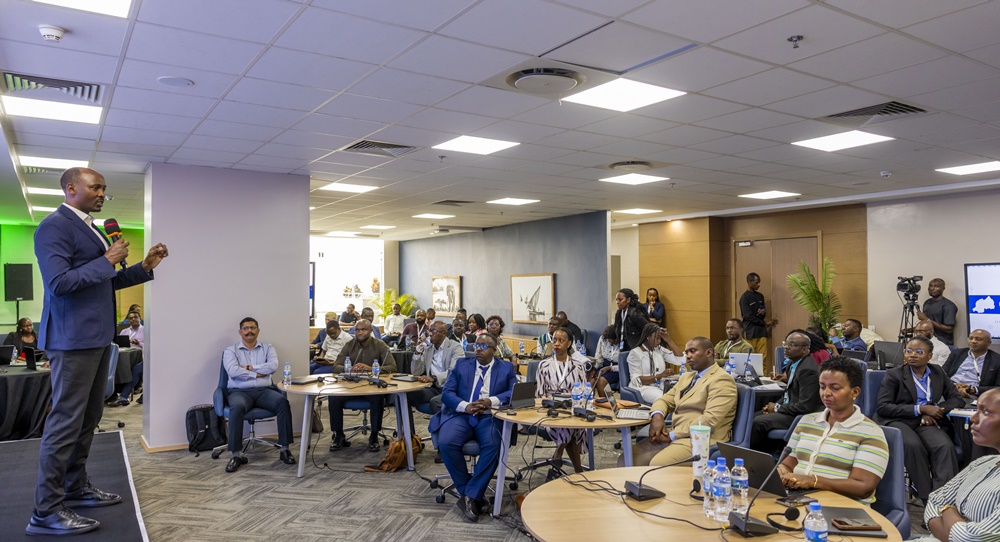Nsanzimana said Rwanda established the National Health Intelligence Centre to integrate health information from multiple sources into a single platform capable of providing real-time evidence for policy-making, planning and service delivery.
The platform brings together data from community health workers, health facilities, disease surveillance systems, medicine supply chains and other health programmes, allowing decision-makers to monitor developments through digital dashboards instead of relying on delayed reports.
He said the government is also moving to eliminate paper-based health records, announcing that beginning August 1, all patient information and referrals in Rwanda’s health facilities will be managed digitally through the national e-Buzima system.
The minister said digital systems would improve the accuracy of health information while reducing administrative delays, citing electronic referrals and electronic prescriptions as examples of reforms already being introduced.
Nsanzimana also challenged the continued reliance on periodic health surveys as the primary source of national health statistics.
He argued that traditional surveys, including Demographic and Health Surveys (DHS), often provide outdated estimates based on relatively small samples collected every five years, whereas integrated digital systems can generate more timely and comprehensive data from routine health services.
“If you have good data systems in the health sector, you spend less money because you know exactly where you should invest,” he said.
He urged participating countries to focus on building systems that generate real-time information rather than waiting years for survey results, adding that even connecting a limited number of health facilities to a national intelligence centre could provide more representative evidence than periodic surveys.
The minister also encouraged governments to invest in young technology professionals, saying many of Rwanda’s digital health innovations had been developed by local data scientists and software engineers.
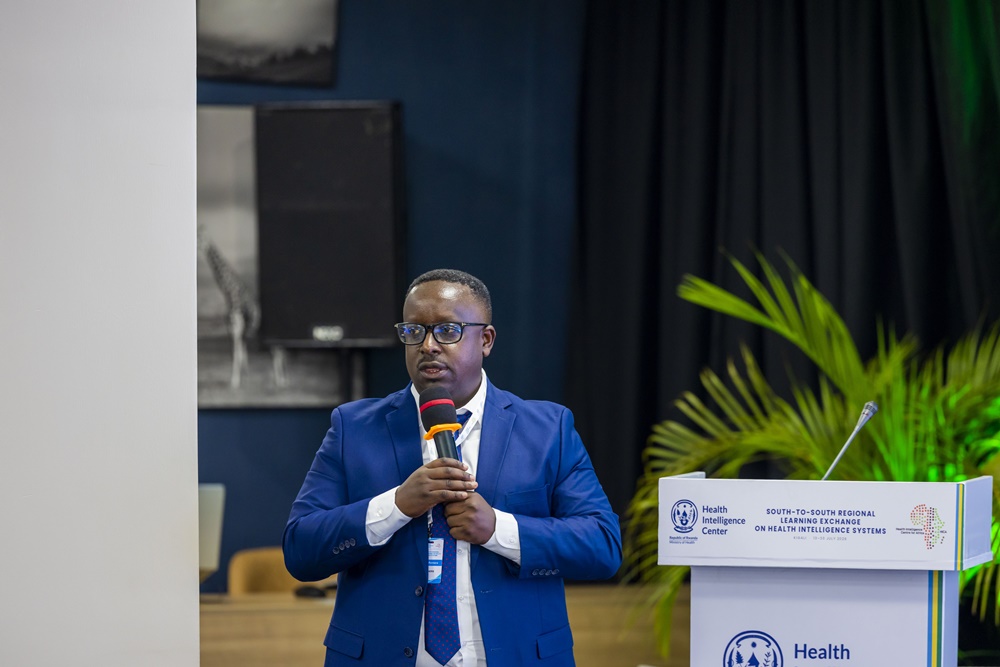***Dr. Eric Remera, Director of Rwanda’s National Health Intelligence Centre (NHIC).***Director of the National Health Intelligence Centre, Dr. Eric Remera, said the learning exchange marks an important milestone for the centre, which was launched in April 2025 and is now serving as a regional reference point for digital health intelligence.
“Today our NHIC is one year old. We are now working with different countries to help them establish their own National Health Intelligence Centres,” Remera said.
He said participants will spend the next two weeks exchanging practical experience, working with real-world health data and harmonising methodologies for measuring maternal mortality, which has been selected as the programme’s primary use case.
“The goal is to develop comparable estimates across countries and generate policy recommendations that can help reduce maternal mortality,” he said.
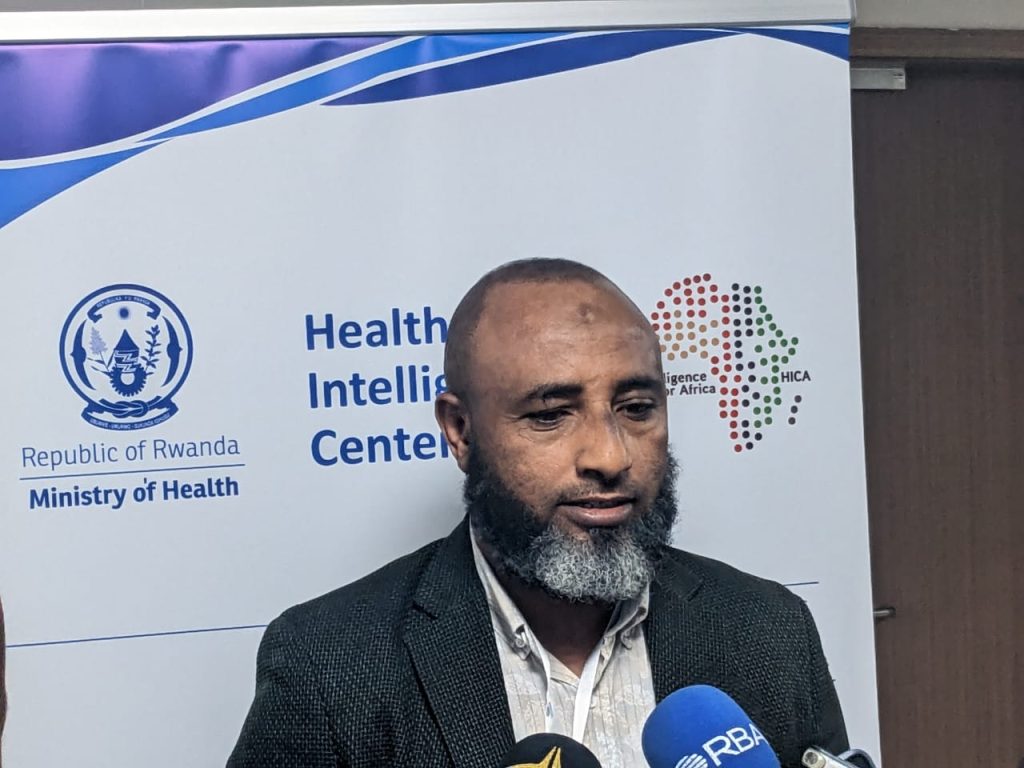***Mesoud Mohammed, Statistics and Information Lead at Ethiopia’s Ministry of Health.***Among the delegates attending the programme is Mesoud Mohammed, Statistics and Information Lead at Ethiopia’s Ministry of Health, who said Rwanda’s experience offers valuable lessons as Ethiopia establishes its own national health intelligence centre.
He said Ethiopia has already invested heavily in digital health infrastructure under its Digital Ethiopia 2030 strategy and aims to digitally connect at least 80 percent of health facilities by 2030.
However, he noted that fragmented information systems, data quality challenges, infrastructure limitations and the country’s vast geographical size remain major obstacles.
Mohammed said Rwanda’s progress demonstrates what strong political leadership can achieve.
“The most impressive thing I heard this morning was Rwanda’s commitment to make all health facilities paperless. We can learn from their experience without repeating the challenges they have already overcome,” he said.
The regional learning exchange is organised by Rwanda’s Ministry of Health, through the National Health Intelligence Centre, in partnership with the Health Intelligence Center for Africa (HICA), with the aim of strengthening national health intelligence systems and promoting evidence-based decision-making across the continent.
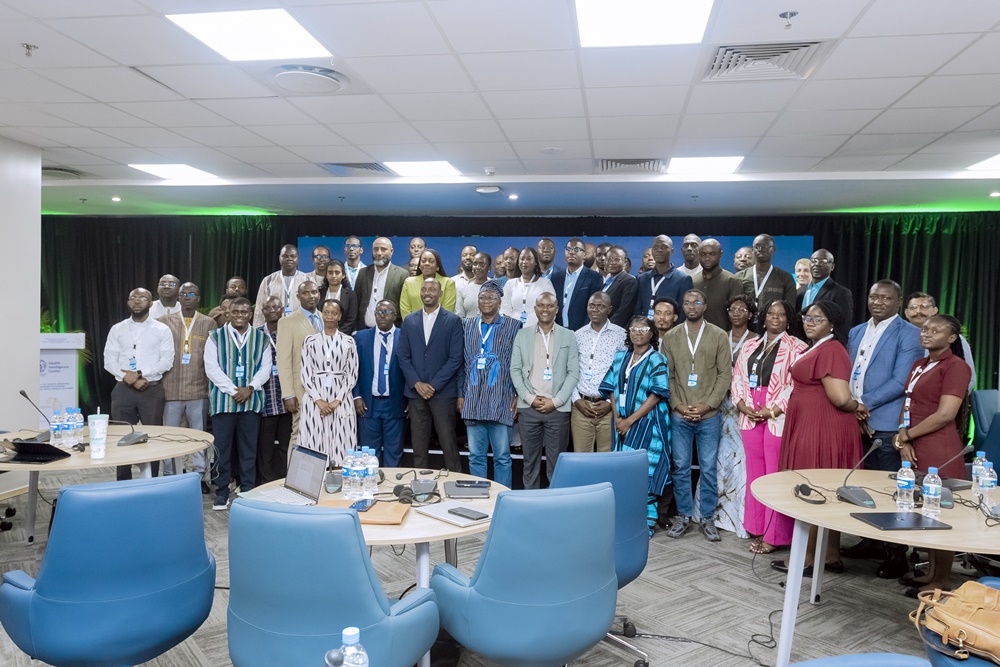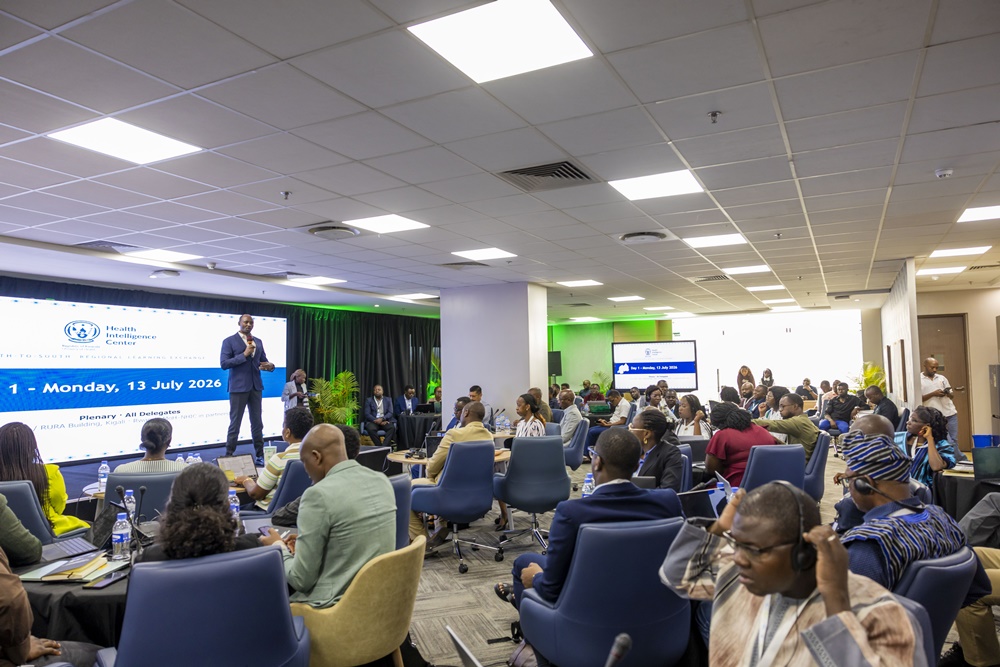
SUBSCRIBE TO OUR NEWSLETTER
First name or full name
Email
By continuing, you accept the privacy policy
**Categories:** HEALTH
---
### [ARCOS Network Celebrates the Golden Beauty of Akagera’s Dry Season](https://www.topafricanews.com/2026/07/13/arcos-network-celebrates-the-golden-beauty-of-akageras-dry-season/)
**Published:** July 13, 2026
**Author:** DUSABEMUNGU Ange de la Victoire
**Content:**
**KIGALI, Rwanda** – The first rays of dawn had barely touched Kigali when members of the Albertine Rift Conservation Society (ARCOS) Network began gathering at the organization’s headquarters. At exactly 5:46 a.m., the atmosphere was filled with excitement and anticipation as buses prepared to depart for one of Rwanda’s most treasured natural wonders – **Akagera National Park**.
Before the journey began, ARCOS Chief Executive Officer and Founder, **Dr. Sam Kanyamibwa**, offered a simple but profound message that would set the tone for the day.
> “Today is about learning and appreciation,” Dr. Kanyamibwa told the participants. “Enjoy the ecosystem. See the trees. Listen to the birds. Watch the animals. You may not see everything, but the beauty is in the experience.”
With those words, the convoy headed east.
As Kigali faded behind them, the rolling hills gradually opened into the wide plains of Eastern Rwanda, where endless banana plantations stretched across the landscape, signaling their approach to Akagera National Park. The smooth tarmac road seemed to lead directly into nature’s embrace.
Along the way, the excitement grew as the buses made several stops to pick up other members of the ARCOS Network from different parts of the Eastern Province.
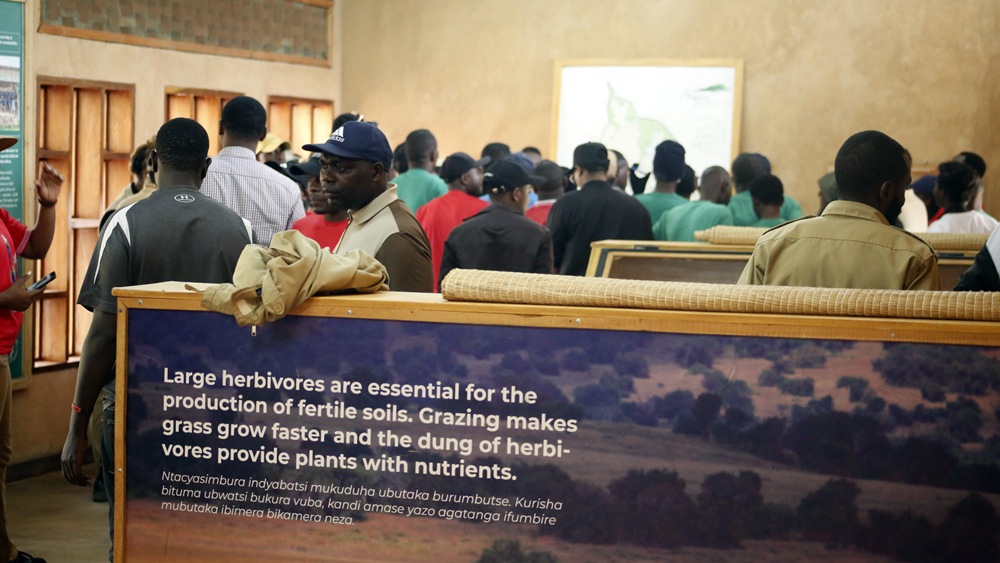Their arrival added fresh energy to the journey, turning the trip into a true gathering of conservation enthusiasts from across the country.
#### A Warm Cultural Welcome
Upon arrival at Akagera National Park, the ARCOS team was greeted by the rhythmic sounds of traditional drums and songs. A cultural troupe welcomed them with energetic dances celebrating the beauty of Akagera, its abundant wildlife and the importance of protecting Rwanda’s natural heritage.
Before beginning the safari, the group paused for a memorable photograph at the park’s entrance gate—a symbolic moment marking not just the beginning of a journey into the wild, but also a shared commitment to conservation.
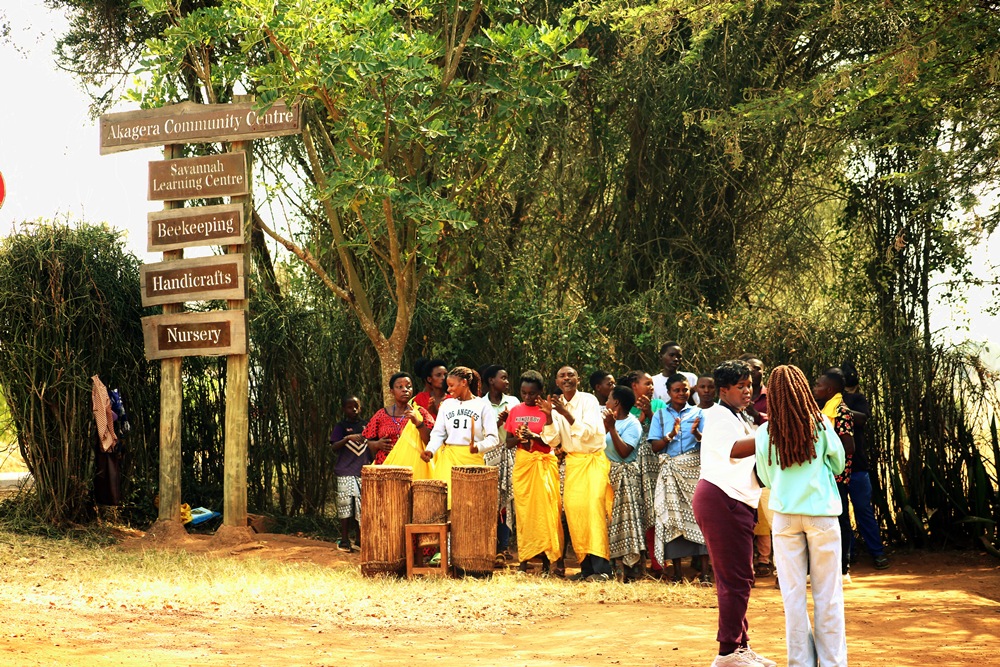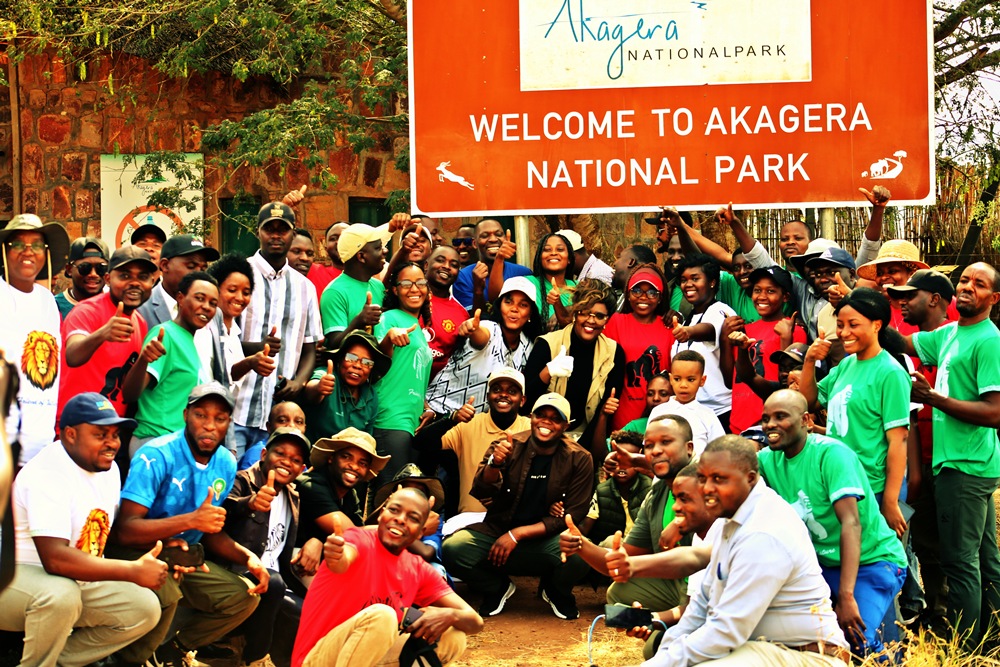#### The Golden Magic of Akagera’s Dry Season
As the vehicles entered the park, the landscape unfolded like a masterpiece.
The dry season had transformed Akagera into a sea of gold. Sunlight bathed the savannah in warm amber hues, creating a breathtaking contrast against the clear blue sky. The grasslands stretched endlessly, revealing the park’s raw and untamed beauty.
The open landscape made wildlife sightings particularly rewarding.
Large herds of **buffaloes** grazed peacefully across the plains. Along the shores of the lakes, **hippos** lounged in the cool water while birds soared gracefully overhead.
Further into the park, participants watched in awe as **giraffes** stretched their long necks toward the treetops, nibbling leaves with remarkable elegance. **Zebras and impalas** moved gracefully through the grasslands, while the sight of **lions** resting under scattered trees reminded everyone of Akagera’s place as one of Africa’s great wildlife destinations.
There was also excitement at spotting **rhinos** roaming the plains—a powerful symbol of Rwanda’s conservation success story.
Park guides explained that while many people associate lush greenery with beauty, the dry season reveals a different side of Akagera.
The golden grass, the expansive views and the concentration of animals around water sources create ideal conditions for appreciating the park’s rich biodiversity.
For many participants, the experience was both educational and deeply moving.
> “The dry season has its own beauty,” one participant said. “The golden grass, the big skies and the way you can see wildlife so clearly remind us why we do this work.”
#### A Day of Learning and Inspiration
Beyond the spectacular scenery and wildlife encounters, the trip served as a powerful reminder of the mission that unites ARCOS Network members: protecting nature and promoting sustainable landscapes across the Albertine Rift region.
Participants exchanged ideas, shared experiences and reflected on the importance of connecting people with nature.
Many expressed hope that similar learning excursions could become a regular feature of the network’s activities, with future visits to **Volcanoes National Park** and **Nyungwe National Park** to experience Rwanda’s mountain and forest ecosystems.
#### Carrying Home the Spirit of Akagera
As evening approached, the buses began the journey back to Kigali. Along the way, participants reflected on the day’s experiences, sharing photographs, stories of wildlife encounters and moments that had left them inspired.
They returned not only with memories of giraffes, lions and endless golden savannahs, but also with a renewed sense of purpose and a deeper appreciation of Rwanda’s extraordinary natural heritage.
Akagera’s dry season had offered them more than a safari.
It had offered them a lesson in beauty, resilience and the quiet power of nature—a reminder that conservation is not only about protecting wildlife, but also about creating experiences that inspire people to cherish and safeguard the natural world for generations to come.
SUBSCRIBE TO OUR NEWSLETTER
First name or full name
Email
By continuing, you accept the privacy policy
**Categories:** NEWS, Tourism and Nature
---
### [Africa Centres for Disease Control and Prevention (Africa CDC) Calls for Stronger Protection of Responders](https://www.topafricanews.com/2026/07/13/africa-centres-for-disease-control-and-prevention-africa-cdc-calls-for-stronger-protection-of-responders/)
**Published:** July 13, 2026
**Author:** TOPAFRICANEWS
**Content:**
**ADDIS ABABA, Ethiopia, July 13, 2026/** –As of 9 July 2026, 112 health workers had been infected with Bundibugyo virus across DRC since the outbreak began, including 35 who died. The confirmed infection of a U.S. humanitarian worker supporting the response in Bunia adds urgency to the protection of everyone working to contain the outbreak.
Health workers, humanitarian personnel, community responders, laboratory teams, volunteers and operational staff are sustaining the response under intense pressure. Their work identifies cases, cares for patients, follows contacts and protects affected communities. Their safety is central to stopping transmission.
The relevant authorities and response team have launched an epidemiological investigation, contact identification and exposure risk assessments concerning the U.S. humanitarian worker. The circumstances of exposure remain under investigation.
**Dr Jean Kaseya, Director-General of Africa CDC, said:**
“We honour the 112 health workers infected in DRC since this outbreak began, including the 35 who lost their lives, and every responder serving affected communities. Their courage, expertise and commitment protect lives every day. Reliable protective equipment, strong infection prevention systems, continuous training, psychosocial support and safe working conditions are essential for every person delivering this response. We thank the governments and partners that have committed financial and operational support. Rapid disbursement of these commitments, together with additional resources, will strengthen protection for responders, expand essential operations and help teams stop every transmission chain.”
Governments and partners are providing vital financial and operational support, helping to strengthen surveillance, laboratory testing, case management, infection prevention and control, contact tracing and community engagement.
Rapid disbursement of outstanding commitments and further contributions are now required to close remaining gaps. Priority needs include personal protective equipment, infection prevention supplies, continuous training, mental health and psychosocial support, safe working conditions and the operational tools required to identify and interrupt transmission.
Through the Continental Incident Management Support Team, Africa CDC continues to support the governments of DRC and Uganda and coordinate with affected Member States and response partners.
All organisations operating in affected areas should strengthen occupational safety, report suspected exposures and symptoms rapidly, and provide continuous support to their personnel.
The patient’s confidentiality, dignity and medical privacy will be protected. The responsible authorities will provide further case-specific information in line with established public health protocols.

SUBSCRIBE TO OUR NEWSLETTER
First name or full name
Email
By continuing, you accept the privacy policy
**Categories:** HEALTH, NEWS
---
### [Saint Gabriel School graduates 129 pupils as it opens new Rusororo branch](https://www.topafricanews.com/2026/07/13/saint-gabrielle-school-graduates-129-pupils-as-it-opens-new-rusororo-branch/)
**Published:** July 13, 2026
**Author:** TOPAFRICANEWS
**Content:**
**By Elias Hakizimana.**
**KIGALI, Rwanda, July 12, 2026** — Ecole Primaire et Maternelle Saint Gabriel on Sunday graduated 129 pupils, including 58 Primary Six finalists and 71 nursery school learners, during a ceremony held at the school’s newly opened branch in Nyagahinga Cell, Rusororo Sector, Gasabo District.
The graduates completed their studies at the school’s main branch in Nyagatovu Cell, Kimironko Sector, while the graduation ceremony was hosted at the new Rusororo branch, which has begun enrolling nursery and primary school pupils. School leaders said both branches will continue admitting new learners, with the new Rusororo branch expected to expand access to quality education in the area.
The ceremony brought together parents, teachers, local leaders and invited guests to celebrate the graduates’ achievements and the school’s continued growth.
Speaking on behalf of the graduates, Primary Six pupil Sasha Sindayigaya thanked teachers, parents and the school administration for their dedication throughout the learners’ educational journey.
“We have successfully completed our primary education, and we are confident that we shall pass the Primary Leaving Examination with flying colors,” she said.
Sindayigaya also reflected on memorable moments shared with classmates, including an educational visit to the Ethnographic Museum on June 5, where pupils learned about Rwanda’s culture and history.
Quoting Chinese philosopher Confucius, she encouraged fellow graduates to persevere in pursuing their dreams.
*“It does not matter how slowly you go, as long as you do not stop,”* she said, urging them to remain honest, disciplined and respectful wherever they go.
Headteacher Adrienne Mukabadege thanked parents for entrusting the school with their children’s education, saying the institution remains committed to nurturing both academic excellence and good character.
She encouraged children to revise their lessons during the holidays while learning practical life skills such as cooking, sewing and other household responsibilities.
“We will continue strengthening language learning and practical skills,” she said.
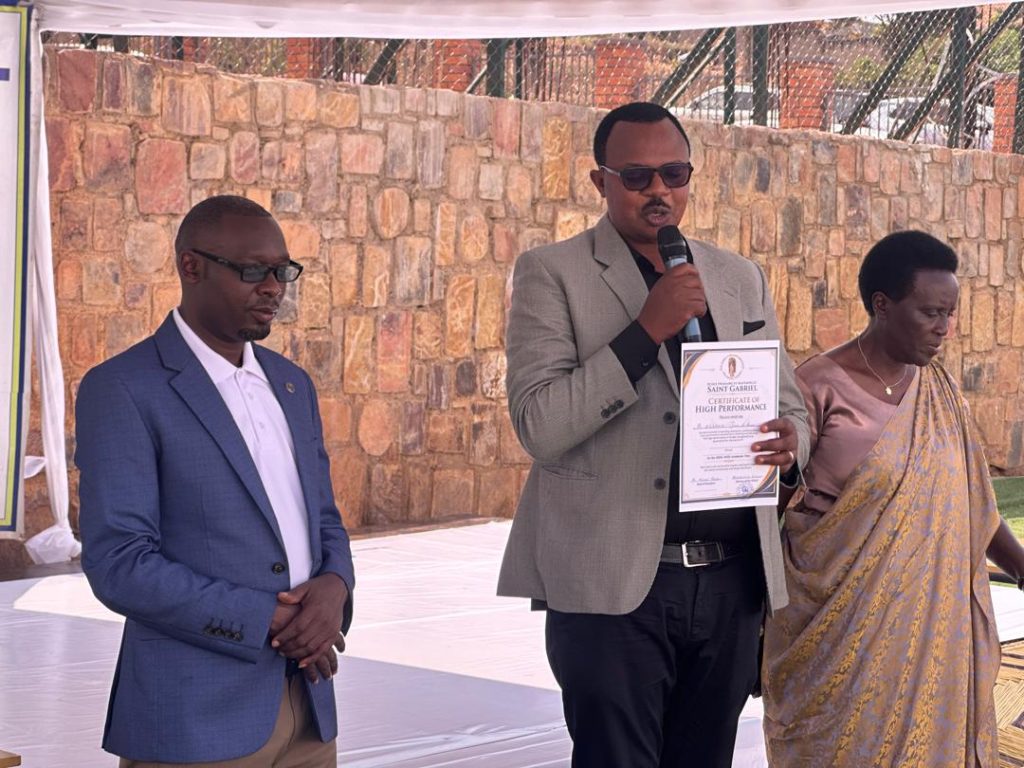Ezechiel Munyabarenzi, parents’ representative, praised teachers for their dedication, care and compassion throughout the children’s education and presented gifts from parents to outstanding teachers in appreciation of their service.
Representing the Executive Secretary of Rusororo Sector, Nyagahinga Cell Executive Secretary Serges Kayitare encouraged graduates to pursue their dreams by embracing what he described as the **SODA** principle—**Smartness, Organized, Discipline and Active**.
He also urged parents to strengthen collaboration with schools and engage children in cultural and educational activities during the holidays instead of allowing them to spend excessive time watching television.
Kayitare pledged continued cooperation with the school to support the development of its new branch and improve access to quality education in the community.
Ecole Primaire et Maternelle Saint Gabriel currently enrolls 494 pupils across its two branches.
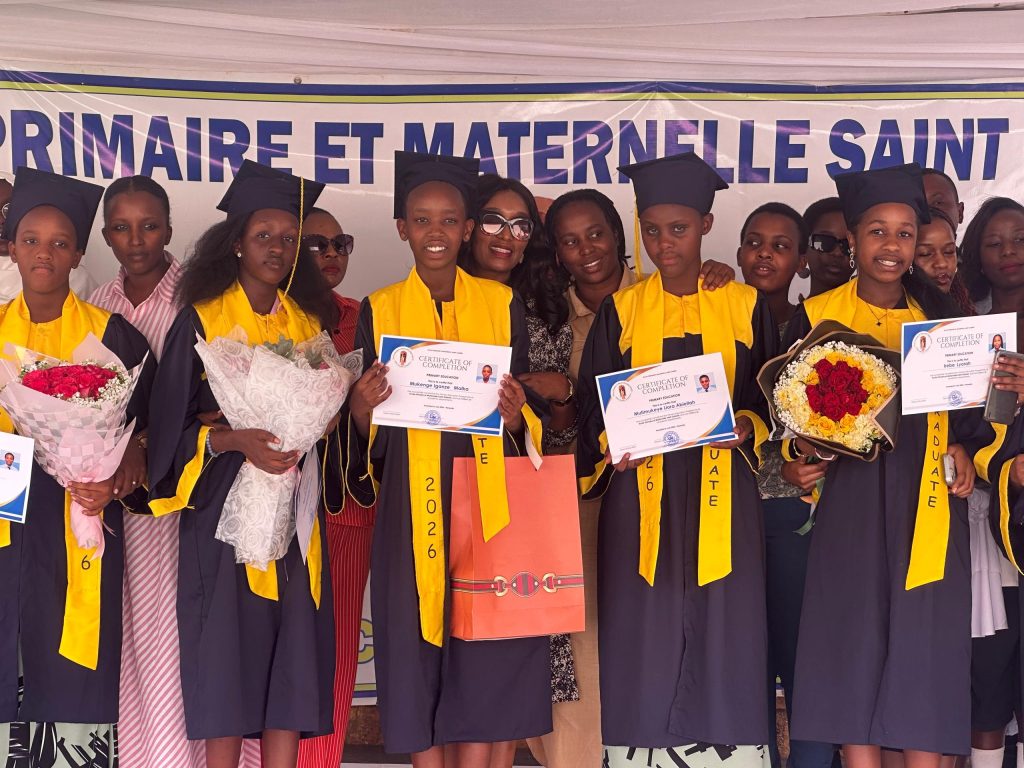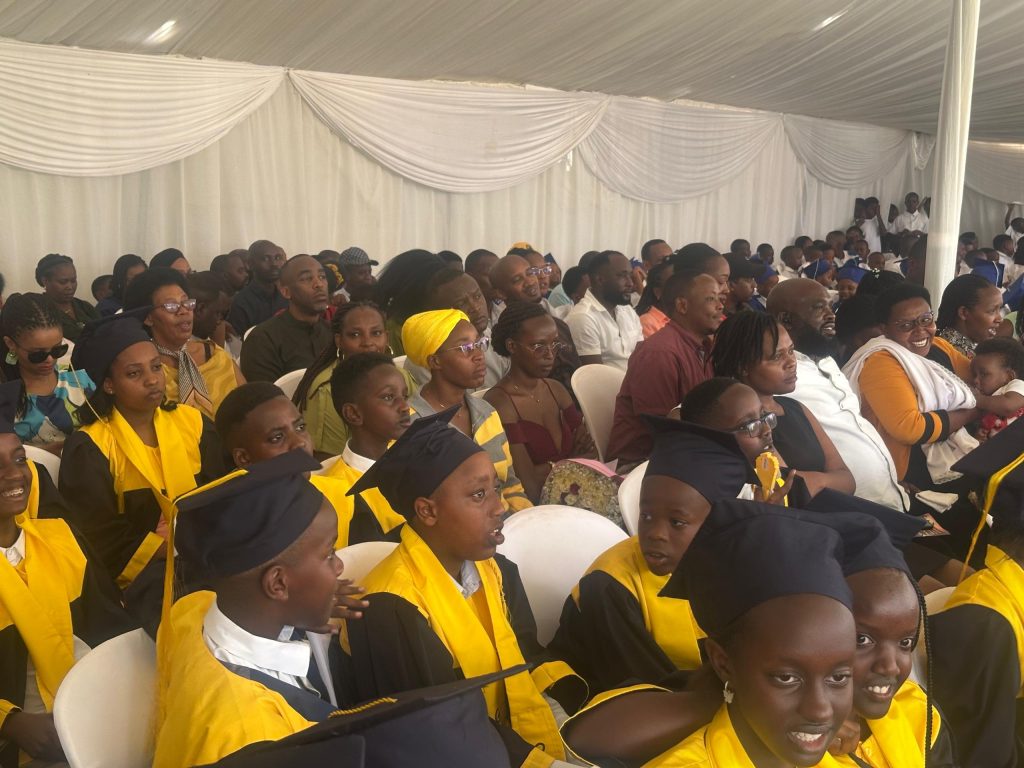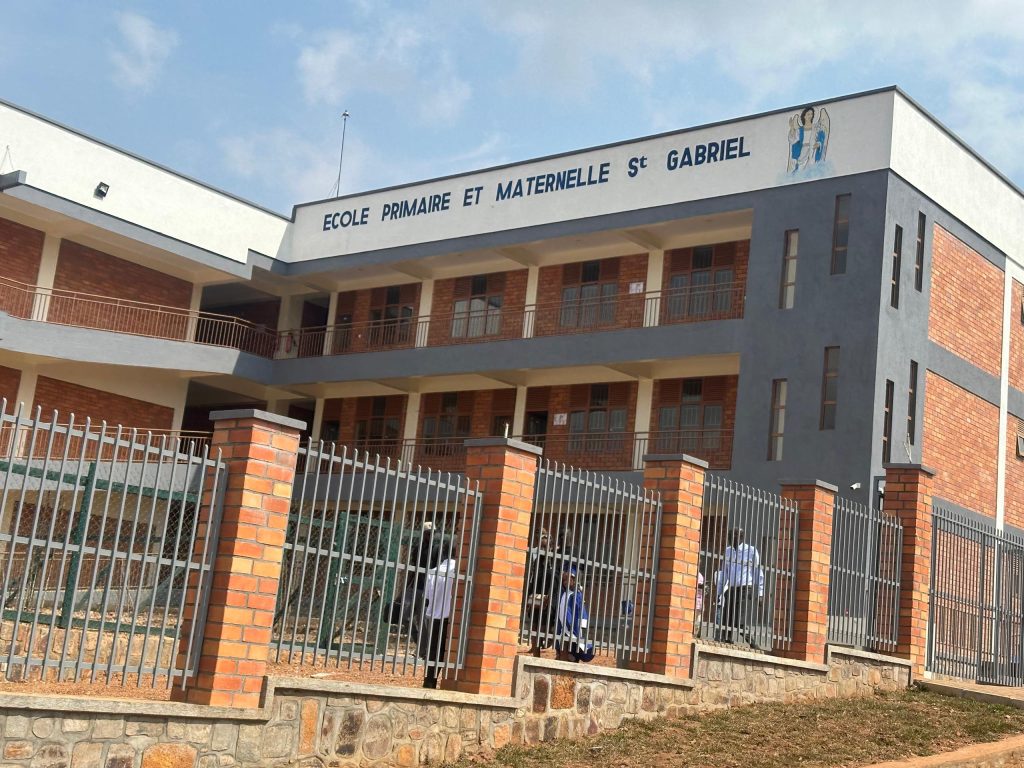
SUBSCRIBE TO OUR NEWSLETTER
First name or full name
Email
By continuing, you accept the privacy policy
**Categories:** EDUCATION, Youth Empowerment
---
### [Three in Ten U.S. Employers Lose a Full Workday Every Week to Skills Gaps, Chegg Research Finds](https://www.topafricanews.com/2026/07/13/three-in-ten-u-s-employers-lose-a-full-workday-every-week-to-skills-gaps-chegg-research-finds/)
**Published:** July 13, 2026
**Author:** TOPAFRICANEWS
**Content:**
*New research reveals that U.S. employers and employees in frontline-heavy industries struggle with significant skills gaps, rising burnout, and AI preparedness challenges.*
- Three in ten employers (30%) spend more than eight hours each week compensating for workforce skills gaps.
- More than half (56%) of employers say entry-level workers aren’t prepared for work.
- 77% of employers in frontline-heavy industries say their skills training is effective – but 71% of employees say it had no impact on their pay or role.
- 45% of employers and more than one-third (35%) of employees say they have considered quitting due to stress caused by understaffing or skills gaps.
- More than one-quarter (26%) of employers say the skills gap in their sector is “serious” or at “crisis level.”
New research from Chegg, a global learning and workforce skilling company, reveals a significant skills gap that is placing pressure on employers and employees in frontline-heavy industries across the U.S. The consequences are already being felt: three in ten employers (30%) say they spend more than eight hours every week compensating for workforce skills gaps.
[Chegg’s Frontline Workers Skills Index](https://skills-email.chegg.com/frontline-workers-skills-index-report), based on a survey of 1,000 employers and 1,005 employees across ten frontline-heavy industries, including retail, manufacturing, and finance, uncovers a widening perception gap between employers and employees on skills gaps, AI adoption, and training effectiveness, suggesting that traditional approaches are no longer enough. By employers, the survey refers to respondents who are fully or partly involved in hiring decisions at their organization; employees refer to those with no responsibility for hiring.
“The most important finding in this research is that employers and employees are often looking at the same workforce challenges but diagnosing completely different problems,” said Dan Rosensweig, Chief Executive Officer of Chegg. “Employers are focused on AI readiness, adaptability, and operational performance, while employees are focused on career mobility, leadership, and advancement. Neither side is wrong – but most training programs were never designed to bridge that gap.”
“What workers are telling us very clearly is that generic training without practical application or measurable career impact no longer works. At a time when AI is rapidly reshaping the workplace, organizations need training that helps employees perform better in the roles they have today, while building the capabilities needed for tomorrow. That is exactly the problem Chegg Skills was built to solve.”
**The Business Costs of Skills Gaps**
The research shows that workforce skills shortages are already creating significant operational and human costs across industries. Nearly one-third of employers (30%) say they spend more than eight hours per week, the equivalent of a full working day, compensating for workforce skills gaps. In manufacturing, that figure rises to 46%.
The consequences are being felt across day-to-day operations. Employers identified increased mistakes and rework (34%), increased stress and burnout (33%), heavier workloads or covering for others (31%), and overtime or longer shifts (29%) as some of the most common impacts of skills shortages at their organization.
The strain is also affecting morale and retention. Nearly half of employers (45%) and more than one-third of employees (35%) say they have considered quitting due to stress caused by understaffing or workforce capability gaps. In food service and hospitality, 57% of employers and 43% of employees reported they had considered leaving their role, the highest among all sectors surveyed.
**Training Programs Are Failing Workers – And Employees Know It**
The workforce skills shortages begin before employees even enter the workplace. More than half of employers (56%) say entry-level workers are not adequately prepared for work, while more than one-quarter (26%) describe the skills gap in their sector as either “serious” or at “crisis level.”
Once employees enter the workforce, the picture does not improve. While employers overwhelmingly believe workforce training programs are working, employees are less convinced, pointing to a deeper problem in how training is designed and delivered.
More than three-quarters of employers (77%) say training programs are effective overall, compared to 58% of employees. However, most employees (71%) say that training has led to no change in their pay or role.
The findings suggest the issue is not a lack of investment or motivation, but a lack of relevance and practical impact. From those who say it was not effective, 51% of employees say their training is too general or not connected closely enough to their day-to-day responsibilities. Employees also cite not enough hands-on practical learning (39%), insufficient coaching (34%), and weak managerial support (27%) as barriers to successful training outcomes.
**Employers and Employees Agree There’s a Skills Problem, But Not on What It Is**
The research reveals a growing perception gap between employers and employees about which skills are most urgently needed in today’s workplace.
While both groups agree that workforce capability gaps exist, they differ significantly on where the problem lies. Employers identified AI and automation skills (36%) and digital or IT capabilities (24%) as the most lacking in their workforce, reflecting the growing pressure to adapt to rapidly changing technologies.
Employees, however, pointed to leadership and people management (25%) as the biggest deficiency in their workplace, followed by communication and teamwork skills (24%). The findings suggest many workers see the challenge not only as a technical skills issue but also as a management and workplace culture issue.
At the same time, employers ranked problem-solving and critical thinking (36%) and communication and teamwork (34%) as the two most important skills for long-term success – highlighting demand for both durable human skills and technical fluency.
**AI Is Accelerating Faster Than Workers Are Adapting**
The report also reveals a disconnect between how quickly employers are embracing AI and how slowly employees are adapting to it in their day-to-day work.
While 83% of employers say they feel confident using AI tools in their current role, only 44% of employees say the same. The divide is even more striking when it comes to career urgency: surprisingly, just 3% of employees believe AI proficiency is becoming critical to advancement in their role, compared to 18% of employers who say the same.
The findings suggest the biggest challenge may not simply be an AI skills gap but an awareness gap. Many employees do not yet recognize how rapidly workplace expectations are changing around them. More than half of employees (52%) say AI is not currently used in their role at all, meaning they have little opportunity to build practical fluency with the technology on the job.
At the same time, employers are integrating AI into workplace operations and decision-making. Only 14% of employers say AI is not currently used in their role at all, and one-quarter (25%) say AI use is already becoming expected in their role.

SUBSCRIBE TO OUR NEWSLETTER
First name or full name
Email
By continuing, you accept the privacy policy
**Categories:** NEWS
---
### [The Africa Prize for Engineering Innovation calls for applications from Rwanda’s Engineers and Innovators](https://www.topafricanews.com/2026/07/13/the-africa-prize-for-engineering-innovation-calls-for-applications-from-rwandas-engineers-and-innovators/)
**Published:** July 13, 2026
**Author:** TOPAFRICANEWS
**Content:**
**London, 13 July 2026:** The Royal Academy of Engineering has launched its 2027 Africa Prize for Engineering Innovation with a special call out to engineers and innovators in Rwanda, the home to one shortlisted candidate this year.
The Africa Prize for Engineering Innovation, which is part funded by the UK’s Department for Science, Innovation and Technology, is the continent’s leading award focused on advancing engineering-led innovation, created to recognise, encourage and support ingenuity and entrepreneurial talent across sub-Saharan Africa. In 2027, following an eight-month commercialisation programme, the winners will receive a total of £85,000 in prize money, with £50,000 awarded to the overall winner, £10,000 granted to each of three finalists, and a further £5,000 presented for the ‘One-to-Watch’ award.
The Africa Prize’s unique format also offers invaluable training, communication resources, and mentoring to develop their products and businesses with the Academy’s network of expert Fellows. The Africa Prize programme now supports more than 180 businesses from 24 countries.
**Meredith Ettridge, Associate Director, International, at the Royal Academy of Engineering, said:**
“The Africa Prize community continues to grow and each year we’re seeing increased engagement from innovators across the continent, reflecting the depth and diversity of engineering talent in sub-Saharan Africa. This year, we’re focused on building new connections in regions where awareness of the Prize is still growing, to broaden our reach and support even more innovations with the potential to scale and make a lasting difference.”
Each year 16 candidates are shortlisted for the Prize, benefiting from a comprehensive support package designed to accelerate their innovations. The support includes an intensive eight-month training programme, focussing on core business skills like financial management and market analysis. The training is designed to support entrepreneurs in turning their ideas into scalable, market-ready solutions. On top of this, participants have access to expert mentoring in business, technology, engineering and communications via the Academy’s extensive network of engineers and industry leaders across Africa and the UK. Alumni of the Prize also benefit from this thriving network and have collectively secured more than $34 million in third-party grants and equity funding to date.
**Previous innovators shortlisted for the Africa Prize for Engineering Innovation**
Applications span a wide range of sectors. This year’s 16 shortlisted candidates for the 2026 Africa Prize were recognised for innovations developed across 11 African countries. Their solutions include AI-powered maternal and cardiac health tools, mobile dialysis technologies, digital learning platforms for biomedical and coding skills, smart public transport systems, renewable energy for off-grid communities and hospitals, smart agritech, low-cost clean water supply and waste management.
In Rwanda, Millicent Kariuki, CEO and co-founder of HarakaPlus, is making public transport in African cities more accessible, reliable and predictable. By providing commuters with real-time bus tracking and giving transport operators greater insight into passenger demand, HarakaPlus is helping modernize urban mobility and improve everyday travel. Since launching as a minimum viable product in 2024, the platform has reached nearly 5,000 users, demonstrating strong early adoption and the potential to transform how people navigate public transport.
**Who is eligible and how to apply**
The Africa Prize for Engineering Innovation invites applications from both individuals and teams based in sub-Saharan Africa who are currently developing scalable engineering solutions with clear potential to deliver social or environmental impact. Applicants must be fluent in English, with the lead applicant aged 18 or over and both a citizen of, and living in, a sub-Saharan African country. Innovations should be at an early stage of commercialisation and supported by a robust business plan demonstrating a credible path to growth. Hardware-based entries are required to present a working prototype alongside evidence of customer interest, while software or app-based innovations must show a functional minimum viable product and demonstrable user traction. Applicants are also expected to submit supporting materials, including a letter of endorsement, a technical schematic and an image of the innovation.
Applications for Cycle 13 of the Prize open on 13 July and will close on 8 September. The Prize utilises a two-stage application process to streamline submissions for both applicants and reviewers. Interested candidates must apply within this window to be considered for the 2027 shortlist.
For more information and to apply, visit [africaprize.raeng.org.uk](http://africaprize.raeng.org.uk/).

SUBSCRIBE TO OUR NEWSLETTER
First name or full name
Email
By continuing, you accept the privacy policy
**Categories:** NEWS
---
### [Rwanda's President Kagame Extends Condolences to Qatar Following Death of Former Emir Sheikh Hamad bin Khalifa Al Thani](https://www.topafricanews.com/2026/07/12/rwandas-president-kagame-extends-condolences-to-qatar-following-death-of-former-emir-sheikh-hamad-bin-khalifa-al-thani/)
**Published:** July 12, 2026
**Author:** TOPAFRICANEWS
**Content:**
**Kigali, Rwanda — July 12, 2026**— Rwandan President Paul Kagame on Sunday offered his deepest condolences to Qatar’s ruling family and people after the passing of former Emir Sheikh Hamad bin Khalifa Al Thani, who died at the age of 74.
In a statement posted on X, Kagame addressed Qatar’s current Emir, Sheikh Tamim bin Hamad Al Thani, describing him as his “brother” and extending sympathies to the late Sheikh’s family and the nation.
“His Highness Sheikh Hamad bin Khalifa Al Thani will be remembered as a visionary leader who transformed Qatar into the remarkable nation it is today,” Kagame wrote. “His legacy of service to his people and commitment to friendship and cooperation among nations will endure for generations.”
The Rwandan leader added that both he and the people of Rwanda stand in solidarity with Qatar during this time of mourning.
Sheikh Hamad, often called the “Father Emir,” ruled Qatar from 1995 until his abdication in 2013 in favor of his son, Sheikh Tamim. During his tenure, he oversaw dramatic economic diversification, massive investments in infrastructure and education, and elevated Qatar’s global profile through initiatives such as the Al Jazeera network.
Qatar’s Amiri Diwan announced the death earlier Sunday, triggering four days of national mourning with flags flown at half-mast across the country.
The statement from Kagame underscores the warm bilateral relations between Rwanda and Qatar. The two leaders met as recently as May 2026 in Doha to discuss cooperation in development, trade, and regional affairs.
Tributes have poured in from world leaders as Qatar prepares to honor the architect of its modern era.

SUBSCRIBE TO OUR NEWSLETTER
First name or full name
Email
By continuing, you accept the privacy policy
**Categories:** NEWS
---
### [Prime Minister Calls for Faster Completion of Delayed Muvumba Dam Project](https://www.topafricanews.com/2026/07/12/prime-minister-calls-for-faster-completion-of-delayed-muvumba-dam-project/)
**Published:** July 12, 2026
**Author:** TOPAFRICANEWS
**Content:**
**Nyagatare, Rwanda** – Prime Minister Dr. Justin Nsengiyumva has called for the acceleration of the construction of the Muvumba Multipurpose Dam, urging contractors and the Rwanda Water Resources Board (RWB) to expedite the project and ensure that Rwandans acquire the necessary expertise to independently undertake similar projects in the future.
The Prime Minister made the remarks on July 11, 2026, during an inspection visit to the project site in Nyagatare District.
The Muvumba Multipurpose Dam project, which began in 2023 and is scheduled for completion in March 2027, has currently reached **61.5 percent completion**, falling behind schedule by approximately **6 percent**, largely due to heavy rains that disrupted construction activities.
Once completed, the dam is expected to store **55 million cubic meters of water**, provide irrigation for **10,000 hectares of farmland**, supply **50,000 cubic meters of clean water per day**, and generate **one megawatt of electricity**.
RWB Chief Executive Officer Richard Nyirishema said the Prime Minister emphasized the need to speed up the remaining work and encouraged Rwandan engineers and technicians working alongside the Chinese contractors to learn from the experience.
“He urged us to accelerate the remaining work, and the contractors assured him that they would do so. He also advised us to ensure that Rwandans gain the skills needed so that future projects of this nature can be carried out entirely by local experts,” Nyirishema said.
He added that the dam will also help control flooding by capturing large volumes of water that would otherwise cause damage downstream.
To recover lost time, RWB has increased the number of workers and deployed additional equipment, including more earth-moving trucks.
The first phase of the irrigation component, covering **3,000 hectares**, is expected to begin this year after securing the necessary funding, with the first irrigation water anticipated to reach farmers by **2029**.
Water treatment and distribution infrastructure is also being developed, and residents are expected to start receiving clean water from the project by 2029.
The project requires the relocation of **5,505 residents** living on **797 hectares** of land. Compensation has already been paid for **596 hectares**, benefiting **2,673 residents**, while compensation for more than **2,000 remaining families** is expected to be completed soon.

SUBSCRIBE TO OUR NEWSLETTER
First name or full name
Email
By continuing, you accept the privacy policy
**Categories:** NEWS
---
### [Spiro Kenya Unveils Khaligraph Jones as Brand Ambassador to Champion Kenya's Electric Mobility Revolution](https://www.topafricanews.com/2026/07/10/spiro-kenya-unveils-khaligraph-jones-as-brand-ambassador-to-champion-kenyas-electric-mobility-revolution/)
**Published:** July 10, 2026
**Author:** DUSABEMUNGU Ange de la Victoire
**Content:**
- *The announcement marks the beginning of a collaboration that brings together one of Kenya’s most influential personalities and a company at the forefront of transforming transportation through clean, sustainable mobility.*
- *As Brand Ambassador, Khaligraph Jones will support Spiro’s initiatives to promote electric mobility, engage rider communities, and drive public awareness on the environmental and economic benefits of electric motorcycles and battery-swapping technology.*
**NAIROBI, KENYA, JULY 10, 2026 –** Spiro Kenya, Africa’s leading electric mobility company, today officially unveiled award-winning rapper, entrepreneur, and cultural icon Khaligraph Jones as its Brand Ambassador in a strategic partnership aimed at accelerating awareness and adoption of electric mobility solutions across Kenya.
The announcement marks the beginning of a collaboration that brings together one of Kenya’s most influential personalities and a company at the forefront of transforming transportation through clean, sustainable mobility.
Welcoming Khaligraph Jones to the Spiro family, Raymond Robert Kitunga, Deputy Country Head, Spiro Kenya, expressed confidence that the partnership would strengthen the company’s efforts to connect with riders, young people, and communities across the country while advancing the conversation around sustainable transport.
“Today marks an exciting milestone for Spiro Kenya as we officially welcome Khaligraph Jones to our family. Through this partnership, we aim to inspire a new generation to embrace cleaner, smarter, and more sustainable transportation solutions,” said Raymond Robert Kitunga, Deputy Country Head, Spiro Kenya.
As Brand Ambassador, Khaligraph Jones will support Spiro’s initiatives to promote electric mobility, engage rider communities, and drive public awareness on the environmental and economic benefits of electric motorcycles and battery-swapping technology.
Speaking during the unveiling, Khaligraph Jones said he was proud to partner with a brand that is helping shape the future of transportation in Africa.
“I’m excited to join the Spiro family and be part of a movement that is changing how people move every day. I look forward to working together to inspire more Kenyans to embrace the future of mobility,” said Khaligraph Jones.
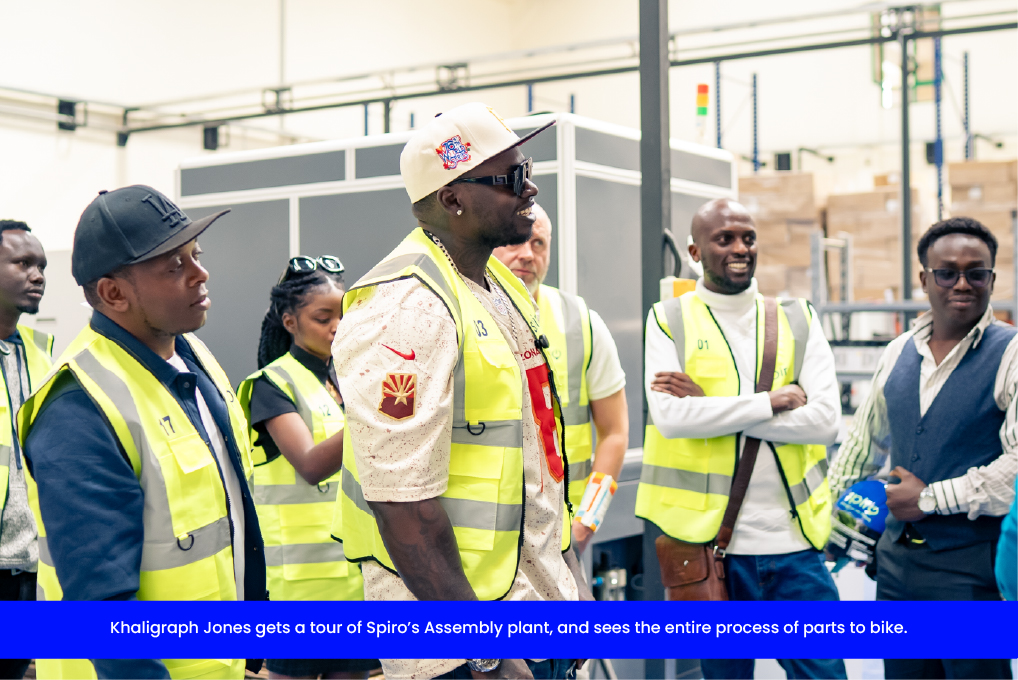The partnership comes at a time when Kenya is increasingly embracing clean energy solutions and innovation-driven transportation systems. Spiro continues to provide riders with affordable, reliable, and environmentally friendly mobility solutions while creating economic opportunities for thousands of riders across the country.
The collaboration with Khaligraph Jones is expected to amplify Spiro’s brand visibility and support its mission of making electric mobility accessible to every rider while driving the transition to a cleaner and more sustainable future.
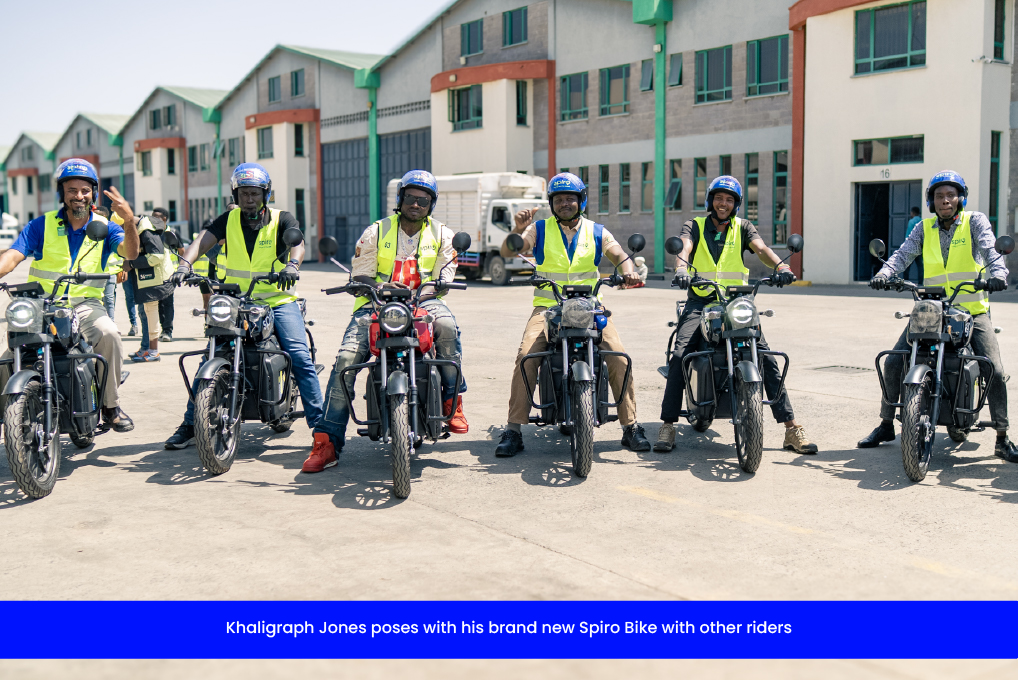
SUBSCRIBE TO OUR NEWSLETTER
First name or full name
Email
By continuing, you accept the privacy policy
**Categories:** NEWS
---
### [Rwanda's Inflation Climbs to 13.6% in June, Driven by Higher Health and Energy Costs](https://www.topafricanews.com/2026/07/10/rwandas-inflation-climbs-to-13-6-in-june-driven-by-higher-health-and-energy-costs/)
**Published:** July 10, 2026
**Author:** Mutangana Emmanuel
**Content:**
Rwanda’s annual inflation rate accelerated to 13.6 percent in June 2026, up from 12.9 percent in May, driven largely by sharp increases in health, transport and housing costs, according to the latest Consumer Price Index (CPI) released by the National Institute of Statistics of Rwanda (NISR).
The CPI, the country’s main measure of inflation, showed that prices continued to rise across most major spending categories compared with the same period last year.
Health recorded the steepest annual increase, with prices surging by 71.2 percent, while transport costs rose by 26 percent. Housing, water, electricity, gas and other fuels increased by 20.5 percent, reflecting continued pressure on household living costs.
Prices in restaurants and hotels climbed by 15.9 percent year-on-year, while alcoholic beverages, tobacco and narcotics rose by 13 percent over the same period.
Food and non-alcoholic beverages, one of the largest components of household spending, increased by 7.5 percent compared with June 2025. However, the category registered a slight monthly decline of 0.3 percent from May 2026.
On a month-to-month basis, transport recorded the largest increase among major expenditure groups, rising by 1.2 percent. Housing, water, electricity, gas and other fuels increased by 0.7 percent, while restaurants and hotels, as well as alcoholic beverages, tobacco and narcotics, each rose by 0.6 percent. Health prices edged up by 0.1 percent during the month.
The data further show that prices of locally produced goods increased by 14.7 percent year-on-year and by 0.4 percent compared with the previous month. Imported products recorded a 10.5 percent annual increase and a 0.5 percent monthly rise.
Fresh products became 9.1 percent more expensive than a year earlier but remained unchanged on a monthly basis.
Energy prices continued to register the sharpest increase among the special indices, rising by 44.8 percent annually and by 0.3 percent from May.
Meanwhile, the general index excluding fresh products and energy, often used to measure underlying inflation trends, increased by 12.3 percent year-on-year and by 0.6 percent on a monthly basis.

SUBSCRIBE TO OUR NEWSLETTER
First name or full name
Email
By continuing, you accept the privacy policy
**Categories:** NEWS
---
### [Kwibohora32: Blind Community Celebrates Progress in Education, Employment and Inclusion](https://www.topafricanews.com/2026/07/10/kwibohora32-blind-community-celebrates-progress-in-education-employment-and-inclusion/)
**Published:** July 10, 2026
**Author:** DUSABEMUNGU Ange de la Victoire
**Content:**
The Rwandan blind community is celebrating significant progress made over the years in access to education, employment and social inclusion, with members saying that continued government support and inclusive policies have transformed their lives and opened new opportunities for persons with visual impairments.
Educators and leaders at the Masaka Resource Centre for the Blind (MRCB) say persons with visual impairments have made remarkable strides in overcoming barriers that once limited their participation in education, employment and community life.
They acknowledge, however, that while important achievements have been recorded, more efforts are needed to ensure full inclusion and equal opportunities for all persons with disabilities.
Ernest Munyaneza, a sports and massage instructor at MRCB, said one of the community’s greatest achievements has been the growing ability of blind people to become more independent and actively participate in society.
> “As a community of persons with disabilities, one of our biggest achievements is our ability to support ourselves, although we have not yet reached the level we aspire to. With support from the Government and organizations that work with persons with disabilities, we continue to move in a positive direction. The future will be even better,” he said.
Munyaneza explained that sustained support and advocacy have helped persons with visual impairments gain confidence and acquire skills that enable them to improve their livelihoods and contribute meaningfully to society.
Constance Mukantwali, another instructor at MRCB, said the situation of blind people has changed dramatically compared to previous years, particularly in the areas of education and employment.
> “In the past, blind people had very limited opportunities to study, complete secondary education or continue to university. Under the Government of National Unity, this is no longer the case. Today, we can attend universities and secure employment. May God bless the Government of National Unity,” she said.
She added that access to education has played a vital role in empowering persons with visual impairments to compete for opportunities and contribute to national development.
The Director of MRCB, Jean Marie Vianney Mukeshimana, said persons with visual impairments have made substantial progress in education and employment over the past 32 years, although full inclusion has yet to be achieved.
According to Mukeshimana, blind people today have greater opportunities to attend school, excel academically and pursue higher education, including university studies.
> “Today, they have opportunities to study, succeed academically and continue their education up to university level,” he said.
He added that persons with visual impairments are also increasingly participating in the labour market, where they are given the opportunity to compete for jobs through recruitment examinations and secure employment based on their abilities.
> “They are allowed to sit for recruitment examinations, compete fairly and gain employment when they demonstrate the required skills, although the number of persons with disabilities who secure jobs remains low,” Mukeshimana said.
He noted that advocacy for the rights of persons with visual impairments has also continued to grow, with their views increasingly being considered in national discussions and decision-making processes.
According to Mukeshimana, Rwanda has established laws and policies at both national and international levels that protect the rights of persons with disabilities and promote their participation in society.
He said these achievements demonstrate the importance of inclusive policies that recognize the abilities, talents and contributions of persons with visual impairments.
Despite the progress made, MRCB leaders emphasize that continued investment in education, skills development, employment opportunities and accessibility remains essential to ensure that persons with visual impairments fully participate in Rwanda’s development journey and enjoy equal opportunities in all aspects of life.

SUBSCRIBE TO OUR NEWSLETTER
First name or full name
Email
By continuing, you accept the privacy policy
**Categories:** ADVOCACY, Development Trends, EDUCATION
---
### [Chapman Freeborn helps restore Air Zimbabwe’s Harare–London Gatwick route](https://www.topafricanews.com/2026/07/10/chapman-freeborn-helps-restore-air-zimbabwes-harare-london-gatwick-route/)
**Published:** July 10, 2026
**Author:** TOPAFRICANEWS
**Content:**
Chapman Freeborn, the global air aircraft charter and leasing specialist and part of Avia Solutions Group, has supported Air Zimbabwe with a tailored ACMI capacity solution for the planned resumption of direct scheduled services between Harare and London Gatwick.
The route is expected to restart by the end of July 2026, reconnecting Zimbabwe and the United Kingdom after more than 14 years. The service will be operated by Spanish carrier Plus Ultra using an Airbus A330 aircraft under a long-term ACMI agreement, with initial operations expected to include three weekly frequencies between Harare and London Gatwick.
Under the ACMI structure, Plus Ultra will provide the aircraft, crew, maintenance and insurance, while the flights will operate under Air Zimbabwe’s flight code. Chapman Freeborn provided the ACMI and contract management support needed to help shape the long-haul operating structure for the route, working closely with the teams involved throughout the process.
The route represents more than the return of an air service. It re-establishes an important commercial, tourism and cultural link between the two countries, while improving travel options for the Zimbabwean diaspora, business travellers and tourists. It is also expected to support direct air freight capacity for time-sensitive exports, including horticultural and perishable products destined for the UK market.
“This is an important milestone for Air Zimbabwe and a significant step in restoring direct connectivity between Zimbabwe and the United Kingdom. We are proud to have played an important role in supporting this project, working closely with Air Zimbabwe and Plus Ultra to help deliver the right structure for the route.
“Across Africa, we continue to see growing demand for flexible capacity solutions as airlines look to rebuild networks, respond to passenger demand and manage fleet requirements more efficiently. ACMI can play an important role in supporting that growth, particularly on strategic routes where speed, flexibility and operational reliability are essential,” says Linas Dovydenas, President – IMEA at Chapman Freeborn.
“Long-haul ACMI programmes require close coordination between airlines, operators, aviation authorities and commercial partners, from aircraft suitability and planning to regulatory requirements and operational readiness. In this case, our team supported the project from a capacity and contract management perspective, helping to bring together the right structure for a strategically important route. This project demonstrates how collaborative capacity solutions can help airlines restore important routes and bring strategic services back to market,” says Daniel Huggins, Director – ACMI & Leasing at Chapman Freeborn.
Chapman Freeborn’s ACMI team supports airlines worldwide with short-, medium- and long-term capacity requirements across narrowbody, widebody, regional and cargo aircraft.
The company provides tailored aircraft leasing and ACMI solutions that help carriers manage capacity, restore routes and respond to complex operational requirements.

SUBSCRIBE TO OUR NEWSLETTER
First name or full name
Email
By continuing, you accept the privacy policy
**Categories:** Business and Trade
---
### [Pride of the Continent: Morocco’s Defiant World Cup Journey Ends, but the Legacy of African Resilience Endures](https://www.topafricanews.com/2026/07/10/pride-of-the-continent-moroccos-defiant-world-cup-journey-ends-but-the-legacy-of-african-resilience-endures/)
**Published:** July 10, 2026
**Author:** TOPAFRICANEWS
**Content:**
**FOXBOROUGH, USA** — The scoreboard at Boston Stadium may record a French victory, but it cannot measure the immense heart, tactical discipline, and unyielding spirit that Morocco brought to the global stage. In a grueling 2026 FIFA World Cup quarterfinal, the Atlas Lions once again proved that African football no longer just competes with Europe’s elite—it forces them to dig to their absolute limits to survive.
For nearly an hour, Walid Regragui’s men put on a masterclass in defensive resilience. Facing a relentless, high-octane French press, Morocco’s deeply compacted low block stood as an impenetrable wall. The emotional peak of the match arrived when the indomitable Yassine Bounou lunged to deny a Kylian Mbappé penalty, a breathtaking moment of defiance that sent shockwaves through the stadium and ignited millions of fans watching across the African continent.
Ultimately, a devastating six-minute second-half window allowed the European giants to break through, capitalizing on the sheer physical exhaustion of a Moroccan side that had left everything on the pitch. While France’s deeper bench and tactical stamina secured their path to the semifinals, Morocco’s exit was marked not by failure, but by absolute heroism. They did not just defend; they made the reigning titans of world football sweat, scramble, and fight for every inch of turf.
As Africa’s final standard-bearers bow out of the tournament, they leave behind a blueprint of courage for the entire continent. From the historic semi-final run in Qatar to pushing the world’s best to the brink in 2026, this Moroccan generation has permanently altered the landscape of global football. The Atlas Lions return home with heads held high, having once again united the continent and demonstrated the beautiful, unbreakable resilience of African sports.

SUBSCRIBE TO OUR NEWSLETTER
First name or full name
Email
By continuing, you accept the privacy policy
**Categories:** Sport
---
### [Old Mutual takes its Financial Wellness Drive to Mombasa as it strengthens engagement with SMEs and households at the Coast](https://www.topafricanews.com/2026/07/10/old-mutual-takes-its-financial-wellness-drive-to-mombasa-as-it-strengthens-engagement-with-smes-and-households-at-the-coast/)
**Published:** July 10, 2026
**Author:** TOPAFRICANEWS
**Content:**
**Mombasa, July 10th, 2026** – Old Mutual has been in Mombasa this week for the latest leg of its nationwide Financial Wellness Drive bringing practical financial education, expert advisory services and tailored financial solutions closer to businesses and households across the Coast region
The activation, which follows successful engagements in Thika and Nakuru, aims to equip individuals, entrepreneurs, and SMEs with the knowledge and tools needed to better manage their finances amid ongoing economic pressures. Participants will have access to financial literacy sessions, advisory engagements and solutions spanning savings, investments, and risk protection.
The week-long programme will include market storms, customer visits, stakeholder engagements and a customer forum dubbed **‘Built to Last: A Conversation on Enduring Prosperity’**, which will bring together customers, business leaders and financial experts to discuss sustainable wealth creation and long-term financial wellbeing.
This week, Old Mutual also participated in the Bancassurance Association of Kenya (BAK) Conference, where the Managing Director, Digital Business Unit, Dr. Isaac Nzyoka showcased **Thrive Connect**, highlighting the role of innovation and digital solutions in advancing financial inclusion and customer empowerment.
The initiative is anchored on insights from the Old Mutual Financial Wellness Monitor, which shows that while many Kenyans remain optimistic about their financial future, rising living costs, debt pressures and unpredictable income streams continue to challenge households and businesses. Old Mutual’s Financial Wellness Drive seeks to bridge this gap by translating financial wellness insights into practical action through community engagements and personalised financial guidance.
Following Mombasa, Old Mutual will continue deepening conversations around financial inclusion, resilience and long-term financial security as part of its commitment to helping Kenyans achieve lasting financial wellness.

SUBSCRIBE TO OUR NEWSLETTER
First name or full name
Email
By continuing, you accept the privacy policy
**Categories:** Business and Trade
---
### [Burundi President Consoles Victims After Devastating Fire at Ngozi Main Market](https://www.topafricanews.com/2026/07/10/burundi-president-consoles-victims-after-devastating-fire-at-ngozi-main-market/)
**Published:** July 10, 2026
**Author:** TOPAFRICANEWS
**Content:**
**Bujumbura, Burundi —** President Evariste Ndayishimiye has expressed deep sorrow and offered encouragement to those affected by a major fire that destroyed large parts of the central market in Ngozi on Thursday night.
In an official statement, the president said: “We are saddened by the fire at the market in Ngozi town, where citizens who work there lost their belongings. We strongly sympathize with those impacted by this disaster and urge them not to lose hope.”
According to reports, the blaze, which primarily affected the central section of the market, raged for approximately four hours before firefighters could respond.
Even then, arriving fire truck struggled to contain the intense flames due to limited capacity.
No fatalities were reported, though the full extent of the financial losses remains unknown.
This incident marks the latest in a troubling series of market fires across Burundi in 2026.
Just last month, in June, a similar fire struck the timber and building materials trading area near Jabe market in Bujumbura.
Earlier, the Kinama market—one of the largest in the capital—burned in early May, and in January, significant damage occurred outside Bujumbura’s City Market (known locally as Kwa Siyoni).
Social media users in Burundi and the region have been actively questioning the causes behind these repeated fires, with many calling for investigations into possible patterns or underlying factors.
The president’s message comes amid ongoing concerns about economic stability and public safety in local trading hubs, which serve as vital lifelines for many citizens.

SUBSCRIBE TO OUR NEWSLETTER
First name or full name
Email
By continuing, you accept the privacy policy
**Categories:** NEWS
---
### [A Tale of Two Climate Futures: Comparing Rwanda and Singapore’s 2035 Climate Commitments](https://www.topafricanews.com/2026/07/10/a-tale-of-two-climate-futures-comparing-rwanda-and-singapores-2035-climate-commitments/)
**Published:** July 10, 2026
**Author:** DUSABEMUNGU Ange de la Victoire
**Content:**
As the world races toward critical climate milestones, the latest Nationally Determined Contributions (NDCs) offer a window into how vastly different nations plan to tackle the climate crisis. A comparative analysis of Rwanda’s newly enhanced NDC 3.0 and Singapore’s Second NDC reveals how geography, economic status, and national vulnerabilities shape climate policy. While both nations have set ambitious 2035 targets, their roadmaps reflect two distinct paradigms of environmental action: the developing, adaptation-driven agrarian state versus the advanced, tech-forward, land-scarce island nation.
**The Numbers: Absolute Caps vs. Relative Reductions**
The most striking difference between the two nations lies in how they frame their goals.
- **Singapore** has set an **absolute greenhouse gas (GHG) emissions reduction target**, committing to cap its emissions at **45 to 50 million tonnes of carbon dioxide equivalent (MtCO2e) by 2035**. This serves as a critical stepping stone toward its long-term strategy of achieving net-zero emissions by 2050.
- **Rwanda**, recognizing its status as a developing nation with one of the lowest per-capita emissions globally, frames its target relatively. It aims for an **economy-wide 53% reduction in GHG emissions by 2035** compared to a business-as-usual (BAU) scenario. This is a massive leap from its previous 38% target, expanding its scope to include the Land Use, Land-Use Change, and Forestry (LULUCF) sector.
**Mitigation Strategies: Technology vs. Nature and Livelihoods**
Singapore’s decarbonization faces severe physical constraints. With a highly dense, urbanized land area of just 735.6 km², it lacks the space to deploy conventional renewable energy on a massive scale. Consequently, **Singapore leans heavily on technological innovation, regional cooperation, and market mechanisms**. It plans to import around 6 gigawatts (GW) of low-carbon electricity by 2035 and is aggressively pursuing Carbon Capture and Storage (CCS) projects—such as targeting 2 million tonnes of CO2 abatement annually in its industry sector by 2030. Singapore also wields one of the most comprehensive carbon taxes globally, aiming for S$50 to S$80 per tonne by 2030, covering 80% of its total emissions.
Conversely, **Rwanda’s mitigation strategy is deeply intertwined with agriculture, land management, and basic infrastructure**. Key measures include promoting solar irrigation, transitioning to climate-resilient seeds (targeting 77% of farms by 2035), and massively scaling up efficient cookstoves to replace traditional biomass cooking. Furthermore, Rwanda integrates the creation of “green jobs” into its climate plan, focusing on protecting informal biomass workers, smallholder farmers, and restoration jobs in forestry.
**Adaptation: Sea-Level Rise vs. Immediate Natural Disasters**
For both countries, climate change is an existential threat, but the impacts look very different.
- **Rwanda declares adaptation as its “foremost climate priority”**. The urgency is immediate: in 2023 alone, floods and landslides claimed 131 lives and caused over $415 million in damages. In response, Rwanda is not only planning extensive flood protection and integrated water resources management but is also pioneering a **dedicated Loss and Damage (L&D) response mechanism**. This aims to unlock international funding to manage residual climate impacts that bypass what adaptation alone can solve.
- **Singapore**, as a low-lying island state, faces the creeping but devastating threat of sea-level rise. Its adaptation strategies involve high-cost, long-term coastal protection measures and urban planning to defend its borders and communities, which impose significant fiscal costs on the government.
**The Financial Divide: Self-Funded vs. Conditional Reliance**
The implementation of these ambitious plans highlights the global climate finance divide. **Rwanda requires an estimated $12 billion** by 2035 to achieve its goals ($5 billion for mitigation and $7 billion for adaptation). Recognizing its domestic fiscal limits, Rwanda splits its targets: it commits to an unconditional 7% emissions reduction funded domestically, but the remaining **46% conditional reduction relies entirely on international climate finance**, grants, and technology transfers.
**Singapore**, on the other hand, relies heavily on domestic resource mobilization. It actively utilizes Article 6 of the Paris Agreement, intending to use internationally transferred mitigation outcomes (ITMOs) to address residual emissions. Far from just seeking funds, Singapore acts as a regional financing hub, facilitating transition credits to retire coal plants early in Asia and pledging up to US$500 million in concessional capital to crowd-in commercial finance for regional green transitions.
A Tale of Two Climate Futures# 🌍 A Tale of Two Climate Futures
Comparing Rwanda and Singapore’s 2035 Climate Commitments
🇷🇼 Rwanda
53%
Economy-wide greenhouse gas emissions reduction by 2035 compared to Business-As-Usual.
🇸🇬 Singapore
45–50
Million tonnes of CO₂ equivalent (MtCO₂e) emissions cap by 2035.
💵 Climate Finance Need
$12B
Required by Rwanda to implement its climate commitments by 2035.
⚡ Clean Energy Imports
6 GW
Planned imports of low-carbon electricity by 2035.
🌾 Climate-Resilient Seeds
77%
Farms targeted to adopt climate-resilient seeds by 2035.
💰 Carbon Tax
S$80
Maximum carbon tax per tonne by 2030.
🌧 Climate Disaster Deaths
131
Lives lost due to floods and landslides in 2023.
📉 Economic Losses
$415M
Damages caused by floods and landslides in 2023.
## 2035 Climate Ambition
🇷🇼 Rwanda – 53% Emissions Reduction
53%
🇸🇬 Singapore – 45–50 MtCO₂e Cap
45–50
Source: Rwanda NDC 3.0 and Singapore’s Second Nationally Determined Contribution (2035)
Singapore and Rwanda represent two sides of the global climate coin. Singapore models how an advanced, land-scarce economy can use aggressive carbon pricing, high-tech carbon capture, and regional energy markets to force absolute emissions down. Rwanda models how a vulnerable, developing nation can craft a highly ambitious, economy-wide plan that intertwines aggressive emissions reductions with poverty eradication, sustainable agriculture, and pioneering Loss and Damage frameworks. Both, however, underscore a shared truth in the 2035 climate battle: aggressive national ambition is meaningless without robust international cooperation.

SUBSCRIBE TO OUR NEWSLETTER
First name or full name
Email
By continuing, you accept the privacy policy
**Categories:** Climate / Agriculture Evolution, Environment
---
### [MOTA 2026 Summit: African Nations Forge a New Mining Pact](https://www.topafricanews.com/2026/07/08/mota-2026-summit-african-nations-forge-a-new-mining-pact/)
**Published:** July 8, 2026
**Author:** DUSABEMUNGU Ange de la Victoire
**Content:**
The **Mining on Top Africa (MOTA) 2026 Summit** opened in Paris on July 7, centering on the theme of “Securing Africa’s mining future: Sovereignty, sustainability and global partnerships”. The primary challenge discussed by ministers, investors, and industry leaders is **finding the right balance between the economic emancipation of African states and maintaining international capital flows**. Crucially, the industry’s success is no longer measured solely by the volume of extracted minerals, but by its ability to generate a sustainable industrial and social ecosystem “above ground”.
**A Collaborative “Middle-Ground” Strategy**
African nations are aiming to capture more local wealth without destabilizing the legal frameworks necessary for financial markets.
- **Mauritania** is prioritizing a trust-based approach. The Minister of Mines and Industry, Edy Ould Zeine, argued that mining sovereignty should not be “imposed.” Instead, it should rely on legal stability and the proven model of its national company (SNIM) to reassure investors while maximizing national value across gold, iron, uranium, and copper.
- The **Republic of Congo** is drawing a firm line against stagnant projects. While respecting existing conventions, Minister of Mining Industries and Geology Urbain Fiacre Opo warned that priority projects cannot be held hostage by financial failures. Specifically regarding the Kola potash deposit (Kore Potash)—a strategic asset needing over $2 billion in funding—he stated that if the company fails to mobilize funds, the state will revoke their convention and hand it over to other partners.
**Three Pillars for Building an “Above Ground” Ecosystem**
Discussions with international institutions (including the World Bank, AFC, DFC, and IEA) outlined three essential requirements for the viability of future African mining projects:
1. **Shared Infrastructure and Connectivity**: Access to transport networks and clean energy is vital for competitiveness. Boubacar Ousmane Mbaye, President of the Senegal Chamber of Mines, stressed that a mine is only viable when connected to quality infrastructure, noting that the future of mining depends on what is built on the surface. Similarly, Jed Benjamin Goldstein of First Quantum Minerals rejected the idea that Zambia is “landlocked,” calling it “land-linked,” and insisted that mines must actively contribute to the host country’s development rather than acting as isolated islands.
2. **The Emergence of Local Champions**: The goal goes beyond regulations to focus on operational excellence and integrating national skills, as seen in the Ivory Coast, Ghana, and Guinea. Local content is now judged by working conditions, safety, wages, and sustainability, rather than just the nationality of the company. The maturity of local ecosystems is proven by Ghanaian private actors like Engineers & Planners successfully managing the Damang mine, and the rise of 100% privately-owned Guinean companies. François Phopho Kamano of the Guinea Chamber of Mines emphasized that the industry must ultimately serve the local populations and improve living conditions.
3. **Social Acceptability and ESG Responsibility**: Environmental, Social, and Governance (ESG) factors are now direct drivers of financial profitability. Ekaterina Autet of the IFC highlighted that a mining project will never succeed without the support of the local population. Adrian Mill, CEO of ESS, summarized this bluntly: “ESG is money,” and failing to manage it properly carries a heavy financial cost.
**A Global Structural Shift**
The push for mining sovereignty is a widespread, structural change. The desire to control subcontracting, assets, and added value is expanding from nations with recent reforms like Mali, Niger, and Burkina Faso, all the way to Botswana and Zimbabwe.
Ultimately, achieving true African mining sovereignty will demand **reliable administrations, university partnerships, targeted technical training, and a robust banking sector** capable of financing heavy contracts for local subcontractors. The summit’s subsequent sessions will focus on mapping critical minerals and integrating regional value chains.
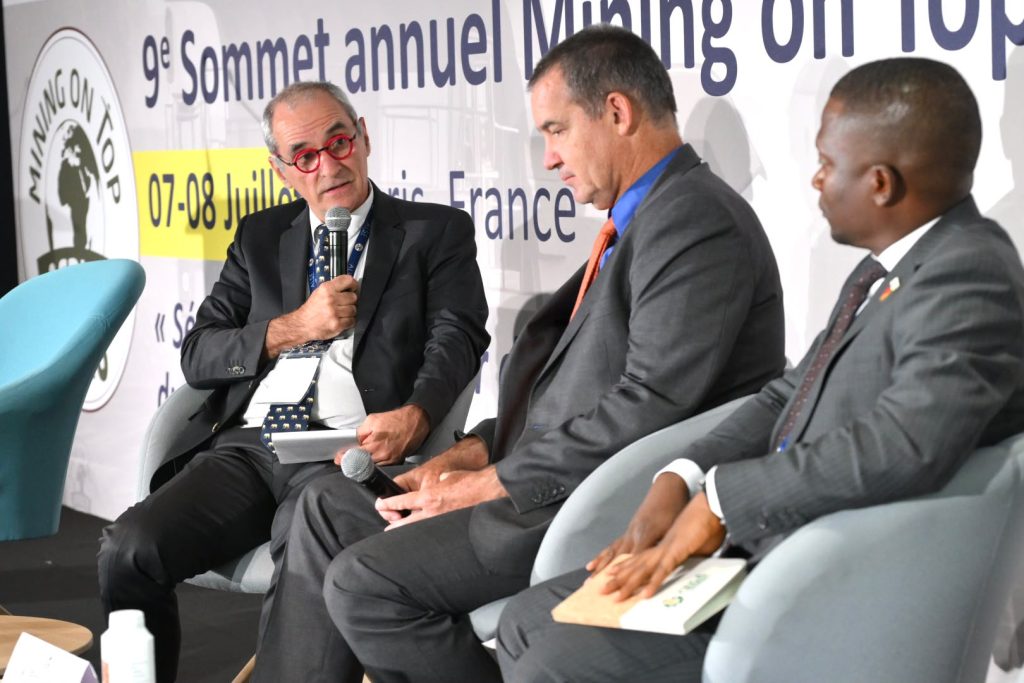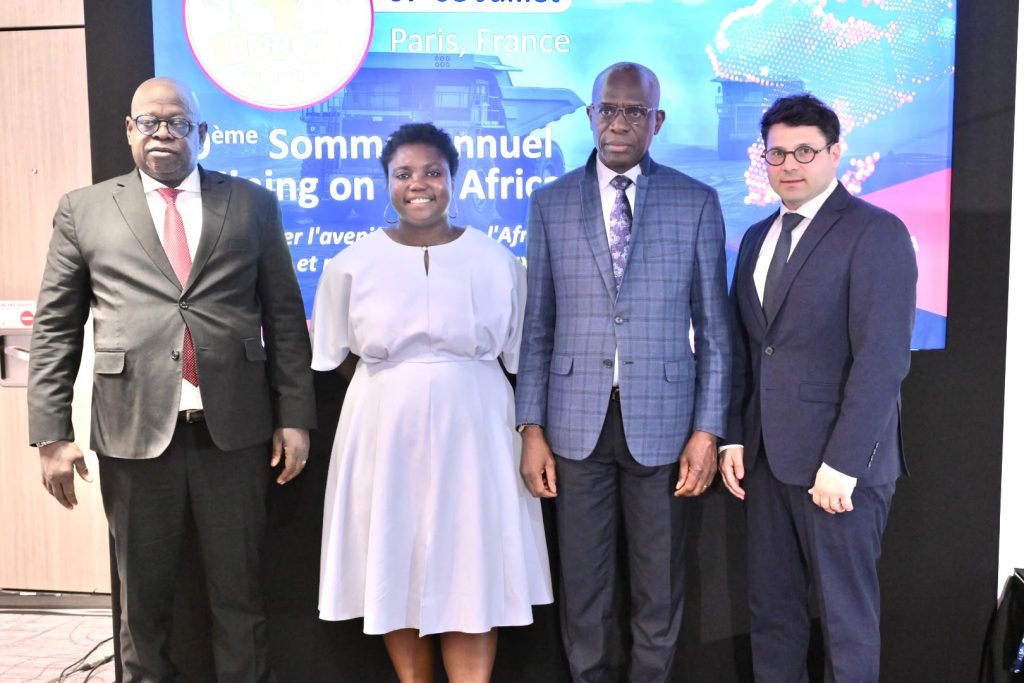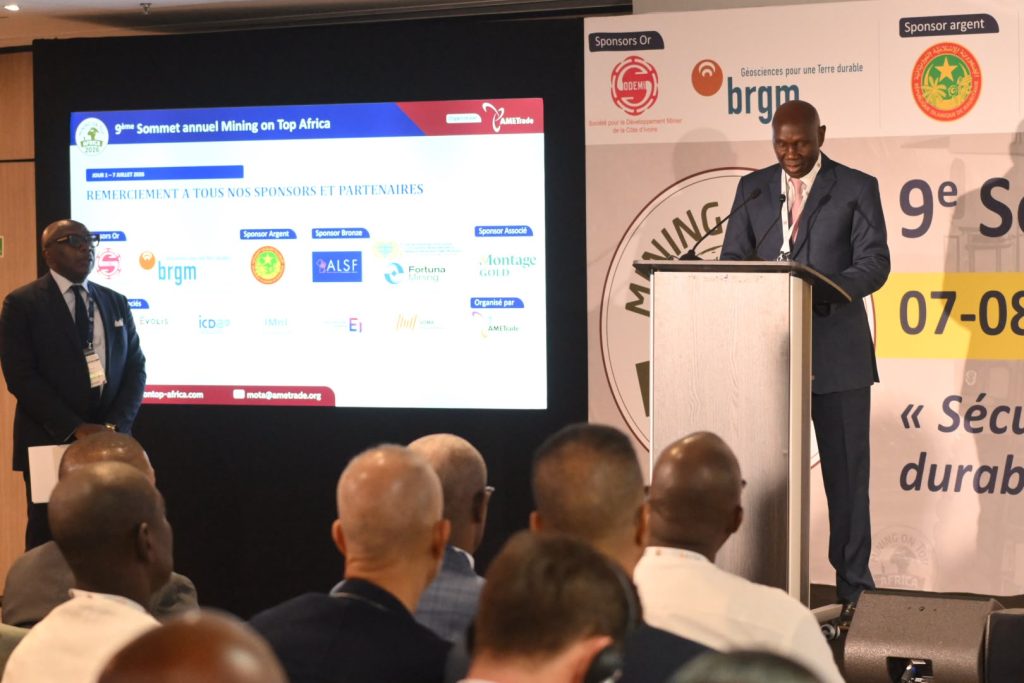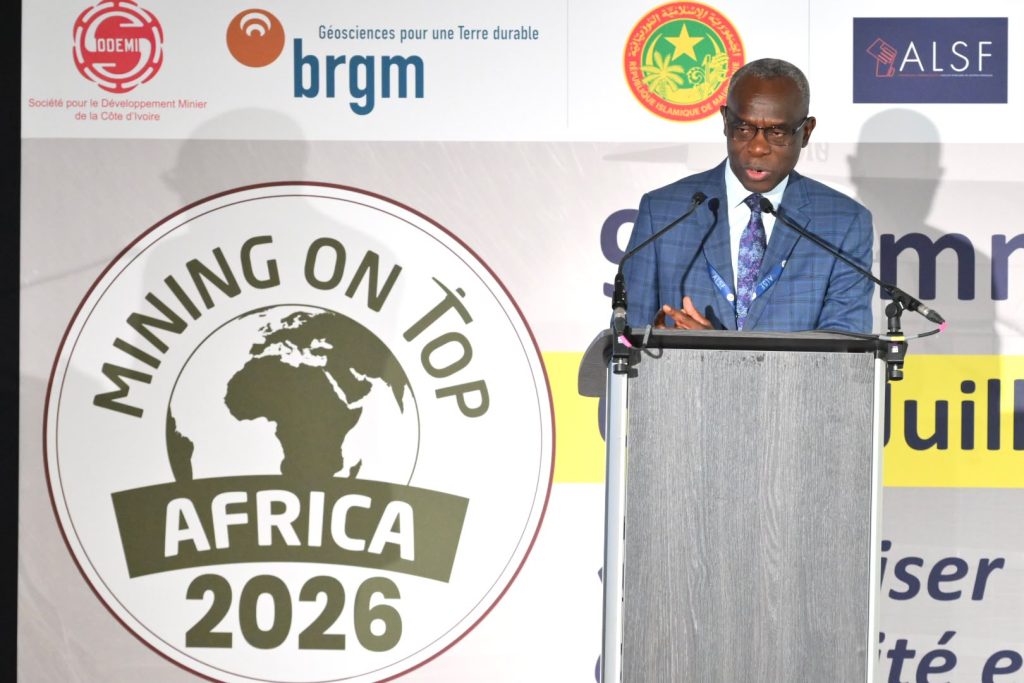***All Photos taken by: Xavier Granet***

SUBSCRIBE TO OUR NEWSLETTER
First name or full name
Email
By continuing, you accept the privacy policy
**Categories:** NEWS
---
### [EAC Chief Urges Removal of Border Bottlenecks to Boost Regional Trade](https://www.topafricanews.com/2026/07/09/eac-chief-urges-removal-of-border-bottlenecks-to-boost-regional-trade/)
**Published:** July 9, 2026
**Author:** Mutangana Emmanuel
**Content:**
The Secretary General of the East African Community (EAC), Amb. Stephen P. Mbundi, has called on Partner States to eliminate domestic administrative bottlenecks that continue to hinder cross-border trade, saying the move is essential if the bloc is to achieve its target of increasing intra-EAC trade to 50 per cent by 2030.
Mbundi made the remarks during a high-level implementation mission to the Sirari-Isebania (Tanzania-Kenya) and Busia-Busia (Kenya-Uganda) One Stop Border Posts (OSBPs) held on July 4 and 6, 2026. The visit marked his first official assessment of regional border operations since assuming office.
Conducted under the theme “From Policy to Practice: Enhancing the Efficiency of One Stop Border Posts and Corridors to Deepen EAC Integration,” the mission evaluated the implementation of regional trade facilitation programmes and identified measures to improve the movement of goods, services and people across the region.
During the visit, Mbundi toured border facilities, inspected cargo clearance operations and met government officials, customs and immigration authorities, transporters, freight forwarders, traders, business associations and local communities.
He said the EAC’s flagship trade facilitation initiatives, including the One Stop Border Post concept, Coordinated Border Management, the Single Customs Territory and the EAC Customs Bond, have significantly improved border operations by reducing clearance times, lowering transaction costs and simplifying customs procedures.
At the Sirari-Isebania border, officials reported growing trade volumes, which Mbundi said reflected increasing confidence in regional trade facilitation measures. He also highlighted the border’s strategic importance in linking the Maasai Mara and Serengeti ecosystems, noting that efficient border management could strengthen East Africa’s position as a single tourism destination.
At the Busia border, one of the region’s busiest crossings, he observed that efficient border operations support thousands of traders, transporters and service providers, including persons with disabilities, while contributing to job creation and regional economic growth.
Despite the progress, stakeholders identified several persistent challenges, including inadequate border infrastructure, the lack of modern cargo scanners, congestion, inconsistent implementation of 24-hour border operations, overlapping regulatory procedures, domestic taxes that increase business costs and slow integration of digital systems.
Cross-border traders, particularly women and youth, also called for greater awareness of the Simplified Trade Regime, easier access to trade information and stronger support to help small businesses transition into formal regional trade.
Mbundi said the next phase of regional integration should focus on eliminating non-tariff barriers, harmonising domestic regulations and accelerating digital integration among customs, immigration and other government agencies.
He also urged businesses to view the EAC as a single market rather than separate national economies and directed the EAC Secretariat to work with Partner States on strengthening border management, expanding infrastructure and improving trade facilitation.
“The success of East African integration will not be measured by the number of agreements we conclude. It will be measured by how easily our people trade, travel, invest and create opportunities across the region,” Mbundi said.
He added that similar assessment missions will be conducted at other One Stop Border Posts as the Community works towards its 2030 regional trade target.
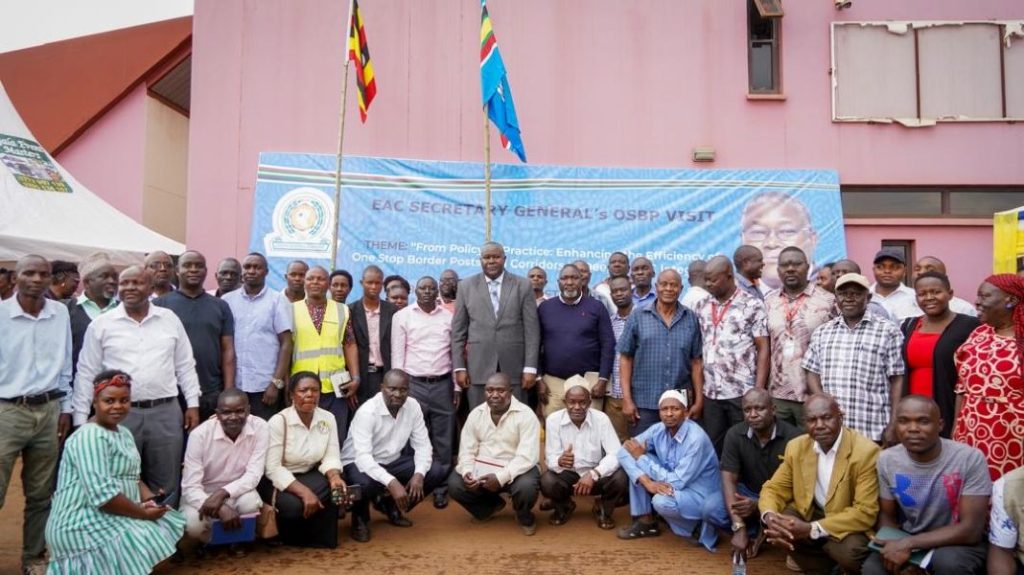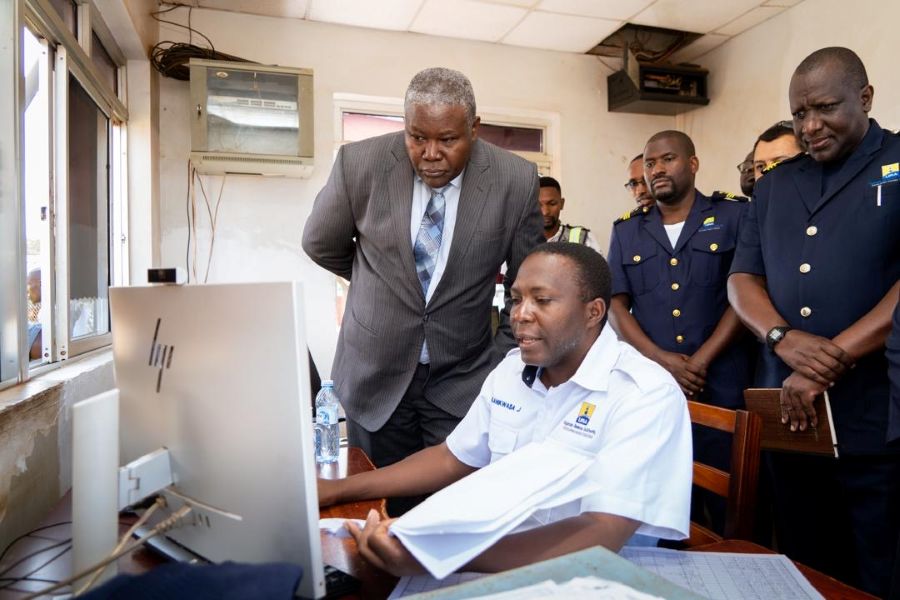
SUBSCRIBE TO OUR NEWSLETTER
First name or full name
Email
By continuing, you accept the privacy policy
**Categories:** NEWS
---
### [From Despair to Hope: Visually Impaired Woman Rebuilds Her Life at Masaka Resource Centre for the Blind](https://www.topafricanews.com/2026/07/09/from-despair-to-hope-visually-impaired-woman-rebuilds-her-life-at-masaka-resource-centre-for-the-blind/)
**Published:** July 9, 2026
**Author:** DUSABEMUNGU Ange de la Victoire
**Content:**
**KIGALI, Rwanda** – At the age of 52, **Viviane Ntakirutimana** has transformed her life from despair and isolation to hope and self-reliance after receiving education and vocational training at the Masaka Resource Centre for the Blind.
Viviane’s journey into blindness began in 1994 when she started experiencing severe headaches. Her condition gradually worsened, leading to the loss of sight in one eye before she eventually became completely blind.
> “I started suffering from severe headaches, and later one eye became blind. I sought treatment and was given glasses, but eventually the other eye also lost sight completely,” she recalled.
Losing her vision changed her life dramatically. She says she went through years of trauma, loneliness and hopelessness, believing she was no longer capable of achieving anything meaningful.
> “After I became completely blind, I fell into despair and felt that there was nothing more I could do in life,” she said.
However, after many years of struggling to come to terms with her condition, a new opportunity emerged. Through the support of local authorities and a sponsor, Viviane learned about the **Masaka Resource Centre for the Blind**, a facility dedicated to empowering people with visual impairments through education and skills development.
> “My district connected me with a sponsor, and that is how I came to study here at Masaka,” she said.
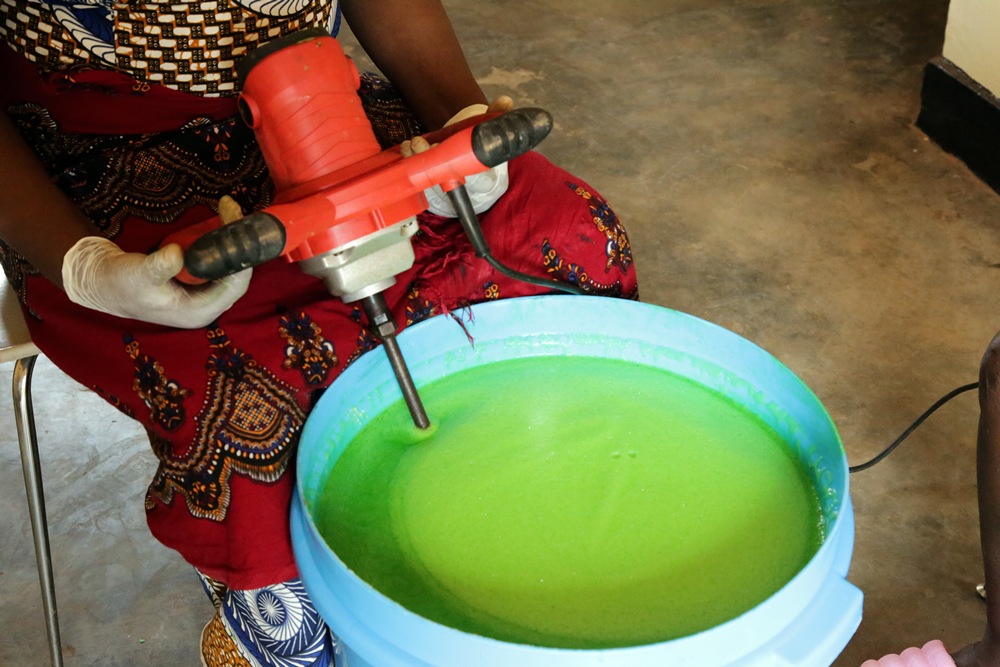According to Viviane, arriving at the centre marked the beginning of a new chapter in her life. She learned how to read and write Braille and acquired practical vocational skills that could help her earn a living.
> “Here, they taught me how to move around independently, read Braille, make liquid soap, and I am currently learning how to make bar soap,” she explained.
She says that before coming to Masaka, she had withdrawn from society and lived in deep isolation. Today, she has discovered that people living with visual impairments can lead productive and fulfilling lives.
Now filled with renewed confidence, Viviane encourages other persons with disabilities not to lose hope but to seek education and take advantage of opportunities that can transform their lives.
> “I encourage people with disabilities not to sit in despair. They should look for knowledge and make use of the opportunities available to them,” she said.
Her story is a powerful testament to the transformative impact of inclusive education and skills training, demonstrating that with the right support, disability does not have to define a person’s future. Instead, it can become the beginning of a journey toward dignity, independence and hope.

SUBSCRIBE TO OUR NEWSLETTER
First name or full name
Email
By continuing, you accept the privacy policy
**Categories:** ADVOCACY, WOMEN EMPOWERMENT
---
### [Poor-Quality Alcohol Claims 44 Lives in Rwanda in First Half of 2026, Health Minister Warns](https://www.topafricanews.com/2026/07/09/poor-quality-alcohol-claims-44-lives-in-rwanda-in-first-half-of-2026-health-minister-warns/)
**Published:** July 9, 2026
**Author:** TOPAFRICANEWS
**Content:**
**Kigali, Rwanda** – Minister of Health Dr. Sabin Nsanzimana has described the growing problem of substandard and illicit alcohol that continues to claim lives in Rwanda as a serious public health crisis, saying it has reached alarming levels.
According to the Minister, between January and June 2026, and in the first days of July, at least **44 people have died after consuming illegal and poor-quality alcoholic beverages**, while many others have been hospitalized and continue to suffer from severe health complications.
Dr. Nsanzimana made the remarks during an interview with Rwanda Broadcasting Agency (RBA) on July 8, 2026, following reports that several people in Ngoma District died while others were hospitalized after consuming juice served during a social event.
“From January to June, and now at the beginning of July, we have already lost 44 people. All of them consumed illegal alcohol. They were healthy when they drank it, but later became seriously ill and were taken to hospitals. Some died, others lost their eyesight, and some continue to suffer long-term health complications,” the Minister said.
He stressed that the issue requires urgent attention from all Rwandans, warning that as more people consume illicit alcohol, many become addicted to it while exposing themselves to life-threatening consequences.
The Minister expressed particular concern about the dangerous substances used in the production of these drinks.
“They mix extremely harmful substances, including crushed bricks, chemicals known as “tineri”, and methanol products such as sanitizers that people used to disinfect their hands. These substances gradually damage the eyes, the brain, and other parts of the body. This is a serious problem that all of us must confront,” he said.
Dr. Nsanzimana also pointed to Rwanda’s high alcohol consumption rates as another worrying factor. According to the **2025 Rwanda Demographic and Health Survey (DHS)**, **one in every two men and one in every five women in Rwanda consumes alcohol**.
He noted that these statistics underscore the urgency of increasing public awareness about the dangers of excessive alcohol consumption and the risks associated with unregulated alcoholic beverages.
“We encourage citizens to wake up to the seriousness of this issue. When leaders speak about it, it is because we have already understood the magnitude of the problem. We all have a responsibility because this challenge is growing and requires collective action. It should not be seen as the problem of one individual who happens to be an alcoholic,” he said.
The Minister urged Rwandans to prioritize their health by avoiding substandard and illicit alcoholic beverages and by exercising caution regarding everything they consume.
Health authorities have repeatedly warned that the consumption of illegal alcohol poses significant risks, including poisoning, blindness, organ failure, and death, and have called on communities to report the production and sale of unregulated drinks to the relevant authorities.

SUBSCRIBE TO OUR NEWSLETTER
First name or full name
Email
By continuing, you accept the privacy policy
**Categories:** ADVOCACY, HEALTH
---
### [Tender Documents Reveal Extensive Road Upgrades and Dust Control Measures for Zindiro-Masizi-Birembo-Kami-Gasanze Corridor](https://www.topafricanews.com/2026/07/09/tender-documents-reveal-extensive-road-upgrades-and-dust-control-measures-for-zindiro-masizi-birembo-kami-gasanze-corridor/)
**Published:** July 9, 2026
**Author:** TOPAFRICANEWS
**Content:**
The Rwanda Transport Development Agency (RTDA) has officially issued an International Competitive Bidding tender for the upgrading of the Zindiro-Masizi-Birembo-Kami-Gasanze Road (10.23km) and the Cyamitsingi-Bibare-Zindiro road (4.5km).
Financed by the Road Maintenance Fund, the major infrastructure project is estimated to have a twenty-four-month execution period.
The completion of this project will involve laying an asphalt concrete surface course, which will permanently eradicate the unpaved conditions currently causing distress in the area.
While there are no official statements addressing the recent resident complaints about extreme dirtiness during the ongoing dry season, the newly issued tender documents heavily emphasize environmental compliance and indicate that these specific nuisances are accounted for in the project’s legal framework.
The technical specifications explicitly dictate that the future contractor must take all necessary measures to avoid polluting the worksite neighborhood, roadways, shoulders, and sidewalks with dust, mud, or debris from the construction work.
Because the 24-month construction phase will temporarily introduce heavy machinery and earthworks to the area, the tender outlines strict environmental controls to protect the local population from dirt and dust.
Whoever wins the contract is legally mandated to provide routine watering of the tracks used by vehicles for transporting materials, as well as all work areas and crushing sites, specifically to reduce dust emissions.
The bidding documents note that during dry periods, this watering must be done efficiently so that it suppresses the dust without causing other inconveniences to the neighborhood, such as muddy or stagnant water.
Furthermore, the tender requires that all dump trucks transporting loose materials, such as sand, be completely covered by tarps to prevent debris from blowing into homes and businesses.
To further mitigate the spread of dirt into residential areas, the tender establishes strict traffic regulations for the construction fleet.
The contractor is required to enforce a strict speed limit of 40 km/h for all drivers and subcontractors when passing through towns, villages, and hamlets.
By writing these specific environmental and social obligations directly into the tender, the bidding documents provide a clear regulatory mechanism to address the community’s dry-season dust concerns while paving the way for a modernized transit corridor.

SUBSCRIBE TO OUR NEWSLETTER
First name or full name
Email
By continuing, you accept the privacy policy
**Categories:** NEWS
---
### [Cancer Cases Could Reach 35 Million by 2050, New Report Warns](https://www.topafricanews.com/2026/07/09/cancer-cases-could-reach-35-million-by-2050-new-report-warns/)
**Published:** July 9, 2026
**Author:** Mutangana Emmanuel
**Content:**
Millions of people worldwide continue to bear the physical, emotional and financial burden of cancer, with the disease killing more than 26,000 people every day, according to a new report released by the World Health Organization.
The WHO Global Status Report on Cancer 2026, produced jointly with the International Agency for Research on Cancer, estimates that cancer causes about 20.6 million new cases and nearly 10 million deaths each year, making it the world’s second leading cause of death after cardiovascular disease. Without urgent action, annual cancer cases are projected to rise to almost 35 million by 2050.
The report calls for a people-centred approach to cancer prevention, diagnosis, treatment and supportive care, warning that major disparities continue to deny millions access to lifesaving services.
“Whether a person survives cancer should never depend on where they were born or what they earn,” said Tedros Adhanom Ghebreyesus, noting that the inequalities highlighted in the report are preventable through stronger global action.
The report found stark differences in survival rates. While 87% of women diagnosed with breast cancer survive at least five years in high-income countries, only about 42% do so in low-income countries. It also found that fewer than one in three countries include cancer care in their universal health coverage packages.
WHO’s first global survey of people affected by cancer revealed that at least 45% experience financial hardship, more than half face mental health challenges, and nearly all caregivers report significant strain, including unpaid caregiving responsibilities and social isolation.
Regionally, Asia accounted for more than half of all cancer cases (50.7%) and deaths (56.5%) in 2024, reflecting its large population. Europe, despite having only about 9% of the global population, recorded 21% of cancer cases and 20% of deaths. Many countries in Africa and parts of Asia continue to experience lower cancer incidence but disproportionately higher mortality rates.
Lung cancer remains the leading cause of cancer deaths globally, while nearly 40% of all cancer cases are linked to preventable risk factors such as tobacco use, alcohol consumption, obesity, physical inactivity and infections including human papillomavirus (HPV), hepatitis B and C, and Helicobacter pylori.
Despite progress, including a 27% decline in tobacco use since 2010, expanded vaccination programmes and an increase in national cancer control plans from 50% to 82% of countries, the report says access to essential cancer medicines remains limited in many low- and lower-middle-income countries.
The report urges governments and partners to integrate cancer care into universal health coverage, strengthen social protection for patients and caregivers, and ensure equitable access to innovations in cancer prevention and treatment, warning that decisions made today will determine the global cancer burden for future generations.

SUBSCRIBE TO OUR NEWSLETTER
First name or full name
Email
By continuing, you accept the privacy policy
**Categories:** HEALTH
---
### [Exxaro’s 37% Road Cost Premium May Raise Margin Pressure for South Africa’s Manganese Exporters](https://www.topafricanews.com/2026/07/09/exxaros-37-road-cost-premium-may-raise-margin-pressure-for-south-africas-manganese-exporters/)
**Published:** July 9, 2026
**Author:** TOPAFRICANEWS
**Content:**
*EBC Financial Group notes the recent transport data Exxaro shows why higher port capacity may not protect export margins if manganese continues to move by truck instead of rail, with 46% of Tshipi Borwa mine volumes still hauled by road*
**CAPE TOWN, 9 July 2026 –** South Africa’s manganese exporters may lose margin before their ore reaches port if too much volume continues to move by truck instead of rail. Exxaro recently said road haulage costs 37% more than rail, while logistics account for 43% of free-on-board (FOB) export costs. FOB refers to the cost of moving cargo up to the point where it is loaded onto a vessel. This is important as Transnet Rail Infrastructure Manager said 11 private Train Operating Companies had concluded rail access agreements, with some operators targeting mainline entry before the end of 2026 and most expected to become operational during 2027. For manganese exporters, the priority is getting enough ore off trucks and onto rail to bring down inland transport costs.
**David Precious, Senior Market Analyst at EBC Financial Group**, said, “Higher port capacity may help South Africa load more manganese for export, but it may not protect margins if too much ore still travels by road from the Northern Cape. At Tshipi Borwa, a major manganese mine in the Kalahari Manganese Field, Exxaro’s data shows about 46% of volumes are still trucked, and road haulage costs 37% more than rail. That means exporters may give up value before the cargo reaches the port.”
Previously, **EBC Financial Group (EBC)** noted that the planned 16-million-tonne Ngqura manganese terminal in the Eastern Cape could strengthen South Africa’s export capacity, but its commercial value may depend on whether rail access improves enough to reduce road haulage. Exxaro’s latest transport data now adds a clearer cost dimension to that concern. This makes the issue less about port capacity alone and more about whether manganese exporters can lower the cost of moving ore from inland mines to coastal ports.
**Inland Transport Remains the Margin Pressure**
Tshipi Borwa exports about 3.5 million tonnes of manganese a year, with about 46% still hauled to ports by road, according to Exxaro’s June presentation. That means more than 1.5 million tonnes from one large mine still uses the higher-cost route before reaching export channels through Gqeberha and Saldanha.
A new port terminal may raise loading capacity, but it does not automatically lower transport costs because the ore still has to travel hundreds of kilometres from inland mining areas to coastal ports. If a large share of that journey remains on trucks, exporters may face tighter mine margins, less competitive delivered pricing, and higher exposure to fuel costs, truck availability, road congestion, and delays around port areas.
The issue is commercially important as Exxaro recently entered manganese at scale through Tshipi Borwa, a major mine in South Africa’s Kalahari Manganese Field. If almost half of the mine’s export volumes still move by road, transport costs may directly affect the value Exxaro can draw from the asset. This makes rail access important not only for South Africa’s export system, but also for Exxaro’s ability to protect margins in its manganese business.
**Rail Delivery may Decide How Much Cost Pressure Eases**
Rail reform may now be measured through operating data rather than policy announcements alone. The 11 private train operators are expected to add 24 million tonnes of freight capacity across coal, manganese, containers, fuel, and general freight, while the broader private-access process covers 41 routes across six corridors. Train slots are scheduled rights to run freight services on defined rail routes. For manganese, those slots may only improve competitiveness if they become operating trains, reduce the ore volume moved by road, and connect with ports that are ready to receive and unload higher rail volumes.
“Manganese exporters may benefit if private rail access leads to more train movements, lower road use, and smoother delivery into port. The benefit may appear in margins, reliability, and export competitiveness.” Precious added, “If rail delivery is slow, South Africa may still export volume, but at a higher inland cost than necessary.”
Tshipi Borwa’s rail share, private train operator start dates, rail slot delivery, port offloading readiness, and whether manganese exporters reduce trucking exposure during 2026 and 2027 may be the important indicators to watch. Together, they may show whether South Africa is improving the full export route from the Kalahari mine to the vessel or mainly adding port capacity while inland costs remain under pressure.

SUBSCRIBE TO OUR NEWSLETTER
First name or full name
Email
By continuing, you accept the privacy policy
**Categories:** NEWS
---
### [Rwanda and India Expand Defence Partnership with Focus on Military Training, Joint Exercises and Defence Industry Cooperation](https://www.topafricanews.com/2026/07/09/rwanda-and-india-expand-defence-partnership-with-focus-on-military-training-joint-exercises-and-defence-industry-cooperation/)
**Published:** July 9, 2026
**Author:** LIBOS NDAYISHIMIYE
**Content:**
Rwanda and India have agreed to deepen their defence partnership by expanding cooperation in military training, joint exercises, military healthcare and defence manufacturing, reaffirming their shared commitment to strengthening security collaboration and enhancing the capabilities of their armed forces.
The Rwandan delegation was led by the Chief of Defence Staff Development at the Rwanda Defence Force (RDF), Brig. Gen. Louis Kanobayire, while the Indian delegation was headed by Amitabh Prasad, Joint Secretary for International Cooperation at India’s Ministry of Defence.
The meeting brought together senior officials from both countries, including representatives from India’s Ministry of Defence, the Department of Defence Production, the Defence Research and Development Organisation (DRDO), the Ministry of External Affairs, military medical services and other key defence institutions.
During the discussions, both sides endorsed a new roadmap of activities aimed at further strengthening bilateral defence cooperation. The plan focuses on expanding military training programmes, increasing joint military exercises, enhancing collaboration in military medicine, and promoting partnerships in the defence manufacturing sector.
As part of the visit, the Rwandan delegation also met with India’s Defence Secretary, Rajesh Kumar Singh, where Brig. Gen. Kanobayire presented new areas of cooperation intended to reinforce the longstanding defence relationship between the two countries.
The delegation further held discussions with representatives of India’s defence manufacturing industry to gain insights into the country’s growing defence production capabilities and the advanced technologies driving the sector.
Both sides identified significant opportunities for collaboration between Rwanda’s emerging defence industry and Indian defence manufacturers, agreeing to strengthen partnerships that could support technology transfer, industrial development and capacity building.
The Rwandan delegation also toured the Army Hospital (Research and Referral), one of India’s leading military medical institutions, where they were briefed on its state-of-the-art facilities, research programmes and specialised healthcare services provided to members of the armed forces.
Defence cooperation between Rwanda and India is anchored in a bilateral agreement signed in July 2018 during the historic visit of Indian Prime Minister Narendra Modi to Rwanda.
Since then, the two countries have steadily expanded their military partnership through professional training, joint exercises and initiatives aimed at strengthening the operational capacity and professionalism of their armed forces.

SUBSCRIBE TO OUR NEWSLETTER
First name or full name
Email
By continuing, you accept the privacy policy
**Categories:** NEWS, SECURITY
---
### [Rwanda’s Banking Sector Launches ESG Learning Platform to Accelerate Sustainable Finance](https://www.topafricanews.com/2026/07/09/rwandas-banking-sector-launches-esg-learning-platform-to-accelerate-sustainable-finance/)
**Published:** July 9, 2026
**Author:** TOPAFRICANEWS
**Content:**
**KIGALI, Rwanda** – The Rwanda Bankers Association (RBA), in partnership with the International Finance Corporation (IFC), has launched a new digital learning platform aimed at strengthening Environmental, Social and Governance (ESG) knowledge and accelerating the adoption of sustainable finance practices across Rwanda’s banking sector.
The **RBA ESG e-Learning Platform**, unveiled on June 19, 2026, marks a significant step in Rwanda’s efforts to build a resilient, inclusive and sustainable financial system. The platform will provide banking professionals with continuous, accessible and locally relevant training on ESG principles and their practical application within the financial industry.
The online platform features structured learning modules covering key areas including ESG fundamentals, climate risk management, sustainable finance, governance, ESG disclosure, financial inclusion, nature finance, and environmental and social risk management. It is designed to equip financial institutions with the skills needed to meet evolving regulatory requirements, respond to market expectations and integrate sustainability into their core business strategies.
Speaking at the launch, **Rwanda Bankers Association Chief Executive Officer Tony Francis Ntore** said sustainability has become an essential pillar of modern banking and risk management.
> “Around the world, climate change, social inequality and governance challenges are reshaping financial risk,” he said. “Rwanda has led this shift through its Green Growth and Climate Resilience Strategy, its Nationally Determined Contributions and the Green Taxonomy. As a sector, we knew we also had to evolve.”
Ntore noted that the banking sector has already taken important steps through the introduction of ESG Awareness Guidelines for Banks and the establishment of an ESG Community of Practice that brings together banks, regulators and development partners to share experiences and best practices.
He added that the platform’s impact extends far beyond training.
> “It strengthens risk management, supports stronger environmental and social management systems, improves readiness for new regulations, and helps finance Rwanda’s sustainable development goals more effectively,” he said.
The launch was officiated by **Minister of Environment Dr. Bernadette Arakwiye**, who highlighted the critical role financial institutions play in mobilising private capital for Rwanda’s transition towards a climate-resilient and low-carbon economy.
> “Every day, banks make decisions that shape the future of our economy,” she said. “The projects you finance, the risks you assess and the clients you support can accelerate our transition to a greener and more competitive economy or expose businesses and financial institutions to growing environmental and climate-related risks.”
She stressed that economic prosperity and environmental sustainability are mutually reinforcing objectives.
> “Countries and businesses that manage natural resources responsibly, invest in resilience and embrace sustainability are increasingly proving to be more competitive, more attractive to investors and better prepared for future shocks,” she added.
For the private sector, the initiative represents an important opportunity to strengthen capacity in identifying and financing green and sustainable investments.
**IFC Resident Representative Jiyeon Janice Ryu** said Rwanda’s financial institutions will play an increasingly vital role in directing capital towards projects that generate both economic returns and positive environmental and social outcomes.
She emphasized that achieving Rwanda’s climate and development ambitions will require continued collaboration among financial institutions, regulators, policymakers, development partners and businesses to build a more resilient and sustainable economy.
The launch of the RBA ESG e-Learning Platform comes at a time when sustainable finance is rapidly becoming a competitive advantage for African financial institutions. As global investors increasingly seek markets with strong sustainability frameworks, Rwanda’s banking sector is positioning itself to better manage emerging risks, unlock green investment opportunities and support the country’s long-term economic transformation.
With the new platform, Rwanda is taking another significant step toward embedding sustainability into the heart of its financial system, ensuring that banks are better prepared to finance the transition to a greener, more inclusive and resilient economy.

SUBSCRIBE TO OUR NEWSLETTER
First name or full name
Email
By continuing, you accept the privacy policy
**Categories:** Business and Trade, CLIMATE CHANGE
---
### [New report cites Rwanda in blueprint for tackling Africa’s employment challenge through agrifood systems](https://www.topafricanews.com/2026/07/09/new-report-cites-rwanda-in-blueprint-for-tackling-africas-employment-challenge-through-agrifood-systems/)
**Published:** July 9, 2026
**Author:** DUSABEMUNGU Ange de la Victoire
**Content:**
*he Malabo Montpellier Panel presents a policy blueprint to scale agrifood interventions for decent work, inclusive growth, and rural transformation.*
**KIGALI, July 8, 2026** – Agrifood systems are central to Africa’s employment challenge yet also offer a major pathway to its solution, according to a new report from the Malabo Montpellier Panel of experts.
Launched on July 8 at the Malabo Montpellier [Forum](https://www.mamopanel.org/Forum/18th-malabo-montpellier-forum/), the publication demonstrates that agrifood systems can generate the productive jobs needed for Africa’s rapidly growing youth population, provided the right policies are in place to accelerate transformation and ensure these jobs are productive, resilient, and accessible to all.
[**“Job Harvests: Policy Innovations for Inclusive Agrifood Employment in Africa”**](https://www.mamopanel.org/resources/agrifood-employment/) examines employment in Africa’s agrifood systems and rural economies through the lens of structural transformation, analyzing the constraints and enablers of inclusive agrifood employment. Drawing on case studies from Ethiopia, Nigeria, and Rwanda, the report highlights scalable institutional and policy innovations and programmatic interventions that have driven progress in economy-wide labor productivity, structural change, and the creation of decent, quality jobs.
It is estimated that around 70 million young people in Africa are not currently in employment, education, or training, and, by 2040, Africa will need to create around two million jobs per month to absorb new entrants into the labor market.
The central challenge is to create employment that is productive, secure, resilient, and inclusive, particularly for youth and women.
**“Africa’s employment challenge is not about the absence of jobs per se; the quality of employment matters. Safer workplaces, fairer opportunities, stronger skills systems, and more resilient livelihoods are essential to ensuring that agrifood transformation improves lives,” said Dr. Ousmane Badiane, Co-Chair of the Malabo Montpellier Panel and Executive Chairperson at AKADEMIYA2063.**
**“Addressing interconnected challenges—including demographic pressures, climate change, weak infrastructure, insecure land rights, limited access to finance, and fragmented policy implementation—requires accelerated structural transformation and renewed focus on skills and entrepreneurship. This is essential to enable agrifood systems to drive inclusive employment and broader economic transformation. Evidence from ‘Job Harvests’ provides an integrated approach to achieving this.”**
The analysis highlights an integrated action agenda linking productivity growth, value chain development, rural industrialization, digital transformation, and skills development.
“A dual approach is called for to harvest the jobs: indirectly creating jobs by accelerated investment in agrifood system productivity, and directly creating jobs with labor-intensive public works building productive rural infrastructure,” said **Prof. Joachim von Braun,** Co-Chair of the Malabo Montpellier Panel at the Center for Development Research (ZEF), University of Bonn.
He added: “The African Union Kampala agenda calls to foster agrifood system growth, and we note in the report that already more than 20 African countries invest in rural public works programs, which were so important for jobs and transformation in China in the past and also in India.”
Case studies from Ethiopia, Nigeria, and Rwanda show how impactful government action can create a more enabling environment for improved labor market outcomes, particularly for youth and women in agrifood systems.
In **Ethiopia,** initiatives such as the Agricultural Growth Program (AGP), the Productive Safety Net Programme (PSNP), and the Rural Job Opportunity Creation Strategy (RJOC) have strengthened agricultural development, skills, livelihood diversification, and labor market participation. Agricultural Commercialization Clusters have improved farmers’ access to services, aggregation, and markets, while the Industrial Parks Development Corporation (IPDC) has attracted approximately **USD 740 million** in investment and created nearly **90,000 jobs** in less than a decade, many of them for young women.
In **Nigeria,** improved employment planning and job matching have enhanced labor market coordination, while specialized agricultural universities and the Students Industrial Work Experience Scheme have equipped young people with skills for modern agrifood value chains. Between 2015 and 2024, the Bank of Industry (BOI) mobilized more than USD 7 billion in catalytic capital, financed more than 5.4 million enterprises, and contributed to the creation of more than 15 million jobs. Through targeted financing for women, youth, and rural enterprises, BOI has expanded inclusive agrifood entrepreneurship and strengthened linkages between smallholder farmers and processing facilities.
In **Rwanda,** the Chief Skills Office and the Technical and Vocational Education and Training (TVET) Board have improved alignment between training and labor market needs through employer engagement and demand-driven skills programs. The Rwanda Development Board (RDB) has strengthened the business-friendly environment, attracting investment in agribusiness, agro-processing, horticulture, dairy, and logistics. Rural transformation has been supported by the Girinka (One Cow per Poor Family) program, which distributed more than 460,000 cows by early 2024, helping increase milk production to over 1 million metric tons. The program has raised livestock productivity, boosting daily milk yields by about 50 percent. The National Agriculture Insurance Scheme has enrolled more than 650,000 farmers and disbursed nearly USD 3.5 million in subsidies to protect against climate and other shocks.
Expanding inclusive agrifood employment across the continent can be supported through targeted policy interventions that position productive agrifood employment at the core of national development strategies; equip youth and women with the skills to transform agrifood systems; address informality and strengthen worker protections; mobilize innovative financing and private investment; build digital ecosystems to support rural employment and agrifood innovation; invest in labor-intensive rural infrastructure to create jobs and strengthen rural economies; and harmonize labor market statistics across countries.
The Malabo Montpellier Panel’s recommendations below draw on the experiences of the three countries and the key factors underlying their success.
· Prioritize agricultural productivity growth as the foundation for broader employment transformation.
· Ensure skills development is demand-driven and directly connected to growth sectors.
· Strengthen employment policies to advance decent work, productivity, and inclusive labor markets, and advance occupational safety and health systems to improve job quality.
· Expand and strengthen the quality of public works and integrate with social protection.
· Strengthen one-stop business support institutions to lower barriers to enterprise growth, increase formal job creation, and expand digital labor and market information platforms to improve job matching and market access.
· Strengthen high-level institutional coordination to support integrated employment outcomes.
With implementation of the [Kampala](https://akademiya2063.org/Kampala-CAADP-Series.php) CAADP Strategy and Action Plan (2026–2035) under way, African countries have an opportunity to strengthen agrifood systems as engines of better jobs, food security, poverty reduction, climate resilience, industrialization, and inclusive growth. This will require coherent policies, capable institutions, sustained investment, and inclusive implementation.

SUBSCRIBE TO OUR NEWSLETTER
First name or full name
Email
By continuing, you accept the privacy policy
**Categories:** Climate / Agriculture Evolution, Natural Resources and Agriculture
---
### [Museke TVET School Graduates 113 Youth with Practical Skills for Employment and Entrepreneurship](https://www.topafricanews.com/2026/07/09/museke-tvet-school-graduates-113-youth-with-practical-skills-for-employment-and-entrepreneurship/)
**Published:** July 9, 2026
**Author:** TOPAFRICANEWS
**Content:**
A total of **113 students** on Wednesday graduated from short-term skills development programmes at **Museke TVET School (Museke VTC)**, located in **Nemba Sector, Gakenke District**, marking another milestone in the district’s efforts to equip young people with market-relevant skills.
The graduates were awarded certificates recognizing the practical competencies they acquired, which will enable them to pursue both employment and self-employment opportunities.
Among the graduates, **87 students completed training in Tailoring**, while **26 graduated in Leather Processing and Leather Products Manufacturing**. The programmes were designed to provide hands-on skills that can enhance livelihoods, stimulate entrepreneurship, and contribute to the growth of the local economy.
The graduation ceremony was presided over by **Gakenke District Mayor Mukandayisenga Vestine**, who was joined by district officials responsible for education and Technical and Vocational Education and Training (TVET).
Addressing the graduates, Mayor Mukandayisenga underscored the importance of practical and technical skills in empowering young people and accelerating national development.
> “Technical and vocational skills are essential in enabling our young people to create jobs, foster innovation, and contribute meaningfully to Rwanda’s socio-economic transformation,” she said.
She encouraged the graduates to put the knowledge and skills they have acquired into practice, become job creators rather than job seekers, and seize opportunities within their communities.
The Mayor reaffirmed Gakenke District’s commitment to strengthening Technical and Vocational Education and Training by expanding access to market-driven skills development programmes that improve employability, promote entrepreneurship, and support sustainable community development.
The graduation of the 113 trainees reflects the growing importance of vocational education in Rwanda’s development agenda and demonstrates how practical skills training can open pathways to economic empowerment and improved livelihoods for young people across the country.

SUBSCRIBE TO OUR NEWSLETTER
First name or full name
Email
By continuing, you accept the privacy policy
**Categories:** EDUCATION, Youth Empowerment
---
### [Rwanda Launches 2026 Mountain Gorilla Rally](https://www.topafricanews.com/2026/07/08/rwanda-launches-2026-mountain-gorilla-rally/)
**Published:** July 8, 2026
**Author:** TOPAFRICANEWS
**Content:**
**Kigali, Rwanda** — Organizers officially unveiled the Rwanda Mountain Gorilla Rally 2026 on Wednesday at Zaria Court, confirming the popular international motorsport event as round four of the FIA African Rally Championship.
Several competitive entries were showcased, including a Ford Fiesta crewed by Sachania Nikhil and Patel Deep, a Skoda Fabia R5 driven by Karan Patel and Khan Tauseef, a Subaru Impreza for Kalimpinya Queen and Ngabo Olivier, and a Mitsubishi Lancer Evo X with Ntambi Oscar and Luggya Pius.
The three-day gravel rally, backed by BPR Bank among other sponsors, is set to start on Friday, July 10, and conclude on Sunday, July 12, drawing competitors from multiple nations to Rwanda’s challenging stages.

SUBSCRIBE TO OUR NEWSLETTER
First name or full name
Email
By continuing, you accept the privacy policy
**Categories:** NEWS, Sport
---
### [Dangote Selects Kenya's Lamu for $17 Billion East Africa Mega-Refinery](https://www.topafricanews.com/2026/07/08/dangote-selects-kenyas-lamu-for-17-billion-east-africa-mega-refinery/)
**Published:** July 8, 2026
**Author:** Justin Kayiranga
**Content:**
**Lamu, Kenya –** Nigerian billionaire Aliko Dangote has chosen the island of Lamu off Kenya’s coast as the site for a massive new oil refinery, marking his group’s largest investment outside Nigeria and a significant boost for East African energy independence.
The proposed facility will have a capacity of 700,000 barrels per day, surpassing other refineries in the region and mirroring the scale of Dangote’s landmark Lekki refinery in Nigeria. Estimated to cost up to $17 billion, the project will be financed through the company’s internal cash flow, bond issuances, and an initial public offering of shares.
Edwin Devakumar, vice president for oil and gas at Dangote Industries, confirmed the decision on Tuesday, stating that Kenya was the preferred location from the outset after detailed commercial, technical, and logistical assessments. Soil testing and engineering design work have already begun, with construction potentially starting later this year.
The refinery is expected to process crude oil into refined petroleum products, significantly reducing East Africa’s dependence on imported fuels. It will serve markets across Kenya, Uganda, South Sudan, the Democratic Republic of Congo, and potentially other neighboring countries. Dangote has extended an invitation to Tanzania to participate in the Lamu investment.
Kenyan President William Ruto has welcomed the announcement, linking it to growing foreign direct investment in the country. The project is anticipated to create thousands of jobs during construction and operations while stimulating logistics, port infrastructure, and related industries along the LAPSSET corridor.
This development ends months of speculation over whether the refinery would be built in Kenya or Tanzania. Industry analysts view it as a major step toward regional energy security and economic integration.

SUBSCRIBE TO OUR NEWSLETTER
First name or full name
Email
By continuing, you accept the privacy policy
**Categories:** Business and Trade, Development Trends
---
### [Geneva Buzzes as AI for Good Global Summit 2026 Spotlights Humanity-Centered Innovation](https://www.topafricanews.com/2026/07/08/geneva-buzzes-as-ai-for-good-global-summit-2026-spotlights-humanity-centered-innovation/)
**Published:** July 8, 2026
**Author:** TOPAFRICANEWS
**Content:**
**GENEVA, Switzerland —** World leaders, tech pioneers, and innovators converged at the Palexpo Convention Center this week for the AI for Good Global Summit 2026, the United Nations’ flagship platform dedicated to harnessing artificial intelligence for the benefit of humanity.
Now in its seventh edition, the four-day event running from July 7 to 10 has drawn thousands of participants from governments, industry, academia, and civil society.
Organized under the auspices of the International Telecommunication Union and co-convened with the Swiss government, the summit emphasizes practical AI applications that advance the Sustainable Development Goals while addressing critical issues of ethics, governance, and accessibility.
Day one opened with a strong focus on frontier research, responsible innovation, and youth-led initiatives. Attendees witnessed the recognition of dozens of groundbreaking AI projects through the Innovate for Impact awards, celebrating solutions ranging from environmental monitoring to healthcare advancements.
A highlight included the announcement of winners from the AI and Space Computing Challenge, bridging orbital technology with real-world impact on Earth.
High-profile speakers have taken the stage, including heads of state from Estonia, Iceland, and Rwanda, alongside Nobel Peace Prize laureate Maria Ressa and cultural icon Björn Ulvaeus of ABBA, who is advocating for creators’ rights in the age of AI-generated content.
Discussions have centered on building global AI standards, empowering people with new skills, and ensuring inclusive governance that keeps human oversight at the core of technological progress.
“This summit represents a vital moment for the international community to move beyond hype and toward actionable solutions,” one senior UN official noted during opening remarks.
Panels have explored everything from AI’s role in climate action and education to its potential in bridging digital divides across developing nations.
The event builds on the momentum of the recent UN Global Dialogue on AI Governance, which concluded just before the summit and launched new networks for capacity building.
Exhibitions at Palexpo feature live robotics demonstrations, interactive AI installations, and artistic performances that showcase creative applications of the technology.
As the summit continues through the week, participants are expected to forge partnerships and announce new collaborations aimed at scaling AI solutions globally.
With rapid advancements in the field raising both opportunities and concerns, organizers stress the need for collaborative frameworks that prioritize safety, equity, and long-term societal benefit.
The AI for Good Global Summit has established itself as a premier annual gathering where technology meets purpose, reinforcing Geneva’s role as a hub for international cooperation on emerging challenges. As the event unfolds, it sends a clear message: the future of AI must be shaped not just by what is possible, but by what is responsible and beneficial for all.

SUBSCRIBE TO OUR NEWSLETTER
First name or full name
Email
By continuing, you accept the privacy policy
**Categories:** ICT, NEWS, Science and Technology
---
### [Food Allergies Affect 4.3% of Global Population as New Labelling Rules Adopted](https://www.topafricanews.com/2026/07/08/food-allergies-affect-4-3-of-global-population-as-new-labelling-rules-adopted/)
**Published:** July 8, 2026
**Author:** Mutangana Emmanuel
**Content:**
The Codex Alimentarius Commission has adopted new international guidelines on precautionary allergen labelling (PAL), introducing a science-based approach aimed at making “may contain” food allergy warnings more accurate, consistent and meaningful for consumers worldwide.
The guidelines, adopted during the 49th Session of the Codex Alimentarius Commission in Geneva, Switzerland, seek to improve the way food manufacturers use precautionary allergen statements by ensuring they are based on scientific risk assessments rather than applied as a routine precaution.
Food allergies affect an estimated 4.3 percent of the global population, with reactions ranging from mild symptoms to life-threatening anaphylaxis. For millions of people living with food allergies, precautionary statements such as “may contain” can be critical in determining whether a product is safe to consume.
However, the use of such labels has varied widely across products and countries, with many jurisdictions lacking clear regulations. This inconsistency has often left consumers uncertain about the actual level of risk. As a result, some people avoid foods unnecessarily, while others become less likely to trust or follow the warnings.
Unintended allergen contamination can occur during food production even when an allergen is not intentionally added as an ingredient. For example, products manufactured on shared production lines or handled using shared equipment, storage or transport systems may contain trace amounts of allergens despite cleaning and other preventive measures.
Under the new Codex guidance, precautionary allergen labels should only be used when food businesses have implemented appropriate allergen management practices and scientific risk assessments show that a residual risk of unintended allergen presence remains.
The new guidance has been adopted as an annex to the General Standard for the Labelling of Pre-packaged Foods (CXS 1-1985), establishing a harmonized, science- and risk-based framework for the use of precautionary allergen labelling.
The recommendations are based on scientific advice developed through seven joint expert consultations convened by the Food and Agriculture Organization of the United Nations (FAO) and the World Health Organization (WHO). The framework is intended to help governments, regulators and the food industry assess allergen risks consistently while maintaining a high level of consumer protection.
According to the Codex Alimentarius Commission, the guidance is expected to strengthen consumer confidence by improving the reliability of precautionary allergen statements while providing greater clarity for food manufacturers and regulatory authorities. It also complements existing Codex standards on allergen declaration and food allergen management, including the Code of Practice on Food Allergen Management for Food Business Operators (CXC 80-2020).
Established jointly by FAO and WHO, the Codex Alimentarius Commission develops international food standards, guidelines and codes of practice to protect consumer health and promote fair practices in the food trade. Although Codex standards are voluntary, they are widely recognized as international benchmarks that support national food legislation and facilitate global trade.

SUBSCRIBE TO OUR NEWSLETTER
First name or full name
Email
By continuing, you accept the privacy policy
**Categories:** HEALTH, Natural Resources and Agriculture
---
### [OIF Secretary General Mushikiwabo Meets Cardinal Kambanda to Strengthen African Education Partnership](https://www.topafricanews.com/2026/07/07/oif-secretary-general-mushikiwabo-meets-cardinal-kambanda-to-strengthen-african-education-partnership/)
**Published:** July 7, 2026
**Author:** DUSABEMUNGU Ange de la Victoire
**Content:**
**Paris, July 7, 2026** — Louise Mushikiwabo, Secretary General of the International Organisation of La Francophonie (OIF), received Cardinal Antoine Kambanda, Grand Chancellor of the Institut Pacte Éducatif Africain (IPEA), for high-level discussions on bolstering education across Francophone Africa.
The meeting focused on deepening cooperation between IPEA — a Catholic Church-linked network spanning more than 150,000 educational establishments continent-wide — and the OIF’s Institut de la Francophonie pour l’Éducation et la Formation (IFEF).
Officials explored ways to expand technical support to national education networks, aiming for lasting improvements in teaching quality and access
The partnership aligns with the OIF’s core mission to promote French-language education, cultural diversity, and sustainable development among its 90 member states and governments.
With French serving millions of learners across Africa, such collaborations are seen as critical for addressing educational challenges while leveraging faith-based networks’ extensive reach on the ground.
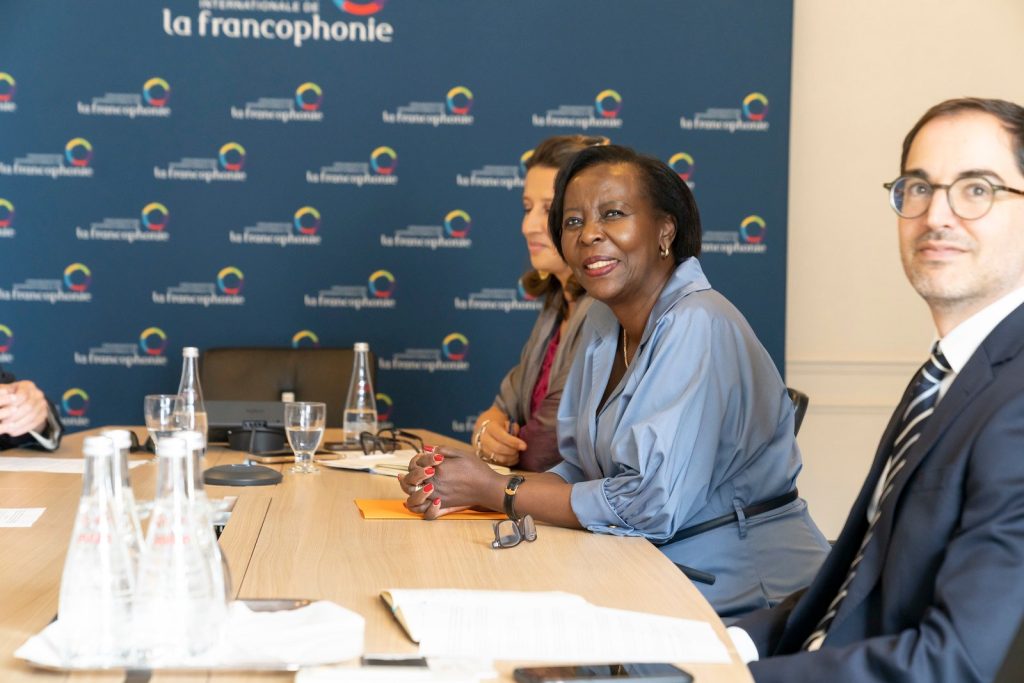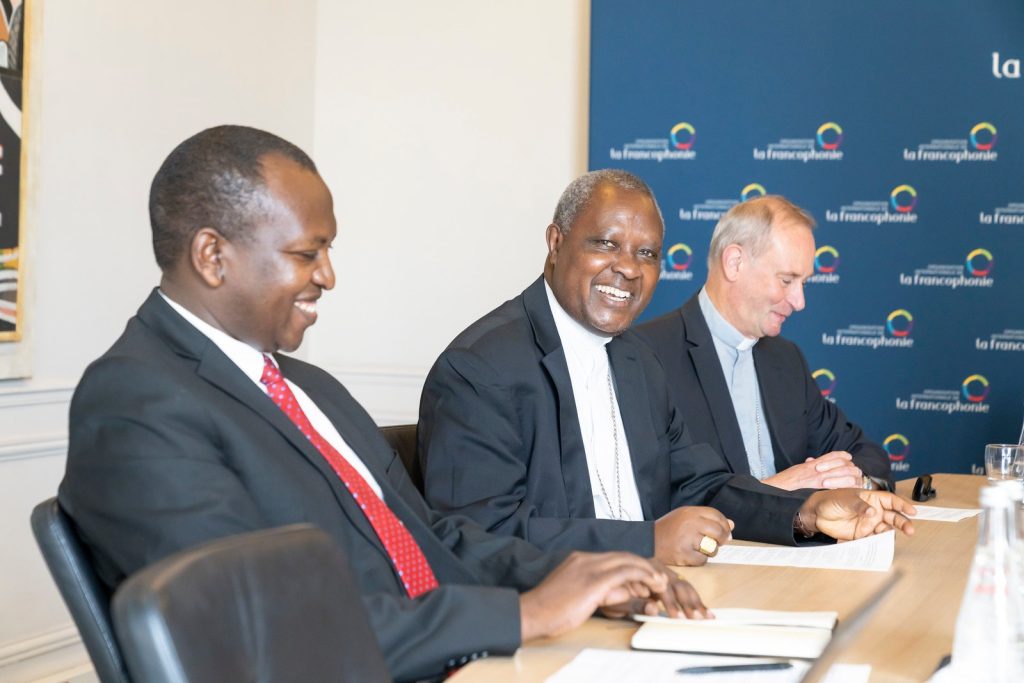
SUBSCRIBE TO OUR NEWSLETTER
First name or full name
Email
By continuing, you accept the privacy policy
**Categories:** EDUCATION, NEWS
---
### [Mozambique President Daniel Chapo Commends Rwanda Security Force for Restoring Peace in Cabo Delgado](https://www.topafricanews.com/2026/07/07/mozambique-president-daniel-chapo-commends-rwanda-security-force-for-restoring-peace-in-cabo-delgado/)
**Published:** July 7, 2026
**Author:** TOPAFRICANEWS
**Content:**
The President of the Republic of Mozambique and Commander-in-Chief of the Mozambique Armed Defence Forces (FADM), His Excellency Daniel Francisco Chapo, visited the Rwanda Security Force (RSF) Headquarters in Mocímboa da Praia District during his official tour of Cabo Delgado Province.
The President was accompanied by the Minister of National Defence, Major General Cristóvão Artur Chume, the FADM Army Commander, Major General André Rafael Mahunguane, the Chief of Staff of the Mozambican Navy, Brigadier General (Commodore) Óscar Agostinho Lucas, and other senior government officials.
Following his visit to FADM troops in Mocímboa da Praia, President Chapo was warmly received at Mocímboa da Praia Airport by the Rwanda Security Force Joint Task Force Commander, Brigadier General CM Mujuni, together with other commanders and staff officers.
He subsequently met and addressed senior RSF officers, commending their contribution to the restoration of peace and security in Cabo Delgado.
In his remarks, President Chapo expressed his sincere gratitude to the Government of Rwanda, particularly to the President of the Republic of Rwanda, for the unwavering support provided to Mozambique in combating terrorism in Cabo Delgado.
He commended the Rwanda Security Force for its dedication, professionalism and commitment to protecting civilians and restoring security.
Highlighting the importance of the partnership between RSF and FADM, President Chapo appreciated strong cooperation between the two forces in the fight against terrorism and pledged continued collaboration.

SUBSCRIBE TO OUR NEWSLETTER
First name or full name
Email
By continuing, you accept the privacy policy
**Categories:** NEWS
---
### [National Museum of Qatar renews commitment to Panasonic and HIVE with major immersive technology upgrade](https://www.topafricanews.com/2026/07/07/national-museum-of-qatar-renews-commitment-to-panasonic-and-hive-with-major-immersive-technology-upgrade/)
**Published:** July 7, 2026
**Author:** TOPAFRICANEWS
**Content:**
*One of the world’s pioneering immersive museums is upgrading to 128 Panasonic 3-CHIP DLP PT-RQ25K projectors and a next-generation HIVE platform of 170 media engines, enhancing efficiency, sustainability and long-term visitor experiences*
**Wiesbaden (Germany), 6th July 2026 –** HIVE and Panasonic have helped deliver one of the world’s most technologically ambitious immersive museum experiences at the National Museum of Qatar (NMoQ), where more than 170 HIVE media engines drive 128 Panasonic 20,000 lm 4K projectors across a series of large-scale projection environments. The deployment processes more than 21 billion pixels of visual content every second, bringing Qatar’s history, culture and future ambitions to life through immersive storytelling.
Designed by Pritzker Prize-winning architect Jean Nouvel, the National Museum of Qatar is renowned for its striking desert rose-inspired architecture and immersive visitor experience. The museum’s galleries combine cinematic projection, artefacts and exhibition design to guide visitors through Qatar’s journey from prehistoric landscapes and early settlements to the nation’s modern development and future vision.
Delivered in partnership with Secuoya QFC & BGL audiovisual, the installation represents one of the largest HIVE deployments to date, with 172 Beeblade media engines supporting projection mapping and synchronised playback across ten galleries. To bring Qatar’s history and culture to life, the museum is also currently upgrading all 128 of its Panasonic projectors to the latest PT-RQ25K 4K DLP laser technology – each equipped with HIVE’s embedded technology via the SDM slot. This approach eliminates the need for external media servers and extensive cabling, reducing installation complexity, cost and potential points of failure.
National Museum Of Qatar documetation for R.E.S.Pedro Jiménez Train, Operations Manager at Secuoya QFC & BGL audiovisual, said: “HIVE’s media servers proved to be an outstanding solution for a project of this scale and complexity. The platform is intuitive to operate, integrates seamlessly with the wider AV architecture and delivered significant rack space and installation efficiencies. What stood out most was HIVE’s collaborative, solutions-driven approach. Large-scale permanent projection environments inevitably present technical challenges, and the team consistently worked alongside us to find practical and reliable solutions throughout the project.”
At the heart of the system is a distributed playback architecture comprising 150 Beeblade Pluto media engines, 30 Beeblade Minima media engines and 14 Beehive enclosures. Together, they deliver 8K 10-bit HEVC playback, projection mapping and site-wide scheduling, ensuring synchronised content playback across the museum’s immersive galleries.
Projection alignment and blending are managed using VIOSO software, while HIVE’s platform provides centralised monitoring, reporting and control to simplify long-term operation.
The visual experience is to be delivered by 128 Panasonic PT-RQ25K 3-Chip 4K projectors installed throughout the museum’s immersive galleries, projecting cinematic content across complex curved architectural surfaces and exhibition environments. With 20,000 lumens capability, the PT-RQ25K provides approximately double the light output of the PT- RQ13K projectors being phased out as part of the upgrade programme. This additional performance headroom allows the museum to operate the projectors at substantially lower output levels while maintaining exceptional image quality.
“When the museum opened in 2019, immersive cultural attractions were still relatively rare,” said Anthony Molloy, Division Head MEA at Panasonic Projector & Display. “Today, immersive experiences are commonplace, but the National Museum of Qatar remains one of the pioneering examples of how technology and storytelling can be combined at scale. Specifically, the upgrade to PT-RQ25K projectors provides significantly greater brightness than the projectors it is replacing. This improves energy efficiency, reduces operational demands and helps extend the lifespan of the installation. Combined with HIVE’s distributed media architecture, which simplifies content management, monitoring and control across the entire site, the result is a highly efficient and future-ready platform for immersive storytelling.”
National Museum Of Qatar documetation for R.E.S.Unlike many projection-mapped attractions, visitors can approach the projected surfaces directly, placing exceptional demands on image quality and system performance. Purposely filmed for DLP content, the films, captured largely in 8K resolution using multi-rig camera systems, are projected across dynamically curved gallery walls and architectural surfaces at monumental scale, creating a seamless blend of architecture, content and storytelling.
The deployment demonstrates how modern media server technology can support large-scale immersive environments while simplifying installation, operation and long-term maintenance. Processing more than 21 billion pixels of visual content every second, the system enables the museum to deliver cinematic storytelling across multiple galleries while maintaining synchronised playback and consistent image quality throughout.
For HIVE, the project represents a major milestone and a powerful reference for immersive cultural installations worldwide. Mark Calvert, CEO of HIVE, said: “One of the biggest achievements of the project was simplifying what had previously been an extremely complex projection environment. From the visitor’s perspective the experience is visually richer than ever, but behind the scenes the system is now far easier to operate, maintain and scale long term. The National Museum of Qatar stands as a benchmark for immersive cultural experiences worldwide and we’re proud that HIVE technology plays such a central role in bringing that vision to life.”

SUBSCRIBE TO OUR NEWSLETTER
First name or full name
Email
By continuing, you accept the privacy policy
**Categories:** CULTURE, NEWS
---
### [Swedfund increases investment to preserve and create jobs in African SMEs](https://www.topafricanews.com/2026/07/07/swedfund-increases-investment-to-preserve-and-create-jobs-in-african-smes/)
**Published:** July 7, 2026
**Author:** TOPAFRICANEWS
**Content:**
**Swedfund is investing an additional USD 5 million in TLG Africa Growth Impact Fund II (TLG II). The investment will further support the preservation and creation of decent jobs in small and medium sized companies that otherwise struggle to access financing.**
Small and medium sized enterprises (SMEs) play an important role in job creation and local economic growth across Africa yet often struggle to access loans that meet their needs. Many are viable and have the potential to grow, but need financing on terms that are sustainable with their expected growth. Through its additional investment in TLG II, Swedfund helps bridge this financing gap by supporting a scalable credit solution that enables local companies to strengthen their businesses, grow, and create jobs.
“Through our continued engagement with TLG II, Swedfund helps address an important financing gap for SMEs in Africa. Flexible and tailored credit solutions can support viable companies with temporary liquidity needs, helping to preserve jobs while enabling businesses to recover, grow and create new decent employment opportunities,” says Jonas Tornblad, Investment Manager at Swedfund.
TLG II provides flexible, long-term debt to SMEs, backed by guarantees issued by banks. This allows TLG to offer loans with tenors and interest rates that give viable companies better conditions to strengthen their businesses and grow sustainably.
The investment is made as part of TLG II’s second close, together with Proparco, Calvert Impact Capital and several existing investors, including Swedfund. Swedfund invested USD 15 million in TLG II in 2025 and is now increasing its allocation by USD 5 million.

SUBSCRIBE TO OUR NEWSLETTER
First name or full name
Email
By continuing, you accept the privacy policy
**Categories:** NEWS
---
### [Kagame co-chairs global AI commission](https://www.topafricanews.com/2026/07/07/kagame-co-chairs-global-ai-commission/)
**Published:** July 7, 2026
**Author:** TOPAFRICANEWS
**Content:**
Africa has taken a leadership role in global artificial intelligence (AI) governance following the launch of a new international commission co-chaired by Rwandan President Paul Kagame to promote equitable access to the technology and narrow the [digital ](https://pubads.g.doubleclick.net/gampad/clk?id=6759218543&iu=/22684935574/Africa)divide.
The AI for Good Global Commission, unveiled in Geneva, aims to promote practical solutions that strengthen trust in AI, expand access to the technology and accelerate its use in addressing global challenges, with an emphasis on ensuring developing countries are not left behind.
The initiative was announced by President Kagame, Salesforce chief executive officer Marc Benioff, and International Telecommunication Union secretary-general Doreen Bogdan-Martin ahead of a week of high-level international discussions on AI governance in Switzerland.
The Commission brings together more than 40 founding members, including heads of state and government, global technology executives, United Nations (UN) leaders and international policymakers.
It aims to strengthen collaboration between technology developers, governments, businesses and communities while giving developing economies, particularly those in Africa, a greater role in shaping the future of AI.
As co-chair of the Commission, Kagame said technology should remain “a force for good” and called for greater international cooperation to reduce inequality and ensure that more citizens benefit from AI-driven innovation.
Benioff said AI presented significant opportunities for economic growth but stressed that public trust would remain essential to unlocking its full potential.
According to the Commission, about 2.2 billion people remain without internet access, many of them in developing regions, including Africa. Closing the digital gap has been identified as one of the Commission’s main priorities.
Bogdan-Martin said no single institution could ensure AI served humanity on its own, highlighting the importance of collective leadership involving governments, industry and international organisations.
The Commission will hold its inaugural meeting during the AI for Good Global Summit 2026 in Geneva from 7 to 10 July as part of the United Nations’ Digital Week.
Its membership includes leaders from Microsoft, Amazon, NVIDIA, Google, MTN Group, Qualcomm, Vodafone and Accenture, alongside representatives of the African Union, the United Nations Educational, Scientific and Cultural Organisation , the World Trade Organisation , and the governments of Rwanda, Namibia, Nigeria, Singapore, Kazakhstan, Estonia and Iceland.
**Source:** ***https://itweb.africa/***

SUBSCRIBE TO OUR NEWSLETTER
First name or full name
Email
By continuing, you accept the privacy policy
**Categories:** ICT
---
### [U.S. Energy Secretary Wright Warns EU Regulations Could Disrupt Energy Trade](https://www.topafricanews.com/2026/07/07/u-s-energy-secretary-wright-warns-eu-regulations-could-disrupt-energy-trade/)
**Published:** July 7, 2026
**Author:** DUSABEMUNGU Ange de la Victoire
**Content:**
U.S. Secretary of Energy Chris Wright has issued a formal warning regarding the impact of upcoming European Union regulations, stating that current rules surrounding methane, the Corporate Sustainability Due Diligence Directive (CSDDD), and the Carbon Border Adjustment Mechanism (CBAM) pose significant risks to trans-Atlantic energy trade.
In a digital press briefing held at the Brussels Hub on June 25, 2026, Secretary Wright outlined the potential for these regulations to inadvertently cause a reduction in energy flows from the United States to Europe. He argued that if the regulations proceed in their current form, they could exacerbate energy price increases and dramatically heighten the risk of blackouts during peak demand seasons starting in 2027.
**Operational Challenges and Business Risk**
According to Secretary Wright, the compliance mechanisms designed in Brussels do not accurately reflect the operational realities of oil and natural gas production in the U.S. and other key supplier nations, such as Qatar, Algeria, and Nigeria. He noted that the regulations would likely render the vast majority of oil exports to the EU non-compliant.
“The fines that are in this regulation are so severe, it just wouldn’t make any sense for businesses to send that oil to Europe,” Wright stated, adding that roughly half of the liquefied natural gas (LNG) flowing into Europe would be subject to similar obstacles.
**Calls for a ‘Stop-the-Clock’ Mechanism**
Secretary Wright advocated for a “stop-the-clock” mechanism, urging EU regulators to pause implementation before the January 1, 2027, deadline to resolve these issues. He characterized the potential outcome of current policies as an “easily avoidable train wreck”.
While acknowledging that EU Energy Commissioner Dan Jørgensen has attempted to be constructive by suggesting that regulators might be softer on enforcing fines, Wright contended that this approach is insufficient to manage business risk. He emphasized that energy suppliers planning long-term contracts require clear, fixed rules of engagement, rather than informal recommendations against enforcement.
Without regulatory certainty, Secretary Wright suggested that businesses would likely prioritize exporting energy to markets in Asia or Latin America where they face less exposure to sudden regulatory changes.
**Implications for Trade Agreements**
Secretary Wright noted that the regulations effectively act as “very large non-tariff trade barriers”. He expressed concern that these barriers would make it “virtually impossible” for the United States and European nations to meet the targets set out in recent bilateral trade agreements, ultimately undermining the economic and strategic relationship between the two regions.

SUBSCRIBE TO OUR NEWSLETTER
First name or full name
Email
By continuing, you accept the privacy policy
**Categories:** Energy, NEWS
---
### [EAC Moves to Harmonise Cross-Border Data Flows to Drive Digital Economy](https://www.topafricanews.com/2026/07/06/eac-moves-to-harmonise-cross-border-data-flows-to-drive-digital-economy/)
**Published:** July 6, 2026
**Author:** Mutangana Emmanuel
**Content:**
The East African Community (EAC) has taken a major step toward building a trusted and integrated regional digital economy by convening data protection experts in Dar es Salaam, Tanzania, to validate a harmonised framework for cross-border data flows.
The five-day workshop, held in late June 2026, brought together experts from EAC Partner States to review a proposed Cross-Border Data Flows Framework aimed at enabling the secure, lawful and accountable movement of data across the region while protecting privacy and supporting digital trade.
Opening the workshop, EAC Deputy Secretary General for Customs, Trade and Monetary Affairs, Annette Ssemuwemba, said cross-border data flows have become essential to regional integration, powering financial services, trade, healthcare, education and digital government services.
“Cross-border data flows are no longer a technical or niche regulatory concern. They are central infrastructure for regional trade, financial services, digital public services and health systems across the East African Community,” she said.
Ssemuwemba noted that everyday activities such as mobile money transactions, online shopping, customs declarations, telemedicine consultations and e-learning all depend on data moving safely across borders.
Despite growing digital connectivity, she said differences in national data protection laws, transfer requirements and enforcement mechanisms continue to create uncertainty for businesses operating across multiple EAC countries. These regulatory differences increase compliance costs, slow innovation and pose significant challenges, particularly for micro, small and medium-sized enterprises seeking to expand across the region.
The proposed framework seeks to establish common standards for cross-border data transfers while respecting national legal systems and safeguarding citizens’ personal information. It also aims to improve cooperation among national regulators, reduce compliance barriers, strengthen trust in digital transactions and support innovation, investment and regional digital trade.
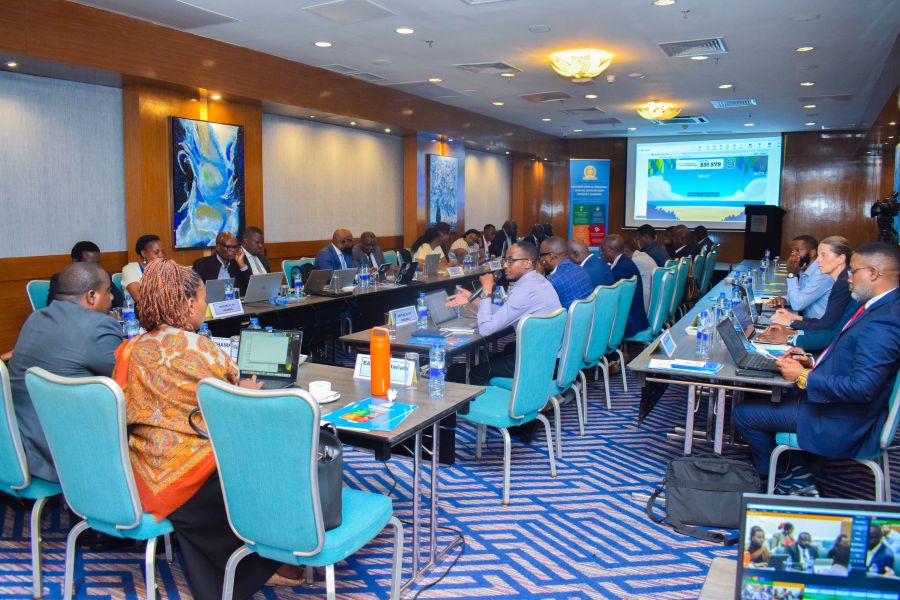According to the EAC, harmonising data governance is critical to achieving a Single Digital Market where businesses, governments and citizens can access trusted digital services seamlessly across Partner States.
“A fragmented and unpredictable cross-border data regime is, in practical terms, a non-tariff barrier to the Common Market. We cannot build a functioning Single Digital Market while leaving this gap unaddressed,” Ssemuwemba said.
Participants are reviewing recommendations from national consultations conducted across all EAC Partner States and identifying priorities for implementing the framework. Expected outcomes include a validated regional framework, stronger consensus among Partner States and enhanced coordination on data governance.
The harmonised framework is being developed under the Eastern Africa Regional Digital Integration Project (EARDIP), a World Bank-supported initiative that aims to accelerate regional digital integration through trusted digital infrastructure, harmonised policies and integrated digital markets.

SUBSCRIBE TO OUR NEWSLETTER
First name or full name
Email
By continuing, you accept the privacy policy
**Categories:** NEWS
---
### [High Costs and Rental Barriers Slow Household Shift to Clean Energy, Study Finds](https://www.topafricanews.com/2026/07/05/high-costs-and-rental-barriers-slow-household-shift-to-clean-energy-study-finds/)
**Published:** July 5, 2026
**Author:** Mutangana Emmanuel
**Content:**
Households are increasingly motivated to reduce energy consumption and help combat climate change, but high costs and rental restrictions are preventing many from adopting energy-efficient technologies, according to a new study by Charles Darwin University (CDU).
The study found that while support for renewable energy is widespread across income groups, affordability and housing tenure remain major barriers to action, particularly for low-income households and renters.
Residential properties account for about 26 percent of global electricity consumption and are responsible for 17 percent of global carbon dioxide emissions, underscoring the sector’s critical role in addressing climate change.
Researchers surveyed residents in Darwin and Palmerston in Australia’s Northern Territory to examine household electricity use, attitudes toward renewable energy, and access to energy-efficient technologies.
Given the region’s tropical climate, air conditioning emerged as the largest contributor to household electricity use, accounting for approximately 45 percent of residential electricity consumption. The study found that 96 percent of respondents owned and used air conditioners, highlighting their necessity in the region.
Despite broad recognition of the importance of renewable energy, the study found significant differences in households’ ability and willingness to invest in clean technologies.
Among low-income households, about 84 percent agreed or strongly agreed that renewable energy is essential for tackling climate change. However, more than half said they were unwilling to pay higher costs for renewable energy.
Middle-income households showed similar attitudes, while more than 80 percent of high-income respondents viewed renewable energy as essential, and about 68 percent said they were willing to pay more for it.
Lead author Riasad Amin, a PhD candidate at CDU’s Northern Institute, said housing tenure also plays a significant role in shaping energy choices.
Only 34 percent of respondents owned their homes, while the remaining participants rented.
“Renters typically have a more limited scope to install efficiency upgrades, modify cooling systems, or invest in residential energy technologies,” Amin said.
“In Darwin’s tropical climate, where cooling demand is high, these tenure-related differences shape the range of options available to households for managing their energy use.”
The findings showed that 70 percent of homeowners were willing to pay more for renewable energy, compared with 47 percent of renters.
Researchers also examined seven common energy-saving practices. While renters were more likely to switch off appliances when not in use, homeowners were more likely to adopt other energy-efficient behaviors, including washing clothes in cold water, using high-efficiency appliances, and setting air conditioners between 24°C and 26°C.
According to Amin, structural barriers continue to prevent renters and lower-income households from improving energy efficiency.
“Renters and lower-income households face persistent barriers to accessing energy-efficient appliances and undertaking dwelling-level upgrades,” he said.
He added that international research consistently shows landlord-tenant arrangements, limited access to capital, and weaker energy-efficiency standards in rental housing discourage investment in energy-saving technologies.
Amin said policymakers should adopt a more balanced approach when designing energy-efficiency programs.
“Programs that emphasise cost savings alone may overlook important motivational drivers, whereas approaches based only on moral responsibility can disadvantage households with limited capacity to act,” he said.
He noted that international evidence suggests energy-efficiency initiatives are most successful when they combine environmental benefits with practical advantages such as improved comfort, more stable energy costs, and greater household control over energy use.

SUBSCRIBE TO OUR NEWSLETTER
First name or full name
Email
By continuing, you accept the privacy policy
**Categories:** NEWS
---
### [Green Party Establishes New Sector Leadership in Nemba and Ruhunde](https://www.topafricanews.com/2026/07/04/green-party-establishes-new-sector-leadership-in-nemba-and-ruhunde/)
**Published:** July 4, 2026
**Author:** Mutangana Emmanuel
**Content:**
The Democratic Green Party of Rwanda (DGPR) on Friday continued its grassroots leadership program in Burera District, bringing together more than 250 party members from Nemba and Ruhunde sectors to elect new sector-level leaders and strengthen member engagement.
The event formed part of the party’s ongoing nationwide initiative to establish and reinforce its structures at the sector level.
During the meeting, Julienne Ingabire, the Democratic Green Party’s chairperson in Burera District, urged members to serve as ambassadors for the party by promoting its values and setting a positive example within their communities.
She also highlighted several advocacy initiatives that the party says it has championed, including calls for higher salaries for teachers, reforms to community-based health insurance contributions, and other issues affecting citizens.
Ingabire encouraged members in Nemba and Ruhunde to continue promoting the party’s achievements and to make greater use of social media to share information about the Green Party and its activities.
Members also received training on the party’s ideology and objectives from the Commissioner for Good Governance, who emphasized the principles and vision that guide the Democratic Green Party.
The meeting concluded with elections for the party’s sector-level leadership structures. Members elected representatives to the Sector Party Committee, the Women’s Committee, and the Youth Committee, with a total of 33 leaders elected in each of the two sectors.
The Democratic Green Party says the ongoing establishment of sector-level structures is intended to strengthen grassroots leadership, enhance member participation, and deepen the party’s engagement with communities across Rwanda.

SUBSCRIBE TO OUR NEWSLETTER
First name or full name
Email
By continuing, you accept the privacy policy
**Categories:** NEWS
---
### [Global Tourism Hits Record Highs in 2025, but Uncertainties Loom for the Future](https://www.topafricanews.com/2026/07/03/global-tourism-hits-record-highs-in-2025-but-uncertainties-loom-for-the-future/)
**Published:** July 3, 2026
**Author:** TOPAFRICANEWS
**Content:**
International tourist arrivals across OECD countries surged by an estimated 3.4% in 2025, reaching a record-breaking 847 million. This milestone builds upon a strong growth trajectory of 8.1% in 2024, signaling a robust recovery for the sector.
Despite the growth, a new report, *OECD Tourism Trends and Policies 2026*, highlights significant challenges that could reshape the industry. Geopolitical tensions—particularly the conflict in the Middle East—alongside shifting traveler behaviors and the impact of extreme weather, are creating an unpredictable landscape. These factors have disrupted global travel flows and increased costs, leading to dampened traveler confidence.
OECD Secretary-General Mathias Cormann emphasized the need for a collaborative approach to sustain momentum. “Governments and businesses need to work together to sustain this growth and build resilience,” said Cormann. He urged stakeholders to learn from recent crises to strengthen preparedness and ensure the sector continues to generate economic benefits like jobs and tax revenues.
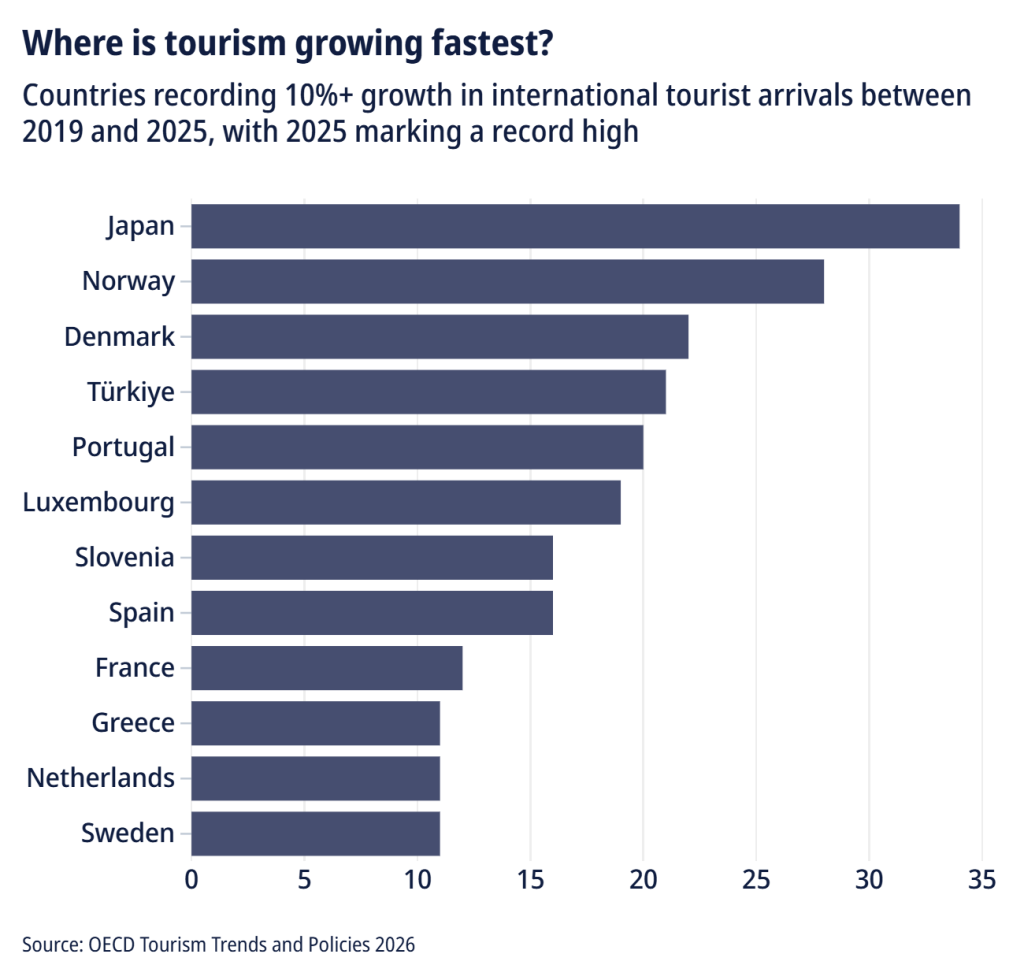**Uneven Recovery Across Regions**The performance of the tourism sector has been inconsistent across different nations:
- **Top Performers:** Four countries saw double-digit growth in 2025, reaching record levels of inbound arrivals: Finland (up 16.5%), Japan (up 15.8%), Korea (up 15.7%), and Norway (up 12.5%).
- **Struggling Markets:** In contrast, several nations have yet to recover to pre-pandemic arrival numbers, including Canada (down 0.6%), Germany (down 0.8%), Ireland (down 2.8%), and the United States (down 5.5%).
- **Impacted Regions:** Countries in the Middle East, along with destinations heavily reliant on the Gulf for air connectivity, have been hit hardest by regional conflicts. Israel, for instance, remains 70.8% below pre-pandemic levels.
As the sector looks to 2027 and beyond, travelers are increasingly prioritizing safety, affordability, and convenience, often opting for familiar destinations or shorter, lower-cost trips. The OECD report advises that destinations must anticipate these evolving risks and adapt their strategies to maintain growth in an increasingly uncertain global environment

SUBSCRIBE TO OUR NEWSLETTER
First name or full name
Email
By continuing, you accept the privacy policy
**Categories:** Tourism and Nature
---
### [Rwanda Establishes Dedicated Early Childhood Centre to Nurture Children of Former Combatants](https://www.topafricanews.com/2026/07/03/rwanda-establishes-dedicated-early-childhood-centre-to-nurture-children-of-former-combatants/)
**Published:** July 3, 2026
**Author:** LIBOS NDAYISHIMIYE
**Content:**
Rwanda has taken significant step in supporting the reintegration of former combatants and their families by establishing a dedicated Early Childhood Development (ECD) Centre at the Mutobo Demobilization and Reintegration Centre in Musanze District. The facility is designed to provide young children returning from conflict-affected environments with quality early learning, care and a strong foundation for a brighter future.
The Early Childhood Development Centre was officially inaugurated on Friday, July 3, 2026, through a partnership between the Rwanda Demobilization and Reintegration Commission (RDRC), the National Child Development Agency (NCDA), and Reach the Children.
Located within the Mutobo Demobilization and Reintegration Centre in Busogo Sector, the facility primarily serves children accompanying former members of armed groups operating in eastern Democratic Republic of the Congo, including the FDLR, who have voluntarily returned to Rwanda as part of the country’s reintegration programme.
The centre features two classrooms and a resting room and has the capacity to accommodate up to 70 children, offering them a safe and stimulating environment where they can learn, play and develop alongside their peers.
Speaking during the inauguration ceremony, RDRC Chairperson Valerie Nyirahabineza said the Mutobo Centre currently hosts 687 returnees, including 283 children who arrived with their parents after leaving armed groups in eastern DRC.
She noted that among those children, 82 are below the age of two, 76 are between three and five years old, 105 are aged between six and eleven, while 20 are between 12 and 17 years old.
Nyirahabineza emphasized that investing in children’s early years is critical to their long-term development and successful reintegration.
She also commended President H.E Paul Kagame for championing policies that give former combatants and their families an opportunity to rebuild their lives in dignity.
The Director General of the National Child Development Agency (NCDA), Assumpta Ingabire, said Rwanda currently has approximately 32,000 Early Childhood Development centres serving more than one million children nationwide.
She explained that before the Mutobo ECD Centre was established, assessments showed that nearly 80 percent of the children living at the centre could not speak Kinyarwanda because they had been born and raised in the forests of eastern DRC.
The establishment of the new ECD Centre reflects Rwanda’s continued commitment to ensuring that children affected by conflict are given equal opportunities to grow, learn and thrive, while supporting the country’s broader efforts to promote reconciliation, social cohesion and sustainable reintegration.

SUBSCRIBE TO OUR NEWSLETTER
First name or full name
Email
By continuing, you accept the privacy policy
**Categories:** EDUCATION
---
### [Don Bosco Muhazi Graduates Single Mothers from Green TVET Program](https://www.topafricanews.com/2026/07/03/don-bosco-muhazi-graduates-single-mothers-from-green-tvet-program/)
**Published:** July 3, 2026
**Author:** TOPAFRICANEWS
**Content:**
**Gikomero, Rwanda – July 2, 2026** – Don Bosco Muhazi TVET School has celebrated the graduation of 12 vulnerable single parents, including 11 women and one man, who successfully completed training in Agriculture and Animal Husbandry under the **Gender Matters for Green TVET** initiative.
The 6th Cohort of the graduates, drawn from Gicumbi and Gasabo districts, received certificates and farming tools during a colorful ceremony held at Don Bosco Muhazi on Thursday, July 2, 2026.
The training aimed at equipping vulnerable single mothers with practical skills in sustainable agriculture, climate-smart farming, and animal husbandry to strengthen their livelihoods and improve the well-being of their families.
As part of the program, the beneficiaries had previously received small livestock, including chickens, pigs, and goats, to help them establish income-generating activities.
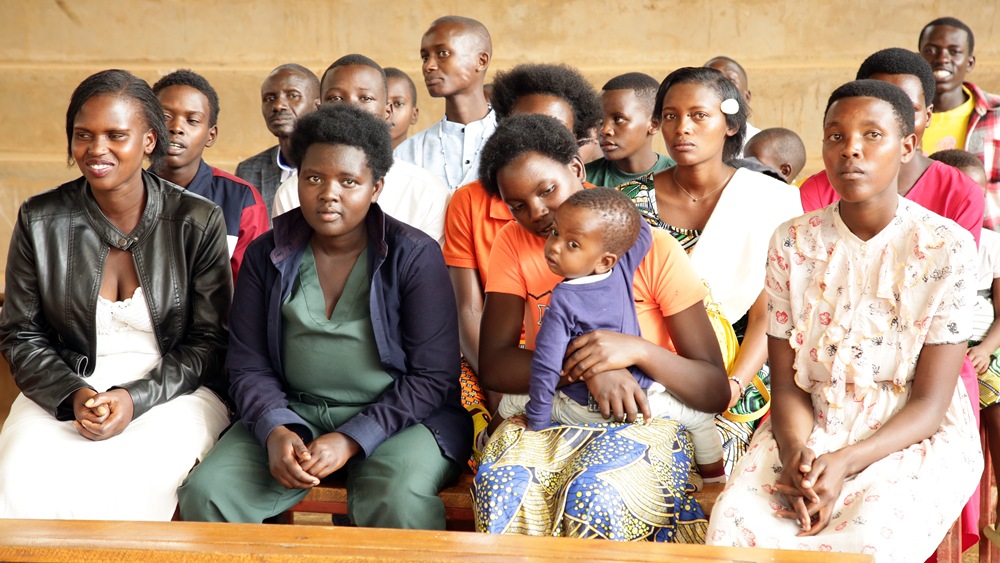A newly introduced greening module formed an important part of the training. The module focused on climate-smart agricultural practices such as intercropping with trees, soil conservation through terracing, and the use of organic fertilizers to improve soil fertility while protecting the environment.
Speaking during the graduation ceremony, **Aurore Niyitanga, Gender Officer for the Gender Matters for Green TVET project**, said the initiative seeks to empower vulnerable women with skills that not only transform their economic status but also promote environmental sustainability.
> *“These women came into the program facing various social and economic challenges, but today they are leaving with practical skills, confidence, and the means to build a better future for their families. Through green TVET, we are empowering them to become agents of change within their communities while promoting sustainable agricultural practices,”* Niyitanga said.
One of the graduates, **Uwineza Belise**, expressed gratitude for the opportunity, noting that the training had transformed the way she approaches farming.
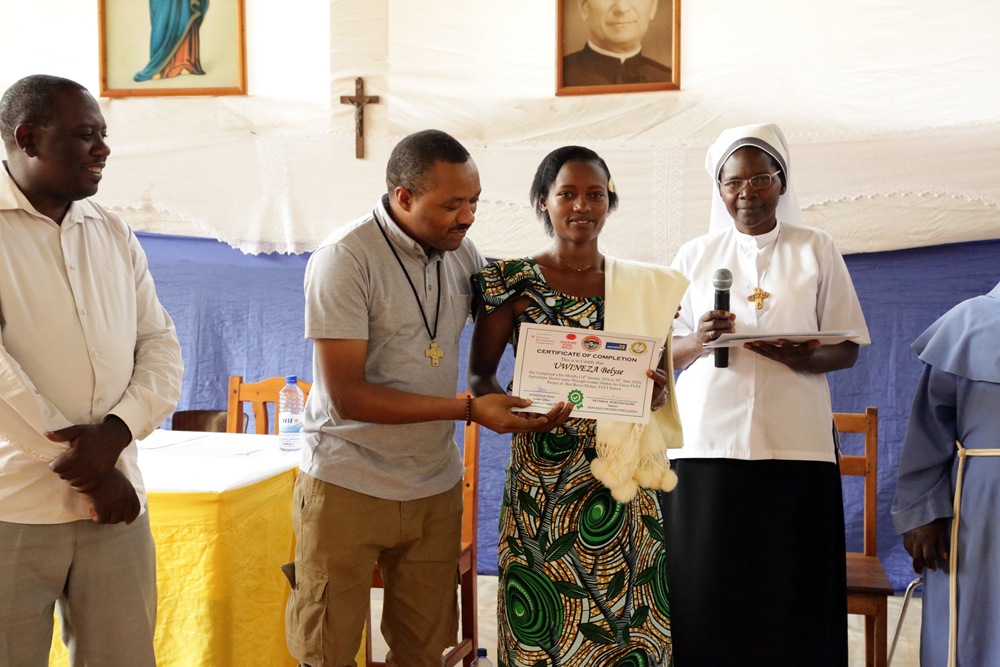
> *“Before, I only farmed for food. Now I know how to protect my soil, plant trees alongside crops, and use organic fertilizers. These skills will help me feed my family and generate income as a single mother,”* she said.
Addressing the graduates, **Fr. Frederick Murindangabo, Director of Don Bosco Muhazi TVET School**, encouraged them to put the acquired skills into practice and become role models in their communities.
> *“Today marks not the end, but the beginning of a new journey. The knowledge and skills you have acquired should enable you to improve your livelihoods, support your children, and inspire other women facing similar challenges. At Don Bosco Muhazi, we believe that empowering a mother means empowering an entire family and community,”* Fr. Murindangabo said.
The **Gender Matters for Green TVET** project is a four-year initiative (2023–2026) aimed at empowering vulnerable adolescent girls, young women, and single mothers in East Africa through sustainable, market-relevant vocational training. Funded by the [Austrian Development Cooperation](https://www.entwicklung.at/) and designed by [Jugend Eine Welt](https://www.jugendeinewelt.at/), it operates across five [Don Bosco TVET](https://aglpdo.org/gender-matters-for-green-tvet-project-making-positive-impact-on-students-in-rwanda-and-uganda/) centers in Uganda and Rwanda.
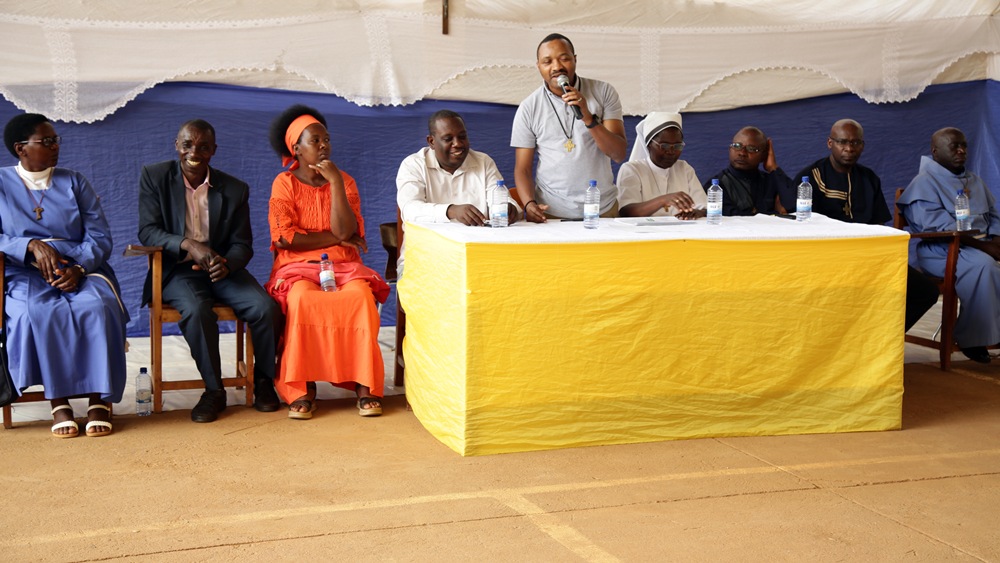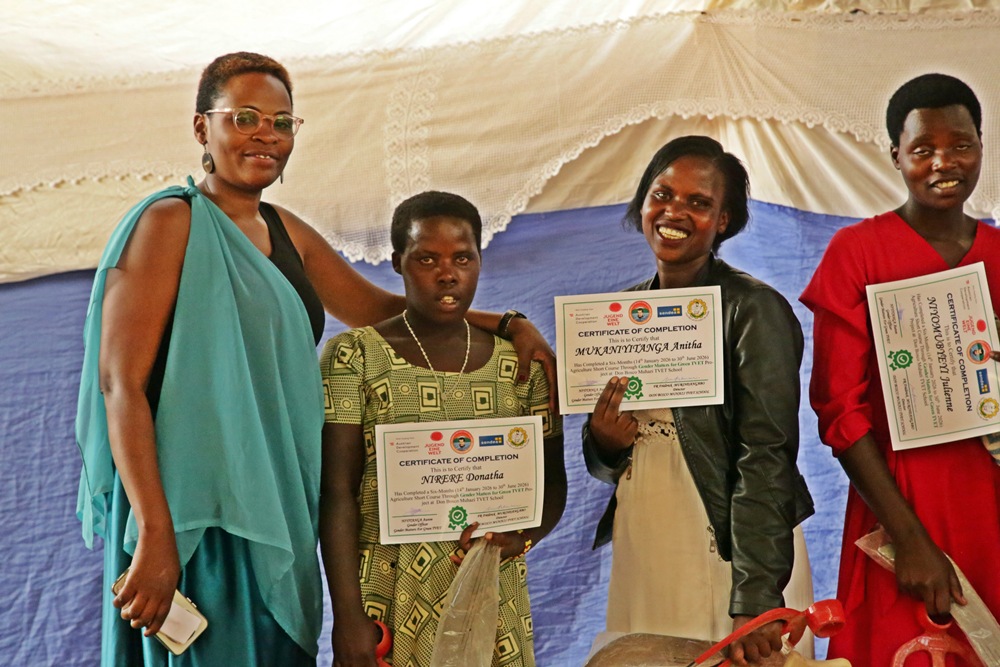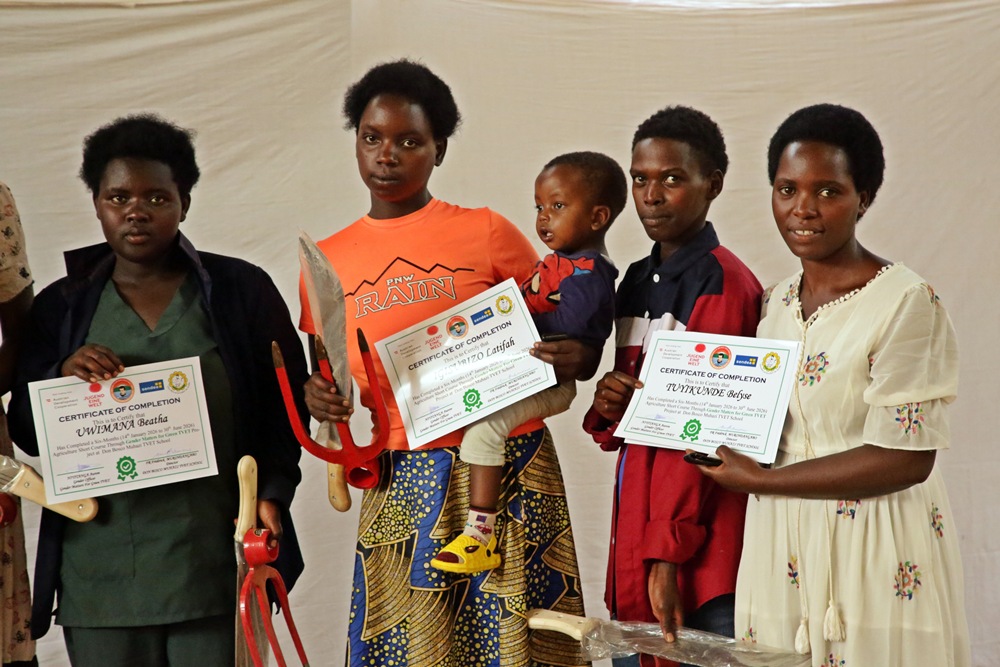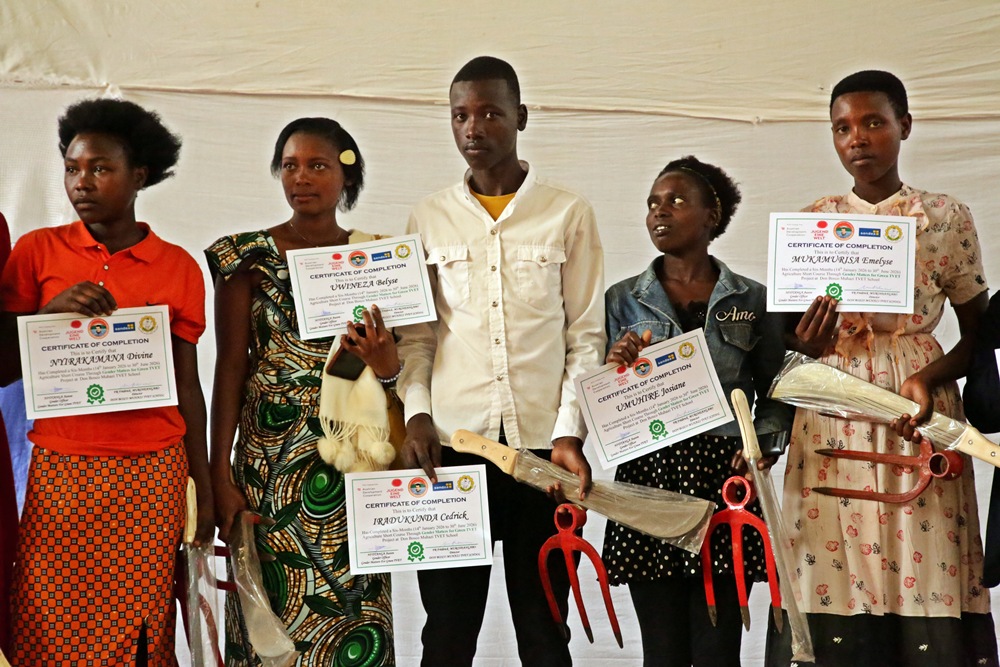
SUBSCRIBE TO OUR NEWSLETTER
First name or full name
Email
By continuing, you accept the privacy policy
**Categories:** ADVOCACY, EDUCATION
---
### [Rwanda International Trade Fair 2026 Set to Attract Over 500 Exhibitors](https://www.topafricanews.com/2026/07/03/29th-rwanda-international-trade-fair-set-to-attract-over-500-exhibitors/)
**Published:** July 3, 2026
**Author:** Mutangana Emmanuel
**Content:**
The 29th Rwanda International Trade Fair (Expo 2026) will take place from July 28 to August 17 at the Gikondo Expo Grounds in Kigali, with organizers expecting more than 500 exhibitors and over 300,000 visitors during the 21-day event.
Organized by the Private Sector Federation (PSF) in partnership with the Ministry of Trade and Industry (MINICOM), the annual trade fair is expected to bring together businesses, investors, entrepreneurs, manufacturers, service providers and consumers from Rwanda and abroad to showcase products, services, innovations and investment opportunities, while fostering business-to-business networking.
According to the organizers, participants from more than 20 countries are expected to attend, reinforcing the event’s reputation as one of the region’s leading platforms for trade promotion, investment and regional business collaboration.
Speaking ahead of the exhibition, PSF Acting Chief Executive Officer Callixte Kanamugire described the trade fair as an important platform for expanding business opportunities.
“The Rwanda International Trade Fair 2026 is more than an exhibition; it is a premier platform for business growth, innovation, investment and regional collaboration. We warmly invite local and international businesses, development partners, government institutions and the general public to join us from 28 July to 17 August at the Gikondo Expo Grounds. Together, let us showcase the best of Rwanda and the world, forge new partnerships, and unlock opportunities that will drive sustainable economic growth and prosperity,” he said.
Organizers say the exhibition will offer businesses an opportunity to expand market access, establish strategic partnerships, launch new products and services, and connect with thousands of potential customers and investors.
Exhibitor registration is now open, with businesses encouraged to reserve exhibition space early.
Held annually for nearly three decades, the Rwanda International Trade Fair has grown into the country’s largest trade exhibition and a key platform for promoting local innovation, investment and the Made-in-Rwanda initiative.
The previous edition attracted a record 475 exhibitors, including 378 from Rwanda and 97 international exhibitors representing 19 countries. Cameroon and Saudi Arabia participated in the exhibition for the first time, marking the continued expansion of the event’s international reach.
The organizers say they expect this year’s edition to build on that momentum by attracting even more exhibitors and strengthening Rwanda’s position as a regional hub for trade, investment and business networking.

SUBSCRIBE TO OUR NEWSLETTER
First name or full name
Email
By continuing, you accept the privacy policy
**Categories:** Business and Trade, EXPO
---
### [Global Farm Incomes to Rise 9% by 2035, but Crises Threaten Gains](https://www.topafricanews.com/2026/07/02/farm-incomes-to-rise-9-by-2035-but-crises-could-reverse-gains/)
**Published:** July 2, 2026
**Author:** Mutangana Emmanuel
**Content:**
Global average gross agricultural income per worker is projected to increase by 9 percent by 2035, driven by productivity gains and broadly stable agricultural prices, according to a new report by the Food and Agriculture Organization (FAO) and the Organisation for Economic Co-operation and Development (OECD).
However, the report warns that the outlook remains highly vulnerable to market disruptions caused by conflicts, economic crises and rising energy costs, with low-income countries facing the greatest risks to food security.
The OECD-FAO Agricultural Outlook 2026–2035 estimates there is a 25 percent chance that global agricultural incomes in 2035 could fall below current levels if the pattern of shocks experienced in recent years continues.
The report also projects global agricultural and fisheries production to grow by 13 percent over the next decade, mainly through productivity improvements rather than expansion of farmland. Growth is expected to be concentrated in Asia, Sub-Saharan Africa and Latin America.
Despite this positive outlook, temporary shocks could have significant consequences. If the 33 percent rise in global energy prices recorded during the first half of 2026 continues through the rest of the year, global grain production is expected to decline by 0.9 percent in 2027, with low-income countries facing a sharper 1.7 percent drop. Higher production costs would also push up food prices, forcing poorer households to consume less food and switch to cheaper diets.
“Our agrifood systems are under pressure, and our farmers are on the front line of rising energy and fertiliser costs,” OECD Secretary-General Mathias Cormann said, stressing the need for investment in productivity, resilient farming systems and open international markets.
FAO Director-General QU Dongyu said strengthening resilience is essential to protecting global food security. He called for investments in diversified trade routes, regional reserves of agricultural inputs, resilient infrastructure and cleaner energy sources to reduce dependence on oil.
The report notes that productivity gains are expected to keep downward pressure on agricultural commodity prices, benefiting consumers but creating challenges for smallholder farmers who often lack access to technologies needed to improve productivity. It recommends targeted government support to help farmers increase production while improving access to markets.
Sub-Saharan Africa is expected to play a growing role in global agriculture, contributing about 16 percent of additional agricultural production by 2035, up from 11 percent in the previous decade. However, the region is projected to remain among the most vulnerable to food insecurity and external shocks.
The report also forecasts global cereal production to reach a record 3.22 billion tonnes by 2035, while fisheries and aquaculture production is expected to grow by 11 percent, with aquaculture accounting for more than half of global output.

SUBSCRIBE TO OUR NEWSLETTER
First name or full name
Email
By continuing, you accept the privacy policy
**Categories:** Natural Resources and Agriculture
---
### [Qatar’s Emir and Kazakhstan President Extend Independence Day Wishes to Rwanda](https://www.topafricanews.com/2026/07/02/qatars-emir-and-kazakhstan-president-extend-independence-day-wishes-to-rwanda/)
**Published:** July 2, 2026
**Author:** LIBOS NDAYISHIMIYE
**Content:**
The Emir of Qatar, Sheikh Tamim bin Hamad Al Thani, and the President of Kazakhstan, Kassym-Jomart Tokayev, have extended warm Independence Day greetings to President Paul Kagame and the people of Rwanda, reaffirming the strong diplomatic ties and growing partnerships their countries share with Rwanda as the nation marks the 64th anniversary of its independence.
The congratulatory messages, delivered on July 1, 2026, underscore Rwanda’s expanding international relations and the growing recognition of the country’s role as a trusted partner on the global stage.
According to a statement released by the State of Qatar, Emir Sheikh Tamim bin Hamad Al Thani sent a message to President Paul Kagame conveying his heartfelt congratulations and best wishes to the Government and people of Rwanda on the occasion of the country’s Independence Day.
President Kassym-Jomart Tokayev of Kazakhstan also sent a congratulatory message to President Kagame, extending his warm wishes to all Rwandans as they celebrated the historic national occasion.
In his message, President Tokayev described Rwanda as one of Kazakhstan’s trusted partners in Africa and expressed confidence that the friendly relations and cooperation between the two countries would continue to grow for the mutual benefit of their peoples.
The messages from the two Heads of State reflect Rwanda’s steadily expanding diplomatic engagement with countries across the world and the growing confidence international partners continue to place in the country’s political stability, economic progress, and development agenda.
Relations between Rwanda and Qatar have continued to flourish in recent years, with cooperation spanning investment, aviation, tourism, infrastructure development, and trade. The two countries have built a strong strategic partnership through a number of high-profile projects that continue to shape Rwanda’s economic transformation.
Among the most significant initiatives is the planned acquisition by Qatar Airways of a 49 percent stake in RwandAir, a move expected to strengthen the national carrier’s competitiveness and expand its international route network.
Qatar also holds a 60 percent stake in the construction and development of Bugesera International Airport, one of Rwanda’s flagship infrastructure projects that is expected to position Kigali as a regional aviation hub.
Meanwhile, Rwanda’s relationship with Kazakhstan has also gained remarkable momentum. During President Kagame’s official visit to Kazakhstan in May 2025, the two countries signed several bilateral agreements covering areas including trade, investment, agriculture, technology, education, and diplomatic cooperation, laying a strong foundation for deeper collaboration.
Rwanda celebrates Independence Day every year on July 1, commemorating the country’s attainment of sovereignty in 1962 after the end of Belgian colonial rule. The day serves as a reminder of Rwanda’s journey toward self-determination, national unity, resilience, and sustainable development.

SUBSCRIBE TO OUR NEWSLETTER
First name or full name
Email
By continuing, you accept the privacy policy
**Categories:** NEWS
---
### [Burundian President Accuses Catholic Church and Civil Society of Foreign Influence on Independence Day](https://www.topafricanews.com/2026/07/02/burundian-president-accuses-catholic-church-and-civil-society-of-foreign-influence-on-independence-day/)
**Published:** July 2, 2026
**Author:** TOPAFRICANEWS
**Content:**
**Bujumbura, Burundi –** ***July 1, 2026*** — Burundi celebrated its 63rd Independence Day on Tuesday with official ceremonies that blended patriotic remembrance with sharp political rhetoric from President Évariste Ndayishimiye.
In a speech delivered during national commemorations, President Ndayishimiye highlighted the country’s struggle for independence and the role of Bujumbura as a historical center in the fight against colonialism shared with neighboring Rwanda.
However, he used the platform to level strong accusations against segments of the Catholic Church and civil society organizations.
“Some religious leaders and civil society actors continue to serve the interests of former colonial powers and foreign entities,” the president stated, according to reports from local media.
He claimed these groups undermine national sovereignty and development efforts by prioritizing external agendas over Burundi’s interests.
Ndayishimiye also addressed the growing trend of economic migration, particularly among young Burundians seeking opportunities in the Gulf states and Europe.
He dismissed the notion of widespread desperation driving emigration, instead framing it as a choice that some exploit for political narratives against the government.
The remarks come amid reports of significant youth outflows due to limited domestic job prospects and economic pressures.
The Independence Day events included parades, cultural performances, and gatherings across the country, with a focus on national unity and historical reflection.
Tuesday marked 63 years since Burundi gained independence from Belgium in 1962.
Opposition figures and some civil society representatives have pushed back against the president’s characterizations, describing them as attempts to deflect from domestic challenges such as the cost-of-living crisis, fuel shortages, and preparations for the 2027 presidential elections.
Critics argue that genuine dialogue and reforms are needed rather than accusations.
His African Union chairmanship has also amplified his international profile this year.
The speech reflects ongoing debates in Burundi about the role of faith-based organizations and NGOs, which have historically played significant parts in education, health, and reconciliation efforts following the country’s civil war era.
As Burundi looks toward its next electoral cycle, such rhetoric is likely to fuel political divisions while underscoring the government’s emphasis on self-reliance and vigilance against perceived external interference.

SUBSCRIBE TO OUR NEWSLETTER
First name or full name
Email
By continuing, you accept the privacy policy
**Categories:** NEWS, Politics
---
### [Uganda Former Ethics Minister Miria Matembe Granted Bail in Sectarianism Case](https://www.topafricanews.com/2026/07/02/uganda-former-ethics-minister-miria-matembe-granted-bail-in-sectarianism-case/)
**Published:** July 2, 2026
**Author:** TOPAFRICANEWS
**Content:**
KAMPALA — Dr. Miria Matembe, Uganda’s former Minister for Ethics and Integrity and a veteran women’s rights advocate, was granted bail by the Luzira Magistrates Court on July 1 after being charged with promoting sectarianism.
The 73-year-old politician and constitutional expert appeared before Grade One Magistrate Sheilah Gloria Atim (or presiding officers including Gloria Apio in proceedings) following a period of uncertainty after security operatives raided her home in the Luzira area of Kampala around June 23.
She had been out of public view for several days, prompting concerns from family and lawyers before she was presented in court.
Prosecutors charged Matembe under Section 38(1)(d) of the Penal Code Act, alleging she made statements during a June television interview on DK TV Uganda that were likely to promote hostility, hatred, or ill will against members of the Banyankole ethnic group.
The specific remarks cited by the state include claims that “all our taxes are being spent on the Banyankole women ministers.”
Matembe denied the charge when she appeared in court. Her defense team, which included senior lawyers such as Uganda Law Society Vice President Anthony Asiimwe, argued for bail on grounds of her advanced age, frail health—including reported severe back pain requiring urgent medical attention—and the constitutional presumption of innocence.
They presented sureties including lawmakers and legal professionals.
The prosecution opposed immediate release, citing questions over medical documentation, proof of fixed abode, identity documents, and the suitability of sureties.
Initial bail considerations were deferred, leading to a short remand at Luzira Prison.
On July 1, after extended arguments, the court granted bail.
Matembe was ordered to pay cash bail of three million Ugandan shillings, with her sureties bonded in a comparable amount.
She must report to court as required and refrain from making sectarian statements during the pendency of the case.
Her next appearance is scheduled for mid-August 2026.
Matembe has a long public service record as a former Member of Parliament and delegate to the 1995 Constituent Assembly that drafted Uganda’s current constitution.
She is widely recognized for her work on gender equality, ethics in governance, and women’s empowerment.
The proceedings have highlighted ongoing discussions in Uganda about the balance between protecting national unity through anti-sectarianism laws and safeguarding freedom of expression for public figures and activists. Matembe left court after the ruling and is expected to continue receiving medical care as needed.

SUBSCRIBE TO OUR NEWSLETTER
First name or full name
Email
By continuing, you accept the privacy policy
**Categories:** NEWS
---
### [US man brings Saudi34 to the pitch in New York](https://www.topafricanews.com/2026/07/02/us-man-brings-saudi34-to-the-pitch-in-new-york/)
**Published:** July 2, 2026
**Author:** TOPAFRICANEWS
**Content:**
**New York –** Sixty-two years ago, the air in Queens was thick with the promise of tomorrow. As President Lyndon B. Johnson stepped to the podium at Flushing Meadows Corona Park in Queens, New York, he inaugurated the 1964 New York World’s Fair under the noble banner of “Peace Through Understanding.”
This week, Victor Mooney of U.S. based South African Arts International requested the privilege of administrative coordination from the Kingdom of Saudi Arabia Embassy in Washington, D.C. to ensure that their formal correspondence reaches the Custodian of the Two Holy Mosques, King Salman bin Abdulaziz Al Saud, and His Royal Highness, Mohammed bin Salman Al Saud, Crown Prince and Prime Minister.
South African Arts International is spearheading an initiative called Goal2Goal ahead of the 2026 World Cup Final. The mission is to support two soccer fields with maintenance needs and coordinate “Score a Goal for Peace” at Flushing Meadows Corona Park.
As FIFA looks toward the 2034 World Cup, the Kingdom of Saudi Arabia has adopted the powerful slogan, “Growing. Together.” It is a sentiment that transcends borders and speaks to our shared evolution. The bond between these visions is not merely theoretical.
In 2018, Victor Mooney orchestrated a poignant moment in the skies above Riyadh. Aboard a Saudi Airlines flight, he held an inflight ceremony to unveil the Nelson Mandela Humanitarian Award, destined for the Custodian of the Two Holy Mosques, King Salman bin Abdulaziz Al Saud.
Recognizing the King’s commitment to the “Spirit of Humanity,” the award served as a bridge between cultures—a bridge that was later formally hand-delivered to the Saudi Arabia Embassy in Washington, D.C.
*“Whether it is through the legacy of Nelson Mandela or Saudi Arabia’s “Growing. Together.” initiative, the goal is the same. We are moving toward a world where peace is not just a theme for a fair, but a standard for our lives. The soccer ball will hit the back of the net, and the world will be reminded once more: we are partners in this game, playing for the same team, moving toward the same goal. Let’s score a goal for peace”,* said Mooney.

SUBSCRIBE TO OUR NEWSLETTER
First name or full name
Email
By continuing, you accept the privacy policy
**Categories:** Sport
---
### [Data Reveals Africa's Multi-Billion Dollar Tree Economy is Rich in Production, Poor in Value Capture](https://www.topafricanews.com/2026/07/02/data-reveals-africas-multi-billion-dollar-tree-economy-is-rich-in-production-poor-in-value-capture/)
**Published:** July 2, 2026
**Author:** DUSABEMUNGU Ange de la Victoire
**Content:**
Despite growing tree commodities on more than 100 million hectares of land, Africa currently captures less than 10% of the global market value for most of these resources. Recent data underscores a stark contrast between the continent’s agricultural output and its economic realization, highlighting a major value-capture opportunity as nations look to build tree-powered bioeconomies.
**A Production Powerhouse**
By the numbers, Africa dominates the global supply chain for several critical tree commodities. The continent supplies an overwhelming 96.3% of the world’s shea nuts, 80% to 90% of global gum arabic, approximately 70% of all cocoa beans, and 55% of cashew nuts. The economic reliance on these crops is profound: 11 countries in sub-Saharan Africa are classified as tree-commodity-dependent economies, with seven of those nations relying on a single tree commodity for about 20% of their total merchandise exports and 50% of their agricultural exports.
Forestry also remains a fundamental economic driver, contributing more than 10% to the formal gross domestic product (GDP) in at least 11 African nations. This contribution reaches as high as 32% in Liberia, 23% in Burundi, and 19% in the Democratic Republic of the Congo.
**The Value and Waste Gaps**
However, the financial returns paint a concerning picture of lost potential. While Africa produces roughly 65% of the world’s cocoa, it captures only 33% of the export value. Similarly, the continent produces half of global cashew nuts but retains just 38% of the market value.
The disparity is perhaps most glaring in the pharmaceutical sector. Africa is the sole supplier of *Prunus africana* bark, the raw material used in European prostate cancer medications, which commands a retail market value of an estimated $220 million annually. Yet, data shows that harvesters in Cameroon receive less than $1 per day for wild bark collection.
Furthermore, structural inefficiencies lead to immense waste. Up to 44% of perishable tree fruits—such as avocados, mangoes, and citrus—are lost annually due to a lack of infrastructure, with 47% of these recorded post-harvest loss cases occurring in Ghana and Kenya.
**Surging Future Demand**
Looking ahead, the data points to a rapidly expanding domestic market that could shift this dynamic. Africa’s middle class is projected to grow to 40% of the population by 2060, which will fuel local demand for high-value bioeconomy products.
The continent already boasts an estimated $50 billion annual market for pharmaceuticals and a $14 billion market for cosmetics, both growing at a rate of 10% each year. Astonishingly, Africa currently manufactures only 2% to 3% of its own medicines, despite having over 5,400 documented plant species and 16,000 medicinal applications available to serve as building blocks for biopharmaceuticals.
Demand for timber and wood is also accelerating. Africa currently consumes 100 million cubic meters of value-added wood products and 650 million cubic meters of fuelwood annually. With 75% of this wood sourced from natural forests, overall demand is expected to triple by 2050.
Despite these staggering figures and clear economic opportunities, policy development remains critically slow. Currently, only three African nations—South Africa, Namibia, and Ethiopia—have established holistic national bioeconomy policies to harness this lucrative potential.

SUBSCRIBE TO OUR NEWSLETTER
First name or full name
Email
By continuing, you accept the privacy policy
**Categories:** Climate / Agriculture Evolution, CLIMATE CHANGE, Environment
---
### [Brave Leopards Bow Out of World Cup After Late Kane Heartbreak](https://www.topafricanews.com/2026/07/02/63709/)
**Published:** July 2, 2026
**Author:** TOPAFRICANEWS
**Content:**
The Democratic Republic of Congo’s fairytale World Cup journey came to a cruel end last night in Atlanta as a late brace from Harry Kane propelled England to a 2-1 victory, knocking the valiant African side out in the Round of 32.
The Leopards, making their first World Cup appearance in over half a century, looked poised to pull off the biggest upset of the tournament when Brian Cipenga struck a magnificent counter-attack goal in just the seventh minute. Driven by the thunderous chants of their traveling supporters, DR Congo defended with fierce determination, marshaled by goalkeeper Lionel Mpasi who produced a string of world-class saves to deny England’s star-studded frontline throughout the first half.
As the second half progressed, the grueling physical demands of containing the former finalists began to take their toll on the Leopards. England’s tactical substitutions slowly tilted the midfield battle, turning the final twenty minutes into a relentless siege on the Congolese goal. The breakthrough finally arrived in the 75th minute when Kane ghosted into the box to head home the equalizer, before the England captain shattered Congolese hearts just four minutes from time with a clinical bottom-corner finish.
Despite the devastating exit, the Leopards leave the global stage with their heads held high after a historic campaign that included a stunning draw with Portugal and a monumental first-ever tournament victory over Uzbekistan. Their fearless play on the pitch and undeniable style off it have captured the hearts of football neutrals worldwide, establishing this generation of Leopards as true national heroes back home in Kinshasa.

SUBSCRIBE TO OUR NEWSLETTER
First name or full name
Email
By continuing, you accept the privacy policy
**Categories:** NEWS, Sport
---
### [Louise Mushikiwabo Pitches Modernization, Economic Growth, and AI for OIF in Bid for New Mandate](https://www.topafricanews.com/2026/07/01/louise-mushikiwabo-pitches-modernization-economic-growth-and-ai-for-oif-in-bid-for-new-mandate/)
**Published:** July 1, 2026
**Author:** DUSABEMUNGU Ange de la Victoire
**Content:**
At an extraordinary ministerial conference chaired by Cambodia, Louise Mushikiwabo, the current Secretary-General of the International Organisation of La Francophonie (OIF), presented a robust defense of her tenure and an ambitious roadmap for the future as she seeks a new mandate. Outlining a multi-term strategy, Mushikiwabo pitched a vision to make the Francophonie a more influential, unified, and well-governed space aligned with contemporary global challenges.
**Restructuring and Modernization**
Mushikiwabo highlighted her extensive efforts to modernize the organization since taking office in 2019. Emphasizing transparent governance, she noted that the OIF’s financial accounts have been officially certified every year since 2019. To ensure greater impact and more concrete results, **she streamlined the organization’s cooperation offerings, reducing the number of projects from 49 to 20**. Half of these consolidated projects were decentralized to external regional offices, which were bolstered by three new representations in Beirut, Tunis, and Quebec.
**Navigating Geopolitical Crises**
Addressing the “troubled times” facing the global community, Mushikiwabo acknowledged the multifaceted crises of climate, health, and democratic erosion. She directly addressed the 2025 departure of three founding Sahel nations—Burkina Faso, Mali, and Niger—expressing sincere regret while noting that it was the **“consequence of a geopolitical dynamic that largely exceeds our organization”**. She assured delegates that the OIF’s door remains “wide open” for these countries, emphasizing that cultural and human ties remain stronger than temporary political circumstances.
Under her leadership, the OIF has also shifted its political strategy regarding member states facing constitutional crises. Rather than relying on a binary logic of immediate suspension, the organization now favors an agile approach of continuous dialogue and transitional support to remain a “useful interlocutor”.
**Economic Integration and Youth Employment**
A central pillar of Mushikiwabo’s pitch was the “Economic Francophonie.” She highlighted the success of OIF economic missions launched in 2022, which have attracted nearly 2,000 businesses from 30 countries and resulted in over 100 commercial agreements. **“I often say, and it is not a joke, that poetry is not incompatible with prosperity,”** she stated, arguing that a linguistic community can seamlessly function as a community of economic opportunity.
Youth employment remains a critical priority for her proposed upcoming term. Noting that over 26,000 young people benefited from OIF training programs between 2024 and 2026, she announced plans to drastically scale these efforts. Through a newly signed agreement with the African Development Bank, **the OIF aims to increase the number of youths trained in digital professions from 20,000 to 100,000**. To fund these expansions, she plans to heavily pursue private sector investments, citing recent partnerships with Total Energies and regional development banks.
**The Future: Artificial Intelligence and Combating Disinformation**
Looking toward a potential 2027 mandate, Mushikiwabo identified artificial intelligence (AI) and the fight against disinformation as urgent priorities. She committed to treating the inclusion of girls in AI not just as a distinct project, but as a “transversal dimension” across all OIF initiatives. Furthermore, she warned that disinformation is a “true scourge today for all our states” and pledged to expand current counter-disinformation programs already active in several member countries.
To prevent the decline of the French language worldwide, she stressed the need for massive investments in teaching and digital tools. She praised the success of the OIF’s “mobility of teachers” program—which deploys French educators to countries like Rwanda, Seychelles, Ghana, and Cambodia—and called for it to be scaled up as a shared responsibility between the OIF and member states.
**A Diverse Identity**
Mushikiwabo concluded her address by celebrating the vast geographic and cultural diversity of the OIF’s leadership team, viewing it as the organization’s greatest strength. Describing her own deep connection to the Francophonie’s mission, she offered a defining self-portrait to the delegates: **“I am an uninhibited Francophone with several identities,”** proudly affirming her roots as a Rwandan, a deeply African citizen, and a citizen of the world.

SUBSCRIBE TO OUR NEWSLETTER
First name or full name
Email
By continuing, you accept the privacy policy
**Categories:** CULTURE, Development Trends, NEWS
---
### [AFRICOM, Angola kick off the 2026 African Chiefs of Defense Conference](https://www.topafricanews.com/2026/07/01/africom-angola-kick-off-the-2026-african-chiefs-of-defense-conference/)
**Published:** July 1, 2026
**Author:** TOPAFRICANEWS
**Content:**
U.S. Africa Command (USAFRICOM), in conjunction with the Angolan Armed Forces, officially opened the 2026 African Chiefs of Defense Conference (ACHOD) June 30, 2026.
Over the three-day event, discussions will center on securing the global commons, operating in the information domain, and the role of innovation and economic development in promoting stability.
“Angola is very proud to co-organize and host the African Chiefs of Defence Conference, a privileged forum for dialogue on security, stability and prosperity,” said Gen. (Ret.) João Ernesto dos Santos, Minister of State and Head of the Military Affairs Cabinet for the Office of the President of Angola. “History has taught us that peace is not a permanent privilege, but one that requires sacrifice, commitment and cooperation. Regional and international partnerships are indispensable to building capacity to ensure our respective territorial integrity, security and stability.”
Throughout the conference, senior leaders will engage in bilateral meetings, collaborative working sessions, and panel discussions with high-level civilian and military officials to strengthen regional cooperation against transnational threats.
“Several of the threats that we face with the violent extremists or the drug cartels that are increasing their trafficking don’t respect borders, they work across international organizations, and they themselves have created an international network,” said U.S. Air Force Gen. Dagvin Anderson, AFRICOM commander. “That means that we have to work together in order to address these threats, and that’s why it’s so important to have conferences like this, conferences where we can come together to discuss these issues, to discuss the opportunities, to make connections, so we can move forward together.”
Key speakers and guests this year include a virtual address by the Vice Chairman of the Joint Chiefs of Staff, U.S. Marine Corps Gen. Christopher J. Mahoney, and Dr. Carlos Da Silva Feijo, former minister of state for Angola.
Expert panels will address priority topics including security in the global commons, countering disinformation through proactive messaging, the intersection of economics and security, and the responsible use of innovative technologies such as drones in modern operations.
The ACHOD serves as the key forum for senior military officials to address shared security threats, enhance regional stability, and discuss collaborative frameworks that enable long-term investment and economic growth across the continent. This year’s event is held in Luanda, Angola from June 30 to July 2, 2026.

SUBSCRIBE TO OUR NEWSLETTER
First name or full name
Email
By continuing, you accept the privacy policy
**Categories:** NEWS, SECURITY
---
### [Stanbic Kenya Foundation launches the Microsoft Elevate AI National Skilling Initiative](https://www.topafricanews.com/2026/07/01/stanbic-kenya-foundation-launches-the-microsoft-elevate-ai-national-skilling-initiative/)
**Published:** July 1, 2026
**Author:** TOPAFRICANEWS
**Content:**
**Nairobi**– Stanbic Kenya Foundation, in partnership with Microsoft, Pathways Technologies and Konza Technopolis, has supported the rollout of the Microsoft Elevate AI National Skilling Initiative across four counties.
152 participants have been trained across coastal counties – Kwale, Kilifi, Mombasa, Taita Taveta and Embu as the program seeks to equip trainers and institutions with foundational and practical AI skills. The initiative is designed around the needs of Kenya’s workforce, to support the country’s broader digital transformation agenda.
The Microsoft Elevate AI National Skilling Initiative aligns with Kenya’s Digital Masterplan and Vision 2030 ambitions, positioning the country as a regional hub for AI talent. This partnership leverages Stanbic Kenya Foundation’s deep reach into SMEs, youth networks and county-level networks, enabling Microsoft to extend AI skilling into underserved and informal sectors.
“Digital literacy is one of the core pillars of Stanbic Kenya Foundation’s work. Through this pillar, we partner with TVETs and Vocational Training Centres to build the capacity of instructors to deliver digital skills training that supports employability, entrepreneurship and participation in the digital economy,” said Mercy Githanji, Head of Stanbic Foundation.
Since 2021, the Stanbic Kenya Foundation has worked with partners to equip women, youth and MSMEs with relevant 21st-century digital skills. Through the Future ni Digital platform, learners continue to access training across basic, intermediate and advanced digital skills, contributing to more than 250,000 Kenyans trained since 2019.
Winnie Karanu, Microsoft AI Skills Director, Microsoft, said “through partners like Stanbic Foundation, we have been able to deliver training via county-level engagements and community-based platforms, expanding access beyond major cities. Content has also been tailor-made to include key sectors such as agriculture, entrepreneurship and small business operations, ensuring practical relevance.”
Stanbic Foundation remains committed to driving impact that goes beyond the numbers: Creating opportunities, strengthening communities and helping more Kenyans participate confidently in the future economy.

SUBSCRIBE TO OUR NEWSLETTER
First name or full name
Email
By continuing, you accept the privacy policy
**Categories:** NEWS
---
### [Kigali Modern Tree Nursery: A Strategic Partnership to Boost Urban Greening](https://www.topafricanews.com/2026/06/30/kigali-modern-tree-nursery-a-strategic-partnership-to-boost-urban-greening/)
**Published:** June 30, 2026
**Author:** DUSABEMUNGU Ange de la Victoire
**Content:**
**KIGALI** – A major step forward in Rwanda’s environmental landscape was marked today with the formalization of a strategic partnership to power the newly launched **Kigali Modern Tree Nursery**.
Located in Busanza, Kicukiro District, this state-of-the-art facility occupies 1.4 hectares and is poised to become a vital engine for the city’s greening efforts.
The initiative, a collaborative project between the City of Kigali, the Rwanda Forestry Authority (RFA), and One Acre Fund Rwanda, aims to address the growing need for high-quality seedlings for agroforestry, landscape restoration, and urban greening.
Ahead of the official launch, key partners signed a Memorandum of Understanding (MoU) to establish a joint framework for the nursery’s operations. The signing ceremony featured high-level leadership, including:
- **Belinda Bwiza**, CEO of One Acre Fund Rwanda
- **Dr. Concorde Nsengumuremyi**, Director General of the Rwanda Forestry Authority
- **Mr. Dusabimana Fulgence**, Vice Mayor of the City of Kigali
The agreement, which was endorsed by the Minister of Environment, **Hon. Dr. Arakwiye Bernadette**, ensures a coordinated approach to maximizing the distribution of high-quality tree seedlings across Kigali and its surrounding areas.
The nursery is designed to be highly productive, with the capacity to produce **over one million seedlings annually**. This massive output is set to provide numerous benefits to the capital and the wider region:
- **Environmental Resilience:** By significantly increasing the availability of fruit and forest tree seedlings, the nursery will directly bolster efforts to combat climate change, reduce soil erosion, and mitigate the urban heat island effect.
- **Support for Farmers:** Beyond urban beautification, the facility provides local farmers with easier access to certified seedlings, which is expected to enhance agricultural productivity and household nutrition.
- **Sustainable Growth:** This partnership represents a unified commitment to “Nurturing Rwanda’s Green Heritage,” ensuring that the country’s ambitious reforestation goals are met through collaboration, shared knowledge, and community-driven action.

SUBSCRIBE TO OUR NEWSLETTER
First name or full name
Email
By continuing, you accept the privacy policy
**Categories:** Climate / Agriculture Evolution, CLIMATE CHANGE, Environment
---
### [Cardinal Ambongo Voices Strong Opposition to DRC Constitutional Reform](https://www.topafricanews.com/2026/06/30/cardinal-ambongo-voices-strong-opposition-to-drc-constitutional-reform/)
**Published:** June 30, 2026
**Author:** TOPAFRICANEWS
**Content:**
**KINSHASA, DRC** — Cardinal Fridolin Ambongo has publicly voiced his firm opposition to potential constitutional reforms in the Democratic Republic of the Congo, casting doubt on the necessity and timing of such discussions.
In a statement that has reverberated through the nation’s political landscape, the Cardinal questioned whether amending the Fundamental Law—particularly with the intent of facilitating a third term—is the appropriate response to the ongoing struggles facing the Congolese people.
Reiterating the stance held by the country’s bishops, Cardinal Ambongo explicitly stated that he sees “neither the necessity, nor the urgency, nor the opportunity” for constitutional reform at this time. He argued that the political focus should remain anchored in the immediate, tangible needs of the population.
“Before any political ambition or institutional reform, the priority must be the relief of the sufferings of the Congolese people, peace, and the stability of the country,” he said commenting on the discourse. The sentiment underscores a broader call for the Constitution to serve as a stable framework for the nation, rather than an instrument perceived as being used for political division.
The debate surrounding the Constitution comes at a sensitive time for the DRC, as various stakeholders continue to navigate complex security and social challenges. Cardinal Ambongo’s intervention highlights the influential role of the Catholic Church in Congolese civic life, as it continues to advocate for governance that prioritizes the social well-being and security of all citizens.
As discussions continue, the Cardinal’s position serves as a critical counter-narrative, urging authorities to prioritize national stability and humanitarian concerns over institutional changes that have sparked widespread debate across the region.

SUBSCRIBE TO OUR NEWSLETTER
First name or full name
Email
By continuing, you accept the privacy policy
**Categories:** NEWS
---
### [African Justice Leader Andrews Kananga Champions "People-Centered Justice" at Kituo Cha Sheria Strategic Plan Launch](https://www.topafricanews.com/2026/06/30/african-justice-leader-andrews-kananga-champions-people-centered-justice-at-kituo-cha-sheria-strategic-plan-launch/)
**Published:** June 30, 2026
**Author:** DUSABEMUNGU Ange de la Victoire
**Content:**
**NAIROBI** — At the official launch of Kituo Cha Sheria’s 2026-2030 Strategic Plan, regional legal advocates and stakeholders gathered to celebrate over five decades of human rights defense in Kenya. A major highlight of the event was a compelling address by Andrews Kananga, who emphasized the urgent need for a collaborative and holistic approach to justice across the African continent.
Kananga, who serves as the Executive Director of the Legal Aid Forum in Rwanda and has been instrumental in shaping Rwanda’s legal aid policies and penal code reforms, delivered his remarks virtually. He spoke on behalf of the African Center of Excellence for Access to Justice (ACEAJ), a regional platform dedicated to advancing legal empowerment and people-centered justice systems throughout Africa.
Addressing the Kituo Cha Sheria board, management, and partners, Kananga praised the organization’s steadfast commitment to social transformation since its establishment in 1973. He noted that the launch of the new strategic plan was not just about unveiling a roadmap, but about reaffirming a shared commitment to human dignity and the empowerment of marginalized populations.
“The achievements highlighted in this plan speak for themselves,” Kananga stated. He lauded Kituo for providing legal aid and representation to tens of thousands of individuals, offering protection to refugees and internally displaced persons, and driving countless policy and legislative reforms. Kananga emphasized that Kituo’s work in empowering communities through paralegal networks and social justice centers has deeply “strengthened democratic governance and expanded the promise of justice for all Kenyans”.
Turning to the future, Kananga commended Kituo’s 2026-2030 Strategic Plan for its forward-looking and holistic understanding of modern justice. He specifically praised the plan’s strategic focus on emerging and complex issues, including climate justice, migration governance, economic and social justice, and organizational sustainability.
“The plan acknowledges that access to justice is inseparable from issues such as climate change, displacement, poverty, inequality, and accountable governance,” Kananga noted. He expressed strong support for the plan’s vision of an integrated, people-centered justice system, which he defined as one that is “accessible, inclusive, responsive, and transformative”.
A core message of Kananga’s speech was the necessity of collaboration and institutional resilience. He praised Kituo for recognizing that long-lasting impact requires strong organizational development, innovation, and resource mobilization.
Kananga stressed that the ambitious goals outlined in the new strategic plan cannot be realized in isolation. He issued a call to action for broader cooperation across all sectors of society. **“They require collective efforts—governments, civil society, development partners, academia, communities, and citizens working together to build societies where justice is not a privilege for a few but a right enjoyed by all of us,”** he urged.
Concluding his address, Kananga reaffirmed the ACEAJ’s solidarity and continued partnership with Kituo Cha Sheria. He expressed optimism for the next five years, looking forward to strengthening cross-border collaboration, promoting shared learning, and driving meaningful progress toward a fair and equitable society for all Kenyans and the broader East African region.

SUBSCRIBE TO OUR NEWSLETTER
First name or full name
Email
By continuing, you accept the privacy policy
**Categories:** NEWS
---
### [6.5 Billion People in Low- and Middle-Income Countries Breathe Unsafe Air](https://www.topafricanews.com/2026/06/30/6-5-billion-people-in-low-and-middle-income-countries-breathe-unsafe-air/)
**Published:** June 30, 2026
**Author:** Mutangana Emmanuel
**Content:**
More than 6.5 billion people in low- and middle-income countries were exposed to dangerous air pollution levels in 2024, a burden 13 times higher than that faced by people in high-income nations, according to newly released data from the World Health Organization.
The updated Sustainable Development Goal (SDG) indicators show that while global levels of fine particulate matter (PM2.5) declined until 2020, progress has largely stalled since then, leaving poorer countries disproportionately exposed to polluted air and its health consequences.
WHO estimates that 2 billion people still rely on polluting fuels and inefficient stoves for cooking, exposing families to harmful smoke inside and around their homes. The agency says the combined effects of household and outdoor air pollution are driving a growing burden of heart disease, stroke, chronic respiratory illnesses and lung cancer.
Low- and middle-income countries account for 90% of the health impacts linked to unsafe air pollution, with 83% of those impacts resulting from noncommunicable diseases.
“We cannot address the climate and air pollution crisis or protect public health without reliable information that highlights global inequalities and disparities,” said Bruce Gordon, WHO’s acting Director for Environment, Climate Change, One Health and Migration.
The data reveal sharp regional contrasts. Asia records the highest pollution levels globally but has also made the greatest progress in reducing PM2.5 concentrations. By contrast, Africa, western Asia and northern Africa have seen little improvement over the past decade.
Urban areas generally have worse air quality than rural areas, yet cities across income groups have achieved notable reductions in pollution. In some low-income rural areas, however, pollution levels are still rising.
Access to clean cooking energy remains another major challenge. Of the 2 billion people without clean household energy, 1.5 billion live in rural areas. Sub-Saharan Africa alone accounts for about 970 million people lacking access, a figure projected to reach 1 billion by 2027.
By 2030, WHO projects that 58% of the world’s clean-cooking access deficit will be concentrated in sub-Saharan Africa.
WHO says the updated indicators are intended to help governments strengthen air-quality laws, improve monitoring systems and accelerate investments in cleaner energy, transport and household technologies.
The agency is targeting a 50% reduction in air-pollution-related deaths by 2040, while supporting the global goal of universal access to clean cooking by 2030.

SUBSCRIBE TO OUR NEWSLETTER
First name or full name
Email
By continuing, you accept the privacy policy
**Categories:** CLIMATE CHANGE, HEALTH
---
### [La Francophonie in the Spotlight: French Surges as Global Language Amid Upcoming Summit](https://www.topafricanews.com/2026/06/30/la-francophonie-in-the-spotlight-french-surges-as-global-language-amid-upcoming-summit/)
**Published:** June 30, 2026
**Author:** TOPAFRICANEWS
**Content:**
French has risen to become the fourth most widely spoken language in the world, with approximately 396 million speakers worldwide.
This landmark achievement was celebrated on March 20 during International Francophonie Day, highlighting the language’s growing influence, particularly among young people—more than half of whom are under 30.
The International Organisation of La Francophonie (OIF) continues to promote cultural, educational, and economic cooperation among its member states and governments.
Recent activities include cultural festivals in New York featuring Francophone art, literature, cinema, and music, as well as initiatives in digital skills training for youth and support for small businesses through artificial intelligence and digital transformation.
Preparations are advancing for the 20th Francophonie Summit, scheduled for November 2026 in Cambodia.
This will be a significant event showcasing the Francophonie in Asia and the Pacific, following the successful 19th Summit hosted by France in Villers-Cotterêts in 2024.
Canada has formally announced its candidacy to host the 2028 Summit, reinforcing its strong commitment to the organization and the vitality of French-speaking communities.
Despite challenges, including the 2025 withdrawal of Mali, Niger, and Burkina Faso, the Francophonie remains focused on unity, innovation, youth empowerment, and sustainable development across its global network.
Ongoing programs emphasize multilingualism, peacebuilding, and economic partnerships to ensure the French language and its shared values continue to thrive.

SUBSCRIBE TO OUR NEWSLETTER
First name or full name
Email
By continuing, you accept the privacy policy
**Categories:** CULTURE, NEWS
---
### [Rwanda and Kenya Forge Landmark Petroleum Partnership to Strengthen Energy Security and Regional Trade](https://www.topafricanews.com/2026/06/30/rwanda-and-kenya-forge-landmark-petroleum-partnership-to-strengthen-energy-security-and-regional-trade/)
**Published:** June 30, 2026
**Author:** TOPAFRICANEWS
**Content:**
Rwanda and Kenya have taken step toward enhancing regional energy cooperation after signing landmark agreements that will secure a more reliable supply of petroleum products through the Northern Corridor, reinforcing Rwanda’s energy security while deepening economic and trade ties between the two nations.
The agreements, signed on Monday, June 29, 2026, are expected to improve the efficiency, reliability, and sustainability of petroleum imports by leveraging Kenya’s well-established petroleum infrastructure and logistics network. The initiative is designed to ensure uninterrupted fuel supplies, reduce vulnerability to regional and global market disruptions, and meet Rwanda’s growing energy demands.
The partnership consists of two major agreements. The first is a tripartite framework involving the Governments of Rwanda and Kenya together with the Rwanda National Energy Company (RNEC). The second is a commercial agreement between RNEC and the Kenya Pipeline Company (KPC), outlining the operational framework for transporting, storing, and supplying petroleum products to Rwanda.
According to Rwanda’s Ministry of Trade and Industry, the agreements represent a strategic breakthrough in strengthening bilateral relations while advancing regional economic integration through shared infrastructure and enhanced cross-border cooperation.
The Ministry noted that the new framework will provide Rwanda with a more dependable petroleum supply chain, improve the country’s resilience against fuel shortages and international market volatility, and further strengthen economic collaboration between Kigali and Nairobi.
The initiative forms part of Rwanda’s broader strategy to diversify petroleum import routes, modernize energy logistics, and build a resilient energy sector capable of supporting the country’s ambitious economic transformation agenda. By maximizing access to regional transport infrastructure, Rwanda aims to guarantee a consistent supply of fuel to satisfy increasing domestic demand driven by rapid economic growth.
Implementation of the agreements will be spearheaded by the Rwanda National Energy Company and the Kenya Pipeline Company in close coordination with relevant government institutions from both countries, ensuring efficient execution and long-term sustainability of the partnership.
Officials believe the collaboration will not only reinforce Rwanda’s energy security but also enhance investor confidence, facilitate trade, and contribute to stronger regional economic resilience through a secure and efficient petroleum supply chain.
The Northern Corridor remains one of East Africa’s most strategic transport and trade networks, connecting the Port of Mombasa to landlocked countries including Rwanda, Uganda, South Sudan, Burundi, and the Democratic Republic of the Congo. Strengthened cooperation along this vital corridor is expected to boost regional connectivity, streamline logistics, and promote sustainable economic development across the region.
The latest agreements underscore the shared commitment of Rwanda and Kenya to building stronger economic partnerships, expanding regional integration, and ensuring a reliable energy future that supports growth, industrialization, and prosperity for both nations.

SUBSCRIBE TO OUR NEWSLETTER
First name or full name
Email
By continuing, you accept the privacy policy
**Categories:** Development Trends
---
### [Rwanda and ILO Deepen Strategic Partnership to Advance Decent Work, Skills Development and Inclusive Economic Growth](https://www.topafricanews.com/2026/06/30/rwanda-and-ilo-deepen-strategic-partnership-to-advance-decent-work-skills-development-and-inclusive-economic-growth/)
**Published:** June 30, 2026
**Author:** LIBOS NDAYISHIMIYE
**Content:**
Rwanda and the International Labour Organization (ILO) have reaffirmed their shared commitment to expanding cooperation aimed at promoting decent work, strengthening workforce skills, and accelerating inclusive economic growth following high-level talks between Prime Minister Dr. Justin Nsengiyumva and ILO Assistant Director-General and Regional Director for Africa, Fanfan Rwanyindo Kayirangwa.
Prime Minister Dr. Justin Nsengiyumva on Monday received Fanfan Rwanyindo Kayirangwa, the International Labour Organization (ILO) Assistant Director-General and Regional Director for Africa, for discussions focused on strengthening the longstanding partnership between Rwanda and the United Nations agency.
The high-level meeting, held on the afternoon of June 29, 2026, underscored the mutual commitment of both sides to advancing employment opportunities, enhancing workforce skills, and fostering sustainable economic development that benefits all citizens
.
According to a statement issued by the Office of the Prime Minister on its official X account, the discussions centered on expanding cooperation between Rwanda and the ILO in key areas that support the country’s socio-economic transformation agenda.
“The discussions focused on further strengthening collaboration between Rwanda and the ILO to promote decent work, enhance skills and capacity development, and accelerate inclusive economic growth,” the statement said.
The meeting reflects Rwanda’s continued efforts to work closely with international partners in creating productive employment, improving labour standards, and equipping its workforce with the skills needed to compete in an evolving global economy.
The International Labour Organization has remained one of Rwanda’s key development partners, supporting initiatives that promote decent work, social protection, labour rights, youth employment, and enterprise development.
Fanfan Rwanyindo Kayirangwa assumed office as the ILO Assistant Director-General and Regional Director for Africa on October 2, 2023. Since taking up the role, she has led the organization’s engagement across the continent, working with governments, employers, and workers’ organizations to advance inclusive labour market policies and sustainable development.
The latest engagement between Prime Minister Nsengiyumva and the ILO leadership further highlights Rwanda’s commitment to building a resilient labour market through strengthened international cooperation and policies that drive equitable and sustainable economic growth.

SUBSCRIBE TO OUR NEWSLETTER
First name or full name
Email
By continuing, you accept the privacy policy
**Categories:** NEWS
---
### [Rwandan Foreign Minister Condemns "Biased" US Mediation Amid Stalled DRC Peace Agreement](https://www.topafricanews.com/2026/06/30/rwandan-foreign-minister-condemns-biased-us-mediation-amid-stalled-drc-peace-agreement/)
**Published:** June 30, 2026
**Author:** TOPAFRICANEWS
**Content:**
In a recent interview on France 24, Rwanda’s Minister of Foreign Affairs, Olivier Nduhungirehe, strongly criticized the United States’ role in mediating the ongoing conflict between Rwanda and the Democratic Republic of Congo (DRC), accusing the US of enforcing “unfair” and “one-sided” sanctions.
A year after the signing of the Washington peace agreement, tensions remain high as both nations accuse each other of failing to fulfill their commitments.
According to the Rwandan Foreign Minister, the core of the agreement required the DRC to neutralize the FDLR, a genocidal militia, and for Rwanda to lift its defensive measures.
However, Nduhungirehe stated that the DRC government lacks the political will to implement a ceasefire, claiming that drone attacks have only intensified since the pact was signed. Instead of neutralizing the FDLR, he alleged the Congolese government is actually “giving weapons, supplying weapons and many ammunitions to the FDLR”.
Despite the DRC’s alleged failure to uphold its end of the deal, the US has focused its disciplinary actions primarily on Rwanda. Recent actions by the Trump administration include sanctions against the Rwandan military in March and, more recently on June 25, against a Rwandan gold refinery named Gasabo Gold. Furthermore, US Secretary of State Marco Rubio has sought the withdrawal of an estimated 6,000 to 7,000 Rwandan troops from DRC territory.
Nduhungirehe expressed heavy frustration with the US approach, stating that Rwanda is “disappointed by the increasingly biased US mediation”. He questioned the logic of punishing only one side of a bilateral agreement, noting, “You cannot have peace with only one party implementing its part of the deal”. He further described the US sanctions as “unfair, they are one-sided and they are counterproductive,” warning that such actions only embolden the DRC’s president to continue violating the ceasefire.
When pressed on whether US business and mining interests in the DRC might be tainting their diplomatic judgment, Nduhungirehe refrained from direct accusations but remarked that “it’s not natural” for the US to admit the DRC failed its commitments while solely sanctioning Rwanda. He added, “It’s up to them to answer that question but for us you cannot have peace by sanctioning one party… unfairly”.
The diplomatic fallout is further complicated by the DRC’s recent legal actions. On June 26, the DRC filed a case against Rwanda at the International Court of Justice (ICJ), accusing the nation of waging a genocidal campaign in the eastern Congo since 1996. Nduhungirehe sharply dismissed the lawsuit, calling it “pure cynicism” and a “political maneuver by the DRC who is collaborating with the genocidal movement named FDLR”. He countered the ICJ claims by accusing the Congolese government of fueling hate speech, shelling civilian populations, and utilizing criminal militias and mercenaries.
As the region continues to grapple with violence and civilian casualties, the implementation of the Washington peace agreement remains at a tense stalemate.

SUBSCRIBE TO OUR NEWSLETTER
First name or full name
Email
By continuing, you accept the privacy policy
**Categories:** NEWS, Peace Building and reconciliation
---
### [From Enemy to Guardian: The Remarkable Journey of ACP Augustin Kuradupagase and His Son's Service in Rwanda's Defense Forces](https://www.topafricanews.com/2026/06/29/from-enemy-to-guardian-the-remarkable-journey-of-acp-augustin-kuradupagase-and-his-sons-service-in-rwandas-defense-forces/)
**Published:** June 29, 2026
**Author:** TOPAFRICANEWS
**Content:**
**Kigali, Rwanda —** In a nation still healing from the scars of the 1994 Genocide against the Tutsi, stories of personal transformation often stand as powerful testaments to unity and reconciliation.
Few capture this spirit as vividly as that of Assistant Commissioner of Police (ACP) Augustin Kuradupagase, a former soldier in the ex-Forces Armées Rwandaises (ex-FAR) who once viewed the Rwanda Patriotic Army (RPA, also known as Inkotanyi) and the Tutsi community as adversaries.
Today, he serves on the Senior Management Council of the Rwanda National Police (RNP), while his son proudly wears the uniform of the Rwanda Defence Force (RDF) as a Second Lieutenant.
Kuradupagase’s path was forged in the turbulence of Rwanda’s history.
Before and during the 1994 Genocide, he was deeply embedded in the ex-FAR, holding convictions shaped by the era’s divisive politics.
Even after the Genocide, he continued his involvement with the Democratic Forces for the Liberation of Rwanda (FDLR), a militia operating from bases in the Democratic Republic of Congo.
He participated in insurgent activities, including efforts to destabilize the new Rwandan government.
For years, he saw the RPA-Inkotanyi as the enemy, a force to be resisted at all costs.
A turning point came during the insurgency period in the aftermath of the Genocide agaisnt Tutsi.
As military realities shifted and defeats mounted, Kuradupagase began to reassess his beliefs. Influences from his own family, combined with direct experiences on the battlefield, prompted a profound change of heart.
In 1997, while infiltrating Rwanda as a combatant, he made the decisive choice to surrender and align himself with the very forces he had opposed.
This was not merely a tactical retreat but a genuine ideological shift—one that led him to embrace the vision of a new Rwanda built on unity rather than division.
His integration into the national security apparatus was gradual but impactful. Kuradupagase rose through the ranks of the RNP, eventually earning a senior leadership position.
He has become a vocal advocate for the values of reconciliation, often sharing his story in forums like Unity Club dialogues to inspire others.
His narrative highlights how former adversaries can contribute meaningfully to national development when given opportunities for reintegration.
“The RPA started from nothing,” he has reflected in public remarks, underscoring the resilience and strategic brilliance that turned the tide in Rwanda’s history.
What makes Kuradupagase’s story particularly compelling is its continuation through the next generation.
He and his wife have two children, and their son has followed a distinguished military path.
The young man graduated from the prestigious Royal Military Academy Sandhurst in the United Kingdom—one of the world’s most elite training institutions, attended by leaders and officers from across the globe.
He now serves as a Second Lieutenant in the RDF, embodying the professional, disciplined force that defines Rwanda’s modern military.
This father-son dynamic symbolizes broader themes in contemporary Rwanda: the breaking of cycles of hatred, the investment in youth, and the forging of a unified national identity.
Kuradupagase’s transformation has not gone unnoticed. He frequently participates in national dialogues, recounting his experiences from the ex-FAR era through the insurgency and into his current role. These accounts detail not only battlefield losses but also the internal realizations that led him to lay down arms and rebuild his life within Rwanda’s institutions.
His journey from a high-ranking ex-FAR and FDLR figure to a respected police leader illustrates the country’s emphasis on second chances and merit-based progress.
In a country where reconciliation is both policy and personal commitment, stories like this resonate deeply. They demonstrate that Rwanda’s progress is rooted in individual choices to prioritize the nation’s future over past grievances.
As Kuradupagase continues his service and his son advances in the RDF, their shared legacy stands as a living example of how former divisions can give way to collective strength.
For many Rwandans, this is more than one family’s tale—it is proof of a transformed society moving forward with purpose, unity, and unyielding resolve.

SUBSCRIBE TO OUR NEWSLETTER
First name or full name
Email
By continuing, you accept the privacy policy
**Categories:** Peace Building and reconciliation
---
### [African Torture Prevention Network Embraces Digital Innovation to Strengthen Prison Monitoring and Human Rights Protection](https://www.topafricanews.com/2026/06/29/african-torture-prevention-network-embraces-digital-innovation-to-strengthen-prison-monitoring-and-human-rights-protection/)
**Published:** June 29, 2026
**Author:** LIBOS NDAYISHIMIYE
**Content:**
The African Network of National Preventive Mechanisms Against Torture (ANPMN) has committed to harnessing digital technology to transform prison monitoring, strengthen communication among member institutions, and enhance the protection of the rights of detainees, with a particular focus on women and children.
The African Network of National Preventive Mechanisms Against Torture (ANPMN) has resolved to accelerate the use of digital technology as a key tool for monitoring places of detention, improving institutional collaboration, and reinforcing efforts to prevent torture and other forms of cruel, inhuman, or degrading treatment across the continent.
The commitment was announced on June 26, 2026, at the conclusion of the Network’s Fourth General Assembly, a three-day meeting held in Kigali under the theme: “Preventing Torture Against Women and Children in Places of Detention.”
The gathering brought together experts responsible for implementing international obligations requiring States to establish preventive mechanisms against torture and other forms of abuse in detention facilities.
Representatives from Rwanda, Morocco, Nigeria, Senegal, South Africa, and Mauritania shared experiences on how technology is currently being used to support human rights monitoring. They highlighted a range of digital tools, including social media platforms and other communication technologies, while acknowledging the need to expand and strengthen their use.
One of the meeting’s key resolutions was the implementation of a recently completed feasibility study proposing the establishment of a digital platform to support inspections of detention facilities and facilitate the monitoring of compliance with human rights standards.
`
The proposal received strong backing from participating countries. OPCAT expert Machonova Schellongova Ivana welcomed the initiative, expressing confidence that it could be implemented in the near future.
Participants were also informed that a regional training workshop will be held on August 11, 2026, to encourage countries in Southern Africa to ratify and effectively implement international anti-torture instruments through the strategic use of digital technology.
The resolutions adopted in Kigali reflect ANPMN’s growing determination to leverage innovation in strengthening human rights protection, improving oversight of detention facilities, and promoting a more coordinated African response to the prevention of torture.

SUBSCRIBE TO OUR NEWSLETTER
First name or full name
Email
By continuing, you accept the privacy policy
**Categories:** NEWS
---
### [Rwanda’s Bugesera Airport City: A Visionary Hub Poised to Transform Regional Trade and Tourism](https://www.topafricanews.com/2026/06/29/rwandas-bugesera-airport-city-a-visionary-hub-poised-to-transform-regional-trade-and-tourism/)
**Published:** June 29, 2026
**Author:** TOPAFRICANEWS
**Content:**
***(Source: IGIHE):*** The new Kigali International Airport currently under construction in the Bugesera District is far more than just a massive aviation project; it is the foundation for an ambitious, integrated urban development known as “Airport City”. Spanning the sectors of Rilima, Juru, Nyamata, and Gashora, this new city is designed to provide comprehensive services to travelers, investors, and residents, eliminating the need for long commutes to Kigali for accommodation, healthcare, education, or business services.
Strategically located near Kigali, Bugesera is rapidly becoming a prime investment destination. The district boasts a population of over 551,000 across 1,337 square kilometers and is rich in natural resources, featuring nine lakes and three rivers. It will also host the environmentally conscious airport project and the 335-hectare Bugesera Special Economic Zone (SEZ).
The development of Airport City is structured across four key transformative phases:
**Phase 1: A Logistics and Commercial Powerhouse**
The Bugesera Airport will feature a 4,200-meter runway and is expected to handle seven million passengers and 150,000 tons of cargo annually in its first phase. To support this massive influx, the first phase of the Airport City will focus heavily on cargo transport and related commerce. The area will be equipped with large warehouses, cold storage, container yards, and rapid processing facilities designed to handle perishable exports such as fruits, vegetables, flowers, meat, and milk. This logistics hub will be seamlessly integrated with the Bugesera SEZ, which aims to attract industries in agro-processing, pharmaceuticals, clothing, and construction materials destined for international markets.
**Phase 2: Tourism, Hospitality, and Entertainment**
The second phase will pivot toward tourism and hospitality, addressing a critical need in the district. Currently, Bugesera has only six hotels, 11 motels, and 50 lodges, which will be vastly insufficient once the airport is operational. Juliana Kangeli Muganza, Deputy CEO of the Rwanda Development Board (RDB), highlighted the enormous potential here, revealing plans to build an international exhibition and conference center capable of hosting up to 5,500 guests, alongside major regional and international sports and entertainment venues.
Furthermore, Bugesera’s natural landscape offers prime opportunities for eco-tourism. Lakes such as Rweru, Cyohoha, and Gashora could host waterfront hotels, water sports, and boat tours. The Gashora wetlands alone are home to over 50 bird species, presenting a lucrative opportunity for bird-watching tourism. The district also features significant cultural and historical sites, including King Ruganzu II Ndoli’s stone seat at Rebero, the Rwabanyanga cave, and the Mbyo Reconciliation Village, which can be combined into compelling day-tour packages for visitors.
**Phase 3: High-Tech, Export-Driven Agriculture**
The third phase will focus entirely on modern, market-oriented agriculture. Charles Habonimana, Director General of the Rwanda Airports Company (RAC), emphasized that this zone will not be used for traditional subsistence farming, but rather as a hub for advanced agricultural practices tailored for rapid export. The district has already consolidated 52,932 hectares for expansive farming, with plans to expand irrigation from 500 to over 6,300 hectares. A major priority in this phase is reducing post-harvest losses—which currently range from 15% to 60%—by introducing modern cold storage, drying facilities, and high-tech processing centers to ensure Rwandan produce meets international quality standards.
**Phase 4: Advanced Healthcare and Education Infrastructure**
To sustain this new economic epicenter, the final phase will establish robust healthcare, education, and social infrastructure. Bugesera will see the development of specialized medical facilities featuring modern labs, MRI and CT scanners, maternal care, and specialized surgeries, which are expected to serve locals and even attract medical tourism. On the education front, the rapid growth of the SEZ and the airport will require a highly skilled workforce. The city will welcome international schools and advanced Technical and Vocational Education and Training (TVET) institutions focusing on languages, customer service, logistics, tourism, and technology.
**A Green Gateway to the World**
Designed with environmental sustainability at its core, the Bugesera Airport City is not just a collection of buildings next to a runway. It is a meticulously planned project requiring robust infrastructure, including integrated road networks, reliable water and electricity, high-speed internet, and supporting satellite towns like Rweru, Ruhuha, Gashora, and Nyamata.
Once fully realized, Airport City will transform Bugesera into Rwanda’s new global gateway, creating thousands of jobs, attracting major investors, and establishing the region as a vibrant hub for international trade and economic development.

SUBSCRIBE TO OUR NEWSLETTER
First name or full name
Email
By continuing, you accept the privacy policy
**Categories:** Development Trends
---
### [Alcohol Claims 2.6 Million Lives Annually, New Report Warns](https://www.topafricanews.com/2026/06/29/alcohol-claims-2-6-million-lives-annually-new-report-warns/)
**Published:** June 29, 2026
**Author:** Mutangana Emmanuel
**Content:**
Alcohol consumption continues to claim an estimated 2.6 million lives each year worldwide, prompting the World Health Organization (WHO) to urge countries to accelerate the implementation of proven policies to reduce alcohol-related harm.
A new WHO report, Implementing What Works in Alcohol Policy: Progress Report on the SAFER Initiative, highlights growing global efforts to strengthen alcohol control while warning that weak enforcement, limited funding and industry interference continue to slow progress.
Launched in 2018 and reinforced under the Global Alcohol Action Plan 2022–2030, the SAFER initiative promotes five evidence-based measures: restricting alcohol availability, enforcing drink-driving countermeasures, expanding screening and treatment services, banning or limiting alcohol marketing, and increasing taxes on alcoholic beverages.
The report shows that several countries are translating these measures into national and community-level action. Uganda, the first country to adopt SAFER as a national platform, has integrated alcohol screening and treatment into primary healthcare while reforming its excise tax laws. In Nepal, the Supreme Court upheld a nationwide ban on alcohol advertising, and local governments have been directed to strengthen alcohol and tobacco control.
Ireland has emerged as a leading example of community implementation through its Building SAFER Communities initiative, launched in 2024. The programme links national alcohol legislation with locally designed interventions across 10 communities, reaching about 190,000 people. Similar initiatives are being piloted in Thailand and the United Kingdom.
Regional cooperation is also expanding. In Africa, the number of countries participating in intercountry learning under SAFER more than doubled from seven in 2023 to 15 in 2025. Across the Americas, nearly 4,800 participants have received training through the Pan American Health Organization, while the Western Pacific became the first WHO region to formally adopt SAFER as its framework for regional collaboration.
The report notes growing support across the United Nations system, with agencies working together to develop a common policy on preventing alcohol harm. However, progress remains uneven. Only nine of 135 UN Sustainable Development Cooperation Frameworks adopted between 2020 and 2023 identified alcohol policy as a priority.
WHO says alcohol-related harm is preventable and that the next phase of the SAFER initiative will focus on strengthening governance, improving enforcement and monitoring, securing sustainable financing, and protecting public health policies from commercial influence.
The organization says these measures could help reduce road traffic injuries, hospitalizations and violence while building healthier communities worldwide.

SUBSCRIBE TO OUR NEWSLETTER
First name or full name
Email
By continuing, you accept the privacy policy
**Categories:** HEALTH
---
### [PACE launches Europe’s first full-scale retrofitted biorefinery to transform potato juice into sustainable bio-based chemicals](https://www.topafricanews.com/2026/06/29/pace-launches-europes-first-full-scale-retrofitted-biorefinery-to-transform-potato-juice-into-sustainable-bio-based-chemicals/)
**Published:** June 29, 2026
**Author:** TOPAFRICANEWS
**Content:**
A new European flagship project is set to demonstrate at industrial scale, how an underutilized side-stream from the potato processing industry can become a valuable source of sustainable chemicals.
PACE (Potato Juice to Fatty Acids for New Bio-based Value-Chains in Europe) will demonstrate a first-of-its-kind flagship biorefinery by retrofitting part of Royal Avebe’s existing production facility. Using advanced fermentation and microbial chain elongation, the facility will convert potato juice side-streams into valuable biobased medium-chain fatty acids (MCFAs), for applications across the chemical industry.
The project represents an important step toward reducing Europe’s dependency on fossil and palm oil-based chemistry while strengthening local, circular value chains. By integrating circular solutions into existing industrial infrastructure, PACE demonstrates how industrial side-streams can be transformed into scalable and commercially relevant chemical building blocks.
**Kick-off meeting**
The kick-off meeting took place on 17 June 2026 in Amsterdam. The meeting marked the official start of the four-year project and brought together representatives from all consortium partners to align on objectives, implementation activities and next steps. It was a productive and inspiring day, laying the foundation for a successful collaboration over the coming years.
The meeting provided an opportunity for partners to discuss the project roadmap, establish collaboration mechanisms and coordinate activities across the technical, industrial, sustainability, market uptake and communication work packages. The strong engagement and enthusiasm across the consortium highlighted the shared ambition to make PACE a success.
**Vision and objectives**
As Niels van Stralen, project coordinator said, “PACE demonstrates how circular chemistry can become part of existing industrial systems at a meaningful scale. By upgrading infrastructure that already exists and using locally available side-streams, we show that sustainable chemistry does not have to start from scratch. PACE is an important example of how Europe can build more resilient and circular chemical value chains.”
**Next steps**
The PACE consortium will now focus on the first implementation activities required for the establishment of the biorefinery and the optimization of the MCFA production process. In parallel, partners will advance the validation of bio-based MCFAs in targeted industrial applications, while carrying out sustainability, circularity and market uptake assessments to support future replication across Europe.
Stakeholder engagement, knowledge exchange and communication activities will accompany these efforts, ensuring collaboration across the value chain and supporting the wider deployment of circular bio-based solutions.
**Project consortium**
- CHAINCRAFT BV (Coordinator) – Netherlands
- COOPERATIE KONINKLIJKE AVEBE UA – Netherlands
- INNOV AD – Belgium
- ECOVER CO-ORDINATION CENTER – Belgium
- ACONDICIONAMIENTO TARRASENSE ASSOCIACION (LEITAT) – Spain
- STICHTING PDC RESEARCH FOUNDATION – Netherlands
- Anorel NV – Belgium
- ena Development Consultants – Greece
- SPECIALTY OPERATIONS FRANCE (Syensqo France) – France
- SYMRISE AG – Germany

SUBSCRIBE TO OUR NEWSLETTER
First name or full name
Email
By continuing, you accept the privacy policy
**Categories:** Business and Trade
---
### [U.S. and South Sudan Launch $166 Million Health Cooperation Initiative](https://www.topafricanews.com/2026/06/29/u-s-and-south-sudan-launch-166-million-health-cooperation-initiative/)
**Published:** June 29, 2026
**Author:** TOPAFRICANEWS
**Content:**
On June 25, 2026, the United States and South Sudan’s Revitalized Transitional Government of National Unity (RTGoNU) finalized a three-year bilateral health cooperation Memorandum of Understanding (MOU). This agreement, falling under the Trump Administration’s “America First Global Health Strategy,” is designed to bolster efforts against infectious diseases, including HIV/AIDS and emerging health threats.
The initiative involves a total investment of more than $166 million. The U.S. Department of State plans to provide over $146 million to support these efforts, while the RTGoNU has committed to investing nearly $20 million of its own public revenue into the South Sudanese health system. This funding is intended to support essential services, such as clinical care and the development of self-sufficient health systems capable of addressing global health security crises.
A core component of this MOU is a framework for mutual accountability. The agreement mandates transparent reporting and requires the RTGoNU to meet specific, jointly determined metrics. These include maintaining infrastructure, such as cold chain systems for vaccine storage, and ensuring the timely payment of health sector workers’ salaries. Furthermore, the MOU establishes mechanisms for enhanced outbreak detection and response, aiming to contain potential health threats within seven days of emergence.
As of June 27, 2026, this partnership is one of 33 bilateral global health MOUs signed by the U.S. State Department with various nations worldwide. These global agreements represent a total of more than $20.8 billion in health funding, comprising over $12.9 billion in U.S. assistance and more than $7.8 billion in co-investment from recipient countries.

SUBSCRIBE TO OUR NEWSLETTER
First name or full name
Email
By continuing, you accept the privacy policy
**Categories:** HEALTH
---
### [Habineza Urges Green Party Members to Champion Environmental Protection](https://www.topafricanews.com/2026/06/28/habineza-urges-green-party-members-to-champion-environmental-protection/)
**Published:** June 28, 2026
**Author:** Mutangana Emmanuel
**Content:**
Members of the Democratic Green Party of Rwanda (DGPR) on June 28, 2026, gathered in Musanze District for the party’s Northern Province Congress, where leaders renewed calls for stronger action on environmental protection, human security, and grassroots participation.
The congress brought together representatives from the five districts of Northern Province following the successful completion of district-level congresses across the province.
The event was attended by the party’s president, Dr. Frank Habineza, alongside other senior party leaders.
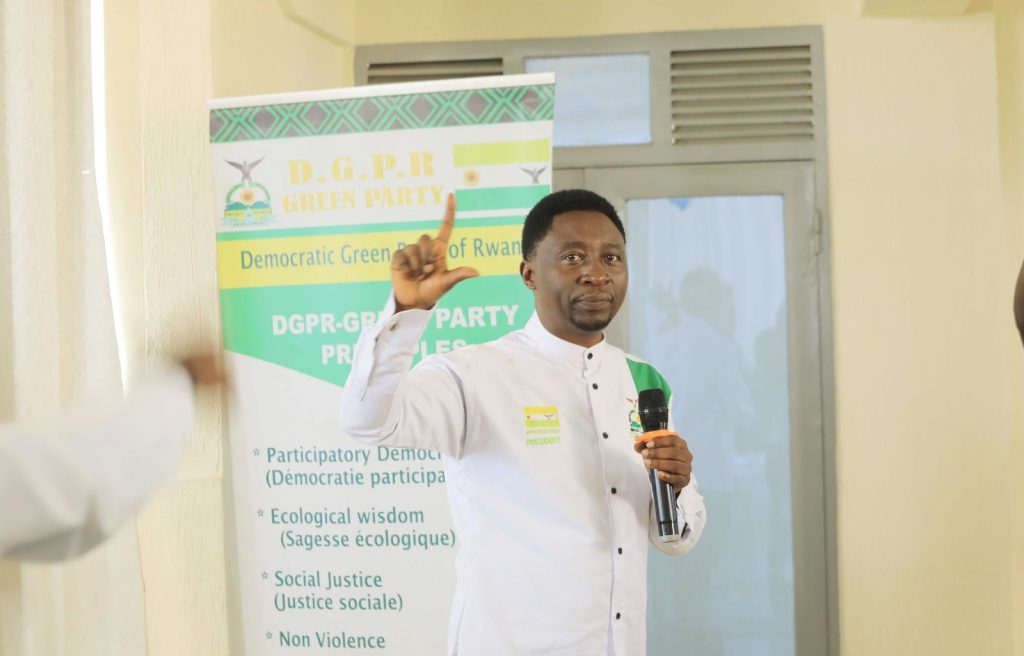***Dr. Frank Habineza, President of the Democratic Green Party of Rwanda (DGPR).***Speaking during the congress, Habineza said the meeting was organized to refresh members’ understanding of the party’s principles and priorities while encouraging them to actively support the ongoing establishment of the party’s structures at the sector level.
“We brought together party leaders representing the five districts of Northern Province to reinforce the training they received last year and encourage them to play an active role in the party’s ongoing program to establish sector-level structures,” he said.
Habineza also urged members to contribute actively to national governance, environmental conservation, and the promotion of security within their communities.
He said particular emphasis was placed on human security, encouraging members to support initiatives that improve people’s well-being while safeguarding the environment.
“We also focused on environmental protection by encouraging members to conserve land and plant trees,” he said.
According to Habineza, the congress served as a platform for knowledge sharing among party leaders and members while strengthening the party’s organizational capacity at the provincial level.
The meeting also featured elections for the party’s Northern Province Youth Representative and a provincial advisor.
The Democratic Green Party said the congress forms part of its ongoing efforts to strengthen grassroots democracy, promote citizen participation, and build stronger party structures across the country.
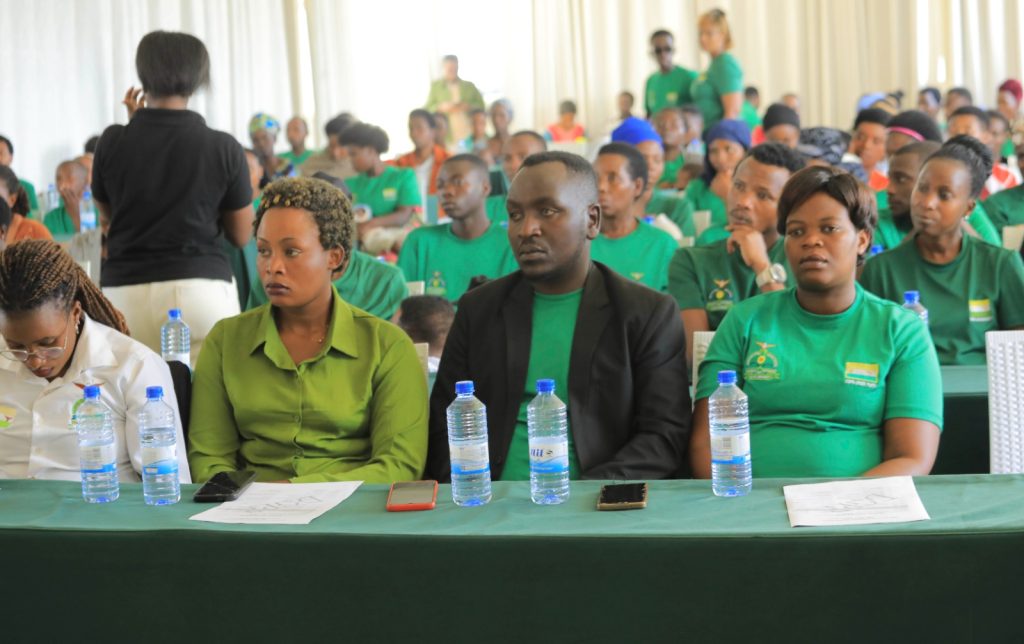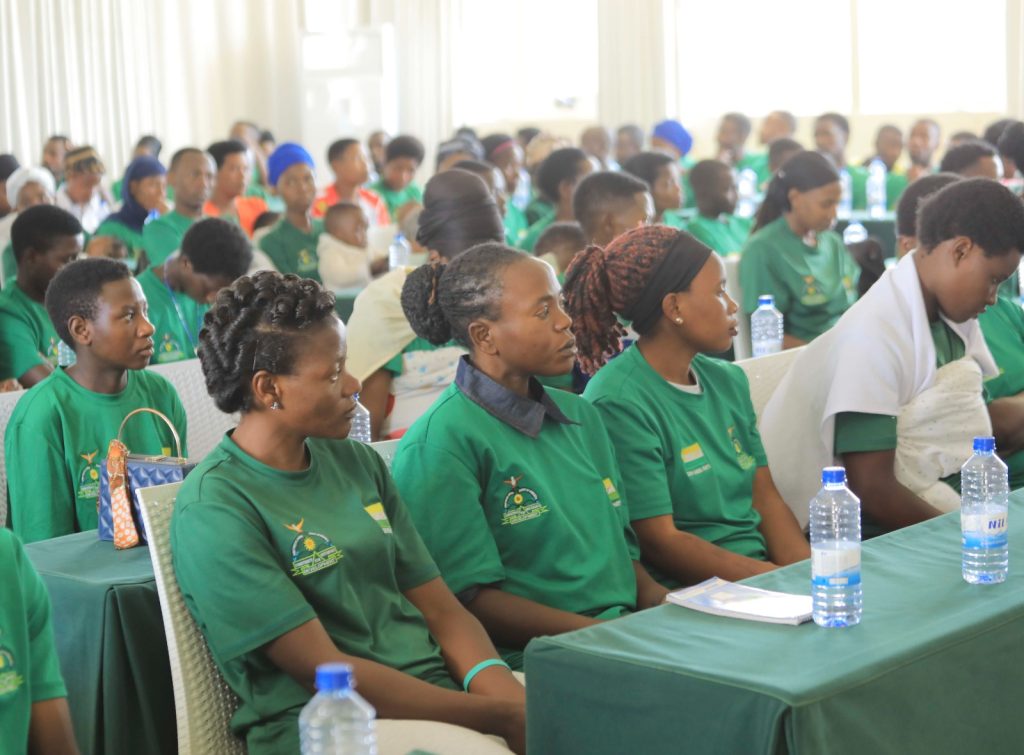
SUBSCRIBE TO OUR NEWSLETTER
First name or full name
Email
By continuing, you accept the privacy policy
**Categories:** Environment, NEWS
---
### [Rwanda and Madagascar Deepen Diplomatic Ties as Minister Biruta Holds High-Level Talks with Foreign Minister Alice N'Diaye](https://www.topafricanews.com/2026/06/28/rwanda-and-madagascar-deepen-diplomatic-ties-as-minister-biruta-holds-high-level-talks-with-foreign-minister-alice-ndiaye/)
**Published:** June 28, 2026
**Author:** LIBOS NDAYISHIMIYE
**Content:**
Rwanda and Madagascar have reaffirmed their commitment to strengthening bilateral cooperation after Rwanda’s Minister of Interior Security, Dr. Vincent Biruta, held high-level talks with Madagascar’s Minister of Foreign Affairs, Alice N’Diaye, during celebrations marking the island nation’s 66th Independence Anniversary in Antananarivo.
Dr. Vincent Biruta, Rwanda’s Minister of Interior Security, represented President Paul Kagame at Madagascar’s 66th Independence Day celebrations held on June 28, 2026, in the country’s capital, Antananarivo.
Madagascar gained independence from France on June 26, 1960, and commemorates the historic milestone annually with national celebrations. Rwanda joined the people and government of Madagascar in honoring the occasion, reflecting the strong friendship and growing partnership between the two African nations.
On the sidelines of the celebrations, Dr. Biruta met with Madagascar’s Minister of Foreign Affairs, Alice N’Diaye, for discussions focused on further strengthening bilateral relations and expanding cooperation across key sectors.
According to a statement released by the Embassy of Rwanda in South Africa, the two ministers explored new opportunities to deepen collaboration and reaffirmed their shared commitment to advancing a mutually beneficial partnership.
“The discussions underscored the determination of Rwanda and Madagascar to continue enhancing bilateral relations based on cooperation that serves the interests of both countries,” the statement said.
During his official visit, Dr. Biruta also met with members of the Rwandan community living in Madagascar, conveying Rwanda’s continued commitment to maintaining close ties with its citizens abroad and encouraging them to remain active contributors to the country’s development.
The engagement aligns with the Government of Rwanda’s broader policy of strengthening relations with the Rwandan diaspora and promoting their participation in national development initiatives.
Rwanda and Madagascar have enjoyed steadily growing diplomatic relations in recent years, underpinned by cooperation in various sectors. In 2023, the two countries signed investment and trade cooperation agreements aimed at reinforcing and effectively implementing an earlier framework signed in 2019, further paving the way for stronger economic and commercial partnerships.

SUBSCRIBE TO OUR NEWSLETTER
First name or full name
Email
By continuing, you accept the privacy policy
**Categories:** NEWS
---
### [President Kagame Urges Rwandans to Draw Strength from History and Forge Ahead with Development](https://www.topafricanews.com/2026/06/28/president-kagame-urges-rwandans-to-draw-strength-from-history-and-forge-ahead-with-development/)
**Published:** June 28, 2026
**Author:** TOPAFRICANEWS
**Content:**
During a recent symposium organized by the Unity Club, President Paul Kagame delivered a powerful address urging Rwandans to confront their nation’s painful past while actively working toward its future development. Speaking to an audience of over 1,500 participants, which included senior government officials and young people, the President emphasized the critical importance of preserving national unity.
In his remarks regarding the history of the 1994 genocide against the Tutsi, President Kagame advised citizens not to be ashamed of Rwanda’s painful history, but rather to embrace it and draw strength from it. He directly addressed those who attempt to defame Rwanda and downplay the genocide, noting that such individuals are often burdened by the shame of what they or their family members personally did. According to the head of state, these detractors refuse to accept the past, even though acknowledging reality is the “only path toward moving forward and only real remedy”.
President Kagame firmly stated that Rwanda cannot be held hostage by people who attempt to twist history to fit their own narratives rather than accepting what truly happened. He issued a warning to individuals who persist in distorting the truth, pointing out that the nation has patiently engaged with them and offered everyone ample opportunity to change and reject the “path of evil”.
Shifting the focus to the country’s trajectory, the President called on Rwandans to concentrate on activities that drive national development forward, rather than being distracted by those who speak negatively about the nation. He took the opportunity to commend the country’s security institutions for their vital role in advancing this development and fostering national unity.
Furthermore, President Kagame reiterated the need to wholly reject all forms of discrimination, stressing that it serves no benefit to the country and only hinders progress. Concluding his address, he emphasized that building a strong Rwanda requires the active contribution of every individual. He called upon all citizens to make deliberate choices that safeguard the interests of the country and its people, ensuring a united and prosperous future.

SUBSCRIBE TO OUR NEWSLETTER
First name or full name
Email
By continuing, you accept the privacy policy
**Categories:** Peace Building and reconciliation
---
### [Cities-Regions-Countries Take Climate Cooperation to Next Level Within Champ Coalition](https://www.topafricanews.com/2026/06/28/cities-regions-countries-take-climate-cooperation-to-next-level-within-champ-coalition/)
**Published:** June 28, 2026
**Author:** TOPAFRICANEWS
**Content:**
**London, June 25th –** The [Coalition for High Ambition Multilevel Partnerships (CHAMP)](https://us.cisionone.cision.com/c/eJwszU2u6jAMxfHVJLNUzpedDjJgwjaQ67gQ0T6greAt_4qrO_0dHf1bDUUSoNXqqYSIhJHsrXotqug9pDLKFOYUIsHcAJmVhIPtFTmKZJI4auaLnwp6KAlgaibB3pve-8ut3BfddlcQG7UyU3K4vP6_hu9gl3o7judu4smEswnnz-czyI3Xp5Olr3zo8NiuJpztqq2z23RR3tX1Vn_h8gcmniJgLmS3-u5y539XNQmu38Ygj9Xux6a6fn_CPs8I5Hics0uUxE2Sk4PYJOsYpBDYdw0_AQAA__-xglV2) for Climate Action announced the creation of its new Subnational Advisory Council, marking a historic step forward in strengthening cooperation between national, local and regional governments in the global response to the climate crisis. The announcement was made during London Climate Action Week (LCAW) at the inaugural meeting of the Subnational Advisory Council in the presence of city mayors, governors and the Co-chairs of CHAMP – representatives of Brazil and Germany, convened to accelerate climate ambition and drive implementation.
The establishment of the CHAMP Subnational Advisory Council marks a major milestone in advancing the goals of the Paris Agreement through stronger multilevel governance and coordinated climate action across all levels of government. For the first time since the coalition’s creation, CHAMP – a coalition led by countries – is formally integrating cities, states, and regions into its official governance structure, creating a direct channel to elevate the voice and leadership of subnational governments to the coalition’s 78 endorsers (national governments and the European Union). The Subnational Advisory Council will help ensure that local and regional realities, expertise, and climate solutions directly inform CHAMP’s strategic direction, advocacy priorities, and implementation efforts.
It brings together city and regional leaders from across the globe – both large and small in size, population – but all with unique contributions to make on climate action. This representational structure ensures that the voices and experience of subnational governments directly help shape the coalition’s strategic direction, advocacy, and implementation efforts. Representing communities on the frontlines of the climate crisis, the Subnational Advisory Council members reflect the diversity, ambition, and leadership of cities and regions driving climate action worldwide.
The members of the CHAMP Subnational Advisory Council, invited to serve on the Council for 2 years, are:
### City Representatives
- Mayor Mohamed Sefiani, Chefchaouen, Morocco
- Lord Mayor Nick Reece, Melbourne, Australia
- Mayor Claudio Castro, Renca, Chile
- Mayor Alfredo Coro, Del Carmen, Philippines
- Mayor Piia Elo, Turku, Finland
### Regional Representatives
- President Fatimetou Abdel Malick, Nouakchott Region, Mauritania
- Minister-President Cem Özdemir, Baden-Württemberg, Germany
- Governor Eduardo Leite, Rio Grande do Sul, Brazil
Through periodic meetings and diplomatic engagements throughout the year, the Subnational Advisory Council will strengthen collaboration between national and subnational governments in advancing climate action. The Council is co-facilitated by the Global Covenant of Mayors for Climate & Energy (GCoM) and the Under2 Coalition, in close collaboration with C40 Cities and the World Resources Institute (WRI), which serves as the Secretariat of the CHAMP Coalition.
The inaugural meeting was hosted during London Climate Action Week by GCoM Global Ambassador and former Mayor of Paris Anne Hidalgo, in her new capacity as chair of the Subnational Advisory Council.
**Anne Hidalgo, chair of the CHAMP Subnational Advisory Council, said:**
“Cities and regions have long stood on the frontlines of the climate crisis, not only experiencing its impacts first, but leading some of the world’s most ambitious and transformative climate solutions. Every day, local and regional governments are protecting communities, strengthening resilience, and proving that bold climate action can improve people’s quality of life. The creation of the CHAMP Subnational Advisory Council sends a powerful signal: national governments are formally recognizing that climate ambition cannot succeed without strong partnerships with local and regional governments. In Paris, we demonstrated that climate action and quality of life go hand in hand. The new Subnational Advisory Council will help ensure that the experience and leadership of cities and regions help shape global climate decisions at the highest level.”
he inaugural meeting also brought together representatives from the national governments of Brazil and Germany, Co-chairs of the CHAMP Coalition. Ambassador Antonio Da Costa, representing the Government of Brazil, and Dr. Ulf Jaeckel, representing the Government of Germany, joined Subnational Advisory Council members during the London Climate Action Week gathering and underscored the importance of multilevel governance in accelerating climate implementation and delivering meaningful outcomes for people and communities.
**Governor Eduardo Leite, Rio Grande do Sul, Brazil, said:**
“It is an honour for Rio Grande do Sul to join, alongside 11 other leaders from around the world, the CHAMP Subnational Advisory Council. Our participation brings to this forum the experience of a state that faced the largest climate disaster in Brazil’s history and turned that challenge into an even stronger commitment to climate action. Through Plano Rio Grande, we are not only rebuilding communities, but building back better, strengthening resilience and preparing our territory for the impacts of a changing climate. At the same time, we are advancing structured mitigation and decarbonisation policies aligned with the goals of the Paris Agreement. We believe that subnational governments have a decisive role to play in turning global targets into tangible results for people. Serving on the Subnational Advisory Council is an opportunity to share experiences, learn from partners around the world, and strengthen the multilevel cooperation needed to address climate challenges.”
**Ambassador Antonio Da Costa, Government of Brazil, said:**
“This new Subnational Advisory Council marks an important step toward closer collaboration between national governments and subnational leaders. Cities, states and regions are essential to delivering climate action, where policy becomes concrete measures that protect people, strengthen resilience and improve lives. As host of COP30, Brazil has placed multilevel governance at the center of its climate vision and is already advancing this agenda through initiatives such as the Green and Resilient Cities and Brazil Mutirão programs. The Subnational Advisory Council will help connect global ambition with local implementation.”
**Ulf Jaeckel, Government of Germany, said:**
“Germany strongly believes that effective climate action depends on cooperation across all levels of government. Our experience has shown that cities, states, and regions are indispensable partners in turning national climate targets into practical solutions that benefit people and communities. The establishment of the CHAMP Subnational Advisory Council reflects the growing recognition that multilevel governance is essential to delivering the Paris Agreement climate goals.”
**CHAMP Coalition New Steering Group**
During the Local Climate Action Summit at London Climate Action Week, the Coalition for High Ambition Multilevel Partnerships for Climate Action launched the next phase of its work to accelerate and strengthen multilevel climate action.
As part of this effort, CHAMP inaugurated its new Steering Group during the UNFCCC June Climate Meetings and introduced an Implementation Roadmap designed to translate political ambition into faster, more effective delivery of climate commitments on the ground. Building on the coalition’s commitment to strengthen national-local collaboration, the roadmap aims to support countries and subnational governments in advancing climate action through stronger coordination, shared accountability, and implementation at scale.
The newly established Steering Group will provide strategic guidance to help drive CHAMP’s next phase of work and reinforce collaboration across levels of government to accelerate climate ambition and delivery. The CHAMP Steering Group is composed of nine members representing coalition Co-chairs and endorsers: Brazil, Germany, Colombia, Dominican Republic, Ethiopia, European Union, Kenya, Philippines and Sweden.
CHAMP Steering Group members include:
- Ambassador Antônio Francisco Da Costa e Silva Neto, Co-chair and Ambassador and Chief International Advisor, Brazilian Ministry of Cities
- Dr. Ulf Jaeckel, Co-chair and Head of the International Adaptation to Climate Change Division, German Federal Ministry for the Environment, Climate Action, Nature Conservation and Nuclear Safety
- Mr. Mauricio Galván Gómez, Coordinator of the Climate Change Mitigation Group, Directorate of Climate Change and Risk Management, Ministry of Environment and Sustainable Development, Colombia
- Ms. Gabriela C. Márquez, Director of Climate Change Mitigation and Adaptation, Ministry of Environment and Natural Resources, Dominican Republic
- Mr. Abas Mohammed, CEO, Environment and Climate Change Policy, Strategy Analysis and Mainstreaming, Ministry of Planning and Development, Ethiopia
- Ms. Laurence Graff, Advisor, Directorate-General for Climate Action (DG CLIMA), European Commission
- Assistant Secretary Noralene Uy, Assistant Secretary for Policy, Planning, International Affairs and Climate Change, Department of Environment and Natural Resources, Philippines
- Mr. Olle Dierks, Head of Large-Scale Investments and Chairman of Team Sweden Smart Cities, Sweden
The launch of the Steering Group reinforces CHAMP’s ambition to move beyond commitments and strengthen the mechanisms needed to accelerate implementation, ensuring climate action is coordinated across all levels of government and delivers tangible benefits for communities.

SUBSCRIBE TO OUR NEWSLETTER
First name or full name
Email
By continuing, you accept the privacy policy
**Categories:** NEWS
---
### [Bugesera Mayor Credits Strong Partnerships for District Development](https://www.topafricanews.com/2026/06/27/bugesera-mayor-credits-strong-partnerships-for-district-development/)
**Published:** June 27, 2026
**Author:** Mutangana Emmanuel
**Content:**
Bugesera District Mayor Richard Mutabazi says the district’s development has been driven by strong collaboration between local authorities, development partners and residents, urging all stakeholders to continue working together while ensuring citizens remain at the centre of development initiatives.
He made the remarks on Friday, June 26, during the closing ceremony of the three-day Joint Action Development Forum (JADF) exhibition, held at Bugesera Stadium from June 24 to 26.
The exhibition brought together more than 70 development partners who showcased projects and services in the areas of economic development, good governance and social welfare.
Mutabazi thanked the exhibitors and praised development partners for their continued contribution to the district’s progress, saying Bugesera’s development is the result of strong collaboration between local authorities, development partners and residents.
***Richard Mutabazi, Bugesera District Mayor.***“We recognize the important role you play in the daily development of Bugesera District. Working together with local government and other development partners, from gathering citizens’ views during planning, jointly designing development programmes and implementing them together, has been key. We build on what works, and where we fall short, we accept our mistakes and improve. This spirit of collaboration is something we highly value,” he said.
According to the Mayor, the visible transformation taking place across the district reflects the collective efforts of all stakeholders.
“The Bugesera we see today has made significant progress. Anyone who does not recognize that this development is the result of partnership has simply not looked closely enough,” he said.
Mutabazi stressed that development initiatives should always place citizens first and give them opportunities to understand, question and contribute to programmes intended to improve their lives.
He said, “Everything we do is for the citizens we serve. This is part of our country’s commitment to accountability. That is why we strive to explain what we do, what we are responsible for and what we have accomplished in a way that gives citizens a voice. They should be able to understand these initiatives, ask questions and seek clarification.”
He cited the participation of banks during the exhibition as an example of how institutions can engage directly with residents by explaining available financial products and services.
The Mayor added that the three-day exhibition provided a valuable opportunity for residents to access information and services in one place without having to travel from office to office.
***Emmanuel Murenzi, President of JADF-Bugesera.***Emmanuel Murenzi, President of JADF-Bugesera, said the exhibition achieved its main objective of strengthening interaction between development partners and the communities they serve.
He said, “The primary goal was not simply to display what development partners do. It was to give citizens the opportunity to ask questions, better understand the projects being implemented and appreciate the role they themselves should play in ensuring these initiatives succeed.”
He noted that residents also received information on business opportunities, financial inclusion and access to bank loans that can help them start or expand income-generating activities.
According to Murenzi, bringing together development partners, financial institutions and community members in one venue helped strengthen public awareness of the services available in the district while creating new opportunities for collaboration.

SUBSCRIBE TO OUR NEWSLETTER
First name or full name
Email
By continuing, you accept the privacy policy
**Categories:** NEWS
---
### [Green Party Continues Sector-Level Leadership Rollout in Burera](https://www.topafricanews.com/2026/06/26/green-party-continues-sector-level-leadership-rollout-in-burera/)
**Published:** June 26, 2026
**Author:** Mutangana Emmanuel
**Content:**
The Democratic Green Party of Rwanda (DGPR) on Friday continued its program to establish sector-level party structures, extending the exercise to Gahunga and Kinoni sectors in Burera District, Northern Province.
The initiative is part of the party’s ongoing efforts to strengthen its grassroots leadership and organizational structures across the country.
The activities began with a meeting and training session for party members, followed by elections to establish the party’s leadership at the sector level. Members elected the Sector Party Committee, the Youth Committee, and the Women’s Committee for each of the two sectors.
The event was presided over by Ibrahim Ndayamabaje, the Democratic Green Party’s Northern Province leader, who oversaw the establishment of the new sector-level structures.
The rollout in Gahunga and Kinoni follows similar exercises recently conducted in Cyanika, Rugarama, Kagogo, and Kinyababa sectors as the party continues expanding its organizational presence at the grassroots level.
According to the Democratic Green Party, the nationwide program aims to establish sector-level structures across all 416 sectors of Rwanda, strengthening the party’s internal organization and enhancing engagement with members and communities throughout the country.

SUBSCRIBE TO OUR NEWSLETTER
First name or full name
Email
By continuing, you accept the privacy policy
**Categories:** NEWS
---
### [Rwanda, Nigeria deepen capital markets cooperation](https://www.topafricanews.com/2026/06/26/rwanda-nigeria-deepen-capital-markets-cooperation/)
**Published:** June 26, 2026
**Author:** TOPAFRICANEWS
**Content:**
The Capital Markets Authority of Rwanda has concluded a study mission to Nigeria aimed at strengthening regulatory cooperation, modernising market infrastructure and supporting greater integration among African capital markets.
Led by Chief Executive Officer Romeo Ngarambe, the delegation held talks with the Nigerian Exchange Group and the Central Securities Clearing System in Lagos, drawing lessons from one of Africa’s largest capital markets.
At the Nigerian Exchange Group, the delegation met Jude Chiemeka, Chief Executive Officer of Nigerian Exchange Limited, and Temi Popoola, Group Managing Director and Chief Executive Officer of NGX Group. The discussions covered market regulation, trading systems, investor access and opportunities for closer links between African exchanges.
The institutions also examined cooperation through the African Securities Exchanges Association and the African Exchange Linkage Project, which is designed to enable investors to access securities listed across participating markets.
Greater cross-border market access could widen the pool of investors available to Rwandan companies; support capital raising and improve the movement of investment funds between African economies.
During discussions with the Central Securities Clearing System, the delegation reviewed Nigeria’s experience in securities depository services, settlement-cycle reform, market dematerialisation, risk management and post-trade technology.
The engagement included lessons from Nigeria’s move to a T+1 settlement cycle, where securities transactions are completed one business day after trading. Faster settlement can reduce transaction risks, improve market efficiency and allow investors to access their securities and funds sooner.
Ngarambe said cooperation between African institutions was essential to building stronger and more accessible markets.
“African capital markets can grow faster when institutions share experience and adapt solutions that have worked on the continent. Our objective is to build efficient, trusted and accessible market infrastructure that supports investment in Rwanda and regional integration,” he said.
The delegation also held engagements with Nigeria’s Securities and Exchange Commission and Debt Management Office.
CMA Rwanda said lessons from the mission would support ongoing efforts to strengthen supervision, improve market infrastructure, expand investment products and attract domestic and international investors.
The cooperation is expected to contribute to a more connected African capital market in which businesses can access long-term financing and investors can participate in opportunities beyond their domestic markets.

SUBSCRIBE TO OUR NEWSLETTER
First name or full name
Email
By continuing, you accept the privacy policy
**Categories:** Business and Trade
---
### [JICA Rwanda Welcomes a New Chief Representative, Mr. Sakamoto Atsuki](https://www.topafricanews.com/2026/06/26/jica-rwanda-welcomes-a-new-chief-representative-mr-sakamoto-atsuki/)
**Published:** June 26, 2026
**Author:** TOPAFRICANEWS
**Content:**
Mr. SAKAMOTO Atsuki has been appointed as Chief Representative of JICA Rwanda office, succeeding Ms. SHIOTSUKA Minako who has been in the position for 3 years and 4 months since February 2023. As part of the leadership transition, Ms. SHIOTSUKA and Mr. SAKAMOTO paid a series of courtesy visits to Hon. Yusuf Murangwa, the Minister of Finance and Economic Planning, Hon. Yves Iradukunda the Minister of State in the Ministery of ICT and Innovation, Hon.Dr. Telesphore Ndabamenye, the Minister of Agriculture and Animal Resources, Hon. Joseph Nsengimana, the Minister of Education and other high-ranking officials. During these meetings, Ms. SHIOTSUKA expressed her farewell greetings, while Mr. SAKAMOTO was introduced as the new Chief Representative.
Mr. SAKAMOTO returns to Rwanda, having previously worked at the JICA Rwanda Office from 2015 to 2017, where he was engaged in value-added agriculture and business development, focusing on human resource development and partnerships with private companies. His career also includes private sector development as Director of the Private Sector Development Group, Economic Development Department at JICA, as well as an assignment at Japan’s Ministry of Foreign Affairs.
As Ms. SHIOTSUKA Minako handed over her duties to the new Chief Representative, she reaffirmed JICA’s strong commitment to Rwanda’s development. Reflecting on her tenure, she expressed appreciation for the close partnerships and trust built with the Government of Rwanda and various stakeholders. “Development is a shared journey. I am grateful for the opportunity to work alongside dedicated partners in Rwanda, and I believe that the foundation we have built together will continue to support sustainable and inclusive growth,” she said.
Building on this foundation, Mr. SAKAMOTO, who has maintained a close connection with Rwanda and had long looked forward to returning, said as he assumed his new role: “Since my arrival, I have already seen how Rwanda’s development has accelerated over the past decade. With co-creation and innovation as key principles, I look forward to working with the Government and people of Rwanda, development partners, private companies, universities, and other stakeholders to advance Rwanda’s Vision 2050 through an effective and inclusive development cooperation.”

SUBSCRIBE TO OUR NEWSLETTER
First name or full name
Email
By continuing, you accept the privacy policy
**Categories:** NEWS
---
### [Digital Hate Is Growing: Why Rising Anti-Banyarwanda Narratives Should Alarm East Africa](https://www.topafricanews.com/2026/06/26/digital-hate-is-growing-why-rising-anti-banyarwanda-narratives-should-alarm-east-africa/)
**Published:** June 26, 2026
**Author:** TOPAFRICANEWS
**Content:**
**By TOP AFRICA NEWS Investigator**
In the green hills where Uganda meets Rwanda, mist often clings to the volcanoes and terraced fields at dawn. Peaceful borders, shared histories of trade, migration, and even the bush war that shaped modern East Africa. Families intermarried across lines. Children grew up calling each other brothers. Yet beneath the surface of diplomatic handshakes and MoUs signed in 2026, a quieter, digital war simmers—one rarely captured by mainstream outlets focused on state visits and economic pacts.
On X, in comment threads and viral videos that spread like bushfire, an untold story unfolds: the gradual, grain-by-grain construction of suspicion and outright hate directed at Rwandans and, more pointedly, at Banyarwanda—Ugandans of Rwandan origin who have lived in the country for generations.Consider the timeline of an ordinary evening in Kampala. A young man named David, tired from hustling in the matatu business, scrolls his phone under the dim glow of a streetlight. His feed fills with posts that started as isolated complaints but now echo across thousands of accounts.
“One of the reasons why I hate Banyarwanda,” reads a recent caption attached to a photo, the kind that racks up quick likes and retweets. Another thread accuses: “Those are not Ugandans they’re Rwandese act like Ugandans… they’re many named Ugandan names but they not.” Users debate passports, names, and appearances—claiming some obtain Ugandan documents while harboring loyalties elsewhere. “We will sieve out the Gashumba’s who leech off our kindness while claiming another country,” one post declares, referencing prominent voices in the Banyarwanda community.
The spark often traces back to figures like Frank Gashumba, a vocal advocate highlighting documented challenges faced by some Banyarwanda: difficulties obtaining or retaining national IDs and passports, sometimes linked to names or physical features that authorities flag during registration drives. Recent controversies, including viral videos around citizenship questions for individuals like Dr. Lawrence Muganga and Gashumba’s own political positioning (including his removal from a leadership role in the Patriotic League of Uganda), ignited fresh waves of online backlash. Critics frame these grievances as evidence of dual allegiance or even subversion, tying them loosely to broader regional tensions in the DRC where both Uganda and Rwanda face accusations of involvement with armed groups.
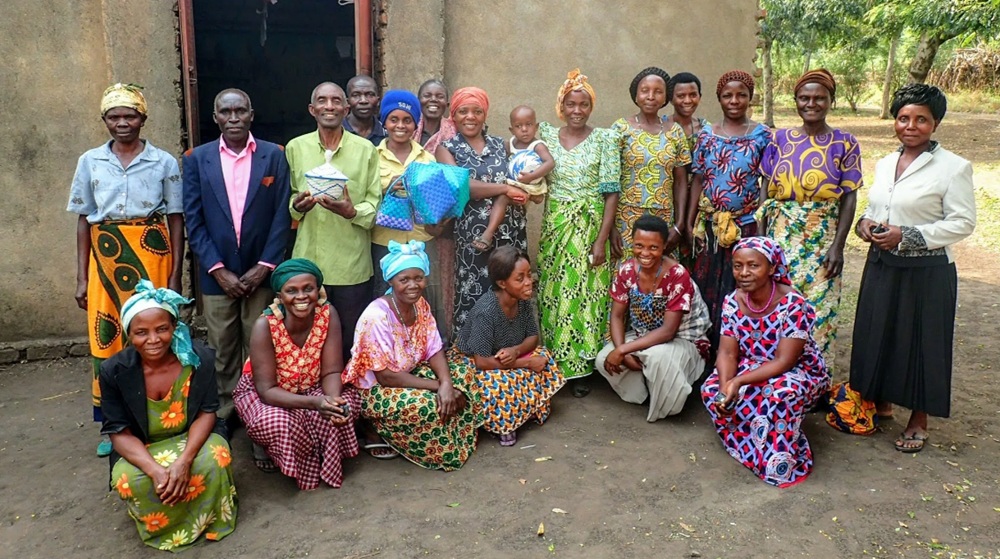The landscape they share looks serene from above—the rolling hills and distant peaks of the border region—but the digital air crackles with division. Mainstream media reports the cooperation: joint patrols, health MoUs, efforts to ease trade. It rarely dives into the granular, often anonymous quarrels where resentment is rehearsed daily.
There, the narrative builds cumulatively: every citizenship hiccup becomes proof of infiltration; every successful Banyarwanda business owner becomes a symbol of unfair advantage; every political statement from advocates like Gashumba is twisted into evidence of hidden agendas.Not everyone joins the chorus. Some Banyarwanda voices push back, sharing personal stories of discrimination while affirming deep roots in Uganda—“I’m also a Munyarwanda… but my only home is Uganda.” Moderates, including some from the community itself, issue quiet warnings: videos and heated posts risk “creating an Us Vs them situation” that thickens tribal lines and echoes dangerous patterns from the past. “Majority of Ugandans are not even bothered by our existence,” one reflective post noted, urging calm amid the noise.
***Yet the algorithm rewards outrage.*** Threads multiply. Real-world echoes follow: heightened scrutiny at offices issuing documents, wary glances in markets, whispered conversations in workplaces about “who really belongs.” For families with mixed heritage, the online quarrel becomes personal—relatives unfollowing each other, arguments at dinner tables sparked by a single viral clip.This is the undivulged scenario social media reveals while traditional reporting stays on the diplomatic surface. It is not yet widespread street violence or official policy of exclusion. It is something slower and more insidious: the steady construction of “otherness” among people who, for decades, have been neighbors, colleagues, and yes, brothers. Economic frustrations, political maneuvering, and the easy anonymity of the feed provide fertile soil. Historical rivalries—once managed through dialogue—get reframed through the lens of current flashpoints like identity registration and regional security concerns.
In the end, the story on X is not just about Ugandans versus Rwandans. It is about how quickly shared humanity erodes when grievances, real or perceived, are weaponized in the comments section. The hills remain green, the borders open for now. But in the invisible architecture of likes, shares, and heated replies, a different future is being quietly drafted—one quarrel at a time.The media may not headline it. The presidents may sign agreements. But the feed never sleeps. And in its glow, the seeds of division between brothers continue to take root.

SUBSCRIBE TO OUR NEWSLETTER
First name or full name
Email
By continuing, you accept the privacy policy
**Categories:** Peace Building and reconciliation
---
### [Over 560 Million in Sub-Saharan Africa Still Lack Electricity, New Report Warns](https://www.topafricanews.com/2026/06/26/over-560-million-in-sub-saharan-africa-still-lack-electricity-new-report-warns/)
**Published:** June 26, 2026
**Author:** Mutangana Emmanuel
**Content:**
More than half a billion people in Sub-Saharan Africa still live without electricity, while nearly one billion lack access to clean cooking, threatening the region’s chances of achieving universal energy access by 2030, according to the latest Tracking SDG 7: The Energy Progress Report.
The report, based on 2023 and 2024 data, shows that although global progress toward affordable, reliable and sustainable energy continues, advances in Sub-Saharan Africa have slowed significantly. It estimates that over 560 million people in the region remain without electricity, while 970 million continue to rely on polluting fuels and technologies for cooking, exposing them to serious health risks.
Globally, 655 million people still lack electricity, and around two billion people have no access to clean cooking. To meet the 2030 target under Sustainable Development Goal (SDG) 7, the report says the pace of electrification in Sub-Saharan Africa must triple.
Despite the setbacks, the report highlights encouraging progress in renewable energy. Renewable sources now account for more than 30 percent of global electricity generation, while renewable energy capacity reached a record 544 watts per person worldwide. International public financing for clean energy also rose slightly to US$24.6 billion in 2024.
However, financing remains a major challenge, particularly for the world’s poorest countries. Clean energy funding to the least developed countries fell by 11 percent to US$3.7 billion in 2024, raising concerns over the ability to expand energy access where it is needed most.
The report identifies affordability as another key obstacle. Even where electricity infrastructure exists, many households cannot afford connection fees, wiring costs or basic energy services. It calls for targeted subsidies, innovative financing and cost-effective electrification solutions to ensure vulnerable communities are not left behind.
Access to clean cooking remains the largest energy gap, with an estimated two billion people still depending on charcoal, firewood, kerosene and other polluting fuels. Without stronger action, the report warns that 1.8 billion people could still lack clean cooking by 2030. Household air pollution linked to these fuels causes an estimated three million deaths every year.
The report also notes that progress on energy efficiency is slowing, while renewable energy expansion remains uneven between high-income and low-income countries.
It urges governments to strengthen political leadership, increase investment in renewable energy, improve policy implementation and prioritize underserved communities to accelerate progress before the 2030 deadline.

SUBSCRIBE TO OUR NEWSLETTER
First name or full name
Email
By continuing, you accept the privacy policy
**Categories:** Energy
---
### [RCSI research identifies sunlight and rainwater as most cost-effective route to safe water in Malawi healthcare facilities ](https://www.topafricanews.com/2026/06/26/rcsi-research-identifies-sunlight-and-rainwater-as-most-cost-effective-route-to-safe-water-in-malawi-healthcare-facilities/)
**Published:** June 26, 2026
**Author:** TOPAFRICANEWS
**Content:**
**Thursday, 25 June 2026:** A new study by researchers at RCSI University of Medicine and Health Sciences has found that combining rainwater harvesting with advanced solar water disinfection technology is the most cost-effective way to provide safe water in rural healthcare facilities in Malawi. The findings could help reduce maternal and neonatal infections while delivering economic benefits in resource-limited settings.
Through the [SURG-Water](https://u7061146.ct.sendgrid.net/ls/click?upn=u001.gqh-2BaxUzlo7XKIuSly0rC6GpXsF-2FJuUWPXsj3z73b6k-3Dpl4X_3xC-2BPcLP4N6Z-2B4jPWsHeMCJaOLhCBu9nRWPVy-2FCop-2Bbxjb1s4OzcA6NRnXJLcjV-2Bpf5ZvlBO8PsyDDGnLVUz-2FSBXdn5TwZ4e-2FFz31Kduc0LlVs7jPSxDo5aKGfaClLC2bYpENwtWChSsqtqqV3j76eE1Iw4uSVOkgd5PdE3WI6qphc6xPqmEdhvYMoJBMNO-2F-2F5IkZdrtG9fwLXCXC7N8vUolGOjqHO417O4c7aRgi23eaZUQvsGF9rZV6h5DAo537auZbEwVOLkA0qbtXCRElS4H6-2FZIOiDMdEAQL2NRYR4RwtFYXxYxDLPv8Yas1WZG7Fe51RHvzjMHYkciq89eRA-3D-3D) project, researchers evaluated various water supply and treatment strategies for maternity units in the Thyolo District, where limited access to clean water poses a continued risk of infections. It compared rainwater harvesting and groundwater extraction systems with several disinfection methods, including chlorination, ultraviolet (UV) technologies, filtration and an advanced solar disinfection (SODIS) reactor.
[The study](https://u7061146.ct.sendgrid.net/ls/click?upn=u001.gqh-2BaxUzlo7XKIuSly0rC61AVHZMgmjrbD7OYdO9zLHklV4ImnwvuYML4xyEzcVFjNDunfjd-2Fq0gVpGSizuW4Q-3D-3DpCJ3_3xC-2BPcLP4N6Z-2B4jPWsHeMCJaOLhCBu9nRWPVy-2FCop-2Bbxjb1s4OzcA6NRnXJLcjV-2Bpf5ZvlBO8PsyDDGnLVUz-2FSBXdn5TwZ4e-2FFz31Kduc0LlVs7jPSxDo5aKGfaClLC2bYpENwtWChSsqtqqV3j76eE1Iw4uSVOkgd5PdE3WI6qphc6xPqmEdhvYMoJBMNO-2FdWMgbYB5CgiO2m1uX2C-2F-2Fw8Bued30GfXZxHMAIIzvqvRMJOu0HQVeRv8IpmyK0VcCYCdCyhjCjsjUA4l6pKq2oxoCl01EvHEbLdsupCIpz8RhoRZ7-2FtaglOaH2O0op-2Bc0gh9ojcoKGLY2y8L-2BZScvA-3D-3D) used a benefit-cost analysis to assess the installation, operation and maintenance costs of each technology over its lifetime and compare their long-term value for rural healthcare facilities.
The findings showed that the combination of rainwater harvesting and the Advanced SODIS reactor produced safe water at the lowest cost and delivered the highest overall economic return. According to the analysis, every euro invested in the Advanced SODIS system could generate more than €1,000 in health and economic benefits through reduced infections, improved maternal and newborn outcomes, and lower healthcare costs.
“This analysis gives us confidence that the efforts of the SURG-Water project, which aims to harness sunlight and rainwater to bring safe water to mothers and newborns in Malawi, are heading in the right direction. We believe our idea to use sunlight and rainwater in rural health clinics can be scaled up now to make a real impact on the most vulnerable people in this country and beyond,” said Dr Jakub Gajewski, Programme Director at RCSI Institute of Global Surgery and co-lead of the SURG-Water project.
The findings address a significant challenge facing Malawi’s healthcare system – almost 40% of primary healthcare facilities have an intermittent or unreliable water supply. This compromises hygiene practices during childbirth and places women and newborns at greater risk of infection. It also forces women and guardians to fetch water from outside the facilities, leading to poor care for newborn babies and their mothers.
The research estimates that inadequate access to safe water for medical hygiene in rural maternity wards creates an annual economic burden of over €45,000 due to preventable maternal and neonatal infections. Improving water access could reduce these infections by up to 30%.
Professor Kevin McGuigan, Director of the RCSI Solar Disinfection Research Group and co-lead of SURG-Water, said: “Unlike chlorination and other water treatment technologies that rely on continuous chemical supplies, electricity, or frequent maintenance, the Advanced SODIS reactor requires minimal operational input once installed. Its simplicity, scalability and low long-term costs also make it particularly well suited for settings with limited resources including schools, markets, correctional facilities and other community spaces.”
SURG-Water is a Research Ireland-funded joint project between Malawi University of Business and Applied Sciences (MUBAS) and RCSI. It aims to improve access to safe water in rural health facilities in Malawi in support of UN SDGs 3 and 6, by developing rainwater harvesting systems combined with novel solar water disinfection technology that can realistically be manufactured and maintained in local communities.
The [RCSI Institute of Global Surgery,](https://u7061146.ct.sendgrid.net/ls/click?upn=u001.gqh-2BaxUzlo7XKIuSly0rCy7DTJY8-2BX1b4xtrn91ZynbkcC9uinR5ww50YkhuETGLEU7Quc0WZ4tp9-2BjUsKvOIw-3D-3DuCfi_3xC-2BPcLP4N6Z-2B4jPWsHeMCJaOLhCBu9nRWPVy-2FCop-2Bbxjb1s4OzcA6NRnXJLcjV-2Bpf5ZvlBO8PsyDDGnLVUz-2FSBXdn5TwZ4e-2FFz31Kduc0LlVs7jPSxDo5aKGfaClLC2bYpENwtWChSsqtqqV3j76eE1Iw4uSVOkgd5PdE3WI6qphc6xPqmEdhvYMoJBMNO-2F3GDezY7v1TPIGLTsU5FxRC69CPWCPiS8pTzsDMHfBeMdnIZCAT44DVd5m-2F90QwJSnNRBYV4AJ9DTo5eHYCD4p7gdamo0BLTnUlolXXLkGrtQ0d6Y0r3XZEWB8hmxkiJui8UVxlyR64-2FdMRWAqHOsFA-3D-3D) based in the RCSI School of Population Health, is dedicated to improving access to safe, affordable surgical, anaesthetic, and obstetric care in low- and middle-income countries.

SUBSCRIBE TO OUR NEWSLETTER
First name or full name
Email
By continuing, you accept the privacy policy
**Categories:** HEALTH
---
### [From Irrigation to Income: Kirehe Farmers Inspired by Gatsibo Success to Strengthen Sustainable Agriculture](https://www.topafricanews.com/2026/06/26/from-irration-to-income-kirehe-farmers-inspired-by-gatsibo-success-to-strengthen-sustainable-agriculture/)
**Published:** June 26, 2026
**Author:** LIBOS NDAYISHIMIYE
**Content:**
*Knowledge-sharing visit organized under SAIP II exposes farmers and Water User Associations to innovative approaches in irrigation management, income generation, and community ownership.*
Farmers, cooperative leaders and representatives of Water User Associations from Kirehe district have increased confidence in a knowledge-sharing study to the Kanyonyomba Irrigation Scheme in Gatsibo district, saying the experience provided practical solutions that could significantly improve irrigation management, agricultural productivity and cooperation among farmers in their communities.
This activity organized on June 24, 2026, by RAB through the Second Sustainable Agricultural Intensification and Food Security Project (SAIP II) in collaboration with the Eastern Province and the districts of Gatsibo and Kirehe, aimed to promote knowledge exchange and strengthen sustainable irrigation practices among farmers and irrigation stakeholders.
Participants said the visit helped them understand that irrigation infrastructure can serve purposes beyond supplying water for crop production. During the tour, they learned how the Kanyonyomba Water Users Association has turned its irrigation assets into income-generating opportunities through fish farming, livestock rearing, banana cultivation and beekeeping. Revenue generated from these activities is used to maintain irrigation infrastructure, pay workers and reduce service fees for association members.
Among the participants was Nyirakamanzi Claudine, a member of COACERANYA Cooperative in Nyamugali Cell, Kirehe District, who explained how irrigation transformed her family’s livelihood after relocating to Eastern Rwanda in 2009 from Gishwati in Rubavu District.
“We immediately started farming, and the harvest helped us pay school fees for our children. Above all, I thank the President of the Republic for helping us get dams in Eastern Rwanda because they have helped protect our families from hunger.”
After gaining access to irrigation water through the dam constructed in her area, Nyirakamanzi expanded her farming activities and experienced a significant increase in production. Reflecting on the study tour, she said the experience introduced her to new nursery management techniques and farming practices that she intends to adopt at home.
“This study tour is going to bring many changes to my family. I will share the knowledge I gained with my husband because he gave me permission to attend on his behalf. I saw different nursery practices compared to those we normally use. There were materials used for raising seedlings that I am now planning to look for so that I can also apply them.”
She added that the tour also provided valuable knowledge on efficient water use and conservation practices that can increase agricultural productivity while protecting the environment.
Another participant inspired by the visit was Biziyaremye Jean Marie Vianney, President of the Water Users Association in the Nyamugali Irrigation Scheme. He said the study tour offered farmers a unique opportunity to learn directly from colleagues who have successfully addressed challenges related to irrigation management and collective action.
“We have seen how working together and investing in complementary income-generating activities can help Water User Associations maintain their dams and irrigation infrastructure. These lessons will help us strengthen our own organizations, improve water management, and increase agricultural productivity.”
Jules Mporana, Water Users Organization Specialist under RAB through SAIP II, explained that the study tour was designed to allow farmers to learn from successful experiences and practical solutions implemented in other irrigation schemes across the country.
He emphasized that irrigation should not be viewed solely as a means of delivering water to crops, but as a system that requires effective governance, sound financial management, community ownership and long-term sustainability.
“Irrigation is not only about water. It is also about governance, financial management, ownership and sustainability. Farmers must understand how to manage infrastructure and how to create additional sources of income that can support maintenance and future investments.”
Mporana further noted that many irrigation schemes across Rwanda have been established through substantial investments from the Government and development partners, making community ownership critical for ensuring their sustainability for future generations.
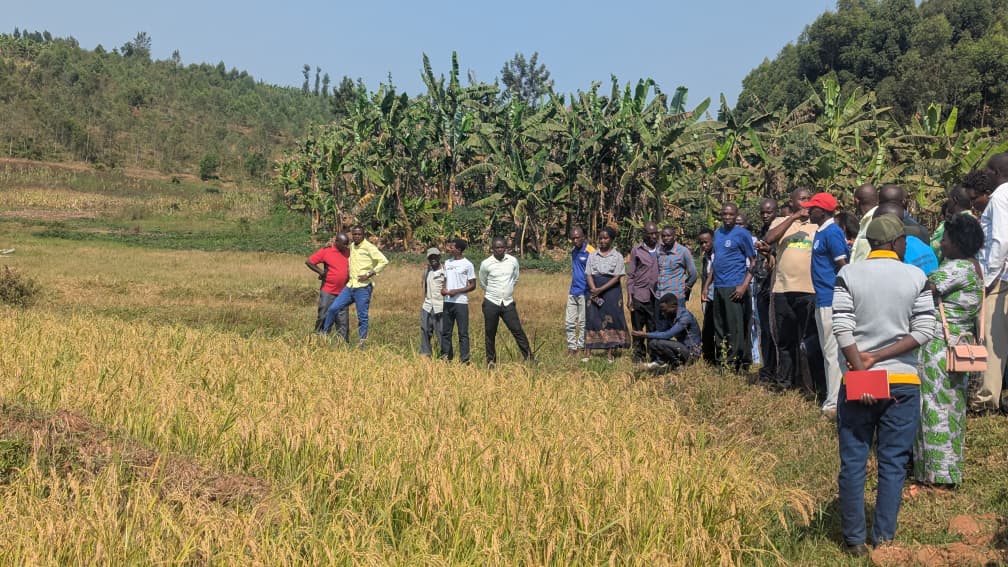“When communities learn how to generate income from the assets they already have, they become less dependent on external support. That is the kind of ownership we want to promote through these learning exchanges.”
The knowledge sharing brought together Water User Associations and cooperatives from the Kinoni I, Kinoni II and Nyamugali irrigation schemes. Participants exchanged experiences on water management, increasing service fees, improving transparency and accountability, strengthening collaboration with local leaders and maintaining irrigation infrastructure through sustainable financing mechanisms.
Farmers from Kirehe District believe that the lessons learned from the Kanyonyomba Irrigation Scheme will help them identify new ways of creating value from existing infrastructure, strengthen their organizations and improve agricultural productivity. They say the knowledge gained will play a vital role in improving livelihoods and promoting sustainable agriculture through effective irrigation management and community ownership.

SUBSCRIBE TO OUR NEWSLETTER
First name or full name
Email
By continuing, you accept the privacy policy
**Categories:** Natural Resources and Agriculture
---
### [IFAD joins Government of Angola and partners to advance agricultural transformation through AgriConnect](https://www.topafricanews.com/2026/06/26/ifad-joins-government-of-angola-and-partners-to-advance-agricultural-transformation-through-agriconnect/)
**Published:** June 26, 2026
**Author:** DUSABEMUNGU Ange de la Victoire
**Content:**
**Luanda, 25 June 2026** – The International Fund for Agricultural Development (IFAD) today joined the Government of Angola, the World Bank Group and development partners in launching the Angola AgriConnect Compact, an ambitious initiative aimed at transforming the country’s agri-food systems, creating jobs and improving the livelihoods of rural communities.
AgriConnect is a World Bank Group initiative designed to help 300 million smallholder farmers worldwide move from subsistence to surplus production. The initiative focuses on strengthening agricultural ecosystems through stronger farmer organizations, improved market linkages, enhanced access to finance and digital solutions, and greater private sector participation across food systems.
As the only international financial institution exclusively focused on rural transformation, IFAD brings a unique contribution to AgriConnect by working with small-scale farmers at the first mile of food systems to strengthen value chains and create jobs, expand market access and build resilience.
In Angola, AgriConnect will support agricultural development in the Lobito and Malanje Corridors, leveraging partnerships across government, development institutions, the private sector and farmer organizations to unlock the country’s agricultural potential and accelerate inclusive rural development.
“AgriConnect presents a unique opportunity to transform rural livelihoods by connecting smallholder farmers to markets, finance, technology and productive infrastructure,” said Custodio Macavele, IFAD Country Director for Angola. “IFAD is proud to partner with the Government of Angola, the World Bank Group and other stakeholders to ensure that rural women, men and young people can participate in and benefit from a more productive, resilient and inclusive agricultural economy.”
Through the Compact, farmers and agribusinesses will benefit from a comprehensive package of support services, including agronomy and livestock advisory services, agricultural extension and technical assistance, rural finance, epidemiological surveillance, post-harvest management, food processing, and investments in rural infrastructure such as irrigation systems, markets and feeder roads.
The initiative will also promote greater private sector engagement in agricultural value chains while expanding access to financial services and credit for farmers and rural enterprises. These investments are expected to increase productivity, strengthen food security, create employment opportunities and stimulate economic growth in rural areas.
As a long-standing partner of Angola’s rural development efforts, IFAD brings decades of experience in supporting smallholder farmers, strengthening value chains and improving access to markets and financial services.
The Angola AgriConnect Compact reflects a shared commitment to transforming the Lobito and Malanje Corridors into engines of inclusive economic growth, improving food systems and creating sustainable opportunities for millions of rural people.

SUBSCRIBE TO OUR NEWSLETTER
First name or full name
Email
By continuing, you accept the privacy policy
**Categories:** Natural Resources and Agriculture
---
### [African Development Bank Group backs Zambia’s Global Landmark Debt-for-Development swap](https://www.topafricanews.com/2026/06/26/african-development-bank-group-backs-zambias-global-landmark-debt-for-development-swap/)
**Published:** June 26, 2026
**Author:** TOPAFRICANEWS
**Content:**
**Abidjan, 25 June 2026**—Zambia is to invest millions of dollars of savings realised through the successful $1.36 billion debt buyback in projects to provide reliable and affordable electricity access as part of an innovative transaction backed by the African Development Bank Group.
In a pioneering approach to development finance, the government of Zambia used a $600 million loan from the African Development Bank Group coupled with its own resources to buy back the $1.36 billion sovereign Eurobond.
As part of savings which could have gone into future debt servicing, the Zambian government has committed to earmark $275 million, to be invested in the country’s energy sector, an approach that could be emulated by other African countries to unlock development financing.
Felix Nkulukusa, Secretary to the Treasury at Zambia’s Ministry of Finance and National Planning, said, “As a first-of-its-kind initiative, it has the potential to demonstrate how targeted investment in energy infrastructure can support sustainable development and economic growth. These investments will strengthen the resilience of our electricity system and help ensure that households, businesses, and public services can depend on a more stable and efficient power supply.”
Nkulukusa outlined the government’s 15-year vision for the programme, framing it as a direct response to constraints that have long held Zambia back.
“Unreliable supply, losses in the distribution network, and limited access in underserved areas are not merely technical problems; they undermine growth, they deter investment, and, most critically, they diminish the quality of life of Zambian citizens,” he added, “This programme is our commitment to changing that.”
Nana Spio-Garbrah, Manager, Structured Finance and Client Solutions of the African Development Bank Group’s Syndications and Client Solutions Department, said: “This transaction reflects the African Development Bank’s commitment to supporting African countries with innovative and practical financial solutions tailored to their debt and development challenges.”
She added: “In Zambia’s case, we worked closely with the authorities and partners to structure an operation that helps ease debt service pressures, improve the country’s financing profile, and redirect savings toward critical investments in the energy sector. By linking debt management with targeted investments in energy security, this operation demonstrates how financial innovation can support both economic resilience and long-term development outcomes.”
The Bank Group’s Country Manager for Zambia, Raubil Olaniyi Durowoju, said: “This innovative transaction demonstrates how development finance can be deployed to address multiple challenges simultaneously. By linking debt management with strategic investments in energy infrastructure, Zambia is creating a pathway toward greater economic resilience, energy security, and sustainable growth.”
The operation aligns with the Four Cardinal Points of the African Development Bank Group, particularly the priorities of enhancing access to capital and building climate resilient infrastructure. It also complements broader efforts to expand access to affordable, dependable, and sustainable energy throughout the continent.
Zambia has made significant progress in implementing economic reforms and restoring macroeconomic stability. The transaction supports the country’s commitment to strengthening public finances while investing in a stronger and more resilient electricity network that is critical to supporting growth in mining, agriculture, manufacturing, tourism and other sectors of the economy.
The African Development Bank Group remains committed to working with Zambia and its development partners to advance innovative financing solutions that promote sustainable development and improve the lives of citizens.

SUBSCRIBE TO OUR NEWSLETTER
First name or full name
Email
By continuing, you accept the privacy policy
**Categories:** NEWS
---
### [Brazilian Artificial Intelligence Summit 2026 Attracts 4,500 Participants, Strengthening Latin America's AI Ecosystem](https://www.topafricanews.com/2026/06/26/brazilian-artificial-intelligence-summit-2026-attracts-4500-participants-strengthening-latin-americas-ai-ecosystem/)
**Published:** June 26, 2026
**Author:** TOPAFRICANEWS
**Content:**
Joinville (Brazil): The Brazilian Artificial Intelligence Summit closed its 2026 edition consolidating its position as one of the most significant AI events in Latin America. Held from 18 to 20 June at Ágora Tech Park, the event brought together more than 4,500 in-person attendees, representatives from every Brazilian state, and delegations from ten countries: six from Latin America and four from Europe.
Across three days of intensive programming, the Summit delivered more than 120 hours of content distributed across 80 talks, 18 thematic panels, 18 hands-on workshops, and a range of activities focused on innovation, entrepreneurship, research, and business.
The event featured more than 100 national and international speakers, gathering some of the leading experts in the field. Among the highlights were Fernando Seabra, investor at Bossa Invest and a national reference in innovation and venture capital; Dr Warren Ali of the Vector Institute, Canada; Dr Dominic Gorecky, CEO of SIPBB Switzerland; Dr Alan Celestino, Director of AI Research at Turing; Dr Diego Nogare, Director of AI at Microsoft; Pedro Andreoti of IBM; Alexandre Alves of Databricks; Daniel Lázaro of Accenture; Felipe Neumann of TikTok; Roney Lima do Nascimento, PhD candidate at the University of São Paulo (USP); Onédio Seabra Junior, responsible for Artificial Intelligence management at the Brazilian Army; and Lorena Cerutti, researcher at SENAI CIMATEC.
Beyond technical and strategic content, the Summit featured three large areas dedicated to business and corporate relationships, including three executive networking evenings at the event’s traditional Rooftop, bringing together entrepreneurs, investors, executives, researchers, and public-sector leaders.
Among the most notable moments of the edition was the official launch of the NEXUS Institute of Artificial Intelligence, Science, Technology and Innovation, an initiative that seeks to strengthen applied research, talent development, open innovation, and the international connection of Brazil’s AI ecosystem.
Another highlight was the announcement of Summit 2027, which will mark the event’s evolution to a new level of international scope, further expanding the presence of specialists, companies, universities, investors, and global research centres.
Innovative entrepreneurship was also in focus through DinoTank, an arena for AI startup presentations that brought together six companies pursuing strategic connections, visibility, and investment opportunities.
Organised by Q-Assist and the NEXUS AI Campus, the Summit had the support of national and international sponsors and consolidated its mission to connect technology, business, and the AI ecosystem in an environment of collaboration, economic development, and future-building.
For Dieter Borgert, the event’s founder and CEO of NEXUS AI Campus and Q-Assist, the results demonstrate the growing maturity of the Brazilian AI ecosystem.
“We have reached a moment when Artificial Intelligence has moved beyond a mere technological trend and now occupies a strategic position in the competitiveness of companies, governments, and institutions. The Summit exists to connect these actors and accelerate this transformation.”

SUBSCRIBE TO OUR NEWSLETTER
First name or full name
Email
By continuing, you accept the privacy policy
**Categories:** ICT
---
### [Ugandan solar energy pioneer named 2026 Commonwealth Young Person of the Year](https://www.topafricanews.com/2026/06/25/ugandan-solar-energy-pioneer-named-2026-commonwealth-young-person-of-the-year/)
**Published:** June 25, 2026
**Author:** DUSABEMUNGU Ange de la Victoire
**Content:**
**Shifra Ainomugisha from Uganda has been announced as the 2026 Commonwealth Young Person of the Year at the 2026** [**Commonwealth Youth Awards**](mailto:https://commonwealth-youthexcellence.awardsplatform.com/)[ ](http://tracking.commonwealth.int/tracking/click?d=WLr7XktY7PP2tVJqFSPP3w-lfE7NwxbVGXjwKYydxRiMFA7OslAMxnkXkm1-XemVxeF4B8NwVQPGBAogcAh5biTiTm-aigwtmW6DuHke5dSJxG2jg0YuVgwf7pUbNrXZj8Hd9oCmk9r1NU3Sy6SoMTjloHjpfusvAwVE-eznNlL2x-HxsQtvqklBkmPiZNNM7A2)**ceremony in London on 25 June.**
Government representatives, high commissioners, youth leaders, and other stakeholders attended the award ceremony to celebrate young people’s contributions to sustainable development goals in communities across the Commonwealth.
Shifra, founder and CEO of [Solafam Uganda Limited,](http://tracking.commonwealth.int/tracking/click?d=XcHGnOzpvE2DxPC14w-ihemQjjBR6ZEwtH5NNPJeAddNMFXigwRaYKYoL6hCb14bRNqEUDU7cTbgXQDUCP4sBsClJD47HQMZ87f31H60CKN_qkUYGdEG2Hstjia0X25cNpoY66Q19KpiUiDYxZvnutKX7Q2iBrfghwzlvMmNF3BM6AFfvDTSO3g2HFDmFaKyPg2) an agri-tech social enterprise, was recognised for her climate-smart, AI-driven projects that deliver solar-powered cold storage and irrigation, improving farm productivity and reducing food loss and hunger in communities across Uganda.
Her work is inspired by growing up in a tomato-farming family in Uganda, where she witnessed poor harvests and crops perishing because of inadequate storage and limited market access. Her experience of living in a patriarchal environment, where hard work is often perceived to be associated more with men than women, also motivated her to become an entrepreneur.
Since 2022, Solafam has reached more than 1,500 smallholder farmers – 70 per cent of whom are women – cutting post-harvest losses by 30 per cent and increasing household incomes by 28 per cent, thereby building economic and climate resilience for women and youth in Uganda.
The **Commonwealth Secretary-General, Hon Shirley Botchwey**, presented the award to Shifra.
In her remarks, the Secretary-General said:
“My congratulations to you all finalists. You are already winners. To be selected from across 56 nations is a testament to your courage and your creativity. You embody the very best of our family. You have shown resilience in the face of challenge and innovation in the face of constraint.”
She continued:
“Today is not about recognition alone — it is about momentum. It is not about isolated excellence — it is about collective advancement. Together, we will continue to strengthen the Commonwealth Youth Programme as a flagship vehicle for youth development in the Commonwealth.”
It was a double victory for **Shifra Ainomugisha**, who also received the top regional award for Africa, earning her a total prize of £5,000.
Overcome with emotion as she accepted the award, she stated:
“I am honoured to be named the 2026 Commonwealth Young Person of the Year. This recognition is not only personal but also represents the farmers and communities in Uganda whom we serve. It also affirms that solutions built from lived experience can create real impact. I cannot wait to continue this journey with the support of the Commonwealth and its remarkable network of partners.”
The Youth Awards support young changemakers aged 15–29 by scaling up their innovation. Since their inception, these awards have invested over £400,000 directly into grassroots youth-led enterprises. The investments have reached more than 12 million beneficiaries, generated over 4,250 jobs, and contributed to all 17 SDGs. Crucially, 40 per cent of the funding has supported women-led initiatives, reinforcing the Commonwealth’s mandate for gender equality and inclusive growth.
**Regional Winners**
It was also a significant victory for four other regional winners, each of whom will receive a total of £3,000.

- **Asia:** Bushra Mahnoor from Pakistan received the Asia Regional Award for her work on promoting affordable sanitary hygiene for women and adolescents.
- **Caribbean:** Moesha Allen from Jamaica received the Caribbean Regional Award for work which addresses school violence in vulnerable Jamaican communities.
- **Europe and Canada:** Justin Huang from Canada received the Europe and Canada Award for developing a youth-led ocean conservation initiative that uses AI and open-source satellite imagery to monitor marine plastics and water pollution in near real time.
- **Pacific:** Aileen Zuhukepe from Papua New Guinea received the Pacific Regional Award for her work on improving early detection of breast cancer among rural women in Papua New Guinea.
The ceremony was streamed live on [YouTube](http://tracking.commonwealth.int/tracking/click?d=8aHRgqWtT-oN4yNMq0Bt7JLmB8XGmv5sJJsf8biXX5H78aEDvafyQ2sa7esjB4zeh3vXAEi20Dh0ka1SBKLbq0r0r-dmW4WFNfat-OjBSmkAxBfNiLQ7ebq1WQ01gO5Jr38Pu4TJeofrpEMYG67O2AQPj4fQ41gLTrPUBSrz00Nn0) and [Facebook](http://tracking.commonwealth.int/tracking/click?d=MvRBdNVxgZE_XdHbHiSuJTfcUqVnVUOMOxtxChemzgg-sJj8gy4ItoEBHbJReAlCg7p4pAce1HNWE9oU60tylPVIvqfHn2uwtX_-b2ZfICLS5LdqTrgxtIqt8_vJnNboAGkIcjgiulctF5ov0-LZB_w1). Breaking new ground this year, the [Commonwealth Association](mailto:https://comassoc.org/), a Commonwealth Accredited Organisation, sponsored the inaugural [**Patsy Robertson Award for Outstanding Communications Skills**](http://tracking.commonwealth.int/tracking/click?d=cERAFD5hE-Z4GVijzgLbUjx1clstkcEqmtKmu3DpPp5tfRx_W13ZUdRDvKrXQsz8ISbnUk-nRQ6YjbnE2fX9LiDDSkpN6EVb1hrLNIFdcUMklnVR40kjru0cSrDtgv4XEzQIp7wWupwQx9SYY_A2m8r8m5oUcLRN7HGgYH59N_-FWNG-mvMbwcDmaUg_4p6fb3v3GYMUsHDlMEjDvb0lfNc0tRb5GXNZvZ67CwTDtgwcN5F3c-muRGQKq7NAiMaM9bGCwzemkXAynRPdZW-sjNY1). The new category was created to honour the legacy of the late Patsy Robertson, a former Director of Communications at the Commonwealth Secretariat.
Maria Maina from Kenya clinched the Patsy Robertson Award for her work in advancing gender equality through Social Justice Insights, a digital platform using research, advocacy and storytelling to educate young people on gender-based violence, femicide and women’s rights.
Maria received a cash prize of £1,000, a certificate and a trophy while five other candidates were recognised as finalists.
Each finalist in this category will also receive a complimentary membership in the [Commonwealth Journalists Association,](mailto:https://www.commonwealthjournalists.org/) granting them access to a global network of journalists and a range of professional development opportunities.
The finalists **listed in alphabetical order and by region are:**
- Fawaz Adebisi (Nigeria)
- Felicity Akwa (Nigeria)
- Maddy Nicholl (United Kingdom)
- Sawyedul Amin (Bangladesh)
- Tina Afiqah (Brunei Darussalam)
Congratulating the finalists, **Max Gaylard, Chair of the Commonwealth Association,** said:
“We honour Patsy Robertson by rewarding young people and by highlighting the important work of communications professionals”. We are proud to partner with the Commonwealth Secretariat to recognise these outstanding communicators and to showcase the work of the next generation of leaders in this important area.”
From over 970 submissions, [20 finalists](mailto:https://thecommonwealth.org/news/commonwealth-unveils-20-regional-finalists-2026-youth-awards) were narrowed to five regional winners by a pan-Commonwealth adjudication panel. Each of the 20 finalists will receive a trophy, a certificate and £1,000 to support their work.
The Commonwealth Youth Awards for Excellence in Development Work is an initiative of the[**Commonwealth Youth**](http://tracking.commonwealth.int/tracking/click?d=1f0wec3PqEcwEnfNss8LBgRetRjRfyAiFRZGv_3wBnF0yoSsADm7VQqPwAFjqdDm00ZRY10tyuaqDjhR5r0WPlK2KXBBXmGI9FxzTRYC3GBzpyGygzGsl_3HP9oYnckKL_PLSsdbzxSz9N9A_nBDSU58oaZOopO2mOHGtpKcgp3j0)[ ](http://tracking.commonwealth.int/tracking/click?d=1f0wec3PqEcwEnfNss8LBgRetRjRfyAiFRZGv_3wBnF0yoSsADm7VQqPwAFjqdDm00ZRY10tyuaqDjhR5r0WPob8oo8o040WKFYu5IHchyd7m_soUEYSk9LYzXKIS9xCUFfgeUaKo__YCvFPGm9NmI5s0KhHjcoHXSntnWfn99kG0)[**Programme**](http://tracking.commonwealth.int/tracking/click?d=1f0wec3PqEcwEnfNss8LBgRetRjRfyAiFRZGv_3wBnF0yoSsADm7VQqPwAFjqdDm00ZRY10tyuaqDjhR5r0WPqbLhmpbaauBNDPqv96GtAzG-I6IGcByinBkO3ud3D65K4EqOShn_H9CtevsLW5ySclEWmkTrFvZPXkDoKO-VYhE0)[,](http://tracking.commonwealth.int/tracking/click?d=1f0wec3PqEcwEnfNss8LBgRetRjRfyAiFRZGv_3wBnF0yoSsADm7VQqPwAFjqdDm00ZRY10tyuaqDjhR5r0WPpwBCROl8xMWvZTz6__6czokzLcaz7CdqWKH5oTihbA32eqVJhU-5QQynYrHYvQVF4yfziuadZvBZxWpejs3QjRt0) which has been supporting youth development work in member countries for over 50 years.

SUBSCRIBE TO OUR NEWSLETTER
First name or full name
Email
By continuing, you accept the privacy policy
**Categories:** Energy, WOMEN EMPOWERMENT
---
### [Bugesera Development Partners Contribute Rwf6 Billion to District Budget Annually](https://www.topafricanews.com/2026/06/25/bugesera-development-partners-contribute-rwf6-billion-to-district-budget-annually/)
**Published:** June 25, 2026
**Author:** Mutangana Emmanuel
**Content:**
Development partners operating in Bugesera District contribute more than Rwf6 billion annually to the district’s budget, supporting projects in water supply, education, agriculture, infrastructure and social welfare, officials have said.
The revelation was made on June 24 during the opening of the three-day Joint Action Development Forum (JADF) exhibition taking place at Bugesera Stadium from June 24 to 26.
The annual event brings together development partners, cooperatives, civil society organizations, financial institutions and private sector actors to showcase their achievements and engage directly with residents.
***Angelique Umwali, the Vice Mayor of Bugesera District in charge of Economic Development.***Speaking at the event, Angelique Umwali, the Vice Mayor of Bugesera District in charge of Economic Development, said the exhibition provides an opportunity for citizens to learn about projects being implemented across the district and how they contribute to improving livelihoods.
“This annual exhibition is very important because it allows development partners to showcase what they do in Bugesera. Their interventions in agriculture, livestock farming and other sectors contribute significantly to the district’s economic growth,” she said.
She added that the exhibition also helps residents discover products and services available within the district while creating business opportunities for exhibitors and local communities.
According to Umwali, JADF plays a major role in the district’s development through financial support provided by its partners.
“When you look at the district budget, at least Rwf6 billion from development partners is integrated into Bugesera District’s budget every year. This is a tangible contribution that supports the district’s development agenda,” she said.
She encouraged residents to visit the exhibition, learn about available services, and provide feedback to exhibitors to help improve service delivery.
***Emmanuel Murenzi, the President of JADF-Bugesera District.***The President of JADF-Bugesera, Emmanuel Murenzi, said the exhibition has become a longstanding annual platform aimed at strengthening citizens’ understanding of development initiatives in their communities.
“This programme helps residents understand the activities taking place in their district and sectors, while also encouraging them to play their part in sustaining these initiatives so that they lead to long-term development,” he said.
Murenzi noted that 71 exhibitors are participating in this year’s event and called on residents to visit the exhibition and support participating businesses and organizations.
“We currently have 71 exhibitors showcasing their work. We encourage people to come, learn and buy products because there are many quality goods and services on display,” he said.
He added that the exhibition has been organized for more than a decade and that this year reflects a significant increase in investments from development partners.
“Compared to previous years, partner investments have grown. This year, contributions reached nearly Rwf6.2 billion. These funds complement the district’s budget and directly improve people’s lives,” Murenzi explained.
He cited investments in clean water access, school construction and classroom expansion among the projects supported by JADF partners.
Among the exhibitors is Africa Development Promise, a non-governmental organization working to improve the livelihoods of farming communities, particularly women engaged in agriculture.
***Eric Hagenimana, Country Manager of Africa Development Promise.***Its Country Manager, Eric Hagenimana, said the organization focuses on strengthening women farmers economically and socially through cooperative development, agricultural training and business support.
“Our mission is to empower women involved in agriculture so they can improve their livelihoods, support their families and contribute to the development of their communities,” he said.
The organization implements a four-part strategy that includes strengthening cooperative governance and business management, building farmers’ technical agricultural skills, providing farm inputs and infrastructure, and helping farmers establish local and regional business networks.
Hagenimana said Bugesera was selected as one of the organization’s priority areas because of the district’s vulnerability to drought and water shortages.
“One of the major challenges farmers faced was producing crops without reliable access to water. To address this, we have invested in small-scale irrigation systems covering up to five hectares and other infrastructure that helps farmers increase productivity,” he said.
The organization has also established agricultural pack houses equipped with cold storage facilities, offices and storage space to help farmers preserve produce and reduce post-harvest losses caused by high temperatures and climate change.
“Previously, farmers often lost their harvests because of the heat. Today, they can store produce in cold rooms and wait for better market prices, allowing them to earn higher incomes,” Hagenimana explained.
In addition, the organization has supported maize farmers by constructing drying facilities that improve grain quality and reduce losses after harvest.
According to Hagenimana, these interventions have already produced positive results, including higher household incomes, improved food security and expanded market opportunities for farmers.
He said the exhibition offers an opportunity to showcase these achievements, connect farmers with potential buyers and facilitate access to financial services.
“With more than 80 percent of Rwandans involved in agriculture, we expect many visitors to learn about our work and the positive changes it brings. We also hope to connect farmers with traders and financial institutions that can support the growth of their businesses,” he said.
The JADF exhibition continues until June 26, providing residents with an opportunity to explore products, services and development initiatives that are helping transform livelihoods across Bugesera District.

SUBSCRIBE TO OUR NEWSLETTER
First name or full name
Email
By continuing, you accept the privacy policy
**Categories:** NEWS
---
### [PAC to kick off public hearings for 76 entities over Auditor General’s findings](https://www.topafricanews.com/2026/06/25/pac-to-kick-off-public-hearings-for-76-entities-over-auditor-generals-findings/)
**Published:** June 25, 2026
**Author:** DUSABEMUNGU Ange de la Victoire
**Content:**
The Public Accounts Committee (PAC) of the Chamber of Deputies will hold public hearings from 25 June to 10 July 2026, during which 76 public institutions will be called to account for financial and asset management weaknesses identified in the Auditor General’s Report for the fiscal year ended 30 June 2025.
*“Our primary objective is to ensure that every public penny is utilized for its intended purpose, expended in a timely manner, and managed without wastage. Public hearings are not solely intended to point out mistakes; they also provide an opportunity for public institutions to show corrective measures they intend to undertake to address identified deficiencies and enhance performance, towards promoting the efficient management of public resources for the benefit of Rwandans.” – PAC Chairperson, Valens Muhakwa*
The 76 institutions, projects, and entities were strictly selected based on specific risk indicators identified in the Auditor General’s report:
- Critical Audit Opinions: Entities that received an adverse opinion across financial, compliance, or value-for-money audits.
- Value-for-Money Gaps: Entities that were issued a qualified opinion, specifically in respect of value-for-money performance audits.
- Implementation of Auditor General recommendations: Entities that implemented less than 80% of previously issued Auditor General recommendations, regard being had to the severity of the unresolved issues.
- Specialized Scrutiny: Entities that were the subject of comprehensive performance audits, special audits, or information technology system audits.

SUBSCRIBE TO OUR NEWSLETTER
First name or full name
Email
By continuing, you accept the privacy policy
**Categories:** NEWS
---
### [UNICEF and Gavi launch call to manufacturers in support of accelerated access to Bundibugyo Ebolavirus vaccines](https://www.topafricanews.com/2026/06/24/unicef-and-gavi-launch-call-to-manufacturers-in-support-of-accelerated-access-to-bundibugyo-ebolavirus-vaccines/)
**Published:** June 24, 2026
**Author:** DUSABEMUNGU Ange de la Victoire
**Content:**
**NEW YORK/GENEVA/COPENHAGEN, 24 June 2026 –** In a move designed to accelerate access to a vaccine against Bundibugyo Ebolavirus disease, UNICEF and Gavi, the Vaccine Alliance today announced the launch of a Request for Expression of Interest (EOI) to gather information from vaccine developers and manufacturers on their plans to develop a vaccine against the disease.
Building on [Gavi’s recent commitment of US$40 million to support accelerated vaccine access](https://click.agilitypr.delivery/ls/click?upn=u001.OoK8H4PfAbQXqefZJ9cfkIaZDSFnASvw-2B7Rnksyios3fbEtVKRH6hXmsGEZnzxhovr22ziCmtzFx8KrkwSzrIJUwt1rHb9GdmzZh1wdYmUV7hwKCLgKG62-2BS3qePbNI-2B8sq5L0z9eU6qL82eEdsGcwZfSv1CJMbNOU-2FAP2KaeYs-3D3buS_ail3gdgmR7ioUfSQxyJnm-2BFjGsHPeCkAC5B31fALf6wjCoeOCmDqm6cTVMFeV0sg7iSmPPbDYzX-2FPGaJH4CNGcp-2BmZjpGgxHIP8MCynbMgTtvl85I6LJfponulJJLau7DuPxQnZL0UpqCAUXn2Ss5-2BImnX-2BaC3QyF03bfOiT0R03fqxFvxODwD7ssTXXaJZ9PKx7uWvXPvRNBH1AKf1YqIHcOyz-2BUXXWKxdvn-2FkRQlUBVsjaDdQuAnO5y6Y0ScdOkGRdd6ndfxNm4S6-2BDNwSnB2X0ff5-2F53Se4H7KV6Px-2FMZmZd-2BSMGFlq5sASlcHRpfIzJagAt56dkuNYSUBHZ6-2Fjc4cidRSG9LMm0e2rWPGfg3koMsstoLfVZNHZZmZhOfRowurY5fom9lt2TIrg95v1GrZ9TsvcOFjWapKL7ba285m8NUxQt-2FPCYAdHNgJ1ZK1kXyYm-2BgbplCJf4zJHRFDZmY3jtiCjWDCMmcLMx2kVg-3D), this EOI will help inform how that financing can best support manufacturing scale-up and rapid access to doses if and when they become available.
The Expression of Interest, issued by UNICEF today, builds on ongoing engagement with manufacturers and partners including WHO and the Coalition for Epidemic Preparedness Innovations (CEPI), and will support an expedited assessment and prioritisation of the most promising vaccine candidates. Any subsequent agreements support manufacturing readiness – including the production of investigational doses to manufacturing scale-up – for emergency usein outbreak response, in line with appropriate policy recommendations.
The severe and highly lethal Bundibugyo Ebolavirus is the source of the current Ebola outbreak in the Democratic Republic of the Congo (DRC) and Uganda. With 1,094 cases confirmed, and 277 deaths in eastern DRC, some of them children, and 20 confirmed cases and two deaths in Uganda, accelerating the development and roll-out of effective and safe vaccines is a critical global priority. While the Gavi-funded global stockpile of vaccines against the Ebola Zaire species – procured and managed by UNICEF on behalf of the International Coordinating Group on Vaccine Provision – has been leveraged several times for outbreak response, there is currently no vaccine available against the Bundibugyo species.
Gavi has committed US$50 million through its First Response Fund (FRF) to support the ongoing outbreak response: up to US$10 million dedicated to safeguarding routine immunization, protection of health care workers, and outbreak response, and up to US$40 million as pull financing to accelerate vaccine access.
The EOI will help Gavi design an intervention that leverages this vaccine financing for greatest impact: accelerating manufacturing scale-up of the most promising candidates, supporting regulatory pathways such as WHO Emergency Use Listing (EUL) and WHO prequalification, and establishing access to doses of investigational and licensed vaccines.
This will ensure that once a vaccine proves effective and policy recommendations have been issued, doses are available and can be rapidly deployed whether for emergency use prior to WHO EUL or, in the longer term, as part of an established procurement mechanism supporting licensed vaccines.
In the call to developers and manufacturers to provide information about their candidate vaccines – including projected development timelines, product suitability, and alignment with public health priorities – special consideration will be given to proposals where production will be based in Africa. Manufacturer responses will also inform future UNICEF procurement of vaccines.

SUBSCRIBE TO OUR NEWSLETTER
First name or full name
Email
By continuing, you accept the privacy policy
**Categories:** HEALTH
---
### [From Fragmented Crises to Integrated Solutions: Inside IUCN ESARO's 2025 Environmental Breakthroughs in Africa](https://www.topafricanews.com/2026/06/24/from-fragmented-crises-to-integrated-solutions-inside-iucn-esaros-2025-environmental-breakthroughs-in-africa/)
**Published:** June 24, 2026
**Author:** DUSABEMUNGU Ange de la Victoire
**Content:**
The year 2025 marked a definitive turning point for Eastern and Southern Africa, firmly establishing that climate change, biodiversity loss, water insecurity, and land degradation are not parallel crises, but a single shared challenge demanding a unified response. The International Union for Conservation of Nature (IUCN) Eastern and Southern Africa Regional Office (ESARO) 2025 Annual Report details a year defined by this deliberate convergence, proving that environmental stewardship and human prosperity must advance together.
Operating with a doubled annual project expenditure of CHF 36 million, the region successfully brought 114,233 hectares under restoration and improved management across 16 protected and conserved areas. Through integrated action, IUCN ESARO has delivered measurable impact across four critical pillars: coastal resilience, water management, land systems, and biodiversity.
**Championing a Regenerative Blue Economy**
Africa’s coastal communities are on the frontlines of climate change, but they are also leading the charge in ocean resilience. **The African-led Great Blue Wall initiative has evolved from a bold vision into an investment-ready portfolio, successfully mobilizing over $80 million and bringing 56,000 square kilometers of marine area under improved management**.
At the community level, the Bahari Mali initiative in Tanzania’s Tanga-Pemba seascape demonstrates the power of locally-led conservation. By introducing alternative livelihoods like seaweed farming and sustainable aquaculture, the project created over 400 sustainable blue jobs, with women holding more than 60% of these roles.
On the global policy stage, IUCN ESARO provided crucial technical and legal support to 14 African nations navigating the complex new Agreement on Biodiversity Beyond National Jurisdiction (BBNJ), also known as the High Seas Treaty. **This expert guidance was instrumental in the decisions by Comoros, Madagascar, and Mauritius to formally ratify the historic treaty in 2025**.
**Water Diplomacy as a Catalyst for Peace**
Recognizing that water is a catalyst for cooperation rather than conflict, IUCN made significant strides in transboundary water management. In the Sio-Malaba-Malakisi basin shared by Kenya and Uganda, the BRIDGE programme successfully shifted international dialogue from simply dividing a shrinking resource to collaboratively growing the benefits derived from it. **This resulted in a jointly prioritized investment plan focused on watershed protection, food security, and sustainable livelihoods, serving as a blueprint for climate-resilient regional development**.
Regionally, 2025 also saw the official launch of the Southern Africa Ramsar Regional Initiative (SARRI) at COP15. Hosted by IUCN, this platform unites SADC member states in a collective commitment to conserve critical wetland ecosystems across Southern Africa and the Indian Ocean islands.
**Revitalizing Land and Empowering Communities**
The report underscores that restoring degraded landscapes is one of the most cost-effective climate strategies available. The Land Systems Programme, which has mobilized over USD 100 million in recent years, focuses heavily on integrating nature-positive farming with large-scale restoration.
In Kenya’s arid and semi-arid lands, the $34.5 million TWENDE project rehabilitated over 78,000 hectares of rangelands and established 23 tree nurseries. This initiative birthed localized success stories like the Kaume B Grass Seed Banking Group in Tharaka Nithi County. What began as a group of struggling farmers transformed into a thriving enterprise; by planting indigenous, drought-resistant grass seeds in protective earth bunds, the community generated 480 bales of hay and 400 kilograms of seed, ensuring financial independence and landscape regeneration.
Similarly, in Tanzania, the SUSTAIN Pro project introduced Climate Smart Agriculture to local farmers. By utilizing the System of Rice Intensification, farmers like Anna Maganga saw their crop yields soar from 2.5 to 4.2 tons per hectare while simultaneously reducing their environmental footprint.
**Biodiversity Conservation and Global Leadership**
Systemic biodiversity protection requires aligning national policies and securing long-term funding. In 2025, the SADC Transfrontier Conservation Areas (TFCA) Financing Facility approved seven new projects worth over EUR 11 million to mitigate human-wildlife conflict and promote sustainable forest management. This was bolstered by an additional EUR 10 million from the NaturAfrica programme to support community-led green economies. The region also celebrated a major diplomatic victory as the Republic of Zimbabwe officially rejoined the IUCN as a State Member, strengthening Southern Africa’s conservation coalition.
Africa’s growing leadership in global conservation was undeniable at the 2025 IUCN World Conservation Congress in Abu Dhabi. Kenyan conservationist Humphrey Kariuki made history as the first African to be named an IUCN Patron of Nature. Most notably, **IUCN unveiled “RegenAfrica,” a bold, continent-wide vision designed to scale up conservation efforts and restore both nature and livelihoods through integrated landscape management**.
As the report concludes, Africa’s drylands and coastlines are not margins of despair, but frontiers of innovation. The focus must now shift to deploying blended financing mechanisms that can scale these proven, community-led solutions to millions of hectares across the continent.

SUBSCRIBE TO OUR NEWSLETTER
First name or full name
Email
By continuing, you accept the privacy policy
**Categories:** CLIMATE CHANGE, Environment, IUCN
---
### [Birth Defects Now Account for Nearly 8% of Under-Five Deaths, WHO Warns](https://www.topafricanews.com/2026/06/24/birth-defects-now-account-for-nearly-8-of-under-five-deaths-who-warns/)
**Published:** June 24, 2026
**Author:** Mutangana Emmanuel
**Content:**
Millions of children worldwide are missing out on life-saving diagnoses and treatment because they are not screened for birth defects soon after birth, the World Health Organization (WHO) has warned.
In a new report released on Thursday, WHO called on countries to expand newborn screening programmes, saying early detection and treatment of congenital conditions can save lives, prevent disability, and improve long-term health outcomes for millions of children.
The report, titled Strengthening Capacity for Newborn Screening, Diagnosis and Management of Birth Defects, identifies newborn screening as a critical tool for accelerating progress in child survival, particularly in low- and middle-income countries where access to screening and treatment remains limited.
According to WHO, an estimated eight million babies are born with a birth defect every year, and such conditions now account for nearly 8 percent of all deaths among children under five globally. Around 90 percent of children born with serious birth defects live in low- and middle-income countries.
Many congenital conditions, including congenital hypothyroidism, sickle-cell disease, hearing impairment and certain metabolic disorders, can be successfully treated if detected shortly after birth. However, millions of children are either diagnosed too late or never receive treatment at all.
“No child should miss the chance for a healthy future because a congenital condition was not detected early enough,” said Dr. Tedros Adhanom Ghebreyesus, Director-General of WHO.
“Around the world, countries are showing that newborn screening for one or more conditions can save lives, prevent disability, and give a newborn the best opportunity to fulfil his or her potential,” he added.
The report highlights significant disparities in access to newborn screening services. While some countries routinely screen newborns for more than 50 conditions, others are unable to provide screening for any condition at all.
WHO is encouraging all countries to begin screening programmes by prioritizing one or more conditions that are most relevant to their context and gradually expanding coverage as health system capacity grows.
The report also points to a growing burden of birth defects among child deaths. Between 2000 and 2023, the proportion of under-five deaths linked to birth defects rose from 1 percent to 4 percent in sub-Saharan Africa and from 3 percent to 11 percent in South Asia.
WHO noted that part of this increase reflects progress in reducing deaths from infectious diseases and other preventable causes, making congenital conditions a more prominent contributor to child mortality.
WHO is urging governments to integrate newborn screening, diagnosis and treatment into routine health services and universal health coverage programmes. The organization recommends prioritizing conditions that can be effectively detected and managed within existing health systems.
Health experts say expanding newborn screening could play a crucial role in reducing preventable child deaths and ensuring that more children receive timely care, giving them a better chance to live healthy and productive lives.

SUBSCRIBE TO OUR NEWSLETTER
First name or full name
Email
By continuing, you accept the privacy policy
**Categories:** HEALTH
---
### [Teknowledge Launches AI Services and Skilling Academies in Rwanda, Bolstering Nation's Digital Vision](https://www.topafricanews.com/2026/06/24/teknowledge-launches-ai-services-and-skilling-academies-in-rwanda-bolstering-nations-digital-vision/)
**Published:** June 24, 2026
**Author:** DUSABEMUNGU Ange de la Victoire
**Content:**
**KIGALI** — As artificial intelligence rapidly transforms global labor markets, top officials in Rwanda’s Ministry of ICT and Innovation are stressing the need to strengthen workers’ skills to capture emerging opportunities. In a major step toward this goal, global tech firm Teknowledge has officially launched its AI-powered services in the Rwandan market.
The launch introduces new cybersecurity solutions, AI services, and dedicated skilling academies to the country. Aileen Allkins, President and Chief Executive Officer of Teknowledge, stated that the company’s expansion is designed to help Rwandans strengthen their technological capacities in both their daily lives and professional careers.
Alkins emphasized that Teknowledge’s goals are deeply intertwined with the country’s national strategy. “What we’re bringing is completely in support of Rwanda’s vision 2050,” Alkins stated. “So the focus on becoming a digital economy creating a path to high-income job opportunities, what we bring to the market is exactly the capability building that the country needs to support that vision”.
**Government Lays the Foundation for AI Innovation**
To support this technological shift, the Rwandan government is actively implementing strategies to advance digital skills and increase investment in the tech sector. Paula Ingabire, the Minister of ICT and Innovation, highlighted recent government initiatives, including the cabinet’s approval of a new Rwanda AI agency.
“This is going to be purpose-built to coordinate all national AI deployment but also to govern data use and to set standards that will protect citizens while enabling innovation,” Minister Ingabire explained.
Furthermore, the government is investing heavily in a governed national data sandbox to fuel local AI development. “Without data there’s no AI,” Ingabire noted, adding that these foundations are being built so that “researchers \[and\] companies can access \[Rwandan\] data and build \[Rwandan\] relevant models and not just to export the data but also to anchor world-class talent here in \[Kigali\]”.
**Upskilling the Local Workforce**
Teknowledge, which has been established in Rwanda since 2021 (formerly known as Tech Expert before merging with Scitec and Elevate), aims to collaborate with various institutions to equip the youth with necessary AI skills. According to Yannick Manzi Naho, a Senior Account Manager at Teknowledgee, the company’s local teams of over a thousand young professionals have spent the last five years supporting global software giants like Microsoft, Broadcom, and OpenText right from Rwanda.
Local employees are already feeling the impact of the company’s pivot toward artificial intelligence. One employee, who transitioned from traditional technical support, shared their experience of joining the company’s “train the trainer” program.
“We’re getting ready, getting trained, getting skills required to be an AI trainer which… is kind of replacing what the customer service that we already know of people,” the employee shared, noting that they are now actively “building AI agents”. They credited the company with helping them improve clear communication, remain composed under pressure, and solve complex issues.
As AI continues to reshape how the world operates and competes economically, Rwanda is signaling its readiness. With foundational government policies and private sector investments from companies like Teknowledge, the country is positioning itself to become one of Africa’s leading hubs for technology-driven transformation.

SUBSCRIBE TO OUR NEWSLETTER
First name or full name
Email
By continuing, you accept the privacy policy
**Categories:** ICT, Science and Technology
---
### [Path to Peace: Reflecting on the Central African Republic’s Transition](https://www.topafricanews.com/2026/06/24/path-to-peace-reflecting-on-the-central-african-republics-transition/)
**Published:** June 24, 2026
**Author:** DUSABEMUNGU Ange de la Victoire
**Content:**
The Central African Republic (CAR) is navigating a pivotal moment in its history, marked by both encouraging progress toward stability and persistent security challenges that demand ongoing international attention.
In a recent briefing to the United Nations Security Council, U.S. Representative for U.N. Management and Reform, Ambassador Jeff Bartos, acknowledged the constructive role of the United Nations Multidimensional Integrated Stabilization Mission in the Central African Republic (MINUSCA) in fostering a more secure environment.
**READ ALSO:** [**U.S. Announces New Foreign Policy Initiatives Across Africa, Focusing on Conflict Resolution and Maritime Security**](https://www.topafricanews.com/2026/06/22/u-s-announces-new-foreign-policy-initiatives-across-africa-focusing-on-conflict-resolution-and-maritime-security/)
Ambassador Bartos noted that with the mission’s support, the country has made significant strides, including the completion of an electoral process, the installation of a new legislature, and the formation of a new government—all accomplished in a relatively calm atmosphere.
Despite these political achievements, the security landscape remains fragile. Ambassador Bartos highlighted three distinct areas of concern:
- **Regional Instability:** Spillover from the conflict in Sudan continues to destabilize the northeast region.
- **Localized Conflict:** In the west, the country faces threats from criminal activities and ongoing farmer-herder conflicts.
- **Volatile Areas:** Armed groups remain active in the southeast, further complicating the security environment.
A central theme of the briefing was the necessity of a long-term transition. Ambassador Bartos emphasized that MINUSCA cannot maintain its current footprint indefinitely.
The mission is currently working to reconfigure its posture to operate more efficiently, transferring greater responsibility to Central African authorities as conditions permit.
Ambassador Bartos stressed that true, long-term peace depends entirely on Central African ownership. To turn current security gains into lasting stability, the government must prioritize:
- Sustained commitment to the peace process.
- The expansion of demobilization and reintegration programs for former combatants.
- Comprehensive security sector reform.
- Increased financial investment from the national government to assume responsibilities currently held by the UN mission.
As the international community continues to support these efforts, the path forward remains clear: by combining sustained political will with the consolidation of local governance, a stable and self-reliant Central African Republic is an achievable goal.

SUBSCRIBE TO OUR NEWSLETTER
First name or full name
Email
By continuing, you accept the privacy policy
**Categories:** Peace Building and reconciliation, Politics
---
### [Kirehe Farmers Hail SAIP II Knowledge-Sharing session for Unlocking New Irrigation and Cooperative Management Skills](https://www.topafricanews.com/2026/06/24/kirehe-farmers-hail-saip-ii-knowledge-sharing-session-for-unlocking-new-irrigation-and-cooperative-management-skills/)
**Published:** June 24, 2026
**Author:** LIBOS NDAYISHIMIYE
**Content:**
Farmers from Kirehe District have expressed satisfaction and renewed optimism after participating in a knowledge-sharing organized under the Second Sustainable Agricultural Intensification and Food Security Project (SAIP II), saying the experience equipped them with practical skills that could significantly improve irrigation management, agricultural productivity, and cooperation among farmers back home.
They highlighted it during a knowledge-sharing sessions organized on June 23, 2026, which brought together farmers, cooperative leaders, and Water User Association representative through RAB in collaboration with Eastern Province, Rwamagana and Kirehe district to learn from the experiences of the Cyaruhogo and Kanyonyomba Irrigation Schemes.
The knowledge-sharing is part of SAIP II’s broader objective of promoting the exchange of experiences and best agricultural practices among farmers through study tours, workshops, and field demonstrations. Through such initiatives, the project aims to strengthen farmers’ capacities to adopt modern agricultural technologies and climate-smart farming practices.
Among the participants was Nkurunziza Vincent, a farmer from Kirehe District, who described the tour as an eye-opening experience that provided valuable lessons on irrigation management and collaboration between cooperatives and Water User Associations.
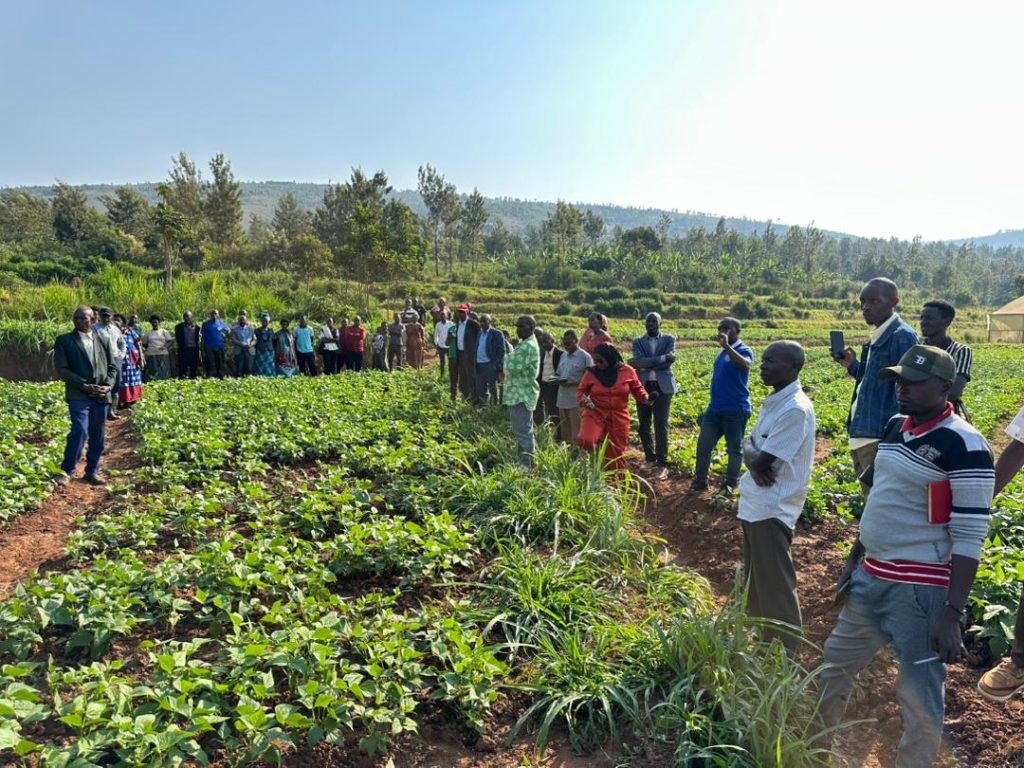According to him, one of the most important lessons learned was the strong partnership between cooperative members and water management committees in the host irrigation schemes.
“I am impressed by the way cooperative members work closely with Water User Association committees. This has given me a responsibility to encourage farmers in my community to work together and actively contribute the resources needed to support irrigation activities. When people unite around a common goal, progress becomes easier to achieve,” he said.
Nkurunziza added that he was particularly inspired by the integration of fish farming within irrigation systems, noting that it provides an additional source of income and food production, especially during dry seasons when agricultural activities can be challenging.
The study tour also highlighted the importance of collective planning and cooperation in ensuring fair and efficient water distribution among farmers.
For Nyiranzimenshi Angelique, a member of the IMBARAGA MU ITERAMBERE Cooperative in Kigarama Sector, Kirehe District, the experience revealed the benefits of stronger coordination between cooperatives and Water User Associations.
She explained that in her area, cooperatives and Water User Associations often operate independently, resulting in poor coordination and unequal access to irrigation water. Consequently, some farmers fail to receive sufficient water for their crops, leading to production losses.
“We learned here that cooperatives and Water User Associations should regularly sit together, discuss common challenges, and make joint decisions. In some cases, every farmer irrigated according to their own preferences, and this sometimes prevented others from accessing water. Cooperation is essential if everyone is to benefit,” she said.
Angelique believes that adopting the collaborative model observed during the tour will help improve water management and strengthen relationships among farmers in Kirehe.
The significance of irrigation in boosting agricultural productivity and building resilience against climate change was also emphasized by Mporana Jules, a Rwanda Agriculture and Animal Resources Development Board (RAB) specialist responsible for Water User Associations under SAIP.
He noted that irrigation has become one of the most important agricultural innovations, particularly in Eastern Rwanda, where prolonged dry spells and changing weather patterns continue to affect crop production.
“Irrigation is a critical program that farmers need to understand and embrace, especially in the Eastern Province where climate variability has become a major challenge. Irrigation helps communities achieve food security while also producing surpluses for local and regional markets,” he said.
Mporana explained that the creation of Water User Associations was introduced as a practical solution to water management challenges that many cooperatives previously faced, particularly in hilly areas where access to irrigation water was limited.
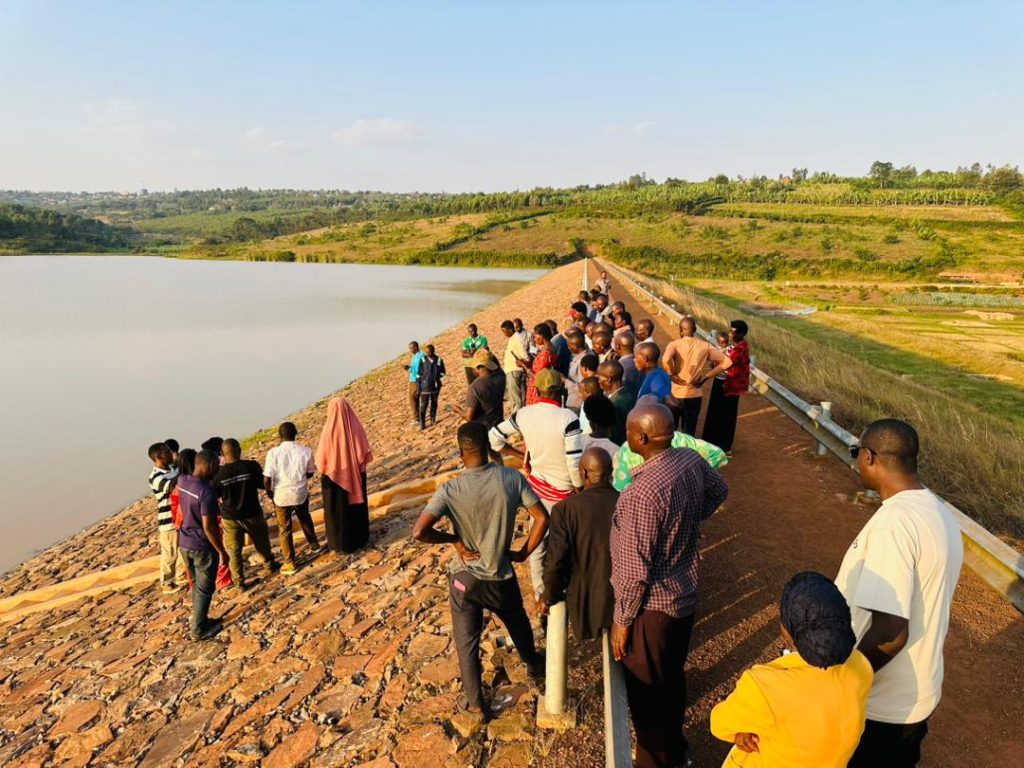Effective irrigation management requires strong institutions, transparent leadership, and active participation from farmers. He noted that knowledge-sharing initiatives such as study tours allow farmers to learn directly from successful schemes and adapt proven solutions to their own communities.
In addition to irrigation management, participants also learned about modern greenhouse farming techniques and how different irrigation technologies can be used to increase production while conserving water resources. The exposure to greenhouse agriculture generated significant interest among farmers, many of whom viewed it as an opportunity to diversify production and increase profitability throughout the year.
The visit demonstrated how effective water management, community ownership, and strong farmer organizations can transform agricultural production and improve rural livelihoods. Participants witnessed firsthand how irrigation schemes can remain sustainable when farmers actively contribute to maintenance, participate in decision-making processes, and work collectively to address

SUBSCRIBE TO OUR NEWSLETTER
First name or full name
Email
By continuing, you accept the privacy policy
**Categories:** Natural Resources and Agriculture
---
### [Irrigation Doubles Farmers’ Harvests in Rwamagana as Yields Rise from 3 to 6 Tonnes per Hectare](https://www.topafricanews.com/2026/06/24/irrigation-doubles-farmers-harvests-in-rwamagana-as-yields-rise-from-3-to-6-tonnes-per-hectare/)
**Published:** June 24, 2026
**Author:** LIBOS NDAYISHIMIYE
**Content:**
Rwamagana district’s farmers who previously harvested only three tonnes per hectare due to prolonged dry spells are now producing up to six tonnes per hectare after the development of irrigation infrastructure, a remarkable achievement that is strengthening food security and boosting household incomes.
Their success story was highlighted during a knowledge-sharing sessions organized by the Second Sustainable Agricultural Intensification and Food Security Project (SAIP II) on June 23, 2026, which brought together farmers, cooperative leaders, and Water User Association representative through RAB in collaboration with Eastern Province, Rwamagana and Kirehe district to learn from the experiences of the Cyaruhogo and Kanyonyomba Irrigation Schemes.
Speaking during the visit, the President of ABAHIZI BA RWAMAGANA Water Users Association, Mukashema Olive, explained that before the marshlands were developed and equipped with irrigation facilities, farmers faced enormous challenges caused by water shortages and excessive sunshine.
“Farming in these marshlands started in 1980, but before they were developed, farmers suffered heavy losses due to drought and insufficient water. At that time, a farmer could harvest only three tonnes per hectare. Today, after the development of irrigation infrastructure, production has doubled to six tonnes per hectare,” she said.
According to Mukashema, the transformation has not only increased agricultural production but has also changed the economic outlook of farming communities. To ensure sustainability, farmers established savings mechanisms dedicated to supporting irrigation activities and maintaining infrastructure.
She noted that farmers contribute financially to irrigation services, while additional revenues are generated through activities such as the sale of grass cultivated around water reservoirs. These collective efforts have enabled the association to maintain irrigation systems and invest in new infrastructure projects, including the construction of a small dam worth more than RWF 10 million.
The growing success of irrigation has encouraged more farmers to embrace modern agricultural practices and actively participate in Water User Associations. Community ownership of irrigation facilities has become a key factor behind the sustainability of the project.
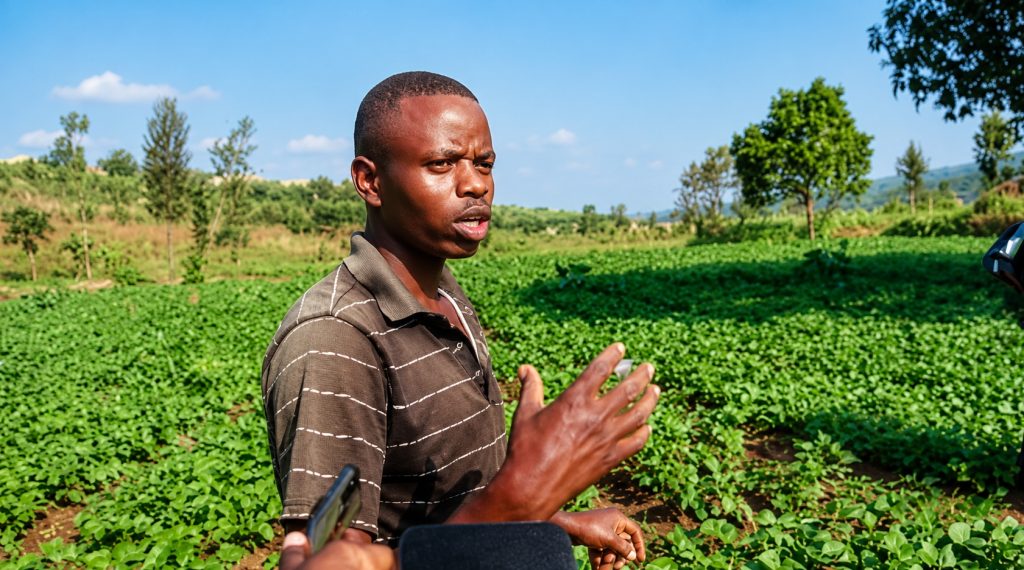For farmers such as Niyomugabo Eliezel, access to irrigation has completely transformed farming from a subsistence activity into a profitable business.
“In the past, I was not farming professionally. I used to work as a motorcycle taxi operator, but I discovered that agriculture offers better opportunities when done properly,” he said.
Niyomugabo revealed that by investing RWF 450,000 in agricultural production, he generated approximately RWF 1.6 million in returns, illustrating the financial benefits of irrigated farming.
He also praised SAIP II for helping farmers acquire practical knowledge through study tours and training programs.
“SAIP has been like a parent to us. Through these learning visits, we have gained valuable knowledge that continues to improve our farming activities,” he said.
The importance of irrigation in addressing climate-related challenges was further emphasized by Mporana Jules, a Water Users Organization Specialist working under SAIP who explained that irrigation has become an essential tool for ensuring food security, particularly in Rwanda’s Eastern Province where rainfall is often unpredictable.
“Irrigation is one of the most important agricultural solutions for farmers in this region. As climate change continues to affect rainfall patterns, irrigation allows farmers to maintain production, achieve food security, and supply markets with surplus produce,” he said.
He added that the creation of Water User Associations has played a crucial role in solving water management challenges that many cooperatives previously faced, particularly in areas vulnerable to water shortages.
Today, the Rwamagana Water Users Association manages irrigation across 300 hectares within four cooperatives and serves 1,179 farmers, including 400 women.
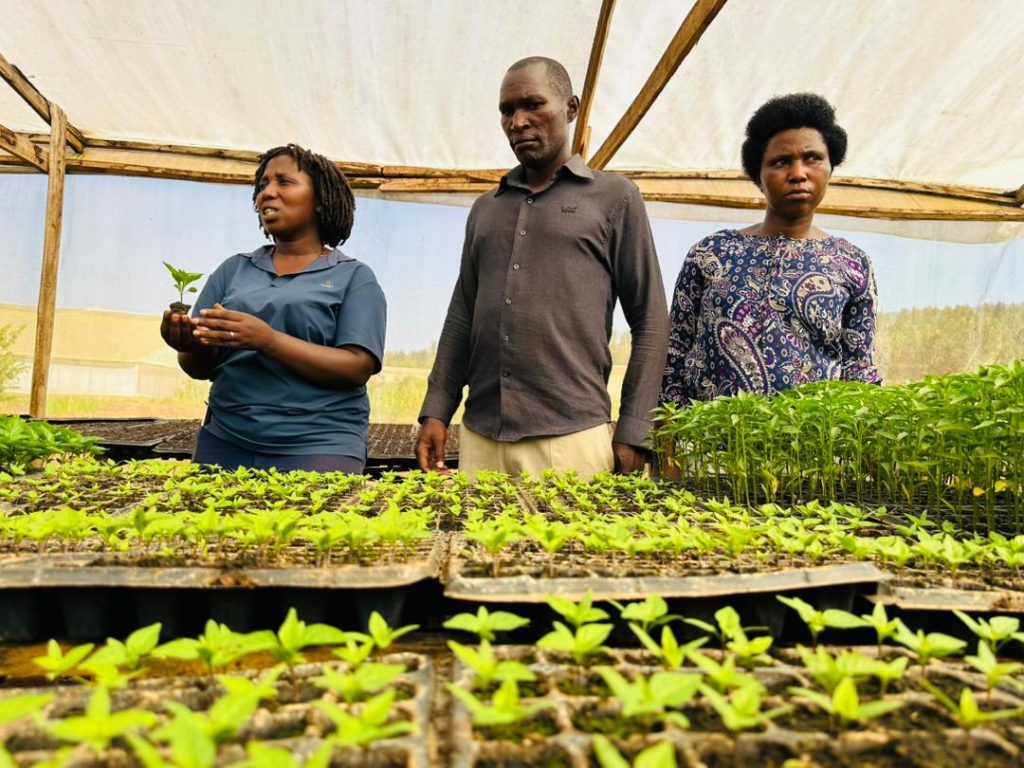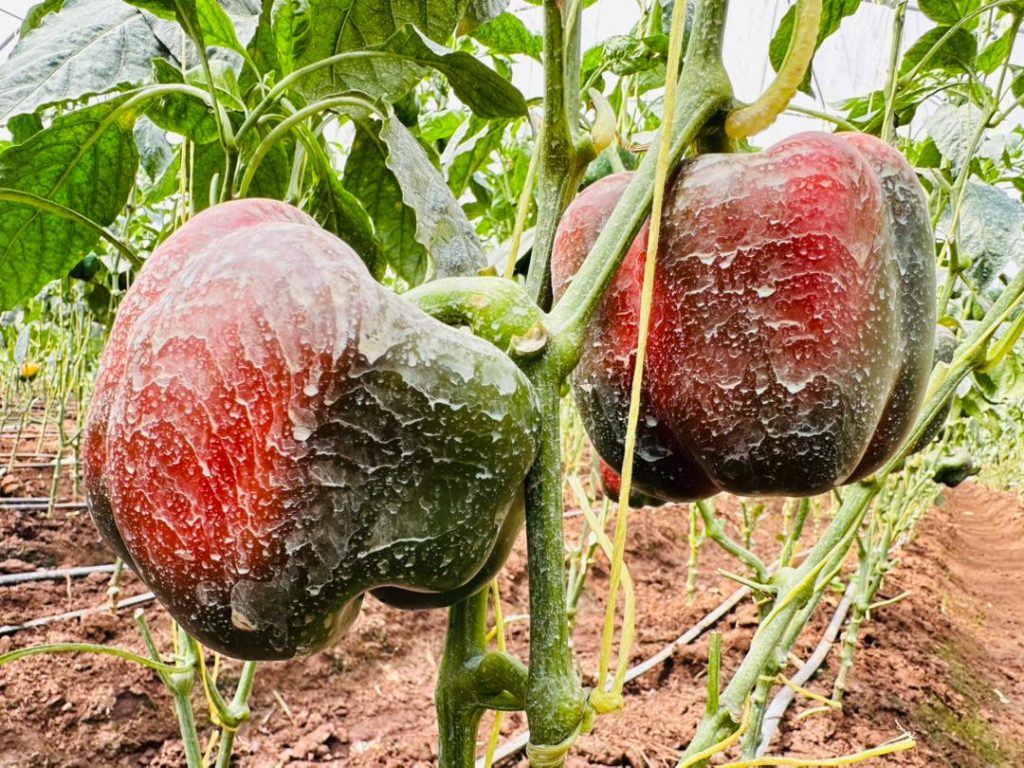
SUBSCRIBE TO OUR NEWSLETTER
First name or full name
Email
By continuing, you accept the privacy policy
**Categories:** Natural Resources and Agriculture
---
### [FIVE-STAR SELEÇÃO: Ronaldo Makes History as Rwanda Rallies Behind Portugal's 5-0 World Cup Masterclass](https://www.topafricanews.com/2026/06/23/five-star-selecao-ronaldo-makes-history-as-rwanda-rallies-behind-portugals-5-0-world-cup-masterclass/)
**Published:** June 23, 2026
**Author:** TOPAFRICANEWS
**Content:**
**[KIGALI, Rwanda](https://www.google.com/search?q=kigali,+rwanda&kgmid=/m/0fnhf&sa=X&ved=2ahUKEwjTnKibiJ6VAxX5OfsDHTYTBPkQ3egRegYIAQgDEAI)** — Portugal delivered a footballing masterclass on Tuesday night, dismantling Uzbekistan 5-0 in a thrilling FIFA World Cup group stage encounter that sparked wild celebrations across Kigali and the wider African continent.
The match, which kicked off during prime-time viewing hours in Rwanda, saw a massive turnout at local watch parties, sports bars, and fan zones, with local football fans overwhelmingly throwing their vocal support behind the European giants.
Ronaldo Makes History in First-Half Blitz
The headline of the night belonged to Portuguese captain [Cristiano Ronaldo](https://www.google.com/search?q=cristiano+ronaldo&kgmid=/m/02xt6q&sa=X&ved=2ahUKEwjTnKibiJ6VAxX5OfsDHTYTBPkQ3egRegYIAQgGEAI). The 41-year-old forward turned back the clock with an electric first-half performance, scoring a brilliant brace that set the tone for the entire match.
His opening goal sent shockwaves through the footballing world, officially making him the first male player in history to score in six different FIFA World Cup tournaments. The iconic “Siuuu” celebration was echoed enthusiastically by hundreds of fans packed into viewing centers across Kigali.
A clinical strike from defender Nuno Mendes rounded out a flawless first 45 minutes, sending [Portugal](https://www.google.com/search?q=portugal+national+football+team&kgmid=/m/02rqxc&sa=X&ved=2ahUKEwjTnKibiJ6VAxX5OfsDHTYTBPkQ3egRegYIAQgIEAI) into the halftime break with a commanding 3-0 lead.
Relentless Pressure and Late Drama
[Portugal](https://www.google.com/search?q=portugal+men%27s+national+football+team&kgmid=/m/02rqxc&sa=X&ved=2ahUKEwjTnKibiJ6VAxX5OfsDHTYTBPkQ3egRegYIAQgKEAI) refused to take their foot off the gas in the second half, immediately adding a fourth goal to put the game completely out of Uzbekistan’s reach.
Despite the comfortable lead, Ronaldo was seen roaring at his teammates and demanding maximum intensity. The European side missed several clear-cut opportunities to extend the lead further, striking the woodwork twice as Uzbekistan struggled heavily to cope with the relentless high press.
The pressure finally told in the dying minutes of the match, as a late defensive collapse allowed [Portugal](https://www.google.com/search?q=portugal+national+football+team&kgmid=/m/02rqxc&sa=X&ved=2ahUKEwjTnKibiJ6VAxX5OfsDHTYTBPkQ3egRegYIAQgMEAI) to slot home a fifth goal, rounding off a comprehensive 5-0 victory at the final whistle.
Rwanda Rallies Behind the Seleção
While the match was played thousands of miles away in Houston, USA, the energy on the ground in Rwanda felt like a home game. Football remains a major unifying force in the region, and [Ronaldo](https://www.google.com/search?q=ronaldo&kgmid=/m/02xt6q&sa=X&ved=2ahUKEwjTnKibiJ6VAxX5OfsDHTYTBPkQ3egRegYIAQgOEAI)‘s enduring legacy has cultivated a massive, passionate fanbase across East Africa.
“The atmosphere here in Kigali is unbelievable,” said Eric Munyaneza, a fan watching the match at a popular spot in Remera. “Almost the whole country was backing [Portugal](https://www.google.com/search?q=portugal+national+football+team&kgmid=/m/02rqxc&sa=X&ved=2ahUKEwjTnKibiJ6VAxX5OfsDHTYTBPkQ3egRegYIAQgPEAI) tonight. Watching Ronaldo make history like this at his age is an inspiration to all of us.”
With this dominant five-star performance, Portugal officially solidifies their status as top contenders heading into the high-stakes Round of 32 knockout stage, carrying the hopes of millions of African fans along with them.

SUBSCRIBE TO OUR NEWSLETTER
First name or full name
Email
By continuing, you accept the privacy policy
**Categories:** Sports and Culture
---
### [Why integration, not innovation, is the real digital challenge for governments](https://www.topafricanews.com/2026/06/23/why-integration-not-innovation-is-the-real-digital-challenge-for-governments/)
**Published:** June 23, 2026
**Author:** TOPAFRICANEWS
**Content:**
***By: TJ Hanekom, COO at Africonology Solutions***
Across Africa, governments are investing heavily in digital transformation to improve citizen services, modernise operations, and expand access through cloud, AI, and digital platforms.
Yet despite significant progress, many public sector organisations continue to face the same fragmented processes, duplicated data, and disconnected citizen experiences that existed before digitisation began.
In many African governments, this challenge is amplified by hybrid environments that combine legacy systems, newer digital platforms, and varying levels of connectivity. This creates a reality where integration is not just a technical concern but a determinant of whether citizens can consistently access essential services.
**The problem is not always the technology**
The problem is often misunderstood. Government systems do not always fail because they are old. Many still perform the functions for which they were designed effectively. The real challenge is that they were never designed to work together.
Over time, departments implemented technologies independently to solve specific operational needs. The result is an environment where systems may function well in isolation, but struggle to exchange information, support integrated services, or provide a single view of citizens and operations.
**Digitising complexity instead of removing it**
What is concerning is that many modernisation initiatives are now replicating these same limitations on newer platforms.
Too often, organisations focus on adding digital channels, portals, or AI capabilities without fundamentally redesigning the operational architecture underneath them. Complexity is digitised instead of removed. Legacy constraints are carried forward into modern environments.
This raises an important question for leadership teams: Are we transforming government, or simply rebuilding old operating models with newer technology?
**Transformation must become integration-centric**
The next phase of digital transformation cannot be system-centric. It must become integration-centric.
Integration is no longer just about connecting applications. It is about creating trusted data, interoperable services, and operational foundations that allow governments to simplify processes, improve decision-making, and deliver connected citizen experiences across departments and agencies.
Importantly, this does not require replacing everything. In most public sector environments, large-scale replacement programmes are neither practical nor sustainable. The real opportunity lies in modular, interoperable architectures that allow governments to evolve incrementally while maintaining continuity of essential services.
**Why architecture matters more than products**
Governments that modernise around vendor ecosystems without defining long-term operational outcomes risk recreating the same fragmentation they are trying to solve. Open standards, governed integration, and composable architectures are becoming essential for sustainable transformation.
This becomes even more critical as AI adoption accelerates. Artificial intelligence cannot resolve fragmented environments built on disconnected systems and inconsistent data. Without integrated foundations, AI risks amplifying inefficiency rather than eliminating it.
When integration is addressed effectively, the results are measurable. Governments can reduce duplication, improve fraud detection, accelerate service delivery, and expand access to underserved populations.
Across African public sector environments, the shift toward integration-centric transformation is already underway. The organisations making the greatest progress are not those adopting the most technology, but those rethinking how their systems, data, and services are designed to work together.
The governments that will lead the next era of transformation will not necessarily be those deploying the most technology. They will be the ones willing to rethink how government services, data, and operations should function in a truly connected digital society. Because the future of government is not about digitising the past. It is about designing entirely new ways to deliver public services.

SUBSCRIBE TO OUR NEWSLETTER
First name or full name
Email
By continuing, you accept the privacy policy
**Categories:** ICT, Science and Technology
---
### [TOP AFRICA NEWS Media Celebrates Eight Years of Amplifying Pan-African Development And Innovation](https://www.topafricanews.com/2026/06/23/top-africa-news-media-celebrates-eight-years-of-amplifying-pan-african-development-and-innovation/)
**Published:** June 23, 2026
**Author:** TOPAFRICANEWS
**Content:**
**KIGALI, RWANDA** — Top Africa News ([topafricanews.com](https://www.topafricanews.com/)), a premier digital news platform dedicated to documenting the continent’s growth, proudly marks its eighth anniversary today. What began as a visionary local media startup in Kigali has successfully evolved into a trusted, Pan-African impact hub. Over the past eight years, the outlet has consistently amplified transformational stories across 54 African nations.
Founded with a mission to rewrite the global narrative on Africa, Top Africa News has become an essential voice for sustainable development, climate action, agriculture, tech innovation, and youth leadership. By collaborating with governments, international development partners, and forward-thinking enterprises, the platform bridges the gap between grassroots progress and global audiences.
“Eight years ago, we set out to build a platform that did not just report the news, but captured the actual heartbeat of African innovation and resilience,” said [Ange de la Victoire Dusabemungu](https://www.linkedin.com/in/dusabemungu-ange-de-la-victoire-97144ba8/), Founder and Chief Editor of Top Africa News. “This milestone is a testament to the trust of our readers, the dedication of our journalists, and the strong alliances we have built with partners who share our commitment to strategic, impactful storytelling.”
Throughout its journey, Top Africa News and its editorial team have earned prestigious continental accolades. Notably, these include the inaugural [APO Group Africa’s Business Heroes (ABH) Journalism Award](https://imvahonshya.co.rw/umunyamakuru-wo-mu-rwanda-yahembewe-gushyigikira-ba-rwiyemezamirimo-muri-afurika/), recognizing the platform’s excellence in promoting African entrepreneurship.
As the media house enters its ninth year, it is expanding its strategic visibility solutions. The platform plans to deploy enhanced digital tools to connect international organizations with target audiences across Sub-Saharan Africa. Guided by its anniversary motto—*More Stories. More Impact. More Africa.*—Top Africa News remains steadfast in its commitment to credible journalism that inspires continental change.
**About Top Africa News**
Managed by Africa News Digest Ltd and based in Kigali, Rwanda, Top Africa News is a verified digital media outlet specializing in development journalism. The platform provides comprehensive coverage, press release distribution, and multimedia visibility solutions across Africa and beyond.
**Media Contact**
- **Organization**: Top Africa News / Africa News Digest Ltd
- **Email**: info@topafricanews.com / vickange@gmail.com
- **Website**: topafricanews.com
- **Location**: Kigali, Rwanda

SUBSCRIBE TO OUR NEWSLETTER
First name or full name
Email
By continuing, you accept the privacy policy
**Categories:** Business and Trade
---
### [The mosquito is one of the world's most studied insects. Here’s why.](https://www.topafricanews.com/2026/06/23/the-mosquito-is-one-of-the-worlds-most-studied-insects-heres-why/)
**Published:** June 23, 2026
**Author:** TOPAFRICANEWS
**Content:**
***Kampala, Uganda, 22 June 2026*** – Despite weighing only a few milligrams, mosquitoes have proven that some of the world’s biggest challenges can come in very small packages. This week (22-28 June) is Insect Week, and scientists are answering why mosquitoes are one of the most researched, and notorious, insects on the planet.
Despite its tiny size, the mosquito has shaped human history more than perhaps any other insect. Responsible for transmitting diseases that have affected millions of people, mosquitoes continue to command the attention of researchers around the world. For scientists working to combat malaria, understanding the mosquito remains one of the most important scientific challenges of our time.
While there are more than 3,500 mosquito species globally, only a small number can transmit malaria. Among these, mosquitoes belonging to the *Anopheles gambiae* species complex are particularly effective vectors and are responsible for much of the malaria transmission in sub-Saharan Africa. The *Anopheles gambiae* complex is often referred to by scientists as one of the most efficient disease-transmitting insects on Earth because of its strong preference for feeding on humans and its ability to thrive near human settlements.
[Rogers Atugonza](https://u7061146.ct.sendgrid.net/ls/click?upn=u001.gqh-2BaxUzlo7XKIuSly0rCyVI5Mmzn6-2FHSdLSQz-2BKLcO-2FLgEt4RxDDLRfXCGXnuP6SrYPWoPSdbXi5QTKDX5d7cLT6l8No4DBqceiYzlMGBo-3DGUEI_3xC-2BPcLP4N6Z-2B4jPWsHeMCJaOLhCBu9nRWPVy-2FCop-2Bbxjb1s4OzcA6NRnXJLcjV-2Bpf5ZvlBO8PsyDDGnLVUz-2FW170Nd-2F98kVUuto2eEGCVmMZ4ibxxU1R464A-2FxG-2FLrQJfz45g1kx23Mb-2FIjyuqGkyEx5nt0GxEiDnDg4calVK6TUu-2BIJ-2BQDt2nFEqJt5s-2BoeTq61vQ4IoNMrUgvrN-2B6eGOxkWps1Q1VCTxR8PZmvUtYTUdNPg7gDKp2jtVWj6VFCEW-2BpjiFcUy6i2vNXvitMMSbrRa0g9SMSRAk6xyZGOKqvlbKkqLBLf7f-2B34c6g1B2CQS2atEMFYeRp9hILZccw-3D-3D), a field entomology officer part of the Young Scientist Network (YSN) for Target Malaria at the Uganda Virus Research Institute (UVRI), says that what makes malaria mosquitoes so fascinating is their remarkable ability to adapt and survive.
“Malaria mosquitoes have evolved alongside humans for thousands of years. They are highly specialised, exceptionally resilient, and have developed behaviours that make them incredibly successful at finding human hosts and reproducing.”
[Research](https://u7061146.ct.sendgrid.net/ls/click?upn=u001.gqh-2BaxUzlo7XKIuSly0rC15wCxygGFLY4pVlnX5CNjWHRe8X7tq3LlNXuDzYABffMLCsybwhVDbRK6MYMwHovg-3D-3DZqER_3xC-2BPcLP4N6Z-2B4jPWsHeMCJaOLhCBu9nRWPVy-2FCop-2Bbxjb1s4OzcA6NRnXJLcjV-2Bpf5ZvlBO8PsyDDGnLVUz-2FW170Nd-2F98kVUuto2eEGCVmMZ4ibxxU1R464A-2FxG-2FLrQJfz45g1kx23Mb-2FIjyuqGkyEx5nt0GxEiDnDg4calVK6TUu-2BIJ-2BQDt2nFEqJt5s-2BotLui1g2rFQSjVPBZ04rfzTHySIZ-2BpUYQ-2FubmAuPHavUaY-2Ff39meIxKAq2mYaS-2FSZbocp-2BoMXHWdVLUhw8Ha4UmFZQmjeNTR7XhSwD05hSup-2FFVZ40QXgMWaaA08lI7WjvvvjBU5pb5ZcEbeufdgrnA-3D-3D) has shown that mosquitoes rely on a sophisticated combination of senses to locate people, detecting carbon dioxide from our breath, body heat, movement, and even chemical compounds released through our skin. Female mosquitoes, which require a blood meal to produce eggs, can accurately identify and track hosts over surprisingly long distances.
One of the mosquito’s most remarkable adaptations is its reproductive efficiency. A female mosquito will usually mate just once, storing enough sperm to fertilise multiple batches of eggs over her lifetime and potentially produce hundreds of offspring.
Unlike females, male mosquitoes do not bite people at all. Male mosquitoes feed on plant sugars and spend much of their short adult lives searching for mates.
Scientists have also observed how malaria mosquitoes adapt their behaviour in response to environmental changes and disease control efforts. In some regions, mosquitoes have altered when and where they feed or rest, helping them survive despite widespread malaria interventions.
This adaptability is one of the reasons malaria remains such a formidable public health challenge in Africa.
“Every time we develop a new way to reduce mosquito populations or prevent bites, we learn more about how remarkably adaptable these insects are,” says Rogers. “Continuous investment in science is essential because it helps us design better tools to reduce ongoing malaria transmission.”
Over the years, the growing body of scientific research on mosquitoes has contributed to significant advances in malaria control, including improved bed nets, new insecticides, vaccines, and emerging technologies like gene drive – currently under research.
Although substantial progress has been made against malaria over the past two decades, the disease continues to disproportionately affect African communities, particularly young children under five, and pregnant women.
“Malaria mosquitoes are small but powerful. They have influenced human settlement patterns, public health systems, economic development, and scientific research for centuries. Few insects have had a greater impact on human history,” says Rogers.
By continuing to study the mosquito, young African scientists are helping build the knowledge needed to support future efforts to reduce the burden of malaria and move closer to a world free from the disease.

SUBSCRIBE TO OUR NEWSLETTER
First name or full name
Email
By continuing, you accept the privacy policy
**Categories:** HEALTH
---
### [Kenya: Mobile Money Accounts Increase by Two Million in Q3, Pushing Subscriptions to 53.4 Million- CA Q3 Statistics report](https://www.topafricanews.com/2026/06/23/kenya-mobile-money-accounts-increase-by-two-million-in-q3-pushing-subscriptions-to-53-4-million-ca-q3-statistics-report/)
**Published:** June 23, 2026
**Author:** TOPAFRICANEWS
**Content:**
The latest sector statistics released by the Communications Authority of Kenya (CA) for the third quarter of the 2025/26 financial year (January–March 2026) demonstrate continued growth in mobile money services and the broader digital financial ecosystem.
Mobile money subscriptions increased from **51.4 million in the previous quarter to 53.4 million**, representing a quarterly growth rate of **3.9%.** This translates to approximately **two million additional mobile money accounts within three months** which demonstrates the sustained adoption of digital financial services across the country.
This growth was accompanied by a significant expansion of agent networks. The number of registered mobile money agents increased from **501,399 to 602,470**, a substantial quarterly growth of **20.2% that represents 101,000 new agents** added during the quarter.
Safaricom remains the market leader in the mobile money market, accounting for **89.1% of mobile money subscriptions.** The company’s continued investment in converged digital solutions has been supported by the M-PESA Fintech 2.0 platform upgrade, which has significantly enhanced system capacity. The upgraded platform is designed to support significantly higher transaction volumes and enables the rollout of new digital financial products and services. This scale is further reflected in Safaricom’s **FY26 performance, where the Kenya ecosystem processed approximately 46.41 billion transactions valued at KSh 41.68 trillion.** Importantly, the platform continues to be driven by high-frequency, low-value transactions. During FY26, Safaricom **facilitated approximately 17.1 billion Kadogo transactions, accounting for 36.8% of total M-PESA transaction volumes**. This demonstrates the extent to which small-value digital transactions support day-to-day liquidity needs for households, informal businesses, and micro-enterprises.
M-PESA’s continued evolution beyond payments and money transfers is increasingly evident through the expansion of savings, investment, insurance, and wealth management products.
As of 15 June 2026, **Ziidi Trader has attracted approximately 688,000 opt-ins and over 103,000 active traders**. Ziidi Trader platform has facilitated **533,000 trades involving 171 million shares and a traded value of approximately KSh 1.9 billion.**
The most mature product within the ecosystem is **Ziidi MMF**, which has recorded approximately **7.7 million opt-ins**, with **2.42 million active investing subscribers** and assets under management (AUM) of approximately **KSh 19.8 billion**. This makes it the largest investment product within the M-PESA ecosystem and indicates strong consumer appetite for low-entry digital investment solutions. Insurance products also demonstrate significant market potential. **Tuunza** has attracted approximately **759,000 opt-ins**, with **87,000 customers purchasing cover**, covering more than **205,000 lives** through over **7,100 active policies**.
The Shariah-compliant investment offering, **Ziidi Shariah**, has achieved approximately **836,000 opt-ins**, translating into more than **102,000 investing subscribers** and assets under management of approximately **KSh 154 million**.
Products targeting businesses and capital markets participation are also gaining traction. **Ziidi Biashara** has recorded approximately **688,000 opt-ins**, with more than **102,000 active traders**, while **Ziidi Trader** has similarly attracted approximately **688,000 opt-ins** and over **103,000 active traders**. The platform has facilitated approximately **533,000 trades**, involving **171 million shares** and a traded value of approximately **KSh 1.9 billion**.
At the lower end of the savings spectrum, **Ziidi Pochi** has registered approximately **1.46 million opt-ins**, with nearly **196,000 active saving users** and assets under management of approximately **KSh 318 million**. This indicates continued demand for informal, accessible digital savings products designed for smaller and more frequent transactions.
These developments suggest that mobile money platforms are increasingly evolving into broader financial ecosystems that support savings, investment, insurance, and participation in capital markets. The continued expansion of these services demonstrates the growing role of mobile money providers in deepening financial inclusion and expanding access to formal financial products across different customer segments.

SUBSCRIBE TO OUR NEWSLETTER
First name or full name
Email
By continuing, you accept the privacy policy
**Categories:** Business and Trade
---
### [How Coffee Took a Gakenke Farmer from Village Fields to International Markets](https://www.topafricanews.com/2026/06/22/how-coffee-took-a-gakenke-farmer-from-village-fields-to-international-markets/)
**Published:** June 22, 2026
**Author:** Mutangana Emmanuel
**Content:**
For more than four decades, coffee farming has been the foundation of Esperance Nyirangirimfura’s life.
The 73-year-old farmer from Kara Village, Rukura Cell, in Gashenyi Sector of Gakenke District, says coffee has enabled her to educate her children, build rental houses, travel abroad, and secure a stable livelihood for her family.
“I was born into coffee farming. My father was a coffee farmer. He used to carry coffee on his head to Kivuruga Sector for sale, and the money he earned paid for my education until I obtained a diploma,” she recalls.
After getting married, Nyirangirimfura followed in her father’s footsteps and continued cultivating coffee. Today, she remains an active farmer and a member of the Abakunda Kawa Rushashi Cooperative, alongside her children, who have also embraced coffee farming.
Over the years, she has become one of the district’s most experienced coffee growers and an advocate for women’s participation in the sector.
“I brought women together and encouraged them to join a coffee farmers’ association. The income I earned from coffee helped me pay school fees for my children. Today, all of them have completed their education,” she says.
The proceeds from coffee farming also enabled her to invest in property.
“I own more than three houses, some of which are rented out. I have also renovated my own home. All of this came from coffee farming,” she explains.
Perhaps one of the most remarkable moments in her journey came in 2009 when coffee opened doors far beyond Rwanda.
Nyirangirimfura travelled to the United States of America (USA), where she spent 11 days promoting and trading Rwandan coffee. During the visit, she attended international meetings in Atlanta.
“Coffee allowed me to travel and represent Rwanda abroad. Later, the National Agricultural Export Development Board (NAEB) recognized me for promoting our country’s coffee on international markets,” she says.
Today, she can earn up to Rwf500,000 in a single coffee season, income she says has been instrumental in building her family’s assets and improving their quality of life.
At her cooperative, coffee cherries are sold at prices ranging between Rwf800 and Rwf1,300 per kilogram, depending on market conditions.
Having started coffee farming at the age of 28, Nyirangirimfura believes the crop remains one of the most reliable sources of income for rural households.
“Coffee transformed our lives. You rarely find a coffee farmer begging for assistance. Coffee farmers can afford school fees for their children and health insurance for their families,” she says.
Her story mirrors the wider impact of coffee production across Gakenke District.
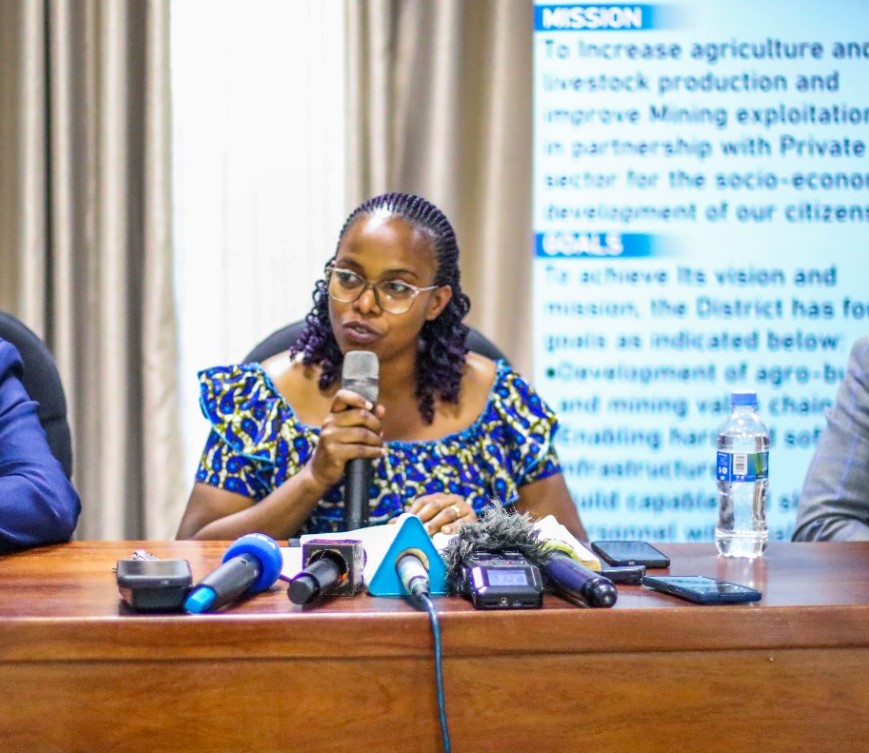***Vestine Mukandayisenga, Gakenke District Mayor.***According to Gakenke District Mayor Vestine Mukandayisenga, coffee continues to generate significant income for local farmers and remains one of the district’s most strategic cash crops.
She notes that the district surpassed its coffee production target last year and is currently consolidating figures for this year’s harvest.
To further expand production, the district is working with 17 coffee washing stations and processing facilities, each expected to produce at least 500,000 coffee seedlings.
“Our goal is to increase the number of coffee trees planted so that, within the next three years, even more residents of Gakenke can benefit from coffee farming,” Mukandayisenga says.
The mayor adds that Gakenke coffee has gained international recognition for its quality. In a recent competition involving more than 300 coffee samples, three coffees from Gakenke (Musasa Coffee, Muhondo Coffee, and Twongere Kawa Cooperative Coffee) ranked among the top 20.
“Our coffee continues to stand out for its quality and flavour. What remains is to increase production and replace ageing coffee trees,” she says.

SUBSCRIBE TO OUR NEWSLETTER
First name or full name
Email
By continuing, you accept the privacy policy
**Categories:** Natural Resources and Agriculture
---
### [Dr. Frank Habineza: Good Governance Must Remain Green Party’s Top Priority](https://www.topafricanews.com/2026/06/20/dr-frank-habineza-good-governance-must-remain-green-partys-top-priority/)
**Published:** June 20, 2026
**Author:** Mutangana Emmanuel
**Content:**
The Democratic Green Party of Rwanda (DGPR) on June 20, 2026, launched the establishment of its sector-level structures, beginning in Cyanika and Rugarama sectors of Burera District, in a move aimed at strengthening the party’s grassroots organization and citizen participation across the country.
The launch was presided over by the party’s president, Dr. Frank Habineza, who oversaw the election of sector-level representatives, including members of the Sector Party Committee, Women’s Committee, and Youth Committee.
Addressing party members, Habineza reflected on the Democratic Green Party’s history, values, and commitments to improving the well-being of Rwandans. He emphasized that good governance should remain a key priority for all party members.
“Respecting one another despite our differences is one of our core principles. We support a society free from all forms of discrimination, whether based on religion, ethnicity, skin colour, or any other factor. We strongly reject anything that divides Rwandans,” Habineza said.
He also reminded members of the party’s commitment to environmental protection and encouraged them to continue contributing constructive ideas that promote national development.
Habineza further called on Green Party members to actively participate in local government elections as a way of strengthening democratic engagement and contributing to the country’s development.
“We encourage our members to take part in local elections and continue offering ideas that help build the nation. We would be pleased to see some of our members elected to district leadership positions, serving as mayors or deputy mayors,” he said.
According to the party, the establishment of sector-level structures represents an important step in strengthening grassroots democracy, citizen participation, and the organization’s operational capacity at the local level.
The program is expected to be rolled out across all 416 sectors of Rwanda as part of the Democratic Green Party’s broader efforts to strengthen its nationwide structures and deepen engagement with members and citizens at the grassroots level.

SUBSCRIBE TO OUR NEWSLETTER
First name or full name
Email
By continuing, you accept the privacy policy
**Categories:** NEWS, Politics
---
### [Antoine Semenyo Has No England Regrets Ahead of World Cup Showdown: "I Could Never Say No To Ghana"](https://www.topafricanews.com/2026/06/22/antoine-semenyo-has-no-england-regrets-ahead-of-world-cup-showdown-i-could-never-say-no-to-ghana/)
**Published:** June 22, 2026
**Author:** TOPAFRICANEWS
**Content:**
England-born Antoine Semenyo insists he has never once regretted choosing Ghana over the Three Lions as he prepares to face his country of birth in one of the standout fixtures of the World Cup group stage.
Antoine Semenyo, the new Global Brand Ambassador for Ahmad Tea commented: “I got a call from Ghana when I was 20 or 21, I could never say no to that. I’ve already got to represent my country at a World Cup and now I’m heading into my second one. I was never in the England underage teams so never thought of it as a possibility. My family also love Ghana, they all support them. My dad was so proud when I played for Ghana. I’m creating memories playing for a country that means a lot to me. It was an easy decision back then and one I’m proud of today.”
Having grown up in England, the Manchester City forward knows exactly what the Three Lions are up against whenever a major tournament comes around.
“Massively. Every major tournament, you hear the noise. ‘Will this be the one to end the years of hurt?’ and the media coverage is insane. That’s a lot of pressure but it is similar for other countries too.”
Despite acknowledging England’s quality and chances of winning the tournament, Semenyo is hoping Ghana can spring one of the biggest upsets so far.
“Can they? Of course. They’ve got some sensational players and can go all the way. Will they? It’s tough as there are so many talented players and so many competitive nations. I hope Ghana can stop them.”
Victory over England would be one of the biggest results in Ghana’s recent history and Semenyo believes it would prove the Black Stars can compete with anyone. On what victory would mean, Semenyo said: “Huge. As I said, we believe we can give anyone a game and to go out there and beat a team like England would send a real message that we mean business at the World Cup. It will be difficult, they’re one of the favourites, but we have a good team and nothing is impossible.”
The fixture will also reunite Semenyo with several familiar faces from Manchester City, although friendship will be put to one side once the whistle blows.
“I’ve told Nico \[O’Reilly\], Marc \[Guehi\] and John \[Stones\] I’m coming for them! There will probably be some banter in the build up to the game and it will be great to go up against them. Obviously I’ve played against them for Bournemouth before and trained so much with them at City now so I know what to expect but this is a whole new stage. It will be great to see them, James \[Trafford\] is obviously in the squad too, but as close as we are, I’m playing to win. As I’m absolutely certain they will be too.”
For Semenyo, there may be familiar faces in the opposition dressing room, but there will be no divided loyalties when Ghana and England meet on football’s biggest stage. Beating one of the tournament favourites would not only be a memorable moment for the Black Stars, but one that could send a powerful message to the rest of the competition.

SUBSCRIBE TO OUR NEWSLETTER
First name or full name
Email
By continuing, you accept the privacy policy
**Categories:** Sports and Culture
---
### [U.S. Announces New Foreign Policy Initiatives Across Africa, Focusing on Conflict Resolution and Maritime Security](https://www.topafricanews.com/2026/06/22/u-s-announces-new-foreign-policy-initiatives-across-africa-focusing-on-conflict-resolution-and-maritime-security/)
**Published:** June 22, 2026
**Author:** DUSABEMUNGU Ange de la Victoire
**Content:**
**June 18, 2026** — The U.S. Department of State has announced a series of strategic updates aimed at promoting regional stability, bolstering humanitarian protections, and fostering economic partnerships across the African continent.
The initiatives, detailed in recent briefings, span developments in Ethiopia, Kenya, and Libya, while also outlining broader humanitarian priorities.
**Targeted Sanctions in Ethiopia**
Following rising tensions between the Ethiopian government and hardline members of the Tigray People’s Liberation Front (TPLF), Secretary of State Marco Rubio has moved to impose targeted visa restrictions.
Under Section 212(a)(3)(C) of the Immigration and Nationality Act, these measures apply to TPLF hardliners and their immediate family members deemed responsible for undermining peace in the region.
This decision follows reports of renewed clashes between the Tigray Security Forces (TSF) and the Ethiopian National Defense Forces (ENDF), marking a concerning escalation since the conclusion of the 2020–2022 conflict.
The U.S. Department of State emphasized that these sanctions are part of a broader commitment to hold those who threaten regional stability accountable while supporting the Ethiopian people’s desire for peace.
**Commitments at the 11th Our Ocean Conference (OOC11)**
In Mombasa, Kenya, the United States underscored its focus on the ocean economy, announcing 24 new commitments valued at more than $96 million. Led by Deputy Assistant Secretary for Ocean, Fisheries, and Polar Affairs Ruth Perry, the U.S. delegation focused on tangible, market-driven outcomes, including:
- Over $52 million dedicated to countering illegal, unreported, and unregulated (IUU) fishing.
- The implementation of new visa restrictions targeting foreign nationals who facilitate or benefit from IUU fishing.
- Initiatives to advance maritime security and promote science-based fisheries management globally.
**Humanitarian Aid and Protection Efforts**
At a UN ECOSOC panel discussion, the United States reiterated its dedication to the protection of civilians in conflict zones. Deputy Assistant Secretary of State Meghan Hanson highlighted a strategic shift in U.S. humanitarian assistance, emphasizing “pooled funding” models designed to deliver aid more rapidly and accountably to the field.
The U.S. reaffirmed its position that while humanitarian assistance is critical, it must be integrated into broader diplomatic peace initiatives.
**Progress in Libya’s UN-Led Political Roadmap**
Regarding the situation in Libya, the U.S. mission to the United Nations offered its support for the ongoing UN-led political process.
Officials highlighted significant milestones in unifying the country’s institutions, including the signing of a national budget—the first in 13 years—and the operationalization of border security centers in Benghazi and Tripoli.
While the U.S. commended these steps toward stability, it also expressed “deep concern” regarding recent security breaches at the UN mission premises in Tripoli.
The U.S. called for all parties to de-escalate violence and remain committed to the UN’s roadmap for national elections and lasting governance.

SUBSCRIBE TO OUR NEWSLETTER
First name or full name
Email
By continuing, you accept the privacy policy
**Categories:** NEWS
---
### [Sub-Saharan African Universities Break into Top 100 of Global Sustainability Rankings](https://www.topafricanews.com/2026/06/22/sub-saharan-african-universities-break-into-top-100-of-global-sustainability-rankings/)
**Published:** June 22, 2026
**Author:** DUSABEMUNGU Ange de la Victoire
**Content:**
Three universities from Sub-Saharan Africa have secured prestigious spots in the global top 100 of the newly released Times Higher Education (THE) Sustainability Impact Ratings 2026.
Leading the region’s impressive performance is South Africa’s University of Johannesburg, which claimed the highest regional spot at joint 39th place overall**.** Joining it in the top tier are Nigeria’s Afe Babalola University, ranked at joint 72nd, and South Africa’s University of Pretoria, which took joint 78th place. Additionally, South Africa and Nigeria distinguished themselves as the only countries from the region to feature in the top 10s for individual Sustainable Development Goal (SDG) tables.
The strong showing from these institutions underscores a broader regional momentum toward sustainable development. In total, 84 universities representing 20 countries across Sub-Saharan Africa participated in the ratings. Nigeria stands out as the most represented country in the region with 20 universities ranked. The 2026 edition also marks an expansion of the region’s footprint, with Mali and Niger both making their ranking debuts, each represented by one university.
The THE Sustainability Impact Ratings are uniquely positioned as the only global performance tables that assess universities against all 17 of the United Nations’ Sustainable Development Goals. The 2026 results, which were released at the Global Sustainable Development Congress in Jakarta, Indonesia, evaluated a massive cohort of 1,646 unique institutions from 116 countries and territories.
Speaking on the global results, Phil Baty, THE’s chief global affairs officer, highlighted how the rankings showcase deep social and economic impacts globally. He noted that the ratings prove that “excellence comes in many shapes, sizes and contexts – not just from the traditionally dominant universities of the Global North,” emphasizing that there are examples of excellence to be found in abundance across all parts of the world

SUBSCRIBE TO OUR NEWSLETTER
First name or full name
Email
By continuing, you accept the privacy policy
**Categories:** EDUCATION
---
### [Green Party Advances Nationwide Sector-Level Structure Initiative](https://www.topafricanews.com/2026/06/21/green-party-advances-nationwide-sector-level-structure-initiative/)
**Published:** June 21, 2026
**Author:** Mutangana Emmanuel
**Content:**
The Democratic Green Party of Rwanda (DGPR) on Sunday continued its nationwide program to establish sector-level party structures, extending the initiative to Kagogo and Kinyababa sectors in Burera District.
The exercise forms part of the party’s broader strategy to strengthen its grassroots presence and organizational capacity across the country.
The activities in both sectors brought together Green Party members for meetings and training sessions, during which local party structures were established. The event was presided over by the party’s president, Dr. Frank Habineza.
***Dr. Frank Habineza, President of the Democratic Green Party of Rwanda (DGPR).***Speaking to members, Habineza reiterated the Democratic Green Party’s commitment to promoting good governance, environmental protection, unity, and citizen participation in national development.
He reminded members that respect for diversity and rejection of all forms of discrimination remain core values of the party.
“We believe that no form of discrimination should have a place in our party or in Rwandan society, whether based on religion, ethnicity, skin colour, or any other factor,” he said.
Habineza also encouraged party members to actively participate in local government elections and continue contributing constructive ideas aimed at advancing the country’s development.
The establishment of sector-level structures is expected to enhance communication between the party leadership and members at the grassroots level while increasing citizen participation in the party’s activities.
According to the Democratic Green Party, the program launched in Burera District will gradually be rolled out across all 416 sectors of Rwanda. The initiative is intended to strengthen the party’s nationwide structures and deepen engagement with members and local communities.
Party officials say the rollout represents an important step in building stronger grassroots leadership and improving the party’s ability to mobilize and represent citizens at the local level.

SUBSCRIBE TO OUR NEWSLETTER
First name or full name
Email
By continuing, you accept the privacy policy
**Categories:** NEWS
---
### [RICH Mobilizes Faith Communities in Gisagara District for Malaria Elimination Drive](https://www.topafricanews.com/2026/06/21/rich-mobilizes-faith-communities-in-gisagara-district-for-malaria-elimination-drive/)
**Published:** June 21, 2026
**Author:** TOPAFRICANEWS
**Content:**
**Gisagara District, Rwanda —** On Sunday, June 21, 2026, the Rwanda Interfaith Council on Health (RICH) led energetic community mobilization sessions focused on malaria prevention and response, drawing hundreds of residents in partnership with the Rwanda Biomedical Centre.
Under the national slogan #ZMSWM — “Zero Malaria Starts With Me” (Kurandura Malariya bihera kuri njye), religious leaders, choirs, and faith-based groups used songs, theatrical performances, and interactive discussions to promote practical prevention measures.
Participants learned about eliminating mosquito breeding sites, consistent use of insecticide-treated nets, seeking early treatment for symptoms, and the role of Multi First-Line Treatment (MFT) in effective case management.
The event featured vibrant performances by youth and women’s choirs under large tents bearing RICH and RBC branding.
Health promoters addressed crowds directly, while practical demonstrations engaged attendees on the ground.
Religious leaders emphasized personal and communal responsibility, aligning faith teachings with public health goals.
This weekend’s activities form part of RICH’s broader collaboration with Jhpiego Rwanda under the #STOPAMDR project, which strengthens community-level malaria control, particularly in hotspot areas, and supports Community Health Workers.
RICH has positioned faith communities as key partners in Rwanda’s malaria elimination agenda. Similar mobilizations in recent weeks have covered mental health awareness and epidemic preparedness training, reflecting the council’s expanding role in health promotion since its founding over two decades ago.
Local residents expressed appreciation for the culturally resonant approach, which combines education with entertainment to drive behavioral change. RICH officials indicated that further sessions are planned across other districts in the coming weeks.

SUBSCRIBE TO OUR NEWSLETTER
First name or full name
Email
By continuing, you accept the privacy policy
**Categories:** HEALTH
---
### [Rwanda and DRC Advance Joint Efforts on Voluntary Refugee Repatriation in Addis Ababa Talks](https://www.topafricanews.com/2026/06/21/rwanda-and-drc-advance-joint-efforts-on-voluntary-refugee-repatriation-in-addis-ababa-talks/)
**Published:** June 21, 2026
**Author:** LIBOS NDAYISHIMIYE
**Content:**
Rwanda and the Democratic Republic of Congo (DRC), together with the United Nations High Commissioner for Refugees (UNHCR), have held technical talks in Addis Ababa aimed at accelerating the voluntary and safe return of refugees wishing to go back to their home countries.
The discussions took place in Addis Ababa, Ethiopia, bringing together delegations from Rwanda and the DRC, alongside representatives from UNHCR. The Rwandan delegation was led by Aristarque Ngoga, Permanent Secretary at the Ministry in charge of Emergency Management.
The technical meeting was held from June 20 to 21, 2026, focusing on practical mechanisms to facilitate the dignified repatriation of refugees from both countries who have expressed willingness to return home.
According to officials, the talks are part of a broader regional effort to strengthen cooperation on refugee management and create conditions for safe, voluntary, and sustainable return.
A high-level ministerial meeting is expected to follow on June 22, 2026, where ministers from both countries will review the outcomes of the technical discussions and make key policy decisions on the repatriation framework.
The ongoing process builds on commitments made in July 2025 between the Government of Rwanda, the DRC, and UNHCR to cooperate on the voluntary repatriation of Congolese and Rwandan refugees. These commitments are rooted in earlier agreements, including the 2010 bilateral accord signed on February 17, as well as the Washington Peace Agreement of June 27, 2025, and the Doha Principles of July 19, 2025.
Under these frameworks, all parties agreed to ensure that refugee returns are voluntary, safe, dignified, and transparent, with strong emphasis on confidence-building and effective communication with affected communities.
The agreements also highlight the importance of engaging international partners, financial institutions, and development actors to support reintegration programs, including housing, education, healthcare, civil registration, and livelihood support for returnees.
Rwanda currently hosts more than 136,000 refugees, including nearly 100,000 from the DRC, underscoring the importance of coordinated regional solutions to long-standing displacement challenges.

SUBSCRIBE TO OUR NEWSLETTER
First name or full name
Email
By continuing, you accept the privacy policy
**Categories:** NEWS
---
### [How Pineapple Farming Is Helping Gakenke Families Break Free from Poverty](https://www.topafricanews.com/2026/06/20/how-pineapple-farming-is-helping-gakenke-families-break-free-from-poverty/)
**Published:** June 20, 2026
**Author:** Mutangana Emmanuel
**Content:**
In Gakenke District, pineapple farming is emerging as one of the most profitable agricultural activities, helping hundreds of households increase their incomes, invest in assets, and improve their living conditions.
Members of the Cooperative des Agriculteurs des Fruits de Gakenke (COAFGA) say the crop has become a reliable source of income that is changing lives.
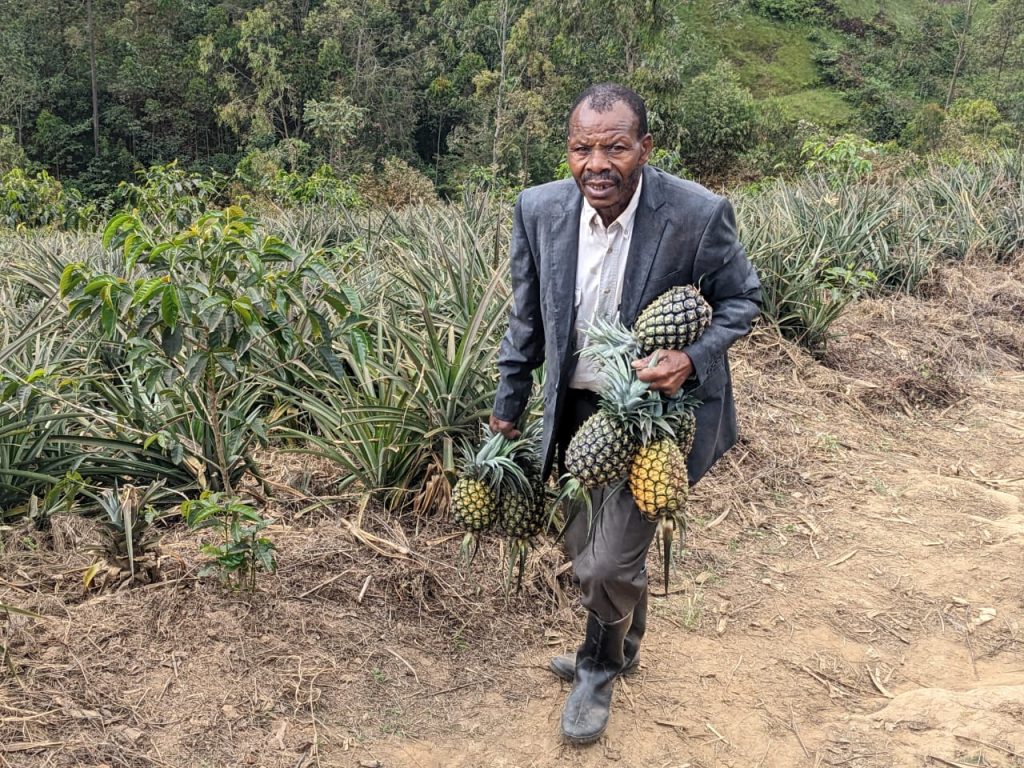***Juvenal Murindangabo, a member of COAFGA Cooperative.***Juvenal Murindangabo, a member of the cooperative based in Nganji Cell, Gakenke Sector, said pineapple farming has enabled him to achieve milestones he once thought were out of reach.
“We are 97 members farming pineapples on four hectares of land. Pineapple farming has helped me buy a cow using the income generated from the crop. The pineapples grow very well here, and we harvest twice a month, producing at least six tonnes every month,” he said.
According to Murindangabo, the earnings have significantly improved his family’s welfare.
“The income has helped me escape poverty and build a modern iron-sheet-roofed house worth more than Rwf5 million,” he added.
However, he noted that access to reliable markets remains a challenge, with some farmers forced to sell to middlemen who purchase produce directly from farms at low prices.
“We still face market challenges because brokers come to buy from us in the fields and often offer low prices,” he said.
***Epifania Uzamukunda.***For fellow cooperative member Epifania Uzamukunda, pineapple farming has provided financial security and improved household welfare.
“The income from pineapples helps us develop economically because when the harvest is ready, we earn money that supports our daily lives,” she said.
Uzamukunda explained that proceeds from pineapple sales enabled her to buy a pig for Rwf40,000 two years ago. The animal now reproduces twice a year, providing an additional source of income.
She also uses the earnings to pay annual community-based health insurance premiums, cover school fees for her children, and improve nutrition within her household.
“The income helps me pay health insurance on time every year, educate my children, and fight malnutrition at home,” she said.
Local authorities say such stories are increasingly common across the district, where pineapple farming has become an important cash crop.
***Kanyetaliki Evariste, Gakenke District’s Cash Crop Officer.***Kanyetaliki Evariste, Gakenke District’s Cash Crop Officer, said pineapple cultivation is widely embraced because of its strong economic returns.
“Pineapple is one of the major income-generating crops in Gakenke. The crop is grown on about 1,250 hectares, producing approximately 1,260 tonnes per season,” he said.
Depending on market conditions, a pineapple can sell for around Rwf500, while a kilogram may fetch between Rwf500 and Rwf800, generating substantial income for farmers.
“Pineapple farming contributes significantly to poverty reduction because it provides households with money to address daily needs and improve their overall living standards,” Evariste added.
The crop thrives in eight of the district’s 19 sectors, making it one of Gakenke’s most important agricultural commodities.
***Gakenke District Mayor, Vestine Mukandayisenga.***Responding to concerns over market access, Gakenke District Mayor Vestine Mukandayisenga encouraged farmers to avoid selling to opportunistic middlemen and instead utilize available collection centers and formal markets.
“Gakenke pineapples are sweet and of high quality. They have a market. We have several marketplaces and collection centers along major roads, and a new market has also been established in Rwamenyo with support from our partners,” she said.
The mayor noted that the district had previously sought to link farmers with Inyange Industries to supply pineapples in bulk. However, available production volumes were insufficient to meet the company’s demand.
“In fact, Inyange needed more pineapples than we could supply. That is why we continue encouraging farmers to expand production because the market exists and demand remains high,” she said.
Mukandayisenga also highlighted efforts to improve transport and market access through the government’s feeder roads programme. Through collaboration with the Rwanda Transport Development Agency (RTDA), several cooperatives, including COAFGA, received Lifan vehicles to facilitate the transportation of produce to markets.
“We are making progress. While we have not yet reached the level we want, we are strengthening our strategies as production increases,” she said.
As more farmers embrace pineapple cultivation, local authorities believe the crop will continue playing a key role in boosting household incomes, creating economic opportunities, and accelerating poverty reduction across Gakenke District.
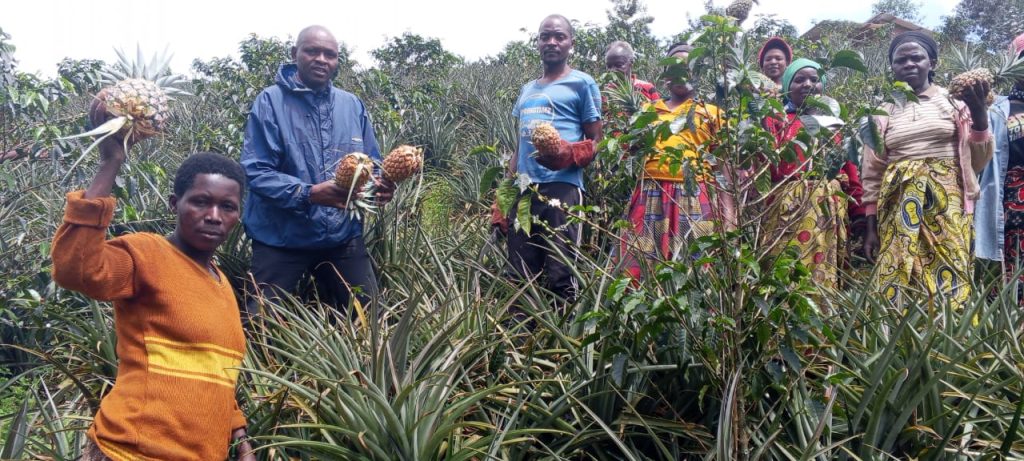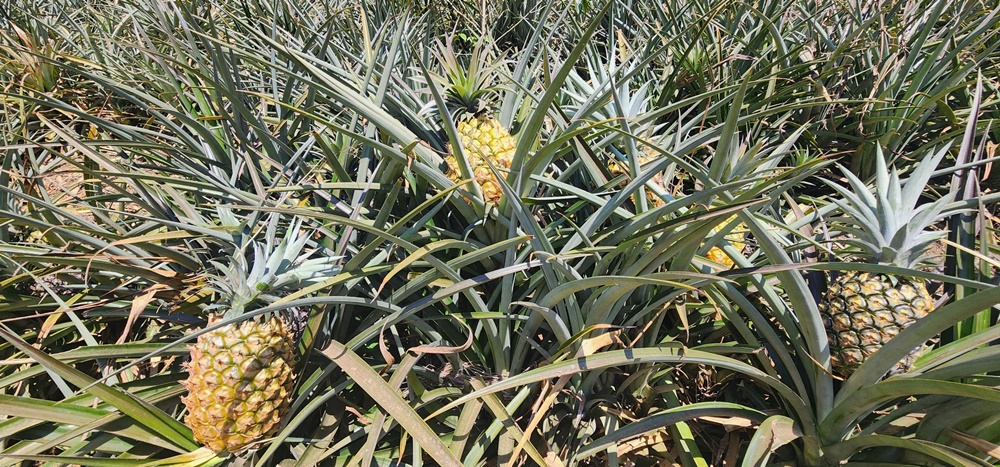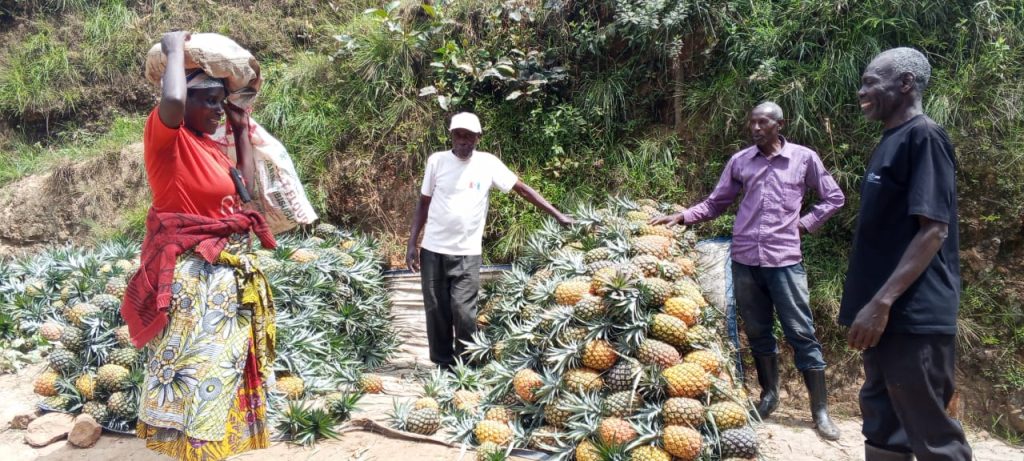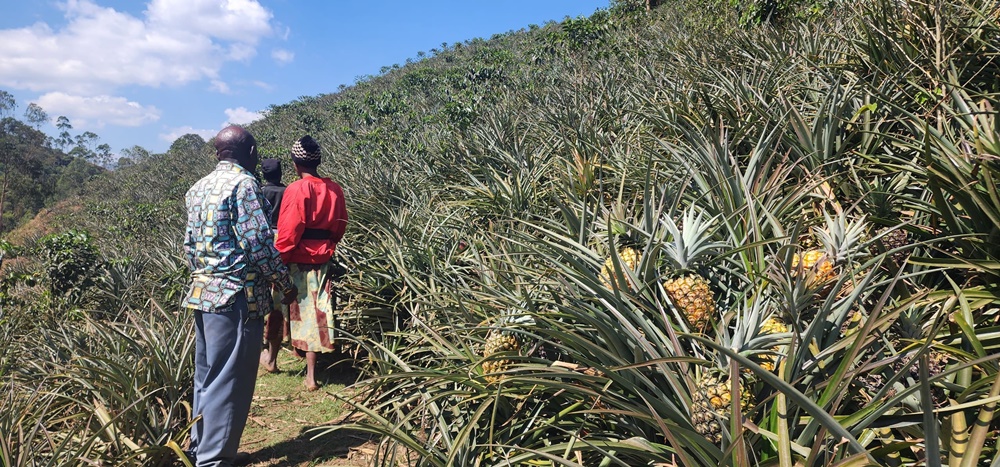
SUBSCRIBE TO OUR NEWSLETTER
First name or full name
Email
By continuing, you accept the privacy policy
**Categories:** Natural Resources and Agriculture
---
### [Former ARCOS Board Chair John Yonazi Salehe Passes Away](https://www.topafricanews.com/2026/06/20/former-arcos-board-chair-john-yonazi-salehe-passes-away/)
**Published:** June 20, 2026
**Author:** DUSABEMUNGU Ange de la Victoire
**Content:**
**Arusha, Tanzania – June 19, 2026** – The African Conservation Centre for Sustainable Development (ARCOS Network) has announced with deep sorrow the passing of its former Board Chair, **Mr. John Gospel Yonazi Salehe**, who died peacefully in the early hours of June 19, 2026, in Arusha, Tanzania.
In a condolence message shared with partners, friends, and members of the conservation community, ARCOS described Salehe as a dedicated conservation leader whose contributions left a lasting impact across Tanzania, East Africa, and the wider region.
According to the organization, Salehe served as a member of the ARCOS Board of Directors from **2017 to 2025**, including the last four years as Board Chair. During his tenure, he played a significant role in guiding the organization’s strategic direction and strengthening its mission of promoting biodiversity conservation, sustainable development, and community resilience across Africa.
ARCOS paid tribute to Salehe’s commitment to environmental conservation and regional cooperation, noting that he worked with numerous organizations throughout Tanzania and East Africa during his distinguished career.
“John was a true guiding light for conservation in our region,” the organization said in its statement. “Beyond his incredible professional contributions, we will deeply miss his jokes, his warmth, and his unique gift for bringing people together.”
Colleagues and conservation practitioners who worked alongside Salehe remember him not only for his professional expertise but also for his ability to foster collaboration and inspire those around him. His leadership helped strengthen partnerships and advance conservation initiatives that benefited communities and ecosystems across the region.
ARCOS extended its heartfelt condolences to Salehe’s family, friends, colleagues, and all those whose lives were touched by his work and friendship.
“During this incredibly difficult time, we extend our deepest condolences to his family, friends, and everyone who had the privilege of working alongside him,” the organization stated.
The passing of John Yonazi Salehe represents a significant loss to the conservation community in East Africa, where he was widely respected for his dedication to environmental stewardship and his commitment to building stronger institutions for sustainable development.
As tributes continue to pour in from across the region, colleagues and partners are remembering a leader whose legacy will continue to inspire conservation efforts for generations to come.
**May his soul rest in eternal peace.**

SUBSCRIBE TO OUR NEWSLETTER
First name or full name
Email
By continuing, you accept the privacy policy
**Categories:** Environment
---
### [New REG CEO Pledges Faster Progress Toward Universal Electricity Access in Rwanda](https://www.topafricanews.com/2026/06/20/new-reg-ceo-pledges-faster-progress-toward-universal-electricity-access-in-rwanda/)
**Published:** June 20, 2026
**Author:** DUSABEMUNGU Ange de la Victoire
**Content:**
**Kigali, Rwanda** – The newly appointed Chief Executive Officer of the Rwanda Energy Group (REG), Eng. Maximilien Byilingiro, has pledged to accelerate efforts to connect more households to electricity and improve service reliability as Rwanda pursues its ambitious goal of achieving universal electricity access by 2029.
Byilingiro made the commitment on Friday during an official handover ceremony held at REG headquarters, where he formally took over leadership from Eng. Armand Zingiro, who was recently appointed Minister of State in the Ministry of Infrastructure.
The ceremony was attended by the Minister of State in the Ministry of Infrastructure, Col. Claudien Bizimungu, the Chairperson of REG’s Board of Directors, Dr. Didacienne Mukanyirigira, and other senior officials from the institution.
In his remarks, Eng. Byilingiro expressed gratitude to President Paul Kagame for the confidence placed in him and reaffirmed his commitment to advancing the energy sector’s contribution to Rwanda’s development agenda under the Second National Strategy for Transformation (NST2).
“We will work tirelessly to ensure that the country’s goals and commitments to provide electricity access to all citizens are achieved. That is the direction in which we will focus our efforts,” he said.
“We understand that citizens are eager to have reliable and uninterrupted electricity services, and we will do everything possible to increase the number of households connected to the power grid.”
The new CEO emphasized that access to reliable electricity remains a critical driver of economic growth, industrial development, improved public services, and better living standards for citizens across the country.
He also called for stronger collaboration among REG staff and stakeholders to improve performance, increase productivity, and support Rwanda’s broader socio-economic transformation.
Outgoing REG Chief Executive Officer and current Minister of State in the Ministry of Infrastructure, Eng. Armand Zingiro, urged management and employees to continue building on the progress already achieved while remaining focused on expanding access to electricity nationwide.
“We still have a significant task ahead to achieve the goals set under the government’s NST2 development agenda,” he said.
“A considerable number of Rwandans are yet to gain access to electricity, and therefore all of us must work together effectively to ensure that this target is achieved.”
The Chairperson of REG’s Board of Directors, Dr. Didacienne Mukanyirigira, commended the institution for its strong performance in managing public resources, noting that REG has maintained a clean audit record. She encouraged the new leadership to preserve and strengthen this achievement while delivering on the institution’s strategic priorities.
According to REG, more than 2.9 million households across Rwanda are currently connected to electricity through both on-grid and off-grid solutions. The institution is now focused on reaching the remaining households and ensuring that all citizens have access to reliable and uninterrupted electricity services by 2029.
The commitment comes as Rwanda continues investing heavily in energy infrastructure to support economic transformation, improve service delivery, and enhance the quality of life for communities across the country.
With universal electricity access now firmly embedded within NST2 targets, REG’s new leadership faces the challenge of not only expanding connections but also ensuring that power remains affordable, reliable, and accessible to every Rwandan household.

SUBSCRIBE TO OUR NEWSLETTER
First name or full name
Email
By continuing, you accept the privacy policy
**Categories:** Energy
---
### [Moroccan Activist Zakaria El Hamel Honored with Prestigious Nelson Mandela Human Rights Award in Italy](https://www.topafricanews.com/2026/06/20/moroccan-activist-zakaria-el-hamel-honored-with-prestigious-nelson-mandela-human-rights-award-in-italy/)
**Published:** June 20, 2026
**Author:** TOPAFRICANEWS
**Content:**
**OUJDA, MOROCCO** — In a major victory for global citizen diplomacy, Moroccan human rights activist, journalist, and peace advocate **Zakaria El Hamel** has been named a recipient of the **2nd Edition of the Nelson Mandela International Human Rights Award**. The honor highlights his lifelong commitment to intercultural dialogue and human rights education.
El Hamel, the President and Founder of the Youth for Peace and Dialogue Between Cultures Organization, was selected by a distinguished international coalition. The selecting body included respected institutions such as the **World Peace Foundation, the International Academy Léopold Sédar Senghor, and the Academy of Philosophical Arts and Sciences**. The coalition specifically recognized El Hamel’s extensive awareness campaigns and educational initiatives, which have successfully taught the principles of the Universal Declaration of Human Rights to more than 50,000 young people.
Adding substantial institutional weight to the recognition, the award ceremony will be held under the official patronage of the **Italian Chamber of Deputies** (Camera dei Deputati). As part of this high-level European endorsement, El Hamel will receive a distinguished Representative Prize—a major silver medal featuring the official seal of the Italian Parliament and an engraving of Rome’s historic Palazzo Montecitorio.
The award, deeply rooted in the enduring legacies of global peace icons **Nelson Mandela and Mahatma Gandhi**, represents a historic achievement for Moroccan civil society. It signals the growing influence and contribution of Moroccan youth and activists to international peacebuilding and the promotion of mutual understanding.
The official presentation ceremony is scheduled to take place on **Friday, September 19, 2026**, at the historic Norman-Swabian Castle of Sannicandro di Bari in Italy. The upcoming event is slated to bring together an international cohort of diplomats, academics, policymakers, and civil society leaders to foster further global cooperation

SUBSCRIBE TO OUR NEWSLETTER
First name or full name
Email
By continuing, you accept the privacy policy
**Categories:** NEWS
---
### [Rwanda Joins United Kingdom in Celebrating Official Birthday of King Charles III](https://www.topafricanews.com/2026/06/19/rwanda-joins-united-kingdom-in-celebrating-official-birthday-of-king-charles-iii/)
**Published:** June 19, 2026
**Author:** Justin Kayiranga
**Content:**
**Kigali, Rwanda – June 18, 2026**, The Government of Rwanda joined the United Kingdom in celebrating the Official Birthday of His Majesty King Charles III during a celebration party hosted by the British High Commission in Kigali on Thursday evening.
The event brought together government officials, diplomats, development partners, members of the private sector, and other distinguished guests to mark the occasion.
Representing the Government of Rwanda, the Minister of State in the Ministry of Foreign Affairs and International Cooperation, **Dr. Usta Kaitesi**, attended the celebration and conveyed Rwanda’s appreciation for the longstanding partnership between the two nations.
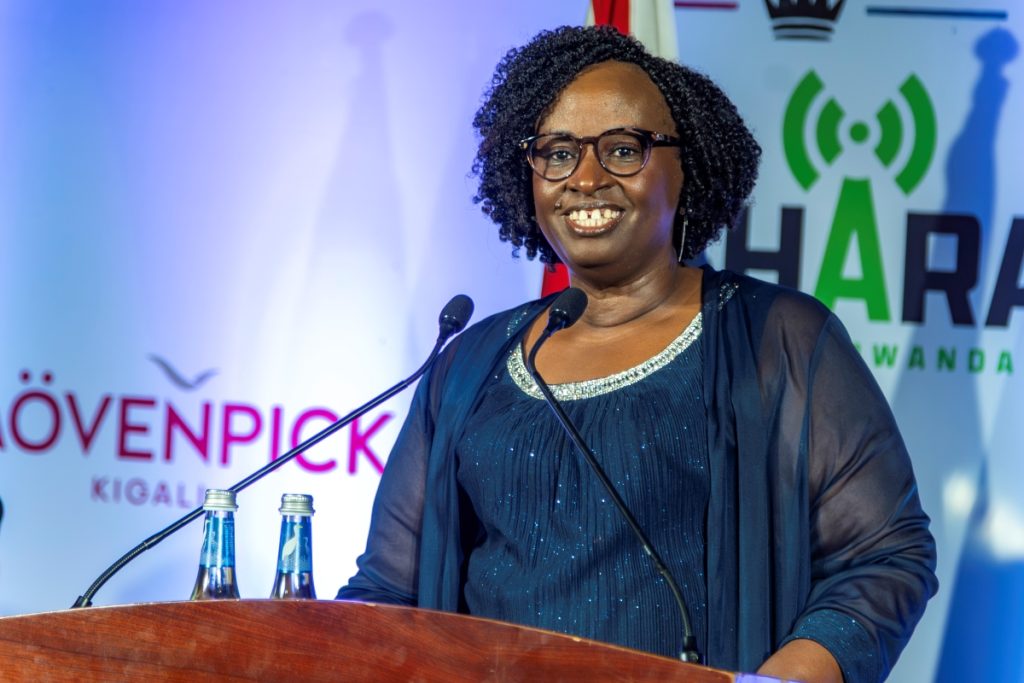**Dr. Usta Kaitesi** – *Minister of State in the Ministry of Foreign Affairs and International Cooperation*In her remarks, the Minister commended the enduring cooperation between Rwanda and the UK, highlighting a relationship built on mutual respect, regular dialogue, and a shared commitment to prosperity and sustainable development.
“The United Kingdom has remained a valued development partner, supporting Rwanda’s national transformation agenda in education, social protection, climate resilience, financial sector development, public financial management, and Ebola preparedness.” Kaitesi Said.
The minister also acknowledged that partners may occasionally hold different views on regional and international issues. However, she stressed that such differences do not weaken the relationship.
“ Such moments do not define our relationships; rather, they remind us that genuine partnerships are strengthened through honest dialogue, mutual understanding, and a continued engagement.”
The Official Birthday of King Charles III is celebrated annually by British diplomatic missions around the world, bringing together partners and friends of the United Kingdom to commemorate the occasion and strengthen international relations.
**Alison Thorpe** – *British High Commissioner to Rwanda*Speaking at the event, British High Commissioner to Rwanda Alison Thorpe highlighted both the celebratory nature of the occasion and the growing depth of UK-Rwanda relations.
Explaining the significance of the event, Thorpe humorously noted the British tradition of the monarch having two birthdays.
“The King has two birthdays. His real one is in November and his official birthday is in June.”
Reflecting on the significance of this celebration Alison Thorpe outlined the UK’s vision for deeper engagement with African partners (including Rwanda) revealing the new Africa approach that will move UK from being an old-fashioned donor to a genuine investor and partner.
“We’re working to create real economic opportunities in both our countries, bringing Rwandan business together with British capital and expertise”
Addressing regional challenges, including insecurity in Eastern Democratic Republic of Congo, the High Commissioner reaffirmed the UK’s commitment to supporting peace and stability in the Great Lakes region.
“The UK will continue to work with Rwanda and others to support a path to lasting peace, because peace unlocks the stability and economic opportunity that this whole region deserves.”
The UK has been one of Rwanda’s key development partners, supporting initiatives aimed at improving education outcomes, strengthening public institutions, enhancing financial accountability, and building resilience against health emergencies and climate-related challenges. In recent years, cooperation has increasingly evolved beyond traditional development assistance toward investment, trade promotion, and private sector partnerships.
**About King Charles III**
King Charles III is the reigning monarch of the United Kingdom and the Head of the Commonwealth. Born Charles Philip Arthur George on 14 November 1948, he is the eldest son of the late Queen Elizabeth II and Prince Philip, Duke of Edinburgh.
Before ascending to the throne, he served as the Prince of Wales for more than six decades, making him the longest-serving heir apparent in British history. Throughout his public life, King Charles became widely known for his advocacy on environmental conservation, sustainable development, interfaith dialogue, youth empowerment, and charitable causes.
He succeeded Queen Elizabeth II as King on 8 September 2022 following her passing and was formally crowned at Westminster Abbey on 6 May 2023.
**More photos from the event**
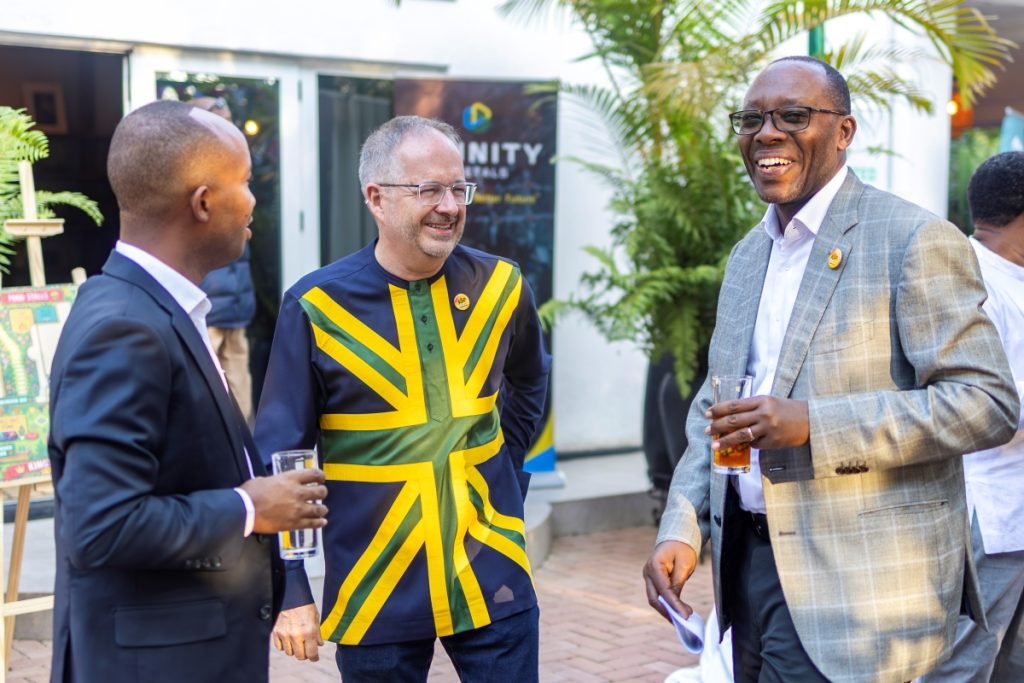
SUBSCRIBE TO OUR NEWSLETTER
First name or full name
Email
By continuing, you accept the privacy policy
**Categories:** INTERNATIONAL, NEWS, Politics
---
### [In Mombasa, Africa Can Launch a New Era in Ocean Governance](https://www.topafricanews.com/2026/06/19/in-mombasa-africa-can-launch-a-new-era-in-ocean-governance/)
**Published:** June 19, 2026
**Author:** TOPAFRICANEWS
**Content:**
***By Tony Long, Chief Executive Officer, Global Fishing Watch***
For centuries, communities along Africa’s eastern coast have understood what today’s global policymakers are only now beginning to grasp: the ocean is more than just a vast space; it is the veritable lifeblood of economies, livelihoods and cultures.
So many African nations are built around the movement of people, goods and ideas across the Indian Ocean. If that was true then, it is even truer today.
Indeed, today, Africa’s ocean economy is at a turning point. Fisheries and aquaculture already contribute an estimated [USD $24 billion annually](https://www.afdb.org/en/news-and-events/africas-potential-blue-economy-highlighted-world-water-congress-44644) to the continent’s economy with demand for fish expected to rise sharply in the lead up to 2030. More broadly, Africa’s blue economy is estimated to be worth some [USD $300 billion](https://africainfact.com/africas-blue-economy-has-vast-potential-but-it-needs-better-management/).
Yet, despite its central role in societal development and economic prosperity, much of what happens on the global ocean still takes place beyond public view. A 2024 study led by Global Fishing Watch and published in [Nature](https://globalfishingwatch.org/press-release/new-research-harnesses-ai-and-satellite-imagery-to-reveal-the-expanding-footprint-of-human-activity-at-sea/) found that roughly 75 percent of industrial fishing activity does not appear in public tracking systems.
That lack of visibility carries a cost.
Off the African coast, illegal, unreported and unregulated fishing continues to drain value from the continent’s waters, undermine legitimate fishers and weaken the ability of governments to manage marine resources effectively. In parts of the continent, the scale of the problem is staggering: [nearly 40 percent of fish are estimated to be caught illegally](https://financialtransparency.org/half-illegal-fishing-vessels-operate-africa-majority-chinese-european-new-report/=).
This is not only an environmental challenge. It is an economic challenge, a food security challenge and a governance challenge as well. And as global leaders in government and civil society gather this week in Mombasa, Kenya, for the [11th Our Ocean Conference](https://globalfishingwatch.org/global-fishing-watch-at-11th-our-ocean-conference/), the question they must answer is no longer whether the ocean matters but whether countries have the information they need to govern and preserve it.
At Global Fishing Watch, we believe the answer begins with [transparency](https://globalfishingwatch.org/transparency/). Transparency means knowing who owns the vessels, where they fish, what they are authorized to do and whether they are following the rules. It means making basic information about vessel activity and [ownership](https://globalfishingwatch.org/ultimate-beneficial-ownership-ubo/) accessible to the institutions and communities affected by decisions at sea.
[Vessel tracking](https://globalfishingwatch.org/vessel-tracking) is the operational foundation of this effort. Systems such as the [automatic identification system (AIS)](https://globalfishingwatch.org/faqs/what-is-ais/) and [vessel monitoring system (VMS)](https://globalfishingwatch.org/faqs/what-is-vms/) show where vessels are operating, how they move and whether their behavior raises any concerns. When combined with satellite imagery and advanced analytics, they create [a more complete picture of activity at sea](https://globalfishingwatch.org/map). Without that full picture, accountability stops short. With it, authorities can connect activity at sea to the people and companies behind it and protect coastal communities and fishers whose livelihoods depend on healthy fisheries.
Equally important, transparency and vessel tracking make enforcement more practical. Public access to vessel tracking and ownership information helps authorities focus limited resources on the vessels and activities that warrant closer scrutiny while protecting those responsible fishers who play by the rules but are too often undercut by those who do not.
Technology is advancing quickly. Satellite imagery can now help reveal activity that was once too small to see, particularly in coastal waters where small-scale fisheries are vital to food security and livelihoods. Machine learning and data fusion are helping governments build a more accurate picture of ocean use.
But technology alone will not transform ocean governance. It first require political will and leadership to guide the way.
And this is where Africa is taking the helm. In Kenya, eleven national governments from across Africa, Asia, the Caribbean, Europe and the Pacific today adopted the [Mombasa Declaration](http://mombasadeclaration.org/), a comprehensive commitment to advancing concrete transparency reforms, including modernizing vessel registries, publishing fishing authorizations and strengthening information-sharing to support enforcement and accountability across fisheries sectors.
The Our Ocean Conference in Mombasa offers a chance to move from commitments to implementation. Countries must strengthen vessel tracking, require reliable vessel identification, disclose ownership information, share authorization data and support open, interoperable ocean data systems if we are to see a definitive push towards a healthy sustainable ocean for all.
Africa’s ocean future should not be decided in the dark. No one should be able to take from the sea while hiding from view. When the ocean becomes visible, better decisions become possible.
And Africa is showing the world what that future looks like.

SUBSCRIBE TO OUR NEWSLETTER
First name or full name
Email
By continuing, you accept the privacy policy
**Categories:** CLIMATE CHANGE, Environment
---
### [Rwanda and South Africa Turn a New Page as Diplomats Agree to Revive Ties and Expand Cooperation](https://www.topafricanews.com/2026/06/19/rwanda-and-south-africa-turn-a-new-page-as-diplomats-agree-to-revive-ties-and-expand-cooperation/)
**Published:** June 19, 2026
**Author:** LIBOS NDAYISHIMIYE
**Content:**
Rwanda and South Africa have taken a major step toward rebuilding and strengthening their relationship after high-level talks between senior government officials resulted in a landmark agreement aimed at deepening diplomatic, economic, and people-to-people cooperation.
The breakthrough was announced following a successful working visit to South Africa by Rwanda’s Minister of Foreign Affairs and International Cooperation, Ambassador Olivier J.P. Nduhungirehe, at the invitation of South Africa’s Minister of International Relations and Cooperation, Ronald Lamola.
The discussions marked a significant milestone in the ongoing normalization of relations between the two nations. Both ministers reviewed progress achieved through recent diplomatic engagements and reaffirmed their shared determination to build a stronger partnership that serves the interests of their citizens while contributing to Africa’s broader development agenda.
One of the most important outcomes of the visit was the decision to revive the Joint Commission of Cooperation (JCC), a key bilateral mechanism designed to strengthen collaboration across multiple sectors. Rwanda is expected to host the next session of the commission during the first quarter of 2027, signaling a renewed commitment to sustained dialogue and cooperation.
The two countries also pledged to accelerate efforts aimed at expanding trade, investment, tourism, academic exchanges, and cultural connections. In a move expected to boost mobility and strengthen ties between citizens, the ministers agreed to resume visa issuance for holders of ordinary Rwandan passports within the next twelve months.
Beyond bilateral matters, the talks also focused on regional peace and security issues. The ministers exchanged views on developments in Eastern Democratic Republic of Congo, Mozambique, Sudan, South Sudan, Somalia, and the Sahel region. Both sides reiterated their support for African-led solutions to African challenges and underscored the importance of collective efforts in promoting peace, stability, and sustainable development across the continent.
The renewed engagement reflects growing confidence between Kigali and Pretoria and opens a new chapter in relations between two of Africa’s influential nations. By prioritizing dialogue, mutual trust, and practical cooperation, Rwanda and South Africa are positioning themselves to unlock new opportunities for economic growth, regional integration, and shared prosperity.
Diplomatic relations continue to improve, the agreements reached during the visit are expected to pave the way for stronger collaboration and a more dynamic partnership capable of delivering tangible benefits for both countries and the African continent as a whole.

SUBSCRIBE TO OUR NEWSLETTER
First name or full name
Email
By continuing, you accept the privacy policy
**Categories:** Politics
---
### [2.1 Billion People Still Lack Safe Drinking-Water, WHO Warns](https://www.topafricanews.com/2026/06/18/2-1-billion-people-still-lack-safe-drinking-water-who-warns/)
**Published:** June 18, 2026
**Author:** Mutangana Emmanuel
**Content:**
The World Health Organization (WHO) has released updated Guidelines for Drinking-water Quality, providing countries with the latest scientific guidance to strengthen water safety and protect public health.
The revised guidelines come at a time when access to safe drinking-water remains a major global challenge. According to WHO, an estimated 2.1 billion people worldwide still do not have access to safely managed drinking-water services, including 106 million people who rely directly on rivers, lakes and other surface water sources for their daily needs.
WHO says the updated guidelines offer an authoritative framework to help countries improve drinking-water regulations and standards, strengthen surveillance systems and adopt more effective risk management practices.
“Safe drinking-water is fundamental to health, development and human rights,” said Dr. Rüdiger Krech, Acting Director of WHO’s Department of Environment, Climate Change, One Health and Migration.
“These updated Guidelines help countries focus resources where they matter most: preventing contamination, managing risks before they become health threats, and ensuring that all people can rely on drinking-water that is safe,” he added.
The new edition incorporates the latest scientific evidence, implementation experience and lessons learned from countries that have adopted risk-based approaches to drinking-water safety. It places greater emphasis on proactive risk management, particularly for small water supply systems, microbial contamination and selected chemical hazards.
WHO continues to advocate for a preventive, risk-based framework for ensuring drinking-water safety. The framework is built on three key pillars: establishing health-based targets, implementing water safety plans and conducting independent surveillance to verify that safety measures are effective.
The organization noted that governments play a crucial role in creating the regulatory and institutional conditions needed to guarantee safe drinking-water for their populations.
**Greater Focus on Water Safety Planning**
Water safety plans remain at the heart of WHO’s recommended approach to managing drinking-water risks. The updated guidelines draw on extensive global experience in applying these plans across different environments and water systems.
The revised guidance also clarifies how sanitary inspections can support water safety planning by helping identify hazards and improve monitoring and maintenance activities, particularly in small-scale water supplies that often face greater operational challenges.
Microbial contamination continues to pose the greatest threat to drinking-water safety worldwide. To address this, WHO has strengthened guidance on the management of waterborne pathogens and updated evidence on microbial risks.
The new edition provides clearer information on the role of waterborne disease transmission and highlights potential concerns in health-care facilities. It also introduces new fact sheets covering emerging viruses that may affect drinking-water safety.
**Updated Information on Chemical Hazards**
The guidelines further update recommendations related to selected chemical risks, including pesticides used in vector control programmes that may affect drinking-water quality.
WHO said the revisions align with the organization’s latest scientific guidance on chemical contaminants and their management.
The updated Guidelines for Drinking-water Quality, Fourth Edition, incorporate the first, second and third addenda and replace all previous versions, including the 2022 edition that integrated the first and second addenda.
WHO expects the revised guidance to help countries accelerate efforts to provide safe, reliable drinking-water and reduce the health risks associated with contaminated water sources.

SUBSCRIBE TO OUR NEWSLETTER
First name or full name
Email
By continuing, you accept the privacy policy
**Categories:** Environment, HEALTH
---
### [Global Food Markets Face Growing Geopolitical and Climate Risks Despite Strong Supply Outlook](https://www.topafricanews.com/2026/06/18/global-food-markets-face-growing-geopolitical-and-climate-risks-despite-strong-supply-outlook/)
**Published:** June 18, 2026
**Author:** Mutangana Emmanuel
**Content:**
Global food commodity markets are expected to remain relatively stable over the coming year, supported by strong cereal stocks and historically high production levels. However, mounting geopolitical tensions, climate-related uncertainties and volatility in energy and fertilizer markets continue to pose significant risks to global food security, the Food and Agriculture Organization of the United Nations (FAO) has warned.
In its latest Food Outlook report released on Thursday, FAO said global cereal production is projected to remain at elevated levels in the 2026/27 season, although output is expected to decline from recent record highs.
The report notes that the outlook remains highly dependent on weather conditions, particularly the possible emergence of El Niño, as well as conflicts affecting energy and fertilizer markets, shifting trade policies and broader economic challenges.
“Agrifood systems appear robust at a production level, but risks are growing and many of them have the potential to have rapid and adverse effects for global supply and access,” said FAO Chief Economist Maximo Torero.
“We need to double down on resilience by keeping trade flows open and supply chains functioning, while preparing for local weather shocks,” he added.
According to FAO, global cereal output is forecast to decline by 2 percent in 2026 to 2.98 billion tonnes. Despite the drop, production levels will remain historically high and supported by ample carryover stocks.
Meanwhile, cereal utilization is expected to continue growing, with food consumption increasing by 1 percent. However, per capita cereal consumption in Low-Income Food-Deficit Countries is projected to fall slightly by 0.4 percent.
FAO projects global wheat production for the 2026/27 season to fall by 3.8 percent to 810.9 million tonnes. The decline is mainly attributed to reduced harvests among major exporters, including Australia, the European Union and the United States, where output is expected to decrease by more than 21 percent.
Production of coarse grains is also expected to fall by 1.2 percent to 1.62 billion tonnes due to lower planting areas and weaker yields in North America. However, South America is expected to offset part of the decline, with strong maize production forecasts, particularly in Argentina.
In contrast, global soybean production is projected to reach a record 432.3 million tonnes in 2025/26. Continued expansion in Brazil and Russia is expected to outweigh lower output in Argentina, India and North America.
The report forecasts global meat production to rise by 1 percent to 391.3 million tonnes in 2026, driven largely by a 2.5 percent increase in poultry production. Bovine meat production, however, is expected to decline.
Global fisheries and aquaculture production is also anticipated to expand by 1 percent, reaching 200.5 million tonnes. Aquaculture output is forecast to grow by 2.9 percent, led by increased production of shrimp, salmon and carp.
At the same time, global vegetable oil consumption is expected to exceed production during the 2025/26 season, resulting in tighter market conditions and a third consecutive decline in ending stocks.
**Concerns Over Fertilizer Markets and Shipping Costs**
FAO also highlighted growing concerns in fertilizer markets. Global fertilizer trade volumes fell by between 20 and 25 percent during the first four months of 2026 compared with the same period in 2025.
Although fertilizer prices have eased somewhat in recent months, uncertainty remains ahead of the 2026/27 agricultural season. The report points to stalled purchases in major markets such as Europe and North America, especially for nitrogen and phosphate fertilizers.
Market conditions remain particularly sensitive to developments affecting shipping routes through the Strait of Hormuz, a key transit corridor for global fertilizer supplies.
The report further examines the impact of international efforts to reduce greenhouse gas emissions from maritime transport. FAO notes that the shift toward alternative shipping fuels could have important consequences for agricultural trade, particularly for Small Island Developing States (SIDS), which depend heavily on imported food.
**Global Food Import Bill Reaches New Record**
FAO estimates that the global food import bill rose by 7.9 percent in 2025 to a record USD 2.22 trillion.
The increase occurred despite lower import costs for cereals, sugar and oilseeds. Instead, the surge was driven by higher prices for coffee, cocoa, spices, animal products, fish, fruits and vegetables, commodities largely imported by high-income countries.
Food import spending by high-income countries increased by 9.3 percent and accounted for more than two-thirds of global food import expenditures. Upper-middle-income countries recorded a 4 percent increase, while lower-middle-income and low-income countries saw increases of 7.9 percent and 6.7 percent respectively.
FAO warned that geopolitical instability could further increase food import costs. Previous analyses by the organization found that under conditions of high geopolitical risk, the impact of oil price shocks on food import bills can nearly double due to higher insurance costs, logistical disruptions and increased market uncertainty.

SUBSCRIBE TO OUR NEWSLETTER
First name or full name
Email
By continuing, you accept the privacy policy
**Categories:** Natural Resources and Agriculture
---
### [Evon Labs Launches Healthx Catalyst: A Structured Incubation Programme Building Africa's Next Generation of Health-Tech Founders](https://www.topafricanews.com/2026/06/17/evon-labs-launches-healthx-catalyst-a-structured-incubation-programme-building-africas-next-generation-of-health-tech-founders/)
**Published:** June 17, 2026
**Author:** TOPAFRICANEWS
**Content:**
**Lagos, Nigeria — June 2026** — Evon Labs, an innovation and venture-building platform dedicated to identifying and scaling technology-enabled solutions addressing critical challenges, has launched HealthX Catalyst, a 12-week health-tech incubation program aimed at helping early-stage founders create scalable, investable solutions for Africa’s urgent healthcare issues. The program is underway, with 12 selected founders nearing the final weeks of intensive incubation, ending with a Demo Day on June 24, 2026.
HealthX Catalyst was developed in response to a structural gap in the African health-tech ecosystem. Across the continent, a growing number of entrepreneurs are building solutions to healthcare problems from access and diagnostics to service delivery and health data infrastructure. Yet many of these early-stage ideas fail to progress beyond concept, not for lack of vision, but for lack of structured support: mentorship, startup development frameworks, industry access, and early-stage funding pathways. HealthX Catalyst was built to provide exactly that.
Commenting on the launch of HealthX Catalyst, Isioma Udeozo, Founder of Evon Labs, said: *“Africa does not have a shortage of healthcare innovators. What it has lacked is the infrastructure to turn its ideas into sustainable businesses. HealthX Catalyst is that infrastructure, a serious, structured programme designed to take founders from early-stage ideas to investable startups. What we are seeing from this first cohort is exactly what we set out to create: founders who are not just building products, but building businesses that can scale and create lasting impact.”*
The programme selects early-stage healthcare founders and immerses them in a structured 12-week development process. Throughout this period, participants receive personalised and group mentorship from seasoned professionals across the healthcare, technology, and business sectors. They also receive structured support for startup development, including refining business models, developing value propositions, and validating markets. Additionally, participants gain access to a network of healthcare practitioners, sector experts, and industry leaders, along with targeted investment-readiness assistance to prepare them to engage with investors and strategic partners after the programme.
The result is a cohort of founders who move through the programme not simply with a
refined pitch, but with a validated business model, a stronger professional network, and a clear pathway to growth.
The United Nations Development Programme (UNDP) is a partner for the inaugural edition of HealthX Catalyst, bringing its commitment to sustainable development and health systems strengthening to the programme. The UNDP’s involvement underscores the alignment between HealthX Catalyst’s work and broader continental priorities around health equity, economic inclusion, and innovation-led development across Africa.
The programme will conclude with an inaugural Demo Day on 24 June 2026 at the UNDP innovation centre in Lagos, where the 12 cohort founders will present their solutions to an audience of investors, healthcare leaders, development organisations, and technology partners. The event represents both a milestone for the current cohort and a public demonstration of what structured health-tech incubation can produce.
Other partners include OICL (Odua Investment Company Limited), Washington University of St. Louis, Missouri, Lagos State Employment Trust Fund (LSETF), and Brooks Insights.
To accelerate the most promising solutions beyond the programme, monetary grants will be awarded to the top three founders to support product development, pilot implementation, market validation, and early-stage scaling.

SUBSCRIBE TO OUR NEWSLETTER
First name or full name
Email
By continuing, you accept the privacy policy
**Categories:** HEALTH
---
### [African Leaders Showcase Solutions to Unlock Climate Finance for Cities and Communities](https://www.topafricanews.com/2026/06/17/african-leaders-showcase-solutions-to-unlock-climate-finance-for-cities-and-communities/)
**Published:** June 17, 2026
**Author:** TOPAFRICANEWS
**Content:**
*High-level dialogue showcases lessons from Kenya, Ghana and South Africa on strengthening enabling frameworks, improving coordination and scaling investment for local climate action*
**Nairobi, Kenya –** As the world faces a growing climate finance gap, Africa is no exception. The continent requires an estimated USD 155 billion annually to meet its climate and development goals, yet only around USD 30 billion is currently mobilised each year. The question is no longer whether more finance is needed, but how to ensure it reaches the cities, regions and communities on the frontlines of climate action.
To address this challenge, national and subnational leaders convened during the 2026 Clean Air Transport Finance Academy for the high-level dialogue, “Unlocking Subnational Climate Finance in Africa: From Barriers to Scalable Solutions,” co-hosted by the Global Covenant of Mayors for Climate & Energy (GCoM) and C40 Cities in partnership with the World Resources Institute (WRI), to explore how stronger partnerships between national and local governments can help unlock climate finance and accelerate action where it is needed most.
Closing this gap will require not only greater volumes of finance, but also stronger mechanisms that enable subnational governments to access, manage and deploy affordable climate finance that drives climate action implementation at scale. Local leaders are responsible for delivering many of the infrastructure, resilience and development investments needed to achieve national climate goals. Yet they often face significant barriers, including limited access to financing, fragmented institutional arrangements, and regulatory constraints that restrict investment flows.
Building on growing momentum for multilevel climate action across the continent – including the [Open Letter to African Ministers of Finance signed by African mayors and governors](https://us.cisionone.cision.com/c/eJwsjEuO5CAQBU8DO6yETPNZsKiNr1HCkJ5C40-NQePu27fcqt1TPEWUaHwmsJKjdl5bjeRRvqK3gKPWdiFwIfhEs7eJNThMBZdsZY02oSYMmUwAeGpLY2EgNIDaCYJWC_-t_9SW6spnUzaP87gEF6xql1u_hvuQa3z1_m4CH8JMwkzXdQ2ZYDjOP8JMO19NmOl4865W7p1PlZaz5rSrXPu3WjmVu73VvbZ-r6Xuac8szCQ3LjWpk1dOjVUt8Rc8P0DgA0G7YOQZ674cgqAf70-drzbkY5Otn8zb7WabEEa_qDw6VGSpqFkTKl9ghgAwc3LyfzQ_AQAA__-TsWfX) during last year’s Green & Resilient UrbanShift Africa Forum in Nairobi – national government representatives, subnational leaders and climate finance experts gathered to examine practical pathways for overcoming these challenges. Discussions focused on strengthening intergovernmental coordination, improving policy and regulatory frameworks, and deploying proven financial mechanisms that can unlock investment for climate action at the local level.
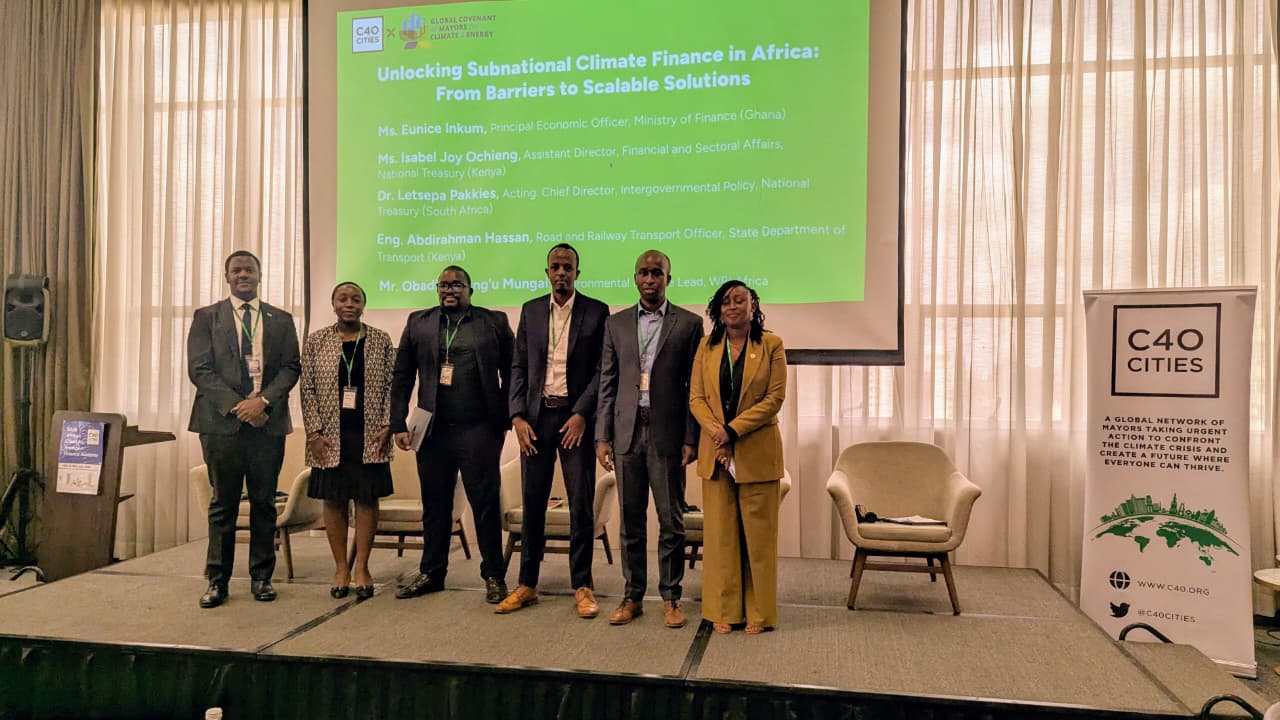**Njenga Muchekehu, C40 Cities’ Deputy Regional Director for Africa, said:**
“Last year in Nairobi, more than 40 African mayors and governors came together to send a clear message: cities and regions are ready to lead on climate action, but they cannot do it alone. Through our Open Letter to African Ministers of Finance, local leaders called for stronger national support to unlock the investment needed to build resilient, low-carbon communities. One year later, we are already seeing the impact of that collective advocacy. The conversation has moved from asking why cities need climate finance to identifying how national governments can help deliver it. From reforms underway in South Africa to growing engagement from continental institutions, momentum is building around a shared understanding that climate finance must reach the local level if Africa is to achieve its climate and development goals.”
The [CHAMP Coalition](https://us.cisionone.cision.com/c/eJwsy01ugzAQQOHT2DujsWfwz8KLbHKNyIyHxioEilHp8atU3X5Pr2YXmcBryTZE6y1SRP3MoZAHDlXmaP08QSIc2aYobGniKrplX9ASJiaXAB7W01gFCB2gDYqgtyqf7cuspS1ydON5nMY5heRNv8LyM7yDXvLzPPeu8KbcXbn7dV0DP8u6G17aWk4ZtuNDubtepbZiDlmkdDGt5j94_IPCG4INyekjt9e8KYJz28t8NC4vufrA26r7eYis75d9QRjjbHgMaMhTNZMlNLHCBAlgkhL0d3a_AQAA__8LRlaw) high-level dialogue on “Unlocking Subnational Climate Finance in Africa: From Barriers to Scalable Solutions”, convened senior policymakers, city leaders and climate finance experts from across Africa. Participants included representatives from the governments of 2 CHAMP-endorsing countries (Kenya and Ghana) and South Africa, alongside experts from the World Resources Institute (WRI) and delegates from 12 African cities. Speakers included Ms. Hellen Njoki Wanjohi-Opil (WRI), Ms. Isabel Joy Ochieng (Kenya’ National Treasury), Ms. Eunice Inkum (Ghana Ministry of Finance), Dr. Letsepa Pakkies (South Africa’s National Treasury), Eng. Abdirahman (Kenya State Department of Transport) and Mr. Obadiah Kung’u Mungai (WRI Africa), who shared experiences and practical approaches to scaling subnational climate finance across the continent.
### Country Experiences: Emerging Lessons from Across Africa
Drawing on experiences from Kenya, Ghana and South Africa, the panel highlighted how national and local governments are already working together to remove barriers and unlock climate finance at scale. While each country is pursuing its own approach, a common lesson emerged: effective subnational climate finance depends on strong national enabling frameworks, clear intergovernmental coordination mechanisms, and financing models that empower local governments to plan, invest and deliver climate action.
In Kenya, a combination of fiscal decentralisation, devolved climate finance mechanisms and private-sector reforms is helping counties access and deploy climate finance more effectively. Initiatives such as [County Climate Change Funds](https://us.cisionone.cision.com/c/eJwsyz2S3CAQxfHTQNZTfAlEQLDJXGOrBY1ErQQysB7v7V3jcvp775-CWqMRllOQbpVWarNqfgRyVum0ORvX6El76xax6WyMzSSzWnkJFrU02kejvBCf0polkTBaCS0dM2KURF_lF1xYTuoDbFy2JXvnLYyXO_883gM_wzHnPZj-YOrJ1LOmeGOflfo4yv1ofWfq-VXb66S0E9ytTzyZeu6tJbg7xlkiQcKJGw56f6n-4IDYvuv8gXiWCydBPLDuBPm7psEvSgWh00k4CEoK_-DzPzD9oYV0XvEeSs2NGTHbjbmXiJVe4xHbxcfsRNe7jRa1WNYMcXEajDUJNmk0rElswguxETr-O6i_AQAA__9slHLx) and [Financing Locally-Led Climate Action (FLLoCA)](https://us.cisionone.cision.com/c/eJwsy0luAyEQQNHTwI5WQTEuWHjT17AYihj15DStOMePHHn7vn6NyhcNllOUzksrUXvkj1iDUSpDU0HmZGTLZCoE2wC9T1CJ92gTSo2haBUA7tJqUwk0KkDpmIbRKy39W2ypr3QOYYvJpgUXrBgvt_5O78DX-Liu52B4Y2pmai5r39JFre9pL7TQPn0d00JMzXyj2pM4aaU0SPQa_-H-AYY3BOmC4mfsezuYhut4pnb2knZ6jakcGx_XSbS932ITgvFNFONQaKuryFKj8BUyBIBMyfGfqP4CAAD__52yV0k) are creating pathways for local governments to translate climate priorities into investment-ready projects.
**Isabel Joy Ochieng, Kenya’s Assistant Director, Financial and Sectoral Affairs, said:**
“Kenya’s experience shows that climate finance reaches communities most effectively when national and county governments work together. Through performance-based grants and pooled financing arrangements, we are strengthening counties’ ability to plan, access and manage climate investments. At the same time, reforms to public-private partnerships, investment pipeline development and efforts to improve county creditworthiness are helping unlock new sources of finance and create opportunities to scale local climate action.”
In Ghana, fiscal decentralisation reforms are strengthening the role of local governments in delivering climate and development priorities, while creating a more enabling framework for investment at the local level.
**Eunice Inkum, Principal Economic Officer, Government of Ghana, said:**
“Ghana is advancing a range of reforms to ensure that resources, responsibilities and decision-making are aligned at the local level. Through the principle of ‘funds follow functions’, increased allocations under the [District Assemblies Common Fund](https://us.cisionone.cision.com/c/eJwsy72O6yAQQOGnMR3WwAxgCoo0eY1oDEOCrn9yjTfZx19lte13dEqyUybwSpIJk_EGaUL1SHMV9iFEj1R4qs6YnKmyFC4OKlvVkmc0hDGTjQA348kVAUILaMJA0FuRf-2_XrktcnTts5tdjSF63d9h-R4_QS3pcZ7PPuBlsNfBXvO-rvtWv7Yy3vfXeH8M9qpWKY31IYtwF91K-oXbHwx4QTAhWnWkttV9IDj3J9ejZd7k3ce8r6qfh8j6ebNnBDdVnV1ATZ6Kng2hngrMEAFm4aBeyf4EAAD__yMMVcc), the forthcoming [National Decentralisation Policy](https://us.cisionone.cision.com/c/eJwsy8kO2jAYBOCnsW-Ofi_xcvAhIkTiAEKCniNvAavZGqfQx69S9Tb6ZiZapoMAiZOlSlNJudAcvy2lEqAWRlGtjRaOeuFF5NIF5sEPBmcrHaeCmyCYAeipFHVMIDgDThUSUHJMP_MvMrk8pq0QGWpfD0YZScpXjX-qo8Cjfe_7WhBvEOsQ6_IUwhKr1_KpXm_Euu9KwjLvad4R636v4-JiQaxjwGrEOlBHbii5tfdHf7meTv31cmsf52d_LEj_4942z3NbrXHAU4rZkS2NyZVEcrT_oP8PiDccqDIMbzbPw4IE7Mvqhi0HN6dvqcIy4bJvKU3HN0jHodYDCbXiREgRiaeCEx3BgwHwySn8sexvAAAA__9tXGg-) and emerging tools such as [Ghana’s Green Taxonomy](https://us.cisionone.cision.com/c/eJwsy82OpCAUxfGngR0GuHzIgkVv7BeYzLaCcGlJqzjglDVvP7HSu5PfyT95OUbFDUUv7CiMADUCXbxNKsoQwRqXdJZBOzln0EZZyMK4kRZvAggFLirpOH8Io3RCrkByEJYo3kvC7_KHbaGs2DozUc86O-sM65ddX8N90NUv53l0Ah9ETkRO13UNW814DF_1OXwtRE69nNiJnBLm8Hc9iZxyWd_S8KjtvBfGutetRCKnz4a4s1_hdcs_NrWw4VXbN8u1sc8l7OHxG4YjZbphKoE1XDF0ZCX5Nzx-gMAHcGGdpM2XPVei-FmPkFuJYcerD7FutJ8NcbvbaAJwPWYWtQWmjEpsFgrYmPjMHeczBkufXv4PAAD__6FLc7Y), we are creating stronger foundations for local governments to access finance and contribute to national climate and development objectives.”
In South Africa, ongoing reforms are creating new opportunities for cities to play a greater role in climate finance, investment planning and the implementation of national climate priorities.
**Dr. Letsepa Pakkies, South Africa’s Acting Chief Director, Intergovernmental Policy, National Treasury, said:**
“South Africa’s ongoing municipal and fiscal reforms are helping create an environment where cities can play a stronger role in driving climate action and investment. By strengthening coordination between national and local government, improving planning and financing frameworks, and creating greater opportunities for municipal engagement, we are working to ensure that climate finance can be deployed more effectively where it delivers the greatest impact. These reforms also offer valuable lessons for other countries seeking to strengthen multilevel climate governance.”
While the institutional and financial contexts differ across countries, the experiences shared during the dialogue demonstrated that subnational climate finance does not happen by accident. It requires deliberate action by national governments to create enabling policies, strengthen local capacities, improve coordination, and establish financing mechanisms that channel investment to where climate action is actually delivered.
As African countries seek to close the climate finance gap, the lessons emerging from Kenya, Ghana and South Africa provide a practical roadmap for scaling local climate action and building more resilient, sustainable communities across the continent.
**Guidance on how to Increase Finance for Subnational Climate Action**
Last year’s Green & Resilient UrbanShift Africa Forum in Nairobi C40 Cities and the Global Covenant of Mayors for Climate & Energy (GCoM) launched a [practical guide for national governments participating in the Coalition for High Ambition Multilevel Partnerships (CHAMP)](https://us.cisionone.cision.com/c/eJw8y82u2yAQQOGnwbuJML9m4cXd-DWuxuMhQcWQAo3bt68SVd2eo-9Y1UJGuonX2S-zm7VZ9PRY2Xi1uxis0tbqYI3yFFDpyEwUdjml1aGejQ5kVJDye3bGHiyNVlLPXhjZ08E_0k84MWVuHRzZ3cbgg4N--fz79h5TXh9jPLvQX0JtQm3Xdd3uue6Yqb64YBk1nvintn6r7S7U9mzcu1Dbo15QcKRaMMO9vriVk8voQFggFWqMnSGmgoUYYm3Qf-3_AeV04mBAegehtunkIyE0zh-XjvUTvv8Fob-0nH1QU1tTiVUYOeoTY0uEha9-o3pOfTTm823JoZZ2iUDWazDOHLDPRsNyyF0GKXdGP71W9TcAAP__GY17PQ), outlining implementation options, proven financing approaches and coordination mechanisms to help increase finance for subnational climate action.

SUBSCRIBE TO OUR NEWSLETTER
First name or full name
Email
By continuing, you accept the privacy policy
**Categories:** CLIMATE CHANGE
---
### [United States Announces More Than $1 Billion in Assistance to UNICEF and World Food Program to Address Global Humanitarian Needs](https://www.topafricanews.com/2026/06/17/united-states-announces-more-than-1-billion-in-assistance-to-unicef-and-world-food-program-to-address-global-humanitarian-needs/)
**Published:** June 17, 2026
**Author:** TOPAFRICANEWS
**Content:**
the United States announced more than $1 billion in humanitarian and disaster response assistance to UNICEF and the World Food Program (WFP) through new global macro awards, which cover life-saving support in more than 40 countries.
This announcement builds directly on the tremendous success of the Trump Administration’s landmark December 2025 “Humanitarian Reset” memorandum of understanding (MOU) with the UN Office for the Coordination of Humanitarian Affairs (OCHA).
That MOU has already led to historic reforms to the bloated UN humanitarian bureaucracy, bringing activities under a single local Humanitarian/Resident coordinator, enhancing efficiency and delivering measurable impact, improving accountability and eliminating waste, fraud and abuse, and slashing bureaucracy to spend more on life-saving frontline work and less on overhead.
The more than $218 million in assistance to UNICEF and more than $800 million to WFP announced today are the second and third in a series of global State Department awards to trusted and vetted implementing organizations.
These awards replace the previous model of fragmented, duplicative individual grants that generated excessive overhead, created unpredictability for implementers, and diluted impact across many competing priorities.
These awards reflect a new model of humanitarian assistance built on speed, accountability, measurable impact, and the elimination of bureaucratic waste.
Implementers can mobilize quickly, in some cases within 24 hours, ensuring that U.S. taxpayer dollars reach those in need without delay.
- **Advancing UN Reform:** This support to UNICEF and WFP further demonstrates the Administration’s commitment to advancing UN reform. By directing resources to organizations that meet rigorous performance standards and deliver measurable results, the United States is incentivizing the broader humanitarian system to adopt the efficiency, transparency, and accountability that American taxpayers expect. The streamlining of the UN’s nutrition supply chain, reducing duplication and lowering costs, is one concrete example of what reform-oriented partnership can achieve.
- **Multi-Sectoral Assistance in Ongoing Crises:** UNICEF and WFP will use this funding to provide multi-sectoral assistance in line with their mandates, across the food, nutrition, health, child protection, logistics, and water and sanitation sectors, in countries with ongoing significant levels of humanitarian need, including Ethiopia, Burma, and Ukraine. Assistance will be targeted using the same hyper-prioritization methodology that has already proven its effectiveness under the Humanitarian Reset, ensuring resources flow to the most acute needs first. This methodology, developed and stress-tested through OCHA’s dedicated Accountability and Impact Teams, ensures that every dollar is directed toward the highest-severity needs, eliminating the diffuse, low-impact spending patterns of the prior model.
- **Rapid Response to Disasters and Shocks:**
- Building on OCHA’s demonstrated capacity to deliver assistance at unprecedented speed and scale, today’s announcement reflects the United States’ confidence in a partner that has already set a new standard for rapid humanitarian response. In just four months, OCHA disbursed 88 percent of available resources into the field, achieving a record seven-day average award disbursement time, several times faster than USAID’s historical average and twice as fast as OCHA’s own previous record. This performance was made possible by OCHA’s dedicated tracking and oversight infrastructure, which provides real-time monitoring of resource flows and outcomes, a level of transparency and rigor that the old, fragmented award model could not achieve.
- This additional U.S. investment extends that momentum to UNICEF and WFP, enabling both organizations to deliver new assistance where it is needed most, whether responding to sudden-onset disasters or addressing surges in needs within ongoing complex emergencies. By consolidating funding into these awards, UNICEF and WFP gain the budget predictability needed to pre-position resources, maintain staffing, and respond immediately, bypassing lengthy procurement processes and sustaining the pace of a model that has proven it can move at the speed that crises demand.
- **Complementarity with Other Assistance:** State Department staff are working closely with Catholic Relief Services, UNICEF, WFP, and other implementers, including OCHA, to ensure that U.S. taxpayer-funded assistance is delivered in an efficient and accountable manner that saves lives around the world, while reducing administrative overhead and duplicative efforts.
The State Department looks forward to continuing our work with UNICEF, WFP, and other key implementers to achieve a faster, more accountable, efficient, impact-driven, locally driven and hyper-prioritized model of humanitarian assistance.

SUBSCRIBE TO OUR NEWSLETTER
First name or full name
Email
By continuing, you accept the privacy policy
**Categories:** NEWS
---
### [Rwanda’s Economy Grows by 10% as GDP Reaches Rwf 6.3 Trillion in First Quarter of 2026](https://www.topafricanews.com/2026/06/16/rwandas-economy-grows-by-10-as-gdp-reaches-rwf-6-3-trillion-in-first-quarter-of-2026/)
**Published:** June 16, 2026
**Author:** LIBOS NDAYISHIMIYE
**Content:**
Rwanda’s economy has posted a strong and sustained expansion, growing by 10 percent in the first quarter of 2026, driven by solid performance across key sectors including exports, industry, and information technology, according to official figures released by the National Institute of Statistics of Rwanda (NISR).
The country’s Gross Domestic Product (GDP) rose to Rwf 6.346 trillion, up from Rwf 5.276 trillion recorded in the same period of 2025, reflecting continued economic resilience and diversification.
The services sector remained the backbone of the economy, contributing 52 percent of total output, followed by industry at 24 percent and agriculture at 19 percent. Other sectors accounted for the remaining 5 percent.
Sector performance showed broad-based growth, with agriculture increasing by 8 percent, industry expanding by 13 percent, and services growing by 7 percent during the reporting period.
Export performance was particularly strong, rising by 39 percent overall. This growth was largely driven by a dramatic 86 percent increase in coffee exports, while tea exports slightly declined by 3 percent. Food crop production also recorded a modest growth of 3 percent, supporting domestic supply stability.
Trade activities continued their upward trajectory, with wholesale and retail trade expanding by 11 percent. The transport sector mirrored this performance, also growing by 11 percent, supported by a 10 percent increase in land transport and a 7 percent rise in air transport services.
One of the standout performers was the information and communication technology (ICT) sector, which surged by 22 percent, highlighting Rwanda’s accelerating transition toward a digital and knowledge-based economy. Financial and insurance services also grew by 11 percent, while the education sector recorded a 3 percent increase.
However, the hospitality sector faced challenges during the period, with restaurant and accommodation services declining by 16 percent, reflecting pressures linked to rising input costs and shifting consumption patterns.
Speaking on the economic performance, Minister of Finance and Economic Planning Yusuf Murangwa noted that Rwanda’s economy has maintained strong momentum since last year, despite global uncertainties.
He highlighted that the economy grew by 11.8 percent in the third quarter of 2025 and 11.2 percent in the fourth quarter, signaling a sustained period of strong expansion.
Murangwa acknowledged potential external risks, including geopolitical tensions in the Middle East, but said their immediate impact had been limited as many essential imports had already been secured in advance.
He further emphasized that government remains proactive in safeguarding economic stability, including accelerating key development projects and improving conditions for private sector investment.
The Minister also pointed to ongoing monitoring of food prices, noting that fluctuations in food costs can significantly affect the performance of the hospitality industry.
Overall, the latest data underscores Rwanda’s continued economic strength, with robust growth in exports, industry, transport, ICT, and financial services reinforcing the country’s position as one of the region’s most resilient and fast-growing economies.

SUBSCRIBE TO OUR NEWSLETTER
First name or full name
Email
By continuing, you accept the privacy policy
**Categories:** NEWS
---
### [Views on ProFuturo: How Digital Learning is Transforming Education in Rwanda](https://www.topafricanews.com/2026/06/16/views-on-profuturo-how-digital-learning-is-transforming-education-in-rwanda/)
**Published:** June 16, 2026
**Author:** DUSABEMUNGU Ange de la Victoire
**Content:**
For many children in Rwanda’s schools, their first encounter with digital technology happens in the classroom. Through the ProFuturo Digital Education Program, that first experience is opening doors to new opportunities, improving learning outcomes, and empowering both teachers and students with the skills needed for the digital age.
Since its initial rollout in 2019, the ProFuturo Digital Education Program has worked to integrate digital tools into classrooms and reduce educational inequalities in vulnerable communities across Rwanda.
Launched in partnership with the Ministry of Education (MINEDUC), the Rwanda Basic Education Board (REB), and strategic partners including Salesians of Don Bosco, World Vision, and UNHCR, the initiative continues to strengthen digital learning environments across the country.
**A learner from the rural School in Muhanga District using ProFuturo Digital tool**
Today, Salesians of Don Bosco supervise 42 schools across Kigali and Rwanda’s Southern Province, with an ambitious goal of directly reaching 300 teachers and empowering more than 13,000 students every year through digital education.
At GS Imenarugamba in Kicukiro District, in the City of Kigali, Headmaster Rugasire Euzebius has witnessed firsthand how technology is transforming the learning experience.
*“Since we started working with ProFuturo, the children have loved it and enjoyed it,”* he says. *“Many students in public schools come from very poor families, and for some, the first time they ever use an iPad is at school.”*
Beyond providing access to technology, ProFuturo is changing the way teaching and learning take place. According to Rugasire, the program’s digital tools enable teachers to reach more learners effectively while giving students immediate feedback on their work.
**Rugasire Euzebius, Headmaster at GS Imenarugamba in Kicukiro District**
*“Students can see the answers to questions immediately, which builds their confidence and helps them understand that technology can support their learning,”* he explains. *“It also makes the teacher’s work easier.”*
Similar experiences are being reported at GS APADE. Jeannine Kayitesi, Director of Studies, highlights how digital learning has strengthened ICT skills while improving access to information and educational content.
*“ProFuturo has helped us a lot in terms of ICT, accelerating access to information and helping children in their studies,”* she says. *“Students are learning how to use technology quickly and effectively.”*
She also notes that when both teachers and students have access to digital learning tools, lessons become more efficient and learning objectives are achieved faster.
*“When a teacher teaches with tools and students also have tools, the lesson progresses more quickly and the planned objectives are achieved in a shorter period of time,”* she explains.
For Headmistress Aulea Uwingabire, the benefits are evident in students’ understanding and engagement.
*“This project has helped us tremendously,”* she says. *“Through tablet-based learning, students are able to engage more actively with lessons, practice independently, and better understand their subjects.”*
The impact is perhaps most visible in the experiences of learners themselves.
Ishimwe Joella, a Primary 6 student at APADE Primary and Nursery School, credits ProFuturo with helping her improve her academic performance in several subjects.
*“I have been excelling in Social Studies, Science, and English,”* she says. *“When there are lessons I do not understand, ProFuturo provides explanations that help me learn more and overcome my weaknesses.”*
Science has become her favorite subject.
*“I love learning Science on ProFuturo because it explains the world, the seasons, and many other interesting things,”* she shares.
Stories like Joella’s demonstrate how access to digital learning resources can enhance understanding, build confidence, and inspire curiosity among young learners.
As Rwanda continues its journey toward digital transformation, the ProFuturo Digital Education Program is helping ensure that children, regardless of their background, have the opportunity to learn, grow, and thrive in a technology-driven world. Through strong partnerships, dedicated educators, and innovative digital tools, thousands of students are gaining the skills and confidence they need to shape their futures.
> 📱✨ "The only time a child has ever used an iPad is for the first time at school." Hear from educators in [\#Rwanda](https://x.com/hashtag/Rwanda?src=hash&ref_src=twsrc%5Etfw) about how [@ProFuturo\_](https://x.com/ProFuturo_?ref_src=twsrc%5Etfw) is transforming learning through digital technology, improving student engagement, confidence, and academic outcomes.[\#ProFuturo](https://x.com/hashtag/ProFuturo?src=hash&ref_src=twsrc%5Etfw) [pic.twitter.com/iPuZ9cMFeh](https://t.co/iPuZ9cMFeh)
>
> — Don Bosco AGL PDO (@AglPdo) [June 16, 2026](https://x.com/AglPdo/status/2066871995745157550?ref_src=twsrc%5Etfw)
**About ProFuturo:**
***ProFuturo is a global digital education program launched in 2016 by the Telefónica Foundation and the “la Caixa” Foundation. Its mission is to narrow the world’s education gap by bringing quality technology-based learning to vulnerable environments across Latin America, the Caribbean, Africa, and Asia.***

SUBSCRIBE TO OUR NEWSLETTER
First name or full name
Email
By continuing, you accept the privacy policy
**Categories:** EDUCATION, ICT
---
### [Rwanda Increases Water Budget as Ageing Infrastructure Continues to Challenge Access](https://www.topafricanews.com/2026/06/16/rwanda-increases-water-budget-as-ageing-infrastructure-continues-to-challenge-access/)
**Published:** June 16, 2026
**Author:** Mutangana Emmanuel
**Content:**
Despite increasing government investment in water and sanitation infrastructure, many Rwandan communities continue to face water shortages, ageing pipelines, and inconsistent supply.
The challenge persists even as the government has steadily increased funding for the sector, allocating Rwf138 billion to water and sanitation in the 2026/27 fiscal year, up from more than Rwf126 billion in 2025/26 and Rwf107.9 billion in 2024/25. The funding is intended to expand water production, rehabilitate ageing infrastructure, extend supply networks, and improve sanitation services across the country.
However, findings from parliamentary field visits indicate that many communities still struggle with insufficient water supply, deteriorating infrastructure, limited storage capacity, and irregular distribution.
For residents like Claudette Mukanabana, a 43-year-old farmer from Kamegeri Sector in Nyamagabe District, the challenge goes beyond statistics and budgets.
“For years, we walked over two hours to fetch water from a stream that would often dry up during the dry season. I have lost count of how many times my children fell sick because the water was not clean. Hearing that they are fixing our pipeline gives me so much hope because we had waited for too long to access clean water, and it could also save me so much time,” she said.
Marie Claire Nyinawayezu, a Community Health Worker from Kamabuye Sector in Bugesera District, said reliable access to clean water remains critical for improving public health.
“Fixing the water system and everyone getting access to clean water would actually save lives, especially children who are most vulnerable to diseases like diarrhoea,” she said.
Their experiences reflect concerns raised by Members of Parliament during a recent parliamentary session on issues identified through field visits across the country.
***WASAC technician repairing an ageing water pipeline.***Lawmakers reported widespread challenges in water distribution systems, including ageing pipelines that require rehabilitation or replacement, insufficient water reaching households, limited storage capacity at treatment facilities, and inconsistencies in water distribution.
**Progress Recorded, Challenges Remain**
The difficulties persist despite notable progress in access to water and sanitation services.
According to the National Institute of Statistics of Rwanda (NISR), access to improved drinking water sources increased nationally from 87 percent in 2016/17 to 90 percent in 2023/24. Access to improved sanitation facilities rose from 86 percent to 94 percent during the same period.
The data shows that urban areas continue to enjoy better access than rural communities. Access to improved drinking water sources stands at 97 percent in urban areas compared to 87 percent in rural areas.
Nationally, 27 percent of households are within a four-minute walk of an improved drinking water source, while 61 percent are within a 14-minute one-way walking distance.
However, NISR data also points to persistent obstacles. The most common reason households do not use the nearest drinking water source is the non-functionality of water facilities, accounting for 45 percent of reported cases. The cost of water follows at 21 percent, while the Eastern Province records the highest proportion of non-functioning water sources at 60 percent.
The figures suggest that while access has expanded over time, reliability and functionality remain major concerns in several communities.
**Causes Behind Persistent Water Supply Challenges**
According to water sector officials, ageing infrastructure remains one of the biggest barriers to reliable water service delivery.
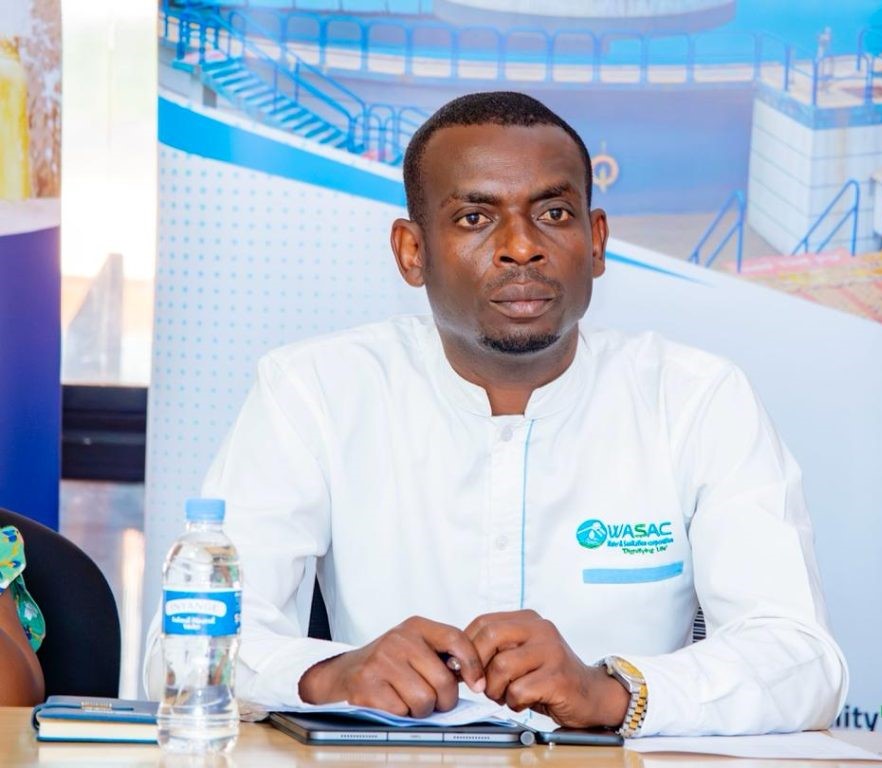***Robert Bimenyimana, the Water and Sanitation Corporation (WASAC) Group Spokesperson.***Robert Bimenyimana, the Water and Sanitation Corporation (WASAC) Group Spokesperson, said many underserved communities are being prioritised under the government’s strategy to achieve universal access to clean water by 2030 through the Second National Strategy for Transformation (NST2).
“The aim is to extend clean water access to all citizens, especially in underserved rural communities,” Bimenyimana said.
He noted that many rural water systems have historically suffered from poor maintenance, ageing infrastructure, and weak management systems.
“Historically, rural water supply systems were managed by private operators under the supervision of local governments, while WASAC’s mandate was limited primarily to urban areas,” he explained.
According to Bimenyimana, many systems were built decades ago and have not been upgraded to meet growing demand. Other contributing factors include shortages of spare parts and skilled technicians, environmental shocks such as floods, landslides and droughts, as well as illegal connections and vandalism.
These challenges, he said, have contributed to water losses and service interruptions in various parts of the country.
**Government Steps Up Investment**
To address the challenges, the government has significantly increased spending on water and sanitation infrastructure over the past three years.
The Rwf138 billion allocated to the sector in the 2026/27 budget forms part of the government’s broader Rwf7.8 trillion national budget.
The funding will support major projects including the expansion of the Kanzenze and Karenge water treatment plants, rehabilitation of rural water systems, extension of water supply networks, improvement of the Kigali Centralized Sewerage System, and development of the Nduba modern landfill.
During the parliamentary session, former Minister of Infrastructure Jimmy Gasore said the government had already embarked on extensive rehabilitation and expansion works through WASAC.
“We have identified areas where infrastructure is old or insufficient, and restoration is ongoing. A total of 67 water channels in 11 districts are being rehabilitated, prioritising areas with the most ageing and non-operational systems,” Gasore told Parliament.
He also revealed that 55 additional water channels are being developed in 11 districts with high stunting rates through a partnership involving WASAC and the Rwanda Biomedical Centre (RBC).
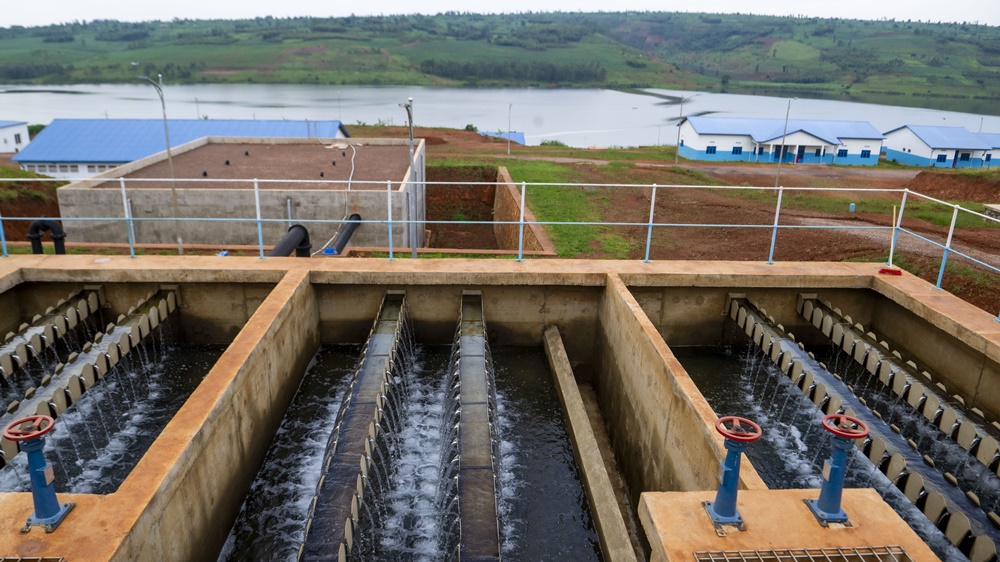***Sake Water Treatment Plant in Ngoma** **District.***Several large-scale projects are currently underway. These include the Sake Water Treatment Plant in Ngoma District, expected to produce 11,000 cubic metres of water per day, the expansion of the Mutobo Water Treatment Plant in Musanze District, the Muhazi II project in Rwamagana District, and the Musogoro project in Karongi District.
The rehabilitation of the Karenge Water Treatment Plant is expected to increase production capacity from 12,000 cubic metres to 48,000 cubic metres per day, while the Nzove Water Treatment Plant is expected to help ease water shortages in Kigali upon completion.
**MPs Raise Concerns Over Sustainability**
Despite the ongoing investments, lawmakers questioned whether current interventions are sufficient to address long-standing challenges.
Some MPs expressed concern about connecting households to water systems that already have limited supply capacity, warning that new connections could worsen shortages in certain areas.
Others raised concerns about water losses caused by ageing infrastructure, leaks and inefficiencies within the network, arguing that reducing non-revenue water should remain a priority.
The concerns underscore the importance of ensuring that increased public spending translates into reliable services for citizens rather than simply expanding infrastructure on paper.
**Beyond Water Supply**
Government investment is also targeting sanitation and waste-management infrastructure.
According to Gasore, WASAC has constructed 382 public toilets in markets, schools, health facilities and commercial centres since 2019.
An additional 32 public toilet facilities comprising 400 rooms are planned across eight districts, including Karongi, Rutsiro, Kayonza, Gatsibo, Huye, Gisagara, Gicumbi and Nyaruguru.
The government is also developing modern landfill facilities in Kigali’s Nduba Sector as well as in Musanze, Rubavu, Rusizi and Karongi, while waste-treatment facilities are being established in several districts to strengthen environmental protection and public health.
**From Budget Allocations to Better Services**
For many households, the true value of increased public investment will not be measured by the size of the budget or the number of projects announced.
Instead, it will be measured by whether clean water becomes consistently available closer to their homes, whether children are protected from waterborne diseases, and whether communities spend less time searching for water and more time on productive activities.
As Rwanda continues investing billions of francs in water and sanitation infrastructure, the challenge now is ensuring that every franc spent translates into reliable services that improve citizens’ daily lives.
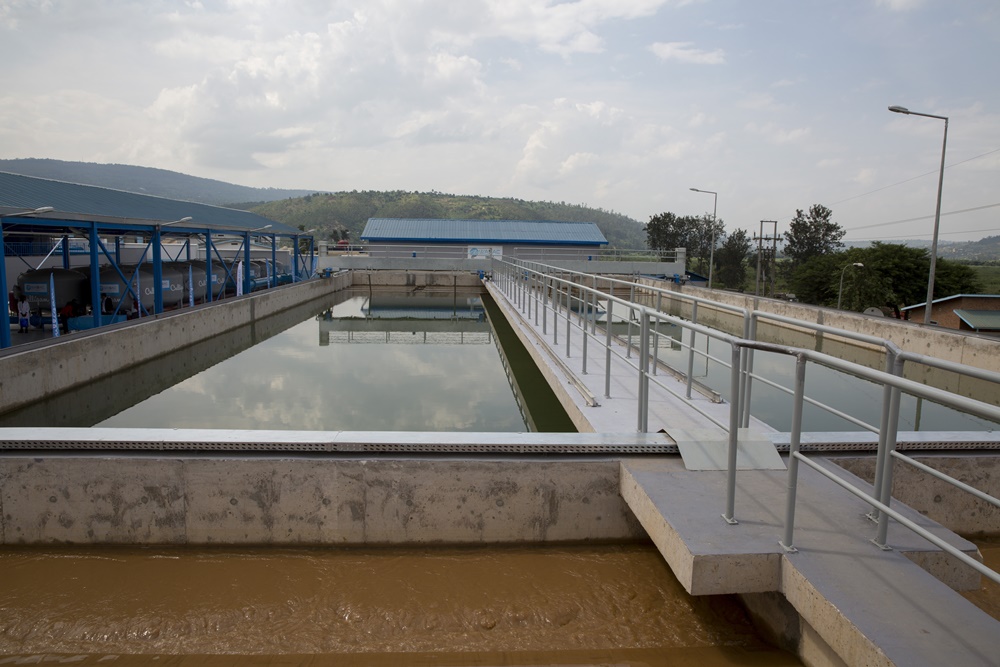***Nzove Water Treatment Plant***.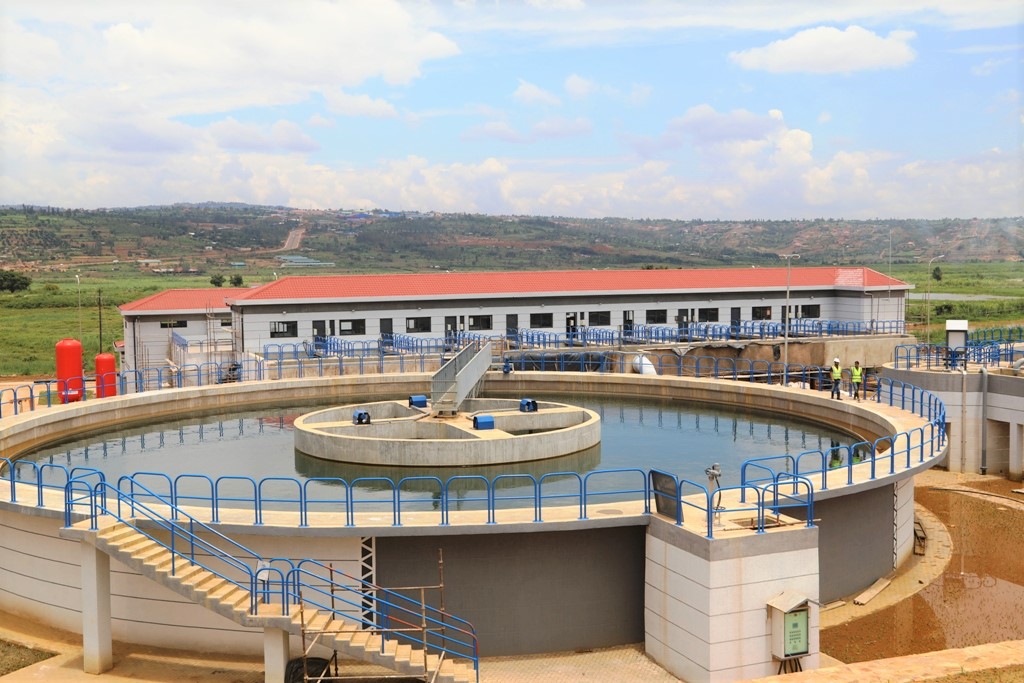***Kanzenze Water Treatment Plant.***
SUBSCRIBE TO OUR NEWSLETTER
First name or full name
Email
By continuing, you accept the privacy policy
**Categories:** Environment, NEWS
---
### [Swedfund invests USD 15 million to expand access to capital for MSMEs in Sri Lanka](https://www.topafricanews.com/2026/06/16/swedfund-invests-usd-15-million-to-expand-access-to-capital-for-msmes-in-sri-lanka/)
**Published:** June 16, 2026
**Author:** TOPAFRICANEWS
**Content:**
**Swedfund invests USD 15 million in LB Finance to expand financing for micro, small and medium sized enterprises (MSMEs) in Sri Lanka and support lower emissions transport solutions. The investment is expected to contribute to job creation and long-term private sector development.** Sri Lanka has faced a period of economic challenges following several years of financial instability which have constrained access to financing for businesses and households. MSMEs represent a significant share of employment and economic activity, yet many businesses still lack access to affordable long-term financing, particularly outside major urban areas.
“Access to finance is critical for MSMEs to invest, grow and create jobs. At a time when long-term funding remains constrained in Sri Lanka, this investment will help increase funding for smaller businesses while also supporting the transition to more sustainable transport. LB Finance’s focus on MSMEs and extensive presence outside Colombo will help reach businesses that are often overlooked by traditional lenders,” says Björn Areskog, Investment Director at Swedfund.
Swedfund’s investment will enable LB Finance to expand lending to MSMEs across Sri Lanka, including rural businesses and women-led enterprises.
A portion of the financing is made available to loans for electric and hybrid vehicles used by MSMEs, contributing to reduced emissions and more sustainable transport solutions.
Swedfund will also support LB Finance in strengthening its environmental and social risk management systems and climate related lending practices.

SUBSCRIBE TO OUR NEWSLETTER
First name or full name
Email
By continuing, you accept the privacy policy
**Categories:** NEWS
---
### [Rwanda Sets Its Sights on a Knowledge and Technology Driven Economy by 2050](https://www.topafricanews.com/2026/06/16/rwanda-sets-its-sights-on-a-knowledge-and-technology-driven-economy-by-2050/)
**Published:** June 16, 2026
**Author:** LIBOS NDAYISHIMIYE
**Content:**
Rwanda has reaffirmed its ambition to transform into a knowledge-based and technology-driven economy by 2050, with education, innovation, and equal opportunities identified as key pillars of the country’s long-term development agenda.
This vision was highlighted following the release of findings from a national assessment conducted by the National Examination and School Inspection Authority (NESA), which evaluated learning outcomes and teaching quality across Rwanda.
The assessment, carried out in May 2025 and presented on June 15, 2026, involved 22,950 students from 592 schools across all districts of the country. It focused on learners in Primary Three, Primary Six, and Senior Three, assessing their competencies in Kinyarwanda, English, Mathematics, and Science.
According to the findings, 63% of Primary Three learners met the expected competency level in Mathematics, compared to 68.7% of Primary Six students and 57.5% of Senior Three students. However, the study also revealed that only 15% of learners demonstrated proficiency in basic mathematical operations such as addition, subtraction, and multiplication.
The assessment further exposed significant challenges in literacy, particularly in reading comprehension. In Kinyarwanda, 49% of Primary Three pupils were able to read at least 35 words per minute, while 71% could read sentences. Nevertheless, only 44% successfully answered questions based on texts they had read.
In English, the results were even more concerning. Only 4% of Primary Three learners demonstrated the ability to understand what they read. The assessment measured students’ capacity to read words, read sentences, and comprehend written texts.
NESA reported that 76% of learners struggled to answer questions related to reading passages, highlighting a major gap in comprehension skills. While 63% could read words, only 46.6% achieved the benchmark of reading at least 35 words per minute.
Speaking on the findings, NESA Director General Bernard Bahati explained that the greatest challenge lies not in the ability to read words, but in understanding, interpreting, and extracting meaning from what is read.
He noted that many students can identify words and read sentences, yet struggle when required to analyze information, think critically, and answer comprehension questions. According to him, only 25.8% of learners in Primary Three and Primary Six were able to correctly respond to questions based on texts they had read.
The findings underscore the importance of strengthening foundational literacy and numeracy skills if Rwanda is to achieve its Vision 2050 aspiration of building a highly skilled, innovative, and competitive workforce. Education experts believe the results will help guide future reforms aimed at improving learning outcomes, enhancing teaching quality, and equipping young people with the knowledge and skills required to thrive in a rapidly evolving digital economy.
Rwanda continues investing in education and innovation, the country sees these efforts as essential to creating a future where every citizen has an equal opportunity to contribute to national development and benefit from a modern, technology driven economy.

SUBSCRIBE TO OUR NEWSLETTER
First name or full name
Email
By continuing, you accept the privacy policy
**Categories:** EDUCATION
---
### [The "Era of Physical AI" is Here: Ericsson Report Highlights 3 Billion 5G Subscriptions and a Massive Shift in Global Mobile Traffic](https://www.topafricanews.com/2026/06/16/the-era-of-physical-ai-is-here-ericsson-report-highlights-3-billion-5g-subscriptions-and-a-massive-shift-in-global-mobile-traffic/)
**Published:** June 16, 2026
**Author:** DUSABEMUNGU Ange de la Victoire
**Content:**
**STOCKHOLM — June 2026** — Global 5G subscriptions have officially surpassed the 3 billion mark, carrying half of all mobile data traffic worldwide, according to the newly released Ericsson Mobility Report for June 2026. However, as the telecommunications industry celebrates this milestone, a fundamental shift is already underway: the transition to the “Era of Physical AI,” which promises to completely rewrite how networks are utilized and dimensioned.
**The AI-Driven “Uplink” Revolution**
The explosive growth of generative and agentic AI is fundamentally altering mobile network traffic patterns. Historically, mobile networks have been designed for downlink-dominated activities, such as video streaming and web browsing. Today, networks are facing an unprecedented surge in uplink demand.
This shift is driven by a new class of AI-enabled devices—including smartglasses, autonomous vehicles, drones, and continuous AI agents—that act as “always-on” endpoints, constantly streaming sensor, audio, and video data to the cloud for real-time processing. An analysis of 55 global service providers revealed that **43 are already experiencing higher growth rates in uplink traffic than downlink**. Ericsson’s scenario modeling suggests that under high AI-adoption conditions, uplink traffic could multiply by five times between 2025 and 2031.
**5G Dominance and the 6G Horizon**
The adoption of 5G continues at a rapid pace, with approximately 390 service providers globally having launched commercial services, and over 90 deploying 5G Standalone (SA) networks. By the end of 2031, **5G subscriptions are forecast to reach 6.4 billion, comprising two-thirds of all global mobile subscriptions**.
As 5G matures, the industry is already laying the groundwork for its successor. Standardization discussions for AI-native 6G have begun, with the first commercial launches anticipated around 2030. These next-generation networks are expected to support massive digital twinning and wide-area mixed reality, reaching an estimated 180 million subscriptions by 2031.
**Surging Data Consumption and the FWA Boom**
Mobile network data traffic growth continues to exceed expectations, rising 22 percent year-over-year between Q1 2025 and Q1 2026. At the end of 2025, the global average data traffic per active smartphone reached 22 GB per month, a figure projected to nearly double to 42 GB by 2031.
Alongside mobile data, Fixed Wireless Access (FWA) has emerged as a major 5G monetization success. **Currently, 71 percent of all FWA providers offer their services over 5G**, marking the highest annual increase in adoption in four years. FWA connections are expected to reach 350 million by 2031, effectively serving broadband to approximately 1.4 billion people worldwide.
**Moving Beyond “Best Effort” with Network Slicing**
To handle complex, simultaneous demands, networks are evolving into “intelligent infrastructure” capable of delivering tailored performance. This is evidenced by a 58 percent annual growth rate in commercially available 5G SA network slicing offerings, jumping from 65 to 84 globally in just six months.
A real-world demonstration of this “differentiated connectivity” was successfully executed by SoftBank at the 2026 Formula 1 Japanese Grand Prix at Suzuka Circuit. By utilizing network slicing on a shared 5G SA infrastructure, SoftBank delivered uninterrupted, premium connectivity for point-of-sale systems and broadcasters, even during periods of extreme congestion. Remarkably, general 5G SA users at the event still experienced downlink speeds 4.1 times faster than the previous year.
**The Enterprise AI Execution Gap**
Finally, the report highlights a critical execution gap in the enterprise sector. While 88 percent of enterprises recognize that their AI solutions depend on real-time data, a mere 18 percent have widely adopted the secure, reliable cellular technologies needed to support these workflows. To realize the full value of AI-led digital transformation, businesses must integrate mobile, cloud, and AI technologies to automate operations and scale capabilities securely.
“Mobile networks are no longer only about providing best-effort connectivity, they are becoming critical, intelligent infrastructure that meets diverse application needs,” noted the report’s publisher. As cross-industry collaboration deepens, Ericsson emphasizes that these future networks will need to be increasingly capable, adaptable, and resilient to sustain the incoming wave of autonomous innovation.

SUBSCRIBE TO OUR NEWSLETTER
First name or full name
Email
By continuing, you accept the privacy policy
**Categories:** ICT, Science and Technology
---
### [Mary's Meals marks Day of the African Child](https://www.topafricanews.com/2026/06/16/marys-meals-marks-day-of-the-african-child/)
**Published:** June 16, 2026
**Author:** TOPAFRICANEWS
**Content:**
On 16 June 1976, thousands of students were killed in Soweto, South Africa, while protesting for their right to fair and quality education. Today, 50 years after this tragic event, Mary’s Meals marks this Day of the African Child while providing school meals to more than 2,654,000 children in 10 countries across the continent – encouraging children into the classroom and supporting their readiness to learn.
Day of the African Child, established by the African Union in 1991, is not only a commemoration but also a call to action and a moment of reflection on the rights of African children, with a particular focus on education and a different theme highlighted each year. This year, the African Committee of Experts on the Rights and Welfare of the Child has chosen the theme: *“Ensuring universal access to water, sanitation and hygiene for every child in Africa.”*
Mary’s Meals provides daily nutritious school meals to more than 3 million children in 16 countries worldwide. The vast majority of these children are in sub-Saharan Africa, although the organisation also operates in Asia, Latin America, and the Middle East. Its work encourages children experiencing extreme poverty and hunger to attend school or an informal place of learning, something that would not be possible without access to safe and reliable water sources.
Education is a fundamental right of every child, as is clean and safe water. Research shows that reliable daily meals served in school help to reduce hunger, increase energy, increase enrolment and attendance, and enable children to concentrate better in class. However, lack of water can still be a barrier to schooling, as illustrated by Nyawa, a pupil at Nkhuzyeni Primary School in Zambia. Nyawa lives close to her school but must fetch water and complete household chores before attending classes. *“I go with my friends to fetch water, never alone. There are bushes and thick vegetation along the way, and there are risks from both from people and animals,”* she says. *“I want to complete my education to have a better life. I’d like to train as a nurse. I like my teachers, my friends, and I really like the Mary’s Meals porridge,”* she adds.
In Madagascar, families whose children receive daily meals in school report that the re-enforcing of good handwashing and hygiene habits as part of the Mary’s Meals programme is having a notable impact at home. A safe water supply is an essential element of a successful school feeding programme and while water projects is not a specific focus of Mary’s Meals’ work, some of its delivery partners run complementary water projects alongside the school feeding programme.
“*Our school feeding officers live in the communities and see the community day-to-day, which helps our understanding of the problems they face. This provides a strong foundation for our other work, such as addressing the need for clean drinking water. One of our programmes focuses on providing clean water through boreholes and hand pumps, and we are now prioritising schools involved in the school feeding programme for these interventions,*” says Samantha Cameron, Programme Coordinator for one of Mary’s Meals’ partners in Madagascar.
According to the latest UNESCO data, approximately 118 million children, adolescents and young people in Africa are currently out of school.[\[2\]](https://webmail.topafricanews.com/cpsess4567654941/3rdparty/roundcube/?_task=mail&_framed=1&_caps=pdf%3D1%2Cflash%3D0%2Ctiff%3D0%2Cwebp%3D1%2Cpgpmime%3D0&_uid=58481&_mbox=INBOX&_safe=1&_action=preview#v1_ftn2) In 2025, Mary’s Meals reached more than 638,000 additional children, supporting over 1,280 schools across its school feeding programmes in Africa. To mark this important day and respond to the 2026 call to action, Mary’s Meals urges people from all backgrounds to offer support to help expand its programmes across Africa and contribute to a brighter future for millions of children.

SUBSCRIBE TO OUR NEWSLETTER
First name or full name
Email
By continuing, you accept the privacy policy
**Categories:** ADVOCACY, EDUCATION, NEWS
---
### [Shine Collab urges governments, regional entities to put women at the centre of Africa’s energy transition](https://www.topafricanews.com/2026/06/16/shine-collab-urges-governments-regional-entities-to-put-women-at-the-centre-of-africas-energy-transition/)
**Published:** June 16, 2026
**Author:** DUSABEMUNGU Ange de la Victoire
**Content:**
**Harare, Zimbabwe \| June 2026** – Advocates for ecofeminist and gender justice have called on policymakers to ensure that Africa’s energy future is designed around the needs, realities and voices of women. The call was made in the sidelines of the ongoing sixty-fourth sessions of the UNFCCC Subsidiary Bodies (SBI 64 and SBSTA 64) taking place in Bonn, Germany.
A new advocacy brief released ahead of the SBI64, *“Whose Energy Is It Anyway? Centring Women’s Voices and Realities in Africa’s Energy Future,”* warns that Africa’s energy crisis is not merely an infrastructure challenge but a profound women’s rights issue that continues to trap millions of women and girls in cycles of poverty, ill health and unpaid labour.
“Women are the first to feel the effects of deforestation and climate stress given their prescribed social roles; as a result, energy poverty is experienced differently by women and men,” Dr Melania Chiponda, Executive Director, Shine Collab, a global feminist network and non-profit that accelerates gender-just solutions at the intersection of climate resilience, community power, and energy access said.
According Dr Melania, who also authored the Advocacy brief, for millions of women across Africa, lack of access to modern energy means hours spent collecting firewood and water, exposure to toxic smoke from open fires, and less time available for education, paid work, leadership and rest.
Nearly 600 million Africans still lack reliable access to electricity, with Sub-Saharan Africa accounting for 77 percent of the world’s energy-poor population. While these statistics are widely cited, the report highlights the hidden reality that women and girls shoulder the greatest burden of energy poverty through unpaid care work, fuel collection and cooking using polluting biomass fuels.
The Advocacy brief highlights alarming gender disparities across the continent. Women in Sub-Saharan Africa perform more than three times as much unpaid care work as men. In countries such as Tanzania, Ethiopia, Mali and Rwanda, women spend several hours each day collecting fuel, fetching water and performing household tasks linked directly to inadequate energy access.
The consequences are severe. Indoor air pollution from biomass cooking fuels is estimated to have caused approximately 700,000 deaths across Africa in 2019 alone, disproportionately affecting women and children who spend the most time near cooking fires.
However, evidence presented in the brief demonstrates that investments in clean cooking technologies and reliable electricity can significantly reduce women’s time burdens and unlock opportunities for income generation, education and community participation. Programmes introducing improved cookstoves in Tanzania and Kenya have shown substantial reductions in time spent collecting fuel and preparing meals, allowing women to invest more time in productive economic activities.
The release of the brief coincides with growing momentum behind Mission 300, the joint AfDB and World Bank initiative that aims to connect 300 million Africans to electricity by 2030. While welcoming the initiative’s ambition, advocates warn that large-scale energy investments could reinforce existing inequalities if gender considerations are not intentionally built into planning, financing and implementation.
The brief calls on the African Development Bank, governments and development partners to adopt five key actions including, introducing gender-disaggregated monitoring systems to measure who benefits from energy investments and how those benefits are distributed, ensuring women’s meaningful participation in energy governance and decision-making structures at national and local levels and elevating clean cooking solutions as a central pillar of energy financing and development strategies.
In addition, the brief urges for affordability mechanisms, including subsidies and community financing models, that specifically address barriers facing women-led households and the institutionalization of participatory approaches that place rural women, women with disabilities and women in conflict-affected areas at the centre of energy planning processes.
According to projections cited in the brief, more than 220 million women and girls in Sub-Saharan Africa could be living in extreme poverty by 2030, with nearly half facing food insecurity. Advocates argue that decisions made today regarding energy financing will significantly influence whether those outcomes can be reversed.
“The conversation about Africa’s energy transition must move beyond megawatts and connections,” noted Dr Melanina. “Women’s time, health, safety and economic participation are not secondary benefits of energy access—they are the reason energy justice matters.”

SUBSCRIBE TO OUR NEWSLETTER
First name or full name
Email
By continuing, you accept the privacy policy
**Categories:** CLIMATE CHANGE, Energy
---
### [Rwanda and South Africa Set for Diplomatic Breakthrough as Top Diplomats Meet in Pretoria](https://www.topafricanews.com/2026/06/16/rwanda-and-south-africa-set-for-diplomatic-breakthrough-as-top-diplomats-meet-in-pretoria/)
**Published:** June 16, 2026
**Author:** LIBOS NDAYISHIMIYE
**Content:**
Rwanda and South Africa are poised to take a significant step toward restoring and strengthening their bilateral relations as Rwanda’s Minister of Foreign Affairs and International Cooperation, Ambassador Olivier Nduhungirehe, prepares to meet his South African counterpart, Ronald Lamola, in Pretoria on June 17, 2026.
The high-level meeting is being viewed as a major opportunity for both nations to rebuild trust and open a new chapter of cooperation after years of diplomatic tensions and disagreements over regional security issues.
According to South Africa’s Department of International Relations and Cooperation, the talks form part of ongoing efforts to rebuild and deepen relations between Pretoria and Kigali. Discussions are expected to focus on enhancing diplomatic engagement and expanding cooperation in key sectors, including trade, tourism, health, education, and security.
The meeting comes at a critical moment as both countries seek to strengthen partnerships and contribute to peace and stability across the African continent. Analysts believe the dialogue could mark a turning point in relations between two of Africa’s influential nations, creating fresh opportunities for economic collaboration and regional cooperation.
Following the talks, Minister Lamola is expected to brief the media on the outcomes of the meeting and outline measures agreed upon to advance bilateral relations.
Relations between Rwanda and South Africa have experienced significant challenges in recent years. Rwanda has repeatedly expressed concerns over individuals it accuses of being involved in activities aimed at destabilizing the country’s security while residing in South Africa.
Tensions were further heightened by developments in eastern Democratic Republic of Congo, where South African troops were deployed under the Southern African Development Community (SADC) mission and became involved in the conflict against the AFC/M23 rebel movement. Rwanda consistently warned against military involvement in a conflict it argued contained elements that threatened its national security.
Diplomatic disagreements intensified in early 2025 when South African President Cyril Ramaphosa made remarks referring to Rwanda’s Defence Forces in a manner that drew criticism from Kigali. President Paul Kagame responded by emphasizing that the Rwanda Defence Force (RDF) is a national army and should not be characterized as a rebel group.
Despite these challenges, recent months have witnessed signs of renewed willingness from both sides to improve relations. In May 2026, President Ramaphosa publicly acknowledged that difficulties existed between the two countries but stressed that such differences should not prevent constructive engagement. His remarks came during the Africa CEO Forum in Côte d’Ivoire, where he met President Kagame.
The upcoming talks in Pretoria are therefore being widely regarded as a crucial diplomatic opportunity to reset relations between Rwanda and South Africa. If successful, the meeting could pave the way for stronger political dialogue, increased economic cooperation, and a more collaborative approach to addressing regional challenges, ultimately benefiting both nations and the broader African continent.

SUBSCRIBE TO OUR NEWSLETTER
First name or full name
Email
By continuing, you accept the privacy policy
**Categories:** NEWS
---
### [African Aviation Leaders Launch Landmark Event in Togo to Accelerate Single African Sky](https://www.topafricanews.com/2026/06/15/african-aviation-leaders-launch-landmark-event-in-togo-to-accelerate-single-african-sky/)
**Published:** June 15, 2026
**Author:** TOPAFRICANEWS
**Content:**
**Lomé, Togo (June 15, 2026)** — African aviation leaders gathered today in Togo’s capital for the opening of the inaugural African Air Transport Convention & Expo 2026, a landmark five-day event aimed at accelerating the Single African Air Transport Market (SAATM) and boosting continental connectivity.
Hosted by the African Civil Aviation Commission (AFCAC) in collaboration with the African Union Commission and under the patronage of the Government of Togo, the convention brings together more than 500 participants, including heads of state, ministers, civil aviation authorities, airlines, airports, investors, and development partners.
The event is taking place primarily at Hotel 2 Février in Lomé, just a short distance from Gnassingbé Eyadema International Airport.
The theme, “Single African Sky: Connectivity and Sustainable Development of Air Transport,” underscores the push to liberalize air services, reduce costs, and align aviation growth with the African Continental Free Trade Area (AfCFTA) and Agenda 2063.
High-level sessions on Day 1 focus on SAATM implementation, lowering taxes, fees and charges to improve affordability, and strengthening African airlines for greater resilience and competitiveness.
AFCAC officials described the convention as a pivotal platform to translate policy commitments into actionable outcomes, including a planned Lomé Ministerial Declaration, new frameworks for reducing aviation costs, the launch of an African Route Development Platform, and pipelines for bankable infrastructure projects.
Discussions will also cover air cargo corridors, visa facilitation, digital travel solutions, sustainable aviation fuels, and human capital development.
Togo, a strong advocate for SAATM, is showcasing its infrastructure readiness, with organizers highlighting the country’s strategic location and modern facilities as ideal for hosting this continental gathering.
The expo features an industrial exhibition, bilateral meetings, route development marketplaces, and ministerial roundtables running through June 19.
Expected deliverables include new air service agreements, investment commitments, and policy recommendations to drive intra-African trade and tourism.
This first-of-its-kind event marks a significant step toward a more integrated, efficient, and sustainable African aviation sector, with stakeholders hoping it will deliver concrete progress on long-standing barriers to air travel across the continent.

SUBSCRIBE TO OUR NEWSLETTER
First name or full name
Email
By continuing, you accept the privacy policy
**Categories:** Business and Trade
---
### [How Kayonza Youth Turned Fodder Farming into a Multi-Million-Franc Business](https://www.topafricanews.com/2026/06/15/how-kayonza-youth-turned-fodder-farming-into-a-multi-million-franc-business/)
**Published:** June 15, 2026
**Author:** Mutangana Emmanuel
**Content:**
In a region where livestock farming is a major source of livelihood, a youth-led company in Kayonza District is proving that fodder production can be both a profitable business and a solution to one of the dairy sector’s biggest challenges: access to quality animal feed.
Operating from Nyawera Cell in Mwiri Sector, Powers of Youth in Agriculture Modernization (PYAM), a private company led by young entrepreneurs, has generated Rwf16 million from its first fodder harvest while creating hundreds of jobs and supporting dairy farmers across the area.
The company, which started operations in early 2026 with support from the Rwanda Dairy Development Project Phase II (RDDP II), brings together 50 members engaged in commercial fodder production.
***Eric Murenzi, Managing Director of Powers of Youth in Agriculture Modernization (PYAM) Company.***“We established this company to respond to the growing demand for quality fodder while creating employment opportunities for young people,” said Eric Murenzi, the company’s Managing Director.
“Our vision is to satisfy the increasing demand for livestock feed and contribute to higher milk production by ensuring dairy farmers have access to quality fodder at affordable prices,” he added.
The company cultivates improved forage varieties on 51 hectares of land, including Chloris gayana, Black Yalis, Mucuna and Desmodium, all known for their high nutritional value and contribution to livestock productivity.
The investment has already started paying off.
According to Murenzi, the company harvested approximately 8,000 bales of fodder during its first production season. Sold at Rwf2,000 per bale, the harvest generated about Rwf16 million in revenue.
“We earned around Rwf16 million from fodder sales during our first season alone. This demonstrates that agriculture can create real wealth when approached as a business,” he said.
Beyond hay production, PYAM has expanded into seed multiplication, opening another source of income.
“From Chloris gayana alone, we harvested about four tonnes of seed, which we are preparing to sell. We expect to generate an additional Rwf20 million from seed sales,” Murenzi explained.
The growing market for fodder reflects increasing adoption of improved dairy farming practices promoted under RDDP II, including better livestock feeding, improved breeds and modern production systems.
The enterprise is also emerging as a significant source of employment in the district.
During peak production periods, more than 300 workers are employed daily for activities such as planting, harvesting, transportation and field management.
“As production expands, we expect to employ more than 500 people per day,” Murenzi said.
He credits much of the company’s success to support received through RDDP II.
“The project provided seed capital, training and continuous technical support. Without that assistance, it would have been difficult to reach this stage,” he said.
Murenzi encouraged other young people to view agriculture as a business opportunity rather than a subsistence activity.
“We have already earned millions from our first harvest, and more revenue is expected from seed sales. Young people should embrace fodder farming because the opportunities are enormous,” he added.
Demand Still Exceeds Supply
Despite increasing production, experts say quality fodder remains in short supply due to rising demand from dairy farmers.
***Jaqueline Murekatete, Livestock Farmer Field School Facilitator (L-FFS), working with RDDP II in Mwiri Sector, Kayonza District.***Jaqueline Murekatete, Livestock Farmer Field School Facilitator (L-FFS), working with RDDP II in Mwiri Sector, said the market for improved fodder continues to expand.
“Quality fodder is still insufficient compared to demand. There is significant income in fodder production, and even I would like to increase my capacity to cultivate fodder on a larger scale. Dairy farmers need nutritious forage and legumes to sustain milk production,” she said.
District Officials Applaud Initiative
Fred Hategekimana, Acting Mayor of Kayonza District, said RDDP II is playing an important role in strengthening livestock production by addressing feed shortages that often affect farmers during dry periods.
***Fred Hategekimana, Acting Mayor of Kayonza District.***“Through the promotion of improved fodder and support to seed multipliers, the project is helping farmers secure reliable feed supplies for their animals,” he said.
He highlighted the youth-led enterprise in Nyawera as an example of how agricultural investments can generate economic opportunities.
“The company is demonstrating that agriculture can be a viable business. It is creating jobs, supporting dairy farmers and inspiring other young people to invest in the livestock value chain,” Hategekimana said.
Beyond fodder production, he noted that the project is also supporting dairy farmers through matching grants that enable them to invest in water harvesting infrastructure, including dam liners used to store water for livestock during dry seasons.
“Water contributes about 60 percent of the nutrients required by a cow. Without sufficient water, animals cannot achieve their full productive potential regardless of feed quality,” he explained.
RDDP II, a six-year initiative running from 2024 to 2030, is funded by the International Fund for Agricultural Development (IFAD) and the Government of Rwanda with a budget of $100.37 million (approximately Rwf127 billion).
Implemented through the Rwanda Agriculture and Animal Resources Development Board (RAB), the project aims to improve the productivity, resilience and profitability of smallholder dairy farmers in 27 districts across the country. It is expected to benefit about 175,000 rural households, equivalent to nearly 700,000 people, with particular attention to women, youth and vulnerable groups.

SUBSCRIBE TO OUR NEWSLETTER
First name or full name
Email
By continuing, you accept the privacy policy
**Categories:** Natural Resources and Agriculture
---
### [Stanbic Bank launches Keep Growing campaign](https://www.topafricanews.com/2026/06/15/stanbic-bank-launches-keep-growing-campaign/)
**Published:** June 15, 2026
**Author:** TOPAFRICANEWS
**Content:**
**Nairobi 16th June 2026** – Stanbic Bank has launched the *Keep Growing* campaign, reaffirming its commitment to supporting individuals, businesses and communities to unlock opportunities, build resilience and achieve sustainable growth.
The campaign seeks to inspire Kenyans to embrace progress and move forward confidently across every stage of their personal and business journeys, backed by financial solutions designed to enable long-term prosperity.
The initiative is anchored in insights drawn from the bank’s interaction with retail and SME customers and their desire to grow despite facing pressure from rising costs, high debt levels and unpredictable income streams, thereby straining households and businesses.
Abraham Ongenge, Acting Chief Executive, Stanbic Bank Kenya said: “The *Keep Growing* campaign is a tribute to the resilience of the Kenyan spirit that starts with ambition, strengthened by challenge and driven by motivation. It is our answer to Kenya’s plan to build a resilient economy, driven by MSMEs and manufacturing.”
Projections from the World Bank, IMF, CBK, National Treasury show that Kenya’s economy will grow between 4.5%–5.5% in 2026, with the medium-term trajectory of 4.7–5.3% through 2028. CBK projects 5.2% growth in 2025 and 5.5% in 2026, having executed its longest easing cycle in recent history — cutting the Central Bank Rate from 13.0% to 8.75% between August 2024 and February 2026 to stimulate credit and economic activity.
The campaign, which is a powerful call to action, comes on the back of this economic growth that is broadening beyond agriculture, a structurally positive signal for medium-term resilience.
Lilian Onyanch, Head, Brand and Marketing, Stanbic Bank, explained, “Through this campaign, we want to inspire Kenyans to connect, share and inspire one another on the path to progress. We want to affirm resilient entrepreneurs who are growing their businesses and empower the next generation of entrepreneurs. In today’s world, authentic stories are one of the most powerful ways to inspire the next generation, and that is what we aim to achieve through the *Keep Growing* campaign.”
As part of the campaign, the Bank will profile and celebrate homegrown businesses, bringing to life authentic stories of growth and resilience. The campaign will also be supported by a series of promotions across various media platforms.
The bank recorded 5% year on year growth in Q1 Profit After Tax to KES 3.5 billion, driven by a double-digit balance sheet growth, and prudent cost and risk management. Going forward, the bank aims to keep accelerating its growth agenda, by deepening financial access for individuals and enterprises across the region.
The Bank has received several accolades in the past few months including Overall Best Bank in Kenya at the Think Business Awards and through Standard Bank, named Africa’s Most Valuable Bank Brand by Brand Finance for the fifth consecutive year.

SUBSCRIBE TO OUR NEWSLETTER
First name or full name
Email
By continuing, you accept the privacy policy
**Categories:** Business and Trade
---
### [Never miss a match! Emirates screens FIFA World Cup 26™ live on flights via Sport 24](https://www.topafricanews.com/2026/06/15/never-miss-a-match-emirates-screens-fifa-world-cup-26-live-on-flights-via-sport-24/)
**Published:** June 15, 2026
**Author:** DUSABEMUNGU Ange de la Victoire
**Content:**
**Dubai, UAE, 15 June 2026**: From the opening ceremony today in Mexico, to the final in USA on the 19 July – Emirates will screen every match of the FIFA World Cup 26™ onboard its flights, via its dedicated live sports channel – Sport 24 on *ice.*
Ensuring that Emirates customers don’t miss a moment and enjoy of the one of most watched sporting events in the world – Sport24 on *ice* is offering the full schedule of matches onboard. Bringing together fans from every nation and creating moments that transcend borders, passengers can follow the action live at 40,000 feet, ensuring they never miss a goal, a celebration, or a defining moment of the competition.
To help passengers stay up to date with the action and plan for their travel, the full FIFA World Cup 26™ live broadcast schedule is available in the June edition of the *ice* magazine, making it easy to follow every match throughout the tournament.
Live TV, including Sport 24 and Sport 24 Extra, is available on most Emirates flights. Availability may vary depending on aircraft type and route.
FIFA World Cup 26™ matches will also be screened where possible in the Emirates Lounges of Dubai.
**More live sports available on *ice*** From 4-20 June, Sport 24 and Sport 24 Extra on *ice* will also screen the NBA Finals for basketball fans. Canada Sail Grand Prix will be screened live from Halifax Harbour, Nova Scotia on 20-21 June, as well as the Formula 1® Moët & Chandon Belgian Grand Prix on 19 July, and the Formula 1® AWS Hungarian Grand Prix on 26 July.

SUBSCRIBE TO OUR NEWSLETTER
First name or full name
Email
By continuing, you accept the privacy policy
**Categories:** Business and Trade, Sport
---
### [US Backs Wind-Down of UN Criminal Tribunal Mechanism Mandates, Seeks Clarity on Retained Judicial Functions](https://www.topafricanews.com/2026/06/15/us-backs-wind-down-of-un-criminal-tribunal-mechanism-mandates-seeks-clarity-on-retained-judicial-functions/)
**Published:** June 15, 2026
**Author:** DUSABEMUNGU Ange de la Victoire
**Content:**
**NEW YORK, June 15, 2026** — The United States has voiced support for winding down key mandates of the International Residual Mechanism for Criminal Tribunals (Mechanism), while requesting additional information regarding the potential retention of certain judicial functions.
In remarks delivered to a UN Security Council briefing on June 12, U.S. Representative for U.N. Management and Reform, Ambassador Jeffrey Bartos, stated that the U.S. supports the conclusion of the Mechanism’s mandates to investigate, indict, and prosecute core crimes, contempt, and false testimony crimes at this time. The U.S. position was delivered as the Council works toward a constructive conclusion of the Mechanism’s Sixth Review period, paving the way for an “expeditious conclusion” of its work.
Ambassador Bartos commended the Mechanism for submitting a unified vision and strategic plan, which will facilitate the necessary Council decisions to effectuate the termination and transfer of functions.
The U.S. also concurred with several proposals aimed at streamlining operations and preserving the legacy of the Mechanism and its predecessor tribunals:
- **Transfer of Functions:** Concurrence with the recommendation to transfer the Prosecutor’s national assistance functions, which support domestic jurisdictions addressing atrocity crimes, to the Secretariat.
- **Archives:** Appreciation for States that have offered to host the Archives, supported by the Secretariat, to facilitate digital access and preserve the Mechanism’s legacy.
- **Sentencing Enforcement:** Support for transferring the day-to-day supervision of sentences to enforcement states, and specifically endorsing the enforcement of International Criminal Tribunal for Rwanda (ICTR) sentences in Rwanda. The U.S. urged the Mechanism and the Secretariat to make arrangements to transfer these functions as quickly as possible.
Furthermore, the U.S. expressed pleasure that the proposals would result in a major reduction in staffing, as well as the consolidation of limited remaining judicial functions to a single location with outsourced support services. These measures are expected to achieve “significant cost savings and accelerate winddown”.
However, the U.S. has not yet determined whether it concurs with all recommendations concerning the retention of limited judicial functions, particularly due to the potentially indefinite nature of these functions. The U.S. requested additional information on why these functions could not be executed at the national level, transferred, or terminated. Bartos indicated it would be helpful to receive additional information on the expected timelines, staffing, and budget for all potentially retained judicial functions.
The U.S. remains committed to actively working to address these and other outstanding issues as the Council completes the Review.

SUBSCRIBE TO OUR NEWSLETTER
First name or full name
Email
By continuing, you accept the privacy policy
**Categories:** NEWS
---
### [Two Young Rwandans Honoured with QECT 100 Young Leaders Awards as Rwanda UK Week Opens](https://www.topafricanews.com/2026/06/15/two-young-rwandans-honoured-with-qect-100-young-leaders-awards-as-rwanda-uk-week-opens/)
**Published:** June 15, 2026
**Author:** Mutangana Emmanuel
**Content:**
Two young Rwandans, Regine Ingabire and Olivier Niyonkuru, have been recognized among the Queen Elizabeth II Commonwealth Trust (QECT) 100 Young Leaders Awardees 2026, with their awards officially presented during the launch of Rwanda UK Week at Gahanga Cricket Stadium on June 14.
The awards were handed over by Alison Thorpe, British High Commissioner to Rwanda, on behalf of King Charles III, recognizing the pair’s outstanding contributions to agriculture and community health.
The QECT 100 Young Leaders Award celebrates young people across Commonwealth countries who are using innovation, leadership and community action to address social and economic challenges.
***Alison Thorpe, British High Commissioner to Rwanda.***Speaking during the ceremony, Thorpe said the award was established by the late Queen Elizabeth II to champion young leaders driving positive change in their communities.
“This year is particularly special as it marks what would have been the 100th birthday of Queen Elizabeth II, a leader who deeply believed in the power of young people to shape a better future,” she said.
According to Thorpe, the awardees were selected through a highly competitive process involving thousands of applications from across the Commonwealth.
“The award is not simply a recognition of achievement. It provides a platform to amplify the work of outstanding young people and connect them to networks, skills and support needed to grow their impact further,” she added.
***Alison Thorpe, British High Commissioner to Rwanda, presents the award to Regine Ingabire.***Regine Ingabire, founder and Chief Executive Officer of Green Grow Organics, was recognized for her work developing organic foliar fertilizers aimed at helping smallholder farmers improve productivity while reducing dependence on costly chemical inputs.
Her company produces plant-based fertilizers using locally available materials and focuses on supporting farmers growing crops such as potatoes and tomatoes.
Speaking after receiving the award, Ingabire said the idea was inspired by challenges she observed among farmers struggling to afford agricultural inputs.
She said, “So that business came after recognizing a serious problem in Kenya, where I was doing my Masters, and also in Musanze District, where I live, where the farmer was struggling to grow plants because the inputs, mostly inorganic fertilizer, were expensive.”
“The award means a lot because it recognizes the impact we are making in the community and connects us with other stakeholders who share the vision of creating a more sustainable future,” she added.
Ingabire revealed that Green Grow Organics is currently conducting laboratory testing and field demonstrations ahead of the planned launch of its first commercial product later this year.
Thorpe noted that Ingabire’s innovation has shown promising results in improving agricultural productivity and supporting food security among smallholder farmers.
***Alison Thorpe, British High Commissioner to Rwanda, presents the award to Olivier Niyonkuru.***The second award recipient, Olivier Niyonkuru, was recognized for founding Rwamagana Car Free Day, a community health initiative focused on screening and raising awareness about non-communicable diseases (NCDs).
Niyonkuru, a recent graduate of the University of Rwanda and president of the Nursing Research Club, said the recognition affirmed the value of the work his team has been carrying out.
“I feel grateful because the impact we have been making in the community has been recognized,” he said.
Launched in 2024, the initiative works in partnership with Rwamagana District, Rwanda Biomedical Center (RBC) and Rwamagana District Hospital to provide free screening services for conditions such as hypertension and diabetes.
According to Niyonkuru, the program has already screened more than 10,000 people and continues to expand its reach.
When individuals are identified as being at risk, they are referred to health facilities for further diagnosis and treatment.
Thorpe praised the initiative for addressing one of the world’s most pressing public health challenges through prevention and early detection.
The awards ceremony coincided with the opening of Rwanda UK Week, a series of events organized by the British Chamber of Commerce in Rwanda to promote trade, investment and cultural exchanges between Rwanda and the United Kingdom.
***Joanna Nicholas, Chair of the British Chamber of Commerce in Rwanda.***Joanna Nicholas, Chair of the British Chamber of Commerce in Rwanda, said the week-long program is designed to showcase business opportunities between the two countries.
Activities include discussions on sports business, exporting products to the UK market, agricultural trade, entrepreneurship and cultural exchange.
“The objective is to increase trade between Rwanda and the UK in both directions while exposing entrepreneurs to new opportunities and ideas,” Nicholas said.
The British Chamber of Commerce in Rwanda was established in late 2025 and aims to support both international investors seeking opportunities in Rwanda and Rwandan businesses looking to expand into the UK market.

SUBSCRIBE TO OUR NEWSLETTER
First name or full name
Email
By continuing, you accept the privacy policy
**Categories:** NEWS, Youth Empowerment
---
### [Umubyeyi Elevate to Launch Groundbreaking Mama Guides Women’s Health Series in Kigali](https://www.topafricanews.com/2026/06/15/umubyeyi-elevate-to-launch-groundbreaking-mama-guides-womens-health-series-in-kigali/)
**Published:** June 15, 2026
**Author:** TOPAFRICANEWS
**Content:**
Umubyeyi Elevate organization will officially launch the Mama Guides, an eight-part women’s health book series authored by Dr. Umunyana Marie Chantal, on June 19, 2026, at the Kigali Convention Centre.
The launch event is expected to attract healthcare professionals, policymakers, development partners, academics, media representatives and community leaders, all gathered around a shared goal of strengthening women’s health education and access to reliable health information.
The Mama Guides present a comprehensive and practical resource covering key stages of a woman’s life, including preconception, pregnancy, antenatal care, labor and delivery, postpartum recovery, breastfeeding, family planning and menopause. The series is designed to translate evidence-based medical knowledge into accessible, culturally relevant guidance that can be used in homes, clinics and communities.
According to Umubyeyi Elevate, the initiative responds to persistent gaps in health literacy and aims to equip women and families with trusted information that supports informed decision making at every stage of life.
“The Mama Guides were created to empower women through knowledge,” said Dr. Umunyana Marie Chantal, the lead author. “When women have access to accurate and understandable health information, they are better equipped to make informed decisions for themselves, their families and their communities.”
The books have been professionally edited and published by Imfura Heritage Publishers, under the leadership of the author Fred Mfuranzima, ensuring clarity, quality and accessibility for a wide audience.
Beyond the official unveiling, the launch will feature keynote addresses, expert panel discussions and exhibitions focused on maternal health, nutrition, mental wellbeing, preventive care and family wellbeing. Organizers also plan to use the event as a platform for discussions on wider distribution, including digital access, translation and regional expansion across Africa.
The initiative reflects Umubyeyi Elevate’s broader mission to bridge health information gaps and strengthen community wellbeing through education and innovation. Organizers say the Mama Guides are intended to serve not only women, but also healthcare workers, educators and institutions seeking reliable, practical health education tools.
Under the theme “Guided by Care: Empowering Women, Strengthening Families, Transforming Communities”, the launch marks what organiser’s describe as a significant step toward improving health literacy and empowering women with knowledge that can positively influence families and communities for generations.

SUBSCRIBE TO OUR NEWSLETTER
First name or full name
Email
By continuing, you accept the privacy policy
**Categories:** NEWS
---
### [Green Party Strengthens Grassroots Structures as It Prepares for 2029 Elections](https://www.topafricanews.com/2026/06/14/green-party-strengthens-grassroots-structures-as-it-prepares-for-2029-elections/)
**Published:** June 14, 2026
**Author:** Mutangana Emmanuel
**Content:**
The Democratic Green Party of Rwanda (DGPR) says it is strengthening its grassroots structures and equipping local leaders with new skills as part of preparations for the 2029 general elections.
The announcement was made by Dr. Frank Habineza, President of the Democratic Green Party of Rwanda, during the closing of a leadership training program held in Nyanza District on June 14, 2026.
According to Habineza, the training targeted party leaders from sector-level structures, including women and youth representatives, and formed part of a broader capacity-building initiative being conducted across the country.
***Dr. Frank Habineza, President of the Democratic Green Party of Rwanda (DGPR).***“Today we concluded a series of training sessions for our party leaders, including women and youth representatives as well as district-level officials. We have spent the last two months conducting these trainings in the Southern Province after completing a similar exercise in the Northern Province,” Habineza said.
He explained that the primary objective is to equip party leaders with the knowledge and skills needed to establish party structures at the sector level and expand the party’s presence nationwide.
“We want our leaders to have the capacity to build strong party structures at the grassroots level as part of our preparations for future elections,” he said.
The Green Party has already completed elections for its women, youth and district-level structures, as well as provincial leadership positions. The current phase focuses on strengthening the capacity of those elected leaders so they can mobilize more members and help establish party structures at lower administrative levels.
According to Habineza, the party considers the absence of structures at sector, cell and village levels to be one of the gaps that affected its performance in previous elections.
“The challenge we faced in the past was that our party structures existed only at provincial and district levels. That made it difficult to reach our members quickly and to recruit enough representatives to monitor electoral activities across the country,” he said.
He noted that expanding the party’s presence to lower administrative levels will help spread the party’s ideology more effectively, increase membership and improve communication between leaders and ordinary members.
The strengthened structures are also expected to help the party collect ideas and concerns from grassroots members that can contribute to policy discussions in Parliament and other national institutions.
Habineza said the initiative is intended to ensure that the party enters the 2029 elections with stronger organizational capacity, a larger membership base and enough representatives to oversee electoral processes throughout the country.
“We believe these efforts will enable us to reach the 2029 elections well prepared, with strong structures and election observers drawn from sector-level leadership and beyond,” he said.
The Green Party leader also encouraged party members to participate in this year’s local government elections, even though political parties do not officially contest those polls.
“We are encouraging our members to stand as candidates in local elections where they live. Some of our members who contested in previous local elections were elected to district and sector councils. We believe others can also succeed,” habineza said.

SUBSCRIBE TO OUR NEWSLETTER
First name or full name
Email
By continuing, you accept the privacy policy
**Categories:** NEWS, Politics
---
### [23 young leaders selected for 2026 Commonwealth Youth Forum International Taskforce](https://www.topafricanews.com/2026/06/13/23-young-leaders-selected-for-2026-commonwealth-youth-forum-international-taskforce/)
**Published:** June 13, 2026
**Author:** TOPAFRICANEWS
**Content:**
**Twenty-three young people have been selected to serve on an international taskforce that will lead the planning and delivery of the 2026 Commonwealth Youth Forum (CYF) at the upcoming Commonwealth Heads of Government Meeting (**[CHOGM](mailto:https://thecommonwealth.org/news/antigua-and-barbuda-journey-to-chogm-2026)**) in Antigua and Barbuda.**
The taskforce will work with the Commonwealth Secretariat, the [Commonwealth Youth Council (CYC)](http://tracking.commonwealth.int/tracking/click?d=YgHFoMKhxokAl_-414gX04z0DVETuGHfcZp_Ub7mStqwpebNmBrTi2SlDN249juAJx2vx9E6Y62_Z_ATerjXSTlcmVxyV-zWNra8MCD1D28ttifCQN5SoadtY3EpcqDzFTTMTUEnVjqnAqG6WF5s5zo1) and the Government of Antigua and Barbuda to support the successful delivery of the CYF. This includes helping shape the forum programme, policy recommendations and logistical arrangements.
Representing a range of Commonwealth regions and interest groups, the taskforce will help deliver a forum, aimed at encouraging policymakers to support actions that promote sustainable development, prosperity and investment in the Commonwealth.
In 2010, the CYF was created to ensure governments consider the concerns and perspectives of young people. It has since become a critical platform for youth to share their views with leaders at the Commonwealth Heads of Government Meetings (CHOGM). The 2026 CYF will be held in Antigua from 1 to 4 November 2026 under the theme *‘Investing in Youth Agency-Co-Creating Pathways towards Shared Prosperity*,’ on the margins of CHOGM.
**Supporting Youth-led Leadership**
Reiterating the government of Antigua and Barbuda’s support for the **CYF Taskforce, Senator Shenella Govia, Minister of State in the Ministry of Works and Housing, and Forum Lead**, said:
“I’m pleased to announce the Official Commonwealth Youth Forum Taskforce; a team we are confident will design and deliver a successful forum that reflects the diverse perspectives of our Commonwealth youth and provide a meaningful platform for dialogue and action.”
Speaking on the importance of the taskforce, **the Officer-in-Charge of the Social Development, Youth and Gender Directorate at the Commonwealth Secretariat, Jennifer Namgyal** said:
“We are delighted to be collaborating with the official Commonwealth Youth Forum Taskforce, an important team of young leaders amplifying the aspirations of the Commonwealth’s 1.6 billion young people by highlighting their innovations, elevating their solutions to global challenges, and providing a global platform for their voices to be heard.”
Commenting on the work ahead, the **Co-Chair of the taskforce and CYC Vice Chairperson for Inclusion and Engagement, Neema Sheikh Abdikadir Abdullahi**, said:
“At a time when young people are questioning multilateralism in the current geopolitical context, this CYF will enable young leaders and other stakeholders to build their skills and co-create solutions that will shape the future.”
**Donte Walter, Co-Chair, representing the host country, Antigua and Barbuda**, said**:**
**“**I am deeply honoured to serve as Co-Chair of the Taskforce, representing the voices and aspirations of young people in Antigua and Barbuda and across the wider Caribbean region. I look forward to collaborating with fellow leaders and stakeholders to deliver a transformative and impactful youth forum, one that unites visionary youths, strengthens meaningful engagement, and empowers emerging leaders with the resilience and capacity to shape a more sustainable and inclusive Commonwealth.”
**Meet the CYF International Taskforce members**
Members, in alphabetical order by surname, are:
**Co-Chairs**
Neema Sheikh Abdikadir Abdullahi (Kenya)
Donte Walter (Antigua and Barbuda)
**Members**
Shacia Albertine (Antigua and Barbuda)
Stanley Anigbogu (Nigeria)
Eleala Avanitele (Tuvalu)
Selena E. Jn Baptiste (Saint Lucia)
Byron Christopher (Antigua and Barbuda)
Lucia Ene-Lesikar (Tanzania/United Kingdom)
Fathima Haneekah Rahil (Sri Lanka)
Deborah Hatten (Antigua and Barbuda)
Kaiesha Joseph (Antigua and Barbuda)
Kristine Louisa (Antigua and Barbuda)
Bodh Maathura (Sri Lanka)
Desrie Markham (Antigua and Barbuda)
Rondell Nedd (Guyana)
Arielle Neely (United Kingdom, Turks and Caicos Islands)
Eunice Oluwafeyisayo Oladejo (Canada)
Christal Percival (Antigua and Barbuda)
Vida Betances Reyes (Antigua and Barbuda)
Janet Simon (Antigua and Barbuda)
Vikrant Srivastava (India)
Makiba Oliveia Ward (Antigua and Barbuda)
Amelia Williams (Antigua and Barbuda)
About 300 youth delegates are expected to attend the four-day forum.
For more information about the Commonwealth Youth Forum, please contact the Commonwealth Youth Programme at <youth@commonwealth.int>.

SUBSCRIBE TO OUR NEWSLETTER
First name or full name
Email
By continuing, you accept the privacy policy
**Categories:** NEWS, Youth Empowerment
---
### [DRC approves the use of Acoziborole, a breakthrough one-day oral treatment against sleeping sickness](https://www.topafricanews.com/2026/06/12/drc-approves-the-use-of-acoziborole-a-breakthrough-one-day-oral-treatment-against-sleeping-sickness/)
**Published:** June 12, 2026
**Author:** TOPAFRICANEWS
**Content:**
*The registration follows successful clinical trials conducted in the DRC and Guinea and paves the way for use across all African countries where the most common form of the disease, caused by* gambiense *human African trypanosomiasis, is endemic. The medicine will be available free of charge to patients.*
**KINSHASA – 12 June 2026** – The Democratic Republic of the Congo (DRC) has approved the use of Acoziborole Winthrop (acoziborole) as a single-dose oral treatment for both early- and advanced-stage *gambiense* sleeping sickness in adults and adolescents 12 years and older weighing at least 40 kilograms.
The decision follows Phase II/III clinical trials conducted in the DRC and in Guinea by the medical research non-profit organization Drugs for Neglected Diseases initiative (DNDi), in partnership with the DRC and Guinea’s national sleeping sickness control programmes. The studies demonstrated that acoziborole is [safe and has a cure rate of up to 96 per cent](http://link.mediaoutreach.meltwater.com/ls/click?upn=u001.HMNNY65JYrKytlvxhwkLO0ezYLbC4QwWSXsl4kcNSY6m8XAOSopBu5thKN2B5Qs0KOiCbbmCShH8lVYb81ALVe9ojBpR3rf5cSOiulAau3n-2BoVjaWCuWVPYMXRUmjNnsh5di_ail3gdgmR7ioUfSQxyJnm-2BFjGsHPeCkAC5B31fALf6y5si7hfBv4jsS05NV3raTPn5SF-2F2OzOzWJXQ-2FoLiK-2BV8mVMSBgV0XTvu8DGDl0BrD3j7tr-2BZFrg-2BqwYuDTebpvkDIXAhe3r2DW0-2FKZyYF1CY-2BzmMLmKqR0Nw6q-2FoZZygcSX2Z-2BgzSPSxJjSxwgIu6TQNbgpir2X4qoSxqiqH8VuTanjF57jPjcwetdHzbJ87-2FCcjgIyMx1KahKxfD-2FLEmv3-2F5RrldizWXG0-2BN01Dldn-2Fkv24M3oHWGtaLFFsNyLMCsT7JZUaieuSfHXeXZ-2BitlPImL26C648I2-2F2SieOBPvrYfV19K-2BDRj8VcrbU3mfFwx8jnpLH8iAYdEs2NWABs5) across both stages of the disease.
Acoziborole was co-developed by DNDi and the pharmaceutical company Sanofi. It will be available free of charge to patients.
In 2024, the DRC reported [330 cases of sleeping sickness](http://link.mediaoutreach.meltwater.com/ls/click?upn=u001.HMNNY65JYrKytlvxhwkLO8GRVJ3qxh5FtPlxIKQJ-2FXvY-2FQr3hQo-2FlnxPr-2BCfNVPaNrxYsNoy5MN9djKmC0R2NfzIBQXTU00ildctogIJq0lUtyXnu25ZoS8socJYxJhKsgRE_ail3gdgmR7ioUfSQxyJnm-2BFjGsHPeCkAC5B31fALf6y5si7hfBv4jsS05NV3raTPn5SF-2F2OzOzWJXQ-2FoLiK-2BV8mVMSBgV0XTvu8DGDl0BrD3j7tr-2BZFrg-2BqwYuDTebpvkDIXAhe3r2DW0-2FKZyYF1CY-2BzmMLmKqR0Nw6q-2FoZZygcSX2Z-2BgzSPSxJjSxwgIu6TQNbgpir2X4qoSxqiqH8VubZG-2FdMaKmhkhpBy14EhMT44SP3iNWSlVYS0Y9JQ9AboRHF-2BClYEjbuANHBm7yqzhcFuRtUptrvG39Pc34y87n2tYWp5Mtsn33OUcmnVF1LaYlABDr95-2F8FiCOxlZgPI2tR2yrwkYPt-2F1bOKqGfsNPa6gj-2BLNntTOAcX7khZ-2FYoO), accounting for more than half of all cases reported across Africa that year—a steep decline from the late 1990s. In 1998, nearly 40,000 cases of *gambiense* sleeping sickness were reported on the continent, with an estimated 300,000 undiagnosed.
The DRC has been at the forefront of clinical research and registration of several new treatments against the disease. The latest, acoziborole, will be a crucial tool in reaching the final mile to sustainably eliminate a disease that has killed millions of Africans over the past century.
‘*The registration of acoziborole in the DRC is fantastic news for patients. The drug represents a major advance over existing treatments: it does not require hospitalization, is well tolerated, and can be administered immediately after diagnosis. This will allow us to reach the most remote endemic areas. With this new tool, we can realistically aim at eliminating the disease in the coming years*,’ said Dr Erick Miaka, Director of the DRC’s national sleeping sickness control programme.
Existing treatments require either a 10-day course of oral medicine or, for patients in the most advanced stage of the disease, a combination of injection and oral therapy that requires several days of hospitalization.
In February 2026, acoziborole received a [positive opinion](http://link.mediaoutreach.meltwater.com/ls/click?upn=u001.HMNNY65JYrKytlvxhwkLOyp5l4zrMFiNGMeGQycWnPuAsViTm8EnsJ2SWcvjt1EUsj4oIS-2BKXSYD9Z3kpHMvrVTSsgSSsoBwbjPVEs1-2BQt4gxlm5kzj2gDPSS8A7BX4mrDUiwC5WnRFSiWEtmtPBG7B6ksZyX4BQNNsmmEEq4yS-2BZNUSu0bZxCuOSp7Jjt-2BrVNiuyj6bDtp0RuL4YLsjig-3D-3D0GKJ_ail3gdgmR7ioUfSQxyJnm-2BFjGsHPeCkAC5B31fALf6y5si7hfBv4jsS05NV3raTPn5SF-2F2OzOzWJXQ-2FoLiK-2BV8mVMSBgV0XTvu8DGDl0BrD3j7tr-2BZFrg-2BqwYuDTebpvkDIXAhe3r2DW0-2FKZyYF1CY-2BzmMLmKqR0Nw6q-2FoZZygcSX2Z-2BgzSPSxJjSxwgIu6TQNbgpir2X4qoSxqiqH8VuQtpwVrYfbgmqjW50ygXG8wmnBMaFFFspgOVc376jPYfx4uLRdnc70d-2BLCwyBFRBK-2FTnuOzFUX8I-2Bb-2B4CeiujrnMsov3AeODRNb4wn4zqaWsXow7UZ2uUVIQfjmm2hSMgyfLdGUwI5eKSTrSWOOi3tUFopLT-2BqRZMobIJZfs8L8i) from the European Medicines Agency through the EU-M4all procedure, providing a strong endorsement that the medicine meets high quality standards. Following registration in the DRC, the approval is expected to enable other sleeping sickness-endemic countries in Central and West Africa, including Guinea, to authorize importation and accelerate access to the new medicine.
‘*Guinea succeeded in eliminating sleeping sickness as a public health problem last year—a remarkable achievement driven by research, science, and human perseverance. But the disease can return if we become complacent. Acoziborole, a breakthrough treatment successfully tested here in Guinea, will be a powerful tool to prevent any resurgence, as it is safe, exceptionally simple to administer, and can be taken in just one day*,’ said Mamadou Camara, Guinea’s Coordinator of the National Human African Trypanosomiasis (the scientific name of the disease) Control Programme.
‘*With foreign aid and global health in crisis, the development of acoziborole represents a resounding success for African science and global cooperation. It is powerful proof that alternative models of medical research, based on patients’ needs, can deliver new breakthrough medicines. We are delighted that the communities most affected by the disease will finally have access to this treatment they played a major role in developing*,’ said Chirac Bulanga, West and Central Africa Director at DNDi.
‘*As mistrust of health workers fans the flames of the current Ebola epidemic in Ituri, our experience with sleeping sickness shows that long-term investment in research and development can regain the trust of communities. The same communities that suffered under arsenic-based treatments two decades ago are now partners with our health workers, thanks to innovative new treatments like acoziborole*,’ Bulanga added.
Transmitted by the bite of an infected tsetse fly, human African trypanosomiasis, commonly known as [sleeping sickness](http://link.mediaoutreach.meltwater.com/ls/click?upn=u001.HMNNY65JYrKytlvxhwkLO6oSb6mq7GAkrEtHlkb6rhnJNZG6906puQBESTJv8y7gadDiJXpx8HHok0Jx6la-2FPw-3D-3Duwbd_ail3gdgmR7ioUfSQxyJnm-2BFjGsHPeCkAC5B31fALf6y5si7hfBv4jsS05NV3raTPn5SF-2F2OzOzWJXQ-2FoLiK-2BV8mVMSBgV0XTvu8DGDl0BrD3j7tr-2BZFrg-2BqwYuDTebpvkDIXAhe3r2DW0-2FKZyYF1CY-2BzmMLmKqR0Nw6q-2FoZZygcSX2Z-2BgzSPSxJjSxwgIu6TQNbgpir2X4qoSxqiqH8VueDnJhPUgigeBeAiteVFH8YC1i-2Bij-2FfBRrwCy70bJhVvcb1aFvgKizLhndu5UsVYLTpy44elZCcWAam8ulsHn2OEU2OqVk9X0Mk-2BmC9XnrNBTKiZKodjfIjvbli5KcKn-2Faj9We-2F8bI9qcdHMX6hstdDBAE6FAX9JXqtF7ic749-2By), is almost always fatal without treatment. In the early stage of the disease, people experience headaches or fever. In the late stage, the parasite crosses the blood-brain barrier and invades the central nervous system, causing behavioural, cognitive, and neurological symptoms, including seizures, sleep disturbance, aggression, confusion, lethargy, convulsions, and, ultimately, death.
Until two decades ago, the only available treatment for patients with the late stage of the disease was an injectable arsenic derivative with serious side effects. More than 20 years of investment in new therapeutic tools resulted in increasingly improved treatments, including nifurtimox-eflornithine combination therapy in 2009 and the first oral treatment, fexinidazole, in 2018.
Sanofi, the market-authorization holder, will donate acoziborole to the World Health Organization through its philanthropic organization, Foundation S – The Sanofi Collective.
Acoziborole has also been evaluated in children aged 1 to 14 years in a clinical trial conducted in the DRC and Guinea, generating data to support its use in children, who have historically faced even greater neglect than adults when it comes to treatment.

SUBSCRIBE TO OUR NEWSLETTER
First name or full name
Email
By continuing, you accept the privacy policy
**Categories:** HEALTH, NEWS
---
### [Africa’s Largest Bank Backs Dangote Refinery IPO](https://www.topafricanews.com/2026/06/12/africas-largest-bank-backs-dangote-refinery-ipo/)
**Published:** June 12, 2026
**Author:** TOPAFRICANEWS
**Content:**
**12 June 2026** – Africa’s largest financial institution, Standard Bank Group, trading as Stanbic Bank in Kenya, has reaffirmed its commitment to support the growth of Dangote Industries Limited, pledging backing for the planned listing of the Dangote Petroleum Refinery while expressing readiness to finance future expansion projects across the continent.
The commitment came during a strategic visit by Standard Bank Group Chief Executive, Sim Tshabalala, and senior executives to the Dangote Petroleum Refinery and Dangote Fertiliser complex in Lagos.
Speaking after touring the facilities, Tshabalala described the refinery as a transformational industrial project with far-reaching implications for Nigeria and Africa.
“We are here because the Dangote Group is a large and important global player and a significant force on the African continent,” he said.
“Standard Bank is the largest financial institution in Africa and we have partnered with Dangote on a variety of initiatives. We are here to lend support, to see this magnificent refinery and to discuss Vision 2030 and how we can continue supporting the Group’s growth ambitions.”
Tshabalala disclosed that Standard Bank intends to play a leading role in the refinery’s planned Initial Public Offering and future growth initiatives.
“As Dangote lists, there is an IPO coming up and we are a leading player in that process,” he said.
“As the Group continues to expand in Nigeria and across Africa, there will be opportunities for financial advisory services and balance sheet support, and we stand ready to provide both.”
He described the refinery as “a wonder of the world,” noting that its impact is already being felt through stronger foreign exchange earnings, improved balance-of-payments performance and enhanced energy security.
“This is a wonder to behold. It is massive, productive and transformative. It is already making a significant contribution to Nigeria’s economy through its impact on foreign reserves, the balance of payments and the lives of ordinary Nigerians,” he said.
Group Vice President, Oil and Gas, Dangote Industries Limited, Devakumar Edwin, said the visit represented a significant milestone in a partnership that began during the refinery’s construction phase.
“The bank visited us during construction and understood the scale of what we were building,” Edwin said. “Today, the refinery is fully operational and they can see what their support has helped to create. It is like nurturing a tree and eventually seeing it bear fruit.”
He added that both organisations are exploring opportunities to deepen collaboration as Dangote expands its industrial footprint across Africa.
Managing Director and Chief Executive Officer of the Dangote Petroleum Refinery, David Bird, said the visit highlighted the importance of long-term partnerships in delivering large-scale industrial projects.
“Standard Bank has been one of our strongest supporters throughout the history of the refinery and the broader Dangote Group,” Bird said.
“This visit was an opportunity to demonstrate what that support has enabled. Seeing is believing, and it allows our partners to appreciate the scale of what has been achieved.”
The visit also coincided with a major operational milestone for the refinery, which has now exceeded its original design capacity.
Bird disclosed that the refinery recently completed performance test runs at 700,000 barrels per day, above its nameplate capacity of 650,000 barrels per day.
“We have always believed there was engineering flexibility built into the design,” he said. “Achieving sustained production of 700,000 barrels per day is a testament to the technical capability of our people and the strength of the systems we have built.”

SUBSCRIBE TO OUR NEWSLETTER
First name or full name
Email
By continuing, you accept the privacy policy
**Categories:** Business and Trade
---
### [Advancing Green Hydrogen Integration for the Decarbonisation of Energy-Intensive European Industries](https://www.topafricanews.com/2026/06/12/advancing-green-hydrogen-integration-for-the-decarbonisation-of-energy-intensive-european-industries/)
**Published:** June 12, 2026
**Author:** TOPAFRICANEWS
**Content:**
The EU has set an ambitious goal for Europe to become the first climate-neutral continent by 2050. The transition towards a green and sustainable society is underway.
Energy-intensive industries such as the ceramics and glass sector account for a significant share of Europe’s industrial energy consumption and CO₂ emissions. Decarbonising these sectors is therefore essential to achieving the European Union’s climate and industrial competitiveness objectives. While electrification will play a key role, additional solutions are needed to address high-temperature industrial processes where direct electrification remains challenging.
INDTEGRATE, a Horizon Europe Innovation Action that addresses this challenge, was officially launched. The project brings together a multidisciplinary consortium of industrial companies, technology developers, research organisations, universities, and innovation experts from across Europe to accelerate the integration of Solid Oxide Electrolyser Cell (SOEC) technology into energy-intensive industries. By combining renewable electricity, industrial waste heat recovery, advanced digital technologies, and green hydrogen production, INDTEGRATE aims to demonstrate a practical and scalable pathway towards industrial decarbonisation. The project will develop a suite of advanced digital tools, including reduced-order models, Process and Electrolyser Digital Twins, to support the design, optimisation and operation of hydrogen production systems in the glass and ceramics sectors.
Building on these digital capabilities, INDTEGRATE will engineer and validate a modular 220 kW SOEC system combining renewable electricity and industrial waste heat recovery to produce green hydrogen more efficiently. Through pilot demonstrations in operational industrial facilities, INDTEGRATE will assess the technical performance, operational flexibility and economic viability, while supporting the wider adoption of hydrogen technologies through stakeholder engagement, skills development, training activities and a roadmap for large-scale replication across Europe.
**Kick-off meeting overview and outcomes**
Hosted by the project coordinator, KERIONICS S.L. (Spain), the kick-off meeting marked the officialstart of INDTEGRATE and brought together representatives from all partner organisations to establish a common vision and implementation strategy for the next three years.
During the meeting, consortium partners presented their respective roles and responsibilities and discussed the project’s technical, managerial, and communication activities. Particular attention was given to the development of the SOEC system, digital twin technologies, energy management solutions, and the preparation of the industrial pilot demonstrations in Spain and Slovenia. Partners also exchanged views on expected impacts, collaboration mechanisms, risk management procedures, and opportunities for creating synergies with other European initiatives supporting industrial decarbonisation and hydrogen technologies.
The discussions confirmed a shared commitment to delivering innovative, industry-driven solutions capable of accelerating the adoption of green hydrogen in energy-intensive sectors while supporting Europe’s broader sustainability ambitions.
**Next steps**
Over the coming months, the INDTEGRATE consortium will focus on the detailed design and development of the project’s technological building blocks, including digital modelling tools, energy management systems, and SOEC integration strategies. Preparatory activities for the pilot demonstrations will also begin, alongside stakeholder engagement, dissemination, and collaboration activities designed to maximise the project’s impact.
The first technical results and project developments are expected to be shared through the project’s communication channels and stakeholder engagement activities, contributing to the advancement of sustainable hydrogen solutions and the decarbonisation of European industry.
**Project consortium**
KERIONICS S.L.
Torrecid SA
Spanish National Research Council (CSIC)
FUKS GROUP
Bitwise Oy
Steklarna Hrastnik LLC
Precision Resource Slovenia
Universitat Politècnica de València
Center for Applied Energy Research e.V. (CAE)
Ena Development Consultants
YIVA Engineering SRL
INCOTEC efficient Innovation

SUBSCRIBE TO OUR NEWSLETTER
First name or full name
Email
By continuing, you accept the privacy policy
**Categories:** CLIMATE CHANGE, Energy, Environment
---
### [Nyagatare Dairy Farmers Secure Rwf516 Million Matching Grant to Tackle Drought](https://www.topafricanews.com/2026/06/12/nyagatare-dairy-farmers-secure-rwf516-million-matching-grant-to-tackle-drought/)
**Published:** June 12, 2026
**Author:** Mutangana Emmanuel
**Content:**
As recurrent droughts continue to threaten livestock production in Rwanda’s Eastern Province, 253 dairy farmers in Nyagatare District have secured support to invest in water storage infrastructure and feed-processing technologies aimed at protecting cattle, increasing milk production and strengthening household incomes.
The support was formalized on June 11, 2026, through the signing of Matching Grant agreements under the Rwanda Dairy Development Project Phase II (RDDP II), bringing together dairy farmers, officials from the Ministry of Agriculture and Animal Resources (MINAGRI), the Rwanda Agriculture and Animal Resources Development Board (RAB), Nyagatare District and development partners.
The initiative seeks to address two of the biggest challenges facing dairy farmers in the district: inadequate water availability during dry seasons and limited access to modern feed-processing equipment.
Under the programme, selected farmers will receive support to acquire dam sheets for water harvesting and storage as well as chopper machines used to process livestock feed.
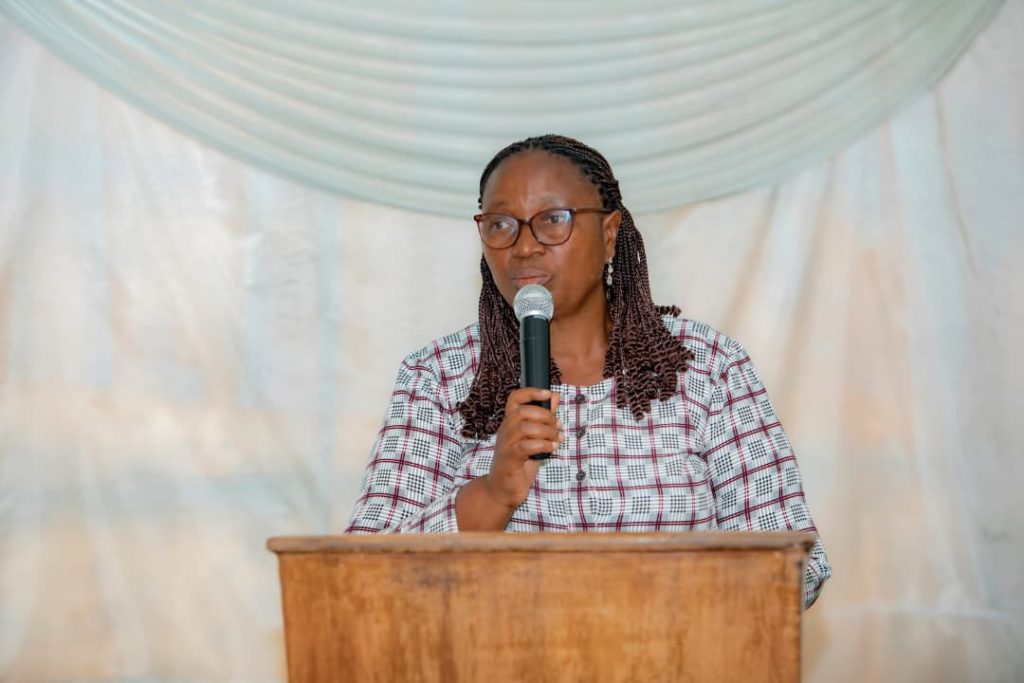***Juliet Murekatete, Vice Mayor of Nyagatare District in charge of Social Affairs.***Speaking during the signing ceremony, Juliet Murekatete, Vice Mayor of Nyagatare District in charge of Social Affairs, said the intervention comes at a critical time for a district where water scarcity remains a persistent challenge for livestock farmers.
“In Nyagatare District, water scarcity remains a major challenge during the dry season, particularly for livestock farmers. This project will help us address that challenge, especially for dairy cattle that require reliable access to water to maintain productivity,” she said.
Nyagatare, which hosts more than 208,000 cattle, is Rwanda’s leading livestock district and a major contributor to national milk production. However, prolonged dry spells, especially during July and August, often reduce water availability, affecting animal health and lowering milk yields.
Murekatete noted that improving access to water and feed would directly contribute to higher milk production, increased incomes and improved nutrition among farming households.
“When cows have enough water and adequate feed, milk production increases. This means farmers can supply more milk to milk collection centres and processors while also improving household nutrition and incomes,” she said.
The support is being provided through a Matching Grant scheme that requires beneficiaries to contribute part of the investment cost. Under the arrangement, adult male farmers contribute 50 percent, while women and youth contribute 30 percent, an approach designed to encourage broader participation by groups that often face barriers to accessing productive agricultural assets.
**Peter Twahirwa, a dairy farmer from** Ka**rangazi Sector**Among the beneficiaries is Peter Twahirwa, a dairy farmer from Karangazi Sector, who applied for a chopper machine to improve feed management on his farm.
“I expect milk production to increase significantly. The chopper machine will help us prepare and utilize fodder more efficiently. When cows receive enough quality feed and water, they remain healthy and productive,” he said.
Twahirwa explained that acquiring such equipment would have been difficult without project support, noting that chopper machines typically cost between Rwf1.5 million and Rwf2.5 million.
“We are grateful to the Government of Rwanda and development partners for supporting us. These machines are expensive, and many farmers would struggle to purchase them without this subsidy programme,” he said.
Livestock specialists say chopper machines play an important role in improving animal nutrition by reducing feed wastage and increasing digestibility. Properly processed fodder enables farmers to make better use of forage crops and crop residues, helping maintain feed supplies during dry periods.
***John Kayumba, RAB Station Manager for Nyagatare and Gatsibo districts.***John Kayumba, RAB Station Manager for Nyagatare and Gatsibo districts, said the agreements represent a commitment by both farmers and government to ensure that the infrastructure contributes to long-term improvements in dairy production.
“Every cow needs adequate feed and sufficient water to produce milk. Without these two essentials, farmers cannot achieve the productivity they expect from their livestock,” he said.
According to Kayumba, the dam sheets will enable farmers to harvest and store water closer to their farms, reducing the distance cattle travel to access water and minimizing exposure to unsafe water sources.
Each supported dam sheet has the capacity to store approximately 480 cubic metres of water, providing farmers with a reliable reserve during periods of scarcity.
The intervention complements larger investments currently underway in the district. Under RDDP II, three major valley dams are also being constructed in Nyagatare and are expected to be completed by September this year, further strengthening water availability for livestock farmers.
Kayumba said the project is also promoting improved utilization of crop residues for animal feed. Nyagatare farmers cultivate about 37,000 hectares of maize during the main season, 17,000 hectares during the dry season and more than 22,000 hectares of beans, generating substantial quantities of residues that can be converted into nutritious livestock feed.
“When maize stalks, bean residues and fodder are properly processed using chopper machines, they become more digestible and are utilized more efficiently by livestock,” he said.
Beyond infrastructure support, RDDP II has trained 47 farmer facilitators and 95 dairy farmers in improved livestock management, fodder production, feed conservation and dairy farming techniques. Plans are also underway to establish veterinary clinics in Nyagatare and Ryabega to strengthen animal healthcare services.
***Andrew Gashayija, Country Team Leader for Kilimo Trust Rwanda.***Andrew Gashayija, Country Team Leader for Kilimo Trust Rwanda, said the programme remains open to more farmers in future phases and encouraged those who did not qualify this time to prepare for upcoming opportunities.
“In livestock farming, opportunities are still available because this is an ongoing programme. Working together with MINAGRI and RAB, we expect additional opportunities to be announced, allowing more farmers to apply in the future,” he said.
Gashaija revealed that investments in dam sheets and chopper machines in Nyagatare amount to approximately Rwf516 million, including more than Rwf311 million in government subsidies, while farmers themselves will contribute near Rwf200 million.
For dam sheets, the subsidy covers up to 60 percent of the investment cost for men and 70 percent for women and youth. For chopper machines, men receive a 50 percent subsidy while women and youth receive 70 percent.
The support forms part of the Rwanda Dairy Development Project Phase II (RDDP II), a six-year initiative running from 2024 to 2030 with a budget of $100.37 million (about Rwf127 billion). Co-financed by the International Fund for Agricultural Development (IFAD) and the Government of Rwanda and implemented through RAB, the project aims to improve the productivity, resilience and profitability of smallholder dairy farmers across 27 districts.
The programme is expected to benefit about 175,000 rural households, equivalent to nearly 700,000 people, with a particular focus on women, youth and vulnerable groups.
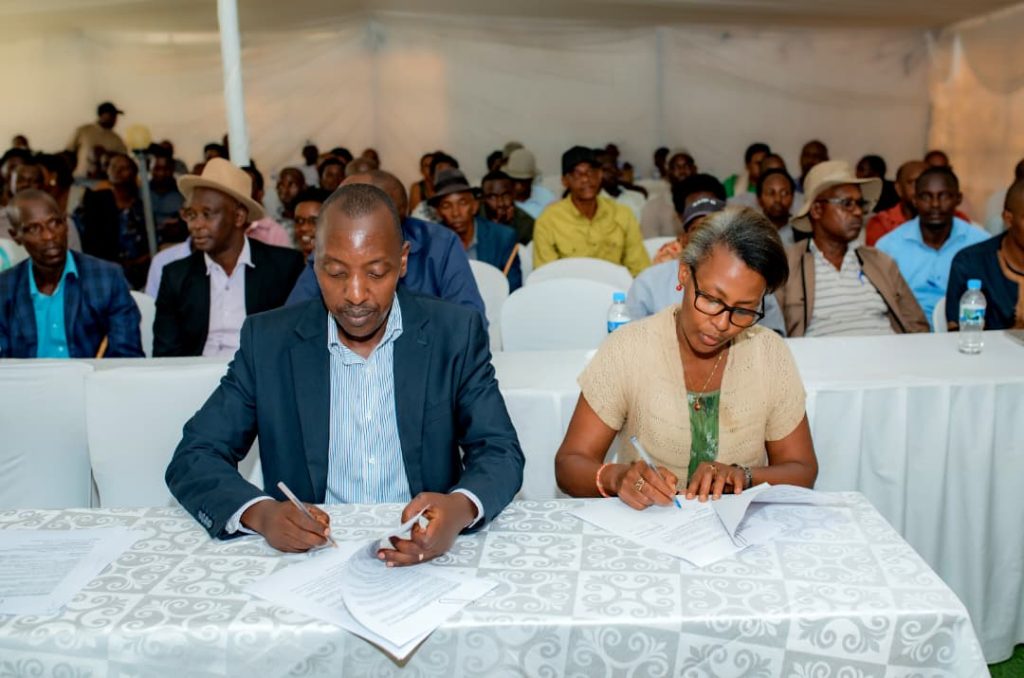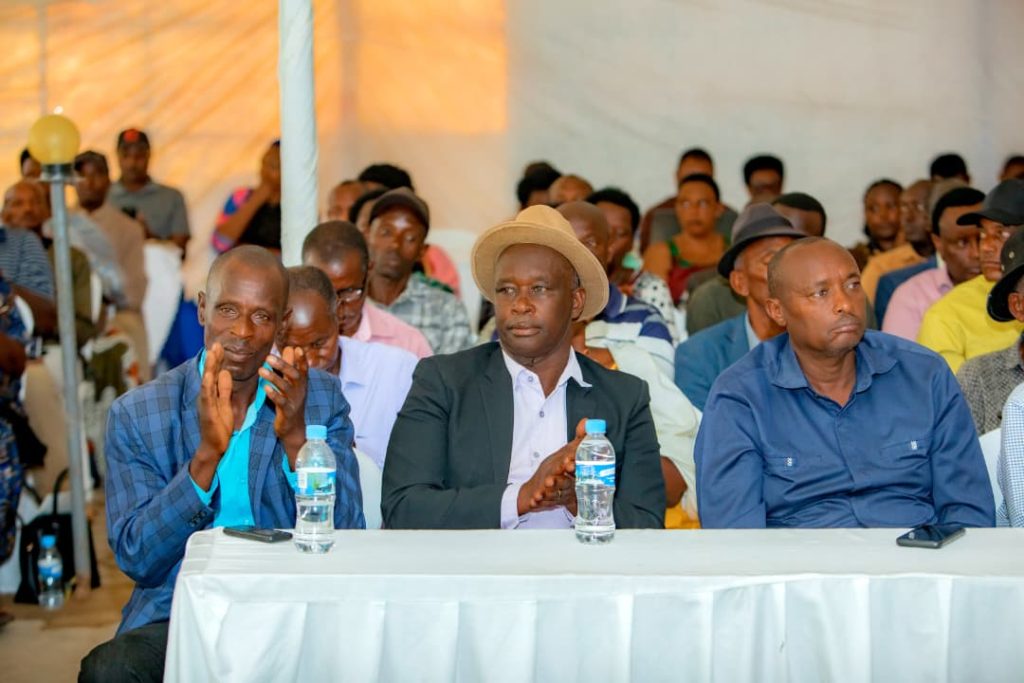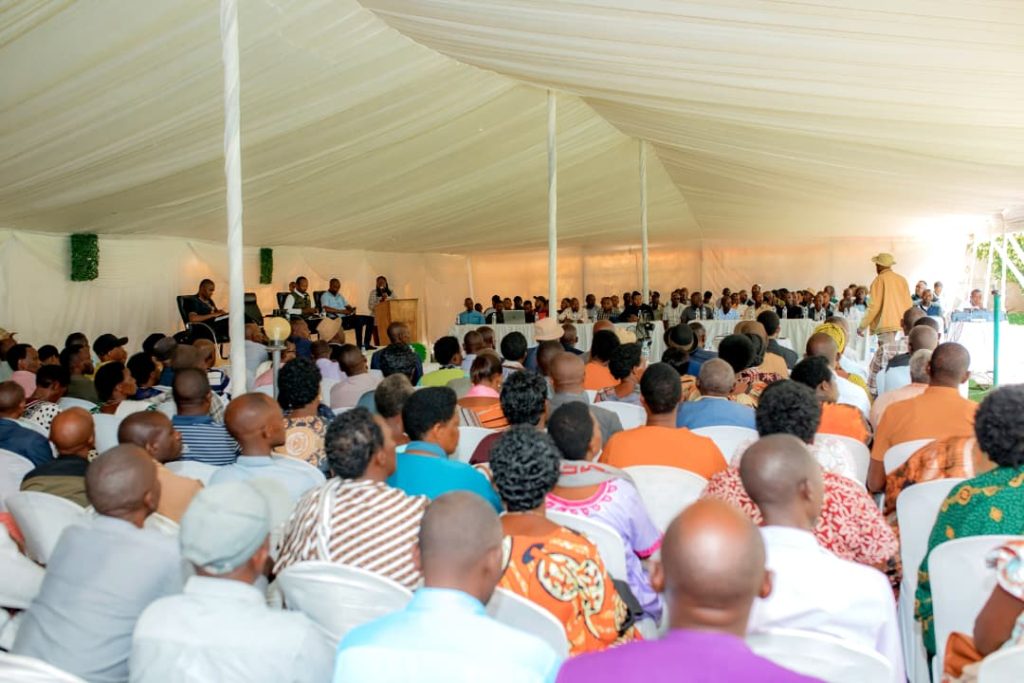
SUBSCRIBE TO OUR NEWSLETTER
First name or full name
Email
By continuing, you accept the privacy policy
**Categories:** Natural Resources and Agriculture
---
### [Shelter Afrique Development Bank Reports Strong 2025 Financial Performance, Achieves 20% Growth in Profitability](https://www.topafricanews.com/2026/06/12/shelter-afrique-development-bank-reports-strong-2025-financial-performance-achieves-20-growth-in-profitability/)
**Published:** June 12, 2026
**Author:** TOPAFRICANEWS
**Content:**
**Rabat, Morocco – June 2026** – Shelter Afrique Development Bank (ShafDB) has announced a strong financial performance for the year ended 31 December 2025, underscoring the institution’s continued progress toward financial sustainability and its growing impact in financing affordable housing and urban development across Africa.
The Bank recorded a **comprehensive profit of US$2.14 million**, representing a **20% increase** from US$1.79 million reported in 2024. The improved performance was supported by strong growth in lending activities, stable revenue streams, enhanced treasury performance, and gains from strategic investments.
During the year, ShafDB continued with a tempered resumption of underwriting new businesses. Loan disbursements rose by 162% to **US$63 million**, compared to US$24.06 million in 2024. This contributed to a **29% growth in the Bank’s net loan portfolio**, which increased from US$134.78 million to US$174.08 million.
The Bank’s balance sheet strengthened further, with total assets growing by **12%** to **US$235 million** from US$208 million in the previous year. Shareholders’ funds also increased to **US$176.09 million**, supported by profit generation and additional capital subscriptions from shareholders.
Despite an increase in operating expenses associated with institutional transformation and business growth, ShafDB maintained a positive comprehensive profit of **US$2.14 million**. Interest income remained stable at **US$18.62 million**, reflecting the resilience of the Bank’s core lending operations.
The most transformative milestone for the institution in 2025 was the $120 million concessional facility secured from the Arab Bank for Economic Development in Africa (BADEA). The facility under the Capital Increase Programme is designed to help Member States normalize their subscriptions and pave the way for investment-grade credit rating.
During the year, the bank was successful in mobilizing additional funding of **US$50 million facility from African Export-Import Bank (Afreximbank)**, enhancing the Bank’s capacity to support affordable housing projects and urban infrastructure development across the continent.
ShafDB also achieved significant progress in implementing its Treasury and Capital Markets strategy. The Bank successfully established its capability to structure synthetic local currency financing solutions, helping mitigate foreign exchange risks for borrowers and improving alignment between project revenues and financing obligations.
In addition, preparations are advanced for the Bank’s inaugural **FCFA 60 billion Sustainable Bond Programme in West Africa** and an approval of establishment of **US$500 million East Africa Sustainable Bond Programme**, positioning local capital markets as an important source of long-term development financing.
Commenting on the results**, Mr. Lionel Zinsou, Chairperson of the Board of Directors of Shelter Afrique Development Bank,** said:
*“The Bank’s performance in 2025 reflects the successful execution of our transformation agenda and the strength of our governance, strategy, and partnerships. Achieving profitability while significantly expanding our lending activities demonstrates the sustainability of our business model and our ability to create lasting value for our shareholders, investors, and member states. As Africa continues to urbanize at an unprecedented pace, Shelter Afrique Development Bank remains committed to mobilizing capital at scale to support affordable housing, sustainable cities, and inclusive economic growth across the continent.”*
**Thierno-Habib Hann, Managing Director and Chief Executive Officer of Shelter Afrique Development Bank**, added:
*“The 2025 results mark another important milestone in our journey to becoming Africa’s leading housing and urban development finance institution. We grew our loan portfolio by nearly 30 percent, increased disbursements by 129%, strengthened our balance sheet, and diversified our funding sources while maintaining profitability. Equally important, we laid the foundation for future growth through new capital market initiatives, local currency financing solutions, and strategic partnerships that will enable us to scale our impact and better serve our clients across Africa.”*
*Mr Hann further noted that the Bank will continue to focus on delivering innovative and sustainable financing solutions that address Africa’s housing deficit, support climate-resilient urban development, and improve the quality of life for millions of Africans.*
*“The strong momentum achieved in 2025 positions us well to accelerate implementation of our development mandate and create even greater impact in the years ahead,” he said.*
Looking forward, ShafDB will continue to focus on expanding its funding base, deepening local currency financing capabilities, strengthening its presence in African capital markets, and enhancing balance sheet efficiency to support sustainable growth and long-term development impact.

SUBSCRIBE TO OUR NEWSLETTER
First name or full name
Email
By continuing, you accept the privacy policy
**Categories:** Business and Trade, NEWS
---
### [United States and Starlink Announce Cooperation on Critical Disaster Response](https://www.topafricanews.com/2026/06/12/united-states-and-starlink-announce-cooperation-on-critical-disaster-response/)
**Published:** June 12, 2026
**Author:** TOPAFRICANEWS
**Content:**
This week, the U.S. Department of State and Starlink signed a Memorandum of Understanding (MOU) to enhance international disaster preparedness and U.S. humanitarian response efforts worldwide.
The two-year MOU leverages Starlink’s low-Earth orbit satellite technology, an American innovation, to restore critical communications when crises and natural disasters damage infrastructure.
The Department’s Bureau of Disaster and Humanitarian Response will coordinate with Starlink to provide rapid connectivity to emergency responders, humanitarian organizations following disasters, and people in need.
Communication can mean the difference between life and death. This cooperation harnesses reliable connectivity to support disaster response teams and help save lives around the world.
The signing of this MOU aligns with Starlink’s own Crisis Response global disaster response initiative and is just one way that the United States is enhancing humanitarian assistance.
In recent months, Starlink has delivered connectivity to communities impacted by the Ebola outbreak, Hurricane Melissa, Typhoon Kalmaegi, Cyclone Senyar, Cyclone Ditwah, Cyclone Maila, and Super Typhoon Sinlaku.
U.S. coordination with Starlink to use its reliable connectivity following disasters can save lives around the world and further enhance U.S. humanitarian responses.

SUBSCRIBE TO OUR NEWSLETTER
First name or full name
Email
By continuing, you accept the privacy policy
**Categories:** NEWS
---
### [New 28,396.53m³ Valley Tank to Ease Water Shortages for 3,000 Cattle in Matimba, Nyagatare](https://www.topafricanews.com/2026/06/11/new-28396m³-valley-tank-to-ease-water-shortages-for-3000-cattle-in-matimba-nyagatare/)
**Published:** June 11, 2026
**Author:** Mutangana Emmanuel
**Content:**
For years, livestock farmers in Bwera, Byimana and Matimba cells in Matimba Sector, Nyagatare District, have struggled with recurring water shortages during the dry season, forcing thousands of cattle to travel long distances to the Akagera River in search of water.
The situation has often resulted in livestock diseases, reduced milk production and increased costs for farmers. But local livestock keepers say a new valley tank under construction in Bwera Cell could soon change that reality.
The Bwera Valley Tank, being constructed under the Rwanda Dairy Development Project Phase II (RDDP II), is expected to provide a reliable water source for more than 3,000 cattle and surrounding communities once completed.
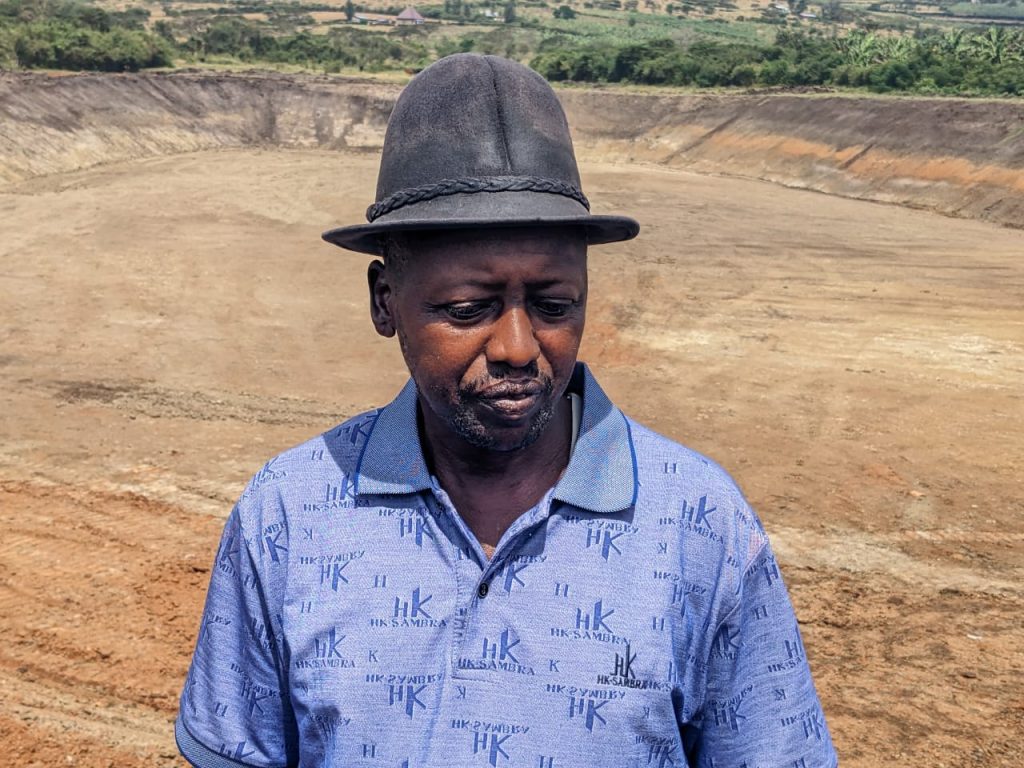***James Mutabazi, a livestock farmer from Bwera Cell, Matimba Sector, Nyagatare District.***James Mutabazi, a livestock farmer from Bwera Cell, said water scarcity has long been one of the biggest challenges facing livestock keepers in the area.
“During the dry season, water sources would dry up and we had no option but to take our cattle to the Akagera River or fetch water from there,” he said.
According to Mutabazi, cattle from Bwera, Byimana and Matimba cells converge in the area, with more than 3,000 cattle depending on the available water sources.
He explained that taking cattle to the river exposed them to diseases and other risks.
“The journey to the Akagera River affected our animals. Some became sick after being exposed to diseases from across the border, while others died. Veterinary officers were constantly treating sick cattle,” he said.
Farmers previously relied on several small dams established after the 1994 Genocide against the Tutsi. Over time, however, these became insufficient to meet growing demand.
“We used to pump water into dam sheets installed at our homes, but obtaining water was difficult and expensive. The lack of water also reduced milk production because cattle sometimes drank only once a day after travelling long distances,” Mutabazi said.
He noted that during the dry season a cow capable of producing around eight litres of milk per day could see production drop to as little as three litres.
“We believe this valley tank will help solve that problem because cattle will have access to water twice a day,” he added.
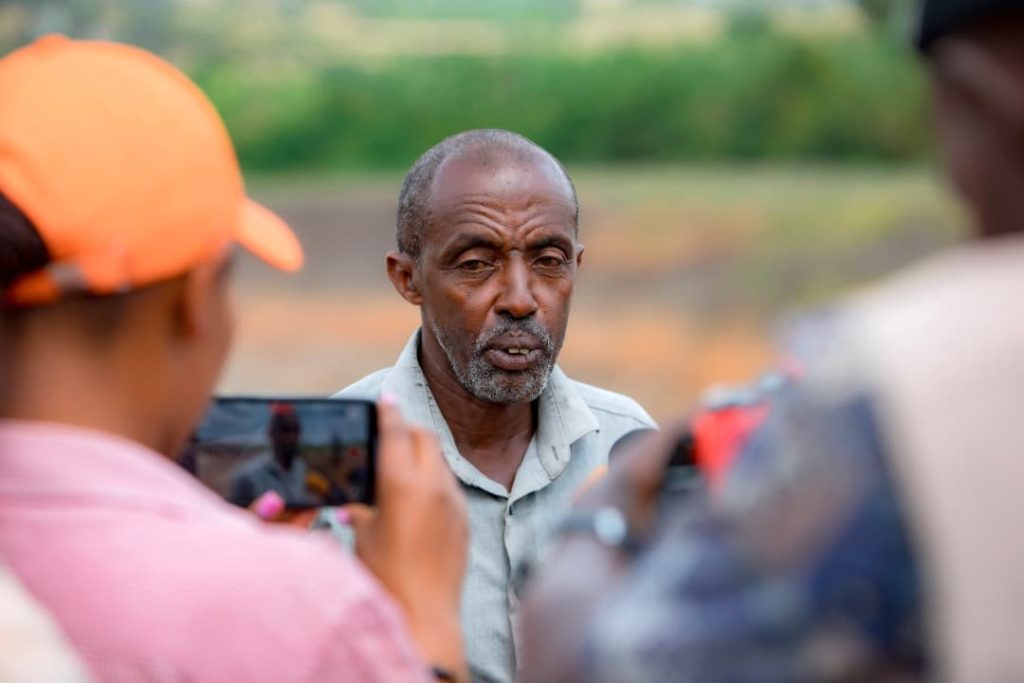***Aimable Kimenyi.***Another farmer, Aimable Kimenyi from Bwera Cell, said existing small dams often dried up during drought periods, forcing cattle owners to seek alternative water sources.
“This valley tank will be a huge opportunity for us. The small dams would dry up, and cattle would end up going to the Akagera River where they were exposed to challenges such as tsetse flies and diseases,” he said.
Kimenyi added that maintaining water supplies through household dam sheets is costly because transporting water often requires vehicles, while some dam sheets eventually leak or dry out completely.
The new valley tank is designed to provide a more sustainable solution.
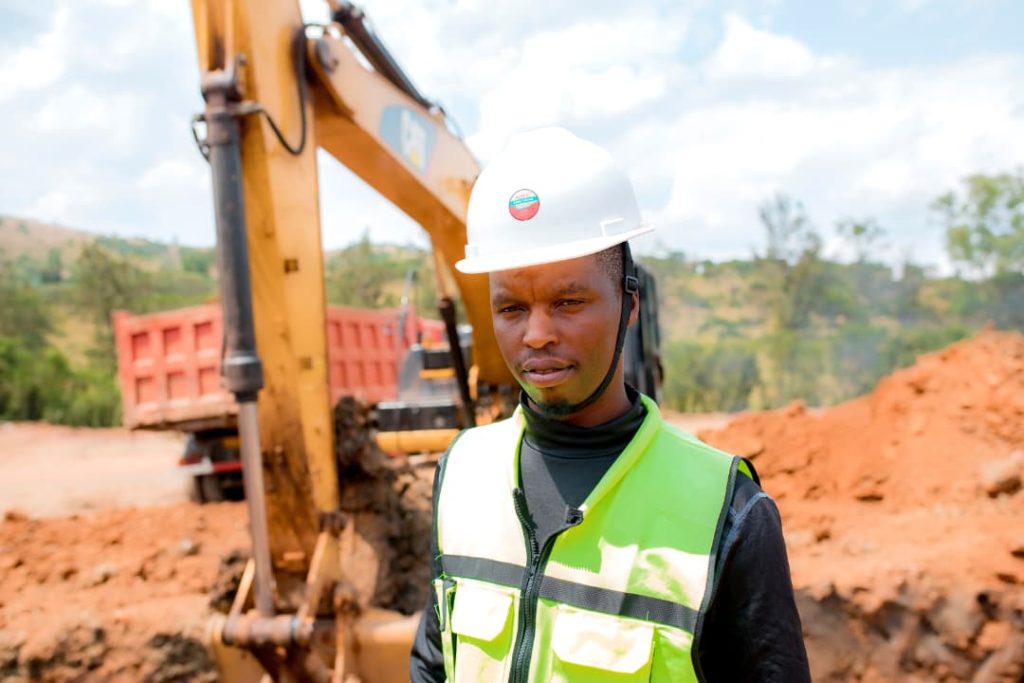***Wellars Ntawukuriryayo, Site Engineer for the Bwera Valley Tank.***Wellars Ntawukuriryayo, Site Engineer for the Bwera Valley Tank, said the facility will have a storage capacity of 28,396.53 cubic metres of water.
“This storage capacity will ensure a permanent reserve of water. During periods of excess water, the overflow will be channelled through a spillway so it can continue serving other purposes downstream,” he explained.
The project also includes safety and community access measures.
“We are constructing fencing around the tank to prevent accidents, particularly involving children, and a public water point will also be installed for nearby residents,” Ntawukuriryayo said.
He said the facility will primarily benefit residents and livestock keepers in Bwera and Byimana cells.
Construction is currently about 85 percent complete and is expected to be finished within the next 40 days.
“The tank structure itself is complete. What remains is water filling and final works. We expect it to be fully operational by September when the rainy season begins,” he said.
The project is valued at approximately Rwf486 million.
To improve water distribution, solar-powered pumps will be used to deliver water to designated livestock watering points.
***John Kayumba, Station Manager for the Rwanda Agriculture and Animal Resources Development Board (RAB) in Gatsibo and Nyagatare districts.***John Kayumba, Station Manager for the Rwanda Agriculture and Animal Resources Development Board (RAB) in Gatsibo and Nyagatare districts, said Bwera Valley Tank is one of three valley dams being constructed in Nyagatare District under RDDP II.
“All three valley dams are nearing completion. Although we are currently in the dry season, we expect them to be full once the rains return in September,” he said.
Kayumba explained that the reservoirs are intended to serve as backup water sources for livestock farmers.
“Farmers who use household dam sheets will be able to fetch water from these reservoirs whenever their own reserves run low. The valley dams are designed to function as strategic water reservoirs that strengthen resilience during drought periods,” he said.
***Juliette Murekatete, Nyagatare District Vice Mayor in charge of Social Affairs.***Nyagatare District Vice Mayor in charge of Social Affairs, Juliette Murekatete, urged beneficiaries to properly maintain the infrastructure once it becomes operational.
“We encourage livestock farmers to take good care of these valley tanks and dam sheets. Like any infrastructure, they require maintenance. Water sources should be kept clean and protected from siltation and degradation,” she said.
The Bwera Valley Tank forms part of the broader Rwanda Dairy Development Project Phase II (RDDP II), a six-year initiative running from 2024 to 2030 with a budget of $100.37 million (approximately Rwf127 billion).
Co-funded by the International Fund for Agricultural Development (IFAD) and the Government of Rwanda and implemented through RAB, the project aims to improve the productivity, resilience and profitability of smallholder dairy farmers across 27 districts.
The initiative is expected to benefit around 175,000 rural households, equivalent to about 700,000 people, with a particular focus on women, youth and vulnerable groups.
Through investments in climate-smart agriculture, digital technologies, access to finance, animal health services, improved breeding, feed and water systems, as well as milk collection, storage and marketing infrastructure, the project seeks to strengthen Rwanda’s dairy value chain.
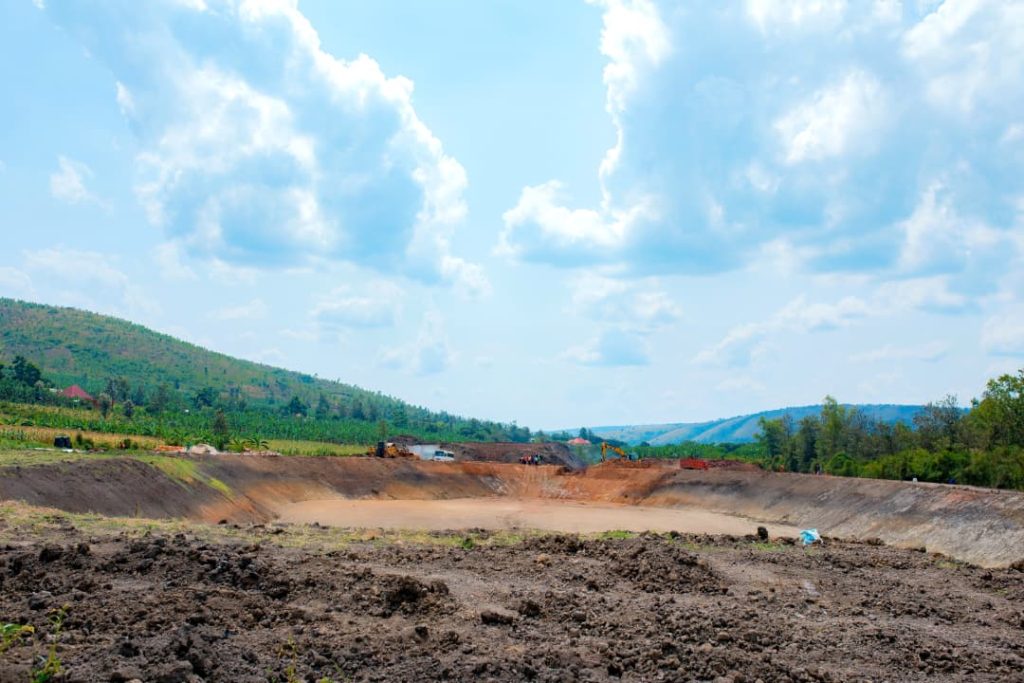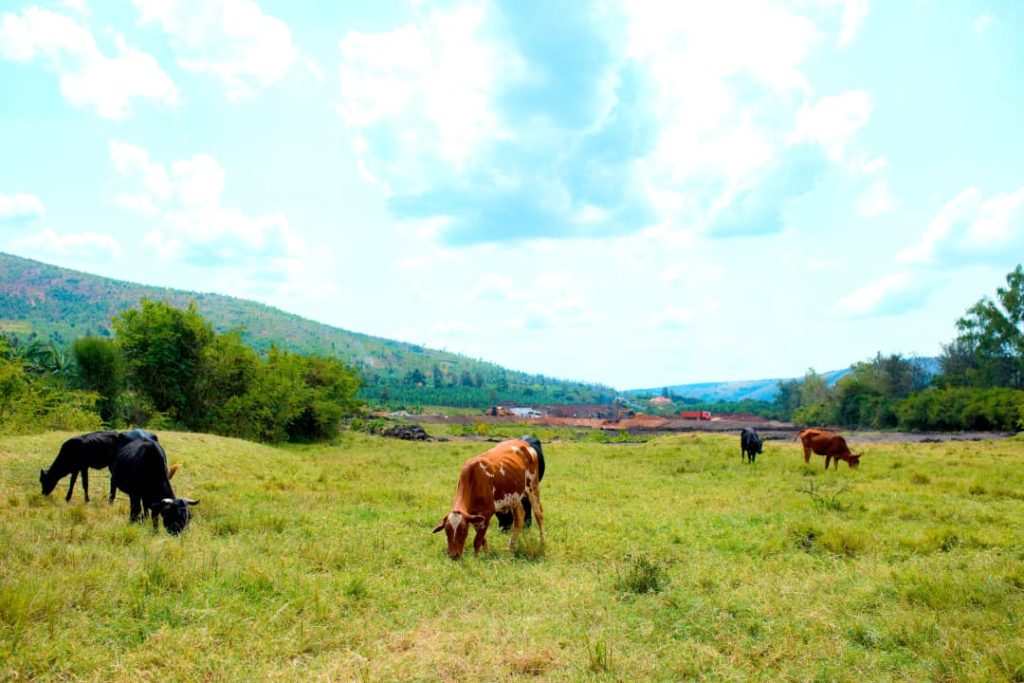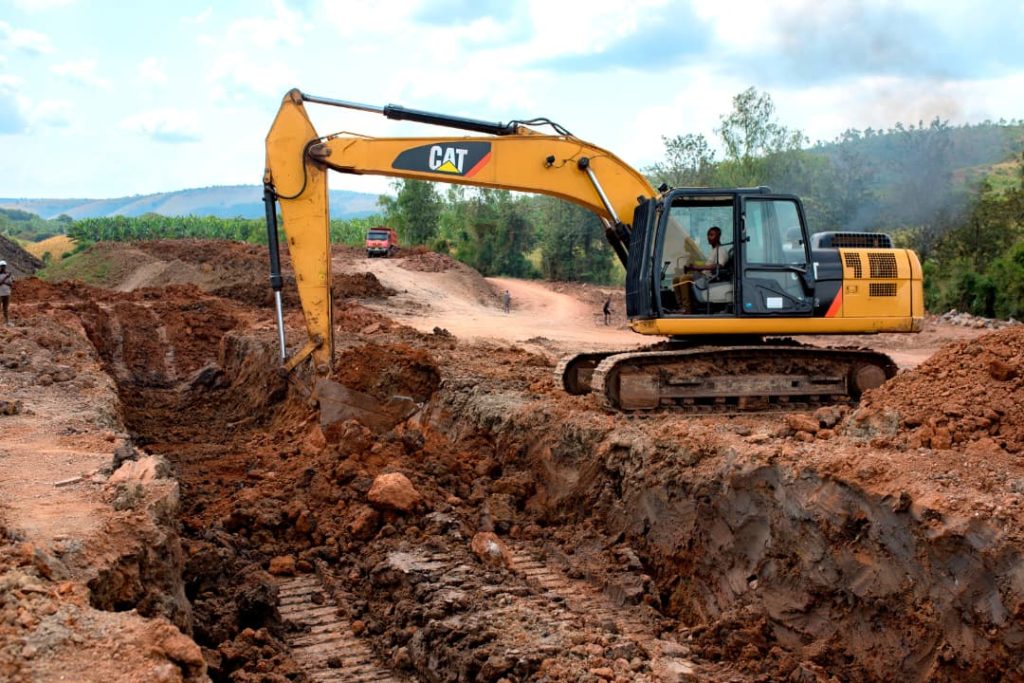
SUBSCRIBE TO OUR NEWSLETTER
First name or full name
Email
By continuing, you accept the privacy policy
**Categories:** Natural Resources and Agriculture
---
### [Rwanda’s 2026/27 National Budget Increases by 12% to Rwf 7.8 Trillion](https://www.topafricanews.com/2026/06/11/rwandas-2026-27-national-budget-increases-by-12-to-rwf-7-8-trillion/)
**Published:** June 11, 2026
**Author:** TOPAFRICANEWS
**Content:**
**KIGALI, Rwanda** – Rwanda’s national budget for the 2026/2027 fiscal year has reached **Rwf 7.796 trillion**, representing a **12 percent increase** compared to the revised budget of **Rwf 6.952 trillion** for the 2025/2026 fiscal year.
The budget, which will take effect in July 2026, reflects the government’s continued focus on economic resilience, agricultural productivity, infrastructure development, and strategic investments amid global economic uncertainties.
According to the Minister of Finance and Economic Planning, Yusuf Murangwa, domestic revenues are projected to contribute **Rwf 5.274 trillion**, including **Rwf 4.429 trillion** from tax revenues and **Rwf 582.4 billion** from non-tax sources.
External grants are expected to amount to **Rwf 548.3 billion**, while foreign loans are projected to reach **Rwf 1.974 trillion**.
Of the total budget, **Rwf 4.789 trillion** will be allocated to recurrent expenditure, including public service salaries and operational costs. Meanwhile, **Rwf 3.011 trillion** will be directed toward development projects and public investments.
Minister Murangwa noted that the 2026/2027 budget and the medium-term fiscal framework have taken into account the economic implications of ongoing geopolitical tensions in the Middle East, as well as the government’s revenue mobilization and expenditure priorities.
Among the key priorities is continued investment in agriculture, particularly in the provision of agricultural inputs and irrigation infrastructure, alongside support for the national carrier, RwandAir.
The minister emphasized that the government has significantly increased subsidies for agricultural inputs to ensure food security and shield farmers from the impact of rising global fertilizer prices linked to the conflict involving Iran and broader instability in the Middle East.
“The government has allocated substantial additional resources to support the agricultural sector. Last year, we earmarked Rwf 39 billion to subsidize fertilizers. In the 2026/2027 budget proposal, that amount has increased to approximately Rwf 64 billion,” Murangwa said.
“The allocation is close to doubling because we want to ensure that fertilizers remain available to farmers. We are aware that international fertilizer prices have risen due to conflicts in the Middle East. To ensure that citizens continue to access fertilizers at affordable prices, the government has increased its support to this sector,” he added.
The increased investment is expected to boost agricultural productivity, strengthen food security, and help protect Rwanda’s economy from external shocks while sustaining the country’s long-term development agenda.

SUBSCRIBE TO OUR NEWSLETTER
First name or full name
Email
By continuing, you accept the privacy policy
**Categories:** Development Trends, NEWS
---
### [UK supports Rwanda and Burundi to strengthen Ebola preparedness](https://www.topafricanews.com/2026/06/11/uk-supports-rwanda-and-burundi-to-strengthen-ebola-preparedness/)
**Published:** June 11, 2026
**Author:** Justin Kayiranga
**Content:**
The United Kingdom has announced new support to strengthen preparedness for Ebola and other viral haemorrhagic diseases in Rwanda and Burundi, helping to reduce the risk of regional outbreaks.
In Rwanda, the UK will provide up to £800,000 to support key elements of the National Ebola Preparedness and Contingency Plan. This includes strengthening surveillance and early detection systems, improving Infection Prevention and Control (IPC), and enhancing Water, Sanitation and Hygiene (WASH) in high-risk areas such as border points. The programme will also support Risk Communication and Community Engagement to ensure communities have clear and accurate information on prevention and transmission.
In parallel, the UK will provide £800,000 in Burundi to support the country’s Preparedness and Response Plan for Viral Haemorrhagic Fevers, focusing on the same priority areas: surveillance, IPC, WASH, and community engagement.
Across the region, additional UK support will strengthen data and information management systems to improve risk monitoring and enhance coordination of response efforts.
*Programmes will be delivered through partners working in support of Rwandan and Burundian government plans, under the UK’s Tackling Deadly Diseases in Africa Programme (TDDAP2).
*This support builds on strong recent collaboration in responding to public health emergencies and underlines the UK’s commitment to working with regional partners to prevent outbreaks, protect lives, and strengthen health security.*
**Development Director at the British High Commission, Billy Stewart, said:**
*“At the heart of this support is a simple goal: saving lives. By strengthening preparedness, improving prevention measures, and supporting communities with clear information, the UK is helping Rwanda and Burundi reduce the risk of Ebola outbreaks and protect their people.”*

SUBSCRIBE TO OUR NEWSLETTER
First name or full name
Email
By continuing, you accept the privacy policy
**Categories:** HEALTH
---
### [Spiro Appoints Former Indofast Energy CEO Anant Badjatya as Group CEO to Lead Its Next Phase of Growth](https://www.topafricanews.com/2026/06/11/spiro-appoints-former-indofast-energy-ceo-anant-badjatya-as-group-ceo-to-lead-its-next-phase-of-growth/)
**Published:** June 11, 2026
**Author:** TOPAFRICANEWS
**Content:**
- **Following its most recent landmark US$215 million equity raise, Spiro is strengthening its leadership team to execute its next phase of pan-African expansion and appoints Anant Badjatya as Group CEO of Spiro.**
- **Anant Badjatya previously spearheaded Indofast Energy, the IndianOil × SUN Mobility joint venture, where he built one of India’s largest battery-swapping networks with more than 1,800 stations serving approximately 90,000 vehicles daily.**
**Dubai, UAE – June 10, 2026** – Spiro, Africa’s leading electric mobility company, today announced the appointment of Anant Badjatya as Group Chief Executive Officer.
Anant joins Spiro with more than two decades of leadership experience across India, the Middle East and Africa, building and scaling businesses across electric mobility, energy and industrial sectors.
Most recently, he served as CEO of Indofast Energy, the joint venture between IndianOil and SUN Mobility, where he led the development of one of India’s largest battery-swapping networks, comprising more than 1,800 stations and serving nearly 90,000 vehicles daily.
The appointment comes at a pivotal moment for Spiro following its landmark US$215 million financing round, one of the largest investments ever made in Africa’s electric mobility sector.
As Spiro is accelerating on its mission to transform mobility across Africa, Anant’s broad mandate will span battery swapping, leasing, logistics, energy, and vehicle manufacturing. As CEO Mobility, Kaushik Burman will continue to further consolidate Spiro’s leadership and fleet in Spiro’s 7 existing markets and beyond.
**Gagan Gupta, Founder and Chairman of Spiro said:**
*“As Spiro is accelerating on its mission to transform mobility across Africa through clean, affordable and accessible electric transportation solutions, Anant will consolidate the Group’s strategic initiatives and guide the company through its next chapter of growth and execution in mobility, energy and tech.”*
**Commenting on his appointment, Anant Badjatya said:**
“*Africa represents the most exciting frontier for electric mobility.* *Spiro has built a unique platform and is exceptionally well positioned to accelerate the transition to cleaner and more accessible mobility across the continent. I look forward to working with our teams, partners and stakeholders to drive the next phase of growth and impact.*“

SUBSCRIBE TO OUR NEWSLETTER
First name or full name
Email
By continuing, you accept the privacy policy
**Categories:** Business and Trade
---
### [United States Announces More than $240 Million in Assistance to Catholic Relief Services to Address Global Humanitarian Needs](https://www.topafricanews.com/2026/06/08/united-states-announces-more-than-240-million-in-assistance-to-catholic-relief-services-to-address-global-humanitarian-needs/)
**Published:** June 8, 2026
**Author:** DUSABEMUNGU Ange de la Victoire
**Content:**
The United States announced more than $240 million in humanitarian and disaster response assistance to Catholic Relief Services (CRS). State Department Bureau of Disaster and Humanitarian Response Senior Bureau Official Ryan Shrum made the announcement in Rome, Italy, alongside U.S. Ambassador to the Holy See Brian Burch, Permanent Representative of the United States to the UN Agencies in Rome Lynda Blanchard, CRS Vice President for Humanitarian Response Jennifer Poidatz, and Caritas Internationalis Secretary General Alistair Dutton.
This assistance to CRS is the first in a series of global State Department awards to trusted and vetted implementing organizations. These awards will focus on the rapid deployment of time-bound, life-saving assistance in response to crises around the world, with implementers able to respond within 24 hours. This approach to assistance is complementary to the Department’s historic memorandum of understanding and $3.8 billion in assistance provided through the UN Office for the Coordination of Humanitarian Affairs (OCHA), reduces bureaucratic grant management burdens on staff, and reinforces our work to make humanitarian assistance faster, more efficient, and more accountable to U.S. taxpayers.
#### Extensive Network of Local Partners
CRS works through an extensive network of local partners, including over 160 Caritas chapters around the globe, ensuring that assistance reaches the most vulnerable populations efficiently and effectively. For example, in the aftermath of Hurricane Melissa, CRS demonstrated the capacity to provide assistance in challenging political environments, such as Cuba, where its local partnerships enabled humanitarian assistance to reach those in need without regime interference.
#### Multi-Sectoral Assistance in Ongoing Crises
CRS will use this funding to provide multi-sectoral assistance – across the food, nutrition, health, water and sanitation, and shelter sectors, among others – in countries with significant levels of humanitarian need, including the Democratic Republic of the Congo, Ethiopia, Haiti, Nigeria, and Sudan. CRS already has offices and staff on the ground in DRC supporting Ebola response efforts. This funding will supplement CRS’s Ebola response activities and their work to address other humanitarian needs throughout the country.
#### Rapid Response to Disasters and Shocks
This contribution will also support a CRS global rapid response fund, which will allow CRS to immediately activate its extensive network of local partnerships, including Caritas organizations, to deliver assistance where it’s needed most, whether responding to sudden-onset disasters or addressing surges in needs within ongoing complex emergencies. With funds already on hand, CRS can respond immediately, bypassing lengthy procurement processes.
#### Complementarity with Other Assistance
State Department staff are working closely with CRS and other implementers, including OCHA, to ensure that U.S. taxpayer-funded assistance is delivered in an efficient and accountable manner that saves lives around the world, while reducing administrative overhead and duplicative efforts.
#### Faith in Action
This support to CRS also demonstrates the Administration’s commitment to partnering with faith-based organizations that demonstrate faith in action and have proven their ability to deliver humanitarian assistance in the world’s most difficult environments.
CRS has a demonstrated track record of excellent humanitarian service and is a natural partner of choice for this type of global assistance. The State Department looks forward to continuing our work with CRS, OCHA, and other key implementers to achieve a faster, more accountable, efficient, impact-driven, locally driven and hyper-prioritized model of humanitarian assistance.

SUBSCRIBE TO OUR NEWSLETTER
First name or full name
Email
By continuing, you accept the privacy policy
**Categories:** NEWS
---
### [Regional and Global Strategic Benefits of Ethiopia’s Quest to Regain Sea Access](https://www.topafricanews.com/2026/06/11/regional-and-global-strategic-benefits-of-ethiopias-quest-to-regain-sea-access/)
**Published:** June 11, 2026
**Author:** Silabat Manaye Dessalegn
**Content:**
The Red Sea has long been one of the world’s most consequential waterways—a narrow, warm corridor linking the Mediterranean to the Indian Ocean and connecting Africa to the Middle East. Its significance predates the opening of the Suez Canal, but the canal transformed the Red Sea into a global artery of trade, security, and geopolitics.
Within this landscape, Ethiopia occupies a uniquely pivotal position. The Ethiopian highlands supply nearly 100 billion cubic metres of water each year to Sudan, Egypt, and Somalia. These rivers sustain populations far beyond Ethiopia’s borders, even as Ethiopia itself relies heavily on rainfall and remains highly vulnerable to climate variability. Water, more than oil or minerals, is the region’s most contested resource, and this reality shapes the strategic calculations of states across the Horn of Africa and the wider Middle East.
The Horn of Africa does not exist in isolation. It is tightly linked—economically, culturally, and politically—to the Middle East. Demographic pressures and limited arable land, coupled with declining oil revenues, have driven Middle Eastern countries to invest heavily in African land and water resources. At the same time, security concerns—ranging from terrorism to competition over the Red Sea—ensure that political developments on one shore reverberate across the other.Any weakening of African presence in this space risks shifting the balance of power in ways that could undermine long-term regional stability.
In this context, Ethiopia—due to its population, geography, historical presence, and natural resources—remains central to the future of the Red Sea and the Horn of Africa.
Unlike many Red Sea–adjacent states, Ethiopia is not an arid region. Its temperate highlands, abundant water, and elevated terrain make it a natural vantage point over the region’s most strategic sea lanes. Its large and growing population, coupled with its role as an economic powerhouse of the region, provides Ethiopia with a geopolitical influence that extends far beyond its borders. This combination enables Ethiopia not only to project regional stability but also to offer security guarantees in the Horn of Africa. Historically, these attributes have drawn the interest of global powers and ensured Ethiopia’s centrality in regional affairs.
During the 19th century, colonial powers, along with others driven by various ambitions, have long sought influence in the Horn—sometimes through political pressure, sometimes through internal interference, and at times through military confrontation. Ethiopia’s enduring independence, despite these pressures, stands out in African history.
The question now is not whether Ethiopia has been resilient, but how it can leverage that resilience to shape its future strategic posture in the Red Sea.
Ethiopia’s history offers a clear lesson: control of coastal access has always been linked to national strength, economic vitality, and cultural flourishing.
The Axumite Empire—recognised in antiquity as one of the world’s great powers—prospered because of its Red Sea port at Adulis. Its extensive coinage, international trade networks, and diplomatic presence across the Mediterranean and Indian Ocean testify to what Ethiopia achieved with maritime access. When Axum was pushed away from the coast, economic decline followed, and the minting of currency ceased for nearly a millennium. Centuries later, Ethiopian leaders repeatedly sought to restore coastal control. Among them, Amda Seyon I (r. 1314–1344) strengthened authority around Zeila to protect trade and stabilise the corridor, Zera Yacob (r. 1434–1468) built an administrative system reaching towards Massawa and revived commercial activity in the northern region, and successive emperors risked—and sometimes lost—their lives to secure the coastline. Following Ethiopia’s resistance and defeat of Fascist Italy’s aggression, Tsehafi Taezaz Aklilu Habte-Wold (Foreign Minister of Ethiopia from 1947 to 1958 and Prime Minister from 1961 to 1974) and other leaders worked tirelessly to restore Ethiopian access to the Red Sea, fully recognising the consequences of losing it. These efforts were not driven by expansionism but by recognition of a simple truth: maritime access was essential for national survival and development.
Modern economic research confirms what Ethiopian history long ago revealed. Landlocked countries face steep challenges: high import and export costs, dependence on transit states, and limited ability to integrate into global markets. Even with abundant resources or an industrious population, geography imposes constraints that can slow growth and undermine political autonomy.
Across Africa and Asia, landlocked nations—from Mali to Nepal—have experienced embargoes, transit restrictions, and economic coercion by neighbours who control their routes to the sea. Political vulnerability follows economic dependence.
Ethiopia has not been immune to this dynamic. During the 1936 aggression by Fascist Italy, when Ethiopia was fighting to defend its sovereignty, French authorities controlling Djibouti blocked vital arms shipments purchased by Ethiopia. This episode reflected how external control over maritime access can directly shape Ethiopia’s security at decisive moments.
**A Strategic Question for Ethiopia’s Future**
For Ethiopia, access to the sea is not an abstract debate. It is a question that touches on economic resilience, national unity, and long-term sovereignty.
Shared interests, shared futures, and shared assets are essential elements to bind a diverse nation together. Maritime access is one such asset. When nations possess vital infrastructure or economic lifelines, they have stronger incentives to preserve unity. When those assets are absent—or externally controlled—fragmentation becomes easier.
Thus, Ethiopia’s pursuit of assured maritime access is neither aggression nor expansion. It is a legitimate strategic priority rooted in geography, history, and economic necessity.
It is also not a demand directed against Eritrea as a people or a nation. Ethiopia and Eritrea share deep historical, cultural, and social ties. Their futures are intertwined. The question is how both countries—within a framework of mutual respect and sovereign equality—can build a stable Red Sea region that serves their common interests. Ethiopia stands at a critical juncture. Its economy is growing, its regional role is expanding, and the geopolitical value of the Red Sea is rising.
**Regional and Global Strategic Benefits of Ethiopia’s Quest to Regain Sea Access**
Ethiopia’s geographical location in the Horn of Africa positions it as a key geostrategic hub connecting the Middle East, Europe, and Asia. The region borders the Red Sea and the Indian Ocean, serving as a vital global trade route, including the Bab el-Mandeb Strait, through which a significant portion of world shipping passes. As the historical cradle of early human civilisation and a region with deep ties to the three Abrahamic religions, it has long faced multifaceted security challenges.
These include terrorism (such as from groups like al-Shabaab), piracy in the Gulf of Aden, human trafficking, arms smuggling, and drug trafficking. Ethiopia stands as a major anchor state in the Horn, contributing significantly to regional stability through its involvement in peacekeeping missions and counterterrorism efforts alongside major powers like the U.S. and other middle powers with a presence in the region. For over three decades, Ethiopia’s security contributions have primarily been land- and air-based, as the country became landlocked following Eritrea’s independence in 1993. For Ethiopia, securing reliable sea access could enhance its monitoring and response to regional threats in the Red Sea, potentially bolstering international security efforts against piracy and terrorism.
Additionally, it would foster economic growth for Africa’s second-most populous nation, which has over 120 million people, and promote regional integration.
To secure its future, Ethiopia must develop a strategy that recognises the strategic weight of the Red Sea corridor, the geopolitical pressures of the Middle East and Nile basin, the vulnerabilities inherent in its landlocked position, the opportunities that come from regional cooperation grounded in mutual benefit, and the imperative to convince the international community that Ethiopia’s access to the sea is existential and vital for protecting global maritime security, supporting regional peace, and fostering economic integration.
The Red Sea is not simply a body of water. For Ethiopia, it represents economic lifelines, national cohesion, and long-term security. History makes one point unmistakably clear: Ethiopia has flourished when connected to the sea and faltered when cut off from it.
**Silabat Manaye is an international relations professional based in Addis Ababa. His research interests include water politics, geopolitics in the Horn of Africa, and war journalism. He authored two books on Nile geopolitics.**

SUBSCRIBE TO OUR NEWSLETTER
First name or full name
Email
By continuing, you accept the privacy policy
**Categories:** OPINION, People, Politics
---
### [Rwanda: Youth urged to tap capital markets for savings and investment](https://www.topafricanews.com/2026/06/11/rwanda-youth-urged-to-tap-capital-markets-for-savings-and-investment/)
**Published:** June 11, 2026
**Author:** DUSABEMUNGU Ange de la Victoire
**Content:**
*Rwanda’s capital market has renewed its drive to encourage young people to save and invest through the capital market, as part of efforts to build a stronger investment culture and widen access to long-term finance.*
The message was delivered during the 2026 Capital Markets Youth Forum, a national campaign that attracted more than 1,100 contestants and reached over 6,000 students through roadshows across all provinces.
The forum was organised by the Capital Markets Authority, Rwanda National Investment Trust, Rwanda Stock Exchange and Luxembourg Development Cooperation Agency. It focused on helping young people understand savings, investment, shares, bonds and collective investment schemes.
The Chief Executive Officer of the Capital Markets Authority, Romeo Ngarambe said the capital market should not be viewed as a space reserved for large companies, wealthy individuals or financial institutions. He noted that “Through this programme, we seek to build a stronger culture of saving and investment among youth. We want young people to understand that the capital market is not reserved for a few institutions or large investors.”
For young people, the capital market offers practical entry points. Through shares, they can own part of listed companies. Through bonds, they can lend to the government or companies and earn returns. Through collective investment schemes, they can pool modest amounts with other investors and benefit from professional fund management.
Alodie Iradukunda, a Member of the East African Legislative Assembly, urged young people to look beyond saving alone and put money into productive assets. She said that “Saving alone is no longer enough.”
The Capital Markets University Challenge held as part of the Capital Markets Youth Forum, concluded with 5 winners from 1,100 contestants. The winners received prizes in shares, bonds and Collective Investment Schemes which provide practical exposure to capital market products & long-term investment.
Christian Ishimwe Senga took first place and received Frw 1.5 million worth of shares, bonds and Collective Investment Schemes. Iza Key Hirwa came second with Frw 1.2 million, while Protegene Maniragaba finished third with Frw 1 million. Jean Baptiste Byiringiro came fourth with Frw 800,000, while Marthe Nshimyimana came fifth with Frw 500,000.

SUBSCRIBE TO OUR NEWSLETTER
First name or full name
Email
By continuing, you accept the privacy policy
**Categories:** Business and Trade, NEWS
---
### [The Importance of Effective Communication in Public Relations and Communication professionals](https://www.topafricanews.com/2026/06/11/the-importance-of-effective-communication-in-public-relations-and-communication-professionals/)
**Published:** June 11, 2026
**Author:** TOPAFRICANEWS
**Content:**
*Effective communication is the process of exchanging ideas, thoughts, opinions, knowledge, and data so that the message is received and understood clearly and purposefully.*
*There are a numerous of reasons and benefits of effective communication.*
*🍁 Effective communication ensures that everyone is on the same page and that there is no confusion about tasks, goals, or expectations.*
*🍁 Effective communication reduces wasted time and resources.*
*🍁 Effective communication promotes collaboration and cooperation among team members, leading to a more cohesive and effective team.*
*🍁 Effective communication enables individuals to share information, ideas, and perspectives, which leads to better and more informed decision-making.*
*🍁 Effective communication helps build trust and mutual understanding, which leads to stronger relationships within the organization.*
Effective communication remains one of the most critical competencies for public relations and communication professionals, particularly in a media environment where information spreads rapidly and public perception can shift within minutes.
Unlike many other fields, PR professionals operate at the intersection of organizations and their audiences, acting as the primary channel through which messages are shaped, delivered, and interpreted. In this role, clarity, consistency, and credibility are not optional qualities but essential requirements for maintaining trust and protecting reputation.
At the core of public relations practice is the ability to communicate effectively across diverse audiences, including clients, journalists, employees, stakeholders, and the general public. Every message issued by an organization contributes to how it is perceived, meaning that communication must be intentional and strategically aligned with organizational goals. When communication is effective, it strengthens relationships, builds trust, and enhances public understanding.
However, when communication is poorly managed or inconsistent, it can lead to confusion, reputational damage, and in some cases, long-term loss of public confidence. In crisis situations especially, delayed or unclear messaging can escalate issues and amplify negative attention, demonstrating how essential timely and accurate communication is in professional practice.
**Successful communication in public relations also depends heavily on interpersonal skills.**
Professionals must be able to listen actively to clients and stakeholders in order to fully understand concerns, expectations, and emerging issues. This ability to listen and interpret feedback is central to shaping appropriate responses and crafting messages that resonate with target audiences. In addition, verbal communication must be adapted to different contexts, whether addressing the media in a formal press briefing, engaging in internal organizational discussions, or responding to public inquiries.
**Tone, language choice, and delivery all influence how messages are received and interpreted.**
Nonverbal communication also plays a significant role in shaping perceptions. Body language, facial expressions, posture, and vocal tone can reinforce or undermine spoken messages, particularly in high-pressure environments such as interviews or crisis announcements. A composed and confident presence can help establish credibility, while inconsistency between verbal and nonverbal cues may create doubt or misinterpretation.
As communication increasingly takes place through digital platforms, written communication has become equally important. Press releases, official statements, reports, and social media content must be carefully crafted to ensure accuracy, clarity, and alignment with organizational voice. Errors or ambiguities in written communication can quickly escalate, especially in environments where content is widely shared and scrutinized.
Another essential aspect of professional communication is the ability to educate and frame messages in ways that are accessible to different audiences. Public relations professionals often translate complex organizational information into clear, relatable narratives that the public can understand. This requires not only technical writing ability but also a strong sense of audience awareness and storytelling. When audiences understand a message clearly, they are more likely to engage positively and trust the organization behind it.
Building and maintaining relationships is also central to the profession. Whether working with journalists, influencers, or internal teams, communication professionals must establish consistent and authentic engagement over time. Trust is not built through isolated interactions but through sustained transparency, reliability, and accountability. In this sense, credibility becomes one of the most valuable assets in public relations, as it determines how messages are received and whether they are believed.
Cultural awareness further strengthens communication effectiveness in an increasingly globalized environment. Public relations professionals often work across different regions and cultural contexts, requiring sensitivity to language, values, and social norms. Messages that are effective in one context may be misunderstood or even offensive in another, making cultural intelligence an essential component of modern communication strategy. Alongside this, emotional intelligence and empathy help professionals anticipate how audiences may feel in response to messages, particularly during sensitive situations or organizational crises.
Despite these competencies, communication barriers remain a constant challenge. Technical issues, information overload, and fragmented communication channels can distort messages before they reach intended audiences. Social and cultural differences may also lead to varying interpretations of the same message, while psychological factors such as bias, stress, or misinformation can further complicate how communication is received. For communication professionals, addressing these barriers requires not only technical solutions but also strategic foresight, consistency in messaging, and a commitment to transparency.
Ultimately, effective communication in public relations is not simply about transmitting information but about shaping understanding, building trust, and managing relationships in a complex and rapidly evolving information landscape.
The professionals who excel in this field are those who can combine clarity of message with adaptability of approach, ensuring that communication remains effective even under pressure and uncertainty.
**About the writer**
*Jean Claude Habimana is a science communication expert specializing in nature-based solutions, One Health, clean water, renewable energy, sustainable agriculture, gender and youth development, food systems, biotechnology, the circular economy, and policy brief development.*

SUBSCRIBE TO OUR NEWSLETTER
First name or full name
Email
By continuing, you accept the privacy policy
**Categories:** EDUCATION, OPINION
---
### [With 7 in 10 refugees living in long-term displacement, UNHCR chief calls for renewed push for solutions](https://www.topafricanews.com/2026/06/11/with-7-in-10-refugees-living-in-long-term-displacement-unhcr-chief-calls-for-renewed-push-for-solutions/)
**Published:** June 11, 2026
**Author:** EDITOR
**Content:**
*• New data show global forced displacement fell for the first time in a decade.*
*• Returns in 2025 were the second highest since records began 60 years ago; 14.7m people returned home, including nearly 4.4m refugees – but many did so under pressure and to extremely fragile contexts.*
*• 70% of refugees live in long-term displacement, while almost the same number (68%) are hosted in low- and middle-income countries.*
*• UNHCR aims to halve by 2035 the number of refugees in long-term displacement and reliant on humanitarian assistance, by catalysing efforts to create jobs, education opportunities and lasting solutions like returns.*
GENEVA – Barham Salih, the UN High Commissioner for Refugees, launched the agency’s flagship [Global Trends Report](https://ctrk.klclick1.com/l/01KTSMRXY9WHTC4YEDQ3FE1GHH_1) today, which reveals global forced displacement has decreased for the first time in a decade while remaining unacceptably high.
In 2025, 5.4 million people escaped violence and persecution by fleeing to other countries. But the report showed that returns are also gathering pace; 14.7 million displaced people returned to their areas or countries of origin in 2025 (4.4 million refugees and 10.3 million internally displaced people), with a sharp increase in Afghanistan, Sudan and Syria. Refugee returns were the second highest since records began 60 years ago, though many occurred under pressure and to precarious conditions at home.
Overall, the data showed that global refugee numbers declined in 2025 by 3 per cent to 41.6 million. In a positive development, nearly 46,000 stateless people acquired citizenship across 24 countries last year.
With 70 per cent of refugees trapped in exile for years and many living below the poverty line, Salih also urged the international community to back a new initiative to lift millions out of long-term displacement and reliance on humanitarian aid.
“For too many refugees, displacement starts as a lifeline but lasts a lifetime,” Salih said. “Humanitarian aid saves lives, but it is not the end point and does not enable refugees to become active agents in control of their futures. We need a paradigm shift that creates a new sense of hope and opportunity for people fleeing war and persecution.”
Salih outlined a clear and measurable goal: to reduce by more than half, over the next decade, the number of refugees in long-term displacement reliant on humanitarian assistance, improving prospects for millions of people. The target, which focuses on low- and middle-income countries where most refugees are hosted, would be reached by expanding opportunities for refugee returns, relocation and humanitarian visas, while transitioning from traditional forms of aid to self-reliance.
The initiative calls on governments, humanitarian and development actors, the private sector and civil society to scale efforts to empower refugees while upholding asylum and protection, which is more crucial than ever as 2026 marks the 75th anniversary of the Refugee Convention.
Salih laid out the steps needed to achieve this ambitious goal, which aims to bring refugees’ self-earned income (excluding humanitarian assistance) up to the national poverty line in the country where they are living.
Voluntary returns must be the primary solution. Resolving a handful of the world’s major conflicts would enable millions more refugees to return safely and in dignity.
Another key pillar for reaching the target is including refugees in national systems: education, health care, financial services and labour markets to enable them to generate income and contribute to local and national economies. This requires far more investment from a range of partners to reach overstretched hosting countries.
Finally, Salih said, more refugee solutions abroad are urgently needed, such as resettling the most vulnerable cases, reuniting families and providing access to work permits and scholarships. The gap between places and needs is enormous and has been widening. In 2025, the report showed, arrivals through resettlement or sponsorship pathways fell by more than half year on year to 81,800.
“Asylum and protection are life-saving and not up for debate, but we cannot accept a future in which millions of refugees remain trapped for years or decades without realistic prospects of rebuilding their lives,” said Salih. “We now have an ambitious, achievable and quantifiable goal to advance self-reliance and transform lives for the better. UNHCR will galvanise efforts across society to meet this challenge and create pathways out of the grinding banality of protracted displacement for millions.”

SUBSCRIBE TO OUR NEWSLETTER
First name or full name
Email
By continuing, you accept the privacy policy
**Categories:** ADVOCACY, NEWS
---
### [Nyaruguru’s Housing Drive Transforms Lives as Vulnerable Families Move from Despair to Dignity](https://www.topafricanews.com/2026/06/11/nyarugurus-housing-drive-transforms-lives-as-vulnerable-families-move-from-despair-to-dignity/)
**Published:** June 11, 2026
**Author:** LIBOS NDAYISHIMIYE
**Content:**
For decades, many vulnerable residents in Nyaruguru District lived under leaking roofs and in aging houses that exposed them to harsh weather conditions and threatened their safety. Today, however, a growing housing rehabilitation initiative spearheaded by local authorities and development partners is restoring hope, dignity, and security to hundreds of families, transforming lives across one of Rwanda’s most rural districts.
The remarkable impact of the program came into focus on June 10, 2026, during the annual Partners and Councillors’ Week organized by Nyaruguru District in collaboration with JADF-Indashyikirwa. The week-long outreach, running from June 8 to June 12 across various sectors of the district, provides an opportunity for district leaders, development partners, and community members to engage directly on issues affecting citizens while showcasing development achievements realized through partnership and community participation.
**READ ALSO:** **[Rwanda’s Agricultural Revolution Takes Root in Nyaruguru as Farmers Reap Benefits of Modern Collection Centers](https://www.topafricanews.com/2026/06/11/rwandas-agricultural-revolution-takes-root-in-nyaruguru-as-farmers-reap-benefits-of-modern-collection-centers/)**
Among the success stories highlighted during the outreach was the transformation taking place in Munini Sector, where vulnerable residents are benefiting from housing rehabilitation projects aimed at improving living conditions and promoting social welfare.
For 65-year-old Fidele Semanzi, the intervention has been life-changing.
Standing proudly in front of his renovated home, Semanzi recalled years of hardship spent living in a deteriorating house whose roof leaked whenever it rained. The situation had become increasingly difficult, affecting not only his comfort but also his health and overall well-being.
Before receiving assistance, he often relied on plastic sheets to prevent rainwater from entering his house. Despite his efforts, the aging structure continued to deteriorate, leaving him vulnerable and uncertain about the future.
Today, that reality has changed dramatically.
“I am grateful to the district, sector, and cell leadership for the support they provided. My house was previously covered with old roofing tiles and had become so dilapidated that it leaked whenever it rained. I used plastic sheets to protect myself, but life was very difficult. Now I am happy because I live in a decent and secure home,” Semanzi said.
**READ ALSO:[ Faith-Based Tourism Drives Hospitality Growth in Rwanda’s Kibeho Pilgrimage Site](https://www.topafricanews.com/2026/06/10/faith-based-tourism-drives-hospitality-growth-in-rwandas-kibeho-pilgrimage-site/)**
His story reflects the experiences of many vulnerable residents whose lives have been transformed through community work initiatives and government-supported housing programs.
Although deeply thankful for the assistance he has received, Semanzi hopes that support for vulnerable citizens will continue, enabling them to overcome other social and economic challenges that affect their daily lives.
Another beneficiary, 77-year-old Jean Baptiste Hakizimana, echoed similar sentiments.
At his age, Hakizimana says he no longer has the physical strength or financial means to maintain or renovate a house on his own. Without external support, he believes his situation would have been far more difficult.
The elderly resident described the housing assistance as a lifeline that restored both his security and dignity.
“I honestly do not know where I would be today if I had not received this support. I no longer have the strength or resources to take care of such needs on my own. I am grateful to the leadership for helping me obtain a decent place to live and protect myself from harsh weather conditions,” He said.
While expressing gratitude for the renovated house, Hakizimana also appealed for additional support to help meet basic needs, particularly food, given his advanced age and limited ability to generate income.
His appeal highlights the broader challenges facing some vulnerable households, where access to shelter must often be complemented by initiatives that address food security, healthcare, and income generation.
**Local leaders say such concerns remain a priority.**
Speaking during the outreach visit, Nyaruguru District Vice Mayor in charge of Social Affairs, Assumpta Byukusenge, reaffirmed the district’s commitment to ensuring that vulnerable citizens have access to decent housing.
She noted that local authorities, working closely with residents and development partners, will continue mobilizing resources to support families lacking adequate shelter.
“As local leaders, together with our partners and residents, we will continue supporting people who do not have decent housing. Some houses were built many years ago and have become old and unsafe, while their owners lack the means to renovate them. We will continue standing with them and providing the support they need,” she said.
According to Byukusenge, community participation has been instrumental in the success of the housing rehabilitation initiative. Through collective action and solidarity, residents have joined hands with local authorities to improve the lives of their most vulnerable neighbors.
She further encouraged beneficiaries to protect and maintain the houses they receive while seeking opportunities that can help improve their livelihoods and strengthen their self-reliance.
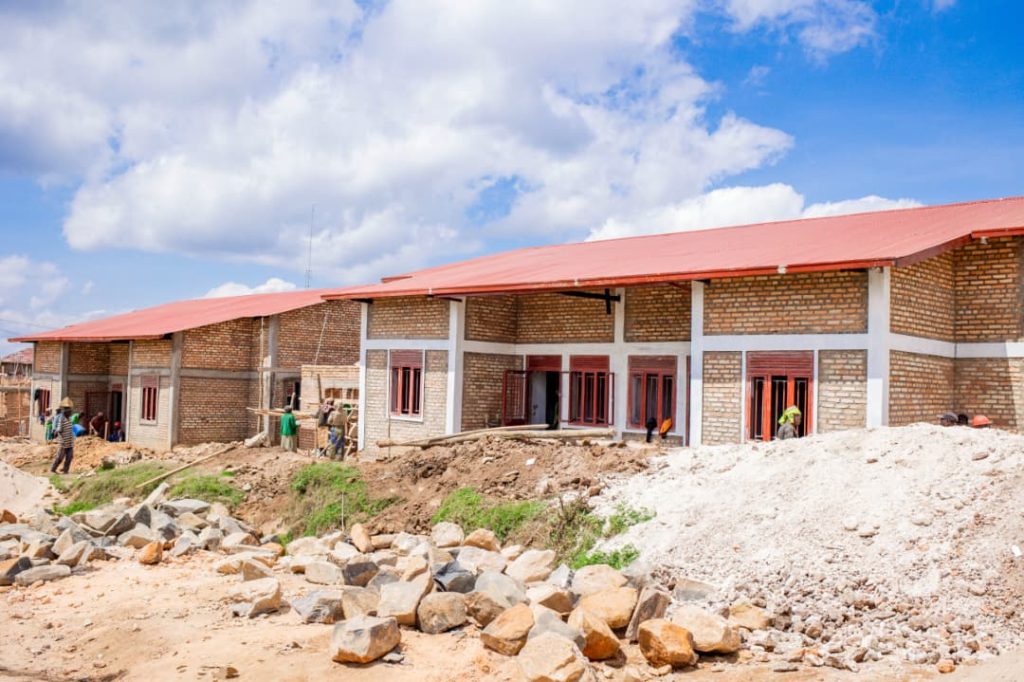The housing rehabilitation program forms part of Rwanda’s broader efforts to promote social inclusion and improve the living conditions of vulnerable citizens. By ensuring access to safe and dignified housing, authorities aim to strengthen community resilience and reduce poverty at the grassroots level.
The impact is already being felt across Nyaruguru District, where more than 700 vulnerable households are currently benefiting from housing renovation and rehabilitation support.
For many residents, the initiative represents far more than the construction or repair of physical structures. It symbolizes renewed hope, restored dignity, and a commitment to ensuring that no citizen is left behind in Rwanda’s development journey.
Nyaruguru continues to expand social protection programs and strengthen partnerships with development stakeholders, stories like those of Semanzi and Hakizimana serve as powerful reminders that meaningful development begins by improving the everyday lives of ordinary citizens.

SUBSCRIBE TO OUR NEWSLETTER
First name or full name
Email
By continuing, you accept the privacy policy
**Categories:** Development Trends
---
### [Rwanda’s Agricultural Revolution Takes Root in Nyaruguru as Farmers Reap Benefits of Modern Collection Centers](https://www.topafricanews.com/2026/06/11/rwandas-agricultural-revolution-takes-root-in-nyaruguru-as-farmers-reap-benefits-of-modern-collection-centers/)
**Published:** June 11, 2026
**Author:** LIBOS NDAYISHIMIYE
**Content:**
Farmers in Ruheru Sector of Nyaruguru District have hailed agricultural collection centers, particularly those dedicated to irish potatoes, as a transformative initiative that is protecting harvests, improving market access, and boosting rural incomes.
Beneficiaries say the facilities have significantly reduced post-harvest losses while bringing essential agricultural services closer to farming communities.
The testimonies emerged on June 9, 2026, during the annual Partners and Councillors’ Week organized by Nyaruguru District in collaboration with JADF-Indashyikirwa.
The outreach program, held across different sectors of the district from June 8 to 12, provides a platform for district leaders, development partners, and residents to discuss development achievements, service delivery, and community priorities.
Among the success stories highlighted during the visit was the impact of agricultural collection centers that have become a lifeline for potato farmers in Ruheru Sector. Farmers say the facilities have helped them preserve the quality of their produce, access reliable markets, and increase their earnings.
Pastor Alfred Bizimungu, one of the beneficiaries, expressed gratitude to the Government of Rwanda for introducing the initiative, noting that it has transformed agricultural productivity and reduced losses that previously affected farmers.
“We are grateful to the Government of Rwanda for establishing this program because our harvests no longer go to waste or get damaged before reaching the market. We also thank our development partners who continue to support us and ensure that the program succeeds,” He said.
Farmers further revealed that the collection centers have accelerated the adoption of modern agricultural practices and digital technologies. Many now use Electronic Billing Machines (EBM) to issue invoices, a development they say has improved transparency and strengthened their participation in formal markets.
Despite the progress, residents called for the expansion of collection centers to meet growing demand and further reduce post-harvest losses across the district.
Another farmer, Vianney Minani, said accessing quality potato seeds used to be a major challenge because farmers depended on suppliers from Musanze District, located hundreds of kilometers away. According to him, the establishment of local collection centers has eliminated many of those difficulties.
“In the past, obtaining seeds was difficult because they had to be transported from Ruhengeri (Musanze). Today, the collection centers have brought services closer to us, reducing costs and allowing us to invest our resources in other productive activities,” He explained.
Minani added that farmers now have access to quality and certified seeds, increasing confidence in future harvests and strengthening hopes for continued economic growth.
Speaking during the outreach program, Nyaruguru District Mayor Dr. Emmanuel Murwanashyaka reaffirmed the district’s commitment to supporting farmers through the expansion of collection centers and potato seed multiplication facilities.
He revealed that several seed production sites are being established across the district and that trained farmers are being supported with land and greenhouse infrastructure to increase the production of quality seeds.
“We are establishing seed multiplication facilities in different parts of the district. We provide trained farmers with land and support the construction of greenhouses so that they can produce enough quality seeds to meet demand and increase agricultural production,” He said.
The mayor added that the district will continue bringing seed multiplication services closer to communities to prevent shortages in both households and local markets.
Beyond crop production, Nyaruguru remains one of Rwanda’s leading tea-growing districts, with the sector providing employment opportunities to thousands of residents and contributing significantly to the local economy.
**READ ALSO: [Faith-Based Tourism Drives Hospitality Growth in Rwanda’s Kibeho Pilgrimage Site](https://www.topafricanews.com/2026/06/10/faith-based-tourism-drives-hospitality-growth-in-rwandas-kibeho-pilgrimage-site/)**
The success of agricultural collection centers in Ruheru reflects Rwanda’s broader strategy of modernizing agriculture, strengthening food security, and improving the livelihoods of rural communities through targeted investments and strong partnerships between government institutions and development stakeholders.

SUBSCRIBE TO OUR NEWSLETTER
First name or full name
Email
By continuing, you accept the privacy policy
**Categories:** Climate / Agriculture Evolution, Natural Resources and Agriculture
---
### [Breaking Barriers: Light4Refugee Launches Second Summer Bootcamp to Empower Refugee Youth in Rwanda](https://www.topafricanews.com/2026/06/10/breaking-barriers-light4refugee-launches-third-summer-bootcamp-to-empower-refugee-youth-in-rwanda/)
**Published:** June 10, 2026
**Author:** EDITOR
**Content:**
**Kigali, Rwanda** — Light4Refugee (L4R), a youth-led organization founded by former refugees, has officially opened applications for its third Summer Bootcamp, marking a significant milestone in its ongoing mission to dismantle barriers to education and career advancement for refugee youth in Rwanda.
Founded by individuals who successfully navigated the Bridge2Rwanda and Isomo Academy programs, Light4Refugee was born from a stark reality: while 70% of refugee youth complete secondary school, only 4% access higher education or employment. The organization aims to bridge this gap, ensuring that a refugee’s circumstances do not define their potential.
“I believe that everyone, including a refugee, has potential yet to be unleashed,” says co-founder John Kelly Rukundo. “No human being is unfit; they just need a space and stage to contribute to a better world.”
The newly launched Scholars Bootcamp, taking place at the Mahama refugee camp, is an intensive program running from July to August.
Designed for Senior 6 students and recent graduates, the bootcamp focuses on developing essential skills including English proficiency, entrepreneurial thinking, leadership, and university application readiness.
Unlike traditional programs that prioritize perfect grades, L4R focuses on resilience, commitment, and a drive to improve one’s community.
This initiative is part of a broader, multi-faceted approach the organization has developed over its three years of operation. Their programs include:
- **iSpeakLead Program:** Currently serving 240 students across four refugee-affiliated schools, this program focuses on public speaking, academic writing, and interview techniques to prepare students for the global market.
- **Lighting Career Path Program:** This initiative connects university scholars across East Africa to prestigious institutions and career opportunities, with the goal of preventing graduates from returning to the camp without viable employment.
- **IRIS Excellence Program (IEP):** A targeted intervention that has helped scholars navigate the pressures of elite boarding schools, resulting in a 100% pass rate in Mathematics and French for its first cohort.
- **1500 Rwanda Book Project:** Led by John Kelly, this partnership with BelieveNBooks is currently distributing 15,000 books across all refugee camps in Rwanda to foster a love of learning from a young age.
In just three years, Light4Refugee has achieved measurable impact, including securing full-ride university scholarships for 19 students and facilitating internships for 9 others. The organization’s work is supported by key partnerships with entities such as UNHCR-Rwanda, Isomo Academy, and the Arizona State University Education4Humanity initiative.
As the organization looks to the future, it emphasizes that its work is not charity, but a strategic effort to remove barriers so that brilliant young people can contribute to a better world.
By fostering peer accountability and mentorship, Light4Refugee continues to ensure that the journey to success is a collective one.
As co-founder Bernard Ndayishimiye puts it: “Not only us but also our young sisters and brothers. If you want to go far, you go with others.”

SUBSCRIBE TO OUR NEWSLETTER
First name or full name
Email
By continuing, you accept the privacy policy
**Categories:** ADVOCACY, EDUCATION
---
### [How Improved Fodder Cultivation Is Boosting Milk Production and Incomes in Gatsibo](https://www.topafricanews.com/2026/06/10/how-improved-fodder-cultivation-is-boosting-milk-production-and-incomes-in-gatsibo/)
**Published:** June 10, 2026
**Author:** Mutangana Emmanuel
**Content:**
Dairy farmers in Gatsibo District used to struggle with low milk production, largely due to inadequate animal feed and limited knowledge of livestock nutrition. Today, many report improvements in milk yields and household incomes following the adoption of improved fodder grasses and training provided through the Rwanda Dairy Development Project Phase II (RDDP II).
Among them is Ismael Ngendahayo, a forage farmer and seed producer from Akabuga Cell in Kiramuruzi Sector, who has turned fodder cultivation into a thriving business while significantly improving the productivity of his dairy cows.
Ngendahayo cultivates a variety of improved forage crops, including Chloris gayana, Brachiaria, Panicum, Napier 112, Mucuna and Desmodium. These grasses and legumes are rich in nutrients that provide livestock with the energy, protein and minerals needed for higher productivity.
***Ismael Ngendahayo.***“With the support of RDDP II, I learned that relying on a single type of grass cannot provide all the nutrients a cow needs,” he said. “Just like humans, cows require a balanced diet that includes both energy-giving and body-building nutrients.”
His decision to invest in fodder cultivation was initially driven by persistent feed shortages on his farm.
“I started on a small plot and quickly noticed that my cows no longer suffered from feed scarcity. Milk production increased almost immediately,” he recalled.
What began on a 20-by-20-meter plot has expanded to two hectares of improved fodder. In a single season, Ngendahayo earned about Rwf2 million from selling forage seeds grown on roughly one hectare.
“With that income, I bought a cow worth Rwf1 million and reinvested in improving my fields and purchasing fertilizers,” he said.
The impact on milk production has been significant. Previously, his cows produced barely one litre of milk per day. Today, some produce more than 10 litres.
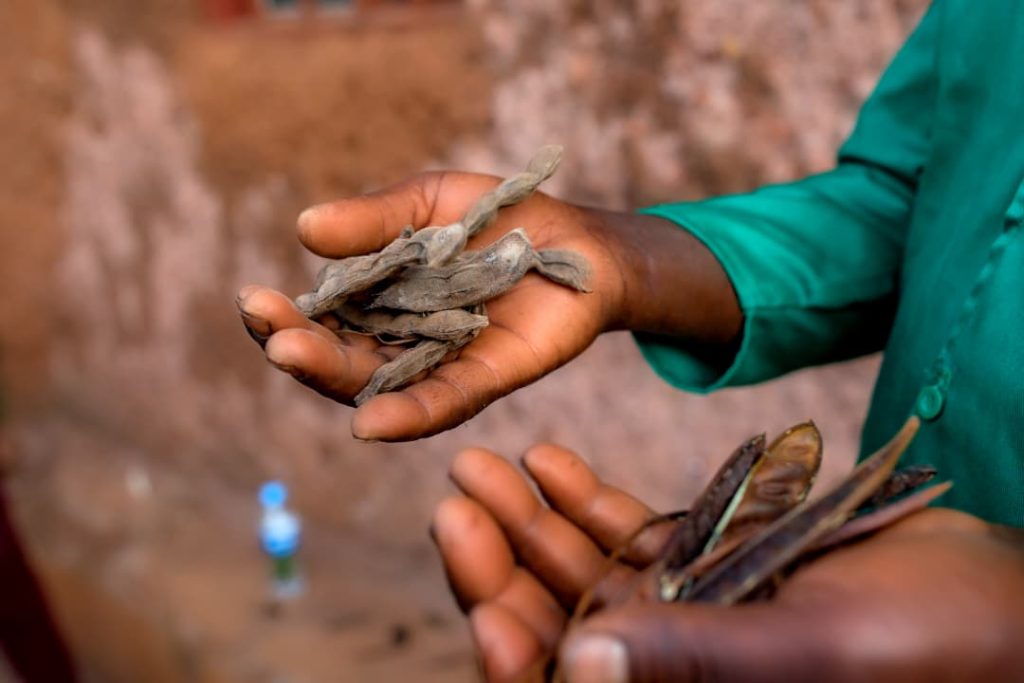“Before, I mainly fed them energy-rich feed. Now I combine it with protein-rich fodder and apply the feeding techniques we learned through training. The difference has been enormous,” he explained.
Ngendahayo now sells improved forage seeds to farmers across the region at Rwf5,000 per kilogram and plans to expand further by establishing hay storage facilities and, eventually, a fodder processing plant.
“With proper drying and storage infrastructure, we can produce quality animal feed throughout the year and support many more farmers,” he said.
**From seasonal milk shortages to year-round production**
Peter Muyambe, a dairy farmer from Rwiminazi Village in Nyamatete Cell, Rwimbogo Sector, says improved fodder cultivation has transformed his livestock enterprise.
***Peter Muyambe.***He started cultivating fodder grasses two years ago on half a hectare of land. Today, he has expanded to 1.5 hectares because of the benefits he has witnessed.
“Improved fodder is far more productive than relying on grazing alone. The grass can be harvested up to four times a year,” he said.
According to Muyambe, milk production on his farm has increased dramatically.
“Before we learned about fodder cultivation, our cows produced only one or two litres of milk a day. Today, some produce up to 15 litres,” he said.
Feed shortages were once a major challenge during the dry season. Farmers often went several months without meaningful milk production due to a lack of pasture and water.
“From May to October, we could hardly milk our cows because there was no grass. Today, that problem is gradually disappearing because we have enough fodder depending on the size of the herd,” he explained.
RDDP II has also trained farmers on modern livestock management practices, including the construction of proper cowsheds and methods for conserving fodder for use during dry periods.
“The project provided us with fodder seeds and taught us how to preserve grass for long-term use, ensuring feed availability even when rainfall is scarce,” Muyambe added.
**Strengthening the dairy value chain**
 ***Jean Leonard Sekanyange, Vice Mayor of Gatsibo District in charge of Economic Development.***According to Jean Leonard Sekanyange, Vice Mayor of Gatsibo District in charge of Economic Development, RDDP II is playing a critical role in strengthening dairy farming across the district.
“The project has supported our farmers by providing improved dairy cows and promoting fodder production,” he said.
So far, about 150 dairy cows have been distributed to farmers, and district authorities expect beneficiaries to pass on calves to other households under Rwanda’s livestock-sharing approach.
“Previously, feed shortages were a major challenge. Through RDDP II, farmers and forage producers are being supported to cultivate fodder so that quality feed becomes readily available and milk production increases,” Sekanyange noted.
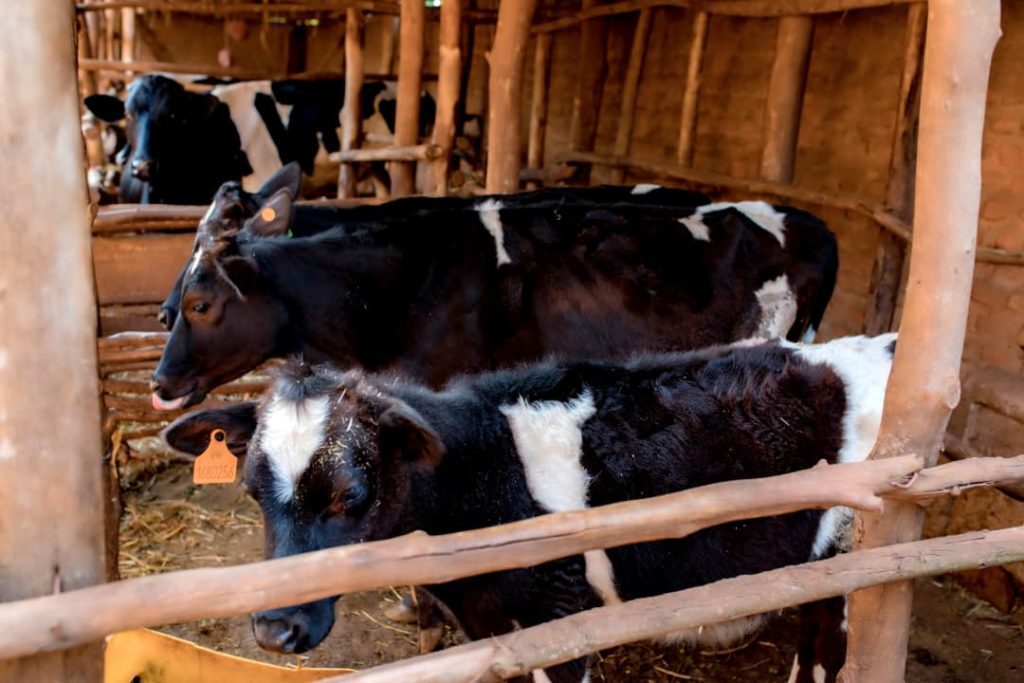The project has also invested heavily in farmer capacity building. A total of 56 community livestock facilitators have been trained to provide technical support to farmers, while about 3,000 dairy farmers organized in 143 groups have received training in modern dairy production practices.
Infrastructure improvements are also underway. The project plans to rehabilitate four milk collection centres located in Rwimbogo, Kiziguro, Kibondo and Kiramuruzi, as well as two milk collection points in Murambi and Rwimbogo.
“These facilities will help accommodate the growing milk volumes and ensure farmers have reliable places to deliver their milk,” Sekanyange said.
Gatsibo currently produces about 60,000 litres of milk per day, up from approximately 45,000 litres two years ago. The district aims to increase production to 100,000 litres per day in the coming years.
The Rwanda Dairy Development Project Phase II is a six-year initiative running from 2024 to 2030, with a budget of $100.37 million (approximately Rwf127 billion). The project is jointly funded by the International Fund for Agricultural Development (IFAD) and the Government of Rwanda and is implemented through the Rwanda Agriculture and Animal Resources Development Board (RAB).
Operating in 27 districts nationwide, the project seeks to improve the productivity, resilience and profitability of smallholder dairy farmers through investments in climate-smart agriculture, animal health, breeding services, feed and water systems, access to finance and improved milk marketing infrastructure.
The initiative is expected to benefit around 175,000 rural households, equivalent to about 700,000 people, with particular attention given to women, youth and vulnerable groups.
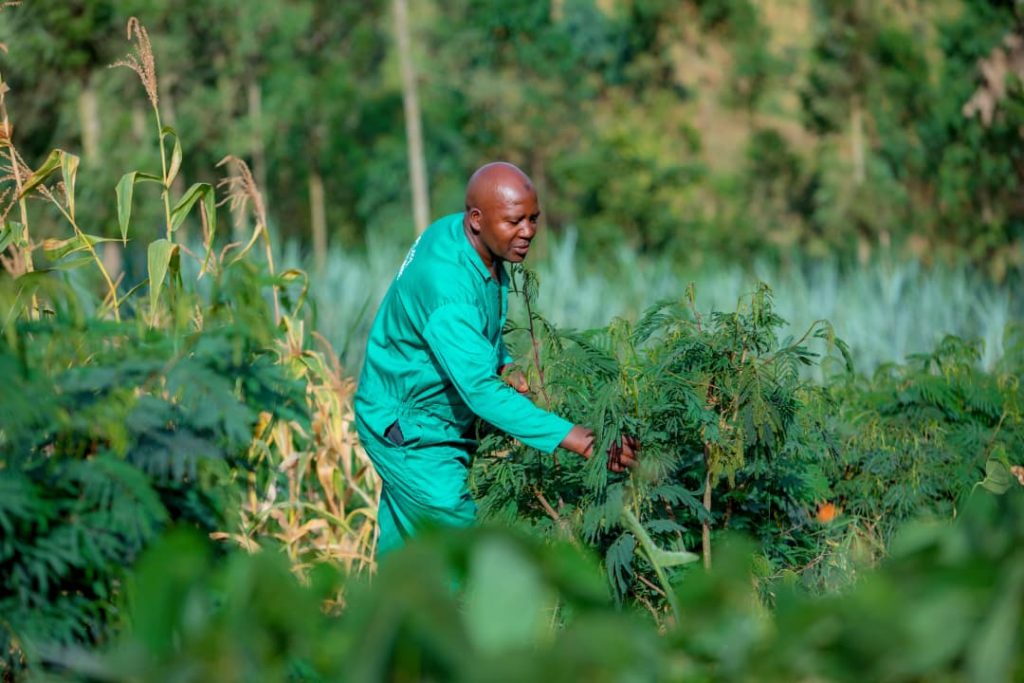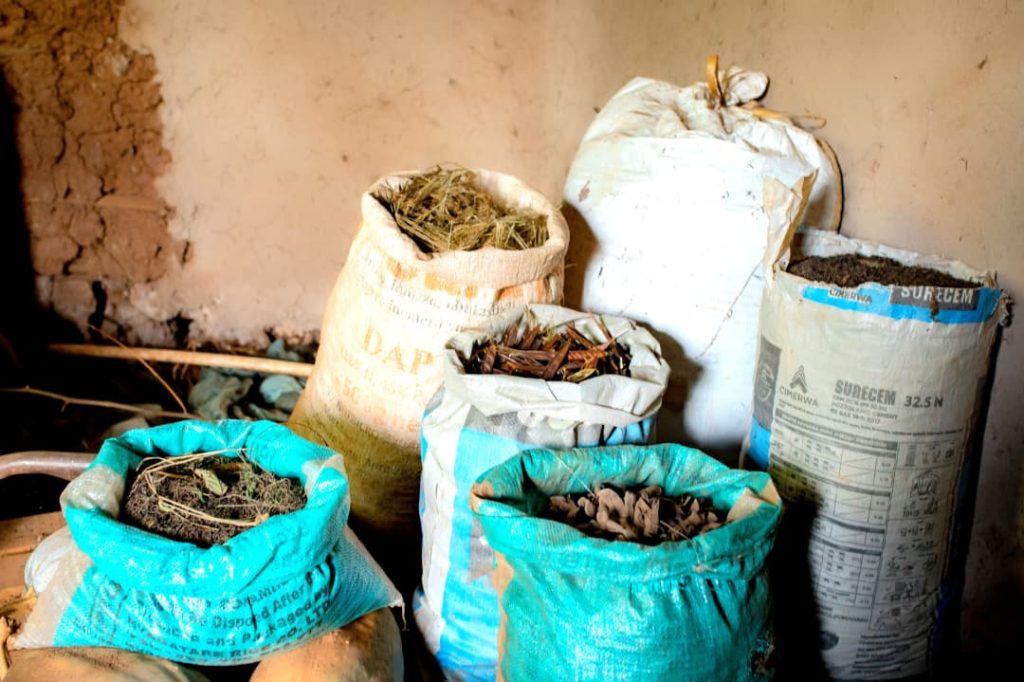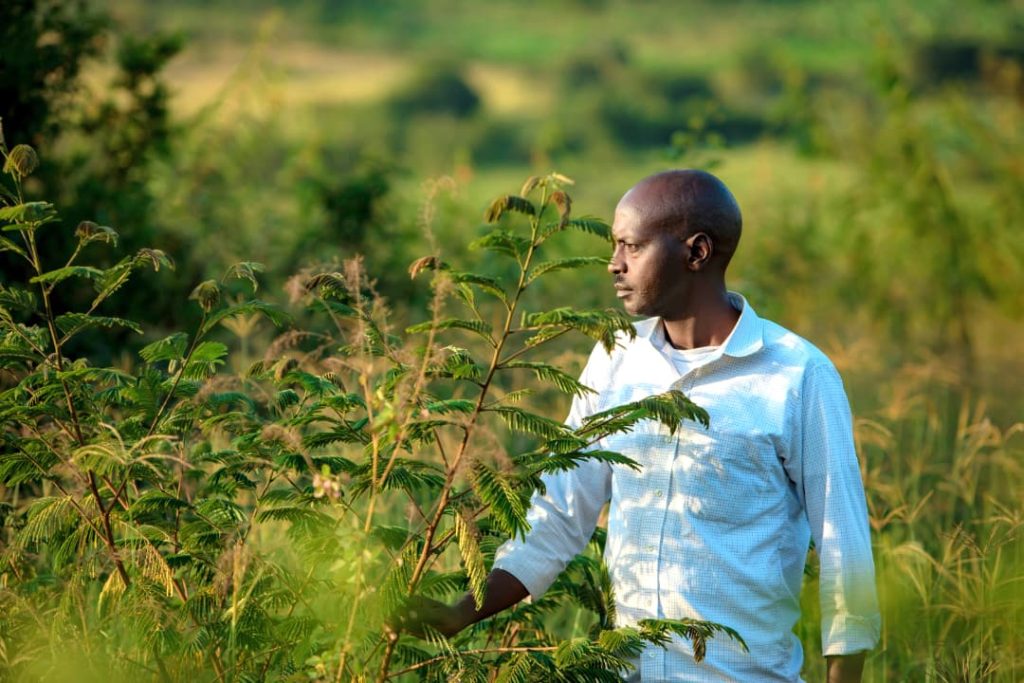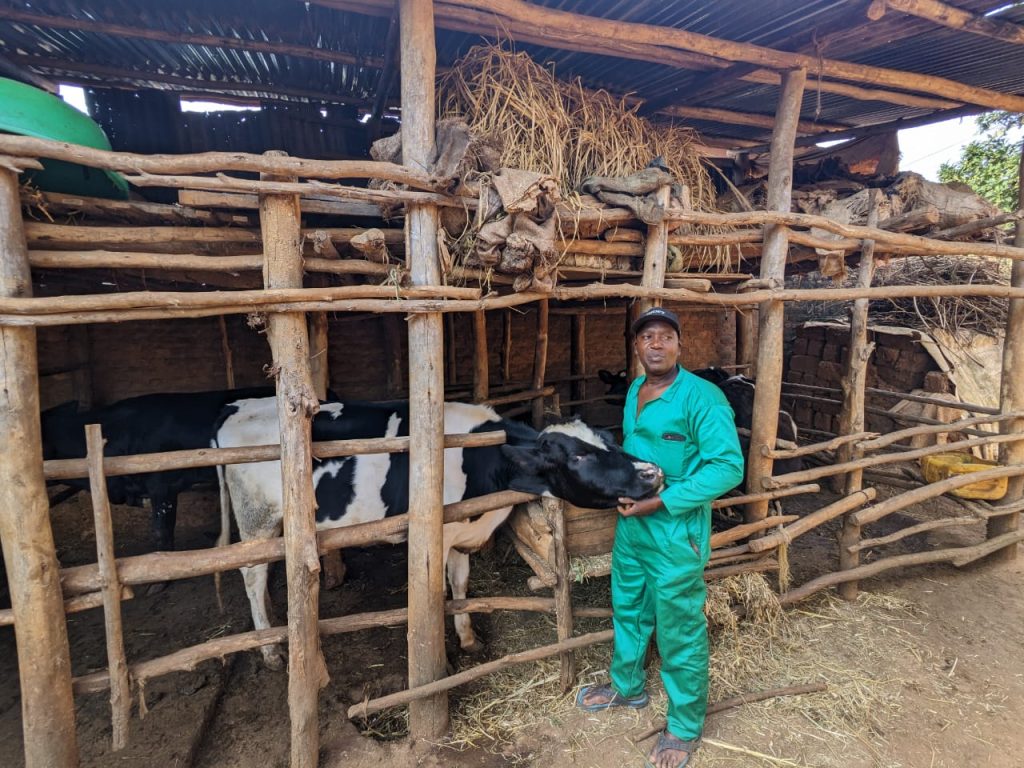
SUBSCRIBE TO OUR NEWSLETTER
First name or full name
Email
By continuing, you accept the privacy policy
**Categories:** Natural Resources and Agriculture
---
### [Kigali Innovation City: Rwanda’s Data-Driven Bet on Africa’s Tech Future](https://www.topafricanews.com/2026/06/10/kigali-innovation-city-rwandas-data-driven-bet-on-africas-tech-future/)
**Published:** June 10, 2026
**Author:** DUSABEMUNGU Ange de la Victoire
**Content:**
As Rwanda posted a robust 9.4% GDP growth in 2025 — well above its 7% target — one flagship project stands out as a catalyst for sustained, knowledge-based expansion: Kigali Innovation City (KIC).
This 61-hectare mixed-use smart city development in Gasabo District is no longer just a vision on paper. Construction broke ground in September 2024, and early infrastructure work is now advancing in 2026.
KIC is designed as a live-work-play ecosystem integrating universities, research labs with a strong focus on AI, biotech, and robotics, Grade A offices, startup incubators, student and residential housing, retail, and hotels.
**FUTURE PROJECTIONS**
## Kigali Innovation City (KIC)
Rwanda’s flagship innovation ecosystem for AI, Biotech & Robotics
### Live • Work • Play Ecosystem
KIC integrates universities, research laboratories, Grade A offices, startup incubators, residential housing, retail spaces and hotels, creating a hub for innovation and talent development.
$2B
Total Economic Value
50,000+
Jobs Created
$150M
Annual ICT Exports
$300M+
Foreign Direct Investment
2,600
Graduates Per Year
$300M
Development Cost
#### Key Sectors
Artificial Intelligence (AI) • Biotechnology • Robotics • Research & Innovation • Startup Development • Higher Education • Digital Economy
**Development Model:** Public-Private Partnership (PPP)
Led by Rwanda Development Board (RDB) and Africa50 with support from BADEA and other partners.
These figures position KIC not merely as real estate but as a deliberate multiplier for Rwanda’s digital economy.
ICT has already become the country’s second-largest export contributor, helping diversify away from traditional commodities.
Construction officially began with a high-level ceremony in September 2024 attended by the Former Prime Minister Édouard Ngirente.
Horizontal infrastructure including roads and utilities, along with initial buildings, is progressing steadily.
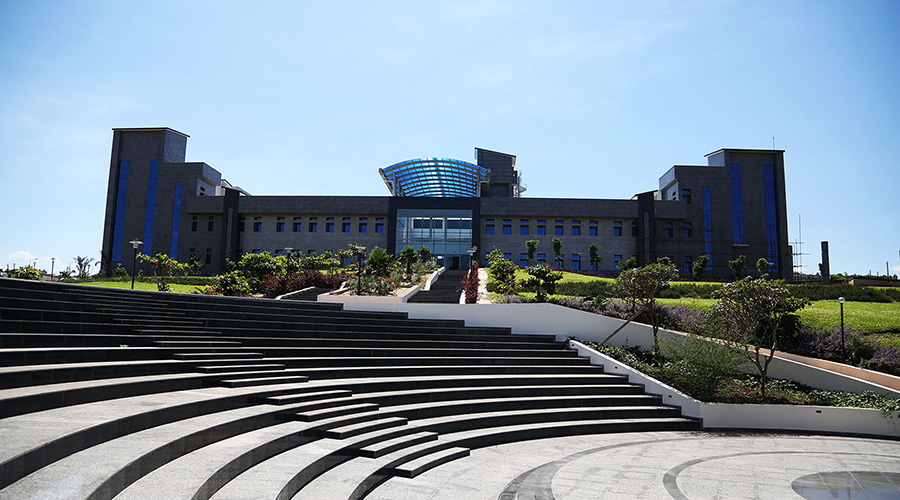 Institutional anchors such as Carnegie Mellon University Africa, African Leadership University, and University of Rwanda centers are already operating nearby, alongside companies like Cooper Pharma, providing immediate R&D and talent pipelines.
In 2025–2026, KIC has featured prominently at events like REDS Africa, where it was presented as a case study in African innovation and sustainability.
High-level diplomatic visits continue to explore partnerships, including interest from Japanese firms.
**READ ALSO:[ Rwanda Approves National Artificial Intelligence Centre to Accelerate Innovation and Knowledge-Based Economic Growth](https://www.topafricanews.com/2026/06/09/rwanda-approves-national-artificial-intelligence-centre-to-accelerate-innovation-and-knowledge-based-economic-growth/)**
This momentum aligns with Rwanda’s Smart Rwanda Master Plan and recent national innovation conferences focused on AI and regional collaboration.
The city is explicitly positioned to help spawn Africa’s first billion-dollar tech businesses and beyond.
KIC’s metrics align with proven global innovation hubs: concentrated talent, modern infrastructure, and policy certainty.
Rwanda’s government-backed approach, offering incentives, de-risking through public-private partnerships, and integrating education with enterprise, sets it apart.
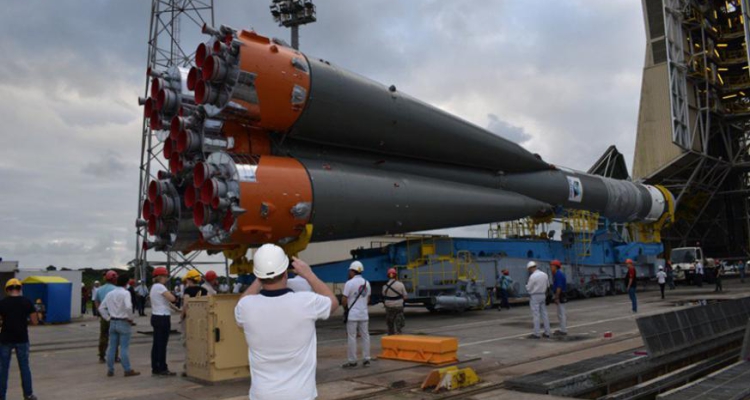The digital sector in Sub-Saharan Africa is one of the fastest-growing contributors to GDP, and KIC aims to capture and amplify that wave through targeted infrastructure and green design standards.
Real estate opportunities in student housing, offices, and supporting services are actively being marketed to meet anticipated demand as construction scales.
In a continent where youth demographics and digital leapfrogging offer massive potential, Kigali Innovation City represents a high-conviction, data-backed play.
With construction underway, strong 2025 economic tailwinds, and clear KPIs for jobs, exports, and graduates, the project is moving from blueprint to reality.Whether you’re an investor, tech entrepreneur, university, or policymaker, the numbers invite attention: $2 billion impact, 50,000 jobs, and $150 million in annual exports. Kigali isn’t waiting for Africa’s tech future — it’s engineering it, one data point and foundation at a time.

SUBSCRIBE TO OUR NEWSLETTER
First name or full name
Email
By continuing, you accept the privacy policy
**Categories:** Development Trends, ICT, Science and Technology
---
### [Faith-Based Tourism Drives Hospitality Growth in Rwanda’s Kibeho Pilgrimage Site](https://www.topafricanews.com/2026/06/10/faith-based-tourism-drives-hospitality-growth-in-rwandas-kibeho-pilgrimage-site/)
**Published:** June 10, 2026
**Author:** DUSABEMUNGU Ange de la Victoire
**Content:**
**NYARUGURU, Rwanda** – Nyaruguru District is set to significantly expand its hospitality capacity with the completion of two major hotel projects aimed at improving accommodation services for the growing number of religious tourists visiting Kibeho, one of Africa’s most important Catholic pilgrimage sites.
The new facilities include **Hotel Kibeho**, being developed by the Catholic Diocese of Gikongoro. The hotel, which is nearing completion, will offer 36 rooms and has been built at a cost exceeding Rwf 2.2 billion.
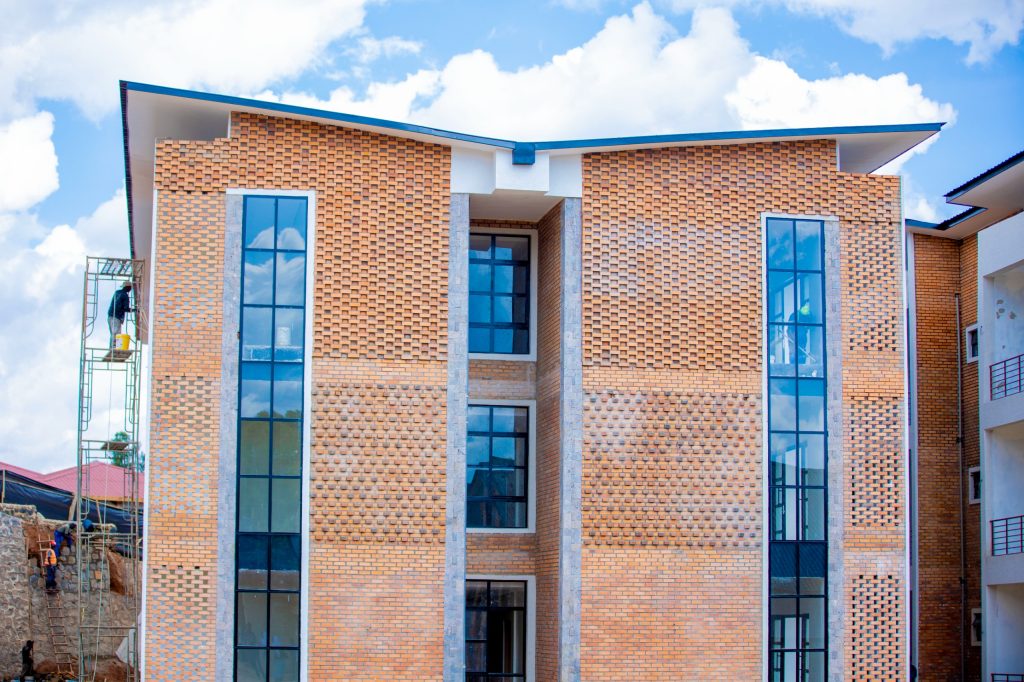Also nearing completion is the expanded **Pacis Hotel**, owned by the Benebikira Sisters. The project, valued at more than Rwf 1.8 billion, includes an additional 46 guest rooms and dormitory facilities capable of accommodating over 120 visitors. Upon completion, the hotel will have the capacity to host approximately 300 guests.
Speaking to local media, Sister Marie Emilienne Umutesi, who works at Pacis Hotel, said the facility was originally established to address the accommodation challenges faced by pilgrims visiting Kibeho, many of whom previously had to seek lodging elsewhere.
“We have spacious rooms that can accommodate up to six people, each with private bathroom facilities. We are particularly pleased that these options will also serve visitors with limited financial means, ensuring that everyone can access quality accommodation,” she said.
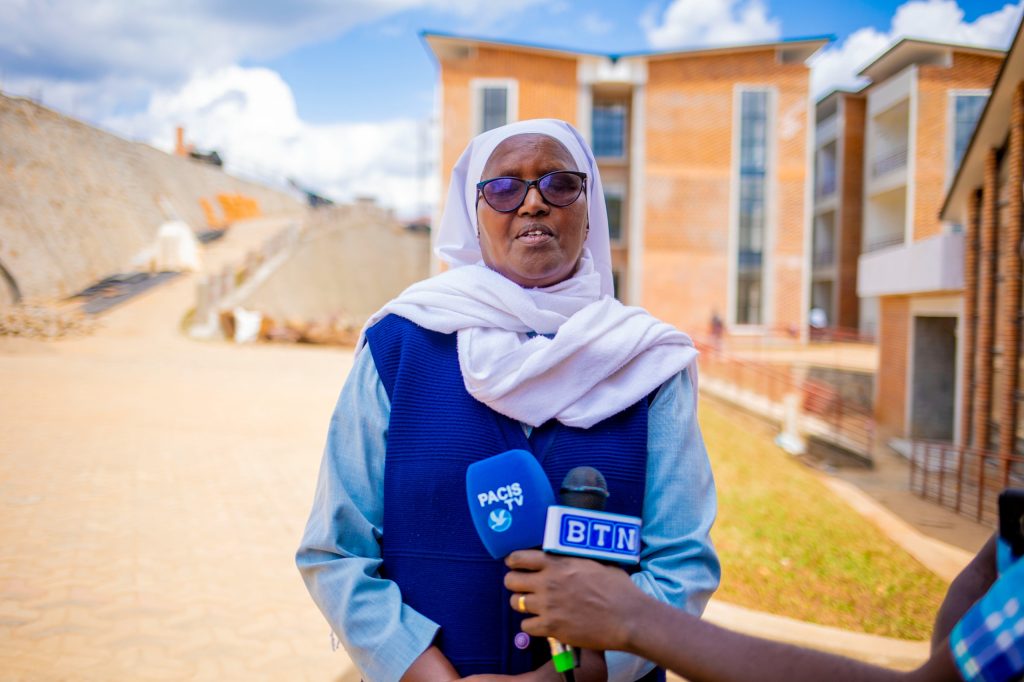Sister Umutesi noted that the hotel’s expansion reflects nearly two decades of efforts to support religious tourism in Kibeho and encouraged other investors to explore opportunities in the area.
“We started with a small facility where visitors could simply rest and have a meal. Over time, we expanded in response to growing customer demand. We encourage other investors to come and build in Kibeho because the tourism potential is enormous,” she said.
Nyaruguru District Mayor Dr. Emmanuel Murwanashyaka said the district continues to implement projects aimed at increasing accommodation capacity in Kibeho. Besides the two hotels nearing completion, three additional hospitality facilities are currently undergoing renovation.
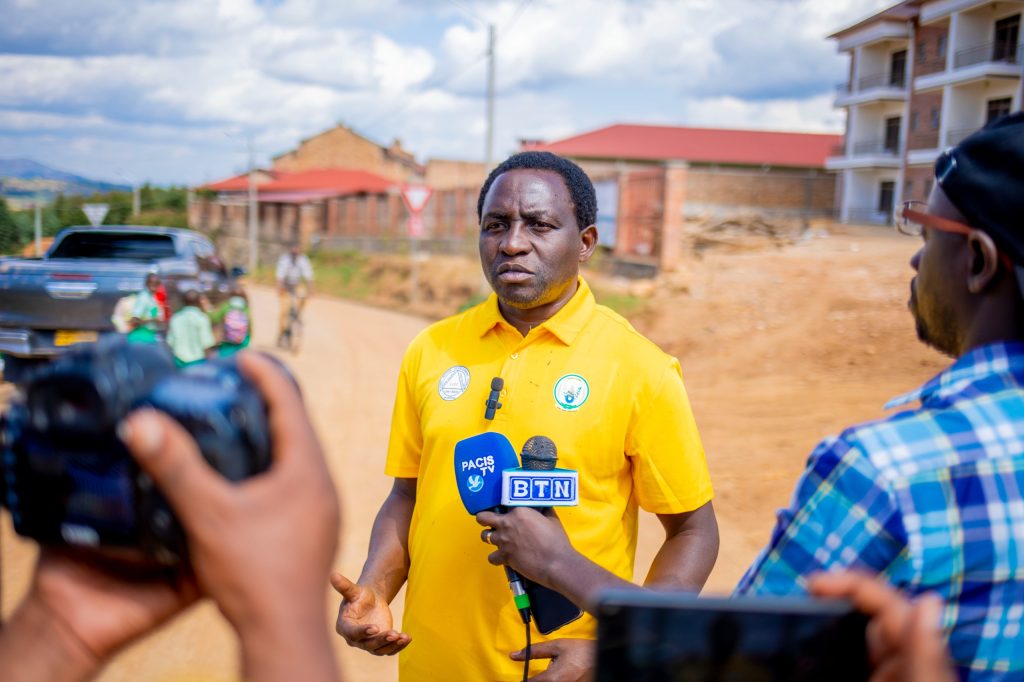“We continue to call upon our partners, especially private investors, to support the development of tourism infrastructure. At the same time, we encourage service providers to maintain high standards so that visitors to Kibeho can enjoy efficient and quality services,” he said.
Prior to these developments, Kibeho had accommodation facilities capable of hosting approximately 210 guests. The completion of the two new hotels is expected to nearly triple that capacity.
Kibeho currently receives around **1.2 million visitors annually**, underscoring the continued growth of faith-based tourism in Rwanda and the increasing importance of the pilgrimage destination on both the regional and international stage.
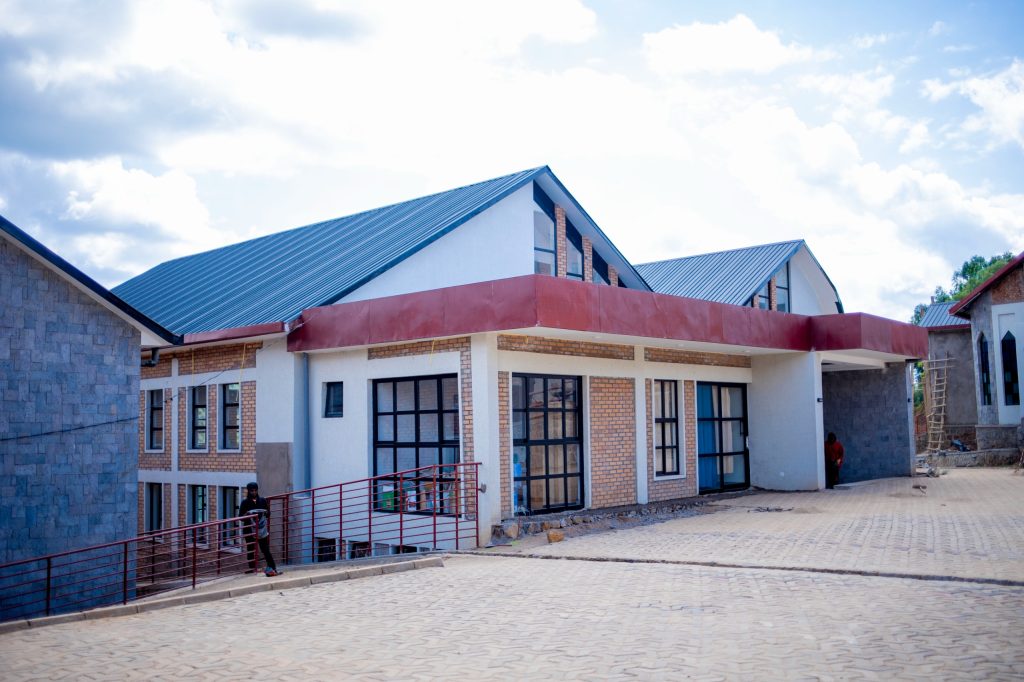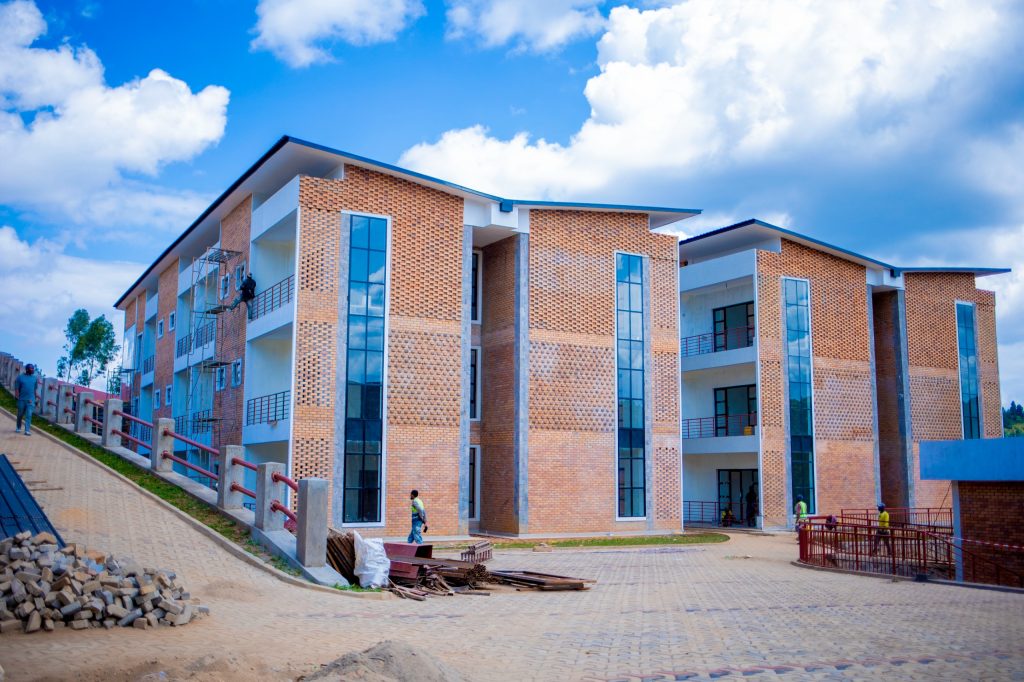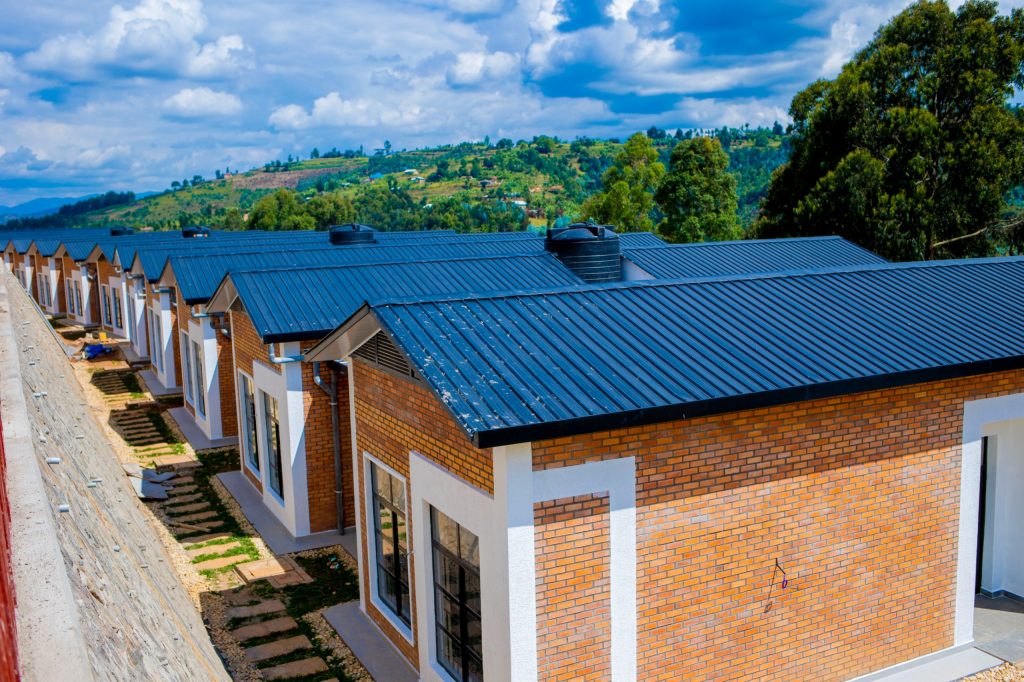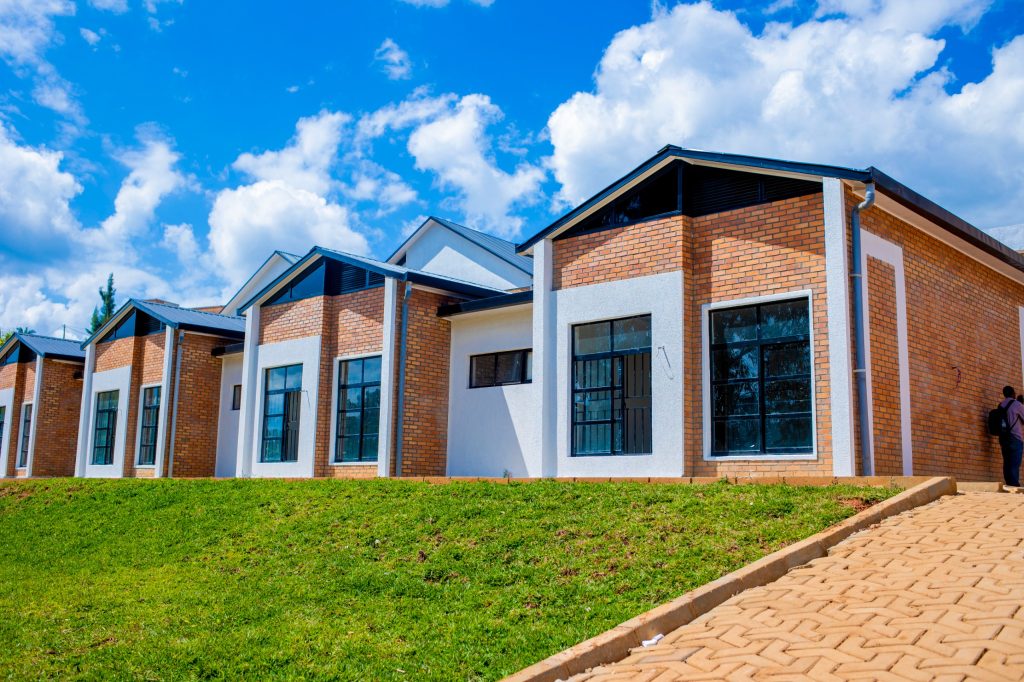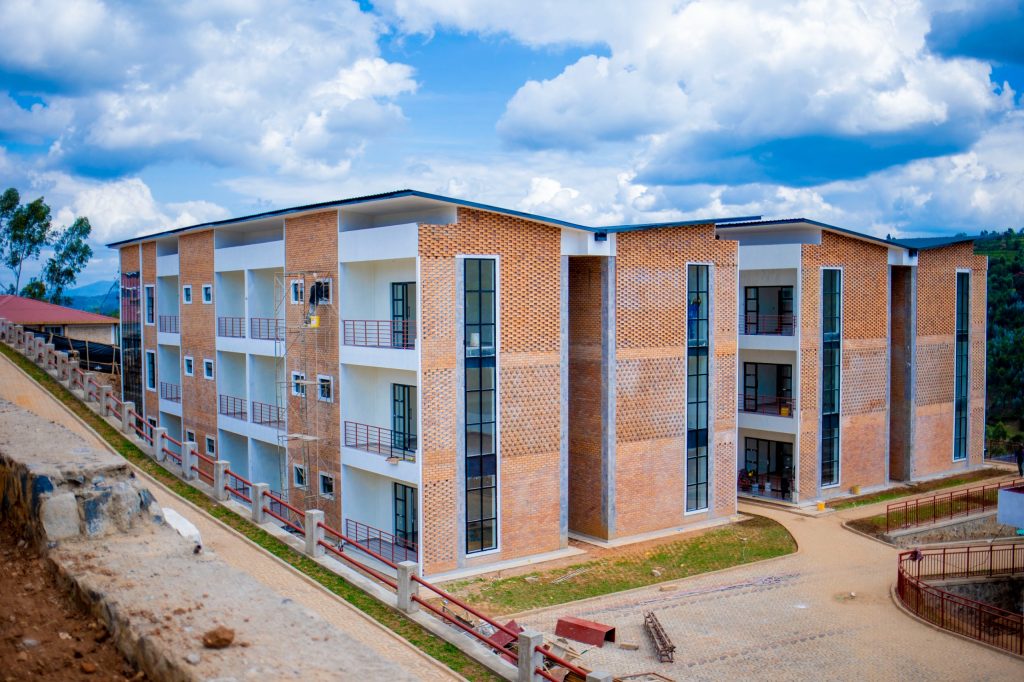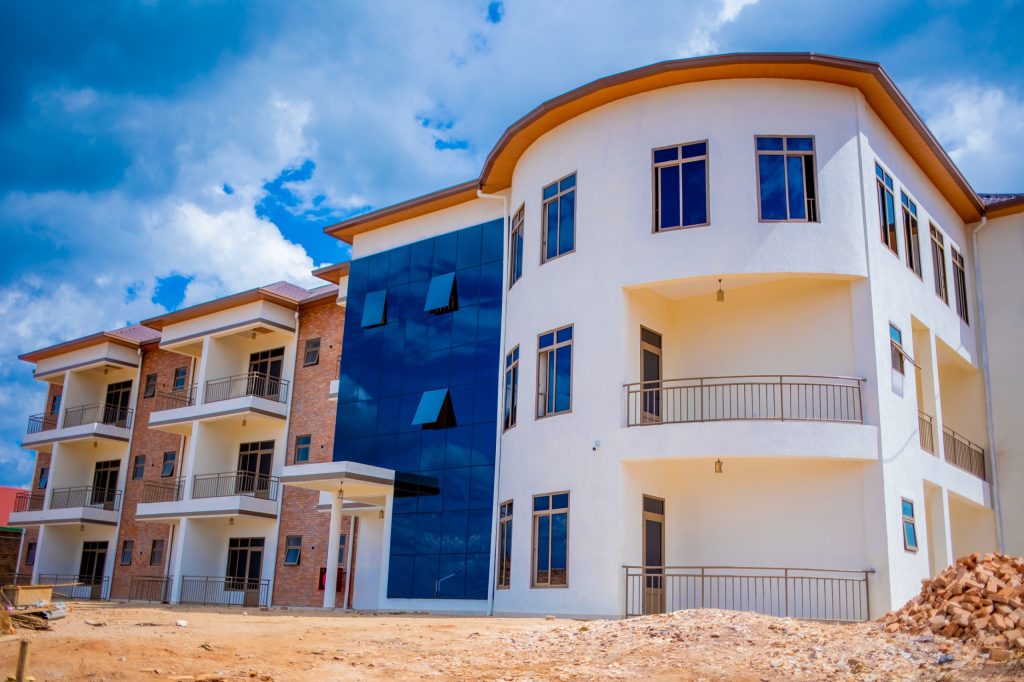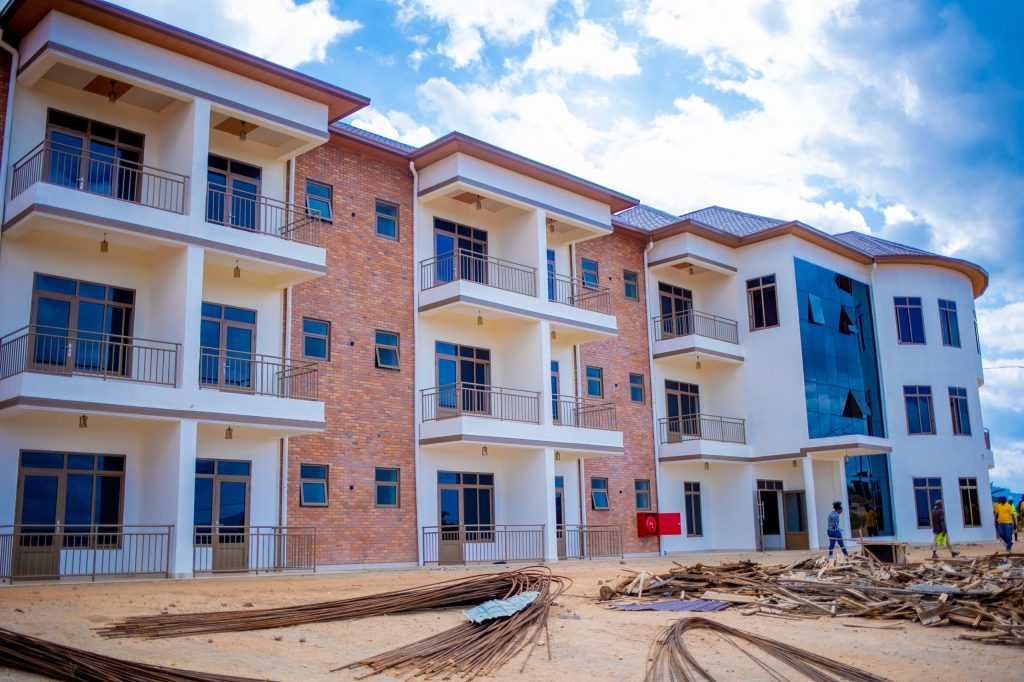
SUBSCRIBE TO OUR NEWSLETTER
First name or full name
Email
By continuing, you accept the privacy policy
**Categories:** Impact Visibility Feature, Tourism and Nature
---
### [Rwanda Emerges as a Model for Universal Health Protection as Africans Struggle with Health Costs](https://www.topafricanews.com/2026/06/10/rwanda-emerges-as-a-model-for-universal-health-protection-as-africans-struggle-with-health-costs/)
**Published:** June 10, 2026
**Author:** LIBOS NDAYISHIMIYE
**Content:**
Africa is facing a deepening health financing crisis, with the World Health Organization (WHO) warning that more than 423 million people across the continent suffered financial hardship in 2022 due to out-of-pocket health expenditures, while over 384 million were pushed further into poverty as a result of medical bills.
The alarming figures were presented in Kigali during the opening of a Subregional Training on Monitoring Financial Protection in Health, a four-day workshop bringing together health officials, statisticians, and development partners from across Africa. The event is jointly organized by WHO, STATAFRIC, and the World Bank.
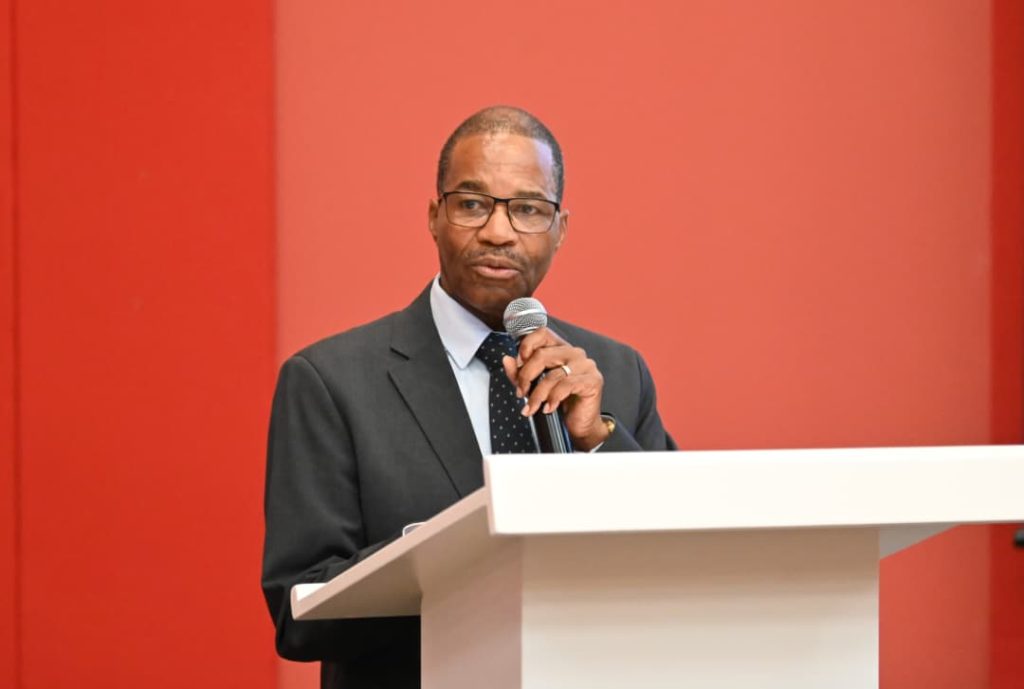Speaking at the opening session, Dr. Brian Chirombo, WHO Representative to Rwanda, said the data reflect a silent but devastating reality affecting millions of African households who are forced into impossible choices when illness strikes.
“These are not just statistics. They represent mothers and fathers forced into impossible choices choosing between paying for treatment or putting food on the table, buying medicines or paying school fees. No family should have to make such heartbreaking trade-offs for the sake of health,” Dr. Chirombo said.
He stressed that financial protection is a core pillar of Universal Health Coverage (UHC), equal in importance to service availability and quality of care, warning that health systems cannot be considered successful if they drive people into poverty.
“We cannot truly achieve Health for All if people are impoverished by the very services meant to protect their well-being. Ensuring that no one is left behind or pushed deeper into poverty by health expenses is central to our mission,” he added.»
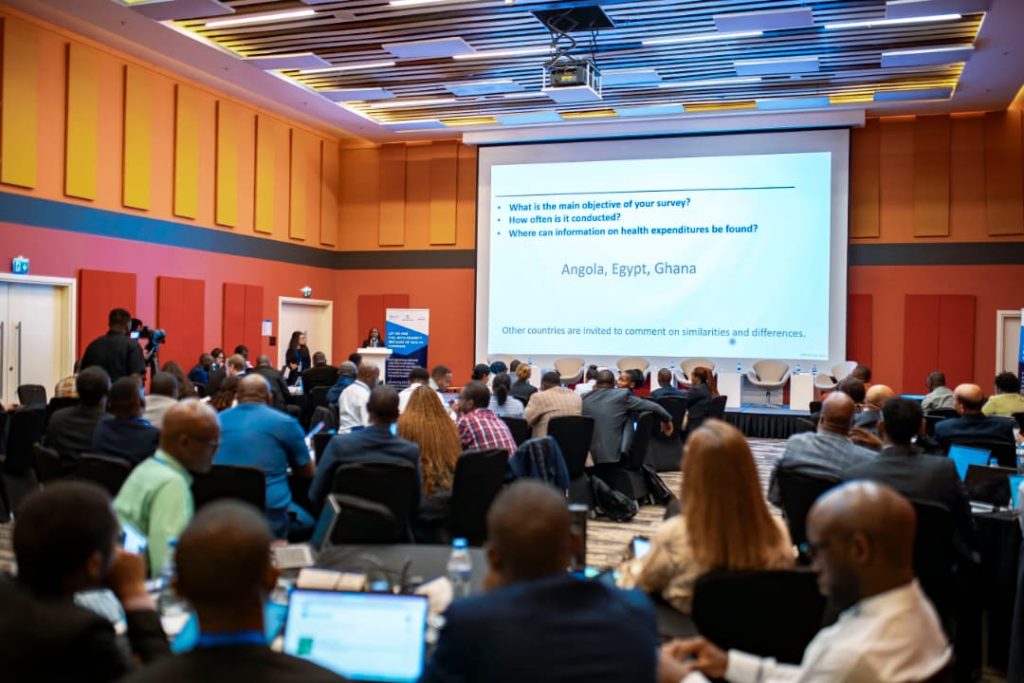The WHO Representative emphasized that monitoring financial protection is essential for identifying gaps in health systems, exposing inequalities, and guiding reforms that reduce out-of-pocket payments. The Kigali training also focuses on a revised global methodology for tracking Sustainable Development Goal (SDG) Indicator 3.8.2, which measures financial hardship caused by health spending.
Experts attending the workshop are expected to strengthen their capacity in data analysis, interpretation, and the translation of evidence into national health financing policies. WHO and the World Bank, as co-custodians of the indicator, reaffirmed their commitment to supporting countries in using data not only for reporting but also for real policy change.
Dr. Chirombo highlighted the importance of collaboration between Ministries of Health and National Statistical Offices, describing it as essential for building stronger, evidence-driven health systems.
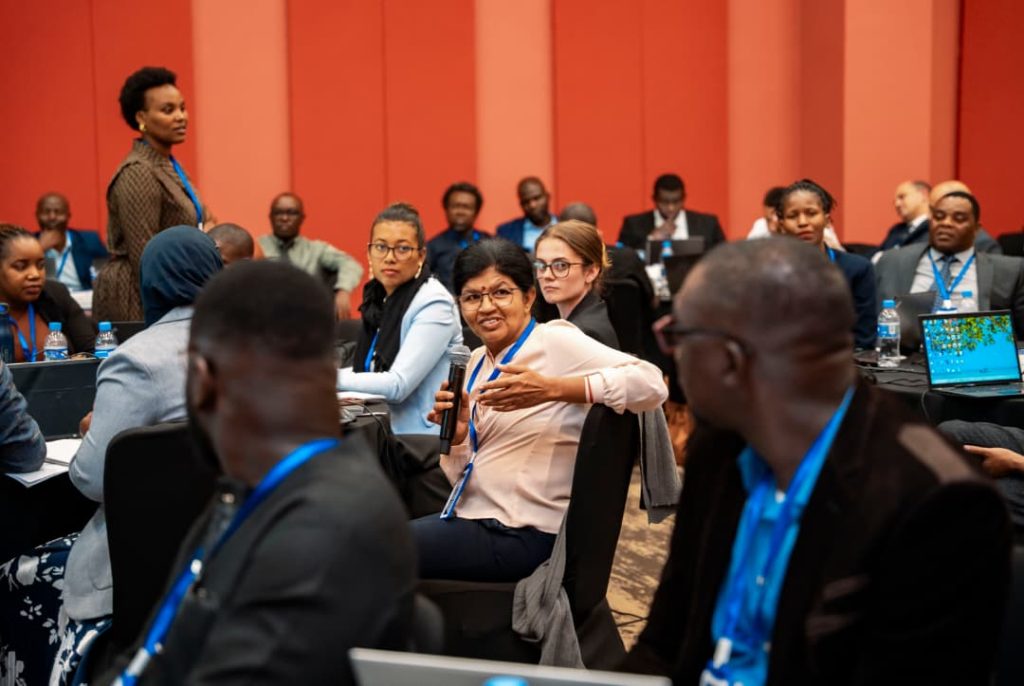“This workshop is not just a technical training. It is part of a broader effort to institutionalize financial protection monitoring and turn data into better policy,” he noted.
While the continental picture remains concerning, Rwanda was highlighted as a positive example of progress in expanding healthcare access and reducing financial barriers. Through its community-based health insurance scheme, Mutuelle de Santé, and sustained investment in primary healthcare, the country has significantly increased insurance coverage and reduced out-of-pocket spending to among the lowest levels in Africa.
Building on this success, Fernand Rwamwejo, an official from Rwanda’s Ministry of Health, said the government continues to prioritize proximity and accessibility of healthcare services as a key strategy for improving public health outcomes.
“Rwanda is doing everything possible to protect its citizens from health-related challenges. We have invested significantly in bringing health centers and medical facilities closer to communities so that people can access the care they need more easily and on time,” Rwamwejo said.
He added that decentralizing health services has helped reduce travel time for patients and improved timely access to essential care, particularly in rural areas where access was previously limited.
“Our goal is not only to increase the number of health facilities, but also to ensure that services that once required long journeys are now available closer to the people. This helps improve health outcomes and guarantees equitable access to healthcare for all,” he said.
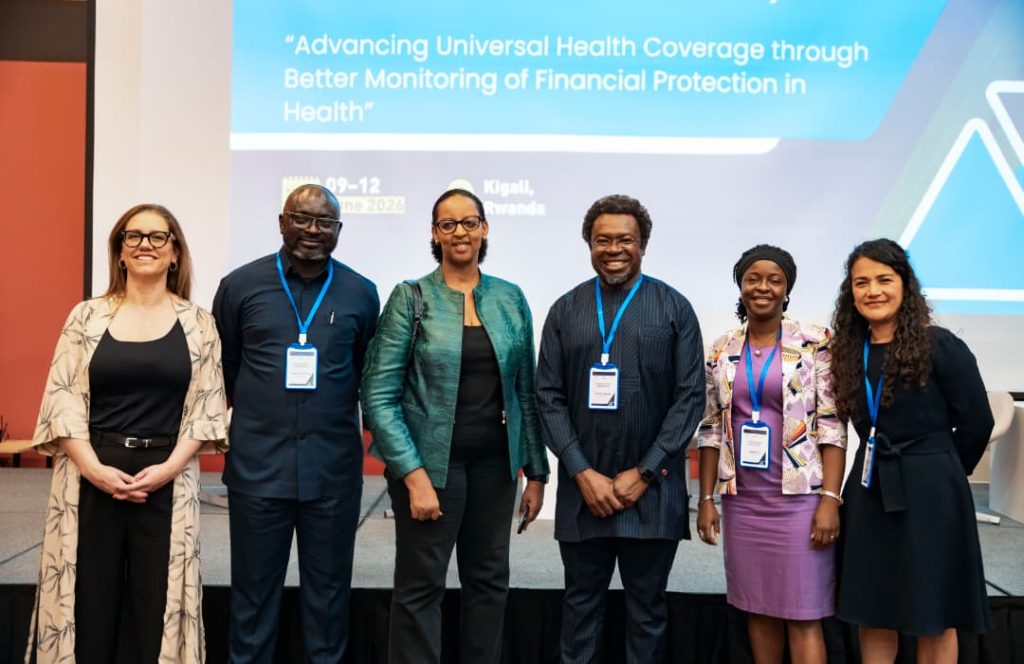Despite Rwanda’s progress, WHO cautioned that continued monitoring remains essential to ensure that no group is left behind and that financial protection gains are sustained over time.
Closing the opening session, Dr. Chirombo called on participants to use the Kigali workshop as a platform for stronger collaboration and transformative action across the continent.
The training is expected to strengthen health financing systems across Africa and reinforce the shared goal of ensuring that access to healthcare never becomes a pathway to poverty.
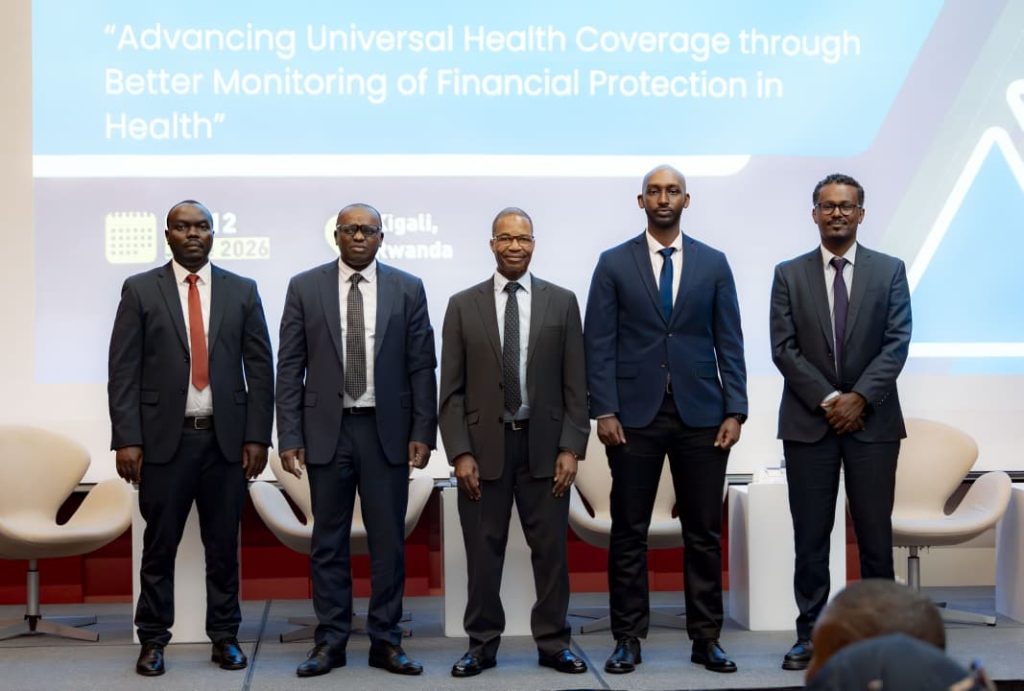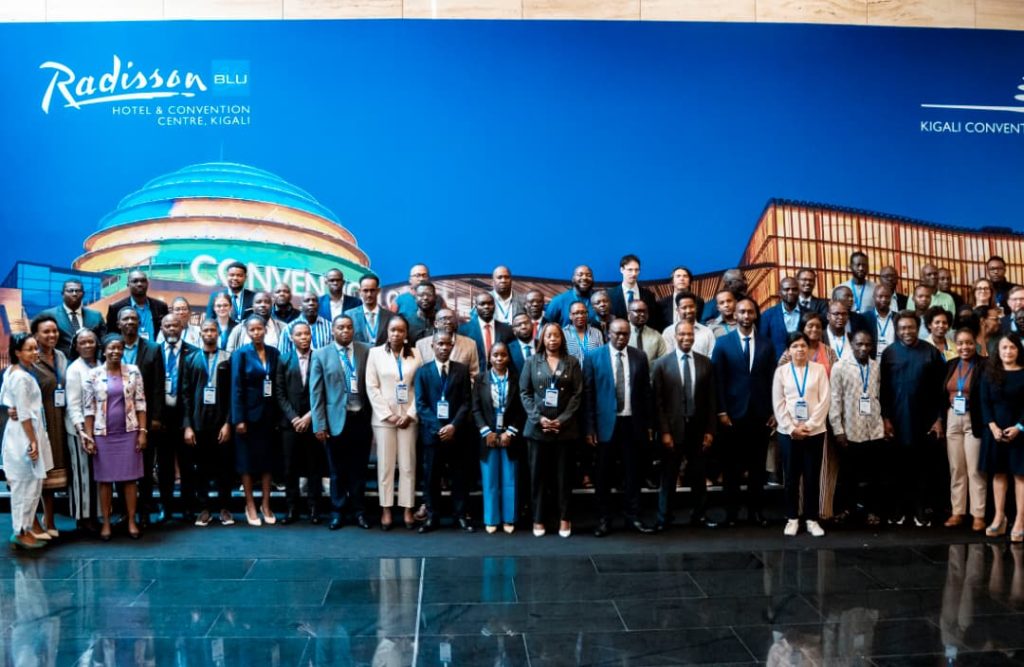
SUBSCRIBE TO OUR NEWSLETTER
First name or full name
Email
By continuing, you accept the privacy policy
**Categories:** HEALTH, NEWS
---
### [Old Mutual engages Nakuru SMEs and households in the second edition of its ongoing financial wellness drive](https://www.topafricanews.com/2026/06/09/old-mutual-engages-nakuru-smes-and-households-in-the-second-edition-of-its-ongoing-financial-wellness-drive/)
**Published:** June 9, 2026
**Author:** DUSABEMUNGU Ange de la Victoire
**Content:**
**Nakuru, June 8th, 2026, …** Old Mutual last week engaged businesses and retail customers in Nakuru in the second edition of the financial wellness drive, after it was launched in Thika three weeks ago.
As happened in Thika, the initiative provided Nakuru residents and businesses with practical tools to better manage their finances amid rising economic pressure. This was the second of eight activations where participants gained access to hands-on training, financial education and tailored solutions spanning savings, investment, debt management, and risk protection.
Japheth Ogalloh, Managing Director, Old Mutual General Insurance, explained what the Old Mutual team was doing in Nakuru, “we interacted with customers and the public to spread the gospel of financial wellness. We had various engagements with partners, intermediaries, and prospective clients. The highlight of the engagements was engaging Kenyans to understand their needs, so that we can design products and services that meet them.”
The other towns in which the drive will happen include: Eldoret, Kisumu, Nyeri, Meru, Machakos, and Mombasa. As a result, Old Mutual will engage financial experts, business owners and industry partners all over the country.
The initiative is anchored in insights from the recent Old Mutual Financial Wellness Monitor 2025, which shows that while 70% of Kenyans are optimistic about their financial future, many continue to face pressure from rising costs, high debt levels, and unpredictable income streams, thereby straining households and businesses.
As part of the financial wellness drive, Old Mutual is rolling out a series of country-wide public engagement activities to translate financial wellness insights into action. These include the launch of the “There Will Be Signs” campaign, a national awareness effort that highlights the everyday patterns of financial stress often overlooked by individuals and businesses. The campaign will be supported by on-ground engagements, including practical financial literacy sessions and personalised advisory clinics to help Kenyans recognise these signs early and get on the path to financial wellness.
The financial wellness drive reflects Old Mutual’s broader commitment to advancing financial inclusion and empowering individuals and businesses with the knowledge and resources needed to make informed financial decisions. The program will deliver accessible, inclusive engagements tailored to the real-world financial challenges faced by Kenyan households and enterprises.

SUBSCRIBE TO OUR NEWSLETTER
First name or full name
Email
By continuing, you accept the privacy policy
**Categories:** Business and Trade
---
### [Global and African Powers Unify to Enforce Time-Bound Civilian Transition in Sudan](https://www.topafricanews.com/2026/06/09/global-and-african-powers-unify-to-enforce-time-bound-civilian-transition-in-sudan/)
**Published:** June 9, 2026
**Author:** DUSABEMUNGU Ange de la Victoire
**Content:**
**JOHANNESBURG**—A broad coalition of international and regional powers, including the United States, the European Union, the African Union (AU), and the United Nations (UN), have reaffirmed their collective, unwavering commitment to establishing an inclusive, civilian-led political transition in Sudan, following recent high-level consultations in Addis Ababa.
The joint statement, issued June 8, 2026, marks an escalation in diplomatic efforts, stressing that a sustainable resolution to Sudan’s devastating conflict “must be rooted in an inclusive, civilian-led political process” and that “there can be no military solution to this crisis”.
The consultations, held by the Quintet (AU, IGAD, LAS, EU, and UN) from June 3-5, 2026, followed the Sudan conference in Berlin in April. The parties welcomed the outcomes of the Berlin Conference, particularly the “Berlin Principles for Sudan” and the “Joint Call to End the War and Advance a Sudanese-Owned Political Process” from civilian stakeholders, as important steps toward supporting a civilian-led path.
**Key Focus: A Time-Bound Civilian Track**
The joint statement underscores the critical importance of advancing the civilian track as the central pillar in efforts to end the war and lay the groundwork for a democratic transition.
Crucially, the coalition collectively supports the Quintet’s urgent preparations for a comprehensive and inclusive Sudanese civilian-led dialogue process to commence “in the coming few weeks”. This dialogue is intended to bring together a broad spectrum of civilian and political actors, including representatives of civil society, women’s groups, and youth, and should be transparent and free from coercion.
A clear timeline has been proposed, with the expectation that this dialogue should be feasibly and reasonably concluded in a timely manner—”ideally within six months”. The outcome must establish a clear pathway toward an independent civilian-led government, grounded in legitimacy, accountability, and respect for human rights. The establishment of such a government is deemed “indispensable” to ensuring a durable end to the conflict.
**Accountability and Humanitarian Crisis**
The statement also addresses the ongoing crisis, expressing deep concern over the “devastating humanitarian consequences,” including massive displacement, acute food insecurity, and limited access to basic services, alongside persistent attacks on civilians and infrastructure.
The coalition reaffirmed the urgent need for a humanitarian truce that leads to a permanent ceasefire, emphasizing that the protection of civilians must remain central.
In a signal that the international community is prepared to act against spoilers, the statement explicitly warns that “appropriate measures will be considered by the international community against those who seek to undermine the civilian transition process”. This reinforces the message that the future governance of Sudan is for the Sudanese people to decide through an independent, inclusive, and transparent civilian-led transition process.

SUBSCRIBE TO OUR NEWSLETTER
First name or full name
Email
By continuing, you accept the privacy policy
**Categories:** Politics, SECURITY
---
### [Europe remains a summer favourite for GCC private jet travellers](https://www.topafricanews.com/2026/06/09/europe-remains-a-summer-favourite-for-gcc-private-jet-travellers/)
**Published:** June 9, 2026
**Author:** Justin Kayiranga
**Content:**
Europe continues to be one of the most sought-after summer destinations for private jet travellers from the Gulf region, offering a combination of privacy, exclusivity, lifestyle and flexibility across some of the continent’s most desirable locations.
According to WingX, a recognised business aviation intelligence provider tracking global flight activity and market trends, business jet travel from GCC countries – the UAE, Saudi Arabia, Qatar, Kuwait, Bahrain and Oman – to key European destinations continued to evolve between summer 2024 and summer 2025, highlighting changing travel preferences among high-net-worth individuals and corporate travellers.
**London and the Riviera remain firm favourites**
London remained the leading destination in the markets reviewed, recording a modest 3% increase in flight activity year-on-year. As a global hub for business, education, luxury retail and summer events, the city continues to attract travellers combining business commitments with leisure travel.
Nice also recorded strong growth of 17%, reinforcing the enduring appeal of the French Riviera. For many GCC travellers, Nice serves as the gateway to destinations such as Monaco, Cannes and Saint-Tropez, offering convenient access to private villas, superyachts and exclusive summer events.
**Greece and Ibiza gain momentum**
Athens saw one of the strongest increases, rising 29% year-on-year. The growth reflects a broader shift towards destinations that offer flexibility while still delivering a premium lifestyle experience. As a gateway to Greece’s islands, Athens allows travellers to combine city breaks, yacht charters and island-hopping itineraries, making it particularly attractive to those who prefer to keep their summer plans adaptable.
Ibiza recorded the highest growth among the destinations reviewed, increasing by 53%. The island’s luxury hospitality sector continues to evolve beyond its traditional nightlife reputation, attracting families, entrepreneurs and younger high-net-worth travellers seeking wellness retreats, beach clubs, private estates and lifestyle-focused experiences.
While Mykonos (-7%), Mallorca (-18%) and Geneva (-10%) experienced softer demand during the period reviewed, they remain important destinations within Europe’s luxury travel landscape. This may reflect travellers seeking greater variety and flexibility in their travel plans, rather than a decline in the appeal of these established markets.
**A move towards flexible, personalised travel**
The data also reflects a wider shift in luxury summer travel from the GCC, with journeys becoming more personalised, flexible and multi-destination. Rather than selecting a single location months in advance, many travellers are building itineraries around several of Europe’s most sought-after hotspots and adapting their plans as the season unfolds.
Chapman Freeborn has observed growing demand for flexibility during the European summer season. Rather than adhering to rigid itineraries, many private jet travellers are extending stays, adding destinations or arranging flights at short notice based on major events, social calendars, yacht movements and recommendations from their networks.
This trend is being reflected in the enquiries Chapman Freeborn is receiving from clients across the GCC.
According to Claudia Krajhanzl, VP Passenger IMEA at Chapman Freeborn, travellers are increasingly seeking the flexibility to adapt their plans as the summer season unfolds.
“We are seeing growing demand for personalised itineraries, where clients want the flexibility to combine several destinations, adapt plans at short notice and travel with complete privacy and comfort,” she said.
**One journey, one point of contact**
As travellers increasingly move between multiple destinations during a single trip, access to local expertise across Europe becomes increasingly important.
While travellers may begin their journey with a Chapman Freeborn broker based in our Dubai or Riyad offices, they are not limited to support from their departure market. Through Chapman Freeborn’s global network, clients can continue to access charter solutions throughout Europe, with their local broker coordinating directly with aviation specialists on the ground.
This allows clients to maintain a single point of contact while benefiting from local expertise, aircraft availability and operational support across multiple destinations. Whether arranging a short flight from Nice to Ibiza, Athens to Mykonos, or Geneva to Sardinia, travellers can rely on the same trusted relationship throughout their journey.
Claudia Krajhanzl notes that as itineraries become more complex, continuity of service has become increasingly important.
“Clients may begin their journey in the GCC, but through our global network they can continue to access local expertise and aircraft solutions throughout Europe while maintaining a single trusted point of contact,” she said.
**What can we expect in summer 2026?**
Looking ahead, demand for European summer travel from the GCC is expected to remain strong, particularly for destinations that offer flexibility, luxury hospitality and access to multiple experiences.
Greece is likely to remain a standout performer as travellers continue to seek a mix of culture, privacy, yachting and island escapes. Ibiza’s evolution into a broader luxury lifestyle destination is also expected to support continued demand from affluent travellers, entrepreneurs and families seeking a combination of leisure, wellness and exclusivity.
Meanwhile, traditional favourites such as London, Nice and the wider French Riviera are expected to remain core markets, driven by major events, established luxury infrastructure and strong connections to GCC travellers.
As private jet travellers increasingly prioritise flexibility, personalised itineraries and bespoke travel experiences, destinations that combine exclusivity, accessibility and lifestyle appeal are expected to capture a greater share of demand in the years ahead.
Looking ahead, Claudia Krajhanzl expects flexibility to remain a key driver of demand. “As we move into summer 2026, we expect travellers to continue prioritising flexibility, privacy and the ability to tailor their journeys around the experiences that matter most to them.”

SUBSCRIBE TO OUR NEWSLETTER
First name or full name
Email
By continuing, you accept the privacy policy
**Categories:** NEWS
---
### [Rwanda Approves National Artificial Intelligence Centre to Accelerate Innovation and Knowledge-Based Economic Growth](https://www.topafricanews.com/2026/06/09/rwanda-approves-national-artificial-intelligence-centre-to-accelerate-innovation-and-knowledge-based-economic-growth/)
**Published:** June 9, 2026
**Author:** LIBOS NDAYISHIMIYE
**Content:**
The Cabinet chaired by H.E President of Republic of Rwanda, Paul Kagame has approved the establishment of the National Artificial Intelligence Centre, a strategic institution expected to spearhead innovation, digital transformation, and the country’s transition toward a knowledge-based economy.
The decision was announced during a Cabinet meeting held on Monday, June 8, 2026, at Village Urugwiro. The newly established centre will serve as a national hub for advancing Artificial Intelligence (AI) technologies, fostering innovation, attracting investment, and developing digital solutions aimed at enhancing public service delivery and economic competitiveness.
The initiative reflects Rwanda’s growing ambition to harness emerging technologies as key drivers of sustainable development, productivity, and job creation. Through the centre, the government seeks to strengthen the country’s capacity to develop and deploy AI-powered solutions across various sectors while creating an enabling environment for innovators and technology investors.
During the same meeting, the Cabinet approved the Draft Finance Law for the 2026/27 fiscal year, which prioritizes agricultural productivity, industrial development, employment creation, and the strengthening of economic resilience.
Cabinet members were also briefed on the regional Ebola situation and noted that Rwanda has reinforced preventive measures, including enhanced border screening, public awareness campaigns, and strengthened hygiene protocols. Authorities confirmed that no Ebola cases have been detected in Rwanda.
On international cooperation, the Cabinet approved several laws and agreements related to financing and grants for the Muvumba Water Project, refugee support initiatives, urban transport development, and disaster risk management programs.
Additional agreements endorsed include a Double Taxation Avoidance Agreement between Rwanda and Botswana, as well as air services agreements with Algeria, Morocco, Senegal, the United Kingdom, and Northern Ireland, aimed at boosting connectivity and economic cooperation.
The meeting also approved amendments related to the Nile Basin Initiative, mining licenses, and the lease of state-owned land in Karongi District to Zipline Rwanda Ltd to support strategic development projects.
Furthermore, Cabinet approved the accreditation of new ambassadors and representatives of international organizations in Rwanda, including those from the European Union, Austria, and IFAD.
Rwanda also secured another major international engagement after Cabinet approved preparations to host the 38th Meeting of the Parties to the Montreal Protocol in November 2026, reinforcing the country’s growing role in global environmental governance.

SUBSCRIBE TO OUR NEWSLETTER
First name or full name
Email
By continuing, you accept the privacy policy
**Categories:** Development Trends, ICT
---
### [Saad Kassis-Mohamed Center Demands AI Trafficking Protections for Tanzanian Women](https://www.topafricanews.com/2026/06/08/saad-kassis-mohamed-center-demands-ai-trafficking-protections-for-tanzanian-women/)
**Published:** June 8, 2026
**Author:** TOPAFRICANEWS
**Content:**
**Dodoma \| June 2026:** The Saad Kassis-Mohamed Center today calls on the Government of Tanzania to establish an enforceable legal and policy framework governing the use of artificial intelligence within its territory, with explicit and urgent provisions to protect Tanzanian women from AI-facilitated recruitment into trafficking. The Center further calls on technology companies operating social media and digital messaging platforms in Tanzania to implement proactive detection and disruption of AI-generated fraudulent employment content targeting Tanzanian users, and to cooperate actively with Tanzanian authorities to identify and remove trafficking recruitment infrastructure from their platforms.
The United States Department of State published a formal fact sheet on 17 April 2026, issued alongside its 2025 Trafficking in Persons Report, titled The Impact of Artificial Intelligence on Trafficking in Persons. That document confirms that traffickers are increasingly weaponising artificial intelligence to enhance their recruitment operations, using translation tools to craft culturally tailored messages in victims’ own languages and deploying those messages through social media platforms to execute sophisticated deception across different countries and cultures. The State Department further documents that AI systems are being deployed to automate the grooming of potential victims via chatbots employing natural language processing and sentiment analysis, and that such capabilities provide traffickers with an unprecedented capacity to identify individual vulnerabilities and develop tailored exploitation strategies at scale.
The same 2025 Trafficking in Persons Report documents that traffickers increasingly use social media and online technology to recruit Tanzanian nationals through fraudulent job postings and digital advertisements, employing initial payment for travel documents, accommodation, and transportation to bind victims through debt-based coercion abroad. The report identifies Tanzanians from rural areas, including those from the island of Pemba, as particularly vulnerable to these schemes. It further confirms that traffickers increasingly transit Tanzanian women through Zanzibar to the Middle East, including Oman and the United Arab Emirates, where they are subsequently exploited in domestic servitude. The deployment of artificial intelligence in recruitment directly amplifies this documented pipeline: the same tools that generate culturally precise, language-matched fraudulent employment offers accelerate and expand the recruitment of Tanzanian women into these trafficking routes.
Tanzania’s own Parliament acknowledged in May 2025 that no law or policy governing artificial intelligence exists within the country. Fatuma Toufiq, Chairperson of the Parliamentary Standing Committee on Social Welfare and Development, stated during a session of the National Assembly in Dodoma that there is no law or policy governing artificial intelligence, no guidance on how it should operate or be supervised, and that the purpose of establishing such a framework must be to protect those vulnerable to its adverse effects. That statement predated the United States government’s formal documentation that artificial intelligence is actively deployed in the recruitment of trafficking victims. The legislative gap it identified has not since been remedied. Tanzania remains without the governance framework required to address an exploitation methodology that the State Department has now confirmed as an operational and growing threat.
Saad Kassis-Mohamed, Chairman of the Saad Kassis-Mohamed Center, stated: “The tools used to recruit trafficking victims are no longer crude. They are AI-generated, culturally calibrated, and linguistically precise. A Tanzanian woman in a rural area receives what appears to be a credible employment offer in her own language, produced by an automated system specifically designed to identify and exploit vulnerability. Tanzania’s Parliament stated in May 2025 that no law and no policy governing artificial intelligence exists in the country. The United States government confirmed six weeks ago, in a formal policy document, that AI is being actively used to recruit trafficking victims. The obligation to act falls upon the Government of Tanzania and upon the technology companies whose platforms carry these messages into Tanzanian homes.”
“Tanzania’s Parliament acknowledged in May 2025 that no law or policy governing artificial intelligence exists within the country. The United States government has since confirmed, in a formal policy document, that AI is being actively deployed to recruit trafficking victims. These two facts define the obligation: Tanzania must act, and the technology companies whose platforms enable this recruitment must act with it. The window for treating this as an emerging risk has already closed.”
The Center calls specifically on the Government of Tanzania to introduce, as a matter of urgency, a legal and policy framework governing the use of artificial intelligence within Tanzania, with explicit protections for vulnerable populations including women at risk of trafficking; to mandate that technology companies operating platforms in Tanzania implement proactive detection and removal of AI-generated trafficking recruitment content; to establish a national reporting mechanism through which Tanzanian citizens may flag suspected AI-generated fraudulent employment content; and to engage the relevant United Nations mechanisms, including the Special Rapporteur on Trafficking in Persons, in developing a governance framework adequate to the documented and growing threat.
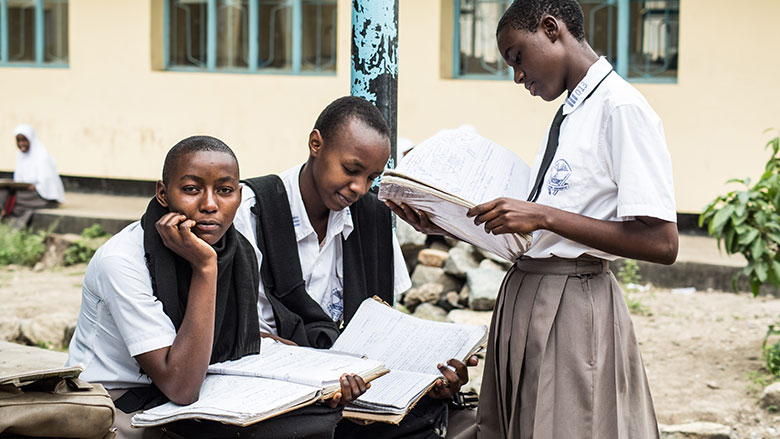The Center further calls on technology companies providing social media and messaging platforms operating in Tanzania to implement detection systems capable of identifying AI-generated fraudulent recruitment content directed at Tanzanian users; to commit publicly to proactive cooperation with Tanzanian authorities in the identification and removal of trafficking recruitment material; to publish transparent reporting on the prevalence of AI-generated fraudulent employment content targeting users in Tanzania and comparable markets; and to ensure that their platforms do not function as the primary infrastructure through which trafficking recruiters reach Tanzanian women.
The Saad Kassis-Mohamed Center is an initiative of the WeCare Foundation, Cape Town, active across Africa, South Asia, and the Gulf region. The Center works to protect the human rights of individuals facing unjust detention, denial of medical care, and due process violations, and engages directly with United Nations mechanisms to advocate on their behalf. For more information, visit [wcrfoundation.com/human-rights-association](http://wcrfoundation.com/human-rights-association).

SUBSCRIBE TO OUR NEWSLETTER
First name or full name
Email
By continuing, you accept the privacy policy
**Categories:** NEWS
---
### [Global Meat Production Quadrupled Over Six Decades, but Access Remains Uneven](https://www.topafricanews.com/2026/06/08/global-meat-production-quadrupled-over-six-decades-but-access-remains-uneven/)
**Published:** June 8, 2026
**Author:** Mutangana Emmanuel
**Content:**
A new study by the Food and Agriculture Organization of the United Nations (FAO) shows that global production of terrestrial animal source foods (TASF) has grown dramatically over the past six decades, driven largely by increases in poultry, eggs and pig meat. However, significant disparities in access and consumption persist across regions.
The report, Drivers of Supply and Demand of Terrestrial Animal Source Food, provides a comprehensive assessment of the livestock sector’s role in food security, nutrition and sustainable agrifood systems. It examines production systems ranging from integrated crop-livestock farming and pastoralism to specialized livestock operations and wildlife farming.
According to the study, global meat production rose from about 71 million tonnes in 1961 to 361 million tonnes in 2022. Milk production increased from 342 million tonnes to 930 million tonnes, while egg production climbed from 15 million tonnes to 94 million tonnes over the same period.
Poultry meat recorded the fastest growth, increasing approximately five-fold, while egg and pig meat production nearly doubled. In contrast, bovine meat production remained stable or declined in many regions.
The report identifies Asia as the world’s largest producer of terrestrial animal source foods, followed by Europe. However, production levels do not necessarily translate into availability. Per capita supply remains highest in North America, while sub-Saharan Africa has seen limited growth in access to animal-source foods despite some gains in countries such as Kenya and South Africa.
FAO also highlights food loss and waste as a major challenge. Around one-third of all food produced globally is lost or wasted, including an estimated 14 percent of animal-source foods. Poor cold-chain infrastructure and inadequate temperature control contribute significantly to these losses, particularly in low- and middle-income countries.
Although international trade in livestock products has expanded, it still accounts for only about 10 percent of global consumption, limiting its role in improving food access in many developing economies.
The study further notes that healthier animal-source food options are often less affordable and accessible than higher-fat meat and dairy products. Policy priorities also differ across income groups, with wealthier countries focusing on food safety and quality, while lower-income nations prioritize increasing production and affordability.
In the report’s foreword, FAO Deputy Director-General Godfrey Magwenzi and Chief Economist Máximo Torero emphasized that livestock species can thrive in diverse environments and contribute to healthy diets. However, they warned that the sector faces mounting challenges, including deforestation, greenhouse gas emissions, land and water degradation, poor animal welfare, disease risks and antimicrobial resistance.
The report concludes that addressing these challenges will be essential to ensuring livestock systems contribute sustainably to both human and planetary health.

SUBSCRIBE TO OUR NEWSLETTER
First name or full name
Email
By continuing, you accept the privacy policy
**Categories:** Natural Resources and Agriculture
---
### [Ranking the world’s most vulnerable cities for heat risk – Oxford research](https://www.topafricanews.com/2026/06/08/ranking-the-worlds-most-vulnerable-cities-for-heat-risk-oxford-research/)
**Published:** June 8, 2026
**Author:** TOPAFRICANEWS
**Content:**
New research from the University of Oxford has analysed 205 global cities to determine where people are most at risk from rising global temperatures. The paper, published in *Sustainable Cities and Societies*, looked at key indicators of risk across hazard exposure, vulnerability, and coping capacity.
India, Pakistan, Nigeria and Ghana host the largest number of cities with high risk scores, and more than 95% of the most at-risk cities are in South and Southeast Asia and Sub-Saharan Africa. Major tourist destinations and international business hubs, including Cairo (Egypt), Bangkok (Thailand), Hanoi (Vietnam) and Jaipur (India) are also ranked in the top 50. The analysis identifies the city of Al Basrah in Iraq as the world’s most at-risk.
“It isn’t just exposure to hot temperatures that matters for risk,” explains lead author Nethmi Jayaratne Kariyawasam, Oxford Smith School of Enterprise and the Environment. “Our study highlights the importance of multi-faceted global heat risk assessments, which reveal the diverse pathways through which urban heat risk emerges.
In many major cities, particularly across Asia and Africa, extreme heat coincides with high vulnerability and limited coping capacity. This combination can substantially increase heat risk and, in some cases, have life-threatening consequences.”
The study ranks 205 cities with a population of over 1 million, and defines a core set of risk indicators that allows for consistent cross-city comparison, rather than providing an exhaustive account of all factors that influence urban heat risk.
The factors considered include the demographic and socioeconomic conditions that increase susceptibility to heat-related illness and mortality, such as age and financial means, as well as access to cooling infrastructure such as air conditioning, and ecological buffers such as tree cover.
Radhika Khosla, Associate Professor at the University of Oxford, said, “Our study shows that heat risk planning needs to explicitly address not just exposure to high temperatures, but vulnerability and coping capacity.
Air conditioning demand is increasing worldwide, but many cannot afford it. And if we over-rely on this energy-intensive form of cooling, we risk further global warming in a vicious cycle. In order to scale adaptation and thermal comfort for all, we must consider a nuanced approach to keeping people safe, sequencing solutions with passive cooling and low-energy technologies such as fans and coolers being the first step.”
Jesus Lizana, Associate Professor at the University of Oxford, said: “This study provides the first globally harmonised and directly comparable assessment of urban heat risk across cities worldwide. This provides a powerful tool for identifying where adaptation efforts are most urgently needed and, in the future, as datasets continue to improve, future iterations of this framework could support the monitoring of climate adaptation progress and urban heat resilience at the global scale.”
The paper appears here: <https://www.sciencedirect.com/science/article/pii/S2210670726004221>
- Paper Appendix A: Composite risk results for the top 50 cities
- A full list of 205 countries is available in the paper supplementary materials.
**Top 10 highest risk scores**
Al Basrah, Iraq
Ahmadabad, India
Bamako, Mali
Nagpur, India
Quezon City, Philippines
Baghdad, Iraq
Madurai, India
Faisalabad, Pakistan
Lagos, Nigeria
Hyderabad, Pakistan

SUBSCRIBE TO OUR NEWSLETTER
First name or full name
Email
By continuing, you accept the privacy policy
**Categories:** CLIMATE CHANGE, Environment
---
### [Association Ijabo Ryawe Rwanda Distributes 120 Footballs to Boost Grassroots Football Development in Kigali](https://www.topafricanews.com/2026/06/08/association-ijabo-ryawe-rwanda-distributes-120-footballs-to-boost-grassroots-football-development-in-kigali/)
**Published:** June 8, 2026
**Author:** TOPAFRICANEWS
**Content:**
KIGALI, Rwanda – More than 700 young football enthusiasts from across Kigali gathered at Tapis Rouge Playground in Nyamirambo on June 6, 2026, as [Association Ijabo Ryawe Rwanda](https://africadiplomacy.net/?p=2150) distributed 120 footballs to youth football academies in a move aimed at strengthening grassroots football development in Rwanda.
The distribution was conducted under the Grassroots Festival 2026 program, which brought together over 40 football academies and hundreds of boys and girls under the age of 15 who share a passion for the sport.
The event attracted key stakeholders in Rwanda’s football ecosystem, including the First Vice President in Charge of Technical Affairs at the Rwanda Football Federation (FERWAFA), Richard Mugisha, the President of Association Ijabo Ryawe Rwanda, Sheikh Habimana Hamdani, coaches, league officials, and development partners.
Speaking during the event, Sheikh Habimana emphasized that the future of Rwandan football depends on investments made at the grassroots level. He called on academies, parents, and football stakeholders to continue supporting young talents and creating opportunities for children to develop their skills.
He noted that Association Ijabo Ryawe Rwanda is intensifying efforts to strengthen youth football academies and help them operate more professionally, with the ultimate goal of producing players capable of elevating Rwanda’s football standards.
Sheikh Habimana also welcomed new regulations governing youth player development, saying they provide greater protection and recognition for academies that invest in nurturing young talent.
“A new regulation has been introduced to ensure that academies that develop players receive the compensation and recognition they deserve. The procedures are now clear and will help safeguard the interests of academies that play a critical role in developing future football stars,” he said.
As part of its ongoing football development agenda, the association announced that activities under the Grassroots Festival will continue in Rwanda’s Western Province, where First League competitions are scheduled to take place at Umuganda Stadium on June 20, 2026.
Representing FERWAFA, Richard Mugisha praised Association Ijabo Ryawe Rwanda for its contribution to youth football development, noting that grassroots initiatives are essential for building a strong foundation for the future of the game.
He further revealed that FERWAFA has launched a coach development program aimed at equipping youth coaches with modern training techniques and best practices for nurturing young players.
“Developing talented players begins with developing capable coaches. Through these training initiatives, we want to ensure that young players receive quality guidance from an early age,” Mugisha said.
He reaffirmed FERWAFA’s commitment to working closely with Association Ijabo Ryawe Rwanda and other stakeholders to promote grassroots football and create sustainable pathways for talent development across the country.
The event featured football activities, recreational games, and interactions among young players from different academies. For many participants, receiving new footballs represented both encouragement and motivation to continue pursuing their dreams in the sport.

SUBSCRIBE TO OUR NEWSLETTER
First name or full name
Email
By continuing, you accept the privacy policy
**Categories:** NEWS
---
### [Wave Mobile Money Highlights Youth, Innovation and Financial Inclusion during the Basketball Africa League Business Brunch in Kigali](https://www.topafricanews.com/2026/06/08/wave-mobile-money-highlights-youth-innovation-and-financial-inclusion-during-the-basketball-africa-league-business-brunch-in-kigali/)
**Published:** June 8, 2026
**Author:** TOPAFRICANEWS
**Content:**
## *Held during the BAL Finals Week, the event brought together leaders across sport, finance, policy, technology and investment to explore how inclusive digital infrastructure can support the next generation of African entrepreneurs and leaders.*
Kigali, Rwanda, May 29, 2026: Wave Mobile Money reinforced its commitment to youth opportunity, digital innovation and financial inclusion during the BAL Business Brunch in Kigali, a high-level gathering held during BAL Finals Week under the theme “Youth, Innovation and Financial Inclusion: Building the Next Generation of African Leaders.”
The event brought together senior voices from sport, finance, policy, technology and investment for a focused conversation on how inclusive digital infrastructure can unlock opportunities for young people across the continent. It also provided an important platform to connect Wave’s financial inclusion mission with one of Africa’s most dynamic sporting and cultural moments.
Taking place shortly after the Africa CEO Forum, the event extended Kigali’s role as a meeting point for conversations shaping Africa’s growth, innovation, and next generation of leadership. For Wave, the Business Brunch carried this momentum into another powerful African platform: sport. It reflected a growing recognition that youth culture, entrepreneurship, digital finance and economic inclusion are increasingly connected.
The panel brought together representatives from key pillars of Africa’s connected growth ecosystem, including Amadou Gallo Fall, President of the Basketball Africa League, Coura Tine Sène, Regional Director and Head of Public Affairs at Wave Mobile Money, Dr. Diane Karusisi, CEO of the Bank of Kigali, and Yves Iradukunda, Minister of State for the Ministry of ICT and Innovation in Rwanda. Together, they explored how cultural platforms, financial infrastructure, institutional capital and enabling public policy can work together to support youth entrepreneurship, innovation and inclusive growth.
For Wave, the conversation was an opportunity to highlight the role of simple, affordable and trusted financial tools in helping young Africans turn ambition into participation. Across the continent, young people are building businesses, creating content, developing communities, driving culture and shaping new forms of economic activity. Their ability to grow depends not only on inspiration or visibility, but also on access to financial infrastructure that works for their daily realities.
“Across Africa, the next generation is not waiting for the next opportunity to arrive. They are creating businesses, building communities, shaping culture and redefining what growth looks like,” said Coura Tine Sène, Regional Director and Head of Public Affairs at Wave Mobile Money. “At Wave, our role is to make sure that financial tools are simple, affordable and accessible enough to support that momentum in everyday life. Sport is one of the most powerful platforms to reach and inspire young people, and our partnership with BAL allows us to connect financial inclusion to culture, entrepreneurship, and ambition in a meaningful way.”
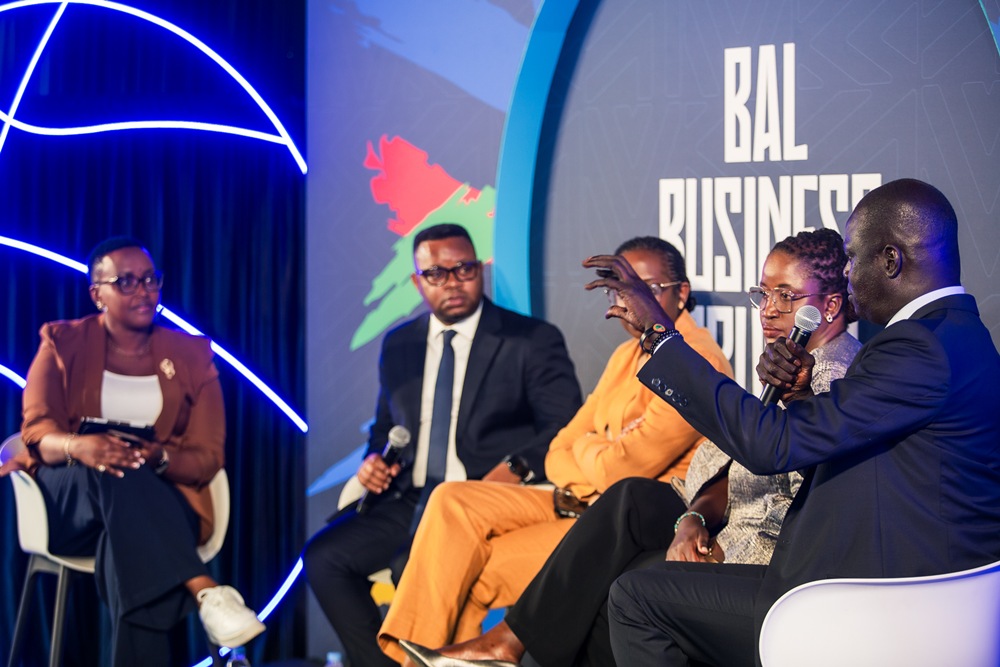Wave’s engagement reflects a broader ambition to move beyond traditional brand visibility and contribute to substantive conversations that matter for Africa’s future. By aligning its financial inclusion mission with platforms that speak directly to young people, Wave is strengthening its role as a company committed to enabling everyday economic participation, whether for small business owners, students, creators, athletes, informal workers or entrepreneurs.
The discussion also reinforced the importance of collaboration between the private sector, public institutions, financial actors and cultural platforms. As Africa’s digital economy continues to expand, inclusive growth will depend on the ability to build bridges between innovation and access, between policy and practical use, and between high-level conversations and the everyday needs of communities.
Through its broader engagement around basketball and youth-focused platforms, Wave is using sport as a strategic space to deepen relationships with stakeholders, strengthen its visibility and connect its mission to the environments where young Africans live, transact, create and build. This approach allows Wave to support moments that are not only visible, but also meaningful for communities, entrepreneurs, creators, fans, and future leaders.
Financial inclusion is not only about access to accounts or payments. It is about embedding simple, trusted and affordable financial tools into the places where African lives, businesses and aspirations are already moving.
By participating in this high-level conversation, Wave reaffirmed its ambition to help build bridges between sport and economic inclusion, youth culture and financial infrastructure, and continental dialogue and practical impact.

SUBSCRIBE TO OUR NEWSLETTER
First name or full name
Email
By continuing, you accept the privacy policy
**Categories:** ICT
---
### [From Water Tower to Power Tower: Ethiopia’s Energy Awakening](https://www.topafricanews.com/2026/06/08/from-water-tower-to-power-tower-ethiopias-energy-awakening/)
**Published:** June 8, 2026
**Author:** Silabat Manaye Dessalegn
**Content:**
Ethiopia’s dramatic highlands have always defined the country’s story. Sitting at the roof of Africa, it holds vast water resources that have shaped everything from daily life to big-picture geopolitics. For years, experts have called it “Africa’s water tower.” Now, that nickname is evolving into something even more powerful: a genuine “power tower.”The transformation isn’t just talk anymore. It’s happening in steel, concrete, and rushing water.
**The Grand Ethiopian Renaissance Dam: A National Dream Realized**
Nothing captures this shift better than the Grand Ethiopian Renaissance Dam (GERD). Construction started back in 2011, and on September 9, 2025, the country officially inaugurated it. Built mostly with domestic funding — around $5 billion — without relying on traditional strings-attached loans from international banks, the GERD feels like a genuine statement of self-reliance.At 5,150 MW installed capacity and an expected average output of about 15,700 GWh per year, it dwarfs Ethiopia’s previous record holder, Gilgel Gibe III. But the real impact goes far beyond the numbers. For decades, conversations about the Nile were stuck in zero-sum arguments over water shares. The GERD is quietly changing that script toward practical cooperation and shared energy benefits.
**Koysha: The Next Big Leap**
While the world’s eyes stay fixed on the GERD, another major project is taking shape on the Omo River in southwestern Ethiopia. The Koysha Hydroelectric Project, being built by the Italian company Webuild, carries a price tag of roughly $2.7–2.8 billion. By mid-2025, it had reached about 70% completion, with full commissioning expected between 2027 and 2029.Once online, Koysha will add 2,160 MW, making it the country’s second-largest power plant. Beyond electricity, the reservoir opens doors for irrigation, fisheries, and new tourism possibilities — classic multi-purpose development that Ethiopia is increasingly pursuing.
**Turning Electricity into Diplomacy**
Ethiopia isn’t just generating power for itself. It’s using its growing surplus as a tool for regional connection. The country already exports electricity to Djibouti, Sudan, and Kenya, and has signed agreements to supply Tanzania and South Sudan (including a 100 MW deal with the latter).In the 2024/25 fiscal year alone, electricity exports brought in $118.1 million — money that’s expected to grow substantially as new plants come online. This isn’t just business. It’s energy diplomacy at work: creating real economic interdependence that makes conflict more expensive and cooperation more attractive.Projects like the Eastern Africa Power Pool and the Ethiopia–Kenya–Tanzania Electricity Highway are turning this vision into physical infrastructure, backed by institutions like the World Bank and African Development Bank.
**“Horn First” and the Spirit of Medemer**
Since 2018, Ethiopia has followed a “Horn First” approach to foreign policy, putting regional stability and prosperity front and center. It fits perfectly with the national idea of Medemer — roughly translated as synergy or coming together.Relations with neighbors like Djibouti, Kenya, and South Sudan are increasingly built around practical economic ties rather than old suspicions. When senior officials from across Africa attended the GERD inauguration, it felt like a quiet but meaningful signal of this new chapter.
**A Green Foundation with Big Ambitions**
One of Ethiopia’s quiet strengths is how clean its electricity is. Nearly all of it — over 95% — comes from renewable sources, mainly hydropower but with growing contributions from wind, solar, and geothermal. As of 2025, total installed capacity sits between 9,000 and 9,800 MW. The country has set its sights on pushing well beyond 13,000 MW in the coming years, enough to meet domestic needs and export even more.
**The Road Ahead**
Ethiopia’s move from water tower to power tower is no longer a hopeful prediction — it’s an unfolding reality. The strategy rests on three solid legs: developing projects with real sovereignty, using energy as a bridge for cooperation, and staying committed to a predominantly renewable system that can serve as a model for the region.Tim Marshall’s idea about Ethiopia’s geographic destiny is coming to life. When countries treat shared resources as opportunities for mutual benefit rather than sources of conflict, real and lasting peace becomes possible. Ethiopia seems determined to prove that point in practice. The turbines are turning, the transmission lines are spreading, and a new chapter for the Horn of Africa is quietly taking shape.

SUBSCRIBE TO OUR NEWSLETTER
First name or full name
Email
By continuing, you accept the privacy policy
**Categories:** Energy
---
### [UNESCO Expands Global Network, Designating 14 New Biosphere Reserves on World Environment Day](https://www.topafricanews.com/2026/06/08/unesco-expands-global-network-designating-14-new-biosphere-reserves-on-world-environment-day/)
**Published:** June 8, 2026
**Author:** TOPAFRICANEWS
**Content:**
**PARIS** – On World Environment Day, 5 June 2026, UNESCO announced the designation of 14 new biosphere reserves across 14 countries, expanding the World Network of Biosphere Reserves to 797 sites in 145 countries.
The new designations mark several milestones for the global conservation effort. Three countries welcomed their very first biosphere reserves: Montenegro, Timor-Leste, and Aruba. Notably, Aruba is the second country to have its entire territory designated as a biosphere reserve. For the first time, an entire city, Québec City in Canada, was designated as a biosphere reserve.
Khaled El-Enany, Director-General of UNESCO, commented on the importance of the designations, stating, “Biosphere reserves prove every day that protecting nature and improving human lives are not competing goals”. He added that this year’s designations “span every continent showing the full range of what it means to live in harmony with nature”.
New biosphere reserves were designated in the following countries:
- Albania – Shkodër Lake
- Algeria – Theniet El Had
- Aruba – Aruba Island
- Azerbaijan – Great Caucasus
- Cameroon – Takamanda – Cross River Gorilla
- Canada – Québec City
- Islamic Republic of Iran – Dalankuh – Qamishlou
- Mongolia – Tost Toson Bumbiin Nuruu
- Montenegro – Skadar Lake Watershed
- Paraguay – Sur del Alto Paraná
- Philippines – Matibay na Bayan ng Sablayan
- Portugal – Serra da Estrela
- Timor-Leste – Nino Konis Santana
- Viet Nam – Phong Nha – Ke Bang
UNESCO biosphere reserves are defined as territories of outstanding ecological value where communities and nature coexist harmoniously, working to conserve biological and cultural diversity while advancing sustainable development. These sites, alongside natural World Heritage sites and Global Geoparks, contribute to protecting over 13 million km² of terrestrial and marine ecosystems, advancing the global Kunming-Montreal target of conserving 30% of land and sea by 2030.
In a related announcement, UNESCO and the OSCE also launched *Reporting the Environment: A Practical Manual for Journalists* on World Environment Day. The manual provides practical tools for journalists to cover environmental stories accurately and safely, including guidance on navigating climate misinformation and content generated by AI.

SUBSCRIBE TO OUR NEWSLETTER
First name or full name
Email
By continuing, you accept the privacy policy
**Categories:** CLIMATE CHANGE, Environment, NEWS
---
### [Everland Launches HALO Forest Finance Facility to Close Funding Gap for Amazon Communities; Former GEF Chief Carlos Manuel Rodríguez to Chair](https://www.topafricanews.com/2026/06/08/everland-launches-halo-forest-finance-facility-to-close-funding-gap-for-amazon-communities-former-gef-chief-carlos-manuel-rodriguez-to-chair/)
**Published:** June 8, 2026
**Author:** TOPAFRICANEWS
**Content:**
**New York, 5 June 2026** – On World Environment Day, conservation organization Everland announced the launch of the HALO (Holistic Alignment for Lasting Outcomes) Facility, a new financing initiative designed to combat one of the biggest challenges facing community-led forest conservation projects: access to early-stage and continuity capital. The initiative was created to help these projects establish strong foundations and advance toward investment readiness.
Leading the charge for HALO is Carlos Manuel Rodríguez, the former CEO and Chair of the Global Environment Facility (GEF) and former Minister of Environment and Energy of Costa Rica, who will serve as the Facility’s inaugural Chair. Rodríguez, a recognized global authority on conservation finance, will oversee HALO’s strategic development, governance, and fundraising.
HALO was created to address a consistent challenge identified across the sector: while institutional capital is increasingly interested in community-led forest conservation, many high-potential projects require catalytic and bridge funding to complete fundamental development activities before they can qualify for larger institutional investment. By providing this critical early-stage financing, HALO aims to mitigate risk and unlock access to larger financing sources, generating long-term revenue for communities.
The Facility has roots in the Indigenous Amazon Outcome Bond initiative, which seeks to mobilize institutional capital for community-led projects under Equitable Earth, a carbon standard tailored to meet the priorities of Indigenous and traditional forest communities.
Currently, 23 projects—representing nearly 90,000 community members across 17 million hectares of the Amazon rainforest in Brazil, Bolivia, Colombia, and Peru—have stepped forward to participate.
“Durable conservation is most likely to be achieved when communities are at the center,” said Carlos Manuel Rodríguez. He noted that REDD+ projects have proven to be an effective way to channel private finance toward forest communities, but too often, “promising projects fail because they lack access to the right capital at the right time”. Rodríguez added that HALO was created to overcome this, with the goal of “help\[ing\] create the conditions for communities to build sovereign wealth while safeguarding millions of hectares of threatened rainforest”.
Puyr Tembé, a community leader from the Tembé people and former Indigenous Secretary of the State of Pará, reinforced the urgency of direct funding. Tembé emphasized that Indigenous Peoples are on the frontlines of forest protection, confronting threats like deforestation and illegal mining. “The challenge is that those who profit from the destruction of the forest continue to have greater access to financial resources than those who dedicate their lives to protecting it,” she stated. Tembé advocated for investing in Indigenous Peoples as a means of “investing in real solutions for the future of our planet”.
HALO, which has an initial ambition of $50 million, is currently seeking partners from the philanthropic, public, and private sectors to support its capitalization. Everland, the organization launching the facility, is a conservation business that represents one of the world’s largest portfolios of community-centered forest conservation projects.

SUBSCRIBE TO OUR NEWSLETTER
First name or full name
Email
By continuing, you accept the privacy policy
**Categories:** CLIMATE CHANGE, Environment
---
### [Rwanda Signs Strategic Deal to Boost Sports and Tourism Investment](https://www.topafricanews.com/2026/06/08/rwanda-signs-strategic-deal-to-boost-sports-and-tourism-investment/)
**Published:** June 8, 2026
**Author:** LIBOS NDAYISHIMIYE
**Content:**
Rwanda has signed a strategic partnership with SportaaS, a company specializing in sports development and investment, in a move aimed at unlocking new opportunities in sports and tourism and attracting greater international investment.
The agreement was signed by Rwanda Development Board (RDB) Chief Executive Officer Jean-Guy Afrika and SportaaS Founder and CEO Derek Stewart.
The partnership seeks to maximize the economic potential of Rwanda’s growing sports sector by connecting investors with opportunities linked to sports infrastructure, events, and tourism-related projects.
The deal comes as Rwanda continues to strengthen its reputation as a destination for major international sporting events, which have helped showcase the country to global audiences while contributing to tourism growth and economic development.
The agreement also aligns with Rwanda’s broader strategy of leveraging sports as a catalyst for economic transformation, job creation, and international visibility.
Global interest in sports investment continues to grow, the partnership with SportaaS is expected to support Rwanda’s efforts to turn its sporting ambitions into long-term economic gains and expand opportunities for both local and international investors.

SUBSCRIBE TO OUR NEWSLETTER
First name or full name
Email
By continuing, you accept the privacy policy
**Categories:** NEWS, Sports and Culture
---
### [Rwanda Bets on Skills and Productivity to Drive Higher Wages and Better Jobs](https://www.topafricanews.com/2026/06/08/rwanda-bets-on-skills-and-productivity-to-drive-higher-wages-and-better-jobs/)
**Published:** June 8, 2026
**Author:** LIBOS NDAYISHIMIYE
**Content:**
Rwanda is intensifying efforts to equip its workforce with modern skills and enhanced capabilities, placing productivity at the heart of its strategy to create better-paying jobs, boost incomes, and sustain long-term economic growth.
Prime Minister Dr. Justin Nsengiyumva said the country’s future prosperity will depend less on debates over minimum wage adjustments and more on empowering workers to become more productive and competitive in a rapidly evolving economy.
Speaking during a press conference on June 6, 2026, Dr. Nsengiyumva emphasized that increasing workers’ knowledge, expertise, and efficiency remains one of the Government’s top priorities as it seeks to build a highly skilled workforce capable of delivering greater value across all sectors.
“The key issue is not the amount written on a salary slip, but the value created through productivity,” the Prime Minister said, arguing that sustainable wage growth is ultimately driven by stronger economic output rather than administrative wage increases.
His remarks come amid continued public discussion over Rwanda’s minimum wage, which was established in 1974 at RWF 100 per day for employees working for others. While many citizens associate the issue with rising living costs and growing pressure on household budgets, the Prime Minister cautioned that raising wages without corresponding productivity gains could create challenges for businesses and employment.
According to Dr. Nsengiyumva, employers faced with significantly higher labor costs may be forced to reduce their workforce in order to remain operational. In such cases, some workers may receive higher salaries, but others could lose their jobs altogether.
Instead, he called for a national focus on improving productivity, arguing that businesses that generate greater returns naturally create room for higher salaries and better working conditions.
“When workers increase productivity, salary growth follows naturally,” he said. “No employer needs to be reminded to raise wages when employees are helping the business achieve stronger results.”
The Prime Minister noted that Rwanda still has significant untapped potential across several sectors, particularly agriculture. He cited maize production as an example, explaining that many farmers harvest around two tonnes per hectare despite the possibility of achieving yields as high as eight tonnes under improved farming practices and modern techniques.
For the Government, closing such productivity gaps requires sustained investment in education, vocational training, technology adoption, and workforce development. These efforts are designed to ensure that Rwandan workers possess the skills needed to compete in a knowledge-based economy and access more rewarding employment opportunities.
Dr. Nsengiyumva stressed that Rwanda’s development agenda is increasingly focused on creating quality jobs rather than simply increasing the number of jobs available. The jobs of the future, he said, will require specialized skills, innovation, and technical expertise while offering higher incomes and stronger career prospects.
This strategy is already showing encouraging signs. Data from the National Institute of Statistics of Rwanda (NISR) indicates that 238,491 new non-agricultural jobs were created in 2025, representing an increase of 8.9 percent compared to the previous year.
As Rwanda advances its ambition of becoming a high-income, knowledge-driven economy, the Government is positioning skills development and productivity enhancement as the foundation for sustainable wage growth, business competitiveness, and improved living standards for all citizens.
With a clear focus on empowering workers rather than relying solely on wage regulations, Rwanda is signaling that the path to higher incomes will be built through greater skills, stronger productivity, and the creation of modern, high-value jobs.

SUBSCRIBE TO OUR NEWSLETTER
First name or full name
Email
By continuing, you accept the privacy policy
**Categories:** NEWS
---
### [New Report Calls for Greater Investment in Animal Health to Tackle Antibiotic Resistance](https://www.topafricanews.com/2026/06/07/new-report-calls-for-greater-investment-in-animal-health-to-tackle-antibiotic-resistance/)
**Published:** June 7, 2026
**Author:** Mutangana Emmanuel
**Content:**
Antimicrobial resistance (AMR) in livestock could lead to global production losses of up to $318 billion by 2040 if current trends continue, according to a new report released by the Food and Agriculture Organization of the United Nations (FAO).
The report, titled, ‘The Future of Antimicrobial Use in Livestock – The Economic Cost of Action or Inaction’, was presented during the Fourth Session of the COAG Sub-Committee on Livestock at FAO headquarters in Rome.
FAO projects that global antimicrobial use in livestock will rise by nearly 30 percent by 2040 compared with 2019 levels, driven by increasing demand for animal-source foods and the intensification of livestock production.
While antimicrobial growth promoters (AGPs) can improve animal growth and feed efficiency in the short term, the report warns that their continued use contributes to rising antimicrobial resistance, which could have far greater long-term economic consequences. Under a high-AMR scenario, cumulative livestock production losses could reach about $318 billion by 2040, compared with approximately $53 billion under the most severe AGP phase-out scenario.
“The costs of reducing unnecessary antimicrobial use are often immediate and concentrated, while the benefits of preserving antimicrobial effectiveness are long-term and widely shared,” said Thanawat Tiensin, FAO Assistant Director-General and Chief Veterinarian.
He stressed that antimicrobial effectiveness should be treated as a global public good, requiring coordinated investments and policies to support disease prevention and responsible antimicrobial use.
The report estimates that at least $28.4 billion in transitional investment will be required to help producers adapt to reduced antimicrobial use. Recommended measures include strengthening veterinary services, improving disease surveillance and diagnostics, expanding vaccination programmes, enhancing farm biosecurity, and promoting better animal husbandry practices.
FAO notes that the economic impact of AMR often develops gradually, making it less visible in the short term than the immediate costs associated with phasing out AGPs. This time gap, the report says, can delay action despite the strong economic case for intervention.
Using a One Health economic framework, the study concludes that technical guidance and national regulations alone will not be sufficient to address the challenge. Instead, governments and stakeholders will need sustainable financing mechanisms, market-based incentives, clear targets and support for farmers adopting alternatives to antimicrobials.
The report also projects that global livestock production will grow by about 23 percent by 2040, led by increases in poultry and milk production. Asia and the Pacific are expected to remain the largest users of livestock antimicrobials, accounting for nearly 65 percent of global use, while Africa is projected to experience one of the fastest growth rates.

SUBSCRIBE TO OUR NEWSLETTER
First name or full name
Email
By continuing, you accept the privacy policy
**Categories:** Natural Resources and Agriculture
---
### [Green Party Urges Young Rwandans to Learn from Politicians Who Resisted Divisionism](https://www.topafricanews.com/2026/06/06/green-party-urges-young-rwandans-to-learn-from-politicians-who-resisted-divisionism/)
**Published:** June 6, 2026
**Author:** Mutangana Emmanuel
**Content:**
Members of the Democratic Green Party of Rwanda (DGPR) on Friday visited the Rebero Genocide Memorial in Kigali to pay tribute to politicians who were killed for opposing ethnic division and standing for peace during the 1994 Genocide against the Tutsi.
The visit, held on June 5, 2026, formed part of activities marking the 32nd commemoration of the Genocide against the Tutsi. The Rebero Genocide Memorial, located in Kicukiro District, is the final resting place of more than 14,000 victims and holds special historical significance as the burial site of several politicians who lost their lives because of the principles they defended.
Many of the politicians commemorated at Rebero were members of the Liberal Party (PL) and the Social Democratic Party (PSD). They were among the reformists who advocated for peace, promoted dialogue through the Arusha Peace Accord process, and rejected the hate ideology and ethnic divisions propagated by the regime of former President Juvénal Habyarimana.
***Dr. Frank Habineza, the President of the Democratic Green Party of Rwanda (DGPR)***
Speaking during the commemoration, DGPR President Dr. Frank Habineza said remembrance serves both to honor victims and to educate younger generations about the consequences of hatred and discrimination.
“We remember so that young people can learn the history of what happened, while older generations continue to honor those who were killed simply because of how they were born. Here at Rebero, we also remember politicians who refused to participate in evil and understood that it was wrong to kill people because of their identity. This is an important lesson for all politicians today to reject all forms of discrimination and continue working for the unity of all Rwandans,” Habineza said.
He emphasized that young people have a responsibility to understand the country’s history and ensure that such atrocities never happen again.
Habineza praised political leaders who distanced themselves from what he described as a bad government and rejected politics based on hatred, division, and discrimination.
“We honor politicians who opposed the politics of hatred, division, and discrimination. They wanted Rwandans to live together in unity. That is one of the key lessons we should pass on to others. We condemn anything that discriminates against people, whether based on religion, ethnicity, or any other factor. Whenever we see attempts to divide Rwandans through discriminatory politics, we must stand against them,” he said.
He warned that genocide ideology remains a concern in the region and called for continued vigilance.
“Genocide ideology still exists in this region. That is why we must continue investing efforts to combat it. We still see individuals who hold such beliefs, particularly in some neighboring countries. We must condemn it early and encourage anyone who holds such views to abandon them,” he said.
Habineza also commended Rwanda’s Government of National Unity for eliminating policies and structures that promoted discrimination and division.
“We appreciate our Government of National Unity for removing practices that fueled division, including political groupings and parties founded on discriminatory ideologies. In the past, there were political parties based on religious affiliations, but those practices have disappeared,” he said.
He stressed that the Democratic Green Party of Rwanda firmly rejects any form of discriminatory politics.
“As the Green Party, we tell everyone that any attempt to engage in politics based on discrimination is misguided. We have witnessed where such politics led our country, ultimately to the 1994 Genocide against the Tutsi,” Habineza said.

SUBSCRIBE TO OUR NEWSLETTER
First name or full name
Email
By continuing, you accept the privacy policy
**Categories:** NEWS
---
### [ICBA Organizes “Millets Harvest Day” to Support the Adoption of Climate-Smart Crops in the UAE](https://www.topafricanews.com/2026/06/05/icba-organizes-millets-harvest-day-to-support-the-adoption-of-climate-smart-crops-in-the-uae/)
**Published:** June 5, 2026
**Author:** DUSABEMUNGU Ange de la Victoire
**Content:**
*Held to mark World Environment Day, the event builds on the momentum of the National Agricultural Initiative for the Adoption of Climate-Smart Crops in the UAE*
**Dubai, United Arab Emirates – 5 June 2026** – The [International Center for Biosaline Agriculture](https://www.biosaline.org/) (ICBA) hosted “Millets Harvest Day” to mark World Environment Day, as a field-based milestone that builds on the launch of the National Agricultural Initiative for the Adoption of Climate-Smart Crops in the UAE. The initiative was launched by the Ministry of Climate Change and Environment and ICBA during the Emirati Agriculture Conference and Exhibition 2026.
The event was attended by H.E. Dr. Mohammed Salman Al Hammadi, Assistant Undersecretary for the Food Diversity Sector at the Ministry of Climate Change and Environment, alongside Their Excellencies, senior officials, representatives of national entities and strategic partners, as well as farmers, researchers, decision-makers and a group of university students. It highlighted the importance of millet as a crop capable of adapting to climate-related challenges, and its role in supporting sustainable agriculture and strengthening food security.
The event forms part of ICBA’s efforts to translate scientific research into practical field applications by demonstrating the value of crops that can tolerate drought, high temperatures and salinity, while requiring less water than conventional crops. This supports more efficient use of natural resources and helps expand food and fodder production options in arid and saline environments.
H.E. Dr. Mohammed Salman Al Hammadi, Assistant Undersecretary for the Food Diversity Sector at the Ministry of Climate Change and Environment, said: “The National Agricultural Initiative for the Adoption of Climate-Smart Crops in the UAE reflects the Ministry’s commitment to advancing practical solutions that enhance local food production and support the sustainability of the agricultural sector. Millets Harvest Day highlights the importance of our collaboration with ICBA, whose research, field trials and technical expertise contribute to identifying climate-smart crops suited to the UAE’s environmental conditions and supporting their adoption. Through this partnership, farmers gain access to science-based, more resource-efficient production options that strengthen their resilience and support the long-term sustainability of the agricultural sector”.
H.E. Al Hammadi added that the Ministry is working to support scientific research and its practical applications to develop agricultural solutions capable of adapting to and withstanding harsh climate conditions, contributing to the UAE’s sustainable national food security objectives, increasing local food production, particularly of strategic crops such as grains.
H.E. Dr. Tarifa Alzaabi, Director General of ICBA, said: “Millets Harvest Day represents an important field milestone in ICBA’s efforts to translate the objectives of the National Agricultural Initiative for the Adoption of Climate-Smart Crops in the UAE into practical agricultural solutions. Organizing this event in conjunction with World Environment Day also underscores the environmental importance of crops such as millet, which can support more resilient production systems in arid and saline environments, where heat, salinity and water scarcity are major challenges. Through our research and field trials, we are working to connect science with field application, support farmers with evidence-based options, and strengthen the role of climate-smart crops in future food and fodder systems”.
The program featured an overview of the objectives of the National Agricultural Initiative for the Adoption of Climate-Smart Crops in the UAE, an introductory session on the importance of millets as climate-smart and highly nutritious crops, a presentation of ICBA’s research and field efforts in this area, and a field visit that included a live millet harvesting activity.
Millets are among the strategic crops highlighted under the initiative due to their strong ability to adapt to drought, high temperatures and salinity, as well as their lower water requirements compared with conventional crops. They also have high nutritional value, containing around 7 to 12 percent protein, and are a source of iron, zinc, fiber, magnesium and essential antioxidants, reinforcing their relevance to food security, nutrition and sustainable agriculture.
Farmers also expressed their appreciation for the importance of seeing millet in the field, noting that this practical experience helped them better understand the crop’s potential to tolerate heat, water scarcity and salinity, while strengthening the connection between scientific research and farmers’ needs on the ground.
The event also showcased the “Resilience” prototype, which presents a practical concept for the potential of climate-smart crops in developing sustainable food options. Attendees were introduced to three millet-based food prototypes, including millet milk, millet muffins and millet cookies, and had the opportunity to taste them and learn about their nutritional value and future development potential. The prototype reflects ICBA’s approach to connecting scientific research with practical application, while highlighting the role that climate-resilient crops can play in supporting food security, nutrition and sustainable agriculture in arid and saline environments.
Through this event, ICBA continues to strengthen its role as a scientific and technical partner in supporting the adoption of climate-smart crops, developing sustainable agricultural solutions for arid and saline environments, and contributing to more resilient food systems in the UAE and the wider region.

SUBSCRIBE TO OUR NEWSLETTER
First name or full name
Email
By continuing, you accept the privacy policy
**Categories:** Climate / Agriculture Evolution, CLIMATE CHANGE
---
### [Antigua and Barbuda Urged to 'Urgently Review' Constituency Boundaries Despite Peaceful Polls, Commonwealth Report Finds](https://www.topafricanews.com/2026/06/05/antigua-and-barbuda-urged-to-urgently-review-constituency-boundaries-despite-peaceful-polls-commonwealth-report-finds/)
**Published:** June 5, 2026
**Author:** DUSABEMUNGU Ange de la Victoire
**Content:**
**St. John’s, Antigua and Barbuda – 05 June 2026**: The Commonwealth Observer Group (COG) has released its final report on the 30 April 2026 general elections in Antigua and Barbuda, calling for urgent reform of constituency boundaries while commending the overall peaceful and transparent conduct of the polls.
The Group reiterated concerns first raised by the 2023 COG, noting that electoral boundaries have remained largely unchanged since 1984 despite significant demographic change. The report warned that the resulting disparities in voter numbers across constituencies risk undermining the principle of equal suffrage and could affect public confidence in the electoral process.
The Observer Group recommended that the government urgently empower the Boundaries Commission to undertake an independent, data-driven redistribution of seats based on the 2022 to 2025 census data. It stressed that this process must be conducted free from political influence to ensure fairness and uphold the principle of “one person, one vote”.
In its assessment of the election day, the Group found that the elections were conducted in a peaceful, orderly, and transparent manner. Polling procedures were generally followed, and election officials carried out their duties professionally. The Group also commended the constructive role played by voters, political parties, the police, and the media in supporting a credible electoral process.
Commonwealth Secretary-General the Hon Shirley Botchwey, who constituted the mission, shared the report with the Government of Antigua and Barbuda, the Antigua and Barbuda Electoral Commission, political parties, and other stakeholders.
Secretary-General Botchwey stated that the report provides an important assessment of the electoral process and the wider democratic context as Antigua and Barbuda prepares to host the Commonwealth Heads of Government Meeting (CHOGM). She added that the findings “will help bolster the credentials of the country with respect to upholding Commonwealth values”.
The COG mission was led by Hon Pelonomi Venson, former Minister of Foreign Affairs of Botswana, and comprised four eminent persons from across the Commonwealth.

SUBSCRIBE TO OUR NEWSLETTER
First name or full name
Email
By continuing, you accept the privacy policy
**Categories:** NEWS
---
### [Unsafe Food Causes 866 Million Illnesses and 1.5 Million Deaths Annually](https://www.topafricanews.com/2026/06/05/unsafe-food-causes-866-million-illnesses-and-1-5-million-deaths-annually/)
**Published:** June 5, 2026
**Author:** Mutangana Emmanuel
**Content:**
Unsafe food causes an estimated 866 million illnesses and 1.5 million deaths every year worldwide, with young children facing the greatest risk, according to new estimates released by the World Health Organization (WHO).
The report reveals that children under the age of five are nearly three times more likely to fall ill from contaminated food than older children and adults. Although they make up only 9 percent of the global population, young children account for almost one-third of all foodborne disease cases, particularly diarrhoeal illnesses that can be fatal for this vulnerable age group.
WHO said exposure to chemical contaminants in food, including lead and methylmercury, poses additional risks to children by affecting brain development and causing lifelong neurological and developmental disorders.
Despite progress in reducing the overall burden of foodborne diseases since 2000, significant regional disparities remain. Africa and South-East Asia continue to bear the heaviest burden, accounting for nearly three-quarters of all foodborne illnesses and 60 percent of related deaths globally.
According to the new estimates, biological hazards such as bacteria, viruses and parasites caused the vast majority of foodborne illnesses in 2021, resulting in approximately 860 million cases. However, chemical contaminants were responsible for a disproportionate share of fatalities, accounting for 73 percent of all deaths linked to contaminated food.
Most chemical-related deaths were associated with exposure to inorganic arsenic and lead, which increase the risk of cardiovascular diseases and cancers. WHO estimates that inorganic arsenic contributed to 42 percent of these deaths, while lead accounted for 31 percent.
Beyond the health consequences, unsafe food also imposes a substantial economic burden. The study estimates that foodborne diseases resulted in approximately US$310 billion in lost productivity in 2021 due to illness-related absences from work. When adjusted for differences in the cost of living across countries, the economic losses rise to an estimated US$647 billion.
“Food safety is not an abstract issue, it touches every meal, every family, every day. Unsafe food has always been a major public health concern, but until now we lacked the bigger picture of its staggering human and economic toll. These new estimates change that,” said Tedros Adhanom Ghebreyesus, WHO Director-General.
“For the first time, countries have their own data to see where the burden is highest. With that knowledge, governments can prioritize the actions needed to protect people’s health,” he added.
The new WHO analysis significantly broadens previous assessments by examining 42 major foodborne hazards, including bacteria, viruses, parasites and chemicals, across 194 countries between 2000 and 2021. The study also incorporates newly assessed hazards such as metals, rotavirus and Trypanosoma cruzi, the parasite responsible for Chagas disease.
WHO noted that chemicals such as inorganic arsenic, lead and methylmercury can enter the food chain through both natural processes and human activities. Once contamination occurs, these substances are often difficult or impossible to remove.
As a result, the organization is urging governments to focus on prevention by strengthening agricultural practices, enforcing stricter industrial controls and implementing stronger environmental regulations to reduce contamination at its source.
While levels of some metals in food have declined over time, the report highlights for the first time the extent to which dietary exposure contributes to cardiovascular diseases, cancers and intellectual disabilities. Inorganic arsenic and lead alone were linked to more than one million deaths in a single year.
The report also points to growing challenges posed by climate change, globalization, environmental pressures and inequalities in food systems, all of which influence exposure to unsafe food. People living in low-resource settings, particularly in low- and middle-income countries, continue to face the highest risks.

SUBSCRIBE TO OUR NEWSLETTER
First name or full name
Email
By continuing, you accept the privacy policy
**Categories:** HEALTH
---
### [INES Ruhengeri Students Celebrate Sudan’s Rich Heritage During Pan-African Culture Day](https://www.topafricanews.com/2026/06/05/ines-ruhengeri-students-celebrate-sudans-rich-heritage-during-pan-african-culture-day/)
**Published:** June 5, 2026
**Author:** DUSABEMUNGU Ange de la Victoire
**Content:**
**MUSANZE, Rwanda – June 5, 2026** – Members of the Pan-African Movement (PAM) INES Ruhengeri Chapter gathered on Friday for a vibrant and educational Culture Day session dedicated to exploring the culture, traditions, and heritage of Sudan.
Held at INES Ruhengeri in Musanze District, the event brought together students from different backgrounds to celebrate one of Africa’s most culturally rich nations. Through documentaries, cultural presentations, traditional dances, and discussions, participants gained valuable insights into Sudan’s history, geography, cuisine, and social values.
The session opened with a documentary that introduced participants to Sudan’s diverse regions and historical significance. Students learned about the country’s unique cultural identity, natural beauty, and important landmarks that have shaped its place in African history.
**READ ALSO:** **[PAM-Rwanda Chapter Mobilizes Youth and Community for Africa Liberation Day 2026: A Call for Unity, Sustainable Resources, and Vigilance](https://www.topafricanews.com/2026/05/16/pam-rwanda-chapter-mobilizes-youth-and-community-for-africa-liberation-day-2026-a-call-for-unity-sustainable-resources-and-vigilance/)**
Among the attractions highlighted were the ancient Nubian Pyramids of Meroë, Suakin Island with its historic coral-stone architecture, Sanganeb Marine National Park, Port Sudan’s Red Sea coastline, the confluence of the Blue and White Nile in Khartoum, as well as Dinder and Radom National Parks, and the scenic Jebel Marra mountain region.
Organizers said the Culture Day initiative seeks to promote cultural exchange, strengthen Pan-African unity, and encourage appreciation for the diverse traditions that exist across the African continent.
Beyond geography and history, participants explored Sudanese cultural values that continue to unite communities throughout the country. Presenters emphasized the importance of hospitality, generosity, respect for elders, strong family bonds, and community solidarity—values that remain central to Sudanese society.
One of the most engaging segments of the event focused on Sudanese cuisine. Students were introduced to traditional dishes such as *Gurasa*, a soft flatbread often served with meat and sauces, *Salaat* stew, and staple foods including *Kisra* and *Asida*, which are widely enjoyed across different regions of Sudan.
The highlight of the session was a series of traditional dance performances presented by Sudanese participants. Representing different regions of Sudan, the performances featured energetic movements accompanied by singing, drumming, clapping, and traditional rhythms.
The dances captivated the audience and created an atmosphere of excitement and celebration while showcasing the cultural diversity and unity of Sudanese communities. Participants enthusiastically joined discussions and shared observations about similarities between Sudanese traditions and those found in other African countries.
Throughout the event, students actively engaged in conversations about cultural preservation, African identity, and the importance of learning from one another. The exchanges reinforced the ideals of Pan-Africanism and highlighted the role of cultural education in fostering mutual understanding among African youth.
Participants concluded the session with a renewed appreciation for Africa’s rich cultural heritage and the importance of preserving traditional knowledge for future generations.
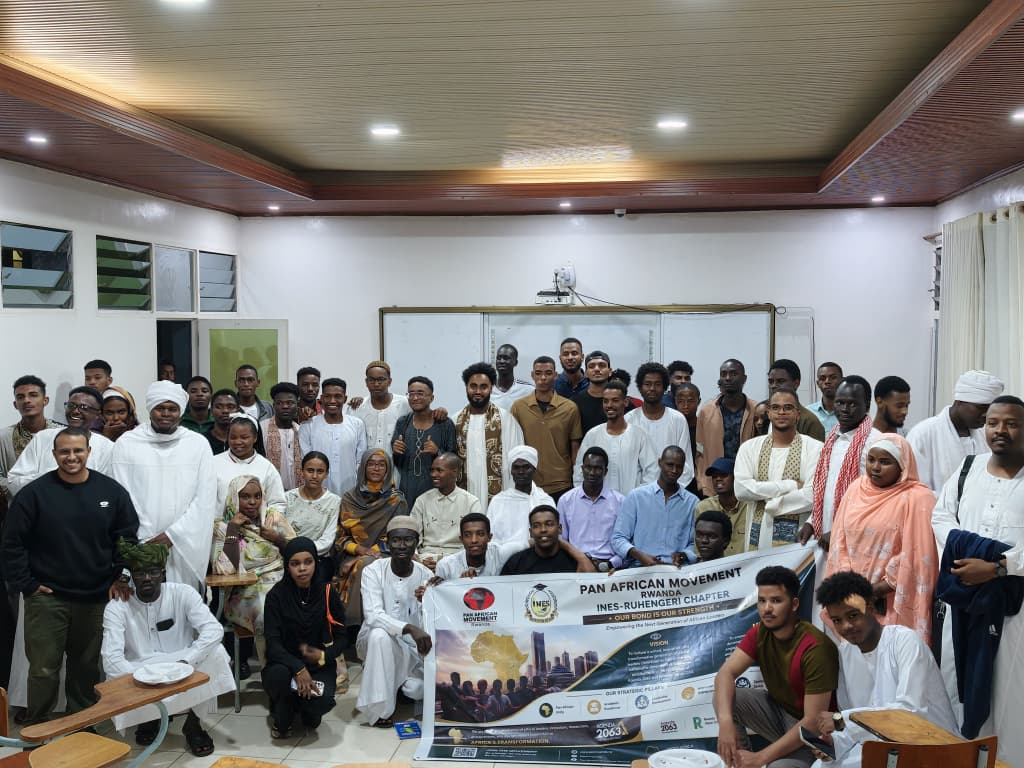According to PAM INES Ruhengeri Chapter leaders, the Sudan Culture Day session successfully achieved its goal of promoting cultural awareness, strengthening unity, and creating a platform where students could celebrate Africa’s diversity through learning and interaction.
The event ended on a positive note, with participants expressing admiration for Sudan’s heritage and reaffirming their commitment to promoting Pan-African values of solidarity, respect, and cultural exchange.
**Reported by the Pan-African Movement (PAM) INES Ruhengeri Chapter**

SUBSCRIBE TO OUR NEWSLETTER
First name or full name
Email
By continuing, you accept the privacy policy
**Categories:** NEWS
---
### [IFAD, Ghana, and World Bank Launch 'AgriConnect' Compact to Revolutionize Ghana's Agri-Food Systems](https://www.topafricanews.com/2026/06/04/ifad-ghana-and-world-bank-launch-agriconnect-compact-to-revolutionize-ghanas-agri-food-systems/)
**Published:** June 4, 2026
**Author:** TOPAFRICANEWS
**Content:**
**Accra, Ghana – June 4, 2026** — The International Fund for Agricultural Development (IFAD) has formally partnered with the Government of Ghana and the World Bank to launch the Ghana AgriConnect Compact. This flagship initiative is aimed at accelerating the transformation of the country’s agri-food systems and driving inclusive economic growth.
Announced at a launch event in Accra, the AgriConnect Compact sets out an ambitious, private sector-led, and government-enabled strategy to position agriculture as a central driver of economic transformation, job creation, and resilience.
Lakshmi Moola, IFAD Country Director for Ghana, underscored the initiative’s importance, stating, “Through AgriConnect, IFAD is deepening its commitment to end rural poverty and build resilient, inclusive food systems in Ghana. Together with partners, we are scaling investments that deliver jobs, opportunity and lasting impact for rural communities,”.
The agricultural sector remains a cornerstone of Ghana’s economy, contributing about 22% of GDP, 24% of export earnings, and employing roughly 38% of the workforce. Despite its importance, the sector continues to face challenges such as low productivity, climate variability, limited access to finance for smallholder farmers and rural enterprises, and weak integration into markets.
**Targets and Key Areas**
The Compact will prioritize transformation across key agricultural value chains, including cocoa, oil palm, rice, maize, and poultry, alongside other critical sectors such as tree crops, fisheries, and the forest economy.
By 2030, the initiative aims to achieve transformative results, specifically:
- Improving food and nutrition security for nearly three million people.
- Creating more than 2.6 million jobs across aggregation, processing, production, and marketing activities.
IFAD’s participation in AgriConnect builds on its ongoing portfolio in Ghana, which includes the Promoting Rural Opportunities, Sustainable Profits and Environmental Resilience (PROSPER) programme and the Affordable Agricultural Financing for Resilient Rural Development (AAFORD) project. The Fund will also co-finance the World Bank’s Food Systems Resilience Programme.
AgriConnect is a broader World Bank Group initiative intended to help 300 million smallholder farmers globally commercialize their harvests more effectively by 2030. Supported by partners including the African Development Bank (AfDB), the Inter-American Development Bank (IDB), Bayer, and Google, IFAD has pledged through this global effort to reach at least 70 million small-scale farmers worldwide by 2030.

SUBSCRIBE TO OUR NEWSLETTER
First name or full name
Email
By continuing, you accept the privacy policy
**Categories:** Climate / Agriculture Evolution, Natural Resources and Agriculture
---
### [Inside Rwanda's Drive to Achieve a 53% Emissions Reduction by 2035](https://www.topafricanews.com/2026/06/04/inside-rwandas-drive-to-achieve-a-53-emissions-reduction-by-2035/)
**Published:** June 4, 2026
**Author:** Mutangana Emmanuel
**Content:**
Rwanda has raised its climate ambitions under its latest Nationally Determined Contribution (NDC 3.0), committing to reduce greenhouse gas emissions by 53 percent by 2035 compared to a business-as-usual (BAU) scenario, as the country seeks to strengthen climate resilience and accelerate low-carbon development.
The new target, unveiled on June 04, 2026, during the dissemination of key national climate and environmental reports in Kigali, marks a significant increase from Rwanda’s previous commitment under NDC 2.0, which aimed to cut emissions by 38 percent by 2030.
According to the Rwanda Environment Management Authority (REMA), the updated climate action plan seeks to reduce emissions by 14.86 million tonnes of carbon dioxide equivalent (tCO₂e) by 2035, compared to the earlier target of approximately 4.4 million tonnes by 2030.
NDCs are climate action plans submitted by countries under the Paris Agreement, outlining measures to reduce greenhouse gas emissions and adapt to climate change. Countries are required to update their commitments every five years.
Rwanda first submitted its Intended Nationally Determined Contribution in 2015 before updating it in 2020 through NDC 2.0. The newly developed NDC 3.0 extends the country’s climate commitments through 2035.
To achieve the new target, Rwanda estimates it will require approximately US$12 billion in financing between 2025 and 2035. Of this amount, US$7 billion will be needed between 2025 and 2030, while an additional US$5 billion will be required from 2030 to 2035.
***Olive Byukusenge, Greenhouse Gas Inventory Officer at REMA.***According to Olive Byukusenge, Greenhouse Gas Inventory Officer at REMA, Rwanda will finance part of the commitment through domestic resources, while the majority will depend on international support.
“The country committed to use its own resources equivalent to 7 percent, while external financial and technical support will contribute 46 percent in order to achieve the 53 percent reduction target,” she said.
The financing structure means that 18 percent of the overall NDC implementation will be funded through unconditional domestic measures, while 82 percent will rely on conditional measures requiring international support.
Rwanda plans to allocate about 40 percent of the investment toward mitigation actions aimed at reducing emissions and 60 percent toward adaptation measures designed to strengthen resilience against climate impacts.
Data presented during the dissemination show that Rwanda’s total greenhouse gas emissions, including land use, land-use change and forestry (LULUCF), reached 7,832.9 gigagrams of CO₂ equivalent in 2022, up from 2,395.1 gigagrams in 2006.
Agriculture remained the largest source of emissions, accounting for 39 percent of total emissions in 2022, followed by energy at 18 percent, waste at 13 percent and industrial processes and product use at 2 percent. The forestry sector remained the only net carbon sink, removing more emissions than it produced.
Methane accounted for 84 percent of total greenhouse gas emissions, making it the dominant greenhouse gas in Rwanda’s emissions profile.
Officials attributed the increase in emissions largely to population growth and economic expansion, although mitigation efforts in forestry and land management have helped offset part of the increase.
Despite rising emissions, Rwanda reported progress toward its existing climate commitments. Under NDC 2.0, the country targeted a 38 percent reduction in emissions by 2030. By 2024, Rwanda had already achieved reductions of 1.59 million tonnes of CO₂ equivalent, representing 36 percent of the 2030 target.
The country also mobilized 93.3 percent of its climate finance target for the 2020–2025 period.
Renewable energy now contributes 51 percent of Rwanda’s energy mix, while forest cover has reached 30.4 percent. Areas under irrigation have expanded to 71,500 hectares, and insurance coverage for crops and livestock has increased.
Mitigation efforts under NDC 3.0 will focus on reducing emissions across key sectors of the economy.
The Energy Sector will prioritize expanding renewable energy generation, improving energy efficiency and promoting cleaner transport systems to reduce greenhouse gas emissions.
The Industrial Processes and Product Use sector aims to reduce emissions by substituting high-impact greenhouse gases and improving industrial production processes.
The agriculture sector will focus on improved livestock management, better soil practices and enhanced manure management systems to lower greenhouse gas emissions.
The waste sector will strengthen waste treatment systems and promote waste-to-energy technologies to reduce emissions while generating additional energy resources.
Meanwhile, the forestry sector will increase carbon sequestration through sustainable forest management covering 42,652 hectares, afforestation on 47,300 hectares and agroforestry initiatives across 27,000 hectares. These measures are expected to improve biodiversity while enhancing the country’s capacity to absorb carbon emissions.
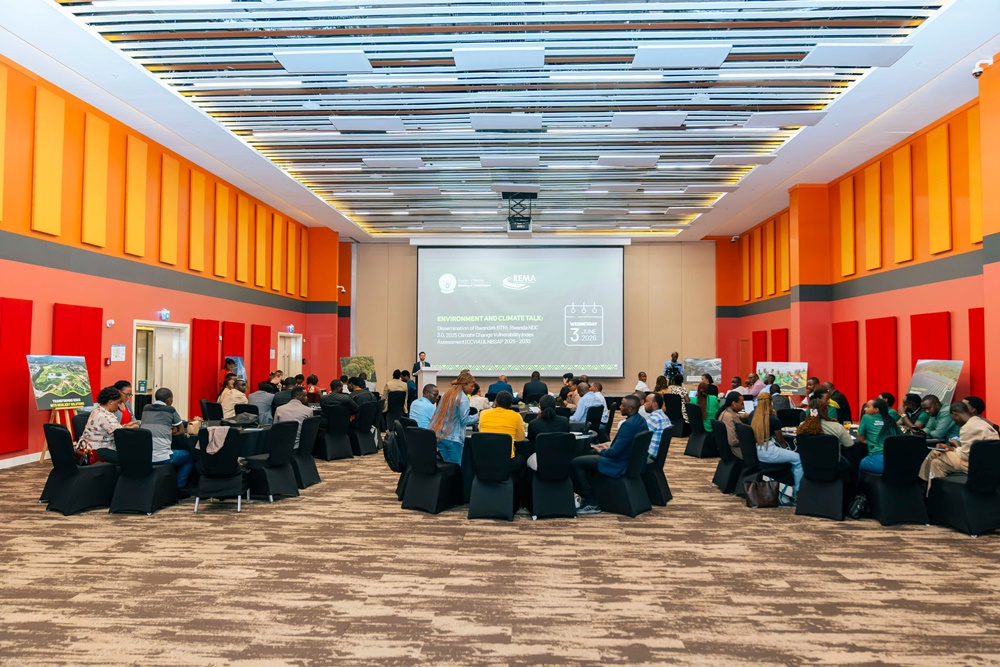Rwanda is also scaling up adaptation measures in response to growing climate risks.
The country remains highly vulnerable to floods, droughts and landslides. Between 2014 and 2023, climate-related disasters caused 1,595 deaths, injured 2,368 people, damaged more than 62,000 houses and destroyed over 38,000 hectares of crops.
Planned adaptation interventions include accelerating water management through land restoration, flood protection infrastructure, expanded irrigation and enhanced water quality monitoring.
The measures will also promote universal climate-resilient water and sanitation services through solar-powered treatment systems and flood-proofed infrastructure.
In agriculture, the country plans to expand climate-resilient seeds, improved livestock breeds, irrigation, soil conservation practices and agricultural insurance to strengthen food security and resilience to climate shocks.
Additional interventions include hazard-informed land-use planning, forest restoration and expanded agroforestry to reduce flood risks and sustain ecosystems.
Rwanda also plans to climate-proof road networks, expand public transport systems, establish multi-hazard early warning systems and district climate hubs, and mainstream climate adaptation across sectors.
Further measures include upgrading informal settlements through resilient planning, improved stormwater management systems and green and blue infrastructure, while promoting climate-compatible mining practices and rehabilitation of degraded mining sites.
The health sector will benefit from strengthened climate-proof health services, improved disease surveillance systems and enhanced early warning mechanisms aimed at reducing climate-related health risks, including disease outbreaks, maternal mortality and non-communicable diseases.
***Thadée Twagirimana, Acting Director General for Environment and Climate Change at the Ministry of Environment.***Thadée Twagirimana, Acting Director General for Environment and Climate Change at the Ministry of Environment, said the reports demonstrate both the scale of climate challenges facing Rwanda and the country’s readiness to address them.
“The presentations and discussions have reaffirmed that climate change and biodiversity loss remain among the most pressing challenges of our time,” he said.
He noted that the findings provide valuable evidence to guide resilience-building efforts and accelerate low-carbon development while protecting biodiversity and ecosystems.
Twagirimana emphasized that achieving the country’s climate ambitions would require collective action from government institutions, local authorities, development partners, the private sector, civil society, academia and communities.
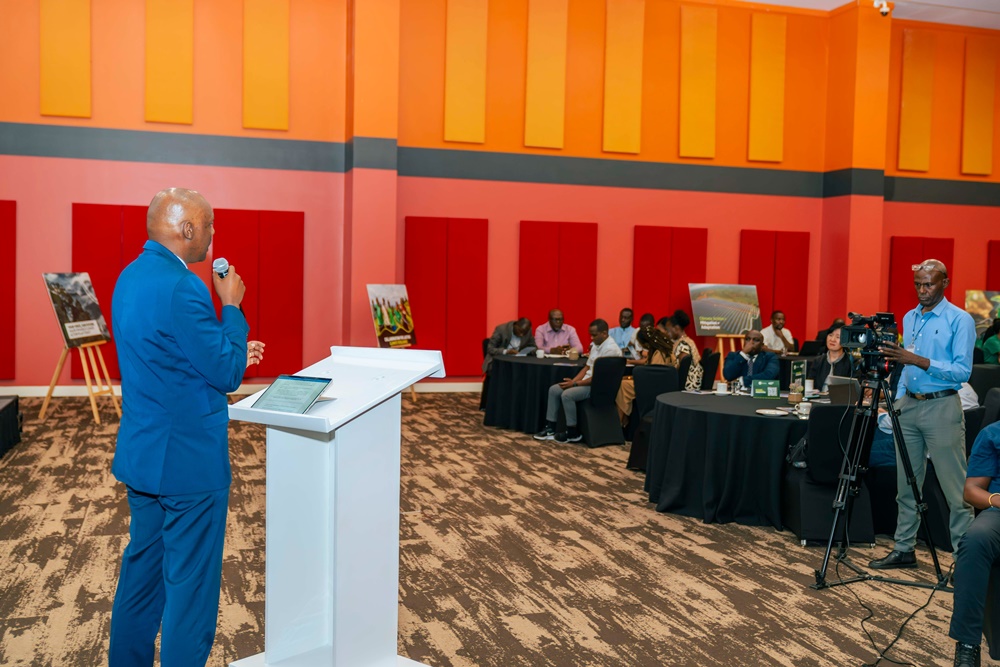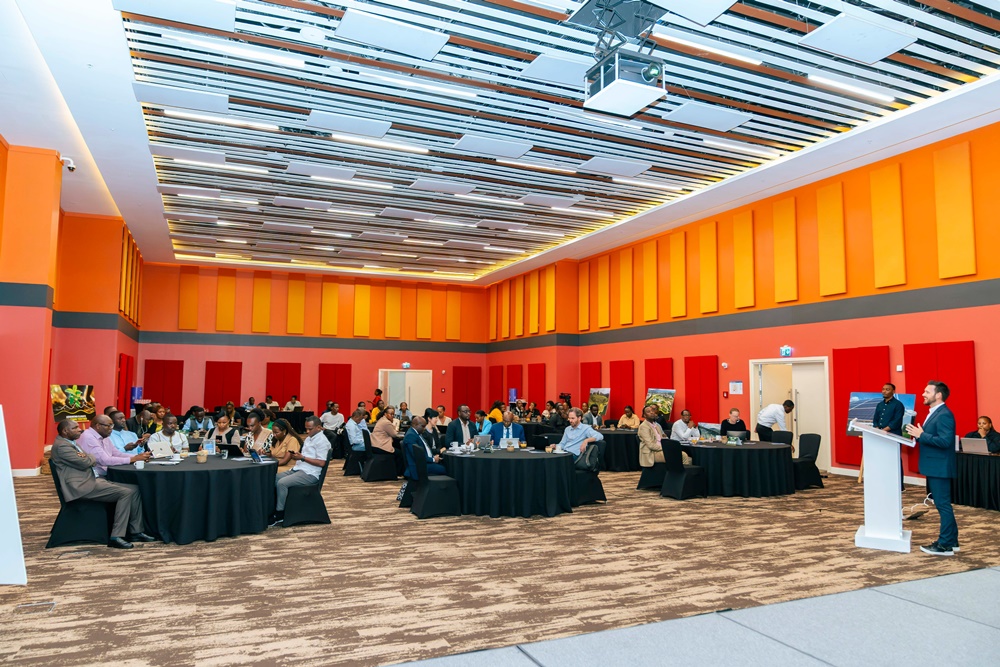
SUBSCRIBE TO OUR NEWSLETTER
First name or full name
Email
By continuing, you accept the privacy policy
**Categories:** CLIMATE CHANGE, Environment
---
### [Rwanda and France Deepen Strategic Partnership with New Agreements on Migration and Employment](https://www.topafricanews.com/2026/06/04/rwanda-and-france-deepen-strategic-partnership-with-new-agreements-on-migration-and-employment/)
**Published:** June 4, 2026
**Author:** LIBOS NDAYISHIMIYE
**Content:**
Rwanda and France have taken another significant step in strengthening their growing bilateral relations, signing two key cooperation agreements aimed at enhancing migration management and expanding employment opportunities for family members of diplomatic personnel serving in either country.
The agreements were signed during a high-level ceremony that brought together senior officials from both nations, reflecting the shared commitment of Kigali and Paris to deepen cooperation and facilitate greater mobility between their citizens.
**READ ALSO:** **[Rebuilding Ties: The Architects of the Renewed Rwanda-France Relationship](https://www.topafricanews.com/2026/06/03/rebuilding-ties-the-architects-of-the-renewed-rwanda-france-relationship/)**
According to the Embassy of Rwanda, Rwanda was represented by Ambassador François Nkulikiyimfura, while the French delegation included France’s Ambassador to Rwanda, Aurélie Roussel-Garneau, and Laurent Touvet, Director for Foreign Nationals in France at the French Ministry of the Interior.
The first agreement focuses on strengthening cooperation in migration-related matters, while the second seeks to facilitate access to employment for spouses and family members of diplomatic and consular staff posted in either country. The arrangements are expected to remove barriers that often limit professional opportunities for accompanying family members during diplomatic assignments abroad.
Officials from both countries emphasized that the agreements mark an important milestone in reinforcing the already strong partnership between Rwanda and France. They noted that the new frameworks will contribute to closer people-to-people ties and further expand collaboration across multiple sectors.
The signing comes shortly after a landmark event held on June 2, 2026, when President Paul Kagame and First Lady Jeannette Kagame joined French President Emmanuel Macron for the official inauguration of the 1994 Genocide against the Tutsi memorial site known as “Les Archives.”
The ceremony symbolized the continued strengthening of relations between the two countries and underscored their shared commitment to preserving historical memory, promoting reconciliation, and fostering mutual understanding.
**READ ALSO:** [**“The Truth Crosses the Fire”: Rwandan Genocide Survivor Jeanne Uwimbabazi Speaks at Paris Memorial Inauguration**](https://www.topafricanews.com/2026/06/03/the-truth-crosses-the-fire-rwandan-genocide-survivor-jeanne-uwimbabazi-speaks-at-paris-memorial-inauguration/)
Over the years, Rwanda and France have steadily expanded cooperation in various fields, including development, education, justice, culture, and economic transformation. The latest agreements are expected to further consolidate these achievements while opening new avenues for collaboration and exchange.
Kigali and Paris continue to build on their renewed partnership through newly signed accords signal a determination by both governments to deepen diplomatic engagement and create practical benefits for their citizens, reinforcing a relationship that has gained remarkable momentum in recent years.

SUBSCRIBE TO OUR NEWSLETTER
First name or full name
Email
By continuing, you accept the privacy policy
**Categories:** NEWS
---
### [Black Rhino Return to Zimbabwe’s Matusadona National Park in Historic Conservation Milestone](https://www.topafricanews.com/2026/06/04/black-rhino-return-to-zimbabwes-matusadona-national-park-in-historic-conservation-milestone/)
**Published:** June 4, 2026
**Author:** DUSABEMUNGU Ange de la Victoire
**Content:**
**MATUSADONA NATIONAL PARK, ZIMBABWE, 3 June 2026** — A group of critically endangered [black rhino](https://www.topafricanews.com/?s=Black+Rhino) has been successfully reintroduced into Matusadona National Park, marking a significant conservation milestone for Zimbabwe and completing a full-circle moment for the iconic park.
The reintroduction signifies the return of a species that once defined this landscape. Before organized poaching escalated in the late 1980s and early 1990s, the Sebungwe region, centered around Matusadona, supported Zimbabwe’s largest contiguous population of black rhino. To protect the animals, ZimParks made the critical decision to relocate the surviving population to safer sites across the country, a foresight that preserved the genetic lineage of the regional animals. The newly returned rhinos include direct descendants of those moved out more than three decades ago.
**READ ALSO: [New IUCN Framework Paves the Way for Inclusive Rhino Conservation in Africa](https://www.topafricanews.com/2025/02/21/new-iucn-framework-paves-the-way-for-inclusive-rhino-conservation-in-africa/)**
The operation was led collaboratively by Matusadona National Park, the Zimbabwe Parks and Wildlife Management Authority (ZimParks), and African Parks. The rhinos were sourced from Imire Rhino and Wildlife Conservancy, Matobo National Park, and one other undisclosed location. They were loaded into specialized crates and airlifted to the park on the shores of Lake Kariba.
Following arrival, the animals will undergo a period of close monitoring in purpose-built bomas before being released in phases into a secure 175-square-kilometre Intensive Protection Zone within the national park. Each rhino is fitted with a tracking device to enable real-time monitoring and rapid response to any signs of conflict or stress after their release.
The operation directly supports Zimbabwe’s National Rhino Strategy by establishing a founder population that is expected to contribute to another metapopulation in the country over the next 15 years.
**READ ALSO: [PHOTOS: Five black rhinos arrive in Rwanda from Europe](https://www.topafricanews.com/2019/06/24/photos-five-black-rhinos-arrive-in-rwanda-from-europe/)**
The return has generated widespread excitement and support from conservation partners globally, as well as from local communities, including the Nyaminyami who share the park’s borders. Traditional leaders, including Chiefs Mola, Masampakaruma, Nebiri, and Negande, have played an active role as strong advocates for the rhinos’ return.
Professor Edison Gandiwa, Director General of ZimParks, called it a “historic event and a proud moment for Zimbabwe’s conservation efforts”. He noted that it is a “testament to what is possible when government, conservation organisations, and local partners work together with shared purpose,” adding that ZimParks’ conviction that Matusadona had the necessary habitat, security, and management capacity has now been realized.
**READ ALSO:** [**RWANDA: White rhinos released into a larger enclosure in Akagera National park**](https://www.topafricanews.com/2022/01/18/rwanda-white-rhinos-released-into-a-larger-enclosure-in-akagera-national-park/)
Michael Pelham, Park Manager of Matusadona National Park, expressed the deep significance of the moment, recalling his role in the 1990s: “I helped capture the last survivors, we crated them and flew them out to safety, not knowing if the species would ever come back”. He stated, “Matusadona is synonymous with black rhino, and walking through this landscape recently, there has been an overbearing sense that we are missing an icon”.
Peter Fearnhead, CEO of African Parks, which entered a 20-year management agreement for Matusadona with ZimParks in 2019, said the park’s challenges in the early 1990s were an important driver in conceptualizing his organization. “It is therefore personally gratifying to have been a partner in the revival of Matusadona,” he concluded.
The translocation was made possible through generous institutional and philanthropic support from the European Union, Global Wildlife Fund, and Thomas and Sara de Swardt, with funding for preliminary preparation provided by the Rhino Recovery Fund. This moment represents the continued rebuilding of one of Zimbabwe’s iconic protected areas through sustained commitment and long-term investment.

SUBSCRIBE TO OUR NEWSLETTER
First name or full name
Email
By continuing, you accept the privacy policy
**Categories:** CLIMATE CHANGE, Environment, NEWS
---
### [Gicumbi Residents Urged to Preserve Green Gicumbi Legacy as the $32 Million Project Concludes](https://www.topafricanews.com/2026/06/03/gicumbi-residents-urged-to-preserve-green-gicumbi-legacy-as-the-32-million-project-concludes/)
**Published:** June 3, 2026
**Author:** Justin Kayiranga
**Content:**
*As the six-year Green Gicumbi Project officially came to an end, Government officials and local leaders called on residents to safeguard and build upon the achievements that have transformed communities, restored ecosystems, and strengthened resilience against climate change across the district.*
The closure ceremony, held on May 29th 2026, marked the end of the USD 32 million initiative, officially known as *Strengthening Climate Resilience of Rural Communities in Northern Rwanda*, which was implemented by the Rwanda Green Fund with financial support from the Green Climate Fund (GCF) since 2019.
While celebrating the project’s remarkable achievements, speakers repeatedly emphasized that its long-term success will depend on the commitment of local communities to maintain and protect the investments made over the past six years.
Speaking at the ceremony, Dominique Habimana, the Minister of Local government, reminded the community from 9 sectors of Gicumbi district where the project was implemented, to safeguard the achievements of Green Gicumbi project by ensuring the continuation of all practices learned throughout the six years of implementation.
Dominique Habimana – Minister of Local government *(MINALOC)**“Closing the project doesn’t mean the end of protection and conservation activities.”* He said. *“Let us learn from the good example the Green Fund has given us and continue to preserve and enhance the environment.”*
The project directly benefited more than 158,000 people and indirectly impacted over 464,000 citizens through interventions including watershed restoration, climate-smart agriculture, sustainable forest management, clean energy adoption, resilient housing, and livelihood support.
Minister of Environment Dr. Bernadette Arakwiye said the achievements recorded in Gicumbi should serve as a foundation for future climate-resilient development efforts.
Dr. Bernadette Arakwiye – Minister of Environment*“Green Gicumbi Project reflects Rwanda’s bold vision of climate-resilient development where environmental protection, community resilience, and sustainable economic transformation go hand in hand.”* she said.
Throughout its implementation, Green Gicumbi project restored degraded landscapes through reforestation, agroforestry, forest rehabilitation, soil erosion control, water management initiatives, and clean energy solutions. The project also supported the relocation of vulnerable families from high-risk zones into climate-resilient settlements and expanded access to climate information services.
For residents and beneficiaries of the project, maintaining these gains is now the priority as emphasized by Nicolas Gumisiriza from Rushaki sector.
“Preserving Green Gicumbi legacy is part of our long-term plan” Nicolas said.
*“I want to assure you that in partnership with local authorities, we will continue to preserve these achievements by implementing the best practices we learned from the project and transfer the knowledge to residents in other sectors across our district.”*
Mutuyimana Penina from Mukarange Sector highlighted the tangible impact the project has had on farmers’ livelihoods.
*“The project has changed our lives as farmers, because now we are farming and getting enough produce to sell in the markets. This has helped in various aspects to the extent that we are now capable of paying our children’s education fees up to university.”*
Green Gicumbi had four key components namely Watershed Protection and Climate Resilient Agriculture, Sustainable Forest Management and Sustainable Energy Use, Climate Resilient Settlements, Knowledge Transfer and Mainstreaming.
Among its major achievements were the relocation of 100 households from high-risk zones into climate-resilient settlements, the disbursement of RWF 1.3 billion to 25 local cooperatives for environmental and climate-related projects, and the rehabilitation of 2,261 hectares of degraded forests.
All these achievements, according Gicumbi district Mayor, Emmanuel Nzabonimpa, have laid a solid foundation for the well-being of the residents of Gicumbi district.
*“Green Gicumbi has not only restored degraded ecosystems but also restored hope, dignity, and resilience. Communities now have stronger capacities to adapt to climate shocks while pursuing sustainable livelihoods.”* He attested.
For Teddy Mugabo, the Chief Executive Officer of Rwanda Green Fund which oversaw the implementation of the project, she underscored that Green Gicumbi has demonstrated the transformative power of climate finance when combined with strong partnerships and local participation.
Teddy Mugabo – CEO, Rwanda Green Fund*“Green Gicumbi has demonstrated how catalytic climate finance can translate national climate ambition into tangible, community-level impact. Through strategic investments in resilient infrastructure, ecosystem restoration, clean energy, and climate-smart livelihoods, the project has not only strengthened resilience in vulnerable communities, but also created a scalable model for green growth and sustainable development in Rwanda.”* she said.
Mugabo also expressed appreciation to the Green Climate Fund for supporting Rwanda’s climate agenda, stating that *“Green Gicumbi Project has been possible thanks to amazing partnerships at different levels, including local and national levels. This proves that strong partnerships are key in delivering to our climate goals.*”
As Green Gicumbi enters its post-project phase, stakeholders say its true measure of success will be determined in the years ahead by how well communities preserve restored forests, protect watersheds, maintain climate-resilient infrastructure, and continue applying the knowledge and practices introduced through the initiative.
Beyond Gicumbi District, the project’s innovations and lessons are expected to contribute to Rwanda’s broader efforts to integrate climate resilience into national development planning and implementation.

SUBSCRIBE TO OUR NEWSLETTER
First name or full name
Email
By continuing, you accept the privacy policy
**Categories:** CLIMATE CHANGE, Environment, NEWS
---
### [Global Environment Facility Approves $232.5 Million in New Funding, Endorses $3.9 Billion Replenishment to Accelerate Environmental Action Through 2030](https://www.topafricanews.com/2026/06/03/global-environment-facility-approves-232-5-million-in-new-funding-endorses-3-9-billion-replenishment-to-accelerate-environmental-action-through-2030/)
**Published:** June 3, 2026
**Author:** TOPAFRICANEWS
**Content:**
**SAMARKAND, UZBEKISTAN**—The 71st Council of the Global Environment Facility (GEF) concluded its meetings in Samarkand, Uzbekistan, with landmark decisions that are set to significantly boost international environmental finance through the end of the decade. Alongside the Councils for the Least Developed Countries Fund/Special Climate Change Fund (LDCF/SCCF) and the Global Biodiversity Framework Fund (GBFF), the governing bodies approved $232.5 million in new environmental financing.
This immediate funding supports 24 projects and programs across 22 countries:
- **GEF Trust Fund:** $144.3 million for 16 projects, expected to mobilize over $828 million in co-finance. This funding is directed toward five key areas, including biodiversity ($60.3 million), land degradation ($29.3 million), and international waters ($26.5 million).
- **LDCF/SCCF:** $67.7 million allocated for climate adaptation in the world’s most vulnerable nations.
- **GBFF:** $20.5 million for two projects focused on biodiversity conservation, with 39 percent of programming dedicated to Indigenous Peoples and local communities.
GEF-9 Endorsed: A $3.9 Billion Sprint to 2030
Beyond the immediate work programs, representatives from the GEF’s 186 participant countries endorsed the programming directions for the $3.9 billion ninth replenishment (GEF-9). This endorsement signals a powerful, multilateral commitment to funding global environmental goals from July 2026 to June 2030.
“This is a powerful demonstration of commitment to meeting international environmental goals through multilateral cooperation,” said Claude Gascon, Interim CEO and Chairperson of the GEF.
The GEF-9 replenishment introduces structural reforms aimed at making the fund faster, simpler, and more accountable, ensuring resources efficiently reach countries. Key strategic priorities include:
- **Integrated Programs** targeting systemic transformations across nature, food, urban, energy, and health systems.
- **Blended finance at scale** with an aspirational target of programming 25 percent of resources to mobilize private capital. Mr. Gascon noted that GEF’s blended finance operations already generate more than $18 in co-finance for each dollar invested.
- **Strengthened support for vulnerable countries,** with 35 percent of resources directed to support Least Developed Countries (LDCs) and Small Island Developing States (SIDS), and 20 percent to support Indigenous Peoples and local communities.
- **Indigenous Peoples Initiative:** GEF-9 will allocate $100 million to an Indigenous Peoples and local communities Conservation Initiative, quadrupling the amount from the previous investment cycle.
Progress and New Partnerships
The Council also reviewed significant progress in the current GEF-8 cycle, which is on track to surpass several key goals. For example, the area of protected oceans has reached 1.9 billion hectares—nearly twenty times the original goal of 100 million hectares—and greenhouse gas emissions reduction is above target, with 2.3 billion tons reduced compared to the 1.9 billion ton goal.
In a related development, the Rob Walton Foundation announced a partnership with the GEF on the opening day of the Council, aiming to help African governments mobilize up to $50 million in additional funding for the effective management of Africa’s Keystone Protected Areas.
The 71st Council meetings took place ahead of the Eighth GEF Assembly, which brings together 1,900 registered participants, including policymakers and civil society, and will commence on June 4 in Samarkand.

SUBSCRIBE TO OUR NEWSLETTER
First name or full name
Email
By continuing, you accept the privacy policy
**Categories:** CLIMATE CHANGE, Environment
---
### [Sub-Saharan Africa Urged to Match Citizen Engagement Gains with Stronger Fiscal Disclosure and Oversight](https://www.topafricanews.com/2026/06/03/sub-saharan-africa-urged-to-match-citizen-engagement-gains-with-stronger-fiscal-disclosure-and-oversight/)
**Published:** June 3, 2026
**Author:** TOPAFRICANEWS
**Content:**
*New Open Budget Survey data shows real progress on public participation and growing efforts to make budgets more inclusive, but lack of disclosure of debt and tax information, and weak follow-through on audit recommendations, threatens to stall fiscal accountability.*
**3 June 2026 —** Governments across Sub-Saharan Africa have made measurable gains in opening up budget processes to citizens, with regional participation scores climbing steadily since 2019 and innovative engagement practices taking root. Sustaining this momentum — and translating it into stronger public trust — will require closing persistent gaps on tax and debt accountability and ensuring that audit findings on how public money is spent drive concrete change. Given acute debt and domestic resource mobilization challenges, these reforms are more essential than ever.
According to the Open Budget Survey (OBS) 2025, the world’s most comprehensive independent assessment of budget transparency, participation, and oversight, the region has continued to build foundations for accountability despite rising debt and enormous fiscal pressures. Across the 32 comparable Sub-Saharan African countries assessed, the regional participation score rose two points between 2023 and 2025, governments are increasingly publishing easy to read Citizens Budgets and several countries are pioneering inclusive, multi-stage engagement with civil society.
The challenge now is ensuring that these reforms are matched by deeper disclosure on how taxes are raised and how public money is borrowed and by stronger connections between the institutions responsible for scrutinizing spending.
The survey identifies key problem areas where targeted action would yield high returns:
As fiscal space shrinks, governments are disclosing too little about how taxes are collected and managed. Only 15% of countries publish even minimal information on tax expenditures in their draft budgets, limiting public insight into who benefits and how much revenue is lost at a time when domestic resource mobilization is critical.
Debt transparency is also lacking. Just over a third of countries provide key figures on net new borrowing, total outstanding debt, and interest payments in their draft budgets and only 12% (four out of 33) of countries publish satisfactory data on the projected composition of outstanding debt — including interest rates, maturity profiles, and breakdowns of external versus domestic debt. Findings from a new OBS debt pilot in 10 Sub-Saharan Africa countries show that formal oversight authority over debt is rarely exercised in practice and that public participation in debt decisions is rare.
Audit follow-through remains uneven. Only three countries — Côte d’Ivoire, South Africa and Tanzania — have Supreme Audit Institutions or legislatures that track and report on the implementation of all audit recommendations and only five finance ministries (Ghana, Lesotho, Mozambique, Uganda, and South Africa) report on actions taken in response, and none do so comprehensively. In 23 countries, parliamentary finance committees examine the draft budget but do not publish reports with their findings before budget approval.
Despite gaps, the survey also highlights promising practices across the region. Citizens Budgets are now published online in 82% of countries and 55% of countries present information on policies targeting the poorest in their draft budgets. The Democratic Republic of the Congo has institutionalized civil society participation across the budget cycle, including new sessions to review in-year and year-end execution. Benin has strengthened both legislative and audit oversight, with the National Assembly’s Finance and Trade Committee publishing more frequent reports on budget execution and making findings on the Court of Accounts’ audit report publicly available earlier. In The Gambia, a civic-led coalition partnered with the executive and audit office to produce citizens’ versions of the Enacted Budget and Audit Report and successfully challenged an unlawful budget allocation in the Supreme Court — ultimately returning funds to the public purse. These are exactly the kinds of innovations that, if adopted more widely, could transform the region’s accountability systems from formal compliance into genuine public confidence.
The stakes are high. Governments that build credible, transparent budget systems are better placed to manage debt sustainably, mobilize domestic revenue, attract investment, and — most importantly — earn the trust of their citizens. The tools and good practice examples are there. The OBS 2025 offers a clear, evidence-based roadmap for the next phase of reform.
**Recommendations**
The Open Budget Survey 2025 encourages governments in Sub-Saharan Africa to:
- Strengthen budget transparency by ensuring key budget documents are consistently published on time and by expanding the depth of information provided on budget execution, debt, fiscal risks, and revenues — including tax information and tax exemptions — and making it available in citizen-focused formats.
- Disclose comprehensive information on the composition of outstanding debt and long-term fiscal sustainability and ensure that legislatures, audit offices, and the public can exercise meaningful oversight of borrowing decisions.
- Institutionalize formal public participation mechanisms throughout all stages of the budget cycle and improve inclusiveness by better accommodating underrepresented groups and providing clear feedback on how public input was used.
- Publish clear reports to track actions taken in response to all audit recommendations and enable legislatures and audit institutions to expand public hearings and channels for citizen input into budget scrutiny and audit processes.
Development partners and donors can reinforce this agenda by supporting reforms that strengthen tax and debt accountability and that expand public dialogue in the budget process. Civil society organizations across the region are encouraged to use the OBS data to engage governments constructively on these priorities.

SUBSCRIBE TO OUR NEWSLETTER
First name or full name
Email
By continuing, you accept the privacy policy
**Categories:** NEWS
---
### [U.S. Pushes AI Security Mandates Amid Global Innovation Surge and $4 Trillion IPO Race](https://www.topafricanews.com/2026/06/03/u-s-pushes-ai-security-mandates-amid-global-innovation-surge-and-4-trillion-ipo-race/)
**Published:** June 3, 2026
**Author:** DUSABEMUNGU Ange de la Victoire
**Content:**
The United States government is moving aggressively to secure its digital infrastructure while promoting Artificial Intelligence (AI) innovation, even as the global AI industry undergoes a massive financial and structural transformation. This policy push, detailed in a new Executive Order (EO) from President Donald J. Trump, aims to strike a balance between maintaining global AI dominance and hardening the nation’s systems against emerging threats.
**U.S. AI Policy: Security and Unregulated Innovation**
The new U.S. Executive Order, titled “Promoting Advanced Artificial Intelligence Innovation And Security,” rejects the notion of “overly burdensome regulation” and emphasizes collaboration with the private sector. The administration stated its policy is to accelerate AI adoption across government and industry, modernize systems against external threats, protect American ingenuity, and cultivate advanced AI-enabled capabilities.
**Key Security and Cybersecurity Mandates (30-60 Day Timelines):**
- **System Prioritization:** Departments are directed to prioritize the cyber defense of National Security Systems and Department of War information systems within 30 days.
- **Civilian System Defense:** The Secretary of Homeland Security, through CISA, is ordered to release Binding Operational Directives to expedite the cyber defense of civilian Federal Government systems and establish programs that enhance AI-enabled defensive tools. This directive also seeks to facilitate access to cybersecurity tools, including “covered frontier models,” for critical infrastructure operators like rural hospitals, community banks, and local utilities.
- **Vulnerability Clearinghouse:** The Secretary of the Treasury, in consultation with other security agencies, is mandated to form an AI cybersecurity clearinghouse within 30 days to coordinate vulnerability scanning, validation, and patch distribution in voluntary collaboration with the AI industry.
- **Workforce & Funding:** The order directs the Office of Management and Budget (OMB) to identify funding for advanced AI vulnerability detection and the Office of Personnel Management (OPM) to expand the United States Tech Force Information Cybersecurity Specialist hiring pathways within 60 days.
- **Legal Enforcement:** The Attorney General is tasked with prioritizing the enforcement of federal criminal laws against anyone utilizing AI to illegally access or damage computer systems, steal data, or facilitate criminal activity.
**Regulation and Frontier Models:**
While emphasizing security, the order explicitly states it will **not** be construed to authorize the creation of any mandatory governmental licensing, pre-clearance, or permitting requirement for the development or distribution of new AI models. Instead, it calls for a classified benchmarking process to assess the advanced cyber capabilities of AI models and determine the threshold for designating a “covered frontier model”. A voluntary framework will be designed with developers to allow the Federal Government early, secure access to these models for up to 30 days before public release.**The Global AI Investment Rush and Market Shifts**
The policy focus comes as major AI developers accelerate their public market debuts, triggering a structural shift in global finance.
- **The IPO Race:** Anthropic filed confidential IPO paperwork with a private valuation of $965 billion, moving ahead of OpenAI, which is valued at $852 billion. The three largest companies in this field, including SpaceX ($1.75 trillion valuation, which absorbed the xAI segment in February 2026), have a combined paper value exceeding $4 trillion.
- **Changing Index Rules:** Passive investing principles, originally meant to protect ordinary savers, have been effectively repealed for these mega-firms. Index providers have changed eligibility rules, allowing loss-making companies—like Anthropic and OpenAI, neither of which have posted a GAAP profit—to potentially be included in retirement funds shortly after listing. Anthropic’s success is highlighted by its enterprise focus, which drove its annual revenue run rate to $47 billion in early May, largely from its Claude Code service.
- **Sovereignty and Regulation:** The European Union is countering the dominance of U.S. giants by proposing strict criteria to limit companies like Amazon, Microsoft, and Google from accessing strategic cloud tenders, aiming to boost EU-based tech sovereignty. Additionally, in the U.S., Senator Bernie Sanders has proposed an “American AI Sovereign Wealth Fund” that would see the government take a 50% stake in major AI firms to distribute wealth to citizens.
**AI Transforming Media and Regional Focus in Africa**
AI continues to reshape multiple industries, notably the news media and emerging markets in Africa.
- **Newsroom Transformation:** The news industry recognizes that AI will “force a fundamental rethink of news production”. Publishers are shifting away from traditional traffic-dependent advertising models to strategies built around first-party data and audience value, with AI reshaping monetization. News organizations are deploying AI-assisted coding (VG), custom-built editorial GPTs (Briefly News), and using tools like Gemini for discovering trends.
- **Trust and Legal Challenges:** The integration of AI has brought skepticism, with research indicating that readers increasingly assume articles are AI-generated, even when disclosure is provided. Legal disputes are also rising, with *The New York Times* publisher A.G. Sulzberger stating that AI companies are violating settled law.
- **African AI Growth:** African nations are aggressively moving to embrace the technology, with reports that four African countries are seeking their own sovereign AI infrastructure. This push is reflected in major upcoming events, including the **AI EVERYTHING KENYA x GITEX KENYA** in Nairobi (May 19–21, 2026) and the **AI in National Development Rwanda Summit** in Kigali (September 8-9, 2026).
**AI Applications in Consumer and Enterprise Sectors**
Beyond policy and finance, AI is being rapidly integrated into daily consumer and business operations:
- **Retail and Workflow:** Instacart is deploying AI-powered shopping carts to assist customers with budgeting and identifying allergens. In the enterprise sector, the workflow startup Scribe, recently valued at $1.3 billion, is launching a platform to advise businesses on the optimal implementation of AI and automation.
- **Sports Training:** AI is being utilized not to displace athletes, but to democratize sophisticated coaching. NBA-backed apps like HomeCourt use computer vision and AI recognition to provide real-time analysis and feedback on metrics like shot release angle, making pro-level training accessible to everyday players. This model is also being applied in combat sports (Jabbr) and tennis/pickleball (SwingVision).
- **New Tools:** Companies are rolling out new AI-integrated hardware and software, such as Nvidia’s RTX Spark AI PCs with integrated neural processing units, Microsoft’s unified Copilot app, and OpenAI’s Codex, which enables computer app operation via AI commands on Windows.

SUBSCRIBE TO OUR NEWSLETTER
First name or full name
Email
By continuing, you accept the privacy policy
**Categories:** ICT
---
### [Rebuilding Ties: The Architects of the Renewed Rwanda-France Relationship](https://www.topafricanews.com/2026/06/03/rebuilding-ties-the-architects-of-the-renewed-rwanda-france-relationship/)
**Published:** June 3, 2026
**Author:** DUSABEMUNGU Ange de la Victoire
**Content:**
Decades after the horrors of the 1994 Genocide against the Tutsi, Rwanda and France have transitioned from a fractured history to a relationship characterized by two nations advancing “hand in hand”.
This unprecedented rapprochement is not the result of a single moment, but the culmination of relentless efforts by a diverse group of architects—from political leaders and local officials to historians, journalists, and civil society advocates.
**READ ALSO:** **[“The Truth Crosses the Fire”: Rwandan Genocide Survivor Jeanne Uwimbabazi Speaks at Paris Memorial Inauguration](https://www.topafricanews.com/2026/06/03/the-truth-crosses-the-fire-rwandan-genocide-survivor-jeanne-uwimbabazi-speaks-at-paris-memorial-inauguration/)**
During the inauguration of the new memorial in Paris, the speeches of Rwandan President Paul Kagame, French President Emmanuel Macron, and other officials highlighted the key figures who constructed this bridge of reconciliation.
**The Political Visionaries:**
**Sarkozy, Macron, and Kagame**
The diplomatic thaw at the highest levels of government was a gradual process requiring immense political will to confront uncomfortable historical truths.

- **Nicolas Sarkozy:** According to President Kagame, the door to truth and reconciliation was “first opened” by former French President Nicolas Sarkozy. During a historic visit to Rwanda in 2010, Sarkozy conceded that France had made “serious mistakes” and was not up to the task of stopping the genocide.
- **Emmanuel Macron:** President Macron significantly accelerated the healing process. Kagame commended Macron for his “courage and humanity” in taking a risk five years ago by visiting Kigali. During that 2021 visit, Macron acknowledged that France could have stopped the genocide but did not, effectively recognizing the country’s responsibilities. Macron noted that his words in Kigali laid the foundation for the “unprecedented rapprochement” that the two nations share today.
- **Paul Kagame:** The Rwandan President is also recognized as a vital architect for his willingness to receive France’s admissions and foster a shared journey toward truth. Macron praised Kagame’s deep courage in listening to these acknowledgments and for his ongoing fight to rebuild his nation.
**The Champions of Memory: Marcel Kabanda and Ibuka France**
While state leaders forged diplomatic ties, civil society advocates built the essential groundwork of memory and justice. **Marcel Kabanda, president of Ibuka France, was highlighted as the foundational pillar of the Paris memorial project**. Both Emmanuel Grégoire, representing the City of Paris, and President Macron emphasized that without Kabanda’s unyielding perseverance, the monument would simply not exist. Ibuka France’s relentless work against obscurantism and genocide denial ensured that the victims remained central to the renewed France-Rwanda dialogue.
**The Truth Seekers: Historians, Researchers, and Journalists**
A lasting diplomatic relationship requires an honest reckoning with history. Both nations relied heavily on the tireless work of truth seekers:
- **Vincent Duclert and Historians:** President Macron paid special tribute to historian Vincent Duclert and his commission, which rigorously investigated the French archives. The Duclert Commission’s historical research, arriving at similar conclusions as Rwanda’s own independent reports, provided the factual consensus necessary for state-level recognition.
- **Journalists and Activists:** President Kagame explicitly expressed his gratitude to the dedicated French journalists, activists, and researchers who “never wavered in exposing the truth” over the decades. Their efforts to tell the true story helped save lives and restored dignity to the victims, keeping the pressure on institutions to acknowledge reality.
**Local Leadership: The City of Paris**
Finally, local French leadership played a vital role in giving this renewed relationship a physical and permanent footprint in the French capital.
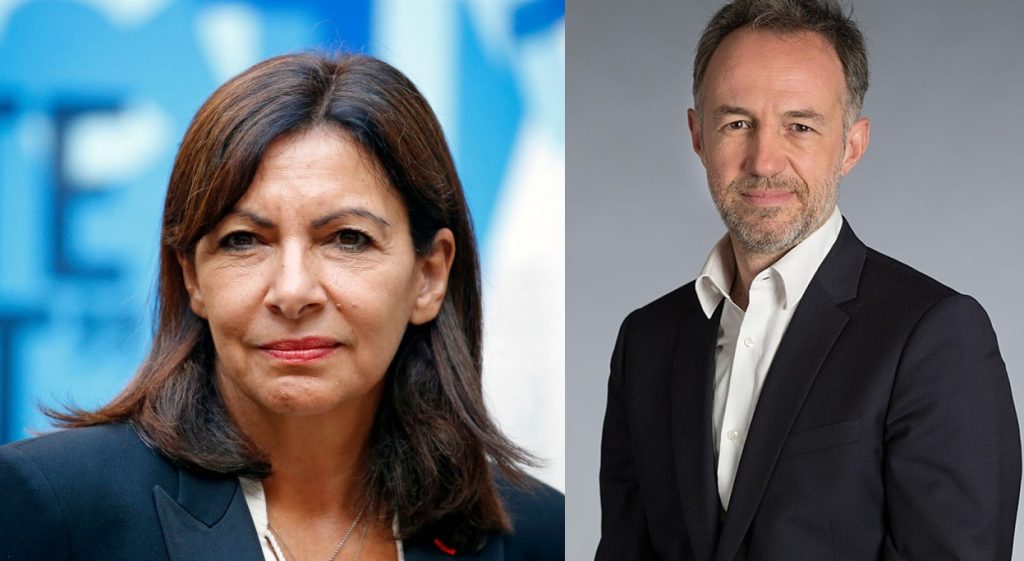**Paris Mayor Anne Hidalgo and First Deputy Mayor Emmanuel Grégoire were instrumental in supporting the memorial project from its inception**. Their commitment to giving the monument a place of honor ensures that the 1994 Genocide against the Tutsi is no longer viewed distantly, but is embraced as a “Parisian history” meant to educate future generations.
Through the combined courage of political leaders willing to admit fault, historians dedicated to the archives, and activists refusing to let the victims be forgotten, France and Rwanda have successfully initiated an “irreversible” journey toward truth and mutual respect.

SUBSCRIBE TO OUR NEWSLETTER
First name or full name
Email
By continuing, you accept the privacy policy
**Categories:** Peace Building and reconciliation
---
### ["The Truth Crosses the Fire": Rwandan Genocide Survivor Jeanne Uwimbabazi Speaks at Paris Memorial Inauguration](https://www.topafricanews.com/2026/06/03/the-truth-crosses-the-fire-rwandan-genocide-survivor-jeanne-uwimbabazi-speaks-at-paris-memorial-inauguration/)
**Published:** June 3, 2026
**Author:** DUSABEMUNGU Ange de la Victoire
**Content:**
**PARIS** — Speaking at the inauguration of a new monument in Paris honoring the victims of the 1994 Genocide Against the Tutsi, survivor Jeanne Uwimbabazi delivered a searing and emotional testimony detailing her survival, the betrayal by international forces, and the ongoing need for localized justice.
The ceremony took place nearly 32 years to the day after Uwimbabazi, then a severely wounded 16-year-old, was evacuated to Orly, France, alongside 31 other children by the humanitarian organization *Médecins du Monde* on June 5, 1994. Addressing an audience that included the French President, Uwimbabazi described the new memorial as a **“symbolic reparation” against the attempted annihilation of the Tutsi** and a vital educational tool for future generations to understand and question the past.
In her speech, Uwimbabazi painted a heartbreaking contrast between the days before the genocide and the horrors that followed. In early April 1994, her family in Kigali was joyfully preparing for the April 10 baptism of her 11-month-old niece, Ornela. However, late on the night of April 6, following the downing of President Habyarimana’s plane, her family was informed that militias were erecting barricades. By 5:00 a.m. the next morning, her father urged the family to hide, but he was assassinated right outside their home by the then Rwandan army.
Fleeing in a panic and separated from her relatives, Uwimbabazi eventually negotiated her way into the École Technique Officielle (ETO), a base for UN peacekeepers. What initially felt like safety soon culminated in a profound betrayal. On April 11, UN soldiers evacuated Western civilians from the compound. To facilitate their own departure alongside arriving French military personnel, **the UN soldiers actively tricked the approximately 2,000 predominantly Tutsi refugees, inviting them inside the buildings under the guise that lunch was being served**.
As the refugees realized the troops were fleeing, sheer panic ensued. Desperate people threw themselves in front of the military vehicles, but the soldiers fired their weapons in the air and departed, leaving the refugees to the surrounding militias. “They all left and abandoned us,” she recounted, noting that their mere presence would have been enough to protect the civilians.
The abandoned refugees were then marched by militias to a neighborhood called Nyanza, where a horrific massacre took place. **It was at Nyanza that Uwimbabazi’s world was completely dislocated; she lost her 46-year-old mother, Angéline, her 19-year-old sister, Marie-José, and numerous extended family members and childhood friends**.
Severely wounded by a machete, Uwimbabazi survived by hiding in the grass until she was discovered by soldiers of the Rwandan Patriotic Front (RPF). She specifically credited an RPF soldier named Victor, who spent hours patiently feeding her and **“literally breathed life” back into her when she had given up hope**. In a poignant moment of her speech, she directly addressed Rwandan President Paul Kagame, thanking him and his men for pulling the survivors from “annihilation”.
After rebuilding her life with a host family in the south of France, Uwimbabazi dedicated herself to combating the powerful waves of genocide denial alongside the association Ibuka. Quoting a Rwandan proverb to the audience, she stated, **“The truth crosses the fire but does not burn in it”**.
Concluding her powerful address, Uwimbabazi acknowledged that recent convictions of *génocidaires* in France mark an important step forward, but she made a firm plea for future trials to be held in Rwanda. She argued that **holding trials in nearly empty French courtrooms gives the painful impression that justice is exercised at a distance**, depriving survivors and victims’ families of the necessary opportunity to confront the facts and properly mourn.

SUBSCRIBE TO OUR NEWSLETTER
First name or full name
Email
By continuing, you accept the privacy policy
**Categories:** Peace Building and reconciliation
---
### [Rwanda to Mark Day of the African Child 2026 with Focus on Positive Parenting and Child Wellbeing](https://www.topafricanews.com/2026/06/02/rwanda-to-mark-day-of-the-african-child-2026-with-focus-on-positive-parenting-and-child-wellbeing/)
**Published:** June 2, 2026
**Author:** DUSABEMUNGU Ange de la Victoire
**Content:**
#### **Kayonza, Rwanda – June 2026** – Rwanda is set to commemorate the Day of the African Child (DAC) 2026 under the national theme “Positive Parenting for Every Child: Promoting Child Wellbeing and Ending Violence,” locally translated as “Ndera Neza, Nkure Nemye.” The celebration aims to strengthen efforts to protect children, promote their wellbeing, and encourage nurturing family environments across the country.
Observed annually on **16 June**, the Day of the African Child honors the courage of South African schoolchildren who, in 1976, protested against poor-quality education and injustice in Soweto. The day serves as a reminder of the responsibility shared by governments, communities, and families to uphold and protect the rights of children.
This year’s commemoration in Rwanda places special emphasis on the role of parents and caregivers in shaping children’s lives. While the country has made significant progress in strengthening child protection systems through laws, policies, and programs, challenges such as violence, neglect, abuse, and harmful disciplinary practices continue to affect some children within homes and communities.
According to the National Child Development Agency (NCDA) and its partners, positive parenting remains one of the most effective approaches to preventing violence against children and ensuring their healthy emotional, social, and physical development. The campaign encourages parents and caregivers to embrace non-violent discipline, respectful communication, emotional support, and active listening to children’s views.
The nationwide celebration seeks to raise awareness about the importance of positive parenting, strengthen dialogue between parents and children, promote family-based care, and foster collaboration among stakeholders working to improve child wellbeing. It also aims to build stronger community support systems that help families provide safe, caring, and nurturing environments for children.
A range of activities will be organized during the commemorative period, including community awareness campaigns, parenting education sessions, school debates on child wellbeing, social media campaigns, and public dialogues involving parents, local leaders, educators, civil society organizations, religious institutions, and development partners. Media engagement through radio and television programs is also expected to amplify messages on child protection and violence prevention.
The celebration is expected to bring together parents, caregivers, teachers, students, local leaders, civil society organizations, community-based groups, and development partners from across Rwanda. Stakeholders will be encouraged to make public commitments to strengthen child protection efforts and promote positive parenting practices within their communities.
Organizers expect the initiative to result in increased awareness of children’s rights, stronger community commitment to ending violence against children, enhanced participation of children in matters affecting their wellbeing, and improved collaboration among institutions working in child protection.
At the national level, the Day of the African Child will be commemorated on **16 June 2026** at **Groupe Scolaire Rwisirabo** in **Kageyo Cell, Mwiri Sector, Kayonza District**. Districts across the country will continue organizing related activities through **23 June 2026**, ensuring broader community participation and outreach.
As Rwanda joins the rest of Africa in marking the Day of the African Child, the 2026 celebration serves as a renewed call for collective responsibility in creating a society where every child is protected, respected, and empowered to reach their full potential. Through positive parenting and strong community support, families can play a central role in building a safer and brighter future for the nation’s children.

SUBSCRIBE TO OUR NEWSLETTER
First name or full name
Email
By continuing, you accept the privacy policy
**Categories:** ADVOCACY, EDUCATION, Youth Empowerment
---
### [Rwanda Calls for Stronger Investment in Technology and Youth Innovation Across Africa](https://www.topafricanews.com/2026/06/02/rwanda-calls-for-stronger-investment-in-technology-and-youth-innovation-across-africa/)
**Published:** June 2, 2026
**Author:** LIBOS NDAYISHIMIYE
**Content:**
Rwanda has called for increased investment in technology-driven initiatives and innovation programs targeting young people across Africa, arguing that the continent’s long-term economic transformation will largely depend on empowering its youthful population with digital skills and opportunities.
The message was delivered by Rwanda’s Minister of Foreign Affairs and International Cooperation, Olivier Nduhungirehe, during the South Korea–Africa Foreign Ministers’ Meeting held on June 1, 2026.
During the meeting, Rwanda emphasized that the partnership between South Korea and African nations should continue to be guided by the principles of sustainable development and cooperation aligned with Africa’s Agenda 2063 vision.
Minister Nduhungirehe stressed the importance of accelerating projects that promote digital transformation, innovation, and technology-based economic growth across Africa, particularly those designed to equip young people with the tools needed to thrive in a rapidly evolving global economy.
He also highlighted the growing potential of Artificial Intelligence (AI) as a catalyst for Africa’s development, noting that stronger collaboration in knowledge sharing, skills development, and innovation could help unlock new opportunities across multiple sectors.
Rwanda further welcomed ongoing discussions between South Korea and African countries on mineral resources, calling for stronger mechanisms to add value to Africa’s minerals through industrialization, technology transfer, local processing, and job creation.
Minister Nduhungirehe also underscored the need for deeper cooperation in modern and environmentally sustainable agriculture, food security, healthcare systems, as well as the manufacturing of medicines and vaccines on the African continent.
In addition, Rwanda reaffirmed its commitment to supporting peacekeeping efforts in Africa and under the United Nations framework, while expressing appreciation for South Korea’s continued support to initiatives aimed at promoting peace and security across the continent.

SUBSCRIBE TO OUR NEWSLETTER
First name or full name
Email
By continuing, you accept the privacy policy
**Categories:** NEWS
---
### [Repeated Global Shocks Expose Persistent Weaknesses in African Economies](https://www.topafricanews.com/2026/06/02/repeated-global-shocks-expose-persistent-weaknesses-in-african-economies/)
**Published:** June 2, 2026
**Author:** Mutangana Emmanuel
**Content:**
African economies are once again confronting the consequences of a major global crisis, as the ongoing conflict involving Iran disrupts energy markets, trade routes and supply chains, exposing vulnerabilities that previous shocks have yet to resolve.
Having weathered the COVID-19 pandemic, the Russia-Ukraine war and now renewed instability in the Middle East within the span of six years, many countries across the continent continue to grapple with structural dependence on imported fuel, fertilizer and other strategic commodities.
The latest crisis has triggered concerns not only about its humanitarian toll but also its economic impact. Oil prices have surged, aviation routes have been disrupted, and uncertainty surrounding global trade is placing renewed pressure on fuel, food and transport costs.
Particular concern surrounds disruptions through the Strait of Hormuz, one of the world’s most important corridors for oil, gas and fertilizer exports. Economists warn that prolonged instability in the region could slow global economic growth and potentially trigger another recession if oil prices remain above $100 per barrel for an extended period.
United Nations Secretary-General António Guterres has warned that the consequences could be especially severe for vulnerable populations worldwide.
“When the Strait of Hormuz is strangled, the world’s poorest and most vulnerable cannot breathe,” Guterres said.
He warned that prolonged disruption could push an additional 32 million people into poverty and leave 45 million facing extreme hunger.
For Africa, the risks are particularly acute. The COVID-19 pandemic exposed the continent’s heavy reliance on imported pharmaceuticals and medical supplies, while the Russia-Ukraine war disrupted grain and fertilizer markets, driving up food prices across much of the continent.
The current crisis highlights many of the same weaknesses.
Approximately 80 per cent of African countries are net importers of refined petroleum products, while sub-Saharan Africa imports nearly 80 per cent of its fertilizer requirements. As a result, external shocks quickly spread through economies, increasing transport costs, raising inflation and threatening agricultural production.
Governments across the continent have responded through measures such as fuel subsidies, public transport support programmes and initiatives aimed at strengthening energy security and fertilizer supply.
The aviation sector has been among the hardest hit.
According to the International Air Transport Association, global jet fuel prices nearly doubled during the height of the conflict. Fuel now accounts for between 30 and 55 per cent of operating costs for some African airlines, significantly higher than the global average of 20 to 30 per cent.
Passengers are also bearing the burden of rising costs.
“Because of fuel surcharges, which have increased between 20 and 50 per cent across airlines, we’ve seen ticket prices rise by anywhere from 20,000 to 100,000 birr,” said Iman Durri, Deputy General Manager of Safeway Travel & Tours PLC.
At the same time, disruptions affecting air travel through parts of the Middle East have redirected some passenger traffic toward African transit hubs, particularly Addis Ababa and Nairobi.
According to Maureen Kahonge, Director of Communications at the African Airlines Association, approximately 22 per cent of intra-African air traffic normally transits through hubs outside the continent.
The disruption, she said, has “drawn greater attention to African hubs as transit points for passengers travelling between Africa and the rest of the world.”
Global shipping has also been affected.
With disruptions in the Strait of Hormuz and parts of the Red Sea, some cargo vessels have been forced to reroute around the Cape of Good Hope, increasing both transit times and transportation costs.
Yet amid the challenges, some policymakers see an opportunity.
Claver Gatete, Executive Secretary of the United Nations Economic Commission for Africa, argues that the crisis reinforces the urgency of strengthening regional value chains and reducing dependence on external supply networks.
“Talking to member countries about the African Continental Free Trade Area (AfCFTA) and how to implement it becomes much easier because they have seen what is likely to happen if you don’t do it,” Gatete said.
He pointed to the Dangote Refinery in Nigeria, Morocco’s vast phosphate reserves and the ongoing implementation of the AfCFTA as examples of how Africa can build stronger regional supply chains and improve resilience against future shocks.
According to Gatete, crises often accelerate reforms that might otherwise take years to gain momentum.
Recent years have demonstrated that returning to business as usual after each crisis is not a sustainable strategy. Whether triggered by pandemics, wars or energy disruptions, countries with stronger industrial capacity, reliable transport networks, greater domestic financial resources and deeper regional integration are generally better equipped to absorb external shocks.
For Africa, this places renewed emphasis on implementing the AfCFTA, expanding regional transport links and increasing investment in refining, manufacturing and logistics infrastructure.
The next global shock may emerge from a different region and take a different form. The question facing African policymakers is whether the lessons of recent crises will translate into lasting reforms before it arrives.

SUBSCRIBE TO OUR NEWSLETTER
First name or full name
Email
By continuing, you accept the privacy policy
**Categories:** NEWS
---
### [Gavi commits US$ 50 million to Bundibugyo Ebolavirus vaccines and outbreak response ](https://www.topafricanews.com/2026/06/02/gavi-commits-us-50-million-to-bundibugyo-ebolavirus-vaccines-and-outbreak-response/)
**Published:** June 2, 2026
**Author:** TOPAFRICANEWS
**Content:**
- **Gavi’s First Response Fund will make up to US$ 40 million available to enable accelerated access to investigational doses and, eventually, approved vaccines**
- **A further US$10 million will support outbreak response and protection of routine immunisation services in impacted countries**
- **Dr Sania Nishtar, Gavi CEO: *“**We need to act now to ensure that, once one or more vaccine candidates are ready, manufacturers are in a position to start producing doses at scale.”***
**Geneva / June 1, 2026 –** Gavi, the Vaccine Alliance today announced it would make up to US$ 50 million available through its [First Response Fund](https://click.agilitypr.delivery/ls/click?upn=u001.OoK8H4PfAbQXqefZJ9cfkMVpfi4ktmt9AxIoFpDiRYDLiY80emy4rsFfsKD26WUZwNRiSf0kvKp7ae8Xo-2BARTOplKMQRRu5OwhS8S3nFeaqqre5GNeAxNeoX3GxXN819Io8-2F2F4JKHBGPyQbNDzBVA-3D-3DMdeO_ail3gdgmR7ioUfSQxyJnm-2BFjGsHPeCkAC5B31fALf6wjCoeOCmDqm6cTVMFeV0sg7iSmPPbDYzX-2FPGaJH4CNGeYZwje0-2Bxik-2BwivnsP8ynu3Gx3WrghUxR6FZVDHFZxqvRaJ78eEsiNwIhOvrIlDvL377et92kzq4OBzZmOaeTRYrWd1Z70LqFbmE21p2c9Vo3-2BJZcnYHyxgpoNOctY7yA3-2FcWRma-2BYMdyIByT64MvrqsQLch0u4EBNFt9YEMncoZLTzqBTIwoctINq2fmNL-2FuKjoQVfPHszrVjau42golLGtPu2S08C1FaOe-2BaJO8F-2Br2-2Br28JiA4h21DpN4bz3v-2FCKVGX5ZTJiK2FfLXUx-2FbewNJcJkxoXi3-2Fos6cfD2zu1RRaiGR7pZ1ke6zqYtkXQstLpM1DVCaF2Nasb89vgqoRBg-2FvNb4Pj-2FxKNLIM749CEEZJSZdf1bg6exAkybH-2B31jBk-2Fi290SUpOMvCg0-2Brm4-3D) (FRF) to support the response to the ongoing Bundibugyo ebolavirus outbreak. Of the US$50 million investment, which is the highest amount that can be approved by the Gavi Chief Executive Officer without further approvals from the Gavi Board, up to US$40 million will be dedicated to accelerating vaccine access while a further US$10 million will be directed towards supporting outbreak response needs.
“While we are some way off having a safe and effective vaccine against Bundibugyo virus, we need to act now to ensure that, once one or more vaccine candidates are ready, manufacturers are in a position to start producing doses at scale,” **said Dr Sania Nishtar, CEO of Gavi, the Vaccine Alliance.**
“Leveraging this allocation, Gavi will work closely with CEPI and partners to design the right incentives to achieve this goal, exploring all options including potential Advance Purchase Commitments. This effort, alongside ensuring emergency funds are on hand to support outbreak response and protect routine immunisation services in the communities impacted, is exactly what our First Response Fund was designed for.”
**Enabling vaccine access**
The First Response Fund is the only globally approved mechanism that allows “at-risk” financing for scaled-up production of vaccines under development. This means Gavi is able to make vital early investments even when development outcomes are uncertain.
The US$40 million in immediate surge financing that has been approved today will enable manufacturers of the leading candidates of a vaccine against the Bundibugyo virus to directly commit to high-capacity manufacturing. This in turn will ensure that, as soon as clinical trials demonstrate positive outcomes, investigational vaccine doses\* could be deployed rapidly to support outbreak response.
Looking to the longer-term, Gavi will also provide incentives for manufacturers to adopt the fastest pathways towards WHO Emergency Use Listing (EUL) and/or WHO Prequalification (PQ), which are critical global approvals that will enable the rapid use of these vaccines in future emergencies.
In the coming weeks, Gavi will finalise the design of a financial mechanism that leverages the US$40 million FRF allocation to achieve these vaccine access goals, in close partnership with the Coalition for Epidemic Preparedness Innovations (CEPI) as well as WHO, Africa Centres for Disease Control and Prevention (Africa CDC) and UNICEF.
The final design will take into account the characteristics of individual vaccinecandidates and the needs of their manufacturers and may include mechanisms such as Advance Purchase Commitments.
Work will also be undertaken to ensure successful candidates from African-based vaccine manufacturers can benefit from accelerated support through Gavi’s African Vaccine Manufacturing Accelerator (AVMA) initiative.
In particular, close alignment with CEPI will ensure a coordinated approach to funding across the full continuum of vaccine development, production, licensing and delivery.
CEPI plays a critical role as a “push” funder, enabling rapid research and development (R&D) steps and locking in the initial production of vaccine candidates for clinical trial purposes.
Gavi, meanwhile, acts in a complementary “pull” capacity to ensure manufacturers can make higher-scale production and development investments faster, i.e. offering the financial incentive to accelerate all the steps towards EUL / PQ submission, while also providing financing to secure investigational doses that can be used for outbreak response (in alignment with WHO recommendations and regional and national response plans).
**Supporting outbreak response**
In addition to these investments, Gavi will also immediately release US$ 10 million to support countries and partners with outbreak response. This funding will support implementation of national outbreak response plans, including targeted investments to protect routine immunization, protect health care workers and ensure readiness for future vaccines. Gavi will work closely with countries, partners including Africa CDC, WHO, UNICEF, World Bank, and donors to ensure these investments complement other efforts.

SUBSCRIBE TO OUR NEWSLETTER
First name or full name
Email
By continuing, you accept the privacy policy
**Categories:** HEALTH
---
### [U.S. Signals Major Policy Pivot on Africa: New Strategy Prioritizes National Interests, Sovereignty, and Commercial Deals](https://www.topafricanews.com/2026/06/02/u-s-signals-major-policy-pivot-on-africa-new-strategy-prioritizes-national-interests-sovereignty-and-commercial-deals/)
**Published:** June 2, 2026
**Author:** DUSABEMUNGU Ange de la Victoire
**Content:**
**WASHINGTON, DC**—The United States has fundamentally reset its engagement with Africa, shifting away from inherited frameworks that previously viewed the continent primarily through a “development only lens”. This was the core message delivered by Nick Checker, Deputy Assistant Secretary for the Bureau of African Affairs, in his opening remarks at the Africa Day Forum on June 1, 2026.
In what he stated would be his final engagement as Senior Bureau Official, Checker outlined a new U.S. approach under President Trump and Secretary Rubio, defined by a “disciplined, pragmatic, and interest-driven strategy rooted in flexible realism”. This strategy focuses on advancing concrete U.S. national interests—security, commercial, and migration—and is grounded in the principle of reciprocity and mutual respect.**Critique of Past U.S. Engagement**
Checker sharply criticized the last 30 years of U.S. policy in Africa, arguing that previous administrations often “chose to impose divisive ideology in place of strategy” and provided “conditions and lectures where partners expected investment, trade, and infrastructure”. This approach was characterized by “high-minded rhetoric, low conversion into stability, growth, or durable influence”.
He asserted that this policy, by frequently announcing new initiatives “devoid of any resourcing,” led to “apathy from the African continent” and caused U.S. words to “ring hollow”.**Core Pillars of the New Strategy**
The Deputy Assistant Secretary detailed the specific principles guiding the Trump Administration’s engagement:
- **Sovereignty:** National sovereignty is “at the core” of the new approach, reflecting a rejection of “arrogant paternalism” and the idea that the U.S. should moralize the domestic politics of foreign nations without a direct benefit to U.S. interests.
- **Commercial Diplomacy and Investment:** The new strategy recognizes Africa’s enormous economic potential, including a projected purchasing power exceeding $16 trillion in just over 20 years. The U.S. is seeking a partnership based on trade, investment, and mutually beneficial cooperation, prioritizing resources in critical minerals, strategic infrastructure, and markets offering commercial opportunities for U.S. firms. Since the start of the administration, U.S. teams have directly supported over 60 deals worth more than $25 billion. A specific collaboration is the Strategic Infrastructure and Investment Working Group, launched with the African Union Commission (AU Commission).
- **Security:** The U.S. is moving away from “open-ended interventions” and is now narrowly focused on preventing catastrophic attacks against the U.S. Homeland. Future security assistance will prioritize cooperating with African nations demonstrating the commitment and capacity to lead in addressing their own security gaps.
- **Foreign Assistance:** Assistance is now viewed not as “charity,” but as a “tool of American diplomacy and statecraft,” where every taxpayer dollar must be “directly justified” on the terms of advancing U.S. interests.
- **Strategic Competition:** The U.S. is prepared to accept Africa’s strategic choice to “hedge” rather than engage in “zero-sum competition everywhere” with actors like China and Russia. The focus will instead be on showcasing the American value proposition—reliability, transparency, and follow-through—to win through predictable, transactional cooperation.
- **Peace Efforts:** Checker highlighted the administration’s deal-making agenda, citing the signing of the Washington Accords between the DRC and Rwanda in December and Senior Advisor Boulos’s “concerted effort” to end the conflict in Sudan.
Checker concluded his remarks by urging Africans to reject “Third-Worldist logic” which he claimed “flattens” complex societies into symbolic categories and displaces “internal accountability” with “external blame”.

SUBSCRIBE TO OUR NEWSLETTER
First name or full name
Email
By continuing, you accept the privacy policy
**Categories:** Business and Trade
---
### [African EV platform Spiro raises $215M in equity to scale electric mobility and energy infrastructure across Africa](https://www.topafricanews.com/2026/06/02/african-ev-platform-spiro-raises-215m-in-equity-to-scale-electric-mobility-and-energy-infrastructure-across-africa/)
**Published:** June 2, 2026
**Author:** DUSABEMUNGU Ange de la Victoire
**Content:**
- **Leading scale-up [Spiro](https://www.topafricanews.com/?s=spiro) has secured a landmark $215M investment round backed by major institutional investors including Impact Fund Denmark, and Equitane.**
- **With Spiro already operating across seven of Africa’s fastest-growing urban markets, this transaction positions Spiro among the continent’s leading clean infrastructure platforms. This investment will accelerate the expansion of Spiro’s battery-swapping network, industrial footprint and next-generation electric vehicles (EV) infrastructure across high-growth African markets.**
- **As African economies push to reduce dependence on imported fuel, reinforce energy and industrial sovereignty, and modernize urban transport systems, global investors are increasingly turning to scalable EV infrastructure platforms.**
**Scaling Africa’s next-generation mobility and energy ecosystem**
Spiro announces a $215M investment round to accelerate the deployment of its electric mobility and battery-swapping infrastructure across Africa. Building on the support of long-standing institutional partners such as FEDA, Spiro’s latest equity round draws global capital from Europe and Africa, confirming growing global confidence in scalable infrastructure-led business models across emerging markets.
Following years of optimization across its product portfolio, technology and energy ecosystem, Spiro has moved past the proof-of-concept phase and stands ready to execute its next chapter of pan-African expansion. This investment will support the expansion of Spiro’s battery-swapping network, strengthen its industrial and assembly footprint, accelerate technology development and support the company’s entry into new high-growth African markets.
**Global investors back Africa’s fast-growing mobility and energy transition**
As Africa’s urban population and mobility needs continue to surge, electric vehicles and battery-swapping ecosystems are rapidly emerging as one of the continent’s most promising infrastructure and energy investment opportunities.
Reducing dependence on imported fuel, strengthening energy and industrial sovereignty and modernizing urban transport systems are becoming strategic priorities across the continent, positioning EV infrastructure as a key pillar of Africa’s economic resilience and industrial development.
**READ ALSO: [Fuel Prices Rise, But Opportunity Accelerates: Why Spiro Is Becoming Rwanda’s Smart Economic Choice](https://www.topafricanews.com/2026/04/17/fuel-prices-rise-but-opportunity-accelerates-why-spiro-is-becoming-rwandas-smart-economic-choice/)**
Driven by rising fuel costs, increasing demand for affordable transportation and growing policy support for clean energy solutions, investors are increasingly backing scalable EV platforms capable of supporting Africa’s next phase of urban and industrial growth.
For riders, the economic impact is immediate: **operating a Spiro electric vehicle can reduce daily mobility costs by up to 40%**, generating savings of up to $2 per day compared to fossil-fuel motorcycles.
Recent third-party verified lifecycle assessment results conducted on Spiro’s operations in Kenya further highlight the environmental impact potential of EV infrastructure deployment across African cities:
- **Spiro’s electric bikes deliver a 72% reduction** **in climate impact compared to fossil-fuel motorcycles**, equivalent to approximately 19 tons of CO₂ emissions avoided over a vehicle’s lifespan.
- **The study also identified an 80% reduction in ozone depletion potential and a 20% reduction in particulate matter emissions**, underscoring the role electric mobility can play in improving urban air quality and reducing public health risks across rapidly growing cities.
**Powering Africa’s mobility revolution at scale
With operations across 7 African markets (Kenya, Rwanda, Uganda, Togo, Benin, Nigeria, Cameroon) and further plans to expand local production and enter new markets such as DRC and Ethiopia, Spiro is building one of Africa’s most advanced EV and battery-swapping ecosystems.
Spiro’s industrial footprint includes flagship manufacturing plants in Kenya, Rwanda and Uganda, alongside a state-of-the-art battery recycling facility in Nigeria.Combining locally adapted vehicle design, affordable battery-swapping infrastructure and integrated maintenance ecosystems, Spiro is making electric mobility commercially viable at scale for African riders.
Spiro’s technology platform is supported by its R&D center, 150+ engineers and 30+ proprietary patents. The company is actively expanding beyond urban transport into a distributed clean-energy utility network that supports national renewable energy goals while reducing dependence on imported fossil fuels. Its innovations include IoT-enabled, solar-powered swap stations, alongside secondary-life battery applications designed for stationary renewable energy storage.
*“This past year marked a defining strategic milestone for Spiro. Across seven active markets, our deployment of 100,000 electric vehicles and 2,500 smart-swap stations has turned sustainable mobility into an affordable, everyday reality. Spiro has become a major driver of local industrialization, value creation and manufacturing across African markets with 6,000 sustainable direct and indirect jobs. Supported by our global pool of investors, we are entering our next growth chapter to deliver clean, cost-effective energy and transport alternatives to millions of riders across the continent”,* **stated Gagan Gupta, Founder of Spiro and Chairman of Equitane.**
*“We are investing in Spiro and bringing Danish pension capital into one of Africa’s most promising growth markets because we see potential for significant commercial growth in Spiro and electric mobility across Africa, as well as measurable climate impact. That is exactly the type of investment we want to make,”* **says Lars Bo Bertram, CEO of Impact Fund Denmark.**

SUBSCRIBE TO OUR NEWSLETTER
First name or full name
Email
By continuing, you accept the privacy policy
**Categories:** Business and Trade
---
### [Kagame Arrives in Paris to Inaugurate Historic Genocide Memorial Alongside Macron](https://www.topafricanews.com/2026/06/01/kagame-arrives-in-paris-to-inaugurate-historic-genocide-memorial-alongside-macron/)
**Published:** June 1, 2026
**Author:** TOPAFRICANEWS
**Content:**
**PARIS, France** — Rwanda’s President Paul Kagame arrived in Paris today for a historic joint ceremony with French President Emmanuel Macron to inaugurate a permanent memorial dedicated to the victims of the 1994 Genocide against the Tutsi.
The monument, named “L’Archive,” is scheduled to be officially unveiled on the afternoon of Tuesday, June 2, 2026, on the Esplanade Habib-Bourguiba along the Seine River.
The state-backed project represents a major step forward in the diplomatic reconciliation between Kigali and Paris.
Designed by acclaimed Portuguese artist Grada Kilomba, the memorial features a prominent double stèle crafted from black brass blocks resting upon a solid slab of volcanic lava stone.
The initiative, co-funded and organized by the French state and the Paris municipality, marks the first permanent site of remembrance for the 1994 genocide in the French capital.
Today’s arrival marks President Kagame’s latest high-level engagement in France, building upon a series of key diplomatic summits designed to move past historical grievances and look toward the future.
In March 2026, President Kagame visited Paris to participate in the 2nd World Nuclear Energy Summit, emphasizing Rwanda’s commitment to clean energy infrastructure, which was followed closely by a shared focus on economic co-investment at the Africa Forward Summit in May.
Alongside the memorial events, the two leaders are expected to hold private talks at the Élysée Palace to address bilateral trade and ongoing regional security challenges in the Great Lakes Region.
The inauguration of “L’Archive” underscores a mutual commitment by both governments to institutionalize historical memory, cementing the updated partnership forged since France officially acknowledged its historical responsibilities regarding Rwanda’s past.

SUBSCRIBE TO OUR NEWSLETTER
First name or full name
Email
By continuing, you accept the privacy policy
**Categories:** NEWS
---
### [Ghana’s Vice President, Professor Opoku-Agyemang, to Open eLearning Africa 2026 in Accra](https://www.topafricanews.com/2026/06/01/ghanas-vice-president-professor-opoku-agyemang-to-open-elearning-africa-2026-in-accra/)
**Published:** June 1, 2026
**Author:** DUSABEMUNGU Ange de la Victoire
**Content:**
**Accra, Ghana \| 01 June 2026:** Her Excellency Professor Naana Jane Opoku-Agyemang, Vice President of the Republic of Ghana, is set to officially inaugurate eLearning Africa 2026, the continent’s leading conference and exhibition focused on digital education, training, and skills development. The event will take place at the Labadi Beach Hotel in Accra from June 3–5, 2026.
The Vice President’s role in opening the conference underlines the crucial national and continental importance of digital education, innovation, and skills development. African countries are currently striving to expand access to digital learning, strengthen educational systems, and prepare young people for evolving labor markets.
Held under the theme “Africa’s Time, Africa’s Terms: Learning for Sovereignty, Strength and Solidarity,” this year’s conference will explore how African countries can build the necessary capacity to design, govern, and scale digital learning systems that align with local priorities and realities.
Professor Opoku-Agyemang brings extensive experience in leadership and education to the event. She previously served as Ghana’s Minister for Education from 2013 to 2017 and was the first woman to be Vice Chancellor in Ghana, leading the University of Cape Coast from 2008 to 2012. Her presence lends particular significance to the discussions on sovereignty, skills, and Africa’s digital future.
The event is expected to bring together more than 1,000 participants from over 80 countries. Attendees will include ministers, senior policymakers, education leaders, business executives, development organizations, investors, and innovators.
A central component of the program is the high-level Ministerial Round Table, an invitation-only assembly of ministers and senior government representatives from across Africa. The overall program will also include over 80 sessions, more than 250 speakers, masterclasses, hands-on workshops, and an international exhibition showcasing education technologies.
The choice of Accra as the host city is symbolically important, as the city has long been regarded as a hub for Pan-African exchange and political thought, providing an appropriate setting for dialogue on Africa shaping its own digital and educational future.
Further information and the agenda are available at eLearning Africa 2026.

SUBSCRIBE TO OUR NEWSLETTER
First name or full name
Email
By continuing, you accept the privacy policy
**Categories:** EDUCATION, NEWS
---
### [Karongi Surpasses Agricultural Insurance Targets as Farmers Strengthen Climate Resilience](https://www.topafricanews.com/2026/06/01/karongi-surpasses-agricultural-insurance-targets-as-farmers-strengthen-climate-resilience/)
**Published:** June 1, 2026
**Author:** LIBOS NDAYISHIMIYE
**Content:**
Karongi district has exceeded its agricultural and livestock insurance targets for the 2025–2026 season, signaling growing confidence among farmers and livestock keepers in the Government’s flagship insurance scheme, “Tekana Urishingiwe Muhinzi Mworozi.”
As climate change, animal diseases, and extreme weather continue to threaten agricultural production, hundreds of farmers in the district are increasingly turning to insurance as a critical tool for protecting their investments, securing their livelihoods, and building resilience against unforeseen losses.
The achievement was highlighted on Friday, May 29, 2026, during a large-scale awareness campaign organized by the Ministry of Agriculture and Animal Resources through the Rwanda Agriculture and Animal Resources Development Board (RAB) under its Single Project Implementation Unit (SPIU), in collaboration with the Western Province and Karongi district.
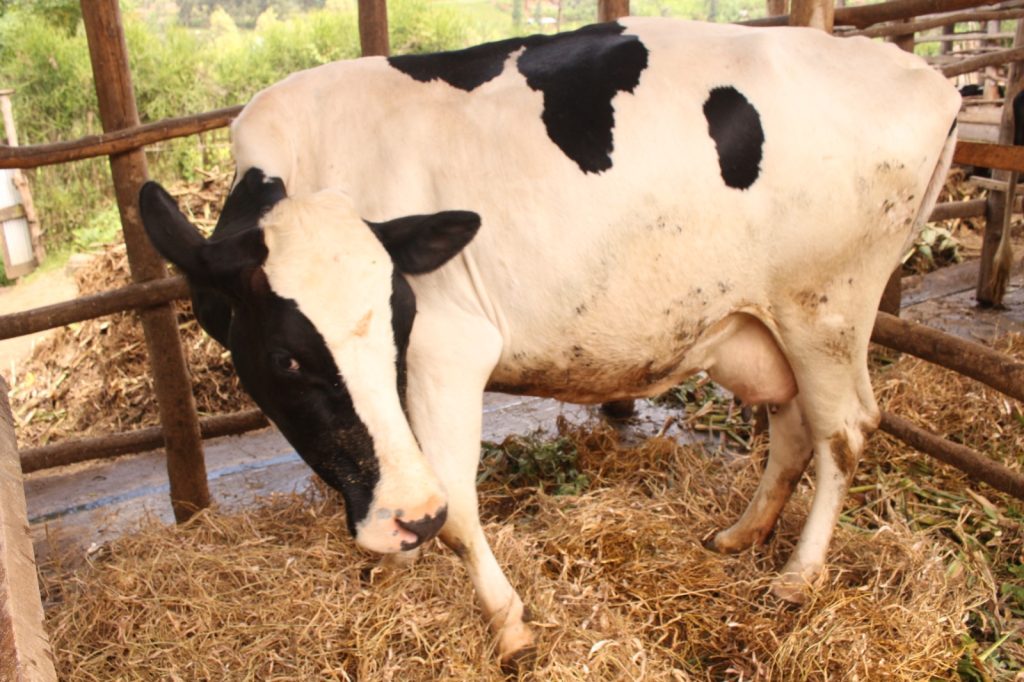According to the district’s 2025–2026 agricultural and livestock insurance performance report, Karongi recorded remarkable progress across both crop and livestock insurance categories. Maize insurance coverage increased from 30 hectares to 39 hectares, representing 130 percent of the target, while rice insurance expanded from 20 hectares to 20.4 hectares, achieving 102 percent. In the livestock sector, insured cattle increased from a target of 793 to 810 animals, poultry insurance reached its target of 2,000 chickens, while insured pigs rose dramatically from 224 to 476, representing an impressive 213 percent achievement. Overall, the district attained 116 percent of its crop insurance target and 138.3 percent of its livestock insurance target.
Officials say these results reflect the growing trust farmers have placed in the National Agricultural Insurance Scheme (NAIS), commonly known as TEKANA Urishingiwe Muhinzi Mworozi.
The campaign brought together farmers from different sectors of Karongi to learn more about the benefits of agricultural insurance and how it can help protect them against losses caused by drought, floods, storms, pests, diseases, and other risks.
One of the major highlights of this year’s campaign was the introduction of expanded insurance coverage for greenhouse farming, one of Rwanda’s fastest-growing agricultural investments.
For years, greenhouse farming has been recognized as a highly productive and profitable agricultural practice. However, greenhouse operators have remained vulnerable to numerous risks, including strong winds, storms, pests, diseases, and damage to greenhouse infrastructure.
Under the newly expanded TEKANA insurance package, farmers can now insure not only the crops growing inside greenhouses but also the greenhouse structures themselves, production equipment, and harvested produce during transportation to market.
The new coverage has been welcomed enthusiastically by greenhouse farmers who say it addresses long-standing gaps in agricultural risk management.
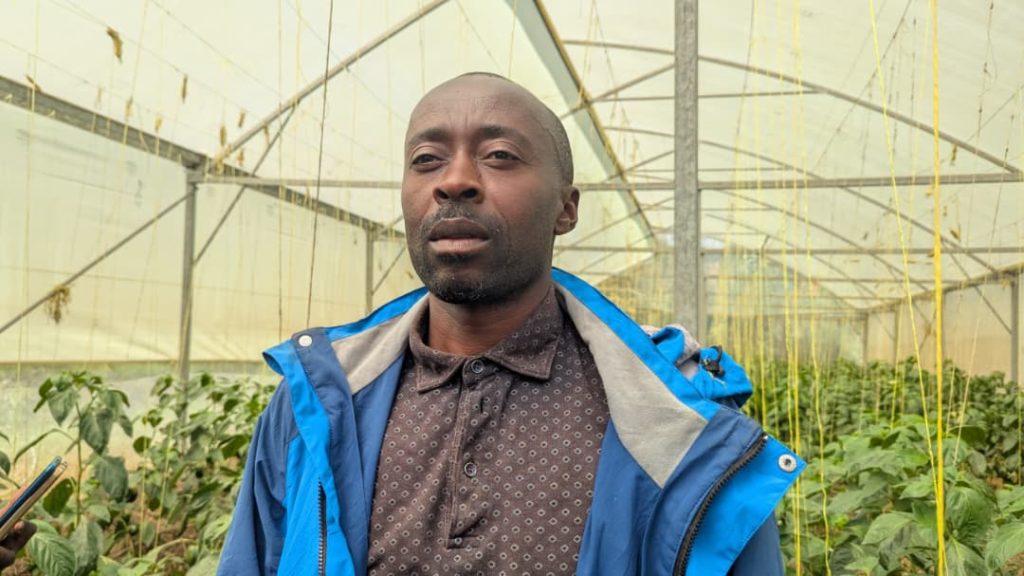Among them is Kubwimana Jean Paul, a greenhouse farmer from Rubengera sector in Karongi district who manages a greenhouse covering more than five ares where he cultivates tomatoes, cucumbers, and capsicum. The greenhouse, provided through the Sustainable Agricultural Intensification and Food Security Project (SAIP), is valued at approximately RWF 12 million.
He explained that before the introduction of greenhouse insurance under TEKANA, available commercial insurance products mainly covered the greenhouse structure itself, leaving crops inside largely unprotected.
“Previously, we could insure the greenhouse itself, but the crops inside were not fully covered. Now we are happy because TEKANA allows us to protect the greenhouse structure, the equipment, the crops, and even the produce until it reaches the market,” Kubwimana said.
His appreciation for the new insurance package comes from personal experience.
Before greenhouse insurance was introduced, strong winds severely damaged his greenhouse, causing substantial losses. While the structure sustained damage, the destruction of the crops inside represented the greatest financial setback.
According to farmers attending the awareness campaign, greenhouse production requires significant investment, making effective risk management essential for sustainability and profitability.
They believe the new insurance product will encourage greater investment in climate-smart agriculture while reducing the financial burden caused by disasters.
Beyond crop farming, livestock farmers in Karongi are also experiencing the benefits of agricultural insurance.
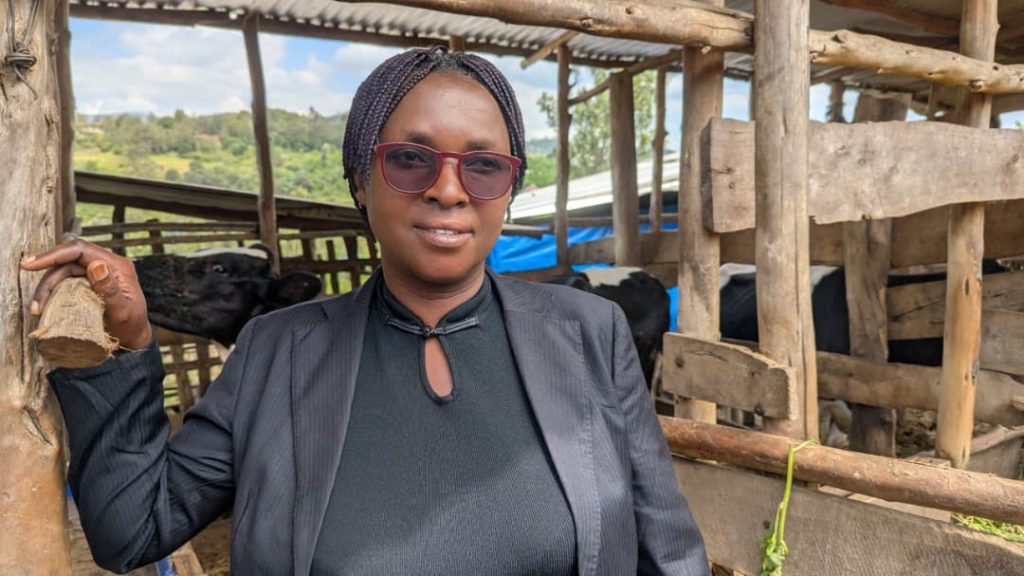Among the beneficiaries is Josiane Nyiramisago, a progressive dairy farmer from Rubengera sector in Karongi district whose success story demonstrates how insurance can support agricultural transformation.
Her farming journey began in 2016 with a single dairy cow. Through commitment, hard work, and reinvestment of income generated from milk sales, she gradually expanded her herd to eight cows.
In 2019, she upgraded her farming operation by moving her livestock into modern cattle sheds designed to accommodate eight dairy cows. Her ambition was to earn at least RWF 1 million per month from milk production.
Recognizing the risks associated with livestock farming, she decided in 2021 to enroll her animals in the Government’s agricultural insurance scheme.
“I wanted to practice livestock farming professionally, and that is why I chose to insure my animals through the TEKANA program. Insurance protects us from financial losses when animals become sick or die. Today, I own 17 cattle, including 10 dairy cows that produce approximately 100 litres of milk every day,” she explained.
Under the livestock insurance scheme, the Government subsidizes 40 percent of insurance premiums while livestock keepers contribute the remaining 60 percent, making coverage affordable and accessible.
The insurance protects dairy cows, breeding bulls, heifers, calves older than three months, and cattle up to eight years of age against a range of covered risks.
Nyiramisago recalled an experience that strengthened her confidence in the program.
“Insuring livestock gives you peace of mind. At one point, I had a cow worth about RWF 800,000 that died unexpectedly. The insurance company compensated me within less than 14 days. As soon as I received the payment, I purchased another cow. That experience convinced me that insurance is an essential part of modern livestock farming,” she said.
Her story reflects the experiences of many livestock keepers who view insurance as a critical safeguard that enables them to invest confidently and expand their operations without fear of devastating losses.
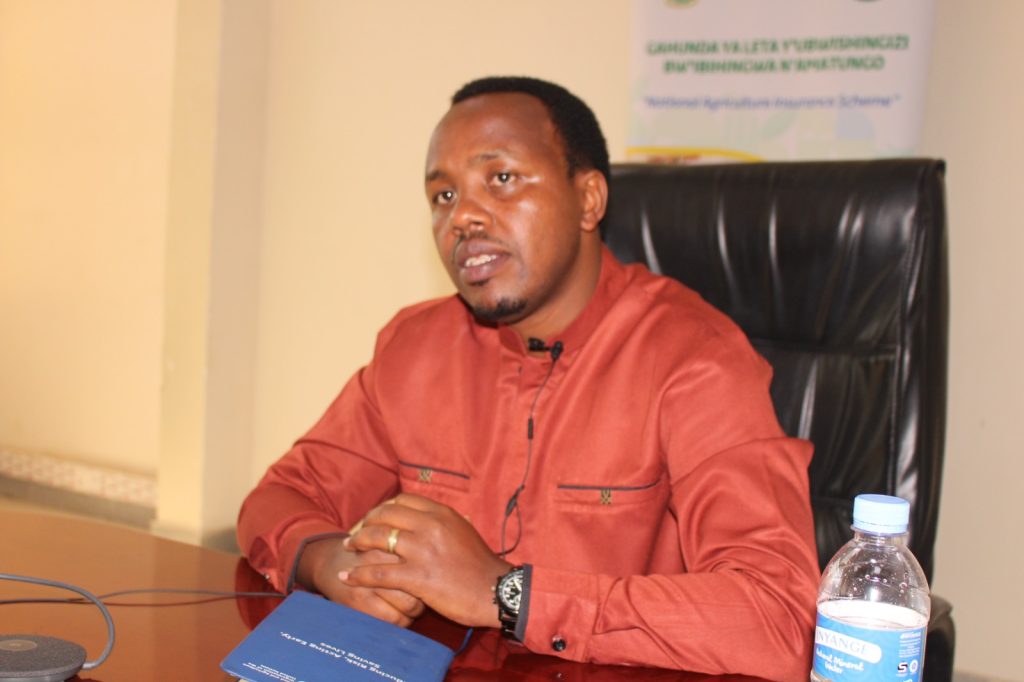Speaking during the campaign, Museruka Joseph, Project Manager of TEKANA Urishingiwe Muhinzi Mworozi, emphasized the significant impact the program has had since its launch in 2019.
“Since the program began in 2019, steady progress has been recorded. Each year, around 50,000 cattle, over 15,000 pigs, nearly 400,000 chickens, and more than 32,000 hectares of crops are insured,” he said.
He noted that more than 200,000 farmers and livestock keepers participate in the program annually, contributing over RWF 17 billion in insurance premiums.
According to Museruka, insurance providers have already paid approximately RWF 9.5 billion in compensation to farmers affected by disasters and insured risks, demonstrating the program’s effectiveness in safeguarding agricultural investments.
He urged farmers who have not yet joined the scheme to enroll, stressing that disasters can occur unexpectedly and that insurance remains one of the most reliable tools for reducing vulnerability.
Rwanda continues strengthening agricultural resilience and promoting climate-smart farming practices, Karongi’s performance offers a clear indication of the growing acceptance of agricultural insurance among farmers and livestock keepers.
With insurance coverage expanding to protect crops, livestock, greenhouses, equipment, and harvested produce, farmers are increasingly viewing TEKANA not merely as a compensation mechanism but as a strategic investment in the future of their enterprises.
The district’s impressive achievement of surpassing both crop and livestock insurance targets demonstrates how awareness, government support, and farmer participation are combining to build a more resilient agricultural sector one capable of withstanding shocks while creating opportunities for sustainable growth and prosperity.

SUBSCRIBE TO OUR NEWSLETTER
First name or full name
Email
By continuing, you accept the privacy policy
**Categories:** CLIMATE CHANGE, Natural Resources and Agriculture
---
### [Green Amayaga Benefits More Than 415,000 People as Rwanda Launches $20 Million Phase II](https://www.topafricanews.com/2026/05/31/green-amayaga-benefits-more-than-415000-people-as-rwanda-launches-20-million-phase-ii/)
**Published:** May 31, 2026
**Author:** Mutangana Emmanuel
**Content:**
More than 415,000 people across four districts in Southern Rwanda have benefited from environmental restoration and livelihood improvement initiatives under the Green Amayaga Project, officials said on Saturday as the government officially closed the project’s first phase and launched a new $20 million second phase.
The announcement was made in Mbogo Cell, Gikonko Sector of Gisagara District during the launch of the National Environment Week, which coincided with the conclusion of the Forest Landscape Restoration (FLR) Project in the Mayaga region and the inauguration of Green Amayaga Phase II.
Implemented by the Rwanda Environment Management Authority (REMA) with funding from the Global Environment Facility (GEF) and support from the United Nations Development Programme (UNDP), the six-year project ran from January 2020 to September 2025 in Kamonyi, Ruhango, Nyanza and Gisagara districts.
According to project figures, the initiative reached 415,960 beneficiaries, including women and youth who accounted for more than 60 percent of participants. The project also generated 100,000 green jobs while supporting environmental restoration and climate resilience efforts across the region.
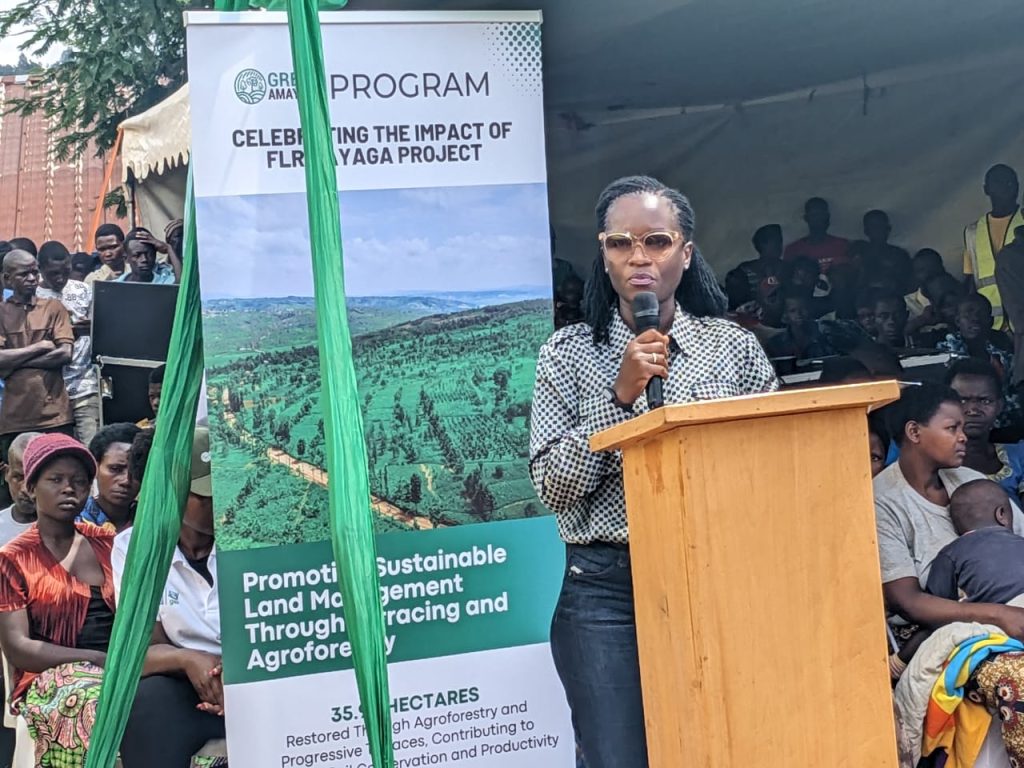***Dr. Bernadette Arakwiye, Rwanda’s Minister of Environment.***Speaking at the event, Minister of Environment, Dr. Bernadette Arakwiye said the project had delivered significant environmental and socio-economic benefits.
“Thousands of hectares have been restored through afforestation, agroforestry and progressive terraces. Millions of seedlings have been planted, riverbanks protected and clean cooking technologies introduced to households and schools,” she said.
Beyond restoring degraded ecosystems, she noted that the project improved community livelihoods through climate-smart agriculture, livestock distribution and income-generating activities.
“It has empowered women and youth with knowledge and skills while strengthening food security and resilience among vulnerable households,” she added.
Minister Arakwiye described the new phase as an opportunity to consolidate achievements and prevent environmental gains from being reversed.
“A new journey is beginning. The second phase we are launching today will help us preserve the achievements already made so that they do not deteriorate,” she said.
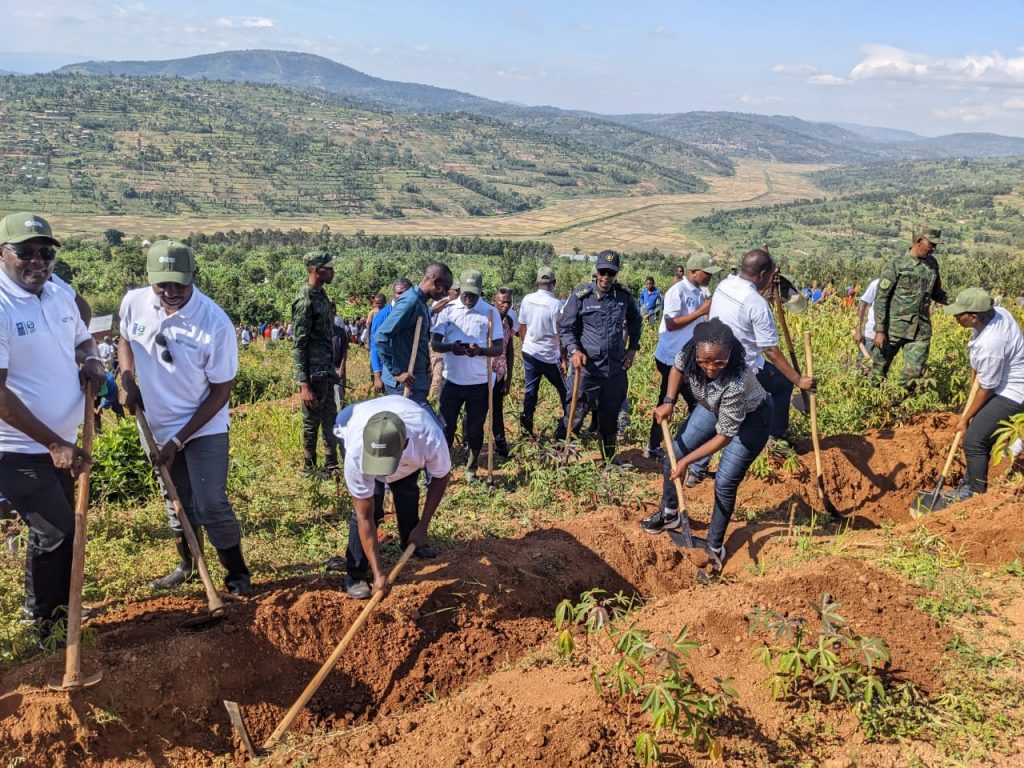The project restored 1,838 hectares through afforestation woodlots, roadside tree planting, buffer zone protection and the establishment of a live fence around Kibirizi–Muyira Natural Forest. More than 35,900 hectares were also placed under agroforestry and sustainable land management practices, including radical and progressive terraces.
In addition, over 243,800 fruit trees, including avocado, mango, orange and macadamia trees, were distributed and planted to improve nutrition and household incomes.
The project further supported 14,000 vulnerable households with livestock, including cows, goats and pigs, while 21,000 households received improved cookstoves and 20 schools were equipped with liquefied petroleum gas (LPG) cooking systems.
Officials said the interventions helped avoid nearly 626,000 tonnes of carbon dioxide equivalent emissions over the past six years.
***UNDP Resident Representative in Rwanda, Dr. Fatmata Lovetta Sesay.***UNDP Resident Representative in Rwanda, Dr. Fatmata Lovetta Sesay, praised Rwanda’s commitment to financing and implementing the project, noting that national contributions significantly exceeded external grant funding.
“Today is important because we are celebrating, but at the same time we are marking a new beginning,” she said.
She highlighted the strong link established between environmental restoration and livelihood improvement, citing increased milk production from livestock distribution, growing fruit harvests from recently planted orchards and improved health outcomes through clean cooking technologies.
“We have shown that we can increase livelihoods while still protecting the environment,” she said.
Sesay also emphasized that the project’s achievements belonged to local communities.
“The achievements we celebrate today are really achievements of the communities. You have translated what looks like activities on a spreadsheet into concrete results and achievements,” she told beneficiaries.
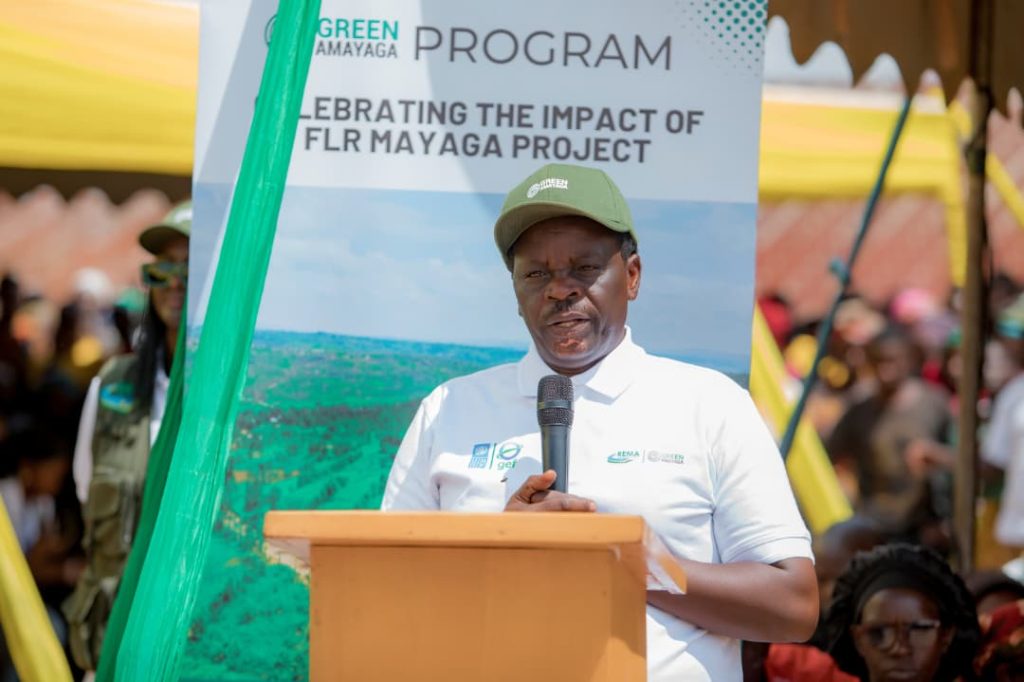***Jean Paul Birindwa, an avocado farmer from Mamba Sector in Gisagara District.***Among them is Jean Paul Birindwa, an avocado farmer from Mamba Sector in Gisagara District, who said the project transformed local agriculture despite challenging weather conditions.
“Since we started growing avocados with Green Amayaga in December 2022, we have faced difficult climatic conditions, but farmers continued to find solutions. Today, fruit growers in Gisagara are grateful for the project,” he said.
“The value of my farmland has increased. I urge project partners to continue supporting community initiatives.”
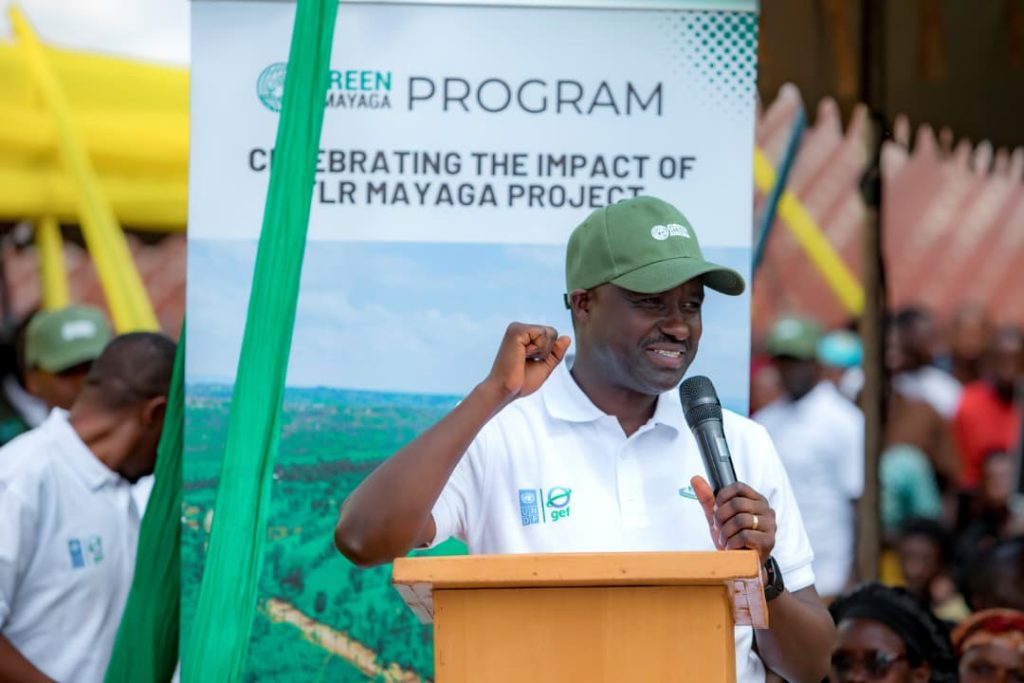***Mayor of Gisagara District, Jérôme Rutaburingoga.*** Gisagara District Mayor Jérôme Rutaburingoga said the project’s impact was visible across the district through increased tree cover and environmental improvements.
“Green Amayaga has transformed the lives of Gisagara residents in ways that can clearly be seen, starting with the trees that have been planted,” he said.
He called on residents to safeguard the gains achieved under the first phase and fully support the implementation of the new programme.
Officials announced that Green Amayaga Phase II will invest approximately $20 million over the next six years. While continuing activities in Kamonyi, Ruhango, Nyanza and Gisagara, the project will expand to include Huye and Muhanga districts.
The new phase is expected to deepen landscape restoration efforts while placing greater emphasis on value addition, job creation, climate resilience and sustainable economic opportunities for communities across the expanded project area.
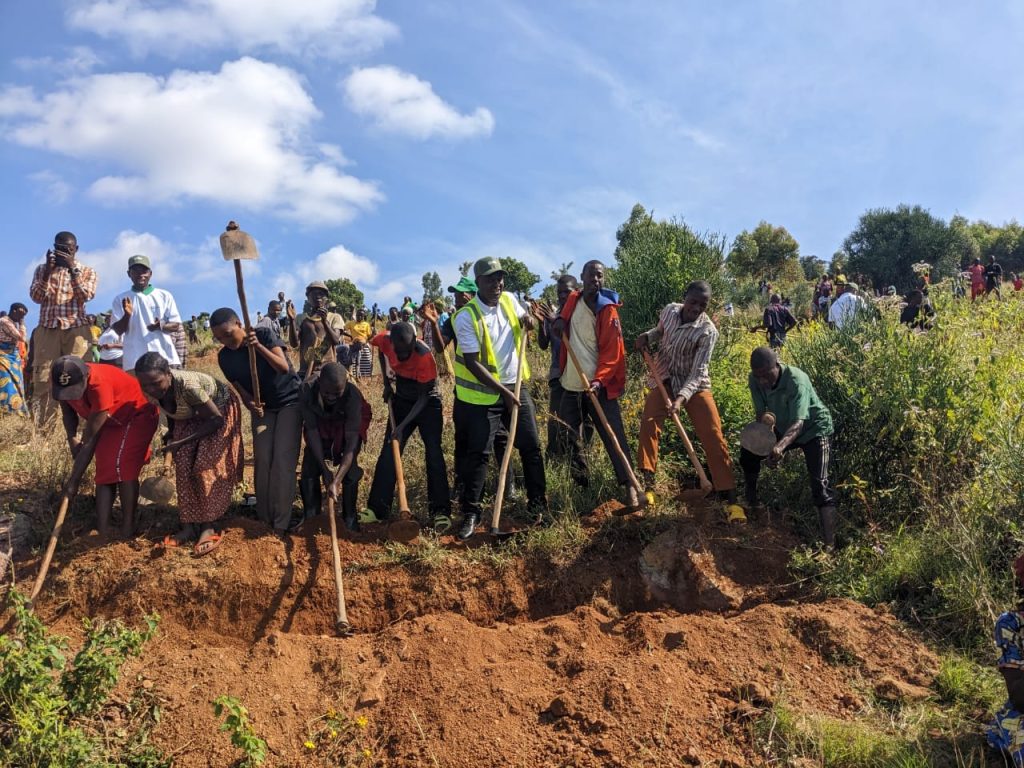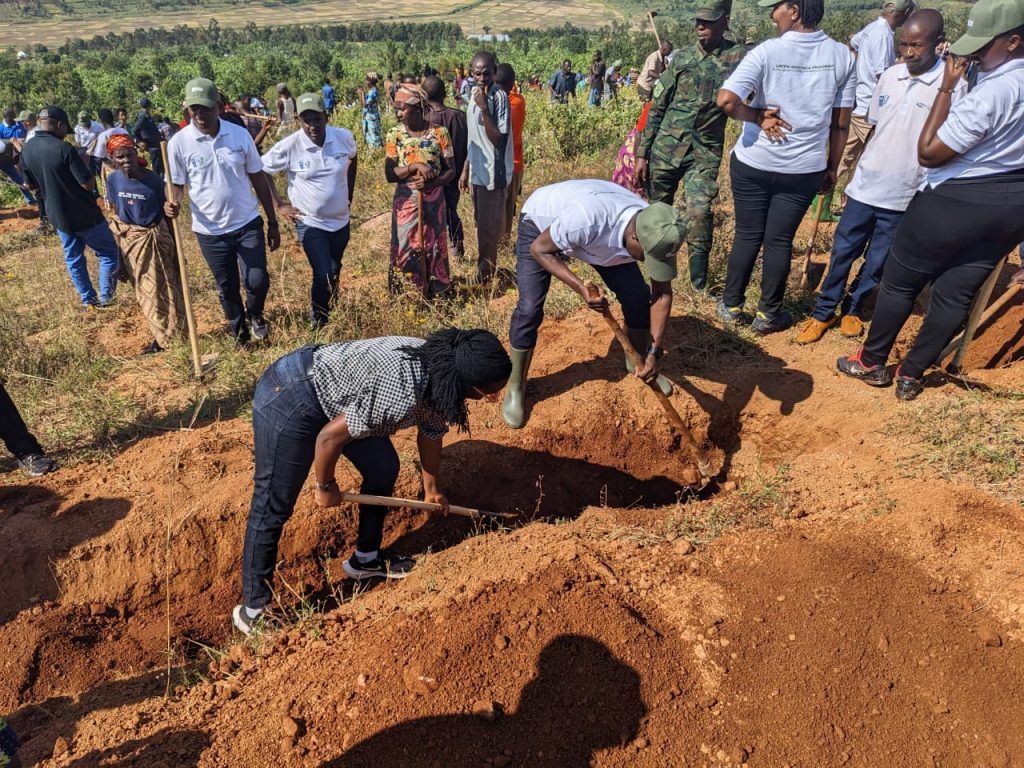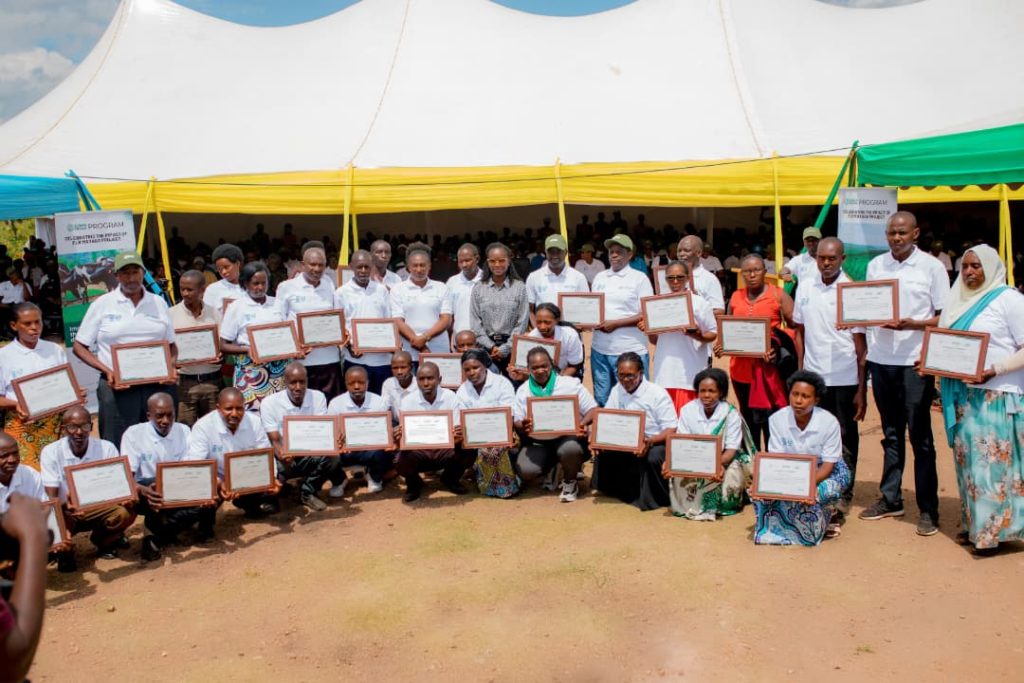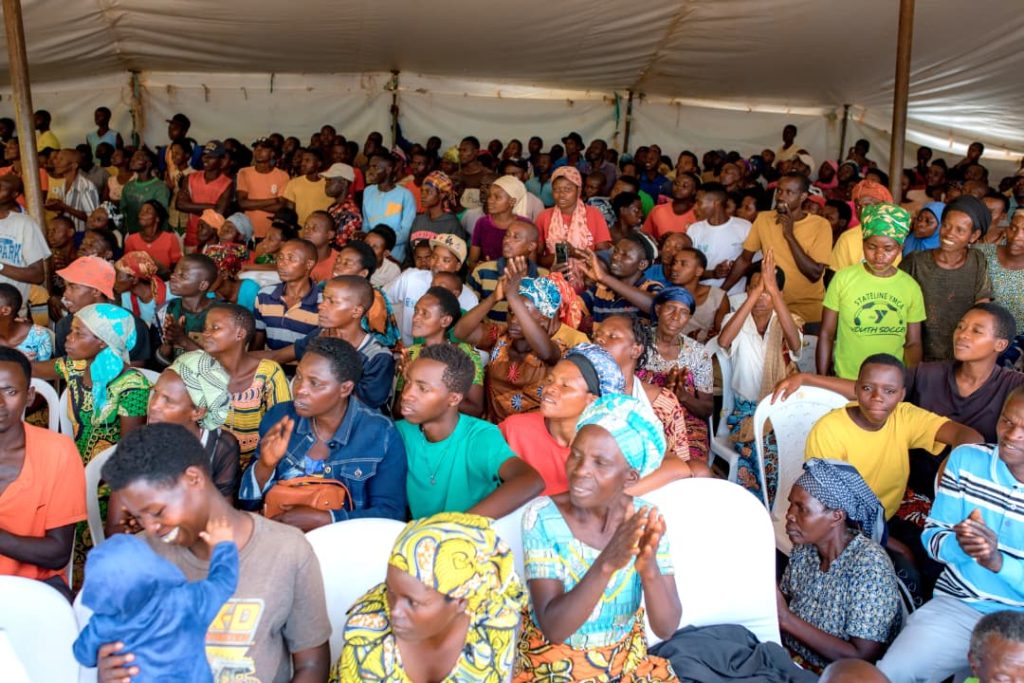
SUBSCRIBE TO OUR NEWSLETTER
First name or full name
Email
By continuing, you accept the privacy policy
**Categories:** CLIMATE CHANGE, Environment
---
### [Survivors Urge Youth to Reject Division as RFA Staff Visit Nyamata Genocide Memorial](https://www.topafricanews.com/2026/05/30/survivor-urges-youth-to-reject-division-as-rfa-staff-visit-nyamata-genocide-memorial/)
**Published:** May 30, 2026
**Author:** Mutangana Emmanuel
**Content:**
As part of activities marking the 32nd commemoration of the 1994 Genocide against the Tutsi, Rwanda Forestry Authority (RFA) staff on May 29,2026, visited Nyamata Genocide Memorial in Bugesera District, where they paid tribute to victims and reflected on the importance of preserving the country’s history.
The delegation laid wreaths at the memorial’s mass graves and toured the site, learning about the planning and execution of the Genocide against the Tutsi, which claimed more than one million lives in just 100 days.
Among those who addressed the visitors was Matride Umwanankabandi, a survivor of the Genocide against the Tutsi and the representative of Ibuka in Ntarama Sector. Sharing her personal story, she described decades of persecution that her family endured long before the 1994 Genocide.
“The history is long. Before the genocide, we lived under very difficult conditions. My parents were born in Ndusu Commune in northern Rwanda before they were forcibly relocated to Bugesera. The authorities believed the tsetse flies and harsh conditions in the forests would kill them,” she said.
Umwanankabandi recalled that her father was targeted during the violence of 1959 and lost an eye after an attack. Later, in 1990, he was imprisoned on accusations of being an accomplice of the Rwandan Patriotic Front (RPF-Inkotanyi) and died in detention.
“We were eight children in the family. Two of my siblings were killed in 1992 while trying to flee to Burundi. During the 1994 Genocide, my mother and my remaining siblings were killed, leaving me as the sole survivor,” she said.
Despite the devastating losses, Umwanankabandi said Rwanda’s liberation and reconstruction transformed the lives of survivors.
“The Genocide destroyed the country, but the Inkotanyi rebuilt it. Since then, there have been tremendous improvements in all sectors, including agriculture, education and livestock farming. As survivors, we are grateful for the progress we see today because we never imagined such a future after losing our loved ones,” she said.
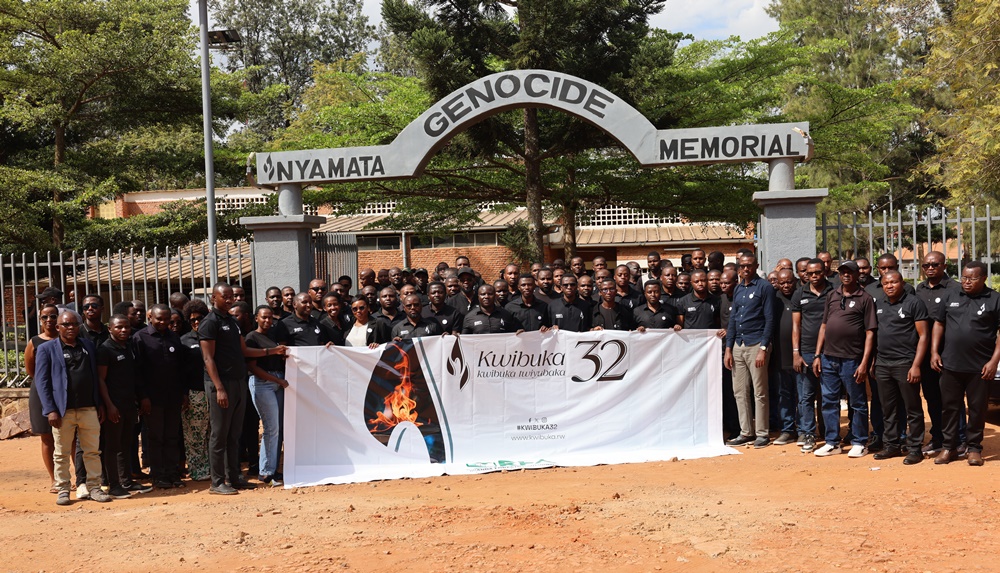She noted that many survivors received new homes after theirs were destroyed, while families that had lost livestock were restocked. Support for healthcare and social welfare has also helped survivors rebuild their lives.
“We are grateful for the efforts made by the post-genocide Government of National Unity, which played a critical role in rebuilding the country and supporting survivors as they worked to rebuild their lives,” she said.
Reflecting on her own experience as a young person during the genocide, Umwanankabandi warned against the dangers of division and manipulation.
She said, “Many of those who participated in the genocide were young people who had been poisoned by discriminatory ideology. My message to today’s youth is to think critically, reject division and put unity first. By doing so, we can ensure that what happened never happens again.”
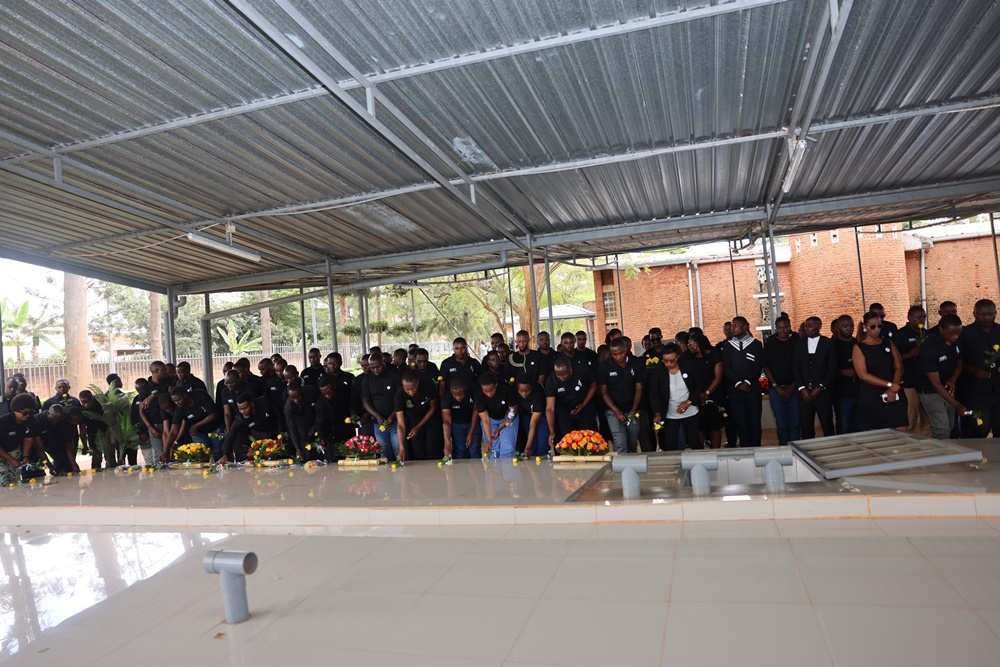Director General of RFA, Dr. Concorde Nsengumuremyi, said the institution organized the visit to deepen staff members’ understanding of the history of the 1994 Genocide against the Tutsi and to strengthen efforts to combat genocide denial and minimization.
“This visit was organized to help us learn from history, understand its root causes, and take concrete measures to fight genocide ideology. It also enables us to strengthen our efforts in confronting those who deny or trivialize the 1994 Genocide against the Tutsi,” he said.
Dr. Nsengumuremyi further called on RFA staff to use digital platforms responsibly in defending historical truth and countering misinformation about Rwanda’s history.
“We encourage RFA staff to take a leading role in combating genocide denial, minimization and genocide ideology through the responsible use of technology and various social media platforms. This is essential to building a secure nation and ensuring a hopeful future for both present and future generations,” he said.
Today, more than 45,000 victims are laid to rest at Nyamata Genocide Memorial. During the Genocide, thousands of Tutsi sought refuge inside Nyamata Catholic Church, believing it would provide protection as it had during earlier episodes of anti-Tutsi violence.
Instead, the church became a site of mass murder. More than 10,000 people who had sought shelter there were killed, while many others commemorated at the memorial were murdered in surrounding parts of Bugesera.
The church has been preserved as a powerful testimony to the atrocities committed during the genocide. Victims’ clothing remains on display, while bullet marks are still visible on the walls and ceiling.
Nyamata Genocide Memorial is among Rwanda’s genocide memorial sites inscribed on the UNESCO World Heritage List, recognizing its significance in preserving the memory of the Genocide against the Tutsi and educating future generations about its history and consequences.
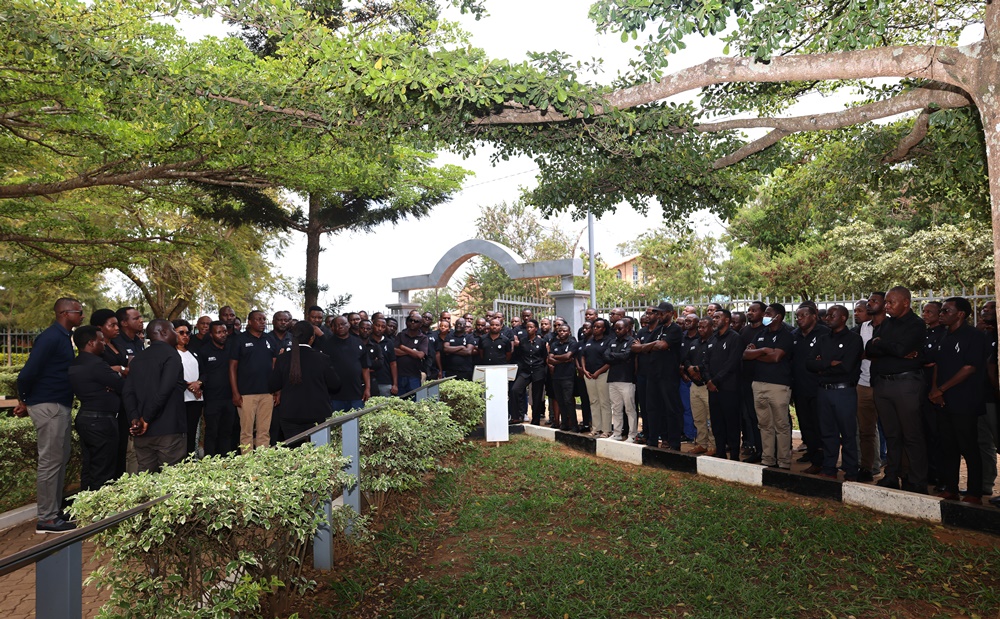
SUBSCRIBE TO OUR NEWSLETTER
First name or full name
Email
By continuing, you accept the privacy policy
**Categories:** NEWS
---
### [Wave Gambia Reinforces Commitment to Trade and Financial Inclusion Through GCCI International Trade Fair Sponsorship](https://www.topafricanews.com/2026/05/29/wave-gambia-reinforces-commitment-to-trade-and-financial-inclusion-through-gcci-international-trade-fair-sponsorship/)
**Published:** May 29, 2026
**Author:** TOPAFRICANEWS
**Content:**
**Banjul, The Gambia –May 2026** — As trade and entrepreneurship continue to drive economic activity in The Gambia, Wave is reinforcing its support for the country’s business community through sponsorship of the GCCI International Trade Fair. With markets expanding, investment rising, and demand for accessible financial services increasing, Wave’s participation highlights its commitment to merchants, vendors, and customers at the centre of everyday commerce.
Markets remain the foundation of economic life in The Gambia. Most households rely on informal trade for income, and SMEs account for the majority of active businesses. At the same time, cashless transactions are gaining ground as traders and customers adopt digital payment options, particularly in commercial hubs such as Serrekunda and Brikama, where daily trade activity continues to intensify.
The GCCI International Trade Fair Gambia 2026 runs from 30 April to 21 May 2026 in Banjul. It is the 19th edition of the event, organised by the Gambia Chamber of Commerce and Industry (GCCI), and serves as one of the country’s largest commercial platforms.
Wave’s participation positions the company alongside merchants, vendors, agents, and customers at the centre of commerce. By engaging directly with these stakeholders, Wave highlights how simple and affordable digital financial services support entrepreneurship and economic growth.
Sainabou Sarr, General Manager Wave Gambia, said, “Our role is to ensure that merchants and customers have access to financial tools that make transactions easier and more secure. Supporting the people who power The Gambia’s trade is central to our vision for inclusive growth.”
Wave brings four booths to the Trade Fair, integrates into the fair’s ticketing system for more than 500 vendors, and reaches out through its nationwide network of 1,900 agents. This engagement demonstrates Wave’s broader collaboration with the Gambia Chamber of Commerce and Industry and other private sector actors working to strengthen enterprise and opportunity across the country.
“The Trade Fair gives us the chance to meet merchants, agents, and customers in the spaces where they work and trade every day,” added Momodou Joof, Operations Director at Wave Gambia. “That proximity matters. It helps us understand their needs and ensures our services deliver practical value.”
Through its sponsorship, Wave is reinforcing its credibility as a partner in commerce by making transactions simpler, more reliable, and accessible, helping businesses and households participate fully in The Gambia’s growing economy.

SUBSCRIBE TO OUR NEWSLETTER
First name or full name
Email
By continuing, you accept the privacy policy
**Categories:** Business and Trade
---
### [Swiss, US, and Dutch Diplomats Visit Rwanda’s Mutobo Demobilization Centre](https://www.topafricanews.com/2026/05/29/swiss-us-and-dutch-diplomats-visit-rwandas-mutobo-demobilization-centre/)
**Published:** May 29, 2026
**Author:** LIBOS NDAYISHIMIYE
**Content:**
**Musanze, Rwanda – May 29, 2026**– A high-level diplomatic delegation visited the Mutobo Demobilization and Reintegration Centre in Musanze District today to learn firsthand about Rwanda’s successful model for demobilizing and reintegrating former combatants.
The delegation was led by Swiss Ambassador to Rwanda, Gilles Cerutti, and included the Deputy Chargé d’Affaires of the United States Embassy in Kigali as well as senior representatives from the Netherlands Embassy.
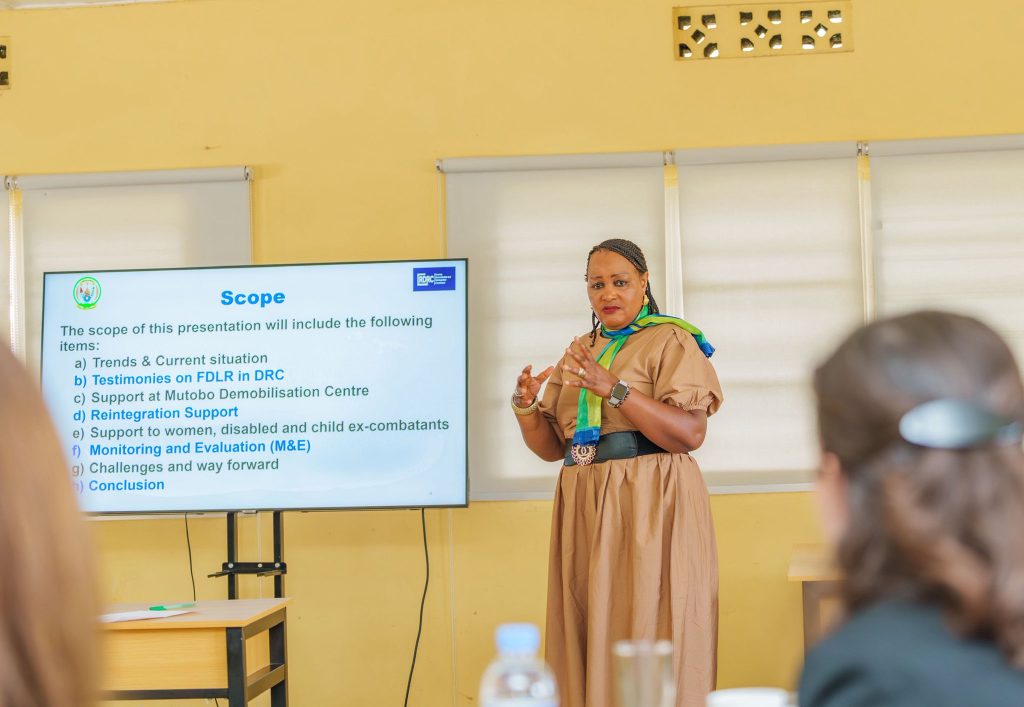During the visit, the diplomats received detailed briefings on Rwanda’s comprehensive demobilization and reintegration program, engaged directly with ex-combatants undergoing rehabilitation, and listened to personal testimonies detailing their journeys from armed groups back into civilian life and productive society.
The guests were hosted by senior officials of the Rwanda Demobilisation and Reintegration Commission (RDRC), including:
- Chairperson Valérie Nyirahabineza
- Deputy Chairperson Maj Gen (Rtd) Jack Nziza
- Commissioner Dancille Nyirarugero
Mutobo Centre, located in Rwanda’s Northern Province, continues to serve as a flagship facility for the voluntary repatriation, orientation, vocational training, and community reintegration of former members of armed groups, particularly those returning from eastern Democratic Republic of Congo.
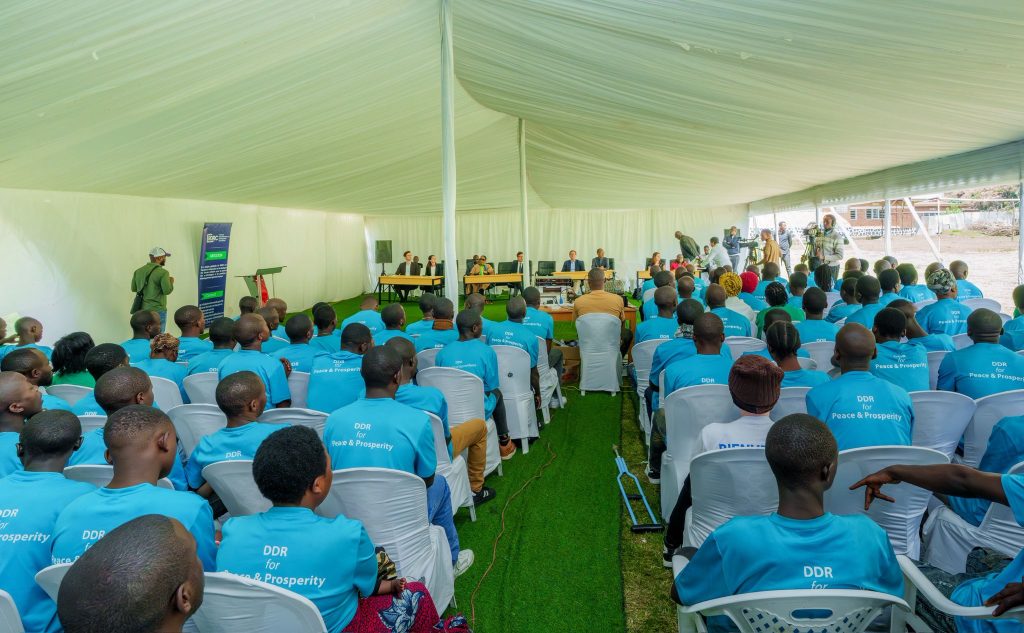The visit underscores growing international interest in Rwanda’s DDR (Disarmament, Demobilization, and Reintegration) approach, widely regarded as a model for post-conflict reconciliation and regional stability in the Great Lakes region.

SUBSCRIBE TO OUR NEWSLETTER
First name or full name
Email
By continuing, you accept the privacy policy
**Categories:** NEWS
---
### [EIRS Expands Kenya Operations as Demand Grows for Specialized Risk Advisory Services in East Africa](https://www.topafricanews.com/2026/05/29/eirs-expands-kenya-operations-as-demand-grows-for-specialized-risk-advisory-services-in-east-africa/)
**Published:** May 29, 2026
**Author:** DUSABEMUNGU Ange de la Victoire
**Content:**
**NAIROBI, Kenya** – Insurance and risk advisory firm EIRS has announced plans to expand its workforce in Kenya by more than 60 percent by the end of the third quarter of 2026, reflecting growing demand for specialized risk management and advisory services across East Africa.
The move comes as businesses in the region face an increasingly complex operating environment marked by climate-related disruptions, cybersecurity threats, supply chain challenges, and evolving regulatory requirements. Industry experts say these pressures are driving companies to seek more comprehensive risk solutions that go beyond traditional insurance coverage.
Kenya, East Africa’s largest financial and logistics hub, remains central to this evolving landscape. Despite increasing awareness of risk management, insurance penetration in the country remains relatively low. According to the Association of Kenya Insurers, insurance penetration has hovered around 2.3 percent in recent years, significantly below the global average.
At the same time, Africa’s insurance industry is expected to experience strong growth over the coming decade, supported by rapid urbanization, infrastructure development, digital transformation, and rising awareness of business resilience strategies.
EIRS said the expansion is aimed at strengthening its advisory capabilities and improving service delivery for clients operating in sectors such as financial services, logistics, infrastructure, agriculture, and technology.
According to Abhishek Jain, Chief Executive Officer of EIRS, businesses are increasingly seeking risk partners that can help identify potential threats before they materialize.
“Businesses today are operating in a far more unpredictable environment than they were a few years ago,” Jain said. “Clients within East Africa are no longer looking for insurers that only respond after a loss occurs. They want partners who understand their industries, identify risks early, and help them build resilience before disruptions happen.”
Industry analysts note that competition within Africa’s insurance sector is increasingly shifting from product offerings to expertise, responsiveness, and client experience. This trend has heightened demand for skilled professionals capable of providing sector-specific risk guidance.
Christine Gikunda, Principal Officer at EIRS Kenya, said clients now expect faster decision-making and more tailored support from insurance providers.
“Clients expect quicker decisions, deeper engagement, and advisors who understand the realities of their sectors,” she said. “Building strong local teams allows firms to move closer to clients and deliver more practical, insight-led support.”
The Kenya expansion follows recent growth initiatives by EIRS in Zambia and Malawi and forms part of the company’s broader strategy to strengthen its presence across Africa.
The development also coincides with East Africa’s emergence as a regional center for technology, trade, and artificial intelligence-driven innovation. Industry events such as GTR East Africa, GITEX Kenya, and AI Everything have highlighted growing interest in digital transformation and data-driven approaches to risk management.
As economic activity expands across the region, industry observers say insurers are increasingly being evaluated not only on the products they offer but also on their ability to help businesses anticipate, manage, and respond to emerging risks.
The planned workforce expansion signals growing confidence in the East African market and reflects wider changes underway in Africa’s insurance and risk advisory industry.

SUBSCRIBE TO OUR NEWSLETTER
First name or full name
Email
By continuing, you accept the privacy policy
**Categories:** Business and Trade, NEWS
---
### [Kigali Braces for Historic BAL 2026 Final: Home Heroes RSSB Tigers Face Seasoned Petro de Luanda](https://www.topafricanews.com/2026/05/29/kigali-braces-for-historic-bal-2026-final-home-heroes-rssb-tigers-face-seasoned-petro-de-luanda/)
**Published:** May 29, 2026
**Author:** TOPAFRICANEWS
**Content:**
**Kigali, Rwanda – May 29, 2026** — As the Basketball Africa League (BAL) playoffs reach their climax at the iconic BK Arena, the host nation’s basketball fever has hit new heights.
For the first time in the league’s young history, a Rwandan team will compete for the championship title on home soil.
The stage is set for Sunday’s grand finale: RSSB Tigers (Rwanda) versus Petro de Luanda (Angola), with tip-off scheduled for 12:00 PM local time.
A third-place game between Egypt’s Al Ahly SC and Libya’s Al Ahly Ly will precede the main event.
**A Breakthrough for Rwanda**
RSSB Tigers, in their debut BAL season, have captured the imagination of the continent.
On Wednesday, they delivered a commanding 106-97 semifinal victory over 2023 champions Al Ahly SC.
Led by standout performances from Craig Randall II (30 points, 5 assists) and Oumar Ballo (MVP of the night with dominant rebounding and scoring), the Tigers roared in front of a passionate home crowd.
The electric atmosphere was amplified by the presence of Rwanda’s President Paul Kagame, who watched courtside as the hosts made history.
RSSB became the first Rwandan side to reach the BAL Finals, topping their conference and showing resilience throughout the playoffs.
Head Coach Henry Mwinuka’s squad has blended local talent with experienced imports, turning BK Arena into a fortress. Fans have packed the stands night after night, creating a wall of support that has fueled the Tigers’ run.
**Petro de Luanda: The Battle-Tested Contenders**
On the other side stands Petro de Luanda, a BAL powerhouse seeking their second title.
The Angolans rallied from a halftime deficit to defeat Al Ahly Ly 94-88 in Thursday’s semifinal, showcasing their championship pedigree and depth.
Petro has reached the final for the third consecutive season.
Despite an earlier group-stage loss to RSSB Tigers earlier this year, they remain favorites in many eyes due to their experience and star power.
Players like Nicholas Faust have stepped up big in the playoffs.
**What to Expect on Sunday**
This matchup pits raw home-court passion and momentum against veteran savvy and tactical discipline.
For RSSB, it’s a chance to cap a fairy-tale debut season with silverware.
For Petro, it’s another opportunity to affirm their status as one of Africa’s elite clubs.
> Owned the BAL stage at halftime💥 [pic.twitter.com/48h4fxQVmC](https://t.co/48h4fxQVmC)
>
> — Basketball Africa League (@theBAL) [May 28, 2026](https://x.com/theBAL/status/2060025508285337760?ref_src=twsrc%5Etfw)
Kigali is alive with anticipation. Streets near BK Arena buzz with fans in Tigers orange, cultural performances, and basketball clinics.
The event underscores Rwanda’s growing role as a continental sports hub, backed by its long-term partnership with the BAL.

SUBSCRIBE TO OUR NEWSLETTER
First name or full name
Email
By continuing, you accept the privacy policy
**Categories:** Sport, Sports and Culture
---
### [U.S., Canada, and Mexico Announce Coordinated Public Health Travel Measures Ahead of FIFA World Cup 2026 Amid Regional Ebola Response](https://www.topafricanews.com/2026/05/29/u-s-canada-and-mexico-announce-coordinated-public-health-travel-measures-ahead-of-fifa-world-cup-2026-amid-regional-ebola-response/)
**Published:** May 29, 2026
**Author:** Justin Kayiranga
**Content:**
**WASHINGTON/MEXICO CITY/OTTAWA – May 28, 2026**: The Governments of the United States of America, Canada, and Mexico have released a joint statement announcing aligned public health travel measures in preparation for the FIFA World Cup 2026™. This coordinated approach targets individuals traveling from African regions identified as being at the greatest risk from the Ebola virus. The nations stated that the primary goal is to protect their citizens and the millions of fans, athletes, and tourists expected to attend the event, while maintaining travel and commerce across their borders.
The joint effort comes as the U.S. Department of State, in close coordination with the US Centers for Disease Control and Prevention (CDC), continues a rapid and comprehensive response to the ongoing Ebola outbreak in the Democratic Republic of the Congo (DRC) and Uganda. The U.S. strategy is focused on containing the outbreak at its source to protect the American people and prevent further international spread.Expanded U.S. Response and Financial Commitment
The U.S. government is scaling up its assistance to contain the virus. On May 27, the State Department finalized plans to allocate an additional **$80 million** in bilateral assistance to key partners on the ground, bringing the total bilateral foreign assistance for the Ebola response to more than **$112 million** in less than two weeks.
The new funding is dedicated to several critical response activities:
- **Border Screening and Surveillance:** The International Organization for Migration (IOM) will enhance health screening at regional points of entry, including airports and key land and water crossings, and improve community engagement.
- **PPE Procurement and Delivery:** UNICEF and the World Food Program will expand the procurement and distribution of personal protective equipment (PPE) and commodities to protect healthcare workers in high-risk areas.
- **Contact Tracing:** Interchurch Medical Assistance (IMA) World Health, World Vision, and UNICEF will expand contact tracing and associated community-based surveillance.
- **Diagnostic Supplies:** FHI 360 will increase the procurement and distribution of test kits and support the safe transportation of samples for improved detection.
In addition to bilateral aid, the State Department has committed **$50 million** to the UN Office for the Coordination of Humanitarian Affairs (OCHA) to fund up to 50 Ebola response clinics in affected areas. Furthermore, **$300 million** is being provided through OCHA pooled funds to the DRC and Uganda for broader humanitarian efforts.Regional Coordination with Kenya
Secretary of State Marco Rubio also spoke with Kenyan President William Ruto to discuss coordinating public health response efforts. The United States Government intends to commit **$13.5 million** toward Kenya’s Ebola preparedness efforts and has already committed $112 million in bilateral assistance to the regional response. The two leaders agreed to maintain close coordination, leveraging the strong US-Kenya health partnership to address public health challenges across East Africa.

SUBSCRIBE TO OUR NEWSLETTER
First name or full name
Email
By continuing, you accept the privacy policy
**Categories:** Habari, NEWS, Sport
---
### [Rutsiro District Targets Tenfold Expansion in Insured Farmland Through “Tekana” Campaign](https://www.topafricanews.com/2026/05/29/rutsiro-district-targets-tenfold-expansion-in-insured-farmland-through-tekana-campaign/)
**Published:** May 29, 2026
**Author:** LIBOS NDAYISHIMIYE
**Content:**
Authorities in Rutsiro District have launched an ambitious campaign to accelerate enrollment in the Government-backed agricultural and livestock insurance program, “Tekana Urishingiwe Muhinzi Mworozi,” with expectations of increasing insured farmland nearly tenfold as part of efforts to shield farmers and livestock keepers from devastating climate-related losses.
The official launch of the awareness drive brought together farmers and livestock keepers from different sectors of Rutsiro District under the National Agriculture Insurance Scheme (NAIS), a government initiative aimed at protecting agricultural investments against disasters, diseases, drought, floods, erosion, and other risks that frequently affect rural communities.
The campaign was organized by the Rwanda Agriculture and Animal Resources Development Board (RAB) through the Single Project Implementation Unit (RAB-SPIU), in collaboration with district authorities and implementing partners. It attracted both beneficiaries already enrolled in the insurance scheme and others interested in joining.
Speaking during the event, the Vice Mayor of Rutsiro District in charge of Economic Development, Emmanuel Uwizeyimana, acknowledged that insurance coverage for crops and livestock remains far below the district’s potential despite the area’s high exposure to natural disasters.
“In our district, the Tekana Urishingiwe Muhinzi Mworozi program has not yet reached the level we desire. That is why we are intensifying awareness campaigns because Rutsiro is among the districts most affected by disasters that cause heavy losses to farmers and livestock keepers,” he said.
He explained that although the district cultivates nearly 20,000 hectares of land, only between 100 and 200 hectares are currently insured annually, a situation he described as insufficient.
“With continuous mobilization, we want at least one-tenth of the cultivated land to be insured, meaning between 1,000 and 2,000 hectares. The current numbers are still low because only between 2,500 and 3,000 animals are insured each year out of more than 60,000 livestock found in Rutsiro District,” he added.
Uwizeyimana further revealed that local authorities have set a target of insuring at least 200 cows within two weeks as part of the intensified campaign. He also emphasized that special attention will be given to the district’s 62 consolidated farming sites (FoBaSi), which cover more than 1,600 hectares.
He called upon small-scale farmers and livestock keepers to embrace the insurance program, noting that previous concerns related to delays in compensation payments have now been addressed.
Farmers who have already benefited from the insurance scheme testified to the positive impact it has had on their livelihoods.
NDAGIJEMARIYA Savronie, a member of the Twigire Neza Muhinzi Rwambeho Cooperative, said agricultural insurance rescued farmers from severe losses caused by erosion and climate shocks.
“When disasters strike, the Government helps us recover so that we do not lose everything. We often face erosion, drought, and crop diseases, but once we report the damage, support comes in time,” she said.
She added that before joining the insurance scheme, farmers used to suffer major financial losses whenever disasters occurred.
HABIMANA Vincent, the Agriculture Officer in Kigeyo Sector, said the insurance program has become increasingly popular among farmers and livestock keepers because it directly responds to the challenges caused by extreme weather conditions.
“Farmers working in marshlands near the Biruyi River used to suffer from excessive rainfall and strong winds. Since they started joining the insurance scheme, they no longer live in constant fear of losing everything. It is a program that arrived at the right time, and farmers are progressively understanding its importance,” he noted.
He expressed confidence that continuous mobilization efforts through local agricultural officers will further increase participation in the scheme.
MUTUYIMANA Florentine, a potato farmer from Kora Neza Rwambeho Cooperative, said insurance transformed the lives of smallholder farmers who previously struggled with repeated losses despite cultivating limited land.
“We started farming on small plots and often suffered huge losses. But after joining Tekana Urishingiwe Muhinzi Mworozi and insuring our potato fields, we regained hope because we began receiving timely support whenever disasters occurred. We no longer suffer the same losses caused by excessive sunshine or heavy rainfall,” she said.
She praised the Government of Rwanda for introducing the insurance scheme and encouraged other farmers who have not yet enrolled to do so.
Statistics for the 2025–2026 agricultural season indicate encouraging progress in agricultural and livestock insurance uptake across Rutsiro District. More than 90 hectares of maize, over 98 hectares of potatoes, and more than 53 hectares of beans were insured.
In the livestock sector, participation also increased significantly. Insured poultry exceeded the planned target, reaching 2,330 chickens compared to the target of 1,500, while insured pigs rose to 1,124 against a target of 1,000.
Authorities say the growing adoption of agricultural insurance demonstrates increasing awareness among residents about the importance of protecting farming investments against unpredictable disasters and diseases.
Rutsiro District, known for its steep hills and fragile soils, remains highly vulnerable to landslides and soil erosion that frequently destroy crops and livestock infrastructure. District leaders say ongoing efforts to expand radical terraces and soil protection measures across vulnerable areas will complement the insurance program and strengthen resilience among farming communities.
**READ ALSO:** **[Nyamasheke Farmers Encouraged to Embrace Insurance as Protection Against Climate and Livestock Risks](https://www.topafricanews.com/2026/05/28/nyamasheke-farmers-encouraged-to-embrace-insurance-as-protection-against-climate-and-livestock-risks/)**

SUBSCRIBE TO OUR NEWSLETTER
First name or full name
Email
By continuing, you accept the privacy policy
**Categories:** CLIMATE CHANGE, Natural Resources and Agriculture
---
### [French Embassy in Rwanda Spotlights Innovation and Partnership with Launch of RwanNovIA Project in Dairy Sector](https://www.topafricanews.com/2026/05/28/french-embassy-in-rwanda-spotlights-innovation-and-partnership-with-launch-of-rwannovia-project-in-dairy-sector/)
**Published:** May 28, 2026
**Author:** DUSABEMUNGU Ange de la Victoire
**Content:**
**Rwanda –** The French Embassy in Rwanda continues to deepen bilateral ties through targeted initiatives in agriculture, economic development, and cultural exchange, with the recent launch of the RwanNovIA Project marking a standout example of practical innovation aimed at transforming Rwanda’s vital dairy industry.
On May 26, the Rwanda Agriculture and Animal Resources Development Board (RAB) hosted a high-level ceremony at its Isonga Station to officially unveil the RwanNovIA Project.
The event drew prominent figures including Hon. Solange Uwituze, Minister of State in the Ministry of Agriculture and Animal Resources (MINAGRI); Aurélie Royet-Gounin, Ambassador of France to Rwanda; and Giovanni Davite, Honorary Consul of Italy in Rwanda, alongside other dignitaries.
Funded by the French Treasury through the FASEP (Private Sector Study and Aid Fund) program—which supports feasibility studies and demonstrator projects for innovative technologies by French companies—the RwanNovIA Project represents a pilot initiative to modernize livestock reproduction management.
**Certificates were formally issued at the close of the program.**
It will deploy 21 veterinary ultrasound devices across seven districts: Gatsibo, Gicumbi, Huye, Kayonza, Nyabihu, Nyagatare, and Rwamagana.
These portable tools will enable real-time, non-invasive monitoring of cattle pregnancies, early detection of reproductive issues, and improved breeding decisions, ultimately boosting milk productivity, reducing animal mortality rates, and enhancing farmer incomes in a sector that forms a cornerstone of Rwanda’s agriculture-driven economy.
Prior to the formal launch and certification ceremony for the first cohort of trained Bovine Ultrasound Technicians, participants toured a local cattle farm in Rusatira to witness the technology in action and visited the Bovine Semen Production Center at Isonga Station.
The hands-on demonstrations underscored the project’s emphasis on immediate, scalable impact for smallholder farmers.
 Ambassador Royet-Gounin captured the moment’s significance in her remarks, stating that the event “is more than a ceremony; but a celebration of ambition, innovation, and confidence in the future of Rwanda’s dairy sector.”
Hon. Uwituze echoed this optimism, urging the newly certified technicians to apply their skills nationwide to elevate dairy productivity and support rural livelihoods.
This agricultural breakthrough aligns seamlessly with the French Embassy’s broader recent engagements in Rwanda, reflecting a renewed focus on economic collaboration and sustainable development.
Just weeks earlier, from May 12–15, the Embassy facilitated a visit by a MEDEF International delegation to Kigali. The group held strategic meetings with Rwanda Development Board (RDB) CEO Jean-Guy Afrika and prepared groundwork for the Africa CEO Forum, identifying concrete partnership opportunities in key sectors.
**READ ALSO:** [**Duval Group and Coopérative U Announce a Partnership in Rwanda**](https://www.topafricanews.com/2025/09/10/duval-group-and-cooperative-u-announce-a-partnership-in-rwanda/)
On May 12, the Embassy also participated in the opening of the EU-backed Global Gateway Investment Roadshow in Kigali, part of the “Team Europe” initiative to mobilize investments in infrastructure, green growth, and digital transformation.
These events highlight France’s commitment to positioning Rwanda as a hub for European-African business synergies.Cultural and diplomatic programming has remained equally active.
On Africa Day (May 25), the Embassy reflected on outcomes from the France-Kenya co-organized “Africa Forward” Summit, reaffirming support for African-led initiatives.
Earlier in May, French Ambassador and World Nuclear Exhibition President Sylvie Bermann delivered a keynote at the French Cultural Center in Kigali on energy geopolitics, multilateralism, and international diplomacy, followed by an appearance on RBA Rwanda ahead of NEISA 2026.
Memory and reconciliation efforts also featured prominently. In late April, the Embassy unveiled a commemorative plaque honoring two French gendarmes killed during the 1994 Genocide against the Tutsi and held a ceremony recognizing French personnel who were victims or survivors.
Ongoing consular services—such as visa processing through VFS Global, preparations for consular elections on May 30–31, and support for the French community—continue alongside cultural initiatives tied to Francophonie Month, including language promotion and educational certifications like LabelFrancÉducation.
The RwanNovIA Project exemplifies how France and Rwanda are moving beyond historical complexities toward forward-looking cooperation.
By leveraging French expertise in innovative technologies via FASEP, the initiative not only addresses practical challenges in Rwanda’s dairy value chain—where cattle farming supports food security and exports—but also signals deeper trust in joint innovation.
As Ambassador Royet-Gounin and her team advance these partnerships, the Embassy’s multifaceted agenda underscores a shared vision: sustainable growth, technological empowerment, and enduring friendship between the two nations.

SUBSCRIBE TO OUR NEWSLETTER
First name or full name
Email
By continuing, you accept the privacy policy
**Categories:** Development Trends
---
### [Africa Needs Over $50 Billion Annually to Meet Water and Sanitation Goals — ECA Chief](https://www.topafricanews.com/2026/05/28/africa-needs-over-50-billion-annually-to-meet-water-and-sanitation-goals-eca-chief/)
**Published:** May 28, 2026
**Author:** Mutangana Emmanuel
**Content:**
Africa must urgently close the financing gap for water and sanitation investments to accelerate sustainable development, climate resilience and economic transformation, the Executive Secretary of the United Nations Economic Commission for Africa (ECA), Claver Gatete, has said.
Speaking during a high-level side event on Financing Africa’s Water Investments at the African Development Bank Group 2026 Annual Meetings, Gatete said the continent faces a growing mismatch between the scale of water-related risks and the level of investment needed to address them.
“The challenge is not a lack of solutions; it is about how we prioritize, finance and implement them at scale,” Gatete said.
He commended the African Development Bank Group, the African Union Commission, the African Ministers’ Council on Water (AMCOW) and development partners for convening what he described as a timely discussion on Africa’s water future.
***Claver Gatete, the Executive Secretary of the United Nations Economic Commission for Africa (ECA).***According to Gatete, the discussions come at a critical stage in implementing the Africa Water Vision 2063, which aims to achieve a water-secure and climate-resilient continent with safe sanitation for all.
He noted that while water remains central to development and climate adaptation, investments in the sector continue to lag behind global needs.
Globally, about 2.2 billion people still lack safely managed drinking water, while 3.4 billion do not have access to safely managed sanitation services. In Africa alone, more than 400 million people lack access to basic drinking water and over 700 million remain without safely managed sanitation.
Gatete warned that water-related investments receive less than 3 percent of global climate finance despite water being the main channel through which climate impacts such as droughts, floods and unpredictable weather patterns are experienced.
“This imbalance has created a growing disconnect between the scale of the risk and the scale of investment,” he said.
He further revealed that Africa requires more than US$50 billion annually to achieve Sustainable Development Goal 6 on clean water and sanitation, yet current investments range between only US$12 billion and US$15 billion each year.
According to Gatete, the financing gap is affecting multiple sectors beyond water, including agriculture, energy, industry, urban development, public health and climate resilience.
“Underinvestment in water is not only a social concern but a structural economic constraint,” he said.
Gatete called for a shift in how African countries view water, saying it should no longer be treated merely as a utility service but as a strategic economic asset capable of driving growth, jobs and resilience.
“Water is the bloodstream of our economies,” he said, adding that it supports food systems, energy generation, industrialization, ecosystem protection, public health and regional integration.
He also emphasized the importance of water in unlocking opportunities within Africa’s blue economy.
To address the challenge, Gatete outlined four key priorities for action.
He urged African governments to place water at the centre of economic policymaking by integrating it into national development plans, fiscal policies and investment strategies.
Gatete called for stronger project preparation systems capable of generating investment-ready water projects, including innovative solutions such as wastewater reuse, nature-based systems and climate-resilient sanitation infrastructure.
He emphasized the need to expand blended finance and risk-sharing mechanisms through initiatives such as the African Water Facility to attract greater private sector investment and diversify financing sources. He added that stronger debt management and financing reforms would also help create more fiscal space for water investments.
Gatete stressed the importance of strengthening governance systems, improving data credibility and enhancing accountability frameworks to ensure investments deliver measurable and sustainable outcomes.

SUBSCRIBE TO OUR NEWSLETTER
First name or full name
Email
By continuing, you accept the privacy policy
**Categories:** Environment
---
### [We For Help Members Urged to Champion Unity and Fight Genocide Ideology](https://www.topafricanews.com/2025/06/18/we-for-help-members-urged-to-champion-unity-and-fight-genocide-ideology-during-mutete-commemoration/)
**Published:** June 18, 2025
**Author:** Mutangana Emmanuel
**Content:**
Members of the We For Help Organization gathered on June 15, 2025, in the Mutete Sector, Gicumbi District, to commemorate the 31st anniversary of the 1994 Genocide against the Tutsi.
The solemn event, which was held at Mutete Memorial, where 1,096 genocide victims are laid to rest, served as both a moment of reflection and a call to action for Rwanda’s youth.
Addressing the gathering, Deogratias MWANAFUNZI, Executive Secretary of Mutete Sector, traced the roots of Rwanda’s dark history back to colonial rule, particularly the Belgian administration which institutionalized ethnic divisions. He paid tribute to the Rwandan Patriotic Army (RPA) for ending the genocide and liberating the nation.
“Rwanda was on the brink of death but was revived by brave men and women. Imagine what would have happened had there been no Rwandan hands to stop the Genocide, while the world stood by and watched,” Mwanafunzi said.
He urged the youth, who make up the majority of We For Help members, to embrace remembrance, uphold unity, commit to hard work, and actively resist genocide ideology.
“If we don’t take our hands out of our pockets and work, we will be sacrificed without any sacrifice. Our descendants will ask us why we chose cowardice,” he warned.
Maurice UMUFASHA, President of We For Help, commended the government’s efforts in rebuilding the country and fostering national unity. He called on fellow youth to be guardians of truth and remembrance.
“We all as youth have a role to play in fighting those who deny and belittle the 1994 Genocide against the Tutsi,” Umufasha said.
“Let’s work together to uproot genocide ideology and build a Rwanda free from division.”
Alphonsine Mukarukundo, President of Ibuka in Mutete Sector, stressed the vital role of remembrance in educating future generations.
“We remember because we have a responsibility to fight for the truth,” she said. “This is why remembrance must live on—so that even the young can learn about the genocide, understand its consequences, and commit to eradicating its ideology.”
She challenged young people to embody the values of unity, resilience, and social cohesion, noting that youth make up the majority of Rwanda’s population and therefore hold the key to safeguarding the nation’s future.
The event formed part of Rwanda’s official 100-day commemoration period, observed nationwide and internationally, to honor the more than one million lives lost during the 1994 Genocide against the Tutsi.
Founded in October 2020, We For Help is a youth-led non-profit organization dedicated to empowering underprivileged children through education, mentorship, and essential support. With over 100 committed members, the group is driven by a mission to break the cycle of poverty and foster hope among vulnerable communities.
As Rwanda continues to heal and rebuild, events like this one in Mutete serve as a reminder that the path to a united and resilient nation is paved through remembrance, truth-telling, and collective action.

SUBSCRIBE TO OUR NEWSLETTER
First name or full name
Email
By continuing, you accept the privacy policy
**Categories:** Peace Building and reconciliation
---
### [Nyamasheke Farmers Encouraged to Embrace Insurance as Protection Against Climate and Livestock Risks](https://www.topafricanews.com/2026/05/28/nyamasheke-farmers-encouraged-to-embrace-insurance-as-protection-against-climate-and-livestock-risks/)
**Published:** May 28, 2026
**Author:** LIBOS NDAYISHIMIYE
**Content:**
Farmers and livestock keepers in Nyamasheke District are being urged to embrace agricultural insurance as a critical safeguard against climate shocks, disease outbreaks, and other risks threatening agricultural productivity and livelihoods.
The call came during a major awareness campaign launched on May 27, 2026, under Rwanda’s National Agriculture Insurance Scheme (NAIS), popularly known as *Tekana Urishingiwe Muhinzi Mworozi*. The initiative aims to strengthen resilience and sustainability within Rwanda’s agricultural sector by helping farmers recover quickly from unexpected losses.
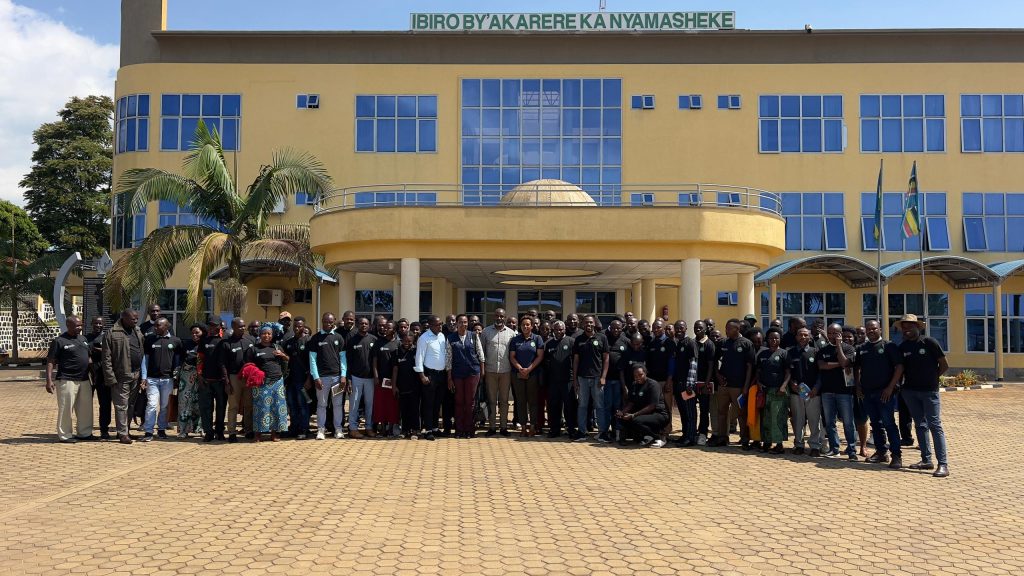The campaign brought together farmers, livestock keepers, cooperatives, government officials, and insurance providers from across Nyamasheke District. Organized by the Rwanda Agriculture and Animal Resources Development Board (RAB) through the Single Project Implementation Unit (SPIU), the event also involved insurance partners including BK Insurance and Old Mutual.
Participants received detailed information on how the TEKANA insurance scheme works and how it protects both crop farmers and livestock keepers from severe financial losses caused by disasters and disease.
The insurance currently covers key crops such as rice, maize, beans, chili peppers, potatoes, cassava, soybeans, climbing beans, and greenhouse production. Livestock coverage includes cattle, poultry, pigs, and fish farming.
For many farmers, the program is already making a noticeable difference.
Anastasie Nyirabizimana, a member of the Twizerimbere Tubungabunga Ibidukikije Cooperative, shared how insurance has transformed their pig farming activities. The cooperative, which has 31 members raising 48 pigs, says the program has significantly reduced financial uncertainty.
“When an insured animal develops a problem, we immediately contact a veterinarian who prepares a report, and support follows quickly. This gives us peace of mind in our farming activities,” she explained.
Nyirabizimana recalled a recent case where one of her pigs experienced complications during farrowing. Despite the stressful situation, she remained confident knowing the animal was insured. Eventually, the pig successfully delivered 15 piglets.
She encouraged fellow farmers and livestock keepers to join the scheme, emphasizing that its benefits are visible in everyday farming operations.
Another beneficiary, Christine Uwizeyimana from Duhuze Imbaraga Cooperative, highlighted how insurance has become a lifeline for large-scale rice farmers. The cooperative has 1,530 members cultivating 125 hectares of rice, all fully insured under TEKANA.
According to Uwizeyimana, the cooperative previously suffered major losses caused by floods and strong winds in marshland rice fields. Since joining the insurance scheme in 2019 and fully integrating it by 2022, recovery from climate-related shocks has become much easier.
Speaking during the campaign, Nyamasheke District Vice Mayor in charge of Economic Development, Joseph Désiré Muhayeyezu, emphasized that the insurance program was specifically created to protect farmers and livestock keepers from devastating losses caused by natural disasters and diseases.
He noted that agricultural insurance also improves farmers’ access to financial services, as insured farmers are more likely to qualify for loans from financial institutions.
“Insurance should not be viewed as an additional cost, but rather as a long-term investment in security and resilience,” Muhayeyezu said.
He added that Nyamasheke farmers have frequently experienced losses caused by floods damaging rice and maize grown in wetlands. However, through cooperative organization and insurance coverage, farmers are now in a stronger position to recover and continue production after disasters.
District leaders reiterated that agricultural insurance is becoming a key pillar in building a modern and resilient agricultural sector capable of withstanding climate-related challenges.
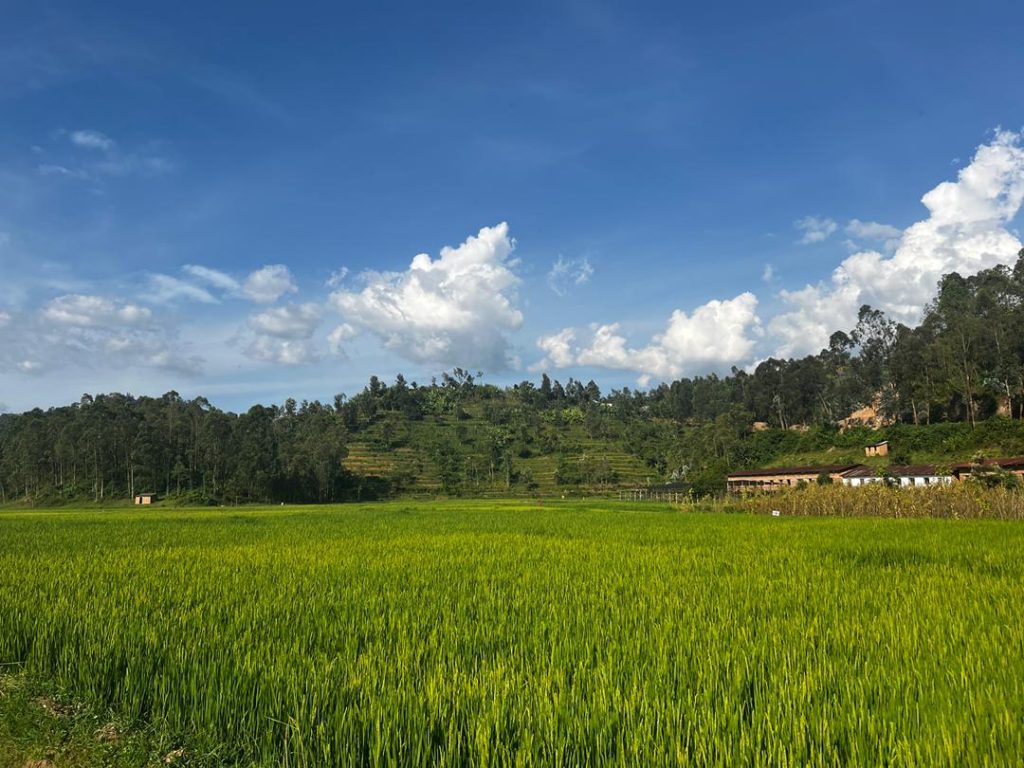Farmers and livestock keepers were encouraged to fully embrace the TEKANA scheme to support sustainable production, improve livelihoods, and strengthen food security both in Nyamasheke District and across Rwanda.
Under the NAIS program, the Government of Rwanda subsidizes 40 percent of insurance premiums, while farmers and livestock keepers contribute the remaining 60 percent, making the scheme more accessible to rural communities.
As climate risks continue to affect agricultural production, officials believe insurance will play an increasingly important role in protecting farmers’ investments and securing the future of Rwanda’s agriculture sector.
**[CLICK HERE TO READ RELATED ARTICLES](https://www.topafricanews.com/?s=Tekana)**

SUBSCRIBE TO OUR NEWSLETTER
First name or full name
Email
By continuing, you accept the privacy policy
**Categories:** CLIMATE CHANGE, Natural Resources and Agriculture
---
### [Rwandan MPs Launch Nationwide Field Visits to Bolster Oversight of Agricultural Productivity](https://www.topafricanews.com/2026/05/28/rwandan-mps-launch-nationwide-field-visits-to-bolster-oversight-of-agricultural-productivity/)
**Published:** May 28, 2026
**Author:** DUSABEMUNGU Ange de la Victoire
**Content:**
The Chamber of Deputies has organized a series of field visits for Members of Parliament in all districts to oversee government activities and gather firsthand information on efforts to increase agricultural productivity. The visits will focus specifically on increasing the productivity of both food crops and cash crops, including coffee and tea.
The nationwide schedule for the visits is set to take place from May 28 to June 4, 2026, in all districts. In the City of Kigali, MPs will conduct visits across all sectors from June 6 to 7, 2026.
Speaker of the Chamber of Deputies, Gertrude Kazarwa, highlighted the purpose of the initiative, stating, “We continue to prioritise our oversight responsibilities regarding government activities and staying close to the citizens”. She added that these visits are crucial to “gather firsthand information from the local communities and stakeholders to ensure that programs aimed at increasing agricultural productivity yield expected results and improve the welfare of Rwandans”.
During their tours, Parliamentarians will inspect agricultural activities and engage in extensive discussions with local government authorities, farming cooperatives, development partners, and residents.
The primary focus of these exchanges will be on addressing ongoing challenges in the agricultural sector, which include:
- Low utilization of agricultural inputs.
- Climate change issues.
- Inadequate agricultural infrastructure.
- The essential need to connect farmers to markets.
In addition to their formal oversight duties, Members of Parliament are scheduled to participate in the community work, or Umuganda, at the end of May 2026. They will also take the opportunity to receive citizens’ concerns and assess the resolution status of issues raised during previous parliamentary visits.

SUBSCRIBE TO OUR NEWSLETTER
First name or full name
Email
By continuing, you accept the privacy policy
**Categories:** Natural Resources and Agriculture
---
### [VATICAN CALLS FOR AI "DISARMAMENT" AS POPE LEO XIV RELEASES NEW ENCYCLICAL](https://www.topafricanews.com/2026/05/27/vatican-calls-for-ai-disarmament-as-pope-leo-xiv-releases-new-encyclical/)
**Published:** May 27, 2026
**Author:** DUSABEMUNGU Ange de la Victoire
**Content:**
**VATICAN CITY, May 25, 2026** — Pope Leo XIV released his first encyclical letter today, titled *Magnifica Humanitas*, which tackles the safeguarding of the human person in the age of artificial intelligence. During a presentation event broadcast from the Vatican’s New Synod Hall, the pontiff declared that artificial intelligence “needs to be disarmed” in a manner similar to the push for nuclear disarmament, warning against its potential to become an instrument of “domination, exclusion, and death”.
The Pope emphasized that the rapid digital transition represents a profound historical turning point with massive consequences, comparing it to the industrial revolution addressed by Pope Leo XIII 135 years ago. The new document issues an urgent call for moral discernment, insisting that technology must be directed toward the common good and the “civilization of love,” rather than eroding human inner freedom.
The presentation featured a diverse panel of speakers, notably including Christopher Olah, a researcher and co-founder of the AI company Anthropic. Offering a rare tech industry perspective, Olah explained that modern AI models are not predictably engineered like bridges, but are instead “grown” on a massive inheritance of human thought and speech. He noted that these systems develop mysterious internal structures that mirror human neuroscience and remain somewhat unsettling even to their creators. Because the tech industry operates under intense commercial and geopolitical incentives, Olah stressed that earnest, outside moral critics like the Church are essential to push events in a safer direction.
Concerns regarding the exploitation of the Global South were also a major focal point. Professor Léocadie Lushombo cautioned that AI risks driving new forms of “colonial extractivism” that appropriate data and exploit vulnerable populations. She specifically highlighted the devastating physical toll on children and adolescents working in dangerous mining conditions to extract the rare earth elements necessary to keep global computational infrastructure running. Furthermore, Lushombo warned that the automation of learning threatens deeply relational and communal traditions of knowledge, such as the African philosophy of *Ubuntu*.
The Vatican also offered strong theological pushback against modern technological ideologies. Cardinal Víctor Manuel Fernández addressed movements like transhumanism and posthumanism, which often view human limitations as flaws to be overcome or suggest humanity has reached an “expiry date”. Fernández argued that limitations are not flaws, but rather the exact places where human beings mature, find compassion, and open up to relationships. He warned that eliminating all suffering and limitations through technology would ultimately extinguish love and spiritual experience.
Framing the future of artificial intelligence as an unfinished “construction site,” Cardinal Michael Czerny reminded the global community that the technology’s trajectory is not predetermined. Instead, its future depends entirely on collective human choices and the understanding that human beings possess an irreplaceable conscience—a “most secret core” touched by God—that no machine can ever replicate.

SUBSCRIBE TO OUR NEWSLETTER
First name or full name
Email
By continuing, you accept the privacy policy
**Categories:** NEWS
---
### [Global Citizenship Programs Prioritize Governance Over Price, New Index Shows](https://www.topafricanews.com/2026/05/27/global-citizenship-programs-prioritize-governance-over-price-new-index-shows/)
**Published:** May 27, 2026
**Author:** DUSABEMUNGU Ange de la Victoire
**Content:**
**London, May 27, 2026** – Global Citizen Solutions (GCS), a leading citizenship and residency advisory firm, today released its Global Citizenship Programs Index 2026 (GCP Index 2026), revealing a significant structural shift in the investment migration industry. The independent, data-driven assessment of 15 active sovereign programs worldwide found that the market is consolidating around governance quality, with compliance—not cost—now serving as the primary axis of competition across all regions.
The Index’s overarching finding points to a deeper behavioral shift among ultra-high-net-worth (UHNW) families, who are moving away from seeking a single best program. Instead, they are constructing diversified “citizenship portfolios” of mobility, tax residence, and legal access, reflecting a far more sophisticated understanding of risk and opportunity. Patricia Casaburi, CEO of GCS, affirmed this trend, stating, “The most important shift in our industry is no longer about which single program is best suited to your needs, but about which combination of programs is the right one”.
**Caribbean Dominance and Stricter Regulation**
The five Eastern Caribbean nations swept the top five positions:
- St. Kitts and Nevis (93.08)
- Antigua and Barbuda (90.64)
- Grenada (87.87)
- Dominica (87.19)
- St. Lucia (86.29)
This regional success is underpinned by a structural shift toward a regulated regional market. Key developments include the October 2025 ratification of ECCIRA, the industry’s first unified regional CBI regulator, and a Memorandum of Understanding establishing a minimum investment threshold of no less than $200,000 USD.
**European Programs Lead on Mobility and Compliance**
Two European programs, Malta’s Citizenship by Merit (83.58) and Austria’s Citizenship by Merit (80.12), lead the global index on Mobility and Quality of Life dimensions. Austria recorded a perfect Mobility score of 100.0, providing access to 185 visa-free destinations, and led Quality of Life at 90.6. Malta’s score of 98.5 for Mobility is supported by its full EU and Schengen access.
Compliance remains a European strength, with Austria (95) and Malta (93) topping the global governance ranking, a position that directly ensures program durability and banking access.
**New Budget Tier and Strategic Markets Emerge**
The 2026 cycle marks the emergence of a credible budget tier below $150,000 USD from Pacific nations Vanuatu (86.14) and Nauru (83.64). These programs achieved perfect Tax Optimization scores (100.0), the only ones in the index to do so, due to fully zero-tax regimes covering income, corporate, capital gains, wealth, and inheritance. Their processing windows (two to four months) are also the fastest in the global market.
Elsewhere, Türkiye (77.41) offers a unique strategic combination, including NATO membership, EU customs union access, and US E-2 Treaty eligibility (under a three-year domicile requirement rule). Jordan (74.83) reformed its program around active job creation, and in Africa, São Tomé and Príncipe (71.23) launched a development-linked framework in 2025.
The GCP Index 2026 evaluated the 15 programs across five weighted pillars: Procedure (25%), Mobility (25%), Investment (20%), Tax Optimisation (15%), and Quality of Life (15%). Dr. Laura Madrid, Lead Researcher at GCS’s Global Intelligence Unit, stated that the Index is a contribution to a more “transparent, evidence-based industry”. The full report, including methodology notes, is available on the Global Citizen Solutions website.

SUBSCRIBE TO OUR NEWSLETTER
First name or full name
Email
By continuing, you accept the privacy policy
**Categories:** NEWS
---
### [President Kagame Commissions 436 New Officers into Rwanda National Police as Force Marks Silver Jubilee](https://www.topafricanews.com/2026/05/27/president-kagame-commissions-436-new-officers-into-rwanda-national-police-as-force-marks-silver-jubilee/)
**Published:** May 27, 2026
**Author:** DUSABEMUNGU Ange de la Victoire
**Content:**
**Gishari, Rwamagana District – May 27, 2026**: President Paul Kagame, Commander-in-Chief of Rwanda’s security forces, on Wednesday presided over a vibrant commissioning ceremony for 436 officer cadets at the Police Training School (PTS) in Gishari, Rwamagana District.
The event doubled as a celebration of the Rwanda National Police (RNP)’s 25th anniversary, highlighting a quarter-century of transformation, professionalism, and service to the nation.
The new graduates, promoted to the rank of Assistant Inspector of Police (AIP), form the 14th intake. Training began on July 15, 2025. The cohort includes 327 men and 109 women, demonstrating the RNP’s commitment to gender inclusivity and diversity.
A Diverse and Skilled CohortThe graduating class reflects Rwanda’s integrated approach to security capacity-building:
- 124 recent graduates from the National Police College in Musanze.
- 172 serving lower-ranking officers.
- 86 civilian recruits.
- 50 officers from specialized agencies — 30 from the National Intelligence and Security Service (NISS) and 20 from the Rwanda Investigation Bureau (RIB).
- 9 officers from Seychelles, under a bilateral cooperation agreement.
Several cadets also completed specialized training abroad in Egypt and Singapore.
During the ceremony, President Kagame personally congratulated top performers, including Seychellois officer Nicolette Marie, who ranked fourth overall for discipline and professionalism.
A crisp military parade, featuring 10 formations and flag bearers, showcased the cadets’ discipline and precision.
The event attracted senior government officials, family members, and high-level delegations from across Africa and beyond, including police chiefs from Burkina Faso, Kenya, Uganda, Seychelles, and other nations.
**25 Years of Excellence**
Formed in 2000 through the unification of earlier security entities, the RNP has grown from roughly 3,000 personnel to more than 18,000 today.
It is widely praised for community-oriented policing, zero-tolerance anti-corruption policies, and the adoption of modern technologies such as drones, smart traffic systems, and robotic security tools.
Rwanda’s police have also earned international respect through substantial contributions to United Nations peacekeeping missions, including deployments of all-female units to conflict zones.
Commandant of PTS Gishari, CP Rafiki Mujiji, noted that the training emphasized tactical skills, ethical leadership, and professionalism to prepare officers for contemporary security challenges.
The new AIPs will deploy across various units, including traffic safety, cyber operations, marine policing, canine units, and more.

SUBSCRIBE TO OUR NEWSLETTER
First name or full name
Email
By continuing, you accept the privacy policy
**Categories:** SECURITY
---
### [How Healthcare Support Is Helping Refugees Manage Chronic Illnesses in Rwanda](https://www.topafricanews.com/2026/05/27/how-healthcare-support-is-helping-refugees-manage-chronic-illnesses-in-rwanda/)
**Published:** May 27, 2026
**Author:** Mutangana Emmanuel
**Content:**
Bukiri Matayo, a 54-year-old Congolese refugee living in Kiziba Refugee Camp, walks out of the consultation room at Kiziba Health Centre with a sense of relief after learning that his blood sugar levels are stable. Around him, the health centre’s waiting area remains busy with patients seeking treatment just past midday.
For Matayo, who has lived in Kiziba Refugee Camp since 1996, every positive medical check-up offers renewed hope after years of struggling with diabetes.
“There is an improvement now,” he says while heading to the pharmacy to collect medicine for the coming days.
Matayo recalls how his illness first revealed itself years ago through unusual symptoms that he did not immediately understand.
“Before I knew what I was suffering from, my foot would always get dry after I bathed and I always felt like I didn’t want to eat, but I was always thirsty,” he explains.
“I would drink water, then go to the restroom, come back, and drink again, over and over. Even at night, I kept drinking water and going to the restroom.”
Eventually, doctors diagnosed him with diabetes, by then, the condition had already become severe.
“At some point I went to the hospital, they tested me and told me I had diabetes, and that it was already very serious. From then until today, diabetes has remained with me,” he says.
For the past 15 years, Matayo has depended on regular medical consultations, insulin and constant monitoring to manage the chronic illness. Without treatment, he says, his condition quickly worsens.
He remembers one frightening incident when he collapsed into a coma while visiting his wife in the fields during heavy rain.
“There was a time I left home and went to the fields to see where my wife was farming. While I was there, it rained heavily and I collapsed into a coma,” he recounts.
“I only left that place after people carried me, I was not aware of anything. When I arrived here, they took care of me and gave me medicine that brought me back to life.”
He says there were also moments when the disease affected his eyesight so severely that he could not recognize familiar surroundings.
“Back then, there were times I stayed in the house and even lost my vision. I could lie down and not even recognize the door to go out. But when I got insulin, things improved a bit,” he says.
Matayo is among thousands of refugees in Rwanda living with chronic illnesses that require regular medical attention. In 2025 alone, health centres operating in refugee camps across the country conducted more than 44,000 consultations for chronic diseases, mainly asthma, diabetes and other non-communicable diseases.
With support from France, UNHCR, working through implementing partners including Alight and Save the Children, has continued to provide healthcare services to refugees and asylum seekers across Rwanda.
More than 138,000 refugees and asylum seekers living in camps and transit centres have access to primary healthcare through 10 camp-based health centres, while patients requiring specialized treatment are referred to tertiary hospitals.
For refugees like Matayo, such support remains critical to survival.
“If I had not received this help, it would have been over for me,” he says.
“Diabetes can be controlled with medicine, but it is not cured 100 percent. The medicine helps reduce it. But when I don’t get the medicine, my sugar rises and can go beyond control, and it can stop the heart.”
However, humanitarian agencies warn that declining global funding is increasingly straining their ability to support vulnerable refugees. As resources shrink, priority is being given to emergency and life-saving referrals, while non-urgent medical cases risk delays.
Despite the uncertainty, Matayo remains hopeful that access to medicine and treatment will continue.
“If we could be helped to regularly get test strips and insulin, and if medicine was available, it would help us survive longer,” he says.

SUBSCRIBE TO OUR NEWSLETTER
First name or full name
Email
By continuing, you accept the privacy policy
**Categories:** HEALTH
---
### [ICBA and Uzbekistan’s Agency for Innovative Development Sign Agreement to Launch Farmers’ Accelerator Program](https://www.topafricanews.com/2026/05/26/icba-and-uzbekistans-agency-for-innovative-development-sign-agreement-to-launch-farmers-accelerator-program-supporting-crop-value-chains-in-karakalpakstan/)
**Published:** May 26, 2026
**Author:** DUSABEMUNGU Ange de la Victoire
**Content:**
*The three-month “Farmers’ and Agro-Entrepreneurs Accelerator” aims to reach 200 beneficiaries from Karakalpakstan, with a focus on women and youth*
**Dubai, United Arab Emirates – 25 May 2026** – The [International Center for Biosaline Agriculture](https://www.biosaline.org/) (ICBA) has signed a collaboration agreement with the Agency for Innovative Development under the Ministry of Higher Education, Science and Innovation of the Republic of Uzbekistan to launch the “Farmers’ and Agro-Entrepreneurs Accelerator for Developing and Commercializing Crop Value Chains” in Nukus, Karakalpakstan. The agreement was signed by Dr. Tarifa Alzaabi, Director General of ICBA, and Dr. Asror Norov, Acting Director of the Agency for Innovative Development.
The program will be implemented with the support of the Abu Dhabi Fund for Development, under the project “Development of Sustainable Agricultural Production Systems in Degraded Areas of Karakalpakstan”. It represents a practical new step in the project’s progress, moving from support for sustainable agricultural production to enabling farmers and agro-entrepreneurs to develop crop value chains, improve commercial readiness, and expand access to markets.
Dr. Tarifa Alzaabi, Director General of ICBA, said: “This agreement reflects an advanced stage of our work in Karakalpakstan, as we move from supporting sustainable agricultural production to enabling farmers and agro-entrepreneurs to build practical pathways for value chain development and market access. Through this program, we aim to equip beneficiaries with the technical and business knowledge and skills needed to turn climate-resilient crops into scalable economic opportunities.”
Dr. Tarifa Alzaabi added: “We value our partnership with the Agency for Innovative Development and the continued support of the Abu Dhabi Fund for Development. The program’s focus on women and youth is particularly important as part of an approach that links local capacity-building with practical economic opportunities for farmers and agro-entrepreneurs, while contributing to more resilient agricultural systems in Uzbekistan.”
Dr. Asror Norov, Acting Director of the Agency for Innovative Development, said: “For the Aral Sea region, this cooperation is important because it links innovation with practical agricultural transformation. Through ICBA’s scientific expertise and international experience in biosaline agriculture, the program will support the modernization of crop value chains in Karakalpakstan, from cultivation and production to processing and market delivery. It will also help create a structured training and acceleration platform for farmers, young specialists, and agri-entrepreneurs, supporting the wider application of green innovations in the region.”
Running over three months, the program aims to reach 200 beneficiaries from Karakalpakstan, including farmers and agro-entrepreneurs, with a focus on women and youth participation. It provides an integrated support model covering technical training, post-harvest management, agro-processing, branding, business planning, and market access, helping beneficiaries increase the economic value of climate-resilient crops and turn agricultural production into scalable opportunities.
Through this agreement, the International Center for Biosaline Agriculture (ICBA) continues to strengthen its role as a scientific and technical partner supporting sustainable agriculture, crop value chain development, and rural economic resilience in Uzbekistan and beyond.

SUBSCRIBE TO OUR NEWSLETTER
First name or full name
Email
By continuing, you accept the privacy policy
**Categories:** Climate / Agriculture Evolution, Natural Resources and Agriculture
---
### [Rusizi Farmers Encouraged to Protect Crops and Livestock Through Insurance](https://www.topafricanews.com/2026/05/26/rusizi-farmers-encouraged-to-protect-crops-and-livestock-through-insurance/)
**Published:** May 26, 2026
**Author:** LIBOS NDAYISHIMIYE
**Content:**
Farmers and livestock keepers in Rusizi District gathered on Tuesday, May 26, 2026, for a large-scale awareness campaign aimed at promoting the Government’s agricultural and livestock insurance scheme (NAIS), known as “Tekana Urishingiwe Muhinzi Mworozi,” as authorities and stakeholders highlighted its growing impact in protecting farmers from climate and disease-related losses.
The campaign was jointly organized by the Ministry of Agriculture and Animal Resources through the Rwanda Agriculture and Animal Resources Development Board in its Single Project Implementation Unit (RAB/SPIU), in collaboration with the Western Province and Rusizi district.
Participants were sensitized on how the insurance scheme operates and how it supports farmers and livestock keepers in recovering from losses caused by disasters, diseases, and other unforeseen risks. Beneficiaries also shared real-life testimonies demonstrating how the program has helped them recover after suffering significant losses.
Speaking at the event, project manager of TEKANA URISHINGIWE MUHINZI MWOROZI, MUSERUKA Joseph explained that the program has significantly reduced agricultural risks across the country.
“Since the program began in 2019, steady progress has been recorded. Each year, around 50,000 cattle, over 15,000 pigs, nearly 400,000 chickens, and more than 32,000 hectares of crops are insured.”
He further noted that more than 200,000 farmers and livestock keepers participate annually, contributing over RWF 17 billion in insurance premiums, while around RWF 9.5 billion has already been paid out in compensation to affected farmers. He encouraged farmers to fully embrace insurance, emphasizing that disasters are unpredictable.
The Mayor of Rusizi District, SINDAYIHEBA Phanuel, stressed that the Government introduced the program to help farmers and livestock keepers reduce losses caused by disasters, diseases, and climate change.
“Rusizi is a district where agriculture and livestock farming are highly practiced. Our goal is to professionalize these activities. Farmers have often suffered losses due to climate shocks, which sometimes discouraged them. Insurance is key in restoring their confidence.” He stated
He also assured participants of improved service delivery and timely compensation, addressing concerns about delays in payments, and urged more farmers to join the scheme.
MUKAYITESI Beatha, a farmer and livestock keeper from Nyakarenzo Sector, Rusambu Cell, said that being enrolled in cattle and pig insurance has helped her recover from previous losses.
“I had a pig that died and I was assisted. At that time, I was with Radiant. There was a fellow farmer I worked with who advised me to insure her pregnant cow. That cow gave birth, and one day later it died. What pleased us most was that she was compensated on time.” She spoke
She called on responsible institutions to continue maintaining timely compensation practices.
Another farmer, NTIRENGANYA Jean Baptiste, explained that he initially insured only a few cattle as a trial. After the death of one cow, he was compensated, which convinced him to insure all his livestock.
“I have not been in livestock farming for long, but I had 16 cows. When I first heard about insurance, I decided to start by insuring only 4 cows to see how it works. After six months, one cow died. I informed the insurance company and I was compensated. I was very happy to receive compensation for my cow, so I decided to insure all the remaining cows.” He empasized
He further encouraged other livestock keepers to adopt insurance for their animals.
MUTABARUKA Emmanuel, representative of the KIVU SITE fish farming cooperative in Nkombo Sector, said that before adopting insurance, farmers suffered major losses.
“If you do not understand insurance, you suffer losses. For people who farm fish in water, there is a problem of sea disturbances, and the fish end up being destroyed. We also learned that other livestock farmers in general face losses without recovering their money. We decided to join insurance so that when we face losses, we can be assisted.” He spoke
He added that farmers should not wait until they experience losses before ensuring their assets, emphasizing that insurance has become essential for sustainable farming.
Currently, compensation for verified claims is processed within 30 days, according to program guidelines.
The insurance scheme covers a wide range of crops including maize, rice, potatoes, beans, soybeans, chili, and cassava, as well as livestock such as cattle, pigs, chickens, and fish farming activities.
Recently, greenhouse farming has also been included, covering greenhouse structures, equipment, crops, harvested produce, and related agricultural assets.
Overall, stakeholders emphasized that the program continues to strengthen resilience, protect investments, and promote sustainable agriculture across Rwanda.

SUBSCRIBE TO OUR NEWSLETTER
First name or full name
Email
By continuing, you accept the privacy policy
**Categories:** Natural Resources and Agriculture
---
### [Beyond Borders: How Gasaro Hilda Yannick Is Inspiring Africa’s Youth Through Travel, Courage, and Purpose](https://www.topafricanews.com/2026/05/26/beyond-borders-how-gasaro-hilda-yannick-is-inspiring-africas-youth-through-travel-courage-and-purpose/)
**Published:** May 26, 2026
**Author:** TOPAFRICANEWS
**Content:**
As we celebrate Africa Day, we honor young Africans who are redefining what it means to lead, innovate and create impact. Among them is Gasaro Hilda Yannick, a Rwandan travel creator, entrepreneur and founder of Infinity Travel Rwanda Limited, whose journey demonstrates how passion, courage and purpose can inspire meaningful change across the continent.
**A Childhood Driven by Curiosity**
Long before she became a travel entrepreneur, Gasaro was a young girl fascinated by the wonders of nature. Growing up in Rwanda, she spent much of her time exploring forests, observing wildlife and listening to the sounds of birds in their natural habitat.
While many children envisioned careers in traditional professions, Gasaro found herself drawn to discovery, adventure and the beauty of the world around her. What began as simple childhood curiosity would eventually evolve into a lifelong mission.
**Turning Passion Into Purpose**
At just 17 years old, Gasaro began sharing her travel experiences on social media through platforms such as Instagram and TikTok under the name TripAdvisor Rwanda. Through storytelling, photography and cultural exploration, she quickly realized that travel was much more than a personal passion.
Her content inspired others to discover new places, appreciate diverse cultures and broaden their perspectives. Encouraged by her growing audience, she began to envision a larger purpose one where travel could become a catalyst for education, empowerment and positive social change.
That vision became reality with the launch of Infinity Travel Rwanda Limited.
**Courage Beyond Comfort Zones**
Travel is often associated with stunning landscapes and memorable experiences, but some of the most valuable lessons emerge from moments of uncertainty.
One of the journeys that profoundly shaped Gasaro’s perspective was her visit to the Mundari community in South Sudan. Entering an environment where armed cattle keepers are a normal part of daily life was initially intimidating and emotionally challenging.
Yet beyond the fear, she discovered kindness, generosity and humanity.
Despite cultural differences and language barriers, she was welcomed with warmth and hospitality. The experience reinforced a powerful lesson: genuine understanding often begins when we move beyond assumptions and stereotypes.
Another life-changing experience took her to Makoko, the famous floating community in Lagos, Nigeria. Witnessing how families build lives and thrive despite difficult circumstances deepened her appreciation for resilience, determination and community strength.
These encounters strengthened her belief that travel is one of the most effective ways to learn, grow and develop empathy.
**Building a Business With Purpose**
For Gasaro, entrepreneurship is about far more than financial success.
Since childhood, she has dreamed of helping vulnerable communities, particularly women and children facing difficult circumstances. Through Infinity Travel Rwanda Limited, she has created a platform that combines business with social impact.
Her vision includes creating opportunities for young people, supporting families in need, promoting education, and connecting travelers with communities where meaningful change can occur.
A defining aspect of her work is her commitment to empowering women.
In a tourism industry where leadership opportunities often remain limited for women, Gasaro actively creates space for female participation. She works with female drivers and promotes women’s involvement across different sectors of tourism.
**Her message is;**
*Women belong in every industry, every profession and every leadership position.*
By championing inclusion and opportunity, she is helping shape a stronger and more equitable future for Rwanda and Africa.
**Tourism as a Driver of Development**
Gasaro views tourism as one of Rwanda’s most powerful tools for economic growth and social transformation.
Tourism creates employment, supports local businesses, preserves cultural heritage, and strengthens Rwanda’s connection to the global community. It also provides young entrepreneurs with opportunities to innovate and build sustainable careers.
She is particularly passionate about promoting lesser-known destinations that have the potential to transform local communities. Places such as Kunkombo Island represent untapped opportunities to attract visitors while generating income and development for residents.
By encouraging travelers to venture beyond traditional tourist destinations, Rwanda can ensure that the benefits of tourism reach more communities across the country.
**A Message to Africa’s Youth**
Gasaro’s journey offers an inspiring lesson to young people across the continent.
Success does not always begin with wealth, connections, or perfect circumstances. Often, it starts with curiosity, determination and the courage to take the first step.
Her story proves that passions can become professions, dreams can become businesses and challenges can become opportunities.
**To young Africans, she shares this message:**
“Do not be afraid to dream beyond your environment. Stay curious. Respect different cultures. Learn from every experience. Believe in your abilities and never allow anyone to limit your vision because of your age, gender or background.”
**Looking Ahead**
As Gasaro Hilda Yannick continues to travel, create and lead, she represents the spirit of a new Africa one driven by innovation, resilience and purpose.
Her journey reminds us that travel is more than moving from one destination to another. It is a bridge between cultures, a classroom without walls and a pathway to greater understanding.
As we celebrate Africa Day, Gasaro’s story serves as a powerful reminder that Africa’s future belongs to young people who dare to dream boldly, embrace new possibilities and create opportunities for others.
For Rwanda and the continent at large, leaders like Gasaro are proving that when passion meets purpose, the impact can reach far beyond borders.

SUBSCRIBE TO OUR NEWSLETTER
First name or full name
Email
By continuing, you accept the privacy policy
**Categories:** CULTURE, Youth Empowerment
---
### [African Health Leaders Unite to Contain Cross-Border Ebola Outbreak](https://www.topafricanews.com/2026/05/26/african-health-leaders-unite-to-contain-cross-border-ebola-outbreak/)
**Published:** May 26, 2026
**Author:** Mutangana Emmanuel
**Content:**
African health leaders and international partners have agreed to strengthen regional coordination and mobilise resources to contain the ongoing Bundibugyo Ebola outbreak affecting the Democratic Republic of the Congo (DRC) and Uganda, while safeguarding essential services such as education, routine healthcare and responses to other disease outbreaks across the continent.
The commitments were endorsed during a high-level ministerial cross-border coordination meeting convened in Kampala by Africa Centres for Disease Control and Prevention (Africa CDC) Director General Dr Jean Kaseya together with ministers of health from the DRC, Uganda and South Sudan, alongside representatives from World Health Organization, UNICEF, United Nations Population Fund and other technical partners.
The meeting focused on strengthening surveillance, harmonising preparedness measures across borders, sustaining frontline services and reinforcing regional solidarity amid a growing outbreak that health officials warned could spread further without coordinated action.
Leaders noted that the outbreak is unfolding in a region marked by intense cross-border movement, insecurity and limited access to approved vaccines or therapeutics for the Bundibugyo strain, making regional cooperation critical.
Speaking during a media briefing after the meeting, Dr Kaseya warned that the outbreak should not be viewed as a problem confined to one country.
“This outbreak is not a DRC issue, it is a regional issue. Those who believe that it is a DRC issue will be surprised, as it was during COVID. We need to take it as a regional, even continental issue, and deal with that,” he said.
According to figures shared during the meeting, the outbreak has so far resulted in 96 confirmed cases and 11 confirmed deaths across the DRC and Uganda, while an additional 867 suspected cases and 204 suspected deaths remain under investigation.
The DRC’s Minister of Health, Dr Roger Kamba, said insecurity and laboratory limitations complicated the early response to the outbreak.
“The delay was due to the fact that the laboratory in Bunia could not detect the Bundibugyo strain, and it was necessary to send the samples to Kinshasa,” he said.
Health leaders at the meeting endorsed a unified continental response framework based on a “one team, one plan, one budget and one implementation model” under the continental Incident Management Support Team jointly coordinated by Africa CDC and WHO. Uganda’s President Yoweri Museveni offered to host the team in Kampala.
Emergency Director at WHO Africa Regional Office, Dr Marie Roseline Belizaire, stressed that no country or institution could manage the outbreak alone.
“No single agency, no single country can respond to this magnitude of outbreak alone,” she said. “Coordination, solidarity and collaboration are critical to this response.”
Participants agreed on a wide range of regional actions, including strengthening cross-border surveillance and early warning systems, harmonising public health measures at official and unofficial points of entry, improving laboratory and diagnostic capacity, and reinforcing infection prevention and control measures.
UNICEF Regional Director Etleva Kadilli highlighted the need to maintain essential services during the outbreak response.
“Maintaining essential services, health, nutrition and protection, especially for children, girls and women, is going to be paramount,” she said.
Partners also raised concerns about the disproportionate impact of the outbreak on women and frontline caregivers. Representing UNFPA, Regional Director Lydia Zigomo said women accounted for the majority of infections recorded so far.
“Women actually are representing more than 60% of the infections in this outbreak,” she said. “Mainly that’s because they’re frontline responders. At the home level, they’re the ones nursing sick people.”
Leaders further called for accelerated research and development of vaccines and therapeutics targeting the Bundibugyo strain, while urging countries and partners to strengthen community engagement, risk communication, laboratory systems and preparedness capacities across at-risk border districts.
Although partners were still consolidating needs under a joint response plan and budget, preliminary estimates presented during the meeting suggested that about US$264 million may be required for response operations in the DRC and Uganda, with an additional US$54 million needed to strengthen preparedness in neighbouring high-risk countries, including South Sudan.
However, Dr Kaseya cautioned that the figures remained preliminary as assessments continued.

SUBSCRIBE TO OUR NEWSLETTER
First name or full name
Email
By continuing, you accept the privacy policy
**Categories:** HEALTH
---
### [Democratic Green Party of Rwanda Holds Political Bureau Meeting, Launches Digital Tools for Growth](https://www.topafricanews.com/2026/05/26/democratic-green-party-of-rwanda-holds-political-bureau-meeting-launches-digital-tools-for-growth/)
**Published:** May 26, 2026
**Author:** TOPAFRICANEWS
**Content:**
**Kigali, Rwanda – May 24, 2025** —[ Members of the Democratic Green Party of Rwanda (DGPR)](https://www.topafricanews.com/?s=Democratic+Green+Party+of+Rwanda+), also known as the Green Party, gathered from across all provinces for a key Political Bureau Meeting at the Olympic Hotel in Gasabo District, Kigali.
The meeting brought together party leaders, commissioners, and grassroots representatives to chart the party’s future direction, strengthen internal structures, and advance its core mission of environmental protection, sustainable development, and participatory democracy.
Party President Senator Dr. Frank Habineza opened the gathering by welcoming participants and outlining priorities for the session. Highlights included focused training on environmental protection and climate change — issues that remain at the heart of the DGPR’s political agenda.
**Key Launches and Strategic InitiativesIn a significant step toward modernization, the party officially launched:**
- **An online membership database and application system**, designed to streamline recruitment, improve coordination, and enhance communication among members nationwide.
- **A new five-year Strategic Plan**.
- **A comprehensive Communication Strategy.**
Dr. Habineza emphasized that the digital platform will make membership management more efficient and help the party expand its reach, particularly among youth and women.
Participants also reviewed and approved internal documents, including revised rules and regulations, new commissioner appointments, and committee members.
**A Focus on Constructive Engagement**
The gathering underscored the DGPR’s commitment to operating as a credible opposition through policy ideas, accountability, and community engagement rather than confrontation. Party officials highlighted ongoing grassroots mobilization efforts and the need to address pressing national challenges such as climate resilience and inclusive governance.
This meeting comes as the party continues to build visibility following the 2024 general elections, where Dr. Habineza ran as a presidential candidate.
Party leaders described the event as successful and expressed optimism about the new tools and strategies.
The initiatives are expected to bolster the DGPR’s organizational capacity and reinforce its role in Rwanda’s multi-party landscape.

SUBSCRIBE TO OUR NEWSLETTER
First name or full name
Email
By continuing, you accept the privacy policy
**Categories:** Politics
---
### [Africa Doesn't Need to Be Translated. It Needs to Be Heard.](https://www.topafricanews.com/2026/05/26/africa-doesnt-need-to-be-translated-it-needs-to-be-heard/)
**Published:** May 26, 2026
**Author:** TOPAFRICANEWS
**Content:**
Africa Day is not a calendar moment. It is a mirror.
*By Rania El Rafie, Vice President, Public Relations & Strategic Communications at APO Group*
Every year on 25 May, the continent asks one pointed question: are we moving closer to the Africa we envisioned: self-determined, sovereign in its own story? With the African Union’s [Agenda 2063](https://au.int/en/agenda2063/overview) approaching its midpoint, that question lands with particular weight for those of us in communications. Because Africa’s story is still being narrated over. And much of the industry, global agencies included, is complicit.
**Relevance Before Reach**
Many global brands arrive on the continent carrying their legacy like a passport, but African audiences aren’t waiting to be impressed by what a brand achieved elsewhere. They’re asking one question: did you come here to listen, or just to sell?
The moment an audience detects a message wasn’t made for them, trust erodes. Credibility in African markets must be earned, and the currency it demands is relevance – before reach.
**One Continent. 54 Markets.**
When APO Group partnered with the Jack Ma Foundation on Africa’s Business Heroes, the stated objective was to reach all 54 African markets. The actual requirement was harder: a single coherent programme identity running alongside 54 distinct audience conversations at the same time.
That’s not a logistics challenge. It’s a strategic discipline.
The Foundation understood something most organisations miss: the programme’s credibility depended on each market seeing itself genuinely represented, instead of merely accommodated. That distinction is where continental strategies fail. Treat Africa as a single unit, and you are reaching none of its markets properly.
**Cultural Intelligence Is a Hiring Decision**
The Canon World Unseen campaign showed what happens when you invert the creative model. It started with an African perspective and built outward – rather than a global brief made to feel “African”. That inversion is everything. Only a Kenyan team, deeply rooted in the community, could tell the story of East Africa’s coral conservation efforts with conviction.
At APO Group, this cultural intelligence comes with our team. We hire people who bring lived context to a brief, not just language skills. People with the conviction to challenge a client when the instinct is to impose a global narrative on a local audience.
It’s harder to scale than a media list. It also produces results a media list never will.
**In a Crisis, Consistency Is the Wrong Instinct**
When an organisation faces a crisis in an African market, headquarters’ instinct is uniform: be consistent, issue a unified statement, protect the global brand.
That instinct is wrong. In one case I witnessed first-hand, it would have been catastrophic. The decision to localise the response, speaking directly to the values and communication norms of the affected community, was the difference between containment and escalation.
The global playbook demanded consistency. Cultural intelligence demanded appropriateness. Those are not the same thing. The gap between them is where reputations are permanently lost.
**The Shift Africa Day 2026 Demands**
Agenda 2063 is a vision of African self-determination: economically, culturally, narratively. But much of the continent’s PR infrastructure still operates on a model where strategy is set in London or Paris and adapted downward. This doesn’t come down to talent. African communications professionals are exceptional. The gap is structural.
The one shift I challenge every senior communicator to make: stop briefing Africa and start listening to it first. Go into a market to understand before you communicate. That’s the most practical investment protection available.
*Rania El Rafie is Vice President, Public Relations & Strategic Communications at APO Group, a pan-African communications consultancy. The views expressed draw on APO Group’s work across African markets and reflect the author’s professional experience.*

SUBSCRIBE TO OUR NEWSLETTER
First name or full name
Email
By continuing, you accept the privacy policy
**Categories:** OPINION
---
### [Mary’s Meals: The many hands behind every meal](https://www.topafricanews.com/2026/05/25/marys-meals-the-many-hands-behind-every-meal/)
**Published:** May 25, 2026
**Author:** TOPAFRICANEWS
**Content:**
**By providing meals for more than 3 million children at their place of education, the global school feeding charity Mary’s Meals is putting this year’s World Hunger Day call to action into practice: “The End of Hunger is in Our Hands.”**
Hunger is not inevitable. This is the central message of this year’s World Hunger Day, taking place on 28 May under the theme “The End of Hunger is in Our Hands.” Global charity Mary’s Meals fully embraces this message, having worked for more than two decades with the belief that there is enough food on the planet to sustain everyone, and that no child should go hungry in this world of plenty.
According to the latest UN estimates , global hunger is beginning to decline, but this progress is fragile and far from enough. Around 43 million children worldwide suffer from acute malnutrition, and there are 78 million primary school-age children (approximately six to 11 years old) who are out of school, while only 27% of schoolchildren in low-income countries benefit from school meals programmes.
Thanks to thousands of helping hands working together to make this possible, Mary’s Meals serves nutritious meals every school day in 16 countries across Africa, Asia, the Middle East, Latin America. Behind every cup and bowl filled are many hands: volunteers who prepare and serve food, teachers who welcome children into class, parents and communities who help make the daily meals possible, local partners who deliver the programme, and supporters all around the world. Beyond the cups and bowls filled each school day, Mary’s Meals can help a child take their place in the classroom, concentrate on lessons and look to the future with hope.
Magnus MacFarlane-Barrow, Founder and CEO of Mary’s Meals said today:
“This year’s World Hunger Day reminds us that ending hunger is not someone else’s task. It is in our hands. At Mary’s Meals, we live that truth every day in the many hands that make each of our meals possible: hands carrying firewood, stirring pots, filling mugs and bowls, collecting donations, and praying for our work – all helping children to take their place in the classroom.”
Only by joining hands can change happen, and a world without hunger become possible. Today, Mary’s Meals celebrates all the volunteers, communities, partners, and supporters helping children to overcome hunger and fulfil their potential.
In Malawi, Mary’s Meals reaches more than a quarter of all pre-primary and primary school children , and tens of thousands of volunteers work together to make this possible, changing the future of Malawi’s children through their hands. These volunteer cooks – many of whom are parents or grandparents – are facing the same hunger affecting the wider community.
At Tafika Primary School in Malawi, volunteer cooks from surrounding villages take turns preparing porridge for children.
Amy Nkola, a volunteer at Tafika Primary School in Malawi, said:
“Preparing the porridge is our way of giving back. It is reassuring for us as parents that our children are eating in school, and the children know they will find food there. There is hope now that we have porridge, because porridge means they also get an education”.
Similar stories are seen across Mary’s Meals’ global programmes, where volunteers, local cooks, partners and communities work together to help children access nutritious meals and stay in school.
On World Hunger Day, Mary’s Meals is inviting people to recognise the power of simple, practical action in the fight against child hunger. **By joining Mary’s Meals, everyone has the end of hunger in their hands. Many hands, working together, can help make that possible.**

SUBSCRIBE TO OUR NEWSLETTER
First name or full name
Email
By continuing, you accept the privacy policy
**Categories:** ADVOCACY, EDUCATION
---
### [Buildings and Construction Generate 37% of Global Emissions, Report Finds](https://www.topafricanews.com/2026/05/25/buildings-and-construction-generate-37-of-global-emissions-report-finds/)
**Published:** May 25, 2026
**Author:** Mutangana Emmanuel
**Content:**
The decarbonisation of the global buildings and construction sector has slowed significantly, leaving one of the world’s largest sources of greenhouse gas emissions increasingly exposed to climate risks and rising energy costs, according to a new report released by the United Nations Environment Programme and the Global Alliance for Buildings and Construction.
The tenth edition of the Global Status Report for Buildings and Construction (2025–2026) evaluates progress in the sector using seven key indicators linked to policies, finance, technologies and investments needed to achieve global net-zero emissions targets by 2050.
Released amid a growing global housing and energy affordability crisis, the report says stronger climate action in the buildings sector could lower energy bills, improve living conditions and strengthen resilience to climate impacts while reducing greenhouse gas emissions.
“From homes and schools to hospitals and workplaces, buildings play a fundamental role in our lives,” said Inger Andersen, Executive Director of UNEP.
“Buildings can either lock in climate risks or deliver safer, healthier, and more affordable living conditions. With half of the world’s buildings yet to be built or renovated by 2050, governments have a critical opportunity to drive zero-emission, resilient construction through better policies, codes, and investment,” she added.
The report notes that the world is currently adding an estimated 12.7 million square metres of floor area every day, nearly equivalent to constructing the entire city of Paris in new floor space each week.
In 2024, global building floor area expanded by 1.7 per cent to reach 273 billion square metres, driven largely by rapid construction in emerging economies such as India and countries across Southeast Asia.
The buildings and construction sector now accounts for nearly half of global material extraction, 37 per cent of global greenhouse gas emissions, and 28 per cent of global energy consumption, according to the report.
Despite some progress since 2015, UNEP warned that the pace of the green transition has slowed since 2020 and is failing to keep up with rapid urban growth and construction demand worldwide.
The report highlights several achievements over the past decade, including an 8.5 per cent reduction in global building energy intensity, which measures a building’s annual energy use relative to its size. Green building certifications have also nearly tripled globally.
Investment in energy efficiency reached USD 275 billion in 2024, contributing to a cumulative USD 2.3 trillion invested since 2015. However, renewable energy supplied only 17.3 per cent of buildings’ energy demand in 2024, far below levels required to meet global net-zero targets.
To align the sector with a net-zero pathway, the report calls on governments to accelerate energy efficiency improvements, phase out fossil fuels, and significantly scale up investment in sustainable buildings.
According to the report, investment in building energy efficiency must reach USD 5.9 trillion by 2030 — equivalent to about USD 592 billion annually.
The report also highlights examples of progress across different regions. The European Union introduced policies targeting both operational emissions and embodied emissions generated during construction. Improvements in building energy performance were also recorded in Japan and Switzerland.
Countries including Australia, Germany, India and Pakistan saw growth in on-site renewable energy use in buildings, while updated building energy codes were introduced in California, Kenya, Japan and Singapore.
The report further cites national climate action plans with stronger building sector strategies in Bahamas, Cambodia and Colombia, alongside expanded green building certification programmes in China, Colombia, India and Türkiye.

SUBSCRIBE TO OUR NEWSLETTER
First name or full name
Email
By continuing, you accept the privacy policy
**Categories:** CLIMATE CHANGE, Environment
---
### [UK steps up support to stop spread of Ebola in eastern DRC](https://www.topafricanews.com/2026/05/25/uk-steps-up-support-to-stop-spread-of-ebola-in-eastern-drc/)
**Published:** May 25, 2026
**Author:** TOPAFRICANEWS
**Content:**
- Up to £20 million of new UK aid funding to help contain the recent outbreak of Ebola in Eastern DRC
- Funding will support a DRC-led response to protect frontline responders and local communities.
- UK Foreign Secretary Yvette Cooper to co-chair ministerial group to coordinate Government response
The UK has allocated up to £20 million in new funding to contain the deadly Ebola outbreak in eastern Democratic Republic of the Congo. The funding will help the World Health Organisation, UN, international and NGO partners respond rapidly to the outbreak by strengthening disease surveillance, supporting frontline health workers, improving infection prevention and control, and helping affected communities access lifesaving care.
Most confirmed cases are in the Ituri region of eastern DRC – a region already facing significant humanitarian and security challenges.
Alongside this funding, UK humanitarian partners are already responding to contain the outbreak. The UK has been working with leading international humanitarian organisations to contain the outbreak. Through the Strategic Assistance for Emergency Response (SAFER) consortium, the UK is pivoting funding to improve water, sanitation and hygiene systems, ensuring frontline responders and local communities have vital personal protective equipment , and strengthening Ebola containment measures.
The UK is also refocusing efforts to protect maternity facilities and support civil society organisations to strengthen prevention and control, and mitigate the risk of increased birth complications and sexual violence during the outbreak.
Today \[21st May\] the Foreign Secretary and Secretary of State for Health and Social Care chaired a cross-government meeting to coordinate the UK’s response to the outbreak, including how to protect British nationals overseas and work with international partners.
**UK Foreign Secretary Yvette Cooper said:**
*“It is vital we act now to save lives – outbreaks like Ebola do not stop at borders, and neither can we.’
*‘This outbreak is a stark reminder that global health threats require a global response. The UK is working hand-in-hand with partners – boosting much needed funding but also sharing our technical expertise, to contain the outbreak, protect our security, and support those most at risk.”*
The UK Health Security Agency (UKHSA) is assessing routes by which travellers enter the UK from the affected countries and will be working with the Foreign, Commonwealth & Development Office, Department for Transport, and Border Force to ensure information is available to them on Ebola symptoms and how to access healthcare if unwell. The UK has updated its travel advice and advises against all but essential travel to some parts of the DRC.
Additionally, UKHSA has activated the Returning Workers Scheme, which aims to protect and monitor the health of individuals travelling from the UK to affected areas for their work. Organisations deploying workers to affected areas where they may be exposed to Ebola through their work should register those workers with the scheme.
**Dr Mike Reynolds,** **Incident Director at UKHSA, said:**
*While the current outbreak of Ebola affecting the Democratic Republic of Congo and Uganda is serious, the risk it poses to the UK population is low. UKHSA continues to monitor and assess the situation closely and the NHS has safe procedures in place for any such cases and specialist centres where they can be looked after.
*The UK Public Health Rapid Support Team stands ready to activate should requests for support be received from the DRC or Ugandan government, WHO, or other partners involved in response on the ground.

SUBSCRIBE TO OUR NEWSLETTER
First name or full name
Email
By continuing, you accept the privacy policy
**Categories:** HEALTH
---
### [Rwanda School Feeding Program Aims to Curb Malnutrition by Tapping into Local Farmers](https://www.topafricanews.com/2026/05/23/rwanda-school-feeding-program-aims-to-curb-malnutrition-by-tapping-into-local-farmers/)
**Published:** May 23, 2026
**Author:** DUSABEMUNGU Ange de la Victoire
**Content:**
**KIGALI, RWANDA**—Rwanda is leveraging its national school feeding program, which provides meals to nearly 4.8 million students, as a dual-pronged strategy to enhance child nutrition and drive local economic transformation.
While the ambitious program is one of the country’s largest investments in child wellbeing, officials are now sharpening their focus on improving meal quality and strengthening sourcing ties with local agricultural systems to combat persistent malnutrition.
Despite the school meals providing an estimated 35 to 40% of students’ daily nutritional intake requirements, approximately one-third of children in Rwanda continue to be affected by malnutrition, according to Sam Ngabire, National Coordinator of the Home-Grown School Feeding Project for the Ministry of Education.
This ongoing challenge is shifting the program’s focus from simply expanding meal access to incorporating more diverse, micronutrient-rich foods and formalizing connections between schools and farmers.Research for Stronger Meals
A University of Rwanda-led research initiative, spanning 43 schools, is actively working to integrate nutrient-dense crops into school menus through school farm trials and local supply chains. Crops under investigation include iron-rich beans, pro-vitamin A maize, orange-fleshed sweet potato, carrots, and red amaranths.
“We needed to come up with an approach that’s connecting agriculture, nutrition and market at the same time,” explained Dr. Manirere, the research lead for the project.
The educational benefits of the feeding program are already clear. Brother Pierre, Headteacher at GS Jean de la Mennais school in Burera District, reported a 25% reduction in absenteeism and noted improvements in classroom engagement. He reflected that the initiative, “What was once seen as a simple feeding is now recognized as a driver of education, nutrition and economic development,”.Home-Grown Success Stories
Several organizations are demonstrating successful “farm to plate” models that diversify school meals while boosting farmer livelihoods.
- **Solid’Africa** procures food directly from over 7,000 local farmers. Through advance purchasing agreements, participating farmers have experienced income increases averaging 61%. The organization operates two centralized kitchens, distributing 17 different ingredients—including vegetables, beans, and fortified maize—to serve approximately 30,000 children daily, in addition to 130,000 hospital patients annually. Founder and President Isabelle Kamariza noted that efficiency and early coordination with farmers are essential for making nutritious meals affordable at scale. “The food is not expensive. It is a matter of partnering with local farmers early on in the procurement process to figure out how to lock-in prices at scale,” Kamariza said.
- **Gardens for Health International (GHI)** supports school feeding activities across 180 schools. The organization integrates school gardens linked to feeding programmes, which contribute about 60 to 80% of the vegetables used in school meals, according to Executive Director Esther Mukundane. These gardens also serve as hands-on learning spaces, and GHI has trained thousands of community members, leaders, and teachers to extend nutrition and agriculture awareness beyond the schools and into households.
A Push for Collaboration
To formalize best practices and ensure continued progress, the new Rwanda Community of Policy & Practice (CoPP) has been launched. The platform is designed to strengthen collaboration and shared learning among the many initiatives operating across the country.
Nicole Umuhoza of the University of Rwanda stressed the need for unified efforts. “Let’s join forces and close this gap because we really believe that school feeding can be a channel to food system transformation for Rwanda,” she emphasized.

SUBSCRIBE TO OUR NEWSLETTER
First name or full name
Email
By continuing, you accept the privacy policy
**Categories:** ADVOCACY, EDUCATION
---
### [Countries Commit to Expanding Precision Medicine Access Worldwide](https://www.topafricanews.com/2026/05/23/countries-commit-to-expanding-precision-medicine-access-worldwide/)
**Published:** May 23, 2026
**Author:** Mutangana Emmanuel
**Content:**
Member States attending the Seventy-ninth World Health Assembly have endorsed a new resolution on precision medicine, marking a major step toward integrating personalized healthcare into national health systems while ensuring equitable access to emerging medical innovations.
The resolution, titled Precision medicine: a path towards targeted, personalized and equitable care, seeks to strengthen health systems through the responsible use of clinical, molecular, genomic and other health data to improve disease prevention, diagnosis and treatment.
Precision medicine tailors healthcare interventions to individual characteristics and biological differences while incorporating ethical and legal safeguards. Health experts say the approach has the potential to improve outcomes across a wide range of diseases and stages of life, including cancer, rare diseases, infectious diseases, maternal and child health, mental health, and noncommunicable diseases.
The adoption of the resolution comes amid rapid advances in genomics, diagnostics, data science and digital health technologies. However, the World Health Organization (WHO) warned that access to these innovations remains highly unequal, with many low- and middle-income countries still lacking adequate representation in medical research and health data systems.
According to WHO, the imbalance risks widening global health disparities if urgent action is not taken to ensure broader and fairer access to precision medicine technologies.
“Precision medicine is not an aspirational idea for health delivery in the future – it is already transforming lives across the world. But its benefits remain out of reach for too many and the research driving progress is concentrated in high-income countries,” said Dr Meg Doherty.
She added that the resolution provides global health leaders, ministries of health and WHO with a clear mandate to expand access to innovations ranging from infant screening programmes to genomic databases.
Under the resolution, Member States committed to strengthening national policies, infrastructure, workforce capacity and governance systems to support the safe, ethical and equitable integration of precision medicine into healthcare systems in line with universal health coverage goals.
The commitments also include improving affordability, promoting inclusive research and data systems, enhancing regulatory frameworks and data governance, and encouraging collaboration across countries and sectors.
WHO has been tasked with providing technical and normative support to countries, coordinating existing guidance and facilitating regional and global collaboration. The organization will also develop a Global Strategy on Precision Medicine aimed at guiding equitable and context-appropriate implementation worldwide.
As part of immediate next steps, WHO plans to map existing guidance and frameworks and conduct extensive consultations with stakeholders globally. The organization also intends to support countries through tools such as a maturity model that will help governments assess their readiness and capacity to implement precision medicine based on national contexts.
WHO Chief Scientist Dr Sylvie Briand said the resolution places people-centered healthcare and innovation at the heart of future medical progress.
“By uniting people-centered healthcare with innovation, precision medicine has the potential to transform lives. This resolution helps ensure those advances serve the shared goal of health for all,” she said.

SUBSCRIBE TO OUR NEWSLETTER
First name or full name
Email
By continuing, you accept the privacy policy
**Categories:** HEALTH
---
### [Rwanda-Mozambique Security Partnership: A Model of Bilateral Resilience in Counter-Terrorism](https://www.topafricanews.com/2026/05/23/rwanda-mozambique-security-partnership-a-model-of-bilateral-resilience-in-counter-terrorism/)
**Published:** May 23, 2026
**Author:** TOPAFRICANEWS
**Content:**
**May 23, 2026-**The Rwanda-Mozambique partnership in Cabo Delgado has entered a new phase of direct bilateral ownership. On May 19, 2026, Rwandan Foreign Minister Olivier Nduhungirehe announced that Mozambique had secured and would continue to provide the necessary funding for Rwandan security forces operating in the insurgency-plagued northern province.
This development follows months of uncertainty surrounding European Union funding and solidifies a pragmatic, sovereign-to-sovereign security arrangement.
**From Multilateral Hesitation to Bilateral Commitment**
Rwanda first deployed troops to Mozambique in July 2021 at Maputo’s request to combat an Islamic State-linked insurgency that had destabilized Cabo Delgado since 2017.
The region, rich in natural gas reserves, saw significant territorial gains by insurgents until Rwandan forces, working alongside Mozambican troops, helped reclaim key areas, including parts of Palma and Mocímboa da Praia.
By early 2026, external funding became a flashpoint. Reports indicated that European support would expire in May without renewal. Rwanda signaled that without sustainable financing, it might reconsider its presence — a move that risked a security vacuum threatening the relaunch of TotalEnergies’ multibillion-dollar LNG project.
Rather than withdrawal, both nations pivoted. Rwanda shifted to an exclusive bilateral framework with Mozambique, formalized in part by a 2025 Status of Forces Agreement.
The Rwandan side emphasized this return to direct responsibility, with Mozambique assuming full financial ownership of the mission.
**Symbolic Reinforcement: Mozambique’s Defence Minister Visit**
On May 21, 2026 — just days after the funding announcement — Mozambique’s Defence Minister Cristóvão Artur Chume visited Rwandan forces in Mocímboa da Praia.
Accompanied by senior Mozambican military officials, the visit underscored operational integration and mutual appreciation.Chume praised the Rwandan Security Forces’ contributions to counter-terrorism and reiterated commitment to deepening bilateral ties.
These high-level engagements signal confidence in the partnership’s longevity and effectiveness.
**Strategic and Economic Dividends**
The partnership’s success is measurable. Rwandan troops have focused on territorial containment, clearing operations, and protecting strategic infrastructure. This stability enabled TotalEnergies to lift force majeure and resume its Area 1 LNG project earlier in 2026, despite sporadic attacks continuing.
Beyond security, the relationship extends to economic cooperation, including trade, investment, and support for small and medium enterprises.
For Rwanda, the deployment enhances its reputation as a capable regional security provider.
For Mozambique, it offers a reliable partner less encumbered by the multilateral bureaucracy and political conditionalities that often slow broader regional missions.
**Challenges and Long-Term Outlook**
While effective, the model is not without risks. The insurgency, though significantly degraded, retains adaptive capabilities through hybrid warfare and asymmetric tactics. Mozambique’s Defence and Security Forces must progressively assume greater responsibility — a process emphasized through joint capacity-building efforts.
Funding transparency remains limited, as details of Mozambique’s financial commitments have not been fully disclosed. Broader regional dynamics could also indirectly influence long-term sustainability.
Nevertheless, this evolution from externally supported efforts to direct bilateralism represents a maturing African agency in security matters. It prioritizes results over process and mutual interest over external patronage.
As of May 23, 2026, the Rwanda-Mozambique partnership stands as a pragmatic success story in African counter-insurgency. By securing its own funding mechanisms and maintaining operational tempo, Mozambique — backed by Rwandan expertise — demonstrates that targeted, accountable bilateral alliances can deliver stability where broader international efforts sometimes falter.

SUBSCRIBE TO OUR NEWSLETTER
First name or full name
Email
By continuing, you accept the privacy policy
**Categories:** SECURITY
---
### [Senegal’s President Fires Prime Minister Ousmane Sonko, Dissolves Government Amid Deepening Rift](https://www.topafricanews.com/2026/05/23/senegals-president-fires-prime-minister-ousmane-sonko-dissolves-government-amid-deepening-rift/)
**Published:** May 23, 2026
**Author:** TOPAFRICANEWS
**Content:**
**Dakar, Senegal —** In a dramatic political shake-up, President Bassirou Diomaye Faye has dismissed Prime Minister Ousmane Sonko and dissolved the entire government, ending a once-unbreakable alliance that propelled the reformist PASTEF movement to power in 2024.
The decision was announced late Friday evening, May 22, 2026, via a presidential decree read on state television by the secretary general of the government, Oumar Samba Ba. The decree terminates Sonko’s functions as prime minister and dismisses all ministers, with the outgoing government instructed to handle day-to-day affairs until a new cabinet is formed.
**From Allies to Rivals**
Faye and Sonko rose to prominence together as key figures in the opposition against former President Macky Sall. After Sonko was disqualified from the 2024 presidential race due to legal issues, he threw his full support behind Faye under the popular slogan “Diomaye mooy Sonko” (“Diomaye is Sonko”). Faye won a decisive victory in March 2024, becoming Senegal’s youngest president, and promptly appointed Sonko as prime minister.
Their partnership symbolized a new era of “rupture” with the past — promising anti-corruption measures, economic sovereignty, and youth empowerment. However, simmering tensions over policy direction, economic challenges, and internal party control had been building for months.Recent reports highlighted disagreements over handling Senegal’s debt crisis, stalled IMF negotiations, and differing visions for governance. Sonko, known for his fiery populist style, had grown increasingly vocal in criticizing perceived weaknesses in the administration, while Faye sought to assert presidential authority.
**Reactions and Immediate Fallout**
Sonko responded calmly from his residence in Dakar. In a brief statement, he said he would “sleep with a light heart,” signaling acceptance of the decision while maintaining dignity.
Supporters of the prime minister expressed disappointment, with small protests reported near universities and among youth groups in Dakar. Online reactions among PASTEF loyalists are divided, with some accusing Faye of betrayal and others viewing the move as necessary for stability.
Political analysts warn that the rift could destabilize the ruling coalition ahead of future elections in 2029 and complicate efforts to secure international financial support amid economic pressures.
**What’s Next?**
President Faye is expected to name a new prime minister and cabinet in the coming days. The move comes as Senegal prepares to host the 2026 Youth Olympic Games in Dakar and navigates broader regional challenges in West Africa.This unexpected development marks a significant turning point for Senegal’s young democracy, testing the resilience of institutions that have long been praised as among the most stable in the region. Further updates will depend on how the PASTEF party navigates the fracture and whether the transition remains peaceful. This article is based on reports from the Associated Press, Reuters, and local Senegalese sources as of May 23, 2026.

SUBSCRIBE TO OUR NEWSLETTER
First name or full name
Email
By continuing, you accept the privacy policy
**Categories:** NEWS
---
### [Rwanda Celebrates International Day for Biological Diversity with Strong Call for Local Action and Global Impact](https://www.topafricanews.com/2026/05/22/rwanda-celebrates-international-day-for-biological-diversity-with-strong-call-for-local-action-and-global-impact/)
**Published:** May 22, 2026
**Author:** DUSABEMUNGU Ange de la Victoire
**Content:**
**Kigali, Rwanda – May 22, 2026** — Rwanda joined the global community today in marking the International Day for Biological Diversity (IDB) under the theme “Acting locally for global impact,” highlighting the country’s ambitious conservation efforts and community-driven initiatives.
Environment Minister Dr. Bernadette Arakwiye led national observances, emphasizing that biodiversity protection forms a core part of Rwanda’s development strategy.
**READ ALSO:** [**Rwanda Joins Global Community in Celebrating World Bee Day 2026**](https://www.topafricanews.com/2026/05/21/rwanda-joins-global-community-in-celebrating-world-bee-day-2026/)
In an opinion piece published today, the Minister described biodiversity as “national infrastructure,” underscoring its integration into economic planning, climate resilience, and community livelihoods.
**Key Highlights from Rwanda’s Celebrations**
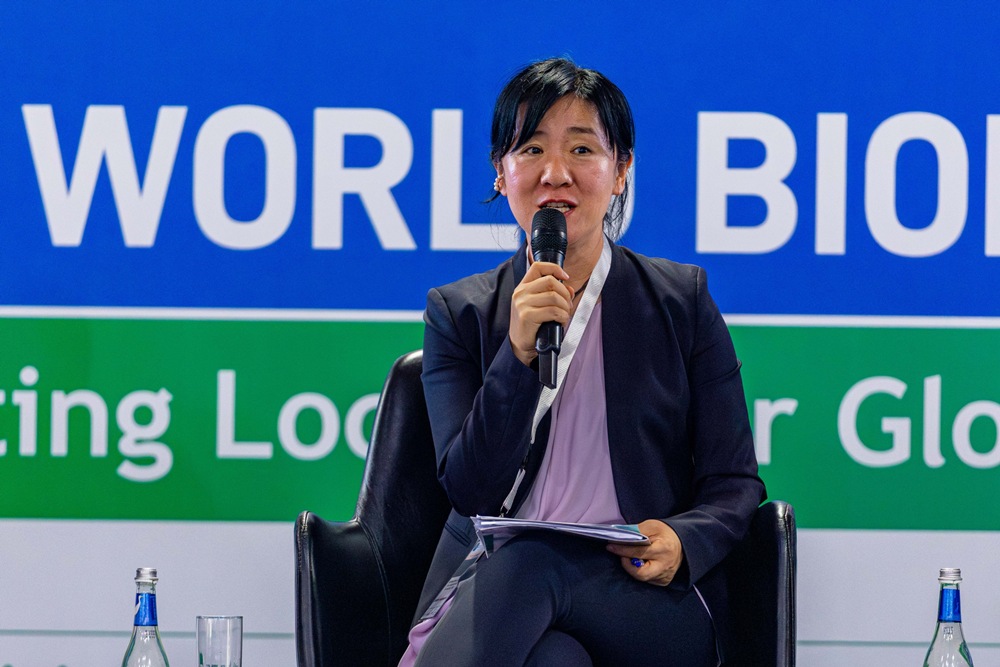***Ms. Kaori Yasuda, IUCN Country representative speaking at the celebration event***
Events included official ceremonies, awareness activities organized in partnership with institutions like the University of Rwanda and IUCN Rwanda, student engagements, and community outreach. A notable student poem titled “If nature would speak” featured prominently in celebrations.
Rwanda has made significant strides in recent years:
**Mountain Gorilla Recovery:** Populations in the Virunga region have rebounded dramatically through sustained protection and community involvement.
**Urban Restoration:** Wetlands in Kigali have been restored for flood control, biodiversity support, and public green spaces. Biodiversity in Nyandungu Eco-Park has nearly doubled according to recent surveys.
**Protected Areas Expansion:** Gishwati-Mukura National Park was designated a UNESCO Biosphere Reserve. Akagera National Park saw successful reintroductions of lions and rhinos, boosting ecological balance and tourism revenue.
**Community Benefits:** Tourism revenue-sharing programs have funded local projects such as schools and health centers around protected areas.
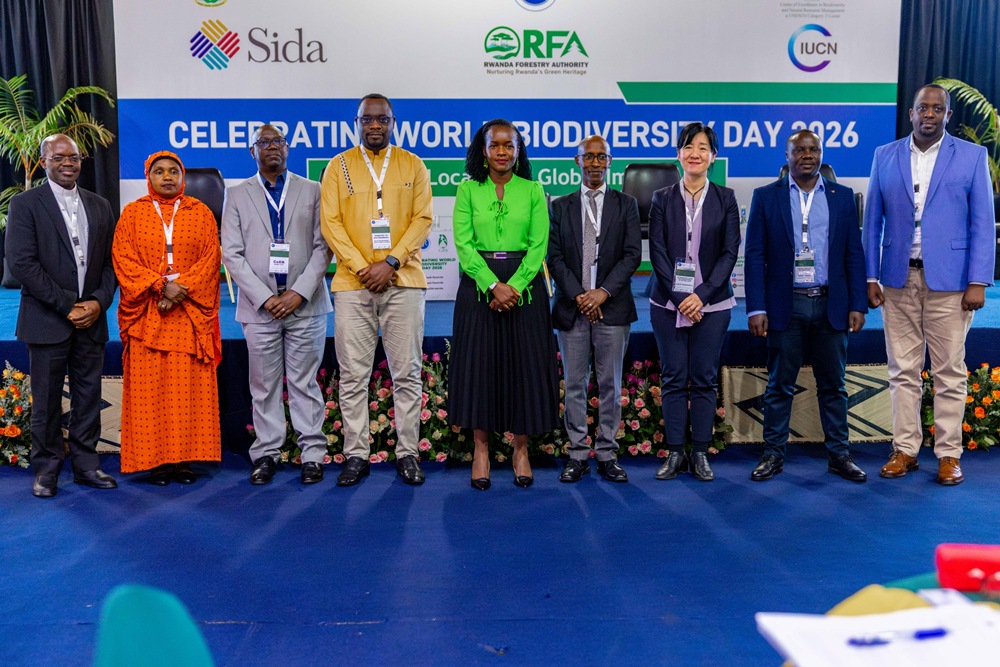 The country recently launched its National Biodiversity Strategy and Action Plan (NBSAP 2025-2030), which aligns national targets with the Kunming-Montreal Global Biodiversity Framework. This roadmap embeds biodiversity considerations across sectors including agriculture, infrastructure, and finance.
**Broader Context and Challenges**
Rwanda faces the dual challenge of high population density and limited land resources. However, through innovative land-use planning and nature-based solutions, the government aims to balance development with conservation.
UNESCO also highlighted Rwanda today for its work empowering women in beekeeping near protected forests as part of broader pollinator conservation efforts.
Minister Arakwiye called for stronger international partnerships, including predictable financing for restoration projects and nature-positive investments. “Acting locally is not a symbolic gesture — it is a strategic path to global impact,” she stated.
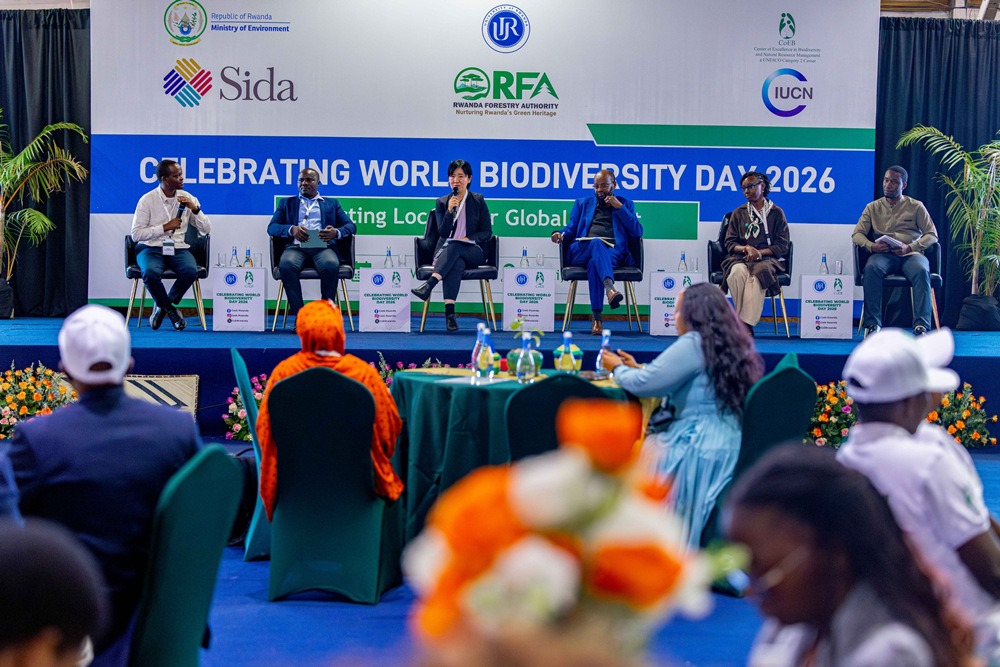
SUBSCRIBE TO OUR NEWSLETTER
First name or full name
Email
By continuing, you accept the privacy policy
**Categories:** Environment, Natural Resources and Agriculture
---
### [Rwanda Tightens Ebola Controls at Borders and Kigali International Airport](https://www.topafricanews.com/2026/05/22/rwanda-tightens-ebola-controls-at-borders-and-kigali-international-airport/)
**Published:** May 22, 2026
**Author:** DUSABEMUNGU Ange de la Victoire
**Content:**
**Kigali, Rwanda – May 22, 2026**-The Rwandan Ministry of Health has rolled out stricter Ebola prevention measures at all points of entry, including Kigali International Airport, in response to the ongoing outbreak in the neighboring Democratic Republic of Congo (DRC).
In an [official notice issued today, the Ministry confirmed](https://www.topafricanews.com/2026/05/22/rwanda-tightens-ebola-controls-at-borders-and-kigali-international-airport/) there is currently no case of Ebola in Rwanda, while emphasizing proactive steps to safeguard public health.
**New Entry Restrictions**
Effective immediately, enhanced entry control measures are in place at Kigali International Airport and land borders with the DRC. These include reinforced health screening, temperature checks, symptom assessment, and detailed travel history verification for all inbound travelers.
**Key restrictions announced include:**
- All foreign nationals who have travelled to, or transited through, the DRC within the last thirty (30) days will be denied entry into Rwanda.
- Rwandan nationals and foreign residents with valid proof of residency will be allowed entry. However, those who have travelled to or transited through the DRC in the same 30-day period will undergo mandatory quarantine in accordance with public health protocols.
The Ministry stated that these measures form part of Rwanda’s “ongoing precautionary measures to protect public health, further strengthen preparedness, early detection and rapid response capacity.”
**Reassurance to Public and Visitors**
Despite the tightened controls, the government is keen to stress that daily life and economic activities remain unaffected. The official notice clarifies that *“all activities within Rwanda continue as usual, including conferences, events, tourism, business, and travel within Rwanda.”*
**READ ALSO:** [**Gavi statement on the Ebola disease outbreak in Democratic Republic of the Congo and Uganda** ](https://www.topafricanews.com/2026/05/22/gavi-statement-on-the-ebola-disease-outbreak-in-democratic-republic-of-the-congo-and-uganda/)
Visitors and residents are encouraged to proceed with their planned activities while observing standard hygiene practices and adhering to official public health guidance.
**Rwanda has a strong history of effectively managing viral outbreaks, including the swift containment of the Marburg virus in 2024, thanks to its robust surveillance systems and rapid response capabilities.**
**Call for Vigilance**
The Ministry continues to monitor the situation closely in coordination with the World Health Organization and other regional and international partners.
The public is urged to remain alert to symptoms such as sudden fever, headache, fatigue, muscle pain, vomiting, diarrhea, or bleeding, and to report any suspected cases immediately.
For health information or to report symptoms, the public is encouraged to contact the **Rwanda Biomedical Centre hotline: 114**.
Rwanda remains open, safe, and well-prepared. The enhanced measures at Kigali International Airport and borders demonstrate the country’s commitment to preventing any potential spread while maintaining normal operations and connectivity.
> Rwanda continues to closely monitor the Ebola outbreak reported in the DRC.
> There are no Ebola cases in Rwanda, and precautionary measures are in place to reinforce prevention and early detection.
> New entry control measures are in effect for travellers from the DRC. [pic.twitter.com/FdU57AYFYu](https://t.co/FdU57AYFYu)
>
> — Ministry of Health \| Rwanda (@RwandaHealth) [May 22, 2026](https://twitter.com/RwandaHealth/status/2057790371657101712?ref_src=twsrc%5Etfw)

SUBSCRIBE TO OUR NEWSLETTER
First name or full name
Email
By continuing, you accept the privacy policy
**Categories:** HEALTH
---
### [Real-Time Streaming Innovations Elevate the International Live Casino Sector](https://www.topafricanews.com/2026/05/22/real-time-streaming-innovations-elevate-the-international-live-casino-sector/)
**Published:** May 22, 2026
**Author:** TOPAFRICANEWS
**Content:**
What began as a webcam pointed at a card table has become one of the most technically demanding formats in digital entertainment. Live casino — the segment of online gambling in which human dealers operate in real time from purpose-built studios — now runs on the same class of infrastructure that powers live sports broadcasts and global video platforms. Broadcast-grade streaming, instantaneous data capture, mobile-first architecture, and immersive production design have collectively transformed the sector from a novelty into a competitive, multi-billion-dollar industry defined as much by engineering as by entertainment.
#### Low-Latency Streaming Becomes the New Standard
For years, the standard for live video delivery accepted delays of several seconds between the physical event and the viewer’s screen. In live casino, that gap is no longer tolerable. When a roulette wheel slows or a blackjack hand is dealt, betting windows open and close within fractions of a second — and any mismatch between what the dealer has done and what the player sees can trigger disputes, erode confidence, and break the experience entirely.
The industry’s answer has been a shift toward [WebRTC](https://webrtc.org/) (Web Real-Time Communication), an open standard that enables sub-second video delivery directly through browsers without additional software. Paired with Media over QUIC (MoQ), a transport protocol designed for low-latency media delivery over modern networks, and 5G connectivity for mobile users, the infrastructure behind live casino now routinely achieves latency under half a second. Adaptive bitrate streaming ensures that video quality adjusts dynamically to each user’s connection, keeping play smooth rather than frozen. The result is that low latency has ceased to be a purely technical metric — it has become a trust feature, a usability guarantee, and increasingly a competitive differentiator.
#### OCR Turns Physical Casino Action Into Instant Digital Data
A live dealer environment generates continuous streams of physical information: card faces, roulette ball positions, dice values, and chip placements. Converting that physical data into accurate digital records in real time requires more than a camera — it requires Optical Character Recognition (OCR) systems specifically calibrated for casino environments.
Modern live casino studios embed OCR sensors directly into game tables. Card readers scan suit and value the moment a card is placed face-up; roulette sensors register the precise pocket the ball settles in; dice outcomes are confirmed within milliseconds of landing. This data feeds directly into the platform’s game engine, triggering automated payout calculations, updating player balances, and populating game histories without any manual input.
The practical consequence for players is an experience that feels both instantaneous and trustworthy. Payout delays that once took seconds — or required manual dealer confirmation — are eliminated. Disputed outcomes have a verifiable digital record. OCR, in this context, is not a back-end convenience; it is the mechanism through which physical casino action is translated into the accuracy and speed that digital players expect.
#### International Platforms Are Turning Live Casino Into Premium Entertainment
The technology described above does not exist in isolation. Its value is realised through the platforms that deploy it — and a growing number of international operators are using streaming infrastructure, real-time data systems, and mobile-first design to offer live casino experiences that compete directly with premium entertainment products rather than simply replicating the physical casino floor.
International operators such as [Novibet](https://www.novibet.ie/live-casino) show how live casino platforms are moving beyond basic table streams by combining HD dealer environments, mobile-friendly access, and a wider mix of real-time game formats. Across the sector, this approach reflects a broader strategic shift: platforms are no longer measured solely by their game selection, but by the quality of the technical environment in which those games are delivered. HD video, responsive mobile interfaces, seamless wallet integration, and multi-language dealer options have become baseline expectations rather than premium features. The platforms building sustainable positions in this market are those treating each streaming session as a complete product experience — not a feed of footage with a betting panel attached.
#### Multi-Camera Studios and Game Shows Raise Production Value
Inside the studios where live casino content originates, the production aesthetic has undergone a significant transformation. Early live dealer setups resembled security-camera footage: static angles, flat lighting, and minimal presentation. Today’s leading studios are built with broadcast television production in mind.
Multiple camera positions allow directors to cut between wide establishing shots, mid-range dealer interaction, and tight close-ups of cards and wheels — the same grammar used in live sport coverage. Lighting rigs create cinematic atmosphere. Dealer training programs emphasize presentation skills alongside procedural accuracy. Some studios have introduced dedicated live game show formats — wheel-spin games, bonus round structures, multiplier mechanics — that borrow explicitly from television entertainment rather than traditional casino design. These formats attract audiences who may not identify as casino players but respond to the interactive broadcast format. The convergence of gaming and entertainment production is not metaphorical; in the most advanced live studios, it is architectural.
#### AI Personalization and Responsible Gaming Shape the Next Phase
As streaming quality approaches a technical ceiling, the next competitive frontier for live casino platforms lies in personalization and player management. Artificial intelligence systems are already being deployed to analyze individual behavior patterns, surface preferred game types, adjust interface layouts, and optimize session recommendations in real time.
The same data infrastructure that makes personalization possible also enables more sophisticated responsible gaming frameworks. AI monitoring can identify behavioral signals associated with problem gambling — extended session lengths, increasing bet frequency, deviation from historical patterns — and trigger timely interventions: cooling-off prompts, spending limit reminders, and voluntary self-exclusion pathways. Regulatory environments across Europe and beyond are increasingly mandating these capabilities rather than treating them as optional features. Operators who have invested in real-time data pipelines for entertainment purposes are discovering that the same systems support compliance obligations more effectively than legacy rule-based tools. The dual function of AI — engagement tool and safeguard — will define responsible platform design in the years ahead.
#### Conclusion
The live casino sector’s sustained growth rests on infrastructure that most players never consciously notice: sub-second video pipelines, precision data capture, optimized mobile delivery, and intelligent personalization layers operating continuously beneath the surface. That invisibility is the point. The platforms positioned to lead in 2026 and beyond are not necessarily those with the most elaborate game show formats or the most recognizable branding — they are those whose technology has become reliable enough, fast enough, and seamless enough that players can focus entirely on the experience rather than the mechanics that make it possible.

SUBSCRIBE TO OUR NEWSLETTER
First name or full name
Email
By continuing, you accept the privacy policy
**Categories:** Entertainment, NEWS, Sport
---
### [Shyira Sky Bridge Opens New Chapter of Hope and Connectivity for Gakenke and Nyabihu Residents](https://www.topafricanews.com/2026/05/22/shyira-sky-bridge-opens-new-chapter-of-hope-and-connectivity-for-gakenke-and-nyabihu-residents/)
**Published:** May 22, 2026
**Author:** LIBOS NDAYISHIMIYE
**Content:**
Joy and celebration swept across residents of Gakenke and Nyabihu on Wednesday, May 21, 2026, as leaders and communities officially inaugurated the long-awaited Shyira pedestrian suspension bridge, a transformative infrastructure project expected to redefine mobility, trade, and access to essential services between the two districts.
Stretching across the Mukungwa River, the new bridge connects Mugunga Sector in Gakenke District to Shyira Sector in Nyabihu District, ending years of hardship that residents endured while crossing dangerous routes, especially during rainy seasons. The project was implemented through a partnership between Gakenke District, Nyabihu District, and FIKA (formerly Bridges to Prosperity).
The bridge was officially inaugurated by the Vice Mayor of Gakenke District in charge of Economic Development, Aimé François Niyonsenga, alongside representatives from Nyabihu District and FIKA.
Speaking during the inauguration ceremony, local leaders described the bridge as a life-changing solution that will strengthen social and economic ties between the two neighboring districts. Residents are expected to benefit from easier transportation, safer movement, faster access to healthcare, and improved trade opportunities.
For many families living near the Mukungwa River, the bridge represents far more than infrastructure it symbolizes safety, dignity, and economic progress.
“I used to spend a lot of time looking for a safe way to cross the river whenever I wanted to take produce to Vunga Market, during heavy rains, it became almost impossible. This bridge is going to improve our business activities and increase our income.” said Odette Ujeneza, a resident of Mugunga Sector. “
Another resident, Jean Mukunzi from Shyira Sector, expressed gratitude for the project, noting that access to healthcare will now become easier for many people seeking treatment at Shyira Hospital.
“We struggled greatly when taking sick people across the river, especially at night or during bad weather, this bridge will save lives and make movement between our communities much safer and faster.” he said.
Residents also highlighted that the bridge will facilitate the transportation of agricultural produce to Vunga Market, one of the region’s important trading centers, helping farmers reduce transport challenges and connect more easily with buyers.
Vice Mayor Aimé François Niyonsenga urged residents to protect and maintain the bridge, especially those who participated in its construction, emphasizing that safeguarding the infrastructure will ensure long-term benefits for future generations.

SUBSCRIBE TO OUR NEWSLETTER
First name or full name
Email
By continuing, you accept the privacy policy
**Categories:** NEWS
---
### [Pope Leo XIV Calls for Unity and Dialogue as New Ambassadors including Rwanda's Urujeni Present Credentials at the Vatican](https://www.topafricanews.com/2026/05/22/pope-leo-xiv-calls-for-unity-and-dialogue-as-new-ambassadors-including-rwandas-urujeni-present-credentials-at-the-vatican/)
**Published:** May 22, 2026
**Author:** TOPAFRICANEWS
**Content:**
On Thursday, May 21, 2026, Pope Leo XIV received the credentials of newly appointed ambassadors accredited to the Vatican from eight countries: Sierra Leone, Bangladesh, Yemen, Rwanda, Namibia, Mauritius, Chad, and Sri Lanka.
During the ceremony, Pope Leo XIV asked the diplomats to convey his message of friendship, respect, and prayers to the leaders and citizens of their respective countries.
The Holy Father called on nations and diplomats to rebuild trust in international relations, emphasizing that diplomacy should go beyond polite speeches and formal explanations. He stressed that true dialogue requires a “conversion of heart” and a commitment to promoting the common good rather than individual interests.
In his address, Pope Leo XIV also reflected on the approaching Feast of Pentecost, recalling how the Holy Spirit descended upon the Apostles, transforming fear into courage and division into unity through the ability to speak in different languages.
The Pope expressed his desire for that same “spirit of unity” to inspire the diplomatic world, encouraging nations to build relationships based on mutual respect, openness, and shared responsibility for the advancement of humanity.
He reaffirmed a message he previously delivered to the diplomatic corps earlier this year, warning that in a world where peace is often pursued through displays of military power, there is an urgent need to strengthen “diplomacy founded on dialogue and mutual understanding.”
Pope Leo XIV emphasized that genuine dialogue requires truthfulness and the rejection of hateful rhetoric and manipulation, noting that honest communication is essential for resolving conflicts and rebuilding trust between nations and peoples.
He stated, “No nation, family, or international institution can claim to be just and humane if it measures success only by power or wealth while ignoring the poor and marginalized.”
The Pope further highlighted that Christ’s love for the poor, the weak, and the forgotten should inspire humanity to reject selfishness and indifference toward vulnerable people.
According to Pope Leo XIV, this spirit of solidarity and service should guide the work of diplomats and international organizations so they may become instruments of reconciliation and peaceful coexistence.
He also noted that at a time when the world continues to experience divisions caused by political conflicts and national interests, international organizations must become more representative, effective, and committed to serving the unity of the global community.
In conclusion, Pope Leo XIV assured the diplomats of the support of the Vatican and the Catholic Church, praying that their mission would continue to promote dialogue, mutual understanding, and the peace that the world urgently needs.

SUBSCRIBE TO OUR NEWSLETTER
First name or full name
Email
By continuing, you accept the privacy policy
**Categories:** NEWS
---
### [Gavi statement on the Ebola disease outbreak in Democratic Republic of the Congo and Uganda ](https://www.topafricanews.com/2026/05/22/gavi-statement-on-the-ebola-disease-outbreak-in-democratic-republic-of-the-congo-and-uganda/)
**Published:** May 22, 2026
**Author:** TOPAFRICANEWS
**Content:**
**Geneva / May 21, 2026 –** Gavi, the Vaccine Alliance is closely monitoring the Ebola disease outbreak caused by Bundibugyo virus that is currently affecting the Democratic Republic of the Congo (DRC) and Uganda, and which the WHO Director-General has declared a Public Health Emergency of International Concern (PHEIC) and the Africa Centres for Disease Control and Prevention (Africa CDC) have declared a Public Health Emergency of Continental Security (PHECS).
More than 500 suspected cases and over 130 deaths have been reported in DRC, with confirmed cases in Kampala, Uganda, highlighting cross-border spread and a rapidly evolving situation. With no licensed vaccines or therapeutics available and transmission amidst a mobile, conflict-affected and hard to reach population, this Bundibugyo virus disease (BVD) outbreak is deeply concerning, both for the countries and communities directly affected as well as for global health security. It requires a country-led, highly-coordinated, and evidence-based response.
**READ ALSO:** **[WHO Warns Ebola Outbreak Spreads Across DRC and Uganda as Vaccine Delay Reaches Nine Months](https://www.topafricanews.com/2026/05/22/who-warns-ebola-outbreak-spreads-across-drc-and-uganda-as-vaccine-delay-reaches-nine-months/)**
As the global vaccine Alliance, Gavi is actively coordinating with the Coalition for Epidemic Preparedness Innovations (CEPI), WHO, Africa CDC, UNICEF, World Bank, Pandemic Fund, and other partners as well as the affected countries to assess needs and define how best we can both support outbreak response efforts and help countries safeguard essential public health services such as routine immunisation.
**Use of vaccines in outbreak response**
There are currently no licensed vaccines for BVD. Gavi funds the global stockpile of Ebola vaccines, which are licensed for use against Zaire ebolavirus – a different species than Bundibugyo virus. Considering the extremely limited available evidence on cross-protection against non-Zaire species, any decision to use this vaccine in the current BVD outbreak will require further assessments and will occur in accordance with WHO guidance, and only with the explicit informed consent and understanding of affected communities that the benefit of the vaccine against BVD is currently unknown.
Gavi is also working with CEPI – with whom we have an established coordination agreement for such situations – and other partners, including the private sector, to assess the suitability and feasibility of various candidate vaccines currently in the research and development (R&D) pipeline, including how R&D could be accelerated to support outbreak response. This pipeline includes two candidates highlighted by WHO:
- A candidate vaccine leveraging rVSV platform (the same platform as the licensed vaccine against Zaire ebolavirus, Ervebo) but targeted towards Bundibugyo ebolavirus. However, there are no doses of this candidate available for clinical trials and current estimates are that producing doses for clinical trials could take 6-9 months.
- A candidate vaccine leveraging the ChAdOx platform (used for licensed COVID-19 vaccines) and targeted towards Bundibugyo virus. However, there are no animal or human studies for this vaccine and no data on its use against BVD.
**Availability of Gavi support**
Based on these on-going conversations, Gavi is also assessing how its First Response Fund (FRF) could be leveraged in the context of this outbreak.
The result of learnings from the COVID-19 pandemic, the FRF was approved by the Gavi Board primarily to facilitate rapid access to vaccines outside Gavi’s portfolio – including through at-risk procurement and market shaping tools such as Advanced Purchase Commitments – during a public health emergency. In the current context, these tools will be used to incentivize manufacture of promising vaccine candidates, adhering strictly to an evidence-based approach and ensuring doses are produced as quickly as possible. The FRF and other Gavi mechanisms could also be used for targeted deployment of resources to protect routine vaccination and support immunisation-related health systems strengthening efforts. The FRF was used during the recent mpox emergency to secure 500,000 doses and to support outbreak response and efforts to protect routine immunisation services – through almost US$10 million delivery support funding provided by Gavi.
The FRF provides a total of $500 million for all qualifying emergencies through 2030. A use of up to US$50 million is at the discretion of the Gavi Chief Executive Officer to facilitate rapid response, and if more resources are needed, such use would be subject to approval by the Gavi Board.

SUBSCRIBE TO OUR NEWSLETTER
First name or full name
Email
By continuing, you accept the privacy policy
**Categories:** HEALTH
---
### [WHO Warns Ebola Outbreak Spreads Across DRC and Uganda as Vaccine Delay Reaches Nine Months](https://www.topafricanews.com/2026/05/22/who-warns-ebola-outbreak-spreads-across-drc-and-uganda-as-vaccine-delay-reaches-nine-months/)
**Published:** May 22, 2026
**Author:** LIBOS NDAYISHIMIYE
**Content:**
The World Health Organization (WHO) has warned that it could take up to nine months before a vaccine specifically targeting the Ebola Bundibugyo strain becomes available, as health experts race to contain a growing outbreak in parts of the Democratic Republic of Congo and Uganda.
WHO Senior Advisor Vasee Moorthy, who confirmed that two experimental vaccine candidates are currently under development and testing in response to the resurgence of the virus.
The Bundibugyo strain of Ebola, first identified in Uganda in 2007–2008, has once again raised global concern after re-emerging in Central and East Africa, prompting renewed emergency surveillance and response measures from international health authorities.
According to WHO Director-General Tedros Adhanom Ghebreyesus, the outbreak has already infected more than 600 people and caused at least 139 deaths, with additional confirmed cases reported across the Democratic Republic of Congo and Uganda.
Speaking during a press briefing in Geneva, Switzerland, held on the sidelines of the 79th World Health Assembly taking place from May 18 to 23, 2026, Tedros warned that the situation remains highly concerning due to ongoing transmission in multiple regions.
Health authorities reported that 51 additional Ebola cases have been confirmed in eastern DRC, while two cases have also been detected in Uganda, raising fears of cross-border spread if containment measures are not strengthened.
The first recorded fatality in the current Bundibugyo outbreak occurred in Bunia, Ituri Province, on April 24, 2026. However, the case was only officially confirmed as Ebola-related six weeks later, highlighting challenges in early detection and rapid diagnosis.
The Bundibugyo strain was first discovered in Uganda between 2007 and 2008, where it infected 149 people and claimed 37 lives. It later resurfaced in the Democratic Republic of Congo in 2012 in the Isiro region, infecting 57 people and killing 29.
On May 17, 2026, the World Health Organization officially declared the renewed Ebola outbreak in both the DRC and Uganda a serious public health concern of international significance, urging countries in the region to strengthen preparedness, surveillance, and response coordination.
WHO continues to work with national health authorities and international partners to accelerate vaccine development, improve case management, and prevent further spread of the virus across borders.

SUBSCRIBE TO OUR NEWSLETTER
First name or full name
Email
By continuing, you accept the privacy policy
**Categories:** HEALTH
---
### [US and Russia Vie to Power Rwanda’s Nuclear Ambitions](https://www.topafricanews.com/2026/05/22/us-and-russia-vie-to-power-rwandas-nuclear-ambitions/)
**Published:** May 22, 2026
**Author:** TOPAFRICANEWS
**Content:**
**Kigali, Rwanda** – In the heart of East Africa, Rwanda is racing toward a bold energy future.
The country, known for its rapid development and ambitious Vision 2050, is positioning nuclear power as a cornerstone of its industrialization.
With limited fossil fuels and growing electricity demand, Rwanda aims to have its first nuclear reactor operational by the early 2030s, potentially supplying 60-70% of its energy mix in the long term.
At the center of this push is an emerging geopolitical contest between two global nuclear powerhouses: the United States and Russia.
Both nations are actively courting Rwanda with technology, financing promises, and strategic partnerships to build the country’s inaugural nuclear power plant.
**Russia’s Long Game with Rosatom**
Russia has been laying groundwork in Rwanda for nearly a decade. Through its state nuclear corporation Rosatom, Moscow signed early agreements that include plans for a nuclear power plant and a Center for Nuclear Science and Technology in Kigali.
Recent reports suggest Rosatom has finalized or significantly advanced a deal to construct Rwanda’s first large-scale nuclear facility.
Russian technology offers turnkey solutions, extensive experience in building reactors across diverse environments, and often attractive financing packages backed by the Russian state.
This approach appeals to countries seeking rapid deployment and comprehensive support, from training engineers to managing the full fuel cycle.
For Rwanda, Russia’s involvement represents continuity and a proven model seen in other African nations pursuing nuclear energy.
**America’s Push with Small Modular Reactors**
In a notable development this week, Rwanda signed a Memorandum of Understanding on strategic civil nuclear cooperation with the United States and a comprehensive development agreement with American company Holtec International.
The deal focuses on deploying Holtec’s SMR-300 small modular reactors, which promise flexible, scalable power with enhanced safety features and shorter construction timelines compared to traditional large reactors.
The US approach emphasizes innovation, regulatory best practices, and integration with international safety standards.
Holtec’s agreement outlines collaboration on site assessment, technology maturation, and potential deployment of multiple SMR units that could collectively deliver up to several gigawatts of clean baseload power.
This aligns with Rwanda’s goal of reliable, carbon-free electricity to drive manufacturing, data centers, and urban growth without heavy reliance on imported fuels.
The timing of the US agreements, coinciding with the Nuclear Energy Innovation Summit for Africa hosted in Kigali, signals Washington’s renewed interest in countering influence in the region through advanced nuclear technology.
**Rwanda’s Strategic Balancing Act**
President Paul Kagame’s government is playing a smart, diversified game. Rather than choosing one partner exclusively, Rwanda is engaging both superpowers while maintaining dialogue with the International Atomic Energy Agency (IAEA), which recently reviewed and endorsed progress on the country’s nuclear infrastructure.
This dual-track strategy allows Rwanda to leverage the strengths of each: Russia’s experience with full-scale projects and the US’s cutting-edge small modular designs.
It also mitigates risks by avoiding over-dependence on a single foreign power. Key challenges remain, including finalizing robust regulatory frameworks, securing financing, developing a skilled workforce, and addressing public concerns about safety and waste management.
Nuclear energy could transform Rwanda from an energy importer into a potential exporter in the East African region, powering everything from electric vehicles to advanced agriculture and tech hubs.

SUBSCRIBE TO OUR NEWSLETTER
First name or full name
Email
By continuing, you accept the privacy policy
**Categories:** Energy
---
### [USTDA Furthers Deployment of U.S. Wireless Technology in West Africa](https://www.topafricanews.com/2026/05/21/ustda-furthers-deployment-of-u-s-wireless-technology-in-west-africa/)
**Published:** May 21, 2026
**Author:** TOPAFRICANEWS
**Content:**
**Arlington, VA –** The U.S. Trade and Development Agency is accelerating the deployment of trusted U.S.-made wireless infrastructure in West Africa to connect off-grid communities in a region dominated by Chinese-made wireless systems. USTDA announced funding for a feasibility study to install approximately 1,500 turnkey mobile communications base stations from Massachusetts-based company Vanu Inc. (Vanu), across Benin, Côte d’Ivoire, Ghana and Nigeria.
“USTDA is bringing private sector solutions to unlock widespread, affordable, trusted internet access in off-grid communities across West Africa,” said Thomas R. Hardy, USTDA’s Deputy Director. “By helping American companies compete in these critical markets, we are offering an alternative to insecure infrastructure while creating export opportunities that make America more prosperous.”
USTDA’s assistance will fund the study for Vanu Côte d’Ivoire, which has selected Georgia-based Vernonburg Group LLC to provide U.S. expertise to assess the commercial viability of large-scale deployment and help mobilize financing for implementation. The study will evaluate existing network infrastructure, analyze market conditions across all four countries, assess legal and regulatory frameworks, and develop a comprehensive financing plan. The project will generate substantial opportunities to deploy trusted U.S. wireless solutions, network management systems, and other digital infrastructure throughout the project’s implementation.
The deployment of American-made mobile base stations will address West Africa’s urban-rural connectivity gap and provide millions of West Africans with faster, more reliable mobile access, supporting economic activity in areas that have historically been offline or limited to outdated 2G and 3G networks.
Andrew Beard, CEO of Vanu Inc., said: “Vanu is proud to partner with USTDA to demonstrate how our systems enable mobile network operators in West Africa to deliver broadband Internet and voice services in some of the most economically and operationally challenging markets and prove that connectivity in these markets can be profitable, sustainable and scalable. Building on our pioneering world-first Federal Communications Commission certification of a software radio product, Vanu has developed an ecosystem of American companies to deliver cost-effective systems based on open interfaces and architectures. The USTDA study will help catalyze new investment, expand U.S. exports, and accelerate deployment of trusted, secure digital infrastructure to connect billions of people worldwide.”

SUBSCRIBE TO OUR NEWSLETTER
First name or full name
Email
By continuing, you accept the privacy policy
**Categories:** ICT
---
### [Youth Empowerment and Vigilance: Lessons from the Lemigo Hotel Gathering and Pan-African Movement Calls in Rwanda](https://www.topafricanews.com/2026/05/21/youth-empowerment-and-vigilance-lessons-from-the-lemigo-hotel-gathering-and-pan-african-movement-calls-in-rwanda/)
**Published:** May 21, 2026
**Author:** DUSABEMUNGU Ange de la Victoire
**Content:**
**Kigali, Rwanda** – Recent events in the capital have spotlighted both the aspirations and vulnerabilities of Rwandan youth, as hundreds gathered at Lemigo Hotel on May 13, 2026, in response to social media promotions for a Canadian Education Fair promising on-the-spot university admissions, study loans, and pathways to work abroad.
The much-hyped event drew large crowds eager for international opportunities, only for no Canadian representatives to appear—sparking widespread disappointment, scam allegations, and swift action by authorities.
This incident serves as a stark reminder of the very risks highlighted during a Pan-African Movement (PAM) event in Gikomero Sector, Gasabo District.
There, leaders urged young people to build resilience, reject destructive habits, and guard against exploitation.
During the PAM event, MP Hon. Murora Beth delivered a powerful message to the youth, linking personal discipline to national progress.“No youth who is drunk or high on drugs can be of any use to themselves or to the country,” she warned, adding that “Youth must beware of being deceived into human trafficking abroad.”
**READ ALSO**:[ **PAM-Rwanda Chapter Mobilizes Youth and Community for Africa Liberation Day 2026: A Call for Unity, Sustainable Resources, and Vigilance**](https://www.topafricanews.com/2026/05/16/pam-rwanda-chapter-mobilizes-youth-and-community-for-africa-liberation-day-2026-a-call-for-unity-sustainable-resources-and-vigilance/)
Her remarks underscored how poor judgment makes young people easy targets for traffickers, who often lure victims with false promises of better lives overseas.
Echoing these calls, Ms. Iragena Diane, a student from East African University, shared her insights in an interview with TOP AFRICA NEWS.
Expressing deep appreciation for the Pan-African movement and Rwanda’s leadership, she highlighted the immense potential within the younger generation.“As the youth, we have to continue, we have to know that we all have this ability so that we can achieve everything,” she said, encouraging her peers to join the Pan-African youth movement to achieve “a big thing.”
**Practical Advice Amid Rising Scam Threats**
Addressing the human trafficking dangers flagged by Hon. Murora Beth, Ms. Diane offered timely, practical guidance—especially relevant in light of the Lemigo Hotel episode, where fraudulent overseas scholarship promises reportedly drew crowds via Instagram and other platforms.
> “Most of us, I think we use social media, so why can’t we first check if this is a true thing?” she asked.
She urged critical evaluation of such offers:***“What you can do is to first check and first know and be sure of what you are going to do.” Youth should verify opportunities through official organizations and avoid rushing into unconfirmed deals that could lead to exploitation.***
The Lemigo gathering, which filled the hotel’s parking, halls, and streets, ended without the promised Canadian delegations.
Rwanda Police and the Rwanda Investigation Bureau (RIB) later arrested six suspects for allegedly deceiving the youth with fake study promises, with one suspect still at large. The episode has fueled public debate on youth desperation for abroad opportunities, the role of unregulated promotions, and the need for stronger local alternatives.
**A Call for Pan-African Youth Leadership**
The convergence of these stories paints a clear picture: while Rwandan youth are ambitious and proactive in seeking education and growth, they must pair that drive with vigilance. Pan-African Movement initiatives, including preparations for Africa Liberation Day, emphasize unity, self-reliance, and empowerment as antidotes to external exploitation.
Leaders like Hon. Murora Beth and voices like Ms. Iragena Diane are championing a proactive youth culture—one that harnesses potential for continental progress while steering clear of scams, substance abuse, and trafficking networks.
Young people are encouraged to engage with verified programs, leverage local opportunities, and contribute to building a stronger Rwanda and Africa.
*TOP AFRICA NEWS will continue monitoring these developments and amplifying youth voices in the fight against fraud and for empowered futures.*

SUBSCRIBE TO OUR NEWSLETTER
First name or full name
Email
By continuing, you accept the privacy policy
**Categories:** NEWS, Youth Empowerment
---
### [Opinion: Uganda’s “Maliza Ufisadi” – A Selective Disgrace to a Dedicated Servant](https://www.topafricanews.com/2026/05/21/opinion-ugandas-maliza-ufisadi-a-selective-disgrace-to-a-dedicated-servant/)
**Published:** May 21, 2026
**Author:** TOPAFRICANEWS
**Content:**
In the annals of Uganda’s political history, few leaders have risen as dramatically or delivered as prolifically in a short time as Rt. Hon. Anita Annet Among, the outgoing Speaker of the 11th Parliament. From humble beginnings in Bukedea to the pinnacle of legislative leadership, her tenure has been marked by unprecedented productivity, loyalty to the ruling party, and advancement of key national priorities. Yet, the ongoing “Maliza Ufisadi” (End Corruption) operation, which has targeted her with raids, asset seizures, and intense scrutiny, risks becoming less a genuine anti-graft crusade and more a public humiliation of one of the country’s most effective recent parliamentary leaders.
Record Legislative OutputUnder Among’s stewardship since 2022, the 11th Parliament passed a record number of bills — reportedly over 138 in total during the broader period including her deputy speakership, with accelerated processing times dropping from an average of 56 days to around 32 days. Landmark legislation included the Anti-Homosexuality Act 2023, amendments to petroleum and coffee laws, the Protection of Sovereignty Bill, and measures supporting oil sector development. These were not minor procedural matters; they addressed deeply divisive social issues, economic diversification, and national sovereignty — priorities repeatedly emphasized by the NRM government.
Critics may debate the content of these laws, but few can deny the efficiency and decisiveness with which Parliament operated under her guidance. Supporters rightly point out that this legislative surge advanced Uganda’s development agenda at a critical juncture, including preparations for oil production. Dismissing or tarnishing such service through dramatic midnight-style raids does a disservice to the institution she led and the voters who repeatedly elected her unopposed as Woman MP for Bukedea.
From Grass to Grace: Symbol of PossibilityAnita Among’s personal journey embodies the Ugandan dream. A trained accountant and lawyer, she transitioned from FDC roots into the NRM, serving effectively as Deputy Speaker before ascending to the Speakership following the untimely death of Jacob Oulanyah. She consolidated influence in the Teso sub-region and rose within party structures. Her story has inspired many, particularly women in politics, demonstrating that dedication and strategic alignment can yield results regardless of starting point.
The optics of “Maliza Ufisadi” — luxury vehicles seized (including a high-end Rolls-Royce whose purchase defenders link to her legitimate business interests, such as schools generating substantial revenue), properties raided, and movement reportedly restricted — paint a picture of selective enforcement. While no formal charges have been publicly detailed as of now, the timing, immediately after her withdrawal from the 12th Parliament Speakership race following reported consultations, raises questions about whether this is purely about corruption or internal political realignment.
Uganda has long grappled with corruption across many sectors and levels of government. A sincere “Maliza Ufisadi” should be systematic, transparent, and applied evenly — from top to bottom, without sparing sacred cows or appearing as a tool for settling scores. Singling out a high-profile figure who delivered tangible parliamentary results, while other longstanding allegations elsewhere linger unresolved, undermines public confidence in the campaign’s credibility.Service Deserves Due Process, Not SpectacleAnita Among served during challenging times: navigating post-COVID recovery, regional tensions, and domestic policy debates. She championed positions aligned with majority sentiments in Parliament and supported the NRM’s agenda. Even her defenders note her grassroots mobilization and constituency work.Public servants are not above scrutiny. Allegations must be investigated thoroughly, with evidence presented and due process followed in courts, not primarily through media leaks and dramatic operations. Turning a productive leader’s exit into a national spectacle risks demoralizing other officials and sending the message that political utility has an expiration date enforced by selective probes rather than elections or transparent accountability.
Uganda deserves a clean government. But “Maliza Ufisadi” must prove itself more than a headline-grabbing exercise if it is to honor, rather than disgrace, the contributions of leaders like Anita Among who helped steer the legislature through a productive term. True anti-corruption strengthens institutions; weaponized versions weaken them. As the dust settles on the 11th Parliament, history should remember Among’s record of delivery alongside any unresolved questions — not reduce her service to the vehicles in her driveway. This is an opinion piece reflecting arguments in defense of Anita Among’s contributions amid the ongoing investigations. All citizens, including public officials, remain subject to the law.

SUBSCRIBE TO OUR NEWSLETTER
First name or full name
Email
By continuing, you accept the privacy policy
**Categories:** OPINION, Politics
---
### [Olympic Champion Sir Mo Farah Leads Global Call for Sport as a Critical Enabler for Youth Mental Health](https://www.topafricanews.com/2026/05/21/olympic-champion-sir-mo-farah-leads-global-call-for-sport-as-a-critical-enabler-for-youth-mental-health/)
**Published:** May 21, 2026
**Author:** DUSABEMUNGU Ange de la Victoire
**Content:**
**GENEVA, 20 MAY 2026** – Four-time Olympic gold medallist Sir Mo Farah headlined a high-level side event at the 79th World Health Assembly (WHA) today, joining government ministers and global health leaders to present an evidence-based case for integrating sport and physical activity into youth mental health policy.
The event, co-hosted by the Commonwealth Secretariat and the World Federation of the Sporting Goods Industry (WFSGI), focused on the theme “Building Resilient Futures: Unlocking the Power of Sport and Physical Activity for Youth Mental Health in the Commonwealth”.
Drawing on his own experience and his work through Mo’s Mission, Sir Mo Farah emphasized the profound impact of physical activity, stating: “Being physically active isn’t just about fitness or sport – it’s about mental strength, confidence and feeling you belong. Sport gives young people confidence, connection and a positive outlet – and that’s never been more important for their mental health”.
The summit highlighted the urgent public health challenge facing the Commonwealth, where 60% of the 1.5 billion people are under 30. Globally, mental health conditions affect at least 13% of young people aged 10–19, with anxiety and depression having risen by 25% following COVID-19. The crisis is compounded by the fact that 81% of adolescents worldwide fail to meet recommended physical activity guidelines.
However, compelling evidence was presented showing sport as a scalable solution. Research demonstrated that regular physical activity can reduce depression symptoms by up to 30%, while also improving cognitive function, building social connectedness, and fostering resilience.
Dr. Janneth Mghamba, Health Adviser at the Commonwealth Secretariat, noted that sport and physical activity offer “trusted, supportive environments” where young people can “build resilience, enhance their wellbeing and connect to the support they need”. Emma Zwiebler, CEO of the WFSGI, echoed this, calling sport and physical activity “proven, scalable tools that can form a critical part of a holistic support system for youth mental health”. Speakers from the sporting goods industry, including ASICS, also presented case studies on advancing sport-based mental health initiatives.
The event positioned sport-based interventions as a cost-effective, high-impact extension of the health system, especially in settings where formal mental health services are scarce or inaccessible.
The session concluded with a call for co-sponsoring member states to commit to integrating sport for development and physical activity into national youth mental health strategies, with measurable targets. This commitment aims to build on the foundations of the 2022 CHOGM Dhaka-Kigali Mental Health Compact and lead into the 12th Commonwealth Sports Ministers Meeting in July 2026.
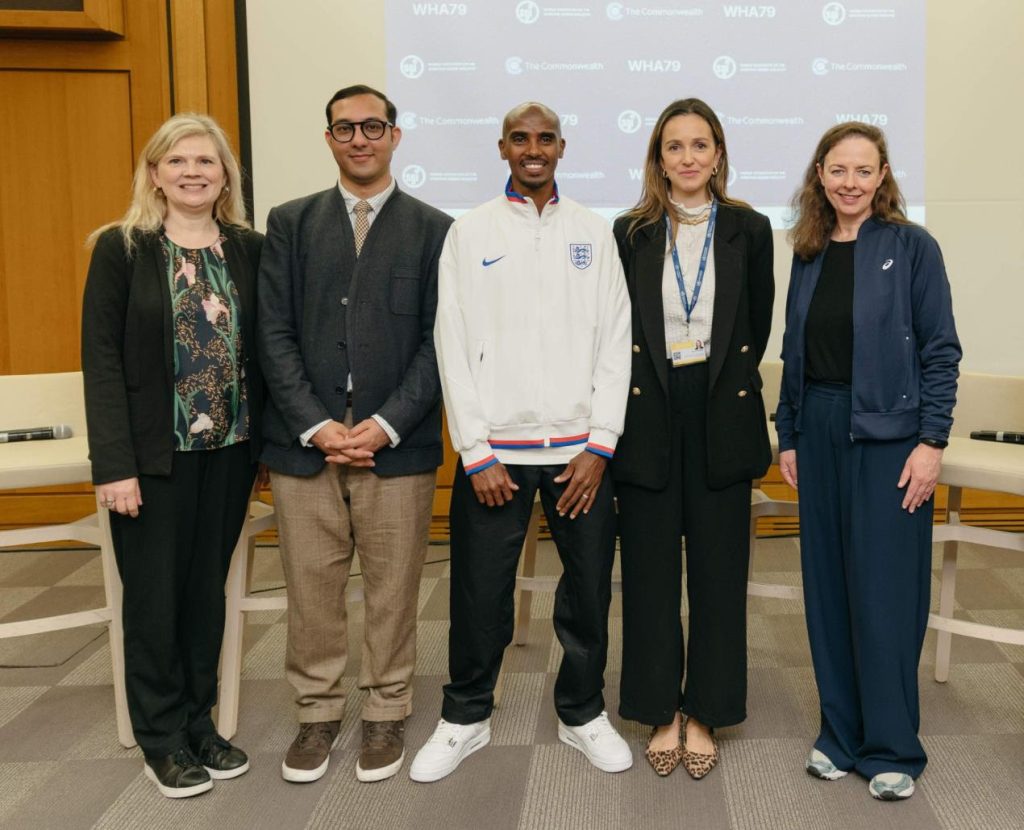
SUBSCRIBE TO OUR NEWSLETTER
First name or full name
Email
By continuing, you accept the privacy policy
**Categories:** Sport
---
### [Rwanda Joins Global Community in Celebrating World Bee Day 2026](https://www.topafricanews.com/2026/05/21/rwanda-joins-global-community-in-celebrating-world-bee-day-2026/)
**Published:** May 21, 2026
**Author:** TOPAFRICANEWS
**Content:**
***Institutions Highlight Pollinators’ Role in Biodiversity, Food Security, and Livelihoods***
**Kigali-Rwanda, May 21, 2026** — Several Rwandan institutions, government bodies, and partners marked World Bee Day yesterday (May 20) with events, awareness campaigns, and community activities under the global theme “Bee Together for People and the Planet – A Partnership That Sustains Us All.”
The day, which honors the birthday of Slovenian beekeeping pioneer Anton Janša, focused on the critical contributions of bees and other pollinators to ecosystems, agriculture, and sustainable development.
In Rwanda, celebrations emphasized beekeeping as a tool for environmental restoration, women’s empowerment, and rural income generation.
***Spotlight on Gishwati-Mukura Biosphere Reserve***
The flagship national event took place in the Gishwati-Mukura Landscape Biosphere Reserve in Rutsiro District, Western Province.
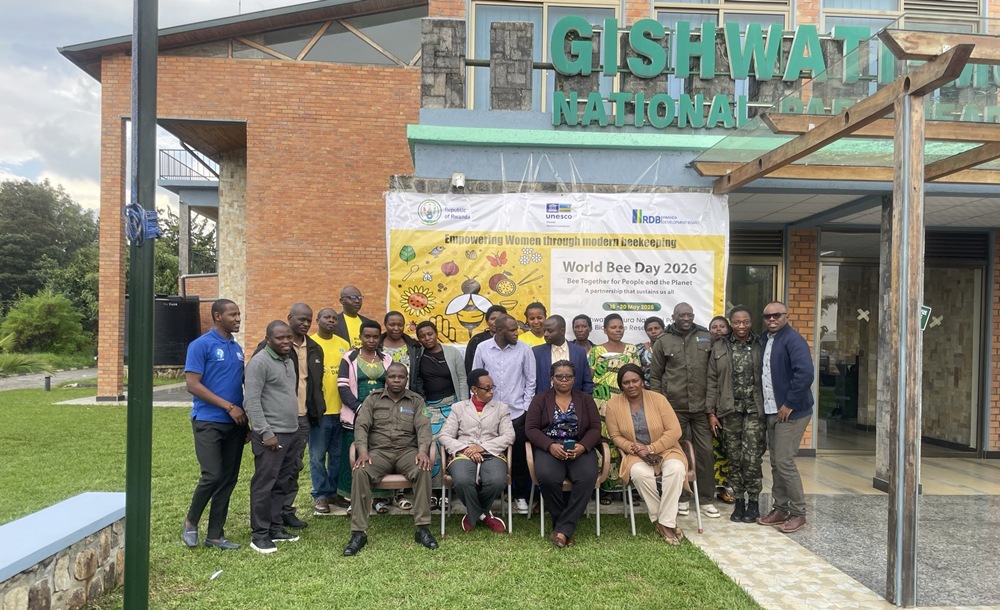Organized by the Rwanda National Commission for UNESCO (CNRU) in partnership with UNESCO’s Man and the Biosphere (MAB) Programme, the Centre of Excellence for Biodiversity and Natural Resources Management, and Rutsiro District, the multi-day activities included site visits, awareness sessions, and assessments of sustainable beekeeping progress.
This marked a significant national observance at the UNESCO-designated site, known for its restored forests that support thriving wild bee populations and community-based honey production.
The events built on initiatives like the UNESCO-Guerlain “Women for Bees” programme, which has trained women in modern, sustainable beekeeping techniques, turning conservation into viable livelihoods.
Rutsiro District actively partnered in the celebrations, highlighting the biosphere reserve’s role in biodiversity and local economies.
***Community and Development Initiatives***
Rwanda Rural Rehabilitation Initiative (RWARRI):
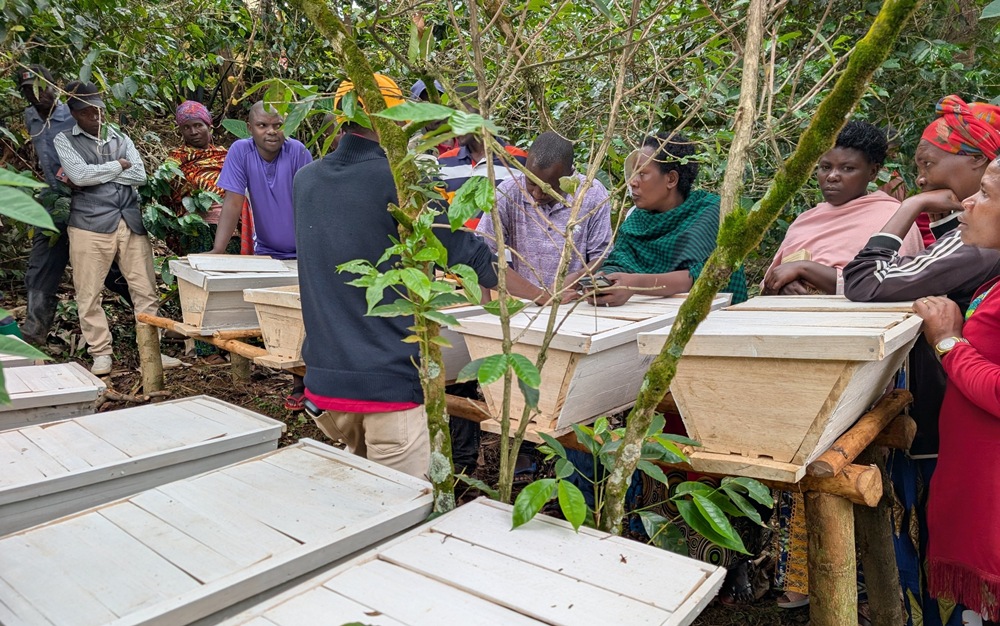Held hands-on celebrations with farmer groups in Kivumu Sector, Rutsiro District. Activities included installing beehive sites, distributing beekeeping equipment, and training on honey harvesting and processing to boost ecosystem restoration and community resilience.
**Ministry of Agriculture and Animal Resources (MINAGRI):**
Issued a strong statement recognizing bees’ essential role in food security, biodiversity, and resilient agrifood systems.
**Rwanda Green Fund (FONERWA):**
Shared educational messages underscoring that bees pollinate over 75% of the world’s crops.
Other participants included:
**World Food Programme (WFP) Rwanda**, spotlighting beekeeping projects in Nyabihu District that create jobs and income for women and youth.
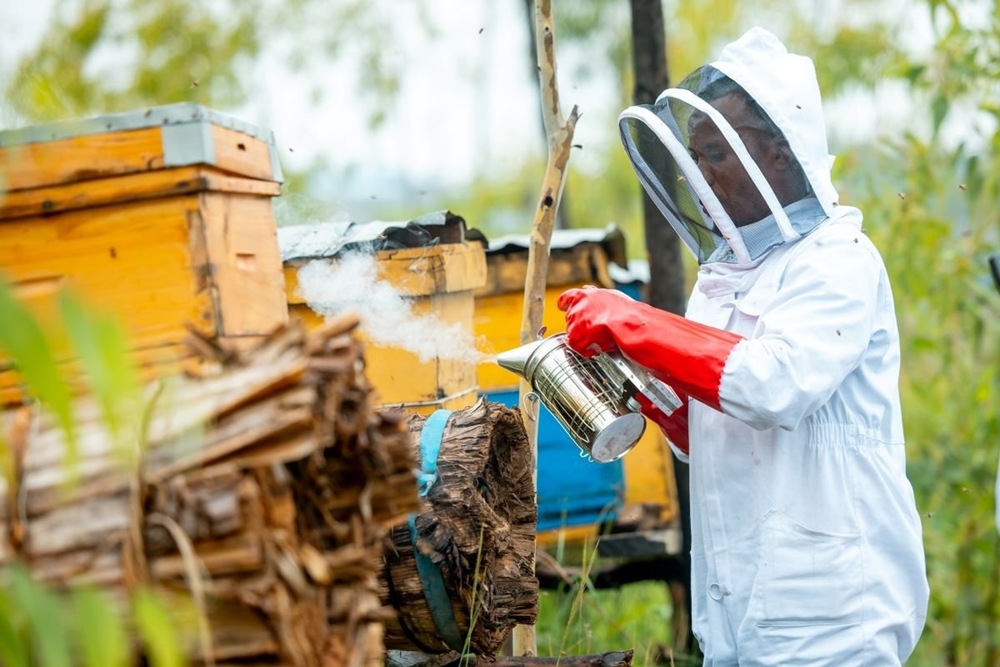
UNHCR Rwanda and partners like Alight, noting beekeeping initiatives near Nyabiheke Refugee Camp that foster income and social cohesion between refugees and host communities.
> The [\#TREPAproject](https://twitter.com/hashtag/TREPAproject?src=hash&ref_src=twsrc%5Etfw), funded by [@theGCF](https://twitter.com/theGCF?ref_src=twsrc%5Etfw) through [@CIFOR\_ICRAF](https://twitter.com/CIFOR_ICRAF?ref_src=twsrc%5Etfw), has equipped local beekeepers in [@RwandaEast](https://twitter.com/RwandaEast?ref_src=twsrc%5Etfw) with equipment, including [\#bee](https://twitter.com/hashtag/bee?src=hash&ref_src=twsrc%5Etfw) hives, to foster [\#biodiversity](https://twitter.com/hashtag/biodiversity?src=hash&ref_src=twsrc%5Etfw) conservation, financial resources, and resilience.
>
> 🗞️<https://t.co/1msdizBs2H>
>
> Happy [\#WorldBeeDay](https://twitter.com/hashtag/WorldBeeDay?src=hash&ref_src=twsrc%5Etfw) 🐝 [pic.twitter.com/90CTmqcWm6](https://t.co/90CTmqcWm6)
>
> — IUCN-Rwanda (@IucnRwanda) [May 20, 2026](https://twitter.com/IucnRwanda/status/2057068824172666991?ref_src=twsrc%5Etfw)
IUCN Rwanda and others promoting broader conservation efforts.
**Broader Impact in Rwanda**
Beekeeping supports thousands of Rwandans, particularly in rural areas, by providing sustainable income while aiding forest restoration and pollination services vital for agriculture.
Officials and partners used the day to call for continued investment in pollinator-friendly practices amid challenges like habitat loss and climate change.
As one UNESCO representative noted during related events, protecting bees means investing in a healthier future for people and the planet. Rwanda’s active participation signals growing national commitment to biodiversity and green growth.
Local media and district reports suggest additional grassroots activities took place, reinforcing the message that every Rwandan can contribute by planting pollinator-friendly plants and supporting sustainable farming.

SUBSCRIBE TO OUR NEWSLETTER
First name or full name
Email
By continuing, you accept the privacy policy
**Categories:** Environment
---
### [Africa Cannot Industrialize Without Reliable Power, ECA’s Gatete Warns](https://www.topafricanews.com/2026/05/20/africa-cannot-industrialize-without-reliable-power-ecas-gatete-warns/)
**Published:** May 20, 2026
**Author:** Mutangana Emmanuel
**Content:**
United Nations Economic Commission for Africa (ECA) Executive Secretary Claver Gatete has warned that Africa risks missing its industrialization ambitions unless it urgently expands access to reliable electricity, describing energy as the backbone of economic transformation and regional trade.
Speaking virtually during the Ministerial Compact Roundtable on Financing Africa’s Nuclear Energy Future, held in Kigali as part of the Nuclear Energy Innovation Summit on Africa 2026, Gatete said dependable and affordable power would determine whether African economies can compete globally and fully benefit from the African Continental Free Trade Area.
“No nation industrializes in the dark. Africa cannot realize the promise of the AfCFTA or build competitive regional value chains on intermittent power alone,” Gatete said.
***Claver Gatete, United Nations Economic Commission for Africa (ECA) Executive Secretary.***He noted that Africa’s energy crisis is unfolding amid mounting global pressures, including climate shocks, rising borrowing costs, geopolitical tensions and tightening financial conditions, all of which are straining public finances and limiting countries’ ability to invest in critical infrastructure.
According to Gatete, the AfCFTA presents a major opportunity for Africa to boost intra-African trade, strengthen manufacturing capacity and build resilient regional value chains. However, he stressed that these ambitions cannot be achieved without large-scale investments in electricity generation and transmission.
Nearly 600 million Africans still live without access to electricity, including an estimated 400 million people in rural areas beyond the reach of existing power grids. Although electricity access on the continent has improved from around 25 percent a decade ago to approximately 51 percent today, Gatete said progress remains too slow.
“Africa needs to connect around 100 million people every year to stay within reach of SDG 7,” he said, referring to the global goal of ensuring universal access to affordable and clean energy.
He further warned that Africa’s electricity demand could quadruple by 2040 as countries expand manufacturing, mineral processing, pharmaceuticals, logistics, digital infrastructure and modern agriculture.
Against this backdrop, Gatete said nuclear energy should be considered part of Africa’s broader clean energy strategy, alongside renewable energy sources.
“Modern economies need clean power, but they also need firm, reliable, always-on power. Nuclear energy can help deliver this, alongside renewable sources of energy,” he said.
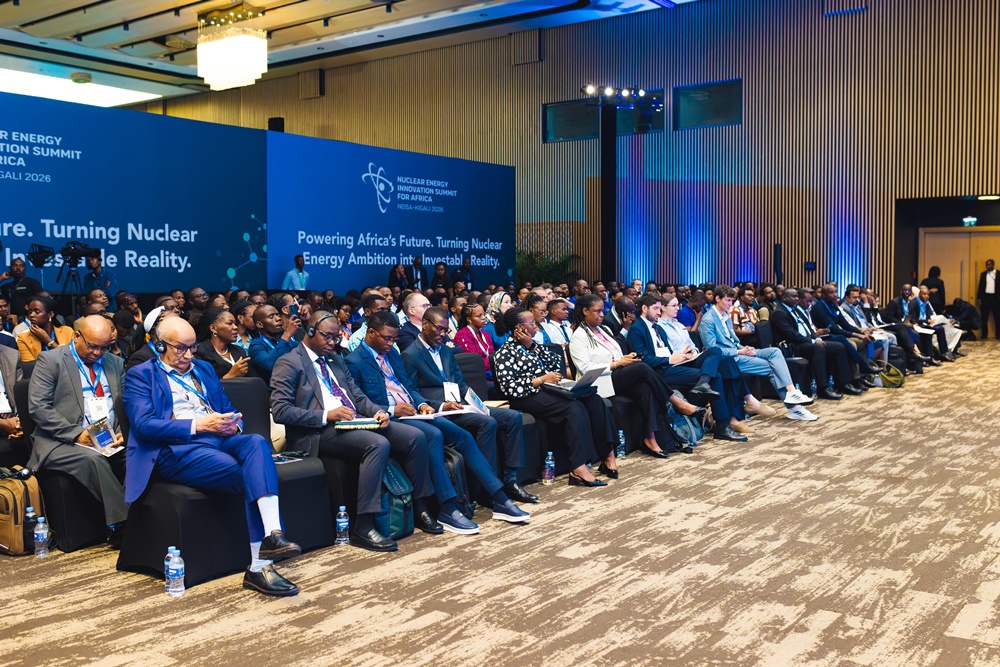He argued that nuclear power offers stable, low-carbon electricity capable of supporting grid reliability while complementing variable renewable sources such as solar and wind. He also pointed to growing global interest in nuclear energy, particularly in small modular reactors and new nuclear projects under development worldwide.
Gatete said Africa already possesses several strategic advantages, including uranium reserves, emerging nuclear institutions and growing political interest in nuclear development.
He highlighted that South Africa already operates a commercial nuclear power plant, while Egypt is constructing reactors at El Dabaa. He also noted that Morocco continues to strengthen its nuclear preparations, while Rwanda is building institutional coordination as it explores the possible deployment of small modular reactors in the future.
Despite these developments, Gatete said financing remains the continent’s biggest hurdle.
“Nuclear ambition will not become investable reality unless countries can lower risk premiums through credible governance, bankable delivery models and strong institutions,” he said.
To address these challenges, he outlined five priorities: strong political leadership, transparent governance and independent regulation, blended financing and risk-sharing mechanisms, stronger regional cooperation, and increased support from multilateral development banks and development finance institutions.
He also emphasized the need for investment in both infrastructure and human capital, including electricity grids, transport systems, engineers, regulators, safety experts and regional training centres.
Small modular reactors, Gatete added, may offer a practical entry point for several African countries because of their scalability and suitability for smaller electricity grids and industrial zones.
He said decisions taken today on energy policy and investment would shape Africa’s development trajectory for decades to come.
“Our task is not merely to expand power generation. It is to build the energy foundations of Africa’s next development era,” Gatete said.
He reaffirmed the ECA’s commitment to supporting African countries through technical cooperation, policy guidance and strategic partnerships aimed at turning nuclear energy ambitions into practical implementation.
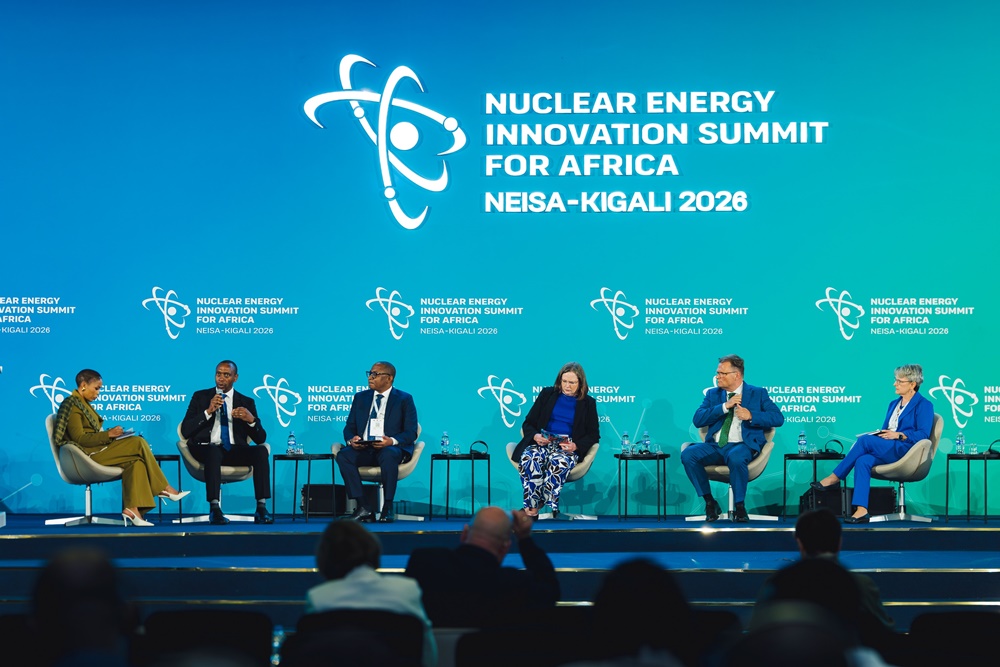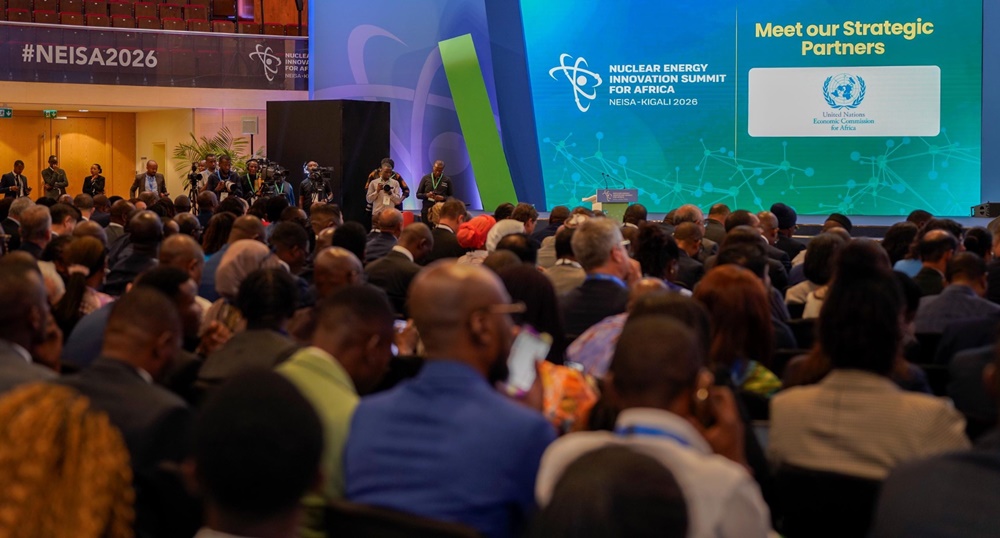
SUBSCRIBE TO OUR NEWSLETTER
First name or full name
Email
By continuing, you accept the privacy policy
**Categories:** Energy, NEWS
---
### [The Diplomacy of Trust: Unpacking the Uganda-Rwanda Thaw and Africa’s Geopolitical Future](https://www.topafricanews.com/2026/05/20/the-diplomacy-of-trust-unpacking-the-uganda-rwanda-thaw-and-africas-geopolitical-future/)
**Published:** May 20, 2026
**Author:** TOPAFRICANEWS
**Content:**
In the high-stakes arena of East African geopolitics, the relationship between Uganda and Rwanda is critical; what happens between these two nations inevitably shapes the entire region. According to Dr. Adonia Ayebare, Uganda’s Ambassador to the United Nations, this vital relationship in the Past survived a severe crisis fueled by a dangerous deficit of trust and historical mismanagement.
**The Brink of War and the 2019 Border Closure**
The 2019 closure of the Uganda-Rwanda border was a stark wake-up call that exposed a profound breakdown in trust between the two states. At the height of the diplomatic impasse, the situation escalated to a point where a catastrophic “shooting war” was a genuine possibility.
[**Ambassador Ayebare notes that the root of the conflict** ](https://www.youtube.com/watch?v=vyV6BtFJk5U)lay in the dangerous informality between the two governments. The ruling movements of both nations—Uganda’s National Resistance Movement (NRM) and Rwanda’s Rwandan Patriotic Front (RPF)—share deep historical ties, with leaders who fought alongside one another during revolutionary struggles. However, officials failed to transition these personal, inter-people relationships into formal, institutionalized interstate relations. This lack of predictable, official communication channels bred deep suspicion, resulting in espionage allegations, the arrest of citizens, and the hijacking of national interests by political spoilers.
**An Unconventional Diplomatic Breakthrough**
Standard diplomacy quickly reached a dead end, failing to de-escalate the crisis despite the mediation efforts of regional leaders like Angola’s President João Lourenço and DRC’s President Félix Tshisekedi.
The pivotal breakthrough ultimately came when General Muhoozi Kainerugaba, Uganda’s Chief of Defence Forces, took a calculated risk to personally repair the relationship. Utilizing his unique position as the head of the military, the son of President Yoweri Museveni, and his close personal relationship with Rwandan President Paul Kagame, Gen. Kainerugaba bypassed the stalled formal channels.
Described as a fair-minded and careful listener, he was able to establish direct, honest communication with President Kagame to distill the true positions of both nations. Through sheer diplomatic finesse and built-in trust, Gen. Kainerugaba achieved what formal negotiations could not: within just two weeks of his intervention, the diplomatic ice thawed, and the borders were reopened.
**Regional Security in the Democratic Republic of Congo**
The stability of Uganda and Rwanda is deeply intertwined with the security of the broader region, particularly the Democratic Republic of Congo (DRC). Currently, the UPDF is operating in eastern DRC to neutralize the Allied Democratic Forces (ADF), an ISIS-linked terrorist organization that seeks to establish a republic based on Sharia law.
Under President Tshisekedi, the Congolese government permitted Ugandan forces to conduct “Operation Shujaa” to fight the ADF, reversing the uncooperative stance of former President Joseph Kabila, under whom the ADF grew significantly. However, Ambassador Ayebare stresses that groups like the ADF and the Democratic Forces for the Liberation of Rwanda (FDLR) remain grave regional threats rooted in dangerous extremist ideologies. He argues that these insurgencies cannot be managed merely through bilateral agreements; they demand unified, robust regional mechanisms.
**Africa on the Global Stage**
Beyond regional borders, Ambassador Ayebare’s insights shed light on Africa’s standing within a shifting, multipolar world and a UN Security Council that was designed by the victors of World War II to manage a completely different era.
**When Africa’s 54 nations unite as a bloc, they wield immense multilateral power.**
This was recently demonstrated when the African group successfully pushed through a UN tax convention designed to curb tax misbehavior by multinational corporations, winning the vote despite intense opposition from Western nations.
Yet, the continent has also suffered tragic diplomatic failures when unity has fractured. Ayebare highlights the “scandalous” 2011 UN Security Council vote where the three African representatives at the time—South Africa, Nigeria, and Gabon—succumbed to Western pressure and voted to authorize the military intervention in Libya. This resolution, disguised with the notorious phrase “all necessary means,” provided legal cover for NATO to oust Muammar Gaddafi. The disastrous fallout of that vote continues today, fueling the proliferation of arms and terrorist groups like Boko Haram that are actively destabilizing Nigeria and the wider Sahel region.
Ultimately, whether managing border disputes in Kabale or fighting for equitable policies in New York, the foundation of Africa’s political success relies on abandoning informal assumptions, building institutional trust, and maintaining unyielding regional solidarity.
Watcht the
The Long Form Podcast here:

SUBSCRIBE TO OUR NEWSLETTER
First name or full name
Email
By continuing, you accept the privacy policy
**Categories:** Politics
---
### [C40 Cities and UN-Habitat Urban Planning Accelerator emerged as a major highlight of the World Urban Forum](https://www.topafricanews.com/2026/05/20/c40-cities-and-un-habitat-urban-planning-accelerator-emerged-as-a-major-highlight-of-the-world-urban-forum/)
**Published:** May 20, 2026
**Author:** TOPAFRICANEWS
**Content:**
**Baku, Azerbaijan, May 20 –** As cities around the world face escalating climate threats, housing shortages, and entrenched inequality, the [C40 Cities and UN-Habitat Urban Planning Accelerator](https://us.cisionone.cision.com/c/eJwszEuO6yAQheHV4BkWLjCPAYNIV95GVECRoPh1gbS330rU0__TOcmDjUrogfxkjAOthIPh6SdQ2mA2FIDSLOacImkSQczKgA5hKF6jSBpVAimnfJ-mGJzVIB0yJVpJ9Cr_-YZlpdq4nl3QWeuUeZrtq48fGFb_7P1sTN4YLAyW67rGqMR41AeDBWOklSr2ozYGy7sG3Pm54r6X_eNMLu--3dvxrpGY_Bef2B9nH-OxDRulgrzSStiIl-S_4f4XmLyBnY21Q_VlzwdToh8n5loi7nS170XrlWj7bMk4EZ0R3DiwXBmZOUYKXAHMAUlMyoXhx8NvAAAA___YoGgm) emerged as a major highlight of the World Urban Forum.
Showcasing urban planning as a powerful tool to address these interlocking crises, the Accelerator has already been endorsed by 33 major cities across the globe. By committing to adopt a climate-responsive urban planning model by 2035, these mayors are leading the essential shift away from outdated development and towards building more inclusive, resilient, and emissions-cutting urban futures.
> *33 global cities commit to adopting a climate-responsive urban planning model by 2035 to cut emissions, reduce climate risks, and build more inclusive and resilient urban futures*
The accelerator was presented to delegates during the session “Urban Planning is Climate Action: The C40–UN-Habitat Accelerator,” in Baku, the initiative supports mayors and city governments in transitioning away from outdated urban development models characterised by urban sprawl, car-oriented growth, and rigid land-use zoning. Instead, the Accelerator promotes a climate-responsive urban planning model that prioritises people, the planet, and shared prosperity. Through technical support, policy guidance, political leadership, peer learning, and access to global expertise, the initiative equips cities with the tools needed to embed climate action directly into master plans, land-use strategies, urban development frameworks, and housing policies.
At the heart of the initiative is a shared commitment from cities to fundamentally rethink how urban areas are planned, designed, and managed in the face of accelerating climate risks and rapid urbanisation.Under the initiative, signatory cities commit to:
- Reducing greenhouse gas emissions through compact, polycentric, and connected urban development;
- Reducing climate vulnerability through risk-informed, nature-positive, and inclusive planning approaches;
- Prioritising regeneration and densification over urban sprawl;
- Encouraging mixed-use neighbourhoods and transit-oriented development;
- Restricting new development in high climate-risk areas;
- Protecting and restoring natural systems that shield cities from extreme weather events;
- Expanding adequate and affordable housing to improve quality of life and resilience for vulnerable communities.
Launched in Rio de Janeiro, Brazil, during the [2025 C40 World Mayors Summit](https://us.cisionone.cision.com/c/eJwsyzvOGyEUQOHVQMcILu-Cws1sw-JxiZEHjwPEo-w-cvS339EpAVxW3FAMwloPRnEP9BFydTy6lIs0UoCWSvIMOmUhSirVZ9qCibyYqApIKepdiJy8MyB9JIrPVvDZfrMe24FjMqN9MtWYUlnR7rm2b6BHeKz1nkTeCOwE9uu6tqz4do5fBHb84GtNAntWnF3nOArr8e85Jpt_em-LAQdNYKcdS4ts4IFxImsl_If7DxB5A6etc3SE9qonUXyd71hHy_GF19zy2elcA7F_X7SeZ285sx4cU1ZWFjMmpgB0isiF8ol-AvwLAAD__0ZdX-o) last November, the accelerator builds upon the [Jameel C40 Urban Planning Climate Labs](https://us.cisionone.cision.com/c/eJwsyz2S3SAQBODTQDYqNCAQAcEmusbWAMN7ePVnwbOu75LLYX_dnQPOySgrOYzOebRGeZTvgE47Y1Wy6FweRzOVrHS0xStjIk1a1mBJZUsmo9Zj-R7HFP1sUXsSRrWa-af-ho3qylcDO_loi7W5QJ7mnz48hVzDu_ezCf0lcBG43Pc9JKOG43o96U0dboZ8CFxaorXuL_ickNa6UWeg1OuxC1w-V6QdzpX2_ZlkbvX1-C_amFdIRglc5Ma5Ely8MjWGmsM_-P4PQn_hPLl5lleoezmEUf04qVw10c53G9KxydYv5u35svMqeafAeZzBOF2AEkcwiFMkVqPxUf4J-DcAAP__TShs4w), a partnership between C40 Cities and Community Jameel.
**Dr. Nasiphi Moya, Mayor of Tshwane, South Africa, said:**
“The City of Tshwane is proud to stand alongside other global cities in advancing climate-responsive urban planning. For us, this is not only about meeting climate targets, but about building a city that is more resilient, more inclusive, and better connected for all residents. We are already driving initiatives aligned with the Accelerator’s principles, including strengthening transit-oriented development, protecting environmentally sensitive areas, and promoting more integrated urban growth. Through collaboration with other cities, we are showing that local government has a critical role to play in leading the transition towards a more sustainable urban future.”
**Evandro Leitão, Mayor of Fortaleza, Brazil, said:**
“Fortaleza is already replicating the principles of the Urban Planning Accelerator through our recently launched Master Plan, which expands environmental protection areas and guides the city’s sustainable and planned growth, prioritizing a more inclusive and resilient urban environment. The Cultural Heritage Preservation Zones in Fortaleza have increased from four to eight areas, expanding protection of the city’s historical and cultural heritage by 504.57 hectares. In addition, the municipality has promoted a 20% increase in Protected Environmental Areas. In the year that Fortaleza celebrates its 300th anniversary, the city receives a major milestone: an urban planning strategy committed to preserving its history and natural resources.”
The Accelerator surges as a response to an increasingly urgent global reality. Urban land area is now expanding up to 50% faster than population growth, and if current trends continue, urban areas could triple in size by 2050. At the same time, green spaces in and around cities have shrunk by nearly 29% between 1990 and 2020, while more than one billion people continue to live in slums and informal settlements worldwide.
Cities that embrace compact, mixed-use, and transit-oriented urban planning models could cut greenhouse gas emissions by up to 25% by 2050, according to the [Intergovernmental Panel on Climate Change (IPCC)](https://us.cisionone.cision.com/c/eJxEjEGu4yAQBU-Dd1i4wRgWLCKNfI2oaZoYJY49mIyvP3L0pb97qlK9FMCRUbbjMEyTB2uUh24JbkhJE2WV3RCj8TEbi5pjdgw5W9-VYFEliyaB1kO-DwNF7yxoj8KooyR-lr9yxfLiekg7-miztSnLNLpn6y_RvcLS2n4IfRMwC5jP8-zLTtTTImCuvG-1CZix2ks-tICZFtwb198l3dXq-dPW-7F9KrHQf2jB9thbT9varZwKysovxoNlSeEL7j9A6Bu4cXKuq6G88yaMatuOuRbCN5_H9-JolXm9Wp68Ij8pOXlw0kw6SySO0gCMEVkNxsfuX4D_AQAA__98A2tR), highlighting the critical role urban planning plays in achieving global climate goals.
**Shubhagato Dasgupta, Chief, Planning and Finance Section, UN-Habitat, said:**
“At the thirteenth session of the World Urban Forum, we are reimagining the future of cities, placing housing at the center of local climate action. The C40 and UN-Habitat Urban Planning Accelerator empowers cities to plan for people, planet, and equity, creating communities that are not only sustainable, but truly livable for all.”
**Mark Watts, Executive Director of C40 Cities, said:**
“This is a powerful example of how cities are already turning climate ambition into action where it matters most: on the ground, in neighbourhoods, and in people’s daily lives. Across the world, mayors are showing that good urban planning is climate action, from creating more connected and inclusive communities, to reducing emissions and protecting people from growing climate risks. The decisions cities make today about how they grow and develop will shape the resilience, health, and prosperity of urban residents for generations to come. This Accelerator is helping cities move from outdated models of urban expansion towards a future that is more sustainable, equitable, and resilient.”
The World Urban Forum session highlighted practical examples from participating cities such as Tshwane (South Africa), Fortaleza (Brazil), and Bogota (Colombia) to showcase how local governments are already embedding climate mitigation and adaptation into planning decisions. Discussions also underscored the importance of multilateral collaboration and city leadership in accelerating implementation on the ground.
The following cities are currently signatories to the Urban Planning Accelerator:
- Accra, Ghana
- Amman, Jordan
- Athens, Greece
- Barcelona, Spain
- Bogotá, Colombia
- Buenos Aires, Argentina
- Cape Town, South Africa
- Chicago, United States
- Copenhagen, Denmark
- Curitiba, Brazil
- Dar es Salaam, Tanzania
- Durban, South Africa
- Fortaleza, Brazil
- Freetown, Sierra Leone
- Guadalajara, Mexico
- Istanbul, Türkiye
- Jakarta, Indonesia
- Jeddah, Saudi Arabia
- Johannesburg, South Africa
- Karachi, Pakistan
- Lima, Peru
- Madrid, Spain
- Medellín, Colombia
- Milan, Italy
- Paris, France
- Portland, United States
- Quezon City, Philippines
- Quito, Ecuador
- Rio de Janeiro, Brazil
- Tokyo, Japan
- Tshwane, South Africa
- Vancouver, Canada
**Sustainable Development Goals in Action: Financing System-Wide Urban Resilience**
Cities are already delivering ambitious climate action on the ground. However, accelerating implementation of urban resilience solutions will require scaling-up and unlocking climate finance at both the domestic and international level. As cities work to deliver more resilient infrastructure, sustainable mobility, affordable housing, and nature-positive development, access to funding remains one of the biggest barriers to implementation at scale.
During WUF in Baku, C40 Cities and the Global Covenant of Mayors for Climate and Energy (GCoM) in partnership with the MDB Cities Group, came together to discuss how collaboration and multi-actor partnerships can help accelerate and unlock finance for urban resilience as part of SDGs in Action dialogue. Building on the [recent report](https://us.cisionone.cision.com/c/eJwsy0HO2yAQxfHT4B0RHjCYhRepKvcAVdfReBgcFBungOvrV2m_7f_9XphgJKNsx1PvnAdrlIfuOSl0RkVD1BtwFMNgddCIQFFbGpG6NFlUwaIJoHUfH31Pix8taI_CqJoCv9JvuWPauFRpB7_YaG2IMgzjq90-Q7dNz9beVei7gFnAfF3XjYx65ePaOKz8PJfbUVYBcxUwY2mJNhYwfzvTFlJeZXuyjCljpoSbJKws41HkWRbMEgO-G7Z0ZPnjTAEzscQc_rPazpC4Cj1vmNcTVxb6O-fHr5_dziGhLLzxB6Yw_QuPryD0HcbBjWNXppTjIYxqxxtjSYSZr3qjY-9qK8z758vOK_JOSedhlMbpKJF4kQZgWJBVb_zS_ZngbwAAAP__on1-dg) published by C40 Cities on adaptation finance and the [4th high-level roundtable between MDBs and Mayors](https://us.cisionone.cision.com/c/eJwsj0Fu7CAQBU-Ddz2CNoNh4UU2vkbUQJOg2OAPeOb6X46yracq6cUVbdDSTLyqZXFotHQ4fa-ovFPuqZVHiQnJmmjIeTKk2Solp7waktGQjjjPKn0qFbyzBmdHQsueI__kf3BQ3rl1ME_nTTImJohP-zMe9zDt6_cYZxfzh8BN4PZ-vx9By0dtXwK3wu8ucNtroB2-6otbObiMDlQiRH7xXs8bQMqFSmDIpY88rpFr6XBSG4UbjAq5hMbUGfp1nrUNSLVB4573fOtX81Qgl9Soj3aFcbW79eI-7rzAbTo4ZoLG-28mx_UXfP4BMX-gfS7WTm3NJVWh5agnpZYD3SceoR5TH435uF1enAxukbA4tKCXOQEF9qARn55YKu389FrxfwAAAP__Yk2HkA), the session shared practical examples of project-level and systems-thinking approaches to urban resilience, demonstrating the relevance and importance of multi-actor approaches in tackling the urban climate finance gap and contributing to the [newly agreed adaptation finance goal at COP30](https://us.cisionone.cision.com/c/eJwszT1uAyEUBODTQIcFj_-Cws1ew3rAI0b27jqwSZTbR16lmeIbjaYmCMVIxykp7yM4IyPwe1JoHCgTMlnQ6Is1GZUOZCLaVnPgPTmU1aGpoLVqN6VKjsGBjsiMnL3So3-KFfuTxhTOxuyac7WJasPjuLwL_kz343hNpq8MFgbLRj_z8rVd9vHBYKGNwTKPffwyWECCZbAodYZzRmu-Uu0oBj0JJ4le0wm3f2D6CsH6EPhIfWs7M_LYX9hGL3gelX3l8xhE63tLPsoSvRQ-QhDG6yawUBYGwGYkqUzM_DvBXwAAAP__yU1asQ).

SUBSCRIBE TO OUR NEWSLETTER
First name or full name
Email
By continuing, you accept the privacy policy
**Categories:** NEWS
---
### [Rwanda-Mozambique Alliance Secures Cabo Delgado Mission as Kigali Rejects Political Pressure Over Anti-Terror Operations](https://www.topafricanews.com/2026/05/20/rwanda-mozambique-alliance-secures-cabo-delgado-mission-as-kigali-rejects-political-pressure-over-anti-terror-operations/)
**Published:** May 20, 2026
**Author:** LIBOS NDAYISHIMIYE
**Content:**
Rwanda and Mozambique have reinforced their strategic security partnership after Mozambique agreed to fully finance the continued deployment of Rwandan troops in Cabo Delgado, following growing political disagreements between Rwanda and the European Union over support for the counter-terrorism mission.
The announcement was made on Tuesday, May 19, 2026, by Rwanda’s Minister of Foreign Affairs and International Cooperation, Olivier Nduhungirehe, who revealed that Rwanda decided to engage directly with the Government of Mozambique after observing what it described as the politicization of the mission by the European Union.
For years, the European Union had provided financial assistance worth €20 million to support Rwanda’s military operations in Cabo Delgado through the European Peace Facility. However, divisions reportedly emerged within the bloc over the continuation of that support, with some European countries questioning the future of the mission.
The EU Ambassador to Mozambique, Antonino Maggiore, recently indicated that the bloc was considering shifting its focus toward training Mozambique’s national army rather than continuing direct support to Rwanda’s deployment.
Speaking on the matter, Minister Nduhungirehe stressed that Rwanda’s intervention in Cabo Delgado has delivered tangible and transformative results since the deployment began in July 2021 at the invitation of the Mozambican government.
He highlighted that security and stability have significantly improved in the region, allowing displaced families to return home, children to resume school, businesses to reopen, and economic activity to recover. He further noted that Mozambican security forces have continued to receive professional training from Rwanda, while major international investments, including multi-billion-dollar gas projects involving American and European companies, have resumed operations in a more secure environment.
According to the minister, the financial support previously provided by the EU represented only a small fraction of Rwanda’s overall operational costs in Mozambique and was also minimal compared to the scale of international economic interests protected by the mission in Cabo Delgado.
Despite the achievements registered on the ground, Rwanda expressed concern that certain European countries had increasingly turned the mission into a political tool, undermining Rwanda’s contribution to regional stability while continuing to benefit economically from the restored security in the gas-rich province.
Minister Nduhungirehe criticized what he described as repeated hesitation and political pressure surrounding Rwanda’s requests for continued support, arguing that the assistance provided by Rwanda to the people of Mozambique should not be used as leverage for political criticism.
Following consultations between Kigali and Maputo, Mozambique agreed to assume responsibility for financing the Rwandan security deployment to ensure that counter-terrorism operations continue uninterrupted.
The development signals a deepening of bilateral trust and cooperation between Rwanda and Mozambique, with both governments reaffirming their commitment to preserving peace and stability in Cabo Delgado.
Before the new agreement was reached, Rwanda had warned that it could reconsider the future of its deployment if sustainable support mechanisms were not secured. Kigali had also emphasized that its forces could not continue operating effectively while facing constant political attacks, sanctions, and external pressure.
Rwandan troops were first deployed to Cabo Delgado in July 2021 after Mozambique requested urgent assistance to combat terrorist groups that had destabilized the northern province since 2017. Since then, the mission has been widely credited with helping restore territorial control, improving civilian security, and reviving economic confidence in one of Africa’s most strategic energy regions.

SUBSCRIBE TO OUR NEWSLETTER
First name or full name
Email
By continuing, you accept the privacy policy
**Categories:** SECURITY
---
### [The Detractors of Peace and Progress: Why Rwanda’s So-Called Opposition Continues to Undermine National Development](https://www.topafricanews.com/2026/05/20/the-detractors-of-peace-and-progress-why-rwandas-so-called-opposition-continues-to-undermine-national-development/)
**Published:** May 20, 2026
**Author:** DUSABEMUNGU Ange de la Victoire
**Content:**
**Kigali – May 2026**: As Rwanda continues its remarkable journey of transformation — marked by sustained economic growth, improved infrastructure, technological innovation, and lasting peace after decades of division — a small but vocal group of individuals persists in efforts to derail this progress. These self-proclaimed “opposition” figures, many operating from exile or through shadowy online campaigns, are not genuine advocates for democracy. They are **detractors of peace and development**, more interested in personal relevance and foreign patronage than in the well-being of ordinary Rwandans.
***President Paul Kagame, Chairman of the Rwanda Patriotic Front (RPF), addressing party members and cadres during a high-level RPF meeting***
Under the visionary leadership of President Paul Kagame and the Rwanda Patriotic Front, the country has achieved what many once thought impossible. Rwanda’s economy grew by a robust **9.4% in 2025**, surpassing the projected target of 7.0% and building on an average of around 8.5% growth in the preceding years. This strong performance was driven by services, industry, construction, and a solid 7.4% expansion in agriculture.
Poverty reduction has been equally impressive. According to the latest Integrated Household Living Conditions Survey (EICV7), the national poverty rate fell from an imputed **39.8% in 2017 to 27.4% in 2024** — a decline of 12.4 percentage points that has lifted approximately **1.5 million Rwandans** out of poverty. Extreme poverty dropped from 11.3% to 5.4% over the same period. Life expectancy has risen significantly, now approaching 70 years, while Rwanda continues to lead the continent in gender equality in leadership and public life.
Rwanda Development Data # Rwanda Development Indicators
9.4%
Economic Growth (2025)
Rwanda’s economy expanded beyond the projected 7.0% target, reflecting strong national economic performance.
8.5%
Average Growth Rate
Sustained high economic growth maintained over recent years across multiple sectors.
7.4%
Agriculture Growth
Agricultural expansion contributed significantly to national economic development.
27.4%
Poverty Rate (2024)
National poverty declined substantially from 39.8% in 2017 to 27.4% in 2024.
1.5 Million
People Lifted Out of Poverty
Approximately 1.5 million Rwandans moved out of poverty between 2017 and 2024.
5.4%
Extreme Poverty Rate
Extreme poverty was reduced from 11.3% to 5.4% during the same period.
~70 Years
Life Expectancy
Life expectancy has risen significantly, reflecting improvements in healthcare and living conditions.
Leading in Africa
Gender Equality
Rwanda continues to lead Africa in gender equality within leadership and public life.
Munyabugingo Sylvere, a farmer in Mukarange Sector, Kayonza DistrictFrom the bustling innovation hubs in Kigali to the thriving agricultural cooperatives in rural districts, the evidence of inclusive development is undeniable. As President Kagame emphasized in his end-of-year message: “The past year, 2025, brought significant growth and opportunity for our country… We must stay the course, remain positive, and continue aiming higher.”
Yet, at this very moment, certain elements — including remnants of the unregistered DALFA-Umurinzi group and the recently announced Rwandan Opposition Coalition (ROC) — continue to issue statements, host online discussions, and lobby foreign audiences. They demand the release of individuals currently facing justice for subversion-related charges, push divisive narratives about “apartheid” or discrimination, and call for “regime change” ahead of 2029. These actions do not strengthen Rwanda; they seek to reopen old wounds and invite instability.
**Peace is not abstract — it is the foundation of everything Rwanda has built.** The 1994 Genocide against the Tutsi remains a painful reminder of what happens when division and hatred are allowed to flourish. True opposition would work within the constitutional framework, participate in elections, and contribute constructively to national unity. Instead, these detractors recycle tired accusations, ignore Rwanda’s home-grown democratic mechanisms (such as the National Dialogue – Umushyikirano and decentralized governance), and align themselves with forces that threaten regional stability.
The recent activities of the ROC, launched earlier this year, exemplify this pattern. Claims of uniting “100 opposition figures” ring hollow when many are disconnected from the daily realities of Rwandans who are focused on education, entrepreneurship, and community development. Calls for “revolution” or blanket prisoner releases risk undermining the rule of law that protects all citizens and enables continued progress toward **Vision 2050** — which targets upper middle-income status by 2035 and high-income status by 2050, with GDP per capita goals of over $4,036 and $12,476 respectively.
Rwanda’s opposition Democratic Green Party Presidential Candidate Frank Habineza address supporters during a rally in Gatsibo district, Rwanda, July 17, 2017. Picture taken July 17, 2017. REUTERS/Jean BizimanaRwanda’s recognized political parties, such as the Democratic Green Party and others, demonstrate what responsible opposition looks like: engaging in policy dialogue while supporting the national consensus on unity, development, and security. In contrast, the noisy minority abroad and their sympathizers inside the country offer nothing but complaints and obstruction.
**Development demands discipline, not distraction.** Every Rwandan — from the youth learning digital skills to farmers adopting modern techniques — benefits from the stability that allows long-term planning. Detractors who prioritize foreign media interviews and lobbying firms over domestic contribution are effectively working against the aspirations of 14 million citizens who have chosen the path of progress.
The government of Rwanda has repeatedly shown openness to genuine dialogue and reconciliation. However, it will not compromise on security or allow chaos to return. As the nation marches confidently toward Vision 2050, it is time for these detractors to choose: join the journey of building a better Rwanda, or remain on the margins, shouting into the void while the country leaves them behind.
The choice is theirs. But Rwanda’s future belongs to those committed to peace, unity, and shared prosperity.

SUBSCRIBE TO OUR NEWSLETTER
First name or full name
Email
By continuing, you accept the privacy policy
**Categories:** EDITORIAL, Politics
---
### [Rwanda Strengthens Global and Regional Ties with Key Agreements in Mid-May 2026](https://www.topafricanews.com/2026/05/20/rwanda-strengthens-global-and-regional-ties-with-key-agreements-in-mid-may-2026/)
**Published:** May 20, 2026
**Author:** TOPAFRICANEWS
**Content:**
Kigali has been at the center of diplomatic and economic activity this week, with Rwanda signing high-profile agreements that underscore its ambitions in clean energy, regional integration, and bilateral partnerships. These developments highlight President Paul Kagame’s government focus on sustainable development, infrastructure, and economic diversification amid ongoing regional peace efforts.
#### Landmark US-Rwanda Civil Nuclear Cooperation MoU
The most notable agreement this week came on **May 19, 2026**, when Rwanda and the United States signed a **Memorandum of Understanding (MoU) Concerning Strategic Civil Nuclear Cooperation**. Acting Principal Deputy Assistant Secretary Renee Sonderman (U.S. Department of State) and Rwanda’s Minister of State for Foreign Affairs Dr. Usta Kaitesi inked the deal in a move aimed at advancing peaceful nuclear energy collaboration.
The agreement emphasizes high standards of nuclear safety, security, and nonproliferation while laying groundwork for reliable and secure energy development. It builds on Rwanda’s hosting of the second **Nuclear Energy Innovation Summit for Africa** (May 18–21, 2026) in Kigali, attended by leaders including Tanzania’s President Samia Suluhu Hassan and Togo’s President Faure Gnassingbé.
On the same day, U.S. firm **Holtec International** and the Rwanda Atomic Energy Board (RAEB) signed a comprehensive Development Agreement to deploy Holtec’s SMR-300 small modular reactor in Rwanda. Rwanda aims for over 60% of its energy from nuclear sources by 2050, addressing energy access for millions across Africa.
This partnership aligns with broader U.S.-Rwanda ties, including earlier health and economic MoUs linked to the 2025 Washington Accords.
#### Rwanda-Botswana Six MoUs: Visa-Free Travel and Economic Boost
Earlier in the month (around May 5–8), during President Kagame’s visit to Gaborone, Rwanda and Botswana signed **six memorandums of understanding** under their Joint Permanent Commission for Cooperation. These pacts cover:
- Prevention of double taxation.
- Visa exemptions for diplomatic, official, and ordinary passport holders.
- Bilateral air services.
- Cooperation in health, trade, investment, and economic development.
- Institutional partnership between the Rwanda Development Board (RDB) and Botswana Investment and Trade Centre.
President Kagame described the relationship as defined by “shared purpose and practical cooperation,” with potential in mining, tourism, ICT, and manufacturing. These agreements build on a 2019 framework and are expected to facilitate easier movement, trade, and investment between the two nations.
#### Other Recent Bilateral Moves
- **Rwanda-Uganda (April 22, 2026)**: Four MoUs signed during the 12th Joint Permanent Commission in Kampala, covering health, agriculture, education, and local governance. These deepen long-standing neighborly ties.
- Ongoing oversight of the **2025 DRC-Rwanda Washington Peace Accords**, with a fifth Joint Oversight Committee meeting in April reviewing implementation, de-escalation, and economic integration.
#### Context and Outlook
These agreements come as Rwanda positions itself as a hub for innovation and investment in Africa. The nuclear push addresses energy poverty, while regional pacts like those with Botswana and Uganda promote intra-African trade under the African Continental Free Trade Area (AfCFTA). Analysts view them as pragmatic steps toward economic resilience, even as broader Great Lakes peace efforts continue.
With events like the Africa CEO Forum in Kigali generating further deals and partnerships, Rwanda’s diplomatic calendar remains active. These trending agreements signal strong momentum for collaboration in energy, trade, and people-to-people ties—key pillars of Rwanda’s Vision 2050 development blueprint.
Expect more follow-through on implementation in the coming months, particularly in nuclear project milestones and cross-border mobility enhancements.

SUBSCRIBE TO OUR NEWSLETTER
First name or full name
Email
By continuing, you accept the privacy policy
**Categories:** NEWS
---
### [AfCFTA Secretariat, ITC renew partnership to accelerate implementation of African Continental Free Trade Area](https://www.topafricanews.com/2026/05/20/afcfta-secretariat-itc-renew-partnership-to-accelerate-implementation-of-african-continental-free-trade-area/)
**Published:** May 20, 2026
**Author:** Justin Kayiranga
**Content:**
**(Lomé/Geneva) –** The African Continental Free Trade Area (AfCFTA) Secretariat and the International Trade Centre (ITC) sign a renewed memorandum of understanding on 18 May, on the sidelines of Biashara Afrika 2026, the platform that brings together policymakers, business leaders, financiers and trade partners to deepen intra-African trade.
With AfCFTA negotiations now concluded, the renewed agreement marks a transition from establishing a policy framework to enabling practical, private sector-led trade across the continent, by creating a business-friendly ecosystem.
The partnership, signed one week before Africa Day, underscores a shared commitment to empowering small businesses, especially those led by women, youth and smallholder farmers, to compete in a single African market.
Secretary-General of the AfCFTA Secretariat Wamkele Mene and ITC Executive Director [Pamela Coke-Hamilton](http://click.agilitypr.delivery/ls/click?upn=u001.0sNC4m3zUwtb7TGJBg4uudqOSWGYOBuODAK4C04a2Ncme-2BPFCN95sSzuWzQK67nzILtjdZSJpm-2BYNYaEzJblpkbV1Zaa9Ghuv5k47SUITn3aNHvEd9cHEY5jCsIYxiqXSR0QUaCrnzBr82I3cS9wgw-3D-3D1bIc_3xC-2BPcLP4N6Z-2B4jPWsHeMCJaOLhCBu9nRWPVy-2FCop-2Bav8-2BxMSQ5KO426AjhwhQ1oXF81baMI7PBbApV42tzQK8FyOLYgtC6e4P9Ezd3W5odnGREfYyA1jWu78BYrWiBxhb7ifllPXIoXb-2FvXJYHeLk6y-2BD8JMz5rVN6uVCFOH5C-2BPmidGrlzyecy0TI-2FsBu7KHetpvnUAjOGUYKAdruPhmBHjs6xkuVSGgs5uQHNZwCd6wHL6nnm82foH2bDo0SL2Qp0i5IjZoZfsoZNEnGmJc-2F-2FzhGRN-2BtFGSffROXGINRJQDYMmKfMtkbMOLGxB-2FkKanmUFFfhRDM3Lytl-2FRhMuhnBPKgqZOCRamYBa4OzFhCJJHH1vteFCpiF35ncvt71c6dS5q-2FnzkQyztbrtRphR1PelEb9Xw1MCkVMHWQJRepQfF9gjUFI8heQeygeUuOidfGRmCfOMf-2FHTQOn7JhxRdwFo1Gw8BcdwgAAHOgwemw-3D) signed the agreement.
Secretary-General Mene said: ‘The success of the AfCFTA will ultimately be measured by the extent to which African businesses are able to trade across borders with greater ease and opportunity. This renewed partnership with ITC reinforces our shared commitment to creating practical commercial opportunities for SMEs, women and youth-led enterprises within the African market.’
Executive Director Coke-Hamilton said: ‘Our renewed partnership is about translating the AfCFTA into real trading opportunities for African businesses, especially small businesses, so they are better able to access new markets on the continent, at a time of major shifts in global trade.’
[ITC research](http://click.agilitypr.delivery/ls/click?upn=u001.0sNC4m3zUwtb7TGJBg4uudqOSWGYOBuODAK4C04a2Nc7G-2BEiztFjBizD-2Bijz-2BMGEHUjhSuK150b3CorB0gsp2BBlsdwfSzX-2FvJwEYlXICOVLuLtkUb52f5GVG2zQS7dW01EI_3xC-2BPcLP4N6Z-2B4jPWsHeMCJaOLhCBu9nRWPVy-2FCop-2Bav8-2BxMSQ5KO426AjhwhQ1oXF81baMI7PBbApV42tzQK8FyOLYgtC6e4P9Ezd3W5odnGREfYyA1jWu78BYrWiBxhb7ifllPXIoXb-2FvXJYHeLk6y-2BD8JMz5rVN6uVCFOH5C-2BPmidGrlzyecy0TI-2FsBu7KHetpvnUAjOGUYKAdruPhmBHjs6xkuVSGgs5uQHNZwCd6wHL6nnm82foH2bDo0SL2Qp0i5IjZoZfsoZNEnGmJc-2F-2FzhGRN-2BtFGSffROXGINRJQDYMmKfMtkbMOLGxB-2FkKanmUFFfhRDM3Lytl-2FRhMusa-2FsT7V0rceMV7SwsPLwhsdphsY13MulFqJwgQpu-2BheOUOpUSqYwhlVSJud4Oj-2Fd-2BHvMQ-2B-2B4-2FkOBL4dgOsOY-2B0YpTlJcn5XJ2blaZHImL-2FVLSHhZ8GZyHhIOKsD029f9uBklA7lnnObFLe5dUX6XZk-3D) shows that under the AfCFTA, intra-African trade could grow by an additional $22 billion per year by 2029, including by eliminating tariffs and developing value chains.
Advancing Africa’s trade and integration agenda
The agreement aligns with Africa’s economic integration agenda, Agenda 2063, as well as the United Nations 2030 Agenda for Sustainable Development.
The AfCFTA is among the fastest-negotiated agreements within the African Union system, having been signed in 2018, entered into force in 2019 and commencing trading in 2021.
This renewed partnership comes at a critical moment in global trade, as disruptions and uncertainties in the multilateral trading system highlight the importance of strong regional partnerships and collaborative approaches to development.
In line with key AfCFTA objectives – such as value chain development and economic diversification – key areas of cooperation include market access and trade facilitation; capacity building and inclusive entrepreneurship; enhanced institutional capacity to implement AfCFTA commitments; and improved access to trade and market intelligence for decision-making and ecosystem development.
A strong element of this renewed partnership is the co-creation approach, working together to conceptualize priorities, design programmes, refine approaches, leverage expertise and networks, and mobilize resources.
The approach emphasizes shared ownership, results-based implementation and practical impact.

SUBSCRIBE TO OUR NEWSLETTER
First name or full name
Email
By continuing, you accept the privacy policy
**Categories:** Business and Trade
---
### [Global Health Reforms Imperiled: Women, Children, and Adolescents 'Risk Being Written Out' Amid Collapsing Aid](https://www.topafricanews.com/2026/05/20/global-health-reforms-imperiled-women-children-and-adolescents-risk-being-written-out-amid-collapsing-aid/)
**Published:** May 20, 2026
**Author:** DUSABEMUNGU Ange de la Victoire
**Content:**
**GENEVA — 19 May 2026.** As Health Ministers convene for the 79th World Health Assembly (WHA79) to discuss global health architecture reform and crisis response, partner organizations are issuing a “stark warning” that Women, Children, and Adolescents (WCAH), along with Sexual and Reproductive Health and Rights (SRHR), risk being excluded from both agendas.
On the eve of the Assembly, partners convened by the Partnership for Maternal, Newborn & Child Health (PMNCH) for the *Lives in the Balance* dialogue cautioned that governance reforms, including the UN80 Initiative and the Accra Reset, remain “conspicuously absent” of explicit mentions of WCAH and SRHR.
“Global health governance only protects what it explicitly prioritizes,” said Rajat Khosla, Executive Director of PMNCH. “An architecture that fails to safeguard women, children and adolescents cannot credibly claim to be equitable or resilient.”
**A Crisis of Funding and Mortality**
The warning comes against a backdrop of escalating crises and declining resources. Data highlights a severe and gendered crisis:
- **Maternal and Child Deaths:** A woman dies giving life every two minutes. In 2024, 4.8 million children did not reach their fifth birthday.
- **Collapsing Aid:** Official development assistance (ODA)—a key lifeline—fell by 23.1% in 2025, marking the steepest single-year drop on record.
- **Gendered Emergencies:** Women, children, and adolescents bear the brunt of every emergency. In 2023, an estimated 160,000 women died from preventable maternal causes in fragile and conflict-affected settings, accounting for six in ten of all maternal deaths globally. The maternal mortality ratio in conflict-affected countries (504 per 100,000 live births) is five times higher than in stable countries (99).
The funding cuts are already having devastating real-world consequences. Dr. Vinny Mabesa, Senior Managing Director of Global Health at Save the Children, reported that in Sudan, 7 out of 8 supported clinics have shut down. This has forced providers to make “really tough choices on how to treat” increasing numbers of children presenting with severe acute malnutrition.
**Call for Explicit Protection and Sovereignty**
The partners are demanding that health reform focus on function and purpose, arguing that “Reform without WCAH is reform that will fail”. Rt. Hon. Helen Clark, Board Chair of PMNCH, stressed, “Conversations on the global health architecture should not start from the premise of what the ideal structures are… They should start from the premise of what will do the most for health.”
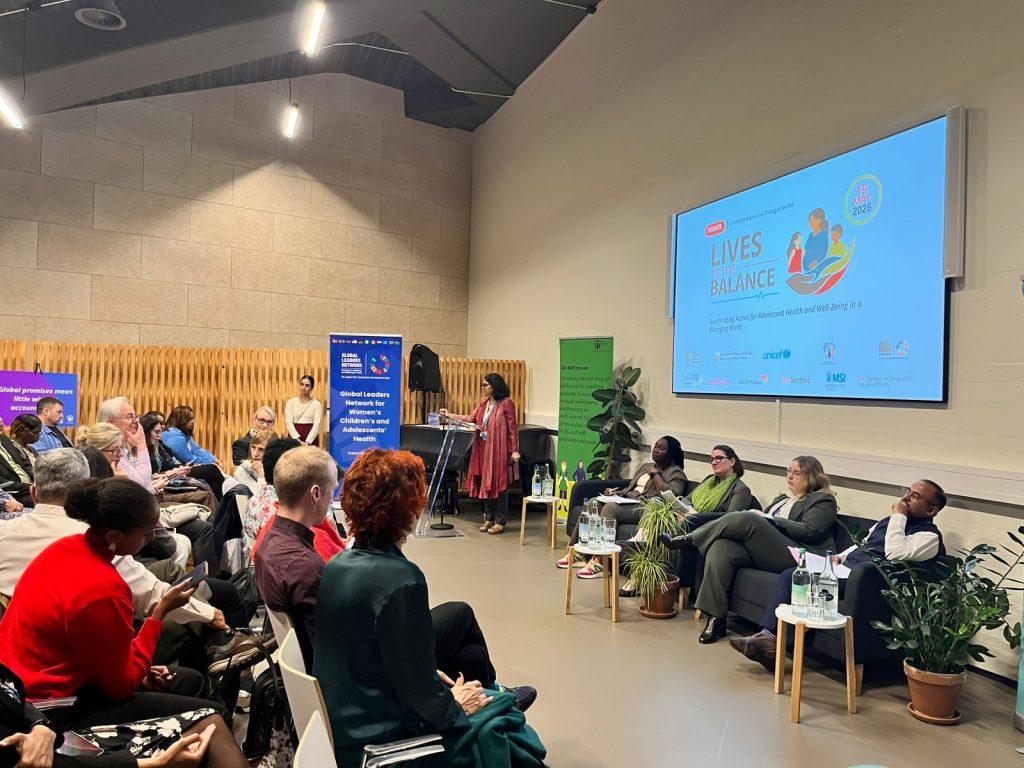To protect WCAH and SRHR financing, partners insist that reform must explicitly name them, protect their funding, guarantee representation of women, youth, and Global South civil society, and preserve normative capacity in the institutions that deliver for them.
Amid crippling African debt repayments in 2025, which exceed health spending in over 30 countries, Member States are pointing to **health sovereignty** and domestic resource mobilization as the decisive pivot. Examples of country-led action include:
- **Nigeria:** Shielding primary care as external aid retracts through its Basic Health Care Provision Fund.
- **Kenya:** Pledging to double public health spending to 5% of GDP over five years.
- **Morocco:** Extending mandatory health insurance to an additional 22 million people.
- **Africa CDC:** Achieving price reductions of 30–90% on 10 priority maternal and newborn health products through its first African Pooled Procurement Mechanism tender.
Ali Haji Adhan, Minister of Health, Somalia, underscored this approach: “Even in fragile and complex settings, continuity of services for women, children and adolescents is possible when these services are treated as a national priority and placed at the center of health system rebuilding”.
**WHA79 Commitments**
Partners concluded by calling on Member States to leave Geneva with three specific commitments:
1. **Explicit Naming:** Name WCAH and SRHR in the final text of Agenda Item 20.1.
2. **Accelerate Resolution WHA77.5:** Accelerate implementation of the resolution through ring-fenced domestic financing.
3. **Build Sovereign Systems:** Build sovereign, self-financing health systems capable of protecting women, children and adolescents, especially in crisis settings.
“Financing decisions are always political decisions, determining what is prioritized, whose rights are protected, and ultimately whose lives we value much,” Helen Clark stated. “Our plea… is to make sure in that debate that the rights and lives of women, children, and adolescents not only get recognition, but actually get prioritized right through to the financing decisions.”

SUBSCRIBE TO OUR NEWSLETTER
First name or full name
Email
By continuing, you accept the privacy policy
**Categories:** HEALTH, NEWS
---
### [UK Minister Baroness Chapman Calls for 'Fundamental Reset' in Global Development, Rwandan Officials Participate in Global Partnerships Conference](https://www.topafricanews.com/2026/05/19/uk-minister-baroness-chapman-calls-for-fundamental-reset-in-global-development-rwandan-officials-participate-in-global-partnerships-conference/)
**Published:** May 19, 2026
**Author:** DUSABEMUNGU Ange de la Victoire
**Content:**
**LONDON** — UK Minister of State for International Development and Africa, Baroness Chapman, today called for a “fundamental reset” in the global approach to development cooperation, stressing that development is a “pragmatic investment in shared global stability, it is not an optional moral luxury”. The call was made during her speech at the Global Partnerships Conference, held at Woolwich Works on May 19, 2026.
The conference, co-hosted by the UK alongside South Africa, the Children’s Investment Fund Foundation, and British International Investment, focuses on generating new ideas and building new coalitions to address urgent global challenges.
**Rwanda’s Contribution**
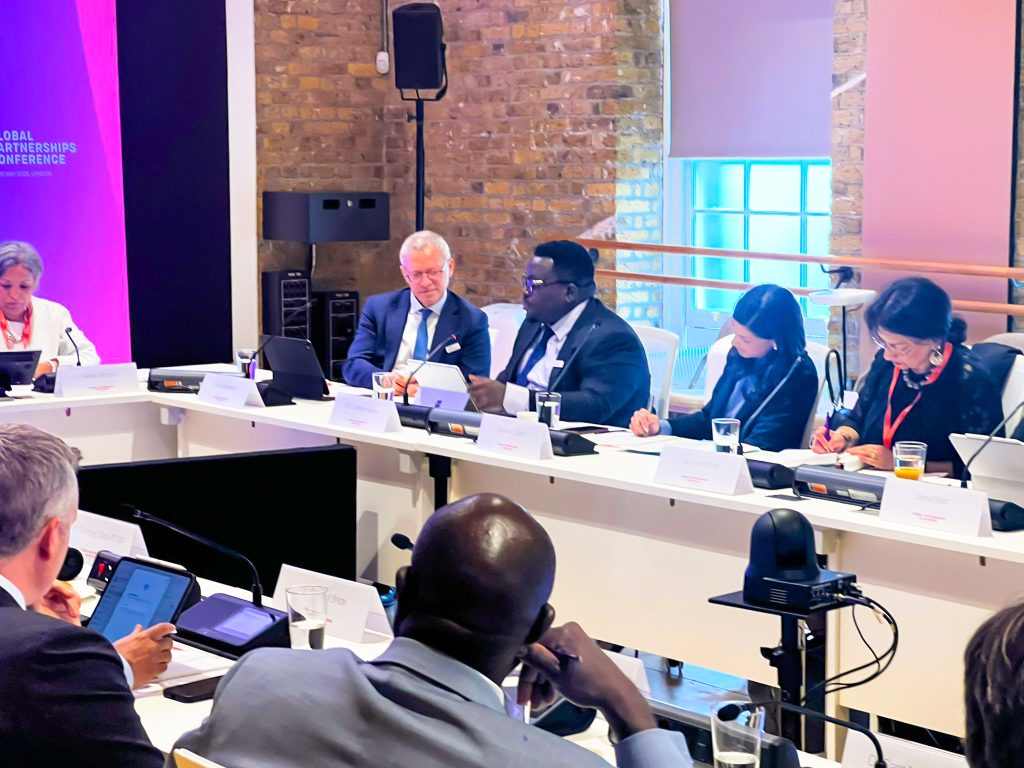Rwanda was prominently represented at the event. Minister of State Godfrey Kabera joined a Ministerial Round Table themed “From Ambition to Implementation,” chaired by Baroness Chapman. Kabera shared Rwanda’s experiences in building coalitions to accelerate progress in key sectors, including health and infrastructure, and leveraging technology and Public-Private Partnerships (PPPs) to scale up service delivery. Ms. Claudette Irere, Minister of State at the Rwanda Ministry of Education, is also representing the country at the conference.
**The Imperative for Partnership**
Baroness Chapman emphasized that crises related to climate, conflict, and health are “more interconnected than ever” and that “no one nation, organisation or person can tackle this alone”. She warned that “doing more of the same won’t cut it” and advocated for collective, respectful, and mutually reinforcing partnerships.
[](https://customgpt.ai/solution/customer-service/?fpr=top-africa-news83)A central point of her speech was the need to shift power and move away from “top-down, lecturing, bureaucratic systems” towards “equal partnerships,” which combine international expertise with local experience.
**Addressing Africa’s Financing Gap**
The Minister highlighted the stark financial reality facing the Global South, noting that the current financing model is “wholly incapable” of meeting the **$1.3 trillion financing gap** Africa needs annually to deliver on the Sustainable Development Goals (SDGs). She also pointed out that 28 countries in Africa currently spend more on debt servicing than on health. To tackle this, the focus must be on fairer finance and faster access to knowledge and technology.
Baroness Chapman urged all attendees—from governments, civil society, and the private sector—to inject urgency into reforms. She concluded her speech by encouraging all participants to **Sign the Compact**, a shared commitment to working faster, more openly, and in true partnership on themes of finance, technology, and shifting power.

SUBSCRIBE TO OUR NEWSLETTER
First name or full name
Email
By continuing, you accept the privacy policy
**Categories:** Business and Trade
---
### [AI EVERYTHING KENYA X GITEX KENYA launches in Nairobi as East Africa unites around new AI blueprint](https://www.topafricanews.com/2026/05/19/ai-everything-kenya-x-gitex-kenya-launches-in-nairobi-as-east-africa-unites-around-new-ai-blueprint/)
**Published:** May 19, 2026
**Author:** TOPAFRICANEWS
**Content:**
*In partnership with the Office of the Special Envoy on Technology of the Republic of Kenya, East Africa’s largest AI and tech event takes place in Nairobi from 19–21 May 2026*
*The **INCLUSIVE AI EVERYTHING SUMMIT** launches landmark inaugural edition with East Africa’s biggest gathering of global AI stakeholders staging future-defining conversations*
**Nairobi, Kenya – 19 May 2026**: An ambitious new chapter in East Africa’s quest to assert digital sovereignty, advance critical infrastructure, and chart its own AI destiny is officially underway as [**AI EVERYTHING KENYA X GITEX KENYA**](https://www.aieverythingkenya.com/)**,** East Africa’s largest tech and AI event, debuted today (19 May) in Nairobi.
Organised by inD, the global organiser of GITEX events, in partnership with the Office of the Special Envoy on Technology of the Republic of Kenya, **AI EVERYTHING KENYA X GITEX KENYA** takes place from 19–21 May 2026. From the Sarit Expo Centre, the **INCLUSIVE AI EVERYTHING SUMMIT** kicked off the three-day inaugural edition – a regional-first, strategic gathering where government leaders joined global institutions and industry pioneers to construct a new AI blueprint that reflects Africa’s diversity, ingenuity, and economic aspirations.
In his opening remarks, H.E Ambassador Philip Thigo, Special Envoy for Technology, Office of the President, Government of Kenya, said: “Africa’s role in AI must be articulated as an investment agenda. AI is not about ICT; AI is literally AI everything. The continent still lags behind in AI infrastructure, connectivity, and energy, but we possess everything around artificial intelligence – whether it is green minerals, data, talent, emerging compute infrastructure, modern innovations, or the opportunities around investment and creating new industries.
**READ ALSO: [TOP AFRICA NEWS MEDIA Partners with AI EVERYTHING KENYA x GITEX KENYA 2026 to Amplify Africa’s Tech Story to the World](https://www.topafricanews.com/2026/04/23/top-africa-news-media-partners-with-ai-everything-kenya-x-gitex-kenya-2026-to-amplify-africas-tech-story-to-the-world/)**
[](https://customgpt.ai/?fpr=top-africa-news83)“The Silicon Savanna has come of age. This next chapter is no longer just about the mobile revolution that began in 2006 and 2007, but about the potential to sustain that momentum through globally competitive AI infrastructure, innovation ecosystems, investment, and new industries. Africa is open for business, open for investment, and ready to shape the future of artificial intelligence.”
**Building an AI economy that is accessible, inclusive and relevant to African realities**
With 400+ C-suite delegates and tech executives in attendance alongside global investors and pan-African government officials, the **INCLUSIVE AI EVERYTHING SUMMIT** examined conditions needed for East Africa to transform tech-critical sectors through AI integration and deployment.
From agriculture, banking and financial services, climate resilience, cybersecurity and data centre infrastructure to ecommerce, education, energy, healthcare, and trade, the message from expert speakers was unanimous: AI innovation must – and will – be accessible, inclusive, and relevant to African realities.
[](https://customgpt.ai/demo/?fpr=top-africa-news83)Dr. Nkundwe Mwasaga, Director General of the Tanzania ICT Commission, stated:“The **INCLUSIVE AI EVERYTHING SUMMIT** is a platform to dialogue, showcase and engage with the world – and the outcomes of interactions here will translate the transformative potential of AI into gains in East African businesses, industries, and economies.
“However, our region must work together with international partners to strengthen the five pillars of the AI-driven digital transformation: digital skills, security and trust, telecommunication services, the economy, and research, innovation and entrepreneurship. The transformation of businesses, industries, and economies will lead to digital sovereignty in our region.”
**Regional and global leaders call for sovereign, trusted and interoperable AI systems**
Among the 15 panel discussions at a full-capacity venue was ‘*Digital Sovereignty for the AI Age: Control Without Isolation*,’ where panellists examined how East Africa can assert greater control over its AI future without disconnecting from global innovation ecosystems. As AI reshapes economies, public services, and digital trade, speakers stressed that sovereignty now extends beyond data localisation to encompass ownership of compute infrastructure, access to strategic datasets, interoperable regulatory frameworks, and the ability to develop AI systems aligned with national priorities.
Highlighting Kenya’s expanding cloud, compute, and renewable energy advantages, Snehar Shah, CEO, iXAfrica Data Centres, said: “Kenya is very well positioned. We have pragmatic regulation, we have data protection frameworks, we have renewable power, and we are now bringing hyperscale cloud infrastructure into the country. We have really set the platforms, the fundamentals, and the foundations to make AI available locally for enterprises and consumers to use.”
Senthil Kumar, Personal Systems Technology and AI Specialist, HP Middle East, added: “When we talk about digital sovereignty in the age of AI, it is no longer just about where the data sits. It is really about who controls the data, who controls the AI, and where the compute happens. From an HP perspective, organisations should not have to choose between control and innovation, which is why we are bringing data to the edge.”
**Growing national AI strategy and readiness frameworks**
The ‘*National AI Strategy and Readiness, Powered by ITU (International Telecommunication Union)’*, session highlighted the growing importance of coordinated frameworks, standards, and institutional readiness as African nations accelerate AI adoption. Discussions focused on strengthening national capacity through AI research, experimentation, skills development, and self-assessment toolkits, while leveraging platforms such as the ITU AI for Good Sandbox to support strategy development and implementation.
Dr. Lourinho Chamane, Chairman of the Board of Directors, the National Institute of Information and Communication Technologies (INTIC) in Mozambique, revealed:“Building capacity on AI development and entrepreneurship is important for countries not to be only consumers of AI products and services, but also producers and contributors to the digital economy. We also believe it is important to develop small language models that support AI for local languages as part of digital inclusion.”
**Commercial AI deployment: East Africa’s next frontier**
AI commercialisation was another priority discussion topic in Nairobi. While Africa’s AI market is projected to reach US$16.5 billion by 2030, realising this growth trajectory will depend on how rapidly East Africa can transition AI from pilot programmes and fragmented innovation into commercially scalable infrastructure, enterprise deployment, and revenue-generating real-world applications. This imperative was analysed during a session titled ‘*Commercialising Local AI: From Pilots to Products*’.
With global platforms racing into frontier markets, speakers discussed the requirements for African-built AI to become export-ready – including Winnie Mangeni, Founder and CEO of PAWA AI, an Africa-built, Mozilla and NVIDIA-backed platform unlocking AI access for more than 200 million Swahili and other African language speakers.
Mangeni said: “East Africa is not waiting to be a consumer of AI; it is actively building the infrastructure, talent, and policy frameworks to lead. Our work at PAWA AI in building African-focused AI solutions has shown me just how much untapped potential exists here, and what excites me most is the opportunity to move beyond theory into practical collaboration: connecting investors, builders, and decision-makers around AI applications that solve real problems at African scale. For anyone serious about where the next wave of AI innovation is coming from, this is the room to be in.”
**GITEX brings East Africa into the global AI economy**
**AI EVERYTHING KENYA X GITEX KENYA** marks the latest step in the international expansion of GITEX, the world’s largest tech, AI, and startup event network, which now stages shows in 14 cities across six continents.
Celebrating the launch, Trixie LohMirmand, CEO of the global organiser of GITEX, highlighted East Africa’s immense potential to become an epicentre of AI innovation and globally competitive infrastructure: “AI is no longer a technology shift; we are talking about a new geopolitical and economic restructuring. East Africa has already shown the world how it can leapfrog industries through digital innovation, and now has the opportunity to become a globally competitive AI and infrastructure powerhouse by building sovereign capabilities across cloud, compute, talent, investment, and research.
“Collaboration is the new currency in the global AI race – and GITEX exists to ensure emerging markets are fully integrated into this transformation and have equal access to the world’s innovation economy.”
**AI EVERYTHING KENYA X GITEX KENYA** continues on Wednesday as global ecosystem enablers and regional infrastructure powerhouses converge at the **AI EVERYTHING KENYA EXPO**, East Africa’s largest cross-sector AI showcase, taking place from 20–21 May at the Kenyatta International Convention Centre (KICC).

SUBSCRIBE TO OUR NEWSLETTER
First name or full name
Email
By continuing, you accept the privacy policy
**Categories:** Business and Trade, ICT, NEWS
---
### [Africa’s AI Ecosystem Gets Boost as AISCA Foundation Launches in Kigali](https://www.topafricanews.com/2026/05/19/africas-ai-ecosystem-gets-boost-as-aisca-foundation-launches-in-kigali/)
**Published:** May 19, 2026
**Author:** Mutangana Emmanuel
**Content:**
A new pan-African initiative aimed at accelerating artificial intelligence innovation across the continent has officially launched in Kigali, with a mission to close the long-standing gaps in computing power, technical skills, and research support that have limited Africa’s participation in the global AI economy.
The AI Skills and Compute Africa Foundation (AISCA Foundation) was unveiled with backing from founding technology partner Cassava Technologies, which has provided seed funding and infrastructure support to help build a stronger and more inclusive AI ecosystem across Africa.
The Foundation said it seeks to provide equitable access to computing infrastructure, AI skills development, research support, and community-building opportunities for African innovators, researchers, and entrepreneurs.
“Africa has the talent, ideas, and urgency to lead in applied AI,” said Isobel Acquah, Chief Executive Officer of AISCA Foundation.
“What has often been missing is access to compute, coordinated ecosystem support, contextualised data sets, and scalable pathways into dignified economic opportunities. AISCA Foundation is designed to help close those interconnected gaps,” she added.
AISCA Foundation is structured around four major pillars intended to strengthen Africa’s AI ecosystem from the ground up.
Under its “Sovereign Compute” pillar, the Foundation plans to provide localized AI infrastructure in partnership with Cassava Technologies to ensure that African data and processing remain within the continent’s borders.
The organization also intends to develop curated African datasets focused on sectors such as agriculture, health, and climate, while expanding AI training and technical capacity across the value chain.
In addition, AISCA Foundation aims to establish a continent-wide network to identify, mentor, and support emerging African AI talent.
The Foundation has also outlined ambitious targets aimed at promoting inclusive economic growth through AI innovation.
Among its goals are transitioning one million young Africans into dignified economic opportunities within the AI value chain, supporting 25,000 AI-native innovators with compute grants, and assisting 10,000 AI researchers through technical support and access to computing resources.
AISCA Foundation said it will collaborate with universities, governments, venture capital ecosystems, development agencies, and private-sector actors to ensure that AI development on the continent reflects African priorities and local realities.
Speaking during a fireside discussion at the Kigali launch, Hardy Pemhiwa said investments in AI infrastructure must translate into practical benefits for African communities.
“While Cassava has invested millions of dollars in setting up AI infrastructure, supporting AISCA through enabling access to dedicated compute ensures that we are empowering African youth in utilizing the rails to create localized value for their communities in practical and impactful ways,” he said.
AISCA Board Chairperson Agnes Kalibata also stressed the importance of Africa developing technologies tailored to its own challenges, rather than depending on imported solutions that may not adequately address local needs.
The launch of the Foundation in Kigali further reinforces Rwanda’s growing reputation as a regional hub for digital innovation, emerging technologies, and Africa’s expanding artificial intelligence ecosystem.

SUBSCRIBE TO OUR NEWSLETTER
First name or full name
Email
By continuing, you accept the privacy policy
**Categories:** ICT, NEWS, Science and Technology
---
### [Rwanda Rolls Out Massive School Fruit Tree Initiative to Nourish Millions of Children and Accelerate Green Growth](https://www.topafricanews.com/2026/05/19/rwanda-rolls-out-massive-school-fruit-tree-initiative-to-nourish-millions-of-children-and-accelerate-green-growth/)
**Published:** May 19, 2026
**Author:** LIBOS NDAYISHIMIYE
**Content:**
In national drive that blends environmental protection with child nutrition and sustainable development, the Government of Rwanda has launched an ambitious campaign to plant thousands of fruit trees in schools across the country, a transformative initiative expected to reshape school feeding programs while strengthening Rwanda’s fight against climate change.
The initiative, officially launched on May 18, 2026, by the Ministry of Environment Rwanda in collaboration with the Ministry of Education Rwanda, will see more than 160,000 fruit trees planted in over 4,000 schools nationwide. Under the program, every school will receive at least 40 fruit tree seedlings, with students expected to directly benefit from the harvests in the coming years.
The project is being celebrated as a powerful step toward improving children’s nutrition, restoring degraded land, promoting environmental awareness among young people, and advancing Rwanda’s long-term climate resilience strategy.
Launching the initiative, Minister of Environment Dr. Bernadette Arakwiye said the program aligns with the country’s Second National Strategy for Transformation (NST2), under which Rwanda plans to plant more than 300 million trees between 2024 and 2029 as part of efforts to strengthen environmental sustainability and reduce the effects of climate change.
According to Dr. Arakwiye, many schools possess idle or underutilized land that can now be transformed into productive green spaces capable of supporting both environmental conservation and healthier diets for schoolchildren.
“Most schools have land available, and schools also have the responsibility of feeding children. These fruit trees will help provide nutritious fruits to students while at the same time contributing to environmental protection. This initiative addresses several challenges at once because we are conserving nature as we improve children’s welfare,” She said.
She further stressed that involving students in tree planting and maintenance will help instill a lasting culture of environmental stewardship among future generations.
“We want children to grow up understanding the value of protecting trees and preserving the environment. These trees will not only produce fruits but also help prevent soil degradation, erosion, and other environmental disasters,” She added.
Education officials believe the initiative will significantly strengthen Rwanda’s expanding school feeding program, which already supports thousands of schools nationwide.
Charles Karakye, Permanent Secretary in the Ministry of Education Rwanda, noted that while many schools currently provide meals to students, fruits are still lacking in numerous feeding programs.
“Children have been receiving meals at school, but in many cases those meals lacked enough fruits. This initiative is coming to bridge that gap and improve the nutritional value of school meals,” He explained.
Beyond its environmental and nutritional impact, the initiative is also expected to create employment opportunities for local communities. More than 2,000 small-scale nursery operators producing fruit tree seedlings are projected to benefit economically from the nationwide campaign.
Officials say the project represents a unique model where environmental protection, education, agriculture, nutrition, and economic empowerment are being integrated into one national strategy capable of delivering long-term benefits for communities across the country.
Under Rwanda’s NST2 development framework for 2024–2029, the government targets planting more than 300 million trees by 2029, a move expected to reduce greenhouse gas emissions by 38 percent while reinforcing Rwanda’s international climate commitments and green growth ambitions.
As schools prepare to transform their compounds into thriving orchards, the initiative is widely viewed as another bold example of Rwanda’s determination to build a cleaner, greener, and healthier future for the next generation.

SUBSCRIBE TO OUR NEWSLETTER
First name or full name
Email
By continuing, you accept the privacy policy
**Categories:** Environment, Natural Resources and Agriculture
---
### [Trace celebrates African excellence at Africa Forward 2026 with a landmark concert in Nairobi to close the summit](https://www.topafricanews.com/2026/05/19/trace-celebrates-african-excellence-at-africa-forward-2026-with-a-landmark-concert-in-nairobi-to-close-the-summit/)
**Published:** May 19, 2026
**Author:** TOPAFRICANEWS
**Content:**
*Over 5,000 people attended the Trace concert at Kasarani National Stadium during Africa Forward 2026, making history under the patronage of Presidents William Ruto and Emmanuel Macron.*
Following the successful conclusion of Africa Forward 2026 in Nairobi on May 11–12, Trace proudly reaffirms its role as the world’s leading media and cultural platform championing African creativity, innovation and influence on the global stage.
s one of the summit’s principal media partners and Le Concert Trace+ producer in partnership with the local Kenyan agency Big Box Creative, Trace produced and broadcast a landmark pan-African concert on May 12 at Kasarani Indoor Arena, bringing together some of the continent’s most influential artists in a celebration of African excellence, cultural diversity and creative power.
**READ ALSO:** **[Civil Society Groups Call for Community-Centred Action Following Africa Forward Summit Declaration](https://www.topafricanews.com/2026/05/14/civil-society-groups-call-for-community-centred-action-following-africa-forward-summit-declaration/)**
*“Africa Forward demonstrated the extraordinary creative, entrepreneurial and cultural energy shaping the future of the continent. Through this concert, Trace was proud to celebrate the diversity of African talent, and connect Africa’s voices to the world. Culture is not only influence, it is also a powerful driver of economic transformation and opportunity.” – Olivier Laouchez, CEO, Trace*
**Le Concert Trace : A Celebration of Africa’s Creative Power**
Produced entirely by Trace, the May 12 concert stood as one of the cultural highlights of the summit. Opening the evening, Presidents Macron and Ruto delivered remarks paying tribute to the power of African creativity and Trace’s contribution in bringing this landmark cultural moment to life underlining the importance of culture, youth and creative industries as engines of growth and partnership.
The concert featured a diverse, intergenerational lineup spanning Afrobeats, amapiano, East African sounds and francophone urban music: Youssou N’Dour, Yemi Alade, Bien, Vegedream, Nomcebo, Savara, Nandy, Jose Chameleone, Nesly, Abigail Chams, Kader Japonais and Coster Ojwang, a lineup that embodied the richness and international reach of contemporary African music.
The concert was broadcast live on Safaricom and Trace+, with full viewership figures to be released once consolidated.
**Creating beyond the stage: The Novotel Creative Hub**
Beyond the concert, Africa Forward became a vibrant space for artistic exchange. In partnership with Set Up Studio, Trace hosted a dedicated creative hub at the Novotel Nairobi Westlands, where artists, producers and creatives from across the continent gathered for recording sessions, networking and cross-cultural collaborations. Several exclusive works born from these sessions will be unveiled in the coming months across Trace platforms.
**Two Original Documentaries capturing Africa’s Forward Momentum**
Trace is producing two original documentary films capturing the summit’s defining moments: the first exploring the high-level conversations shaping a new Africa–France relationship; the second offering an immersive behind-the-scenes perspective on the concert, the artists’ journeys and the collaborations born in Nairobi. Both will premiere across Trace TV channels worldwide, on Trace+ and Canal+ TV channels.
**Africa Forward 2026 : A Historic Summit**
Held under the high patronage of the French President Emmanuel Macron and the Kenyan President William Ruto, Africa Forward marked a historic turning point in Africa–France relations. Hosted for the first time in an English-speaking African country, the summit gathered more than 30 Heads of State and Government, international institutions, investors, entrepreneurs, artists and youth leaders around a shared ambition: building a new generation of partnerships based on mutual respect, co-investment and innovation.
On the summit’s main programme, Trace’s CEO Olivier Laouchez participated in the Agora Innovate, highlighting how Trace’s model combining music, culture and digital distribution, positions the group as a key driver of Africa’s digital creative economy.
**A Resounding Success for a New Africa–France Partnership**
In the spirit repeatedly emphasised throughout the summit, a partnership “built on equal footing” and focused on “shared futures rather than inherited narratives”, Africa Forward 2026 demonstrated the strength of a new dialogue between Africa, France and the world.
***“Africa is not a continent of the future; it is the continent of the present.”***
With more than 7,000 participants from over 40 countries, economic leaders, innovators, policymakers, artists and creators gathered in Nairobi, the summit highlighted Africa’s growing role as a global hub for innovation, entrepreneurship and culture. Trace is proud to have contributed to this momentum by placing African creativity at the heart of the conversation.
**Partners**
Africa Forward 2026 and the Trace concert would not have been possible without the exceptional commitment and trust of our partners. We extend our deepest gratitude to:
Safaricom, Meridiam, Equity Bank, Canal+, DStv, UBA, Novotel, Maybelline, L’Oréal Professionnel, Magical Kenya, Villa Rosa Kempinski, Big Box, Le Grenier à Pain, RFH Healthcare, Kenya Airways, Kwal, BAL, Nairobi Street Kitchen, Bpifrance, the Sherrie Silver Foundation, Kilian, Total Energies, TicketYetu, The Good Picture, the Ministry of Sports, Culture & Heritage of Kenya, Brands on a Mission, Sensitive Group, AdVoice, the French Republic, the Republic of Kenya, AFD, Ciel, Kalunza, as well as all other institutional, cultural and private partners who contributed to the success of this historic gathering.
Their engagement reflects a shared belief in Africa’s creative, economic and cultural potential and the importance of building forward-looking partnerships across the continent and beyond.

SUBSCRIBE TO OUR NEWSLETTER
First name or full name
Email
By continuing, you accept the privacy policy
**Categories:** Entertainment
---
### [United States Responds to Ebola Outbreak in Africa](https://www.topafricanews.com/2026/05/19/united-states-responds-to-ebola-outbreak-in-africa/)
**Published:** May 19, 2026
**Author:** DUSABEMUNGU Ange de la Victoire
**Content:**
The Department of State is coordinating a comprehensive response to the Ebola outbreak in the Democratic Republic of the Congo (DRC) and Uganda. By working to contain the outbreak before it reaches American shores, the United States is protecting the health of Americans at home and abroad.
On May 15, 2026, within 24 hours of learning of the confirmed cases, the Department leveraged its outbreak response and humanitarian assistance capabilities to establish an interagency coordination cell and incident management system in Washington, D.C. Embassies in the DRC, Rwanda, South Sudan, and Uganda have joined this group and established monitoring groups to track developments and communicate with American citizens in the region. The Department is convening a daily leadership-level meeting to ensure the response remains a top priority.
Our first goal has been to ensure the safety of Americans abroad and the protection of the American homeland. The Department’s coordination cell worked closely to update the Department’s travel advisories to reflect circumstances on the ground and provide American citizens with travel risk information and guidance. The Department also worked closely with the Centers for Disease Control (CDC) on issuing the May 18, 2026 [Title 42](https://links-1.govdelivery.com/CL0/https:%2F%2Fwww.cdc.gov%2Febola%2Fsituation-summary%2Ftitle-42-order.html%3Futm_medium=email%26utm_source=govdelivery/1/0100019e3ed4ce34-bb260158-fc35-4f2e-9d0e-002fa0912791-000000/8I6UsX6tUeh-F_vEjm_4G-9sHjU0z-70v15B2-AJcJc=452) order prohibiting travel to the United States for foreign nationals who have visited the DRC, Uganda, and South Sudan within the last 21 days. The Department of State is also working with the Department of Homeland Security (DHS) on implementing this order and any future CDC quarantine and isolation guidance world-wide. We are also working closely with CDC and the U.S. military on potential repatriation of affected Americans, based on assessed exposure and health needs.
**READ ALSO:** **[Call for Urgent Regional Coordination Meeting Following Ebola Virus Disease Outbreak in Ituri Province, DRC](https://www.topafricanews.com/2026/05/16/call-for-urgent-regional-coordination-meeting-following-ebola-virus-disease-outbreak-in-ituri-province-drc/)**
Within 48 hours, the Department activated a response plan and mobilized an initial $13 million in foreign assistance for immediate response efforts. This funding bolsters each country’s own response, supporting surveillance, laboratory capacity, risk communication, safe burials, entry and exit screening, and clinical case management. The Department is preparing to announce additional bilateral funding for both outbreak response and humanitarian assistance, as it continues to gain additional information on the scope of the outbreak. This additional funding builds on U.S. investments in disease surveillance and outbreak detection, and response efforts made through bilateral health MOUs signed with both the [DRC](https://links-1.govdelivery.com/CL0/https:%2F%2Fwww.state.gov%2Freleases%2Foffice-of-the-spokesperson%2F2026%2F02%2Ffostering-health-sovereignty-in-the-democratic-republic-of-the-congo-through-the-america-first-global-health-strategy%2F%3Futm_medium=email%26utm_source=govdelivery/1/0100019e3ed4ce34-bb260158-fc35-4f2e-9d0e-002fa0912791-000000/wmcWGKYBdXqcDHuhJEi2tuXSxbuq_z4dFjFq2OuWkXA=452) and [Uganda](https://links-1.govdelivery.com/CL0/https:%2F%2Fwww.state.gov%2Freleases%2Foffice-of-the-spokesperson%2F2025%2F12%2Fstrengthening-health-ties-with-uganda-and-lesotho-under-the-america-first-global-health-strategy%2F%3Futm_medium=email%26utm_source=govdelivery/1/0100019e3ed4ce34-bb260158-fc35-4f2e-9d0e-002fa0912791-000000/dWAQliaQRuyqwX6tD7WHOwBoTQyVMi3x83Jp7b9ukCM=452) under the [America First Global Health Strategy.](https://links-1.govdelivery.com/CL0/https:%2F%2Fwww.state.gov%2Famerica-first-global-health-strategy%2F%3Futm_medium=email%26utm_source=govdelivery/1/0100019e3ed4ce34-bb260158-fc35-4f2e-9d0e-002fa0912791-000000/Kpj2UD_yBk_qoTpX_ckcQERakIl5Ill5PmTz6o7ZyOo=452)
In addition, we are leveraging the Department’s historic investment in OCHA pooled funds for the DRC and Uganda to ensure the rapid deployment of additional humanitarian assistance on the ground and close coordination with the UN system. Department leadership has spoken with UN Secretariat Leadership and local Humanitarian/Resident coordinators for affected countries. The Department is leading donor coordination efforts in regional capitals, working closely with the European Union, the United Kingdom, and other international partners to ensure a coordinated and effective response. Our [May 14 announcement](https://links-1.govdelivery.com/CL0/https:%2F%2Fwww.state.gov%2Freleases%2Foffice-of-the-spokesperson%2F2026%2F05%2Funited-states-pledges-additional-1-8-billion-in-life-saving-humanitarian-funding-to-ochas-humanitarian-reset-shares-powerful-results-from-the-trump-administrations-un-humanita%2F%3Futm_medium=email%26utm_source=govdelivery/1/0100019e3ed4ce34-bb260158-fc35-4f2e-9d0e-002fa0912791-000000/BEadnUQ09sIEN1nxRF3XEgD2sqhccONwoiYF5jpUHcg=452) of $1.8 billion in additional funding for OCHA pooled funds includes $250 million in funding for the DRC and Uganda, which the Department is prioritizing for imminent funding actions to properly resource the humanitarian and outbreak response in both countries.
American leadership remains indispensable in confronting global health threats. The United States will continue to protect American citizens, support affected communities, and marshal international action to contain this outbreak quickly, decisively, and effectively.

SUBSCRIBE TO OUR NEWSLETTER
First name or full name
Email
By continuing, you accept the privacy policy
**Categories:** HEALTH, NEWS
---
### [Zimbabwe to Host National Seed Summit to Strengthen Seed Systems and Accelerate Agricultural Transformation](https://www.topafricanews.com/2026/05/19/zimbabwe-to-host-national-seed-summit-to-strengthen-seed-systems-and-accelerate-agricultural-transformation/)
**Published:** May 19, 2026
**Author:** TOPAFRICANEWS
**Content:**
The Government of the Republic of Zimbabwe, through the Ministry of Agriculture, Mechanisation and Water Resources Development MAMWRD), in partnership with the Technologies for African Agricultural Transformation (TAAT), will convene the National Seed Business Summit and Seed Roadmap Workshop from 19–21 May 2026 at Cresta Lodge, Msasa, Harare.
Holding under the theme “Strengthening Seed Systems for Agricultural Transformation,” the Summit will bring together policymakers, researchers, seed companies, development partners, financial institutions, farmer organisations, youth and women-led groups, and regional agricultural experts to develop a comprehensive 5-year Seed Roadmap and Investment Plan for Zimbabwe.
The Summit aligns with Zimbabwe’s Vision 2030, the National Development Strategy 2 (NDS2), the Agriculture, Food Systems and Rural Transformation Strategy 2 (AFSRTS 2), and the Dakar II Zimbabwe Food and Agriculture Delivery Compact.
The event comes at a critical time as African countries intensify efforts to strengthen food security, climate resilience, and agricultural productivity amid climate change, global economic shocks, and supply chain disruptions.
Zimbabwe’s seed sector ranks among the strongest in Africa according to the African Union Seed Sector Performance Index (SSPI), with major strengths in private sector participation, seed production, variety development, and certification systems. However, challenges such as climate variability, counterfeit seed, weak rural infrastructure, and limited farmer access to certified seed continue to affect productivity across key value chains.
The Summit will focus on priority commodities critical to Zimbabwe’s food security and agricultural economy, including Maize, Wheat, Sorghum, Pearl and Finger millet, Soybean, Groundnut and Common beans.
The three-day engagement will feature technical presentations on Zimbabwe’s seed sector; lessons and innovations from TAAT Compacts; stakeholder consultations and policy dialogue; commodity-based working groups; development of a national seed roadmap and investment framework; and investment advocacy and partnership mobilisation.
The Summit will also showcase TAAT’s continental impact in strengthening African seed systems under the leadership of the African Development Bank Group. Through the African Emergency Food Production Facility, TAAT and its partners supported millions of farmers across Africa with improved seeds, technologies, fertilisers, and climate-smart agricultural interventions.
Expected outcomes of the Summit include the development of a nationally owned Seed Roadmap and Investment Plan; increased awareness of the importance of resilient seed systems; enhanced investment mobilisation for priority value chains; and strengthened partnerships among government, the private sector, research institutions, and development partners.
The Summit is expected to attract participants from Zimbabwe and across Africa, including representatives from CGIAR centres, the private seed industry, farmer organisations, development agencies, financial institutions, and international agricultural research organisations.
**Event Details**
Event: National Seed Business Summit and Seed Roadmap Workshop
Theme: Strengthening Seed Systems for Agricultural Transformation
Date: 19–21 May 2026
Venue: Cresta Lodge, Msasa, Harare, Zimbabwe

SUBSCRIBE TO OUR NEWSLETTER
First name or full name
Email
By continuing, you accept the privacy policy
**Categories:** Natural Resources and Agriculture
---
### [The impact of Casino Architecture on Risk and Decision-Making](https://www.topafricanews.com/2026/05/19/the-impact-of-casino-architecture-on-risk-and-decision-making/)
**Published:** May 19, 2026
**Author:** TOPAFRICANEWS
**Content:**
The interaction between human behaviour and the environment is not regarded with much seriousness. There is hardly a place where it is more obvious than in a casino. Casino architecture is not as arbitrary or purely aesthetic as it is a calculated structure, which determines the movement, thought process and, eventually, decision-making of people.
The physical casinos are still appealing in a time when digital substitutes are being used extensively. This is not just the games per se, but the way the surrounding space leads the player behaviour in a subtle manner.
#### Illusion of Control by Design
Casinos are designed with utmost care to give an illusion of control to the players even in games that are dominated by chance. This is a major aspect of layout. There are open spaces that promote exploration and external time indicators have been eliminated through the removal of clocks and windows.
Players are not in a hurry. Rather, they are left to acclimatize to the environment. This freedom of perceived action usually results in increased time of engagement and more thoughtful action. It is not action-forcing, but action-barring.
The outcome is an environment in which the decisions are perceived to be self-directed although the environment has been structured in a manner that favors this very outcome.
#### Patterns of Movement and Strategy
All elements of a casino floor have a purpose. There are entry points, pathways and placement of games which are all meant to affect movement. The games of higher interest are normally placed in the open and central areas and the more quiet areas allow the games to be played with intense concentration.
This flow strategy makes sure that there is a wide range of choices available to the players without overwhelming them. It also develops a natural flow, where the transition between games is natural and not intentional.
The architecture in most instances can be described as a silent guide. It influences behaviour without attracting attention to it.
#### The Function of Sensory Engagement
The casino experience consists of sound, lighting, and visual presentations. The combination of these elements creates the effect of a steady amount of stimulation, but not intrusive.
Analysis by [Forbes](https://www.forbes.com/business) has shown that sensory design in entertainment spaces contributes greatly in keeping the interest and decision-making. In casinos this would translate to a dynamic but controlled environment.
Low background music, well-balanced lighting, and visual continuity are all helping to create an environment, in which players can stay on track. It is not geography that is being distracted, but immersed in.
#### Making Decisions in a Design Space
As players enter a well-designed casino, they are introduced to a space that aids in decision-making differently. The lack of external distractions enables one to focus more, and the design permits exploration without coercion.
To the interested, one would [dive right in](https://christchurchcasino.com) to immerse oneself to the depths of space, design, and behaviour to see how the three are intertwined. It is not a single feature that defines the experience but rather the interplay of small details in harmony.
It is at this point that architecture transcends structure and is incorporated into the gaming experience.
#### The Value of Physical Spaces
Physical casinos still have something unique, even after the development of digital gaming. They offer a regulated atmosphere in which all aspects are created to stimulate interest.
This is especially so in the case of audiences who emphasize on experience as much as outcome. Reading the room, responding to the smallest of cues and interacting with a space that feels alive cannot easily be mimicked over the internet.
With the development of the industry, the role of architecture is bound to become even more significant than it is currently. It is one of the few things that can indeed make a difference between one experience and the other.

SUBSCRIBE TO OUR NEWSLETTER
First name or full name
Email
By continuing, you accept the privacy policy
**Categories:** Business and Trade
---
### [Faith, Fire, and Freedom: Remembering the Uganda Martyrs](https://www.topafricanews.com/2026/05/19/faith-fire-and-freedom-remembering-the-uganda-martyrs/)
**Published:** May 19, 2026
**Author:** TOPAFRICANEWS
**Content:**
Every year on June 3, millions of pilgrims from across the globe trek to the Namugongo shrines in Uganda to honor a group of young men who chose death over denying their faith. This year’s event may be postponed due to Ebola outbreak in the region.
The story of the Uganda Martyrs is a profound tale of courage, religious conviction, and political clash that permanently altered the cultural and spiritual landscape of East Africa.
In the late 19th century, Christian missionaries—both Catholic and Anglican—arrived in the Kingdom of Buganda, quickly gaining converts among the young pages in the royal court.
King Mwanga II, who ascended the throne in 1884, grew increasingly threatened by this new religion, viewing it as a tool for European colonization that undermined his absolute royal authority.
The tension reached a breaking point when the young converts, driven by their new faith, began refusing to participate in traditional rituals and rejected the king’s sexual advances, challenging the established social order.
Between 1885 and 1887, King Mwanga ordered the execution of dozens of young Christians, culminating in the horrific events of June 3, 1886, at Namugongo, where Saint Charles Lwanga and his companions were burned alive for refusing to renounce Christianity.
Far from crushing the new movement, the blood of these martyrs acted as a powerful seed for the growth of Christianity in the region, inspiring millions with their unyielding bravery.
Today, Uganda Martyrs Day has evolved into one of the largest religious gatherings in the world, transforming Namugongo into a sea of faith where pilgrims walk for days or weeks, carrying prayers of hope, unity, and renewal.

SUBSCRIBE TO OUR NEWSLETTER
First name or full name
Email
By continuing, you accept the privacy policy
**Categories:** Religion
---
### [NAP Expo 2026 Opens in Kigali With Call for Climate Plans to Become Funded Action](https://www.topafricanews.com/2026/05/18/nap-expo-2026-opens-in-kigali-with-call-for-climate-plans-to-become-funded-action/)
**Published:** May 18, 2026
**Author:** Mutangana Emmanuel
**Content:**
Countries attending the 11th Global National Adaptation Plan (NAP) Expo 2026 in Kigali have been urged to move beyond climate planning and focus on securing financing and implementing adaptation projects as the impacts of climate change intensify worldwide.
The four-day Expo, underway in Kigali, Rwanda from May 18–21, has brought together government officials, climate experts, development partners, researchers and financiers to explore how countries can strengthen resilience and turn adaptation strategies into concrete investments.
***Faustin Munyazikwiye, Deputy Director General of Rwanda Environment Management Authority (REMA).***In his opening remarks, Faustin Munyazikwiye, Deputy Director General of Rwanda Environment Management Authority (REMA), said adaptation must now shift from policy discussions to practical implementation capable of protecting livelihoods, ecosystems and economies.
“As climate impacts intensify worldwide, national adaptation plans remain critical tools for integrating resilience into national development planning and investment,” Munyazikwiye said.
He noted that Rwanda has placed climate resilience at the center of its national development agenda through initiatives including Vision 2050, the country’s revised Nationally Determined Contributions (NDC 3.0), the National Adaptation Plan and the Green Growth and Climate Resilience Strategy.
According to Munyazikwiye, Rwanda’s updated climate commitments aim to reduce net greenhouse gas emissions by 53 percent by 2035 while strengthening adaptation efforts across sectors such as agriculture, water resources, forestry, urbanization, health, transport and disaster risk reduction.
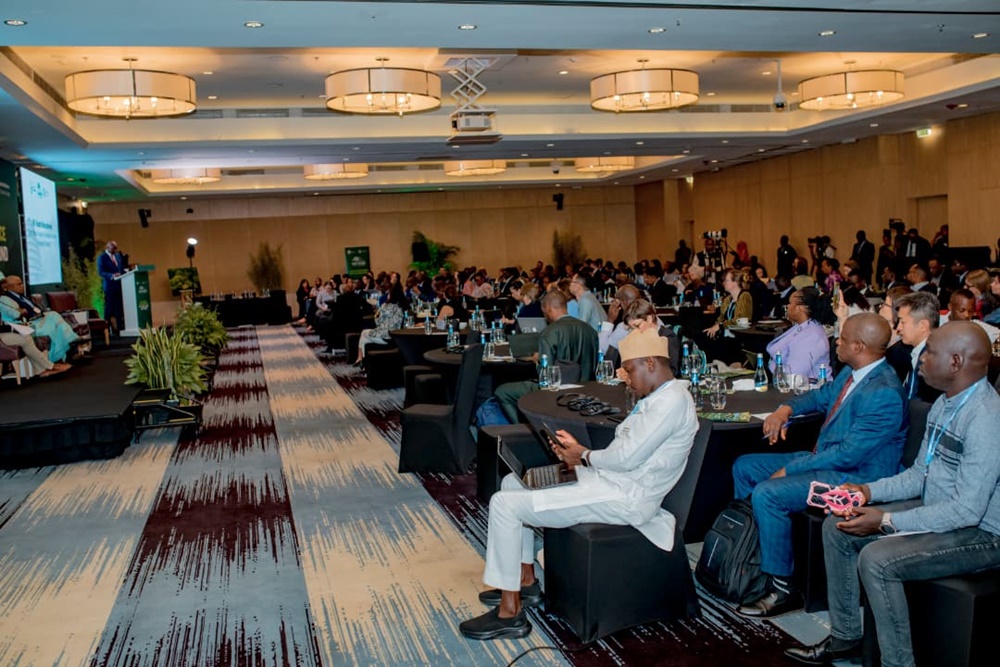He said the country is already implementing large-scale adaptation projects, including the restoration of major wetlands in Kigali and the development of the Nyandungu Eco-Park, which combines environmental conservation with ecotourism and urban resilience.
“So this Kigali wetland restoration on 491 hectares is vital and one of the concrete initiatives. We have Nyandungu urban wetland ecotourism park on 120 hectares. Without means of implementation, the NAP and other good strategies we have will just be strategic documents without implementation,” he said.
Munyazikwiye emphasized that one of the key objectives of the Expo is to help countries transform their national adaptation plans into bankable projects capable of attracting climate finance.
“We need to take this opportunity and make sure that we match national priorities with finance,” he added.
Climate finance emerged as one of the dominant themes during the opening session, with speakers warning that developing countries continue to face major funding gaps despite growing climate risks.
***Dr. Paul Desanker, Manager of the Response Subdivision at the United Nations Framework Convention on Climate Change (UNFCCC) Secretariat.***Dr. Paul Desanker, Manager of the Response Subdivision at the United Nations Framework Convention on Climate Change (UNFCCC) Secretariat, said many countries are now entering a new phase focused on implementation after years spent developing adaptation plans.
“We’re transitioning into implementation of those plans. We’re looking forward to countries coming forward with concrete proposals and then for funders and partners to interact with them and agree to work together,” Desanker said.
He acknowledged that accessing climate finance remains a complex and lengthy process for many developing nations, particularly least developed countries and small island developing states that often lack technical capacity.
However, he pointed to Rwanda’s establishment of the Rwanda Green Fund as an example other countries could learn from.
“Rwanda has succeeded in going beyond public funding from international sources to create a national fund to address these needs,” he said.
Desanker added that African-led initiatives are increasingly helping countries build the expertise needed to prepare proposals and access international climate funding mechanisms.
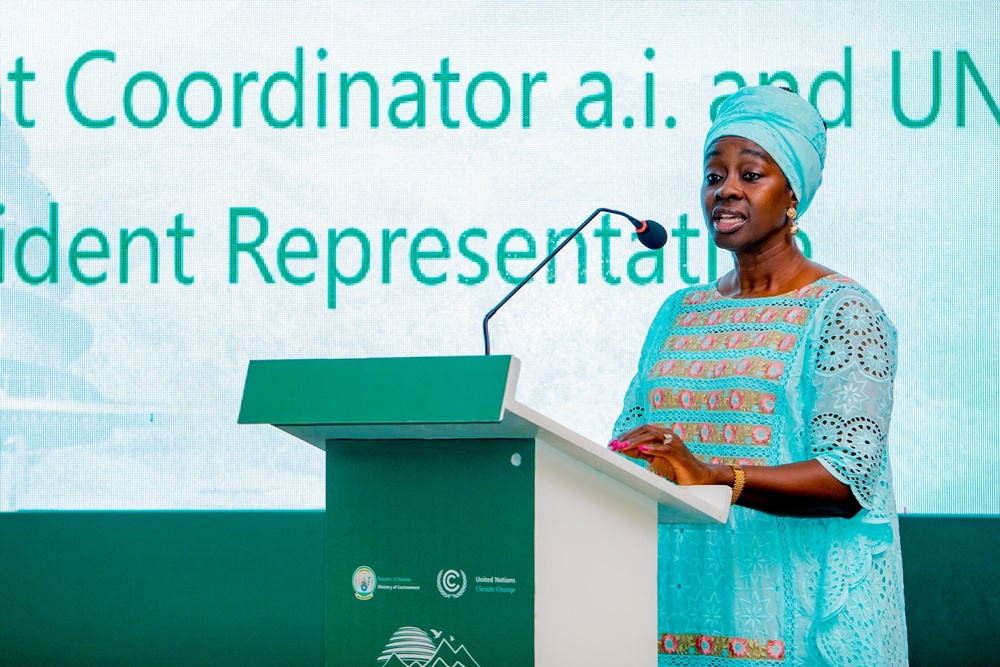***Dr. Fatmata Lovetta Sesay, the UNDP Resident Representative in Rwanda.***The UNDP Resident Representative in Rwanda, Dr. Fatmata Lovetta Sesay, warned that current global adaptation financing remains far below what developing countries require to cope with climate impacts.
Citing the 2025 Adaptation Gap Report, she said developing countries are expected to need between $310 billion and $365 billion annually by 2035 to close the adaptation financing gap, more than 12 times the current level of international public adaptation finance.
“Climate finance is not growing at the scale or speed needed to protect developing countries and their most vulnerable populations,” Sesay said.
She called on participants to use the Expo as a turning point for accelerating implementation and scaling up climate resilience investments beyond 2030.
“We must use this NAP Expo as a pivotal moment to shift from planning to implementing at scale, building a durable foundation for climate resilience beyond 2030,” she said.
The Global NAP Expo is organized under the framework of the UNFCCC and serves as a platform for countries to exchange experiences, showcase adaptation solutions and strengthen partnerships aimed at addressing growing climate vulnerabilities.
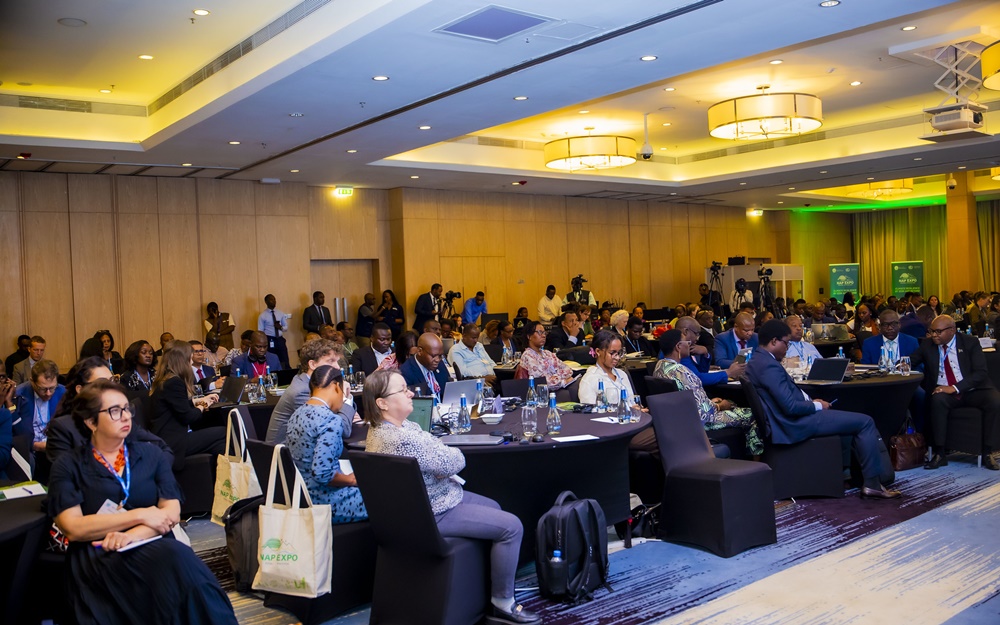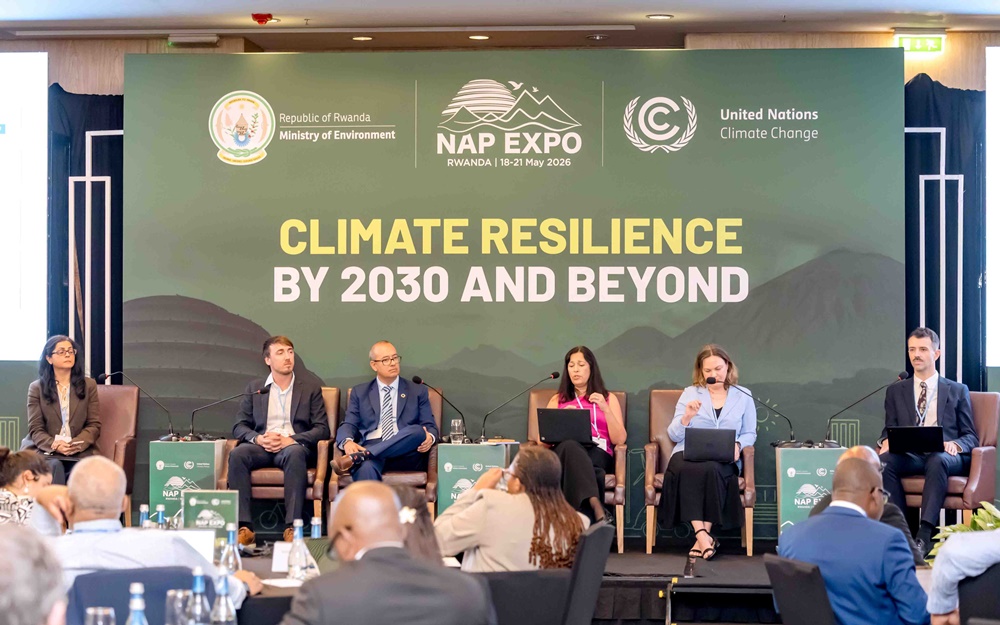
SUBSCRIBE TO OUR NEWSLETTER
First name or full name
Email
By continuing, you accept the privacy policy
**Categories:** CLIMATE CHANGE, Environment
---
### [PAM-Rwanda Chapter Mobilizes Youth and Community for Africa Liberation Day 2026: A Call for Unity, Sustainable Resources, and Vigilance](https://www.topafricanews.com/2026/05/16/pam-rwanda-chapter-mobilizes-youth-and-community-for-africa-liberation-day-2026-a-call-for-unity-sustainable-resources-and-vigilance/)
**Published:** May 16, 2026
**Author:** DUSABEMUNGU Ange de la Victoire
**Content:**
On Saturday, May 16, 2026, the Pan African Movement (PAM) – Rwanda Chapter officially launched its preparatory activities for Africa Liberation Day 2026.
The pre-celebrations were marked by a massive, special *Umuganda* community work held in Gikomero Sector of Gasabo District, on a hill overlooking Lake Muhazi.
This collaborative effort drew a diverse crowd, uniting local leaders, security organs, parliamentarians, university students, and the youth.
Aligning with the African Union’s designated theme for the year—**“Assuring Sustainable Water Availability and Safe Sanitation Systems to Achieve the Goals of Agenda 2063”**—the event heavily emphasized environmental conservation and the sharing of vital resources.
 Eugene Dusingizumuremyi, Country Director for Water For People in Rwanda, urged citizens to protect the Lake Muhazi Catchments and highlighted water as a critical unifier. **“Our unity in Rwanda wouldn’t be possible without sharing water as something that unites us. It also wouldn’t be possible if we don’t share it with Africa,”** he stated.
Epimaque Twagirimana, Vice Chair of PAM Rwanda, echoed this sentiment, calling on citizens to **“strive to get clean water, hygiene, and sanitation, but also protect the environment”**.
He envisioned a continent where **“an African should ideally be able to leave here and travel all over Africa without any hindrance”**.
Recognizing that this is not yet a reality, he noted, **“That is why we are always looking for solutions that unite us. We constantly think about what we can do that unites us as Rwandans and as Africans, while also giving ourselves dignity”**.
Beyond environmental goals, the event served as a powerful reminder of Pan-African solidarity.
Bayasese Bernard, the Executive administrator of Gasabo District, praised the strong turnout as a massive sign of unity, urging Rwandans to spread this solidarity across the continent because **“we must understand that as Africans, we have the solutions within us”**.
**The Role of the Youth in Agenda 2063**
A significant portion of the day was dedicated to empowering the next generation.
PAM Rwanda Youth Commissioner Davis Gatabazi highlighted that while Rwanda routinely engages in *Umuganda*, this specific gathering was elevated to serve as a pre-celebration of African Liberation Day, ensuring the ideology of Pan-Africanism does not fade away.
Gatabazi pointed to Rwanda’s progressive open-door policies as tangible proof of its commitment to African unity.
**“If Rwanda has opened doors for all African countries to come and study in Rwanda, it is a first sign that Rwanda is receptive to each and every African,”** he explained.
He highlighted the country’s visa-on-arrival policy as a tool designed **“to give an African an opportunity that Rwanda is open”** despite the tragedies of the 1994 genocide against the Tutsi.
Gatabazi delivered a stirring plea to the youth regarding their heritage: **“Please internalize, know our history, and please learn our history and know it so that we continue to learn from our past, the history of Rwanda, the history of Africa, to be the very citizens of Africa that we want to be. And the most important thing is not, you know, learning, but putting in practice what we’ve learned from Rwanda”**. He was speaking to International students who are pursuing their studies in Rwandan Universities.
During this Event, the Guest of Honour Hon. Murora Beth delivered a strong message warning the youth against the dangers of substance abuse and human trafficking.
**“No youth who is drunk or high on drugs can be of any use to themselves or to the country,”** she warned, adding that **“Youth must beware of being deceived into human trafficking abroad”**.
Echoing these calls for vigilance and youth leadership, Ms. Iragena Diane, a student from East African University, shared her perspective during an interview with TOP AFRICA NEWS.
Expressing deep appreciation for the Pan-African movement and the country’s leadership, she emphasized the boundless potential of the younger generation.
**“As the youth, we have to continue, we have to know that we all have this ability so that we can achieve everything,”** she said, encouraging her peers to join the Pan-African youth movement to achieve “a big thing.”
Addressing the very real threat of human trafficking mentioned by Hon. Murora Beth, Ms. Diane offered practical advice to young people who are frequently targeted by fraudulent overseas job offers and fake foreign scholarships, such as scams promising education in Canada.
**“Most of us, I think we use social media, so why can’t we first check if this is a true thing?”** she asked.
She urged her fellow youth to critically evaluate these offers and verify them through official organizations to avoid falling victim to traffickers, stating, **“What you can do is to first check and first know and be sure of what you are going to do.”**
To conclude the impactful day, **PAM Rwanda pledged Rwf 500,000 to provide health insurance for vulnerable residents in the Gikomero Sector**. Hon. Murora Beth praised the Gikomero *Umuganda* as a model for other communities, declaring, **“When we talk about Africa, we must start with ourselves as Rwandans. What we do here is what we must take to the rest of Africa”**.
While the continent will officially celebrate Africa Liberation Day on Monday, May 25, 2026, **Rwanda will hold its primary celebrations and parliamentary discussions on Sunday, May 24, to prevent scheduling conflicts with the start of the workweek**.

SUBSCRIBE TO OUR NEWSLETTER
First name or full name
Email
By continuing, you accept the privacy policy
**Categories:** NEWS
---
### [BADEA and BRD Sign USD 25 Million Facility Agreement to Support Private Sector Development in Rwanda](https://www.topafricanews.com/2026/05/18/badea-and-brd-sign-usd-25-million-facility-agreement-to-support-private-sector-development-in-rwanda/)
**Published:** May 18, 2026
**Author:** DUSABEMUNGU Ange de la Victoire
**Content:**
**Kigali, Rwanda – 16 May 2026**: The Development Bank of Rwanda (BRD) hosted H.E. Abdullah Kh. Almusabeeh, President of the Arab Bank for Economic Development in Africa (BADEA), for a high-level meeting to deepen the longstanding cooperation between the two institutions and advance their shared commitment to sustainable development financing.
The meeting culminated in the signing of a new USD 25 million financing facility that will strengthen BRD’s capacity to finance projects that support sustainable development and job creation- including exports and manufacturing, affordable housing, and women-led enterprises- in line with Rwanda’s Vision 2050 and the National Strategy for Transformation (NST2).
Over the years, the partnership between BRD and BADEA has enabled BRD to diversify its funding sources and strengthen its capacity to deliver impactful development financing solutions across key sectors of the economy.
Speaking at the meeting, **H.E. Abdullah Kh. Almusabeeh**, President of BADEA, commended the productive partnership with BRD, a key partner in economic development with a remarkable track record of fostering private sector development in Rwanda. “*I am confident that the implementation of this new USD 25 million facility will further enhance BRD’s operational capacity and its support for micro, small, and medium-sized enterprises (MSMEs), as well as other private sector actors across Rwanda. The facility is also expected to stimulate job creation and contribute meaningfully to poverty reduction and economic growth, thereby improving livelihoods across Rwanda,*” he said.
On her part, the Chief Executive Officer of BRD, **Ms. Stella Rusine Nteziryayo** welcomed the continued partnership with BADEA and emphasized the positive impact the collaboration has had on BRD’s development mandate.
*“BADEA has been a valued strategic partner in BRD’s journey toward becoming a leading development finance institution in the region. The new US$25 million facility will strengthen our ability to finance transformative projects that contribute to Rwanda’s economic growth, job creation, and sustainable development priorities*,” she said.
The CEO further noted that the facility aligns with BRD’s strategy to expand access to long-term financing while strengthening partnerships with international financial institutions that share BRD’s commitment to development impact.
BRD and BADEA reaffirmed their commitment to strengthening their partnership and exploring additional areas of cooperation that support inclusive and sustainable economic development across Rwanda and the African continent.

SUBSCRIBE TO OUR NEWSLETTER
First name or full name
Email
By continuing, you accept the privacy policy
**Categories:** NEWS
---
### [New report spotlights country progress towards cervical cancer elimination at Inaugural Commonwealth Health Coordination Forum](https://www.topafricanews.com/2026/05/18/new-report-spotlights-country-progress-towards-cervical-cancer-elimination-at-inaugural-commonwealth-health-coordination-forum/)
**Published:** May 18, 2026
**Author:** TOPAFRICANEWS
**Content:**
The Commonwealth Secretariat today launched the first edition of a **Compendium of Country Case Studies on Cervical Cancer Elimination** at the [2026 Inaugural Commonwealth Health Coordination Forum](http://tracking.commonwealth.int/tracking/click?d=3G5mJXt4aSNiZuy9ydqwhOUwZ1OI7qs8H-XQBMw1Z949J2uY8oAGeYrXBjygfvZPqnoWt1mOgvG8yJT074em5Bu9c3knOmkwMyx6IfKGJlwRepjMXmLDksAU4PLplfSWvR8WOohQ3hmY-_GJUUxKWEY1) in Geneva.
Developed with member governments and in partnership with Roche Diagnostics, the compendium was presented to health ministers, global health leaders, and development partners gathered at the forum to discuss solutions to one of the leading causes of cancer deaths among women in the Commonwealth.
The [compendium](http://tracking.commonwealth.int/tracking/click?d=6Sy582SOCFHRCuH0tFDJ1n1PkDDr3LFRPf_lMYnx6Es74N8L_ZJb1HpgKJJeeCAlLkazsguCQTjRqzWm9j2ZxO4RaQZ21wlQ3zZk_b6_lgkXK61265w-qO3rERZV3q1-fKVBmbjFTWII6zyAmd4jy6oP3-1YZaqsGy7N7mHSs58fIlqdXM52wMWkCSg2Mg5kKA2) features case studies from 12 Commonwealth countries, outlining how they are advancing efforts to eliminate cervical cancer through vaccination, screening, treatment and care at a time of tightening financial conditions and evolving health disparities.
Key country examples of impactful interventions include:
**Antigua and Barbuda** demonstrates how HPV-based screening, digital systems, and phased implementation can improve coverage and programme coordination in small island settings.
**Australia** implemented a comprehensive cervical cancer prevention programme—including HPV vaccination, an organised screening system, a national registry, and self-collection approaches—and is progressing towards the elimination of cervical cancer as a public health problem.
**Bangladesh** implemented a large-scale national single-dose HPV (the cause of most cervical cancers) vaccination campaign reaching millions of girls in 2023–2024, supported by a digital tracking system to strengthen follow-up and programme performance.
**Belize** expanded access to cervical cancer services through financing and partnership models that support service delivery. It is a small system example of improving sustainability by reducing reliance on external funding.
**Fiji** embedded HPV vaccination delivery in schools while using partnerships to strengthen implementation capacity. The report positions Fiji as an example of delivering prevention at scale in the context of a small island developing state.
**Kenya** advanced cervical cancer elimination through multi-sector partnerships that support HPV vaccination, screening, and treatment, coordinated nationally through the *STOP Cervical Cancer* initiatives, with key milestones including the adoption of a National Cancer Control Strategy (2023–2027).
**Nigeria** demonstrated high-level political leadership by launching a nationwide single-dose HPV vaccination campaign in October 2023 (led by the First Lady, Her Excellency Oluremi Tinubu) and reporting that approximately 17 million girls had been vaccinated by early 2026.
**Malaysia** strengthened screening systems by introducing HPV-based testing supported by digital systems and decentralised delivery through primary care services.
**Zambia** offers a practical model for low-resource settings, integrating screening within HIV platforms, using a single-visit screen-and-treat approach to expand access.
In a video message, **the President of Guyana, His Excellency Dr Mohamed Irfaan Ali,** said:
> “Guyana applauds the Commonwealth for leading the fight against Non-Communicable Diseases (NCDs), especially the bold, necessary goal to eliminate cervical cancer by 2050. Guyana is also clear that no one country can end this form of cancer alone. This is why Guyana welcomes deeper collaboration across the Commonwealth and beyond.”
**Towards a Cervical Cancer-free Commonwealth**
Alongside the compendium, a [**Cervical Cancer Advocacy Toolkit**](http://tracking.commonwealth.int/tracking/click?d=TDriYepZBKqtkFAiUWRTASan3lF3BVzBk3H52GcPPb2qSnMuAdqe4rYOI-bcclxFXRHrgXnGbxGBDicnAdgkv5CQkHW9z0ULliU-w58E61H2afwED03lJPTCCdxZQvEClbCfAspAZCWwi-ZahYB1aoumdR9GTIMpkSBqbZFQxYQRmtXf7xm0hbUPLrXMl9rUtp0bCKzmnug4KnmaI_IrEOs1) was presented to support First Ladies, Spouses, and Partners of Heads of Government in raising awareness of the disease in their countries.
In her foreword to the toolkit, the **Commonwealth Secretary-General, Hon Shirley Botchwey** noted the importance of equipping advocates to speak effectively and act decisively through leadership, collaboration, innovation, and sustained investment. She said:
> “First Ladies have a unique capacity to mobilise public attention, influence national dialogue, and inspire action on issues of profound social importance. This toolkit has been developed to support First Ladies, Spouses and partners of Heads of Government in leading informed, strategic, and impactful advocacy for cervical cancer elimination across Commonwealth countries.
>
> “By placing women’s health, equity, and dignity at the centre of national priorities, we can accelerate progress towards a future where no woman dies from a preventable disease.”
In his opening remarks, the **Chair of the forum, H.E. Leslie Ramsammy, former Guyana Minister of Health and Permanent Representative of Guyana to the United Nations Office in Geneva**, said:
> “Our purpose today is to identify where Commonwealth co-operation can add practical value. This includes strengthening national cancer control plans, improving early detection and diagnosis, expanding access to treatment and palliative care, and improving data systems for better planning and accountability.”
Held ahead of the 79th World Health Assembly (WHA), the forum was chaired by the Government of Guyana under the theme *‘Shaping the Future of Cancer Across the Commonwealth’*.
The **Assistant Director-General, Health Promotion, Disease Prevention and Care, World Health Organization Dr Jeremy Farrar**, said:
> “We need to address cancer initiatives in a continuum, by examining three strategic areas: promotion, prevention and treatment.
>
> “The best way of connecting is to make sure that our health systems work for everybody in an equitable and accessible way. We have to reconnect our politics and our policies with communities and health. This health forum could help us push that forward.”
Discussions on cancer prevention, early detection, treatment and care were informed by the findings of the [Lancet Oncology Commission on Cancer in the Commonwealth](http://tracking.commonwealth.int/tracking/click?d=kHlyWtw3lbir1nRnATi95fGgplaW5JQcNdroCf4lGPybWc9UKYZfTneXnZ-ose7-QfrRMkTmTIst1NLkeB98Wpnxf7VPxnKXbQ_goQd9hhk5IwCD0I26-O2Y7svDtQg3v0vsmz65l0Uu6eKvdIwbF0QolNykHxn_NVngtZEFQMixM9RCF4YE3w0GyGFuQgg1uw4EVpHgLffD9CDK10OB9hRORNhvSpFxSbhpCHOKSDkK0).
Commenting on the role of partnerships, **Vice President & Lifecycle Leader Oncology Assays, Roche Diagnostics, Dr Rebecca Ewald noted:**
> “Eliminating cervical cancer requires sustained commitment, strong partnerships, and coordinated action to ensure every woman has access to prevention, early detection, and timely care. At Roche, we are committed to working alongside governments, First Ladies, healthcare professionals, and policymakers to expand access to screening and strengthen comprehensive cervical cancer elimination programs across the Commonwealth.”
The forum session on National Cancer Control plans, co-chaired by the United Kingdom, focused on translating evidence and Commission recommendations into practical country-level implementation, drawing on real-world challenges and lessons from member states.
In the session on financing cancer care, co-chaired by the **Director General/CEO National Institute for Cancer Research and Treatment (NICRAT), Nigeria’s Federal Ministry of Health and Social Welfare, Usman Malami Aliyu,** participants shared practical approaches to mobilising and using domestic resources, emphasising the need to safeguard essential cancer services within Universal Health Coverage (UHC) as fiscal space tightens and external financing becomes less reliable.
The Forum concludes following a flagship youth mental health [79WHA side event](http://tracking.commonwealth.int/tracking/click?d=LrsvnhjVw4M_4viXo9kfv5VcvfrLG5S2lUPNyuE9W8tKeMujwZjeASWoUt1LHhGXNx3VWyoizitMUX_JCXvScLiyOKJwg_P73h9Ww2YB4QzftsqK0GJpxYC4yU5LSCzbdrDjTRUR9LqQKF5xNkPIhU6mGVtLBGk6EN17GsqNMpNjzt-F6Pe4MpcuuEihzqWpxoxlo2oN6RiQb56c-QbUxY-TFBNoAXXvNsqJ753KMCBR-0yzkxPYjU-ZqPqCBURMNGUfASKl21m-YBLtHEUMigxV9WuvUh3gdixt9q4M5KMj0) on 20 May, co-hosted by the Commonwealth Secretariat and the World Federation of the Sporting Goods Industry.
Recommendations emerging from the Forum will be conveyed to future meetings of Commonwealth Ministers of Health. Under the Commonwealth’s new [Strategic Plan 2025–2030](http://tracking.commonwealth.int/tracking/click?d=u9CVUPcxDmDoLmn6_JvH0o5yXEsTNIc8sA2IboEVSYWFnTvsfxqEj3dFXKJ6P21sXeduZEjlztGd5q7zNruKqd1St-kvkjcZZu2qabKXeMtSQ9AbQLFURhSdStknaciY0DYJDHaMIwfkE1KGWYF9JaJtFa8oCJDCQ0XONjZ-ivgs0), the Commonwealth Health Ministers Meeting (CHMM) will be convened once every four years. The CHCF, convened by the Commonwealth Secretariat, represents a streamlined ministerial-level forum during intervening years.
[Download the Compendium of Country Case Studies](http://tracking.commonwealth.int/tracking/click?d=6Sy582SOCFHRCuH0tFDJ1n1PkDDr3LFRPf_lMYnx6Es74N8L_ZJb1HpgKJJeeCAlLkazsguCQTjRqzWm9j2ZxO4RaQZ21wlQ3zZk_b6_lgmC6u1DhsF1fk8RPKnrc6WF7tifEtSjzBKfZXyI_HVvcj8Ph89t05ZBXqSEJmf-CeOM3X2siiNYhzKcsdueFsYYvEtSrg1CAHcEtWAMzQNEFDY1)
[Download the Cervical Cancer‑Free Future Advocacy Tool Kit](http://tracking.commonwealth.int/tracking/click?d=TDriYepZBKqtkFAiUWRTASan3lF3BVzBk3H52GcPPb2qSnMuAdqe4rYOI-bcclxFXRHrgXnGbxGBDicnAdgkv5CQkHW9z0ULliU-w58E61H2afwED03lJPTCCdxZQvECZToO2ba2rxK7rvu_7zj0Z8s2U_yPwhhYe_seeNJixkqFtzMzhs7BD2d7uTkf1EOySOP0kzvGuQMoNTGog3SGOK_Y8vwHe5Ee5DXgEJ0EHm4k0)

SUBSCRIBE TO OUR NEWSLETTER
First name or full name
Email
By continuing, you accept the privacy policy
**Categories:** HEALTH
---
### [Rwanda Sets Stage for Historic Nuclear Energy Era as First Power Plant Construction Nears Launch](https://www.topafricanews.com/2026/05/18/rwanda-sets-stage-for-historic-nuclear-energy-era-as-first-power-plant-construction-nears-launch/)
**Published:** May 18, 2026
**Author:** LIBOS NDAYISHIMIYE
**Content:**
Rwanda is positioning itself to become one of Africa’s emerging nuclear energy pioneers after announcing that construction of its first-ever nuclear power plant could begin within the next two years, marking a bold step toward transforming the nation’s energy landscape and accelerating economic growth.
The revelation was made by Dr. Fidele Ndahayo, Director General of the Rwanda Atomic Energy Board (RAEB), during a major continental consultative forum organized in collaboration with the United Nations Economic Commission for Africa on May 16, 2026.
The high-level gathering brought together policymakers, scientists, and energy experts from across Africa to discuss strategies for advancing nuclear energy projects capable of powering industrialization and strengthening energy security on the continent. For Rwanda, the meeting marked another decisive milestone in its ambitious journey toward joining the growing league of nations investing in nuclear-powered electricity.
Dr. Ndahayo explained that building a nuclear power plant requires enormous preparation, advanced technology, strong partnerships, and significant financial investment. He stressed that Rwanda’s vision is not only to generate nuclear electricity but also to ensure local industries and expertise play a central role throughout the implementation process.
According to him, maximizing local participation in the project could stimulate industrial development, create high-value jobs, and contribute significantly to the country’s long-term economic transformation.
African experts also examined one of the biggest challenges facing nuclear projects on the continent financing. Dr. Ndahayo acknowledged that nuclear infrastructure demands billions of dollars in investment, sometimes surpassing the annual national budgets of developing countries.
To address this challenge, UNECA has reportedly conducted studies exploring sustainable financing models that could help African countries mobilize the resources needed to develop nuclear energy infrastructure.
Rwanda’s preparations have already received strong international recognition. Evaluations carried out by specialists from the International Atomic Energy Agency concluded that Rwanda has made remarkable progress in building the technical, institutional, and regulatory capacity required for the peaceful use of nuclear energy.
Encouraged by these findings, Rwanda is now targeting 2028 as the year when actual construction of the nuclear power plant could officially begin.
The RAEB chief further disclosed that six potential sites have already been identified across Rwanda for the future plant. These locations reportedly meet important international safety standards, including adequate water availability, low earthquake risk, favorable terrain, and limited population activity nearby.
Despite the progress, detailed scientific and geological investigations are still ongoing to determine the most suitable location. Dr. Ndahayo emphasized that nuclear facilities require extremely rigorous assessments, including deep underground studies, before any final decision can be made.
Rwanda’s nuclear ambitions are expected to gain even greater momentum as the country prepares to host an international conference on civilian nuclear energy from May 18 to 21, 2026. The event is anticipated to attract global investors, technology providers, and strategic partners who could play a vital role in supporting Rwanda’s historic energy transition.
With its long-term vision focused on achieving reliable, sustainable, and industrial-scale electricity production, Rwanda aims to have a nuclear power plant operational before 2030 a transformative project expected to redefine the country’s future energy capacity and strengthen its position as a regional innovation leader.

SUBSCRIBE TO OUR NEWSLETTER
First name or full name
Email
By continuing, you accept the privacy policy
**Categories:** Energy, NEWS
---
### [Kigali Summit Concludes with Urgent Call for African Economic Integration](https://www.topafricanews.com/2026/05/17/kigali-summit-concludes-with-urgent-call-for-african-economic-integration/)
**Published:** May 17, 2026
**Author:** TOPAFRICANEWS
**Content:**
The 2026 Africa CEO Forum wrapped up on May 15 in Kigali, Rwanda, leaving a clear message that the continent must unite its markets or face global economic irrelevance.
Under the theme “Scale or Fail,” the two-day summit drew over 2,500 business executives, global investors, and heads of state to tackle the structural challenges limiting regional growth.
Leaders universally agreed that fragmenting into small domestic economies stunts development, urging the immediate creation of massive, African-owned corporations capable of securing major international investments.
Host President Paul Kagame delivered a powerful closing address, telling delegates that Africa must aggressively leverage its own internal wealth and stop waiting for external permission to advance its industries.
Concurrently, regional heads of state, including Nigeria’s President Bola Tinubu, fiercely debated the reforms needed to bridge Africa’s staggering $1.6 trillion sustainable development financing gap.
A major takeaway from the panels was the urgent need to overhaul local laws, which currently block multi-billion-dollar domestic pension and insurance funds from investing in cross-border infrastructure.
Beyond high-level policy debates, the event yielded immediate commercial results, with host nation Rwanda securing several lucrative partnerships to scale up gas extraction and distribution from Lake Kivu.
As delegates depart Kigali, the pressure now shifts to implementing these aggressive cross-border strategies before the global market leaves individual nations further behind.

SUBSCRIBE TO OUR NEWSLETTER
First name or full name
Email
By continuing, you accept the privacy policy
**Categories:** Business and Trade
---
### [Nigeria Implements 30-Day Visa Exemption for Rwandan Citizens](https://www.topafricanews.com/2026/05/16/nigeria-implements-30-day-visa-exemption-for-rwandan-citizens/)
**Published:** May 16, 2026
**Author:** TOPAFRICANEWS
**Content:**
**KIGALI, Rwanda** — In a major development for continental mobility, the Federal Government of Nigeria has officially commenced the immediate implementation of a 30-day visa-free entry policy for citizens of Rwanda.
The Nigeria Immigration Service finalized all operational directives across international airports, land borders, and seaports. This milestone arrangement follows high-level bilateral talks between Nigerian President Bola Ahmed Tinubu and Rwandan President Paul Kagame at the Africa CEO Forum held in Kigali.
The newly enacted policy serves as a direct reciprocal measure.
Rwanda has long maintained a highly progressive travel regime, allowing Nigerian passport holders visa-free access for up to 30 days.
Nigeria’s swift mirror response is engineered to dismantle administrative bottlenecks, deepen diplomatic relations, and boost trade under the African Continental Free Trade Area framework.
According to an official statement by immigration authorities, the initiative reflects a mutual commitment to promoting intra-African tourism, professional mobility, and economic cooperation.
Rwandan nationals looking to capitalize on the border opening must adhere to a strict regulatory framework.
No prior visa applications, processing fees, or electronic pre-approvals are required before traveling. Entry is strictly cleared for lawful purposes, explicitly covering tourism, commercial business, and official state visits.
Visitors are permitted a maximum stay of 30 consecutive days from the date of the entry stamp.
Any stay exceeding the 30-day window requires travelers to obtain a standard regulatory visa, which must be filed through the official electronic channels or a physicalThis diplomatic breakthrough comes on the heels of the latest Africa Visa Openness Index, which consistently ranks Rwanda as a top champion of open borders on the continent due to its completely visa-free regime for all African travelers.
The integration momentum continues to accelerate across the region. Just recently, Rwanda and Botswana signed a landmark reciprocal waiver allowing their respective citizens up to six months of visa-free travel, signaling a definitive shift toward a more connected and economically integrated Africa.

SUBSCRIBE TO OUR NEWSLETTER
First name or full name
Email
By continuing, you accept the privacy policy
**Categories:** NEWS
---
### [Call for Urgent Regional Coordination Meeting Following Ebola Virus Disease Outbreak in Ituri Province, DRC](https://www.topafricanews.com/2026/05/16/call-for-urgent-regional-coordination-meeting-following-ebola-virus-disease-outbreak-in-ituri-province-drc/)
**Published:** May 16, 2026
**Author:** TOPAFRICANEWS
**Content:**
**Addis Ababa, Ethiopia / Kinshasa, DRC, 15 May 2026.** The Africa Centres for Disease Control and Prevention (Africa CDC) is closely monitoring the confirmed Ebola Virus Disease outbreak in Ituri province, Democratic Republic of the Congo, and is working with national authorities and partners to support a rapid, coordinated response.
Following consultations with the DRC’s Ministry of Health and National Public Health Institute, preliminary laboratory results from the Institut National de Recherche Biomédicale (INRB) have detected Ebola virusin 13 of 20 samples tested. The results suggest a non-Zaire ebolavirus, with sequencing ongoing to further characterise the strain. Results are expected within the next 24 hours with support from Africa CDC.
As of the latest update, about 246 suspected cases and 65 deaths have been reported, mainly in Mongwalu and Rwampara health zones. Four deaths have been reported among laboratory-confirmed cases. Suspected cases have also been reported in Bunia, pending confirmation.
Africa CDC is concerned about the risk of further spread due to the urban context of Bunia and Rwampara, intense population movement, mining-related mobility in Mongwalu, insecurity in affected areas, gaps in contact listing, infection prevention and control challenges, and the proximity of affected areas to Uganda and South Sudan.
In response, Africa CDC is convening an urgent high-level coordination meeting today, 15 May 2026, with health authorities from the DRC, Uganda and South Sudan, together with key partners including the World Health Organization, UNICEF, the United States CDC, the European CDC, China CDC, the Public Health Agency of Canada, Gilead Sciences, Merck & Co., Johnson & Johnson Innovative Medicine, Regeneron Pharmaceuticals, Roche, Abbott Laboratories, Cepheid, BioNTech, Moderna, Evotec Biologics, CEPI, Gavi, Médecins Sans Frontières, IFRC, the World Bank, the African Development Bank, Afreximbank, the Gates Foundation, the Wellcome Trust, and other partners.
The meeting will focus on immediate response priorities, cross-border coordination, surveillance, laboratory support, infection prevention and control, risk communication, safe and dignified burials, and resource mobilisation.
“Africa CDC stands in solidarity with the Government and people of the Democratic Republic of the Congo as they respond to this outbreak,” said H.E. Dr Jean Kaseya, Director General of Africa CDC. “Given the high population movement between affected areas and neighbouring countries, rapid regional coordination is essential. We are working with DRC, Uganda, South Sudan and partners to strengthen surveillance, preparedness and response, and to help contain the outbreak as quickly as possible.”
Africa CDC is preparing support across key response pillars, including coordination through emergency operations mechanisms, digital surveillance and data management, cross-border preparedness, laboratory coordination, infection prevention and control, risk communication and community engagement. In addition, Africa CDC will work with partners to assess the availability and appropriateness of medical countermeasures once sequencing results confirm the exact ebolavirus species.
Africa CDC is urging communities in affected and at-risk areas to follow guidance from national health authorities, report symptoms promptly, avoid direct contact with suspected cases, and support response teams working to protect communities. Additional information will be provided as they become available and as sequencing results are finalised.
**About Ebola Virus Disease**
Ebola Virus Disease is a severe and often fatal illness. It spreads through direct contact with the bodily fluids of infected persons, contaminated materials, or persons who have died from the disease. Early detection, prompt isolation and care, contact tracing, infection prevention and control, community engagement, and safe and dignified burials are critical to stopping transmission. WHO describes Ebola as spreading through direct contact with bodily fluids and contaminated surfaces or materials.

SUBSCRIBE TO OUR NEWSLETTER
First name or full name
Email
By continuing, you accept the privacy policy
**Categories:** HEALTH
---
### [Rwanda Prepares for Year-Long Cultural and Tourism Showcase as Yirunga Reveals 2026 Events](https://www.topafricanews.com/2026/05/15/rwanda-prepares-for-year-long-cultural-and-tourism-showcase-as-yirunga-reveals-2026-events/)
**Published:** May 15, 2026
**Author:** Mutangana Emmanuel
**Content:**
Rwanda’s tourism and entertainment industry is expected to receive a major boost in 2026 after Yirunga Ltd officially unveiled the calendar for its highly anticipated Kivu Beach Expo & Festival and Yirunga Festivals 2026.
The nationwide festival series will bring together music, sports, cultural exhibitions, trade fairs and community entertainment activities across several districts, with organizers positioning the events as a platform to promote domestic tourism, youth talent and business opportunities.
**READ ALSO: [Bugarura Island Residents Drive Record Turnout at the Kivu Beach Expo 2025 in Rutsiro](https://www.topafricanews.com/2025/12/10/bugarura-island-residents-drive-record-turnout-at-the-kivu-beach-expo-2025-in-rutsiro/ "Bugarura Island Residents Drive Record Turnout at the Kivu Beach Expo 2025 in Rutsiro")**
Held under the theme “Celebrate Culture, Tourism & Togetherness,” the festivals are expected to attract thousands of participants from Rwanda and beyond, including tourists, artists, entrepreneurs, athletes and local communities.
According to the organizers, more than 10 million people are expected to be reached through television, radio, social media platforms and various media partnerships throughout the festival campaign.
Speaking about the initiative, organizers said the festivals are designed not only for entertainment but also as a vehicle to strengthen social cohesion and showcase Rwanda’s tourism potential.
“These events are not only about entertainment, but also a platform to connect people, promote business, tourism and Rwandan culture,” organizers stated.
**Lake Kivu to Host Multi-City Festival Tour**
The Kivu Beach Expo & Festival 2026 will take place in four districts along the Lake Kivu belt, an area increasingly becoming a hub for leisure tourism and recreational activities in Rwanda.
**READ ALSO: [Cultural Tourism in Focus as Rutsiro Prepares to Host Kivu Beach Expo 2025](https://www.topafricanews.com/2025/11/15/cultural-tourism-in-focus-as-rutsiro-prepares-to-host-kivu-beach-expo-2025/ "Cultural Tourism in Focus as Rutsiro Prepares to Host Kivu Beach Expo 2025")**
**Festival schedule:**
- Karongi: June 12 to 21, 2026 at Bwishyura Ground
- Rubavu: July 9 to 19, 2026 at Gisenyi Public Beach
- Rusizi: July 24 to August 2, 2026 at Rusizi Taxi Park
- Rutsiro: August 14 to 17, 2026 at Rutsiro Kivu Beach
Organizers say the events will feature daily live music performances by artists, DJs and MCs, alongside exhibitions, cultural showcases and sports competitions.
Among the sporting activities planned are triathlon races, volleyball, badminton, kayaking and boat racing competitions aimed at attracting both local and international visitors.
**Yirunga Festival Expands Beyond Western Rwanda**
In addition to the Lake Kivu events, the Yirunga Expo & Festival 2026, described as a “Culture & Community Experience”, will also expand to other parts of the country.
The festival will be hosted in:
- Nyagatare: August 20 to 23, 2026 at Hollywood/Rwimiyaga
- Rwamagana: September 1 to 4, 2026 at Avega Motel Ground
- Musanze: December 24 to 26, 2026 at Ubworoherane Stadium
Organizers say the festivals will also serve as a platform for nurturing young talent, strengthening local entrepreneurship and promoting cultural exchange through entertainment and tourism-related activities.
With Rwanda continuing to position itself as a regional destination for conferences, sports and leisure tourism, the 2026 festival calendar is expected to contribute to the country’s broader efforts to grow the creative economy and domestic tourism sector.

SUBSCRIBE TO OUR NEWSLETTER
First name or full name
Email
By continuing, you accept the privacy policy
**Categories:** Business and Trade, CULTURE, NEWS, Tourism and Nature
---
### [International investor joins BRD’s record-breaking bond](https://www.topafricanews.com/2026/05/15/international-investor-joins-brds-record-breaking-bond/)
**Published:** May 15, 2026
**Author:** Mutangana Emmanuel
**Content:**
The Development Bank of Rwanda (BRD) on May 15, 2026, has signed an investment agreement with the African Local Currency Bond Fund (ALCB Fund), a fund managed by Cygnum Capital, and reopened its second Sustainability-Linked Bond (SLB) issuance in Rwandan francs (RWF) for an amount equivalent to USD 11 million. The reopening marks a milestone for Rwanda’s capital markets by bringing an international investor into a local-currency SLB, widening BRD’s investor base beyond domestic markets.
The international participation was made possible through a hedging solution arranged by TCX (The Currency Exchange Fund) with subsidy support from the European Commission’s EFSD+ Pricing Facility and SDG7 Program funded by Germany’s Federal Ministry for Economic Affairs and Climate Action (BMWK).
The transaction builds on BRD’s Sustainability-Linked Bond programme and supports its strategy to mobilize long-term financing in local currency while linking funding to measurable sustainability outcomes. It reflects growing confidence in Rwanda’s development finance agenda and BRD’s role in structuring market-based solutions that crowd in private capital for priority sectors.
“We are pleased to have participated in this innovative transaction with BRD. This thematic bond marks the ALCB Fund’s first investment in Rwanda, a country that remains of great interest to the Fund. The success of this transaction reaffirms our view that Rwanda’s potential and prospects are attractive and that development banks of BRD’s stature play a crucial role in supporting broad-based inclusive economic growth,” said Mr. Clemens Calice, CEO of Cygnum Capital at the signing ceremony.
“This transaction is a milestone for BRD and for Rwanda’s capital markets. By mobilizing international capital in Rwandan francs, made possible through TCX’s subsidized hedging solution, implemented for the first time in Rwanda, we have demonstrated that local currency issuers can access a wider pool of global investors when the right risk mitigation tools are in place,” said Ms. Stella Rusine Nteziryayo, CEO of BRD.
“Expanding long-term financing in RWF reduces currency risk while scaling lending to priority sectors that generate jobs, promote exports and manufacturing, support affordable housing, and empower women led enterprises. The reopening of our second Sustainability Linked Bond reflects market confidence and our continued commitment to measurable development impact.”
Ms. Nteziryayo further noted that the transaction is fully aligned with BRD’s mandate to mobilize private capital in support of Rwanda’s Vision 2050 and National Strategy for Transformation (NST2). By linking financing costs to ESG performance and enabling international participation in local currency, the structure helps deepen the domestic debt market and offers a replicable pathway for future Rwandafranc issuances.
BRD and Cygnum Capital reaffirmed their commitment to strengthening cooperation and exploring additional opportunities to scale sustainable local currency financing solutions in Rwanda.

SUBSCRIBE TO OUR NEWSLETTER
First name or full name
Email
By continuing, you accept the privacy policy
**Categories:** NEWS
---
### [African Women Demand Justice in Energy Transition at Launch of Regaining the Currents](https://www.topafricanews.com/2026/05/15/african-women-demand-justice-in-energy-transition-at-launch-of-regaining-the-currents/)
**Published:** May 15, 2026
**Author:** TOPAFRICANEWS
**Content:**
**Harare/Bukavu – May 14, 2026** — Grassroots women from mineral-rich communities across Africa are calling for a people-centered and gender-just energy transition following the launch of the book [*Regaining the Currents: Indigenous Women’s Ecofeminist Voices for a Just Energy Transition in Africa*](https://bit.ly/4dkVW8e).
The virtual launch, convened by Shine Collab together with partners including [Earthlife Africa](https://earthlife.org.za/) and the [Bernstein Institute for Human Rights](https://www.law.nyu.edu/centers/bernstein-institute), brought together climate justice advocates, researchers, feminist organizers, community leaders, and development partners from across the continent.
The publication documents the lived experiences of Indigenous and grassroots women affected by mineral extraction and unequal energy systems, while highlighting community-led solutions rooted in renewable energy, legal empowerment, and feminist participatory action research.
Central to the discussions were the experiences of the Vatombe women of Hanyanya in Zimbabwe and women in Bukavu in the Democratic Republic of Congo (DRC), whose communities continue to face land dispossession, pollution, and environmental destruction linked to mining activities associated with the global energy transition.
“We are losing the land that remembers us,” said Gamuchirai Munesi, Acting Village Head of the Vatombe community in Hanyanya village.
“The women are asking critical questions about who truly benefits from the transition,” said Dr Mela Chiponda, the presenter and Executive Director of the Shine Collab, a global feminist network that empowers women-led, community-driven renewable energy solutions in Africa and the Global South during the launch. “Communities that have protected ecosystems for generations cannot continue to bear the burden of extraction while remaining excluded from decision-making.”
The book launch featured a documentary highlighting the struggles of communities impacted by lithium extraction in Zimbabwe. Speakers noted that while the world increasingly embraces clean energy technologies, many African communities are experiencing new forms of displacement and ecological harm in the process.
Tyler Walton, Deputy Director at the Bernstein Institute for Human Rights, emphasized the importance of legal empowerment and community knowledge. “These communities possess deep knowledge of their land, governance systems, and traditions,” he said. “Legal empowerment strengthens the ability of communities to assert and defend rights they already understand profoundly,” he added.
As part of the initiative, young women in affected communities are being trained as paralegals to advocate for land rights, environmental justice, and meaningful participation in policy processes.
The launch also highlighted the establishment of a solar-powered Just Transition Hub in Zimbabwe, which serves as a safe space for women’s organizing, skills development, and income-generating activities. The hub includes renewable energy technologies such as solar dryers, solar cookers, sewing machines, and solar lighting systems aimed at reducing deforestation and improving livelihoods.
Speaking during the event, climate and feminist advocate Selina Sanou reflected on the similarities between the struggles faced by women in Zimbabwe and those in eastern DRC.
“The stories of women in Bukavu are not far from the stories of women in Hanyanya,” she said. “Land encroachment, pollution, and the exclusion of women from decision-making continue to define many extractive projects across Africa.”
Selina stressed the need for energy transition policies that recognize women’s traditional ecological knowledge and guarantee free, prior, and informed consent for communities affected by energy and mining projects.
Participants at the launch further emphasised the need for media, policymakers, and international climate actors to amplify grassroots women’s voices in shaping Africa’s energy future.
The initiative was supported by several partners including [Wallace Global](https://wgf.org/) and the [Women, Environment, and Development Organization](https://wedo.org/), [GreenFaith](https://greenfaith.org/) who continue to support feminist climate justice organising and community-led advocacy efforts.
Dr Chiponda noted that *Regaining the Currents* is not only a documentation of struggles but also a celebration of women-led alternatives already emerging across the continent.
“The future of Africa’s energy transition must be built with communities, not imposed on them,” she said. “Women are not passive victims of climate change and extraction — they are leaders shaping pathways toward justice, sustainability, and collective care.”
The book and accompanying documentary are expected to support ongoing advocacy, research, and movement-building efforts around climate justice and equitable energy transitions in Africa.

SUBSCRIBE TO OUR NEWSLETTER
First name or full name
Email
By continuing, you accept the privacy policy
**Categories:** CLIMATE CHANGE, Energy, WOMEN EMPOWERMENT
---
### [Rwanda-Japan Climate Partnership Targets Clean Cooking Revolution in Gakenke District](https://www.topafricanews.com/2026/05/15/rwanda-japan-climate-partnership-targets-clean-cooking-revolution-in-gakenke-district/)
**Published:** May 15, 2026
**Author:** LIBOS NDAYISHIMIYE
**Content:**
A major climate resilience initiative aimed at reducing dependence on biomass energy and strengthening Rwanda’s response to climate change has officially been launched in Gakenke District through a partnership involving DUHAMIC-ADRI, the International Organization for Migration (IOM Rwanda), and local authorities.
The project, titled “Enhancing Adaptation and Mitigation Capacities to Climate Change and Extreme Weather Events in Rwanda,” seeks to promote clean cooking solutions as part of broader efforts to protect communities from the devastating impacts of climate change and environmental degradation.
Implemented by DUHAMIC-ADRI in collaboration with Gakenke District, REMA, and IOM Rwanda, the initiative is funded by the Government of Japan and is expected to play a key role in reducing the heavy reliance on biomass energy, particularly firewood and charcoal, which continue to contribute to deforestation and environmental destruction.
The launch event brought together government officials, development partners, and community representatives committed to advancing sustainable environmental practices and improving livelihoods in rural communities.
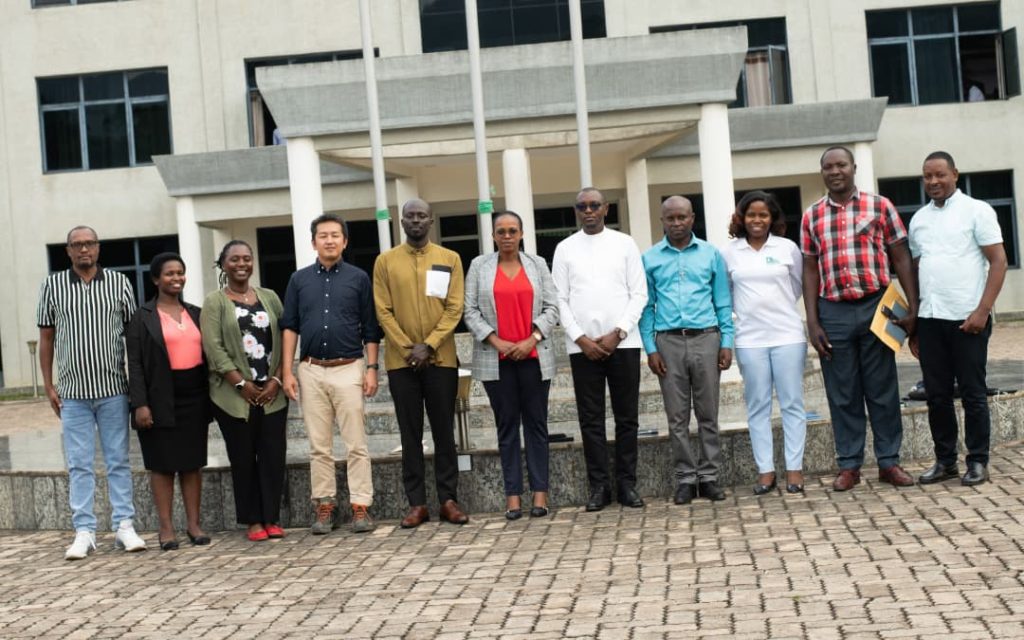The delegation was led by DUHAMIC-ADRI Executive Secretary Benjamin Muhigirwa alongside UJIKAWA Takashi, Programs Manager at IOM Rwanda. They were welcomed by the Mayor of Gakenke District, Mukandayisenga Vestine, who praised the initiative as a timely intervention aligned with Rwanda’s national climate resilience and green growth ambitions.
Officials emphasized that promoting clean cooking technologies will not only help reduce environmental pressure but also improve public health, especially for women and children who are most exposed to harmful smoke from traditional cooking methods.
The project also aims to strengthen community capacities in climate adaptation and mitigation while supporting Rwanda’s commitment to sustainable development and environmental protection.
The Government of Japan’s support through IOM Rwanda further reflects growing international cooperation in helping vulnerable communities build resilience against climate-related challenges while accelerating the transition toward cleaner and safer energy solutions in Rwanda.

SUBSCRIBE TO OUR NEWSLETTER
First name or full name
Email
By continuing, you accept the privacy policy
**Categories:** NEWS
---
### [AGL launches its first multidisciplinary Expertise Center in Kigali to strengthen its operational efficiency](https://www.topafricanews.com/2026/05/15/agl-launches-its-first-multidisciplinary-expertise-center-in-kigali-to-strengthen-its-operational-efficiency/)
**Published:** May 15, 2026
**Author:** DUSABEMUNGU Ange de la Victoire
**Content:**
#### AGL, a major transport and logistics player operating in 51 countries, 47 of which in Africa, has announced the launch of AGL Expertise Center, the first multidisciplinary centre of expertise covering services for the entire AGL network. Building on its experience with its IT centres in Côte d’Ivoire and South Africa, AGL is picking up the pace with the installation of this strategic hub that embodies a new approach: bringing together operational expertise, structuring a highperformance pan-African model and supporting the group’s growth across the continent.
#### An operational hub serving the AGL network in Africa
Located in Norrsken Kigali, the largest co-working space in East Africa (12,000 m²), the AGL Expertise Center centralises key functions for all of the group’s subsidiaries. Designed as an extension of the headquarters, it directly helps to improve operational efficiency and standardise best practices across Africa.
**READ ALSO: [AGL and Digital Africa launch the joint Accelerate x Fuzé Challenge programme in East Africa](https://www.topafricanews.com/2025/12/05/agl-and-digital-africa-launch-the-joint-accelerate-x-fuze-challenge-programme-in-east-africa/)**
The centre embodies African excellence by bringing together talent from all over the continent and is already home to several areas of expertise:
- Compliance (third-party auditing)
- IT services (cybersecurity, helpdesk)
- Finance (internal auditing)
- Communication (video studio)
- Quality, Health, Safety and Environment (QHSE)
Legal, HR (recruitment, training, HRIS) and Sales Logistics functions are currently being deployed at the centre.
#### A talent pool for world-class operations
Beyond its operational mission, the AGL Expertise Center has a powerful ambition: to train and develop African professionals to international standards.
Employees benefit from a structured environment that fosters upskilling, with prospects for growth within AGL subsidiaries across the continent. The aim is to build a talent pool for the entire network and to contribute to Rwanda’s and Africa’s influence as sources of professional excellence. Local recruitment is prioritised, with a long-term target of 80% Rwandan employees and 20% panAfrican profiles. To achieve this, AGL has established academic partnerships with Carnegie Mellon University Africa and African Leadership University.
#### Kigali, a priority hub for regional cooperation
Choosing Kigali was a strategic decision. Rwanda benefits from sustained economic growth, a positioning as a regional hub for East Africa and a dynamic academic ecosystem, with more than 30 universities and 90,000 students from over 40 countries. The country’s business environment is also recognised for its stability, efficiency and ambition to become an upper middle-income economy by 2035.

SUBSCRIBE TO OUR NEWSLETTER
First name or full name
Email
By continuing, you accept the privacy policy
**Categories:** Business and Trade
---
### [U.S. Commits $1.8 Billion More to UN Humanitarian Reform, Totaling $3.8 Billion for Life-Saving Aid](https://www.topafricanews.com/2026/05/15/u-s-commits-1-8-billion-more-to-un-humanitarian-reform-totaling-3-8-billion-for-life-saving-aid/)
**Published:** May 15, 2026
**Author:** DUSABEMUNGU Ange de la Victoire
**Content:**
The United States has announced an additional $1.8 billion in humanitarian funding for the United Nations Office for the Coordination of Humanitarian Affairs (OCHA), bringing the total U.S. support for OCHA’s reform, consolidation, and life-saving assistance programs to $3.8 billion across 21 key countries. The pledge, announced on May 14, 2026, will be channeled into OCHA’s country-based pooled funds and “hyper-prioritized life-saving humanitarian assistance activities”.
This new funding builds on the Trump Administration’s landmark December 2025 “Humanitarian Reset” framework agreement between the U.S. and OCHA. The original agreement included an anchor U.S. pledge of $2 billion, signed on December 29, 2025, in Geneva, Switzerland. The framework’s goal is to demonstrate a faster, more accountable, efficient, impact-driven, and locally-driven model of humanitarian assistance.
**Tangible Results in Four Months**
The initial $2 billion contribution to OCHA-managed rapid response pooled funds has been described as a “resounding success,” delivering life-saving assistance to 21.1 million people in less than four months.
Key achievements highlighted by the U.S. Department of State include:
- **Hyper-prioritization:** The United States set a new benchmark, with 92 percent of its funding reaching populations experiencing the highest-severity needs—Levels 4 and 5—which is cited as the highest rate achieved by any humanitarian donor in history.
- **Rapid Delivery:** OCHA successfully disbursed 88 percent of available resources to the field within four months. OCHA also achieved a record seven-day average time for award disbursement, several times faster than USAID’s historical average.
- **Locally-Driven Aid:** U.S.-funded OCHA awards are driving more resources to local organizations. A record 13 percent of funds from the first U.S. contribution went to local partners, substantially higher than the 3.9 percent of other donor contributions last year.
**Accountability and Sector Reform**
The United States has prioritized greater transparency and accountability in the humanitarian sector. OCHA has, for the first time, published a public dashboard showing all allocations under the U.S. pooled fund contributions. Additionally, Accountability and Impact Teams (AITs) have been established at the country-team level to identify, assess, and respond to issues of waste, fraud, abuse, and diversion of aid.
By prioritizing pooled funds, the U.S. Department of State has reduced the administrative burden of managing hundreds of grants, ensuring funds support critical life-saving activities rather than excessive overhead and bureaucracy. The continued commitment of $1.8 billion supports OCHA’s life-saving work and holds the organization accountable to deliver measurable results and promised reforms.
The combined $3.8 billion supports pooled funds across 21 countries, including several in Africa: Central African Republic, Chad, Democratic Republic of the Congo, Ethiopia, Kenya, Mozambique, Nigeria, South Sudan, Sudan, and Uganda. The United States reaffirmed its position as the largest humanitarian donor in the world and called on other governments and the private sector to increase their contributions to OCHA-managed pooled funds.

SUBSCRIBE TO OUR NEWSLETTER
First name or full name
Email
By continuing, you accept the privacy policy
**Categories:** NEWS
---
### [Rwanda - Singapore Partnership Deepens Fight Against Cybercrime Through Intelligence and Investigative Cooperation](https://www.topafricanews.com/2026/05/15/rwanda-singapore-partnership-deepens-fight-against-cybercrime-through-intelligence-and-investigative-cooperation/)
**Published:** May 15, 2026
**Author:** LIBOS NDAYISHIMIYE
**Content:**
Rwanda and Singapore have boosted international cooperation in criminal investigations and intelligence sharing, as senior security officials from the two countries held high-level discussions focused on combating cybercrime and online fraud through advanced technology, innovation, and capacity building.
The Rwandan delegation, led by the Secretary General of the Rwanda Investigation Bureau, Jean Marie Twagirayezu, alongside Commissioner of Criminal Intelligence at the Rwanda National Police, CP Egide Ruzigamanzi, conducted an official visit to Singapore aimed at enhancing bilateral collaboration in criminal investigations and intelligence operations.
The delegation met with DC Zhan Weihan, Deputy Commissioner for Investigation and Intelligence and Director of the Criminal Investigation Department of the Singapore Police Force. Their discussions centered on expanding cooperation in professional training, institutional capacity building, and the exchange of expertise in addressing increasingly sophisticated cyber-enabled crimes.
The engagement comes at a time when cyber fraud and digital financial crimes continue to threaten economies and public trust across the globe, prompting countries to strengthen international partnerships and modernize investigative approaches.
Officials from both Rwanda and Singapore emphasized the importance of knowledge sharing and technological innovation in responding to evolving criminal networks operating in cyberspace. The two sides explored ways to reinforce collaboration in intelligence-led investigations and digital forensic capabilities, while also promoting the use of modern technologies to detect and prevent online scams and cyber-related offenses.
As part of the visit, the Rwandan delegation toured Singapore’s Anti-Scam Centre, one of the region’s leading institutions in tackling digital fraud and cyber-enabled financial crimes. The visit provided Rwanda’s officials with firsthand exposure to Singapore’s operational systems, advanced technological tools, and innovative methods used in combating sophisticated scam networks.
The study visit also allowed the delegation to gain practical insights into how data-driven policing, inter-agency coordination, and technological innovation can strengthen criminal investigations and enhance public safety in the digital age.
The growing cooperation between Rwanda and Singapore reflects a shared commitment to building resilient institutions capable of addressing modern security challenges. It also underscores Rwanda’s continued efforts to strengthen its investigative and intelligence capacities through international partnerships and global best practices.
With cybercrime rapidly becoming one of the world’s fastest-growing security threats, the collaboration between the two nations is expected to open new pathways for strategic cooperation, professional development, and stronger regional and international responses against digital criminal activities

SUBSCRIBE TO OUR NEWSLETTER
First name or full name
Email
By continuing, you accept the privacy policy
**Categories:** NEWS, SECURITY
---
### [President Paul Kagame Urges African Agency and Denounces Western Exploitation at Africa CEO Forum](https://www.topafricanews.com/2026/05/14/president-paul-kagame-urges-african-agency-and-denounces-western-exploitation-at-africa-ceo-forum/)
**Published:** May 14, 2026
**Author:** DUSABEMUNGU Ange de la Victoire
**Content:**
**At the opening of the Africa CEO Forum in Kigali, Rwandan President Paul Kagame delivered a powerful message calling for the African continent to assert its strategic agency and leverage its vast resources amidst shifting global geopolitics.**
Addressing an audience of heads of state, prime ministers, and senior industry executives, Kagame emphasized that while crises are inevitable, Africa must proactively shape its own future rather than remain a passive participant on the global stage.
Central to the President’s address was a sharp critique of foreign powers that he accused of exploiting the continent while simultaneously lecturing African nations.
**READ ALSO:** [Africa CEO Forum 2026 Set to Convene Leaders and Investors in Kigali](https://www.topafricanews.com/2026/05/12/africa-ceo-forum-2026-set-to-convene-leaders-and-investors-in-kigali/)
Kagame described a global dynamic where powerful nations use coercive tactics, noting that they “are holding a whip in their hands” and are using a stick to beat those they wish to control.
He highlighted the hypocrisy of foreign powers who “come here lecturing people on democracy, human rights and they are doing it in one with one arm and the other they are just taking away everything that people own”.
In response to this, he praised African nations for beginning to reject exploitative mineral deals, stating firmly that African leaders “must be able to say no” instead of waiting to be ripped off by shrewd foreign actors.
Addressing the specific issue of recent United States sanctions against Rwanda related to the geopolitical situation in the Democratic Republic of Congo, Kagame acknowledged their economic impact but remained defiant.
While admitting that sanctions are designed to hurt and indeed do so, he argued that capitulating to unjust demands is far worse. “I think we would be hurt more by not doing what we are doing,” Kagame explained, adding that “it costs more to say yes to the wrong thing”.
He suggested that sanctions are often applied unfairly, favoring those who provide the highest bid or the most resources to foreign powers regardless of who is actually in the wrong.
Kagame questioned why Africa repeatedly finds itself at a disadvantage despite possessing nearly everything necessary for economic dominance.
He pointed out that the continent is home to 60 percent of the world’s solar potential, an abundance of critical minerals essential for battery production, and a rapidly growing human capital that will soon form the world’s largest middle class.
He argued that external geopolitical pressures should serve as a wake-up call, forcing the continent to look inward to solve its challenges and stop losing its resources cheaply.
Shifting his focus to economic development, Kagame lauded the African private sector, affectionately describing business leaders as “hustlers” who actively navigate and overcome barriers created by the public sector.
He admitted that the private sector is currently outperforming the public sector and called for greater collaboration between the two. “If those barriers were not there, the private sector would be far ahead of where they are and along with that the continent also would be ahead of where we are,” he noted, urging government officials to fine-tune their responsibilities to allow businesses to act as the continent’s economic engine.
When asked about the current state of global leadership and the often shocking lack of decorum seen on social media, Kagame stated that the experiences of the last 30 years have left him “immunized” to such shocks.
Instead, he views social media as a democratizing force that allows anyone to express ideas, challenge incorrect information, and break free from narrow conditioning.
The President concluded his remarks with a rallying cry for unity, reminding attendees that “the continent has a lot that is not being put to good use and it is up to us” to raise Africa to the level it deserves.

SUBSCRIBE TO OUR NEWSLETTER
First name or full name
Email
By continuing, you accept the privacy policy
**Categories:** Business and Trade
---
### [World Off Track to Achieve Health Goals by 2030](https://www.topafricanews.com/2026/05/14/world-off-track-to-achieve-health-goals-by-2030/)
**Published:** May 14, 2026
**Author:** Mutangana Emmanuel
**Content:**
The world is failing to meet global health targets, with progress slowing and in some cases reversing, according to the latest report released by the World Health Organization.
The World Health Statistics 2026 report, published on Thursday, paints a mixed picture of global health progress. While millions of people have gained access to essential health services over the past decade, the report warns that persistent inequalities, environmental risks and financing challenges are preventing countries from achieving health-related Sustainable Development Goals (SDGs) by 2030.
According to the report, major gains have been recorded in the fight against HIV, tobacco use and neglected tropical diseases. New HIV infections dropped by 40% globally between 2010 and 2024, while the number of people requiring interventions for neglected tropical diseases fell by 36%.
Access to basic services also improved significantly between 2015 and 2024. During that period, nearly one billion people gained access to safely managed drinking water, while billions more accessed sanitation, hygiene and clean cooking solutions.
The WHO African Region registered some of the strongest progress globally, including a 70% reduction in HIV infections and a 28% decline in tuberculosis cases. Meanwhile, the South-East Asia Region is on track to meet its malaria reduction milestone for 2025.
Despite these gains, the report highlights growing concerns over preventable health risks and unequal access to healthcare.
Malaria incidence has increased by 8.5% since 2015, moving the world further away from global targets. Anaemia continues to affect more than 30% of women of reproductive age, while childhood overweight rates reached 5.5% in 2024. Violence against women also remains widespread, with one in four women globally experiencing intimate partner violence.
“These data tell a story of both progress and persistent inequality,” said Tedros Adhanom Ghebreyesus. He stressed the need for stronger and more equitable health systems to close gaps in healthcare access.
The report also warns that progress toward universal health coverage has slowed sharply. Around 1.6 billion people were either living in poverty or pushed into poverty by out-of-pocket health expenses in 2022, while one quarter of the world’s population faced financial hardship due to healthcare costs.
Although maternal mortality has declined by 40% since 2000 and under-five mortality by 51%, many countries remain off track to meet the 2030 targets.
WHO officials further noted that the COVID-19 pandemic exposed major weaknesses in global health systems. Between 2020 and 2023, the pandemic was linked to an estimated 22.1 million excess deaths worldwide, far higher than officially reported figures.
The report additionally points to serious data gaps that limit countries’ ability to track health trends and respond effectively to public health challenges.
WHO called for urgent investment in stronger health systems, prevention programmes, sustainable financing and improved health data systems to accelerate progress toward global health goals.

SUBSCRIBE TO OUR NEWSLETTER
First name or full name
Email
By continuing, you accept the privacy policy
**Categories:** HEALTH
---
### [Civil Society Groups Call for Community-Centred Action Following Africa Forward Summit Declaration](https://www.topafricanews.com/2026/05/14/civil-society-groups-call-for-community-centred-action-following-africa-forward-summit-declaration/)
**Published:** May 14, 2026
**Author:** TOPAFRICANEWS
**Content:**
*NAIROBI, Kenya — African civil society organisations have welcomed the Africa Forward Summit 2026 Nairobi Declaration while cautioning African governments and international partners against implementing development and climate agendas that fail to prioritise communities, equity, and justice.*
***By Henry Neondo***
In a joint response issued after the Africa Forward Summit held in Nairobi on May 12, the African Coalition of Communities Responsive to Climate Change (ACCRCC) in Nairobi, Kenya, Shine Collab in Harare, Zimbabwe, and Pragmatic Social Action in Uganda have given their response to the declaration’s emphasis on African-led development, green industrialisation, renewable energy, digital transformation, and reform of the global financial architecture.
The summit, convened under the theme “Africa Forward: Africa-France Partnership for Growth and Innovation,” brought together African leaders, representatives of the French government, financial institutions, and development partners to discuss peace and security, agriculture, health systems, energy transition, digital transformation, trade, and financing for development.
The declaration positions Africa as a future global hub for innovation, industrialisation, and sustainable growth while committing to stronger Africa-France cooperation based on mutual respect and co-development.
However, the three organisations warned that ambitious declarations alone would not deliver meaningful transformation unless governments and development partners place frontline communities at the centre of implementation.
“The true test of this partnership will lie not in the language of diplomacy, but in practical implementation that directly benefits women, Indigenous peoples, youth, smallholder farmers, fisherfolk, and communities already facing the harsh realities of climate change and economic inequality,” the organisations said in the statement.
The groups particularly welcomed commitments to renewable energy expansion, clean cooking, green industrialisation, and fair climate financing, but warned that Africa’s green transition risks reproducing extractive economic systems if communities are excluded from ownership and decision-making.
“Africa’s critical minerals, renewable energy resources, forests, and biodiversity must not become the basis for another cycle of exploitation under the banner of green development,” the statement noted.
The organisations called for stronger safeguards to protect Indigenous land rights, ecological systems, and local communities affected by energy and infrastructure projects. They further urged African governments to ensure that climate financing reaches grassroots communities rather than being concentrated in large-scale projects that often displace vulnerable populations.
The civil society response also criticised what it described as insufficient attention to climate justice within the summit declaration, despite Africa contributing minimally to global greenhouse gas emissions while suffering disproportionately from droughts, floods, food insecurity, and displacement.
The groups demanded increased grant-based climate finance, operationalisation of the global Loss and Damage Fund, debt relief linked to climate vulnerability, and stronger protection for environmental defenders and climate activists across the continent.
On agriculture, the organisations supported commitments to agroecology, climate-smart agriculture, and local value chains but warned against overreliance on industrial agribusiness models that marginalise smallholder farmers and Indigenous food systems.
“Africa’s food future depends on agroecology, seed sovereignty, equitable land systems, and support for women farmers and local markets,” the statement added.
The organisations also weighed in on the summit’s commitments to digital transformation and artificial intelligence governance. While welcoming efforts to support African digital sovereignty, local AI systems, and open-source technologies, they cautioned against the risks of surveillance, data exploitation, misinformation, and digital exclusion.
They called for rights-based AI governance frameworks, affordable internet access, digital literacy, and stronger protections for data privacy and African intellectual property.
The joint response further highlighted concerns over the continent’s debt burden and the global financial system. While acknowledging the declaration’s support for IMF reforms, concessional financing, and fairer representation for Africa in global financial institutions, the groups argued that structural inequalities in trade, taxation, and illicit financial flows continue to undermine Africa’s development prospects.
“Development financing must prioritise human wellbeing over profit maximisation,” the organisations stated.
**READ ALSO:**[ Groupe Duval Solidifies Long-Term Commitment to African Development at Africa Forward Summit](https://www.topafricanews.com/2026/05/11/groupe-duval-solidifies-long-term-commitment-to-african-development-at-africa-forward-summit/)
The Africa Forward Summit declaration repeatedly referred to building “partnerships of equals” between Africa and France. Civil society groups, however, stressed that genuine partnerships require transparency, community participation, fair trade relations, and respect for African sovereignty beyond diplomatic rhetoric.
The organisations concluded by affirming their readiness to collaborate with governments, regional bodies, and development partners to advance a climate-resilient, economically sovereign, and socially just Africa.
The Africa Forward Summit comes at a time when African countries are increasingly seeking greater control over their natural resources, industrialisation agendas, climate financing negotiations, and global economic representation amid growing geopolitical competition and shifting international alliances.

SUBSCRIBE TO OUR NEWSLETTER
First name or full name
Email
By continuing, you accept the privacy policy
**Categories:** ADVOCACY, CLIMATE CHANGE, Environment
---
### [EU rules could make fossil-free aviation fuels unnecessarily expensive and energy-intensive](https://www.topafricanews.com/2026/05/14/eu-rules-could-make-fossil-free-aviation-fuels-unnecessarily-expensive-and-energy-intensive/)
**Published:** May 14, 2026
**Author:** TOPAFRICANEWS
**Content:**
**The effects of the Iran war on the oil market have brought renewed attention to the EU’s plans for domestic production of fossil-free aviation fuels. But EU rules for synthetic aviation fuels risk steering development towards production pathways that are both more expensive and more energy-intensive than necessary – making it harder to meet climate targets. This is shown in a recent study from Chalmers University of Technology, Sweden, that has analysed different methods for producing synthetic methanol.**
Last year, rules were introduced requiring a minimum blend of 2 percent sustainable aviation fuel at EU airports. This blending requirement will increase gradually, reaching at least 70 percent by 2050. By then, half of the sustainable aviation fuel must consist of a category known as *RFNBO: Renewable Fuel of Non-Biological Origin*. These are synthetic fuels, also known as electrofuels, produced from renewable hydrogen and captured carbon dioxide.
Researchers at Chalmers University of Technology now show that the RFNBO rules favour a “detour” in the production of synthetic fuels, which risks increasing both costs and energy use.
“Regulations influence not only industry’s investments in technology, but also which research and development priorities are pursued. Instead of driving innovation towards the most efficient solutions, we risk locking ourselves into less resource-efficient production methods,” says Henrik Thunman, Professor of Energy Technology at Chalmers and co-author of the scientific article.
Thousands of new plants will be needed globally to meet the growing demand for sustainable aviation fuels in the coming decades. This will require very large investments in facilities with long operating lifetimes.
#### Big differences between alternative pathways for the same product using the same raw material
The research team at Chalmers has studied the production of synthetic methanol, which is an example of a fuel molecule that can be converted into sustainable aviation fuel. It provides a representative case for analysing how different production pathways affect resource use in the production of such fuel molecules.
These energy-rich molecules can be produced by combining carbon atoms and hydrogen in chemical processes. In the [study](https://publish.ne.cision.com/l/qmdbqguqc/doi.org/10.1016/j.fuel.2025.137181), the researchers compared three different production pathways for methanol in which the carbon atoms come from biomass – so-called biogenic carbon. Two of the methods are based on biomass combustion, where carbon dioxide is captured from flue gases and then mixed with hydrogen produced separately using electricity. The third is based on gasification, where heated biomass is converted directly into synthesis gas, which contains both carbon and hydrogen.
All three production pathways are technically feasible, and both the raw material and the final product can be the same. However, they differ clearly in terms of energy use, cost and electricity demand.
#### The direct production pathway is disadvantaged by EU regulation
“The gasification pathway proved to be the most resource-efficient option in our analysis, with up to 46 percent lower production cost and 30 percent lower electricity demand than the two combustion-based alternatives. The difference shows how large the energy losses can be when biomass is first combusted into carbon dioxide, which is then rebuilt into fuel molecules using large amounts of electricity and hydrogen,” says Johanna Beiron, researcher in Physical Resource Theory at Chalmers and first author of the article.
Despite this, combustion is favoured much more strongly than gasification by the EU regulatory framework. The RFNBO category – which is expected to expand from close to zero today to 35 percent of all aviation fuel in the EU by 2050 – includes all fuel from the combustion-based alternatives, but excludes around half of the fuel produced via gasification.
The reason is that RFNBO fuels may not be produced using energy and carbon atoms that come directly from biomass, as they largely do in gasification-based production. In contrast, it is permitted to use carbon atoms from biomass in combustion-based routes, provided this is done by capturing the carbon dioxide formed when biomass is used for other energy purposes. One example is the combustion of residual material from the forest industry in combined heat and power plants.
But such residual material can be used more resource-efficiently through gasification.
“One of the combustion-based alternatives we analysed was the process in combined heat and power plants,” says Johanna Beiron. “It has lower cost and energy efficiency than gasification, even when we include the additional electricity needed to replace, for example, the district heating that the combustion process can contribute.”
#### Regulation risks working against its own objectives
One purpose of the RFNBO classification is to stimulate increased generation of renewable electricity for the production of green hydrogen, and to reduce dependence on biomass, which is a limited resource.
But the carbon atoms for synthetic aviation fuel must come from somewhere. Biomass is expected to be the least costly fossil-free carbon source for RFNBO production, and the researchers expect that today’s regulatory framework will result in a very high demand for carbon dioxide from biomass combustion. Instead of reducing the need for biomass, the EU regulations risk driving a less energy-efficient use of the limited biomass resource.
“The regulatory framework does not account sufficiently for how efficiently different systems use energy and resources,” says Henrik Thunman. “The study therefore highlights a structural issue in EU energy and industrial policy: regulation risks working against its own objectives when definitions of sustainable fuels are not aligned with fundamental energy principles or with the Union’s broader ambitions for resource efficiency.”
#### Adjusted regulation may be needed to enable effective transition
The researchers hope that their results will contribute to greater knowledge about the technologies and systems that are available.
“It is surprising that EU rules do not provide clearer incentives for the most efficient alternatives,” says Johanna Beiron. “The current regulatory framework risks causing lock-in to combustion-based energy systems, even though technically mature processes already exist that would provide both lower energy use and lower cost – such as gasification and electrification of district heating.”
“Our study shows that some parts of the regulatory framework probably need to be adjusted if the EU is to achieve its long-term goals,” says Henrik Thunman. “Better coordination is needed between climate targets, resource efficiency and industrial feasibility in order to address the uncertainty that currently exists. This uncertainty makes it difficult to make rational investment decisions for the large-scale expansion of sustainable aviation fuels in the coming years.”

SUBSCRIBE TO OUR NEWSLETTER
First name or full name
Email
By continuing, you accept the privacy policy
**Categories:** Business and Trade
---
### [US Department of State, SC Johnson, and Global Fund Partner to Deploy ‘Game-Changing’ American Malaria Prevention Tool](https://www.topafricanews.com/2026/05/14/us-department-of-state-sc-johnson-and-global-fund-partner-to-deploy-game-changing-american-malaria-prevention-tool/)
**Published:** May 14, 2026
**Author:** DUSABEMUNGU Ange de la Victoire
**Content:**
**WASHINGTON, D.C.** – The US Department of State has announced a major new initiative with SC Johnson and the Global Fund to deploy an innovative American solution aimed at reducing the burden of malaria. The collaboration will focus on distributing “The Guardian,” a first-of-its-kind American spatial repellent designed to save lives.
The Department will utilize the Global Fund to support the procurement and distribution of approximately 30 million Guardian spatial repellents. This effort is expected to protect more than 60 million people over the next three years.
**Championing American Technology and Global Impact**
The Guardian spatial repellent is described as a novel vector control tool and the first American product of its kind. Field testing has demonstrated its breakthrough efficacy of one year, allowing it to protect families through multiple malaria seasons.
The initiative aims for rapid, at-scale delivery across high-burden countries. Building on past successes, the Department and the Global Fund are collaborating to quickly deploy the repellents. This launch is intended to reduce cases in high malaria burden countries in Sub-Saharan Africa and accelerate progress toward malaria elimination in Southeast Asia.
**Supporting American Innovation and Jobs**
The Department is framing the investment within the Trump Administration’s America First Global Health Strategy, noting that it continues to invest in supporting medical innovations developed and manufactured in the United States. This investment is expected to support US manufacturing and research jobs, advancing President Trump’s commitment to products “Made in America” and reindustrialization.
Through this model of private sector engagement, the Department is seeking to “bend the curve in the fight against malaria” while expanding markets for US companies like SC Johnson. The approach is designed to increase the return on investment for the American taxpayer by utilizing long-lasting, high-impact tools that advance countries on their journey toward self-reliance.
**READ ALSO: [Policy Brief: Addressing Rwanda’s Malaria Resurgence Through Integrated, Data-Driven Strategies](https://www.topafricanews.com/2026/04/30/policy-brief-addressing-rwandas-malaria-resurgence-through-integrated-data-driven-strategies/)**

SUBSCRIBE TO OUR NEWSLETTER
First name or full name
Email
By continuing, you accept the privacy policy
**Categories:** HEALTH
---
### [Pan-African Investment Banking Group United Capital Chooses Rwanda as Its East and Central African Hub](https://www.topafricanews.com/2026/05/13/pan-african-investment-banking-group-united-capital-chooses-rwanda-as-its-east-and-central-african-hub/)
**Published:** May 13, 2026
**Author:** TOPAFRICANEWS
**Content:**
*The Capital Market Authority of Rwanda (CMA) has awarded an investment bank license to United Capital Financial Services Rwanda Ltd, a landmark move that brings one of Africa’s foremost financial institutions to Rwanda and signals the country’s growing prominence as the preferred gateway for continental capital into East and Central Africa.*
The Chief Executive Officer of the Capital Market Authority of Rwanda, Romeo Ngarambe noted that “When a pan-African institution of United Capital’s calibre and track record makes a deliberate choice to anchor its East and Central African operations in Kigali, it sends a signal that no ranking or report can replicate. It tells the world that Rwanda’s market is serious, our institutions are trusted, and our ambition is matched by execution. This is the kind of conviction that changes the trajectory of capital markets and we intend to honour it by continuing to build a platform worthy of the best institutions Africa has to offer.”
**READ ALSO:** [**Rwanda’s Capital Market Is Building Strong Foundations for Sustainable and Inclusive Economic Growth**](https://www.topafricanews.com/2026/05/08/rwandas-capital-market-is-building-strong-foundations-for-sustainable-and-inclusive-economic-growth/)
United Capital Plc is a leading pan-African investment banking group with a distinguished track record spanning capital markets, corporate finance, asset management and structured finance across the continent. With deep roots in West Africa and an expanding footprint in key financial centre, United Capital’s strategic decision to establish its East and Central African hub in Kigali is a powerful validation of Rwanda’s regulatory credibility, investment climate, and ambition to become a world-class financial centre.
Rwanda was selected as the institutional home for this expansion owing to its stable governance framework, robust legal infrastructure, ease of doing business, and its strategic geographic position at the crossroads of East and Central Africa, attributes that reflect the same standards United Capital applies in every market it enters. This endorsement by an institution with continental presence, a diversified client base and a proven ability to structure and execute complex transactions demonstrates that Rwanda is increasingly the first port of call for institutions seeking a credible, well-governed and internationally recognized platform from which to access the full breadth of the East and Central African market.
**READ ALSO:** **[Rwanda’s capital market community honours victims of the 1994 Genocide against the Tutsi](https://www.topafricanews.com/2026/04/29/rwandas-capital-market-community-honours-victims-of-the-1994-genocide-against-the-tutsi/)**
Under its license, United Capital Financial Services Rwanda Ltd is authorized to deliver a full-spectrum suite of investment banking and capital markets services including corporate finance and capital mobilization, project and infrastructure finance structuring, trade and supply chain finance solutions, structured finance and asset-backed instruments, as well as trusteeship, capital markets advisory, and institutional capacity development.
The arrival of an institution of United Capital’s calibre and continental reach represents a defining moment for Rwanda’s capital markets. It expands the depth and sophistication of financial services available to issuers, investors and institutions across the region, while reinforcing Kigali’s standing as a credible and competitive international financial centre.
This development is fully aligned with Rwanda’s national strategy to build a dynamic, regionally connected financial sector capable of mobilizing long-term capital for infrastructure, industry and innovation and to cement Kigali’s position as the financial hub of choice for East and Central Africa.
**READ ALSO**: [**Rwanda’s Capital Market Authority Issues Guidelines for Issuance of Green, Social, Sustainability, and other Labels (GSS+) Bonds**](https://www.topafricanews.com/2025/01/06/rwandas-capital-market-authority-issues-guidelines-for-issuance-of-green-social-sustainability-and-other-labels-gss-bonds/)

SUBSCRIBE TO OUR NEWSLETTER
First name or full name
Email
By continuing, you accept the privacy policy
**Categories:** Business and Trade
---
### [Why Your Communications Strategy is Undermining Your Decisions](https://www.topafricanews.com/2026/05/13/why-your-communications-strategy-is-undermining-your-decisions/)
**Published:** May 13, 2026
**Author:** TOPAFRICANEWS
**Content:**
*As markets become more complex and information moves faster, communications is now part of strategy, embedded in how boardroom decisions are formed, framed, and executed.*
***By Bas Wijne, CEO, APO Group*
At the recent PRCA South Africa conference, the leading PR and communications forum in the region, I joined a panel on *PR as a Strategic Advisor: Ethics, Sustainability and Boardroom Influence* alongside Annaleigh Vallie (Executive Head of Integrated Communication, Nedbank), and Larry Khumalo-MacArthur (Managing Director and Market Lead, Weber Shandwick Africa). The discussion reinforced that when communications is excluded from the boardroom, decision-making breaks down between formation and execution. In complex organisations, executive decisions are often interpreted differently across stakeholders, leading to early misalignment.
The most effective leadership teams address this by involving communications when decisions are formed
Without this, the same course of action fractures in execution across stakeholders. The issue is not variation in interpretation itself, but the absence of a structured way to account for it in advance.
Communications is a co-architect that belongs in the boardroom, shaping how intent becomes a decision and how a decision becomes reality. This is especially clear in African markets. Differences in regulatory environments, culture, and stakeholder expectations mean the same announcement can be interpreted in fundamentally different ways across jurisdictions. Consider a single boardroom decision. A multinational announces a restructuring across several African territories – typically involving changes to operating models, workforce alignment, cost structures, and local responsibilities.
In one country, the decision is seen as a move toward efficiency and long-term growth. In another, it signals contraction. In a third, it raises questions about market commitment. The underlying decision stays the same, but its meaning shifts depending on where it lands.
These differences affect how decisions are executed across markets. Alignment weakens, not from a flawed strategy, but from fragmented meaning.
For a co-architect, this means stress-testing decisions before they are final. Advising and assessing how they will land in different markets. Working directly with leadership teams to adjust how decisions are framed, sequenced, and released so that intent translates across markets.
APO Group operates as an example of this co-architect model, serving as a strategic communications consultancy that integrates advisory and execution. We don’t just execute communications – we consult and advise at the boardroom level. We apply this approach across multiple African markets. Africa-Newsroom.com, our pan-African newswire and the only platform of its kind on the continent, distributes to 250+ Africa-focused news sites and 450,000+ journalists in all 54 countries. The same infrastructure that delivers messaging across the continent gives us the monitoring data to test how it will be received before a single line is published. That is what stress-testing means in practice*.*
When a global Fortune 500 telecommunications operator with multi-market African operations needed transformation across six African countries, they consolidated nine agencies into one partner: APO Group. Before announcing the decision, it was tested in each market. We checked how it signalled efficiency, retreat, or questions about commitment.
That insight was fed directly back into how the announcement was structured, sequenced, and released.
Messaging was then executed through a single coordinated system across all markets, rather than multiple disconnected systems.
The result was a 573% increase in top-tier media placements for the programme across key African markets compared to the previous multi-agency model, driven by unified messaging and faster execution cycles.
For organisations operating across multiple African markets, fragmented communications create fragmented decisions. Integrated communications strengthen delivery. In this environment, communications is part of how leadership decisions hold their meaning as they move across borders.
The question for leadership teams is not whether communications supports decisions, but whether it is involved early enough to ensure those decisions hold their meaning as they move across markets.
And ultimately: is communications shaping the decision itself, or only being asked to manage its interpretation after it leaves the boardroom?

SUBSCRIBE TO OUR NEWSLETTER
First name or full name
Email
By continuing, you accept the privacy policy
**Categories:** Development Trends, OPINION
---
### [New Report Warns of Food Safety Risks as Use of Recycled Plastic Packaging Grows](https://www.topafricanews.com/2026/05/13/new-report-warns-of-food-safety-risks-as-use-of-recycled-plastic-packaging-grows/)
**Published:** May 13, 2026
**Author:** Mutangana Emmanuel
**Content:**
The increasing use of recycled plastics in food packaging is raising important food safety concerns, even as countries and industries push for more environmentally sustainable solutions, according to a new report released today by the Food and Agriculture Organization of the United Nations (FAO).
The report, titled Food Safety Implications of Recycled Plastics and Alternative Food Contact Materials, highlights the urgent need for globally harmonized safety standards as the food packaging industry continues to expand rapidly.
The global food packaging market was valued at more than $505 billion in 2024 and is projected to reach over $815 billion by 2030, driven by rising demand for snacks, fast food, ready-made meals, confectionery, and bottled beverages.
FAO says food contact materials (FCMs), including packaging, are essential for extending shelf life, protecting food quality, reducing food waste, and improving food security. However, the growing dependence on plastic-based packaging has also contributed to a worsening global plastic waste crisis.
As governments and industries increasingly turn to recycled plastics to reduce environmental damage, FAO warns that the transition must not compromise public health.
“We want to recycle more plastic, but we also want to make sure that by solving one problem we don’t create new problems,” said Corinna Hawkes, Director of FAO’s Agrifood Systems and Food Safety Division. “Food safety must be a central consideration in the transition towards more sustainable agrifood systems and food consumption patterns.”
The report notes that less than 10 percent of global plastic waste has been recycled so far, but this figure is expected to rise significantly in the coming years.
According to FAO, one of the main concerns is the possibility of chemical contamination from recycled materials migrating into food. Risks may also arise from bio-based packaging materials made from crops such as corn, sugarcane, and cassava, which could introduce hazards including pesticides, allergens, or natural toxins.
The use of nanomaterials in packaging to improve durability and performance is another emerging concern highlighted in the report.
FAO is calling for stronger recycling systems specifically designed for food packaging materials, including better waste sorting and chemical removal processes to ensure safety.
The organization also stressed the need for reliable scientific methods to detect microplastics and nanoplastics in food and beverages. Current limitations in testing methods have made it difficult for regulators to clearly determine potential risks to human health.
The report further warns that differences in regulations across countries could create international trade challenges.
Its findings are expected to contribute to ongoing discussions within the Codex Alimentarius Commission, which develops global food safety standards and guidelines.
FAO says harmonized international regulations would help ensure safe use of recycled food packaging while supporting global efforts to reduce plastic waste and promote sustainable food systems.

SUBSCRIBE TO OUR NEWSLETTER
First name or full name
Email
By continuing, you accept the privacy policy
**Categories:** Environment, Natural Resources and Agriculture
---
### [Kigali Marriott Hotel Executive Wins Prestigious Global Marriott Award](https://www.topafricanews.com/2026/05/13/kigali-marriott-hotel-executive-wins-prestigious-global-marriott-award/)
**Published:** May 13, 2026
**Author:** TOPAFRICANEWS
**Content:**
A Rwandan hospitality leader has made history by securing one of the world’s most exclusive service accolades.
Emmanuella Belle Uwimbabazi, the Director of Rooms Operations at the [Kigali Marriott Hotel](https://www.topafricanews.com/2026/05/13/kigali-marriott-hotel-executive-wins-prestigious-global-marriott-award/), was officially named a recipient of the 2026 J. Willard Marriott Award of Excellence during a global ceremony held this week in Washington, D.C.
The honor establishes Uwimbabazi as the first-ever hospitality professional from the East African region to receive the accolade since its inception in 1987.
Established to honor the legacy of [Marriott International](https://www.marriott.com/)’s founder, the award is strictly limited to ten associates globally each year out of a workforce spanning over 140 countries.
Uwimbabazi was selected for her exceptional leadership in operational management, her dedication to elevating Rwandan hospitality standards, and her active mentorship of young women entering the local workforce.
**READ ALSO**:[ Hotel development booms in Africa, boosted by Egypt and Marriott](https://www.topafricanews.com/2025/04/08/hotel-development-booms-in-africa-boosted-by-egypt-and-marriott/)
Under her guidance, room operations at the Kigali Marriott reached historic guest satisfaction metrics, capturing the attention of the corporation’s executive board.
Beyond her regional impact, Uwimbabazi has been appointed to the EMEA Rooms Operations Advisory Board to help shape service policies across Europe, the Middle East, and Africa.
Industry peers note that her achievement places Rwanda firmly on the global map for luxury service standards and underscores the success of local hospitality training initiatives.
Addressing attendees in Washington, Marriott executives praised her character, resilience, and embodiment of the company’s core values.
The milestone marks a defining moment for East African tourism, signaling a rising global competitiveness in regional executive talent.
**READ ALSO:** [JW Marriott Unveils a Mindful Haven with the Opening of JW Marriott Hotel Nairobi](https://www.topafricanews.com/2024/03/27/jw-marriott-unveils-a-mindful-haven-with-the-opening-of-jw-marriott-hotel-nairobi/)

SUBSCRIBE TO OUR NEWSLETTER
First name or full name
Email
By continuing, you accept the privacy policy
**Categories:** Tourism and Nature
---
### [Guinean President Mamadi Doumbouya Arrives in Kigali for Africa CEO Forum](https://www.topafricanews.com/2026/05/13/guinean-president-mamadi-doumbouya-arrives-in-kigali-for-africa-ceo-forum/)
**Published:** May 13, 2026
**Author:** TOPAFRICANEWS
**Content:**
Guinean President Mamadi Doumbouya arrived in Kigali, Rwanda, on Tuesday evening to participate in the upcoming Africa CEO Forum.
Upon his arrival at Kigali International Airport, the Guinean leader was received by Rwanda’s Minister of Defence, Juvenal Marizamunda, marking the beginning of an official working visit aimed at deepening bilateral relations and advancing pan-African economic partnerships.
**READ ALSO: [Africa CEO Forum 2026 Set to Convene Leaders and Investors in Kigali](https://www.topafricanews.com/2026/05/12/africa-ceo-forum-2026-set-to-convene-leaders-and-investors-in-kigali/)**
The two-day summit, scheduled to begin on May 14 at the Kigali Convention Centre, will gather global business leaders, investors, and policymakers to discuss industrial sovereignty, regional trade infrastructure, and private sector growth across the continent.
President Doumbouya joins a prominent delegation of African heads of state hosted by Rwandan President Paul Kagame for the high-level economic forum.
This visit underscores the rapidly growing diplomatic ties between Conakry and Kigali, following President Kagame’s recent journey to Conakry in January to witness Doumbouya’s presidential inauguration.
Over the course of the summit, the Guinean delegation is expected to pitch strategic investment opportunities, particularly within Guinea’s expanding mining and infrastructure sectors, while reviewing existing technology and security cooperation agreements previously established between the two nations.

SUBSCRIBE TO OUR NEWSLETTER
First name or full name
Email
By continuing, you accept the privacy policy
**Categories:** NEWS
---
### [Global Conservation Leader Charles Karangwa Departs IUCN After a Decade of Transformative Impact](https://www.topafricanews.com/2026/05/12/global-conservation-leader-charles-karangwa-departs-iucn-after-a-decade-of-transformative-impact/)
**Published:** May 12, 2026
**Author:** DUSABEMUNGU Ange de la Victoire
**Content:**
Charles Karangwa, the globally recognized Global Head of Nature-Based Solutions (NbS) at the International Union for Conservation of Nature (IUCN), is stepping down from his role. In a recent announcement, Karangwa stated, “After nearly 10 years with IUCN, the time has come for me to move on for professional reasons, while continuing to remain engaged in different ways with this remarkable Union and its mission.”
**PREVIOUS ARTICLE:** [**Rwandan Charles Karangwa appointed as the Global Head of IUCN Nature based Solutions (NbS) Management hub**](https://www.topafricanews.com/2023/05/19/rwandan-charles-karangwa-appointed-as-global-head-of-iucn-nature-based-solutions-nbs-hub/)
Over his expansive career spanning more than two decades, Karangwa has become known for his rare ability to bridge high-level strategy with operational delivery. At IUCN, he dramatically expanded regional and global portfolios from $2M to over $85M and successfully managed €126 million in donor funds. His leadership helped shape major international initiatives like AFR100 and the Bonn Challenge, aligning national priorities with global funding mechanisms to drive low-carbon development and climate resilience.
**READ ALSO: [IUCN Global Head for Nature-based Solutions Charles Karangwa Urges Hong Kong to Embrace “Symbiosis” Over “Balance” between Urban Development and Nature based Solutions](https://www.topafricanews.com/2026/02/27/iucn-global-director-charles-karangwa-urges-hong-kong-to-embrace-symbiosis-over-balance-in-urban-development/)**
Reflecting on his tenure, Karangwa noted how drastically the conservation landscape has shifted. “Over the past decade, Nature-based Solutions have evolved from an emerging concept into an increasingly recognized framework for addressing climate change, biodiversity loss, land degradation, water security, and human resilience,” he shared. A major pillar of this evolution was his work on the IUCN Global Standard for Nature-based Solutions. Angela A., former Chair of the IUCN Commission on Ecosystem Management, publicly thanked him for his vision and their collaboration on updating this critical global standard,.
**READ ALSO: [IUCN’S Charles Karangwa explains to Forbes why he dedicated himself to forest conservation](https://www.topafricanews.com/2021/04/19/iucns-charles-karangwa-explains-to-forbes-why-he-dedicated-himself-to-forest-conservation/)**
Karangwa’s departure has prompted an outpouring of heartfelt tributes from the global sustainability community. Colleagues fondly refer to his unique leadership style as the “Karangwa effect,” describing it as a blend of “energy, commitment, diversity in approach, action – and… inspiration”. IUCN Regional Programme Coordinator Charles Oluchina, whom Karangwa personally thanked for his trust and guidance, praised Karangwa for building robust country programs, expanding regional opportunities, and advancing global frameworks within highly demanding contexts.
**READ ALSO: [Charles Karangwa answers 10 questions on Embedding Integrated Water Resource Management in Sebeya Catchment: “Church leaders also play an important role”](https://www.topafricanews.com/2020/04/24/charles-karangwa-answers-10-questions-on-embedding-integrated-water-resource-management-in-sebeya-catchment-church-leaders-also-play-an-important-role/)**
Beyond his global strategic influence, his operational impact has been deeply felt across Africa. Saadia Bobtoya, a fellow conservation professional, emphasized this regional legacy, noting, “As an African, I can confidently say that many of us have been inspired by your excellence, dedication, and immense contribution to advancing conservation and NbS across the continent and globally”. Other colleagues echoed these sentiments, highlighting his lasting contributions in Rwanda, the broader East and Southern Africa regions, and across specialized fields like forest landscape restoration and the One Health approach,,.
**READ ALSO:** **[IUCN and Chery Collaborate on Nature-Based Solutions for Sustainable Development](https://www.topafricanews.com/2024/05/01/iucn-and-chery-collaborate-on-nature-based-solutions-for-sustainable-development/)**
As IUCN opens recruitment for the next Global Head of Nature-based Solutions, Karangwa’s exact next steps remain unannounced. However, his peers are confident that his passion will keep him at the forefront of the conservation movement, noting that his extraordinary abilities “will never allow you to leave natural solutions behind”.

SUBSCRIBE TO OUR NEWSLETTER
First name or full name
Email
By continuing, you accept the privacy policy
**Categories:** Climate / Agriculture Evolution, Environment, Impact Visibility Feature
---
### [Gakenke District Opens Its Doors to Global Partners in Powerful Push for Child Protection and Education](https://www.topafricanews.com/2026/05/12/gakenke-district-opens-its-doors-to-global-partners-in-powerful-push-for-child-protection-and-education/)
**Published:** May 12, 2026
**Author:** LIBOS NDAYISHIMIYE
**Content:**
Gakenke District welcomed a high-level delegation of ambassadors and representatives from Germany, Canada, Luxembourg, the Netherlands, and UNICEF Rwanda for a field visit aimed at assessing the impact of UNICEF-supported programs transforming the lives of children and vulnerable families across the district.
Led by the Mayor of Gakenke District, Mukandayisenga Vestine, the visit highlighted the district’s growing progress in strengthening education, child protection systems, early childhood development, and support services for survivors of violence.
The delegation toured several key facilities, beginning with EP Gakenke Protestant, where they observed ongoing efforts to improve remedial learning and ensure that every child has access to quality education regardless of their background or learning challenges.
At the Future Hope ECD Center located at ADEPR Gakenke, the visitors witnessed firsthand the importance Rwanda continues to place on Early Childhood Development (ECD). The center showcased initiatives focused on nurturing children during their formative years through proper nutrition, early learning, psychosocial support, and community-based care. The delegation praised the collaborative efforts between local authorities, educators, parents, and development partners in building a strong foundation for the next generation.
The field visit also took the delegation to ISANGE One Stop Center at Nemba District Hospital, a critical facility providing integrated services to survivors of gender-based violence and child abuse. Health professionals and local authorities briefed the visitors on the center’s role in offering medical care, psychosocial counseling, legal support, and protection services under one roof. The discussions emphasized the importance of strengthening coordinated systems that safeguard the dignity, rights, and wellbeing of survivors.
Rwanda continues advancing people-centered development. The visit served as a powerful reminder that meaningful partnerships and community-driven action remain essential pillars in protecting children, expanding opportunities, and creating lasting social transformation.

SUBSCRIBE TO OUR NEWSLETTER
First name or full name
Email
By continuing, you accept the privacy policy
**Categories:** ADVOCACY, EDUCATION
---
### [Africa Produces More Health Workers but Millions Still Lack Access to Care](https://www.topafricanews.com/2026/05/12/africa-produces-more-health-workers-but-millions-still-lack-access-to-care/)
**Published:** May 12, 2026
**Author:** Mutangana Emmanuel
**Content:**
Africa is producing more health workers than ever before, yet millions of people across the continent still lack access to healthcare, while hundreds of thousands of trained professionals remain unemployed and many others continue to migrate abroad, according to a new report by the World Health Organization.
The report, titled State of the Health Workforce in Africa 2026: Plan. Train. Retain., was launched during the Second Africa Health Workforce Investment Forum in Accra. It highlights major challenges in employment, distribution and retention of health workers across the continent.
According to the report, Africa’s health workforce increased from 4.3 million in 2018 to 5.72 million in 2024. However, the continent still has only 46% of the health workers it needs to meet growing healthcare demands.
One of the report’s most alarming findings is the coexistence of severe staff shortages and high unemployment. In 2024 alone, nearly 943,000 trained health workers were unemployed despite many health facilities remaining understaffed.
The report notes that more than 325,000 health workers now graduate annually across Africa. Yet in some countries, more than half of these graduates remain unemployed or work under insecure conditions due to weak coordination between education systems, labour markets and health financing.
Quality of healthcare also remains a concern. The report states that health workers correctly diagnose only about 62% of cases and provide appropriate treatment in just 40% of them, exposing patients to preventable risks.
Meanwhile, poor working conditions and limited career opportunities are pushing many professionals to seek opportunities abroad. Nearly 46% of health workers surveyed said they intend to migrate, while absenteeism is estimated to cost health systems up to 20% of their wage bills.
Dr. Mohamed Yakub Janabi, WHO Regional Director for Africa. warned that Africa’s health workforce crisis is now driven more by systemic failures than by lack of training opportunities.
He said, “Africa’s health workforce crisis is no longer defined by scarcity alone, but by systemic failure. We are training more health workers than ever before, yet too many remain unemployed while millions go without care. Without bold investment and coordinated reform to plan, train and retain health workers, progress toward universal health coverage will remain out of reach.”
Despite the challenges, the report says investing in health workers offers major economic benefits. WHO estimates that every US$1 invested in the health workforce can generate up to ten times in financial returns and more than 30 times in broader social and economic gains.
To address the crisis, African countries are being urged to increase health workforce spending by around US$4 per person annually or raise workforce budgets by 15% each year. Leaders attending the forum are expected to mobilize new commitments and launch the Africa Health Workforce Agenda 2026–2035 to strengthen planning, training and retention of health workers across the continent.

SUBSCRIBE TO OUR NEWSLETTER
First name or full name
Email
By continuing, you accept the privacy policy
**Categories:** HEALTH
---
### [AI EVERYTHING KENYA X GITEX KENYA to anchor new era of inclusive AI and digital sovereignty for East Africa](https://www.topafricanews.com/2026/05/12/ai-everything-kenya-x-gitex-kenya-to-anchor-new-era-of-inclusive-ai-and-digital-sovereignty-for-east-africa/)
**Published:** May 12, 2026
**Author:** TOPAFRICANEWS
**Content:**
*In partnership with the Office of the Special Envoy on Technology of the Republic of Kenya, East Africa’s largest AI and tech launch event takes place in Nairobi from 19-21 May 2026*.
*Three-day event gathers tech ecosystem to debate and deploy AI solutions built for the continent, from food security and sovereign AI to financial inclusion and cybersecurity*.
**Nairobi, Kenya – 12 May 2026**: Kenya is set to catalyse a new phase of AI-driven digital transformation in East Africa as the region’s largest tech show, [**AI EVERYTHING KENYA X GITEX KENYA**](https://www.aieverythingkenya.com/), makes its debut next week in Nairobi to fast-track tech investment and cross-border collaboration in a [US$16.5 billion](https://www.mastercard.com/news/eemea/en/newsroom/press-releases/en/2025-1/august/ai-in-africa-to-top-16-5b-by-2030-mastercard-explores-path-for-continued-digital-transformation/) continental AI market.
Organised by inD, the global organiser of GITEX events, in partnership with the Office of the Special Envoy on Technology of the Republic of Kenya, **AI EVERYTHING KENYA X GITEX KENYA** takes place from 19–21 May 2026 across two venues: the **Inclusive AI Everything Summit** at Sarit Expo Centre on 19 May, followed by the **AI EVERYTHING KENYA EXPO** on 20–21 May at the Kenyatta International Convention Centre (KICC).
The three-day event shall amplify Kenya’s position as a central node in advancing East Africa’s sovereign, inclusive, and investment-driven AI ecosystems, convening regional and global tech leaders, policymakers, investors, and innovators to accelerate AI infrastructure and digital economy development in a rising East African market of more than 300 million people.
H.E. Ambassador Philip Thigo, Special Envoy for Technology, Office of the President, Government of Kenya, said: “Kenya has firmly established itself as a leading technology hub in Africa, driven by innovation, talent, and a forward-looking digital agenda.
“Hosting **AI EVERYTHING KENYA X GITEX KENYA** is a defining moment for East Africa, reflecting our commitment to shaping the future of AI in a manner that is inclusive, sovereign, and aligned with Africa’s development priorities. This is where East Africa advances toward co-authoring a future where lives are uplifted, social gaps are bridged, and shared prosperity is realised through innovation.”
Trixie LohMirmand, CEO of the global organiser of GITEX, said: “**AI EVERYTHING KENYA X GITEX KENYA** shall convene an exceptional gathering of digital economy stakeholders, united in a shared ambition to shape East Africa’s trajectory in the emerging AI era.
“We’re proud to bring a new ecosystem of communities, networks, and relationships to a region where the enthusiasm and intent to forge new alliances, actuate visionary strategies, and pursue decisive, coordinated action in the name of inclusive AI integration and digital sovereignty are tangible.”
**Nairobi: Answering Africa’s hardest AI questions**
The opening-day **Inclusive AI Everything Summit** convenes Pan-African government officials, global institutions, and industry pioneers around the debates defining Africa’s AI future, from finance that believes in the continent and nurturing talent that builds, to food that feeds the future, energy for everyone, and sovereignty without walls.
With 60 percent international attendees, the summit spotlights sovereign AI use cases and deployment from the leaders shaping an inclusive future, including insights from the European AI Office, Goldman Sachs, IBM, AGRA, and government leaders spanning Mozambique, Ghana, Rwanda, and Tanzania.
The **AI in Action Forum** at KICC on 20–21 May then takes these debates into applied territory, with sector-focused sessions addressing energy and compute access, intelligent food systems, predictive security, civic tech, data currency, and the future of African languages and culture in the age of AI, bringing together CAIOs, CISOs, big tech CEOs, and enterprise leaders from across the continent and beyond.
Meanwhile, East Africa’s largest curation of cross-sector AI takes shape on the exhibition floor, with global tech ecosystem enablers including ASUS, Cisco, Fortinet, HP, Odoo, IT Park Uzbekistan, Kaspersky, Mastercard, Mitsumi Distribution, Redington, ZKTeco and Zoho, alongside regional infrastructure powerhouses such as Africa Data Centers, eProcess Consulting, iX Africa Data Centres, Red Dot and Mart Networks.
Mastercard, which powers digital payments across 210 countries and has applied AI for nearly two decades, will showcase a full suite of digital products, including its AI and agentic commerce products and concepts.
Shehryar Ali, Mastercard’s senior vice president and country manager for East Africa and Indian Ocean Islands, said AI is set to redefine African commerce and empower financial inclusion: “Africa’s AI market is projected to grow to US$16.5 billion by 2030, with the potential to create up to 230 million digital jobs. AI is already powering real-time fraud detection that protects billions of transactions, enabling AI-driven credit scoring that opens formal finance to underserved consumers and small businesses.”
**An investor-startup ecosystem supercharging East Africa’s digital future**
Kenya has emerged as Africa’s top destination for venture capital, comprising more than one-quarter (US$1.04 billion) of [total funding](https://partechpartners.com/africa-reports/2025-africa-tech-venture-capital-report/topline-deals-and-volumes-(equity-&-debt)) raised across the continent in 2025. **AI EVERYTHING KENYA X GITEX KENYA** 2026 in Nairobi now serves as the nexus where capital, talent, and policy align to accelerate investment and drive growth across East Africa’s digital economies.
With AI projected to contribute US$2.4 billion to Kenya’s GDP by 2030, the two-day expo unites the region’s rising gamechangers with more than 100 investors from 21 countries, collectively managing US$50-plus billion in assets under management. The investor cohort includes VCs deploying most of their investments across Africa including Norrsken22 (Sweden), Partech (USA), Verod Kepple Africa Ventures (Nigeria), Novastar (UK), and Seedstars (Switzerland).
The **Venture Scaling Forum** will surface the hard truths behind building million-dollar companies, covering capital access, product-market fit for Africa, path to profitability, and climate tech, while the Supernova Challenge, the world’s number one startup pitch competition, offers East Africa’s boldest founders equity-free cash prize and global exposure.
**A power-packed agenda of forums, workshops, and AI readiness programmes**
Beyond **AI EVERYTHING KENYA X GITEX KENYA**’s main stage, expert-led workshops will move tech executives from insight to implementation across practical, high-intensity sessions.
These include designing AI-driven processes teams can deploy immediately, hands-on training with African-deployable open-weight models including Llama and Mistral, cybersecurity simulations placing attendees inside live deepfake and AI phishing scenarios, and a rapid pitch-to-prototype sprint turning ideas into investor-ready AI MVPs in three hours.
The workshop agenda is anchored by the ITU-led (International Telecommunication Union) AI Readiness Roundtable and Workshop, convening government leaders to advance shared AI standards and national strategies, while the ITU AI Readiness Hackathon – the first in ITU’s global series – invites students, researchers, and professionals to co-create an open AI knowledge base using ITU tools, data, and cloud credits.
The AI Cyber Offense and Defense Roundtable, led by ISACA, brings together C-suite and security leaders to examine how AI is redefining offensive cyber operations, from automated vulnerability discovery to adaptive attack simulations.
More information is available at [aieverythingkenya.com.](https://www.aieverythingkenya.com/register?utm_source=belva-pmax&utm_medium=cpc&utm_campaign=register2026-aieverythingkenya26-prospect-google-pmax&gad_source=1&gad_campaignid=23806070543&gbraid=0AAAABDiLLgX-yDMV6aOyn9hnMdG41iIEf&gclid=Cj0KCQjwh-HPBhCIARIsAC0p3ceAyMgRD5df4b7DPPWiGgXgCy3yWWv0xDBzAh5ZTBojidmJM2o_kD4aAljbEALw_wcB)

SUBSCRIBE TO OUR NEWSLETTER
First name or full name
Email
By continuing, you accept the privacy policy
**Categories:** NEWS
---
### [Africa CEO Forum 2026 Set to Convene Leaders and Investors in Kigali](https://www.topafricanews.com/2026/05/12/africa-ceo-forum-2026-set-to-convene-leaders-and-investors-in-kigali/)
**Published:** May 12, 2026
**Author:** TOPAFRICANEWS
**Content:**
**KIGALI, Rwanda** — The 2026 edition of the Africa CEO Forum will take place on May 14 and 15 at the Kigali Convention Centre, bringing together business leaders, investors, policymakers, and development finance institutions from across Africa and beyond.
Founded in 2012 by Jeune Afrique Media Group and co-hosted by the International Finance Corporation (IFC), the forum has grown into one of Africa’s leading platforms for public-private dialogue, investment partnerships, and economic strategy discussions.
This year’s edition will be held under the theme, *“The scale imperative: Why Africa must embrace shared ownership,”* with discussions expected to focus on cross-border cooperation, shared investment models, and the development of continental-scale African enterprises capable of competing globally.
The summit is expected to attract around 2,000 participants from more than 70 countries, including CEOs, heads of state, ministers, development finance leaders, investors, and journalists. Organizers say the forum continues to expand in scale and influence, with the 2025 edition having recorded more than 2,800 participants from 90 countries.
Key discussions during the two-day event will center on financing infrastructure, industrialisation, mining, energy integration, digital sovereignty, institutional capital mobilisation, and cross-border trade systems. Leaders are also expected to explore strategies for building stronger African industries through shared equity structures, regional cooperation, and risk-sharing mechanisms.
A major component of the forum will be the “Invest In” sessions, where investors and CEOs engage directly with government officials on sector opportunities, investment pipelines, and development priorities. The platform is designed not only for dialogue but also to facilitate investment agreements, business partnerships, and public-private collaborations aimed at accelerating long-term economic growth across the continent.
According to organizers, the forum has facilitated more than $1 billion in investment commitments over the last two editions through agreements involving governments, development finance institutions, and private sector actors.
Several African heads of state are expected to attend the 2026 edition, including President Paul Kagame of Rwanda, President Bola Ahmed Tinubu of Nigeria, President Brice Clotaire Oligui Nguema of Gabon, President Mohamed Ould Ghazouani of Mauritania, President Daniel Chapo of Mozambique, and President Mamadi Doumbouya of Guinea. Prime ministers, ministers, and senior government officials from across the continent are also expected to participate.
The forum will follow a two-day structure combining plenary discussions, thematic panels, and structured business meetings aimed at advancing investment opportunities and strengthening partnerships between governments and the private sector.
Since its launch in Geneva in 2012, the Africa CEO Forum has expanded across multiple host cities, including Abidjan and Kigali, which previously hosted the event in 2019 and 2024. The platform has increasingly positioned itself as a key space for shaping conversations around Africa’s economic transformation, investment climate, and industrial competitiveness.

SUBSCRIBE TO OUR NEWSLETTER
First name or full name
Email
By continuing, you accept the privacy policy
**Categories:** NEWS
---
### [Mayors' Leadership Forum Unveils GovTech Manifesto, Placing People and Nature at the Center of Digital Transformation](https://www.topafricanews.com/2026/05/11/mayors-leadership-forum-unveils-govtech-manifesto-placing-people-and-nature-at-the-center-of-digital-transformation/)
**Published:** May 11, 2026
**Author:** TOPAFRICANEWS
**Content:**
**Madrid, Spain – May 7, 2026** – Governmental leaders from Europe and the United States joined forces at the inaugural Mayors’ Leadership Forum, held during the Govtech 4 Impact World Congress 2026 in Madrid, to launch the **GovTech Manifesto and action plan**. The resulting document outlines a shared vision to realize the green, digital, and social transformation for cities and regions, explicitly putting “People and Nature in the Core of the Digital Transformation”.
The Forum’s central goal is to define a “moonshot” for GovTech: a coordinated, market-shaping approach that positions cities and regions as active market shapers in the global GovTech industry, starting with citizens at the center.
The manifesto was developed in collaboration with the Council of European Municipalities and Regions (CEMR), the European Digital Infrastructure Consortium (EDIC), and the European Commission.
**Shifting Governments from Buyers to Market Shapers**
The Manifesto focuses on breakthrough interventions designed to accelerate the GovTech market, ensuring that digital transformations support the societal challenges faced by citizens and communities. It aims to leverage emerging technologies while strictly safeguarding the public interest.
The coalition plans to achieve this by working on shared solutions, aligning demand through open standards, and building capabilities across various governance levels. The effort is intended to unlock public purchasing power and shared investment, thereby driving economic growth, achieving climate-positive outcomes, and delivering meaningful value for citizens.
Rian van Dam, Mayor of Hollands Kroon, the Netherlands, and one of the initiative’s leaders, stressed the foundational role of cities. “In times of rapid change and growing societal challenges, cities and regions should serve as trusted anchors for their citizens,” van Dam said, adding that cities must be “places where people, nature and democratic values are at the centre of every decision”.
**Leaders Commit to People-Centered Technology**
Leaders from across the globe voiced strong support for the manifesto’s principles:
- **Tony Dyer, Leader of Bristol:** Stated that the principles will enable the use of technological advances to deliver core services that are “both people centred and resource efficient,” resulting in a better quality of life for citizens.
- **Matjaž Rakovec, Mayor of the City of Kranj, Slovenia:** Emphasized that smart cities must always serve people first and be trusted, using technology to help residents “live better, more connected and more sustainable lives with fewer resources”.
- **Mayor Shawyn Patterson-Howard, Mount Vernon, NY, USA:** Highlighted the common challenge shared by cities of all sizes: “using technology to make government more efficient, responsive, and impactful,” which requires reducing bureaucracy, accelerating innovation, and strengthening cross-sector partnerships.
- **Vito Episcopo, Deputy Mayor of Granada, Spain:** Called for shared infrastructure, noting, “Europe doesn’t need more pilots — it needs shared infrastructures to scale innovation”.
The Mayors’ Leadership Forum serves as a focused leadership coalition committed to translating ambition into implementation. Rooted in Europe, the initiative is designed to scale globally, connecting leading cities and institutions with shared instruments, including procurement frameworks, funding mechanisms, and innovation ecosystems such as European Digital Innovation Hubs and regulatory sandboxes.
The Manifesto forms the basis of a structured Action Plan that will be put into effect over the next year, with the first wave of progress to be reported at the next edition of the Forum. Cities, regions, and institutions are invited to join as co-shapers of this new GovTech ecosystem.

SUBSCRIBE TO OUR NEWSLETTER
First name or full name
Email
By continuing, you accept the privacy policy
**Categories:** NEWS
---
### [165 Rwf Billion Set to Be Invested in the Modernization of Ruhengeri Level Two Teaching Hospital](https://www.topafricanews.com/2026/05/11/165-rwf-billion-set-to-be-invested-in-the-modernization-of-ruhengeri-level-two-teaching-hospital/)
**Published:** May 11, 2026
**Author:** LIBOS NDAYISHIMIYE
**Content:**
Government of Rwanda is set to launch an ambitious project aimed at modernizing and expanding Ruhengeri Level Two Teaching Hospital, with plans to equip it with advanced medical infrastructure, modern technology, and increased patient capacity in order to astrengthens healthcare services in Rwanda especially Northern province.
The project, valued at Rwf 165 billion, includes a Rwf 97 billion loan financed by the French Development Agency (AFD). The investment is expected to transform the hospital into a modern medical facility capable of delivering specialized and high-quality healthcare services.
Among the planned infrastructures is a multi-story maternity and pediatric complex that will accommodate 220 beds and feature state-of-the-art medical equipment designed to improve maternal and child healthcare services.
The expansion will also include a modern surgical unit with 12 operating theatres, a dedicated maternity department with four delivery rooms, and specialized intensive care sections for both adults and children requiring critical care.
Once completed, Ruhengeri Level Two Teaching Hospital will increase its bed capacity from the current 320 to 550 beds, a move expected to reduce overcrowding and minimize long-distance referrals for patients seeking advanced treatment.
The upgraded hospital will further include diagnostic wards with 130 beds dedicated to general patients and individuals requiring mental health services, strengthening access to specialized care in the region.
Preparatory activities for the construction are already underway, with 12 hospital services temporarily relocated to different facilities across Musanze City. These include the hospital administration, physiotherapy, internal medicine, non-communicable diseases services, and pediatric care departments.
The relocation was followed by demolition works to pave the way for the construction of the new modern facilities.
The project will also focus on strengthening the skills of healthcare workers, particularly those involved in emergency medicine, intensive care, and maternal healthcare, with support from AFD.
Ruhengeri Level Two Teaching Hospital has remained one of the key healthcare institutions serving Rwanda’s Northern province and has been operational for 87 years, a legacy that has prompted the need for a major transformation aligned with modern healthcare standards.

SUBSCRIBE TO OUR NEWSLETTER
First name or full name
Email
By continuing, you accept the privacy policy
**Categories:** HEALTH
---
### [Rwanda’s Inflation Rises to 13% in April as Transport, Health and Energy Costs Surge](https://www.topafricanews.com/2026/05/11/rwandas-inflation-rises-to-13-in-april-as-transport-health-and-energy-costs-surge/)
**Published:** May 11, 2026
**Author:** Mutangana Emmanuel
**Content:**
Rwanda’s annual inflation rate rose sharply to 13 percent in April 2026, up from 9.2 percent recorded in March, according to the latest Consumer Price Index (CPI) report released by the National Institute of Statistics of Rwanda on May 10.
The report indicates that rising prices in transport, health services, energy, housing and food were among the major drivers behind the increase in the cost of living.
Food and non-alcoholic beverages prices increased by 5.8 percent compared to April 2025, while recording a monthly rise of 4.3 percent.
Prices in the housing, water, electricity, gas and other fuels category increased by 21.3 percent on an annual basis and by 5.9 percent compared to March 2026.
The transport sector registered one of the steepest increases, with prices rising by 23.7 percent year-on-year and 15.1 percent on a monthly basis.
Health-related costs also recorded a significant rise, increasing by 70 percent annually, although monthly growth remained moderate at 0.3 percent.
According to the report, prices in restaurants and hotels increased by 18.5 percent compared to the same period last year, while alcoholic beverages, tobacco and narcotics rose by 17.1 percent annually.
The statistics further show that locally produced goods became more expensive than imported products over the past year. Prices of local products increased by 13.6 percent annually and by 5.2 percent monthly, while imported products rose by 11.4 percent annually and 3.2 percent monthly.
Fresh products registered a 5.4 percent annual increase and a 5.1 percent monthly rise.
Energy prices recorded the highest increase among major categories, surging by 47.9 percent compared to April 2025 and by 18 percent compared to March 2026.
Meanwhile, the general index excluding fresh products and energy increased by 12.5 percent annually and by 3.2 percent on a monthly basis.
The Consumer Price Index is the main indicator used to measure inflation and changes in the cost of living in Rwanda.

SUBSCRIBE TO OUR NEWSLETTER
First name or full name
Email
By continuing, you accept the privacy policy
**Categories:** NEWS
---
### [Six months after COP30, Brazilian government celebrates progress in partnership with C40 and GCoM through the Brazil Mutirão program](https://www.topafricanews.com/2026/05/11/six-months-after-cop30-brazilian-government-celebrates-progress-in-partnership-with-c40-and-gcom-through-the-brazil-mutirao-program/)
**Published:** May 11, 2026
**Author:** TOPAFRICANEWS
**Content:**
*Among the initiatives of Mutirão is the Climate Compass, an AI-based tool that supports cities in decision-making for climate action based on data*
**Brasília, Brazil, May 8, 2026 –** Six months after COP30, the Brazil Mutirão program – a joint initiative between C40 Cities and the Global Covenant of Mayors for Climate & Energy (GCoM) – was celebrated at the 3rd Meeting of the Brazilian Government’s Green Resilient Cities Program (PCVR) in Brasília. Organized by the Ministry of the Environment and Climate Change (MMA), in partnership with the Ministry of Cities (MCID) and the Ministry of Science, Technology and Innovation (MCTI), the convening celebrated the first results of initiatives that transform global commitments into concrete actions and the advancement of the implementation of the climate agenda at the local level. Representatives from 22 Brazilian cities, regions, and partners attended the event to discuss and accelerate the delivery of solutions where climate action translates into real-life benefits for people: in cities.
Within the broader agenda, the Brazil Mutirão program was one of the main highlights, demonstrating how climate implementation in cities advances through coordination between different levels of government. Sessions promoted by the program discussed areas covered by the initiative such as climate planning in the Amazon, waste management, climate budgeting, and the use of data and artificial intelligence for decision-making.
The meeting brought together cities from all regions of the country, including São Paulo (SP), Rio de Janeiro (RJ), Salvador (BA), Fortaleza (CE), Recife (PE), Curitiba (PR), Porto Alegre (RS), Florianópolis (SC), Campinas (SP), Ananindeua (PA), Altamira (PA), Barcarena (PA), Boa Vista (RR), Cáceres (MT), Caxias do Sul (RS), Parintins (AM), and Rio Branco (AC), as well as the state of Rio Grande do Sul. This territorial diversity reinforces a central point of the climate agenda: it is in cities that implementation takes place and where impacts and benefits are felt by the population.
By combining technical sessions with moments of political coordination, the meeting supports the transition from planning to execution. In this context, the Brazil Mutirão program demonstrates in practice how multilevel governance, highlighted as a priority at COP30, is essential to transform climate commitments into concrete results for the communities.
**João Paulo Capobianco, Brazil’s Minister of the Environment and Climate Change, said:**
“Brazil has been strengthening a model of climate federalism based on coordination between municipalities, states, National Government and partners to accelerate climate implementation across the country. This joint effort, built in collaboration with city networks and international partners, is essential to turning commitments into concrete delivery. This is an ongoing process, but one that is already showing results and demonstrating a real commitment to making things happen.”
The Brazil Mutirão program is consolidating itself as a concrete example of the action agenda promoted by the COP30 Presidency, aligned with the [Solutions Acceleration Plan (PAS) launched in Belém during the conference](https://us.cisionone.cision.com/c/eJwszkEO2yAQheHTwG4se8CAFyyy8TUiPAwJKjYppnHV01euuv2envRHj470aCT7yVqH2qC18u2d4UTGBWJUybqJ4mI0zZNWmCZjjczeLCkyWoPBLOY5zWpB45SetXJCj2eO_CP_hD3kwu2EWbtNa2edhe33jn24B1n8u_fPKdRD4Cpwva5rID0Otb0Ergdfp8CV6keNsLXwJxcoHOIJAQ6-4FXqFgpwSrV16BUCERduoTPsv0rPhb9cgErebwrUcz0ErnLnmAM0LhxOhhz9P3j-B6EeaBeHTjafj1SFHnv9hNQyhTtpoLrLszfm_f6yszQSIVBUDjSnAI5nDdOSGBc7ISqUX49_AwAA___8EnH_).
**Ana Toni, CEO of COP30, said:**
“Cities are at the forefront of tackling the climate crisis and, because they are essential for implementation, they are a central part of the COP30 Action Agenda. By connecting national, state and municipal governments, Brazil placed multilevel governance at the center of its strategy and, six months after COP30, we are already seeing this commitment advance in practice through initiatives that strengthen this coordination and accelerate the delivery of concrete results. These real changes, which directly impact people’s daily lives, will give us the collective strength needed to overcome resistance and empower people to take the next steps in accelerating transformation.”
**Artificial intelligence and climate data at the service of cities**
Among the initiatives presented at the meeting is the [Climate Compass](https://us.cisionone.cision.com/c/eJwsy01uwyAQQOHTwI7IHgYYFiyy8TUiDEODauIU6M_xq1Tdfk8vB6CEi5UcVucI0IJz8h5c8ibxArqA2Rm9LavJuy0r-Lx4RlmD9SUzOAvRentbjfZgSaNBTQKXUTO_1w_VYj24D2WQdkRy5NT-02BeXkEe4T7ncwh9FbAJ2PbPMc4jqnTUFmdN8XL2NwGbbJxrVJ0PjoNVzeEPbv8g9BWcJyDZQ32UU-Ayz2csvab44O9xSWeTY3bm9nqZXFpSApWyJoVcoiI2qFZfGLxbATTIrwC_AQAA__-GaFZU), an artificial intelligence tool developed by C40 and GCoM that supports Brazilian cities in decision-making for climate action based on data. The platform integrates information on emissions, climate risks, and local context, allowing the identification and prioritization of actions with the greatest impact.
Already in use by Brazilian cities, the tool shows how climate decision-making is beginning to be guided by data. In Rio Branco, the platform has supported the structuring of the municipal climate plan, prioritizing actions based on local risks and opportunities. In Caxias do Sul, a city impacted by recent extreme flooding events, the tool is used in an intersectoral way, guiding different departments and integrating the climate agenda into the municipal management decision-making process.
By connecting planning and implementation, the Climate Compass contributes to transforming climate action into a structuring axis of public management, supporting cities to advance more efficiently, in a coordinated manner, and with greater impact across the territory.
**Hélinah Cardoso, Engagement Lead for the Mutirão C40 x GCoM program, said:**
“Brazil is not only facing the increase in floods and extreme climate events, it is also facing a transformation in how cities respond to these challenges. There is more agility, greater integration between levels of government, and data-driven decision-making. Mutirão Brasil is a concrete example of this change, by supporting cities in prioritizing high-impact actions and accelerating responses across the territory, generating direct benefits for the population.”

SUBSCRIBE TO OUR NEWSLETTER
First name or full name
Email
By continuing, you accept the privacy policy
**Categories:** Climate / Agriculture Evolution, CLIMATE CHANGE, Environment
---
### [Groupe Duval Solidifies Long-Term Commitment to African Development at Africa Forward Summit](https://www.topafricanews.com/2026/05/11/groupe-duval-solidifies-long-term-commitment-to-african-development-at-africa-forward-summit/)
**Published:** May 11, 2026
**Author:** DUSABEMUNGU Ange de la Victoire
**Content:**
**NAIROBI**—Groupe Duval, an independent, French family-owned group, is using the platform of the Africa Forward Summit in Nairobi to highlight its long-standing, sustainable engagement across the African continent. With a development trajectory focused on long-term economic growth and concrete local impact, the Group is currently active in 10 African countries.
The French Group operates across key economic and social sectors, including inclusive finance, real estate, commerce, training, and youth integration. Groupe Duval emphasizes its role in partnering with local actors and institutional bodies to create projects that generate jobs, value, and opportunities.
**Driving Financial Inclusion**
A major pillar of Groupe Duval’s strategy is Finafrica, an integrated microfinance and insurance platform that has become a key player in financial inclusion. Finafrica is positioned as the only African group to offer this combined model, supporting over 1.3 million clients, including entrepreneurs, traders, farmers, and small businesses, while protecting them and their families against life’s uncertainties.
The platform utilizes digital solutions and comprehensive services to professionalize the informal sector, develop high-impact sectors like agriculture, health, and education, and champion the economic empowerment of women, who currently account for 48% of the individuals financed by Finafrica. Finafrica’s development is supported by solid institutional partnerships, notably with Proparco, which holds 10% of its capital.
**Investing in Sustainable Urban Development**
In real estate, Groupe Duval has invested over €400 million in Africa to date, focusing on structuring projects with significant urban and social dimensions. The Group aims to transform major African metropolises by creating integrated environments that combine offices, retail, hotels, housing, leisure, and event infrastructure.
Key projects include:
- **Inzovu in Kigali, Rwanda:** Designed as a new regional economic and event hub.[1](https://mail.google.com/mail/u/0/#all/%23thread-f:1864731989810117475)
- **Village Notre Père in Abidjan, Côte d’Ivoire:** An example of integrated mixed operations within the local urban fabric.[1](https://mail.google.com/mail/u/0/#all/%23thread-f:1864731989810117475)
- **Espace Diobass in Senegal:** Contributing to the development of accessible, structured social housing for the territory.[1](https://mail.google.com/mail/u/0/#all/%23thread-f:1864731989810117475)
This real estate strategy is also backed by leading international financial partners, including Proparco.
**Retail and Social Impact**
The Group is also expanding its retail activities by creating and operating commercial spaces tailored to local market needs, including collaborations with Coopérative U and La Foir’Fouille.
Beyond its economic ventures, Fondation Duval represents the Group’s societal commitment. Established in 2020 as part of the Group’s commitment as a *société à mission* (mission-led company) and a member of the UN Global Compact, the foundation supports educational and professional initiatives to aid the social and economic integration of African youth. Since its creation, Fondation Duval has trained 895 students, developing professional pathways adapted to local needs and markets.
**Groupe Duval in Africa: Key Figures**
- **10** African countries of operation
- **1,500** collaborators
- **1.3 million** clients supported
- **48%** of women financed via Finafrica
- **895** students trained via Fondation Duval programs
- Over **€400 million** invested in real estate

SUBSCRIBE TO OUR NEWSLETTER
First name or full name
Email
By continuing, you accept the privacy policy
**Categories:** NEWS
---
### [Rwanda Strengthens Livestock Insurance Integrity Through Advanced Veterinary Training](https://www.topafricanews.com/2026/05/10/rwanda-strengthens-livestock-insurance-integrity-through-advanced-veterinary-training/)
**Published:** May 10, 2026
**Author:** LIBOS NDAYISHIMIYE
**Content:**
Rwanda took another major step toward strengthening its agricultural resilience on May 08, 2026, as the National Agriculture Insurance Scheme (NAIS) officially concluded an intensive capacity-building training for professional veterinarians involved in post-mortem examinations under the national livestock insurance program.
The high-level training, held in Mulindi, Gasabo District, was organized through RAB-SPIU with the objective of improving transparency, professionalism, accountability, and efficiency in livestock insurance claim verification systems across the country.
The initiative brought together 98 veterinarians from different districts nationwide, equipping them with advanced technical knowledge and practical skills needed to conduct accurate post-mortem assessments. The training aimed to eliminate errors that often delay or compromise livestock insurance compensation for farmers and livestock keepers.
For many participants, the training marked a turning point in their professional careers.
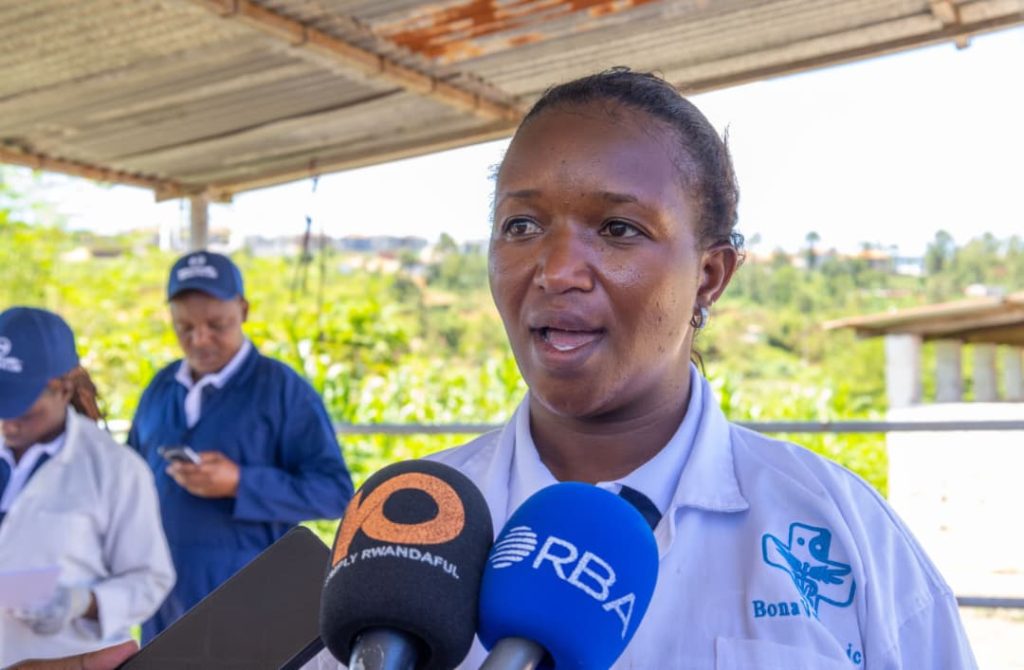***UMUGWANEZA Deborah, a veterinarian working in Muhanga district.***UMUGWANEZA Deborah, a veterinarian working in Muhanga district, admitted that inadequate knowledge had previously made his work extremely difficult, especially when handling unexplained livestock deaths.
“I once examined a pig that had died while bleeding from the mouth and nose, but I could not determine the actual cause of death. I realized that my limited knowledge prevented me from making a professional conclusion,” She explained.
She further recalled another challenging case involving a dead cow where he failed to identify the cause despite examining both external and internal organs.
According to Deborah, the newly acquired knowledge will significantly improve his performance and confidence in conducting professional examinations.
“Through the lessons we received, I now have sufficient knowledge about different diseases, their symptoms, and the organs they affect. I believe I will no longer face the challenges I experienced before,” she added.
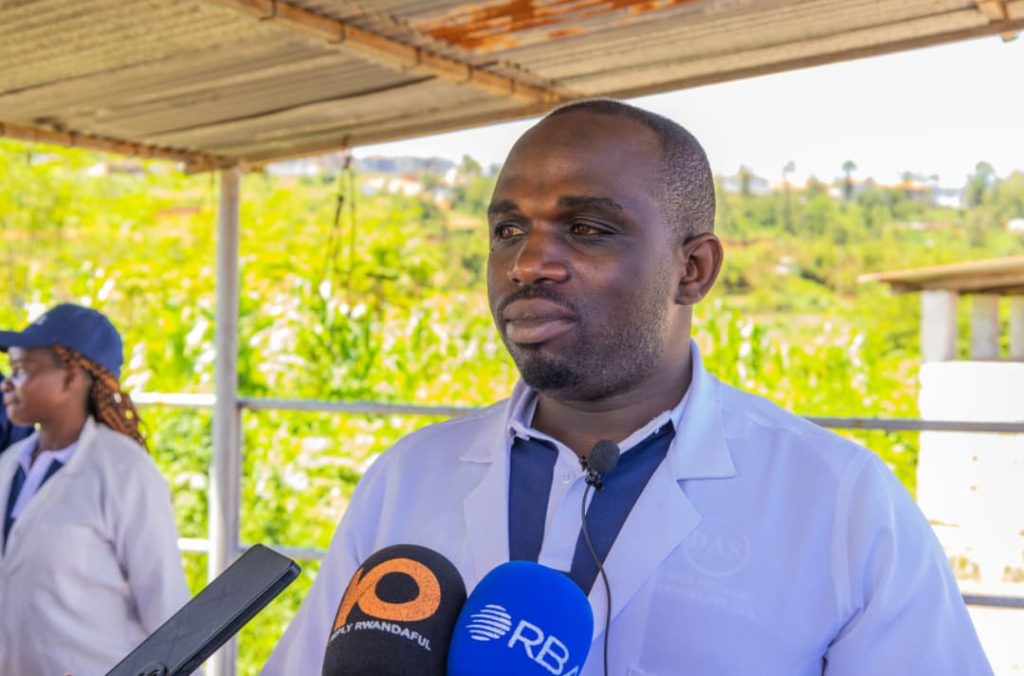***MURWANASHYAKA Jean Claude, a veterinary from Gatsibo district.***MURWANASHYAKA Jean Claude, a veterinary from Gatsibo district, also revealed that limited technical expertise had affected the quality of services delivered to farmers.
He recounted an incident where a farmer lost 15 chickens out of 200, yet he struggled to determine the cause of death.
“I investigated but failed to identify what killed them. I lacked confidence in the report I was supposed to provide and eventually had to seek support from more experienced professionals,” He said.
He noted that the training has now empowered him to independently conduct reliable examinations and produce credible reports without needing external assistance. He also emphasized the value of networking and knowledge-sharing with fellow veterinarians from across Rwanda.
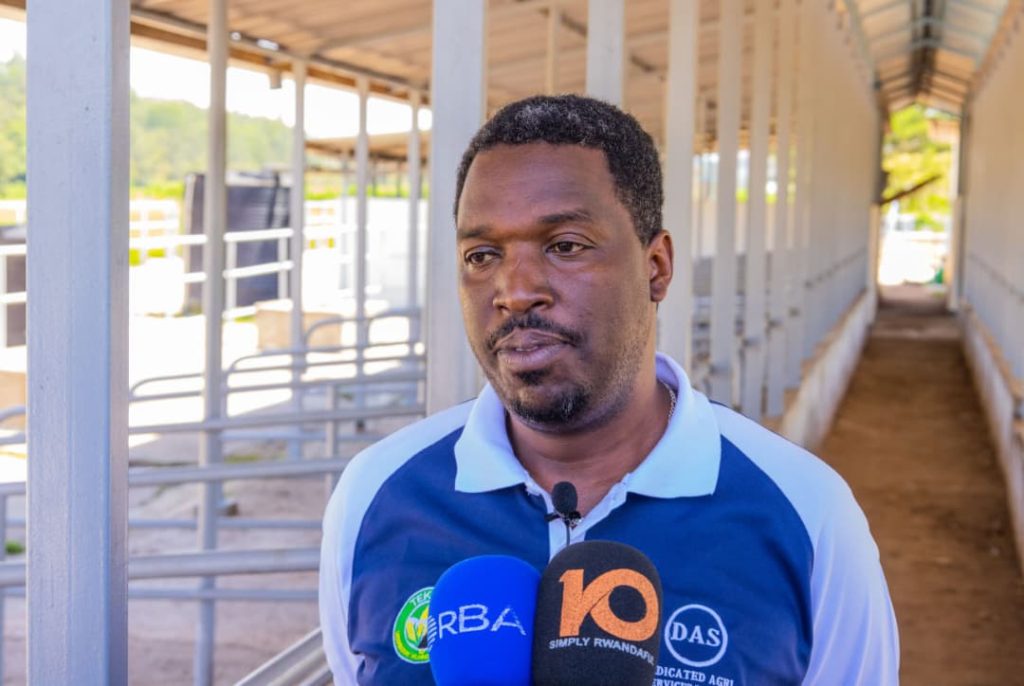***NIYONSHUTI Lambert, Operations Manager at Dedicated Agri Services PVT. LTD.***NIYONSHUTI Lambert, Operations Manager at Dedicated Agri Services PVT. LTD, a company that provides insurance-related agricultural services and technical support, said the training was designed after realizing that many veterinarians lacked sufficient expertise, resulting in frequent mistakes in assessments and reporting.
“Some errors in reports could easily lead to farmers missing compensation they rightfully deserve. In collaboration with RAB and the Ministry of Agriculture and Animal Resources, we organized this training to help veterinarians improve the quality of their work and strengthen professionalism in the sector,” He explained.
He added that continuous follow-up and mentorship programs will be maintained to ensure veterinarians keep improving their technical competencies.
***Dr. Fabrice NDAYISENGA, Head of Animal Resources Development and Disease Control at RAB.***Dr. Fabrice NDAYISENGA, Head of Animal Resources Development and Disease Control at RAB, stressed that veterinarians play a critical role in ensuring fairness and credibility within Rwanda’s livestock insurance system.
According to him, veterinary professionals must operate with integrity, neutrality, and professionalism when preparing post-mortem reports, as these reports directly influence compensation decisions under the TEKANA URISHINGIWE MUHINZI MWOROZI program.
“A veterinarian must always work transparently and avoid bias. Accurate and professional reporting is essential for the success of the TEKANA livestock insurance program,” he stated.
He further reminded participants to uphold ethical standards and integrity, warning that violations of professional principles and regulations could result in legal consequences.
The training is expected to strengthen trust among farmers, insurance providers, and development partners by establishing more credible and reliable livestock claim verification mechanisms. It also reflects the Government of Rwanda’s continued commitment to improving agricultural risk management systems and protecting livestock farmers against unexpected losses.
Rwanda continues modernizing its agriculture sector, initiatives like these are increasingly becoming essential pillars in building a more secure, productive, and resilient livestock industry.
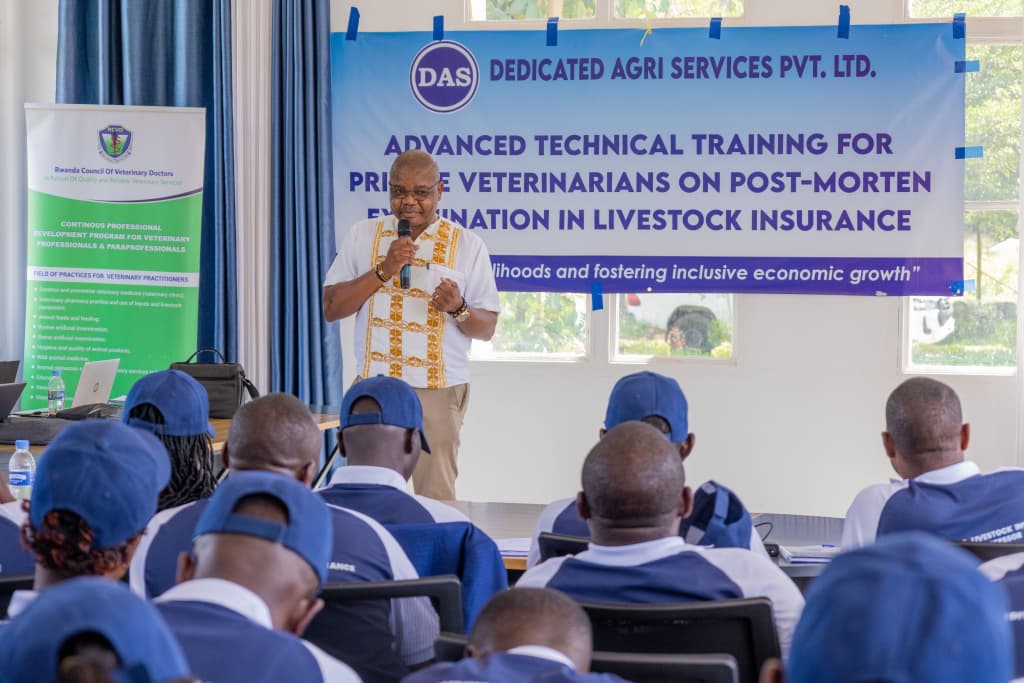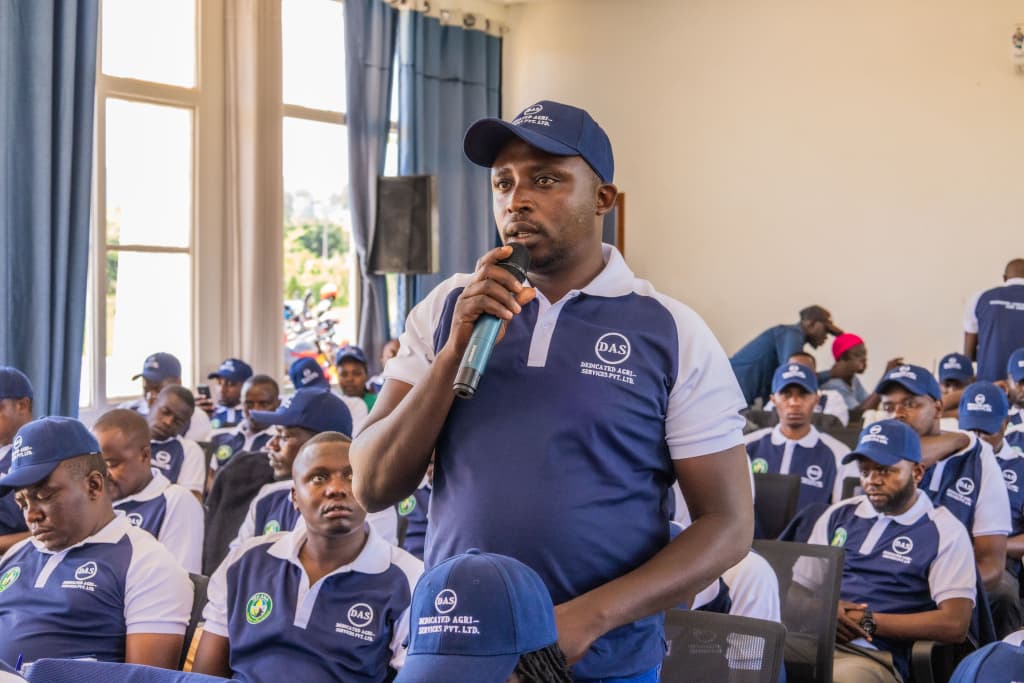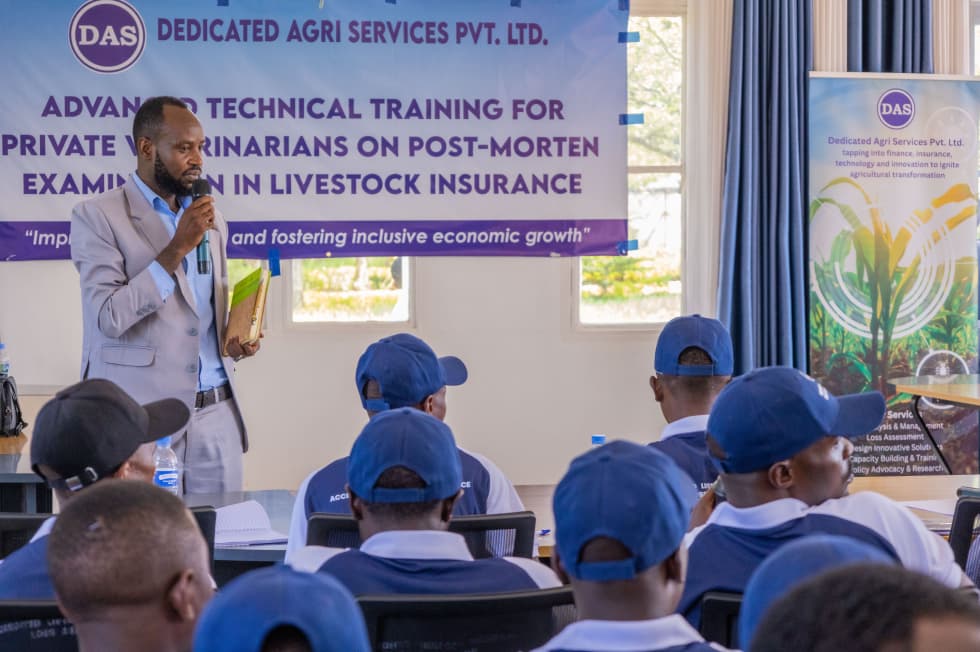
SUBSCRIBE TO OUR NEWSLETTER
First name or full name
Email
By continuing, you accept the privacy policy
**Categories:** Natural Resources and Agriculture
---
### [Spiro Rwanda Employees Visit Ruhanga Genocide Memorial, Support Survivors’ Families](https://www.topafricanews.com/2026/05/10/spiro-rwanda-employees-visit-ruhanga-genocide-memorial-support-survivors-families/)
**Published:** May 10, 2026
**Author:** TOPAFRICANEWS
**Content:**
Employees and management of Spiro Rwanda visited the Ruhanga Genocide Memorial in Gasabo District on May 8, 2026, where they paid tribute to victims of the 1994 Genocide against the Tutsi and extended support to survivors’ families.
During the visit, the company renovated two houses belonging to genocide survivors and provided financial assistance for the maintenance of the memorial site.
Staff members were also briefed on the history of the Genocide against the Tutsi, including how it was planned and executed under the former regime, as well as Rwanda’s journey of recovery and rebuilding after the tragedy.
**READ ALSO: [Fuel Prices Rise, But Opportunity Accelerates: Why Spiro Is Becoming Rwanda’s Smart Economic Choice](https://www.topafricanews.com/2026/04/17/fuel-prices-rise-but-opportunity-accelerates-why-spiro-is-becoming-rwandas-smart-economic-choice/ "Fuel Prices Rise, But Opportunity Accelerates: Why Spiro Is Becoming Rwanda’s Smart Economic Choice")**
The delegation laid wreaths at mass graves where more than 37,890 victims of the Genocide against the Tutsi are buried at the Ruhanga Memorial.
***Amit Chawla, Managing Director of Spiro Rwanda.***Amit Chawla, Managing Director of Spiro Rwanda, said that although he is not Rwandan, the country’s history deeply touched him. He praised Rwanda’s unity and resilience, commending the leadership that stopped the genocide and the humanity demonstrated by Rwandans.
“When I look at the dedication, love and humanity that characterize the Rwandans we work with every day, as well as the progress Rwanda continues to achieve, it clearly shows that Rwandans chose not to remain prisoners of their history. Other countries can learn from this example,” he said.
He encouraged young people to preserve the country’s history and continue strengthening unity to ensure that such atrocities never happen again.
Oleg Olivier Karambizi, a Genocide Denial Prevention Analyst from the Ministry of National Unity and Civic Engagement (MINUBUMWE), thanked Spiro Rwanda employees for standing in solidarity with genocide survivors and urged young people to actively learn about Rwanda’s history so they can educate others.
“It is your responsibility to know the history of Rwanda because, although the genocide was stopped by the Inkotanyi, genocide ideology still exists today. Young people must take the lead in confronting those spreading it, especially through social media platforms such as Facebook, X and YouTube. This should be part of your values and patriotism,” he said.
Karambizi noted that many young people who were killed during the Genocide against the Tutsi had dreams and aspirations that were cut short.
He cautioned today’s youth against being misled by genocide deniers using social media platforms.

SUBSCRIBE TO OUR NEWSLETTER
First name or full name
Email
By continuing, you accept the privacy policy
**Categories:** NEWS
---
### [Africa Pushes for Sustainable Finance as Rising Debt Threatens Growth](https://www.topafricanews.com/2026/05/09/africa-pushes-for-sustainable-finance-as-rising-debt-threatens-growth/)
**Published:** May 9, 2026
**Author:** Mutangana Emmanuel
**Content:**
African policymakers, economists and debt management experts have called for urgent reforms to sovereign debt systems and innovative financing solutions to help the continent strengthen fiscal resilience and sustain development.
The call was made during the Second African Forum on Sovereign Finance, held in Addis Ababa, Ethiopia, from May 6 to 8 under the theme “Enhancing Fiscal Space and Debt Sustainability.” The forum was jointly organized by the United Nations Economic Commission for Africa and FSD Africa.
Participants discussed the growing debt burden facing African economies and its impact on development, climate resilience and governance. They also explored ways to align debt management with sustainable development and climate finance goals.
Speaking at the forum, ECA Deputy Executive Secretary for Programme Support, Mama Keita, said Africa’s debt crisis extends beyond fiscal concerns.
“Africa’s debt challenge extends far beyond fiscal concerns, it has become a development crisis, a climate vulnerability, and a governance emergency,” she said.
Keita stressed that African debt managers are increasingly playing a critical role in shaping the continent’s future by balancing borrowing needs with long-term development priorities.
Earlier in the week, ECA Executive Secretary Claver Gatete warned that Africa’s external debt has reached nearly US$1.2 trillion, with many countries using more than a quarter of public revenues to service debt.
“In practical terms, this means classrooms not built, clinics not staffed or equipped, and jobs not created,” Gatete said.
According to the African Development Bank, Africa’s debt service payments have more than doubled over the past decade, reaching US$163 billion. External debt service obligations are expected to hit US$88.7 billion in 2025, further limiting governments’ ability to invest in infrastructure, healthcare, education and climate adaptation.
Ethiopian State Minister for Economic Cooperation, Semereta Sewasew, said debt management is now central to economic stability and development planning.
“Debt sustainability is not only about the size of debt, but about its structure, the foreign exchange backing it, and the credibility of policy frameworks,” she noted.
The forum also examined reforms to the International Monetary Fund’s Debt Sustainability Framework, with participants highlighting gaps in how climate risks and resilience investments are assessed.
FSD Africa Chief Executive Officer Mark Napier urged African countries to strengthen financing strategies for climate and nature action to build long-term resilience.

SUBSCRIBE TO OUR NEWSLETTER
First name or full name
Email
By continuing, you accept the privacy policy
**Categories:** NEWS
---
### [Malaria Vaccine Prevented 1 in 8 Child Deaths in Africa](https://www.topafricanews.com/2026/05/09/malaria-vaccine-prevented-1-in-8-child-deaths-in-africa/)
**Published:** May 9, 2026
**Author:** Mutangana Emmanuel
**Content:**
A major study published in The Lancet has confirmed that the RTS,S malaria vaccine significantly reduces child deaths in Africa, raising hopes for stronger malaria prevention efforts across the continent.
The findings, released through an evaluation of the Malaria Vaccine Implementation Programme (MVIP), showed that one in eight child deaths was prevented among children eligible to receive the vaccine in Ghana, Kenya and Malawi between 2019 and 2023.
Researchers said the impact could be even greater in other African countries now introducing malaria vaccines in regions with high malaria transmission.
The study assessed the rollout of the RTS,S vaccine, one of the two malaria vaccines recommended by the World Health Organization for use among children in malaria-endemic areas.
“This is very solid evidence of the potential for malaria vaccines to change the trajectory of child mortality in Africa,” said Dr Kate O’Brien, Director of WHO’s Department of Immunization, Vaccines and Biologicals and co-author of the evaluation.
She warned that although demand for the vaccine remains high and supply is available, many countries are struggling with inadequate funding to purchase enough doses and expand access to children most at risk.
Malaria remains one of Africa’s deadliest diseases for children. According to WHO, an estimated 438,000 African children died from malaria in 2024 alone. Health experts say broader use of malaria vaccines, alongside insecticide-treated nets, testing and treatment, could save tens of thousands of lives every year.
Dr Daniel Ngamije Madandi, Director of WHO’s Department of Malaria and Neglected Tropical Diseases, said malaria vaccination strengthens existing prevention measures and helps countries achieve greater impact in areas with moderate and high transmission.
The evaluation also found that introducing the four-dose malaria vaccine schedule created additional opportunities for delivering other health services, including measles and meningitis vaccines, vitamin A supplements and insecticide-treated mosquito nets.
Importantly, researchers found no evidence that the malaria vaccine reduced uptake of other childhood vaccines or malaria prevention measures. Instead, the programme increased access to malaria protection among children who were not previously sleeping under mosquito nets.
Currently, 25 African countries have introduced malaria vaccines into their childhood immunization programmes, targeting more than 10 million children annually.
However, researchers cautioned that financial constraints continue to slow the expansion of vaccination campaigns despite sufficient global vaccine supply.

SUBSCRIBE TO OUR NEWSLETTER
First name or full name
Email
By continuing, you accept the privacy policy
**Categories:** HEALTH, NEWS
---
### [Robust Growth at Stanbic Bank Kenya Amid Economic Recovery](https://www.topafricanews.com/2026/05/08/62245/)
**Published:** May 8, 2026
**Author:** TOPAFRICANEWS
**Content:**
- *Net interest income up 12% to KES 7.6Bn despite consecutive CBR rate cuts*
- *Balance sheet expands 23% from KES 450Bn to KES 552Bn on deposit-driven growth momentum*
**NAIROBI, Kenya, May 7, 2026…** Stanbic Bank Kenya has posted a 5 per cent year on year growth in Profit After Tax to KES 3.5 billion in the first quarter of 2026 driven by increased lending that offset margin compressions from consecutive policy rate cuts.
The growth, compared to the KES 3.3 billion realised in a similar period last year was driven by a double-digit balance sheet growth, prudent cost and risk management.
Loans and advances grew by 6% driven by foreign currency lending demand to clients in the trade, energy, building and construction sectors as the Central Bank of Kenya continued to ease its policy stance, aimed at stimulating lending and easing pressure on businesses and households.
This saw the lender expand its balance sheet by 23 per cent from KES 450 billion to KES 552 billion driven by higher customer deposits and the recovery of private sector, which picked to 8.1 per cent in March.
Abraham Ongenge, Stanbic Bank Kenya Chief Executive said: “We sustained balance sheet growth from mid‑2025, reflecting renewed momentum in the Kenyan economy, underpinned by improving market conditions and a rebound in private sector credit.”
“The double digit Q1 growth was driven by higher customer deposits reflecting the trust our customers continue to place in our brand, which we efficiently deployed into lending, interbank placements and financial investments,” Abraham noted.
During the period under review, the banking sector experienced margin pressure following successive policy rate cuts. The CBR declined from 10.75% in March 2025 to 8.75% in March 2026, while 91‑day Treasury bill rates fell from 8.79% in December to 7.40% by March 2026, resulting in lower asset yields.
The Bank noted that its net interest income grew 12% to KES 7.5 billion, compared to KES 6.7 billion realised in a similar period last year while operating expenses were maintained within inflationary growth and within target on account of cost management discipline.
Dennis Musau, the Chief Financial and Value Officer said: “Despite margin pressures in the first quarter of 2026 stemming from the lower interest rate environment, we responded decisively through disciplined cost and risk management, targeted lending growth, and continued expansion of our digital banking platforms, sustaining balance sheet momentum as private sector credit recovered.”
The Bank continued to accelerate the digitisation of its financial services, introducing innovative, customer-centric solutions designed to respond to evolving needs from flexible savings solutions to diversified investment options, with products structured to provide stability and opportunity amid economic volatility.
“We remain firmly focused on sustainable balance sheet growth, with a clear priority on deepening sticky transactional accounts while maintaining balance sheet efficiency. Improved macroeconomic fundamentals are translating into tangible growth opportunities, reflected in our credit loss ratio declining to 0.44% from 0.57%, and we remain committed to be the partner of choice for enterprises across the spectrum, providing the capital needed to fuel growth,” Dennis added.
The Bank continued to accelerate the digitisation of its financial services, introducing innovative, customer-centric solutions designed to respond to evolving needs from flexible savings solutions to diversified investment options, with products structured to provide stability and opportunity amid economic volatility.
Financial investments significantly grew by 70% YoY, driven by the strategic redeployment of excess liquidity into government securities awaiting redeployment to lending. The pressure on trading income was also partially offset by higher fees and commissions from Investment Banking.
Anchored by a core capital ratio of 14.59%, well above the 12.50% regulatory minimum — and a resilient balance sheet, Stanbic Bank Kenya is positioned to accelerate its growth agenda, deepening financial access for individuals and enterprises across the region.
The Bank has received several awards in 2026 including: Best Bank in Mortgage Finance, Best Bank in Mobile Banking, Best Bank in Tier 1 and 1st Runner-Up – Overall Best Bank in Kenya at the Think Business Awards. It also emerged winner, Mergers and Acquisitions Financial Advisor by Deal Flow, and General Corporate Finance Financial Advisors by Deal Value at the 2025 Dealmakers Africa Annual Awards.

SUBSCRIBE TO OUR NEWSLETTER
First name or full name
Email
By continuing, you accept the privacy policy
**Categories:** Business and Trade
---
### [Rwanda’s Capital Market Is Building Strong Foundations for Sustainable and Inclusive Economic Growth](https://www.topafricanews.com/2026/05/08/rwandas-capital-market-is-building-strong-foundations-for-sustainable-and-inclusive-economic-growth/)
**Published:** May 8, 2026
**Author:** TOPAFRICANEWS
**Content:**
*By Dr. Manzi Rutayisire Antoine*
Rwanda’s development story is often associated with visible progress in infrastructure, tourism, housing, technology, and public services. Yet, another important transformation is taking place more quietly: the steady growth of the country’s capital market. Although this progress may not always attract daily attention, it is becoming an important pillar of Rwanda’s long-term economic development.
Rwanda’s capital market is growing with purpose. Its development is supported by strong institutions, sound regulation, improved financial infrastructure, and growing public awareness of saving and investment opportunities. Like many emerging markets, Rwanda’s capital market is not being built through speed or spectacle, but through trust, discipline, institutional capacity, and confidence among investors, issuers, and the wider public.
Although the market is still young, its progress is visible. Rwanda has established a more structured capital market ecosystem, supported by a regulatory framework that promotes investor protection, transparency, market integrity, and orderly growth. The Capital Market Authority continues to provide oversight through licensing, supervision, investor protection, and market conduct, while the Rwanda Stock Exchange offers a formal platform for securities trading. Other market players also support custody, clearing, settlement, and advisory services.
At the centre of this progress is trust. Investors must trust the rules of the market, companies must trust the process of raising long-term capital, and the public must have confidence that the market is fair, transparent, and well supervised. This is why governance, disclosure, regulation, and investor protection remain essential to Rwanda’s capital market journey.
The growth of the market is also changing how Rwandans think about saving and investment. Traditionally, many citizens and businesses have relied on banks, informal savings groups, land, or traditional business activities. Today, the capital market offers additional regulated investment opportunities, including shares, Treasury bonds, corporate bonds, and collective investment schemes. This creates a wider platform for households, companies, pension funds, insurers, and long-term investors to participate in national development.
Financial infrastructure has also improved. Through the Central Securities Depository and related settlement systems, Rwanda has strengthened the mechanisms that record ownership, process transactions, support clearing and settlement, and protect investors. These systems are essential for a stable, efficient, and credible market.
Government securities have played a major role in this development. Treasury bills support short-term liquidity management, while Treasury bonds provide long-term financing and help build the yield curve. This foundation can support the future expansion of corporate bonds, infrastructure bonds, and other long-term financing instruments needed for private sector growth and national development.
Technology offers another opportunity. Rwanda’s digital transformation can help reduce costs, improve access, simplify investor onboarding, and make investment products more accessible to citizens and small enterprises. However, innovation must remain structured and supported by strong safeguards for investor protection and market integrity.
Regional integration is also important. Deeper cooperation within the East African Community can help Rwanda access a larger investment space, attract more investors, and support cross-border capital mobilisation.
Overall, Rwanda’s capital market is becoming more organised, credible, and better positioned for future growth. Its progress is steady and deliberate. With continued focus on regulation, innovation, liquidity, retail participation, and regional integration, the market can become a stronger driver of investment, private sector growth, and inclusive national development.

SUBSCRIBE TO OUR NEWSLETTER
First name or full name
Email
By continuing, you accept the privacy policy
**Categories:** Business and Trade
---
### [Rwanda Launches Greenhouse Insurance Scheme to Protect Farmers and Boost Agricultural Exports](https://www.topafricanews.com/2026/05/08/rwanda-launches-greenhouse-insurance-scheme-to-protect-farmers-and-boost-agricultural-exports/)
**Published:** May 8, 2026
**Author:** LIBOS NDAYISHIMIYE
**Content:**
Rwanda Agriculture and Animal Resources Development Board through RAB-SPIU in their insurance program called TEKANA URISHINGIWE MUHINZI MWOROZI officially launched the Greenhouse Insurance Scheme on this May 7, 2026, during an event held at the National Institute of Statistics of Rwanda in Kigali.
This is part of strengthening climate-resilient agriculture and protecting greenhouse farmers’ investments.
The newly introduced insurance scheme falls under Rwanda’s National Agriculture and Livestock Insurance Program and is specifically designed to safeguard greenhouse farmers against losses caused by structural damage, extreme weather conditions, pests, and crop diseases. The initiative reflects the continued commitment of the Government of Rwanda to build a resilient agricultural sector, secure farmers’ investments, and accelerate sustainable agricultural transformation nationwide.
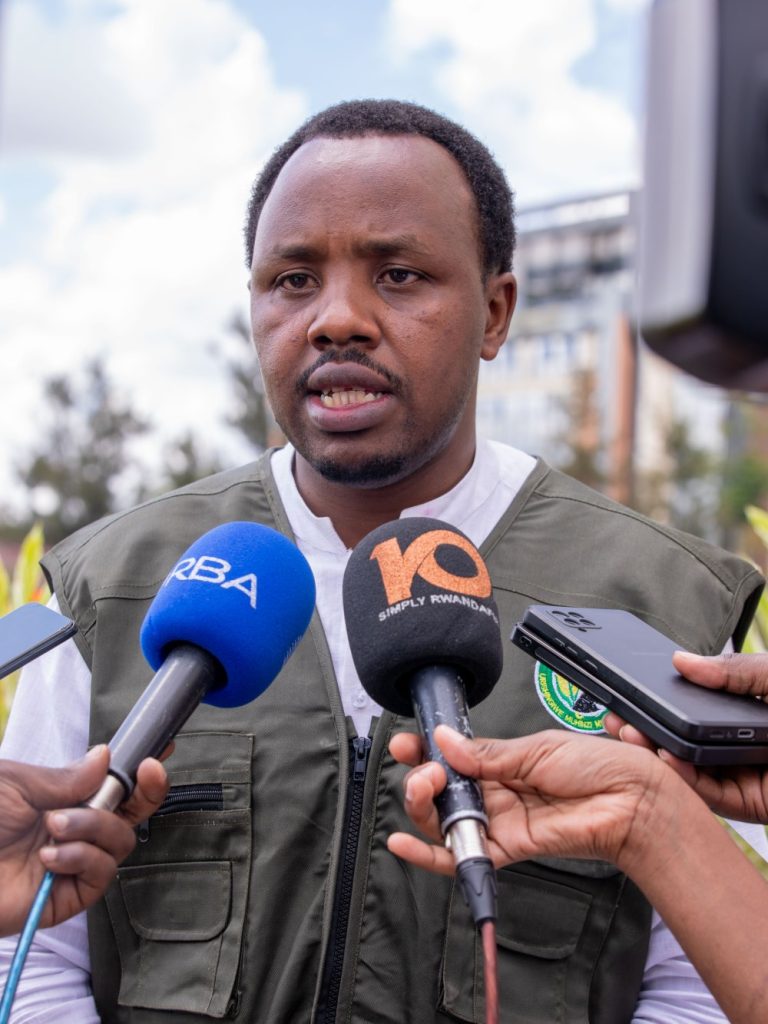Speaking during the official launch, Joseph Museruka, the coordinator of TEKANA URISHINGIWE MUHINZI MWOROZI, Rwanda’s crop and livestock insurance program operating under the Ministry of Agriculture and Animal Resources together with RAB explained that the new insurance product will play a vital role in increasing the country’s export-oriented agricultural production. He noted that the government’s five-year agricultural transformation strategy (2024–2029) targets an increase of export crop cultivation land by at least 22 percent, from 79,000 hectares to 97,000 hectares.
He emphasized that greenhouse farming remains one of the most effective solutions for maximizing agricultural productivity in a country with limited arable land.
“As we increase cultivated land, we also increase production. Given Rwanda’s limited farming space, greenhouse farming offers one of the fastest and most efficient ways to achieve high-quality and high-volume harvests. Crops grown in greenhouses are better protected against climate change and its devastating effects,” Museruka said.
He added that the insurance program comes as a long-awaited solution for farmers who have frequently suffered devastating losses caused by disasters such as storms and floods. According to him, the initiative will also encourage more investors and financial institutions to confidently invest in greenhouse agriculture.
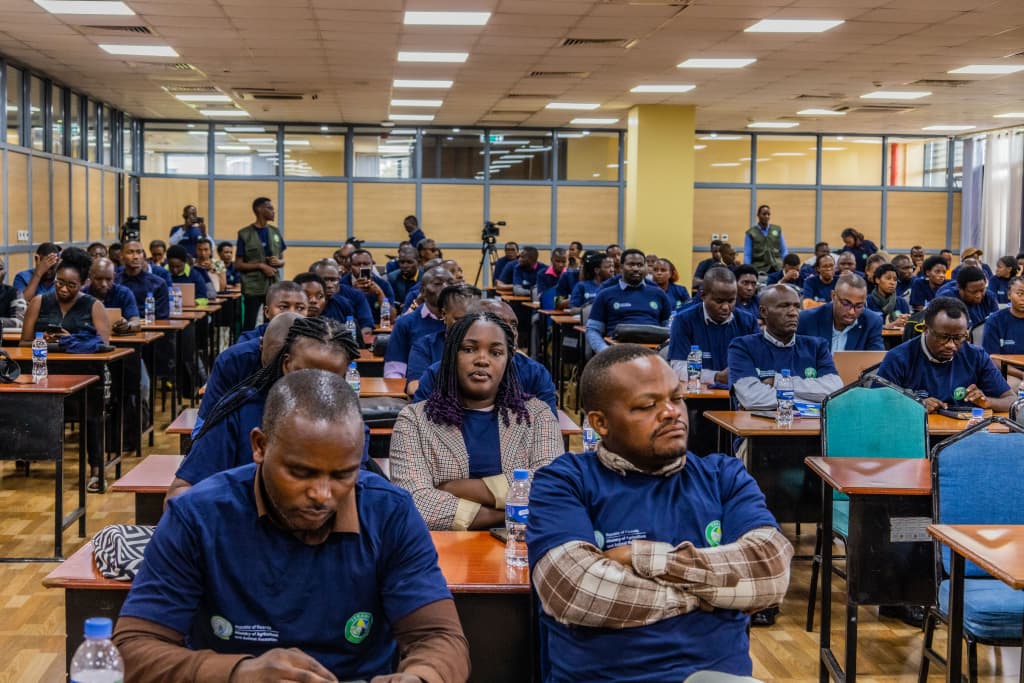“Many farmers lose hope after facing repeated destruction caused by strong winds, floods, and other disasters. But once a farmer is insured, they can farm with confidence. Even lenders and financial institutions will now feel more secure supporting agricultural projects,” he stated.
Museruka further assured stakeholders that compensation claims would be processed promptly to strengthen trust and promote long-term collaboration between farmers, insurers, and the government.
Farmers welcomed the new insurance product as a game-changing intervention that could protect them from recurring losses.
Mukandayisenga Donatille, who oversees production and markets at the Rwanda Greenhouse Farmers’ Cooperative in Rwamagana District, said greenhouse farmers have repeatedly experienced serious losses caused by heavy rain and destructive winds. She praised the government for introducing the insurance scheme, saying it would restore confidence among farmers.
“Our cooperative owns 80 greenhouses, but we lost three due to strong winds. Many farmers have become discouraged because of such losses. This insurance program is a major relief because it will help address disasters and many other challenges we face,” she explained.
She added that the insurance coverage would motivate farmers to invest more energy and resources into greenhouse farming because of the higher productivity and profitability associated with the practice.
***Nyiransabimana Cécile, Vegetables Farmer from Nyanza district***
Nyiransabimana Cecile, a vegetable farmer from Nyanza District who grows cucumbers, bell peppers, and tomatoes in greenhouses, also shared her experience with climate-related losses.
“At one point, my bell pepper crops were almost ready for harvest when heavy rain and wind destroyed my greenhouses. Some crops rotted while others were completely damaged. I spent more than three million Rwandan francs repairing the structures,” she recalled.
She expressed optimism that the newly launched insurance product would significantly reduce such financial burdens in the future.
Meanwhile, RUSANGANWA Patrice, the head of Muyanza Green Fresh (MUGREF), a cooperative operating in the Muyanza irrigated zone in Rulindo District, said greenhouse farmers have long struggled with fears linked to climate change, especially destructive rainstorms and strong winds. He described the introduction of subsidized insurance as a major breakthrough for the farming community.
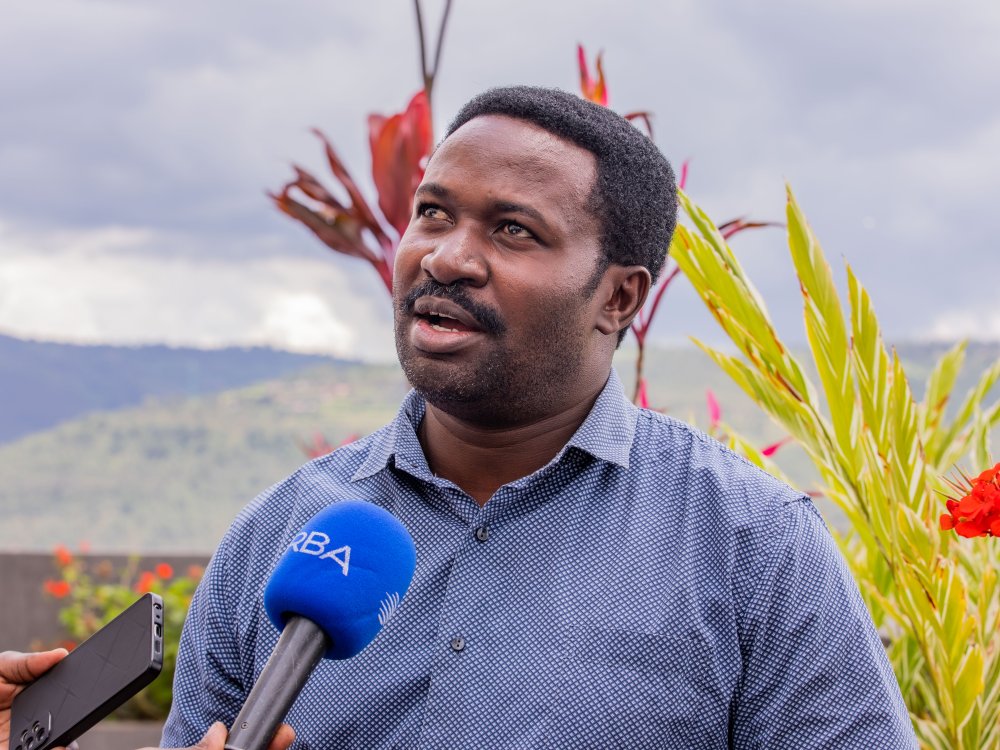***RUSANGANWA Patrice, the head of Muyanza Green Fresh (MUGREF), a cooperative operating in the Muyanza irrigated zone in Rulindo district***
“When insurance comes with government support, it greatly eases farmers’ burdens. The name TEKANA itself carries a deep meaning it gives farmers peace of mind,” he said, while encouraging farmers across the country to embrace the program.
Under the TEKANA URISHINGIWE MUHINZI MWOROZI insurance scheme, farmers affected by agricultural or livestock-related losses can receive compensation of up to 40 percent within a period not exceeding 30 days.
Since the launch of the national agricultural insurance initiative, more than RWF 9 billion has already been paid to farmers and livestock keepers who suffered losses.

SUBSCRIBE TO OUR NEWSLETTER
First name or full name
Email
By continuing, you accept the privacy policy
**Categories:** Climate / Agriculture Evolution, Natural Resources and Agriculture
---
### [SANY Heavy Industry Unveils 2025 Sustainability Report, Highlighting 64% International Revenue and Decarbonization Push](https://www.topafricanews.com/2026/05/07/sany-heavy-industry-unveils-2025-sustainability-report-highlighting-64-international-revenue-and-decarbonization-push/)
**Published:** May 7, 2026
**Author:** TOPAFRICANEWS
**Content:**
**GUANGZHOU, CHINA — MAY 2026** — SANY Heavy Industry (600031.SH; 0631.HK), a global leader in high-end equipment manufacturing, has released its 2025 Sustainability (ESG) Report, underscoring its resilience amidst complex global trade dynamics. The report emphasizes enhanced governance, accelerated decarbonization, and radical supply chain transparency, as SANY works to align with the rigorous expectations of global stakeholders, particularly in European and North American markets.
[1](https://mail.google.com/mail/u/0/#all/%23thread-f:1864511774017844999)The company is strategically navigating the evolving trade landscape, including anti-dumping and anti-subsidy frameworks, by advancing its “Globalization of Manufacturing” strategy. This shift from “product export” to “Industrial Globalization” has proven successful, with international revenue now accounting for 64% of total turnover. SANY has achieved a full-value-chain global deployment—spanning R&D, manufacturing, and service—by deepening overseas localized production in hubs across India, the USA, Germany, Indonesia, and Brazil. This deployment aims to ensure compliant operations and fair competition within local legal frameworks.
**Electrification Drives Growth and Low-Carbon Innovation**
Electrification remains a core growth engine for SANY. In 2025, revenue from new energy products reached RMB 8.64 billion. The company has deployed a wide range of green equipment globally, including electric excavators and hydrogen-powered trucks, actively addressing climate risks and supporting global “Dual Carbon” goals by fostering green supply chain synergy and upgrading products.
[1](https://mail.google.com/mail/u/0/#all/%23thread-f:1864511774017844999)Beyond products, the company is fortifying its operational integrity and global team. SANY reported 100% coverage of anti-corruption audits for core business processes. Furthermore, its focus on localized talent cultivation resulted in the localization rate of overseas employees reaching nearly 70% in 2025, contributing to a globally competitive team of professionals.
[1](https://mail.google.com/mail/u/0/#all/%23thread-f:1864511774017844999)The report also details SANY’s focus on **Digitalization and AI Governance**. Leveraging its “Lighthouse Factory” network and proprietary AI Agent platform, the firm is transitioning to “comprehensive value-chain intelligence”. Digital tools facilitate real-time monitoring of production processes and carbon footprints, providing verifiable governance data to global stakeholders.
[1](https://mail.google.com/mail/u/0/#all/%23thread-f:1864511774017844999)Mr. Xiang Wenbo, Chairman of SANY Heavy Industry, reaffirmed the company’s long-term vision, stating, “We remain committed to long-termism, guided by our strategies of ‘Globalization, Digitalization, and Decarbonization.’ By driving industrial progress through innovation, SANY contributes to building a greener and more sustainable world”.

SUBSCRIBE TO OUR NEWSLETTER
First name or full name
Email
By continuing, you accept the privacy policy
**Categories:** Business and Trade
---
### [The Affordability Disconnect: Why Rwandans Say RSSB's 80M Rwf Homes Miss the Mark](https://www.topafricanews.com/2026/05/07/the-affordability-disconnect-why-rwandans-say-rssbs-80m-rwf-homes-miss-the-mark/)
**Published:** May 7, 2026
**Author:** TOPAFRICANEWS
**Content:**
The Rwanda Social Security Board (RSSB) has officially launched Heza Estate, a landmark residential development located in Batsinda, Kinyinya Sector, Gasabo District, Kigali. While the project is pitched as a modern community solution addressing the country’s growing housing needs, it has sparked a lively debate on social media regarding what constitutes “middle-income” pricing for the average Rwandan.
**The Vision Behind Heza Estate**
Currently standing at **90 per cent completion**, Heza Estate represents a significant step in RSSB’s commitment to delivering well-serviced housing. The development comprises **548 residential units**, featuring a mix of apartments and townhouses. Specifically, the estate offers two- and three-bedroom apartments in four-storey blocks, alongside two- and three-bedroom duplex townhouses.
RSSB structured the pricing to range from **Rwf80 million to Rwf117 million for townhouses**, and **Rwf101 million to Rwf111 million for apartments**. To make homeownership more accessible, the institution has introduced **flexible instalment payment plans** and partnered with multiple banks to provide mortgage financing at competitive interest rates.
Beyond just housing, RSSB has designed the estate as a fully integrated community. Residents will have access to a nursery school, basketball and volleyball courts, landscaped gardens, commercial spaces, paved roads with street lighting, and dedicated parking.
Claudette Rubangura, RSSB’s Commercial Operation Manager, emphasized the project’s intent: “Heza Estate was built with a clear purpose — to give middle-income Rwandans, young professionals, families, and diaspora members a place they can truly call their own”. She added that the goal was to keep everyday conveniences within reach, creating a community “designed around how people actually live”.
**Public Skepticism and the Affordability Debate**
Despite RSSB’s assurances, the announcement generated significant skepticism online. Following an X (formerly Twitter) thread posted by Oswald Mutuyeyezu, Rwandans quickly took to the platform to voice concerns that the prices are entirely out of touch with local economic realities.
Many users questioned the target demographic, with comments firmly stating that the homes are **“not built for Rwandans” (Ark ntabwo zubakiwe abanyarwanda)**. The Rwf80 million starting price was a major point of contention; one user exclaimed, “80M when you can’t even afford basics” (*80M utanabona Aho utotora idodo*), while another simply asked, “How will they buy them??” (*Bazigura gute??*).
In the discussion, commenters frequently compared the estate’s pricing to cheaper, alternative real estate options. Users pointed out that one could build a house in Kigali for as little as 12 million Rwf (*Uziko Kuyubaka I Kigali ari 12M*), or purchase a plot of land in Bugesera for 15 million Rwf. International comparisons were also drawn, with one user noting that similar housing units in Kenya go for around 65 million Rwf. However, noting the flexible payment plans mentioned by RSSB, some users did inquire about the mechanics of buying on credit and paying in slow installments (*Barakopa c ukishyura buhoro horo*).
**The Broader Housing Challenge**
The public reaction to Heza Estate highlights a central tension in Rwanda’s rapidly developing real estate sector: **balancing modern, high-quality development with genuine affordability.**
The government estimates that **the country will require at least 5.5 million housing units by 2050** to accommodate a projected population of 22.1 million. To help meet this massive demand, RSSB is expanding its housing portfolio across multiple market segments, including the upcoming Vision City II project, which will expand from 500 to approximately 1,500 units. While developments like Heza Estate are crucial steps toward these 2050 goals, the public’s reaction underscores the urgent need for housing solutions that align more closely with the financial realities of the everyday Rwandan workforce.

SUBSCRIBE TO OUR NEWSLETTER
First name or full name
Email
By continuing, you accept the privacy policy
**Categories:** NEWS
---
### [Rwanda Achieves 97% Clean Audit, but Project Delays Persist — Auditor General](https://www.topafricanews.com/2026/05/06/rwanda-achieves-97-clean-audit-but-project-delays-persist-auditor-general/)
**Published:** May 6, 2026
**Author:** Mutangana Emmanuel
**Content:**
Rwanda has registered notable progress in public finance management, with 97 percent of government entities receiving clean audit opinions on their financial statements, according to the latest Annual Audit Report for the financial year ending June 30, 2025.
The report was presented on May 6, 2026, to both Chambers of Parliament by Auditor General Alexis Kamuhire, covering 252 public entities and accounting for 96 percent of total government expenditure. In total, 297 individual audit reports were issued.
The findings point to steady improvements in financial accountability and compliance with laws and regulations. Entities with unqualified audit conclusions on compliance rose to 83 percent in 2025, up from 75 percent the previous year. Similarly, performance in achieving value for money improved, with 79 percent of public entities receiving unqualified conclusions, compared to 66 percent in 2024.
“Public entities that obtained unqualified audit opinion on their financial statements increased to 97 percent in 2025 from 94 percent in 2024,” Kamuhire said, adding that unlawful expenditure has significantly dropped to Frw 600 million, down from Frw 2.04 billion recorded in 2024.
The Auditor General attributed part of this progress to the continued use of a preventive audit approach, which helped recover Frw 1.47 billion during the reporting period. Although this figure is lower than the Frw 9.3 billion recovered the previous year, it signals improved compliance and fewer financial irregularities.
Implementation of audit recommendations also showed progress, rising to 65 percent from 60 percent in 2024. Kamuhire highlighted a case in Kirehe District, where earlier audit findings revealed substandard rehabilitation of houses affected by the construction of a hydropower plant. Following recommendations, authorities collaborated with stakeholders to construct 80 modern houses, which beneficiaries began occupying in early May 2026.
Despite the positive trends, the report identifies several persistent challenges requiring urgent attention. These include delays in the commencement of funded projects, low disbursement rates, weaknesses in procurement and contract management, stalled construction works, idle public assets, and delays in service delivery.
Kamuhire urged responsible institutions to address these gaps by accelerating project implementation and strengthening accountability mechanisms to ensure timely and efficient service delivery to citizens.
“The implementation of audit recommendations is important,” he emphasized, calling for sustained commitment from all stakeholders.
The Office of the Auditor General reaffirmed its commitment to promoting transparency, accountability, and the effective use of public resources in support of national development and the well-being of Rwandans.

SUBSCRIBE TO OUR NEWSLETTER
First name or full name
Email
By continuing, you accept the privacy policy
**Categories:** NEWS
---
### [Musanze Farmers Urged to Boost Potato Production as 2026B Season Targets 25 Tons per Hectare](https://www.topafricanews.com/2026/05/06/musanze-farmers-urged-to-boost-potato-production-as-2026b-season-targets-25-tons-per-hectare/)
**Published:** May 6, 2026
**Author:** LIBOS NDAYISHIMIYE
**Content:**
In Musanze District, located in Rwanda’s Northern Province, farmers have been strongly encouraged to intensify their efforts in potato cultivation during the 2026B agricultural season, as the district pushes toward achieving an ambitious target of 25 tons per hectare across Food Basket Sites (FoBaSi).
During the ongoing 2026B planting season, potato farming has been expanded across 15 strategically established Food Basket Sites (FoBaSi) spread throughout different sectors of Musanze District. This initiative is part of a broader agricultural transformation strategy aimed at increasing productivity, strengthening food security, and improving household incomes among local farmers.
Authorities and agricultural experts emphasize that potatoes remain one of the most important food and cash crops in the region due to their high demand and nutritional value. As a result, farmers are being urged to apply improved farming techniques, including the use of certified seeds, proper spacing, timely weeding, and adequate use of fertilizers.
Agricultural extension officers working closely with farmers in the FoBaSi sites highlight that achieving the expected yield of 25 tons per hectare is realistic, but only if farmers maintain strict adherence to recommended agronomic practices. They also stress the importance of disease control, particularly against late blight, which has historically affected potato production in highland areas like Musanze.
Farmers themselves have expressed optimism about the season, noting that the support provided through FoBaSi programs has improved access to quality inputs and modern farming knowledge. Many believe that with continued guidance and commitment, the district can reach or even surpass the set production targets.
Local leaders in Musanze have reaffirmed their commitment to supporting farmers through regular field supervision, training sessions, and strengthening cooperative-based farming systems. They also encouraged farmers to treat agriculture as a commercial enterprise rather than subsistence farming, in order to maximize profits and sustainability.
Musanze District stands at the center of Rwanda’s efforts to boost agricultural productivity. With 15 FoBaSi sites actively supporting potato cultivation, the call for farmers to remain committed and disciplined in their farming practices is stronger than ever. Achieving the target of 25 tons per hectare is not only a goal for increased production but also a step toward transforming livelihoods and strengthening food security in the region.

SUBSCRIBE TO OUR NEWSLETTER
First name or full name
Email
By continuing, you accept the privacy policy
**Categories:** Natural Resources and Agriculture
---
### [Rwanda and Botswana Forge Strategic Partnership as President Kagame Begins Landmark State Visit](https://www.topafricanews.com/2026/05/06/rwanda-and-botswana-forge-strategic-partnership-as-president-kagame-begins-landmark-state-visit/)
**Published:** May 6, 2026
**Author:** TOPAFRICANEWS
**Content:**
President Paul Kagame of Rwanda arrived in Gaborone today for a two-day state visit aimed at cementing a new era of diplomatic and economic cooperation between Rwanda and Botswana. Stepping off the presidential aircraft at Sir Seretse Khama International Airport, Kagame was greeted by President Duma Boko with a full guard of honor, signaling the high diplomatic stakes of the mission. This visit follows a series of high-level ministerial meetings held earlier this week under the Joint Permanent Commission on Cooperation, which laid the technical groundwork for several transformative agreements signed during the first day of the summit.
At the heart of the discussions was a shared vision for intra-African trade and industrial self-reliance. The two leaders presided over the signing of a Double Taxation Avoidance Agreement and a Bilateral Air Services Agreement, moves designed to eliminate fiscal barriers and enhance direct connectivity between Kigali and Gaborone.
Beyond policy, the partnership is set to target specific industrial synergies; Rwanda has expressed deep interest in Botswana’s world-leading diamond value chain and its expertise in animal vaccine production. Conversely, Botswana is looking to tap into Rwanda’s rapid digital transformation and successful model of the Rwanda Development Board to stimulate its own investment climate.
The agenda also touched on the critical issue of mobility, with both administrations moving toward a comprehensive visa waiver arrangement to facilitate the seamless movement of business professionals and tourists. As the two heads of state toured the Diamond Trading Company Botswana and the Botswana Vaccine Institute later in the afternoon, the message was clear: this visit is less about ceremonial friendship and more about tangible, results-oriented integration. By aligning their strengths in mining, technology, and healthcare, Rwanda and Botswana are positioning themselves as a dual engine for growth within the Southern and Eastern African corridors.

SUBSCRIBE TO OUR NEWSLETTER
First name or full name
Email
By continuing, you accept the privacy policy
**Categories:** NEWS
---
### [World Migratory Bird Day: What birds can tell us about the health of our world](https://www.topafricanews.com/2026/05/06/world-migratory-bird-day-what-birds-can-tell-us-about-the-health-of-our-world/)
**Published:** May 6, 2026
**Author:** TOPAFRICANEWS
**Content:**
World Migratory Bird Day falls on 9 May. To mark it, [BirdLife International](https://www.birdlife.org/) is asking people to look beyond the wonder of migration and listen to what the birds are saying about the health of our planet.
Migratory birds carry nutrients across oceans, pollinate plants, spread seeds, and help keep crops growing and diseases in check. And yet, worldwide, more than 40% of bird species are now in decline. [Martin Harper](https://www.linkedin.com/in/martin-harper-birdlife/), BirdLife International CEO, says the signals coming from the great migratory routes are hard to ignore.
“Migratory birds connect us across countries, continents and ocean currents,” Harper says. “Protecting the major migratory highways of the world is how we reverse those declines. And when we do, people gain too: cleaner water, food security, flood protection, and more resilience to a changing climate.”
Observed in May and October each year, [World Migratory Bird Day](https://www.migratorybirdday.org/about-wmbd/) matches the peaks of migration in each hemisphere and invites communities to take part in one of nature’s greatest shared stories. In May, species along routes such as the African–Eurasian Flyway leave the warmth of Africa and travel north to nest.
***The highways of the sky***
BirdLife International, the only global partnership conserving birds and all life on our planet, says the day is a chance to better understand the broader impact of birds’ natural migration routes, known as global flyways.
Birds use these routes as they travel between breeding grounds, feeding areas and seasonal refuges. Around the world, they follow four major flyways on land: the African–Eurasian, East Asian–Australasian, Americas and Central Asian. They also follow six marine flyways. These pathways stretch across borders and oceans, joining habitats that lie thousands of kilometres apart.
When one link in a flyway is broken, a wetland drained or a coastline degraded, whole species can decline. Some can vanish for good, as the recent extinction of the [Slender-billed Curlew](https://www.birdlife.org/news/2024/11/18/new-publication-indicates-devastating-extinction-of-the-slender-billed-curlew/) reminds us.
“Migration is one of the wonders of the natural world. It also carries a very practical lesson,” Harper adds. “International challenges need international cooperation. Protecting flyways helps bring birds back. It also brings real benefits to people: healthier wetlands, more reliable food, and stronger resilience as the climate keeps shifting.”
***Africa at the heart of a global migration story***
One of the world’s most important migration systems is the African–Eurasian Flyway, which links Africa, Europe and Asia. Along this route, birds travel from the Arctic to southern Africa and back again.
Dr Paul Matiku, Executive Director of [Nature Kenya](https://naturekenya.org/), the BirdLife Partner in Kenya, says Africa has a central role to play in keeping these shared routes alive. “Africa is at the heart of some of the world’s great flyways,” Matiku says. “The health of our wetlands, rangelands and coastlines matters far beyond our borders. When we protect these habitats, we protect birds, biodiversity and the communities that live alongside them.”
“It is especially meaningful that the Global Flyways Summit will take place in Nairobi this September – the first time the summit is being held on the African continent.”
Co-hosted by BirdLife International and Nature Kenya, the Global Flyways Summit will bring together leaders from science, policy, finance, business and civil society. Together, they will agree on the action needed to protect migratory birds and the ecosystems they depend on. BirdLife scientists will also launch the new edition of the [State of the World’s Birds](https://www.birdlife.org/state-of-the-worlds-birds/) report, with a focus on flyways. It offers the latest picture of bird populations and what they reveal about the wider health of nature.
**How can the public get involved?**
To mark World Migratory Bird Day, BirdLife International is inviting people to step into this worldwide celebration of birdwatching and citizen science. Head outdoors, watch the birds and [record what you see](https://www.migratorybirdday.org/). Every observation adds to the data that conservation depends on.
“You don’t need to be an expert to care about birds,” Harper concludes. “When we notice the wildlife around us, we start to understand the condition of the places we all rely on. Birds give us both a warning and an opportunity. They show us where nature needs urgent action, and where there is still hope.”

SUBSCRIBE TO OUR NEWSLETTER
First name or full name
Email
By continuing, you accept the privacy policy
**Categories:** CLIMATE CHANGE, Environment
---
### [WorldGBC Launches Major Climate Initiative to Decarbonise Building Sector Across Africa](https://www.topafricanews.com/2026/05/06/worldgbc-launches-major-climate-initiative-to-decarbonise-building-sector-across-africa/)
**Published:** May 6, 2026
**Author:** TOPAFRICANEWS
**Content:**
**LONDON, May 6, 2026** – The World Green Building Council (WorldGBC) announced a significant expansion of its climate action support for Africa, selecting Ethiopia, Kenya, Nigeria, and South Africa to join a pioneering project aimed at accelerating the adoption of sustainable construction and renovation solutions.
Led by national Green Building Councils (GBCs) and delivered through multi-stakeholder coalitions, WorldGBC will support these four nations in developing or advancing national climate action roadmaps for the building sector. These initiatives are designed to set out clear, practical steps to cut emissions, improve resilience, and transform the built environment between now and 2050.
The focus on Africa is critical, as buildings and construction are responsible for approximately one-third of global energy-related carbon emissions. Furthermore, Africa is expected to see the largest growth in new floor space globally, meaning policy and investment decisions made today will shape emissions and quality of life for generations to come. WorldGBC data from Europe, where similar roadmaps have been implemented, shows they have increased ambition in over 40 different policies and deployed more than €300 million of public sector innovation funding.
The co-created roadmaps will be aligned with both global and national climate goals, setting out short, medium, and long-term actions for all key stakeholders to cut energy use, improve efficiency, and increase circularity and resilience. Each roadmap will be science-based, co-created and endorsed by GBCs, government, industry, finance, and civil society, and framed around measurable goals for tracking progress. This initiative builds on the success of the #BuildingLife project in Europe, which delivered 12 national Whole Life Carbon roadmaps.
Cristina Gamboa, CEO of WorldGBC, emphasized the strategic importance of the expansion: “At the World Green Building Council, roadmaps for the building and construction industry are a core mechanism for delivering our global Building the Transition strategy, helping translate long-term climate ambition into coordinated action on the ground. Supporting… GBCs in Ethiopia, Kenya, Nigeria and South Africa reflects our commitment to ensuring that the transition… is inclusive, equitable and regionally led.”
The commitment from the participating GBC leaders highlights the local impact:
- **Ethiopia:** Liku Solomon, Managing Director and Co-Founder of the Ethiopian Green Building Council, stated that the grant is an “essential catalyst” that empowers the GBC to “bridge the gap between policy and practice” by translating national commitments (NDC 3.0 and CRGE) into coordinated, actionable measures.
- **Kenya:** Nasra Nanda, CEO of the Kenya Green Building Society, sees the grant as marking a pivotal shift “from championing green building to delivering it.” She is determined that the scalable, low-carbon, resilient models proven in Kenya will “ripple across the continent”.
- **Nigeria:** Danjuma Waniko, President of the Green Building Council Nigeria, noted that the roadmaps will help Nigeria make better decisions about how they build, ensuring that outcomes like decarbonization, resilience, affordability, health, and jobs are treated as connected.
- **South Africa:** Bakang Moeng, Manager of Public Sector Advocacy & Sustainability at the Green Building Council South Africa, explained that the roadmap will translate South Africa’s climate commitments into locally relevant pathways, beginning with Gauteng as a “high-impact pilot” to create a model for replication across provinces.
The launch coincides with the conclusion of the first International Conference on the Transition Away from Fossil Fuels, underscoring the global push toward energy efficiency and clean energy systems in the building sector. WorldGBC co-led the development of this roadmap-based approach, which has been formally recognized by the COP30 Presidency, the UNFCCC, and the Climate High-level Champions as a Plan to Accelerate Solutions (PAS).

SUBSCRIBE TO OUR NEWSLETTER
First name or full name
Email
By continuing, you accept the privacy policy
**Categories:** CLIMATE CHANGE, Environment
---
### [Wheat in Africa: N’Djamena Declaration Charts Path Toward Food Security and Reduced Import Dependence](https://www.topafricanews.com/2026/05/06/wheat-in-africa-ndjamena-declaration-charts-path-toward-food-security-and-reduced-import-dependence/)
**Published:** May 6, 2026
**Author:** TOPAFRICANEWS
**Content:**
**N’Djamena, Chad — May 4, 2026:** The 3rd Regional Wheat Summit of the West and Central Africa Wheat Development Network has concluded with a strong call for coordinated action to transform the wheat sector across West and Central Africa.
Held from 9–11 March 2026 in N’Djamena, the summit brought together policymakers, researchers, private sector actors, and development partners under the theme: *“Accelerating Wheat Impact in West and Central Africa: Scaling Adoption, Driving Innovation, and Shaping Policy for Sustainable Growth.”*
The event was hosted by the Chadian Institute of Agricultural Research for Development (ITRAD) under the patronage of the Prime Minister of Chad, with high-level participation from regional and international stakeholders, including the African Development Bank, Technologies for African Agricultural Transformation (TAAT), CGIAR Scaling for Impact Programme, International Centre for Agriculture in the Dry Areas (ICARDA), CORAF, and global wheat research networks.
**A Region Facing Rising Demand and Growing Vulnerabilities**
Participants highlighted a critical reality: demand for wheat across West and Central Africa is rising rapidly, driven by population growth, urbanisation, and shifting dietary preferences.
However, local production continues to lag behind demand, leaving countries heavily dependent on imports and vulnerable to global shocks, supply chain disruptions, and price volatility.
The summit underscored that this dependence poses a significant risk to food security, particularly amid climate change and geopolitical instability.
**Unlocking Africa’s Wheat Potential**
Despite current challenges, the summit reaffirmed the region’s strong potential to significantly increase wheat production.
Advances in agricultural research—particularly the development of heat-tolerant wheat varieties—alongside improved agronomic practices, mechanisation, and irrigation systems, are opening new opportunities for scaling production.
Participants emphasised that unlocking this potential will require a coordinated, multi-sectoral approach that integrates strong public policies, scientific innovation, private sector investment, and regional collaboration.
**Strategic Priorities for Transformation**
The summit concluded with a set of clear strategic directions to accelerate the growth of the wheat sector:
**Making Wheat a Strategic Priority**
Governments were urged to prioritise wheat within national and regional agricultural policies to strengthen food sovereignty and reduce import dependence.
**Scaling Proven Technologies**
Participants called for the rapid dissemination of climate-smart technologies, improved seed varieties, and mechanisation solutions tailored to local conditions.
**Strengthening Seed Systems**
Improving seed production, certification, and distribution systems was identified as essential to ensuring farmers’ access to high-quality inputs.
**Investing in Research and Innovation**
Increased funding for agricultural research and stronger collaboration among institutions were highlighted as key to developing resilient wheat systems.
**Building Competitive Value Chains**
The summit emphasised the need for investments in infrastructure—covering production, storage, processing, and marketing—to enhance competitiveness and create economic opportunities.
**Empowering Women and Youth**
Greater inclusion of women and youth in the wheat value chain was identified as critical for sustainable growth and job creation.
**Toward a Continental Wheat Network**
A major outcome of the summit was the proposal to expand WECAWheat into a continent-wide platform—potentially evolving into an Africa-wide Wheat Development Network.
This initiative aims to strengthen knowledge sharing, scale innovations, and enhance collaboration across all regions of Africa.
**Learning from Success: The Ethiopian Model**
Participants highlighted Ethiopia as a leading example of successful transformation in the wheat sector.
The country’s rapid progress in domestic wheat production—driven by strong policy support, investment, and public–private partnerships—was recognised as a model for replication across the region.
The summit recommended study tours and technical exchanges with Ethiopia, documentation of successful policy and financing models, and adaptation of best practices to local contexts.
**The N’Djamena Call for Action**
At the close of the summit, participants issued the **N’Djamena Call**, a collective commitment to transform the wheat sector through increased political commitment and investment, accelerated adoption of agricultural technologies, expansion of irrigated production systems, strengthened seed systems and research, enhanced public–private partnerships, and deepened regional cooperation.
This call represents a unified vision to position wheat as a pillar of food security, economic growth, and agricultural resilience in Africa.
**Scaling Innovation for Food Systems Resilience**
The summit also featured a forum on agricultural technologies aligned with the Food Systems Resilience Program (FSRP), where 23 proven innovations were identified as ready for scaling across the region.
A roadmap will guide the dissemination and adoption of these technologies to accelerate impact.
**Senegal to Host Next Summit**
In a forward-looking decision, participants approved Senegal as the host of the 4th WECAWheat Regional Wheat Summit. The 3rd WECAWheat Summit marks a critical milestone in Africa’s journey toward wheat self-sufficiency.
By aligning policy, research, investment, and partnerships, stakeholders are laying the groundwork for a resilient, inclusive, and competitive wheat sector—capable of feeding millions and reducing dependence on global markets.

SUBSCRIBE TO OUR NEWSLETTER
First name or full name
Email
By continuing, you accept the privacy policy
**Categories:** Natural Resources and Agriculture
---
### [Africa Endorses Continental Plans to Drive Electric and Active Mobility Transition](https://www.topafricanews.com/2026/05/06/africa-endorses-continental-plans-to-drive-electric-and-active-mobility-transition/)
**Published:** May 6, 2026
**Author:** Mutangana Emmanuel
**Content:**
African Transport and Energy Ministers have endorsed two major continental frameworks aimed at transforming mobility across the continent, marking a significant step toward safer, cleaner and more inclusive transport systems.
The Pan-African Action Plan for Active Mobility (PAAPAM) and a Continental Framework on Electric Mobility were adopted during the 5th Ordinary Session of the African Union’s Specialized Technical Committee on Transport and Energy. The frameworks seek to address rising road fatalities, air pollution and greenhouse gas emissions by promoting walking, cycling and electric vehicles.
The endorsement comes within the first year of the UN Decade of Sustainable Transport (2026–2035), positioning African countries to tackle climate, health and accessibility challenges while unlocking economic opportunities through integrated transport solutions.
“Today’s endorsement sends a clear signal that African governments recognise the urgency of shifting to electric mobility while also investing in the safety and wellbeing of the billion people who walk and cycle every day,” said Lerato D. Martaboge, African Union Commissioner for Infrastructure and Energy.
The electric mobility framework, developed by the African Union Commission in collaboration with the UN Economic Commission for Africa and the UN Environment Programme, outlines strategies to reduce dependence on fossil fuels, expand local manufacturing and harness Africa’s renewable energy potential.
Africa’s transport sector currently accounts for 31 percent of carbon dioxide emissions, while more than 70 percent of refined fuel demand is met through imports. However, progress is already underway, with an estimated 132,000 electric vehicles in operation across the continent. Ethiopia leads adoption efforts, and nearly half of African countries are now involved in assembling or manufacturing electric vehicles and charging infrastructure.
Meanwhile, the PAAPAM framework, coordinated by multiple UN agencies and regional bodies, is the first continental plan focused on prioritizing walking and cycling, which remain the most widely used forms of transport in Africa.
More than a billion Africans rely on walking or cycling daily, often for nearly an hour to access essential services. Yet infrastructure remains inadequate, contributing to disproportionate road fatalities. Africa accounts for 24 percent of global road deaths despite having only 3 percent of the world’s vehicle fleet, with pedestrians and cyclists making up over a third of those killed.
“Walking, cycling and electric vehicles are among the most effective and practical solutions for tackling the climate crisis and improving public health,” said Elizabeth Mrema, Deputy Executive Director of the UN Environment Programme.
Several countries are already advancing these efforts. Ethiopia has expanded pedestrian and cycling infrastructure in Addis Ababa, while Uganda and Egypt have introduced new mobility strategies. Rwanda has implemented fiscal incentives for electric vehicles and banned new registrations of combustion-engine passenger motorcycles in Kigali.
Elsewhere, Senegal has launched an electric bus rapid transit system in Dakar, and Kenya has rolled out a national electric mobility policy, with thousands of electric motorcycles already in use.
The newly endorsed frameworks are expected to accelerate such initiatives, providing a unified roadmap to scale investment, strengthen policy coordination and advance sustainable transport systems across Africa.

SUBSCRIBE TO OUR NEWSLETTER
First name or full name
Email
By continuing, you accept the privacy policy
**Categories:** NEWS
---
### [Mbaza System Launched to Transform Service Delivery in Northern Rwanda](https://www.topafricanews.com/2026/05/06/mbaza-system-launched-to-transform-service-delivery-in-northern-rwanda/)
**Published:** May 6, 2026
**Author:** LIBOS NDAYISHIMIYE
**Content:**
In a decisive move to strengthens citizen engagement and improving public service delivery, leaders in Northern Rwanda have officially launched the [**Mbaza system**](https://mbaza.gov.rw/), a digital platform designed to bring government closer to the people and ensure that every voice is heard and acted upon.
Community assemblies marking a significant moment of interaction between citizens and their leaders. The highlight of the gathering took place in Kabirizi Cell, Gacaca Sector, where the Governor of the Northern Province, Mugabowagahunde Maurice, alongside the District Mayor, Nsengimana Claudien, joined residents to officially launch the Mbaza system.
The Mbaza system represents a transformative approach to governance, aiming to streamline communication between citizens and authorities. In his address, Governor Mugabowagahunde emphasized that the platform will play a critical role in improving service delivery by enabling citizens to submit their concerns directly and track the progress of their resolution. He urged residents to actively embrace the system, noting that its success depends on consistent public participation and trust in the process.
“The Mbaza system is not just a tool, it is a bridge between leadership and citizens, it will help us ensure that no concern goes unheard and no problem remains unresolved.” He stated
Echoing this message, Mayor Nsengimana Claudien encouraged residents to take responsibility for their future by actively participating in national development programs. He particularly highlighted the importance of saving through the EjoHeza scheme, describing it as a pathway to financial security and long-term stability. He also called on citizens to embrace the “Yongere Ni Ayawe” initiative, which encourages individuals to increase their contributions according to their capacity, reinforcing a culture of self-reliance and resilience.
The meeting served as an open platform for dialogue. Citizens were given the opportunity to express their views, raise concerns, and ask questions directly to their leaders. Several issues were addressed on the spot, while others were carefully documented and assigned clear follow-up mechanisms, demonstrating a commitment to accountability and responsiveness.
The launch of the Mbaza system signals a new era in local governance defined by transparency, efficiency, and inclusivity. By integrating technology into public service delivery, authorities are not only addressing existing challenges but also laying the foundation for a more responsive and citizen-centered administration.

SUBSCRIBE TO OUR NEWSLETTER
First name or full name
Email
By continuing, you accept the privacy policy
**Categories:** NEWS
---
### [Rwanda Moves to Regulate Cryptocurrency to Curb Fraud and Protect Investors](https://www.topafricanews.com/2026/05/05/rwanda-moves-to-regulate-cryptocurrency-to-curb-fraud-and-protect-investors/)
**Published:** May 5, 2026
**Author:** TOPAFRICANEWS
**Content:**
Rwanda’s Chamber of Deputies has approved a new law to regulate digital assets such as cryptocurrencies, addressing a previously unregulated sector that exposed many citizens to fraud and financial losses.
The law is designed to reduce risks like money laundering, terrorism financing, and deceptive investment schemes, while improving consumer protection and market transparency. Authorities were prompted to act after multiple fraud cases, including 35 complaints reported to the Rwanda Investigation Bureau and a high-profile 2025 conviction involving significant financial losses.
Under the new framework, the Capital Market Authority will oversee the sector, issue licenses to operators, and set minimum capital requirements. The law also introduces safeguards to ensure cybersecurity, operational resilience, and responsible innovation in the digital asset space.
As cryptocurrency usage continues to grow both globally and within Rwanda, the legislation aims to bring order to the market, protect investors, and ensure the stability of the broader financial system.

SUBSCRIBE TO OUR NEWSLETTER
First name or full name
Email
By continuing, you accept the privacy policy
**Categories:** Business and Trade, News
---
### [Lawmakers Demand Transparency as State Dept. Omits Key PEPFAR Data, Warning of Disrupted HIV/AIDS Efforts](https://www.topafricanews.com/2026/05/05/lawmakers-demand-transparency-as-state-dept-omits-key-pepfar-data-warning-of-disrupted-hiv-aids-efforts/)
**Published:** May 5, 2026
**Author:** TOPAFRICANEWS
**Content:**
**WASHINGTON, D.C. —**US Senator Jeanne Shaheen (D-NH), Ranking Member of the Senate Foreign Relations Committee, and US Representative Gregory W. Meeks (D-NY), Ranking Member of the House Foreign Affairs Committee, sent a letter yesterday to Secretary of State Marco Rubio, raising serious concerns over the incomplete release of Fiscal Year (FY) 2025 programmatic data for the President’s Emergency Plan for AIDS Relief (PEPFAR).
The lawmakers underscore that PEPFAR’s long-standing bipartisan support is rooted in its record of transparency, warning that the omission of data from the first three quarters of FY2025 undermines congressional oversight and accountability. They call on the State Department to immediately release the missing data and maintain PEPFAR’s established reporting standards.
The programmatic data, released on April 17th, only provided information for the fourth quarter of FY 2025. The lawmakers criticized this as an “entirely avoidable outcome of the administration’s chaotic decision to disrupt essential work” during the transition of global health programs to the Department of State.
“The failure to maintain accurate data was an entirely avoidable outcome of the administration’s chaotic decision to disrupt essential work without a plan to sustain basic oversight and accountability mechanisms,” the lawmakers wrote. “These failures are not an excuse to avoid releasing available data to the public in accordance with the standing expectations for transparency of the PEPFAR program and existing statute, and we ask that data from the first three quarters of FY2025 be released publicly”.
The letter also raised alarm about trends suggested by preliminary Q1-Q4 data that was briefly posted in January 2026, which indicated “substantial disruptions across PEPFAR services”. Specifically, they noted a stark decline in testing, diagnosis, and treatment initiations, particularly for infants and PrEP initiations. They stated that this data raises “serious concerns about the prospects of achieving and maintaining epidemic control,” despite the State Department briefing Congress that the number of individuals on treatment remained stable.
Shaheen and Meeks concluded by emphasizing the risk to the program’s overall goal. “After decades of US investment, PEPFAR, was on track to eradicate HIV/AIDS by 2030,” they wrote. “Without this understanding, we risk squandering the US’s legacy of leading the worldwide charge to eradicate HIV/AIDS and save lives”.

SUBSCRIBE TO OUR NEWSLETTER
First name or full name
Email
By continuing, you accept the privacy policy
**Categories:** HEALTH
---
### [Beyond the Boardroom: How Rwanda’s Economic Boom is Transforming Local Communities](https://www.topafricanews.com/2026/04/28/beyond-the-boardroom-how-rwandas-economic-boom-is-transforming-local-communities/)
**Published:** April 28, 2026
**Author:** TOPAFRICANEWS
**Content:**
When we think of annual economic reports, we often picture dry statistics, spreadsheets, and corporate boardrooms. However, woven through the pages of the Rwanda Development Board’s (RDB) 2025 Annual Report is a profound human story of community empowerment, female entrepreneurship, and citizens directly reaping the benefits of their nation’s growth.
At the heart of this transformation is Rwanda’s innovative approach to its booming tourism industry. In 2025, the country welcomed nearly 1.5 million visitors, generating a remarkable USD 685 million in revenue. But rather than these funds remaining solely in government or corporate coffers, Rwanda’s Tourism Revenue Sharing Programme ensures that 10% of all revenues from protected areas are channeled directly back into the hands of local residents.
During the 2024–2025 cycle alone, RWF 4.7 billion was reinvested into 82 community projects. For families living near Rwanda’s famous wildlife reserves, this means new schools for their children, modern health facilities, clean water systems, and better roads. Around the Volcanoes National Park, the RDB and the African Wildlife Foundation have even established a new Agriculture Hub, training local households in modern farming practices to provide sustainable, alternative livelihoods.
Because of these initiatives, local citizens have become the ultimate stewards and protectors of Rwanda’s natural heritage. This collective community effort was celebrated on the global stage during the 20th edition of *Kwita Izina*, the revered mountain gorilla naming ceremony. This year, 40 baby gorillas were named in a celebration that specifically honored the local communities, researchers, veterinarians, and rangers who dedicate their lives to protecting the animals.
The human impact of Rwanda’s economic strategy extends well beyond its national parks and into the everyday workforce. The influx of foreign private capital is creating a shift toward higher-productivity employment for everyday Rwandans. In 2024, foreign investment supported over 69,000 jobs, with the number of local skilled technicians more than doubling in just one year.
Furthermore, the face of Rwandan business is increasingly female. As the nation experiences a surge in entrepreneurial activity, women are leading the charge. In 2025, an inspiring 55% of all registered individual enterprises were owned by women, while 35% of limited liability companies featured female majority shareholding.
Ultimately, the figures in the 2025 report tell a story of a nation building a sustainable future. Whether it is through the construction of a new 1,935-meter adventure zipline in Nyungwe National Park or the opening of high-end hotels in Kigali, Rwanda’s growth strategy ensures that economic milestones translate into real, life-changing opportunities for its people.

SUBSCRIBE TO OUR NEWSLETTER
First name or full name
Email
By continuing, you accept the privacy policy
**Categories:** Business and Trade
---
### [Rwanda’s Agro-Export Sector Hits Remarkable Milestone](https://www.topafricanews.com/2026/05/02/five-days-billions-generated-rwandas-agro-export-sector-hits-remarkable-milestone/)
**Published:** May 2, 2026
**Author:** LIBOS NDAYISHIMIYE
**Content:**
The National Agricultural Export Development Board (NAEB) has announced that Rwanda earned over Rwf 12 billion from agricultural and livestock exports within just five days, from April 20 to April 24, 2026.
During this short period, the country exported a total of 8,101 tonnes of products, reflecting the growing strength and competitiveness of Rwanda’s agriculture and livestock sectors on the global market. Among the key exports, coffee reached 130 tonnes, generating Rwf 945 million, while tea exports totaled 854 tonnes, bringing in Rwf 3.4 billion.
Horticultural products also made a significant contribution. Vegetables amounting to 261 tonnes generated over Rwf 701 million, while fruits totaling 288 tonnes earned more than Rwf 374 million. Additionally, flower exports reached 17 tonnes, contributing Rwf 131 million.
Other crops, including tubers, legumes, and cereals, accounted for the largest share in volume, with 6,213 tonnes exported and generating Rwf 5.8 billion. In the livestock category, 337 tonnes of animals and animal products were exported, earning more than Rwf 719 million.
These exports were shipped to various international markets, including the United States, Oman, the United Kingdom, the Netherlands, France, India, and several African countries, highlighting Rwanda’s expanding global trade footprint.
This strong performance builds on the country’s 2025 export achievements, where Rwanda generated over $3.6 billion from exports, reinforcing the critical role of agriculture and livestock as key pillars of the national economy.

SUBSCRIBE TO OUR NEWSLETTER
First name or full name
Email
By continuing, you accept the privacy policy
**Categories:** NEWS
---
### [High Cost of Living Remains Top U.S. Worry as Personal Finance Pessimism Hits 25-Year High](https://www.topafricanews.com/2026/05/05/high-cost-of-living-remains-top-u-s-worry-as-personal-finance-pessimism-hits-25-year-high/)
**Published:** May 5, 2026
**Author:** TOPAFRICANEWS
**Content:**
A new report from Gallup reveals that the high cost of living and inflation continue to dominate the financial concerns of American families, even as broader inflation rates moderate. The survey data, released May 5, 2026, highlights a deeply entrenched pessimism regarding personal finances and growing negative sentiment towards the housing market.
**Cost of Living and Energy Concerns**
Thirty-one percent of Americans cite the high cost of living or inflation as the most important financial problem facing their family today. While this figure is down from a 41% peak recorded in 2024, it remains similar to last year’s reading and among the highest in Gallup’s more than 20-year trend.
Concurrently, energy costs are surging as a major concern. Thirteen percent of respondents name energy costs or oil and gas prices as their primary worry, a 10-percentage-point increase from the previous year and the highest figure recorded since 2008. Energy costs now tie the cost of owning or renting a home as Americans’ second-biggest financial concern.
**Record Personal Finance Pessimism**
The bleak financial environment is translating into record levels of personal pessimism. Fifty-five percent of Americans report that their financial situation as a whole is getting worse. This figure is similar to last year’s 53% but up from 47% two years ago, and it represents the largest share of Americans feeling pessimistic in the 25-year history of the Gallup trend.
This record level of concern exceeds those recorded during the 2008 financial crisis and the COVID-19 pandemic. It also marks the fifth consecutive year that more Americans say their financial situation is getting worse rather than getting better.
The burden of high prices is pervasive, with 55% of Americans reporting that recent price increases have caused financial hardship for their household. This includes 15% who describe the hardship as severe, with moderate hardship accounting for 40% of the total. Even with the current inflation rate now near 3%, a majority of Americans continue to report strain from high prices.
**Negative Housing Market Views**
Americans’ assessment of the U.S. housing market remains broadly negative. Sixty-seven percent of adults say now is a bad time to buy a house. This marks the fifth consecutive year that a majority has held an unfavorable view, a significant shift from the prior two decades when majorities viewed the market favorably. The percentage of Americans saying now is a good time to buy is 29%, a rise from its record low of 21% in 2023 and 2024.
The pessimism is especially acute among younger non-homeowners (aged 18 to 34). Only 29% of this group expect to buy a home within the next five years. This expectation is sharply down from 57% in the 2013/2015 period. Moreover, the share of young non-homeowners who say they are unlikely to buy in the foreseeable future has more than doubled, now standing at 30%.

SUBSCRIBE TO OUR NEWSLETTER
First name or full name
Email
By continuing, you accept the privacy policy
**Categories:** Living Style
---
### [Digitalising Boardrooms in Rwanda: The Missing Link in Smart Governance](https://www.topafricanews.com/2026/05/05/digitalising-boardrooms-in-rwanda-the-missing-link-in-smart-governance/)
**Published:** May 5, 2026
**Author:** TOPAFRICANEWS
**Content:**
***By Dr. Manzi Rutayisire Antoine, PhD***
*Rwanda has earned a strong reputation as one of Africa’s most forward-looking digital economies. From e-government services to national strategies such as the Smart Rwanda Master Plan, the country has shown how technology can transform public service delivery, improve efficiency, and support economic growth.*
Yet, behind this visible progress lies a quieter gap: how decisions are made at the highest levels of institutions. Many boardrooms across Rwanda, both in public institutions and private enterprises, still depend on paper-heavy processes, physical meetings, and fragmented communication systems. In a country that continues to position itself as a leader in digital excellence, this disconnect is becoming increasingly difficult to justify.
Board meetings remain central to governance. They shape policies, approve investments, guide institutions, and set strategic direction. However, in many cases, the processes that support these decisions have not evolved at the same pace as Rwanda’s wider digital transformation.
Traditional boardroom practices often involve printed board packs circulated days in advance, complex logistics to convene physical meetings, manual minute-taking, and slow follow-up on decisions. They may also limit the participation of members who are based outside Kigali, outside Rwanda, or in different regions. These practices slow decision-making, increase costs, and reduce transparency — the opposite of what a modern digital economy requires.
**This is why the digitalisation of boardrooms matters now.**
Digital board management systems provide a practical and timely solution. By moving board processes online, institutions can improve efficiency, transparency, accountability, and participation. Board members can access documents, updates, decisions, and meeting materials in real time. This allows faster preparation, better-informed deliberations, and more timely decisions.
Digital platforms also create clear audit trails. They make it easier to track resolutions, monitor follow-up actions, and ensure compliance with governance standards. In an era where institutions are expected to demonstrate strong accountability, such systems can strengthen confidence among stakeholders, investors, regulators, and the public.
There is also a cost benefit. Reducing the need for printing, physical distribution of documents, travel, and administrative coordination can significantly lower operational expenses. For both public institutions and private companies, these savings can be redirected to more productive priorities.
Perhaps even more importantly, digital boardrooms can make governance more inclusive. Virtual and hybrid meetings allow diaspora professionals, regional experts, and board members based in different locations to contribute effectively without geographical barriers. This is particularly important for a country like Rwanda, which continues to draw on local, regional, and international expertise to support national development.
Digitalising boardrooms is not a standalone reform. It aligns directly with Rwanda’s broader digital ambitions. Institutions such as the Ministry of ICT and Innovation and the Rwanda Information Society Authority have already played an important role in advancing digital transformation across public services. Extending this transformation into governance structures is a natural next step.
Rwanda has made strong progress in digital public services. The next frontier should be digital decision-making. It is not enough for services to be digital while the internal structures that guide institutions remain largely manual. A truly smart governance ecosystem must ensure that decisions themselves are supported by secure, efficient, and data-driven systems.
A modern digital boardroom does not need to be complex. At its core, it includes secure platforms for sharing board documents, integrated video conferencing and collaboration tools, e-signature systems for rapid approvals, and centralised digital archives with controlled access and audit logs. These tools are already widely used globally and are increasingly accessible to organisations of different sizes.
Of course, adoption will not happen without challenges. Some board members may not be fully familiar with digital tools. Others may have concerns about cybersecurity, data privacy, or the security of sensitive institutional documents. In more traditional institutions, resistance to change may also slow progress.
However, these challenges are not unique to Rwanda, and they are not impossible to overcome. They can be addressed through training, awareness, strong internal policies, cybersecurity safeguards, and clear national guidelines on digital governance. The issue is no longer whether the tools exist. They do. The question is whether institutions are ready to adopt them with seriousness and discipline.
To accelerate adoption, government agencies should lead by example by fully digitalising their own board and committee processes. This would send a strong signal to the wider institutional ecosystem. National guidelines could also help standardise digital governance practices across sectors.
At the same time, capacity-building programmes are needed to equip board members and senior executives with the skills required to operate confidently in digital environments. Incentives such as tax benefits, grants, or technical support could also encourage private sector adoption, especially among companies seeking to improve governance standards and investor confidence.
Looking ahead, digital boardrooms are only the beginning. As Rwanda continues its digital journey, future governance systems could incorporate advanced analytics, real-time dashboards, and even AI-assisted decision-making. Such tools could help boards monitor performance, assess risk, review compliance, and respond more quickly to emerging opportunities.
But the foundation must be laid now.
Rwanda’s transformation into a digital nation has been deliberate, strategic, and widely recognised. Through the leadership of institutions such as the Ministry of ICT and Innovation and the Rwanda Information Society Authority, the country has demonstrated that technology can improve how services are delivered and how citizens interact with government.
However, true digital transformation must go beyond service delivery. It must extend to how decisions themselves are made. As long as boardrooms remain reliant on paper-based processes, fragmented communication, and slow coordination, a critical layer of governance will lag behind the country’s broader ambitions.
Digitalising board meetings is not simply about replacing paper with screens. It is about redefining governance for a fast-moving, data-driven era. It enables institutions to act with speed, clarity, and accountability — qualities that are essential for attracting investment, strengthening public trust, and maintaining Rwanda’s competitive edge in the region.
The opportunity is immediate and practical. The technologies exist. The policy direction is clear. What remains is intentional adoption and leadership. Public institutions can set the tone by embracing fully digital board processes, while private sector actors can use these tools to enhance governance standards and investor confidence.
If Rwanda is to sustain its reputation as a continental leader in digital innovation, its boardrooms must reflect the same level of progress as its digital platforms. The next frontier of transformation is not only digital services; it is digital decisions.
In the end, the question is no longer whether Rwanda can digitalise its governance structures, but whether it can afford not to.

SUBSCRIBE TO OUR NEWSLETTER
First name or full name
Email
By continuing, you accept the privacy policy
**Categories:** Business and Trade
---
### [Rwanda to Host 21st Kwita Izina in 2026: A Symbol of Biodiversity and Tourism Growth](https://www.topafricanews.com/2026/05/05/rwanda-to-host-21st-kwita-izina-in-2026-a-symbol-of-biodiversity-and-tourism-growth/)
**Published:** May 5, 2026
**Author:** TOPAFRICANEWS
**Content:**
Rwanda is once again preparing to take center stage in global conservation as the Rwanda Development Board (RDB) officially announced that the 21st edition of Kwita Izina will be held on September 4, 2026, in Kinigi, within Musanze District. More than a ceremony, this event represents Rwanda’s bold leadership in conservation and sustainable tourism.
In a message shared on May 4, 2026, via its official X platform, RDB invited both Rwandans and international visitors to be part of this globally recognized celebration. Kwita Izina has evolved into a powerful symbol of unity bringing together communities, conservationists, and leaders to honor the protection of one of the world’s most endangered species.
Set against the breathtaking backdrop of Volcanoes National Park, the ceremony highlights the remarkable success of Rwanda’s conservation model. Through strong collaboration between government and local communities, mountain gorilla populations have been protected and nurtured, transforming the park into a world-class tourism destination.
Since its launch in 2005, Kwita Izina has steadily grown in global significance. By 2025, a total of 435 baby gorillas had been named during the 20 editions of the event each name symbolizing hope, survival, and Rwanda’s unwavering commitment to biodiversity.
This conservation success is directly fueling economic transformation. Rwanda’s tourism sector recorded a 6% increase in revenue in 2025, reaching $685 million compared to $647 million in 2024. Visitor numbers also surged by 9%, hitting approximately 1.49 million tourists, with many drawn by the unique experience of gorilla trekking.
Positioned as a premium eco-tourism offering, gorilla trekking reflects Rwanda’s high-value, low-impact strategy. Permit fees remain structured to balance conservation and accessibility: $1,500 for international tourists, $500 for foreign residents, $200 for Rwandans and East African Community citizens, and $500 for other African residents.

SUBSCRIBE TO OUR NEWSLETTER
First name or full name
Email
By continuing, you accept the privacy policy
**Categories:** Environment, Tourism and Nature
---
### [Rwanda Leads Africa in Rule of Law for the Fourth Consecutive Year](https://www.topafricanews.com/2026/05/05/rwanda-leads-africa-in-rule-of-law-for-the-fourth-consecutive-year/)
**Published:** May 5, 2026
**Author:** LIBOS NDAYISHIMIYE
**Content:**
Rwanda has affirmed its growing global reputation as a model of governance and accountability, topping Africa in the 2025 Rule of Law Index. According to the World Justice Project, Rwanda scored 0.63 out of 1, securing the highest position on the continent for the fourth year in a row. This remarkable achievement not only highlights the country’s consistent commitment to justice and institutional integrity, but also signals a broader transformation that continues to redefine governance standards across Africa.
The Rule of Law Index evaluates countries based on factors such as constraints on government powers, absence of corruption, open government, fundamental rights, order and security, regulatory enforcement, civil justice, and criminal justice. Rwanda’s strong performance reflects sustained reforms in these areas, particularly in enhancing transparency, strengthening judicial independence, and ensuring efficient public service delivery. Globally ranked 39th, Rwanda stands far ahead of many developing nations, positioning itself as a leader not just in Africa, but on the international stage.
Following Rwanda are countries such as Namibia with a score of 0.61, and Mauritius and Botswana, both tied at 0.60. These nations have also demonstrated relatively strong legal systems and governance frameworks. However, Rwanda’s ability to maintain the top spot consistently reflects a deeper level of policy coherence and long-term vision in nation-building.
This achievement did not come overnight. Since the early 2000s, Rwanda has embarked on a journey of rebuilding its institutions following the devastating impact of the 1994 Genocide against the Tutsi. Through strategic reforms, digitization of public services, zero-tolerance policies on corruption, and citizen-centered governance, the country has steadily rebuilt trust between the state and its people. Initiatives such as community-based justice systems and performance accountability mechanisms have further strengthened the rule of law at all levels of society.
Beyond statistics, Rwanda’s leadership in rule of law has tangible impacts on everyday life. Citizens increasingly experience improved access to justice, faster resolution of disputes, and greater confidence in public institutions. For investors and international partners, this translates into a stable and predictable environment—an essential ingredient for economic growth and sustainable development.
However, while Rwanda leads the continent, the broader African landscape presents a mixed picture. Countries like Ghana and South Africa show moderate performance, while others continue to face governance challenges that hinder progress. This contrast underscores the urgent need for collective efforts across the continent to strengthen institutions, fight corruption, and uphold justice.
Rwanda’s continued success serves as both an inspiration and a challenge. It demonstrates that with strong leadership, clear policies, and a commitment to accountability, transformative change is possible even in the face of historical adversity. As Africa strives for inclusive development and democratic resilience, Rwanda’s example stands as a powerful reminder that the rule of law is not merely an ideal, but a foundation upon which lasting progress is built.

SUBSCRIBE TO OUR NEWSLETTER
First name or full name
Email
By continuing, you accept the privacy policy
**Categories:** NEWS
---
### [Rwanda's Wetlands at Risk: Urgent Need for Conservation and Action](https://www.topafricanews.com/2026/05/04/rwandas-wetlands-at-risk-urgent-need-for-conservation-and-action/)
**Published:** May 4, 2026
**Author:** LIBOS NDAYISHIMIYE
**Content:**
Rwanda’s wetlands and lakes that served as lifelines for biodiversity and communities are quietly deteriorating. Beneath their green surfaces lies a growing environmental crisis marked by the disappearance of endangered species, declining water quality, and increasing human encroachment.
This investigative story uncovers the hidden realities behind this decline, examining systemic challenges, human behaviors, and conservation gaps while placing a sharp focus on Karago Lake and its wetland in Nyabihu District, Western Province, as a powerful case study of what is happening nationwide.
Rwanda’s wetlands are among the country’s most valuable natural assets, yet they are increasingly under threat. Often referred to as “green infrastructures,” these ecosystems play a critical role in flood control, water purification, climate regulation, and economic support. However, despite their importance, many wetlands are being degraded at an alarming rate. The loss is not always visible at first glance, but scientific observations and community testimonies reveal a worrying trend: biodiversity is disappearing.
Among the most affected are endangered bird species that depend entirely on wetlands for survival. The Grey Crowned Crane (umusambi), a symbol of Rwanda’s natural heritage, is increasingly at risk due to habitat destruction and illegal domestication. Other rare species such as Grauer’s swamp warbler and the shoebill are also becoming harder to find. These birds rely on wetlands not only for food but also for nesting and protection. As their habitats shrink, so does their population, disrupting ecological balance.
Small mammals are also part of this silent crisis. Species like otters (inzibyi) and Delany’s swamp mouse contribute significantly to maintaining the health of wetland ecosystems. They regulate food chains and support aquatic biodiversity. Their disappearance signals deeper environmental instability, as ecosystems lose key components necessary for balance and resilience.
Equally important are plant species that form the backbone of wetland ecosystems. The Rwandan miniature water lily (Nymphaea thermarum), once nearly extinct, represents both the fragility and importance of wetland biodiversity. Other plants such as Cyperus latifolius and Cyperus digitatus serve essential ecological functions, including providing shelter for birds, filtering water, and storing carbon. Without these plants, wetlands lose their natural ability to sustain life and regulate environmental conditions.
Investigations point to human activity as the leading cause of this degradation. Agricultural expansion into wetland buffer zones remains one of the most significant threats. Despite regulations requiring a protected buffer of 20 to 50 meters around wetlands, farming activities continue to encroach on these areas. The use of chemical fertilizers and pesticides further worsens the situation, contaminating water and harming both plant and animal life.
Plastic pollution is another growing concern. Non-biodegradable materials, especially single-use plastics, often end up in wetlands after being washed away by rain. These pollutants disrupt habitats, poison wildlife, and reduce water quality. In addition, illegal activities such as capturing cranes as pets or poaching other species contribute to the decline of biodiversity.
BIZIMANA Leonard, Head of Conservation Department at the Nyabihu Ecosystem Conservation Agency (NECA), emphasizes the seriousness of the situation: “What we are witnessing is not just environmental degradation it is the gradual collapse of ecosystems that communities rely on. Wetlands like Karago are essential for biodiversity, water security, and climate stability.”
He further adds, “If we fail to enforce buffer zones and promote sustainable practices, we risk losing species that cannot be replaced. Conservation must become a national priority, not just a local effort.”
Case Study: Karago Lake and Wetland, Nyabihu District (Western Province)
Karago Lake and its surrounding wetland present a clear and urgent example of the challenges facing Rwanda’s ecosystems. Located in Nyabihu District, this wetland was once a rich habitat for birds, small mammals, and aquatic plants. Local communities recall a time when cranes were a common sight, and the ecosystem was visibly vibrant.
Today, that reality is changing. Field observations and local accounts indicate a noticeable decline in wildlife presence. Birds that once nested in abundance are now rarely seen. Small mammals have reduced altogether. Plant diversity is also diminishing, affecting the entire ecological structure of the wetland.
The causes of this decline are closely linked to human activity. Farming has extended into protected zones, reducing habitat space. Overuse of chemical inputs has polluted water sources, while improper waste disposal has introduced plastics into the ecosystem. In some cases, grazing within the wetland further disturbs habitats and accelerates degradation.
Leonard explains: “Karago is a clear reflection of what happens when conservation measures are ignored. Buffer zones are violated, and unsustainable farming practices continue to damage the ecosystem. Without immediate intervention, the situation could become irreversible.”
Despite these challenges, Karago also offers hope. Restoration efforts, if properly implemented, could revive the ecosystem. This includes enforcing buffer zones, promoting sustainable agriculture, and engaging local communities in conservation initiatives.
Addressing the decline of wetlands requires a combination of policy enforcement, community engagement, and sustainable practices. Respecting buffer zones is one of the most critical steps. These protected areas serve as safe spaces for wildlife and help maintain ecological balance. Preventing agricultural activities within these zones is essential for conservation.
Sustainable farming practices must also be prioritized. Reducing reliance on chemical fertilizers and pesticides and adopting traditional, environmentally friendly methods can significantly minimize environmental damage. Farmers need support and education to transition to these practices without compromising productivity.
Community involvement plays a key role in conservation. Reporting illegal activities such as poaching or wetland encroachment can help authorities respond quickly. Avoiding harmful practices, such as keeping wild animals as pets or dumping waste irresponsibly, can make a significant difference.
Tree planting, especially of native species, is another important strategy. Indigenous trees provide food and shelter for wildlife while stabilizing ecosystems. Their restoration can help rebuild degraded wetlands and support biodiversity recovery.
Eco-tourism also presents an opportunity for sustainable development. By visiting and supporting restored wetlands, communities can generate income while promoting conservation. This creates a direct link between environmental protection and economic benefit.
Education remains the foundation of long-term change. Raising awareness among both young and old ensures that future generations understand the value of wetlands. Schools, families, and communities must work together to build a culture of environmental responsibility.
Wetlands are more than just natural landscapes, they are essential systems that support life. They protect against floods, regulate climate, provide clean water, and sustain livelihoods. The loss of these ecosystems would have far-reaching consequences for both nature and society.
The situation at Karago Lake is a warning, but it is also an opportunity. It highlights the urgent need for action while demonstrating that restoration is still possible. The future of Rwanda’s wetlands depends on collective responsibility, Government, communities, and individuals must work together. If we act now, we can protect what remains and restore what has been lost.

SUBSCRIBE TO OUR NEWSLETTER
First name or full name
Email
By continuing, you accept the privacy policy
**Categories:** CLIMATE CHANGE, Environment, Environnement
---
### [KLEBER GROUP expands Africa footprint with new Luanda office](https://www.topafricanews.com/2026/05/04/kleber-group-expands-africa-footprint-with-new-luanda-office/)
**Published:** May 4, 2026
**Author:** TOPAFRICANEWS
**Content:**
KLEBER GROUP continues to expand its international footprint in Africa with the opening of a new office in Luanda, Angola. Following its successful market entry in South Africa in 2025 with its Cape Town office, the internationally active marketing and communications consultancy for travel, tourism, lifestyle and luxury is now extending its presence into Central Africa.
In addition to its core expertise in PR and communications, as well as MICE, trade relations, destination development and hospitality, KLEBER GROUP’s key strengths lie in investor relations, branded residences, and wellness and longevity – areas that are becoming increasingly relevant within the global tourism and hospitality landscape.
The expansion reflects KLEBER GROUP’s long-term role as the global representation partner for the destination Angola, successfully established over a year ago. Since then, KLEBER GROUP has been actively supporting the country’s international positioning and tourism development. Establishing a presence in Luanda marks the next strategic step to further strengthen on-the-ground engagement and deepen impact in a region of growing strategic importance for global tourism, investment and cross-border cooperation.
The Angolan office will be led by Margarida Gorjão-Henriques, Director Angola KLEBER GROUP. In her role, she will support Angola’s positioning on the global MICE (Meetings, Incentives, Conferences and Exhibitions) landscape, driving strategic marketing, international visibility and partnership development. She brings extensive experience across hospitality, DMC (Destination Management Companies), MICE and events, as well as strategic marketing. Her expertise spans new business development, stakeholder engagement, project positioning, and commercial growth. In Angola, she has played a key role in shaping the strategic marketing and positioning of Dubai Investment Park (DIP) Angola, increasing its visibility and strengthening its investor appeal within a broader development context.
“Africa has long moved beyond being considered an emerging market and is today a dynamic growth region with significant potential for sustainable tourism development and international investment. By expanding our on-the-ground presence, we are creating the foundation to support our partners across both the public and private sectors more effectively, combining global visibility with local relevance,” says Julia Kleber, CEO KLEBER GROUP.
The existing office in Cape Town remains a key pillar of the company’s Africa strategy. Led by Lexi Hall, Director Africa KLEBER GROUP, she will continue to focus on new business development and market expansion across the African continent. Parallel to that, the KLEBER GROUP team in Cape Town is expanding with Sunny Tembani joining as Senior PR Consultant. She will serve as PR Lead on site, overseeing communications and media relations across Southern Africa. With experience spanning corporate and stakeholder communications, hospitality PR, Non-Profit Organization (NPO) brand strategy and luxury travel, Sunny Tembani brings both strategic expertise and hands-on execution, complemented by a strong track record in managing high-profile commercial relationships in South Africa.
KLEBER GROUP is recognised for its decades-long engagement in Africa through advocacy initiatives such as Voice4Africa, founded by the company, as well as its active involvement in investment platforms such as ReThinking Africa, alongside a strong track record in developing international client mandates across the continent. Through these initiatives and partnerships, KLEBER GROUP has consistently contributed to the international positioning of African destinations and topics – shaping new narratives, unlocking investment potential, and strengthening the continent’s role as a key player in the global tourism discourse.

SUBSCRIBE TO OUR NEWSLETTER
First name or full name
Email
By continuing, you accept the privacy policy
**Categories:** NEWS
---
### [Rwanda Coding Academy is running for $1 million global prize](https://www.topafricanews.com/2026/05/04/rwanda-coding-academy-is-running-for-1-million-global-prize/)
**Published:** May 4, 2026
**Author:** TOPAFRICANEWS
**Content:**
Rwanda Coding Academy (RCA) in Nyabihu, Rwanda, has been named in the top 50 shortlist for the **Global Schools Prize 2026**, an initiative of the Varkey Foundation celebrating the world’s most innovative and impactful schools that are reimagining education for the future.
The school was selected from almost 3,000 nominations and applications from 113 countries around the world. It is a finalist in the AI Transformation category, supported by Fab AI, a not-for-profit organisation that develops and evaluates AI technologies to improve education in low and middle-income countries.
Founded by renowned education pioneer and philanthropist Sunny Varkey, the $1 million Global Schools Prize is the largest prize of its kind. Today’s top 50 announcement recognises outstanding schools worldwide that demonstrate exceptional drive and ambition for their students, regardless of circumstance, ensuring every learner has the chance to thrive.
The top 50 shortlisted schools are awarded a Global Schools Prize Badge, symbolising world-class impact and achievement in areas ranging from AI transformation to teacher development. These schools are also welcomed into the Global Schools Network, gaining access to partnerships, professional development, and global collaboration opportunities with other leading institutions.
Founded in 2019 in Rwanda’s Nyabihu District, **RCA** is a government-run specialist high school transforming 280 of the country’s most talented 14-19-year-olds into ethical software engineers and AI innovators. More than a school, it is a bold national bet on youth-led digital transformation.
RCA’s entry for the AI Transformation category stands out because ethics and responsibility are embedded into every project. Students don’t just build AI, they interrogate its fairness, privacy implications, and social impact. A flagship student project uses computer vision to detect road accidents in real time, trained on local data and deliberately designed to protect privacy by avoiding facial recognition.
The results speak loudly. Students have developed over 70 functional tech projects, and in 2025 RCA students swept 1st, 2nd, and 3rd place at picoCTF-Africa 2025, beating peers from over 20 African countries. RCA students also won 1st place at the 2026 AI Ideathon organized by the Rwanda Education Board – they will be representing Rwanda at the global level in Switzerland. International partnerships with South Korea (KOICA), hackathons, and cyber-resilience forums have put Rwandan teens on the global stage.
With the Prize, RCA would expand infrastructure, teacher training, and community outreach. This is Africa’s next generation, not waiting for the future, but coding it themselves.
**Sunny Varkey, Founder of the Varkey Foundation, the Global Schools Prize, and GEMS Education, said:**
*“Congratulations, Rwanda Coding Academy. Your approach to teaching and learning powerfully demonstrates how schools play a defining role in equipping young people with the knowledge, skills, and values needed to shape our rapidly evolving world. By highlighting your achievement, we hope to inspire a global movement to reimagine learning and turn bold ideas into real-world impact. This is more than an award – it’s a platform to spark a global conversation about scaling the best ideas in education and advancing action far beyond the classroom.”*
**Mathias Esmann, Director of Partnerships, Fab AI, said:**
*“Fab AI is honoured to support the Global Schools Prize’s AI Transformation category. Congratulations to this year’s outstanding finalists – trailblazing schools that are harnessing the enormous potential of AI to expand access, free up time for teachers and deliver measurable impact for learners. Their work is an inspiration for the future of education worldwide.”*
The Top 50 will be narrowed down to 10 category winners, who will each be awarded $50,000. Of those, one extraordinary school will receive the Global Schools Prize and $500,000 to scale its impact.
The categories are:
- AI Transformation
- Arts, Culture and Creativity
- Character and Values Driven Education
- Global Citizenship and Peacebuilding
- Health and Wellbeing
- Overcoming Adversity
- SEND/Inclusive Education
- STEM Education
- Sustainability
- Teacher Development
The winner is expected to be announced at the Education World Forum in London in May.
A Global Schools Prize Council, made up of some of the most respected and influential figures in global education, technology, and philanthropy, is guiding the prize and providing strategic insight. It is co-chaired by Stefania Giannini, former Assistant Director-General for Education at UNESCO, and Dame Christine Ryan, former Chair of the Ofsted Board. Its members include Rosalia Arteaga, former President and Vice-President of Ecuador, Nuno Crato, Portugal’s former Education Minister, Andreas Schleicher, Director of Education and Skills at the OECD, Dina Ghobashy, Director of Education Transformation, Microsoft, Lasse Leponiemi, Co-Founder and Chairman, HundrED Foundation, Deborah Quazzo, Managing Partner, GSV Ventures and co-founder of the ASU+GSV Summit, Heekyung (Jo) Min, Executive Vice President, CJ CheilJedang, Jonnie Noakes, Director of The Tony Little Centre for Innovation and Research in Learning, Eton, 2019 Global Teacher Prize winner Peter Tabichi, 2023 Global Student Prize winner Nhial Deng, and Global Student Prize finalists Kenisha Arora and Kekhashan Basu.
The Council is part of a wider Global Schools Prize Academy, which will choose the winner.
The Global Schools Prize joins the Global Teacher Prize and Global Student Prize, completing a powerful trilogy that celebrates educators, learners, and now schools as institutions of innovation and change. Together, the three prizes spark a 360-degree conversation about what it takes to deliver the best possible education, equipping children to face the future with confidence – while rethinking the future of learning for generations to come.
Interested schools were able to apply for the Global Schools Prize at [www.globalteacherprize.org/global-schools-prize](http://74n5c4m7.r.eu-west-1.awstrack.me/L0/http:%2F%2Fwww.globalteacherprize.org%2Fglobal-schools-prize/1/0102019de3093763-3816ce47-aa7a-4191-be42-44691437ed30-000000/1n7pcsjV7OJ-Tt7FxBiwiEvoSqY=473) before the closing date.

SUBSCRIBE TO OUR NEWSLETTER
First name or full name
Email
By continuing, you accept the privacy policy
**Categories:** EDUCATION, ICT
---
### [Financing Gap Threatens Africa’s Fight Against Hunger, New Report Warns](https://www.topafricanews.com/2026/05/03/financing-gap-threatens-africas-fight-against-hunger-new-report-warns/)
**Published:** May 3, 2026
**Author:** Mutangana Emmanuel
**Content:**
A new continental report has raised alarm over a widening financing gap that is undermining efforts to end hunger and transform Africa’s agrifood systems, even as food insecurity continues to rise across the continent.
Published jointly by the Food and Agriculture Organization (FAO), the United Nations Economic Commission for Africa (ECA), the World Food Programme (WFP) and the African Union Commission (AUC), the report highlights that current levels of public and private investment fall far short of what is needed to achieve sustainable food systems.
While government spending on agriculture, forestry and fishing has steadily increased since 2018, the report notes that the pace remains insufficient to meet targets on food security and nutrition. External financing, including official development assistance, has grown only modestly, with less than 27 percent directed toward food security.
Private sector investment is even more constrained. Bank lending to agriculture accounts for under four percent of total credit, while foreign direct investment in the sector remains below USD 2 billion annually. Small and medium-sized agricultural enterprises are particularly affected, often falling into a financing gap where they are too large for microfinance but too small to access commercial bank loans.
The report calls for urgent reforms to unlock new sources of financing, including strengthening policy environments, promoting public-private partnerships, and expanding access to affordable credit. It also highlights the potential of blended finance and climate financing to bridge existing gaps.
“Financing for agrifood system transformation in Africa should contribute to eradicating hunger, food insecurity and malnutrition in all its forms,” the heads of the four institutions said in a joint foreword, urging coordinated and sustained investment.
The warning comes as hunger continues to worsen across Africa. For the eighth consecutive year, the number of undernourished people has risen, reaching an estimated 306 million in 2024, more than 45 percent of the global total. Nearly 893 million people now face moderate or severe food insecurity, driven by conflict, climate shocks, economic downturns and inequality.
Affordability of nutritious food remains a major concern. The average cost of a healthy diet in Africa rose to USD 4.41 per person per day in 2024, far above the extreme poverty threshold. As a result, about 67 percent of the population cannot afford a healthy diet.
Child malnutrition also persists at worrying levels. Over 30 percent of children under five are stunted, although wasting rates, at 5.4 percent, remain slightly below the global average.
Despite these challenges, the report identifies opportunities for progress. Between 2020 and 2023, Africa recorded 99 blended finance deals worth USD 3 billion in agrifood systems. However, most of these investments targeted large companies, leaving smaller, nutrition-focused enterprises behind.
Climate finance is another area with untapped potential. Although Africa received USD 44 billion in climate funding in 2021/2022, a significant increase, it remains well below the estimated USD 250 billion required annually to meet climate goals.
The report stresses that reversing current trends will require a dramatic scale-up in financing from all sources, alongside inclusive policies that prioritize women, youth and smallholder farmers. It also underscores the importance of continental frameworks such as the Comprehensive Africa Agriculture Development Programme (CAADP) and the African Continental Free Trade Area (AfCFTA) in creating an enabling environment.
Without urgent and coordinated action, the report warns, Africa risks falling further behind in achieving its goal of ending hunger and building resilient, sustainable food systems.

SUBSCRIBE TO OUR NEWSLETTER
First name or full name
Email
By continuing, you accept the privacy policy
**Categories:** Natural Resources and Agriculture
---
### [Kagame and Samia Bolster Strategic Ties During High-Level Talks in Dar es Salaam](https://www.topafricanews.com/2026/05/03/kagame-and-samia-bolster-strategic-ties-during-high-level-talks-in-dar-es-salaam/)
**Published:** May 3, 2026
**Author:** TOPAFRICANEWS
**Content:**
President Paul Kagame of Rwanda arrived in Dar es Salaam on Sunday, 3rd May 2026 for a high-profile working visit aimed at cementing the growing economic and diplomatic partnership between Rwanda and Tanzania.
Upon his arrival, President Kagame was received with full honors before heading to the State House for a closed-door meeting with his host, President Samia Suluhu Hassan.
The discussions focused heavily on the “central corridor” logistics chain, which remains the primary artery for Rwandan trade, as the Port of Dar es Salaam currently handles the vast majority of Rwanda’s international cargo.
Both leaders reviewed the progress of the Standard Gauge Railway project, a multi-billion dollar infrastructure initiative designed to link the Tanzanian coast directly to Kigali, which is expected to slash transport costs and boost regional integration.
Beyond commerce, the heads of state deliberated on the volatile security situation in the eastern Democratic Republic of Congo, seeking a unified regional approach to restore stability under the framework of the East African Community.
This visit comes at a significant moment as Tanzania continues to register record-breaking investments from Rwandan firms, particularly in the manufacturing and financial sectors, which have created thousands of local jobs.
The one-day mission reinforces the shift toward deeper bilateral reliance and sets the stage for upcoming regional summits intended to harmonize trade policies and cross-border security protocols across the Great Lakes region.

SUBSCRIBE TO OUR NEWSLETTER
First name or full name
Email
By continuing, you accept the privacy policy
**Categories:** Politics
---
### [Gakenke Celebrates Labor Day, Commits to Skills Development, Job Creation, and Economic Resilience](https://www.topafricanews.com/2026/05/03/gakenke-celebrates-labor-day-commits-to-skills-development-job-creation-and-economic-resilience/)
**Published:** May 3, 2026
**Author:** LIBOS NDAYISHIMIYE
**Content:**
Today, Gakenke District joined the rest of the world in celebrating International Labor’s Day, a significant occasion dedicated to recognizing the invaluable contribution of workers to national development. This year’s celebration was guided by a powerful theme: “Working together to enhance skills development, boost job creation, and strengthen domestic economic resilience.” The event brought together district leaders, employees, and various stakeholders, all united by a shared vision of progress and sustainable growth.
The ceremony was attended by the President of the District Council, Mugwiza Télésphore, alongside members of the District Executive Committee and staff. Their presence underscored the importance of collective leadership and collaboration in advancing the district’s development agenda. The atmosphere was marked by a strong sense of purpose, as participants reflected on achievements made and renewed their commitment to improving productivity and service delivery.
In his message, Mugwiza Télésphore expressed sincere appreciation to all workers for their dedication and vital role in improving the district’s performance indicators. He emphasized that the determination, skills, and professionalism demonstrated by employees are key pillars that continue to drive the district toward achieving its development targets. According to him, the workforce remains a central force in fulfilling the district’s performance contracts and ensuring tangible results for citizens.
Leaders at the event encouraged employees to intensify efforts in initiatives that promote economic growth and improve the well-being of Rwandans. They highlighted that quality work, discipline, and innovation are essential ingredients for sustainable development. Workers were reminded that their daily contributions no matter how small collectively shape the future of the community.
In a moment that added inspiration and recognition to the celebration, the district leadership also honored outstanding employees who demonstrated exceptional performance and commitment to service. Among them, NSHIMIYIMANA Levis, the district’s Information Technology Officer, was recognized as the best-performing employee. His dedication, innovation, and professionalism were highlighted as a model for others, reflecting the transformative role of technology in improving service delivery and accelerating development.
A strong call was also made for innovation, particularly in income-generating activities. Mr. Mugwiza urged employees to think creatively and embrace new ideas that can generate revenue and enhance the district’s financial capacity. Such initiatives, he noted, are crucial in addressing social challenges and improving the livelihoods of citizens. By fostering a culture of innovation and entrepreneurship, the district can build a more resilient and self-reliant economy.
The celebration concluded with a shared understanding among all participants that the path to sustainable development lies in unity, hard work, and continuous improvement. International Workers’ Day served not only as a moment of recognition but also as a powerful platform to inspire renewed energy and commitment. With a skilled and motivated workforce, Gakenke District stands well-positioned to overcome challenges, seize opportunities, and build a brighter future for all.

SUBSCRIBE TO OUR NEWSLETTER
First name or full name
Email
By continuing, you accept the privacy policy
**Categories:** NEWS
---
### [Rwandans Urged to Stop Storing E-Waste at Home as Health Risks Mount](https://www.topafricanews.com/2026/05/01/rwandans-urged-to-stop-storing-e-waste-at-home-as-health-risks-mount/)
**Published:** May 1, 2026
**Author:** Mutangana Emmanuel
**Content:**
Rwandans are being urged to stop keeping old or unused electronic devices in their homes, as experts warn that improper handling of e-waste poses growing risks to human health and the environment.
The call was made during a visit organized by the Rwanda Environment Management Authority (REMA) to Enviroserve Rwanda, an e-waste recycling facility in Bugesera District.
Officials say many households continue to store old phones, televisions, batteries, and other electronic equipment, unaware that these items can release toxic substances over time.
***Division Manager of Environmental Compliance and Enforcement at Rwanda Environment Management Authority (REMA).***“Electronic waste such as phones, televisions, irons, and other electrical devices can pollute the environment and cause diseases including cancer if not disposed of properly,” said Beatha Akimpaye, Division Manager of Environmental Compliance and Enforcement at REMA.
She emphasized that improper management of such waste not only threatens ecosystems but also human health, particularly when hazardous materials leak or are burned.
“Many people underestimate the danger of e-waste, yet if poorly handled, it becomes toxic and harmful to communities. Some of these devices contain chemicals like mercury and lithium, which can damage the brain, cause cancer, and affect reproductive health,” she said.
According to Akimpaye, research shows that mercury exposure can have severe health consequences, especially for people who frequently handle such waste without protective equipment.
The call comes as Rwanda steps up efforts to enforce proper waste management under Law No. 48/2018, which aims to protect the environment and regulate hazardous materials.
At the center of the country’s e-waste management system is Enviroserve Rwanda, a company that has been operating in Bugesera since 2018, collecting and recycling discarded electronic equipment across the country.
***Olivier Mbera, Country General Manager of Enviroserve Rwanda.***“If you are no longer using an electronic device, there is no reason to keep it at home. These items contain hazardous substances and can become dangerous over time,” said Olivier Mbera, Country General Manager of Enviroserve Rwanda.
Since its establishment, the company says it has collected and recycled more than 8,500 tonnes of e-waste, preventing over 7,300 tonnes of carbon dioxide emissions.
The recycling process involves dismantling, sorting, and recovering valuable materials such as copper, aluminium, and circuit boards, which are reintroduced into manufacturing cycles. Hazardous components, including mercury, are safely extracted and stored to prevent environmental contamination.
Enviroserve also refurbishes thousands of devices each year. Out of approximately 10,000 computers processed annually, about half are restored and redistributed, particularly to schools in partnership with the Rwanda Education Board (REB).
“More than 5,000 refurbished computers have already been supplied to schools, helping bridge the digital divide,” Mbera noted.
In addition, the company reports that about 70 percent of batteries collected are recycled, while severely damaged ones are repurposed or disposed of through specialized channels.
To improve access, Enviroserve has established 27 collection points across Rwanda, allowing residents to safely dispose of their electronic waste.
Despite these efforts, officials say public awareness remains low, with many people still holding onto outdated devices until they deteriorate.
Experts warn that as electronic devices age, components such as batteries can swell or leak, releasing harmful substances into homes and the surrounding environment.
Authorities are now calling on citizens to make use of designated collection centers and avoid informal disposal methods such as burning or dumping, which can worsen pollution and health risks.

SUBSCRIBE TO OUR NEWSLETTER
First name or full name
Email
By continuing, you accept the privacy policy
**Categories:** Environment, HEALTH
---
### [Former Kenyan Minister Najib Balala Elevates WTTC’s Advocacy and Research Initiatives](https://www.topafricanews.com/2026/04/30/former-kenyan-minister-najib-balala-elevates-wttcs-advocacy-and-research-initiatives/)
**Published:** April 30, 2026
**Author:** TOPAFRICANEWS
**Content:**
**Madrid, Spain 30 April 2026** – The highly experienced former Kenyan Tourism Minister, the Hon. Najib Balala, has been appointed to the Leadership Team at the World Travel & Tourism Council (WTTC), the global voice of the private sector within the industry.
Based at WTTC’s global office in Madrid, Mr. Balala has started in a new role as Executive Vice-President for Advocacy, Government Affairs and Research. He will lead WTTC’s global advocacy agenda, government engagement and policy research.
Mr. Balala has substantial public and private sector experience on the global stage. As a former Tourism and Wildlife Minister for Kenya, for over 12 years, he shaped national and international tourism policy and helped to strengthen the operating environment around the world for the sector’s growth.
Among his many accomplishments, Mr. Balala’s highly-successful career includes his time as Cabinet Minister for Tourism and Wildlife for Kenya, in which he led an highly-resilient department during times of crisis and political upheaval. His open-door policy with the private sector was heralded by many in the industry across Kenya.
During the Covid pandemic, he spearheaded the tourism industry through policy and strategic change, leading Kenya to become the first country in the world to be awarded the “Safer Tourism Seal” in recognition of the health and safety measures put in place.
His leadership drove the transformation of Kenya’s tourism sector through progressive policy frameworks and impactful destination branding, while his strong record in strategic diplomacy enabled him to effectively bridge government priorities with private sector ambitions across international platforms.
In his new role, Najib Balala will report to WTTC President & CEO Gloria Guevara.
Commenting on his appointment, Najib Balala said: “It is an honour and a privilege to be selected by WTTC for this role and I am looking forward to working with the visionary WTTC Chairman Manfredi Lefebvre and President & CEO Gloria Guevara. I’ll be bringing my experience bridging the private and public sectors to WTTC’s overall strategic roadmap and ensuring it has strong relations with all the stakeholders in governments and beyond.”
WTTC President and CEO, Gloria Guevara, added: “Najib Balala’s substantial experience as a Cabinet Minister on the world stage will help WTTC grow our sector even further. We are seeing many new members join us, and old members return, as we continue to build one of the finest Travel & Tourism teams globally, offering world-class advocacy and support to the sector.”

SUBSCRIBE TO OUR NEWSLETTER
First name or full name
Email
By continuing, you accept the privacy policy
**Categories:** Tourism and Nature
---
### [Policy Brief: Addressing Rwanda’s Malaria Resurgence Through Integrated, Data-Driven Strategies](https://www.topafricanews.com/2026/04/30/policy-brief-addressing-rwandas-malaria-resurgence-through-integrated-data-driven-strategies/)
**Published:** April 30, 2026
**Author:** TOPAFRICANEWS
**Content:**
Rwanda is currently experiencing a concerning resurgence in malaria cases and incidence, necessitating swift, adaptive, and geographically tailored policy responses. Despite a robust public health infrastructure, variables such as environmental changes, human activity, and emerging biological resistance to traditional controls and medications are driving up the disease burden.
This brief outlines the current epidemiological landscape, evaluates recent successful intervention shifts—such as the Multiple First-Line Therapies (MFT) and the expanded role of Community Health Workers (CHWs)—and provides targeted recommendations to regain control over malaria transmission.
***The Brief was prepared by Mr. Ange de la Victoire DUSABEMUNGU & Mr. Mutangana Emmanuel***
**The Current Epidemiological Challenge**
## Rwanda Malaria Trends & Regional Impact
Latest data highlights a sharp increase in malaria incidence and uneven regional burden across the country.
Incidence Rate (2023–2024)
45 / 1,000
Incidence Rate (2024–2025)
76 / 1,000
▲ Significant increase
Cases (2023–2024)
610,832
Cases (2024–2025)
1,131,314
▲ Nearly doubled
Cases (Q1 2026)
928,616
▼ Slight decline
Pre-surge (2022–2023)
619,559
### Regional Disparities
Highest Burden
216,350
Gisagara District
Lowest Burden
2,521
Nyabihu District
Urban Share
~7%
Kicukiro District
Hotspot Area
15,000
Gahanga Sector (Jul 2025–Mar 2026)
Public Health Insight
Malaria cases have increased by over 85% year-on-year, with highly uneven geographic distribution—highlighting the urgent need for targeted, district-level interventions.
Recent data from the Rwanda Biomedical Centre (RBC) indicates a **sharp increase in national malaria incidence, rising from 45 cases per 1,000 people in the 2023–2024 fiscal year to 76 per 1,000 in 2024–2025**. The absolute number of cases nearly doubled over the same period, jumping from 610,832 to 1,131,314. Although the first quarter of 2026 showed a slight drop to 928,616 cases, this figure remains troublingly higher than the 619,559 cases recorded before the current surge in 2022–2023.
The burden of the disease is highly uneven across the country, underscoring the need for localized responses. **Gisagara District recorded the highest burden nationwide with 216,350 cases, heavily contrasting with Nyabihu District, which recorded only 2,521 cases**. Urban and peri-urban hotspots also present significant challenges; Kicukiro District accounts for roughly 7 percent of all national cases, with Gahanga Sector alone recording around 15,000 cases between July 2025 and March 2026.
**Drivers of the Resurgence**
The recent surge is multi-causal, driven by a combination of biological, environmental, and behavioral shifts:
- **Biological Resistance:** There is rising insecticide resistance weakening the efficacy of mosquito nets and indoor spraying, coupled with a shift in mosquito behavior to bite outdoors and earlier in the evening. Furthermore, there is early evidence of reduced effectiveness of Artemether-Lumefantrine (Coartem) due to artemisinin resistance.
- **Human Activity & Environment:** Activities such as rice farming, mining, construction, and water harvesting are actively creating new breeding sites. Fetching water from marshlands and storing it in homes where it stagnates has become a particularly dangerous breeding ground. Longer rainy seasons and proximity to water bodies, like Lake Muhazi, further exacerbate transmission.
- **Community Vulnerability:** Delays in seeking treatment, cross-border population movements, and reduced population immunity following years of previously low transmission compound the crisis.
**Strategic Interventions and Early Successes**
## Strategic Malaria Response Interventions
Rwanda’s response combines pharmaceutical innovation, decentralized care delivery, and targeted vector control to reduce transmission and improve recovery outcomes.
Pharmaceutical Strategy
Multiple First-Line Therapies (MFT)
Introduced in **October 2025**, this approach rotates three frontline treatments: **Coartem**, **ASPY**, and **DHAP** across three geographic zones.
✔ Prevents widespread drug resistance
✔ Improves recovery speed
✔ Reduces repeat infections
Healthcare Delivery
Community Health Workers (CHWs)
During **2024–2025**, CHWs managed **50%** of all malaria cases: **565,657 patients** treated directly at community level.
✔ Free testing & treatment at household level
✔ Prevents severe malaria
✔ Reduces cost & travel barriers
Prevention Strategy
Targeted Vector Control
Data-driven approach replaces blanket coverage, targeting high-burden zones.
✔ **2.9 million** mosquito nets distributed
✔ Coverage in **117 priority sectors**
✔ Indoor spraying & Umuganda-based cleanup
Strategic Insight
Rwanda’s integrated approach—combining drug diversification, decentralized care, and targeted prevention—represents a shift from uniform interventions to precision public health, improving both efficiency and long-term disease control.
To counter these challenges, the Ministry of Health and RBC have deployed adaptive, integrated strategies that are already yielding positive outcomes:
- **Multiple First-Line Therapies (MFT):** Introduced in October 2025, **this strategy utilizes three different frontline treatments (Coartem, Pyronaridine-Artesunate \[ASPY\], and Dihydroartemisinin-Piperaquine \[DHAP\]) rotated annually across three distinct geographic zones**. This diversification successfully prevents the malaria parasite from developing widespread resistance. Frontline health workers and patients already report drastically reduced repeat cases and faster recovery rates since the introduction of these new drugs.
- **Decentralized Care via Community Health Workers (CHWs):** In the 2024–2025 period, **CHWs successfully managed 50 percent of all malaria cases (approximately 565,657 patients) directly within their communities**. By providing free, immediate blood tests and treatment at the household level, CHWs prevent severe malaria, save lives, and remove financial and travel barriers to care.
- **Targeted Vector Control:** Blanket geographic coverage has been replaced by data-driven distribution of mosquito nets targeting high-burden sectors. Authorities are distributing 2.9 million nets to 117 prioritized sectors. Indoor residual spraying and environmental cleaning—often integrated into mandatory community work (Umuganda)—remain vital strategies to clear hidden breeding sites.
- **Policy Recommendations**
To reverse the current incidence trajectory and safeguard public health, stakeholders must sustain vigilance and focus on the following priorities:
1. **Scale Up CHW Capabilities and Digital Infrastructure:** The national target of treating 60 percent of malaria patients at the community level must be prioritized. This requires accelerating the ongoing transition of CHWs from paper-based reporting to mobile digital tools for real-time data submission, alongside continued training and equipment provision.
2. **Strictly Sustain the MFT Zonal Rotation:** Unwavering adherence to the annual geographic rotation of the three primary malaria therapies is critical to safeguarding the efficacy of these medications and staying ahead of the growing global concern of artemisinin resistance.
3. **Enhance Behavioral Change Campaigns:** Public awareness campaigns must extend beyond urging the correct usage of bed nets to actively addressing human-made breeding sites. Communities must be continuously educated on the dangers of stagnating harvested water, and integrated community activities like Umuganda should be heavily utilized to identify and clear hidden domestic breeding grounds.
4. **Strengthen Geographically Tailored Interventions:** Resources, including indoor residual spraying, new net distribution, and specific outreach programs, must continue to be disproportionately allocated to high-burden districts like Gisagara, Gasabo, and Bugesera, while maintaining active surveillance in low-burden areas.
# Rwanda Faces Malaria Surge — But Strategic Interventions Offer Hope
New data reveals rising malaria cases across Rwanda, alongside targeted interventions reshaping the national response.
## 📊 National Malaria Trends
Incidence Increase
45 → 76
per 1,000 people
Cases Surge
1.13M
from 610,832
2026 Trend
928,616
slight decline
Pre-Surge Level
619,559
## 📍 Regional Disparities
Highest Burden
216,350
Gisagara District
Lowest Burden
2,521
Nyabihu District
Urban Share
~7%
Kicukiro District
Hotspot
15,000
Gahanga Sector
Key Insight
Malaria cases have increased by over 85%, with sharp geographic disparities requiring targeted, localized responses.
## 🛠 Strategic Response
### Drug Innovation (MFT)
Three rotating treatments (Coartem, ASPY, DHAP) introduced in 2025.
- Prevents resistance
- Faster recovery
- Fewer repeat infections
### Community Health Workers
Handled 50% of malaria cases (565,657 patients).
- Free local treatment
- Immediate diagnosis
- Reduced travel barriers
### Targeted Prevention
Focused mosquito control in high-risk zones.
- 2.9M nets distributed
- 117 priority sectors
- Umuganda cleanup campaigns
Strategic Perspective
Rwanda’s shift toward precision public health — combining drug diversification, decentralized care, and targeted prevention — represents a scalable model for malaria control across Africa.

SUBSCRIBE TO OUR NEWSLETTER
First name or full name
Email
By continuing, you accept the privacy policy
**Categories:** HEALTH
---
### [Kirehe District to Plant Over 5.3 Million Trees to Strengthen Climate Resilience](https://www.topafricanews.com/2026/04/30/kirehe-district-to-plant-over-5-3-million-trees-to-strengthen-climate-resilience/)
**Published:** April 30, 2026
**Author:** TOPAFRICANEWS
**Content:**
KIREHE, Rwanda — Kirehe District has announced plans to plant more than 5.3 million trees over the next two years as part of efforts to address climate change, protect the environment, and increase forest cover.
The initiative is in line with Rwanda’s national commitment to environmental restoration, with the country targeting nearly 60 million trees in the 2025/2026 fiscal year and more than 300 million trees by 2029 under the Second National Strategy for Transformation (NST2).
According to Nzirabatinya Modeste, Vice Mayor of Kirehe District in charge of Economic Development, the program is driven by the district’s increasing vulnerability to climate change, particularly low rainfall.
“Our district frequently faces the effects of climate change, especially prolonged dry periods,” he said. “Recently, we provided food support to residents in six sectors due to insufficient rainfall. We believe that planting trees will help restore environmental balance and improve rainfall patterns.”
He noted that the district currently has about 18 percent forest cover, which is significantly below the national target of 33 percent.
“We still have a gap of about 15 percent to reach the required forest coverage. This means we have a lot of work ahead in expanding tree planting efforts,” he added.
The district has already engaged partners to support the initiative, encouraging them to begin preparations, including seedling production, land readiness, and overall planning. Tree planting activities are expected to begin in November 2026 in line with the country’s planting calendar.
Local authorities are also calling on residents to actively participate, emphasizing that community involvement will be key to achieving the targets.
“We encourage families to go beyond planting a few trees and instead engage in large-scale forest development,” Nzirabatinya said. “In some cases, trees will be planted on private land, but they will remain the property of the residents.”
In the current fiscal year, the district plans to plant 22,500 fruit trees, establish agroforestry systems on 1,600 hectares of consolidated land, plant mixed trees on more than 1.5 million non-consolidated plots, and rehabilitate 150 hectares of private forests.
The initiative reflects a growing effort to strengthen environmental sustainability while improving agricultural productivity and resilience to climate shocks in Kirehe District.
***With Muhazi Yacu***
Support Our Work 💚
Donate instantly via Mobile Money
[ 1,000 RWF ](tel:%2A182%2A1%2A1%2A0787105131%2A1000%23) [ 5,000 RWF ](tel:%2A182%2A1%2A1%2A0787105131%2A5000%23) [ 10,000 RWF ](tel:%2A182%2A1%2A1%2A0787105131%2A10000%23)

SUBSCRIBE TO OUR NEWSLETTER
First name or full name
Email
By continuing, you accept the privacy policy
**Categories:** Climate / Agriculture Evolution, Environment
---
### [CMA’s CEO Romeo Ngarambe says BRD bond listing deepens Rwanda’s sustainable finance agenda](https://www.topafricanews.com/2026/04/29/cmas-ceo-romeo-ngarambe-says-brd-bond-listing-deepens-rwandas-sustainable-finance-agenda/)
**Published:** April 29, 2026
**Author:** TOPAFRICANEWS
**Content:**
*The Chief Executive Officer of Rwanda’s Capital Market Authority, Romeo Ngarambe said the listing of Development Bank of Rwanda’s third Sustainability-Linked Bond on the Rwanda Stock Exchange reflects growing investor confidence in Rwanda’s capital market.*
The [Development Bank of Rwanda (BRD Plc)](https://www.brd.rw/) has officially listed its third Sustainability-Linked Bond (SLB) on [the Rwanda Stock Exchange (RSE)](https://rse.rw/), marking a major milestone in Rwanda’s journey toward sustainable finance.
Speaking at the listing ceremony, CEO Ngarambe said the transaction shows the market’s capacity to mobilise long-term finance for projects that support national development.
The listing follows an exceptionally successful primary market phase, which closed on 2 April 2026 with a record-breaking 126.2% subscription rate.
“This listing marks another vote of confidence in Rwanda’s capital market and its capacity to mobilise long-term finance for projects that support national development,” CEO Ngarambe said. He added that “This transaction demonstrates that Rwanda’s capital market can support institutions with strong governance, clear purpose and credible financing needs.”
Support Our Work 💚
Donate instantly via Mobile Money
[ 1,000 RWF ](tel:%2A182%2A1%2A1%2A0787105131%2A1000%23) [ 5,000 RWF ](tel:%2A182%2A1%2A1%2A0787105131%2A5000%23) [ 10,000 RWF ](tel:%2A182%2A1%2A1%2A0787105131%2A10000%23)
The Minister of State in Charge of National Treasury in the Ministry of Finance and Economic Planning, Godfrey Kabera noted “The sustainability-linked bonds issued by BRD are more than financial instruments; they are a statement of intent, signaling Rwanda’s determination to mobilize capital toward projects that generate measurable outcomes and drive inclusive development,” affirmed Honourable
The Chief Executive Officer of the Development Bank of Rwanda (BRD), Stella Rusine Nteziryayo said “The 126.2% subscription is a powerful sign of investor confidence in BRD’s ability to drive Rwanda’s development, and we remain committed to ensuring these sustainability targets deliver measurable impact for all Rwandans.”
Rwanda Stock Exchange, Pierre Célestin Rwabukumba remarked “The listing of the BRD Sustainability-Linked Bond is a strong reminder that finance can be a force for good. Capital markets can drive not only economic growth, but also sustainable and inclusive progress.”
The bond issuance, part of BRD’s Frw 150 billion Medium-Term Note (MTN) Programme, successfully raised over Frw 29 billion against an initial target of Frw 23 billion.
# Record Demand for Rwanda Sustainability-Linked Bond
Investors showed strong confidence as the third Sustainability-Linked Bond exceeded expectations during the primary market phase.
Bond Type
Third SLB
Subscription Rate
126.2%
Closing Date
April 2, 2026
Initial Target
Frw 23 Billion
Amount Raised
Frw 29+ Billion
Programme Size
Frw 150 Billion MTN
The oversubscription marks a record-breaking primary market phase, highlighting growing appetite for sustainable finance instruments in Rwanda and across Africa.

SUBSCRIBE TO OUR NEWSLETTER
First name or full name
Email
By continuing, you accept the privacy policy
**Categories:** Business and Trade
---
### [New Classrooms and Sanitation Facilities to Transform Learning in Musanze District](https://www.topafricanews.com/2026/04/29/new-classrooms-and-sanitation-facilities-to-transform-learning-in-musanze-district/)
**Published:** April 29, 2026
**Author:** TOPAFRICANEWS
**Content:**
In forward-looking step for improving the quality of education, authorities in Musanze district have announced the construction of 26 new classrooms and 36 modern latrines during the 2026/2027 fiscal year. The infrastructure will be developed across the sectors of Kinigi, Gacaca, Musanze, Busogo, and Gashaki, targeting some of the areas most affected by school overcrowding and inadequate sanitation facilities.
This initiative comes as a timely intervention to address persistent challenges faced by both students and teachers. Overcrowded classrooms have long strained the teaching and learning process, often limiting student participation and reducing the effectiveness of instruction. With the addition of new classrooms, schools are expected to create more conducive environments where learners can fully engage and teachers can deliver lessons more efficiently.
Support Our Work 💚
Donate instantly via Mobile Money
[ 1,000 RWF ](tel:%2A182%2A1%2A1%2A0787105131%2A1000%23) [ 5,000 RWF ](tel:%2A182%2A1%2A1%2A0787105131%2A5000%23) [ 10,000 RWF ](tel:%2A182%2A1%2A1%2A0787105131%2A10000%23)
Equally important is the construction of 36 latrines, a move that underscores the commitment to improving hygiene and sanitation standards in schools. Access to clean and adequate sanitation facilities is not only essential for students’ health but also plays a crucial role in maintaining school attendance, particularly among girls.
Local residents have welcomed the project with optimism and gratitude, noting its potential to transform education in their communities. Manikuzwe Daniel, a parent from Busogo Sector, emphasized the urgency of such developments. “For years, children had been studying in overcrowded classrooms which made learning difficult. He expressed confidence that the new classrooms would significantly improve the situation and give children a better chance to succeed.” He said
Similarly, MUTESI Ornella, a resident of Gashaki Sector, highlighted the importance of improved sanitation facilities. She explained :”The lack of enough latrines had been a serious concern, especially for young girls, and sometimes led to absenteeism.” According to her, the new facilities will restore dignity and encourage students to attend school regularly without discomfort or fear.
Education officials believe that this infrastructure development will have a lasting impact of improving academic performance but also by promoting a healthier and more inclusive school environment. By reducing congestion and enhancing sanitation, schools will be better positioned to nurture disciplined, confident, and capable learners.
Musanze District continues to invest in its education sector as project stands as a clear demonstration of its commitment to building a brighter future and reflection of a broader vision where every child has access to a safe, clean, and supportive learning environment.

SUBSCRIBE TO OUR NEWSLETTER
First name or full name
Email
By continuing, you accept the privacy policy
**Categories:** EDUCATION
---
### [Botswana and Zimbabwe Edge Closer to Passport-Free Border Agreement](https://www.topafricanews.com/2026/04/30/botswana-and-zimbabwe-edge-closer-to-passport-free-border-agreement/)
**Published:** April 30, 2026
**Author:** TOPAFRICANEWS
**Content:**
Diplomatic talks between Gaborone and Harare have reached a critical stage as both nations push to eliminate passport requirements for their citizens.
This ambitious initiative aims to replace traditional travel documents with national identity cards, significantly streamlining the flow of people and goods across one of Southern Africa’s busiest borders.
Proponents of the shift argue that removing these bureaucratic hurdles will revitalize regional trade, reunite families divided by the border, and bolster the tourism sectors of both countries.
While high-level discussions have gained momentum, officials are currently ironing out technical details regarding biometric integration and security protocols to ensure the transition is seamless.
If finalized, the agreement would mirror the existing arrangement between Botswana and Namibia, marking a major milestone for the Southern African Development Community’s broader vision of regional integration and unrestricted movement.
### Support Us
[Donate 1,000 RWF](tel:%2A182%2A1%2A1%2A0787105131%2A1000%23)
[Donate 5,000 RWF](tel:%2A182%2A1%2A1%2A0787105131%2A5000%23)
[Donate 10,000 RWF](tel:%2A182%2A1%2A1%2A0787105131%2A10000%23)
SUBSCRIBE TO OUR NEWSLETTER
First name or full name
Email
By continuing, you accept the privacy policy
**Categories:** NEWS
---
### [Rwanda-Botswana Partnership: Focus on Trade, Investment, and Development](https://www.topafricanews.com/2026/04/30/rwanda-botswana-partnership-focus-on-trade-investment-and-development/)
**Published:** April 30, 2026
**Author:** LIBOS NDAYISHIMIYE
**Content:**
As Rwanda continues to expand its global partnerships, His Excellency President Paul Kagame is set for a high-level working visit to Botswana widely seen as a turning point in deepening strategic cooperation and unlocking new opportunities for shared prosperity.
President Kagame is expected in Gaborone from May 5 to May 7, 2026, following an invitation from his counterpart, Duma Gideon Boko. The visit will be preceded by the Joint Permanent Commission on Cooperation (JPCC) meeting scheduled for May 4-5, aimed at reviewing and strengthening bilateral collaboration.
According to Botswana’s Presidency, both the JPCC meeting and Kagame’s visit reflect a strong and growing commitment by the two nations to build a results-driven partnership that benefits their citizens.
This marks President Kagame’s second visit to Botswana since June 2019, signaling steady progress in reinforcing ties based on mutual respect and shared interests.
During the visit, the two leaders are expected to hold bilateral talks focusing on key sectors, including digital trade, tourism development, livestock vaccination, transport connectivity, and value addition in the diamond industry.
President Kagame is also scheduled to tour the Botswana Diamond Trading Company (DTCB), a strategic move highlighting the importance of economic cooperation, particularly in natural resource value chains.
Several agreements are expected to be signed, covering trade and investment, as well as institutional collaboration between the Botswana Investment and Trade Centre (BITC) and the Rwanda Development Board. A double taxation avoidance agreement is also anticipated to ease cross-border trade and investment.
An investment and business forum on May 5, 2026, will bring together government officials and private sector players from both countries, creating a platform to explore new economic opportunities.
Rwanda and Botswana share a relationship grounded in principles of mutual respect, self-reliance, and joint problem-solving. Their cooperation is also evident on international platforms such as the African Union, where both countries actively contribute to peacebuilding, security, and good governance.
Economically, while trade volumes remain relatively modest, the potential for growth is significant. Botswana’s resource-based economy particularly in diamonds complements Rwanda’s ambition to become a regional hub for trade and investment, creating room for synergy under frameworks like the African Continental Free Trade Area (AfCFTA).
In terms of peace and security, both nations maintain a strong commitment to stability across Africa. Rwanda has earned global recognition for its peacekeeping efforts, while Botswana continues to promote rule-based governance and institutional strength.
However, despite the positive trajectory, challenges remain particularly in boosting trade volumes and facilitating easier movement of people between the two countries. Experts suggest that targeted strategies are needed to enhance tourism, streamline travel, and remove barriers to commerce.

SUBSCRIBE TO OUR NEWSLETTER
First name or full name
Email
By continuing, you accept the privacy policy
**Categories:** NEWS
---
### [Rwanda’s capital market community honours victims of the 1994 Genocide against the Tutsi](https://www.topafricanews.com/2026/04/29/rwandas-capital-market-community-honours-victims-of-the-1994-genocide-against-the-tutsi/)
**Published:** April 29, 2026
**Author:** TOPAFRICANEWS
**Content:**
*Rwanda’s capital market community visited Kamonyi Genocide Memorial Site to honour victims of the 1994 Genocide against the Tutsi and stand in solidarity with survivors.*
The commemoration brought together officials from the Capital Market Authority of Rwanda (CMA), the Rwanda Stock Exchange (RSE), capital market stakeholders, leaders from different institutions, and families of Genocide survivors in Kamonyi District.
During the event, Speciose Mukarugambwa, a Genocide survivor from Kamonyi, shared her testimony, recounting the painful experiences endured by survivors during the Genocide. She also commended President Paul Kagame for his leadership in stopping the Genocide and guiding the country through recovery and reconstruction.
The Chief Executive Officer of the Capital Market Authority, Romeo Ngarambe said Kwibuka should not be seen as a routine commemoration, but as a solemn responsibility to remember Rwanda’s history, honour the victims, and renew the collective commitment to ensure that such a tragedy never happens again.
“We are here to remember our loved ones whose lives were taken, to honour them, and to renew our commitment that their memory and legacy will never be forgotten,” CEO Ngarambe said.
He noted that remembrance must go beyond words and be reflected in practical acts of support for Genocide survivors, particularly families that still need assistance in their daily lives.
“You are not alone. We remember you, we think of you, and we will continue to stand with you,” he said.
Ngarambe added that the capital market community has a role to play in Rwanda’s development, but stressed that meaningful development must be built on unity, peace, truth, humanity, and a shared commitment to a better future.

SUBSCRIBE TO OUR NEWSLETTER
First name or full name
Email
By continuing, you accept the privacy policy
**Categories:** Peace Building and reconciliation
---
### [Why burnout at the top matters in today’s leadership climate](https://www.topafricanews.com/2026/04/29/why-burnout-at-the-top-matters-in-todays-leadership-climate/)
**Published:** April 29, 2026
**Author:** TOPAFRICANEWS
**Content:**
There is a version of burnout that rarely makes it into the public conversation.
It does not look like a collapse. It does not always involve someone stepping away, breaking down, or visibly struggling to cope. In senior leaders, burnout often looks much more controlled than that. It looks like full calendars, fast decisions, frequent travel, late calls, high expectations, and a reputation for carrying pressure well.
That is what makes it difficult to see.
For founders, executives and senior decision-makers, the pressure of leadership has become more constant and more complex. Many CEOs described the pressure as a “background hum”, always there, never quite letting up. Economic uncertainty, volatile markets, rapid technological change and the expectation of permanent availability have changed the conditions in which leaders are expected to operate. Many are still performing, but at a cost that is not always immediately visible.
Burnout is formally recognised by the World Health Organization as an occupational phenomenon resulting from chronic workplace stress that has not been successfully managed. At the executive level, that definition has serious business implications.
When a leader is under sustained stress, it not only affects how they feel but also how they lead. It affects how they think. Leaders, among the most capable people, find their perspectives narrowing, patience thinning, and creativity dulling. Prolonged pressure can make short-term decision-making feel more attractive than deeper strategic thought. Over time, leaders may become more reactive without realising it.
This is not a failure of competence. Often, it is the opposite. High performers are particularly good at enduring pressure. They are used to solving problems, taking on responsibility, and pushing through difficult periods. But that same capability can make it easier to ignore the early signs that the current pace is no longer sustainable. Leaders dismiss their own exhaustion, convinced it’s just a rough patch to push through.
In response to this, a small but growing number of leadership-focused interventions are beginning to treat burnout differently, not as a personal wellbeing issue, but as a question of performance, cognition and sustainability. The Foundry Reset, a private programme working with C-suite executives and founders, is one such example. It focuses on restoring clarity, rebuilding capacity and creating the conditions for sustained high-level decision-making, rather than simply encouraging leaders to step back from their roles.
In many organisations, recovery is still treated as a personal matter rather than a leadership priority. Yet the quality of a leader’s thinking directly shapes culture, strategy, capital decisions and long-term value.
Craig Kinnear, The Foundry Reset’s Founder and CEO, said, “I once worked with a founder whose decision fatigue quietly cascaded through her team; her uncertainty became theirs. If clarity at the top starts to erode, the consequences do not remain private. They move through the business.”
The conversation about burnout needs to mature. “It cannot remain confined to wellness language or generic advice about balance,” Craig added. For senior leaders, burnout is not only about exhaustion. It is about capacity, judgement and sustainability.
Endurance has its place. But endurance alone is not a strategy.
The leaders who will matter most in the years ahead will not be those who simply absorb more pressure. They will be the ones who understand that sustained performance has to be designed, protected and renewed.
Applications for the August 2026 cohort are now open, and C-level executives are invited to apply. Visit <https://foundryreset.com/>. Only 10 spots per cohort.
For questions, email <marketing@foundryreset.com> or visit <https://foundryreset.com/>.

SUBSCRIBE TO OUR NEWSLETTER
First name or full name
Email
By continuing, you accept the privacy policy
**Categories:** Living Style
---
### [KfW Development Bank becomes an ATIDI Shareholder, Enhances German Investment Opportunities in Africa](https://www.topafricanews.com/2026/04/29/kfw-development-bank-becomes-an-atidi-shareholder-enhances-german-investment-opportunities-in-africa/)
**Published:** April 29, 2026
**Author:** TOPAFRICANEWS
**Content:**
**Nairobi, Kenya, 29 April 2026** – The German development bank KfW acting on behalf of and for the account of the Federal Republic of Germany has become the latest shareholder in the African Trade & Investment Development Insurance (ATIDI). KfW becomes the 13th Institutional shareholder in Africa’s premier development insurer, further strengthening the organization’s capital base and its capacity to support trade and investment across the continent.
The official signing of the subscription agreement between the two organizations is being marked on the occasion of a meeting held today in Nairobi between ATIDI’s CEO and the German Federal Minister for Economic Cooperation and Development, Reem Alabali Radovan. The new shareholding underscores Germany’s commitment to strengthening its economic partnership with Africa and to supporting African institutions that facilitate trade and investment across the continent.
Speaking at the signing ceremony, ATIDI CEO Manuel Moses said, “This milestone is iconic in many ways. First, it elevates our already dynamic bond with KfW and creates more opportunities for German investors looking to engage in Africa. It is also a recognition of ATIDI’s earned status as Africa’s top development insurer and the acknowledgement of the soundness of our business. Last, it underscores the power of partnerships in a global context increasingly marked by volatility and uncertainty. ATIDI will spare no effort to make this partnership a successful one.”
KfW invested USD 32 million to become a D2-class shareholder of ATIDI, a status dedicated to Export Credit Agencies and Non-African Public Entities. Of this amount, USD 18.4 million are funded from BMZ budget resources, with the remaining USD 13.6 million coming from KfW’s own resources. As such, it will assume the obligations and benefits related to its new shareholding status, including representation in ATIDI Governance and decision-making structures and equally participating towards improving German trade and investments in Africa in alignment with the G20 Compact with Africa (CwA 2.0).
KfW’s subscription in ATIDI is the culmination of a dynamic partnership between the two organizations. On behalf of the German Federal Ministry of Economic Cooperation and Development (BMZ), KfW has supported several countries’ membership in ATIDI with over USD100 million financing, thus strengthening the organization’s capital base and expanding its ability to mitigate risk and mobilize private investment across African markets. The new equity participation adds a direct shareholding to this long‑standing cooperation.
“Today we reconfirm our long-standing strategic partnership with ATIDI. Together, we intend to further enhance business opportunities for European and German investors in Africa to create prosperity and development for mutual benefit. Our membership is executed on behalf of the Federal Republic of Germany. It is only the latest culmination of a successful cooperation that has enabled the ATIDI membership of several African states and has created innovative insurance solutions to attract foreign investment on the continent.” Said Christiane Laibach, Member of the Executive Board, KfW.
Established in 1948, KfW is Germany’s state-owned promotional and development bank and a key implementing partner of BMZ in international financial cooperation. It provides financing for projects in critical sectors including sustainability, infrastructure, renewable energy and small business growth in developing countries. Its shareholding in ATIDI is expected to stimulate up to $500 million in trade and investment between German companies and African markets.
Over the past 25 years, ATIDI has grown to become Africa’s premier provider of development insurance and one of its highest rated financial organizations. It leverages its partnerships with leading multilaterals and regional bodies – including the African Union, the World Bank Group, COMESA, the European Investment Bank (EIB), the Norwegian Agency for Development Cooperation (NORAD) – to offer innovative credit and investment insurance products that foster sustainable and transformational growth across the continent.
Beyond capital, this partnership represents a powerful bridge between European financial expertise and Africa’s rapidly expanding investment landscape. By combining KfW’s global development finance experience with ATIDI’s deep regional risk intelligence and market presence, the collaboration will help unlock new pathways for investment in strategic sectors thus supporting sustainable growth, strengthening trade corridors and enabling investors to participate more confidently in Africa’s long-term economic transformation.

SUBSCRIBE TO OUR NEWSLETTER
First name or full name
Email
By continuing, you accept the privacy policy
**Categories:** NEWS
---
### [US, Royal Moroccan Armed Forces launch African Lion 26 in Morocco](https://www.topafricanews.com/2026/04/29/us-royal-moroccan-armed-forces-launch-african-lion-26-in-morocco/)
**Published:** April 29, 2026
**Author:** TOPAFRICANEWS
**Content:**
**AGADIR, Morocco** – U.S. Africa Command’s largest annual joint exercise, African Lion 26, officially begins today. The exercise is hosted across four nations including Ghana, Morocco, Senegal and Tunisia. The activities in Morocco will include approximately 5,000 personnel from over 40 countries and more than 30 U.S.-based industry partners validating future warfare capabilities across multiple locations within the country from 27 April to May 8, 2026.
Executed by U.S. Army Southern European Task Force, Africa (SETAF-AF), the event is designed to strengthen the collective security capabilities of the United States, African nations and global allies. The training stress-tests the U.S. joint force and partner nations’ ability to execute rapid deployments and operate under multi-domain threat conditions.
“African Lion 26 reflects our continued bilateral commitment to regional security and stability,” said Duke Buchan III, U.S. Ambassador to Morocco. “As our nations celebrate 250 years of friendship, this enduring diplomatic and military partnership continues to build capable, interoperable forces and strengthen security across the region.”
The exercise features a comprehensive suite of training events designed to test the full spectrum of military operations.
Training events include multinational academics, command field exercise, combined armed live-fire exercises, chemical, biological, radiological, nuclear, and explosives training, special operations training, air and maritime operations, and humanitarian civic assistance.
The exercise integrates more than 30 U.S.-based vendors testing emerging capabilities across mission command, deep attack, defense-in-depth and counter-attack systems. Technologies validated include autonomous systems, artificial intelligence-enabled command and control, counter-unmanned aircraft systems, and advanced intelligence, surveillance and reconnaissance platforms.
“African Lion 26 is a critical demonstration of peace through strength in action,” said U.S. Air Force General Dagvin Anderson, commander of U.S. Africa Command. “We are working to prevent Islamic terrorists in Africa from using regional safe heavens to strike the U.S. Homeland, and empowering allies and partners to lead efforts to degrade and destroy these organizations.”
The exercise underscores the enduring U.S. commitment to its African partners, reinforcing the necessary coalition network required to deter regional threats.
Key supporting activities throughout the exercise demonstrate the breadth of U.S.-Morocco military cooperation.
The Utah National Guard will conduct humanitarian civic assistance treating an estimated 20,000 patients over 11 days through the State Partnership Program. The Utah National Guard has maintained a State Partnership Program with Morocco since 2003.
The exercise validates decision dominance by leveraging artificial intelligence-enabled tools across operational targeting and coalition command to accelerate the sensor-to-shooter cycle. The mission partner environment network bridges classified and unclassified data systems, ensuring U.S., NATO and Moroccan forces share a common operating picture.
African Lion 26 supports U.S. Africa Command’s objectives of empowering African partners to achieve operational independence and building the coalition networks necessary to counter transnational threats.

SUBSCRIBE TO OUR NEWSLETTER
First name or full name
Email
By continuing, you accept the privacy policy
**Categories:** SECURITY
---
### [Major Forest Loss Continues Despite Progress; Fires Escalate Threats](https://www.topafricanews.com/2026/04/29/major-forest-loss-continues-despite-progress-fires-escalate-threats/)
**Published:** April 29, 2026
**Author:** TOPAFRICANEWS
**Content:**
*Forest loss declined, driven largely by Brazil — but overall loss remains high as fires pose a rising threat, according to annual analysis from WRI’s Global Forest Watch.*
**WASHINGTON, D.C. (29 April, 2026)** — Tropical rainforest loss fell 36% in 2025 from the record high of 2024, according to new data from the University of Maryland’s GLAD Lab, available on World Resources Institute’s [Global Forest Watch](https://u7061146.ct.sendgrid.net/ls/click?upn=u001.gqh-2BaxUzlo7XKIuSly0rC8p7jAcT-2BLwAAaGaOfAgeC3Z8y3JgYYoeotEawN6m6iScuCdqsJnneOAAc6zKCU0Ng2ZjD3RJqmu1-2BlJJZwgFFYn0e72Go7tf9eNtdnIekgF6cjiIgVPDLovKhrkYfzGxFGie-2FTlm0kJ2PvgnP8XsAfmoRfV7KZQojN8G5szZcv-2BV1uXGKqQtrkSpBNWsy3gjDet9FCYSLx7pxwRrU8iHA8-3DShNi_3xC-2BPcLP4N6Z-2B4jPWsHeMCJaOLhCBu9nRWPVy-2FCop-2Bbxjb1s4OzcA6NRnXJLcjV-2Bgqu0ue-2BKYeo-2BRoezExvHZILEr6XwiV1CYwV415tYDmDsLXWj4g5R3UvxGT84eJkf7dlVcyJNpuLWikt-2B500E37Jdz3VdjcVJkNqQXag4Pj5VmxloqzSQCid9wMR00Tp-2B5SJxxRe7bsfQLlODJIp4fTdafZUiVQfg4DHvLsJ8xK3zj3oMRsV7h1IEtj7auZdC-2FSbkFDlstSqJ5Oc61zp5FF3G4uKZLoHFUx81o9ULum3De-2FnhZum1QJYq4jtYxyzl6IBaIMCHlBVUHtzLDmkoGw-3D-3D) platform and [Global Nature Watch](https://u7061146.ct.sendgrid.net/ls/click?upn=u001.gqh-2BaxUzlo7XKIuSly0rC2AXppUzUdhYpjkAwc6nt1CZEpuf9qJwuqFahqjNTzQ0azS4KBcv6Cc-2F2i7VeBCAD7FWncevJI-2Fne9rxvrUfboR9kPp4I1Yz3GgRffuycdxC7WeNCfT3-2BUJcSjKmEYEkLg-3D-3DMXL6_3xC-2BPcLP4N6Z-2B4jPWsHeMCJaOLhCBu9nRWPVy-2FCop-2Bbxjb1s4OzcA6NRnXJLcjV-2Bgqu0ue-2BKYeo-2BRoezExvHZILEr6XwiV1CYwV415tYDmDsLXWj4g5R3UvxGT84eJkf7dlVcyJNpuLWikt-2B500E37Jdz3VdjcVJkNqQXag4Pj5VmxloqzSQCid9wMR00Tp-2BSLR8-2FC3bsjP47ZcSf-2FSXv0DiEnGqfmMqiQLq-2FSF9e7uR-2FRdS-2BnTqiafnBLcZ8eSu-2BqS3Vx-2F03lbuS7bT5-2F7NtQ4S1D-2FbM0DRn4tyxf-2BYQIcCLp0qBuhcso8CHbqwuk3ff-2Bk-2Ft6dePmbu7GXOvn17uA-3D-3D).
The findings suggest that strong policies and enforcement can curb forest loss. However, climate-driven fires are a dangerous new normal, threatening to reverse recent gains.
In 2025, the world lost 4.3 million hectares (10.6 million acres) of tropical primary rainforest, an area roughly the size of Denmark. Despite the decline, loss remains 46% higher than a decade ago, with primary forests disappearing at a rate of 11 football (soccer) fields every minute.
“A drop of this scale in a single year is encouraging — it shows what decisive government action can achieve,” said **Elizabeth Goldman, Co-Director of Global Forest Watch, World Resources Institute**. “But part of the decline reflects a lull after an extreme fire year. Fires and climate change are feeding off each other, and with El Niño on the horizon for 2026, investments in prevention and response will be critical as extreme fire conditions become the norm.”
Despite recent progress, global forest loss remains far above the level required to meet the 2030 goal of halting and reversing forest loss, a commitment made by more than 140 countries under the Glasgow Leaders’ Declaration. Current levels are about 70% too high.
Tropical primary forests are vital for climate stability, biodiversity and the millions who depend on them for food, income and protection from extreme weather. Their loss releases vast amounts of carbon and weakens one of the planet’s most important natural defenses against climate change.
**Policy Progress Drives Declines in Key Countries**
Much of the global reduction was driven by Brazil, home to the world’s largest rainforest. In 2025, Brazil cut non-fire primary forest loss by 41% compared to 2024, reaching its lowest level on record.
The decline coincides with stronger environmental policies and enforcement under President Luiz Inácio Lula da Silva, including the relaunch of the PPCDAm federal anti-deforestation plan and increased penalties for environmental crimes.
Although Brazil still has the largest absolute area of primary forest loss due to its size, its rate relative to forest area (0.5%) is now lower than several other tropical countries.
“Brazil’s progress shows what’s possible when forest protection is treated as a national priority,” said **Mirela Sandrini, Executive Director, WRI Brasil**. “But Brazil’s landscape is becoming more flammable, and growing fire risk means enforcement alone won’t be enough. Protecting these gains will require scaling community-led prevention and building an economy that rewards standing forests.”
Other countries also showed progress. Indonesia and Malaysia maintained relatively low rates of primary forest loss, while Colombia reversed a spike seen in 2024. Progress in these countries reflected improved governance, recognition of Indigenous land rights and corporate commitments to deforestation-free production.
“Indonesia managed to keep forest loss largely under control in recent years, supported by policies that limit new forest clearing and give communities greater rights to manage forests,” said **Arief Wijaya, Managing Director, WRI Indonesia**. “That shows a strong commitment to more sustainable land use. But rising economic pressures could test that progress — and whether it can hold under pressure will depend on how well growth is balanced with climate and nature.”
“Colombia’s story is one of fragile progress: deforestation slowed not because pressure eased, but because governance held the line”, said **Joaquín Carrizosa, Senior Advisor, WRI Colombia**. “2026 will be the real test — without sustained enforcement and economic alternatives to clearing forests, this progress could quickly reverse. There’s a credible path to lasting change: increase investment in protecting the Amazon, back Indigenous leadership and build local economies that rely on forests staying intact.”
**Fires Emerge as a Growing Global Threat**
While agricultural expansion remains the leading driver of tree cover loss overall, fires were a major contributor in 2025, accounting for 42% of the 25.5 million hectares (63.1 million acres) of tree cover loss worldwide, an area slightly larger than the United Kingdom.
Climate change is increasing fire risk by creating hotter, drier conditions that allow fires to spread more easily. In turn, these fires release vast amounts of stored carbon, accelerating climate change and reinforcing a dangerous feedback loop.
While fire risk is growing in the tropics — where most fires are human-caused — the most visible impacts in 2025 were in boreal and temperate regions, where climate change is intensifying naturally occurring fire cycles.
Fire-driven loss was especially severe in Canada, where wildfires burned 5.3 million hectares (13.0 million acres), making 2025 the country’s second-worst fire year on record. Significant fires were also recorded in parts of southern Europe.
“Climate change and land clearing have shortened the fuse on global forest fires,” said **Matthew Hansen, Professor at the University of Maryland and GLAD Lab Director**. “They are turning seasonal disturbances into a near-permanent state of emergency. Without urgent action to stop burning and manage fire more effectively, we risk pushing the world’s most important forests past recovery.”
**Loss Remains High in Other Regions**
Forest loss remained high in countries including Bolivia, the Democratic Republic of the Congo (DRC), Peru, Laos and Madagascar. Drivers vary by region, but include agricultural expansion, mining, fire and local reliance on forests for food and fuel.
Bolivia recorded its second-highest level of primary forest loss on record after severe fires in 2024 and now ranks second for tropical primary forest loss — surpassing the Democratic Republic of the Congo despite Bolivia having 60% less primary forest.
“In Bolivia, as in many other countries, forest loss is closely tied to agricultural expansion, with fire often used to clear and prepare land for production,” said **Stasiek Czaplicki Cabezas, a Bolivian researcher and data journalist for Revista Nómadas**. “Those ties keep pressure on forests persistently high. Breaking this cycle will require tighter controls on fire and hard restrictions on land conversion in forest areas.”
In the Congo Basin, primary forest loss continues in several countries. In the DRC, total loss dipped slightly in 2025, but non-fire loss hit a record high, largely linked to small-scale farming, firewood and charcoal production, conflict-related displacement, and pressure from mining.
“There’s progress in parts of the Congo Basin, but in others deforestation remains alarmingly high,” said **Teodyl Nkuintchua, Congo Basin Strategy and Engagement Lead, WRI Africa**. “Mining is a far greater indirect driver of deforestation than previously recognized, and forest loss is happening even in community-managed areas. Support and investment are essential to making community forest management viable and enabling Indigenous Peoples and local communities to meet their basic needs.”
**Scaling Action to Get on Track for 2030**
Meeting global forest goals will depend not only on sustained political leadership and investment, but also on how key policy and financial developments unfold — including whether the Tropical Forest Forever Facility (TFFF) secures sufficient funding and how effectively regulations such as the EU Deforestation Regulation (EUDR) are implemented and enforced.
“The progress we’re seeing in countries like Brazil and Colombia is heartening — but far from assured,” said **Rod Taylor, Global Director of Forests, World Resources Institute**. “These are inspiring examples of what can be done to curb deforestation, but also a reminder of how much the fate of our forests hinges on political will and the resilience that can be built now in the face of a changing climate.”
2026 will put that to the test — with El Niño likely to intensify fire risk and national elections in several forest countries poised to shape whether progress continues.
**Technological Innovation on the Horizon**
Next year, the release of the tree cover loss data will be fully integrated into Global Nature Watch, WRI’s AI-powered platform built on peer-reviewed research from Global Forest Watch and Land & Carbon Lab. With a simple, chat-style interface, it makes complex land data easy to explore.
Over the coming year, Global Nature Watch will expand to deliver the full depth of analysis and country-level insight that users rely on today from Global Forest Watch, making vast amounts of data more accessible, timely and actionable than ever before.
“Last year’s progress in reducing forest loss shows what’s possible, but with El Niño set to raise the stakes, now is the moment to double down and turn gains into lasting protection,” said **Dr. Kelly Levin, Chief of Science, Data and Systems Change at the Bezos Earth Fund**, a founding partner of Global Nature Watch. “With tree cover loss data available through Global Nature Watch, it will be easier for people working to protect and restore nature to spot change earlier and respond with confidence.”

SUBSCRIBE TO OUR NEWSLETTER
First name or full name
Email
By continuing, you accept the privacy policy
**Categories:** CLIMATE CHANGE, Environment
---
### [Faith Leaders Urged to Use Their Influence to Build Healthy, Conflict-Free Families in Rwanda](https://www.topafricanews.com/2026/04/29/faith-leaders-urged-to-use-their-influence-to-build-healthy-conflict-free-families-in-rwanda/)
**Published:** April 29, 2026
**Author:** Mutangana Emmanuel
**Content:**
Religious leaders in Rwanda have been called upon to leverage the trust they enjoy among their followers to promote positive mindsets and help build healthy, conflict-free families, seen as the foundation of national development.
The call was made on April 28, 2026, during a National Consultation Meeting to Strengthen Interfaith Action to Promote Health and Family Well-being in Rwanda, held in Kigali. The meeting was organized by the Rwanda Interfaith Council on Health (RICH) and brought together faith leaders and key stakeholders to address pressing health and social challenges affecting women, children, and youth.
***Consolee Uwimana, Minister of Gender and Family Promotion.***Speaking at the event, Minister of Gender and Family Promotion, Consolee Uwimana, highlighted Rwanda’s significant progress in improving public health over the past three decades, particularly in maternal and child health.
“In the past 32 years, Rwanda has made remarkable progress in improving the well-being of its population, especially mothers, children, and adolescents. This has been possible through strong collaboration between government and partners, including religious institutions, whose followers are the very citizens we serve,” she said.
She cited findings from the 2025 Demographic and Health Survey, showing that maternal mortality declined from 203 deaths per 100,000 live births in 2020 to 149, while under-five mortality dropped from 45 to 36 deaths per 1,000 live births. Stunting among children also decreased from 33 percent to 27 percent.
Despite these gains, Uwimana stressed that challenges persist, including low uptake of maternal health services, malnutrition, family conflicts, alcohol abuse, teenage pregnancies, gender-based violence, drug use, and mental health issues among youth.
“Development begins at the family level. A stable family with good health and strong values becomes a pillar of happiness and national progress,” she said.
She urged religious leaders to use their platforms, churches, mosques, and schools, to influence attitudes and behaviors.
“I encourage you to continue guiding your followers. The trust they place in you is powerful. Use your teachings to promote mindset change, because transformation begins in the way people think,” she said.
Uwimana further called on faith leaders to promote dialogue within families, support vulnerable households, and guide young people with accurate information and values that protect their well-being.
 *Dr. Aline Uwimana, Division Manager of Maternal, Child and Community Health (MCCH) at Rwanda Biomedical Center (RBC).*Presenting data on maternal, child, and adolescent health, Dr. Aline Uwimana, Division Manager of Maternal, Child and Community Health (MCCH) at Rwanda Biomedical Center (RBC), noted steady progress in key indicators over the past five years.
Modern contraceptive use increased from 58 percent to 65 percent, while the unmet need for family planning dropped from 14 percent to 9 percent. Nearly all births (98 percent) are now attended by skilled health personnel, and 94 percent of children aged 12 to 23 months are fully immunized.
However, Dr. Uwimana emphasized the need for stronger community engagement.
“Religious leaders must increase their participation, take the lead, and inspire communities to strive for healthy families,” she said.
***His Eminence Antoine Cardinal Kambanda, Archbishop of Kigali and Chairperson of RICH.***His Eminence Antoine Cardinal Kambanda, Archbishop of Kigali and Chairperson of RICH, underscored the importance of unity among faith groups in addressing social challenges.
“These values we share bring us together and strengthen us,” he said. “We must work together on what unites us, respect our differences, and in all things, live in love.”
He recalled the role of interfaith collaboration during the HIV/AIDS crisis, noting that collective action helped mobilize communities at a critical time.

SUBSCRIBE TO OUR NEWSLETTER
First name or full name
Email
By continuing, you accept the privacy policy
**Categories:** NEWS, Religion
---
### [Journalism Is Not a Monument: Why the Future Belongs to Flexible and Adaptive Media Systems](https://www.topafricanews.com/2026/04/28/journalism-is-not-a-monument-why-the-future-belongs-to-flexible-and-adaptive-media-systems/)
**Published:** April 28, 2026
**Author:** TOPAFRICANEWS
**Content:**
Journalism is often misunderstood as a fixed profession defined only by newspapers, television studios, microphones, or traditional newsroom structures. In reality, journalism is not a solid object frozen in one historical form. It is a flexible and adaptable system built around a deeper mission: finding truth, verifying facts, interpreting events, and informing society.
The tools of journalism have changed repeatedly across generations. It moved from print to radio, from radio to television, from television to digital platforms, and now into the age of AI, data storytelling, mobile reporting, newsletters, podcasts, and creator-led media. If journalism were a rigid structure, it would have collapsed long ago. Instead, it survives because its essence is not the platform—it is the public value it creates.
A reporter with a smartphone can now break news faster than a large newsroom once could. An investigative team can use data tools to expose corruption. A niche newsletter can influence policy debates. A podcast can shape public opinion. A local citizen journalist can document events ignored elsewhere. These examples show that journalism continuously adapts to technology, audience behavior, economics, and political realities.
This flexibility is also necessary because society itself changes. Audiences consume information differently. Trust must be rebuilt in new ways. Revenue models evolve. Attention spans shift. Global events demand new expertise. Journalism must respond, redesign, and reposition itself while preserving core standards such as accuracy, fairness, accountability, and independence.
The danger comes when institutions confuse tradition with principle. Printing presses, TV anchors, or old business models are not journalism itself. They are delivery systems. The principles matter more than the containers.
The future therefore belongs not only to those who defend journalism, but to those who can reimagine it responsibly. Strong journalism is not rigid. It is resilient. Not static, but dynamic. Not a monument, but a living system that bends with time without breaking its purpose.
> [Visibility Academy](https://www.topafricanews.com/visibility-academy/)

SUBSCRIBE TO OUR NEWSLETTER
First name or full name
Email
By continuing, you accept the privacy policy
**Categories:** EDITORIAL
---
### [Pleias and GSMA Launch ‘CommonLingua’, an Open Source Language Identification Model supporting 61 African Languages](https://www.topafricanews.com/2026/04/28/pleias-and-gsma-launch-commonlingua-an-open-source-language-identification-model-supporting-61-african-languages/)
**Published:** April 28, 2026
**Author:** TOPAFRICANEWS
**Content:**
*CommonLingua, the first joint release under the GSMA’s “AI Language Models in Africa, by Africa, for Africa” initiative, is a compact 2-million-parameter open-source model covering 334 languages – including 61 African languages – and outperforming systems up to 300 times large*
**28 April 2026, London:** [Pleias](https://pleias.fr/) and the [GSMA](https://www.gsma.com/) today announced the release of CommonLingua, an open-source language identification (LID) model purpose-built to unlock African language data at scale. It is delivered under the GSMA’s *AI Language Models in Africa, by Africa, for Africa* initiative, a coalition dedicated to closing the African language gap in AI.
Africa is home to more than 2,000 living languages, many of which remain underrepresented in AI training data. As a result, language identification systems often perform less reliably on African-language content, particularly when distinguishing between closely related or code-mixed text. Before a Swahili, Yoruba, or Wolof language model can be built, the underlying text must first be correctly identified by language – a step where existing tools currently often fail on African content.
This is because leading LID systems such as fastText, GlotLID, and OpenLID were built around European and Asian high-resource languages and frequently mislabel African-language text as English or French. Even state-of-the-art frontier models drop roughly 30 points in accuracy on African languages compared to major world languages.
CommonLingua is designed to fix this first step of the pipeline. On the new CommonLID
benchmark, CommonLingua achieves 83% accuracy and a macro score F1
of 0.79, outperforming leading LID models by more than 10 percentage points under comparable evaluation conditions, while using roughly one three-hundredth of the parameters. The model is lightweight at 2 million parameters and shipping as an 8 MB checkpoint, and is designed for efficient deployment, running approximately 20 texts per second on CPU and up to 3,000 texts per second on a single GPU.
CommonLingua covers 334 languages in total, including 61 African languages across eight language families: Bantu (21), Niger-Congo / West African (18), Afro-Asiatic and Semitic (7), Cushitic and Chadic (4), Berber (3), Nilo-Saharan (3), and pidgins, creoles, and other (5). The model operates directly on UTF-8 byte sequences rather than relying on a language-specific tokenizer, enabling consistent handling across scripts including Latin, Arabic, Ethiopic, N’Ko, and Tifinagh.
*“African languages are not an edge case. They are the working languages of hundreds of millions of people, and they deserve AI infrastructure built with the same care as any other language. CommonLingua is deliberately the first brick we are laying: you cannot curate what you cannot identify”* said **Pierre-Carl Langlais, Co-founder and Chief Technology Officer, Pleias.**
The model is trained exclusively on open-licensed and public domain content aggregated through the Common Corpus project, including Wikipedia, Scientific publications in OpenAlex, VOA Africa, WaxalNLP, Cultural Heritage, and Pralekha. All datasets are released under permissive licenses.
**Louis Powell, Director of AI Initiatives at GSMA** added:“*Closing the gap in African-language AI is fundamental to digital inclusion and unlocking economic opportunity. Progress has long been held back by the lack of foundational infrastructure, beginning with something as essential as language identification. CommonLingua addresses this critical gap, enabling the development of richer datasets and more representative AI systems at scale. Through our initiative, the GSMA is bringing partners together to move beyond fragmented efforts towards shared infrastructure that can power Africa’s digital ecosystem.*”
This conversation will continue at [MWC26 Kigali](https://www.mwckigali.com/), where GSMA and partners will bring together industry leaders to accelerate progress on African-language AI. Register nowto be part of the discussion.

SUBSCRIBE TO OUR NEWSLETTER
First name or full name
Email
By continuing, you accept the privacy policy
**Categories:** ICT, Science and Technology
---
### [ASA International (Rwanda) Plc joins 32nd commemoration of 1994 Genocide against the Tutsi](https://www.topafricanews.com/2026/04/28/asa-international-rwanda-plc-joins-32nd-commemoration-of-1994-genocide-against-the-tutsi/)
**Published:** April 28, 2026
**Author:** TOPAFRICANEWS
**Content:**
***Kigali – April 21, 2026***; – ASA International (Rwanda) Plc joined Rwandans in marking the 32nd commemoration of the 1994 Genocide against the Tutsi during a solemn visit to the Kigali Genocide Memorial.
The participation reaffirmed its commitment to national values of remembrance, unity, reconciliation, and resilience under the national call to “Remember, Unite, Renew”.
The commemoration was attended by the Group Chief Executive Officer of ASA International, Rob Keijsers; the Vice Chairman of the Board of Directors of ASA International (Rwanda) Plc, Gerald Mpyisi; and the Chief Executive Officer of ASA International (Rwanda) Plc, Christian Salifou, alongside members of the Board and staff representatives.
**A moment of national reflection**
As Rwanda continues its journey of remembrance and renewal, Kwibuka32 served as a solemn reminder of the lives lost during the Genocide against the Tutsi and the enduring responsibility to prevent such atrocities from ever occurring again.
The delegation participated in a guided memorial tour, a wreath-laying ceremony, and a reflection at the Flame of Hope, paying tribute to over one million innocent lives lost in 1994.
The remembrance was accompanied by a strong message of commitment to unity and collective responsibility to ensure that genocide never happens again.
**Education at the heart of prevention**
An educational session delivered by Serge Rwigamba on behalf of the Kigali Genocide Memorial emphasised that genocide ideology is rooted in division, dehumanization, and silence.
He underscored that remembrance must go beyond ceremony, calling for continuous education and active prevention of any form of discrimination or ideology that threatens unity.
**Leaders’ reflections**
In his remarks, Christian Salifou, Chief Executive Officer of ASA International (Rwanda) Plc, paid tribute to the victims of the Genocide and expressed solidarity with survivors.
He reaffirmed the company’s commitment to a workplace grounded in respect, inclusion, integrity, and human dignity.
“Rwanda’s extraordinary journey of recovery stands as a powerful example of what can be achieved through unity and reconciliation,” he said, adding that survivors’ voices remain central to remembrance and prevention efforts.
Gerald Mpyisi, Vice Chairman of the Board, reiterated that Kwibuka is both a moment of remembrance and responsibility.
He noted that Rwanda’s progress over the past 32 years demonstrates that healing is a continuous process that must be protected through vigilance, unity, and accountability.
“Unity must be nurtured, dignity protected, and division rejected in all its forms,” he said, calling on colleagues to uphold these values in their professional and personal conduct.
**A global perspective on responsibility**
ASA International Group Chief Executive Officer, Mr Rob Keijsers, commended Rwanda’s extraordinary journey over the past 32 years, describing it as a powerful example of what can be achieved through unity, reconciliation, and sustained national commitment to rebuilding.
Mr Keijsers stressed that the lessons from the 1994 Genocide against the Tutsi extend beyond Rwanda’s borders and speak directly to the conscience of leadership everywhere.
He warned of the consequences of division and the dangers of silence in the face of dehumanization, noting that leadership is ultimately defined not only by outcomes but also by values.
He emphasised that ethical leadership must be anchored in respect for human dignity, inclusion, accountability, and the courage to act against injustice.
“‘Never Again’ is not only a historical commitment but an ongoing responsibility that must be reflected in how we lead, how we make decisions, and how we engage with one another,” Keijsers said.
**Commitment to national values**
Across all interventions, a clear and consistent message emerged: remembrance must be translated into meaningful action.
The leaders reaffirmed ASA International (Rwanda) Plc’s commitment to Rwanda’s national values of unity, reconciliation, peace, and resilience.
The commemoration concluded with a renewed expression of solidarity with survivors and a shared commitment to the principles guiding Rwanda’s national journey: Remember. Unite. Renew.

SUBSCRIBE TO OUR NEWSLETTER
First name or full name
Email
By continuing, you accept the privacy policy
**Categories:** Peace Building and reconciliation
---
### [17 African figures join forces to inspire future generations: A LETTER TO MY YOUNGER SELF](https://www.topafricanews.com/2026/04/28/17-african-figures-join-forces-to-inspire-future-generations-a-letter-to-my-younger-self/)
**Published:** April 28, 2026
**Author:** TOPAFRICANEWS
**Content:**
On the occasion of World Book and Copyright Day, Altmys International and its founder, Aïda Diouf, announce the launch of *A Letter to My Younger Self*.
Diouf, the Executive Director for Africa at the Camusat Group and a Young Global Leader in the World Economic Forum’s 2026 ranking, initiated this groundbreaking pan-African bilingual publishing project to inspire young women across the continent and its diaspora.
Driven by a deep desire to strengthen the confidence, boldness, and leadership of future generations, the initiative addresses the lack of visible female role models by offering sincere, intimate stories of success, struggle, and guidance.
Among the seventeen authors included in alphabetical order are
Aisha Ayensu representing Ghana’s fashion sector as the Founder of Christie Brown;
Aminata Kane representing Senegal in finance, serving as Senior Vice President of Visa for West and Central Africa;
Angela Wamola from Kenya’s telecommunications sector, the Director for Africa at the GSMA.
The innovation and fintech fields are represented by:
 Claude Borna from Benin, CEO of Sèmè City,
and Coura Carine Sène from Senegal, Regional Director at Wave Mobile Money.
In literature and gastronomy, the collection features:
 Cameroonian writer Djaïli Amadou Amal, winner of the Prix Goncourt des Lycéens for *Les Impatientes*,
and Georgiana Viou from Benin, a Michelin-starred chef in the 2023 guide.
The project also includes:
 Germaine Acogny representing Senegalese dance, known as the pioneer of African contemporary dance and Founder of the École des Sables, alongside:
 Hafsat Abiola from Nigeria’s civil society, an activist, founder of the Kudirat Initiative for Democracy, and President of Women in Africa Philanthropy.
The music and NGO sectors feature:
 Jocelyne Muhutu-Remy from Rwanda, Managing Director of Spotify for Sub-Saharan Africa, and
Julienne Lusenge from the DRC, a women’s rights activist and recipient of the United Nations Human Rights Prize.
Also contributing to the book are:
 Marie-Roger Biloa representing Cameroonian media, President of the Africa International Group and an influential figure in African journalism, and
Miriem Bensalah Chaqroun from Morocco’s agri-food sector, CEO of Les Eaux Minérales d’Oulmes and the first woman to serve as president of the General Confederation of Moroccan Enterprises (CGEM).
The fields of sports and contemporary art include:
 Ons Jabeur from Tunisia, a tennis player, former world No. 2, and the first Arab and African woman to reach a Grand Slam final, along with:
 Paula Nascimento from Angola, an architect and curator who is the first African curator of the Sharjah Biennial (2027).
Finally, the collection features Sefora Kodjo from Côte d’Ivoire’s investment sector, an entrepreneur and founder of the SEPHIS Foundation, and
Thandiwe Muriu representing Kenyan art, a photographer known for her *Camo* series which has been exhibited internationally.
Conceived as a high-impact movement, the initiative involves the free distribution of 10,000 copies across more than ten African countries through networks of schools, universities, libraries, and NGOs, followed by a freely accessible digital version. The book is scheduled for release in Moroccan bookstores in June 2026, coordinated by publishing partner La Croisée des Chemins, with on-the-ground activities rolling out across the continent starting in September 2026.
The project is supported by a dedicated leadership team, including World Bank external affairs head Nayé Anna Bathily acting as the project patron; Orange MEA corporate communications director Stella Fumey serving as brand and communications manager; and entrepreneurship consultant Lamba Ka serving as Head of Partnerships and Field Engagement.
For more information and author biographies, please visit www.alettertomyyoungerself.com.

SUBSCRIBE TO OUR NEWSLETTER
First name or full name
Email
By continuing, you accept the privacy policy
**Categories:** CULTURE, NEWS, People
---
### [The New Architecture of Hope: Navigating Germany’s Labor Mobility Transformation for African Talent](https://www.topafricanews.com/2026/04/28/the-new-architecture-of-hope-navigating-germanys-labor-mobility-transformation-for-african-talent/)
**Published:** April 28, 2026
**Author:** TOPAFRICANEWS
**Content:**
In the current economic climate of 2026, the relationship between Germany and the African continent has undergone a fundamental transformation, shifting from a paradigm of humanitarian management to one of strategic labor partnership.
As Germany grapples with an aging demographic and a persistent deficit of nearly 400,000 skilled workers annually, the Federal Government has pivoted toward a “pragmatic openness” that prioritizes the integration of African professionals and the stabilization of refugee work permits.
This evolution is most visible in the maturation of the Opportunity Card (Chancenkarte), which, since its 2024 inception, has become a vital bridge for young African talent from hubs like Nairobi, Accra, and Lagos to enter the German market.
Unlike the restrictive asylum pathways of the past, this points-based system rewards vocational training and language proficiency, effectively decoupling economic migration from the overburdened refugee processing system.
Parallel to this, the landmark 2024 Kenya-Germany Migration Pact has served as a blueprint for a new generation of bilateral agreements, establishing legal “fast lanes” for healthcare and IT professionals while simultaneously addressing the sensitive issue of repatriation for those without legal stay.
For African refugees already residing in Germany, the integration landscape has reached a record milestone in 2025, with over 65% of those from major conflict zones now holding steady employment, a testament to the “Job-Turbo” initiative which accelerated the transition from language courses to active labor participation.
However, this progress exists in tension with a tightening of general asylum policies and a 2025 freeze on certain voluntary resettlement programs, signaling that while the door for *skilled* mobility is wider than ever, the path for irregular migration is becoming increasingly narrow.
To succeed in this competitive environment, African applicants must now navigate a highly digitized but still bureaucratic consular portal, making early credential recognition and B1-level German proficiency the indispensable currencies of the modern European labor market.
As the January 2026 worker protection laws take full effect, the focus has shifted toward not just attracting talent, but ensuring the ethical integration of African workers into a society that remains in a delicate balance between economic necessity and political caution.

SUBSCRIBE TO OUR NEWSLETTER
First name or full name
Email
By continuing, you accept the privacy policy
**Categories:** OPINION
---
### [Golden Pineapple Farming Drives Economic Growth and Transforms Livelihoods in Gakenke District](https://www.topafricanews.com/2026/04/28/golden-pineapple-farming-drives-economic-growth-and-transforms-livelihoods-in-gakenke-district/)
**Published:** April 28, 2026
**Author:** LIBOS NDAYISHIMIYE
**Content:**
GAKENKE, Rwanda — Pineapple farming is emerging as a powerful driver of agricultural transformation in Gakenke District, where growing production and rising incomes are improving livelihoods and creating new economic opportunities for local communities.
In areas once dominated by low-return subsistence farming, many households are now turning to pineapple cultivation as a more profitable and sustainable source of income. The shift is helping reshape the district’s agricultural landscape while strengthening household resilience.
Across several sectors of Gakenke, pineapple plantations continue to expand, supported by improved farming practices, farmer cooperation, and increasing market demand.
Local farmers say the crop has become a life-changing opportunity.
> “Before growing pineapples, I struggled to provide for my family. Today, I can afford school fees, health insurance, and even save money. This crop has truly changed my life,” said Evariste Mbonyinshuti, one of the beneficiaries.
Another farmer, Selaphine Uwitonze, said pineapple farming has brought both financial independence and renewed confidence.
> “Pineapples have given me independence and confidence. I now earn enough to support my family and invest in other activities. My life has completely improved,” she said.
Her experience reflects a wider trend in the district, where more women are actively participating in income-generating agriculture and contributing to household development.
The sector’s growth is also strengthening collaboration among farmers. Through cooperatives and community groups, producers are sharing knowledge, improving production methods, and increasing access to markets.
This collective approach has helped improve both the quality and quantity of harvests, allowing farmers to meet market standards and secure better returns.
Local authorities have continued to support the sector by promoting modern agricultural practices and expanding access to training and resources. Their efforts are helping position pineapple farming as an important pillar of local economic growth.
Beyond higher incomes, the impact is visible in everyday life. Families are improving housing conditions, accessing healthcare, paying school fees, and investing in future opportunities.
As pineapple farming continues to grow, many residents see it not only as a crop, but as a pathway to prosperity and stronger community development in Gakenke District.

SUBSCRIBE TO OUR NEWSLETTER
First name or full name
Email
By continuing, you accept the privacy policy
**Categories:** Natural Resources and Agriculture
---
### [U.S. State Department Appoints Thomas "Tommy" Pigott as New Spokesperson](https://www.topafricanews.com/2026/04/28/u-s-state-department-appoints-thomas-tommy-pigott-as-new-spokesperson/)
**Published:** April 28, 2026
**Author:** TOPAFRICANEWS
**Content:**
**WASHINGTON, D.C.**—The U.S. Department of State announced the appointment of Thomas “Tommy” Pigott as the new State Department Spokesperson on April 24, 2026. Pigott, who previously served as Principal Deputy Spokesperson, assumed the role following an announcement from the Office of the Spokesperson.
In his new capacity, Pigott is tasked with speaking directly to audiences both domestically and internationally on how the State Department is advancing President Trump’s foreign policy under the leadership of Secretary Marco Rubio. His responsibilities include spearheading engagements with the Department’s press corps and broader media, in addition to providing strategic input on communications and messaging.
Pigott first joined the Department and the Trump administration in January 2025, serving as Principal Deputy Spokesperson. He brings almost a decade of communications experience to the position, having previously worked on President Donald J. Trump’s 2024 campaign and at the Republican National Committee (RNC). During his tenure as Principal Deputy Spokesperson, Pigott issued press statements on various critical foreign policy issues, including:
- **Countering criminal networks:** Deploying sanctions to disrupt a transnational criminal network fueling the illicit fentanyl crisis, and imposing sanctions related to online scam centers in Southeast Asia.
- **Global Security:** Announcing U.S. sanctions against Iran’s oil trade network and its weapons procurement networks.
- **Humanitarian and Health Policy:** Reaffirming that PEPFAR is a “lifesaving program that will continue”, announcing a $200 million contribution to the Sudan Humanitarian Fund (SHF), and issuing a press statement on sanctions against paramilitary commanders for atrocities in Sudan.
- **Diplomacy:** Discussing U.S. commitment to a Joint Oversight Committee for the Peace Agreement between the Democratic Republic of the Congo (DRC) and Rwanda, and efforts to establish a Gang Suppression Force in Haiti.
Hailing from New Jersey, Pigott is an academic with a bachelor’s degree from the Georgetown University School of Foreign Service and a master’s degree from the George Washington University’s School of Media & Public Affairs.

SUBSCRIBE TO OUR NEWSLETTER
First name or full name
Email
By continuing, you accept the privacy policy
**Categories:** NEWS
---
### [As U.S. remains largest donor of humanitarian aid, new program promotes private sector as key partner in economic development](https://www.topafricanews.com/2026/04/28/as-u-s-remains-largest-donor-of-humanitarian-aid-new-program-promotes-private-sector-as-key-partner-in-economic-development/)
**Published:** April 28, 2026
**Author:** TOPAFRICANEWS
**Content:**
### **NEW YORK** — Today, Ambassador Michael Waltz, U.S. Representative to the United Nations, joined by U.S. ECOSOC Representative Ambassador Dan Negrea and leadership from the U.S. Departments of Commerce, State, and the Development Finance Corporation (DFC), launched the “Trade Over Aid” Initiative from the New York Stock Exchange (NYSE).
New York Stock Exchange President Lynn Martin opened the event with Ambassador Waltz and Under Secretary of Commerce for International Trade William Kimmitt. The event featured leadership from UNDP, UNICEF, the World Bank, the Atlantic Council, the NYSE, Goldman Sachs, J.P. Morgan, and Google.
“This is what is possible when the UN does what it was meant to do,” said Ambassador Waltz. “It can bring nations together to solve real problems—peacefully, pragmatically, and in partnership with those who can actually deliver results—like the booming private sector.”
The initiative will bring together UN Member States, private sector entities, and UN agencies and other international organizations to facilitate private sector business partnerships and encourage enabling environments for business through free market policies that promote economic growth. Foundational to the initiative is a Declaration of Principles, which emphasizes national sovereignty, mutual economic benefit, and the proven success of the free market.
Over 60 international delegates and business leaders, including representatives from 30 UN Member States, attended the inaugural meeting, focused on mutually beneficial trade, investment, and commercial cooperation among equal partners to create real results, advance prosperity for all nations, and achieve a freer world. “At its core, this initiative comes down to a simple idea,” Waltz continued. “Nations should get into the business of doing business together.”
For more information about Trade Over Aid, please visit: [https://usun.usmission.gov/trade-over-aid/](https://links-1.govdelivery.com/CL0/https:%2F%2Fusun.usmission.gov%2Ftrade-over-aid%2F%3Futm_medium=email%26utm_source=govdelivery/1/0100019dd2b59873-d798b68b-122b-402e-b799-2e30dc6e7841-000000/0OiPr78l15jvac_TRLedg7sdIkSD0sHvNj0wN4OS4Hc=452)

SUBSCRIBE TO OUR NEWSLETTER
First name or full name
Email
By continuing, you accept the privacy policy
**Categories:** NEWS
---
### [New Malaria Drugs Deliver Results in Rwanda’s Treatment Shift](https://www.topafricanews.com/2026/04/24/new-malaria-drugs-deliver-results-in-rwandas-treatment-shift/)
**Published:** April 24, 2026
**Author:** Mutangana Emmanuel
**Content:**
Rwanda’s adoption of new malaria treatment drugs alongside the widely used Coartem is already yielding positive results, health officials and frontline practitioners say, marking a significant step in the country’s fight against the disease.
The strategy, known as Multiple First-Line Therapies (MFT), was introduced in October 2025 by the Rwanda Biomedical Centre under the Ministry of Health. It involves the use of three different first-line malaria treatments to prevent drug resistance and improve patient outcomes.
***Epaphrodite Habanabakize, Malaria Prevention Senior Officer at Rwanda Biomedical Center (RBC).***Epaphrodite Habanabakize, Malaria Prevention Senior Officer at Rwanda Biomedical Center (RBC), said the move followed research showing that Artemether-Lumefantrine (AL), commonly known as Coartem, had started to lose effectiveness in some patients.
“When we say Coartem was becoming less effective, we do not mean it was withdrawn. But there were cases where patients were not fully cured and had to return to health facilities. That is what prompted the introduction of additional drugs to support it,” Habanabakize explained.
The two new treatments, Pyronaridine-Artesunate (ASPY) and Dihydroartemisinin-Piperaquine (DHAP), are now being used alongside Coartem, giving Rwanda a total of three frontline malaria therapies.
Under the MFT approach, the country is divided into three zones, each assigned one of the treatments. The drugs are rotated annually to prevent the malaria parasite from developing resistance.
“This rotation ensures that the parasite does not adapt to a single drug, which could render all treatments ineffective,” Habanabakize said.
**Fewer Return Cases at Health Facilities**
Health workers report that the new approach is already reducing repeat malaria cases.
***Pierre Célestin Habimana, a doctor at Shyorongi Health Center in Rulindo District.***Pierre Célestin Habimana, a doctor at Shyorongi Health Center in Rulindo District, said the introduction of ASPY has significantly improved recovery rates.
“Previously, when we treated patients with Coartem, some would return after a week still sick with malaria,” he said. “But since we started using the new drug in October 2025, no patient has come back with persistent symptoms. The results are very encouraging.”
Habimana noted that facilities in Rulindo, located in Northern Rwanda, are currently using ASPY under the zonal system and expect to switch treatments as part of the annual rotation plan.
**Patients Report Faster Recovery**
Patients are also noticing the difference.
Cécile Muhawenimana, a resident of Shyorongi Sector, said she recovered quickly after being treated with one of the new drugs.
“I had malaria, but I was treated with the new medicine and recovered quickly” she said. “Since these new drugs were introduced, we no longer stay sick for long.”
She added that while Coartem had previously been effective, its reduced strength in some cases meant slower recovery.
Rwanda’s MFT strategy is part of a broader effort to stay ahead of artemisinin resistance, a growing concern in global malaria control.
By diversifying treatment options and rotating them geographically, the Ministry of Health aims to preserve the effectiveness of existing drugs while ensuring patients receive timely and effective care.
Currently, ASPY is being used in parts of the Northern and Southern provinces, while other regions continue with Coartem and DHAP, depending on their assigned zones.

SUBSCRIBE TO OUR NEWSLETTER
First name or full name
Email
By continuing, you accept the privacy policy
**Categories:** HEALTH, NEWS
---
### [Gakenke’s Strategic Infrastructure Projects Set to Transform Lives and Accelerate Development](https://www.topafricanews.com/2026/04/27/gakenkes-strategic-infrastructure-projects-set-to-transform-lives-and-accelerate-development/)
**Published:** April 27, 2026
**Author:** TOPAFRICANEWS
**Content:**
Transformation in Gakenke district is unfolding through major infrastructure projects near completion, promising to reshape daily life and unlock economic opportunities for thousands of residents. Among the most impactful developments are the Kagoma bridge and the Karambo aerial bridge, alongside other ongoing construction and rehabilitation works that have reached an impressive stage.
These projects are more than just physical structures, they represent a bold investment in connectivity, trade, and the long-term prosperity of the district. For years, limited access and difficult terrain hindered movement between communities, slowing business activities and restricting access to essential services. Today, that narrative is rapidly changing.
Once completed, the Kagoma bridge will serve as a vital link connecting previously isolated areas, significantly reducing travel time and improving safety for pedestrians, traders, and transporters. Meanwhile, the Karambo aerial bridge stands as a symbol of innovation, designed to overcome geographical barriers and ensure smoother, faster crossings in areas once considered hard to reach.
Local leaders emphasize that these infrastructures will play a crucial role in facilitating trade and boosting local economies. Farmers will be able to transport their produce more efficiently to markets, small businesses will expand their reach, and residents will gain easier access to schools, health centers, and administrative services.
Beyond economic benefits, the projects are expected to strengthen social cohesion by bringing communities closer together. Improved mobility often leads to increased interaction, shared opportunities, and a stronger sense of unity among residents.
For the people of Gakenke, the excitement is tangible.
“I have struggled for years to cross during the rainy season,” said one resident, expressing relief at the progress. “This bridge will change everything. I expect to travel safely and sell my goods without delays.” said Hitimana Jean Marie Vianney, one of resident.
Another community member highlighted the broader impact: “We believe these projects will bring real development. With better roads and bridges, businesses will grow, and our children will reach school on time. This is the future we have been waiting for.” said Emmerthe Manizabayo
Construction advances toward completion, optimism continues to rise. These infrastructure projects are not just connecting places they are connecting people to opportunities, growth, and a better quality of life.

SUBSCRIBE TO OUR NEWSLETTER
First name or full name
Email
By continuing, you accept the privacy policy
**Categories:** NEWS
---
### [Santa Marta Conference: Global Cities Lead the Transition to Renewable Energy](https://www.topafricanews.com/2026/04/27/santa-marta-conference-global-cities-lead-the-transition-to-renewable-energy/)
**Published:** April 27, 2026
**Author:** TOPAFRICANEWS
**Content:**
*C40 cities highlight renewable energy as the most effective path to securing affordable, reliable power and reinforce the commitment to collectively halve fossil fuel use by 2030*
**Santa Marta, Colombia –** As city leaders and national governments gather at the [First Conference on Transitioning Away from Fossil Fuels](https://us.cisionone.cision.com/c/eJwszLtuAyEQheGngQ4LxlyWgsKNX8OaZWZkkr0FVrHy9pGjtN_R-anAVL2NmotLKUHyOXr9LLHOIrGCmwMlTmKt9SQokeIkXrxuJWYWZ32YM84P5xxmmkIC57LydjTiz_ZlVmwL92GCJ08Uc47mYznouLwHvZTneR5DXW8K7gruZ8dttLPtG77wp-6bcOet8qXuq4K7Xpkams4L42DTqPzB4x_U9QYJrMu6l7bJrrw99wOlt4obv8a7osfZmdf3NxFIleDMLGEyXmI0mYgNwzRjcFeqIPq7wG8AAAD__7YdW9U), co-hosted by Colombia and the Netherlands, one message is clear: transitioning away from fossil fuels is the most effective way to guarantee energy security. Current global volatility has proven that fossil fuel dependence is a direct threat to household budgets, national financial stability and global insecurity. By moving away from the price shocks and supply disruptions inherent in fossil fuel dependence, we can deliver what communities actually need: energy that is affordable, reliable and resilient against global crises. This conference stands as one of the most promising outcomes of COP30, signaling a concrete shift from global pledges to local implementation. Earlier this month, over 25 cities from around the world joined the governments of Colombia and the Netherlands in a virtual dialogue co-convened by C40 and ICLEI, ensuring the conference reflects a truly global subnational perspective and showcases the transition in action at the local level.
As energy prices continue to fluctuate with global fossil fuel markets, cities are showing that renewable energy offers a more stable and cost-effective alternative. Every spike in oil and gas prices is felt immediately by households, businesses, and public budgets, highlighting the risks of continued dependence on volatile global markets. Renewable electricity is now significantly cheaper than traditional fossil fuels dependent sources, with new solar and wind power costing at least 50% less than new fossil fuel generation. At the same time, 92% of countries have renewable energy potential exceeding ten times their current energy demand, highlighting the scale of the opportunity ahead.
Cities are central to this transition. Urban centres account for 75% of global energy-related emissions, making local action critical to global progress. They are also where the impacts of fossil fuel dependency are most visible, from rising living costs to worsening air pollution and climate-related disruptions. Across C40 cities, per capita emissions have already fallen below pre-pandemic levels, marking four consecutive years of decline and demonstrating that sustained progress is possible.
Local governments are already delivering solutions at scale. From London’s world’s largest clean air zone to Melbourne’s collective renewable energy purchasing, which now supplies 100% of municipal operations, cities are accelerating the transition while reducing costs. In Curitiba, Brazil, public procurement for solar energy is cutting energy bills by 30% in public buildings while creating good, green jobs. Johannesburg’s US$140 million green bond has funded renewable energy and efficiency projects, showing how strong investor demand can accelerate city-led climate action. Warsaw is supporting low-income households to transition directly to clean heating systems, helping to reduce energy poverty while cutting air pollution where it’s needed the most. And in Colombia, Bogotá created the first designated low-emission zone focused on reducing traffic and industrial pollution (ZUMA) in one of the city’s most vulnerable and heavily polluted neighborhoods to improve air quality and public health, benefiting almost 40,000 people.
Crucially, cities are recognising that a green economy is only as strong as its workforce. To ensure this transition promotes inclusive growth, local leaders are proactively addressing the skills gap by reorienting the workforce through targeted training and education. Green transitions are already facing significant labour shortages – especially in cities and in key green urban sectors like transport, construction, waste – and unless workforce development efforts are scaled up, these gaps are expected to increase. C40 analysis across 25 cities – including in Colombia and Brazil – shows that [up to 6 million additional workers](https://us.cisionone.cision.com/c/eJwszr2O3SAQBeCngY4rGP5MQWFFS6QoaZPtVpgZrsna115j5e_pI28y5TfnSAcjDMVIxykq7z14E5zhc1TOTWC0l0NwVhZrgzaZCItWQIN3vEUXqCpp7BTy9KKUygEH60GpwIzsDem1vYk1t4WOLqxBg-hCcOL7suN-ux58ifN57p3pkUFikIqRt_X3reeFet2OQreyrQxSr4VB2t9DWjt5nXp6zH8YpMwgfd3-0bOVnxkk-as83T89-w96nNJown7gXZ31rqjYV_vtSxjmjw3f1r1JvhK2LA5aKHcSDeM7vPwHpkfwIFXgR2yPujEjz23P9WglP-hnv_bxfh5E69X1CLVUq8RU7SBMdU4ERBIEw5St0lig8h8R_gYAAP__38JwKg) might be needed by 2040. By partnering with labour unions and industry leaders, cities are creating pathways for workers in sunsetting industries to transition into high-growth sectors like solar installation, EV maintenance, and green construction.
These actions are part of a broader, shared commitment by C40 mayors: to halve fossil fuel use in cities by 2030. This goal is not only achievable, but it is already underway and represents a critical contribution to the global target of tripling renewable energy capacity by the end of the decade, set by nearly 200 countries at COP28.
The benefits are now unquestionable. The transition could [prevent more than 776,000 premature deaths by 2050](https://us.cisionone.cision.com/c/eJwszjtv2zAUBeBfQ24UyCs-xIFDCpSBhyAN4j7QxeBToitZsqi6dX99ISN3_O45wIkGusCpxMkwpRQoriXHgxFKe95FpYOSXgYnNfMuZN_60GkvAy5G6pQZ5cJr50-MMadjJxQwphGntcT0q1zJ5MqY1koEjzxGqbUk53GJS7M_8GiGbVsqap8QWAQ2cNpM96a6MdU8ryE1YZ4Q2JoDArs8Qm0r6X7s82X4h8A6BJa9PYj2_es7Ajvao3i-0pefvRYDO8ofX16sfX_99ibs-fn86f7999eNHg7939sBTykWR9Y0JlcTKdE84PQBqH0CBZRpvJpyyTPidJsXl9cS3CX9qfs-XLc1pWnvqgg5ZMGIz6IjPEtJdIyJJOi8E6yNATK-GfgfAAD__5rwcXg) and avoid trillions in health-related economic losses. At the same time, local climate action is already creating jobs and driving economic growth, with [over 21 million green jobs](https://us.cisionone.cision.com/c/eJwszMGyoyAQheGngR0WtI3IgkU2vkYK6caQ0eCANb7-VG7d7Xfq_BRgTqgnycE458Chn1C-AuZEMWurE5IdbcYRHPh1BXREo0uyhMlzNhrt6uP6NMZET7N1YIwXqHsh_lP-qiOWnVtXFgmJJu8n9d5POofvIPfwuq6zi_EhYBGw3Pc9JNRDbZuA5cN3F7Ak1GqrldTWmD_qXdeuzp1pYwGLPJhKVI13jp1VofADz18Q4wMcaONlC-WTq0B91TPmVlL85odUD9mvxnx8v44gp2yNWrOdFeZpUp6IFcO8RmtGSpDlvwD_AwAA__8WgF_S) already present across C40 cities while [4 out of 10 jobs](https://us.cisionone.cision.com/c/eJwszr2O3SAQBeCngY4rGP5MQWFFS6QoaZPtVpgZrsna115j5e_pI28y5TfnSAcjDMVIxykq7z14E5zhc1TOTWC0l0NwVhZrgzaZCItWQIN3vEUXqCpp7BTy9KKUygEH60GpwIzsDem1vYk1t4WOLqxBg-hCcOL7suN-ux58ifN57p3pkUFikIqRt_X3reeFet2OQreyrQxSr4VB2t9DWjt5nXp6zH8YpMwgfd3-0bOVnxkk-as83T89-w96nNJown7gXZ31rqjYV_vtSxjmjw3f1r1JvhK2LA5aKHcSDeM7vPwHpkfwIFXgR2yPujEjz23P9WglP-hnv_bxfh5E69X1CLVUq8RU7SBMdU4ERBIEw5St0lig8h8R_gYAAP__38JwKg) are expected to be green by 2040, especially in sectors like transport, construction and waste.
However, the pace and scale of change depend on stronger collaboration.
National governments must play a critical role by integrating city-led action into national climate and energy plans, increasing investment in urban clean energy solutions and expanding access to municipal funding, as well as enabling energy decentralisation and direct power purchase agreements. In particular, expanding access to finance, supporting municipal funding mechanisms such as Johannesburg’s green bonds, and enabling cities to enter renewable energy agreements can unlock large-scale implementation.
Governments must also accelerate the transformation of energy systems by modernising grids, supporting electrification, and ensuring that clean energy is the most accessible and affordable option for households.
A just and inclusive transition must remain at the centre of this effort. By investing in communities, supporting workers, and ensuring access to affordable clean energy to reduce energy poverty, governments at all levels can ensure that the benefits of this transition are widely shared.
Cities are ready. With the right support, they can accelerate the transition away from fossil fuels and deliver a future defined by affordable, cleaner, and more reliable energy, healthier communities, and resilient economies. A future where energy systems are no longer driven by volatility and crisis, but by stability, security, and long-term affordability for all.
### Irene Vélez Torres, Minister of Environment and Sustainable Development of Colombia, declared:
“Colombia has been clear: the transition away from fossil fuels is not only necessary, it is an opportunity to build a more just and resilient future. But this transformation cannot be achieved by national governments alone. Cities and regions are essential to this effort. They are where people live, where inequalities are felt most deeply, and where the impacts of climate change are already being experienced every day. That is why we must work together to accelerate this transition in a way that delivers a better future for those who matter most: people. This is about moving forward. All together.”
**Stientje van Veldhoven, Minister of Climate Policy and Green Growth, Kingdom of the Netherlands, declared:**
“The Netherlands is committed to accelerating the transition away from fossil fuels as a practical pathway to secure clean, reliable and affordable energy for our societies. But this transformation cannot be delivered by national governments alone. Cities are essential partners: they are where innovation happens, where solutions are implemented, and where people experience the benefits of this transition in their daily lives. That is why we must work together to turn ambition into action, by supporting cities, unlocking investment, and scaling the solutions that are already working. This is how we build stronger, more resilient economies and deliver a better future for everyone.”
### Geordin Hill-Lewis, Mayor of Cape Town, South Africa, declared:
“In Cape Town, we are working to secure a more reliable and affordable energy future by diversifying our energy supply and investing in renewables. By enabling independent power production and reducing reliance on fossil fuels over time, we are strengthening energy security while creating new economic opportunities. This transition is essential for building a more resilient city that can better serve its residents.”
### Pabel Muñoz, Mayor of Quito, Ecuador, declared:
“Quito is moving decisively toward clean energy because cleaner air, lower costs, and a healthier city for our people are unquestionable benefits we all should pursue. By investing in sustainable transport and modern energy systems, we are not only reducing our reliance on fossil fuels, we are building a more just and resilient future. This transition is not a political view or an option, it is essential to our communities future. And we must urgently act.”
### H.E. Hon. Sakaja Arthur Johnson, Governor of Nairobi, Kenya, declared:
“In Nairobi, we are investing in cleaner public transport and expanding access to reliable energy to support a growing city. This transition is creating jobs, improving mobility, and delivering more affordable solutions for our communities. Moving towards more sustainable energy sources is about building a city today that works better for future generations.”
**Haris Doukas, Mayor of Athens, Greece, declared:**
“In Athens, we are accelerating the shift to clean energy by investing in energy-efficient buildings, expanding sustainable transport, and reducing our reliance on fossil fuels across the city. Through initiatives like our Energy Poverty Office, we are also ensuring that vulnerable households can access affordable, clean energy solutions. These actions are helping us lower costs, improve air quality, and strengthen resilience. The transition away from fossil fuels is a global challenge, which is why we also support efforts such as the Fossil Fuel Treaty. This transition is not only necessary, it is an opportunity to build a more liveable, secure and fair future for all our communities.”
**Caterina Sarfatti, C40’s Managing Director for Political Strategy & Advocacy, declared:**
“Across the world, cities are showing that transitioning away from fossil fuels is not only possible, but it is already happening and delivering real benefits for people. At a time when households are facing rising energy bills, supply shocks, and the growing impacts of climate change, our toxic dependence on fossil fuels is exposing communities to instability and risk. From lower energy costs to cleaner air and more resilient communities, this transition is improving lives today while securing our future. And cities are where this transition moves from words to facts. Mayors are electrifying transport, scaling clean energy, training the workforce and making homes more efficient and affordable, proving that we can grow stronger economies while reducing our reliance on volatile fossil fuel markets. This is an opportunity to build healthier, more affordable, and safer communities. And cities are ready to lead.”
**About C40 Cities**
C40 is a network of nearly 100 mayors of the world’s leading cities working to deliver the urgent action needed right now to confront the climate crisis and create a future where everyone, everywhere, can thrive. Mayors of C40 cities are committed to using a science-based and people-focused approach to limit global heating in line with the Paris Agreement and build healthy, equitable and resilient communities. We work alongside a broad coalition of representatives from labour, business, the youth climate movement and civil society to support mayors to halve emissions by 2030 and help phase out fossil use while increasing urban climate resilience and equity.
The current co-chairs of C40 are Mayor Sadiq Khan of London, United Kingdom, and Mayor Yvonne Aki-Sawyerr of Freetown, Sierra Leone; three-term Mayor of New York City Michael R. Bloomberg serves as President of the Board. C40’s work is made possible by our two strategic funders: Bloomberg Philanthropies and Realdania.

SUBSCRIBE TO OUR NEWSLETTER
First name or full name
Email
By continuing, you accept the privacy policy
**Categories:** CLIMATE CHANGE, Energy
---
### [Global Hunger Doubles in a Decade as Conflict and Funding Cuts Deepen Food Crises](https://www.topafricanews.com/2026/04/27/global-hunger-doubles-in-a-decade-as-conflict-and-funding-cuts-deepen-food-crises/)
**Published:** April 27, 2026
**Author:** Mutangana Emmanuel
**Content:**
Acute food insecurity and malnutrition remain alarmingly high worldwide, with crises increasingly concentrated in a small group of countries, according to the Global Report on Food Crises (GRFC) 2026.
The report shows that global acute hunger has nearly doubled over the past decade. In 2025, about 266 million people across 47 countries faced high levels of acute food insecurity, nearly 23 percent of the analysed population and one of the highest levels recorded.
For the first time in the report’s history, famine was confirmed in two separate contexts within a single year, in Gaza Governorate and parts of Sudan, signaling a sharp escalation in extreme hunger driven by conflict, restricted humanitarian access, and displacement.
Food crises remain heavily concentrated. Ten countries, including Afghanistan, the Democratic Republic of the Congo, Nigeria, Sudan, South Sudan, and Yemen, account for nearly two-thirds of those facing severe hunger. Among them, Afghanistan, South Sudan, Sudan, and Yemen bear the largest burden.
The severity of hunger is also worsening. The number of people facing catastrophic hunger, IPC Phase 5, is now nine times higher than in 2016, making 2025 one of the most critical years on record.
Children are among the hardest hit. An estimated 35.5 million children were acutely malnourished in 2025, including nearly 10 million suffering from severe acute malnutrition. In the worst-affected areas, such as Gaza, Myanmar, South Sudan, and Sudan, overlapping crises of conflict, disease, and limited services have pushed malnutrition to extreme levels.
Forced displacement continues to intensify the crisis. More than 85 million people were displaced across food-crisis contexts in 2025, with displaced populations facing higher levels of hunger than host communities.
“Conflict remains the primary driver of acute food insecurity and malnutrition,” said UN Secretary-General António Guterres, describing the emergence of famine in two regions in the same year as unprecedented.
Looking ahead, the outlook for 2026 remains bleak. Ongoing conflicts, climate shocks, and economic instability are expected to sustain or worsen food insecurity. Rising energy and transport costs, particularly in import-dependent regions, are already reducing the purchasing power of vulnerable households.
At the same time, declining humanitarian and development funding is limiting the ability to respond effectively. Financial support for food crises has dropped to levels last seen nearly a decade ago, while reduced resources have also affected data collection.
The report warns that apparent improvements in global figures may be misleading, as several major crisis-affected countries lack reliable data, masking the true scale of hunger.
The Global Network Against Food Crises calls for urgent, coordinated action to address root causes, including conflict and climate vulnerability, while investing in resilient food systems and ensuring humanitarian access.
Without sustained global commitment, the report cautions, millions more could be pushed deeper into hunger.

SUBSCRIBE TO OUR NEWSLETTER
First name or full name
Email
By continuing, you accept the privacy policy
**Categories:** Natural Resources and Agriculture, NEWS
---
### [Rodrigue's event record and Florence's maiden victory highlight TCS World 10K ](https://www.topafricanews.com/2026/04/27/rodrigues-event-record-and-florences-maiden-victory-highlight-tcs-world-10k/)
**Published:** April 27, 2026
**Author:** TOPAFRICANEWS
**Content:**
*~Sanjivani Jadhav’s hat-trick and Harmanjot Singh headline Indian performances at TCS World 10K~*
**Bengaluru, 26 April 2026:** Two new champions emerged amongst the International Elite Athletes, one with prior experience and another on her new voyage at the 18th edition of the TCS World 10K, a World Athletics Gold Label Race, here today.
When Rodrigue Kwizera missed the top spot in a photo finish to Kenya’s Sebastian Sawe three years ago, he promised to come back to take the title in Bengaluru, and he did so with grit and determination today.
Kwizera snatched the lead at the 8th kilometer while Kibet was still on his heels. The 26-year-old runner from Burundi, who was a 10,000m World Championships finalist in Budapest 2023, never looked back and went on to win in a new event record at 27:31, about 7 seconds faster than Kenya’s Nicholas Kipkorir Kimeli timed four years ago. It was the fifth fastest 10K time for Kwizera in his career.
The 20-year-old Kibet, who earlier this year clocked 26:39 in Spain, finished runner-up in 27:39 here. Kenya’s Gilbert Kipkosgei Kiprotich, running only his second international 10K, finished third in 27:43.
Kwizera earned USD 34,000 today (which includes the event record bonus of USD 8,000) and went home the happiest man.
Talking about today’s race, Kwizera said, “I am very happy to have won the race. I’m grateful for the invitation. The challenge was the heat. I have been training in Spain and it’s much cooler this time of the year there. Today I told myself after 5K I will push. And then again in the final 1K. Yes, I wanted to go for the event record, so I am glad that I did it”.
**Florence logs a big win in her maiden race:**
Defending champion Sarah Chelangat faced a stiff challenge right from the start of the women’s race. Kenya’s 20-year-old Brenda Jepchirchir, who set an early world lead of 29:25 while winning at Valencia this January, maintained her superiority by hauling about eight runners in the first quarter of the race.
Rwanda’s Florence Niyonkuru (25) had a slight edge at the moment, but no one took her as a serious threat as she was running her maiden 10K today. However, Niyonkuru remained a leader, passing the 5K mark at 15:19, along with another half-dozen runners.
The leading bunch thinned after 7 km, with just four women still holding podium ambitions. Niyonkuru and Jepchirchir were joined by Ethiopian Melal Biratu and Kenyan Judy Chepaskwony in the fray. Another Ethiopian, Chaltu Dida Diriba, who clocked 29:50 in Spain this year, was sixth at that time. She made a kick in the last kilometer and closed the gap to the leaders.
At one stage, Niyonkuru, who is training in Kenya, looked confident of breaching the event record. However, she slowed a bit in the waning stages of the race, as there was no one to push her. The Rwandan went on to win in 30:45. Jepchirchir (30:59) and Diriba (31:03) filled the other two places on the podium.
“The conditions were challenging, but I focused on the competition. I missed the event record. Maybe next year I can come back for it. After the half-marathon in Berlin, I got more confident about the 10K. That race was a confidence booster for me, and it helped me today”, Niyonkuru said after today’s race.
**Sanjivani Jadhav makes it three in a row; Harmanjot Singh narrowly misses Indian Event Record**
Harmanjot Singh and Sanjivani Jadhav headlined the Indian performances at the TCS World 10K, delivering standout runs to secure top honours in their respective categories and prize purses of INR 3,00,000 and INR 2,75,000.
Harmanjot clocked 29:13 to emerge as the fastest Indian, falling just a second short of the event record and narrowly missing out on the additional INR 1,00,000 bonus. Meanwhile, Karnataka’s Shailesh Kushwaha (29:21) and Deepak Bhatt (29:52) completed the podium soon after
Sanjivani, continued her remarkable run at the event, clinching a third consecutive title and her fifth overall, with a time of 35:01. In an exciting contest for second place Soniya (35:31) edged past Bhagirathi (35:32) to improve on her sixth-place finish from last year.
Reflecting on the victory, Harmanjot added, “I had the event record in mind and tried to stay with the international elite pack as far as I could, which was till 5K. After that, I decided to rely on my own judgement.”
Close behind, Shailesh Kushwaha’s highlighted the importance of positioning with the international elite packs.
“My plan was to finish first or second. One key learning was that if you catch the front group, it really helps push you,” he said. “I wanted to run with the Kenyan athletes, and that helped me finish on the Indian podium.”
In the women’s race, Sanjivani Jadhav once again underlined her consistency at the event, securing a third successive title.
“My plan was to go for the event record. This is my third consecutive win here and I’m proud. I haven’t been specifically training for road races, but this is one of my favourite cities to run. I am the event record holder, so I really wanted to take part,” she said.
Soniya, who finished second, reflected a turnaround in preparation compared to last year.
“I hadn’t even planned to run; I almost didn’t compete this year. Last year I didn’t train well. This year I came in much better prepared,” she said. “I definitely tried to catch Sanjivani, but I wasn’t able to.”
**The following are the provisional results:**
**Overall International Women:** Florence Niyonkuru (Rwanda) 0.30.45; Brenda Jepchirchir (Kenya) 0.30.59; Chaltu Dida Diriba (Ethiopia) 0.31.03; Melal Siyoum Biratu (Ethiopia) 0.31.08; Judy Jepngetich Chepaskwony (Kenya) 0.31.14; Janeth Chepngetich (Kenya) 0.31.15; Asefu Abrha Kiros (Ethiopia) 0.31.32; Wede Kefale Belew (Ethiopia) 0.31.43; Veronica Loleo (Kenya) 0.32.04; Esther Chebet (Uganda) 0.32.08
**Overall International Men**: Rodrigue Kwizera (Burundi) 0.27.31 **(New Event Record);** Harbert Kibet (Uganda) 0.27.39; Gilbert Kipkosgei Kiprotich (Kenya) 0.27.43; Saymon Tesfagiorgis Amanuel (Eritrea) 0.27.44; Benjamin Fernandi Ratsim (Tanzania) 0.27.47; Victor Kipruto Kiprono (Kenya) 0.27.52; Vincent Kipkemoi Ngetich (Kenya) 0.27.53; Dan Kibet (Uganda) 0.27.56; Eyob Simegn Mekuanint (Ethiopia) 0.28.01; Gabriel Gerald Geay (Tanzania) 0.28.14
**Indian Women**: Sanjivani Jadhav 0.35.01; Soniya 0.35.31; Bhagirathi 0.35.32; Ravina Gayakwad 0.36.05; Jyoti 0.36.16; Sonam 0.36.17; Nirmaben Thakor 0.36.34; Ujala 0.36.54; Reenu 0.37.00; Aradhana Kumari 0.37.42
**Indian Men:** Harmanjot Singh 0:29:13; Shailesh Kushwaha 0:29:21; Deepak Bhatt 0:29:52; Mrunal Sarode 0:30:30; Sunil Joliya 0:30:30; Abhishek Pal 0:30:31; Sunil Kumar 0:30:38; Lovepreet Singh 0:30:39; Gaurav Mathur 0:30:40; Sandeep Chaudhary 0:30:41
**Police Cup Winners:** Women Team 22 (Thejaswi N L, Poornima C. Jayshree Bagali) 2.12.36; Women Team 18 (Shilpa, Pushpavathi D Kusuma T) 2.42.34; Women Team 19 (Nikita Suresh Kurubet, Sumalatha Rk, Nisha P C) 3.06.06; Men Team 16 (Guruprasad, Sandeep T.S, Sunil N.D) 1.48.32; Men Team 55 (Dhruva A, Arjun A Laxmana) 1.51.41; Men Team 53 (Narendra D, Prajwal Bv, Bheemanna) 1.54.46
**Men’s Overall winner Burundi’s Rodrigue Kwizera crossed the finish line at the TCS World 10K Bengaluru 2026**

SUBSCRIBE TO OUR NEWSLETTER
First name or full name
Email
By continuing, you accept the privacy policy
**Categories:** NEWS
---
### [Women Deliver 2026 Must Honour First Nations Justice, Land, and Life](https://www.topafricanews.com/2026/04/27/women-deliver-2026-must-honour-first-nations-justice-land-and-life/)
**Published:** April 27, 2026
**Author:** TOPAFRICANEWS
**Content:**
***By Dr Mela Chiponda in Melbourne, Australia***
As global leaders, eco-feminists, policymakers, and activists descend in Melbourne, Australia for the upcoming Women Deliver 2026 Conference to device ways of advancing gender equality, yet beneath the modern skyline and polished conference halls lies a deeper, older truth—this gathering is taking place on lands that have been cared for, governed, and sustained for tens of thousands of years by the Wurundjeri Woi Wurrung people of the Kulin Nation.
This is not a symbolic footnote—it is a political and moral starting point. Any gathering that seeks to advance gender equality and justice must reckon with the layered histories of dispossession, resistance, and survival embedded in the very ground on which it stands.
An ecofeminist lens demands more than acknowledgment; it calls for accountability. Colonisation in Australia was not only an occupation of land but a systematic dismantling of Indigenous governance systems, knowledge structures, and reciprocal relationships with Country. It imposed extractive economies that severed the spiritual, cultural, and ecological ties that sustained both people and land. For First Nations communities, and especially for Indigenous women, this disruption was deeply gendered—eroding roles as custodians of land, knowledge keepers, and leaders within their societies.
Yet despite these violent ruptures, Indigenous communities have not only endured but continue to offer powerful frameworks for living in balance with nature. Their knowledge systems centre care, interdependence, regeneration, and respect for all living beings—principles that lie at the heart of ecofeminist thought. These are not abstract philosophies but lived realities, practiced over millennia and sustained through resistance against ongoing marginalisation.
At the pre-conference engagements, Indigenous women have made this truth unmistakably clear. They assert their sovereignty and remind participants that the rivers, forests, and oceans are not mere resources but living entities intertwined with their identities and histories. Their voices disrupt the comfort of global convenings that often speak of justice in universal terms while overlooking the specific, ongoing injustices faced by Indigenous peoples. They call attention to the fact that gender justice cannot be meaningfully pursued without confronting the colonial and extractive systems that continue to shape their daily lives.
This moment in Melbourne echoes far beyond Australia. It resonates deeply with the struggles of grassroots women and Indigenous communities across Africa. From the pastoralist women of the Horn of Africa facing displacement due to climate-induced droughts, to forest-dependent communities in the Congo Basin resisting logging and land grabs, the patterns are strikingly similar. Colonial legacies and contemporary extractive industries have dispossessed communities of land, undermined traditional governance systems, and intensified gendered burdens.
African grassroots women, like their First Nations counterparts, are often at the frontline of environmental stewardship. They are farmers, water collectors, seed keepers, and caregivers—roles that position them as both custodians of ecosystems and those most affected by environmental degradation. When land is taken, when forests are cleared, when water sources are polluted, it is women who must walk further, work harder, and bear the compounded impacts on health, livelihoods, and dignity.
In both contexts, the struggle is not only about environmental protection but about sovereignty, identity, and justice. It is about the right to define development on one’s own terms, to maintain relationships with land that are not commodified, and to pass on knowledge systems to future generations. Ecofeminism, in this sense, becomes a bridge—linking the experiences of Indigenous women in Australia with those of grassroots women in Africa, and offering a shared language of resistance and renewal.
Within the Women Deliver conference, climate justice rightly emerges as a central theme. There is growing recognition that the climate crisis is not gender-neutral and that women, particularly in marginalised communities, are disproportionately affected. However, this recognition must go further. It must confront the structural roots of the crisis—colonialism, capitalism, and patriarchy—that continue to drive environmental destruction and inequality.
One critical gap in the discourse is the marginalisation of energy justice. While climate solutions are widely discussed, the question of who controls energy, who benefits from it, and how it is produced remains insufficiently addressed. This is not a technical oversight; it is a political omission with profound implications.
Energy justice is fundamental to gender equality and community autonomy. For many women in both Indigenous Australian and African contexts, lack of access to clean, affordable, and locally controlled energy systems perpetuates cycles of poverty and inequality. It increases unpaid care work, limits economic opportunities, and exposes women to health risks from traditional fuels. At the same time, large-scale energy projects—whether fossil fuel extraction or even some renewable energy initiatives—often replicate patterns of dispossession, displacing communities and excluding them from decision-making processes.
For Indigenous peoples, energy justice is inseparable from land rights and sovereignty. It is about more than access; it is about control, participation, and the ability to shape energy systems in ways that align with cultural values and ecological principles. Community-led, decentralised energy solutions offer pathways to empowerment, but only if they are genuinely inclusive and grounded in local contexts.
The risk, if energy justice remains sidelined, is that the global transition to a low-carbon future will reproduce the very inequalities it seeks to address. Technocratic, market-driven solutions may reduce emissions but fail to transform the underlying systems of power. They may prioritise efficiency over equity, scale over sustainability, and profit over people.
Indigenous women have long practiced alternative models—ones that prioritise care, reciprocity, and long-term stewardship. These models challenge dominant narratives of development and offer vital lessons for a just transition. Similarly, African grassroots women are innovating with community-based approaches to agriculture, water management, and renewable energy, demonstrating that sustainable solutions are most effective when they are locally rooted and collectively owned.
The Women Deliver 2026 Conference has an opportunity—and a responsibility—to centre these voices and perspectives. This means moving beyond tokenistic inclusion to genuine partnership. It means ensuring that Indigenous and grassroots women are not only participants but decision-makers, shaping the agenda and outcomes of the conference.
It also means reimagining what success looks like. Rather than focusing solely on policy commitments or technological advancements, success must be measured by the extent to which communities are empowered, ecosystems are restored, and historical injustices are addressed. It must honour the knowledge systems that have sustained life for generations and recognise them as essential to building a just and sustainable future.
As the conference unfolds on Wurundjeri Woi Wurrung land, it must carry forward a commitment to justice that is grounded in place and history. It must honour the women and men who have cared for this land long before it became a venue for global dialogue. And it must draw strength from the shared struggles and solidarities that connect Indigenous communities in Australia with those across Africa and the world.
Ecofeminist justice is not a distant ideal; it is a lived reality for those who continue to resist dispossession and defend their lands. It calls for a transformation of systems, relationships, and values. It insists that gender justice, environmental protection, and Indigenous sovereignty are not separate goals but interconnected dimensions of a single struggle.
In standing with the dispossessed Indigenous communities of Melbourne, and in recognising the parallels with African grassroots women, the Women Deliver 2026 Conference can move closer to fulfilling its promise. But this will require courage—the courage to confront uncomfortable truths, to challenge dominant paradigms, and to centre those who have long been marginalised.
Only then can the outcomes of the conference truly honour the past, respond to the present, and shape a future rooted in justice, dignity, and care for all.
END*The writer is a scholar and executive director of the Shine Collab, an eco-feminist energy justice network that empowers African women-led, community-rooted renewable energy initiatives to promote decentralized clean energy, gender justice, and climate resilience. www.shineco*

SUBSCRIBE TO OUR NEWSLETTER
First name or full name
Email
By continuing, you accept the privacy policy
**Categories:** NEWS
---
### [Gakenke: Community Work to Strengthen Unity and Boost Infrastructure](https://www.topafricanews.com/2026/04/26/gakenke-community-work-to-strengthen-unity-and-boost-infrastructure/)
**Published:** April 26, 2026
**Author:** LIBOS NDAYISHIMIYE
**Content:**
Gakenke district communities turned out in large numbers for the end-of-April 2026 Umuganda, embracing a shared responsibility to protect their environment and strengthen the foundations of their progress.
At the district level, the main activities were carried out in Gakenke Sector, where participants concentrated on rehabilitating and maintaining the Nyabutaka–Gahondo–Kaniga road. Citizens worked side by side with district authorities, demonstrating that lasting progress is most powerful when driven by the people themselves.
The activity particiated by different leaders including the Mayor of Gakenke District, Mukandayisenga Vestine, representatives of security organs, youth volunteers, and the general population.
In a parallel activity, the Vice mayor in charge of Social Affairs, Uwamahoro Therese, joined residents of Umujyi Village in Rusagara Cell, also within Gakenke Sector. Together, they carried out a thorough cleaning exercise and prepared the site designated for the future Gakenke bus park. This initiative signals a forward-looking vision for organized urban services and improved public facilities.
Following the physical work, citizens gathered for a community dialogue where key government programs and national priorities were discussed. Emphasis was placed on maintaining security at the household level, fostering self-reliance by shifting mindsets away from dependency on aid, and addressing pressing social issues. Residents were cautioned against engaging in the production, consumption, or trade of substandard alcoholic beverages, as well as the dangers of domestic conflicts that threaten family stability.
Mayor Mukandayisenga Vestine expressed appreciation to all participants for their dedication and active involvement. She encouraged residents to take full ownership of public infrastructure and ensure its sustainability through regular maintenance. She further urged the community to continue strengthening unity and resilience, uphold cleanliness, and actively participate in national programs such as Ejo Heza savings and community-based health insurance.
Community work (umuganda) stood as a powerful reminder that Rwanda’s progress is built through policies and the hands of its people. The spirit of collective action continues to shape a stronger, more self-reliant nation.

SUBSCRIBE TO OUR NEWSLETTER
First name or full name
Email
By continuing, you accept the privacy policy
**Categories:** NEWS
---
### [Borrowed Lights and Bitter Truths: The 1994 Genocide Against the Tutsi in Kinyinya](https://www.topafricanews.com/2026/04/26/borrowed-lights-and-bitter-truths-the-1994-genocide-against-the-tutsi-in-kinyinya/)
**Published:** April 26, 2026
**Author:** DUSABEMUNGU Ange de la Victoire
**Content:**
“**The Truth and History that Characterized the Genocide Against the Tutsi in the Former Kinyinya Sector: They Used to Brag About Having Electricity and Water, Yet They Belonged to the Germans** ( *Deutche-Welle station*)”
The commemoration period of the 1994 Genocide against the Tutsi is a vital time to collectively reflect on the tragic history that characterized Rwanda, allowing us to look back at where we came from and where we are heading. This is also a crucial moment to teach the younger generation about Rwanda’s history—both the good and the bad—while making a collective resolution that the horrific events, including the Genocide, will never happen again.
Just like everywhere else in the country, the former Kinyinya Sector is a place where residents will never forget the devastating impact of the Genocide. As Kinyinya’s history reveals, the events were horrific because Habyarimana’s soldiers, alongside notorious Interahamwe militias—including those who walked around covered in thorns—viciously attacked and killed the Tutsis living on the Kinyinya hill. When visiting the Kinyinya memorial site, you will find a **list of 411 names of Tutsis murdered on that hill**, though this list continues to grow as more victims’ names are identified with each passing year.
On the evening of the 32nd Commemoration of the Genocide against the Tutsi, on April 25, 2026, the residents of Kinyinya gathered once again at the G.S Kinyinya Primary and Secondary School. They gathered to reflect on the painful “Way of the Cross” they endured and the dark history that plagued Rwanda until the Genocide claimed the lives of over a million Rwandans targeted simply for how they were born.
In a testimony provided by Edouard Semigabo, a Genocide survivor, he revealed many details of the killings in Kinyinya. When recounting the murder of his family members, including his parents, he was overcome with emotion and fell silent, asking the Master of Ceremonies (MC) to speak on his behalf.
His account described how they were hunted down in their hiding place at the German-held Compound (Former Deutche-Welle Radio Station) by attackers wielding spears. Upon discovering them, one of the killers shot Semigabo’s father with a traditional arrow and then proudly boasted as if he had accomplished a heroic deed.
Mr. Edouard Semigabo recounted, “On April 6, when President Habyarimana traveled to Arusha, Tanzania for ongoing talks, we saw soldiers from Kami Camp line up at 4:00 PM and head towards Nyarutarama”. He continued, “No one knew where they were going because it was getting dark”. He added, “Whether they were going to surround the Inkotanyi, we do not know”. He further explained, “**Shortly after Habyarimana’s plane shot around 8:00 PM on the night of the sixth, two Tutsis living near the gates of the Kami Military Camp were immediately murdered**“.
From that moment, the killings began instantly, and it became evident that the Tutsis living in Kinyinya were well known to their attackers.
The perpetrators systematically went through the area reading out names, clearly proving they had targeted them in advance.
He also recalled the names of the notorious Interahamwe leaders who worked closely with the Habyarima soldiers in the slaughter. Any elder who listened to Edouard’s testimony would undoubtedly remember the history as if it were happening right before their eyes.
***The People of Kinyinya Always Bragged About Having Electricity and Water, Yet They Belonged to the Germans***
Tracing back to the history before the Genocide, when the Germans first arrived at the Kinyinya Hill, Edouard Semigabo explained the conditions of the surrounding areas.
In the period preceding the Genocide against the Tutsi, the communes of Rubungo, Kacyiru, Gikomero, and Bumbogo all shared a deep poverty that had been entrenched by the Kayibanda and Habyarimana regimes—governments defined by impoverishing some while enriching others.
This disparity was especially apparent in the distribution of electricity and water.
The citizens of Kinyinya never actually had access to electricity or water themselves, but they would boast simply because they lived next to the German Radio station, which had visible lights.
He explained, “Compared to the communes surrounding us, Kinyinya seemed superior because we ‘had’ water and electricity. However, no ordinary citizen possessed them except the Germans working at Deutsche Welle. **You would find us bragging to the residents of Kagugu and Kibagabaga about our water and electricity, but we were boasting about things belonging to the Germans**. They were the ones who had these utilities, while we still used tiny kerosene lamps and fetched muddy water”. At that time, the only locals nearby who actually had electricity were individuals like Nsekarije and Katabarwa, while for everyone else, such amenities were merely a dream.
**The History of Kinyinya is Long**
The Executive Secretary of the Kinyinya Sector, Mr. Charles Havuguziga, emphasized that the act of remembrance is a powerful foundation that unites all generations. It helps both the youth and the elderly understand the history the country endured and search for sustainable solutions to ensure the Genocide never happens again.
He stated: “Commemorating and paying tribute to our loved ones is a way of restoring the dignity they were stripped of. It is a time to learn from history, to understand where our country came from and how it was destroyed by bad leadership. This provides us with profound lessons, especially for the youth, leaving everyone with the homework to fight anything that could cause a recurrence of the Genocide”.
He expressed deep gratitude to the RPF Inkotanyi for their immense role in stopping the Genocide, and he urged Rwandans to continue working together, prioritizing unity, reconciliation, and the values that build the nation.
He added: “**We remember the 1994 Genocide against the Tutsi while striving for Rwandans to remain united and to build hope for the future**. We must condemn all actions that could destroy our unity and delay the country’s development”. He also reminded both the young and the old that they must actively avoid and fight against genocide ideology, as it directly threatens the unity and progress of Rwandans.
In another presentation detailing the history of the Genocide, Eng. Albert Musabyimana highlighted that understanding history is essential, particularly for the youth, to prevent the past from repeating itself.
He explained that before colonialism, Rwandans lived together in unity, but colonial powers divided the people, planting the roots of discrimination that eventually culminated in the Genocide.
He also reminded the audience that in 1990, the RPF Inkotanyi launched the liberation struggle at a time when Tutsis were already being murdered under the false accusation of being RPF accomplices.
He pointed out that from 1990 until 1994, the systematic killing of Tutsis continued while the international community merely watched. He stated: “Even today, we must look within ourselves for solutions. We must fight genocide deniers and defeat them using truth and unity”.
A message delivered by the leadership of Ibuka in the Kinyinya Sector underscored that commemoration is the duty of every Rwandan and an obligation to restore value to the victims of the Genocide. The representative stated: “Remembering the victims of the Genocide against the Tutsi is a great debt owed by all Rwandans to give them the dignity and respect they were denied simply for being born the way they were”. He also thanked the Government of National Unity for its efforts in helping Genocide survivors rebuild their lives and restore their hope, urging everyone to stand firmly against those who still harbor genocide ideology.
The commemoration event was attended by Honorable Therese Uwizeye as the guest of honor, along with local government leaders—including the President of the Sector Advisory Council and Sector Councilors—security forces, Ibuka leadership at the Sector and Cell levels, and a large number of citizens. They all gathered with the shared purpose of honoring the victims of the Genocide and safeguarding their history.
Honorable Therese Uwizeye, the guest of honor, praised the national leadership for its role in preventing Rwanda from slipping back into its dark history.
She stated: “**We will never stop reflecting on the sacrifice of the Inkotanyi, who willingly put their lives on the line so that we could have a secure country today**. The Government of National Unity has implemented strategies to rebuild a country that had been completely destroyed, and it is in this framework that it established the Commemoration program so we can continuously reflect on the bitter history of our nation while uniting to ensure we never return to it”.
She urged the youth to keep pouring their energy into fighting evil and following in the footsteps of the country’s heroes. She emphasized that although there are still people exhibiting genocide ideology both within the country and across the region, the truth will ultimately prevail even if history is distorted.
The commemoration event concluded with a powerful message calling for the continuous pursuit of unity among Rwandans, the ongoing rebuilding of a country founded on truth and peace, and the empowerment of the youth to serve as the strong foundation of a future free from division.

SUBSCRIBE TO OUR NEWSLETTER
First name or full name
Email
By continuing, you accept the privacy policy
**Categories:** Peace Building and reconciliation
---
### [Africa’s Vaccine Success Against Cancer and Malaria Faces Funding Threat](https://www.topafricanews.com/2026/04/26/africas-vaccine-success-against-cancer-and-malaria-faces-funding-threat/)
**Published:** April 26, 2026
**Author:** Mutangana Emmanuel
**Content:**
Africa’s routine immunization programmes are delivering measurable public health gains, saving millions of lives and shielding communities from vaccine-preventable diseases. But health experts warn that these achievements could be undermined by growing funding pressures.
Over the past two decades, immunization coverage across the continent has expanded significantly. Since 2000, the number of vaccine-preventable diseases included in routine schedules has increased from eight to 13. The introduction of newer vaccines, particularly against malaria and the human papillomavirus (HPV), is accelerating progress in protecting vulnerable populations, especially children and adolescent girls.
Data from Gavi, the Vaccine Alliance and World Health Organization show that HPV vaccines alone have helped avert nearly one million cervical cancer deaths in 29 African countries as of 2024. At the same time, malaria vaccination programmes rolled out in 25 countries are already showing early success, including reductions in severe illness and hospital admissions.
**Rapid progress in HPV vaccination**
HPV vaccination efforts have scaled up rapidly in recent years. Countries such as Nigeria, Ghana, Ethiopia and Angola have reached millions of girls within weeks through school-based campaigns and integrated delivery systems.
Since 2019, the number of African countries offering HPV vaccines has nearly tripled, from 12 to 35, while coverage has surged from just 5% in 2014 to 47% in 2024. This places Africa second globally in HPV vaccine coverage, behind only the Americas.
Beyond health outcomes, the economic benefits are substantial. HPV vaccination programmes have generated an estimated $1.8 billion in savings through reduced treatment costs, improved productivity, and lives preserved.
**Malaria vaccines show early impact**
Malaria vaccination is also gaining momentum. Since 2023, more than 52 million doses have been administered in high-burden and fragile settings through programmes supported by Gavi and implemented in partnership with WHO, UNICEF and national governments.
Countries including Kenya, Malawi, Ghana and Cameroon are reporting declines in severe malaria cases and hospitalizations. In Burkina Faso, where the vaccine has been rolled out nationwide across all 70 health districts, authorities report a 32% drop in malaria cases between 2024 and 2025.
The impact has been particularly significant among children under five, with malaria-related deaths nearly halved. The country’s Ministry of Health estimates household savings of more than $26.6 million in direct healthcare costs.
“For decades, malaria placed a heavy burden on Burkina Faso’s health system and on families,” said Robert Lucien Jean-Claude Kargougou, noting that expanded vaccination, alongside mosquito net distribution and community interventions, has led to a “drastic and historic decline” in cases and deaths.
**Momentum built on partnerships**
Health leaders say the progress reflects strong collaboration between governments, international organizations and communities.
“HPV and malaria vaccines have enabled us to open up new frontiers in healthcare,” said Thabani Maphosa. He credited governments, healthcare workers and community trust for the success, but warned that these gains are now at risk.
Similarly, Mohamed Janabi emphasized that vaccines remain among the most effective tools available. “HPV vaccination brings us closer to eliminating cervical cancer, while malaria control is entering a new phase driven by country ownership,” he said.
**Funding gaps threaten progress**
Despite the progress, experts warn that future gains are far from guaranteed. Africa aims to expand vaccine coverage further, with plans to introduce HPV vaccines in 10 more countries and malaria vaccines in five additional countries by 2030. The goal is to reach 50 million children with full malaria vaccination by the end of the decade.
However, financial constraints pose a serious challenge. The malaria vaccination programme currently faces a nearly 30% budget shortfall, forcing a scale-back in support.
While many lower-income countries are increasing domestic investment in immunization, organizations such as the Africa Centres for Disease Control and Prevention are urging sustained funding and stronger resource mobilisation to protect recent gains.
Without additional domestic and international financing, health officials warn, hundreds of thousands of children could be left vulnerable to preventable diseases, jeopardizing years of progress in the fight against cervical cancer and malaria.

SUBSCRIBE TO OUR NEWSLETTER
First name or full name
Email
By continuing, you accept the privacy policy
**Categories:** HEALTH
---
### [Kigali Residents Urged to Step Up Malaria Prevention as Cases Remain High](https://www.topafricanews.com/2026/04/25/kigali-residents-urged-to-step-up-malaria-prevention-as-cases-remain-high/)
**Published:** April 25, 2026
**Author:** Mutangana Emmanuel
**Content:**
Residents of the City of Kigali have been urged to strengthen preventive measures against malaria, as health officials warn that the capital remains among the areas with a high burden of the disease despite ongoing interventions.
The call was made on April 25, during activities to mark World Malaria Day 2026, held in Gahanga Sector, Kicukiro District. The event combined community work (Umuganda) with malaria prevention efforts, including environmental cleaning, household sensitization, and mosquito net distribution.
**READ ALSO: [Malaria Incidence in Rwanda Rises from 45 to 76 per 1,000 in 2023/24–2024/25](https://www.topafricanews.com/2026/04/21/rwandas-malaria-incidence-rises-from-45-to-76-per-1000-in-2023-24-2024-25/ "Malaria Incidence in Rwanda Rises from 45 to 76 per 1,000 in 2023/24–2024/25")**
***Urujeni Martine, Vice Mayor of the City of Kigali in charge of Socio-Economic Affairs.***Urujeni Martine, Vice Mayor of the City of Kigali in charge of Socio-Economic Affairs, said the city deliberately aligned Umuganda with malaria awareness to mobilize residents into action.
“Today’s community work was combined with World Malaria Day activities to further sensitize residents on malaria prevention, especially since districts in the City of Kigali are among those with relatively high malaria cases nationwide,” she said.
**READ ALSO: [50% of Rwanda’s Malaria Patients Treated by Community Health Workers in 2024–2025](https://www.topafricanews.com/2026/04/22/50-of-rwandas-malaria-patients-treated-by-community-health-workers-in-2024-2025/ "50% of Rwanda’s Malaria Patients Treated by Community Health Workers in 2024–2025")**
She explained that Gahanga Sector was specifically selected due to its high malaria burden. Authorities, working alongside Rwanda Biomedical Centre (RBC) and partners, carried out activities such as clearing bushes that harbor mosquitoes and visiting households to identify hidden mosquito breeding sites.
“We showed residents places they may not know are breeding grounds for malaria-carrying mosquitoes so they can better protect themselves,” she added.
According to the Vice Mayor, these interventions are not one-off efforts but part of ongoing, integrated measures that also include indoor residual spraying and the distribution of insecticide-treated mosquito nets.
She emphasized that prevention remains key.
“We urge all residents to reinforce malaria prevention measures. Indoor spraying is for their own benefit and protection, it should not be resisted. Mosquito nets must be used properly for their intended purpose. Prevention is better than treatment,” she said.
Health officials say the situation in Kicukiro District is particularly concerning.
***Dr. Aimable Mbituyumuremyi, Division Manager for Malaria and Other Parasites at Rwanda Biomedical Centre (RBC).***Dr. Aimable Mbituyumuremyi, Division Manager for Malaria and Other Parasites at RBC, revealed that the district recorded 65,297 malaria cases between July 2025 and March 2026, ranking fourth nationwide.
“Kicukiro accounts for about 7 percent of all malaria cases in the country,” he said, noting that some individuals fall ill up to three times a year, affecting productivity and education.
At sector level, Gahanga emerged as a hotspot, recording about 15,000 cases over the same period, followed by neighboring Masaka Sector.
**READ ALSO: [New Malaria Drugs Deliver Results in Rwanda’s Treatment Shift](https://www.topafricanews.com/2026/04/24/new-malaria-drugs-deliver-results-in-rwandas-treatment-shift/ "New Malaria Drugs Deliver Results in Rwanda’s Treatment Shift")**
Dr. Mbituyumuremyi attributed the high prevalence partly to proximity to wetlands but stressed that human activity is a major contributing factor.
“We found that it is not only wetlands that are the problem. Water that residents draw from marshlands and bring into their homes, where it stagnates, becomes an even more dangerous breeding ground for mosquitoes,” he explained.
To curb the trend, RBC has rolled out a series of interventions, including nationwide distribution of mosquito nets targeting high-burden areas, strengthened community-based treatment through health workers, and the introduction of additional malaria medications to complement existing treatments such as Coartem.
“Ending malaria requires collective responsibility. Everyone must play a role if we are to defeat the disease,” Dr. Mbituyumuremyi said.
Recent data from RBC shows that malaria cases increased sharply from 610,832 in 2023–2024 to 1,131,314 in 2024–2025, before dropping to 928,616 in the first quarter of 2026. Despite the decline, the figures remain significantly higher than the 619,559 cases recorded in 2022–2023.
**READ ALSO: [New Mosquito Repellent Tools Offer Breakthrough in Malaria Control](https://www.topafricanews.com/2025/08/17/new-mosquito-repellent-tools-offer-breakthrough-in-malaria-control/ "New Mosquito Repellent Tools Offer Breakthrough in Malaria Control")**
Malaria incidence also rose from 45 cases per 1,000 people in 2023–2024 to 76 per 1,000 in 2024–2025, highlighting a resurgence that continues to challenge control efforts.
Nationwide data indicates disparities in distribution, with Gisagara District recording the highest number of cases at 216,350, followed by Gasabo (98,077), Bugesera (74,073), and Kicukiro (65,297). Within Kigali, Nyarugenge District ranked eighth with 40,518 cases.
In contrast, Nyabihu reported the lowest burden at 2,521 cases, followed by Burera (3,680) and Rubavu (5,169).

SUBSCRIBE TO OUR NEWSLETTER
First name or full name
Email
By continuing, you accept the privacy policy
**Categories:** HEALTH, NEWS
---
### [Northern Province Joins Ruhengeri Level Two Teaching Hospital to Commemorate Victims of the 1994 Genocide Against the Tutsi](https://www.topafricanews.com/2026/04/25/northern-province-joins-ruhengeri-level-two-teaching-hospital-to-commemorate-victims-of-the-1994-genocide-against-the-tutsi/)
**Published:** April 25, 2026
**Author:** LIBOS NDAYISHIMIYE
**Content:**
The Northern Province joins with Ruhengeri Level Two Teaching Hospital in commemoration marking the 32nd of the 1994 Genocide against the Tutsi, honoring victims who were hospital staff, patients, caregivers, and other Tutsi who sought care at the hospital and its affiliated health centers.
The event brought together key leaders including Governor Mugabowagahunde Maurice, Musanze District Mayor Nsengimana Claudien, Vice Mayor in charge of Social Affairs Kayiranga Theobald, representatives from Ibuka and AVEGA Agahozo, security organs, and the wider community.
The commemoration began with a Walk to Remember from the hospital premises to the Cour d’Appel de Ruhengeri Genocide Memorial, where participants paid tribute to the victims laid to rest. The procession symbolized unity, remembrance, and resilience.
Welcoming participants, the Director General of the hospital, Dr. Philbert Muhire, expressed condolences to survivors and emphasized that Rwanda’s leadership continues to promote unity and reject divisionism, strengthening the country’s foundation for lasting peace.
Participants later laid wreaths and observed a moment of silence in honor of the victims, reaffirming the responsibility to preserve their memory.
In his message, Governor Mugabowagahunde Maurice comforted survivors and urged the youth to take an active role during the 100 days of commemoration, including participating in Ndi Umunyarwanda and standing firm against genocide denial and distortion of history.
He further called on staff of Ruhengeri Level Two Teaching Hospital to uphold unity in their workplace, avoid any form of division, and remain committed to delivering quality health services as a way of honoring the victims and contributing to national development.
The commemoration served as a powerful reminder that remembering the past is essential in building a united, responsible, and resilient society.

SUBSCRIBE TO OUR NEWSLETTER
First name or full name
Email
By continuing, you accept the privacy policy
**Categories:** Peace Building and reconciliation
---
### [Kagame Joins Global Leaders in Chantilly to Tackle Geopolitical Instability](https://www.topafricanews.com/2026/04/24/kagame-joins-global-leaders-in-chantilly-to-tackle-geopolitical-instability/)
**Published:** April 24, 2026
**Author:** TOPAFRICANEWS
**Content:**
President Paul Kagame arrived in Chantilly, France, on Friday to participate in the 18th World Policy Conference, a high-level gathering focused on the fragmenting international order.
During the opening dinner debate, the President engaged with global policymakers on the shifting dynamics of African governance and the urgent need for a more equitable international system.
The visit comes at a pivotal moment for Rwandan diplomacy, as Kagame utilized the sidelines of the summit to hold a critical meeting with British Foreign Secretary David Lammy.
Their discussions centered on deepening bilateral ties and addressing the escalating security crisis in the eastern Democratic Republic of Congo, with Kagame reiterating Rwanda’s stance on regional stability.
This diplomatic mission in France follows closely on the heels of the President’s recent strategic push for nuclear energy cooperation in Paris, further cementing Rwanda’s role as a proactive player in both global energy transitions and continental security architecture.

SUBSCRIBE TO OUR NEWSLETTER
First name or full name
Email
By continuing, you accept the privacy policy
**Categories:** NEWS
---
### [Top 5 Positive Stories in Rwanda This Week](https://www.topafricanews.com/2026/04/25/top-5-positive-stories-in-rwanda-this-week/)
**Published:** April 25, 2026
**Author:** TOPAFRICANEWS
**Content:**
**Kigali, Rwanda \| Weekend Edition**: Rwanda concludes this week with a series of transformative milestones in urban mobility, international diplomacy, and economic empowerment. From the bustling streets of Kigali to the diplomatic corridors of Kampala, the nation continues to demonstrate its commitment to sustainable development and regional collaboration.
**1. Kigali Transport Revitalization: 30% Surge in Bus Passengers**
The City of Kigali has recorded a **30% increase in public transport usage** following a series of strategic reforms aimed at reducing wait times and improving service reliability. To sustain this momentum, the government has announced the expansion of **dedicated bus lanes** across four major city routes. This “Park-and-Ride” initiative is designed to alleviate traffic congestion and make commuting more efficient for thousands of residents.
**2. Green Mobility Gains: New Electric Fleet and Assembly Plant**
Rwanda’s shift toward sustainable energy has reached a new peak this week:
- **Expansion:** Approximately **50 new electric buses** are set to join Kigali’s transport network by May to reduce urban carbon emissions.
- **Manufacturing:** President Kagame recently met with investors from **Chery Holding** to discuss the establishment of a local **electric vehicle (EV) assembly plant**, positioning Rwanda as a regional leader in e-mobility.
- **Private Sector Shift:** Local operators like Spiro are seeing increased demand as rising fuel prices accelerate the transition to electric motorcycles.
**3. Regional Diplomacy: Rwanda and Uganda Sign Four Cooperation Deals**
In a major step for East African integration, Rwanda and Uganda signed **four Memoranda of Understanding (MoUs)** during the 12th Joint Permanent Commission in Kampala. These agreements focus on deepening bilateral ties, enhancing security coordination, and fostering economic trade between the two neighbors. Additionally, Rwanda established new diplomatic relations with **Uzbekistan** this week, further expanding its global reach.
**4. Health Hub Ambitions: Strengthening Vaccine Access**
Dr. Sania Nishtar, CEO of **Gavi, the Vaccine Alliance**, highlighted Rwanda’s potential to become a **regional hub for pandemic response**. This praise follows the success of Rwanda’s “4×4” health workforce reform and the continued efficiency of the Zipline drone delivery system, which ensures life-saving medical supplies reach the most remote health facilities in record time.
**5. Economic Empowerment: Women Achievers Recognized**
The **Rwanda Women Achievers Awards (RWIBA 2026)** were held this week, celebrating outstanding contributions to the nation’s socio-economic transformation. Notable highlights include:
- **Hortense Mudenge**, CEO of the Kigali International Financial Centre (KIFC), was named the **2026 Women Achiever in Finance**.
- **Financial Literacy:** Students from **Gashora Girls Academy** were recognized for their leadership in financial education, receiving a prize of **RWF 2 million** to support their initiatives.

SUBSCRIBE TO OUR NEWSLETTER
First name or full name
Email
By continuing, you accept the privacy policy
**Categories:** NEWS
---
### [Musanze District Receives Sudanese Ambassador in Courtesy Visit to Strengthen Community Cooperation](https://www.topafricanews.com/2026/04/24/musanze-district-receives-sudanese-ambassador-in-courtesy-visit-to-strengthen-community-cooperation/)
**Published:** April 24, 2026
**Author:** LIBOS NDAYISHIMIYE
**Content:**
Musanze District welcomed a diplomatic visit at its headquarters where Mayor Nsengimana Claudien, Vice Mayor Kayiranga Theobald, and members of the district security organs received H.E Khalid Musa, Ambassador of the Republic of Sudan to Rwanda, for a courtesy call.
The courtesy visit focused on strengthening cooperation between the district and the Sudanese community living in Musanze. The interaction centered on enhancing collaboration and promoting continued coexistence between residents and foreign nationals in the district.
District leaders and the ambassador discussed the importance of maintaining good relations and ensuring that the Sudanese community remains well integrated within the local environment. The engagement also reflected ongoing efforts to build stronger connections between local authorities and international representatives.
The courtesy visit is part of continued engagement between Musanze District and international partners aimed at promoting coordination and mutual understanding at the local level.

SUBSCRIBE TO OUR NEWSLETTER
First name or full name
Email
By continuing, you accept the privacy policy
**Categories:** NEWS
---
### [Gakenke: Rwanda Defence Force and Police Drive Rapid Housing Transformations](https://www.topafricanews.com/2026/04/24/gakenke-rwanda-defence-force-and-police-drive-rapid-housing-transformations/)
**Published:** April 24, 2026
**Author:** LIBOS NDAYISHIMIYE
**Content:**
Rwanda Defence Force, in collaboration with the Rwanda National Police, is spearheading a transformative housing initiative in Gakenke District, as local leaders intensify efforts to fast-track the construction of a model village aimed at restoring dignity and stability to families affected by disasters.
The Mayor of Gakenke District, Mukandayisenga Vestine, accompanied by representatives from the Rwanda Defence Force and the Rwanda National Police, visited a model village under construction in Mugunga Sector, where joint efforts are underway to uplift the living conditions of vulnerable communities.
The visit served as a crucial moment to assess progress on a project that stands as a clear demonstration of the role played by security organs in advancing social development. Through coordinated activities led by the army and police, the initiative aims to provide safe, dignified housing to families who have been severely affected by natural disasters.
They expressed satisfaction with the progress achieved so far, noting that the construction reflects both quality and commitment. They emphasized the importance of accelerating the remaining work to ensure that beneficiaries can relocate without delay.
The model village includes 12 housing units built under a “Two-in-One” concept, where each house is designed to accommodate two families. This approach maximizes efficiency while expanding access to decent housing for more people in need. The majority of beneficiaries are residents who lost their homes or livelihoods due to disasters, making the project a vital step toward restoring stability in their lives.
The involvement of the Rwanda Defence Force and the Rwanda National Police highlights a broader national commitment to inclusive development and their roles. These institutions continue to actively participate in initiatives that directly improve the welfare of citizens, particularly those in vulnerable situations.

SUBSCRIBE TO OUR NEWSLETTER
First name or full name
Email
By continuing, you accept the privacy policy
**Categories:** NEWS
---
### [Musanze: Strategic Livestock Distribution Opens New Path in Fight Against Rural Poverty](https://www.topafricanews.com/2026/04/24/musanze-strategic-livestock-distribution-opens-new-path-in-fight-against-rural-poverty/)
**Published:** April 24, 2026
**Author:** LIBOS NDAYISHIMIYE
**Content:**
**MUSANZE, RWANDA** — A targeted livestock distribution initiative is creating fresh hope for vulnerable families in Musanze District, where 35 cows have been allocated to households across three sectors under a joint intervention led by the Rwanda Environment Management Authority through the Volcanoes Community Resilience Project (VCRP).
The program, implemented in **Nkotsi, Shingiro, and Kimonyi** sectors, reflects a broader strategy that links poverty reduction, household resilience, and sustainable development by providing families with productive assets capable of generating long-term value.
Under the distribution, 13 cows were allocated to Nkotsi Sector, 12 to Shingiro, and 10 to Kimonyi. While the immediate impact is visible in the support offered to beneficiary households, the deeper significance lies in the economic opportunities these livestock create over time.
For many rural families, a cow represents more than livestock. It can become a source of regular income through milk production, improved family nutrition, organic manure for agriculture, and future herd growth through responsible management.
District leaders and project representatives emphasized that the initiative is designed not as temporary relief, but as a pathway toward self-reliance and lasting transformation. The handover ceremony was attended by local authorities alongside representatives from the Ministry of Environment and REMA, highlighting the importance of institutional collaboration in addressing grassroots socio-economic challenges.
Officials encouraged beneficiaries to prioritize proper care of the animals and to view them as long-term investments capable of strengthening household stability and improving quality of life.
They also underscored the importance of retaining and managing the livestock productively rather than seeking short-term gains, noting that the greatest value of the initiative will come through sustained productivity and careful reinvestment.
The intervention demonstrates how targeted development programs can generate impact when they combine practical support with a long-term vision. By empowering families with income-generating assets while reinforcing resilience at community level, the project contributes to Rwanda’s wider agenda of inclusive growth and poverty reduction.
In districts where livelihoods often depend heavily on agriculture and limited resources, such strategic support can create ripple effects that extend beyond individual households to the wider local economy.
As beneficiaries begin this new chapter, the cows symbolize more than assistance — they represent opportunity, dignity, and the possibility of lasting progress.

SUBSCRIBE TO OUR NEWSLETTER
First name or full name
Email
By continuing, you accept the privacy policy
**Categories:** Climate / Agriculture Evolution
---
### [Justice Delayed but 'Not Denied': France Intensifies Pursuit of 1994 Genocide Fugitives](https://www.topafricanews.com/2026/04/24/justice-delayed-but-not-denied-france-intensifies-pursuit-of-1994-genocide-fugitives/)
**Published:** April 24, 2026
**Author:** TOPAFRICANEWS
**Content:**
**PARIS** – Three decades after the 1994 Genocide against the Tutsi, France’s legal system is entering a high-velocity phase in its effort to prosecute suspected perpetrators living on its soil.
The French National Anti-Terrorism Prosecutor’s Office (PNAT) confirmed this week that **36 active investigations** remain open, marking a significant shift from decades of perceived judicial lethargy. What was once a slow trickle of cases has turned into a steady stream of high-profile trials and appeals.
**Recent Breakthroughs in the Cour d’Appel**
The latest milestone in this judicial marathon occurred on **February 27, 2026**, when the Paris Appeal Court upheld the conviction of **Claude Muhayimana**. The former driver was sentenced to 14 years for his role in transporting Interahamwe militia members to massacre sites. Legal experts suggest this ruling reinforces the precedent that logistical support for genocide is as punishable as the acts themselves.
Meanwhile, the trial of **Eugene Maso**, a former doctor, continues to grip the capital. Accused of direct participation in killings and the subsequent concealment of bodies in mass graves, Maso’s case highlights the grim reality of how many suspects successfully integrated into French professional life for years before being identified.
**The “Untouchables” Under Scrutiny**
Public attention is currently fixated on **Agathe Kanziga Habyarimana**, the widow of the former Rwandan President. Following a prosecutor’s request in March 2025, her decades-long immunity from prosecution in France is facing its most serious legal challenge yet.
However, the pursuit of justice faces the inevitable obstacle of time. The recent death of **Laurent Bucyibaruta** while awaiting appeal, and the UN’s ruling that **Felicien Kabuga** is unfit for trial due to dementia, underscore the urgency for French courts to act before the remaining suspects succumb to old age.
**A Diplomatic Thaw**
This surge in legal activity follows a period of diplomatic reconciliation between Paris and Kigali. Since the 2021 Duclert Report—which acknowledged France’s “heavy and overwhelming responsibilities” in the genocide—cooperation between the two nations’ investigators has reached an all-time high.

SUBSCRIBE TO OUR NEWSLETTER
First name or full name
Email
By continuing, you accept the privacy policy
**Categories:** NEWS
---
### [DRC and Rwanda Reaffirm Peace Commitment, Laud International Support at Washington Oversight Meeting](https://www.topafricanews.com/2026/04/24/drc-and-rwanda-reaffirm-peace-commitment-laud-international-support-at-washington-oversight-meeting/)
**Published:** April 24, 2026
**Author:** DUSABEMUNGU Ange de la Victoire
**Content:**
**WASHINGTON, D.C.** — In a strong display of diplomatic unity, the Governments of the Democratic Republic of the Congo (DRC) and the Republic of Rwanda have expressed their “shared commitment to maintaining momentum in the peace process” and building on progress achieved, following the fifth meeting of the Joint Oversight Committee. Held in Washington, D.C., on April 23, 2026, the meeting served as a review of the implementation of the Peace Agreement signed in June 2025.
The Committee meeting brought together representatives from the DRC and Rwanda alongside key international partners: the United States, the State of Qatar, the Republic of Togo (acting as the African Union mediator), and the African Union Commission.
Both Parties provided updates on their efforts to de-escalate tensions and advance progress on the ground since their last meetings in March 2026. The session also highlighted the ongoing diplomatic track, as the State of Qatar provided an update on negotiations between the DRC and the AFC/M23. The Committee expressed strong support for these “Doha talks” and thanked Switzerland for hosting the latest round, emphasizing the process’s “critical role” in advancing the broader implementation of the Peace Agreement.
Crucially, the joint statement from the meeting focused on the positive momentum and political commitment from Kigali and Kinshasa. The Governments of the DRC and Rwanda specifically “expressed their gratitude to the United States, Qatar, the African Union Commission, and Togo for their steadfast support in advancing peace and stability in eastern DRC and the broader Great Lakes region”. This collective expression of thanks underscores the multilateral foundation that is sustaining the peace efforts between the two nations.

SUBSCRIBE TO OUR NEWSLETTER
First name or full name
Email
By continuing, you accept the privacy policy
**Categories:** Peace Building and reconciliation
---
### [Liberia Hosts Seed Sector Investment Roundtable to Unlock Agricultural Transformation](https://www.topafricanews.com/2026/04/24/liberia-hosts-seed-sector-investment-roundtable-to-unlock-agricultural-transformation/)
**Published:** April 24, 2026
**Author:** TOPAFRICANEWS
**Content:**
Liberia is taking a bold step toward strengthening its agricultural future with the upcoming Seed Sector Investment Roundtable, a high-level platform designed to mobilise financing, partnerships, and innovation for a resilient and competitive seed industry.
Scheduled for 30 April 2026 at the Royal Grand Hotel, Monrovia, the Roundtable brings together government leaders, development partners, financial institutions, private sector actors, and research organisations to accelerate the implementation of Liberia’s National Seed Roadmap and Investment Plan.
**A Timely Intervention for Food Security**
Across Africa, food systems continue to face mounting pressures from climate change, global conflicts, and economic shocks. Recent disruptions—from the COVID-19 pandemic, the Russia–Ukraine war, to the ongoing Middle East crises—have exposed vulnerabilities in agricultural supply chains, particularly access to quality seeds and inputs.
In response, the African Development Bank launched the **African Emergency Food Production Facility (AEFPF)**, with the Technologies for African Agricultural Transformation (TAAT) playing a central role in delivering solutions at scale.
Through TAAT-led interventions, millions of farmers across the continent have gained access to certified seeds and productivity-enhancing technologies—helping to boost yields, strengthen resilience, and improve livelihoods.
**Building on Momentum: The Liberia Seed Roadmap**
Liberia’s Seed Roadmap and Investment Plan aligns with the country’s National Agriculture Development Plan (2024–2030) and its broader agricultural transformation agenda.
Developed through a government-led Seed Summit in 2024, the roadmap identifies priority value chains critical to food security and economic growth, including: Rice, Cassava
Maize, Soybean and Aquaculture.
These value chains are central to improving nutrition, strengthening food systems, and supporting industries such as livestock and poultry.
**Ambitious Targets for Growth**
The roadmap sets out clear production and investment targets:
Rice: Scaling certified seed production to over 6,000 MT by 2030
Cassava: Expanding planting materials to 50 million cuttings
Maize: Increasing production to nearly 190,000 MT
Soybean: Growing a new value chain to support feed and nutrition systems
Aquaculture: Doubling fish production through improved fingerlings
These targets are backed by significant investment needs, creating opportunities for both public and private sector participation.
**Strengthening the Seed System**
Liberia has already made notable progress through the Operationalisation of the Seed Development and Certification Agency (SDCA), the adoption of ECOWAS-aligned certification systems, the introduction of a national seed quality seal, the registration and training of private seed companies, and the deployment of improved, high-yielding crop varieties.
These efforts are laying the foundation for a transparent, market-driven seed sector capable of meeting national demand and participating in regional trade.
**Why the Investment Roundtable Matters**
Despite this progress, a major gap remains: coordinated investment. The Seed Sector Investment Roundtable aims to bridge this gap by showcasing investment-ready opportunities, connecting government priorities with private capital, promoting public–private partnerships (PPPs), aligning donor and development finance support and
accelerating the commercialisation of seed systems.
The Roundtable will feature diagnostic sessions, investment pitches, deal structuring discussions, and B2B engagements, creating a results-oriented platform for actionable commitments.
**Driving Partnerships for Impact**
Participants will include Government ministries and national institutions, Development partners such as the World Bank, FAO, IFAD, and the EU, International Financial institutions and commercial banks, private seed companies and agribusinesses, and research organisations and farmer groups.
This diverse coalition reflects a shared commitment to transforming Liberia’s agriculture through collaboration and innovation.
The Roundtable is expected to deliver Increased investment in seed systems, Expanded access to quality seeds for farmers, Stronger public–private partnerships
Improved productivity and food security, Reduced dependence on food imports, Enhanced livelihoods and rural incomes and a Platform for Transformation.
The Liberia Seed Sector Investment Roundtable represents more than a meeting—it is a strategic turning point.
By aligning policy, finance, and innovation, Liberia is positioning itself to build a resilient, inclusive, and market-driven agricultural system—one where quality seeds serve as the foundation for food security and economic growth.

SUBSCRIBE TO OUR NEWSLETTER
First name or full name
Email
By continuing, you accept the privacy policy
**Categories:** Climate / Agriculture Evolution, Natural Resources and Agriculture
---
### [Cultural Survival Calls for Action to Protect Indigenous Defenders in New “Defending the Land, Paying with Life” Report](https://www.topafricanews.com/2026/04/24/cultural-survival-calls-for-action-to-protect-indigenous-defenders-in-new-defending-the-land-paying-with-life-report/)
**Published:** April 24, 2026
**Author:** TOPAFRICANEWS
**Content:**
**April 23, 2026** – **New York, NY** – On March 10, 2026, Indigenous Peoples’ rights organization Cultural Survival published its annual [**“In Memoriam” report**](https://click.agilitypr.delivery/ls/click?upn=u001.9QA44YeTeYAyJKYDK2FN-2BdeDwwKgic7nkAR7gjhsjsYcrBQlYWA0O0Vp5arLTOIK9YiHK1GQ8-2B9-2BJh0Ky5XLBxRbidOIuRafQ1T-2FYkfuZeTncNCLxZmumgjVMg3n1wJQJNNWQbppKrlJyll42dTjHCDOt9Sr96WsoCR7oI193qibbB2cxf-2Biauaek9Ek3jocCQ54_3xC-2BPcLP4N6Z-2B4jPWsHeMCJaOLhCBu9nRWPVy-2FCop-2Bav8-2BxMSQ5KO426AjhwhQ1oXF81baMI7PBbApV42tzQK6w0TrY9STkS7om6KbxtQ-2BX6npiu-2FI-2FHAMc43Aj3cUTeSs8uok464q-2FX8STAcqF19ar21Hh8TblfxRdiEXbRdi0kx-2FtHxIVgf8aAzfg2HJoqtSl3EaG12IbDSB-2FUvljPvsEzVoxtI5lELEuQ0UKOkZ1LSllofzGQqhyhua4SCvw97eOE6a4s3CLZVl7-2Bt-2ByPCLbc2utvtq-2FbiGm0xkRSSjfy-2B3iEsrqWFEfHMV6ectVr0VCDKW5ziQMM6HwOpNRxKrYyGwjKr-2F3nRelJ6fRDpwaIMDmNP5-2BLkS4l33jSn7j7oDXsuAQ-2FRLyg6F9tEh4eHrxvLfD-2FXTOW6VEuiVt78XA0KpC3MNJ5wXNP13CkQPSez0j6qAto6zKKmqecMnJp4niNfCrHOstn-2BSpSX9tL-2FQ8-3D)documenting the 2025 murders of Indigenous land and rights defenders across Latin America.
Today, at the 25th session of the UN Permanent Forum on Indigenous Issues, Cultural Survival releases an advocacy brief, **“**[**Defending the Land, Paying with Life**](https://click.agilitypr.delivery/ls/click?upn=u001.9QA44YeTeYAyJKYDK2FN-2BdeDwwKgic7nkAR7gjhsjsYM-2BoIzYsooBGvO7ryvnzQK5Lw0DQfFFIlXa31VmJ0TWAG9yUZDL3JYYlAYFWGwZ3zuL4-2BXxLeiHn0yseThSlGwBAMs_3xC-2BPcLP4N6Z-2B4jPWsHeMCJaOLhCBu9nRWPVy-2FCop-2Bav8-2BxMSQ5KO426AjhwhQ1oXF81baMI7PBbApV42tzQK6w0TrY9STkS7om6KbxtQ-2BX6npiu-2FI-2FHAMc43Aj3cUTeSs8uok464q-2FX8STAcqF19ar21Hh8TblfxRdiEXbRdi0kx-2FtHxIVgf8aAzfg2HJoqtSl3EaG12IbDSB-2FUvljPvsEzVoxtI5lELEuQ0UKOkZ1LSllofzGQqhyhua4SCvw97eOE6a4s3CLZVl7-2Bt-2ByPCLbc2utvtq-2FbiGm0xkRSSjfy-2B3iEsrqWFEfHMV6ectVr0VCDKW5ziQMM6HwOpNRxKhgqE9ZJOzReDDjOBC-2BacKekkojzuXSd3sx7gh9mNqDQIFPIqRgUfMEkZHIVMdFPo6ULhVhSj2ox9qDclvZxwvHjbI5mK1LI4-2BsBoFHDahLfYAZhp8GYcqAoAXLU3o2xNI3rKXy7XqFYInFRcATks2U-3D)**,”** that analyzes the structural violence behind these murders in the context of international human rights legal frameworks and launches recommendations towards the parties responsible for protecting defenders and implementing Indigenous rights, including companies, States, the UN Permanent Forum on Indigenous Issues, the Presidency of COP Escazu’s governing board, and the international community.
It is well documented that Latin America is the most dangerous region in the world for defenders of the right to land and territory. In 2024, [82% of the 146 documented cases of murders](https://click.agilitypr.delivery/ls/click?upn=u001.9QA44YeTeYAyJKYDK2FN-2BTwAmUqw-2BLglZSZeBAe46pitZm4UY-2FfzRe9II9xQtneCcztHJvlFAEHztjyD0R27NOb7L0o22eBvDi8-2FcKClfJ8NYsqmKJwg25UghvKmPSrBKbwh693lY5IVfULQL-2FYeRA-3D-3Dtb3m_3xC-2BPcLP4N6Z-2B4jPWsHeMCJaOLhCBu9nRWPVy-2FCop-2Bav8-2BxMSQ5KO426AjhwhQ1oXF81baMI7PBbApV42tzQK6w0TrY9STkS7om6KbxtQ-2BX6npiu-2FI-2FHAMc43Aj3cUTeSs8uok464q-2FX8STAcqF19ar21Hh8TblfxRdiEXbRdi0kx-2FtHxIVgf8aAzfg2HJoqtSl3EaG12IbDSB-2FUvljPvsEzVoxtI5lELEuQ0UKOkZ1LSllofzGQqhyhua4SCvw97eOE6a4s3CLZVl7-2Bt-2ByPCLbc2utvtq-2FbiGm0xkRSSjfy-2B3iEsrqWFEfHMV6ectVr0VCDKW5ziQMM6HwOpNRxKqnvGDreWOwqoUatc4U3-2BLJx44oh9Cvh7nzlvcy74XI0Js-2FTDljkV-2FP6P5ooDPgXcySHMmA3781p6NKFNMQGbN01lHPCh0lpF-2FnDSLtfMzFdPbKY48wrFR-2BlqRqYh6dUeFOvGpyY6utZ6oQTOsmf7xg-3D) of defenders took place in this region. Two of the most lethal countries for defenders are Mexico and Colombia, both of which have protection mechanisms for defenders. Yet despite the existence of such mechanisms, defenders continue to lose their lives, as well as face threats, intimidation, kidnappings, physical and digital attacks, and other forms of violence that seek to make their defense work impossible or unsustainable.
Cultural Survival’s report names and honors specific Indigenous defenders who were killed for living in service to their communities and to the living ecosystems also inhabiting their territories. They were killed for doing work upon which the rest of the planet depends: protecting forests and waters and defending against the extractive projects that contribute throughout their supply chains to climate change and other environmental disasters.
The report highlights a multitude of international human rights standards and precedents, including the UN Declaration on the Rights of Indigenous Peoples, International Labor Organization Convention 169, the International Covenant on Civil and Political Rights, and Inter-American Court of Human Rights precedents, which lay the groundwork for States’ obligations to take concrete steps to implement the rights of defenders.
### **Key Recommendations**
- To States: Stop criminalization of defenders, from direct state actions bringing falsified cases against them to unofficial intimidation, threats, and physical violence; and investigate and prosecute these actions when they occur.
- To States: Put an end to state discourse falsely associating defenders’ actions with crimes such as terrorism.
- To States: Recognize and demarcate Indigenous lands and territories in accordance with Indigenous Peoples’ requests and respect Indigenous rights to make decisions about them so that defenders are not forced to put their lives on the line.
- To States: Strengthen the role of mechanisms for the protection of Indigenous defenders, allocating sufficient resources and encouraging the involvement of Indigenous Peoples and communities in their development.
- To Companies: Implement human rights due diligence policies with differential risk assessments for Indigenous Peoples and Indigenous defenders that cover the entire value chain, include accessible redress mechanisms, and expressly prohibit the use of legal actions to criminalize territorial and environmental defense.
“Every name in this report is a universe that was extinguished, a language, a territory, a form of knowledge that the world will never recover. In memoriam is not an act of mourning; it is an act of resistance,” stated **Alicia Moncada** (Wayuu), Cultural Survival Director of Advocacy and Communications

SUBSCRIBE TO OUR NEWSLETTER
First name or full name
Email
By continuing, you accept the privacy policy
**Categories:** CULTURE
---
### [Rwamagana: Residents Urged to Use Mosquito Nets as Intended](https://www.topafricanews.com/2026/04/23/rwamagana-residents-urged-to-use-mosquito-nets-as-intended/)
**Published:** April 23, 2026
**Author:** Mutangana Emmanuel
**Content:**
Residents in Nyarubuye Cell, Fumbwe Sector of Rwamagana District have been urged to use mosquito nets strictly for their intended purpose, as health officials intensify efforts to curb malaria in high-risk areas.
The call was made on April 23, 2026, during the distribution of mosquito nets to households in the area, part of a nationwide campaign targeting sectors with elevated malaria prevalence.
***Epaphrodite Habanabakize, Malaria Prevention Senior Officer at Rwanda Biomedical Center (RBC).***Epaphrodite Habanabakize, Malaria Prevention Senior Officer at Rwanda Biomedical Center (RBC), said the distribution exercise is guided by data on malaria incidence rather than geographic coverage alone.
“We distribute mosquito nets based on sectors with high malaria cases. While Rwamagana District is not among the most affected overall, sectors such as Muyumbu and Fumbwe record higher case numbers, which is why they are prioritized,” he said.
Habanabakize emphasized that the effectiveness of the campaign depends largely on proper usage.
“We urge residents to use mosquito nets for their intended purpose. They should not be misused for fishing, poultry shelters, or kitchen gardens. People must sleep under them every night and combine this with other malaria prevention measures,” he added.
At the national level, RBC plans to distribute 2.9 million mosquito nets, with nearly 1.1 million already delivered. The exercise, covering 117 sectors, is expected to conclude by the end of May.
Each mosquito net is designed to last between two and three years, though officials note that even older nets can still offer protection if intact. Residents are also encouraged to purchase their own nets if they are not covered in the distribution or if their existing ones wear out.
***Rwamagana District Mayor Radjab Mbonyumuvunyi.***Rwamagana District Mayor Radjab Mbonyumuvunyi highlighted the vulnerability of Fumbwe Sector, particularly Nyarubuye Cell, which lies near Lake Muhazi, an area prone to mosquito breeding.
“This area has consistently recorded high malaria cases. In fact, Fumbwe and Muyumbu together account for about half of all malaria cases in the district,” he said.
He stressed that prevention remains the most effective defense against the disease.
“Malaria is dangerous and can kill quickly, but it is also treatable within just three days if detected early. However, prevention is better than cure. No one should sleep without using a mosquito net,” he said.
Beneficiaries welcomed the initiative, noting that many households had been relying on worn-out nets.
***Jeanne D’Arc Nibakure.***Jeanne D’Arc Nibakure, a resident of Nyarubuye Cell, said the new nets would strengthen protection in her home.
“The nets we had were old, but I had made it a habit to never sleep without one. I cannot sleep without using a mosquito net,” she said.
She warned against misuse of the nets, stressing their importance to health.
“Mosquito nets are essential for human health. Anyone misusing them is putting their life at risk. Sleeping under a net is something everyone should value,” she added.
***Appolonia Mukaleta.***Another resident, Appolonia Mukaleta, described receiving a new net as life-saving.
“I thank God for receiving this net. I could not afford to buy one. People should take seriously the responsibility given by health workers. If you don’t use it, you are putting your life in danger and exposing yourself to malaria again,” she said.
In total, 8,974 households in Fumbwe Sector received 21,650 mosquito nets, distributed based on the number of beds in each household.
According to RBC data, Rwamagana District recorded 17,279 malaria cases between July 2025 and March 2026, with nearly half reported in Fumbwe and Muyumbu sectors alone.

SUBSCRIBE TO OUR NEWSLETTER
First name or full name
Email
By continuing, you accept the privacy policy
**Categories:** HEALTH, NEWS
---
### [Rwanda Eyes a local Electric Vehicle Assembly Plant](https://www.topafricanews.com/2026/04/23/rwanda-eyes-a-local-electric-vehicle-assembly-plant/)
**Published:** April 23, 2026
**Author:** TOPAFRICANEWS
**Content:**
This afternoon at Urugwiro Village, President Kagame received Xu Hui, Chairman of Rich Resource International Investments (RRII), Vice President and Board Secretary of Chery Holding, and his delegation for discussions on potential investment opportunities, including the possible establishment of a local [electric vehicle assembly plant ](https://www.topafricanews.com/2026/04/23/rwanda-eyes-a-local-electric-vehicle-assembly-plant/)in Rwanda, in line with the country’s industrialization and e-mobility priorities.

SUBSCRIBE TO OUR NEWSLETTER
First name or full name
Email
By continuing, you accept the privacy policy
**Categories:** NEWS
---
### [APO Group Promotes Loanette Boshoff to Chief People Officer](https://www.topafricanews.com/2026/04/23/apo-group-promotes-loanette-boshoff-to-chief-people-officer/)
**Published:** April 23, 2026
**Author:** TOPAFRICANEWS
**Content:**
**JOHANNESBURG, South Africa, 23 April 2026:** APO Group , the pan-African communications consultancy integrating advisory, execution, and proprietary news distribution, has announced the promotion of [**Loanette Boshoff** ](https://www.topafricanews.com/2026/04/23/apo-group-promotes-loanette-boshoff-to-chief-people-officer/)to Chief People Officer.
As strategic communications advisors to top-tier clients, APO Group’s exceptional talent base is characterised by local fluency and cultural insight built from almost two decades of operating in African markets. This reflects the company’s deliberate focus on people and culture as a business priority. Boshoff will ensure that APO Group continues to attract exceptional talent, develop leadership capability, and maintain the high-performance culture that underpins its client service.
Commenting on the appointment, Nicolas Pompigne-Mognard, Founder and Chairman of APO Group, said: “Sustained growth requires structured talent development. Loanette has provided insightful senior counsel to APO Group and has played a decisive role in shaping our teams and our culture. Her promotion shows the importance we place on ensuring clear standards, measurable performance, and consistency across every market.”
Boshoff joined APO Group in 2019 and led the establishment of a distributed, multinational team working across Africa and internationally. She built the leadership frameworks, performance standards, and talent systems that have enabled APO Group to scale rapidly while maintaining excellence. Under her people-centred leadership, the organisation has grown into a diverse and high-performing team representing dozens of nationalities and operating across 54 African markets.
Her earlier career spans over 20 years in global talent management across Africa, the Middle East, Europe, North America, and Asia. She has supported multinational organisations, start-ups, and high-growth enterprises, and co-founded consultancy ventures providing strategic HR and advisory services.
“High performance must be built deliberately,” said Boshoff. “In a remote organisation operating across Africa and beyond, clarity matters. Standards matter. Leadership alignment matters. My focus is simple: ensure our systems enable measurable results for both our people and our clients, and further integrate people strategy with business execution and long-term sustainability.”
By embedding robust internal growth mechanisms, APO Group is ensuring that its pan-African workforce is equipped to deliver on its objective of being a trusted communications partner for organisations across the continent and beyond.

SUBSCRIBE TO OUR NEWSLETTER
First name or full name
Email
By continuing, you accept the privacy policy
**Categories:** People
---
### [Jolly Mutesi: From Beauty Queen to Continental Influence](https://www.topafricanews.com/2026/04/23/jolly-mutesi-from-beauty-queen-to-continental-influence/)
**Published:** April 23, 2026
**Author:** TOPAFRICANEWS
**Content:**
**KIGALI, RWANDA** —[ Jolly Mutesi](https://www.topafricanews.com/2026/04/23/jolly-mutesi-from-beauty-queen-to-continental-influence/) continues to strengthen her place as one of Rwanda’s most visible and influential public figures, blending social impact, personal brand power, and entrepreneurial success in a way that keeps her relevant both nationally and across the region.
The former Miss Rwanda 2016 has recently drawn attention for her role in national remembrance activities during **Kwibuka 32**, where she joined commemoration efforts honoring victims of the 1994 Genocide against the Tutsi. Engaging with youth audiences in Kigali, she emphasized the importance of unity, identity, and collective responsibility, encouraging young people to use their voices and platforms to protect truth and promote national cohesion.
Her participation reflects a broader commitment to advocacy that has shaped her public image beyond beauty pageants. Over the years, Mutesi has increasingly positioned herself as a voice for empowerment, motivation, and positive social values.
Beyond advocacy, she has also become a symbol of modern ambition and personal success. Recent attention surrounding the unveiling of her high-end residence in Kigali’s Kibagabaga area sparked widespread discussion online, with many describing it as a reflection of a new generation of Rwandan achievement built on visibility, enterprise, and self-made success.
The property, noted for its contemporary design and luxury features, quickly became a talking point across social media, where supporters praised her journey from pageant winner to business-minded public figure. For many observers, the moment represented more than lifestyle—it highlighted the growing economic potential of personal branding when combined with strategic positioning and discipline.
Mutesi’s influence has also extended beyond Rwanda through her involvement in regional pageantry and leadership platforms, including her role as Vice President of the Miss East Africa pageant. In that capacity, she has contributed to reshaping beauty competitions toward a stronger focus on purpose, women’s empowerment, and regional connection.
Her growing continental profile was further recognized through her inclusion among the **100 African Iconic Personalities of the Year**, a distinction that reflects her expanding relevance in culture, leadership, and public influence.
What makes Jolly Mutesi’s journey notable is not simply celebrity status, but the way she has evolved it into something broader: a platform for visibility, aspiration, and impact.
In an era where influence is increasingly tied to authenticity, entrepreneurship, and social contribution, she stands as an example of how public recognition can be transformed into long-term relevance.
From beauty queen to continental figure, Jolly Mutesi’s story continues to unfold as one of reinvention, ambition, and modern African influence.

SUBSCRIBE TO OUR NEWSLETTER
First name or full name
Email
By continuing, you accept the privacy policy
**Categories:** People
---
### [Feminist Voices Demand Justice in Critical Minerals Boom as Women Call for Inclusion and Power](https://www.topafricanews.com/2026/04/23/feminist-voices-demand-justice-in-critical-minerals-boom-as-women-call-for-inclusion-and-power/)
**Published:** April 23, 2026
**Author:** TOPAFRICANEWS
**Content:**
***Harare, Zimbabwe 21 April 2026:*** As global demand for critical minerals surges to power the clean energy transition, feminist advocates are raising urgent concerns about who truly benefits from the boom—and who is left behind. Across mineral-rich regions in Africa, women are calling for a radical shift in how extractive industries operate, demanding justice, equity, and meaningful participation in decision-making.
At the forefront of this conversation is Dr Mela Chiponda, a prominent eco-feminist scholar and activist who has been vocal about the gendered impacts of mining and energy transitions. She argues that while the world celebrates a “green future,” the realities on the ground for many African women remain deeply unequal.
“The transition to clean energy cannot be built on the same extractive logic that has historically marginalised women,” said Dr Chiponda. “If anything, this moment demands that we rethink power—who holds it, who benefits from it, and how women, particularly at the grassroots, can shape these systems.”
Drawing learning lessons from a renewable energy project in Bikita, Zimbabwe, Dr Chiponda noted the central role women play in driving renewable energy adoption at the grassroots level,
However, across countries in the Southern African Development Community (SADC) and the Great Lakes region, women living in mineral-rich communities continue to face displacement, environmental degradation, and loss of livelihoods. Despite being central to local economies and natural resource management, they are often excluded from negotiations, compensation frameworks, and ownership structures.
Feminist groups argue that the current model of mineral extraction replicates colonial patterns—where resources are extracted for global markets while local communities, especially women, bear the social and environmental costs. Issues such as land rights, unpaid care work, and gender-based violence are often exacerbated in mining zones.
Dr Chiponda emphasised that a just transition must go beyond technical solutions and economic gains to address structural inequalities.
“We cannot talk about sustainability without justice,” she noted. “Women are not just victims of these systems—they are leaders, innovators, and knowledge holders. But their voices must be recognised, resourced, and respected.”
Civil society organisations, including eco-feminist networks, are now pushing for policies that centre women in critical mineral value chains. Their demands include gender-responsive budgeting, community ownership models, protection of land rights, and investment in women-led enterprises. They will be taking the debate at the Women Deliver 2026 conference set to take place from April 24-28 in Melbourne Australia.
There is also growing pressure on governments, multilateral development banks, and private sector actors to adopt feminist principles in their climate and energy strategies. This includes ensuring transparency, accountability, and inclusive participation in all stages of mineral extraction and processing.
While global powers compete for access to Africa’s critical minerals—essential for technologies such as electric vehicles, solar panels, and batteries—the question of justice is becoming impossible to ignore.
Evidence from mineral-rich contexts such as the Democratic Republic of the Congo shows mining is linked to pollution, displacement, child labour, and sexual violence, disproportionately affecting women and children.
For many advocates, the path forward is clear: a transition that is not only green, but also feminist.
“A truly just transition is one where African woman are not an afterthought,” Dr Chiponda said. “They must be at the centre—shaping the future, not surviving its consequences.”

SUBSCRIBE TO OUR NEWSLETTER
First name or full name
Email
By continuing, you accept the privacy policy
**Categories:** ADVOCACY, Energy
---
### [Cross Switch Appoints Gillian Koinange as Head of Business Development, East Africa](https://www.topafricanews.com/2026/04/23/cross-switch-appoints-gillian-koinange-as-head-of-business-development-east-africa/)
**Published:** April 23, 2026
**Author:** TOPAFRICANEWS
**Content:**
[Cross Switch](https://www.topafricanews.com/2026/04/23/cross-switch-appoints-gillian-koinange-as-head-of-business-development-east-africa/) has announced the appointment of Gillian Koinange as **Head of Business Development, East Africa**. This exciting appointment reinforces the company’s commitment to accelerating growth and deepening its presence across the region.
Gillian brings over two decades of experience driving revenue growth and building strategic partnerships across Africa, with a strong focus on the IT, telecommunications, fintech, and SaaS sectors. She is recognized for her ability to scale pan-African portfolios, lead high-performing teams, and deliver impressive commercial outcomes in complex markets.
In her new role, Gillian will be responsible for expanding Cross Switch’s footprint in East Africa, strengthening relationships with key partners, and driving the adoption of the company’s payment solutions across the region.
In previous roles, Gillian led new sales across Africa and managed strategic global client relationships, most recently for PayU in Nairobi. She will bring these skills to Cross Switch, as well as her ability to negotiate high-value contracts and build enduring partnerships. Her leadership style combines strategic vision with data-driven execution, enabling sustainable growth and long-term client success.
Gillian holds a Bachelor of Business Administration and is a Kellogg-certified sales specialist. She is known for her infectious enthusiasm, client-centric approach, deep regional expertise, and commitment to innovation in the fintech space.
In Gillian’s own words, she brings **“**A potent mix of strategic planning, partnership development, and an uncanny ability to see opportunities where others see obstacles.”
Her appointment underscores Cross Switch’s continued focus on strengthening leadership to drive high standards in service delivery and innovation.

SUBSCRIBE TO OUR NEWSLETTER
First name or full name
Email
By continuing, you accept the privacy policy
**Categories:** ICT
---
### [Inside the science: How malaria innovation is researched, assessed and tested](https://www.topafricanews.com/2026/04/23/inside-the-science-how-malaria-innovation-is-researched-assessed-and-tested/)
**Published:** April 23, 2026
**Author:** TOPAFRICANEWS
**Content:**
***Kampala, Uganda, 22 April 2026*** – As the world marks [World Malaria Day](https://u7061146.ct.sendgrid.net/ls/click?upn=u001.gqh-2BaxUzlo7XKIuSly0rCwBkkynEApH6e5lmcaCqu2-2Bt56ODQIK3X6mMfPVCVP6UIQ-2F8y3IsrVmnnvf56mL-2Bzw-3D-3D9Ah__3xC-2BPcLP4N6Z-2B4jPWsHeMCJaOLhCBu9nRWPVy-2FCop-2Bbxjb1s4OzcA6NRnXJLcjV-2Bpf5ZvlBO8PsyDDGnLVUz-2FW170Nd-2F98kVUuto2eEGCVmMZ4ibxxU1R464A-2FxG-2FLrQp6qRJtRV7u22yNztq7bwlmXrApaQJSNSVbnrPqnzbr6qUhuaeI9YKn2PwK1WqWlkrzRLPm-2BYh11iPQ22myk6zpt-2FBZ1eG-2BOCARmRWLs2DwoM9N5lKubR7FOo-2FlSPR7qecW7iUAL7QreRP0stfU3NLc-2BU5SE-2BmaH3FVdlxQ5zQi9lD-2FRpdWGDHGm0UQP-2FlByF9xMwuUzKHGZHF4oe7xdy5g-3D-3D), scientists across Africa are exploring new ways to reduce the spread of one of the continent’s deadliest diseases: malaria.
While significant progress has been made over the past two decades, the [2025 Africa Malaria Progress Report](https://u7061146.ct.sendgrid.net/ls/click?upn=u001.gqh-2BaxUzlo7XKIuSly0rC9leRfYAocO-2BYCmRnWjTI-2BoTaCROSBzXk4b3hmzXF1fEEsRPy7wMqP6orOvF5vsCgCURsQMUdZghWdRznpWJeM1PVJRgBqU4NdP3oUVeHG1tFQ4itjXEZATca-2FQ20S1rN8dW-2FP8l-2BsW0ss3FnF86pEPS4L4nLADxGWWOipuAPdGH4-jK_3xC-2BPcLP4N6Z-2B4jPWsHeMCJaOLhCBu9nRWPVy-2FCop-2Bbxjb1s4OzcA6NRnXJLcjV-2Bpf5ZvlBO8PsyDDGnLVUz-2FW170Nd-2F98kVUuto2eEGCVmMZ4ibxxU1R464A-2FxG-2FLrQp6qRJtRV7u22yNztq7bwlmXrApaQJSNSVbnrPqnzbr6qUhuaeI9YKn2PwK1WqWlkrzRLPm-2BYh11iPQ22myk6zu0xAk-2FXbj5iOGaJ-2BLcmAiSyIdqhsM6w0vMN2k7KKcSN4AQAMuyctt9AfBxXOwKIFDZOU34242XmE8eaw50HfKDwt7Ztcy-2BNKXNhs0YxX81iMs2gO2t5-2Fp-2B-2ByOKW-2FtLo4A-3D-3D) warns that momentum in the fight against malaria has stalled. Despite continued efforts, Africa remains off track to meet the African Union’s target of eliminating malaria by 2030, with progress slowing since 2015 and only a handful of countries reaching key reduction milestones.
At the same time, a widening global funding gap, combined with growing challenges such as insecticide resistance, climate pressures and fragile health systems, has raised concerns that malaria could resurge if sustained investment and innovation are not prioritised.
This means researchers need to study complementary approaches that could strengthen malaria prevention to save lives. Among these is gene drive technology, a genetic approach that scientists are investigating as a possible innovation that could complement existing interventions, such as bed nets, insecticides, drugs and vaccines.
**Targeting the mosquitoes that spread malaria**
Out of more than 3,500 mosquito species worldwide, only a small number transmit malaria. In sub-Saharan Africa, just a few closely related mosquito species are responsible for most of the transmission.[\[1\]](https://mail.google.com/mail/u/0/#m_8970542227300433136__ftn1)
Scientists from [Target Malaria](https://u7061146.ct.sendgrid.net/ls/click?upn=u001.gqh-2BaxUzlo7XKIuSly0rCyVI5Mmzn6-2FHSdLSQz-2BKLcMymh7fBNlk2c3OndroBoDR_6mC_3xC-2BPcLP4N6Z-2B4jPWsHeMCJaOLhCBu9nRWPVy-2FCop-2Bbxjb1s4OzcA6NRnXJLcjV-2Bpf5ZvlBO8PsyDDGnLVUz-2FW170Nd-2F98kVUuto2eEGCVmMZ4ibxxU1R464A-2FxG-2FLrQp6qRJtRV7u22yNztq7bwlmXrApaQJSNSVbnrPqnzbr6qUhuaeI9YKn2PwK1WqWlkrzRLPm-2BYh11iPQ22myk6zps8Q26JZiwk3aP-2FqhuyAQE4uj0MQ6cpaPr1YijpqLHCvyRh581a2o4nn2QKNbobrB7Iq3-2FnKM01XhEz61xA5T7DiKu-2B4W-2B9BuDp94yiFayiN28YiF6H0eGFqOjF3Mvgjw-3D-3D) are exploring whether gene drive technology could help reduce populations of these malaria-carrying mosquitoes or to stop the parasite from being passed on from mosquito to human.
**How scientists develop gene drive mosquitoes**
Developing gene drive mosquitoes is a long and meticulous process that begins in highly controlled laboratory environments.
Researchers design genetic modifications and carefully introduce them into mosquito embryos using extremely fine needles under microscopes. The process must be done shortly after mosquito eggs are laid, when the embryos are at the right stage of development. Only few researchers in the world have this know-how.
Because the procedure is delicate, not all modified embryos will produce modified mosquitoes; sometimes the genetic modification does not succeed. Scientists then identify which mosquitoes successfully carry the genetic modification and establish laboratory colonies to continue studying the trait over multiple generations.
These colonies allow researchers to observe how the modification is passed on and whether it is inherited at expected rates.
**Testing safety and efficacy**
Once a colony has been established, scientists carry out extensive laboratory testing to study how the mosquitoes behave and how the modification spreads.
Initial studies take place in small laboratory cages, where researchers observe how gene drive mosquitoes interact and reproduce with wild mosquitoes of the same species.
Further testing is then conducted in larger indoor environments designed to mimic natural conditions, allowing scientists to better understand how the modification might behave outside the laboratory.
Researchers also study important factors such as mosquito lifespan, biting behaviour, disease transmission potential, and resistance to insecticides, comparing gene drive mosquitoes to their wild counterparts.
[Mathematical modelling](https://u7061146.ct.sendgrid.net/ls/click?upn=u001.gqh-2BaxUzlo7XKIuSly0rCyVI5Mmzn6-2FHSdLSQz-2BKLcMTaR2MmmlBqeSk-2FJC-2BYYUNyuQthVotmEsfATU4Is-2Fho7odd7eEMN566Y0hCpB1fBoVCUV2zYd2STpu3cXTgvBdlCxUo70wSZpuhkfcEWKQOfM1AJtrnZ2cj-2BqoAtJBYQNg3Go88dpcZfEh8WLEnw-2Bs6SnwV0FMAT2Cv-2B2-2B21Lm946QfX0ANXj71cxWvoeRdhc5V8Nta4p3Esdck0BnbmZmT4jj9W4-2Bv4cL2UF-2F2sWYH3MX3v6t-2FAacwIVbaieq26sPUt18lAgh50h0wvlAvNSG93_N_3xC-2BPcLP4N6Z-2B4jPWsHeMCJaOLhCBu9nRWPVy-2FCop-2Bbxjb1s4OzcA6NRnXJLcjV-2Bpf5ZvlBO8PsyDDGnLVUz-2FW170Nd-2F98kVUuto2eEGCVmMZ4ibxxU1R464A-2FxG-2FLrQp6qRJtRV7u22yNztq7bwlmXrApaQJSNSVbnrPqnzbr6qUhuaeI9YKn2PwK1WqWlkrzRLPm-2BYh11iPQ22myk6zquO4m-2FKQzbcRe9Hw4E1ox4h-2FPFKdMHFSe5XMQ7D6p4ZBwKFG4wJ1AREzYOzlQLyTgeBhlF9z9IivXsIHUKujazAO2Q-2F914j-2FL8UyuB5XC-2BQtcyKbmaCRkdpJ2EzubgzPw-3D-3D) is used alongside laboratory studies to predict how the modification might spread through mosquito populations and what impact it could have on malaria transmission.
“Innovation and investment are essential in the fight against malaria, but so is transparency. People must understand how new technologies are researched, assessed and tested before they are ever considered for use,” says [Dr Martin Lukindu, Post-Doctoral Research Associate, Target Malaria Ugand](https://u7061146.ct.sendgrid.net/ls/click?upn=u001.gqh-2BaxUzlo7XKIuSly0rCyVI5Mmzn6-2FHSdLSQz-2BKLcPbxA42wHqW00FImmmEBUVVa4SRX0HaghGLxd0VdY-2FZ66HFV-2F7euNe10lf6yXF2u-2FI-3D_EY8_3xC-2BPcLP4N6Z-2B4jPWsHeMCJaOLhCBu9nRWPVy-2FCop-2Bbxjb1s4OzcA6NRnXJLcjV-2Bpf5ZvlBO8PsyDDGnLVUz-2FW170Nd-2F98kVUuto2eEGCVmMZ4ibxxU1R464A-2FxG-2FLrQp6qRJtRV7u22yNztq7bwlmXrApaQJSNSVbnrPqnzbr6qUhuaeI9YKn2PwK1WqWlkrzRLPm-2BYh11iPQ22myk6zq4JSqmttk1BKdKepOpDIuNnQNKkMEiV7aQ6xtFqWfpe4-2FQKN-2BNZurubxqJsUieIStdF8JkQxywG2py5p9IsDRd5Z0rcEHYYMA-2B3o4oDhRwoAJBHE6JV-2FC3Qy8w-2BNioEOg-3D-3D)[a](https://u7061146.ct.sendgrid.net/ls/click?upn=u001.gqh-2BaxUzlo7XKIuSly0rCyVI5Mmzn6-2FHSdLSQz-2BKLcPbxA42wHqW00FImmmEBUVVa4SRX0HaghGLxd0VdY-2FZ66HFV-2F7euNe10lf6yXF2u-2FI-3DAoQD_3xC-2BPcLP4N6Z-2B4jPWsHeMCJaOLhCBu9nRWPVy-2FCop-2Bbxjb1s4OzcA6NRnXJLcjV-2Bpf5ZvlBO8PsyDDGnLVUz-2FW170Nd-2F98kVUuto2eEGCVmMZ4ibxxU1R464A-2FxG-2FLrQp6qRJtRV7u22yNztq7bwlmXrApaQJSNSVbnrPqnzbr6qUhuaeI9YKn2PwK1WqWlkrzRLPm-2BYh11iPQ22myk6zj1R5U0icm80eJVg8ItpGYuEQtZcGMzqryGur-2FXio7Om1tYsxGH1uE3bGoQhKbNyPOtZ6LxbePlK6aPdn07TIl65iL-2BMjUDSzLoOYswxBrEbEZe7QMwBrz3saP8YO1hTOA-3D-3D), Uganda Virus Research Institute (UVRI).
**A long road before any real-world use**
Gene drive mosquitoes are still in the research phase, and all studies are currently conducted in contained laboratories in Europe and the United States. There are no gene drive mosquitoes in Africa.
Before any future use could be considered, extensive safety studies must be completed, followed by regulatory review in the countries where research would take place. Engagement with communities and agreement from relevant authorities would also be required.
“As scientists, our goal remains the same: reduce malaria transmission and save African lives,” says Dr. Lukindu.

SUBSCRIBE TO OUR NEWSLETTER
First name or full name
Email
By continuing, you accept the privacy policy
**Categories:** HEALTH
---
### [On Earth Day, Global Coalition Delivers Mass Petition to Wall Street Banks Demanding Action to Protect the Amazon rainforest](https://www.topafricanews.com/2026/04/23/on-earth-day-global-coalition-delivers-mass-petition-to-wall-street-banks-demanding-action-to-protect-the-amazon-rainforest/)
**Published:** April 23, 2026
**Author:** TOPAFRICANEWS
**Content:**
**New York, NY** — [On Earth Day](https://www.topafricanews.com/2026/04/23/on-earth-day-global-coalition-delivers-mass-petition-to-wall-street-banks-demanding-action-to-protect-the-amazon-rainforest/), a coalition of international conservation and Indigenous rights organizations delivered a petition signed by tens of thousands of people to major Wall Street banks — including Citi, Bank of America, and JPMorgan Chase — calling on them to take urgent action to protect the Amazon rainforest.
The petition urges banks to condition their financing of companies operating in Brazil’s soy sector on a clear commitment to uphold the Amazon Soy Moratorium, a landmark agreement that has helped curb deforestation for nearly two decades.
The delivery comes as the future of the moratorium hangs in the balance following its recent weakening by industry actors, raising alarm among environmental groups, Indigenous leaders, and investors about rising deforestation and escalating risks across global supply chains.
To mark the moment, Rainforest Action Network, Amazon Watch, and Friends of the Earth partnered with renowned activist projection collective The Illuminator Project to stage a dramatic visual action in Manhattan. Giant projections of Indigenous-led protests and images of Amazon forest destruction were cast onto iconic New York City buildings, bringing the realities of the Amazon crisis directly into the financial capital of the world.
“Wall Street banks have enormous influence over the future of the Amazon,” said Stephanie Dowlen, Senior Campaigner at Rainforest Action Network. “On Earth Day, people around the world are sending a clear message: if banks continue financing companies that abandon forest protections, they are complicit in the destruction of the Amazon and the violation of Indigenous rights.”
For nearly 20 years, the Amazon Soy Moratorium has served as one of the most effective safeguards against deforestation, preventing major traders from purchasing soy grown on recently deforested land. The agreement helped drive a dramatic decline in forest loss while allowing agricultural production to expand.
But recent moves by key industry players to withdraw from the agreement threaten to unravel this progress. Without the moratorium’s monitoring and enforcement systems, experts warn that deforestation could surge, pushing the Amazon closer to an irreversible tipping point.
Indigenous communities, who have long defended the forest, are already experiencing the impacts of expanding agribusiness and infrastructure projects tied to soy production. Many leaders have raised concerns about increased threats to their lands, rights, and livelihoods if protections are weakened further.
“We, Indigenous peoples, are at the frontlines protecting the Amazon,” said Alessandra?. “When the rules that protect the forest are dismantled, our territories and our futures are put at risk. Banks must not finance this destruction.”
The coalition’s petition calls on financial institutions to use their leverage to require soy traders and producers to maintain the moratorium’s core commitments, including zero deforestation after 2008, full traceability, and respect for Indigenous rights.
“Industrial agribusiness has already destroyed vast rainforests around the world,” said Jeff Conant, Senior International Forest Program Manager at Friends of the Earth U.S. “The rollback of the Amazon Soy Moratorium puts the entire Amazon at the mercy of soy companies like Cargill, Bunge and Archer Daniels Midland. With billions of dollars flowing annually from global finance into these companies and into Brazil’s soy sector, banks have both the responsibility and the power to ensure that economic activity does not come at the expense of forests and communities.”
“Earth Day is a reminder that protecting the planet requires action from every sector — including finance,” said Leila? Christian? at Amazon Watch. “Banks cannot sit on the sidelines while one of the most successful forest protections in history is dismantled.”

SUBSCRIBE TO OUR NEWSLETTER
First name or full name
Email
By continuing, you accept the privacy policy
**Categories:** Climate / Agriculture Evolution
---
### [TOP AFRICA NEWS MEDIA Partners with AI EVERYTHING KENYA x GITEX KENYA 2026 to Amplify Africa’s Tech Story to the World](https://www.topafricanews.com/2026/04/23/top-africa-news-media-partners-with-ai-everything-kenya-x-gitex-kenya-2026-to-amplify-africas-tech-story-to-the-world/)
**Published:** April 23, 2026
**Author:** TOPAFRICANEWS
**Content:**
**NAIROBI, KENYA** — TOP AFRICA NEWS MEDIA has officially confirmed a strategic media partnership with the inaugural **AI EVERYTHING KENYA and GITEX KENYA 2026**, further strengthening its role as a leading platform for amplifying Africa’s innovation, technology, and business opportunities to regional and global audiences.
The collaboration, established on a barter basis, positions TOP AFRICA NEWS MEDIA to deliver authoritative, high-impact coverage of one of Africa’s most anticipated technology gatherings while providing the event with extended visibility across its growing cross-border audience.
The landmark event will take place in **Nairobi, Kenya, from May 19–21, 2026**, in partnership with the **Special Envoy on Technology of Kenya** and powered by **GITEX GLOBAL**, the world’s largest tech, AI, and startup show with a 45-year legacy of connecting innovators, investors, governments, and global industry leaders.
AI EVERYTHING KENYA x GITEX KENYA 2026 will feature two flagship components:
- **AI EVERYTHING Summit** at the Kenyatta International Convention Centre on **May 19, 2026**
- **GITEX KENYA Expo** at the Sarit Expo Centre from **May 20–21, 2026**
**READ ALSO:** **[The World’s Largest Tech Show Brand, GITEX, Unveils Expansion into Kenya with Inaugural 2026 Edition Set to Unlock US$2.4 Billion AI-Driven Economic Potential](https://www.topafricanews.com/2026/04/16/the-worlds-largest-tech-show-brand-gitex-unveils-expansion-into-kenya-with-inaugural-2026-edition-set-to-unlock-us2-4-billion-ai-driven-economic-potential/)**
Through this partnership, TOP AFRICA NEWS MEDIA will provide strategic event coverage, ecosystem storytelling, executive visibility, and digital amplification designed to extend the impact of the event beyond the venue and into wider African and international conversations.
The agreement reflects TOP AFRICA NEWS MEDIA’s growing positioning as more than a publication — a trusted **global visibility amplifier** for organizations, events, and brands seeking stronger relevance, influence, and audience reach.
The partnership follows the platform’s recent recognition as **Best Environment & Natural Resources News Platform 2025** by MEA Markets. This latest accolade adds to a growing record of excellence, including **SME of the Year (2022)**, **Best International Publication Service Provider (2023)**, and **Best Marketing Service Provider (2024)**.
Commenting on the collaboration, Mr. Kayiranga Justin, the Partnership Manager at TOP AFRICA NEWS MEDIA said:
*“We are pleased to partner with AI EVERYTHING KENYA and GITEX KENYA 2026. Africa’s technology story deserves stronger global visibility, and we look forward to helping amplify the ideas, innovators, and opportunities shaping the future.”*
Event organizers also welcomed the partnership, expressing confidence in a successful collaboration for the 2026 edition.
[](https://visit.aieverythingkenya.com/?utm_source=partner-site&utm_medium=banner&utm_campaign=20260225-aieverythingkenya26-visitors-media-partner-banner)With this latest milestone, TOP AFRICA NEWS MEDIA continues to expand its footprint as a strategic media partner connecting African progress with global attention.
#### **About TOP AFRICA NEWS MEDIA**
TOP AFRICA NEWS MEDIA is a leading African media and strategic communications platform operated by **AFRICA NEWS DIGEST LTD**, based in Kigali, Rwanda. The company specializes in premium journalism, sponsored storytelling, event visibility partnerships, digital amplification, and impact-driven communications that help organizations reach audiences across Africa and beyond.
#### **Media Contact**
AFRICA NEWS DIGEST LTD
Kigali, Rwanda
Phone: +250 787105131
Email: [info@topafricanews.com](mailto:vickange@gmail.com)
Website: [www.topafricanews.com](https://www.topafricanews.com/)

SUBSCRIBE TO OUR NEWSLETTER
First name or full name
Email
By continuing, you accept the privacy policy
**Categories:** NEWS
---
### [Governor Mugabowagahunde Urges Youth to Take the Lead in Preserving History and Combating Genocide Ideology](https://www.topafricanews.com/2026/04/23/governor-mugabowagahunde-urges-youth-to-take-the-lead-in-preserving-history-and-combating-genocide-ideology/)
**Published:** April 23, 2026
**Author:** LIBOS NDAYISHIMIYE
**Content:**
Northern Province Governor, Mugabowagahunde Maurice, has called on Rwandan youth to take a leading role in preserving the history of the 1994 Genocide against the Tutsi, urging them to actively reject genocide ideology and champion unity as the country marks the 32nd commemoration.
This powerful message was delivered during the commemoration held on this 22, April 2026 at the Cour d’Appel de Ruhengeri Genocide Memorial, an event organized by youth volunteers and attended by various leaders, survivors, and residents.
Preceded by a solemn Walk to Remember that started from GOICO market in Ruhengeri town and concluded at the memorial site. Participants moved in reflecting on the painful history while honoring the innocent victims. Upon arrival, leaders and youth paid tribute by bowing in respect to those laid to rest at the memorial.
Welcoming the attendees, Musanze District Mayor Claudien Nsengimana expressed deep sympathy to survivors of the Genocide against the Tutsi, encouraging them to remain resilient. He stressed that Kwibuka is a moment to remember, reflect, and restore dignity to victims who were brutally killed, particularly young people who lost their lives simply because of who they were.
In his key message , Governor Mugabowagahunde emphasized the critical role of young people in safeguarding Rwanda’s future. He urged them to learn the country’s history by visiting genocide memorials, to stand firmly against divisionism and genocide ideology, and to actively promote unity and resilience through national values such as Ndi Umunyarwanda.
The event showcased the growing commitment of youth in preserving Rwanda’s memory and contributing to nation-building. Their active role in organizing the commemoration reflected a strong dedication to keeping the lessons of the past alive.

SUBSCRIBE TO OUR NEWSLETTER
First name or full name
Email
By continuing, you accept the privacy policy
**Categories:** Peace Building and reconciliation
---
### [Musanze: Maternity Waiting Home Expected to End Delays in Accessing Maternal Health Services](https://www.topafricanews.com/2026/04/22/musanze-maternity-waiting-home-expected-to-end-delays-in-accessing-maternal-health-services/)
**Published:** April 22, 2026
**Author:** LIBOS NDAYISHIMIYE
**Content:**
In effort to strengthen the healthcare system and bring essential services closer to the population, maternity waiting homes are being constructed across different sectors, including at Karwasa Health Post in Cyuve Sector, Musanze District. These facilities, known locally as “inzu z’ababyeyi,” are expected to play a transformative role in improving maternal healthcare by reducing delays that have long affected expectant mothers.
For years, many women especially those living in remote areas have faced serious challenges in accessing timely medical care during childbirth. Long distances to health centers, lack of reliable transport, and sudden onset of labor have often placed both mothers and newborns at risk. The construction of maternity waiting homes aims to address these barriers by providing a safe place where pregnant women can stay as they approach their delivery dates.
The maternity waiting home at Karwasa Health center is among those expected to significantly improve service delivery. Once fully operational, it will allow expectant mothers to remain close to skilled healthcare providers, ensuring quick response in case of labor or complications. This initiative is aligned with national efforts to reduce maternal and neonatal mortality while promoting safe childbirth practices.
Women in the community have expressed strong optimism about the impact these facilities will have on their lives.
Philomene UWIDUTIJE , mother of one , said: “We used to struggle a lot, especially when labor started at night and there was no transport. These maternity homes will help us stay near health services and avoid dangerous delays.”
Another mother, Anne Marie MUSANABERA, emphasized the relief the new development brings: “This is a big step for us as women. Staying close to a health facility before delivery will help prevent complications caused by arriving late. It will truly change our lives.”
Health experts highlight that maternity waiting homes are a proven solution in improving access to maternal services, particularly in rural settings. By bridging the gap between communities and healthcare facilities, they ensure that mothers receive timely, professional care when they need it most.
Construction progresses in various areas, residents of Musanze District are hopeful that these maternity waiting homes wil improve healthcare access and restore confidence among families, knowing that safe delivery services are within reach, the initiative reflects a strong commitment to protecting the lives of mothers and children where delays in accessing maternal health services will be eradicated.

SUBSCRIBE TO OUR NEWSLETTER
First name or full name
Email
By continuing, you accept the privacy policy
**Categories:** HEALTH
---
### [Best No Deposit Bonuses ZA (South Africa): What to Look For](https://www.topafricanews.com/2026/04/01/best-no-deposit-bonuses-za-south-africa-what-to-look-for/)
**Published:** April 1, 2026
**Author:** TOPAFRICANEWS
**Content:**
No deposit bonuses remain popular among South African gamblers who want to try platforms without spending their own money. These promotions let players start gaming immediately after registration. Anyone interested in <https://tribuna.com/en/casino/ratings/no-deposit-bonuses-za/> should know what makes an offer genuinely worthwhile rather than just flashy marketing.
## What No Deposit Bonuses Actually Are
These promotions give bonus credits or free spins when someone registers an account – no deposit needed. The amounts usually range from R50 to R500 in cash, or between 10 and 100 free spins on selected slots.
Casinos use these offers to build their customer base. New casinos especially depend on attractive no deposit deals because they’re competing against brands people already trust. Real money casinos convert trial players into paying customers this way, banking on the fact that some percentage will deposit once they’ve tried the platform.
Getting the bonus is simple enough: create an account, verify identity details, and the bonus appears – either automatically or after entering a promo code. The hard part? Actually turning that bonus into money that can be withdrawn.
## The Wagering Trap
Here’s where most no deposit bonuses fall apart. Wagering requirements determine how much must be staked before withdrawal becomes possible. The industry standard sits between x50 and x80, but many no deposit bonuses come with requirements at the extreme end – x80 or higher, which is extremely difficult to play through successfully.
Consider the math: an x80 requirement on R100 means wagering R8,000 total. Given that slots typically have a house edge, most players lose the bonus long before hitting that target. It’s not impossible, but the odds aren’t favorable.
Live casinos make this worse. Table games and live dealer options often contribute only 10-20% toward requirements, versus 100% for slots. Someone playing live blackjack would need to wager R40,000 to clear that same R100 bonus. The numbers simply don’t work.
## Game Limits and Time Pressure
New casinos restrict which games accept bonus play. Best mobile casinos typically limit no deposit offers to specific slots – usually lower RTP games that favor the house. Progressive jackpots get excluded. High-paying titles get excluded. The selection narrows to games where the casino maintains maximum advantage.
Time limits compound the problem. Most bonuses expire within 7-30 days. That’s not much time to wager thousands while hoping luck runs hot enough to both meet requirements and finish ahead.
Withdrawal caps add insult to injury. Even after clearing all requirements – which few manage – most platforms cap cashouts at R500-R1,000 from no deposit bonuses. Win R5,000 during bonus play? Still only R500 can be withdrawn.
## Top 3 South African Platforms
| Real money Casinos | Licensing Authority | Key Strengths | Game Selection | Mobile Access |
|---|---|---|---|---|
| Yesplay Casino | [Western Cape Gambling and Racing Board](https://www.wcgrb.co.za/) | Fast withdrawals, clean interface | Extensive library including [Microgaming](https://microgaming.io/), NetEnt | Native mobile app available |
| Easybet | Eastern Cape Gambling Board (License ECBM 029) | Transparent licensing info | Solid variety across categories | Apps for iOS and Android |
| SupaBets Casino | Mpumalanga Economic Regulator (License 9-2-1-00055) | Operating since 2008, retail locations | Strong live dealer offerings | Mobile-optimized site |
Yesplay Casino delivers on game variety and processing speed. Their partnership with premium providers means better graphics and gameplay. Easybet wins on local convenience – voucher payments and familiar banking options make deposits and withdrawals straightforward for South Africans. SupaBets brings credibility through longevity and physical presence, plus their live casino section rivals dedicated platforms.
## What to Check Before Claiming
Smart players verify several points before accepting any bonus:
- Provincial gambling board licensing: Western Cape, Eastern Cape, Mpumalanga, or other recognized authorities
- Complete terms disclosure: Exact wagering multiples, game weightings, maximum bet limits, and withdrawal caps stated clearly
- Local payment support: EFT, vouchers, and South African banking methods accepted
- Working customer service: Live chat or phone support that actually responds
## Red Flags Worth Avoiding
Some warning signs indicate an offer isn’t worth the time:
- Wagering above x80: Already difficult becomes nearly impossible
- Vague or hidden terms: Important details buried in fine print or missing entirely
- Poor reputation: Consistent withdrawal complaints across review sites
- Strange payment requirements: Obscure methods or demands for unnecessary documentation
## Reality Check
New casinos sometimes offer better initial terms to attract their first players. The trade-off is less proven reliability – nobody knows yet whether they’ll actually pay winners promptly. Best mobile casinos have optimized their platforms for phones since that’s how most South Africans access gambling sites. Data costs matter, so efficient mobile design makes a real difference.
Live casinos create an atmosphere that slots can’t match. Real dealers, real cards, real roulette wheels – it’s closer to the brick-and-mortar experience. But their no deposit bonuses carry tougher conditions. Game contribution rates typically sit at 10-20% for live games, making requirements nearly impossible to clear.
Honest assessment: most no deposit bonuses won’t result in withdrawable profit. The combination of high wagering multiples, game restrictions, bet limits, time constraints, and withdrawal caps stacks the deck heavily toward the house. These promotions work better as platform previews than money-making opportunities.
That said, they serve a purpose. Testing real money casinos without financial risk has value. Checking game selection, interface quality, and customer service before depositing makes sense. Just expect to lose the bonus rather than cash it out.
South African players have legitimate licensed options. Provincial gambling boards regulate the industry reasonably well. Choosing platforms with clear licensing, published terms, and established reputations minimizes headaches. The bonuses themselves remain long shots, but at least the gaming experience can be legitimate when the underlying platform operates properly.

SUBSCRIBE TO OUR NEWSLETTER
First name or full name
Email
By continuing, you accept the privacy policy
**Categories:** Sport
---
### [50% of Rwanda’s Malaria Patients Treated by Community Health Workers in 2024–2025](https://www.topafricanews.com/2026/04/22/50-of-rwandas-malaria-patients-treated-by-community-health-workers-in-2024-2025/)
**Published:** April 22, 2026
**Author:** Mutangana Emmanuel
**Content:**
Community Health Workers (CHWs) treated nearly half of all malaria patients in Rwanda during the 2024–2025 fiscal year, underscoring their growing frontline role as the country battles a resurgence of the disease.
Data from the Rwanda Biomedical Centre (RBC) shows that out of 1,131,314 malaria cases recorded in 2024–2025, about 565,657 patients, equivalent to 50 percent, were managed by CHWs within their communities. The figures highlight a strategic shift toward decentralised care aimed at ensuring early diagnosis and treatment.
***Epaphrodite Habanabakize, Malaria Prevention Senior Officer at Rwanda Biomedical Centre (RBC).***“Under the Ministry of Health guidelines, we aim to have a large proportion of the population treated by Community Health Workers so that patients can access care early and avoid severe malaria, which can lead to death,” said Epaphrodite Habanabakize, Malaria Prevention Senior Officer at RBC.
He noted that CHWs play a critical role in bringing services closer to the population, reducing both travel time and financial barriers.
“When a patient is treated by a Community Health Worker, who is also a member of their community, they are protected from developing severe malaria. Services provided at this level are free, which also eases the financial burden,” he said.
Although the national target is to have at least 60 percent of malaria patients treated at community level, Rwanda has so far reached 50 percent. In the first quarter of 2026, CHWs handled 45 percent of reported malaria cases, according to RBC data.
Habanabakize say efforts are underway to strengthen this network through additional training, equipment provision, and digital tools.
“We are working to ensure that all Community Health Workers transition from paper-based reporting to using mobile phones for real-time data submission,” he added.
In Bugesera District’s Nyamata Sector, CHWs say their work has significantly improved access to timely care.
***Viateur Munderere, a community health worker, in Nyamata Sector, Bugesera District.***“We have played a major role in reducing malaria because people can now receive treatment nearby instead of spending hours waiting at health centres,” said Viateur Munderere, a community health worker.
He explained that CHWs are trained to test and treat malaria at household level.
“When a patient comes to us, we conduct a blood test, and if the result is positive, we immediately provide treatment. We have been trained to identify symptoms, understand transmission, and guide prevention,” he said.
Beyond treatment, CHWs also educate communities on preventive practices, including eliminating mosquito breeding sites and properly using insecticide-treated bed nets.
For residents, this proximity has been lifesaving.
***Alphonsine Mukampfizi.***“Now when someone falls sick, they go directly to a Community Health Worker, who tests and treats them without needing to visit a health centre,” said Alphonsine Mukampfizi, a resident of Nyamata Sector. “As soon as I feel malaria symptoms, or even if I’m unsure, I first go to the Community Health Worker.”
Despite these gains, malaria cases in Rwanda have risen sharply in recent years. RBC data indicates that cases increased from 610,832 in 2023–2024 to 1,131,314 in 2024–2025. Although cases dropped to 928,616 in the first quarter of 2026, the numbers remain significantly higher than the 619,559 cases recorded in 2022–2023.
The national malaria incidence also surged to 76 cases per 1,000 people in 2024–2025, up from 45 per 1,000 in 2023–2024, signaling increased transmission.

SUBSCRIBE TO OUR NEWSLETTER
First name or full name
Email
By continuing, you accept the privacy policy
**Categories:** HEALTH, NEWS
---
### [Rwanda Mandates 30% Electric Vehicles for All Public Institutional Fleets](https://www.topafricanews.com/2026/04/22/rwanda-mandates-30-electric-vehicles-for-all-public-institutional-fleets/)
**Published:** April 22, 2026
**Author:** TOPAFRICANEWS
**Content:**
**KIGALI** — In a major step toward green mobility and climate resilience, the Government of Rwanda has announced a new directive requiring all public institutions to ensure that at least 30% of newly procured vehicles are fully electric vehicles (EVs).
The mandate, detailed in an official circular dated April 14, 2026, from the Ministry of Infrastructure, is designed to align government vehicle acquisition with the nation’s Sustainable Public Procurement Policy. According to the letter, signed by Minister of State Jean de Dieu Uwihanganye, this initiative supports Rwanda’s strategic goals to reduce its reliance on petroleum products and achieve its Nationally Determined Contributions (NDC) targets within the transport sector.
Taking effect immediately upon the signature date of the circular, the policy aims to slash greenhouse gas emissions and promote sustainable, clean mobility solutions across the country. Chief Budget Managers across all public institutions have been instructed to reflect this 30% electric vehicle requirement in their upcoming procurement plans.
The Ministry of Infrastructure has established strict guidelines to ensure compliance. The circular specifies that in cases where the 30% calculation results in less than one vehicle or requires rounding, the institution must give priority to procuring an electric vehicle.
Institutions seeking an exemption from this green mandate will face rigorous scrutiny. The directive explicitly states that any exceptions “must be strongly justified and shall be subject to prior approval by the Ministry of Infrastructure (MININFRA)”.
Copies of the directive were distributed to top officials, including the Minister of Infrastructure, the Minister of Finance and Economic Planning, and the Director General of the Rwanda Public Procurement Authority (RPPA), signaling a unified government push to advance Rwanda’s green growth agenda

SUBSCRIBE TO OUR NEWSLETTER
First name or full name
Email
By continuing, you accept the privacy policy
**Categories:** NEWS
---
### [Rwanda and Gavi Reinforce Global Health Partnership as CEO Dr. Sania Nishtar Commends Nation’s 'Gold Standard' Immunization Success](https://www.topafricanews.com/2026/04/22/rwanda-and-gavi-reinforce-global-health-partnership-as-ceo-dr-sania-nishtar-commends-nations-gold-standard-immunization-success/)
**Published:** April 22, 2026
**Author:** TOPAFRICANEWS
**Content:**
**KIGALI, Rwanda** – In a high-level diplomatic mission that concluded this week, Dr. Sania Nishtar, CEO of Gavi, the Vaccine Alliance, praised Rwanda as a global blueprint for public health excellence following a series of meetings with President Paul Kagame and local health officials.
The visit underscored Rwanda’s remarkable achievement in maintaining a 95% national vaccination coverage rate, a figure that remains among the highest in the world and has served as a primary driver in slashing the country’s under-five mortality rate by more than 75% since the turn of the millennium.
During her mission, Dr. Nishtar emphasized that Rwanda’s success is built on a unique fusion of political will and cutting-edge innovation.
She highlighted the country’s pioneering partnership with Zipline, which has seen autonomous drones deliver nearly 400,000 vaccine doses to remote health centers since 2016, effectively eliminating the “last-mile” delivery challenge that plagues many other developing nations.
This technological edge is complemented by a sophisticated digital tracking system that assigns unique codes to infants, ensuring that no child—regardless of how often their family moves—falls through the cracks of the healthcare system.
The CEO’s visit also focused on Rwanda’s leadership in specialized health outcomes, notably its status as the first African nation to launch a Gavi-supported national HPV program.
With coverage exceeding 93%, Rwanda is currently on a trajectory to potentially eliminate cervical cancer ahead of many industrialized nations.
Furthermore, the delegation reviewed data showing that chronic Hepatitis B prevalence has plummeted to just 0.25% as of 2024, a direct result of aggressive infant and birth-dose vaccination strategies supported by the Alliance.
As Gavi prepares its 2026–2030 strategic roadmap, the focus in Rwanda is shifting toward long-term sustainability and regional self-reliance.
Dr. Nishtar’s tour of the TKMD syringe factory in Rwamagana served as a powerful signal of this transition, highlighting Rwanda’s evolution from a vaccine recipient to a regional manufacturing hub.
By investing in local medical supply chains and pandemic preparedness, the Rwanda-Gavi partnership is no longer just about saving lives today, but about building a resilient infrastructure capable of securing the health of the entire East African region for decades to come.

SUBSCRIBE TO OUR NEWSLETTER
First name or full name
Email
By continuing, you accept the privacy policy
**Categories:** HEALTH
---
### [Unlocking the Full Potential of Digital Government: A Strategic Approach](https://www.topafricanews.com/2026/04/22/unlocking-the-full-potential-of-digital-government-a-strategic-approach/)
**Published:** April 22, 2026
**Author:** TOPAFRICANEWS
**Content:**
Across the world, governments are accelerating their digital transformation agendas. From modernising service delivery to building resilient digital infrastructure, public sector institutions are investing in technologies that can improve efficiency, transparency, and citizen experience.
Yet the success of digital government depends on more than technology alone. International organisations such as the OECD emphasise that effective digital government requires strong governance frameworks, coordinated strategies, and robust digital public infrastructure. Similarly, Deloitte’s research shows that while governments often have clear technology priorities, the real opportunity lies in aligning investments, redesigning processes, and strengthening delivery capabilities.
For many governments across Africa, this moment represents an important shift from digital ambition to digital implementation, says TJ Hanekom, COO of Africonology.
“Technology selection is rarely the biggest challenge,” he explains. “The real opportunity lies in ensuring that governance, architecture, and delivery capability are aligned before systems are implemented. When these foundations are in place, governments can unlock the full value of their technology investments.”
**Strengthening governance for sustainable transformation**
Digital transformation programmes in the public sector often span multiple departments, stakeholders, and policy objectives. As a result, governments are increasingly focusing on strengthening governance structures that enable clearer accountability and coordinated decision-making.
Across Africa, national digital strategies and policies are actively addressing this need. Lesotho’s 2024 National Digital Policy, for example, highlights the importance of strengthening institutional frameworks for digital government, infrastructure, and services. Similar initiatives across the continent reflect a growing commitment to building the governance foundations that support sustainable digital transformation.
These governance frameworks help ensure that transformation initiatives remain aligned with national priorities while maintaining the flexibility required to adapt as programmes evolve.
**Modernising legacy systems while maintaining continuity**
Legacy systems remain an essential part of public sector infrastructure. Many government ERP platforms, procurement systems, and national data infrastructures have been supporting core services for years, making continuity a key priority during modernisation efforts.
Rather than replacing these systems wholesale, many governments are adopting incremental modernisation strategies that allow legacy platforms to evolve while maintaining stability.
“A disciplined architecture strategy allows governments to modernise in stages,” says Hanekom. “By designing systems that can integrate effectively, institutions can extend the value of existing infrastructure while gradually introducing more flexible and scalable capabilities.”
Modular, cloud-enabled and API-driven architectures are increasingly supporting this approach, allowing systems to be upgraded and integrated without disrupting essential public services.
**Building delivery capability**
Successful digital transformation also depends on strong delivery capability. Governments are increasingly recognising the importance of embedding quality assurance, testing, and change management throughout the implementation lifecycle.
When these disciplines are integrated early in projects, they help ensure that digital platforms perform reliably and can scale to meet the demands of public service delivery.
Public sector organisations are also strengthening their internal technology capabilities while working with specialised partners who can bring additional expertise in areas such as systems integration, testing, and digital architecture.
**A new phase of digital government**
South Africa’s own roadmap for digital transformation reflects many of these principles. Inspired by successful international models in countries such as India, Brazil, and the United Kingdom, the strategy emphasises agile delivery, clear governance, and measurable outcomes.
The first phase prioritises social protection and its links to education and employment opportunities, areas where digital platforms can have a direct impact on millions of citizens.
“The approach is pragmatic,” says Hanekom. “Start with programmes that deliver clear value, build capability through delivery, and expand from there.”
**From strategy to implementation**
As governments continue their digital transformation journeys, the focus is increasingly shifting from strategy to execution. Success often depends on three critical factors: strong governance, well-designed digital architecture, and the delivery capability required to implement complex programmes effectively.
This is where experienced technology partners can play an important role.
“Public sector transformation works best when advisory begins early in the process,” Hanekom concludes. “When governance, architecture, and delivery are considered together, governments can modernise incrementally, reduce risk, and ensure that digital platforms deliver meaningful outcomes for citizens.”
With the right foundations in place, digital transformation has the potential to strengthen public institutions, improve service delivery, and support inclusive economic growth across the continent.

SUBSCRIBE TO OUR NEWSLETTER
First name or full name
Email
By continuing, you accept the privacy policy
**Categories:** OPINION
---
### [Gakenke: MINALOC Commends Cooperatives for Powering Economic Growth and Community Transformations](https://www.topafricanews.com/2026/04/21/gakenke-minaloc-commends-cooperatives-for-powering-economic-growth-and-community-transformations/)
**Published:** April 21, 2026
**Author:** LIBOS NDAYISHIMIYE
**Content:**
The Ministry of Local Government has commended the transformative role of cooperatives in accelerating socio-economic development, following an extensive visit to key development projects in Gakenke District.
The visit highlighted how collective initiatives are reshaping communities, creating jobs, and strengthening Rwanda’s local economy.
Accompanied by the Mayor of Gakenke District, Vestine Mukandayisenga, the Governor of the Northern Province, Maurice Mugabowagahunde, alongside district officials and security representatives, the Minister of Local Government, Dominique Habinana, toured several impactful projects. Among them were the ongoing rehabilitation works at Muhondo Health Center, the renowned Dukunde Kawa cooperative, and COMIKAGI, a mining cooperative engaged in mineral extraction and processing.
At Dukunde Kawa Cooperative, the delegation witnessed firsthand how organized farmers are benefiting from value addition in coffee production. The cooperative has positioned itself as a key contributor to Rwanda’s export economy by producing high-quality coffee for international markets. Beyond exports, Dukunde Kawa has created employment opportunities for local residents and supported community development initiatives, significantly improving livelihoods.
Minister Habinana praised the cooperative model as a powerful engine for inclusive growth. He emphasized that such initiatives not only enhance productivity but also empower citizens to actively participate in the country’s economic transformation. He noted that cooperatives demonstrate how unity and collaboration can uplift communities and build a resilient economy.
The delegation also visited COMIKAGI Cooperative, where members are engaged in mining and processing minerals. The cooperative contributes to job creation and income generation, particularly for youth and surrounding communities, showcasing how organized labor can turn natural resources into sustainable economic gains.
MINALOC further encouraged all cooperatives to scale up their production both in quality and quantity to remain competitive on international markets. Emphasis was placed on innovation, adherence to standards, and continuous capacity building as key drivers of long-term success.
The visit to Muhondo Health Center underscored the government’s commitment to improving social services alongside economic development. The rehabilitation project is expected to enhance access to quality healthcare for residents, complementing the economic gains driven by cooperatives.
The visit reaffirmed the Government of Rwanda’s recognition of cooperatives as vital pillars of national development. By fostering collaboration, creating employment, and boosting exports, these cooperatives continue to play a central role in transforming lives and advancing the country’s vision for sustainable and inclusive growth.

SUBSCRIBE TO OUR NEWSLETTER
First name or full name
Email
By continuing, you accept the privacy policy
**Categories:** NEWS
---
### [Tragedy Strikes Rwandan Basketball as Rising Star Kenrik Kabano and Mother Die in Texas Car Crash](https://www.topafricanews.com/2026/04/21/tragedy-strikes-rwandan-basketball-as-rising-star-kenrik-kabano-and-mother-die-in-texas-car-crash/)
**Published:** April 21, 2026
**Author:** TOPAFRICANEWS
**Content:**
**HOUSTON, TEXAS** – The Rwandan basketball community is in mourning following the tragic news that Kenrik Kabano, a standout prospect for the youth national team, and his mother, Rosine Kabano, were killed in a car accident on Monday evening, April 20, 2026.
The 18-year-old shooting guard, a senior at Klein Oak High School in Spring, Texas, was widely regarded as one of the brightest young talents in Rwandan basketball. The Rwanda Basketball Federation (FERWABA) confirmed the devastating loss early Tuesday, sending shockwaves through the sports world both in Rwanda and the United States.
#### **A Star on the Rise**
Kabano first gained international attention during the 2023 FIBA U16 African Championship. Representing Rwanda, he proved to be a lethal offensive threat, famously dropping 21 points in a quarterfinal clash against powerhouse Egypt. Known for his “shooting instinct” and high basketball IQ, he was a key figure in Rwanda’s strategy for the upcoming FIBA U18 Afrobasket qualifiers.
At Klein Oak High School, Kabano was not just an athlete but a leader, nearing his graduation with aspirations that extended far beyond the court.
Beyond his prowess with a basketball, Kenrik was known for his academic dedication and humanitarian heart. He often spoke of his desire to become an orthopedic surgeon, hoping to one day open free healthcare clinics across Africa to support underprivileged athletes.
His mother, Rosine, was a constant pillar of support for his dreams, often seen cheering him on from the sidelines. The Kabano family has deep athletic roots; Rosine was a former basketball player herself, while Kenrik’s father, Mike, was a competitive tennis player.
As news of the accident spread, tributes began to flood social media from teammates, coaches, and fans.
“Kenrik was more than just a talented player; he was a young man with a vision and a kind soul,” a spokesperson for FERWABA stated. “Our thoughts and prayers are with Mike Kabano and the entire family during this unimaginable time.”
Local authorities in Texas are still investigating the circumstances of the crash. Meanwhile, the Rwandan basketball community is expected to hold a memorial service to honor the young star who many hoped would one day lead the senior national team, the “Silverbacks.”
Kenrik Kabano’s journey was one of immense promise, cut short just as he was preparing to transition into the next chapter of his life. He leaves behind a legacy of excellence, both as a sportsman and a scholar.
---

SUBSCRIBE TO OUR NEWSLETTER
First name or full name
Email
By continuing, you accept the privacy policy
**Categories:** Sports and Culture
---
### [GSMA reveals MWC26 Kigali line-up, including first-ever Africa GLOMOs and new industry summits](https://www.topafricanews.com/2026/04/21/gsma-reveals-mwc26-kigali-line-up-including-first-ever-africa-glomos-and-new-industry-summits/)
**Published:** April 21, 2026
**Author:** TOPAFRICANEWS
**Content:**
*Registration is now open for Africa’s most influential connectivity event which shapes the decisions, deals and ideas that will define the continent’s digital future*
**15th April 2026, London:** The GSMA has revealed new updates for [**MWC26 Kigali**](https://www.mwckigali.com/), Africa’s most influential connectivity event, including the arrival of new industry summits and the first-ever GLOMOs Africa awards.
In partnership with the Ministry of ICT & Innovation of Rwanda, MWC Kigali will return to the Kigali Convention Centre between 16–18 June 2026, where Africa’s digital agenda will once again take centre stage. Registration is now open [here](https://www.mwckigali.com/passes).
MWC Kigali will bring together pan-African and global decision-makers, regulators and investors in one of the continent’s fastest-growing innovation hubs for three days of exhibition, keynotes, sessions, and industry conferences. This year’s edition will welcome several new and returning summits reflecting the issues at the top of Africa’s digital agenda in 2026.
New additions include:
- **Scams Summit (16 June)**: Examining the growing threat of AI-powered fraud and coordinated industry responses.
- **AgriTech Summit (16 June):** In partnership with AGRA, examining how connectivity and emerging technologies are unlocking new economic opportunities for Africa’s agricultural sector.
- **Health Summit (17 June):** Exploring how digital technologies and mobile connectivity are expanding access to quality healthcare across the continent.
- [**GSMA Technology Summit**](https://www.mwckigali.com/gsma-technology-summit-africa-2026) **(17–18 June):** A dedicated regional forum for African network operators covering 5G implementation, security and roaming.
The Education Summit, delivered by the Future of Education and Work (FEWA), and 5G Summit both return, as well as the [**GSMA Ministerial Programme**](https://www.mwckigali.com/agenda/gsma-ministerial-kigali), which welcomed 49 delegations from 33 countries and 16 intergovernmental organisations during last year’s inaugural edition.
Also new this year, MWC Kigali will host the first-ever [**GLOMOs Africa**](https://www.mwckigali.com/glomos-africa) awards, celebrating the organisations driving Africa’s digital transformation and delivering real, measurable impact across the continent. For its debut year, GLOMOs Africa will honour excellence across two focused categories: *Digital Innovation for Africa’s Real Economy Award* and *Closing the Mobile Internet Usage Gap in Africa – Innovation Award*. The awards are free to enter. Submissions are now open and will close on 30 April.
MWC26 Kigali will adopt four key [**themes**](https://www.mwckigali.com/themes)**,** each reflecting the unique challenges and opportunities reshaping Africa’s digital future:
- [**ConnectAI**](https://www.mwckigali.com/themes/connect-ai)**:** How AI and next-generation connectivity can converge to drive inclusive growth, with the potential to double Africa’s GDP growth rate by 2035.
- [**Fintech & Commerce**](https://www.mwckigali.com/themes/fintech-commerce)**:** An expanded programme for 2026, exploring the sector’s role as a driver of economic diversification and resilience across the continent.
- [**Digital Africa**](https://www.mwckigali.com/themes/digital-africa)**:** Exploring how mobile-first solutions and expanding broadband are acting as catalysts for transformation across healthcare, manufacturing and education.
- [**Intelligent Infrastructure**](https://www.mwckigali.com/themes/intelligent-infrastructure)**:** How 5G and AI-native autonomous networks are creating new revenue streams for African operators across mining, logistics, smart cities and beyond.
Exhibitors and sponsors for MWC26 include AethexAI, Airtel, Ericsson, Ethio Telecom, MTN, PXS, Terrapay, and YAS. To showcase your organisation or brand at the heart of Africa’s digital agenda, learn how to become a sponsor or exhibitor at [**www.mwckigali.com/become-a-sponsor**](https://www.mwckigali.com/become-a-sponsor).
Registration is now open [here](https://www.mwckigali.com/passes). Media, industry analysts and industry participants are invited to apply for a complimentary Media Pass [here](https://register.mwckigali.com/guest/add-pass/press-pass).

SUBSCRIBE TO OUR NEWSLETTER
First name or full name
Email
By continuing, you accept the privacy policy
**Categories:** ICT, Science and Technology
---
### [Malaria Incidence in Rwanda Rises from 45 to 76 per 1,000 in 2023/24–2024/25](https://www.topafricanews.com/2026/04/21/rwandas-malaria-incidence-rises-from-45-to-76-per-1000-in-2023-24-2024-25/)
**Published:** April 21, 2026
**Author:** Mutangana Emmanuel
**Content:**
Malaria incidence in Rwanda rose sharply to 76 cases per 1,000 people in the 2024–2025 fiscal year, up from 45 per 1,000 in 2023–2024, highlighting a renewed surge in transmission despite ongoing control efforts.
The latest data from the Rwanda Biomedical Centre (RBC) also shows that total malaria cases rose from 610,832 in 2023–2024 to 1,131,314 in 2024–2025, before dropping to 928,616 in 2025–Q1 2026 (First Quarter 2026). However, the current figures remain significantly higher than the 619,559 cases recorded in 2022–2023.
Health officials say the increase in incidence, a key indicator of how widely the disease is spreading, points to a broader resurgence that requires more targeted and adaptive responses.
***Dr. Aimable Mbituyumuremyi, Division Manager for Malaria and Other Parasites at RBC.***Speaking during a press briefing on April 20, Dr. Aimable Mbituyumuremyi, Division Manager for Malaria and Other Parasites at RBC, said the country is now grappling with a resurgence driven not only by environmental factors, but also by declining effectiveness of traditional control measures.
He said, “The country is seeing a malaria resurgence, both in cases and incidence.”
He noted that while the recent decline in cases offers some relief, transmission levels remain elevated compared to earlier years.
“The figures are still above what we recorded before the surge, which means we cannot relax interventions,” he added.
Data covering July 2025 to March 2026 further reveals uneven distribution across the country, with Gisagara District recording 216,350 cases—the highest nationwide. Other high-burden districts include Gasabo with 98,077 cases, Bugesera with 74,073, and Kicukiro with 65,297.
In contrast, Nyabihu recorded the lowest number of cases at 2,521, followed by Burera with 3,680 and Rubavu with 5,169.
According to Dr. Mbituyumuremyi, the variation in case numbers underscores the need for geographically tailored interventions rather than uniform national responses.
“Malaria is not evenly distributed across the country, and our response must reflect the level of risk in each area,” he said.
In high-burden districts, authorities are scaling up indoor residual spraying, expanding access to mosquito nets, and strengthening testing and treatment services. Community outreach is also being intensified to encourage early care-seeking.
At the same time, health experts warn that biological and environmental changes are complicating control efforts. Rising insecticide resistance is weakening the effectiveness of mosquito nets and spraying, while mosquitoes are increasingly biting outdoors and earlier in the evening.
“Some of our key interventions are becoming less effective, which is a serious concern,” Dr. Mbituyumuremyi said.
He added that human activities such as rice farming, mining, construction, and water harvesting are creating more breeding sites, while longer rainy seasons are accelerating mosquito reproduction.
Other contributing factors include reduced immunity in communities after years of lower transmission, delays in seeking treatment, and cross-border population movement.
Of particular concern is early evidence suggesting that malaria parasites may be responding less effectively to artemisinin, the main drug used in treatment.
To address this risk, Rwanda introduced Multiple First-Line Therapies in 2024, allowing the use of different artemisinin-based combination treatments simultaneously to slow the development of drug resistance.
“Using multiple therapies helps us protect the effectiveness of current treatments for a longer period,” he explained.
With incidence rising and resistance threats emerging, health authorities say sustained vigilance and data-driven strategies will be critical to reversing the current trend.

SUBSCRIBE TO OUR NEWSLETTER
First name or full name
Email
By continuing, you accept the privacy policy
**Categories:** HEALTH, NEWS
---
### [Minister Marizamunda Joins Northern Province to Commemorate Victims Killed at the Cour d’Appel de Ruhengeri](https://www.topafricanews.com/2026/04/16/minister-marizamunda-joins-northern-province-to-commemorate-the-32nd-victims-killed-at-the-cour-dappel-de-ruhengeri/)
**Published:** April 16, 2026
**Author:** LIBOS NDAYISHIMIYE
**Content:**
Minister of Defence Juvenal Marizamunda joined leaders and residents of the Northern Province in a solemn commemoration marking the 32nd anniversary of the 1994 Genocide against the Tutsi, honoring more than 800 victims killed at the former Cour d’Appel de Ruhengeri.
On April 15, 2026, the event took place in Musanze, following a remembrance vigil held the previous evening on April 14, dedicated to restoring dignity to those who were brutally killed.
The day’s activities began with a wreath-laying ceremony at the Mukungwa River, in remembrance of many victims whose bodies were thrown into the river after being taken from the court. The moment was marked by deep sorrow and reflection, symbolizing both the brutality of the genocide and the enduring respect for those who perished.
The event was attended by senior officials, including Members of Parliament, representatives of the judiciary, leaders from the Northern Province, and officials from the districts of Gicumbi, Burera, and Gakenke, alongside survivors of the Genocide against the Tutsi and their families.
In his keynote address, Minister Marizamunda reflected on how the genocide shattered the very foundations of justice, emphasizing that the killing of innocent people within a court of law represents a profound collapse of justice itself.
He stated:“I would like to begin by extending my deepest condolences and solidarity to those who lost their loved ones, especially those killed in this very place of justice. Being murdered in a court of law is a powerful indication that justice had completely lost its meaning. Before colonial times, Rwanda had community-based justice systems such as Gacaca, which promoted reconciliation and social harmony. It is deeply tragic that those who sought refuge here, hoping for protection, instead found death.”
He went on to stress that remembrance is not only about honoring victims but also about restoring their dignity and preserving the truth of history to ensure that such atrocities never happen again. He pointed out that the Genocide against the Tutsi was rooted in decades of bad governance characterized by regionalism, ethnic discrimination, and favoritism institutionalized under the First and Second Republics.
“This is a moment to reflect on the destructive policies that led Rwanda into genocide. No one should ever describe the Genocide against the Tutsi as an accident—it was a deliberate and well-planned crime orchestrated by bad leadership,” he added.
Minister Marizamunda also commended the Government of National Unity for stopping the genocide in 1994 and rebuilding the country on the pillars of unity and reconciliation. He highlighted the progress made in establishing inclusive governance and a justice system that promotes equity and social cohesion for all citizens.
In his concluding remarks, he called on all Rwandans to remain vigilant against genocide ideology and divisionism, urging them to uphold unity as the foundation for sustainable development.
“We have a collective responsibility to safeguard what we have achieved and to prevent any possibility of genocide ever happening again. We are all committed to ensuring that Rwanda never returns to its dark past,” he affirmed.
The commemoration concluded with a strong reminder that remembrance is not only a time for mourning, but also to build a future Rwanda free from discrimination, grounded in unity, resilience, and lasting peace.

SUBSCRIBE TO OUR NEWSLETTER
First name or full name
Email
By continuing, you accept the privacy policy
**Categories:** NEWS, Peace Building and reconciliation
---
### [Global Environmental Satisfaction Hits 57%, Masking Worsening Conditions and Deep Partisan Divides in the U.S.](https://www.topafricanews.com/2026/04/21/global-environmental-satisfaction-hits-57-masking-worsening-conditions-and-deep-partisan-divides-in-the-u-s/)
**Published:** April 21, 2026
**Author:** TOPAFRICANEWS
**Content:**
A new global survey reveals a striking paradox in public opinion: a median of 57% of adults across 140 countries reported satisfaction with environmental preservation efforts in their country in 2025, an increase from 49% in 2022.
However, this growing satisfaction is observed even as many global environmental indicators continue to worsen, with analysts suggesting these views are more closely linked to people’s confidence in their national government than to objective environmental performance.
**US Trails OECD on Satisfaction**
While global satisfaction is up, the United States lags behind the median of 56% across OECD countries, with only 42% of Americans expressing satisfaction in 2025. The U.S. figure has not reached 50% since 2014 and represents one of the biggest global declines since its recent high point of 60%.
**Record-Low Environment Rating**
Compounding this view, a record-low 35% of Americans rate the quality of the U.S. environment positively, an eight-percentage-point drop from the previous year. This decline is largely driven by independents, whose positive rating fell 10 points to 34%. Partisan differences are stark, with Republicans’ positive rating remaining high at 63%, in contrast to Democrats’ record-low 16%.
**Growing Climate Alarm**
Despite low satisfaction with preservation efforts, worry about global warming or climate change among Americans is near its highest reading since 1989, at 44%. Furthermore, a record-high 44% of U.S. adults believe the seriousness of global warming is underestimated in the news, up from 38% last year. This sentiment is particularly strong among independents, with 46% saying the risks are underestimated.

SUBSCRIBE TO OUR NEWSLETTER
First name or full name
Email
By continuing, you accept the privacy policy
**Categories:** CLIMATE CHANGE, Environment
---
### [European Union Delegation Witnesses Rwanda’s Powerful Reintegration Journey](https://www.topafricanews.com/2026/04/21/european-union-delegation-witnesses-rwandas-powerful-reintegration-journey/)
**Published:** April 21, 2026
**Author:** LIBOS NDAYISHIMIYE
**Content:**
Through Demonstration of Rwanda’s enduring commitment to peace, stability, and human dignity, leadership of Musanze district joined high-level European Union officials at Mutobo demobilisation centre, where stories of transformation from armed conflict to renewed civilian life unfolded with striking clarity.
Musanze District Mayor Claudien Nsengimana, in collaboration with the Rwanda Demobilization and Reintegration Commission, welcomed a distinguished delegation from the European Union led by Ambassador Belen Calvo Uyarra and Patricia Llombart during their visit to the Mutobo Demobilisation Centre.
The visit formed part of ongoing efforts to strengthen international partnerships and deepen understanding of Rwanda’s demobilisation and reintegration framework widely regarded as a model of post-conflict recovery in the region. The engagement was a direct interaction with recently repatriated former FDLR combatants who had returned from the eastern Democratic Republic of Congo.
In a setting defined by reflection, the visitors listened attentively as the ex-combatants shared deeply personal testimonies. Many spoke of the harsh realities of life in armed groups, the difficult decision to abandon violence, and the hope they now place in rebuilding their lives within Rwandan society. Their voices painted a vivid picture of transition from fear and uncertainty to a future shaped by opportunity, reconciliation, and belonging.
Musanze district leadership emphasized the importance of collective responsibility in sustaining peace, noting that reintegration is about disarmament and restoring dignity, rebuilding trust, and empowering individuals to become productive members of society. He underscored Musanze’s role in supporting these efforts through community-based initiatives that foster inclusion and resilience.
The European Union delegation expressed appreciation for Rwanda’s structured and human approach to demobilisation. Ambassador Calvo Uyarra highlighted the significance of listening directly to beneficiaries of the program, describing it as a powerful reminder of the human impact behind policy frameworks. Patricia Llombart echoed these sentiments, reaffirming the European Union’s continued support for peacebuilding initiatives across Africa.
The Mutobo Demobilisation Centre stands as a symbol of transformation where former combatants are not defined by their past, but guided toward a future rooted in peace and purpose. Through counseling, civic education, and vocational training, the centre equips returnees with the tools needed to reintegrate successfully into their communities.
Rwanda continues to champion peace and regional stability, visits such as this reinforce the value of international solidarity. They also serve as a testament to the country’s unwavering belief that even those once caught in cycles of violence can become agents of change.

SUBSCRIBE TO OUR NEWSLETTER
First name or full name
Email
By continuing, you accept the privacy policy
**Categories:** NEWS
---
### [Musanze Food Court Nears Completion, Boosting Residents’ Expectations for Jobs and Prosperity](https://www.topafricanews.com/2026/04/20/musanze-food-court-nears-completion-boosting-residents-expectations-for-jobs-and-prosperity/)
**Published:** April 20, 2026
**Author:** LIBOS NDAYISHIMIYE
**Content:**
Food Court project in Musanze District nears completion, it inspires strong hope among residents, who expect it to transform their livelihoods and open new economic opportunities and a symbol of progress, promising not only modern infrastructure but also a brighter future for the community.
The project has already created employment for more than 193 people, a clear indication of its immediate impact. For many families, this has meant a steady source of income and renewed confidence in their ability to meet basic needs, the finishing touches are being put in place, expectations are rising even higher.
The leadership of Musanze District continues to encourage citizens to invest in such development initiatives, emphasizing that investment is a powerful tool to fight poverty and build sustainable livelihoods. Local authorities stress that when people take part in business opportunities, they do not only improve their own lives but also contribute to the district’s overall economic growth.
Residents say they are eagerly waiting for the official opening of the Food Court, believing it will create even more jobs, boost small businesses, and attract visitors.
Uwinema Emmerienne a nearby resident, expressed her optimism, saying:”This project already showed us that change is possible. I expect to find a job here or even start a small business. It gives me hope that my family’s life will improve.”
Another resident, Habimana Ikundabayo Dieudonne , highlighted the importance of investment: “Our leaders are encouraging us to invest, and now we can clearly see why. With a place like this, there will be many customers. I am preparing to start a food business here because I believe it will succeed.”
Beyond job creation, the Food Court is expected to become a hub for social interaction, tourism, and entrepreneurship. It will provide a convenient space where people can enjoy a variety of meals while supporting local businesses, further strengthening the local economy.

SUBSCRIBE TO OUR NEWSLETTER
First name or full name
Email
By continuing, you accept the privacy policy
**Categories:** NEWS
---
### [Rwandan ECL Graduates Celebrate German Language Milestone, Eye Global Opportunities](https://www.topafricanews.com/2026/04/20/rwandan-ecl-graduates-celebrate-german-language-milestone-eye-global-opportunities/)
**Published:** April 20, 2026
**Author:** Mutangana Emmanuel
**Content:**
Receiving German language certificates on April 19, 2026, marked more than academic success for candidates in Rwanda, it signaled new pathways to education, employment, and global opportunities.
At a ceremony held in Kigali by Der Sprachen Hub \| German Language Academy, candidates who successfully passed the European Consortium for the Certificate of Attainment in Modern Languages (ECL) exams at B1, B2, and C1 levels were officially recognized, sharing personal stories of persistence, ambition, and transformation.
Egide Ntihinyuzwa, one of the graduates who earned a B1 certificate, described the journey as demanding but rewarding.
“German is like any other language, it requires commitment, time, and consistency. What helped me succeed was the quality training we received and proper preparation,” he said.
Ntihinyuzwa explained that his motivation to learn German was shaped by the opportunities linked to the language, particularly in Germany.
“I became interested after seeing a friend move to Germany in 2021. I realized there are many opportunities, including studying at university under flexible conditions. That inspired me to start learning,” he said, adding that financial constraints had initially delayed his plans.
***Ornella Mugisha.***Ornella Mugisha, who also received a B1 certificate, highlighted the role of structured learning and teacher support in achieving success.
“I started learning in August last year and later took the ECL exam. The availability of learning materials and the continuous support from teachers helped me pass,” she said.
For Divine Mugeni, who attained a B2 certificate, the achievement followed an earlier setback.
She said, “I had taken the exam before at another institution but didn’t pass. I decided to continue studying, and after joining Der Sprachen Hub, I succeeded.”
Mugeni says her next goal is to pursue medical studies in Germany, citing the availability of opportunities, including access to affordable education.
***Mwizerwa Mulisa, CEO of Der Sprachen Hub \| German Language Academy.***Mwizerwa Mulisa, CEO of Der Sprachen Hub \| German Language Academy, outlined the growing impact of ECL German examinations in Rwanda, emphasizing how local access is changing the experience for candidates.
He said, “For a long time, students completed their German language courses but faced delays due to lack of nearby examination centers. Some had to travel abroad at high cost. Now, they can access internationally recognized certification here at home.”
Der Sprachen Hub was officially licensed in December 2025 to administer ECL exams, becoming the first institution in East Africa to do so. Since then, uptake has steadily increased.
The first session held in February 2026 registered over 34 candidates, while the April session saw participation double and interest triple, with around 224 exam units conducted. The latest session also introduced the A2 level for the first time in Rwanda, expanding access to beginner learners.
Beyond Rwanda, the exams are drawing candidates from across the region, including Burundi, Uganda, Zimbabwe, and Cameroon, with further interest from Kenya and Tanzania, positioning Kigali as an emerging hub for German language certification.
“ECL certification is widely recognized by German authorities and is often required for processes such as higher education applications, vocational training, and residency procedures,” Mwizerwa said.
The academy has also opened registration for the June 2026 ECL exam session, scheduled for June 12 and 13, as it seeks to build on the momentum and expand access even further.

SUBSCRIBE TO OUR NEWSLETTER
First name or full name
Email
By continuing, you accept the privacy policy
**Categories:** EDUCATION, NEWS
---
### [African Ministers Urged to Harness Youth, Technology to End Hunger](https://www.topafricanews.com/2026/04/19/african-ministers-urged-to-harness-youth-technology-to-end-hunger/)
**Published:** April 19, 2026
**Author:** Mutangana Emmanuel
**Content:**
Ministers from across Africa have convened in Mauritania’s capital for a high-level meeting aimed at accelerating efforts to curb hunger and strengthen the continent’s agrifood systems over the next two years.
The gathering, held under the 34th Session of the FAO Regional Conference for Africa (ARC34), is setting priorities that will guide the Food and Agriculture Organization (FAO) in shaping its Programme of Work and Budget, while aligning with broader strategic frameworks and country-level plans.
Addressing the conference, FAO Director-General Qu Dongyu called on African governments to harness the continent’s youthful population as a driver of agricultural transformation. He urged leaders to reframe Africa’s agricultural narrative, from one of vulnerability and import dependence to one rooted in opportunity, abundance, and prosperity.
“For too long, the narrative surrounding Africa’s agriculture has been one of challenges,” Qu said, emphasizing the need for a shift toward innovation-led growth.
He pointed to emerging technologies, such as drought-resistant seeds and digital extension services, as critical tools to help African countries leapfrog traditional barriers and unlock their agricultural potential. With the right investments, he noted, the continent could position itself as a global food powerhouse.
Despite this optimism, the challenge remains stark. According to The State of Food Security and Nutrition in the World 2025, more than one in five people in Africa were undernourished in 2024, an increase of five percentage points compared to 2010. Climate shocks and conflicts, often originating beyond the continent, continue to exacerbate food insecurity, underscoring the urgency of building resilient domestic production systems.
Qu highlighted Africa’s vast potential, noting that the continent holds around 60 percent of the world’s uncultivated arable land, alongside significant water resources. However, he stressed that unlocking this potential will require strategic investments in rural infrastructure to better connect farmers to urban markets.
He also underscored the importance of the African Continental Free Trade Area in transforming fragmented national markets into a unified economic bloc capable of driving agricultural growth and trade.
“FAO is your partner in this journey,” he affirmed, calling for bold policy decisions centered on science, innovation, and regional integration.
Financing, however, remains a critical hurdle. Shrinking fiscal space is limiting public investment, while private sector financing depends heavily on confidence and risk mitigation. Qu noted that agriculture currently receives only about two percent of total bank lending in Africa, despite employing nearly half of the continent’s workforce.
To bridge this gap, FAO is promoting blended finance solutions to help de-risk investments in agrifood systems. At the same time, governments are being encouraged to increase credit access to the agricultural sector.
Central to the discussions is also the need to ensure inclusivity. Qu emphasized that achieving sustainable progress will depend on addressing the needs of youth and women, who remain underserved despite being key actors in the sector.
“We must make agriculture attractive, not as a last resort, but as a thriving, high-tech, profitable enterprise,” he said.
As deliberations continue in Nouakchott, ministers are expected to outline actionable strategies that will shape Africa’s food security agenda, at a time when the stakes for the continent’s future have never been higher.

SUBSCRIBE TO OUR NEWSLETTER
First name or full name
Email
By continuing, you accept the privacy policy
**Categories:** Natural Resources and Agriculture
---
### [Policy Brief: Addressing the Unseen Crisis and Institutional Failures in the Modern Family Structure](https://www.topafricanews.com/2026/04/18/policy-brief-addressing-the-unseen-crisis-and-institutional-failures-in-the-modern-family-structure/)
**Published:** April 18, 2026
**Author:** TOPAFRICANEWS
**Content:**
The modern family structure is experiencing a severe but largely unaddressed crisis. While the registration of over 4,000 divorce cases has alarmed the public, this figure drastically underrepresents the reality of family breakdown, which is characterized by widespread “invisible suffering”. Escalating domestic violence, soaring rates of teenage pregnancy, and systemic inefficiencies within judicial, non-governmental, and religious institutions are exacerbating the crisis. This brief outlines the key societal and institutional failures driving family instability and offers actionable policy recommendations, notably advocating for the consolidation of criminal and civil legal procedures to protect impoverished victims of sexual abuse.
**1. Context: The Scope of Invisible Suffering**: Current societal metrics fail to capture the true scale of family disintegration. Beyond official divorce statistics, a vast demographic of couples exists in a state of hidden separation. Many couples cohabit illegally, sleep in separate rooms for extended periods, and merely maintain a public facade of happiness on social media and at social gatherings. This performative stability masks severe underlying tensions that are increasingly culminating in violence, with domestic disputes escalating from physical punches to the use of lethal weapons like knives.
**2. Institutional and Social Failures**: The breakdown of the family unit is perpetuated by a widespread failure of the institutions designed to protect and educate society:
- **Ineffectiveness of NGOs:** Despite the existence of thousands of Non-Governmental Organizations (NGOs), there is a significant disconnect between their output and grassroots impact. Many organizations focus on publishing online reports rather than executing actionable, follow-up interventions in rural villages.
- **Media Misalignment:** Broadcast media frequently focuses on romantic advice for couples while failing to promote fundamental respect for young women’s bodies. Furthermore, late-night radio programming discussing sexual practices severely lacks educational depth and should urgently incorporate topics like parenting styles and human development psychology.
- **Inadequate Pre-marital Counseling:** Current mechanisms to prepare couples for marriage are insufficient. Providing only a single hour of instruction before a wedding does not equip couples for long-term resilience.
- **Community Silence and Shaming:** There is a pervasive lack of honest communication within homes. Parents remain silent about sex education, leaving children vulnerable. Simultaneously, religious institutions often choose to shame pregnant teenagers instead of offering them sanctuary and support. To prevent power struggles stemming from historical oppression, there is also a noted need to establish foundational gender complementarity before enforcing broad gender equality. Children and youth must be taught mutual tolerance, yielding, and sacrifice.
**3. The Legal and Economic Dilemma for Vulnerable Families**: One of the most critical policy gaps identified is the judicial burden placed on impoverished families in cases of statutory rape and teenage pregnancy. Currently, families face an agonizing choice: pursue justice or ensure economic survival.
- If a family reports an abuser, the perpetrator is imprisoned, leaving the impoverished family to raise the child and grandchild with absolutely no financial support.
- Alternatively, families are incentivized to secretly settle with the abuser to secure financial assistance.
This dilemma is directly caused by a fragmented justice system that requires two separate trials: a criminal trial to punish the offender, and a subsequent civil trial to sue for financial damages. Impoverished families lack the time, financial resources, and legal literacy required to navigate this dual process, ultimately denying them full justice.
**4. Policy Recommendations**: To mitigate the ongoing family crisis and support vulnerable demographics, the following actions are recommended:
- **Judicial Reform for Abuse Victims:** The government must urgently amend legal procedures to merge the criminal prosecution of abusers and the civil suit for damages into a single, unified trial. This will ensure that impoverished families receive both justice and mandatory financial support without navigating multiple complex legal battles.
- **Overhaul Pre-marital and Family Education:** Mandate extended, comprehensive pre-marital counseling programs that go beyond a single hour of instruction. Additionally, direct media regulatory bodies to ensure that late-night broadcasts on sexuality integrate educational content on child psychology and effective parenting.
- **Grassroots Accountability for NGOs:** Shift the funding and evaluation metrics for family-focused NGOs away from report publication and toward verifiable, village-level action and long-term follow-up.
- **Community-Led Support Systems:** Encourage local communities to abandon the culture of shaming. Instead, implement grassroots initiatives where community members actively support pregnant schoolgirls by visiting them and paying their school fees to ensure their continued education.

SUBSCRIBE TO OUR NEWSLETTER
First name or full name
Email
By continuing, you accept the privacy policy
**Categories:** Living Style
---
### [The Global South’s Digital Future Is Being Decided Without Us: Why Rwanda and the Global South Must Confront the New Architecture of Digital Power.](https://www.topafricanews.com/2026/04/18/the-global-souths-digital-future-is-being-decided-without-us-why-rwanda-and-the-global-south-must-confront-the-new-architecture-of-digital-power/)
**Published:** April 18, 2026
**Author:** TOPAFRICANEWS
**Content:**
**By Dr. Abiola Inniss, Ph.D., LLM**
Across the Global South, a quiet but decisive shift is taking place. Countries celebrated for their innovation—Kenya, Nigeria, India, Brazil, South Africa, and notably, Rwanda—are discovering that the foundations of their digital futures are being shaped in places where they are not present. The world applauds their creativity, their youthful populations, and their entrepreneurial energy. Yet beneath this optimism lies a structural vulnerability that is remarkably consistent across regions.
It is not a lack of ambition. It is not a lack of talent. It is the absence of governance architecture—the institutional scaffolding that turns national vision into sovereign power.
**The Execution Gap: The New Digital Divide**
This gap between intention and capability is what I call The Execution Gap, a concept I developed to describe the widening space between what Global South nations plan and what they are structurally able to implement. Policies are drafted with care, but the institutions required to execute them remain under-resourced or unrealized. Laws are passed, but enforcement mechanisms lag behind.
In the Rwandan context, the push for “African-led financial rails”—as discussed at the recent Inclusive Fintech Forum (IFF)—is a prime example of a nation attempting to close this gap. However, digital strategies launched with great ceremony often leave the foundational work—data inventories, cultural registries, and cross-ministerial governance structures—undone. The Execution Gap has become the new digital divide. It is the difference between having a digital strategy and having digital sovereignty.
**Data Nullius and the Digital Plantation**
Into this gap, other actors move quickly. Across Africa, Asia, and Latin America, a new legal fiction is emerging: Data Nullius—another concept I developed to describe the treatment of Global South data as if it belongs to no one.
Cultural memory in Kenya, agricultural knowledge in Brazil, and the everyday digital traces of millions in Rwanda’s growing fintech ecosystem are being absorbed into global AI systems without transparency, consent, or compensation. This is not an oversight. It is a pattern—one that mirrors older forms of extraction, but now operates through algorithms rather than empires.
When Global South data fuels Global North systems without governance, the result is a modern version of an old structure: the Digital Plantation. The logic is familiar. The South supplies the raw material. The North builds the machinery. The value flows upward. The dependency deepens. And the future is shaped elsewhere.
**The Architecture of Sovereignty:** **From Theory to Execution**
Sovereignty in the digital age begins with visibility. A nation cannot govern what it cannot see.
**National Data Inventories:** Rwanda needs a comprehensive national data inventory—clear accounting of the cultural, public-sector, and biometric assets that form the backbone of its digital identity. Without this, governance remains reactive, and the state remains vulnerable to extraction disguised as innovation.
**Sovereign Implementation Units:** Closing the Execution Gap requires dedicated institutions—not departments folded into overburdened ministries—to safeguard digital sovereignty. Rwanda requires Sovereign Implementation Units with specific audit powers, timelines, and cross-ministerial reach. For instance, a “National Data Commission” must have the authority to establish a Sovereign Nexus, ensuring that any data extracted for AI training remains subject to local benefit-sharing agreements and Rwandan legal oversight.
**Protection of Intellectual Lineage:** We must establish commissions with the authority to protect indigenous knowledge and cultural IP. This is how nations prevent Data Nullius from becoming the default condition of their digital economies.
**Closing the Gap**
This is the work we do at The Inniss Institute for Digital Policy and Intellectual Property – [www.innissinstitute.org](http://www.innissinstitute.org/), a Global South governance institute that develops original frameworks—including Data Nullius and The Execution Gap—and assists governments in putting them into practice. Our role is not only to name the structures shaping the digital age, but to help states build the institutions, policies, and implementation systems that sovereignty requires.
Rwanda is not a peripheral actor in the digital age; it is a central “Proof of Concept” hub for the continent. Its data, its culture, and its financial innovations are already shaping the global technological landscape. The question now is whether Rwanda will shape it as a sovereign participant—or as a source of raw material for someone else’s future. The answer depends on whether the nation builds the architecture that sovereignty requires.
***Author Biography***
*Dr. Abiola Inniss, Ph.D., LLM is a leading scholar and legal consultant specializing in digital policy and intellectual property. Credited with being the Architect of Caribbean Intellectual Property, she is the Founder and Executive Director of the Inniss Institute for Digital Policy and Intellectual Property. She holds a Ph.D. in Public Policy and Administration from Walden University and an LLM in Business Law from De Montfort University. Her work focuses on dismantling the “Digital Plantation” and closing the “Execution Gap” through her foundational theory of “Data Nullius.”*

SUBSCRIBE TO OUR NEWSLETTER
First name or full name
Email
By continuing, you accept the privacy policy
**Categories:** ICT, OPINION
---
### [Lower-than-Expected Turnout and Ticket Scams Cloud Pope Leo XIV’s Massive Mass in Douala](https://www.topafricanews.com/2026/04/18/lower-than-expected-turnout-and-ticket-scams-cloud-pope-leo-xivs-massive-mass-in-douala/)
**Published:** April 18, 2026
**Author:** TOPAFRICANEWS
**Content:**
**DOUALA, Cameroon** – Tens of thousands of faithful gathered under a blistering sun at the Japoma Stadium on Friday for the centerpiece of Pope Leo XIV’s visit to Cameroon. While the event marked the largest gathering of the Pontiff’s 11-day African tour, the turnout of approximately 120,000 fell significantly short of the 600,000 participants organizers had originally anticipated.
The discrepancy in numbers has highlighted a mix of logistical hurdles and a predatory “fake ticket” scam that may have discouraged thousands from attending.
#### A Scammer’s Market
In the weeks leading up to the event, the Catholic Church was forced to issue multiple warnings after reports emerged that scammers were selling fraudulent “entry passes.” Despite the Vatican’s insistence that all liturgical events are free of charge, posters on social media advertised seats ranging from 10,000 CFA francs ($16) to “VIP packages” costing as much as 100,000 CFA francs ($165).
Local officials believe these scams, targeting pilgrims from across Central Africa, created widespread confusion and financial loss, likely keeping many low-income families away from the stadium gates.
#### Heat and Hardship
Those who did make it faced grueling conditions. With temperatures soaring to 90 degrees Fahrenheit, thousands spent the night outside the stadium to secure a spot. The stadium’s location on the outskirts of Douala, combined with heavy security cordons and road closures, turned the pilgrimage into an endurance test that many elderly and vulnerable followers were unable to complete.
#### A Message of Resistance
Undeterred by the empty seats in the upper tiers of the stadium, Pope Leo XIV delivered a pointed homily aimed at Cameroon’s youth. Addressing a nation grappling with economic instability and internal conflict, the Pope urged the next generation to resist the “illusion of easy money” and the “rot of corruption.”
“Do not let your hearts be hardened by the material poverty that surrounds you,” the Pope said, his voice echoing through the stadium. He further criticized global spending, lamenting the billions spent on weaponry while “the cries of the hungry in Africa go unanswered.
The Pope departed Douala on Saturday morning for Luanda, Angola, the third leg of his journey. Vatican officials are expected to coordinate more closely with Angolan authorities to prevent a repeat of the ticketing misinformation that hampered the Cameroon visit.
---

SUBSCRIBE TO OUR NEWSLETTER
First name or full name
Email
By continuing, you accept the privacy policy
**Categories:** Religion
---
### [Commonwealth Special Envoy Concludes Visit to the United Republic of Tanzania](https://www.topafricanews.com/2026/04/17/commonwealth-special-envoy-concludes-visit-to-the-united-republic-of-tanzania/)
**Published:** April 17, 2026
**Author:** TOPAFRICANEWS
**Content:**
The Commonwealth Secretary-General’s Special Envoy, His Excellency **Dr Lazarus McCarthy Chakwera**, former President of the Republic of Malawi, has concluded his visit to the United Republic of Tanzania.
Supported by staff from the Secretariat, this visit was undertaken following a request by the 71st Meeting of the Commonwealth Ministerial Action Group (CMAG), which placed Tanzania on CMAG’s Formal Agenda.
The Special Envoy was tasked with engaging with all stakeholders to support the strengthening of the values and principles of the Commonwealth, including freedom of assembly, expression and the media; with determining possible modalities for an inter-party consultative forum on electoral reform; and with exploring transparent and inclusive pathways to national dialogue and accountability after the protests, violence and events surrounding the 29 October 2025 General Elections.
During the visit, the Special Envoy met with a broad range of stakeholders in Dar es Salaam, Dodoma, and Zanzibar, including **Her Excellency Samia Suluhu Hassan,** President of the United Republic of Tanzania; **His Excellency Dr. Hussein Ali Mwinyi,** President of Zanzibar and Chairman of the Revolutionary Council; **Rt. Hon. Othman Masoud Othman,** the First Vice President of Zanzibar, and other senior Government officials. He also met with the Speaker of the National Assembly, the Chief Justice, the Chairperson of the Independent National Electoral Commission, the Chairperson of the Zanzibar Electoral Commission, the Registrar of Political Parties, and the Presidential Commission of Inquiry into the October 2025 events.
Additionally, the Special Envoy held discussions with leaders of all 19 political parties in Tanzania, including the detained chairperson of opposition party CHADEMA, M**r. Tundu Lissu,** as well as with former heads of government, members of Parliament, members of the diplomatic corps and international community, civil society organisations, human rights groups, religious leaders, and representatives of media, youth, and women’s groups.
Special Envoy Chakwera expressed his gratitude for the hospitality extended to him and was pleased with Tanzania’s continued engagement with the Commonwealth. He encouraged all parties to work together for national healing, inclusive dialogue. Dr Chakwera applauded the commitment of all to work together to foster reconciliation and provide accountability for the victims and their loved ones. He urged all Tanzanians to work to strengthen trust and public confidence in institutions, and to advance processes for reconciliation, resilience and long-term stability.
Speaking at the conclusion of the visit, **Dr Chakwera** said:
“I am encouraged by the patriotism of all stakeholders. While I look forward to the outcome of the Independent Commission of Inquiry in the coming days, I also join Tanzanians in their belief that the work of building lasting peace and prosperity will require a foundation of good will, mutual respect, and a commitment to truth and accountability, to open and constructive dialogue, to justice and reconciliation, and to transparent and inclusive democratic processes for undertaking reforms. This is a foundation that sometimes requires the support and accompaniment of good friends and neighbours, and I thank Tanzania for welcoming our offer of support.”
Dr Chakwera’s report will be submitted to the Secretary-General and will inform her report to CMAG. The Commonwealth remains committed to walking alongside Tanzania as a valued member of the Commonwealth family in a spirit of partnership and respect, to support continued efforts towards reconciliation and reform, institutional strengthening, inclusive governance and development.

SUBSCRIBE TO OUR NEWSLETTER
First name or full name
Email
By continuing, you accept the privacy policy
**Categories:** NEWS
---
### [Fuel Prices Rise, But Opportunity Accelerates: Why Spiro Is Becoming Rwanda’s Smart Economic Choice](https://www.topafricanews.com/2026/04/17/fuel-prices-rise-but-opportunity-accelerates-why-spiro-is-becoming-rwandas-smart-economic-choice/)
**Published:** April 17, 2026
**Author:** DUSABEMUNGU Ange de la Victoire
**Content:**
As global tensions in the Middle East continue to unsettle energy markets, the effects are being felt far beyond the region. In Rwanda, growing concern over rising fuel prices is translating into higher transport costs, increased pressure on household budgets, and fresh uncertainty for businesses that depend on daily mobility.
For commuters, transport fares matter. For commercial riders, fuel prices directly affect income. For the wider economy, sustained increases in energy costs can ripple across multiple sectors.
But periods of disruption often accelerate new solutions. In Rwanda, one of the clearest alternatives emerging from this moment is electric mobility.
At the center of that shift is Spiro, a company helping redefine how transport can become more affordable, predictable, and future-ready. While petrol prices remain vulnerable to global shocks, electric motorcycles offer riders a different equation — one built on lower operating costs, reduced dependency on imported fuel, and a growing local energy ecosystem.
This is particularly important in a country where motorcycles play a central role in everyday transport and income generation. Thousands of riders rely on two-wheel mobility to support families, serve passengers, and move goods across cities and districts. When fuel rises sharply, profit margins shrink immediately.
Electric motorcycles change that model. Instead of daily exposure to volatile fuel prices, riders can operate through battery-swapping systems designed for speed, convenience, and cost efficiency. This creates greater income stability and reduces the unpredictability that often defines petrol-based transport.
The transition is already visible. Rwanda has become one of Africa’s leading test cases for electric two-wheel mobility, supported by policy reforms and growing market adoption. Industry reports indicate rapid growth in electric motorcycle sales, with demand increasingly outpacing supply as more riders seek long-term savings and operational reliability.
Spiro has expanded its footprint in Rwanda through a network of battery-swapping stations and broader access initiatives aimed at making electric transport practical for daily use. Previous company updates highlighted thousands of bikes on the road and expanding infrastructure to support riders beyond Kigali.
But this story is bigger than transport. It is about economic resilience.
When countries reduce dependence on imported fuel, they strengthen their ability to absorb external shocks. When workers spend less on operating costs, they keep more income. When cities adopt cleaner transport systems, they also gain environmental and public health benefits.
That is why electric mobility should not be viewed only as a technology trend. It is increasingly a strategic economic tool.
For Rwanda, the current fuel-price pressure may become a catalyst rather than a setback. It creates urgency around systems that are cleaner, more efficient, and less exposed to global volatility.
For riders and motorists looking at today’s costs and tomorrow’s risks, the choice is becoming clearer.
In a world where fuel uncertainty can rise overnight, electric mobility offers something increasingly valuable: control.

SUBSCRIBE TO OUR NEWSLETTER
First name or full name
Email
By continuing, you accept the privacy policy
**Categories:** Business and Trade
---
### [Women Power 76% of Sub-Saharan Africa’s Agrifood Workforce](https://www.topafricanews.com/2026/04/17/women-power-76-of-sub-saharan-africas-agrifood-workforce/)
**Published:** April 17, 2026
**Author:** Mutangana Emmanuel
**Content:**
A new report has revealed that women make up the backbone of agrifood systems in sub-Saharan Africa, accounting for 76 percent of the workforce, the highest share globally, even as they continue to face systemic barriers that limit their productivity and wellbeing.
The findings are contained in The Status of Women in Agrifood Systems in Sub-Saharan Africa report, launched during the first World Food Forum–Africa, held alongside the 34th Session of the FAO Regional Conference for Africa.
The report, developed by the Food and Agriculture Organization (FAO), the Natural Resources Institute, and African Women in Agricultural Research and Development, provides new data on women’s labour, food security, nutrition, and wellbeing across the region, while outlining policy actions to address persistent gender gaps.
**Women drive agrifood systems**
According to the report, women’s role extends beyond formal employment, particularly in rural areas where they are four times more likely than men to engage in off-farm agrifood activities. Their contributions also include unpaid care work, such as fetching water, caring for children, and supporting elderly family members, tasks that are critical to sustaining food systems and ensuring household nutrition.
The report’s release coincides with the International Year of the Woman Farmer, which aims to mobilize global action toward gender equality in agriculture.
“This International Year is more than a celebration. It is an invitation to do more, better, and more consistently for women who are sustaining agrifood systems and feeding the world,” said Beth Bechdol at the launch.
**Persistent barriers and inequalities**
Despite their dominant role, women in Africa’s agrifood sector face significant challenges. The report highlights limited access to land, resources, and financial services, alongside higher exposure to food insecurity compared to men.
Social protection also remains critically low. Only 13 percent of women in the sector receive cash benefits, while fewer than 7 percent have access to pensions, underscoring widespread vulnerability.
Even so, women continue to adapt by diversifying income sources, forming community savings groups, and adopting sustainable farming practices.
“Women’s capacity to cope is often a response to structural failures rather than a choice,” said Clara Park. “Our focus must shift from celebrating individual endurance to implementing the collective solutions that drive systemic change.”
The report calls for urgent policy and investment measures to create more inclusive and gender-responsive agrifood systems. Key recommendations include scaling up social protection, strengthening legal frameworks to address gender-based violence, and promoting gender-transformative approaches that challenge discriminatory norms.
Closing gender gaps in productivity and wages could have significant economic benefits, the report notes. It estimates that such reforms could boost Africa’s GDP by 2.58 percent, equivalent to $53 billion, while reducing food insecurity by nearly 4 percent.
At the close of the forum, Fatmata Binta emphasized the urgency of action.
“Investing in women farmers is not a side conversation. It is central to ending hunger, building climate resilience, and creating a more just and inclusive Africa,” she said. “This must be the moment we move beyond words into action.”

SUBSCRIBE TO OUR NEWSLETTER
First name or full name
Email
By continuing, you accept the privacy policy
**Categories:** Natural Resources and Agriculture
---
### [Writers Under Siege: Defying Silence – PEN International Case List 2026 Reveals Shrinking Global Space for Expression](https://www.topafricanews.com/2026/04/17/writers-under-siege-defying-silence-pen-international-case-list-2026-reveals-shrinking-global-space-for-expression/)
**Published:** April 17, 2026
**Author:** TOPAFRICANEWS
**Content:**
**LONDON –** On World Book Day, 23 April 2026, PEN International will launch its new report, *Writers Under Siege: Defying Silence – PEN International Case List 2026*, documenting a global trend of shrinking space for expression, culture, and dissent as governments intensify efforts to silence critical voices.
“When literary heritage and expression are attacked, our capacity to develop the narratives and ideas necessary to understand and address the world’s seemingly intractable challenges is diminished, resulting in a cost borne by us all,” said Ma Thida, Chair of PEN International Writers in Prison Committee.
**A Global Pattern of Persecution**
The 2026 Case List documents a troubling global pattern of persecution against writers, documenting 140 cases worldwide in 2025. These cases included:
- 32 writers imprisoned.
- 26 subjected to harassment.
- 23 facing judicial harassment.
- 12 victims of enforced disappearance.
Specific examples highlighted in the report include Indian journalist Rana Ayyub, who continues to face death threats and harassment for her reporting. The fate of writer Dawit Isaak, detained in Eritrea for nearly 25 years, remains unknown. Meanwhile, Belarusian Nobel laureate Ales Bialiatski was released from prison but forced into exile. Others, like journalist Óscar Enrique Martínez D’Aubuisson in El Salvador and Malian author Étienne Fakaba Sissoko, have been forced into exile due to threats and intimidation. Algerian poet Mohamed Tadjadit has been repeatedly imprisoned for his writings and activism.
**Key Threats to Freedom of Expression**
The report highlights several major threats contributing to the crisis:
- **Eroding Protections:** International safeguards protecting free expression are weakening, as many governments abandon adherence to human rights and withdraw from international institutions.
- **Conflict and Cultural Devastation:** Armed conflicts are devastating cultural life in countries including Sudan, Ukraine, Palestine, Myanmar, and the Democratic Republic of Congo. In Sudan, up to 90% of media houses have been destroyed. In Ukraine, Russian forces have killed at least 255 cultural figures. In Gaza, Israeli bombardment has destroyed cultural spaces and libraries.
- **Repression of Protest:** Authorities frequently respond to widespread protest movements, often led by Gen Z activists, with excessive force, mass arrests, and internet shutdowns. In Cuba, poet and academic José Gabriel Barrenechea Chávez received a six-year prison term for participating in a peaceful protest.
- **Transnational Repression:** Governments are increasingly targeting writers beyond their borders using tactics like trials in absentia and harassment of family members.
- **Disinformation and Censorship:** Manipulation of information spaces, often amplified by artificial intelligence, is used for smear campaigns against writers, such as Nobel Peace Prize laureate Maria Ressa in the Philippines. Book censorship, particularly targeting works addressing gender, racial equality, and LGBTQI issues, is rising in countries including the USA, Canada, Cuba, Mexico, and Türkiye.
**Emergency Support and Victories**
In response to the threats, PEN International, in cooperation with the PEN Emergency Fund, issued 84 emergency grants to writers at risk, with the largest number supporting Palestinian writers from Gaza (21 grants), followed by Myanmar (16), and Afghanistan (7).
Despite the challenges, the report documents important victories, including:
- The acquittal and release of Mozambican writer Alex Barga and Filipino writer Amanda Echanis.
- The release of Ukrainian journalist Vladyslav Yesypenko and British-Egyptian writer Alaa Abd El-Fattah.
- The conviction of Hadi Matar for the attack on Salman Rushdie.
**Call to Action**
PEN International calls on governments and the international community to:
- Strengthen multilateral cooperation, uphold the rule of law, and ensure accountability for international crimes.
- End attacks on cultural infrastructure, release unjustly imprisoned writers, and end transnational repression.
- Protect writers from violence and defend civic space.
To mark the report launch, PEN International will host an online discussion, *Voices Freed: International Solidarity in a Time of Global Disorder*, on Thursday, 23 April 2026, from 13:00–14:30 (UK time).

SUBSCRIBE TO OUR NEWSLETTER
First name or full name
Email
By continuing, you accept the privacy policy
**Categories:** CULTURE, News
---
### [World Without Cows places Ireland's dairy producers at the center of the global food conversation with The Pasture Paradox](https://www.topafricanews.com/2026/04/14/world-without-cows-places-irelands-dairy-producers-at-the-center-of-the-global-food-conversation-with-the-pasture-paradox/)
**Published:** April 14, 2026
**Author:** TOPAFRICANEWS
**Content:**
World Without Cows: The Pasture Paradox takes an inside look at Ireland’s pasture-based dairy landscape, a global model for sustainable production, as producers work to meet growing demand for grass-fed dairy while protecting the land and water they depend on.
The Pasture Paradox is a companion mini-doc produced by the filmmakers of World Without Cows, a feature-length documentary slated for broad release later this year. World Without Cows examines the cultural and economic significance of cows, their role in feeding the world and their impact on climate.
Ireland produces some of the most carbon-efficient milk in the world while sustaining a €7.3 billion dairy export industry that supports 60,000 jobs. Global demand for animal protein is projected to rise 20% per capita by 2050, and Ireland is one of the few places equipped to meet this demand responsibly. While Ireland’s leadership in sustainable dairy production is recognized globally, less well understood are the pressures that come with it.
**What “The Pasture Paradox” means**
Ireland’s mild climate, high rainfall and fertile soils grow grass for most of the year — and it’s that lush grass, converted by 1.6 million dairy cows, that powers one of the world’s most efficient dairy systems. This natural advantage has built a global reputation and an export industry that anchors rural communities while playing an outsized role in meeting global protein needs. But maintaining the productivity of Ireland’s pastures requires nitrogen, which is putting pressure on the nation’s historically pristine rivers and waterways. This tension has become an increasingly complex challenge within one of the world’s most efficient and sustainable food systems.
The Irish dairy sector faces many challenges, including a workforce facing generational turnover, geopolitical tensions, policy changes and tight margins, as well as a consumer base that is growing up further removed from agriculture — but the problem of nitrates and water quality may be the most pressing.
A recent private screening and panel discussion of The Pasture Paradox brought together leaders from across the Irish agri-food industry to examine the tension between Ireland’s outsized role in global dairy production and the environmental limits shaping the nation’s future. The panel included Tom Cronin, executive director, Our Food Roots; Niall Moore, farmer; Dr. Lisa Koep, chief ESG officer, Tirlán; Dr. Laura Burke, former director general, EPA; and Tara McCarthy, vice president of ESG at Alltech.
“The Pasture Paradox and panel discussion show a sector that understands both its strengths and its responsibilities,” McCarthy said. “Grass-based production, family farming and strong assurance systems are real assets to Irish dairy. But today’s conversation has also reinforced something equally important: that having a low global footprint does not exempt us from local accountability, particularly when it comes to water quality and environmental outcomes at catchment level.”
“Farmers have always been incredibly adaptable and innovative, and that gives me hope that they can face future challenges,” said Dr. Lisa Koep of Tirlán. “Incentivizing change is very important too for sustainable solutions. A lot of these solutions have costs associated with them and we need to explore how the co-ops, policy-makers and government can help make some of these solutions better value.”
Niall Moore said, “Farming does face challenges but the science and desire to solve these challenges also keeps getting better. There is an answer to any and all of the questions or issues we have out there, so we will continue to improve. I really believe in the quality of the milk we produce.”

SUBSCRIBE TO OUR NEWSLETTER
First name or full name
Email
By continuing, you accept the privacy policy
**Categories:** Natural Resources and Agriculture
---
### [Musanze District: The Bold New Strategy to Build Prosperity on the Bedrock of Heritage](https://www.topafricanews.com/2026/04/16/musanze-district-the-bold-new-strategy-to-build-prosperity-on-the-bedrock-of-heritage/)
**Published:** April 16, 2026
**Author:** LIBOS NDAYISHIMIYE
**Content:**
In Rwanda’s Northern Province, a region long defined by its stunning volcanic landscapes and burgeoning economy, the leadership of Musanze District is issuing a bold, visionary call.
They are urging citizens, investors, and development partners to place cultural heritage at the very core of all new projects, asserting that history is the most powerful engine for sustainable economic growth and for lifting communities out of poverty.
Musanze authorities are championing a model of progress that does not simply tolerate the past but utilizes it as the authentic foundation for long-term prosperity—a distinctly Rwandan approach to modern development.
At the heart of this strategy lies the Nkotsi Sector, a place of profound, almost spiritual significance. Recognized as one of the sacred coronation sites for Rwandan kings, Nkotsi is a living testament to the nation’s deep-rooted traditions and identity.
Today, its historical importance is commanding renewed focus as a key anthropological site with immense potential for archaeological excavation, cultural resource management, and development-led tourism.
District leaders emphasize a crucial shift: these heritage sites must never be reduced to passive relics, isolated from modern economic life. They insist these cultural treasures must be actively woven into every strategic layer of development—from investing in tourism infrastructure and creating educational initiatives to spurring advanced research. This integration is designed to guarantee that local communities benefit economically from their history while their cultural identity is fiercely protected.
This strategic push aligns perfectly with Rwanda’s national commitment to sustainable development, a process that must be rooted in its cultural values. By channeling investment toward areas like Nkotsi, the district aims to unlock genuine economic opportunities that directly contribute to improved livelihoods and lasting poverty reduction.
Investors are being courted to explore a unique market focused on cultural tourism, archaeological support, and conservation initiatives. Such projects promise not only robust income generation but also the establishment of Musanze as a truly distinct destination—a place where history and modern progress coexist in a genuine, harmonious partnership.
Ultimately, the success of this monumental endeavor rests on collective ownership. Residents are being strongly urged to take an active and indispensable role. Authorities view community participation as paramount to safeguarding historical sites and ensuring that every new development reflects authentic local values and knowledge. Through this profound collaboration between leaders, citizens, and investors, Musanze is charting a future where its economic dynamism is indelibly rooted in its cultural truth.

SUBSCRIBE TO OUR NEWSLETTER
First name or full name
Email
By continuing, you accept the privacy policy
**Categories:** Tourism and Nature
---
### [The Brazzaville Handshake: A Protocol Courtesy or a Path to Peace?](https://www.topafricanews.com/2026/04/17/the-brazzaville-handshake-a-protocol-courtesy-or-a-path-to-peace/)
**Published:** April 17, 2026
**Author:** TOPAFRICANEWS
**Content:**
**Brazzaville, April 16, 2026** — On the sidelines of the grand inauguration of President **[Denis Sassou Nguesso](https://www.google.com/search?kgmid=/m/014y0w&q=Write+an+Article+about+that+Handshake+seen+at+the+Congolese+President+Innauguration)** at the Kintélé Unity Stadium, a brief but significant image captured the attention of the Great Lakes region: a handshake between **President [Paul Kagame](https://www.google.com/search?kgmid=/m/02301x&q=Write+an+Article+about+that+Handshake+seen+at+the+Congolese+President+Innauguration)** and Burundian **President [Évariste Ndayishimiye](https://www.google.com/search?kgmid=/g/11cs5q8l0p&q=Write+an+Article+about+that+Handshake+seen+at+the+Congolese+President+Innauguration)**.
In the high-stakes world of African diplomacy, every gesture is a message. But for observers in Kigali and Bujumbura, this handshake—though rare—has been met with more skepticism than hope.
#### **A Gesture in a Cold Climate**
The encounter occurred as President Sassou Nguesso was sworn in for his fifth term. While the host nation celebrated stability, the sub-region remains on edge. Relations between Rwanda and Burundi have deteriorated sharply over the past year, marked by the unilateral closure of borders by Burundi in early 2024 and escalating military tensions.
> Hahaha, it’s true men are not the same. When Ndayishimiye stood before H.E. Paul Kagame, the difference was clear. When someone carries guilt or ill intent, it shows like the embarrassment you could see on Ndayishimiye; he almost wished the ground would swallow him. [pic.twitter.com/kPc16q4Prg](https://t.co/kPc16q4Prg)
>
> — karinganire\_Has (@Karinganire\_Has) [April 16, 2026](https://twitter.com/Karinganire_Has/status/2044842933312962662?ref_src=twsrc%5Etfw)
Just weeks before the inauguration, the Burundian government reiterated its hardline stance: borders would only reopen if Rwanda extradited individuals accused of the 2015 coup attempt. To many, the handshake was not a sign of reconciliation, but a strict adherence to **diplomatic protocol** in the presence of a mutual ally.
#### **The Shadow of Regional Conflict**
The skepticism is rooted in reality on the ground:
- **Security Concerns:** Reports just days prior suggested that the Burundian embassy in Brussels was allegedly coordinating with anti-Kigali elements, a move Rwanda views as a direct threat to its national security.
- **Eastern DRC Conflict:** The two nations remain at odds over the conflict in the Democratic Republic of Congo. Burundian troops have been reportedly operating alongside the FARDC and groups like the FDLR—which Rwanda considers a primary security threat—to fight the M23/AFC coalition.
- **Failed Rhetoric:** President Ndayishimiye has publicly criticized Rwandan leadership as “hypocritical”, while Rwanda has dismissed Burundi’s accusations of supporting rebels (RED-Tabara) as baseless and inflammatory.
#### **What Happens Next?**
While President Kagame used his time in Brazzaville to deepen strategic ties with the Republic of Congo in sectors like **agriculture, trade, and security**, the “Brazzaville handshake” remains a singular, isolated event.
Without a fundamental shift in Burundi’s preconditions for border reopening or a shared strategy for security in the Eastern DRC, the handshake serves as a reminder of what *could* be, rather than what *is*. For the citizens of both nations currently barred from crossing the border, the wait for a genuine, promising breakthrough continues.

SUBSCRIBE TO OUR NEWSLETTER
First name or full name
Email
By continuing, you accept the privacy policy
**Categories:** Politics
---
### [Rooted in Community: How Local Leadership Is Driving Sustainable Restoration in Rwanda’s Lake Kivu Region](https://www.topafricanews.com/2026/04/16/rooted-in-community-how-local-leadership-is-driving-sustainable-restoration-in-rwandas-lake-kivu-region/)
**Published:** April 16, 2026
**Author:** DUSABEMUNGU Ange de la Victoire
**Content:**
In the effort to restore degraded landscapes and strengthen climate resilience, one factor consistently determines long-term success: community ownership. In Rwanda’s western region, the Rwanda Rural Rehabilitation Initiative is demonstrating how this principle can move from theory to practice through its Empowering Rutsiro and Rubavu Communities through Lake Kivu catchment Forest Restoration project, locally known as Igiti ni Ukubaho, meaning “A tree is life.”
Focused on restoring the Lake Kivu catchment area, the initiative goes beyond tree planting to build a system in which local communities actively shape and sustain environmental outcomes. Across the Rubavu and Rutsiro Districts, implementation is not driven from the top down. Instead, it is anchored in local leadership structures, including village leaders, farmer groups, and trained community facilitators.
This approach has proven critical in ensuring both participation and accountability. By involving communities at every stage, from nursery preparation to planting and maintenance, the project has fostered a strong sense of ownership. As a result, tree planting is no longer seen as an external intervention, but as a shared responsibility tied to long-term community wellbeing.
For participants like Habinshuti Etienne, a 52-year-old farmer involved in the project, this transformation is both practical and personal. “The project began by training us in tree nursery practices,” he explains. “They provided seedlings and financial support to prepare nurseries with different plant species, mainly fruit trees and ornamental plants.” Over time, his role has evolved beyond participation to leadership within his community, strengthening both his knowledge and his confidence. “I have gained so much from this project. I now understand how to grow avocado trees for high yield, how to mix plant varieties in the soil, and how to use fertilizers effectively,” he adds.
Beyond technical knowledge, the project is creating real economic pathways. For many participants, what began as environmental engagement is becoming a foundation for financial independence. “The income I earn has changed my life,” Habinshuti says. “I can now start my own business if the opportunity arises.”
This experience is echoed by others in the community, including Nyiramihigo Frolida, a participant working at the Nyamwenda site. For her, the project has been a turning point in improving household stability and long-term prospects. “My life has changed because of this project. I have made visible progress, especially in livestock farming,” she explains. Through her participation, she has already acquired livestock, a tangible sign of economic progress. “I now own small livestock, including two sheep, and I plan to expand further,” she adds.
Importantly, the impact extends beyond individual households. Together with fellow participants, community members are contributing to broader environmental and nutritional outcomes. “When we prepare seedlings, some are meant to prevent soil erosion, while others produce fruits like avocados and pears for better nutrition,” Frolida notes. “We even plan to supply local markets in the near future.”
These outcomes reflect a deliberate strategy by RWARRI to connect environmental restoration with everyday livelihoods. By promoting multipurpose species, including fruit trees and bamboo, the project is simultaneously addressing food security, income generation, and ecosystem protection.
Equally critical is the role of local leadership in ensuring continuity. Community leaders and facilitators play a central role in mobilizing participation, monitoring progress, and maintaining planted trees, contributing to higher survival rates and long-term impact.
“At Rwanda Rural Rehabilitation Initiative (RWARRI), we believe that lasting environmental change begins with people,” says Uwizeye Belange, Executive Director of RWARRI. “The Igiti Ni Ukubaho project is not just about planting trees; it is about equipping communities with the knowledge, skills, and ownership needed to sustain those trees and the opportunities they create. When communities lead, restoration becomes not only possible, but sustainable”, he mentioned.
From a broader perspective, the #IgitiNiUkubaho project highlights an important shift in development practice. Rather than focusing solely on outputs, such as the number of trees planted, the initiative emphasizes sustainability, ensuring that communities have the knowledge, resources, and ownership needed to sustain efforts beyond project cycles.
At the same time, participants highlight areas for improvement, particularly the importance of timely financial support to maintain consistency and meet daily needs. This feedback reflects a maturing system, one where communities are not only beneficiaries, but active stakeholders shaping the project’s evolution.
As climate challenges continue to affect vulnerable landscapes, the need for scalable and sustainable solutions becomes increasingly urgent. The experience of RWARRI demonstrates that success lies not only in technical interventions but also in building systems in which people are central to the solution.
In this context, the #IgitiNiUkubaho project offers more than local impact. It presents a model, one where planting trees also means planting opportunity, strengthening resilience, and restoring hope across communities.

SUBSCRIBE TO OUR NEWSLETTER
First name or full name
Email
By continuing, you accept the privacy policy
**Categories:** Climate / Agriculture Evolution, CLIMATE CHANGE, Environment
---
### [Mystery Shrouds Death of Burundian Minister as President's Condolences Spark Public Outrage](https://www.topafricanews.com/2026/04/16/mystery-shrouds-death-of-burundian-minister-as-presidents-condolences-spark-public-outrage/)
**Published:** April 16, 2026
**Author:** TOPAFRICANEWS
**Content:**
The nation of Burundi was sent into shock on the morning of April 16, 2026, following the discovery of the lifeless body of Gabby Bugaga, the Minister of Communication and Media, who was found dead on a road under mysterious circumstances.
Following the sudden passing of the minister, Burundian President Evariste Ndayishimiye took to the social media platform X to express his deep sorrow, extending his condolences to Bugaga’s family and all Burundians while praising his dedication to the nation.
However, the President’s public tribute was immediately met with a deeply divided and volatile response from the public, reflecting widespread suspicion surrounding the unresolved nature of the minister’s death.
A significant segment of the population joined the President in mourning, sharing messages of grief and offering prayers that God would grant the late minister eternal peace and reward his good deeds for the country.
Many users extended their sincere sympathies to the bereaved family, the nation, and the broader community of journalists.
Some commenters respectfully offered their direct condolences to the President in both local languages and French, urging those left behind to remain strong and wishing the minister’s soul to be received in the kingdom of heaven.
Conversely, the President’s post quickly became a flashpoint for intense public anger and direct accusations against his administration.
Numerous citizens openly rejected the President’s condolences, accusing him of hypocrisy and directly implicating him in the minister’s death.
Outraged citizens left comments directly accusing the leadership of assassinating Bugaga, with some stating that he was killed by the very people pretending to mourn him.
The hostility escalated into severe accusations, with commenters explicitly labeling the President an assassin and delivering personal insults calling him the most illiterate president in the world.
Tensions in the comments reached a point where some users even issued death threats, warning that the President would eventually meet the exact same fate as the murdered minister and explicitly telling him that he is next in line.
> Turababajwe cane n’inkuru y’urupfu giturumbuka rw’umushikiranganji wo kumenyesha amakuru n’ibimenyeshamakuru, umushingantahe Gabby Bugaga.
> Turahojeje umuryango wiwe n’Abarundi bose.
> Imana imwakire, imuhembere ubutwari,umwete n’ubwira vyamuranze mu mirimo yose yo gukorera igihugu. [pic.twitter.com/K1BTlDuy40](https://t.co/K1BTlDuy40)
>
> — SE Evariste Ndayishimiye (@GeneralNeva) [April 16, 2026](https://twitter.com/GeneralNeva/status/2044740801398284671?ref_src=twsrc%5Etfw)
Amidst the polarizing expressions of grief and outrage, a clear demand for transparency emerged from the public. Citizens are urgently calling on the authorities to quickly investigate and publicly disclose the exact cause of the minister’s sudden and mysterious death.
Meanwhile, others completely bypassed the tragedy to criticize the grammar and readability of the local language used in the President’s post. The contrasting online reactions highlight a highly tense political atmosphere in the wake of a high-profile loss, as the public anxiously awaits answers regarding the tragic fate of Minister Gabby Bugaga.

SUBSCRIBE TO OUR NEWSLETTER
First name or full name
Email
By continuing, you accept the privacy policy
**Categories:** NEWS
---
### [The World’s Largest Tech Show Brand, GITEX, Unveils Expansion into Kenya with Inaugural 2026 Edition Set to Unlock US$2.4 Billion AI-Driven Economic Potential](https://www.topafricanews.com/2026/04/16/the-worlds-largest-tech-show-brand-gitex-unveils-expansion-into-kenya-with-inaugural-2026-edition-set-to-unlock-us2-4-billion-ai-driven-economic-potential/)
**Published:** April 16, 2026
**Author:** TOPAFRICANEWS
**Content:**
- ***Ai Everything Kenya x GITEX Kenya*** *to debut as East Africa’s largest AI and innovation ecosystem event from 19–21 May 2026 in Nairobi*
**Nairobi, Kenya – 22 May 2025:** As Kenya invests heavily in key economic growth and national resilience drivers, from digital infrastructure and AI factories to hyperscale data centres and green industrialisation, the country is set for increased international attention following the announcement of **Ai Everything Kenya x GITEX Kenya.**
Organised by **KAOUN International**, the global organiser of GITEX, in partnership with the **Office of the Special Envoy on Technology of the Republic of Kenya** and **dx⁵**, Africa’s top technology driver, **Ai Everything Kenya x GITEX Kenya** debuts in Nairobi from 19-21 May 2026.
With the AI market alone expected to contribute **US$2.4 billion** to Kenya’s GDP by 2030 and generate over **300,000 new jobs** by 2028, the eventis poised to highlight Kenya’s increasing AI and digital transformation leadership regionally and internationally. It will catalyse a new wave of transformative partnerships and investments, simultaneously accelerating the responsible and inclusive deployment of emerging technologies.
Convening one of the most influential multistakeholder gatherings on the continent, GITEX continues to offer unparalleled access to new markets, capital, talents, relationships, and investment opportunities. Throughout its 45-year history, international engagement and expansion have become synonymous with a brand that now stages shows in eight countries and five regions globally, including Germany, Kazakhstan, Morocco, Nigeria, Singapore, Thailand, UAE, and Vietnam.
***Ai Everything Kenya announced at GITEX EUROPE***
With Kenya’s highly anticipated introduction into the GITEX international events portfolio, **Ai Everything Kenya x GITEX Kenya** will become East Africa’s largest tech and startup event, bringing together policymakers, technologists, academia, the private sector, civil society, creatives, and development partners.
**Hon. William Kabogo Gitau**, Cabinet Secretary for Information, Communications, and the Digital Economy, welcomed the announcement: *“Hosting Ai Everything Kenya is both a recognition of our achievements and a call to action. Kenya is positioning itself at the heart of Africa’s digital transformation, where artificial intelligence is not just a tool for innovation, but a force for economic inclusion, public service reform, and sustainable development.”* He noted that AI, affirmed by the recently launched Kenyan AI Strategy, is a cornerstone of the country’s broader transformation agenda, aligned with the **Kenya National Digital Master Plan 2022–2032** and the **Bottom-Up Economic Transformation Agenda (BETA)**: “*We are proud to lead this moment that places Africa on the global AI map—not just as consumers, but as creators and collaborators shaping a future rooted in our values and vision.”*
**Dr. Korir Singoei**, Principal Secretary for Foreign Affairs, noted that hosting **AI Everything Kenya x GITEX Kenya** in the same year as the 2026 Global Data Festival underscores the nation’s ambition to cement Nairobi’s role as the world’s multilateral hub for digital cooperation and innovation.
*“This drive is anchored in **Sessional Paper No. 1 of 2025**, which, for the first time, elevated **technology diplomacy** alongside our traditional pillars and established a strategic framework for advancing international collaboration on emerging technologies,” he said. “It reflects our commitment to deepen cooperation on data governance, AI regulation, and digital infrastructure – and to weave technology considerations into peacebuilding, trade negotiations, and development partnerships*. *By convening global stakeholders in Nairobi, we are showcasing that Africa’s diplomacy is evolving and up to task with the new and emerging trends of collaboration to address our greatest challenges.”*
**Amb. Philip Thigo**, Special Envoy on Technology, also underscored the event’s national significance: *“The hosting of Ai Everything Kenya is more than symbolic, it affirms Kenya’s stature as a trusted convener of global conversations on the future of technology.”*
***Amb. Philip Thigo, Special Envoy on Technology***
Furthermore, Amb. Thigo highlighted the bold leadership of **H.E. President William Ruto** in championing green industrialisation and inclusive development through innovation: *“This moment reflects our commitment to harnessing emerging technologies such as AI not only to solve local challenges but also to shape global norms that are equitable, sustainable, and reflective of Africa’s development aspirations,” he said.* *“It is also a platform to showcase Kenya’s and Africa’s ingenuity – our capacity not only to adopt but to design, build, and export transformative technologies that reflect our values, realities, and ambitions.”*
**Harry Hare**, Chairman and Co-founder of dx⁵, emphasised the collaborative vision behind the event: *“Ai Everything Kenya x GITEX Kenya is more than an event – it is a catalyst for Africa’s digital transformation,” he added. “By bringing together global innovators, policymakers, and local talent, we’re creating a platform that not only showcases Kenya’s technological advancements but also fosters collaboration and investment across the continent. This is also a strong expression of confidence in Kenya’s status as a premier MICE destination – with the infrastructure, expertise, and vibrancy to successfully host global technology and innovation leaders.”*
**Celebrating the partnership, Trixie LohMirmand, Executive Vice President of DWTC & CEO of KAOUN International, said:** “*Kenya has already carved out an influential piece of Africa’s digital landscape – incubating and fuelling tech that is changing lives across the nation. The launch of **Ai Everything Kenya x GITEX Kenya** shall mark a pivotal milestone in Kenya’s digital journey and the rise of AI and digital economies across East Africa. This landmark event shall cast a unique global spotlight on the nation’s progressive policies, homegrown talent, emerging infrastructure, and bold ambitions, consolidating Kenya’s status as a competitive, influential force for technological change in the regional and global tech arenas. This shall ultimately unlock new avenues for cross-border collaboration between public and private sectors, elevating an increasingly dynamic and resilient regional ecosystem.”*
With digitalisation a critical economic development and employment creation pillar under transformative strategies, including Kenya Vision 2030 and Kenya National Digital Master Plan 2022-2032, **Ai Everything Kenya x GITEX Kenya** amplifies this potential, presenting a world-class programme curated to accelerate tech integration across critical sectors in the emerging AI and digital economies.
Comprising a one-day global summit and two-day exhibition showcase, the event will revolve around six key themes at the forefront of Kenya’s emerging digital economy and technology ecosystem: AI, agritech, cloud, cybersecurity, IoT, and sustainability.
Alongside a global community of governments, enterprises, experts, investors, SMEs, startups, and digital promotion agencies, **Ai Everything Kenya x GITEX Kenya**,supported by Gulfood, the world’s biggest food show, stands to redefine cross-sector collaboration, inspire new public-private partnership projects, attract investment, scale technologies, and propel Kenya’s digital transformation journey to greater heights.
Further news and updates surrounding the event will follow in due course. For more information on AI EVERYTHING KENYA x GITEX KENYA, please visit [aieverythingkenya.com](https://www.aieverythingkenya.com/).

SUBSCRIBE TO OUR NEWSLETTER
First name or full name
Email
By continuing, you accept the privacy policy
**Categories:** Business and Trade
---
### [Rwanda’s Crop Output Rises in 2026 Season A as Farming Gaps Persist](https://www.topafricanews.com/2026/04/16/rwandas-crop-output-rises-in-2026-season-a-as-farming-gaps-persist/)
**Published:** April 16, 2026
**Author:** Mutangana Emmanuel
**Content:**
Rwanda has registered a modest increase in the production of key food crops during the 2026 Season A, according to new data released by the National Institute of Statistics of Rwanda (NISR).
In its seasonal agricultural survey published on April 15, 2026, NISR reports that staple crops such as bananas, potatoes, and sweet potatoes all recorded growth compared to the same period in 2025, signaling steady progress in agricultural output.
Banana production rose by 4.1 percent to exceed 1.3 million tonnes, maintaining its position as one of Rwanda’s most significant food crops. Potato output increased by 3.3 percent to 491,564 tonnes, while sweet potato production grew by 3 percent, reaching 675,768 tonnes.
The survey indicates that over one million hectares were cultivated with seasonal crops across the country. In addition, 501,000 hectares were dedicated to perennial crops, including coffee, tea, and bananas, while 84,000 hectares were reserved for permanent pasture.
Other staple crops also posted gains, albeit more modestly. Bean production rose by 0.5 percent to 229,396 tonnes, while rice output increased by 2 percent to 71,080 tonnes. Maize remained widely cultivated, covering 245,405 hectares, alongside beans (327,907 hectares), cassava (236,357 hectares), bananas (267,676 hectares), sweet potatoes (96,217 hectares), and potatoes (55,310 hectares).
Despite the overall growth in production, the report highlights persistent structural challenges in the agriculture sector. Adoption of improved seeds remains limited, with only 37 percent of farmers nationwide using them. The disparity is particularly pronounced between large-scale farmers—where adoption stands at 82.6 percent, and smallholder farmers, who account for the majority of producers but report a significantly lower rate of 35.2 percent.
Use of agricultural inputs shows a mixed picture. Organic fertiliser continues to dominate, with 90.2 percent of farmers relying on it, while 67.2 percent reported using chemical fertilisers. Pesticide use stood at 46.9 percent, again with higher uptake among large-scale farmers.
Irrigation remains one of the weakest links in the sector, with only 14.4 percent of farmers reporting its use during the season. However, soil conservation practices appear widely adopted, with 92.4 percent of farmers implementing at least one method. Agroforestry is also gaining ground, practiced by 53.4 percent of farmers.
Mechanisation, however, remains minimal at just 1.7 percent, underscoring ongoing constraints in modernising agricultural production.
The production gains come against a backdrop of rising food prices. NISR recently reported a 9.2 percent increase in food prices in March 2026 compared to the same period last year, raising concerns about affordability despite improved output.
The seasonal agricultural survey is conducted regularly to monitor performance in the sector and guide policy decisions aimed at enhancing productivity and strengthening food security in Rwanda

SUBSCRIBE TO OUR NEWSLETTER
First name or full name
Email
By continuing, you accept the privacy policy
**Categories:** Natural Resources and Agriculture
---
### [Nearly 20 million lives saved in Africa through measles vaccinations ](https://www.topafricanews.com/2026/04/16/nearly-20-million-lives-saved-in-africa-through-measles-vaccinations/)
**Published:** April 16, 2026
**Author:** TOPAFRICANEWS
**Content:**
**Brazzaville/Geneva, 15 April 2026 —** Nearly 20 million measles-related deaths have been averted in Africa since 2000 thanks to increasing vaccination coverage, according to the first-ever detailed analysis of immunization targets on the continent.
The analysis, by World Health Organization (WHO) in the African region, and Gavi, the Vaccine Alliance (Gavi), also found that alongside the 19.5 million measles deaths averted, more than 500 million children in Africa have been protected through routine immunization between 2000 and 2024.
**Halving measles deaths in one generation**
Progress on measles underscores the impact of consistent investment in immunisation. Since 2000, 44 African countries have introduced a second dose of measles-containing vaccine into routine immunization, helping to increase coverage rates from 5% in 2000 to 55% in 2024. Supplemental campaigns have delivered 622 million vaccinations. These efforts collectively have halved measles deaths in the African region and led to a 40% drop in overall cases.
While the region has made huge progress towards protecting populations from measles, some countries have gone further. In 2023 and 2024, nine countries reported consistently low measles incidence rates (fewer than five cases per million), and in 2025, Cabo Verde, Mauritius and Seychelles became the first sub-Saharan African countries to achieve measles and rubella elimination status, the gold standard in protecting against both diseases.
**Broad progress against vaccine-preventable diseases**
The analysis also assessed overall progress and challenges in expanding immunization coverage against a broad range of diseases, as well as ongoing efforts to reach the targets of the 2030 Immunization Agenda—a global strategy to reduce vaccine-preventable deaths and diseases, expand vaccine access and strengthen immunization within primary health care.
Routine immunization schedules currently protect against 13 vaccine-preventable diseases, up from eight in 2000; meningitis deaths have fallen by 39%; malaria vaccine has been introduced in 25 countries; and in 2024 alone, at least 1.9 million lives were saved through vaccination—42% of which were due to measles vaccination.
“Africa has made remarkable progress in less than a generation, expanding immunization and saving millions of young lives,” said Dr Mohamed Janabi, WHO Regional Director for Africa. “But the progress is uneven, and even slowing, leaving too many children unprotected as key targets are still missed. We must urgently strengthen routine immunization to leave no child behind.”
Additionally, 47 sub-Saharan Africa countries now provide hepatitis B as part of routine vaccination, with 16 countries providing a birth dose; 33 have introduced rubella vaccine; and 29 countries offer human papillomavirus vaccine, which protects against cervical cancer.
“This analysis highlighting twenty-four years of remarkable progress on the African continent demonstrates the immense life-saving power of vaccines when immunisation is prioritised as a matter of policy,” said Dr Sania Nishtar, CEO of Gavi the Vaccine Alliance. “At the same time, we must acknowledge that these immunisation outcomes reflect very different realities, and we have more work to do to ensure we are consistently able to reach children, even in the most fragile and remote contexts. Through the Gavi Leap reform agenda, we hope to unlock further progress through novel, innovative approaches and by working with countries to build sustainable, self‑reliant programmes for the long term.”
**Challenges remain**
The analysis by WHO and Gavi plays a critical role in providing evidence to support policy formulation as well as assessing and understanding the impact of investments towards Immunization Agenda 2030 targets in the region.
The Immunization Agenda 2030 aims for 90% coverage of four key life-stage vaccines: the third dose of the diphtheria tetanus toxoid and pertussis vaccine (DTP3); the third dose of the pneumococcal conjugate vaccine (PCV3); the second dose of the measles-containing vaccine (MCV2); and one dose of the human papillomavirus vaccine (HPV).
Although millions more children being vaccinated and efforts to reduce the number of unvaccinated children are proving successful, Africa is off track towards the 90% coverage target, as immunization coverage is uneven and a large number of children—often those that are the hardest to reach—are still being missed, worsening immunization equity within countries.
Rapid population growth, weak health systems, lack of integration of immunization programmes in primary health care, as well as the devastating impact of climate change, humanitarian crises and political instability are some of the major hurdles to reaching the optimal vaccination coverage.
Continued investment by countries and strong political commitment are critical to sustain gains and protect future generations. Focus on building or rebuilding resilient immunization systems at sub-national level is central to containing prevalent immunization inequities and sustaining coverage at no less than 90%. WHO, Gavi and partners are working with governments to widen vaccination coverage as well as accelerate and scale up the introduction of new vaccines such as those for malaria and human papillomavirus.

SUBSCRIBE TO OUR NEWSLETTER
First name or full name
Email
By continuing, you accept the privacy policy
**Categories:** HEALTH
---
### [Chapman Freeborn appoints Danish Cutleriwala as Country Manager India](https://www.topafricanews.com/2026/04/16/chapman-freeborn-appoints-danish-cutleriwala-as-country-manager-india/)
**Published:** April 16, 2026
**Author:** TOPAFRICANEWS
**Content:**
Chapman Freeborn, the global air charter specialist and part of Avia Solutions Group, has appointed Danish Cutleriwala as Country Manager India, further strengthening its leadership presence in one of the world’s fastest-growing aviation and logistics markets.
Based in Mumbai, Danish Cutleriwala will lead Chapman Freeborn’s operations in India, with a focus on driving commercial growth across cargo and passenger charter services, while expanding the company’s footprint through strategic partnerships and enhanced customer engagement.
He brings more than 19 years of experience in logistics, freight forwarding and supply chain management, with a proven track record in business expansion, P&L management and building high-performing teams across India, Asia and the Middle East.
Danish Cutleriwala joins Chapman Freeborn from Sciens Logistics, where he served as Country Manager (APAC & Middle East), overseeing regional operations and leading business transformation initiatives. Prior to this, he held senior roles at FedEx, Crane Worldwide Logistics and Wiz Freight, where he was responsible for driving commercial growth, expanding freight forwarding operations and managing key global accounts.
“India is a strategically important market for Chapman Freeborn, offering significant opportunities for growth across both cargo and passenger charter services. Danish’s extensive industry expertise, strong commercial acumen and deep understanding of the regional market make him ideally positioned to lead our operations in India and support our long-term expansion plans.” – said Linas Dovydenas, President – IMEA at Chapman Freeborn
“I am excited to join Chapman Freeborn at a time of strong global growth for the business. India presents immense potential, and I look forward to working with the team to strengthen our market presence, build strategic partnerships and deliver tailored charter solutions that meet the evolving needs of our customers.” – adds Danish Cutleriwala, Country Manager India at Chapman Freeborn.
The appointment underscores Chapman Freeborn’s continued investment in key global markets and its commitment to further enhancing its service capabilities across its international network.

SUBSCRIBE TO OUR NEWSLETTER
First name or full name
Email
By continuing, you accept the privacy policy
**Categories:** NEWS
---
### [Volvo launches new electric trucks – with ranges up to 700 km](https://www.topafricanews.com/2026/04/16/volvo-launches-new-electric-trucks-with-ranges-up-to-700-km/)
**Published:** April 16, 2026
**Author:** TOPAFRICANEWS
**Content:**
**Volvo Trucks keeps pushing the boundaries for electric truck transport. With the launch of its new electric trucks with improved performance, flexibility and ranges up to 700 km, this is a new benchmark for electric heavy-duty trucks.**
Volvo Trucks is a global leader in the electric segment with one of the largest electric truck line-ups in the industry. The company can now announce some major electric news:
Firstly, a new long-distance electric truck, the FH Aero Electric with extended range, capable of driving up to 700 km on one charge\* – a breakthrough for heavy electric trucks and driving the really long distances.
Secondly, the next-generation heavy-duty Volvo FH, FM and FMX Electric trucks, with major improvements in flexibility, productivity, driving comfort and with ranges up to 470 km\*, making it possible to switch to electric truck operation for even more transport assignments.
“We’re really sharpening our offering here. We are broadening it and making electric solutions possible for an even wider range of transport assignments, and also adding a cutting‑edge electric truck with a range of up to 700 km. This means we can fully match the business needs of our customers. It has never been easier to replace diesel trucks with electric ones,” says Roger Alm, President Volvo Trucks.
“We stand firm in our belief that electric vehicles will deliver a large part of the world’s truck transport in the future. With the amazing performance of all our new trucks, it’s easy to see why.”
**Long-distance truck – up to 700 km range, megawatt charging, and high payload**
The new long-distance truck, the Volvo FH Aero Electric with extended range, can drive up to 700 km on one charge thanks to a new driveline technology, the e-axle, which creates space for significantly more battery capacity onboard. The truck is adapted to the new MCS (Megawatt Charging System) standard and charging the 8 batteries from 20% to 80% will take approximately 50 minutes. This means charging can be done within the legislated rest period for truck drivers in the EU, thereby contributing to high productivity.
“This long-haul electric truck is the best in the industry. It offers an outstanding range in combination with high payload, fast charging and great riding comfort. With this truck, our customers can drive the really long distances and throughout an entire working day with the same productivity as diesel trucks,” says Roger Alm.
**New FH, FM, FMX trucks – up to 470 km range, all-new versatile driveline, and superior drivability**
The new FH, FM and FMX Electric trucks have an all-new driveline designed for maximum flexibility across different applications. It offers excellent drivability and is engineered so that the driver can drive the truck and power auxiliary equipment such as a concrete mixer, hook lift or refuse unit without extra motors or add-ons. This is due to an integrated gearbox power take-off (PTO) with increased functionality enabling usage during driving. The trucks will have a range of up to 470 km and can be charged from 20% to 80% in approximately 65 minutes.
“The next-generation FH, FM and FMX Electric are packed with new, smart functions, they offer great driver comfort and make zero tailpipe emissions transport available for very wide range of transport assignments,” says Roger Alm.
**Seamless gear shifting with all trucks**
All new trucks – the new Volvo FH, FM and FMX Electric, and the FH Aero Electric with extended range – are equipped with a gearbox optimized for electric transmission paired with dual motors to deliver smoother and more controlled performance. The new powershift gearboxes, eight-speed on the new Volvo FH, FM and FMX Electric and six-speed on the FH Aero Electric with extended range, offer seamless gear shifting and also produce less noise and vibration for a more comfortable workday.
The new trucks will be rolled out step by step to markets starting in 2026.

SUBSCRIBE TO OUR NEWSLETTER
First name or full name
Email
By continuing, you accept the privacy policy
**Categories:** Business and Trade
---
### [Aviator signs multi-year ground handling agreement with China Southern Airlines at Helsinki Airport](https://www.topafricanews.com/2026/04/15/aviator-signs-multi-year-ground-handling-agreement-with-china-southern-airlines-at-helsinki-airport/)
**Published:** April 15, 2026
**Author:** TOPAFRICANEWS
**Content:**
Aviator Airport Alliance, a leading full-range provider of aviation services and part of Avia Solutions Group, has signed a new multi-year service agreement with China Southern Airlines at Helsinki Airport (HEL).
The contract marks the beginning of a significant new partnership as the carrier launches its inaugural service between Beijing Daxing International Airport (PKX) and Helsinki.
China Southern operated its inaugural flight to Helsinki on 29 March. Aviator is providing comprehensive ground handling services from day one, including passenger handling, ramp services, baggage handling, and de-icing.
Founded in 1988, China Southern Airlines is one of the largest airlines in the world, operating a fleet of almost 900 aircraft and serving more than 200 destinations globally. The airline runs over 2,000 flights daily, making it a major force in both regional and long-haul aviation.
“With the new agreement now in place, we look forward to supporting China Southern Airlines’ presence in Helsinki and ensuring a smooth, reliable passenger handling and aircraft experience on the ground. This partnership strengthens our role in supporting high-quality ground handling services at Helsinki Airport and reflects our shared commitment to safety, efficiency, and excellent customer service. We are proud to partner with such a significant global carrier and excited for the collaboration ahead over the coming years,” said Minna Virmajoki, Interim Managing Director of Aviator at Finland.
As a full-range aviation service provider, Aviator is active at 15 airports throughout the Nordic region, serving major carriers including Norwegian, Lufthansa Group, Ryanair, Wizz Air, Finnair, Air France-KLM, and Turkish Airlines. The company is part of Avia Solutions Group, the world’s largest ACMI provider with operations spanning six continents and over 14,000 aviation professionals worldwide.

SUBSCRIBE TO OUR NEWSLETTER
First name or full name
Email
By continuing, you accept the privacy policy
**Categories:** Business and Trade
---
### [Global Forest Sector Employs 42 Million People, but Gender Gaps Persist – New Report](https://www.topafricanews.com/2026/04/15/global-forest-sector-employs-42-million-people-but-gender-gaps-persist-new-report/)
**Published:** April 15, 2026
**Author:** Mutangana Emmanuel
**Content:**
Forests continue to play a critical role in global employment, supporting approximately 42 million jobs worldwide, according to a new study released by the Food and Agriculture Organization, the International Labour Organization, and the Thünen Institute of Forestry.
The report, published Tuesday, provides updated global and regional estimates of forest-sector employment between 2011 and 2022, offering one of the most comprehensive datasets to date. Drawing on annual data from 182 countries, covering 99 percent of the world’s forest area, the study aims to address long-standing gaps in employment statistics within the sector.
Despite the sector’s significant contribution to livelihoods, the findings reveal persistent gender disparities. Women account for about 10.6 million jobs, representing just 25 percent of the global forest workforce.
The report highlights stark regional differences. Europe recorded the widest gender gap in 2022, with 1.8 percent of men employed in the forest sector compared to only 0.5 percent of women. In contrast, disparities were less pronounced across Africa, the Americas, and Asia.
“To help build a more sustainable and resilient forest sector, we need a clear picture of who works in our forests, and that starts with sex-disaggregated data,” said Zhimin Wu, Assistant Director-General and Director of the Forestry Division at FAO. She emphasized that reliable, internationally comparable data is essential for shaping policies that protect both livelihoods and forest ecosystems.
The forest sector remains a key pillar of sustainable development, contributing to national economies through job creation, economic value generation, and environmental conservation.
To improve data accuracy, the three institutions developed a new analytical tool, the Forest Employment (FEM) model. The model produces annual, sex-disaggregated employment estimates across the forest sector and its subsectors, offering policymakers a stronger evidence base for decision-making.
According to the study, forest-sector employment accounted for about 1.2 percent of total global employment in 2022, marking a slight decline of 3.1 percent compared to 2011.
Regionally, Asia continues to hold the largest share of forest-related employment at approximately 1.4 percent of total employment. Europe saw a marginal decline from 1.3 percent in 2011 to 1.2 percent in 2022. Africa experienced fluctuations over the period, peaking in 2016 before dropping to 1.0 percent in 2022, while the Americas remained relatively stable at around 0.8 percent, with minor disruptions linked to the COVID-19 pandemic.
Within the sector, wood and wood product manufacturing dominates, accounting for roughly 58 percent of total forest employment. This is followed by forestry and logging, as well as pulp and paper production.
The FEM model was developed as part of FAO’s Global Forest Resources Assessment 2025, with support from the European Union. It introduces key methodological improvements, including the use of annual data instead of three-year intervals, and incorporates country-specific socioeconomic and labour market indicators to fill data gaps more accurately.
The report underscores the need for targeted policies to address gender imbalances and strengthen the forest sector’s contribution to inclusive and sustainable economic growth.

SUBSCRIBE TO OUR NEWSLETTER
First name or full name
Email
By continuing, you accept the privacy policy
**Categories:** Environment, WOMEN EMPOWERMENT
---
### [African Health Expert: Genomic Sequencing Enables Near Real Time Pathogen Detection](https://www.topafricanews.com/2026/04/15/african-health-expert-genomic-sequencing-enables-near-real-time-pathogen-detection/)
**Published:** April 15, 2026
**Author:** TOPAFRICANEWS
**Content:**
During Rwanda’s first Marburg virus outbreak, clinical assessments were complicated by patients simultaneously battling malaria. Although the Rwanda Biomedical Centre (RBC) possessed diagnostic kits to confirm infections, investigating the origin of the outbreak required additional genomic sequencing.
For complex cases involving multiple pathogens, metagenomic next-generation sequencing (mNGS) offers a more comprehensive approach. This advanced diagnostic capability is critical for saving time and improving patient outcomes during an outbreak.
**The $350 Billion Price of Inaction**
In the world of high-threat pathogens, delay is measured in both lives and GDP. [WHO](https://www.who.int/news-room/fact-sheets/detail/marburg-virus-disease) states that marburg case fatality rates can soar to 88% when unmanaged, the economic “contagion” is equally viral.
[A 2022 study](https://pmc.ncbi.nlm.nih.gov/articles/PMC9030382/) suggests a mere one-week delay in epidemic control can multiply economic damage by 10 to 100 times. Zoonotic inaction alone claims 3.3 million lives annually, and a loss valued at over US$350 billion. By contrast, effective global prevention is estimated to cost just US$20 billion per year.
“Genomics based Investigation ignorance is a luxury the global economy can no longer afford,” argues Dr. Atsbeha Gebreegziabxier Weldemariam of the Ethiopian Public Health Institute, whose team worked on the frontline of disease control by analyzing bulk samples.
**Technical “Blind Spots”**
Prof. Claude Mambo Muvunyi, Director General of the Rwanda Biomedical Centre, warns that traditional killers like malaria and TB often overshadow emerging threats. Dengue, for instance, has seen its global incidence surge eight-fold over two decades, yet it often goes undetected.
To break this cycle, Prof Muvunyi advocates for a paradigm shift toward molecular diagnostics. “Molecular assays can detect pathogens with sensitivities exceeding 95%, often before clinical complications arise,” he notes, adding that for high-threat infections like Chikungunya or Nipah virus, early detection is the primary driver of improved outcomes. His advice to the public is clear: engage promptly with validated testing services, noting that “Precision diagnostics are increasingly cost-effective when evaluated through a population health lens. ”
Without advanced multiplex diagnostics to distinguish co-circulating pathogens, [fever misdiagnosis rates can exceed 30%](https://pmc.ncbi.nlm.nih.gov/articles/PMC12631764/). This fuels “black box” uncertainty and quarantine stigma that drives patients away from hospitals. Clinicians then default to broad-spectrum antibiotics “just in case,” a practice that fails to treat viral infections, while actively accelerating [antimicrobial resistance](https://pmc.ncbi.nlm.nih.gov/articles/PMC7835907/) (AMR) and worsening the impact of future outbreaks.
BGI Genomics PMseq™, using mNGS technology, supports global efforts in the analysis and investigation of complex infectious cases and tailors effective treatment.
**Precision as a Health Pillar**
When clinical symptoms alone fail to identify a rare or emerging threat, metagenomic next-generation sequencing (mNGS) offers a decisive advantage through the unbiased, culture-independent detection of all microbial nucleic acids in a single sample.
BGI Genomics’ PMseq™, a high-sensitivity solution providing comprehensive DNA and RNA pathogen detection based on mNGS, supports both individual clinical diagnosis and large-scale biosurveillance. This early warning system has already demonstrated its real-world impact by playing a central role in the first identification of SARS-CoV-2 and novel bunyaviruses.
By leveraging vast reference databases and advanced bioinformatics, the platform characterizes pathogens in near real-time, often identifying threats before they are even fully recognized by the global health community.
**The China-Africa Precision Collaboration**
The transition to “Scientific Management” is increasingly defined by localized high-tech precision. A key pillar of this is the evolving advanced health collaboration.
Prof Muvunyi notes that partners like BGI Genomics are transitioning toward a co-development model. “Evidence shows that countries with local genomic capacity respond to outbreaks up to three times faster than those relying on external support,” he says. “Co-ownership of innovation is critical.”
During a high-level communication in late 2025 at the Africa Centers for Disease Control (CDC), Chinese health experts conducted intensive training on genome sequencing. Dr. Atsbeha witnessed the automated extraction technology introduced by Chinese experts would allow African health experts to isolate bacteriophages in less than 20 minutes, allowing a much faster response during outbreaks.
“The takeaway from this training is clear. African Genomics facilities must move away from manual, weeks-long processes toward automated Chinese DNA sequencing technology capable of near real-time analysis.” He recalled.
**A Balanced Path Forward**
True resilience requires more than just hardware. It requires a science-led response that replaces the fear of “black box” quarantines with community-led support.
By combining automated tools with a locally empowered workforce, health systems can ensure that when the next “diagnostic knot” appears, the capacity to untangle it is already held in local hands.

SUBSCRIBE TO OUR NEWSLETTER
First name or full name
Email
By continuing, you accept the privacy policy
**Categories:** HEALTH
---
### [Belmoney and RwandaCash Partner to Unlock Pan-European Remittances to Rwanda](https://www.topafricanews.com/2026/04/15/belmoney-and-rwandacash-partner-to-unlock-pan-european-remittances-to-rwanda/)
**Published:** April 15, 2026
**Author:** Justin Kayiranga
**Content:**
*Strategic alliance combines Rwanda’s most trusted diaspora brand with Europe’s first Remittance-as-a-Service platform giving tens of thousands of Rwandans across the EU a faster, cheaper way to send money home.*
**Brussels, Belgium — April 14, 2026 —** [Belmoney](https://bel.money/), Europe’s first Remittance-as-a-Service (RaaS) provider, today announced a strategic partnership with RwandaCash, the leading financial services provider for the Rwandan diaspora. The partnership transforms RwandaCash from a Belgian-licensed operator into a fully EU-enabled digital remittance platform powered by Belmoney’s regulated infrastructure, PSD2 licensing, and API-first technology stack.
**A $554 Million Lifeline, Still Too Expensive**
Remittances are far more than wire transfers. For Rwanda, they represent one of the most significant sources of external finance reaching a record [$554 million](https://data.worldbank.org/indicator/BX.TRF.PWKR.CD.DT?locations=RW) in 2023 and accounting for approximately [3.6% of GDP](https://data.worldbank.org/indicator/BX.TRF.PWKR.DT.GD.ZS), according to the World Bank. These funds directly sustain households, finance education, and seed local enterprise across the country.
Yet sending money to East Africa remains prohibitively costly. In Q1 2025, the average cost of sending $200 to East Africa stood at [9.9%](https://databank.worldbank.org/source/remittance-prices-worldwide-(corridors)) more than three times the United Nations SDG 10.c target of [3%](https://sdgs.un.org/goals/goal10). For the estimated [50,000+](https://publications.iom.int/system/files/pdf/mapping-and-mobilizing-the-rwandan-diaspora-in-europe-comparative-report.pdf) Rwandans residing across the European Union with Belgium alone home to roughly 30,000 people of Rwandan origin every percentage point lost to fees is money that never reaches the families who need it most.
**What Changes with This Partnership**
Through a single API integration, RwandaCash now gains access to Belmoney’s full European payment infrastructure: PSD2-compliant payment collection across the entire Eurozone, automated AML/KYC compliance through Belmoney’s regulated framework, and real-time FX conversion. The result is a seamless, digital-first experience that replaces the fragmented, high-cost channels that have long defined this corridor.
For RwandaCash, the impact is transformational. The company moves beyond the constraints of its previous Belgian licenses to operate as a pan-European platform without the years-long regulatory burden of obtaining licenses in each member state. For users, it means faster transfers, lower fees, and higher success rates than legacy infrastructure could deliver.
**Scale, Not Just Reach**
Backed by Belmoney’s RaaS model, RwandaCash is targeting transaction volumes exceeding €5 million within its first year of expanded EU operations. The partnership also serves as a proof point for a broader thesis: that African fintech operators with deep community trust can achieve continental-scale reach when paired with European-regulated infrastructure. Belmoney never competes with its clients it builds the rails they run on.
**Why This Matters Beyond Rwanda**
[Over $96 billion](https://www.oecd.org/en/about/news/press-releases/2025/04/official-development-assistance-2024-figures.html) in remittances flowed into Africa in 2024 roughly double the level of overseas development assistance to the continent. Yet Africa remains the world’s most expensive region to send money to, with sub-Saharan corridors averaging [nearly 9%](https://remittanceprices.worldbank.org/) in fees. The Belmoney–RwandaCash model demonstrates that regulated, API-driven infrastructure can break this cycle: lowering costs, increasing transparency, and ensuring more of every euro actually arrives.
**Leadership Perspectives**
*“We built Belmoney so that companies like RwandaCash never have to choose between community expertise and European-grade compliance. This partnership proves the model: local trust, global infrastructure, zero competition with our clients. Together, we’re ensuring that more capital reaches the families who need it not the intermediaries along the way.”*
**— Bruno Pedras, Founder & CEO, Belmoney**
*“For fifteen years, we’ve earned the trust of our community one transfer at a time. Belmoney gives us the technology and regulatory backbone to honour that trust at a European scale. From Brussels to Berlin, from Paris to Lisbon, every Rwandan in the EU can now send money home through a platform that was made for them, by people who understand them. This is what ‘Made for Rwandans by Rwandans’ looks like in 2026.”*
**— Ramadhani Nsengiyumva, CEO, RwandaCash**

SUBSCRIBE TO OUR NEWSLETTER
First name or full name
Email
By continuing, you accept the privacy policy
**Categories:** Business and Trade
---
### [Northern Province Leaders and Citizens Unite to Honor Genocide Victims in Ruhengeri](https://www.topafricanews.com/2026/04/15/northern-province-leaders-and-citizens-unite-in-evening-remembrance-to-honor-genocide-victims-in-ruhengeri/)
**Published:** April 15, 2026
**Author:** LIBOS NDAYISHIMIYE
**Content:**
Leaders and residents of Rwanda’s Northern Province gathered in large numbers to honor victims of the 1994 Genocide against the Tutsi, reaffirming a collective commitment to remembrance, dignity, and a future free from division.
The 32nd commemoration of the Genocide against the Tutsi was marked by a solemn evening remembrance held at the former Cour d’Appel de Ruhengeri, a site deeply rooted in the painful history of the atrocities. The event brought together provincial leaders, local authorities, and citizens in a shared moment of reflection and tribute.
The commemoration began with a remembrance walk that started from the GOICO market, symbolizing a journey of memory and unity. Led by Northern Province Governor Maurice Mugabowagahunde, the procession drew hundreds of participants who walked in silence, honoring the lives lost and demonstrating solidarity with survivors.
At Cour d’Appel de Ruhengeri Genocide Memorial, attendees observed a moment of silence and laid wreaths in tribute to the victims who were killed at that very site.
Messages delivered centered on hope, resilience, and responsibility and emphasized that remembering is not only a duty but also a conscious choice that every Rwandan must uphold. Through remembrance, they noted, the nation strengthens its resolve to prevent genocide from ever happening again.
Leaders also highlighted the importance of unity and collective strength, reminding citizens that Rwanda’s progress is built on the foundation of togetherness and shared values. They urged the community to remain vigilant against any form of divisionism and to continue fostering a spirit of compassion, reconciliation, and national identity.
The commemoration activities will continue on Wednesday, April 15, 2026, with further events planned to honor the victims of the 1994 Genocide against the Tutsi particulary those who killed at Cour d’Appel de Ruhengeri, communities and leaders remain committed to remembrance, unity, and ensuring that such a tragedy never happens again.

SUBSCRIBE TO OUR NEWSLETTER
First name or full name
Email
By continuing, you accept the privacy policy
**Categories:** Peace Building and reconciliation
---
### [I&M Bank Rwanda and Network International Deepen Partnership to Drive Africa’s Digital Payments Revolution](https://www.topafricanews.com/2026/04/14/im-bank-rwanda-and-network-international-deepen-partnership-to-drive-africas-digital-payments-revolution/)
**Published:** April 14, 2026
**Author:** TOPAFRICANEWS
**Content:**
Driving Africa’s digital payments revolution: I&M Bank Rwanda and Network International deepen their partnership to unlock cutting edge digital payment capabilities that champion innovation and security with a relentless focus on customer experience.
***From left to right: Henry Chinedu Obike :Chief Innovation Officer – I&M Bank (Rwanda)Plc, Diane Gwiza : Head, Alternative Business Channel- I&M Bank (Rwanda)Plc, Gunjan Dhingra: Regional Managing Director for Eastern Africa, Network International , Benjamin Mutimura : Chief Executive Officer- I&M Bank (Rwanda)Plc and Olivier Gakuba: Country Director for Rwanda.***

SUBSCRIBE TO OUR NEWSLETTER
First name or full name
Email
By continuing, you accept the privacy policy
**Categories:** Business and Trade
---
### [African Leaders Push Data Sovereignty as Key to Economic Security](https://www.topafricanews.com/2026/04/14/african-leaders-push-data-sovereignty-as-key-to-economic-security/)
**Published:** April 14, 2026
**Author:** Mutangana Emmanuel
**Content:**
African policymakers and technology leaders are calling for a bold shift toward data sovereignty and locally driven digital systems, positioning them as critical to economic security and continental integration.
The call emerged during the 58th Session of the Economic Commission for Africa (ECA) Conference of Ministers, where leaders stressed that Africa must transition from being a consumer of global technologies to becoming a creator and owner of its digital infrastructure.
At a high-level roundtable on Digital Public Infrastructure (DPI), participants described DPI as the backbone of Africa’s digital transformation but argued that the continent must now go further, toward building its own “intelligence layer.” This includes investing in local talent to process data, develop computing capacity, and train artificial intelligence (AI) models tailored to African realities.
Mozambique’s Minister of Communications and Digital Transformation, Américo Muchanga, underscored the urgency, comparing DPI to electricity in its importance to modern life. He emphasized the need for countries to define clear strategies on data ownership, ensuring that sensitive national data remains within sovereign control.
Echoing this, Tanzania’s Deputy Minister for Planning and Investment, Pius Stephen Chaya, highlighted the importance of strong public-private partnerships, backed by cybersecurity and data protection laws, to safeguard national interests while enabling innovation.
Leaders also acknowledged a long-standing gap between policy ambition and implementation. Botswana’s Vice President and Finance Minister, Ndaba Gaolathe, called for a shift toward what he termed “mega execution,” urging governments to remove legislative barriers and focus on delivering tangible digital services to citizens. Botswana, he noted, is already leveraging a telecom levy to expand connectivity to underserved schools and communities.
A key issue raised during the discussions was Africa’s limited data infrastructure. Adil el Youssefi, CEO of Africa Data Centres, warned that the continent must significantly expand its data center capacity to support AI development. Despite housing nearly 20 percent of the world’s population, Africa currently generates less than 1 percent of global data.
To address this, leaders proposed the development of “AI factories” and sovereign cloud systems capable of storing and processing data locally. They also highlighted innovative concepts such as “data embassies,” which would allow countries to share infrastructure while retaining control over their data.
Kenya’s Special Envoy on Technology, Ambassador Philip Thigo, stressed that Africa must move away from copying external digital models and instead build systems rooted in local languages and contexts. He warned that failure to do so risks perpetuating dependency and limiting the continent’s digital potential.
At the same time, concerns over digital inclusion remain pressing. Industry representatives noted that nearly one billion Africans are still offline despite network coverage, calling for reduced costs on mobile devices to expand access.
Closing the session, ECA Executive Secretary Claver Gatete emphasized the need to measure the economic impact of digital transformation. Without reliable data, he warned, governments cannot fully harness or monetize the benefits of technology.
Leaders concluded with a call to translate the African Union’s AI strategy into concrete national policies, backed by dedicated funding.

SUBSCRIBE TO OUR NEWSLETTER
First name or full name
Email
By continuing, you accept the privacy policy
**Categories:** NEWS, Politics, Science and Technology
---
### [Libya, Italy, and the United States Announce Flintlock 2026 Exercise in Libya](https://www.topafricanews.com/2026/04/14/libya-italy-and-the-united-states-announce-flintlock-2026-exercise-in-libya/)
**Published:** April 14, 2026
**Author:** TOPAFRICANEWS
**Content:**
Senior leaders from Libya, Italy, and the United States have issued a joint announcement confirming the start of exercise Flintlock 2026 in Libya, with the formal commencement to follow an opening ceremony in Sirte this week.
Flintlock, U.S. Africa Command’s premier annual multinational special operations exercise, convenes forces from over 30 nations across Cote d’Ivoire and Libya. The training will feature integrated air, ground, and maritime scenarios designed to enhance the combat readiness and effectiveness of all participating nations.
Libya’s leadership in hosting a portion of the exercise marks a historic milestone. By facilitating the training of over ten nations, Libya’s joint forces are highlighting their commitment to regional security and demonstrating the strength of military unity. Italy has played a key leadership role in planning and supporting the execution of the exercise in Libya, providing essential leadership and resources.
Flintlock supports the continued development of a unified Libyan military, foundational to the long-term security and prosperity of North Africa. This effort underscores a broad international commitment to secure and sovereign African nations, led by their own people.
We are proud to co-host the opening portion of this exercise for the first time in Libya, in the city of Sirte, a place that perfectly embodies how joint local and international cooperation can deter terrorist threats to the security of Libya, its partners, and the United States.

SUBSCRIBE TO OUR NEWSLETTER
First name or full name
Email
By continuing, you accept the privacy policy
**Categories:** NEWS
---
### [Dr. Frank Habineza: ‘Opposition’ in Rwanda Means Ideas, Not Division](https://www.topafricanews.com/2026/04/13/dr-frank-habineza-opposition-in-rwanda-means-ideas-not-division/)
**Published:** April 13, 2026
**Author:** Mutangana Emmanuel
**Content:**
At a time when Rwanda continues to reflect on its painful past, political leaders are emphasizing a model of governance that accommodates differing views while safeguarding national unity.
Senator Dr. Frank Habineza of the Democratic Green Party of Rwanda and also the spokesperson for the National Consultative Forum of Political Organisations (NFPO), has said that political diversity in Rwanda should not be mistaken for conflict or division.
Speaking on April 13, 2026, during the closing ceremony of the Genocide Commemoration Week, held at the Rebero Genocide Memorial, Dr. Habineza stressed that Rwanda’s 11 registered political parties operate independently, guided by their own ideologies, yet collaborate peacefully within national institutions.
The event honored politicians who were killed for opposing the 1994 Genocide against the Tutsi and for standing against hatred and injustice.
Dr. Habineza explained that although political parties in Rwanda may differ in their perspectives, such differences do not equate to hostility.
“All 11 political parties are represented in Parliament and other state institutions. It should be clearly understood that coming together to exchange ideas on national issues does not take away each party’s independence,” he said.
He added that political independence naturally allows for differing opinions, what is often referred to as opposition, but clarified that Rwanda’s context gives this concept a distinct meaning.
“Having differing views with the government in Rwanda is not about confrontation or undermining the progress achieved over the past 32 years since the 1994 Genocide against the Tutsi,” he noted. “Our form of opposition is about contributing ideas and seeking solutions to existing challenges, while remaining mindful of our country’s tragic history.”
According to Dr. Habineza, such political engagement must always align with Rwanda’s core values, particularly the commitment to national unity and cohesion.
He also criticized self-proclaimed politicians living abroad who, he said, misrepresent Rwanda’s governance and spread misinformation, warning that such actions should not be tolerated.
“We support our leadership, headed by the President of the Republic,” he said. “We will not allow anyone to drag the country backward under any pretext.”
Reflecting on the ongoing commemoration period, Dr. Habineza acknowledged that some Rwandans remain abroad, including individuals who fled as refugees and others linked to armed groups such as the FDLR.
However, he reiterated that Rwanda’s policy remains inclusive.
“Rwanda’s policy is that no citizen should remain in exile,” he said. “The Forum of Political Organisations calls upon Rwandans still in the forests of the Democratic Republic of Congo and elsewhere to dissociate themselves from those holding them hostage and preventing them from returning due to crimes committed in Rwanda, including the 1994 Genocide against the Tutsi.”
He emphasized that those willing to return would find peace and reintegration opportunities.
“We have chosen to pursue inclusive and constructive politics that values every Rwandan,” he added.

SUBSCRIBE TO OUR NEWSLETTER
First name or full name
Email
By continuing, you accept the privacy policy
**Categories:** NEWS, Politics
---
### [Kwibuka 32: Community Honor Genocide Victims killed in the former Busengo Sub-Prefecture](https://www.topafricanews.com/2026/04/13/kwibuka-32-community-honor-genocide-victims-killed-in-the-former-busengo-sub-prefecture/)
**Published:** April 13, 2026
**Author:** LIBOS NDAYISHIMIYE
**Content:**
Rwanda continues Stay determined in remembrance and unity as communities across the nation mark the 32nd commemoration of the 1994 Genocide against the Tutsi. In Busengo Sector, a solemn and deeply moving comemoration brought together leaders, survivors, and citizens to honor the victims particularly those killed in the former Busengo Sub-Prefecture.
The commemoration began with a moment of silence and the laying of wreaths at the Buranga Genocide Memorial, where participants paid tribute to the innocent lives lost. The event drew high-level officials, including Member of Parliament Valens Muhakwa, the Executive Secretary of the Northern Province Pascal Ngendahimana, local authorities, representatives of survivor organizations, security organs, and members of the public.
Through her welcoming remarks, the District Mayor, Vestine Mukandayisenga, reflected on the enduring scars left by the Genocide against the Tutsi, emphasizing the painful legacy that still lingers today.
***Mukandayisenga vestine, Gakenke district mayor***
“The 1994 Genocide against the Tutsi left deep wounds that are still visible today. Those who were killed were innocent, and those who killed gained nothing. They believed they would completely wipe out the Tutsi identity, but they did not succeed.” She stated
Providing historical context, the Vice Mayor for Economic Development, Aimé François Niyonsenga, explained how long-standing divisionism laid the foundation for violence. He highlighted that persecution and killings of Tutsi began long before 1994, fueled by ideologies introduced during colonial times, eventually culminating in the Genocide.
Addressing the gathering, MP Valens Muhakwa called upon anyone with information about unburied victims to come forward so they can be given a dignified burial. He stressed the broader importance of this act.
“This is not only about comforting survivors of the Genocide against the Tutsi; it is also about healing ourselves and restoring dignity to all Rwandans.” He says
A powerful testimony was delivered by genocide survivor Salama Akimanizanye, who recounted the tragic history of her family. She emphasized that the Genocide was carefully planned over many years, with killings starting long before 1994. She also described the cruelty with which her loved ones were murdered, while expressing gratitude to the Inkotanyi who stopped the Genocide and liberated Rwanda.
The President of IBUKA in the district, Hamdoun Twagirimana, acknowledged the progress made over the past 32 years in improving the welfare of survivors. However, he pointed out that more effort is still needed, particularly in tracking down and prosecuting perpetrators who continue to evade justice in different parts of the world.
The Buranga Genocide Memorial, where 1,889 victims are laid to rest including those from the former Busengo Sub-Prefecture stands as a powerful symbol of remembrance and resilience. It preserves the memory of those who perished while reminding the nation of its responsibility to uphold truth and unity.

SUBSCRIBE TO OUR NEWSLETTER
First name or full name
Email
By continuing, you accept the privacy policy
**Categories:** Peace Building and reconciliation
---
### [Climate change disruptions to push coffee prices higher across supply chain, says GlobalData](https://www.topafricanews.com/2026/04/13/climate-change-disruptions-to-push-coffee-prices-higher-across-supply-chain-says-globaldata/)
**Published:** April 13, 2026
**Author:** TOPAFRICANEWS
**Content:**
Across major coffee origins, rising temperatures, irregular rainfall, and more extreme weather events are reshaping what coffee can be grown, where it can be grown, and how reliably it can be delivered.
The result is a more fragile supply chain: volatile harvests for farmers, uncertainty in raw material availability for manufacturers, and higher prices—along with reduced consistency—for consumers.
For hot coffee manufacturers, ready-to-drink brands, and café chains, climate disruption is now a procurement and operations challenge, not just a farming issue, according to [GlobalData](https://u7061146.ct.sendgrid.net/ls/click?upn=u001.gqh-2BaxUzlo7XKIuSly0rC502qyvSaH8suunkkct0v9mvfQCOd-2BH-2FL-2BYGtpYy-2FL-2FyLaZm1qwwVaPg8lPm6dvpubHBKVCCqwfLF9FZBZl-2BUeesM1fIxBi41PLLlPdNNLA7Fj75J3q0gtuGq-2BSafEWqdBzPMJaVzIGV5Gmnj1skIiMDCk2bRu3LyhF0-2BKVq2mwAGbhoQNIgg9RxosOZBgyHbEIXPn2XkJl9-2FtCrqwtRh6Jg7PAnWBQPQUScA8P4JRE-2FyP1s_3xC-2BPcLP4N6Z-2B4jPWsHeMCJaOLhCBu9nRWPVy-2FCop-2Bbxjb1s4OzcA6NRnXJLcjV-2Bgqu0ue-2BKYeo-2BRoezExvHZDnowcqDYL0PcYU1rdxDT6cP5c-2FFUUrOz2WHv1IQJx2WoRRGWAeo0VKt0EbtsYxGp8y1FCiG-2B3IrqAtEq38hctPFuTjAJhal3Ql1l4ry-2FjHTMZONfM-2BvMZjdWxyUUMofWhlGUgCkdvf9nwsjfydTeHmKZmTcMlSo13xG4MQvtxGUZ2jYHxwV2-2FzjIU6jBljYTZ5StasbOES8pudr9jCTkHC0ttkOKlYqj8SLKCxSpNSLqJmjyAI9y0J8BIZ7o41dpQ-3D-3D), a leading intelligence and productivity platform.
Coffee yields are increasingly threatened by warming conditions, especially for arabica, which makes up more than half of global coffee production and dominates many specialty and premium products. Arabica grows best within a relatively narrow climate range, with ideal mean annual temperatures between 15°C and 24°C (59°F–75°F), often found at higher elevations where conditions are cooler and more stable.
As temperatures rise, areas that once produced high-quality beans are becoming less suitable, and farmers are seeing more days of extreme heat that stress trees, reduce flowering, and limit cherry development. Climate Central estimates that leading coffee-growing countries responsible for 75% of the world’s coffee supply now experience an average of 57 additional coffee-harming heat days each year due to the climate crisis, with El Salvador among the most affected, recording 99 additional days of harmful heat annually.
Industry projections suggest the threat is not temporary. Rabobank forecasts that around 20% of current worldwide Arabica-growing areas could become unsuitable for cultivation by 2050, meaning production may shift geographically and become increasingly concentrated in fewer viable zones. This not only threatens total output but also increases the risk of disruption when extreme weather hits the remaining suitable regions.
**Katamaneni Greeshma Kasturi,** [**Consumer**](https://u7061146.ct.sendgrid.net/ls/click?upn=u001.gqh-2BaxUzlo7XKIuSly0rC502qyvSaH8suunkkct0v9lofDPNwrDGFYfP82zNrmbdtx35vyn0tHeg1s9ZpoEzqGHL9SwvZH1H4-2BAuYK-2BfLmaKnOaXh1xfS6b88GULk9ONmrfOeilBN9sCh2p5wvVktNihr4ajgIOwfAsWZl-2FZqx-2FOJy6BzPP3twSGm91LpGMpPqcQ1BLLryrEt-2F9U4pFBV6OcnnNggN0CTyYhBj5qjTM1SsQMq1yjuLpkjAmpVHlJG-2FZEyA5aW78MtLKmdwSsBA-3D-3DfwIg_3xC-2BPcLP4N6Z-2B4jPWsHeMCJaOLhCBu9nRWPVy-2FCop-2Bbxjb1s4OzcA6NRnXJLcjV-2Bgqu0ue-2BKYeo-2BRoezExvHZDnowcqDYL0PcYU1rdxDT6cP5c-2FFUUrOz2WHv1IQJx2WoRRGWAeo0VKt0EbtsYxGp8y1FCiG-2B3IrqAtEq38hctPFuTjAJhal3Ql1l4ry-2FjHTLI7x-2Fty5Ro8MiGi5KN4s-2B7l-2Fg1gMyL1U0-2B3-2BlRXPQ4jDqVFtSvYn4qDfokkbLi-2B-2BXZmcBAAnkdN8hBK5GK9ET46f6QTUBEXKSeERr5NVz2oNDlg8iqpNl2R1V3AWagjTGjJuH7-2FQrU4cKa-2BzHdUlAw-3D-3D) **Analyst at GlobalData, comments:** “If suitable growing zones shrink and production concentrates in fewer regions, supply shocks become more likely—and the ripple effects on pricing and availability can be amplified. Quality is also at risk. Higher temperatures can accelerate ripening, giving beans less time to develop sugars and aromatic complexity. Excess rain during harvest increases the likelihood of fermentation defects and mold, while sudden changes in humidity complicate drying and storage, raising defect rates and quality variation. In practical terms, climate change is affecting not just how much coffee is produced, but also how predictable and repeatable its flavour and performance are.”
When harvests fall unexpectedly, exporters may limit sales, and contracts become harder to fulfil, forcing manufacturers to find alternative origins or grades at short notice. Even when supply is available, beans can be more expensive or have a different quality profile than what brands have built their products around, driving changes in blending, reformulation, and roasting. In many cases, manufacturers may lean more on robusta, which is generally more heat-tolerant than arabica but has different flavour characteristics and can alter the sensory profile of finished products.
Consumers feel the impact most clearly through price. The FAO reported a nearly 40% price surge in 2024, driven largely by supply-side disruptions linked to unfavourable weather. However, consumers also pay in other ways, including reduced choice when certain origins or grades become harder to secure, fewer limited releases, discontinued premium lines, and occasional stock-outs—particularly for niche coffees. Over time, as brands adjust sourcing and blends, the “baseline” taste of mainstream coffee may gradually shift.
**Kasturi adds:** “Adaptation is possible, but it requires investment. Farmers are experimenting with shade-grown systems and agroforestry to cool microclimates, conserve moisture, and buffer temperature extremes. Meanwhile, research institutions and industry groups are also developing hybrids and varieties that can better tolerate heat and drought, resist pests, and still deliver strong cup quality. Yet these solutions take time to scale, and smallholder farmers—who produce much of the world’s coffee—often lack access to finance, technology, and training, making targeted support essential.”
For manufacturers, resilience increasingly means diversifying sourcing, strengthening long-term relationships with producers, investing in traceability and climate-risk monitoring, and planning for volatility as a standard operating condition rather than an exception. The future stability of coffee will depend not only on climate trends but also on how quickly the industry adapts in ways that maintain quality and reduce disruption for global markets.
**Kasturi concludes:** “Climate change is steadily transforming coffee production by shrinking suitable growing areas, increasing weather-driven yield volatility, and undermining quality consistency—especially for arabica. These pressures cascade through the supply chain, raising costs for manufacturers and consumers while reducing availability and choice. Although adaptation strategies exist and are already being tested, the pace and scale of investment—particularly for smallholder farmers—will determine whether the industry can maintain a reliable supply and preserve the quality profiles that consumers and manufacturers depend on.”

SUBSCRIBE TO OUR NEWSLETTER
First name or full name
Email
By continuing, you accept the privacy policy
**Categories:** CLIMATE CHANGE, Natural Resources and Agriculture
---
### [An Evening of Remembrance at Nyanza: Honouring Memory, Confronting History](https://www.topafricanews.com/2026/04/13/an-evening-of-remembrance-at-nyanza-honouring-memory-confronting-history/)
**Published:** April 13, 2026
**Author:** TOPAFRICANEWS
**Content:**
***By Leonard Tukamwibonera***
On the evening of 11 April 2026, thousands gathered at the Nyanza–Kicukiro Genocide Memorial for a solemn commemoration of one of the most painful chapters of the Genocide against the Tutsi. Held during the national mourning period of Kwibuka32, the event brought together survivors, families of victims, government leaders, and citizens to honour the lives lost and reflect on the enduring lessons of this tragedy.
The Nyanza–Kicukiro site remains a stark symbol of abandonment and betrayal. In his welcome remarks, the Mayor of the City of Kigali, Samuel Dusengiyumva, underscored the weight of this history, noting: “It is here that thousands of Tutsi who had sought refuge at the former ETO Kicukiro were left unprotected after the withdrawal of UN peacekeepers, before being brutally massacred on 11 April 1994.”
Today, the memorial stands as the final resting place for more than 105,000 victims—a place that embodies remembrance, dignity, and truth.
Speakers throughout the commemoration emphasized the importance of preserving truth and ensuring accountability, particularly in light of the international community’s failure to protect innocent lives despite clear warning signs.
The Minister of Foreign Affairs and International Cooperation, Ambassador Olivier Nduhungirehe, spoke candidly about this failure. He stated: “The international community deliberately ignored what was happening in Rwanda. Many countries had full information about the preparation of the Genocide against the Tutsi, yet chose to support it instead of preventing it.”
He further called on Rwandans to draw lessons from this history, adding: “It is our responsibility to continue preserving the history of the Genocide, to denounce those who deny or minimise it, to avoid hate speech, to remain united, and to reject all forms of division and anything that fuels genocide ideology.”
A deeply emotional testimony was delivered by genocide survivor Beatha Muteteri, whose account of that day brought many in attendance to tears. Recounting the horrors she witnessed, her message also reflected resilience and gratitude for the unity that has since defined Rwanda’s recovery.
Dr. Philbert Gakwenzire, President of IBUKA, called for continued vigilance in the fight against genocide ideology, stressing: “We call upon everyone to play a role in fighting genocide ideology and in bringing to justice those responsible for the Genocide against the Tutsi who are still hiding in different countries.”
He also addressed the role of young people, urging them to remain vigilant in the digital age: “The youth must reject divisionism and resist false information spread on social media aimed at minimizing or denying the Genocide against the Tutsi. Instead, they should seek the truth and share it widely using those same platforms.”
The commemoration included moments of silence, prayers, and wreath-laying, reflecting Rwanda’s enduring commitment to dignified remembrance. These acts form part of the broader Kwibuka period, a time dedicated each year to mourning, reflection, and renewal across the country and within the diaspora.
As the evening drew to a close, one message stood clear and unwavering: remembrance is a duty. The story of Nyanza is not only one of profound loss, but also a call to conscience—to stand against indifference, to uphold truth, and to ensure that “Never Again” is upheld not merely in words, but through sustained action.

SUBSCRIBE TO OUR NEWSLETTER
First name or full name
Email
By continuing, you accept the privacy policy
**Categories:** Peace Building and reconciliation
---
### [Rwanda Honors Fallen Journalists of the 1994 Genocide Against Tutsi with Plans for a New National Monument](https://www.topafricanews.com/2026/04/11/rwanda-honors-fallen-journalists-of-the-1994-genocide-against-tutsi-with-plans-for-a-new-national-monument/)
**Published:** April 11, 2026
**Author:** TOPAFRICANEWS
**Content:**
**KIGALI –** The Rwandan media community gathered at the Rwanda Broadcasting Agency headquarters on Friday to pay tribute to the at least 50 journalists murdered during the 1994 Genocide against the Tutsi.
The Kwibuka 32 commemoration highlighted the courage of professionals who were targeted for their ethnic identity or for refusing to disseminate state-sponsored hate propaganda.
During the ceremony, the daughter of late Kiberinka founder Vincent Shabakaka shared a moving account of her father’s dedication to truth despite the mortal risks he faced.
In a major step toward preserving this history, the government announced the upcoming construction of a dedicated monument to honor these journalists killed during the Genocide.
Minister of National Unity and Civic Engagement, Dr. Jean Damascène Bizimana, reminded those in attendance that while some weaponized the airwaves to incite violence, those being honored chose professional ethics over hatred.
The event concluded with a call for modern journalists to use their conscience and historical knowledge to protect national unity against the rising tide of digital misinformation.

SUBSCRIBE TO OUR NEWSLETTER
First name or full name
Email
By continuing, you accept the privacy policy
**Categories:** Peace Building and reconciliation
---
### [An Alternative Saturday Night in Kigali](https://www.topafricanews.com/2026/04/10/an-alternative-saturday-night-in-kigali/)
**Published:** April 10, 2026
**Author:** TOPAFRICANEWS
**Content:**
Every Saturday evening in Kigali, something remarkable is happening. While the city hums with weekend energy and nightlife beckons, young people gather in Nyarutarama — not for dancing or drinking, but for *dialogue*. They’re here for “Meaningful Conversations,” an initiative that began in March 2022 with a simple vision: to create a welcoming space for open, honest conversations about the issues that matter most.
Launched by members of the Bahá’í Community of Kigali, the effort started as a twice-monthly meeting. But it quickly became clear that the hunger for connection and insight ran deep. Participants asked for more. So, the meetings became weekly—and they’ve stayed that way ever since.
“*Our sense was that young people needed to be given the space and structure to explore the challenges they were facing and discuss these issues in a spirit of openness, respect, and shared curiosity*,” said Armin Lalui, co-founder. The youth kept coming back and bringing their friends – typically between 10-25 participants on any given night.
What began as a simple experiment soon took on a clear—and deceptively simple—structure. Each session starts with warm introductions and an icebreaker question—like “*What’s one thing that made you smile this week*?”—to help people feel at ease. Then, the facilitator introduces a topic close to their heart, not with a lecture but with a spark: a quote, a short article, a question, a reflection, or a video. From there, the floor opens up with a series of questions to generate the sharing of perspectives and experiences.
More than 200 topics have been explored—ranging from deeply personal questions like jealousy in relationships and trauma, to broader themes such as environmental responsibility, faith, and the role of artificial intelligence in society. Examples include: *The Dangers of Staying Too Long in Your Comfort Zone, Trauma and Resilience, Green Skills for Youth, Open Minds, and Open Hearts: A Laid-back Talk on Islam*. Prosper Hagenimana shared “*How to Hug a Porcupine’* *has been my favorite so far—it taught me how to approach people in different situations. It also helped me learn to listen and respect other perspectives. It’s not always about who is right or wrong, but what you can learn through others’ lenses*.”
Perhaps more inspiring than the range of topics is the change in leadership. What began under the guidance of two adults from the Bahá’í community has since evolved into a youth-led initiative, coordinated entirely by a committee of young participants. This shift reflects not only the growth of the initiative, but also the trust placed in young people to shape spaces of dialogue for themselves.
For many participants, the impact is deeply personal.
“*The Meaningful Conversations have helped grow my understanding that people don’t always have the same idea about a topic, and therefore improved my listening skills – to listen without expectations, judgement, and asking follow up questions.* I have realized that *“a community doesn’t necessarily need to be of individuals with the same understanding, but rather respect and love for one another despite all differences,*” said Betty Mukankusi.
Another participant, Calvin Angelo, shared the following about his personal transformation: “*I used to be argumentative, but the Meaningful Conversations have helped me work on that and start listening to other people’s ideas more vividly without intention to argue but rather with the intention to understand.* *It was my first time joining a community like this, and honestly, it has been so fun and enjoyable. There are no judges there – just open-minded people listening to understand, not to prove right and wrong.”*
Ibrahim Musafiri shared: “*Before, I was unable to listen without immediately reacting when something didn’t align with my beliefs*. *In this space,* *people relate more than on social media – we learn to listen, build confidence, make friends by actually talking to them*.”
Conversations often close with a reflection: What did we learn? How can we use the insights from tonight in the coming week? Participants linger afterward, chatting and making new friends. There’s always a group photo, some kind of refreshments, and always laughter. And always, there’s connection.
In a world where young people are often encouraged to entertain rather than reflect, where public discourse can be judgmental and polarizing, Kigali’s Meaningful Conversations offer a gentler, wiser alternative. The gatherings are free and open to everyone.
In a fast-moving world that often rewards noise over nuance, these gatherings offer something rare: a space where young people have the opportunity not just to speak, but truly to be heard. As one participant put it, “*This is the most valuable two hours of my week*.”
**Author: Kurt Henne**
*\* Meaningful Conversations take place every Saturday night from 7:00-9:00 in a space generously provided by Vanguard Economics.*

SUBSCRIBE TO OUR NEWSLETTER
First name or full name
Email
By continuing, you accept the privacy policy
**Categories:** CULTURE
---
### [Beyond the Numbers: How Rising Urban Inflation Is Reshaping the Cost of Living in Rwanda](https://www.topafricanews.com/2026/04/10/beyond-the-numbers-how-rising-urban-inflation-is-reshaping-the-cost-of-living-in-rwanda/)
**Published:** April 10, 2026
**Author:** DUSABEMUNGU Ange de la Victoire
**Content:**
**KIGALI** — The rising cost of living in Rwanda’s urban centers is placing increasing pressure on households, with new data pointing to a sharp and sustained increase in prices across key sectors. According to the National Institute of Statistics of Rwanda, the urban Consumer Price Index rose by 9.2 percent in March 2026 compared to the same period last year, signaling a significant escalation in everyday expenses.
This trend is not limited to cities alone. The national inflation rate now stands at 7.7 percent, reflecting a broader economic shift that is affecting both urban and rural populations, though with varying intensity. Urban inflation remains the primary benchmark for monetary policy, making its upward trajectory particularly important for economic planning.
A closer look at the data reveals that the most significant pressure is coming from essential services, particularly healthcare. Prices in the health sector have surged dramatically, recording a 71 percent increase over the past year. This sharp rise stands out as the most severe among all categories and highlights growing concerns around access and affordability of medical services.
Other sectors are also contributing to the overall increase in the cost of living. Expenses in restaurants and hotels have risen notably, reflecting broader shifts in service costs and consumption patterns. Similarly, prices for alcoholic beverages and related products have climbed significantly, while housing-related costs — including rent, utilities, and fuel — continue to rise steadily, adding to the burden on households.
Food prices, while increasing at a more moderate annual rate, are showing consistent upward movement on a monthly basis. Transport costs have also risen, further compounding the challenges faced by urban residents who rely on mobility for work and daily activities.
While rural areas are experiencing slightly lower annual inflation, the difference is not enough to eliminate the overall pressure. Rural inflation rose by 6.7 percent year-on-year, but recent monthly data indicates that price increases in these areas are accelerating, in some cases even outpacing urban trends in the short term. This suggests that inflationary pressures are becoming more widespread across the country.
Beyond headline figures, underlying inflation — which excludes volatile items such as fresh food and energy — has reached 9.4 percent in urban areas. This indicates that price increases are not confined to a few sectors but are deeply embedded across the economy, affecting a wide range of goods and services.
The data also points to a sustained trend rather than a temporary spike. The average annual inflation rate over the past year remains elevated, signaling that households may continue to face financial strain in the coming months.
Behind these figures is an extensive data collection effort. The National Institute of Statistics of Rwanda monitors a comprehensive basket of goods and services, tracking prices across markets, shops, hospitals, and other service points nationwide. Each month, tens of thousands of price observations are recorded in both urban and rural areas to provide a detailed picture of the country’s economic landscape.
As Rwanda continues its development trajectory, these trends highlight the importance of balancing growth with affordability. The rising cost of living, particularly in essential sectors such as healthcare and housing, underscores the need for continued attention to policies that support household resilience and inclusive economic stability.

SUBSCRIBE TO OUR NEWSLETTER
First name or full name
Email
By continuing, you accept the privacy policy
**Categories:** HEALTH, Living Style, News
---
### [What is the FIFA Series 2026 and Why Are Rwanda Playing Grenada?](https://www.topafricanews.com/2026/04/10/what-is-the-fifa-series-2026-and-why-are-rwanda-playing-grenada/)
**Published:** April 10, 2026
**Author:** TOPAFRICANEWS
**Content:**
This year’s FIFA Series is the second edition of the tournament. It’s a group of international friendlies including 48 national teams (men’s and women’s combined) from the six FIFA confederations. The teams are split into 12 groups.
Matches are hosted by 11 countries, with Rwanda staging two groups. There are nine groups with men’s teams and three with women’s. The teams include emerging football nations and established teams like Australia and Cameroon, who were 27th and 45th in the FIFA rankings, respectively, pre-tournament.
All matches are considered friendlies, but there will be semi-finals and a final included in some of the groups’ formats – including Rwanda’s. Every match, if level after 90 minutes, will go straight to a penalty shootout.
**Rwanda’s hosting**
Mauritius were originally going to host a series but had to withdraw due to competing in the Africa Cup of Nations qualification preliminary round. The series was moved to Rwanda.
Rwanda are hosting the “Rwanda A” and “Rwanda B” groups.
**Rwanda A**: Estonia, Grenada, Kenya, Rwanda
**Rwanda B**: Aruba, Leichtenstein, Macau, Tanzania
The Wasps play Grenada on Friday March 27. The winner of that match will play the winner of Kenya v Estonia, and the losers will play each other.
Rwanda’s final, or third place play-off if they lose against Grenada, will take place on 30 March.
Rwanda will hope for a better year in 2026 after the disappointing end to 2025 in which the side lost four straight games in World Cup qualifying.
Around this time last year, things were looking slightly brighter after a 1-1 draw with Lesotho, in which **Jojea Kwizera** netted the opener. Although he was born in the DR Congo, Kwizera has represented Rwanda since 2024 and currently plays his club football in the USA with Rhode Island. Kwizera had scored in the other qualification game against Lesotho, a 1-0 win for the Wasps, in 2024.
**Players to watch out for in the FIFA Series**
The aforementioned Australia and Cameroon, and several other teams, have star players competing in some of the world’s biggest leagues.
Australia’s goalkeeper is **Mathew Ryan** who played for Brighton and Hove Albion in England’s Premier League and is now with Levante in Spain. In front of him in defence is **Kye Rowles** who plays in the USA for DC United. **Jackson Irvine** is one of the country’s most capped midfielders and has been at St Pauli in Germany since 2021.
Cameroon’s attack is led by **Bryan Mbuemo**, a standout player for Manchester United since his switch from Brentford. United are odds-on to finish in the Premier League’s top four, [bet Rwanda](https://winner.rw/en/sportsbook/upcoming "bet Rwanda") fans and those elsewhere may consider. Mbuemo is joined in the national team by Brighton’s Carlos Baleba, who has been heavily linked with a move to United.
Chile will also be competing, and though their squad does not quite match its [golden age of Alexis Sanchez](https://www.footboom1.com/en/news/football/2608073-alexis-sanchez-reflects-on-chile-s-world-cup-miss-the-golden-generation-is-buried-i-m-the-last-one-left), Claudio Bravo, Gary Medel, Arturo Vidal, and company, they still have some quality players: **Gabriel Suazo**, the Sevilla defender, Ipswich’s **Marcelino Nunez**, and **Alexander Aravena** who is currently on loan at Portland Timbers.
**What’s the idea behind the FIFA Series?
The Series is designed to grow football across the world, add competition to friendlies, with the penalty shootouts viewed as an exciting alternative to draws. FIFA provides financial support to participating teams and helps organise the tournaments. Following his re-election as President, Gianni Infantino confirmed the first edition would take place, and that inaugural 2024 event was viewed as a pilot phase. 2024’s tournament included several higher-ranked teams, including [Croatia](https://www.croatiaweek.com/croatia-squad-brazil-colombia-orlando-friendlies-road-to-26/) (ranked 10th at the time), Egypt, Tunisia, and Algeria.

SUBSCRIBE TO OUR NEWSLETTER
First name or full name
Email
By continuing, you accept the privacy policy
**Categories:** Sport
---
### [African Ministers Urged to Unlock Domestic Revenue for Economic Growth](https://www.topafricanews.com/2026/04/10/african-ministers-urged-to-unlock-domestic-revenue-for-economic-growth/)
**Published:** April 10, 2026
**Author:** Mutangana Emmanuel
**Content:**
African finance ministers have been urged to intensify efforts to unlock hundreds of billions of dollars in domestic revenue, as the continent seeks sustainable pathways to finance its development agenda.
The call was made by the African Development Bank Group just days after releasing its 2026 macroeconomic outlook. Speaking at a high-level ministerial meeting during the 58th session of the Conference of African Ministers of Finance, Planning and Economic Development (COM58), the Bank’s Chief Economist and Vice-President for Economic Governance and Knowledge Management, Prof. Kevin Chika Urama, underscored the importance of domestic resource mobilisation in driving Africa’s growth.
Prof. Urama described domestic resource mobilisation as a cornerstone for strengthening economic resilience, enhancing sovereignty, and ensuring the delivery of essential public services and infrastructure across the continent.
The meeting, held under the theme “Mobilising Domestic Resources: A Key Lever for Africa’s Development,” was hosted by Nadia Fettah, Morocco’s Minister of Economy and Finance. It formed part of COM58, an annual gathering convened by the United Nations Economic Commission for Africa that brings together policymakers and development partners to address Africa’s economic priorities.
During his presentation, Prof. Urama outlined five key pillars necessary to strengthen domestic resource mobilisation. These include improving tax policy and administration, simplifying tax systems, and diversifying revenue sources to broaden the tax base.
He noted that domestic resource mobilisation has remained central to the Bank’s support for economic governance over the past decade. Currently, the institution is implementing 31 active programmes across 22 Regional Member Countries aimed at enhancing revenue collection efficiency, expanding the tax base, strengthening fiscal regimes, and curbing illicit financial flows.
Prof. Urama also highlighted several flagship initiatives led by the Bank to support African countries, including the Debt Management Forum for Africa (DeMFA) and the African Debt Managers Initiative Network (ADMIN), which focus on improving debt transparency and management.
In his closing remarks, he presented a range of short-, medium-, and long-term policy recommendations to help governments strengthen domestic resource mobilisation and position it as a key driver of national development.
The Bank’s Ten-Year Strategy (2024–2033), alongside its “Four Cardinal Points,” places domestic resource mobilisation at the centre of efforts to finance Africa’s structural transformation, signalling a shift toward greater reliance on homegrown solutions to meet the continent’s development needs.

SUBSCRIBE TO OUR NEWSLETTER
First name or full name
Email
By continuing, you accept the privacy policy
**Categories:** Business and Trade, Development Trends, NEWS
---
### [Northern Province Leadership Calls for Ethical Renewal and Humanity in Healthcare During Genocide Commemoration](https://www.topafricanews.com/2026/04/10/northern-province-leadership-calls-for-ethical-renewal-and-humanity-in-healthcare-during-genocide-commemoration/)
**Published:** April 10, 2026
**Author:** LIBOS NDAYISHIMIYE
**Content:**
Butaro Hospital is one of a place widely known for saving lives and restoring hope, a solemn moment of reflection unfolded as staff and community members gathered to commemorate the 32nd anniversary of the Genocide against the Tutsi. The event served not only as a time to honor the victims but also as a powerful reminder of the critical role that healthcare professionals must play in safeguarding humanity.
The commemoration was marked by an impactful address from Maurice Mugabowagahunde, who guided attendees through the painful history of the Genocide, with particular focus on what transpired within hospitals and health centers. His message was both sobering and thought-provoking, shedding light on the dark chapter when places meant for healing were turned into grounds of betrayal and death.
Governor Mugabowagahunde emphasized the tragic reality that some leaders and staff within healthcare institutions abandoned their professional ethics and participated in the killings. Patients who had sought refuge, as well as their caregivers, were not spared. These acts, he noted, remain a stain on the moral fabric of the medical profession and a reminder of how deeply society can fall when values are lost.
However, his message was not only about revisiting the past it was also a call to action. He urged doctors, nurses, and all staff at Butaro Hospital to become agents of change, to embody compassion, and to ensure that such a history never repeats itself. He stressed that the medical profession carries a sacred duty: to protect life without discrimination and to uphold dignity in all circumstances.
The event reflected both grief and determination through moments of silence in remembrance of those who perished, while also committing themselves to building a future rooted in unity, empathy, and professional integrity. For many, it was a deeply personal moment an opportunity to reflect on how far Rwanda has come and how much responsibility remains in preserving that progress.
Rwanda continues its journey of healing and reconciliation, institutions like Butaro Hospital stand as powerful symbols of transformation. Once a silent witness to unimaginable suffering, it now has the opportunity to lead by example demonstrating how remembrance can inspire responsibility, and how the lessons of history can shape a more humane and ethical future.

SUBSCRIBE TO OUR NEWSLETTER
First name or full name
Email
By continuing, you accept the privacy policy
**Categories:** Peace Building and reconciliation
---
### [Meet the 16 innovators shortlisted for the Royal Academy of Engineering’s Africa Prize 2026](https://www.topafricanews.com/2026/04/10/meet-the-16-innovators-shortlisted-for-the-royal-academy-of-engineerings-africa-prize-2026/)
**Published:** April 10, 2026
**Author:** TOPAFRICANEWS
**Content:**
- Africa Prize 2026 unveils 16 innovators across 11 African countries who will compete for a share of the £85,000 Africa Prize fund.
- Lesotho and Niger based innovators shortlisted for the first time, after a record number of applications from more than 30 countries.
- Since its inception in 2014, the Prize has supported 165 businesses from 22 countries that employ more than 40,000 people and benefit more than 11 million people through their innovative products and services.
**London, 25 March 2026:** The Royal Academy of Engineering has shortlisted 16 innovators for the 2026 [Africa Prize for Engineering Innovation.](https://email.cisionone.cision.com/c/eJwszUFuwyAQheHTwA4L8DADCxbZ5BrRGMYOcpykOI2inr5y1e339PTX7GMBqyU7okBAkVBfcwgwOxIBHAG5Ik5BpuiYEWeQmnTLmCqV0YVUoPqLc0XAOrIwswK7typr-zIbt5v03SCEBEgxTYb2z2cdjkHf8vX1eu5qPCl_Vv7Mc2-Fn739yNBZ7svw6MvwvSp_1pvUxqbLTXgX02r-g8s_qPHk0YVIuud3KyvfF1FglyMzlMem91cX2Y6fL3aa2KKJkcRAkmI4cjI8M_g4ulL8qN_Z_wYAAP__WT9WZQ) The Africa Prize, which is part funded by the UK’s Department for Science, Innovation and Technology, is the continent’s largest prize dedicated to stimulating, celebrating, and rewarding engineering innovation and entrepreneurship across sub-Saharan Africa. The innovators will enter an eight-month programme of training, mentoring and networking opportunities ahead of the final in October.
This year’s shortlist features innovators located across 11 African countries, with products ranging from AI-powered maternal, cardiac health tools and mobile dialysis technologies to digital education for biomedical and coding skills and smart public transport platforms. Other innovations include solutions to sustainability challenges, such as renewable energy systems for off-grid communities and hospitals, smart agritech platforms, low-cost clean water supply and waste management systems.
**Rebecca Enonchong FREng, Chair of the Africa Prize judging panel, said:**
“It’s incredibly rewarding to welcome talented innovators from so many different countries into the Africa Prize community this year. The 2026 shortlist is representative of the diverse range of local engineering solutions and businesses that are developing across the continent and their ability to address crucial challenges in healthcare, education, transport and sustainability. We look forward to supporting these entrepreneurs to scale up their impact and benefit local communities.”
**Elly Savatia, winner of the Africa Prize in 2025 with his groundbreaking sign language app, Terp 360, said:**
“Winning the Africa Prize last year marked a major milestone for us at Signvrse. Through the APEI programme, we strengthened both the engineering behind Terp360 and the business behind our work, developing a robust, investor-ready business model while refining our technology roadmap. The Prize also connected us with partners and advisors who helped us build the infrastructure needed to make communication accessible for diverse Deaf communities. I look forward to seeing how the new shortlist of innovators enhance their own business journeys by participating in the programme.”
Shortlisted innovations and entrepreneurs from Ghana, Kenya, Lesotho, Malawi, Niger, Nigeria, Rwanda, Senegal, South Africa, Tanzania, Zambia have each been selected for their solutions to critical environmental, educational and health challenges in their communities:
· [**Fusion Wind Turbine**](https://email.cisionone.cision.com/c/eJwszkGOozAQheHT2DsjUxiXvfAiG64RFeUCPATIGCbK9OlbafX2e3rSnxMEdlZLahF7dBjQ6yV5sdOUsecQgSJK54jHCTC4nKdRoi7Jx4zctX1kl-HetizOtmjdRMrZs2RZy1-zUXlIPY13fXQeQxwNnu_32nwG_UjLdT1P1d0UDAoGmmphetbyJU0l2efmqHPzb1UwgAVv-FiOeikY_hwL7buchrbD0H_Rm-RCpspD6BRTcvqB-y-o7ga-7QPqml6FV9pnUc7On4iGj02fVxXZPj9gO45kvQkBxbgobChQNDSRg9C1zNDpV4LvAAAA__8JNWFO)**, created by Johannes Amo-Aye in Ghana, is a hybrid wind and solar microgrid system** that delivers reliable, clean electricity to off-grid communities, supports and reduces reliance on diesel generators.
· [**MoyoECG**](https://email.cisionone.cision.com/c/eJwszkGOqzAQBNDT4J2RbRq3vfAim1wj6rQbsICQbyCK_ulHjGb7qkqqnFxgMEqSRewRMKBXU-IYafDShT5GE20UP4ABxAFtpgyoSvIxI3e2jwzZPaxlAWPRwEANmL1kmcs_vVJZpO7aQx_BY4hPjfv3O7dXoJY0Hcd7b7pb4-6Nu9NQC9O7lv_SVpLX2G51bM-5cXdnnNe8TVs9ruJSWPR6Tud0qlVyIV1lEdpFl5x-4fEHTXdz3vYBVU2fwjO9RmnAjNeBlrdV7UcVWa-dY_N8kvE6BBQNUVhToKhpIHChs8yuU5_kfgIAAP__WTde1Q)**, developed by medical doctor Alice Muhuhu in Kenya, is an AI-powered, wearable electrocardiogram device** enabling rural clinics to deliver hospital-grade cardiac screening without internet access or mains electricity and support early detection of heart and potential maternal complications.
· [**Renal Roads**](https://email.cisionone.cision.com/c/eJwszU1ugzAQxfHT2Dsje_DnwotsuEY0jAdiESA1NIp6-oqq29_T079kiGS15GxCcMGGGLx8ZM3WlATGT3FMjiw5N6aAIxhPOhmWNftUAvXGJbIF7sYQW22CthMKq49aeKlfasX65HYob12yPsQ0qnB8Pkt3DfKZH-f5OkR_EzAIGHBqlfDV6g93DXmbu73N3fciYAANXtH-2NspYNhwX9W6b9iqXLlUVI2fjAerWvIf3P9B9DfwxsUgW35XWnCbWVg9X_2O9lUeZ2Nerx-QHkfUXsUYWNnEpDBiUjihhdgbIujlO8NvAAAA___8Tl55) **is a mobile dialysis unit designed by Naom Monari in Kenya** to bring hospital-grade kidney care directly to rural communities so that patients can access life-saving treatment without regularly travelling long distances.
· [**Automated Vermicomposting Device**](https://email.cisionone.cision.com/c/eJwszk1ugzAQxfHT2Duj8dj4Y-FFNlwjMuOBWISQGhKlPX1F1e3v6Un_kjCQBclJe99764N38pYYgAjLSIXZAEdA6J3XveZCxiHImlwsnozuI9mCV62JLWgPdsrCwl4LL_VLrbneue3K2T5a50Mcld8_n6U7B3lPt-N47sJcBA4Chzy1SvnZ6g93LfNj7rY2d69F4ICATtF229ohcGjb97S1otbXwXOVK5eaVeM7551VLekPrv8gzAWd7oOXLb0rLfkxs7Awnwkdbavcj8a8nj8kGMcMToXgWdnIpHLIUeUpWwxGE6GR74S_AQAA__-fUmAd) by Royford Mutegi from Kenya** is a solar-powered solution that converts food waste into pest-resistant fertiliser pellets, enabling smallholder farmers to restore soils and reduce reliance on imported chemical fertilisers.
· [**Farmflex**](https://email.cisionone.cision.com/c/eJwszk1ugzAQxfHT2DsjezD-WHiRDdeIhvEAFhBSm0ZRT1-l6vb39KR_ThDIasnJeD9464N3ck0Q0E3ZTY6NAR-yizQHhhhicBPMgyzJxeypN0Mkm-FuDLHVxms7o7C6lcxb-VIHlp1rU84O0Tof4qR8e7-37jPIPa3X9WyivwkYBYw410L4rOWHu4r8WLqzLt33JmAEDU7RuZ71EjAeJ63c8MHqeOJe5MG5oKq8MzZWJac_uP-D6G_gzBC8rOlVaMPHwsLq5dPQ0XnIdlXm4_MD0tOE2qkQPCsbmRQGjApntBB6QwS9fCX4DQAA__-_VmAr) **is an AI-enabled smart farming platform by Mochesane Mpali in Lesotho**, helping African smallholders to grow more food with less water, reduce risk and gain direct access to credit, insurance and new markets.
· [**MalawiDrop**](https://email.cisionone.cision.com/c/eJwszkuOqzAQheHV2DMjuyj8GHiQCduIKuWCWEDINSSK7upbafX0OzrSXzJERqsluxCGgCEGr-_ZBhhokoIWreAQBZLrQdAOiclZ1DX7VAL3bkiMBa7OsaB1weJECu1Riyz1n9mortIO43FI6ENMNxOOz2fpvoNe8_08n4fqLwpGBSNNrTI9W_0vXSN5zN3e5u61KBjBgje83_d2KhhPKrSS2c66vR5Vb1IqmSar0CGmlvwL1z9Q_QW8G2LQLb8rL_SYRaGdvwkd75s-ziayfX_A9nYj602MQQwmYUORkqGJEGLvmKHX7ww_AQAA___FHF9C) **by Tadala Mtimuni from Malawi** **is a low-cost, refillable household water treatment device** delivering safe drinking water at the point of use for off-grid rural communities, removing the need for complex manual dosing.
· [**Likita Care**](https://email.cisionone.cision.com/c/eJwszkuO6yAQheHVwAwLyjwHDDLxNqJyUXGQ4zgXnCi6q2-51dPv6Eh_yRDJasnZhOCCDTF4ec_FFG9BMwIaD8GlMaYZ0aXook88y5p9KoFG4xLZAldjiK02QdsbCqt7LbzWf2rD-uDWlbcuWR9imlXo3-86nIN85PtxvLoYLwImARPeWiV8tfqfh4b8XIa9LcN7FTCBBq9ov-_tEDBtuOGT1YpzbftbblwqqsYPxs6qlvwL1z8Q4wW8cTHIlj-VVnwuLKxezoSB9k32ozFv5w9IzzNqr2IMrGxiUhgxKbyhhTgaIhjlJ8NPAAAA__8K819_)**, created by Mamane Kabirou in Niger, is a locally manufactured monitoring kit for hospitals and clinics**, combining vital signs, cardiac and prenatal monitoring with offline AI decision support and digital protocols to improve triage and patient safety.
· [**Efiwe**](https://email.cisionone.cision.com/c/eJwszkFuwyAQheHTwA4LxpiBBYtsfI1oMkxs5DhOsZNGPX2Vqtvv6Ul_yRDZWy3ZIQ7oMWLQcx6Q0CaXoncFvHNSrENCDNID2h51zSEV5N4NiX2Bs3Ms3jq0_krK270WWeqXWanepO0m-CH5gDFdDO7v99J9Bn3L83E8dtWfFIwKRrq2yvRo9Ue6RnKfuq1N3XNRMIKFYHibt3YoGHmupZr7N23TU69SKpkmN6FdTC35D87_oPoTBDdE1C2_Ki90n0R5O30COt5WvR9NZP38gO3lQjaYGFGMT8KGIiVDV_IQe8cMvX5l-A0AAP__ZUld6Q)**, developed by Chidi Nwaogu in Nigeria,** **is a mobile-first coding platform** that runs offline on basic smartphones, enabling young people excluded from traditional digital education to learn web development with AI support in 189 languages.
· [**Just Add Water**](https://email.cisionone.cision.com/c/eJwszrGO6yAQheGngQ4LBszggiKNXyMaD2MHOY5zsW822qdfZbXtd3Skv2RIHKyW7BB7DJgw6lu20UffO2dtj34qgtFxmVNEBGsDRl1zHAqyd_3AocDVOZZgHdowkwr2qEXW-s9sVO_SDhNDP4SIaZgMHu_32n0Gfc-383weyl8UjApGmltlerb6LV0jeSzd3pbu_6pgBAvR8H7b26lgLNIqr-bxRcfe9CalkmlyFzrE1JJ_4foHyl8guj6hbvlVeaXHIirY5VPQ8b7p42wi2-cHbKeJbDQpoZgwCBtKNBiaKUDyjhm8fmX4CQAA___PIF5f) **by Derick Nwasor from Nigeria** is a quantum and AI-optimised regenerative fuel cell technology, **providing clean energy and medical-grade oxygen to healthcare facilities,** reducing dependence on fossil fuels and third-party oxygen delivery.
· [**HarakaPlus**](https://email.cisionone.cision.com/c/eJwszkuOqzAQheHV2DOjcrn8YOBBJmwjKkyFWEDINSSK7upbafX0OzrSP2VMhUBLtjH6SDHFoO-ZgWFEJHBJhBCIbbI-ego-OBDQNYd-isVZ3xea8GptEQIbgW6sCI46yVL_mY3rKu0wgXxPIaZ-NPH4fJbuO-g138_zeSh3UTgoHPjWauFnq_-layyPudvb3L0WhQMCBlP2-95OhcNW17UWeZxm4VZfS9WbTJVNk1X4EFOn_AvXP1DugsH6FHXL71oWfsyiCOZvRVf2TR9nE9m-PywwjgzBpBTFUC_FcOLe8I0Jk7OloNPvjD8BAAD__5fhYBs) **is a smart mobility platform created by Millicent Kariuki in Rwanda** that provides live bus location and passenger-demand data, helping commuters and transport operators to make public transport more reliable across African cities.
· [**Peecycling**](https://email.cisionone.cision.com/c/eJwszkuOqzAQheHV2DMjPwrbDDzIhG1ERbkgFgZyDTdK9-pbafX0OzrSn5ONBFpyMiH0AUIMXj6SdsZoykOcdQbfg_H95Pop-jjP4DTJkvyQAznTDwTZ3o0hBm2ChhkF6LNkXss_tWGp3E7loR_AhzhMKpzv99p9BlnT47qep3A3YUdhR5xbIXy28s1dQ96X7mhL938VdrTaekXH42iXsGP-qvXYVcM9Y61y41xQNa6MJ6uS0y_c_0C4m_Wmj0G29Cq04r6wAL18Ejo6NnlejXn7_CzpaULtVYyBFQxMCiMOCmcEG50hsk6-kv0JAAD__89gX1Q) **is a solution by Dyllon Randall in South Africa**, **transforming human urine into safe liquid fertiliser and reusable water**, helping cities to conserve water and reduce dependence on imported fertilisers.
· [**LabZero**](https://email.cisionone.cision.com/c/eJwszs2OhCAQBOCngRsGWgQ8cJiLrzFpm1aJf7PgTib79Bs3e6t8lUoqRQhkteRovO-89cE7uUTTTRq7CSdtQurGpDFAS9YiArfWkczR9clTa7qebIKnMcRWG6_thMLqmhOv-UvtmDcuVTnb9db50I_K189nbe5CbnG5rlcV7UPAIGDAqWTCV8k_3BTkY27OMjffq4ABNDhF53KWS8BQ80F8zHljdVx1yXdEuXPKqApvjJVVTvEPnv8g2gc40wUvS3xnWvGYWVg9308aOndZr8K83zsgPY6onQrBs7I9k8KAvcIJLYTWEEEr3xF-AwAA__-zjGMR) **is a virtual tissue culture lab designed by Sincengile Ntshingila in South Africa** that enables students to practise growing and maintaining cells safely on a digital platform, reducing contamination, cutting plastic waste, and widening access to biomedical research training.
· [**Jangalma**](https://email.cisionone.cision.com/c/eJwszkuOqzAQheHV2DMj2xR-DDzIhG1ERbkAixC4Nomiu_pWWj39jo7052QDgZacjPeDBx-8k2uaAWAKEzIFYjfnCJpM8M7hMDjIkyzJxeypN0MkyPZuDDFo4zXMKEC3knkr_9SO5cG1KQdDBOdDnJRvn8_WfQf5SOt1nU30N2FHYUecayE8a_nPXUV-Lt1Rl-61CTtabZ2iYz3qJey4H6924bmiyuU45c65oKr8YGysSk6_cP8D0d-sM0PwsqZ3oQ2fCwvQyzeho2OX7arM-_dnSU8TaqdC8KwgMikMGBXOCDb0hsj28p3sTwAAAP__7utgYg)**, created by Moustapha Diop in Senegal,** **is an AI-powered education platform** providing affordable, personalised learning and tutoring to secondary school students across Francophone Africa, regardless of income, location or connectivity.
· [**ZaidiApp**](https://email.cisionone.cision.com/c/eJwszk1uwyAUBODTwA4LHv8LFtnkGtEzPBzkvxS7UdTTV666_WZGmpIgZCM5JeW99cYH7_gzjVZWTVl6qICxBFWDqsWM0mpAYx1vycXis1Y2ZlPgoVQmI5WXpiIz8miF5vYlVmwL9UM4Y6NxPsRR-OPzmYcr4Et6nufrYPrG4M7gjrW3jK_efmjoSNs07H0avmcGd5DgRN6fez-v4rLQJua24jrufKXSUHRaCA8SraQ_ePwD0zdwygbPe3q3POM2ETNyuh4MeV_5cXai9dpBluOI0okQPAkTKQsMGAVWNBC0yhk0fyf4DQAA___zzV9b) **by Allen Kimambo from Tanzania** **is an eco-fintech platform** helping cities to digitise waste collection, formalise informal recycling work, and unlock financial services for waste workers and contractors.
· [**WaterBank**](https://email.cisionone.cision.com/c/eJwszUFuwyAQheHTwA4LxmPACxbZ-BrRAIONHMcpdqK0p69Sdfs9Pf05gE-oJQfj3ODQeWflEmJEzNkSxYKpeLYxmoEKa_CckVjWYMfsUm-GMWGGqzGJURunsZBAfdTMa_1SG9Ubt0NZHEa0zo9RueP9XrvPIG9hOc_HIfqLgEnARKXVRI9Wf7hrxPe529vcPVcBE2iwKu3L3k4BU6F6Lmp9fpPcOFdSjW9MB6uawx9c_0H0F7Bm8E628KpppfvMAvX8yXdp3-RxNubt84OkYyRtlfeOFY6cFHkaFRVC8L1JCXr5CvAbAAD__00uX7M)**, developed by Faith Kuya in Tanzania**, **is a solar-powered, self-running water utility** that filters and desalinates water, uses AI to prevent breakdowns, and enables cashless access via prepaid radio frequency ID cards for off-grid communities.
· [**DawaMom**](https://email.cisionone.cision.com/c/eJwszk1ugzAQxfHT2Dsje2z8sfAiG64RDcOYWEBIDU2jnL5K1e3v6Un_KUMkpyVnE0IfXIjBy1u2GC2PPoGGsdjiUyDjXewLJiqBWdbs0xTImj6Rm-BqDLHTJmhXUDh91ImX-qU2rCu3Q3nXJ-dDTKMKx-u1dJ9Brvl2no9D2IuAQcCApVXCR6tv7hryfe72Nnffi4ABNHhF-21vp4DhxILT-wfVgms9zl1uPFVUjVfGg1Wd8h9c_0HYC3jTxyBbflZa8D6zcHr-RHS0b_I4G_P2-QHpcUTtVYyBlUtMCiMmhQUdRGuIwMpnht8AAAD__4o5YQQ) **is an AI-enabled maternal and reproductive health platform created by Tafadzwa Kalisto in Zambia** to help women access trusted guidance in local languages, alongside diagnostics, triage and referrals through community and clinic-based care.
Shortlisted innovators will take part in an eight-month training programme focused on core business skills, including financial management and market analysis, to help them develop their ideas into market-ready ventures. As part of the Prize, they will also receive expert business, technical, and sector-specific engineering mentoring, alongside access to the Academy’s extensive network of engineers and business leaders across the UK and Africa.
The programme’s panel of judges will then select four finalists who will pitch to win the 2026 Africa Prize at a live final event in Johannesburg in October.
The winner of the Africa Prize will receive £50,000, while the three runners up will each be awarded £10,000. The audience will then select the winner of this year’s ‘One-to-Watch’ award for the most impactful pitch, worth £5,000. All shortlisted candidates will join the Africa Prize alumni community of more than 160 innovators, gaining access to exclusive opportunities for funding, development, and ongoing support. Since 2014, the alumni have introduced nearly 700 products and services to the market in more than 40 countries across five continents, and developed solutions linked to each of the UN Sustainable Development Goals on a local level.
Applications for the next Africa Prize shortlist will open in mid-July and close in mid-September 2026.

SUBSCRIBE TO OUR NEWSLETTER
First name or full name
Email
By continuing, you accept the privacy policy
**Categories:** NEWS
---
### [Countries pledge $3.9 billion to Global Environment Facility towards ambitious ninth replenishment](https://www.topafricanews.com/2026/04/10/countries-pledge-3-9-billion-to-global-environment-facility-towards-ambitious-ninth-replenishment/)
**Published:** April 10, 2026
**Author:** TOPAFRICANEWS
**Content:**
*Four-year financing commitment supports accelerated action by developing countries towards 2030 environmental goals*
Donor countries have pledged an initial $3.9 billion to the Global Environment Facility (GEF) for its ninth replenishment cycle, in a powerful demonstration of commitment to meeting international environmental goals through multilateral cooperation.
The significant funding will enable the GEF to bolster investment in nature-positive development, helping developing countries address their most urgent priorities and generate global environmental benefits that help people as well as ecosystems.
Further pledges in support of a robust and ambitious four-year financing round are expected by the GEF Council meeting at the end of May, when the final replenishment package will be approved.
*“This replenishment sends a clear message: the world is not giving up on nature even in a time of competing priorities. Our donor countries have risen to the challenge and made bold commitments towards a more positive future for the planet. The coming four years of the GEF-9 cycle will reflect this high-ambition push to achieve the 2030 environmental goals,”* said **Claude Gascon, Interim CEO and Chairperson of the GEF**.
*“I especially want to thank our donors for their endorsement of the multilateral environmental agreements as important vehicles of international cooperation when it comes to planetary health, and for their ambitious investment in the GEF as an organization that plays a unique role bringing countries together and supporting lasting results,”* added **Gascon**.
The GEF-9 investment cycle will cover the period from July 2026 to June 2030. The GEF serves as a financial mechanism of six international environmental conventions: Convention on Biological Diversity (CBD), United Nations Framework Convention on Climate Change (UNFCCC), Stockholm Convention on Persistent Organic Pollutants, UN Convention to Combat Desertification (UNCCD), Minamata Convention on Mercury, and the Agreement on Marine Biological Diversity of Areas beyond National Jurisdiction (BBNJ Agreement).
*“Germany is proud to continue its strong support for the GEF. We are convinced that we need multilateral cooperation more than ever to protect our planet for future generations. Environmental action and sustainable development have to go hand in hand. In GEF-9, we see Germany’s priorities very well reflected: innovative finance for nature and people, better cooperation with the private sector, and stable resources for the most vulnerable countries,”* said **Niels Annen, State Secretary, Federal Ministry for Economic Cooperation and Development of Germany**.
*“As Germany, we’re proud to do our part and ensure that the GEF has the necessary core funding to implement these priorities until 2030 – in a joint effort with other contributing countries from the Global North and the Global South. Together, we are investing in the global environment and a just and sustainable world for all,”* added **Annen**.
The replenishment comes at a pivotal juncture. Global assessments show rapid and alarming declines in biodiversity and ecosystems, with the planet approaching critical tipping points. The new funds will support developing countries — those most vulnerable to environmental degradation — in integrating the value of nature into their national development plans, budgets, and economies, while catalyzing private finance to close the persistent environmental financing gap.
Four overarching priorities will define the ambition and approach for the GEF over the next four years:
- **Integration and Integrated Programs**: GEF-9 integrated programs will support countries in shifting five key systems — nature, food, urban, energy, and health — from regimes that drive degradation to alternative ones that safeguard the planet and support the wellbeing of humanity by integrating the value of nature in production and consumption systems.
- **Blended Finance:** GEF-9 will have a larger blended finance global program and an effort to mainstream blended finance across the GEF trust fund with an aspirational target of programming 25 percent of its resources to mobilize private capital.
- **Whole-of-Government and Whole-of-Society Approaches:** GEF-9 will promote nature-positive governance to move from policies with an overall negative impact on nature towards a nature-positive world while engaging civil society organizations, the private sector, youth, and women as partners in the planning and execution of GEF-supported initiatives.
- **Robust Funding for LDCs and SIDS, and a Significant Increase in Support to IPLCs:** GEF-9 has a goal of allocating 35 percent of its resources for the Least Developed Countries and Small Island Developing States, and 20 percent to support Indigenous Peoples and local communities.
*“The environmental crises we face are accelerating. GEF-9 is a vote of confidence in an institution that has consistently delivered results at scale. This replenishment will sharpen the GEF’s focus on impact, drive greater efficiency, and mobilize private finance alongside public investment. It will also strengthen support to SIDS and LDCs and give recognition to the importance of supporting Indigenous Peoples and local communities. In a world where every dollar must count, the GEF continues to demonstrate it is worth the investment,”* said **Richard Bontjer, Co-Chair of the GEF Council**.
*“Spain expresses its support for the outcome of the negotiations on the ninth replenishment of the GEF. Our aim is to remain consistent with the role Spain has historically played in international environmental matters and to fulfil our country’s commitment to effective multilateralism,”* said **Inés Carpio San Román, General Director of International Finance, Ministry of Economy, Trade and Business of Spain.**
*“Mexico welcomes the ambitious vision of GEF-9 and reaffirms its commitment to supporting impactful, country-driven solutions that address global environmental challenges and safeguard nature and people,”* said the **Mexican Ministry of Finance**.
*“The GEF CSO Network welcomes the GEF-9 replenishment and its commitment to strengthening a whole-of-society approach. We particularly value the goal of allocating 20 percent of resources to support Indigenous Peoples and local communities, alongside expanded engagement with civil society, women, and youth,”* said **Faizal Parish, Chair, GEF CSO Network**.
*“The GEF is strengthening trust and meaningful partnerships with Indigenous Peoples and local communities through improving how funding is delivered and structured so Indigenous Peoples are placed at the center of decision-making,”* said **Aliou Mustafa, GEF Indigenous Peoples Advisory Group (IPAG)**.
The [71st GEF Council meeting](https://thegef.us15.list-manage.com/track/click?u=2bc84e04966b4b17388294ce3&id=be2f38c373&e=02c4e98022) will be held in Samarkand, Uzbekistan from May 31 to June 3, 2026. The meeting will take place in advance of the [Eighth GEF Assembly](https://thegef.us15.list-manage.com/track/click?u=2bc84e04966b4b17388294ce3&id=c982079a72&e=02c4e98022), when individual country pledges will be publicly announced.

SUBSCRIBE TO OUR NEWSLETTER
First name or full name
Email
By continuing, you accept the privacy policy
**Categories:** Climate / Agriculture Evolution, Environment
---
### [Spiro CEO says India can learn from Rwanda](https://www.topafricanews.com/2026/04/10/spiro-ceo-says-india-can-learn-from-rwanda/)
**Published:** April 10, 2026
**Author:** TOPAFRICANEWS
**Content:**
*Spiro Chief Executive Officer Kaushik Burman has said that his home country, India, can draw important lessons from Rwanda, describing the country as a model of good leadership, vision, and development.*
Burman made the remarks in a post shared on his personal X account on April 8, 2026, while reacting to content that had been published by Africa Today Media Group.
In his message, Burman said Rwanda makes him proud to be associated with Spiro Rwanda, praising the country as one of the best in the world, with strong leadership from the top and a forward-looking vision. He noted that Rwanda’s progress offers valuable lessons to other nations, especially India, where he comes from.
His comments followed a post by Africa Today Media Group highlighting the state of education in Rwanda. The post suggested that some private schools are closing because public schools have significantly improved, and that some institutions are now asking the government to sponsor students in private schools at the same rate as those in public schools.
> Rwanda truly makes me proud to be associated with [@spiro\_rw](https://twitter.com/spiro_rw?ref_src=twsrc%5Etfw) . One of the best countries in the world. Excellent leadership from the top. Visionary. Lots of good things to replicate for india [@PMOIndia](https://twitter.com/PMOIndia?ref_src=twsrc%5Etfw) [@narendramodi](https://twitter.com/narendramodi?ref_src=twsrc%5Etfw) <https://t.co/dUzMi62mh7>
>
> — @XKB (@kaushikburman) [April 8, 2026](https://twitter.com/kaushikburman/status/2041762570256970205?ref_src=twsrc%5Etfw)
It also pointed to the government’s support for learners in public schools, noting that many children are provided with laptops to support their studies and do not pay school fees. The post further featured an example of a public school in Rwanda.
Burman’s message adds to a growing list of voices commending Rwanda’s achievements, particularly in governance, education, and broader national development. For the head of an international company such as Spiro to publicly state that his own country can learn from Rwanda further reinforces the country’s reputation as a model on the global stage, especially in leadership and citizen-focused service delivery.
Spiro, meanwhile, continues to expand its footprint across Africa, with operations in Rwanda, Kenya, Uganda, Nigeria, Togo, Benin, Tanzania, and Cameroon.
The company launched operations in Rwanda in 2022 and has since sold more than 6,000 electric motorcycles across over 25 districts nationwide.
Beyond transport, Spiro is also contributing to job creation. According to figures reported by some media outlets, the company employs more than 1,000 people in Rwanda, while also stating that women make up 40 percent of its workforce.
In terms of infrastructure, Spiro says it has built an extensive battery-swapping network across the country. Company leadership has indicated that Rwanda now has more than 700 swap stations, a development that continues to support the wider adoption of electric motorcycles and promote environmentally friendly transport solutions.

SUBSCRIBE TO OUR NEWSLETTER
First name or full name
Email
By continuing, you accept the privacy policy
**Categories:** NEWS
---
### [One Health: A Shared Future for People, Animals, and the Planet](https://www.topafricanews.com/2026/04/09/one-health-a-shared-future-for-people-animals-and-the-planet/)
**Published:** April 9, 2026
**Author:** TOPAFRICANEWS
**Content:**
***By Jean Claude HABIMANA***
Long before it became a global talking point, the idea behind *One Health* existed quietly in everyday life, where communities understood that the health of their livestock, their land, and their families were closely tied together. Today, that same idea has taken center stage in global health conversations, evolving into a structured approach that recognizes one simple truth: human health is inseparable from the health of animals and the environment.
At its essence, One Health is about connection. For instance, One Health approach acknowledges that the air we breathe, the water we drink, the food we produce, and the animals we live alongside all shape our well-being. Diseases do not exist in isolation, and neither should the systems designed to prevent them. When forests are cleared, when wildlife habitats shrink, or when agricultural practices intensify without safeguards, the balance shifts, often in ways that bring humans and animals into closer, riskier contact. It is within these intersections that many modern health challenges emerge.
This is why One Health matters now more than ever. In recent decades, the world has witnessed how quickly local outbreaks can escalate into global crises. From COVID-19 to Ebola to Mpox, these events have demonstrated that health threats are not confined by borders. A virus that emerges in one region can travel across continents within days, carried by the very systems that connect the modern world. One Health offers a way to anticipate and manage such risks, not by reacting after the fact, but by understanding and addressing their root causes.
For Africa, the relevance of One Health is particularly profound. The continent is home to rich biodiversity, rapidly growing populations, and dynamic ecosystems where human, animal, and environmental interactions are part of daily life. In many regions, livelihoods depend directly on agriculture and livestock, making the health of animals a key determinant of economic stability and food security. At the same time, changing climates, urban expansion, and land use patterns are reshaping how people and ecosystems interact.
***Rwanda’s Mountain Gorilla. Photo Visit Rwanda***
These realities position Africa not only as a region of vulnerability but also as a place of leadership and innovation in applying One Health principles. Across the continent, countries are developing one health policies, integrating surveillance systems, strengthening veterinary and public health collaboration, and exploring community-based approaches to disease prevention. The experience of managing outbreaks such as Ebola has already demonstrated the importance of coordinated responses that extend beyond traditional health sectors.
Yet even the most well-designed strategies depend on one critical factor: *communication*. One Health is not only a scientific or policy framework, it is a concept that must be understood, adopted, and acted upon by communities, practitioners, and decision-makers alike. This is where *advocacy and communication awareness* become indispensable.
Translating One Health from concept to practice requires more than technical expertise. It requires the ability to explain why it matters in ways that resonate with farmers, health workers, policymakers, and the public. It involves building trust, sharing knowledge, and ensuring that information flows across sectors and levels of society. Without clear communication, even the most innovative solutions risk remaining confined to policy documents and conference discussions.
Advocacy plays a similarly important role. It brings visibility to the interconnected nature of health challenges and helps to mobilize resources and political commitment. By highlighting real-world examples and human stories, advocacy can bridge the gap between abstract concepts and tangible impact. In doing so, it creates the conditions necessary for sustained investment and coordinated action.
These themes were echoed at the recent One Health Summit held in Lyon, France, in April 2026. While the summit brought together global leaders, scientists, and organizations to discuss technical strategies and policy frameworks, it also reinforced a broader lesson that collaboration and shared understanding on One Health Approach is at the heart of effective implementation.
Global leaders highlighted the importance of breaking down silos between sectors and fostering partnerships that extend from the global to the local level. Discussions emphasized the role of data sharing, joint surveillance systems, and coordinated responses in addressing health risks that cross traditional boundaries. At the same time, there was recognition that these systems must be supported by strong communication networks that ensure information reaches those who need it most.
***Wheat is indeed a significant crop grown in the volcanic highlands surrounding Volcanoes National Park in Rwanda.***
Another key takeaway from the summit was the growing recognition of community engagement as a cornerstone of One Health. Local communities are often the first to encounter emerging health threats, making their awareness and participation essential. By involving communities in surveillance, prevention, and response efforts, countries can build more resilient systems that are capable of adapting to changing conditions.
The Lyon gathering also highlighted the importance of education and capacity building. Preparing the next generation of professionals to work across disciplines is essential for sustaining the One Health approach. This includes not only scientists and healthcare workers, but also communicators, media, educators, and advocates who can translate complex ideas into accessible messages. As the conversations in Lyon demonstrated, One Health is not a single solution but a way of thinking, one that encourages integration, collaboration, and foresight. It is an approach that recognizes that the challenges of today are interconnected, and that addressing them requires equally interconnected responses.
For Africa, this perspective offers both an opportunity and a pathway forward. By strengthening communication, investing in advocacy, and building systems that reflect the realities of interconnected health, countries can not only respond to current challenges but also shape a more resilient future. In the end, One Health is about more than preventing disease. It is about creating a world where the health of people, animals, and the environment is protected through shared understanding and collective action. The lessons from Lyon serve as a reminder that while the challenges are complex, the path forward lies in working together, across disciplines, across borders, and across communities.
**About the author**
**Jean Claude HABIMANA**, *is a Science Communications Expert in Nature-based Solutions, One Health, Clean Water & Renewable Energy, Sustainable Agriculture, Gender & Youth, Food Systems, Biotechnology, Circular Economy and Policy Briefs Development.*

SUBSCRIBE TO OUR NEWSLETTER
First name or full name
Email
By continuing, you accept the privacy policy
**Categories:** Climate / Agriculture Evolution, Environment, OPINION
---
### [From Conservation to Prosperity: How African-Led Solutions Are Redefining Wildlife Protection and Economic Growth](https://www.topafricanews.com/2026/04/09/from-conservation-to-prosperity-how-african-led-solutions-are-redefining-wildlife-protection-and-economic-growth/)
**Published:** April 9, 2026
**Author:** DUSABEMUNGU Ange de la Victoire
**Content:**
**NAIROBI, KENYA** — A new wave of conservation is emerging across Africa — one that is no longer defined solely by protecting wildlife, but by integrating environmental stewardship with economic opportunity and community empowerment.
This shift is highlighted in the 2025 Annual Report released by the African Wildlife Foundation (AWF), which outlines a transformative year in which African-led strategies are reshaping how conservation is designed and implemented across the continent.
At the center of this transformation is a clear principle:
***Conservation must work for people as much as it works for nature***
Across more than **8.6 million hectares under active conservation management**, AWF reports that 90 percent of monitored wildlife populations are either stable or increasing — a strong indicator that this integrated approach is delivering results.
But beyond ecological metrics, the report reflects a deeper shift in governance.
African governments, communities, and youth are increasingly taking ownership of conservation agendas — ensuring that environmental priorities are aligned with long-term economic and social development goals.
In Rwanda, this model is already demonstrating measurable impact.
At Volcanoes National Park, a landmark initiative has expanded critical habitat for mountain gorillas through the restoration and donation of 27 hectares of land.
However, the significance of this effort goes beyond ecosystem restoration.
It represents a rights-based approach where conservation is directly linked to local economic transformation.
Communities that once faced persistent conflict with wildlife are now participating in **biodiversity-driven enterprises**, supported through business incubation programs and agricultural hubs.
This transition is not only reducing human-wildlife conflict — it is creating sustainable income pathways and strengthening local economies.
Similar models are taking shape across Central and West Africa, where climate change is intensifying resource pressures.
In the Sahel region, shifting pastoralist routes have historically triggered conflict with farming communities and encroached on protected ecosystems.
In response, locally driven solutions are emerging.
In northern Cameroon’s Faro landscape, a women-led initiative known as TANGO has successfully reduced conflicts between herders and farmers by 62 percent through community-based diplomacy.
This model is now being adapted in the Democratic Republic of the Congo, where mapping pastoralist routes is helping to balance mobility needs with ecosystem protection.
Across East Africa, water security is becoming a central focus of conservation efforts.
In Tanzania’s Kilombero Valley, local communities are restoring river ecosystems by planting indigenous trees and monitoring watershed health — protecting both agricultural productivity and wildlife corridors.
Meanwhile, in the transboundary Tsavo-Mkomazi landscape, farmers are rehabilitating degraded waterways and planting fruit trees, restoring vital water flows that sustain both livelihoods and wildlife populations.
These examples point to a broader transformation in how conservation is understood.
It is no longer viewed as a standalone environmental objective, but as a **driver of economic resilience, conflict reduction, and community stability**.
According to AWF leadership, this shift reflects Africa’s growing influence in shaping global conservation priorities.
By directly impacting over 142,000 people, supporting nature-based enterprises, and strengthening conservation governance, these initiatives demonstrate that long-term ecological success depends on aligning environmental goals with human development.
As Africa continues to navigate climate and development challenges, one message is becoming increasingly clear:
***The future of conservation lies in integration***
By placing communities at the center and linking ecosystems to opportunity, African-led models are not only protecting biodiversity — they are redefining what sustainable development looks like in practice.

SUBSCRIBE TO OUR NEWSLETTER
First name or full name
Email
By continuing, you accept the privacy policy
**Categories:** Environment, Tourism and Nature
---
### [Afreximbank Reports Strong FY2025 Results, Total Assets and Contingencies Reach US$48.5 Billion](https://www.topafricanews.com/2026/04/09/afreximbank-reports-strong-fy2025-results-total-assets-and-contingencies-reach-us48-5-billion/)
**Published:** April 9, 2026
**Author:** TOPAFRICANEWS
**Content:**
**CAIRO, Egypt**—The African Export-Import Bank (“Afreximbank”) and its subsidiaries (the “Group”) announced strong financial results for the year ended December 31, 2025, underscoring sustained financial resilience and strategic execution.
The Group’s total assets and contingencies surged by 21% to US$48.5 billion, up from US$40.1 billion as at 31 December 2024, confirming the Bank’s consistent growth trajectory.
Key financial highlights for FY2025 include:
- **Net Income:** Net income increased by 19% to US$1.2 billion, up from US$973.5 million in the prior year.
- **Loans and Advances:** Net loans and advances for the Group grew by 16% to US$33.5 billion, supported by continued disbursements across the continent and the Caribbean. These funds targeted strategic priorities like manufacturing, infrastructure, food security, and climate adaptation.
- **Capital and Liquidity:** Shareholders’ funds grew by 17% to US$8.4 billion. The Group’s liquidity position remained robust, with cash and cash equivalents at US$6.0 billion, meaning liquid assets accounted for 14% of total assets, surpassing the strategic minimum level of 10%.
- **Asset Quality:** The non-performing loan (NPL) ratio remained stable at 2.43% (up slightly from 2.33% in FY’2024), demonstrating consistent portfolio quality.
The Group successfully accessed international bond markets by raising over US$800 million from Japan and China via Samurai and Panda bonds in 2025, demonstrating strong fundraising capabilities despite concerns raised by some rating agencies. Furthermore, Afreximbank maintained strong cost efficiency with a cost-to-income ratio of 21%, which is well below its strategic ceiling of 30%.
Denys Denya, Afreximbank’s Senior Executive Vice President, commented that the Group “delivered excellent financial performance in 2025” despite continuing global geopolitical challenges. He noted the Group is “way ahead on most of its targets in delivery on its 6th Strategic plan that ends on 31 December 2026,” adding that the balance sheet is at its strongest level ever.
Afreximbank is a Pan-African multilateral financial institution mandated to finance and promote intra- and extra-African trade. The Afreximbank Group includes its equity impact fund subsidiary, the Fund for Export Development Africa (FEDA), and its insurance management subsidiary, AfrexInsure, both of which are now profitable.

SUBSCRIBE TO OUR NEWSLETTER
First name or full name
Email
By continuing, you accept the privacy policy
**Categories:** Business and Trade
---
### [IITA launches Africa’s first soybean speed breeding facility in Zambia to accelerate crop innovation](https://www.topafricanews.com/2026/04/09/iita-launches-africas-first-soybean-speed-breeding-facility-in-zambia-to-accelerate-crop-innovation/)
**Published:** April 9, 2026
**Author:** TOPAFRICANEWS
**Content:**
**LUSAKA, Zambia—** The International Institute of Tropical Agriculture has launched Africa’s first soybean speed breeding facility in Zambia, marking a major breakthrough in efforts to accelerate crop improvement and strengthen food systems across the region.
Soybean has emerged as one of the most strategic crops in Sub-Saharan Africa, supporting nutrition, livestock feed, and agro-industrial development. From soybean oil and soymilk to its critical role in the poultry industry, the crop is increasingly driving rural livelihoods, income generation, and economic growth.
With rising global demand, particularly from Asia, and shifting international market dynamics, Africa is well positioned to expand its role in soybean production. However, achieving this potential depends on faster development of improved varieties that meet the needs of farmers and markets.
Traditionally, developing improved soybean varieties has been a lengthy and resource-intensive process, taking between six to eight years before new seeds reach farmers. This delay slows innovation and limits farmers’ ability to respond to emerging challenges.
In Southern Africa, pests and diseases compound these challenges, particularly soybean rust, which can significantly reduce yields. For many smallholder farmers, the cost of fungicides and the technical expertise required for disease management remain out of reach, highlighting the urgent need for early- to medium-maturing, high-yielding, and disease-resistant varieties.
The newly launched facility introduces speed breeding, an advanced technique that accelerates plant growth by optimizing environmental conditions such as light, temperature, and humidity. This enables researchers to produce multiple crop generations within a single year, dramatically shortening breeding cycles.
With this innovation, the time required to develop new soybean varieties is expected to drop from six to eight years to just four to five years.
The facility is the first of its kind for soybean in Sub-Saharan Africa and only the second on the continent, following a similar facility in Morocco focused on wheat and barley. Its focus on soybean and other tropical crops, including cowpea, makes it uniquely suited to the region’s agricultural priorities.
By accelerating breeding cycles, the facility is expected to increase the number of improved soybean varieties available, reduce the time it takes for new seeds to reach farmers, enhance yield potential, and strengthen resilience to climate stress and diseases such as soybean rust.
Speaking during the inauguration on 30 March 2026, Zambia’s Director of Agriculture, Chizumbna Shepande, emphasized the significance of the investment, “This facility strengthens our ability to respond to the growing global demand for soybeans, particularly in light of shifting international market dynamics.”
The facility aligns with Zambia’s national target of producing one million tons of soybean by 2030. Achieving this goal will depend on access to improved, high-yielding varieties and stronger seed systems.
Soybean plays a critical role in crop rotation, improving soil fertility, supporting livestock feed, particularly for poultry and driving agro-processing industries that create jobs and economic opportunities.
As Dr Shepande said, “Achieving this target requires innovation, improved seed systems, and access to high-performing varieties.”
While the facility primarily supports research, its impact extends across the agricultural ecosystem, benefiting universities, national research systems, and regional breeding networks, including the Soybean Improvement Network supported by the Gates Foundation.
Dr David Chikoye, Director of IITA’s Southern Africa Hub, and IITA Zambia Country Director highlighted the importance of partnerships and farmer-centered innovation.
“Our focus is on developing early- to medium-maturing soybean varieties that are high-yielding, climate-resilient, and resistant to diseases such as soybean rust – traits that are critical for smallholder farmers. Through collaboration with partners, we are strengthening soybean breeding systems across Africa and accelerating agricultural transformation.”
Jeff Ehlers, Senior Program Officer at the Gates Foundation, added, “This investment is targeted toward smallholder farmers, who are often underserved by the private sector. Through on-farm varietal testing, we can better understand farmers’ preferences and ensure improved varieties meet their needs.”
The launch of the soybean speed breeding facility represents more than new research infrastructure, it marks a turning point in how crop improvement is approached in sub-Saharan Africa.
By combining science, innovation, and strategic partnerships, the facility is set to accelerate breeding timelines, expand access to improved varieties, boost farmer productivity and incomes, and strengthen food systems across the region.
As climate change, population growth, and global market pressures continue to reshape agriculture, innovations such as speed breeding are not just beneficial – they are essential.

SUBSCRIBE TO OUR NEWSLETTER
First name or full name
Email
By continuing, you accept the privacy policy
**Categories:** Natural Resources and Agriculture
---
### [Global Leaders Gather in Kigali for International Conference on Genocide Prevention](https://www.topafricanews.com/2026/04/08/global-leaders-gather-in-kigali-for-international-conference-on-genocide-prevention/)
**Published:** April 8, 2026
**Author:** TOPAFRICANEWS
**Content:**
KIGALI, Rwanda — On the 32nd commemoration of the 1994 Genocide against the Tutsi, world leaders, researchers, and survivors gathered today at the Intare Conference Arena for the International Conference on Genocide Prevention. The high-level event, themed “Survival and Resilience: Hope for Future,” coincides with the 30th anniversary of IBUKA, the umbrella body for genocide survivors’ associations in Rwanda.
First Lady Jeannette Kagame opened the proceedings by highlighting Rwanda’s journey from the depths of tragedy to a period of sustained national healing. The conference serves as a critical platform to evaluate global prevention strategies while honoring the strength of those who rebuilt their lives from the ashes of the genocide.
A central focus of the morning sessions was the importance of historical accuracy and the fight against denial. Dr. James Smith of the Aegis Trust addressed the assembly, stressing that the international community must be precise in its language, specifically using the term “the 1994 Genocide against the Tutsi” to ensure the victims are correctly identified and the ideology behind the crime is fully understood.
The event also featured significant international participation, including Dani Dayan, Chairperson of Yad Vashem. Dayan’s presence underscored the shared commitment between Rwanda and Israel in preserving memory and educating future generations to ensure “Never Again” becomes a global reality rather than a mere slogan.
As the conference continues, participants are expected to draft a series of resolutions aimed at curbing the spread of genocide ideology online and strengthening legal frameworks for the extradition and trial of remaining fugitives. The day’s discussions reinforce a message of collective responsibility, emphasizing that while Rwanda has shown remarkable resilience, the task of prevention remains a global mandate

SUBSCRIBE TO OUR NEWSLETTER
First name or full name
Email
By continuing, you accept the privacy policy
**Categories:** Peace Building and reconciliation
---
### [Kenyan Startup Selected in Qualcomm’s 2026 Make in Africa Cohort](https://www.topafricanews.com/2026/04/09/kenyan-startup-selected-in-qualcomms-2026-make-in-africa-cohort/)
**Published:** April 9, 2026
**Author:** TOPAFRICANEWS
**Content:**
**Johannesburg – April 8, 2026** – A Kenyan startup is among 10 innovators selected for the 2026 cohort of Qualcomm’s Make in Africa Mentorship Programme, underscoring Kenya’s growing influence in Africa’s deep technology ecosystem.
The startup, **Zerobionic**, is developing assistive robotics solutions designed to enhance independence and inclusion for persons with disabilities addressing a critical need in accessible technology both in Kenya and across the continent.
Now in its fourth year, the Qualcomm Make in Africa programme is part of the Qualcomm Africa Innovation Platform that supports early-stage startups working on transformative technologies such as artificial intelligence, smart systems and connected solutions. The initiative provides mentorship, business training, technical guidance and intellectual property support to help startups scale their innovations.
This year’s cohort was selected from over 1,200 applications across more than 45 African countries, highlighting the competitiveness and growing sophistication of Africa’s innovation landscape.
The inclusion of a Kenyan startup in this year’s cohort reinforces our position as a leading hub for technology and innovation in Africa, with local entrepreneurs increasingly building solutions that address real-world challenges in sectors such as healthcare, agriculture, and smart infrastructure.
Participants in the programme will receive hands-on mentorship, engineering consultation, and access to tools that support product development. They will also benefit from intellectual property training and guidance, enabling them to protect and commercialise their innovations more effectively.
At the end of the programme, startups will be eligible for funding opportunities through Qualcomm’s social impact initiatives, as well as stipends and support for patent filing.
Commenting on the announcement, Wassim Chourbaji, Senior Vice President and President, Middle East and Africa at Qualcomm, said:
*“The quality and ambition of this year’s cohort reflect the rapid growth of Africa’s innovation ecosystem. Startups across the continent, including Kenya, are leveraging advanced technologies to develop impactful, scalable solutions. We are proud to support this next generation of innovators as they move from concept to real-world application.”*
The programme continues to be implemented in partnership with the African Telecommunications Union (ATU), further strengthening collaboration across the continent’s technology ecosystem.
Other startups selected for the 2026 cohort represent countries including Nigeria, Ghana, Uganda, Tanzania, Zambia, Namibia, and Zimbabwe, working across sectors such as agriculture, water access, electric mobility, and smart infrastructure.
**Highlights:**
- At the program’s Finale, one startup will be awarded a Social Impact Fund grant from Qualcomm for Good.
- All participating startups will be eligible for a $5,000 stipend upon successful completion of program requirements.
- Qualcomm provides the startups with a variety of resources such as product design guidance on Arduino AI platforms, business coaching, access to engineering consultation, and free IP education such a[s ](https://l2proafrica.com/)[L2Pro Africa](https://l2proafrica.com/)[.](https://l2proafrica.com/)
The 2026 cohort includes the following startups (listed in alphabetical order):
- **Amperra Charging Company (Namibia):** AI‑driven, grid‑adaptive smart EV charging platform designed to enable scalable electric mobility across Africa
- **Anatsor Ltd (Nigeria):** Integrated digital poultry management system that improves productivity, health tracking, and farm efficiency
- **D-Olivette Labs (Nigeria):** Bio‑intelligence platform delivering data‑driven insights for sustainable and efficient agricultural production
- **Mindora Corporation (Zimbabwe):** Braille keyboard solution that improves digital accessibility for visually impaired users
- **MVUTU (Republic of the Congo):** Solar‑powered IoT cold storage solution that reduces post‑harvest losses for smallholder farmers.
- **QualiKeeper Investments Ltd (Zambia):** Affordable AIoT livestock monitoring system designed for low‑connectivity rural environments
- **SafeSip (Tanzania):** Smart water access and monitoring solution that ensures safe, reliable drinking water in urban and peri‑urban areas
- **Sesi Technologies Ltd (Ghana):** AI‑powered field device that enables early cocoa quality assessment and transparent supply chains
- **TWave Ltd (Uganda):** Automated, solar‑powered fish feeding system that optimizes aquaculture productivity
- **Zerobionic (Kenya):** Assistive robotics solutions designed to enhance inclusion and independence for persons with disabilities

SUBSCRIBE TO OUR NEWSLETTER
First name or full name
Email
By continuing, you accept the privacy policy
**Categories:** NEWS
---
### [Kinyinya Sector Leaders Urge Citizens to Eradicate Genocide Ideology During Kwibuka32](https://www.topafricanews.com/2026/04/08/kinyinya-sector-leaders-urge-citizens-to-eradicate-genocide-ideology-during-kwibuka32/)
**Published:** April 8, 2026
**Author:** DUSABEMUNGU Ange de la Victoire
**Content:**
**KIGALI, Rwanda — April 2026** — Leaders in Kinyinya Sector have called on residents to intensify efforts to completely eradicate Genocide ideology, as communities across the country begin the Kwibuka 32.
The call was made during a commemoration event held in Gasharu Cell, where residents gathered to honor and pay tribute to victims of the 1994 Genocide against the Tutsi, in which more than one million people were killed.
**A Call for Unity and Collective Responsibility**
Opening the event, Kinyinya Sector Executive Secretary Charles Havuguziga emphasized the importance of unity and collective responsibility in supporting survivors and safeguarding Rwanda’s future.
He urged residents to continue working together to comfort survivors while actively confronting any form of Genocide ideology.
“Today we begin the Kwibuka period, starting with the week of mourning as we mark the 32nd anniversary of the Genocide against the Tutsi,” he said. “We are called upon to stand together, to support survivors, and to find lasting solutions to completely eradicate Genocide ideology.”
Havuguziga warned against any actions or narratives that could reverse the progress Rwanda has made over the past three decades.
“We must prevent and strongly condemn those who seek to take us back into the darkness of our past,” he added.
**Commitment to Survivors and ‘Never Again’**
The sector leadership reaffirmed its commitment to standing alongside survivors, assuring them of continued support in collaboration with national institutions.
“We continue to offer our condolences to survivors,” Havuguziga said. “We remain committed to ensuring that what happened in 1994 will never happen again. Kwibuka is also a moment to exchange ideas and build a better future together.”
Youth Urged to Lead the Fight Against Genocide Ideology
The President of the Kinyinya Sector Advisory Council, Jean Baptiste Ndagijimana, placed particular emphasis on the role of young people in preserving Rwanda’s history and preventing divisionism.
He called on youth to take an active role in confronting harmful narratives and protecting national unity.
“Even though you did not witness the history we are commemorating, you have the responsibility to learn from it,” he said. “You must work with the Government to fight Genocide ideology wherever it appears.”
**Ibuka Encourages Resilience and Hope**
Representing Ibuka in Kinyinya Sector, President Uwamahoro Gaudelive encouraged survivors to remain strong and continue rebuilding their lives.
She expressed gratitude to the Government of National Unity for its role in restoring hope and dignity to survivors.
“We ask survivors not to be overwhelmed by sorrow, but to remain resilient and look toward a brighter future,” she said. “Kwibuka is everyone’s responsibility—it is a time to honor those we lost and to confront those who deny our history.”
Uwamahoro also underscored the critical role of youth in shaping a Rwanda free from Genocide ideology.
“Young people are the strength and future of our country. They must lead the effort to build a Rwanda that is completely free from Genocide ideology,” she added.
**Remembering, Rebuilding, and Preventing**
The event in Kinyinya Sector reflected the broader national message of remembrance, unity, and vigilance as Rwanda marks 32 years since the Genocide against the Tutsi.
As the 100-day commemoration period unfolds, leaders continue to stress that preserving memory, supporting survivors, and confronting denial remain essential pillars in ensuring that such a tragedy never happens again.

SUBSCRIBE TO OUR NEWSLETTER
First name or full name
Email
By continuing, you accept the privacy policy
**Categories:** Peace Building and reconciliation
---
### [Qatar Economic Forum to be rescheduled later in 2026](https://www.topafricanews.com/2026/04/08/qatar-economic-forum-to-be-rescheduled-later-in-2026/)
**Published:** April 8, 2026
**Author:** TOPAFRICANEWS
**Content:**
**Doha, 8 April 2026** – The annual “Qatar Economic Forum, Powered by Bloomberg” (the “Forum”), held in collaboration with Qatar’s Ministry of Commerce and Industry (“MOCI”), originally scheduled to take place from May 12–14, 2026, will be postponed to later this year in Doha. The new dates and updated program will be confirmed in due course.
This decision has been taken by Bloomberg Media and MOCI in consultation with partners, taking into account the ongoing developments in the region. The Forum will reconvene under conditions that enable strong international participation and a high-quality experience for all.
In addition, complementary global programming and advisory council initiatives that support QEF’s mission will continue.
Now in its sixth edition, the Qatar Economic Forum serves as a leading global platform, convening heads of state, policymakers and business leaders to exchange perspectives on the forces shaping the global economy.

SUBSCRIBE TO OUR NEWSLETTER
First name or full name
Email
By continuing, you accept the privacy policy
**Categories:** NEWS
---
### [U.S. Highlights Role of Sacred Sites and Justice in Preserving Rwanda’s Genocide History at Kwibuka32](https://www.topafricanews.com/2026/04/08/u-s-highlights-role-of-sacred-sites-and-justice-in-preserving-rwandas-genocide-history-at-kwibuka32/)
**Published:** April 8, 2026
**Author:** DUSABEMUNGU Ange de la Victoire
**Content:**
**WASHINGTON/KIGALI — April 7, 2026** — The United States has reaffirmed its commitment to preserving the history of the **1994 Genocide against the Tutsi**, emphasizing the symbolic and historical significance of sacred sites such as church altars where thousands were killed, during remarks marking **Kwibuka 32**.
Delivering remarks on Tuesday, Nick Checker, Senior Bureau Official in the Bureau of African Affairs, described visits to **Nyamata Genocide Memorial** and **Ntarama Genocide Memorial** as deeply moving encounters with Rwanda’s tragic past.
#### **Altars as Witnesses to Atrocity and Memory**
Checker highlighted the haunting reality preserved within former churches where victims sought refuge but were ultimately massacred. He reflected on the altars—central to Catholic worship—as powerful symbols of both tragedy and remembrance.
> “Standing before those altars, one cannot escape the visceral reality of what occurred there,” he said.
He noted that the physical traces left behind in these sanctuaries are not symbolic abstractions but direct evidence of lives lost and violence inflicted in sacred spaces.
For believers, he added, the altar represents sacrifice and redemption—making the events that unfolded in those churches even more profound.
> “The altar…was here mingled with the blood of the innocent during the Genocide against the Tutsi.”
#### **From Tragedy to National Renewal**
Despite the horrors, Checker pointed to Rwanda’s transformation over the past 32 years as a remarkable journey of recovery and nation-building.
He acknowledged efforts to restore security, rebuild institutions, and foster a unified national identity that rejects the divisions which led to genocide.
> Rwanda’s progress, he noted, reflects deliberate leadership and choices aimed at ensuring such violence never happens again.
#### **U.S. Support for Truth and Accountabilit**y
The United States reaffirmed its strong stance against genocide denial and historical distortion, aligning with Rwanda’s position on protecting the integrity of its history.
> “We oppose any attempt to misrepresent the historical record… and reject any denial or minimization of the genocide,” Checker said.
He also stressed the importance of accountability, noting that justice for victims remains central to preventing future atrocities.
The U.S. has played a key role in supporting justice mechanisms, including helping establish the **International Criminal Tribunal for Rwanda**, and assisting in the capture and prosecution of genocide suspects.
#### **A Shared Commitment to ‘Never Again’**
As Rwanda begins the 100-day commemoration period, the remarks underscored a shared international responsibility to remember, educate, and act.
Checker concluded by honoring victims and survivors, urging continued global commitment to preventing genocide.
> “May their memory be a guiding light in our pursuit of a more just world.”
The Kwibuka commemoration, meaning “to remember,” continues to serve not only as a national moment of mourning, but also as a global call to defend truth, uphold justice, and ensure that such atrocities are never repeated.

SUBSCRIBE TO OUR NEWSLETTER
First name or full name
Email
By continuing, you accept the privacy policy
**Categories:** Peace Building and reconciliation
---
### [Gakenke: Residents Urged to Strengthen Efforts in Preserving the History of the 1994 Genocide Against the Tutsi](https://www.topafricanews.com/2026/04/08/gakenke-residents-urged-to-strengthen-efforts-in-preserving-the-history-of-the-1994-genocide-against-the-tutsi/)
**Published:** April 8, 2026
**Author:** LIBOS NDAYISHIMIYE
**Content:**
As Rwanda begins the 100-day commemoration period marking the 32nd anniversary of the 1994 Genocide against the Tutsi, residents of Muzo Sector, Mwiyando Cell, gathered to honor the victims and renew their commitment to unity, reconciliation, and ensuring that such a tragedy never happens again.
The day was characterized by in-depth discussions reflecting on Rwanda’s painful past, particularly the planning and execution of the Genocide against the Tutsi. These discussions aimed at helping citizens better understand its origins and take responsibility in preventing such atrocities in the future.
The Executive Secretary of Mwiyando Cell, Vincent Nizeyimana, reminded residents that commemoration is not merely a routine activity, but a meaningful opportunity to rebuild themselves and work together toward improving livelihoods and reinforcing national unity.
He emphasized that preserving unity is everyone’s responsibility, noting that the fight against genocide ideology should not be left to leaders alone, but requires active participation from every citizen. He also warned against individuals who still attempt to spread harmful ideas that could take the country backward, urging residents to firmly reject and confront such actions.
Nizeyimana underscored the importance of unity and support for survivors, stating: “This is a time to further strengthen our unity and love for one another, and to invest more effort in supporting genocide survivors so they can continue rebuilding their lives. Everyone must take responsibility in preventing anything that could bring back such dark history. Those who still hold harmful thoughts should refrain from spreading them to others.”
He continued, urging commitment: “We must continue working closely with the authorities and stand by genocide survivors, supporting them in every possible way, especially by participating in programs aimed at improving their welfare. It is the responsibility of each and every one of us to contribute to these efforts without hesitation.”
He concluded by encouraging residents to understand and actively implement government programs, respect leadership, and avoid anything that could fuel genocide ideology, stressing that building a peaceful, united, and developed nation requires collective responsibility.
The event left many residents with a renewed commitment to work together in building a better future founded on unity, love, and remembrance, ensuring that the lessons from Rwanda’s past are never forgotten and that such tragedy never occurs again.

SUBSCRIBE TO OUR NEWSLETTER
First name or full name
Email
By continuing, you accept the privacy policy
**Categories:** Peace Building and reconciliation
---
### [Kagame Warns Against Distortion of Genocide History at Kwibuka32 Launch](https://www.topafricanews.com/2026/04/07/kagame-warns-against-distortion-of-genocide-history-at-kwibuka32-launch/)
**Published:** April 7, 2026
**Author:** TOPAFRICANEWS
**Content:**
**KIGALI, Rwanda — April 7, 2026** — President Paul Kagame on Tuesday delivered a firm and emotionally charged message against the distortion of Rwanda’s history, as the country officially launched the **32nd commemoration of the 1994 Genocide against the Tutsi**, known as **Kwibuka 32**.
Speaking at the national event, Kagame warned that attempts—particularly from outside Rwanda—to misrepresent the history of the Genocide against the Tutsi will not succeed.
> “Whether here in the country, or outside, especially outside, there are those who have often distorted this history of ours for different reasons,” he said. “They have a real challenge on their hands if they expect people to change history and tell it differently.”
The President emphasized that Rwanda’s painful past cannot be rewritten, stressing that remembrance is essential not only for honoring victims but also for safeguarding the future.
#### **A Message of Resilience and Survival**
In a powerful reflection, Kagame underscored the transformation Rwanda has undergone since 1994, noting that the country has emerged stronger and determined to never allow such atrocities again.
> “Times do change, and times have changed,” he said. “No one will ever die again the way those who died perished.”
He described survival itself as a form of “resurrection,” symbolizing the resilience of genocide survivors and the nation as a whole.
#### **“Rwanda Cannot Die Twice”**
Kagame delivered one of the most striking lines of his speech, declaring that Rwanda will never again be subjected to destruction.
> “This whole country, this Rwanda you see before you, cannot die twice. Before you kill Rwanda, Rwanda will strike first,” he said.
He further stressed that both current and future generations are determined to defend their right to live in peace and dignity.
> “Whether it is us adults, or our younger generation, no one will kill them twice. It is impossible. It will not happen.”
The President concluded with a message of sovereignty and self-determination, asserting that Rwandans will not seek permission to live freely and securely.
> “We will live the way people are supposed to live, the way everyone else lives. And inevitably, we will not ask anyone for permission to live.”
The annual commemoration marks the beginning of 100 days of remembrance for more than one million people killed during the **1994 Genocide against the Tutsi**.
Kwibuka, meaning “to remember,” serves as a time for reflection, unity, and reaffirmation of Rwanda’s commitment to “Never Again.”

SUBSCRIBE TO OUR NEWSLETTER
First name or full name
Email
By continuing, you accept the privacy policy
**Categories:** Peace Building and reconciliation
---
### [Kwibuka32: Guterres Urges World to Learn from Past Failures and Act](https://www.topafricanews.com/2026/04/07/kwibuka32-guterres-urges-world-to-learn-from-past-failures-and-act/)
**Published:** April 7, 2026
**Author:** Mutangana Emmanuel
**Content:**
António Guterres, the Secretary-General of the United Nations, has called on the international community to confront past failures and take decisive action to prevent future atrocities, as Rwanda begins the 32nd commemoration of the 1994 Genocide against the Tutsi.
In a message marking the International Day of Reflection on the 1994 Genocide against the Tutsi in Rwanda, Guterres said the day serves to mourn the victims, honour their dignity, and pay tribute to survivors whose resilience continues to inspire the world.
“The United Nations stands with the people of Rwanda, and with all those everywhere who refuse to surrender our future to fear, division, or silence,” he said.
Reflecting on the international community’s response in 1994, Guterres acknowledged what he described as a collective failure to act in time to save lives.
“Let this day reaffirm our commitment to remember, to listen, and to act,” he said. “We recall, with humility and shame, the international community’s failure to heed warnings and take immediate lifesaving action.”
The commemoration, widely known as Kwibuka, marks 32 years since Rwanda experienced one of the darkest chapters in modern history. In just 100 days, more than one million people were killed in the 1994 Genocide against the Tutsi, following decades of systemic discrimination and persecution.
Guterres stressed that remembrance must be matched with concrete action to prevent such atrocities from recurring. He urged countries to reject hate speech and incitement to violence, strengthen social cohesion, and invest in institutions that safeguard peace and human rights.
“Remembrance alone is not enough,” he said. “We must protect the living by rejecting hatred, inflammatory rhetoric and incitement to violence, and by reinforcing systems that prevent mass atrocities.”
He further called on all nations to ratify and fully implement the Convention on the Prevention and Punishment of the Crime of Genocide without delay.
Meanwhile, the Permanent Mission of Rwanda to the United Nations is set to host the official commemoration at the United Nations Headquarters in New York. The remembrance period will run for 100 days, in line with the duration of the genocide.
As Rwanda and the international community enter this period of reflection, the message from the UN chief underscores a renewed call for vigilance, accountability, and collective responsibility to ensure that such a tragedy never happens again.

SUBSCRIBE TO OUR NEWSLETTER
First name or full name
Email
By continuing, you accept the privacy policy
**Categories:** Peace Building and reconciliation
---
### [Healthcare Dominates U.S. Concerns as Partisan Worry Gap Widens, Gallup Poll Finds](https://www.topafricanews.com/2026/04/07/healthcare-dominates-u-s-concerns-as-partisan-worry-gap-widens-gallup-poll-finds/)
**Published:** April 7, 2026
**Author:** TOPAFRICANEWS
**Content:**
A new Gallup poll reveals that the availability and affordability of healthcare have returned as the top worry for Americans, leading economic issues by a significant margin for the first time in years. The survey data also highlights a near-historic partisan gap in how much Democrats and Republicans worry about the state of the nation.
**Healthcare Leads Domestic Concerns**
Sixty-one percent of Americans say they worry a “great deal” about healthcare, placing it 10 percentage points ahead of the economy (51%), inflation (50%), and federal spending (50%). This 10-point lead is the widest margin in years, marking healthcare’s return to the top spot it held from 2015 to 2020 after being temporarily displaced by inflation and economic concerns. Overall, Americans’ average concern across all 16 domestic issues measured has eased, dropping three points this year to 43%, which is the lowest level recorded since 2020.
**Partisan Priorities Create Wide Divide**
The poll found a sharp 21-point difference in average concern between Democrats and Republicans, which is among the widest gaps Gallup has ever recorded. Democrats’ average concern across all issues remains elevated at 51%, up significantly from 37% in 2024, while Republicans’ average concern has fallen to 30%. This trend mirrors historical patterns where supporters of the president’s party consistently worry less about domestic problems than those in the opposing party.
Republicans and Democrats prioritize vastly different issues:
- **Republicans** are primarily concerned with illegal immigration (55%), followed by federal spending (47%), drug use (42%), and crime (41%).
- **Democrats** cite healthcare (80%), income and wealth distribution (77%), and the economy (69%) as their top worries.
Independents’ priorities—including healthcare (66%), inflation (56%), federal spending (54%), and the economy (53%)—overlap with both parties but lean more toward the Democratic list. The sharpest partisan gaps were found in income distribution (58 points difference, favoring Democrats’ concern) and the environment (52 points difference). Illegal immigration remains the only issue where Republicans’ concern far outpaces that of Democrats, by 38 points.
**Global Leadership Approval Lacks Majority Support**
On the international front, none of the world’s major powers commands majority global leadership approval. Germany leads the approval ratings at 48%, followed by China at 36%, the U.S. at 31%, and Russia at 26%.
U.S. approval fell by eight points in 2025, returning to lows observed between 2017 and 2020, with declines sharpest among U.S. allies. Meanwhile, China’s approval rose to its highest level in years, surpassing the U.S. by five points in 2025. The survey also noted that nearly half of all countries surveyed (45%) gave negative net approval to both the U.S. and China, marking one of the most negative global sentiments toward both powers in two decades.

SUBSCRIBE TO OUR NEWSLETTER
First name or full name
Email
By continuing, you accept the privacy policy
**Categories:** NEWS
---
### [How Wheat Farming is Lifting Families Out of Poverty in Gakenke](https://www.topafricanews.com/2026/04/07/how-wheat-farming-is-lifting-families-out-of-poverty-in-gakenke/)
**Published:** April 7, 2026
**Author:** TOPAFRICANEWS
**Content:**
In Gakenke district’s rural areas, wheat farming has become more than just an agricultural activity, it is now a powerful engine of transformation, restoring hope and improving livelihoods for countless families. What was once seen as a simple crop has evolved into a dependable source of income, enabling farmers to meet their basic needs and secure a better future for their children.
Over the past few years, the promotion of wheat cultivation has significantly changed the lives of smallholder farmers. With access to improved seeds, fertilizers, and modern farming practices, production has increased, and so have the benefits. Fields that once yielded little are now covered in golden harvests, symbolizing both hard work and new opportunities.
For many farmers, wheat has become a pathway out of poverty. Increased yields have translated into higher incomes, allowing families to invest in essential services such as education and healthcare. As a result, households are experiencing improved living standards and greater financial stability.
Theoneste IZABAYO, One farmer, reflecting on this transformation, shared his experience:
“Before we started growing wheat using modern methods, life was very difficult. Harvests were poor, and I could not afford school fees for my children. Today, everything has changed. I pay school fees without any problem, I have health insurance for my family, and I can buy food and other basic needs. Wheat farming has truly improved our lives.”He stated
His story is echoed by many others who have embraced wheat cultivation. The crop’s reliability and market value have made it a preferred choice for farmers seeking steady income.
UWIDUHAYE Aline, Another resident also expressed gratitude for the impact of wheat farming:
“Wheat has brought a big change in my family. In the past, I struggled to provide even the simplest necessities. Now, I pay for my children’s education on time, I contribute to health insurance, and I can afford clothes and household items. I even save some money for the future. This is something I never imagined before.” She emphasized
These testimonies highlight the profound impact that agricultural transformation can have when farmers are supported with the right knowledge and resources. Beyond individual success, wheat farming is also strengthening local economies by increasing food production and creating opportunities in markets and trade.
Communities that once faced food insecurity are now more resilient and self-sufficient. The growth of wheat farming is not only feeding families but also fueling economic progress and social development.
As golden wheat fields continue to expand across the countryside, they carry with them stories of determination, resilience, and success. They stand as a powerful reminder that with the right support and commitment, agriculture can transform lives in extraordinary ways.

SUBSCRIBE TO OUR NEWSLETTER
First name or full name
Email
By continuing, you accept the privacy policy
**Categories:** Natural Resources and Agriculture
---
### [Rudi Roeslein Honored with Prestigious Excellence in Bioenergy Award at Global Conference](https://www.topafricanews.com/2026/04/06/rudi-roeslein-honored-with-prestigious-excellence-in-bioenergy-award-at-global-conference/)
**Published:** April 6, 2026
**Author:** TOPAFRICANEWS
**Content:**
**NASHVILLE, TENNESSEE – April 6, 2026** – Rudi Roeslein, the founder and board chairman of Roeslein Renewables, was honored with the prestigious Excellence in Bioenergy Award at the 2026 International Biomass Conference & Expo. In addition to receiving the accolade on April 1, Roeslein served as a keynote speaker at the conference, which was held at the Gaylord Opryland Resort & Convention Center in Nashville, Tennessee.
The award, presented by BBI International and *Biomass Magazine*, recognizes Roeslein’s decades of leadership and significant contributions to the bioenergy industry through renewable energy development, conservation, and industrial innovation. He was celebrated alongside fellow honorees Alicia Gibson and Cold Steppe Inc..
In accepting the recognition, Mr. Roeslein emphasized the work still ahead, stating, “My vision has always been at the intersection of a simple Venn diagram where wildlife, ecosystems, and energy come together. When those systems are aligned, we can restore soil health, improve water quality, strengthen rural economies, and produce renewable energy at scale. We’ve shown it works. Now it’s about continuing to build, partner, and stay focused on delivering strong outcomes”.
Roeslein’s commitment to advancing environmental stewardship alongside economic growth has been demonstrated through his work with Roeslein Renewables, which focuses on producing renewable natural gas and sustainable co-products by converting agricultural and industrial waste through anaerobic digestion technologies. His initiatives are particularly noted for their impact through prairie restoration and land conservation.
Anna Simet, Director of Content at BBI International and Senior Editor of *Biomass Magazine*, highlighted the significance of the award recipients. “Each year, these awards recognize the people and projects pushing the biomass industry forward,” Simet said. “This year’s honorees reflect the innovation, determination, and real-world impact that continue to drive bioenergy forward”.
The International Biomass Conference & Expo, which ran from March 31 through April 2, brought together industry leaders, technology providers, and policymakers to discuss advancements across biomass power, thermal energy, fuels, and biobased products. As a keynote speaker, Roeslein shared his insights on effectively scaling renewable energy solutions and integrating conservation practices to advance the future of sustainable energy systems.

SUBSCRIBE TO OUR NEWSLETTER
First name or full name
Email
By continuing, you accept the privacy policy
**Categories:** People
---
### [AFC/M23 Rebels Launch Water Projects in Occupied North Kivu to Bolster Governance Claims](https://www.topafricanews.com/2026/04/05/afc-m23-rebels-launch-water-projects-in-occupied-north-kivu-to-bolster-governance-claims/)
**Published:** April 5, 2026
**Author:** TOPAFRICANEWS
**Content:**
**RUTSHURU, North Kivu** – In a move to consolidate its administrative grip on eastern Democratic Republic of Congo, the M23/AFC rebel coalition has ramped up the distribution of clean drinking water and the inauguration of new supply systems across territories under its control this April 2026. From the volcanic foothills of Nyiragongo to the strategic hubs of Rutshuru, the group is increasingly using the provision of basic utilities as a primary tool to assert its legitimacy against the central government in Kinshasa.
Earlier this week, rebel officials gathered in Kibumba to unveil a refurbished water pumping station, claiming the project would serve thousands of residents who have faced chronic shortages for years. The M23 leadership has framed these infrastructure efforts as a direct response to what they describe as “decades of state neglect,” arguing that their de facto administration is more capable of providing essential services than the national authorities. In areas surrounding Goma, where the group maintains a heavy presence, they have reportedly seized control of local water boards, promising to eliminate the “water mafia” of private tankers that previously profited from scarcity.
However, the humanitarian reality on the ground remains starkly at odds with the rebels’ polished narrative. International aid agencies, including UNICEF and Médecins Sans Frontières, warn that these localized projects are a drop in the bucket compared to the massive needs of the millions of displaced persons living in squalid conditions nearby.
While M23 celebrates new taps in controlled villages, the broader conflict has crippled the region’s main power grids, frequently cutting off the heavy-duty pumps required to supply Goma’s millions.
Furthermore, as the group begins reported tactical withdrawals from certain frontlines this month under international pressure, the sustainability of these fledgling water systems remains in doubt, leaving local populations caught between a fragile rebel-led utility and the total absence of state support.

SUBSCRIBE TO OUR NEWSLETTER
First name or full name
Email
By continuing, you accept the privacy policy
**Categories:** NEWS
---
### [Common questions about gene drive, answered](https://www.topafricanews.com/2026/04/04/common-questions-about-gene-drive-answered/)
**Published:** April 4, 2026
**Author:** TOPAFRICANEWS
**Content:**
***Kampala, Uganda,2 April 2026*** – Across Africa, scientists are exploring new tools to reduce malaria, a disease that continues to claim hundreds of thousands of lives each year.
At this year’s [39th African Union Summit in Ethiopia](https://u7061146.ct.sendgrid.net/ls/click?upn=u001.gqh-2BaxUzlo7XKIuSly0rC0gqtcP3vPoupz-2Bi8m6pOluZ58g-2BQ36LBf0dBz9QBUPNJX_s_3xC-2BPcLP4N6Z-2B4jPWsHeMCJaOLhCBu9nRWPVy-2FCop-2Bbxjb1s4OzcA6NRnXJLcjV-2Bpf5ZvlBO8PsyDDGnLVUz-2FW170Nd-2F98kVUuto2eEGCVmMZ4ibxxU1R464A-2FxG-2FLrQ70gtZ23qT-2FZcXWqiRC2gnh7otmn3YphSN-2BMi7zwq5RQ78Mjc8MAU5wmMIasb3w0Q46dEb347-2Fe3QbLFmykPJbilJgW-2BAUZlGq3b-2Bt8Uoejds3NZd-2BebRTFcttOlY3PeuXiiPVIR6AGqiUUX-2Fclibjg7hqHi4Fw6hU7YDIhmbGqxXd28sHiXQQWEmHCxkylp7JUDikjy5Hvyg-2FyFPGVYzsQ-3D-3D), African Heads of State and Governments issued a unified call for a new era of malaria financing, warning that progress is at risk.
The [2025 Africa Malaria Progress Report](https://u7061146.ct.sendgrid.net/ls/click?upn=u001.gqh-2BaxUzlo7XKIuSly0rC9leRfYAocO-2BYCmRnWjTI-2BoTaCROSBzXk4b3hmzXF1fEEsRPy7wMqP6orOvF5vsCgCURsQMUdZghWdRznpWJeM1PVJRgBqU4NdP3oUVeHG1tFQ4itjXEZATca-2FQ20S1rN8dW-2FP8l-2BsW0ss3FnF86pEPS4L4nLADxGWWOipuAPdGHPEfg_3xC-2BPcLP4N6Z-2B4jPWsHeMCJaOLhCBu9nRWPVy-2FCop-2Bbxjb1s4OzcA6NRnXJLcjV-2Bpf5ZvlBO8PsyDDGnLVUz-2FW170Nd-2F98kVUuto2eEGCVmMZ4ibxxU1R464A-2FxG-2FLrQ70gtZ23qT-2FZcXWqiRC2gnh7otmn3YphSN-2BMi7zwq5RQ78Mjc8MAU5wmMIasb3w0QFCDUXFFTU2gnLlW2ro1sUTTX3pqKLtmyXk0UvyIc5kdP1mPtsKmDGXm4KLHF7nwQzyfvEW8KKDyaT0-2FQSrU-2BVLa5P50923LHX3zP3OqWyqX-2BpZIzucejs-2BHkbDP8GueOoRxyncuG4Hi3Q4WPfxCWBw-3D-3D) shows that Member States accounted for 270 million malaria cases in 2024 – 96% of the global total. It cautions that without urgent and sustained investment, the continent could lose decades of hard-won gains.
The consequences of inaction have serious costs. The report indicated that a projected 30% reduction in funding could result in 640 million fewer insecticide-treated nets, 146 million additional malaria cases, and nearly 400,000 more deaths – three-quarters of them children under five. Economically, this would translate into an estimated USD 37 billion loss in GDP by 2030.
In response to these challenges, African researchers are studying complementary and innovative approaches to strengthen malaria control.
H.E. Samia Suluhu Hassan, President of the United Republic of Tanzania, [highlighted](https://u7061146.ct.sendgrid.net/ls/click?upn=u001.gqh-2BaxUzlo7XKIuSly0rC0gqtcP3vPoupz-2Bi8m6pOluZ58g-2BQ36LBf0dBz9QBUPNroRy_3xC-2BPcLP4N6Z-2B4jPWsHeMCJaOLhCBu9nRWPVy-2FCop-2Bbxjb1s4OzcA6NRnXJLcjV-2Bpf5ZvlBO8PsyDDGnLVUz-2FW170Nd-2F98kVUuto2eEGCVmMZ4ibxxU1R464A-2FxG-2FLrQ70gtZ23qT-2FZcXWqiRC2gnh7otmn3YphSN-2BMi7zwq5RQ78Mjc8MAU5wmMIasb3w0QFCDUXFFTU2gnLlW2ro1sUfknb6LJzQ8Mjp9wkifFCB97lxAYUUX2CR9mUC7EaqInYC33zN-2ByqwyXdpNA1G7XPfysBHb5wngiCeDRdjofCHxSJUaagPli8l4T-2BL-2F8ONF1yQBPFhInDBibvfsiWLNJ9A-3D-3D) the country’s investments in research and innovation, “Our approach has spanned the full spectrum of what it takes to beat this disease. Tanzania has invested in world-class research where our scientists are working at the frontier of new technologies. One of them is gene drive, an innovative approach that aims to ensure mosquitoes can no longer transmit the malaria parasite. This is African science, conducted by African researchers, addressing an African challenge.”
While gene drive technology has generated significant interest, it has also raised important questions. Target Malaria’s [Dr Jonathan Kayondo](https://u7061146.ct.sendgrid.net/ls/click?upn=u001.gqh-2BaxUzlo7XKIuSly0rCyVI5Mmzn6-2FHSdLSQz-2BKLcPbxA42wHqW00FImmmEBUVVCGJwYKL5Absfm722BpRea-2Fp6AZRt2iM-2BnbXFDblllzA-3DjB_c_3xC-2BPcLP4N6Z-2B4jPWsHeMCJaOLhCBu9nRWPVy-2FCop-2Bbxjb1s4OzcA6NRnXJLcjV-2Bpf5ZvlBO8PsyDDGnLVUz-2FW170Nd-2F98kVUuto2eEGCVmMZ4ibxxU1R464A-2FxG-2FLrQ70gtZ23qT-2FZcXWqiRC2gnh7otmn3YphSN-2BMi7zwq5RQ78Mjc8MAU5wmMIasb3w0QFCDUXFFTU2gnLlW2ro1sUbsbF6BZReIIUlseAsBDTo3-2BTxbnYpXPJsirSMmZezPoLsJzt7eVzkjZQH7bGk-2BPNApF9MrdMqDCUnqm5TGsPEhkEXfzd-2FOCkrf39FvyPQyQ8QelcdRrHzMO6pz7dFgLnA-3D-3D) addresses the most common questions, and what it could mean for malaria prevention in Africa.
**What is gene drive?**
Gene drive is a naturally occurring biological process that is being harnessed into the technology. In living organisms, gene drive increases the chance of inheritance of certain genes or traits. Gene drive is being researched to be a complementary tool to fight malaria in Africa, working alongside bed nets, insecticides, drugs and vaccines. By biasing the rate of inheritance of certain genes from one generation to another, gene drive can spread a modification to be passed on to all the mosquito population.
There are two gene drive strategies currently under investigation among various research teams in the world: either to reduce the number of malaria-carrying mosquitoes, or to stop the parasite from infecting the mosquitoes. At Target Malaria, we focus on the first approach. It is important to note that we do not target all mosquito species, but only the four *Anopheles* mosquitoes species are the main vectors of malaria in Africa3.
[Target Malaria](https://u7061146.ct.sendgrid.net/ls/click?upn=u001.gqh-2BaxUzlo7XKIuSly0rCyVI5Mmzn6-2FHSdLSQz-2BKLcMymh7fBNlk2c3OndroBoDRdvHN_3xC-2BPcLP4N6Z-2B4jPWsHeMCJaOLhCBu9nRWPVy-2FCop-2Bbxjb1s4OzcA6NRnXJLcjV-2Bpf5ZvlBO8PsyDDGnLVUz-2FW170Nd-2F98kVUuto2eEGCVmMZ4ibxxU1R464A-2FxG-2FLrQ70gtZ23qT-2FZcXWqiRC2gnh7otmn3YphSN-2BMi7zwq5RQ78Mjc8MAU5wmMIasb3w0QFCDUXFFTU2gnLlW2ro1sUQNyKVnJbGr7ZJ7PyTWZ-2BAu-2BzJuAfwzb6DCtdUKSWwqqedD7cPFscJxe5wFC5oLOAkLYoi6rmxuRzj3L6WxeyJxOP2R-2FY8UBFnRnLfEPTBMFeXtfKXzmywV3Mc3X1-2BgtTQ-3D-3D) is one of the research projects developing gene drive mosquitoes. Part of a consortium of research institutions in Africa, Europe and North America, Target Malaria researchers and scientists are working to reduce the population of malaria mosquitoes, because fewer mosquitoes carrying malaria would mean stopping the transmission of the disease.
**Is gene drive the same as genetically modified crops?**
No. While both involve genetics, gene drive research in malaria is focused on mosquito populations, not crops, not humans, and not livestock.
**Are there gene drive mosquitoes in Africa at the moment?**
Gene drive mosquitoes are being researched in controlled laboratory settings in Europe and the United States. There are currently no gene drive mosquitoes in contained laboratory in Africa. Gene drive mosquitoes have so far never been released in the wild.
**Will gene drive eliminate all mosquitoes?**
No. There are more than 3,500 species of mosquitoes worldwide. Only *Anopheles* mosquitoes can transmit malaria and only three to four *Anopheles* mosquitoes are responsible for the most of malaria transmission in Africa. Gene drive research targets specific malaria-carrying species: *An. coluzzii, An. gambiae, An. arabiensis, An. funestus.* The goal is not to eliminate all mosquitoes, but to reduce the population of those species enough to stop the transmission of the disease.
**Is gene drive technology safe?**
At Target Malaria, safety is our priority. We perform studies in our laboratories and insectaries to ensure our technology is safe and effective.
Gene drive research follows international and national regulations, ethical review processes, and international guidance. Before any future use, extensive testing, risk assessment, submissions of regulatory dossiers and community engagement would be required.
All phases of our work and anywhere in the world complies with the biosafety laws of the countries where we conduct our research.
No release can take place without regulatory approval. At present, all gene drive research takes place in controlled conditions in the lab. We hope to conduct gene drive field trials by 2030 in a malaria-endemic African country.
**Why research gene drive at all, and why Africa?**
Malaria remains a major public health challenge, especially in Africa. It is the main cause of deaths for children under five and a huge economic burden on the countries where it is endemic (estimated at 16b$ a year[\[1\]](https://mail.google.com/mail/u/0/#m_-3289986874392640243__ftn1))
Despite tools such as insecticide-treated nets, indoor spraying, vaccines, and medicines, malaria cases remain high. Insecticide resistance in mosquitoes and drug resistance in parasites are increasing concerns because they are rendering the current tools ineffective.
A new study published in the journal Nature projects that climate change could cause an additional 500,000 deaths and 123 million clinical cases of malaria in Africa over the next 25 years (by 2050), even if current global climate pledges (SSP2-4.5) are met.[\[2\]](https://mail.google.com/mail/u/0/#m_-3289986874392640243__ftn2)
Researchers are exploring gene drive as a potential complementary tool, not a replacement, to strengthen existing malaria control efforts.
Target Malaria’s approach combines long-term, self-sustaining impact with precise targeting of malaria-transmitting mosquito species, offering a complementary tool that is not reliant on insecticides and is developed through a strong framework of regulation, transparency and community engagement in the countries most affected by the disease.
**Why answering questions matters**
Science communication is not separate from public health, it is part of it. Clear, accessible information helps communities, policymakers, and journalists make informed decisions.
When people understand how research works, how safety is assessed, and who is involved, public dialogue becomes stronger and more constructive.

SUBSCRIBE TO OUR NEWSLETTER
First name or full name
Email
By continuing, you accept the privacy policy
**Categories:** HEALTH, NEWS
---
### [Gakenke District Advances a Nationwide Wave of Dignity Through the Dusasirane Initiative](https://www.topafricanews.com/2026/04/03/gakenke-district-advances-a-nationwide-wave-of-dignity-through-the-dusasirane-initiative/)
**Published:** April 3, 2026
**Author:** TOPAFRICANEWS
**Content:**
Rwanda continues to improve the welfare and dignity of its citizens through transformative community-driven programs. Among these, the Dusasirane initiative stands out as a shining example of unity, compassion, and practical action aimed at eliminating the long-standing challenge of sleeping on traditional grass bedding, commonly known as “nyakatsi ku buriri.”
In step forward, vulnerable households have been being supported with modern mattresses as part of this ongoing effort. This intervention is not merely about providing essential household items it represents a deeper mission to restore dignity, improve health conditions, and uplift the standard of living for families across the country. Implemented through organized Dusasirane groups, the initiative reflects Rwanda’s culture of collective responsibility and mutual support.
Across communities, beneficiaries have expressed heartfelt appreciation for the program, describing it as life-changing. For many, the transition from sleeping on worn-out grass mats to comfortable mattresses symbolizes a new beginning.
One beneficiary shared emotionally, “This support has changed how we live. We now sleep in comfort and wake up with strength. It gives us hope and shows that we are not forgotten.” Such testimonies highlight the real and immediate impact of the initiative on everyday lives.
Another resident emphasized the broader significance of the program, saying, “Dusasirane is not just about what we receive, but about how we stand together as a community. It strengthens unity and reminds us that development starts with caring for one another.” These voices reflect a growing sense of inclusion and empowerment among citizens.
Local government authorities have reaffirmed their strong commitment to scaling up this initiative across the nation. They have clearly stated that efforts to eliminate “nyakatsi ku buriri” will continue with urgency and determination. The vision is clear: no Rwandan should sleep in conditions that compromise their health, dignity, or well-being.
Leaders further emphasized that this program is part of a broader national strategy focused on improving living conditions for all, especially the most vulnerable. By expanding Dusasirane groups and strengthening community participation, the initiative is expected to reach even more households in the coming phases. This approach not only addresses immediate needs but also builds long-term resilience and social cohesion.
The impact of this program goes beyond physical comfort. Access to proper bedding contributes to better health, improved productivity, and enhanced quality of life. Families are now able to rest better, children can grow in healthier environments, and communities become stronger as a result.
The Dusasirane initiative represents a bold and inspiring national movement toward dignity, unity, and inclusive development. The distribution of mattresses to vulnerable households is a clear sign that Rwanda is not only addressing basic needs but also building a society rooted in compassion and shared progress.

SUBSCRIBE TO OUR NEWSLETTER
First name or full name
Email
By continuing, you accept the privacy policy
**Categories:** NEWS
---
### [Rwanda Strengthens Mental Health Support as Over 4,000 Trauma Cases Recorded During Kwibuka 31](https://www.topafricanews.com/2026/04/02/rwanda-strengthens-mental-health-support-as-over-4000-trauma-cases-recorded-during-kwibuka-31/)
**Published:** April 2, 2026
**Author:** Mutangana Emmanuel
**Content:**
As Rwanda prepares to begin the 32nd commemoration of the 1994 Genocide against the Tutsi, health authorities have raised concern over the continued psychological impact of the tragedy, revealing that thousands still experience trauma symptoms each year during the remembrance period.
The Rwanda Biomedical Centre (RBC) announced that 4,192 people experienced trauma-related episodes during Kwibuka 31 in 2025, underscoring the enduring emotional toll nearly three decades after the genocide.
According to RBC, 2,666 individuals were affected at commemoration sites, while 1,526 others experienced symptoms from their homes and were later taken for treatment.
Speaking during a press briefing held on April 2, 2026, Dr. Darius Gishoma, head of the Mental Health Division at RBC, said trauma affects both survivors and younger generations born after the genocide.
“Even those who did not directly experience the genocide are affected,” he said, noting that 10 percent of those who experienced trauma last year were youth aged between 18 and 30, while 90 percent were above 31 years old.
He explained that the figures reflect a broader reality: trauma is not limited to commemoration events alone.
“If we take the example of Kwibuka 31, those affected at commemoration sites were 2,666, but we also received 1,526 people who developed symptoms from their homes during April,” he said. “This shows that the impact remains significant.”
However, Gishoma noted a gradual decline in cases over the years, pointing to progress in national healing efforts.
“Between 2010 and 2015, we would receive over 4,000 cases from commemoration sites alone. Today, we receive just over 2,000,” he said. “This shows the resilience of Rwandans, though the journey of healing continues.”
Health experts also warned about the link between trauma and existing medical conditions. In 2025, 1,755 of those affected had pre-existing illnesses, including heart disease, diabetes, cancer, and hypertension, which can worsen during emotional distress.
Authorities are now urging families and communities to play a more active role in supporting vulnerable individuals.
“We call upon families and neighbors to stay close to those who are prone to trauma during this period,” Gishoma said. “Visit them often and remind them they are not alone.”
RBC says it has strengthened preparedness for Kwibuka 32 by coordinating mental health services across all levels of healthcare, ensuring that trained professionals are available both at commemoration sites and in health facilities. Support will include not only clinical care but also counseling and community-based interventions.
***Dr. Chaste Uwihoreye, a trauma healing expert.***Dr. Chaste Uwihoreye, a trauma healing expert, highlighted that young people are increasingly affected due to identity-related questions.
“Young people are naturally curious, especially about their family history,” she said. “Some seek to understand what happened to their relatives, but in the process, they may encounter painful information that becomes overwhelming.”
He emphasized that such individuals also receive psychological support to help them process the country’s history in a healthy way.
Meanwhile, Julienne Murorunkwere from AVEGA Agahozo said community-based initiatives, including dialogue sessions among genocide widows, have played a key role in reducing trauma during commemoration periods.
***Julienne Murorunkwere, form the Association of Widows of the Genocide against the Tutsi (AVEGA Agahozo).***“These discussions help strengthen members and have shown positive results over time,” she said, though she noted that limited resources remain a challenge, particularly in improving housing conditions for vulnerable survivors.
RBC has also called on the public to avoid behaviors that may trigger trauma among survivors and to ensure that those affected receive timely and appropriate care.
As Rwanda enters the 100-day commemoration period starting April 7, officials stress that while progress in healing is evident, sustained support and collective responsibility remain critical to helping survivors and communities cope with the lasting scars of the genocide.

SUBSCRIBE TO OUR NEWSLETTER
First name or full name
Email
By continuing, you accept the privacy policy
**Categories:** HEALTH, NEWS
---
### [Global gas and steam turbines market to reach $23.4 billion by 2030, forecasts GlobalData](https://www.topafricanews.com/2026/04/04/global-gas-and-steam-turbines-market-to-reach-23-4-billion-by-2030-forecasts-globaldata/)
**Published:** April 4, 2026
**Author:** TOPAFRICANEWS
**Content:**
The global gas and steam turbines market is poised for substantial growth, driven by rising demand for efficient energy solutions, stringent environmental regulations, and the transition toward cleaner energy sources. The market is forecast to reach $23.4 billion by 2030, forecasts [GlobalData](https://u7061146.ct.sendgrid.net/ls/click?upn=u001.gqh-2BaxUzlo7XKIuSly0rC502qyvSaH8suunkkct0v9nAw2i9NVNQPXGQip5nqGg3CtRFeWroc-2BgaLT7uNoevmgBBG2t9SWipjUkpf5vvgOFwTxmzHp0lxy8O85H4dALsaQobEfiowcL1jmrK5VNpfmvURobeTfOXfvlQai6Bp2GK1fh2Au6BODh4NDnIRAJZVSmfPgq3Np5kVcnHyEjCLFgRL-2FzH3pA1rzKt37GS66Q-3DsQMH_3xC-2BPcLP4N6Z-2B4jPWsHeMCJaOLhCBu9nRWPVy-2FCop-2Bbxjb1s4OzcA6NRnXJLcjV-2Bgqu0ue-2BKYeo-2BRoezExvHZDnowcqDYL0PcYU1rdxDT6cP5c-2FFUUrOz2WHv1IQJx2WPLiSfYhVVply0-2FFyXHuxVEPIyQg3xbhLp76p071f1DAl84tAJ00wyVYUOFJnQsR4Fxo0Fe89m7lBFtoIUBQuXtxK-2FgiRtKG7mtbt2NF51bM8l44a9v6NCtPBowmtc3Lqd8CixXPa-2Fjf1lXop39t9UEtT-2FZvFKZExQBpBjFM4qHH5C5VhaCNAhfWFHG0zh4w3b67zSJWoLrh-2F4wMWCyEiUg-3D-3D), a leading intelligence and productivity platform.
GlobalData’s lates report, “[Steam and Gas Turbines Market Size, Share and Trends Analysis by Technology, Installed Capacity, Generation, Key Players and Forecast to 2030](https://u7061146.ct.sendgrid.net/ls/click?upn=u001.gqh-2BaxUzlo7XKIuSly0rC502qyvSaH8suunkkct0v9mQHYoL1-2Bp6ahcv9DOa-2FFF0eeMvLh2fggroJyLFap-2FnZifRyU4HCbwdWlzF74-2F9OkFXozADgI8J-2Fn-2BUY22O2cshJMDjIp-2FJkEJOpK-2BMGBiz-2Bj1TbfiBVBZigAd4PlwwaMoGVaHQhULCMGli-2FPU5jED2ez3GJKSsH0n7EV-2BfbjBiAiizoIFBo66hXGThCHWb2GwLKj18kSbtONOAtlbv9JFk-2FA3tseHsbNLWwlZx-2BQM9rg-3D-3DZ1pW_3xC-2BPcLP4N6Z-2B4jPWsHeMCJaOLhCBu9nRWPVy-2FCop-2Bbxjb1s4OzcA6NRnXJLcjV-2Bgqu0ue-2BKYeo-2BRoezExvHZDnowcqDYL0PcYU1rdxDT6cP5c-2FFUUrOz2WHv1IQJx2WPLiSfYhVVply0-2FFyXHuxVEPIyQg3xbhLp76p071f1DAl84tAJ00wyVYUOFJnQsR4fKW5G-2FmQHTCxfY2b2KOKf-2Bj8Bu8M8Yw8fRPZhfhuB33OFJZoml77INN48Q0BjqaKywfXgp1dP1o2VahFDh541Xk3HmOBQYcmuy-2FEb4HHwcYqNengOeChcFci3WoHubYhEjROfl-2FLLArh9GZKSAY0jw-3D-3D),” highlights the market’s imminent expansion, with Asia-Pacific (APAC) emerging as a cornerstone of global growth.
Bhavana Sri Pullagura, Senior [Power](https://u7061146.ct.sendgrid.net/ls/click?upn=u001.gqh-2BaxUzlo7XKIuSly0rC502qyvSaH8suunkkct0v9mvfQCOd-2BH-2FL-2BYGtpYy-2FL-2FyLaZm1qwwVaPg8lPm6dvpubHBKVCCqwfLF9FZBZl-2BUeesM1fIxBi41PLLlPdNNLA7Fj75J3q0gtuGq-2BSafEWqdBzPMJaVzIGV5Gmnj1skIiMDCk2bRu3LyhF0-2BKVq2mwAGbhoQNIgg9RxosOZBgyHbEIXPn2XkJl9-2FtCrqwtRh6Jg7PAnWBQPQUScA8P4JRE-2F0fcP_3xC-2BPcLP4N6Z-2B4jPWsHeMCJaOLhCBu9nRWPVy-2FCop-2Bbxjb1s4OzcA6NRnXJLcjV-2Bgqu0ue-2BKYeo-2BRoezExvHZDnowcqDYL0PcYU1rdxDT6cP5c-2FFUUrOz2WHv1IQJx2WPLiSfYhVVply0-2FFyXHuxVEPIyQg3xbhLp76p071f1DAl84tAJ00wyVYUOFJnQsR4K6lJVYjqQdXFgsIWetsKnQ7-2BMVNWBgmJ0bAjxbpsDpbKEmVbDDOFGeZe-2FWCLh34ipMPVssn0SWVFsX8DGtvtz-2BCBDELMLLgMDBCM-2FK04MpwntjdE7Xt4Q2hbRat4cijp-2BvYqI-2FBQwsxUb-2FoJg3Dypw-3D-3D) Analyst at GlobalData, comments: “The turbine market has historically been driven by the pursuit of reliable and efficient energy solutions. Today, a blend of technological advancements and policy shifts toward cleaner energy is reshaping the sector. Global decarbonization efforts—particularly those stemming from the Paris Agreement—are redirecting investments in the steam turbine space. Policies aimed at coal reduction and stringent emissions benchmarks are limiting new coal-based steam turbine installations in many OECD countries, while simultaneously supporting demand for advanced, high-efficiency combined heat and power (CHP) solutions.”
In 2025, the APAC region is projected to lead the gas turbine sector, with an estimated market value of approximately $4.6 billion. Europe, Middle East, and Africa (EMEA) is expected to follow with around $2.8 billion, and the Americas with about $1 billion. The APAC market is projected to sustain this momentum, reaching $7.4 billion by 2030.
Robust growth is also anticipated in the steam turbine market, where APAC expected to command 76.9% of the global share in 2025. The region’s market value is forecast to increase from $7.6 billion in 2025 to $11.9 billion by 2030, driven by modernization initiatives, upgrades, and life-extension projects—particularly in areas with aging thermal infrastructure.
Looking ahead, continued market evolution is anticipated, with a strong focus on sustainability and innovation. The APAC region is expected to remain central to global developments, propelled by ongoing expansion of coal power in key markets like China and India.
Meanwhile, EMEA is likely to witness varied trends, with Europe experiencing a decrease in coal steam installations due to ambitious decarbonization policies. In the Americas, market activity will be buoyed by retrofits and life-extension programs, reflecting a mature and transitioning landscape.
Pullagura concludes: “The turbine market is on the brink of transformation, marked by a decisive shift toward sustainable energy and technological advancement. As global energy demands grow, the market’s capacity for adaptation and innovation will be essential. Efforts to reduce carbon emissions and boost energy efficiency will spur the development of next-generation turbine technologies, positioning the sector as a key driver in the evolving global energy ecosystem. Overall, the outlook remains strong, with ample opportunities for growth and advancement across all regions.”

SUBSCRIBE TO OUR NEWSLETTER
First name or full name
Email
By continuing, you accept the privacy policy
**Categories:** NEWS
---
### [More South Africans Are Returning Home After Working Abroad](https://www.topafricanews.com/2026/04/03/more-south-africans-are-returning-home-after-working-abroad/)
**Published:** April 3, 2026
**Author:** TOPAFRICANEWS
**Content:**
*New research from The TEFL Academy’s Reverse Emigration Among South Africans report highlights a growing trend of South Africans returning home after working abroad.*
### **Key Findings**
- **77.46%** say time with family and friends is what they miss most while living abroad.
- **53.05%** of respondents have already returned to South Africa.
- International experience is highly valued, with global perspective rated **4.19/5.**
- **66.9%** miss South Africa’s social culture and 55.63% miss its outdoor lifestyle.
- **Returnees rated overall life satisfaction in South Africa at 3.41/5.**
**Johannesburg, 02 April 2026 —** A growing number of **South Africans abroad are returning home**, bringing international experience, global networks and new perspectives with them. New research released as part of the [Reverse Emigration Among South Africans report by The TEFL Academy ](http://click.agilitypr.delivery/ls/click?upn=u001.4hWFI-2F-2FFP2VBllPUdSr-2BgvuiuHgPMttzw4Jseyh4Ksv4aqeU6Bf-2BKQMIRlH9tUa-2FGN5sNxtJ1I2R5adz-2Bjl0-2FQ-3D-3DXFm4_3xC-2BPcLP4N6Z-2B4jPWsHeMCJaOLhCBu9nRWPVy-2FCop-2Bav8-2BxMSQ5KO426AjhwhQ1oXF81baMI7PBbApV42tzQK2EhNFuvzFrbBeTM-2FWFKSrhUQOcrWp6YASF5SBE21aDMh8KoQOwtJQKSHKI2Fcd8Mpb3sSpiepWUGwtVURQZIQ2Cnk0jk0iPdk2oeODYKtB-2Fpj6dMvnOsYmqmclJN-2F5lnHxiXt2YwkHmKyxp8Ks91zbPmBdv7Z-2Bxp-2B3-2BAf63cCkj3nzHbKHEUp-2Fe7dI5GzZ-2BDkv5Vy75riqryWzUNw1PXRoG-2FDFqXudXwjr2mM1oI8fzM8cTC8BTka1-2FdzXzvj-2B2e13U6w-2BjmbfFXYXtRztPim0I9cyr-2FUDjRA9j9Xwn4-2BMzqNWQkeTcJWUaVYSwLKLqzTOVBeXW4cVRdIBCpbOVVNHbWOasBWOP-2FU-2FGcszMsUYyCPcx9S2h7UdHHAR02-2F9Oj5xsE-2FtRturxeunV4J-2FQJ4Q-3D) suggests that return migration is increasingly driven by lifestyle, family and long-term life design rather than purely financial considerations. The findings draw on a new survey of **173 South Africans who have lived abroad and either returned home or are planning to do so**, alongside migration data, recruitment trends and national reporting.
A growing number of South Africans who built careers abroad are now returning home, bringing international experience, global networks and new perspectives with them. New research from The TEFL Academy’s *Reverse Emigration Among South Africans* report suggests that return migration is increasingly driven by lifestyle priorities, family connections and long-term life planning. The survey **gathered responses from 173 South Africans** who have lived and worked abroad, offering insight into how international experience is shaping attitudes toward returning to South Africa.
The shift reflects changing economic conditions abroad, expanded remote work flexibility and renewed lifestyle priorities. Many South Africans who build careers abroad first enter international work through English language teaching. TEFL (Teaching English as a Foreign Language) qualifications offer one of the most accessible routes for young professionals to work overseas, allowing them to teach in countries across Asia, Europe and Latin America while gaining international experience and building savings.
One of the strongest findings is the impact of international exposure on personal development and professional outlook. Respondents consistently indicated that living abroad broadened their worldview and strengthened their adaptability. Half of the respondents strongly agreed that their time abroad gave them a global perspective that is now a valuable professional asset in South Africa, producing an average rating of **4.19 out of 5** for the value of international perspective. The survey also recorded its highest rating for personal development, with respondents scoring the statement that living abroad made them more confident and adaptable at an average of **4.41 out of 5**.
However, while international experience provides significant career and personal growth, the motivations for **South Africans returning home** are often deeply personal. When asked what they were most excited to regain after returning to South Africa, respondents highlighted the following:
- **77.46%** miss time with family and lifelong friends
- **66.9%** miss South Africa’s humour, warmth and social culture
- **55.63%** miss the country’s outdoor lifestyle and climate
- **50%** value the strong sense of cultural belonging in South Africa
While global experience is highly valued, **family connection, culture and lifestyle** remain the strongest pull factors driving **return migration among South Africans abroad**.
One survey respondent described the experience of returning to South Africa as deeply grounding:
*“There is nothing quite like landing at the airport and hearing our accents again. You don’t realise how deeply home lives in you until you’ve been away. South Africa has so much soul, it’s in our language, our humour, our breathtaking land and our resilience. It simply cannot be replicated anywhere else.”*
Reflecting on the personal meaning of returning home, the respondent added:
*“Being present for milestones, Sunday braais and ordinary Tuesday evenings with people who’ve known you since childhood, those moments can’t translate across time zones.”*
However, while international experience provides career and personal growth, the motivations for returning to South Africa appear to be deeply personal. When asked what they were most excited to regain after returning home, **77.46% of respondents selected quality time with family and lifelong friends**, making it the most widely cited motivation. A further **66.9% pointed to South African humour, warmth and social energy**, while **55.63% highlighted the country’s outdoor lifestyle and climate**. Half of the respondents also identified a strong sense of cultural belonging as something they value about living in South Africa.
The survey further explored how international experience affects well-being and quality of life after returning home. Respondents reported feeling moderately more socially connected in South Africa than in their host countries, with this measure receiving an average score of **3.56 out of 5**. Mental and emotional well-being since returning to South Africa received a slightly higher score of **3.62 out of 5**, suggesting that many returnees experience improvements in personal well-being after reconnecting with their roots.
Perceptions of lifestyle and financial trade-offs were more nuanced. When asked to evaluate their overall life satisfaction in South Africa, respondents recorded an average rating of **3.41 out of 5**. Meanwhile, the statement that their lifestyle feels more comfortable in South Africa, even if their raw salary changed, received an average score of **3.42 out of 5**, indicating that affordability and lifestyle quality remain important factors in the return decision.
Despite the benefits of returning home, the survey also highlighted challenges associated with reintegration into the local labour market. When asked whether their international skills are being fully utilised in South Africa, respondents gave an average rating of **3.19 out of 5**, suggesting that some professionals returning from abroad may encounter gaps between global experience and local employment opportunities.
For many returnees, international teaching experience provides a flexible way to remain connected to global opportunities even after coming home. Professionals who have taught English abroad often return with classroom experience, cross-cultural communication skills and international networks that allow them to continue working with students worldwide through online teaching platforms or language schools in South Africa.
The data also provides insight into the length of time South Africans typically spend abroad before returning home. The largest group of respondents reported **one to three years of international experience (40.49%)**, followed by **less than one year abroad (36.81%)**. Smaller groups reported longer periods overseas, including **14.72% who spent four to seven years abroad**, while fewer respondents reported international careers lasting eight years or longer.
More than half of the respondents indicated that they have already returned to South Africa, with **53.05% confirming their return**, while others reported plans to move back within the coming year or were still considering the decision. When asked whether returning had been a positive step for their future, **38.33% said yes**, while **48.33% said it was still too early to tell**, reflecting the complex and evolving nature of return migration decisions.
While the survey provides insight into individual experiences, broader migration data suggests the trend may reflect a wider structural shift. International migration estimates indicate that **more than** [**1 million** ](http://click.agilitypr.delivery/ls/click?upn=u001.4hWFI-2F-2FFP2VBllPUdSr-2BgtGtHGspt9yVZK27-2Bfpcr-2FqN36YWexbQeytZ0iuywnrr4iHjYM-2FoSvzwX-2B1NgJq0-2F7UEWto4g-2FBzZ82OiYvAK1Pq0a4b7-2FFDAtVqirdf48shNZo8_3xC-2BPcLP4N6Z-2B4jPWsHeMCJaOLhCBu9nRWPVy-2FCop-2Bav8-2BxMSQ5KO426AjhwhQ1oXF81baMI7PBbApV42tzQK2EhNFuvzFrbBeTM-2FWFKSrhUQOcrWp6YASF5SBE21aDMh8KoQOwtJQKSHKI2Fcd8Mpb3sSpiepWUGwtVURQZIQ2Cnk0jk0iPdk2oeODYKtB-2Fpj6dMvnOsYmqmclJN-2F5lnHxiXt2YwkHmKyxp8Ks91zbPmBdv7Z-2Bxp-2B3-2BAf63cCkj3nzHbKHEUp-2Fe7dI5GzZ-2BDkv5Vy75riqryWzUNw1PXRoG-2FDFqXudXwjr2mM1oI8fzM8cTC8BTka1-2FdzXzvj-2B2e2PN79AAMj3p1SOHQZdaiuDNghdKzStAX3MlYk3G0yAr2aPJ-2BFIjT0ve8rm0-2FG-2BO8oMtvxiFpK0Wsp077qn-2BlsL7AjRB0LVuCdXNlLekNfCPN3qpW3OA2OS5AUWE3vK-2Fg9HXT2Cc-2F8VpP2TvK790W7A-3D)**South Africans currently live abroad**, forming a substantial global diaspora. According to figures reported by **Stats SA**, approximately[ **27,983**](http://click.agilitypr.delivery/ls/click?upn=u001.4hWFI-2F-2FFP2VBllPUdSr-2BgsCSJyV9TcDRQhsVmWD9TD0fdYF5Vp-2BHxuLtY-2B5PrirSXNYs3I4-2FzcnWMcPYIn16Uc9BgeQPBVnFz57Mxnle7LfuIETHqjLKGveQRddihwQDGP7IMbMB6eDHdTxJZbji5Q-3D-3DDOzv_3xC-2BPcLP4N6Z-2B4jPWsHeMCJaOLhCBu9nRWPVy-2FCop-2Bav8-2BxMSQ5KO426AjhwhQ1oXF81baMI7PBbApV42tzQK2EhNFuvzFrbBeTM-2FWFKSrhUQOcrWp6YASF5SBE21aDMh8KoQOwtJQKSHKI2Fcd8Mpb3sSpiepWUGwtVURQZIQ2Cnk0jk0iPdk2oeODYKtB-2Fpj6dMvnOsYmqmclJN-2F5lnHxiXt2YwkHmKyxp8Ks91zbPmBdv7Z-2Bxp-2B3-2BAf63cCkj3nzHbKHEUp-2Fe7dI5GzZ-2BDkv5Vy75riqryWzUNw1PXRoG-2FDFqXudXwjr2mM1oI8fzM8cTC8BTka1-2FdzXzvj-2B2exMoAkpDq-2FJLTcklHR7n4-2B56EgCsbm7gzJakSpzL-2F4zaOfoj-2F-2BhRkaV1ggog6pPUi-2BBlWj75NzHQuIJ5bB-2BCm8x5Xx-2Fr-2BuPGFJcnDjEuOmdhm5JPSpC8CKMXMoLJg3IA6s08UYAHwcysyubA87HizjY-3D) **South Africans returned home in 2022**, marking one of the first measurable waves of reverse migration in recent years. Although outward migration continues to exceed return flows overall, analysts note that mobility patterns are becoming increasingly fluid rather than permanent.
Recruitment reporting also suggests that interest in returning home is rising among younger professionals. Industry data cited by [BusinessTech](http://click.agilitypr.delivery/ls/click?upn=u001.4hWFI-2F-2FFP2VBllPUdSr-2BgqzjSFoznU-2FOcJO5JSl6wWI2vrT2Fne6BZMLnb4jO7tadpvOZb8DbhaG4JHOpgfeZBlCv0SQieorcY8YvNcxFFsv021EOgbzaGMOl7jXAkUSPlqqnvf9bVJ89DkElEtxnJCiQ8I57QdUyxkLuoxhkJc9KwM88GmLrvha85OCGNQw9-2BBuiXfR7JrtCJGJaFK9aA-3D-3DcooX_3xC-2BPcLP4N6Z-2B4jPWsHeMCJaOLhCBu9nRWPVy-2FCop-2Bav8-2BxMSQ5KO426AjhwhQ1oXF81baMI7PBbApV42tzQK2EhNFuvzFrbBeTM-2FWFKSrhUQOcrWp6YASF5SBE21aDMh8KoQOwtJQKSHKI2Fcd8Mpb3sSpiepWUGwtVURQZIQ2Cnk0jk0iPdk2oeODYKtB-2Fpj6dMvnOsYmqmclJN-2F5lnHxiXt2YwkHmKyxp8Ks91zbPmBdv7Z-2Bxp-2B3-2BAf63cCkj3nzHbKHEUp-2Fe7dI5GzZ-2BDkv5Vy75riqryWzUNw1PXRoG-2FDFqXudXwjr2mM1oI8fzM8cTC8BTka1-2FdzXzvj-2B2e3hN5ua0Tu8IBm4eV4Ng0270WQXH1nt9DU8iSZZTK5qVRI6hPstizFelWymND-2Bk4L5QS4ewz2tNC41330-2BOVmvjCOCw2sD3K2n1L2fu6ZyhuxwO7cqVgmS5qbhsUZhzlrJK1HLpfwelQh-2BalfohS56w-3D), indicates that recruitment firms have recorded **as much as a** [**70%**](http://click.agilitypr.delivery/ls/click?upn=u001.4hWFI-2F-2FFP2VBllPUdSr-2BgqzjSFoznU-2FOcJO5JSl6wWI2vrT2Fne6BZMLnb4jO7tadpvOZb8DbhaG4JHOpgfeZBlCv0SQieorcY8YvNcxFFsv021EOgbzaGMOl7jXAkUSPlqqnvf9bVJ89DkElEtxnJCiQ8I57QdUyxkLuoxhkJc9KwM88GmLrvha85OCGNQw9-2BBuiXfR7JrtCJGJaFK9aA-3D-3DRMdj_3xC-2BPcLP4N6Z-2B4jPWsHeMCJaOLhCBu9nRWPVy-2FCop-2Bav8-2BxMSQ5KO426AjhwhQ1oXF81baMI7PBbApV42tzQK2EhNFuvzFrbBeTM-2FWFKSrhUQOcrWp6YASF5SBE21aDMh8KoQOwtJQKSHKI2Fcd8Mpb3sSpiepWUGwtVURQZIQ2Cnk0jk0iPdk2oeODYKtB-2Fpj6dMvnOsYmqmclJN-2F5lnHxiXt2YwkHmKyxp8Ks91zbPmBdv7Z-2Bxp-2B3-2BAf63cCkj3nzHbKHEUp-2Fe7dI5GzZ-2BDkv5Vy75riqryWzUNw1PXRoG-2FDFqXudXwjr2mM1oI8fzM8cTC8BTka1-2FdzXzvj-2B2e7lcb4GNVnjJwPbsVDXNzqKvL7vBL9FV5cVCCvUkWvAMLtvIDG3eWhC5DJSI60BhKg4JyEC11t6HKA7g98ZRP9y-2B74yzfH4DN8Z9L6XCBDHXsSBe3cfjUkCWaeziB8FAMpLECtxDL2vZJoDFfSWhhxo-3D) **increase in enquiries from South Africans abroad exploring return migration**, particularly among professionals based in the **United Kingdom, Australia and Canada**. Surveys of expatriates suggest that **family ties account for roughly 40% of return motivations**, followed by lifestyle considerations such as climate, community and quality of life.
Another factor enabling this shift is the growing ability for professionals to retain international income while living in South Africa. Recruitment and migration reporting indicates that many South Africans abroad are now exploring a model where they return home while continuing to work remotely for international employers. By earning in stronger currencies such as pounds, euros, Canadian or Australian dollars while spending in rand, professionals are able to leverage South Africa’s comparatively lower cost of living without sacrificing international career opportunities. Analysts say this “geographic arbitrage” is reshaping migration decisions by allowing relocation without the traditional financial trade-offs associated with returning home, according to [BusinessTech](http://click.agilitypr.delivery/ls/click?upn=u001.4hWFI-2F-2FFP2VBllPUdSr-2BgqzjSFoznU-2FOcJO5JSl6wWI2vrT2Fne6BZMLnb4jO7tadpvOZb8DbhaG4JHOpgfeZBlCv0SQieorcY8YvNcxFFsv021EOgbzaGMOl7jXAkUSPlqqnvf9bVJ89DkElEtxnJCiQ8I57QdUyxkLuoxhkJc9KwM88GmLrvha85OCGNQw9-2BBuiXfR7JrtCJGJaFK9aA-3D-3Dw5xQ_3xC-2BPcLP4N6Z-2B4jPWsHeMCJaOLhCBu9nRWPVy-2FCop-2Bav8-2BxMSQ5KO426AjhwhQ1oXF81baMI7PBbApV42tzQK2EhNFuvzFrbBeTM-2FWFKSrhUQOcrWp6YASF5SBE21aDMh8KoQOwtJQKSHKI2Fcd8Mpb3sSpiepWUGwtVURQZIQ2Cnk0jk0iPdk2oeODYKtB-2Fpj6dMvnOsYmqmclJN-2F5lnHxiXt2YwkHmKyxp8Ks91zbPmBdv7Z-2Bxp-2B3-2BAf63cCkj3nzHbKHEUp-2Fe7dI5GzZ-2BDkv5Vy75riqryWzUNw1PXRoG-2FDFqXudXwjr2mM1oI8fzM8cTC8BTka1-2FdzXzvj-2B2e2YiUKCuMHfvIewAZvkuDw4HVUvhZUGBWQEQoI3IVu1hBjdNXyweiA4yAuQFBn0kF2cMF8o7A3bIcBA8PDnvfPu3pCY-2BO-2F90MzW9HEETWkC5kN9quI1Kuz3Hq06HZsRrXHFJIrs-2BU-2FflnD71ca0J92U-3D).
Many South Africans who gained international experience teaching English are also continuing their careers after returning home. The rise of online education has made it possible for qualified English teachers to work remotely with students around the world while living in South Africa. Others transition into roles at local language schools, tutoring centres or international education providers, allowing them to apply their global teaching experience within the domestic education sector.
For returnees, this creates a hybrid career model where international experience, global student networks and digital teaching platforms make it possible to maintain international income streams while enjoying the lifestyle and social connections of home.
***Rhyan O’Sullivan, Managing Director at The TEFL Academy***, says the findings reflect a shift in how South Africans approach global opportunity. “For many South Africans, teaching English abroad is one of the most accessible ways to gain international work experience,” says O’Sullivan. “What we often see is that people spend a few years overseas building confidence, saving money and developing global skills before returning home. Increasingly, those teachers are able to continue working with international students online while living in South Africa.”
Overall, the findings from Reverse Emigration Among South Africans suggest that the country’s migration story is becoming more complex and dynamic. Rather than a simple narrative of permanent emigration, many professionals are engaging in what researchers describe as circular mobility, gaining experience abroad before returning home with new skills, networks and a global perspective.
In an increasingly connected world, migration is no longer defined by permanent relocation but by the ability to move, learn and return. For many South Africans, time abroad is not the end of their story, but a chapter that ultimately strengthens the one they continue to write at home.
For the full report, visit [Reverse Emigration Among South Africans](http://click.agilitypr.delivery/ls/click?upn=u001.4hWFI-2F-2FFP2VBllPUdSr-2BgvuiuHgPMttzw4Jseyh4Ksv4aqeU6Bf-2BKQMIRlH9tUa-2FGN5sNxtJ1I2R5adz-2Bjl0-2FQ-3D-3DU4Rc_3xC-2BPcLP4N6Z-2B4jPWsHeMCJaOLhCBu9nRWPVy-2FCop-2Bav8-2BxMSQ5KO426AjhwhQ1oXF81baMI7PBbApV42tzQK2EhNFuvzFrbBeTM-2FWFKSrhUQOcrWp6YASF5SBE21aDMh8KoQOwtJQKSHKI2Fcd8Mpb3sSpiepWUGwtVURQZIQ2Cnk0jk0iPdk2oeODYKtB-2Fpj6dMvnOsYmqmclJN-2F5lnHxiXt2YwkHmKyxp8Ks91zbPmBdv7Z-2Bxp-2B3-2BAf63cCkj3nzHbKHEUp-2Fe7dI5GzZ-2BDkv5Vy75riqryWzUNw1PXRoG-2FDFqXudXwjr2mM1oI8fzM8cTC8BTka1-2FdzXzvj-2B2e0J8dnhM96nFAtgEmnJI3rv6oRDngB8-2F46KB6LY5EsSChLvOcLWludfemmYeB5SqPZidxU7c7BsyVChyJtcqIpT0AVtmFD14hcgzeF8WGZCU9K7jgvsRNkWIu3u34gfMePOxP-2FJR12xDdHjiSsrMidY-3D)

SUBSCRIBE TO OUR NEWSLETTER
First name or full name
Email
By continuing, you accept the privacy policy
**Categories:** NEWS
---
### [Rwanda Elevates Rural Trade and Urban Experience Through Transformative Market and Food Development Strategies](https://www.topafricanews.com/2026/04/02/rwanda-elevates-rural-trade-and-urban-experience-through-transformative-market-and-food-development-strategies/)
**Published:** April 2, 2026
**Author:** LIBOS NDAYISHIMIYE
**Content:**
Rwanda’s commits to inclusive economic growth and modern infrastructure, a significant milestone was recently marked in Gataraga Sector, Musanze District, with the official inauguration of the renovated Gataraga vegetable and fruit market alongside a modern carrot washing station. The ceremony was led by Vice Mayor in charge of Economic Development, Uwanyirigira Clarisse, whose presence underscored the importance of the initiative in uplifting local livelihoods and strengthening agricultural value chains.
This transformative project was implemented through a strong partnership with Kilimo Trust under the Kungahara Program, aiming to enhance market access, improve product quality, and empower small-scale traders particularly women who form the backbone of local commerce. The renovation of the Gataraga Selling Point represents not just a physical upgrade, but a complete shift in how agricultural trade is conducted in the region.
Previously, the market accommodated only six traders operating in limited and often unfavorable conditions. Today, the upgraded facility boasts the capacity to host up to 62 traders, offering a spacious, organized, and secure environment for business. This remarkable increase has opened doors for more entrepreneurs, especially women, to participate actively in trade, boosting household incomes and contributing to the broader economic resilience of the community.
Speaking during the inauguration, Vice Mayor Uwanyirigira Clarisse emphasized that such investments are key drivers of sustainable development. She highlighted that improving market infrastructure directly impacts productivity and income generation, while also ensuring that consumers access safe and high-quality agricultural produce. She further commended the collaborative efforts between local authorities, development partners, and the community, noting that such partnerships are essential in achieving long-term progress.
Equally significant is the modernization of the Gataraga Carrot Washing Station, a facility designed to ensure that agricultural produce meets hygiene and quality standards demanded by both local and external markets. Supported by the European Union through Rikolto, the upgraded washing station introduces improved systems for cleaning and handling carrots, one of the region’s key crops.
This development is expected to increase the competitiveness of Gataraga’s agricultural products, enabling farmers to fetch better prices while building trust among buyers. By ensuring that produce is clean, safe, and market-ready, the washing station plays a crucial role in strengthening the entire value chain from farm to consumer.
Local residents have warmly welcomed these developments, expressing optimism about the future. Mukandagijimana Ernestine, a vegetable trader who has worked in the market for over eight years, shared her excitement:”This new market has completely changed our lives. Before, we struggled with small space and poor conditions, but now we have a clean, safe, and organized place to sell. Customers trust us more, and our sales have increased.”
Rukundo Gracien, a local farmer supplying carrots to the washing station, praised the improvements:”The washing station helps us present our produce in the best quality. Buyers now prefer our carrots because they are clean and well-prepared. This has increased our income and motivated us to work even harder.”
These testimonies reflect the tangible impact of the project on everyday lives, demonstrating how strategic investments can transform communities and unlock economic potential.
Beyond Gataraga, Musanze District continues to position itself as a hub of innovation and growth. In Musanze city, an exciting new development is rapidly taking shape a vibrant Food Court that is already 85% complete. Set to be finalized by the end of the month, this modern space is expected to redefine the culinary and social experience for both residents and visitors.
The Food Court promises a dynamic environment where people can enjoy a diverse range of meals in a welcoming, well-designed setting. It will not only provide opportunities for local entrepreneurs in the food and hospitality sector but also enhance tourism by offering a unique and convenient dining destination.
Musanze blends rural development with urban innovation, these projects collectively highlight a forward-looking vision one that values quality, inclusivity, and sustainability. The upgraded Gataraga market and washing station are empowering farmers and traders, while the upcoming Food Court is set to enrich urban life and attract more visitors.

SUBSCRIBE TO OUR NEWSLETTER
First name or full name
Email
By continuing, you accept the privacy policy
**Categories:** NEWS
---
### [From Survival to Scalable Impact: A Community-Led Education Model in Rwanda Seeks Strategic Investment](https://www.topafricanews.com/2026/04/02/from-survival-to-scalable-impact-a-community-led-education-model-in-rwanda-seeks-strategic-investment/)
**Published:** April 2, 2026
**Author:** TOPAFRICANEWS
**Content:**
**KIGALI –** In Kigali’s Kinyinya Sector, a locally driven education initiative is demonstrating how targeted investment in vulnerable communities can deliver measurable, high-impact results.
Built from the lived experience of a genocide survivor, the Peace and Hope Initiative is now emerging as a scalable model for education, resilience, and community transformation — but reaching its next phase will depend on strategic donor support.
Across Sub-Saharan Africa, the education crisis remains urgent. An estimated 89% of children are unable to read and understand a simple text by the age of 10. In Rwanda, while access to education has improved significantly, retention and learning outcomes remain uneven, particularly among vulnerable populations.
In Kinyinya, these challenges are further shaped by historical exclusion, intergenerational poverty, and the long-term effects of genocide-related trauma.
It is within this context that Albert Musabyimana founded the Peace and Hope Initiative — not as a charity, but as a response to a structural gap.
Having survived the 1994 Genocide against the Tutsi and assumed responsibility for his siblings at a young age, Musabyimana transformed personal adversity into a long-term commitment to education and community rebuilding.
What began in 2012 with 78 children from the most vulnerable households has evolved into the Peace and Hope Academy, now supporting over 400 children with access to quality education and psychosocial care.
The results are not only visible — they are measurable.
Over the past three academic years, the Academy has achieved a 100% pass rate in national primary examinations, consistently outperforming nearby public schools. Since its inception, dozens of students have transitioned successfully into secondary education, breaking cycles of vulnerability that have persisted for generations.
Beyond education, the initiative demonstrates a broader development impact model.
Through partnerships and community engagement, the program has contributed to:
improved access to clean water for hundreds of families
job creation for youth
economic empowerment for marginalized groups, including former street beggars and persons with disabilities
This integrated approach reflects a critical insight: education outcomes are strengthened when linked to wider social and economic resilience.
However, the initiative has now reached a critical inflection point.
Demand is growing rapidly, with more than 200 vulnerable children currently on a waiting list — a clear indicator of both need and trust within the community.
To address this gap, the organization has developed a long-term expansion plan: the construction of a model school designed to serve over 1,000 children by 2030.
The foundation for this expansion is already in place. Land has been secured, and the vision is clearly defined.
What remains is the investment required to scale.
The initiative is seeking $500,000 in funding to support infrastructure development, classroom construction, and the recruitment of qualified teachers.
For development partners and donors, this represents more than a funding request.
It is an opportunity to support:
a proven, community-rooted model
measurable education outcomes
scalable impact aligned with national and global development priorities
As funding landscapes become more competitive and outcome-driven, initiatives such as Peace and Hope highlight the importance of investing in models that combine credibility, local ownership, and demonstrated results.
In Kinyinya, the transformation is already underway.
With the right partnerships, it has the potential to scale — not only changing the lives of hundreds more children, but contributing to a broader narrative of resilience, recovery, and sustainable development in Rwanda.
To partner with the Peace and Hope Initiative and contribute to the $500,000 goal, donors can give via:
**World Remit Donation**: +250 788 312 740
**Bank Transfer:** Peace and Hope Academy via EQUITYBANK RWANDA PLC (SWIFT code: EQBLRWRWXXX)
**Email for Strategic Partnerships**: info@peaceandhopeinitiative.rw

SUBSCRIBE TO OUR NEWSLETTER
First name or full name
Email
By continuing, you accept the privacy policy
**Categories:** ADVOCACY, EDUCATION
---
### [Swedfund Annual Report 2025: Investments drive jobs and growth in a more uncertain world](https://www.topafricanews.com/2026/04/01/swedfund-annual-report-2025-investments-drive-jobs-and-growth-in-a-more-uncertain-world/)
**Published:** April 1, 2026
**Author:** TOPAFRICANEWS
**Content:**
**Geopolitical tensions, conflicts, climate change and economic volatility continue to shape global development. Swedfund’s Annual and Sustainability Report 2025 shows that long-term investments in developing countries contribute to positive development outcomes, while the portfolio has continued to deliver stable results.**
In 2025, Swedfund received SEK 1.8 billion in capital injections and invested approximately SEK 3.7 billion, enabled by reflows from the portfolio. During the year, Swedfund also mobilised approximately SEK 1 billion in additional capital alongside its investments. At year-end, the value of the portfolio amounted to approximately SEK 14 billion.
“Our investments enable companies to grow, create jobs and increase access to essential goods and services such as electricity, food and digital connectivity. They also contribute to building sustainable and more resilient local businesses,” says Maria Hammarskjöld Håkansson, CEO of Swedfund.
Swedfund is Sweden’s development finance institution, with the mission to contribute to poverty reduction through sustainable investments in developing countries. Investments are made in the private sector and, since 2016, Swedfund also finances feasibility studies in the public sector through the Project Accelerator to support the development of sustainable and critical infrastructure.
Portfolio companies employ 488,000 people, and 50 percent of portfolio companies increased the number of employees during the year. The portfolio’s annual energy production amounts to 14 TWh. At the end of 2025, 58 percent of investments contribute to women’s economic empowerment, and 36 percent of investments are in the least developed countries.
“Global uncertainty is increasing rapidly. Experience in complex markets, regional presence, and strong risk management capabilities are critical to delivering investments and achieving results. Our business model demonstrates that sustainable investments with good returns are possible even in complex contexts,” says Maria Hammarskjöld Håkansson.
During 2025, Swedfund increased its investments and projects in Ukraine. With a focus on energy and other critical infrastructure, these efforts strengthen Ukraine’s economic resilience and help lay the foundation for long-term reconstruction.

SUBSCRIBE TO OUR NEWSLETTER
First name or full name
Email
By continuing, you accept the privacy policy
**Categories:** NEWS
---
### [Circular Economy Models Urged to Prioritise People Over Profit](https://www.topafricanews.com/2026/04/01/circular-economy-models-urged-to-prioritise-people-over-profit/)
**Published:** April 1, 2026
**Author:** Mutangana Emmanuel
**Content:**
Circular economies are widely promoted as a solution to waste and pollution, but their real impact depends on how well they serve communities.
Research led by Charles Darwin University shows that circular economy models, designed to keep materials and resources in use for as long as possible, can go beyond environmental protection. When applied effectively, they can create jobs, strengthen local economies and improve public health.
Despite growing global interest in circular systems, researchers say little attention has been paid to how these models contribute to community development.
The study, led by senior lecturer Dr Michael Odei Erdiaw-Kwasie and researcher Dr Matthew Abunyewah, examined how circular economy initiatives interact with four key community development goals: resilience, social inclusion, empowerment and social equity.
Their findings highlight three major challenges.
First, the cost of investing in circular infrastructure remains high. Many local governments, particularly those with limited budgets, struggle to fund such initiatives despite their long-term benefits, including job creation, reduced waste management costs and cleaner environments.
Second, some circular business models risk excluding local communities. Large corporations often control data, revenue streams and repair services, limiting opportunities for small businesses and reducing community participation.
Third, the study found that new circular initiatives often fail when they do not align with existing community practices. When programs overlook how people already reuse or repair materials, adoption rates drop, resources are wasted and livelihoods may be negatively affected.
“Many have expressed concerns about the absence of societal development goals and the need to scale up social and environmental activities as corporate circular economy actions intensify,” Dr Erdiaw-Kwasie said.
“To achieve sustainable outcomes, circular strategies must incorporate social processes and structures,” he added.
The research points to practical examples where circular approaches have successfully supported communities. In Vietnam, textile manufacturer Saitex has integrated waste reduction, water conservation and renewable energy into its operations while creating employment opportunities for thousands of people with disabilities.
Through its initiative Rekut, part of a broader social inclusion programme, the company repurposes approximately 600,000 pieces of surplus fabric into products such as bags, cushion covers and face masks.
According to the researchers, inclusive workplaces not only create jobs but also drive innovation by bringing together diverse perspectives and skills, resulting in more effective and adaptable circular solutions.
The study recommends that policymakers and practitioners rethink how circular economy strategies are implemented. This includes aligning environmental goals with community development priorities and investing in local skills and small businesses to ensure communities can actively participate in and manage circular systems.
“Besides enhancing well-being, increasing social inclusion, fostering community empowerment and promoting social equity, circular economies possess significant potential to accelerate the development of communities,” Dr Abunyewah said.

SUBSCRIBE TO OUR NEWSLETTER
First name or full name
Email
By continuing, you accept the privacy policy
**Categories:** Environment
---
### [WTO’s 14th Ministerial Conference in Cameroon Ends in Impasse Over Digital Trade Moratorium](https://www.topafricanews.com/2026/04/01/wtos-14th-ministerial-conference-in-cameroon-ends-in-impasse-over-digital-trade-moratorium/)
**Published:** April 1, 2026
**Author:** DUSABEMUNGU Ange de la Victoire
**Content:**
**WASHINGTON/YAOUNDÉ, CAMEROON** — The World Trade Organization’s (WTO) 14th Ministerial Conference (MC14), held in Yaoundé, Cameroon, ended in an impasse early on March 30, 2026, after an agreement on digital trade was blocked by two member countries. The failure prevented the 164 WTO Members from moving forward with a US-driven reform agenda that all members had previously endorsed.
The deadlock centered on an agreement to extend the Moratorium on Customs Duties on Electronic Transmissions to December 31, 2030, which was blocked by Brazil and Turkey.
U.S. Ambassador Greer expressed sharp disappointment with the outcome, despite praising the host nation. “I am grateful to the host nation, Cameroon, for its warm hospitality and strong efforts to make the 14th Ministerial Conference of the World Trade Organization a success, but disappointed at the lack of seriousness of many members,” said Ambassador Greer.
Ambassador Greer questioned the future efficacy of the organization. “I have always been skeptical of the value of the WTO, and this week’s conference confirmed that this organization will play only a limited role in future global trade policy efforts,” the Ambassador stated.
The inability to achieve consensus on the E-Commerce Moratorium was called “particularly frustrating” by Ambassador Greer, who noted that two members preferred to “let it lapse after 28 years than do the right thing for innovation and the digital economy”. The U.S. had previously put forward an ambitious proposal in November 2025 to make the moratorium permanent.U.S. to Seek Plurilateral Digital Trade Pacts
In light of the conference’s failure, the United States announced plans to pursue agreements outside of the WTO framework. Ambassador Greer confirmed that the U.S. has already “secured commitments from dozens of countries—and nearly all of our major trading partners—not to impose tariffs on US digital transmissions”. The U.S. is now extending an invitation to all trading partners to commit to a plurilateral e-commerce moratorium agreement.
Deputy United States Trade Representative and Ambassador to the WTO Joseph Barloon said the U.S. will continue to lead on reform and other crucial issues. However, he noted that the U.S. would build on what has been achieved “while recognizing the very real limitations of what can be accomplished at the WTO”.
The Ministerial Conference is the highest decision-making body at the WTO. Ambassador Greer led a high-level delegation to Yaoundé and engaged with numerous counterparts, including Cameroon’s Trade Minister Luc Magloire Mbarga Atangana, who served as the Ministerial Conference Chair, and a senior delegation from The Gambia, which coordinates the least-developed country group.

SUBSCRIBE TO OUR NEWSLETTER
First name or full name
Email
By continuing, you accept the privacy policy
**Categories:** Business and Trade
---
### [Rwanda Sparks a New Era of Peace as Former Fighters Rise as Ambassadors of Stability and Hope](https://www.topafricanews.com/2026/03/31/rwanda-sparks-a-new-era-of-peace-as-former-fighters-rise-as-ambassadors-of-stability-and-hope/)
**Published:** March 31, 2026
**Author:** LIBOS NDAYISHIMIYE
**Content:**
Rwanda in collaboration with the Democratic Republic of Congo (DRC), marked the successful completion of a rehabilitation and reintegration program for former fighters at the Mutobo Demobilization and Reintegration Center as remarkable step toward sustainable peace and regional stability.
The ceremony brought together key leaders, including Governor Mugabowagahunde Maurice and District Mayor Nsengimana Claudien, alongside officials from the DRC, symbolizing a shared commitment to lasting peace across borders.
The celebration highlighted the transformation of former combatants, many of whom had once been part of armed groups such as the FDLR. Through structured training focused on civic responsibility, peacebuilding, and livelihood development, these individuals have undergone a profound personal journey shifting from lives defined by conflict to ones guided by purpose, responsibility, and hope.
Before the official ceremony, guests were taken through an exhibition that showcased the achievements of previously reintegrated individuals. The display highlighted practical success stories, including vocational skills development, entrepreneurship initiatives, and community participation. These examples served as powerful proof that reintegration is not only achievable but also impactful when supported by strong institutions and consistent guidance.
Leaders emphasized that the true success of the program lies in its ability to transform mindsets. The graduates were encouraged to take on their new role as ambassadors of peace and security, actively contributing to the stability of their communities. They were reminded that their experiences, once tied to conflict, can now serve as lessons and inspiration for others, helping to prevent future violence.
The joint involvement of Rwanda and the DRC reflects a growing spirit of cooperation aimed at addressing shared challenges through dialogue and coordinated action. This partnership demonstrates that peacebuilding efforts are most effective when countries work together to promote reconciliation and reintegration.
For the former fighters, this moment represents a fresh start an opportunity to rebuild their lives with dignity and to become productive members of society. For the region, it stands as a powerful sign that transformation is possible, even after prolonged periods of instability.
By investing in people and giving them the tools to change, Rwanda continues to play a leading role in shaping a region defined not by its past struggles, but by its shared vision of peace, unity, and progress.

SUBSCRIBE TO OUR NEWSLETTER
First name or full name
Email
By continuing, you accept the privacy policy
**Categories:** Peace Building and reconciliation
---
### [The Real Gap in Conservation Is Not Action — It Is How Impact Is Positioned](https://www.topafricanews.com/2026/04/02/the-real-gap-in-conservation-is-not-action-it-is-how-impact-is-positioned/)
**Published:** April 2, 2026
**Author:** TOPAFRICANEWS
**Content:**
In today’s climate and biodiversity crisis, one reality is becoming increasingly clear: the success of environmental action is no longer determined solely in the field, but in how that action is communicated, understood, and positioned.
Across Africa, significant conservation work is taking place. Projects are being implemented, partnerships are being formed, and measurable results are being achieved. Yet many of these efforts struggle to gain the visibility and recognition required to influence policy, attract funding, and scale impact.
This is where the role of narrative becomes decisive.
Among global institutions, the International Union for Conservation of Nature (IUCN) stands out not only for its technical leadership, but for its ability to consistently translate complex environmental frameworks into clear, actionable narratives. Its approach offers an important lesson for both conservation actors and the media.
Ms. Kaori Yasuda, Country Representative for IUCN
, emphasized IUCN’s unwavering commitment to supporting communities and districts in the creation of resilient and sustainable citiesWhen the IUCN introduced the updated Global Standard for Nature-based Solutions, the conversation was not limited to technical guidelines. It was framed around urgency, equity, scalability, and financing — elements that resonate beyond experts and speak directly to decision-makers. Similarly, calls for a deeper integration between urban development and nature reflect a shift from abstract concepts to strategic positioning.
This ability to connect global frameworks with real-world relevance is not accidental. It reflects a deliberate effort to ensure that environmental action is not only implemented, but also understood and supported at scale.
At the same time, effective conservation communication must move beyond global discourse and anchor itself in tangible, localized impact. Across Rwanda and the region, partnerships involving institutions such as the Rwanda Water Resources Board, conservation organizations, and private sector actors are piloting solutions that demonstrate how environmental restoration can be linked to economic value and community resilience.
However, without clear and strategic visibility, these initiatives risk remaining isolated examples rather than scalable models.
This is a growing challenge across the sector.
Many organizations continue to communicate their work through activity-based reporting, focusing on what has been done rather than what it means. In a rapidly evolving funding and policy environment, this approach is no longer sufficient.
What is required is a shift toward impact positioning — the ability to frame projects within broader conversations around climate resilience, economic transformation, and sustainable development.
The IUCN’s continued evolution also highlights another critical dimension: adaptability. From inclusive conservation frameworks to new approaches in species protection and community engagement, environmental action is increasingly intersecting with social, economic, and political realities. Communicating these intersections effectively is essential to maintaining relevance and attracting support.
For media platforms, this creates a clear responsibility.
The role of environmental journalism is no longer limited to reporting events. It is about translating complexity into clarity, connecting local action to global priorities, and ensuring that impactful work is visible to those who can support and scale it.
At Top Africa News, this is the lens through which we approach conservation coverage — not simply to document initiatives, but to position them within a broader ecosystem of stakeholders, partners, and opportunities.
Because in today’s development landscape, impact alone is not enough.
Impact must be seen.
Impact must be understood.
And ultimately, impact must be positioned.

SUBSCRIBE TO OUR NEWSLETTER
First name or full name
Email
By continuing, you accept the privacy policy
**Categories:** Climate / Agriculture Evolution, Impact Visibility Feature
---
### [Rwanda’s NGO Funding Shift: From Aid Dependency to Strategic Partnerships](https://www.topafricanews.com/2026/03/31/rwandas-ngo-funding-shift-from-aid-dependency-to-strategic-partnerships/)
**Published:** March 31, 2026
**Author:** TOPAFRICANEWS
**Content:**
## **KIGALI** – Rwanda’s non-governmental sector is entering a decisive transition, as the country moves away from traditional aid dependency toward a model centered on strategic partnerships and institutional alignment. This shift, reinforced during the recent Development Partners Retreat in Rubavu, is already reshaping how NGOs access funding, operate, and position their work.
At the core of this transformation is a changing global funding architecture. A new U.S. foreign policy direction, alongside evolving geopolitical dynamics, is reducing direct support to NGOs while strengthening government-to-government cooperation. For organizations operating in Rwanda, this signals a fundamental change: funding is no longer just about access — it is about alignment, positioning, and demonstrated impact.
Despite restructuring its traditional aid channels, the United States remains Rwanda’s largest development partner. The recent $228 million agreement reflects a strategic pivot toward strengthening national systems in health, education, and private sector development. However, this transition is also narrowing the space for direct NGO funding, requiring organizations to reposition themselves within broader national priorities.
Germany has simultaneously emerged as a central anchor in the NGO ecosystem. Through institutions such as GIZ and KfW, German support continues to drive technical training, environmental protection, and refugee integration. This places climate and green growth initiatives at the forefront of NGO opportunities.
The European Union, under its “Team Europe” approach, is maintaining strong multilateral influence. The launch of the Aguka Youth Fund introduces a new financing channel, particularly for youth-led initiatives, while ongoing investments in digital transformation and social protection reinforce its long-term commitment.
Japan, through JICA, is strengthening its role in research, infrastructure, and refugee development, while Sweden remains one of the most NGO-oriented donors, with nearly half of its funding directed toward civil society. The United Kingdom and France continue to support social services, education, and vocational development, often through multilateral agencies.
At the same time, emerging actors such as Slovakia are introducing more targeted funding mechanisms, signaling a diversification of the donor landscape. South Korea, through KOICA, is expanding its footprint in rural development and digital agriculture, while the Netherlands continues to play a key role in justice and food security programs.
One of the most significant disruptions, however, comes from the absence of Belgium. Following the severance of diplomatic ties, NGOs operating in Rwanda are navigating a funding gap created by the suspension of Belgian partnerships. This has forced organizations to rethink long-standing relationships and explore alternative funding sources.
Beyond individual donors, the broader pattern is clear: funding is becoming more structured, more competitive, and more aligned with national priorities.
In the health sector, financing is increasingly channeled through global mechanisms such as the Global Fund and direct bilateral agreements. For youth-focused organizations, the Aguka Fund represents a critical new entry point. Meanwhile, refugee support remains largely dependent on multilateral institutions such as UNHCR.
For NGOs, this shift represents both a challenge and an opportunity.
Organizations that rely solely on traditional grant models may face increasing constraints. In contrast, those that can clearly demonstrate impact, align with national strategies, and position their work effectively to international partners are more likely to thrive.
This is where communication becomes critical.
In a more competitive and structured funding environment, visibility is no longer optional — it is strategic. NGOs must move beyond activity-based reporting and adopt a more deliberate approach to how their work is presented, understood, and valued by stakeholders.
As Rwanda continues to redefine its development model, the NGO sector is being reshaped in parallel.
The transition from aid to partnership is not just a policy shift. It is a signal that the future of development in Rwanda will depend not only on funding availability, but on how effectively organizations position themselves within an evolving global and national ecosystem.

SUBSCRIBE TO OUR NEWSLETTER
First name or full name
Email
By continuing, you accept the privacy policy
**Categories:** Development Trends
---
### [U.S. Job Market Confidence Plummets, Signaling Deeper Shifts in Global Worker Wellbeing and Economic Sentiment](https://www.topafricanews.com/2026/03/31/u-s-job-market-confidence-plummets-signaling-deeper-shifts-in-global-worker-wellbeing-and-economic-sentiment/)
**Published:** March 31, 2026
**Author:** TOPAFRICANEWS
**Content:**
A dramatic decline in job market confidence among U.S. workers has been recorded in recent years, reflecting a sharp downturn in optimism and signaling potential shifts in global economic health. According to recent data from March 2026, just over a quarter of U.S. workers (28%) say now is a good time to find a quality job, a steep decline from 70% in mid-2022.
This 42-percentage-point decrease represents the steepest drop in job market confidence documented in recent years. The figures indicate a pervasive shift in labor market sentiment, with 51% of U.S. workers reporting they are either actively looking for a new job or watching for opportunities. Job seeking is highest among younger demographics, with a majority of Gen Z and Millennials expressing restlessness.A Critical Reversal in Worker Wellbeing
Beyond job market confidence, the overall well-being of employed Americans has also seen a critical reversal. In Q4 2025, the percentage of workers classified as “struggling” (49%) exceeded those categorized as “thriving” (46%) for the first time in Gallup’s workplace trend tracking. The employed Americans’ thriving rate, defined as the percentage of workers rating their current and future lives highly, has declined from the low-to-mid 50s in 2022 and 2023 to its lowest level since tracking began.
The decline in life evaluations has been seen across all major segments of the U.S. workforce since 2022. Federal government employees, in particular, have seen a steeper decline in thriving, falling 12 points from 60% in 2022 to 48% in 2025.The Emerging Education and Age Divide
The decline in optimism has highlighted a new “Education Divide” in job market views. In a reversal from previous years, college-educated workers expressed significantly lower optimism (19%) regarding the ease of finding a quality job compared with workers without a college degree (35%) in Q4 2025.
The decline is also evident by age group:
- **Gen Z** workers are the least optimistic (19%).
- **Gen X** workers are somewhat more optimistic (a third).
- **Baby boomers** are the most optimistic (42%).
**Implications for Global Development Planning**
While these figures reflect the U.S. labor landscape, the sharp drop in confidence and well-being among workers in a major global economy is a critical indicator for international stakeholders. For development organizations, donors, and policymakers—the core audience of Top Africa News—these data points offer essential context for global economic forecasts, private investment sentiment, and the evolving discourse on human capital and sustainability.

SUBSCRIBE TO OUR NEWSLETTER
First name or full name
Email
By continuing, you accept the privacy policy
**Categories:** NEWS
---
### [Governments Urged to Cut Food Waste as Crisis Deepens](https://www.topafricanews.com/2026/03/31/governments-urged-to-cut-food-waste-as-crisis-deepens/)
**Published:** March 31, 2026
**Author:** Mutangana Emmanuel
**Content:**
The world is facing a growing waste crisis driven by unsustainable production and consumption, generating an estimated 2.3 billion tonnes of municipal solid waste each year.
As the world marked the International Day of Zero Waste on March 30, attention turned to food waste as a critical global challenge. This year’s theme highlights how reducing food waste can protect the environment, strengthen food systems, and improve economic stability.
Despite widespread hunger, more than one billion tonnes of food is wasted annually, about 19 percent of food available to consumers. Another 13 percent is lost between harvest and retail. Households account for the largest share of waste at 60 percent, followed by food services (28 percent) and retail (12 percent), with over one billion meals wasted daily.
“This year’s International Day of Zero Waste spotlights the mounting food waste crisis, and calls on each of us to take action,” said António Guterres, urging consumers, businesses, and governments to adopt better practices and policies.
Food waste has serious environmental consequences, contributing 8–10 percent of global greenhouse gas emissions. It also accounts for up to 14 percent of methane emissions, a highly potent greenhouse gas.
“In a time of accelerating climate change and rising food prices, we cannot afford to waste precious resources,” said Inger Andersen. She emphasized that reducing food waste supports food security, cuts emissions, and promotes a circular economy.
Cities are playing a key role in addressing the issue. According to Anacláudia Rossbach, integrated systems that link food, water, and waste management can reduce losses, create jobs, and build resilient communities.
Food loss and waste cost the global economy about US$1 trillion annually, while placing pressure on land, water, and energy resources. Preventing waste can ease this burden and reduce environmental damage.
The observance of the International Day of Zero Waste follows a 2022 resolution led by Türkiye, and is jointly facilitated by the United Nations Environment Programme and UN-Habitat to promote global awareness and action.
This year’s events included a high-level meeting at UN Headquarters in New York and global initiatives such as the “Recipe of Change,” which brings together major hospitality companies like Hilton and Accor to reduce food waste.
Progress is possible. Japan has reduced food waste by 53 percent since 2000, while the United Kingdom has cut waste by 22 percent since 2007 through strong collaboration.
However, many countries still lack the data needed to track progress toward halving food waste by 2030. Experts say stronger measurement, clear targets, and partnerships are essential.
As global efforts intensify, the message is clear: reducing food waste is essential to building sustainable and resilient food systems.

SUBSCRIBE TO OUR NEWSLETTER
First name or full name
Email
By continuing, you accept the privacy policy
**Categories:** Environment
---
### [Scaling Nature-Based Solutions for Sustainable Agriculture and Green Livelihoods in Rwanda](https://www.topafricanews.com/2026/03/31/scaling-nature-based-solutions-for-sustainable-agriculture-and-green-livelihoods-in-rwanda/)
**Published:** March 31, 2026
**Author:** DUSABEMUNGU Ange de la Victoire
**Content:**
**Kigali, Rwanda** – As climate change continues to reshape agricultural systems and livelihoods across Africa, the Albertine Rift Conservation Society (ARCOS) is positioning Nature-Based Solutions (NBS) as a central pathway to building resilience, restoring ecosystems, and creating sustainable economic opportunities. This strategic direction was detailed by Philbert Tuyisabe, **Manager of Sustainable Agriculture & Community Livelihoods** at ARCOS, during the “Friends of Nature” talk held on **March 30, 2026**.
Rather than treating environmental conservation and agriculture as separate priorities, ARCOS is advancing an integrated approach that connects ecosystem restoration with productivity. Philbert emphasized that climate change and growing pressure on natural resources are disrupting agricultural productivity through land degradation and biodiversity loss. To address these pressures, ARCOS is implementing nature-based interventions such as agroforestry, watershed management, and organic farming to improve productivity and ensure communities can sustain their livelihoods.
A defining feature of ARCOS’s model is its strong focus on community ownership through its “BEST” approach: Building leadership, Enhancing resilience, Sustainable business solutions, and Transforming communities. The exact scale of this community engagement is vast. In 2025 alone, ARCOS engaged **19,818 new farmers** and created **661 new Friends of Nature associations (FNAs)**, bringing the cumulative total to **2,971 FNAs**. Furthermore, **308 farmers** received dedicated training in the BEST framework and financial literacy to sustain these efforts.
The impact of this approach is reflected in concrete environmental and economic outcomes. In 2025, ARCOS created over **68,000 green jobs**, empowering women, youth, and men across sustainable sectors. Currently, **8,641 hectares** of land are under restoration, which included the development of **741 radical terraces** and **2,631 progressive terraces** in 2025 alone. Tree planting efforts also achieved massive scale: over **5,200,000 trees** comprising **59 species (including 41 native species)** were planted in 2025, bringing the total to more than **16 million trees** since 2021. Philbert noted transparently that the average tree survival rate was **60%**, though it dropped to **45%** in certain projects.
To directly enhance soil health and crop productivity, ARCOS provided farmers with exact, practical inputs in 2025: **36,653 tons of manure**, **6,579.4 tons of lime**, **76,115 kg of bean seeds**, **80,395 kg of maize seeds**, and **475 agricultural tools**. The adoption of climate-smart agriculture included planting **250,002 banana suckers** across **300.12 hectares** and distributing **519,620 coffee seedlings**. Additionally, a **Gravity Powered Irrigation System was operationalized on 6 hectares**.
To ensure environmental action translates into tangible economic benefits, ARCOS finances green enterprises through the Umusave Fund. Cumulatively, the fund has mobilized a total capital of **1,790,987,896 Rwandan Francs (USD 1,225,086)**, successfully funding **2,147 green projects** and engaging **1,515 FNAs (51% of the total network)**. In 2025 alone, **53 new Umusave Funds** were established and operationalized with a capital of **USD 604,711**, which funded **836 green projects**.
As ARCOS expands its footprint across Africa, scaling these solutions remains complex. Key barriers include limited land availability, insufficient technical capacity, monitoring and evaluation challenges, and inadequate financing. However, ARCOS is actively creating opportunities by leveraging digital monitoring tools and expanding multi-stakeholder partnerships. At the policy level, ARCOS contributed to the review of **Rwanda’s third NDCs 3.0** as part of the MRV Technical Committee, and launched the **Africa Land Restoration Entrepreneurship Programme (ALEP)** in partnership with AUDA-NEPAD under the AFR100 framework.
As the conversation on climate action evolves, ARCOS’s approach highlights a critical shift toward integrated systems. By adhering to the philosophy that “healthy ecosystems support healthy communities,” the organization is proving that sustainable agriculture is a powerful, data-backed foundation for inclusive growth across Africa.

SUBSCRIBE TO OUR NEWSLETTER
First name or full name
Email
By continuing, you accept the privacy policy
**Categories:** Climate / Agriculture Evolution, Environment, Natural Resources and Agriculture
---
### [House Break-in in Agatare Village Sparks Renewed Calls for Security Intervention After Resident Strangled and Robbed](https://www.topafricanews.com/2026/03/31/house-break-in-in-agatare-village-sparks-renewed-calls-for-security-intervention-after-resident-strangled-and-robbed/)
**Published:** March 31, 2026
**Author:** TOPAFRICANEWS
**Content:**
**KIGALI**—A resident of Agatare Village, Gasharu Cell, Kinyinya Sector, Gasabo District, narrowly escaped a violent home invasion and robbery that occurred in the early morning hours of Tuesday, March 31, 2026, prompting urgent demands for intervention from the Rwanda National Police (RNP) and other security organs.
The terrifying incident unfolded around 3:24 AM when the victim sent a desperate plea for help in a community chat, stating, “Good morning! Please help me, thieves are robbing me in the house”. Hours later, the victim confirmed they were safe but severely traumatized, describing the attack: “They strangled me and stole, but I am alive, no problem”.
The community discussion that followed highlighted a pervasive sense of helplessness, with one respondent noting the overwhelming difficulty of calling the night patrol (“irondo”) during such a terrifying moment. The chat thread concluded that the problem of thieves “seems to be unresolved” and urged authorities to take action.
**Rising Insecurity Confirmed by Authorities**
This recent act of violent burglary reinforces long-standing security concerns in Agatare Village. Residents have consistently been reporting an increase in theft since 2022-2023, with cases including women being robbed of their handbags and shoes, as well as forceful phone robberies and burglaries. This has led to a persistent feeling of insecurity in the community.
The local Village Administration has previously acknowledged that the problem is persistent and that the number of reported incidents continues to rise. The surge in criminal activity in parts of Kinyinya Sector has been partly linked to the relocation of individuals from high-risk settlement areas like Kangondo, where it is believed some thieves and bandits may have previously been hiding.Call for Immediate Action
Residents are once again urgently calling upon the Rwanda National Police and other security agencies to intensify efforts to apprehend the criminals. The RNP’s mission is dedicated to providing a safe and crime-free environment for all.

SUBSCRIBE TO OUR NEWSLETTER
First name or full name
Email
By continuing, you accept the privacy policy
**Categories:** NEWS, SECURITY
---
### [10 Influential Media Voices Shaping Rwanda’s Digital Future in 2026](https://www.topafricanews.com/2026/03/30/10-influential-media-voices-shaping-rwandas-digital-future-in-2026/)
**Published:** March 30, 2026
**Author:** TOPAFRICANEWS
**Content:**
---
The Rwandan media landscape is undergoing a massive transformation. As digital-first platforms replace traditional models, a new generation of journalists and media entrepreneurs is leading the conversation on policy, climate, and innovation.
If you are looking to understand where Rwanda (and the broader East African region) is heading, these are the 10 LinkedIn voices you need to follow.
## **1. Felly Kimenyi**
As a veteran at *The New Times*, Kimenyi remains a cornerstone of Rwandan journalism. His insights into media management and editorial integrity are essential for anyone in the professional communications space.
## **2. Dusabemungu Ange de la Victoire**
The founder of **Top Africa News**, Dusabemungu has carved out a vital niche in **Development and Environmental Journalism**. A 2023 APO Group Journalism Award winner, he is a “must-follow” for his expertise in bridging the gap between climate policy and public awareness. His platform is a masterclass in how niche digital news can achieve continental reach.
## **3. Eugene Anangwe**
A powerhouse in media leadership and a recognized “LinkedIn Top Voice,” Anangwe’s content focuses on the intersection of media, youth employment, and regional impact.
## **4. Amandine Ndikumasabo**
Transitioning from a beloved TV anchor to a global communications expert, Ndikumasabo offers a sophisticated look at how Rwandan stories can be told on a world stage, focusing heavily on tech and education.
## **5. James Munyaneza**
For deep-dive political and economic analysis, Munyaneza is the gold standard. His LinkedIn feed serves as a briefing for the country’s most significant legislative and social shifts.
## **6. Scovia Mutesi**
A fierce advocate for media accountability, Mutesi’s work with *Mama Urwagasabo TV* highlights the power of grassroots digital broadcasting and the importance of ethics in the digital age.
## **7. Emmanuel Ruziga**
If you want to understand the Rwandan Franc or the Kigali International Financial Centre (KIFC), Ruziga is your go-to. He translates complex market data into readable, actionable insights.
## **8. Jessica Agasaro**
Representing the modern multimedia journalist, Agasaro’s use of video and social-first storytelling at *The New Times* provides a blueprint for engaging the next generation of news consumers.
## **9. Meilleur Murindabigwi**
The engine behind *IGIHE*, Murindabigwi’s activity focuses on the business of media. He is a key figure for anyone interested in the technical and commercial side of high-traffic digital publishing.
## **10. Denyse Mbabazi**
Mbabazi perfectly balances journalism with PR and event hosting. Her profile is a testament to the “multi-hyphenate” media professional, blending storytelling with corporate branding.
---
**Why follow them?**
In a world of “fake news,” these professionals provide verified, high-impact content that defines the Rwandan narrative. Following them is the fastest way to stay informed and connected to the heart of the “Land of a Thousand Hills.”

SUBSCRIBE TO OUR NEWSLETTER
First name or full name
Email
By continuing, you accept the privacy policy
**Categories:** PEOPLE AND INTERNET
---
### [RP Kitabi College and ARCOS Network Join Efforts in Building Partnerships to Empower Youth in Conservation Careers](https://www.topafricanews.com/2026/03/30/rp-kitabi-career-fair-bridging-skills-employment-and-the-future-of-conservation-in-rwanda/)
**Published:** March 30, 2026
**Author:** TOPAFRICANEWS
**Content:**
**KIGALI –** As Rwanda continues to position sustainability at the center of its development agenda, initiatives that connect education, skills, and employment are becoming increasingly critical.
The recent Career Fair Connect Event organized by RP Kitabi College, in partnership with the Albertine Rift Conservation Society (ARCOS), reflects a growing shift toward aligning youth potential with opportunities in the green economy.
Held at the Kigali Conference and Exhibition Village, the event brought together 500 participants including students, alumni, Private sector, policymakers, and conservation practitioners, creating a platform that goes beyond traditional job fairs. It signals a broader effort to strengthen the link between academic training and real-world employment in sectors such as conservation, tourism, and environmental management.
Rather than focusing solely on job placement, the initiative highlights a deeper transformation in how environmental careers are perceived. Increasingly, conservation is not only about protecting ecosystems, but also about creating economic opportunities, fostering innovation, and building resilient communities.
Delivering keynote remarks, Minister of Environment Hon. Dr. Bernadette Arakwiye emphasized the strategic importance of this shift.
“Today’s event is more than a gathering, it is a platform for collaboration, partnership, and opportunity. It reflects our shared commitment to safeguarding the environment, not only as a foundation for sustainable development, but also as a growing source of jobs and innovation for the next generation,” she said.
Her remarks underscore a broader policy direction in Rwanda, where environmental sustainability is increasingly integrated with economic and employment strategies.
At the institutional level, the event reflects efforts to address a long-standing challenge in many education systems: the gap between training and employability.
Dr. Sylvie Mucyo highlighted the role of collaboration in bridging this gap.
“Today’s gathering shows our commitment as Rwanda Polytechnique towards bridging gaps between education and employment. Strong collaboration between institutions like ours, the private sector, and academia ensures our training is relevant and responsive. Together we can drive innovation, enhance employability, and contribute to national development,” she noted.
This alignment between education providers and industry stakeholders is essential in ensuring that graduates are equipped with skills that match the evolving demands of the green economy.
At the center of the initiative is a clear focus on youth as drivers of change.
Representing ARCOS, Jacqueline Ntukamazina emphasized the importance of investing in future leaders.
“Young people are at the heart of this transformation. ARCOS remains committed to supporting green education systems and ensuring that future leaders are equipped with the skills needed to drive sustainable development and we are grateful to the Bezos Earth Fund, whose support through the KiRuCaRe Project enables us to strengthen the link between innovation and real‑world impact” she said.
Her remarks reflect a growing recognition that long-term environmental progress depends on building a generation that is both skilled and engaged.
From the student perspective, the event also provided practical exposure and clarity on career pathways.
Irene Ndahimana, one of the participants, described the experience as transformative.
“This event has opened my eyes to the many career opportunities available and helped me understand the skills I need to succeed. The opportunity to network and learn directly from experts has inspired me to pursue my career in environmental conservation with more confidence,” she said.
Such experiences highlight the importance of direct interaction between students and industry professionals in shaping career decisions and building confidence.
The event’s timing alongside global environmental observances, including the International Day of Forests, World Water Day, and World Meteorological Day, further reinforces the connection between awareness and action.
Through exhibitions, networking sessions, and partnership engagements, participants gained insight into emerging opportunities within conservation and environmental management, while also exploring pathways into employment and entrepreneurship.
A key milestone of the event was the launch of the RP Kitabi Alumni Association, which is expected to strengthen long-term engagement through mentorship, collaboration, and professional development. New partnerships were also initiated, further reinforcing the role of multi-stakeholder collaboration in advancing education and employment outcomes.
For RP Kitabi College, the initiative represents more than an event. It reflects a strategic direction toward becoming a regional leader in wildlife, tourism, and environmental management education.
More broadly, it illustrates a shift in Rwanda’s development model, where conservation is increasingly positioned not only as an environmental priority, but also as a driver of jobs, innovation, and inclusive growth.
As Rwanda continues to navigate the challenges of climate change and sustainable development, initiatives that connect youth, skills, and opportunity will play a critical role.
This event was made possible also through collaborative support from ongoing initiatives and partners working to advance education and conservation in Rwanda. RP Kitabi College engages with partners under the AFTER II Project, supported by the Government of Luxembourg and the French Development Agency (AFD), which focuses on strengthening technical and vocational education systems.

SUBSCRIBE TO OUR NEWSLETTER
First name or full name
Email
By continuing, you accept the privacy policy
**Categories:** Climate / Agriculture Evolution, Environment
---
### [KOICA-Backed Initiative in Gatsibo: Advancing Climate-Resilient Agriculture and Green Jobs in Rwanda](https://www.topafricanews.com/2026/03/29/gatsibo-landmark-crcsp-project-launch-ignites-climate-resilient-agriculture-and-green-jobs-revolution/)
**Published:** March 29, 2026
**Author:** LIBOS NDAYISHIMIYE
**Content:**
Gatsibo District has officially marked a major milestone with the launch of the Agricultural Climate Resilience and Green Jobs Creation for Youth in Rural Communities (CRCSP) project, a transformative initiative backed by a total project budget of USD 17,165,000. The project is set to redefine agriculture, strengthen climate resilience, and unlock thousands of economic opportunities for rural communities.
The project, implemented by the Rwanda Agriculture and Animal Resources Development Board (RAB), is funded through a strong partnership between the Korea International Cooperation Agency (KOICA), the Government of Rwanda, and the World Food Programme (WFP). At its core, the initiative focuses on the rehabilitation and development of the Mishenyi marshland, spanning over 500 hectares across Gitoki and Kabarore sectors an area long challenged by unreliable water supply and low agricultural productivity.
The CRCSP project introduces a new era of year-round farming, ensuring consistent water access and significantly improving crop yields. This four-year initiative (2026–2029) is designed not only to boost agricultural production but also to build resilience against climate change while creating sustainable green jobs, particularly for youth and women. More than 6,250 households are expected to directly benefit from this ambitious investment.
The launch ceremony brought together high-level leaders and development partners, including Dr. Jeanne Nyirahabimana, Executive Secretary of Eastern Province; Gasana Richard, Mayor of Gatsibo District; Kim Jinhwa, KOICA Country Director; Nyiramutangwa Sarah, RAB-SPIU Cross-Cutting Program Manager; Andrea Bagnoli, WFP Country Representative; Jinhoon Jo, KOICA Project Management Consultant; and Bucyana Benjamin, CRCSP Project Manager. Their presence highlighted the shared commitment to driving inclusive and sustainable rural development.
For local farmers, the project is a long-awaited solution to persistent challenges. NYIRABIHOYIKI Claudine, a rice farmer from Mishenyi village in Kabarore sector, described how water shortages have limited her production for years. Cultivating 40 ares of land, she harvested only seven sacks far below her expectations.
“In truth, we have long suffered from water shortages in this marshland, and our yields have been very low,” she explained. “With this rehabilitation, I strongly believe production will increase, and our lives will improve.” She added that for women, the project represents a renewed opportunity to work with confidence, knowing that their efforts will yield tangible results.
Her optimism is shared by Samuel Niyibishaka, a father of three who has struggled with the unpredictability of rain-fed agriculture. He expressed hope that the rehabilitation of Mishenyi marshland will bring stability, improved food security, and the ability to save for his family’s future.
Local cooperative leaders see the CRCSP project as a turning point. Leopord Munyambibi, president of the cooperative operating in the area, emphasized the contrast between past hardships and the new promise of structured investment.
“Farming conditions were extremely difficult, with low yields and limited support,” he noted. “Today, with irrigation and organized investment, we are confident that production will increase significantly and transform livelihoods across our community.”
Gatsibo District Mayor, Gasana Richard, praised the Government of Rwanda and its partners for their continued dedication to improving citizens’ welfare. He emphasized that the project will address critical challenges such as poverty and food insecurity while boosting rice production on a large scale.
“This project will solve many challenges, including poverty in families and food shortages in our country,” he stated. He further revealed that complementary initiatives including livestock distribution for organic fertilization, construction of drying facilities, and improved market access will create additional employment opportunities, especially for youth and women.
He called upon residents to take ownership of the project and ensure its sustainability through active participation and protection of the infrastructure.
Dr. Jeanne Nyirahabimana, Eastern Province Executive Secretary, highlighted that the project goes beyond infrastructure development by equipping farmers with modern agricultural skills and post-harvest management techniques. She noted that similar marshland rehabilitation projects across Eastern Province have already demonstrated significant improvements in productivity, and Mishenyi is expected to follow the same path.
KOICA Country Director Kim Jinhwa urged beneficiaries to embrace unity and collaboration as key drivers of success. “When people come together, nothing is impossible,” he said, expressing confidence that the project will become a life-changing solution for the community.
Nyiramutangwa Sarah, RAB-SPIU Cross-Cutting Program Manager, reaffirmed that marshland development is part of a broader national strategy to combat climate change and increase agricultural output across Rwanda.
“This investment reflects the Government and partners’ strong commitment to building climate-resilient agriculture systems,” she stated. “When marshlands like Mishenyi are properly developed and managed, they become highly productive and reliable sources of food and income for communities.”
She further emphasized the long-term vision of the initiative, adding: “Beyond increasing yields, this project is about empowering farmers especially youth and women with sustainable opportunities and skills that will secure their future and strengthen national food security.”
CRCSP project takes root in Gatsibo district, it carries the hopes of thousands of families. More than just an agricultural initiative, it represents a bold step toward resilience, empowerment, and sustainable development where innovation meets opportunity, and where today’s investment lays the foundation for a more prosperous and food-secure future.

SUBSCRIBE TO OUR NEWSLETTER
First name or full name
Email
By continuing, you accept the privacy policy
**Categories:** Climate / Agriculture Evolution, Environment
---
### [Advanced Plastic Recycling Reaches 1.5 Million Tonne Milestone, But Scaling Demands a Systems-Level Overhaul](https://www.topafricanews.com/2026/03/30/advanced-plastic-recycling-reaches-1-5-million-tonne-milestone-but-scaling-demands-a-systems-level-overhaul/)
**Published:** March 30, 2026
**Author:** TOPAFRICANEWS
**Content:**
Advanced plastic recycling is no longer a futuristic bet—it has become a complex, high-stakes industrial reality. Despite delayed projects and a cooling investment climate, **2025 marked a definitive milestone for the industry as global installed capacity exceeded 1.5 million tonnes**. As the sector moves past the “chicken-and-egg” phase, the focus has drastically shifted from proving technical feasibility to ensuring operational viability and supply chain integration.
For policymakers, investors, and entrepreneurs, the path to 2026 presents a critical juncture where technology, regulation, and logistics must align to deliver scalable circularity.
Over the past decade, the promise of advanced chemical recycling has attracted tremendous capital, **drawing in more than $10 billion in total funding and $1 billion in venture capital**. However, the investment surge experienced a sharp decline in 2025, driven by macroeconomic headwinds and sobering operational setbacks.
Investors have witnessed significant capital wiped out by high-profile failures. **Lux Research tracked 16 major projects that were either canceled or prematurely shut down, eliminating roughly 1.2 million tonnes of potential capacity**. Companies such as APK, Blue Cycle, and Fuenix Ecogy faced bankruptcy, while Brightmark’s $400 million pyrolysis project struggled to reach full operation.
Despite these cautionary tales, market maturation is evident. **Corporate giants have proven that large-scale operations are achievable**. Eastman Chemical’s 110,000-tonne PET methanolysis plant currently stands as one of the world’s largest, while ExxonMobil’s pyrolysis plant and PureCycle’s polypropylene dissolution facility have successfully reached 50% operational capacity or more.
For entrepreneurs and technology developers, the era of relying solely on first-mover advantage is over. The fundamental lesson from recent scale-up failures is that **advanced recycling is no longer just a chemical engineering feat; it is a systems engineering challenge**.
Scaling these technologies requires integrated systems that extend far beyond the reactor. Innovators must account for the entire value chain, which includes:
- **Feedstock supply and preprocessing:** Contaminated feedstocks require highly costly preprocessing steps. Future technologies must demonstrate a greater tolerance for mixed-plastic feedstocks.
- **Transportation and logistics:** Infrastructure demands for moving waste and outputs frequently exceed initial business projections.
- **Output purification and offtake markets:** Revenue projections remain shaky without firm market alignment and downstream compatibility.
**The Regulatory Battlefield: A Call to Policymakers**
Perhaps the most significant barrier to scaling advanced recycling is regulatory ambiguity. **Currently, there is no global standard defining what qualifies as “recycling,” severely complicating global strategies for operators**.
The regulatory landscape is heavily fractured by region:
- **The United States:** Policy is highly fragmented. While half the states support chemical recycling as a manufacturing process (enabling access to financial incentives), states like Maine and Vermont restrict nonmechanical processes.
- **The European Union:** The EU leans toward cautious acceptance but strictly excludes fuel production from its definition of recycling. This poses a massive hurdle for pyrolysis technologies, which frequently produce fuel-like intermediates.
- **APAC:** The region remains generally permissive, with governments and state-owned enterprises actively inviting developers, albeit without comprehensive regulatory frameworks.
Crucial questions remain unanswered by regulators: How should recycled content be attributed in mass-balance accounting? Can chemical recycling outputs achieve food-grade certification?. **Clear policy definitions dictate eligibility for subsidies, mandates, and public funding—regulatory clarity will unlock investment, whereas ambiguity will continue to stall projects**.
Current scale-up announcements project that **2.5 million tonnes of advanced plastic recycling capacity will come online globally by the end of 2026**. However, historical data warns that only about 60% of all scale-up efforts actually reach completion.
To survive the industry’s strong headwinds, stakeholders must look beyond core technical metrics like yield and energy efficiency. The true winners in the coming years will be the organizations that successfully master local policy navigation, secure integrated logistical networks, and align with robust end-markets.

SUBSCRIBE TO OUR NEWSLETTER
First name or full name
Email
By continuing, you accept the privacy policy
**Categories:** CLIMATE CHANGE, Environment
---
### [Gakenke District Rallies for Transformational Growth as Leaders Call for Unity and Strategic Investment](https://www.topafricanews.com/2026/03/30/gakenke-district-rallies-for-transformational-growth-as-leaders-call-for-unity-and-strategic-investment/)
**Published:** March 30, 2026
**Author:** TOPAFRICANEWS
**Content:**
Gakenke District has revived momentum toward inclusive growth, with leaders and stakeholders rallying behind a shared vision captured in the theme: “Joining Efforts to Build a Capable Citizen of Gakenke.” The gathering served as a critical platform to assess the district’s development milestones, reflect on existing challenges, and chart a renewed path toward sustainable progress.
Bringing together government officials, development partners, and members of the Gakenke diaspora, discussions emphasized collaboration as the cornerstone of meaningful transformation. Participants reviewed key achievements across sectors while also identifying gaps that require urgent and coordinated action to accelerate development and improve the livelihoods of residents.
Delivering a compelling message, Mugabowagahunde Maurice, Governor of the Northern Province, urged district leaders to adopt a more inclusive and enabling approach toward citizens originating from Gakenke but working elsewhere. He stressed that these individuals represent a valuable resource with the potential to drive innovation, investment, and community upliftment.
“We must actively support our people who are working beyond the district but are willing to invest back home. Their projects can significantly contribute to economic growth and improve the welfare of our citizens,” he noted.
The Governor highlighted the importance of removing bureaucratic barriers and creating a conducive environment that encourages investment from the diaspora. By doing so, he explained, Gakenke can unlock new opportunities for job creation, entrepreneurship, and knowledge transfer, ultimately benefiting the broader community.
Echoing similar sentiments, Judith Uwizeye, Minister in the Office of the President and the district’s overseer, commended the strong commitment demonstrated by Gakenke natives living outside the district. She acknowledged their willingness not only to invest but also to actively participate in addressing pressing socio-economic challenges affecting their home communities.
“It is inspiring to see how Gakenke citizens living elsewhere are eager to contribute to the district’s development. We must ensure that they are supported and facilitated in their investment efforts so that their contributions can yield tangible results,” she emphasized.
The Minister underscored the need for strategic partnerships between local authorities and investors, calling for streamlined processes and policies that promote ease of doing business. She also encouraged local leaders to maintain transparency and accountability in managing development initiatives to build trust and attract more investors.
Throughout the discussions, participants reiterated the importance of unity and shared responsibility in achieving long-term development goals. The theme of the meeting resonated strongly, reinforcing the idea that sustainable progress depends on collective action and a citizen-centered approach.
Gakenke district continues its development journey, the outcomes of this coordination signal a renewed commitment to harnessing local and external resources for the common good. With strengthened collaboration, supportive leadership, and active citizen engagement, the district stands poised to transform its development aspirations into reality building not only infrastructure and economic capacity, but also a resilient and capable community ready to thrive in the years ahead.

SUBSCRIBE TO OUR NEWSLETTER
First name or full name
Email
By continuing, you accept the privacy policy
**Categories:** NEWS
---
### [45th College Television Awards Winners Announced by Television Academy Foundation](https://www.topafricanews.com/2026/03/30/45th-college-television-awards-winners-announced-by-television-academy-foundation/)
**Published:** March 30, 2026
**Author:** TOPAFRICANEWS
**Content:**
(**LOS ANGELES** – March 28, 2026) – The Television Academy Foundation announced the winners of the 45th College Television Awards, which recognize and reward excellence in student-produced programs from colleges nationwide, tonight at a star-studded awards presentation at the Saban Media Center in North Hollywood, California.
The 2026 winners were presented awards by top television stars including Samuel Arnold (*Emily in Paris*), Rhenzy Feliz (*The Penguin*), Ashby Florence (TikTok influencer), Ezra Frech *(*Two-Time track and field Paralympian*),* Robby Hoffman (*Hacks),* Jenn Lyon (*Stumble*), Billy Magnussen (*The Audacity*), Serena Page (*Love Island USA* / influencer), Dewayne Perkins (*The Upshaws*; *The Studio*), Caterina Scorsone (*Grey’s Anatomy*), Sean Patrick Thomas *(Gen V)* and London Thor *(Gen V)*.
“Congratulations to the winners whose work reflects the creativity, passion and originality that define the future of our industry,” said Tina Perry, chair of the Television Academy Foundation. “Each year, these remarkable students demonstrate the power of storytelling and the impact of fresh perspectives in television and media. We are proud to celebrate their achievements and grateful for all the celebrities and sponsors who helped make this an unforgettable event for students.”
Emulating the Emmy® Awards selection process, entries for the College Television Awards were judged by Television Academy members. Top honors and a total of $45,000 in cash prizes went to winning teams in nine categories:
**Animation Series**
***Love & Gold* – Brigham Young University
Jaysen Duckworth, Producer
Connor Van Dyke, Director and Writer
**Comedy Series/Chance Perdomo Legacy Scholarship**
**Thanksgiving** – Brigham Young University
Ryan Jones, Producer
Austin Lawrence, Director
Abigail Tolley, Writer
**Commercial, PSA or Promo**
***Ink Up. Wash Out.* – Brigham Young University
Mia Shumway, Writer
Eli Rothas, Producer
Kyle Gilmour, Director
**Drama Series**
***Óménàlà*** – Savannah College of Art & Design – Atlanta
Sydney Brooks, Producer
Stephanie AdaEze Byron-Ene, Director and Writer
**News**
***San Francisco: On the Edge* – Montclair State University
Adam Acoff, Writer
Emily Chavarria, Producer and Writer
Izzy Conklin, Director, Producer and Writer
Andrew Cooper, Director, Producer and Writer
Shannon Daly, Producer and Writer
Nino DeNino, Producer and Writer
Peter Guziejewski, Producer and Writer
Bryan Jaimes, Producer and Writer
Brandon Lang, Producer and Writer
Sophia Lazaridis, Producer and Writer
Dani Mazariegos, Producer and Writer
Ivana Ragusa, Producer and Writer
Jennifer Sanchez, Writer
Julia Slevin, Writer
Victoria Smith, Director, Producer and Writer
Sean Thrunk, Director, Producer and Writer
**Nonfiction Series**
***Unbroken Spirits* – New York University
Paulina Ruiz, Director, Producer and Writer
**Scripted Series**
***Trife* – University of Southern California
Christian Yosef, Director and Writer
Neil Zafar Haeems, Producer
Shandaeya Caldwell, Producer
**Sports**
***SportsDesk \| The Magazine Edition \| 2024* – University of Miami
Taryn Jacobs, Producer and Writer
Delanie Haddad, Director and Producer
Jacob Lyons, Producer and Writer
Jadyn Cohee, Producer and Writer
Regina Potenza, Producer and Writer
Shea McDonald, Writer
Wrigley Kordt, Writer
Two special awards were also announced during the program:
- **The Loreen Arbus Focus on Disability Award** was presented to Savannah College of Art and Design students Danzheng Chen (producer) and Yangshiyi Liu (director/writer) for their production titled ***Step Forward***. The $10,000 award celebrates student storytellers whose work sheds light on people with disabilities and is underwritten by The Loreen Arbus Foundation.
- **The Seymour Bricker Humanitarian Award**, a $4,000 cash prize given to a College Television Award-winning project that best highlights a humanitarian concern, was awarded to New York University student Paulina Ruiz for ***Unbroken Spirits***. This award was created over 20 years ago by the late entertainment attorney Seymour Bricker.
The 2026 College Television Awards winners will also have the opportunity to screen their projects at SeriesFest, May 6–10, 2026, in Denver, Colorado.
The 45th College Television Awards show is available for video-on-demand viewing at [TelevisionAcademy.com/CTA](https://y79eplyab.cc.rs6.net/tn.jsp?f=001Y2umh0VDgt6o8wBZ3ZaSlJG7qkrkwdwYudRw6hcVt9wRWcPGYMVmxRmmJpSjTay8zRD6o_mAquix0YwoIpS636_Gpfpw3U31uqaK9uST1QunXx4TSymn36WZ82SA6x7oneJXQAc_eT9i8yMdJ0yWulqSwQqW20ld&c=_EZQX990iB3qnMYXbz6FDddPiNLq3J99facvMBfAtWGfxfTQ20rzVg==&ch=hB3smU24HJTHIk5bHpx7xoEnePM6wlByANp9NteJfcU_0acnnm9upQ==).
The 45th College Television Awards is supported by philanthropists and corporate partners including Amazon MGM Studios, Disney Entertainment, The Johnny Carson Foundation, The Loreen Arbus Foundation, NBCUniversal, PEOPLE, Sony Pictures Television and United Airlines.

SUBSCRIBE TO OUR NEWSLETTER
First name or full name
Email
By continuing, you accept the privacy policy
**Categories:** Entertainment
---
### [M23 REBELS WITHDRAW FROM KEY POSITIONS IN EASTERN DRC AS PEACE ACCORDS TAKE HOLD](https://www.topafricanews.com/2026/03/29/m23-rebels-withdraw-from-key-positions-in-eastern-drc-as-peace-accords-take-hold/)
**Published:** March 29, 2026
**Author:** TOPAFRICANEWS
**Content:**
## M23 REBELS WITHDRAW FROM KEY POSITIONS IN EASTERN DRC AS PEACE ACCORDS TAKE HOLD
KIGALI – In a significant step toward regional stability, the M23 rebel group, officially known as the March 23 Movement, has begun withdrawing from several strategic positions in the eastern Democratic Republic of the Congo (DRC). The move follows a high-level diplomatic breakthrough in Washington, D.C., where Rwandan and Congolese delegations reached a renewed commitment to de-escalate the long-standing conflict.
Reports from North Kivu province on March 27, 2026, confirmed that M23 fighters—acting under the banner of the Congo River Alliance (AFC)—have vacated nearly 10 villages in the Lubero and Walikale territories. Local sources and security officials observed the rebels moving out of towns such as Kipese, Lunyasenge, and Vukununu, reportedly regrouping toward the Rutshuru region. While no immediate violence accompanied the pullout, the rapid reoccupation of these areas by local “Wazalendo” armed groups has raised concerns among residents regarding the continued absence of official state authority.
This withdrawal is a central pillar of the “Washington Accords,” a peace framework brokered by the United States that was reaffirmed during ministerial talks on March 17–18, 2026. Under this agreement, Rwanda has committed to a “scheduled disengagement” and the lifting of “defensive measures” in defined areas of Congolese territory. In exchange, the DRC government has pledged time-bound and intensified efforts to neutralize the FDLR, a militia group that Kigali views as a primary security threat.
The implementation of these measures follows months of intense international pressure, including targeted U.S. sanctions imposed in early March against the Rwanda Defence Force (RDF) and senior military officials. The United Nations Security Council also recently renewed the mandate for its peacekeeping mission, MONUSCO, while explicitly calling for the immediate withdrawal of all foreign forces and an end to external support for the M23.
While the current withdrawal from South Kivu towns like Uvira and North Kivu villages marks a tangible shift on the ground, diplomats remain cautiously optimistic. The focus now shifts to whether the DRC can fulfill its commitments to neutralize the FDLR and whether the M23 will complete a full pullout from mineral-rich territories it has occupied for over a year. For millions of displaced civilians, these “coordinated steps” represent the most promising path toward a lasting ceasefire in one of Africa’s most volatile regions.

SUBSCRIBE TO OUR NEWSLETTER
First name or full name
Email
By continuing, you accept the privacy policy
**Categories:** NEWS
---
### [Africa Writes the Future: A New Generation of Writers Conquers the World and Redefines Global Literature.](https://www.topafricanews.com/2026/03/27/africa-writes-the-future-a-new-generation-of-writers-conquers-the-world-and-redefines-global-literature/)
**Published:** March 27, 2026
**Author:** TOPAFRICANEWS
**Content:**
***By Editorial Staff***
African literature is experiencing a historic moment. Over the past three years, a new generation of writers has not only captured readers worldwide but has also accumulated international awards, global translations, and critical recognition across some of the most prestigious literary platforms.
This is not just a literary movement it is a profound cultural transformation. Africa has moved from the margins to the center of contemporary literary production.
Driven by innovative aesthetics, universal themes, and a strong connection to cultural identity, these authors are redefining the global literary canon and positioning the continent as one of the most dynamic creative hubs of our time.
🏆 Top 10 Young African Writers Shaping Global Literature.
🥇 1. Caleb Azumah Nelson (Ghana/United Kingdom)
Winner of the Costa Book Award (First Novel) for Open Water, Nelson has become one of the most influential voices of the new African literary wave. His second novel, Small Worlds, further cemented his international presence, with works widely translated and critically acclaimed.
🥈 2. Akwaeke Emezi (Nigeria)
A bestselling author and finalist for major awards such as the Women’s Prize for Fiction, Emezi is recognized for redefining contemporary storytelling through themes of identity, spirituality, and existence. Their work is widely studied in academic institutions.
🥉 3. Chigozie Obioma (Nigeria)
Twice shortlisted for the Booker Prize (The Fishermen and An Orchestra of Minorities), Obioma is a global reference in African literature. His works have been translated into more than 20 languages.
⭐ 4. Maaza Mengiste (Ethiopia/USA)
Shortlisted for the Booker Prize with The Shadow King, Mengiste stands out for reinterpreting African history, giving voice to overlooked narratives, particularly those of women.
🇦🇴🔥 5. Nituecheni Africano (Angola)
Winner of the Sankofa Book Awards Kenya 2025, one of the most prestigious literary awards on the African continent.
His novel “The Recluse: The Beginning and the End of an Injustice” stood out among writers across Africa for its profound exploration of justice, memory, and human dignity.
This international recognition has led to:
growing global visibility
interest in international translations
inclusion in African and global literary circuits
👉 This achievement positions Nituecheni Africano as one of the most relevant emerging voices in contemporary African literature, marking a significant moment for Angolan literature.
⭐ 6. Imbolo Mbue (Cameroon/USA)
Author of How Beautiful We Were, widely discussed in international literary circles, including influential global book clubs. Her work critically addresses inequality and neocolonialism.
⭐ 7. Damilare Kuku (Nigeria)
Her book Nearly All the Men in Lagos Are Mad has become a contemporary literary phenomenon, particularly among younger readers, gaining increasing international recognition.
⭐ 8. Sisonke Msimang (South Africa)
A respected writer and essayist, with contributions to major international platforms such as The New York Times and The Guardian. Her work focuses on politics, identity, and memory.
⭐ 9. Zukiswa Wanner (South Africa/Kenya)
Beyond her literary work, she plays a key role in promoting African literature through festivals and cultural initiatives across the continent.
⭐ 10. Nthikeng Mohlele (South Africa)
A respected figure in African literature, known for his consistent contribution to discussions on identity, society, and contemporary thought.
🌐 A New Global Literary Order
The rise of African literature is supported by concrete data: international publishers are increasingly investing in African authors, while universities and critics recognize the continent as one of the most important creative centers today.
In recent years, several of these writers have been featured by leading publications such as The New York Times, reinforcing the global recognition of contemporary African literature.
More than a trend, this represents a redefinition of the global literary canon.
🔥 Conclusion
This new literary landscape represents more than talent it represents impact, transformation, and cultural affirmation.
This generation of African writers is not asking for space. They are claiming it with authenticity, quality, and a powerful global voice.
At the heart of this transformation, names like Nituecheni Africano demonstrate that Angola is beginning to assert itself on the global literary stage.
Africa is no longer emerging.
Africa is leading.

SUBSCRIBE TO OUR NEWSLETTER
First name or full name
Email
By continuing, you accept the privacy policy
**Categories:** CULTURE, Living Style
---
### [I&M Bank Rwanda’s Growth: What Its Financial Performance Signals for Confidence and Economic Expansion](https://www.topafricanews.com/2026/03/27/im-bank-rwandas-growth-what-its-financial-performance-signals-for-confidence-and-economic-expansion/)
**Published:** March 27, 2026
**Author:** TOPAFRICANEWS
**Content:**
**KIGALI** – I&M Bank Rwanda Plc has reported strong financial performance for 2025, with total assets surpassing 1 trillion Rwandan Francs, marking a significant milestone in the bank’s growth trajectory.
According to its latest financial results, total assets reached Rwf 1,000 billion, representing a 33 percent increase compared to 2024. Profit After Tax rose to Rwf 23.1 billion, reflecting a 24 percent increase from the previous year and continuing a consistent upward trend in profitability.
While these figures highlight financial strength, they also point to a broader dynamic within Rwanda’s banking sector: growing client confidence and expanding economic activity.
The bank’s performance reflects not only internal efficiency but also increasing trust from customers and businesses. Deposits reached Rwf 898 billion in 2025, while loans issued totaled Rwf 488 billion, indicating strong engagement with both savers and borrowers across the economy. Net Operating Income stood at Rwf 72.4 billion, an 18 percent increase from the previous year, further reinforcing the bank’s steady expansion.
Benjamin Mutimura, Chief Executive Officer of I&M Bank Rwanda Plc, emphasized the significance of these results, noting that 2025 marked a major milestone for the institution.
“2025 was a very important year for I&M Bank Rwanda, where we exceeded the goal of having assets surpassing 1 trillion Rwandan Francs, and we also demonstrated another year of strong and sustainable financial performance,” he said.
He added that the results reflect continued client confidence, staff commitment, and the effectiveness of the bank’s strategic direction.
“We remain committed to continuing to support the transformation of Rwanda’s economy, expanding financial services to reach many, and helping to promote business and citizens across the country,” Mutimura noted.
Beyond financial indicators, the bank’s growth signals its role in supporting Rwanda’s broader economic transformation. By expanding lending and financial services, the institution contributes to increased access to capital for businesses, entrepreneurs, and households.
Founded in 1963, I&M Bank Rwanda is the oldest bank in the country and has evolved into a major financial institution serving individuals, small and medium enterprises, institutions, and large corporates. As part of I&M Group PLC, the bank benefits from a regional presence across Kenya, Tanzania, and Uganda, as well as partnerships in Mauritius.
This regional integration positions the bank to leverage cross-border opportunities and contribute to financial connectivity within East Africa.
The bank’s continued growth reflects a broader trend of resilience and expansion within Rwanda’s financial sector. The steady increase in assets, deposits, and profitability highlights strengthening financial systems, rising demand for financial services, and growing economic activity.
As Rwanda continues to expand its private sector and investment landscape, institutions that combine financial performance with support for economic participation will play an increasingly important role.
I&M Bank Rwanda’s latest results therefore go beyond financial achievement. They signal a strengthening financial ecosystem and sustained confidence in the country’s economic trajectory.

SUBSCRIBE TO OUR NEWSLETTER
First name or full name
Email
By continuing, you accept the privacy policy
**Categories:** Business and Trade, Development Trends
---
### [From Visibility to Value: Why Many Organizations Must Rethink How They Communicate Impact](https://www.topafricanews.com/2026/03/27/from-visibility-to-value-why-many-organizations-must-rethink-how-they-communicate-impact/)
**Published:** March 27, 2026
**Author:** DUSABEMUNGU Ange de la Victoire
**Content:**
In today’s development landscape, visibility is no longer the primary challenge.
Across sectors such as environment, agriculture, and social development, most organizations are already communicating. They publish press releases, share updates on social media, and receive coverage from media platforms. Activities are documented. Events are reported. Milestones are announced.
On the surface, communication is happening.
Yet, a critical gap remains.
Many organizations are visible — but not fully understood.
They are active — but not clearly positioned.
They are communicating — but not always strategically.
A closer look at most organizational communication reveals a consistent pattern.
The focus is often on activities:
A workshop was conducted.
A project was launched.
A community engagement took place.
While these updates are important, they rarely answer the deeper questions that matter to stakeholders:
What changed as a result of this work?
Who benefited, and in what measurable way?
Why does this initiative matter within a broader development context?
Without these elements, communication remains descriptive rather than meaningful.
And in a space where attention is limited and expectations are rising, this distinction matters.
Today’s stakeholders — including development partners, policymakers, and investors — are not simply looking for information. They are looking for clarity, relevance, and evidence of impact.
They want to understand how an organization’s work contributes to real change, how it aligns with national or global priorities, and how it creates value beyond individual activities.
This requires more than visibility. It requires structured communication that connects actions to outcomes.
Strategic communication is not about producing more content. It is about producing the right kind of content.
It requires a shift in approach.
From reporting activities to explaining outcomes.
From sharing information to creating meaning.
From being visible to being positioned.
An organization that communicates strategically does not simply document what it does. It demonstrates why its work matters, how it contributes to broader systems, and where it fits within ongoing development efforts.
This kind of communication builds credibility. It strengthens partnerships. It attracts attention for the right reasons.
The need for strategic impact communication is becoming more urgent.
As funding environments tighten and competition for attention increases, organizations must be able to clearly articulate their value. Strong work alone is no longer enough. It must be understood, recognized, and positioned effectively.
This is particularly true in sectors where impact is long-term and complex. Without deliberate effort to structure and communicate results, even meaningful progress can remain invisible to those who matter most.
The opportunity is not to communicate more, but to communicate better.
Organizations that invest in structured storytelling and impact-focused narratives will be better positioned to engage partners, influence decisions, and sustain their work over time.
Because in today’s landscape, visibility is only the starting point.
What matters is how that visibility translates into understanding, credibility, and long-term value.
Across Africa’s development ecosystem, the conversation is shifting.
From activity to impact.
From presence to positioning.
The organizations that recognize and adapt to this shift will not only be seen — they will be understood, trusted, and supported.
**[READ OUR LEGITIMACY AND IMPACT VISIBILITY REPORT](https://www.topafricanews.com/wp-content/uploads/2026/03/Impact-Legitimacy-Report-2025-1.pdf)**

SUBSCRIBE TO OUR NEWSLETTER
First name or full name
Email
By continuing, you accept the privacy policy
**Categories:** EDUCATION, Impact Visibility Feature
---
### [Officials from Barbados, Sri Lanka and Tanzania win Commonwealth Public Debt Management Awards](https://www.topafricanews.com/2026/03/28/officials-from-barbados-sri-lanka-and-tanzania-win-commonwealth-public-debt-management-awards/)
**Published:** March 28, 2026
**Author:** TOPAFRICANEWS
**Content:**
Debt managers from Barbados, Sri Lanka and Tanzania have won the inaugural **Commonwealth Public Debt Management Awards** in recognition of their contributions and innovation in managing public debt.
The winners were announced at a ceremony, hosted by the Commonwealth Secretariat on 26 March 2026 during the [Commonwealth Public Debt Management Forum](http://tracking.commonwealth.int/tracking/click?d=wtBUrSWMrYzCbDpIzaUk3P9YB90kfbNvZCkje2q1txtTV7IFT5o9kVQaLkKsFRvmFC_C-mq0pRw73phD3XBGzFihJQAuYh4A_DpFBsCsv1jd0rK_JQ3qOVc4LWQF3RvQs3kowqzAUja09A0myEyYv2BqwrFkQJd2SSLjPEkijMdck5cApjoPK2tqRcnOGTtJIwyJN3ET-jMFhpgDc9FQQ-U1).
### Winners
Barbados’ Debt Management Unit won the Regional Debt Management Office Award for the Caribbean for its work on debt-for-climate swaps. This approach allows the country to reduce its public debt in exchange for investments in local climate projects.
Sri Lanka received the Regional Debt Management Office Award for Asia-Pacific for its efforts to restructure public debt and bring it back towards sustainable levels, including through the use of new financing approaches.
Tanzania’s Debt Management Division won the Regional Debt Management Office Award for Africa, as well as the overall Commonwealth Debt Management Office of the Year Award. The awards recognise its work in strengthening how public debt is managed, including better integration with wider government financial systems and improved access to financing for development.
The winners were selected by an independent panel based on innovation, resilience and sustainability, following submissions from across Commonwealth countries.
The awards ceremony was opened by **Commonwealth Deputy Secretary-General (Programmes) Tanmaya Lal** in the presence of high commissioners and representatives from ministries of finance, treasuries, development organisations and financial institutions. Tanmaya Lal said:
> “Debt management is one of the most important national exercises, especially for countries of the Global South who are developing economies and have growing requirements to deliver development for their people.
>
> “For over four decades, the Commonwealth Secretariat has supported member states in sustainable debt management, providing ongoing technical advice, expert input, and capacity building.”
Speaking after receiving the award, **Antonino Inniss, Chief Debt Strategy Analyst, Debt Management Unit, Ministry of Finance in Barbados**, said:
> “Debt managers routinely go above and beyond to deliver the best solutions for our countries, fully aware of the long-term impact of every decision. Much of this work happens behind the scenes, with often there being little acknowledgment of the effort involved.
>
> “Our teams are small, especially in the Caribbean, which makes our achievements even more remarkable. To be recognized by the Commonwealth Secretariat, a much valued and consistent partner on this journey is both humbling and deeply appreciated.”
In closing, **Dr Ruth Kattumuri, Senior Director of the Secretariat’s Economic, Development, Trade and Investment Directorate**, congratulated all the finalists and commended the debt officials for their sincere efforts to enable sustainable debt management and being engines for driving economic resilience in their countries.
She particularly commended the overall winner, Tanzania, for its reforms to strengthen public debt management, and reaffirmed the Secretariat’s continued support to the country in line with the [outcomes of the 72nd Commonwealth Ministerial Action Group](http://tracking.commonwealth.int/tracking/click?d=Bld6qQdffRcAVtuDwRJJeM-ztWG-qanKCnJeBGHJFgqeoFlw3xQreszAcPWdZv8EHfQT1rLw3xBG9T6Gwg24owAoERQjDM-9_abwO6UjbbCDe4ZZZi6WohmaTLvIyQn5ZJuWtvPV8DVUWE9sCGINR1QsxjLyExCdIScOB1VDg7mFSLyYCPktqF3BevfKZ892vp4A91QX2ghqknjo_PycAx1zCYPFBu96nP3fiSsLUN4WF4QOeQHYn9me3TXu75QENDUXUTbkmKZ5nG-JtjlMG-H8lvxuJcZwY19UMjQyqoniQSslfwQe1rZ7QqMJ0ffHPg2).
**Commonwealth Public Debt Management Forum**
The week-long Commonwealth Public Debt Management Forum brings together debt managers from member countries for peer-to-peer learning, sharing experiences and exploring the latest thinking on how governments borrow, manage and repay public debt. This Forum also involved high-level panel discussions to discuss innovative policy frameworks for enabling sustainable and inclusive debt management.
Discussions focus on building a shared understanding of debt risks, supporting countries to develop and implement sound debt strategies, and strengthening partnerships to unlock sustainable financing.
Insights from the forum – which concludes on 27 March – will inform the delivery of support provided by the Secretariat to help countries strengthen public debt management policies and operations.
The forum is being organised as part of the [Commonwealth Year of Resilient, Innovative and Sustainable Debt](http://tracking.commonwealth.int/tracking/click?d=QvD86PviNUkF2cDqp3N9VzHypB6EY3h8mtOe_-uR2TAOBMg_HBeXEzCwP_BfGaxXoPOG40pT4T1VaxM-46E6qAL_H95E363tINxJMzejzYbadd-zkrJ8ctDZ00qo2uysMEjX_-Kbt21alB47bxdQRBW0XqOf091_9aU1JDYk19gb0).

SUBSCRIBE TO OUR NEWSLETTER
First name or full name
Email
By continuing, you accept the privacy policy
**Categories:** NEWS
---
### [British High Commission Kigali to host DiploCup 2026 with Government of Rwanda](https://www.topafricanews.com/2026/03/27/british-high-commission-kigali-to-host-diplocup-2026-with-government-of-rwanda/)
**Published:** March 27, 2026
**Author:** TOPAFRICANEWS
**Content:**
The British High Commission Kigali, with the Government of Rwanda, will host **DiploCup 2026**, a mixed‑gender, family‑friendly football tournament for the diplomatic community in Kigali.
The event will take place on **Saturday 28 March, from 1:00pm to 5:00pm, at Zaria Court, Kigali**.
DiploCup 2026 is a **6‑a‑side, co‑ed tournament** focused on fair play, inclusion, and informal engagement between diplomatic missions. Teams will include embassies and high commissions accredited to Rwanda, alongside a team from the **Ministry of Foreign Affairs and International Cooperation (MINAFFET)**.
The tournament is **free to attend** and open to diplomatic staff and their families, staff working at embassies, as well as members of the wider Rwandan and expatriate community. The tournament will be raising money for SheScores, a Women’s Football Empowerment Project in Rwanda.
The event reflects the role of sport in bringing communities together. It also demonstrates the UK’s longstanding commitment to using sport as a tool for connection, teamwork, and mutual understanding.
Matches will be played in a group stage followed by knockout rounds and a final.
**Billy Stewart, Development Director at the British High Commission, said:** “*DiploCup is a simple but effective way to bring the diplomatic and local communities together, using sport to strengthen relationships and encourage collaboration.”*
Members of the public are warmly invited to attend and support the teams.

SUBSCRIBE TO OUR NEWSLETTER
First name or full name
Email
By continuing, you accept the privacy policy
**Categories:** Sports and Culture, WOMEN EMPOWERMENT
---
### [Rwanda Takes Major Step Toward Inclusive Water Governance with Launch of Gender Mainstreaming Strategy](https://www.topafricanews.com/2026/03/27/rwanda-takes-major-step-toward-inclusive-water-governance-with-launch-of-gender-mainstreaming-strategy/)
**Published:** March 27, 2026
**Author:** DUSABEMUNGU Ange de la Victoire
**Content:**
**KIGALI, March 26, 2026** – To mark World Water Day 2026, the Rwanda Water Resources Board (RWB) has officially launched its Gender Mainstreaming Strategy, a landmark framework aimed at ensuring that water resource management in Rwanda is inclusive, equitable, and resilient.
The Strategy addresses long-standing gaps in infrastructure planning and water governance, particularly in projects such as dams and flood control systems, which have historically overlooked the distinct needs of women and vulnerable groups. By placing gender considerations at the center of policy, planning, and implementation, RWB seeks to transform how water investments benefit communities and strengthen climate resilience.
Speaking at the launch, Eng. Richard Nyirishema, RWB Executive Chairperson, highlighted the necessity of the shift: “Our internal assessments revealed that while our instruments were designed to be gender-neutral, they often overlooked the different realities of women and men. While women bear primary responsibility for household water, they remain underrepresented in decision-making. This is not just a social imbalance; it is a structural weakness affecting our sector’s effectiveness and climate resilience.”
The Strategy aligns with the Government of Rwanda’s commitment to equality and inclusive development. It envisions a future in which women, youth, and persons with disabilities play meaningful leadership roles in water governance, influencing decisions on allocation, conservation, infrastructure development, and climate adaptation.
Speaking to this governmental commitment, Mrs. Mireille BATAMULIZA, the Permanent Secretary in the Ministry of Gender and Family Promotion, stated: “The launch of this Strategy is a significant milestone in our journey toward inclusive water resources management. In Rwanda, gender promotion is not merely a policy—it is a constitutional mandate driven by the visionary leadership of H.E. President Paul Kagame”
She added that “Our National Gender Policy is transformative; it moves beyond simple representation to dismantle the power relations that hinder equal opportunities. Gender mainstreaming is a cross-cutting priority essential for every productive sector.”
While women have historically been underrepresented in water governance, the launched strategies demonstrate that Rwanda is actively tackling these structural gaps.
“I commend the Rwanda Water Resources Board for this achievement and urge leaders across all institutions to adopt this model.” Mrs. BATAMULIZA said
“To our development partners: your continued support remains vital as we build a Rwanda where every citizen has an equal seat at the table of development.” She concluded
Representing the Albertine Rift Conservation Society (ARCOS), Mrs. Jacqueline Ntukamazina emphasized the importance of long-standing collaboration and inclusive approaches.
“We are incredibly proud to partner with the Rwanda Water Resources Board (RWB) on this essential journey toward gender mainstreaming.” She said.
“ Our collaboration is not new; for the past years, we have been joining our efforts to promote our shared mission. For too long, water infrastructure like dams and flood control systems has been designed through a ‘gender-neutral’ lens.” Mrs. Ntukamazina explained
However, she adds “being neutral often means overlooking the different realities and burdens borne by women. We are happy that this strategy ensures that women, youth, and persons with disabilities are no longer just beneficiaries, but influential leaders in water governance.”
She further highlighted that inclusive water governance is closely linked to environmental restoration and community resilience efforts implemented by ARCOS and partners across Rwanda.
Beyond the strategy launch, the celebration also showcased innovation and youth engagement in the water sector.
The winners of the **3rd Water Resources Modelling Hackathon**, jointly organized by RWB and ARCOS, were recognized for developing data-driven solutions to Rwanda’s water challenges.
The Hackathon is implemented through the **Living Lakes Biodiversity and Climate Project (LLBCP)**, supported by the **International Climate Initiative (IKI)** of the German Government and funded by the **German Federal Ministry for the Environment, Nature Conservation, Nuclear Safety and Consumer Protection (BMUV)**.
By bringing together university students, researchers, and young innovators, the initiative demonstrates the critical role of youth in shaping sustainable water management and climate adaptation strategies for the country.
The event also reflected the strengthening partnership between RWB, ARCOS, government institutions, and development partners, a collaboration that continues to drive forward innovative, inclusive, and science-based approaches to water resource management.
As Rwanda continues to confront the impacts of climate change, population growth, and environmental pressures, the Gender Mainstreaming Strategy represents a decisive step toward ensuring that no one is left behind in the stewardship of the nation’s water resources and that communities across the country can build a more resilient and water-secure future.

SUBSCRIBE TO OUR NEWSLETTER
First name or full name
Email
By continuing, you accept the privacy policy
**Categories:** Climate / Agriculture Evolution, CLIMATE CHANGE, Environment
---
### [Burera: 100 Families Receive Iron Sheets to Protect Livestock from Wildlife Attacks](https://www.topafricanews.com/2026/03/26/burera-100-families-receive-iron-sheets-to-protect-livestock-from-wildlife-attacks/)
**Published:** March 26, 2026
**Author:** Mutangana Emmanuel
**Content:**
At least 100 families living near Rugezi Marsh have received iron sheets to help them build predator-proof livestock shelters, in a community-driven effort aimed at reducing human-wildlife conflict and strengthening conservation.
The initiative, implemented by the Rwanda Wildlife Conservation Association (RWCA), targets households in Gatare Cell, Ruhunde Sector, where wild animals from the marsh have frequently attacked small livestock such as goats and sheep.
Each family received five iron sheets during an event held on March 26, 2026.
**Addressing rising human-wildlife conflict**
***Dr. Deo Ruhagazi, Deputy Chief Executive Officer of RWCA.***Dr. Deo Ruhagazi, Deputy Chief Executive Officer of RWCA, said the intervention responds to recurring cases of livestock losses caused by predators crossing from the marsh into nearby communities.
“Today, we provided iron sheets to residents living near Rugezi Marsh so they can build strong shelters for their animals,” he said. “There have been incidents where animals such as jackals come from the marsh at night and attack livestock, especially when goats or sheep are left outside.”
He explained that consultations with residents in Ruhunde Sector revealed that while many had started constructing shelters, most lacked proper roofing materials.
“By supporting 100 families with iron sheets, we are ensuring that their animals have safe enclosures at night, which will significantly reduce attacks from wild predators,” Ruhagazi added.
He also urged residents to take responsibility for protecting their animals by avoiding practices such as leaving them tied outside overnight.
“This support goes hand in hand with awareness. Livestock owners must ensure their animals are kept in secure places. Meanwhile, predators will continue to find food naturally within the marsh,” he said.
**Residents welcome the support**
Beneficiaries say the intervention offers a long-term solution to a problem that has affected their livelihoods.
***Jean Bosco Karahanyuze.***Jean Bosco Karahanyuze, a resident of Gatare Cell, Ruhunde Sector, said wild animals had repeatedly killed their livestock.
“Animals from Rugezi Marsh used to come and attack our small livestock,” he said. “With these iron sheets, we are going to roof our shelters and we believe this will protect us from further losses.”
He added that in the past, residents would wake up to find predators had killed animals during the night.
“We would see jackals returning to the marsh after attacking our livestock. Now we are confident that building proper shelters will stop this,” he noted.
***Jean Baptiste Ndahimana.***Another resident, Jean Baptiste Ndahimana, said the lack of strong shelters had forced some families to share living spaces with their animals for protection.
“Without proper structures, wild animals would come at night and take our livestock while we were asleep,” he said. “Now I will build a strong shelter using these iron sheets so that predators cannot reach them.”
Ndahimana also pledged to play a role in conservation efforts.
“I am committed to protecting Rugezi Marsh by avoiding activities like farming, grazing, or encroaching on it,” he said.
**Linking livelihoods to conservation**
***Theophile Mwanangu, Burera District’s Vice Mayor for Social Affairs.***Burera District’s Vice Mayor for Social Affairs, Theophile Mwanangu, said the initiative is key to both protecting livelihoods and promoting environmental conservation.
“These iron sheets will help residents build proper livestock shelters, ensuring their animals are safe from predators,” he said. “We encourage them to keep livestock in these shelters and avoid grazing in the marsh, which exposes them to risks.”
He emphasized that protecting Rugezi Marsh is critical not only for biodiversity but also for national development.
“Rugezi Marsh plays a vital role in sustaining water systems that support electricity generation, including Ntaruka and Mukungwa hydropower plants. Protecting it means protecting our economy,” he said.
Mwanangu also called on residents to avoid illegal activities such as hunting wildlife, particularly the endangered Grey Crowned Crane.
The initiative is part of RWCA’s broader “safe system” approach, which promotes non-lethal, preventive measures to manage human-wildlife conflict.

SUBSCRIBE TO OUR NEWSLETTER
First name or full name
Email
By continuing, you accept the privacy policy
**Categories:** Environment, NEWS
---
### [Empowering Women, Growing Economies: What ASA International Rwanda’s Model Reveals About Financial Inclusion](https://www.topafricanews.com/2026/03/26/empowering-women-growing-economies-what-asa-international-rwandas-model-reveals-about-financial-inclusion/)
**Published:** March 26, 2026
**Author:** DUSABEMUNGU Ange de la Victoire
**Content:**
**KIGALI** – As Rwanda advances its agenda on financial inclusion and gender equality, the role of institutions bridging access to capital and opportunity is becoming increasingly central to inclusive economic growth.
Since its operations in 2016, ASA International Rwanda has reached over 48,000 members across more than 37 branches, disbursing more than $6 million in loans—70 percent of which have gone to women. While these figures reflect scale, they also point to a deeper transformation taking place at the community level.
Speaking during an International Women’s Day event that brought together stakeholders and beneficiaries, the institution highlighted both the economic and social impact of its work.
#### From Access to Transformation
For many beneficiaries, access to finance represents more than capital—it is a turning point.
Devotha Mukarusagara, one of the beneficiaries, shared how a modest loan enabled her to rebuild her life. Starting with a 200,000 RWF loan, she launched an agricultural activity that has since grown into a sustainable business.
“Before, I stayed at home without any source of income,” she said. “Today, I can pay school fees for my children, I have increased my capital to 1.5 million RWF, and I have even been able to buy a cow.”
Her journey illustrates how access to financial services, when sustained over time, can move individuals beyond subsistence toward stability and growth.
#### Financial Inclusion as a Driver of Social Change
Beyond economic gains, ASA Rwanda’s model demonstrates how financial inclusion can catalyze social transformation.
Mukarusagara noted that the support she received went beyond income generation, enabling her to build confidence and take on a leadership role within her community.
“It is not only about getting out of poverty,” she explained. “It also helped me gain confidence and become a Community Health Worker. Women must find solutions within themselves because they are in them.”
This highlights an important dimension for development practitioners: financial empowerment often leads to increased participation in community structures and decision-making.
#### Aligning with National Development Priorities
The initiative has also drawn recognition from government institutions, reflecting its alignment with Rwanda’s broader gender and development agenda.
Silas Ngayaboshya, Director General in charge of Gender Equality and Women’s Empowerment at the Ministry of Gender and Family Promotion, emphasized the importance of a holistic approach to empowerment.
“The value of women is built everywhere—in homes, in schools, in the media, in churches and mosques,” he said. “We need to ensure that both men and women are part of this transformation.”
He further noted the significance of ASA Rwanda’s work and called for continued dialogue to strengthen alignment with national priorities.
#### A Model for Scalable Impact
For development stakeholders, ASA Rwanda presents a practical model of how targeted financial services can generate both economic and social returns.
Christian Salifou, Managing Director of ASA International Rwanda, emphasized that the organization’s approach is rooted in long-term impact rather than short-term assistance.
“Giving is not just an act of charity; it is an investment in women’s capacity,” he said. “When a woman has access to capital, she can grow her business, support her family, and contribute to the economy.”
This approach reflects a broader shift in development thinking, where sustainable empowerment is achieved through investment in people’s productivity and potential.
#### Strengthening Internal Gender Inclusion
The organization is also working to improve gender balance within its own structure, with women currently representing 30 percent of staff and 27 percent of leadership.
While progress is ongoing, these efforts demonstrate a commitment to aligning internal practices with the broader goal of gender inclusion.
As conversations around inclusive growth and gender equality continue to evolve, the experience of ASA Rwanda highlights the importance of models that combine access to finance with measurable, long-term outcomes.
Its work illustrates that financial inclusion, when implemented strategically, can extend beyond poverty reduction to enable economic participation, social empowerment, and community resilience.
For stakeholders across the development ecosystem, the message is clear: empowering women is not only a social priority, but a pathway to broader economic transformation.

SUBSCRIBE TO OUR NEWSLETTER
First name or full name
Email
By continuing, you accept the privacy policy
**Categories:** WOMEN EMPOWERMENT
---
### [Air Quality in Sub-Saharan Africa: A Tale of Extreme Pollution, Growing Awareness, and Legal Battles in 2025](https://www.topafricanews.com/2026/03/26/air-quality-in-sub-saharan-africa-a-tale-of-extreme-pollution-growing-awareness-and-legal-battles-in-2025/)
**Published:** March 26, 2026
**Author:** TOPAFRICANEWS
**Content:**
In 2025, the air quality landscape across Africa is defined by a stark contrast between severe public health crises and promising strides in environmental monitoring.
According to the 2025 World Air Quality Report, an estimated **330 million Sub-Saharan Africans reside in areas where fine particulate matter (PM2.5) concentrations exceed 35 µg/m³**, significantly higher than the World Health Organization’s (WHO) annual guideline of 5 µg/m³.
However, growing public awareness, expanding data networks, and landmark legal victories are beginning to shift the region’s environmental trajectory.
**A Continent of Contrasts**
The 2025 data paints a complex picture of the region’s air quality. **Chad and the Democratic Republic of the Congo (D.R. Congo) rank as the most polluted countries on the continent**, reporting annual PM2.5 averages of 53.6 µg/m³ and 50.2 µg/m³, respectively. Conversely, island territories such as Réunion successfully met the strict WHO guidelines, boasting a pristine average of 4.3 µg/m³.
Despite the high pollution levels, notable urban centers are showing signs of improvement.
**Kinshasa, the capital of D.R. Congo, experienced a nearly 14% drop in PM2.5 levels, while Kigali, Rwanda, saw an 8% reduction**. Overall, the number of African cities exceeding the WHO Air Quality Guideline by five to seven times fell from 24% in 2024 to 9% in 2025.
**Bridging the Data Gap**
Historically plagued by a lack of environmental data, Africa’s air quality monitoring capacity is expanding. **The 2025 report included seven new African countries and territories**, bringing the total number of monitoring stations on the continent to 463.
Urban hubs like **Nairobi, Addis Ababa, and Kigali boast the most comprehensive monitoring infrastructures**, with Nairobi leading the continent in the number of monitors providing publicly accessible data. Legislative and infrastructural progress is also visible elsewhere: Gambia nearly doubled its monitoring capacity with 11 new stations, and Ghana introduced a groundbreaking Air Quality Management Regulation to mandate reporting and centralize data.
Despite these strides, challenges remain. Currently, 12 African countries rely entirely on low-cost sensors to track air quality, and maintenance hurdles continue to plague official networks.
**Industrial Blight and Legal Action in South Africa**
South Africa remains a focal point for the continent’s battle against industrial pollution. While the nation’s annual average PM2.5 level slightly improved to 15.5 µg/m³, and cities like Mossel Bay and Nieuwoudtville met the WHO guideline, the country’s industrial hubs tell a different story.
**The Vaal Triangle and the South Durban Industrial Basin are heavily degraded by emissions from coal-fired power plants, steel mills, and petrochemical facilities**.
The human toll in these areas is devastating; epidemiological studies in the South Durban area have recorded asthma rates exceeding 50% among schoolchildren in Merebank. In Umkomaas, pollution from massive pulp and paper operations has even forced a local primary school to relocate due to severe respiratory risks.
However, citizens are fighting back. In a landmark victory for environmental justice in April 2025, **South Africa’s Supreme Court of Appeal issued a scathing ruling against the Ministry of Environmental Affairs in the “Deadly Air” case**. The court found that the government had failed its constitutional duty to enforce binding air quality regulations in the severely polluted Highveld region, setting a firm deadline of April 11, 2026, for new regulatory policies to be implemented.
The 2025 data indicates that while Sub-Saharan Africa remains highly vulnerable to hazardous air pollution, the expansion of localized data collection and growing legal accountability are laying the groundwork for a healthier future.

SUBSCRIBE TO OUR NEWSLETTER
First name or full name
Email
By continuing, you accept the privacy policy
**Categories:** CLIMATE CHANGE, Environment
---
### [Food fortification prevent 7 billion nutrient gaps every year - New Lancet Study](https://www.topafricanews.com/2026/03/26/food-fortification-prevent-7-billion-nutrient-gaps-every-year-new-lancet-study/)
**Published:** March 26, 2026
**Author:** DUSABEMUNGU Ange de la Victoire
**Content:**
**Geneva** – Large-scale food fortification, which involves adding essential vitamins and minerals to staple foods like flour, rice, oil, and salt, currently prevents an estimated 7 billion nutrient deficiencies worldwide each year, according to a landmark study published in *The Lancet Global Health*.
The research provides the first-ever comprehensive global analysis of the cost and impact of these programs, concluding that they are one of the most cost-effective public health interventions available.
The study, led by researchers at the Global Alliance for Improved Nutrition (GAIN) with collaborators from the University of California, World Bank, and Tufts University, found that current efforts cost just **18 cents per person** annually. The biggest success story is salt iodization, which accounts for nearly half of all benefits and has reduced global iodine deficiency by 87%.
Despite these successes, researchers highlighted a major untapped potential: by improving and expanding existing programs, the annual impact could be **tripled to prevent 25 billion nutrient gaps**.
Dr. Mduduzi Mbuya, Director of Knowledge Leadership at GAIN and co-author, stated, “This research confirms that food fortification is one of the most cost-effective public health interventions available… But we’re also leaving major gains on the table. With targeted improvements, we could reach billions more people.”Key Pathways to Triple the Impact
The study identified three priority actions that could dramatically expand food fortification programs:
- **Improving Compliance:** Raising compliance with existing standards to 90% would prevent an additional 6.1 billion nutrient gaps.
- **Aligning National Standards:** Harmonizing national standards with World Health Organization (WHO) guidelines while improving compliance would prevent 10.3 billion additional nutrient gaps.
- **Expanding Programs:** Extending programs to high-need countries with appropriate food vehicles—combined with improved standards and compliance—could prevent 17.7 billion additional nutrient gaps.
The investment required is modest; under the most comprehensive scenario, the annual cost would be just $1.15 per person. This is a minimal cost compared to the estimated tens of billions of dollars in economic losses attributed to micronutrient deficiencies each year. On average, the study found that every dollar invested in fortification provides a return of **$27 in health and productivity**.
While fortification is a powerful tool, GAIN Global Lead Florencia Vasta noted that achieving optimal nutrition will require complementary approaches such as “parallel investments in dietary diversity, supplementation for vulnerable groups like pregnant women and young children and making healthy diets more affordable and accessible.”
With 2.6 billion people globally unable to afford a healthy diet, the researchers stress that governments, private sector partners, and donors should act immediately to enforce existing fortification standards, align them with global guidelines, and expand programs to meet the critical need.

SUBSCRIBE TO OUR NEWSLETTER
First name or full name
Email
By continuing, you accept the privacy policy
**Categories:** Natural Resources and Agriculture
---
### [TAAT Convenes Strategic Meeting to Accelerate Agricultural Transformation Across Africa](https://www.topafricanews.com/2026/03/26/taat-convenes-strategic-meeting-to-accelerate-agricultural-transformation-across-africa/)
**Published:** March 26, 2026
**Author:** TOPAFRICANEWS
**Content:**
The Technologies for African Agricultural Transformation has convened a high-level Work Planning Meeting under its Phase II Addendum to strengthen the delivery of climate-smart agricultural technologies across Africa.
The meeting, which was held in Kigali, Rwanda from the 23rd to the 24th of March 2026, with support from the African Development Bank, brought together key stakeholders, including the International Institute of Tropical Agriculture, CGIAR Centres, Advanced Agricultural Research Institutes (AARIs), National Agricultural Research and Extension Systems (NARES), government representatives, private-sector actors, and development partners.
A major highlight of this phase is the implementation of a EUR 5 million grant from Germany, administered through the African Development Bank’s Transition Support Facility (TSF Pillar IV). The funding will support activities in Rwanda, Uganda, Tanzania, Mozambique, Malawi, and Nigeria.
The Work Planning Meeting seeks to review and validate the Work Plan and Budget, finalise implementation arrangements, and strengthen collaboration among partners to ensure effective rollout of programme activities.
Key areas of focus include strengthening seed systems, building institutional and technical capacity, promoting youth engagement in agriculture, and expanding digital advisory solutions to enhance productivity and climate resilience.
Since its launch in 2018, TAAT has played a pivotal role in advancing Africa’s agricultural transformation by scaling proven technologies. The programme has supported the production of over **4,333 metric tonnes of breeder seeds**, leading to more than **309,000 metric tonnes of certified seeds**, significantly improving crop yields and farmer livelihoods across the continent.
The programme has integrated 71 cases of technologies into 14 large-scale projects and technical assistance into 21 projects across 24 countries, thereby influencing $857 million, and the integration of 136 cases of technologies into 18 large-scale projects across 21 countries, influencing $1.7 billion under the African Development Fund (ADF) concessional loans and grants window of the African Development Bank.
In his remarks at the opening and signing ceremonies, Mr Innocent Musabyimana, the Chief Agricultural Technologies Officer at the African Development Bank, affirmed that TAAT remains central to delivering the African Development Bank Feed Africa vision.
“Strong partnerships are key to scaling agricultural transformation, and this meeting is about moving from planning to accelerated action,” Mr Musabyimana said.
The representative of the IITA Management at the event and Country Representative for Rwanda, Mr Matieyedou Konlambigue, applauded TAAT’s commitment to African food systems transformation, noting the production and dissemination of over 309,000 MT of certified seeds to millions of farmers across the continent.
“TAAT has demonstrated success in strengthening seed systems across Africa, and now we need to scale with speed, promote sustainability, and align implementation and accountability commitments to delivering measurable impact for farmers,” he added.
The acting Coordinator of the TAAT Programme Management Unit, Ms Rachel Zozo, stated that the TAAT Phase II Addendum grant will focus on bolstering strategic investment in the six countries, with a view to building their capacity, resilience, and innovation, while addressing fragility concerns through strengthened food systems.
“Our priorities in this phase will be to strengthen seed systems and early generation seed (EGS) production, empower youth and institutions, scale digital agriculture solutions, and enhance collaboration across public and private sectors,” Ms Zozo added.
Speaking on the importance of the initiative, stakeholders at the event emphasised that strengthening partnerships and investing in local capacity are critical to reducing Africa’s vulnerability to global agricultural shocks and ensuring long-term food security.
The meeting resulted in finalised implementation plans, strengthened partnerships, and a signed sub-grant agreement between the Government of the Republic of Rwanda, the African Development Bank, and the TAAT Programme, represented by the IITA.
- The agreement which seeks to facilitate rapid execution of activities across all four components of TAAT II, with a strong focus on
- Capacity building for key stakeholders in the six countries, will support strengthening the seed systems in the target countries,
- Capacity building for National Agricultural Research Systems and the private sector to produce early generation seeds, technical
- Capacity building for young professionals in National Agricultural Research Extension Institutions, and build target countries capacity in digital advisory solutions for extension, climate information and input distribution.
Dr Solange Uwituze, the Minister of State in the Ministry of Agriculture, who signed on behalf of the government of Rwanda, welcomed the MoU, noting that it will help increase productivity through the Food Basket Sites initiated by the Ministry, as well as create youth employment in Rwanda.
“In line with our 2050 vision of Rwanda, which enhances food security among Rwandans, we should increase the agricultural productivity by 13 times from what we produce now. This requires us to adopt modern agronomic practices and improved technologies. That’s what this MoU is going to contribute to. Because it will help provide clean seeds and increase the capacities of local actors to practise agriculture on small lands but with increased productivity,” Dr Uwituze added.

SUBSCRIBE TO OUR NEWSLETTER
First name or full name
Email
By continuing, you accept the privacy policy
**Categories:** Natural Resources and Agriculture
---
### [Rwanda’s Education System: New UNESCO Report Details Post-Genocide Progress but Highlights Soaring Repetition Rates](https://www.topafricanews.com/2026/03/25/rwandas-education-system-new-unesco-report-details-post-genocide-progress-but-highlights-soaring-repetition-rates/)
**Published:** March 25, 2026
**Author:** DUSABEMUNGU Ange de la Victoire
**Content:**
**Kigali, Rwanda** – A new UNESCO 2026 Global Monitoring Education (GEM) Report on Rwanda, titled “Addressing the impact of major enrolment expansion in RWANDA,” outlines the nation’s extraordinary recovery and growth in its education sector following the devastating 1994 Genocide against the Tutsi, while also bringing attention to a significant and recent challenge: a dramatic spike in student repetition rates.
The report details the catastrophic initial impact of the genocide, which resulted in a severe loss of infrastructure, teachers, and a decline in the primary completion rate from an estimated 49% in 1994 to a low of 33% by 2000.
**A Decades-Long Accelerated Recovery**
In the years that followed, sustained government efforts placed education at the center of the national development agenda, leading to an accelerated path of recovery. The primary completion rate has since grown at twice the pre-genocide rate. By 2024, an estimated 69% of 14- to 16-year-olds were completing primary school, a testament to the nation’s commitment, encapsulated in frameworks like Vision 2020 and Vision 2050. Key milestones included the introduction of free primary education in 2003, extended to nine years in 2007.
The government’s strategic investment and decentralized governance model, known as *imihigo* (performance contracts), have been credited with early service delivery progress. However, the report notes a gradual decline in the education sector’s share of public expenditure, which fell from 18.8% in 2000 to a low of 10.8% in 2018. This trend was reversed with an increase to an average of 14% between 2021 and 2025 to address three critical areas: infrastructure, teachers, and school feeding.
**Infrastructure and Teacher Expansion**
The push to expand school infrastructure has been particularly decisive. Due to classroom overcrowding, the student/classroom ratio had climbed from 60:1 in 2005 to an alarming 83:1 in 2020 in public and government-assisted primary schools. To combat this, the government, with World Bank support, constructed approximately 1,100 new schools between 2018/19 and 2023/24—more schools built in five years than in the previous two decades.
This rapid expansion was facilitated by the innovative **Home-Grown School Construction Approach**, which utilized mass community mobilization, modular design, and off-site prefabrication to significantly reduce costs (around USD 100/m2 compared to USD 2700/m2 for conventional projects) and shorten project timelines to just six months. These efforts successfully reduced the student/classroom ratio back to 60:1 in 2024.
Similarly, an ambitious teacher recruitment drive was launched to address the growing enrollment. While primary student numbers increased by 75% between 2000 and 2019, the teacher count only grew by 66%. Between 2019 and 2023, Rwanda hired an additional 25,000 teachers, significantly boosting the workforce.
The report also recognizes the successful scaling up of the **School Feeding** program. By 2022/23, 93% of primary school students were benefiting from meals, with the government covering 93% of the cost. A September 2022 directive further capped parents’ contributions to ensure support for vulnerable families.
**The New Bottleneck: Language Policy and Repetition**
Despite this rapid progress across key indicators, the report reveals a counterintuitive and concerning trend: a sharp increase in the repetition rate, which is slowing down overall educational momentum. The rate, which had fallen to 10% in 2018, **jumped to 30% in 2021**, with the highest rates observed in grades 1 and 5. This bottleneck resulted in a 28% decline in the number of students sitting for the final examination at Grade 6 between 2019 and 2023.
The GEM Report suggests the main reason for this reversal may be a change in the country’s **language of instruction policy**.
Rwanda has one national language, Kinyarwanda. However, the language of instruction has seen multiple changes over the decades. In 2019, the national policy once again mandated the use of **English as the medium of instruction from Grade 1 onwards**.
The report indicates that the link between this language change and the spike in repetition has received political attention, with the introduction of large-scale remedial education programs to address the ensuing challenges.

SUBSCRIBE TO OUR NEWSLETTER
First name or full name
Email
By continuing, you accept the privacy policy
**Categories:** EDUCATION
---
### [Commonwealth warns that crippling public debt prevents investing in young people](https://www.topafricanews.com/2026/03/25/commonwealth-warns-that-crippling-public-debt-prevents-investing-in-young-people/)
**Published:** March 25, 2026
**Author:** TOPAFRICANEWS
**Content:**
A new report by the Commonwealth Secretariat warns that rising public debt and tighter budgets are forcing governments to prioritise loan repayments over investment in young people, limiting opportunities for the Commonwealth’s 1.5 billion young people.
The report, [Public Debt and Youth Development in Commonwealth Member Countries](http://tracking.commonwealth.int/tracking/click?d=3dU4NL2cSd-gErgM3Rcvdhkh17Gc1M4X8QUG0ed8c5nvdNzmLNxm5mnw3rdDA-Shb6biWql-R_zSTjargit08p-_397vpq3ENabHeJd7fQ69-XjV6q2bAswW5GUZ-4g9MGX_1j3KhQSCl5tHUMm4zm5ObuM3j0f0P7QgYFHErjRX2rDvrqSYjjm6OyKol0DSLg3TPCjZP5UQ9j6_z9u-Kmw09zQBWenxDtlrjoSY5ctt42_XhMzJAKnmcYddM4BJ-A2), was launched at the opening of the week-long Commonwealth Public Debt Forum in London, alongside a research paper on the [‘International Monetary Fund’s Resilience and Sustainability Facility – Three Years On’](http://tracking.commonwealth.int/tracking/click?d=Erm-XOoAmtdoJUkM-FGFZCSeF-rQWZ7qJcc1lQfB2xedrnjYpwNaB8s4MiSIDDhbpSb4ZtuqA4zSBi1J08T70QyZVKl4s1stZXiYAbLqyoTTQ4atqp2lQeKayjqsttckY4DhpCIi_a6Fik78OqtLD6f19r6pzaD4OVVJHpitrwCEAHNIm0WWqaX8goRfXjIzsQ2).
Drawing on data from the [Commonwealth Youth Development Index](http://tracking.commonwealth.int/tracking/click?d=vpcG2uGFc-iGKcrNZYImEtpdDyFwdigGhuGlXM0oex83ma8Kl1LvzQOoKuqjMsn_CLxZ_hpgmkA4LYj3sfUAwwpmgEKLT4s4NNo3ocG6FjA4XTNiNQONGqKWMtK-vxRzhtaTOpQSbkRN0JtAWb7DvcvrtwNAxYKKwXR1tdhEBu9NgnV7oLbR_dN_WlU_ll2Z3882VyNJ0nSa6_xhwjgWGY4O5VXv4NPwDokjSy_UOvRrw7H4cQsFl197nEj2w71yrQ2), the report highlights both areas of progress and growing gaps.
It finds that as public debt levels reach record highs around the world, pressure on government finances is diverting resources away from essential public services. Alarmingly, national spending on education has steadily declined since 2011 despite a growing youth population.
The report also shows that these financial pressures, often accompanied by austerity measures, are affecting job opportunities for young people. At the same time, young people’s needs remain insufficiently reflected in economic and environmental decision-making, contributing to increased inequality and vulnerability.
Speaking about the report, the **Commonwealth Secretary-General, the Hon Shirley Botchwey**, said:
> “Rising public debt presents a real challenge for many countries, with direct consequences for economic stability and social welfare, especially for our largest constituent, our young people.
>
> “Debt is not just a question of balance sheets. For many countries, it is about difficult choices, between investing in people or servicing the past, between resilience and vulnerability.
>
> “This report offers practical guidance to help countries better understand the links between public debt and youth development, and to take decisions that protect investment in young people and their future.”
The report calls for better integration of youth priorities into economic planning, greater youth representation in decision-making, stronger protection of spending on education, health and skills, and improved transparency in public debt.
Debt managers attending the forum welcomed the report. **Vera John-Emmanuel, Deputy Director of Finance in the Debt and Investment Management Unit** in Saint Lucia’s Ministry of Finance, said:
> “It is imperative that we safeguard the investments that shape the prospects of our young people. This report underscores the need for debt strategies that balance fiscal responsibility with long-term development, ensuring that future generations are not constrained by the decisions of today.”
Reflecting on the impact of intergenerational debt, **University of Plymouth student, Dinithi Gunasekara**, said:
> “The report’s framing of debt not only as an economic issue but also as a social one is extremely insightful. This perspective is not often considered from a youth standpoint, yet it clearly illustrates how far‑reaching the impacts can be. It highlights the importance of responsible financing and policymaking to ensure that future generations are not left carrying unsustainable burdens.”
Against the backdrop of unprecedented global debt levels, the Commonwealth Public Debt Management Forum brings together debt managers from member countries to share experiences and explore the latest thinking on how governments can borrow, manage and repay public debt sustainably.
Insights from the forum – which concludes on 27 March – will inform the delivery of support provided by the Secretariat to help countries strengthen public debt management policies and operations.
The forum is being organised as part of the [Commonwealth Year of Resilient, Innovative and Sustainable Debt](http://tracking.commonwealth.int/tracking/click?d=QvD86PviNUkF2cDqp3N9VzHypB6EY3h8mtOe_-uR2TAOBMg_HBeXEzCwP_BfGaxXXhNJeIFbEUHPrKZi5ME8KSLLYJxFuipFzLvWued2uW7W6BBwbbHHxuys_uAIHl8Ik3ujF87vXbY5wyUsWhU_OBrcgOgxmosv2cvXXlW9kq9a0).
**[Download the full report](http://tracking.commonwealth.int/tracking/click?d=3dU4NL2cSd-gErgM3Rcvdhkh17Gc1M4X8QUG0ed8c5nvdNzmLNxm5mnw3rdDA-Shb6biWql-R_zSTjargit08p-_397vpq3ENabHeJd7fQ69-XjV6q2bAswW5GUZ-4g9MGX_1j3KhQSCl5tHUMm4zm5ObuM3j0f0P7QgYFHErjQD-cIF7nlZuKu63lWaAJRc4KAXhtwMfJOMDgTcEXpHppXzTTjSvtr8MkfpYEky8vtUwvVoP1hOgOSqwVMVo_8bbQ2)**

SUBSCRIBE TO OUR NEWSLETTER
First name or full name
Email
By continuing, you accept the privacy policy
**Categories:** Youth Empowerment
---
### [Meet the 16 innovators shortlisted for the Royal Academy of Engineering’s 2026 Africa Prize](https://www.topafricanews.com/2026/03/25/meet-the-16-innovators-shortlisted-for-the-royal-academy-of-engineerings-2026-africa-prize/)
**Published:** March 25, 2026
**Author:** TOPAFRICANEWS
**Content:**
· Africa Prize 2026 unveils 16 innovators across 11 African countries who will compete for a share of the £85,000 Africa Prize fund.
· Lesotho and Niger based innovators shortlisted for the first time, after a record number of applications from more than 30 countries.
· Since its inception in 2014, the Prize has supported 165 businesses from 22 countries that employ more than 40,000 people and benefit more than 11 million people through their innovative products and services.
**London, 25 March 2026:** The Royal Academy of Engineering has shortlisted 16 innovators for the 2026 [Africa Prize for Engineering Innovation.](https://email.cisionone.cision.com/c/eJwszr2u6yAQBOCngQ6LXW9sKCjS5DWiZVkclDg_2DfFffojH532G41mSsIg5K0mmGciRAiTvSWOkkGkKnkU7wFjyScOSFrqTL7YlqYoYwgxj1QrXwEAcgyAgFCyIb-1ovf2cSu3h_bNzTlOtcZTru6zSvgMR2Af6bbv782MZ4MXgxeuvQm_e_uvQ2d9LsOrL8O_u8GLXbU0dl0fypu6VtIvXP_AjGc8HfdtT98md34uasgvx8wgr9Vue1ddjx6Bkifxjsc8OSqcXWABx2WMWqasmLP9JvwJAAD__3mJWBU) The Africa Prize, which is part funded by the UK’s Department for Science, Innovation and Technology, is the continent’s largest prize dedicated to stimulating, celebrating, and rewarding engineering innovation and entrepreneurship across sub-Saharan Africa. The innovators will enter an eight-month programme of training, mentoring and networking opportunities ahead of the final in October.
This year’s shortlist features innovators located across 11 African countries, with products ranging from AI-powered maternal, cardiac health tools and mobile dialysis technologies to digital education for biomedical and coding skills and smart public transport platforms. Other innovations include solutions to sustainability challenges, such as renewable energy systems for off-grid communities and hospitals, smart agritech platforms, low-cost clean water supply and waste management systems.
**Rebecca Enonchong FREng, Chair of the Africa Prize judging panel, said:**
“It’s incredibly rewarding to welcome talented innovators from so many different countries into the Africa Prize community this year. The 2026 shortlist is representative of the diverse range of local engineering solutions and businesses that are developing across the continent and their ability to address crucial challenges in healthcare, education, transport and sustainability. We look forward to supporting these entrepreneurs to scale up their impact and benefit local communities.”
**Elly Savatia, winner of the Africa Prize in 2025 with his groundbreaking sign language app, Terp 360, said:**
“Winning the Africa Prize last year marked a major milestone for us at Signvrse. Through the APEI programme, we strengthened both the engineering behind Terp360 and the business behind our work, developing a robust, investor-ready business model while refining our technology roadmap. The Prize also connected us with partners and advisors who helped us build the infrastructure needed to make communication accessible for diverse Deaf communities. I look forward to seeing how the new shortlist of innovators enhance their own business journeys by participating in the programme.”
Shortlisted innovations and entrepreneurs from Ghana, Kenya, Lesotho, Malawi, Niger, Nigeria, Rwanda, Senegal, South Africa, Tanzania, Zambia have each been selected for their solutions to critical environmental, educational and health challenges in their communities:
· [**Fusion Wind Turbine**](https://email.cisionone.cision.com/c/eJwsz0GOqzAQBNDT2Dsjum3AXniRDdeI2u0G_BMgMfxIM6cfMZrtK5VUlSN6dq2WCMPgHCL4Xi-x4w7bzCl7AGSL2ecwpIHZD9Zaj7rEPrD1PiTrponuAAApeEBAyEm59ihZHuVtVipPqYcZUuinKXRpMu-V_bu5Av2My3m-DmVvCkeFI021ML1q-Zamkmxzs9e5-f9QOGKLveF92eupcPy3L7Rtchhad0NfolfJhUyVp9AhpuT4C_c_UPaG3XVO1_gp_KBtFuXa-RrR8L7q46wi69VzIK513BqyqTcuUzKeGAxlGyT3STAl_Yn4EwAA___uFGG3)**, created by Johannes Amo-Aye in Ghana, is a hybrid wind and solar microgrid system** that delivers reliable, clean electricity to off-grid communities, supports and reduces reliance on diesel generators.
· [**MoyoECG**](https://email.cisionone.cision.com/c/eJwsj7EO4yAQRL8GOixYNhgKijT5jYiFxUax4wTbKe7rTz5d-2ZGmlci-IxacjTjiAhgvJNzrAgOTAVdCS2OmW7e1dF5TSH70VvZogvZeh_IYq3paYwxFLwBA6aQQL23wq_2VWtqC_ddjRRcreFGVX3X7L_DFcglzsfx2YW9C3gIeKTaW06f3v7w0BO_p2Hr03C-BDxAg1N5m7d-XMWlZVbrOZ_zKVcuLanOC6edVSvxH3j-B8Le4XaJyR5_Lb_Se2KBeroODHlb5X505vXaoWHUmLVKlpzCkkj5lI1KxQYujhiI5C_C3wAAAP__BaxgAw)**, developed by medical doctor Alice Muhuhu in Kenya, is an AI-powered, wearable electrocardiogram device** enabling rural clinics to deliver hospital-grade cardiac screening without internet access or mains electricity and support early detection of heart and potential maternal complications.
· [**Renal Roads**](https://email.cisionone.cision.com/c/eJwszzGu8yAQBODTQIcFa4KhoEjja0S7sDgowY6x_xT_6Z_89NpvNBpNjuCT1ZKjmSZrAYx38hnzBBS00zlM1lGhXFIKQJN3hOzLTdboQhq9DzTaUvBhjDEUvAEDJpOw-qiZX3VXDeub-6EmCq6UcKOi9pb8PlyBfMfneX4OMd4FzAJmLL0m_PT6n4eOvC7D1pfh30vADBqcSttz66eAecWtqbat2KtsnCuqzm_Gg1XN8RcefyDGO9yuX7LHb00vXBcWVi_X_pC2Jo-zM7erZw1bbZNWOJJTNiMpj8kozGPg7IiBSH4j_AQAAP__x7Bguw) **is a mobile dialysis unit designed by Naom Monari in Kenya** to bring hospital-grade kidney care directly to rural communities so that patients can access life-saving treatment without regularly travelling long distances.
· [**Automated Vermicomposting Device**](https://email.cisionone.cision.com/c/eJwsz0GO6yAQBNDTwA4LmrYNCxbZ-BpRA42DEocEO5H-P_3Io9m-UklVOYBLqCUHM8-IAMZN8haMGz1ZDRnJzX602WssYwJKKaOJs6xh8sk656PFUuhqjDHROwMGTI4C9V4z3-tbbVQf3Hc1Rz-V4sdY1HtL7j2cgXyE23G8dmEvAhYBC5VeE716_c9DJ36uQ-vr8LkLWEDDpFK7tX4IWHr7V1rPavscvFa5ca6kOj-YdlY1h1-4_oGwFxjPa7KHb013eq4sUK_nhCG1Te5HZ97OHhpGjUkrsnFSmCkqR8koytZzniJDjPIb4CcAAP__OD1hRw) by Royford Mutegi from Kenya** is a solar-powered solution that converts food waste into pest-resistant fertiliser pellets, enabling smallholder farmers to restore soils and reduce reliance on imported chemical fertilisers.
· [**Farmflex**](https://email.cisionone.cision.com/c/eJwszzGu8yAQBODTQIcFC8G4oEjja0TLstgoJk6w_xT_6Z_89NpvNNJMjhDIacnRjKNzACZ4ucaiJxp1YW8LBUsBtMnFpgIa2RuXZI1-IhvClKwrBR_GGJOmYMCAyUk4fdTMz_pRDevG_VBjmnwp0y0V9WkUPsMVyC2u5_k-hL0LmAXMWHolfPf6n4eO_FqGvS_Dv6eAGTR4Rfu691PA3HZa-cAXq_bGrcrGuaLqvDEerGqOv_D4A2HvcLu-yR6_lZ74Wlg4vVwbBtqbPM7O3K6eM-y0I63QJq9cxqQCklGY7cTZJ4aU5DfCTwAAAP__Jj9iBg) **is an AI-enabled smart farming platform by Mochesane Mpali in Lesotho**, helping African smallholders to grow more food with less water, reduce risk and gain direct access to credit, insurance and new markets.
· [**Malawi Drop**](https://email.cisionone.cision.com/c/eJwsz7GOwyAQBNCvgQ4LFoKhoEjj34h2YXFQ7DjBTor7-pNP177RSDMlQchOS05mHJ0DMMHLe4LRGqRQs7cedHXkHOqqbdQ5kI1VtuRjtiFEsq5WvBljDMVgwIApJJzeW-FHe6sV28J9VyNFX2u8UFXvNYf3cAZySffjeO3CXgVMAiasvWV89fbDQ0d-zsPW5-HzEDCBBq_ydt_6IWA6sOCCaj3a-nk2uXJpqDovjDurVtIf3P5B2Ctczmuyp2_LD3zOLJyezwlD3la5H515PXvOsNMua4WWvHIFSQXMRmGxkYsnBiL5TfAbAAD__yHNYRk) **by Tadala Mtimuni from Malawi** **is a low-cost, refillable household water treatment device** delivering safe drinking water at the point of use for off-grid rural communities, removing the need for complex manual dosing.
· [**Likita Care**](https://email.cisionone.cision.com/c/eJwsz7GOwyAQBNCvgQ4LFmJDQZHGvxHtwuIghzjBTor7-pNP177RSDM5gk9OS45mmpwDMH6U92izSWwRgy4ZKRUO7HSeNLiLRShW1jiGZL0PZF0peDPGGAregAGTSTi918xrfauG9cF9VxOFsZRwoaLeLfn3cAbyEe_H8dqFvQqYBcxYek346vWHh478XIatL8NnFTCDhlGl7b71Q8DcsOGT1YpU-_aRjXNF1fnBuLOqOf7B7R-EvcLlvCZ7_Na04nNh4fRyThjS1uR-dOZ29pxhp13SCi2NymUk5TEZhdkGziMxEMlvhN8AAAD__xw9YfM)**, created by Mamane Kabirou in Niger, is a locally manufactured monitoring kit for hospitals and clinics**, combining vital signs, cardiac and prenatal monitoring with offline AI decision support and digital protocols to improve triage and patient safety.
· [**Efiwe**](https://email.cisionone.cision.com/c/eJwsz8GusyAQBeCngR0GBlRYsOjG12iGYVDSWiva_sn_9Dfe3O13cpJzcgRPTkuOZhydAzB-kEu0ALZPYG1f2OrCBCMgk9UjBnQcZI1DIOt9SNaVgndjjEnBGzBgchJOHzXzo-5qxfrkdqgxhaGU0Kei9pX83l2BfMblPN-HsDcBk4AJS6uE71b_c9eQX3O3tbn7PARMoGFQtC1bOwVMtNRc1esfbvNHrpwrqsZPxoNVzfEX7n8g7A3665hs8Vvpga-ZhdPzNaCjbZXH2ZjXq-cMO-1IK7RpUC5jUh7JKMw2cB4SQ0ryG-EnAAD__3Q7YG4)**, developed by Chidi Nwaogu in Nigeria,** **is a mobile-first coding platform** that runs offline on basic smartphones, enabling young people excluded from traditional digital education to learn web development with AI support in 189 languages.
· [**Just Add Water**](https://email.cisionone.cision.com/c/eJwsz0Gu4yAQBNDTwA4LGgx4wSIbXyNq6MZBjuMEezLSnH7kr799pZKqKEEsTktOJgTnAEz08pGIqeToKPjgwwhUAobRa7YGqgUbZUt-KjbGKVtXK96NMSZP0YABQ1k4fTTitX3Uhu3J_VAhT77WacxVfbYSP8MVyGd6nOf7EPYmYBYwY-2t4Lu3fzx05Ncy7H0Z_qwCZtDgVdkfez8FzMS9lVW9_uKxd7kxNVSdn4wHq0bpB-6_IOwNxuuZ7OnbyoqvhYXTy7VgKPsmj7Mzb1fPGXbaFa3QZq8cYVYRi1FIdmLymSFn-U3wPwAA___d1mDP) **by Derick Nwasor from Nigeria** is a quantum and AI-optimised regenerative fuel cell technology, **providing clean energy and medical-grade oxygen to healthcare facilities,** reducing dependence on fossil fuels and third-party oxygen delivery.
· [**HarakaPlus**](https://email.cisionone.cision.com/c/eJwsz7GOwyAQBNCvgQ4LFoxxQZHGvxEtsDgr23GCnRT39Sefrn2jkWZKhJCdlhTNMDgHYIKXjwiEvmRroe_BEQ120LZqN7hSsvcwSI5-zDaEMVlXK96NMSaNwYABU5Jw-uBCC7_VhrxSO9SQRl_r2Keq3lsO7-4K5Bof5_k6hL0JmARMWBtnfDX-oa4hPedub3P3WQRMoMGrvD_2dgqYNl5XzvQ81YKNPwvLjQqjarQSHqS4xD-4_4OwN-ivd7LFL-cFnzMJp-drRZf3TR5nI9qunjPktMtaoU1euYJJBcxGYbEjFZ8IUpLfCL8BAAD__0WyYjg) **is a smart mobility platform created by Millicent Kariuki in Rwanda** that provides live bus location and passenger-demand data, helping commuters and transport operators to make public transport more reliable across African cities.
· [**Peecycling**](https://email.cisionone.cision.com/c/eJwsz0Gu4yAQBNDTwA6LbmMCCxbZ-BpRA42Dgu0EeyLNnH7kr799pZKqckCXjJYc4HYzBhGclc-gGUanM0xkOTnnS2FdfHIw8cQ-GVmD9Wl0zsfRlEIPAIDoHSAg5CiMPmrmV_2olWrjfqhb9LYUP8WiPmtyn-EKZAvP83wfYrwLnAXOVHpN9O71Hw-deFuGvS_Dn5fAGTValfbn3k-Bc_7b2r6pTlum1uTKuZLq3JgOVjWHH3j8ghjvOF3XZA_fml60LSyMXq4JQ9pXeZydeb16Bthok7SiMVplMkXlKIGiPHrONjLGKL8B_wcAAP__p2xhmg) **is a solution by Dyllon Randall in South Africa**, **transforming human urine into safe liquid fertiliser and reusable water**, helping cities to conserve water and reduce dependence on imported fertilisers.
· [**LabZero**](https://email.cisionone.cision.com/c/eJwsj72u6yAQhJ8GOiyzxhgKijR-jWgXFhvFPwn4prhPf-Sj042-0UjzpQAuml5y0NNkDIB2Vq6BM1k_6nFCS2x9tAiT5jyAdeRGTrIE6-PgnKfB5IxPrbUm7zRo0ImE6VtJ_CoftWPZuDY1kbc5-5Gy-uzRfbq7kFtYr-vdxPAQMAuYMdcS8V3Lf-4q8rF0Z126fy8BM_RgVTzXs14C5laOyMdSNlbH1dZyR5Q7p4Kq8sbYWJUUfsHzD4jhAeNtKGv4lvjCY2Fh-uV-0sVzl-2qzPu9M5pNb2KvcCCrTEJSDqNWmAbPyRIDkfwG-AkAAP__rBxkfg) **is a virtual tissue culture lab designed by Sincengile Ntshingila in South Africa** that enables students to practise growing and maintaining cells safely on a digital platform, reducing contamination, cutting plastic waste, and widening access to biomedical research training.
· [**Jangalma**](https://email.cisionone.cision.com/c/eJwsz7GOwyAQBNCvgQ6LXbANBUUa_0a0wGKjxLGDnRT39Sefrn2jkWZyQJeslhxgHK1FBDfIJXh0vUkIBNp6bQZjChgeQed-zKM2sobBJ-Ocj8aWQncAgOgdICDkKKw-auZHfauV6pPbocboh1J8H4t6r8m9uyuQz7Cc534IcxM4CZyotJpob_WHu0b8mrutzd3nIXBCjYNK27K1U-C0bp_jpH0hleu2y5VzJdX4yXSwqjn8wf0fhLlhf12TLXxretBrZmH1fE3o0rbK42zM69WzwFbbpBWZOCibKSpHCRRl4zkPkTFG-Q34GwAA__8oFmA5)**, created by Moustapha Diop in Senegal,** **is an AI-powered education platform** providing affordable, personalised learning and tutoring to secondary school students across Francophone Africa, regardless of income, location or connectivity.
· [**ZaidiApp**](https://email.cisionone.cision.com/c/eJwsj7Gu6yAQRL8GOiyzYAwFRZr8RrTAroNs4gT7pXhff-Wr256ZkeaUCD7bUVLU82wtgPZOPiNy9rO1joGDYU8uZUb2zk48zW5KskYXsvE-JGOZ8aG11il4DRp0ScKORy201o9qWDfqh5pTcMxhSqw-LfvPcAVyi8_zfB_C3ATcBdyRe8347vU_DR3ptQx7X4Z_q4A7jOBU3p97P6_ittFLrbVhS7tsVCqqThvhQaqW-Asef0CYG0yXmezxW_OKr4WEHZfrwZD3Jo-zE7VrZzXZ0eZRoUlO2YJJecxaYTGBiksEKclvhJ8AAAD__3gFYVU) **by Allen Kimambo from Tanzania** **is an eco-fintech platform** helping cities to digitise waste collection, formalise informal recycling work, and unlock financial services for waste workers and contractors.
· [**WaterBank**](https://email.cisionone.cision.com/c/eJwsz8GusyAUBOCngR0GDoiwYNGNr9Ec4KBErRVtk_9_-htv7vabTCaTA7hkJKeghsEYAOUsn4NPzg0EPkeIJHM_OFe0KtmDt32BwmuwPmnnfNSmFHwqpVT0ToEClSMz8qyZlnqIDetK7RRD9LYU38ciji25o7sDvob5ut4n0w8GI4MRS6sJ363-p64hvaZub1P3WRiMIMGKtM97uxiMBes1i-XzD_lGuaJotBKeJGoOv_D8A6Yf0N-3eAvfmhZ8TcSMnO75Lu0bP69GtN09o8hIk6RAHa0wGaNwmJTArD1lGwli5N8APwEAAP__2o9f0A)**, developed by Faith Kuya in Tanzania**, **is a solar-powered, self-running water utility** that filters and desalinates water, uses AI to prevent breakdowns, and enables cashless access via prepaid radio frequency ID cards for off-grid communities.
· [**DawaMom**](https://email.cisionone.cision.com/c/eJwsz8GusyAQBeCngR0GRkRYsOjG12iGYbBErS3690_69Dfe3O13cpJzcgRPVkuOZhytBTDeyUcMSRM6o3uyNPgRfcmDoeK5OEqDBlmjC9R7H1JvS8G7Mcak4A0YMDkJq4-aealvtWFduR1qTMGVEoZU1Hsj_-6uQK7xcZ6vQ_Q3AZOACUurhK9Wv9w15Ofc7W3u_i0CJtDgFO2PvZ0CphML5u9_VAuu9Th3uXGuqBqvjAermuMv3P9A9DcYrnOyxU-lBZ8zC6vna0RH-yaPszFvV88attqSVtgnp2zGpDySUZj7wNklhpTkJ8JPAAAA__-hXGKO) **is an AI-enabled maternal and reproductive health platform created by Tafadzwa Kalisto in Zambia** to help women access trusted guidance in local languages, alongside diagnostics, triage and referrals through community and clinic-based care.
Shortlisted innovators will take part in an eight-month training programme focused on core business skills, including financial management and market analysis, to help them develop their ideas into market-ready ventures. As part of the Prize, they will also receive expert business, technical, and sector-specific engineering mentoring, alongside access to the Academy’s extensive network of engineers and business leaders across the UK and Africa.
The programme’s panel of judges will then select four finalists who will pitch to win the 2026 Africa Prize at a live final event in Johannesburg in October.
The winner of the Africa Prize will receive £50,000, while the three runners up will each be awarded £10,000. The audience will then select the winner of this year’s ‘One-to-Watch’ award for the most impactful pitch, worth £5,000. All shortlisted candidates will join the Africa Prize alumni community of more than 160 innovators, gaining access to exclusive opportunities for funding, development, and ongoing support. Since 2014, the alumni have introduced nearly 700 products and services to the market in more than 40 countries across five continents, and developed solutions linked to each of the UN Sustainable Development Goals on a local level.
Applications for the next Africa Prize shortlist will open in mid-July and close in mid-September 2026.

SUBSCRIBE TO OUR NEWSLETTER
First name or full name
Email
By continuing, you accept the privacy policy
**Categories:** NEWS
---
### [First Lady Melania Trump Launches 'Fostering the Future Together' Coalition at Inaugural Global Summit](https://www.topafricanews.com/2026/03/25/first-lady-melania-trump-launches-fostering-the-future-together-coalition-at-inaugural-global-summit/)
**Published:** March 25, 2026
**Author:** TOPAFRICANEWS
**Content:**
**Washington, D.C. – March 25, 2026** – First Lady Melania Trump welcomed leaders from 45 member nations and top technology companies to the U.S. Department of State yesterday for the inaugural summit of her new global initiative, “Fostering the Future Together.” The two-day summit, which continues today at the White House, is focused on advancing technology and education to empower the next generation.
In her opening remarks, the First Lady stressed the importance of global collaboration, stating, “Beginning today, let’s accelerate our new global alliance—this bond—to positively impact the progress of our children.” The coalition’s core mission is to empower children by expanding access to educational tools, strengthening protections in digital environments, and cultivating the skills young people need to succeed in a rapidly evolving world.
The summit convened a diverse delegation, including government leaders, first spouses, and representatives from leading American tech firms such as OpenAI, Palantir, xAI, Google, Meta, Adobe, Microsoft, and Zoom Communications. Participants engaged in a series of discussions centered on four key areas: **EdTech Tools, Artificial Intelligence in Education, Safety and Protection Online, and Digital Literacy.**
The First Lady called on coalition members to take action, inviting them to host regional meetings, conduct research studies, and advance new partnerships to turn the initiative’s vision into tangible results. “Our shared vision prioritizes children above political philosophy, geographical borders, and local prejudices,” she noted.
The gathering marks the first large-scale, in-person meeting of the Fostering the Future Together coalition since its launch announcement at the United Nations General Assembly in September 2025. Countries from across the globe, including numerous African nations like Burundi, Cabo Verde, Congo, Equatorial Guinea, Gambia, Ghana, Kenya, Malawi, Morocco, Nigeria, Senegal, and Sierra Leone, were represented at the historic event.

SUBSCRIBE TO OUR NEWSLETTER
First name or full name
Email
By continuing, you accept the privacy policy
**Categories:** NEWS
---
### [Musanze’s 1,000 Trees Initiative: What Community-Led Greening Means for Urban Resilience in Rwanda](https://www.topafricanews.com/2026/03/25/musanzes-1000-trees-initiative-what-community-led-greening-means-for-urban-resilience-in-rwanda/)
**Published:** March 25, 2026
**Author:** LIBOS NDAYISHIMIYE
**Content:**
Musanze District’s recent initiative to plant 1,000 ornamental trees during the weekly community work program, *Igitondo cy’Isuku*, reflects more than a routine environmental activity. It highlights a growing model of community-driven urban sustainability in Rwanda.
Bringing together district authorities and residents of Ruhengeri Cell in Muhoza Sector, the initiative combined tree planting with a broader clean-up effort, reinforcing the connection between environmental stewardship, public health, and urban resilience.
While *Igitondo cy’Isuku* has traditionally focused on cleanliness, this initiative signals a shift toward more structured environmental action. By targeting road networks and residential areas such as Susa, the activity demonstrates an increasing recognition that urban development must integrate green infrastructure and community participation. The planting of ornamental trees serves both environmental and cultural purposes, contributing to improved air quality, reduced dust, and enhanced urban aesthetics.
A defining feature of the initiative was the strong participation of local residents. Community members were actively involved in planting, watering, and maintaining the trees, reflecting a shared sense of responsibility. This collaborative approach strengthens the likelihood of long-term impact, as sustainability efforts are more effective when communities are directly engaged rather than treated as passive beneficiaries.
Beyond the immediate visual improvements, the initiative contributes to broader environmental outcomes. Trees play a critical role in regulating urban temperatures, improving air quality, and supporting climate resilience. In rapidly growing urban centers such as Musanze, such interventions are increasingly important in addressing the environmental pressures associated with urbanization.
The integration of a clean-up exercise alongside the tree planting further emphasizes the interconnected nature of environmental management. Clean public spaces are essential for public health, while also reinforcing community standards around environmental care. This combined approach reflects a broader understanding that environmental protection is not a one-time activity, but a continuous process embedded in daily practices.
The initiative also offers practical insights for local development. It demonstrates how existing community structures can be leveraged to support broader sustainability goals. By aligning environmental action with community participation, local authorities can create interventions that are both visible and impactful.
In this context, the Musanze initiative represents more than a localized effort. It reflects a wider shift toward community-led environmental governance, where citizens play an active role in shaping sustainable and resilient cities.
If sustained over time, such efforts can contribute to improved urban living conditions, stronger climate adaptation, and a culture of shared responsibility. For stakeholders across sectors, the lesson is clear: meaningful environmental progress is achieved not only through policy, but through consistent and collective action at the community level.

SUBSCRIBE TO OUR NEWSLETTER
First name or full name
Email
By continuing, you accept the privacy policy
**Categories:** CLIMATE CHANGE, Environment
---
### [Rwanda, UK Boost Green Investment Through Cooling Systems](https://www.topafricanews.com/2026/03/24/rwanda-uk-boost-green-investment-through-cooling-systems/)
**Published:** March 24, 2026
**Author:** Mutangana Emmanuel
**Content:**
Rwanda and the United Kingdom have stepped up efforts to unlock green investment and climate innovation, with a strong focus on sustainable cooling and cold-chain systems as critical drivers of economic growth, food security, and public health.
The push was highlighted on March 24, at the UK–Rwanda Climate Partnership Conference held at the Africa Centre of Excellence for Sustainable Cooling and Cold Chain (ACES) in Rubirizi, where government officials, investors and development partners gathered under the theme “Catalysing Green Investment in Africa: The UK–Rwanda Climate Partnership.”
***Dr. Bernadette Arakwiye, Rwanda’s Minister of Environment.***In her opening remarks, Dr. Bernadette Arakwiye, Rwanda’s Minister of Environment, said the conference is not just a meeting, but “a catalytic platform for action” aimed at turning climate commitments into practical and investable solutions.
She emphasized that while often overlooked, cooling systems are essential to livelihoods and economic efficiency.
“Cooling is often invisible, but it is foundational. It is the difference between food that nourishes and food that is lost,” she said.
Rwanda currently loses more than 30 percent of its food after harvest, largely due to inadequate cold-chain infrastructure. Across Africa, post-harvest losses reach nearly 40 percent, underscoring the scale of the challenge.
Arakwiye noted that the issue is not only about technology, but also weak systems, citing non-functional cooling equipment caused by poor maintenance, lack of skilled technicians and gaps in system design.
“This is not just a technology gap. It is a systems gap,” she said.
Arakwiye called for a national network of cold-chain systems, increased training of technicians, and stronger standards to ensure efficiency and sustainability.
“The question before us is not whether the opportunity exists, but whether we will act with the speed, coordination, and boldness required to seize it,” she said.
**From Climate Ambition to Investment**
The conference placed strong emphasis on mobilising finance and building systems that attract private investment into climate solutions.
**Billy Stewart,** D**evelopment Director of the British High Commission to Kigali.**Billy Stewart, Development Director of the British High Commission to Kigali, said the partnership between Rwanda and the UK is focused on turning climate commitments into real investments that benefit communities and economies.
“Today is about turning climate commitment into investment,” he said, adding that attracting private capital alongside public funding is key to achieving climate and development goals.
He added, “East Africa is full of ideas, energy, and innovation, the challenge is unlocking the finance and partnerships to match.”
Stewart noted that while Rwanda has already mobilised significant resources for climate action, more investment is needed, particularly in building pipelines of bankable green projects.
**Cooling as Critical Infrastructure**
***Prof. Toby Peters, Founding Director of ACES.***Prof. Toby Peters, Founding Director of ACES, highlighted that sustainable cooling as one of the most underdeveloped yet vital sectors.
He said, “Sustainable cooling and cold chains are not optional, they are critical infrastructure, as important as a water pipe or a road.”
He added, “The UK-Rwanda Climate Partnership reflects a shared commitment to advancing practical investment-led climate solutions within a coherent delivery framework, and ACES for me is an example of the route forward.”
He announced a new collaboration with Rwanda’s Ministry of Agriculture to restore ten non-functional cold rooms and return them to operation, aiming to improve market access for farmers.
Peters also challenged traditional development models, arguing that Africa should not rely on imported solutions.
“Africa is not a place to deploy what you build for someone else. Africa needs to build technology and industry of its own,” he said.
**Rwanda Positioned as Green Investment Hub**
***Hongpeng Lei, Chief of the Mitigation Branch, Climate Change Division, at the United Nations Environment Programme (UNEP).***Hongpeng Lei, Chief of the Mitigation Branch, Climate Change Division, at the United Nations Environment Programme (UNEP), said Rwanda has demonstrated that environmental sustainability and economic development can go hand in hand, making it an attractive destination for green investment.
He highlighted the country’s strong regulatory frameworks, data systems and institutions such as the Rwanda Green Fund as critical in reducing investor risk.
“Climate ambition is not just about setting goals, it’s about creating a stable, predictable policy environment that attracts long-term capital,” he said.
Lei added that sustainable cooling is emerging as a major investment opportunity across Africa, with the potential to reduce food loss, strengthen health systems and create green jobs.
“We need multiple solutions, from efficient technologies to nature-based and passive design, to address both mitigation and adaptation,” he said.
The two-day conference is expected to generate partnerships and concrete commitments aimed at accelerating Rwanda’s transition to a low-carbon, climate-resilient economy while positioning the country as a regional hub for sustainable cooling and green investment.

SUBSCRIBE TO OUR NEWSLETTER
First name or full name
Email
By continuing, you accept the privacy policy
**Categories:** CLIMATE CHANGE, Environment
---
### [The Gako Doctrine: What Kagame’s Warning Means for Governance and Service Delivery in Rwanda](https://www.topafricanews.com/2026/03/24/the-gako-doctrine-what-kagames-warning-means-for-governance-and-service-delivery-in-rwanda/)
**Published:** March 24, 2026
**Author:** TOPAFRICANEWS
**Content:**
Rwanda’s development model has long been associated with discipline, ambition, and measurable progress.
However, recent remarks by President Paul Kagame at the national consultative meeting in Gako on March 23, 2026, signal a critical shift — one that places execution, accountability, and delivery at the center of governance.
More than a political statement, the address introduces what can be described as a new phase in Rwanda’s development approach: one where performance is no longer assumed, but strictly enforced.
Despite strong economic indicators — including an estimated 9.4% GDP growth in 2025 — the President’s message highlighted a persistent challenge: the disconnect between national policy ambition and implementation at the local level.
By openly criticizing administrative inefficiencies and lack of follow-through, the government is acknowledging that progress at the macro level does not always translate into impact at the citizen level.
For development actors, this reflects a broader reality: success depends not only on strategy, but on consistent and accountable delivery systems.
A key signal from the Gako meeting is the transition toward performance-based governance.
By stating that leaders who fail to deliver should step aside, the message is clear: leadership is conditional on results, and institutional roles are increasingly tied to measurable outcomes.
This aligns Rwanda with a broader shift toward results-based management and data-driven public administration.
For institutions and partners working within government systems, expectations are rising, and so is scrutiny.
#### Implications for Agriculture and Local Development
The President’s remarks carry particular weight for sectors such as agriculture and rural development, which remain central to livelihoods and national transformation.
Delays in project implementation and gaps in service delivery suggest that the primary challenge is no longer policy design, but execution capacity at decentralized levels.
For NGOs and development partners, this creates a new operating environment defined by stronger pressure to demonstrate results, closer alignment with national priorities, and increased demand for clear reporting of impact.
One of the most significant dimensions of the Gako message is the emphasis on individual responsibility in the management of public resources.
By signaling that officials could be held accountable for mismanagement, the government is reinforcing fiscal discipline and raising the standard of governance.
For international partners and investors, this sends a clear signal that systems are being strengthened to ensure efficiency, transparency, and protection of public resources.
#### What This Means for Development Actors
For NGOs, program managers, and development agencies, the implications are immediate.
Projects will be judged more strictly on outcomes rather than activities. Collaboration with public institutions will involve higher performance expectations. Communication of impact will become increasingly important.
In this context, organizations must go beyond implementation and focus on documenting measurable change, aligning with national priorities, and communicating results effectively to stakeholders.
#### A System-Level Reset
While the Gako address may lead to administrative changes, its deeper significance lies in its structural implications.
It signals a move toward a governance system where delivery is enforced, accountability is measurable, and leadership is defined by performance rather than position.
This represents a recalibration of Rwanda’s development approach, with greater emphasis on execution at all levels of government.
The Gako Doctrine marks a defining moment in how governance, accountability, and performance are understood in Rwanda.
By emphasizing discipline, delivery, and responsibility, the government is setting a higher standard for all actors involved in national development.
For stakeholders across sectors, the message is clear: impact is no longer assumed — it must be demonstrated, measured, and communicated.
If sustained, this shift could strengthen public service delivery and accelerate progress toward long-term national goals.

SUBSCRIBE TO OUR NEWSLETTER
First name or full name
Email
By continuing, you accept the privacy policy
**Categories:** OPINION, Politics
---
### [Brazil’s Mutirão Program Fast-Tracks Climate Action in Over 30 Cities and Regions](https://www.topafricanews.com/2026/03/24/brazils-mutirao-program-fast-tracks-climate-action-in-over-30-cities-and-regions/)
**Published:** March 24, 2026
**Author:** TOPAFRICANEWS
**Content:**
**CURITIBA, Brazil –** Over 30 Brazilian cities and two states have been selected to accelerate high-impact climate action projects under the Brazil Mutirão Program, a national initiative led by C40 Cities and the Global Covenant of Mayors for Climate & Energy (GCoM), with support from Bloomberg Philanthropies.
The first cohort of 34 cities and the states of Pernambuco and Rio Grande do Sul will receive technical and finance-structuring support to deliver implementation-ready climate initiatives by 2027. The selected projects primarily focus on three key areas: **urban mobility, waste management, and climate budgeting.**
A significant emphasis has been placed on the Amazon region, with 11 Amazonian cities participating, underscoring its strategic importance following Belém’s hosting of COP30 last year. Six of these Amazonian municipalities will also receive support to develop comprehensive Climate Action Plans.
**Key Projects and Expected Impact**
The announced projects reflect Brazil’s territorial diversity and are expected to deliver substantial climate and urban development outcomes:
- **Urban Mobility:** Initiatives include the electrification of Belo Horizonte’s bus system with 100 electric buses, and the revitalization of Belém’s historic commercial center. Across all mobility projects, the program is expected to facilitate the deployment of approximately 600 electric buses, over 200 km of cycling infrastructure, and 16 km of dedicated bus lanes.
- **Waste Management:** Projects, such as composting in Curitiba and the Amazonian city of Ananindeua, are anticipated to enable the treatment of about 20,000 tons of organic waste annually, potentially avoiding up to 35,000 tons of CO₂e in methane emissions per year.
- **Food Waste Reduction:** The state of Rio Grande do Sul will expand food bank refrigeration and processing capacity to prevent more than 240 tons of edible food waste annually.
**Leadership and Cooperation**
The program was announced during the General Assembly of the National Front of Mayors (FNP) in Curitiba, highlighting the need for multi-level partnerships in climate action.
Michael R. Bloomberg, UN Special Envoy on Climate Ambition and Solutions and founder of Bloomberg Philanthropies, praised the initiative, stating that Brazilian mayors “are helping to lead the way with projects that cut emissions, strengthen local infrastructure, and create economic opportunity for communities.”
Ana Toni, CEO of COP30, emphasized the critical role of local government, noting, “Cities are where the fight against climate change is won or lost, and mayors are proving that local leadership can turn climate ambition into real progress for people.”
The Brazil Mutirão Program strengthens cooperation between Brazil’s national and local governments, acting as a practical blueprint to mobilize technical expertise and strategic partnerships to accelerate urban climate solutions across the country.

SUBSCRIBE TO OUR NEWSLETTER
First name or full name
Email
By continuing, you accept the privacy policy
**Categories:** CLIMATE CHANGE
---
### [Insights: What SAIP’s approach reveals about solving smallholder challenges in Rwanda](https://www.topafricanews.com/2026/03/24/insights-how-saip-is-solving-farmers-problems-in-rwanda/)
**Published:** March 24, 2026
**Author:** TOPAFRICANEWS
**Content:**
The Sustainable Agricultural Intensification and Food Security Project (SAIP) is fundamentally reshaping the agricultural landscape in Rwanda. Implemented by the government-backed Rwanda Agriculture and Animal Resources Development Board (RAB), the initiative is actively addressing historical farming challenges and driving a transition from basic subsistence farming toward a thriving agro-industrial economy,,.
**Igniting Yields and Empowering Financial Growth**
One of the primary ways SAIP solves farmers’ problems is by providing strategic financial investments that massively increase crop outputs. For example, SAIP II has been credited with igniting agricultural transformation, tripling crop yields, and restoring hope for farming families in Kirehe District.
In Huye District, a targeted 19 million RWF investment from SAIP created a remarkable “10x harvest” success story for local passion fruit farmers. This highlights how direct financial backing can alleviate the stagnation of low-yield farming and establish a foundation for financial stability.
**Spearheading an Irrigation Revolution**
A major hurdle for agricultural expansion has traditionally been water access and management. SAIP has tackled this constraint head-on by sparking an “irrigation revolution”. By introducing reliable infrastructure, SAIP has turned individual, struggling plots into models of sustainable agricultural growth. A prime example is Bernadette Umpfuyisoni, a dedicated farmer in Gatsibo District who had previously struggled for years to expand her fruit farm before SAIP’s intervention transformed her operations.
**Integrating Value Chains and Market Access**
Growing more food is only half the battle; farmers also need reliable buyers and efficient markets. SAIP goes beyond field-level assistance by connecting farmers to broader value chains and driving an agro-industrial boom.
In Gatsibo District, SAIP played a vital role in strengthening the pumpkin value chain by linking local farmers with Iwacu Bakery Solution, a pioneering business that creates fortified baked goods using locally sourced pumpkins.
Furthermore, SAIP actively organizes dedicated knowledge-sharing sessions, such as those in Bugesera District, which are specifically designed to drive regional market access and collaborative agricultural growth.
Ultimately, these comprehensive modernizations are transforming rural livelihoods, directly strengthening household nutrition, and powering food security across districts like Nyamagabe and Huye,.
**What This Means for the Sector**
The continued success of the SAIP initiative signals a definitive paradigm shift for Rwanda’s agricultural sector, moving it away from traditional subsistence farming and toward a **“robust agro-industrial economy”**. For the broader sector, this proves that strategic, multi-layered investments—combining financial backing, infrastructure like irrigation, and knowledge-sharing—can successfully commercialize local agriculture. Furthermore, by successfully integrating supply chains and connecting raw crop producers directly to value-added agro-processors like Iwacu Bakery, the sector is demonstrating that farming can be a highly profitable, interconnected industry capable of driving both regional economic growth and national food security

SUBSCRIBE TO OUR NEWSLETTER
First name or full name
Email
By continuing, you accept the privacy policy
**Categories:** Climate / Agriculture Evolution, Natural Resources and Agriculture
---
### [Nordic Nations Solidify Lead in Global Happiness Rankings, US Falls to 23rd in Latest Report](https://www.topafricanews.com/2026/03/24/nordic-nations-solidify-lead-in-global-happiness-rankings-us-falls-to-23rd-in-latest-report/)
**Published:** March 24, 2026
**Author:** TOPAFRICANEWS
**Content:**
The Nordic nations have once again proven their resilience, dominating the top ranks of the World Happiness Report 2026 for the ninth consecutive year. Finland secured the title of the world’s happiest country, with Nordic countries occupying five of the top six spots in the global ranking.
The annual report, which draws on Gallup World Poll data from over 140 countries, provides a global snapshot of life evaluations and key wellbeing trends.
**Key Findings from the 2026 Report**
- **Nordic Dominance:** Finland leads the pack, a consistent trend in the report’s history.
- **Geographic Expansion:** Costa Rica made a notable entry into the top five, achieving the highest placement ever for a Latin American country and expanding the geographic diversity at the top of the rankings.
- **Overall Gains:** Since 2006-2010, the majority of countries (79 of 136) have recorded statistically significant increases in life evaluations. Central and Eastern European nations like Serbia, Bulgaria, Latvia, and Bosnia and Herzegovina showed the strongest gains.
**The Generational Divide in Wellbeing**
While overall happiness has risen in many parts of the world, the report highlights a concerning generational divide, particularly in Western advanced economies.
- **Youth Wellbeing Declines:** Adults younger than 25 reported declining life evaluations in multiple countries. The largest decreases were seen in Afghanistan and Lebanon.
- **Advanced Economies Affected:** Youth happiness saw a significant drop in the United States, Canada, Australia, and New Zealand—collectively known as the NANZ countries. Scores in these nations dropped by an average of 0.86 points on the 0-to-10 scale among the younger population.
- **U.S. Ranking Shift:** The United States fell from 17th to 23rd in the global rankings since the 2013 report, placing it outside the top 20 for the first time.
The World Happiness Report is published through a partnership among Gallup, Oxford’s Wellbeing Research Centre, the U.N. Sustainable Development Solutions Network, and the WHR’s Editorial Board.

SUBSCRIBE TO OUR NEWSLETTER
First name or full name
Email
By continuing, you accept the privacy policy
**Categories:** Living Style
---
### [Team Europe Delegation Visit Highlights Commitment to Youth Empowerment and Health in Musanze](https://www.topafricanews.com/2026/03/24/team-europe-delegation-visit-highlights-commitment-to-youth-empowerment-and-health-in-musanze/)
**Published:** March 24, 2026
**Author:** LIBOS NDAYISHIMIYE
**Content:**
Musanze District has taken a significant step in deepening international cooperation by welcoming a high-level delegation from the Team Europe Joint Mission, led by Her Excellency Ambassador Belen Calvo Uyarra, Head of the European Union to Rwanda.
The visit underscored a powerful, shared commitment to advancing the health sector and empowering young people—two pillars essential for sustainable development.
The delegation was received by the District Executive Secretary, Alex Kanayoge, who highlighted the critical role of global partnerships in accelerating local transformation. Their presence in Musanze highlighted the growing recognition that meaningful community progress is best achieved through collaboration, effectively bridging local priorities with international support.
Ambassador Calvo Uyarra was accompanied by distinguished representatives from several European nations, forming a unified “Team Europe.” This group included Her Excellency Aurélie Royet-Gounin, Head of the French Embassy in Rwanda; Her Excellency Heike Uta Dettmann from the German Embassy in Kigali; senior representatives from the Netherlands; and chargés d’affaires from Poland and Luxembourg. Together, they reaffirmed their commitment to supporting Rwanda’s development agenda, particularly in sectors that directly impact people’s well-being and future opportunities.
A key highlight was a field tour of the Musanze Youth Center, a vibrant hub of innovation and opportunity. The delegation witnessed firsthand how strategic investments are transforming lives. The center stands as a beacon of hope, offering young people access to essential resources, skills training, and a supportive environment where ideas can grow into impactful initiatives. During interactive sessions, youth beneficiaries shared their experiences, demonstrating how the center has become a catalyst for personal growth and community engagement, helping them acquire practical skills, build confidence, and develop a sense of purpose.
The visit also emphasized strengthening the health sector. The collaboration between Rwanda and Team Europe plays a vital role in improving healthcare delivery, ensuring access to quality services, and building resilient systems capable of addressing present and future challenges.
By aligning efforts in health and youth development, the partnership creates a holistic approach that nurtures both the physical well-being and the potential of the population. The presence of such a high-level delegation in Musanze is a testament to the trust and shared vision between Rwanda and its European partners.
It reflects a mutual understanding that investing in young people and health systems is not only a moral imperative but a strategic pathway toward long-term prosperity.
This partnership serves as a shining example of what can be achieved when nations unite with a common purpose: to empower the next generation and build healthier, more resilient communities.

SUBSCRIBE TO OUR NEWSLETTER
First name or full name
Email
By continuing, you accept the privacy policy
**Categories:** HEALTH
---
### ["Arrogance and Repeated Mistakes Will Destroy the Country": President Kagame Warns Leaders at Gako Strategic Retreat](https://www.topafricanews.com/2026/03/23/arrogance-and-repeated-mistakes-will-destroy-the-country-president-kagame-warns-leaders-at-gako-strategic-retreat/)
**Published:** March 23, 2026
**Author:** DUSABEMUNGU Ange de la Victoire
**Content:**
**BUGESERA, RWANDA** — At a high-level strategic governance retreat held at the Rwanda Military Academy (RMA) in Gako, President Paul Kagame delivered a sharp rebuke to senior government officials, warning that baseless arrogance and a culture of repeating the same mistakes threaten to derail the nation’s progress.
The consultative meeting convened Cabinet Ministers, Governors, Mayors, and heads of various government agencies under the guiding theme **“The Citizen at the Forefront”** (Umuturage Ku Isonga). While the session was designed as a critical platform to align central and local government officials on Rwanda’s strategic direction, it quickly focused on severe systemic failures in leadership accountability.
President Kagame expressed deep frustration over a recurring pattern in public service where officials are dismissed for errors, only for their replacements to commit the exact same blunders. “If someone makes a mistake, apologizes, but tomorrow repeats it… is removed from that position, and the successor comes and repeats the exact same mistake as the predecessor, what is the problem?” Kagame questioned the attendees. He challenged the officials on their endless loop of self-criticism and unfulfilled resolutions, asking the room if anyone was hearing these critiques for the first, second, or third time, which points to a deeper, unresolved crisis in governance.
A glaring example of this administrative negligence was highlighted during a discussion about the Muvumba project, an initiative originally designed with two components: agricultural irrigation and the provision of clean drinking water. In a stark admission directly to the President, the Governor of the Eastern Province, Pudence Rubingiza, confessed, “We forgot the part about providing water to the citizens”. While Kagame acknowledged the clarity of the presentation and the work being done, he used such oversights to underscore a critical disconnect in leadership, noting that **setting plans without aligning them with the necessary actions leads to absolutely zero results**.
The President did not mince words regarding the attitude of public servants, attributing these continuous failures to unwarranted pride and ego. He identified “ubwirasi” (arrogance) as a major problem plaguing Rwandan leaders today. “First reason you have bad habits including arrogance, you will destroy this country of yours,” he warned. Kagame criticized officials for boasting without merit, asking pointedly, “You are arrogant and show off for nothing. What are you showing off for? Leaders here, what are you showing off for with these mistakes you repeat every day?”.
President Kagame made it clear that empty apologies, baseless arrogance, and administrative carelessness are fundamentally incompatible with putting the citizen first.
He demanded an immediate end to these toxic habits, urging leaders to bridge the gap between their strategic planning and actual execution.

SUBSCRIBE TO OUR NEWSLETTER
First name or full name
Email
By continuing, you accept the privacy policy
**Categories:** NEWS
---
### [Rwanda's Water Security: A New Era of Access, Equity, and Empowerment](https://www.topafricanews.com/2026/03/23/rwandas-water-security-a-new-era-of-access-equity-and-empowerment/)
**Published:** March 23, 2026
**Author:** LIBOS NDAYISHIMIYE
**Content:**
**Kigali, Rwanda** — On World Water Day, a pivotal high-level dialogue hosted by the Rwanda Broadcasting Agency shone a spotlight on the nation’s commitment to water security, recognizing it not just as a resource but as a fundamental human right and a pillar of sustainable development.
The conversation brought together key players—the Rwanda Water Resources Board (RWB), Water for People, and WASAC—to map out the future of water management and service delivery in Rwanda. A central theme emerged: **equitable access and responsible stewardship** are key to national growth.
Richard Nyirishema, Executive Chairperson of the Rwanda Water Resources Board, delivered a comprehensive view of RWB’s mission, which spans managing, allocating, and ensuring the sustainable use of water for all sectors—from agriculture and hydropower to domestic use. “RWB is tasked with ensuring that water resources are properly managed and equitably distributed,” Nyirishema explained. “We work closely with WASAC to guarantee that clean and sufficient water reaches every household in the long term.”
He passionately argued that water access must be enjoyed by every citizen without discrimination, urging all Rwandans to embrace personal responsibility for protecting this vital resource. For Nyirishema, sustainable water management is a dual effort, requiring strong institutional oversight paired with active community engagement. He stressed that by addressing disparities and enhancing governance, Rwanda can avoid water scarcity and ensure no community is left behind.Bridging the Gender Gap in Water
A significant call to action during the dialogue focused on the need to increase women’s participation in the water sector. Nyirishema highlighted a clear gender gap in careers and major projects, citing the Muvumba dam initiative as an example where women are noticeably underrepresented. He encouraged young women to pursue studies and careers in water management, emphasizing the rewarding and vast opportunities available in the field.
The discussion also reinforced the importance of responsible and lawful water use, especially for large-scale industries. Proper regulation is essential, stakeholders noted, to preserve these critical resources for future generations.Partnership for Universal Access
Eugene Dusingizumuremyi, representing Water for People, reaffirmed the organization’s commitment to partnership with government bodies like RWB and WASAC. He underscored that these collaborations are vital to achieving the shared national goal of universal water access, particularly for vulnerable communities and critical sectors like healthcare. “We are fully committed to working hand in hand with public institutions to ensure that every Rwandan has access to clean water, especially where it is most needed,” he stated, confirming their alignment with national strategies to expand water coverage.A Milestone of Progress
The national strategy is yielding tangible results. Recent findings from the EICV7 survey show that **at least 90 percent of Rwandans now have access to clean water.** This significant milestone is a testament to strategic planning, infrastructure development, and substantial investment in water treatment facilities and national water mapping projects.
While acknowledging that more work is needed, stakeholders concluded the dialogue by reaffirming their dedication to cooperation, infrastructure expansion, and timely, sustainable solutions for water usage challenges. Through strong partnerships, inclusive participation, and responsible management, Rwanda is setting a powerful global example of how water can drive transformation and resilience for generations to come.

SUBSCRIBE TO OUR NEWSLETTER
First name or full name
Email
By continuing, you accept the privacy policy
**Categories:** Climate / Agriculture Evolution, Environment
---
### [Trump Administration Unveils 'America First in Africa' Strategy, Pivoting from Aid to Trade](https://www.topafricanews.com/2026/03/23/trump-administration-unveils-america-first-in-africa-strategy-pivoting-from-aid-to-trade/)
**Published:** March 23, 2026
**Author:** TOPAFRICANEWS
**Content:**
**WASHINGTON, D.C. –** The Trump Administration has formally outlined its “America First in Africa” strategy, signaling a fundamental shift in the U.S.-Africa relationship from one based on foreign aid and dependency to one rooted in “mutually beneficial partnerships” and the advancement of U.S. core national interests.
In remarks delivered on March 19, 2026, Nick Checker, Senior Bureau Official for the Bureau of African Affairs, clarified that the new approach is guided by the 2025 National Security Strategy, asserting that “America First is wholly compatible with Africa First.” The strategy focuses on pragmatic engagement, respecting African sovereignty and differences in governance, and prioritizing partners willing to collaborate on shared interests.
The administration’s strategy is built upon three core pillars: commercial diplomacy, rethinking foreign assistance, and conflict resolution and management.Commercial Diplomacy Takes Center Stage
The most prominent shift is the pivot from “aid to trade,” positioning commercial diplomacy as the “foundation for sustainable growth and partnership.” The U.S. aims to engage African nations as “capable commercial partners” to increase U.S. exports and investment, driving mutual prosperity and harnessing the continent’s economic potential to secure U.S. supply chains.
- **Investment and Trade:** The administration has implemented a commercial diplomacy strategy that retools embassy personnel into “deal teams,” advances infrastructure projects like the Lobito Corridor in Angola, and utilizes U.S. financing tools such as EXIM and DFC. Officials reported directly supporting over 60 different deals worth more than $25 billion since the start of the administration, with final 2025 export totals to sub-Saharan Africa on track for a 23 percent increase.
- **Critical Minerals:** A key focus is securing critical mineral supply chains. The strategy emphasizes increased U.S. investment in mining sectors, working with partners to establish transparent and commercially viable supply chains. The Strategic Partnership Agreement on critical minerals with the Democratic Republic of the Congo, part of the Washington Accords, was cited as an example of this new model.
New Paradigm for Foreign Assistance
Foreign assistance is now viewed as “strategic capital to be wisely invested to advance U.S. interests,” rather than charity. Checker stated that the new paradigm is based on principles of conditionality, targeting, privileging partners, and including a “clear exit strategy.”
Recipient nations are now held accountable with a “zero-tolerance policy for waste, fraud, and abuse.” This approach is designed to break the “cycle of dependency” and encourage self-reliance, with initiatives such as Bilateral Health MoUs designed to promote ownership of health systems by African governments.Pragmatic Conflict Management
On conflict, President Trump was dubbed the “president of peace,” with the administration open to negotiating settlements, such as the Washington Accords signed by the DRC and Rwanda in December.
The approach to managing regional insecurity, particularly in the Sahel (Niger, Mali, Burkina Faso), involves “burden-shifting efforts to promote regional ownership and cooperation” against transnational terrorist groups, while avoiding “any long-term American presence or commitments.” This pragmatic cooperation is favored over “lecturing on democratic norms” in complex local realities.
Checker concluded that the three pillars showcase an exciting invitation for “new and creative thinking” to fully leverage diplomatic expertise and advance American national priorities on the continent.

SUBSCRIBE TO OUR NEWSLETTER
First name or full name
Email
By continuing, you accept the privacy policy
**Categories:** NEWS
---
### [Musanze Youth Honor Victims and Pledge Unity Ahead of Kwibuka 32](https://www.topafricanews.com/2026/03/22/musanze-youth-honor-victims-and-pledge-unity-ahead-of-kwibuka-32/)
**Published:** March 22, 2026
**Author:** LIBOS NDAYISHIMIYE
**Content:**
In preparation for the 32nd commemoration of the 1994 Genocide against the Tutsi (Kwibuka 32), the youth of Musanze district spearheaded a special community work initiative, known as Umuganda, dedicated to cleaning and preserving genocide memorial sites. This activity served as both a practical commitment to upholding the dignity of the memorials and a profound moment of reflection on Rwanda’s journey of healing and unity.
The Umuganda successfully convened a wide array of participants, including district leaders, security personnel, and youth representatives. The event was led by Kayiranga Theobald, the Vice Mayor in charge of Social Affairs, and saw the attendance of key stakeholders such as Twizere Rusisiro Festus, President of Ibuka in Musanze District, SSP James Bagabo, the District Police Commander, and representatives from the Rwanda Correctional Service (RCS) and the National Youth Council.
For the young attendees, the Umuganda transcended routine community service; it was a meaningful act of honoring the victims and embracing their responsibility as guardians of Rwanda’s future.
During the gathering, leaders delivered powerful messages, underscoring the vital role the youth play in safeguarding national unity and actively preventing the re-emergence of divisive ideologies. Participants were strongly encouraged to remain vigilant against genocide ideology in all its forms and to proactively champion the values of unity, resilience, and shared identity among all Rwandans.
Specifically, the youth were called upon to deepen their commitment to national unity, reject any narratives that promote division, and engage in constructive dialogue. They were encouraged to educate their peers and serve as ambassadors of peace within their respective communities.
Furthermore, young people were advised to take ownership of the history of the Genocide against the Tutsi: learning its truth, preserving its memory, and ensuring its lessons are never forgotten. This includes a firm resolve to stand against denial and revisionism, while offering meaningful and compassionate support to survivors.
Through their actions and unwavering commitment to upholding the truth and fighting genocide ideology, the youth of Musanze are playing an essential part in ensuring that Rwanda’s difficult past becomes a solid foundation for a stronger, more united future.

SUBSCRIBE TO OUR NEWSLETTER
First name or full name
Email
By continuing, you accept the privacy policy
**Categories:** Peace Building and reconciliation
---
### [Africa Adopts Landmark Standards to Improve Health Worker Training Quality](https://www.topafricanews.com/2026/03/21/africa-adopts-landmark-standards-to-improve-health-worker-training-quality/)
**Published:** March 21, 2026
**Author:** Mutangana Emmanuel
**Content:**
Health regulators, education leaders and technical experts from across Africa have reached a landmark agreement to improve the quality of health professional training, adopting a new continental framework aimed at strengthening healthcare systems.
The newly endorsed Africa Health Professions Education Quality Standards (AHPEQS) set a shared benchmark to enhance the quality, relevance and responsiveness of training for health workers across the region.
The agreement comes at a critical moment, as Africa faces a projected shortage of 6.1 million health professionals by 2030. The gap is driven by high attrition, migration of skilled workers abroad, and mismatches between training outputs and the continent’s evolving health needs.
In many countries, the crisis is further complicated by a paradox where shortages of health workers exist alongside unemployment, particularly in primary healthcare and specialized services. This imbalance continues to strain already fragile health systems.
The standards were adopted during a three-day meeting held in Potchefstroom, marking a shift from simply increasing the number of trained professionals to ensuring their competence, accountability and readiness to meet modern healthcare demands.
Although Africa has expanded its training capacity, with more than 4,000 institutions producing over 225,000 graduates annually, concerns persist about the preparedness of some graduates. Studies have highlighted gaps in critical skills such as diagnostic accuracy and clinical decision-making.
Experts say inconsistencies in education quality, regulatory capacity and institutional performance have contributed to uneven delivery of safe and effective healthcare services.
The AHPEQS framework directly addresses these challenges. It is structured around nine domains and 35 standards, covering key areas such as regulatory systems, institutional governance, curriculum design, student support, staffing, infrastructure, quality assurance, partnerships and workforce competence.
By establishing a common reference point, the standards are expected to strengthen accreditation systems, improve institutional performance and ensure graduates are equipped to respond to Africa’s health priorities.
The agreement, known as the Potchefstroom Consensus, reflects growing recognition that improving health outcomes requires not only more health workers, but better-trained ones. It also aligns with broader continental goals, including African Union’s Agenda 2063, which promotes a skilled workforce and the free movement of professionals across Africa.
“We are collectively shaping a continental architecture for health professions education that reflects African realities and priorities,” said Adelheid Onyango, Director of Health Systems Strengthening at the World Health Organization Regional Office for Africa.
Participants called for urgent action to implement the standards, urging the WHO to collaborate with regional bodies to develop technical guidance, benchmarking tools and support materials. Countries were also encouraged to integrate the standards into national regulatory and accreditation systems.
Training institutions and regulatory bodies were advised to adopt competency-based education models, strengthen collaboration and leverage innovation to improve learning outcomes.
The AHPEQS form part of the broader Africa Health Workforce Agenda 2026–2035, which aims to train, employ and retain an additional three million health workers across the continent. The initiative builds on earlier efforts, including prototype competency-based curricula introduced in 2025.
“These standards will enhance accountability, improve comparability of qualifications and support the mobility of health professionals across borders,” said James Avoka Asamani.
With the adoption of the new standards, African countries have taken a significant step toward ensuring that health professionals are not only trained in greater numbers, but are also equipped with the skills and competencies needed to deliver quality care.
Experts say the move is crucial to advancing universal health coverage and achieving the Sustainable Development Goals across the continent.

SUBSCRIBE TO OUR NEWSLETTER
First name or full name
Email
By continuing, you accept the privacy policy
**Categories:** HEALTH
---
### [African Leaders and Youth Launch Mass Restoration Drive for International Day of Forests 2026](https://www.topafricanews.com/2026/03/21/african-leaders-and-youth-launch-mass-restoration-drive-for-international-day-of-forests-2026/)
**Published:** March 21, 2026
**Author:** TOPAFRICANEWS
**Content:**
**NAIROBI, Kenya** – Across the African continent today, a sea of green took center stage as nations marked the International Day of Forests. Under the 2026 global theme, **“Forests and Economies,”** governments, environmentalists, and local communities launched massive tree-planting campaigns aimed at bridging the gap between ecological survival and economic prosperity.
From the rain-soaked Congo Basin to the arid landscapes of the Sahel, the message was clear: Africa’s forests are not just “lungs” for the planet, but the backbone of its future economy.
#### **Economic Resilience Through Restoration**
In Kenya, the focus was on the **15 Billion Tree Growing Programme**. Highlighting the “Forests and Economies” theme, the Kenya Forest Service (KFS) emphasized that restoring the Mau Forest Complex is as much about water security for tea plantations and tourism as it is about biodiversity.
“We cannot have a thriving economy on a dying planet,” said a spokesperson for the Ministry of Environment. “Every seedling planted today is an investment in our agricultural stability and our carbon credit potential.”
Further south, **Rwanda** celebrated a milestone, announcing that over 43.6 million trees have been successfully planted during the 2025/2026 season. In the Eastern Province, farmers are increasingly turning to climate-resilient species like *Calliandra*, which provide livestock fodder while restoring soil health—a direct boost to local dairy and meat economies.
#### **New Protections in the Congo Basin**
The Central African region, home to the world’s second-largest rainforest, saw significant policy shifts. The **Democratic Republic of Congo (DRC)** utilized the day to highlight its newly promulgated Land Use Planning Law. This landmark legislation aims to curb the chaotic expansion of mining and agriculture that has long threatened the nation’s pristine canopy.
Meanwhile, **Gabon** reinforced its status as a “Green Superpower” by expanding its Payments for Environmental Services (PES) framework. This system ensures that rural communities receive direct financial incentives for keeping forests standing, turning conservation into a viable profession.
#### **The Shadows: Mining and Deforestation**
Despite the celebrations, the day served as a sobering reminder of the hurdles ahead. Reports from **Ghana** revealed a grim statistic: forest land lost to illegal mining (galamsey) has surged to over 9,000 hectares this year. Activists used the occasion to protest the “ecocide” of vital reserves, calling for stricter enforcement to protect the cocoa-growing regions that rely on forest-regulated rainfall.
The 2026 celebrations saw an unprecedented level of youth involvement. In cities like Lagos, Accra, and Addis Ababa, “Green Tech” hubs hosted workshops on using drone technology and AI to monitor reforestation projects.
The **UN Food and Agriculture Organization (FAO)** also launched its “4 WINS” initiative across several African nations, specifically targeting women’s leadership in forest-based businesses. The goal is to ensure that the $1.6 billion global forest economy directly benefits the rural African women who have historically been its primary stewards.
As the sun sets on International Day of Forests 2026, the continent looks toward a year of accountability. With Africa losing an average of 3 million hectares of forest annually, the success of today’s promises will be measured not by the number of seeds put in the ground, but by the number of trees that survive to see next year.
---

SUBSCRIBE TO OUR NEWSLETTER
First name or full name
Email
By continuing, you accept the privacy policy
**Categories:** Climate / Agriculture Evolution, Environment
---
### [Safeguarding Rwanda's Farmers: Musanze Authorities Demand Integrity in Subsidized Input Distribution](https://www.topafricanews.com/2026/03/21/safeguarding-rwandas-farmers-musanze-authorities-demand-integrity-in-subsidized-input-distribution/)
**Published:** March 21, 2026
**Author:** LIBOS NDAYISHIMIYE
**Content:**
Agriculture is the foundation of livelihoods in Rwanda, and access to affordable, quality farm inputs is crucial for national food security and resilience.
Thousands of smallholder farmers rely on government-subsidized fertilizers and improved seeds to boost productivity and support their families.
The success of this vital system, however, hinges not just on effective policy, but on the integrity of the dealers entrusted with delivering these resources.
In Musanze District, a region known for its fertile soil, local authorities have issued a clear, urgent directive: all distributors of subsidized inputs must strictly adhere to national guidelines. District leaders stressed that agro-input dealers must not exceed the official prices set by the Ministry of Agriculture and Animal Resources (MINAGRI). This is essential to protect farmers from exploitation and ensure the program’s benefits reach those who need them most.
Government subsidies are designed to cut production costs and promote modern farming techniques. When implemented correctly, they can significantly increase yields, enhance soil health, and improve household incomes. Conversely, when dealers ignore official pricing or fail to verify eligible beneficiaries, the system is exposed to misuse. This can result in farmers paying inflated prices or being completely shut out from critical resources.
At the heart of this issue is accountability. Agro-input dealers serve as the critical link between government policy and the farmers. Their role extends beyond mere commerce; it includes the responsibility to distribute subsidized inputs fairly and transparently. By strictly following regulations, they help sustain public trust in agricultural programs and contribute directly to the broader goal of national agricultural development.
A major concern highlighted by the district authorities is the absolute necessity for rigorous beneficiary verification. Subsidized inputs are intended for farmers who meet specific criteria. Dealers are required to confirm this eligibility before any transaction. This measure prevents misuse and ensures that limited government resources are directed to genuinely deserving recipients.
The importance of fair pricing is underscored by the economic realities of smallholder farmers. Operating with limited capital, many rely on subsidized inputs to maintain their production cycles. Even small price hikes can derail their plans, reduce productivity, and ultimately threaten food security for their households. For these rural communities, ensuring fair pricing is nothing less than a lifeline.
The role of integrity in this supply chain cannot be overstated. Honest and ethical practices among dealers foster trust within farming communities and support the effective rollout of agricultural programs. Conversely, unethical behavior risks undermining years of progress in developing Rwanda’s agricultural sector.
Collaboration across all stakeholders is also vital, including agricultural officers, development partners, and farmer support organizations. While institutions like APTC and One Acre Fund-Tubura play an important role in providing knowledge and resources, their efforts must be complemented by a transparent and accountable distribution system to achieve lasting impact.
Strengthening oversight mechanisms and raising farmer awareness about their rights are key to overcoming current challenges. When farmers are informed about official prices and eligibility criteria, they are better equipped to demand fairness and report any irregularities.
Ultimately, adherence to regulations is paramount for the success of subsidized agricultural programs. Agro-input dealers who respect pricing rules and uphold ethical standards are doing more than simply complying with the law—they are actively contributing to a stronger, more resilient agricultural system for the entire nation.

SUBSCRIBE TO OUR NEWSLETTER
First name or full name
Email
By continuing, you accept the privacy policy
**Categories:** Natural Resources and Agriculture, NEWS
---
### [Lifting as she rises: How Mariam Abdrabu unlocks global opportunities for African talent](https://www.topafricanews.com/2026/03/20/lifting-as-she-rises-how-mariam-abdrabu-unlocks-global-opportunities-for-african-talent/)
**Published:** March 20, 2026
**Author:** TOPAFRICANEWS
**Content:**
[ **Education holds the power to change lives. For Egyptian professional Mariam Abdrabu, this core belief is driving her remarkable career trajectory. Moving from a local community volunteer to a dynamic virtual assistant and digital educator, Mariam demonstrates the profound impact of targeted tech education. Her journey shows exactly what happens when ambitious African talent connects with the right support system**](https://prezlymail.com/c/e9d02fa6-691f-446b-ba1f-f415da0ce05c/01dd6890/https%3A%2F%2Fconnectmedia.prezly.com%2Flifting-as-she-rises-how-mariam-abdrabu-unlocks-global-opportunities-for-african-talent%3Futm_source%3Dprezly.com%26utm_medium%3Dcampaign%26utm_campaign%3DLifting%2Bas%2Bshe%2Brises%253A%2BHow%2BMariam%2BAbdrabu%2Bunlocks%2Bglobal%2Bopportunities%2Bfor%2BAfrican%2Btalent%26utm_id%3De9d02fa6-691f-446b-ba1f-f415da0ce05c%26utm_content%3Dstory%2Btitle)
A graduate from Ahram Candian University, Mariam is now pursuing her Masters degree in Mass Communication at Cairo University. She spent many years leading community initiatives with the Resala Charity Organisation, growing her passion for service and leadership. However, like many young professionals in emerging markets, she lacked a clear pathway to transition into the global digital workforce. She needed an environment that offered more than standard coursework to help her reach the international stage.
Joining [ALX](https://prezlymail.com/c/e9d02fa6-691f-446b-ba1f-f415da0ce05c/df77d5ee/https%3A%2F%2Fwww.alxafrica.com%2F) provided that crucial bridge. An NPO supported by the Mastercard Foundation, ALX is on a mission to bridge Africa’s digital skills gap through technology, mentorship, and innovative learning approaches, empowering young Africans to build future-ready careers and providing ambitious founders with direct access to industry expertise, funding pathways, and a powerful pan-African network. With a bold target of developing 3 million ethical tech leaders by 2035, ALX has dedicated hubs in eight African countries, including Egypt.
Mariam enrolled in the ALX AI Career Essentials (AiCE) and Virtual Assistant programmes, immersing herself in an ecosystem focused on technical excellence and real-world impact. “I joined ALX because I was looking for more than just a course—I was looking for a community that believes in the potential of African talent,” says Mariam. “Being surrounded by people who are equally driven and ambitious in the ALX ecosystem pushes you to grow beyond your perceived limits.”
She rapidly mastered advanced AI tools and platforms. Beyond the technical curriculum, she found an engaged community that nurtured her professional discipline and structured problem-solving skills. This training led to her first remote role as a virtual assistant for an educational company, where she managed executive schedules and lead recruitment interviews.
Recognising that technical brilliance often stalls without strong communication skills, Mariam contributed as an English tutor at ALX Arabia. She facilitated sessions focused on fluency and confidence, identifying a critical gap for professionals trying to access international markets. “If you’re brilliant in your field but lack fluency in English, global opportunities remain out of reach. Communication is the bridge to those opportunities,” Mariam says. “My breakthrough moment was realising that I could transition from being just a learner to becoming someone who supports and guides other learners.”
Driven by the ethos of “Lift as you rise”, she took her mission a step further and founded the Meem English Community. This dedicated learning space helps young professionals practice conversational English, transforming their language skills into a powerful tool for securing remote work and global collaboration. Mariam translates her personal success into shared progress, ensuring that her growth actively benefits her broader community. “Success should never be a solitary journey. Every opportunity we gain creates a responsibility to open doors for others.”
Mariam continues to work to expand the Meem communities into broader learning ecosystems that combine language, technology, and career development, showing that when women gain access to the right tools and refuse to gatekeep that knowledge, entire communities advance and thrive. “There is immense talent, creativity, and resilience across Africa. When women support each other, share knowledge, and build together, the impact multiplies,” she says.
Mariam is one of over 347,100 ALX graduates across Africa since inception, 55% of whom are women. Over 154,300 graduates are in salaried employment, with another 43,400 entrepreneurs supported and 60,100 jobs created through entrepreneurship resulting in 257,900 total youth in work. ALX progress is visible, inclusive, lived, and highly scalable.
This March, Mariam will share her story as a featured speaker at the ALX Women’s Month Global Virtual Event, bringing together women in technology from across Africa for an honest conversation about growth, opportunity, and impact. The event dives deep into what comes beyond the breakthrough: how women build sustainable careers, navigate challenges and leadership, and make success even more powerful through sharing and community.
Don’t miss this milestone gathering of Africa’s rising leaders on Thursday, March 26.
Register at [https://wit.alxafrica.com/](https://prezlymail.com/c/e9d02fa6-691f-446b-ba1f-f415da0ce05c/f777c49c/https%3A%2F%2Fwit.alxafrica.com%2F)
| [**Lifting as she rises: How Mariam Abdrabu unlocks global opportunities for African talent**](https://prezlymail.com/c/e9d02fa6-691f-446b-ba1f-f415da0ce05c/01dd6890/https%3A%2F%2Fconnectmedia.prezly.com%2Flifting-as-she-rises-how-mariam-abdrabu-unlocks-global-opportunities-for-african-talent%3Futm_source%3Dprezly.com%26utm_medium%3Dcampaign%26utm_campaign%3DLifting%2Bas%2Bshe%2Brises%253A%2BHow%2BMariam%2BAbdrabu%2Bunlocks%2Bglobal%2Bopportunities%2Bfor%2BAfrican%2Btalent%26utm_id%3De9d02fa6-691f-446b-ba1f-f415da0ce05c%26utm_content%3Dstory%2Btitle)Education holds the power to change lives. For Egyptian professional Mariam Abdrabu, this core belief is driving her remarkable career trajectory. Moving from a local community volunteer to a dynamic virtual assistant and digital educator, Mariam demonstrates the profound impact of targeted tech education. Her journey shows exactly what happens when ambitious African talent connects with the right support system.A graduate from Ahram Candian University, Mariam is now pursuing her Masters degree in Mass Communication at Cairo University. She spent many years leading community initiatives with the Resala Charity Organisation, growing her passion for service and leadership. However, like many young professionals in emerging markets, she lacked a clear pathway to transition into the global digital workforce. She needed an environment that offered more than standard coursework to help her reach the international stage.Joining [ALX](https://prezlymail.com/c/e9d02fa6-691f-446b-ba1f-f415da0ce05c/df77d5ee/https%3A%2F%2Fwww.alxafrica.com%2F) provided that crucial bridge. An NPO supported by the Mastercard Foundation, ALX is on a mission to bridge Africa’s digital skills gap through technology, mentorship, and innovative learning approaches, empowering young Africans to build future-ready careers and providing ambitious founders with direct access to industry expertise, funding pathways, and a powerful pan-African network. With a bold target of developing 3 million ethical tech leaders by 2035, ALX has dedicated hubs in eight African countries, including Egypt.Mariam enrolled in the ALX AI Career Essentials (AiCE) and Virtual Assistant programmes, immersing herself in an ecosystem focused on technical excellence and real-world impact. “I joined ALX because I was looking for more than just a course—I was looking for a community that believes in the potential of African talent,” says Mariam. “Being surrounded by people who are equally driven and ambitious in the ALX ecosystem pushes you to grow beyond your perceived limits.”She rapidly mastered advanced AI tools and platforms. Beyond the technical curriculum, she found an engaged community that nurtured her professional discipline and structured problem-solving skills. This training led to her first remote role as a virtual assistant for an educational company, where she managed executive schedules and lead recruitment interviews.Recognising that technical brilliance often stalls without strong communication skills, Mariam contributed as an English tutor at ALX Arabia. She facilitated sessions focused on fluency and confidence, identifying a critical gap for professionals trying to access international markets. “If you’re brilliant in your field but lack fluency in English, global opportunities remain out of reach. Communication is the bridge to those opportunities,” Mariam says. “My breakthrough moment was realising that I could transition from being just a learner to becoming someone who supports and guides other learners.”Driven by the ethos of “Lift as you rise”, she took her mission a step further and founded the Meem English Community. This dedicated learning space helps young professionals practice conversational English, transforming their language skills into a powerful tool for securing remote work and global collaboration. Mariam translates her personal success into shared progress, ensuring that her growth actively benefits her broader community. “Success should never be a solitary journey. Every opportunity we gain creates a responsibility to open doors for others.” Mariam continues to work to expand the Meem communities into broader learning ecosystems that combine language, technology, and career development, showing that when women gain access to the right tools and refuse to gatekeep that knowledge, entire communities advance and thrive. “There is immense talent, creativity, and resilience across Africa. When women support each other, share knowledge, and build together, the impact multiplies,” she says.Mariam is one of over 347,100 ALX graduates across Africa since inception, 55% of whom are women. Over 154,300 graduates are in salaried employment, with another 43,400 entrepreneurs supported and 60,100 jobs created through entrepreneurship resulting in 257,900 total youth in work. ALX progress is visible, inclusive, lived, and highly scalable.This March, Mariam will share her story as a featured speaker at the ALX Women’s Month Global Virtual Event, bringing together women in technology from across Africa for an honest conversation about growth, opportunity, and impact. The event dives deep into what comes beyond the breakthrough: how women build sustainable careers, navigate challenges and leadership, and make success even more powerful through sharing and community.Don’t miss this milestone gathering of Africa’s rising leaders on Thursday, March 26. Register at [https://wit.alxafrica.com/](https://prezlymail.com/c/e9d02fa6-691f-446b-ba1f-f415da0ce05c/f777c49c/https%3A%2F%2Fwit.alxafrica.com%2F) |
|---|

SUBSCRIBE TO OUR NEWSLETTER
First name or full name
Email
By continuing, you accept the privacy policy
**Categories:** EDUCATION
---
### [RSE Endorses Capital Markets as Impetus to Scaling Rwandan Businesses](https://www.topafricanews.com/2026/03/20/rse-endorses-capital-markets-as-impetus-to-scaling-rwandan-businesses/)
**Published:** March 20, 2026
**Author:** Justin Kayiranga
**Content:**
*Rwanda Stock Exchange (RSE) has endorsed capital markets as a critical pathway for scaling businesses—positioning them as a gateway not only to financing, but to global competitiveness.*
This endorsement was at the center of discussions during the 2026 Listings Forum hosted on Thursday by the Rwanda Stock Exchange, bringing together government officials, private sector, and market experts.
The forum serves as a dynamic platform for discussion on how entrepreneurs and companies regardless of size can access funding, pursue listing opportunities, and contribute to Rwanda’s growing investment landscape.
Pierre Celestin Rwabukumba – CEO RSESpeaking at the event, RSE Chief Executive Officer Pierre Celestin Rwabukumba framed capital markets as more than just an alternative source of financing, describing them instead as a strategic enabler of economic expansion.
“Capital markets allow ideas to become companies, companies to become industries, and industries to transform nations,” he said.
For years, Rwandan businesses relied on banks as their primary lifeline for growth. However, capital markets are being endorsed not just as an alternative, but as a powerful catalyst for these businesses.
“It’s good that banks exist because without them, people wouldn’t have a place to get money.” Rwabukumba noted. “With capital markets, you are getting money directly from the owners not intermediaries (Banks) and they are not going to charge you more because the bank money is more expensive than the capital market.”
To access the capital markets, businesses pass through the “investment clinics” to demonstrate credibility, transparency, and long-term vision in order to attract serious investment and get listed.
Muhizi DeexonMuhizi Deexon, the Founder and CEO of IGITREE, is among entrepreneurs who are currently at the clinic stage where he pitched his cow DNA-based milk production idea. He affirms that the clinic is going to benefit their business in different ways including access to funds to implement delayed ideas.
He said “Going to pitch to different funders that don’t understand the science sector, is very hard. But this organisation (RSE) has made it easier for us to access funds and bring impactful solutions for the ecosystem.”
Beyond accessing funds and investment, applicants to the program state hat once they join, they will gain a lot in terms of the proper functioning and growth of their businesses, as explained by Carl Mabuka, the Head of Business and AI at Kwik Koders.
“For software companies, we focus on building the software without focusing on building the company. So, being able to build both at the same rate gives us the best chance of growing.” Mabuka said. “We need the capital to scale, but we also need the legitimacy to be able to approach bigger companies.”
Antoine Marie KAJANGWE – Permanent Secretary (MINICOM)The endorsement by the Rwanda Stock Exchange was echoed by Antoine Marie KAJANGWE, the Permanent Secretary from the Ministry of Trade and Industry, highlighting the investment clinic as a vital platform that equips businesses with the capacity to expand and compete on the international stage.
“You need to comply with national, regional, international regulations and standards to be able to compete. This raises the profile of our businesses, and we believe that it will make our businesses stronger, and ready to compete for the future.” He said.
The RSE Listings Forum is an annual climax awareness campaign aimed at taking Rwanda’s capital markets to the doorstep of companies in different sectors of the economy.
The forum is meant to forge constructive engagements among stakeholders towards assisting companies in different sectors to access the capital markets and fully understand capital market value addition to their businesses.

SUBSCRIBE TO OUR NEWSLETTER
First name or full name
Email
By continuing, you accept the privacy policy
**Categories:** Business and Trade, NEWS
---
### [Silence in the Canopy: The Environmental Toll of the DRC’s Escalating Conflict](https://www.topafricanews.com/2026/03/20/silence-in-the-canopy-the-environmental-toll-of-the-drcs-escalating-conflict/)
**Published:** March 20, 2026
**Author:** TOPAFRICANEWS
**Content:**
**GOMA, Democratic Republic of Congo** – While the human cost of the renewed conflict in the eastern Democratic Republic of Congo (DRC) is documented in the displacement of millions, a quieter catastrophe is unfolding within the nation’s ancient rainforests. As of March 2026, the resurgence of the M23 rebel group and a patchwork of decentralized militias has pushed the country’s conservation infrastructure to the brink of collapse, transforming world-renowned national parks into active battlefields and hubs for illegal resource extraction.
The environmental fallout is most visible in Virunga National Park, Africa’s oldest protected area. Recent aerial surveys and ranger reports indicate a devastating 50% decline in general wildlife populations since the intensification of fighting in 2021. The park’s administrative heart has been stifled, with nearly 35% of its territory currently inaccessible to conservationists due to rebel occupation. This “no-go zone” has become a sanctuary for poaching and the illicit charcoal trade, the latter of which is estimated to funnel approximately $20 million annually into the coffers of armed groups. The felling of old-growth trees for charcoal not only strips the habitat of endangered mountain gorillas but also accelerates the carbon emissions of a region often called the “second lung of the world.”
The crisis extends south to Kahuzi-Biega National Park, where the pace of deforestation has reached an alarming fever pitch. In 2023 alone, the park lost over 1,170 hectares of forest cover within its charcoal production zones—a rate more than double the historical average. This habitat loss is compounded by the desperate needs of nearly 8 million internally displaced persons (IDPs).
Internally displaced people (IDP) carry charcoal from the forest at the foot of Nyiragongo volcano in Virunga National Park on January 13, 2023, to the market in Kibati. – After the resurgence of the M23 rebellion north of Goma city, tens of thousands of people have crowded into makeshift camps in the Nyiragongo. They are struggling to find enough food for their families, so they turned to charcoal production. In less than two months, more than 200 hectares of trees were cut down. The forest of the Nyiragongo volcano will soon be nothing but stumps. (Photo by Guerchom Ndebo / AFP) (Photo by GUERCHOM NDEBO/AFP via Getty Images)With little to no humanitarian access in remote corridors, displaced communities are forced to rely on the forest for fuel, bushmeat, and temporary shelter, creating an inadvertent but heavy ecological footprint on some of the planet’s most sensitive ecosystems.
The violence has also targeted the human shield of nature: the park rangers. Since the mid-1990s, over 200 rangers have been killed in the line of duty, with 2025 seeing a sharp increase in ambushes against patrols. This insecurity has paralyzed scientific research. The renowned CRSN-Lwiro research center near Bukavu was recently overrun, forcing the evacuation of scientists and the suspension of decades-long studies on biodiversity.
However, amidst the wreckage, there are small signs of resilience. Despite the surrounding artillery fire, Virunga’s rangers confirmed the birth of eight mountain gorilla infants in 2025, a testament to the species’ endurance. Furthermore, the Congolese government has recently launched the Kivu-Kinshasa Green Corridor (CVKK), a strategic initiative designed to link reforestation efforts with economic stabilization in conflict-affected zones. Whether these efforts can outpace the rate of destruction remains a question of international political will and the silencing of guns.
**References:**
- *Virunga National Park: “Impact of Congo War on Virunga National Park” (2025/2026 update).*
- *Mongabay: “The Environmental Toll of the M23 Conflict in Eastern DRC” (Analysis, March 2025).*
- *Nature Sustainability: “Conflict-driven disruption of biodiversity research in the Albertine Rift” (January 2025).*
- *United Nations Environment Programme (UNEP): “The Role of Natural Resources in DRC’s Protracted Conflict” (2025 Report).*

SUBSCRIBE TO OUR NEWSLETTER
First name or full name
Email
By continuing, you accept the privacy policy
**Categories:** Environment
---
### [Global Progress on Child Survival Slows as 4.9 Million Children Die Before Age Five](https://www.topafricanews.com/2026/03/20/global-progress-on-child-survival-slows-as-4-9-million-children-die-before-age-five/)
**Published:** March 20, 2026
**Author:** Mutangana Emmanuel
**Content:**
Progress in reducing child mortality worldwide is slowing, with an estimated 4.9 million children dying before their fifth birthday in 2024, including 2.3 million newborns, according to a new global report.
The report, Levels and Trends in Child Mortality, shows that under-five deaths have dropped by more than half since 2000. However, since 2015, the pace of reduction has declined by over 60 per cent, raising concern among global health experts.
Most of these deaths are preventable through low-cost interventions such as vaccines, improved nutrition, and access to quality health care.
For the first time, the report estimates deaths directly caused by severe acute malnutrition (SAM), revealing that more than 100,000 children aged 1–59 months died from the condition in 2024. The real burden is likely higher, as malnutrition weakens immunity and increases the risk of dying from common diseases.
Newborns accounted for nearly half of all under-five deaths, highlighting slow progress in addressing risks during pregnancy, childbirth, and the first weeks of life. Complications from preterm birth and difficulties during labour and delivery were the leading causes, alongside infections.
Beyond the neonatal period, infectious diseases remain the main killers. Malaria alone accounted for 17 per cent of deaths among children aged one month to five years, particularly in sub-Saharan Africa. Diarrhoea and pneumonia also continue to claim millions of lives.
The burden of child mortality remains highly unequal. Sub-Saharan Africa accounted for 58 per cent of all under-five deaths in 2024, while Southern Asia contributed 25 per cent. In contrast, significantly fewer deaths occur in Europe, Northern America, and Oceania due to better access to life-saving services.
Children in fragile and conflict-affected settings are especially vulnerable, being nearly three times more likely to die before age five than those in stable regions.
The report also estimates that 2.1 million children, adolescents, and youth aged 5–24 died in 2024. Causes vary by age, with infectious diseases and injuries leading among younger children, while self-harm and road traffic injuries are major risks among adolescents.
Experts warn that shifting global funding priorities are placing critical maternal and child health programmes under pressure. Sustained investment is needed to maintain progress and expand access to essential services.
The report calls for renewed political commitment, increased funding, and stronger primary health care systems to ensure that every child has a chance to survive and thrive.

SUBSCRIBE TO OUR NEWSLETTER
First name or full name
Email
By continuing, you accept the privacy policy
**Categories:** HEALTH
---
### [Harvard Students Visit Rwanda Defence Force Headquarters to Study National Transformation](https://www.topafricanews.com/2026/03/19/harvard-students-visit-rwanda-defence-force-headquarters-to-study-national-transformation/)
**Published:** March 19, 2026
**Author:** TOPAFRICANEWS
**Content:**
**KIGALI, Rwanda** – A delegation of 41 students from Harvard University visited the Rwanda Defence Force (RDF) Headquarters today, March 19, 2026, as part of an intensive study tour focused on post-conflict reconstruction and national security.
The delegation, comprised of graduate students from various disciplines including public policy and international development, was received at the Kimihurura headquarters by the Defence Spokesperson, Brigadier General Ronald Rwivanga, on behalf of the RDF Chief of Defence Staff.
During the visit, the students were briefed on the RDF’s unique journey, specifically its transformation from a liberation force into a professional national army following the 1994 Genocide against the Tutsi. The briefing highlighted the military’s dual role in maintaining national sovereignty and driving socio-economic development through “Army Week” projects and community outreach.
“The goal is to understand how a country can rebuild its institutions and its soul at the same time,” said one of the student organizers. “Seeing the RDF’s transition into a major contributor to global peacekeeping provides a powerful case study in institutional professionalization.”
Brigadier General Rwivanga detailed Rwanda’s current security architecture and its “homegrown solutions” that have fostered unity and reconciliation. The session also covered the RDF’s significant footprint in international missions, where Rwanda remains one of the world’s top contributors to United Nations and bilateral peacekeeping operations.
The visit is a cornerstone of the annual “Harvard Rwanda Trek.” Beyond the military headquarters, the students’ seven-day itinerary includes high-level meetings at the Rwanda Development Board (RDB) and visits to innovation hubs, aiming to provide a comprehensive look at the “Rwanda Model” of rapid development.
The delegation is expected to conclude their tour later this week after visiting the Kigali Genocide Memorial to pay their respects to the victims of the 1994 Genocide against the Tutsi.

SUBSCRIBE TO OUR NEWSLETTER
First name or full name
Email
By continuing, you accept the privacy policy
**Categories:** NEWS
---
### [Policy Brief: Navigating the Administrative and Economic Horizon of the Kigali Green City Project](https://www.topafricanews.com/2026/03/19/policy-brief-navigating-the-administrative-and-economic-horizon-of-the-kigali-green-city-project/)
**Published:** March 19, 2026
**Author:** TOPAFRICANEWS
**Content:**
The implementation of the nearly Rwf60 billion Kigali Green City project in Kinyinya is navigating a critical transition period characterized by pending financial restructuring and land valuation. Envisioned as a model for sustainable urban development aiming to accommodate up to 200,000 residents, the initiative’s immediate future hinges on securing adequate compensation for affected property owners.
Current community discourse reveals a populace strategically aligning with the government’s timeline by awaiting crucial updates in June.
The prevailing public mood is one of cautious patience mixed with administrative fatigue; however, the community is actively maintaining strong civic discipline, avoiding uncoordinated public grievances, and focusing on constructive dialogue to guide policymakers through this transitional phase.
**Fiscal Timelines and Administrative Milestones**
Directives from the Ministry of Infrastructure have established a firm deadline of June to determine the project’s fate. Policymakers have clearly communicated that the project will only proceed if affected residents receive fair and adequate compensation. Crucially, if these compensation conditions are not met by the deadline, the project will be halted, and residents will retain full ownership of their land under standard physical development plans.
Concurrently, the National Land Authority is expected to publish a revised land price list by June, pending Cabinet approval. The community demonstrates a sophisticated understanding of the fiscal mechanics at play, acknowledging that the budget allocation necessary for compensating landowners affected by the Green City’s roads and infrastructure will take effect in July.
To manage public sentiment during this two-to-three-month waiting period, local community structures are heavily encouraging civic discipline. Residents are firmly advising one another to respect the deadlines established by the Ministry and to utilize formal channels, such as local committees, for their inquiries.
**READ ALSO:** **[Stuck in the Green City Limbo: Kinyinya Residents Demand Clarity Amidst Master Plan Review](https://www.topafricanews.com/2026/01/29/stuck-in-the-green-city-limbo-kinyinya-residents-demand-clarity-amidst-master-plan-review/)**
There is a concerted effort from within the community to guide public discourse appropriately. Residents have explicitly warned against uncoordinated and impolite social media campaigns, noting that behavior on platforms like Twitter undermines the constructive dialogue established between the community and the government. The prevailing message is to trust the established institutions, emphasizing that the parliamentary inquiries and subsequent ministerial responses provide sufficient clarity for the current waiting period.
**Strategic Community Outlook and Policy Implications**
Despite a strong adherence to administrative timelines, the friction of prolonged delays heavily influences the current public mood. Residents have been in limbo since 2023 without receiving compensation, currently facing maximum land valuation prices of Frw39,548 per square metre. This lack of clear timelines has created palpable anxiety, with community members colloquially observing that the project continues to suffer from “flat tyres,” leaving them unsure whether to invest in, sell, or hold their properties.
**READ ALSO FROM ANOTHER SOURCE:**[ **Green City future uncertain as compensation concerns persist**](https://www.newtimes.co.rw/article/34186/news/green-city-future-uncertain-as-compensation-concerns-persist)
Nevertheless, the overarching sentiment is highly resilient. Property owners express that the June timeline is manageable and “not far away,” bringing hope for ultimate clarity. Acknowledging that the project is currently at a standstill, the prevailing recommendation from within the community is one of proactive economic resilience. Rather than dwelling on the paused initiative, residents are urging one another to focus on hard work and personal development. For policymakers, this highlights a critical opportunity: ensuring that when the project ultimately resumes, it integrates with a populace that is economically prepared, legally respected, and structurally thriving.

SUBSCRIBE TO OUR NEWSLETTER
First name or full name
Email
By continuing, you accept the privacy policy
**Categories:** Climate / Agriculture Evolution, Development Trends
---
### [The Ascent of Mount Kigali: A New Era of Academic Sovereignty and Digital Innovation](https://www.topafricanews.com/2026/03/19/the-ascent-of-mount-kigali-a-new-era-of-academic-sovereignty-and-digital-innovation/)
**Published:** March 19, 2026
**Author:** TOPAFRICANEWS
**Content:**
The architectural silhouette of the Gatenga campus has long been a landmark in Rwanda’s capital, but today, the atmosphere surrounding the institution carries a weightier significance.
The transition from Mount Kenya University Rwanda to the fully autonomous Mount Kigali University marks a historic pivot from a successful cross-border subsidiary to a sovereign pillar of Rwandan higher education.
This rebranding is not merely a cosmetic change of stationery or signage; it is a profound declaration of academic independence sanctioned by the Government of Rwanda, signaling the birth of a homegrown powerhouse designed to meet the specific pulse of the nation’s Vision 2050.
Under the new leadership of Chancellor Professor Egara Kabaji, the university has rapidly moved beyond traditional pedagogy to embrace a “Digital Future” strategy that feels more like a tech incubator than a conventional school.
 Walking through the halls in early 2026, the conversation among faculty and the newly sworn-in student leadership centers on the aggressive integration of artificial intelligence, robotics, and high-level digitization across all faculties.
Whether in the rigorous Health Sciences labs or the burgeoning School of Law—which now boasts a specialized Master of Laws in International Commercial and Investment Law—the focus is on creating a workforce that is not just digitally literate, but digitally dominant.
The university’s physical footprint is expanding as rapidly as its curriculum.
The skyline near the campus is now defined by a multi-billion Rwf hotel project, a living laboratory for the School of Hospitality, Travel, and Tourism Management.
This investment ensures that students are not merely studying service from a textbook but are mastering the nuances of international luxury standards within their own backyard.
Furthermore, the institution’s reach has become truly global; recent agreements have paved the way for nursing graduates to seek professional placement as far afield as Austria, proving that the credentials earned on these Kigali hills are a passport to the world.
As Mount Kigali University settles into its new identity, it stands as a testament to Rwanda’s evolution into a regional hub for excellence, proving that while its roots remain deeply African, its gaze is fixed firmly on the global horizon.

SUBSCRIBE TO OUR NEWSLETTER
First name or full name
Email
By continuing, you accept the privacy policy
**Categories:** EDUCATION
---
### [Rwanda’s Betting Boom: Navigating the High Stakes of a New Regulatory Era](https://www.topafricanews.com/2026/03/19/rwandas-betting-boom-navigating-the-high-stakes-of-a-new-regulatory-era/)
**Published:** March 19, 2026
**Author:** TOPAFRICANEWS
**Content:**
**KIGALI** — Rwanda’s gambling landscape is undergoing its most significant transformation in over a decade. For betting operators and industry stakeholders, the message is clear: the market is maturing, and the window to establish a dominant, compliant brand presence is wide open.
**A Market in Motion**
Following a strategic pause, the **Rwanda Development Board (RDB)** has resumed issuing gaming licenses, signaling a shift toward a more “modern and responsible” ecosystem. With over **30 registered operators** now active across sports betting, online casinos, and lotteries, the competition for Rwandan “punters” has never been more intense.
The industry is no longer a “wild west.” The **2024 National Gambling Policy** introduced stringent oversight to balance economic growth with player protection. For brands, this means that trust and visibility are now the primary currencies of success.
**The Digital Surge**
The numbers tell a compelling story of opportunity. Rapid digital device penetration in Rwanda is driving a massive surge in online betting. Major players like **betPawa Rwanda** and **Winner Rwanda** are already capitalizing on this trend, leveraging high-speed mobile internet to reach a young, sports-obsessed demographic.
However, staying ahead requires more than just a platform; it requires a strategic voice. As the government implements new fiscal measures—including a **40% tax on Gross Gambling Revenue (GGR)** and a **25% withholding tax on winnings**—brands must work harder to communicate value and maintain loyalty in a price-sensitive market.
**Compliance as a Competitive Edge**
As Rwanda builds its “modern gambling ecosystem,” the focus has shifted toward sustainability. New requirements for **real-time monitoring systems** and mandatory **self-exclusion programs** mean that the most successful brands will be those that integrate seamlessly into this regulated framework.

SUBSCRIBE TO OUR NEWSLETTER
First name or full name
Email
By continuing, you accept the privacy policy
**Categories:** Sport
---
### [Global Water Crisis Worsened by Gender Inequality, UN Report Finds](https://www.topafricanews.com/2026/03/19/global-water-crisis-worsened-by-gender-inequality-un-report-finds/)
**Published:** March 19, 2026
**Author:** TOPAFRICANEWS
**Content:**
**Paris/New York** – The global water crisis is being significantly aggravated by persistent gender inequalities, which disproportionately impact women and girls worldwide, according to the newly released United Nations World Water Development Report, published by UNESCO on behalf of UN-Water.
Despite decades of progress on water security, the report highlights that inequalities continue to compromise global efforts, with women and girls bearing the heaviest burden. It reveals that women are responsible for collecting water in over 70% of unserved rural households. This time commitment is staggering: globally, women and girls spend a total of 250 million hours every day collecting water, time that could otherwise be dedicated to education, income-generating activities, or leisure. Girls under 15 are nearly twice as likely as boys under 15 to fetch water.
**The Heavy Burden on Women and Girls**
The report, titled *Water for All People: Equal Rights and Opportunities*, warns that 2.1 billion people still lack safely managed drinking water. For women and girls, this lack of access translates into severe consequences:
- **Lost Opportunity and Health Risks:** The responsibility for collecting water leads to physical strain, lost education and livelihoods, and significant health risks.
- **Vulnerability to Violence:** Unsafe or unreliable water services heighten vulnerability to gender-based violence.
- **Poor Sanitation:** Lack of toilets and water for menstrual hygiene is a major factor in absenteeism, with an estimated 10 million adolescent girls (15–19) across 41 countries missing school, work, or social activities between 2016 and 2022.
- **Climate Change Impact:** Climate change and water scarcity are further exacerbating these gaps. A 1°C rise in temperature reduces incomes in female-headed households by 34% more than in male-headed households, and women’s weekly labour hours increase by an average of 55 minutes.
**Exclusion from Leadership**
Beyond the daily burden of collection, the report stresses that women remain systematically underrepresented in water governance, financing, utilities, and decision-making roles, despite their central role in household water provision and community resilience. Available data shows that in low- and middle-income countries, fewer than one in five water workers are women, and they are typically paid less than their male counterparts.
**A Call for Action to Bridge the Gaps**
The report provides concrete recommendations to drive meaningful and sustainable progress:
- **Remove Barriers:** Eliminate legal, institutional, and financial barriers to women’s equal rights to water, land, and services.
- **Gender-Responsive Financing:** Scale up gender‑responsive financing and budgeting with strong accountability mechanisms.
- **Invest in Data:** Invest in sex‑disaggregated water data to expose inequalities and guide effective policy.
- **Strengthen Leadership:** Strengthen women’s leadership and technical capacity, particularly in scientific and technical fields of water governance.
- **Value Unpaid Labor:** Acknowledge and value unpaid water‑related labour in planning, pricing, and investment decisions.
In response to the findings, Khaled El-Enany, UNESCO’s Director General, stated, “Ensuring women’s participation in water management and governance is a key driver for progress and sustainable development… when women have equal access to water, everyone benefits.” Alvaro Lario, Chair of UN-Water, added, “It is time to fully recognize the central role of women and girls in water solutions – as users, leaders and professionals.”
The United Nations World Water Development Report is released annually in the context of World Water Day.
VICK

SUBSCRIBE TO OUR NEWSLETTER
First name or full name
Email
By continuing, you accept the privacy policy
**Categories:** Climate / Agriculture Evolution, Environment, NEWS
---
### [DRC and Rwanda Agree to Concrete Steps to Advance Washington Accords for Peace and Prosperity](https://www.topafricanews.com/2026/03/19/drc-and-rwanda-agree-to-concrete-steps-to-advance-washington-accords-for-peace-and-prosperity/)
**Published:** March 19, 2026
**Author:** TOPAFRICANEWS
**Content:**
**WASHINGTON D.C.** – Representatives from the Democratic Republic of the Congo (DRC) and the Republic of Rwanda concluded a two-day meeting in Washington, D.C., on March 18, 2026, agreeing to specific and concrete measures to further implement the Washington Peace Agreement under the Washington Accords for Peace and Prosperity.
The meeting, held from March 17-18, resulted in a joint statement released by the Governments of the United States, the DRC, and Rwanda, outlining coordinated steps designed to de-escalate tensions and advance peace on the ground.
Key agreements reached between the DRC and Rwanda include:
- A mutual commitment to specific measures that support each other’s sovereignty and territorial integrity.
- The scheduled disengagement of forces and the lifting of defensive measures by Rwanda in defined areas within DRC territory.
- A commitment to time-bound and intensified efforts by the DRC to neutralize the FDLR (Democratic Forces for the Liberation of Rwanda).
- A pledge for the protection of all civilians.
Both nations reaffirmed their commitment under the Washington Accords to achieving lasting peace and prosperity in the Great Lakes region. The joint statement highlights a concerted effort, facilitated by the United States, to stabilize a historically volatile area and move towards a resolution of long-standing tensions.

SUBSCRIBE TO OUR NEWSLETTER
First name or full name
Email
By continuing, you accept the privacy policy
**Categories:** NEWS, Peace Building and reconciliation
---
## Pages
### [Announcements](https://www.topafricanews.com/announcements/)
**Published:** October 20, 2026
**Author:** TOPAFRICANEWS
**Excerpt:** Submit announcements, public notices, events, opportunities and organisational updates to the TOP AFRICA NEWS editorial team for review.
**Content:**
# Announcements
**Share your announcement with TOP AFRICA NEWS.** We welcome announcements from organisations, businesses, NGOs, public institutions, development partners and individuals seeking to share important information with the public.
## What you can submit
- Events, conferences and workshops
- Institutional and organisational announcements
- Public notices and community updates
- Job vacancies, scholarships and other opportunities
- Business launches, partnerships and new initiatives
- Environmental, agricultural, climate and development activities
## Submit by email
Email your announcement and supporting materials to our Editorial Team. Please use a clear subject line such as “Announcement Submission — \[Organisation or Event Name\]”.
[Email the Editorial Team](mailto:info@topafricanews.com?cc=vickange@gmail.com&subject=Announcement%20Submission%20-%20TOP%20AFRICA%20NEWS)
**Editorial Email:** <info@topafricanews.com>
**Copy:** <vickange@gmail.com>
Include a headline, the full announcement, the name of the organisation or person submitting it, contact details for verification, and any relevant website links. You may attach photographs, posters or supporting documents to your email.
## Editorial review
All submissions are subject to editorial review and verification before publication. Submission does not guarantee publication. TOP AFRICA NEWS may edit submissions for clarity, accuracy, length and compliance with its editorial standards. Please ensure that all information is accurate and that you have permission to share any attached photographs or documents.
---
### [Jobs & Grants](https://www.topafricanews.com/jobs-grants/)
**Published:** April 24, 2026
**Author:** TOPAFRICANEWS
**Content:**
**Current Jobs & Grants**
*Publish your Job Offer, Grants, announcements here*
---
### [Contact TOP AFRICA NEWS](https://www.topafricanews.com/contact-us/)
**Published:** May 28, 2018
**Author:** TOPAFRICANEWS
**Content:**
## Contact the TOP AFRICA NEWS Team
For news tips, corrections, interviews, editorial inquiries or media partnerships, contact TOP AFRICA NEWS in Kigali, Rwanda. Email: <info@topafricanews.com>. For media and commissioning inquiries, email <vickange@gmail.com> or call +250 787 105 131. For advertising and sponsored-content inquiries, please identify your request as commercial when contacting us.
**FOUNDER PROFILE-DUSABEMUNGU Ange de la Victoire**
As a Rwanda-based freelance writer and social media manager, DUSABEMUNGU Ange de la Victoire is a talented and [**award-winning journalist**](https://imvahonshya.co.rw/umunyamakuru-wo-mu-rwanda-yahembewe-gushyigikira-ba-rwiyemezamirimo-muri-afurika/) with a passion for sharing impactful success stories. He is the founder of www.topafricanews.com, an English PR publication that showcases the positive news and achievements coming out of Africa.
DUSABEMUNGU has been commissioned by high-profile institutions such as Comic Relief, IUCN Rwanda, University of Global Health Equity, Africa no filter Bird News Agency, Salesians of Don Bosco in the Africa of the Great Lakes Province, ARCOS Network, and Rwanda Union of the Blind to write about their work and the positive impact they are making in their communities.
In addition to his work with these organizations, DUSABEMUNGU also publishes a variety of content on his website, covering a wide range of topics from business and technology to agriculture and environment. His writing is engaging, informative, and always aims to highlight the achievements and successes of individuals and organizations in Africa.
With his dedication to showcasing the best of Africa and his ability to craft compelling stories, DUSABEMUNGU Ange de la Victoire is a valuable asset to any project or publication. Whether you need a talented writer, social media manager, or journalist, DUSABEMUNGU has the skills and experience to deliver top-quality content that will engage and inspire your audience.
**Work samples:**
**Comic Relief:** **<https://www.comicrelief.com/what-your-money-does/chantal/>**
**IUCN Rwanda:** **<https://www.topafricanews.com/2023/01/18/grassroots-and-administrative-perceptions-of-the-sebeya-projects-impact-on-community-wellbeing-and-economic-aspect-in-nyabihu-district/>**
**ARCOS NETWORK: <https://www.topafricanews.com/2022/12/15/arcos-network-calls-on-african-governments-to-support-community-nature-based-enterprises-mostly-led-by-women-in-africa/>**
**Salesians of Don Bosco: <https://www.topafricanews.com/2024/09/07/actec-project-certificate-award-ceremony-at-don-bosco-muhazi-technical-and-vocational-training-school/>**
[**Africa no filter**: ](https://qazini.com/personality-of-the-week-dr-donatilla-kanimba-a-woman-with-a-vision-for-thousands-of-lives)
**[UNIVERSITY of Global Health Equity](https://www.topafricanews.com/2024/08/05/ughe-graduates-receive-valuable-advice-on-excelling-in-public-health-care-for-underserved-communities/)**
**PRODUCED CONTENT A DOCUMMENT**
[BS 26](https://www.topafricanews.com/wp-content/uploads/2025/06/BS-26.pdf)[Download](https://www.topafricanews.com/wp-content/uploads/2025/06/BS-26.pdf)
[TOP-AFRICA-NEWS-E-paper](https://www.topafricanews.com/wp-content/uploads/2025/06/TOP-AFRICA-NEWS-E-paper.pdf)[Download](https://www.topafricanews.com/wp-content/uploads/2025/06/TOP-AFRICA-NEWS-E-paper.pdf)
AWARDS:
**PRODUCED VIDEOS:**
PHOGRAPHY SAMPLES
[](https://www.flickr.com/photos/187043756@N04/albums/with/72177720323226062)**FIND MY NAME IN GOOGLE**
[](https://www.google.com/search?q=Dusabemungu+Ange+de+la+Victoire&sca_esv=b127d74134c48222&rlz=1C1YTUH_enRW1106RW1106&sxsrf=AE3TifMEbC9cbFoWGTUQE3F1lgZlMyaAaA:1750413860063&ei=JDJVaPrSA_CHxc8Pv7DuqQ8&start=0&sa=N&sstk=Ac65TH7HC2AX7SLTPm0zq0WmG7RZjBNPSeuSwWJFvYZeZkTAJ7GC0-QaZuPmO22A1J9iea11cjQdZx_zVx9OjnI7CvHwnMZBH-U5YaQYVv7KkPN9B-5FIW_EceYsiLtTXoth&ved=2ahUKEwj69Nri3_-NAxXwQ_EDHT-YO_U4ChDy0wN6BAgGEAQ&biw=1920&bih=911&dpr=1)**DESIGNED WEBSITE**
| **NUMBER** | **WEBSITE NAME** | **ADRESS** |
|---|---|---|
| 1 | TOP AFRICA NEWS | https://www.topafricanews.com/ |
| 2 | DON BOSCO PDO | https://aglpdo.org/ |
| 4 | Rwanda Extractive Industry | https://rewu.org.rw/ |
| 5 | AGRO PLAST RWANDA | https://agroplastrwanda.org/ |
| 6 | Rwanda Union of the Blind | https://rubrwanda.rw/ |
**CONTACT:**
**Tel: +250787105131**
**E-mail: <vickange@gmail.com>**
**Website: [www.topafricanews.com](https://www.topafricanews.com)**
[**SUPPORT TOP AFRICA NEWS**!](https://flutterwave.com/donate/rzmzxokojwhy) **Do you value TOP AFRICA NEWS publication services? Show us how by supporting our publication services. Your donation is of great value**. **[Click here to DONATE](https://flutterwave.com/donate/rzmzxokojwhy)**
---
### [Terms of Service](https://www.topafricanews.com/terms-of-service/)
**Published:** May 23, 2026
**Author:** TOPAFRICANEWS
**Content:**
Last Updated: May 23, 2026
Welcome to Top Africa News (https://topafricanews.com). These Terms of Service (“Terms”) govern your access to and use of our website, news platform, and digital services. By accessing or using our platform, you agree to be bound by these Terms.
1. Intellectual Property Rights
Unless otherwise stated, Top Africa News and/or its licensors own the intellectual property rights for all material published on this platform. All intellectual property rights are reserved. You may access this from Top Africa News for your own personal use subjected to restrictions set in these terms and conditions.
You must not:
- Republish material from Top Africa News without proper canonical attribution.
- Sell, rent, or sub-license material from Top Africa News.
- Reproduce, duplicate, or copy material from Top Africa News for commercial benefit.
1. **User Content & Comments**
Parts of this website offer an opportunity for users to post and exchange opinions and information in certain areas of the website. Top Africa News does not filter, edit, publish, or review Comments prior to their presence on the website. Comments do not reflect the views and opinions of Top Africa News, its agents, and/or affiliates.
Top Africa News reserves the right to monitor all Comments and to remove any Comments which can be considered inappropriate, offensive, or causes a breach of these Terms of Service.
3. **Hyperlinking to our Content**
The following organizations may link to our Website without prior written approval:
- Government agencies;
- Search engines;
- News organizations;
- Online directory distributors.
No use of Top Africa News’s logo or other artwork will be allowed for linking absent a trademark license agreement.
4. Disclaimer of Warranties
This website is provided “as is,” with all faults, and Top Africa News expresses no representations or warranties, of any kind related to this website or the materials contained on this website. Furthermore, while we strive for journalistic accuracy, we do not warrant the absolute completeness or accuracy of the information published.
5. Limitation of Liability
In no event shall Top Africa News, nor any of its officers, directors, and employees, be held liable for anything arising out of or in any way connected with your use of this website.
6. Governing Law
These Terms are governed by the laws of the Republic of Rwanda. Any dispute will be handled by a court or other competent authority with jurisdiction under applicable Rwandan law.
---
### [Privacy Policy](https://www.topafricanews.com/privacy-policy-and-terms-of-service/)
**Published:** May 23, 2026
**Author:** TOPAFRICANEWS
**Content:**
Last Updated: May 23, 2026
At Top Africa News (accessible from https://topafricanews.com), one of our main priorities is the privacy of our visitors. This Privacy Policy document contains types of information that is collected and recorded by Top Africa News and how we use it.
If you have additional questions or require more information about our Privacy Policy, do not hesitate to contact us at info@topafricanews.com.
1. **Information We Collect**
Top Africa News follows a standard procedure of using log files. These files log visitors when they visit websites. The information collected by log files includes internet protocol (IP) addresses, browser type, Internet Service Provider (ISP), date and time stamp, referring/exit pages, and possibly the number of clicks. These are not linked to any information that is personally identifiable. The purpose of the information is for analyzing trends, administering the site, tracking users’ movement on the website, and gathering demographic information.
2. **Cookies and Web Beacons**
Like any other website, Top Africa News uses “cookies”. These cookies are used to store information including visitors’ preferences, and the pages on the website that the visitor accessed or visited. The information is used to optimize the users’ experience by customizing our web page content based on visitors’ browser type and/or other information.
3. **Google AdSense and Third-Party Advertising (Mandatory Clause)**
Third-party vendors, including Google, use cookies to serve ads based on a user’s prior visits to your website or other websites.
Google’s use of advertising cookies enables it and its partners to serve ads to your users based on their visit to Top Africa News and/or other sites on the Internet.
Users can review or change Google’s personalized advertising settings at [Google My Ad Center](https://myadcenter.google.com/). Information about opting out of some third-party vendors’ personalized advertising is available at [YourAdChoices](https://www.aboutads.info/choices/). Where required by applicable law, we use consent tools to let visitors manage non-essential cookies and advertising preferences. Cookie choices may be changed through the site’s cookie settings where that control is available. The use of cookies and advertising technologies may vary depending on the services enabled on this website.
Top Africa News has no access to or control over these cookies that are used by third-party advertisers.
4. **Third-Party Privacy Policies**
Top Africa News’s Privacy Policy does not apply to other advertisers or websites. Thus, we are advising you to consult the respective Privacy Policies of these third-party ad servers for more detailed information. It may include their practices and instructions about how to opt-out of certain options.
5. **Data Protection Rights (Law No. 058/2021 Rwanda)**
We respect your privacy rights under local and international frameworks, including the Rwandan Law N° 058/2021 of 13/10/2021 relating to the protection of personal data and privacy. You have the right to request access to, rectification of, or erasure of your personal data collected on this platform.
6. **Consent**
By using our website, you hereby consent to our Privacy Policy and agree to its Terms and Conditions.
---
### [ABOUT TOP AFRICA NEWS](https://www.topafricanews.com/about-us/)
**Published:** May 23, 2026
**Author:** TOPAFRICANEWS
**Content:**
TOP AFRICA NEWS is a Rwanda-based digital media platform operated by Africa News Digest Ltd in Kigali. We publish news, interviews, features and analysis on Rwanda and the wider African continent, covering business, development, climate, agriculture, health, technology, society and public affairs. Our purpose is to help readers understand developments affecting African communities, institutions and economies. We also provide media coverage, impact storytelling and communication services for organizations. Where material is supplied by institutions or partners, we aim to identify its source and distinguish paid or sponsored material from independent editorial coverage. Read our [Editorial Policy](https://www.topafricanews.com/editorial-policy/) for more information.
- **Publisher:** AFRICA NEWS DIGEST Ltd
- **Headquarters:** Kigali, Rwanda
- **Official Email:** info@topafricanews.com
- **Media Inquiries:** vickange@gmail.com
---
### [Editorial Policy](https://www.topafricanews.com/editorial-policy/)
**Published:** October 9, 2026
**Author:** TOPAFRICANEWS
**Content:**
TOP AFRICA NEWS is a digital media publication operated by Africa News Digest Ltd in Kigali, Rwanda. This policy explains our editorial principles and how readers can contact us about our journalism.
## Accuracy and verification
We aim to publish accurate, relevant and fair reporting. Journalists should verify important claims against reliable documents, direct sources or multiple sources where practicable. Information that cannot be independently confirmed should be attributed clearly, and uncertainty should not be presented as established fact. If a material error is identified, readers may contact us so that we can assess and correct it.
## Sources and attribution
We identify sources where appropriate, link to original documents and statements when available, and distinguish quotations from our own reporting. Material supplied by organizations, agencies or partners should be attributed to its source. We do not present another publisher’s reporting as our own original work.
## News, opinion and contributed material
News reports, interviews, features, analysis, opinion and externally supplied material may appear on this website. Where the format or source could reasonably affect how readers interpret a story, we aim to label it clearly. Opinions belong to their authors and do not necessarily represent the views of TOP AFRICA NEWS.
## Sponsored content and advertising
TOP AFRICA NEWS provides advertising, publication and communication services. Paid placements, advertorials, sponsored articles and other promotional material should be clearly identified as advertising, sponsored content, a press release or another accurate label. Payment or a commercial relationship does not guarantee independent editorial coverage, a favourable story or a particular editorial conclusion. Advertisements should be distinguishable from editorial content.
## Corrections and feedback
Readers who identify a factual error, have a concern about attribution or wish to request a correction can contact info@topafricanews.com. Please include the article URL, the specific passage in question and supporting information. We review correction requests and make changes when warranted.
## Contact
TOP AFRICA NEWS / Africa News Digest Ltd
Kigali, Rwanda
Email: info@topafricanews.com
Editorial and media inquiries: vickange@gmail.com
---
### [Cookie Policy](https://www.topafricanews.com/cookie-policy/)
**Published:** May 23, 2026
**Author:** TOPAFRICANEWS
**Content:**
This page provides comprehensive information about how we use cookies on our website to enhance your browsing experience, improve website performance, and deliver personalized content. Cookies are small text files that are stored on your device when you visit our site. They help us understand how visitors interact with our website, allowing us to offer a smoother and more efficient user experience. In the table below, you will find detailed information about each type of cookie we use, their purpose, and how long they remain on your device. We are committed to respecting your privacy and providing transparency about the data we collect through cookies. For more information on how we handle your personal data, please see our [Privacy Policy](https://www.topafricanews.com/privacy-policy-and-terms-of-service/)
## Essential
Essential cookies enable basic functions and are necessary for the proper function of the website.
| Name | Description | Duration |
|---|---|---|
| wpconsent\_preferences | This cookie is used to store the user's cookie consent preferences. | 30 days |
### Comments
These cookies are needed for adding comments on this website.
| Name | Description | Duration |
|---|---|---|
| comment\_author | Used to track the user across multiple sessions. | Session |
| comment\_author\_email | Used to track the user across multiple sessions. | Session |
| comment\_author\_url | Used to track the user across multiple sessions. | Session |
## Statistics
Statistics cookies collect information anonymously. This information helps us understand how visitors use our website.
### Google Analytics
Google Analytics is a powerful tool that tracks and analyzes website traffic for informed marketing decisions.
[Learn more](https://policies.google.com/privacy)
| Name | Description | Duration |
|---|---|---|
| \_\_utmv | Contains custom information set by the web developer via the \_setCustomVar method in Google Analytics. This cookie is updated every time new data is sent to the Google Analytics server. | 2 years after last activity |
| \_\_utmx | Used to determine whether a user is included in an A / B or Multivariate test. | 18 months |
| \_ga | ID used to identify users | 2 years |
| \_gali | Used by Google Analytics to determine which links on a page are being clicked | 30 seconds |
| \_ga\_ | ID used to identify users | 2 years |
| \_gid | ID used to identify users for 24 hours after last activity | 24 hours |
| \_gat | Used to monitor number of Google Analytics server requests when using Google Tag Manager | 1 minute |
| \_gac\_ | Contains information related to marketing campaigns of the user. These are shared with Google AdWords / Google Ads when the Google Ads and Google Analytics accounts are linked together. | 90 days |
| \_\_utma | ID used to identify users and sessions | 2 years after last activity |
| \_\_utmt | Used to monitor number of Google Analytics server requests | 10 minutes |
| \_\_utmb | Used to distinguish new sessions and visits. This cookie is set when the GA.js javascript library is loaded and there is no existing \_\_utmb cookie. The cookie is updated every time data is sent to the Google Analytics server. | 30 minutes after last activity |
| \_\_utmc | Used only with old Urchin versions of Google Analytics and not with GA.js. Was used to distinguish between new sessions and visits at the end of a session. | End of session (browser) |
| \_\_utmz | Contains information about the traffic source or campaign that directed user to the website. The cookie is set when the GA.js javascript is loaded and updated when data is sent to the Google Anaytics server | 6 months after last activity |
## Marketing
Marketing cookies are used to follow visitors to websites. The intention is to show ads that are relevant and engaging to the individual user.
### Youtube
A video-sharing platform for users to upload, view, and share videos across various genres and topics.
[Learn more](https://www.youtube.com/howyoutubeworks/our-commitments/protecting-user-data/)
| Name | Description | Duration |
|---|---|---|
| YSC | Registers a unique ID to keep statistics of what videos from YouTube the user has seen. | Session |
| DEVICE\_INFO | Used to detect if the visitor has accepted the marketing category in the cookie banner. This cookie is necessary for GDPR-compliance of the website. | 179 days |
| LOGIN\_INFO | This cookie is used to play YouTube videos embedded on the website. | 2 years |
| VISITOR\_PRIVACY\_METADATA | Youtube visitor privacy metadata cookie | 180 days |
| GPS | Registers a unique ID on mobile devices to enable tracking based on geographical GPS location. | 1 day |
| VISITOR\_INFO1\_LIVE | Tries to estimate the users' bandwidth on pages with integrated YouTube videos. Also used for marketing | 179 days |
| PREF | This cookie stores your preferences and other information, in particular preferred language, how many search results you wish to be shown on your page, and whether or not you wish to have Google’s SafeSearch filter turned on. | 10 years from set/ update |
---
### [Refund and Cancellation Policy](https://www.topafricanews.com/refund-and-cancellation-policy/)
**Published:** October 8, 2026
**Author:** TOPAFRICANEWS
**Content:**
**Effective Date:** October 8, 2026
**Website:**[ Top Africa News](https://www.topafricanews.com/)
Thank you for choosing Top Africa News. We are committed to providing high-quality digital journalism, institutional marketing, media coverage, and training solutions across the African continent.
Because we specialize primarily in digital, irrevocable, and custom-tailored media services, our refund and cancellation terms are clearly defined by the type of service purchased below.
---
#### 1. Sponsored Content, Press Releases, & Guest Posts
All editorial placements, sponsored articles, media features, and guest posts published on Top Africa News are considered **permanent digital assets** once they are live.
- **No Refunds Post-Publication:** Once a draft or press release is approved by the client and published on our platform, it is non-refundable.
- **Content Policy Violations:** In accordance with our [Advertising Terms](https://www.topafricanews.com/advertising-terms/), any attempt to obscure commercial intent, publish deceptive marketing, or promote prohibited niches (such as unregulated financial platforms, “No-KYC” crypto promotions, or fraudulent schemes) will result in immediate removal of the content. Removed articles due to policy violations are **strictly ineligible for a refund**.
- **Pre-Publication Cancellations:** If you submit payment but request to cancel *before* your article has been formatted, reviewed, or published, you are eligible for a full refund minus a **5% administrative and transaction processing fee**.
#### 2. Custom Institutional Partnerships & Media Coverage
For comprehensive media coverage, event streaming, corporate branding campaigns, and large-scale institutional partnerships booked through our [Request a Partnership Portal](https://www.topafricanews.com/request-a-partnership/):
- **Bilateral Contract Supremacy:** All cancellations, milestone payments, retainers, and refunds are governed strictly by the individual, legally binding service contract signed between Top Africa News and your organization.
- **Retainers and Deposits:** Unless specified otherwise in your direct contract, any initial setup deposits or retainers paid to secure media teams, equipment, or event dates are **non-refundable** to cover pre-event administrative allocation.
#### 3. Media Academy, Workshops, & Training Courses
For individuals and corporate entities enrolled in our journalism, digital marketing, or media training programs:
- **Digital Course Access:** If you purchase access to pre-recorded digital modules or downloadable educational materials, refunds are not permitted once the account portal has been accessed or files downloaded.
- **Live Workshops & Masterclasses:**
- Cancellations made **more than 7 days prior** to the start of a live workshop are eligible for a **100% refund** (or free transfer to a future cohort).
- Cancellations made **between 2 and 7 days** prior to the workshop are eligible for a **50% refund**.
- Cancellations made **less than 48 hours** before the event, or failure to attend (“no-shows”), are **completely non-refundable**.
#### 4. Refund Processing Windows
If a refund is approved by our management team under any of the valid categories listed above:
- Approved refunds will be issued to the **original method of payment** (Bank Transfer, Credit/Debit Card, or Mobile Money operator).
- Standard processing times range between **7 to 10 business days** depending on your financial institution’s processing cycles.
#### 5. Contact and Resolution Support
We value your partnership and aim to resolve any operational discrepancies amicably. If you have questions regarding a charge, wish to contest a publishing delay, or need to request a formal cancellation, please reach out directly to our finance and administrative department:
- **Email:** info@topafricanews.com, copy to **vickange@gmail.com**
- **Official Website:** topafricanews.com
---
### [Advertising Terms](https://www.topafricanews.com/advertising-terms/)
**Published:** September 30, 2026
**Author:** TOPAFRICANEWS
**Content:**
Commercial Advertising & Sponsored Publication Terms
**Last Updated:** October 3, 2026
**Operating Entity:** AFRICA NEWS DIGEST LTD, Kigali, Rwanda
These Commercial Advertising & Sponsored Publication Terms (“Terms”) govern all advertising agreements, sponsored article placements, guest posts, and corporate press releases published on **Top Africa News** (the “Platform”). By submitting any commercial content, tracking hyperlinks, or creative assets to the Platform, the Advertiser (defined as the media agency, SEO consultant, or corporate brand) agrees to be bound by these legal conditions.
**1. Zero Liability for Third-Party Content and External Domains**
- **Platform Neutrality:** **Top Africa News** operates as an independent news platform. The inclusion of any sponsored article, paid guest post, or promotional text link does not constitute an endorsement, validation, or legal approval of the advertiser’s products, financial schemes, or medical claims.
- **Hyperlink Disconnection:** The Platform serves strictly as a content host. While our general **Privacy Policy** outlines our zero-control status over external cookies, these **Advertising Terms** explicitly dictate that the Platform holds **zero liability** for any financial losses, consumer harms, legal disputes, or regulatory issues that occur once a user leaves our domain via a third-party tracking link.
**2. Mandatory Indemnification Clause**
By submitting a commercial layout, the Advertiser agrees to indemnify, defend, and hold harmless **AFRICA NEWS DIGEST LTD**, its directors, editors, and technical staff against any and all claims, regulatory fines, structural legal actions, or operational damages resulting from:
- The promotion of unlicensed financial activities or unauthorized gaming operators.
- Misleading medical, pharmaceutical, or nutritional health assertions.
- Infringement of regional trademarks, intellectual property rights, or copyright violations within the submitted text or media assets.
**3. Absolute Editorial Control & Algorithmic Protection**
To preserve the Platform’s digital health, structural authority, and compliance with search engine spam policies:
- **The Sponsored Tag Right:** The Platform reserves the absolute, non-negotiable right to hardcode **`rel="sponsored" nofollow"`** attributes into any outbound commercial link. Attempts to strip or manipulate these attributes to secure “do-follow” links for search manipulation are a breach of contract and will result in immediate article deletion without a refund.
- **Post-Publication Audits:** If a destination domain alters its landing page content *after* publication to route traffic to an unapproved niche—including but not limited to “No-KYC” anonymous crypto casinos, unlicensed sportsbooks, or unapproved pharmaceutical compounds (such as peptides)—the Platform will immediately delete the post.
**4. Jurisdiction and Dispute Resolution**
All relationships, invoice settlements, and publication agreements executed under these Terms are governed strictly by the domestic laws of the **Republic of Rwanda**. Any administrative disputes, non-payment, or regulatory inquiries will be handled through the appropriate legal channels in Kigali, Rwanda.
---
### [SERVICES](https://www.topafricanews.com/subscription/)
**Published:** July 21, 2018
**Author:** TOPAFRICANEWS
**Content:**
# Top Africa News
Pan-African Media Platform for Visibility, Influence, and Impact
## About Us
Top Africa News is a fast-growing Pan-African digital media platform covering business, leadership, innovation, development, and impact stories shaping Africa. We connect brands, institutions, and leaders with a high-value audience across the continent and diaspora.
## Audience Profile
- Business leaders and executives
- Entrepreneurs and startups
- Policymakers and government stakeholders
- NGOs and development partners
- Professionals across Africa and diaspora
## Why Partner With Us
- Strong Pan-African reach and visibility
- Credible platform for business and development storytelling
- SEO-driven content for long-term discoverability
- Targeted audience of decision-makers and professionals
- Flexible partnership and campaign options
## Services
- Sponsored Articles
- Press Release Publication
- Executive Interviews
- Homepage Banner Placement
- Strategic Visibility Campaigns
## Partnership Packages
### Standard Package
$350
- Press Release Publication
- Website placement
- Social media support
### Premium Package
$500
- Press Release or Feature Article
- Homepage visibility
- Social promotion
- Extended reach
### Strategic Package
$1,000+
- Multi-content campaign
- Banner placement
- Interviews
- High visibility across channels
## Let’s Build Visibility That Creates Impact
Top Africa News partners with organizations ready to amplify their voice, build credibility, and reach high-value audiences across Africa.
**Contact:** info@topafricanews.com
```
```
---
### [SELECT CATEGORY](https://www.topafricanews.com/select-category/)
**Published:** May 23, 2026
**Author:** TOPAFRICANEWS
---
### [E-Paper](https://www.topafricanews.com/about-top-africa-news-com/)
**Published:** May 28, 2018
**Author:** TOPAFRICANEWS
**Content:**
```
While on this page, you can download our published Reports and Partners magazines. You can also send us a PDF Magazine or report from your Organization so that we can publish it after paying for the service. Enjoy our Publications. Call us: +250787105131 or E-mail Us to vickange@gmail.com copy to info@topafricanews.com
```
[TOP AFRICA NEWS MAGAZINE](https://www.topafricanews.com/wp-content/uploads/2026/05/TOP-AFRICA-NEWS-MAGAZINE.pdf)[Download](https://www.topafricanews.com/wp-content/uploads/2026/05/TOP-AFRICA-NEWS-MAGAZINE.pdf)
[TAN MAGAZINE-ISSUE 1-MAY 2026](https://www.topafricanews.com/wp-content/uploads/2026/04/TAN-MAGAZINE-ISSUE-1-MAY-2026.pdf)[Download](https://www.topafricanews.com/wp-content/uploads/2026/04/TAN-MAGAZINE-ISSUE-1-MAY-2026.pdf)
[Impact & Legitimacy Report 2025 (1)](https://www.topafricanews.com/wp-content/uploads/2026/03/Impact-Legitimacy-Report-2025-1.pdf)[Download](https://www.topafricanews.com/wp-content/uploads/2026/03/Impact-Legitimacy-Report-2025-1.pdf)
[TOP AFRICA NEWS E-paper](https://www.topafricanews.com/wp-content/uploads/2025/04/TOP-AFRICA-NEWS-E-paper.pdf)[Download](https://www.topafricanews.com/wp-content/uploads/2025/04/TOP-AFRICA-NEWS-E-paper.pdf)
---
### [Visibility Academy](https://www.topafricanews.com/visibility-academy/)
**Published:** April 24, 2026
**Author:** TOPAFRICANEWS
**Content:**
**Learn how visibility helps NGOs, businesses, and institutions grow through strategic communication.**
# Top Africa News Visibility Academy V2
Premium Learning Experience • Rich Lessons • Better Quizzes • Professional Certificate
Welcome## Start Your Visibility Leadership Journey
This upgraded academy helps NGOs, businesses, institutions, founders and professionals grow trust, influence and opportunities through stronger visibility.
- 5 Detailed Professional Modules
- Interactive Quizzes
- Real Examples
- Final Assessment
- Premium Certificate
Start Learning
Module 1 of 5## The Visibility Economy
Many decisions happen before meetings begin. People search online first. Visibility shapes trust before conversation starts.
**Quality creates value. Visibility helps people recognize that value.**
Example: Two similar NGOs do strong work. The one that shares impact stories and updates consistently attracts more support.
**Key Insight:** Visibility is clarity, trust and discoverability.
**Exercise:** Search your organization online. What would a stranger learn in 60 seconds?
#### Select the correct answer
Visibility helps people understand your value and impact. Visibility has no influence on growth.Submit Answer
PreviousNext
Module 2 of 5## Why Good Organizations Stay Invisible
- No communication strategy
- Irregular updates
- No visible proof of results
- Weak leadership presence
- Unclear messaging
Invisibility can reduce trust, referrals, grants and partnerships.
Example: A great consulting firm with no case studies may lose to a weaker but visible competitor.
**Action Step:** Write down 3 achievements your audience should know today.
#### Select the correct answer
Lack of strategy can reduce visibility. Good work is always discovered automatically.Submit Answer
PreviousNext
Module 3 of 5## Storytelling That Builds Trust
Facts inform. Stories move people. The best organizations use both.
- The challenge
- The action
- The result
- The human meaning
Example: Instead of “We trained 500 youth,” tell one real success story and connect it to the bigger impact.
#### Select the correct answer
Stories can build trust and make impact memorable. Stories weaken credibility.Submit Answer
PreviousNext
Module 4 of 5## Building a Visibility Strategy
Random posting creates random results. Planned repetition creates trust and growth.
- 1 monthly impact article
- 1 leadership insight
- Weekly LinkedIn activity
- Website updates
- Clear calls to action
Example: A founder who shares lessons and wins weekly becomes easier to trust than a silent founder.
#### Select the correct answer
Consistency usually beats random posting. Silence is the best growth strategy.Submit Answer
PreviousNext
Module 5 of 5## Media, LinkedIn & Digital Growth
Your website, LinkedIn profile, search results and media mentions shape first impressions.
**Credibility + Consistency + Discoverability = More Opportunities**
**Action Step:** Improve one digital asset this week.
#### Select the correct answer
People often evaluate you online before contacting you. Digital presence has no effect on trust.Submit Answer
PreviousFinal Exam
Final Assessment## Visibility Leadership Final Exam
Score at least 4/5 to unlock your certificate.
1. Visibility helps by…Building trust and opportunitiesReplacing quality work2. Storytelling creates…Connection and clarityConfusion only3. Strong visibility comes from…Consistent strategySilence4. Digital presence matters because…People research you firstNobody checks online5. Good communication should be…Clear, consistent and valuableRandom and reactivePreviousSubmit Final Exam
Certificate Unlocked## Your Premium Certificate
# TOP AFRICA NEWS
## Certificate of Completion
This certifies that
has successfully completed the
### Visibility Leadership Certificate
ID: TAN-
Approved
Download CertificateNeed Support?
Next Step## Need Visibility Support?
Send WhatsApp RequestPrevious
© Top Africa News Visibility Academy
Academy LearnersFirst Name
Last Name
Email
ORGANIZATION
Status
Course
Submit Form
---
### [Newsletter](https://www.topafricanews.com/newsletter/)
**Published:** October 31, 2019
**Author:** TOPAFRICANEWS
**Content:**
First name or full name
Email
By continuing, you accept the privacy policy
---
### [Pricing](https://www.topafricanews.com/pricing/)
**Published:** February 20, 2025
**Author:** TOPAFRICANEWS
**Content:**
## **ENJOY ACCURATE AND TIMELY UPDATE**
### 50000 Rwf / Year
with a 1 week free trial
and a Rwf 50,000 sign-up fee
The description of the tier list will go here, it should be concise and impactful.
---
- Amazing feature one
- Wonderful feature two
- Priceless feature three
- Splendid feature four
[**Buy Now**](https://www.topafricanews.com/register/?subscription_plan=49752&single_plan=yes)
---
### [Register](https://www.topafricanews.com/register/)
**Published:** February 20, 2025
**Author:** TOPAFRICANEWS
**Content:**
\[pms-register\]
---
### [Login](https://www.topafricanews.com/login/)
**Published:** February 20, 2025
**Author:** TOPAFRICANEWS
**Content:**
\[pms-login\]
---
### [Password Reset](https://www.topafricanews.com/password-reset/)
**Published:** February 20, 2025
**Author:** TOPAFRICANEWS
**Content:**
\[pms-recover-password\]
---
### [TAN MAGAZINE](https://www.topafricanews.com/tan-magazine/)
**Published:** February 13, 2025
**Author:** TOPAFRICANEWS
**Content:**
- [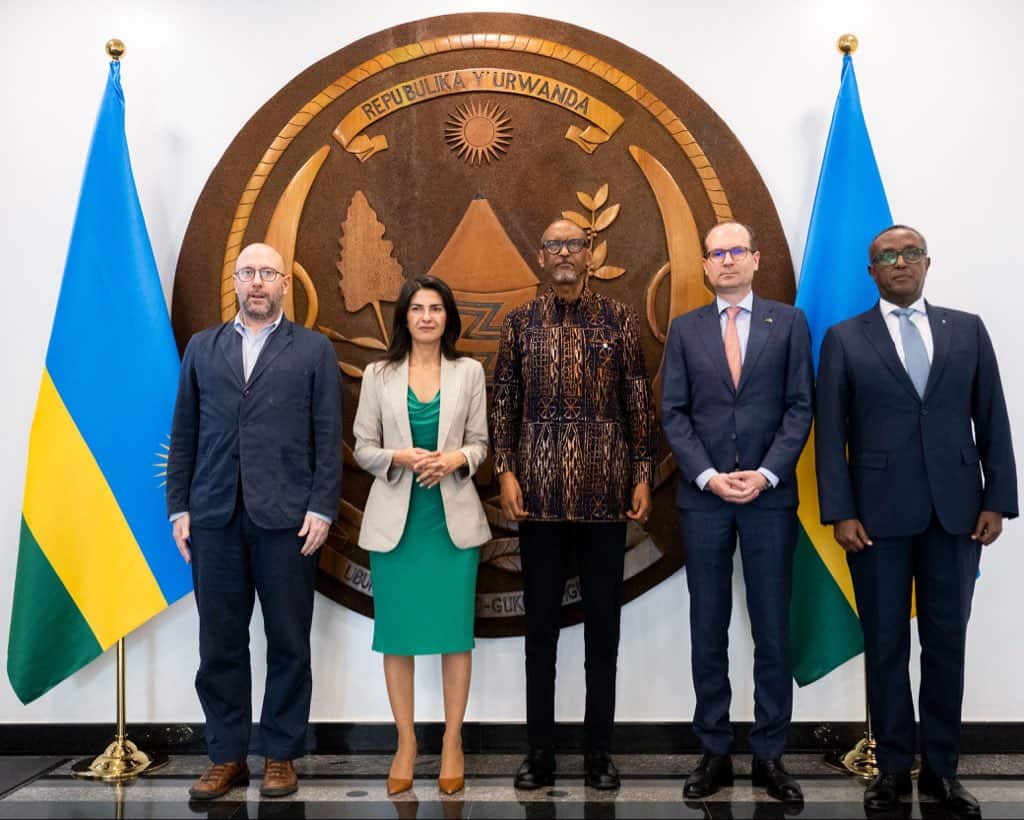](https://www.topafricanews.com/2026/10/20/kagame-meets-german-minister-serap-guler-kigali-rwanda-germany-ties/)
## [Kagame Meets German Minister Serap Güler in Kigali to Strengthen Rwanda-Germany Ties](https://www.topafricanews.com/2026/10/20/kagame-meets-german-minister-serap-guler-kigali-rwanda-germany-ties/)
President Paul Kagame met German Minister of State Serap Güler at Urugwiro Village on October 20, 2026, as Rwanda and Germany seek to strengthen bilateral cooperation amid regional challenges.
- [](https://www.topafricanews.com/2026/10/20/cas-set-to-rule-on-senegals-afcon-2025-title-appeal-by-end-of-november/)
## [CAS Set to Rule on Senegal’s AFCON 2025 Title Appeal by End of November](https://www.topafricanews.com/2026/10/20/cas-set-to-rule-on-senegals-afcon-2025-title-appeal-by-end-of-november/)
The Court of Arbitration for Sport (CAS) is expected to deliver its decision by the end of November on Senegal’s appeal against the Confederation of African Football’s (CAF) decision to strip them of the 2025 Africa Cup of Nations title and award it to Morocco. Senegal defeated hosts Morocco 1-0 after extra time in the…
- [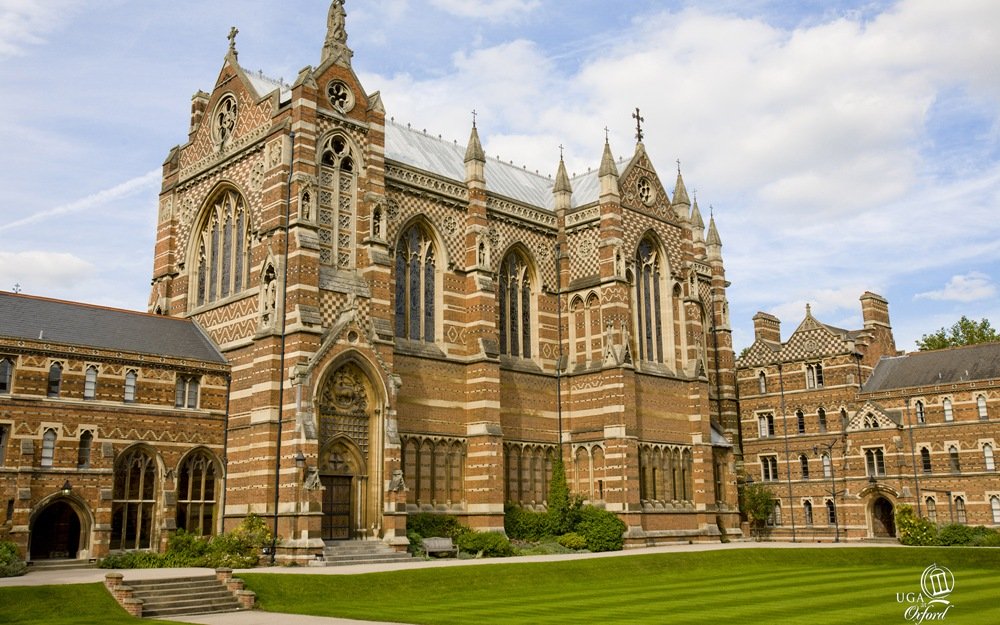](https://www.topafricanews.com/2026/10/20/two-rwandan-educators-selected-to-speak-at-oxford-university-literacy-summit/)
## [Two Rwandan Educators Selected to Speak at Oxford University Literacy Summit](https://www.topafricanews.com/2026/10/20/two-rwandan-educators-selected-to-speak-at-oxford-university-literacy-summit/)
Two Rwandan educators have been selected to speak at the World Literacy Summit at Oxford University in March 2027. Dr Theodore Habimana from INES Ruhengeri in Musanze and Emmanuel Bizimana from Maranyundo Girls’ School in Nyamata have been chosen to speak at the World Literacy Summit. They are among 450 speakers selected from over 85…
- [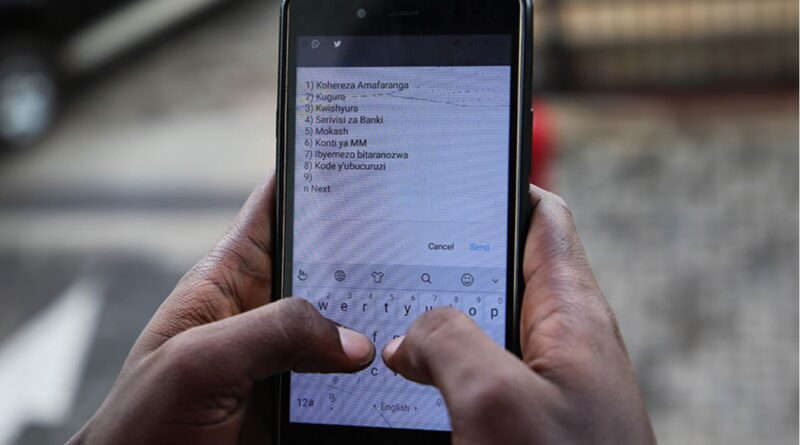](https://www.topafricanews.com/2026/10/20/mobile-money-scams-persist-as-rwandas-digital-payments-surge/)
## [Mobile money scams persist as Rwanda’s digital payments surge](https://www.topafricanews.com/2026/10/20/mobile-money-scams-persist-as-rwandas-digital-payments-surge/)
Reported financial fraud complaints in Rwanda fell by about 30 percent in the second quarter of 2026 compared with the same period a year earlier. Yet phone-based scams continue to cost consumers money, even as digital payments become part of everyday life. According to figures presented to Parliament by Prime Minister Justin Nsengiyumva on October…
- [](https://www.topafricanews.com/2026/10/20/african-energy-chamber-executive-chairman-nj-ayuk-joins-african-collaborations-group-advisory-board/)
## [African Energy Chamber Executive Chairman NJ Ayuk Joins African Collaborations Group Advisory Board](https://www.topafricanews.com/2026/10/20/african-energy-chamber-executive-chairman-nj-ayuk-joins-african-collaborations-group-advisory-board/)
LONDON, United Kingdom – African Collaborations Group (ACG) (www.ACGafrica.com), the leading strategic project origination and collaboration platform focused on the industrialisation of sport in Africa through the origination of bankable sport and entertainment district ecosystems, today announced the appointment of NJ Ayuk to its Advisory Board. Mr Ayuk is the Executive Chairman of the African…
- [](https://www.topafricanews.com/2026/10/20/powerful-2026-borlaug-dialogue-opens-as-prize-turns-40/)
## [Powerful 2026 Borlaug Dialogue Opens as Prize Turns 40](https://www.topafricanews.com/2026/10/20/powerful-2026-borlaug-dialogue-opens-as-prize-turns-40/)
Des Moines, Iowa. (October 20, 2026) – The 2026 Norman E. Borlaug International Dialogue opened today. It brings together more than 1,200 leaders from more than 65 countries. The World Food Prize marked its 40th anniversary. The three-day 2026 Borlaug Dialogue will focus on urgent action to protect and strengthen global food security. This comes…
- [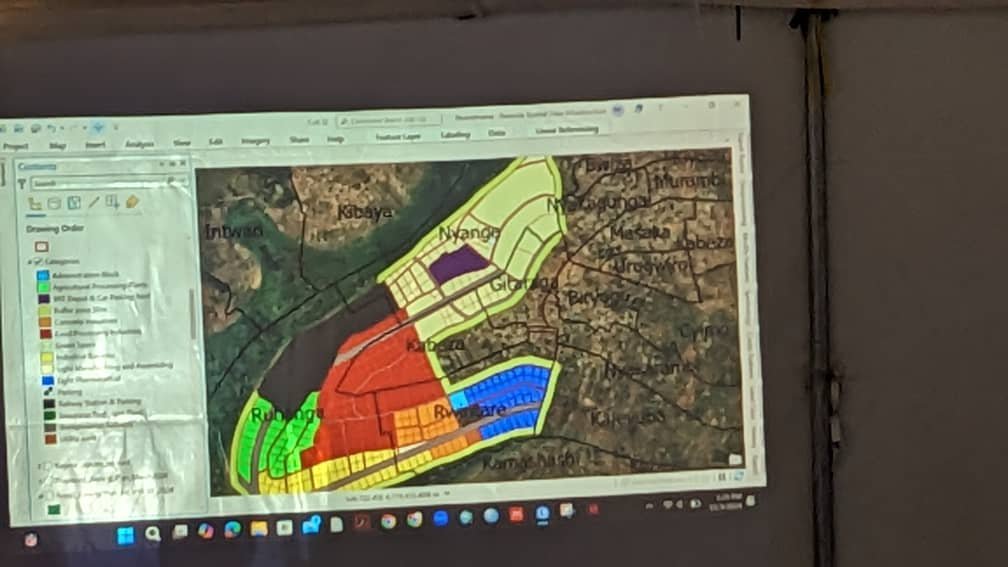](https://www.topafricanews.com/2026/10/19/kigali-gitaraga-site-cleared-for-industrial-development-ending-two-year-uncertainty-for-1200-residents/)
## [Kigali: Gitaraga Site Cleared for Industrial Development, Ending Two-Year Uncertainty for 1,200 Residents](https://www.topafricanews.com/2026/10/19/kigali-gitaraga-site-cleared-for-industrial-development-ending-two-year-uncertainty-for-1200-residents/)
KIGALI — About 1,200 residents owning roughly 300 hectares in Gitaraga Cell, Masaka Sector, Kicukiro District, have received confirmation that their land is designated for industrial use under the City of Kigali master plan. After two years of uncertainty during which they could not renovate homes or put the land to productive use, they can…
- [](https://www.topafricanews.com/2026/10/19/tragic-death-of-former-rwandan-soldier-musician-in-mpigi/)
## [Tragic death of former Rwandan soldier, musician in Mpigi](https://www.topafricanews.com/2026/10/19/tragic-death-of-former-rwandan-soldier-musician-in-mpigi/)
MPIGI, Uganda — Authorities found the body of Robert Kabera, a former Rwandan soldier and musician widely known as Sergeant Robert, without its head in Luwala village, Kamengo sub-county, Mpigi District, on October 17, 2026. The discovery in Mpigi follows ongoing concerns about violence in the region, and investigators are examining the circumstances surrounding the…
- [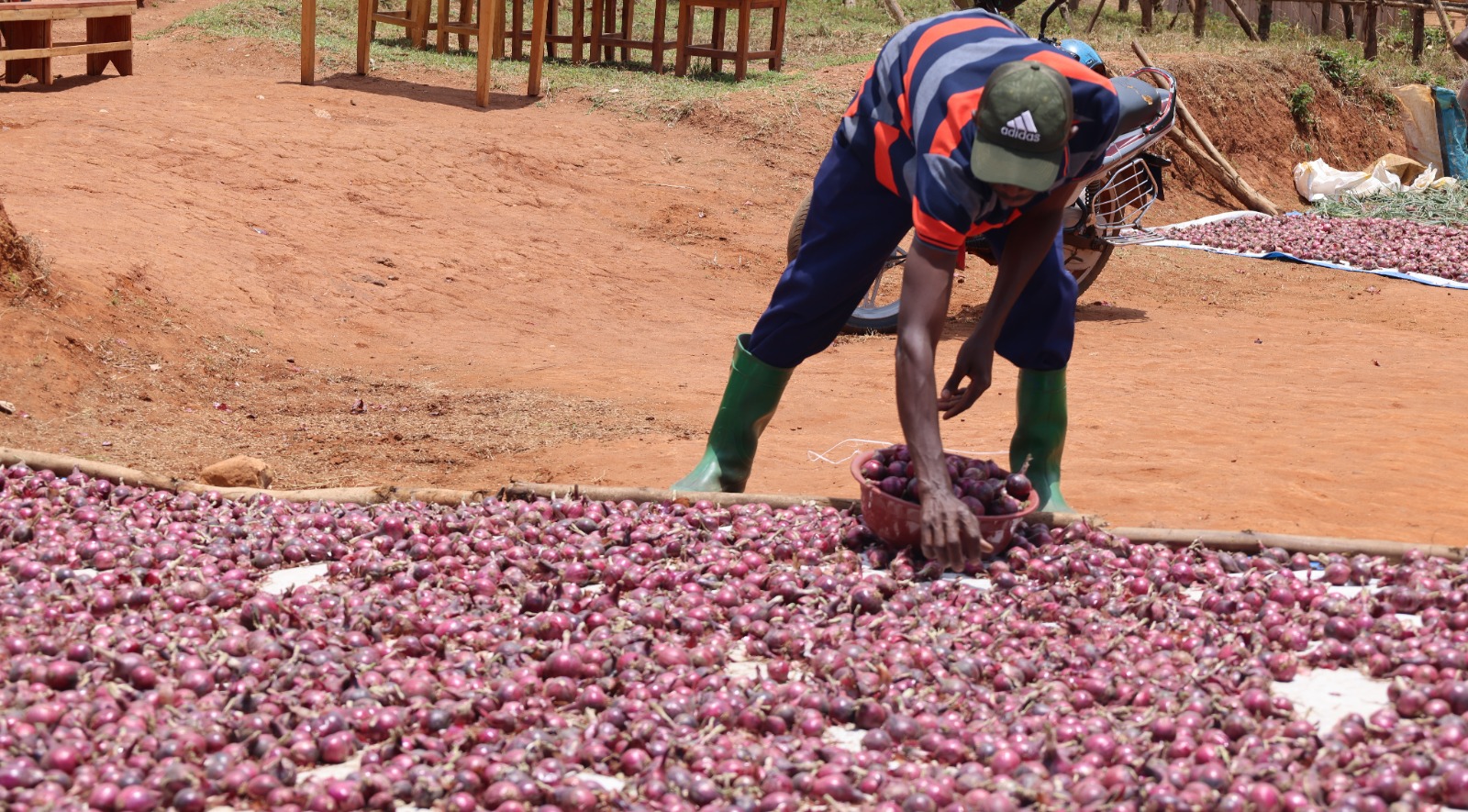](https://www.topafricanews.com/2026/10/19/rwanda-tops-40-african-countries-in-world-bank-governance-and-development-policy-assessment/)
## [Rwanda Tops 40 African Countries in World Bank Governance and Development Policy Assessment](https://www.topafricanews.com/2026/10/19/rwanda-tops-40-african-countries-in-world-bank-governance-and-development-policy-assessment/)
Rwanda has emerged as the best-performing country among 40 Sub-Saharan African nations assessed by the World Bank for the quality of policies and institutions underpinning economic management, inclusive development and social welfare, scoring 4.2 out of six points in its latest Country Policy and Institutional Assessment (CPIA) report. The ranking highlights Rwanda’s continued commitment to…
- [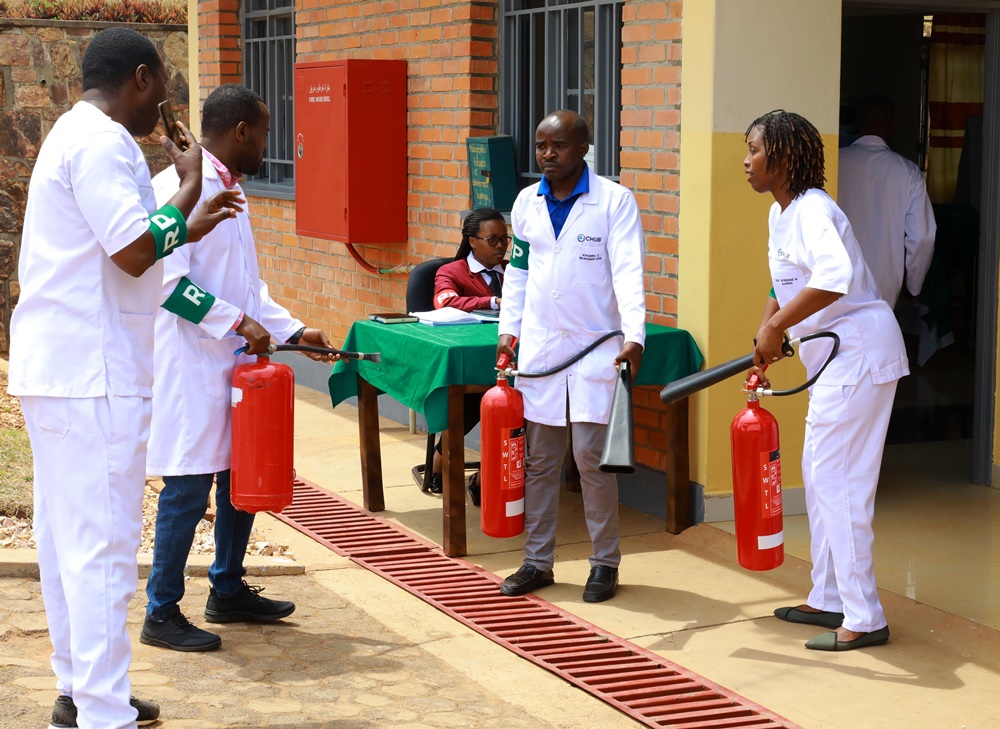](https://www.topafricanews.com/2026/10/19/91-of-countries-mention-health-in-climate-plans-but-few-set-measurable-targets/)
## [91% of countries mention health in climate Plans, but few set measurable targets](https://www.topafricanews.com/2026/10/19/91-of-countries-mention-health-in-climate-plans-but-few-set-measurable-targets/)
Most countries now recognise health in their national climate plans, but few quantify the health benefits of climate action or estimate the resources needed to protect people from climate-related risks, according to a new World Health Organization (WHO) report published on October 19, 2026. The report, ‘Ten years of the Paris Agreement: a global review…
- [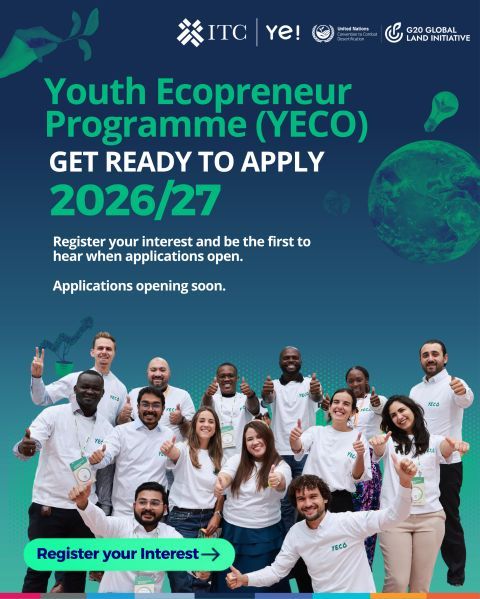](https://www.topafricanews.com/2026/10/19/applications-open-for-the-2026-27-un-youth-ecopreneur-programme/)
## [Applications open for the 2026-27 UN Youth Ecopreneur Programme](https://www.topafricanews.com/2026/10/19/applications-open-for-the-2026-27-un-youth-ecopreneur-programme/)
(Geneva) – Young entrepreneurs developing green business solutions and contributing to land restoration can now apply to join the 2026-27 Youth Ecopreneur Programme, a United Nations initiative offering business training, mentorship, international exposure, access to networks and funding opportunities. Members of previous cohorts have gone on to win international awards and attract millions in investment.…
- [](https://www.topafricanews.com/2026/10/19/coursera-reveals-ghanas-95-ai-skills-surge/)
## [Coursera Reveals Ghana’s 95% AI Skills Surge](https://www.topafricanews.com/2026/10/19/coursera-reveals-ghanas-95-ai-skills-surge/)
ACCRA, Ghana, October 19, 2026/: AI-related micro-credential enrollments in Ghana increased 95% year over year, while critical thinking enrollments rose 66%, according to Coursera’s Global Skills Report 2026. Ghana also ranks eighth among the 11 Sub-Saharan African countries covered and 89th globally on the report’s new AI-Human Skills Synergy Index. The Index, the first of…
---
### [Subscribe](https://www.topafricanews.com/subscribe/)
**Published:** July 31, 2024
**Author:** TOPAFRICANEWS
**Content:**
Subscribe to our newsletter!
By continuing, you accept the privacy policy
---
### [Order Confirmation](https://www.topafricanews.com/order-confirmation/)
**Published:** May 6, 2023
**Author:** TOPAFRICANEWS
**Content:**
Thank you for your order!
\[profilepress-receipt\]
---
### [Order Failed](https://www.topafricanews.com/order-failed/)
**Published:** May 6, 2023
**Author:** TOPAFRICANEWS
**Content:**
Your transaction failed, please try again or contact support.
---
### [My Account](https://www.topafricanews.com/account/)
**Published:** May 6, 2023
**Author:** TOPAFRICANEWS
**Content:**
\[profilepress-my-account\]
---
### [My Profile](https://www.topafricanews.com/my-profile/)
**Published:** May 6, 2023
**Author:** TOPAFRICANEWS
**Content:**
\[profilepress-user-profile id=”1″\]
---
### [Log In](https://www.topafricanews.com/log-in/)
**Published:** May 6, 2023
**Author:** TOPAFRICANEWS
**Content:**
\[profilepress-login id=”1″\]
---
### [My AI Account](https://www.topafricanews.com/myai-account/)
**Published:** April 29, 2023
**Author:** TOPAFRICANEWS
**Content:**
\[wpaicg\_my\_account\]
---
### [PDF PUBLICATIONS](https://www.topafricanews.com/pdf-publications/)
**Published:** November 20, 2020
**Author:** TOPAFRICANEWS
---
### [OUR VISION](https://www.topafricanews.com/about-top-africa-news-com/our-vision/)
**Published:** September 24, 2019
**Author:** TOPAFRICANEWS
**Content:**

---
### [Kinyarwanda](https://www.topafricanews.com/kinyarwanda/)
**Published:** December 15, 2018
**Author:** TOPAFRICANEWS
**Content:**
Turagusuhuje musomyi wa TOPAFRICANEWS.
Mu gihe waba ukeneye Inkuru zanditse mu Kinyarwanda,Kanda hano: [“](https://www.topafricanews.com/kinyarwanda/)[**IBITEKEREZO N’INKURU MU KINYARWANDA”**](https://www.topafricanews.com/category/ibitekerezo-ninkuru-mu-kinyarwanda/) uzajya ubasha gusoma inkuru zacu ziri mu Kinyarwanda.
Turagushimiye
---
## Products
### [Dore Ibintu 10 byakurinda ibibazo byo kurangiza vuba](https://www.topafricanews.com/product/dore-ibintu-10-byakurinda-ibibazo-byo-kurangiza-vuba/)
**Published:** October 15, 2026
**Author:** TOPAFRICANEWS
**Product categories:** Uncategorized
---
### [U.S. Urges Full Implementation of Washington Accords, End to Foreign Support for Armed Groups in Great Lakes](https://www.topafricanews.com/product/u-s-urges-full-implementation-of-washington-accords-end-to-foreign-support-for-armed-groups-in-great-lakes/)
**Published:** October 14, 2026
**Author:**
**Product categories:** Uncategorized
---
### [TOP AFRICA NEWS Premium Paywall Pilot — Draft Test](https://www.topafricanews.com/product/top-africa-news-premium-paywall-pilot-draft-test/)
**Published:** October 9, 2026
**Author:** TOPAFRICANEWS
**Excerpt:** TOP AFRICA NEWS Premium provides access to selected premium journalism published by TOP AFRICA NEWS. Purchasing this product grants access to the specific premium article associated with the purchase, subject to the website's terms of service and refund and cancellation policy.
TOP AFRICA NEWS covers news and analysis on climate change, the environment, agriculture, business, and other important developments in Africa.
**Content:**
**Kigali, Rwanda —** Rwanda Energy Group (REG) has reaffirmed its commitment to delivering quality electricity services and achieving 100% electricity access in designated residential areas by 2029, with the national electricity access rate currently at 88.3%.
The commitment was reiterated during the closing event of Customer Service Week, held in Kicukiro District on Friday. REG’s senior management assured customers that the institution would continue improving service delivery, with particular emphasis on reducing the time required to restore electricity following outages, including those caused by factors beyond REG’s control.
***Customers commend improvements in REG’s service delivery***
Several REG customers commended the institution for improvements in customer service compared with previous years. They noted that although power interruptions still occur, REG has demonstrated a willingness to respond promptly and resolve reported faults.
**Product categories:** Premium
---
### [Beyond the Pulpit Apology: Rwanda’s Gitwaza Storm Reveals Deeper Tensions Between Faith, Healthcare, and Public Trust](https://www.topafricanews.com/product/beyond-the-pulpit-apology-rwandas-gitwaza-storm-reveals-deeper-tensions-between-faith-healthcare-and-public-trust/)
**Published:** October 10, 2026
**Author:** TOPAFRICANEWS
**Product categories:** Uncategorized
---
## Categories
### [Uncategorized](https://www.topafricanews.com/category/uncategorized/)
**Description:** We provide our readers with real stories from reliable sources. We publish a variety of content including news, supplements stories, advertorials, features, etc.
---
### [Peace Building and reconciliation](https://www.topafricanews.com/category/peace-building-and-reconciliation/)
**Description:** We provide our readers with real stories from reliable sources. We publish a variety of content including news, supplements stories, advertorials, features, etc.
---
### [Environment](https://www.topafricanews.com/category/environment/)
**Description:** Follow environmental news from Rwanda and across Africa, including conservation, pollution, biodiversity, climate action and sustainable development.
---
### [Business and Trade](https://www.topafricanews.com/category/business-and-trade/)
**Description:** Read business and trade news from Rwanda and across Africa, covering markets, investment, entrepreneurship, regional trade and economic policy.
---
### [Natural Resources and Agriculture](https://www.topafricanews.com/category/natural-resources-and-agriculture/)
**Description:** Explore agriculture and natural resources news from Rwanda and Africa, including farmers, agribusiness, food security, land, forests and sustainable resource management.
---
### [Politics](https://www.topafricanews.com/category/politics/)
**Description:** We provide our readers with real stories from reliable sources. We publish a variety of content including news, supplements stories, advertorials, features, etc.
---
### [Tourism and Nature](https://www.topafricanews.com/category/tourism-and-nature/)
**Description:** We provide our readers with real stories from reliable sources. We publish a variety of content including news, supplements stories, advertorials, features, etc.
---
### [ICT](https://www.topafricanews.com/category/ict/)
**Description:** We provide our readers with real stories from reliable sources. We publish a variety of content including news, supplements stories, advertorials, features, etc.
---
### [PEOPLE AND INTERNET](https://www.topafricanews.com/category/people-and-internet/)
**Description:** We provide our readers with real stories from reliable sources. We publish a variety of content including news, supplements stories, advertorials, features, etc.
---
### [Sports and Culture](https://www.topafricanews.com/category/sports-and-culture/)
**Description:** We provide our readers with real stories from reliable sources. We publish a variety of content including news, supplements stories, advertorials, features, etc.
---
### [News](https://www.topafricanews.com/category/news/)
**Description:** We provide our readers with real stories from reliable sources. We publish a variety of content including news, supplements stories, advertorials, features, etc.
---
### [HEALTH](https://www.topafricanews.com/category/health/)
**Description:** We provide our readers with real stories from reliable sources. We publish a variety of content including news, supplements stories, advertorials, features, etc.
---
### [EDUCATION](https://www.topafricanews.com/category/education/)
**Description:** We provide our readers with real stories from reliable sources. We publish a variety of content including news, supplements stories, advertorials, features, etc.
---
### [IBITEKEREZO N'INKURU MU KINYARWANDA](https://www.topafricanews.com/category/ibitekerezo-ninkuru-mu-kinyarwanda/)
**Description:** We provide our readers with real stories from reliable sources. We publish a variety of content including news, supplements stories, advertorials, features, etc.
---
### [Entertainment](https://www.topafricanews.com/category/entertainment/)
**Description:** We provide our readers with real stories from reliable sources. We publish a variety of content including news, supplements stories, advertorials, features, etc.
---
### [ADVOCACY](https://www.topafricanews.com/category/education/advocacy/)
**Description:** We provide our readers with real stories from reliable sources. We publish a variety of content including news, supplements stories, advertorials, features, etc.
---
### [OPINION](https://www.topafricanews.com/category/opinion/)
**Description:** We provide our readers with real stories from reliable sources. We publish a variety of content including news, supplements stories, advertorials, features, etc.
---
### [WED2019](https://www.topafricanews.com/category/environment/wed2019/)
**Description:** We provide our readers with real stories from reliable sources. We publish a variety of content including news, supplements stories, advertorials, features, etc.
---
### [TOPAFRICANEWSMag](https://www.topafricanews.com/category/topafricanewsmag/)
**Description:** We provide our readers with real stories from reliable sources. We publish a variety of content including news, supplements stories, advertorials, features, etc.
---
### [ANNOUNCEMENT](https://www.topafricanews.com/category/announcement/)
**Description:** We provide our readers with real stories from reliable sources. We publish a variety of content including news, supplements stories, advertorials, features, etc.
---
### [People](https://www.topafricanews.com/category/people-and-internet/people/)
**Description:** We provide our readers with real stories from reliable sources. We publish a variety of content including news, supplements stories, advertorials, features, etc.
---
### [FIND COVID 19 STORIES](https://www.topafricanews.com/category/africa-at-glance/)
**Description:** We provide our readers with real stories from reliable sources. We publish a variety of content including news, supplements stories, advertorials, features, etc.
---
### [NEWS](https://www.topafricanews.com/category/uncategorized-en/)
**Description:** We provide our readers with real stories from reliable sources. We publish a variety of content including news, supplements stories, advertorials, features, etc.
---
### [SANTE](https://www.topafricanews.com/category/sante/)
**Description:** We provide our readers with real stories from reliable sources. We publish a variety of content including news, supplements stories, advertorials, features, etc.
---
### [Politique](https://www.topafricanews.com/category/politique/)
**Description:** We provide our readers with real stories from reliable sources. We publish a variety of content including news, supplements stories, advertorials, features, etc.
---
### [Environnement](https://www.topafricanews.com/category/environnement/)
**Description:** We provide our readers with real stories from reliable sources. We publish a variety of content including news, supplements stories, advertorials, features, etc.
---
### [Affaires et Business](https://www.topafricanews.com/category/affaires-et-business/)
**Description:** We provide our readers with real stories from reliable sources. We publish a variety of content including news, supplements stories, advertorials, features, etc.
---
### [COVID 19 Response](https://www.topafricanews.com/category/news/covid-19-response/)
**Description:** We provide our readers with real stories from reliable sources. We publish a variety of content including news, supplements stories, advertorials, features, etc.
---
### [COVID 19 Response](https://www.topafricanews.com/category/covid-19-response-2/)
**Description:** We provide our readers with real stories from reliable sources. We publish a variety of content including news, supplements stories, advertorials, features, etc.
---
### [ACTUALITE](https://www.topafricanews.com/category/actualite/)
**Description:** We provide our readers with real stories from reliable sources. We publish a variety of content including news, supplements stories, advertorials, features, etc.
---
### [NEWS](https://www.topafricanews.com/category/covid-19-response-2/news-covid-19-response-2/)
**Description:** We provide our readers with real stories from reliable sources. We publish a variety of content including news, supplements stories, advertorials, features, etc.
---
### [Uncategorized](https://www.topafricanews.com/category/uncategorized-sw/)
**Description:** We provide our readers with real stories from reliable sources. We publish a variety of content including news, supplements stories, advertorials, features, etc.
---
### [Science and Technology](https://www.topafricanews.com/category/ict/science-and-technology/)
**Description:** We provide our readers with real stories from reliable sources. We publish a variety of content including news, supplements stories, advertorials, features, etc.
---
### [CHINA-AFRICA 360 Series](https://www.topafricanews.com/category/china-africa-360-series/)
**Description:** We provide our readers with real stories from reliable sources. We publish a variety of content including news, supplements stories, advertorials, features, etc.
---
### [CHINE-AFRIQUE 360](https://www.topafricanews.com/category/chine-afrique-360/)
**Description:** We provide our readers with real stories from reliable sources. We publish a variety of content including news, supplements stories, advertorials, features, etc.
---
### [CULTURE](https://www.topafricanews.com/category/culture/)
**Description:** We provide our readers with real stories from reliable sources. We publish a variety of content including news, supplements stories, advertorials, features, etc.
---
### [INTERNATIONAL](https://www.topafricanews.com/category/international/)
**Description:** We provide our readers with real stories from reliable sources. We publish a variety of content including news, supplements stories, advertorials, features, etc.
---
### [Religion](https://www.topafricanews.com/category/religion/)
**Description:** We provide our readers with real stories from reliable sources. We publish a variety of content including news, supplements stories, advertorials, features, etc.
---
### [SWAHILI](https://www.topafricanews.com/category/swahili/)
**Description:** We provide our readers with real stories from reliable sources. We publish a variety of content including news, supplements stories, advertorials, features, etc.
---
### [Ripoti za Kiswahili](https://www.topafricanews.com/category/ripoti-za-kiswahili-2/)
**Description:** We provide our readers with real stories from reliable sources. We publish a variety of content including news, supplements stories, advertorials, features, etc.
---
### [EDITORIAL](https://www.topafricanews.com/category/editorial/)
**Description:** We provide our readers with real stories from reliable sources. We publish a variety of content including news, supplements stories, advertorials, features, etc.
---
### [SECURITY](https://www.topafricanews.com/category/security/)
**Description:** We provide our readers with real stories from reliable sources. We publish a variety of content including news, supplements stories, advertorials, features, etc.
---
### [Living Style](https://www.topafricanews.com/category/living-style/)
**Description:** We provide our readers with real stories from reliable sources. We publish a variety of content including news, supplements stories, advertorials, features, etc.
---
### [Habari](https://www.topafricanews.com/category/habari/)
**Description:** We provide our readers with real stories from reliable sources. We publish a variety of content including news, supplements stories, advertorials, features, etc.
---
### [Sport](https://www.topafricanews.com/category/sport/)
**Description:** We provide our readers with real stories from reliable sources. We publish a variety of content including news, supplements stories, advertorials, features, etc.
---
### [U.S and Climate Change](https://www.topafricanews.com/category/u-s-and-climate-change/)
**Description:** We provide our readers with real stories from reliable sources. We publish a variety of content including news, supplements stories, advertorials, features, etc.
---
### [Youth Empowerment](https://www.topafricanews.com/category/youth-empowerment/)
**Description:** We provide our readers with real stories from reliable sources. We publish a variety of content including news, supplements stories, advertorials, features, etc.
---
### [WOMEN EMPOWERMENT](https://www.topafricanews.com/category/women-empowerment/)
**Description:** We provide our readers with real stories from reliable sources. We publish a variety of content including news, supplements stories, advertorials, features, etc.
---
### [Energy](https://www.topafricanews.com/category/energy/)
**Description:** We provide our readers with real stories from reliable sources. We publish a variety of content including news, supplements stories, advertorials, features, etc.
---
### [Energy](https://www.topafricanews.com/category/environment/energy-environment/)
**Description:** We provide our readers with real stories from reliable sources. We publish a variety of content including news, supplements stories, advertorials, features, etc.
---
### [CLIMATE CHANGE](https://www.topafricanews.com/category/climate-change/)
**Description:** Get updates on climate change in Rwanda and Africa, including climate policy, extreme weather, adaptation, climate finance and community-led solutions.
---
### [Notre Districte](https://www.topafricanews.com/category/notre-districte/)
**Description:** We provide our readers with real stories from reliable sources. We publish a variety of content including news, supplements stories, advertorials, features, etc.
---
### [ECOLE](https://www.topafricanews.com/category/ecole/)
**Description:** We provide our readers with real stories from reliable sources. We publish a variety of content including news, supplements stories, advertorials, features, etc.
---
### [Francophonie 2023](https://www.topafricanews.com/category/francophonie-2023/)
**Description:** We provide our readers with real stories from reliable sources. We publish a variety of content including news, supplements stories, advertorials, features, etc.
---
### [Teknolojia](https://www.topafricanews.com/category/teknolojia/)
**Description:** We provide our readers with real stories from reliable sources. We publish a variety of content including news, supplements stories, advertorials, features, etc.
---
### [Nouvelles du village](https://www.topafricanews.com/category/nouvelles-du-village/)
**Description:** We provide our readers with real stories from reliable sources. We publish a variety of content including news, supplements stories, advertorials, features, etc.
---
### [POPULAIRE](https://www.topafricanews.com/category/populaire/)
**Description:** We provide our readers with real stories from reliable sources. We publish a variety of content including news, supplements stories, advertorials, features, etc.
---
### [IUCN](https://www.topafricanews.com/category/iucn/)
**Description:** We provide our readers with real stories from reliable sources. We publish a variety of content including news, supplements stories, advertorials, features, etc.
---
### [Info](https://www.topafricanews.com/category/info/)
**Description:** We provide our readers with real stories from reliable sources. We publish a variety of content including news, supplements stories, advertorials, features, etc.
---
### [Politique](https://www.topafricanews.com/category/politique-fr/)
**Description:** We provide our readers with real stories from reliable sources. We publish a variety of content including news, supplements stories, advertorials, features, etc.
---
### [ABH2024](https://www.topafricanews.com/category/abh2024/)
**Description:** We provide our readers with real stories from reliable sources. We publish a variety of content including news, supplements stories, advertorials, features, etc.
---
### [PRISM](https://www.topafricanews.com/category/prism/)
**Description:** We provide our readers with real stories from reliable sources. We publish a variety of content including news, supplements stories, advertorials, features, etc.
---
### [2024 Elections in Rwanda](https://www.topafricanews.com/category/2024-elections-in-rwanda/)
**Description:** We provide our readers with real stories from reliable sources. We publish a variety of content including news, supplements stories, advertorials, features, etc.
---
### [IUCN Africa Conservation Forum](https://www.topafricanews.com/category/iucn-africa-conservation-forum/)
**Description:** We provide our readers with real stories from reliable sources. We publish a variety of content including news, supplements stories, advertorials, features, etc.
---
### [Health Summit](https://www.topafricanews.com/category/health-summit/)
**Description:** We provide our readers with real stories from reliable sources. We publish a variety of content including news, supplements stories, advertorials, features, etc.
---
### [AgriNext Conference](https://www.topafricanews.com/category/agrinext-conference/)
**Description:** We provide our readers with real stories from reliable sources. We publish a variety of content including news, supplements stories, advertorials, features, etc.
---
### [ABH2025](https://www.topafricanews.com/category/abh2025/)
**Description:** We provide our readers with real stories from reliable sources. We publish a variety of content including news, supplements stories, advertorials, features, etc.
---
### [EXPO](https://www.topafricanews.com/category/expo/)
**Description:** We provide our readers with real stories from reliable sources. We publish a variety of content including news, supplements stories, advertorials, features, etc.
---
### [Impact Visibility Feature](https://www.topafricanews.com/category/impact-visibility-feature/)
**Description:** We provide our readers with real stories from reliable sources. We publish a variety of content including news, supplements stories, advertorials, features, etc.
---
### [Climate / Agriculture Evolution](https://www.topafricanews.com/category/climate-agriculture-evolution/)
**Description:** We provide our readers with real stories from reliable sources. We publish a variety of content including news, supplements stories, advertorials, features, etc.
---
### [Development Trends](https://www.topafricanews.com/category/development-trends/)
**Description:** We provide our readers with real stories from reliable sources. We publish a variety of content including news, supplements stories, advertorials, features, etc.
---
### [SPORTS](https://www.topafricanews.com/category/sports/)
**Description:** We provide our readers with real stories from reliable sources. We publish a variety of content including news, supplements stories, advertorials, features, etc.
---
## Tags
### [Rwanda](https://www.topafricanews.com/tag/rwanda/)
---
### [Kwibuka](https://www.topafricanews.com/tag/kwibuka/)
---
### [Genocide](https://www.topafricanews.com/tag/genocide/)
---
### [Unity](https://www.topafricanews.com/tag/unity/)
---
### [MININFRA](https://www.topafricanews.com/tag/mininfra/)
---
### [REG](https://www.topafricanews.com/tag/reg/)
---
### [WASAC](https://www.topafricanews.com/tag/wasac/)
---
### [RHA](https://www.topafricanews.com/tag/rha/)
---
### [Father Ubald Rugirangoga](https://www.topafricanews.com/tag/father-ubald-rugirangoga/)
---
### [Reconciliation](https://www.topafricanews.com/tag/reconciliation/)
---
### [Tutsis Genocide](https://www.topafricanews.com/tag/tutsis-genocide/)
---
### [Catholic Church](https://www.topafricanews.com/tag/catholic-church/)
---
### [UN](https://www.topafricanews.com/tag/un/)
---
### [RDF](https://www.topafricanews.com/tag/rdf/)
---
### [Peacekeeping](https://www.topafricanews.com/tag/peacekeeping/)
---
### [#GreenRwanda](https://www.topafricanews.com/tag/greenrwanda/)
---
### [#GreenAfrica](https://www.topafricanews.com/tag/greenafrica/)
---
### [#GreenEconomy](https://www.topafricanews.com/tag/greeneconomy/)
---
### [Green Energy](https://www.topafricanews.com/tag/green-energy/)
---
### [Save Planet](https://www.topafricanews.com/tag/save-planet/)
---
### [Africa](https://www.topafricanews.com/tag/africa/)
---
### [WEF](https://www.topafricanews.com/tag/wef/)
---
### [Electricity](https://www.topafricanews.com/tag/electricity/)
---
### [Biomas](https://www.topafricanews.com/tag/biomas/)
---
### [Kagame](https://www.topafricanews.com/tag/kagame/)
---
### [Governance](https://www.topafricanews.com/tag/governance/)
---
### [Politics](https://www.topafricanews.com/tag/politics/)
---
### [Good Governance](https://www.topafricanews.com/tag/good-governance/)
---
### [COMIFAC](https://www.topafricanews.com/tag/comifac/)
---
### [CENTRAL AFRICA](https://www.topafricanews.com/tag/central-africa/)
---
### [KIGALI](https://www.topafricanews.com/tag/kigali/)
---
### [Angola](https://www.topafricanews.com/tag/angola/)
---
### [Made in Rwanda](https://www.topafricanews.com/tag/made-in-rwanda/)
---
### [Gasabo](https://www.topafricanews.com/tag/gasabo/)
---
### [BURUNDI](https://www.topafricanews.com/tag/burundi/)
---
### [MITEC](https://www.topafricanews.com/tag/mitec/)
---
### [ITU](https://www.topafricanews.com/tag/itu/)
---
### [Technology](https://www.topafricanews.com/tag/technology/)
---
### [Russia](https://www.topafricanews.com/tag/russia/)
---
### [EU](https://www.topafricanews.com/tag/eu/)
---
### [AU](https://www.topafricanews.com/tag/au/)
---
### [AFRICAN UNION](https://www.topafricanews.com/tag/african-union/)
---
### [EUROPEAN UNION](https://www.topafricanews.com/tag/european-union/)
---
### [BBC](https://www.topafricanews.com/tag/bbc/)
---
### [VISIT RWANDA](https://www.topafricanews.com/tag/visit-rwanda/)
---
### [ARSENAL](https://www.topafricanews.com/tag/arsenal/)
---
### [RDB](https://www.topafricanews.com/tag/rdb/)
---
### [Louise Mushikiwabo](https://www.topafricanews.com/tag/louise-mushikiwabo/)
---
### [Francophonie](https://www.topafricanews.com/tag/francophonie/)
---
### [MINALOC](https://www.topafricanews.com/tag/minaloc/)
---
### [NRS](https://www.topafricanews.com/tag/nrs/)
---
### [YOUTH](https://www.topafricanews.com/tag/youth/)
---
### [OIF](https://www.topafricanews.com/tag/oif/)
---
### [Macron](https://www.topafricanews.com/tag/macron/)
---
### [MIFOTRA](https://www.topafricanews.com/tag/mifotra/)
---
### [CORRUPTION](https://www.topafricanews.com/tag/corruption/)
---
### [JOBSEEKERS](https://www.topafricanews.com/tag/jobseekers/)
---
### [Micro Finance](https://www.topafricanews.com/tag/micro-finance/)
---
### [AMIR](https://www.topafricanews.com/tag/amir/)
---
### [SACCO](https://www.topafricanews.com/tag/sacco/)
---
### [BNR](https://www.topafricanews.com/tag/bnr/)
---
### [BANKING](https://www.topafricanews.com/tag/banking/)
---
### [World Cup 2018](https://www.topafricanews.com/tag/world-cup-2018/)
---
### [SPORTS](https://www.topafricanews.com/tag/sports/)
---
### [safety](https://www.topafricanews.com/tag/safety/)
---
### [Afdb](https://www.topafricanews.com/tag/afdb/)
---
### [Agriculture](https://www.topafricanews.com/tag/agriculture/)
---
### [USAID](https://www.topafricanews.com/tag/usaid/)
---
### [MINAGRI](https://www.topafricanews.com/tag/minagri/)
---
### [BUSINESS](https://www.topafricanews.com/tag/business/)
---
### [RGB](https://www.topafricanews.com/tag/rgb/)
---
### [Religion](https://www.topafricanews.com/tag/religion/)
---
### [USA](https://www.topafricanews.com/tag/usa/)
---
### [Zimbabwe](https://www.topafricanews.com/tag/zimbabwe/)
---
### [Microfinance](https://www.topafricanews.com/tag/microfinance/)
---
### [Kenya](https://www.topafricanews.com/tag/kenya/)
---
### [UGANDA](https://www.topafricanews.com/tag/uganda/)
---
### [South Soudan](https://www.topafricanews.com/tag/south-soudan/)
---
### [S](https://www.topafricanews.com/tag/s/)
---
### [Tanzania](https://www.topafricanews.com/tag/tanzania/)
---
### [EAST AFRICA](https://www.topafricanews.com/tag/east-africa/)
---
### [Tourism](https://www.topafricanews.com/tag/tourism/)
---
### [MINEDUC](https://www.topafricanews.com/tag/mineduc/)
---
### [REB](https://www.topafricanews.com/tag/reb/)
---
### [EDUCATION](https://www.topafricanews.com/tag/education/)
---
### [Kizito](https://www.topafricanews.com/tag/kizito/)
---
### [Recycling](https://www.topafricanews.com/tag/recycling/)
---
### [Environment](https://www.topafricanews.com/tag/environment/)
---
### [Salva Kiir](https://www.topafricanews.com/tag/salva-kiir/)
---
### [DRC](https://www.topafricanews.com/tag/drc/)
---
### [France](https://www.topafricanews.com/tag/france/)
---
### [Diplomacy](https://www.topafricanews.com/tag/diplomacy/)
---
### [Kwibohora](https://www.topafricanews.com/tag/kwibohora/)
---
### [Muhanga](https://www.topafricanews.com/tag/muhanga/)
---
### [RPF](https://www.topafricanews.com/tag/rpf/)
---
### [Sierra Leone](https://www.topafricanews.com/tag/sierra-leone/)
---
### [Ethiopia](https://www.topafricanews.com/tag/ethiopia/)
---
### [Kinyinya](https://www.topafricanews.com/tag/kinyinya/)
---
### [KWITA IZINA](https://www.topafricanews.com/tag/kwita-izina/)
---
### [Senegal](https://www.topafricanews.com/tag/senegal/)
---
### [Innovation](https://www.topafricanews.com/tag/innovation/)
---
### [Nyaruguru](https://www.topafricanews.com/tag/nyaruguru/)
---
### [EXPO](https://www.topafricanews.com/tag/expo/)
---
### [China](https://www.topafricanews.com/tag/china/)
---
### [ICT](https://www.topafricanews.com/tag/ict/)
---
### [BUGESERA](https://www.topafricanews.com/tag/bugesera/)
---
### [EAC](https://www.topafricanews.com/tag/eac/)
---
### [Congo Brazzaville](https://www.topafricanews.com/tag/congo-brazzaville/)
---
### [KIREHE](https://www.topafricanews.com/tag/kirehe/)
---
### [RUSIZI](https://www.topafricanews.com/tag/rusizi/)
---
### [Obama](https://www.topafricanews.com/tag/obama/)
---
### [RCS](https://www.topafricanews.com/tag/rcs/)
---
### [Internet](https://www.topafricanews.com/tag/internet/)
---
### [Paul Kagame](https://www.topafricanews.com/tag/paul-kagame/)
---
### [WOLD CUP](https://www.topafricanews.com/tag/wold-cup/)
---
### [FOOTBALL](https://www.topafricanews.com/tag/football/)
---
### [AEGIS TRUST](https://www.topafricanews.com/tag/aegis-trust/)
---
### [Mozambique](https://www.topafricanews.com/tag/mozambique/)
---
### [NURC](https://www.topafricanews.com/tag/nurc/)
---
### [Police](https://www.topafricanews.com/tag/police/)
---
### [IBITEKEREZO](https://www.topafricanews.com/tag/ibitekerezo/)
---
### [India](https://www.topafricanews.com/tag/india/)
---
### [MUSEVENI](https://www.topafricanews.com/tag/museveni/)
---
### [South Africa](https://www.topafricanews.com/tag/south-africa/)
---
### [US](https://www.topafricanews.com/tag/us/)
---
### [Netherlands](https://www.topafricanews.com/tag/netherlands/)
---
### [Holland Greentech](https://www.topafricanews.com/tag/holland-greentech/)
---
### [BRICS](https://www.topafricanews.com/tag/brics/)
---
### [Churches](https://www.topafricanews.com/tag/churches/)
---
### [Israel](https://www.topafricanews.com/tag/israel/)
---
### [RYAF](https://www.topafricanews.com/tag/ryaf/)
---
### [EGYPT](https://www.topafricanews.com/tag/egypt/)
---
### [RAB](https://www.topafricanews.com/tag/rab/)
---
### [MUSANZE](https://www.topafricanews.com/tag/musanze/)
---
### [CIP](https://www.topafricanews.com/tag/cip/)
---
### [RDC](https://www.topafricanews.com/tag/rdc/)
---
### [KABILA](https://www.topafricanews.com/tag/kabila/)
---
### [Ebola](https://www.topafricanews.com/tag/ebola/)
---
### [Health](https://www.topafricanews.com/tag/health/)
---
### [Umuganura](https://www.topafricanews.com/tag/umuganura/)
---
### [INTORE](https://www.topafricanews.com/tag/intore/)
---
### [RIB](https://www.topafricanews.com/tag/rib/)
---
### [Vietnam](https://www.topafricanews.com/tag/vietnam/)
---
### [CAMBODIA](https://www.topafricanews.com/tag/cambodia/)
---
### [ASIA](https://www.topafricanews.com/tag/asia/)
---
### [Belgium](https://www.topafricanews.com/tag/belgium/)
---
### [Bujumbura](https://www.topafricanews.com/tag/bujumbura/)
---
### [Kibeho](https://www.topafricanews.com/tag/kibeho/)
---
### [FAO](https://www.topafricanews.com/tag/fao/)
---
### [Mushikiwabo](https://www.topafricanews.com/tag/mushikiwabo/)
---
### [Armenia](https://www.topafricanews.com/tag/armenia/)
---
### [Gabon](https://www.topafricanews.com/tag/gabon/)
---
### [Malawi](https://www.topafricanews.com/tag/malawi/)
---
### [Lebanon](https://www.topafricanews.com/tag/lebanon/)
---
### [Somalia](https://www.topafricanews.com/tag/somalia/)
---
### [GHANA](https://www.topafricanews.com/tag/ghana/)
---
### [VW](https://www.topafricanews.com/tag/vw/)
---
### [Nigeria](https://www.topafricanews.com/tag/nigeria/)
---
### [RMC](https://www.topafricanews.com/tag/rmc/)
---
### [MHC](https://www.topafricanews.com/tag/mhc/)
---
### [ANNAN](https://www.topafricanews.com/tag/annan/)
---
### [Koffi Annan](https://www.topafricanews.com/tag/koffi-annan/)
---
### [Culture](https://www.topafricanews.com/tag/culture/)
---
### [Ozone Day](https://www.topafricanews.com/tag/ozone-day/)
---
### [REMA](https://www.topafricanews.com/tag/rema/)
---
### [Victoire Ingabire](https://www.topafricanews.com/tag/victoire-ingabire/)
---
### [GBV](https://www.topafricanews.com/tag/gbv/)
---
### [Goma](https://www.topafricanews.com/tag/goma/)
---
### [Nyamasheke](https://www.topafricanews.com/tag/nyamasheke/)
---
### [Europe](https://www.topafricanews.com/tag/europe/)
---
### [Massage therapy](https://www.topafricanews.com/tag/massage-therapy/)
---
### [Rwanda hospitality](https://www.topafricanews.com/tag/rwanda-hospitality/)
---
### [Seeing Hands Rwanda](https://www.topafricanews.com/tag/seeing-hands-rwanda/)
---
### [US Embassy](https://www.topafricanews.com/tag/us-embassy/)
---
### [Green Zest Travels](https://www.topafricanews.com/tag/green-zest-travels/)
---
### [AI](https://www.topafricanews.com/tag/ai/)
---
### [ERICSSON](https://www.topafricanews.com/tag/ericsson/)
---
### [IUCN](https://www.topafricanews.com/tag/iucn/)
---
### [NATURE](https://www.topafricanews.com/tag/nature/)
---
### [ANNIMALS](https://www.topafricanews.com/tag/annimals/)
---
### [Race to zero](https://www.topafricanews.com/tag/race-to-zero/)
---
### [African Development Bank](https://www.topafricanews.com/tag/african-development-bank/)
---
### [no coding](https://www.topafricanews.com/tag/no-coding/)
---
### [coding](https://www.topafricanews.com/tag/coding/)
---
### [employment](https://www.topafricanews.com/tag/employment/)
---
### [coach Fatai Amoo](https://www.topafricanews.com/tag/coach-fatai-amoo/)
---
### [Yunnan Elephants](https://www.topafricanews.com/tag/yunnan-elephants/)
---
### [Mining](https://www.topafricanews.com/tag/mining/)
---
### [Development](https://www.topafricanews.com/tag/development/)
---
### [UGHE](https://www.topafricanews.com/tag/ughe/)
---
### [tuberculosis](https://www.topafricanews.com/tag/tuberculosis/)
---
### [Hope of Family](https://www.topafricanews.com/tag/hope-of-family/)
---
### [Jeannette Kagame](https://www.topafricanews.com/tag/jeannette-kagame/)
---
### [Afghanistan](https://www.topafricanews.com/tag/afghanistan/)
---
### [New Wilson Center](https://www.topafricanews.com/tag/new-wilson-center/)
---
### [President Wilson](https://www.topafricanews.com/tag/president-wilson/)
---
### [Lux Research](https://www.topafricanews.com/tag/lux-research/)
---
### [Mozambic](https://www.topafricanews.com/tag/mozambic/)
---
### [DeSIRA PROJECT](https://www.topafricanews.com/tag/desira-project/)
---
### [ICRAF](https://www.topafricanews.com/tag/icraf/)
---
### [UNIVERSITY OF RWANDA](https://www.topafricanews.com/tag/university-of-rwanda/)
---
## Product categories
### [Uncategorized](https://www.topafricanews.com/product-category/uncategorized/)
---
### [Premium](https://www.topafricanews.com/product-category/premium/)
---